Month: August 2025

  • Robotic-Assisted Laparoscopic Surgery Market 2025-2034: Key Highlights, Growth Dynamics, and Emerging Trends

    Robotic-Assisted Laparoscopic Surgery Market 2025-2034: Key Highlights, Growth Dynamics, and Emerging Trends

    Claim your 30% discount on Global Market Reports with code ONLINE30. Limited time only.

    What Are the Projected Market Size and Growth Rates for the Robotic-Assisted Laparoscopic Surgery Market From 2025 To 2029?

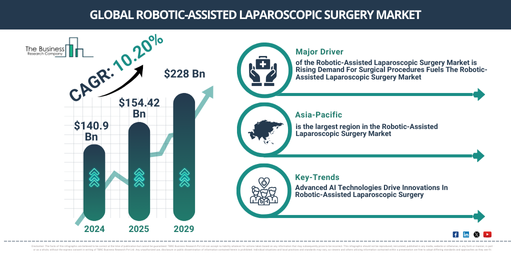
    The market size for robotic-assisted laparoscopic surgery has seen a significant expansion in recent times. It is projected to rise from $140.9 billion in 2024 to an estimated $154.42 billion in 2025, reflecting a compound annual growth rate (CAGR) of 9.6%. The historical growth rate is primarily due to factors such as burgeoning investment in health-related robotics, growing global healthcare spending, the proliferation of training programs related to robotic surgery, increasing demand for customised surgical solutions, and advancements in research and development.

    The market for robotic-assisted laparoscopic surgery is predicted to experience swift expansion in the upcoming years, with projections predicting growth to$228 billion in 2029″ at a 10.2% compound annual growth rate (CAGR). The surge in growth during this forecast period can be ascribed to an escalating demand for less intrusive surgical methods, an upsurge in the adoption of automated tools, heightened incidence of bone degenerative diseases, an increase in chronic disease cases, and a booming elderly population. Major developments forecasted during this period include technological enhancements, integration of artificial intelligence (AI), developments in machine learning, training based on simulation, and utilization of microrobotics.

    Download a free sample to assess the report’s scope and structure:

    https://www.thebusinessresearchcompany.com/sample.aspx?id=19174&type=smp

    How Are Key Drivers in the Industry Acting as Catalysts for the Growth of theRobotic-Assisted Laparoscopic Surgery Market?

    The robotic-assisted laparoscopic surgery market is forecasted to grow due to the increasing need for surgical procedures. These are medical interventions involving either manual or instrumental physical changes to tissues and organs. The rising demand for such procedures springs from an increased health awareness, the consideration of cosmetic options, and the growing incidence of chronic and age-related conditions. Robotic-assisted laparoscopic surgery is a remarkable progress in this field, providing exceptional precision and control which allows more complex procedures to be conducted, while also reducing patient recovery periods and surgical risks. For example, The Aesthetic Society, a US organization focused on plastic surgery and cosmetic medicine, stated in August 2023 that Americans had spent over $11.8 billion on aesthetic procedures during 2022, marking a 2% growth from 2021. Hence, the rising demand for surgical procedures is fueling the expansion of the robotic-assisted laparoscopic surgery market.

    Which Segments in the Robotic-Assisted Laparoscopic Surgery Offer the Most Growth?

    The robotic-assisted laparoscopic surgerymarket covered in this report is segmented –

    1) By Type: Robotic-Assisted Radical Prostatectomy; Robotic-Assisted Partial Nephrectomy; Robotic-Assisted Nephrectomy; Other Type

    2) By Application: Hospitals; Ambulatory Surgical Center; Other Applications

    3) By End-Use: Inpatient; Outpatient

    Subsegments:

    1) Robotic-Assisted Radical Prostatectomy: Robotic Prostatectomy Systems; Surgical Instruments For Prostatectomy; Training And Simulation Tools; Consumables And Accessories

    2) Robotic-Assisted Partial Nephrectomy: Robotic Surgical Systems; Specialized Instruments For Partial Nephrectomy; Software Solutions For Planning And Simulation; Support And Maintenance Services

    3) Robotic-Assisted Nephrectomy: Robotic Nephrectomy Platforms; Instrument Sets For Nephrectomy Procedures; Imaging And Navigation Tools; Training Programs For Surgeons

    4) Other Types: Robotic-Assisted Cholecystectomy; Robotic-Assisted Hysterectomy; Robotic-Assisted Bariatric Surgery; Robotic-Assisted Colorectal Surgery

    Request customized data on this market:

    https://www.thebusinessresearchcompany.com/customise?id=19174&type=smp

    What Are the Fastest-Growing Geographies in the #How Are Key Drivers in the Industry Acting as Catalysts for the Growth of theRobotic-Assisted Laparoscopic Surgery Market?# Market?

    Asia-Pacific was the largest region in the robotic-assisted laparoscopic surgery market in 2024. North America is expected to be the fastest-growing region in the forecast period. The regions covered in the robotic-assisted laparoscopic surgery market report are Asia-Pacific, Western Europe, Eastern Europe, North America, South America, Middle East, Africa.

    What Are the Current Market Growth and Trends in the Robotic-Assisted Laparoscopic Surgery Industry?

    Leading firms in the robotic-assisted laparoscopic surgery market are concentrating on the innovation of progressive technologies like AI platforms for robotic operations to aid surgeons in refining their methods. These AI platforms for robotic procedures merge sophisticated artificial intelligence with robotic surgery systems, boosting accuracy, automating certain tasks, and enriching surgical decision-making. The objective of these platforms is to enhance surgical results by supplying surgeons with live insights, analytics, and management tools. For example, in July 2024, Medtronic, a medical device firm based in the US, introduced the Live Stream feature for their Touch Surgery digital technology suite. This newly introduced function permits the secure live broadcast of surgeries, presenting a virtual instructional platform where medical practitioners can remotely witness expert techniques, replicating a face-to-face encounter. This technology amplifies post-surgery analysis with 14 advanced AI algorithms by drawing insights from surgery videos, predominantly for laparoscopic and robotic-aided procedures. This progress gels with the ongoing initiatives to incorporate superior computational skills into global operating rooms to enhance surgical education, elevate operational productivity, and maximize patient results.

    View the full report here:

    https://www.thebusinessresearchcompany.com/report/robotic-assisted-laparoscopic-surgery-global-market-report

    What Are the Key Elements That Define the Robotic-Assisted Laparoscopic Surgery Market?

    Robotic-assisted laparoscopic surgery is a minimally invasive surgical technique that combines laparoscopic surgery with robotic technology. In this approach, a surgeon uses a robotic system to control specialized instruments through small incisions in the patient’s body, guided by a high-definition camera that provides a magnified view of the surgical area. Robotic-assisted laparoscopic surgery is used for a variety of procedures, including those involving the abdomen, pelvis, and thoracic cavity, and is increasingly employed for complex surgeries where enhanced precision is beneficial.

    Purchase the full report and get a swift delivery:

    https://www.thebusinessresearchcompany.com/purchaseoptions.aspx?id=19174

    About The Business Research Company:

    With over 15000+ reports from 27 industries covering 60+ geographies, The Business Research Company has built a reputation for offering comprehensive, data-rich research and insights. Armed with 1,500,000 datasets, the optimistic contribution of in-depth secondary research, and unique insights from industry leaders, you can get the information you need to stay ahead in the game.

    Get in touch with us:

    The Business Research Company: https://www.thebusinessresearchcompany.com/

    Americas +1 310-496-7795

    Europe +44 7882 955267

    Asia & Others +44 7882 955267 & +91 8897263534

    Email us at info@tbrc.info

    Follow us on:

    LinkedIn: https://in.linkedin.com/company/the-business-research-company

    YouTube: https://www.youtube.com/channel/UC24_fI0rV8cR5DxlCpgmyFQ

    Global Market Model: https://www.thebusinessresearchcompany.com/global-market-model
  • $0.76 Billion Forecast for Chemotherapy-Induced Neutropenia Treatment Market by 2029, Backed by Demand and Innovation

    $0.76 Billion Forecast for Chemotherapy-Induced Neutropenia Treatment Market by 2029, Backed by Demand and Innovation

    Claim your 30% discount on Global Market Reports with code ONLINE30. Limited time only.

    What Are the Key Milestones in the Chemotherapy-Induced Neutropenia Treatment Market’s Growth Trajectory From 2025 To 2034?

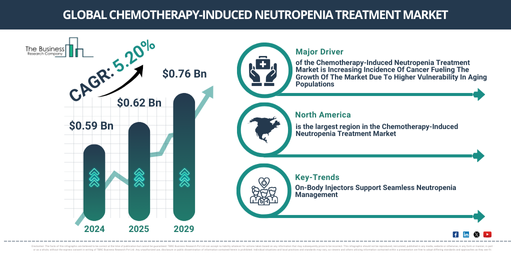
    The market size for the treatment of chemotherapy-induced neutropenia has demonstrated solid growth in the past few years. It’s projected that it will expand from $0.59 billion in 2024 to reach $0.62 billion in 2025, with a compound annual growth rate (CAGR) of 5.4%. Factors contributing to past growth trends include an uptick in cancer occurrence rates, an increase in chemotherapy utilization, a larger aging population, elevated hospital admission rates due to infections, and the broadening of oncology drug development pipelines.

    The market size for treatments used to combat chemotherapy-induced neutropenia is on track to experience solid expansion in the coming years, potentially growing to $0.76 billion by 2029 at a compounded annual growth rate of 5.2%. This anticipated market growth can be credited to factors such as an increase in demand for targeted therapy for neutropenia, escalating investments in oncological research and development, an intensified emphasis on outpatient care, wider utilization of biosimilars, and heightened awareness of infection prevention methods. Some significant trends that could shape the market in the projected forecast period consist of advancements in long-acting granulocyte colony-stimulating factor therapy (G-CSF), a surge in the use of combination therapies, a growing preference for home-based health care solutions, a surge in approvals for biosimilars, and the integration of digital health monitoring instruments.

    Download a free sample to assess the report’s scope and structure:

    https://www.thebusinessresearchcompany.com/sample.aspx?id=24190&type=smp

    What Are the Core Growth Drivers Propelling the Chemotherapy-Induced Neutropenia Treatment Market Forward?

    The escalating prevalence of cancer is predicted to fuel the expansion of the chemotherapy-induced neutropenia treatment market in the future. Cancer encompasses a range of ailments characterized by uncontrollable proliferation and spread of irregular cells in the body. The surge in cancer occurrences is attributable to the aging population, as aged individuals are at an increased risk of cancer due to accumulated genetic mutations and weakened immune function over time. Treatment for chemotherapy-induced neutropenia contributes to cancer management by lowering the risk of infections through immune support, thus enabling patients to continue with their chemotherapy sessions with lesser interruptions. This maximizes treatment efficacy by decreasing complications, thereby boosting patient safety and quality of life. For example, in July 2024, the Australian Institute of Health and Welfare, a government agency based in Australia, reported that the total number of cancer diagnoses in Australia had escalated to 160,570 in 2022, representing an increase of 3,789 cases from 156,781 in 2021. Consequently, the growing prevalence of cancer is propelling the expansion of the chemotherapy-induced neutropenia treatment market.

    What Segment Types Define the Chemotherapy-Induced Neutropenia Treatment Market Structure?

    The chemotherapy-induced neutropenia treatmentmarket covered in this report is segmented –

    1) By Type: Antibiotic Therapy; Granulocyte Colony-Stimulating Factor Therapy (G-CSF); Granulocyte Transfusion; Other Types

    2) By Route of Administration: Subcutaneous; Intravenous

    3) By Indication: Solid Tumors; Hematological Malignancies; Other Indications

    4) By Distribution Channel: Hospital Pharmacies; Retail Pharmacies; Online Pharmacies

    5) By End-User: Hospitals; Specialty Clinics; Homecare Settings

    Subsegments:

    1) By Antibiotic Therapy: Broad-Spectrum Antibiotics; Narrow-Spectrum Antibiotics; Prophylactic Antibiotics

    2) By Granulocyte Colony-Stimulating Factor Therapy (G-CSF): Filgrastim; Pegfilgrastim; Lenograstim

    3) By Granulocyte Transfusion: Allogeneic Granulocyte Transfusion; Autologous Granulocyte Transfusion

    4) By Other Types: Antifungal Therapy; Stem Cell Therapy; Immunomodulatory Therapy

    Request customized data on this market:

    https://www.thebusinessresearchcompany.com/customise?id=24190&type=smp

    Which Geographic Areas Hold the Strongest Growth Potential in the Chemotherapy-Induced Neutropenia Treatment Market?

    North America was the largest region in the chemotherapy-induced neutropenia treatment market in 2024. Asia-Pacific is expected to be the fastest-growing region in the forecast period. The regions covered in the chemotherapy-induced neutropenia treatment market report are Asia-Pacific, Western Europe, Eastern Europe, North America, South America, Middle East, Africa.

    Which Emerging Trends that Are Influencing theChemotherapy-Induced Neutropenia Treatment Industry Evolution?

    Leading firms in the chemotherapy-induced neutropenia treatment market are striving to develop groundbreaking products and secure approvals, such as long-acting formulations that improve convenience for patients, decrease the necessity for frequent doses, and bolster compliance with treatment protocols. Long-acting formulations entail pharmaceutical compounds that gradually release active chemicals over a sustained period, thereby decreasing the need for frequent administration. For example, in December 2023, U.S. based biopharmaceutical firm, Coherus BioSciences Inc., was granted approval by the U.S. Food and Drug Administration (FDA) for their product, Udenyca Onbody, an innovative on-body injector that is ready-to-use. This gadget, equipped with a long-acting formula, delivers pegfilgrastim automatically about 27 hours post chemotherapy, eradicating the requirement for an injection the following day. Udenyca Onbody enhances the patient experience by providing timely preventative treatment for chemotherapy-induced neutropenia, while simultaneously minimizing trips to the clinic and improving treatment adherence.

    View the full report here:

    https://www.thebusinessresearchcompany.com/report/chemotherapy-induced-neutropenia-treatment-global-market-report

    What Is the Definition of the Chemotherapy-Induced Neutropenia Treatment Market?

    Chemotherapy-induced neutropenia treatment is medical management used to help cancer patients whose white blood cell levels drop after chemotherapy. It reduces the duration and severity of neutropenia to prevent infections. The treatment often involves growth factors and chemotherapy dose adjustments, while early intervention supports schedule adherence and enhances patient outcomes.

    Purchase the full report and get a swift delivery:

    https://www.thebusinessresearchcompany.com/purchaseoptions.aspx?id=24190

    About The Business Research Company:

    With over 15000+ reports from 27 industries covering 60+ geographies, The Business Research Company has built a reputation for offering comprehensive, data-rich research and insights. Armed with 1,500,000 datasets, the optimistic contribution of in-depth secondary research, and unique insights from industry leaders, you can get the information you need to stay ahead in the game.

    Get in touch with us:

    The Business Research Company: https://www.thebusinessresearchcompany.com/

    Americas +1 310-496-7795

    Europe +44 7882 955267

    Asia & Others +44 7882 955267 & +91 8897263534

    Email us at info@tbrc.info

    Follow us on:

    LinkedIn: https://in.linkedin.com/company/the-business-research-company

    YouTube: https://www.youtube.com/channel/UC24_fI0rV8cR5DxlCpgmyFQ

    Global Market Model: https://www.thebusinessresearchcompany.com/global-market-model
  • Positron Emission Tomography (PET) Nuclear Medicine Market Trends 2025-2034: Growth, Strategic Insights, and Opportunities Ahead

    Positron Emission Tomography (PET) Nuclear Medicine Market Trends 2025-2034: Growth, Strategic Insights, and Opportunities Ahead

    Claim your 30% discount on Global Market Reports with code ONLINE30. Limited time only.

    What Is the Estimated Market Size of the Positron Emission Tomography (PET) Nuclear Medicine Market In 2029?

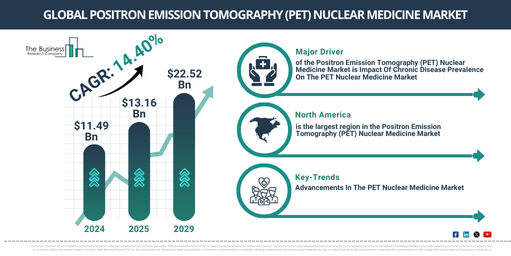
    In recent times, the market size for nuclear medicine involving positron emission tomography (PET) has seen swift expansion. It is projected to rise from its value of $11.49 billion in 2024 to $13.16 billion in 2025, recording a compound annual growth rate (CAGR) of 14.5%. Past growth in this market is primarily due to factors such as an increasing number of cardiovascular disease cases, rising expenses in healthcare, a growth in urological diseases, a surge in the elderly population, and an augmented number of hospitals.

    The market size for positron emission tomography (pet) nuclear medicine is projected to witness rapid expansion in the coming years, reaching a valuation of$22.52 billion by 2029 with a compound annual growth rate (CAGR) of 14.4%. The surge in the estimated period can be credited to aspects like increasing investments in research and development, a growing appeal for minimally invasive diagnostic methods, the expansion of worldwide healthcare infrastructure, surging demand for food and pharmaceutical packaging and an escalating incidence of cancer. Key market trends predicted for the period include technological progress, multi-modality diagnosis, the implementation of artificial intelligence, digital PET systems, and customized medicine.

    Download a free sample to assess the report’s scope and structure:

    https://www.thebusinessresearchcompany.com/sample.aspx?id=19151&type=smp

    What Are the Major Market Drivers Behind the Rising Adoption of Positron Emission Tomography (PET) Nuclear Medicine Market?

    The growth of the positron emission tomography (PET) nuclear medicine market is predicted to be driven by the escalating prevalence of chronic diseases. These are health conditions that typically last for at least three months, often requiring ongoing medical intervention or impeding normal daily functions. The surge in chronic diseases can be linked to an aging population, a deficit in physical exercise, poor dietary habits, and environmental hazards. PET nuclear medicine aids the management of these chronic diseases by providing innovative imaging techniques that facilitate early detection, accurate diagnosis, and continuous monitoring of the conditions. For example, the World Health Organization (WHO), an intergovernmental organization based in Switzerland, reported in February 2024 that there were about 20 million new cancer cases and 9.7 million cancer-related deaths in 2022. Additionally, by 2050, the number of new cancer cases is projected to surpass 35 million, marking a 77% surge from the 2022 figure. Consequently, the rise in chronic diseases fuels the advancement of the positron emission tomography (PET) nuclear medicine market.

    Which Key Market Segments Comprise the Positron Emission Tomography (PET) Nuclear Medicine Market and Drive Its Revenue Growth?

    The positron emission tomography (pet) nuclear medicinemarket covered in this report is segmented –

    1) By Type: F-18; Rb-82; Other Types

    2) By Procedure: Diagnostic Procedures; Single Photon Emission Computed Tomography Procedures; Positron Emission Tomography Procedures; Therapeutic Procedures; Beta Emitter Procedures; Alpha Emitter Procedures; Brachytherapy Procedures

    3) By Application: Oncology; Cardiology; Neurology; Other Applications

    4) By End User: Hospitals; Diagnostic Centers; Research Institutes

    Subsegments:

    1) By F-18 (Fluorine-18): F-18 FDG (Fluorodeoxyglucose); F-18 NaF (Sodium Fluoride); F-18 Fluorocholine

    2) By Rb-82 (Rubidium-82): Rb-82 for Myocardial Perfusion Imaging; Rb-82 for Cardiac PET Stress Testing; Rb-82 for Other Cardiac Applications

    3) By Other Types: C-11 (Carbon-11); N-13 (Nitrogen-13); O-15 (Oxygen-15); Ga-68 (Gallium-68)

    Request customized data on this market:

    https://www.thebusinessresearchcompany.com/customise?id=19151&type=smp

    Which Areas Are Leading Regions in the Positron Emission Tomography (PET) Nuclear Medicine Market Expansion Across the Globe?

    North America was the largest region in the positron emission tomography (PET) nuclear medicine market in 2024. Asia-Pacific is expected to be the fastest-growing region in the forecast period. The regions covered in the positron emission tomography (PET) nuclear medicine marker report are Asia-Pacific, Western Europe, Eastern Europe, North America, South America, Middle East, Africa.

    What Are the Strategic Trends Steering thePositron Emission Tomography (PET) Nuclear Medicine Market Direction?

    Leading enterprises in the positron emission tomography (PET) nuclear medicine market are innovating advanced products like PET slice scanners that yield detailed images of metabolic functions. These scanners utilize positron emission tomography and progressive computing methodologies to generate comprehensive, layered pictures of metabolic operations in our system, assisting significantly in the detection and monitoring of diseases, primarily cancer. For example, in July 2024, Positron Corporation, an American nuclear medicine firm, introduced the NeuSight PET-CT 3D 64-slice scanner. This device signifies a milestone in imaging and diagnostic precision, seamlessly integrating high-end technology, patient comfort, and operational efficiency. It aims to revolutionize cardiac PET imaging and presents incomparable value and performance at an affordable price, making it perfect for cardiac and cancer clinical research. With enhanced data collection and revolutionary identifying technology, the NeuSight PET-CT increases scanning velocity and precision, offering comprehensive anatomical and functional imaging for heart, tumor, and brain studies in various molecular imaging applications.

    View the full report here:

    https://www.thebusinessresearchcompany.com/report/positron-emission-tomography-pet-nuclear-medicine-global-market-report

    How Is the Positron Emission Tomography (PET) Nuclear Medicine Market Conceptually Defined?

    Positron Emission Tomography (PET) nuclear medicine is a medical imaging method that employs radioactive materials to visualize and assess metabolic activities within the body. It uses a small amount of radioactive material called a radiotracer to detect changes at the cellular level, allowing doctors to diagnose diseases early.

    Purchase the full report and get a swift delivery:

    https://www.thebusinessresearchcompany.com/purchaseoptions.aspx?id=19151

    About The Business Research Company:

    With over 15000+ reports from 27 industries covering 60+ geographies, The Business Research Company has built a reputation for offering comprehensive, data-rich research and insights. Armed with 1,500,000 datasets, the optimistic contribution of in-depth secondary research, and unique insights from industry leaders, you can get the information you need to stay ahead in the game.

    Get in touch with us:

    The Business Research Company: https://www.thebusinessresearchcompany.com/

    Americas +1 310-496-7795

    Europe +44 7882 955267

    Asia & Others +44 7882 955267 & +91 8897263534

    Email us at info@tbrc.info

    Follow us on:

    LinkedIn: https://in.linkedin.com/company/the-business-research-company

    YouTube: https://www.youtube.com/channel/UC24_fI0rV8cR5DxlCpgmyFQ

    Global Market Model: https://www.thebusinessresearchcompany.com/global-market-model
  • Global Blockchain Technology In Healthcare Market Projected to Reach $25.78 Billion by 2029 at a CAGR of 46.1%

    Global Blockchain Technology In Healthcare Market Projected to Reach $25.78 Billion by 2029 at a CAGR of 46.1%

    Claim your 30% discount on Global Market Reports with code ONLINE30. Limited time only.

    How Has The Blockchain Technology In Healthcare Market Size Shifted, And What Is the Outlook Through 2034?

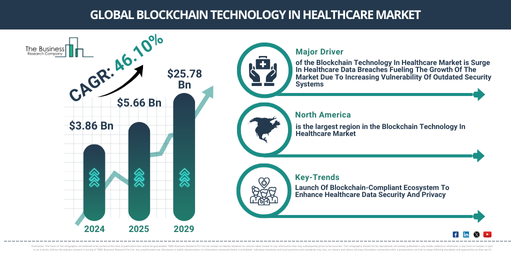
    In recent times, the market size of blockchain technology in healthcare has seen significant growth and is projected to expand from $3.86 billion in 2024 to $5.66 billion in 2025, at a compound annual growth rate (CAGR) of 46.4%. The rapid development during the previous period is the result of the escalating demand for secure, unalterable storage of medical data, heightened concerns regarding data breaches and cyber threats to healthcare systems, increased usage of electronic health records, advancement in telemedicine and digital health services, and a rising requirement for compatibility and smooth exchange of health data.

    The market size for blockchain technology in healthcare is set to experience significant growth in the upcoming years, with projections hinting at a value of $25.78 billion in 2029, exhibiting a Compound Annual Growth Rate (CAGR) of 46.1%. Several factors can be credited for this potential growth including escalating healthcare expenditures, amplified investments towards IT infrastructure in the healthcare sector, an upsurge in clinical trials necessitating transparent and trackable data, a heightened focus on patient-oriented care and data proprietorship, as well as enhanced government and regulatory endorsement. Forecasts for this period also indicate certain key trends such as improvements in blockchain protocols, amalgamation of blockchain with Electronic Health Record (EHR) systems, advent of decentralized identity solutions, and progress in blockchain-powered supply chain management in the pharmaceutical sector.

    Download a free sample to assess the report’s scope and structure:

    https://www.thebusinessresearchcompany.com/sample.aspx?id=24175&type=smp

    What are the Fundamental Drivers and Innovations Shaping the Blockchain Technology In Healthcare Market?

    The surge in healthcare data breaches is predicted to fuel the expansion of the blockchain technology within the healthcare sector. Healthcare data breaches involve unauthorized access, exposure, or theft of confidential patient information from healthcare systems, leading to privacy breaches, identity fraud, and regulatory implications. Outdated security systems are behind the rise in healthcare data breaches as they often lack contemporary encryption protocols, regular software updates, and sophisticated threat detection systems, rendering them highly susceptible to cyberattacks and unauthorized access to critical patient data. Blockchain technology offers a solution to the escalating healthcare data breaches through a decentralized platform that enhances the encryption process and regulates access to crucial patient information, thus heightening security, transparency, and trust. According to the HIPAA Journal, a US-based journal, reported in March 2025, the healthcare data breaches hit an all-time high with a record 168 million records exposed or stolen in 2023, outpacing 51.9 million in 2022, and 45.9 million in 2021. Therefore, the blockchain technology in the healthcare sector is witnessing growth primarily due to the surge in healthcare data breaches.

    How Is the Blockchain Technology In Healthcare Market Segmented?

    The blockchain technology in healthcaremarket covered in this report is segmented –

    1) By Component: Software; Hardware; Services

    2) By Network Type: Public Blockchain; Private Blockchain; Hybrid Blockchain

    3) By Application: Clinical Data Exchange And Interoperability; Claims Adjudication And Billing; Supply Chain Management; Clinical Trials And eConsent; Other Applications

    4) By End User: Healthcare Providers; Pharmaceutical Companies; Insurance Companies; Research Institutions

    Subsegments:

    1) By Software: Blockchain Platforms; Smart Contracts; Data Security And Encryption Solutions; Healthcare Information Systems

    2) By Hardware: Blockchain Nodes; Cryptographic Hardware; Internet Of Medical Things (IoMT) Devices

    3) By Services: Blockchain Consulting; Blockchain Integration And Development; Blockchain As A Service (BaaS); Managed Services; Support And Maintenance Services

    Request customized data on this market:

    https://www.thebusinessresearchcompany.com/customise?id=24175&type=smp

    Which Regions Are Driving the Next Phase of the Blockchain Technology In Healthcare Market Growth?

    North America was the largest region in the blockchain technology in healthcare market in 2024. Asia-Pacific is expected to be the fastest-growing region in the forecast period. The regions covered in the blockchain technology in healthcare market report are Asia-Pacific, Western Europe, Eastern Europe, North America, South America, Middle East, Africa.

    What Key Trends Are Shaping the Future of the Blockchain Technology In Healthcare Market?

    Major players in the healthcare blockchain technology market are concentrating their efforts on creating innovative solutions, such as blockchain-compliant ecosystems, to improve data safety, privacy, and interconnectivity in healthcare networks. A blockchain-compliant system signifies a digital infrastructure that follows blockchain technology’s principles and technical specifications, ensuring each component within the ecosystem functions in a secure, transparent, and decentralized manner. For instance, the Switzerland-based investment data management platform developer, Circular Protocol, collaborated with Arculus by CompoSecure, an American premium financial card manufacturer, in March 2025. Their united effort aimed to establish the primary blockchain-compliant ecosystem specifically made for healthcare providers. This system’s objective is to raise the levels of data security, transparency, and patient privacy. Through unifying Arculus’s physical authentication card with Circular’s MedTech device and IT Lab’s Smart Share platform, medical professionals and patients can securely authenticate and digitally sign medical transactions on-chain without the need for cryptocurrency knowledge.

    View the full report here:

    https://www.thebusinessresearchcompany.com/report/blockchain-technology-in-healthcare-global-market-report

    How Is the Blockchain Technology In Healthcare Market Defined and What Are Its Core Parameters?

    Blockchain technology in healthcare refers to the use of a decentralized, tamper-proof digital ledger system to securely manage, share, and exchange medical and patient data across various entities. It also gives patients greater control over their health data by enabling them to decide who can access it while offering clear and trackable records of how their information is used.

    Purchase the full report and get a swift delivery:

    https://www.thebusinessresearchcompany.com/purchaseoptions.aspx?id=24175

    About The Business Research Company:

    With over 15000+ reports from 27 industries covering 60+ geographies, The Business Research Company has built a reputation for offering comprehensive, data-rich research and insights. Armed with 1,500,000 datasets, the optimistic contribution of in-depth secondary research, and unique insights from industry leaders, you can get the information you need to stay ahead in the game.

    Get in touch with us:

    The Business Research Company: https://www.thebusinessresearchcompany.com/

    Americas +1 310-496-7795

    Europe +44 7882 955267

    Asia & Others +44 7882 955267 & +91 8897263534

    Email us at info@tbrc.info

    Follow us on:

    LinkedIn: https://in.linkedin.com/company/the-business-research-company

    YouTube: https://www.youtube.com/channel/UC24_fI0rV8cR5DxlCpgmyFQ

    Global Market Model: https://www.thebusinessresearchcompany.com/global-market-model
  • Personalized Cell Therapy Market Insights: In-Depth Look at Growth Trends, Market Size, and Opportunities for 2025-2034

    Personalized Cell Therapy Market Insights: In-Depth Look at Growth Trends, Market Size, and Opportunities for 2025-2034

    Claim your 30% discount on Global Market Reports with code ONLINE30. Limited time only.

    How Fast Is The Personalized Cell Therapy Market Expected to Grow Between 2025 And 2029?

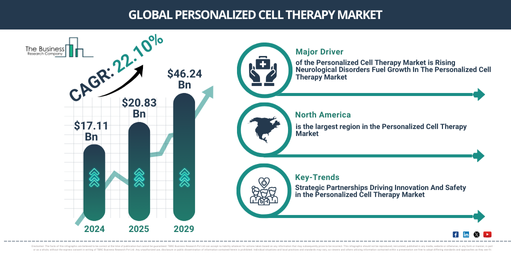
    The market size for personalized cell therapy has seen a substantial growth in the past few years. It is projected to expand from $17.11 billion in 2024 to $20.83 billion in 2025, with a compound annual growth rate (CAGR) of 21.8%. Factors contributing to this significant growth during the historic period include a heightened awareness of personalized medicine, a rise in healthcare expenditure, more government initiatives, an increase in clinical research funding, and a surge in neurological disorders.

    The market size for personalized cell therapy is anticipated to surge significantly in the coming years. It’s projected that by 2029, it will expand to$46.24 billion, with a compound annual growth rate (CAGR) of 22.1%. The growth during the forecast period is likely due to an increase in clinical trials, a rise in chronic diseases, an aging population, a higher cancer prevalence, and a growing embrace of regenerative medicines. Key trends over the forecast period are expected to be technological advancements, AI integration, personalized vaccines, bioinformatics, and microfluidic technologies.

    Download a free sample to assess the report’s scope and structure:

    https://www.thebusinessresearchcompany.com/sample.aspx?id=19137&type=smp

    What External and Internal Drivers Are Contributing to the Growth of thePersonalized Cell Therapy Market?

    The growth of the personalized cell therapy market is anticipated to be fueled by the increasing prevalence of neurological disorders. These disorders, which include conditions that impact the brain, nerves, and spinal cord, are associated with symptoms such as cognitive impairment, sensory disturbances, and motor function degradation. Factors such as aging populations, environmental stress, and lifestyle changes are leading to increased incidences of neurodegenerative diseases. Personalized cell therapy can provide targeted treatments tailored to individual patient needs, potentially aiding in the restoration of damaged neural tissue and enhancing outcomes for complex, individual conditions. In December 2022, for instance, the Parkinson Foundation revealed that the annual incidence of Parkinson’s disease among the elderly was 50% higher than the previous estimate of 60,000 cases. By 2030, it was projected that an additional 1.2 million Americans would be diagnosed with Parkinson’s. Hence, the surge in neurological disorders is propelling the personalized cell therapy market’s growth.

    What Segment Types Define the Personalized Cell Therapy Market Structure?

    The personalized cell therapymarket covered in this report is segmented –

    1) By Cell Type: Lymphocytes; Mesenchymal Stem Cell; Hematopoietic Stem Cell; Other Cell Type

    2) By Technique: Platelet Transfusions; Bone Marrow Transplantation; Packed Red Cell Transfusions; Organ Transplantation

    3) By Application: Cardiovascular Diseases; Neurological Disorders; Inflammatory Diseases; Diabetes; Cancer; Other Applications

    4) By End-User: Hospital; Homecare; Specialty Clinics; Other End-User

    Subsegments:

    1) By Lymphocytes: T Cells; Natural Killer (NK) Cells; Regulatory T Cells

    2) By Mesenchymal Stem Cells (MSCs): Bone Marrow-Derived MSCs; Adipose Tissue-Derived MSCs; Umbilical Cord-Derived MSCs

    3) By Hematopoietic Stem Cells: Autologous Hematopoietic Stem Cells; Allogeneic Hematopoietic Stem Cells

    4) By Other Cell Types: Dendritic Cells; Fibroblasts; Endothelial Cells

    Request customized data on this market:

    https://www.thebusinessresearchcompany.com/customise?id=19137&type=smp

    Which Geographic Areas Hold the Strongest Growth Potential in the Personalized Cell Therapy Market?

    North America was the largest region in the personalized cell therapy market in 2024. Asia-Pacific is expected to be the fastest-growing region in the forecast period. The regions covered in the personalized cell therapy marker report are Asia-Pacific, Western Europe, Eastern Europe, North America, South America, Middle East, Africa.

    What Long-Term Trends Are Transforming the Competitive Landscape of the Personalized Cell Therapy Market?

    Leading businesses in the personalized cell therapy market are strategically collaborating to expedite the progression and market entry of unique treatments. These alliances allow companies to amalgamate resources, knowledge, and technologies for improved research and development, efficient clinical trials, and smoother navigation of regulatory procedures. For example, in October 2022, US-based biotech firm Century Therapeutics Inc. teamed up with US-based biopharmaceutical company Bristol Myers Squibb (BMS) to advance and bring to market allogeneic cell therapies. Century’s groundbreaking induced pluripotent stem cell (iPSC) technology is being utilized in this partnership to develop engineered natural killer (NK) and T cell therapies aimed at hematologic malignancies and solid tumors. This agreement will include up to four separate cell therapy programs, firstly focusing on acute myeloid leukemia (AML) and multiple myeloma, making use of engineered NK cells or gamma delta T cells generated from iPSCs.

    View the full report here:

    https://www.thebusinessresearchcompany.com/report/personalized-cell-therapy-global-market-report

    What Is the Definition of the Personalized Cell Therapy Market?

    Personalized cell therapy refers to a type of medical treatment where a patient’s own cells, or cells that are specifically tailored to them, are used to treat a disease or condition. This therapy is customized to the individual’s unique biological profile, often involving the modification or manipulation of cells to enhance their therapeutic potential. The key advantage of personalized cell therapy is that it minimizes the risk of rejection and adverse reactions as the therapy is designed to be compatible with the patient’s own body.

    Purchase the full report and get a swift delivery:

    https://www.thebusinessresearchcompany.com/purchaseoptions.aspx?id=19137

    About The Business Research Company:

    With over 15000+ reports from 27 industries covering 60+ geographies, The Business Research Company has built a reputation for offering comprehensive, data-rich research and insights. Armed with 1,500,000 datasets, the optimistic contribution of in-depth secondary research, and unique insights from industry leaders, you can get the information you need to stay ahead in the game.

    Get in touch with us:

    The Business Research Company: https://www.thebusinessresearchcompany.com/

    Americas +1 310-496-7795

    Europe +44 7882 955267

    Asia & Others +44 7882 955267 & +91 8897263534

    Email us at info@tbrc.info

    Follow us on:

    LinkedIn: https://in.linkedin.com/company/the-business-research-company

    YouTube: https://www.youtube.com/channel/UC24_fI0rV8cR5DxlCpgmyFQ

    Global Market Model: https://www.thebusinessresearchcompany.com/global-market-model
  • Biofeedback Devices Market Forecast 2025–2034: Trends Reshaping Demand, Investment, and Innovation

    Biofeedback Devices Market Forecast 2025–2034: Trends Reshaping Demand, Investment, and Innovation

    Claim your 30% discount on Global Market Reports with code ONLINE30. Limited time only.

    How Has the Bladder Liners Market Growth Performance Trended Historically, And What Lies Ahead?

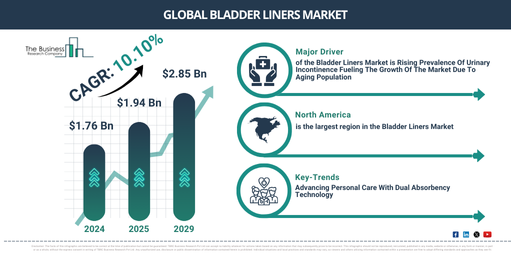
    Rapid expansion has characterized the bladder liners market in the recent past. Forecasts suggest a rise from $1.76 billion in 2024 to $1.94 billion in 2025, a compound annual growth rate (CAGR) of 10.1%. Factors contributing to this upward swing during the historic period include greater instances of urinary incontinity, enhanced public knowledge regarding personal hygiene, increasing demand for unobtrusive, comfortable products, the broadening of home healthcare services, and the rise of online platforms as distribution channels.

    Expectations suggest a considerable expansion of the bladder liners market size in the coming years, with projections reaching$2.85 billion by 2029, indicating a compound annual growth rate (CAGR) of 10.1%. Numerous factors contribute to the expected growth during the forecast period, including the rising popularity of environmental friendly and reusable items, elevated healthcare expenditure in developing economies, a growing worldwide elderly population, the boost in e-commerce and direct-to-consumer sales, and a heightened focus on women’s health and wellness. Forecast trends include advancements in odor control technologies, the use of nanotechnology for improved leakage protection, the incorporation of antimicrobial and antibacterial coating applications, AI-driven personalized product suggestions, and the introduction of smart bladder liners equipped with moisture sensors.

    Download a free sample to assess the report’s scope and structure:

    https://www.thebusinessresearchcompany.com/sample.aspx?id=24174&type=smp

    What Are the Primary Drivers Supporting the Market Growth of the Bladder Liners Market?

    The bladder liners market is expected to expand due to the increasing instances of urinary incontinence. In situations where individuals cannot completely control their bladder leading to unintentional urine leakage, the condition is termed as urinary incontinence. The chief causative factor for this prevalence is the aging worldwide population, as urinary incontinence is more often observed in elderly people. In managing urinary incontinence, bladder liners play a crucial role as they assist in absorbing and confining urine leakage, thus preventing skin dampness, odor, and irritation. For instance, as per the data of the US-based medical research agency, National Institutes of Health (NIH), in 2023, approximately 14.5% of the populace aged between 30 to 60 years in Europe were impacted by stress urinary incontinence in 2022. Hence, the heightening occurrence of urinary incontinence stands to fuel the growth in the bladder liners market.

    Which Primary Segments of the Bladder Liners Market Are Driving Growth and Industry Transformations?

    The bladder linersmarket covered in this report is segmented –

    1) By Product Type: Disposable Bladder Liners; Reusable Bladder Liners; Other Product Type

    2) By Functionality: Leakage Protection; Odor Control; Skin-Friendly Options; Comfort And Flexibility

    3) By Distribution Channel: Hospital Pharmacies; Retail Pharmacies; Online Stores; Other Distribution Channels

    4) By End User: Homecare; Hospitals; Specialty Clinics; Other End Users

    Subsegments:

    1) By Disposable Bladder Liners: Light Absorbency; Moderate Absorbency; Heavy Absorbency; Scented; Unscented; Individually Wrapped; Eco-friendly Materials

    2) By Reusable Bladder Liners: Washable Cotton Liners; Bamboo Fiber Liners; Microfiber Liners; Waterproof Backing Liners; Adjustable Or Fitted Liners

    3) By Other Product Type: Insert Pads for Diapers; Booster Pads; Hybrid Liners; Gender-Specific Liners

    Request customized data on this market:

    https://www.thebusinessresearchcompany.com/customise?id=24174&type=smp

    Which Regions Are Key Players in the Growth of the #What Are the Primary Drivers Supporting the Market Growth of the Bladder Liners Market?# Market?

    North America was the largest region in the bladder liners market in 2024. Asia-Pacific is expected to be the fastest-growing region in the forecast period. The regions covered in the bladder liners market report are Asia-Pacific, Western Europe, Eastern Europe, North America, South America, Middle East, Africa.

    What Are the Most Significant Market Trends in the Bladder Liners Market?

    Leading corporations in the bladder liners market are emphasizing on product advancements, such as dual-function liners, in order to meet the intersecting needs for menstruation and minor bladder leakage, boost user convenience, and diversify their customer base with more adaptable hygiene solutions. Dual-function liners cater to both menstrual and bladder leak needs, offering increased absorbency, dryness, and protection against leaks. For instance, in April 2024, Kimberly-Clark Corporation, a US personal care firm, introduced Liv by Kotex in the US. This inventive product line provides dual protection for menstrual and bladder leakage needs and is exclusively available at Target. The new product range consists of pads and liners engineered to keep consumers up to 10 times drier than conventional period-only products, delivering up to 24 milliliters of absorbency and 100% leak-free assurance. The line provides five options for absorbency, starting from thong liners to overnight ultra-thin pads, incorporating a multi-layered core and leak-block sides for fast absorption of menstrual fluid and urine, thus magnifying comfort and conviction for women with coinciding hygiene needs.

    View the full report here:

    https://www.thebusinessresearchcompany.com/report/bladder-liners-global-market-report

    What Parameters Are Used to Define the Bladder Liners Market?

    Bladder liners are absorbent products designed to manage light to moderate urinary incontinence by providing a discreet and comfortable layer of protection. They are typically worn inside undergarments and are contoured to fit the body, offering security against leaks while maintaining skin dryness. These liners are made with moisture-wicking materials and odor control features to enhance hygiene and comfort.

    Purchase the full report and get a swift delivery:

    https://www.thebusinessresearchcompany.com/purchaseoptions.aspx?id=24174

    About The Business Research Company:

    With over 15000+ reports from 27 industries covering 60+ geographies, The Business Research Company has built a reputation for offering comprehensive, data-rich research and insights. Armed with 1,500,000 datasets, the optimistic contribution of in-depth secondary research, and unique insights from industry leaders, you can get the information you need to stay ahead in the game.

    Get in touch with us:

    The Business Research Company: https://www.thebusinessresearchcompany.com/

    Americas +1 310-496-7795

    Europe +44 7882 955267

    Asia & Others +44 7882 955267 & +91 8897263534

    Email us at info@tbrc.info

    Follow us on:

    LinkedIn: https://in.linkedin.com/company/the-business-research-company

    YouTube: https://www.youtube.com/channel/UC24_fI0rV8cR5DxlCpgmyFQ

    Global Market Model: https://www.thebusinessresearchcompany.com/global-market-model
  • Personalized Cancer Treatment Market Outlook 2025–2034: Identifying Growth Drivers, Technology Trends, and Policy Impact

    Personalized Cancer Treatment Market Outlook 2025–2034: Identifying Growth Drivers, Technology Trends, and Policy Impact

    Claim your 30% discount on Global Market Reports with code ONLINE30. Limited time only.

    What Are the Key Projections for the CAGR of the Personalized Cancer Treatment Market Size From 2025 to 2034?

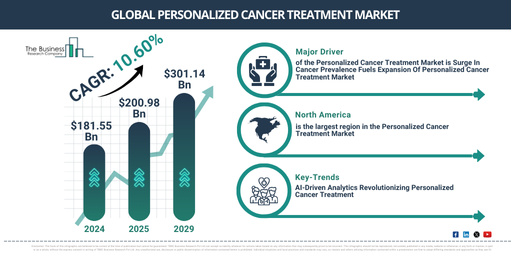
    The market size for personalized cancer treatment has experienced a swift expansion of late. This market is projected to rise from $181.55 billion in 2024 to $200.98 billion in 2025, reflecting a compound annual growth rate (CAGR) of 10.7%. This growth during the historical period is linked to advancements in the areas of genomics and molecular biology, an increase in cancer occurrence, a surge in the adoption of personalized medicine, heightened awareness about various cancer treatment options, and enhancements in cancer diagnostic and monitoring technologies.

    In the coming years, the market size for personalized cancer treatment is predicted to undergo swift enlargement. It is forecasted to reach an impressive$301.14 billion in 2029″ with a Compound Annual Growth Rate (CAGR) of 10.6%. The projected growth during this period is attributable to several factors such as the broadening scope of targeted therapies, advancements in AI and machine learning applied to treatment planning, heightened investment in cancer research, burgeoning demand for precision medicine, and the innovation of new biomarkers for custoized treatments. Key trends in the forecast period encompass an increased utilization of combination therapies, expanding integration of digital health instruments, growth in the use of liquid biopsy techniques, extending options for immunotherapy, and an amplified emphasis on patient-centered care models.

    Download a free sample to assess the report’s scope and structure:

    https://www.thebusinessresearchcompany.com/sample.aspx?id=19135&type=smp

    What Are the Core Market Drivers Propelling Growth in the Personalized Cancer Treatment Industry?

    The personalized cancer treatment market is poised for expansion due to the rising occurrence of cancer. Increased life expectancy, resulting in more people aging into a demographic where cancer is prevalent, along with exposure to risk factors such as tobacco, alcohol, and obesity, contributes heavily to the surge in cancer cases. Precision medicine, with its focus on creating targeted and effective therapies to manage a variety of cancers at different stages, has seen a boost due to this growing challenge. There is an emphasis on improving patient outcomes through custom-made treatment strategies. For example, the World Health Organization, a United Nations agency based in Switzerland and dedicated to global health and safety, revealed in February 2024 that the global cancer burden is forecasted to witness a significant surge. The prediction is for a 77% increase in new cancer cases by 2050, equating to over 35 million compared to 20 million in 2022. Thus, the heightened prevalence of cancer is fueling the evolution of the personalized cancer treatment market.

    How Is the Personalized Cancer Treatment Market Segmented?

    The personalized cancer treatmentmarket covered in this report is segmented –

    1) By Treatment Type: Targeted Therapy; Immunotherapy; Hormone Therapy; Chemotherapy; Radiation Therapy; Other Treatment Type

    2) By Diagnostic Techniques: Genomic Sequencing; Liquid Biopsy; Immunohistochemistry; In Situ Hybridization; Biomarker Testing; Other Diagnostic Techniques

    3) By Cancer Type: Breast Cancer; Lung Cancer; Colorectal Cancer; Prostate Cancer; Melanoma; Other Cancer Types

    4) By End-Users: Hospitals And Clinics; Research Institutes; Other End Users

    Subsegments:

    1) By Targeted Therapy: Monoclonal Antibodies; Small Molecule Inhibitors; Angiogenesis Inhibitors; Signal Transduction Inhibitors

    2) By Immunotherapy: Checkpoint Inhibitors; CAR T-Cell Therapy; Cancer Vaccines; Monoclonal Antibodies For Immunotherapy

    3) By Hormone Therapy: Anti-Estrogens; Aromatase Inhibitors; Progestins; LHRH Agonists

    4) By Chemotherapy: Alkylating Agents; Antimetabolites; Anthracyclines; Taxanes

    5) By Radiation Therapy: External Beam Radiation Therapy (EBRT); Brachytherapy; Radioimmunotherapy; Stereotactic Radiosurgery (SRS)

    6) By Other Treatment Types: Gene Therapy; Stem Cell Transplantation; Metabolic Therapy; Nanomedicine

    Request customized data on this market:

    https://www.thebusinessresearchcompany.com/customise?id=19135&type=smp

    Which Regions Are Driving the Next Phase of the Personalized Cancer Treatment Market Growth?

    North America was the largest region in the personalized cancer treatment market in 2024. Asia-Pacific is expected to be the fastest-growing region in the forecast period. The regions covered in the personalized cancer treatment market report are Asia-Pacific, Western Europe, Eastern Europe, North America, South America, Middle East, Africa.

    What Key Market Trends and Innovations Are Shaping the Future of the Personalized Cancer Treatment Industry?

    Leading corporations in the personalized cancer therapy market are stepping up their innovation game, focusing on creating groundbreaking solutions, such as AI-based multimodal immune profile algorithmic assessments, to anticipate patient immunotherapy reactions and enhance individualized treatment plans. These AI-enabled tests use a variety of data, namely genomic, transcriptomic, and clinical biomarkers, to appraise a patient’s immunity profile and anticipate their immunotherapy response. This crucial information is then used to categorize patients and steer customized cancer treatments. As an example, Tempus AI, Inc., an American healthcare tech firm, launched its first-ever AI-based multimodal immune profile algorithmic test, known as IPS, for the immunotherapy diagnostics sector in July 2024. This test, strictly for research purposes, gauges a variety of immunotherapy-related biomarkers. It generates a score to anticipate how a patient might react to immunotherapy, aiding the formulation of personalized cancer treatment. By leveraging AI, they enhance patient categorization and influence therapy choice in the field of oncology.

    View the full report here:

    https://www.thebusinessresearchcompany.com/report/personalized-cancer-treatment-global-market-report

    How Is the Personalized Cancer Treatment Market Defined and What Are Its Core Parameters?

    Personalized cancer treatment customizes therapies based on an individual’s unique genetic profile and tumor characteristics, to achieve more effective and targeted interventions. This approach enhances treatment plans and improves patient outcomes by examining genetic mutations and biomarkers, compared to traditional one-size-fits-all methods.

    Purchase the full report and get a swift delivery:

    https://www.thebusinessresearchcompany.com/purchaseoptions.aspx?id=19135

    About The Business Research Company:

    With over 15000+ reports from 27 industries covering 60+ geographies, The Business Research Company has built a reputation for offering comprehensive, data-rich research and insights. Armed with 1,500,000 datasets, the optimistic contribution of in-depth secondary research, and unique insights from industry leaders, you can get the information you need to stay ahead in the game.

    Get in touch with us:

    The Business Research Company: https://www.thebusinessresearchcompany.com/

    Americas +1 310-496-7795

    Europe +44 7882 955267

    Asia & Others +44 7882 955267 & +91 8897263534

    Email us at info@tbrc.info

    Follow us on:

    LinkedIn: https://in.linkedin.com/company/the-business-research-company

    YouTube: https://www.youtube.com/channel/UC24_fI0rV8cR5DxlCpgmyFQ

    Global Market Model: https://www.thebusinessresearchcompany.com/global-market-model
  • Biofeedback Devices Market 2025-2034: Key Highlights, Growth Dynamics, and Emerging Trends

    Biofeedback Devices Market 2025-2034: Key Highlights, Growth Dynamics, and Emerging Trends

    Claim your 30% discount on Global Market Reports with code ONLINE30. Limited time only.

    What Are the Projected Market Size and Growth Rates for the Biofeedback Devices Market From 2025 To 2029?

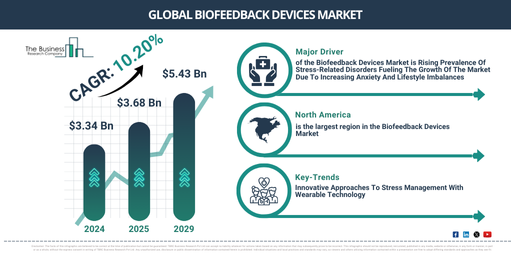
    Over the past few years, the market size for biofeedback devices has witnessed swift expansion. The market, which is projected to elevate from a value of $3.34 billion in 2024 to $3.68 billion in 2025, carries a compound annual growth rate (CAGR) of 10.1%. Factors contributing to its growth during the historic period include a heightened prevalence of stress-related disorders, improved understanding of mental wellbeing and health, increased usage of wearable health technology, a growing need for non-invasive, drug-free treatment options and extended utilization in long-term disease management and rehabilitation.

    The market for biofeedback devices is projected to experience swift expansion in the upcoming years, with a forecast size of$5.43 billion by 2029″ and a compound annual growth rate (CAGR) of 10.2%. Factors fueling this predicted growth include increased dovetailing with digital platforms and mobile apps, amplified financial input in digital therapeutics and neurotechnology, more accessible home-use and consumer-grade devices, enhanced backing from insurance companies for biofeedback therapy, and mounting clinical proof reinforcing the effectiveness of biofeedback. Key trends for the forecast period encompass progress in wearable sensor technology, consolidation of biofeedback with mobile health platforms, technological merging with artificial intelligence and machine learning, enhancements in brain-computer interface and neurofeedback systems, and progress in cloud computing for remote monitoring.

    Download a free sample to assess the report’s scope and structure:

    https://www.thebusinessresearchcompany.com/sample.aspx?id=24170&type=smp

    How Are Key Drivers in the Industry Acting as Catalysts for the Growth of theBiofeedback Devices Market?

    An upsurge in stress-based disorders is anticipated to push forward the expansion of the biofeedback devices market. Stress-based disorders are both physical and mental health ailments resulting from extensive or chronic stress. Increases in such disorders can be primarily attributed to growing work-related strains and lifestyle imbalances common in contemporary society. Biofeedback devices play a critical role in these disorders, aiding individuals to observe and control physical reactions, such as brainwaves and heart rate, to emphasize relaxation and lessen stress. For example, data from the American Psychiatric Association, an organization of US-based psychiatrists focused on enhancing mental healthcare, revealed that in May 2024, anxiety levels among US adults rose to 43%, a notable climb from 32% in 2022 and 37% in 2023. In essence, the escalating prevalence of stress-based disorders is fueling the growth of the biofeedback devices market.

    Which Segments in the Biofeedback Devices Offer the Most Growth?

    The biofeedback devicesmarket covered in this report is segmented –

    1) By Type: Brainwaves; Heart Rate; Muscle Tone; Sweat Glands; Temperature; Pulmonary Functions; Other Types

    2) By Technology: Electromyography (EMG); Electroencephalography (EEG); Heart Rate Variability (HRV)

    3) By Distribution Channel: Online Retail; Physical Retail; Direct Sales

    4) By Application: Home Use; Hospital; Clinic; Rehabilitation Centers; Research Institutions

    5) By End-User: Individuals; Healthcare Providers; Corporate Wellness Programs

    Subsegments:

    1) By Brainwaves: Alpha Waves; Beta Waves; Delta Waves; Theta Waves; Gamma Waves

    2) By Heart Rate: Heart Rate Variability (HRV); Resting Heart Rate Monitoring; Peak Heart Rate Monitoring

    3) By Muscle Tone: Surface Electromyography (sEMG); Intramuscular EMG; Pelvic Floor EMG; Facial EMG

    4) By Sweat Glands: Galvanic Skin Response (GSR); Electrodermal Activity (EDA)

    5) By Temperature: Peripheral Skin Temperature Monitoring; Core Body Temperature Monitoring

    6) By Pulmonary Functions: Respiratory Rate Monitoring; Breathing Pattern Training; Capnography-based Feedback

    7) By Other Types: Blood Pressure Monitoring; Posture Monitoring; Skin Conductance; Thermal Biofeedback

    Request customized data on this market:

    https://www.thebusinessresearchcompany.com/customise?id=24170&type=smp

    What Are the Fastest-Growing Geographies in the #How Are Key Drivers in the Industry Acting as Catalysts for the Growth of theBiofeedback Devices Market?# Market?

    North America was the largest region in the biofeedback devices market in 2024. Asia-Pacific is expected to be the fastest-growing region in the forecast period. The regions covered in the biofeedback devices market report are Asia-Pacific, Western Europe, Eastern Europe, North America, South America, Middle East, Africa.

    What Are the Current Market Growth and Trends in the Biofeedback Devices Industry?

    Leading enterprises in the biofeedback devices market are zeroing in on technical advancements, like wearable biofeedback devices, to augment real-time observation, enhance user interaction, and offer customized data-backed insights for handling stress, mental health, and overall wellbeing. Wearable biofeedback devices are compact technologies that track physiological indicators like heart rate, skin temperature, or brain functions, offering real-time responses for better health and stress management. For example, in January 2024, BramhAnsh Technologies, an Indian firm, launched SOONYAM, a wearable biofeedback device that surveys mental conditions using Galvanic Skin Response (GSR) technology. This device scrutinizes electrodermal activity to give real-time evaluations of psychological arousal, stress levels, and mental exertion. It’s tailored for individuals, therapists, and specialists, delivering an accessible interface and incorporation into daily habits like meditation and sleep analysis.

    View the full report here:

    https://www.thebusinessresearchcompany.com/report/biofeedback-devices-global-market-report

    What Are the Key Elements That Define the Biofeedback Devices Market?

    Biofeedback devices are electronic tools that monitor physiological signals and provide real-time feedback to help users consciously regulate bodily functions for improved health and well-being. Biofeedback devices are utilized by capturing real-time physiological data and providing feedback to help users learn to control functions such as heart rate, muscle tension, or brain activity for therapeutic or performance-enhancing purposes.

    Purchase the full report and get a swift delivery:

    https://www.thebusinessresearchcompany.com/purchaseoptions.aspx?id=24170

    About The Business Research Company:

    With over 15000+ reports from 27 industries covering 60+ geographies, The Business Research Company has built a reputation for offering comprehensive, data-rich research and insights. Armed with 1,500,000 datasets, the optimistic contribution of in-depth secondary research, and unique insights from industry leaders, you can get the information you need to stay ahead in the game.

    Get in touch with us:

    The Business Research Company: https://www.thebusinessresearchcompany.com/

    Americas +1 310-496-7795

    Europe +44 7882 955267

    Asia & Others +44 7882 955267 & +91 8897263534

    Email us at info@tbrc.info

    Follow us on:

    LinkedIn: https://in.linkedin.com/company/the-business-research-company

    YouTube: https://www.youtube.com/channel/UC24_fI0rV8cR5DxlCpgmyFQ

    Global Market Model: https://www.thebusinessresearchcompany.com/global-market-model
  • Emerging Growth Drivers in the Longevity And Anti-senescence Therapy Market Landscape: Rising Cardiovascular Disease Prevalence Drives Growth In Longevity And Anti-Senescence Therapy Market

    Emerging Growth Drivers in the Longevity And Anti-senescence Therapy Market Landscape: Rising Cardiovascular Disease Prevalence Drives Growth In Longevity And Anti-Senescence Therapy Market

    Claim your 30% discount on Global Market Reports with code ONLINE30. Limited time only.

    How Has The Longevity And Anti-senescence Therapy Market Growth Evolved From 2024 To 2025, And What’s Ahead?

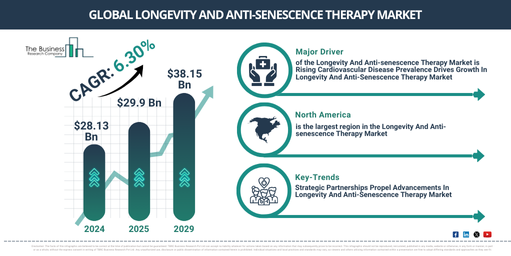
    The market size for longevity and anti-senescence therapies has witnessed considerable growth in the recent years. The market value, which stands at $28.13 billion in 2024, is projected to increase to $29.9 billion in 2025, with an impressive compound annual growth rate (CAGR) of 6.3%. This upward trend during the historic period is the result of factors such as increased life expectancy, heightened consciousness regarding preventive healthcare, advancements in gene therapy, expansion of regenerative medicine, and an aging global population.

    The market size for anti-aging and longevity therapy is predicted to witness a significant surge in the coming years, escalating to a valuation of$38.15 billion by 2029, with a Compound Annual Growth Rate (CAGR) of 6.3%. This anticipated growth during the forecasted span can be credited to factors such as the escalating demand for customized medical treatments, increased financial support towards health diagnostics aided by AI, a surged interest by consumers in wellness and anti-aging products, the merging of nanotechnology with regenerative treatments, and a broader scope of applications for stem cell therapies. Key trends to follow during this period include the combined application of gene editing and stem cell therapies, the burgeoning adaptation of wearable healthcare tech for individualized care, the growing popularity of nutraceuticals for cellular health enhancements, progressive breakthroughs in nanomedicine for specific anti-aging treatments, along with the unification of biotech and regenerative medicine.

    Download a free sample to assess the report’s scope and structure:

    https://www.thebusinessresearchcompany.com/sample.aspx?id=19108&type=smp

    Which Primay Drivers Are Accelerating Growth in the Longevity And Anti-senescence Therapy Market?

    The growth of the longevity and anti-senescence therapy market is anticipated to be fuelled by the escalating prevalence of cardiovascular diseases. The surge in these diseases results from a rise in risk factors like obesity, diabetes, inactive lifestyles, and poor nutrition, together with an aging population and chronic inflammation. The main goal of longevity and anti-senescence therapies is to lessen cardiovascular disease by focusing on repairing age-related cellular damage and enhancing overall heart health. As an example, a study by the non-profit medical association the American College of Cardiology published in August 2022 anticipates that from 2025 to 2060 in the United States all four major cardiovascular risk factors will see growth, with the most significant surge in diabetes by 39.3%, affecting 55 million people. This will be followed by considerable rises in dyslipidemia (27.6% to 126 million), hypertension (25.1% to 162 million), and obesity (18.3% to 126 million). Therefore, the escalating prevalence of cardiovascular diseases is a significant driving force behind the growth of the longevity and anti-senescence therapy market.

    Which Primary Segments of the Longevity And Anti-senescence Therapy Market Are Driving Growth and Industry Transformations?

    The longevity and anti-senescence therapymarket covered in this report is segmented –

    1) By Therapy: Senolytic Drug Therapy; Gene Therapy; Cell Therapy; Mitochondrial Therapy; Immunotherapy; Other Therapies

    2) By Application: Longevity; Senescence Inhibition; Cardiovascular Diseases; Neural Degenerative Diseases; Ophthalmology Disorders; Cancer

    3) By End User: Hospital; Medical Service Institution

    Subsegments:

    1) By Senolytic Drug Therapy: Small Molecule Senolytics; Natural Senolytics; Combination Senolytic Treatments

    2) By Gene Therapy: CRISPR-Based Gene Therapy; Viral Vector Gene Therapy; RNA Interference Therapy

    3) By Cell Therapy: Stem Cell Therapy; Immune Cell Therapy; Regenerative Cell Therapy

    4) By Mitochondrial Therapy: Mitochondrial Replacement Therapy; Mitochondrial Enhancement Compounds; Mitochondrial Gene Therapy

    5) By Immunotherapy: Monoclonal Antibodies; Immune Checkpoint Inhibitors; Vaccines For Aging

    6) By Other Therapies: Hormone Replacement Therapy; Nutraceuticals And Dietary Supplements; Lifestyle And Behavioral Interventions

    Request customized data on this market:

    https://www.thebusinessresearchcompany.com/customise?id=19108&type=smp

    Which Regions Are Key Players in the Growth of the #Which Primay Drivers Are Accelerating Growth in the Longevity And Anti-senescence Therapy Market?# Market?

    North America was the largest region in the longevity and anti-senescence therapy market in 2024. The regions covered in the longevity and anti-senescence therapy market report are Asia-Pacific, Western Europe, Eastern Europe, North America, South America, Middle East, Africa.

    Which Technological Trends Are Reshaping the Longevity And Anti-senescence Therapy Industry Dynamics?

    Leading firms in the longevity and antisenescence therapy markets are embracing strategic alliances to progress anti-aging products. These alliances are cooperative agreements between entities that enhance each other’s skills and assets to reach mutually advantageous objectives and boost competitive edges. For example, in July 2024, MDB Capital Holdings LLC, an investment holding company based in the USA, collaborated with Mayo Clinic, a US-based nonprofit medical and surgical clinic, to upgrade its anti-aging platform. This collaboration is focused on creating treatments targeting cellular aging, which is linked to aging and a variety of illnesses. This joint effort will take advantage of Mayo Clinic’s clinical research expertise and MDB Capital’s inventive drug development approach, stressing the enhancement of patient results in conditions related to aging. This venture underscores the increasing interest in addressing aging’s biological processes through sophisticated therapeutic strategies.

    View the full report here:

    https://www.thebusinessresearchcompany.com/report/longevity-and-anti-senescence-therapy-global-market-report

    What Parameters Are Used to Define the Longevity And Anti-senescence Therapy Market?

    Longevity and anti-senescence therapy refer to medical and scientific approaches aimed at extending the human lifespan and promoting healthy aging by targeting the biological processes that cause aging, cellular damage, and decline in bodily functions. These therapies focus on mitigating or reversing senescence, the process where cells lose the ability to divide and function properly, which contributes to aging and age-related diseases.

    Purchase the full report and get a swift delivery:

    https://www.thebusinessresearchcompany.com/purchaseoptions.aspx?id=19108

    About The Business Research Company:

    With over 15000+ reports from 27 industries covering 60+ geographies, The Business Research Company has built a reputation for offering comprehensive, data-rich research and insights. Armed with 1,500,000 datasets, the optimistic contribution of in-depth secondary research, and unique insights from industry leaders, you can get the information you need to stay ahead in the game.

    Get in touch with us:

    The Business Research Company: https://www.thebusinessresearchcompany.com/

    Americas +1 310-496-7795

    Europe +44 7882 955267

    Asia & Others +44 7882 955267 & +91 8897263534

    Email us at info@tbrc.info

    Follow us on:

    LinkedIn: https://in.linkedin.com/company/the-business-research-company

    YouTube: https://www.youtube.com/channel/UC24_fI0rV8cR5DxlCpgmyFQ

    Global Market Model: https://www.thebusinessresearchcompany.com/global-market-model
  • Strategic Growth Drivers Shaping the Healthcare Identity Management Market Outlook 2025- 2034:Rising Security Breaches Drive Growth In Healthcare Identity Management Market

    Strategic Growth Drivers Shaping the Healthcare Identity Management Market Outlook 2025- 2034:Rising Security Breaches Drive Growth In Healthcare Identity Management Market

    Claim your 30% discount on Global Market Reports with code ONLINE30. Limited time only.

    What is the Projected CAGR for the Healthcare Identity Management Market Size from 2025 to 2034?

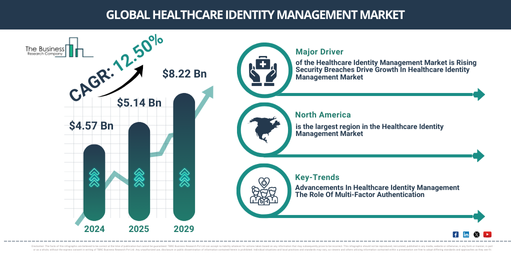
    The market size of healthcare identity management has seen a substantial increase recently. The expectation is that it will rise from $4.57 billion in 2024 to $5.14 billion in 2025 at a Compound Annual Growth Rate (CAGR) of 12.3%. The historic expansion can be credited to the increasing occurrence of chronic illnesses, the increment in the utilization of cloud-based healthcare solutions, the advancement in biometric authentication technologies, the expansion in health data sharing initiatives, and the increase in healthcare fraud detection systems.

    The market size for healthcare identity management is predicted to experience substantial expansion in the upcoming years. It is projected to reach a valuation of $8.22 billion by 2029, with a compound annual growth rate (CAGR) of 12.5%. The surge expected in this period can be credited to the augmenting prevalence of chronic illnesses, increase in the usage of cloud-based healthcare solutions, expansion in biometric authentication technologies, growth in initiatives for healthcare data sharing, and the enhancement of healthcare fraud detection systems. Key trends projected for this period encompass technological progressions, the utilization of blockchain technology, the incorporation of artificial intelligence, the internet of medical things, and telehealth.

    Download a free sample to assess the report’s scope and structure:

    https://www.thebusinessresearchcompany.com/sample.aspx?id=19084&type=smp

    Which Factors and External Forces Are Driving Demand in the Healthcare Identity Management Market?

    The growing frequency of security violations is predicted to fuel the advancement of the healthcare identity management market in the future. A security violation happens when there’s unauthorized intrusion or disclosure of classified information, systems, or networks, which can cause potential harm or abuse. The escalation in the occurrence of security violations can be linked to numerous elements, such as the rise in cyber threats, the development of the digital framework, and human mistakes. Healthcare identity management utilities leverage multi-factor verification (MFA) and biometric proofing to ensure only sanctioned individuals have access to classified patient data. This significantly reduces the chances of unsanctioned access and strengthens the security provisions against possible violations. For example, in January 2024, the Identity Theft Resource Center, a not-for-profit establishment based in the US, reported in 2023 that about 725 data violations surfaced, revealing or impermissibly disclosing more than 133 million records. This trend serves to indicate an ongoing climb in healthcare data violations throughout the year. Consequently, the escalating frequency of security breaches is promoting the growth of the healthcare identity management market.

    Which Segments in the Healthcare Identity Management Offer the Most Growth?

    The healthcare identity managementmarket covered in this report is segmented –

    1) By Solution: Identity And Access Management (IAM); Authentication; Verification; Access Management And Authorization

    2) By Deployment Mode: On-Premises; Cloud-Based; Hybrid

    3) By Technology: Biometric Authentication; Radio Frequency Identification And Smart Card; Single Sign-On (SSO); Multi-Factor Authentication (MFA); Internet Of Things Authentication

    4) By End User: Hospitals And Clinics; Diagnostic Laboratories; Research Institutions; Health Insurance Companies

    Subsegments:

    1) By Identity And Access Management (IAM): User Provisioning And De-Provisioning; Role-Based Access Control (RBAC); Single Sign-On (SSO); Directory Services

    2) By Authentication: Multi-Factor Authentication (MFA); Biometric Authentication; Passwordless Authentication; One-Time Password (OTP) Authentication

    3) By Verification: Identity Verification Solutions; Credential Verification Services; Document Verification Systems

    4) By Access Management And Authorization: Access Control Policies; User Role Management; Session Management; Audit And Compliance Management

    Request customized data on this market:

    https://www.thebusinessresearchcompany.com/customise?id=19084&type=smp

    What Are the Fastest-Growing Geographies in the #Which Factors and External Forces Are Driving Demand in the Healthcare Identity Management Market?# Market?

    North America was the largest region in the healthcare identity management market in 2024. Asia-Pacific is expected to be the fastest-growing region in the forecast period. The regions covered in the healthcare identity management market report are Asia-Pacific, Western Europe, Eastern Europe, North America, South America, Middle East, Africa.

    Which Cutting-Edge Market Trends Are Expected to Drive theHealthcare Identity Management Market’s Growth?

    Key players in the healthcare identity management market are concentrating on the development of innovative technologies like multi-factor authentication for improved security and to provide additional protection against unauthorized access. Multi-factor authentication (MFA) is a security protocol that strengthens user validation by requiring not just one, but multiple independent credentials for validating identify access. For instance, Clario, an American technology firm, rolled out the Federated Identity Management (FIM) System in March 2023. This system augment security and user convenience by permitting users to have access to multiple systems and establishments using a singular login credential, making the authentication procedure more efficient. The FIM system can be integrated with external identity providers, thus allowing customers to securely access Clario’s platform using their trusted credentials. Additionally, single-sign-on (SSO) and multi-factor authentication (MFA) are incorporated into the system to enhance security, particularly for those participating in clinical trials.

    View the full report here:

    https://www.thebusinessresearchcompany.com/report/healthcare-identity-management-global-market-report

    What Are the Key Elements That Define the Healthcare Identity Management Market?

    Healthcare identity management refers to the processes and technologies used to securely manage and authenticate the identities of individuals within healthcare systems, including patients, healthcare providers, and administrators. Its primary goal is to ensure that the right individuals have appropriate access to healthcare resources, services, and sensitive information while protecting patient privacy and complying with regulatory standards.

    Purchase the full report and get a swift delivery:

    https://www.thebusinessresearchcompany.com/purchaseoptions.aspx?id=19084

    About The Business Research Company:

    With over 15000+ reports from 27 industries covering 60+ geographies, The Business Research Company has built a reputation for offering comprehensive, data-rich research and insights. Armed with 1,500,000 datasets, the optimistic contribution of in-depth secondary research, and unique insights from industry leaders, you can get the information you need to stay ahead in the game.

    Get in touch with us:

    The Business Research Company: https://www.thebusinessresearchcompany.com/

    Americas +1 310-496-7795

    Europe +44 7882 955267

    Asia & Others +44 7882 955267 & +91 8897263534

    Email us at info@tbrc.info

    Follow us on:

    LinkedIn: https://in.linkedin.com/company/the-business-research-company

    YouTube: https://www.youtube.com/channel/UC24_fI0rV8cR5DxlCpgmyFQ

    Global Market Model: https://www.thebusinessresearchcompany.com/global-market-model