Month: August 2025

  • Epidermolysis Bullosa Market Overview 2025: Competitive Shifts, Forecast Models, and Emerging Opportunities

    Epidermolysis Bullosa Market Overview 2025: Competitive Shifts, Forecast Models, and Emerging Opportunities

    Claim your 30% discount on Global Market Reports with code ONLINE30. Limited time only.

    What is the Projected CAGR for the Epidermolysis Bullosa Market Size from 2025 to 2034?

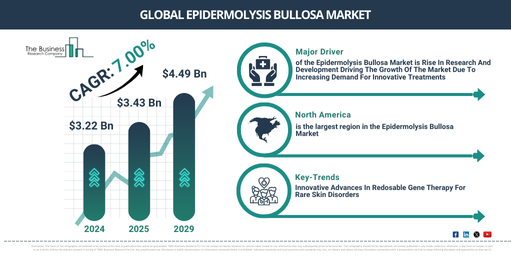
    In recent times, the market size of epidermolysis bullosa has seen robust growth. It is projected to increase from $3.22 billion in 2024 to $3.43 billion the following year, representing a compound annual growth rate (CAGR) of 6.4%. This growth during the earlier periods is a result of factors such as the rise in clinical trials, a growing number of epidermolysis bullosa cases, heightening awareness, a boost in research funding, a heightened concentration on gene therapy, and an increased focus on treating rare diseases.

    In the ensuing years, the epidermolysis bullosa market size is anticipated to witness robust growth. It is projected to escalate to$4.49 billion in 2029, with a compound annual growth rate (CAGR) of 7.0%. The surge within the prediction period can be associated with increased embracement of regenerative medicine and stem cell therapy, heightened awareness and diagnosis rates, a rise in gene and cell therapies approvals, expanded wound care, and an upswing in diagnosed instances. Key trends during the forecast period encompass innovative therapies, stem cell treatments, gene modification technology, targeted interventions, strategic alliance, and breakthroughs in genetic studies.

    Download a free sample to assess the report’s scope and structure:

    https://www.thebusinessresearchcompany.com/sample.aspx?id=21958&type=smp

    What Are the Core Growth Drivers Propelling the Epidermolysis Bullosa Market Forward?

    The continuous growth of the epidermolysis bullosa market is being facilitated by escalating research and development endeavors. These endeavors are essentially systematic attempts to innovate, upgrade, and design new products, methods, and technologies. The significant rise in these activities is instigated by the burgeoning demand for pioneering treatments, evolved therapies, and precise medication to deal with intricate diseases. The pivotal role these activities play in unearthing new therapies, advanced wound care remedies, and potential gene and cell-based treatments is crucial in enhancing diagnosis, management, and quality of life for individuals suffering from epidermolysis bullosa. For example, the Office for National Statistics, a UK based executive office, reported in April 2024 that the UK government’s net research and development expenditure (excluding EU contributions) surged by 10.5% to nearly $19.2 billion in 2022, a leap from the $17.3 billion in 2021. Therefore, the consequential rise in research and development activities is acting as a catalyst for the growth of the epidermolysis bullosa market.

    What Segment Types Define the Epidermolysis Bullosa Market Structure?

    The epidermolysis bullosamarket covered in this report is segmented –

    1) By Product Type: Antibiotic; Analgesics; Other Product Types

    2) By Mode Of Administration: Injectables; Oral; Other Modes of Administration

    3) By End User: Hospitals; Homecare; Specialty Clinics; Other End Users

    Subsegments:

    1) By Antibiotic: Topical Antibiotics; Oral Antibiotics; Injectable Antibiotics

    2) By Analgesics: NSAIDs; Opioids; Topical Pain Relievers

    3) By Other Product Types: Wound Dressings; Immunotherapies; Gene Therapies

    Request customized data on this market:

    https://www.thebusinessresearchcompany.com/customise?id=21958&type=smp

    Which Geographic Areas Hold the Strongest Growth Potential in the Epidermolysis Bullosa Market?

    North America was the largest region in the epidermolysis bullosa market in 2024. The regions covered in the epidermolysis bullosa market report are Asia-Pacific, Western Europe, Eastern Europe, North America, South America, Middle East, Africa.

    Which Emerging Trends that Are Influencing theEpidermolysis Bullosa Industry Evolution?

    Key players in the epidermolysis bullosa market are innovating their treatment approaches, with an emphasis on redosable gene therapy, in a bid to increase their long-term effectiveness and improve patient outcomes. Unlike conventional single-dose gene therapies, redosable gene therapy represents a form of treatment that can be administered on multiple occasions to sustain or amplify the therapeutic benefits. For example, in May 2023, the U.S. Food and Drug Administration (FDA) granted approval to VYJUVEK, a redosable gene therapy by Krystal Biotech Inc., a biotechnology corporation based in the U.S., for treating dystrophic epidermolysis bullosa (DEB) patients aged six months and older. This ground-breaking therapy provides a functional equivalent of the COL7A1 gene, targeting the primary cause of DEB and addressing the genetic defect. VYJUVEK, which is meant for topical use, offers a more user-friendly and less intrusive alternative to traditional systemic treatments, thus improving patient comfort and access to treatment.

    View the full report here:

    https://www.thebusinessresearchcompany.com/report/epidermolysis-bullosa-global-market-report

    What Is the Definition of the Epidermolysis Bullosa Market?

    Epidermolysis bullosa (EB) refers to a group of rare genetic disorders that cause extremely fragile skin, leading to blistering and wounds from minor friction or trauma. They are used for studying genetic skin diseases, advancing wound care treatments, and developing innovative gene and cell therapies to improve patient outcomes.

    Purchase the full report and get a swift delivery:

    https://www.thebusinessresearchcompany.com/purchaseoptions.aspx?id=21958

    About The Business Research Company:

    With over 15000+ reports from 27 industries covering 60+ geographies, The Business Research Company has built a reputation for offering comprehensive, data-rich research and insights. Armed with 1,500,000 datasets, the optimistic contribution of in-depth secondary research, and unique insights from industry leaders, you can get the information you need to stay ahead in the game.

    Get in touch with us:

    The Business Research Company: https://www.thebusinessresearchcompany.com/

    Americas +1 310-496-7795

    Europe +44 7882 955267

    Asia & Others +44 7882 955267 & +91 8897263534

    Email us at info@tbrc.info

    Follow us on:

    LinkedIn: https://in.linkedin.com/company/the-business-research-company

    YouTube: https://www.youtube.com/channel/UC24_fI0rV8cR5DxlCpgmyFQ

    Global Market Model: https://www.thebusinessresearchcompany.com/global-market-model
  • Key Factors Fueling the Growth of the Metastatic HR+/HER2- Breast Cancer Market in 2025: Increasing Demand For Hormone Replacement Therapy (HRT) Propel The Market Growth

    Key Factors Fueling the Growth of the Metastatic HR+/HER2- Breast Cancer Market in 2025: Increasing Demand For Hormone Replacement Therapy (HRT) Propel The Market Growth

    Claim your 30% discount on Global Market Reports with code ONLINE30. Limited time only.

    What Are the Projected Market Size and Growth Rates for the Metastatic HR+/HER2- Breast Cancer Market From 2025 To 2029?

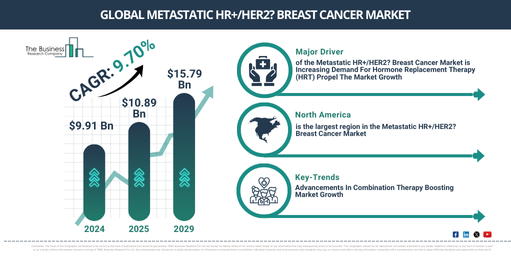
    The market size for metastatic hr+/her2- breast cancer has seen rampant expansion in recent years. The growth is expected to surge from $9.91 billion in 2024, reaching $10.89 billion in 2025 with a compound annual growth rate (CAGR) of 10.0%. Factors contributing to the historical growth include heightened awareness regarding early detection, increased rates of diagnosis, successes in clinical trials, investments in pharmaceuticals, and the increasing preference for combination therapies.

    The market size for metastatic hr+/her2- breast cancer is anticipated to witness a significant rise in the upcoming years, surging to$15.79 billion in 2029 with a compound annual growth rate (CAGR) of 9.7%. Factors contributing to this growth within the forecast period include the widespread acceptance of groundbreaking treatments, increased usage of immunotherapy, expansion into developing markets, patient advocacy and aid programs, as well as an emphasis on enhancing quality of life. The forecast period is also expected to see major trends such as next-gen sequencing (NGS), advancement in liquid biopsy, the discovery of biomarkers, cell and gene therapy, and monoclonal antibodies (mAbs).

    Download a free sample to assess the report’s scope and structure:

    https://www.thebusinessresearchcompany.com/sample.aspx?id=21220&type=smp

    What are the Fundamental Drivers and Innovations Shaping the Metastatic HR+/HER2- Breast Cancer Market?

    The surge in hormone replacement therapy (HRT) is anticipated to spur the growth of the metastatic HR+/HER2− breast cancer market. HRT is a medical intervention that supplements or replaces hormones that are deficient in the body, often during menopause or hormone deficiencies. The rise in hormone replacement therapy (HRT) is due to its efficiency in enhancing treatment outcomes, and its lesser side effects compared to traditional therapies, and developments in precision medicine. HRT bolsters the fight against metastatic HR+/HER2− breast cancer by relieving estrogen deficiency symptoms related to menopause, such as hot flashes and vaginal dryness, without disrupting the efficacy of endocrine therapies. This is mainly because it primarily rectifies hormone imbalances rather than targeting cancer cells, guaranteeing a better quality of life for patients undergoing cancer treatment. As an illustration, NHS England, a government agency based in the UK, reported that during 2022-23, there were 11 million prescriptions for hormone replacement therapy (HRT), which is a 47% rise from 2021-22 in England. Consequently, the surge in hormone replacement therapy (HRT) propels the metastatic HR+/HER2− breast cancer market.

    How Is the Metastatic HR+/HER2- Breast Cancer Market Segmented?

    The metastatic hr+/her2− breast cancermarket covered in this report is segmented –

    1) By Drugs: Paclitaxel; Tamoxifen; Vinblastine; Raloxifene; Docetaxel; Other Drugs

    2) By Treatment: Radiation Therapy; Vitamin Therapy; Macrobiotic Diets; Homeopathy; Herbal Medication

    3) By End-User: Hospitals; Clinics; Other End-User

    Subsegments:

    1) By Paclitaxel: Generic Paclitaxel; Taxol

    2) By Tamoxifen: Generic Tamoxifen; Nolvadex

    3) By Vinblastine: Generic Vinblastine; Velban

    4) By Raloxifene: Generic Raloxifene; Evista

    5) By Docetaxel: Generic Docetaxel; Taxotere

    6) By Other Drugs: Letrozole; Anastrozole; Exemestane; Palbociclib; Ribociclib; Abemaciclib

    Request customized data on this market:

    https://www.thebusinessresearchcompany.com/customise?id=21220&type=smp

    Which Regions Are Driving the Next Phase of the Metastatic HR+/HER2- Breast Cancer Market Growth?

    North America was the largest region in the dominated market in 2024. Asia-Pacific is expected to be the fastest-growing region in the forecast period. The regions covered in the metastatic HR+/HER2− breast cancer market report are Asia-Pacific, Western Europe, Eastern Europe, North America, South America, Middle East, Africa.

    What Key Trends Are Shaping the Future of the Metastatic HR+/HER2- Breast Cancer Market?

    Leading firms in the metastatic HR+/HER2- breast cancer market are innovating through combination therapy developments in order to broaden their market presence and treatment offerings. Combining two or more therapeutic agents, such as chemotherapy, targeted therapy, immunotherapy or hormone therapy, is a treatment strategy aimed at effectively managing a medical condition by gaining more comprehensive treatment results and minimizing the chance of resistance development to a singular treatment methodology. For example, July 2023 saw Merck & Co., Inc., an American pharmaceutical entity, publicize the Phase 3 KEYNOTE-756 trial for KEYTRUDA (pembrolizumab), an anti-PD-1 therapy, in conjunction with chemotherapy approved by the Food and Drug Administration, a regulatory body within the United States. The trial, by reaching its main objective, significantly advanced the pathological complete response (pCR) rate amongst patients with high-risk, early-stage ER+/HER2- breast cancer. Pioneering in its approach, the KEYNOTE-756 trial is the first Phase 3 trial that evidenced a meaningful improvement in pCR rate through an immunotherapy regime in the neoadjuvant scenario for patients. The trial explored the use of KEYTRUDA paired with chemotherapy as a neoadjuvant treatment, followed by supplementary KEYTRUDA and endocrine therapy, for early-stage, high-risk ER+/HER2- breast cancer.

    View the full report here:

    https://www.thebusinessresearchcompany.com/report/metastatic-hr-her2-breast-cancer-global-market-report

    How Is the Metastatic HR+/HER2- Breast Cancer Market Defined and What Are Its Core Parameters?

    Metastatic HR+/HER2− breast cancer refers to a form of breast cancer where the cancer cells have spread beyond the breast to other parts of the body. Metastatic HR+/HER2− breast cancer is treated using targeted therapies, hormonal treatments, and chemotherapy to manage disease progression and improve patient outcomes.

    Purchase the full report and get a swift delivery:

    https://www.thebusinessresearchcompany.com/purchaseoptions.aspx?id=21220

    About The Business Research Company:

    With over 15000+ reports from 27 industries covering 60+ geographies, The Business Research Company has built a reputation for offering comprehensive, data-rich research and insights. Armed with 1,500,000 datasets, the optimistic contribution of in-depth secondary research, and unique insights from industry leaders, you can get the information you need to stay ahead in the game.

    Get in touch with us:

    The Business Research Company: https://www.thebusinessresearchcompany.com/

    Americas +1 310-496-7795

    Europe +44 7882 955267

    Asia & Others +44 7882 955267 & +91 8897263534

    Email us at info@tbrc.info

    Follow us on:

    LinkedIn: https://in.linkedin.com/company/the-business-research-company

    YouTube: https://www.youtube.com/channel/UC24_fI0rV8cR5DxlCpgmyFQ

    Global Market Model: https://www.thebusinessresearchcompany.com/global-market-model

  • Value-Based Healthcare ServicesMarket Overview 2025–2034: CAGR Trends, Long-Term Growth Paths, and Business Implications

    Value-Based Healthcare ServicesMarket Overview 2025–2034: CAGR Trends, Long-Term Growth Paths, and Business Implications

    Claim your 30% discount on Global Market Reports with code ONLINE30. Limited time only.

    What Are the Key Milestones in the Value-Based Healthcare Services Market’s Growth Trajectory From 2025 To 2034?

    In recent years, the market size for value-based healthcare services has seen significant growth. Its expansion is projected to continue, moving from $1708.77 billion in 2024 to $2020.27 billion in 2025 with a compound annual growth rate (CAGR) of 18.2%. The surge during the historic period is ascribed to multiple factors including escalating healthcare expenses, heightened occurrence of chronic diseases, a boost in healthcare IT implementation, heightened use of predictive analytics, and an increase in population health management solutions.

    The market for value-based healthcare services is projected to experience considerable expansion in the forthcoming years, ballooning to$3932.78 billion by 2029 with a compound annual growth rate (CAGR) of 18.1%. This projected increase in the forecast period is due to factors like the broadening application of artificial intelligence in healthcare, the growing use of telehealth, a heightened emphasis on preventive care, increased funding in healthcare, and the widespread use of digital health platforms. Key developments expected in this forecast period are the transition from fee-for-service to value-based care, advancements in healthcare analysis, the integration of blockchain technology in healthcare, improvements in AI and machine learning, and the inclusion of technology in healthcare procedures.

    Download a free sample to assess the report’s scope and structure:

    https://www.thebusinessresearchcompany.com/sample.aspx?id=23559&type=smp

    What Are the Primary Drivers Supporting the Market Growth of the Value-Based Healthcare Services Market?

    The growth of the value-based healthcare services market is anticipated to be driven by the surging adoption of patient-centered care. This healthcare methodology emphasizes patients’ unique needs, tastes, and values and incorporates them in all steps of decision-making and treatment planning. This rise in embracing patient-centered care is provoked by the increasing acknowledgment that patients should have an active role in their health-related decisions. This approach has the potential to greatly enhance value-based healthcare services by correlating patient needs and preferences with the enhancement of health outcomes, elevating the quality of healthcare, and minimizing expenses. For example, in August 2024, a survey conducted by Lakeside Healthcare At Yaxley, a UK-based general practitioners (GPs) healthcare premise, indicated a 3% increase in patients finding it convenient to reach out to the doctors, a reduction in telephone wait times with 74% of calls being attended within ten minutes, and an increase in the percentage of one-on-one appointments to 58%. Consequently, the growing embrace of patient-centered care fuels the expansion of the value-based healthcare services market.

    Which Primary Segments of the Value-Based Healthcare Services Market Are Driving Growth and Industry Transformations?

    The value-based healthcare servicesmarket covered in this report is segmented –

    1) By Product Type: Accountable Care Organization (ACO); Patient-Centered Medical Home (PCMH); Pay for Performance; Bundled Payments

    2) By Deployment Type: Online; Offline

    3) By End-User: Hospitals; Clinics; Insurance Companies; Government; Others End-User

    Subsegments:

    1) By Accountable Care Organization (ACO): Medicare ACOs; Commercial ACOs; Pioneer ACOs; Provider-Sponsored ACOs; Government-Funded ACOs

    2) By Patient-Centered Medical Home (PCMH): Independent PCMHs; Hospital-Based PCMHs; Payer-Led PCMHs; Specialty-Specific PCMHs; Multi-Payer PCMHs

    3) By Pay for Performance: Hospital-Based P4P; Physician-Based P4P; Pharmacy-Based P4P; Nursing and Post-Acute Care P4P; Population Health-Based P4P

    4) By Bundled Payments: Retrospective Bundled Payments; Prospective Bundled Payments; Condition-Specific Bundled Payments; Procedure-Based Bundled Payments; Multi-Payer Bundled Payments

    Request customized data on this market:

    https://www.thebusinessresearchcompany.com/customise?id=23559&type=smp

    Which Regions Are Key Players in the Growth of the #What Are the Primary Drivers Supporting the Market Growth of the Value-Based Healthcare Services Market?# Market?

    North America was the largest region in the value-based healthcare services market in 2024. Asia-Pacific is expected to be the fastest-growing region in the forecast period. The regions covered in the value-based healthcare services market report are Asia-Pacific, Western Europe, Eastern Europe, North America, South America, Middle East, Africa.

    What Are the Most Significant Market Trends in the Value-Based Healthcare Services Market?

    Leading organizations within the value-based healthcare service industry are concentrating their efforts on creating new solutions like value-based care, utilizing technology and expertise to achieve equitable, high-grade health outcomes. The value-based care model, driven by a commitment to enhancing patient health results while minimizing costs, underscores quality, preventive maintenance, and efficient management of care. For example, in April 2023, the US-based nonprofit, Kaiser Permanente, started Risant Health. This new nonprofit venture aims to broaden and quicken the uptake of value-based healthcare services through collaboration with community health systems. The goal is to boost patient-focused care by incorporating sophisticated value-based care techniques, utilizing data-driven findings, digital participation, and trailblazing care practices to enhance the accessibility and quality of healthcare. Risant Health is poised to instigate systemic change by purchasing and backing nonprofit health systems like Geisinger Health, thereby promoting affordable, superior healthcare solutions that prioritize patient outcomes and fair treatment.

    View the full report here:

    https://www.thebusinessresearchcompany.com/report/value-based-healthcare-services-global-market-report

    What Parameters Are Used to Define the Value-Based Healthcare Services Market?

    Value-based healthcare services refer to a healthcare delivery model where providers are compensated based on the quality of care rather than the service volume. This model aims to improve the patient experience, optimize resource use, and deliver long-term value to individuals and healthcare systems.

    Purchase the full report and get a swift delivery:

    https://www.thebusinessresearchcompany.com/purchaseoptions.aspx?id=23559

    About The Business Research Company:

    With over 15000+ reports from 27 industries covering 60+ geographies, The Business Research Company has built a reputation for offering comprehensive, data-rich research and insights. Armed with 1,500,000 datasets, the optimistic contribution of in-depth secondary research, and unique insights from industry leaders, you can get the information you need to stay ahead in the game.

    Get in touch with us:

    The Business Research Company: https://www.thebusinessresearchcompany.com/

    Americas +1 310-496-7795

    Europe +44 7882 955267

    Asia & Others +44 7882 955267 & +91 8897263534

    Email us at info@tbrc.info

    Follow us on:

    LinkedIn: https://in.linkedin.com/company/the-business-research-company

    YouTube: https://www.youtube.com/channel/UC24_fI0rV8cR5DxlCpgmyFQ

    Global Market Model: https://www.thebusinessresearchcompany.com/global-market-model
  • Major Trends and Emerging Patterns in the Metabolic Testing Market: Technological Advancements In The Market

    Major Trends and Emerging Patterns in the Metabolic Testing Market: Technological Advancements In The Market

    Claim your 30% discount on Global Market Reports with code ONLINE30. Limited time only.

    What Is the Estimated Market Size of the Metabolic Testing Market In 2029?

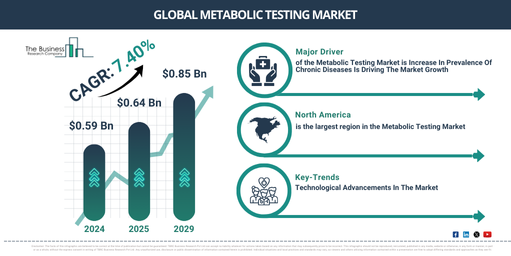
    The market size of metabolic testing has seen significant expansion in the past years. With a projected growth from $0.59 billion in 2024 to $0.64 billion in 2025, it is expected to exhibit a compound annual growth rate (CAGR) of 7.6%. Factors such as an increase in the health-conscious populace, rising awareness around health and wellness, enhancements in healthcare infrastructure, a surge in bariatic surgery procedures, and the proliferation of corporate wellness programs can be credited for the growth observed in the historical period.

    Predictions indicate that the metabolic testing market will experience substantial growth in the upcoming years. Expansion to $0.85 billion is envisaged by 2029 with a compound annual growth rate (CAGR) of 7.4%. The foreseeable growth during the forecast period is largely due to an increased emphasis on preventive healthcare, surging demand for fitness and wellness apps, government incentives for metabolic health, the burgeoning market for wearable health devices, and a rise in obesity rates. Key trends predicted for the forecast period encompass the application of AI in metabolic testing, the popularity of at-home testing devices, the advent of portable metabolic analyzers, the emergence of advanced indirect calorimetry devices, and the incorporation of IoT in metabolic testing systems.

    Download a free sample to assess the report’s scope and structure:

    https://www.thebusinessresearchcompany.com/sample.aspx?id=21219&type=smp

    What Are the Primary Drivers Supporting the Market Growth of the Metabolic Testing Market?

    The metabolic testing market is anticipated to be propelled by the growing prevalence of chronic diseases. Chronic illnesses are long-term conditions that last a year or longer, requiring ongoing medical care or impeding daily life activities. These diseases are due largely to poor lifestyle choices, unhealthy eating habits, and an increasing elderly population. Metabolic testing plays an invaluable role in chronic disease management by providing essential details about a person’s metabolic health, facilitating early detection of conditions like diabetes, cardiovascular diseases, and metabolic syndrome. This allows for personalized treatment plans and improved disease management overall. For instance, the World Health Organization (WHO), a Switzerland-based intergovernmental body, reported in September 2023 that chronic diseases accounted for 74% of all annual deaths worldwide, totaling 41 million. This figure includes 17.9 million deaths from cardiovascular diseases, 9.3 million from cancer, 4.1 million from chronic respiratory diseases, and 2.0 million from diabetes. Hence, the growing prevalence of chronic diseases is anticipated to fuel the metabolic testing market.

    Which Primary Segments of the Metabolic Testing Market Are Driving Growth and Industry Transformations?

    The metabolic testingmarket covered in this report is segmented –

    1) By Equipment Type: Body Composition Analyzers; Cardiopulmonary Exercise Testing (CPET) Systems; Electrocardiogram Systems (ECG) Systems; Metabolic Carts; Other Equipment Types

    2) By Technology: VO₂ Max Analysis; RMR Analysis; Body Composition Analysis

    3) By Application: Critical Care; Lifestyle Diseases; Other Applications

    4) By End User: Hospitals And Clinics; Sports Training Centers; Other End Users

    Subsegments:

    1) By Body Composition Analyzers: Dual-Energy X-ray Absorptiometry (DXA); Bioelectrical Impedance Analysis (BIA); Air Displacement Plethysmography (ADP)

    2) By Cardiopulmonary Exercise Testing (CPET) Systems: Treadmill Or Cycle Ergometer-based CPET; Oxygen Consumption Measurement Systems; Gas Exchange Measurement Systems

    3) By Electrocardiogram (ECG) Systems: Resting ECG Systems; Stress ECG Systems; Holter Monitors

    4) By Metabolic Carts: Indirect Calorimetry Metabolic Carts; Open-Circuit Spirometry Metabolic Carts

    5) By Other Equipment Types: Continuous Glucose Monitoring Systems; Lactate Testing Devices; Blood Pressure Monitoring Devices

    Request customized data on this market:

    https://www.thebusinessresearchcompany.com/customise?id=21219&type=smp

    Which Regions Are Key Players in the Growth of the #What Are the Primary Drivers Supporting the Market Growth of the Metabolic Testing Market?# Market?

    North America was the dominant region in the metabolic testing market in 2024. Asia-Pacific is expected to be the exponential growth region in the forecast period. The regions covered in the metabolic testing market report are Asia-Pacific, Western Europe, Eastern Europe, North America, South America, Middle East, Africa.

    What Are the Most Significant Market Trends in the Metabolic Testing Market?

    Leading firms in the metabolic testing market are making strides to innovate in their testing equipment offerings, notably metabolic analyzers, as a means to better real-time metabolic investigation and boost the accuracy of their research. A metabolic analyzer, a type of medical instrument, determines a person’s metabolic rate and gauges a range of metabolic functions. It assesses the body’s proficiency in using oxygen and transforming food into energy. This offers detailed knowledge of calorie expenditure, the use of different fuels (either carbohydrates or fats), and the efficiency of respiration. For example, in September 2024, healthcare solution provider PHC Corporation, based in Japan, unveiled LiCellMo, a metabolic analyzer for live cells aimed at the real-time visual observation of cellular metabolism in cell and gene therapy advanced research. This live cell metabolic analyzer, LiCellMo, boasts distinctive functionalities such as continuous, real-time, and non-invasive tracking of glucose and lactate levels in cell cultures, thereby presenting a thorough understanding of cellular metabolism without compromising the ongoing experiment. This empowers researchers with the ability to witness metabolic shifts in cell cultures, hence providing a holistic understanding of cellular behavior.

    View the full report here:

    https://www.thebusinessresearchcompany.com/report/metabolic-testing-global-market-report

    What Parameters Are Used to Define the Metabolic Testing Market?

    Metabolic testing refers to a set of medical tests used to measure the body’s metabolic rate, including how efficiently it converts food into energy and to assess various metabolic processes. These tests evaluate aspects and help determine a person’s risk for obesity, diabetes, and cardiovascular diseases.

    Purchase the full report and get a swift delivery:

    https://www.thebusinessresearchcompany.com/purchaseoptions.aspx?id=21219

    About The Business Research Company:

    With over 15000+ reports from 27 industries covering 60+ geographies, The Business Research Company has built a reputation for offering comprehensive, data-rich research and insights. Armed with 1,500,000 datasets, the optimistic contribution of in-depth secondary research, and unique insights from industry leaders, you can get the information you need to stay ahead in the game.

    Get in touch with us:

    The Business Research Company: https://www.thebusinessresearchcompany.com/

    Americas +1 310-496-7795

    Europe +44 7882 955267

    Asia & Others +44 7882 955267 & +91 8897263534

    Email us at info@tbrc.info

    Follow us on:

    LinkedIn: https://in.linkedin.com/company/the-business-research-company

    YouTube: https://www.youtube.com/channel/UC24_fI0rV8cR5DxlCpgmyFQ

    Global Market Model: https://www.thebusinessresearchcompany.com/global-market-model
  • Value-Based Care Service Outlook 2034: Key Drivers, Trends, and Market Frontiers

    Value-Based Care Service Outlook 2034: Key Drivers, Trends, and Market Frontiers

    Claim your 30% discount on Global Market Reports with code ONLINE30. Limited time only.

    How Has The Value-Based Care Service Market Size Shifted, And What Is the Outlook Through 2034?

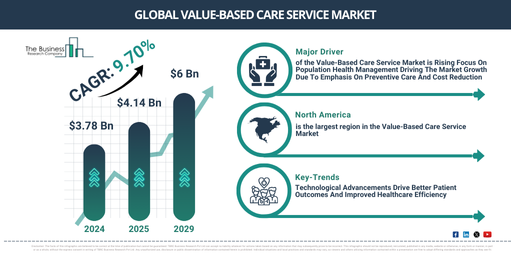
    The market for value-based care services has seen substantial growth over past years. It is set to increase from $3.78 billion in 2024 to $4.14 billion in 2025, exhibiting a compound annual growth rate (CAGR) of 9.5%. Factors contributing to the growth observed in the historical period include escalating healthcare expenses, a heightened focus on patient outcomes, the development of accountable care organizations (ACOs), the broadening scope of bundled payment models, and a surge in the employment of predictive analytics.

    The market size for value-based care services is expected to witness robust expansion in the coming years. The prediction is that it will escalate to$6 billion by 2029, with a compound annual growth rate (CAGR) of 9.7%. This growth during the forecast period can be ascribed to various factors such as the broader adoption of alternative payment models (APMs), escalating Medicare and Medicaid enrolment, increased demand for personalized care, rising telehealth adoption, and amplified emphasis on preventive care. Notable trends during this forecast period comprise advances in healthcare analytics, a transition from a fee-for-service model, incorporation of artificial intelligence in healthcare, integration of AI and machine learning and progress in digital health platforms.

    Download a free sample to assess the report’s scope and structure:

    https://www.thebusinessresearchcompany.com/sample.aspx?id=23558&type=smp

    How Are Key Drivers in the Industry Acting as Catalysts for the Growth of theValue-Based Care Service Market?

    The surge in concentration on managing the health of populations is set to bolster the expansion of the value-based care service market in the future. This method is a preventive healthcare strategy aimed at enhancing the health results of a specific population through the use of data analytics, preventive care, care coordination, and evidence-based interventions for chronic disease management, reduction of health disparities, and enhancement of overall well-being. The ascendant focus on population health management is a response to the requirement to elevate overall health results while moderating healthcare expenses. Healthcare providers pinpoint and administer frequent health risks, endorse preventive care, and more effectively manage chronic conditions through a population-wide approach to health. Value-based care services are essential in this transition, as they reconcile financial incentives with health results, encourage multidisciplinary cooperation, and stress the importance of preventive actions and prolonged patient engagement in the interests of improving population health management. For example, the Bureau of Labor Statistics, a federal agency based in the United States, predicted in April 2023 that the employment of medical and health services managers will rise by 29% between 2023 and 2033, greatly exceeding the average growth rate of all occupations. Consequently, the escalating focus on population health management is propelling the growth of the value-based care service market.

    Which Segments in the Value-Based Care Service Offer the Most Growth?

    The value-based care servicemarket covered in this report is segmented –

    1) By Model: Pay For Performance; Patient-Centered Medical Home; Shared Savings; Shared Risk; Bundled Payment; Capitation Models

    2) By Payers: Medicare; Medicaid; Commercial Insurance; Other Payers

    3) By Providers: Home Health Care; Institutional Care; Hospital Therapy; Other Providers

    4) By End-Users: Hospitals And Clinics; Insurance Companies; Government; Other End-Users

    Subsegments:

    1) By Pay For Performance: Hospital-Based Pay for Performance; Physician-Based Pay for Performance; Pharmacy-Based Pay for Performance; Nursing and Post-Acute Care Pay for Performance; Population Health-Based Pay for Performance

    2) By Patient-Centered Medical Home: Independent Patient-Centered Medical Homes; Hospital-Based Patient-Centered Medical Homes; Payer-Led Patient-Centered Medical Homes; Specialty-Specific Patient-Centered Medical Homes; Multi-Payer Patient-Centered Medical Homes

    3) By Shared Savings: One-Sided Shared Savings; Two-Sided Shared Savings; Medicare Shared Savings Programs; Commercial Shared Savings Programs; Medicaid Shared Savings Programs

    4) By Shared Risk: Partial Risk Sharing; Full Risk Sharing; Upside-Only Risk Models; Downside Risk Models; Provider-Sponsored Risk Arrangements

    5) By Bundled Payment: Retrospective Bundled Payments; Prospective Bundled Payments; Condition-Specific Bundled Payments; Procedure-Based Bundled Payments; Multi-Payer Bundled Payments

    6) By Capitation Models: Full Capitation; Partial Capitation; Primary Care Capitation; Specialty Care Capitation; Global Capitation

    Request customized data on this market:

    https://www.thebusinessresearchcompany.com/customise?id=23558&type=smp

    What Are the Fastest-Growing Geographies in the #How Are Key Drivers in the Industry Acting as Catalysts for the Growth of theValue-Based Care Service Market?# Market?

    North America was the largest region in the value-based care service market in 2024. Asia-Pacific is expected to be the fastest-growing region in the forecast period. The regions covered in the value-based care service market report are Asia-Pacific, Western Europe, Eastern Europe, North America, South America, Middle East, Africa.

    What Are the Current Market Growth and Trends in the Value-Based Care Service Industry?

    Major corporations in the value-based care service market are shifting their focus towards the development of cutting-edge solutions like healthcare analytics with an aim to boost efficiency and outcomes. Healthcare analytics leverages data about patients and their treatments to aid healthcare providers in making informed decisions, thereby enhancing patient care. It supports value-based care services by employing patient data to opt for the most suitable care, augment health outcomes, and curtail unnecessary expenditures. For example, Milliman MedInsight, a healthcare analytics and data solutions firm based in the US, introduced an upgraded Value-Based Care Platform in October 2023. This platform was devised to assist healthcare entities to perform optimally within value-based care structures. The advanced platform provided sophisticated tools for patient data analysis, health outcomes tracking, cost management, and care coordination enhancement. It allowed healthcare providers and health plans to make effective decisions by spotting efficient treatments, using resources judiciously, and providing top-notch care.

    View the full report here:

    https://www.thebusinessresearchcompany.com/report/value-based-care-service-global-market-report

    What Are the Key Elements That Define the Value-Based Care Service Market?

    Value-based care service is a healthcare delivery model that incentivizes providers to improve patient outcomes and overall health quality by emphasizing preventive care, coordinated treatment, and evidence-based practices while linking reimbursement to measurable performance metrics rather than the volume of services provided. It enhances patient satisfaction, reduces healthcare costs, and improves clinical efficiency by fostering proactive disease management, minimizing hospital readmissions, and promoting interdisciplinary collaboration across the healthcare continuum.

    Purchase the full report and get a swift delivery:

    https://www.thebusinessresearchcompany.com/purchaseoptions.aspx?id=23558

    About The Business Research Company:

    With over 15000+ reports from 27 industries covering 60+ geographies, The Business Research Company has built a reputation for offering comprehensive, data-rich research and insights. Armed with 1,500,000 datasets, the optimistic contribution of in-depth secondary research, and unique insights from industry leaders, you can get the information you need to stay ahead in the game.

    Get in touch with us:

    The Business Research Company: https://www.thebusinessresearchcompany.com/

    Americas +1 310-496-7795

    Europe +44 7882 955267

    Asia & Others +44 7882 955267 & +91 8897263534

    Email us at info@tbrc.info

    Follow us on:

    LinkedIn: https://in.linkedin.com/company/the-business-research-company

    YouTube: https://www.youtube.com/channel/UC24_fI0rV8cR5DxlCpgmyFQ

    Global Market Model: https://www.thebusinessresearchcompany.com/global-market-model
  • Key Developments and Trends Steering the Metabolic Syndrome Market Forward: Technological Innovations In The Probi USA’s At Supplyside West 2024 Market

    Key Developments and Trends Steering the Metabolic Syndrome Market Forward: Technological Innovations In The Probi USA’s At Supplyside West 2024 Market

    Claim your 30% discount on Global Market Reports with code ONLINE30. Limited time only.

    How Fast Is The Metabolic Syndrome Market Expected to Grow Between 2025 And 2029?

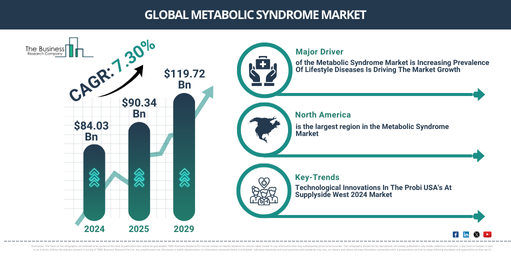
    Over the past few years, the size of the metabolic syndrome market has exhibited robust growth. Its valuation is projected to increase from $84.03 billion in 2024 to $90.34 billion in 2025, demonstrating a compound annual growth rate (CAGR) of 7.5%. This escalating growth during the historic phase is credited to factors such as the prevalence of sedentary work lifestyles, the expansion of the nutraceuticals and functional foods sector, growing consumer preference for natural products, a surge in clinical research and trials, and increased digitalization in healthcare.

    In the upcoming years, the market size for metabolic syndrome is anticipated to witness robust growth, projected to reach$119.72 billion in 2029, growing at a compound annual growth rate (CAGR) of 7.3%. The surge within this forecast period can be linked to rising stress levels in everyday life, enhanced awareness towards healthcare, soaring demand for superior diagnostic equipment, the uptick in diagnostic examinations for metabolic issues, and expanded health insurance coverage. Key trends forecasted for this period incorporate advancements in medical technology, monitoring of metabolic health, the utilisation of artificial intelligence, the inclusion of digital health tools, and the invention of intelligent ingestible pills.

    Download a free sample to assess the report’s scope and structure:

    https://www.thebusinessresearchcompany.com/sample.aspx?id=21218&type=smp

    How Are Key Drivers in the Industry Acting as Catalysts for the Growth of theMetabolic Syndrome Market?

    The metabolic testing market is anticipated to grow due to the escalating instances of diseases associated with lifestyle choices. Lifestyle diseases include health issues primarily resulting from unhealthy habits and practices, rather than gene or infection-driven factors. These usually encompass obesity, cancer, type 2 diabetes, osteoporosis, mental health disorders, among others. These diseases are increasingly common due to inactive lifestyles, unhealthy eating habits, heightened stress, and rampant usage of tobacco and alcohol. Metabolic syndrome significantly escalates lifestyle diseases by establishing a systemic condition that promotes chronic inflammation, hindered metabolic activities, and elevated cardiovascular threats. For instance, as documented by the National Health Service England in June 2024, a UK government department, the incidences of people diagnosed with non-diabetic hyperglycemia, or pre-diabetes, rose by 18% to 3,615,330 in 2023 from 3,065,825 recorded in 2022. Consequently, the rising occurrences of lifestyle diseases are expected to fuel the metabolic testing market.

    Which Segments in the Metabolic Syndrome Offer the Most Growth?

    The metabolic syndromemarket covered in this report is segmented –

    1) By Type: Type 1 Metabolic Syndrome; Type 2 Metabolic Syndrome; Type 3 Metabolic Syndrome

    2) By Risk Factors: Obesity; Insulin Resistance; High Blood Pressure; High Cholesterol

    3) By Treatment: Medication; Lifestyle Changes; Other Treatments

    4) By Route Of Administration: Oral; Parenteral; Other Route Of Administrations

    5) By End User: Hospitals; Homecare; Specialty Centres; Other End Users

    Subsegments:

    1) By Type 1 Metabolic Syndrome: Insulin Resistance Syndrome; Abdominal Obesity Syndrome; Hyperglycemia Syndrome

    2) By Type 2 Metabolic Syndrome: Elevated Blood Pressure Syndrome; Dyslipidemia Syndrome; Low HDL Cholesterol Syndrome

    3) By Type 3 Metabolic Syndrome: Atherosclerotic Cardiovascular Disease Syndrome; Non-Alcoholic Fatty Liver Disease Syndrome; Chronic Inflammation Syndrome

    Request customized data on this market:

    https://www.thebusinessresearchcompany.com/customise?id=21218&type=smp

    What Are the Fastest-Growing Geographies in the #How Are Key Drivers in the Industry Acting as Catalysts for the Growth of theMetabolic Syndrome Market?# Market?

    North America was the largest region in the metabolic syndrome market in 2024. Asia-Pacific is expected to be the fastest-growing region in the forecast period. The regions covered in the metabolic syndrome market report are Asia-Pacific, Western Europe, Eastern Europe, North America, South America, Middle East, Africa.

    What Are the Current Market Growth and Trends in the Metabolic Syndrome Industry?

    Significant players in the metabolic syndrome market are channeling their efforts towards creating inventive solutions like clinically backed probiotic solutions to improve the treatment, management, and prevention of the condition. A clinically supported probiotic solution refers to a probiotic product that has passed stringent clinical trials to affirm its health advantages and safety for human use. For instance, Probi USA, a company based in the US renowned for producing clinically tested biotics, introduced metabolic health to the market in October 2024. This product merges two probiotic strains, namely, Lactiplantibacillus plantarum 299v (LP299V) and Lacticaseibacillus paracasei 8700:2 (L. Paracasei 8700:2). LP299V, supported by over 230 publications and eight clinical trials, aids in enhancing cardiovascular health through improvement of cholesterol levels, inflammation, and the functioning of blood vessels. On the other hand, L. Paracasei 8700:2, featured in more than 30 publications, contributes to the regulation of blood pressure, cholesterol management, and weight management.

    View the full report here:

    https://www.thebusinessresearchcompany.com/report/metabolic-syndrome-global-market-report

    What Are the Key Elements That Define the Metabolic Syndrome Market?

    Metabolic syndrome is a group of risk factors that increase a person’s likelihood of developing heart disease, stroke, and type 2 diabetes. It is often linked to poor lifestyle choices, such as unhealthy eating, lack of physical activity, and obesity. Treatment typically focuses on lifestyle changes, such as diet modification, exercise, and medication to manage individual risk factors.

    Purchase the full report and get a swift delivery:

    https://www.thebusinessresearchcompany.com/purchaseoptions.aspx?id=21218

    About The Business Research Company:

    With over 15000+ reports from 27 industries covering 60+ geographies, The Business Research Company has built a reputation for offering comprehensive, data-rich research and insights. Armed with 1,500,000 datasets, the optimistic contribution of in-depth secondary research, and unique insights from industry leaders, you can get the information you need to stay ahead in the game.

    Get in touch with us:

    The Business Research Company: https://www.thebusinessresearchcompany.com/

    Americas +1 310-496-7795

    Europe +44 7882 955267

    Asia & Others +44 7882 955267 & +91 8897263534

    Email us at info@tbrc.info

    Follow us on:

    LinkedIn: https://in.linkedin.com/company/the-business-research-company

    YouTube: https://www.youtube.com/channel/UC24_fI0rV8cR5DxlCpgmyFQ

    Global Market Model: https://www.thebusinessresearchcompany.com/global-market-model
  • Global Usher Syndrome Market Trends: Regional Breakdowns and Strategic Insights

    Global Usher Syndrome Market Trends: Regional Breakdowns and Strategic Insights

    Claim your 30% discount on Global Market Reports with code ONLINE30. Limited time only.

    How Has the Usher Syndrome Market Growth Performance Trended Historically, And What Lies Ahead?

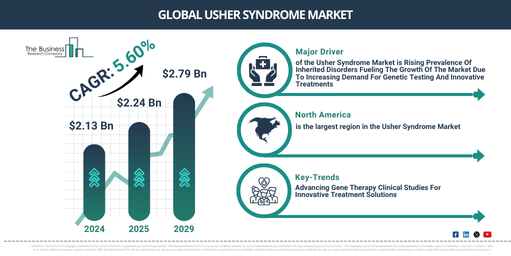
    In recent times, the market size for Usher syndrome has experienced robust growth. An expansion from $2.13 billion in 2024 to $2.24 billion in 2025 is anticipated, with a compound annual growth rate (CAGR) of 5.3%. Factors such as an increase in genetic disorders, a surge in demand for minimally invasive surgeries, a rise in inherited disorders, product approvals on the rise, and heightened government initiatives have all contributed to the historical growth.

    Expectations are high for the significant expansion of the Usher syndrome market in the upcoming years. It is projected to expand to $2.79 billion in 2029 with a compound annual growth rate (CAGR) of 5.6%. This predicted growth within the forecast period is due to several factors including increased utilization of cochlear implants, a surge in gene mutations, rising health care spending, emergence of ophthalmological rehabilitation, and the growing adoption of audiological rehabilitation. Prime trends anticipated within the forecast period include vaccine development, upgrades in hearing equipment, improvements in medical devices, surgical advancements, and progress in gene therapies.

    Download a free sample to assess the report’s scope and structure:

    https://www.thebusinessresearchcompany.com/sample.aspx?id=23555&type=smp

    What Are the Major Market Drivers Behind the Rising Adoption of Usher Syndrome Market?

    The escalating incidence of hereditary ailments is anticipated to boost the usher syndrome market’s expansion in the future. Hereditary ailments are genetic disorders that are transmitted from parents to children via DNA, frequently attributed to variations in one or more genes. The growing age of parents leads to an increase in these disorders, resulting in a higher rate of genetic conditions in newborns. Usher syndrome is a hereditary disease that necessitates early detection, specialized treatment, and tailor-made therapies. With the increase in awareness and testing for genetic disorders, there is an upsurge in the identification of Usher syndrome. This leads to a greater need for diagnostic procedures, genetic guidance, and therapeutic strategies. For example, in November 2022, as per the United Kingdom Hemophilia Centre Doctors Organization, a UK-founded medical association, the number of new enrollments for individuals aged two years and above with severe hemophilia A, along with succeeding treatment, grew from 16 in 2021 to 19 in 2022. Consequently, the growing incidence of inherited disorders will propel the usher syndrome market.

    Which Key Market Segments Comprise the Usher Syndrome Market and Drive Its Revenue Growth?

    The usher syndromemarket covered in this report is segmented –

    1) By Type: Type 1; Type 2; Type 3; Other Types

    2) By Treatment: Devices; Drugs; Therapy; Other Treatments

    3) By Diagnosis: Electroretinogram; Optical Coherence Tomography; Video Nystagmography; Audiology; Genetic Testing; Other Diagnoses

    4) By Distribution Channels: Hospital Pharmacy; Retail Pharmacy; Other Distribution Channels

    5) By End-Users: Hospitals; Speciality Clinics; Other End-Users

    Subsegments:

    1) By Type 1: MYO7A Mutation; USH1C Mutation; CDH23 Mutation; PCDH15 Mutation; USH1G Mutation

    2) By Type 2: USH2A Mutation; GPR98 Mutation; DFNB31 Mutation

    3) Type 3: CLRN1 Mutation

    4) Other Types: Atypical Usher Syndrome; Rare Genetic Variants

    Request customized data on this market:

    https://www.thebusinessresearchcompany.com/customise?id=23555&type=smp

    Which Areas Are Leading Regions in the Usher Syndrome Market Expansion Across the Globe?

    North America was the largest region in the usher syndrome market in 2024. Asia-Pacific is expected to be the fastest-growing region in the forecast period. The regions covered in the usher syndrome market report are Asia-Pacific, Western Europe, Eastern Europe, North America, South America, Middle East, Africa.

    What Are the Strategic Trends Steering theUsher Syndrome Market Direction?

    Leading firms in the Usher Syndrome market are zeroing in on clinical trials to create gene therapies and novel treatment options that could potentially halt or reverse hearing and vision loss. The goal of these clinical trials is to enhance early diagnosis methods, upgrade assistive technologies, and investigate possible drug-based interventions for more effective disease control. For instance, AAVantgarde Bio, a biotech firm based in Italy, in October 2024, initiated the LUCE-1 clinical study, a Phase I/II trial designed to determine the safety and efficiency of their gene therapy, AAVB-081, in treating Usher Syndrome type 1B (USH1B) related retinitis pigmentosa. The LUCE-1 trial is set to evaluate the safety and suitability of AAVB-081, a therapy that provides a functional version of the MYO7A gene, a vital gene for maintaining retinal health.

    View the full report here:

    https://www.thebusinessresearchcompany.com/report/usher-syndrome-global-market-report

    How Is the Usher Syndrome Market Conceptually Defined?

    Usher syndrome is a genetic disorder that affects both hearing and vision, often leading to deafness or hearing loss and a progressive eye condition called retinitis pigmentosa (RP). It is the most common cause of combined deaf-blindness and is inherited in an autosomal recessive pattern.

    Purchase the full report and get a swift delivery:

    https://www.thebusinessresearchcompany.com/purchaseoptions.aspx?id=23555

    About The Business Research Company:

    With over 15000+ reports from 27 industries covering 60+ geographies, The Business Research Company has built a reputation for offering comprehensive, data-rich research and insights. Armed with 1,500,000 datasets, the optimistic contribution of in-depth secondary research, and unique insights from industry leaders, you can get the information you need to stay ahead in the game.

    Get in touch with us:

    The Business Research Company: https://www.thebusinessresearchcompany.com/

    Americas +1 310-496-7795

    Europe +44 7882 955267

    Asia & Others +44 7882 955267 & +91 8897263534

    Email us at info@tbrc.info

    Follow us on:

    LinkedIn: https://in.linkedin.com/company/the-business-research-company

    YouTube: https://www.youtube.com/channel/UC24_fI0rV8cR5DxlCpgmyFQ

    Global Market Model: https://www.thebusinessresearchcompany.com/global-market-model

  • Market Trends Influencing Strategic Decisions in the Medical Nitrous Oxide Industry: Innovative Drug Delivery Systems Transforming Nitrous Oxide Administration

    Market Trends Influencing Strategic Decisions in the Medical Nitrous Oxide Industry: Innovative Drug Delivery Systems Transforming Nitrous Oxide Administration

    Claim your 30% discount on Global Market Reports with code ONLINE30. Limited time only.

    What Are the Key Projections for the CAGR of the Medical Nitrous Oxide Market Size From 2025 to 2034?

    The market size for medical nitrous oxide has seen significant growth in the past few years. It is projected to rise from $2.15 billion in 2024 to an estimated $2.34 billion in 2025, with a compound annual growth rate (CAGR) of 8.9%. The substantial growth observed during the historic period can be attributed to factors such as an increase in surgical and dental procedures, improved awareness of pain management alternatives, the growth of medical facilities and an increase in emergency medical services.

    We anticipate a robust expansion of the medical nitrous oxide market in the forthcoming years, with it expected to reach a value of $3.37 billion in 2029 growing at a compound annual growth rate (CAGR) of 9.6%. This predicted growth during the forecast period could be due to factors such as the increase in the global elderly population, the escalating amount of surgical interventions, an emerging preference for non-invasive pain relief methods, the burgeoning sector of home healthcare services, and the widespread use of nitrous oxide in dentistry. The market will be strongly influenced during the forecast period by several key trends including advancements in sedation methods, novel technologies in gas delivery systems, integration within dental practices, exploration of new medical uses, and encouraging results from clinical research.

    Download a free sample to assess the report’s scope and structure:

    https://www.thebusinessresearchcompany.com/sample.aspx?id=21217&type=smp

    What Are the Major Market Drivers Behind the Rising Adoption of Medical Nitrous Oxide Market?

    The increasing need for effective pain management is predicted to accelerate the expansion of the medial nitrous oxide market in the future. Pain management, a branch of medicine devoted to minimizing pain via various treatments such as medications, therapies and procedures, is in high demand due to a rise in chronic pain prevalence, an aging population, and advancements in treatment techniques and technologies. As an analgesic during medical procedures, medical nitrous oxide offers swift and effective relief, creating feelings of euphoria and relaxation that help to decrease pain perception. It also ensures fewer side effects and a speedy recovery, making it a suitable choice for minor surgeries and dental work. For example, data from the US Centers for Disease Control and Prevention, a government agency, showed that in 2023, 24.3% of U.S. adults reported experiencing chronic pain, and 8.5% indicated it frequently limited their life or work activities, a rise from 20.9% in 2021, where 6.9% dealt with high-impact chronic pain. Consequently, this increasing demand for pain management is fuelling the growth of the medical nitrous oxide market.

    Which Key Market Segments Comprise the Medical Nitrous Oxide Market and Drive Its Revenue Growth?

    The medical nitrous oxidemarket covered in this report is segmented –

    1) By Product: Gaseous State; Liquid State

    2) By Purity Level: 98%-99% Medium Grade; 99.9% A-Z Grade; Below 98% Low Grade

    3) By Application: Cryosurgery; Surgical Insufflation; Anesthesia And Pain Relief

    4) By End User: Dental Clinics; Emergency Medical Services; Food Industry; Hospitals; Research Laboratories; Veterinary Clinics

    Subsegments:

    1) By Gaseous State: Compressed Gas Cylinders; Medical Gas Blends

    2) By Liquid State: Cryogenic Liquid Nitrous Oxide; Liquid Nitrous Oxide For Medical Use

    Request customized data on this market:

    https://www.thebusinessresearchcompany.com/customise?id=21217&type=smp

    Which Areas Are Leading Regions in the Medical Nitrous Oxide Market Expansion Across the Globe?

    North America was the largest region in the medical nitrous oxide market in 2024. Asia-Pacific is expected to be the fastest-growing region in the forecast period. The regions covered in the medical nitrous oxide market report are Asia-Pacific, Western Europe, Eastern Europe, North America, South America, Middle East, Africa.

    What Are the Strategic Trends Steering theMedical Nitrous Oxide Market Direction?

    Major players in the medical nitrous oxide market are concentrating their efforts on technological advancements such as sophisticated drug delivery systems to boost the accuracy, safety, and effectiveness of nitrous oxide usage in medical procedures. These advanced drug delivery systems are cutting-edge platforms designed for the precise administration of therapeutic gases or medications to patients, thereby heightening efficiency, safety, and patient adherence. As an illustration, in December 2023, the pharmaceutical firm based in Ireland known as Mallinckrodt plc, has secured approval from the US Food and Drug Administration (FDA) for its INOmax EVOLVE DS delivery system, created for the delivery of INOmax (nitric oxide) gas for inhalation. This system assures a steady NO concentration throughout the respiration cycle with the use of an advanced injector module for precise, synchronized dosing. The system is approved for use with specific ventilators and respiratory equipment.

    View the full report here:

    https://www.thebusinessresearchcompany.com/report/medical-nitrous-oxide-global-market-report

    How Is the Medical Nitrous Oxide Market Conceptually Defined?

    Medical nitrous oxide is a colorless, non-flammable gas used in healthcare for anesthesia, pain relief, and surgical procedures. It is commonly known as laughing gas and is used in dentistry, surgery, and emergency care to reduce pain and anxiety.

    Purchase the full report and get a swift delivery:

    https://www.thebusinessresearchcompany.com/purchaseoptions.aspx?id=21217

    About The Business Research Company:

    With over 15000+ reports from 27 industries covering 60+ geographies, The Business Research Company has built a reputation for offering comprehensive, data-rich research and insights. Armed with 1,500,000 datasets, the optimistic contribution of in-depth secondary research, and unique insights from industry leaders, you can get the information you need to stay ahead in the game.

    Get in touch with us:

    The Business Research Company: https://www.thebusinessresearchcompany.com/

    Americas +1 310-496-7795

    Europe +44 7882 955267

    Asia & Others +44 7882 955267 & +91 8897263534

    Email us at info@tbrc.info

    Follow us on:

    LinkedIn: https://in.linkedin.com/company/the-business-research-company

    YouTube: https://www.youtube.com/channel/UC24_fI0rV8cR5DxlCpgmyFQ

    Global Market Model: https://www.thebusinessresearchcompany.com/global-market-model
  • Urticaria Market Outlook 2025: Mapping Growth, Innovation, and Regional Shifts

    Urticaria Market Outlook 2025: Mapping Growth, Innovation, and Regional Shifts

    Claim your 30% discount on Global Market Reports with code ONLINE30. Limited time only.

    What Are the Projected Market Size and Growth Rates for the Urticaria Market From 2025 To 2029?

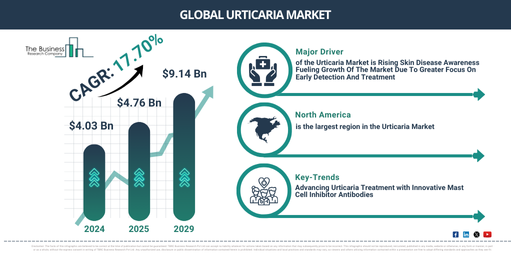
    The market scale for urticaria has experienced a prompt expansion in the past few years. It is projected to escalate from $4.03 billion in 2024 to $4.76 billion in 2025, exhibiting a compound annual growth rate (CAGR) of 18.1%. Factors contributing to the historic phase growth include increased instances of allergies, elevated awareness regarding skin diseases, advanced developments in immunology and biologics, heightened demand for antihistamines, and advancements in diagnostic methods.

    In the coming years, the urticaria market size is projected to witness a rapid increase, expected to reach$9.14 billion in 2029″ with a compound annual growth rate (CAGR) of 17.7%. The anticipated growth in this timeframe can be ascribed to the escalating number of chronic urticaria cases, the widespread acceptance of biologic therapies, growth in dermatology research funding, wider access to cutting-edge allergy diagnostic tools, and an increase in customized medicine creation. Key trends for the forecast period encompass AI-enabled diagnostic instruments, the creation of new biologics, advancements in personalized immunotherapy, wearable devices for skin monitoring, and the application of telemedicine in allergy management.

    Download a free sample to assess the report’s scope and structure:

    https://www.thebusinessresearchcompany.com/sample.aspx?id=23554&type=smp

    What External and Internal Drivers Are Contributing to the Growth of theUrticaria Market?

    The rise in the consciousness and treatment of skin disorders is anticipated to bolster the urticaria market’s expansion. The escalation in pollution results in a surge in skin allergies and diseases, fueling the need for enlightenment and sophisticated treatments. Urticaria aids in emphasizing skin ailment mindfulness and medical intervention by displaying immune system reactions, propelling research, improving diagnostics, and developing specific treatments. For example, The Skin Cancer Foundation, a nonprofit organization based in the US, noted in February 2024, that 1 in 5 Americans are diagnosed with skin cancer by the time they are 70, with more than 2 deaths happening every hour in the U.S. This underscores the immediate necessity for precautionary actions, as experiencing five or more sunburns can double the chances of melanoma. Hence, the rise in skin disease awareness and treatment is propelling the urticaria market’s growth.

    What Segment Types Define the Urticaria Market Structure?

    The urticariamarket covered in this report is segmented –

    1) By Type: Acute Urticaria; Chronic Urticaria

    2) By Drug Class: Antihistamines; Anti-inflammation Medications; Antidepressants; Monoclonal Antibodies; Other Drug Classes

    3) By Route of Administration: Oral; Parenteral; Other Routes Of Administration

    4) By Distribution Channel: Hospital Pharmacy; Online Pharmacy; Retail Pharmacy

    5) By End-Users: Hospitals; Homecare; Specialty Clinics; Other End-Users

    Subsegments:

    1) By Acute Urticaria: Allergic Urticaria; Infectious Urticaria; Drug-Induced Urticaria; Contact Urticaria

    2) By Chronic Urticaria: Chronic Spontaneous Urticaria (CSU); Chronic Inducible Urticaria (CIndU)

    Request customized data on this market:

    https://www.thebusinessresearchcompany.com/customise?id=23554&type=smp

    Which Geographic Areas Hold the Strongest Growth Potential in the Urticaria Market?

    North America was the largest region in the urticaria market in 2024. Asia-Pacific is expected to be the fastest-growing region in the forecast period. The regions covered in the urticaria market report are Asia-Pacific, Western Europe, Eastern Europe, North America, South America, Middle East, Africa.

    What Long-Term Trends Are Transforming the Competitive Landscape of the Urticaria Market?

    Key players in the urticaria market are aggressively pursuing the development of advanced solutions like mast cell inhibitor antibodies, aimed at enhancing therapeutic outcomes for chronic spontaneous urticaria through the targeting of mast cell activation. These mast cell inhibitor antibodies, essentially targeted monoclonal antibodies, work by preventing the activation or degranulation of mast cells by obstructing particular receptors or signaling pathways, hence decreasing allergic reactions, inflammation, and other mast cell-triggered conditions. For example, in May 2024, Allakos Inc., a biotech company based in the United States, started a Phase 1 clinical trial for AK006, a promising therapy model for the treatment of chronic spontaneous urticaria (CSU). AK006 has a dual targeting feature: it impacts both IgE-dependent and IgE-independent mast cell activation pathways, extending its efficacy to patients unresponsive to antihistamines or prior biologic treatments. With the targeted inhibition of mast cell activity via the Siglec-6 receptor, AK006 endeavours to offer a more holistic and durable solution for managing CSU, signifying a crucial step forward in urticaria treatment and immunotherapy research.

    View the full report here:

    https://www.thebusinessresearchcompany.com/report/urticaria-global-market-report

    What Is the Definition of the Urticaria Market?

    Urticaria, commonly known as hives, is a skin condition characterized by red, itchy, and raised welts. It occurs due to an allergic reaction, stress, or unknown triggers, leading to histamine release. The condition can be acute (lasting less than six weeks) or chronic (persisting longer). Treatment includes antihistamines, avoiding triggers, and, in severe cases, corticosteroids or immunotherapy.

    Purchase the full report and get a swift delivery:

    https://www.thebusinessresearchcompany.com/purchaseoptions.aspx?id=23554

    About The Business Research Company:

    With over 15000+ reports from 27 industries covering 60+ geographies, The Business Research Company has built a reputation for offering comprehensive, data-rich research and insights. Armed with 1,500,000 datasets, the optimistic contribution of in-depth secondary research, and unique insights from industry leaders, you can get the information you need to stay ahead in the game.

    Get in touch with us:

    The Business Research Company: https://www.thebusinessresearchcompany.com/

    Americas +1 310-496-7795

    Europe +44 7882 955267

    Asia & Others +44 7882 955267 & +91 8897263534

    Email us at info@tbrc.info

    Follow us on:

    LinkedIn: https://in.linkedin.com/company/the-business-research-company

    YouTube: https://www.youtube.com/channel/UC24_fI0rV8cR5DxlCpgmyFQ

    Global Market Model: https://www.thebusinessresearchcompany.com/global-market-model

  • Top Trends Driving Innovation and Change in the Low-Grade Glioma Market: Advancements In Low-Grade Glioma Treatment

    Top Trends Driving Innovation and Change in the Low-Grade Glioma Market: Advancements In Low-Grade Glioma Treatment

    Claim your 30% discount on Global Market Reports with code ONLINE30. Limited time only.

    How Has The Low-Grade Glioma Market Growth Evolved From 2024 To 2025, And What’s Ahead?

    The market size for low-grade glioma has seen robust growth in the recent past. The market is predicted to expand from $1.39 billion in 2024 to $1.47 billion in 2025, with a compound annual growth rate (CAGR) of 5.8%. Factors contributing to this historic growth include an uptick in brain tumor awareness, a rise in oncology-focused funding to stimulate research, a surge in orphan drug designations, telemedicine proliferation, and increased access to healthcare.

    In the ensuing years, the market for low-grade gliomas is projected to experience robust growth, reaching$1.84 billion by 2029 and expanding at a compound annual growth rate (CAGR) of 5.7%. The anticipated growth within this period is linked to the growing elderly population, escalating healthcare spending, a rise in the detection of brain tumors, growing governmental initiatives, and an increment in the occurrence and prevalence of high-grade gliomas. Key trends forecasted in this time frame encompass breakthroughs in imaging technologies, the advancement of radiation therapies, the inception of new chemotherapy protocols, the broadening of clinical trials, and the incorporation of immunotherapy.

    Download a free sample to assess the report’s scope and structure:

    https://www.thebusinessresearchcompany.com/sample.aspx?id=21215&type=smp

    What External and Internal Drivers Are Contributing to the Growth of theLow-Grade Glioma Market?

    The escalating cases of brain tumors are anticipated to drive the expansion of the low-grade glioma market. Brain tumors are unusual cellular growths in the brain or nearby areas, which can either be benign or malignant. The increase in brain tumor cases is attributed to factors like increased radiation exposure, environmental contaminants, genetic susceptibility, and aging. Low-grade glioma assists in managing brain tumors by employing modern diagnostic methods and targeted treatments like surgery, radiation, and chemotherapy. These treatments aid in slowing down the tumor’s growth, preserving neurological functions, and enhancing patient prognosis. Thus, prompt detection and personalized treatment strategies are essential in managing other brain tumors that exhibit similar growth characteristics. As an example, The Central Brain Tumor Registry of the United States (CBTRUS), a US-oriented nonprofit organization, reported in October 2023 that in 2022, the global incidence of primary malignant brain tumors was about 3.5 per 100,000, with higher rates in affluent countries (4.9 per 100,000) than in low-middle (2.4 per 100,000) and low-income countries. Hence, the increasing cases of brain tumors are fueling the growth of the low-grade glioma market.

    What Segment Types Define the Low-Grade Glioma Market Structure?

    The low-grade gliomamarket covered in this report is segmented –

    1) By Drug Type: Trametinib; Dabrafenib; Ivosidenib; Mirdametinib

    2) By Treatment: Surgery; Chemotherapy; Radiation

    3) By Route Of Administration: Topical; Oral

    4) By Distribution Channel: Online Pharmacies; Hospital Pharmacies; Retail Pharmacies

    Request customized data on this market:

    https://www.thebusinessresearchcompany.com/customise?id=21215&type=smp

    Which Geographic Areas Hold the Strongest Growth Potential in the Low-Grade Glioma Market?

    North America was the largest region in the low-grade glioma market in 2024. Asia-Pacific is expected to be the fastest-growing region in the forecast period. The regions covered in the low-grade glioma market report are Asia-Pacific, Western Europe, Eastern Europe, North America, South America, Middle East, Africa.

    What Long-Term Trends Are Transforming the Competitive Landscape of the Low-Grade Glioma Market?

    The focus of key players in the low-grade glioma market is largely on the incorporation of combined therapies and targeted therapy, including genetic alteration medications, in order to establish a competitive advantage as well as improve treatments for children with low-grade glioma. Drugs that alter genetics are targeted therapies meant to alter or curb specific genetic differences or anomalies in cells, aiding in the treatment of diseases like cancer by halting the avenues that prompt unchecked cell growth. For example, Day One Biopharmaceuticals, a biotech establishment from the US, introduced Tovorafenib (Ojemda) in May 2024, after obtaining fast-tracked approval from the FDA. This therapy, designed for children aged six months and older with non-removable or recurring low-grade glioma (LGG) bearing BRAF gene alterations, is a convenient oral treatment administered once a week. It provides a crucial option for pediatric LGG patients who previously had limited treatment choices.

    View the full report here:

    https://www.thebusinessresearchcompany.com/report/low-grade-glioma-global-market-report

    What Is the Definition of the Low-Grade Glioma Market?

    Low-grade gliomas are a type of brain tumor that develops from glial cells, which provide support and insulation to nerve cells in the brain, characterized by slow growth and generally less aggressive behavior compared to high-grade gliomas, though they can still cause significant neurological symptoms and may require treatments.

    Purchase the full report and get a swift delivery:

    https://www.thebusinessresearchcompany.com/purchaseoptions.aspx?id=21215

    About The Business Research Company:

    With over 15000+ reports from 27 industries covering 60+ geographies, The Business Research Company has built a reputation for offering comprehensive, data-rich research and insights. Armed with 1,500,000 datasets, the optimistic contribution of in-depth secondary research, and unique insights from industry leaders, you can get the information you need to stay ahead in the game.

    Get in touch with us:

    The Business Research Company: https://www.thebusinessresearchcompany.com/

    Americas +1 310-496-7795

    Europe +44 7882 955267

    Asia & Others +44 7882 955267 & +91 8897263534

    Email us at info@tbrc.info

    Follow us on:

    LinkedIn: https://in.linkedin.com/company/the-business-research-company

    YouTube: https://www.youtube.com/channel/UC24_fI0rV8cR5DxlCpgmyFQ

    Global Market Model: https://www.thebusinessresearchcompany.com/global-market-model