Month: August 2025

  • Urinary Retention Therapeutics Market in Focus: Forecasting Growth Drivers, Scaling Potential, and Global Opportunities

    Urinary Retention Therapeutics Market in Focus: Forecasting Growth Drivers, Scaling Potential, and Global Opportunities

    Claim your 30% discount on Global Market Reports with code ONLINE30. Limited time only.

    What Is the Estimated Market Size of the Urinary Retention Therapeutics Market In 2029?

    The market for urinary retention therapeutics has seen robust expansion in the past few years. It is projected to increase from a value of $3.33 billion in 2024 to $3.55 billion in 2025, experiencing a compound annual growth rate (CAGR) of 6.5%. The rise during the historical phase can be attributed to a surge in urological disorders, escalated healthcare spending, a growing elderly population worldwide, a rise in cases of urinary incontinence (UI), and an increased threat of associated urological disorders among individuals.

    The market for therapeutics that treat urinary retention is projected to experience significant expansion in the upcoming years, soaring to an estimated worth of$4.65 billion by 2029. The robust compound annual growth rate (CAGR) of 7.0% can be tied to a variety of contributing factors, including a rising necessity for home care, an increasing prevalence of prostate cancer, heightened demand for less invasive procedures, an uptick in research endeavors, and an ageing population. The forecast period is likely to showcase the emergence of fresh, groundbreaking treatment modalities, the creation of superior urinary incontinence equipment, other advancements in technology, strategic alliances and mergers, the arrival of invasive over-the-counter devices, and the introduction of wearable technology.

    Download a free sample to assess the report’s scope and structure:

    https://www.thebusinessresearchcompany.com/sample.aspx?id=23553&type=smp

    What Are the Core Market Drivers Propelling Growth in the Urinary Retention Therapeutics Industry?

    The upward trend in prostate cancer instances is expected to contribute to the expansion of the urinary retention therapeutics market during the projected timeframe. Prostate cancer is a malignant disease marked by the unregulated proliferation of cells in the prostate gland. The rise in prostate cancer cases is mainly attributed to demographic changes, with a higher number of men leading longer lives. Naturally, as the population grows older, the probability of developing age-linked maladies such as prostate cancer raises. When it comes to prostate cancer, urinary retention therapeutics are crucial because the tumor or an enlarged prostate could block the urethra, complicating the act of urination and mandating therapies to reinstate normal urination. For example, information from the Centers for Disease Control and Prevention, a health protection organization based in the U.S, revealed that in June 2024, 33,363 men in the U.S had succumbed to prostate cancer in 2022, while 236,659 new instances were identified in 2021. Hence, the rise in prostate cancer instances will instigate the expansion of the urinary retention therapeutics market.

    How Is the Urinary Retention Therapeutics Market Segmented?

    The urinary retention therapeuticsmarket covered in this report is segmented –

    1) By Drug Class: 5-Alpha-Reductase Inhibitor And Alpha-Blocker Drugs; Anticholinergic Or Antispasmodic Agents; Antidepressants; Skeletal Muscle Relaxants; Topical Estrogens; Other Drugs

    2) By Incontinence Type: Stress Incontinence; Urge Incontinence; Over-Flow Incontinence; Mixed Incontinence; Other Incontinence Types

    3) By Administration Route: Oral; Intravesical; Intravenous; Transdermal

    4) By Distribution Channel: Retail Pharmacy; Hospital Pharmacy; Online Pharmacy

    Subsegments:

    1) By 5-Alpha-Reductase Inhibitor And Alpha-Blocker Drugs: Finasteride; Dutasteride; Tamsulosin; Alfuzosin; Terazosin; Doxazosin

    2) By Anticholinergic or Antispasmodic Agents: Oxybutynin; Tolterodine; Solifenacin; Darifenacin; Trospium; Fesoterodine

    3) By Antidepressants: Imipramine; Amitriptyline; Duloxetine

    4) By Skeletal Muscle Relaxants: Baclofen; Tizanidine; Diazepam; Cyclobenzaprine

    5) By Topical Estrogens: Estradiol Cream; Conjugated Estrogens; Estriol Vaginal Cream

    6) By Other Drugs: Botulinum Toxin (Botox); Mirabegron; Desmopressin

    Request customized data on this market:

    https://www.thebusinessresearchcompany.com/customise?id=23553&type=smp

    Which Regions Are Driving the Next Phase of the Urinary Retention Therapeutics Market Growth?

    North America was the largest region in the urinary retention therapeutics market in 2024. Asia-Pacific is expected to be the fastest-growing region in the forecast period. The regions covered in the urinary retention therapeutics market report are Asia-Pacific, Western Europe, Eastern Europe, North America, South America, Middle East, Africa.

    What Key Trends Are Shaping the Future of the Urinary Retention Therapeutics Market?

    Renowned enterprises in the urinary retention therapeutics market are turning their attention towards cutting-edge technologies like the upcoming sacral nerve stimulation therapy which enhances bladder and bowel management. Sacral nerve stimulation therapy involves the use of gentle electrical impulses to trigger the sacral nerves, which helps reduce symptoms associated with urinary retention or overactive bladder. For instance, in February 2022, Medtronic Plc, a medical device corporation headquartered in Ireland, gained approval from the U.S. Food and Drug Administration (FDA) for its InterStim X system. This approval represents a significant stride in personalized sacral nerve stimulation therapy. The InterStim X system comes equipped with features such as a resilient, no-charge battery, MRI compatibility, and a smart programmer for personalized therapy. It also includes a trial period with its two-stage implantation procedure before it is permanently placed. These innovations elevate the ease and safety of bladder and bowel control management. It offers two sustainable solutions, the non-rechargeable InterStim X and the rechargeable InterStim Micro, for ailments like overactive bladder and chronic fecal incontiness.

    View the full report here:

    https://www.thebusinessresearchcompany.com/report/urinary-retention-therapeutics-global-market-report

    How Is the Urinary Retention Therapeutics Market Defined and What Are Its Core Parameters?

    Urinary retention therapeutics refer to a variety of medical approaches aimed at treating the inability to fully empty the bladder. These treatments focus on relieving bladder pressure, restoring normal urinary flow, and preventing potential complications such as infections or kidney damage. The ultimate goal is to improve bladder function and enhance the patient’s overall comfort and quality of life.

    Purchase the full report and get a swift delivery:

    https://www.thebusinessresearchcompany.com/purchaseoptions.aspx?id=23553

    About The Business Research Company:

    With over 15000+ reports from 27 industries covering 60+ geographies, The Business Research Company has built a reputation for offering comprehensive, data-rich research and insights. Armed with 1,500,000 datasets, the optimistic contribution of in-depth secondary research, and unique insights from industry leaders, you can get the information you need to stay ahead in the game.

    Get in touch with us:

    The Business Research Company: https://www.thebusinessresearchcompany.com/

    Americas +1 310-496-7795

    Europe +44 7882 955267

    Asia & Others +44 7882 955267 & +91 8897263534

    Email us at info@tbrc.info

    Follow us on:

    LinkedIn: https://in.linkedin.com/company/the-business-research-company

    YouTube: https://www.youtube.com/channel/UC24_fI0rV8cR5DxlCpgmyFQ

    Global Market Model: https://www.thebusinessresearchcompany.com/global-market-model
  • Emerging Trends Redefining the Lewy Body Dementia Market Landscape: Innovative Approaches In Treating Rare Cancers With Orphan Drugs

    Emerging Trends Redefining the Lewy Body Dementia Market Landscape: Innovative Approaches In Treating Rare Cancers With Orphan Drugs

    Claim your 30% discount on Global Market Reports with code ONLINE30. Limited time only.

    What is the Projected CAGR for the Locally Advanced Pancreatic Cancer Market Size from 2025 to 2034?

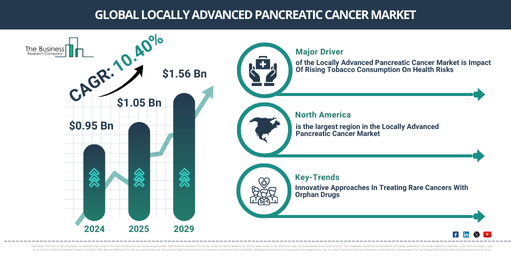
    The market size for locally advanced pancreatic cancer has seen swift expansion in the past few years. Projections show an upward trend from $0.95 billion in 2024 to $1.05 billion in 2025, exhibiting a compound annual growth rate (CAGR) of 10.6%. The escalation in the historical timeframe is primarily due to heightened consciousness about pancreatic cancer, advancement in chemotherapy treatments, burgeoning utilization of targeted therapies, an upward trend in the occurrence of pancreatic cancer, progress in developing combined treatment procedures, and better options for supportive care.

    Expectations for the locally advanced pancreatic cancer market reveal a significant expansion aligned for the upcoming years, with projections indicating growth to reach$1.56 billion by 2029 at a compound annual growth rate (CAGR) of 10.4%. The surge predicted throughout this period can be credited to several factors including heightened consciousness about pancreatic cancer, enhancements in chemotherapy regimens, more extensive usage of targeted treatment methods, increased occurrence of pancreatic cancer, the creation of combined treatment guidelines, and improved options for supportive care. Key developments anticipated during this period encompass progress in immunotherapy, the creation of targeted treatments, the evolution of precision radiation methodologies, superior diagnostic imaging, the use of minimally invasive surgical techniques, the implementation of artificial intelligence in treatment strategies, and breakthroughs in combined therapy strategies.

    Download a free sample to assess the report’s scope and structure:

    https://www.thebusinessresearchcompany.com/sample.aspx?id=21214&type=smp

    What Are the Core Market Drivers Propelling Growth in the Locally Advanced Pancreatic Cancer Industry?

    The growth of markets for locally advanced pancreatic cancer is projected to be spurred by an upsurge in tobacco use. Utilized primarily in products like cigarettes and cigars, tobacco is a plant that contains an addictive ingredient known as nicotine, linking it to serious health concerns such as cancer and heart disease. The escalate in tobacco use has roots in various factors like broad access, cost-effectiveness, marketing of tobacco, social acceptance in certain regions, and stress-induced smoking. Consumption of tobacco significantly contributes to the risk of developing locally advanced pancreatic cancer, hence leading to a higher incidence of pancreatic malignancies. To illustrate, data from the US-based non-profit organization, Global Action to End Smoking, that conducts research aimed at terminating the smoking epidemic indicated that in 2022, around 62.9 million adult tobacco consumers lived in the U.S. This places the U.S. as the 4th global rank and first in the Americas. Moreover, about 11.5% adulte population of the U.S. (28.3 million) smoked cigarettes, with male smokers (13.1%) outnumbering female smokers (10.1%). Consequently, as tobacco consumption escalates, so does the growth of the locally advanced pancreatic cancer market.

    How Is the Locally Advanced Pancreatic Cancer Market Segmented?

    The locally advanced pancreatic cancermarket covered in this report is segmented –

    1) By Therapy: Chemotherapy; Immunotherapy; Radiation Therapy; Surgery

    2) By Route Of Administration: Oral; Injectables; Other Route Of Administrations

    3) By End-User: Hospital; Specialty Clinics; Research Institutions; Other End-Users

    Subsegments:

    1) By Chemotherapy: Gemcitabine-based Chemotherapy; FOLFIRINOX Chemotherapy

    2) By Immunotherapy: Immune Checkpoint Inhibitors; Cancer Vaccines

    3) By Radiation Therapy: External Beam Radiation Therapy; Stereotactic Body Radiation Therapy (SBRT)

    4) By Surgery: Pancreaticoduodenectomy (Whipple Procedure); Distal Pancreatectomy; Total Pancreatectomy

    Request customized data on this market:

    https://www.thebusinessresearchcompany.com/customise?id=21214&type=smp

    Which Regions Are Driving the Next Phase of the Locally Advanced Pancreatic Cancer Market Growth?

    North America was the largest region in the locally advanced pancreatic cancer market in 2024. Asia-Pacific is expected to be the fastest-growing region in the forecast period. The regions covered in the locally advanced pancreatic cancer market report are Asia-Pacific, Western Europe, Eastern Europe, North America, South America, Middle East, Africa.

    What Key Market Trends and Innovations Are Shaping the Future of the Locally Advanced Pancreatic Cancer Industry?

    The locally advanced pancreatic cancer market is witness to leading corporations actively working towards the creation of innovative merchandise, such as orphan drugs. The objective is to augment the treatment variety, better patient results, and address the unfulfilled medical requirements connected with this harsh illness. Orphan drugs are specifically constructed to cure rare illnesses that impact a minor population and are incentivized by governmental bodies via benefits like tax deductions and market exclusivity to encourage their growth. To illustrate, Actuate Therapeutics Inc., an American biopharmaceutical enterprise, declared in January 2025, that its creation Elraglusib, a fresh GSK-3ß inhibitor, has earned Orphan Drug Designation from the European Medicines Agency (EMA) and US Food and Drug Administration (FDA). This is for the treatment of pancreatic ductal adenocarcinoma (PDAC) (a probable type of locally advanced pancreatic cancer). This acknowledgment underlines its potential to bridge a crucial gap in the treatment of this severe cancer, especially after the promising Phase 2 trials demonstrated significant clinical advancements and anti-tumor impacts in metastatic PDAC patients.

    View the full report here:

    https://www.thebusinessresearchcompany.com/report/locally-advanced-pancreatic-cancer-global-market-report

    How Is the Locally Advanced Pancreatic Cancer Market Defined and What Are Its Core Parameters?

    Locally advanced pancreatic cancer (LAPC) refers to a stage of pancreatic cancer where the tumor is confined to the pancreas and surrounding tissues but has not spread to distant organs. This cancer is usually not suitable for surgical removal due to its involvement with vital blood vessels or nearby structures.

    Purchase the full report and get a swift delivery:

    https://www.thebusinessresearchcompany.com/purchaseoptions.aspx?id=21214

    About The Business Research Company:

    With over 15000+ reports from 27 industries covering 60+ geographies, The Business Research Company has built a reputation for offering comprehensive, data-rich research and insights. Armed with 1,500,000 datasets, the optimistic contribution of in-depth secondary research, and unique insights from industry leaders, you can get the information you need to stay ahead in the game.

    Get in touch with us:

    The Business Research Company: https://www.thebusinessresearchcompany.com/

    Americas +1 310-496-7795

    Europe +44 7882 955267

    Asia & Others +44 7882 955267 & +91 8897263534

    Email us at info@tbrc.info

    Follow us on:

    LinkedIn: https://in.linkedin.com/company/the-business-research-company

    YouTube: https://www.youtube.com/channel/UC24_fI0rV8cR5DxlCpgmyFQ

    Global Market Model: https://www.thebusinessresearchcompany.com/global-market-model
  • Strong CAGR to Propel in the Uncomplicated Urinary Tract Infection Market and Beyond upto $14.15 Billion by 2029

    Strong CAGR to Propel in the Uncomplicated Urinary Tract Infection Market and Beyond upto $14.15 Billion by 2029

    Claim your 30% discount on Global Market Reports with code ONLINE30. Limited time only.

    How Fast Is The Uncomplicated Urinary Tract Infection Market Expected to Grow Between 2025 And 2029?

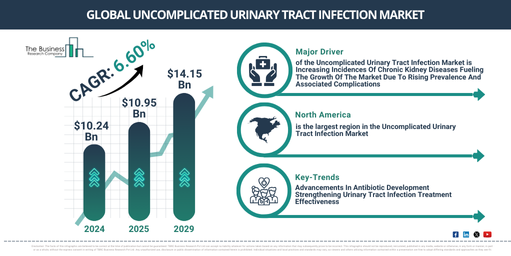
    The market size for uncomplicated urinary tract infections has seen significant growth in recent years. The market is predicted to increase from $10.24 billion in 2024 to $10.95 billion in 2025, with a compound annual growth rate (CAGR) of 6.9%. Factors contributing to the growth in the historical period include a surge in renal failure cases, an increase in bladder cancer occurrences, escalating incidences of chronic kidney diseases, a rise in the use of urinary catheters, and a growing diabetes prevalence.

    The market for uncomplicated urinary tract infection is projected to experience robust growth in the coming years. The market size is anticipated to expand to$14.15 billion by 2029″, growing at a compound annual growth rate (CAGR) of 6.6%. The factors contributing to this growth during the forecast period include the surge in bacterial infections, rise in the elderly population, increased sexual activity, growing instances of urinary tract infection, and rising uses of contraceptive methods. Key trends during this forecast period include progress in telemedicine, improvements in telehealth solutions, the creation of innovative drugs, advances in urinary tract infection treatments, and enhancements in research and development.

    Download a free sample to assess the report’s scope and structure:

    https://www.thebusinessresearchcompany.com/sample.aspx?id=23550&type=smp

    Which Primay Drivers Are Accelerating Growth in the Uncomplicated Urinary Tract Infection Market?

    The rise in cases of chronic kidney diseases is anticipated to stimulate the growth of the uncomplicated urinary tract infection market. Chronic kidney disease (CKD) is a progressive ailment wherein the functionality of kidneys diminishes gradually, causing waste and fluid to accumulate in the body. The mounting cases of chronic kidney diseases can be attributed to the escalating prevalence of diabetes. Prolonged high blood sugar levels can inflict harm on the kidneys, thereby undermining their waste filtering capacity. Chronic kidney disease debilitates the immune system, increasing the vulnerability of individuals to urinary tract infections. Inefficient kidney function results in urine retention, thereby fostering bacterial growth. As per Kidney Research UK, a UK-based charity, in June 2023, the number of adults in the United Kingdom receiving kidney transplants due to chronic kidney disease surged from 2,863 transplants in 2021 to 2,976 in 2023, thereby confirming the significant rise in chronic kidney disease cases. Therefore, the escalating prevalence of chronic kidney diseases is set to boost the uncomplicated urinary tract infection market.

    Which Primary Segments of the Uncomplicated Urinary Tract Infection Market Are Driving Growth and Industry Transformations?

    The uncomplicated urinary tract infectionmarket covered in this report is segmented –

    1) By Test Type: Urinalysis; Urine Cultures; Susceptibility Testing

    2) By Drug: Penicillin And Combinations; Quinolones; Cephalosporin; Azoles And Amphotericin B; Nitrofurans; Other Drugs

    3) By End-Users: Hospitals; Diagnostic Labs; Research Institutes

    Subsegments:

    1) By Urinalysis: Dipstick Tests; Microscopic Examination; Automated Urinalysis

    2) By Urine Cultures: Agar Plate Culture; Broth Culture; Chromogenic Media

    3) By Susceptibility Testing: Disk Diffusion Method; Automated Susceptibility Testing; Molecular Susceptibility Testing

    Request customized data on this market:

    https://www.thebusinessresearchcompany.com/customise?id=23550&type=smp

    Which Regions Are Key Players in the Growth of the #Which Primay Drivers Are Accelerating Growth in the Uncomplicated Urinary Tract Infection Market?# Market?

    North America was the largest region in the uncomplicated urinary tract infection market in 2024. The regions covered in the uncomplicated urinary tract infection market report are Asia-Pacific, Western Europe, Eastern Europe, North America, South America, Middle East, Africa.

    Which Technological Trends Are Reshaping the Uncomplicated Urinary Tract Infection Industry Dynamics?

    Leading enterprises in the uncomplicated urinary tract infection (UTI) market are honing their focus on the creation of improved antibiotics to combat antibiotic-resistant bacteria and uplift the effectiveness of treatments. Antibiotics serve as potent medications by eliminating or stunting the growth of bacteria within the human body. In April 2024, Pivya (pivmecillinam) tablets gained the approval of the US Food and Drug Administration, a respected federal agency, for the treatment of adult females suffering from uncomplicated urinary tract infections. The medication targets uncomplicated urinary tract infections caused by specific microorganisms such as Escherichia coli, Proteus mirabilis, and Staphylococcus saprophyticus. Pivmecillinam acts as a prodrug and transforms into mecillinam; a beta-lactam antibiotic that hinders the formation of the bacterial cell wall in gram-negative bacteria.

    View the full report here:

    https://www.thebusinessresearchcompany.com/report/uncomplicated-urinary-tract-infection-global-market-report

    What Parameters Are Used to Define the Uncomplicated Urinary Tract Infection Market?

    An uncomplicated urinary tract infection (UTI) is a bacterial infection of the bladder or urethra common in healthy individuals with no structural issues or underlying conditions. It typically affects the bladder (cystitis) and is caused by common uropathogens, such as Escherichia coli (E. coli) symptoms. The primary aim of diagnosis and treatment is to alleviate symptoms, prevent complications, and eliminate the infection with short-course antibiotics, ensuring a swift recovery without lasting effects.

    Purchase the full report and get a swift delivery:

    https://www.thebusinessresearchcompany.com/purchaseoptions.aspx?id=23550

    About The Business Research Company:

    With over 15000+ reports from 27 industries covering 60+ geographies, The Business Research Company has built a reputation for offering comprehensive, data-rich research and insights. Armed with 1,500,000 datasets, the optimistic contribution of in-depth secondary research, and unique insights from industry leaders, you can get the information you need to stay ahead in the game.

    Get in touch with us:

    The Business Research Company: https://www.thebusinessresearchcompany.com/

    Americas +1 310-496-7795

    Europe +44 7882 955267

    Asia & Others +44 7882 955267 & +91 8897263534

    Email us at info@tbrc.info

    Follow us on:

    LinkedIn: https://in.linkedin.com/company/the-business-research-company

    YouTube: https://www.youtube.com/channel/UC24_fI0rV8cR5DxlCpgmyFQ

    Global Market Model: https://www.thebusinessresearchcompany.com/global-market-model

  • Lewy Body Dementia Market 2025-2034: Key Highlights, Growth Dynamics, and Emerging Trends

    Lewy Body Dementia Market 2025-2034: Key Highlights, Growth Dynamics, and Emerging Trends

    Claim your 30% discount on Global Market Reports with code ONLINE30. Limited time only.

    What Is the Current and Projected Market Size of the Lewy Body Dementia Market Through 2034?

    There has been a substantial expansion in the market size of Lewy body dementia in recent years. Projections indicate growth from $1.12 billion in 2024 to $1.2 billion in 2025, signifying a compound annual growth rate (CAGR) of 7.2%. Several factors have contributed to the growth in the past, including the increasing aging population, heightened attention to neurodegenerative diseases, rise in healthcare expenditures, enhancements in diagnostic standards, and regulatory authorizations for dementia-related medications.

    Anticipated robust expansion is on the horizon for the Lewy Body dementia market, predicted to soar to$1.58 billion by 2029″, boasting a compound annual growth rate (CAGR) of 7.1%. The drivers for this projected upturn during the forecast period can be traced back to a rise in dementia prevalence, increased R&D investments, a surge in early diagnosis demand, wider telemedicine usage, and a lean towards personalized medicine. The forecast period also foresees key trends such as the evolution of tailored therapies, widening of clinical trials, advancements in diagnostic methods, technological progression, and a shift of focus towards innovative therapeutics.

    Download a free sample to assess the report’s scope and structure:

    https://www.thebusinessresearchcompany.com/sample.aspx?id=21213&type=smp

    Which Primay Drivers Are Accelerating Growth in the Lewy Body Dementia Market?

    An increase in brain-related impairments is set to fuel progression in the lewy body dementia market. These impairments include a variety of conditions that alter the brain’s structure and function, resulting in cognitive degeneration, memory impairment, and behavioral fluctuations. The rise in such disorders can be attributed to aging, genetic factors, and environmental impacts. Such a surge increases the need for enhanced treatments and early diagnosis for lewy body dementia, triggering research, financial backing, and innovation, hence encouraging rapid progress in LBD diagnosis and treatment. For example, as per the World Federation of Neurology’s report in October 2023, neurological conditions affect over 40% of the global population, a statistic expected to nearly double by 2050, according to the UK-based association of national neurological societies. As such, the escalation in brain-related disorders’ prevalence is anticipated to amplify the growth of the lewy body dementia market.

    Which Primary Segments of the Lewy Body Dementia Market Are Driving Growth and Industry Transformations?

    The lewy body dementiamarket covered in this report is segmented –

    1) By Diagnosis: Clinical Diagnosis; Biomarker-Based Diagnosis

    2) By Medication: Cholinesterase Inhibitors; Antipsychotics; Antidepressants; Other Medications

    3) By End-User: Hospitals; Specialty Clinics; Long-Term Care Facilities; Other End-Users

    Subsegments:

    1) By Clinical Diagnosis: Neuropsychological Testing; Neurological Examination; Medical History Review; Cognitive Function Assessment

    2) By Biomarker-Based Diagnosis: Cerebrospinal Fluid (CSF) Biomarkers; Imaging Biomarkers (PET, MRI); Genetic Biomarkers; Blood-Based Biomarkers

    Request customized data on this market:

    https://www.thebusinessresearchcompany.com/customise?id=21213&type=smp

    Which Regions Are Key Players in the Growth of the #Which Primay Drivers Are Accelerating Growth in the Lewy Body Dementia Market?# Market?

    North America was the largest region in the lewy body dementia market in 2024. Asia-Pacific is expected to be the fastest-growing region in the forecast period. The regions covered in the lewy body dementia market report are Asia-Pacific, Western Europe, Eastern Europe, North America, South America, Middle East, Africa.

    Which Technological Trends Are Reshaping the Lewy Body Dementia Industry Dynamics?

    Prominent businesses in the lewy body dementia market are channeling their resources into research investment for the advancement of more potent treatments for neurodegenerative disorders. Research investment embodies the allocation of financial resources, time, and energy to scientific and technological investigations with the aim of discovering innovative insights, developing groundbreaking solutions, or refining existing methods. Such investment facilitates the understanding of diseases and the development of new pharmaceutical treatments, with the ultimate aim of enhancing patient health outcomes. For instance, in March 2023, the National Institute on Aging, a government organization in the US, bestowed $21 million to back drug development research specifically for Lewy Body Dementia (LBD). Research professionals at the University of Miami Miller School of Medicine have begun a Phase 2b study of neflamapimod after receiving promising preliminary results.

    View the full report here:

    https://www.thebusinessresearchcompany.com/report/lewy-body-dementia-global-market-report

    What Parameters Are Used to Define the Lewy Body Dementia Market?

    Lewy body dementia (LBD) is a neurodegenerative condition caused by abnormal protein deposits in the brain, impacting cognition, movement, and behavior. This results in a gradual decline in both mental and physical abilities, with symptoms including memory loss, hallucinations, tremors, and motor difficulties. Effective management is essential to address the cognitive and physical challenges associated with the disorder.

    Purchase the full report and get a swift delivery:

    https://www.thebusinessresearchcompany.com/purchaseoptions.aspx?id=21213

    About The Business Research Company:

    With over 15000+ reports from 27 industries covering 60+ geographies, The Business Research Company has built a reputation for offering comprehensive, data-rich research and insights. Armed with 1,500,000 datasets, the optimistic contribution of in-depth secondary research, and unique insights from industry leaders, you can get the information you need to stay ahead in the game.

    Get in touch with us:

    The Business Research Company: https://www.thebusinessresearchcompany.com/

    Americas +1 310-496-7795

    Europe +44 7882 955267

    Asia & Others +44 7882 955267 & +91 8897263534

    Email us at info@tbrc.info

    Follow us on:

    LinkedIn: https://in.linkedin.com/company/the-business-research-company

    YouTube: https://www.youtube.com/channel/UC24_fI0rV8cR5DxlCpgmyFQ

    Global Market Model: https://www.thebusinessresearchcompany.com/global-market-model
  • Twin-Twin Transfusion Syndrome Treatment Market Valuation Expected To Reach $1 Billion By 2029, Growing At A Rate Of 6.7%

    Twin-Twin Transfusion Syndrome Treatment Market Valuation Expected To Reach $1 Billion By 2029, Growing At A Rate Of 6.7%

    Claim your 30% discount on Global Market Reports with code ONLINE30. Limited time only.

    What Are the Key Projections for the CAGR of the Twin-Twin Transfusion Syndrome Treatment Market Size From 2025 to 2034?

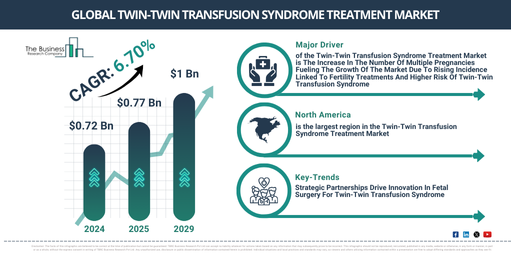
    The market for treating twin-twin transfusion syndrome has shown robust growth in the recent past. It is expected to increase from $0.72 billion in 2024 to $0.77 billion in 2025, with a compound annual growth rate (CAGR) of 6.6%. The expansion during the historical period can be linked to growing knowledge about the risk factors of Twin-Twin Transfusion Syndrome in multiple pregnancies, the rise in the customization of treatment methods based on the twin type, the heightened use of targeted treatments for complications, the escalating importance of patient-reported outcomes in the management of TTTS, and the spread of awareness and education among prospective parents.

    Expectations are high for the twin-twin transfusion syndrome treatment market, as it’s predicted to experience substantial growth in the coming years. It is projected to reach a value of $1 billion by 2029, with a compound annual growth rate (CAGR) of 6.7%. The growth is attributed to factors such as increased awareness, early diagnosis, utilization of less invasive procedures, a heightened focus on maternal-fetal medicine, a rise in genetic testing and risk evaluation, and a growing prevalence of TTTS. The forecast period is expected to be marked by trends such as minimally invasive surgery, advancements in artificial intelligence and machine learning, enhancements in prenatal monitoring and diagnostics, innovations in gene editing and stem cell therapies, and improvements in surgical and therapeutic interventions.

    Download a free sample to assess the report’s scope and structure:

    https://www.thebusinessresearchcompany.com/sample.aspx?id=23549&type=smp

    Which Factors and External Forces Are Driving Demand in the Twin-Twin Transfusion Syndrome Treatment Market?

    Growth in the twin-twin transfusion syndrome treatment market is anticipated to get a boost from the escalating number of multiple pregnancies. When a woman is carrying more than one fetus at the same time, such as twins, triplets, or higher multiples, it’s referred to as multiple pregnancies. The surge in such cases primarily stems from fertility treatments encouraging the release of several eggs from the ovaries. The aim of the twin-twin transfusion syndrome treatment in the context of multiple pregnancies is to address the irregular blood vessel connections within the communal placenta, which aids in reinstating balanced blood circulation amongst the fetuses, thereby significantly amplifying survival prospects and minimizing the likelihood of complications for both twins. For example, Twins Research Australia, an Australian research institute, asserted in September 2023 that Australia noted 4,118 multiple births, comprising 1.5% of the overall 286,998 births in the country. Out of these instances, an overwhelming majority involved twins, accounting for around 99% or 4,073 instances, with triplets or higher-order multiples constituting only 1% or 45 births. Hence, the rise in multiple pregnancies is acting as a catalyst for the growth of the twin-twin transfusion syndrome treatment market.

    Which Segments in the Twin-Twin Transfusion Syndrome Treatment Offer the Most Growth?

    The twin-twin transfusion syndrome treatmentmarket covered in this report is segmented –

    1) By Treatment Type: Laser Therapy; Surgery; Blood Transfusion; Medication

    2) By Diagnosis Method: Ultrasound; Blood Tests; Amniocentesis

    3) By Mode Of Administration: Injectable; Oral; Other Modes Of Administration

    4) By Symptoms: Breathlessness; Tightness In The Abdomen; Rapid Expansion Of Abdomen; Rapid Weight Gain; Pressure On The Stomach; Premature Contractions

    5) By End-User: Hospitals; Homecare; Specialty Clinics; Other End-Users

    Subsegments:-

    1) By Laser Therapy: Fetoscopic Laser Photocoagulation; Selective Laser Ablation; Solomon Technique

    2) By Surgery: Amnioreduction Surgery; Septostomy; Fetoscopic Cord Coagulation

    3) By Blood Transfusion: Intrauterine Transfusion (IUT); Intraperitoneal Transfusion; Intravascular Transfusion

    4) By Medication: Tocolytics; Corticosteroids; Anti-Inflammatory Drugs; Antibiotics

    Request customized data on this market:

    https://www.thebusinessresearchcompany.com/customise?id=23549&type=smp

    What Are the Fastest-Growing Geographies in the #Which Factors and External Forces Are Driving Demand in the Twin-Twin Transfusion Syndrome Treatment Market?# Market?

    North America was the largest region in the twin-twin transfusion syndrome treatment market in 2024. The regions covered in the twin-twin transfusion syndrome treatment market report are Asia-Pacific, Western Europe, Eastern Europe, North America, South America, Middle East, Africa.

    Which Cutting-Edge Market Trends Are Expected to Drive theTwin-Twin Transfusion Syndrome Treatment Market’s Growth?

    In a bid to expedite the development and market launch of advanced therapeutic solutions, key players in the twin-twin transfusion syndrome treatment market are emphasizing on cultivating strategic alliances. A strategic partnership is an enduring cooperation involving self-governing entities aspiring to realize their joint business aspirations. It facilitates mutual capitalization on shared strengths, resources, or market reach for mutual advantages. As an example, in January 2023, CHA Hollywood Presbyterian Medical Center, a provider of comprehensive healthcare services based in the US, engaged in a collaborative agreement with Los Angeles Fetal Surgery, a medical clinic based in the US as well. The partnership was instituted to initiate a revolutionary fetal surgery program aimed to save lives. This program, which is among a few in the U.S., provides minimal invasive treatments for unborn children suffering from critical conditions such as spina bifida and twin-twin transfusion syndrome.

    View the full report here:

    https://www.thebusinessresearchcompany.com/report/twin-twin-transfusion-syndrome-treatment-global-market-report

    What Are the Key Elements That Define the Twin-Twin Transfusion Syndrome Treatment Market?

    Twin-twin transfusion syndrome (TTTS) treatment involves specialized medical procedures to correct the imbalance in blood flow between monochorionic twins sharing a single placenta. The primary approach is fetoscopic laser photocoagulation, which seals abnormal blood vessel connections to restore balanced circulation. Additional interventions may include amnioreduction to relieve excess amniotic fluid or early delivery in severe cases.

    Purchase the full report and get a swift delivery:

    https://www.thebusinessresearchcompany.com/purchaseoptions.aspx?id=23549

    About The Business Research Company:

    With over 15000+ reports from 27 industries covering 60+ geographies, The Business Research Company has built a reputation for offering comprehensive, data-rich research and insights. Armed with 1,500,000 datasets, the optimistic contribution of in-depth secondary research, and unique insights from industry leaders, you can get the information you need to stay ahead in the game.

    Get in touch with us:

    The Business Research Company: https://www.thebusinessresearchcompany.com/

    Americas +1 310-496-7795

    Europe +44 7882 955267

    Asia & Others +44 7882 955267 & +91 8897263534

    Email us at info@tbrc.info

    Follow us on:

    LinkedIn: https://in.linkedin.com/company/the-business-research-company

    YouTube: https://www.youtube.com/channel/UC24_fI0rV8cR5DxlCpgmyFQ

    Global Market Model: https://www.thebusinessresearchcompany.com/global-market-model
  • Iron Deficiency Anemia Growth Trajectory: Key Forecasts and Strategic Insights

    Iron Deficiency Anemia Growth Trajectory: Key Forecasts and Strategic Insights

    Claim your 30% discount on Global Market Reports with code ONLINE30. Limited time only.

    What is the Anticipated CAGR of the Iron Deficiency Anemia Market, and What Factors Will Drive It?

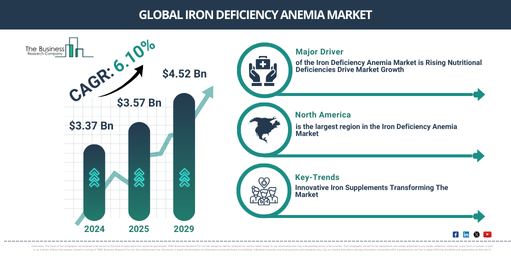
    There has been a powerful increase in the size of the iron deficiency anemia market in the previous years. The market is projected to expand from $3.37 billion in 2024 to $3.57 billion in 2025, exhibiting a compound annual growth rate (CAGR) of 6.0%. The substantial growth witnessed in the past was influenced by factors such as the efforts of non-governmental organizations, escalation in chronic disease incidences, greater emphasis on parental care, awareness drives to tackle nutritional deficits, and the broadening reach of telemedicine.

    The market for iron deficiency anemia is projected to experience a substantial expansion in the upcoming years, surging to$4.52 billion by 2029 at a compound annual growth rate (CAGR) of 6.1%. This robust growth during the forecast period can be ascribed to the increasing emphasis on women’s health, growing interest in minimally invasive treatments, the prevalence of over-the-counter options, growth in distribution networks, and a surge in the acceptance of personalized medication. In addition, during the forecast phase, key trends will include the introduction of novel drug delivery systems, advancements in diagnostic and monitoring devices, the development of combination therapies, and the integration of nanotechnology into drug delivery.

    Download a free sample to assess the report’s scope and structure:

    https://www.thebusinessresearchcompany.com/sample.aspx?id=21212&type=smp

    Which Factors and External Forces Are Driving Demand in the Iron Deficiency Anemia Market?

    A growth in the iron deficiency anemia market is projected, fueled by the rising instances of nutritional deficiencies. The term nutritional deficiency describes a situation in which the body does not receive adequate amounts of one or more essential nutrients like vitamins, minerals, proteins, or fats, compromising optimal health. The surge in nutritional deficiencies can be attributed to poor dietary choices, including a high intake of processed foods and the challenge of food insecurity, particularly prevalent among lower-income groups, whereby access to nutrient-rich food choices is restricted. A predominant form of nutritional deficiency pertains to iron deficiency anemia, where insufficient iron intake through diet results in a reduction in red blood cells, hindering the body’s oxygen transportation capacity. As an example, the National Health Services, a British government department, reported in December 2023 that two years prior, in 2021/22, incidences of nutritional deficiency admissions in hospitals across the UK were reported to be 250,000, which subsequently doubled to 500,000 in 2022/23. Thus, the climbing instances of nutritional deficiencies are bolstering the iron deficiency anemia market.

    Which Segments in the Iron Deficiency Anemia Offer the Most Growth?

    The iron deficiency anemiamarket covered in this report is segmented –

    1) By Therapy Type: Oral Iron Therapy; Parenteral Iron Therapy; Red Blood Cell Transfusion

    2) By Distribution Channel: Hospital Pharmacy; Drug Stores and Retail Pharmacies; Online Pharmacies

    3) By End Users: Hospitals; Clinics; Home Healthcare

    Subsegments:

    1) By Oral Iron Therapy: Ferrous Sulfate; Ferrous Gluconate; Ferrous Fumarate; Polysaccharide-Iron Complex; Carbonyl Iron

    2) By Parenteral Iron Therapy: Iron Sucrose; Ferric Carboxymaltose; Iron Dextran; Ferumoxytol; Ferric Gluconate

    3) By Red Blood Cell Transfusion: Leukocyte-Reduced Red Blood Cell Transfusion; Washed Red Blood Cell Transfusion; Irradiated Red Blood Cell Transfusion

    Request customized data on this market:

    https://www.thebusinessresearchcompany.com/customise?id=21212&type=smp

    What Are the Fastest-Growing Geographies in the #Which Factors and External Forces Are Driving Demand in the Iron Deficiency Anemia Market?# Market?

    North America was the largest region in the iron deficiency anemia market in 2024. Asia-Pacific is expected to be the fastest-growing region in the forecast period. The regions covered in the iron deficiency anemia market report are Asia-Pacific, Western Europe, Eastern Europe, North America, South America, Middle East, Africa.

    Which Cutting-Edge Market Trends Are Expected to Drive theIron Deficiency Anemia Market’s Growth?

    Key businesses in the iron deficiency anemia sector are prioritizing the creation of novel treatments, including intravenous iron injections, to deliver a precise nutrient mix that optimizes absorption and improves tolerability, thereby effectively addressing iron deficiency. Intravenous iron injections are a medical technique used for administering iron directly into the bloodstream to treat iron deficiency or anemia when oral supplements don’t yield desired results. For example, Cadila Pharmaceuticals, a pharmaceutical company based in India, introduced Redshot FCM in March 2024, an intravenous iron injection made of ferric carboxymaltose to efficiently combat iron deficiency anemia (IDA). This groundbreaking product is beneficial for adults, as well as children above the age of one who do not respond well to oral iron supplements. Redshot FCM, which has a strong safety record and a low risk of anaphylaxis, enables the delivery of considerable iron doses in a single sitting, leading to a speedy elevation in hemoglobin levels. This is particularly advantageous for high-risk populations like expectant mothers, the elderly, and individuals battling cancer.

    View the full report here:

    https://www.thebusinessresearchcompany.com/report/iron-deficiency-anemia-global-market-report

    What Are the Key Elements That Define the Iron Deficiency Anemia Market?

    Iron deficiency anemia is a condition in which the body lacks enough iron to produce an adequate amount of hemoglobin, a protein in red blood cells that carries oxygen throughout the body. Iron deficiency can occur due to insufficient dietary intake, poor absorption of iron, blood loss, or increased iron needs (such as during pregnancy).

    Purchase the full report and get a swift delivery:

    https://www.thebusinessresearchcompany.com/purchaseoptions.aspx?id=21212

    About The Business Research Company:

    With over 15000+ reports from 27 industries covering 60+ geographies, The Business Research Company has built a reputation for offering comprehensive, data-rich research and insights. Armed with 1,500,000 datasets, the optimistic contribution of in-depth secondary research, and unique insights from industry leaders, you can get the information you need to stay ahead in the game.

    Get in touch with us:

    The Business Research Company: https://www.thebusinessresearchcompany.com/

    Americas +1 310-496-7795

    Europe +44 7882 955267

    Asia & Others +44 7882 955267 & +91 8897263534

    Email us at info@tbrc.info

    Follow us on:

    LinkedIn: https://in.linkedin.com/company/the-business-research-company

    YouTube: https://www.youtube.com/channel/UC24_fI0rV8cR5DxlCpgmyFQ

    Global Market Model: https://www.thebusinessresearchcompany.com/global-market-model
  • Triple Combination Therapy Market Forecast Reaching $25.32 Billion by 2029 at 8.8% CAGR

    Claim your 30% discount on Global Market Reports with code ONLINE30. Limited time only.

    How Has The Triple Combination Therapy Market Growth Evolved From 2024 To 2025, And What’s Ahead?

    In recent times, there has been a substantial growth in the market size of the triple combination therapy. The market is estimated to increase from a value of $16.71 billion in 2024 up to $18.08 billion in 2025, a compound annual growth rate (CAGR) of 8.2%. The growth witnessed in the past period is due to the surge in chronic disease cases, heightened demand for combination therapies, a rise in healthcare spending, a growth in regulatory approvals, and development in clinical research.

    The market for triple combination therapy is projected to experience robust expansion in the coming years. It is anticipated to reach$25.32 billion by 2029, reflecting a compound annual growth rate (CAGR) of 8.8%. This growth during the forecast period can be ascribed to factors such as the escalation in treatment-resistant disorders, the rising uptake of tailor-made medication, broadening pharmaceutical pipelines, increased funding in R&D, and favorable government policies. The forecast period is expected to witness significant trends such as the development of gene-centric combination therapies, seamless integration of digital health solutions, ceaseless innovation in drug combinations, progress in drug formulation, and breakthroughs in biotechnology.

    Download a free sample to assess the report’s scope and structure:

    https://www.thebusinessresearchcompany.com/sample.aspx?id=23547&type=smp

    Which Major Market Drivers Are Expected to Boost the Growth Potential of the Triple Combination Therapy Market?

    The upward trend in autoimmune disorders is predicted to fuel the expansion of the triple combination therapy market. Autoimmune disorders occur when the body’s immune system erroneously attacks its own healthy tissues and organs. This increase in autoimmune disorders can be attributed to heightened exposure to environmental elements like pollution that precipitate irregular immune reactions in individuals with genetic susceptibility. Triple combination therapy provides an all-inclusive method to manage autoimmune disorders by concurrently targeting several immune pathways, augmenting treatment effectiveness, and lessening disease activity. For example, data from Versorgungsatlas.de, a German organization, in November 2024 revealed that out of 73,241,305 insured individuals in 2022, 6,304,340 had been diagnosed with a minimum of one autoimmune disease, yielding a raw prevalence rate of 8.61%. Consequently, the growing incidence of autoimmune disorders is steering the growth of the triple combination therapy market.

    Which Key Market Segments Comprise the Triple Combination Therapy Market and Drive Its Revenue Growth?

    The triple combination therapymarket covered in this report is segmented –

    1) By Drug Class: Antiretroviral Agents; Targeted Cancer Therapies; Immunomodulators; Anti-Inflammatory Drugs; Gene Modulators

    2) By Therapeutic Area: Infectious Diseases; Chronic Diseases; Cystic Fibrosis (CF); Cancer; Autoimmune Disorders; Neurological Disorders

    3) By Route Of Administration: Oral Therapies; Intravenous (IV); Subcutaneous (SC); Inhalation-Based Therapies; Topical Applications

    4) By Distribution Channel: Hospital Pharmacies; Retail Pharmacies; Online Pharmacies; Specialty Clinics

    Subsegments:

    1) By Antiretroviral Agents: Nucleoside Reverse Transcriptase Inhibitors (NRTIs); Non-Nucleoside Reverse Transcriptase Inhibitors (NNRTIs); Protease Inhibitors (PIs)

    2) By Targeted Cancer Therapies: Tyrosine Kinase Inhibitors (TKIs); Monoclonal Antibodies (mAbs); Immune Checkpoint Inhibitors

    3) By Immunomodulators: Interleukin Inhibitors; Tumor Necrosis Factor (TNF) Inhibitors; Janus Kinase (JAK) Inhibitors

    4) By Anti-Inflammatory Drugs: Non-Steroidal Anti-Inflammatory Drugs (NSAIDs); Corticosteroids; Selective COX-2 Inhibitors

    5) By Gene Modulators: Antisense Oligonucleotides; RNA Interference (RNAi) Agents; CRISPR-Based Gene Editing Therapies

    Request customized data on this market:

    https://www.thebusinessresearchcompany.com/customise?id=23547&type=smp

    Which Areas Are Leading Regions in the Triple Combination Therapy Market Expansion Across the Globe?

    North America was the largest region in the triple combination therapy market in 2024. Asia-Pacific is expected to be the fastest-growing region in the forecast period. The regions covered in the triple combination therapy market report are Asia-Pacific, Western Europe, Eastern Europe, North America, South America, Middle East, Africa.

    What Are the Key Market Trends in theTriple Combination Therapy Market Over the Coming Years?

    Leading corporations in the triple combination therapy sector are investing in the creation of novel solutions such as advanced cystic fibrosis triple therapy. The aim is to enhance treatment results for cystic fibrosis by directly tackling the primary source of the illness. Advanced cystic fibrosis triple therapy combines three modulators to improve the functioning of the defective cystic fibrosis transmembrane conductance regulator (CFTR) protein. The end goal is to better manage cystic fibrosis and advance respiratory outcomes for patients suffering from the disease. For example, in July 2024, Vertex Pharmaceuticals Incorporated, a biotech firm based in the US, disclosed that the U.S. Food and Drug Administration (FDA) has approved their New Drug Application (NDA) for vanzacaftor/tezacaftor/deutivacaftor. This pioneering triple combination therapy aims to treat cystic fibrosis in patients who are at least six years old with at least one responsive CFTR mutation. This daily treatment regimen, also known as the “vanza triple,” is designed to markedly improve CFTR protein function by blending two correctors with a potentiator. This improves both the protein’s amount and activity at the cellular surface. The European Medicines Agency (EMA) has validated this therapy, which the FDA has also granted priority review to, emphasizing its potential to augment the standard of care and enhance the quality of life for a larger cystic fibrosis patient population.

    View the full report here:

    https://www.thebusinessresearchcompany.com/report/triple-combination-therapy-global-market-report

    How Is the Triple Combination Therapy Market Conceptually Defined?

    Triple combination therapy is a medical treatment approach involving the concurrent use of three pharmacological agents with complementary mechanisms of action to achieve enhanced therapeutic efficacy, minimize drug resistance, and improve clinical outcomes in patients with complex or chronic conditions. It is commonly used in the management of diseases such as human immunodeficiency virus (HIV), hypertension, and certain cancers to optimize treatment response and control disease progression.

    Purchase the full report and get a swift delivery:

    https://www.thebusinessresearchcompany.com/purchaseoptions.aspx?id=23547

    About The Business Research Company:

    With over 15000+ reports from 27 industries covering 60+ geographies, The Business Research Company has built a reputation for offering comprehensive, data-rich research and insights. Armed with 1,500,000 datasets, the optimistic contribution of in-depth secondary research, and unique insights from industry leaders, you can get the information you need to stay ahead in the game.

    Get in touch with us:

    The Business Research Company: https://www.thebusinessresearchcompany.com/

    Americas +1 310-496-7795

    Europe +44 7882 955267

    Asia & Others +44 7882 955267 & +91 8897263534

    Email us at info@tbrc.info

    Follow us on:

    LinkedIn: https://in.linkedin.com/company/the-business-research-company

    YouTube: https://www.youtube.com/channel/UC24_fI0rV8cR5DxlCpgmyFQ

    Global Market Model: https://www.thebusinessresearchcompany.com/global-market-model
  • Next-Gen Invasive Aspergillosis Therapeutics : Market Forecast, Transformation, and Long-Term Trajectories

    Next-Gen Invasive Aspergillosis Therapeutics : Market Forecast, Transformation, and Long-Term Trajectories

    Claim your 30% discount on Global Market Reports with code ONLINE30. Limited time only.

    What Are the Key Milestones in the Invasive Aspergillosis Therapeutics Market’s Growth Trajectory From 2025 To 2034?

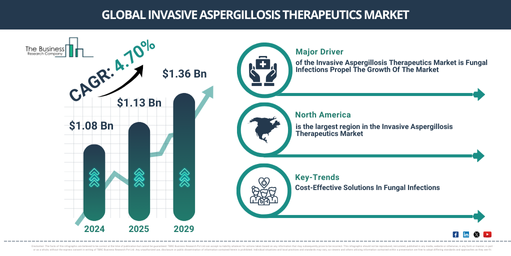
    In recent times, there has been consistent growth in the market size for invasive aspergillosis therapeutics. The market is projected to expand from a value of $1.08 billion in 2024 to $1.13 billion in 2025, with a compound annual growth rate (CAGR) of 4.7%. Several factors contribute to this growth observed in the historical period, including a surge in cases of immunocompromised conditions, a rise in fungal infections acquired in hospitals, improved rates of diagnosis, the development of azole resistance, and an escalation in healthcare expenditure.

    Over the coming years, the market size of therapeutics for invasive aspergillosis is projected to experience consistent expansion, reaching$1.36 billion by 2029, reflecting a compound annual growth rate (CAGR) of 4.7%. The growth anticipated during the forecasted period can be attributed to several factors, including the increasing incidence of chronic illnesses, the advancement of healthcare infrastructure in developing economies, more prevalent usage of immunosuppressants, heightened healthcare professional awareness, and the expansion of diagnostics into rural areas. Additionally, some anticipated trends during this forecast period include a move towards combination therapies, development of fungal vaccines, the use of monoclonal antibody therapies, the incorporation of telemedicine into treatment protocols, and the introduction of genomics into treatment approaches.

    Download a free sample to assess the report’s scope and structure:

    https://www.thebusinessresearchcompany.com/sample.aspx?id=21211&type=smp

    Which Major Market Drivers Are Expected to Boost the Growth Potential of the Invasive Aspergillosis Therapeutics Market?

    The escalating occurrence of fungal afflictions is projected to boost the expansion of the invasive aspergillosis therapeutics market in future. Fungal ailments are diseases provoked by fungal intrusions into tissues, usually impacting skin, nails or internal organs. The incidence of fungal infections is escalating owing to the growth of immunocompromised populations, shifts in climate, antimicrobial opposition, and exposure to international travel. Invasive aspergillosis therapeutics have proven beneficial in addressing fungal invasions through the use of antifungal agents such as triazoles, echinocandins and polyenes, which curb fungal proliferation, decelerate disease advancement and enhance survival probabilities, thus underlining the importance of early diagnosis in managing other invasive fungal infections of similar pathogenic origins. For example, in January 2024, as per the Center for Infectious Disease Research and Policy, a public health entity based in the U.S., it was reported that in the year 2023, over 6.55 million individuals fell victim to invasive fungal infections annually, resulting in more than 3.75 million fatalities, with 2.55 million directly connected to these illnesses, a figure considerably greater than those of prior years. Consequently, the escalating occurrence of fungal afflictions is fueling the growth of the invasive aspergillosis therapeutics market.

    Which Key Market Segments Comprise the Invasive Aspergillosis Therapeutics Market and Drive Its Revenue Growth?

    The invasive aspergillosis therapeuticsmarket covered in this report is segmented –

    1) By Drug Class: Azoles; Echinocandins; Polyenes; Other Drug class

    2) By Route Of Administration: Oral; Intravenous

    3) By Distribution Channel: Hospital Pharmacies; Retail Pharmacies; Online Pharmacies; Specialty Pharmacies

    Subsegments:

    1) By Azoles: Triazoles; Imidazoles

    2) By Echinocandins: Caspofungin; Micafungin; Anidulafungin

    3) By Polyenes: Amphotericin B; Lipid Formulations Of Amphotericin B

    4) By Other Drug Class: Allylamines; Pyrimidine Analogs

    Request customized data on this market:

    https://www.thebusinessresearchcompany.com/customise?id=21211&type=smp

    Which Areas Are Leading Regions in the Invasive Aspergillosis Therapeutics Market Expansion Across the Globe?

    North America was the largest region in the invasive aspergillosis therapeutics market in 2024. The regions covered in the invasive aspergillosis therapeutics market report are Asia-Pacific, Western Europe, Eastern Europe, North America, South America, Middle East, Africa.

    What Are the Key Market Trends in theInvasive Aspergillosis Therapeutics Market Over the Coming Years?

    Prominent entities within the invasive aspergillosis therapeutics market are focusing on efficient treatments, particularly generic drugs, to enhance patient outcomes, reduce expenses, and boost availability. Generic drugs are typically more economical while maintaining the same active ingredients, dosage, safety, strength, administration method, quality, and effectiveness as their branded counterparts. For example, BDR Pharmaceutical, a pharma company based in India, launched Zisavel capsules, a groundbreaking generic product, in September 2023. Designed to combat invasive aspergillosis and mucormycosis, Zisavel falls under the isavuconazole category of azole antifungals and serves as an integral choice for these severe fungal infections. The capsules, which come in a 100 mg dosage, are recommended as the primary treatment for both diseases. Zisavel, priced at Rs. 7,992 for a pack of seven capsules, is about a third of the price of the current innovator therapy, positioning it as a financially viable choice for patients.

    View the full report here:

    https://www.thebusinessresearchcompany.com/report/invasive-aspergillosis-therapeutics-global-market-report

    How Is the Invasive Aspergillosis Therapeutics Market Conceptually Defined?

    Invasive aspergillosis therapeutics refers to treatments used to manage severe Aspergillus infections, primarily in immunocompromised patients. These include antifungal medications such as voriconazole, amphotericin B, and echinocandins, which target fungal growth and infection spread. Adjunctive therapies, such as immunomodulators and surgical interventions, may be considered in refractory cases.

    Purchase the full report and get a swift delivery:

    https://www.thebusinessresearchcompany.com/purchaseoptions.aspx?id=21211

    About The Business Research Company:

    With over 15000+ reports from 27 industries covering 60+ geographies, The Business Research Company has built a reputation for offering comprehensive, data-rich research and insights. Armed with 1,500,000 datasets, the optimistic contribution of in-depth secondary research, and unique insights from industry leaders, you can get the information you need to stay ahead in the game.

    Get in touch with us:

    The Business Research Company: https://www.thebusinessresearchcompany.com/

    Americas +1 310-496-7795

    Europe +44 7882 955267

    Asia & Others +44 7882 955267 & +91 8897263534

    Email us at info@tbrc.info

    Follow us on:

    LinkedIn: https://in.linkedin.com/company/the-business-research-company

    YouTube: https://www.youtube.com/channel/UC24_fI0rV8cR5DxlCpgmyFQ

    Global Market Model: https://www.thebusinessresearchcompany.com/global-market-model

  • Sequencing Reagents Market in Focus: Forecasting Growth Drivers, Scaling Potential, and Global Opportunities

    Sequencing Reagents Market in Focus: Forecasting Growth Drivers, Scaling Potential, and Global Opportunities

    Claim your 30% discount on Global Market Reports with code ONLINE30. Limited time only.

    How Has The Sequencing Reagents Market Size Shifted, And What Is the Outlook Through 2034?

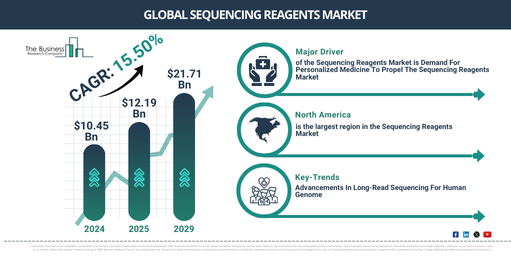
    The market size for sequencing reagents has undergone a swift expansion in the past few years. It projects a rise from $10.45 billion in 2024 to $12.19 billion in 2025, representing a compound annual growth rate (CAGR) of 16.7%. Factors such as widespread use of sequencing in drug innovation and development, governmental support for genomics research, expanding usage of sequencing in clinical diagnostics, growing incidence of genetic disorders, and the onset of precision medicine initiatives played significant roles in creating this growth trajectory in the past.

    The market size of sequencing reagents is predicted to witness a swift expansion in the forthcoming years. It is projected to escalate to $21.71 billion in 2029 with a compound annual growth rate (CAGR) of 15.5%. This expansion during the anticipated period can be associated with the surge in cancer genomics research and precision oncology, rise of bioinformatics tools and software for processing data, amplified investments in genomics research and healthcare framework, heightened demand for custom-made medicine, and broadening applications of sequencing in the agriculture and livestock sector. Key tendencies during this period consist of the creation of portable and benchtop sequencing platforms, incorporation of sequencing with other omics technologies, invention of innovative sequencing reagents for epigenetic examination, improvements in sequencing technologies, and growth in investments for research and development of novel sequencing technologies and reagents.

    Download a free sample to assess the report’s scope and structure:

    https://www.thebusinessresearchcompany.com/sample.aspx?id=16184&type=smp

    What Are the Core Market Drivers Propelling Growth in the Sequencing Reagents Industry?

    The surge in demand and progression of personalized medicine are anticipated to fuel the expansion of the sequencing reagents market in the near future. Personalized medicine, otherwise referred to as precision medicine, revolutionizes the approach towards healthcare by customizing decisions and medical interventions to the unique attributes of each patient. The escalating demand for precision medicine is driven by the evolution of genomics and molecular diagnostics, facilitating treatments specifically designed for individuals based on their genetic constitution and disease traits. Sequencing reagents are vital in precision medicine as they enable accurate analysis of personal genetic data for customized diagnostic and therapeutic procedures. For example, as per the Personalized Medicine Coalition (PMC), a US-based non-profit outfit, in February 2024, personalized medicines accounted for over one-third of new U.S. Food and Drug Administration (FDA) drug endorsements for the fourth consecutive year in 2023. Besides, in 2023, the FDA sanctioned 16 novel personalized treatments for patients suffering from rare diseases, a sizable leap from six in 2022. Hence, the burgeoning demand and evolution of personalized medicine will catalyze the sequencing reagents market.

    How Is the Sequencing Reagents Market Segmented?

    The sequencing reagentsmarket covered in this report is segmented –

    1) By Type: Library Kits; Template Kits; Control Kits; Sequencing Kits; Other Types

    2) By Technology: Sanger Sequencing; Next Generation Sequencing; Third Generation Sequencing

    3) By Application: Oncology; Reproductive Health; Clinical Investigation; Agrigenomics And Forensics; Other Applications

    4) By Industry Verticals: Research Institutes; Hospitals and Clinics; Pharmaceutical And Biotechnology Companies; Other Industry Verticals

    Subsegments:

    1) By Library Kits: Dna Library Kits; Rna Library Kits; Whole Genome Library Kits; Targeted Sequencing Library Kits; Amplicon Library Kits

    2) By Template Kits: Dna Template Kits; Rna Template Kits; Cdna Template Kits; Single-Cell Rna Template Kits

    3) By Control Kits: Positive Control Kits; Negative Control Kits; Internal Control Kits; Quality Control Kits

    4) By Sequencing Kits: Next-Generation Sequencing (Ngs) Kits; Whole Genome Sequencing Kits; Targeted Sequencing Kits; Exome Sequencing Kits; Rna Sequencing Kits

    5) By Other Types: Pcr Reagents And Kits; Cloning Kits; Multiplexing Kits; Sanger Sequencing Reagents

    Request customized data on this market:

    https://www.thebusinessresearchcompany.com/customise?id=16184&type=smp

    Which Regions Are Driving the Next Phase of the Sequencing Reagents Market Growth?

    North America was the largest region in the sequencing reagents market in 2024. Asia-Pacific is expected to be the fastest-growing region in the forecast period. The regions covered in the sequencing reagents market report are Asia-Pacific, Western Europe, Eastern Europe, North America, South America, Middle East, Africa.

    What Key Market Trends and Innovations Are Shaping the Future of the Sequencing Reagents Industry?

    Leading firms in the sequencing reagents market are concentrating their efforts on the creation of cutting-edge technologies, such as Illumina Complete Long Read technology, to gain an advantage over their competitors. Illumina’s innovative long-read technology combines the precision and throughput of short-read sequencing with the broad coverage and ability to navigate convoluted genomic regions offered by long-read sequencing. In March 2023, Illumina Inc., a biotech firm from the US, unveiled the Illumina Complete Long Read Prep, Human. This robust, long-read, human whole-genome sequencing (WGS) test is compatible with Illumina NovaSeq X Plus, NovaSeq X, and NovaSeq 6000 Sequencing Systems. Illumina’s Complete Long Read Prep for Humans serves as a complete process for long-read sequencing of the human genome using Illumina systems, encompassing everything from sample preparation to library building and sequencing. This facilitates researchers to obtain long sequencing reads for in-depth genomic studies, such as detecting structural variations and intricate genomic regions.

    View the full report here:

    https://www.thebusinessresearchcompany.com/report/sequencing-reagents-global-market-report

    How Is the Sequencing Reagents Market Defined and What Are Its Core Parameters?

    Sequencing reagents are chemicals or compounds used in various sequencing techniques to determine the precise order of nucleotides in a DNA or RNA molecule. These are utilized in genetic sequencing methodologies to identify the order of nucleotides in DNA or RNA strands, aiding in the precise analysis of genetic information.

    Purchase the full report and get a swift delivery:

    https://www.thebusinessresearchcompany.com/purchaseoptions.aspx?id=16184

    About The Business Research Company:

    With over 15000+ reports from 27 industries covering 60+ geographies, The Business Research Company has built a reputation for offering comprehensive, data-rich research and insights. Armed with 1,500,000 datasets, the optimistic contribution of in-depth secondary research, and unique insights from industry leaders, you can get the information you need to stay ahead in the game.

    Get in touch with us:

    The Business Research Company: https://www.thebusinessresearchcompany.com/

    Americas +1 310-496-7795

    Europe +44 7882 955267

    Asia & Others +44 7882 955267 & +91 8897263534

    Email us at info@tbrc.info

    Follow us on:

    LinkedIn: https://in.linkedin.com/company/the-business-research-company

    YouTube: https://www.youtube.com/channel/UC24_fI0rV8cR5DxlCpgmyFQ

    Global Market Model: https://www.thebusinessresearchcompany.com/global-market-model

  • $2.44 Billion Forecast for Treatment-Resistant Depression Market by 2029, Backed by Demand and Innovation

    $2.44 Billion Forecast for Treatment-Resistant Depression Market by 2029, Backed by Demand and Innovation

    Claim your 30% discount on Global Market Reports with code ONLINE30. Limited time only.

    What is the Projected CAGR for the Treatment-Resistant Depression Market Size from 2025 to 2034?

    The market size of treatment-resistant depression has experienced robust growth in the past few years. The market is predicted to rise from $1.76 billion in 2024 to $1.87 billion in 2025, following a compound annual growth rate (CAGR) of 6.5%. This growth during the historic period is due to several factors, including an increase in incidences of treatment-resistant and regular depression, enhanced access to healthcare services, greater awareness about various treatment choices and a high occurrence of mental disorders.

    The market size for treatment-resistant depression is projected to experience substantial growth in the coming years, increasing to$2.44 billion by 2029″ with a compound annual growth rate (CAGR) of 6.8%. The growth within this forecasted timeframe can be credited to factors like the rise in chronic diseases, the escalating prevalence of anxiety disorders, heightened consciousness regarding mental health, ongoing government initiatives, and increased expenditure in healthcare. Significant trends expected during this period consist of the expansion of telemedicine and digital health, advancements in diagnostic and therapeutic technologies, heightened awareness and reduction of stigma surrounding mental health, adoption of personalized medicine, and the utilization of artificial intelligence.

    Download a free sample to assess the report’s scope and structure:

    https://www.thebusinessresearchcompany.com/sample.aspx?id=23546&type=smp

    What Are the Core Growth Drivers Propelling the Treatment-Resistant Depression Market Forward?

    The abundant occurrence of mental health conditions is projected to stimulate the expansion of the treatment-resistant depression market. Mental health conditions encompass a wide spectrum of disorders influencing cognitive, emotional, and behavioral aspects of a person’s life, often causing noteworthy distress and interference in day-to-day activities. High occurrences of these disorders are driven by factors like genetic predisposition, wherein inherited genetic variations could alter brain chemistry, thereby enhancing the susceptibility towards depression, anxiety, and schizophrenia. Treatment-resistant depression (TRD) aids those suffering from mental disorders by advocating for more tailored and advanced therapies when traditional treatments fail, thus improving their recovery prospects and life quality. For example, as reported by the American Psychological Association (APA), a US-based scientific and professional organization, in November 2023, adults between 18 to 34 had the highest prevalence of mental illnesses at 50% in 2023, while those aged 35 to 44 observed the largest surge in diagnoses, with 45% reporting a mental illness. Consequently, the high prevalence of mental disorders is fueling the growth of the treatment-resistant depression market.

    What Segment Types Define the Treatment-Resistant Depression Market Structure?

    The treatment-resistant depressionmarket covered in this report is segmented –

    1) By Drug Class: Selective Serotonin Reuptake Inhibitors (SSRIS); Monoamine Oxidase Inhibitors; Tricyclic Antidepressant; Psychedelics; Other Drug Classes

    2) By Route Of Administration: Oral; Parenteral; Other Routes Of Administration

    3) By Distribution Channel: Hospital Pharmacies; Retail Pharmacies; Online Pharmacies

    4) By End-User: Hospitals; Homecare; Specialty Clinics; Other End-Users

    Subsegments:

    1) Selective Serotonin Reuptake Inhibitors (SSRIs): Fluoxetine; Sertraline; Paroxetine; Citalopram; Escitalopram

    2) Monoamine Oxidase Inhibitors (MAOIs): Phenelzine; Tranylcypromine; Isocarboxazid; Selegiline

    3) Tricyclic Antidepressants (TCAs): Amitriptyline; Nortriptyline; Imipramine; Clomipramine; Doxepin

    4) Psychedelics: Ketamine; Esketamine; Psilocybin; Lysergic Acid Diethylamide (LSD); 3,4-Methylenedioxymethamphetamine (MDMA); Other Drug Classes

    5) Atypical Antipsychotics: Serotonin-Norepinephrine Reuptake Inhibitors (SNRIs); Norepinephrine-Dopamine Reuptake Inhibitors (NDRIs); Glutamate Modulators; Hormonal Therapies

    Request customized data on this market:

    https://www.thebusinessresearchcompany.com/customise?id=23546&type=smp

    Which Geographic Areas Hold the Strongest Growth Potential in the Treatment-Resistant Depression Market?

    North America was the largest region in the treatment-resistant depression market in 2024. Asia-Pacific is expected to be the fastest-growing region in the forecast period. The regions covered in the treatment-resistant depression market report are Asia-Pacific, Western Europe, Eastern Europe, North America, South America, Middle East, Africa.

    Which Emerging Trends that Are Influencing theTreatment-Resistant Depression Industry Evolution?

    Leading businesses involved in the treatment-resistant depression market are directing their efforts towards creating innovative therapies such as monotherapy to cater to unmet patient requirements, enhance effectiveness, and minimize side effects. The practice of monotherapy, which involves using a single treatment or medication for a condition instead of a combination of treatments, has proven useful in treating treatment-resistant depression. This approach provides a single, concentrated treatment that may be more beneficial for patients who have not responded satisfactorily to numerous medications. For example, in January 2025, Johnson & Johnson Services Inc., a pharmaceutical, biotech, and medical technology firm based in the US, secured approval from the U.S. Food and Drug Administration (FDA), a government regulatory agency in the US, for SPRAVATO (esketamine) nasal spray. It is an rapid-acting solution for adults suffering from treatment-resistant depression (TRD). SPRAVATO is employed along with an oral antidepressant when patients have not reacted adequately to at least two other antidepressant therapies. In comparison to traditional antidepressants that often require weeks to demonstrate results, this drug’s fast effect overcomes their limitations. Esketamine, a ketamine derivative, impacts the brain’s NMDA receptors, possibly enhancing the patient’s mood within hours. This FDA approval signifies a crucial milestone for mental health treatment.

    View the full report here:

    https://www.thebusinessresearchcompany.com/report/treatment-resistant-depression-global-market-report

    What Is the Definition of the Treatment-Resistant Depression Market?

    Treatment-resistant depression (TRD) is a severe and persistent form of major depressive disorder (MDD) characterized by inadequate response to at least two different antidepressant treatments of adequate dose and duration, leading to prolonged psychological distress and functional impairment. Individuals with TRD often require advanced therapeutic approaches, including novel pharmacological treatments, neuromodulation techniques, and personalized mental health interventions, to achieve symptom relief and improve overall well-being.

    Purchase the full report and get a swift delivery:

    https://www.thebusinessresearchcompany.com/purchaseoptions.aspx?id=23546

    About The Business Research Company:

    With over 15000+ reports from 27 industries covering 60+ geographies, The Business Research Company has built a reputation for offering comprehensive, data-rich research and insights. Armed with 1,500,000 datasets, the optimistic contribution of in-depth secondary research, and unique insights from industry leaders, you can get the information you need to stay ahead in the game.

    Get in touch with us:

    The Business Research Company: https://www.thebusinessresearchcompany.com/

    Americas +1 310-496-7795

    Europe +44 7882 955267

    Asia & Others +44 7882 955267 & +91 8897263534

    Email us at info@tbrc.info

    Follow us on:

    LinkedIn: https://in.linkedin.com/company/the-business-research-company

    YouTube: https://www.youtube.com/channel/UC24_fI0rV8cR5DxlCpgmyFQ

    Global Market Model: https://www.thebusinessresearchcompany.com/global-market-model