Month: August 2025

  • Strong CAGR to Propel in the Healthcare Provider Network Management Market and Beyond upto $10.01 Billion by 2029

    Strong CAGR to Propel in the Healthcare Provider Network Management Market and Beyond upto $10.01 Billion by 2029

    Claim your 30% discount on Global Market Reports with code ONLINE30. Limited time only.

    What is the Projected CAGR for the Healthcare Provider Network Management Market Size from 2025 to 2034?

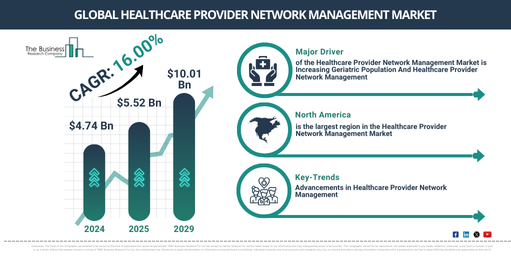
    Over the past years, the market size for healthcare provider network management has seen a swift rise. Its growth is projected to surge from $4.74 billion in 2024 to $5.52 billion in 2025, with a compound annual growth rate (CAGR) of 16.4%. Several factors have contributed to this growth in the historic period, including the emergence of value-based care models, heightened regulatory compliance requirements, increasing complexity within healthcare networks, the push for patient-centric care delivery, as well as market consolidation and mergers.

    In the coming years, the market size of healthcare provider network management is predicted to experience a sizeable increase. The expected growth rate is an impressive 16.0% CAGR, shifting the market value to$10.01 billion by 2029. This growth during the forecast span can be linked to several key factors such as issues with interoperability, the integration of telehealth, a heightened focus on cybersecurity within healthcare, strategies for managing population health, a move towards decentralised care, changes in regulation and variations in reimbursement models. Pertinent trends during this forecast period involve the application of artificial intelligence and automation, a rising demand for data analytics within the healthcare field, technological progress, the inclusion of value-based care, and the expansion of telehealth networks.

    Download a free sample to assess the report’s scope and structure:

    https://www.thebusinessresearchcompany.com/sample.aspx?id=7449&type=smp

    Which Primay Drivers Are Accelerating Growth in the Healthcare Provider Network Management Market?

    The rise in the older population is anticipated to drive the expansion of the healthcare provider network management market. This population, typically aged 65 and above, referred to as the geriatric population, has distinctive health requirements associated with aging. The healthcare provider network management market plays a crucial role in meeting these evolving needs by improving healthcare delivery, enhancing care coordination, and securing efficient resource distribution. As the population ages, effective network management becomes increasingly important to address the distinct health needs of this growing group. For example, the UK Parliament’s House of Commons Library, a governmental administration based in the UK, reported in July 2024 that as of 2022, 12.7 million individuals aged 65 and older live in the UK, representing 19% of the total population. This figure is estimated to increase to 22.1 million by 2072, making up 27% of the population. Hence, the rising geriatric population catalyzes the growth of the healthcare provider network management market.

    Which Primary Segments of the Healthcare Provider Network Management Market Are Driving Growth and Industry Transformations?

    The healthcare provider network managementmarket covered in this report is segmented –

    1) By Component: Network Management Services, Network Management Software

    2) By Deployment Type: On-Premises, Cloud

    3) By End User: Private Payers; Public Payers

    Subsegments:

    1) By Network Management Services: Provider Enrollment Services; Credentialing And Privileging Services; Network Development And Optimization Services; Performance Analytics And Reporting Services; Contract Management Services

    2) By Network Management Software: Provider Network Management Software; Data Analytics And Reporting Tools; Credentialing Software; Contract Management Systems; Care Coordination Platforms

    Request customized data on this market:

    https://www.thebusinessresearchcompany.com/customise?id=7449&type=smp

    Which Regions Are Key Players in the Growth of the #Which Primay Drivers Are Accelerating Growth in the Healthcare Provider Network Management Market?# Market?

    North America was the largest region in the healthcare provider network management market in 2024. The regions covered in the healthcare provider network management market report are Asia-Pacific, Western Europe, Eastern Europe, North America, South America, Middle East, Africa.

    Which Technological Trends Are Reshaping the Healthcare Provider Network Management Industry Dynamics?

    Leading firms in the healthcare provider network management market, like the US based insurance provider, HealthNet, are striving for competitive superiority by launching state-of-the-art products – one of them being ICU on wheels. This mobile ICU caters to patients needing critical medical attention, enabling advanced life support during transport, and is largely used during emergencies or facility transfers. In November 2023, HealthNet led the industry by introducing the 5G ambulance, outfitted with the latest medical technologies and capabilities for real-time data transmission. It significantly improves communication between the hospital and paramedics, instantly transmitting crucial patient data, and consequently enhancing emergency response times. This integration within a larger healthcare provider network influences more informed decisions, improves patient results, and solidifies HealthNet’s role in developing provider network management.

    View the full report here:

    https://www.thebusinessresearchcompany.com/report/healthcare-provider-network-management-global-market-report

    What Parameters Are Used to Define the Healthcare Provider Network Management Market?

    Healthcare provider network management provides a point for access to information about health insurance plans, government regulations and processes, pricing, and other data within the healthcare organization.

    Purchase the full report and get a swift delivery:

    https://www.thebusinessresearchcompany.com/purchaseoptions.aspx?id=7449

    About The Business Research Company:

    With over 15000+ reports from 27 industries covering 60+ geographies, The Business Research Company has built a reputation for offering comprehensive, data-rich research and insights. Armed with 1,500,000 datasets, the optimistic contribution of in-depth secondary research, and unique insights from industry leaders, you can get the information you need to stay ahead in the game.

    Get in touch with us:

    The Business Research Company: https://www.thebusinessresearchcompany.com/

    Americas +1 310-496-7795

    Europe +44 7882 955267

    Asia & Others +44 7882 955267 & +91 8897263534

    Email us at info@tbrc.info

    Follow us on:

    LinkedIn: https://in.linkedin.com/company/the-business-research-company

    YouTube: https://www.youtube.com/channel/UC24_fI0rV8cR5DxlCpgmyFQ

    Global Market Model: https://www.thebusinessresearchcompany.com/global-market-model
  • Healthcare Cyber Security Market Forecast Reaching $58.13 Billion by 2029 at 20.6% CAGR

    Healthcare Cyber Security Market Forecast Reaching $58.13 Billion by 2029 at 20.6% CAGR

    Claim your 30% discount on Global Market Reports with code ONLINE30. Limited time only.

    What is the Anticipated CAGR of the Healthcare Cyber Security Market, and What Factors Will Drive It?

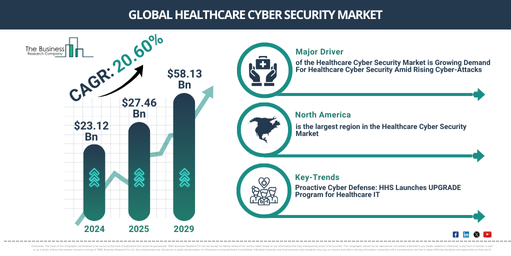
    In the past few years, the size of the healthcare cyber security market has expanded at a fast pace. From $23.12 billion in 2024, it is expected to reach $27.46 billion in 2025, showcasing a compound annual growth rate (CAGR) of 18.8%. The historical growth has been majorly influenced by factors like surging cyber threats, regulatory compliances, amplified interconnectivity, concerns regarding data monetization, increased awareness and education, along with vulnerabilities of legacy systems.

    The market size for cyber security in healthcare is anticipated to witness remarkable growth in the coming years. It is projected to reach$58.13 billion by 2029, expanding at a compound annual growth rate (CAGR) of 20.6%. Factors such as iota security issues, remote healthcare difficulties, supply chain security concerns, threats from quantum computing, and the adoption of behavioral analytics are contributing to the growth in the projected period. Key trends during this period includes the incorporation of AI and machine learning, the digitalization of health records, increase in ransomware attacks, cloud security solutions, and the implementation of zero-trust security models.

    Download a free sample to assess the report’s scope and structure:

    https://www.thebusinessresearchcompany.com/sample.aspx?id=7325&type=smp

    Which Major Market Drivers Are Expected to Boost the Growth Potential of the Healthcare Cyber Security Market?

    The healthcare cyber-security market is predicted to expand due to the escalating instances of healthcare cyber-attacks. The integration of digital technology in the healthcare sector has amplified the mentionable cyber-attacks incidents that are kept secure using various healthcare cyber security software. This inevitably boosts the demand for healthcare cyber security. Looking at an example from February 2023, the United States Department of Health and Human Services, a federal government organization in the US delivering essential human services, disclosed that healthcare providers in the US observed an astonishing 104% hike in data breaches from mid-2022 to mid-2023, multiplying from 160 to 327 incidents. This staggering increase compromised the data of more than 40 million patients, pointing to a 60% year-on-year jump in the initial half of 2023. As a result, the rising occurrences of healthcare cyberattacks are expected to fuel the growth of the healthcare cyber security market in the future.

    Which Key Market Segments Comprise the Healthcare Cyber Security Market and Drive Its Revenue Growth?

    The healthcare cyber securitymarket covered in this report is segmented –

    1) By Threat Type: Malware; Distributed Denial Of Service (DDoS); Advanced Persistent Threats (APT); Spyware; Other Treat Types

    2) By Solution: Identity And Access Management; Risk And Compliance Management; Antivirus and Antimalware; DDoS Mitigation; Security Information And Event Management; Intrusion Detection System And Intrusion Prevention System; Others Solutions

    3) By Security Measures: Application Security; Network Security; Device Security; Other Security Measures

    4) By Deployment: On-Premises; Cloud-Based

    5) By End User: Pharmaceutical Industries; Biotechnology Industries; Hospital; Medical Device Companies; Health Insurance Companies; Other End Users

    Subsegments:

    1) By Malware: Ransomware; Trojans; Viruses; Worms

    2) By Distributed Denial Of Service (DDoS): Volumetric Attacks; Protocol Attacks; Application Layer Attacks

    3) By Advanced Persistent Threats (APT): Targeted Attacks; Spear Phishing; Insider Threats

    4) By Spyware: Keyloggers; Adware; Tracking Cookies

    5) By Other Threat Types: Phishing Attacks; Credential Theft; Man-In-The-Middle Attacks; Data Breaches

    Request customized data on this market:

    https://www.thebusinessresearchcompany.com/customise?id=7325&type=smp

    Which Areas Are Leading Regions in the Healthcare Cyber Security Market Expansion Across the Globe?

    North America was the largest region in the healthcare cyber security market in 2024. The regions covered in the healthcare cyber security market report are Asia-Pacific, Western Europe, Eastern Europe, North America, South America, Middle East, Africa.

    What Are the Key Market Trends in theHealthcare Cyber Security Market Over the Coming Years?

    Prominent corporations in the healthcare cybersecurity market are channeling their efforts towards investing in sophisticated security measures like artificial intelligence, threat containment, and machine learning to counter mounting cyber threats aimed at sensitive patient details and healthcare infrastructures. This scheme will establish a platform enabling hospitals to mimic their digital spaces, locating potential weak points before they are manipulated by cybercriminals. For instance, the Advanced Research Projects Agency for Health, a US-based funding agency promoting health and biomedical advancements, launched the UPGRADE scheme in May 2024. The agency committed $50 million to devise cybersecurity tools designed for healthcare IT teams, prioritizing proactive vulnerability examination and threat containment. This effort aims to automatically detect and rectify software vulnerabilities, causing little to no interruption to hospital activities and tackling persistent cybersecurity issues in the healthcare sector.

    View the full report here:

    https://www.thebusinessresearchcompany.com/report/healthcare-cyber-security-global-market-report

    How Is the Healthcare Cyber Security Market Conceptually Defined?

    Healthcare cybersecurity is a strategic necessity for all medical industry organizations, including healthcare providers, insurers, pharmaceuticals, biotechnology, and medical device firms.

    Purchase the full report and get a swift delivery:

    https://www.thebusinessresearchcompany.com/purchaseoptions.aspx?id=7325

    About The Business Research Company:

    With over 15000+ reports from 27 industries covering 60+ geographies, The Business Research Company has built a reputation for offering comprehensive, data-rich research and insights. Armed with 1,500,000 datasets, the optimistic contribution of in-depth secondary research, and unique insights from industry leaders, you can get the information you need to stay ahead in the game.

    Get in touch with us:

    The Business Research Company: https://www.thebusinessresearchcompany.com/

    Americas +1 310-496-7795

    Europe +44 7882 955267

    Asia & Others +44 7882 955267 & +91 8897263534

    Email us at info@tbrc.info

    Follow us on:

    LinkedIn: https://in.linkedin.com/company/the-business-research-company

    YouTube: https://www.youtube.com/channel/UC24_fI0rV8cR5DxlCpgmyFQ

    Global Market Model: https://www.thebusinessresearchcompany.com/global-market-model
  • $21.44 Billion Forecast for Health Care Social Media Market by 2029, Backed by Demand and Innovation

    $21.44 Billion Forecast for Health Care Social Media Market by 2029, Backed by Demand and Innovation

    Claim your 30% discount on Global Market Reports with code ONLINE30. Limited time only.

    What Are the Key Milestones in the Health Care Social Media Market’s Growth Trajectory From 2025 To 2034?

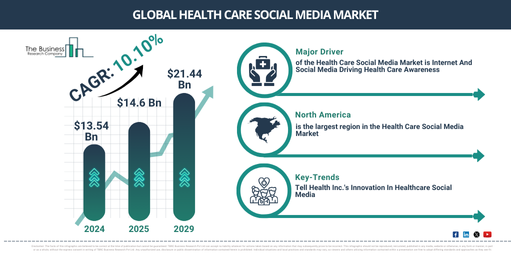
    The size of the health care social media market has seen robust growth in the past few years. Its value is forecasted to rise from $13.54 billion in 2024 to $14.6 billion in 2025, suggesting a compound annual growth rate (CAGR) of 7.8%. Factors such as increased patient empowerment, the regulatory landscape, health literacy initiatives, collaboration and knowledge exchange, and a patient-focused care approach have contributed significantly to the market expansion during the historic period.

    In the coming years, a rapid expansion is anticipated in the health care social media market, with expectations to reach a value of $21.44 billion in 2029 with a compound annual growth rate (CAGR) of 10.1%. The rise during the projection period can be credited to telehealth amalgamation, the global health crisis’ impact, the growth of virtual communities and support groups, the evolving regulatory environment, and a focus on mental health. Noteworthy trends expected during this forecasted period comprise integration of AI and data analytics, technological growth, mounting digitalization in healthcare, the application of gamification for health improvement, and the use of AI and chatbots for healthcare assistance.

    Download a free sample to assess the report’s scope and structure:

    https://www.thebusinessresearchcompany.com/sample.aspx?id=7775&type=smp

    What Are the Core Growth Drivers Propelling the Health Care Social Media Market Forward?

    The surge in the adoption of internet and social media plays a significant role in driving the health care social media industry. The internet is increasingly being utilized to establish novel business strategies and customer interactions to adapt to changing corporate and market requirements. The appeal for social media escalates due to the rapid expansion of internet connectivity, escalating sign-ups to social media, advanced communication essentials, and more. The COVID-19 crisis has led to a sharp increase in smartphone, social media, and internet utilization owing to extended lockdown periods and remote work conditions. This growth in internet and social media usage has bolstered the use of health care social media owing to its superior ability to provide platforms for medical personnel to disseminate more information, debate about health policies, and promote health knowledge. For example, as per We Are Social Ltd, a UK-based media firm, in January 2024, social media usage escalated to 1.5%, a rise from 0.9% in January 2023. Moreover, in April 2024, as per the European Commission, a Belgium-based executive body responsible for implementing decisions and enforcing EU treaties, from those aged 16–74 surveyed, 92% had used the internet in the last year, with 70% making online purchases of goods or services, marking a 2% increase from 2022. Consequently, the surge in internet and social media usage will fuel the expansion of the health care social media industry.

    What Segment Types Define the Health Care Social Media Market Structure?

    The health care social mediamarket covered in this report is segmented –

    1) By Component: Hardware; Software; Services

    2) By Product: YouTube; Twitter; Instagram; Facebook; Tumblr; Snapchat

    3) By End Users: Hospitals; Medical Professionals; Research Institutes; Biotechnology Companies; Patients; Others End Users

    Subsegments:

    1) By Hardware: Mobile Devices (Smartphones, Tablets); Computers And Workstations; Wearable Devices (Fitness Trackers, Smartwatches); Networking Equipment

    2) By Software: Social Media Management Tools; Analytics And Reporting Software; Content Creation And Editing Software; Customer Relationship Management (CRM) Software

    3) By Services: Social Media Marketing Services; Consulting Services; Content Creation And Management Services; Community Management Services; Training And Support Services

    Request customized data on this market:

    https://www.thebusinessresearchcompany.com/customise?id=7775&type=smp

    Which Geographic Areas Hold the Strongest Growth Potential in the Health Care Social Media Market?

    North America was the largest region in the healthcare social media market in 2024. The regions covered in the health care social media market report are Asia-Pacific, Western Europe, Eastern Europe, North America, South America, Middle East, Africa.

    Which Emerging Trends that Are Influencing theHealth Care Social Media Industry Evolution?

    Key corporations in the healthcare social media sector are honing in on product innovation, such as creating a social media application to halt the propagation of inaccurate health information. A social media application acts as an online medium that allows users to generate, disseminate, and engage with material, facilitating internet-based interaction and bonding among people or groups. For example, in January 2023, a US firm called Tell Health Inc., which offers a healthcare-focused social media platform, unveiled the Tell social media app. The app distinguishes itself with its unique attributes, including robust verification processes for health experts’ credentials and a medical advisory board composed of Ivy League doctors. These aspects guarantee that only accredited professionals disseminate information, tackling the issues of the healthcare social media sector by providing a dependable source of doctor-verified health data and effectively hindering the dissemination of false health information.

    View the full report here:

    https://www.thebusinessresearchcompany.com/report/health-care-social-media-global-market-report

    What Is the Definition of the Health Care Social Media Market?

    Healthcare social media refers to online media platforms used for connecting with consumers and healthcare experts. It helps interact with patients, share relevant information, build the brand, enhance reputation, and reduce costs through advertising budgets, crisis communications, transparency in healthcare quality, and patient safety.

    Purchase the full report and get a swift delivery:

    https://www.thebusinessresearchcompany.com/purchaseoptions.aspx?id=7775

    About The Business Research Company:

    With over 15000+ reports from 27 industries covering 60+ geographies, The Business Research Company has built a reputation for offering comprehensive, data-rich research and insights. Armed with 1,500,000 datasets, the optimistic contribution of in-depth secondary research, and unique insights from industry leaders, you can get the information you need to stay ahead in the game.

    Get in touch with us:

    The Business Research Company: https://www.thebusinessresearchcompany.com/

    Americas +1 310-496-7795

    Europe +44 7882 955267

    Asia & Others +44 7882 955267 & +91 8897263534

    Email us at info@tbrc.info

    Follow us on:

    LinkedIn: https://in.linkedin.com/company/the-business-research-company

    YouTube: https://www.youtube.com/channel/UC24_fI0rV8cR5DxlCpgmyFQ

    Global Market Model: https://www.thebusinessresearchcompany.com/global-market-model
  • Critical Market Drivers Shaping the Outlook for Preclinical Imaging Market from 2025-2034: Rising Chronic Disease Burden Fuels Preclinical Imaging Market Growth

    Critical Market Drivers Shaping the Outlook for Preclinical Imaging Market from 2025-2034: Rising Chronic Disease Burden Fuels Preclinical Imaging Market Growth

    Claim your 30% discount on Global Market Reports with code ONLINE30. Limited time only.

    What Is the Estimated Market Size of the Preclinical Imaging Market In 2029?

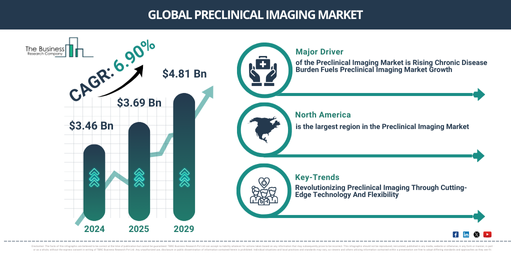
    Over the past few years, the preclinical imaging market has exhibited robust growth. It is projected to increase from $3.46 billion in 2024 to $3.69 billion in 2025, with a compound annual growth rate (CAGR) of 6.5%. The surge during the historical period can be traced back to government initiatives, the rise in disease prevalence, widened applications, heightened awareness, and growth in emerging markets.

    The size of the preclinical imaging market is projected to witness robust growth in the upcoming years, poised to increase to$4.81 billion in 2029 with a compounded annual growth rate (CAGR) of 6.9%. Primary factors driving growth during the forecast period include the rise in personalized medicine, improvements in molecular imaging, outsourcing of drug development, supportive regulations, and an increase in chronic diseases. Key trends projected during this period are the development of green imaging technologies, advancements in technology, an escalation in R&D activities, partnerships and collaborations, and the application of real-time imaging.

    Download a free sample to assess the report’s scope and structure:

    https://www.thebusinessresearchcompany.com/sample.aspx?id=12393&type=smp

    What Are the Core Growth Drivers Propelling the Preclinical Imaging Market Forward?

    The preclinical imaging market’s growth is projected to be driven by the rise in chronic illnesses. Chronic diseases, defined as health issues lasting for over three months, generally require continuous medical intervention and significantly influence an individual’s quality of life. To diagnose these persistent ailments, preclinical imaging instruments are employed to depict bone structures and lung functionality. These tools also facilitate the study of disease progression to enhance understanding of chronic diseases. For example, the World Health Organization’s (WHO) 2022 Highlights stated in September 2022 that noncommunicable diseases (NCDs) or chronic diseases globally caused 74% of all deaths, totaling 41 million. These fatalities include 17.9 million from cardiovascular diseases, 9.3 million from cancer, 4.1 million from respiratory diseases, and 2.0 million from diabetes. Consequently, the escalating prevalence of chronic diseases is fueling the enlargement of the preclinical imaging market.

    What Segment Types Define the Preclinical Imaging Market Structure?

    The preclinical imagingmarket covered in this report is segmented –

    1) By Modality: Optical Imaging Systems; Preclinical Nuclear Imaging Systems; Micro-Magnetic Resonance Imaging Systems; Micro-Ultrasound Systems; Micro-Computed Tomography Systems; Preclinical Photoacoustic Imaging Systems; Preclinical Magnetic Particle Imaging (MPI) Systems

    2) By Reagents: Preclinical Optical Imaging Reagents; Preclinical Nuclear Imaging Reagents; Preclinical MRI Contrast Agents; Preclinical Ultrasound Contrast Agents; Preclinical CT Contrast Agents

    3) By End User: Hospital; Diagnostics Center; Other End-User

    Subsegments:

    1) By Optical Imaging Systems: Bioluminescence Imaging; Fluorescence Imaging

    2) By Preclinical Nuclear Imaging Systems: Positron Emission Tomography (PET); Single-Photon Emission Computed Tomography (SPECT)

    3) By Micro-Magnetic Resonance Imaging (Micro-MRI) Systems: High-Resolution Micro-MRI Systems; Functional Micro-MRI Systems

    4) By Micro-Ultrasound Systems: High-Frequency Ultrasound Imaging; Real-Time Micro-Ultrasound Systems

    5) By Micro-Computed Tomography (Micro-CT) Systems: In Vivo Micro-CT Systems; Ex Vivo Micro-CT Systems

    6) By Preclinical Photoacoustic Imaging Systems: Multi-Wavelength Photoacoustic Imaging; Hybrid Photoacoustic Imaging Systems

    7) By Preclinical Magnetic Particle Imaging (MPI) Systems: MPI For Cell Tracking; MPI For Vascular Imaging

    Request customized data on this market:

    https://www.thebusinessresearchcompany.com/customise?id=12393&type=smp

    Which Geographic Areas Hold the Strongest Growth Potential in the Preclinical Imaging Market?

    North America was the largest region in the preclinical imaging market in 2024. The regions covered in the preclinical imaging market report are Asia-Pacific, Western Europe, Eastern Europe, North America, South America, Middle East, Africa

    Which Emerging Trends that Are Influencing thePreclinical Imaging Industry Evolution?

    There is a growing trend of product innovations in the preclinical imaging market. Primary businesses in this market are creating cutting-edge products to maintain their market presence. For example, Fujifilm VisualSonics Inc., a biomedical firm based in Canada specializing in the manufacture of imaging systems, introduced the VevoF2 for preclinical imaging in May 2022. This groundbreaking product is the inaugural preclinical imaging system which shifts between extremely high and low frequencies (71 MHz-1 MHz), utilizing both ultrasonic and photoacoustic technologies. The Vevo F2 boasts HD image processing technology and a freshly developed signal pathway which enhance image crispness and frame rates. The system can also be tailored to meet specific imaging precision requirements. Furthermore, it comprises features like HD image processing technology, a new signal pathway, system flexibility, a broad variety of anatomical targets, and superior resolution imaging, making it suitable for a range of research uses.

    View the full report here:

    https://www.thebusinessresearchcompany.com/report/preclinical-imaging-global-market-report

    What Is the Definition of the Preclinical Imaging Market?

    Preclinical imaging refers to the techniques used to visualize and study biological processes in animal models before being applied to human clinical trials. These imaging techniques allow researchers to track disease progression, evaluate the efficacy and safety of potential therapeutics, and gain insights into the biological mechanisms underlying diseases.

    Purchase the full report and get a swift delivery:

    https://www.thebusinessresearchcompany.com/purchaseoptions.aspx?id=12393

    About The Business Research Company:

    With over 15000+ reports from 27 industries covering 60+ geographies, The Business Research Company has built a reputation for offering comprehensive, data-rich research and insights. Armed with 1,500,000 datasets, the optimistic contribution of in-depth secondary research, and unique insights from industry leaders, you can get the information you need to stay ahead in the game.

    Get in touch with us:

    The Business Research Company: https://www.thebusinessresearchcompany.com/

    Americas +1 310-496-7795

    Europe +44 7882 955267

    Asia & Others +44 7882 955267 & +91 8897263534

    Email us at info@tbrc.info

    Follow us on:

    LinkedIn: https://in.linkedin.com/company/the-business-research-company

    YouTube: https://www.youtube.com/channel/UC24_fI0rV8cR5DxlCpgmyFQ

    Global Market Model: https://www.thebusinessresearchcompany.com/global-market-model
  • Global Glioblastoma Multiforme (GBM) Treatment Market Projected to Reach $4.06 Billion by 2029 at a CAGR of 10.5%

    Global Glioblastoma Multiforme (GBM) Treatment Market Projected to Reach $4.06 Billion by 2029 at a CAGR of 10.5%

    Claim your 30% discount on Global Market Reports with code ONLINE30. Limited time only.

    How Has The Glioblastoma Multiforme (GBM) Treatment Market Size Shifted, And What Is the Outlook Through 2034?

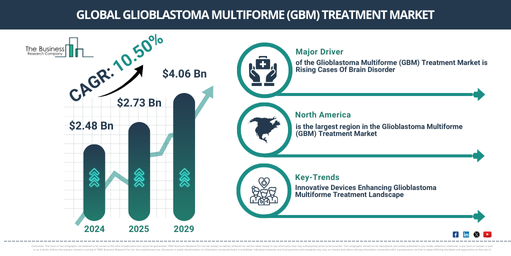
    The market size for glioblastoma multiforme (gbm) treatment has shown robust growth in the past few years. It is forecasted to expand from $2.48 billion in 2024 to $2.73 billion in 2025, experiencing a compound annual growth rate (CAGR) of 9.8%. Several factors have contributed to the growth during the historical period, including a rise in incidence and prevalence, progress in diagnostic methods, increased research funding and clinical trials, collaborations and alliances, as well as an enhanced comprehension of tumor biology.

    There’s anticipated swift expansion in the glioblastoma multiforme (gbm) treatment market over the next few years, ballooning to about $4.06 billion by 2029, with a compound annual growth rate (CAGR) of 10.5%. The surge within the prediction period can be credited to the emergence of immunotherapies, advancements in precision medicine, broadened understanding of genetic indicators, advocacy and awareness initiatives for patients, and government aid for rare ailments. Key trends for the prediction period involve the examination of combination therapies, implementing artificial intelligence in diagnosis and treatment strategies, an increased acceptance of immunotherapeutic approaches, and the introduction of advanced medical tools and apparatus.

    Download a free sample to assess the report’s scope and structure:

    https://www.thebusinessresearchcompany.com/sample.aspx?id=8803&type=smp

    What are the Fundamental Drivers and Innovations Shaping the Glioblastoma Multiforme (GBM) Treatment Market?

    The rising incidence of neurological disorders is set to accelerate the development of the market for treatments for glioblastoma multiforme (GBM). Neurological disorders encompass irregularities in the functioning of the brain, nerves throughout the body, and the spinal cord. The surge in the occurrence of such disorders, like glioblastoma multiforme (GBM), is linked to various factors; an aging population, weakened immune systems, overdiagnosis, ionizing radiation, air pollution and others. This has heightened the demand for treatments associated with these disorders to improve health and wellness. A 2022 report by the American Cancer Society, a voluntary health institution committed to overcoming cancer, revealed roughly 25,050 malignant brain or spinal cord tumors diagnosed in the US. As such, the escalating occurrence of neurological disorders bolsters the growth of the glioblastoma multiforme (GBM) treatment market.

    How Is the Glioblastoma Multiforme (GBM) Treatment Market Segmented?

    The glioblastoma multiforme (gbm) treatmentmarket covered in this report is segmented –

    1) By Treatment: Surgery; Radiation Therapy; Chemotherapy; Targeted Therapy; Tumor Treating Field (TTF) Therapy; Immunotherapy

    2) By Drug Class: Temozolomide; Bevacizumab; Lomustine; Carmustine Wafers; Other Drug Classes

    3) By Route Of Administration: Oral; Parenteral; Other Route Of Administrations

    4) By End-Use: Hospitals; Clinics; Ambulatory Surgical Centers

    Subsegments:

    1) By Surgery: Tumor Resection; Biopsy Procedures

    2) By Radiation Therapy: External Beam Radiation Therapy (EBRT); Stereotactic Radiation Therapy

    3) By Chemotherapy: Standard Chemotherapy; Combination Chemotherapy Regimens

    4) By Targeted Therapy: EGFR Inhibitors; Other Targeted Agents

    5) By Tumor Treating Field (TTF) Therapy: Device-Based TTF Treatment

    6) By Immunotherapy: Checkpoint Inhibitors; Vaccine-Based Therapies

    Request customized data on this market:

    https://www.thebusinessresearchcompany.com/customise?id=8803&type=smp

    Which Regions Are Driving the Next Phase of the Glioblastoma Multiforme (GBM) Treatment Market Growth?

    North America was the largest region in the glioblastoma multiforme (GBM) treatment market share in 2024. Asia-Pacific is expected to be the fastest-growing region in the forecast period. The regions covered in the glioblastoma multiforme (gbm) treatment market report are Asia-Pacific, Western Europe, Eastern Europe, North America, South America, Middle East, Africa.

    What Key Trends Are Shaping the Future of the Glioblastoma Multiforme (GBM) Treatment Market?

    Leading firms in the market are focusing on the creation of innovative portable and wearable devices to maintain their dominance in the industry. These technological advancements are designed to offer users improved functionality, comfort, and convenience, meeting the rising demand for efficient and accessible health care solutions. For example, Novocure, an oncology firm based in Jersey, unveiled Optune Gio in 2023, a wearable and portable treatment system for patients newly diagnosed with glioblastoma (GBM) that has received FDA approval. The device utilizes Tumor Treating Fields (TTFields), alternating electrical fields that hinder the division of cancer cells, potentially prolonging the patient’s life. Optune Gio, weighing just 2.7 pounds, is designed for comfort and allows patients to continue their daily activities while wearing it.

    View the full report here:

    https://www.thebusinessresearchcompany.com/report/glioblastoma-multiforme-gbm-treatment-global-market-report

    How Is the Glioblastoma Multiforme (GBM) Treatment Market Defined and What Are Its Core Parameters?

    Glioblastoma multiforme (GBM) treatment refers to the management and care of a patient suffering from glioblastoma multiforme, a kind of brain or spinal cord tumor that grows quickly. Adults with this primary malignant brain tumor have the highest prevalence rate.

    Purchase the full report and get a swift delivery:

    https://www.thebusinessresearchcompany.com/purchaseoptions.aspx?id=8803

    About The Business Research Company:

    With over 15000+ reports from 27 industries covering 60+ geographies, The Business Research Company has built a reputation for offering comprehensive, data-rich research and insights. Armed with 1,500,000 datasets, the optimistic contribution of in-depth secondary research, and unique insights from industry leaders, you can get the information you need to stay ahead in the game.

    Get in touch with us:

    The Business Research Company: https://www.thebusinessresearchcompany.com/

    Americas +1 310-496-7795

    Europe +44 7882 955267

    Asia & Others +44 7882 955267 & +91 8897263534

    Email us at info@tbrc.info

    Follow us on:

    LinkedIn: https://in.linkedin.com/company/the-business-research-company

    YouTube: https://www.youtube.com/channel/UC24_fI0rV8cR5DxlCpgmyFQ

    Global Market Model: https://www.thebusinessresearchcompany.com/global-market-model
  • Gene Editing Market 2025-2034: Key Highlights, Growth Dynamics, and Emerging Trends

    Gene Editing Market 2025-2034: Key Highlights, Growth Dynamics, and Emerging Trends

    Claim your 30% discount on Global Market Reports with code ONLINE30. Limited time only.

    What Are the Projected Market Size and Growth Rates for the Gene Editing Market From 2025 To 2029?

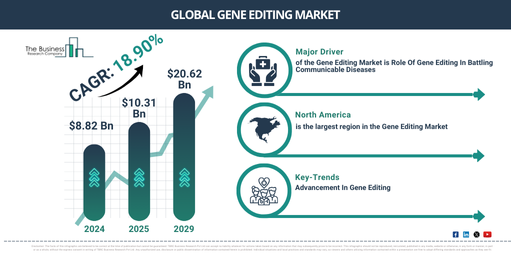
    The market size for gene editing has seen a swift growth in the past few years. It is expected to rise from $8.82 billion in 2024, to $10.31 billion in 2025, with a compound annual growth rate (CAGR) of 17.0%. The historical growth can be credited to the discovery of CRISPR-Cas9, advancements in the field of genetic sequencing, breakthroughs in medical science, funding for scientific research, and the expansion of the biotechnology industry.

    The market size of gene editing is predicted to undergo swift expansion in the forthcoming years. A compound annual growth rate (CAGR) of 18.9% is expected to push the market to a worth of $20.62 billion by 2029. This escalated growth during the forecast period will be a result of growth in regenerative medicine, development of agricultural applications, commercialization of gene therapy, improvements in precision and efficiency, and expansion of therapeutic applications. The forecast period will also witness several prevailing trends such as non-viral delivery systems, disease modeling and drug discovery, multiplex editing techniques, gene drives and population modification, along with innovations in base editing.

    Download a free sample to assess the report’s scope and structure:

    https://www.thebusinessresearchcompany.com/sample.aspx?id=2486&type=smp

    How Are Key Drivers in the Industry Acting as Catalysts for the Growth of theGene Editing Market?

    The growing incidence of communicable diseases is propelling the gene editing market, as these techniques become essential for detecting and treating these diseases. Infectious agents, including bacteria, viruses, or parasites, cause communicable diseases, which can spread from person to person, animals, or from the environment. Increasingly, gene editing technologies are used to devise targeted strategies, capable of identifying and battling pathogens at a genetic level, thereby improving disease control and prevention efforts. For example, the World Economic Forum, a non-governmental international organization based in Switzerland, announced in 2023 that infections like influenza and respiratory syncytial virus (RSV) had seen a rise following the pandemic. Consequently, in the USA, by February 2023, there have been about 24 million illnesses, 260,000 hospital admissions, and 16,000 deaths from influenza. Furthermore, the World Health Organization reported in 2022 that around 10.6 million people across the world had contracted tuberculosis, leading to the death of 1.3 million people. Hence, communicable diseases are augmenting the growth of the gene editing market.

    Which Segments in the Gene Editing Offer the Most Growth?

    The gene editingmarket covered in this report is segmented –

    1) By Technology: CRISPR; TALEN; ZFN

    2) By Application: Animal Genetic Engineering; Plant Genetic Engineering; Cell Line Engineering

    3) By End Users: Biotechnology; Pharmaceutical; Contract Research Organization

    Subsegments:

    1) By CRISPR: CRISPR-Cas9; CRISPR-Cas12; CRISPR-Cas13; CRISPR-based Gene Drives

    2) By TALEN (Transcription Activator-Like Effector Nucleases): Custom TALENs; Commercial TALEN Kits

    3) By ZFN (Zinc Finger Nucleases): Custom ZFNs; Commercial ZFN Kits

    Request customized data on this market:

    https://www.thebusinessresearchcompany.com/customise?id=2486&type=smp

    What Are the Fastest-Growing Geographies in the #How Are Key Drivers in the Industry Acting as Catalysts for the Growth of theGene Editing Market?# Market?

    North America was the largest region in the gene editing market in 2024. Western Europe was the second largest region in the global gene editing market share. The regions covered in the gene editing market report are Asia-Pacific, Western Europe, Eastern Europe, North America, South America, Middle East, Africa.

    What Are the Current Market Growth and Trends in the Gene Editing Industry?

    Key players in the gene editing industry are employing innovative gene-editing technologies, such as an approach reliant on distinct cell-penetrating peptides, to gain a competitive advantage in the market. This strategy could also accelerate the creation of advanced cell therapies for cancer and other diseases. For example, Penn Medicine, a prominent multi-hospital health system based in the US, discovered in April 2023 that protein fragments utilized by certain viruses for cell penetration could also be used to introduce CRISPR-Cas gene editing molecules into cells and their DNA-rich nuclei with exceptional efficiency and minimum cellular toxicity. Scientists anticipate this new method to be particularly valuable for modifying T cells and other patient-derived cells for cell therapies. This technique could potentially be applied to CAR T (chimeric antigen receptor T cell) therapy, a treatment that uses specially modified immune cells from a patient to combat cancer. This innovative approach to cell genetic modification offers enhanced speed, efficiency, and reduced cellular toxicity compared to existing methods.

    View the full report here:

    https://www.thebusinessresearchcompany.com/report/gene-editing-global-market-report

    What Are the Key Elements That Define the Gene Editing Market?

    Gene editing is a technology that allows genetic material to change genetic code at a particular location in a genome. It involves cell line engineering, animal genetic engineering, and plant genetic engineering.

    Purchase the full report and get a swift delivery:

    https://www.thebusinessresearchcompany.com/purchaseoptions.aspx?id=2486

    About The Business Research Company:

    With over 15000+ reports from 27 industries covering 60+ geographies, The Business Research Company has built a reputation for offering comprehensive, data-rich research and insights. Armed with 1,500,000 datasets, the optimistic contribution of in-depth secondary research, and unique insights from industry leaders, you can get the information you need to stay ahead in the game.

    Get in touch with us:

    The Business Research Company: https://www.thebusinessresearchcompany.com/

    Americas +1 310-496-7795

    Europe +44 7882 955267

    Asia & Others +44 7882 955267 & +91 8897263534

    Email us at info@tbrc.info

    Follow us on:

    LinkedIn: https://in.linkedin.com/company/the-business-research-company

    YouTube: https://www.youtube.com/channel/UC24_fI0rV8cR5DxlCpgmyFQ

    Global Market Model: https://www.thebusinessresearchcompany.com/global-market-model
  • Key Factors Fueling the Growth of the Preclinical CRO Market in 2025: Surging Demand For Preclinical Trials Drives Growth In The Preclinical CRO Market

    Key Factors Fueling the Growth of the Preclinical CRO Market in 2025: Surging Demand For Preclinical Trials Drives Growth In The Preclinical CRO Market

    Claim your 30% discount on Global Market Reports with code ONLINE30. Limited time only.

    How Fast Is The Preclinical CRO Market Expected to Grow Between 2025 And 2029?

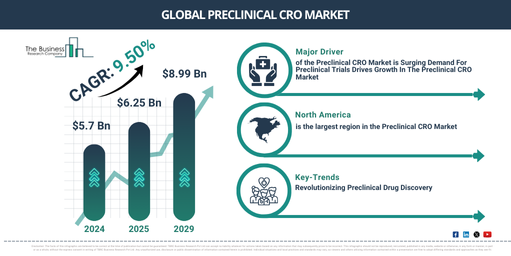
    The size of the preclinical contract research organization (CRO) market has experienced substantial growth in previous years. It is projected to escalate from $5.7 billion in 2024 to $6.25 billion in 2025 with a compound annual growth rate (CAGR) of 9.7%. The boost witnessed in the historical era can be accredited to the increasing need for rapid drug development, strategies for cost containment, concentration on core competencies, compliance with regulatory demands, and the internationalization of clinical trials.

    The size of the preclinical CRO market is anticipated to witness robust expansion in the coming years. By 2029, it is projected to reach a value of$8.99 billion” with a compound annual growth rate (CAGR) of 9.5%. This anticipated growth during the forecast period is due to the surge in personalized medicine, concentrated efforts on rare diseases and orphan drugs, increased outsourcing in the field of biopharmaceuticals, a strong focus on biomarker research and a heightened demand for real-world evidence generation. Future trends in this period are predicted to include the incorporation of artificial intelligence (AI), the enlargement of oncology research, progress in omics technologies, advanced in vitro and in vivo models, and collaborations for translational research.

    Download a free sample to assess the report’s scope and structure:

    https://www.thebusinessresearchcompany.com/sample.aspx?id=10303&type=smp

    What are the Fundamental Drivers and Innovations Shaping the Preclinical CRO Market?

    The rising necessity for preclinical trials is believed to spur the expansion of the preclinical CRO market in the future. Preclinical studies, which refer to any research conducted on a treatment or medicine prior to its testing on human subjects, often encompass new medical devices, prescription drugs, and diagnostics. The principal goals are to establish a safe starting dosage for initial human research and assess any potential toxicity of the product. Given their critical role in drug development, and the growing focus on the safety and efficacy of new drugs, the importance of preclinical trials is magnifying. For example, USA-based IQVIA reported in February 2024 that clinical development efficiency climbed in 2023, with the global launch of 69 novel active substances (NASs), six more than the previous year, including 24 first-in-class launches in the US. Consequently, the escalating need for preclinical trials is directing the upward trend of the preclinical CRO market.

    How Is the Preclinical CRO Market Segmented?

    The preclinical cromarket covered in this report is segmented –

    1) By Service: Bioanalysis And DMPK Studies; Toxicology Testing; Compound Management; Chemistry; Safety Pharmacology; Others Services

    2) By Type: Patient Derived Organoid (PDO) Model; Patient Derived Xenograft Model

    3) By Animal Model: Small Animal Model; Large Animal Model

    4) By Model System: In Vivo; In Vitro

    5) By End User: Biopharmaceutical Companies; Government And Academic Institutes; Medical Device Companies; Other End-users

    Subsegments:

    1) By Bioanalysis And DMPK Studies: Pharmacokinetics Studies; Pharmacodynamics Studies; Drug Metabolism Studies

    2) By Toxicology Testing: Acute Toxicity Testing; Chronic Toxicity Testing; Reproductive Toxicity Testing

    3) By Compound Management: Sample Management; Inventory Management; Formulation Services

    4) By Chemistry: Medicinal Chemistry; Analytical Chemistry; Synthetic Chemistry

    5) By Safety Pharmacology: Cardiovascular Safety Studies; Central Nervous System Safety Studies; Respiratory Safety Studies

    6) By Other Services: Regulatory Consulting; Project Management; Data Management Services

    Request customized data on this market:

    https://www.thebusinessresearchcompany.com/customise?id=10303&type=smp

    Which Regions Are Driving the Next Phase of the Preclinical CRO Market Growth?

    North America was the largest region in the preclinical CRO market in 2024. Asia-Pacific is expected to be the fastest-growing region in the global preclinical CRO market during the forecast period. The regions covered in the preclinical CRO market report are Asia-Pacific, Western Europe, Eastern Europe, North America, South America, Middle East, Africa

    What Key Trends Are Shaping the Future of the Preclinical CRO Market?

    Emerging technologies are becoming increasingly popular as a significant trend in the preclinical CRO sector. Many dominant players in this market are leveraging new technologies to maintain their market standings. For instance, in February 2023, BenchSci, an AI solutions firm for preclinical R&D based in Canada, introduced ASCEND, a comprehensive SaaS (software as a service) platform designed for preclinical drug discovery. The aim is to accelerate preclinical phase drug development pipelines by uncovering biological insights into the root causes of diseases. The ASCEND platform, provided by BenchSci, uses machine learning technology to source experimental data from reliable internal and public external resources. It utilizes curated ontology datasets to compare experimental outcomes. Consequently, the software can generate a map of the biological mechanisms behind various diseases based on existing evidence.

    View the full report here:

    https://www.thebusinessresearchcompany.com/report/preclinical-cro-global-market-report

    How Is the Preclinical CRO Market Defined and What Are Its Core Parameters?

    Preclinical CROs (contract research organizations) are support organizations that provide the knowledge in research and development needed to guide a drug candidate through animal testing and advance it to the clinical stage. A preclinical CRO supports new medical product producers in showing product safety and efficacy in living animals that the Food and Drug Administration (FDA) considers mirroring human anatomy most closely before entering clinical trials or being used for human care.

    Purchase the full report and get a swift delivery:

    https://www.thebusinessresearchcompany.com/purchaseoptions.aspx?id=10303

    About The Business Research Company:

    With over 15000+ reports from 27 industries covering 60+ geographies, The Business Research Company has built a reputation for offering comprehensive, data-rich research and insights. Armed with 1,500,000 datasets, the optimistic contribution of in-depth secondary research, and unique insights from industry leaders, you can get the information you need to stay ahead in the game.

    Get in touch with us:

    The Business Research Company: https://www.thebusinessresearchcompany.com/

    Americas +1 310-496-7795

    Europe +44 7882 955267

    Asia & Others +44 7882 955267 & +91 8897263534

    Email us at info@tbrc.info

    Follow us on:

    LinkedIn: https://in.linkedin.com/company/the-business-research-company

    YouTube: https://www.youtube.com/channel/UC24_fI0rV8cR5DxlCpgmyFQ

    Global Market Model: https://www.thebusinessresearchcompany.com/global-market-model
  • Fertility Services Market Trends 2025-2034: Growth, Strategic Insights, and Opportunities Ahead

    Fertility Services Market Trends 2025-2034: Growth, Strategic Insights, and Opportunities Ahead

    Claim your 30% discount on Global Market Reports with code ONLINE30. Limited time only.

    What Is the Estimated Market Size of the Fertility Services Market In 2029?

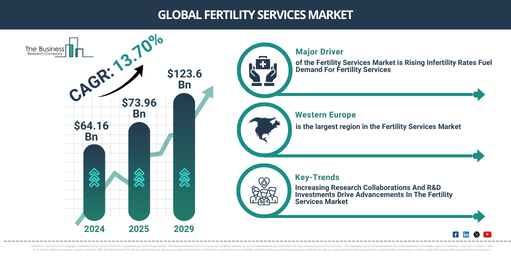
    The market size of fertility services has seen significant growth in recent years. The market is set to expand from $64.16 billion in 2024 to $73.96 billion in 2025, experiencing a compound annual growth rate (CAGR) of 15.3%. The historical growth is largely due to the high incidence of polycystic ovary syndrome (pcos), an increase in premature ovarian failure cases, a surge in male infertility, the provision of IVF (in vitro fertilization) procedure coverage by insurance companies, and the growth in same-sex couples.

    In the coming years, the fertility services market is projected to experience a significant expansion, with its value increasing to an estimated $123.6 billion in 2029 and an impressive compound annual growth rate (CAGR) of 13.7%. This growth rate over the predicted period can be ascribed to factors such as a rising infertility rate, technological innovation in fertility treatments, increased adoption of fertility services to assist in pregnancy and escalating government initiatives. Moreover, a surge in disposable income and an emerging trend of delayed parenthood are also significant contributors. Further trends envisaged for this period encompass an emphasis on incorporating artificial intelligence within fertility services, technological enhancement, preimplantation genetic testing for aneuploidy screening (PGT-a), DNA fragmentation index (DFI), the development of blockchain fertility service applications, utilisation of the Internet of Things (IoT) within in-vitro fertilisation services, and an increase in strategic collaborations and consolidations.

    Download a free sample to assess the report’s scope and structure:

    https://www.thebusinessresearchcompany.com/sample.aspx?id=3371&type=smp

    What Are the Major Market Drivers Behind the Rising Adoption of Fertility Services Market?

    The forecasted increase in infertility rates is expected to enhance the need for fertility service offerings. A variety of societal and external elements, such as lifestyle modifications encompassing obesity, stress or mental health disorders, and elevated alcohol intake, trigger an increase in infertility rates. These conditions, in turn, generate a greater demand for fertility services. For example, the World Health Organization (WHO) projected in April 2023 that millions of individuals of reproductive age worldwide will suffer from infertility, which could potentially impact their families and communities. Global estimates suggest that approximately 1 in 6 adults, equivalent to around 17.5% of the global adult population, are grappling with infertility. Therefore, the demand for fertility services market is set to increase due to the growing rates of infertility.

    Which Key Market Segments Comprise the Fertility Services Market and Drive Its Revenue Growth?

    The fertility servicesmarket covered in this report is segmented –

    1) By Procedure: Assisted Reproductive Technology (Art), In-Vitro Fertilization, Artificial Insemination

    2) By Service: Fresh Non-Donor, Frozen Non-Donor, Egg And Embryo Banking, Fresh Donor, Frozen Donor

    3) By Application: Male, Female

    Subsegments:

    1) By Assisted Reproductive Technology (ART): Intracytoplasmic Sperm Injection (ICSI); Frozen Embryo Transfer (FET); Donor Egg And Sperm Programs

    2) By In-Vitro Fertilization (IVF): Conventional IVF; Mini IVF (Mild Stimulation IVF); Natural Cycle IVF

    3) By Artificial Insemination: Intrauterine Insemination (IUI); Intracervical Insemination (ICI); Intratubal Insemination (ITI)

    Request customized data on this market:

    https://www.thebusinessresearchcompany.com/customise?id=3371&type=smp

    Which Areas Are Leading Regions in the Fertility Services Market Expansion Across the Globe?

    Western Europe was the largest region in the fertility services market in 2024. North America was the second largest region in global fertility services market share. The regions covered in the fertility services market report are Asia-Pacific, Western Europe, Eastern Europe, North America, South America, Middle East, Africa

    What Are the Strategic Trends Steering theFertility Services Market Direction?

    Significant growth in research collaborations and funding approvals has been observed among firms within the fertility services market. It is expected that leading organizations in this segment would allocate more funds towards research and development. Their objective would be to develop and introduce innovative techniques and medications used in fertility treatments. For example, Maven Clinic, a U.S. company that has expertise in telemedicine-based virtual health clinics for women and family, partnered with Indira IVF in October 2022. The aim of this partnership was to offer Maven members in India access to high-grade clinical care, additional benefits, and the highest quality virtual family-creating care via the Maven platform. Indira IVF is a specialty infertility clinic chain based in India.

    View the full report here:

    https://www.thebusinessresearchcompany.com/report/fertility-services-global-market-report

    How Is the Fertility Services Market Conceptually Defined?

    Fertility treatment is a medical procedure intended to increase the chances of conceiving a child. These services are used to increase the chances of bearing a child.

    Purchase the full report and get a swift delivery:

    https://www.thebusinessresearchcompany.com/purchaseoptions.aspx?id=3371

    About The Business Research Company:

    With over 15000+ reports from 27 industries covering 60+ geographies, The Business Research Company has built a reputation for offering comprehensive, data-rich research and insights. Armed with 1,500,000 datasets, the optimistic contribution of in-depth secondary research, and unique insights from industry leaders, you can get the information you need to stay ahead in the game.

    Get in touch with us:

    The Business Research Company: https://www.thebusinessresearchcompany.com/

    Americas +1 310-496-7795

    Europe +44 7882 955267

    Asia & Others +44 7882 955267 & +91 8897263534

    Email us at info@tbrc.info

    Follow us on:

    LinkedIn: https://in.linkedin.com/company/the-business-research-company

    YouTube: https://www.youtube.com/channel/UC24_fI0rV8cR5DxlCpgmyFQ

    Global Market Model: https://www.thebusinessresearchcompany.com/global-market-model
  • Major Trends and Emerging Patterns in the Preclinical Assets Market: Charles River Laboratories And Valo Health Optimized Preclinical Assets

    Major Trends and Emerging Patterns in the Preclinical Assets Market: Charles River Laboratories And Valo Health Optimized Preclinical Assets

    Claim your 30% discount on Global Market Reports with code ONLINE30. Limited time only.

    What Are the Key Projections for the CAGR of the Preclinical Assets Market Size From 2025 to 2034?

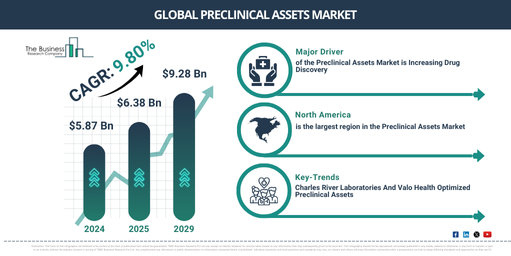
    In recent times, there’s been considerable growth in the preclinical assets market size. The market, which is anticipated to increase from $5.87 billion in 2024 to $6.38 billion in 2025, is predicted to experience a compound annual growth rate (CAGR) of 8.8%. Factors contributing to the growth during the historic period include needs for drug development, advancements in biotechnology, regulatory requirements, growth in research funding, and collaborative research efforts.

    The market size of preclinical assets is forecasted to experience a robust expansion in the upcoming years, reaching a value of$9.28 billion in 2029 with an annual growth rate (CAGR) of 9.8%. This projected growth over the forecast period can be linked to factors such as advances in precision medicine and personalized therapies, incorporation of artificial intelligence and machine learning, expansion of biobanking, increased attention to rare diseases, as well as governmental initiatives and financial support. Key emerging trends during the forecast period are expected to include the development of refined imaging techniques, the use of 3D organoid models, the application of multi-omics integration, improved predictive models, and the adoption of automation and high throughput screening.

    Download a free sample to assess the report’s scope and structure:

    https://www.thebusinessresearchcompany.com/sample.aspx?id=12600&type=smp

    What Are the Primary Drivers Supporting the Market Growth of the Preclinical Assets Market?

    The surge in drug discovery is anticipated to fuel the expansion of the preclinical asset market. Drug discovery signifies the identification of chemical substances with potential for medicinal use, marking the inception of the creation of new candidate drugs. In this procedure, preclinical assets are critically important as they provide crucial data and proof that facilitates the choice of molecules for clinical development as potential candidates. For instance, the European Federation of Pharmaceutical Industries and Associations (EFPIA) revealed in June 2023 that the European pharmaceutical industry, based out of Belgium, saw significant production growth, escalating from $352.48 billion in 2021 to $369.95 billion in 2022. Therefore, the growing trend of drug discovery is propelling the expansion of the preclinical assets market.

    Which Primary Segments of the Preclinical Assets Market Are Driving Growth and Industry Transformations?

    The preclinical assetsmarket covered in this report is segmented –

    1) By Service: Bioanalysis And DMPK (Drug Metabolism And Pharmacokinetic) Studies; Toxicology Testing; Compound Management; Safety Pharmacology; Other Services

    2) By Model Type: Patient Derived Organoid (PDO) Model; Patient Derived Xenograft Model

    3) By End User: Biopharmaceutical Companies; Government Institutes; Other End-Users

    Subsegments:

    1) By Bioanalysis And DMPK (Drug Metabolism And Pharmacokinetic) Studies: Pharmacokinetics (PK) Studies; Pharmacodynamics (PD) Studies; Bioanalytical Method Development

    2) By Toxicology Testing: Acute Toxicity Testing; Chronic Toxicity Testing; Genotoxicity Testing; Carcinogenicity Testing

    3) By Compound Management: Compound Library Management; Sample Storage And Retrieval; High-Throughput Screening Support

    4) By Safety Pharmacology: Cardiovascular Safety Assessments; Neurotoxicity Evaluations; Respiratory Safety Evaluations

    5) By Other Services: Regulatory Support; Preclinical Study Design And Consulting; Custom Assay Development

    Request customized data on this market:

    https://www.thebusinessresearchcompany.com/customise?id=12600&type=smp

    Which Regions Are Key Players in the Growth of the #What Are the Primary Drivers Supporting the Market Growth of the Preclinical Assets Market?# Market?

    North America was the largest region in the preclinical assets market in 2024. Asia-Pacific is expected to be the fastest-growing region in the forecast period. The regions covered in the preclinical assets market report are Asia-Pacific, Western Europe, Eastern Europe, North America, South America, Middle East, Africa

    What Are the Most Significant Market Trends in the Preclinical Assets Market?

    The rise of product innovations is an increasing trend in the preclinical assets industry. Dominant companies in this sector are concentrating on delivering novel products and solutions to consolidate their position in the market and gain a competitive edge. In this regard, a development in April 2022 saw Charles River Laboratories International, an American pharmaceutical establishment with expertise in numerous preclinical and clinical laboratories, and Valo Health Inc., a US-based technology firm committed to reshaping drug discovery, introducing Logica. This AI-driven drug solution directly converts clients’ biological insights into enhanced preclinical assets. Logica takes advantage of Charles River’s exceptional preclinical understanding and Valo’s Opal Computational Platform-backed AI to offer clients revamped drug discovery via a cohesive, integrated solution that seamlessly translates goals to the nomination of candidates. Collaborating with Valo allows Charles River to merge its laboratory skills with molecular design technology, leading to an industry transformation by providing clients with highly researched leads and candidate while tying client expenses to value generation.

    View the full report here:

    https://www.thebusinessresearchcompany.com/report/preclinical-assets-global-market-report

    What Parameters Are Used to Define the Preclinical Assets Market?

    A preclinical asset refers to all clinical trial supplies or equipment for preclinical development that encompasses the activities that link drug discovery in the laboratory to the initiation of human clinical trials. This phase precedes human clinical trials and entails essential feasibility assessments, iterative evaluations, and safety data gathering, typically performed on laboratory animals.

    Purchase the full report and get a swift delivery:

    https://www.thebusinessresearchcompany.com/purchaseoptions.aspx?id=12600

    About The Business Research Company:

    With over 15000+ reports from 27 industries covering 60+ geographies, The Business Research Company has built a reputation for offering comprehensive, data-rich research and insights. Armed with 1,500,000 datasets, the optimistic contribution of in-depth secondary research, and unique insights from industry leaders, you can get the information you need to stay ahead in the game.

    Get in touch with us:

    The Business Research Company: https://www.thebusinessresearchcompany.com/

    Americas +1 310-496-7795

    Europe +44 7882 955267

    Asia & Others +44 7882 955267 & +91 8897263534

    Email us at info@tbrc.info

    Follow us on:

    LinkedIn: https://in.linkedin.com/company/the-business-research-company

    YouTube: https://www.youtube.com/channel/UC24_fI0rV8cR5DxlCpgmyFQ

    Global Market Model: https://www.thebusinessresearchcompany.com/global-market-model
  • Electronic Medical Records Market Insights: In-Depth Look at Growth Trends, Market Size, and Opportunities for 2025-2034

    Electronic Medical Records Market Insights: In-Depth Look at Growth Trends, Market Size, and Opportunities for 2025-2034

    Claim your 30% discount on Global Market Reports with code ONLINE30. Limited time only.

    How Fast Is The Electronic Medical Records Market Expected to Grow Between 2025 And 2029?

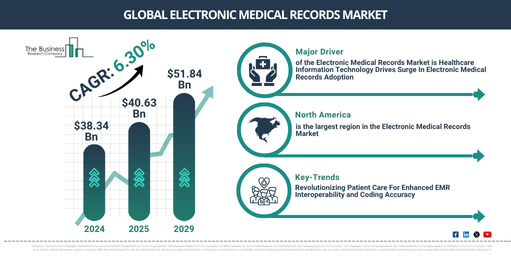
    The market size for electronic medical records has experienced significant growth in the past few years. It is projected to rise from $38.34 billion in 2024 to $40.63 billion in 2025, resulting in a compound annual growth rate (CAGR) of 6.0%. Factors such as advancements in healthcare information technology, heightened government initiatives, an escalated demand for digital transition within healthcare, and the emergence of the COVID-19 pandemic have contributed to the growth during the historic period.

    There is a projected robust expansion in the electronic medical records market over the next couple of years, with an estimated growth of 6.3% CAGR, increasing its size to $51.84 billion by the year 2029. Factors contributing to this surge during the predictive timeline include the progression of healthcare IT, a rise in government initiatives, and a greater need for digital evolution in healthcare. Highlighted trends for this period emphasize on the implementation of artificial intelligence, the utilization of natural language processing technology and voice assistance technology, the acceptance of cloud-based EHRs, strategic collaborations, growing investments, and an increase in mergers and acquisitions.

    Download a free sample to assess the report’s scope and structure:

    https://www.thebusinessresearchcompany.com/sample.aspx?id=6602&type=smp

    What External and Internal Drivers Are Contributing to the Growth of theElectronic Medical Records Market?

    The expansion of healthcare information technology is substantially fueling the growth of the electronic medical records market in the healthcare industry. Electronic medical records represent one of the impactful applications that can be developed, maintained, and accessed by duly authorized personnel within a single healthcare institution to facilitate immediate healthcare services virtually. The swift proliferation of electronic medical records requires further advancement and more straightforward applications, can become achievable through the sophisticated IT sector in the health industry. As per a research investigation publicized by BMC Health Services Research, a publicly accessible health journal, the adoption of electronic health records was 52.8%, suggesting a considerable preparedness amongst medical practitioners for electronic medical records. Consequently, the expansion of healthcare information technology is predicted to surge the growth of electronic medical records in the health market.

    What Segment Types Define the Electronic Medical Records Market Structure?

    The electronic medical recordsmarket covered in this report is segmented –

    1) By Type: Acute, Ambulatory, Post-Acute

    2) By Product: Client-Server-Based EHR, Web-Based EHR

    3) By Mode of Delivery: Cloud-Based Model, On-Premise Model

    4) By Business Models: Licensed Software, Technology Resale, Subscriptions, Professional Services, Managed Services, Other Business Models

    5) By Application: E-Prescription, Practice Management, Referral Management, Patient Management, Population Health Management, Other Applications

    Subsegments:

    1) By Acute: Hospital EMR Systems; Emergency Care EMR

    2) By Ambulatory: Outpatient EMR Systems; Specialty Practice EMR

    3) By Post-Acute: Long-Term Care EMR; Rehabilitation Facility EMR

    Request customized data on this market:

    https://www.thebusinessresearchcompany.com/customise?id=6602&type=smp

    Which Geographic Areas Hold the Strongest Growth Potential in the Electronic Medical Records Market?

    North America was the largest region in the electronic medical records market in 2024. The Asia-Pacific is expected to be the fastest-growing region in the forecast period. The regions covered in the electronic medical records market report are Asia-Pacific, Western Europe, Eastern Europe, North America, South America, Middle East, Africa.

    What Long-Term Trends Are Transforming the Competitive Landscape of the Electronic Medical Records Market?

    Key players in the electronic medical records (EMR) market are putting their efforts towards developing advanced interoperability and data analytics technologies, such as Patient Risk Identification. These upgrades aim to improve patient care, optimize clinical workflows, and aid healthcare providers in delivering more efficient and unified services. The procedure of Patient Risk Identification involves determining those at greater risk of negative health outcomes, constructed from a range of clinical, demographic, and behavioral data. A case in point is the US-based software enterprise, KAID Health, which in February 2024, ushered its Patient Risk Identification & Data Extraction (PRIDE) program into the market and inaugurated its Coding Services Group. This innovative technology and the accompanying medical coding services alliance enable healthcare providers to code with more precision and completeness, thereby enhancing care. The system scrutinizes each novel medical note, assimilates its substance with historical EMR data, and proposes useful, patient-centric clinical and coding maneuvers.

    View the full report here:

    https://www.thebusinessresearchcompany.com/report/electronic-medical-records-global-market-report

    What Is the Definition of the Electronic Medical Records Market?

    Electronic medical records refer to a digital version of patient information. The electronic medical record includes organizing, presenting the storing clinical data or documents of patients over long periods interpreting health conditions, placing orders, and providing ongoing care, scheduling, billing, and prescription.

    Purchase the full report and get a swift delivery:

    https://www.thebusinessresearchcompany.com/purchaseoptions.aspx?id=6602

    About The Business Research Company:

    With over 15000+ reports from 27 industries covering 60+ geographies, The Business Research Company has built a reputation for offering comprehensive, data-rich research and insights. Armed with 1,500,000 datasets, the optimistic contribution of in-depth secondary research, and unique insights from industry leaders, you can get the information you need to stay ahead in the game.

    Get in touch with us:

    The Business Research Company: https://www.thebusinessresearchcompany.com/

    Americas +1 310-496-7795

    Europe +44 7882 955267

    Asia & Others +44 7882 955267 & +91 8897263534

    Email us at info@tbrc.info

    Follow us on:

    LinkedIn: https://in.linkedin.com/company/the-business-research-company

    YouTube: https://www.youtube.com/channel/UC24_fI0rV8cR5DxlCpgmyFQ

    Global Market Model: https://www.thebusinessresearchcompany.com/global-market-model