Month: August 2025

  • Latest Market Developments in Peptide Therapeutics Contract Active Pharmaceutical Ingredient (API) Manufacturing Industry: Forecast 2025–2029

    Latest Market Developments in Peptide Therapeutics Contract Active Pharmaceutical Ingredient (API) Manufacturing Industry: Forecast 2025–2029

    Claim your 30% discount on Global Market Reports with code ONLINE30. Limited time only.

    Claim your 30% discount on Global Market Reports with code ONLINE30. Limited time only.

    What Does the Forecast Indicate for the Peptide Therapeutics Contract Active Pharmaceutical Ingredient (API) Manufacturing Market From 2025 to 2029?

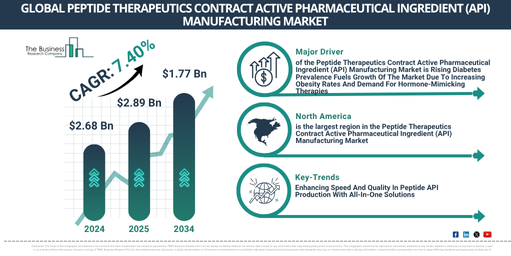
    In recent times, the market size of the peptide therapeutics contract active pharmaceutical ingredient (API) manufacturing sector has seen considerable expansion. Projections show a growth from a valuation of $2.68 billion in 2024 to reaching $2.89 billion in 2025, which indicates a compound annual growth rate (CAGR) of 7.7%. Factors that have contributed to the growth over the historic period include a surge in the pipeline of peptide therapeutics, growing international interest in personalized medicine, increased demand triggered by GLP-1 blockbuster drugs, heightened focus on sustainable manufacturing processes, and an uptick in approval rates for peptide therapeutics.

    In the coming years, there’s anticipated robust growth in the peptide therapeutics contract active pharmaceutical ingredient (API) manufacturing market, with its value expected to reach $3.84 billion by 2029, reflecting a compound annual growth rate (CAGR) of 7.4%. The increase over the forecast period is likely due to factors such as the rising occurrences of chronic diseases, the growing demand for specific biologic therapies, an increased preference for peptide-based therapeutics, a surge in the application of high-purity manufacturing, and an increase in biotech research and development funding. The forecast period is also expected to see notable trends like advancements in solid-phase peptide synthesis, progress in liquid-phase peptide synthesis, the integration of hybrid synthesis techniques, improvements in purification technologies, and the use of technology to enhance continuous manufacturing processes.

    Download The Free Sample Report Here:

    https://www.thebusinessresearchcompany.com/sample.aspx?id=25870&type=smp

    What Elements Are Contributing To Growth In The Peptide Therapeutics Contract Active Pharmaceutical Ingredient (API) Manufacturing Market?

    The increasing incidence of diabetes is anticipated to fuel the peptide therapeutics contract active pharmaceutical ingredient (API) manufacturing market’s expansion. Diabetes is a chronic metabolic disease characterized by high blood glucose levels, either due to insufficient insulin production or the body’s inability to efficiently utilize insulin. Rising obesity rates, which lead to insulin resistance and hinder blood sugar regulation, are largely behind the growing rate of diabetes. Peptide therapeutics employ contract API manufacturing to facilitate the mass production of drugs that mimic hormones, improving insulin release and glucose management in diabetes treatment. For example, the Office for Health Improvement and Disparities, a government department based in the UK, reported in March 2025 that the documented incidence of type 2 diabetes in adults aged 17 and above in England had climbed to 7.0% in March 2024, from 6.8% in March 2023. As a result, the increasing incidence of diabetes is propelling the growth of the peptide therapeutics contract active pharmaceutical ingredient (API) manufacturing market.

    Which Segments Are Detailed In The Global Peptide Therapeutics Contract Active Pharmaceutical Ingredient (API) Manufacturing Market Report?

    The peptide therapeutics contract active pharmaceutical ingredient (api) manufacturing market covered in this report is segmented –

    1) By Scale Of Operation: Preclinical Or Clinical, Commercial

    2) By Synthesis Method: Non Chemical Synthesis, Chemical Synthesis

    3) By Enterprise Type: Large Enterprise, Small And Medium Enterprises

    Subsegments:

    1) By Preclinical Or Clinical: Discovery And Preclinical Development, Phase II Or III Manufacturing, Phase I Manufacturing

    2) By Commercial: Commercial-Scale Good Manufacturing Practice Manufacturing, Tech Transfer And Scale-up, Lifecycle Management Or Process Optimization

    What Future Market Trends Are Projected For The Peptide Therapeutics Contract Active Pharmaceutical Ingredient (API) Manufacturing Industry?

    Predominant enterprises in the peptide therapeutics contract active pharmaceutical ingredient (API) manufacturing sector are concentrating on the innovation of distinctive solutions like the continuous flow synthesis platform, with the aim of refining production processes and dealing with the increasing intricacies of drug invention. With the amalgamation of several stages like reaction, separation, concentration, and crystallization, the aforesaid platform offers an uninterrupted procedure along with a real-time in-line measurement system that facilitates precise monitoring and productive scale-up operations. For instance, in May 2023, SynCrest Inc., a Japanese entity specializing in contract research, development, and production, boasted about its Naruto Plant’s introduction, equipped with a good manufacturing practice (GMP) confirming continuous flow synthesis platform for peptide and nucleotide API generation. This unique platform assures swift yet premium production of over 100 varieties of non-natural amino acids and high-purity special amidites, thereby curbing the lead times and expenses incurred in the total production process. This revolutionary advance caters to the rising market appetite for cutting-edge peptide-based treatments by delivering scalable, efficient, and economically viable API manufacturing provisions.

    Who Are The Key Contributors To Growth In The Peptide Therapeutics Contract Active Pharmaceutical Ingredient (API) Manufacturing Market?

    Major companies operating in the peptide therapeutics contract active pharmaceutical ingredient (api) manufacturing market are Thermo Fisher Scientific Inc., Lonza Group AG., WuXi AppTec Co. Ltd., Cambrex Corporation, ChemPartner, GenScript Biotech Corporation, Bachem Group, CordenPharma International GmbH, Syngene International Limited, Ambiopharm Inc., CPC Scientific Inc., ScinoPharm Taiwan Ltd., Hybio Pharmaceutical Co. Ltd., CEM Corporation, CSBio Company Inc., Senn Chemicals AG., AnaSpec Inc., LifeTein LLC, Apex Biotechnology Corp., BCN Peptides S.A.

    Get The Full Report Here:

    https://www.thebusinessresearchcompany.com/report/peptide-therapeutics-contract-active-pharmaceutical-ingredient-api-manufacturing-global-market-report

    Which Region Is Projected To Lead The Peptide Therapeutics Contract Active Pharmaceutical Ingredient (API) Manufacturing Market By 2025?

    North America was the largest region in the peptide therapeutics contract active pharmaceutical ingredient (API) manufacturing market in 2024. Asia-Pacific is expected to be the fastest-growing region in the forecast period. The regions covered in the peptide therapeutics contract active pharmaceutical ingredient (api) manufacturing market report are Asia-Pacific, Western Europe, Eastern Europe, North America, South America, Middle East, Africa.

    Request For A Customized Report:

    https://www.thebusinessresearchcompany.com/customise?id=25870&type=smp

    About The Business Research Company:

    With over 15000+ reports from 27 industries covering 60+ geographies, The Business Research Company has built a reputation for offering comprehensive, data-rich research and insights. Armed with 1,500,000 datasets, the optimistic contribution of in-depth secondary research, and unique insights from industry leaders, you can get the information you need to stay ahead in the game.

    Get in touch with us:

    The Business Research Company: https://www.thebusinessresearchcompany.com/

    Americas +1 310-496-7795

    Asia +44 7882 955267 & +91 8897263534

    Europe +44 7882 955267

    Email us at info@tbrc.info

    Follow us on:

    LinkedIn: https://in.linkedin.com/company/the-business-research-company

    YouTube: https://www.youtube.com/channel/UC24_fI0rV8cR5DxlCpgmyFQ

    Global Market Model: https://www.thebusinessresearchcompany.com/global-market-model

  • Future Projections: Intranasal Corticosteroids Market to Reach $9.07  Billion by 2029 at 7.6% CAGR

    Future Projections: Intranasal Corticosteroids Market to Reach $9.07 Billion by 2029 at 7.6% CAGR

    Claim your 30% discount on Global Market Reports with code ONLINE30. Limited time only.

    Claim your 30% discount on Global Market Reports with code ONLINE30. Limited time only.

    How Much Is the Global Intranasal Corticosteroids Market Valued at Present and by 2029?

    In recent times, the intranasal corticosteroids market has seen a robust expansion. By 2025, it is predicted to grow from $6.29 billion in 2024 to $6.78 billion, indicating a compound annual growth rate (CAGR) of 7.8%. The substantial growth in the historical period points to several factors, such as the increasing instances of allergic rhinitis, the rising occurrence of chronic sinusitis, amplified awareness about non-oral treatment alternatives, escalating use for treating pediatric allergic ailments, and the growing availability of over-the-counter intranasal products.

    The market size of intranasal corticosteroids is forecasted to experience robust expansion in the coming years, with an expected value of $9.07 billion by 2029, exhibiting a compound annual growth rate (CAGR) of 7.6%. Various factors likely to drive growth during the forecast period include a growing emphasis on minimally invasive treatments, an increase in allergic diseases due to climate fluctuations, a rising preference for self-managed therapies, an expanded use of combined intranasal treatments, and increased reliance on digital health aids for allergy management. Key trends to watch during this period include the use of smart devices for dosage tracking, innovations in preservative-free nose sprays, the development of child-friendly formulations, the devise of steroid-free additional therapies, and the unification of e-health channels for managing treatment.

    Download The Free Sample Report Here:

    https://www.thebusinessresearchcompany.com/sample.aspx?id=25799&type=smp

    #What Drivers Are Influencing Growth In The Intranasal Corticosteroids Market?

    Rising instances of allergic rhinitis are poised to fuel the expansion of the intranasal corticosteroids market in the future. Allergic rhinitis, an inflammation of the nasal passages induced by an allergy, is usually set off by allergens in the air such as pollen, dust mites, mold, or animal dander. The escalation in allergic rhinitis cases is chiefly attributed to increasing pollution, which exposes individuals to airborne allergens and irritants causing allergic reactions in the nasal passages. Intranasal corticosteroids aid in managing allergic rhinitis by reducing the inflammation in nasal passages, thereby reducing symptoms such as sneezing, congestion, and a runny nose. For example, in October 2023, as per the National Library of Medicine, a U.S.-based biomedical library, allergic rhinitis reportedly affects over 400 million people globally, with rates predicted to be 10% to 30% among adults and exceeding 40% in children. Thus, the escalating prevalence of allergic rhinitis is propelling the growth of the intranasal corticosteroid market.

    What Are The Main Segments Identified In The Intranasal Corticosteroids Market Research?

    The intranasal corticosteroids market covered in this report is segmented –

    1) By Drug Types: Prescribed Drugs, Over-The-Counter Drugs

    2) By Application: Allergic Rhinitis, Nasal Polyps, Sinusitis, Other Applications

    3) By Distribution Channel: Hospital Pharmacies, Retail Pharmacies, Online Pharmacies, Other Distribution Channel

    4) By End User: Hospitals, Clinics, Homecare, Healthcare Providers

    Subsegments:

    1) By Prescribed Drugs: Fluticasone Propionate, Mometasone Furoate, Budesonide, Beclomethasone Dipropionate, Ciclesonide

    2) By Over-The-Counter Drugs: Triamcinolone Acetonide, Fluticasone Furoate, Budesonide Over-The-Counter Drugs

    What Are The Leading Trends And Opportunities In The Intranasal Corticosteroids Sector?

    Leading firms in the intranasal corticosteroids market are concentrating on the creation of cutting-edge formulations like nasal sprays to boost targeted delivery and increase patient adherence. Nasal sprays serve as liquid remedies introduced directly into the nose via a spray nozzle to address issues such as allergies, congestion, and inflammation. These sprays enable swift drug absorption through the nasal mucosa, providing immediate relief with little systemic impacts. For instance, in March 2024, OptiNose Inc., a pharmaceutical company based in the US, was granted approval from the U.S. Food and Drug Administration (FDA) for XHANCE, the premier treatment expressly designed for adults afflicted with chronic rhinosinusitis (CRS) sans nasal polyps. This specific nasal spray applies an innovative exhalation delivery system which allows the drug to penetrate deeply into the nasal cavity, effectively tackling CRS with or without nasal polyps in adults. Each spray dispenses 93 mcg of fluticasone propionate, and the device functions by the user exhaling into a mouthpiece while concurrently discharging the spray into the nostril, affirming precise delivery and superior symptom alleviation.

    Which Companies Play A Key Role In The Development Of The Intranasal Corticosteroids Market?

    Major companies operating in the intranasal corticosteroids market are GlaxoSmithKline plc, Teva Pharmaceutical Industries Ltd., Sandoz Group AG, Haleon plc, Intas Pharmaceuticals Limited, Organon Pharma (UK) Limited, Sun Pharmaceutical Industries Ltd., Apotex Inc., Perrigo Company plc, Aurobindo Pharma Limited, Cipla Ltd., Hikma Pharmaceuticals plc, Zydus Lifesciences Ltd., Glenmark Pharmaceuticals Limited, OptiNose US Inc., Taro Pharmaceutical Industries Ltd., Maya Biotech Private Limited, AdvaCare Pharma USA, Lupin Ltd., Xenone Healthcare Private Limited.

    Get The Full Report Here:

    https://www.thebusinessresearchcompany.com/report/intranasal-corticosteroids-global-market-report

    What Are The Key Regional Developments Shaping The Intranasal Corticosteroids Market?

    North America was the largest region in the intranasal corticosteroids market in 2024. Asia-Pacific is expected to be the fastest-growing region in the forecast period. The regions covered in the intranasal corticosteroids market report are Asia-Pacific, Western Europe, Eastern Europe, North America, South America, Middle East, Africa.

    Request For A Customized Report:

    https://www.thebusinessresearchcompany.com/customise?id=25799&type=smp

    About The Business Research Company:

    With over 15000+ reports from 27 industries covering 60+ geographies, The Business Research Company has built a reputation for offering comprehensive, data-rich research and insights. Armed with 1,500,000 datasets, the optimistic contribution of in-depth secondary research, and unique insights from industry leaders, you can get the information you need to stay ahead in the game.

    Get in touch with us:

    The Business Research Company: https://www.thebusinessresearchcompany.com/

    Americas +1 310-496-7795

    Asia +44 7882 955267 & +91 8897263534

    Europe +44 7882 955267

    Email us at info@tbrc.info

    Follow us on:

    LinkedIn: https://in.linkedin.com/company/the-business-research-company

    YouTube: https://www.youtube.com/channel/UC24_fI0rV8cR5DxlCpgmyFQ

    Global Market Model: https://www.thebusinessresearchcompany.com/global-market-model

  • Emerging Trends and Growth Drivers in the Pediatric Dental Market Through 2029

    Emerging Trends and Growth Drivers in the Pediatric Dental Market Through 2029

    Claim your 30% discount on Global Market Reports with code ONLINE30. Limited time only.

    Claim your 30% discount on Global Market Reports with code ONLINE30. Limited time only.

    How Much Is the Global Pediatric Dental Market Valued at Present and by 2029?

    In recent times, the size of the pediatric dental market has seen significant growth. It is projected to expand from $10.42 billion in 2024 to $11.32 billion in 2025, indicating a Compound Annual Growth Rate (CAGR) of 8.6%. The surge in growth during the historic period is attributed to several factors including escalated awareness of early dental care, government-backed school dental initiatives, the increasing occurrence of dental cavities in children, the expansion of pediatric dental insurance coverage, and the growing attraction of orthodontics for early-age correction.

    In the coming years, the pediatric dental market is predicted to experience robust growth, reaching $15.62 billion by 2029 with an 8.5% compound annual growth rate (CAGR). This projected increase for the coming period is due to several factors such as an increasing demand for children’s cosmetic dentistry, a surge in requests for aesthetic dental restorations in kids, the growth of dental service organizations (DSOS), better access to children’s dental care in rural regions, and parents’ growing attention to preventive dental care. Notable trends for the future include the incorporation of laser dentistry for children, the practice of teledentistry for pediatric advice, the use of eco-friendly and biocompatible dental materials, the emergence of sedation-free dental methods, and advancements in the field of pediatric dental materials.

    Download The Free Sample Report Here:

    https://www.thebusinessresearchcompany.com/sample.aspx?id=25869&type=smp

    #What Drivers Are Influencing Growth In The Pediatric Dental Market?

    The pediatric dental market is predicted to expand due to a surge in dental problems amongst children. These dental ailments include issues like tooth decay, gum disorders, and malocclusion which are common in children and teenagers. Sugary food and drink consumption fuels harmful bacteria growth, resulting in tooth decay and cavities, driving the rise in these issues. Pediatric dental services play a pivotal role in avoiding and controlling these disorders by offering early detection, appropriate treatment, and continuous oral health awareness that suits the developmental stages of children. This reduces the chances of them developing problems like tooth decay, gum disorders, and misaligned teeth as they mature. For example, The Office for Health Improvement and Disparities, a UK government department, revealed in March 2025 that during 2023 to 2024, 5-year old school kids living in the country’s most impoverished fifth section were more than twice as prone to dentinal decay (32.2%) compared to those living in the least deprived fifth (13.6%). Thus, the surge in pediatric dental disorders is fuelling growth in the pediatric dental market.

    What Are The Main Segments Identified In The Pediatric Dental Market Research?

    The pediatric dental market covered in this report is segmented –

    1) By Type: Primary, Permanent

    2) By Disease Type: Dental Caries, Enamel Disorders, Other Diseases

    3) By Procedure Type: Pulpotomies, Stainless Steel Crowns (SSCs), Tooth Colored Fillings, Dental Cleaning (Prophylaxis), Other Procedures

    Subsegments:

    1) By Primary: Anterior Crowns, Posterior Crowns, Space Maintainers, Pulp Therapy Products

    2) By Permanent: Dental Sealants, Orthodontic Brackets, Restorative Materials, Fluoride Treatments

    Which Trends Are Redefining The Future Landscape Of The Pediatric Dental Industry?

    Larger corporations making strides in the market for pediatric dentistry are utilizing advanced technology, like artificial intelligence (AI), to increase their diagnostic precision, customize their treatment strategies, and elevate health outcomes for children’s oral hygiene. Defined as a machine’s capability to mimic human intellectual processes such as learning and decision-making, AI proves instrumental in children’s dental care. Its ability to analyze dental imagery aids in the early detection of problems and provides support for precise diagnoses and treatment plans. For example, Overjet Inc., an American software development company, rolled out Overjet for Kids in March 2024. This FDA-approved AI tool is created to identify, highlight, and measure tooth decay in children aged four and older. This technology allows pediatric dentists to recognize cavities sooner, boost diagnostic precision, and effectively communicate necessary treatments to parents. By analyzing dental X-rays, this AI tool has the ability to identify conditions in both baby and permanent teeth with utmost precision, reducing overlooked cavities by 57% and better case acceptance rates by 25% due to clear visual explanations for families.

    Which Companies Play A Key Role In The Development Of The Pediatric Dental Market?

    Major companies operating in the pediatric dental market are 3M Company, Danaher Corporation, Henry Schein Inc., Dentsply Sirona Inc., Ultradent Products Inc., Dentaurum GmbH & Co. KG, VOCO America Inc., Shinhung Co. Ltd., GC America Inc., NuSmile Ltd., BISCO Inc., Pulpdent Corporation, Young Innovations Inc., Space Maintainers Laboratories Inc., Sprig Oral Health Technologies Inc., Acero Crowns Inc., Cheng Crowns, Kinder Krowns, Denovo Dental Inc., Kids Crown.

    Get The Full Report Here:

    https://www.thebusinessresearchcompany.com/report/pediatric-dental-global-market-report

    What Are The Key Regional Developments Shaping The Pediatric Dental Market?

    North America was the largest region in the pediatric dental market in 2024. Asia-Pacific is expected to be the fastest-growing region in the forecast period. The regions covered in the pediatric dental market report are Asia-Pacific, Western Europe, Eastern Europe, North America, South America, Middle East, Africa.

    Request For A Customized Report:

    https://www.thebusinessresearchcompany.com/customise?id=25869&type=smp

    About The Business Research Company:

    With over 15000+ reports from 27 industries covering 60+ geographies, The Business Research Company has built a reputation for offering comprehensive, data-rich research and insights. Armed with 1,500,000 datasets, the optimistic contribution of in-depth secondary research, and unique insights from industry leaders, you can get the information you need to stay ahead in the game.

    Get in touch with us:

    The Business Research Company: https://www.thebusinessresearchcompany.com/

    Americas +1 310-496-7795

    Asia +44 7882 955267 & +91 8897263534

    Europe +44 7882 955267

    Email us at info@tbrc.info

    Follow us on:

    LinkedIn: https://in.linkedin.com/company/the-business-research-company

    YouTube: https://www.youtube.com/channel/UC24_fI0rV8cR5DxlCpgmyFQ

    Global Market Model: https://www.thebusinessresearchcompany.com/global-market-model

  • 2025 Interatrial Shunt Devices Market Outlook: Opportunities, Growth Trends, and Strategic Analysis

    2025 Interatrial Shunt Devices Market Outlook: Opportunities, Growth Trends, and Strategic Analysis

    Claim your 30% discount on Global Market Reports with code ONLINE30. Limited time only.

    Claim your 30% discount on Global Market Reports with code ONLINE30. Limited time only.

    What Is the Current and Projected Market Size of the Interatrial Shunt Devices Industry?

    The market for interatrial shunt devices has seen a swift expansion in the recent past. The market size is projected to increase from $2.63 billion in 2024 to $2.90 billion in 2025, with a compound annual growth rate (CAGR) of 10.5%. Several factors contributed to this growth during the historical period, such as increasing clinical proof of the devices’ efficacy and safety, heightened demand for effective management of pulmonary hypertension, a surge in cases of comorbidities, a rise in regulatory approvals for experimental shunt systems, and a growing preference for outpatient and ambulatory cardiac care.

    The market size of interatrial shunt devices is predicted to witness accelerated expansion in the coming years, reaching $4.28 billion by 2029, with a composite yearly growth rate (CAGR) of 10.2%. Factors contributing to this growth during the predicted period include an escalating occurrence of heart failure, an expanding aged population, growing education about less invasive heart treatments, an increase in healthcare costs, and an upsurge in the adoption of catheter-centered procedures. Noteworthy trends during the expected period consist of technological innovations in shunt device materials, diminution of interventional devices driven by technology, integration of instant imaging and navigation systems, improvements in catheter-centric delivery systems, and advancements in hemodynamic monitoring technology.

    Download The Free Sample Report Here:

    https://www.thebusinessresearchcompany.com/sample.aspx?id=25798&type=smp

    #Which Factors Are Currently Driving The Growth Of The Interatrial Shunt Devices Market?

    The increasing incidence of heart failure is predicted to boost the expansion of the market for interatrial shunt devices in the future. Heart failure is characterized by the heart’s inefficiency to effectively distribute blood, leading to insufficient delivery of necessary oxygen and nutrients to body tissues. The escalating occurrence of hypertension that gradually deteriorates the heart’s pumping capacity triggers the rise in heart failure cases. Interatrial shunt devices provide a solution for heart failure by creating a small aperture between the left and right atria, enabling the excessive pressure in the overburdened left side of the heart to be transferred to the right, thereby mitigating pulmonary congestion and enhancing symptoms. For example, in September 2024, the Heart Failure Society of America, a professional organization based in the US, noted that around 6.7 million American adults above the age of 20 were living with heart failure. They expect this number to escalate to 11.4 million by 2050. Consequently, the uphill prevalence of heart failure fuels the growth of the market for interatrial shunt devices.

    How Is The Global Interatrial Shunt Devices Market Structured In Terms Of Segments?

    The interatrial shunt devices market covered in this report is segmented –

    1) By Device Type: Implantable Shunt Devices, Temporary Shunt Devices

    2) By Delivery Method: Surgical Delivery, Transcatheter Delivery

    3) By Material: Nitinol, Polyester, Polyproplene

    4) By Application: Congenital Heart Disease, Heart Failure, Stroke Prevention

    5) By End-User: Hospitals, Ambulatory Surgical Centers, Cardiac Catheterization Laboratories, Other Users

    Subsegments:

    1) By Implantable Shunt Devices: Single-Lumen Shunt Devices, Expandable Shunt Devices, Multi-Lumen Shunt Devices

    2) By Temporary Shunt Devices: Balloon-Assisted Shunt Devices, Percutaneous Temporary Shunt Devices, Catheter-Based Shunt Devices

    What Trends Are Currently Influencing Growth In The Interatrial Shunt Devices Market?

    Leading companies in the interatrial shunt devices market are concentrating on the invention of advanced solutions like the first-in-human (FIH) clinical trial, which is used to examine the potency and safety of new shunt devices in reducing left atrial pressure in heart failure patients. The FIH clinical trial is regarded as the first stage in testing an innovative medical device or drug on humans to evaluate its safety, tolerability, and preliminary effectiveness after accomplishing successful preclinical studies. For example, Adona Medical Inc., a medical technology company based in the US, triumphantly accomplished participant recruitment for its first ATHENS-HF FIH clinical trial in January 2025. The trial featured a new interatrial shunt design for treating heart failure patients. Notably, this device is among the game changers that fuse therapeutic shunting with integrated bi-atrial pressure monitoring, aiming to administer a more personalized and adaptive method to heart failure management.

    Who Are The Main Participants Shaping The Interatrial Shunt Devices Market Landscape?

    Major companies operating in the interatrial shunt devices market are Johnson & Johnson, Abbott Laboratories, Medtronic plc., Terumo Corporation, Edwards Lifesciences Corporation, Cook Medical, Integra LifeSciences Holdings Corporation, Lepu Medical Technology (Beijing) Co. Ltd., B. Braun Melsungen AG., W. L. Gore & Associates Inc., Venus Medtech Inc., Occlutech Holding AG., Wuhan Vickor Medical Technology Co. Ltd., Corvia Medical Inc., Xeltis BV, Alleviant Medical Inc., Cerevasc Inc., Adona Medical Inc., Carag AG., InterShunt Technologies Inc.

    Get The Full Report Here:

    https://www.thebusinessresearchcompany.com/report/interatrial-shunt-devices-global-market-report

    Which Region Currently Holds The Largest Share In The Interatrial Shunt Devices Market?

    North America was the largest region in the interatrial shunt devices market in 2024. Asia-Pacific is expected to be the fastest-growing region in the forecast period. The regions covered in the interatrial shunt devices market report are Asia-Pacific, Western Europe, Eastern Europe, North America, South America, Middle East, Africa.

    Request For A Customized Report:

    https://www.thebusinessresearchcompany.com/customise?id=25798&type=smp

    About The Business Research Company:

    With over 15000+ reports from 27 industries covering 60+ geographies, The Business Research Company has built a reputation for offering comprehensive, data-rich research and insights. Armed with 1,500,000 datasets, the optimistic contribution of in-depth secondary research, and unique insights from industry leaders, you can get the information you need to stay ahead in the game.

    Get in touch with us:

    The Business Research Company: https://www.thebusinessresearchcompany.com/

    Americas +1 310-496-7795

    Asia +44 7882 955267 & +91 8897263534

    Europe +44 7882 955267

    Email us at info@tbrc.info

    Follow us on:

    LinkedIn: https://in.linkedin.com/company/the-business-research-company

    YouTube: https://www.youtube.com/channel/UC24_fI0rV8cR5DxlCpgmyFQ

    Global Market Model: https://www.thebusinessresearchcompany.com/global-market-model

  • CAGR of 5.4% Projected for Pediatric Asthma Treatment Market From 2025 to 2029

    CAGR of 5.4% Projected for Pediatric Asthma Treatment Market From 2025 to 2029

    Claim your 30% discount on Global Market Reports with code ONLINE30. Limited time only.

    Claim your 30% discount on Global Market Reports with code ONLINE30. Limited time only.

    What Is the Current and Projected Market Size of the Pediatric Asthma Treatment Industry?

    The market for pediatric asthma treatment has witnessed robust growth in recent times. The market, valued at $11.03 billion in 2024, is predicted to scale to $11.65 billion in 2025, with a compound annual growth rate (CAGR) of 5.6%. The growth observed in the historical period is associated with the increased prevalence of asthma in children, expanded consciousness about respiratory problems in young children, rising levels of air pollution and environmental allergens, increased health spending on child healthcare, and awareness drives conducted by NGOs and healthcare institutions regarding asthma.

    In the forthcoming years, the pediatric asthma treatment market is projected to experience significant growth, reaching $14.39 billion in 2029, with a compound annual growth rate (CAGR) of 5.4%. The expansion during the forecast period can be credited to factors such as the rising incidence of allergic disorders in children, the growth of biologic therapies for severe pediatric asthma, the upsurge in investments in pediatric drug development, the heightened focus on personalized and precision medicine, and the increase in the middle-class population that has access to private healthcare. Key trends during the forecast period involve the advancement of pediatric-friendly biologic therapies, the creation of swift allergen identification tools, the incorporation of electronic health records, innovation in inhaler formulations, and breakthroughs in asthma immunotherapy.

    Download The Free Sample Report Here:

    https://www.thebusinessresearchcompany.com/sample.aspx?id=25868&type=smp

    #Which Factors Are Currently Driving The Growth Of The Pediatric Asthma Treatment Market?

    The pediatric asthma treatment market is predicted to be boosted by the escalating prevalence of respiratory infections. These infections, which impact the respiratory tract including the nose, throat, airways, and lungs, are typically caused by pathogens such as viruses or bacteria. The heightened incidence of these infections is predominantly tied to increasing levels of air pollution. Pollutants like particulate matter and nitrogen dioxide undermine the respiratory system and increase the likelihood of infections. Pediatric asthma treatment is designed to diminish the regularity and severity of these respiratory infections by enhancing airway function and reducing inflammation, thereby decreasing susceptibility to infectious triggers. As per the Australian Institute of Health and Welfare, a government agency of Australia, chronic obstructive pulmonary disease was responsible for 3.6% of the entire disease burden in June 2024 and represented half of the total respiratory condition burden in 2023. Furthermore, it was estimated that about 638,000 people, or 2.5% of the Australian population, were suffering from chronic obstructive pulmonary disease in 2022. Consequently, the augmenting prevalence of respiratory infections is propelling the growth of the pediatric asthma treatment market.

    How Is The Global Pediatric Asthma Treatment Market Structured In Terms Of Segments?

    The pediatric asthma treatment market covered in this report is segmented –

    1) By Type: Long-Term Control Medications, Quick-Relief Medications, Other Types

    2) By Drug Class: Inhaled Corticosteroids, Long-Acting Beta Agonists, Leukotriene Modifiers, Antihistamines, Biologics

    3) By Route Of Administration: Oral Route, Nasal Route, Injectable Route

    4) By Distribution Channel: Hospital Pharmacies, Retail Pharmacies, Online Pharmacies

    5) By End User: Hospitals, Clinics, Home Care, Other End users

    Subsegments:

    1) By Long-Term Control Medications: Inhaled Corticosteroids, Leukotriene Modifiers, Long-Acting Beta Agonists, Combination Inhalers, Biologic Therapies

    2) By Quick-Relief Medications: Short-Acting Beta Agonists, Anticholinergics, Systemic Corticosteroids

    3) By Other Types: Immunotherapy, Methylxanthines, Alternative Therapies

    What Notable Trends Are Shaping The Direction Of The Pediatric Asthma Treatment Market?

    Firms at the forefront of the pediatric asthma treatment industry are emphasizing the development of novel therapies, such as monoclonal antibodies, aiming to tackle and diminish airway inflammation in children. These monoclonal antibodies are man-made proteins crafted to imitate the immune system’s function to ward off damaging pathogens by selectively pinpointing certain cells or substances. For example, in April 2024, the U.S. Food and Drug Administration accorded approval to AstraZeneca PLC, a biotech and pharmaceutical organization based in the UK, for FASENRA (benralizumab), to be used as supplementary maintenance cure for severe asthma in children from 6 to 11 years, particularly with an eosinophilic phenotype. This antibody has been devised to limit asthma flare-ups and enhance symptom management by concentrating on and doing away with eosinophils. Fasenra is delivered through subcutaneous injection, initially every 4 weeks for the first three doses and subsequently every 8 weeks, with the dosing for children modified as per body weight.

    Who Are The Main Participants Shaping The Pediatric Asthma Treatment Market Landscape?

    Major companies operating in the pediatric asthma treatment market are Pfizer Inc., Merck And Co Inc., Novartis AG, Sanofi S.A., AstraZeneca plc, GlaxoSmithKline plc, Takeda Pharmaceutical Company Limited, Amgen Inc., Boehringer Ingelheim International GmbH, Viatris Inc., Teva Pharmaceutical Industries Limited, Regeneron Pharmaceuticals Inc., Sun Pharmaceutical Industries Limited, Genentech Inc., Chiesi Farmaceutici S.p.A, Dr. Reddy’s Laboratories Ltd, Cipla Ltd, Lupin Limited, Zydus Lifesciences Ltd., ECU Health.

    Get The Full Report Here:

    https://www.thebusinessresearchcompany.com/report/pediatric-asthma-treatment-global-market-report

    Which Region Currently Holds The Largest Share In The Pediatric Asthma Treatment Market?

    North America was the largest region in the pediatric asthma treatment market in 2024. Asia-Pacific is expected to be the fastest-growing region in the forecast period. The regions covered in the pediatric asthma treatment market report are Asia-Pacific, Western Europe, Eastern Europe, North America, South America, Middle East, Africa.

    Request For A Customized Report:

    https://www.thebusinessresearchcompany.com/customise?id=25868&type=smp

    About The Business Research Company:

    With over 15000+ reports from 27 industries covering 60+ geographies, The Business Research Company has built a reputation for offering comprehensive, data-rich research and insights. Armed with 1,500,000 datasets, the optimistic contribution of in-depth secondary research, and unique insights from industry leaders, you can get the information you need to stay ahead in the game.

    Get in touch with us:

    The Business Research Company: https://www.thebusinessresearchcompany.com/

    Americas +1 310-496-7795

    Asia +44 7882 955267 & +91 8897263534

    Europe +44 7882 955267

    Email us at info@tbrc.info

    Follow us on:

    LinkedIn: https://in.linkedin.com/company/the-business-research-company

    YouTube: https://www.youtube.com/channel/UC24_fI0rV8cR5DxlCpgmyFQ

    Global Market Model: https://www.thebusinessresearchcompany.com/global-market-model
  • Global Insights: Inpatient Services Market Expected to Surpass $2,326.38  Billion by 2029

    Global Insights: Inpatient Services Market Expected to Surpass $2,326.38 Billion by 2029

    Claim your 30% discount on Global Market Reports with code ONLINE30. Limited time only.

    Claim your 30% discount on Global Market Reports with code ONLINE30. Limited time only.

    How Will the Inpatient Services Market Evolve in Terms of Growth and Size by 2029?

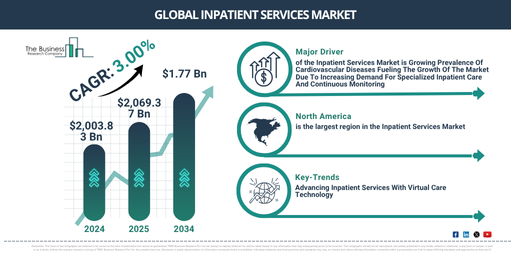
    The market for inpatient services has been expanding consistently in the past few years. The market is set to increase from $2,003.83 billion in 2024 to $2,069.37 billion in 2025, with a compound annual growth rate (CAGR) of 3.3%. Factors such as an aging population, a higher incidence of chronic illnesses, increasing healthcare spending, expansion in insurance coverage, and an increased call for specialized care have been key to this growth during the historical era.

    A consistent increase in the size of the inpatient services market is anticipated over the coming years, with projections pointing to its expansion to $2,326.38 billion in 2029, a 3.0% compound annual growth rate. This growth trajectory in the forecast period is associated with several factors including increased awareness of mental health issues, advancements in personalized medicine, incorporation of artificial intelligence and data analytics in hospital settings, evolution of hybrid care models, and an elevated emphasis on infection control and patient safeguarding. Key trends that are expected during the forecast period encompass AI-enabled clinical decision-making, remote monitoring of patients, the use of robots in surgeries, enhancements in electronic health records, and the implementation of real-time location systems.

    Download The Free Sample Report Here:

    https://www.thebusinessresearchcompany.com/sample.aspx?id=25797&type=smp

    What factors are expected to fuel Inpatient Services market growth in the coming years?

    The surge in cardiovascular disorders is anticipated to fuel the expansion of the inpatient services market in the future. These disorders encompass a variety of ailments affecting the heart and blood vessels, such as coronary artery disease, heart failure, arrhythmias, and stroke. This uptick in cardiovascular diseases is primarily linked to inactive lifestyles, which lead to obesity, deteriorating heart health, and heightened risk of hypertension and diabetes. Patients with cardiovascular disease augment the demand for inpatient services as they necessitate hospitalization for treatments, consistent surveillance, and emergency medical attention. This leads to an increased need for bed spaces, specialized medical personnel, and superior medical apparatus. For example, in January 2025, as per the American Heart Association, a US-based nonprofit organization, there were 131,454 deaths primarily attributed to high blood pressure in 2022. Similarly, in January 2024, the same organization reported 124,508 deaths primarily due to high blood pressure in 2021. Hence, the escalating prevalence of cardiovascular diseases is propelling the growth of the inpatient services market.

    What Are The Key Findings From The Segmentation Analysis Of The Inpatient Services Market?

    The inpatient services market covered in this report is segmented –

    1) By Service: Acute Care Services, Chronic Disease Management, Rehabilitation Services, Psychiatric Services, Palliative Care

    2) By Treatment: Cardiovascular Disorders, Cancer, Musculoskeletal Diseases, Emergency And Trauma, Respiratory Disorder, Gastroenterology, Central Nervous System Disorders, Pregnancy And Postpartum Care, Urology And Nephrology Disorders, Other Treatments

    3) By Specialty: Cardiology, Oncology, Orthopedic, Neurology, General Medicine

    4) By Ownership: Publicly Or Government-Owned, Not-For-Profit Privately Owned, For-Profit Privately Owned

    5) By End User: Patients, Healthcare Providers, Other End Users

    Subsegments:

    1) By Acute Care Services: Emergency Care, Intensive Care Unit (ICU) Services, Surgical Care, Trauma Care, Post-Operative Care

    2) By Chronic Disease Management: Diabetes Management, Cardiovascular Disease Management, Chronic Respiratory Disease Care, Renal Disease Management, Cancer Care Management

    3) By Rehabilitation Services: Physical Therapy, Occupational Therapy, Speech And Language Therapy, Neurological Rehabilitation, Orthopedic Rehabilitation

    4) By Psychiatric Services: Inpatient Psychiatric Hospitals, Substance Abuse And Detoxification Services, Geriatric Psychiatric Services, Adolescent And Child Psychiatry, Dual Diagnosis Treatment

    5) By Palliative Care: Hospice Care, Pain And Symptom Management, End-Of-Life Care, Bereavement Support, Home-Based Palliative Care

    Which Trends Are Expected To Shape The Future Of The Inpatient Services Market?

    Prominent businesses in the inpatient services sector are emphasizing the use of innovative technologies like inpatient television integration to facilitate virtual care delivery, reduce clinical staff workload, and support offsite clinical operations. This integration of inpatient television converts in-room televisions into versatile care instruments allowing remote monitoring, patient consultation, education, and organizing patient discharge, thereby increasing care teams’ workflow adaptability. For example, in November 2023, the latest version of the Care Experience Platform (CXP) was introduced by Oneview Healthcare, a Health-tech organization based in Ireland. This new platform features the Virtual Care API, enabling hospitals to use Oneview’s patient TV system for virtual care in the inpatient setting, including remote observation and nursing assistance. Also, the platform integrates effortlessly with third-party virtual care systems, permitting clinicians to launch telehealth sessions right from the electronic medical record (EMR). It facilitates both pre-arranged and instant video consultations, thereby enhancing accessibility and efficiency of patient care.

    What Are The Most Active Companies In The Inpatient Services Market Today?

    Major companies operating in the inpatient services market are Kaiser Permanente, HCA Healthcare, Ascension Health, Fresenius Medical Care, Tenet Healthcare Corporation, Sutter Health, Mayo Clinic, Cleverland Clinic, Universal Health Services Inc., Community Health Systems (CHS), Advent Health, NewYork-Presbyterian Hospital, Ramsay Healthcare, Massachusetts General Hospital, UCLA Medical Centers, Cedars-Sinai, Mediclinic International, The Hospitals Contribution Fund of Australia Limited, The Johns Hopkins Hospital, Bangkok Dusit Medical Services, Singapore Health Services, Life Healthcare Group, Keio University (Medical Services), Burjeel Holdings, THE ROYAL MELBOURNE HOSPITAL, Fortis Healthcare, Apollo Hospitals Enterprise Ltd., West Suffolk NHS Foundation Trust, Royal Papworth Hospital NHS Foundation Trust, Max Healthcare.

    Get The Full Report Here:

    https://www.thebusinessresearchcompany.com/report/inpatient-services-global-market-report

    Which Regional Markets Are Attracting The Most Investment In Inpatient Services?

    North America was the largest region in the inpatient services market in 2024. Asia-Pacific is expected to be the fastest-growing region in the forecast period. The regions covered in the inpatient services market report are Asia-Pacific, Western Europe, Eastern Europe, North America, South America, Middle East, Africa.

    Request For A Customized Report:

    https://www.thebusinessresearchcompany.com/customise?id=25797&type=smp

    About The Business Research Company:

    With over 15000+ reports from 27 industries covering 60+ geographies, The Business Research Company has built a reputation for offering comprehensive, data-rich research and insights. Armed with 1,500,000 datasets, the optimistic contribution of in-depth secondary research, and unique insights from industry leaders, you can get the information you need to stay ahead in the game.

    Get in touch with us:

    The Business Research Company: https://www.thebusinessresearchcompany.com/

    Americas +1 310-496-7795

    Asia +44 7882 955267 & +91 8897263534

    Europe +44 7882 955267

    Email us at info@tbrc.info

    Follow us on:

    LinkedIn: https://in.linkedin.com/company/the-business-research-company

    YouTube: https://www.youtube.com/channel/UC24_fI0rV8cR5DxlCpgmyFQ

    Global Market Model: https://www.thebusinessresearchcompany.com/global-market-model

  • Industry Forecast: PCSK9 Inhibitor Market to Generate $6.87  Billion Revenue by 2029

    Industry Forecast: PCSK9 Inhibitor Market to Generate $6.87 Billion Revenue by 2029

    Claim your 30% discount on Global Market Reports with code ONLINE30. Limited time only.

    Claim your 30% discount on Global Market Reports with code ONLINE30. Limited time only.

    How Will the PCSK9 Inhibitor Market Evolve in Terms of Growth and Size by 2029?

    The market for PCSK9 inhibitors has experienced a notable expansion in the past few years. The market, from 2024’s valuation of $2.68 billion, is projected to surge to $3.24 billion in 2025, with a compound annual growth rate (CAGR) of 20.9%. Factors like a growing elderly population, increased funding for research and development in lipid-reducing treatments, a surge in approvals by the Food and Drug Administration for PCSK9 inhibitors, escalating strategic partnerships, as well as the growing demand for customized treatment in heart care, have all contributed to this historical growth rate.

    Expectations point towards a significant surge in the PCSK9 inhibitor market size over the next few years. Projections suggest it will balloon to $6.87 billion by 2029, posting a compound annual growth rate (CAGR) of 20.6%. Such growth during the forecasted period can be linked to the rising popularity of combination therapies, an intensive emphasis on lowering low-density lipoprotein cholesterol among patients at high risk, a growing pool of next-generation PCSK9 inhibitors in the pipeline, increased market penetration in emerging economies, and a surge in healthcare initiatives aiming at the prevention of cardiovascular diseases. Major trends predicted within the forecast timeframe encapsulate advancements in PCSK9 therapies based on ribonucleic acid, enhanced delivery systems for better patient compliance, incorporation of innovations in lipid management platforms, the progress in digital health monitoring instruments, and cutting-edge treatment methods driven by biomarkers.

    Download The Free Sample Report Here:

    https://www.thebusinessresearchcompany.com/sample.aspx?id=25867&type=smp

    What factors are expected to fuel PCSK9 Inhibitor market growth in the coming years?

    Growth in the PCSK9 inhibitor market is anticipated to be driven by a rise in hyperlipidemia cases. Hyperlipidemia is manifested by high levels of lipids such as cholesterol and triglycerides in the blood, contributing to a higher likelihood of cardiovascular diseases. This augmentation in hyperlipidemia cases can be attributed to aging populations since cholesterol levels usually surge notably with age, particularly after 45 years. By promoting the liver’s capacity to extract surplus LDL cholesterol from the blood, PCSK9 inhibitors assist in managing hyperlipidemia, resulting in more balanced lipid profiles. For example, the Office for Health Improvement and Disparities, a UK governmental department, reported that around 1.88 million individuals (3%) in England were diagnosed with congenital heart disease (CHD) by a general practitioner in 2023. Moreover, data from the Australian Bureau of Statistics, an Australian governmental organization, revealed an acute increase in high cholesterol rates, skyrocketing from 1.1% in individuals aged 18–34 to 29.0% in those aged 75 and above. Therefore, this surge in hyperlipidemia occurrence is stimulating the enlargement of the PCSK9 inhibitor market.

    What Are The Key Findings From The Segmentation Analysis Of The PCSK9 Inhibitor Market?

    The pcsk9 inhibitor market covered in this report is segmented –

    1) By Drug Type: Alirocumab, Evolocumab, Inclisiran, Bococizumab, Other Types

    2) By Route of Administration: Oral, Subcutaneous Injection, Intravenous Injection

    3) By Modality: Fully-Humanized Monoclonal Antibodies, Small Interfering RNA (siRNA)

    4) By Application: Hypercholesterolemia, Hyperlipidemia, Cardiovascular Disease Prevention, Familial Hypercholesterolemia

    5) By Sales Channel: Hospitals, Specialty Clinics, Retail Pharmacies, Online Pharmacies

    Subsegments:

    1) By Alirocumab: Dosage Forms, Indications, Administration Frequency

    2) By Evolocumab: Dosage Forms, Indications, Administration Frequency

    3) By Inclisiran: Dosage Forms, Indications, Dosing Schedule

    4) By Bococizumab: Dosage Forms, Indications, Development Status

    5) By Other Types: Emerging PCSK9 Inhibitors, Combination Therapies, Biosimilars Or Generics

    What Upcoming Trends Are Expected To Impact The PCSK9 Inhibitor Market Globally?

    Prominent firms in the PCSK9 inhibitor market are concentrating on the creation of groundbreaking solutions, such as in vivo gene therapy. This approach aims to offer enduring or singular treatments that permanently decrease LDL cholesterol levels in high cardiovascular risk patients. In vivo gene therapy is a technique in which genetic material is directly delivered into a person’s body. This helps to alter or substitute defective genes in the targeted cells, making it possible to treat the disease at its origin. In a noteworthy instance, in April 2025, Verve Therapeutics Inc., a clinical-stage company from the USA, released preliminary outcomes from the Heart-2 Phase 1b testing of VERVE-102. The investigation focused on patients with heterozygous familial hypercholesterolemia (HeFH) and premature coronary artery disease (CAD), conditions that require substantial and sustained LDL cholesterol reductions. A single dose of VERVE-102 resulted in dose-responsive decreases in both the PCSK9 protein and LDL-C levels. In the 0.6 mg/kg group, participants saw an average LDL cholesterol reduction of 53%, with some experiencing a high of 69%. This data underscores teh potential of VERVE-102 as a potent cholesterol-reducing therapy.

    What Are The Most Active Companies In The PCSK9 Inhibitor Market Today?

    Major companies operating in the pcsk9 inhibitor market are Merck & Co. Inc., Sanofi S.A, AstraZeneca plc, Novartis AG, Amgen Inc., Regeneron Pharmaceuticals Inc., Astellas Pharma Inc., Dr. Reddy’s Laboratories Ltd., Alnylam Pharmaceuticals Inc., Ionis Pharmaceuticals Inc., Innovent Biologics Inc., Shanghai Junshi Biosciences Co. Ltd., Akeso Inc., Verve Therapeutics Inc., LIB Therapeutics LLC, CiVi Biopharma Inc., CVI Pharmaceuticals Ltd., Vaxxinity Inc., Jiangsu Hengrui Pharmaceuticals Co. Ltd., Shenyang Xinlitai Pharmaceutical Co. Ltd.

    Get The Full Report Here:

    https://www.thebusinessresearchcompany.com/report/pcsk9-inhibitor-global-market-report

    Which Regional Markets Are Attracting The Most Investment In PCSK9 Inhibitor?

    North America was the largest region in the PCSK9 inhibitor market in 2024. Asia-Pacific is expected to be the fastest-growing region in the forecast period. The regions covered in the pcsk9 inhibitor market report are Asia-Pacific, Western Europe, Eastern Europe, North America, South America, Middle East, Africa.

    Request For A Customized Report:

    https://www.thebusinessresearchcompany.com/customise?id=25867&type=smp

    About The Business Research Company:

    With over 15000+ reports from 27 industries covering 60+ geographies, The Business Research Company has built a reputation for offering comprehensive, data-rich research and insights. Armed with 1,500,000 datasets, the optimistic contribution of in-depth secondary research, and unique insights from industry leaders, you can get the information you need to stay ahead in the game.

    Get in touch with us:

    The Business Research Company: https://www.thebusinessresearchcompany.com/

    Americas +1 310-496-7795

    Asia +44 7882 955267 & +91 8897263534

    Europe +44 7882 955267

    Email us at info@tbrc.info

    Follow us on:

    LinkedIn: https://in.linkedin.com/company/the-business-research-company

    YouTube: https://www.youtube.com/channel/UC24_fI0rV8cR5DxlCpgmyFQ

    Global Market Model: https://www.thebusinessresearchcompany.com/global-market-model

  • 2025 Analysis: Opportunities and Risks in the Evolving In-Line UV-Vis Spectroscopy Market

    2025 Analysis: Opportunities and Risks in the Evolving In-Line UV-Vis Spectroscopy Market

    Claim your 30% discount on Global Market Reports with code ONLINE30. Limited time only.

    Claim your 30% discount on Global Market Reports with code ONLINE30. Limited time only.

    What CAGR Is Anticipated for the In-Line UV-Vis Spectroscopy Market Through 2029?

    The market size of in-line UV-vis spectroscopy has experienced substantial growth in recent years. Its development is projected to escalate from $1.16 billion in 2024 to $1.25 billion in 2025, achieving a compound annual growth rate (CAGR) of 7.9%. The upward trend during the historic period can be connected to a surge in investment for pharmaceutical manufacturing, increased funding for life sciences equipment, an escalation in chronic diseases occurrences, a boost in industrial wastewater surveillance ventures, and an expansion in food safety examination.

    Expectations are high for the in-line UV-vis spectroscopy market as it is forecast to expand considerably in the upcoming years, with a projected value of $1.68 billion by 2029, exhibiting a compound annual growth rate (CAGR) of 7.7%. This anticipated growth can be linked to factors such as heightened government efforts in drug discovery, the rising demand for strict quality control, increasing necessity for food analysis, deepening worries about food safety, and the surge of industrialization. Key trends predicted for this period include technological improvement, AI integration, emergence of multi-parameter sensors, the introduction of cloud-based data management systems, and progress in fiber optic technology.

    Download The Free Sample Report Here:

    https://www.thebusinessresearchcompany.com/sample.aspx?id=25796&type=smp

    What Market Forces Are Driving The In-Line UV-Vis Spectroscopy Sector In 2025 And Beyond?

    Heightened activities in drug discovery and development are set to boost the expansion of the in-line UV-vis spectroscopy market. These activities imply methodical procedures to identify new therapeutic substances and advance them via research, testing, and regulatory approvals for medical use. The growth in drug discovery and development ventures is a result of biotechnology advancements which expedite target identification and simplify the creation of more efficient, personalized treatments. In-line UV-vis spectroscopy plays a crucial role in these activities by giving real-time reports of chemical reactions and concentrations of compounds, which improves process efficiency, accuracy, and decision-making. For example, data from the Association of the British Pharmaceutical Industry, a UK-based trade association, shows an increase of clinical trials initiated by the industry from 411 in 2022 to 426 in 2023. Hence, the boom in drug discovery and development activities is a driving force for the in-line UV-vis spectroscopy market’s growth. The expansion of the pharmaceutical industry due to the rising prevalence of chronic ailments is expected to boost the in-line UV-vis spectroscopy market. The pharmaceutical industry, which primarily involves researching, creating, producing, and distributing medicines to prevent and treat diseases, is experiencing growth. This industry’s growth is fuelled by the rising prevalence of chronic diseases which necessitates regular medication and continuous drug development to manage intricate health conditions. The in-line UV-Vis spectroscopy advances pharmaceutical industry operations by allowing real-time supervision of essential processes, improving product quality, ensuring regulatory adherence, and minimizing production downtime. As per the European Federation of Pharmaceutical Industries and Associations (EFPIA), a Belgium-based trade association, Europe’s total pharmaceutical production reached $422,803 million (€390,000 million) in 2023, which was an increase from $393,857 million (€363,300 million) in 2022. The pharmaceutical industry’s growth, therefore, stimulates the expansion of the in-line UV-vis spectroscopy market.

    How Is The Global In-Line UV-Vis Spectroscopy Market Categorized By Segments?

    The in-line uv-vis spectroscopy market covered in this report is segmented –

    1) By Product Type: Single Beam Ultraviolet-Visible Spectrophotometers, Double Beam Ultraviolet-Visible Spectrophotometers, Multi-Mode Ultraviolet-Visible Spectrophotometers, Portable Ultraviolet-Visible Spectrophotometers, Scanning Ultraviolet-Visible Spectrophotometers

    2) By Technology: Traditional Ultraviolet-Visible Spectroscopy, Fiber Optic Ultraviolet-Visible Spectroscopy, Microvolume Ultraviolet-Visible Spectroscopy, Array-Based Ultraviolet-Visible Spectroscopy, Near Infrared Spectroscopy Integration

    3) By Sales Channel: Direct Sales, Online Retailers, Distributors And Resellers, Aftermarket Parts And Services, Consultancy And Technical Support Services

    4) By Application: Quality Control, Research And Development, Clinical Diagnostics, Process Monitoring, Raw Material Analysis

    5) By End-User : Plastics Industry, Chemical Industry, Food And Beverages, Pharmaceutical Industry, Painting And Coating Industry, Other End Users

    Subsegments:

    1) By Single Beam Ultraviolet-Visible Spectrophotometers: Basic Laboratory Analyzers, Educational Instruments, Entry-Level Pharmaceutical Testing Devices

    2) By Double Beam Ultraviolet-Visible Spectrophotometers: Research-Grade Analytical Instruments, Quality Control and Assurance Systems, High-Precision Diagnostic Tools

    3) By Multi-Mode Ultraviolet-Visible Spectrophotometers: Ultraviolet-Visible with Fluorescence Detection, Ultraviolet-Visible with Infrared Capability, Ultraviolet-Visible with Microplate Reader Integration

    4) By Portable Ultraviolet-Visible Spectrophotometers: Handheld Field Analyzers, Battery-Operated Devices, Environmental Monitoring Tools

    5) By Scanning Ultraviolet-Visible Spectrophotometers: High-Throughput Scanning Systems, Material Testing Spectrometers, Automated Validation and Calibration Units

    Which Firms Are Considered Leaders In The In-Line UV-Vis Spectroscopy Market Space?

    Major companies operating in the in-line uv-vis spectroscopy market are Thermo Fisher Scientific Inc., ABB Ltd., Agilent Technologies Inc., PerkinElmer Inc., Mettler-Toledo International Inc., Shimadzu Corporation, Bruker Corporation, HORIBA Scientific, Hach Company, Hamamatsu Photonics K.K., Metrohm AG, X-Rite Incorporated, Analytik Jena GmbH, Malvern Panalytical Ltd., SPECTRO Analytical Instruments GmbH, Ocean Insight, Avantes Inc., JASCO Inc., Biochrom Ltd., StellarNet Inc.

    Get The Full Report Here:

    https://www.thebusinessresearchcompany.com/report/in-line-uv-vis-spectroscopy-global-market-report

    What Role Do Regional Policies And Investments Play In In-Line UV-Vis Spectroscopy Market Expansion?

    North America was the largest region in the In-line uv-vis spectroscopy market in 2024. Asia-Pacific is expected to be the fastest-growing region in the forecast period. The regions covered in the in-line uv-vis spectroscopy market report are Asia-Pacific, Western Europe, Eastern Europe, North America, South America, Middle East, Africa.

    Request For A Customized Report:

    https://www.thebusinessresearchcompany.com/customise?id=25796&type=smp

    About The Business Research Company:

    With over 15000+ reports from 27 industries covering 60+ geographies, The Business Research Company has built a reputation for offering comprehensive, data-rich research and insights. Armed with 1,500,000 datasets, the optimistic contribution of in-depth secondary research, and unique insights from industry leaders, you can get the information you need to stay ahead in the game.

    Get in touch with us:

    The Business Research Company: https://www.thebusinessresearchcompany.com/

    Americas +1 310-496-7795

    Asia +44 7882 955267 & +91 8897263534

    Europe +44 7882 955267

    Email us at info@tbrc.info

    Follow us on:

    LinkedIn: https://in.linkedin.com/company/the-business-research-company

    YouTube: https://www.youtube.com/channel/UC24_fI0rV8cR5DxlCpgmyFQ

    Global Market Model: https://www.thebusinessresearchcompany.com/global-market-model

  • In-Depth Injectable Cytotoxic Drugs Market Report: Business Trends, Growth Factors, and Forecast to 2029

    In-Depth Injectable Cytotoxic Drugs Market Report: Business Trends, Growth Factors, and Forecast to 2029

    Claim your 30% discount on Global Market Reports with code ONLINE30. Limited time only.

    Claim your 30% discount on Global Market Reports with code ONLINE30. Limited time only.

    What Are the Latest Market Insights for the Injectable Cytotoxic Drugs Industry?

    There has been a significant growth in the market size of injectable cytotoxic drugs recently. The market, which is expected to rise from $18.16 billion in 2024 to $19.41 billion in 2025, is projected to have a compound annual growth rate (CAGR) of 6.9%. This increase during the historical period can be credited to the growing acceptance of mixed chemotherapy treatment plans, increased investments in healthcare, a surge in the number of specialized cancer clinics and treatment facilities, a rise in the approval rate of generic injectable cytotoxic medicines, and growing awareness about the importance of early cancer detection.

    The market for injectable cytotoxic drugs is projected to experience robust growth in the coming years, reaching a value of $25.11 billion in 2029, growing at a compound annual growth rate (CAGR) of 6.6%. This surge during the forecast period can be linked to a growing inclination towards biosimilar cytotoxic drugs, an increased emphasis on outpatient and home-based chemotherapy, a burgeoning pool of injectable cancer drugs, a rising occurrence of cancer, and an escalating demand for affordable cancer treatments. The market’s growth trends for the forecast period involve advances in delivery technology for injectable drugs, enhanced formulation methods to diminish toxicity, developments in antibody-drug conjugate, the incorporation of AI into cancer drug discovery, and partnerships among pharmaceutical corporations.

    Download The Free Sample Report Here:

    https://www.thebusinessresearchcompany.com/sample.aspx?id=25795&type=smp

    What Forces Are Driving The Growth Of The Injectable Cytotoxic Drugs Industry?

    The surge in rheumatoid arthritis cases is anticipated to drive the expansion of the market for injectable cytotoxic drugs. Characterized by constant joint inflammation, pain, and eventual joint damage, rheumatoid arthritis is a persistent autoimmune disorder. The escalating number of rheumatoid arthritis cases is mainly attributed to an aging population since the risk of genetic mutations and immune system malfunctions that lead to this condition increases with age. Injectable cytotoxic drugs aid in the treatment of rheumatoid arthritis by targeting rapidly proliferating cells and limiting overly active immune responses, therefore decelerating the progression of the disease and alleviating symptoms. As reported by the Australian Institute of Health and Welfare, an independent statutory agency based in Australia, in June 2024, rheumatoid arthritis caused 1,322 fatalities, translating to 5.1 deaths for every 100,000 individuals, and was to blame for 0.7% of all deaths in 2022. It was the cause of 2.0% of the overall disease burden and accounted for 16% of the total burden from all musculoskeletal conditions in 2023. Hence, the rising prevalence of rheumatoid arthritis is fueling the growth of the market for injectable cytotoxic drugs.

    What Is The Overview Of Market Segmentation In The Injectable Cytotoxic Drugs Industry?

    The injectable cytotoxic drugs market covered in this report is segmented –

    1) By Drug Type: Alkylating Agents, Antimetabolites, Plant Alkaloids, Antitumor Antibiotics, Platinum-Based Compounds, Cytotoxic Antibiotics, Other Drug Types

    2) By Route Of Administration: Intravenous (IV), Intramuscular (IM), Subcutaneous (SC)

    3) By Distribution Channel: Hospital Pharmacies, Retail Pharmacies, Online Pharmacies, Specialty Drug Stores

    4) By Application: Breast Cancer, Lung Cancer, Prostate Cancer, Colorectal Cancer, Ovarian Cancer, Lymphoma, Leukemia, Other Applications

    5) By End-User: Hospitals, Oncology Clinics, Ambulatory Surgical Centers, Research And Academic Institutes

    Subsegments:

    1) By Alkylating Agents: Cyclophosphamide, Isocyanide, Melphalan, Busulfan

    2) By Antimetabolites: Methotrexate, 5-Fluorouracil (5-FU), Cytarabine, Gemcitabine

    3) By Plant Alkaloids: Vincristine, Vinblastine, Paclitaxel, Docetaxel

    4) By Antitumor Antibiotics: Doxorubicin, Daunorubicin, Epirubicin, Bleomycin

    5) By Platinum-Based Compounds: Cisplatin, Carboplatin, Oxaliplatin

    6) By Cytotoxic Antibiotics: Mitomycin, Actinomycin D, Plicamycin

    7) By Other Drug Types: Irinotecan, Etoposide, Denibulin, Trastuzumab Emtansine (ADC), Lutetium-177 Dotatate

    What Future Market Trends Are Projected For The Injectable Cytotoxic Drugs Industry?

    In order to expand their product offerings and speed up their market entry, leading enterprises in the injectable cytotoxic drugs market are concentrating their efforts on securing regulatory approvals. Regulatory approvals, bestowed by health authorities, confirm a drug’s compliance with safety, efficacy, and quality standards, allowing it to be marketed and prescribed. For instance, in March 2024, Japanese pharmaceutical firm Astellas Pharma Inc. received the green light for VYLOY (zolbetuximab) from the Japanese Ministry of Health, Labour, and Welfare (MHLW). This approval, for the treatment of uncurable, advanced, or recurrent gastric cancer that is CLDN18.2-positive, was backed by Phase III clinical trials (SPOTLIGHT and GLOW) which proved the drug’s significant improvement in progression-free and overall survival when combined with chemotherapy. Eligibility of patients is determined through a companion diagnostic test identifying CLDN18.2 expression in tumor cells. Through this therapy, the unaddressed need in gastric cancer treatment is met, a disease often diagnosed late and plagued with a poor prognosis globally.

    Who Are The Primary Players Operating Across The Global Injectable Cytotoxic Drugs Market?

    Major companies operating in the injectable cytotoxic drugs market are Pfizer Inc., F. Hoffmann-La Roche Ltd., Sanofi S.A., Bristol-Myers Squibb, Novartis AG, Eli Lilly and Company, Amgen Inc., Merck KGaA, Baxter International Inc., Fresenius Kabi AG, Eisai Co. Ltd., Sun Pharmaceutical Industries Ltd., Apotex Inc., Jazz Pharmaceuticals plc, Dr. Reddy’s Laboratories Ltd., Hikma Pharmaceuticals plc, Amneal Pharmaceuticals Inc., Zydus Lifesciences Ltd., Zydus Lifesciences Ltd., NATCO Pharma Ltd.

    Get The Full Report Here:

    https://www.thebusinessresearchcompany.com/report/injectable-cytotoxic-drugs-global-market-report

    Which Region Offers The Most Growth Potential For The Injectable Cytotoxic Drugs Market Through 2029?

    North America was the largest region in the injectable cytotoxic drugs market in 2024. Asia-Pacific is expected to be the fastest-growing region in the forecast period. The regions covered in the injectable cytotoxic drugs market report are Asia-Pacific, Western Europe, Eastern Europe, North America, South America, Middle East, Africa.

    Request For A Customized Report:

    https://www.thebusinessresearchcompany.com/customise?id=25795&type=smp

    About The Business Research Company:

    With over 15000+ reports from 27 industries covering 60+ geographies, The Business Research Company has built a reputation for offering comprehensive, data-rich research and insights. Armed with 1,500,000 datasets, the optimistic contribution of in-depth secondary research, and unique insights from industry leaders, you can get the information you need to stay ahead in the game.

    Get in touch with us:

    The Business Research Company: https://www.thebusinessresearchcompany.com/

    Americas +1 310-496-7795

    Asia +44 7882 955267 & +91 8897263534

    Europe +44 7882 955267

    Email us at info@tbrc.info

    Follow us on:

    LinkedIn: https://in.linkedin.com/company/the-business-research-company

    YouTube: https://www.youtube.com/channel/UC24_fI0rV8cR5DxlCpgmyFQ

    Global Market Model: https://www.thebusinessresearchcompany.com/global-market-model

  • Inhaler Corticosteroid Device Industry Poised for Rapid Expansion, Projected to Hit $21.77  Billion by 2029

    Inhaler Corticosteroid Device Industry Poised for Rapid Expansion, Projected to Hit $21.77 Billion by 2029

    Claim your 30% discount on Global Market Reports with code ONLINE30. Limited time only.

    Claim your 30% discount on Global Market Reports with code ONLINE30. Limited time only.

    What Are the Forecasted Growth Rate and Market Size of the Inhaler Corticosteroid Device Market?

    The market for inhaler corticosteroid devices has seen substantial growth in recent times. Its value is expected to rise from $15.75 billion in 2024 to $16.83 billion in 2025, with a compound annual growth rate (CAGR) of 6.9%. This growth during the historic period is likely due to factors such as increased spending on healthcare, a rise in the aging population, beneficial government policies, ongoing research and development activities, and high levels of disposable income.

    In the coming years, the inhaler corticosteroid device market size is anticipated to experience substantial growth, expanding to $21.77 billion by 2029 with a compound annual growth rate (CAGR) of 6.6%. This growth during the projected period can be ascribed to increasing instances of respiratory illnesses, heightened awareness around respiratory health, significant funding in respiratory technologies, an amplified emphasis on health consciousness, and a growing prevalence of smoking addiction. Key trends to watch during this forecast period include the incorporation of advanced technologies, creation of combination treatments, digital inhalers that supply live data, progressive enhancements in inhaler technology, and the application of data analytics in inhaler devices.

    Download The Free Sample Report Here:

    https://www.thebusinessresearchcompany.com/sample.aspx?id=25794&type=smp

    Which Factor Is Shaping The Future Of The Inhaler Corticosteroid Device Market?

    The growth of the inhaler corticosteroid device market is anticipated to be fueled by the escalating occurrence of respiratory diseases. Respiratory illnesses encompass a variety of conditions that impact the lungs and airways, obstructing proper and efficient breathing in individuals. The escalation in respiratory disorders can be linked to increasing air pollution, which exposes people to harmful particles that can damage the lungs and lead to chronic diseases such as asthma and bronchitis. Inhaler corticosteroid devices are employed to manage these diseases by providing anti-inflammatory drugs directly to the lungs, aiding in the reduction of inflammation and enhancement of breathing. For example, in June 2025, the UK-based government department, the Office for Health Improvement and Disparities, noted that in the financial year ending 2024, England had 854,922 emergency hospital admissions for respiratory disorders. This corresponded to a rate of 1,428 (with a range of 1,424 to 1,432) per 100,000 population, symbolizing a 7% increase from the previous year. Thus, with the rise in respiratory disease prevalence, the inhaler corticosteroid device market is experiencing a surge in growth.

    What Is The Segment-Wise Breakdown Of The Inhaler Corticosteroid Device Market?

    The inhaler corticosteroid device market covered in this report is segmented –

    1) By Product Type: Metered-Dose Inhalers, Dry Powder Inhalers, Soft Mist Inhalers

    2) By Formulation Type: Fluticasone Propionate, Budesonide, Beclomethasone, Mometasone Furoate

    3) By Distribution Channel: Online Pharmacies, Retail Pharmacies, Direct Sales, Hospital Pharmacies

    4) By Application: Asthma, Chronic Obstructive Pulmonary Disease (COPD), Other Applications

    5) By End-User: Hospitals, Homecare, Specialty Clinics, Other End-Users

    Subsegments:

    1) By Metered-Dose Inhalers: Conventional Metered-Dose Inhalers, Breath-Actuated Metered-Dose Inhalers, Spacer-Integrated Metered-Dose Inhalers

    2) By Dry Powder Inhalers: Single-Dose Dry Powder Inhalers, Multi-Dose Dry Powder Inhalers, Reservoir Dry Powder Inhalers

    3) By Soft Mist Inhalers: Manual Soft Mist Inhalers, Battery-Operated Soft Mist Inhalers

    Which Trends Are Redefining The Future Landscape Of The Inhaler Corticosteroid Device Industry?

    Leading corporations in the inhaler corticosteroid device industry are shifting their focus towards developing novel solutions. One such example is the reformation of rescue inhalers – a combination of albuterol and budesonide. These modified inhalers not only improve the effectiveness of treatment but also provide a merged, dual-action therapy in one device. A combination of albuterol and budesonide initiates a twin-action rescue inhaler which delivers a bronchodilator (albuterol) for immediate opening up of the airways and a corticosteroid (budesonide) to alleviate inflammation. This enables swift symptom relief and long-term management of asthma in one device. To illustrate, AstraZeneca PLC, a pharmaceutical firm based in the UK, launched the first-ever and only FDA-approved rescue inhaler that integrates albuterol and budesonide for adult asthma patients, named AIRSUPRA, in January 2024. This inhaler is designed for use as needed, facilitating relief from acute bronchoconstriction symptoms and simultaneously reducing inflammation in airways, hence mitigating the threat of serious asthma flare-ups. This new creation, combining a short-acting beta2-agonist (albuterol) and an inhaled corticosteroid (budesonide) in a single device was approved following clinical trials showing its superior prevention of asthma attacks compared to albuterol alone.

    Which Companies Hold The Largest Market Share In The Inhaler Corticosteroid Device Sector?

    Major companies operating in the inhaler corticosteroid device market are AstraZeneca PLC, Novartis AG, GlaxoSmithKline plc, Boehringer Ingelheim International GmbH, Teva Pharmaceutical Industries Ltd., Teijin Pharma Limited, Sun Pharmaceutical Industries Limited, Aurobindo Pharma Limited, Chiesi Farmaceutici S.p.A., Cipla Limited, Hikma Pharmaceuticals PLC, Amneal Pharmaceuticals Inc., Mundipharma International Limited, Lupin Limited, Zydus Lifesciences Limited, Recipharm AB, Glenmark Pharmaceuticals Limited, Orion Corporation, Beximco Pharmaceuticals Limited, PARI Medical Holding GmbH, Kos Pharmaceuticals Inc.

    Get The Full Report Here:

    https://www.thebusinessresearchcompany.com/report/inhaler-corticosteroid-device-global-market-report

    How Does Regional Performance Compare Across The Inhaler Corticosteroid Device Industry?

    North America was the largest region in the inhaler corticosteroid device market in 2024. Asia-Pacific is expected to be the fastest-growing region in the forecast period. The regions covered in the inhaler corticosteroid device market report are Asia-Pacific, Western Europe, Eastern Europe, North America, South America, Middle East, Africa.

    Request For A Customized Report:

    https://www.thebusinessresearchcompany.com/customise?id=25794&type=smp

    About The Business Research Company:

    With over 15000+ reports from 27 industries covering 60+ geographies, The Business Research Company has built a reputation for offering comprehensive, data-rich research and insights. Armed with 1,500,000 datasets, the optimistic contribution of in-depth secondary research, and unique insights from industry leaders, you can get the information you need to stay ahead in the game.

    Get in touch with us:

    The Business Research Company: https://www.thebusinessresearchcompany.com/

    Americas +1 310-496-7795

    Asia +44 7882 955267 & +91 8897263534

    Europe +44 7882 955267

    Email us at info@tbrc.info

    Follow us on:

    LinkedIn: https://in.linkedin.com/company/the-business-research-company

    YouTube: https://www.youtube.com/channel/UC24_fI0rV8cR5DxlCpgmyFQ

    Global Market Model: https://www.thebusinessresearchcompany.com/global-market-model