Month: August 2025

  • Drug Repurposing Market Revenue Outlook: Strategic Insights and Forecast to 2029

    Drug Repurposing Market Revenue Outlook: Strategic Insights and Forecast to 2029

    Claim your 30% discount on Global Market Reports with code ONLINE30. Limited time only.

    Claim your 30% discount on Global Market Reports with code ONLINE30. Limited time only.

    What Is the Current and Projected Market Size of the Drug Repurposing Industry?

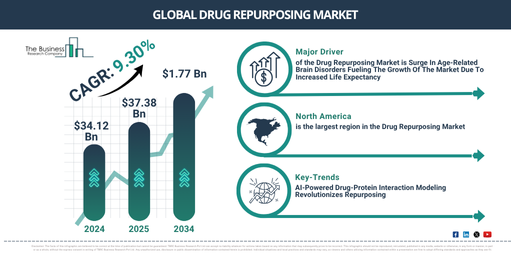
    In recent times, the drug repurposing market has seen impressive growth. The market, which will rise from $34.12 billion in 2024 to $37.38 billion in 2025, is expected to grow at a mammoth compound annual growth rate (CAGR) of 9.5%. The surge in this period is a result of factors such as the increasing expense of developing new drugs, an increase in the number of drug failures during clinical trials, the growing demand for quicker drug approval processes, a rise in the availability of off-patent drugs, and significant increases in government and academic research funding.

    In the coming years, substantial growth is anticipated for the drug repurposing market, which is projected to reach $53.42 billion by 2029 at a compound annual growth rate (CAGR) of 9.3%. Factors contributing to this growth in the forecast period include a higher demand for therapies that are cost-effective, increased investment by pharmaceutical companies, growing partnerships between biotech firms, and broader applications in the fields of oncology and neurology. Key trends forecasted for this period include advancements in tools used for computational drug discovery, increased implementation of AI and ML in drug repurposing, innovations in predictive models for drug efficacy, incorporation of big data analytics in drug screening, and progress in the identification of biomarkers.

    Download The Free Sample Report Here:

    https://www.thebusinessresearchcompany.com/sample.aspx?id=25758&type=smp

    #Which Factors Are Currently Driving The Growth Of The Drug Repurposing Market?

    The escalating occurrence of neurodegenerative diseases is anticipated to boost the expansion of the drug repurposing market in the future. Neurodegenerative diseases encompass a variety of conditions marked by the gradual degeneration or loss of neuronal structure or function, plus eventual neuronal death. The increasing instances of such diseases, like Alzheimer’s dementia, result from higher life expectancy, as age is a significant risk factor causing the steady deterioration of neuronal function over time. Drug repurposing aids patients suffering from neurodegenerative diseases by pinpointing existing medication with established safety profiles that can be rerouted to target disease channels, expediting the creation of efficient treatments. For example, in March 2023, the Alzheimer’s Association, a US-based volunteer health organization, stated that around 6.7 million US citizens aged 65 and older are battling Alzheimer’s dementia, with predictions suggesting this number will rise to 13.8 million by 2060. Hence, the ascendant prevalence of neurodegenerative diseases is fueling the growth of the drug repurposing market.

    How Is The Global Drug Repurposing Market Structured In Terms Of Segments?

    The drug repurposing market covered in this report is segmented –

    1) By Type: Disease-Centric, Target-Centric, Drug-Centric

    2) By Drug Molecules: Biologics, Small Molecule

    3) By Therapeutic Area: Oncology, Neurology, Infectious Diseases, Cardiovascular Diseases, Autoimmune Disorders

    4) By Route Of Administration: Oral, Intravenous, Topical, Inhalation, Intramuscular

    5) By End-User: Pharmaceutical Companies, Research And Academic Institutes, Contract Research Organizations

    Subsegments:

    1) By Disease-Centric: Phenotypic Screening, Epidemiological Analysis, Clinical Observation-Based Repurposing

    2) By Target-Centric: Protein Target Modulation, Pathway Modulation, Biomarker-Based Targeting

    3) By Drug-Centric: Off-Target Activity Identification, Structure-Based Drug Repositioning, Adverse Effect-Based Repurposing

    What Trends Are Currently Influencing Growth In The Drug Repurposing Market?

    Leading firms in the drug repurposing sector are honing their focus on the progression of sophisticated technology such as artificial intelligence-led drug-protein interaction modelling. This approach can expedite the discovery of alternative treatment paths for drugs already available in the market. These AI-led models employ expansive datasets, enhancing confidence and accuracy by predicting the interactions of drugs with proteins throughout the human proteome. Illustratively, in July 2025, the US healthcare firm Cosmos Health Inc. brought to the market Cloudscreen 2.0, a cutting-edge AI platform designed for drug repurposing. This progressive system can process datasets that are over 100 times larger than its predecessors, facilitating thorough analysis of drug-protein interactions. By using mutagenesis data and tools for disordered protein analysis, the platform focuses on targeting diseases such as cancer, diabetes, and obesity. Furthermore, with the application of graphics processing unit based cloud computing for scalable processing, the platform is set to be a game-changer in accelerating R&D for drug repurposing across various therapeutic sectors.

    Who Are The Main Participants Shaping The Drug Repurposing Market Landscape?

    Major companies operating in the drug repurposing market are F. Hoffmann-La Roche Ltd , International Business Machines Corporation (IBM), Bayer AG, Takeda Pharmaceutical Company Limited, Amgen Inc., Teva Pharmaceutical Industries Limited, Astellas Pharma Inc., UCB S.A., Eisai Co Ltd., Celltrion Inc., Alnylam Pharmaceuticals Inc., Evotec SE, BenevolentAI Limited, Insilico Medicine Inc., Cosmos Health Inc., Recursion Pharmaceuticals Inc., Pharnext S.A., Healx Ltd., Algernon Pharmaceuticals Inc., BioXcel Therapeutics Inc.

    Get The Full Report Here:

    https://www.thebusinessresearchcompany.com/report/drug-repurposing-global-market-report

    Which Region Currently Holds The Largest Share In The Drug Repurposing Market?

    North America was the largest region in the drug repurposing market in 2024. Asia-Pacific is expected to be the fastest-growing region in the forecast period. The regions covered in the drug repurposing market report are Asia-Pacific, Western Europe, Eastern Europe, North America, South America, Middle East, Africa.

    Request For A Customized Report:

    https://www.thebusinessresearchcompany.com/customise?id=25758&type=smp

    About The Business Research Company:

    With over 15000+ reports from 27 industries covering 60+ geographies, The Business Research Company has built a reputation for offering comprehensive, data-rich research and insights. Armed with 1,500,000 datasets, the optimistic contribution of in-depth secondary research, and unique insights from industry leaders, you can get the information you need to stay ahead in the game.

    Get in touch with us:

    The Business Research Company: https://www.thebusinessresearchcompany.com/

    Americas +1 310-496-7795

    Asia +44 7882 955267 & +91 8897263534

    Europe +44 7882 955267

    Email us at info@tbrc.info

    Follow us on:

    LinkedIn: https://in.linkedin.com/company/the-business-research-company

    YouTube: https://www.youtube.com/channel/UC24_fI0rV8cR5DxlCpgmyFQ

    Global Market Model: https://www.thebusinessresearchcompany.com/global-market-model
  • Outlook for Continuous Bladder Irrigation Devices Market: Key Developments and Future Strategies to 2029

    Outlook for Continuous Bladder Irrigation Devices Market: Key Developments and Future Strategies to 2029

    Claim your 30% discount on Global Market Reports with code ONLINE30. Limited time only.

    Claim your 30% discount on Global Market Reports with code ONLINE30. Limited time only.

    How Much Is the Global Continuous Bladder Irrigation Devices Market Valued at Present and by 2029?

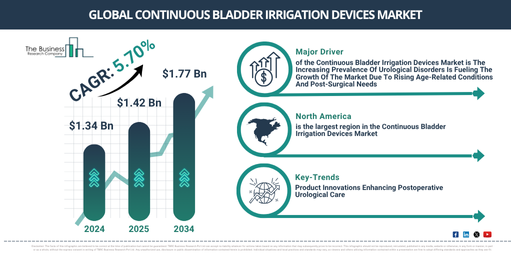
    The market for continuous bladder irrigation devices has seen significant growth in the past few years. It is projected to expand from a worth of $1.34 billion in 2024 to $1.42 billion in 2025, with a compound annual growth rate of 6.0%. Factors contributing to the earlier growth include the rise in urological disorder cases, an aging patient demographic, an increase in prostate cancer incidents, increased demand for post-surgery care, and the devices’ widening acceptance in hospitals.

    In the upcoming years, it’s predicted that the market for continuous bladder irrigation devices will experience substantial growth, escalating to a worth of $1.77 billion in 2029, exhibiting a compound annual growth rate (CAGR) of 5.7%. This growth within the projected period may be attributed to several factors including increased treatments for urinary retention, heightened awareness towards urological health, a surge in hematuria cases, emphasis on patient comfort, and the rise in minimally invasive procedures. The period also sees significant emerging trends such as the evolution of automated irrigation systems, the implementation of live monitoring sensors, advancements in technologies facilitating infection control, progress in the coatings of catheter material, and innovations in closed-system irrigation.

    Download The Free Sample Report Here:

    https://www.thebusinessresearchcompany.com/sample.aspx?id=25729&type=smp

    #What Drivers Are Influencing Growth In The Continuous Bladder Irrigation Devices Market?

    The surge in urological disorders is predicted to stimulate the expansion of the continuous bladder irrigation devices market. A urological disorder describes any ailment that impacts the urinary system or male reproductive organs. The prevalence of these disorders is mainly due to an aging population as age-related changes increase susceptibility to urinary and prostate conditions. Continuous bladder irrigation (CBI) devices play a crucial role in managing these urological conditions, by consistently cleaning the bladder to eliminate clots, debris, or infections. It aids in averting catheter obstructions and contributes to healing, particularly post-surgery procedures. For instance, the Government of Canada revealed that in 2022, approximately 12,500 novel cases of bladder cancer were recorded in Canada, leading to nearly 2,600 associated fatalities, which highlighted the significant impact of the disease that year. Therefore, the rise in urological disorders directly contributes to the expansion of the continuous bladder irrigation devices market. The market’s growth is also being propelled by the escalating volume of surgical procedures, resulting in a heightened demand for postoperative bladder management solutions. The volume of surgical procedures signifies the total number of surgeries performed across healthcare institutions in a specific time frame. It is rising due to the increasing elderly population, who are more susceptible to chronic diseases and usually require surgical intervention. CBI devices are employed during or post-surgery to steadily cleanse the bladder, removing blood, clots, and debris. It helps in avoiding catheter blockage, ensuring uninterrupted urine flow, and fostering healing. For instance, the Australian Institute of Health and Welfare reported that in 2023-24, the public hospital elective surgery waitlists experienced 778,500 admissions, a 5.8% increase from 735,500 admissions in the previous year. Thus, the mounting volume of surgical procedures is spearheading the growth of the continuous bladder irrigation devices market.

    What Are The Main Segments Identified In The Continuous Bladder Irrigation Devices Market Research?

    The continuous bladder irrigation devices market covered in this report is segmented –

    1) By Product: Foley 3 Way Catheters, Accessories, Irrigation Bags

    2) By Application: Post-Surgical Irrigation, Bladder Cancer Management, Hemorrhagic Cystitis, Urinary Tract Infections, Trauma And Urinary Retention, Home-Based Irrigation

    3) By End-Use: Hospitals, Long Term Care Facilities, Other End-Uses

    Subsegments:

    1) By Foley 3 Way Catheters: Silicone 3-Way Foley Catheters, Latex 3-Way Foley Catheters, Antimicrobial-Coated Foley Catheters, Pediatric 3-Way Foley Catheters, Temperature Sensing Foley Catheters

    2) By Accessories: Catheter Connectors, Catheter Stabilization Devices, Leg Drainage Bags, Extension Tubing, Clamps And Valves

    3) By Irrigation Bags: Sterile Irrigation Bags, Non-Sterile Irrigation Bags, Pressure Irrigation Bags, Manual Irrigation Bags, Refillable Irrigation Bags

    What Are The Leading Trends And Opportunities In The Continuous Bladder Irrigation Devices Sector?

    Key players in the continuous bladder irrigation (CBI) devices market are centering their attention on the refinement and development of new products, with particular emphasis on postoperative care goods. These are vital medical devices and supplies used to aid healing, prevent potential post-surgical infections, and efficiently manage pain, thereby ensuring proper recuperation. UNOQUIP GmbH, a leading medical device firm based in Switzerland, exemplified this trend with their announcement in January 2025, where they unveiled new additions to their current assortment of postoperative catheter options. Among the innovations are two specific catheters – the Hematuria Management Catheter and the 3-Way Silicone Foley Catheter; both purposed to foster effective continuous bladder irrigation after urological surgeries. These products underscore Uno Medical’s dedication to patient safety and comfort, tackling clinical issues like clot retention and guaranteeing optimal bladder drainage. This extension bolsters their presence within the CBI devices sector and equips the organization to cater to global healthcare providers with advanced and effective solutions in urological care.

    Which Companies Play A Key Role In The Development Of The Continuous Bladder Irrigation Devices Market?

    Major companies operating in the continuous bladder irrigation devices market are Cardinal Health Inc., Medline Industries LP, Coloplast A/S, Teleflex Incorporated, Cook Medical LLC, Hollister Incorporated, B. Braun Melsungen AG, Poly Medicure Limited, Angiplast Pvt. Ltd., Sterimed Group, Narang Medical Limited, Pocket Nurse Enterprises Inc., Advin Health Care, AdvaCare Pharma, Ribbel International Ltd., UROMED Kurt Drews KG, Multiphze LLC, Romsons Group of Industries, GCMEDICA, Medilivescare Manufacturing Pvt. Ltd., CODAN Companies.

    Get The Full Report Here:

    https://www.thebusinessresearchcompany.com/report/continuous-bladder-irrigation-devices-global-market-report

    What Are The Key Regional Developments Shaping The Continuous Bladder Irrigation Devices Market?

    North America was the largest region in the continuous bladder irrigation devices market in 2024. The regions covered in the continuous bladder irrigation devices market report are Asia-Pacific, Western Europe, Eastern Europe, North America, South America, Middle East, Africa.

    Request For A Customized Report:

    https://www.thebusinessresearchcompany.com/customise?id=25729&type=smp

    About The Business Research Company:

    With over 15000+ reports from 27 industries covering 60+ geographies, The Business Research Company has built a reputation for offering comprehensive, data-rich research and insights. Armed with 1,500,000 datasets, the optimistic contribution of in-depth secondary research, and unique insights from industry leaders, you can get the information you need to stay ahead in the game.

    Get in touch with us:

    The Business Research Company: https://www.thebusinessresearchcompany.com/

    Americas +1 310-496-7795

    Asia +44 7882 955267 & +91 8897263534

    Europe +44 7882 955267

    Email us at info@tbrc.info

    Follow us on:

    LinkedIn: https://in.linkedin.com/company/the-business-research-company

    YouTube: https://www.youtube.com/channel/UC24_fI0rV8cR5DxlCpgmyFQ

    Global Market Model: https://www.thebusinessresearchcompany.com/global-market-model
  • Future Projections: Docetaxel Market to Reach $2.21  Billion by 2029 at 6.7% CAGR

    Future Projections: Docetaxel Market to Reach $2.21 Billion by 2029 at 6.7% CAGR

    Claim your 30% discount on Global Market Reports with code ONLINE30. Limited time only.

    Claim your 30% discount on Global Market Reports with code ONLINE30. Limited time only.

    How Will the Docetaxel Market Evolve in Terms of Growth and Size by 2029?

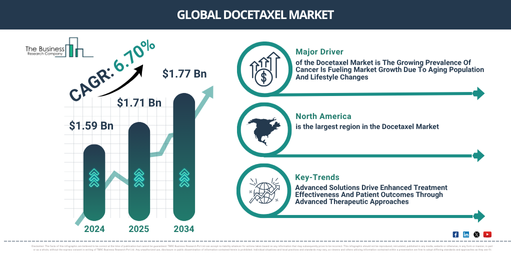
    In recent times, there has been substantial growth in the size of the docetaxel market. It is projected to expand from $1.59 billion in 2024 to $1.71 billion in 2025, experiencing a compound annual growth rate (CAGR) of 7.0%. The growth seen in the historic period can be accredited to factors such as the increasing frequency of breast and prostate cancers, the rising acceptance of chemotherapy treatments, an enhanced cognizance of early cancer detection, improved healthcare facilities in developing economies, and heightened governmental support for oncology care.

    Expectations are high for the docetaxel market in the coming years, with projections showing a robust growth pattern. It is anticipated that by 2029, the market will be worth $2.21 billion, achieving a compound annual growth rate (CAGR) of 6.7%. This predicted growth within the forecasted period is largely due to factors such as a greater need for effective cancer treatments, an aging population with a heightened risk of cancer, an increase in the availability of generic docetaxel, the expansion of cancer drug pipelines, and a growing inclination towards combination chemotherapy. The forecast period is also likely to see major trends such as technological advances in drug delivery systems, formulation innovations minimising side effects, the development of nanoparticle-based docetaxel, investment in oncology research and development, along with advancements in personalised cancer therapies.

    Download The Free Sample Report Here:

    https://www.thebusinessresearchcompany.com/sample.aspx?id=25757&type=smp

    What factors are expected to fuel Docetaxel market growth in the coming years?

    The escalating incidence of cancer is anticipated to spur the expansion of the docetaxel market. Cancer signifies a collection of ailments identified by the unchecked multiplication and dissemination of anomalous cells in the body. Ageing populations and alterations in lifestyle contribute to the escalating incidence of cancer, hence escalating demand for prompt diagnosis, efficient treatments, and extensive patient management. Docetaxel aids in cancer treatment by disrupting the growth and division of cancerous cells, effectively stalling or halting tumor advancement and aiding in improving survival outcomes for patients with different forms of malignancies. For example, the World Health Organisation, a Switzerland-based intergovernmental organization, reported an estimated 20 million new cases of cancer in 2022. This number is forecasted to surge by 77% to over 35 million cases in 2050, as of February 2024. Consequently, the escalating incidence of cancer is fuelling the expansion of the docetaxel market.

    What Are The Key Findings From The Segmentation Analysis Of The Docetaxel Market?

    The docetaxel market covered in this report is segmented –

    1) By Product Type: Branded, Generic

    2) By Application: Breast Cancer, Prostate Cancer, Non-Small Cell Lung Cancer, Gastric Cancer, Head And Neck Cancer, Other Applications

    3) By Distribution Channel: Hospital Pharmacies, Retail Pharmacies, Online Pharmacies

    4) By End Use: Hospitals, Oncology Clinics, Other End Uses

    Subsegments:

    1) By Branded: Original Formulation, Improved Formulation, Combination Drugs, Injectable Forms, Pre-Mixed Solutions

    2) By Generic: Injectable Generics, Pre-Mixed Generic Solutions, Multi-Dose Vials, Single-Dose Vials, Biosimilars

    Which Trends Are Expected To Shape The Future Of The Docetaxel Market?

    The leading firms in the docetaxel industry are directing their efforts towards groundbreaking solutions such as tumor-treating fields (TTFields), a strategy aimed to boost treatment efficiency and offer advanced options that can enhance survival rates and quality of life for cancer patients. TTFields are low-intensity, fluctuating electric fields capable of interrupting cancer cell replication, resulting in the death of tumor cells. For example, in October 2024, Novocure, a Swiss oncology firm, gained US Food and Drug Administration (FDA) consent for the utilization of Optune Lua along with docetaxel and PD-1/PD-L1 inhibitors for metastatic non-small cell lung cancer. This revolutionizes treatment by enhancing patient survival rates and reducing side effects. This therapy’s capacity to physically target dividing cancer cells without systemic toxicity, alongside its compatibility with immunotherapy and chemotherapy, represents substantial progress towards achieving a more effective and personalized treatment protocol for patients suffering from advanced non-small cell lung cancer.

    What Are The Most Active Companies In The Docetaxel Market Today?

    Major companies operating in the docetaxel market are Pfizer Inc., Novartis AG, Sanofi S.A., Teva Pharmaceutical Industries Limited, Sun Pharmaceutical Industries Limited, Cipla Limited, Hikma Pharmaceuticals PLC, Alkem Laboratories Limited, Cisen Pharmaceutical Co. Ltd., Eagle Pharmaceuticals Inc., Selleck Chemicals LLC, Mac-Chem Products (India) Private Limited, Alchem International Private Limited, HRV Global Life Sciences Private Limited, Qilu Pharmaceutical Co. Ltd., Avanscure Lifesciences Private Limited, Avyxa Pharma LLC, ChemFaces Biochemical Co. Ltd., Chongqing Sintaho Pharmaceutical Co. Ltd., Jiangxi Bioman Pharmaceutical Co. Ltd.

    Get The Full Report Here:

    https://www.thebusinessresearchcompany.com/report/docetaxel-global-market-report

    Which Regional Markets Are Attracting The Most Investment In Docetaxel?

    North America was the largest region in the docetaxel market in 2024. Asia-Pacific is expected to be the fastest-growing region in the forecast period. The regions covered in the docetaxel market report are Asia-Pacific, Western Europe, Eastern Europe, North America, South America, Middle East, Africa.

    Request For A Customized Report:

    https://www.thebusinessresearchcompany.com/customise?id=25757&type=smp

    About The Business Research Company:

    With over 15000+ reports from 27 industries covering 60+ geographies, The Business Research Company has built a reputation for offering comprehensive, data-rich research and insights. Armed with 1,500,000 datasets, the optimistic contribution of in-depth secondary research, and unique insights from industry leaders, you can get the information you need to stay ahead in the game.

    Get in touch with us:

    The Business Research Company: https://www.thebusinessresearchcompany.com/

    Americas +1 310-496-7795

    Asia +44 7882 955267 & +91 8897263534

    Europe +44 7882 955267

    Email us at info@tbrc.info

    Follow us on:

    LinkedIn: https://in.linkedin.com/company/the-business-research-company

    YouTube: https://www.youtube.com/channel/UC24_fI0rV8cR5DxlCpgmyFQ

    Global Market Model: https://www.thebusinessresearchcompany.com/global-market-model
  • Key Market Drivers, Trends, and Forecast for the Global Continence Care Industry

    Key Market Drivers, Trends, and Forecast for the Global Continence Care Industry

    Claim your 30% discount on Global Market Reports with code ONLINE30. Limited time only.

    Claim your 30% discount on Global Market Reports with code ONLINE30. Limited time only.

    What Is the Current and Projected Market Size of the Continence Care Industry?

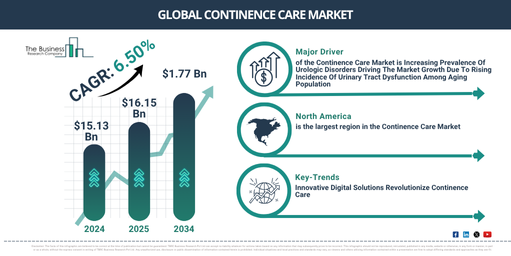
    The market size for continence care has seen robust expansion in the past years. It’s expected to increase from $15.13 billion in 2024 to $16.15 billion in 2025, posting a compound annual growth rate (CAGR) of 6.7%. The growth during the historic period could be attributed to factors such as a burgeoning elderly population, elevated consciousness about personal hygiene, a rising count of chronic diseases, decreased mobility among senior citizens, and a surge in institutional care admissions.

    In the coming years, the size of the continence care market is predicted to witness substantial progress, with growth escalating to $20.78 billion in 2029 at a compound annual growth rate (CAGR) of 6.5%. The projected growth during this period can be credited to the rising need for home healthcare, the burgeoning of e-commerce platforms, an increase in healthcare spending, better reimbursement policies, and a heightened rate of urologic disorders. The period also earmarks relevant trends such as advancements in absorbent material technologies, breakthroughs in smart continence devices, the emergence of biodegradable products, the commencement of research and development in hypoallergenic materials, and the incorporation of wearable sensors.

    Download The Free Sample Report Here:

    https://www.thebusinessresearchcompany.com/sample.aspx?id=25728&type=smp

    #Which Factors Are Currently Driving The Growth Of The Continence Care Market?

    The surge in instances of urologic disorders is anticipated to spearhead the expansion of the continence care market. Urologic disorders encompass a variety of conditions impacting the urinary tract system, including the kidneys, bladder, and urethra. An uptick in these disorders has largely been ascribed to an aging populace, given the vulnerability of older individuals to urinary tract dysfunction as a result of diminishing muscle tone and other age-related physical alterations. Continence care contributes to symptom management and comfort enhancement for individuals afflicted with urologic conditions. This is achieved by offering vital products that enable urinary control, promote hygiene, and enhance the overall quality of life, particularly for those grappling with chronic bladder problems or age-related urinary dysfunction. For instance, in November 2024, the American Urological Association, a US-based professional group, reported that over 33 million Americans suffered symptoms of overactive bladder, while an estimated 1 to 4 million men and 3 to 8 million women struggled with interstitial cystitis or bladder pain syndrome. As a result, the rising prevalence of urologic disorders is fueling the expansion of the continence care market.

    How Is The Global Continence Care Market Structured In Terms Of Segments?

    The continence care market covered in this report is segmented –

    1) By Product: Urinary Catheter, Non-Implanting Electric Stimulation Devices, Protective Garments, Urine Bag, Bowel Management Products, Other Products

    2) By Material Type: Cotton, Polymer, Nonwoven Fabrics, Foam

    3) By Application: Diabetes, Strokes, Benign Prostatic Hyperplasia, Alzheimer, Cerebral Palsy, Parkinson, Prostate Cancer, Spinal Cord Injury, Bladder Cancer, Other Applications

    4) By Distribution Channel: Hospital Pharmacies, Retail Pharmacies, Online Stores, Medical Supply Stores

    5) By End User: Hospitals, Home Care Settings, Nursing Homes, Clinics

    Subsegments:

    1) By Urinary Catheter: Intermittent Catheters, Indwelling (Foley) Catheters, External (Condom) Catheters, Suprapubic Catheters, Catheter Maintenance Products

    2) By Non-Implanting Electric Stimulation Devices: Pelvic Floor Stimulators, Transcutaneous Electrical Nerve Stimulation (TENS) Devices For Bladder Control, External Tibial Nerve Stimulation Devices

    3) By Protective Garments: Adult Diapers, Protective Underwear, Pads And Liners, Male Guards, Belted Shields

    4) By Urine Bag: Leg Urine Bags, Bedside Urine Bags, Pediatric Urine Bags, Night Drainage Bags, Urine Bag Accessories

    5) By Bowel Management Products: Rectal Catheters, Stool Collection Bags, Irrigation Systems, Anal Plugs, Bowel Stimulation Devices

    6) By Other Products: Absorbent Sheets, Skin Care Products For Incontinence, Odor Control Products, Deodorizing Tablets

    What Trends Are Currently Influencing Growth In The Continence Care Market?

    Leading companies in the continence care market are concentrating efforts on developing ground-breaking solutions such as digital health technologies to encourage real-time urinary tracking, hydration regulation, and tailored continence care. In essence, digital health solutions integrate digital applications like mobile software, apps, and internet-connected devices to enhance healthcare delivery, support health management, uplift patient results, and facilitate real-time tracking, personalized health assessments, distant monitoring, and bettered patient-healthcare provider communication. For example, Convatec Group Plc, a UK medical products and technologies establishment, introduced the me+ Companion app in August 2024, as a digital health tool to assist intermittently catheterized patients and healthcare professionals by offering real-time urinary tracking, hydration target establishment, leak recordation, and generation of tailored summary reports for improved management of continence care. Through this application, users can conveniently log their levels of fluid consumption and urine output from their mobile gadgets, enabling them to acquire a comprehensive understanding of their condition and make informed decisions. This application further reinforces communication between patients and their care teams, letting users share printable and downloadable reports.

    Who Are The Main Participants Shaping The Continence Care Market Landscape?

    Major companies operating in the continence care market are Cardinal Health Inc., 3M Healthcare, Medtronic plc, Kimberly-Clark Corporation, Unicharm Corporation, Coloplast A/S, Paul Hartmann AG, Convatec Group PLC, Ontex International N.V., Drylock Technologies, First Quality Enterprises Inc., Hollister Incorporated, ABENA A/S, Lohmann & Rauscher GmbH & Co. KG, B. Braun Melsungen AG, Principle Business Enterprises Inc., Premiere Care Industries Inc., Santex S.p.A., Pioneer Hygiene Industries, TZMO SA.

    Get The Full Report Here:

    https://www.thebusinessresearchcompany.com/report/continence-care-global-market-report

    Which Region Currently Holds The Largest Share In The Continence Care Market?

    North America was the largest region in the continence care market in 2024. Asia-Pacific is expected to be the fastest-growing region in the forecast period. The regions covered in the continence care market report are Asia-Pacific, Western Europe, Eastern Europe, North America, South America, Middle East, Africa.

    Request For A Customized Report:

    https://www.thebusinessresearchcompany.com/customise?id=25728&type=smp

    About The Business Research Company:

    With over 15000+ reports from 27 industries covering 60+ geographies, The Business Research Company has built a reputation for offering comprehensive, data-rich research and insights. Armed with 1,500,000 datasets, the optimistic contribution of in-depth secondary research, and unique insights from industry leaders, you can get the information you need to stay ahead in the game.

    Get in touch with us:

    The Business Research Company: https://www.thebusinessresearchcompany.com/

    Americas +1 310-496-7795

    Asia +44 7882 955267 & +91 8897263534

    Europe +44 7882 955267

    Email us at info@tbrc.info

    Follow us on:

    LinkedIn: https://in.linkedin.com/company/the-business-research-company

    YouTube: https://www.youtube.com/channel/UC24_fI0rV8cR5DxlCpgmyFQ

    Global Market Model: https://www.thebusinessresearchcompany.com/global-market-model

  • Strategic Report on Consumer Health Contract Manufacturing Market: Growth Opportunities and Emerging Challenges

    Strategic Report on Consumer Health Contract Manufacturing Market: Growth Opportunities and Emerging Challenges

    Claim your 30% discount on Global Market Reports with code ONLINE30. Limited time only.

    Claim your 30% discount on Global Market Reports with code ONLINE30. Limited time only.

    How Will the Consumer Health Contract Manufacturing Market Evolve in Terms of Growth and Size by 2029?

    In the last few years, the consumer health contract manufacturing market has seen swift enlargement. It is predicted to surge from $138.97 billion in 2024 to $155.62 billion in 2025, with a compound annual growth rate (CAGR) of 12.0%. Factors that contributed to the growth during the historic period include the escalating demand for over-the-counter (OTC) drugs, heightened consumer consciousness about wellness and preventative care, an increase in pharmaceutical companies outsourcing their production, the growth of retail pharmacy networks and online trading platforms, and heightened investment in local manufacturing infrastructure.

    In the coming years, the size of the consumer health contract manufacturing market is anticipated to grow swiftly, reaching a valuation of 242.36 billion in 2029, reflecting a compound annual growth rate (CAGR) of 11.7%. Factors contributing to this projected growth during the forecast period include the rising demand for bespoke consumer health products, increasing health-awareness among consumers, escalating intricacies in regulatory frameworks, broadening of the direct-to-consumer (DTC) health brands market, and the growing digitalisation of supply chains and production processes. Key trends during the predicted period encompass embracing continuous manufacturing technologies, implementing AI and predictive analytics, integrating blockchain technology into supply chains, creating smart packaging technologies, and investing in environmentally friendly production processes.

    Download The Free Sample Report Here:

    https://www.thebusinessresearchcompany.com/sample.aspx?id=25727&type=smp

    What factors are expected to fuel Consumer Health Contract Manufacturing market growth in the coming years?

    The consumer health contract manufacturing market is anticipated to expand due to the increasing need for consumer health goods. These encompass non-prescription medications, nutritional enhancements, and personal care items utilized individually for maintaining health and wellness. As the emphasis on self-care intensifies and individuals opt for non-prescription remedies to handle their health issues, avoiding regular doctor appointments, the demand for these products escalates. By resorting to consumer health contract manufacturing, companies can yield superior consumer health products efficiently by delegating the manufacturing process to specialized producers. In turn, companies can concentrate on marketing and pioneering ideas. As an illustration, Barclays Bank UK PLC, a provider of retail banking services in the UK, reported in September 2024 that data from July and August 2024 affirms that the health and beauty sector is booming. Consumer expenditure in this segment had amplified by 7.3% year on year in August 2024. Consequently, the soaring need for consumer health items is bolstering the expansion of consumer health contract manufacturing market.

    What Are The Key Findings From The Segmentation Analysis Of The Consumer Health Contract Manufacturing Market?

    The consumer health contract manufacturing market covered in this report is segmented –

    1) By Product: Over-The-Counter (OTC) Drugs, Nutritional Supplements, Personal Care Products, Medical Devices, Other Products

    2) By Service: Active Pharmaceutical Ingredient (API) Manufacturing, Finished Dose Manufacturing, Medical Device Manufacturing, Packaging And Labelling, Other Services

    3) By End Use: Pharmaceutical And Biopharmaceutical Companies, Nutraceutical Companies, Cosmeceutical Companies, Medical Device Companies, Other End Uses

    Subsegments:

    1) By Over-The-Counter (OTC) Drugs: Pain Relief, Cold And Allergy, Digestive Health, Vitamins And Minerals, Respiratory Products, Topical Products

    2) By Nutritional Supplements: Vitamins, Minerals, Herbal Supplements, Protein And Sports Nutrition, Omega Fatty Acids, Probiotics

    3) By Personal Care Products: Skincare Products, Hair Care Products, Oral Care Products, Baby Care Products, Feminine Hygiene Products, Cosmetics And Makeup

    4) By Medical Devices: Diagnostic Devices, Monitoring Devices, Therapeutic Devices, Surgical Instruments, Consumables And Accessories

    5) By Other Products: Wellness Products, Functional Foods And Beverages, Home Health Care Products, Herbal And Traditional Medicines

    Which Trends Are Expected To Shape The Future Of The Consumer Health Contract Manufacturing Market?

    Leading firms in the consumer health contract manufacturing sector are concentrating their efforts towards the launch of innovative solutions like contract development and manufacturing platforms. These platforms are intended to refine production processes, improve scalability, and expedite the market launch for consumer health products. Contract development and manufacturing platforms are integrated systems or service models that unify product development (including formulation and testing) and large-volume manufacturing all in one location. An example is Lallemand Inc., a company from Canada skilled in cultivating microorganisms which launched Expert Biome CDMO in October 2023. This platform is a thorough contract development and manufacturing platform devised to back the development and production of advanced probiotic and live biotherapeutic strains. It provides a full suite of services such as microbial strain research and development, bioprocess scaling, drug production, formulation, and regulatory support. Expert Biome upholds the finest quality standards like cGMP Pharma and is designed to tackle key issues in the health supplement and live biotherapeutics markets.

    What Are The Most Active Companies In The Consumer Health Contract Manufacturing Market Today?

    Major companies operating in the consumer health contract manufacturing market are Thermo Fisher Scientific Inc., Lonza Group Ltd., Siegrified AG, Vetter Pharma, Sirio Pharma Co. Ltd., Piramal Consumer Products, Aenova Group, Recipharm AB, Vit-Best Nutrition Inc., Laurus Labs, UFP Technologies, Scapa Healthcare, Robinson Pharma Inc., Trividia Health Inc., Tishcon Corporation, Famar SA, SCN BestCo, Akums Drugs And Pharmaceuticals, Bactolac Pharmaceutical Inc., ION Labs Inc., Rubicon Research Private Limited, Captek Softgel International.

    Get The Full Report Here:

    https://www.thebusinessresearchcompany.com/report/consumer-health-contract-manufacturing-global-market-report

    Which Regional Markets Are Attracting The Most Investment In Consumer Health Contract Manufacturing?

    North America was the largest region in the consumer health contract manufacturing market in 2024. Asia-Pacific is expected to be the fastest-growing region in the forecast period. The regions covered in the consumer health contract manufacturing market report are Asia-Pacific, Western Europe, Eastern Europe, North America, South America, Middle East, Africa.

    Request For A Customized Report:

    https://www.thebusinessresearchcompany.com/customise?id=25727&type=smp

    About The Business Research Company:

    With over 15000+ reports from 27 industries covering 60+ geographies, The Business Research Company has built a reputation for offering comprehensive, data-rich research and insights. Armed with 1,500,000 datasets, the optimistic contribution of in-depth secondary research, and unique insights from industry leaders, you can get the information you need to stay ahead in the game.

    Get in touch with us:

    The Business Research Company: https://www.thebusinessresearchcompany.com/

    Americas +1 310-496-7795

    Asia +44 7882 955267 & +91 8897263534

    Europe +44 7882 955267

    Email us at info@tbrc.info

    Follow us on:

    LinkedIn: https://in.linkedin.com/company/the-business-research-company

    YouTube: https://www.youtube.com/channel/UC24_fI0rV8cR5DxlCpgmyFQ

    Global Market Model: https://www.thebusinessresearchcompany.com/global-market-model

  • Industry Trends Show Connective Tissue Disease Treatment Market Set to Expand at 6.1% CAGR Until 2029

    Industry Trends Show Connective Tissue Disease Treatment Market Set to Expand at 6.1% CAGR Until 2029

    Claim your 30% discount on Global Market Reports with code ONLINE30. Limited time only.

    Claim your 30% discount on Global Market Reports with code ONLINE30. Limited time only.

    What CAGR Is Anticipated for the Connective Tissue Disease Treatment Market Through 2029?

    Recently, there has been robust growth in the market size for connective tissue disease treatment. It is projected to escalate from $23.08 billion in 2024 to $24.55 billion in 2025, reflecting a compound annual growth rate (CAGR) of 6.3%. The notable growth recorded in the past can be linked to factors including a rise in the incidence of autoimmune diseases, heightened consciousness about early detection, enhancements in healthcare facilities in emerging areas, increased use of biologics, and a broader insurance coverage for managing chronic illnesses.

    The market size for treatment of connective tissue diseases is projected to experience robust expansion in the forthcoming years. The prediction is that it will rise to $31.11 billion by 2029, with a compound annual growth rate (CAGR) of 6.1%. This growth during the forecast phase can be linked to factors such as an increasing aging population, escalated research & development endeavours by pharmaceutical corporations, enhanced demand for customized medicines, growth of targeted therapies’ pipeline, and an emphasis on patient-centric care paradigms. The forecast period is also likely to see major trends like progress in monoclonal antibody therapies, the incorporation of telemedicine for disease surveillance, tilt towards biologics and biosimilars, and the creation of drugs that target multiple diseases. An upsurge in alliances between academic institutions and clinical research bodies is also anticipated.

    Download The Free Sample Report Here:

    https://www.thebusinessresearchcompany.com/sample.aspx?id=25726&type=smp

    What Market Forces Are Driving The Connective Tissue Disease Treatment Sector In 2025 And Beyond?

    The escalating occurrence of autoimmune diseases is anticipated to drive the expansion of the connective tissue disease treatment market. Autoimmune diseases encompass disorders where the immune system wrongly attacks the body’s healthy tissues and organs. This growing trend is primarily due to a mix of genetic vulnerability, which makes some people more susceptible to immune system failures, and environmental factors like infections, diet, stress, and exposure to toxins. These elements can instigate or exacerbate these conditions. The treatment of connective tissue diseases seeks to control autoimmune diseases by addressing the root immune system dysfunction that incites inflammation and tissue impairment, thus reducing symptoms, decelerating disease advancement, and enhancing the overall wellbeing of patients struggling with conditions such as lupus, rheumatoid arthritis, and scleroderma. For example, as reported by the Versorgungsatlas.de, a Germany-based online platform that deals with healthcare, in 2022, 6,304,340 out of 73,241,305 insured people were diagnosed with at least one autoimmune disease, leading to a raw prevalence rate of 8.61%. Hence, the escalating occurrence of autoimmune diseases contributes to the expansion of the connective tissue disease treatment market.

    How Is The Global Connective Tissue Disease Treatment Market Categorized By Segments?

    The connective tissue disease treatment market covered in this report is segmented –

    1) By Drug Class: Anti-Inammatory Drugs, Immunosuppressants, Biologics And Targeted Therapy, Disease-Modifying Anti-Rheumatic Drugs (DMARDs), Other Drug Classes

    2) By Disease Type: Systemic Lupus Erythematosus (SLE), Rheumatoid Arthritis (RA), Scleroderma, Dermatomyositis, Mixed Connective Tissue Disease (MCTD), Polymyositis, Sjögren’s Syndrome, Vasculitis, Antiphospholipid Syndrome (APS)

    3) By Route Of Administration: Oral, Injectable, Topical

    4) By Distribution Channel: Hospital Pharmacies, Retail Pharmacies, Online Pharmacies

    5) By End-User: Hospitals, Clinics, Homecare Settings

    Subsegments:

    1) By Anti-Inflammatory Drugs: Nonsteroidal Anti-Inflammatory Drugs (NSAIDs), Systemic Corticosteroids

    2) By Immunosuppressants: Calcineurin Inhibitors, Mammalian Target Of Rapamycin (mTOR) Inhibitors, Antimetabolites, Alkylating Agents

    3) By Biologics And Targeted Therapy: Tumor Necrosis Factor (TNF) Inhibitors, Interleukin-6 (IL-6) Inhibitors, B-Cell Inhibitors, T-Cell Co-Stimulation Modulators, Janus Kinase (JAK) Inhibitors

    4) By Disease-Modifying Anti-Rheumatic Drugs (DMARDs): Conventional Synthetic Disease-Modifying Anti-Rheumatic Drugs (DMARDs), Biologic Disease-Modifying Anti-Rheumatic Drugs (DMARDs), Targeted Synthetic Disease-Modifying Anti-Rheumatic Drugs (DMARDs)

    5) By Other Drug Classes: Analgesics, Antimalarial Drugs, Antibiotics, Monoclonal Antibodies

    What Long-Term Trends Are Likely To Affect The Connective Tissue Disease Treatment Market?

    Leading players in the connective tissue disease treatment marketplace are prioritizing clinical trials to pioneer innovative treatments like allogeneic CAR-NK cell therapy. This approach intends to boost effectiveness and tackle unmet demands in autoimmune disorders. Allogeneic CAR-NK cell therapy employs genetically engineered natural killer (NK) cells from healthy donors with a chimeric antigen receptor (CAR) to target and eradicate cells causing disease. This therapy contributes to enhancing the immunological system’s ability to remove harmful B-cells associated with autoimmune diseases. It presents a potentially safer and more accessible option compared to traditional cell therapies. For example, in July 2024, Nkarta Inc., a clinical-stage bio-technology firm based in the US, initiated the Ntrust-1 clinical trial testing NKX019, an experimental allogeneic CAR-NK cell therapy for lupus nephritis. It also obtained FDA authorisation to start another trial (Ntrust-2) for systemic sclerosis, idiopathic inflammatory myopathy, and ANCA-linked vasculitis. The company’s goal is to attend to significant unmet needs in autoimmune diseases by enhancing the safety, accessibility, and effectiveness of cell-based therapies using genetically modified NK cells that selectively target CD19-expressing B-cells.

    Which Firms Are Considered Leaders In The Connective Tissue Disease Treatment Market Space?

    Major companies operating in the connective tissue disease treatment market are Pfizer Inc., F. Hoffmann-La Roche AG, AbbVie Inc., Sanofi S.A., Bristol Myers Squibb Company, AstraZeneca PLC, Novartis AG, GlaxoSmithKline (GSK) PLC, Eli Lilly and Company, Amgen Inc., Biogen Inc., Vertex Pharmaceuticals, UCB S.A., Hikma Pharmaceuticals PLC, Innovent Biologics Inc., RemeGen Co. Ltd, Kymera Therapeutics, Adicet Bio, Equillium Inc., Stem Cell Care India.

    Get The Full Report Here:

    https://www.thebusinessresearchcompany.com/report/connective-tissue-disease-treatment-global-market-report

    What Role Do Regional Policies And Investments Play In Connective Tissue Disease Treatment Market Expansion?

    North America was the largest region in the connective tissue disease treatment market in 2024. Asia-Pacific is expected to be the fastest-growing region in the forecast period. The regions covered in the connective tissue disease treatment market report are Asia-Pacific, Western Europe, Eastern Europe, North America, South America, Middle East, Africa.

    Request For A Customized Report:

    https://www.thebusinessresearchcompany.com/customise?id=25726&type=smp

    About The Business Research Company:

    With over 15000+ reports from 27 industries covering 60+ geographies, The Business Research Company has built a reputation for offering comprehensive, data-rich research and insights. Armed with 1,500,000 datasets, the optimistic contribution of in-depth secondary research, and unique insights from industry leaders, you can get the information you need to stay ahead in the game.

    Get in touch with us:

    The Business Research Company: https://www.thebusinessresearchcompany.com/

    Americas +1 310-496-7795

    Asia +44 7882 955267 & +91 8897263534

    Europe +44 7882 955267

    Email us at info@tbrc.info

    Follow us on:

    LinkedIn: https://in.linkedin.com/company/the-business-research-company

    YouTube: https://www.youtube.com/channel/UC24_fI0rV8cR5DxlCpgmyFQ

    Global Market Model: https://www.thebusinessresearchcompany.com/global-market-model
  • Competitive and Market Trend Analysis of Connected Wearable Patches Industry Through 2029

    Competitive and Market Trend Analysis of Connected Wearable Patches Industry Through 2029

    Claim your 30% discount on Global Market Reports with code ONLINE30. Limited time only.

    Claim your 30% discount on Global Market Reports with code ONLINE30. Limited time only.

    What Are the Latest Market Insights for the Connected Wearable Patches Industry?

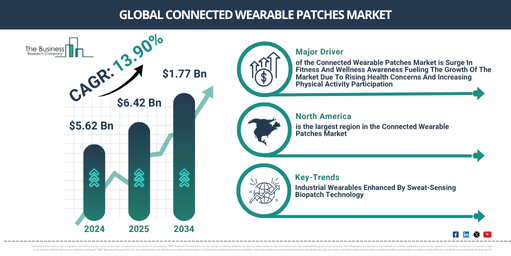
    The market size for connected wearable patches has seen a swift expansion in the past few years. The market value is projected to increase from $5.62 billion in 2024 to $6.42 billion in 2025, reflecting a compound annual growth rate (CAGR) of 14.1%. The significant growth during the historic period can be credited to various factors like the rising adoption of remote patient monitoring, increase in chronic disease prevalence, surge in demand for instant health data, the growing usage of smartphones and Bluetooth-enabled devices, growing digitization in the healthcare sector, and integration with telehealth.

    Rapid progress is anticipated in the connected wearable patches market size over the forthcoming years. The market is predicted to surge to $10.78 billion in 2029 with a compound annual growth rate (CAGR) of 13.9%. The forecast period’s growth can be credited to the increasing incorporation of AI and IoT in healthcare, heightened attention on personalized medicine, escalating investment in wearable healthcare technology startups, growing geriatric population needing constant monitoring, and the expanding acceptance of preventive healthcare solutions. Notable trends during the forecast period include progress in sensor miniaturization, advanced health data analytics, technological innovation in battery and energy harvesting, telehealth platforms integration, and cloud-based healthcare data storage integration.

    Download The Free Sample Report Here:

    https://www.thebusinessresearchcompany.com/sample.aspx?id=25725&type=smp

    What Forces Are Driving The Growth Of The Connected Wearable Patches Industry?

    The growth of the connected wearable patches market is anticipated to surge due to the increasing consciousness about fitness and wellness. This refers to the comprehension and recognition of a frequent workout regime and healthy lifestyle choices for overall well-being. This awareness enhancement arises from increased worries about chronic illnesses which inspire people to adopt healthier ways of living for superior long-term health. Connected wearable patches contribute to amplifying awareness around fitness and wellness as they continually track crucial health indicators, delivering immediate feedback and inspiring users to be more active and adopt healthier choices. For instance, a survey taken in May 2022 by the International Food Information Council, a non-profit organization in the US, showed that about 52% of the 1,005 American adults aged between 18-80 and Gen Z adults aged between 18-24 who participated reported following a specific diet or eating pattern, a significant increase from the 39% reported in 2021. The top dieting approaches included clean eating (16%), mindful eating (14%), and calorie counting (13%). As a result, the rising consciousness around fitness and wellness is fostering the growth of the connected wearable patches market.

    What Is The Overview Of Market Segmentation In The Connected Wearable Patches Industry?

    The connected wearable patches market covered in this report is segmented –

    1) By Type: Glucose Monitoring Patches, Cardiac Monitoring Patches, Electromyography (EMG) Patches, Transdermal Drug Delivery Patches, Electroencephalography (EEG) Patches, Other Types

    2) By Sensor Technology: Electrocardiography (ECG), Photoplethysmography (PPG), Accelerometry, Gyroscope, Temperature Sensing

    3) By Distribution Channel: Online Stores, Pharmacies, Specialty Stores, Other Distribution Channels

    4) By Application: Remote Patient Monitoring, Fitness And Wellness Monitoring, Drug Delivery, Sports And Performance Monitoring, Other Applications

    5) By End User: Hospitals, Home Care, Fitness Centers, Research Institutions, Other End-Users

    Subsegments:

    1) By Glucose Monitoring Patches: Continuous Glucose Monitoring (CGM) Patches, Flash Glucose Monitoring (FGM) Patches, Non-Invasive Glucose Monitoring Patches, Adhesive Enzyme-Based Glucose Patches

    2) By Cardiac Monitoring Patches: Electrocardiography Monitoring Patches, Arrhythmia Detection Patches, Remote Cardiac Telemetry Patches, Holter Monitoring Patches

    3) By Electromyography (EMG) Patches: Surface Electromyography Patches, Wireless Electromyography Sensor Patches, Multi-channel Electromyography Patches, Rehabilitation Monitoring Electromyography Patches

    4) By Transdermal Drug Delivery Patches: Nicotine Delivery Patches, Hormone Replacement Therapy (HRT) Patches, Pain Management Patches (e.g., Fentanyl), Neurological Drug Delivery Patches, Anti-hypertensive Patches

    5) By Electroencephalography (EEG) Patches: Sleep Monitoring Electroencephalography Patches, Seizure Detection Electroencephalography Patches, Brain-Computer Interface (BCI) Patches, Cognitive Performance Monitoring Patches

    6) By Other Types: Hydration Monitoring Patches, Temperature Monitoring Patches, Sweat Analysis Patches, Oxygen Saturation (SpO2) Monitoring Patches, Respiratory Rate Monitoring Patches

    What Future Market Trends Are Projected For The Connected Wearable Patches Industry?

    Primary players in the connected wearable patches market like Epicore Biosystems are choosing to concentrate on cutting-edge technologies such as sweat-sensing biopatch platforms, delivering real-time, personalized hydration information for industrial workers. This innovative biopatch allows for real-time detection of electrolyte and fluid loss, body heat, and movement patterns, thus promoting effective heat stress management and hydration efforts. Epicore Biosystems, an American digital health firm, released Connected Hydration and a corresponding mobile app in April 2024. This new wearable patch system empowers industrial workers to stay ahead of dehydration and heat injuries, by providing real-time insights. It features a flexible, non-rechargeable biopatch with a battery life of 1,000 hours, real-time dehydration notices via haptic feedback, and a mobile app to monitor fluid intake and biometric trends. The product has been tested for hazardous conditions and has been developed using machine learning, based on more than 420,000 pieces of field data.

    Who Are The Primary Players Operating Across The Global Connected Wearable Patches Market?

    Major companies operating in the connected wearable patches market are Abbott Laboratories, Medtronic plc, Koninklijke Philips N.V., GE HealthCare Technologies Inc., Boston Scientific Corporation, STMicroelectronics N.V., ZOLL Medical Corporation, Dexcom Inc., Insulet Corporation, MicroPort Scientific Corporation, iRhythm Technologies Inc., Linxens Holding SAS, Biotricity Inc., Blue Spark Technologies Inc., Epicore Biosystems Inc., Cardiac Insight Inc., Delsys Incorporated, G-Tech Medical Inc., Leaf Healthcare Inc., VivaLNK Inc.

    Get The Full Report Here:

    https://www.thebusinessresearchcompany.com/report/connected-wearable-patches-global-market-report

    Which Region Offers The Most Growth Potential For The Connected Wearable Patches Market Through 2029?

    North America was the largest region in the connected wearable patches market in 2024. Asia-Pacific is expected to be the fastest-growing region in the forecast period. The regions covered in the connected wearable patches market report are Asia-Pacific, Western Europe, Eastern Europe, North America, South America, Middle East, Africa.

    Request For A Customized Report:

    https://www.thebusinessresearchcompany.com/customise?id=25725&type=smp

    About The Business Research Company:

    With over 15000+ reports from 27 industries covering 60+ geographies, The Business Research Company has built a reputation for offering comprehensive, data-rich research and insights. Armed with 1,500,000 datasets, the optimistic contribution of in-depth secondary research, and unique insights from industry leaders, you can get the information you need to stay ahead in the game.

    Get in touch with us:

    The Business Research Company: https://www.thebusinessresearchcompany.com/

    Americas +1 310-496-7795

    Asia +44 7882 955267 & +91 8897263534

    Europe +44 7882 955267

    Email us at info@tbrc.info

    Follow us on:

    LinkedIn: https://in.linkedin.com/company/the-business-research-company

    YouTube: https://www.youtube.com/channel/UC24_fI0rV8cR5DxlCpgmyFQ

    Global Market Model: https://www.thebusinessresearchcompany.com/global-market-model
  • Global Compounding Chemotherapy Market Landscape: Trends and Market Share to 2029

    Global Compounding Chemotherapy Market Landscape: Trends and Market Share to 2029

    Claim your 30% discount on Global Market Reports with code ONLINE30. Limited time only.

    Claim your 30% discount on Global Market Reports with code ONLINE30. Limited time only.

    What Are the Forecasted Growth Rate and Market Size of the Compounding Chemotherapy Market?

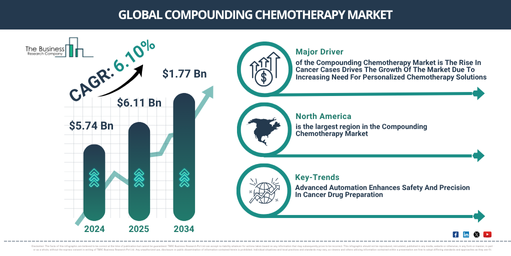
    The market size for compounding chemotherapy has demonstrated robust growth in the past few years. The market is predicted to expand from $5.74 billion in 2024 to $6.11 billion in 2025, clocking a compound annual growth rate (CAGR) of 6.3%. The historical growth trend can be traced back to factors such as the rising rate of cancer cases, the surging preference for hospital pharmacies, the escalating usage of antineoplastic agents, an increasing emphasis on individualized dosing, as well as the burgeoning importance of oncology specialty clinics.

    Expectations are high for a substantial increase in the compounding chemotherapy market size in the approaching years. The market is anticipated to escalate to $7.74 billion by 2029, exhibiting a compound annual growth rate (CAGR) of 6.1%. The upturn predicted within this forecast period can be associated with an elevated emphasis on precision medicine, an intensified demand for oral and injectable chemotherapy compounds, an augmented use of hormonal and biologic agents in oncology, an increased focus on curtailing drug waste, and a surging demand for cancer treatments that are targeted. Key trends projected within this forecast period encompass the integration of technology in automated compounding devices, the creation of customized chemotherapy dosing protocols, the development of mobile applications designed to assist with chemotherapy workflow, the incorporation of electronic health records (EHRs) into compounding systems, and the integration of barcode verification within compounding protocols.

    Download The Free Sample Report Here:

    https://www.thebusinessresearchcompany.com/sample.aspx?id=25724&type=smp

    Which Factor Is Shaping The Future Of The Compounding Chemotherapy Market?

    The rise in cancer incidents is projected to boost the growth of the compounding chemotherapy market. Cancer is a collection of diseases typified by uncontrolled proliferation and metastasis of rogue cells in the body. This surge in cancer occurrences is mainly due to unhealthy lifestyle habits such as poor nutrition, physical inactivity, smoking, excessive consumption of alcohol, and long-term exposure to environmental contaminants, all of which notably increase the likelihood of different cancer types development. Compounding chemotherapy contributes to cancer treatment by providing customized medication formulations in line with each patient’s requirements, enhancing effectiveness and reducing side effects. For example, data from the Australian Institute of Health and Welfare from July 2024 revealed that in 2022, 160,570 cancer cases were diagnosed in Australia, indicating a rise of 3,789 cases from 156,781 in 2021. Consequently, the rising prevalence of cancer is fuelling the growth of the compounding chemotherapy market.

    What Is The Segment-Wise Breakdown Of The Compounding Chemotherapy Market?

    The compounding chemotherapy market covered in this report is segmented –

    1) By Drug Type: Cytotoxic Drugs, Hormonal Agents, Immunomodulatory Agents, Targeted Therapies, Supportive Care Drugs

    2) By Route Of Administration: Intravenous, Oral, Subcutaneous, Intramuscular, Intrathecal

    3) By Technology: With Robotic Arms, Without Robotic Arms

    4) By Distribution Channel: Hospital Pharmacies, Retail Pharmacies, Online Pharmacies

    5) By Compounding Setting: Hospital Compounding, Compounding Pharmacies, Specialty Clinics, Homecare Settings

    Subsegments:

    1) By Cytotoxic Drugs: Alkylating Agents, Antimetabolites, Plant Alkaloids, Antitumor Antibiotics, Topoisomerase Inhibitors

    2) By Hormonal Agents: Estrogen Antagonists, Androgen Deprivation Therapy Agents, Aromatase Inhibitors, Progestins, Gonadotropin-Releasing Hormone Agonists

    3) By Immunomodulatory Agents: Immune Checkpoint Inhibitors, Monoclonal Antibodies, Interleukins, Cytokines, Immune System Activators

    4) By Targeted Therapies: Tyrosine Kinase Inhibitors, Proteasome Inhibitors, Mammalian Target Of Rapamycin Inhibitors, Poly Polymerase Inhibitors

    5) By Supportive Care Drugs: Antiemetics, Erythropoiesis-Stimulating Agents, Bone-Modifying Agents, Pain Management Drugs

    Which Trends Are Redefining The Future Landscape Of The Compounding Chemotherapy Industry?

    Leading firms in the compounding chemotherapy market are concentrating on the creation of innovative solutions such as automated chemotherapy systems powered by robots. Aiming for precision, safety, and proficiency, these advanced machines offer a personalized approach to cancer treatment by accurately preparing individual chemotherapy doses. The automated processes minimize human error and the risk of contamination. For instance, in February 2024, Israel-based Simplivia Healthcare Ltd. introduced their Smart Compounders Advanced Systems. These systems optimize the preparation process for cytotoxic (chemotherapy) drugs and possess the capability to compound cytostatics and antibodies, managing between 20 to 40 preparations an hour. They also incorporate automatic gravimetric verification and documentation for the certainty of accuracy. Exposure to harmful substances for pharmacy staff is significantly reduced thanks to these systems that smoothly merge into existing laminar airflow (LAF) cabinets or isolators, without the demand for any alterations.

    Which Companies Hold The Largest Market Share In The Compounding Chemotherapy Sector?

    Major companies operating in the compounding chemotherapy market are Baxter International Inc., Fresenius Kabi AG, Grifols S.A., Option Care Health Inc., ICU Medical Inc., Dedalus S.p.A., Fagron NV, BioScrip Inc., B. Braun Melsungen AG, Medisca Pharmaceutique Inc., Central Admixture Pharmacy Services Inc., Icon Group Holdings Pty Ltd, Avella Specialty Pharmacy, Stokes Healthcare Inc, McGuff Compounding Pharmacy Services Inc., Accord Healthcare Limited, Epicur Pharma LLC, Simplivia Healthcare Ltd., AmerisourceBergen Corporation, Kapsam Health Products Ltd., PharMEDium Services LLC.

    Get The Full Report Here:

    https://www.thebusinessresearchcompany.com/report/compounding-chemotherapy-global-market-report

    How Does Regional Performance Compare Across The Compounding Chemotherapy Industry?

    North America was the largest region in the compounding chemotherapy market in 2024. Asia-Pacific is expected to be the fastest-growing region in the forecast period. The regions covered in the compounding chemotherapy market report are Asia-Pacific, Western Europe, Eastern Europe, North America, South America, Middle East, Africa.

    Request For A Customized Report:

    https://www.thebusinessresearchcompany.com/customise?id=25724&type=smp

    About The Business Research Company:

    With over 15000+ reports from 27 industries covering 60+ geographies, The Business Research Company has built a reputation for offering comprehensive, data-rich research and insights. Armed with 1,500,000 datasets, the optimistic contribution of in-depth secondary research, and unique insights from industry leaders, you can get the information you need to stay ahead in the game.

    Get in touch with us:

    The Business Research Company: https://www.thebusinessresearchcompany.com/

    Americas +1 310-496-7795

    Asia +44 7882 955267 & +91 8897263534

    Europe +44 7882 955267

    Email us at info@tbrc.info

    Follow us on:

    LinkedIn: https://in.linkedin.com/company/the-business-research-company

    YouTube: https://www.youtube.com/channel/UC24_fI0rV8cR5DxlCpgmyFQ

    Global Market Model: https://www.thebusinessresearchcompany.com/global-market-model
  • Comprehensive Forecast: Complementary And Alternative Medicine For Anti-Aging And Longevity Market Share, Growth, and Opportunities Through 2029

    Comprehensive Forecast: Complementary And Alternative Medicine For Anti-Aging And Longevity Market Share, Growth, and Opportunities Through 2029

    Claim your 30% discount on Global Market Reports with code ONLINE30. Limited time only.

    Claim your 30% discount on Global Market Reports with code ONLINE30. Limited time only.

    What Is the Estimated Industry Valuation for the Complementary And Alternative Medicine For Anti-Aging And Longevity Sector?

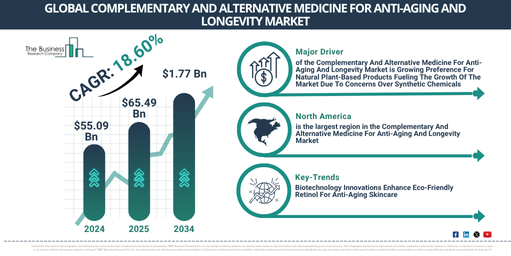
    The market size of complementary and alternative medicine used for anti-aging and longevity has experienced a significant upswing in recent times. The market value is projected to increase from $55.09 billion in 2024 to $65.49 billion in 2025, indicating a compound annual growth rate (CAGR) of 18.9%. Factors such as an increased consumer preference for natural therapeutic measures, skepticism towards pharmaceutical products, escalating healthcare expenditures, cultural endorsement of traditional medicine and advancing research proving the effectiveness of complementary and alternative medicine, have contributed to the growth in the past years.

    The market for complementary and alternative medicine for anti-aging and longevity is projected to experience substantial growth in the upcoming years, rising to $129.76 billion by 2029 with a Compound Annual Growth Rate (CAGR) of 18.6%. Key drivers behind this growth could include the anticipated shift towards personalized medicine, changing age demographics, increased regulatory backing for integrative medicine, burgeoning interest in wellness tourism, and heightened investment in CAM investigations. Trending elements in this projection timeframe encompass the integration of wearable biometric, tele-CAM and virtual consultations, supplementation based on nutrigenomics, fusion of energy-based modes of therapy, and supplement validation via blockchain technology.

    Download The Free Sample Report Here:

    https://www.thebusinessresearchcompany.com/sample.aspx?id=25723&type=smp

    What Forces Are Driving The Growth Of The Complementary And Alternative Medicine For Anti-Aging And Longevity Market?

    The increasing inclination of consumers towards products derived from natural plants is speculated to drive the expansion of the complementary and alternative medicine market for anti-aging and longevity. These products, which are formulated primarily from plants and herbs with minimal chemical additives, are employed for health-enhancing, beautifying, or wellness purposes. The shift in consumer preference towards these items can be attributed to the ill effects associated with synthetic chemicals found in traditional products, including skin irritation and potential long-term health hazards. To emphasize, the anti-aging and longevity sector of complementary and alternative medicine has been significantly leveraging natural, plant-based products, garnering increased attention from consumers who seek herbal supplements, botanical extracts, and organic formulas that endorse comprehensive, non-intrusive methods for maintaining youth and extending life duration. For instance, in a report from March 2023, the British Beauty Council— a non-profit organization based in the UK— revealed that in 2022, a remarkable number of 56,000 products and ingredients gained the cosmetic organic and natural standard (COSMOS) certification, registering a yearly growth of 22%. Thus, the heightened consumer preference for natural, plant-based products is indeed fueling the expansion of the complementary and alternative medicine market for anti-aging and longevity.

    How Is The Complementary And Alternative Medicine For Anti-Aging And Longevity Industry Segmented Across Key Parameters?

    The complementary and alternative medicine for anti-aging and longevity market covered in this report is segmented –

    1) By Product Type: Botanical Extract, Dietary Supplement, Herbal Medicine, Nutraceutical

    2) By Therapy: Energy Therapy, Manual Therapy, Mind Body Therapy, Nutritional Therapy, Caloric Restriction, Dietary Counseling, Fasting, Traditional Alternative System

    3) By Age Group: 18 To 35 Years, 36 To 50 Years, 51 Years And Above

    4) By Distribution: Direct Sales, Hospital Clinics, Online Retail, Pharmacy, Specialty Store

    5) By End-User: Consumers, Healthcare Practitioners, Corporate Wellness Programs, Other End Users

    Subsegments:

    1) By Botanical Extract: Ginkgo Biloba Extract, Ginseng Extract, Green Tea Extract, Turmeric Extract, Aloe Vera Extract, Ashwagandha Extract, Grapeseed Extract, Milk Thistle Extract

    2) By Dietary Supplement: Anti-Aging Vitamins, Anti-Aging Minerals, Omega-3 Fatty Acids, Collagen Supplements, Probiotics And Prebiotics, Amino Acid Supplements, Antioxidant Blends, Coenzyme Q10 Supplements

    3) By Herbal Medicine: Ayurvedic Anti-Aging Formulations, Traditional Chinese Medicine Anti-Aging Herbs, Homeopathic Anti-Aging Remedies, Herbal Teas For Longevity, Adaptogenic Herb Formulations, Medicinal Mushroom Extracts

    4) By Nutraceutical: Functional Foods For Anti-Aging, Functional Beverages For Longevity, Anti-Aging Protein Powders, Anti-Aging Gummies And Chews, Longevity Shots, Anti-Aging Bars And Snacks

    What Notable Trends Are Shaping The Direction Of The Complementary And Alternative Medicine For Anti-Aging And Longevity Market?

    Leading firms in the market for complementary and alternative medicine for anti-aging and longevity are placing emphasis on superior solutions like biotech-derived natural retinol to improve sustainable, clean-label, and effective anti-aging components. This form of retinol – a variant of Vitamin A – is created using biotechnology, often fermenting with yeast or bacteria instead of animal source extraction. One example of this is Givaudan, a Swiss manufacturer of beauty and fragrance ingredients, who in February 2023 introduced RetiLife, an innovative product offering 100% natural-origin retinol developed through biotechnology. With distinctive elements such as biotech fermented, 100% natural-origin retinol, it’s vegan, sustainable, and carries a smaller environmental footprint. It offers high levels of purity and stability, guaranteeing sustained anti-aging outcomes and less skin irritation commonly seen with regular retinol. Additionally, it implements traceable, renewable methods of sourcing, which resonates with the clean beauty and eco-aware formulation trends prevalent in the skincare sector.

    Which Companies Currently Dominate The Competitive Landscape In The Complementary And Alternative Medicine For Anti-Aging And Longevity Industry?

    Major companies operating in the complementary and alternative medicine for anti-aging and longevity market are Amway Corporation, Amorepacific, Patanjali Ayurved Limited, iHerb LLC, Pharmavite LLC, Sirio Pharma Co Ltd., Nature’s Sunshine Products Inc., Metagenics Inc., Thorne Research Inc. , Nature’s Way Products LLC, Swisse Wellness Pty Ltd., Herb Pharm LLC, Life Extension, Solgar Inc., Biovea L.L.C, The Himalaya Drug Company , Ayush Herbs Inc., Ayurmana by Dharma Ayurveda, Aether Medicine LLC, First Natural Brands Limited.

    Get The Full Report Here:

    https://www.thebusinessresearchcompany.com/report/complementary-and-alternative-medicine-for-anti-aging-and-longevity-global-market-report

    Which Geographic Regions Are Driving Demand In The Complementary And Alternative Medicine For Anti-Aging And Longevity Market?

    North America was the largest region in the complementary and alternative medicine for anti-aging and longevity market in 2024. Asia-Pacific is expected to be the fastest-growing region in the forecast period. The regions covered in the complementary and alternative medicine for anti-aging and longevity market report are Asia-Pacific, Western Europe, Eastern Europe, North America, South America, Middle East, Africa.

    Request For A Customized Report:

    https://www.thebusinessresearchcompany.com/customise?id=25723&type=smp

    About The Business Research Company:

    With over 15000+ reports from 27 industries covering 60+ geographies, The Business Research Company has built a reputation for offering comprehensive, data-rich research and insights. Armed with 1,500,000 datasets, the optimistic contribution of in-depth secondary research, and unique insights from industry leaders, you can get the information you need to stay ahead in the game.

    Get in touch with us:

    The Business Research Company: https://www.thebusinessresearchcompany.com/

    Americas +1 310-496-7795

    Asia +44 7882 955267 & +91 8897263534

    Europe +44 7882 955267

    Email us at info@tbrc.info

    Follow us on:

    LinkedIn: https://in.linkedin.com/company/the-business-research-company

    YouTube: https://www.youtube.com/channel/UC24_fI0rV8cR5DxlCpgmyFQ

    Global Market Model: https://www.thebusinessresearchcompany.com/global-market-model

  • Future Demand and Leading Companies Shaping the Common Cold Market to 2029

    Future Demand and Leading Companies Shaping the Common Cold Market to 2029

    Claim your 30% discount on Global Market Reports with code ONLINE30. Limited time only.

    Claim your 30% discount on Global Market Reports with code ONLINE30. Limited time only.

    How Large Is the Common Cold Market Expected to Be in 2029?

    The market size for the common cold has seen noticeable growth in previous years, and is projected to expand from $25.22 billion in 2024 to $26.89 billion in 2025, with a compound annual growth rate (CAGR) of 6.6%. This growth during the historical period is due to the increase in the occurrence of viral infections, a surge in self-treatment methods, more readily available over-the-counter cold remedies, increased consciousness about symptoms and management of a cold, as well as the augmented usage of traditional herbal therapies.

    The market size for common cold treatments is predicted to experience significant growth in the coming years, increasing to $34.30 billion in 2029 with a compound annual growth rate (CAGR) of 6.3%. This expansion during the forecast period is likely due to an increasing demand for natural and clean-label cold remedies, a growing pediatric population necessitating safe treatments, the rise of e-commerce for over-the-counter medicine shopping, an increased focus on preventive healthcare, and higher investment in research and development for innovative cold treatments. Key trends for the forecast period encompass progress in organic and clean-label cold therapies, state-of-the-art formulations for pediatric cold treatments, the advent of combination therapies that boost immunity, advancements in inhaler and nasal spray delivery technologies, and improvements in AI-powered symptom diagnosis.

    Download The Free Sample Report Here:

    https://www.thebusinessresearchcompany.com/sample.aspx?id=25722&type=smp

    What Are The Contributors To Demand In The Common Cold Market?

    The escalating frequency of seasonal flu is anticipated to fuel the expansion of the common cold market in the future. Seasonal flu is a recurring respiratory condition induced by influenza viruses that annually propagate, predominantly during colder months, leading to symptoms such as cough, fever, and body aches. The escalating frequency of this condition can be partially credited to diminished vaccination coverage, as fewer people getting the flu vaccine each year leads to diminished herd immunity and increased opportunities for the virus to spread broadly. Drugs for the common cold can assist in managing seasonal flu symptoms by easing problems like cough, congestion, and sore throat, offering relief while the body combats the virus. For example, in December 2024, as stated by the National Health Service, a UK-based government department, a daily average of 1,099 individuals were hospitalized due to flu, a significant increase from just 243 in 2023, signaling the highest amount of cases as the start of the winter season arrives in at least three years. Consequently, the escalating frequency of seasonal flu is propelling the expansion of the common cold market.

    What Segmentation Categories Are Included In The Common Cold Market Analysis?

    The common cold market covered in this report is segmented –

    1) By Drug Class: Antihistamines, Expectorants, Bronchodilators, Decongestants, Antibiotics, Other Drugs Class

    2) By Doses: Oral Syrups, Tablets Or Pills, Nasal Drops, Other Doses

    3) By Distribution: Hospital Pharmacies, Independent Pharmacies, Online Pharmacies, Other Distribution Channels

    Subsegments:

    1) By Antihistamines: First-Generation Antihistamines, Second-Generation Antihistamines

    2) By Expectorants: Guaifenesin-Based Expectorants, Natural Or Herbal Expectorants

    3) By Bronchodilators: Short-Acting Beta-Agonists, Anticholinergic Bronchodilators

    4) By Decongestants: Oral Decongestants, Nasal Spray Decongestants

    5) By Antibiotics: Penicillins, Macrolides, Cephalosporins

    6) By Other Drugs Class: Antipyretics Or Analgesics, Cough Suppressants, Zinc Supplements And Vitamin C Preparations, Combination Cold Remedies

    What Upcoming Trends Are Expected To Impact The Common Cold Market Globally?

    Leading businesses in the common cold sector are concentrating on producing innovative options like over-the-counter syrups to meet the growing consumer demand for natural, effective, and safer treatments. Over-the-counter syrups, which do not require a prescription, are used to alleviate symptoms like coughing, cold, or fever. Genexa, a pharmaceutical firm based in the United States, for example, introduced a new range of clean over-the-counter (OTC) medicines for children’s coughs and colds in September 2023. This move was made in anticipation of the upcoming cold and flu season. These products contain reliable active components such as dextromethorphan, guaifenesin, and acetaminophen to treat cough, congestion, fever, and sore throat. They do not contain artificial dyes, sweeteners, parabens or phenylephrine and are flavored with organic agave and blueberry. The daytime version is non-sedative, while the nighttime version provides up to 8 hours of relief with the addition of an antihistamine. They can be purchased at leading retailers and present a cleaner and safer option for children’s cold treatment.

    Who Are The Top-Ranked Companies In The Common Cold Market Today?

    Major companies operating in the common cold market are Pfizer Inc., Procter & Gamble Health Limited, Bayer Aktiengesellschaft, Sanofi S.A., Novartis AG, GlaxoSmithKline plc, Reckitt Benckiser Group plc, Teva Pharmaceutical Industries Limited, Haleon plc, Sun Pharmaceutical Industries Limited, Perrigo Company plc, Dr. Reddy’s Laboratories Limited, Cipla Limited, Amneal Pharmaceuticals Inc., Lupin Limited, Glenmark Pharmaceuticals Limited, Torrent Pharmaceuticals Limited, The Himalaya Drug Company, Cadila Healthcare Limited, Gnova Biotech Limited

    Get The Full Report Here:

    https://www.thebusinessresearchcompany.com/report/common-cold-global-market-report

    How Is Common Cold Market Adoption Varying Across Different Regions And Sectors?

    North America was the largest region in the common cold market in 2024. Asia-Pacific is expected to be the fastest-growing region in the forecast period. The regions covered in the common cold market report are Asia-Pacific, Western Europe, Eastern Europe, North America, South America, Middle East, Africa.

    Request For A Customized Report:

    https://www.thebusinessresearchcompany.com/customise?id=25722&type=smp

    About The Business Research Company:

    With over 15000+ reports from 27 industries covering 60+ geographies, The Business Research Company has built a reputation for offering comprehensive, data-rich research and insights. Armed with 1,500,000 datasets, the optimistic contribution of in-depth secondary research, and unique insights from industry leaders, you can get the information you need to stay ahead in the game.

    Get in touch with us:

    The Business Research Company: https://www.thebusinessresearchcompany.com/

    Americas +1 310-496-7795

    Asia +44 7882 955267 & +91 8897263534

    Europe +44 7882 955267

    Email us at info@tbrc.info

    Follow us on:

    LinkedIn: https://in.linkedin.com/company/the-business-research-company

    YouTube: https://www.youtube.com/channel/UC24_fI0rV8cR5DxlCpgmyFQ

    Global Market Model: https://www.thebusinessresearchcompany.com/global-market-model