Month: September 2025

  • Smart Pill Dispenser Market Revenue Outlook: Strategic Insights and Forecast to 2029

    Smart Pill Dispenser Market Revenue Outlook: Strategic Insights and Forecast to 2029

    Claim your 30% discount on Global Market Reports with code ONLINE30. Limited time only.

    What Are the Latest Market Insights for the Smart Pill Dispenser Industry?

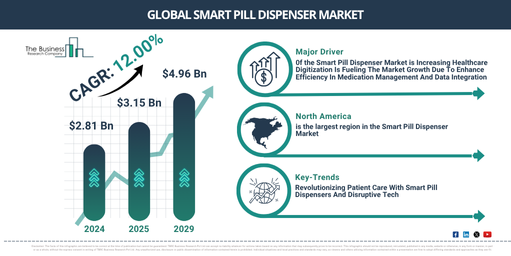
    In the last few years, the smart pill dispenser market has seen swift expansion. The market is projected to expand from $2.81 billion in 2024 to $3.15 billion in 2025, growing at a compound annual growth rate (CAGR) of 12.2%. The market’s growth in the past years is accredited to factors like the aging population, increasing cases of medication non-adherence, a surge in chronic diseases, swift adoption in developed nations, and the rise of home healthcare.

    Expectations are high for a swift expansion in the smart pill dispenser market over the coming years, with predictions of growth to $4.96 billion by 2029, reflecting a compound annual growth rate (CAGR) of 12.0%. This projected increase during the forecast period can be traced back to several factors, including a growing demand for remote patient monitoring, integration with telehealth platforms, escalating usage of IoT in healthcare, a heightened emphasis on patient-centric care, and a burgeoning elderly population. Voice-enabled smart dispensers, integration with mobile applications, AI-driven medication reminders, cloud-oriented medication tracking, and subscription-oriented dispenser models are key trends to watch for in this predicted growth period.

    Download The Free Sample Report Here:

    https://www.thebusinessresearchcompany.com/sample.aspx?id=24706&type=smp

    What Forces Are Driving The Growth Of The Smart Pill Dispenser Industry?

    The surge in the digital integration within the healthcare field is anticipated to fuel the expansion of the smart pill dispenser market in the future. Healthcare digitization involves incorporating digital technology into healthcare systems to amplify the delivery, administration, and efficacy of medical facilities. Escalating healthcare digitization is mainly powered by the increasing requirement for proficient patient data management, with healthcare providers striving to optimize data storage, access, and dissemination to bolster care coordination, minimize mistakes, and augment patient outcomes. The smart pill dispenser contributes to healthcare digitization by automating medication administration, enhancing compliance, and facilitating instantaneous data exchange between patients and providers. For instance, according to FAIR Health Inc., a not-for-profit organization based in the US, there was a 7.3% nationwide increase in the utilization of telehealth, surging from 5.5% of medical claim lines in December 2022 to 5.9% in January 2023. Hence, multiplying healthcare digitization is driving the growth of the smart pill dispenser market.

    What Is The Overview Of Market Segmentation In The Smart Pill Dispenser Industry?

    The smart pill dispenser market covered in this report is segmented –

    1) By Type: Portable, Desktop, Smart Pill Dispenser

    2) By Technology: Bluetooth Enabled, Wi-Fi Connectivity, Internet Of Things (IoT)-Based Solutions, Radio Frequency Identification (RFID) Technology

    3) By Application: Home Healthcare, Hospitals, Assisted Living Facilities, Other Applications

    4) By End User: Home Care Settings, Nursing Homes And Assisted Living Facilities, Pharmacies, Hospitals

    Subsegments:

    1) By Portable: Wearable Pill Dispensers, Pocket-Sized Dispensers, Travel-Friendly Pill Organizers, Battery-Operated Dispensers

    2) By Desktop: Countertop Dispensers, Wall-Mounted Units, Multi-Compartment Dispensers, Alternating Current-Powered Dispensers

    3) By Smart Pill Dispenser: Bluetooth-Enabled Dispensers, Wi-Fi-Connected Dispensers, App-Integrated Dispensers, Voice-Assisted Dispensers, Automatic Dispensing With Alerts

    What Future Market Trends Are Projected For The Smart Pill Dispenser Industry?

    Leading businesses in the smart pill dispenser market are increasingly capitalizing on cutting-edge technologies like disruptive technology to boost medication compliance and enhance patient results. Such technology causes massive shifts or replacements in existing systems and aids smart pill dispensers by automating the task of medication organization, enabling distant monitoring, and improving adherence using intelligent notifications and AI-based customization. For example, in January 2024, a US health technology firm named PillSafe introduced an innovative, patented “smart” pill bottle, also named PillSafe. This bottle employs a patented pill allocation control system that distributes medication exclusively at intervals prescribed by a doctor. A pharmacist fills the bottle with medicine, secures the top, and sets up the gadget following the doctor’s orders.

    Who Are The Primary Players Operating Across The Global Smart Pill Dispenser Market?

    Major companies operating in the smart pill dispenser market are Koninklijke Philips N.V., Omnicell Inc., Lepu Medical Technology (Beijing) Co. Ltd., Swisslog Healthcare, Axplora, Tunstall Healthcare Group Ltd., MedMinder Systems Inc., Capsa Healthcare LLC, Hero Health Inc., Yuyama Co. Ltd, AdhereTech, MOBI Technologies Inc., TabTimer Pty Ltd, Medipense Inc., PillDrill Inc, E-pill LLC, Dose Health LLC, PharmaCell Medication Systems Ltd., PharmRight Corporation, Pivotell Ltd.

    Get The Full Report Here:

    https://www.thebusinessresearchcompany.com/report/smart-pill-dispenser-global-market-report

    Which Region Offers The Most Growth Potential For The Smart Pill Dispenser Market Through 2029?

    North America was the largest region in the smart pill dispenser market in 2024. Asia-Pacific is expected to be the fastest-growing region in the forecast period. The regions covered in the smart pill dispenser market report are Asia-Pacific, Western Europe, Eastern Europe, North America, South America, Middle East, Africa.

    Request For A Customized Report:

    https://www.thebusinessresearchcompany.com/customise?id=24706&type=smp

    About The Business Research Company:

    With over 15000+ reports from 27 industries covering 60+ geographies, The Business Research Company has built a reputation for offering comprehensive, data-rich research and insights. Armed with 1,500,000 datasets, the optimistic contribution of in-depth secondary research, and unique insights from industry leaders, you can get the information you need to stay ahead in the game.

    Get in touch with us:

    The Business Research Company: https://www.thebusinessresearchcompany.com/

    Americas +1 310-496-7795

    Asia +44 7882 955267 & +91 8897263534

    Europe +44 7882 955267

    Email us at info@tbrc.info

    Follow us on:

    LinkedIn: https://in.linkedin.com/company/the-business-research-company

    YouTube: https://www.youtube.com/channel/UC24_fI0rV8cR5DxlCpgmyFQ

    Global Market Model: https://www.thebusinessresearchcompany.com/global-market-model
  • 2025 Analysis: Opportunities and Risks in the Evolving Sleep Medication Market

    2025 Analysis: Opportunities and Risks in the Evolving Sleep Medication Market

    Claim your 30% discount on Global Market Reports with code ONLINE30. Limited time only.

    What Is the Outlook for the Sleep Medication Market Heading Into 2029?

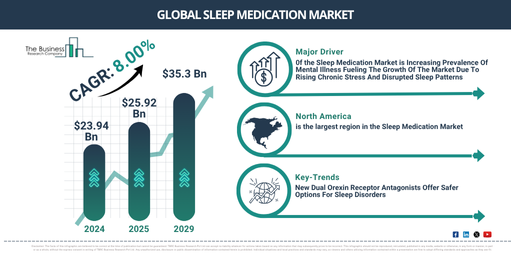
    In recent years, the sleep medication market has experienced significant expansion. The market size, which was $23.94 billion in 2024, will elevate to $25.92 billion in 2025, following a compound annual growth rate (CAGR) of 8.3%. The historic growth in the market can be credited to factors like the escalating usage of prescribed sleep aids, an increase in chronic illnesses that negatively impact sleep, a surge in mental health problems, a growing demand for over-the-counter sleep remedies, and the uptake of digital health and telemedicine.

    The market for sleep aids is predicted to experience robust expansion in the forthcoming years, increasing to $35.3 billion in 2029 with an 8.0% compound annual growth rate (CAGR). This projected growth during the forecast period can be attributed to factors such as the growing adoption of tailor-made medicine, escalating investments in sleep disorder studies, heightened awareness via digital health networks, surging demand for organic and herbal sleep aids, and the increasing occurrence of sleep apnea and corresponding disorders. Significant trends within the forecast period include the progress in drug delivery technologies, enhancements in the creation of extended-release sleep aids, the advent of wearable sleep tracking devices, advancements in cognitive behavioral therapy-oriented digital tools, and the establishment of combined treatments for sleep disorders.

    Download The Free Sample Report Here:

    https://www.thebusinessresearchcompany.com/sample.aspx?id=24702&type=smp

    Which Factors Are Pushing The Sleep Medication Market Forward?

    The growth of the sleep medication market is anticipated to accelerate due to the rising incidence of mental health disorders. Mental illness spans a broad spectrum of conditions that impact an individual’s mood, thought process, behavior, and general performance. The climbing rate of mental illness can be attributed to the increasing levels of chronic stress, as long-standing stress hampers brain activity and initiates or exacerbates mental health issues. Sleep medication plays a crucial role in managing mental illnesses by improving the quality of sleep, which is usually disturbed in individuals with mental health problems. These medications aid in regulating the sleep-wake cycle, alleviating symptoms like insomnia and anxiety, thereby improving overall mental health and everyday performance. For instance, as per the National Institute of Mental Health, a research agency funded by the US government, 59.3 million adults aged 18 and above in the United States suffered from mental illness (AMI) in 2022, making up 23.1% of the entire adult population. Consequently, the escalating incidence of mental illness is fueling the expansion of the sleep medication market.

    Which Segment Held The Largest Share In The Sleep Medication Market In 2025?

    The sleep medication market covered in this report is segmented –

    1) By Type: Prescription-Based Drugs, Over-The-Counter (OTC) Drugs

    2) By Sleep Disorder Type: Insomnia, Sleep Apnea, Restless Legs Syndrome, Narcolepsy, Sleep Walking, Other Sleep Disorders

    3) By Drug Class, Benzodiazepines: Antidepressants, Antihistamines, Sedating Antipsychotics, Other Drug Classes

    4) By Distribution Channel: Hospital Pharmacy, Online Pharmacy, Retail Pharmacy

    5) By End-Users: Hospitals, Homecare, Speciality Centres, Other End-Users

    Subsegments:

    1) By Prescription-Based Drugs: Benzodiazepines, Non-Benzodiazepine Hypnotics, Melatonin Receptor Agonists, Orexin Receptor Antagonists, Antidepressants, Antipsychotics, Antihistamines

    2) By Over-The-Counter (OTC) Drugs: Antihistamines, Melatonin Supplements, Herbal Supplements, Dietary Supplements, Homeopathic Remedies

    How Are Key Trends Driving Expansion In The Sleep Medication Industry?

    Leading firms in the sleep medication market are prioritizing the creation of innovative products, like dual orexin receptor antagonists (DORAs), in an attempt to deliver more specific treatments for insomnia that carry less risk of side effects and dependency. Dual orexin receptor antagonists (DORAs) are a type of sleep medicine that assists the management of the sleep-wake cycle by treating insomnia via the blockade of orexin neuropeptides chemicals which stimulate wakefulness via the inhibition of both orexin receptors (OX1R and OX2R). An example is Idorsia Pharmaceuticals Ltd., a Swiss pharmaceutical enterprise, which in January 2022, received endorsement from the U.S. Food and Drug Administration (FDA) for QUVIVIQ (daridorexant) 25 mg and 50 mg for the remediation of insomnia in adult patients. This is a dual orexin receptor antagonist (DORA) that operates by blocking the attachment of orexins, neuropeptides that promote wakefulness, thereby facilitating regulation of the sleep-wake cycle without the necessity of sedating the brain.

    Which Organizations Are Driving Progress In The Sleep Medication Industry?

    Major companies operating in the sleep medication market are Pfizer Inc., Johnson & Johnson, Merck & Co. Inc., Sanofi S.A., Novartis AG, Takeda Pharmaceutical Company Limited, Teva Pharmaceutical Industries Limited, Eisai Co. Ltd., Sun Pharmaceutical Industries Limited, Perrigo Company plc, H. Lundbeck A/S, Aurobindo Pharma Limited, Dr. Reddy’s Laboratories Limited, Cipla Limited, Lupin Limited, Zydus Lifesciences Limited, Torrent Pharmaceuticals Limited, Alembic Pharmaceuticals Limited, Vanda Pharmaceuticals Inc., Natrol LLC

    Get The Full Report Here:

    https://www.thebusinessresearchcompany.com/report/sleep-medication-global-market-report

    Which Region Is Expected To Experience The Highest Growth In The Sleep Medication Industry?

    North America was the largest region in the sleep medication market in 2024. The regions covered in the sleep medication market report are Asia-Pacific, Western Europe, Eastern Europe, North America, South America, Middle East, Africa.

    Request For A Customized Report:

    https://www.thebusinessresearchcompany.com/customise?id=24702&type=smp

    About The Business Research Company:

    With over 15000+ reports from 27 industries covering 60+ geographies, The Business Research Company has built a reputation for offering comprehensive, data-rich research and insights. Armed with 1,500,000 datasets, the optimistic contribution of in-depth secondary research, and unique insights from industry leaders, you can get the information you need to stay ahead in the game.

    Get in touch with us:

    The Business Research Company: https://www.thebusinessresearchcompany.com/

    Americas +1 310-496-7795

    Asia +44 7882 955267 & +91 8897263534

    Europe +44 7882 955267

    Email us at info@tbrc.info

    Follow us on:

    LinkedIn: https://in.linkedin.com/company/the-business-research-company

    YouTube: https://www.youtube.com/channel/UC24_fI0rV8cR5DxlCpgmyFQ

    Global Market Model: https://www.thebusinessresearchcompany.com/global-market-model
  • In-Depth Skin Moisturizers Market Report: Business Trends, Growth Factors, and Forecast to 2029

    In-Depth Skin Moisturizers Market Report: Business Trends, Growth Factors, and Forecast to 2029

    Claim your 30% discount on Global Market Reports with code ONLINE30. Limited time only.

    What Does the Forecast Indicate for the Skin Moisturizers Market From 2025 to 2029?

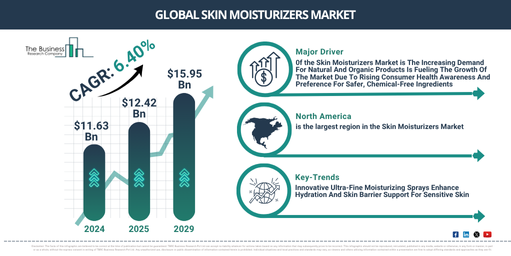
    The market for skin moisturizers has experienced robust growth in the past few years. The market, which was valued at $11.63 billion in 2024, is projected to escalate to $12.42 billion in 2025, marking a compound annual growth rate (CAGR) of 6.8%. This notable growth during the historical period can be traced back to factors such as increased consumer consciousness, a surge in skin disorder cases, an amplified demand for natural and organic components, growing disposable income, and the rise in urbanization and exposure to pollution.

    In the forthcoming years, the skin moisturizers market is predicted to witness significant expansion, reaching a value of $15.95 billion by 2029, with a CAGR of 6.4%. This anticipated surge during the forecast period can be ascribed to factors such as the escalating popularity of products geared towards men’s grooming, the expansive reach of e-commerce platforms, the growing trend of customized skincare routines, heightened awareness surrounding anti-aging solutions, as well as the increasing impact of social media and beauty influencers. Future trends during this forecast period are expected to include progress in formulation technologies, the merging of artificial intelligence with skin diagnostics, innovation in technology-driven packaging, breakthroughs in biotechnology, and progress in the field of nanotechnology.

    Download The Free Sample Report Here:

    https://www.thebusinessresearchcompany.com/sample.aspx?id=24701&type=smp

    What Elements Are Contributing To Growth In The Skin Moisturizers Market?

    The skin moisturizers market is predicted to grow due to the rising demand for natural and organic products. These products are derived from plant or mineral sources and made without synthetic chemicals, additives, or pesticides. As consumers become more health-conscious, demand for these products grows because they are seen as safe and free from harmful chemicals. Skin moisturizers that use natural and organic ingredients provide nourishing hydration without the irritation that synthetic chemicals can cause. They also improve skin health through strengthening the natural barrier with antioxidants and essential oils. For example, in August 2024, the United States Department of Agriculture, a US government agency, issued nearly $10 million in organic development grants. This led to a total investment of $85 million in the growth of US organic products. Furthermore, in 2023, the demand for organic products in the United States was worth over $69 billion, accounting for about 4% of the country’s total food sales. Therefore, the growing demand for natural and organic products is promoting the growth of the skin moisturizers market.

    Which Segments Are Detailed In The Global Skin Moisturizers Market Report?

    The skin moisturizers market covered in this report is segmented –

    1) By Product Type: Creams, Lotions, Gels, Ointments, Other Product Types

    2) By Skin Type: Dry, Oily, Sensitive, Combination, Normal

    3) By Distribution Channel: Online Retail, Supermarkets Or Hypermarkets, Specialty Stores, Pharmacies, Other Distribution Channels

    4) By End-User: Men, Women, Unisex

    Subsegments:

    1) By Creams: Face Creams, Body Creams, Hand Creams, Night Creams, Eye Creams

    2) By Lotions: Body Lotions, Hand Lotions, Face Lotions, Baby Lotions

    3) By Gels: Gel Moisturizers For Oily Or Acne-Prone Skin, Aloe Vera Gels, After-Sun Gels, Hydrating Gels

    4) By Ointments: Healing Ointments For Dry Or Cracked Skin, Barrier Ointments For Eczema Or Psoriasis, Medicated Ointments, Protective Ointments

    5) By Other Product Types: Balms, Serums, Mists And Sprays, Butters, Organic Or Natural Variants

    Which Emerging Trends And Strategic Shifts Are Shaping The Skin Moisturizers Market?

    Major players in the skin moisturizers market are now concentrating on the creation of advanced spray-based moisturizers to elevate usability and customer experience. These moisturizing sprays are light in nature that distribute hydration in the form of a subtle mist, facilitating speedy and uniform application on the face or body, eliminating the need for rubbing it in. For example, in June 2023, Curél Japanese Skincare, a brand based in Japan that specializes in skincare, introduced a cutting edge, ultra-fine moisturizing spray that aims to hydrate and soften dry, sensitive skin. The mist is composed of fine-tuned micro-ceramide particles which deeply seep into the skin to enhance the skin barrier, providing efficient moisture preservation. Devoid of fragrance, colors and alcohol, the spray is perfect for anytime usage when hydration is required, offering a soothing and easy-to-use skincare solution. This product launch contributes to the increasing demand for ground-breaking and user-friendly moisturizers that accommodate sensitive skin types.

    Who Are The Key Contributors To Growth In The Skin Moisturizers Market?

    Major companies operating in the skin moisturizers market are Johnson & Johnson, The Procter & Gamble Company, Unilever PLC, L’Oréal S.A., Colgate-Palmolive, The Estée Lauder Companies Inc., Kao Corporation, Beiersdorf AG, Amway Corporation, Shiseido Company Limited, Coty Inc., Galderma SA, Amorepacific Corporation, Avon Products Inc., Revlon Inc., Mary Kay Inc., Burt’s Bees Inc., Minimalist, CeraVe, Himalaya Wellness Company

    Get The Full Report Here:

    https://www.thebusinessresearchcompany.com/report/skin-moisturizers-global-market-report

    Which Region Is Projected To Lead The Skin Moisturizers Market By 2025?

    North America was the largest region in the skin moisturizers market in 2024. Asia-Pacific is expected to be the fastest-growing region in the forecast period. The regions covered in the skin moisturizers market report are Asia-Pacific, Western Europe, Eastern Europe, North America, South America, Middle East, Africa.

    Request For A Customized Report:

    https://www.thebusinessresearchcompany.com/customise?id=24701&type=smp

    About The Business Research Company:

    With over 15000+ reports from 27 industries covering 60+ geographies, The Business Research Company has built a reputation for offering comprehensive, data-rich research and insights. Armed with 1,500,000 datasets, the optimistic contribution of in-depth secondary research, and unique insights from industry leaders, you can get the information you need to stay ahead in the game.

    Get in touch with us:

    The Business Research Company: https://www.thebusinessresearchcompany.com/

    Americas +1 310-496-7795

    Asia +44 7882 955267 & +91 8897263534

    Europe +44 7882 955267

    Email us at info@tbrc.info

    Follow us on:

    LinkedIn: https://in.linkedin.com/company/the-business-research-company

    YouTube: https://www.youtube.com/channel/UC24_fI0rV8cR5DxlCpgmyFQ

    Global Market Model: https://www.thebusinessresearchcompany.com/global-market-model
  • Skin Graft Blades Industry Poised for Rapid Expansion, Projected to Hit $7.38 Billion by 2029

    Skin Graft Blades Industry Poised for Rapid Expansion, Projected to Hit $7.38 Billion by 2029

    Claim your 30% discount on Global Market Reports with code ONLINE30. Limited time only.

    How Much Is the Global Skin Graft Blades Market Valued at Present and by 2029?

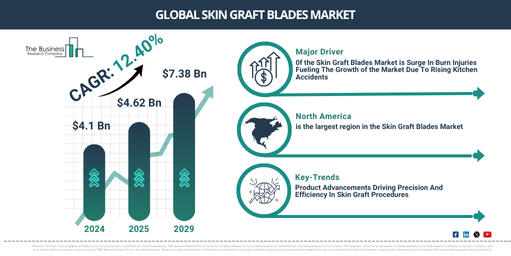
    The market for skin graft blades has seen a swift expansion in the past few years. Market growth is projected to increase from $4.1 billion in 2024 to $4.62 billion in 2025, indicating a compound annual growth rate (CAGR) of 12.6%. Factors contributing to this growth during the historical period included heightened awareness around state-of-the-art wound care solutions, an increase in the use of skin grafting procedures, growth in healthcare spending, a surge in the availability of competent surgeons, and a rise in cases of diabetes.

    The market for skin graft blades is projected to experience brisk expansion in the next few years. It is anticipated to reach $7.38 billion by 2029, achieving a compound annual growth rate (CAGR) of 12.4%. The growth prediction for this period can be ascribed to the escalating incidences of burn injuries, an increasing amount of trauma cases, a rising prevalence of chronic wounds, a surge in demand for reconstructive surgeries and a growing elderly population. Key upcoming trends encompass advancements in the technology of blade design, forging ergonomically designed grafting handles, amalgamation of skin graft blades with powered dermatome systems, technological enhancement in blade materials, and the production of disposable graft blades.

    Download The Free Sample Report Here:

    https://www.thebusinessresearchcompany.com/sample.aspx?id=24700&type=smp

    #What Drivers Are Influencing Growth In The Skin Graft Blades Market?

    An upward trend in the frequency and prevalence of burn injuries is set to bolster the growth of the skin graft blades market. Burn injuries, which occur due to exposure to heat, chemicals, electricity, radiation, or friction, inflict physical damage on skin and the tissues underneath. The absence of safety measures during home cooking is leading to an increase in kitchen-related accidents and subsequent burn injuries. Skin graft blades facilitate the treatment of these injuries by transferring healthy skin from a donor site to the severely burned areas to promote healing and cover damaged or lost skin. For example, in October 2024, the International Burn Injury Database (iBID), a UK agency that gathers and scrutinises data concerning severe burn injuries that necessitate specialized care, revealed that the Children’s Burns Trust had issued a critical warning following a 55% increase in hot water bottle burns among children in early 2024, in comparison to the same timeframe in 2023. Therefore, the escalating prevalence and incidence of burn injuries are fuelling the expansion of the skin graft blades market.

    What Are The Main Segments Identified In The Skin Graft Blades Market Research?

    The skin graft blades market covered in this report is segmented –

    1) By Product Type: Scalpel Blades, Microsurgery Blades, Disposable Blades, Reusable Blades

    2) By Material Type: Stainless Steel, Carbon Steel, Plastic, Coated Materials

    3) By Distribution Channel: Direct Sales, Online Retail, Medical Supply Distributors, Pharmacies

    4) By Application: Burn Treatment, Plastic Surgery, Orthopedic Surgery, Wound Management

    5) By End User: Hospitals, Ambulatory Surgical Centers, Dermatology Clinics, Home Healthcare

    Subsegment:

    1) By Scalpel Blades: Stainless Steel Scalpel Blades, Specialty Shaped Scalpel Blades, Carbon Steel Scalpel Blades

    2) By Microsurgery Blades: Ophthalmic Microsurgical Blades, Neurosurgical Microsurgical Blades, ENT Microsurgical Blades

    3) By Disposable Blades: Sterile Disposable Blades, Pre-attached Disposable Blade Units, Non-Sterile Disposable Blades

    4) By Reusable Blades: Reusable Metal Blades, Autoclavable Reusable Blades, Ceramic-Coated Reusable Blades

    What Are The Leading Trends And Opportunities In The Skin Graft Blades Sector?

    Leading companies in the skin graft blades market are concentrating on developing semi-automated skin harvest technology, like handheld devices with micro-needle arrays, to solidify their dominance in the market. These innovative pieces of equipment allow for the efficient collection of numerous small grafts while minimizing tissue damage. This enhances accuracy, reduces morbidity at the donor site, and increases applicability in a variety of clinical settings. For instance, in March 2024, US-based medical device corporation Medline Industries received FDA authorization for its Medline Autologous Regeneration of Tissue (ART) Skin Harvesting System. This system utilizes a micro-needle array to gather multiple skin micrografts, permitting minimally invasive procedures with local anesthesia in a broader field of clinical situations compared to traditional grafting techniques.

    Which Companies Play A Key Role In The Development Of The Skin Graft Blades Market?

    Major companies operating in the skin graft blades market are Zimmer Inc., Integra LifeSciences Corporation, B. Braun Melsungen AG, Lutz Medical GmbH, De Soutter Medical Limited, pfm medical Gmbh, Aygun Surgical Instruments, New Med Instruments, Swann-Morton Limited, Paramount Surgimed Ltd., C2Dx Inc., Nouvag AG, Ribbel International Ltd., Exsurco Medical Inc., Humeca B.V., Robbins Instruments, Rudolf Storz GmbH & Co. KG, Signel Biomedical Pvt Ltd., Specmed Medical Services Pvt. Ltd., Surtex Instruments Ltd.

    Get The Full Report Here:

    https://www.thebusinessresearchcompany.com/report/skin-graft-blades-global-market-report

    What Are The Key Regional Developments Shaping The Skin Graft Blades Market?

    North America was the largest region in the skin graft blades market in 2024. The regions covered in the skin graft blades market report are Asia-Pacific, Western Europe, Eastern Europe, North America, South America, Middle East, Africa.

    Request For A Customized Report:

    https://www.thebusinessresearchcompany.com/customise?id=24700&type=smp

    About The Business Research Company:

    With over 15000+ reports from 27 industries covering 60+ geographies, The Business Research Company has built a reputation for offering comprehensive, data-rich research and insights. Armed with 1,500,000 datasets, the optimistic contribution of in-depth secondary research, and unique insights from industry leaders, you can get the information you need to stay ahead in the game.

    Get in touch with us:

    The Business Research Company: https://www.thebusinessresearchcompany.com/

    Americas +1 310-496-7795

    Asia +44 7882 955267 & +91 8897263534

    Europe +44 7882 955267

    Email us at info@tbrc.info

    Follow us on:

    LinkedIn: https://in.linkedin.com/company/the-business-research-company

    YouTube: https://www.youtube.com/channel/UC24_fI0rV8cR5DxlCpgmyFQ

    Global Market Model: https://www.thebusinessresearchcompany.com/global-market-model
  • Future Demand and Leading Companies Shaping the Size Exclusion Chromatography (SEC) HPLC Column Market to 2029

    Future Demand and Leading Companies Shaping the Size Exclusion Chromatography (SEC) HPLC Column Market to 2029

    Claim your 30% discount on Global Market Reports with code ONLINE30. Limited time only.

    What Is the Outlook for the Size Exclusion Chromatography (SEC) HPLC Column Market Heading Into 2029?

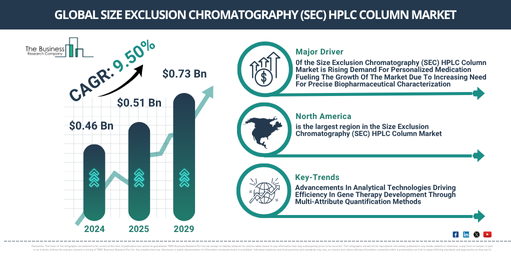
    The market for size exclusion chromatography (sec) hplc column has experienced considerable growth in the recent past. The market size, which was $0.46 billion in 2024, is expected to increase to $0.51 billion in 2025, witnessing a compound annual growth rate (CAGR) of 9.9%. The surge in the historical period can be linked to the growing acceptance of sec for determining molecular weight, an increased occurrence of chronic diseases driving drug discovery, the expanding use of sec in the food and beverage sector for quality control, escalating government funds for research and development, and the development of biopharmaceutical contract research organizations.

    The market for size exclusion chromatography (SEC) HPLC column is projected to experience robust growth in the approaching years, anticipated to reach $0.73 billion by 2029, expanding at a compound annual growth rate (CAGR) of 9.5%. Factors contributing to this expected growth during the forecast period include the rising need for protein purification in biopharmaceuticals, expansion of the biotechnology and pharmaceutical sectors, increased research activities in life sciences, the growing relevance of personalized medicine and biologics creation, and an ongoing emphasis on polymer characterization. Major trends anticipated during this forecast period encompass advancements in chromatographic technologies, technological innovations such as the use of ultra-high-pressure SEC columns, the growing use of multi-dimensional chromatography techniques that involve SEC, a rising demand for affordable yet dependable chromatography solutions, and a growing trend towards outsourcing analytical testing to specialist labs.

    Download The Free Sample Report Here:

    https://www.thebusinessresearchcompany.com/sample.aspx?id=24698&type=smp

    Which Factors Are Pushing The Size Exclusion Chromatography (SEC) HPLC Column Market Forward?

    The surge in the need for personalized medicine is predicted to spur the development of the size exclusion chromatography (SEC) HPLC column market. Personalized medicine is a practice of medical treatment adapted to a person’s genetic makeup, lifestyle and health condition to achieve the most beneficial and safe results. The increasing need for personalized medicine is driven by genetic advancements and the necessity for highly effective, customized treatments. Size exclusion chromatography (SEC) HPLC columns are vital in accurately determining the molecular size and aggregation state of therapeutic proteins, guaranteeing their safety and efficacy for tailored treatment. For example, in February 2024, the Personalized Medicine Coalition, a non-profit organization based in the US, reported that the US Food and Drug Administration (FDA) had approved 16 new personalized therapies targeted at rare diseases in 2023, marking a significant rise from the six approvals in 2022. As a result, the escalating demand for personalized medicine is set to enhance the growth of the size exclusion chromatography (SEC) HPLC column market.

    Which Segment Held The Largest Share In The Size Exclusion Chromatography (SEC) HPLC Column Market In 2025?

    The size exclusion chromatography (SEC) HPLC column market covered in this report is segmented –

    1) By Type: Standard Size Exclusion Chromatography (SEC) Column, High-Resolution Size Exclusion Chromatography (SEC) Column, Ultra-High-Performance Size Exclusion Chromatography (SEC) Column, 2D Size Exclusion Chromatography (SEC) Column

    2) By Material: Organic Solvents, Polymeric Materials, Silica-Based Materials, Modified Silica Particles

    3) By Application: Biopharmaceutical Analysis, Protein Purification, Nucleic Acid Analysis, Polymer Characterization

    4) By End-User: Pharmaceutical Industry, Academic And Research Institutions, Biotechnology Firms, Environmental Testing Laboratories

    Subsegments:

    1) By Standard Size Exclusion Chromatography (SEC) Column: Polymer-Based Columns, Silica-Based Columns, Composite Material Columns, Bio-based Columns

    2) By High-Resolution Size Exclusion Chromatography (SEC) Column: Narrow Pore Size Columns, Medium Pore Size Columns, Wide Pore Size Columns, Monodisperse Particle Columns

    3) By Ultra-High-Performance Size Exclusion Chromatography (SEC) Column: Sub-2 µm Particle Size Columns, Core-Shell Particle Columns, Superficially Porous Particle Columns, High Mechanical Strength Columns

    4) By 2D Size Exclusion Chromatography (SEC) Column: SEC × Reversed Phase Chromatography Columns, SEC × Ion Exchange Chromatography Columns, SEC × Affinity Chromatography Columns, SEC × Hydrophilic Interaction Chromatography (HILIC) Columns

    How Are Key Trends Driving Expansion In The Size Exclusion Chromatography (SEC) HPLC Column Industry?

    Leading firms in the size exclusion chromatography (SEC) high-performance liquid chromatography (HPLC) column industry are investing in crafting advanced solutions like multi-attribute quantification techniques to overcome significant obstacles in gene therapy research. These methodologies allow for the parallel assessment of multiple factors, thereby enhancing analytical accuracy and productivity. For example, Waters Corporation, an American lab instrument manufacturing entity, in August 2023 unveiled the XBridge Premier GTx BEH SEC columns tailored to improve the study and slash the expenses associated with gene therapies, particularly those in association with adeno-associated viral (AAV) vectors. The columns present considerable perks, including a reduction in sample needs by 3 to 10 times, doubling the speed of analysis, and boosting both sensitivity and resolution. Their ingenious layout makes them perfectly apt for procedure development, formulation analysis, regulatory evaluations, and quality assurance, enabling faster, more comprehendible, and affordable examination of AAVs and other sizeable biomolecules which in turn promotes the progress of gene therapy studies and its production.

    Which Organizations Are Driving Progress In The Size Exclusion Chromatography (SEC) HPLC Column Industry?

    Major companies operating in the size exclusion chromatography (SEC) HPLC column market are Merck & Co. Inc., Thermo Fisher Scientific Inc., Danaher Corporation, Agilent Technologies Inc., Sartorius AG, PerkinElmer Inc., Shimadzu Corporation, Waters Corporation, Bio-Rad Laboratories Inc., Malvern Panalytical Ltd., Buchi Labortechnik AG, Phenomenex Inc., Tosoh Bioscience LLC, Knauer, JASCO Inc., Sepax Technologies Inc., SIELC Technologies, Eprogen Inc., Wyatt Technology, MZ-Analysentechnik GmbH

    Get The Full Report Here:

    https://www.thebusinessresearchcompany.com/report/size-exclusion-chromatography-sec-hplc-column-global-market-report

    Which Region Is Expected To Experience The Highest Growth In The Size Exclusion Chromatography (SEC) HPLC Column Industry?

    North America was the largest region in the size exclusion chromatography (SEC) HPLC column market in 2024. Asia-Pacific is expected to be the fastest-growing region in the forecast period. The regions covered in the size exclusion chromatography (SEC) HPLC column market report are Asia-Pacific, Western Europe, Eastern Europe, North America, South America, Middle East, Africa.

    Request For A Customized Report:

    https://www.thebusinessresearchcompany.com/customise?id=24698&type=smp

    About The Business Research Company:

    With over 15000+ reports from 27 industries covering 60+ geographies, The Business Research Company has built a reputation for offering comprehensive, data-rich research and insights. Armed with 1,500,000 datasets, the optimistic contribution of in-depth secondary research, and unique insights from industry leaders, you can get the information you need to stay ahead in the game.

    Get in touch with us:

    The Business Research Company: https://www.thebusinessresearchcompany.com/

    Americas +1 310-496-7795

    Asia +44 7882 955267 & +91 8897263534

    Europe +44 7882 955267

    Email us at info@tbrc.info

    Follow us on:

    LinkedIn: https://in.linkedin.com/company/the-business-research-company

    YouTube: https://www.youtube.com/channel/UC24_fI0rV8cR5DxlCpgmyFQ

    Global Market Model: https://www.thebusinessresearchcompany.com/global-market-model
  • Latest Market Developments in Shigella Diarrhoea Prophylaxis Industry: Forecast 2025–2029

    Latest Market Developments in Shigella Diarrhoea Prophylaxis Industry: Forecast 2025–2029

    Claim your 30% discount on Global Market Reports with code ONLINE30. Limited time only.

    How Much Is the Global Shigella Diarrhoea Prophylaxis Market Valued at Present and by 2029?

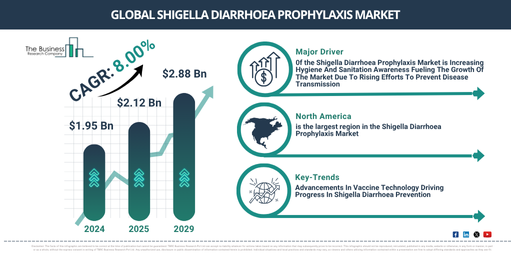
    There has been a notable increase in the shigella diarrhoea prophylaxis market in recent times. The market, which stood at $1.95 billion in 2024 is projected to reach $2.12 billion in 2025, growing at a compound annual growth rate (CAGR) of 8.4%. The surge during this historic period has been due to factors such as a higher number of shigella infection cases across the globe, improved understanding of diseases spread through food and water, a rise of outbreaks within refugee camps and densely populated urban areas, an increase in antibiotic-resistant shigella strains, and a climb in the number of cases in children below the age of 5.

    Anticipations are high for robust expansion in the shigella diarrhoea prophylaxis market in the coming years, with projections pointing to a market worth of $2.88 billion by 2029, equating to a compound annual growth rate (CAGR) of 8.0%. The projected growth during this period can be credited to the increased risk of recurrence and reinfection which warrants preventive action, coupled with a rise in public health initiatives advocating for cleanliness. Furthermore, there is a growing international focus on diarrhoea prevention programs, the proliferation of community health educational movements, and an uptick in the awareness and acceptance of vaccinations. Noteworthy trends for the forecast period encompass advancements in vaccine research and creation, the emergence of new oral vaccines aimed at shigella, breakthroughs in delivery systems, the creation of wide-spectrum prophylactic agents, and the presence of swift diagnostic tests to steer prophylaxis.

    Download The Free Sample Report Here:

    https://www.thebusinessresearchcompany.com/sample.aspx?id=24696&type=smp

    #What Drivers Are Influencing Growth In The Shigella Diarrhoea Prophylaxis Market?

    The surge in understanding of cleanliness and proper waste management, both key players in promoting health and preventing disease dissemination, is set to boost the shigella diarrhoea prophylaxis market’s expansion. The increased mindfulness about hygiene and sanitation is largely driven by growing knowledge of potential health hazards and an amplified acknowledgement that cleanliness is crucial in controlling the outbreak of infectious diseases. This understanding aids in the fight against shigella diarrhoea by reducing the chance of transmission from person to person, particularly among individuals who practice proper hand hygiene and waste disposal methods, thereby significantly decreasing the threat of bacterial spread within a community. For example, in March 2024, a report by the Switzerland-based international agency, World Health Organization, indicated that approximately 57% of the world’s population (equivalent to 4.6 billion individuals) had access to efficiently managed sanitation services. Of these, roughly a third (2.7 billion) utilized private sanitation facilities connected to sewer systems where waste water was treated, and 21% (around 1.7 billion) had access to toilets or latrines that safely eliminated waste on-site. Consequently, the rise in hygienic alertness and sanitation practices is expected to power the growth of the shigella diarrhoea prophylaxis market.

    What Are The Main Segments Identified In The Shigella Diarrhoea Prophylaxis Market Research?

    The shigella diarrhoea prophylaxis market covered in this report is segmented –

    1) By Type: Vaccination, Antibiotic Prophylaxis, Public Health Measures, Hygiene Education

    2) By Route of Administration: Oral, Parenteral, Other Administrations

    3) By End User: Healthcare Facilities, Travel Clinics, Pharmacies, Government Health Programs

    Subsegments:

    1) By Vaccination: Oral Vaccines, Injectable Vaccines, Combination Vaccines

    2) By Antibiotic Prophylaxis: Ciprofloxacin, Azithromycin, Ceftriaxone, Ampicillin, Levofloxacin

    3) By Public Health Measures: Water And Sanitation Improvements, Improved Waste Management, Community Health Campaigns

    4) By Hygiene Education: Handwashing Campaigns, Safe Food Handling And Preparation Practices, Personal Hygiene Education, Public Awareness Programs

    What Are The Leading Trends And Opportunities In The Shigella Diarrhoea Prophylaxis Sector?

    Leading firms engaged in the shigella diarrhoea prophylaxis market are directing their efforts towards devising innovative solutions like tetravalent bioconjugate shigellosis vaccines, aimed at heightening immune response. Tetravalent bioconjugate shigellosis vaccines are sophisticated vaccines planned to counter four significant Shigella serotypes. They achieve this by bonding bacterial polysaccharides with a carrier protein, thereby escalating immune response. A benchmark in global Shigella vaccine development was reached in November 2024 when Valneva SE, a biotech organization based in France, and LimmaTech Biologics AG, a clinical-stage biotech company based in Switzerland, announced the first participant inoculated in a Phase 2 infant safety and immunogenicity study of Shigella4V2 (S4V2). This vaccine candidate is currently the world’s most clinically advanced tetravalent bioconjugate targeting shigellosis. Shigella, a principal cause of severe diarrhoeal disease among children, is the target of S4V2. It will be scrutinized for safety and initial efficiency in about 120 healthy adults aged between 18 and 50, who were never exposed to Shigella before, across three sites in the United States.

    Which Companies Play A Key Role In The Development Of The Shigella Diarrhoea Prophylaxis Market?

    Major companies operating in the shigella diarrhoea prophylaxis market are Pfizer Inc., F. Hoffmann-La Roche Ltd., Merck & Co. Inc., GlaxoSmithKline plc, Viatris Inc., Chongqing Zhifei Biological Products Co. Ltd., Macleods Pharmaceuticals Limited, Alkem Laboratories Limited, Alembic Pharmaceuticals Limited, Vaxcyte Inc., Valneva SE, Sanaria Inc., Intravacc B.V., LimmaTech Biologics AG, Eveliqure Biotechnologies GmbH, Intralytix Inc., Immuron Limited, Biocidium Biopharmaceuticals Inc., Institut Pasteur, Hetero Drugs Limited

    Get The Full Report Here:

    https://www.thebusinessresearchcompany.com/report/shigella-diarrhoea-prophylaxis-global-market-report

    What Are The Key Regional Developments Shaping The Shigella Diarrhoea Prophylaxis Market?

    North America was the largest region in the shigella diarrhoea prophylaxis market in 2024. The regions covered in the shigella diarrhoea prophylaxis market report are Asia-Pacific, Western Europe, Eastern Europe, North America, South America, Middle East, Africa.

    Request For A Customized Report:

    https://www.thebusinessresearchcompany.com/customise?id=24696&type=smp

    About The Business Research Company:

    With over 15000+ reports from 27 industries covering 60+ geographies, The Business Research Company has built a reputation for offering comprehensive, data-rich research and insights. Armed with 1,500,000 datasets, the optimistic contribution of in-depth secondary research, and unique insights from industry leaders, you can get the information you need to stay ahead in the game.

    Get in touch with us:

    The Business Research Company: https://www.thebusinessresearchcompany.com/

    Americas +1 310-496-7795

    Asia +44 7882 955267 & +91 8897263534

    Europe +44 7882 955267

    Email us at info@tbrc.info

    Follow us on:

    LinkedIn: https://in.linkedin.com/company/the-business-research-company

    YouTube: https://www.youtube.com/channel/UC24_fI0rV8cR5DxlCpgmyFQ

    Global Market Model: https://www.thebusinessresearchcompany.com/global-market-model
  • Emerging Trends and Growth Drivers in the Sexually Transmitted Diseases (STD) Testing Market Through 2029

    Emerging Trends and Growth Drivers in the Sexually Transmitted Diseases (STD) Testing Market Through 2029

    Claim your 30% discount on Global Market Reports with code ONLINE30. Limited time only.

    What Is the Current and Projected Market Size of the Sexually Transmitted Diseases (STD) Testing Industry?

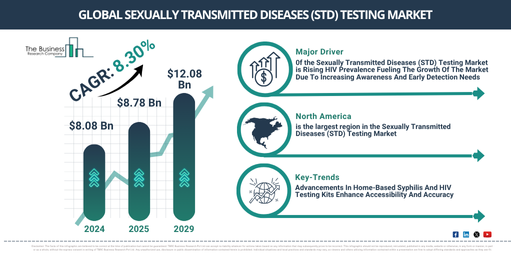
    Significant growth has been noticed in the sexually transmitted diseases (std) testing market in the recent past. The market is predicted to increase from $8.08 billion in 2024 to $8.78 billion in 2025, boasting a compound annual growth rate (CAGR) of 8.6%. Urbanization and a rise in population density, combined with an older population maintaining active sexual habits, have led to this expansion in the historic period. Other factors contributing to this growth include government-driven STD screening initiatives, the incorporation of STD testing in regular health check-ups, and augmented funding for public health schemes.

    In the coming years, the sexually transmitted diseases (std) testing market is set to experience robust growth. It is anticipated to reach $12.08 billion by 2029, with a compound annual growth rate (CAGR) of 8.3%. This growth forecast is primarily driven by the increasing universal prevalence of STDs, heightened awareness about sexual health, the widespread occurrence of symptom-less infections, the growing number of sexually active teenagers and young adults, and escalating instances of risky sexual behavior. Significant trends projected for this period include the introduction of rapid and point-of-care testing, the emergence of home-use STD testing kits, advancements in molecular diagnosis methodologies, the use of automation and AI technology in diagnostic labs, and enhanced sensitivity and specificity of new test kits.

    Download The Free Sample Report Here:

    https://www.thebusinessresearchcompany.com/sample.aspx?id=24695&type=smp

    #Which Factors Are Currently Driving The Growth Of The Sexually Transmitted Diseases (STD) Testing Market?

    The increase in HIV instances is expected to fuel the expansion of the market for sexually transmitted diseases (STD) testing in the near future. HIV is a virus that undermines the immune system by attacking and eliminating essential white blood cells, leaving the body more susceptible to infections and diseases. The uptick in HIV is attributed to a decrease in awareness and prevention measures, leading to more individuals participating in hazardous behaviors like unprotected sex and less individuals undergoing screening, particularly amongst young people. This increase in HIV instances bolsters the need for sexually transmitted disease (STD) testing by increasing public and healthcare awareness, leading more people to pursue comprehensive testing to detect infections at an early stage and prevent additional transmission. For example, the Joint United Nations Programme on HIV/AIDS (UNAIDS), a governmental organization based in Switzerland, reported in July 2024 that around 1.3 million people were newly infected with HIV in 2023, which is almost triple the 2025 target of below 370,000 cases. Therefore, the growing prevalence of HIV is set to enhance the expansion of the sexually transmitted diseases (STD) testing market.

    How Is The Global Sexually Transmitted Diseases (STD) Testing Market Structured In Terms Of Segments?

    The sexually transmitted diseases (STD) testing market covered in this report is segmented –

    1) By Product: Instruments And Services, Consumables, Software

    2) By Technology: Immunoassay, Molecular Diagnostics

    3) By Sample Type: Blood Samples, Urine Samples, Swabs, Semen Samples, Other Sample Types

    4) By Disease Type: Chlamydia, Gonorrhea, Syphilis, HIV Or AIDS, Herpes Simplex Virus (HSV)

    5) By End User: Individuals, Healthcare Providers, Health Insurance Providers, Govement Health Agencies, NGOs And Community Health Organizations

    Subsegments:

    1) By Instruments And Services: Diagnostic Instruments, Testing Services

    2) By Consumables: Reagents And Kits, Specimen Collection Devices, Slides, Tubes, And Other Lab Supplies

    3) By Software: Laboratory Information Management Systems (LIMS), Electronic Health Records (EHR) Integration Tools, Data Analysis And Reporting Tools, Patient Management Software

    What Trends Are Currently Influencing Growth In The Sexually Transmitted Diseases (STD) Testing Market?

    Leading firms in the STD-testing industry, such as iHealth Labs Inc., are innovating and developing advanced tools like syphilis testing kits to broaden the scope of STD testing. Syphilis testing kits act as diagnostic instruments that detect Treponema pallidum bacteria, responsible for syphilis, through body fluid or blood samples, ensuring timely diagnoses and treatments. For instance, in August 2023, the US-based medical device firm, iHealth Labs Inc., introduced the CheckMeSafe home use kit for HIV and syphilis testing. Suitable for those 18 years and older, the FDA-approved iHealth CheckMeSafe Home Collection kit enables users to gather blood samples for HIV (I, II, P24 antigen) and syphilis tests, conveniently from their homes. After collection, users can dispatch their samples to the laboratory using a prepaid overnight label and expect confidential and trustworthy outcome within two days. The kit guarantees remarkable accuracy, with 99.9% sensitivity for HIV and 99.5% for syphilis results. A CLIA-certified and CAP-credited laboratory analyzes all samples, assuring federal and state quality standards are maintained via regular inspections.

    Who Are The Main Participants Shaping The Sexually Transmitted Diseases (STD) Testing Market Landscape?

    Major companies operating in the sexually transmitted diseases (STD) testing market are F Hoffmann La Roche Ltd., Thermo Fisher Scientific Inc., Abbott Laboratories Inc., Siemens Healthineers AG, Becton Dickinson And Co., Hologic Inc., QuidelOrtho Corp., Bio-Rad Laboratories Inc., Cepheid, OraSure Technologies Inc., Meridian Bioscience Inc., Sekisui Diagnostics Ltd., Trinity Biotech Plc, Chembio Diagnostics Inc., Operon SA, Jal Medical Pte. Ltd., Anatolia Geneworks, CLIAwaived Inc., Avecon Healthcare Pvt. Ltd., AEHEALTH LIMITED.

    Get The Full Report Here:

    https://www.thebusinessresearchcompany.com/report/sexually-transmitted-diseases-std-testing-global-market-report

    Which Region Currently Holds The Largest Share In The Sexually Transmitted Diseases (STD) Testing Market?

    North America was the largest region in the sexually transmitted diseases (STD) testing market in 2024. Europe is expected to be the fastest-growing region in the forecast period. The regions covered in the sexually transmitted diseases (STD) testing market report are Asia-Pacific, Western Europe, Eastern Europe, North America, South America, Middle East, Africa.

    Request For A Customized Report:

    https://www.thebusinessresearchcompany.com/customise?id=24695&type=smp

    About The Business Research Company:

    With over 15000+ reports from 27 industries covering 60+ geographies, The Business Research Company has built a reputation for offering comprehensive, data-rich research and insights. Armed with 1,500,000 datasets, the optimistic contribution of in-depth secondary research, and unique insights from industry leaders, you can get the information you need to stay ahead in the game.

    Get in touch with us:

    The Business Research Company: https://www.thebusinessresearchcompany.com/

    Americas +1 310-496-7795

    Asia +44 7882 955267 & +91 8897263534

    Europe +44 7882 955267

    Email us at info@tbrc.info

    Follow us on:

    LinkedIn: https://in.linkedin.com/company/the-business-research-company

    YouTube: https://www.youtube.com/channel/UC24_fI0rV8cR5DxlCpgmyFQ

    Global Market Model: https://www.thebusinessresearchcompany.com/global-market-model
  • CAGR of 8.5% Projected for Sensorineural In Hearing Loss Disease Treatment Market From 2025 to 2029

    CAGR of 8.5% Projected for Sensorineural In Hearing Loss Disease Treatment Market From 2025 to 2029

    Claim your 30% discount on Global Market Reports with code ONLINE30. Limited time only.

    How Will the Sensorineural In Hearing Loss Disease Treatment Market Evolve in Terms of Growth and Size by 2029?

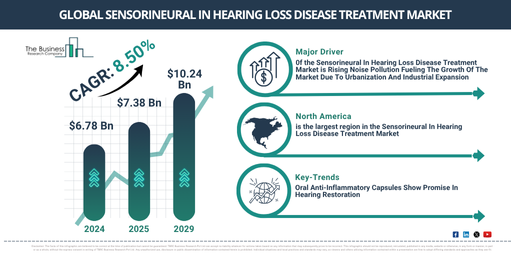
    The market for treatment of sensorineural hearing loss disease has witnessed substantial growth in recent times. With a compound annual growth rate (CAGR) of 8.9%, the market size is projected to escalate from $6.78 billion in 2024 to $7.38 billion in 2025. Factors such as an aging populace, enhanced noise exposure, increasing instances of viral infections, broader newborn hearing screening initiatives, and heightened awareness of early intervention can be credited for the growth observed in the historic period.

    Anticipations are high for the sensorineural hearing loss disease treatment market, as it’s projected to experience a solid growth in the coming years, reaching a value of $10.24 billion by 2029, translating to a CAGR of 8.5%. Factors such as the growing popularity of cochlear implants, the rising need for personalized medicine, the growth of tele-audiology services, increased healthcare spending, and attention towards managing pediatric hearing loss are contributing to the growth in the forecast period. Moreover, the forthcoming period will witness trends like the evolution of regenerative therapies, the integration of AI into hearing diagnosis, a transition towards over-the-counter hearing aids, partnerships among biotech and audiology companies, and progress in gene therapy.

    Download The Free Sample Report Here:

    https://www.thebusinessresearchcompany.com/sample.aspx?id=24694&type=smp

    What factors are expected to fuel Sensorineural In Hearing Loss Disease Treatment market growth in the coming years?

    The surge in noise pollution is anticipated to boost the sensorineural in hearing loss disease treatment market’s development. Noise pollution, characterized by the excessive or disruptive noise that can adversely impact human health, wildlife, and the overall living standard, is largely attributed to fast-paced urban expansion and increased transportation and industrial initiatives. With the broadening of cities comes an increase in noise pollution from more vehicles, construction endeavors, and factories. Treatment for sensorineural in hearing loss disease serves to counteract the harmful effects of noise pollution by recovering auditory function and minimizing the long-term impact of environmental noise on hearing health. For example, a report by the UK’s Environmental Agency in February 2024 revealed that industrial locations accounted for 51 major noise pollution episodes in 2022, a modest increase from 50 in 2021. Thus, the escalating noise pollution fuels the growth of the sensorineural in hearing loss disease treatment market.

    What Are The Key Findings From The Segmentation Analysis Of The Sensorineural In Hearing Loss Disease Treatment Market?

    The sensorineural in hearing loss disease treatment market covered in this report is segmented –

    1) By Treatment Type: Hearing Aids, Cochlear Implants, Corticosteroids, Stem Cell Therapy, Tinnitus Management Tools

    2) By Application: Age-Related Hearing Loss (Presbycusis), Noise-Induced Hearing Loss, Sudden Sensorineural Hearing Loss (SSNHL), Congenital Sensorineural Hearing Loss, Ototoxicity-Induced Hearing Loss

    3) By End Use: Hospitals, Otology Clinics, Ambulatory Clinics

    Subsegments:

    1) By Hearing Aids: Behind-The-Ear (BTE), In-The-Ear (ITE), In-The-Canal (ITC), Completely-In-Canal (CIC), Receiver-In-Canal (RIC), Invisible-In-Canal (IIC)

    2) By Cochlear Implants: Unilateral Cochlear Implants, Bilateral Cochlear Implants, Adult Cochlear Implants, Pediatric Cochlear Implants

    3) By Corticosteroids: Oral Corticosteroids, Intratympanic Corticosteroids, Intravenous Corticosteroids

    4) By Stem Cell Therapy: Embryonic Stem Cells, Adult Stem Cells, Induced Pluripotent Stem Cells (iPSCs)

    5) By Tinnitus Management Tools: Sound Therapy Devices, Cognitive Behavioral Therapy (CBT) Programs, Tinnitus Maskers, Biofeedback Tools, Mobile App-Based Tinnitus Management Systems

    Which Trends Are Expected To Shape The Future Of The Sensorineural In Hearing Loss Disease Treatment Market?

    Prominent companies active in the market for sensorineural hearing loss disease treatment are centering their efforts on executing clinical trials for the creation of groundbreaking products such as oral anti-inflammatory capsules. These capsules, intended to boost hearing restoration and decrease inflammation in the inner ear, are orally-consumed medications that mitigate inflammation throughout the body, including the inner ear. They address sensorineural hearing loss by focusing on and reducing damage to the auditory cells associated with inflammation. This can potentially enhance hearing function and ward off additional hearing deterioration. For example, Sound Pharmaceuticals, Inc., a pharmaceutical organization from the USA, publicized the triumphant culmination of its Phase 3 clinical trial for SPI-1005, an oral anti-inflammatory capsule containing ebselen in December 2024. This compound revealed substantial advancements in hearing restoration and speech discrimination in individuals suffering from Meniere’s Disease, a type of sensorineural hearing loss. The trial, referred to as STOPMD-3, enrolled 221 patients in a randomized, double-blind, placebo-controlled study and met its co-primary efficacy endpoints, demonstrating statistically significant enhancement in low-frequency hearing thresholds and word recognition in noise.

    What Are The Most Active Companies In The Sensorineural In Hearing Loss Disease Treatment Market Today?

    Major companies operating in the sensorineural in hearing loss disease treatment market are Novartis AG, Eli Lilly and Co., Regeneron Pharmaceuticals Inc., Astellas Pharma Inc., Contineum Therapeutics, Akouos Inc., Frequency Therapeutics, Sensorion, Myrtelle Inc., Heyu (Suzhou) Pharmaceutical Technology, Otonomy Inc., Acousia Therapeutics, Audion Therapeutics BV, Sound Pharmaceuticals Inc., Cilcare, Autifony Therapeutics Ltd., NeurAegis Inc., Prime Medicine Inc., ReNeuron Group Plc, Otonomy Inc., AudioCure Pharma

    Get The Full Report Here:

    https://www.thebusinessresearchcompany.com/report/sensorineural-in-hearing-loss-disease-treatment-global-market-report

    Which Regional Markets Are Attracting The Most Investment In Sensorineural In Hearing Loss Disease Treatment?

    North America was the largest region in the sensorineural in hearing loss disease treatment market in 2024. Asia-Pacific is expected to be the fastest-growing region in the forecast period. The regions covered in the sensorineural in hearing loss disease treatment market report are Asia-Pacific, Western Europe, Eastern Europe, North America, South America, Middle East, Africa.

    Request For A Customized Report:

    https://www.thebusinessresearchcompany.com/customise?id=24694&type=smp

    About The Business Research Company:

    With over 15000+ reports from 27 industries covering 60+ geographies, The Business Research Company has built a reputation for offering comprehensive, data-rich research and insights. Armed with 1,500,000 datasets, the optimistic contribution of in-depth secondary research, and unique insights from industry leaders, you can get the information you need to stay ahead in the game.

    Get in touch with us:

    The Business Research Company: https://www.thebusinessresearchcompany.com/

    Americas +1 310-496-7795

    Asia +44 7882 955267 & +91 8897263534

    Europe +44 7882 955267

    Email us at info@tbrc.info

    Follow us on:

    LinkedIn: https://in.linkedin.com/company/the-business-research-company

    YouTube: https://www.youtube.com/channel/UC24_fI0rV8cR5DxlCpgmyFQ

    Global Market Model: https://www.thebusinessresearchcompany.com/global-market-model
  • Industry Forecast: Sensor Patch Market to Generate $26.87 Billion Revenue by 2029

    Claim your 30% discount on Global Market Reports with code ONLINE30. Limited time only.

    What CAGR Is Anticipated for the Sensor Patch Market Through 2029?

    In recent times, the market size of sensor patches has witnessed significant expansion. Forecasted to escalate from $4.13 billion in 2024 to $6.01 billion in 2025, the market’s yearly compound growth rate (CAGR) stands at 45.7%. The growth observed during the historic period can be credited to a surge in chronic diseases, increasing cognizance about constant health monitoring, an upsurge in the use of remote patient monitoring systems, a growing aging population, and an enhanced focus on preventative healthcare.

    In the next few years, the sensor patch market is predicted to undergo substantial growth. It is projected to reach a market worth of $26.87 billion in 2029, with a compound annual growth rate (CAGR) of 45.4%. The anticipated surge during the forecast period aligns with various factors such as the increasing demand for home-based healthcare solutions, a rise in lifestyle-related ailments, the expansion of Internet of Medical Things, a growing requirement for remote and contactless diagnostics, and enhanced acceptance of digital health platforms. Significant trends anticipated to shape the market in the near future involve the development of biocompatible materials, progress in non-invasive biomarker detection, the collaboration with mobile health apps, advances in self-healing materials, the amalgamation of various sensing technologies, and integration into the expanding telehealth ecosystems.

    Download The Free Sample Report Here:

    https://www.thebusinessresearchcompany.com/sample.aspx?id=24693&type=smp

    What Market Forces Are Driving The Sensor Patch Sector In 2025 And Beyond?

    The surge in the use of telehealth is anticipated to fuel the expansion of the sensor patch market. Telehealth employs digital communication tools to provide remote health care services and information. The rise in telehealth adoption can be attributed to the increasing demand for constant remote patient monitoring, which aids in the early identification of health conditions and minimizes the necessity for personal visits. Sensor patches are beneficial to telehealth as they provide non-invasive health monitoring in real-time, making them perfect for remote care management and chronic diseases. These patches reduce the frequency of clinics visits as they transmit vital data continuously, thus enhancing healthcare accessibility and patient results. For example, the Australian Digital Health Agency, a government organization based in Australia, reported in May 2024 that from March 2020 to July 2022, over 95,000 practitioners had made use of telehealth services, providing 118.2 million telehealth services to 18 million patients. Hence, the ascending adoption of telehealth is propelling the sensor patch market’s growth.

    How Is The Global Sensor Patch Market Categorized By Segments?

    The sensor patch market covered in this report is segmented –

    1) By Product Type: Temperature Sensor Patch, Blood Glucose Sensor Patch, Blood Pressure Or Flow Sensor Patch, Heart Rate Sensor Patch, Electrocardiogram(ECG) Sensor Patch, Blood Oxygen Sensor Patch, Other Product Types

    2) By Wearable Type: Wristwear, Footwear, Neckwear, Bodywear

    3) By Application: Monitoring, Diagnostics, Medical Therapeutics

    4) By End-Use: Fitness, Healthcare, Sports, Other End-Uses

    Subsegments:

    1) By Temperature Sensor Patch: Continuous Temperature Monitoring Patch, Spot-Check Temperature Patch

    2) By Blood Glucose Sensor Patch: Continuous Glucose Monitoring (CGM) Patch, Intermittent Glucose Monitoring Patch

    3) By Blood Pressure Or Flow Sensor Patch: Continuous Blood Pressure Monitoring Patch, Intermittent Blood Pressure Monitoring Patch, Blood Flow Monitoring Patch

    4) By Heart Rate Sensor Patch: Continuous Heart Rate Monitoring Patch, Spot-Check Heart Rate Patch

    5) By Electrocardiogram (ECG) Sensor Patch: Single-Lead Electrocardiogram Patch, Multi-Lead Electrocardiogram Patch, Wearable Or Extended Monitoring Electrocardiogram Patch

    6) By Blood Oxygen Sensor Patch: Continuous Blood Oxygen Monitoring Patch, Spot-Check Blood Oxygen Patch

    7) By Other Product Types: Motion Sensor Patch, Hydration Sensor Patch, Sweat Analysis Sensor Patch, Respiratory Rate Sensor Patch

    What Long-Term Trends Are Likely To Affect The Sensor Patch Market?

    Leading firms in the sensor patch market are prioritizing the creation of innovative products, such as compact and sticky devices, to improve comfort and allow for consistent health tracking. Compact and sticky devices pertain to small, wearable sensors that securely adhere to the skin for unobtrusive and comfortable health monitoring. For instance, VivaLNK Inc., a software development company based in the United States, introduced a wearable electrocardiogram (ECG) patch in 2023 that allows for 14 days of live streaming. This medical device provides constant monitoring of a patient’s cardiac activity over a span of two weeks, supplying immediate access to heart data. It measures numerous parameters, such as heart rate, respiratory rate, and skin temperature, and is equipped with a sturdy built-in memory that ensures constant data capture even during times of network failure. This patch is small, can be reused, is resistant to water, and can easily integrate with mobile and clinical applications, enabling remote patient monitoring and sophisticated arrhythmia detection.

    Which Firms Are Considered Leaders In The Sensor Patch Market Space?

    Major companies operating in the sensor patch market are Abbott Laboratories, Medtronic plc, Texas Instruments Incorporated, Avery Dennison Corp., Dexcom Inc., iRhythm Technologies Inc., Nanosonics Limited, AliveCor Inc, Onera Health B.V., Nemaura Medical Inc, VitalConnect Inc., Rhaeos Inc, Theranica Bio-Electronics Ltd., GENTAG Inc., G-Tech Medical Inc., Isansys Lifecare Limited, Kenzen Inc., Nemaura Medical Inc., SmartCardia SA, VivaLNK Inc.

    Get The Full Report Here:

    https://www.thebusinessresearchcompany.com/report/sensor-patch-global-market-report

    What Role Do Regional Policies And Investments Play In Sensor Patch Market Expansion?

    North America was the largest region in the sensor patch market in 2024. Asia-Pacific is expected to be the fastest-growing region in the forecast period. The regions covered in the sensor patch market report are Asia-Pacific, Western Europe, Eastern Europe, North America, South America, Middle East, Africa.

    Request For A Customized Report:

    https://www.thebusinessresearchcompany.com/customise?id=24693&type=smp

    About The Business Research Company:

    With over 15000+ reports from 27 industries covering 60+ geographies, The Business Research Company has built a reputation for offering comprehensive, data-rich research and insights. Armed with 1,500,000 datasets, the optimistic contribution of in-depth secondary research, and unique insights from industry leaders, you can get the information you need to stay ahead in the game.

    Get in touch with us:

    The Business Research Company: https://www.thebusinessresearchcompany.com/

    Americas +1 310-496-7795

    Asia +44 7882 955267 & +91 8897263534

    Europe +44 7882 955267

    Email us at info@tbrc.info

    Follow us on:

    LinkedIn: https://in.linkedin.com/company/the-business-research-company

    YouTube: https://www.youtube.com/channel/UC24_fI0rV8cR5DxlCpgmyFQ

    Global Market Model: https://www.thebusinessresearchcompany.com/global-market-model

  • Self-Sampling Blood Collection And Storage Device Market Revenue Outlook: Strategic Insights and Forecast to 2029

    Self-Sampling Blood Collection And Storage Device Market Revenue Outlook: Strategic Insights and Forecast to 2029

    Claim your 30% discount on Global Market Reports with code ONLINE30. Limited time only.

    What Are the Latest Market Insights for the Self-Sampling Blood Collection And Storage Device Industry?

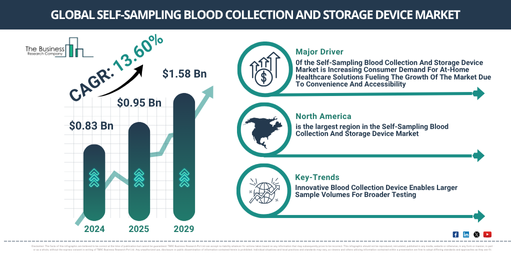
    The market for self-sampling blood collection and storage devices has seen a significant surge in recent times. The size of the market is projected to increase from $0.83 billion in 2024 to $0.95 billion in 2025, indicating a compound annual growth rate (CAGR) of 13.9%. Factors contributing to this growth during the historic period encompass the increase in chronic diseases, movement towards preventive healthcare, advancements in micro-sampling, expansion of telehealth services, enhanced understanding of self-testing, and the rise of healthcare consumerization.

    The market size for self-sampling blood collection and storage devices is projected to experience significant growth in the coming years, reaching an estimated worth of $1.58 billion by 2029. This represents a compound annual growth rate (CAGR) of 13.6%. Factors contributing to the growth during the forecast period include an increase in the utilization of home-based healthcare solutions, growth of telehealth and remote patient monitoring, the increasing prevalence of chronic and lifestyle diseases, a surge in demand for personalized and preventive healthcare, and an uptick in healthcare digitization. Key trends during this forecast period will be the development of microneedle and painless sampling technologies, the advancements in dried blood spot (DBS) technology, the integration of lab-on-a-chip and microfluidics, and the emergence of intelligent blood collection devices that incorporate internet of things (IoT) connectivity and AI-driven diagnostics and data interpretation.

    Download The Free Sample Report Here:

    https://www.thebusinessresearchcompany.com/sample.aspx?id=24692&type=smp

    What Forces Are Driving The Growth Of The Self-Sampling Blood Collection And Storage Device Industry?

    The anticipated expansion of the self-sampling blood collection and storage devices market is linked to the rising consumer preference for healthcare solutions that can be managed from home. This references medical devices, resources, and technologies which allow people to oversee their health, receive care, and control their health independently, negating the need for clinic or hospital visits. This surge in demand for at-home healthcare is fueled by the desire for increased convenience, by not only eliminating the need for travel to healthcare facilities but also minimizing waiting periods. Self-sampling blood collection devices align with this shift towards at-home healthcare, as they enable hassle-free and precise sample acquisition without the need of going to a clinic. These devices simplify the process, improve patient comfort, and enable prompt diagnostics, thus enhancing the overall reach of healthcare. For instance, the U.S. Bureau of Labor Statistics projects a growth in the employment of home health and personal care aides by 21% from 2023 to 2033, a pace much quicker than the average across all professions. Hence, the surge in demand for at-home healthcare is a key driver of growth in the self-sampling blood collection and storage devices market.

    What Is The Overview Of Market Segmentation In The Self-Sampling Blood Collection And Storage Device Industry?

    The self-sampling blood collection and storage device market covered in this report is segmented –

    1) By Product Type: Kits, Tubes, Lancets, Others Product Type

    2) By Material Type: Plastic, Glass, Silicone, Metal, Composite Materials

    3) By Sample Type: Blood, Urine, Saliva

    4) By Application: Genetic Testing, Infectious Disease Testing, Drug Testing, Blood Chemistry Testing

    5) By End-User: Hospitals, Diagnostic Laboratories, Research Institutes, Home Care Settings, Other End-Users

    Subsegments:

    1) By Kits: Dried Blood Spot (DBS) Collection Kits, Microtube Collection Kits, Plasma Separation Kits, DNA/RNA Collection Kits, At-home Diagnostic Test Kits

    2) By Tubes: EDTA Tubes, Heparin Tubes, Serum Separator Tubes, Plasma Separator Tubes, Micro Collection Tubes

    3) By Lancets: Push-Button Lancets, Pressure-Activated Lancets, Safety Lancets, Retractable Lancets, Adjustable Depth Lancets

    4) By Others Product Type: Capillary Blood Collection Devices, Blood Collection Cards, Transfer Devices, Filter Paper Devices, Preservation And Stabilization Reagents

    What Future Market Trends Are Projected For The Self-Sampling Blood Collection And Storage Device Industry?

    Leading firms in the self-sampling blood collection and storage device market are concentrating their efforts on creating innovative solutions. These could include advanced self-sampling blood collection gadgets aimed at improving sample reliability, user comfort, and diagnostic precision. These cutting-edge devices embody the most recent techniques that allow individuals to gather their own blood samples, often without the necessity for medical professional involvement. For example, in February 2023, Swedish medical tech company Capitainer AB introduced the Capitainer B 50, a self-sampling blood collection instrument that facilitates patients to collect and store considerably large blood volumes. The device enables accurate collection of two 50 µL blood samples via a finger stick, accommodating a broader lab analysis spectrum due to the larger sample volume. Additionally, it features an automatic filling mechanism that measures the blood, reducing the possibility of over- or under-filling and includes a sampling indicator for user assurance.

    Who Are The Primary Players Operating Across The Global Self-Sampling Blood Collection And Storage Device Market?

    Major companies operating in the self-sampling blood collection and storage device market are F. Hoffmann-La Roche AG, Danaher Corporation, Becton, Dickinson and Company (BD), DBS System SA, Quest Diagnostics, Terumo Corporation, Sysmex Corporation, Qiagen N.V., PerkinElmer Inc., Sarstedt AG & Co. KG, Greiner Bio-One International GmbH, Trajan Group Holdings Limited, Tasso Inc., PanoHealth, Boston Microfluidics Inc., LAMEDITECH Co Ltd., YourBio Health Inc., Capitainer, Drawbridge Health Inc., Spot On Sciences.

    Get The Full Report Here:

    https://www.thebusinessresearchcompany.com/report/self-sampling-blood-collection-and-storage-device-global-market-report

    Which Region Offers The Most Growth Potential For The Self-Sampling Blood Collection And Storage Device Market Through 2029?

    North America was the largest region in the self-sampling blood collection and storage device market in 2024. Asia-Pacific is expected to be the fastest-growing region in the forecast period. The regions covered in the self-sampling blood collection and storage device market report are Asia-Pacific, Western Europe, Eastern Europe, North America, South America, Middle East, Africa.

    Request For A Customized Report:

    https://www.thebusinessresearchcompany.com/customise?id=24692&type=smp

    About The Business Research Company:

    With over 15000+ reports from 27 industries covering 60+ geographies, The Business Research Company has built a reputation for offering comprehensive, data-rich research and insights. Armed with 1,500,000 datasets, the optimistic contribution of in-depth secondary research, and unique insights from industry leaders, you can get the information you need to stay ahead in the game.

    Get in touch with us:

    The Business Research Company: https://www.thebusinessresearchcompany.com/

    Americas +1 310-496-7795

    Asia +44 7882 955267 & +91 8897263534

    Europe +44 7882 955267

    Email us at info@tbrc.info

    Follow us on:

    LinkedIn: https://in.linkedin.com/company/the-business-research-company

    YouTube: https://www.youtube.com/channel/UC24_fI0rV8cR5DxlCpgmyFQ

    Global Market Model: https://www.thebusinessresearchcompany.com/global-market-model