Month: September 2025

  • 2025 Analysis: Opportunities and Risks in the Evolving Omega-3 Supplements Market

    2025 Analysis: Opportunities and Risks in the Evolving Omega-3 Supplements Market

    Claim your 30% discount on Global Market Reports with code ONLINE30. Limited time only.

    What Are the Forecasted Growth Rate and Market Size of the Omega-3 Supplements Market?

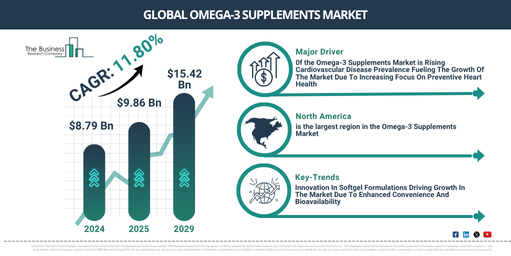
    In recent times, the market size of omega-3 supplements has seen an exponential increase. The market is set to grow from its worth of $8.79 billion in 2024 to an expected value of $9.86 billion in 2025, projecting a compound annual growth rate (CAGR) of 12.2%. The growth observed during the historic period is due to various factors including enhanced awareness of heart health, an upsurge in consumer interest for dietary supplements, a rise in chronic diseases, expansion of the nutraceutical sector, and growing health concerns in the elderly section of the population.

    The market size for omega-3 supplements is projected to witness a swift expansion in the coming years, potentially reaching a valuation of $15.42 billion by 2029, and registering a compound annual growth rate (CAGR) of 11.8%. The accelerated growth during the projection period can be credited to a myriad of factors such as an increase in fish oil consumption, the advancement of e-commerce distribution channels, a surge in the vegan and vegetarian demographic, a risen demand in infant nutrition products, and governmental guidelines advocating omega-3 consumption. Key trends for this forecasting period include a shift towards omega-3 supplements sourced from algae, an emphasis on clean labels and transparent ingredient sourcing, innovation in combination supplements featuring omega-3, the increased value and perceived luxury of omega-3 products, as well as the introduction of flavored omega-3 liquids.

    Download The Free Sample Report Here:

    https://www.thebusinessresearchcompany.com/sample.aspx?id=24633&type=smp

    Which Factor Is Shaping The Future Of The Omega-3 Supplements Market?

    The growth of the omega-3 supplements market is anticipated to be propelled by the increasing incidence of cardiovascular diseases. Cardiovascular diseases, which affect the heart and blood vessels, are becoming more prevalent due to the rise in unhealthy lifestyle choices such as consuming diets high in saturated fats and sugars, physical inactivity, smoking, and excessive drinking. The use of omega-3 supplements in treating cardiovascular diseases can decrease inflammation and blood pressure, reduce triglyceride levels, and enhance the overall health of the heart. For example, a report by the American Heart Association, Inc., a health organization from the US, indicated in December 2024 that by 2050, an estimated 45 million adults will be affected by the rise in cardiovascular disease prevalence from 11.3% to 15% of the population in the United States. Thus, the escalating incidence of cardiovascular diseases is driving growth in the omega-3 supplements market.

    What Is The Segment-Wise Breakdown Of The Omega-3 Supplements Market?

    The omega-3 supplements market covered in this report is segmented –

    1) By Product: Capsules, Powder, Soft Gel, Other Products

    2) By Source: Fish Oil, Krill Oil, Algae Oil, Other Sources

    3) By Distribution Channel: Supermarket And Hypermarkets, Convenience Stores, Specialty Stores, Online Channel, Other Distribution Channels

    4) By Functionality: Cardiovascular Health, Brain And Cognitive Health, Eye Health, Joint Health, Other Functionality

    5) By End Use: Adults, Geriatric, Pregnant Women, Children, Infants

    Subsegments:

    1) By Capsules: Fish Oil Capsules, Algal Oil Capsules, Krill Oil Capsules, Flaxseed Oil Capsules

    2) By Powder: Protein-Infused Omega-3 Powder, Algae-Based Omega-3 Powder, Fortified Beverage Mix Powders, Nutritional Supplement Powders

    3) By Soft Gel: Enteric-Coated Soft Gels, High-DHA Soft Gels, Triple Strength Soft Gels, Omega-3-6-9 Combination Soft Gels

    4) By Other Products: Gummies, Syrups, Emulsions, Effervescent Tablets

    Which Trends Are Redefining The Future Landscape Of The Omega-3 Supplements Industry?

    In order to stand out in the highly competitive omega-3 supplements market, leading companies are striving to design innovative products like softgels. These items prioritize consumer convenience, enhance bioavailability, and provide a unique aspect to their range. Omega-3 softgels are encapsulated nutrition supplements abundant in omega-3 fatty acids and primarily sourced from fish oil or algae. They are designed for easy ingestion and improved absorption. For example, in May 2025, Osteo Bi-Flex, a joint health brand from Nestlé Health Science based in the US, launched its Advanced Omega-3 Joint Complex. The supplement combines 100 mg of 5-LOXIN Advanced – a powerful Boswellia serrata extract resulting in joint comfort – along with 360 mg of omega-3s sourced from algae oil. This product aims to support joint, heart, and skin health while aiding circulation and cellular metabolism, thereby simplifying wellness regimes by offering a multitude of benefits through simply two softgels daily.

    Which Companies Hold The Largest Market Share In The Omega-3 Supplements Sector?

    Major companies operating in the omega-3 supplements market are GlaxoSmithKline plc, DSM-Firmenich AG, The Nature’s Bounty Co., Nestlé Health Science U.S., Arkopharma, Pharmavite LLC, VAYA Pharma, Now Foods, Jarrow Formulas Inc., KD Pharma Group SA, Nordic Naturals Inc., Natrol LLC, Pharma Nord B.V, Carlson Laboratories, Optimum Nutrition Inc., Vital Choice Wild Seafood & Organics, SPC, Barlean’s Organic Oils LLC, Reckitt Benckiser Group plc, NutriGold Inc., Luhua Biomarine (Shandong) Co., Ltd.

    Get The Full Report Here:

    https://www.thebusinessresearchcompany.com/report/omega-3-supplements-global-market-report

    How Does Regional Performance Compare Across The Omega-3 Supplements Industry?

    North America was the largest region in the omega-3 supplements market in 2024. Asia-Pacific is expected to be the fastest-growing region in the forecast period. The regions covered in the omega-3 supplements market report are Asia-Pacific, Western Europe, Eastern Europe, North America, South America, Middle East, Africa.

    Request For A Customized Report:

    https://www.thebusinessresearchcompany.com/customise?id=24633&type=smp

    About The Business Research Company:

    With over 15000+ reports from 27 industries covering 60+ geographies, The Business Research Company has built a reputation for offering comprehensive, data-rich research and insights. Armed with 1,500,000 datasets, the optimistic contribution of in-depth secondary research, and unique insights from industry leaders, you can get the information you need to stay ahead in the game.

    Get in touch with us:

    The Business Research Company: https://www.thebusinessresearchcompany.com/

    Americas +1 310-496-7795

    Asia +44 7882 955267 & +91 8897263534

    Europe +44 7882 955267

    Email us at info@tbrc.info

    Follow us on:

    LinkedIn: https://in.linkedin.com/company/the-business-research-company

    YouTube: https://www.youtube.com/channel/UC24_fI0rV8cR5DxlCpgmyFQ

    Global Market Model: https://www.thebusinessresearchcompany.com/global-market-model
  • In-Depth Obstetrics Device Market Report: Business Trends, Growth Factors, and Forecast to 2029

    In-Depth Obstetrics Device Market Report: Business Trends, Growth Factors, and Forecast to 2029

    Claim your 30% discount on Global Market Reports with code ONLINE30. Limited time only.

    What Is the Estimated Industry Valuation for the Obstetrics Device Sector?

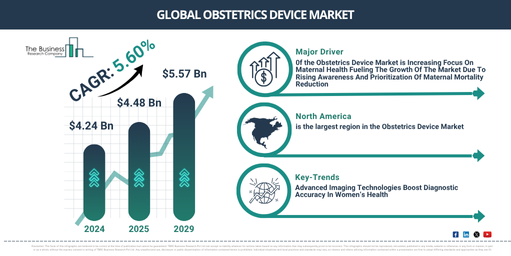
    In the recent past, the market size for obstetrics devices has seen robust growth. It is projected to expand from $4.24 billion in 2024 to around $4.48 billion in 2025, with a compound annual growth rate (CAGR) of 5.9%. The growth during the historical period is primarily driven by factors such as increasing birth rates in developing nations, a rise in institutional deliveries, an uptick in cesarean section rates, heightened sensitivity towards prenatal care, and the implementation of government maternal health initiatives.

    In the upcoming years, the obstetrics device market is projected to witness substantial expansion. It’s anticipated to reach $5.57 billion by 2029, growing at a compound annual growth rate (CAGR) of 5.6%. This projected growth during the forecast period can be ascribed to several factors such as increased global emphasis on decreasing maternal death rates, aging maternal population in developed nations, development of healthcare infrastructure in emerging markets, a rise in fertility treatments, and increased penetration of health insurance. Predominant trends predicted for the forecast period encompass the inclusion of artificial intelligence (AI) and machine learning, sophisticated imaging technologies, personalized and smart delivery rooms, sustainable and eco-friendly product designs, and intelligent, wearable monitoring devices.

    Download The Free Sample Report Here:

    https://www.thebusinessresearchcompany.com/sample.aspx?id=24632&type=smp

    What Forces Are Driving The Growth Of The Obstetrics Device Market?

    The escalating emphasis on maternal health is anticipated to boost the growth of the obstetrics device market in the future. Maternal health involves women’s health and wellness during pregnancy, childbirth, and the postpartum phase. This heightened emphasis on maternal health arises from growing awareness as governments and organizations globally are committed to decreasing maternal mortality and enhancing pregnancy results. Obstetrics equipment contribute to maternal health by providing precise monitoring and diagnostic abilities, allowing for early complication detection and promoting safer pregnancies. They enhance clinical judgment and help achieve better outcomes for mothers and infants. As an example, the US-based government agency, Centers for Disease Control and Prevention, reported in April 2025 that the birth rate had risen by 1% from 3,591,328 in 2023 to 3,622,673 in 2024. Consequently, the escalating emphasis on maternal health is spurring the growth of the obstetrics device market.

    How Is The Obstetrics Device Industry Segmented Across Key Parameters?

    The obstetrics device market covered in this report is segmented –

    1) By Type: Monitoring Devices, Surgical Instruments, Diagnostic Devices, Catheters

    2) By Technology: Digital Monitoring, Ultrasound Imaging, Wireless Technologies

    3) By Application: Pregnancy Monitoring, Labor And Delivery, Cesarean Sections, Neonatal Care, Reproductive Health

    4) By End User: Hospitals, Clinics, Birthing Centers, Ambulatory Surgical Centers

    Subsegments:

    1) By Monitoring Devices: Fetal Monitors, Contraction Monitors, Maternal Vital Sign Monitors, Ultrasound Monitoring Devices

    2) By Surgical Instruments: Forceps, Scissors, Retractors, Curettes, Needle Holders

    3) By Diagnostic Devices: Ultrasound Machines, Dopplers, Amniotic Fluid Analyzers, Biochemical Analyzers

    4) By Catheters: Intrauterine Catheters, Foley Catheters, Balloon Catheters, Cervical Ripening Catheters

    What Notable Trends Are Shaping The Direction Of The Obstetrics Device Market?

    Top-tier organizations in the obstetrics appliance sector are prioritizing the progression of innovative products, such as exclusive ultrasound systems. This is to enhance diagnostic precision and streamline procedures in maternity and cardiovascular treatment. A high-profile ultrasound system is an elite diagnostic imaging appliance providing advanced image-taking capabilities, superior image clarity, and groundbreaking technology for accurate medical assessments. For instance, in September 2024, HERA Z20, a top-of-the-line ultrasound system geared towards obstetrics and gynecology, was unveiled by Samsung Medison Co. Ltd., a medical appliance organization rooted in South Korea. The advanced imaging technologies of the HERA Z20 allow for remarkable sharpness and exactness, offer improved diagnostic capabilities specifically oriented towards women’s health, and feature an easy-to-navigate user interface to boost workflow productivity. In addition, it incorporates artificial intelligence-powered instruments that aid medical practitioners in making more efficient and correct judgments, thereby redefining the standard for ultrasound systems in the field of obstetrics and gynecology.

    Which Companies Currently Dominate The Competitive Landscape In The Obstetrics Device Industry?

    Major companies operating in the obstetrics device market are Medtronic plc, Siemens Healthineers AG, Fujifilm Holdings Corporation, Becton, Dickinson and Company, Royal Philips N.V., Stryker Corporation, GE Healthcare, Boston Scientific Corporation, Olympus Corporation, Shenzhen Mindray Bio-Medical Electronics Co Ltd., Hologic Inc., Mindray Medical International Limited, CooperSurgical Inc., Canon Medical Systems Corporation, Karl Storz GmbH & Co. KG, Cook Medical Incorporated, Natus Medical Incorporated, Esaote SpA, Atom Medical Corporation, CHISON Medical Technologies Co Ltd.

    Get The Full Report Here:

    https://www.thebusinessresearchcompany.com/report/obstetrics-device-global-market-report

    Which Geographic Regions Are Driving Demand In The Obstetrics Device Market?

    North America was the largest region in the obstetrics device market in 2024. Asia-Pacific is expected to be the fastest-growing region in the forecast period. The regions covered in the obstetrics device market report are Asia-Pacific, Western Europe, Eastern Europe, North America, South America, Middle East, Africa.

    Request For A Customized Report:

    https://www.thebusinessresearchcompany.com/customise?id=24632&type=smp

    About The Business Research Company:

    With over 15000+ reports from 27 industries covering 60+ geographies, The Business Research Company has built a reputation for offering comprehensive, data-rich research and insights. Armed with 1,500,000 datasets, the optimistic contribution of in-depth secondary research, and unique insights from industry leaders, you can get the information you need to stay ahead in the game.

    Get in touch with us:

    The Business Research Company: https://www.thebusinessresearchcompany.com/

    Americas +1 310-496-7795

    Asia +44 7882 955267 & +91 8897263534

    Europe +44 7882 955267

    Email us at info@tbrc.info

    Follow us on:

    LinkedIn: https://in.linkedin.com/company/the-business-research-company

    YouTube: https://www.youtube.com/channel/UC24_fI0rV8cR5DxlCpgmyFQ

    Global Market Model: https://www.thebusinessresearchcompany.com/global-market-model
  • Nursing Robots Industry Poised for Rapid Expansion, Projected to Hit $3.04 Billion by 2029

    Nursing Robots Industry Poised for Rapid Expansion, Projected to Hit $3.04 Billion by 2029

    Claim your 30% discount on Global Market Reports with code ONLINE30. Limited time only.

    How Large Is the Nursing Robots Market Expected to Be in 2029?

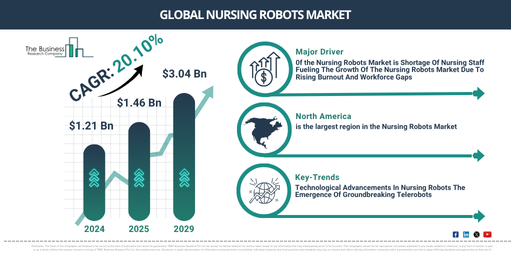
    In recent times, the market size of nursing robots has shown substantial growth. The value is projected to rise from $1.21 billion in 2024 to $1.46 billion in 2025, indicating a compound annual growth rate (CAGR) of 20.5%. Factors responsible for this historical growth include pilot programs instituted in hospitals, enhanced media and public understanding, the creation of easy-to-use interfaces, contributions from research and academics, and the implementation of standardization and regulatory frameworks.

    The market size of nursing robots is anticipated to witness a tremendous escalation in the coming years. It’s projected to amplify to $3.04 billion by 2029, with a compound annual growth rate (CAGR) of 20.1%. Factors attributing to its rise in the forecast period involve a persistently aging global population, increased penetration into home care environments, better mobility and finesse, customized patient engagement, and programs focused on training and education. The upcoming period will showcase key trends such as wearable robotic exoskeletons, adoption of natural language processing (NLP), AI-powered diagnostics, implementation of 5G technology, and tactile-sensitive interfaces.

    Download The Free Sample Report Here:

    https://www.thebusinessresearchcompany.com/sample.aspx?id=24631&type=smp

    What Are The Contributors To Demand In The Nursing Robots Market?

    The escalating deficit in nursing personnel is predicted to catalyze the expansion of the nursing robots market in the future. Nursing personnel alludes to a cohort of healthcare providers dedicated to offering care and support for patients, predominantly in hospitals, clinics, nursing facilities and other health care environments. The scarcity of nursing staff is dramatically increasing due to the high prevalence of burnout, resulting in premature departures, decreased work hours, and fewer experts continuing in the occupation. Nursing robots assist by performing monotonous or physically strenuous jobs like shifting patients, distributing supplies, or checking vital statistics, decreasing workload and enabling nurses to concentrate on critical patient care. For example, the World Health Organization, a Swiss intergovernmental institution, reported in May 2024 that the global nursing labor force comprises approximately 29 million nurses and 2.2 million midwives. The report projected a shortfall of 4.5 million nurses and 310,000 midwives by 2030. Therefore, the escalating shortage of nursing personnel is facilitating the expansion of the nursing robots market.

    What Segmentation Categories Are Included In The Nursing Robots Market Analysis?

    The nursing robots market covered in this report is segmented –

    1) By Type: Humanoid Robots, Assistive Robots, Autonomous Robots

    2) By Product Type: Independent Support Robots, Daily Care And Transportation Robots, Medication Dispensing Robots, Other Product Types

    3) By Application: Elderly Care, Post-Surgical Care, Mental Health Support, Patient Monitoring And Assistance, Rehabilitation And Physical Therapy

    4) By End User: Hospitals And Clinics, Home Care Settings, Nursing Home, Other End Users

    Subsegments:

    1) By Humanoid Robots: Social Assistance Robots, Caregiving Robots, Communication Robots, Monitoring And Surveillance Robots

    2) By Assistive Robots: Physical Assistance Robots, Mobility Aid Robots, Rehabilitation Robots, Prosthetic And Orthotic Assistive Devices

    3) By Autonomous Robots: Autonomous Delivery Robots, Autonomous Medication Management Robots, Autonomous Monitoring Robots, Autonomous Disinfection Robots

    What Upcoming Trends Are Expected To Impact The Nursing Robots Market Globally?

    Major companies in the nursing robot market are concentrating their efforts on technological innovation, such as the development of telerobots, in a bid to improve patient care and reduce the burden on healthcare professionals. Essentially, a telerobot is a cutting-edge robotic system operated remotely, offering groundbreaking features or abilities that further the robotics field substantially. For instance, in June 2023, Scotland-based deep-tech firm Touchlab launched Välkky, an innovative nursing-assistant telerobot, at the Laakso Hospital in Helsinki, Finland. This was part of a three-month trial project to study the potential of advanced robotics in easing the pressure on healthcare workers and improving patient care. The distinctive features of Välkky comprise ultra-thin electronic skin for tactile sensation, haptic systems for real-time remote control, the capacity to execute standard healthcare duties, and integrated safety features to ensure safe engagement with patients.

    Who Are The Top-Ranked Companies In The Nursing Robots Market Today?

    Major companies operating in the nursing robots market are Toyota Motor Corporation, Panasonic Holdings Corporation, KUKA Robotics Corporation, Sumitomo Riko Company Limited, Nikkei Inc., NCS Group, RIKEN, SoftBank Robotics Group Corp., Softeq Development Corporation, Shine Technology Co Ltd., DocCheck Community GmbH, Shenzhen Zuowei Technology Co Ltd., Diligent Robotics Inc., SARA Robotics & Automation Services, Hansen Medical Inc., Chang Robotics Co Ltd., CT Asia Robotics Co Ltd., Takayama Shoji Co Ltd., Club First Roboptics Co Ltd., Hstar Technologies.

    Get The Full Report Here:

    https://www.thebusinessresearchcompany.com/report/nursing-robots-global-market-report

    How Is Nursing Robots Market Adoption Varying Across Different Regions And Sectors?

    North America was the largest region in the nursing robots market in 2024. Asia-Pacific is expected to be the fastest-growing region in the forecast period. The regions covered in the nursing robots market report are Asia-Pacific, Western Europe, Eastern Europe, North America, South America, Middle East, Africa.

    Request For A Customized Report:

    https://www.thebusinessresearchcompany.com/customise?id=24631&type=smp

    About The Business Research Company:

    With over 15000+ reports from 27 industries covering 60+ geographies, The Business Research Company has built a reputation for offering comprehensive, data-rich research and insights. Armed with 1,500,000 datasets, the optimistic contribution of in-depth secondary research, and unique insights from industry leaders, you can get the information you need to stay ahead in the game.

    Get in touch with us:

    The Business Research Company: https://www.thebusinessresearchcompany.com/

    Americas +1 310-496-7795

    Asia +44 7882 955267 & +91 8897263534

    Europe +44 7882 955267

    Email us at info@tbrc.info

    Follow us on:

    LinkedIn: https://in.linkedin.com/company/the-business-research-company

    YouTube: https://www.youtube.com/channel/UC24_fI0rV8cR5DxlCpgmyFQ

    Global Market Model: https://www.thebusinessresearchcompany.com/global-market-model
  • Global Nuclear Radiation Scanner Market Forecast to Reach $1.81 Billion by 2029, Driven by 7.8% CAGR

    Global Nuclear Radiation Scanner Market Forecast to Reach $1.81 Billion by 2029, Driven by 7.8% CAGR

    Claim your 30% discount on Global Market Reports with code ONLINE30. Limited time only.

    What Is the Outlook for the Nuclear Radiation Scanner Market Heading Into 2029?

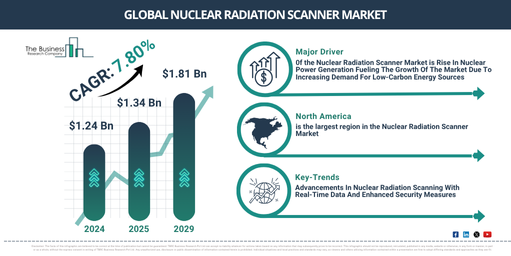
    In the past few years, the market size of nuclear radiation scanners has experienced substantial growth. From $1.24 billion in 2024, it is projected to increase to $1.34 billion in 2025, reflecting a compound annual growth rate (CAGR) of 8.1%. Various factors have contributed to this growth in the historical period such as an increase in industrial applications, enhanced security concerns due to radioactive materials, a surge in research and development activities, expansion of the nuclear medicine field, and escalated threat levels from nuclear terrorism.

    Over the coming years, an anticipated robust expansion was foreseen in the nuclear radiation scanner market, where it is projected to reach $1.81 billion by 2029, with a compound annual growth rate (CAGR) of 7.8%. This growth during the predicated period can be ascribed to several factors, including the rise in nuclear power production, amplified funding and government initiatives towards nuclear safety, a heightened consciousness about radiation hazards, an upsurge in nuclear waste management, and the augmentation in radiation mishaps. Upcoming trends for the predicted period encompass advancements in sensor technology, the creation of portable radiation detectors, the surge in demand for instantaneous radiation monitoring, enhancements in detector sensitivity, and the integration of automated and digital systems.

    Download The Free Sample Report Here:

    https://www.thebusinessresearchcompany.com/sample.aspx?id=24630&type=smp

    Which Factors Are Pushing The Nuclear Radiation Scanner Market Forward?

    The increase in nuclear power generation is expected to drive the expansion of the nuclear radiation scanner market in the future. The energy produced from regulated nuclear reactions, generally through fission, is known as nuclear power, which is used to generate electricity. The growing need for low-carbon energy sources is causing a surge in nuclear power generation, as it provides a large-scale and reliable substitute for fossil fuels, and aids in reducing greenhouse gas emissions. Nuclear radiation scanners play a crucial role in nuclear power generation, as they help detect and monitor radiation levels to ensure the safety of workers and the environment, prevent detrimental exposure, and comply with regulations. For example, a report released by the European Commission, a Belgium-based executive body, in February 2025 stated that in 2023, the 13 European Union nations producing nuclear electricity collectively generated 619,601 gigawatt hours (GWh)—a 1.7% increase from the production in 2022. Consequently, the expected rise in nuclear power generation is likely to enhance the growth of the nuclear radiation scanner market.

    Which Segment Held The Largest Share In The Nuclear Radiation Scanner Market In 2025?

    The nuclear radiation scanner market covered in this report is segmented –

    1) By Product Type: Portable Scanners, Fixed Scanners, Handheld Scanners

    2) By Technology: Geiger-Muller Counters, Scintillation Detectors, Semiconductor Detectors, Others Technologies

    3) By Distribution Channel: Direct Sales, Online Sales, Distributors And Resellers, Aftermarket Services

    4) By End-User: Hospitals, Research Institutes, Nuclear Power Plants, Defense And Security Agencies, Other End Users

    Subsegments:

    1) By Portable Scanners: Backpack Radiation Detectors, Vehicle-Mounted Radiation Detectors, Portable Radiation Portal Monitors

    2) By Fixed Scanners: Fixed Radiation Portal Monitors, Area Radiation Monitors, Continuous Emission Monitoring Systems

    3) By Handheld Scanners: Handheld Gamma Spectrometers, Handheld Geiger Counters, Personal Radiation Detectors

    How Are Key Trends Driving Expansion In The Nuclear Radiation Scanner Industry?

    Leading enterprises in the nuclear radiation scanner market are concentrating on developing innovative solutions, such as software tools, to achieve higher precision and regularity in their tasks. These software tools are digital applications created to accomplish certain tasks, amplify productivity, or aid in creating and managing other systems or software. For example, the International Atomic Energy Agency, a center for nuclear cooperation based in Austria, formulated the Mobile-Integrated Nuclear Security Network, a software tool which provides real-time radiation data, in June 2023. This tool ensures robust nuclear security by offering up-to-the-minute radiation data for high-traffic areas like border checkpoints, ports, and airports. It assists decision-makers to interpret radiation data and make educated decisions for public protection in case of a potential nuclear or radioactive material event. The vendor-neutral design of M-INSN, a critical feature, allows it to be combined with any detection equipment and provides administrators instant access to radiation data and the exact location of users, including radiation specialists and security officers. Additionally, an updated interactive map displaying the condition of the equipment provides essential data for tracking nuclear security activities.

    Which Organizations Are Driving Progress In The Nuclear Radiation Scanner Industry?

    Major companies operating in the nuclear radiation scanner market are Bruker Corporation, HORIBA Ltd., LANDAUER INC., Canon Electron Tubes & Devices Co. Ltd., Atomtex Co., Berkeley Nucleonics Corporation, Rotem Industries Ltd., LND Inc., AMPTEK Inc., Radiation Monitoring Devices Inc., Mediso Ltd., Advacam s.r.o., Arktis Radiation Detectors Ltd., INNORIID GMBH, CapeSym Inc., M.C. TEC B.V., Radiation Detection Technologies Inc., US Nuclear Corp., John Caunt Scientific Ltd., ELSE NUCLEAR S.r.l

    Get The Full Report Here:

    https://www.thebusinessresearchcompany.com/report/nuclear-radiation-scanner-global-market-report

    Which Region Is Expected To Experience The Highest Growth In The Nuclear Radiation Scanner Industry?

    North America was the largest region in the nuclear radiation scanner market in 2024. Asia-Pacific is expected to be the fastest-growing region in the forecast period. The regions covered in the nuclear radiation scanner market report are Asia-Pacific, Western Europe, Eastern Europe, North America, South America, Middle East, Africa.

    Request For A Customized Report:

    https://www.thebusinessresearchcompany.com/customise?id=24630&type=smp

    About The Business Research Company:

    With over 15000+ reports from 27 industries covering 60+ geographies, The Business Research Company has built a reputation for offering comprehensive, data-rich research and insights. Armed with 1,500,000 datasets, the optimistic contribution of in-depth secondary research, and unique insights from industry leaders, you can get the information you need to stay ahead in the game.

    Get in touch with us:

    The Business Research Company: https://www.thebusinessresearchcompany.com/

    Americas +1 310-496-7795

    Asia +44 7882 955267 & +91 8897263534

    Europe +44 7882 955267

    Email us at info@tbrc.info

    Follow us on:

    LinkedIn: https://in.linkedin.com/company/the-business-research-company

    YouTube: https://www.youtube.com/channel/UC24_fI0rV8cR5DxlCpgmyFQ

    Global Market Model: https://www.thebusinessresearchcompany.com/global-market-model
  • Outlook for Norovirus Treatment Market: Key Developments and Future Strategies to 2029

    Outlook for Norovirus Treatment Market: Key Developments and Future Strategies to 2029

    Claim your 30% discount on Global Market Reports with code ONLINE30. Limited time only.

    What Does the Forecast Indicate for the Norovirus Treatment Market From 2025 to 2029?

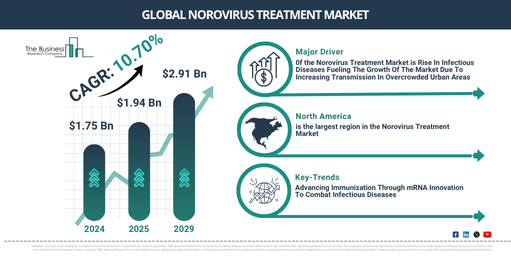
    The market size for norovirus treatments has experienced a swift expansion in the last few years. The market is projected to increase from $1.75 billion in 2024 to $1.94 billion in 2025, demonstrating a compound annual growth rate (CAGR) of 11.0%. This substantial growth during the historical period is due to numerous factors such as the escalating number of norovirus outbreaks across the globe, heightened public consciousness, an intensified emphasis on supportive care, financial input into vaccine research, enhanced healthcare facilities, and an increased requirement for efficient infection management strategies.

    The market size for norovirus treatment is projected to experience a swift surge in the forthcoming years. The market is predicted to amplify to $2.91 billion by 2029 with a compound annual growth rate (CAGR) of 10.7%. This growth during the predicted period can be credited to the escalation in funding for the development of antiviral medications, a rise in the use of quick diagnostic instruments, an increase in public health consciousness regarding norovirus effects, wider access to healthcare in growing economies, and the advancement of new therapeutic approaches aimed at symptom severity. Key trends during the forecast period encompass progress in vaccine research, novel antiviral treatments, advancements in molecular diagnostic technology, the acceptance of AI-based diagnostic instruments, intensified public health initiatives, and the creation of cost-efficient point-of-care treatment methods.

    Download The Free Sample Report Here:

    https://www.thebusinessresearchcompany.com/sample.aspx?id=24629&type=smp

    What Elements Are Contributing To Growth In The Norovirus Treatment Market?

    The rise in the occurrence of infectious illnesses is anticipated to stimulate the expansion of the norovirus remedy market. These infections, triggered by bacteria, viruses, fungi or parasites can circulate among individuals and comprise influenza, tuberculosis, HIV/AIDS, malaria, and norovirus. The surge in such diseases is attributable to increased urban congestion, leading to rapid spread of pathogens within densely populated areas. Norovirus treatment aids in diminishing the impact of these infectious diseases by efficiently managing symptoms and controlling the spread using adequate hydration, cleanliness, and isolation strategies. For instance, the World Health Organization revealed in March 2025, that approximately 10.8 million people worldwide, including 6.0 million men, 3.6 million women, and 1.3 million children, were afflicted with tuberculosis in 2023. Hence, the growing occurrence of infectious diseases is propelling the growth of the norovirus treatment market.

    Which Segments Are Detailed In The Global Norovirus Treatment Market Report?

    The norovirus treatment market covered in this report is segmented –

    1) By Treatment: Electrolytes, Intravenous Fluids, Antipyretics, Analgesics, Anti-Diarrheal, Other Treatments

    2) By Diagnosis: Bacteria Culture Test, Stool Tests, Other Diagnosis

    3) By Route Of Administration: Oral, Intravenous, Subcutaneous

    4) By End User: Hospitals, Clinics, Homecare Settings

    Subsegments:

    1) By Electrolytes: Oral Rehydration Salts (ORS), Sports Drinks, Pediatric Electrolyte Solutions

    2) By Intravenous Fluids: Crystalloids, Colloids, Lactated Ringer’s Solution

    3) By Antipyretics: Acetaminophen (Paracetamol), Ibuprofen, Aspirin

    4) By Analgesics: Nonsteroidal Anti-Inflammatory Drugs (NSAIDs), Opioid Analgesics, Acetaminophen-Based Analgesics

    5) By Anti-Diarrheal: Loperamide, Bismuth Subsalicylate, Diphenoxylate-Atropine

    6) By Other Treatments: Antiemetics, Probiotics, Zinc Supplements

    Which Emerging Trends And Strategic Shifts Are Shaping The Norovirus Treatment Market?

    Key players in the norovirus treatment industry are concentrating on the development of novel solutions such as advanced mRNA vaccines in a quest to expedite the creation of targeted vaccines, amplify protection against severe infections, and lessen the worldwide impact of norovirus-related diseases. These advanced mRNA vaccines are cutting-edge immunizations using specially designed messenger RNA to direct cells in the manufacturing of particular proteins, thereby triggering an improved, stable, and adaptable targeted immune response to a variety of infectious diseases. To illustrate, Moderna Inc., a biotechnology firm based in the USA, teamed up with the UK’s UK Health Security Agency in October 2024 to commence the world’s inaugural Phase 3 trial of an mRNA norovirus vaccine (mRNA-1403) in the United Kingdom. This trial utilizes a vaccine uniquely created to aim at the highly communicable norovirus. The vaccine directs the human body to generate viral proteins, which then provoke a powerful immune reaction without the need for the live virus. The deployment of stabilized mRNA for enhanced durability, the potential for swift development due to mutating strains, and the capacity to induce both antibody and T-cell responses are all unique facets of this launch.

    Who Are The Key Contributors To Growth In The Norovirus Treatment Market?

    Major companies operating in the norovirus treatment market are Pfizer Inc., Johnson and Johnson, F. Hoffmann-La Roche Ltd., Merck and Co. Inc., AbbVie Inc., Bayer AG, Sanofi S.A., Bristol-Myers Squibb Company, Abbott Laboratories, Novartis AG, AstraZeneca plc, GSK plc, Eli Lilly and Company, Teva Pharmaceutical Industries Ltd., Reckitt Benckiser Group plc, Sun Pharmaceutical Industries Ltd., Lupin Ltd., Aurobindo Pharma Limited, Cipla Inc., Endo International plc.

    Get The Full Report Here:

    https://www.thebusinessresearchcompany.com/report/norovirus-treatment-global-market-report

    Which Region Is Projected To Lead The Norovirus Treatment Market By 2025?

    North America was the largest region in the norovirus treatment market in 2024. The regions covered in the norovirus treatment market report are Asia-Pacific, Western Europe, Eastern Europe, North America, South America, Middle East, Africa.

    Request For A Customized Report:

    https://www.thebusinessresearchcompany.com/customise?id=24629&type=smp

    About The Business Research Company:

    With over 15000+ reports from 27 industries covering 60+ geographies, The Business Research Company has built a reputation for offering comprehensive, data-rich research and insights. Armed with 1,500,000 datasets, the optimistic contribution of in-depth secondary research, and unique insights from industry leaders, you can get the information you need to stay ahead in the game.

    Get in touch with us:

    The Business Research Company: https://www.thebusinessresearchcompany.com/

    Americas +1 310-496-7795

    Asia +44 7882 955267 & +91 8897263534

    Europe +44 7882 955267

    Email us at info@tbrc.info

    Follow us on:

    LinkedIn: https://in.linkedin.com/company/the-business-research-company

    YouTube: https://www.youtube.com/channel/UC24_fI0rV8cR5DxlCpgmyFQ

    Global Market Model: https://www.thebusinessresearchcompany.com/global-market-model
  • Key Market Drivers, Trends, and Forecast for the Global Non-Viral Drug Delivery Systems Industry

    Key Market Drivers, Trends, and Forecast for the Global Non-Viral Drug Delivery Systems Industry

    Claim your 30% discount on Global Market Reports with code ONLINE30. Limited time only.

    How Much Is the Global Non-Viral Drug Delivery Systems Market Valued at Present and by 2029?

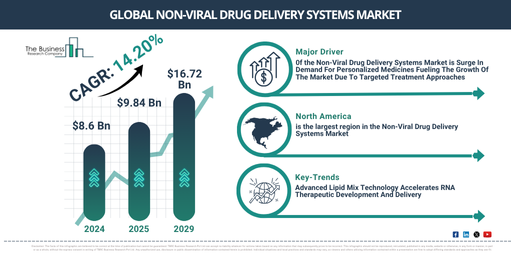
    The market size for non-viral drug delivery systems has seen a swift expansion in the last few years. The industry, valued at $8.6 billion in 2024, is projected to escalate to $9.84 billion in 2025, achieving a compound annual growth rate (CAGR) of 14.4%. Factors contributing to the growth during the historic phase include the escalating demand for more secure gene therapies, advancements in nanotechnology, a rise in chronic disease prevalence, an increased emphasis on personalized medicine, and enhanced regulatory support for non-viral platforms.

    In the upcoming years, the market size for non-viral drug delivery systems is projected to witness significant growth, expanding to a worth of $16.72 billion by 2029, with a compound annual growth rate (CAGR) of 14.2%. The expected growth in the forecast period is attributed to factors such as the increasing acceptance of targeted therapies, augmented investments in drug delivery science, growing inclination for non-invasive treatments, incorporation of artificial intelligence and escalating demand for sustained-release formulations. The forecast period will also see major trends such as progress in nanocarrier technology, advanced biomaterials for improved delivery, breakthroughs in mRNA delivery platforms, smart drug delivery devices integration, and enhancements in gene editing delivery methods.

    Download The Free Sample Report Here:

    https://www.thebusinessresearchcompany.com/sample.aspx?id=24628&type=smp

    #What Drivers Are Influencing Growth In The Non-Viral Drug Delivery Systems Market?

    The surge in the need for tailored medications is projected to boost the expansion of the non-viral drug delivery systems market in the future. Personalized medicine, a medical plan customized to a person’s genetics, way of life, and surrounding environment, is witnessing a growing demand since it results in more efficient treatments by focusing on the exact triggers of illness in each individual. Non-viral mechanisms contribute to personalized medicine by securely administering drugs or genes to cells, minimizing hazards, and enhancing the accuracy of treatment. For illustration, the Personalized Medicine Coalition, an American non-profit establishment, declared that the FDA gave authorization for 16 novel personalized treatments for patients suffering from unusual diseases in February 2024, a marked increment from the six approvals in 2022. Consequently, the escalating demand for personalized medications is fuelling the development of the non-viral drug delivery systems market.

    What Are The Main Segments Identified In The Non-Viral Drug Delivery Systems Market Research?

    The non-viral drug delivery systems market covered in this report is segmented –

    1) By Type Of Molecule Delivered: Biologics, Small Molecules

    2) By Type Of Biologics Delivered: Ribonucleic Acid (RNA), Deoxyribonucleic Acid (DNA), Proteins or Peptides, Antibodies

    3) By End User: Pharmaceutical And Biotechnology Companies, Academic And Research Institutes, Contract Development And Manufacturing Organizations (CDMOs), Hospitals And Clinics

    Subsegments:

    1) By Biologics: Peptides, Proteins, Monoclonal Antibodies, RNA-based Therapeutics, DNA-based Therapies

    2) By Small Molecules: Chemotherapeutics, Anti-inflammatories, Antivirals, Antibiotics, Hormonal Drugs

    What Are The Leading Trends And Opportunities In The Non-Viral Drug Delivery Systems Sector?

    Leading companies in the non-viral drug delivery system market are pivoting towards innovative technologies like pre-optimized ionizable lipid mix systems to enhance the creation and delivery of RNA-rooted therapeutics. This technology is a formulation technique that aids the efficient encasing of RNA molecules into lipid nanoparticles, assuring heightened stability, safeguarding of payload, and targeted transportation for gene-based drug usages. For example, in September 2024, Cytiva, a biotechnology firm based in the U.S., unveiled an RNA delivery LNP kit that works harmoniously with its NanoAssemblr Ignite and Ignite+ platforms. This system comprises a ready-to-use ionizable lipid mix enabling quick RNA payload screening and efficient delivery validation, particularly in the light of developing vaccines for infectious diseases. The system effortlessly merges with automated microfluidic platforms, facilitates scalable production with GMP-grade components, and provides protocols and proof-of-concept data to help users throughout the journey from inception to clinical assessment.

    Which Companies Play A Key Role In The Development Of The Non-Viral Drug Delivery Systems Market?

    Major companies operating in the non-viral drug delivery systems market are Evonik Industries AG, Cytiva, Arcturus Therapeutics Holdings Inc., CureVac N.V., PolyPid Ltd, Ethris GmbH, Entos Pharmaceuticals Inc., Liquidia Technologies Inc., ReCode Therapeutics Inc., Enable Injections Inc., GenEdit Inc., N4 Pharma Plc, Hopewell Therapeutics Inc., Tiba Biotech LLC, Vesigen Therapeutics Inc., Carmine Therapeutics Inc., Evox Therapeutics Ltd, InnoCore Pharmaceuticals BV, Nanomerics Ltd, DelSiTech Ltd, Curapath Inc.

    Get The Full Report Here:

    https://www.thebusinessresearchcompany.com/report/non-viral-drug-delivery-systems-global-market-report

    What Are The Key Regional Developments Shaping The Non-Viral Drug Delivery Systems Market?

    North America was the largest region in the non-viral drug delivery systems market in 2024. Asia-Pacific is expected to be the fastest-growing region in the forecast period. The regions covered in the non-viral drug delivery systems market report are Asia-Pacific, Western Europe, Eastern Europe, North America, South America, Middle East, Africa.

    Request For A Customized Report:

    https://www.thebusinessresearchcompany.com/customise?id=24628&type=smp

    About The Business Research Company:

    With over 15000+ reports from 27 industries covering 60+ geographies, The Business Research Company has built a reputation for offering comprehensive, data-rich research and insights. Armed with 1,500,000 datasets, the optimistic contribution of in-depth secondary research, and unique insights from industry leaders, you can get the information you need to stay ahead in the game.

    Get in touch with us:

    The Business Research Company: https://www.thebusinessresearchcompany.com/

    Americas +1 310-496-7795

    Asia +44 7882 955267 & +91 8897263534

    Europe +44 7882 955267

    Email us at info@tbrc.info

    Follow us on:

    LinkedIn: https://in.linkedin.com/company/the-business-research-company

    YouTube: https://www.youtube.com/channel/UC24_fI0rV8cR5DxlCpgmyFQ

    Global Market Model: https://www.thebusinessresearchcompany.com/global-market-model
  • Strategic Report on Non-Radiographic Axial Spondyloarthritis Therapeutic Market: Growth Opportunities and Emerging Challenges

    Strategic Report on Non-Radiographic Axial Spondyloarthritis Therapeutic Market: Growth Opportunities and Emerging Challenges

    Claim your 30% discount on Global Market Reports with code ONLINE30. Limited time only.

    What Is the Current and Projected Market Size of the Non-Radiographic Axial Spondyloarthritis Therapeutic Industry?

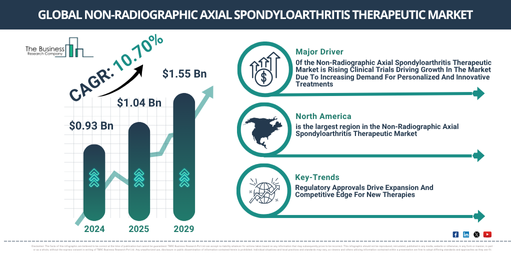
    The therapeutic market for non-radiographic axial spondyloarthritis has experienced swift expansion in recent times. Projected growth sees it rising from $0.93 billion in 2024 to $1.04 billion in 2025, marking a Compound Annual Growth Rate (CAGR) of 10.9%. This growth in the past period can be linked to several factors: dynamic growing prevalence of axial spondyloarthritis, the expansion of patient pool due to heightened awareness, the rise in disease consciousness promoting market growth, accelerated research and developmental projects, along with an augmenting adoption of biologic therapies.

    In the coming years, the non-radiographic axial spondyloarthritis therapeutic market is projected to experience significant growth, with its market size escalating to $1.55 billion in 2029 at a compound annual growth rate (CAGR) of 10.7%. This growth during the forecast period can be associated with factors such as increased awareness and early determination, the proliferation of biosimilars, continuous progress in biologics and availability of new therapeutic alternatives in the pipeline. Other factors include aggressive research and development efforts, the growing preference for targeted and personalized treatments, and the advancement of healthcare infrastructure. Critical trends for the forecast period include the utilization of personalised treatment patterns, the incorporation of digital tools in diagnosis, a shift towards treat-to-target (T2T) strategies, value-driven pricing models, and the uptake of multidisciplinary management approaches.

    Download The Free Sample Report Here:

    https://www.thebusinessresearchcompany.com/sample.aspx?id=24627&type=smp

    #Which Factors Are Currently Driving The Growth Of The Non-Radiographic Axial Spondyloarthritis Therapeutic Market?

    The escalating number of clinical trials is predicted to fuel the expansion of the non-radiographic axial spondyloarthritis therapeutic market in the future. Clinical trials, which are research studies performed on humans to assess the safety, effectiveness, and side effects of medical treatments, are on the rise due to the burgeoning demand for innovative and personalized treatments that necessitate meticulous testing for safety and efficacy. These clinical trials are instrumental to non-radiographic axial spondyloarthritis therapeutics since they offer evidence-based confirmation of treatment effectiveness and safety at the early stages of the disease, thus influencing regulatory approvals and clinical application. For example, in November 2023, the Association of the British Pharmaceutical Industry, a UK-based trade association, reported a 15% annual increase in recruitment for industry clinical trials in the UK, with the numbers jumping from 36,722 participants in 2021-22 to 42,088 in 2022-23. As a result, the upsurge in clinical trials is bolstering the growth of the non-radiographic axial spondyloarthritis therapeutic market.

    How Is The Global Non-Radiographic Axial Spondyloarthritis Therapeutic Market Structured In Terms Of Segments?

    The non-radiographic axial spondyloarthritis therapeutic market covered in this report is segmented –

    1) By Type: Non-Steroidal Anti-Inflammatory Drugs, Biologics, Small Molecule Therapies, Corticosteroids

    2) By Application: Oral, Injectable, Topical

    3) By End User: Hospitals, Ambulatory Surgical Centers, Homecare Settings

    Subsegments:

    1) By Non-Steroidal Anti-Inflammatory Drugs: COX-2 Inhibitors, Non-Selective NSAIDs

    2) By Biologics: Tumor Necrosis Factor (TNF) Inhibitors, Interleukin-17 (IL-17) Inhibitors

    3) By Small Molecule Therapies: Janus Kinase (JAK) Inhibitors, Phosphodiesterase-4 (PDE4) Inhibitors

    4) By Corticosteroids: Oral Corticosteroids, Intra-Articular Corticosteroid Injections

    What Trends Are Currently Influencing Growth In The Non-Radiographic Axial Spondyloarthritis Therapeutic Market?

    Key players in the non-radiographic axial spondyloarthritis (nr-axSpA) treatment market are striving to secure regulatory permissions to extend their market presence, quicken the release of new therapies, and achieve a competitive edge. These regulatory consents are an official approval given by government entities, allowing a medication or therapy to be legally sold and prescribed after demonstrating its safety, effectiveness, and adherence to applicable criteria. For example, in October 2022, AbbVie Inc., a biopharmaceutical company based in the United States, attained FDA approval for their drug Rinvoq (upadacitinib) for the treatment of adults with active nr-axSpA who show clear signs of inflammation and whose condition hasn’t adequately responded to TNF inhibitors. This approval represents the sixth U.S. certification for Rinvoq, positioning it as the first and only oral JAK inhibitor approved for nr-axSpA. The sanction is built on the results from the SELECT-AXIS 2 clinical trial, in which nearly fifty percent of the patients treated with Rinvoq experienced a substantial reduction in disease activity compared to the placebo at 14 weeks, thereby providing a new daily oral treatment alternative for those dealing with this difficult disease.

    Who Are The Main Participants Shaping The Non-Radiographic Axial Spondyloarthritis Therapeutic Market Landscape?

    Major companies operating in the non-radiographic axial spondyloarthritis therapeutic market are Pfizer Inc., Johnson & Johnson, Allergan plc, AbbVie Inc., Sanofi S.A., Bristol-Myers Squibb Company, AstraZeneca PLC, Abbott Laboratories, Novartis AG, Eli Lilly and Company, Gilead Sciences Inc., Amgen Inc., Novo Nordisk A/S, Biogen Inc., Daiichi Sankyo Company Limited, UCB S.A., Mochida Pharmaceutical Co. Ltd., Mereo BioPharma Group plc, Suzhou Zelgen Biopharmaceuticals Co. Ltd., Qyuns Therapeutics Co. Ltd.

    Get The Full Report Here:

    https://www.thebusinessresearchcompany.com/report/non-radiographic-axial-spondyloarthritis-therapeutic-global-market-report

    Which Region Currently Holds The Largest Share In The Non-Radiographic Axial Spondyloarthritis Therapeutic Market?

    North America was the largest region in the non-radiographic axial spondyloarthritis therapeutics market in 2024. The regions covered in the non-radiographic axial spondyloarthritis therapeutic market report are Asia-Pacific, Western Europe, Eastern Europe, North America, South America, Middle East, Africa.

    Request For A Customized Report:

    https://www.thebusinessresearchcompany.com/customise?id=24627&type=smp

    About The Business Research Company:

    With over 15000+ reports from 27 industries covering 60+ geographies, The Business Research Company has built a reputation for offering comprehensive, data-rich research and insights. Armed with 1,500,000 datasets, the optimistic contribution of in-depth secondary research, and unique insights from industry leaders, you can get the information you need to stay ahead in the game.

    Get in touch with us:

    The Business Research Company: https://www.thebusinessresearchcompany.com/

    Americas +1 310-496-7795

    Asia +44 7882 955267 & +91 8897263534

    Europe +44 7882 955267

    Email us at info@tbrc.info

    Follow us on:

    LinkedIn: https://in.linkedin.com/company/the-business-research-company

    YouTube: https://www.youtube.com/channel/UC24_fI0rV8cR5DxlCpgmyFQ

    Global Market Model: https://www.thebusinessresearchcompany.com/global-market-model
  • Industry Trends Show Non-Absorbable Mesh Market Set to Expand at 7.7% CAGR Until 2029

    Industry Trends Show Non-Absorbable Mesh Market Set to Expand at 7.7% CAGR Until 2029

    Claim your 30% discount on Global Market Reports with code ONLINE30. Limited time only.

    How Will the Non-Absorbable Mesh Market Evolve in Terms of Growth and Size by 2029?

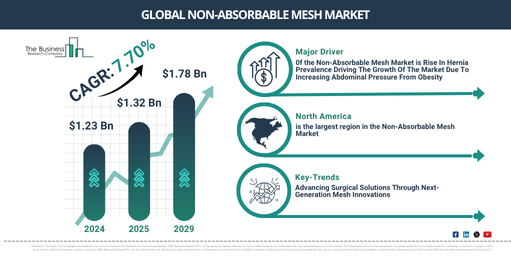
    In the past few years, the non-absorbable mesh market has experienced considerable growth. It is projected to expand from $1.23 billion in 2024 to $1.32 billion in 2025, representing a compound annual growth rate (CAGR) of 8.0%. The historic growth of this market can be traced back to factors such as an increase in healthcare spending, a higher demand for long-lasting implant materials, and expanded availability of specialized surgical mesh products. In addition to these, the increase in the number of hospitals and surgical centers and a heightened focus on better patient outcomes have also contributed to this growth.

    In the forthcoming years, the non-absorbable mesh market is projected to experience substantial growth, reaching a valuation of $1.78 billion in 2029, with a CAGR of 7.7%. This anticipated development in the forecast duration can be credited to incrementing demand for durable surgical implants, escalation in healthcare infrastructure investments, the rise in chronic conditions that need surgical interference, a heightened emphasis on minimizing surgical complications, and a growing appreciation for outpatient surgical procedures. Key trends that will shape the forecast period consist of advancements in mesh technology for improved biocompatibility, modern manufacturing methods for personalized mesh design, ingenuity in antimicrobial coatings to curb infection risk, the incorporation of 3D printing for individualized implants, and progress in minimally invasive surgical instruments.

    Download The Free Sample Report Here:

    https://www.thebusinessresearchcompany.com/sample.aspx?id=24626&type=smp

    What factors are expected to fuel Non-Absorbable Mesh market growth in the coming years?

    An escalated incidence of hernia is forecasted to drive the expansion of the non-absorbable mesh market. Hernia is a condition characterized by an unusual outward bulging of an organ or tissue through a weak point in the surrounding muscle or connective tissue. The increment in hernias is attributed to elevating obesity rates, leading to more pressure on abdominal muscles and weakening the abdominal wall. The non-absorbable mesh is beneficial in hernia treatments as it provides prolonged structural support to weakened or damaged tissue, lowering recurrence risk. For example, in July 2024, data from Eurostat, a government agency based in Luxembourg, indicated that in 2022, inguinal hernia repair procedures were usually conducted at rates between 142 and 231 per 100,000 residents in most countries. Austria, however, recorded a notably high rate of 273.2 per 100,000 residents. Consequently, this upward trend in hernia prevalence is fostering the non-absorbable mesh market’s development.

    What Are The Key Findings From The Segmentation Analysis Of The Non-Absorbable Mesh Market?

    The non-absorbable mesh market covered in this report is segmented –

    1) By Product Type: Prosthetic Mesh, Composite Mesh, Monofilament Mesh, Multifilament Mesh

    2) By Material: Polypropylene, Polyester, Polyethylene, Other Biocompatible Materials

    3) By Application: Hernia Repair, Pelvic Floor Reconstruction, Other Surgical Applications

    4) By End-User: Hospitals, Ambulatory Surgical Centers, Clinics, Other End-Users

    Subsegments

    1) By Prosthetic Mesh: Polypropylene Mesh, Polyester Mesh, Expanded Polytetrafluoroethylene (ePTFE) Mesh, Polytetrafluoroethylene (PTFE) Mesh

    2) By Composite Mesh: Polypropylene + ePTFE Composite Mesh, Polyester + Collagen Composite Mesh, Polypropylene + Polyurethane Composite Mesh, Composite Mesh With Absorbable Barrier

    3) By Monofilament Mesh: Polypropylene Monofilament Mesh, Polyester Monofilament Mesh, Nylon Monofilament Mesh

    4) By Multifilament Mesh: Polyester Multifilament Mesh, Polyethylene Terephthalate (PET) Multifilament Mesh, Polyamide Multifilament Mesh

    Which Trends Are Expected To Shape The Future Of The Non-Absorbable Mesh Market?

    Key players in the non-absorbable mesh industry are making strides in inventing superior technologies such as coated composite mesh to increase biocompatibility and minimize complications after surgery. Coated composite mesh is a type of surgical mesh covered with a protective layer that cuts down on tissue adhesion and inflammation, thus augmenting safety when implanted within the body. For example, in April 2024, Deep Blue Medical Advances Inc., a company based in the US specializing in medical devices, unveiled the T-Line Hernia Mesh. This novel product offers surgeons a new solution for hernia repair that addresses typical problems like tissue breakdown and adhesion. The mesh boasts integrated extensions that afford a fixation surface area 15 times greater than what is provided by conventional sutures, leading to an anchoring strength that is 275% more robust. Constructed from macroporous, medium-weight polypropylene, it encourages outstanding tissue integration and stress reduction by evenly spreading tension throughout the repair site. This mesh is not only easy to manipulate but also adjusts easily to anatomical variations and obviates the requirement for additional fixation equipment, thereby enhancing both safety and surgical productivity.

    What Are The Most Active Companies In The Non-Absorbable Mesh Market Today?

    Major companies operating in the non-absorbable mesh market are Johnson and Johnson, Medtronic plc, Medline Industries Inc., Becton Dickinson And Company, MedStar Health Inc., Coloplast Group, Integra LifeSciences Corporation, Meril Life Sciences Pvt. Ltd., B. Braun Melsungen AG, W. L. Gore And Associates Inc., Demetech Corporation, Universal Suture Ltd., Lotus Surgicals Pvt. Ltd., Altaylar Medical Ltd., Betatech Medical, DIPROMED Srl, Orion Sutures India Pvt. Ltd., ProVi Swiss GmbH, Vinculum Sutures, Lizen Surgicare Private Limited

    Get The Full Report Here:

    https://www.thebusinessresearchcompany.com/report/non-absorbable-mesh-global-market-report

    Which Regional Markets Are Attracting The Most Investment In Non-Absorbable Mesh?

    North America was the largest region in the non-absorbable mesh market in 2024. The regions covered in the non-absorbable mesh market report are Asia-Pacific, Western Europe, Eastern Europe, North America, South America, Middle East, Africa.

    Request For A Customized Report:

    https://www.thebusinessresearchcompany.com/customise?id=24626&type=smp

    About The Business Research Company:

    With over 15000+ reports from 27 industries covering 60+ geographies, The Business Research Company has built a reputation for offering comprehensive, data-rich research and insights. Armed with 1,500,000 datasets, the optimistic contribution of in-depth secondary research, and unique insights from industry leaders, you can get the information you need to stay ahead in the game.

    Get in touch with us:

    The Business Research Company: https://www.thebusinessresearchcompany.com/

    Americas +1 310-496-7795

    Asia +44 7882 955267 & +91 8897263534

    Europe +44 7882 955267

    Email us at info@tbrc.info

    Follow us on:

    LinkedIn: https://in.linkedin.com/company/the-business-research-company

    YouTube: https://www.youtube.com/channel/UC24_fI0rV8cR5DxlCpgmyFQ

    Global Market Model: https://www.thebusinessresearchcompany.com/global-market-model
  • Competitive and Market Trend Analysis of Non Invasive Neurostimulation Devices Industry Through 2029

    Competitive and Market Trend Analysis of Non Invasive Neurostimulation Devices Industry Through 2029

    Claim your 30% discount on Global Market Reports with code ONLINE30. Limited time only.

    What CAGR Is Anticipated for the Non Invasive Neurostimulation Devices Market Through 2029?

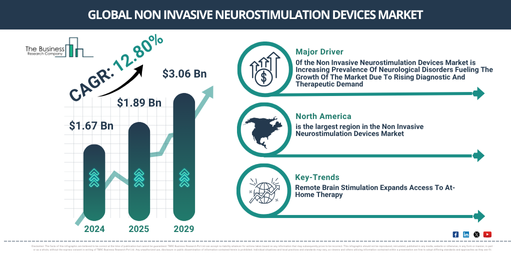
    In the past few years, there has been a striking surge in the market size of non-invasive neurostimulation devices. Projection estimates reveal an increase from $1.67 billion in 2024 to $1.89 billion in 2025, with a compound annual growth rate (CAGR) of 13.1%. Factors that have contributed to this upward trend in the historic period are the amplified incidence of neurological conditions, heightened awareness of neurostimulation therapies, growing demand for non-surgical interventions, expanded healthcare infrastructure, and amplified scientific research in neuromodulation.

    Anticipated to witness swift expansion in the upcoming years, the market size for non-invasive neurostimulation devices is predicted to inflate to $3.06 billion in 2029, with a compound annual growth rate (CAGR) of 12.8%. Factors contributing towards this projected increase during the forecast period include the escalating geriatric demographic, the increasing popularity and usage of wearable neurostimulation apparatuses, a rising degree in healthcare spending, supportive governmental regulations, and the widening of its implementation in mental health care. Noteworthy elements in the forecast period consist of a transitioning inclination to minimally invasive neurostimulation, the innovation of cordless neurostimulation tools, the broadening of telehealth capacities, the emergence of closed-loop neurostimulation systems, and a heightened accent on patient-unique neurostimulation treatments.

    Download The Free Sample Report Here:

    https://www.thebusinessresearchcompany.com/sample.aspx?id=24625&type=smp

    What Market Forces Are Driving The Non Invasive Neurostimulation Devices Sector In 2025 And Beyond?

    The rise in neurological disorders is anticipated to boost the growth of the non invasive neurostimulation devices market. Neurological disorders are medical issues affecting the brain, spinal cord, and nerves, leading to a variety of symptoms including cognitive, motor, and sensory problems. The rise of these disorders can be connected to the aging global population since aging gradually weakens neuronal function, decreases brain flexibility, and increases oxidative stress, contributing to the creation and development of these disorders. Non-invasive neurostimulation devices help in diagnosing these neurological disorders by providing targeted stimulation to evaluate neural responses. They provide non-surgical, real-time evaluation techniques, increasing diagnostic precision and enhancing patient care in both clinical and home environments. For example, in July 2024, the National Health Service, a UK government agency, reported 487,432 patients were diagnosed with dementia (a brain disorder affecting memory, thinking, and daily activities) by June 30, 2024, a rise of 3,155 cases compared to May 31, 2024. Consequently, the increasing rates of neurological disorders are fueling the growth of the non invasive neurostimulation devices market.

    How Is The Global Non Invasive Neurostimulation Devices Market Categorized By Segments?

    The non invasive neurostimulation devices market covered in this report is segmented –

    1) By Type Of Stimulation Technology: Transcutaneous Electrical Nerve Stimulation (TENS), Transcranial Magnetic Stimulation (TMS), Electromagnetic Stimulation (EMS), Other Types Of Stimulation Technologies

    2) By Target Indication: Pain Management, Neurological Disorders, Psychological Disorder, Other Target Indications

    3) By End User: Hospitals And Clinics, Homecare Settings, Research And Academic Institutes

    Subsegments:

    1) By Transcutaneous Electrical Nerve Stimulation (TENS): Conventional Transcutaneous Electrical Nerve Stimulation (TENS), Acupuncture-Like Transcutaneous Electrical Nerve Stimulation (TENS), Brief-Intense Transcutaneous Electrical Nerve Stimulation (TENS), Burst Mode Transcutaneous Electrical Nerve Stimulation (TENS)

    2) By Transcranial Magnetic Stimulation (TMS): Repetitive Transcranial Magnetic Stimulation (rTMS), Deep Transcranial Magnetic Stimulation (dTMS), Single-Pulse Transcranial Magnetic Stimulation, Paired-Pulse Transcranial Magnetic Stimulation

    3) By Electromagnetic Stimulation (EMS): Functional Electromagnetic Stimulation (EMS), Neuromuscular Electromagnetic Stimulation (EMS), High-Frequency Electromagnetic Stimulation (EMS), Low-Frequency Electromagnetic Stimulation (EMS)

    4) By Other Types Of Stimulation Technology: Transcranial Direct Current Stimulation (tDCS), Vagus Nerve Stimulation, Cranial Electrotherapy Stimulation (CES), Peripheral Nerve Stimulation (PNS)

    What Long-Term Trends Are Likely To Affect The Non Invasive Neurostimulation Devices Market?

    Companies dominating the non-invasive neurostimulation devices market are concentrating on the innovation of advanced products, including personalized stimulation protocols, to amplify treatment efficacy and patient results. Customized stimulation protocols refer to neurostimulation setups tailored according to an individual’s specific health condition, neural response and treatment objectives, aiming to optimize therapeutic effectiveness and limit adverse effects. For example, in October 2023, Sooma Medical, a medical technology firm based in Finland, introduced a remote clinician-monitored brain stimulation system for at-home treatment utilizing non-invasive transcranial direct current stimulation (tDCS). This pioneering system provides healthcare practitioners the ability to remotely supervise therapy sessions, enhancing accessibility and compliance for patients suffering from neurological and mental health disorders like depression and chronic pain.

    Which Firms Are Considered Leaders In The Non Invasive Neurostimulation Devices Market Space?

    Major companies operating in the non invasive neurostimulation devices market are Boston Scientific Corporation, Alpha-Stim, Neurosoft Bioelectronics SA, Neuronetics Inc., BrainsWay Ltd., eNeura Inc., MagVenture A/S, Nexstim Plc, Neuroelectrics Barcelona S.L.U., Cefaly Technology, ElectroCore Inc., Brainbox India Private Limited, Flow Neuroscience AB, Fisher Wallace Laboratories Inc., Sooma Medical, Aleva Neurotherapeutics SA, NeuroSigma Inc., Mind Alive Inc., TheBrainDriver LLC, Caputron Medical Products LLC.

    Get The Full Report Here:

    https://www.thebusinessresearchcompany.com/report/non-invasive-neurostimulation-devices-global-market-report

    What Role Do Regional Policies And Investments Play In Non Invasive Neurostimulation Devices Market Expansion?

    North America was the largest region in the non invasive neurostimulation devices market in 2024. The regions covered in the non invasive neurostimulation devices market report are Asia-Pacific, Western Europe, Eastern Europe, North America, South America, Middle East, Africa.

    Request For A Customized Report:

    https://www.thebusinessresearchcompany.com/customise?id=24625&type=smp

    About The Business Research Company:

    With over 15000+ reports from 27 industries covering 60+ geographies, The Business Research Company has built a reputation for offering comprehensive, data-rich research and insights. Armed with 1,500,000 datasets, the optimistic contribution of in-depth secondary research, and unique insights from industry leaders, you can get the information you need to stay ahead in the game.

    Get in touch with us:

    The Business Research Company: https://www.thebusinessresearchcompany.com/

    Americas +1 310-496-7795

    Asia +44 7882 955267 & +91 8897263534

    Europe +44 7882 955267

    Email us at info@tbrc.info

    Follow us on:

    LinkedIn: https://in.linkedin.com/company/the-business-research-company

    YouTube: https://www.youtube.com/channel/UC24_fI0rV8cR5DxlCpgmyFQ

    Global Market Model: https://www.thebusinessresearchcompany.com/global-market-model
  • Global Nodular Prurigo Market Landscape: Trends and Market Share to 2029

    Global Nodular Prurigo Market Landscape: Trends and Market Share to 2029

    Claim your 30% discount on Global Market Reports with code ONLINE30. Limited time only.

    What Are the Latest Market Insights for the Nodular Prurigo Industry?

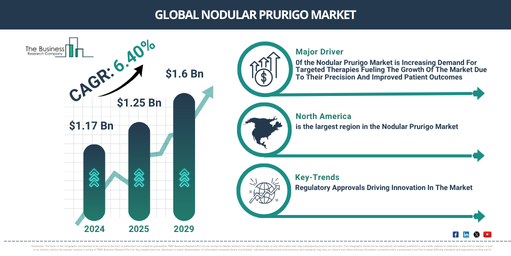
    The market size for nodular prurigo has been experiencing significant growth recently. The estimation is that it will expand from $1.17 billion in 2024 to $1.25 billion in 2025, signifying a compound annual growth rate (CAGR) of 6.8%. Factors contributing to the growth in the historical period include an increase in dermatology consultations, heightened awareness among dermatologists, unfulfilled medical needs, concentration on academic research, and enhancements in diagnostic methods.

    The market for nodular prurigo is expected to experience robust expansion in the coming years, reaching a size of $1.6 billion by 2029, with a compound annual growth rate (CAGR) of 6.4%. This projected growth in the forecast period is owing to factors such as the authorization of specific therapies, amplified research and development funding for uncommon skin diseases, enhanced patient advocacy and awareness campaigns, expansion of health insurance and reimbursement, as well as the evolution of companion diagnostics and biomarkers. Key trends for the forecast period comprise AI-empowered diagnostics, gene modification, nanotechnology application in drug delivery, innovation in biologics, and wearable health monitoring devices.

    Download The Free Sample Report Here:

    https://www.thebusinessresearchcompany.com/sample.aspx?id=24624&type=smp

    What Forces Are Driving The Growth Of The Nodular Prurigo Industry?

    The amplifying necessity for precise treatments is projected to fuel the expansion of the nodular prurigo market in the future. Targeted therapies point to medical procedures that deliberately interfere with molecular pathways that contribute to the expansion and proliferation of diseases. The escalated demand for such treatments can be related to their potential to offer more accurate cures with reduced adverse effects, enhancing patient results and proposing alternatives to conventional, less specific treatment methods. Nodular prurigo contributes to the advancements of targeted therapies by demonstrating a distinct unfulfilled medical requirement involving particular immune pathways such as IL-4, IL-13, and IL-31. These pathways enable the application of biologics that accurately impede these inflammatory signals for more efficient cures. For instance, as reported by NHS England, a UK-based government body, in England, there was a prescription of 11 million hormone replacement therapy (HRT) items in October 2023, a surge of 47% from 2021–22. Also, around 2.3 million patients were given prescriptions, signifying a 29% annual increase. Consequently, the escalating requirement for targeted therapies is fostering growth in the nodular prurigo market.

    What Is The Overview Of Market Segmentation In The Nodular Prurigo Industry?

    The nodular prurigo market covered in this report is segmented –

    1) By Type: Chronic Nodular Prurigo, Acute Nodular Prurigo, Subacute Nodular Prurigo

    2) By Treatment Type: Topical Treatments, Systemic Treatments, Phototherapy, Immunosuppressants

    3) By Patient Demographics: Adults, Children, Elderly

    4) By End-User: Hospitals, Homecare, Specialty Clinics, Other End-Users

    Subsegments:

    1) By Chronic Nodular Prurigo: Idiopathic Chronic Nodular Prurigo, Secondary To Dermatologic Conditions, Neuropathic Causes, Systemic Disease-Associated, Psychogenic Prurigo

    2) By Acute Nodular Prurigo: Insect Bite-Induced, Allergic Reactions, Drug-Induced Prurigo, Infectious Triggers

    3) By Subacute Nodular Prurigo: Healing Phase Of Chronic Prurigo, Post-Inflammatory Prurigo, Transient Dermatoses, Reaction To Environmental Irritants

    What Future Market Trends Are Projected For The Nodular Prurigo Industry?

    Major corporations in the nodular prurigo market are concentrating on attaining regulatory approvals to amplify their market presence and enhance patient results. Such approvals are the official permissions by government or regulatory authorities for a drug, medical device, or treatment to be advertised and used by people. For instance, in September 2022, the US-based biotech firm, Regeneron Pharmaceuticals Inc., secured FDA approval for Dupixent (dupilumab), becoming the first and only exclusive treatment for prurigo nodularis in adults. This endorsement was backed by data from two critical Phase 3 trials (PRIME and PRIME2), showcasing that Dupixent had a significant effect in reducing itch and skin lesions in comparison to placebo. Therefore, Dupixent turned out to be the solitary US-approved medicine for prurigo nodularis treatment, fulfilling a substantial medical need for roughly 75,000 adults suffering from the disorder in the U.S.

    Who Are The Primary Players Operating Across The Global Nodular Prurigo Market?

    Major companies operating in the nodular prurigo market are Merck & Co Inc., Sanofi S.A., GlaxoSmithKline plc, Amgen Inc., Regeneron Pharmaceuticals Inc., Astellas Pharma Inc., Sun Pharmaceutical Industries Limited, Galderma S.A., Galderma Laboratories L.P. , Incyte Corporation, Kyowa Kirin Co Ltd., LEO Pharma A/S, Maruho Co Ltd., Kiniksa Pharmaceuticals Ltd., Keymed Biosciences Co Ltd., Trevi Therapeutics Inc., Fierce Pharma, Menlo Therapeutics Inc., VYNE Therapeutics Inc., Celldex Therapeutics Inc.

    Get The Full Report Here:

    https://www.thebusinessresearchcompany.com/report/nodular-prurigo-global-market-report

    Which Region Offers The Most Growth Potential For The Nodular Prurigo Market Through 2029?

    North America was the largest region in the nodular prurigo market in 2024. Asia-Pacific is expected to be the fastest-growing region in the forecast period. The regions covered in the nodular prurigo market report are Asia-Pacific, Western Europe, Eastern Europe, North America, South America, Middle East, Africa.

    Request For A Customized Report:

    https://www.thebusinessresearchcompany.com/customise?id=24624&type=smp

    About The Business Research Company:

    With over 15000+ reports from 27 industries covering 60+ geographies, The Business Research Company has built a reputation for offering comprehensive, data-rich research and insights. Armed with 1,500,000 datasets, the optimistic contribution of in-depth secondary research, and unique insights from industry leaders, you can get the information you need to stay ahead in the game.

    Get in touch with us:

    The Business Research Company: https://www.thebusinessresearchcompany.com/

    Americas +1 310-496-7795

    Asia +44 7882 955267 & +91 8897263534

    Europe +44 7882 955267

    Email us at info@tbrc.info

    Follow us on:

    LinkedIn: https://in.linkedin.com/company/the-business-research-company

    YouTube: https://www.youtube.com/channel/UC24_fI0rV8cR5DxlCpgmyFQ

    Global Market Model: https://www.thebusinessresearchcompany.com/global-market-model