Month: September 2025

  • Global Insights: Myc Proto Oncogene Protein Market Expected to Surpass $3.06 Billion by 2029

    Global Insights: Myc Proto Oncogene Protein Market Expected to Surpass $3.06 Billion by 2029

    Claim your 30% discount on Global Market Reports with code ONLINE30. Limited time only.

    What Are the Forecasted Growth Rate and Market Size of the Myc Proto Oncogene Protein Market?

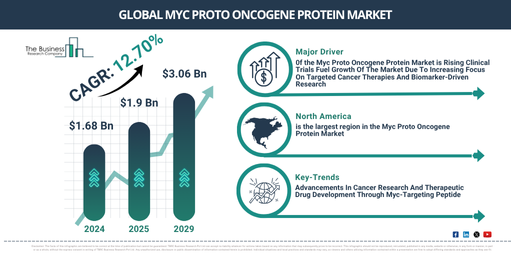
    There has been a speedy expansion in the myc proto oncogene protein market size of late. This market is projected to escalate from $1.68 billion in 2024 to $1.9 billion in 2025, boasting a compound annual growth rate (CAGR) of 12.9%. Factors contributing to this surge during the historic period include the global rise in cancer cases, amplified utilization of biomarker-related diagnostics, mounting academic studies on transcription factors, growth of oncology drug discovery initiatives, and the boosted application of monoclonal antibodies for cancer identification.

    In the forthcoming years, the myc proto oncogene protein market is projected to experience rapid growth, reaching $3.06 billion by 2029, with a compound annual growth rate of 12.7%. This growth during the projection period can be tied to the escalating focus on targeted cancer treatment, increased investment in cancer research, growing popularity of personalized medicine, the proliferation of clinical trials around myc inhibitors, and the rising availability of advanced sequencing technologies. Key trends expected to influence the market during the forecast period encompass technological advancements in gene expression scrutiny, innovative strides in drug delivery mechanisms, AI breakthroughs in biomarker discovery, R&D efforts in peptide-based treatments, and the incorporation of multi-omics platforms into oncology research.

    Download The Free Sample Report Here:

    https://www.thebusinessresearchcompany.com/sample.aspx?id=24613&type=smp

    Which Factor Is Shaping The Future Of The Myc Proto Oncogene Protein Market?

    The growth of the myc proto oncogene protein market is likely to be spurred by the increasing number of clinical trials. These are research initiatives involving human participants that aim to gauge the safety and efficiency of new medical therapies or procedures. The surge in clinical trials is attributed to the concerted efforts by researchers and companies to expedite the production of effective treatments, create reliable safety data, and speed up the introduction of innovative treatments to patients. Particularly focused on combating myc proto-oncogene-related cancers, clinical trials provide crucial insights into effectiveness, safety, and resistance patterns, guiding the design of MYC inhibitors and combination therapies. For instance, data from the US-based National Center for Biotechnology Information in June 2025 indicated a rise in registered studies from 437,497 in 2022 to 520,885 in 2024. This escalating number of clinical trials is fuelling the growth of the myc proto oncogene protein market. The rising rate of cancer cases, due to its significant role in tumor development and potential for targeted treatment, is also steering the expansion of the MYC Protein Market. Cancer, a condition characterized by rampant cell reproduction potentially invading other tissues, is particularly common in seniors, thereby driving up cancer incidences as the population ages. The MYC protein’s overexpression is frequently found in tumors, thereby presenting a viable target for designing potent treatments. For instance, data from the Switzerland-based World Health Organization in February 2024 projected over 35 million new cancer cases by 2050, marking a 77% increase from the estimated 20 million cases in 2022. This rise in cancer prevalence is thus pushing the growth of the myc proto oncogene protein market.

    What Is The Segment-Wise Breakdown Of The Myc Proto Oncogene Protein Market?

    The myc proto oncogene protein market covered in this report is segmented –

    1) By Product Type: Monoclonal Antibodies, Recombinant Proteins, Polymerase Chain Reaction (PCR) Kits, Enzyme-Linked Immunosorbent Assay (ELISA) Kits

    2) By Type: BGA-003, ES-4000, Galarmin, Other Types

    3) By Technology: Gene Expression Profiling, Chromatin Immunoprecipitation Sequencing (ChIP-Seq), Next-Generation Sequencing (NGS), Ribonucleic Acid Interference Techniques

    4) By Application: Cancer Research, Diagnostics, Treatment Development, Biomarker Discovery

    5) By End-User: Academic And Research Institutions, Biotechnology Companies, Pharmaceutical Companies, Hospitals And Diagnostic Laboratories

    Subsegments:

    1) By Monoclonal Antibodies: Therapeutic Monoclonal Antibodies, Diagnostic Monoclonal Antibodies, Research-Grade Monoclonal Antibodies

    2) By Recombinant Proteins: Recombinant Myc Proteins, Recombinant Fusion Proteins, Recombinant Antibody Fragments

    3) By Polymerase Chain Reaction (PCR) Kits: Quantitative PCR (Qpcr) Kits, Reverse Transcription PCR (Rt-Pcr) Kits, Digital PCR Kits

    4) By Enzyme-Linked Immunosorbent Assay (ELISA) Kits: Sandwich ELISA Kits, Competitive ELISA Kits, Indirect ELISA Kits

    Which Trends Are Redefining The Future Landscape Of The Myc Proto Oncogene Protein Industry?

    Leading firms in the myc proto oncogene protein market are making a concerted effort to develop superior therapies, notably myc-targeting peptide therapeutics, in a bid to transform cancer treatment paradigms. This new type of drug aims to hinder the action of the myc oncogene, an abnormally active element in most cancer types and a key player in tumor evolution and growth. In January 2025, for instance, Spanish biotech firm Peptomyc S.L. began a Phase 2 clinical study for their myc-inhibitor medication, OMO-103, on patients suffering from advanced osteosarcoma. OMO-103 is a pioneering myc-targeting peptide, purposely designed to obstruct myc’s function within cancerous cells, demonstrating a manageable safety record coupled with significant anti-tumor effects. The goal of this study is to evaluate the medication’s safety, its clinical potency, and pharmacodynamics. This represents a notable advancement in targeted treatment for hard-to-cure cancers like osteosarcoma.

    Which Companies Hold The Largest Market Share In The Myc Proto Oncogene Protein Sector?

    Major companies operating in the myc proto oncogene protein market are Arvinas Incorporated, Arrakis Therapeutics Incorporated, RayBiotech Incorporated, Erasca Incorporated, Anima Biotech Incorporated, RDP Pharma AG, Peptomyc Sociedad Limitada, Kintor Pharmaceutical Limited, Immunostep Biotech, Cothera Bioscience Proprietary Limited, Escend Pharmaceuticals Incorporated, Gibson Oncology Limited Liability Company, MecRx Proprietary Limited, Moleculin Biotech Incorporated, Escend Pharmaceuticals Incorporated, Linnane Pharma Aktiebolag, PYC Therapeutics Limited, Sapience Therapeutics Incorporated, Peptomyc Sociedad Limitad, Aptose Biosciences Incorporated.

    Get The Full Report Here:

    https://www.thebusinessresearchcompany.com/report/myc-proto-oncogene-protein-global-market-report

    How Does Regional Performance Compare Across The Myc Proto Oncogene Protein Industry?

    North America was the largest region in the myc proto oncogene protein market in 2024. Asia-Pacific is expected to be the fastest-growing region in the forecast period. The regions covered in the myc proto oncogene protein market report are Asia-Pacific, Western Europe, Eastern Europe, North America, South America, Middle East, Africa.

    Request For A Customized Report:

    https://www.thebusinessresearchcompany.com/customise?id=24613&type=smp

    About The Business Research Company:

    With over 15000+ reports from 27 industries covering 60+ geographies, The Business Research Company has built a reputation for offering comprehensive, data-rich research and insights. Armed with 1,500,000 datasets, the optimistic contribution of in-depth secondary research, and unique insights from industry leaders, you can get the information you need to stay ahead in the game.

    Get in touch with us:

    The Business Research Company: https://www.thebusinessresearchcompany.com/

    Americas +1 310-496-7795

    Asia +44 7882 955267 & +91 8897263534

    Europe +44 7882 955267

    Email us at info@tbrc.info

    Follow us on:

    LinkedIn: https://in.linkedin.com/company/the-business-research-company

    YouTube: https://www.youtube.com/channel/UC24_fI0rV8cR5DxlCpgmyFQ

    Global Market Model: https://www.thebusinessresearchcompany.com/global-market-model
  • Competitive and Market Trend Analysis of Stem Cell Umbilical Cord Blood Industry Through 2029

    Competitive and Market Trend Analysis of Stem Cell Umbilical Cord Blood Industry Through 2029

    Claim your 30% discount on Global Market Reports with code ONLINE30. Limited time only.

    What Are the Forecasted Growth Rate and Market Size of the Stem Cell Umbilical Cord Blood Market?

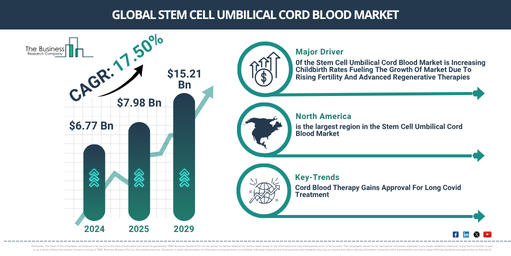
    The market for stem cell umbilical cord blood has seen significant expansion recently. The market size is projected to increase from $6.77 billion in 2024 to $7.98 billion in 2025, evidencing a compound annual growth rate (CAGR) of 17.8%. This upward trajectory during the historical period can be linked to augmented research and development, heightened demand for private banking services, an escalating number of clinical trials, a rising incidence of cancer cases, and an increase in the number of fertility clinics.

    The market size for stem cell umbilical cord blood is predicted to experience swift expansion in the upcoming years, escalating to $15.21 billion by 2029 with a compound annual growth rate (CAGR) of 17.5%. Factors that contribute to this growth during the projected period are the increased prevalence of chronic diseases, rise in childbirth rates, growing demand for stem cell therapies, enhanced government policies and initiatives, along with a heightened focus on regenerative medicine. Significant trends to observe during this forecast period involve advancements in therapeutic applications, improvement in healthcare infrastructure, progress in cryopreservation techniques, and incorporation with gene therapy.

    Download The Free Sample Report Here:

    https://www.thebusinessresearchcompany.com/sample.aspx?id=24715&type=smp

    Which Factor Is Shaping The Future Of The Stem Cell Umbilical Cord Blood Market?

    The surge in birth rates are projected to stimulate the expansion of the stem cell umbilical cord blood market in the future. The number of children born, measuring as live births per 1k individuals in a specific population over a predetermined period – ordinarily a year, defines childbirth rates. The rise in these rates is attributed to the increased accessibility and affordability of fertility therapies, allowing more families to conceive. Critical for newborns, umbilical cord blood stem cells carry hematopoietic stem cells, capable of treating diverse blood, immune, and genetic diseases. These cells are an excellent genetic match for the infant and may potentially assist siblings or other family members. For example, as per the U.S. Centers for Disease Control and Prevention, a federal agency based in the U.S., there was a 1% rise in U.S. births, with the number accelerating from 3,596,017 in 2023 to 3,622,673 in 2024. This uptick in childbirth rates, therefore, serves as a key driver for the stem cell umbilical cord blood market’s growth.

    What Is The Segment-Wise Breakdown Of The Stem Cell Umbilical Cord Blood Market?

    The stem cell umbilical cord blood market covered in this report is segmented –

    1) By Product Type: Cord Blood Stem Cells, Cord Tissue Stem Cells

    2) By Technology: Cryopreservation, Stem Cell Expansion, Cell Separation

    3) By Storage Services: Public Cord Blood Banks, Private Cord Blood Banks, Hybrid Cord Blood Banks

    4) By Application: Hematological Disorders, Metabolic Diseases, Immune System Disorders, Neurological Disorders, Other Applications

    5) By End-User: Hospitals, Research Institutes, Biotechnology Companies, Other End-Users

    Subsegments:

    1) By Cord Blood Stem Cells: Hematopoietic Stem Cells, Mesenchymal Stem Cells, Endothelial Progenitor Cells, Regulatory T Cells, Natural Killer Cells, Dendritic Cells

    2) By Cord Tissue Stem Cells: Mesenchymal Stem Cells, Epithelial Cells, Fibroblasts, Neural Progenitor Cells

    Which Trends Are Redefining The Future Landscape Of The Stem Cell Umbilical Cord Blood Industry?

    Companies which are dominant in the stem cell umbilical cord blood industry are prioritizing the development of groundbreaking therapies and securing approvals. This includes cord blood cell treatment designed to address rare genetic conditions, bolster immune system recovery, and enable regenerative medicine applications. Cord blood cell treatment employs stem cells extracted from umbilical cord blood to rectify a variation of ailments through the restoration or repair of damaged blood, immune, and various tissue systems. For example, StemCyte, a biotechnology firm based in the U.S, achieved the advanced regenerative medicine therapy designation from the U.S. Food and Drug Administration (FDA) in October 2024 for their hematopoietic progenitor cell cord blood therapy (HPC Cord Blood) designed to treat Long COVID-19 syndrome. This cord blood cell therapy uses stem cells from umbilical cord blood to hasten healing and minimize inflammation. It’s demonstrated potential in managing immune and degenerative conditions, and provides a non-invasive, ethically sourced approach to advanced regenerative treatments.

    Which Companies Hold The Largest Market Share In The Stem Cell Umbilical Cord Blood Sector?

    Major companies operating in the stem cell umbilical cord blood market are Takeda Pharmaceutical Company Limited, Global Cord Blood Corporation, Vita 34 AG, Cordlife Group Limited, StemLife Berhad, MediPost Co. Ltd., Smart Cells International Ltd., StemCyte Inc., Celularity Inc., Next Biosciences Pty Ltd, Esperite N.V., Cryo-Cell International Inc., FamiCord Group, Cells4Life Group LLP, Cryoviva Biotech Pvt. Ltd., Americord Registry LLC, ViaCord LLC, China Cord Blood Corporation, CBR Systems Inc., Cord Blood Registry.

    Get The Full Report Here:

    https://www.thebusinessresearchcompany.com/report/stem-cell-umbilical-cord-blood-global-market-report

    How Does Regional Performance Compare Across The Stem Cell Umbilical Cord Blood Industry?

    North America was the largest region in the stem cell umbilical cord blood market in 2024. Europe is expected to be the fastest-growing region in the forecast period. The regions covered in the stem cell umbilical cord blood market report are Asia-Pacific, Western Europe, Eastern Europe, North America, South America, Middle East, Africa.

    Request For A Customized Report:

    https://www.thebusinessresearchcompany.com/customise?id=24715&type=smp

    About The Business Research Company:

    With over 15000+ reports from 27 industries covering 60+ geographies, The Business Research Company has built a reputation for offering comprehensive, data-rich research and insights. Armed with 1,500,000 datasets, the optimistic contribution of in-depth secondary research, and unique insights from industry leaders, you can get the information you need to stay ahead in the game.

    Get in touch with us:

    The Business Research Company: https://www.thebusinessresearchcompany.com/

    Americas +1 310-496-7795

    Asia +44 7882 955267 & +91 8897263534

    Europe +44 7882 955267

    Email us at info@tbrc.info

    Follow us on:

    LinkedIn: https://in.linkedin.com/company/the-business-research-company

    YouTube: https://www.youtube.com/channel/UC24_fI0rV8cR5DxlCpgmyFQ

    Global Market Model: https://www.thebusinessresearchcompany.com/global-market-model
  • Global Spinal Muscular Atrophy Treatment Market Landscape: Trends and Market Share to 2029

    Global Spinal Muscular Atrophy Treatment Market Landscape: Trends and Market Share to 2029

    Claim your 30% discount on Global Market Reports with code ONLINE30. Limited time only.

    What Is the Estimated Industry Valuation for the Spinal Muscular Atrophy Treatment Sector?

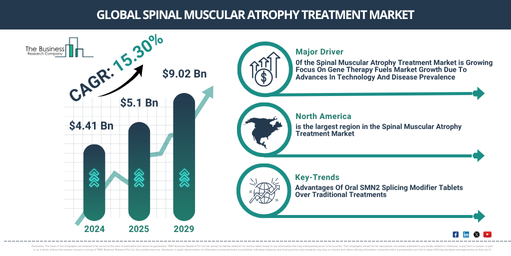
    The market for treatment of spinal muscular atrophy has been developing at an increased rate in the past few years. It is projected to expand from a worth of $4.41 billion in 2024 to a value of $5.1 billion in 2025, with a compound annual growth rate (CAGR) of 15.7%. This considerable growth in the historic phase can be accredited to factors such as a rise in the cases of spinal muscular atrophy, increasing approval for new gene therapy methods, growing cognizance for early detection and treatment, increment in research and development ventures, and the rising provision of newborn screening practices.

    Rapid expansion is anticipated for the spinal muscular atrophy treatment market, with forecasts indicating it will swell to $9.02 billion by 2029, growing at a compound annual growth rate (CAGR) of 15.3%. Factors contributing to this growth during the forecast period include the escalating prevalence of spinal muscular atrophy, the surge in approved, innovative gene therapies, and heightened awareness for early diagnosis and treatment. Additionally, increased investment in research and development coupled with wider reach of newborn screening programs also play a part. Future trends include gene therapy advancement, the inclusion of personalized medicine methods, technologically advanced development of oral treatments, enhancement in newborn screening approaches, and progress in combined therapeutic methodologies.

    Download The Free Sample Report Here:

    https://www.thebusinessresearchcompany.com/sample.aspx?id=24714&type=smp

    What Forces Are Driving The Growth Of The Spinal Muscular Atrophy Treatment Market?

    As interest in gene therapy intensifies, the spinal muscular atrophy treatment market is projected to expand. Gene therapy, a medical method that manipulates a person’s genetic material (either DNA or RNA) to treat or prevent diseases, is increasingly seen as a potential way to directly modify or replace defective genes. This can address the root cause of genetic disorders, offering more long-lasting or permanent therapeutic effects as opposed to conventional treatments. Gene therapy techniques like onasemnogene abeparvovec (Zolgensma) are beneficial for spinal muscular atrophy treatments, providing a one-time, targeted strategy that delivers a functional copy of the SMN1 gene. This significantly enhances motor function and life quality for individuals with SMA. Notably, the American Society of Gene and Cell Therapy reported in January 2024 that the number of gene therapies in Phase III trials rose by 10% in the last quarter of 2023 from the previous quarter, marking the first increase since the third quarter of 2022. Hence, the escalating attention on gene therapy is aiding the growth of the spinal muscular atrophy treatment market.

    How Is The Spinal Muscular Atrophy Treatment Industry Segmented Across Key Parameters?

    The spinal muscular atrophy treatment market covered in this report is segmented –

    1) By Treatment: Medication, Physical Therapy, Surgery, Other Treatments

    2) By Type: Werdnig-Hoffmann Disease, Infant Spinal Muscular Atrophy, Kugelberg-Welander Disease, Adult Spinal Muscular Atrophy

    3) By Route Of Administration: Oral, Parenteral

    4) By Distribution Channel: Hospital Pharmacies, Retail Pharmacies, Other Distribution Channels

    5) By End User: Hospitals, Homecare, Specialty Clinics, Other End Users

    Subsegments:

    1) By Medication: Nusinersen (Spinraza), Onasemnogene Abeparvovec-Xioi (Zolgensma), Risdiplam (Evrysdi), Antisense Oligonucleotides, Spinal Muscular Atrophy (SMN2) Splicing Modifiers, Corticosteroids, Supportive Medications

    2) By Physical Therapy: Occupational Therapy, Respiratory Therapy, Aquatic Therapy, Orthotic Support, Assistive Mobility Devices, Range-Of-Motion Exercises

    3) By Surgery: Spinal Fusion Surgery, Scoliosis Correction Surgery, Orthopedic Surgery, Gastrostomy Tube Placement, Tracheostomy

    4) By Other Treatments: Nutritional Support, Respiratory Support, Psychosocial Support And Counseling, Genetic Counseling, Stem Cell Therapy

    What Notable Trends Are Shaping The Direction Of The Spinal Muscular Atrophy Treatment Market?

    Prominent businesses in the spinal muscular atrophy treatment market are concentrating their efforts on producing innovative versions like survival motor neuron 2 (SMN2) splicing modifier tablets. These potent new drugs are designed to amplify motor function and slow the advancement of the disease. Specifically designed for oral consumption, these SMN2 splicing modifier tablets alter the SMN2 gene’s splicing, thus producing functional SMN protein which is a crucial component for the survival of motor neurons. The tablets play a significant role in treating spinal muscular atrophy (SMA) by boosting the amounts of full-length SMN protein, leading to an improvement in muscle function and stabilizing the progression of the ailment. In February 2025, an example of this was when Genentech, Inc., a biotechnology company based in the United States, was granted approval for its Evrysdi (risdiplam) tablet by the U.S. Food and Drug Administration. This was the first and sole non-invasive SMN2 splicing modifier tablet introduced for treating SMA. The Evrysdi tablet is as effective and safe as the current oral solution, plus it brings added benefits such as storage at room temperature and simplified usage for individuals aged two years or over who weigh above 44 lbs (20 kgs), providing increased convenience and adaptability in the management of the disease.

    Which Companies Currently Dominate The Competitive Landscape In The Spinal Muscular Atrophy Treatment Industry?

    Major companies operating in the spinal muscular atrophy treatment market are F. Hoffmann-La Roche Ltd, Novartis AG, Biogen Inc., Chugai Pharmaceutical Co. Ltd, PTC Therapeutics Inc., Ionis Pharmaceuticals Inc., Ultragenyx Pharmaceutical Inc., Catalyst Pharmaceuticals Inc., BIOCAD INDIA PRIVATE LIMITED, Cytokinetics Incorporated, Voyager Therapeutics Inc., Scholar Rock Holding Corporation, Genethon, Exegenesis Bio Inc, NMD Pharma A/S, Biohaven Pharmaceutical Holding Company Ltd, Alcyone Therapeutics Inc., Vybion Inc., Apteeus SAS, Biophytis SA, Ractigen Therapeutics.

    Get The Full Report Here:

    https://www.thebusinessresearchcompany.com/report/spinal-muscular-atrophy-treatment-global-market-report

    Which Geographic Regions Are Driving Demand In The Spinal Muscular Atrophy Treatment Market?

    North America was the largest region in the spinal muscular atrophy treatment market in 2024. Asia-Pacific is expected to be the fastest-growing region in the forecast period. The regions covered in the spinal muscular atrophy treatment market report are Asia-Pacific, Western Europe, Eastern Europe, North America, South America, Middle East, Africa.

    Request For A Customized Report:

    https://www.thebusinessresearchcompany.com/customise?id=24714&type=smp

    About The Business Research Company:

    With over 15000+ reports from 27 industries covering 60+ geographies, The Business Research Company has built a reputation for offering comprehensive, data-rich research and insights. Armed with 1,500,000 datasets, the optimistic contribution of in-depth secondary research, and unique insights from industry leaders, you can get the information you need to stay ahead in the game.

    Get in touch with us:

    The Business Research Company: https://www.thebusinessresearchcompany.com/

    Americas +1 310-496-7795

    Asia +44 7882 955267 & +91 8897263534

    Europe +44 7882 955267

    Email us at info@tbrc.info

    Follow us on:

    LinkedIn: https://in.linkedin.com/company/the-business-research-company

    YouTube: https://www.youtube.com/channel/UC24_fI0rV8cR5DxlCpgmyFQ

    Global Market Model: https://www.thebusinessresearchcompany.com/global-market-model
  • Comprehensive Forecast: Specific Antiviral Drugs For COVID 19 Market Share, Growth, and Opportunities Through 2029

    Comprehensive Forecast: Specific Antiviral Drugs For COVID 19 Market Share, Growth, and Opportunities Through 2029

    Claim your 30% discount on Global Market Reports with code ONLINE30. Limited time only.

    How Large Is the Specific Antiviral Drugs For COVID 19 Market Expected to Be in 2029?

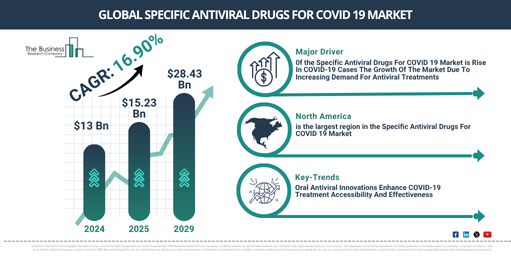
    The market size for specific antiviral drugs for covid 19 has witnessed rapid expansion in the recent past. Forecasted to increase from $13 billion in 2024, it is expected to reach $15.23 billion by 2025, with a compound annual growth rate (CAGR) of 17.1%. The historical period growth has been influenced by factors such as the increasing hospital admissions due to severe cases, increment of government grants for antiviral research, a growing preference for targeted therapeutics over generic treatments, heightened awareness about the need for early antiviral intervention, and escalating cooperative efforts between pharmaceutical companies.

    The market size for specific antiviral drugs for covid 19 is anticipated to experience swift expansion in the coming years, ballooning to $28.43 billion in 2029 with a compound annual growth rate (CAGR) of 16.9%. The predicted growth during this period is linked to the heightened emphasis on pandemic readiness, increased instances of clinical trials, escalating demand for efficient COVID-19 treatment methods, rising occurrences of COVID-19 variations, and increased adoption of oral antiviral treatments. Expectations during the forecast period point towards innovations in broad-spectrum antiviral formulations, usage of artificial intelligence in drug discovery, advancements in personalized antiviral therapies, novel approaches in combination therapy, and the application of genomic data in addressing viral mutations.

    Download The Free Sample Report Here:

    https://www.thebusinessresearchcompany.com/sample.aspx?id=24713&type=smp

    What Are The Contributors To Demand In The Specific Antiviral Drugs For COVID 19 Market?

    The escalation in COVID-19 instances is projected to fuel the expansion of the specific antiviral drugs market for COVID-19 going forward. When referring to COVID-19 cases, it denotes individuals who have been diagnosed positive for the SARS-CoV-2 virus that causes COVID-19. The surge in COVID-19 cases is attributable to the surfacing of new variants that transmit more readily and can partially dodge immunity from vaccinations or prior infections. The use of specific antiviral drugs for treating COVID-19 can help mitigate the severity and length of the ailment, thereby improving patient recovery rates and lessening the overall impact of COVID-19 instances. For example, as per data from the US-based government body, the Centers for Disease Control and Prevention, in May 2023, the average number of contributing conditions listed in COVID-19 death cases where additional causes of death were included, rose from 4.2 in 2021 to 4.5 in 2022. Consequently, the rapid surge in COVID-19 cases propels the expansion of the specific antiviral drugs market for COVID-19.

    What Segmentation Categories Are Included In The Specific Antiviral Drugs For COVID 19 Market Analysis?

    The specific antiviral drugs for covid 19 market covered in this report is segmented –

    1) By Type: Tablet, Injection

    2) By Indication: Hospitalized Patients, Non-Hospitalized Patients, Preventive Treatment

    3) By Drug Class: Nucleoside Analogues, Protease Inhibitors, Ribonucleic Acid Polymerase Inhibitors, Entry Inhibitors, Monoclonal Antibodies

    4) By Route Of Administration: Oral, Intravenous, Subcutaneous, Inhalation

    5) By Distribution Channel: Hospital Pharmacies, Retail Pharmacies, Other Distribution Channels

    Subsegments

    1) By Tablet: Oral Antiviral Tablets, Combination Antiviral Tablets, Extended-Release Tablets

    2) By Injection: Intravenous (IV) Antiviral Injections, Intramuscular (IM) Antiviral Injections, Subcutaneous Antiviral Injections

    What Upcoming Trends Are Expected To Impact The Specific Antiviral Drugs For COVID 19 Market Globally?

    Leading corporations serving the COVID-19 specific antiviral drug market are striving to devise innovative therapeutic solutions, including oral antiviral treatments, to boost the efficacy and attainability of treatment. Oral antiviral treatments are drugs consumed orally designed to suppress the multiplication of viruses like COVID-19, thus presenting an efficient and user-friendly treatment alternative. For example, Lupin Limited, a pharmaceutical organization based in India, unveiled its antiviral medication, Molnupiravir, under the brand Molnulup in January 2022, aimed at treating adults with COVID-19 at high risk. This orally administered drug is designed for adults exhibiting mild to moderate COVID-19 symptoms, who are susceptible to progression to severe disease. Molnupiravir functions by curbing the replication of the SARS-CoV-2 virus, assisting in reducing viral burden and disease severity. It demonstrates maximum effectiveness when initiated within five days from the commencement of symptoms and is particularly advantageous for individuals having comorbid conditions like obesity, old age, diabetes, or heart disease.

    Who Are The Top-Ranked Companies In The Specific Antiviral Drugs For COVID 19 Market Today?

    Major companies operating in the specific antiviral drugs for covid 19 market are Pfizer Inc., Johnson and Johnson, Roche Holding AG, Merck And Co. Inc., Novartis AG, GSK plc, Eli Lilly and Company, Gilead Sciences Inc., Regeneron Pharmaceuticals Inc, Hetero Drugs Limited, Sun Pharmaceutical Industries Limited, Shionogi and Co. Ltd., Cipla Limited, Beximco Pharmaceuticals Limited, BioCryst Pharmaceuticals Inc., Atea Pharmaceuticals Inc., Enanta Pharmaceuticals Inc., RedHill Biopharma Ltd., Aligos Therapeutics Inc., Synairgen plc

    Get The Full Report Here:

    https://www.thebusinessresearchcompany.com/report/specific-antiviral-drugs-for-covid-19-global-market-report

    How Is Specific Antiviral Drugs For COVID 19 Market Adoption Varying Across Different Regions And Sectors?

    North America was the largest region in the specific antiviral drugs for COVID 19 market in 2024. Asia-Pacific is expected to be the fastest-growing region in the forecast period. The regions covered in the specific antiviral drugs for covid 19 market report are Asia-Pacific, Western Europe, Eastern Europe, North America, South America, Middle East, Africa.

    Request For A Customized Report:

    https://www.thebusinessresearchcompany.com/customise?id=24713&type=smp

    About The Business Research Company:

    With over 15000+ reports from 27 industries covering 60+ geographies, The Business Research Company has built a reputation for offering comprehensive, data-rich research and insights. Armed with 1,500,000 datasets, the optimistic contribution of in-depth secondary research, and unique insights from industry leaders, you can get the information you need to stay ahead in the game.

    Get in touch with us:

    The Business Research Company: https://www.thebusinessresearchcompany.com/

    Americas +1 310-496-7795

    Asia +44 7882 955267 & +91 8897263534

    Europe +44 7882 955267

    Email us at info@tbrc.info

    Follow us on:

    LinkedIn: https://in.linkedin.com/company/the-business-research-company

    YouTube: https://www.youtube.com/channel/UC24_fI0rV8cR5DxlCpgmyFQ

    Global Market Model: https://www.thebusinessresearchcompany.com/global-market-model
  • 2025 Analysis: Opportunities and Risks in the Evolving Multiple Sclerosis Treatment Market

    2025 Analysis: Opportunities and Risks in the Evolving Multiple Sclerosis Treatment Market

    Claim your 30% discount on Global Market Reports with code ONLINE30. Limited time only.

    What Is the Estimated Industry Valuation for the Multiple Sclerosis Treatment Sector?

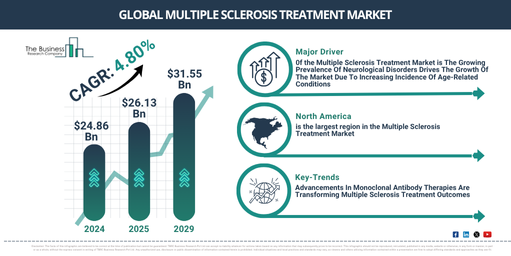
    The market size for the treatment of multiple sclerosis has seen significant growth in the past. From 2024 to 2025, it is projected to increase from $24.86 billion to $26.13 billion with a compound annual growth rate (CAGR) of 5.1%. The past expansion of this market is due to a heightened awareness of early symptoms of multiple sclerosis, wider availability of disease-altering treatments, a growing incidence of autoimmune disorders, advancements in neurological healthcare facilities, and an increased implementation of immunomodulatory treatments.

    Forecasts predict a steady expansion of the market size for multiple sclerosis treatments in the coming years, escalating to $31.55 billion by 2029 with a compound annual growth rate (CAGR) of 4.8%. Several factors are contributing to this growth during the predicted period, including the increased approvals of new monoclonal antibodies, heightened demand for customized multiple sclerosis treatments, increased emphasis on managing neurodegenerative diseases, rising use of telemedicine in managing multiple sclerosis, and an increased preference for treatments that are minimally invasive. Key trends to look out for within this period include technology-facilitated remote monitoring, the development of remyelination therapies, the progression of treatments focusing on the gut-brain axis, the incorporation of digital biomarkers, and innovative approaches in digital therapeutics.

    Download The Free Sample Report Here:

    https://www.thebusinessresearchcompany.com/sample.aspx?id=24612&type=smp

    What Forces Are Driving The Growth Of The Multiple Sclerosis Treatment Market?

    The escalation in instances of neurological conditions is anticipated to boost the expansion of the multiple sclerosis treatment market. Neurological diseases are medical disorders which impact the brain, spine and nerves throughout the body, resulting in issues related to movement, communication, behavior, or physical functions. This surge in neurological diseases can be attributed to aging populations, which increases the risk of age-linked disorders like Alzheimer’s. Multiple sclerosis treatment contributes to managing neurological diseases by focusing on the immune system to curb inflammation, prevent nerve injury, and mitigate symptoms, thereby enhancing the patient’s quality of life. For instance, data from the World Federation of Neurology recorded in October 2023 indicates that over 40% of the global population currently suffers from some type of neurological condition, and this load is forecasted to almost double by 2050. Therefore, the escalating incidence of neurological conditions is spurring the expansion of the multiple sclerosis treatment market.

    How Is The Multiple Sclerosis Treatment Industry Segmented Across Key Parameters?

    The multiple sclerosis treatment market covered in this report is segmented –

    1) By Treatment Type: Immunomodulators, Corticosteroids, Symptomatic Treatments, Monoclonal Antibodies, Oral Therapies

    2) By DiseaseType: Clinically Isolated Syndrome, Relapse-Remitting Multiple Sclerosis, Primary Progressive Multiple Sclerosis, Secondary Progressive Multiple Sclerosis

    3) By Route Of Administration: Oral, Injectable, Intravenous

    4) By Distribution Channel: Hospital Pharmacies, Retail Pharmacies, Online Pharmacies

    5) By End-Users: Hospitals, Specialty Clinics, Homecare, Other End-Users

    Subsegments

    1) By Immunomodulators: Interferon Beta-1A, Interferon Beta-1B, Glatiramer Acetate

    2) By Corticosteroids: Methylprednisolone, Prednisone, Dexamethasone

    3) By Symptomatic Treatments: Muscle Relaxants, Antidepressants, Anticonvulsants, Bladder Dysfunction Drugs

    4) By Monoclonal Antibodies: Natalizumab, Ocrelizumab, Alemtuzumab, Ofatumumab

    5) By Oral Therapies: Fingolimod, Dimethyl Fumarate, Teriflunomide, Cladribine, Siponimod

    What Notable Trends Are Shaping The Direction Of The Multiple Sclerosis Treatment Market?

    Key players in the multiple sclerosis treatment market are focusing on the development of innovative products such as monoclonal antibody drugs to increase the effectiveness of treatments and better patient results. Monoclonal antibody drugs are synthetically produced molecules that are specifically designed to target unique antigens. In the context of multiple sclerosis, these drugs are beneficial as they reduce inflammation and prevent immune cells from damaging nerve fibers, effectively controlling the progression of the disease. For example, Roche Pharma India, a pharmaceutical firm based in India, launched Ocrevus (Ocrelizumab) for the treatment of multiple sclerosis (MS) in February 2024. This medication targets CD20-positive B cells, therefore decreasing inflammation and nerve damage in MS. It holds the distinction of being the first approved treatment for both relapsing and primary progressive MS forms, effectively reducing relapse rates and managing the progression of disability through bi-annual infusions.

    Which Companies Currently Dominate The Competitive Landscape In The Multiple Sclerosis Treatment Industry?

    Major companies operating in the multiple sclerosis treatment market are Johnson & Johnson Services Inc., F. Hoffmann-La Roche Ltd, Merck And Co. Inc., AbbVie Inc., Bayer AG, Novartis AG, Sanofi S.A., Bristol-Myers Squibb Company, GlaxoSmithKline plc, Eli Lilly and Company, Teva Pharmaceutical Industries Ltd., Mylan N.V., Biogen Inc., UCB S.A., Mallinckrodt Pharmaceuticals, Acorda Therapeutics Inc., Adamas Pharmaceuticals Inc., Mapi Pharma Ltd., TG Therapeutics Inc., Atara Biotherapeutics Inc.

    Get The Full Report Here:

    https://www.thebusinessresearchcompany.com/report/multiple-sclerosis-treatment-global-market-report

    Which Geographic Regions Are Driving Demand In The Multiple Sclerosis Treatment Market?

    North America was the largest region in the multiple sclerosis treatment market in 2024. Asia-Pacific is expected to be the fastest-growing region in the forecast period. The regions covered in the multiple sclerosis treatment market report are Asia-Pacific, Western Europe, Eastern Europe, North America, South America, Middle East, Africa.

    Request For A Customized Report:

    https://www.thebusinessresearchcompany.com/customise?id=24612&type=smp

    About The Business Research Company:

    With over 15000+ reports from 27 industries covering 60+ geographies, The Business Research Company has built a reputation for offering comprehensive, data-rich research and insights. Armed with 1,500,000 datasets, the optimistic contribution of in-depth secondary research, and unique insights from industry leaders, you can get the information you need to stay ahead in the game.

    Get in touch with us:

    The Business Research Company: https://www.thebusinessresearchcompany.com/

    Americas +1 310-496-7795

    Asia +44 7882 955267 & +91 8897263534

    Europe +44 7882 955267

    Email us at info@tbrc.info

    Follow us on:

    LinkedIn: https://in.linkedin.com/company/the-business-research-company

    YouTube: https://www.youtube.com/channel/UC24_fI0rV8cR5DxlCpgmyFQ

    Global Market Model: https://www.thebusinessresearchcompany.com/global-market-model
  • Future Demand and Leading Companies Shaping the Specialty Supplements Market to 2029

    Future Demand and Leading Companies Shaping the Specialty Supplements Market to 2029

    Claim your 30% discount on Global Market Reports with code ONLINE30. Limited time only.

    What Is the Outlook for the Specialty Supplements Market Heading Into 2029?

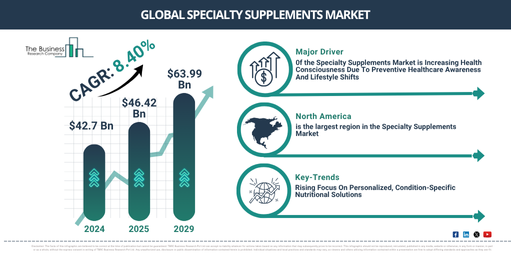
    Over the past few years, the market size of specialty supplements has seen considerable growth. It is predicted to expand from $42.7 billion in 2024 to $46.42 billion in 2025, with a compound annual growth rate (CAGR) of 8.7%. The growth witnessed in the historic period is due to several factors including higher consumer consciousness towards preventative healthcare, an ageing population with long-term health requirements, increased demand for natural and herbal goods, wider distribution via retail and pharmacy networks, and rising expendable income in developing markets.

    Significant expansion is anticipated in the specialty supplements market over the next few years, with projections estimating a rise to $63.99 billion by 2029, maintaining a compound annual growth rate (CAGR) of 8.4%. The predicted upswing during the forecasted timeline can be linked to the rising preference for customized nutritional solutions, the increasing application of dietary supplements in combination with prescribed treatments, a heightened emphasis on immune and digestive health, the proliferation of digital healthcare platforms and the merging of telemedicine, as well as the growing instances of disorders connected to lifestyles. The forecast period anticipates key trends such as advancement in delivery systems of supplements, invention in tailor-made supplement composition, progress in wearable health technology, research and improvements in bioavailable additive components, and the evolution in gut flora-based supplementation approaches.

    Download The Free Sample Report Here:

    https://www.thebusinessresearchcompany.com/sample.aspx?id=24712&type=smp

    Which Factors Are Pushing The Specialty Supplements Market Forward?

    The upsurge in health awareness is anticipated to boost the expansion of the specialty supplements market in the future. Health awareness implies the knowledge and active pursuit of individuals towards preserving and enhancing their health through lifestyle adjustments, balanced diet, regular exercise, and preventive healthcare. This surge in health-conscious behavior results from individuals actively seeking means to ensure good health, avert diseases, and embrace healthier lifestyles through educated decisions on diet and supplements. Specialty supplements assist in accentuating health awareness by offering custom-made nutritional products that assist individuals in preserving and enhancing their health through scientifically developed supplements. For example, it was reported by the Global Wellness Institute, a nonprofit organization based in the US, that the worldwide wellness market achieved a value of $6.3 trillion in 2023, witnessing a considerable increase post-pandemic, projected to rise at a steady annual rate of 7.3% until 2028. Hence, the upsurge in health awareness is fueling the expansion of the specialty supplements market.

    Which Segment Held The Largest Share In The Specialty Supplements Market In 2025?

    The specialty supplements market covered in this report is segmented –

    1) By Type: Vitamins, Minerals, Herbal Supplements, Amino Acids, Probiotics, Other Types

    2) By Application: Sports Nutrition, Bone And Joint Health, Digestive Health, Immune Health, Other Applications

    3) By Distribution Channel: Online Retailers, Health Food Stores, Pharmacies, Supermarkets, Direct Selling, Fitness Centers, Other Distribution Channels

    4) By End User: Adults, Geriatric, Pregnant Women, Children, Other End Users

    Subsegments:

    1) By Vitamins: Vitamin A, Vitamin B Complex, Vitamin C, Vitamin D, Vitamin E, Vitamin K

    2) By Minerals, By Type: Calcium, Magnesium, Zinc, Iron, Potassium, Selenium, Copper

    3) By Herbal Supplements: Ginseng, Echinacea, Turmeric, Garlic, Ginkgo Biloba, Ashwagandha

    4) By Amino Acids: Branched-Chain Amino Acids (BCAA), Glutamine, Arginine, Lysine, Taurine, Tyrosine

    5) By Probiotics: Lactobacillus, Bifidobacterium, Saccharomyces, Streptococcus, Bacillus

    6) By Other Types: Enzymes, Omega Fatty Acids, Coenzyme Q10, Antioxidants, Collagen Supplements

    How Are Key Trends Driving Expansion In The Specialty Supplements Industry?

    Leading businesses within the specialty supplements market are prioritizing novel personalized and condition-driven nutrition like the specific supplementation model. This approach aims to provide precise nutritional strategies that bolster individual health requirements and increase the efficacy of wellness and treatment routines. Precisely, the condition-specific supplementation model involves creating nutritional items specifically designed to cater to the distinct physiological requirements and health issues accompanying certain medical conditions or treatments. For example, in March 2025, The Vitamin Shoppe, an American retail and contract production company for nutritional items, launched GLP-1 Support from Whole Health Rx. This particular supplement has been created to aid weight control and metabolic welfare. The product utilizes GLP-1 (glucagon-like peptide-1) analogs to control hunger and enhance glucose metabolism. Created for everyday consumption, GLP-1 Support delivers a handy, scientifically-backed methodology for maintaining healthy weight loss and steady energy levels.

    Which Organizations Are Driving Progress In The Specialty Supplements Industry?

    Major companies operating in the specialty supplements market are Thorne HealthTech Inc., Life Extension Foundation Buyers Club Inc., Bactolac Pharmaceutical Inc., Designs for Health Inc., Ritual Inc., Seed Health Inc., SDC Nutrition Inc., Oriflame Holding AG, Bio Nutraceuticals Inc., HUM Nutrition Inc., Advanced Supplements LLC, True Nutrition Inc., ACF Pharma LLC, Lemme Wellness Inc., Vimergy LLC, 1Mission Nutrition LLC, Nugen Research Inc., Beyond Organic LLC, Fungi Perfecti LLC (operates as Host Defense Mushrooms), New Life Vitamins Inc.

    Get The Full Report Here:

    https://www.thebusinessresearchcompany.com/report/specialty-supplements-global-market-report

    Which Region Is Expected To Experience The Highest Growth In The Specialty Supplements Industry?

    North America was the largest region in the specialty supplements market in 2024. The regions covered in the specialty supplements market report are Asia-Pacific, Western Europe, Eastern Europe, North America, South America, Middle East, Africa.

    Request For A Customized Report:

    https://www.thebusinessresearchcompany.com/customise?id=24712&type=smp

    About The Business Research Company:

    With over 15000+ reports from 27 industries covering 60+ geographies, The Business Research Company has built a reputation for offering comprehensive, data-rich research and insights. Armed with 1,500,000 datasets, the optimistic contribution of in-depth secondary research, and unique insights from industry leaders, you can get the information you need to stay ahead in the game.

    Get in touch with us:

    The Business Research Company: https://www.thebusinessresearchcompany.com/

    Americas +1 310-496-7795

    Asia +44 7882 955267 & +91 8897263534

    Europe +44 7882 955267

    Email us at info@tbrc.info

    Follow us on:

    LinkedIn: https://in.linkedin.com/company/the-business-research-company

    YouTube: https://www.youtube.com/channel/UC24_fI0rV8cR5DxlCpgmyFQ

    Global Market Model: https://www.thebusinessresearchcompany.com/global-market-model
  • In-Depth m-RNA Synthesis Service Market Report: Business Trends, Growth Factors, and Forecast to 2029

    In-Depth m-RNA Synthesis Service Market Report: Business Trends, Growth Factors, and Forecast to 2029

    Claim your 30% discount on Global Market Reports with code ONLINE30. Limited time only.

    How Large Is the m-RNA Synthesis Service Market Expected to Be in 2029?

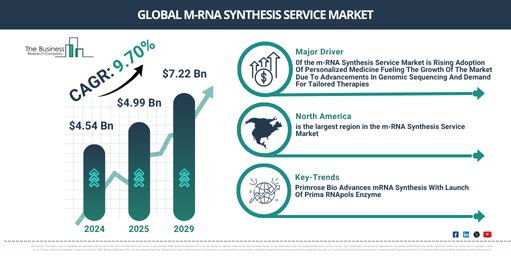
    The market size for m-rna synthesis service has seen a robust expansion in preceding years. It is projected to inflate from $4.54 billion in 2024 to $4.99 billion in 2025, marking an annual compound growth rate (CAGR) of 9.9%. The historical growth can be credited to an escalating demand for tailor-made medicine and gene treatments, proliferation of clinical trials, increasing occurrence of infectious diseases, augmented investment in biotechnology, and a rising emphasis on developing vaccines.

    Significant growth is predicted in the m-rna synthesis service market over the next several years, with a projected increase to $7.22 billion in 2029 at a compound annual growth rate (CAGR) of 9.7%. Factors that may drive this growth include a rise in the uptake of mRNA therapies, increasing uses of mRNA technology, a heightened emphasis on mRNA therapeutics for autoimmune diseases, a continuous surge in the need for mRNA-based vaccines, and an increased demand for custom mRNA synthesis solutions. Key emerging trends for this period are progress in RNA polymerase enzyme engineering, the development of next-gen mRNA vaccines, automation processes in mRNA production, bespoke mRNA therapies, and the application of AI and machine learning in the design of mRNA.

    Download The Free Sample Report Here:

    https://www.thebusinessresearchcompany.com/sample.aspx?id=24611&type=smp

    What Are The Contributors To Demand In The m-RNA Synthesis Service Market?

    The mRNA synthesis service market is anticipated to grow with the rising emphasis on personalized medicine. Personalized medicine employs a medical strategy that customizes treatment and healthcare choices based on an individual’s genetics, lifestyle, and surroundings. Given the latest advancements in genomic sequencing which assist in accurate identification of unique genetic variations related to disease and treatment response, personalized medicine is on the rise. The use of mRNA synthesis services enhances the personalized medicine approach by facilitating quick and accurate creation of mRNA-based treatments customized to a person’s genetic characteristics, thereby encouraging more effective and targeted treatments. For example, the Personalized Medicine Coalition, an American non-profit, reported in February 2024 that in 2023, the FDA greenlighted 16 new personalized treatments for patients with rare diseases, a significant bump from 6 in 2022. Of the treatments, seven were cancer medications, and three were aimed at other illnesses and conditions. Consequently, the surge in personalized medicine practice is propelling the mRNA synthesis service market growth.

    What Segmentation Categories Are Included In The m-RNA Synthesis Service Market Analysis?

    The m-rna synthesis service market covered in this report is segmented –

    1) By Type: mRNA Vaccine Synthesis, mRNA Drug Synthesis

    2) By Application Area: Vaccine Development, Therapeutic Development, Research and Development, Diagnostics

    3) By End-user Industry: Pharmaceutical Companies, Biotechnology Firms, Academic And Research Institutions, Contract Research Organizations (CROs)

    Subsegments:

    1) By mRNA Vaccine Synthesis: Infectious Disease Vaccines, Cancer Vaccines, Personalized Vaccines

    2) By mRNA Drug Synthesis: Protein Replacement Therapies, Gene Editing Therapeutics, Cell Therapy Support

    What Upcoming Trends Are Expected To Impact The m-RNA Synthesis Service Market Globally?

    The mRNA synthesis service market is seeing a focus from key players in the development of original solutions such as RNA polymerase enhancements designed to optimize the effectiveness, output, and safety of mRNA synthesis. These innovations in RNA polymerase refer to the creation of upgraded enzymes that amplify the transcription process, diminish potential drawbacks like the formation of double-stranded RNA, and ultimately improve the quality of mRNA for therapeutics and vaccines. For example, Primrose Bio Inc., a biotech firm based in the US, unveiled its Prima RNApols in March 2025, which were designed to increase both the efficiency and scalability of mRNA synthesis. This enzyme has the capability for improved processivity and high-fidelity transcription, which allows it to generate longer and more stable mRNA strands with decreased chances of errors. It’s remarkable effectiveness in in vitro transcription systems reduces impurities and elevates the total yield, providing a dependable and scalable option for companies involved in the production of mRNA-based drugs. This evolution is especially beneficial in the expanding sector of personalized medicine where accurate and efficient mRNA synthesis is vital.

    Who Are The Top-Ranked Companies In The m-RNA Synthesis Service Market Today?

    Major companies operating in the m-rna synthesis service market are Thermo Fisher Scientific Inc., Danaher Corporation, AGC Biologics Inc., Eurofins Scientific SE, Lonza Group AG, Catalent Inc., Samsung Biologics Co. Ltd., WuXi Biologics (Cayman) Inc., GenScript Biotech Corporation, Azenta Inc., Genewiz Inc., New England Biolabs Inc., TransGen Biotech Co. Ltd., Creative Biolabs Inc., Bioneer Corporation, Aldevron LLC, eTheRNA immunotherapies NV, Bio-Synthesis Inc., TriLink BioTechnologies LLC, APExBIO Technology LLC

    Get The Full Report Here:

    https://www.thebusinessresearchcompany.com/report/m-rna-synthesis-service-global-market-report

    How Is m-RNA Synthesis Service Market Adoption Varying Across Different Regions And Sectors?

    North America was the largest region in the m-RNA synthesis service market in 2024. Asia-Pacific is expected to be the fastest-growing region in the forecast period. The regions covered in the m-rna synthesis service market report are Asia-Pacific, Western Europe, Eastern Europe, North America, South America, Middle East, Africa.

    Request For A Customized Report:

    https://www.thebusinessresearchcompany.com/customise?id=24611&type=smp

    About The Business Research Company:

    With over 15000+ reports from 27 industries covering 60+ geographies, The Business Research Company has built a reputation for offering comprehensive, data-rich research and insights. Armed with 1,500,000 datasets, the optimistic contribution of in-depth secondary research, and unique insights from industry leaders, you can get the information you need to stay ahead in the game.

    Get in touch with us:

    The Business Research Company: https://www.thebusinessresearchcompany.com/

    Americas +1 310-496-7795

    Asia +44 7882 955267 & +91 8897263534

    Europe +44 7882 955267

    Email us at info@tbrc.info

    Follow us on:

    LinkedIn: https://in.linkedin.com/company/the-business-research-company

    YouTube: https://www.youtube.com/channel/UC24_fI0rV8cR5DxlCpgmyFQ

    Global Market Model: https://www.thebusinessresearchcompany.com/global-market-model
  • Monocyte Activation Test Industry Poised for Rapid Expansion, Projected to Hit $0.94 Billion by 2029

    Monocyte Activation Test Industry Poised for Rapid Expansion, Projected to Hit $0.94 Billion by 2029

    Claim your 30% discount on Global Market Reports with code ONLINE30. Limited time only.

    What Is the Outlook for the Monocyte Activation Test Market Heading Into 2029?

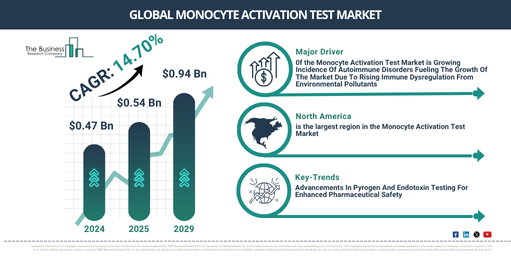
    The market size of the monocyte activation test has seen significant growth in the past years. The market, which was valued at $0.47 billion in 2024, is projected to reach $0.54 billion in 2025, progressing at a compound annual growth rate (CAGR) of 15.0%. The historical growth of this market is driven by factors such as heightened awareness about animal welfare, a surge in regulatory approvals, expansion in pharmaceuticals and biologics production, rising focus on the detection of endotoxins and non-endotoxin pyogens, and an escalating prevalence of chronic and infectious diseases.

    In the coming years, a swift expansion is anticipated in the monocyte activation test market, with a projection to reach $0.94 billion by 2029, as it progresses at a compound annual growth rate (CAGR) of 14.7%. The anticipated growth during the predicted period can be traced back to the increasing endorsement for the three Rs – replacement, reduction, refinement, surging investment in the fields of life sciences R&D, an escalating usage of monoclonal antibodies along with cell therapies, expanding cognizance of the constraints in traditional pyrogen tests, and augmenting strategic alliances and collaborations. During the forecast period, key trends to watch out for include advancements in the field of in vitro diagnostic technologies, the merging of automation within workflows, development strides in monocyte-based cell culture systems, breakthroughs in human immune response modelling, and enhancements in cryopreserved monocyte technology.

    Download The Free Sample Report Here:

    https://www.thebusinessresearchcompany.com/sample.aspx?id=24610&type=smp

    Which Factors Are Pushing The Monocyte Activation Test Market Forward?

    The increasing occurrence of autoimmune disorders is set to spurt the expansion of the monocyte activation test market. Such disorders occur when the body’s immune system incorrectly attacks its own healthy cells, tissues, or organs rather than defending the body against infections and foreign matters. The upsurge in the prevalence of autoimmune disorders is mainly due to increased exposure to pollutants, causing a disruption in immune regulation and provoking unusual responses. The monocyte activation test (MAT) helps in the identification of these disorders by offering a dependable method to evaluate immune system activation. It assists in pinpointing unusual immune responses, imperative for the diagnosis of diseases such as lupus and rheumatoid arthritis, thus improving early detection and treatment of these conditions. For instance, a survey study conducted by the Germany-based organization Versorgungsatlas.de in November 2024 found that out of 73,241,305 insured individuals in 2022, around 6,304,340 received a diagnosis of at least one autoimmune disease, indicating a raw prevalence rate of 8.61%. Therefore, the rising number of autoimmune disorders cases is fuelling the growth of the monocyte activation test market.

    Which Segment Held The Largest Share In The Monocyte Activation Test Market In 2025?

    The monocyte activation test market covered in this report is segmented –

    1) By Product Type: Reagents, Test Kits, Assay Systems, Software Solutions

    2) By Technology: Enzyme-Linked Immunosorbent Assay (ELISA), Flow Cytometry, Polymerase Chain Reaction (PCR), Luminex Technologies

    3) By Distribution Channel: Direct Sales, Distributors Or Third-party Partners, Online Retailers, Institutional Sales

    4) By Application: Drug Development, Vaccine Development, Medical Device Testing, Other Applications

    5) By End-User: Pharmaceutical Companies, Biotechnology Companies, Research Institutions, Hospitals And Laboratories

    Subsegments:

    1) By Reagents: Endotoxin Standards, Cytokine Detection Reagents, Cell Culture Media, Limulus Amebocyte Lysate (LAL) Reagents, Blocking Agents And Buffers

    2) By Test Kits: Quantitative Monocyte Activation Test Kits, Qualitative Monocyte Activation Test Kits, Good Manufacturing Practice (GMP)-Compliant Test Kits, Endotoxin-Specific Test Kits, Pyrogen Detection Kits

    3) By Assay Systems: Benchtop Monocyte Activation Analyzers, Automated High-Throughput Systems, Microplate Readers, Cell Imaging Systems, Flow Cytometry-Based Systems

    4) By Software Solutions: Data Analysis Software, Laboratory Information Management Systems (LIMS) Integration Tools, Compliance And Audit Trail Software, Remote Monitoring And Control Software, Real-Time Result Interpretation Tools

    How Are Key Trends Driving Expansion In The Monocyte Activation Test Industry?

    Leading organizations in the monocyte activation test market are concentrating on the advancement of technologically innovative products such as pyrogen and endotoxin tests, with the aim of increasing the sensitivity of testing and enhancing the identification of immune responses. These tests are utilized to detect substances which trigger fever, particularly endotoxins from gram-negative bacteria. For instance, FUJIFILM Wako Pure Chemicals Corporation, based in Japan, introduced the LumiMAT Pyrogen Detection Kit in June 2024. This next-generation monocyte activation test is used for in vitro pyrogen screening. Along with this, they also launched PYROSTAR Neo+, a reagent made from recombinant protein that detects bacterial endotoxins. These products improve the precision, productivity, and safety of pyrogen testing in the pharma and biotech industries.

    Which Organizations Are Driving Progress In The Monocyte Activation Test Industry?

    Major companies operating in the monocyte activation test market are Merck KGaA, Becton Dickinson and Company, Eurofins Scientific, Lonza Group, Charles River Laboratories, Nelson Laboratories LLC, Solvias AG, Labor LS SE and Co. KG, BMG Labtech, Cellular Technology Limited, Creative Biolabs, FUJIFILM Wako Chemicals, Microcoat Biotechnologie GmbH, MAT BioTech B.V., Sanquin Diagnostiek B.V., PyroDex LLC, MAT Research B.V., Minerva Biolabs GmbH, Wickham Micro Limited, Rapid Test Methods Ltd.

    Get The Full Report Here:

    https://www.thebusinessresearchcompany.com/report/monocyte-activation-test-global-market-report

    Which Region Is Expected To Experience The Highest Growth In The Monocyte Activation Test Industry?

    North America was the largest region in the monocyte activation test market in 2024. Asia-Pacific is expected to be the fastest-growing region in the forecast period. The regions covered in the monocyte activation test market report are Asia-Pacific, Western Europe, Eastern Europe, North America, South America, Middle East, Africa.

    Request For A Customized Report:

    https://www.thebusinessresearchcompany.com/customise?id=24610&type=smp

    About The Business Research Company:

    With over 15000+ reports from 27 industries covering 60+ geographies, The Business Research Company has built a reputation for offering comprehensive, data-rich research and insights. Armed with 1,500,000 datasets, the optimistic contribution of in-depth secondary research, and unique insights from industry leaders, you can get the information you need to stay ahead in the game.

    Get in touch with us:

    The Business Research Company: https://www.thebusinessresearchcompany.com/

    Americas +1 310-496-7795

    Asia +44 7882 955267 & +91 8897263534

    Europe +44 7882 955267

    Email us at info@tbrc.info

    Follow us on:

    LinkedIn: https://in.linkedin.com/company/the-business-research-company

    YouTube: https://www.youtube.com/channel/UC24_fI0rV8cR5DxlCpgmyFQ

    Global Market Model: https://www.thebusinessresearchcompany.com/global-market-model
  • Global Molecular Targeted Therapy Market Forecast to Reach $99.4 Billion by 2029, Driven by 8.5% CAGR

    Global Molecular Targeted Therapy Market Forecast to Reach $99.4 Billion by 2029, Driven by 8.5% CAGR

    Claim your 30% discount on Global Market Reports with code ONLINE30. Limited time only.

    What Does the Forecast Indicate for the Molecular Targeted Therapy Market From 2025 to 2029?

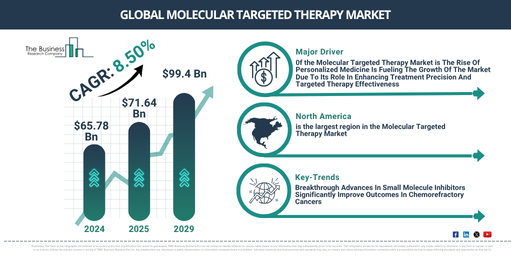
    The size of the molecular targeted therapy market has witnessed significant growth recently. It is projected to expand from $65.78 billion in 2024 to $71.64 billion in 2025, with a compound annual growth rate (CAGR) of 8.9%. The historical growth can be ascribed to factors such as an upsurge in chronic diseases, a higher demand for tailored medicine, an increasing usage of biomarkers for drug formulation, a rising embrace of monoclonal antibodies, and increased authorizations for oncology treatments.

    Strong expansion is anticipated in the molecular targeted therapy market within the coming years. By 2029, it’s predicted to increase to $99.4 billion, with a compound annual growth rate (CAGR) of 8.5%. This projected growth can be linked to several factors such as the escalation in cancer research investment, the rising demand for targeted immunotherapies, broader activities in precision medicine clinical trials, enhanced use of companion diagnostics, and improved healthcare access in developing economies. Key trends during this forecast period are expected to be technological progress in genomics, advancements in drug delivery systems, augmented investment in research and development, improvements in molecular diagnostics, and the adoption of AI technology for therapy discovery.

    Download The Free Sample Report Here:

    https://www.thebusinessresearchcompany.com/sample.aspx?id=24609&type=smp

    What Elements Are Contributing To Growth In The Molecular Targeted Therapy Market?

    The advancement in personalized medicine is projected to augment the molecular targeted therapy market’s expansion in the future. Personalized medicine is an innovative approach to healthcare that tailors treatments and prevention strategies based on the individual’s lifestyle, environmental factors, and genetic makeup. The surge in its popularity stems from the increased accessibility to genetic data, which allows for treatments to be specifically designed for each person’s genome. This results in enhanced efficacy and reduced side effects. Thereby, personalized medicine supports molecular targeted therapy through the thorough analysis of a patient’s tumor for distinct genetic mutations or biomarkers. This process aids in selecting therapies that directly target those abnormalities, ensuring more precision in treatments and minimizing damage to healthy tissues. For instance, the Personalized Medicine Coalition, a healthcare organization from the United States, reported in February 2024 that 16 new tailored treatments for patients with rare diseases were approved by the FDA in 2023, a significant increase from the six treatments approved in 2022. Consequently, the evolution of personalized medicine is propelling the growth of the molecular targeted therapy market.

    Which Segments Are Detailed In The Global Molecular Targeted Therapy Market Report?

    The molecular targeted therapy market covered in this report is segmented –

    1) By Therapy Type: Monoclonal Antibodies, Small Molecule Inhibitors, Gene Therapy, Cell Therapy

    2) By Mode Of Administration: Oral, Injectable, Topical, Intravenous

    3) By Application: Lung Cancer, Breast Cancer, Colorectal Cancer, Leukemia, Other Applications

    4) By End-User: Hospitals, Clinics, Research Laboratories, Diagnostic Centers

    Subsegments:

    1) By Monoclonal Antibodies: Naked Monoclonal Antibodies, Conjugated Monoclonal Antibodies, Bispecific Monoclonal Antibodies

    2) By Small Molecule Inhibitors: Tyrosine Kinase Inhibitors (TKIs), Proteasome Inhibitors, Poly Adenosine Diphosphate (ADP) Ribose Polymerase (PARP) Inhibitors, Mechanistic Target Of Rapamycin (mTOR) Inhibitors

    3) By Gene Therapy: Viral Vector-Based Gene Therapy, Non-Viral Vector-Based Gene Therapy, Genome Editing

    4) By Cell Therapy: Chimeric Antigen Receptor T-Cell Therapy, T-Cell Receptor (TCR) Therapy, Tumor-Infiltrating Lymphocytes (TILs) Therapy, Dendritic Cell Therapy

    Which Emerging Trends And Strategic Shifts Are Shaping The Molecular Targeted Therapy Market?

    Major players in the molecular targeted therapy market are directing their efforts towards creating innovative products like small molecule inhibitors, aiming to enhance patient results in various cancers and chronic diseases. Small molecule inhibitors are compact compounds capable of easily infiltrating cells and restraining specific proteins contributing to the disease. One example of this is Lumakras (sotorasib), accompanied by Vectibix (panitumumab), presented by Amgen Inc., a US pharmaceutical firm, in January 2025. This combination received the green light from the US Food and Drug Administration (FDA), a US government entity, for use with adult patients suffering from KRAS G12C-mutated metastatic colorectal cancer who had previously been treated with fluoropyrimidine-, oxaliplatin-, and irinotecan-based chemotherapy as confirmed by an FDA-certified test. This approval centered around data from the Phase 3 CodeBreaK 300 trial, illustrating that the combination extended progression-free survival twofold compared to the standard of care being studied, marking it as the initial targeted therapy to exhibit such advantages in this chemotherapy-resistant patient group.

    Who Are The Key Contributors To Growth In The Molecular Targeted Therapy Market?

    Major companies operating in the molecular targeted therapy market are Pfizer Inc., Merck & Co. Inc., AbbVie Inc., Sanofi S.A., Bristol-Myers Squibb Company, AstraZeneca PLC, Amgen Inc., Regeneron Pharmaceuticals, Vertex Pharmaceuticals Incorporated, Novartis AG, Incyte Corporation, Exelixis Inc., IDEAYA Biosciences Inc., Prelude Therapeutics Incorporated, Gamida Cell Ltd., Adaptimmune Therapeutics plc, Engine Biosciences Pte. Ltd., Krystal Biotech Inc., Sotio Biotech a.s., Cybrexa Therapeutics Inc.

    Get The Full Report Here:

    https://www.thebusinessresearchcompany.com/report/molecular-targeted-therapy-global-market-report

    Which Region Is Projected To Lead The Molecular Targeted Therapy Market By 2025?

    North America was the largest region in the molecular targeted therapy market in 2024. Asia-Pacific is expected to be the fastest-growing region in the forecast period. The regions covered in the molecular targeted therapy market report are Asia-Pacific, Western Europe, Eastern Europe, North America, South America, Middle East, Africa.

    Request For A Customized Report:

    https://www.thebusinessresearchcompany.com/customise?id=24609&type=smp

    About The Business Research Company:

    With over 15000+ reports from 27 industries covering 60+ geographies, The Business Research Company has built a reputation for offering comprehensive, data-rich research and insights. Armed with 1,500,000 datasets, the optimistic contribution of in-depth secondary research, and unique insights from industry leaders, you can get the information you need to stay ahead in the game.

    Get in touch with us:

    The Business Research Company: https://www.thebusinessresearchcompany.com/

    Americas +1 310-496-7795

    Asia +44 7882 955267 & +91 8897263534

    Europe +44 7882 955267

    Email us at info@tbrc.info

    Follow us on:

    LinkedIn: https://in.linkedin.com/company/the-business-research-company

    YouTube: https://www.youtube.com/channel/UC24_fI0rV8cR5DxlCpgmyFQ

    Global Market Model: https://www.thebusinessresearchcompany.com/global-market-model
  • Key Market Drivers, Trends, and Forecast for the Global Mineral Sunscreen Industry

    Key Market Drivers, Trends, and Forecast for the Global Mineral Sunscreen Industry

    Claim your 30% discount on Global Market Reports with code ONLINE30. Limited time only.

    What Is the Current and Projected Market Size of the Mineral Sunscreen Industry?

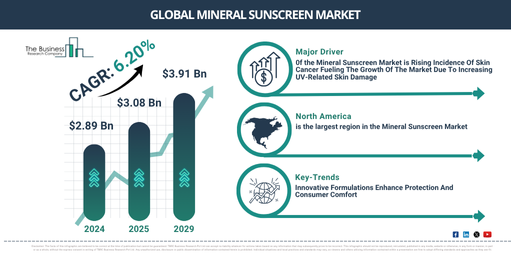
    The market for mineral sunscreen has seen impressive growth in recent years. The projection is that it will rise from $2.89 billion in 2024 to $3.08 billion in 2025, a compound annual growth rate (CAGR) of 6.5%. Factors contributing to past growth include an increased prevalence of skin cancer, a higher demand for natural and organic personal care items, bigger worrying about chemical components in sunscreens, a trend among millennials towards environmentally sound goods, and a heightened preference for reef-safe sunscreens among consumers.

    The market for mineral sunscreens is projected to experience significant expansion in the coming years, reaching a value of $3.91 billion by 2029, growing at a compound annual growth rate (CAGR) of 6.2%. Factors contributing to this market growth for the forecast period include an expanding understanding of the need for protection against blue light and infrared, a rise in online sales of dermatologist-approved products, a growing preference for clean label products among consumers, an increase in demand for vegan and cruelty-free sunblock options, and burgeoning demand in developing markets for premium sun care items. Key market trends in the forecast period include the advancement of water-resistant formulas, incorporation into dermatologist recommendations, innovations for non-greasy formulas, multiple function sunscreen innovations, and the creation of products that cater to all skin tones.

    Download The Free Sample Report Here:

    https://www.thebusinessresearchcompany.com/sample.aspx?id=24607&type=smp

    #Which Factors Are Currently Driving The Growth Of The Mineral Sunscreen Market?

    It is predicted that the increasing occurrence of skin cancer will boost the development of the mineral sunscreen industry. Skin cancer is characterised by the unchecked proliferation of irregular skin cells, primarily resulting from harm due to ultraviolet light from the sun or tanning beds. The growing prevalence of this condition is largely attributed to excessive sun exposure, causing harmful ultraviolet (UV) radiation to damage the DNA within our skin cells. Mineral sunscreen contributes to skin health by offering comprehensive protection against harmful UV radiation, making it a vital element in daily sun protection. This lowers the potential for skin injuries and skin cancer, supporting healthier skin and long-term wellbeing. For instance, Cancer Australia, a government agency based in Australia, reported approximately 8,257 new melanoma skin cases in 2023, contributing to 2.6% of all cancer-related deaths. Therefore, the escalating occurrence of skin cancer is a key driver in the evolution of the mineral sunscreen industry.

    How Is The Global Mineral Sunscreen Market Structured In Terms Of Segments?

    The mineral sunscreen market covered in this report is segmented –

    1) By Product Type: Lotion, Cream, Spray, Stick, Powder

    2) By Skin Type: Dry, Oily, Sensitive

    3) By Sun Protection Factor (SPF): Up To 29 Sun Protection Factor (SPF), 30 To 49 Sun Protection Factor (SPF), 50 To 69 Sun Protection Factor (SPF), 70 And More Sun Protection Factor (SPF)

    4) By Distribution Channel: Supermarkets And Hypermarkets, Specialty Stores, Online Or E-commerce, Other Distribution Channels

    5) By End User: Adults, Children, Babies

    Subsegments

    1) By Lotion: Face Lotion, Body Lotion, Tinted Lotion, Baby Lotion

    2) By Cream: Daily Wear Cream, Anti-Aging Cream, Moisturizing Cream, Sensitive Skin Cream

    3) By Spray: Continuous Spray, Pump Spray, Sport Spray, Kids Spray

    4) By Stick: Face Stick, Lip Balm Stick, Travel Stick, Sport Stick

    5) By Powder: Loose Powder Sunscreen, Pressed Powder Sunscreen, Tinted Powder, Touch-Up Powder

    What Trends Are Currently Influencing Growth In The Mineral Sunscreen Market?

    Leading corporations in the mineral sunscreen market are concentrating on the creation of novel formulations, for instance, lightweight, broad-spectrum versions, to improve both user satisfaction and sun protection. These lightweight, broad-spectrum products are sunscreens that provide protection against UVA and UVB rays while feeling light and non-greasy on the skin. In May of 2025, Saltyface Natural Inc., a Canadian cosmetics firm, introduced their Daily Sun Shield mineral sunscreen, a lightweight, sheer SPF 30 formula suitable for all skin types. This broad-spectrum sunscreen contains 14% non-nano zinc oxide, offering water-resistant, reef-safe, and sweat-resistant protection for up to 80 minutes. Made with skincare in mind, it has hydrating and soothing ingredients like hyaluronic acid, squalane, green tea, and chamomile. It’s ideal for daily use, whether applied on its own, under makeup, or while involved in outdoor events.

    Who Are The Main Participants Shaping The Mineral Sunscreen Market Landscape?

    Major companies operating in the mineral sunscreen market are L’Oréal S.A., The Estée Lauder Companies Inc., Edgewell Personal Care Company, doTERRA International LLC, Crown Laboratories Inc., ISDIN S.A., Sun Bum LLC., Goddess Garden LLC, EltaMD Inc., Australian Gold LLC, W. S. Badger Company, Supergoop LLC, Drunk Elephant LLC, Raw Elements USA LLC, CP Skin Health Group Inc., Babo Botanicals Inc, Coola LLC, Ruby’s Organics Private Limited, The Beauty Corner, Think Operations LLC

    Get The Full Report Here:

    https://www.thebusinessresearchcompany.com/report/mineral-sunscreen-global-market-report

    Which Region Currently Holds The Largest Share In The Mineral Sunscreen Market?

    North America was the largest region in the mineral sunscreen market in 2024. Asia-Pacific is expected to be the fastest-growing region in the forecast period. The regions covered in the mineral sunscreen market report are Asia-Pacific, Western Europe, Eastern Europe, North America, South America, Middle East, Africa.

    Request For A Customized Report:

    https://www.thebusinessresearchcompany.com/customise?id=24607&type=smp

    About The Business Research Company:

    With over 15000+ reports from 27 industries covering 60+ geographies, The Business Research Company has built a reputation for offering comprehensive, data-rich research and insights. Armed with 1,500,000 datasets, the optimistic contribution of in-depth secondary research, and unique insights from industry leaders, you can get the information you need to stay ahead in the game.

    Get in touch with us:

    The Business Research Company: https://www.thebusinessresearchcompany.com/

    Americas +1 310-496-7795

    Asia +44 7882 955267 & +91 8897263534

    Europe +44 7882 955267

    Email us at info@tbrc.info

    Follow us on:

    LinkedIn: https://in.linkedin.com/company/the-business-research-company

    YouTube: https://www.youtube.com/channel/UC24_fI0rV8cR5DxlCpgmyFQ

    Global Market Model: https://www.thebusinessresearchcompany.com/global-market-model