Month: September 2025

  • In-Depth Implantable Remote Patient Monitoring Devices Market Report: Business Trends, Growth Factors, and Forecast to 2029

    In-Depth Implantable Remote Patient Monitoring Devices Market Report: Business Trends, Growth Factors, and Forecast to 2029

    Claim your 30% discount on Global Market Reports with code ONLINE30. Limited time only.

    Claim your 30% discount on Global Market Reports with code ONLINE30. Limited time only.

    What Does the Forecast Indicate for the Implantable Remote Patient Monitoring Devices Market From 2025 to 2029?

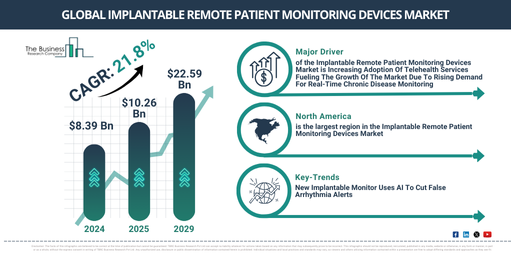
    The market size of implantable remote patient monitoring devices has seen a significant surge recently. It is projected to increase from $8.39 billion in 2024 to $10.26 billion in 2025, yielding a compound annual growth rate (CAGR) of 22.2%. The historic upswing can be attributed to factors such as the growing incidence of chronic and cardiovascular diseases, enhanced demand for early detection and constant monitoring, an increase in the aging population needing sustained care, a gradual tilt towards home-based healthcare, and escalating healthcare expenses promoting preventive surveillance.

    The market for implantable remote patient monitoring devices is set for substantial expansion in the upcoming years, with projections indicating that it could be valued at $22.59 billion in 2029, representing a compound annual growth rate (CAGR) of 21.8%. The anticipated surge in the market over the prediction period is largely owing to factors such as boosted governmental backing and reimbursement coverage, amplified awareness concerning precision medicine and personalized healthcare, expanded investment in MedTech startups and digital health, and an escalation in instances of post-operative complications and rehospitalization. Projected trends over the forecast period encompass progress in miniaturization and biocompatible materials, the incorporation of artificial intelligence (AI) and machine learning for anticipatory analytics, amalgamation with 5G and Internet of Things (IoT) networks, breakthroughs in battery-free implants and energy-harvesting, and advancements in cybersecurity protocols for medical implants.

    Download The Free Sample Report Here:

    https://www.thebusinessresearchcompany.com/sample.aspx?id=27316&type=smp

    What Elements Are Contributing To Growth In The Implantable Remote Patient Monitoring Devices Market?

    The growth of the market for implantable remote patient monitoring devices is likely to be fuelled by the rising acceptance of telehealth services. These services, which involve the use of phones, video calls or apps for remote healthcare provision, let patients consult with physicians without needing to visit a clinic or hospital. The surge in the use of telehealth services can be attributed to the increasing need for consistent, real-time health tracking for those suffering from chronic diseases, as it promotes the appropriate timing of medical intervention without repeated hospital trips. Telehealth services enhance the functionality of implantable remote patient monitoring devices by facilitating immediate data exchange between patients and medical professionals, fostering timely medical decision-making and reducing the necessity for physical patient visits. Additionally, they optimize the management of chronic diseases through ongoing monitoring and early intervention, thereby maximizing healthcare efficacy and patient convenience. For example, the Australian Digital Health Agency revealed in May 2024 that between March 2020 and July 2022, telehealth services were used by over 95,000 practitioners and provided to 18 million patients, with a total of 118.2 million telehealth services delivered. As a result, the expanding adoption of telehealth services is stimulating the growth of the implantable remote patient monitoring devices market.

    Which Segments Are Detailed In The Global Implantable Remote Patient Monitoring Devices Market Report?

    The implantable remote patient monitoring devices market covered in this report is segmented

    1) By Product: Blood Glucose Monitoring Systems, Cardiac Monitoring Devices, Weight Monitoring Devices, Other Products

    2) By Application: Cardiovascular Diseases, Neurological Disorders, Diabetes, Other Applications

    3) By End User: Hospital, Ambulatory Surgery Centers, Home Care Settings, Other End Users

    Subsegments:

    1) By Blood Glucose Monitoring Systems: Continuous Glucose Monitoring (CGM) Devices, Self-Monitoring Blood Glucose (SMBG) Devices, Lancets And Lancing Devices, Glucose Test Strips, Blood Glucose Meters,

    2) By Cardiac Monitoring Devices: Electrocardiogram (ECG) Devices, Implantable Loop Recorders, Holter Monitors, Event Monitors, Mobile Cardiac Telemetry Devices,

    3) By Weight Monitoring Devices: Digital Weighing Scales, Smart Body Composition Monitors, Infant Scales, Chair Scales, Bed Scales,

    4) By Other Products: Respiratory Monitoring Devices, Multiparameter Monitors, Fetal And Neonatal Monitoring Devices, Temperature Monitoring Devices, Neuromonitoring Devices

    Which Emerging Trends And Strategic Shifts Are Shaping The Implantable Remote Patient Monitoring Devices Market?

    Prominent firms in the implantable remote patient monitoring devices market are concentrating on the production of cutting-edge products like implantable cardiac monitors, enabling more precise observation of cardiac arrhythmias. An implantable cardiac monitor (ICM), also called an implantable loop recorder (ILR), is a compact device placed just under the skin, commonly on the chest’s left side, to incessantly track and document the heart’s electrical activity for a considerable duration. For example, Biotronik AG, a healthcare technology company based in Switzerland, in June 2023, launched the BIOMONITOR IV implantable cardiac monitor. This advanced ICM uses BIOTRONIK’s SmartECG technology and artificial intelligence, reducing false positive detections by 86%, while maintaining 98% of true episodes. This monitoring device can also differentiate premature atrial contractions (PACs) from premature ventricular contractions (PVCs), offering healthcare professionals superior tools for risk stratification and diagnosis.

    Who Are The Key Contributors To Growth In The Implantable Remote Patient Monitoring Devices Market?

    Major companies operating in the implantable remote patient monitoring devices market are Abbott Laboratories, Honeywell Life Sciences, Medtronic plc, Siemens Healthineers, Philips Healthcare, GE HealthCare Technologies Inc., Boston Scientific Corporation, Dexcom Inc., Zoll Medical Corporation, Nihon Kohden Corporation, LivaNova PLC, MicroPort Scientific Corporation, iRhythm Technologies Inc., NeuroPace Inc., Profusa Inc., Senseonics Holdings Inc., Xeltis AG, GlySens Inc., Kenzen Inc., Qura Inc.

    Get The Full Report Here:

    https://www.thebusinessresearchcompany.com/report/implantable-remote-patient-monitoring-devices-global-market-report

    Which Region Is Projected To Lead The Implantable Remote Patient Monitoring Devices Market By 2025?

    North America was the largest region in the implantable remote patient monitoring devices market in 2024. The regions covered in the implantable remote patient monitoring devices market report are Asia-Pacific, Western Europe, Eastern Europe, North America, South America, Middle East, Africa.

    Request For A Customized Report:

    https://www.thebusinessresearchcompany.com/customise?id=27316&type=smp

    About The Business Research Company:

    With over 15000+ reports from 27 industries covering 60+ geographies, The Business Research Company has built a reputation for offering comprehensive, data-rich research and insights. Armed with 1,500,000 datasets, the optimistic contribution of in-depth secondary research, and unique insights from industry leaders, you can get the information you need to stay ahead in the game.

    Get in touch with us:

    The Business Research Company: https://www.thebusinessresearchcompany.com/

    Americas +1 310-496-7795

    Asia +44 7882 955267 & +91 8897263534

    Europe +44 7882 955267

    Email us at info@tbrc.info

    Follow us on:

    LinkedIn: https://in.linkedin.com/company/the-business-research-company

    YouTube: https://www.youtube.com/channel/UC24_fI0rV8cR5DxlCpgmyFQ

    Global Market Model: https://www.thebusinessresearchcompany.com/global-market-model

  • 2025–2029 Hyper-Personalized Medicine Market Outlook: Regional Trends and Growth Forecast

    Claim your 30% discount on Global Market Reports with code ONLINE30. Limited time only.

    Claim your 30% discount on Global Market Reports with code ONLINE30. Limited time only.

    What Are the Latest Market Insights for the Hyper-Personalized Medicine Industry?

    The market size of hyper-personalized medicine has expanded swiftly in the recent past. Projected to escalate from $2,774.10 billion in 2024 to $3,188.03 billion in 2025, it demonstrates a compound annual growth rate (CAGR) of 14.9%. Factors such as growing demand for specific treatments, escalated use of genomic technologies, amplified awareness of the advantages of tailored treatments, rising investments in biotechnology, and the larger availability of health data, have all contributed to this growth in the historic period.

    There is projected rapid expansion in the market size of hyper-personalized medicine in the coming years. By 2029, the market value is aimed to reach $5,490.15 billion, with a compound annual growth rate (CAGR) of 14.6%. Factors fueling this growth in the prediction period include the bolstering development of personalized medicine delivery systems, precision medicine applications’ continued expansion, increasing depth in healthcare data analytics, advancements in the identification techniques of biomarkers, and the growing implementation of machine learning in diagnostic processes. Key future trends encompass progression in targeted drug delivery, creative breakthroughs in personalized treatment algorithms, the integration of big data analytics, developments in biomarker discovery, and innovations in patient-oriented care platforms.

    Download The Free Sample Report Here:

    https://www.thebusinessresearchcompany.com/sample.aspx?id=27313&type=smp

    What Forces Are Driving The Growth Of The Hyper-Personalized Medicine Industry?

    The growth of the hyper-personalized medicine market is likely to be boosted by the increasing need for precision therapies. Precision therapies, which focus on disease-specific genetic, molecular, or cellular features to provide efficient and individualized interventions with minimal side-effects, are gaining traction as compared to conventional treatments. These therapies help pinpoint genetic or molecular disease features, resulting in superior and customized treatment results. Hyper-personalized medicine complements precision therapies as it allows treatments to be custom-made based on an individual’s specific genetic, molecular, and lifestyle aspects, hence increasing its efficiency while minimizing adverse reaction. For instance, in February 2024, the Personalized Medicine Coalition, a non-profit organization in the US, reported that the Food and Drug Administration (FDA) granted approval to 16 innovative personalized treatments for patients with uncommon diseases in 2023, which was a significant increase from 6 in 2022. Consequently, the escalating demand for precision therapies is fueling the expansion of the hyper-personalized medicine market.

    What Is The Overview Of Market Segmentation In The Hyper-Personalized Medicine Industry?

    The hyper-personalized medicine market covered in this report is segmented

    1) By Product: Hyper Personalized Medicine Diagnostics, Hyper Personalized Medicine Therapeutics, Hyper Personalized Medical Care, Hyper Personalized Nutrition And Wellness

    2) By Technology: Genomics, Proteomics, Bioinformatics, Metabolomics

    3) By Application: Oncology, Neurology, Blood Transfusion Safety, Diabetes, Autoimmune Diseases, Cardiology

    4) By End User: Hospitals, Diagnostic Centers, Research And Academic Institutes

    Subsegments:

    1) By Hyper Personalized Medicine Diagnostics: Genomic Sequencing, Biomarker Testing, Molecular Diagnostics, Companion Diagnostics, Liquid Biopsy

    2) By Hyper Personalized Medicine Therapeutics: Targeted Drug Therapies, Gene Therapy, Cell Therapy, Immunotherapy, RNA-based Therapeutics

    3) By Hyper Personalized Medical Care: Telemedicine And Remote Monitoring, Personalized Treatment Plans, AI-driven Clinical Decision Support, Patient-specific Rehabilitation, Precision Surgery

    4) By Hyper Personalized Nutrition And Wellness: Nutrigenomics, Personalized Diet Plans, Microbiome Analysis, Customized Supplements, Wellness Coaching And Monitoring

    What Future Market Trends Are Projected For The Hyper-Personalized Medicine Industry?

    Leading corporations in the hyper-personalized medicine sector are concentrating on creating sophisticated solutions, including genomic sequencing platforms. These technologies will provide detailed patient profiling, expedite the creation of targeted therapies, and enhance the effectiveness of treatments. Genomic sequencing platforms are cutting-edge technologies that decipher an individual’s entire DNA sequence to discover genetic variations for research, diagnosis, and personalized treatment. For instance, in September 2022, the American biotech firm, Illumina Inc., introduced the NovaSeq X Series. This powerful new generation of high-throughput sequencers is aimed at propelling genomic medicine forward. By combining innovative chemistry, hardware and software upgrades, and ultra-dense flow cells, the NovaSeq X Series can achieve an unprecedented level of accuracy and scale. It enables the sequencing of over 20,000 whole genomes annually, a 2.5-fold increase over earlier models. This significant advance accelerates genomic research and boosts clinical insights, paving the way for precision therapies, extensive population studies, and early detection of diseases.

    Who Are The Primary Players Operating Across The Global Hyper-Personalized Medicine Market?

    Major companies operating in the hyper-personalized medicine market are Pfizer Inc., Johnson & Johnson, Roche Holding AG, Bayer AG, Sanofi S.A., Bristol-Myers Squibb Company, AstraZeneca PLC, Abbott Laboratories, Novartis AG, Danaher Corporation, Amgen Inc., Merck KGaA, GE Healthcare Technologies Inc., Biogen Inc., Illumina Inc., Guardant Health Inc., Berry Genomics Co. Ltd., Sophia Genetics SA, Mapmygenome, and InnoCare Pharma.

    Get The Full Report Here:

    https://www.thebusinessresearchcompany.com/report/hyper-personalized-medicine-global-market-report

    Which Region Offers The Most Growth Potential For The Hyper-Personalized Medicine Market Through 2029?

    North America was the largest region in the hyper-personalized medicine market in 2024. Asia-Pacific is expected to be the fastest-growing region in the forecast period. The regions covered in the hyper-personalized medicine market report are Asia-Pacific, Western Europe, Eastern Europe, North America, South America, Middle East, Africa.

    Request For A Customized Report:

    https://www.thebusinessresearchcompany.com/customise?id=27313&type=smp

    About The Business Research Company:

    With over 15000+ reports from 27 industries covering 60+ geographies, The Business Research Company has built a reputation for offering comprehensive, data-rich research and insights. Armed with 1,500,000 datasets, the optimistic contribution of in-depth secondary research, and unique insights from industry leaders, you can get the information you need to stay ahead in the game.

    Get in touch with us:

    The Business Research Company: https://www.thebusinessresearchcompany.com/

    Americas +1 310-496-7795

    Asia +44 7882 955267 & +91 8897263534

    Europe +44 7882 955267

    Email us at info@tbrc.info

    Follow us on:

    LinkedIn: https://in.linkedin.com/company/the-business-research-company

    YouTube: https://www.youtube.com/channel/UC24_fI0rV8cR5DxlCpgmyFQ

    Global Market Model: https://www.thebusinessresearchcompany.com/global-market-model

  • CAGR of 7.1% Projected for Human Serum Albumin Market From 2025 to 2029

    CAGR of 7.1% Projected for Human Serum Albumin Market From 2025 to 2029

    Claim your 30% discount on Global Market Reports with code ONLINE30. Limited time only.

    Claim your 30% discount on Global Market Reports with code ONLINE30. Limited time only.

    How Large Is the Human Serum Albumin Market Expected to Be in 2029?

    The market size for human serum albumin has seen robust growth in recent years. The market is projected to increase from $5.39 billion in 2024 to $5.79 billion in 2025, with a compound annual growth rate (CAGR) of 7.5%. Factors such as growing healthcare requirements, broader uses of human serum albumin, an aging demographic, rising demand for blood plasma derivatives, and an increase in liver disorders and related diseases have contributed to the growth during the history term.

    In the coming years, a significant expansion is forecasted for the human serum albumin market. It is anticipated to reach $7.63 billion by 2029, growing at a compound annual rate (CAGR) of 7.1%. This growth during the forecast period is due to factors including increased access to essential medicines, wider therapeutic usage, burgeoning hospital numbers, developing healthcare facilities and government-driven initiatives. Key trends foreseen during this period involve cell-free protein production, CRISPR-genome engineered strains, ongoing manufacturing methodologies, transdermal delivery mechanisms and advancements in lyophilization.

    Download The Free Sample Report Here:

    https://www.thebusinessresearchcompany.com/sample.aspx?id=27310&type=smp

    What Are The Contributors To Demand In The Human Serum Albumin Market?

    With liver diseases becoming increasingly rampant, the human serum albumin market is expected to witness substantial growth. Diseases that impair liver function such as cirrhosis, hepatitis, fatty liver disease, and liver cancer are classified under liver diseases. The surge in liver diseases is a direct result of the growing incidence of obesity, which in turn leads to non-alcoholic fatty liver disease (NAFLD), characterized by fat deposition, inflammation, and possible liver failure due to excess abdominal fat. Human serum albumin contributes to combating liver disease by boosting blood volume, reducing fluid accumulation, ensuring kidney function, and enhancing outcomes in complications like ascites and hepatorenal syndrome. A report released in July 2023 by the Office for Health Improvement & Disparities, a UK government department, indicates an increase of 22.0% in hospital admissions with liver disease as the primary diagnosis in the fiscal year ending 2022, with cases going up from 67,458 in 2021 to 82,290 in 2022. Hence, the rising incidence of liver diseases is propelling the growth of the human serum albumin market.

    What Segmentation Categories Are Included In The Human Serum Albumin Market Analysis?

    The human serum albumin market covered in this report is segmented

    1) By Type Of Preparation: Recombinant Human Serum Albumin, Plasma-Derived Human Serum Albumin

    2) By Formulation Type: Injection Solutions, Lyophilized Powder

    3) By Distribution Channel: Direct Sales, Online Pharmacies, Third-party Distributors, Hospital Pharmacies

    4) By Application: Volume Expanders, Drug Delivery Systems, Nutrition Enhancement, Diagnostic Agents

    5) By End-User: Hospitals, Research Laboratories, Pharmaceutical Companies, Blood Banks

    Subsegments:

    1) By Recombinant Human Serum Albumin: Yeast-Based Recombinant Human Serum Albumin, Bacterial-Based Recombinant Human Serum Albumin, Plant-Based Recombinant Human Serum Albumin, Mammalian Cell-Based Recombinant Human Serum Albumin, Insect Cell-Based Recombinant Human Serum Albumin

    2) By Plasma-Derived Human Serum Albumin: 5% Human Serum Albumin Solution, 20% Human Serum Albumin Solution, 25% Human Serum Albumin Solution, Lyophilized Human Serum Albumin, Fatty Acid-Free Human Serum Albumin

    What Upcoming Trends Are Expected To Impact The Human Serum Albumin Market Globally?

    Leading organizations active in the human serum albumin market are concentrating on the development of novel solutions, including animal-free recombinant excipients, to advance product safety, scalability, and adherence to regulatory guidelines in biomanufacturing applications. The term animal-free recombinant excipient pertains to a biologically manipulated inactive substance produced utilizing recombinant DNA technology that does not contain any components derived from animals or humans, thereby guaranteeing high purity and safety in applications related to pharmaceutical and biomanufacturing. For example, in April 2025, InVitri Inc., a company based in the US that supplies animal-free, recombinant proteins, and excipients, introduced Optibumin 25, the premier recombinant 25% human serum albumin in closed-system biomanufacturing. This particular human serum albumin has been specifically created for closed-system biomanufacturing and is designed for downstream processing, formulation, and cryopreservation practices. It is now obtainable in 100 mL single-use packets. Its composition, defined chemically and free of animal origin, assures high purity, consistency, and minimizes the risk of contamination. It is ready for GMP, scalable for large-scale production, and provides a steady, sterile solution that effortlessly assimilates into applications like viral vector production, stem cell conservation, vaccine development, and regenerative medical practices.

    Who Are The Top-Ranked Companies In The Human Serum Albumin Market Today?

    Major companies operating in the human serum albumin market are Thermo Fisher Scientific Inc., Takeda Pharmaceutical Company Limited, Merck KGaA, CSL Behring (CSL), Baxter International Inc., Grifols S A, Sartorius AG, Octapharma AG, Kedrion Biopharma, Shanghai RAAS Blood Products Co Ltd., Biotest Aktiengesellschaft, LFB Group, Hualan Biological Engineering Inc., Taibang Biologic Group, Kamada Ltd., InVitria Inc., Reliance Life Sciences, Bio Products Laboratory, Mitsubishi Tanabe Pharma, and Sichuan Yuanda Shuyang Pharmaceutical Co Ltd.

    Get The Full Report Here:

    https://www.thebusinessresearchcompany.com/report/human-serum-albumin-global-market-report

    How Is Human Serum Albumin Market Adoption Varying Across Different Regions And Sectors?

    North America was the largest region in the human serum albumin market in 2024. Asia-Pacific is expected to be the fastest-growing region in the forecast period. The regions covered in the human serum albumin market report are Asia-Pacific, Western Europe, Eastern Europe, North America, South America, Middle East, Africa.

    Request For A Customized Report:

    https://www.thebusinessresearchcompany.com/customise?id=27310&type=smp

    About The Business Research Company:

    With over 15000+ reports from 27 industries covering 60+ geographies, The Business Research Company has built a reputation for offering comprehensive, data-rich research and insights. Armed with 1,500,000 datasets, the optimistic contribution of in-depth secondary research, and unique insights from industry leaders, you can get the information you need to stay ahead in the game.

    Get in touch with us:

    The Business Research Company: https://www.thebusinessresearchcompany.com/

    Americas +1 310-496-7795

    Asia +44 7882 955267 & +91 8897263534

    Europe +44 7882 955267

    Email us at info@tbrc.info

    Follow us on:

    LinkedIn: https://in.linkedin.com/company/the-business-research-company

    YouTube: https://www.youtube.com/channel/UC24_fI0rV8cR5DxlCpgmyFQ

    Global Market Model: https://www.thebusinessresearchcompany.com/global-market-model
  • 2025 High Speed Laser Ablation System Market Outlook: Opportunities, Growth Trends, and Strategic Analysis

    2025 High Speed Laser Ablation System Market Outlook: Opportunities, Growth Trends, and Strategic Analysis

    Claim your 30% discount on Global Market Reports with code ONLINE30. Limited time only.

    Claim your 30% discount on Global Market Reports with code ONLINE30. Limited time only.

    What Is the Current and Projected Market Size of the High Speed Laser Ablation System Industry?

    The market size of the high-speed laser ablation system has seen robust growth in recent years. The predicted growth is from $1.73 billion in 2024 to $1.88 billion in 2025, with a compound annual growth rate (CAGR) of 9.1%. The prior growth can be traced back to the escalating adoption of precision micromachining, surging investments in semiconductor fabrication establishments, burgeoning demand for rapid prototyping, amplified environmental concerns, and an increasing demand for smaller electronic components.

    The market size of the high-speed laser ablation system is anticipated to witness robust growth in the coming years, expanding to $2.63 billion in 2029 with a compound annual growth rate (CAGR) of 8.7%. The predicted upswing in the forthcoming period can be attributed to escalating investments in advancing medical device technology, the increasing adoption of smart manufacturing and Industry 4.0, enhanced government backing for scientific research, rising demand for cleanroom-compatible instruments, and expanded global investment in quantum and photonic technologies. Key trends for the projection period include progress in ultrafast laser technologies, innovations in beam-shaping and delivery systems, advancements in fiber laser systems, a technology-led transition towards contactless manufacturing, and progress in femtosecond laser micromachining.

    Download The Free Sample Report Here:

    https://www.thebusinessresearchcompany.com/sample.aspx?id=27306&type=smp

    #Which Factors Are Currently Driving The Growth Of The High Speed Laser Ablation System Market?

    The future growth of the high-speed laser ablation system market is projected to be propelled by the rising demand for minimally invasive procedures. Such medical techniques, which incorporate tiny incisions and specialized equipment, are designed to minimize tissue damage, pain, and recovery duration. The popularity of minimally invasive procedures is growing due to their benefits such as quicker patient recovery, less pain, and shorter hospital stays. High-speed laser ablation systems contribute to these procedures by accurately eliminating or vaporizing the intended tissue with minimal harm to nearby areas, thus allowing for precise treatment, lesser incision size, and quicker healing. For example, the American Society of Plastic Surgeons, a professional society based in the US, reported in June 2024 that the total number of minimally invasive procedures performed in 2023 was nearly 25.4 million, a 7% increase from 2022. Consequently, the upsurge in demand for minimally invasive procedures is fueling the expansion of the high-speed laser ablation system market.

    How Is The Global High Speed Laser Ablation System Market Structured In Terms Of Segments?

    The high speed laser ablation system market covered in this report is segmented

    1) By Laser Type: Ultrafast, Nanosecond, Picosecond, Femtosecond

    2) By Application: Industrial Manufacturing, Medical And Healthcare, Scientific Research, Semiconductor And Electronics

    3) By End-Use Industry: Automotive, Aerospace And Defense, Electronics And Semiconductor, Medical Devices, Research Institutions, Energy And Power, Other Industries

    Subsegments:

    1) By Ultrafast Lasers: Mode-Locked Lasers, Fiber Lasers, Solid-State Lasers

    2) By Nanosecond Lasers: Q-Switched Nd:Yag Lasers, Excimer Lasers, Diode-Pumped Solid-State Lasers

    3) By Picosecond Lasers: Picosecond Fiber Lasers, Solid-State Picosecond Lasers, Mode-Locked Semiconductor Lasers

    4) By Femtosecond Lasers: Ti:Sapphire Lasers, Femtosecond Fiber Lasers, Diode-Pumped Femtosecond Lasers

    What Trends Are Currently Influencing Growth In The High Speed Laser Ablation System Market?

    Leading participants in the high-speed laser ablation system market are concentrating on technological advancements like micromachining and 3D surface processing solutions. These methods are aimed at improving accuracy, minimising material wastage, and assisting the manufacture of cutting-edge microscale devices. These laser-based techniques specifically modify or eliminate material at micro-scale ranges, creating complex, precision components. For instance, GF Machining Solutions GmbH, a Switzerland-based machine industry company, introduced the groundbreaking LASER S 500 (U) in June 2024. This system, primarily designed for high-precision 3D surface processing in the electronics, medical technology, and watchmaking sectors, provides unmatched accuracy (±5 µm), superior surface finishes (Ra 0.1 µm), and swift productivity, supported by thermoregulated components, high-dynamics motors, and a high-speed 3D scanner. The system, adaptable with three- or five-axis options and nanosecond or femtosecond laser sources, is exceptional in micro-shaping, engraving, texturing, and structuring on hard and brittle materials like silicon carbide, alumina, and tungsten carbide, as well as softer metals.

    Who Are The Main Participants Shaping The High Speed Laser Ablation System Market Landscape?

    Major companies operating in the high speed laser ablation system market are Hitachi Ltd., Thermo Fisher Scientific Inc., KEYENCE Corporation, Teledyne Technologies Incorporated, Lumentum Holdings Inc., IPG Photonics Corporation, Resonetics Inc., Ekspla, Laserax Inc., Preco LLC., LasX Industries Ltd., SCHWIND eye-tech-solutions GmbH, Pantec Biosolutions AG., Applied Spectra Inc., Intelligent Imaging Innovations Inc., Jenoptik AG., JPT Laser, Clark-MXR Inc., PolarOnyx Inc., Quantum Composers Inc., Suresh Indu Lasers Pvt. Ltd., Laser Photonics LLC.

    Get The Full Report Here:

    https://www.thebusinessresearchcompany.com/report/high-speed-laser-ablation-system-global-market-report

    Which Region Currently Holds The Largest Share In The High Speed Laser Ablation System Market?

    Asia-Pacific was the largest region in the high speed laser ablation system market in 2024. The regions covered in the high speed laser ablation system market report are Asia-Pacific, Western Europe, Eastern Europe, North America, South America, Middle East, Africa.

    Request For A Customized Report:

    https://www.thebusinessresearchcompany.com/customise?id=27306&type=smp

    About The Business Research Company:

    With over 15000+ reports from 27 industries covering 60+ geographies, The Business Research Company has built a reputation for offering comprehensive, data-rich research and insights. Armed with 1,500,000 datasets, the optimistic contribution of in-depth secondary research, and unique insights from industry leaders, you can get the information you need to stay ahead in the game.

    Get in touch with us:

    The Business Research Company: https://www.thebusinessresearchcompany.com/

    Americas +1 310-496-7795

    Asia +44 7882 955267 & +91 8897263534

    Europe +44 7882 955267

    Email us at info@tbrc.info

    Follow us on:

    LinkedIn: https://in.linkedin.com/company/the-business-research-company

    YouTube: https://www.youtube.com/channel/UC24_fI0rV8cR5DxlCpgmyFQ

    Global Market Model: https://www.thebusinessresearchcompany.com/global-market-model
  • Global Insights: High Purity Alkylating Agents Market Expected to Surpass $2.81 Billion by 2029

    Claim your 30% discount on Global Market Reports with code ONLINE30. Limited time only.

    Claim your 30% discount on Global Market Reports with code ONLINE30. Limited time only.

    How Will the High Purity Alkylating Agents Market Evolve in Terms of Growth and Size by 2029?

    In recent times, there has been significant growth in the market size of high purity alkylating agents. The market is projected to rise from $1.98 billion in 2024 to $2.13 billion in 2025, reflecting a compound annual growth rate (CAGR) of 7.6%. Factors contributing to the growth recorded in the historic period include the heightened demand for high-purity chemicals in chemical synthesis, increased usage in agrochemical formulations, growing application in dye and pigment production, the rising necessity for controlled reactivity in the manufacturing of specialty chemicals, and an increase in industrial applications that demand lower impurity levels.

    In the years to come, the high purity alkylating agents market size is anticipated to experience robust growth, expected to rise to $2.81 billion in 2029 with a compound annual growth rate (CAGR) of 7.2%. The growth within this period is expected to be driven by factors such as increased need for specific drug delivery systems, more investment within the specialty chemical manufacturing sector, a surging demand for high-purity reagents in sophisticated materials, an escalation in demand for clean-label and highly efficient chemical procedures, along with an amplified focus on green and sustainable alkylation methods. Critical trends for this forecast period include progress in purification techniques for chemical reagents, advancements in synthesis methods for personalized alkylating agents, novelty in green and sustainable alkylation processes, the incorporation of automation in chemical production, and progresses in non-toxic and safer alternatives to alkylation.

    Download The Free Sample Report Here:

    https://www.thebusinessresearchcompany.com/sample.aspx?id=27305&type=smp

    What factors are expected to fuel High Purity Alkylating Agents market growth in the coming years?

    The surge in the need for pharmaceuticals is set to trigger the expansion of the high-purity alkylating agents market. Pharmaceuticals, which comprise drugs and medications designed, created, and employed for the prevention, diagnosis, treatment, or management of human and animal diseases and disorders, are increasing due to the escalating incidence of chronic diseases. This ups the demand for efficient medical interventions. High-purity alkylating facilitates accurate production of active pharmaceutical ingredients (APIs) and anticancer drugs, ensuring standard efficacy and safety in final formulations. For example, in May 2025, as per the data from Statistics Canada, a national statistics entity based in Canada, the pharmaceutical firms within Canada recorded operational revenues of $37.8 billion in 2022, indicating a 13.0% growth ($4.4 billion) compared to the preceding year. As such, the rising demand for pharmaceuticals fuels the growth of the high-purity alkylating agents market.

    What Are The Key Findings From The Segmentation Analysis Of The High Purity Alkylating Agents Market?

    The high purity alkylating agents market covered in this report is segmented

    1) By Type: Aromatic Alkylating Agents, Alicyclic Alkylating Agents, Acyclic Alkylating Agents

    2) By Formulation: Liquid Formulations, Solid Formulations, Powder Formulations

    3) By Purity Level: Low Purity (90% To 95%), Medium Purity (95% To 99%), High Purity (99% And Above)

    4) By Application: Pharmaceuticals, Agrochemicals, Chemical Synthesis, Other Applications

    5) By End-User: Healthcare, Agriculture, Automotive, Consumer Goods, Industrial

    Subsegments:

    1) By Aromatic Alkylating Agents: Benzyl Chloride, Toluene Derivatives, Xylene Derivatives, Alkylbenzenes

    2) By Alicyclic Alkylating Agents: Cyclohexyl Chloride, Methylcyclohexane Derivatives, Alkylated Naphthenes, Cyclopentyl Compounds

    3) By Acyclic Alkylating Agents: Methyl Iodide, Ethyl Bromide, Dimethyl Sulfate, Diethyl Sulfate

    Which Trends Are Expected To Shape The Future Of The High Purity Alkylating Agents Market?

    Leading firms in the high-purity alkylating agent market are prioritizing the development of groundbreaking products including lyophilized injectable formulations to improve drug stability and broaden the scope of delivery methods in cancer therapy. The process of creating a lyophilized injectable formulation involves the freeze-drying of the drug to produce a stable powder that can be rehydrated before administration, thereby extending its shelf life and maintaining its efficacy. As an example, Fresenius SE & Co. KGaA, a healthcare entity based in Germany, introduced a generic version of Cytoxan called Cyclophosphamide for Injection, USP in February 2024. This lyophilized injectable alkylating agent is tailored for the treatment of various malignant diseases like lymphomas, leukemias, breast carcinoma, and pediatric nephrotic syndrome. It is offered in single-dose vials of 500 milligrams (mg), 1 gram (g), and 2 grams (g) and may be taken orally or administered intravenously, providing adaptability in clinical application. The formulation guarantees prolonged stability, effortless storage, and decreased risk of microbial contamination. This product is an essential addition to the oncology lineup of Fresenius Kabi and an optimal solution for hospitals and cancer care providers in pursuit of affordable, dependable chemotherapy alternatives.

    What Are The Most Active Companies In The High Purity Alkylating Agents Market Today?

    Major companies operating in the high purity alkylating agents market are Pfizer Inc., BASF SE, LyondellBasell Industries N.V., Merck KGaA, Evonik Industries AG, Teva Pharmaceutical Industries Ltd, Mitsui Chemicals Inc., Baxter International Inc., LANXESS AG, Chevron Phillips Chemical Company LLC, Sigma-Aldrich Corporation, Dr. Reddy’s Laboratories Ltd., Cipla Inc., Hikma Pharmaceuticals Public Limited Company, Cayman Chemical Company Inc., Tokyo Chemical Industry Co. Ltd., Santa Cruz Biotechnology Inc., BOC Sciences, LGM Pharma LLC, BioCrick Biotechnology Co Ltd.

    Get The Full Report Here:

    https://www.thebusinessresearchcompany.com/report/high-purity-alkylating-agents-global-market-report

    Which Regional Markets Are Attracting The Most Investment In High Purity Alkylating Agents?

    North America was the largest region in the high purity alkylating agents market in 2024. Asia-Pacific is expected to be the fastest-growing region in the forecast period. The regions covered in the high purity alkylating agents market report are Asia-Pacific, Western Europe, Eastern Europe, North America, South America, Middle East, Africa.

    Request For A Customized Report:

    https://www.thebusinessresearchcompany.com/customise?id=27305&type=smp

    About The Business Research Company:

    With over 15000+ reports from 27 industries covering 60+ geographies, The Business Research Company has built a reputation for offering comprehensive, data-rich research and insights. Armed with 1,500,000 datasets, the optimistic contribution of in-depth secondary research, and unique insights from industry leaders, you can get the information you need to stay ahead in the game.

    Get in touch with us:

    The Business Research Company: https://www.thebusinessresearchcompany.com/

    Americas +1 310-496-7795

    Asia +44 7882 955267 & +91 8897263534

    Europe +44 7882 955267

    Email us at info@tbrc.info

    Follow us on:

    LinkedIn: https://in.linkedin.com/company/the-business-research-company

    YouTube: https://www.youtube.com/channel/UC24_fI0rV8cR5DxlCpgmyFQ

    Global Market Model: https://www.thebusinessresearchcompany.com/global-market-model

  • 2025 Analysis: Opportunities and Risks in the Evolving Herpes Simplex Keratitis Treatment Market

    2025 Analysis: Opportunities and Risks in the Evolving Herpes Simplex Keratitis Treatment Market

    Claim your 30% discount on Global Market Reports with code ONLINE30. Limited time only.

    Claim your 30% discount on Global Market Reports with code ONLINE30. Limited time only.

    What CAGR Is Anticipated for the Herpes Simplex Keratitis Treatment Market Through 2029?

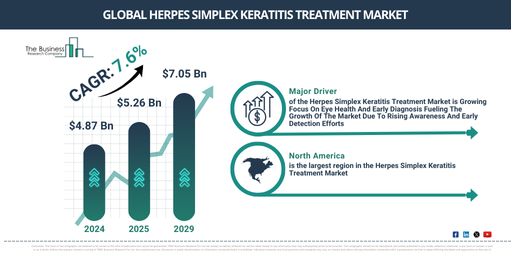
    The market for treating herpes simplex keratitis has witnessed substantial growth in the recent past. It has been projected to rise from a valuation of $4.87 billion in 2024 to a worth of $5.26 billion in 2025, boasting a compound annual growth rate (CAGR) of 8.0%. The past progression can be credited to factors such as a surge in cases of herpes simplex virus infections, heightened consciousness about timely detection and remedy, an escalation in healthcare spending, a growing need for antiviral medications, and an increase in financing for clinical trials and research.

    Expectations are high for the herpes simplex keratitis treatment market size to experience robust growth in the coming years. The projection is set at reaching $7.05 billion in 2029, with a compound annual growth rate (CAGR) of 7.6%. This anticipated growth throughout the forecast period can be linked to factors such as an aging population, enhanced focus on eye health, the rising acceptance of innovative therapies, healthcare infrastructure development in emerging markets, and escalating investments in research for eye diseases. Noteworthy trends for the forecast period encompass progress in antiviral drug formulations, breakthroughs in ocular drug delivery systems, the incorporation of teleophthalmology in eye care, cutting-edge diagnostic imaging techniques, and advancements in personalized treatment methods.

    Download The Free Sample Report Here:

    https://www.thebusinessresearchcompany.com/sample.aspx?id=27304&type=smp

    What Market Forces Are Driving The Herpes Simplex Keratitis Treatment Sector In 2025 And Beyond?

    The increasing emphasis on ocular health and early diagnosis is projected to drive the expansion of the market for herpes simplex keratitis treatment. Maintaining ideal vision and early detection of eye abnormalities to prevent vision impairment and enhance treatment results are the primary goals. This growing priority, driven by rising awareness of the importance of regular eye check-ups to prevent severe vision issues, leads to the increased prominence of eye health and early diagnosis. By offering specific antiviral therapies, herpes simplex keratitis treatment improves eye health and diagnosis, effectively shielding against corneal destruction and vision impairment. By facilitating prompt intervention and monitoring, this treatment minimizes complications, thereby improving patient results and overall eye health. For example, recent data from England in May 2024, from the Office for Health Improvement and Disparities, a UK government office, reported over 8.9 million outpatient eye appointments in 2023, up from 8.4 million in 2022, with a rate of 15,362 per 100,000 people. Hence, the growing preference for eye health and early diagnosis continues to stimulate the growth of the herpes simplex keratitis treatment market. Telemedicine’s growing implementation is predicted to stimulate the expansion of the herpes simplex keratitis treatment market. Telemedicine involves using digital communication technology to offer distant clinical healthcare services. Telemedicine enhances the herpes simplex keratitis treatment by facilitating remote eye care consultations, proving beneficial for patients in remote or underserviced areas. It prevents diagnosis and treatment delays by allowing virtual evaluations and prescription administration promptly, improving patient outcomes and convenience. For instance, a nationwide survey among 8,000 U.S. adults in February 2023 showed that around 80% of those polled revealed that they had used telemedicine at least once, a surge from 72% in 2021, marking an increase of 8%, according to Rock Health, an American nonprofit organization. Therefore, the uptick in the implementation of telemedicine bolsters the growth of the herpes simplex keratitis treatment market.

    How Is The Global Herpes Simplex Keratitis Treatment Market Categorized By Segments?

    The herpes simplex keratitis treatment market covered in this report is segmented

    1) By Treatment Type: Topical Antiviral Drugs, Oral Antiviral Drugs, Antibiotics, Corticosteroids, Other Therapies

    2) By Drug: Famciclovir, Valacyclovir, Acyclovir, Other Drugs

    3) By Disease Severity: Mild, Moderate, Severe

    4) By Route of Administration: Topical, Oral, Intravenous

    5) By End-User: Hospitals, Clinics, Ambulatory Surgical Centers, Home Care Settings

    Subsegments:

    1) By Topical Antiviral Drugs: Trifluridine, Ganciclovir, Acyclovir

    2) By Oral Antiviral Drugs: Acyclovir, Valacyclovir, Famciclovir

    3) By Antibiotics: Erythromycin, Gentamicin, Tobramycin

    4) By Corticosteroids: Prednisolone Acetate, Dexamethasone, Loteprednol

    5) By Other Therapies: Debridement, Amniotic Membrane Transplantation, Corneal Transplantation

    Which Firms Are Considered Leaders In The Herpes Simplex Keratitis Treatment Market Space?

    Major companies operating in the herpes simplex keratitis treatment market are Pfizer Inc., Merck & Co. Inc., Novartis AG, GlaxoSmithKline plc, Bausch Health Companies Inc., Aurobindo Pharma Limited, Dr. Reddy’s Laboratories Limited, Cipla Limited, Micro Labs Limited, Blistex Inc., Shanghai BDgene Technology Co. Ltd., Ocular Therapeutix Inc., Chimerix Inc., AiCuris Anti-infective Cures GmbH, Taj Pharmaceuticals Limited, Fera Pharmaceuticals LLC, Excision BioTherapeutics Inc., Joshi Agrochem Pharma Private Limited, Kevy’s Labs Private Limited, A.S. Lifesciences Private Limited.

    Get The Full Report Here:

    https://www.thebusinessresearchcompany.com/report/herpes-simplex-keratitis-treatment-global-market-report

    What Role Do Regional Policies And Investments Play In Herpes Simplex Keratitis Treatment Market Expansion?

    North America was the largest region in the herpes simplex keratitis treatment market in 2024. Asia-Pacific is expected to be the fastest-growing region in the forecast period. The regions covered in the herpes simplex keratitis treatment market report are Asia-Pacific, Western Europe, Eastern Europe, North America, South America, Middle East, Africa.

    Request For A Customized Report:

    https://www.thebusinessresearchcompany.com/customise?id=27304&type=smp

    About The Business Research Company:

    With over 15000+ reports from 27 industries covering 60+ geographies, The Business Research Company has built a reputation for offering comprehensive, data-rich research and insights. Armed with 1,500,000 datasets, the optimistic contribution of in-depth secondary research, and unique insights from industry leaders, you can get the information you need to stay ahead in the game.

    Get in touch with us:

    The Business Research Company: https://www.thebusinessresearchcompany.com/

    Americas +1 310-496-7795

    Asia +44 7882 955267 & +91 8897263534

    Europe +44 7882 955267

    Email us at info@tbrc.info

    Follow us on:

    LinkedIn: https://in.linkedin.com/company/the-business-research-company

    YouTube: https://www.youtube.com/channel/UC24_fI0rV8cR5DxlCpgmyFQ

    Global Market Model: https://www.thebusinessresearchcompany.com/global-market-model

  • Global Healthcare Operational Analytics Market Forecast to Reach $30.09 Billion by 2029, Driven by 15.2% CAGR

    Global Healthcare Operational Analytics Market Forecast to Reach $30.09 Billion by 2029, Driven by 15.2% CAGR

    Claim your 30% discount on Global Market Reports with code ONLINE30. Limited time only.

    Claim your 30% discount on Global Market Reports with code ONLINE30. Limited time only.

    What Is the Estimated Industry Valuation for the Healthcare Operational Analytics Sector?

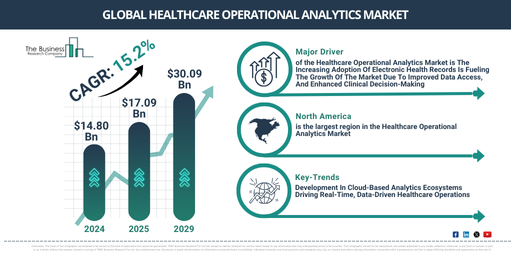
    Over the last few years, the market size of healthcare operational analytics has expanded at a swift pace. It is projected to surge from $14.80 billion in 2024 to $17.09 billion in 2025, showing a compound annual growth rate (CAGR) of 15.5%. The significant growth in the past period can be credited to enhanced government backing, a surge in telehealth services, mounting pressure on hospitals, the development of hybrid care models, and the rising implementation of Internet of Things (IoT) devices.

    The market size of healthcare operational analytics is expected to experience a significant increase in the upcoming years, estimated to reach $30.09 billion in 2029 at a CAGR of 15.2%. The anticipated growth in the forecast period can be accredited to factors such as enhanced personalized medicine, the surge in chronic disease incidence, escalating healthcare expenses, expanded personalized medicine, and stringent regulatory mandates. Key trends expected to emerge during the forecast period comprise the amalgamation of AI, adoption of cloud-based analytics platforms, utilization of self-service analytics tools, expansion of telehealth analytics, and advancements in electronic health records.

    Download The Free Sample Report Here:

    https://www.thebusinessresearchcompany.com/sample.aspx?id=27301&type=smp

    What Forces Are Driving The Growth Of The Healthcare Operational Analytics Market?

    The health care operational analytics market’s growth is likely to be propelled by the escalating adoption of electronic health records (EHRs). These digital systems, used for storing, managing, and sharing patient medical data within and across health care environments, are gaining popularity due to the mounting need for simplified access to patient information. Operational analytics in healthcare amplify electronic health records by scrutinizing patient data to boost workflows, minimize mistakes, and maximize the use of resources. This leads to improved decision-making and streamlined patient care. For example, the Centers for Disease Control and Prevention (CDC), a leading public health agency in the US, reported that in December 2024, the adoption rate of electronic health record systems by office-based physicians had touched 88.2% in 2023 – a jump of 77.8% from the previous year. This growing embrace of electronic health records bolsters the expansion of the healthcare operational analytics market.

    How Is The Healthcare Operational Analytics Industry Segmented Across Key Parameters?

    The healthcare operational analytics market covered in this report is segmented

    1) By Component: Software, Hardware, Services

    2) By Deployment Model: On-Premises, Cloud-Based, Hybrid

    3) By Technology: Big Data Analytics, Artificial Intelligence And Machine Learning, Business Intelligence Tools, Data Mining Tools

    4) By Application: Financial Analytics, Operational Analytics, Clinical Analytics, Patient Flow Analytics

    5) By End-User: Hospitals and Clinics, Pharmaceutical And Biotechnology Companies, Other End-Users

    Subsegments:

    1) By Software: Data Integration Tools, Revenue Cycle Management Software, Workforce Management Software, Patient Flow Management Software, Performance Benchmarking Tools, Claims Processing Software, Business Intelligence And Reporting Tools

    2) By Hardware: Servers, Storage Devices, Networking Devices, Workstations, Mobile Devices, Data Center Infrastructure

    3) By Services: Implementation And Integration Services, Support And Maintenance Services, Consulting Services, Training And Education Services, Data Analysis And Reporting Services, Managed Services

    What Notable Trends Are Shaping The Direction Of The Healthcare Operational Analytics Market?

    Healthcare operational analytics market leaders are moving towards the development of progressive solutions such as cloud-based healthcare data and analytics ecosystems. These systems are digitally designed to use cloud technology for the storage, management, and analysis of healthcare data, offering immediate insights, straightforward integration, and expandable access for clinical and operational assistance. In May 2024, Health Catalyst, Inc., a U.S. firm specializing in data and analytics tech and services for healthcare providers, introduced Health Catalyst Ignite. This is a pioneering healthcare data and analytics ecosystem that merges domain-aware data models and user-friendly tools in a consolidated, state-of-the-art cloud-based setting. It is powered by inherent AI and machine learning, providing healthcare-centric predictive perceptions directly into BI workflows, thus facilitating rapid, well-informed decision-making. With self-service interfaces and centralized data governance, it enables easier accessibility of analytics across clinical, financial, and operational teams. This diminishes dependency on IT and encourages more extensive data-driven action.

    Which Companies Currently Dominate The Competitive Landscape In The Healthcare Operational Analytics Industry?

    Major companies operating in the healthcare operational analytics market are UnitedHealth Group Incorporated, McKesson Corporation, The Cigna Group, Elevance Health, F. Hoffmann-La Roche AG, International Business Machines Corporation, Oracle Corporation, Siemens Healthineers AG, Koninklijke Philips N.V., GE Healthcare Technologies Inc., Wipro Limited, Change Healthcare Inc., SAS Institute Inc., Verisk Analytics Inc., CitiusTech Inc., Inovalon Holdings Inc., Veradigm LLC, Health Catalyst, MedeAnaltics Inc., WhiteSpace Health.

    Get The Full Report Here:

    https://www.thebusinessresearchcompany.com/report/healthcare-operational-analytics-global-market-report

    Which Geographic Regions Are Driving Demand In The Healthcare Operational Analytics Market?

    North America was the largest region in the healthcare operational analytics market in 2024. Asia-Pacific is expected to be the fastest-growing region in the forecast period. The regions covered in the healthcare operational analytics market report are Asia-Pacific, Western Europe, Eastern Europe, North America, South America, Middle East, Africa.

    Request For A Customized Report:

    https://www.thebusinessresearchcompany.com/customise?id=27301&type=smp

    About The Business Research Company:

    With over 15000+ reports from 27 industries covering 60+ geographies, The Business Research Company has built a reputation for offering comprehensive, data-rich research and insights. Armed with 1,500,000 datasets, the optimistic contribution of in-depth secondary research, and unique insights from industry leaders, you can get the information you need to stay ahead in the game.

    Get in touch with us:

    The Business Research Company: https://www.thebusinessresearchcompany.com/

    Americas +1 310-496-7795

    Asia +44 7882 955267 & +91 8897263534

    Europe +44 7882 955267

    Email us at info@tbrc.info

    Follow us on:

    LinkedIn: https://in.linkedin.com/company/the-business-research-company

    YouTube: https://www.youtube.com/channel/UC24_fI0rV8cR5DxlCpgmyFQ

    Global Market Model: https://www.thebusinessresearchcompany.com/global-market-model

  • Next-Gen Embolization Coils : Market Forecast, Transformation, and Long-Term Trajectories

    Next-Gen Embolization Coils : Market Forecast, Transformation, and Long-Term Trajectories

    Claim your 30% discount on Global Market Reports with code ONLINE30. Limited time only.

    How Fast Is The Embolization Coils Market Expected to Grow Between 2025 And 2029?

    The market for embolization coils has experienced consistent growth over the past few years. The market’s value is expected to rise from $1.44 billion in 2024 to $1.5 billion in 2025, with a compound annual growth rate (CAGR) of 4.2%. Factors contributing to this growth during the historic period include increased cases of neurovascular disorders, an aging population, a surge in demand for minimally invasive procedures, enhancements in healthcare facilities, and a rise in healthcare spending.

    The market size for embolization coils is projected to experience consistent growth in the coming years, reaching $1.76 billion in 2029 with a Compound Annual Growth Rate (CAGR) of 4.1%. This growth during the projected period can be linked to the broadening of applications in nascent markets, the evolution of novel embolization methodologies, increased knowledge of neurovascular diseases, a rise in chronic disease prevalence, and a surge in research and development investments. Key trends for the forecast period revolve around customized treatment strategies, the incorporation of artificial intelligence in treatment design, the advent of advanced embolic materials, a transition to outpatient and ambulatory procedures, and a focus on patient-oriented care.

    Download a free sample to assess the report’s scope and structure:

    https://www.thebusinessresearchcompany.com/sample.aspx?id=16674&type=smp

    Which Major Market Drivers Are Expected to Boost the Growth Potential of the Embolization Coils Market?

    The growth of the embolization coils market is anticipated to be driven by a rise in the occurrence of chronic diseases. This increase is largely due to aging demographics coupled with lifestyle habits such as improper diets, sedentary behavior, and heightened stress levels. Additionally, enhanced diagnostic procedures and extended life spans are factors leading to greater reported instances. Embolization coils play a critical role in treating chronic ailments such as coronary artery aneurysms and fistulas by blocking these abnormal pathways and avoiding potential complications like ruptures. For example, a report published by the American College of Cardiology in August 2022 projected a significant rise in all four major cardiovascular risk factors in the United States from 2025 to 2060. Diabetes is predicted to observe the highest percentage surge, elevating by 39.3% to 55 million people, followed by dyslipidemia (27.6% to 126 million), hypertension (25.1% to 162 million), and obesity (18.3% to 126 million). Hence, the escalating prevalence of chronic diseases is projected to fuel the expansion of the embolization coils market.

    Which Key Market Segments Comprise the Embolization Coils Market and Drive Its Revenue Growth?

    The embolization coilsmarket covered in this report is segmented –

    1) By Type: Detachable Coil, Pushable Coil

    2) By Material: Platinum, Platinum And Hydrogel, Platinum Tungsten Alloy

    3) By Application: Neurology, Urology, Peripheral Vascular Disease, Oncology, Cardiology, Other Applications

    4) By End-User: Hospitals, Ambulatory Center, Cardio Center, Other End-Users

    Subsegments:

    1) By Detachable Coil: Mechanical Detachable Coils, Electrothrombogenic Detachable Coils, Hydrogel-Coated Detachable Coils

    2) By Pushable Coil: Bare Pushable Coils, Coiled Pushable Coils, Soft Pushable Coils

    Request customized data on this market:

    https://www.thebusinessresearchcompany.com/customise?id=16674&type=smp

    Which Areas Are Leading Regions in the Embolization Coils Market Expansion Across the Globe?

    North America was the largest region in the embolization coils market in 2024. Asia-Pacific is expected to be the fastest growing region in the forecast period. The regions covered in the embolization coils market report are Asia-Pacific, Western Europe, Eastern Europe, North America, South America, Middle East, Africa.

    What Are the Key Market Trends in theEmbolization Coils Market Over the Coming Years?

    Leading companies in the embolization coils market are generating novel products, such as fibered detachable coils, to advance their customer service with better features. Fibered detachable coils are a kind of embolization coil used in low-risk procedures to obstruct or minimize blood flow in blood vessels. For example, in April 2022, Boston Scientific Corporation, an American medical device manufacturer, revealed the U.S. Food and Drug Administration’s (FDA) approval for the EMBOLD fibered detachable coil. This coil is engineered to block or reduce blood flow in peripheral blood vessels. It is designed for use in several embolization procedures, a low-risk intervention intended to obstruct one or more blood vessels to decrease blood flow. This approach is utilized to halt bleeding, avoid aneurysm ruptures, minimize the size of certain tumors, and manage a range of venous irregularities.

    View the full report here:

    https://www.thebusinessresearchcompany.com/report/embolization-coils-global-market-report

    How Is the Embolization Coils Market Conceptually Defined?

    Embolization coils are small, metallic devices used in a medical procedure called embolization. The primary purpose of embolization coils is to obstruct or reduce blood flow to a particular area of the body. These coils are used to treat conditions such as brain aneurysms, arteriovenous malformations (AVMs), and arteriovenous fistulas by occluding the blood vessels and preventing rupture or bleeding.

    Purchase the full report and get a swift delivery:

    https://www.thebusinessresearchcompany.com/purchaseoptions.aspx?id=16674

    About The Business Research Company:

    With over 15000+ reports from 27 industries covering 60+ geographies, The Business Research Company has built a reputation for offering comprehensive, data-rich research and insights. Armed with 1,500,000 datasets, the optimistic contribution of in-depth secondary research, and unique insights from industry leaders, you can get the information you need to stay ahead in the game.

    Get in touch with us:

    The Business Research Company: https://www.thebusinessresearchcompany.com/

    Americas +1 310-496-7795

    Europe +44 7882 955267

    Asia & Others +44 7882 955267 & +91 8897263534

    Email us at info@tbrc.info

    Follow us on:

    LinkedIn: https://in.linkedin.com/company/the-business-research-company

    YouTube: https://www.youtube.com/channel/UC24_fI0rV8cR5DxlCpgmyFQ

    Global Market Model: https://www.thebusinessresearchcompany.com/global-market-model

  • Embolic Protection Devices Market Overview 2025: Competitive Shifts, Forecast Models, and Emerging Opportunities

    Embolic Protection Devices Market Overview 2025: Competitive Shifts, Forecast Models, and Emerging Opportunities

    Claim your 30% discount on Global Market Reports with code ONLINE30. Limited time only.

    What Are the Key Projections for the CAGR of the Embolic Protection Devices Market Size From 2025 to 2034?

    The market for embolic protection devices has witnessed robust growth in the recent past. Projected figures suggest an increase from $1.14 billion in 2024 to $1.23 billion in 2025, reflecting a compound annual growth rate (CAGR) of 7.9%. This progression during the historical period is largely due to the escalating demand for sophisticated interventional strategies, expansion of the elderly population, enhancement in healthcare facilities, rising research and development investments, and growth in clinical trials.

    There is a prediction for robust growth in the market size of embolic protection devices within the imminent years. The market is expected to expand to a value of $1.7 billion by 2029, with a compound annual growth rate (CAGR) of 8.5%. The projected growth within this period can be credited to growing applications in a variety of vascular procedures, an increase in complicated cardiovascular procedures, a rising incidence of cardiovascular diseases, the rising popularity of minimally invasive procedures, and heightened awareness about the risks of embolism. Significant trends anticipated within the forecast period include advancements in technology, development in digital health technologies, focus on personalized medicine, usage of bioresorbable materials, and the evolution of next-generation filter technologies.

    Download a free sample to assess the report’s scope and structure:

    https://www.thebusinessresearchcompany.com/sample.aspx?id=18810&type=smp

    What Are the Core Growth Drivers Propelling the Embolic Protection Devices Market Forward?

    The surge in cardiovascular ailments is predicted to stimulate the expansion of the embolic protection devices market. These aren’t just conditions that impact the heart and blood vessels, but also involve heart attacks, strokes, and hypertension that hinder blood circulation and result in health issues. Urbanization typically brings about lifestyle shifts such as less physical exercise, more pollution, and increased intake of unhealthful food. Moreover, unhealthy eating habits coupled with a high obesity rate significantly add to cardiovascular complications. Embolic protection devices play a vital role in capturing and eliminating the debris that could potentially obstruct blood flow during cardiovascular procedures. This not only minimizes the possibility of complications such as strokes but also amplifies the safety and efficiency of the procedures. As an example, the European Environment Agency announced in June 2023 that over 6 million fresh instances of cardiovascular diseases (CVD) were identified in the EU, with over 1.7 million fatalities from circulatory system diseases in 2022 alone, that being roughly 37% of all deaths in the region that year. Consequently, the rise in cardiovascular disorders is fuelling the development of the embolic protection device market.

    What Segment Types Define the Embolic Protection Devices Market Structure?

    The embolic protection devicesmarket covered in this report is segmented –

    1) By Type: Distal Filter Devices, Distal Occlusion Devices, Proximal Occlusion Devices

    2) By Material: Nitinol, Polyurethane

    3) By Application: Cardiovascular Disease, Neurovascular Disease, Peripheral Disease

    4) By End-User: Hospitals, Ambulatory Surgical Centers, Other End Users

    Subsegments:

    1) By Distal Filter Devices: Balloon-Inflatable Filters, Non-Balloon Filters, Temporary Filters

    2) By Distal Occlusion Devices: Balloon Occlusion Devices, Stent Occlusion Devices

    3) By Proximal Occlusion Devices: Proximal Balloon Occlusion Devices, Proximal Mechanical Occlusion Devices

    Request customized data on this market:

    https://www.thebusinessresearchcompany.com/customise?id=18810&type=smp

    Which Geographic Areas Hold the Strongest Growth Potential in the Embolic Protection Devices Market?

    North America was the largest region in the embolic protection devices market in 2024. The regions covered in the embolic protection devices market report are Asia-Pacific, Western Europe, Eastern Europe, North America, South America, Middle East, Africa.

    Which Emerging Trends that Are Influencing theEmbolic Protection Devices Industry Evolution?

    In an attempt to improve patient outcomes, key players in the embolic protection devices market are concentrating on the creation of cutting-edge technologies such as the 3-in-1 carotid stenting system. This singular system has been engineered to heighten the efficiency, safety and the all-inclusive protection offered during carotid artery procedures, while curbing chances of complications. Combining embolic protection, stenting, and balloon angioplasty, it is designed to enhance the safety and efficacy of carotid artery stenting procedures. For instance, in October 2024, Contego Medical, an American company that specializes in embolic protection devices for cardiovascular and peripheral vascular procedures, secured premarket approval (PMA) from the U.S. Food and Drug Administration (FDA) for its Neuroguard IEP System. This state-of-the-art 3-in-1 carotid stenting system includes a high-performing stent, a dilation balloon, and an embolic filter, ensuring a simpler procedure and increased safety through the effective capture of embolic particles which can potentially be overlooked by traditional protection systems.

    View the full report here:

    https://www.thebusinessresearchcompany.com/report/embolic-protection-devices-global-market-report

    What Is the Definition of the Embolic Protection Devices Market?

    Embolic protection devices are specialized medical devices used to trap and remove embolic debris that may become dislodged during cardiovascular treatments such as transcatheter aortic valve replacement (TAVR) or carotid artery stenting. These devices are critical in preventing strokes and other issues by catching debris before it enters key organs.

    Purchase the full report and get a swift delivery:

    https://www.thebusinessresearchcompany.com/purchaseoptions.aspx?id=18810

    About The Business Research Company:

    With over 15000+ reports from 27 industries covering 60+ geographies, The Business Research Company has built a reputation for offering comprehensive, data-rich research and insights. Armed with 1,500,000 datasets, the optimistic contribution of in-depth secondary research, and unique insights from industry leaders, you can get the information you need to stay ahead in the game.

    Get in touch with us:

    The Business Research Company: https://www.thebusinessresearchcompany.com/

    Americas +1 310-496-7795

    Europe +44 7882 955267

    Asia & Others +44 7882 955267 & +91 8897263534

    Email us at info@tbrc.info

    Follow us on:

    LinkedIn: https://in.linkedin.com/company/the-business-research-company

    YouTube: https://www.youtube.com/channel/UC24_fI0rV8cR5DxlCpgmyFQ

    Global Market Model: https://www.thebusinessresearchcompany.com/global-market-model

  • From Insight to Impact: Strategic Growth Mapping in the Electrosurgical Smoke Evacuation Systems Market

    From Insight to Impact: Strategic Growth Mapping in the Electrosurgical Smoke Evacuation Systems Market

    Claim your 30% discount on Global Market Reports with code ONLINE30. Limited time only.

    How Has The Electrosurgical Smoke Evacuation Systems Market Growth Evolved From 2024 To 2025, And What’s Ahead?

    The market size for electrosurgical smoke evacuation systems has witnessed consistent growth recently. The market value is projected to increase from $1.95 billion in 2024 to $2.03 billion in 2025, representing a compound annual growth rate (CAGR) of 3.6%. The noteworthy growth in the past can be credited to the rise in electrosurgical procedures, heightened awareness regarding the risks of surgical smoke, governmental focus on safety regulations, technological advancements, a preference for minimally invasive surgeries, increased healthcare spending, and the development of healthcare infrastructure.

    In the forthcoming years, a consistent expansion is projected for the electrosurgical smoke evacuation systems market, which is anticipated to rise to $2.39 billion by 2029, escalating at a Compound Annual Growth Rate (CAGR) of 4.2%. This expansion during the prediction period is attributed to the requirements in burgeoning markets, a concentration on environmental preservation, the growth of telemedicine and distance surgery, tailored health care solutions, alliances, and teamwork. Prevailing trends for the prediction period encompass the incorporation of AI and machine learning, intelligent appliances and the internet of things (IoT), enhanced user interfaces, reduction in size and mobility, eco-friendly materials and procedures, developments in energy efficiency, along with updates on regulations and compliances.

    Download a free sample to assess the report’s scope and structure:

    https://www.thebusinessresearchcompany.com/sample.aspx?id=17140&type=smp

    What are the Fundamental Drivers and Innovations Shaping the Electrosurgical Smoke Evacuation Systems Market?

    The projected ascension of the electrosurgical smoke evacuation systems market is largely due to the growing number of surgical procedures worldwide. This growth can be attributed to an aging global population suffering from chronic illnesses at a higher rate as well as the development of safer, more widely available surgical methods due to advances in medical technology. By enhancing air quality, visibility, and reducing contact with harmful contaminants, electrosurgical smoke evacuation systems not only streamline surgical procedures but also foster a safer atmosphere for both patients and healthcare professionals. As an example, statistics from the British Association of Aesthetic Plastic Surgeons, the UK-based organization dedicated to safety and education in cosmetic surgery, show a considerable uptick in the number of cosmetic surgeries carried out in 2022. Their data reveal that 31,057 cosmetic procedures were conducted in 2022, reflecting a significant 102% rise from the prior year, underlining how the increasing rate of surgical procedures is augmenting the growth of the electrosurgical smoke evacuation systems market.

    How Is the Electrosurgical Smoke Evacuation Systems Market Segmented?

    The electrosurgical smoke evacuation systemsmarket covered in this report is segmented –

    1) By Type: Smoke Evacuators, Wands And Pencils, Smoke Evacuation Filters

    2) By Application: Laparoscopic Surgeries, Orthopedic, Medical Aesthetic Surgeries, Other Applications

    3) By End User: Hospitals, Ambulatory Surgical Centers (ASCs), Cosmetic Surgery Centers, Dental Clinics, Veterinary Healthcare Providers

    Subsegments:

    1) By Smoke Evacuators: Portable Smoke Evacuators, Stationary Smoke Evacuators, High-Volume Smoke Evacuators

    2) By Wands And Pencils: Handheld Smoke Evacuation Wands, Smoke Evacuation Pencils (With Integrated Suction)

    3) By Smoke Evacuation Filters: High-Efficiency Particulate Air (HEPA) Filters, Activated Carbon Filters, Combined HEPA And Carbon Filters

    Request customized data on this market:

    https://www.thebusinessresearchcompany.com/customise?id=17140&type=smp

    Which Regions Are Driving the Next Phase of the Electrosurgical Smoke Evacuation Systems Market Growth?

    North America was the largest region in the electrosurgical smoke evacuation systems market in 2024. Asia-Pacific is expected to be the fastest-growing region in the forecast period. The regions covered in the electrosurgical smoke evacuation systems market report are Asia-Pacific, Western Europe, Eastern Europe, North America, South America, Middle East, Africa.

    What Key Trends Are Shaping the Future of the Electrosurgical Smoke Evacuation Systems Market?

    Leading entities in the electrosurgical smoke evacuation systems market are now prioritizing the creation of cutting-edge technological solutions, such as incorporating advanced surgical power tools to heighten safety, precision, and efficiency during surgery. Surgical power devices are sophisticated instruments that utilize mechanical, electrical, or thermal energy to carry out accurate surgical operations. These encompass electrosurgical generators, lasers, and ultrasonic scalpels, all engineered to cut, coagulate, and cauterize tissue while inflicting minimal damage. For example, in September 2022, a manufacturing company based in Japan introduced the Thunderbeat Open Fine Jaw Type X to aid in safer surgical practices. This device amalgamates ultrasonic and bipolar energy, facilitating efficient hemostatic cutting and precise dissection needed for delicate surgical operations. Moreover, its pioneering thermal shield mitigates heat transfer to nearby tissues, substantially lowering the chance of accidental harm during procedures.

    View the full report here:

    https://www.thebusinessresearchcompany.com/report/electrosurgical-smoke-evacuation-systems-global-market-report

    How Is the Electrosurgical Smoke Evacuation Systems Market Defined and What Are Its Core Parameters?

    Electrosurgical smoke evacuation systems refer to devices designed to remove smoke, aerosols, and other byproducts generated during electrosurgical procedures. These systems enhance visibility for surgeons, reduce exposure to potentially harmful contaminants, improve air quality in the operating room, and enhance the safety and efficiency of the surgical environment by capturing and filtering surgical smoke effectively.

    Purchase the full report and get a swift delivery:

    https://www.thebusinessresearchcompany.com/purchaseoptions.aspx?id=17140

    About The Business Research Company:

    With over 15000+ reports from 27 industries covering 60+ geographies, The Business Research Company has built a reputation for offering comprehensive, data-rich research and insights. Armed with 1,500,000 datasets, the optimistic contribution of in-depth secondary research, and unique insights from industry leaders, you can get the information you need to stay ahead in the game.

    Get in touch with us:

    The Business Research Company: https://www.thebusinessresearchcompany.com/

    Americas +1 310-496-7795

    Europe +44 7882 955267

    Asia & Others +44 7882 955267 & +91 8897263534

    Email us at info@tbrc.info

    Follow us on:

    LinkedIn: https://in.linkedin.com/company/the-business-research-company

    YouTube: https://www.youtube.com/channel/UC24_fI0rV8cR5DxlCpgmyFQ

    Global Market Model: https://www.thebusinessresearchcompany.com/global-market-model