Month: September 2025

  • 2025 Pharmaceutical Drug Delivery Market Outlook: Opportunities, Growth Trends, and Strategic Analysis

    2025 Pharmaceutical Drug Delivery Market Outlook: Opportunities, Growth Trends, and Strategic Analysis

    Claim your 30% discount on Global Market Reports with code ONLINE30. Limited time only.

    Claim your 30% discount on Global Market Reports with code ONLINE30. Limited time only.

    What Are the Forecasted Growth Rate and Market Size of the Pharmaceutical Drug Delivery Market?

    The size of the pharmaceutical drug delivery market has been experiencing consistent growth in recent years. By 2025, it’s projected to increase from $1794.75 billion in 2024 to $1883.27 billion, exhibiting a compound annual growth rate (CAGR) of 4.9%. The boost in the market during the historical period is linked to factors such as the rising incidence of chronic diseases, escalating demand for biologics, surge in R&D expenditures made by pharmaceutical firms, growing preference for personalized medicine, and heightened emphasis on patient compliance.

    The market for pharmaceutical drug delivery is projected to experience significant expansion in the coming years, with expectations indicating a growth to “$2442.16 billion in 2029 with a compound annual growth rate (CAGR) of 6.7%. Factors contributing to the upswing during this period include increased demand for self-administered medications, a rise in home healthcare, an uptick in targeted drug delivery demand, an ageing population, and regulatory backing for drug delivery technologies. The forecast period is also expected to witness trends such as advancements in drug delivery technologies, integration of telemedicine, utilization of 3D printing in drug delivery, targeted drug delivery systems, and the adaptation of continuous manufacturing processes.

    Download The Free Sample Report Here:

    https://www.thebusinessresearchcompany.com/sample.aspx?id=6962&type=smp

    Which Factor Is Shaping The Future Of The Pharmaceutical Drug Delivery Market?

    The escalating occurrence of chronic illnesses is anticipated to boost up the pharmaceutical drug delivery market’s expansion. The term ‘prevalence of chronic diseases’ signifies the total count of persistent disease cases present in a demographic at a certain point. Pharmaceutical drug delivery proves beneficial for patients grappling with chronic diseases as it facilitates the delivery of a medicinal drug to a targeted body region to treat varied illnesses. For example, as per the World Health Organization, a specialised agency of the United Nations based in Switzerland, noncommunicable diseases cause 41 million deaths annually, equivalent to 71% of all global deaths, with cardiovascular diseases being the leading cause of these mortalities. Hence, the escalating occurrence of chronic diseases is fuelling the growth of the pharmaceutical drug delivery market.

    What Is The Segment-Wise Breakdown Of The Pharmaceutical Drug Delivery Market?

    The pharmaceutical drug delivery market covered in this report is segmented –

    1) By Route Of Administration: Oral, Ocular, Pulmonary, Nasal, Injectable, Topical, Other Routes

    2) By Application: Infectious Diseases, Cancer, Cardiovascular Diseases, Diabetes, Respiratory Diseases, Central Nervous System Disorders, Autoimmune Diseases, Other Applications

    3) By End-User: Hospitals, Home Care Settings, ASC Or Clinics, Other End Users

    Subsegments:

    1) By Oral: Tablets, Capsules, Liquids, Powders

    2) By Ocular: Eye Drops, Ocular Inserts, Ocular Implants

    3) By Pulmonary: Metered-Dose Inhalers (MDIs), Dry Powder Inhalers (DPIs), Nebulizers

    4) By Nasal: Nasal Sprays, Nasal Gels, Nasal Powders

    5) By Injectable: Intravenous (IV) Injections, Intramuscular (IM) Injections, Subcutaneous (SC) Injections, Biologics And Biosimilars

    6) By Topical: Creams, Ointments, Gels, Transdermal Patches

    7) By Other Routes: Sublingual, Buccal, Rectal, Intranasal

    What Long-Term Trends Are Likely To Affect The Pharmaceutical Drug Delivery Market?

    A key strategy adopted by prominent firms in the pharmaceutical drug delivery market is the forging of strategic partnerships, with the aim of identifying new transport targets and facilitating the movement of molecules to enhance drug delivery to the brain. This involves companies maximizing each other’s capabilities and resources for reciprocal advantages and success. For example, in September 2023, US medical equipment manufacturer, Cordance Medical, partnered strategically with EXACT Therapeutics to streamline the process of brain drug delivery. This partnership merges the NeuroAccess platform from Cordance Medical, which has the capability to bypass the blood-brain barrier (BBB) without the need for surgery, with the Acoustic Cluster Therapy (ACT) technology from EXACT Therapeutics. The ultimate goal of this collaboration is to upgrade therapies for brain conditions such as tumors and neurodegenerative diseases by simplifying the pathway for medicines to access the brain. EXACT Therapeutics is a UK-based biopharmaceutical company that is currently in the clinical stage.

    Which Companies Hold The Largest Market Share In The Pharmaceutical Drug Delivery Sector?

    Major companies operating in the pharmaceutical drug delivery market include 3M Company., AbbVie Inc., Amgen Inc., AstraZeneca plc, Bayer AG, Becton Dickinson And Company, C. H. Boehringer Sohn AG & Co. KG, Boston Scientific Corporation, Bristol-Myers Squibb Company, Consort Medical plc, Eli Lilly and Company, Emergent Biosolutions Inc., F. Hoffmann-La Roche AG, GlaxoSmithKline plc, Johnson & Johnson, Kite Pharma Inc., Merck & Co Inc., Nemera France SAS, Novartis AG, Pfizer Inc, Sanofi S. A., SHL Medical AG, Teva Pharmaceuticals Industries Ltd., West Pharmaceutical Services Inc., Aerogen Pharma Limited, AptarGroup Inc., Biocon Ltd., Catalent Inc., Evonik Industries AG, Inovio Pharmaceuticals Inc., Mylan NV, Sensile Medical Inc., Ypsomed Holding AG

    Get The Full Report Here:

    https://www.thebusinessresearchcompany.com/report/pharmaceutical-drug-delivery-global-market-report

    How Does Regional Performance Compare Across The Pharmaceutical Drug Delivery Industry?

    North America was the largest region in the pharmaceutical drug delivery market in 2024. North America is expected to be the fastest-growing region in the forecast period. The regions covered in the pharmaceutical drug delivery market report are Asia-Pacific, Western Europe, Eastern Europe, North America, South America, Middle East, Africa

    Request For A Customized Report:

    https://www.thebusinessresearchcompany.com/customise?id=6962&type=smp

    About The Business Research Company:

    With over 15000+ reports from 27 industries covering 60+ geographies, The Business Research Company has built a reputation for offering comprehensive, data-rich research and insights. Armed with 1,500,000 datasets, the optimistic contribution of in-depth secondary research, and unique insights from industry leaders, you can get the information you need to stay ahead in the game.

    Get in touch with us:

    The Business Research Company: https://www.thebusinessresearchcompany.com/

    Americas +1 310-496-7795

    Asia +44 7882 955267 & +91 8897263534

    Europe +44 7882 955267

    Email us at info@tbrc.info

    Follow us on:

    LinkedIn: https://in.linkedin.com/company/the-business-research-company

    YouTube: https://www.youtube.com/channel/UC24_fI0rV8cR5DxlCpgmyFQ

    Global Market Model: https://www.thebusinessresearchcompany.com/global-market-model
  • Global Insights: Peptide Antibiotics Market Expected to Surpass $8.29 Billion by 2029

    Global Insights: Peptide Antibiotics Market Expected to Surpass $8.29 Billion by 2029

    Claim your 30% discount on Global Market Reports with code ONLINE30. Limited time only.

    Claim your 30% discount on Global Market Reports with code ONLINE30. Limited time only.

    What Is the Estimated Industry Valuation for the Peptide Antibiotics Sector?

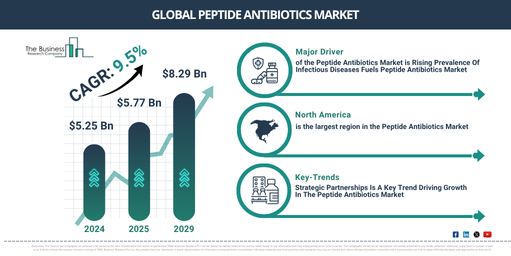
    In recent times, the peptide antibiotics market has been recording robust growth. This sector, currently valued at $5.25 billion in 2024, is projected to increase to $5.77 billion in 2025, with a compound annual growth rate (CAGR) of 9.8%. Factors that sparked the growth during the historic period include discoveries and advances in peptide antibiotics, a rise in antibiotic resistance, an increase in infectious diseases, advancements in peptide synthesis technologies, and the expansion of the pharmaceutical industry.

    In the ensuing years, the peptide antibiotics market is projected to experience significant expansion, inflating to “$8.29 billion by 2029 with a compound annual growth rate (CAGR) of 9.5%. Various factors such as emphasis on the creation of new antibiotics, a worldwide increase in antibiotic-resistant infections, growth in research and development in antimicrobial peptides, and regulatory backing for new antibiotic approvals could contribute to growth in the forecast period. Key trends for this period include investigating natural sources for antimicrobial peptides, using peptide antibiotics for animal health, focusing on peptide engineering for improved effectiveness, developing combination peptide antibiotics, and incorporating artificial intelligence and machine learning into peptide antibiotic discovery.

    Download The Free Sample Report Here:

    https://www.thebusinessresearchcompany.com/sample.aspx?id=7780&type=smp

    What Forces Are Driving The Growth Of The Peptide Antibiotics Market?

    The augmented presence of various communicable diseases is projected to stimulate the expansion of the peptide antibiotics market. Illnesses resulting from harmful organisms such as bacteria, fungi, parasites, and more constitute infectious diseases. Factors contributing to the increment in infectious diseases include rapid urbanization, climate change, and increased danger of disease manifestation among others, leading to heightened demands for peptide antibiotics. These antibiotics penetrate and break cell membranes, strengthening their antibacterial properties. The World Health Organization, a Swiss intergovernmental organization, noted in May 2024 that dengue cases in the Americas had already exceeded seven million by April 2024, a significant rise compared to the 4.6 million cases recorded throughout 2023. As such, the escalating incidences of infectious diseases propel the growth of the peptide antibiotics market.

    How Is The Peptide Antibiotics Industry Segmented Across Key Parameters?

    The peptide antibiotics market covered in this report is segmented –

    1) By Type: Ribosomal Synthesized Peptide Antibiotics, Non-Ribosomal Synthesized Peptide Antibiotics

    2) By Drugs: Daptomycin, Dalbavancin, Telavancin, Other Drugs

    3) By Disease Outlook: Skin Infection, HABP Or VABP, Blood Stream Infection, Other Diseases

    4) By Distribution Channel: Hospitals, Homecare, Specialty Clinics, Other Distribution Channels

    Subsegments:

    1) By Ribosomal Synthesized Peptide Antibiotics: Aminoglycosides, Macrolides, Tetracyclines, Lincosamides

    2) By Non-Ribosomal Synthesized Peptide Antibiotics: Bacitracins, Vancomycin, Polymyxins, Cyclic Lipopeptides

    What Future Market Trends Are Projected For The Peptide Antibiotics Industry?

    Strategic alliances are becoming a prevalent trend in the peptide antibiotics market. The main companies in this market are forming collaborations to broaden their reach and maximize each other’s assets. For example, in January 2022, Berkeley Lights, an American digital cell biology firm, aligned with Aanika Biosciences. Through this alliance, Aanika will employ the high-throughput, functional screening services of Berkeley Lights for the quick identification and refinement of effective antimicrobial peptides (AMPs) that can eradicate harmful bacteria, particularly those causing foodborne illnesses. Moreover, the Beacon Optofluidic Platform will be utilized to identify peptides that possess antibacterial properties, and these will be integrated into a unique antibacterial tag. This tag will subsequently be applied in the bacterial spore-based barcoding technology of Aanika Biosciences to safeguard the food supply chain. Aanika Biosciences is a bio-tech company based in the United States.

    Which Companies Currently Dominate The Competitive Landscape In The Peptide Antibiotics Industry?

    Major companies operating in the peptide antibiotics market include Eli Lilly and Company, GlaxoSmithKline plc, Novartis AG, Pfizer Inc., Merck & Co. Inc., AbbVie Inc., Sandoz International GmbH, Xellia APS, Johnson & Johnson Inc., AstraZeneca PLC, Bayer AG, Bristol-Myers Squibb Company, Lupin Pharmaceuticals Inc., Sun Pharmaceutical Industries Ltd., Teva Pharmaceutical Industries Ltd., Torrent Pharmaceuticals Ltd., Wockhardt Ltd., Zydus Lifesciences Limited, Alkem Laboratories Limited, Allecra Therapeutics GmbH, Antabio, Basilea Pharmaceutica Ltd., BioVersys AG

    Get The Full Report Here:

    https://www.thebusinessresearchcompany.com/report/peptide-antibiotics-global-market-report

    Which Geographic Regions Are Driving Demand In The Peptide Antibiotics Market?

    North America was the largest region in the peptide antibiotics market in 2024. The regions covered in the peptide antibiotics market report are Asia-Pacific, Western Europe, Eastern Europe, North America, South America, Middle East, Africa

    Request For A Customized Report:

    https://www.thebusinessresearchcompany.com/customise?id=7780&type=smp

    About The Business Research Company:

    With over 15000+ reports from 27 industries covering 60+ geographies, The Business Research Company has built a reputation for offering comprehensive, data-rich research and insights. Armed with 1,500,000 datasets, the optimistic contribution of in-depth secondary research, and unique insights from industry leaders, you can get the information you need to stay ahead in the game.

    Get in touch with us:

    The Business Research Company: https://www.thebusinessresearchcompany.com/

    Americas +1 310-496-7795

    Asia +44 7882 955267 & +91 8897263534

    Europe +44 7882 955267

    Email us at info@tbrc.info

    Follow us on:

    LinkedIn: https://in.linkedin.com/company/the-business-research-company

    YouTube: https://www.youtube.com/channel/UC24_fI0rV8cR5DxlCpgmyFQ

    Global Market Model: https://www.thebusinessresearchcompany.com/global-market-model
  • 2025 Analysis: Opportunities and Risks in the Evolving Nanomedicine Market

    2025 Analysis: Opportunities and Risks in the Evolving Nanomedicine Market

    Claim your 30% discount on Global Market Reports with code ONLINE30. Limited time only.

    Claim your 30% discount on Global Market Reports with code ONLINE30. Limited time only.

    How Large Is the Nanomedicine Market Expected to Be in 2029?

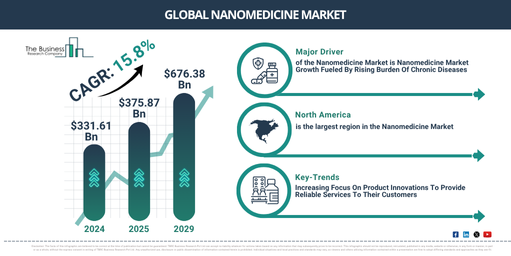
    In recent years, there has been significant expansion in the nanomedicine market size. Projected to increase from $331.61 billion in 2024 to $375.87 billion in 2025, the compound annual growth rate (CAGR) is anticipated to be 13.3%. Factors contributing to the marked growth throughout the historical period include a deeper comprehension of molecular biology, rising occurrences of chronic ailment, the need for precise drug delivery systems, the broadening of nanoparticle imaging technologies, and the increasing aging population.

    The expansion of the nanomedicine market is anticipated to accelerate dramatically in the forthcoming years. It is projected to surge to “$676.38 billion in 2029 with a compound annual growth rate (CAGR) of 15.8%. The surge during the forecasted period is due to the ongoing advancements in nanotechnology research, increased funding for nanomedicine R&D, growing emphasis on custom-tailored medicine, extensive use of nanomedicine in cancer care, and the incorporation of nanomedicine in treatments for infectious diseases. Key trends guiding the forecasted period include the creation of multipurpose nanoparticles for therapeutic and imaging purposes, focus on nanoparticle-induced diagnostics and imaging agents, the use of nanomedicine in regenerative medicine, increasing prevalence of nanomedicine in targeted treatments for neurological conditions, and collaborations and partnerships in nanomedicine research and commercialization.

    Download The Free Sample Report Here:

    https://www.thebusinessresearchcompany.com/sample.aspx?id=5344&type=smp

    What Are The Contributors To Demand In The Nanomedicine Market?

    The escalating incidence of multifaceted and chronic ailments worldwide is anticipated to boost the nanomedicine market’s growth in the predicted timeframe. Chronic disease treatment, including health conditions like cardiovascular disorders, diabetes, cancer, dementia, among others, is increasingly utilizing nanomedicine to expedite drug metabolism in the body. For example, the International Federation of Alzheimer’s Associations, Alzheimer’s Disease International, noted that global dementia sufferers exceeded 50 million, a number estimated to double every 20 years, forecasting to touch 80 million by 2030 and 152 million by 2050. Additionally, it is estimated that the global cancer burden will soar, with new cases expected to reach 28.4 million by 2040. Such growing chronic disease burdens are likely to drive the need for effective nanomedicine-based therapeutic treatments, consequently contributing to the nanomedicine market’s expansion.

    What Segmentation Categories Are Included In The Nanomedicine Market Analysis?

    The nanomedicine market covered in this report is segmented –

    1) By Type: Nanoparticles, Nanoshells, Nanotubes, Nanodevices, Other Types

    2) By Modality: Diagnostics, Treatments

    3) By Application: Clinical Oncology, Infectious Diseases, Clinical Cardiology, Orthopedics, Other Applications

    Subsegments:

    1) By Nanoparticles: Lipid-Based Nanoparticles, Polymeric Nanoparticles, Metallic Nanoparticles, Ceramic Nanoparticles

    2) By Nanoshells: Gold Nanoshells, Silver Nanoshells, Silica Nanoshells

    3) By Nanotubes: Carbon Nanotubes (CNTs), Polymer Nanotubes

    4) By Nanodevices: Nanosensors, Nanorobots, Nanoscale Imaging Devices

    5) By Other Types: Dendrimers, Quantum Dots, Nanocarriers

    Which Trends Are Redefining The Future Landscape Of The Nanomedicine Industry?

    Significant corporations in the nanomedicine sector are harnessing the potential of cutting-edge products like the dynapro zetastar to boost their market revenues. This unique device brings together dynamic and static light scattering alongside dynamic and electrophoretic light scattering measurements (DLS/SLS/ELS). For instance, in September 2023, the Waters Corporation, a US-based firm known for its analytical laboratory devices and equipment, unveiled the dynapro zetastar which is engineered for nanoparticle analysis. The zetastar lends precision to the formulation of intricate biologics by converging multiple light scattering methodologies, streamlining data capture, autonomously evaluating data validity, and amplifying the sensitivity and velocity of measurements while leveraging exceptionally minimal sample volumes. The exclusive flow cell design of the zetastar device lends itself to linkage with an autosampler, thereby substantially augmenting lab productivity and efficacy by facilitating numerous unmonitored measurements that can be executed over multiple hours or even an entire night.

    Who Are The Top-Ranked Companies In The Nanomedicine Market Today?

    Major companies operating in the nanomedicine market include Pfizer Inc., Ablynx NV, Amgen Inc., Arrowhead Research Inc., Bio-Gate AG, Celgene Corporation, F. Hoffmann-La Roche AG, GE Healthcare, Gilead Sciences Inc., Merck AG, Nanospectra Biosciences, Nanotherapeutics Inc., NanoViricides Inc, Novartis AG, Sanofi S. A., Abraxis Bioscience Inc., Alnylam Pharmaceuticals Inc., Arrowhead Pharmaceuticals Inc., AuraSense Therapeutics LLC, BIND Therapeutics Inc., Camurus AB, Cerulean Pharma Inc., CytImmune Sciences, Fujifilm Holdings, Nanobiosym Inc., Nanobiotix SA, Nanogen Inc., Nanoparticle BioChem Inc., Nanospective Inc., Nanosphere Health Sciences Inc., Nanosys Inc., PerkinElmer Inc., Selecta Biosciences Inc.

    Get The Full Report Here:

    https://www.thebusinessresearchcompany.com/report/nanomedicine-global-market-report

    How Is Nanomedicine Market Adoption Varying Across Different Regions And Sectors?

    North America was the largest region in the nanomedicine market in 2024.Asia-Pacific is expected to be the fastest-growing region in the forecast period. The regions covered in the nanomedicine market report are Asia-Pacific, Western Europe, Eastern Europe, North America, South America, Middle East, Africa

    Request For A Customized Report:

    https://www.thebusinessresearchcompany.com/customise?id=5344&type=smp

    About The Business Research Company:

    With over 15000+ reports from 27 industries covering 60+ geographies, The Business Research Company has built a reputation for offering comprehensive, data-rich research and insights. Armed with 1,500,000 datasets, the optimistic contribution of in-depth secondary research, and unique insights from industry leaders, you can get the information you need to stay ahead in the game.

    Get in touch with us:

    The Business Research Company: https://www.thebusinessresearchcompany.com/

    Americas +1 310-496-7795

    Asia +44 7882 955267 & +91 8897263534

    Europe +44 7882 955267

    Email us at info@tbrc.info

    Follow us on:

    LinkedIn: https://in.linkedin.com/company/the-business-research-company

    YouTube: https://www.youtube.com/channel/UC24_fI0rV8cR5DxlCpgmyFQ

    Global Market Model: https://www.thebusinessresearchcompany.com/global-market-model

  • In-Depth Naloxone Spray Market Report: Business Trends, Growth Factors, and Forecast to 2029

    In-Depth Naloxone Spray Market Report: Business Trends, Growth Factors, and Forecast to 2029

    Claim your 30% discount on Global Market Reports with code ONLINE30. Limited time only.

    Claim your 30% discount on Global Market Reports with code ONLINE30. Limited time only.

    What Is the Outlook for the Naloxone Spray Market Heading Into 2029?

    The market size of naloxone spray has seen tremendous growth in recent times and is expected to increase from $661.87 billion in 2024 to $810.65 billion in 2025, registering a compound annual growth rate (CAGR) of 22.5%. The significant growth in the past years is a result of the higher occurrence of opioid overdose, increases in opioid drug abuse cases in developed nations, advancements in the development of drugs, a rise in understanding of the criticality of naloxone spray, and an overall increase in healthcare spending.

    The projected growth for the naloxone spray market is anticipated to be exponential in the forthcoming years. The market is projected to expand to “$1946.99 billion in 2029 with a Compound Annual Growth Rate (CAGR) of 24.5%. The growth during the forecast period is credited to factors such as government support for naloxone distribution, the extension of naloxone accessibility programs, an increase in the prescription rates for opioid analgesics, in addition to ongoing efforts and concerns to combat the opioid crisis. Some of the prominent trends for the forecast period encompass the adaptation of intranasal naloxone formulations, the creation of user-friendly naloxone devices, the integration of naloxone education into opioid prescription practices, and the inclusion of naloxone in community-based harm reduction programs.

    Download The Free Sample Report Here:

    https://www.thebusinessresearchcompany.com/sample.aspx?id=5339&type=smp

    Which Factors Are Pushing The Naloxone Spray Market Forward?

    The rising occurrence of opioid overdoses is driving the growth of the naloxone spray market. Opioids, such as morphine, fentanyl, and tramadol, are generally used for pain management. However, their non-medical or prolonged use, misuse or use without proper medical guidance can lead to opioid dependency, respiratory problems, or even death or other health-related issues. For example, reports by the Office for National Statistics, a non-ministerial government department based in Wales, revealed that in December 2023, in England and Wales, drug poisoning was responsible for 4,907 deaths in 2022, with a rate of 84.4 deaths per million individuals. The rate was considerably higher among males, with 114.3 drug-poisoning deaths per million resulting in a total of 3,240 deaths, while females had a rate of 55.8 deaths per million, leading to 1,667 deaths. Consequently, the escalating prevalence of opioid overdoses is fuelling the expansion of the naloxone spray market.

    Which Segment Held The Largest Share In The Naloxone Spray Market In 2025?

    The naloxone spray market covered in this report is segmented –

    1) By Dosage: 2 mg Or Actuation, 4 mg Or Actuation

    2) By Distribution Channel: Hospitals, Clinics, Retail Pharmacies, Online Pharmacies, Other distribution channels

    Subsegments:

    1) By 2 Mg Or Actuation: Prescription Naloxone Spray, Over-The-Counter Naloxone Spray

    2) By 4 Mg Or Actuation: Prescription Naloxone Spray, Over-The-Counter Naloxone Spray

    What Notable Trends Are Shaping The Direction Of The Naloxone Spray Market?

    The uptick in product authorizations is driving the naloxone spray market. Main firms producing naloxone sprays are prioritizing new product sanctions to enhance their product offerings and grow their naloxone spray operations. For example, in May 2024, Walgreens, a company based in the U.S., revealed the introduction of their own brand Naloxone HCl Nasal Spray. Aimed at rapidly reversing opioid overdose effects, this non-prescription product offers a vital resource in the battle against the opioid crisis. Naloxone functions by blocking the impact of opioids on the brain, reinstating normal breathing and averting fatality if delivered promptly. Notwithstanding its validated effectiveness, naloxone’s accessibility is still restricted in numerous locales, underscoring the significance of this rollout in augmenting availability and consciousness.

    Which Organizations Are Driving Progress In The Naloxone Spray Industry?

    Major companies operating in the naloxone spray market include Emergent BioSolutions Inc., Amphastar Pharmaceuticals Inc., Hikma Pharmaceuticals plc, Indivior plc, Nasus Pharma LLC, Opiant Pharmaceuticals Inc., Pfizer Inc., Samarth Pharma Pvt. Ltd., Teva Pharmaceutical Industries Ltd., Adapt Pharma Inc., Cardinal Health Inc., Kaleo Inc., McKesson Corporation, Mundipharma International Limited, NextDistro Inc., Rite Aid Corporation, Novartis International AG, Sandoz International GmbH, Fresenius Kabi USA LLC, West-Ward Pharmaceuticals Corp., Lupin Ltd.

    Get The Full Report Here:

    https://www.thebusinessresearchcompany.com/report/naloxone-spray-global-market-report

    Which Region Is Expected To Experience The Highest Growth In The Naloxone Spray Industry?

    North America was the largest region in the naloxone spray market in 2024.The regions covered in the naloxone spray market report are Asia-Pacific, Western Europe, Eastern Europe, North America, South America, Middle East, Africa

    Request For A Customized Report:

    https://www.thebusinessresearchcompany.com/customise?id=5339&type=smp

    About The Business Research Company:

    With over 15000+ reports from 27 industries covering 60+ geographies, The Business Research Company has built a reputation for offering comprehensive, data-rich research and insights. Armed with 1,500,000 datasets, the optimistic contribution of in-depth secondary research, and unique insights from industry leaders, you can get the information you need to stay ahead in the game.

    Get in touch with us:

    The Business Research Company: https://www.thebusinessresearchcompany.com/

    Americas +1 310-496-7795

    Asia +44 7882 955267 & +91 8897263534

    Europe +44 7882 955267

    Email us at info@tbrc.info

    Follow us on:

    LinkedIn: https://in.linkedin.com/company/the-business-research-company

    YouTube: https://www.youtube.com/channel/UC24_fI0rV8cR5DxlCpgmyFQ

    Global Market Model: https://www.thebusinessresearchcompany.com/global-market-model
  • Microcarrier Industry Poised for Rapid Expansion, Projected to Hit $3.69 Billion by 2029

    Microcarrier Industry Poised for Rapid Expansion, Projected to Hit $3.69 Billion by 2029

    Claim your 30% discount on Global Market Reports with code ONLINE30. Limited time only.

    Claim your 30% discount on Global Market Reports with code ONLINE30. Limited time only.

    What Does the Forecast Indicate for the Microcarrier Market From 2025 to 2029?

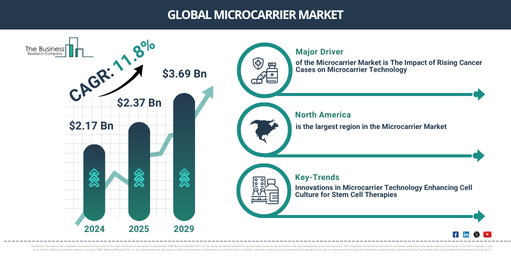
    The microcarrier market has seen robust growth recently, with projections forecasting its expansion from $2.17 billion in 2024 to $2.37 billion in 2025, reflecting a compound annual growth rate (CAGR) of 8.9%. Factors fueling this growth during the historical period include a rising demand for cell-based vaccines, increased government initiatives, supplemented private funding for cell and gene therapy, a heightened prevalence of infectious diseases, and intensified research and development efforts to yield efficacious vaccine outcomes.

    The scaling size of the microcarrier market is projected to experience swift expansion in the coming years. It is expected to escalate to “$3.69 billion in 2029 with a Compound Annual Growth Rate (CAGR) of 11.8%. The acceleration during the forecast period is likely due to the rising incidence of cancer, increasing usage of cell-originated vaccines, escalating load of chronic and infectious diseases, enhancement in research & development activities, and surge in demand for restorative medicine. Throughout the forecast period, the primary market trends will include the production of scalable and high-density microcarriers, transitions towards single-use microcarrier systems, incorporation of sophisticated materials in microcarrier construction, tailored microcarrier solutions relating to distinct cell types, and a focus on sustainable and eco-friendly microcarrier production.

    Download The Free Sample Report Here:

    https://www.thebusinessresearchcompany.com/sample.aspx?id=7759&type=smp

    What Elements Are Contributing To Growth In The Microcarrier Market?

    The microcarrier market is experiencing growth due to the surge in cancer incidence. The heightened risk of cancer is primarily attributed to the extension of human lifespan. Additionally, the adoption of a westernized lifestyle, unhealthy food choices, increased dairy intake, food colorings and preservatives, frequent consumption of meat-based meals, toxic pollutants, and a lack of physical activity have all been implicated in the global rise of cancer incidences. Such increase in cancer cases results in abnormal cell proliferation that transcends their usual boundaries, infiltrating any body organ or tissue. The role of microcarriers is to serve as a scaffold, aiding the growth of adherent cells in bioreactors, which in turn supports the proliferation of cancer cells and the creation of microtissues to repair and rejuvenate damaged or degenerated tissues. An example of this uptick is seen in January 2023 when the American Cancer Society, a prominent US-based nonprofit cancer advocacy group, reported an increase in cancer cases from 1,898,160 in 2021 to 1,958,310 in 2023, a growth rate of 3.16%. Consequently, the rising prevalence of cancer serves as a catalyst driving the expansion of the microcarrier market.

    Which Segments Are Detailed In The Global Microcarrier Market Report?

    The microcarrier market covered in this report is segmented –

    1) By Product: Equipment, Consumables

    2) By Type: Cationic Microcarriers, Collagen-Coated Microcarriers, Protein-Coated Microcarriers, Untreated Microcarriers, Other Microcarriers

    3) By Material Type: Alginate-Based, Collagen-Based, Dextran-Based, Polystyrene-Based, Other Material Type

    4) By Application: Vaccine Manufacturing, Cell Therapy, Other Applications

    5) By End User: Pharmaceutical And Biotechnology Companies, Research Institutes, CROs

    Subsegments:

    1) By Equipment: Bioreactors, Microcarrier Culture Systems, Filtration Systems, Sensors And Monitors

    2) By Consumables: Microcarriers, Media And Supplements, Reagents And Kits, Other Consumables

    What Upcoming Trends Are Expected To Impact The Microcarrier Market Globally?

    Leading trends in the microcarrier market are heavily influenced by technological progression. Key players within this market have leveraged the microcarrier bead technology, a method allowing the growing of adherent cell cultures in single-use bioreactors, to similar densities as traditional ones. This process involves the implanting of adherent cells onto specific carriers, which subsequently grow in SUT reactor formations, later scaling for both scientific and business production volumes. Ascendancy in the market is maintained by the microcarrier giants through dedication to technological innovation. For example, denovoMATRIX, a German biomaterials manufacturer, introduced a new microcarrier in May 2022. This product was intended to reinforce the cell and gene therapy manufacturing processes. It also promotes the accessibility of superior mesenchymal stromal cells (MSCs) for stem cell-based treatments. Handleability and multiplication of MSCs in Xeno/serum-free media is enabled by this beadMATRIX product, ensuring high effectiveness and stemness.

    Who Are The Key Contributors To Growth In The Microcarrier Market?

    Major companies operating in the microcarrier market include Thermo Fisher Scientific Inc., The Merck Group, GE Healthcare Technologies Inc., Corning Incorporated, Lonza Group AG, Microcarrier Global, Sartorius AG, Getinge AB, ChemoMetec, Cesco Bioengineering Co. Ltd., Himedia Laboratories Pvt. LTtd., Esco VacciXcell, Danaher Corporation, Eppendorf AG, Solida Biotech GmbH, CellGenix GmbH, FUJIFILM Irvine Scientific Inc., Stemcell Technologies Inc., Bio-Techne Corporation, InVitria Inc., CytoSMART Technologies BV, Synthace Limited, Cell Guidance Systems Ltd., BioLamina AB, Cell Culture Company LLC, Cell Applications Inc., CellSystems Biotechnologie Vertrieb GmbH, Cellon SA, Repligen corporation, VWR International

    Get The Full Report Here:

    https://www.thebusinessresearchcompany.com/report/microcarrier-global-market-report

    Which Region Is Projected To Lead The Microcarrier Market By 2025?

    North America was the largest region in the microcarrier market in 2024.Asia-Pacific is expected to be the fastest-growing region in the forecast period. The regions covered in the microcarrier market report are Asia-Pacific, Western Europe, Eastern Europe, North America, South America, Middle East, Africa

    Request For A Customized Report:

    https://www.thebusinessresearchcompany.com/customise?id=7759&type=smp

    About The Business Research Company:

    With over 15000+ reports from 27 industries covering 60+ geographies, The Business Research Company has built a reputation for offering comprehensive, data-rich research and insights. Armed with 1,500,000 datasets, the optimistic contribution of in-depth secondary research, and unique insights from industry leaders, you can get the information you need to stay ahead in the game.

    Get in touch with us:

    The Business Research Company: https://www.thebusinessresearchcompany.com/

    Americas +1 310-496-7795

    Asia +44 7882 955267 & +91 8897263534

    Europe +44 7882 955267

    Email us at info@tbrc.info

    Follow us on:

    LinkedIn: https://in.linkedin.com/company/the-business-research-company

    YouTube: https://www.youtube.com/channel/UC24_fI0rV8cR5DxlCpgmyFQ

    Global Market Model: https://www.thebusinessresearchcompany.com/global-market-model
  • Global Medical Foods Market Forecast to Reach $32.87 Billion by 2029, Driven by 7.8% CAGR

    Global Medical Foods Market Forecast to Reach $32.87 Billion by 2029, Driven by 7.8% CAGR

    Claim your 30% discount on Global Market Reports with code ONLINE30. Limited time only.

    Claim your 30% discount on Global Market Reports with code ONLINE30. Limited time only.

    How Much Is the Global Medical Foods Market Valued at Present and by 2029?

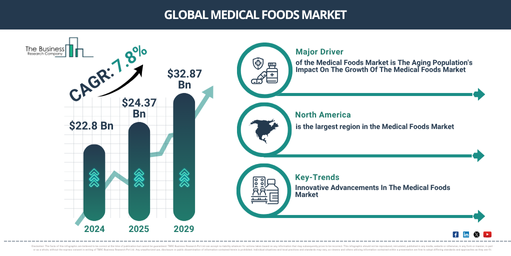
    In recent years, the medical foods market has experienced significant growth. The market size is projected to increase from $22.8 billion in 2024 to $24.37 billion in 2025, registering a compound annual growth rate (CAGR) of 6.9%. The growth during the historic period is reflective of the escalating instances of chronic diseases, progress in medical and nutritional science, an aging population, improved awareness of the importance of nutrition in managing health conditions, as well as regulatory backing for medical foods.

    The market size for medical foods is anticipated to witness significant expansion in the upcoming years. The market is projected to reach “$32.87 billion by 2029, with a compounded annual growth rate (CAGR) of 7.8%. Enhanced focus on preventive healthcare, growing demand for customized nutrition, wider application range in metabolic disorders, and advancements in nutrigenomics and individualized medicine, along with increased consumer interest in functional foods can be attributed to the growth in this period. The forecast period is also expected to see trends like the creation of medical food formulations specific to individual conditions, collaboration between the food and pharmaceutical sectors, widening of distribution channels including e-commerce, application of digital technologies for tailor-made nutrition, and emphasis on clean-label and natural constituents in medical foods.

    Download The Free Sample Report Here:

    https://www.thebusinessresearchcompany.com/sample.aspx?id=6353&type=smp

    #What Drivers Are Influencing Growth In The Medical Foods Market?

    The surge in the elderly population is playing a significant role in expanding the medical foods market. Aging at the biochemical and cellular level happens due to the gradual accumulation of various biomolecular damages over time. This leads to a progressive decline in functional ability, coupled with a heightened risk of illness and ultimately, death. These changes do not follow a linear or constant path and are only loosely connected to an individual’s actual age. As individuals age, they become more reliant on particular nutritional foods, notably medical foods, to manage chronic and age-related diseases. For example, a report by the World Health Organization (WHO), a Switzerland-based international public health agency, stated in October 2022 that one in six people globally is projected to be 60 or older by 2030. By 2050, the worldwide population of people aged 60 or older is expected to reach 2.1 billion. As a result, the growing elderly population is likely to spur the expansion of the medical foods market.

    What Are The Main Segments Identified In The Medical Foods Market Research?

    The medical foods market covered in this report is segmented –

    1) By Type: Pills, Powder, Other Types

    2) By Application: Alzheimer’s Disease, Diabetic Neuropathy, Nutritional Deficiency, ADHD, Other Applications

    3) By Sales Channel: Retail Sales, Online Sales, Institutional Sales

    Subsegments:

    1) By Pills: Tablets, Capsules, Softgels

    2) By Powder: Nutritional Powders, Fiber Powders

    3) By Other Types: Liquid Formulations, Ready-To-Drink Products, Functional Bars And Snacks

    How Are Key Trends Driving Expansion In The Medical Foods Industry?

    Leading firms in the medical foods market are generating inventive product offerings such as Foods for Special Medical Purposes (FSMP) with the aim to satisfy a broader consumer base, drive additional sales, and boost revenue generation. FSMP refers to specially crafted food items catering to individuals diagnosed with certain medical conditions, disorders, or diseases. To illustrate, Nestle – a food company based out of Switzerland – introduced Si Yi Su in July 2022, a specialized medical food tailored for individuals coping with tumor-related conditions. The distinctive aspect of Si Yi Su lies in its formulation that incorporates arginine, omega-3 fish oil, nucleotides, and other crucial nutritional elements. This particular blend is carefully designed to target inflammation and enhance the weakened immunity of patients.

    Which Companies Play A Key Role In The Development Of The Medical Foods Market?

    Major companies operating in the medical foods market include Nestlé SA, Danone SA, Fresenius Kabi AG, Mead Johnson & Company LLC, Primus Pharmaceuticals Inc., Abbott Nutrition Inc., Accera Inc., Ajinomoto Cambrooke Inc., Applied Food Sciences Inc., Cambrooke Therapeutics Inc., Danone Nutricia North America Inc., Health and Happiness (H&H) Group Limited, RFI Ingredients LLC, Solace Nutrition LLC, Targeted Medical Pharma Inc., VAYA Pharma Inc., Baxter Healthcare Corporation, Braun Melsungen AG, DuPont Nutrition & Biosciences, Enteral Nutrition Holdings Inc., Fresenius Medical Care AG & Co. KGaA, Nutricia North America Inc., Otsuka Pharmaceutical Co. Ltd., Koninklijke DSM NV, Total Parenteral Nutrition Solutions Inc.

    Get The Full Report Here:

    https://www.thebusinessresearchcompany.com/report/medical-foods-global-market-report

    What Are The Key Regional Developments Shaping The Medical Foods Market?

    North America was the largest region in the medical foods market in 2024.Asia-Pacific is expected to be the fastest-growing region in the forecast period. The regions covered in the medical foods market report are Asia-Pacific, Western Europe, Eastern Europe, North America, South America, Middle East, Africa

    Request For A Customized Report:

    https://www.thebusinessresearchcompany.com/customise?id=6353&type=smp

    About The Business Research Company:

    With over 15000+ reports from 27 industries covering 60+ geographies, The Business Research Company has built a reputation for offering comprehensive, data-rich research and insights. Armed with 1,500,000 datasets, the optimistic contribution of in-depth secondary research, and unique insights from industry leaders, you can get the information you need to stay ahead in the game.

    Get in touch with us:

    The Business Research Company: https://www.thebusinessresearchcompany.com/

    Americas +1 310-496-7795

    Asia +44 7882 955267 & +91 8897263534

    Europe +44 7882 955267

    Email us at info@tbrc.info

    Follow us on:

    LinkedIn: https://in.linkedin.com/company/the-business-research-company

    YouTube: https://www.youtube.com/channel/UC24_fI0rV8cR5DxlCpgmyFQ

    Global Market Model: https://www.thebusinessresearchcompany.com/global-market-model
  • Outlook for Leukemia Therapeutics Market: Key Developments and Future Strategies to 2029

    Outlook for Leukemia Therapeutics Market: Key Developments and Future Strategies to 2029

    Claim your 30% discount on Global Market Reports with code ONLINE30. Limited time only.

    Claim your 30% discount on Global Market Reports with code ONLINE30. Limited time only.

    What Is the Current and Projected Market Size of the Leukemia Therapeutics Industry?

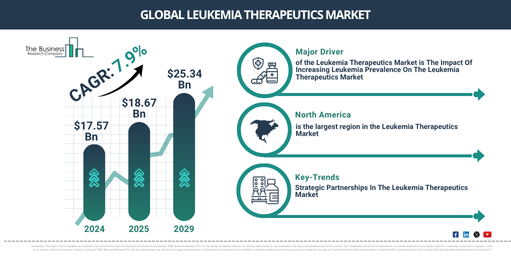
    In recent times, there has been a robust expansion in the market size of leukemia therapeutics. The market value is projected to escalate from $17.57 billion in 2024 to $18.67 billion in 2025, maintaining a compound annual growth rate (CAGR) of 6.3%. The surge in growth during the historical period can be credited to factors like an increase in the elderly population, advancements in diagnostic procedures facilitating early diagnosis of leukemia, a rising number of leukemia cases, increased funds allocated for research and development, and the widespread adoption of personalized medicine methods.

    In the coming years, the market size for leukemia therapeutics is predicted to grow robustly, reaching “$25.34 billion by 2029 with a compound annual growth rate (CAGR) of 7.9%. This forecasted growth can be linked to the emergence of innovative immunotherapies for leukemia, an increasing emphasis on precision medicine for leukemia treatment, enlarged usage fields for pre-existing leukemia treatments, growth in the acceptance of gene therapies, and advancements in supportive care procedures for leukemia patients. Anticipated trends for the forecast period comprise the incorporation of biomarker-driven methodologies, rising popularity of combination therapies to amplify efficiency, concentration on monitoring minimal residual disease, an uptick in the utilization of car-t cell therapies, and the investigation of targeted treatments pertaining to specific leukemia subtypes.

    Download The Free Sample Report Here:

    https://www.thebusinessresearchcompany.com/sample.aspx?id=6358&type=smp

    #Which Factors Are Currently Driving The Growth Of The Leukemia Therapeutics Market?

    The expansion of the leukemia therapeutics market is largely attributed to the escalating incidence of leukemia. Characterized as a blood cancer that originates from the bone marrow, leukemia leads to unregulated growth of blood cells. A worldwide surge in access to medical services for leukemia sufferers has, together with an increasing number of treatment options, fuelled demand for leukemia therapy. For example, the American Cancer Society, a health organization based in the US, projected in a January 2023 report that there would be approximately 59,610 new diagnoses of various types of leukemia and roughly 23,710 deaths resulting from these diseases in the United States in the same year. In addition, the expected number of new cases of acute myeloid leukemia (AML) for 2023 is around 20,380, with about 11,310 AML-related deaths. As a result, the growing prevalence of leukemia is significantly stimulating the expansion of the leukemia therapeutics market.

    How Is The Global Leukemia Therapeutics Market Structured In Terms Of Segments?

    The leukemia therapeutics market covered in this report is segmented –

    1) By Treatment Type: Chemotherapy, Immunotherapy, Targeted Therapy, Other Treatments

    2) By Type Of Leukemia: Acute Lymphocytic Leukemia, Acute Myeloid Leukemia, Chronic Lymphocytic Leukemia, Chronic Myeloid Leukemia, Other Type Of Leukemia

    3) By Molecule Type: Small Molecules, Biologics

    4) By End-Users: Hospitals, Homecare, Specialty Clinics, Other End-Users

    Subsegments:

    1) By Chemotherapy: Alkylating Agents, Antimetabolites, Plant Alkaloids, Corticosteroids

    2) By Immunotherapy: Monoclonal Antibodies, CAR T-Cell Therapy, Immune Checkpoint Inhibitors, Vaccines

    3) By Targeted Therapy: Tyrosine Kinase Inhibitors (TKIs), BCL-2 Inhibitors, IDH Inhibitors, Other Targeted Agents

    4) By Other Treatments: Radiation Therapy, Stem Cell Transplantation, Supportive Care Treatments

    Which Emerging Trends And Strategic Shifts Are Shaping The Leukemia Therapeutics Market?

    A strategic partnership model, which involves companies taking advantage of each other’s strengths and resources to ensure mutual benefit and success, is being employed by top players in the leukemia therapeutics market. This strategy is geared towards supporting the companies’ aims to introduce and monetize their premier advanced cancer treatment in America. A perfect example of this was seen in February 2023, when biotechnology firm Xspray Pharma AB, based in Sweden, initiated a partnership with EVERSANA, an American company renowned for offering commercial services to the life sciences sector. This collaboration was crafted with the objective of streamlining the American introduction and monetization of Xspray Pharma’s first groundbreaking cancer treatment, Dasynoc, designed for chronic myeloid leukemia (CML) and acute lymphoblastic leukemia (ALL). While maintaining financial and strategic autonomy, Xspray Pharma has granted EVERSANA exclusive commercialization rights to help launch Dasynoc, which is planned for the latter half of 2023.

    Who Are The Main Participants Shaping The Leukemia Therapeutics Market Landscape?

    Major companies operating in the leukemia therapeutics market include Novartis International AG, AbbVie Inc., Bristol Myers Squibb Company, F. Hoffmann-La Roche AG, Sanofi S. A., Agios Pharmaceuticals, Amgen Inc., Argenx SE, Astellas Pharma Inc., BioLineRx Ltd., Cellerant Therapeutics Inc., Daiichi Sankyo Company Limited, Forma Therapeutics Inc., Gilead Sciences Inc., Incyte Corporation, Jazz Pharmaceuticals plc, Johnson & Johnson, Mirati Therapeutics Inc., Molecular Templates Inc., Ono Pharmaceutical Co. Ltd., Pfizer Inc., Seattle Genetics Inc., Stemline Therapeutics Inc., Sunesis Pharmaceuticals Inc., Takeda Pharmaceutical Company Limited, TG Therapeutics Inc., Allogene Therapeutics Inc., Blueprint Medicines Corporation, Karyopharm Therapeutics Inc., Verastem Oncology Inc.

    Get The Full Report Here:

    https://www.thebusinessresearchcompany.com/report/leukemia-therapeutics-global-market-report

    Which Region Currently Holds The Largest Share In The Leukemia Therapeutics Market?

    North America was the largest region in the leukemia therapeutics market in 2024.Asia-Pacific is expected to be the fastest-growing region in the forecast period. The regions covered in the leukemia therapeutics market report are Asia-Pacific, Western Europe, Eastern Europe, North America, South America, Middle East, Africa

    Request For A Customized Report:

    https://www.thebusinessresearchcompany.com/customise?id=6358&type=smp

    About The Business Research Company:

    With over 15000+ reports from 27 industries covering 60+ geographies, The Business Research Company has built a reputation for offering comprehensive, data-rich research and insights. Armed with 1,500,000 datasets, the optimistic contribution of in-depth secondary research, and unique insights from industry leaders, you can get the information you need to stay ahead in the game.

    Get in touch with us:

    The Business Research Company: https://www.thebusinessresearchcompany.com/

    Americas +1 310-496-7795

    Asia +44 7882 955267 & +91 8897263534

    Europe +44 7882 955267

    Email us at info@tbrc.info

    Follow us on:

    LinkedIn: https://in.linkedin.com/company/the-business-research-company

    YouTube: https://www.youtube.com/channel/UC24_fI0rV8cR5DxlCpgmyFQ

    Global Market Model: https://www.thebusinessresearchcompany.com/global-market-model
  • Key Market Drivers, Trends, and Forecast for the Global Inhalation Anesthesia Industry

    Key Market Drivers, Trends, and Forecast for the Global Inhalation Anesthesia Industry

    Claim your 30% discount on Global Market Reports with code ONLINE30. Limited time only.

    Claim your 30% discount on Global Market Reports with code ONLINE30. Limited time only.

    How Will the Inhalation Anesthesia Market Evolve in Terms of Growth and Size by 2029?

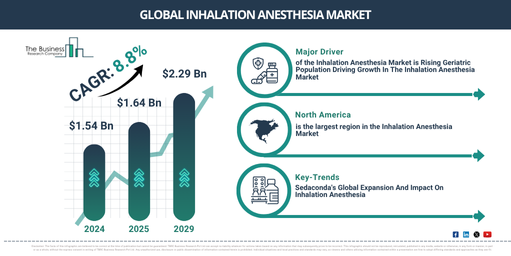
    In recent times, the market size of inhalation anesthesia has seen sturdy growth. It is forecasted to surge from $1.54 billion in 2024 to $1.64 billion in 2025, marking a compound annual growth rate (CAGR) of 5.9%. This commendable growth over the historical period can be ascribed to various factors like the surge in surgical procedures necessitating anesthesia, a rise in the elderly population, evolution in inhalation anesthetics, widening of ambulatory surgical centers, and an escalating incidence of chronic illnesses, such as heart disease and cancer.

    In the coming years, the inhalation anesthesia market is set to experience substantial growth, projected to reach “$2.29 billion by 2029 with a compound annual growth rate (CAGR) of 8.8%. This growth over the forecast period is likely to be driven by factors such as the increasing demand for less invasive surgeries, the escalating global healthcare spending, the surge in surgical operations in developing markets, the acceptance of inhalation anesthesia in veterinary medicine, and the boost in government funding for research and development of advanced inhalation anesthetics. Key trends for the forecast period encompass technological advancements in anesthesia administration systems, creation of pediatric-specific inhalation anesthesia devices, the move towards sevoflurane and desflurane, the emphasis on environmentally friendly anesthetic agents, and the incorporation of monitoring technologies in anesthesia delivery.

    Download The Free Sample Report Here:

    https://www.thebusinessresearchcompany.com/sample.aspx?id=7198&type=smp

    What factors are expected to fuel Inhalation Anesthesia market growth in the coming years?

    The projected rise in the elderly population is expected to spur the expansion of inhalation anesthesia in the upcoming years. As older individuals have a greater likelihood to suffer from chronic diseases and degenerative conditions, there is an anticipated increase in the need for surgeries and therapeutic treatments, thus growing the dependence on inhalation anesthesia. Not only that, the elderly, susceptible to a range of illnesses including cardiovascular, neurological, respiratory, and degenerative disorders, are expanding the market further. The administration of anesthesia via an intravenous route often proves problematic for these patients due to issues with vascular puncture and patient cooperation. The World Health Organization indicated in October 2022 that the global population of those over 60 years will rise from 1 billion in 2020 to an expected 1.4 billion by 2022. In addition, by 2030 it is predicted that 1 in every 6 people worldwide will be aged 60 or above. Thus, the escalating elderly population is likely to enhance the demand for inhalation anesthesia in the forecasted period.

    What Are The Key Findings From The Segmentation Analysis Of The Inhalation Anesthesia Market?

    The inhalation anesthesia market covered in this report is segmented –

    1) By Product: Sevoflurane, Desflurane, Isoflurane, Nitrous Oxide

    2) By Application: Induction, Maintenance

    3) By End User: Hospitals, Ambulatory Surgical Centers

    Subsegments:

    1) By Sevoflurane: Liquid Form, Gas Form

    2) By Desflurane: Liquid Form, Gas Form

    3) By Isoflurane: Liquid Form, Gas Form

    4) By Nitrous Oxide: Medical-Grade Nitrous Oxide, Industrial-Grade Nitrous Oxide

    What Are The Leading Trends And Opportunities In The Inhalation Anesthesia Sector?

    Numerous businesses involved in the inhalation anesthesia industry are introducing novel products such as Sedaconda to meet sector demands and reinforce their global market standing. Sedaconda, an inhaled sedation approach, is dispensed via the Anaesthetic Conserving Device (ACD) and is permitted for usage in intensive care. For example, Sedana Medical AB, a Swedish med tech and pharmaceutical firm, launched Sedaconda (isoflurane) in the German market in February 2022. This product utilizes the Sedaconda ACD (Anaesthetic Conserving Device) for delivery and presently stands as the only approved inhaled sedation method for utilization in intensive care scenarios. Post its approval from the European DCP in July 2021, Sedaconda (isoflurane) now has country-specific authorization in 14 different nations.

    What Are The Most Active Companies In The Inhalation Anesthesia Market Today?

    Major companies operating in the inhalation anesthesia market include Abbvie Inc., Baxter International Inc., Fresenius SE & Co. KGaA, Halocarbon Products Corporation, Hikma Pharmaceuticals PLC, B. Braun Melsungen AG, Lunan Pharmaceutical Group Co. Ltd., Maruishi Pharmaceutical Co. Ltd., Mylan N. V., Piramal Enterprises Ltd., Recipharm AB, Sandoz International GmbH, Sun Pharmaceutical Industries Ltd., Teva Pharmaceutical Industries Ltd., Wockhardt Ltd., AstraZeneca PLC, C. H. Boehringer Sohn AG & Co. KG, Bristol-Myers Squibb Company, Eisai Co. Ltd., GlaxoSmithKline PLC, Johnson & Johnson Inc., Merck & Co. Inc., Novartis AG, Pfizer Inc., F. Hoffmann-La Roche AG, Sanofi S. A., Takeda Pharmaceutical Company Limited, Teijin Pharma Limited, UCB S. A., Zydus Lifesciences Limited

    Get The Full Report Here:

    https://www.thebusinessresearchcompany.com/report/inhalation-anesthesia-global-market-report

    Which Regional Markets Are Attracting The Most Investment In Inhalation Anesthesia?

    North America was the largest region in the inhalation anesthesia market in 2024. Asia-Pacific is expected to be the fastest-growing region in the forecast period. The regions covered in the inhalation anesthesia market report are Asia-Pacific, Western Europe, Eastern Europe, North America, South America, Middle East, Africa

    Request For A Customized Report:

    https://www.thebusinessresearchcompany.com/customise?id=7198&type=smp

    About The Business Research Company:

    With over 15000+ reports from 27 industries covering 60+ geographies, The Business Research Company has built a reputation for offering comprehensive, data-rich research and insights. Armed with 1,500,000 datasets, the optimistic contribution of in-depth secondary research, and unique insights from industry leaders, you can get the information you need to stay ahead in the game.

    Get in touch with us:

    The Business Research Company: https://www.thebusinessresearchcompany.com/

    Americas +1 310-496-7795

    Asia +44 7882 955267 & +91 8897263534

    Europe +44 7882 955267

    Email us at info@tbrc.info

    Follow us on:

    LinkedIn: https://in.linkedin.com/company/the-business-research-company

    YouTube: https://www.youtube.com/channel/UC24_fI0rV8cR5DxlCpgmyFQ

    Global Market Model: https://www.thebusinessresearchcompany.com/global-market-model
  • Strategic Report on Inflammatory Bowel Disease Treatment Market: Growth Opportunities and Emerging Challenges

    Strategic Report on Inflammatory Bowel Disease Treatment Market: Growth Opportunities and Emerging Challenges

    Claim your 30% discount on Global Market Reports with code ONLINE30. Limited time only.

    Claim your 30% discount on Global Market Reports with code ONLINE30. Limited time only.

    What CAGR Is Anticipated for the Inflammatory Bowel Disease Treatment Market Through 2029?

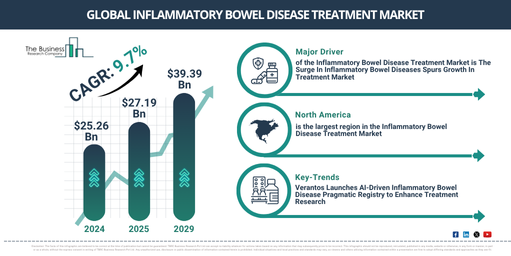
    In recent years, the market size for the treatment of inflammatory bowel disease has witnessed a robust growth. This market is forecasted to expand from $25.26 billion in 2024 to $27.19 billion in 2025, showcasing a compound annual growth rate (CAGR) of 7.6%. The upturn during the historical period can be credited to factors such as the increasing occurrence of inflammatory bowel disease, growing preference for biologics and immunomodulators, advancements in treatment methodology, an escalating older population, and a heightened consciousness about the disease.

    In the coming years, the market for inflammatory bowel disease (IBD) treatment is projected to experience significant growth, with potential to reach “$39.39 billion in 2029 at a compound annual growth rate (CAGR) of 9.7%.” Factors driving this projected growth include increased investment in R&D efforts, higher demand for biosimilars, an increasing prevalence of IBD in developing markets, the rising need for tailor-made medicine, and the incorporation of precision medicine in IBD care. A rise in product introductions and approvals, individualized dosage and treatment strategies in managing IBD, the application of telemedicine in remotely tracking IBD patients, the investigation of microbiome-oriented therapies for IBD, and the implementation of value-based care models in IBD management are also potential trends for the forecast period.

    Download The Free Sample Report Here:

    https://www.thebusinessresearchcompany.com/sample.aspx?id=6704&type=smp

    What Market Forces Are Driving The Inflammatory Bowel Disease Treatment Sector In 2025 And Beyond?

    The inflammatory bowel disease treatment market is witnessing significant growth due to the increasing incidence of Crohn’s disease and ulcerative colitis. These disorders, both subtypes of inflammatory bowel disease (IBD), cause inflammation and sores or ulcers in the digestive tract. The increasing instances of these conditions are set to heighten demand for treatments designed to alleviate bowel inflammation and curb potential medical complications. March 2022 research sourced from the United States National Library of Medicine, a medical library based in the US, indicates that approximately 1.6 million Americans are presently living with an inflammatory bowel disease (either Crohn’s disease or ulcerative colitis). Also, about 70,000 fresh IBD cases are identified annually within the US. Therefore, the escalating occurrence of Crohn’s disease and ulcerative colitis will likely fuel the growth of the inflammatory bowel disease treatment market.

    How Is The Global Inflammatory Bowel Disease Treatment Market Categorized By Segments?

    The inflammatory bowel disease treatment market covered in this report is segmented –

    1) By Drug Class: Aminosalicylates, Corticosteroids, TNF inhibitors, IL inhibitors, Anti-integrin, JAK inhibitors, Other Drug Classes

    2) By Type: Crohn’s Disease, Ulcerative Colitis

    3) By Route Of Administration: Oral, Injectable

    4) By Distribution Channel: Hospital Pharmacy, Retail Pharmacy, Online Pharmacy

    Subsegments:

    1) By Aminosalicylates: Mesalamine, Sulfasalazine, Balsalazide

    2) By Corticosteroids: Prednisone, Budesonide, Hydrocortisone

    3) By TNF Inhibitors: Infliximab, Adalimumab, Certolizumab pegol

    4) By IL Inhibitors: Ustekinumab, Guselkumab

    5) By Anti-Integrin: Vedolizumab, Natalizumab

    6) By JAK Inhibitors: Tofacitinib, Filgotinib

    7) By Other Drug Classes: Antibiotics, Immunosuppressants, Other Novel Therapies

    What Trends Are Currently Influencing Growth In The Inflammatory Bowel Disease Treatment Market?

    The rise of technology is a significant emerging trend in the treatment market for inflammatory bowel disease. Numerous major firms within the sector are increasingly leveraging AI-centric registries to gain a competitive advantage. For example, Verantos, an RWE firm based in California, launched the Inflammatory Bowel Disease Pragmatic Registry in May 2024, which employs cutting-edge AI to yield high-caliber real-world evidence (RWE) for ulcerative colitis and Crohn’s disease. The purpose of this registry is to aid in the creation of effective treatments by providing a robust dataset, with over 3 billion data points on patient care. This tool assists biopharmaceutical researchers with deep understanding into disease severity, the efficacy of treatments, and clinical outcomes by capitalizing on both structured and unstructured data sourced from electronic health records.

    Which Firms Are Considered Leaders In The Inflammatory Bowel Disease Treatment Market Space?

    Major companies operating in the inflammatory bowel disease treatment market include AbbVie Inc., Biogen Inc., Johnson & Johnson, Amgen Inc., Advanced Gastroenterology and Surgery Associates P. A., Atlanta Gastroenterology Associates LLC, Boehringer Ingelheim International GmbH, Bristol-Myers Squibb Company, Cedars-Sinai Medical Center, Celgene Corporation, Cleveland Clinic Foundation, Digestive Disease Associates of Rockland P. C., Eli Lilly and Company, Gastrointestinal Specialists Inc., Gilead Sciences Inc., GlaxoSmithKline plc, Illinois Gastroenterology Group LLC, The Johns Hopkins Hospital Inc., Massachusetts General Hospital, Mayo Clinic, Merck & Co. Inc., Mount Sinai Health System Inc., Novartis International AG, Pfizer Inc., F. Hoffmann-La Roche Ltd, Takeda Pharmaceutical Company Limited, Texas Digestive Disease Consultants P. A., The Oregon Clinic – Gastroenterology West P. C., Salix Pharmaceuticals Inc., Vifor Pharma AG, Zydus Pharmaceuticals (USA) Inc.

    Get The Full Report Here:

    https://www.thebusinessresearchcompany.com/report/inflammatory-bowel-disease-treatment-global-market-report

    What Role Do Regional Policies And Investments Play In Inflammatory Bowel Disease Treatment Market Expansion?

    North America was the largest region in the inflammatory bowel disease treatment market in 2024.Asia-Pacific is expected to be the fastest-growing region in the forecast period. The regions covered in the inflammatory bowel disease treatment market report are Asia-Pacific, Western Europe, Eastern Europe, North America, South America, Middle East, Africa

    Request For A Customized Report:

    https://www.thebusinessresearchcompany.com/customise?id=6704&type=smp

    About The Business Research Company:

    With over 15000+ reports from 27 industries covering 60+ geographies, The Business Research Company has built a reputation for offering comprehensive, data-rich research and insights. Armed with 1,500,000 datasets, the optimistic contribution of in-depth secondary research, and unique insights from industry leaders, you can get the information you need to stay ahead in the game.

    Get in touch with us:

    The Business Research Company: https://www.thebusinessresearchcompany.com/

    Americas +1 310-496-7795

    Asia +44 7882 955267 & +91 8897263534

    Europe +44 7882 955267

    Email us at info@tbrc.info

    Follow us on:

    LinkedIn: https://in.linkedin.com/company/the-business-research-company

    YouTube: https://www.youtube.com/channel/UC24_fI0rV8cR5DxlCpgmyFQ

    Global Market Model: https://www.thebusinessresearchcompany.com/global-market-model
  • Industry Trends Show Immunoglobulins Market Set to Expand at 11.0% CAGR Until 2029

    Industry Trends Show Immunoglobulins Market Set to Expand at 11.0% CAGR Until 2029

    Claim your 30% discount on Global Market Reports with code ONLINE30. Limited time only.

    Claim your 30% discount on Global Market Reports with code ONLINE30. Limited time only.

    What Are the Latest Market Insights for the Immunoglobulins Industry?

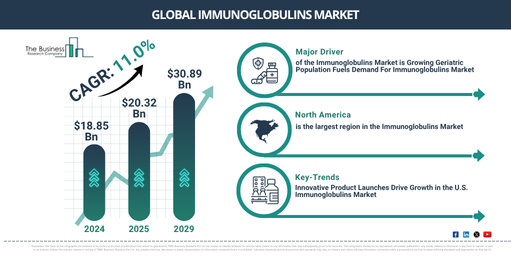
    The market for immunoglobulins has seen robust growth in recent times. The market value is anticipated to increase from $18.85 billion in 2024 to $20.32 billion in 2025, experiencing a compound annual growth rate (CAGR) of 7.8%. Factors such as the rising numbers of immunodeficiency disorders, an expanding elderly population, increased usage of immunoglobulins in hospital settings, beneficial government reimbursement schemes, and an escalating prevalence of chronic and autoimmune diseases have all contributed to the growth during the historical period.

    The market for immunoglobulins is forecasted to experience a significant increase in the coming years, with its size projected to reach “$30.89 billion by 2029, growing at a compound annual growth rate (CAGR) of 11.0%. The growth predicted for this period can be associated with the rising investment in the development of advanced technologies, heightened understanding and awareness of immunodeficiency therapies, growing preference among medical professionals for these therapies, the rise of emerging markets, and the widening of its application in sports and fitness. Major emerging trends expected in this period include the advancement of wearable and smart compression devices, personalization of compression therapy solutions, incorporation of compression therapy in wound management, focus on patient comfort and compliance during compression therapy, and partnerships between manufacturers and health service providers for enhanced patient outcomes.

    Download The Free Sample Report Here:

    https://www.thebusinessresearchcompany.com/sample.aspx?id=5284&type=smp

    What Forces Are Driving The Growth Of The Immunoglobulins Industry?

    The immunoglobulins market’s growth is being propelled by the rise in the elderly population. Seniors have a higher likelihood of contracting infectious and auto-immune diseases. Immunoglobulin tests reveal the capacity of one’s immune system to create antibodies that defend against bacteria, viruses, and allergies. For instance, a 2022 report from the World Health Organization (WHO), which oversees global public health from their base in Switzerland, projected that by 2030, one in six people globally will be 60 or older. By 2050, the global population of individuals aged 60 or older is anticipated to reach 2.1 billion. Therefore, the rise in the number of elderly individuals is predicted to spur demand in the immunoglobulins market over the forecast period.

    What Is The Overview Of Market Segmentation In The Immunoglobulins Industry?

    The immunoglobulins market covered in this report is segmented –

    1) By Product: IGG, IGA, IGM, IGE, IGD.

    2) By Mode Of Delivery: Intravenous Mode Of Delivery, Subcutaneous Mode Of Delivery

    3) By Application: Hypogammaglobulinemia, Chronic Inflammatory demyelinating polyneuropathy (CIDP), Immunodeficiency Disease, Myasthenia Gravis, Idiopathic thrombocytopenic purpura (ITP), Other Applications

    Subsegments:

    1) By IGG (Immunoglobulin G): IVIG (Intravenous Immunoglobulin), SCIG (Subcutaneous Immunoglobulin)

    2) By IGA (Immunoglobulin A): Monoclonal IGA, Polyvalent IGA

    3) By IGM (Immunoglobulin M): Monoclonal IGM, Polyvalent IGM

    4) By IGE (Immunoglobulin E): Allergen-Specific IGE, Monoclonal IGE

    5) By IGD (Immunoglobulin D): Research-Use IGD, Monoclonal IGD

    What Long-Term Trends Are Likely To Affect The Immunoglobulins Market?

    Leading companies in the immunoglobulins market are creating groundbreaking products like intravenous immunoglobulins for greater customer reach, increased sales and higher revenue. In September 2024, for example, GC Biopharma, a biotech company based in South Korea, introduced ALYGLO™ (Immune Globulin Intravenous, Human-stwk) 10% Liquid in the U.S. market, aiming to treat the primary humoral immunodeficiency (PI) in adults aged 17 years and older. Their offer now reaches the patients through speciality pharmacies. It’s a meaningful step as the U.S. is the largest immunoglobulin market in the world, estimated at about $11.6 billion. GC Biopharma has set a target of $50 million in ALYGLO sales in its debut year, with an objective to raise this amount to $300 million by 2028. This aggressive growth plan includes alliances with large U.S. pharmacy benefit managers and specialised pharmacies that are essential for effective distribution of immunoglobulin goods.

    Who Are The Primary Players Operating Across The Global Immunoglobulins Market?

    Major companies operating in the immunoglobulins market include Baxter International Inc., CSL Behring LLC, Grifols S. A., Octapharma AG, China Biologic Products Holdings Inc., Kedrion SpA, LFB SA, Biotest AG, Sanquin Blood Supply Foundation, ADMA Biologics Inc., Option Care Health Inc., Shanghai RAAS Blood Products Co. Ltd., Antibody Solutions, Bio Products Laboratory Ltd., Immunovant Inc., Kamada Ltd., Emergent BioSolutions Inc., Fresenius Kabi AG, GlaxoSmithKline plc, Pfizer Inc., Roche Holding AG, Samsung Bioepis Co. Ltd., Takeda Pharmaceutical Company Limited, Teva Pharmaceutical Industries Ltd., Zydus Cadila Healthcare Limited

    Get The Full Report Here:

    https://www.thebusinessresearchcompany.com/report/immunoglobulins-global-market-report

    Which Region Offers The Most Growth Potential For The Immunoglobulins Market Through 2029?

    North America was the largest region in the immunoglobulins market in 2024. Asia-Pacific is expected to be the fastest-growing region in the forecast period. The regions covered in the immunoglobulins market report are Asia-Pacific, Western Europe, Eastern Europe, North America, South America, Middle East, Africa

    Request For A Customized Report:

    https://www.thebusinessresearchcompany.com/customise?id=5284&type=smp

    About The Business Research Company:

    With over 15000+ reports from 27 industries covering 60+ geographies, The Business Research Company has built a reputation for offering comprehensive, data-rich research and insights. Armed with 1,500,000 datasets, the optimistic contribution of in-depth secondary research, and unique insights from industry leaders, you can get the information you need to stay ahead in the game.

    Get in touch with us:

    The Business Research Company: https://www.thebusinessresearchcompany.com/

    Americas +1 310-496-7795

    Asia +44 7882 955267 & +91 8897263534

    Europe +44 7882 955267

    Email us at info@tbrc.info

    Follow us on:

    LinkedIn: https://in.linkedin.com/company/the-business-research-company

    YouTube: https://www.youtube.com/channel/UC24_fI0rV8cR5DxlCpgmyFQ

    Global Market Model: https://www.thebusinessresearchcompany.com/global-market-model