Month: September 2025

  • Competitive and Market Trend Analysis of Hyperphosphatemia Treatment Industry Through 2029

    Competitive and Market Trend Analysis of Hyperphosphatemia Treatment Industry Through 2029

    Claim your 30% discount on Global Market Reports with code ONLINE30. Limited time only.

    Claim your 30% discount on Global Market Reports with code ONLINE30. Limited time only.

    What Are the Forecasted Growth Rate and Market Size of the Hyperphosphatemia Treatment Market?

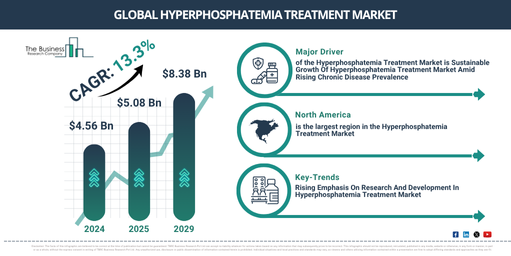
    In recent times, the market for hyperphosphatemia treatment has experienced considerable growth. The projections suggest an increase from $4.56 billion in 2024 to $5.08 billion in 2025, representing a compound annual growth rate (CAGR) of 11.4%. The historical growth can be traced back to factors such as an upsurge in the cases of chronic kidney disease (CKD), growing elderly population, rising rate of diabetes and hypertension, increase in the population of patients undergoing dialysis, as well as enhancements in medical research and hyperphosphatemia diagnostics.

    The hyperphosphatemia treatment industry is predicted to experience significant expansion in the coming years, potentially reaching “$8.38 billion by 2029 with a 13.3% compound annual growth rate (CAGR). This projected growth in the market can be attributed to factors such as the increase in lifestyle-related diseases leading to hyperphosphatemia, a steady increase in the aging population, improved awareness and diagnosis of hyperphosphatemia, the growth of emerging markets carrying a heavy disease burden, and a higher proportion of calcium-based phosphate binder prescriptions in developing countries. Foreseen trends for this period include improvements in hyperphosphatemia treatment technology, the incorporation of telehealth and remote monitoring of patients, collaborative efforts in research and development, an emphasis on patient education and lifestyle management in regards to hyperphosphatemia, and the creation of innovative phosphate binders and therapies.

    Download The Free Sample Report Here:

    https://www.thebusinessresearchcompany.com/sample.aspx?id=5852&type=smp

    Which Factor Is Shaping The Future Of The Hyperphosphatemia Treatment Market?

    The surge in hyperphosphatemia treatment market can be attributed to the rise in chronic diseases among patients. These chronic ailments, which are non-communicable, necessitate long-standing care and largely include cardiovascular diseases, chronic kidney disease, chronic respiratory conditions, hyperparathyroidism, diabetes, and cancer. For instance, the World Health Organization, a Switzerland-based specialized agency of the United Nations, reported in September 2023 that there were 41 million deaths globally, 74% of which were caused by non-communicable or chronic diseases. Moreover, as per the report from SingleCare Services LLC, an American healthcare savings platform, in February 2023, the incidence of kidney diseases is escalating annually. Approximately 1 million lives are lost each year due to untreated kidney failure. The rising incidence of hyperphosphatemia in patients suffering from end-stage renal disease (ESRD) has consequently led to a surge in the demand for hyperphosphatemia treatments and medications.

    What Is The Segment-Wise Breakdown Of The Hyperphosphatemia Treatment Market?

    The hyperphosphatemia treatment market covered in this report is segmented –

    1) By Product: Sevelamer, Calcium-Based Phosphate Binders, Iron-Based Phosphate Binders, Lanthanum Carbonate, Other products

    2) By Distribution channel: Hospital Pharmacy, Retail Pharmacy, Online stores

    Subsegments:

    1) By Sevelamer: Sevelamer Hydrochloride, Sevelamer Carbonate

    2) By Calcium-Based Phosphate Binders: Calcium Acetate, Calcium Carbonate

    3) By Iron-Based Phosphate Binders: Ferric Citrate, Ferric Sulfate

    4) By Lanthanum Carbonate: Lanthanum Carbonate Hydrate

    5) By Other Products: Magnesium-Based Phosphate Binders, Novel Phosphate Binders

    What Future Market Trends Are Projected For The Hyperphosphatemia Treatment Industry?

    A primary trend in the hyperphosphatemia treatment market is the intensified focus on research and development activities. Companies within this market are honing their efforts towards innovating therapies for kidney diseases and associated chronic conditions. To illustrate, Eurostat, a European Government agency, reported in April 2024 that Ile-de-France region in France boasted 2.4 million main human resources in the field of science and technology, the most in Europe, during 2023. Followed by this was the Comunidad de Madrid region in Spain, with a count of 1.2 million.

    Which Companies Hold The Largest Market Share In The Hyperphosphatemia Treatment Sector?

    Major companies operating in the hyperphosphatemia treatment market include Sanofi SA, Akebia Therapeutics Inc., Ardelyx Inc., Astellas Pharma Inc., Fresenius Medical Care AG & Co. KGaA, Lupin Limited, Sun Pharmaceutical Industries Ltd., Takeda Pharmaceutical Company Limited, Ultragenyx Pharmaceutical Inc., Unicycive Therapeutics Inc., Vifor Pharma Management Ltd., Zeria Pharmaceutical Co. Ltd., Amgen Inc., AstraZeneca plc, Baxter International Inc., Beckman Coulter Inc., Cleveland Clinic, DaVita Inc., Kyowa Kirin Pharmaceuticals Co. Ltd., Mayo Clinic, OPKO Health Inc., Tenet Healthcare Corporation, UnitedHealth Group Inc.

    Get The Full Report Here:

    https://www.thebusinessresearchcompany.com/report/hyperphosphatemia-treatment-global-market-report

    How Does Regional Performance Compare Across The Hyperphosphatemia Treatment Industry?

    North America was the largest region in the hyperphosphatemia treatment market in 2024.Asia-Pacific is expected to be the fastest-growing region in the forecast period. The regions covered in the hyperphosphatemia treatment market report are Asia-Pacific, Western Europe, Eastern Europe, North America, South America, Middle East, Africa

    Request For A Customized Report:

    https://www.thebusinessresearchcompany.com/customise?id=5852&type=smp

    About The Business Research Company:

    With over 15000+ reports from 27 industries covering 60+ geographies, The Business Research Company has built a reputation for offering comprehensive, data-rich research and insights. Armed with 1,500,000 datasets, the optimistic contribution of in-depth secondary research, and unique insights from industry leaders, you can get the information you need to stay ahead in the game.

    Get in touch with us:

    The Business Research Company: https://www.thebusinessresearchcompany.com/

    Americas +1 310-496-7795

    Asia +44 7882 955267 & +91 8897263534

    Europe +44 7882 955267

    Email us at info@tbrc.info

    Follow us on:

    LinkedIn: https://in.linkedin.com/company/the-business-research-company

    YouTube: https://www.youtube.com/channel/UC24_fI0rV8cR5DxlCpgmyFQ

    Global Market Model: https://www.thebusinessresearchcompany.com/global-market-model
  • Industry Trends Show Olanzapine Market Set to Expand at 3.2% CAGR Until 2029

    Industry Trends Show Olanzapine Market Set to Expand at 3.2% CAGR Until 2029

    Claim your 30% discount on Global Market Reports with code ONLINE30. Limited time only.

    Claim your 30% discount on Global Market Reports with code ONLINE30. Limited time only.

    How Will the Olanzapine Market Evolve in Terms of Growth and Size by 2029?

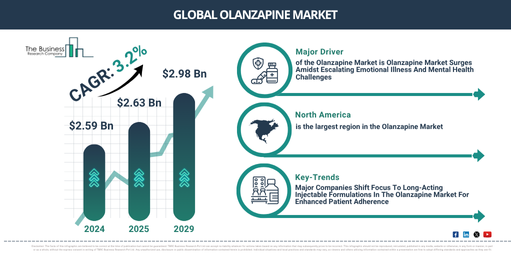
    In recent years, the olanzapine market has seen a marginal expansion. This growth is forecasted to continue, rising from $2.59 billion in 2024 to $2.63 billion in 2025 with a compound annual growth rate (CAGR) of 1.6%. This growth in the past can be credited to several factors, including an increase in mental health conditions, heightened awareness and diagnosis, a growing elderly population, advancements in psychiatric treatment, and approvals for a variety of indications.

    The market size for olanzapine is projected to experience consistent expansion in the forthcoming years, increasing to “$2.98 billion in 2029 at a compound annual growth rate (CAGR) of 3.2%. Rising awareness about mental health, innovative advancements in psychiatric drugs, worldwide initiatives for mental health, broadening usage among children, and amalgamation with mental health amenities are factors driving growth during the forecast period. The period will also see major trends such as improved concoctions for senior patients, establishment of support programs for patients, intensified supervision and examination by regulators, probing of digital health approaches, and ongoing study into new areas of application.

    Download The Free Sample Report Here:

    https://www.thebusinessresearchcompany.com/sample.aspx?id=10748&type=smp

    What factors are expected to fuel Olanzapine market growth in the coming years?

    The anticipated expansion of the olanzapine market is linked to the rising incidences of emotional disorders and mental health issues. Emotional disorders and mental health problems pertain to conditions that impede a person’s emotional and psychological wellness. The surge in these issues fuels the demand for mental health remedies, such as olanzapine, an unconventional antipsychotic medication prevalently used to manage ailments like schizophrenia and bipolar disorder. It may also be used in combination with other drugs to treat depression. For example, data from the National Institute of Mental Health (NIMH), an eminent U.S agency under the National Institutes of Health (NIH) dedicated to the research, treatment, and prevention of mental diseases, shows that around 59.3 million adults or 23.1% of the U.S. adult population lived with any mental illness (AMI) in 2022. Additionally, approximately 15.4 million adults, representing 6.0% of the U.S. adult population, were found to have serious mental illness (SMI). Therefore, the escalating incidences of emotional disorders and mental difficulties are fueling the expansion of the olanzapine market.

    The olanzapine market covered in this report is segmented –

    1) By Therapy Type: Monotherapy, Combinational Therapy

    2) By Route Of Administration: Oral, Parenteral

    3) By Application: Schizophrenia, Bipolar Disorder, Other Applications

    4) By End-Users: Hospitals, Homecare, Specialty Clinics, Other End-Users

    Subsegments:

    1) By Monotherapy: Tablet Formulation, Orally Disintegrating Tablets, Injectable Formulation

    2) By Combinational Therapy: Olanzapine + Fluoxetine, Olanzapine + Other Antipsychotics, Olanzapine + Mood Stabilizers, Olanzapine + Antidepressants

    What Are The Leading Trends And Opportunities In The Olanzapine Sector?

    Significant players in the olanzapine market such as Otsuka Pharmaceutical are adopting strategies of focusing on long-term injectable formulations to outmatch their competitors. Long-acting injectables have an extended therapeutic effect, enhancing patient’s medication compliance, and decreasing the tendency for frequent dosing compared to their oral counterparts. Otsuka Pharmaceutical, a renowned pharmaceutical firm in Japan, debuted a long-acting injectable model of olanzapine named Zyprexa Relprevv in 2022. It has a patient-friendly dosing schedule of two to four weeks, which escalates patient adherence and reduces the likelihood of a relapse in patients with schizophrenia. It also boasts a unique delivery system that ensures a steady release of the drug over a period of time, thus addressing challenges related to daily oral medication schedules. These improvements represent an overarching trend leaning towards more efficient treatment options in the field of mental health care.

    What Are The Most Active Companies In The Olanzapine Market Today?

    Major companies operating in the olanzapine market include Aurobindo Pharma Ltd., Teva Pharmaceutical Industries Limited, Dr. Reddy’s Laboratories Ltd., Sun Pharmaceutical Industries Limited, Torrent Group, Apotex Inc., Novartis AG, Mylan N.V., Alkermes Inc., Viatris Inc., Pfizer Inc., Zydus Cadila Healthcare Ltd., Endo International plc, Lupin Limited, Cipla Inc., Eli Lilly and Company, Zhejiang Langhua Pharmaceutical Co. Ltd., Jiangsu Hansoh Pharmaceutical Group Co. Ltd., Bristol-Myers Squibb Company, Sandoz International GmbH, Changzhou Huasheng Pharmaceutical Co. Ltd., Par Pharmaceutical, Jubilant Pharmova Limited, Hansoh Pharmaceutical, AstraZeneca plc, Olanzapine API Manufacturers, Torrent Pharmaceuticals, Egis Pharmaceuticals plc, Actavis Group hf., Hexal AG

    https://www.thebusinessresearchcompany.com/report/olanzapine-global-market-report

    Which Regional Markets Are Attracting The Most Investment In Olanzapine?

    North America was the largest region in the olanzapine market in 2024.Asia-Pacific is expected to be the fastest-growing region in the global olanzapine market report during the forecast period. The regions covered in the olanzapine market report are Asia-Pacific, Western Europe, Eastern Europe, North America, South America, Middle East, Africa

    Request For A Customized Report:

    https://www.thebusinessresearchcompany.com/customise?id=10748&type=smp

    About The Business Research Company:

    With over 15000+ reports from 27 industries covering 60+ geographies, The Business Research Company has built a reputation for offering comprehensive, data-rich research and insights. Armed with 1,500,000 datasets, the optimistic contribution of in-depth secondary research, and unique insights from industry leaders, you can get the information you need to stay ahead in the game.

    Get in touch with us:

    The Business Research Company: https://www.thebusinessresearchcompany.com/

    Americas +1 310-496-7795

    Asia +44 7882 955267 & +91 8897263534

    Europe +44 7882 955267

    Email us at info@tbrc.info

    Follow us on:

    LinkedIn: https://in.linkedin.com/company/the-business-research-company

    YouTube: https://www.youtube.com/channel/UC24_fI0rV8cR5DxlCpgmyFQ

    Global Market Model: https://www.thebusinessresearchcompany.com/global-market-model
  • Competitive and Market Trend Analysis of Occupational Medicines Industry Through 2029

    Competitive and Market Trend Analysis of Occupational Medicines Industry Through 2029

    Claim your 30% discount on Global Market Reports with code ONLINE30. Limited time only.

    Claim your 30% discount on Global Market Reports with code ONLINE30. Limited time only.

    What CAGR Is Anticipated for the Occupational Medicines Market Through 2029?

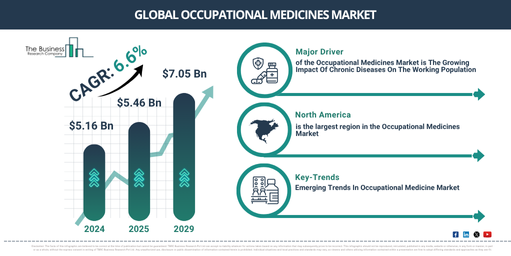
    The market for occupational medicines has shown significant growth over the past few years. The market is projected to surge from $5.16 billion in 2024 to $5.46 billion in 2025, reflecting a compound annual growth rate (CAGR) of 5.8%. Factors contributing to growth during the historical period include occupational safety rules, industrial growth, heightened awareness about health in work environments, expansion in manufacturing sectors, and a growing number of work-related injuries.

    In the forthcoming years, the market size for occupational medicines is anticipated to experience substantial growth. It is projected to expand to “$7.05 billion in 2029 at a Compound Annual Growth Rate (CAGR) of 6.6%.” The rise during the forecasted timeframe can be ascribed to a global emphasis on workers’ health, adoption of preventive health strategies, and the expansion of the gig economy coupled with increasing regulatory focus on occupational health, and widening of occupational health services. Significant trends for the future encompass the incorporation of telemedicine into occupational health, customizable occupational health programs, the emergence of wearable health technology at work, focus on mental health support within work environments, and the employment of artificial intelligence in monitoring occupational health.

    Download The Free Sample Report Here:

    https://www.thebusinessresearchcompany.com/sample.aspx?id=12551&type=smp

    What Market Forces Are Driving The Occupational Medicines Sector In 2025 And Beyond?

    The rise in chronic diseases in the workforce is predicted to boost the growth of the market for occupational medicines. Chronic diseases are health issues that persist for a year or more, requiring ongoing medical support and often restricting routine activities. These diseases in the occupational setting are managed by occupational medicine, which provides specialized medical treatments for job-related issues by working closely with employers, employees, regulators, insurance companies, the public health sector, and other workplace safety and health experts, ensuring healthier workplaces. For example, data from the Australian Institute of Health and Welfare disclosed that in June 2024, fatalities due to chronic conditions in Australia rose from 459 deaths per 100,000 individuals in 2021 to 490 deaths per 100,000 people in 2022. Hence, the occupational medicines market is being driven by the growing incidence of chronic diseases among workers.

    The occupational medicines market covered in this report is segmented –

    1) By Application: Chemical Poisoning, Psychological Disorder, Non-Induced Hearing Loss And Vibration, Skin Disorder, Chronic Respiratory Disease, Pneumoconiosis, Musculoskeletal Disorder, Cancer, Other Applications

    2) By Industry: Agriculture And Forestry, Construction, Manufacturing, Petroleum And Mining, Transportation, Other Industries

    3) By End-User: Employers, Professionals

    Subsegments:

    1) By Chemical Poisoning: Acute Chemical Exposure, Chronic Chemical Exposure

    2) By Psychological Disorder: Stress And Anxiety, Depression, Work-Related Mental Health Issues

    3) By Non-Induced Hearing Loss And Vibration: Noise-Induced Hearing Loss, Vibration-Related Disorders

    4) By Skin Disorder: Dermatitis, Eczema, Allergic Reactions

    5) By Chronic Respiratory Disease: Asthma, Chronic Obstructive Pulmonary Disease (COPD), Other Respiratory Conditions

    6) By Pneumoconiosis: Asbestosis, Silicosis, Coal Workers Pneumoconiosis

    7) By Musculoskeletal Disorder: Repetitive Strain Injuries, Back Pain, Joint Disorders

    8) By Cancer: Occupational Carcinogens, Specific Cancer Types Related To Occupation

    9) By Other Applications: Infectious Diseases, Fatigue And Sleep Disorders

    What Trends Are Currently Influencing Growth In The Occupational Medicines Market?

    Innovations in product development have emerged as a leading trend gaining momentum in the occupational medicine market. Companies at the forefront of the occupational medicine market are focusing their efforts on developing novel products and services to maintain their market dominance. As an illustration of this, TELUS Health, a company based in Canada specializing in health technology services, unveiled Total Mental Health in May 2023. This groundbreaking service enables employees to keep track of their mental health through regular evaluations and therapy sessions. Offered via their employer’s health coverage, this service utilizes state-of-the-art tech from TELUS Health to deliver a comprehensive mental health support app accessible to employees across Canada’s counseling network. The service further includes a range of support components including legal aid, nutrition guidance, childcare and elderly care options, and financial advice, aimed at helping employees navigate individual or work-related issues.

    Which Firms Are Considered Leaders In The Occupational Medicines Market Space?

    Major companies operating in the occupational medicines market include Johnson & Johnson, Pfizer Inc., Novartis AG, GlaxoSmithKline plc, Sanofi S.A., AstraZeneca PLC, Bayer AG, Merck & Co. Inc., Boehringer Ingelheim GmbH, F. Hoffmann-La Roche Ltd, Takeda Pharmaceutical Company Limited, Teva Pharmaceutical Industries Ltd., AbbVie Inc., Eli Lilly and Company, Bristol-Myers Squibb Company, Amgen Inc., Gilead Sciences Inc., Daiichi Sankyo Company, Limited, Biogen Inc., UCB S.A., Grifols S.A., Lundbeck A/S, Allergan plc, Astellas Pharma Inc., Hikma Pharmaceuticals PLC, Fresenius SE & Co. KGaA, Sun Pharmaceutical Industries Ltd., Cipla Inc., Mallinckrodt Pharmaceuticals

    https://www.thebusinessresearchcompany.com/report/occupational-medicines-global-market-report

    What Role Do Regional Policies And Investments Play In Occupational Medicines Market Expansion?

    North America was the largest region in the occupational medicines market in 2024. Asia-Pacific is expected to be the fastest-growing region in the forecast period. The regions covered in the occupational medicines market report are Asia-Pacific, Western Europe, Eastern Europe, North America, South America, Middle East, Africa

    Request For A Customized Report:

    https://www.thebusinessresearchcompany.com/customise?id=12551&type=smp

    About The Business Research Company:

    With over 15000+ reports from 27 industries covering 60+ geographies, The Business Research Company has built a reputation for offering comprehensive, data-rich research and insights. Armed with 1,500,000 datasets, the optimistic contribution of in-depth secondary research, and unique insights from industry leaders, you can get the information you need to stay ahead in the game.

    Get in touch with us:

    The Business Research Company: https://www.thebusinessresearchcompany.com/

    Americas +1 310-496-7795

    Asia +44 7882 955267 & +91 8897263534

    Europe +44 7882 955267

    Email us at info@tbrc.info

    Follow us on:

    LinkedIn: https://in.linkedin.com/company/the-business-research-company

    YouTube: https://www.youtube.com/channel/UC24_fI0rV8cR5DxlCpgmyFQ

    Global Market Model: https://www.thebusinessresearchcompany.com/global-market-model
  • Global Non-Opioid Pain Patch Market Landscape: Trends and Market Share to 2029

    Global Non-Opioid Pain Patch Market Landscape: Trends and Market Share to 2029

    Claim your 30% discount on Global Market Reports with code ONLINE30. Limited time only.

    Claim your 30% discount on Global Market Reports with code ONLINE30. Limited time only.

    What Are the Latest Market Insights for the Non-Opioid Pain Patch Industry?

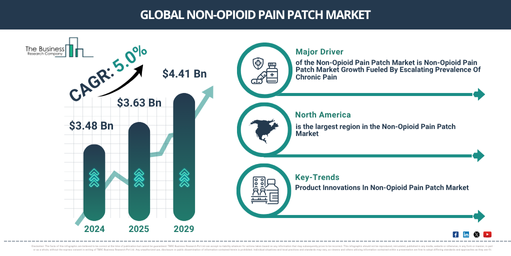
    In recent years, the market size of non-opioid pain patches has experienced steady growth. It is projected to expand from $3.48 billion in 2024 to $3.63 billion in 2025, with a compound annual growth rate (CAGR) of 4.1%. The growth during the historic period can be credited to factors such as the rise in cases of chronic pain, patient inclination towards non-invasive therapies, advancements in formulations and ingredients, an increase in sports-related injuries, and worry over opioid addiction.

    The market for non-opioid pain patches is projected to experience significant expansion in the coming years, reaching “$4.41 billion in 2029 with a compound annual growth rate (CAGR) of 5.0%. Factors contributing to growth during the forecast period are anticipated to include increased investment in research and development, a rise in healthcare spending, a favorable regulatory climate, heightened consumer awareness and education, as well as a growing aging population. The forecast period is expected to witness key trends such as the adoption of wireless and smart patch technologies, the implementation of natural ingredients, integration with wearable technology, the development of biodegradable and eco-friendly patches, and a concentration on longevity of effects.

    Download The Free Sample Report Here:

    https://www.thebusinessresearchcompany.com/sample.aspx?id=12230&type=smp

    What Forces Are Driving The Growth Of The Non-Opioid Pain Patch Industry?

    The upward trend in chronic pain is projected to drive the growth of the non-opioid pain patch market in the future. Chronic pain is the term used for intense pain that persists for a long duration or occurs in conjunction with another health problem. Non-opioid pain patches, which are utilized to alleviate mild to moderate pain, are also effective in treating headaches, muscle aches, arthritis, backaches, and various other pain types. For instance, Eurostat, a governmental agency from Luxembourg, reported in November 2023 that over a third (36.1%) of the EU population reported suffering from a long-lasting health issue in 2022. As a result, the surge in chronic pain occurrences is fuelling the non-opioid pain patch market.

    The non-opioid pain patch market covered in this report is segmented –

    1) By Patch: Lidocaine Patches, Diclofenac Patches, Capsaicin Patches, Ketoprofen Patches, Other Patches

    2) By Distribution Channel: Hospital Pharmacies, Retail Pharmacies, Other Distribution Channels

    3) By Indication: Musculoskeletal Pain, Neuropathic Pain

    Subsegments:

    1) By Lidocaine Patches: 5% Lidocaine Patch, Other Concentrations

    2) By Diclofenac Patches: 1.3% Diclofenac Patch, Other Concentrations

    3) By Capsaicin Patches: 8% Capsaicin Patch, Other Concentrations

    4) By Ketoprofen Patches: 5% Ketoprofen Patch, Other Concentrations

    5) By Other Patches: Combination Patches, Herbal Extract Patches, Other Non-Opioid Patches

    What Long-Term Trends Are Likely To Affect The Non-Opioid Pain Patch Market?

    Product innovation is fast becoming a significant trend in the non-opioid pain patch market. Major firms in this market are striving to innovate their products to maintain their market dominance. For example, in June 2022, The Mentholatum Company Inc., a healthcare products producer in the UK, introduced Deep Relief Actiflex Patch, a pain relief patch containing no drugs. It is a cooling hydrogel patch filled with water, providing quick cooling and soothing relief as the water evaporates on the skin. This drug-free pain patch addresses muscle or joint aches and pains.

    Who Are The Primary Players Operating Across The Global Non-Opioid Pain Patch Market?

    Major companies operating in the non-opioid pain patch market include Hisamitsu Pharmaceutical Co., Inc., Teikoku Pharma USA, Inc., Purdue Pharma L.P., Noven Pharmaceuticals, Inc., Johnson & Johnson Services, Inc., Pfizer Inc., Grünenthal GmbH, Mylan N.V., Teva Pharmaceutical Industries Ltd., Endo Pharmaceuticals Inc., Medtronic plc, Abbott Laboratories, Bayer AG, Iroko Pharmaceuticals, LLC, Scilex Pharmaceuticals Inc., Zosano Pharma Corporation, Adynxx Inc., BioElectronics Corporation, NeuroMetrix Inc., Virpax Pharmaceuticals Inc., Eli Lilly and Company, Novartis AG, Amgen Inc., DURECT Corporation

    https://www.thebusinessresearchcompany.com/report/non-opioid-pain-patch-global-market-report

    Which Region Offers The Most Growth Potential For The Non-Opioid Pain Patch Market Through 2029?

    North America was the largest region in the non-opioid pain patch market in 2024. Asia-Pacific is expected to be the fastest-growing region in the non-opioid pain patch market report during the forecast period. The regions covered in the non-opioid pain patch market report are Asia-Pacific, Western Europe, Eastern Europe, North America, South America, Middle East, Africa.

    Request For A Customized Report:

    https://www.thebusinessresearchcompany.com/customise?id=12230&type=smp

    About The Business Research Company:

    With over 15000+ reports from 27 industries covering 60+ geographies, The Business Research Company has built a reputation for offering comprehensive, data-rich research and insights. Armed with 1,500,000 datasets, the optimistic contribution of in-depth secondary research, and unique insights from industry leaders, you can get the information you need to stay ahead in the game.

    Get in touch with us:

    The Business Research Company: https://www.thebusinessresearchcompany.com/

    Americas +1 310-496-7795

    Asia +44 7882 955267 & +91 8897263534

    Europe +44 7882 955267

    Email us at info@tbrc.info

    Follow us on:

    LinkedIn: https://in.linkedin.com/company/the-business-research-company

    YouTube: https://www.youtube.com/channel/UC24_fI0rV8cR5DxlCpgmyFQ

    Global Market Model: https://www.thebusinessresearchcompany.com/global-market-model
  • Comprehensive Forecast: Non Hodgkin Lymphoma (NHL) Market Share, Growth, and Opportunities Through 2029

    Comprehensive Forecast: Non Hodgkin Lymphoma (NHL) Market Share, Growth, and Opportunities Through 2029

    Claim your 30% discount on Global Market Reports with code ONLINE30. Limited time only.

    Claim your 30% discount on Global Market Reports with code ONLINE30. Limited time only.

    What Are the Forecasted Growth Rate and Market Size of the Non Hodgkin Lymphoma (NHL) Market?

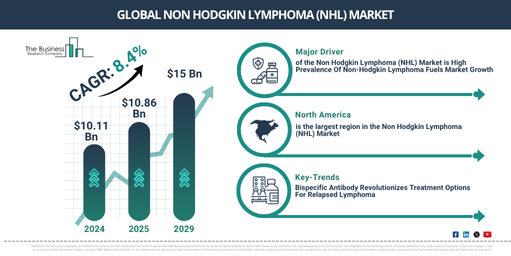
    The market size of non-hodgkin lymphoma (NHL) has seen significant growth in the recent past. It is projected to increase from $10.11 billion in 2024 to $10.86 billion in 2025, reflecting a compound annual growth rate (CAGR) of 7.5%. This growth during the historic period is due to factors such as a higher frequency of NHL cases, advancements in detection methods including chemotherapy and immunotherapy, clinical research, drug development, and enhanced survival rates.

    Anticipated to experience robust expansion in the coming years, the market for non hodgkin lymphoma (NHL) is predicted to extend to “$15 billion by 2029, achieving a compound annual growth rate (CAGR) of 8.4%. Factors contributing to the growth within the forecasted period encompass escalating elderly population, advancements in targeted treatments, breakthroughs in immunotherapy, strategies in precision medicine, enhanced awareness, and early detection. Upcoming trends within the forecast timeline involve the emergence of biosimilars, the incorporation of next-generation sequencing, the utilization of car-t cell therapies, new chemotherapy agents, as well as real-world evidence and progress in outcomes research.

    Download The Free Sample Report Here:

    https://www.thebusinessresearchcompany.com/sample.aspx?id=10676&type=smp

    Which Factor Is Shaping The Future Of The Non Hodgkin Lymphoma (NHL) Market?

    The growth of the non-Hodgkin lymphoma market is anticipated to be driven by the high prevalence of the disease. Non-Hodgkin lymphoma is a cancer that originates within the lymphatic system, an integral part of the body’s immune response. When we discuss the prevalence of non-Hodgkin lymphoma, we refer to the count of individuals in a population who are either recently diagnosed or are currently living with the disease. The treatment available for non-Hodgkin lymphoma plays a crucial role in enhancing life outcomes for those diagnosed by promoting the management and containment of cancer cells. For example, the American Cancer Society, a leading cancer health organization based in the US, stated in January 2023 that non-Hodgkin lymphoma constitutes 4% of all cancer cases. In 2023, around 80,550 Americans, including 44,880 men and 35,670 women, are projected to be impacted by it. The organization also predicts that 20,180 individuals will succumb to the disease in 2023. In May 2022, the Canadian Cancer Society, a prominent national cancer charity in Canada, forecasted that 11,400 Canadians would be diagnosed with non-Hodgkin lymphoma in the year 2022 and that it would lead to the deaths of 3,000 Canadians. Hence, it is the high prevalence of non-Hodgkin lymphoma that is fuelling the growth of the non-Hodgkin lymphoma market.

    The non hodgkin lymphoma (nhl) market covered in this report is segmented –

    1) By Type: B-Cell Lymphoma, T-Cell Lymphoma

    2) By Treatment: Surgery, Stem Cell Transplant, Chemotherapy, Immunotherapy, Targeted Therapy, Radiation Therapy

    3) By Route of Administration: Oral, Parenteral, Other Routes of Administration

    4) By Distribution Channel: Hospital Pharmacy, Retail Pharmacy, Online Pharmacy, Other Distribution Channels

    5) By End-Users: Hospitals, Homecare, Specialty Centers, Other End Users

    Subsegments:

    1) By B-Cell Lymphoma: Diffuse Large B-Cell Lymphoma (DLBCL), Follicular Lymphoma, Chronic Lymphocytic Leukemia (CLL), Mantle Cell Lymphoma, Burkitt Lymphoma, Marginal Zone Lymphoma, Primary Mediastinal B-Cell Lymphoma

    2) By T-Cell Lymphoma: Peripheral T-Cell Lymphoma (PTCL), Anaplastic Large Cell Lymphoma (ALCL), Cutaneous T-Cell Lymphoma (CTCL), T-Cell Lymphoblastic Lymphoma, Adult T-Cell Leukemia/Lymphoma (ATLL)

    What Future Market Trends Are Projected For The Non Hodgkin Lymphoma (NHL) Industry?

    The rise of advancements in drug innovations is a significant trend that is becoming increasingly prevalent in the non-Hodgkin lymphoma market. Companies active in the non-Hodgkin market are putting a strong emphasis on the creation of new products to maintain their market standing. In December 2022, for example, Genentech Inc., a biotechnology firm from the United States, gained FDA approval for Lunsumio, a groundbreaking bispecific antibody used for the treatment of relapsed or refractory follicular lymphoma. This antibody, a novel class of immunotherapy providing fixed-duration cancer treatment, is readily accessible and does not require waiting to receive the treatment. The FDA’s endorsement of Lunsumio is based on the successful results from Phase II GO29781 research involving patients with extensively pretreated FL who are at a high risk of disease progression or unresponsive to previous treatments.

    Which Companies Hold The Largest Market Share In The Non Hodgkin Lymphoma (NHL) Sector?

    Major companies operating in the non hodgkin lymphoma (NHL) market include Bayer AG, Teva Pharmaceutical Industries Ltd., F. Hoffmann La Roche Ltd., Merck & Co. Inc., Eli Lilly and Co., Novartis AG, GlaxoSmithKline plc, AbbVie Inc., AstraZeneca plc, Takeda Pharmaceutical Company Limited, Bristol Myers Squibb Co., Pfizer Inc., Celgene Corporation, Sanofi S.A., Janssen Pharmaceuticals Inc., Johnson & Johnson, Biogen Idec, Boehringer Ingelheim GmbH, Eisai Co. Ltd., Gilead Sciences, Incyte Corporation, Karyopharm Therapeutics, Kite Pharma Inc., Kyowa Hakko Kirin Co. Ltd., MorphoSys AG, Nordic Nanovector ASA, Ono Pharmaceutical Co. Ltd., Seattle Genetics Inc., Spectrum Pharmaceuticals Inc.

    https://www.thebusinessresearchcompany.com/report/non-hodgkin-lymphoma-nhl-global-market-report

    How Does Regional Performance Compare Across The Non Hodgkin Lymphoma (NHL) Industry?

    North America was the largest region in the non-Hodgkin lymphoma (NHL) market in 2024.Asia-Pacific is expected to be the fastest-growing region in the global non-Hodgkin lymphoma (NHL) market report during the forecast period. The regions covered in the non-Hodgkin lymphoma (NHL) market report are Asia-Pacific, Western Europe, Eastern Europe, North America, South America, Middle East, Africa

    Request For A Customized Report:

    https://www.thebusinessresearchcompany.com/customise?id=10676&type=smp

    About The Business Research Company:

    With over 15000+ reports from 27 industries covering 60+ geographies, The Business Research Company has built a reputation for offering comprehensive, data-rich research and insights. Armed with 1,500,000 datasets, the optimistic contribution of in-depth secondary research, and unique insights from industry leaders, you can get the information you need to stay ahead in the game.

    Get in touch with us:

    The Business Research Company: https://www.thebusinessresearchcompany.com/

    Americas +1 310-496-7795

    Asia +44 7882 955267 & +91 8897263534

    Europe +44 7882 955267

    Email us at info@tbrc.info

    Follow us on:

    LinkedIn: https://in.linkedin.com/company/the-business-research-company

    YouTube: https://www.youtube.com/channel/UC24_fI0rV8cR5DxlCpgmyFQ

    Global Market Model: https://www.thebusinessresearchcompany.com/global-market-model
  • Future Demand and Leading Companies Shaping the Neurotoxin Market to 2029

    Future Demand and Leading Companies Shaping the Neurotoxin Market to 2029

    Claim your 30% discount on Global Market Reports with code ONLINE30. Limited time only.

    Claim your 30% discount on Global Market Reports with code ONLINE30. Limited time only.

    What Is the Estimated Industry Valuation for the Neurotoxin Sector?

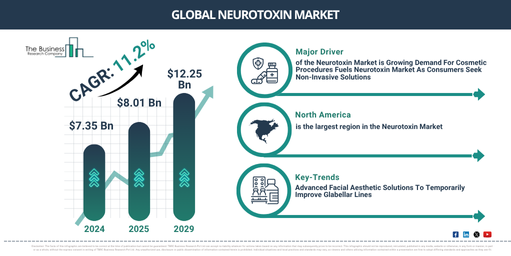
    In the recent past, the neurotoxin market has experienced significant growth. With an increase from $7.35 billion in 2024 to a projected $8.01 billion in 2025, the compound annual growth rate (CAGR) is set at 9.1%. The historic period of growth can be attributed to factors such as an uptick in aesthetic procedures, therapeutic applications, progress in the cosmetic industry, a rise in the aging population, and a growing acceptance of non-invasive procedures.

    The market for neurotoxins is likely to experience substantial expansion in the upcoming years and it is projected to reach “$12.25 billion by 2029 with a compound annual growth rate (CAGR) of 11.2%. This growth in the projected timeframe is due to several factors like the expanded use of neurotoxins in neurology, sustained interest in aesthetic procedures, innovative neurotoxin formulations, heightened consumer consciousness, and growth in cosmetic tourism. The period’s prevailing trends will be the enhancement of drug delivery methods, partnerships for researching and developing neurotoxins, the market’s reaction to regulatory adjustments in the neurotoxin field, the incorporation of neurotoxins in multimodal therapy regimens, emphasis on long-term effects, and patient satisfaction.

    Download The Free Sample Report Here:

    https://www.thebusinessresearchcompany.com/sample.aspx?id=11899&type=smp

    What Forces Are Driving The Growth Of The Neurotoxin Market?

    The neurotoxin market is anticipated to experience significant growth due to the increasing popularity of cosmetic procedures aimed at enhancing appearance. Cosmetic procedures encompass numerous medical treatments and interventions primarily designed to modify or improve one’s physical looks. The cause of this shift can be attributed to societal, technological, and cultural influences as well as awareness of the benefits of undergoing cosmetic procedures. Neurotoxins are commonly utilized in these procedures to relax specific muscles, thereby reducing wrinkles and fine lines. For example, in August 2022, a cosmetic surgery survey by the American Society of Plastic Surgeons, a non-profit plastic surgery specialty organization in the US, indicated that a substantial number of Americans are investing in cosmetic procedures. According to the study, 75% of plastic surgeons in the US have seen an increase in demand for cosmetic procedures and 30% have witnessed their cosmetic procedure businesses doubling in size. As a result, the increased interest in cosmetic procedures for appearance enhancement is fueling the growth of the neurotoxin market.

    The neurotoxin market covered in this report is segmented –

    1) By Product Type: Botox, Dysport, Xeomin, Other Products

    2) By Application: Therapeutic, Aesthetic

    3) By End User: Hospitals, Specialty Clinics, Dermatology Clinics, Other End Users

    Subsegments:

    1) By Botox: Cosmetic Uses, Therapeutic Uses

    2) By Dysport: Cosmetic Applications, Medical Indications

    3) By Xeomin: Cosmetic Treatments, Therapeutic Applications

    4) By Other Products: Jeuveau, Any Emerging Neurotoxins

    Which Trends Are Redefining The Future Landscape Of The Neurotoxin Industry?

    The advancements in facial aesthetic products have emerged as a significant trend in the neurotoxins market. Market players are focusing on the innovation of these aesthetic products to maintain their market presence. To illustrate, Evolus Inc., a medical aesthetics firm based in the US, received endorsement from the Australian Therapeutic Goods Administration (TGA) for Nuceiva (prabotulinumtoxinA) in January 2023. Nuceiva (prabotulinumtoxinA) is a neurotoxin employed for aesthetic purposes, particularly for non-permanent enhancement of moderate glabellar lines in adult patients. It operates by hindering the nerve signals of facial muscles, causing them to relax, thereby diminishing wrinkles caused by facial expressions such as squinting and frowning.

    Which Companies Currently Dominate The Competitive Landscape In The Neurotoxin Industry?

    Major companies operating in the neurotoxin market include AbbVie Inc., Galderma Inc., Ipsen SA, Daewoong Pharmaceutical Co. Ltd., Supernus Pharmaceuticals, Merz Pharma GmbH & Co KGaA, Hugel Inc., Evolus Inc., Medytox Inc., Croma-Pharma GmbH, Revance Therapeutics Inc., US WorldMeds, Gufic Biosciences Ltd., Hironic Co. Ltd., Allergan, List Biological Laboratories, Lanzhou Institute of Biological Products Co. Ltd., Sinclair Pharma, Vida Aesthetics, Aquavit Holdings LLC, PharmaResearch Products Co.Ltd, Entod Pharmaceuticals, Object Pharma Inc.

    https://www.thebusinessresearchcompany.com/report/neurotoxin-global-market-report

    Which Geographic Regions Are Driving Demand In The Neurotoxin Market?

    North America was the largest region in the neurotoxin market in 2024. Asia-Pacific is expected to be the fastest-growing region in the forecast period. The regions covered in the neurotoxin market report are Asia-Pacific, Western Europe, Eastern Europe, North America, South America, Middle East, Africa.

    Request For A Customized Report:

    https://www.thebusinessresearchcompany.com/customise?id=11899&type=smp

    About The Business Research Company:

    With over 15000+ reports from 27 industries covering 60+ geographies, The Business Research Company has built a reputation for offering comprehensive, data-rich research and insights. Armed with 1,500,000 datasets, the optimistic contribution of in-depth secondary research, and unique insights from industry leaders, you can get the information you need to stay ahead in the game.

    Get in touch with us:

    The Business Research Company: https://www.thebusinessresearchcompany.com/

    Americas +1 310-496-7795

    Asia +44 7882 955267 & +91 8897263534

    Europe +44 7882 955267

    Email us at info@tbrc.info

    Follow us on:

    LinkedIn: https://in.linkedin.com/company/the-business-research-company

    YouTube: https://www.youtube.com/channel/UC24_fI0rV8cR5DxlCpgmyFQ

    Global Market Model: https://www.thebusinessresearchcompany.com/global-market-model
  • 2025–2029 Nephrology Drugs Market Outlook: Regional Trends and Growth Forecast

    2025–2029 Nephrology Drugs Market Outlook: Regional Trends and Growth Forecast

    Claim your 30% discount on Global Market Reports with code ONLINE30. Limited time only.

    Claim your 30% discount on Global Market Reports with code ONLINE30. Limited time only.

    How Large Is the Nephrology Drugs Market Expected to Be in 2029?

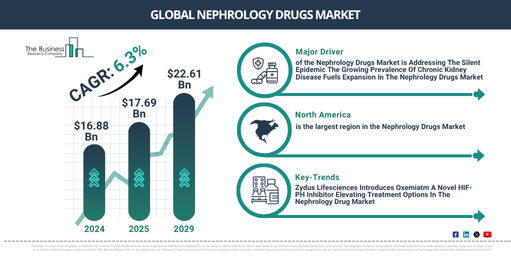
    In recent times, the nephrology drugs market has been experiencing a consistent growth. The market size, which was at $16.88 billion in 2024, is predicted to increase to $17.69 billion in 2025, representing a compound annual growth rate (CAGR) of 4.8%. The growth during the historical period can be linked to the rising occurrence of chronic kidney diseases (CKD), progress in drug development, higher levels of awareness and diagnosis, government interventions, and health policies, along with a growing number of diabetes incidents.

    In the coming years, the nephrology drugs market is anticipated to experience robust growth, increasing to “$22.61 billion by 2029 with a compound annual growth rate (CAGR) of 6.3%. The predicted expansion during this forecast period can be linked to the emergence of new therapies and drug developments, precision and personalized treatment methods, a rise in healthcare spending, the utilization of telehealth and remote patient monitoring, as well as global health endeavors. Key trends expected during this period include strategic alliances and partnerships, innovations in dialysis technology, progress in treatment methodologies, an intensified focus on early detection and intervention, and the adoption of technology in nephrology management.

    Download The Free Sample Report Here:

    https://www.thebusinessresearchcompany.com/sample.aspx?id=10076&type=smp

    What Are The Contributors To Demand In The Nephrology Drugs Market?

    The increasing incidents of chronic kidney disease (CKD) are set to fuel the advancement of the nephrology drugs market, as CKD signifies kidney damage preventing efficient blood filtration. This damage, which tends to develop over a long duration, could lead to wastage accumulation in the body. Nephrology drugs play a key role in CKD treatment to improve kidney functionality and retard the disease, thus keeping it from inflicting further damage. Such factors enhance the appeal of the nephrology drugs market. For instance, the Centers for Disease Control and Prevention (CDC), a health protection agency based in the US, reported in July 2022 that over 37 million people in the US were afflicted with chronic kidney disease, especially prevalent in those aged 65 years or more (38 percent). Similarly, the Kidney Foundation of Canada, a non-profit organization, stated that 4 million Canadians suffer from kidney diseases, with diabetic patients constituting about 35 percent of the cases leading to kidney failure. It’s anticipated that these statistics will increase in the future, which further highlights the potential of chronic kidney disease as a key growth driver for the nephrology drug market.

    The nephrology drugs market covered in this report is segmented –

    1) By Drugs: Antihypertensive Agents, Erythropoiesis-Stimulating Agents, Diuretics, ACE Inhibitors, Antidiabetic Agents, Other Drugs

    2) By Route Of Administration: Oral, Parenteral, Other Route Of Administration

    3) By Distribution Channel: Hospital Pharmacy, Online Pharmacy, Retail Pharmacy

    4) By End User: Hospitals, Homecare, Specialty Clinics, Other End Users

    Subsegments:

    1) By Antihypertensive Agents: Calcium Channel Blockers, Beta-Blockers, Angiotensin II Receptor Blockers (ARBs)

    2) By Erythropoiesis-Stimulating Agents: Epoetin Alfa, Darbepoetin Alfa

    3) By Diuretics: Loop Diuretics, Thiazide Diuretics, Potassium-Sparing Diuretics

    4) By ACE Inhibitors: Lisinopril, Enalapril

    5) By Antidiabetic Agents: Metformin, Insulin

    6) By Other Drugs: Phosphate Binders, Vitamin D Analogues, Renin Inhibitors

    What Notable Trends Are Shaping The Direction Of The Nephrology Drugs Market?

    In the nephrology drug market, the key trend that is rapidly gaining traction is product innovation. To maintain their significant market positions, major companies within this industry are developing new products and drugs. Take for example, in March 2022, India’s pharmaceutical firm Zydus Lifesciences Limited released Oxemia (desidustat) for the treatment of chronic kidney disease (CKD). This drug, an orally administered small-molecule hypoxia-inducible factor-prolyl hydroxylase (HIF-PH) inhibitor, provides a convenient treatment option for anemia and has been approved by India’s Drug Controller General. In phase III clinical trials, it showed promising safety profiles, downregulation of hepcidin, improved iron mobilization and a decrease in LDL-C for patients with chronic kidney disease. Furthermore, its affordable price and ability to improve the patient’s quality of life can potentially alleviate the disease’s impact.

    Who Are The Top-Ranked Companies In The Nephrology Drugs Market Today?

    Major companies operating in the nephrology drugs market include AstraZeneca plc, AbbVie Inc., Akebia Therapeutics Inc., Amgen Inc., F. Hoffmann-La Roche AG, FibroGen Inc., Johnson And Johnson, Pfizer Inc., GlaxoSmithKline plc, Teva Pharmaceutical Industries Limited, Boehringer Ingelheim International GmbH, Reata Pharmaceuticals Inc., Ardelyx Inc., Novo Nordisk A/S, Novartis AG, Baxter International Inc., Bristol Myers Squibb Company, Kissei Pharmaceutical Co. Ltd., Kyowa Kirin Co. Ltd., Mallinckrodt Pharmaceuticals, OPKO Health Inc., Sanofi S.A., Takeda Pharmaceutical Company Limited, Vifor Pharma Group, Bayer AG, Amicus Therapeutics, Chugai Pharmaceutical Co. Ltd., Otsuka Pharmaceutical Co. Ltd., Mylan N.V., Endo Pharmaceuticals plc

    https://www.thebusinessresearchcompany.com/report/nephrology-drugs-global-market-report

    How Is Nephrology Drugs Market Adoption Varying Across Different Regions And Sectors?

    North America was the largest region in the nephrology drug market in 2024.Europe will be the second-largest growing region in the nephrology drug market in 2024. The regions covered in the nephrology drugs market report are Asia-Pacific, Western Europe, Eastern Europe, North America, South America, Middle East, Africa

    Request For A Customized Report:

    https://www.thebusinessresearchcompany.com/customise?id=10076&type=smp

    About The Business Research Company:

    With over 15000+ reports from 27 industries covering 60+ geographies, The Business Research Company has built a reputation for offering comprehensive, data-rich research and insights. Armed with 1,500,000 datasets, the optimistic contribution of in-depth secondary research, and unique insights from industry leaders, you can get the information you need to stay ahead in the game.

    Get in touch with us:

    The Business Research Company: https://www.thebusinessresearchcompany.com/

    Americas +1 310-496-7795

    Asia +44 7882 955267 & +91 8897263534

    Europe +44 7882 955267

    Email us at info@tbrc.info

    Follow us on:

    LinkedIn: https://in.linkedin.com/company/the-business-research-company

    YouTube: https://www.youtube.com/channel/UC24_fI0rV8cR5DxlCpgmyFQ

    Global Market Model: https://www.thebusinessresearchcompany.com/global-market-model
  • Latest Market Developments in Nanotechnology-Based Medical Devices Industry: Forecast 2025–2029

    Latest Market Developments in Nanotechnology-Based Medical Devices Industry: Forecast 2025–2029

    Claim your 30% discount on Global Market Reports with code ONLINE30. Limited time only.

    Claim your 30% discount on Global Market Reports with code ONLINE30. Limited time only.

    What Is the Outlook for the Nanotechnology-Based Medical Devices Market Heading Into 2029?

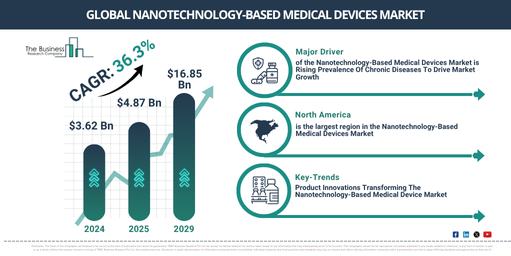
    The market size for nanotechnology-focused medical devices has experienced significant expansion in the previous years. It is projected to increase from $3.62 billion in 2024 to $4.87 billion in 2025, with a compound annual growth rate (CAGR) of 34.6%. The growth observed in the historical period is due to the miniaturization of devices, advancements in materials science, advancements in diagnostic technology, improved imaging methods, and the evolution of personalized medicine.

    The market for nanotechnology-based medical devices is projected to experience immense growth in the coming years, escalating to “$16.85 billion in 2029 at a Compound Annual Growth Rate (CAGR) of 36.3%”. The growth during the prediction period can be linked to factors such as the rise in chronic disease prevalence, improved drug delivery systems, expansion of telemedicine, increase in minimally invasive operations, and emphasis on point-of-care devices. Key trends during the same projection period encompass implantable nanosystems, nano-enabled tissue regeneration, nanoparticle contrast agents for imaging, 3D printing utilizing nanomaterials, and environmentally friendly nanotechnology.

    Download The Free Sample Report Here:

    https://www.thebusinessresearchcompany.com/sample.aspx?id=12268&type=smp

    Which Factors Are Pushing The Nanotechnology-Based Medical Devices Market Forward?

    The growth of the nanotechnology-based medical device market is predicted to be fueled by the escalating prevalence of chronic diseases. Chronic diseases are considered lasting health conditions that require ongoing medical attention and often limit daily activities. They are diagnosed and treated using nanotechnology-based medical devices, which offer enhanced optical strength, antibacterial and antimicrobial functions, bioavailability, surface conjugation, and biocompatibility. For example, the World Health Organization, a specialized agency of the United Nations based in Switzerland, reported that in September 2022, there were 41 million deaths worldwide, or 74% from non-communicable or chronic diseases. These include 17.9 million deaths due to cardiovascular diseases, 9.3 million from cancer, 4.1 million from chronic respiratory diseases, and 2.0 million from diabetes. Therefore, as the prevalence of chronic diseases rises, so does the demand for nanotechnology-based medical devices.

    The nanotechnology-based medical devices market covered in this report is segmented –

    1) By Product: Active Implantable Devices, Biochips, Implantable Materials, Medical Textiles And Wound Dressings, Other Products

    2) By Application: Therapeutic Applications, Diagnostic Applications, Research Applications

    3) By End-Users: Hospitals, Clinics, Other End-Users

    Subsegments:

    1) By Active Implantable Devices: Cardiac Pacemakers, Neurostimulators, Implantable Drug Delivery Systems

    2) By Biochips: Lab-On-A-Chip Devices: DNA Microarrays, Protein Microarrays

    3) By Implantable Materials: Nanocomposite Materials, Biodegradable Polymers, Coatings For Implants

    4) By Medical Textiles And Wound Dressings: Nanofiber Dressings, Antimicrobial Textiles, Smart Textiles For Monitoring

    5) By Other Products: Nanoparticles For Imaging, Diagnostic Devices Incorporating Nanotechnology

    What Upcoming Trends Are Expected To Impact The Nanotechnology-Based Medical Devices Market Globally?

    One defining trend rising in prominence in the nanotechnology-infused medical device market is that of product innovation. Key players in the market are focusing their resources on developing novel products to solidify their market standing. For example, in January 2023, Ended Pharmaceuticals, a pharmaceutical firm based in India, partnered with Nonskin London, a cosmetic research lab located in the UK, to create a nanotechnology-derived eye gel serum under the brand name Eyecare. These products are gel serums utilizing nanotechnology with a nanotechnology-initiated bio-cellular formulation carrying scientifically substantiated, safety-verified, and meticulously selected natural ingredients.

    Which Organizations Are Driving Progress In The Nanotechnology-Based Medical Devices Industry?

    Major companies operating in the nanotechnology-based medical devices market include Johnson & Johnson, General Electric Company, Thermo Fisher Scientific Inc., Abbott Laboratories, 3M Company, Medtronic PLC, Stryker Corporation, DuPont de Nemours Inc., Boston Scientific Corporation, Arkema Group, Zimmer Biomet, Smith And Nephew PLC, Sonova Holding AG, Dentsply Sirona Inc., Perkinelmer Inc., Bruker Corporation, Biotrinik SE & Co. KG, LivaNova Plc, MED-EL, Keystone Nano, Nanonics Imaging Ltd., Imina Technologies SA, Hummingbird Scientific, Blueberry Therapeutics, Cello Therapeutics

    https://www.thebusinessresearchcompany.com/report/nanotechnology-based-medical-devices-global-market-report

    Which Region Is Expected To Experience The Highest Growth In The Nanotechnology-Based Medical Devices Industry?

    North America was the largest region in the nanotechnology-based medical devices market in 2024. Asia-Pacific is expected to be the fastest-growing region in the forecast period. The regions covered in the nanotechnology-based medical devices market report are Asia-Pacific, Western Europe, Eastern Europe, North America, South America, Middle East, Africa.

    Request For A Customized Report:

    https://www.thebusinessresearchcompany.com/customise?id=12268&type=smp

    About The Business Research Company:

    With over 15000+ reports from 27 industries covering 60+ geographies, The Business Research Company has built a reputation for offering comprehensive, data-rich research and insights. Armed with 1,500,000 datasets, the optimistic contribution of in-depth secondary research, and unique insights from industry leaders, you can get the information you need to stay ahead in the game.

    Get in touch with us:

    The Business Research Company: https://www.thebusinessresearchcompany.com/

    Americas +1 310-496-7795

    Asia +44 7882 955267 & +91 8897263534

    Europe +44 7882 955267

    Email us at info@tbrc.info

    Follow us on:

    LinkedIn: https://in.linkedin.com/company/the-business-research-company

    YouTube: https://www.youtube.com/channel/UC24_fI0rV8cR5DxlCpgmyFQ

    Global Market Model: https://www.thebusinessresearchcompany.com/global-market-model
  • Emerging Trends and Growth Drivers in the Myeloproliferative Disorders Drugs Market Through 2029

    Emerging Trends and Growth Drivers in the Myeloproliferative Disorders Drugs Market Through 2029

    Claim your 30% discount on Global Market Reports with code ONLINE30. Limited time only.

    Claim your 30% discount on Global Market Reports with code ONLINE30. Limited time only.

    What Does the Forecast Indicate for the Myeloproliferative Disorders Drugs Market From 2025 to 2029?

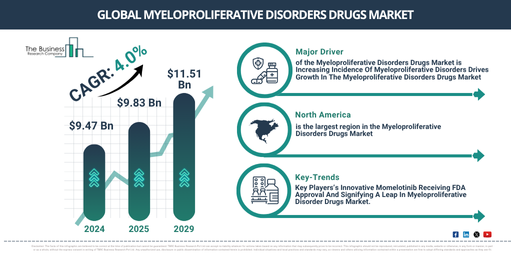
    In recent times, the market for drugs treating myeloproliferative disorders has consistently expanded. It’s projected to increase from $9.47 billion in 2024 to $9.83 billion in 2025, translating to a compound annual growth rate (CAGR) of 3.8%. Factors such as a rise in the occurrence of myeloproliferative disorders, advancements in the knowledge of disease mechanisms, progression in clinical research and drug synthesis, enhancements in diagnosis methods and screening procedures, and patient advocacy and public awareness have spurred growth during the historic period.

    In the coming years, the market for drugs treating myeloproliferative disorders is anticipated to experience consistant growth. It is expected to balloon to “$11.51 billion by 2029 with a 4.0% compound annual growth rate (CAGR). This upward trend in the forecast period can be linked to factors such as an aging population, advancements in precision medicine, the development of new treatment methods, a global interest in rare diseases, government actions, and health care policies. Precision medical approaches, investigational therapy clinical trials, improved symptom management, the growing use of ruxolitinib, and a focus on disease biomarkers are some key trends to be observed in the forecast period.

    Download The Free Sample Report Here:

    https://www.thebusinessresearchcompany.com/sample.aspx?id=10681&type=smp

    What Elements Are Contributing To Growth In The Myeloproliferative Disorders Drugs Market?

    An increase in the number of cases of myeloproliferative disorders is projected to fuel the expansion of the market for drugs targeting these conditions. One or more hematologic cell lines in peripheral blood experience uncontrolled cellular growth in myeloproliferative disorders, setting them apart from acute leukemia. The predominant causes of myeloproliferative disorders are genetic abnormalities, excessive exposure to radiation, electrical wiring, or chemicals, along with the aging population. Drugs for treating myeloproliferative diseases work by blocking the BCR-ABL protein. They achieve this by latching onto the ATP pocket in the active site, which inhibits the downstream phosphorylation of the target protein and aids in the management of the myeloproliferative disorder. For example, the National Institute of Health, a medical research organization based in the US, reported in August 2022 that chronic myelogenous leukemia diagnoses in 2022 were more common in males, with roughly 2.4 new cases per 100,000, as opposed to 1.4 new cases per 100,000 in females. This a notable increase compared to 1.7 new cases per 100,000 population for both genders annually in 2020. Consequently, the upsurge in myeloproliferative disorder cases is influencing the growth of the market for drugs treating these diseases.

    The myeloproliferative disorders drugs market covered in this report is segmented –

    1) By Type: Primary Myelofibrosis, Polycythemia Vera (PV), Essential Thrombocythemia (ET), Chronic Eosinophilic Leukemia Or Hyper eosinophilic Syndrome (HES), Systemic Masto cytosis (SM)

    2) By Drug Type: JAK2 Inhibitors, Anti-Neoplastics, Demethylation Agents, Imatinib Mesylate, Other Drug Types

    3) By Route Of Administration: Oral, Parenteral, Other Routes Of Administration

    4) By Distribution Channel: Hospital Pharmacy, Retail Stores, Drug Stores

    Subsegments:

    1) By Primary Myelofibrosis: JAK Inhibitors, Immunomodulatory Agents, Supportive Care

    2) By Polycythemia Vera (PV): JAK Inhibitors, Hydroxyurea, Phlebotomy, Interferon-alpha

    3) By Essential Thrombocythemia (ET): JAK Inhibitors, Hydroxyurea, Anagrelide, Interferon-alpha

    4) By Chronic Eosinophilic Leukemia or Hyper Eosinophilic Syndrome (HES): Tyrosine Kinase Inhibitors, Corticosteroids, Interferon-alpha

    5) By Systemic Mastocytosis (SM): Tyrosine Kinase Inhibitors, Corticosteroids, Antihistamines, Immunotherapy

    How Are Key Trends Driving Expansion In The Myeloproliferative Disorders Drugs Industry?

    The market for myeloproliferative disorder drugs is witnessing a key trend in product innovation, with leading companies focusing on developing innovative products to consolidate their market presence. Take for example GSK PLC, a pharmaceutical and biotechnology firm hailing from the UK. They announced the FDA’s approval for the drug momelotinib, used for treating primary myelofibrosis, an MPD type, in September 2023. This potentially groundbreaking medication operates uniquely by blocking three pivotal pathways – activin A receptor type I (ACVR1), Janus kinase (JAK) 1, and JAK2. This inhibition of JAK1 and JAK2 might relieve splenomegaly and constitutional symptoms. Moreover, it reduces the elevated circulating hepcidin in myelofibrosis, a contributor to anemia, through the direct inhibition of ACVR1.

    Who Are The Key Contributors To Growth In The Myeloproliferative Disorders Drugs Market?

    Major companies operating in the myeloproliferative disorders drugs market include Novartis AG, Bristol-Myers Squibb Company, Pfizer Inc., Takeda Pharmaceutical Company Limited, Teva Pharmaceutical Industries Ltd., Incyte Corporation, Eli Lilly and Co, F Hoffmann-La Roche Ltd., Mylan NV, Fresenius Kabi AG, Hikma Pharmaceuticals plc, GSK plc, Bayer AG, Sun Pharmaceutical Industries Ltd., Boehringer Ingelheim International Gmbh, Sanofi Aventis Inc., AstraZeneca AB, Apotex Inc, Celgene Co., Gamida Cell Ltd., Geron Co., Promedior Inc., Johnson & Johnson Private Limited, AbbVie Inc., AOP Orphan Pharmaceuticals AG, Astellas Pharma Inc., Biogen Inc., Daiichi Sankyo Chemical Pharma Co. Ltd., Eisai Pharmaceuticals India Pvt. Ltd.

    https://www.thebusinessresearchcompany.com/report/myeloproliferative-disorders-drugs-global-market-report

    Which Region Is Projected To Lead The Myeloproliferative Disorders Drugs Market By 2025?

    North America was the largest region in the myeloproliferative disorder drugs market in 2024.Asia-Pacific is expected to be the fastest-growing region in the global myeloproliferative disorder drugs market report during the forecast period. The regions covered in the myeloproliferative disorders drugs market report are Asia-Pacific, Western Europe, Eastern Europe, North America, South America, Middle East, Africa.

    Request For A Customized Report:

    https://www.thebusinessresearchcompany.com/customise?id=10681&type=smp

    About The Business Research Company:

    With over 15000+ reports from 27 industries covering 60+ geographies, The Business Research Company has built a reputation for offering comprehensive, data-rich research and insights. Armed with 1,500,000 datasets, the optimistic contribution of in-depth secondary research, and unique insights from industry leaders, you can get the information you need to stay ahead in the game.

    Get in touch with us:

    The Business Research Company: https://www.thebusinessresearchcompany.com/

    Americas +1 310-496-7795

    Asia +44 7882 955267 & +91 8897263534

    Europe +44 7882 955267

    Email us at info@tbrc.info

    Follow us on:

    LinkedIn: https://in.linkedin.com/company/the-business-research-company

    YouTube: https://www.youtube.com/channel/UC24_fI0rV8cR5DxlCpgmyFQ

    Global Market Model: https://www.thebusinessresearchcompany.com/global-market-model
  • CAGR of 9.3% Projected for Myelodysplastic Syndrome Drugs Market From 2025 to 2029

    CAGR of 9.3% Projected for Myelodysplastic Syndrome Drugs Market From 2025 to 2029

    Claim your 30% discount on Global Market Reports with code ONLINE30. Limited time only.

    Claim your 30% discount on Global Market Reports with code ONLINE30. Limited time only.

    How Much Is the Global Myelodysplastic Syndrome Drugs Market Valued at Present and by 2029?

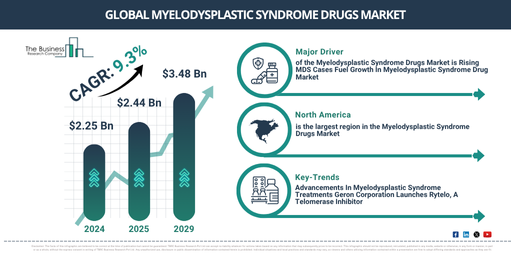
    The market size for drugs treating myelodysplastic syndrome has witnessed robust growth in the recent past. The market is projected to expand from $2.25 billion in 2024 to $2.44 billion in 2025, registering a compound annual growth rate (CAGR) of 8.3%. Several factors have contributed to the growth seen during the historic period, including an aging population, medical advancements in diagnostics, cases of MDS related to chemotherapy, a rise in cancer survivors, and progress in clinical research and drug development.

    In the forthcoming years, the market for myelodysplastic syndrome drugs is predicted to experience robust expansion. It is projected to reach “$3.48 billion by 2029 with a compound annual growth rate (CAGR) of 9.3%. This projected expansion in the forecast period can be ascribed to factors such as increasing elderly population, advancement in target treatments, improved comprehension of disease mechanisms, heightened awareness and early detection, and broadening scope in oncology research. Key developments anticipated during the forecast period encompass optimization of erythropoiesis-stimulating agents, combined therapies, growing emphasis on iron chelation therapy, regulatory approvals and access to the market, as well as patient-centered care models.

    Download The Free Sample Report Here:

    https://www.thebusinessresearchcompany.com/sample.aspx?id=10675&type=smp

    #What Drivers Are Influencing Growth In The Myelodysplastic Syndrome Drugs Market?

    The growth of the myelodysplastic syndrome (MDS) drug market is anticipated to skyrocket in the upcoming years with the rise in MDS incidence. MDS poses as a collective of disorders, characterized by irregular formation and maturation of blood cells within the bone marrow, a type of blood cancer majorly impacting the manufacturing of healthy blood cells. Drugs for myelodysplastic syndrome play a significant role in MDS treatment and include medications that can either suppress or modulate the immune system, reducing the necessity for red blood cell transfusions. As an example, the American Journal of Managed Care, a US-centric magazine, estimated in October 2022, that MDS prevalence in America ranges from 60,000 to 175,000 cases. Thus, the surge in myelodysplastic syndrome incidence is fueling the expansion of the MDS drug market.

    The myelodysplastic syndrome drugs market covered in this report is segmented –

    1) By Therapeutic Class: Immunomodulatory Drugs, Hypomethylating Agents, Anti-anemics

    2) By Type of Syndrome: Refractory Cytopenia With Multilineage Dysplasia, Refractory Anemia, Refractory Anemia With Excess Blasts, Refractory Anemia With Ringed Sideroblasts

    3) By Route of Administration: Oral, Parenteral

    4) By Applications: Original, Generics

    5) By End-User: Hospitals, Clinics, Ambulatory Surgical Centers

    Subsegments:

    1) By Immunomodulatory Drugs: Thalidomide, Lenalidomide, Pomalidomide

    2) By Hypomethylating Agents: Azacitidine, Decitabine, Guadecitabine

    3) By Anti-anemics: Erythropoiesis-Stimulating Agents (ESAs), Iron Supplements, Blood Transfusion Products

    Which Emerging Trends And Strategic Shifts Are Shaping The Myelodysplastic Syndrome Drugs Market?

    Leading businesses in the myelodysplastic syndrome drugs market are focusing on the development of telomerase inhibitors to target the telomerase enzyme. The aim is to decelerate the disease progression by restraining the unregulated division of abnormal cells. The significance of telomerase inhibitors in myelodysplastic syndrome drugs is due to their function – they inhibit the telomerase enzyme, thus curbing the spread of irregular cells, potentially enhancing patient results. For instance, Geron Corporation, an American biotech firm, introduced rytelo (imetelstat), a telomerase inhibitor approved by the FDA for intravenous use in adults diagnosed with low to intermediate-1 risk myelodysplastic syndromes (LR-MDS) and transfusion dependent anemia who are not responding or unsuitable for ESA in June 2024. Rytelo not only provides enduring transfusion independence and elevated hemoglobin levels but also caters to a previously unaddressed need within the myelodysplastic syndrome drugs market, all while maintaining a manageable safety profile.

    Which Companies Play A Key Role In The Development Of The Myelodysplastic Syndrome Drugs Market?

    Major companies operating in the myelodysplastic syndrome drugs market include Amgen Inc., Celgene Corporation, Otsuka Pharmaceutical Co. Ltd., Takeda Pharmaceutical Company Limited, Cipla Limited, Dr. Reddy’s Laboratories Ltd., Lupin Ltd., Onconova Therapeutics Inc., Sun Pharmaceutical Industries Limited, FibroGen Inc., Aprea Therapeutics, Bayer AG, Bristol Myers Squibb, Celator Pharmaceuticals, Crystal Genomics Inc., AbbVie Inc., Astex Pharmaceuticals Inc., Geron Co., Hikma Pharmaceuticals plc, Jazz Pharmaceuticals Inc., Mylan NV, Novartis AG, Sandoz Inc., Syros Pharmaceuticals, Teva Pharmaceutical Industries Ltd., Acceleron Pharma Inc., Agios Pharmaceuticals Inc., Incyte Corporation, Array Biopharma Inc., MEI Pharma Inc.

    https://www.thebusinessresearchcompany.com/report/myelodysplastic-syndrome-drugs-global-market-report

    What Are The Key Regional Developments Shaping The Myelodysplastic Syndrome Drugs Market?

    North America was the largest region in the Myelodysplastic syndrome drugs market in 2024.Asia-Pacific is expected to be the fastest growing region in the global myelodysplastic syndrome drugs market report during the forecast period. The regions covered in the myelodysplastic syndrome drugs market report are Asia-Pacific, Western Europe, Eastern Europe, North America, South America, Middle East, Africa.

    Request For A Customized Report:

    https://www.thebusinessresearchcompany.com/customise?id=10675&type=smp

    About The Business Research Company:

    With over 15000+ reports from 27 industries covering 60+ geographies, The Business Research Company has built a reputation for offering comprehensive, data-rich research and insights. Armed with 1,500,000 datasets, the optimistic contribution of in-depth secondary research, and unique insights from industry leaders, you can get the information you need to stay ahead in the game.

    Get in touch with us:

    The Business Research Company: https://www.thebusinessresearchcompany.com/

    Americas +1 310-496-7795

    Asia +44 7882 955267 & +91 8897263534

    Europe +44 7882 955267

    Email us at info@tbrc.info

    Follow us on:

    LinkedIn: https://in.linkedin.com/company/the-business-research-company

    YouTube: https://www.youtube.com/channel/UC24_fI0rV8cR5DxlCpgmyFQ

    Global Market Model: https://www.thebusinessresearchcompany.com/global-market-model