Month: September 2025

  • Key Market Drivers, Trends, and Forecast for the Global Malaria Treatment Industry

    Key Market Drivers, Trends, and Forecast for the Global Malaria Treatment Industry

    Claim your 30% discount on Global Market Reports with code ONLINE30. Limited time only.

    Claim your 30% discount on Global Market Reports with code ONLINE30. Limited time only.

    What Is the Current and Projected Market Size of the Malaria Treatment Industry?

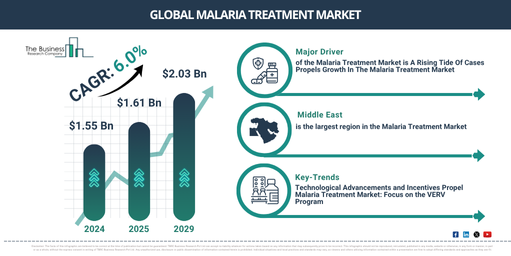
    The size of the malaria treatment market has consistently expanded over the past few years. The market’s growth is projected to increase from $1.55 billion in 2024 to $1.61 billion in 2025, with a compound annual growth rate (CAGR) of 3.9%. The surge observed in the past was a result of the identification of efficient medications, efforts to control mosquito populations, global health campaigns, extensive scientific research, and enhancements in health infrastructure.

    There is an anticipation for robust expansion in the malaria treatment market in the upcoming years, with a projected increase to “$2.03 billion by 2029, coupled with a compound annual growth rate (CAGR) of 6.0%. The anticipated growth during this forecasted period may be due to factors such as drug resistance monitoring, the influence of climate change, advances in precision medicine and genomics, healthcare funding reforms, and the incorporation of digital health solutions. The major trends to watch for during this period include enhanced epidemiological surveillance, the inclusion of alternative medicine, the development of a malaria vaccine, data-informed treatment plans, and initiatives focused on education and training.

    Download The Free Sample Report Here:

    https://www.thebusinessresearchcompany.com/sample.aspx?id=11939&type=smp

    #Which Factors Are Currently Driving The Growth Of The Malaria Treatment Market?

    The growing number of malaria cases is predicted to drive the growth of the malaria treatment market. Malaria, a potentially fatal disease transmitted through the bite of a mosquito carrying the Plasmodium parasite, brings about periodic fever and symptoms similar to the flu. Contributing factors to this trend are poverty, inadequate healthcare access, fluctuations in climate conditions, absence of measures to control malaria, and drug resistance. Effective management and complete eradication of the infection caused by the Plasmodium parasite is possible through malaria treatment. For instance, a report about malaria all over the world in 2023 released by the World Health Organization, an intergovernmental organization based in Switzerland, stated that global malaria cases amounted to 249 million in 2022, marking an increase by five million from the previous year. Consequently, the rising prevalence of malaria is fueling the growth of the malaria treatment market.

    The malaria treatment market covered in this report is segmented –

    1) By Treatment: Prescription Medications, Vaccines, Diagnostic Tests, Other Treatments

    2) By Route Of Administration: Oral, Parenteral, Intravenous

    3) By Distribution Channel: Direct Tender, Hospital Pharmacies, Retail Pharmacies, Online Pharmacies, Other Distribution Channels

    4) By End User: Hospitals, Specialty Clinics, Homecare, Other End Users

    Subsegments:

    1) By Prescription Medications: Antimalarial Drugs, Prophylactic Medications

    2) By Vaccines: RTS,S Or AS01, Other Experimental Vaccines

    3) By Diagnostic Tests: Rapid Diagnostic Tests, Microscopy-Based Tests, Polymerase Chain Reaction (PCR) Tests

    4) By Other Treatments: Supportive Care, Herbal Remedies, Vector Control Measures

    What Trends Are Currently Influencing Growth In The Malaria Treatment Market?

    Significant entities active in the malaria treatment market are advancing technologies like the VERV Program to improve efficiency and effectiveness of diagnosing and managing malaria, with a goal to decrease the disease impact in endemic areas. The VERV Program, an initiative by the EPA, promotes the creation of innovative mosquito control products to counter diseases like malaria, by proposing fast-tracked review vouchers for registration. For example, in December 2023, the Vector Expedited Review Voucher (VERV) Program was introduced by the Environmental Protection Agency (EPA), a US government-based agency. The VERV Program aims to offer financial rewards to businesses that invent new pesticides specifically designed for mosquito strains resistant to conventional insecticides. The program plans to hasten the registration process for eligible products, thus accelerating their market entry.

    Who Are The Main Participants Shaping The Malaria Treatment Market Landscape?

    Major companies operating in the malaria treatment market include Pfizer Inc., Merck & Co., Johnson & Johnson, Roche Holding AG, Bayer AG, Novartis AG, Sanofi SA, AstraZeneca Plc, GlaxoSmithKline PLC., Takeda Pharmaceutical Company Limited, Sumitomo Chemical Co. Ltd., Viatris Inc., Eisai Co. Ltd., Sun Pharmaceutical Industries Ltd., Serum Institute of India, Cipla Ltd., Amneal Pharmaceuticals LLC, Lupin Ltd., Zydus Lifesciences Limited, Ipca Laboratories Ltd., Chongqing Holley Pharmaceutical Co. Ltd., Zydus Lifesciences Ltd., Medicines Sans Frontières, Strides Pharma Science Limited, Swiss Tropical and Public Health Institute (Swiss TPH), AdvaCare Pharma USA LLC, Medicines for Malaria Venture (MMV), VLP Therapeutics LLC, Actiza Pharmaceutical Private Limited

    https://www.thebusinessresearchcompany.com/report/malaria-treatment-global-market-report

    Which Region Currently Holds The Largest Share In The Malaria Treatment Market?

    Middle East and Africa was the largest region in the malaria treatment market in 2024. Asia-Pacific is expected to be the fastest-growing region in the forecast period. The regions covered in the malaria treatment market report are Asia-Pacific, Western Europe, Eastern Europe, North America, South America, Middle East, Africa.

    Request For A Customized Report:

    https://www.thebusinessresearchcompany.com/customise?id=11939&type=smp

    About The Business Research Company:

    With over 15000+ reports from 27 industries covering 60+ geographies, The Business Research Company has built a reputation for offering comprehensive, data-rich research and insights. Armed with 1,500,000 datasets, the optimistic contribution of in-depth secondary research, and unique insights from industry leaders, you can get the information you need to stay ahead in the game.

    Get in touch with us:

    The Business Research Company: https://www.thebusinessresearchcompany.com/

    Americas +1 310-496-7795

    Asia +44 7882 955267 & +91 8897263534

    Europe +44 7882 955267

    Email us at info@tbrc.info

    Follow us on:

    LinkedIn: https://in.linkedin.com/company/the-business-research-company

    YouTube: https://www.youtube.com/channel/UC24_fI0rV8cR5DxlCpgmyFQ

    Global Market Model: https://www.thebusinessresearchcompany.com/global-market-model
  • Strategic Report on Lysosomal Disease Treatment Market: Growth Opportunities and Emerging Challenges

    Strategic Report on Lysosomal Disease Treatment Market: Growth Opportunities and Emerging Challenges

    Claim your 30% discount on Global Market Reports with code ONLINE30. Limited time only.

    Claim your 30% discount on Global Market Reports with code ONLINE30. Limited time only.

    How Will the Lysosomal Disease Treatment Market Evolve in Terms of Growth and Size by 2029?

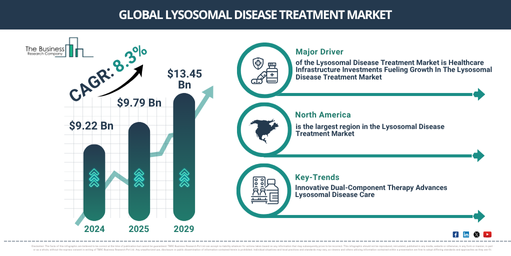
    The market for lysosomal disease treatment has seen a significant expansion in the recent past. The market value is expected to increase from $9.22 billion in 2024 to $9.79 billion in 2025, with a compound annual growth rate (CAGR) of 6.2%. Factors contributing to the growth during the historical period include advancements in therapy methods, increased knowledge and awareness, heightened clinical trials and research initiative, improved diagnostic equipment, and the onset of newborn screening programs.

    Expectations for the lysosomal disease treatment market size show robust increases in the upcoming years. It is projected to expand to “$13.45 billion in 2029,” growing at a compound annual growth rate (CAGR) of “8.3%”. This optimism in the estimated period is due to advances in gene therapy, ongoing improvements in enzyme replacement therapy (ERT), widening of new therapeutic regimes, intensified screenings and early detection programs, as well as investment in R&D. The expected scenery within the forecast period is likely to feature progress in enzyme replacement therapy (ERT), breakthroughs in gene therapy, the evolution of chaperone treatment, substrate reduction therapy (SRT), and an increased emphasis on newborn screening programs.

    Download The Free Sample Report Here:

    https://www.thebusinessresearchcompany.com/sample.aspx?id=10482&type=smp

    What factors are expected to fuel Lysosomal Disease Treatment market growth in the coming years?

    The enhancement of healthcare infrastructure through increased financial investment is anticipated to spur the lysosomal disease treatment market’s development. The injection of funds into healthcare infrastructure is typified by the allocation of monies to support the building, upkeep and betterment of healthcare facilities, equipment, and services. An upswing in investments in the healthcare sector, specifically referring to lysosomal disease treatment, can yield substantial positive outcomes for patient healthcare, progressive research, and overall healthcare efficiency. For instance, The Moscow Times, a Russian online newspaper source, cites that there is a federal modernization project in Russian’s primary healthcare system poised to invest 88.8 billion rubles ($910 million) in 2023 and a substantial 550 billion rubles ($5.7 billion) for the span of 2023-25. Hence, the surging investment in healthcare infrastructure is fuelling the expansion of the lysosomal disease treatment market.

    The lysosomal disease treatment market covered in this report is segmented –

    1) By Disease Type: Mucopolysaccharidosis, Pompe Syndrome, Fabry Diseases, Gaucher’s Disease, Other Disease Types

    2) By Therapy: Substrate Reduction Therapy, Stem Cell Therapy, Enzyme Replacement Therapy, Other Therapies

    3) By Route Of Administration: Oral, Parenteral, Other Routes Of Administration

    4) By End User: Hospitals, Specialty Clinics, Homecare, Other End Users

    Subsegments:

    1) By Mucopolysaccharidosis: MPS I (Hurler Syndrome), MPS II (Hunter Syndrome), MPS III (Sanfilippo Syndrome), MPS IV (Morquio Syndrome), MPS VI (Maroteaux-Lamy Syndrome), MPS VII (Sly Syndrome)

    2) By Pompe Syndrome: Late-Onset Pompe Disease, Infantile-Onset Pompe Disease

    3) By Fabry Disease: Classic Fabry Disease, Late-Onset Fabry Disease

    4) By Gaucher’s Disease: Type 1 Gaucher Disease, Type 2 Gaucher Disease, Type 3 Gaucher Disease

    5) Other Disease Types: Niemann-Pick Disease, Krabbe Disease, Tay-Sachs Disease

    What Long-Term Trends Are Likely To Affect The Lysosomal Disease Treatment Market?

    Leading businesses in the lysosomal disease treatment market are prioritizing the development of novel strategies, such as dual-component therapy. This approach aims to boost enzyme replacement and enhance muscle function in patients. Dual-component therapy is a process combining two compatible drugs or agents to augment the overall therapeutic effectiveness for a specific disease. For instance, Amicus Therapeutics, a US biotech firm, announced in September 2023 that Pombiliti (cipaglucosidase alfa-atga) and Opfolda (miglustat) 65 mg capsules received approval from the U.S. Food and Drug Administration (FDA). These are designed as a dual-component therapy for late-onset Pompe disease treatment- a severe lysosomal disorder with glycogen accumulation resulting from enzyme deficiency. This paired approach escalates enzyme absorption in muscle cells and stabilizes the enzyme in the bloodstream, thereby enhancing musculoskeletal strength and respiratory function in patients unresponsive to existing treatments. Clinical studies indicate that this innovative method could provide substantial benefits by addressing unmet patient needs in managing this devastating disease.

    What Are The Most Active Companies In The Lysosomal Disease Treatment Market Today?

    Major companies operating in the lysosomal disease treatment market include Eli Lilly and Company, Takeda Pharmaceutical Company Limited, Sanofi SA, Pfizer Inc., Novartis International AG, Johnson & Johnson Services Inc., Alexion Pharmaceuticals Inc., Amicus Therapeutics Inc., Actelion Pharmaceuticals Ltd., Sigilon Therapeutics Inc., BioMarin Pharmaceutical Inc., Merck & Co Inc., AstraZeneca PLC, Astellas Pharma Inc., Horizon Therapeutics plc, Leadient Biosciences Inc., Orphazyme A/S, Recordati Industria Chimica e Farmaceutica S.p.A., Valerion Therapeutics Llc, Viatris Inc., Chiese Farmaceutici SpA, Genzyme Corporation, Ultragenyx Pharmaceutical Inc., Sangamo Therapeutics Inc., Avrobio Inc., Axovant Gene Therapies Ltd., Regenxbio Inc., Krystal Biotech Inc., Homology Medicines Inc., Orchard Therapeutics plc, Sarepta Therapeutics Inc., Solid Biosciences Inc.

    https://www.thebusinessresearchcompany.com/report/lysosomal-disease-treatment-global-market-report

    Which Regional Markets Are Attracting The Most Investment In Lysosomal Disease Treatment?

    North America was the largest region in the lysosomal disease treatment market in 2024.Europe is expected to be the fastest-growing region in the global lysosomal disease treatment market report during the forecast period. The regions covered in the lysosomal disease treatment market report are Asia-Pacific, Western Europe, Eastern Europe, North America, South America, Middle East, Africa

    Request For A Customized Report:

    https://www.thebusinessresearchcompany.com/customise?id=10482&type=smp

    About The Business Research Company:

    With over 15000+ reports from 27 industries covering 60+ geographies, The Business Research Company has built a reputation for offering comprehensive, data-rich research and insights. Armed with 1,500,000 datasets, the optimistic contribution of in-depth secondary research, and unique insights from industry leaders, you can get the information you need to stay ahead in the game.

    Get in touch with us:

    The Business Research Company: https://www.thebusinessresearchcompany.com/

    Americas +1 310-496-7795

    Asia +44 7882 955267 & +91 8897263534

    Europe +44 7882 955267

    Email us at info@tbrc.info

    Follow us on:

    LinkedIn: https://in.linkedin.com/company/the-business-research-company

    YouTube: https://www.youtube.com/channel/UC24_fI0rV8cR5DxlCpgmyFQ

    Global Market Model: https://www.thebusinessresearchcompany.com/global-market-model
  • Industry Trends Show Lyophilized Injectable Drugs Market Set to Expand at 3.8% CAGR Until 2029

    Industry Trends Show Lyophilized Injectable Drugs Market Set to Expand at 3.8% CAGR Until 2029

    Claim your 30% discount on Global Market Reports with code ONLINE30. Limited time only.

    Claim your 30% discount on Global Market Reports with code ONLINE30. Limited time only.

    What CAGR Is Anticipated for the Lyophilized Injectable Drugs Market Through 2029?

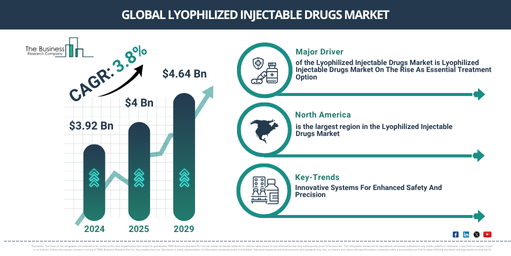
    The market size for lyophilized injectable medicines has been on a consistent growth path in the last few years. It is expected to increase from $3.92 billion in 2024 to $4 billion in 2025, with a compound annual growth rate (CAGR) of 2.1%. The historic progress of the market is linked to a surge in chronic diseases, the expansion of the biopharmaceutical sector, an increased elderly population, clinical improvements and trials, as well as the internationalization of pharmaceutical production.

    The market for lyophilized injectable drugs is projected to experience stable growth in the upcoming years. Its value will ascend to “$4.64 billion in 2029 at a compound annual growth rate (CAGR) of 3.8%.The expansion during the projected period can be credited to the surge in personalized medicine, the widening of the biologics pipeline, global health readiness, demand for exclusive drugs, and an enhanced focus on patient compliance. Key trends for the forecasted period encompass advancements in lyophilized combination therapies, growth of lyophilized vaccines, adoption of quality-by-design (QBD) principles, use of lyophilized drugs in immediate medical care, and regulatory focus on lyophilization process validation.

    Download The Free Sample Report Here:

    https://www.thebusinessresearchcompany.com/sample.aspx?id=11896&type=smp

    What Market Forces Are Driving The Lyophilized Injectable Drugs Sector In 2025 And Beyond?

    The escalating occurrence of cardiac disorders is projected to drive the expansion of the lyophilized injectable drugs market in the future. Cardiac disorders encompass a broad spectrum of health conditions impacting the heart’s structure and function, including its valves, chambers, blood arteries, electrical system, and overall pumping ability. Lyophilized injectable drugs, including thrombolytic agents, antiarrhythmic medications, inotropic agents, and antihypertensive medications, are commonly employed in treating various cardiac disorders. They offer benefits like stability, ease of use, flexibility, quick reconstitution, enhanced bioavailability, and less contamination risk. For instance, data from the British Heart Foundation, a UK-based cardiovascular research charity, revealed in September 2024 that about 7.6 million people in the UK – approximately 4 million males and 3.6 million females – live with heart and circulatory diseases. These conditions contribute to approximately 27% of all UK deaths, amounting to over 170,000 deaths each year, or around 480 deaths daily, essentially one death every three minutes. Consequently, the expanding occurrence of cardiac disorders stimulates the growth of the lyophilized injectable drugs market in the predicted period.

    The lyophilized injectable drugs market covered in this report is segmented –

    1) By Packaging Type: Specialty Packaging, Point-Of-Care Reconstitution, Single-Use Vials, Other Packaging Types.

    2) By Type of Delivery: Single-Step Devices, Multi-Step Devices, Prefilled Diluent Syringes, Proprietary Reconstitution Devices.

    3) By Indication: Infectious Diseases, Autoimmune Diseases, Metabolic Conditions, Other Indications.

    4) By End-User: Hospitals, Ambulatory Surgery Centers (ASCs), Specialty Clinics, Other End-Users.

    Subsegments:

    1) By Specialty Packaging: Dual-Chamber Systems, Prefilled Syringes

    2) By Point-Of-Care Reconstitution: Portable Reconstitution Devices, Ready-To-Use Kits

    3) By Single-Use Vials: Glass Vials, Plastic Vials

    4) By Other Packaging Types: Multi-Dose Vials, Blister Packs, Bulk Packaging Solutions

    What Future Market Trends Are Projected For The Lyophilized Injectable Drugs Industry?

    Product advancements are a critical trend picking up steam in the lyophilized injectable drug market. Main businesses active in the lyophilized injectable drug market are developing novel drug delivery mechanisms to enhance their market profitability. For instance, in June 2022, Gufic Biosciences Ltd., a pharmaceutical company based in India, unveiled the Dual Chamber Bags (DCB). These bags play a vital role in the market for lyophilized injectable drugs as they facilitate the reconstitution of lyophilized medications. The usage of DCBs offers several advantages such as decreasing the likelihood of bloodstream infections, ensuring patient safety, and preventing prescription errors.

    Which Firms Are Considered Leaders In The Lyophilized Injectable Drugs Market Space?

    Major companies operating in the lyophilized injectable drugs market include Pfizer Inc., Hoffmann-La Roche Ltd, Merck & Co Inc., Sanofi SA, Novo Nordisk A/S, Becton Dickinson and Company, Baxter International Inc., Sandoz, Nipro Corporation, B. Braun SE, Aurobindo Pharmaceuticals, Schott AG, Zydus Lifesciences, Recipharm AB, Vetter Pharma-Fertigung GmbH & Co. KG, Fresenius Kabi USA LLC, Vetter Pharma-Fertigung GmbH & Co. KG, CordenPharma International, Aristopharma Limited., Accord Healthcare, Jubilant HollisterStier LLC, Ciron Drugs & Pharmaceuticals Pvt Ltd., MSN Laboratories, Qilu pharmaceutical Co Ltd., Genex Pharma

    https://www.thebusinessresearchcompany.com/report/lyophilized-injectable-drugs-global-market-report

    What Role Do Regional Policies And Investments Play In Lyophilized Injectable Drugs Market Expansion?

    North America was the largest region in the lyophilized injectable drugs market in 2024. Asia-Pacific is expected to be the fastest-growing region in the forecast period. The regions covered in the lyophilized injectable drugs market report are Asia-Pacific, Western Europe, Eastern Europe, North America, South America, Middle East, Africa.

    Request For A Customized Report:

    https://www.thebusinessresearchcompany.com/customise?id=11896&type=smp

    About The Business Research Company:

    With over 15000+ reports from 27 industries covering 60+ geographies, The Business Research Company has built a reputation for offering comprehensive, data-rich research and insights. Armed with 1,500,000 datasets, the optimistic contribution of in-depth secondary research, and unique insights from industry leaders, you can get the information you need to stay ahead in the game.

    Get in touch with us:

    The Business Research Company: https://www.thebusinessresearchcompany.com/

    Americas +1 310-496-7795

    Asia +44 7882 955267 & +91 8897263534

    Europe +44 7882 955267

    Email us at info@tbrc.info

    Follow us on:

    LinkedIn: https://in.linkedin.com/company/the-business-research-company

    YouTube: https://www.youtube.com/channel/UC24_fI0rV8cR5DxlCpgmyFQ

    Global Market Model: https://www.thebusinessresearchcompany.com/global-market-model
  • Competitive and Market Trend Analysis of Levofloxacin Industry Through 2029

    Competitive and Market Trend Analysis of Levofloxacin Industry Through 2029

    Claim your 30% discount on Global Market Reports with code ONLINE30. Limited time only.

    Claim your 30% discount on Global Market Reports with code ONLINE30. Limited time only.

    What Are the Latest Market Insights for the Levofloxacin Industry?

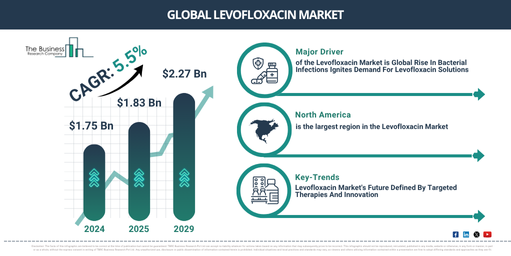
    The size of the levofloxacin market has been experiencing a consistent expansion over the past few years. The projected growth from $1.75 billion in 2024 to $1.83 billion in 2025 is expected at a compound annual growth rate (CAGR) of 4.5%. The rise during the historical period is due to increased demand for antibiotics, a higher number of respiratory tract infections, a surge in skin and soft tissue infections, and the emergence of strains resistant to multiple drugs.

    Predictions for the future indicate a significant surge in the levofloxacin market size in the upcoming years. The projections suggest an increase to “$2.27 billion by 2029, along with a compound annual growth rate (CAGR) of 5.5%. This progression during the forecast period is attributed to factors such as the growing aged population, rise in respiratory infection cases, increased prevalence of urinary tract infections, spread of antibiotic resistance on a global scale and the broadening of surgical procedures. In the same forecast span, the key trends forecasted are the increasing use in treating urinary tract infections (UTIs), explorations into combined therapies, constant safety profile monitoring, a shift towards outpatient prescriptions, and a worldwide preparedness for infectious diseases.

    Download The Free Sample Report Here:

    https://www.thebusinessresearchcompany.com/sample.aspx?id=10856&type=smp

    What Forces Are Driving The Growth Of The Levofloxacin Industry?

    The levofloxacin market is predicted to experience growth propelled by an escalating number of bacterial infections. Diseases caused by bacteria, which are microscopic, single-celled organisms that infiltrate the body, are known as bacterial infections. Levofloxacin aids in the mitigation of bacterial infections like strep throat, tuberculosis, whooping cough, among others, by inhibiting DNA topoisomerases, thus interfering with DNA synthesis. For example, the UK Health Security Agency, a government institution based in the UK, released a report in February 2024 stating that tuberculosis cases in England observed a 10.7% increase in 2023 with 4,850 cases, compared to 2022’s 4,380 cases. This progressing incidence of bacterial infections is spurring the growth of the levofloxacin market.

    The levofloxacin market covered in this report is segmented –

    1) By Type: 250 Mg Tablets, 500 Mg Tablets, 750 Mg Tablets

    2) By Distribution Channel: Hospital Pharmacies, Retail Pharmacies, Online Pharmacies

    3) By Application: Pneumonia, Skin Infection, Kidney Infection, Bladder Infection, Other Applications

    Subsegments:

    1) By 250 Mg Tablets: Generic 250 Mg Tablets, Branded 250 Mg Tablets

    2) By 500 Mg Tablets: Generic 500 Mg Tablets, Branded 500 Mg Tablets

    3) By 750 Mg Tablets: Generic 750 Mg Tablets, Branded 750 Mg Tablets

    Which Trends Are Redefining The Future Landscape Of The Levofloxacin Industry?

    The levofloxacin market is experiencing a notable shift towards advanced and personalized therapies. The prominent organizations operating in the market are strategizing towards product innovation to enhance their competitiveness and consolidate their market standing. For example, Santen Pharmaceutical, a pharmaceutical and medical device organization based in Japan, unveiled Ducressa in February 2022. This new product is a fixed-dose combination (FDC) of levofloxacin and dexamethasone eye drops, specifically formulated for the prevention and management of inflammation and infection occurring due to cataract surgery in adults. Levofloxacin, a comprehensive spectrum antibiotic incorporated in this prophylactic treatment, successfully reduces antibiotic exposure by 50%, thus adhering to the worldwide initiative against antibiotic resistance.

    Who Are The Primary Players Operating Across The Global Levofloxacin Market?

    Major companies operating in the levofloxacin market include Zydus Lifesciences Limited, Dr. Reddy’s Laboratories Limited, Lupin Limited, Pax Healthcare, Aden Healthcare, Allenge India Pharmaceuticals Private Limited, Alna Biotech Private Limited, Bestochem Formulations Limited, Divine Savior Healthcare Private Limited, Glenmark Pharmaceuticals Limited, Cipla Limited, Alkem Laboratories Ltd., Sanofi S.A., Pfizer Inc., Sun Pharmaceutical Industries Ltd., Unichem Laboratories, Macleods Pharmaceuticals Ltd., Aurobindo Pharma Ltd., Torrent Pharmaceuticals Ltd., Alembic Pharmaceuticals, Jubilant Pharmova Limited , Wockhardt, Hetero Drugs, Sandoz Group AG, Mankind Pharma, Intas Pharmaceuticals Ltd., Strides Pharma Science Ltd., Divis Laboratories Ltd., Ajanta Pharma Ltd., Panacea Biotec Limited

    https://www.thebusinessresearchcompany.com/report/levofloxacin-global-market-report

    Which Region Offers The Most Growth Potential For The Levofloxacin Market Through 2029?

    North America was the largest region in the global levofloxacin market in 2024.Asia-Pacific is expected to be the fastest-growing region in the forecast period. The regions covered in the levofloxacin market report are Asia-Pacific, Western Europe, Eastern Europe, North America, South America, Middle East, Africa

    Request For A Customized Report:

    https://www.thebusinessresearchcompany.com/customise?id=10856&type=smp

    About The Business Research Company:

    With over 15000+ reports from 27 industries covering 60+ geographies, The Business Research Company has built a reputation for offering comprehensive, data-rich research and insights. Armed with 1,500,000 datasets, the optimistic contribution of in-depth secondary research, and unique insights from industry leaders, you can get the information you need to stay ahead in the game.

    Get in touch with us:

    The Business Research Company: https://www.thebusinessresearchcompany.com/

    Americas +1 310-496-7795

    Asia +44 7882 955267 & +91 8897263534

    Europe +44 7882 955267

    Email us at info@tbrc.info

    Follow us on:

    LinkedIn: https://in.linkedin.com/company/the-business-research-company

    YouTube: https://www.youtube.com/channel/UC24_fI0rV8cR5DxlCpgmyFQ

    Global Market Model: https://www.thebusinessresearchcompany.com/global-market-model
  • Global Late Stage Chronic Kidney Disease Drugs Market Landscape: Trends and Market Share to 2029

    Global Late Stage Chronic Kidney Disease Drugs Market Landscape: Trends and Market Share to 2029

    Claim your 30% discount on Global Market Reports with code ONLINE30. Limited time only.

    Claim your 30% discount on Global Market Reports with code ONLINE30. Limited time only.

    What Are the Forecasted Growth Rate and Market Size of the Late Stage Chronic Kidney Disease Drugs Market?

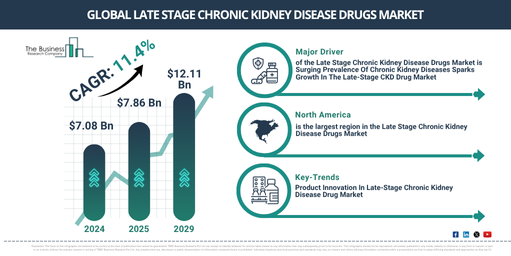
    There has been substantial growth in the market size for late stage chronic kidney disease drugs in recent years. The value is expected to surge from $7.08 billion in 2024, to $7.86 billion in 2025, indicating a compound annual growth rate (CAGR) of 11.1%. Numerous factors account for the growth experienced in the historic period, such as enhanced diagnostic resources, growing elderly population, a rise in diabetes and hypertension cases, increased awareness about kidney diseases, and the broadening scope of pharmaceutical research and development.

    The market for late stage chronic kidney disease drugs is set to witness remarkable growth in the upcoming years, projecting it to reach a valuation of ” $12.11 billion in 2029 with a compound annual growth rate (CAGR) of 11.4%. The anticipated surge in this period is attributed to an increase in healthcare spending, the uptake of precision medicine methods, a heightened focus on regenerative medicine, a rising accentuation on patient-desired care, and global kidney disease awareness initiatives. The forthcoming period is likely to see trends like the broadening of regenerative medicine therapies, the upward trajectory of telemedicine services for managing CKD, the creation of combined therapy solutions, emphasis on strategies for early intervention, and growing fascination in biomarker-based diagnostics.

    Download The Free Sample Report Here:

    https://www.thebusinessresearchcompany.com/sample.aspx?id=12196&type=smp

    Which Factor Is Shaping The Future Of The Late Stage Chronic Kidney Disease Drugs Market?

    The late-stage chronic kidney disease drug market is forecasted to grow due to the widespread occurrence of chronic kidney diseases. Chronic kidney ailments encompass various conditions that impair the kidneys’ structure and function. Medicines for late-stage chronic kidney disease work to manage blood pressure and minimize protein loss, thus slowing kidney disease progression, managing symptoms and preventing adverse outcomes. As an illustration, the Centers for Disease Control and Prevention (CDC), a health agency based in the US, reported in May 2024 that roughly 14% of U.S. adults, equivalent to about 35.5 million people, are thought to be living with chronic kidney diseases. Thus, this high prevalence is fueling the expansion of the market for late-stage chronic kidney disease drugs.

    The late stage chronic kidney disease drugs market covered in this report is segmented –

    1) By Product Type: Calcimimetics, Vitamin D, Sterols, Potassium Binders, Calcium-Based Phosphate Binders

    2) By Indication Type: Late Stage Chronic Kidney Disease Induced Hyperparathyroidism, Late Stage Chronic Kidney Disease Induced Hyperphosphatemia, Late Stage Chronic Kidney Disease Induced Hyperkalemia

    3) By Distribution Channel: Hospital Pharmacies, Online Pharmacies, Retail Pharmacies

    Subsegments:

    1) By Calcimimetics: Cinacalcet, Etelcalcetide

    2) By Vitamin D: Calcitriol, Doxercalciferol, Paricalcitol

    3) By Sterols: Ergocalciferol, Cholecalciferol

    4) By Potassium Binders: Sodium Polystyrene Sulfonate, Patiromer, Sodium Zirconium Cyclosilicate

    5) By Calcium-Based Phosphate Binders: Calcium Acetate, Calcium Carbonate

    What Notable Trends Are Shaping The Direction Of The Late Stage Chronic Kidney Disease Drugs Market?

    The emergence of product innovation as a leading trend in the late-stage chronic kidney disease drug market is gaining prominence. Major players in this market are churning out innovative drug products to cement their market position. For instance, Bayer, a pharmaceutical and biotechnology corporation based in Germany, introduced a new product, Kerendia (finerenone), to the Indian market in February 2022. Finerenone, a first-class non-steroidal and selective mineralocorticoid receptor antagonist, is recommended for type two diabetes and chronic renal disease patients. It operates by inhibiting excessive activation of the mineralocorticoid receptor, which is believed to contribute to the development of chronic kidney disease and cardiovascular damage.

    Which Companies Hold The Largest Market Share In The Late Stage Chronic Kidney Disease Drugs Sector?

    Major companies operating in the late stage chronic kidney disease drugs market include Pfizer Inc., Johnson & Johnson, AbbVie Inc., Bayer AG, Novartis AG, Sanofi SA, Bristol-Myers Squibb Company, AstraZeneca plc, Eli Lilly and Company, C.H. Boehringer Sohn AG & Co. KG, Amgen Inc., Novo Nordisk A/S, Teva Pharmaceutical Industries Ltd., Otsuka Pharmaceutical Co. Ltd., Takeda Pharmaceutical Company Limited, Kyowa Kirin Co Ltd., OPKO Health Inc., Evotec SE, Ionis Pharmaceuticals Inc., Akebia Therapeutics Inc., Ardelyx Inc., Concert Pharmaceuticals Inc., Pharmaxis Limited, Deltanoid Pharmaceuticals Inc., Liminal BioSciences Inc., Chinook Therapeutics Inc., Allena Pharmaceuticals Inc, Shield Therapeutics Plc

    https://www.thebusinessresearchcompany.com/report/late-stage-chronic-kidney-disease-drugs-global-market-report

    How Does Regional Performance Compare Across The Late Stage Chronic Kidney Disease Drugs Industry?

    North America was the largest region in the late-stage chronic kidney disease drugs market in 2024. The regions covered in the late-stage chronic kidney disease drugs market report are Asia-Pacific, Western Europe, Eastern Europe, North America, South America, Middle East, Africa.

    Request For A Customized Report:

    https://www.thebusinessresearchcompany.com/customise?id=12196&type=smp

    About The Business Research Company:

    With over 15000+ reports from 27 industries covering 60+ geographies, The Business Research Company has built a reputation for offering comprehensive, data-rich research and insights. Armed with 1,500,000 datasets, the optimistic contribution of in-depth secondary research, and unique insights from industry leaders, you can get the information you need to stay ahead in the game.

    Get in touch with us:

    The Business Research Company: https://www.thebusinessresearchcompany.com/

    Americas +1 310-496-7795

    Asia +44 7882 955267 & +91 8897263534

    Europe +44 7882 955267

    Email us at info@tbrc.info

    Follow us on:

    LinkedIn: https://in.linkedin.com/company/the-business-research-company

    YouTube: https://www.youtube.com/channel/UC24_fI0rV8cR5DxlCpgmyFQ

    Global Market Model: https://www.thebusinessresearchcompany.com/global-market-model
  • Comprehensive Forecast: Janus Kinase (JAK) Inhibitors Market Share, Growth, and Opportunities Through 2029

    Comprehensive Forecast: Janus Kinase (JAK) Inhibitors Market Share, Growth, and Opportunities Through 2029

    Claim your 30% discount on Global Market Reports with code ONLINE30. Limited time only.

    Claim your 30% discount on Global Market Reports with code ONLINE30. Limited time only.

    What Is the Estimated Industry Valuation for the Janus Kinase (JAK) Inhibitors Sector?

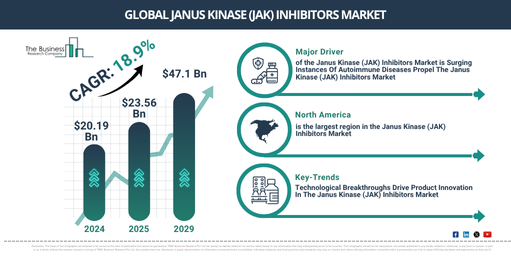
    The market size for Janus kinase (JAK) inhibitors has experienced a fast-paced expansion in recent years. The projected growth is from $20.19 billion in 2024 to $23.56 billion in 2025, demonstrating a compound annual growth rate (CAGR) of 16.6%. This significant increase throughout the historic period owes itself to factors such as a newfound understanding of the role of jak-stat signaling pathway in diseases, a rise in autoimmune disorders, unfulfilled medical necessities in rheumatology and dermatology, the progression of targeted therapies for inflammatory conditions, and enhancements in diagnostic capabilities for autoimmune diseases.

    The market for Janus kinase (JAK) inhibitors is expected to experience a significant surge in the coming years, with predictions suggesting it will reach “$47.1 billion in 2029 at a compound annual growth rate (CAGR) of 18.9%.” Factors contributing to this anticipated growth during the forecast period include advancements in biopharmaceutical research and development, regulatory approvals for JAK inhibitors in particular indications, increased clinical trials involving JAK inhibitor drugs, advancements in personalized and precision medicine, usage of JAK inhibitors in conjunction with other therapies, and the incorporation of digital health technologies into autoimmune care. Key trends during the forecast period consist of concentration on creating novel selective JAK inhibitors for improved safety profiles, the creation of JAK inhibitors with extended-release formulations, the use of artificial intelligence in the discovery of JAK inhibitor drugs, exploring the use of JAK inhibitors in innovative drug delivery systems, and the collaboration between pharmaceutical companies and research institutions.

    Download The Free Sample Report Here:

    https://www.thebusinessresearchcompany.com/sample.aspx?id=12524&type=smp

    What Forces Are Driving The Growth Of The Janus Kinase (JAK) Inhibitors Market?

    The rise in occurrences of autoimmune diseases is projected to spur the growth of the Janus kinase (JAK) inhibitors market. Autoimmune diseases encompass a wide variety of disorders marked by an unusual immune reaction where the immune system wrongly damages healthy cells, tissues, and organs. Janus Kinase (JAK) inhibitors provide relief for autoimmune diseases by altering the immune system, lessening inflammation, and diminishing symptoms such as rheumatoid arthritis. For example, in December 2022, the National Psoriasis Foundation, a US-based non-profit dedicated to individuals with Psoriasis and psoriatic arthritis, indicated that Psoriasis affected over 8 million people in America and 125 million people globally, or 2 to 3% of the population. Additionally, the Centers for Disease Control and Prevention, a US-based recognized public health agency, stipulated in September 2022 that Diabetes had been diagnosed in 28.7 million people of all ages, or 8.7% of the US population and 5.7% of all confirmed diabetes cases in the US, or 1.6 million individuals aged 20 and older reported having type 1 diabetes and needing insulin. Therefore, this surge in autoimmune diseases is bolstering the expansion of the Janus kinase (JAK) inhibitors market.

    The janus kinase (jak) inhibitors market covered in this report is segmented –

    1) By Inhibitors Type: Ruxolitinib, Tofacitinib, Oclacitinib, Baricitinib, Peficitinib, Other Inhibitor Types

    2) By Mode Of Administration: Injectable, Oral, Other Modes Of Administration

    3) By Distribution Channel: Hospital Pharmacies, Retail Pharmacies, Online Pharmacies

    4) By Application: Autoimmune Disorders, Oncology, Inflammatory Disorders, Metabolic Disorders

    Subsegments:

    1) By Ruxolitinib: Ruxolitinib Tablets, Ruxolitinib Cream, Ruxolitinib Oral Solution

    2) By Tofacitinib: Tofacitinib Tablets, Tofacitinib Extended-Release Tablets, Tofacitinib Oral Solution

    3) By Oclacitinib: Oclacitinib Tablets, Oclacitinib for Veterinary Use

    4) By Baricitinib: Baricitinib Tablets, Baricitinib Extended-Release Formulations

    5) By Peficitinib: Peficitinib Tablets, Peficitinib Oral Formulations

    6) By Other Inhibitor Types: Emerging JAK Inhibitors, Combination JAK Inhibitor Therapies, Non-Oral JAK Inhibitor Formulations

    What Upcoming Trends Are Expected To Impact The Janus Kinase (JAK) Inhibitors Market Globally?

    A key trend emerging in the Janus kinase (JAK) inhibitors market is product innovation. Major players in the market are prioritizing the development of technologically pioneering solutions to retain their market positioning. An example of this is the US pharmaceutical firm, Eli Lilly and Company, along with Incyte, a biopharmaceutical corporation in Switzerland, announcing in May 2022 that OLUMIANT (baricitinib) received approval from the U.S. Food and Drug Administration (FDA). This is the first and only JAK inhibitor that the FDA has approved to treat COVID-19 in certain patients in hospital who require varying levels of oxygen support. It has also been approved for treating adult hospital patients needing extracorporeal membrane oxygenation (ECMO), non-invasive or invasive mechanical ventilation, or who have COVID-19 disease 2019 (COVID-19).

    Which Companies Currently Dominate The Competitive Landscape In The Janus Kinase (JAK) Inhibitors Industry?

    Major companies operating in the janus kinase (JAK) inhibitors market include Pfizer Inc., Merck & Co. Inc., AbbVie Inc., Novartis AG, Sanofi SA, Bristol Myers Squibb Co., GSK Plc., Takeda Pharmaceutical Company Ltd., Eli Lilly and Co., Gilead Sciences Inc., Boehringer Ingelheim Group, Teva Pharmaceutical Industries Ltd., Astellas Pharma Inc., AstraZeneca PLC, Mitsubishi Tanabe Pharma Corporation, Incyte Corporation, Kyowa Hakko Kirin Co. Ltd., Galapagos NV, Sierra Oncology Inc., Dizal Pharmaceutical, Reistone Biopharma Co. Ltd., CTI BioPharma Corp., Celon Pharma SA, Theravance Biopharma Inc., Aclaris Therapeutics Inc., Alexion Pharmaceuticals Inc.

    https://www.thebusinessresearchcompany.com/report/janus-kinase-jak-inhibitors-global-market-report

    Which Geographic Regions Are Driving Demand In The Janus Kinase (JAK) Inhibitors Market?

    North America was the largest region in the Janus kinase (JAK) inhibitors market in 2024. Asia-Pacific is expected to be the fastest-growing region in the forecast period. The regions covered in the janus kinase (JAK) inhibitors market report are Asia-Pacific, Western Europe, Eastern Europe, North America, South America, Middle East, Africa

    Request For A Customized Report:

    https://www.thebusinessresearchcompany.com/customise?id=12524&type=smp

    About The Business Research Company:

    With over 15000+ reports from 27 industries covering 60+ geographies, The Business Research Company has built a reputation for offering comprehensive, data-rich research and insights. Armed with 1,500,000 datasets, the optimistic contribution of in-depth secondary research, and unique insights from industry leaders, you can get the information you need to stay ahead in the game.

    Get in touch with us:

    The Business Research Company: https://www.thebusinessresearchcompany.com/

    Americas +1 310-496-7795

    Asia +44 7882 955267 & +91 8897263534

    Europe +44 7882 955267

    Email us at info@tbrc.info

    Follow us on:

    LinkedIn: https://in.linkedin.com/company/the-business-research-company

    YouTube: https://www.youtube.com/channel/UC24_fI0rV8cR5DxlCpgmyFQ

    Global Market Model: https://www.thebusinessresearchcompany.com/global-market-model
  • Future Demand and Leading Companies Shaping the Insulin biosimilars Market to 2029

    Future Demand and Leading Companies Shaping the Insulin biosimilars Market to 2029

    Claim your 30% discount on Global Market Reports with code ONLINE30. Limited time only.

    Claim your 30% discount on Global Market Reports with code ONLINE30. Limited time only.

    How Large Is the Insulin biosimilars Market Expected to Be in 2029?

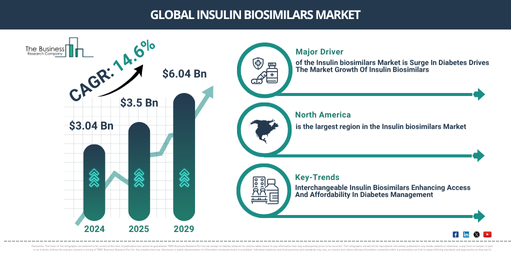
    The market size for insulin biosimilars has seen a quick surge in the past few years. The market, which was valued at $3.04 billion in 2024, is predicted to reach $3.5 billion by 2025, reflecting a compound annual growth rate (CAGR) of 15.1%. Factors such as growing prevalence of diabetes, rising healthcare expenditures, increased access to diabetes therapies, competitive market environment, pricing pressures, along with regulatory backing and approval processes, have contributed to the growth witnessed in the historic period.

    In the coming years, the insulin biosimilars market is predicted to experience swift expansion, escalating to “$6.04 billion in 2029 with a compound annual growth rate (CAGR) of 14.6%. Factors fueling growth in the forecast duration encompass expanding diabetes prevalence worldwide, developing markets and accessibility expansion, biosimilar acceptance regulations, preferences of patients for cost-effectiveness, and biopharmaceutical industry collaborations and partnerships. Key trends during the forecast period consist of diversification of insulin product ranges, global market infiltration, technological incorporation in insulin delivery, regulatory reinforcement for biosimilars creation, and patient-oriented tactics in product development.

    Download The Free Sample Report Here:

    https://www.thebusinessresearchcompany.com/sample.aspx?id=10661&type=smp

    What Are The Contributors To Demand In The Insulin biosimilars Market?

    The insulin biosimilars market is anticipated to grow in response to the rising incidence of diabetes. This development in the insulin biosimilars market is driven by the diabetes epidemic, which is a set of prolonged metabolic disorders marked by elevated blood sugar levels. Biosimilars are critical in diabetes treatment because they offer an alternate insulin therapy option, thus the escalating incidence of diabetes amplifies the insulin biosimilars market demand. For example, by 2023, the National Center for Biotechnology Information, a U.S. government entity that disseminates biomedical and genomic information, expects the diabetes prevalence, which was 10.5% in 2021, to increase to 11.3% by 2030, and then to 12.2% by 2040. Therefore, the surge in diabetes prevalence is propelling the insulin biosimilar market.

    The insulin biosimilars market covered in this report is segmented –

    1) By Biosimilars Type: Rapid Acting biosimilars, Long Acting biosimilars, Premixed Acting biosimilars

    2) By Disease Indication Type: Type I Diabetes, Type II Diabetes

    3) By Distribution Channel: Hospital Pharmacies, Retail Pharmacies, Online Pharmacies

    4) By End User: Hospitals, Ambulatory Surgical Centers, Other End Users

    Subsegments:

    1) By Rapid Acting Biosimilars: Insulin Aspart Biosimilars, Insulin Lispro Biosimilars, Insulin Glulisine Biosimilars

    2) By Long Acting Biosimilars: Insulin Glargine Biosimilars, Insulin Detemir Biosimilars, Insulin Degludec Biosimilars

    3) By Premixed Acting Biosimilars: Insulin Aspart Protamine Biosimilars, Insulin Lispro Protamine Biosimilars, Biphasic Insulin Biosimilars

    How Are Key Trends Driving Expansion In The Insulin biosimilars Industry?

    Major firms in the insulin biosimilars market are advancing in the creation of interchangeable insulin to improve patient access, lower healthcare expenses, and provide consistent treatment outcomes for diabetes control. Interchangeable insulin plays a valuable role in the insulin biosimilars sector by encouraging therapy adherence and making treatments more affordable. For example, in April 2023, Eli Lilly, an American pharmaceutical firm, introduced Rezvoglar (insulin glargine-aglr), a biosimilar of insulin glargine targeting better glucose control for children and adult patients with Type 1 diabetes, as well as adults with Type 2 diabetes. Thanks to its interchangeable status, pharmacists can replace it with other insulin glargine prescriptions without requiring doctor’s approval, thus improving patient accessibility. This event establishes rezvoglar as the U.S.’s second interchangeable insulin biosimilar, strengthening both the competition and affordability in the insulin biosimilars market.

    Who Are The Top-Ranked Companies In The Insulin biosimilars Market Today?

    Major companies operating in the insulin biosimilars market include Eli Lilly and Company, Boehringer Ingelheim GmbH, Merck & Co Inc., Pfizer Inc., Biocon Ltd., Mylan N.V., Wockhardt Limited, NOVO Nordisk A/S, Sanofi S.A, Fresenius Kabi AG, Sandoz International GmbH, Novartis International AG, Aurobindo Pharma Ltd., Intas Pharmaceuticals Ltd., Dr. Reddy’s Laboratories Ltd., Samsungbioepis Co. Ltd., Teva Pharmaceutical Industries Ltd., Stada Arzneimittel AG, Celltrion Inc., Fujifilm Kyowa Kirin Biologics Co. Ltd., Green Cross Corporation, Lupin Limited, Torrent Pharmaceuticals Ltd., Zydus Lifescience Ltd.

    https://www.thebusinessresearchcompany.com/report/insulin-biosimilars-global-market-report

    How Is Insulin biosimilars Market Adoption Varying Across Different Regions And Sectors?

    North America was the largest region in the insulin biosimilars market in 2024.Asia-Pacific is expected to be the fastest-growing region in the global insulin biosimilars market report during the forecast period. The regions covered in the insulin biosimilars market report are Asia-Pacific, Western Europe, Eastern Europe, North America, South America, Middle East, Africa

    Request For A Customized Report:

    https://www.thebusinessresearchcompany.com/customise?id=10661&type=smp

    About The Business Research Company:

    With over 15000+ reports from 27 industries covering 60+ geographies, The Business Research Company has built a reputation for offering comprehensive, data-rich research and insights. Armed with 1,500,000 datasets, the optimistic contribution of in-depth secondary research, and unique insights from industry leaders, you can get the information you need to stay ahead in the game.

    Get in touch with us:

    The Business Research Company: https://www.thebusinessresearchcompany.com/

    Americas +1 310-496-7795

    Asia +44 7882 955267 & +91 8897263534

    Europe +44 7882 955267

    Email us at info@tbrc.info

    Follow us on:

    LinkedIn: https://in.linkedin.com/company/the-business-research-company

    YouTube: https://www.youtube.com/channel/UC24_fI0rV8cR5DxlCpgmyFQ

    Global Market Model: https://www.thebusinessresearchcompany.com/global-market-model
  • 2025–2029 Inotropic Agents Market Outlook: Regional Trends and Growth Forecast

    2025–2029 Inotropic Agents Market Outlook: Regional Trends and Growth Forecast

    Claim your 30% discount on Global Market Reports with code ONLINE30. Limited time only.

    Claim your 30% discount on Global Market Reports with code ONLINE30. Limited time only.

    What Is the Outlook for the Inotropic Agents Market Heading Into 2029?

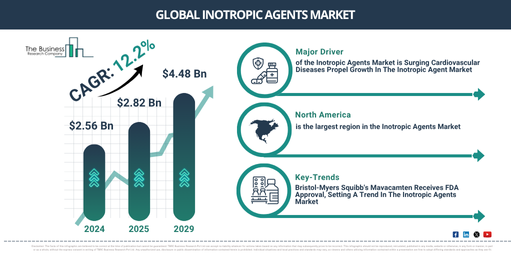
    The market size for inotropic agents has seen a swift increase in the past few years. Projected growth showcases an escalation from $2.56 billion in 2024, accelerating to $2.82 billion in 2025, with a compound annual growth rate (CAGR) of 10.5%. The previous growth can be credited to factors such as educational and awareness campaigns, a wider variety of cardiac treatments, creation of safer drugs, enhanced patient results, and regulatory clearances.

    The market for inotropic agents is projected to experience swift expansion in the following years. By 2029, it’s estimated to reach “$4.48 billion with a compound annual growth rate (CAGR) of 12.2%.” Factors contributing to this growth in the forecast period consist of an increasing prevalence of cardiovascular diseases, developments in drug delivery mechanisms, individualised treatment strategies, a surge in research funding, and the growing demand for combination therapies. Key trends for the forecast duration include a focus on patient education and awareness, addressing cardiomyopathies, concentration on managing heart failure, combination therapies and enhanced safety profiles.

    Download The Free Sample Report Here:

    https://www.thebusinessresearchcompany.com/sample.aspx?id=10711&type=smp

    Which Factors Are Pushing The Inotropic Agents Market Forward?

    The rise in cardiovascular disease occurrences is catalyzing growth in the market for inotropic agents. These diseases, commonly referred to as cardiovascular diseases (CVDs), are conditions that affect heart and blood vessel functioning. The use of inotropic agents in treating these diseases enhances the heart’s contractility and performance, combats cardiac shock, and reduces the heart rate by assisting the heart in contracting more forcefully, thus boosting blood circulation. This, in turn, fuels growth in the inotropic agent market. Reports in October 2022 from the Centers for Disease Control and Prevention, a government agency based in the US, indicated that heart diseases were the primary death cause in the country. Around 697,000 individuals succumbed to heart disease in 2020, translating to approximately one in every five deaths. About 20.1 million adults were diagnosed with coronary artery disease, and every year, around 805,000 people in the US experience a heart attack. The American College of Cardiology, a non-profit medical association based in the US, anticipated in August 2022 that the stroke risk would climb by 33.8 percent to 15 million between 2025 and 2060. Therefore, the escalating prevalence of cardiovascular diseases is driving the inotropic agent market growth.

    The inotropic agents market covered in this report is segmented –

    1) By Type: Positive Inotropic Drugs, Negative Inotropic Drugs, Other Types

    2) By Route Of Administration: Oral, Parenteral, Other Routes Of Administration

    3) By Indication: Heart Attack, Heart Failure, Angina, Arrhythmia, Other Indications

    4) By Distribution Channel: Hospital Pharmacy, Retail Pharmacy, Other Distribution Channels

    5) By End User: Hospital, Homecare, Specialty Centers, Other End Users

    Subsegments:

    1) By Positive Inotropic Drugs: Cardiac Glycosides, Catecholamines, Phosphodiesterase Inhibitors

    2) By Negative Inotropic Drugs: Beta Blockers, Calcium Channel Blockers

    3) By Other Types: Mixed Inotropic Drugs, Experimental Inotropic Agents

    Which Emerging Trends And Strategic Shifts Are Shaping The Inotropic Agents Market?

    The trend of obtaining drug approvals is attracting significant attention in the inotropic agents market. Dominant businesses in this market are introducing unique drugs and products to preserve their market status. For instance, in April 2022, Bristol-Myers Squibb, an American pharmaceutical creator and producer, secured regulatory consent from the U.S. Food and Drug Administration (FDA) for Camzyos (mavacamten), a medication primarily used in the treatment of class II-III obstructive hypertrophic cardiomyopathy (HCM). This drug enhances functional capacity and mitigates symptoms by limiting excessive heart muscle contractions. Camzyos selectively inhibits cardiac myosin, a protein that catalyzes muscle contraction. The drug is generally recommended for patients with symptomatic obstructive HCM who haven’t adequately responded to alternative therapies like beta-blockers or calcium channel blockers.

    Which Organizations Are Driving Progress In The Inotropic Agents Industry?

    Major companies operating in the inotropic agents market include Pfizer Inc., GSK plc, Novartis AG, Mylan N.V., Boehringer Ingelheim International GmbH, AstraZeneca plc, Johnson & Johnson, Bayer AG, Merck & Co. Inc., Bristol-Myers Squibb Company, Cipla Ltd., Eli Lilly And Company, Sanofi S.A., Baxter International Inc., Hikma Pharmaceuticals plc, Sun Pharmaceuticals Industries Ltd., Cadila Pharmaceuticals Ltd., AbbVie Inc., Allergan plc, Amgen Inc., Daiichi Sankyo Company Limited, Eisai Co. Ltd., Fresenius Kabi AG, Genentech Inc., GlaxoSmithKline plc, Intas Pharmaceuticals Ltd., Lupin Limited, Regeneron Pharmaceuticals Inc., Roche Holding AG, BioNTech SE

    https://www.thebusinessresearchcompany.com/report/inotropic-agents-global-market-report

    Which Region Is Expected To Experience The Highest Growth In The Inotropic Agents Industry?

    North America was the largest region in the inotropic agents market in 2024.Asia-Pacific is expected to be the fastest-growing region in the global inotropic agents market report during the forecast period. The regions covered in the inotropic agents market report are Asia-Pacific, Western Europe, Eastern Europe, North America, South America, Middle East, Africa

    Request For A Customized Report:

    https://www.thebusinessresearchcompany.com/customise?id=10711&type=smp

    About The Business Research Company:

    With over 15000+ reports from 27 industries covering 60+ geographies, The Business Research Company has built a reputation for offering comprehensive, data-rich research and insights. Armed with 1,500,000 datasets, the optimistic contribution of in-depth secondary research, and unique insights from industry leaders, you can get the information you need to stay ahead in the game.

    Get in touch with us:

    The Business Research Company: https://www.thebusinessresearchcompany.com/

    Americas +1 310-496-7795

    Asia +44 7882 955267 & +91 8897263534

    Europe +44 7882 955267

    Email us at info@tbrc.info

    Follow us on:

    LinkedIn: https://in.linkedin.com/company/the-business-research-company

    YouTube: https://www.youtube.com/channel/UC24_fI0rV8cR5DxlCpgmyFQ

    Global Market Model: https://www.thebusinessresearchcompany.com/global-market-model
  • Latest Market Developments in Inhalable Drugs Industry: Forecast 2025–2029

    Latest Market Developments in Inhalable Drugs Industry: Forecast 2025–2029

    Claim your 30% discount on Global Market Reports with code ONLINE30. Limited time only.

    Claim your 30% discount on Global Market Reports with code ONLINE30. Limited time only.

    What Does the Forecast Indicate for the Inhalable Drugs Market From 2025 to 2029?

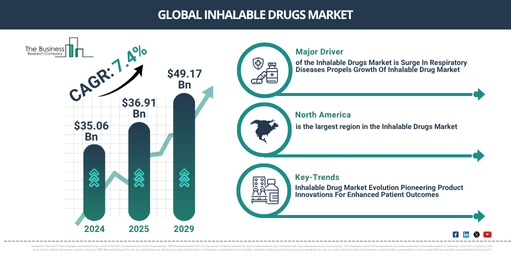
    In recent times, the market size for inhalable drugs has seen substantial growth. The market is set to increase from $35.06 billion in 2024 to $36.91 billion in 2025, with a compound annual growth rate (CAGR) of 5.3%. Factors such as a rising elderly population, a preference for non-invasive treatments among patients, heightened attention to respiratory health, and the growth of emerging markets have influenced the growth in the historical phase.

    The market size of inhalable drugs is predicted to experience significant growth in the upcoming years, reaching “$49.17 billion by 2029, at a compound annual growth rate (CAGR) of 7.4%. The growth during the projection period can be attributed to the increase in healthcare expenditure, rising demand for biologics, the rising emphasis on personalized medications, and regulatory support for orphan drugs. Prominent trends during the forecast period include the development of advanced respiratory drugs in animal medicine, technological advancements, and enhanced reimbursement policies.

    Download The Free Sample Report Here:

    https://www.thebusinessresearchcompany.com/sample.aspx?id=12490&type=smp

    What Elements Are Contributing To Growth In The Inhalable Drugs Market?

    The growth of the inhalable drug market is anticipated to be fueled by the rising incidence of respiratory ailments. Such diseases primarily impact the respiratory system encompassing the lungs, bronchi, trachea, larynx, pharynx, and nasal passages. Inhalable drugs, which deliver medication right to the lungs, play a vital role in treating many respiratory conditions. As reported by the Australian Bureau of Statistics in December 2023, 2.5% of the population (equivalent to 638,100 individuals) in Australia suffered from COPD in 2022, with comparable rates among men (2.4%) and women (2.6%). The likelihood of current daily smokers contracting COPD (8.1%) was considerably higher than ex-smokers (4.4%) and those who had not smoked ever (1.6%). Hence, the escalating occurrence of respiratory ailments is expected to stimulate growth in the inhalable drug market in future.

    The inhalable drugs market covered in this report is segmented –

    1) By Product: Aerosol, Dry Powder Formulation, Spray

    2) By Distribution Channel: Hospital Pharmacy, Pharmacy Stores, Other Distribution Channels

    3) By Application: Respiratory Diseases, Non-Respiratory Diseases

    4) By End Users: Adults, Pediatric, Geriatric

    Subsegments:

    1) By Aerosol: Metered Dose Inhalers (MDIs), Nebulizers, Soft Mist Inhalers

    2) By Dry Powder Formulation: Dry Powder Inhalers (DPIs), Blister Packs, Capsules

    3) By Spray: Nasal Sprays, Oral Sprays, Subcutaneous Sprays

    What Are The Leading Trends And Opportunities In The Inhalable Drugs Sector?

    One prominent trend gaining traction in the inhalable drug market is product innovations. To maintain their market status, major firms involved in the inhalable drug market are adopting advancements in inhalable medicines. For example, in July 2022, DMV-Fonterra Excipients GmbH & Co. KG, a pharmaceutical firm based in Germany, broadened its dry powder inhalation (DPI) offerings by introducing Lactohale 400. This fresh grade is modifiable to address particular pharmaceutical firm requirements and is collaboratively developed with formulators to prioritize patient outcomes. A wide range of lactose-based additives was designed to offer the correct attributes for various inhaled treatments. Lactohale 400, a ground, dry lactose variant, is suitable for DPI applications that require superior flow and cohesiveness. Its anhydrous property distinguishes it from traditionally used lactose carriers and presents a different aerosolization performance compared to lactose monohydrate of the same particle size.

    Who Are The Key Contributors To Growth In The Inhalable Drugs Market?

    Major companies operating in the inhalable drugs market include Pfizer Inc., Merck & Co. Inc., Novartis AG, Sanofi SA, AstraZeneca plc, GlaxoSmithKline Plc, Eli Lilly and Company, Boehringer Ingelheim International GmbH, Teva Pharmaceutical Industries Ltd., Catalent Inc., Sumitomo Pharma Co. Ltd., Intertek Group plc, AptarGroup Inc., Cipla Inc., Glenmark Pharmaceuticals Inc., Piramal Pharma Ltd., Zambon S.p.A., Sunovion Pharmaceuticals Inc., Nelson Laboratories LLC, Vectura Group Limited, Abiogen Pharma, Quotient Sciences, AeroGen Pharma, Alaxia S.A.S., Pharmaxis Ltd., Avalyn Pharma Inc., TFF Pharmaceuticals Inc.

    https://www.thebusinessresearchcompany.com/report/inhalable-drugs-global-market-report

    Which Region Is Projected To Lead The Inhalable Drugs Market By 2025?

    North America was the largest region in the inhalable drugs market in 2024. Asia-Pacific is expected to be the fastest-growing region in the forecast period. The regions covered in the inhalable drugs market report are Asia-Pacific, Western Europe, Eastern Europe, North America, South America, Middle East, Africa

    Request For A Customized Report:

    https://www.thebusinessresearchcompany.com/customise?id=12490&type=smp

    About The Business Research Company:

    With over 15000+ reports from 27 industries covering 60+ geographies, The Business Research Company has built a reputation for offering comprehensive, data-rich research and insights. Armed with 1,500,000 datasets, the optimistic contribution of in-depth secondary research, and unique insights from industry leaders, you can get the information you need to stay ahead in the game.

    Get in touch with us:

    The Business Research Company: https://www.thebusinessresearchcompany.com/

    Americas +1 310-496-7795

    Asia +44 7882 955267 & +91 8897263534

    Europe +44 7882 955267

    Email us at info@tbrc.info

    Follow us on:

    LinkedIn: https://in.linkedin.com/company/the-business-research-company

    YouTube: https://www.youtube.com/channel/UC24_fI0rV8cR5DxlCpgmyFQ

    Global Market Model: https://www.thebusinessresearchcompany.com/global-market-model
  • Emerging Trends and Growth Drivers in the Influenza Vaccines Market Through 2029

    Emerging Trends and Growth Drivers in the Influenza Vaccines Market Through 2029

    Claim your 30% discount on Global Market Reports with code ONLINE30. Limited time only.

    Claim your 30% discount on Global Market Reports with code ONLINE30. Limited time only.

    How Much Is the Global Influenza Vaccines Market Valued at Present and by 2029?

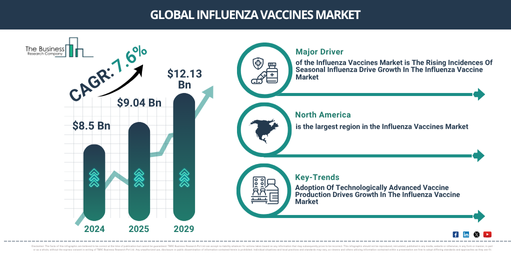
    In recent times, the influenza vaccines market size has seen robust growth. The market, which is set to expand from $8.5 billion in 2024 to $9.04 billion in 2025, will have a compound annual growth rate (CAGR) of 6.3%. A few contributing factors to this growth during the historic period have been the readiness for pandemics, initiatives in public health, studies on the effectiveness of vaccines, recommendations from healthcare professionals, and worldwide surveillance of influenza.

    Strong expansion is anticipated in the influenza vaccines market in the upcoming years. The market is predicted to ascend to “$12.13 billion in 2029, experiencing a compound annual growth rate (CAGR) of 7.6%. The projected growth during this period can be ascribed to factors such as climate and environmental changes, enhancements in healthcare accessibility, the emergence of new influenza strains, adjuvants and delivery systems innovations, and an increase in healthcare spending. Forecast trends include the broader application of mRNA vaccine technology, a concentration on pediatric immunization, measures to control seasonal influenza, improved vaccination coverage in underdeveloped countries, and custom vaccination strategies.

    Download The Free Sample Report Here:

    https://www.thebusinessresearchcompany.com/sample.aspx?id=11935&type=smp

    #What Drivers Are Influencing Growth In The Influenza Vaccines Market?

    The influenza vaccine market’s expansion is anticipated to be spurred by increasing occurrences of seasonal influenza. This respiratory illness, typically rampant during certain periods of the year, especially the colder months, is brought about by influenza viruses. The emergence of this shift can be attributed to antigenic drift, environmental factors, population vulnerability, suboptimal vaccine coverage, and an absence of universal vaccination. Influenza vaccines play a crucial role in decreasing the incidents of seasonal influenza by providing immunity against the active strains of the virus. For instance, the US government agency, the Centers for Disease Control and Prevention (CDC), in November 2023, revealed that there were roughly 31 million instances of flu-related illnesses, 14 million flu-related clinical visits, 360,000 flu-related hospital stays, and 21,000 flu-related fatalities during the 2022-2023 flu season. Consequently, the escalating occurrences of influenza seasons are fuelling the growth of the influenza vaccines market.

    The influenza vaccines market covered in this report is segmented –

    1) By Vaccine Type: Inactivated, Live Attenuated

    2) By Valency: Quadrivalent, Trivalent

    3) By Route Of Administration: Injection, Nasal Spray

    4) By Age Group: Pediatric, Adult

    5) By Distribution Channel: Hospitals And Pharmacies, Government And Institutional Supply, Other Distribution Channels

    Subsegments:

    1) By Inactivated: Trivalent Inactivated Vaccines (TIV), Quadrivalent Inactivated Vaccines (QIV)

    2) By Live Attenuated: Live Attenuated Influenza Vaccines (LAIV), Quadrivalent Live Attenuated Influenza Vaccines (QLAIV)

    What Trends Are Currently Influencing Growth In The Influenza Vaccines Market?

    The growing trend of utilizing cutting-edge technologies for vaccine production has been observed in the influenza vaccine market. To maintain their market stance, firms involved in influenza vaccine production are embracing these advanced manufacturing techniques. Take for example GlaxoSmithKline PLC., a pharmaceutical and biotechnology firm based in the UK, which initiated the Multiple Antigen Presenting System (MAPS) for vaccine creation in January 2023. This pioneering technique offers a new approach to build potent vaccines against bacteria and viruses. It can be particularly effective for swift vaccine development during outbreaks of epidemics or pandemics.

    Which Companies Play A Key Role In The Development Of The Influenza Vaccines Market?

    Major companies operating in the influenza vaccines market include Pfizer Inc., F. Hoffmann-La Roche Ltd., Merck & Co. Inc., Novartis AG, Sanofi-Aventis LLC., AstraZeneca PLC, GlaxoSmithKline plc., Serum Institute of India Private Limited, Takeda Pharmaceutical Company Limited, Moderna Inc., Viatris Inc., CSL Limited, Seqirus Inc., Daiichi Sankyo Company Limited, China National Pharmaceutical Group Corporation, Shanghai Fosun Pharmaceutical Group Co. Ltd., Mitsubishi Tanabe Pharma Corporation, Shionogi & Co. Ltd., Liaoning Cheng Da Biotechnology Co. Ltd., Novavax AB, Sinovac Biotech Co. Ltd., Green Cross Corporation, Emergent BioSolutions Inc., Walvax Biotechnology Co. Ltd., Hualan Biological Engineering Inc., Valneva SE, Bharat Biotech International Limited, Vaxess Technologies Inc., Osivax, Gamma Vaccines Pty. Ltd.

    https://www.thebusinessresearchcompany.com/report/influenza-vaccines-global-market-report

    What Are The Key Regional Developments Shaping The Influenza Vaccines Market?

    North America was the largest region in the influenza vaccines market in 2024. Asia-Pacific is expected to be the fastest-growing region in the forecast period. The regions covered in the influenza vaccines market report are Asia-Pacific, Western Europe, Eastern Europe, North America, South America, Middle East, Africa.

    Request For A Customized Report:

    https://www.thebusinessresearchcompany.com/customise?id=11935&type=smp

    About The Business Research Company:

    With over 15000+ reports from 27 industries covering 60+ geographies, The Business Research Company has built a reputation for offering comprehensive, data-rich research and insights. Armed with 1,500,000 datasets, the optimistic contribution of in-depth secondary research, and unique insights from industry leaders, you can get the information you need to stay ahead in the game.

    Get in touch with us:

    The Business Research Company: https://www.thebusinessresearchcompany.com/

    Americas +1 310-496-7795

    Asia +44 7882 955267 & +91 8897263534

    Europe +44 7882 955267

    Email us at info@tbrc.info

    Follow us on:

    LinkedIn: https://in.linkedin.com/company/the-business-research-company

    YouTube: https://www.youtube.com/channel/UC24_fI0rV8cR5DxlCpgmyFQ

    Global Market Model: https://www.thebusinessresearchcompany.com/global-market-model