Month: September 2025

  • RNA Targeting Small Molecules Therapeutics Market Emerging Trends and Growth Drivers Through 2029 | Reach USD $21.95 Billion

    Claim 20% Off Global Market Reports With Code ONLINE20 – Insights on Tariff Effects, Global Trade, and Industry Disruptors

    What Is The Present And Forecasted Size Of The RNA Targeting Small Molecules Therapeutics Market?

    In the latest years, the market size for therapeutics of small molecules targeting RNA has experienced significant expansion. It’s projected to expand from $6.1 billion in 2024 to $7.83 billion in 2025, displaying a compound annual growth rate (CAGR) of 28.3%. Factors contributing to this growth during the historic period include advancements in drug discovery and development, an increased array of RNA-related diseases, both government and private sector funding, interest from the pharmaceutical industry, and success stories involving RNA therapeutics.

    The market for RNA targeting small molecules therapeutics is projected to witness significant gains in the coming years, rising to “$21.95 billion by 2029 at an annual compound growth rate (CAGR) of 29.4%. The predicted growth for this period can be ascribed to the upsurge in precision medicine and personalized therapies, increase in RNA biomarker identification, expansion of RNA target spectrum, larger funding and investments, and application in rare diseases. Key trends for the forecast period encompass improvements in screening technologies, domination of antisense oligonucleotides, small molecule RNA binders, RNA therapeutics in neurological disorders, and gene editing with CRISPR-Cas9.

    Get A Free Sample Of The Report:

    https://www.thebusinessresearchcompany.com/sample.aspx?id=12253&type=smp

    Which Key Factors Are Fueling Growth In The RNA Targeting Small Molecules Therapeutics Market?

    The rise in cancer occurrences is projected to fuel the expansion of the RNA-targeting small molecule therapeutics market. Cancer is a classification of diseases that can manifest in practically any organ or tissue as irregular cells grow beyond control, exceed their normal limits, and either metastasize to other organs or invade nearby body structures. RNA-targeting small molecules, designed and studied specifically to target RNA molecules implicated in cancer, are used in cancer treatment. For example, research published by the American Cancer Society, a US-based health organization, in January 2022, forecasts around 609,360 cancer fatalities and 1.9 million new cancer cases in the US in 2022. This translates to roughly 1,670 deaths every day. As a result, the burgeoning number of cancer diagnoses is spurring the growth of the RNA-targeting small molecule therapeutics market.

    How Is The RNA Targeting Small Molecules Therapeutics Market Categorized Across Applications And Types?

    The rna targeting small molecules therapeutics market covered in this report is segmented –

    1) By Offering: mRNA (Messenger Ribonucleic Acid) Translation Modulators, RNA (Ribonucleic Acid) Splicing Modification, Direct RNA (Ribonucleic Acid) Targeting, Other Offerings

    2) By Therapeutic Indication: Lung Fibrosis, Cancer, Neurodegenerative Diseases, Autoimmune, Inflammatory, Other Therapeutic Indications

    3) By Application: Drug Discovery, Oncology Research, Disease Identification

    4) By End User: Hospitals, Research Laboratories, Pharmaceutical And Biotechnology Companies, Other End-Users

    Subsegments:

    1) By mRNA (Messenger Ribonucleic Acid) Translation Modulators: Small Molecule Inhibitors, Enhancers Of Translation

    2) By RNA (Ribonucleic Acid) Splicing Modification: Splicing Modulators, Antisense Oligonucleotides

    3) By Direct RNA (Ribonucleic Acid) Targeting: RNA-Binding Small Molecules, RNA Aptamers

    4) By Other Offerings: RNA Interference (RNAi) Therapeutics, Small Molecule Activators Of RNA Stability

    How Are Market Trends Influencing Competition In The RNA Targeting Small Molecules Therapeutics Market?

    A significant trend in the RNA-targeting small molecule therapeutics market is the formation of strategic alliances. Key players in this market are forming partnerships to foster relationships that lead to the development of groundbreaking products. Otsuka Pharmaceutical Co. Ltd., a pharmaceutical manufacturer from Japan, partnered with xFOREST Therapeutics Co. Ltd, another Japan-based company known for their drug discovery platforms in June 2022. The collaboration allows xFOREST to provide Otsuka with its Forest technology, advancing systemic small-molecule drug research centred on RNA structures. Later, in April 2024, Ipsen, a biopharmaceutical company from France, collaborated with Skyhawk Therapeutics, a clinical-stage biotechnology firm from the US specializing in RNA-targeting small molecule therapeutics. The objective of this collaboration was the development of RNA-targeting small molecule drugs to treat rare neurological diseases and to utilize various data sets to discover and develop small molecules capable of modulating RNA.

    Who Are The Primary Market Leaders In The RNA Targeting Small Molecules Therapeutics Market?

    Major companies operating in the RNA targeting small molecules therapeutics market include F. Hoffmann-La Roche Ltd., Bayer AG, Sanofi S.A., AstraZeneca plc, Eli Lilly and Company, Amgen Inc., Janssen Pharmaceuticals, Vertex Pharmaceuticals, Servier laboratories, Genentech Inc., PTC Therapeutics Inc., Arrakis Therapeutics, Anima Biotech Inc., Skyhawk Therapeutics Inc., Remix Therapeutics, Abivax SA, 858 Therapeutics, Eloxx Pharmaceuticals Inc., STORM Therapeutics Ltd., Accent Therapeutics Inc., eFFECTOR Therapeutics Inc., EPICS Therapeutics, Expansion Therapeutics Inc., Inspirna Inc., MiNA Therapeutics Ltd., Ribometrix Inc., AC Immune SA, Redona Therapeutics

    Access The Complete Report Here:

    https://www.thebusinessresearchcompany.com/report/rna-targeting-small-molecules-therapeutics-global-market-report

    What Are The Emerging Regional Trends Driving The RNA Targeting Small Molecules Therapeutics Market?

    North America was the largest region in the RNA targeting small molecules therapeutics market in 2024. The regions covered in the RNA targeting small molecules therapeutics market report are Asia-Pacific, Western Europe, Eastern Europe, North America, South America, Middle East, Africa.

    Customize Your Report Here:

    https://www.thebusinessresearchcompany.com/customise?id=12253&type=smp

    About The Business Research Company:

    With over 15000+ reports from 27 industries covering 60+ geographies, The Business Research Company has built a reputation for offering comprehensive, data-rich research and insights. Armed with 1,500,000 datasets, the optimistic contribution of in-depth secondary research, and unique insights from industry leaders, you can get the information you need to stay ahead in the game.

    Get in touch with us:

    The Business Research Company: https://www.thebusinessresearchcompany.com/

    Americas +1 310-496-7795

    Asia +44 7882 955267 & +91 8897263534

    Europe +44 7882 955267

    Email us at info@tbrc.info

    Follow us on:

    LinkedIn: https://in.linkedin.com/company/the-business-research-company

    YouTube: https://www.youtube.com/channel/UC24_fI0rV8cR5DxlCpgmyFQ

    Global Market Model: https://www.thebusinessresearchcompany.com/global-market-model
  • RNA Targeting Small Molecule Drug Discovery Market Size, Share & Trends Analysis Report By Product | Forecast to 2029

    RNA Targeting Small Molecule Drug Discovery Market Size, Share & Trends Analysis Report By Product | Forecast to 2029

    Claim 20% Off Global Market Reports With Code ONLINE20 – Insights on Tariff Effects, Global Trade, and Industry Disruptors

    How Big Is The RNA Targeting Small Molecule Drug Discovery Market Today And What Is Its Future Size?

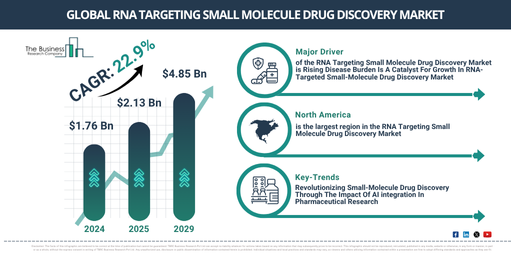
    In recent times, the market size of RNA targeting small molecule drug discovery has significantly increased. The market, which will be valued at $1.76 billion by 2024, is predicted to reach $2.13 billion by 2025, marking a compound annual growth rate (CAGR) of 20.8%. This substantial growth during the historical period is primarily due to a deeper comprehension of disease genetics, discoveries in genomics and proteomics, challenges concerning drug resistance, investments in biotechnological and pharmaceutical research, and the emergence of RNA therapeutics.

    The market for RNA targeting small molecule drug discovery is projected to experience a substantial boom in the coming years, swelling to “$4.85 billion by 2029 with a Compound Annual Growth Rate (CAGR) of 22.9%. This anticipated increase during the forecast timeframe can be linked to advancements in RNA epigenetics studies, RNA-seq and functional genomics, the incorporation of artificial intelligence (AI), patient-focused strategies, and exosome-driven drug delivery. Key developments predicted for this period include the advent of RNA editing technologies, progress in CRISPR technology, technological breakthroughs, developments in RNA biology, and the use of RNA targeting in the treatment of neurodegenerative diseases.

    Get A Free Sample Of The Report:

    https://www.thebusinessresearchcompany.com/sample.aspx?id=12480&type=smp

    Which Market Dynamics Are Playing A Critical Role In The Growth Of The RNA Targeting Small Molecule Drug Discovery Market?

    The growing occurrence of cancer, genetic anomalies, and viral infections is predicted to fuel the expansion of the RNA-targeted small-molecule drug discovery market. Cancer refers to a collection of illnesses identified by the unregulated cell multiplication in the body. Viral infections are caused by viruses, minuscule infectious elements that can only reproduce within the cells of living beings. RNA targeting-based drug discovery is employed to cure cancer, genetic diseases, and viral infections, as these are linked to genes and dysfunctional genetic material which can be addressed with drugs created using RNA targeting-based procedures. For example, in February 2024, the World Health Organization (WHO), a Switzerland-based intergovernmental agency, reported an estimated 20 million new cancer cases and 9.7 million deaths globally in 2022. Lung cancer was the most prevalent, with 2.5 million new instances (12.4%), next was female breast cancer (2.3 million cases, 11.6%), colorectal cancer (1.9 million cases, 9.6%), prostate cancer (1.5 million cases, 7.3%), and stomach cancer (970,000 cases, 4.9%). The yearly new cancer cases are anticipated to surge by 77% by 2050, exceeding 35 million. Hence, the rising occurrence of cancer, genetic anomalies, and viral infections contributes to the growth of the RNA-targeted small-molecule drug discovery market.

    Which Sub-Segments Are Driving Growth Within The RNA Targeting Small Molecule Drug Discovery Market?

    The rna targeting small molecule drug discovery market covered in this report is segmented –

    1) By Target RNA Type: Messenger RNA (mRNA), Non-Coding RNA (ncRNA), MicroRNA (miRNA), Long Non-Coding RNA (lncRNA)

    2) By Technology: CRISPR-Cas9, RNA Aptamers, Small Interfering RNA (siRNA), Ribozymes, Other Technologies

    3) By Therapeutic Area: Oncology, Neurology, Infectious Disease, Metabolic Diseases, Genetic Disorders, Other Therapeutic Areas

    4) By Delivery Method: Intravenous (IV), Oral, Topical, Other Methods

    5) By Application: Research Use, Therapeutic Use, Diagnostic Use, Other Applications

    Subsegments:

    1) By Messenger RNA (mRNA): Targeting mRNA For Protein Coding, Modulation Of mRNA Stability, mRNA Translation Inhibition

    2) By Non-Coding RNA (ncRNA): Long Non-Coding RNA, Small Nuclear RNA, Small Nucleolar RNA

    3) By MicroRNA (miRNA): miRNA Inhibition, miRNA Mimics, Targeting Specific miRNA Pathways

    4) By Long Non-Coding RNA (lncRNA): lncRNA Modulators, Targeting Specific lncRNA Functions, Therapeutic Applications Of lncRNA

    What Future-Focused Trends Are Anticipated In The RNA Targeting Small Molecule Drug Discovery Market?

    The integration of artificial intelligence (AI) into drug discovery is becoming a prominent trend in the small-molecule drug discovery market. Leading businesses in the small-molecule drug discovery arena are harnessing the potential of AI technology to expedite their drug discovery processes to maintain their market standing. A perfect example is the launch of the Target and Lead Identification Suite and Multiomics Suite by Google Cloud, the cloud computing service by Google, an American tech firm, in May 2023. The Multiomics Suite accelerates the process of identifying and examining genetic data, aiding businesses in creating precision medicines. Conversely, the Target and Lead Identification Suite aids researchers in gaining a deeper understanding of the function of amino acids and in predicting protein structures.

    Which Organizations Are At The Forefront Of The RNA Targeting Small Molecule Drug Discovery Market?

    Major companies operating in the RNA targeting small molecule drug discovery market include F. Hoffmann-La Roche Ltd, Merck & Co. Inc, Bayer AG, Novartis AG, Sanofi SA, Bristol-Myers Squibb Company, AstraZeneca PLC, Takeda Pharmaceutical Company Limited, Eli Lilly and Company, Amgen Inc., Moderna Inc., Astellas Pharma Inc., Biogen Inc., Alnylam Pharmaceuticals Inc., Sarepta Therapeutics Inc., Evotec A.G., PTC Therapeutics Inc., Ionis Pharmaceuticals Inc., Dicerna Pharmaceuticals Inc., Arrakis Therapeutics, Arbutus Biopharma Corporation, H3 Biomedicine Inc., Anima Biotech Inc., Ribometrix Inc., Quark Pharmaceuticals Inc., Regulus Therapeutics Inc., Skyhawk Therapeutics Inc., Accent Therapeutics Inc., Epics Therapeutics, Expansion Therapeutics

    Access The Complete Report Here:

    https://www.thebusinessresearchcompany.com/report/rna-targeting-small-molecule-drug-discovery-global-market-report

    Which Region Dominates The RNA Targeting Small Molecule Drug Discovery Market Today?

    North America was the largest region in the RNA-targeting small molecule drug discovery market in 2024. The regions covered in the RNA targeting small molecule drug discovery market report are Asia-Pacific, Western Europe, Eastern Europe, North America, South America, Middle East, Africa

    Customize Your Report Here:

    https://www.thebusinessresearchcompany.com/customise?id=12480&type=smp

    About The Business Research Company:

    With over 15000+ reports from 27 industries covering 60+ geographies, The Business Research Company has built a reputation for offering comprehensive, data-rich research and insights. Armed with 1,500,000 datasets, the optimistic contribution of in-depth secondary research, and unique insights from industry leaders, you can get the information you need to stay ahead in the game.

    Get in touch with us:

    The Business Research Company: https://www.thebusinessresearchcompany.com/

    Americas +1 310-496-7795

    Asia +44 7882 955267 & +91 8897263534

    Europe +44 7882 955267

    Email us at info@tbrc.info

    Follow us on:

    LinkedIn: https://in.linkedin.com/company/the-business-research-company

    YouTube: https://www.youtube.com/channel/UC24_fI0rV8cR5DxlCpgmyFQ

    Global Market Model: https://www.thebusinessresearchcompany.com/global-market-model
  • What Are The Strategic Insights Behind The Rheumatoid Arthritis Drugs Market Expansion To $65.34 Billion?

    What Are The Strategic Insights Behind The Rheumatoid Arthritis Drugs Market Expansion To $65.34 Billion?

    Claim 20% Off Global Market Reports With Code ONLINE20 – Insights on Tariff Effects, Global Trade, and Industry Disruptors

    How Will The Rheumatoid Arthritis Drugs Market Valuation Change Between Now And 2029?

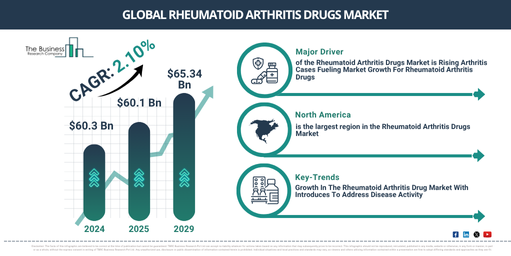
    The market size for rheumatoid arthritis medications has seen a slight decrease in recent times. Its growth is projected to rise from “$60.3 billion in 2024 to $60.1 billion in 2025 with a Compound Annual Growth Rate (CAGR) of -0.3%. Factors such as an increase in disease prevalence, expansion of healthcare infrastructure, educational and awareness campaigns, government support and strategic partnerships have contributed to this growth during the historic period.

    The market size for rheumatoid arthritis medications is projected to sustain a gradual rise in the coming years, reaching a value of “$65.34 billion in 2029 with a 2.1% compound annual growth rate (CAGR). This anticipated growth in the forecast period can be credited to evolving trends in personalized medicine, thriving emerging markets, active pipeline development, emphasis on combination treatments, and surge in healthcare expenditure. Predominant trends expected within the forecast period encompass the dominance of biological therapies, the influence of biosimilars, strides in personalized medicine, the expansion of oral therapies, and the emphasis on early diagnosis and intervention.

    Get A Free Sample Of The Report:

    https://www.thebusinessresearchcompany.com/sample.aspx?id=10120&type=smp

    What External And Internal Drivers Are Influencing The Rheumatoid Arthritis Drugs Market?

    The escalating incidence of arthritis is anticipated to fuel the expansion of the rheumatoid arthritis drugs market in the future. Rheumatoid arthritis is characterized as an autoimmune and inflammatory condition, wherein the immune system deliberately damages healthy body cells, causing inflammation or painful swelling in the affected areas. The effective treatment of RA is possible through rheumatoid arthritis drugs and self-management methods that alleviate pain, improve joint mobility and prevent the progress of the disease. The National Center for Health Statistics, a U.S.-based government agency, stated in February 2024 that the age-adjusted prevalence of diagnosed arthritis among adults in 2022 was 18.9%, with a higher percentage of women (21.5%) affected than men (16.1%). The prevalence markedly increased with age, rising from 3.6% among adults aged 18–34 to 53.9% among those aged 75 and over. Consequently, the mounting cases of arthritis are predicted to boost the rheumatoid arthritis drug market.

    What Segmentation Insights Are Provided In The Rheumatoid Arthritis Drugs Market Research?

    The rheumatoid arthritis drugs market covered in this report is segmented –

    1) By Drug Type: Nonsteroidal Anti-Inflammatory Drugs (NSAIDs), Corticosteroids, Disease-Modifying Antirheumatic Drugs (DMARDs), Biologic Response Modifiers (BRMs), Other Drug Types

    2) By Route Of Administration: Oral, Parenteral, Topical, Other Route Of Administrations

    3) By Distribution Channel: Hospital Pharmacy, Retail Pharmacy, Online Pharmacy

    Subsegments:

    1) By Nonsteroidal Anti-Inflammatory Drugs (NSAIDs): Ibuprofen, Naproxen, Diclofenac, Indomethacin

    2) By Corticosteroids: Prednisone, Methylprednisolone, Dexamethasone

    3) By Disease-Modifying Antirheumatic Drugs: Methotrexate, Sulfasalazine, Hydroxychloroquine, Leflunomide

    4) By Biologic Response Modifiers: Tumor Necrosis Factor (TNF) Inhibitors, Interleukin Inhibitors, B-cell Inhibitors

    5) By Other Drug Types: Janus Kinase Inhibitors, Other Novel Therapies

    Which Notable Trends Are Transforming The Rheumatoid Arthritis Drugs Market Outlook?

    The rise of product innovations is a significant trend being observed in the rheumatoid arthritis drug market. To maintain their market stand, businesses dealing in rheumatoid arthritis medications are progressively introducing new products. For example, R-Pharm, a private pharmaceutical firm based in Russia, released Olokizumab in August 2022. This humanized monoclonal antibody specifically targets the cytokine interleukin-6, a messenger molecule contributing to joint damage progression in rheumatoid arthritis. Similar to TNF (tumor necrosis factor), it provokes inflammatory reactions in the body, thus reducing the disease activity in numerous rheumatoid arthritis sufferers.

    Who Are The Major Stakeholders Operating In The Rheumatoid Arthritis Drugs Market?

    Major companies operating in the rheumatoid arthritis drugs market include Pfizer Inc., Abbvie Inc., Amgen Inc., Novartis AG, Boehringer Ingelheim International GmbH, Eli Lilly and Company, F-Hoffmann La Roche AG, Bristol-Myers Squibb Company, AstraZeneca PLC, Merck & Co Inc., Johnson & Johnson Inc., Bayer AG, Teva Pharmaceuticals Industries Ltd., Sun Pharmaceutical Industries Ltd., Sanofi S.A, Biogen Inc., Regeneron Pharmaceuticals Inc., Galapagos NV, Abbott Laboratories, Takeda Pharmaceutical Company Limited, Mitsubishi Tanabe Pharma Corporation, UCB S.A., Astellas Pharma Inc., Corbus Pharmaceuticals Holdings Inc., Roche Holding AG, Daiichi Sankyo Company Limited, Mallinckrodt Pharmaceuticals, Gilead Sciences Inc.

    Access The Complete Report Here:

    https://www.thebusinessresearchcompany.com/report/rheumatoid-arthritis-drugs-global-market-report

    Which Regional Markets Are Emerging As Key Hubs For The Rheumatoid Arthritis Drugs Market?

    North America was the largest region in the rheumatoid arthritis drugs market in 2024.North America is expected to be the fastest-growing region in the global rheumatoid arthritis market report during the forecast period. The regions covered in the rheumatoid arthritis drugs market report are Asia-Pacific, Western Europe, Eastern Europe, North America, South America, Middle East, Africa.

    Customize Your Report Here:

    https://www.thebusinessresearchcompany.com/customise?id=10120&type=smp

    About The Business Research Company:

    With over 15000+ reports from 27 industries covering 60+ geographies, The Business Research Company has built a reputation for offering comprehensive, data-rich research and insights. Armed with 1,500,000 datasets, the optimistic contribution of in-depth secondary research, and unique insights from industry leaders, you can get the information you need to stay ahead in the game.

    Get in touch with us:

    The Business Research Company: https://www.thebusinessresearchcompany.com/

    Americas +1 310-496-7795

    Asia +44 7882 955267 & +91 8897263534

    Europe +44 7882 955267

    Email us at info@tbrc.info

    Follow us on:

    LinkedIn: https://in.linkedin.com/company/the-business-research-company

    YouTube: https://www.youtube.com/channel/UC24_fI0rV8cR5DxlCpgmyFQ

    Global Market Model: https://www.thebusinessresearchcompany.com/global-market-model
  • How Will The Retinal Disorder Treatment Market Reach $19.3 Billion By 2029 Amid Global Shifts?

    How Will The Retinal Disorder Treatment Market Reach $19.3 Billion By 2029 Amid Global Shifts?

    Claim 20% Off Global Market Reports With Code ONLINE20 – Insights on Tariff Effects, Global Trade, and Industry Disruptors

    What Are The Future Growth Projections For The Retinal Disorder Treatment Market Size?

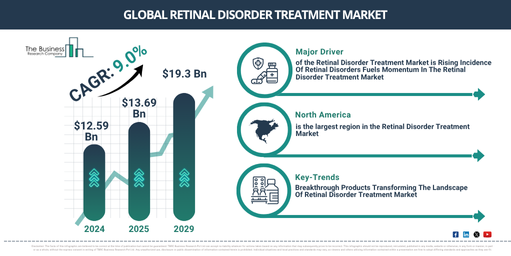
    There has been considerable expansion in the retinal disorder treatment market in the past few years. With a compound annual growth rate (CAGR) of 8.7%, the market is projected to increase from $12.59 billion in 2024 to $13.69 billion in 2025. The factors contributing to this escalation during the historical period are the inception of anti-vegf therapies, the aging population, a rise in retinal disorder cases, enhanced tools for early diagnosis, heightened awareness and screening programs, and wider access to healthcare services.

    Expect robust growth in the retinal disorder treatment market over the next few years, reaching an estimated $19.3 billion by 2029 with a CAGR of 9.0%. Factors attributing to this surge in the forecast period involve an emphasis on patient-oriented methods in retinal healthcare, a rise in global healthcare expenditure, an expanded focus on combination therapies for retinal disorders, the emergence of home-based retinal disorder tracking, a growing preference for implantable devices for retina treatment, and the use of regenerative medicine in retina treatment. Notable trends during this forecast period include improvements in ophthalmic imaging technologies, the evolution of minimally invasive surgical techniques, the use of artificial intelligence in diagnostics, progress in drug delivery technologies, the incorporation of virtual reality in retinal rehabilitation, partnerships between research institutions and pharmaceutical companies, and the creation of gene therapies for genetic retinal diseases.

    Get A Free Sample Of The Report:

    https://www.thebusinessresearchcompany.com/sample.aspx?id=12701&type=smp

    What Underlying Factors Are Supporting The Retinal Disorder Treatment Market Growth?

    The increasing prevalence of retinal disorders is predicted to fuel the expansion of the retinal disorder treatment market in the future. Medical conditions affecting the retina, the light-sensitive tissue at the back of the eye, are known as retinal diseases, which may result in vision loss or serious visual impairment. Retinal disorder treatments aim to manage and alleviate the symptoms of retinal disorders by offering therapies like laser therapy, vitrectomy, and retinal implants. As an example, the International Agency for the Prevention of Blindness, a UK-based global alliance, predicted in January 2023 that age-related macular degeneration (AMD) would account for around 5% of global blindness. Furthermore, age-related macular degeneration diseases are anticipated to affect 288 million individuals by 2040. Hence, the increasing prevalence of retinal disorders is spurring the expansion of the retinal disorder treatment market.

    How Does The Retinal Disorder Treatment Market Differ By Segment?

    The retinal disorder treatment market covered in this report is segmented –

    1) By Type: Macular Degeneration, Diabetic Retinopathy, Other Types

    2) By Dosage Form: Gels, Eye Solutions, Capsules And Tablets, Eye Drops, Ointments

    3) By Distribution Channel: Hospital Pharmacy, Online Pharmacy, Retail Pharmacy

    Subsegments:

    1) By Macular Degeneration: Dry Macular Degeneration, Wet Macular Degeneration

    2) By Diabetic Retinopathy: Non-Proliferative Diabetic Retinopathy, Proliferative Diabetic Retinopathy

    3) By Other Types: Retinal Detachment, Retinitis Pigmentosa, Uveitis, Other Retinal Disorders

    What New Opportunities Are Emerging From Trends In The Retinal Disorder Treatment Market?

    One of the prominent trends emerging in the retinal disorder treatment market is the introduction of product innovations. Leading companies in this field are continuously launching new products to maintain their market dominance. A case in point is F. Hoffmann-La Roche AG, a pharmaceutical organization based in Switzerland, which won approval from the U.S. Food and Drug Administration (FDA) for Vabysmo in January 2022. This bispecific antibody is designed to address neovascular or wet age-related macular degeneration (AMD) and diabetic macular edema (DME). As the first injectable eye drug that targets and suppresses two disease pathways—angiopoietin-2 (Ang-2) and vascular endothelial growth factor-A (VEGF-A), connected with potential vision-reducing retinal illnesses—it represents a groundbreaking development. Clinical trials confirmed its non-inferior vision improvement compared to regular therapy and exhibited a reassuring safety catalog. This marks a notable advancement in the treatment of retinal diseases, providing patients with the potential for enhanced vision and a reduced treatment burden.

    Which Firms Are Making The Biggest Impact In The Retinal Disorder Treatment Market?

    Major companies operating in the retinal disorder treatment market include Pfizer Inc., F. Hoffmann-La Roche Ltd., AbbVie Inc., Bayer AG, Novartis AG, Takeda Pharmaceutical Company Limited, Regeneron Pharmaceuticals Inc., Bausch Health Companies Inc., Genentech Inc., Santen Pharmaceutical Co. Ltd., Apellis Pharmaceuticals Inc., Kubota Pharmaceutical Holdings Co. Ltd, Alimera Sciences Inc., Ocular Therapeutix Inc., EyePoint Pharmaceuticals Inc., Adverum Biotechnologies Inc., Kodiak Sciences Inc., Acucela Inc., IVERIC bio Inc., Oxurion NV, Graybug Vision Inc., Icon Bioscience Inc., Clearside Biomedical Inc., Aerpio Pharmaceuticals Inc., Neurotech Pharmaceuticals Inc., Ophthotech Corporation, Opthea Limited, PanOptica Inc., ThromboGenics NV

    Access The Complete Report Here:

    https://www.thebusinessresearchcompany.com/report/retinal-disorder-treatment-global-market-report

    Which Region Is Leading Innovation In The Retinal Disorder Treatment Market?

    North America was the largest region in the retinal disorder treatment market in 2024. Asia-Pacific is expected to be the fastest-growing region in the forecast period. The regions covered in the retinal disorder treatment market report are Asia-Pacific, Western Europe, Eastern Europe, North America, South America, Middle East, Africa

    Customize Your Report Here:

    https://www.thebusinessresearchcompany.com/customise?id=12701&type=smp

    About The Business Research Company:

    With over 15000+ reports from 27 industries covering 60+ geographies, The Business Research Company has built a reputation for offering comprehensive, data-rich research and insights. Armed with 1,500,000 datasets, the optimistic contribution of in-depth secondary research, and unique insights from industry leaders, you can get the information you need to stay ahead in the game.

    Get in touch with us:

    The Business Research Company: https://www.thebusinessresearchcompany.com/

    Americas +1 310-496-7795

    Asia +44 7882 955267 & +91 8897263534

    Europe +44 7882 955267

    Email us at info@tbrc.info

    Follow us on:

    LinkedIn: https://in.linkedin.com/company/the-business-research-company

    YouTube: https://www.youtube.com/channel/UC24_fI0rV8cR5DxlCpgmyFQ

    Global Market Model: https://www.thebusinessresearchcompany.com/global-market-model
  • What Is The Long-Term Forecast For The Retinal Biologics Market Growing At 11.6% CAGR?

    What Is The Long-Term Forecast For The Retinal Biologics Market Growing At 11.6% CAGR?

    Claim 20% Off Global Market Reports With Code ONLINE20 – Insights on Tariff Effects, Global Trade, and Industry Disruptors

    What Is The Current Size And Growth Outlook For The Retinal Biologics Market?

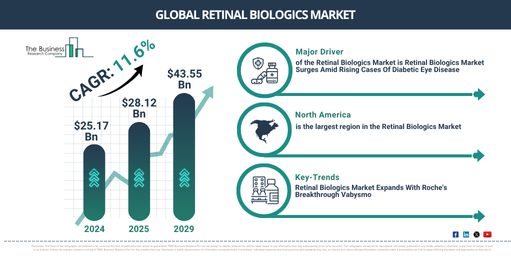
    The market size for retinal biologics has been experiencing swift expansion lately. It is projected to rise from $25.17 billion in 2024 to $28.12 billion in 2025, marking a compound annual growth rate (CAGR) of 11.7%. The surge in the past period is primarily credited to the surge in retinal disorder cases, an increasingly aging demographic, heightened awareness and preliminary diagnosis, the development of healthcare infrastructures, and escalated healthcare spending.

    Over the upcoming years, the size of the retinal biologics market is predicted to experience a swift expansion. It is projected to inflate to “$43.55 billion by 2029 with a Compound Annual Growth Rate (CAGR) of 11.6%. The surge during the forecasted period can be credited to the broadening of therapeutic applications, the emergence of personalized medicine, the progress of emerging markets, a robust biologics pipeline, collaborations, and partnerships, as well as governmental initiatives and backing. Major trends during the forecasted period consist of the adoption of non-invasive delivery techniques, the application of real-world evidence, expanded indications, streamlining of regulatory pathways, and the focus on patient-centered outcomes.

    Get A Free Sample Of The Report:

    https://www.thebusinessresearchcompany.com/sample.aspx?id=11911&type=smp

    Which Demand Drivers Are Strengthening The Retinal Biologics Market?

    The retinal biologics market is expected to expand due to the escalating prevalence of diabetic eye disease. This condition results from diabetes, leading to vision loss and blindness in diabetic patients. Retinal biologics provide specific and efficient treatment opportunities, enabling early intervention and better prevention of vision loss as a result of diabetic eye disease. For example, data from the Australian Bureau of Statistics in December 2023 showed that in 2022, roughly 1.3 million individuals, which represent 5.3% of the Australian population, were diabetic. This number reflects a significant increase from 3.3%. Consequently, the growing occurrence of diabetic eye disease is fueling the expansion of the retinal biologics market.

    Which Segment Accounts For The Largest Share In The Retinal Biologics Market?

    The retinal biologics market covered in this report is segmented –

    1) By Drug Class: Vascular Endothelial Growth Factor (VEGF)-A Antagonist, Tumor Necrosis Factor (TNF)-A Inhibitor

    2) By Indication: Macular Degeneration, Diabetic Retinopathy, Uveitis, Diabetic Macular Edema, Other Indications

    3) By Distribution Channel: Hospitals, Pharmacies, Specialty Clinics, Online Pharmacies, Other Distribution Channels

    Subsegments:

    1) By Vascular Endothelial Growth Factor (VEGF)-A Antagonist: Monoclonal Antibodies, Small Molecule Inhibitors

    2) By Tumor Necrosis Factor (TNF)-A Inhibitor: Monoclonal Antibodies, Fusion Proteins

    Which Long-Term Trends Will Play A Crucial Role In The Retinal Biologics Market?

    The trend of product innovation is gaining traction in the retinal biologics market. Leading companies in this industry are capitalizing on the creation of unique products to solidify their market standing and outdo their competitors. For example, in May 2023, F. Hoffmann-La Roche Ltd., a Swiss healthcare firm, received approval from the U.S. Food and Drug Administration for its supplemental biologics license application (sBLA) for Vabysmo (faricimab), developed for treating macular edema after retinal vein occlusion (RVO). The approval was obtained on the grounds of two Phase III trials that showcased early and sustained vision enhancement with Vabysmo, satisfying the primary target of non-inferiority to aflibercept. This product is deemed as the first bispecific antibody authorized for ocular use in the treatment of ‘wet’ age-related macular degeneration and diabetic macular edema. Additionally, additional research indicated the lack of blood vessel leakage in the retina amongst Vabysmo users in contrast to aflibercept users.

    Which Players Are Shaping The Competitive Landscape Of The Retinal Biologics Market?

    Major companies operating in the retinal biologics market include Regeneron Pharmaceuticals Inc., AbbVie Inc., MeiraGTx Limited, Oxurion NV, Novartis AG, Amgen Inc., Spark Therapeutics Inc., Bayer AG, Bausch Health Companies Inc., Merck & Co. Inc., Santen Pharmaceutical Co. Ltd., Pfizer Inc., Boehringer Ingelheim, Eyenovia Inc., EyePoint Pharmaceuticals Inc., Iveric Bio Inc., Kodiak Sciences Inc., Aerie Pharmaceuticals Inc., Alimera Sciences Inc., Ocular Therapeutix Inc., Acucela Inc., Clearside Biomedical Inc., Ophthotech Corporation, Xcovery Holdings, Athenex Inc., Fidia Farmaceutici S.p.A, Eton Pharmaceuticals Inc.

    Access The Complete Report Here:

    https://www.thebusinessresearchcompany.com/report/retinal-biologics-global-market-report

    What Regional Factors Are Accelerating Growth In The Retinal Biologics Market?

    North America was the largest region in the retinal biologics market in 2024. Asia-Pacific is expected to be the fastest-growing region in the forecast period. The regions covered in the retinal biologics market report are Asia-Pacific, Western Europe, Eastern Europe, North America, South America, Middle East, Africa.

    Customize Your Report Here:

    https://www.thebusinessresearchcompany.com/customise?id=11911&type=smp

    About The Business Research Company:

    With over 15000+ reports from 27 industries covering 60+ geographies, The Business Research Company has built a reputation for offering comprehensive, data-rich research and insights. Armed with 1,500,000 datasets, the optimistic contribution of in-depth secondary research, and unique insights from industry leaders, you can get the information you need to stay ahead in the game.

    Get in touch with us:

    The Business Research Company: https://www.thebusinessresearchcompany.com/

    Americas +1 310-496-7795

    Asia +44 7882 955267 & +91 8897263534

    Europe +44 7882 955267

    Email us at info@tbrc.info

    Follow us on:

    LinkedIn: https://in.linkedin.com/company/the-business-research-company

    YouTube: https://www.youtube.com/channel/UC24_fI0rV8cR5DxlCpgmyFQ

    Global Market Model: https://www.thebusinessresearchcompany.com/global-market-model
  • Which Emerging Trends Are Driving The Respules Market Toward $2.67 Billion By 2029?

    Which Emerging Trends Are Driving The Respules Market Toward $2.67 Billion By 2029?

    Claim 20% Off Global Market Reports With Code ONLINE20 – Insights on Tariff Effects, Global Trade, and Industry Disruptors

    What Is The Predicted Market Size Of The Respules Industry By 2029?

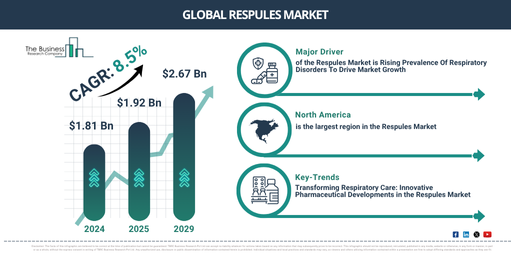
    The market for respules has expanded significantly over recent years. It is estimated to increase from a value of $1.81 billion in 2024, to $1.92 billion in 2025, with a compound annual growth rate (CAGR) of 6.6%. The robust growth during this historic period can be credited to factors such as clinical research and development, the adoption of inhalation therapy, the growth of the pharmaceutical sector, as well as increased physician endorsements, public health accessibility enhancements, and awareness initiatives.

    In the coming years, the respules market is predicted to experience substantial growth, reaching “$2.67 billion by 2029 with a Compound Annual Growth Rate (CAGR) of 8.5%. This increase in the projected period is due to improvements in drug formulations, biologic treatments, intelligent inhalers, and connectivity, as well as personalized medicine strategies, telemedicine, and remote care. Inhalation therapy’s regulatory support also contributes to growth. The forecast period is set to see trends like sustainable manufacturing practices, remote monitoring, compliance tools, patient-centric inhalation solutions, respiratory inhalation vaccines, and adjustable dosage respules.

    Get A Free Sample Of The Report:

    https://www.thebusinessresearchcompany.com/sample.aspx?id=12497&type=smp

    What Growth-Enabling Forces Are Impacting The Respules Market?

    The escalation in instances of respiratory ailments is anticipated to fuel the expansion of the respules market in the future. These disorders encompass a range of lung conditions and diseases, such as tuberculosis, lung cancer, pulmonary hypertension, mesothelioma, cystic fibrosis, emphysema, and bronchial asthma. Respules are used to manage various respiratory conditions, which includes bronchial asthma, emphysema, spasmodic stenosis, and abnormal bronchial mucus production. For example, in December 2023, the Australian Bureau of Statistics, a government agency based out of Australia, reported that in 2022, 2.5% of the population (638,100 individuals) suffered from COPD, with almost equal prevalence in males (2.4%) and females (2.6%). Current daily smokers were significantly more susceptible to COPD (8.1%) as opposed to former smokers (4.4%) and those who had never smoked (1.6%). Hence, the growth of the respules market is being propelled by the increasing prevalence of respiratory disorders.

    What Are The Main Segment Classifications In The Respules Market?

    The respules market covered in this report is segmented –

    1) By Drug Type: Budesonide, Albuterol, Ipratropium Bromide, Salbutamol Sulphate And Ipratropium Bromide

    2) By Dosage And Strength: 0.25 mg/2 mL, 0.5 mg/2 mL, 1mg/2 mL, Other Dosage And Strength Types

    3) By Distribution Channel: Hospital Pharmacy, Retail Pharmacy, Online Pharmacy, Other Distribution Channels

    Subsegments:

    1) By Budesonide: Budesonide Respules 0.25 mg, Budesonide Respules 0.5 mg, Budesonide Respules 1 mg

    2) By Albuterol: Albuterol Sulfate Respules 0.083%, Albuterol Sulfate Respules 0.5%

    3) By Ipratropium Bromide: Ipratropium Bromide Respules 0.02%, Ipratropium Bromide Respules 0.5 mg

    4) By Salbutamol Sulphate And Ipratropium Bromide: Salbutamol Sulphate Respules 0.083%, Salbutamol Sulphate Respules 2.5 mg

    How Are Industry Trends Steering The Expansion Of The Respules Market?

    Leading businesses in the repsules market are beginning to concentrate on creating innovative items like new pharmaceutical products that can improve drug delivery, enhance patient adherence, and maximize therapeutic effectiveness. These innovative pharmaceutical products represent revolutionary drugs or drug formulations that significantly deviate from current treatments. The unique active ingredients, revolutionary drug combinations, and cutting-edge delivery systems that these products may incorporate are designed to boost efficacy, safety, or patient compliance. For example, Lupin Limited, a pharmaceutical company originating in India, introduced DIFIZMA in January 2023 to treat inadequately controlled asthma. This innovative fixed-dose triple drug combination melds Indacaterol (a long-acting beta-agonist), Glycopyrronium (a long-acting muscarinic receptor antagonist), and Mometasone Furoate (an inhaled corticosteroid) to enhance pulmonary function and offer improved symptom management. Moreover, DIFIZMA contributes to reducing asthma flare-ups, which in turn improves the patient’s overall quality of life and lowers hospitalization risk.

    Who Are The Leading Companies Driving The Respules Market?

    Major companies operating in the respules market include AstraZeneca PLC, GlaxoSmithKline PLC, Teva Pharmaceutical Industries Ltd., Sandoz International GmbH, Macleods Pharmaceuticals Ltd., Sun Pharmaceutical Industries Ltd., Aurobindo Pharma Ltd., Cipla Limited, Intas Pharmaceuticals Ltd., Lupin Limited, Cadila Healthcare Limited, Torrent Pharmaceuticals Ltd., Glenmark Pharmaceuticals Ltd., Jubilant Life Sciences Limited, Systopic Laboratories Pvt. Ltd., Koye Pharmaceuticals Pvt. Ltd., Amanta Healthcare Ltd., Lucky Pharmaceuticals, Medicamen Biotech Limited, Axa Parenterals Ltd., Zuche Pharmaceuticals Pvt. Ltd., Jaksh Pharma, Biochemix Healthcare Private Limited, Intra Life Pvt. Ltd., Wellona Pharmaceuticals Private Limited, Percept Pharma Limited, Eurocrit Labs, Iskon Remedies

    Access The Complete Report Here:

    https://www.thebusinessresearchcompany.com/report/respules-global-market-report

    Which Region Holds The Greatest Opportunity For Respules Market Expansion?

    North America was the largest region in the respules market in 2024. Asia-Pacific is expected to be the fastest-growing region in the forecast period. The regions covered in the respules market report are Asia-Pacific, Western Europe, Eastern Europe, North America, South America, Middle East, Africa

    Customize Your Report Here:

    https://www.thebusinessresearchcompany.com/customise?id=12497&type=smp

    About The Business Research Company:

    With over 15000+ reports from 27 industries covering 60+ geographies, The Business Research Company has built a reputation for offering comprehensive, data-rich research and insights. Armed with 1,500,000 datasets, the optimistic contribution of in-depth secondary research, and unique insights from industry leaders, you can get the information you need to stay ahead in the game.

    Get in touch with us:

    The Business Research Company: https://www.thebusinessresearchcompany.com/

    Americas +1 310-496-7795

    Asia +44 7882 955267 & +91 8897263534

    Europe +44 7882 955267

    Email us at info@tbrc.info

    Follow us on:

    LinkedIn: https://in.linkedin.com/company/the-business-research-company

    YouTube: https://www.youtube.com/channel/UC24_fI0rV8cR5DxlCpgmyFQ

    Global Market Model: https://www.thebusinessresearchcompany.com/global-market-model
  • What Is The Predicted Revenue Outlook For The Remicade Biosimilar Market To Surpass $10.89 Billion?

    Claim 20% Off Global Market Reports With Code ONLINE20 – Insights on Tariff Effects, Global Trade, and Industry Disruptors

    What CAGR And Valuation Are Anticipated For The Remicade Biosimilar Market?

    The market size for remicade biosimilar has witnessed tremendous growth in the past few years. Expected to rise from $3.95 billion in 2024 to $4.89 billion in 2025, it is projected to have a compound annual growth rate (CAGR) of 23.8%. Factors contributing to such significant growth during the historical period include the launch of remicade (infliximab), advancements in biotechnology, the expiry of biologics patents, the establishment of a regulatory pathway, and pressures on healthcare costs.

    We predict a substantial increase in the size of the Remicade biosimilar market over the ensuing years, as it is projected to attain a worth of “$10.89 billion by 2029 with a compound annual growth rate (CAGR) of 22.2%. Factors contributing to this prospective growth during the forecast period encompass patent end dates, escalating demand for economically viable treatments, the development of biosimilar pipelines, reimbursement policies, and market unification. Key trends expected to shape this period entail physician’s prescribing habits, biosimilar lifecycle administration, naming protocols for biosimilars, interchangeability of biosimilars, and tangible evidence of biosimilar use in the real-world.

    Get A Free Sample Of The Report:

    https://www.thebusinessresearchcompany.com/sample.aspx?id=11952&type=smp

    Which Factors Are Steering Growth In The Remicade Biosimilar Market?

    The prevalence increase of autoimmune conditions is anticipated to catapult the development of the remicade biosimilar market. Autoimmune diseases, conditions where the immune system incorrectly damages the body’s tissues and organs, can be managed using remicade biosimilars, which are an effective therapeutic solution for the managing symptoms and reducing the inflammation related to these diseases. For example, Public Health Scotland revealed in July 2023 that there was an increase in the diagnosis of new patients with multiple sclerosis (MS) in 2022, with 491 new cases reported, taking the total to 6,359. This showed an increase to 87.2%, up from 85.7% in 2020. Consequently, the upsurging incidence of autoimmune diseases is propelling the remicade biosimilar market’s growth.

    How Is The Remicade Biosimilar Market Organized By Different Segments?

    The remicade biosimilar market covered in this report is segmented –

    1) By Type: 100mg/10ml, 500mg/50ml

    2) By Disease Indication: Ulcerative Colitis, Rheumatoid Arthritis, Ankylosing Spondylitis, Crohn’s Disease, Psoriatic Arthritis, Plaque Psoriasis

    3) By Application: Blood Disorders, Oncology Diseases

    Subsegments:

    1) By 100 Mg/10 Ml: Vials For Injection, Prefilled Syringes

    2) By 500 Mg/50 Ml: Vials For Injection, Prefilled Syringes

    What Current And Upcoming Trends Are Shaping The Remicade Biosimilar Market?

    In the Remicade biosimilar market, the emerging trend of product innovation is catching everyone’s attention. To maintain their market presence, key companies in this space are heavily investing in product development. For example, in January 2023, Amgen Inc., a biotechnology firm based in the US, introduced Amjevita, an alternative to AbbVie’s Humira, having the same safety and effectiveness as the original medication. As the first-ever biosimilar to Humira, Amjevita is set to give tough competition to Humira in terms of market share. This biosimilar drug is prescribed for dealing with different autoimmune conditions including rheumatoid arthritis and Crohn’s disease. Despite being one of the world’s costliest drugs contributing to billions of dollars in annual revenues for AbbVie, Amjevita is expected to be more cost-effective. Besides the obvious financial benefits, Amjevita may also provide patients with additional treatment alternatives.

    Who Are The Global Leaders Steering The Remicade Biosimilar Market Forward?

    Major companies operating in the remicade biosimilar market include Novartis AG, Amgen Inc, Viatris Inc., Teva Pharmaceutical Industries Ltd., Biogen Inc., Merck And Co. Inc., LG Chem Ltd., Nippon Kayaku Co. Ltd., Celltrion Inc., Nichi-iko Pharmaceutical Co. Ltd., Biocon Limited, Alvotech S.A., MabPharm Ltd., Genor Biopharma Co. Ltd, Shanghai Biomabs Pharmaceuticals Co. Ltd., Samsung Bioepis Co. Ltd., Biocad Biopharmaceutical Co, EPIRUS Biopharmaceuticals Inc., Ranbaxy Laboratories Limited, BioXpress Therapeutics SA, Mabion S.A

    Access The Complete Report Here:

    https://www.thebusinessresearchcompany.com/report/remicade-biosimilar-global-market-report

    How Do Regional Dynamics Influence The Remicade Biosimilar Market Performance?

    Europe was the largest region in the remicade biosimilar market in 2024. The regions covered in the remicade biosimilar market report are Asia-Pacific, Western Europe, Eastern Europe, North America, South America, Middle East, Africa.

    Customize Your Report Here:

    https://www.thebusinessresearchcompany.com/customise?id=11952&type=smp

    About The Business Research Company:

    With over 15000+ reports from 27 industries covering 60+ geographies, The Business Research Company has built a reputation for offering comprehensive, data-rich research and insights. Armed with 1,500,000 datasets, the optimistic contribution of in-depth secondary research, and unique insights from industry leaders, you can get the information you need to stay ahead in the game.

    Get in touch with us:

    The Business Research Company: https://www.thebusinessresearchcompany.com/

    Americas +1 310-496-7795

    Asia +44 7882 955267 & +91 8897263534

    Europe +44 7882 955267

    Email us at info@tbrc.info

    Follow us on:

    LinkedIn: https://in.linkedin.com/company/the-business-research-company

    YouTube: https://www.youtube.com/channel/UC24_fI0rV8cR5DxlCpgmyFQ

    Global Market Model: https://www.thebusinessresearchcompany.com/global-market-model
  • How Is The Rare Kidney Diseases Market Expected To Grow At 9.8% CAGR Over 2025–2029?

    How Is The Rare Kidney Diseases Market Expected To Grow At 9.8% CAGR Over 2025–2029?

    Claim 20% Off Global Market Reports With Code ONLINE20 – Insights on Tariff Effects, Global Trade, and Industry Disruptors

    What Are The Market Size Estimates For The Rare Kidney Diseases Market?

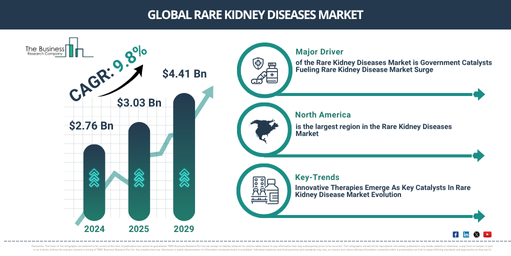
    The market for uncommon kidney ailments has seen robust growth in recent years. Its size is forecasted to increase from $2.76 billion in 2024 to $3.03 billion in 2025, reflecting a compound annual growth rate (CAGR) of 9.6%. Factors contributing to growth during the historic period include heightened disease recognition, the designation of orphan drugs, patient education and advocacy, and international research collaborations.

    Expectations are high for the rare kidney diseases market to experience robust growth in the coming years. The market is poised to enlarge to “$4.41 billion by 2029”, exhibiting a 9.8% compound annual growth rate. The increase during the forecast timeline may be ascribed to the rise of gene therapies, amplified investment in research of rare diseases, enhancements in stakeholder collaboration, and global undertakings for rare maladies. Notable trends for the forecast phase encompass patient-focused approaches, evidence and analytics from the actual world, regulatory advances, remote healthcare and monitoring, and international health directives.

    Get A Free Sample Of The Report:

    https://www.thebusinessresearchcompany.com/sample.aspx?id=11908&type=smp

    What Core Drivers Are Expected To Influence The Rare Kidney Diseases Market?

    The advancement of the rare kidney disease market is forecasted to be fueled by government policies and monetary assistance for kidney ailments. Such aid is a form of financial backing provided by the government to chosen groups presenting innovative solutions or projects that enhance and boost public services and the economy. In the area of kidney disorders, aid serves to augment disease monitoring and elevate the standard of living for patients suffering from various kidney conditions. This is achieved through a holistic public health policy that collaborates with other health organizations and national bodies. For example, in July 2022, The United States House Committee on Appropriations pledged a series of investments for improving kidney health. This included $8.5 million in funds for the CDC’s chronic kidney disease program, with the goal of encouraging awareness, diagnosis, and treatment of kidney disease regularly. The National Living Donor Assistance Center received an additional gift of $1 million for organ donation, thus resulting in a consistent $8 million investment in innovation and research. Hence, the growth of the rare kidney disease market is being spurred by government policies and monetary support for kidney disorders.

    Which Segmentation Categories Are Highlighted In The Rare Kidney Diseases Market Analysis?

    The rare kidney diseases market covered in this report is segmented –

    1) By Target Indication: IgA Nephropathy, Lupus Nephritis, Focal Segmental Glomerular Sclerosis, Membranous Nephropathy, C3 Glomerulopathy, Other Target Indications

    2) By Type Of Molecule: Small Molecules, Biologics

    3) By Route Of administration: Oral, Intravenous, Subcutaneous, Other Routes Of Administration

    Subsegments:

    1) By IgA Nephropathy: Immunosuppressive Therapy, Supportive Care And Symptomatic Management

    2) By Lupus Nephritis: Corticosteroids, Antimalarial Agents, Biologics

    3) By Focal Segmental Glomerular Sclerosis (FSGS): Corticosteroids, Angiotensin Receptor Blockers (ARBs), Other Immunosuppressive Agents

    4) By Membranous Nephropathy: Corticosteroids, Immunosuppressive Therapy, Monoclonal Antibodies

    5) By C3 Glomerulopathy: Complement Inhibitors, Supportive Care, Immunosuppressive Therapies

    6) By Other Target Indications: Alport Syndrome, Thin Basement Membrane Nephropathy, Other Rare Kidney Disorders

    Which Market Trends Are Expected To Define The Future Of The Rare Kidney Diseases Market?

    The emerging trend of product innovation is being rapidly adopted in the rare kidney disease market. Key market stakeholders are ambitiously focusing on the invention of novel products to solidify their market presence. In illustration, STADA Arzneimittel AG, a German firm specialising in generics, specialty pharma, and over-the-counter consumer healthcare products, launched Kinpeygo (budesonide) in September 2022. This is the first-ever medication approved in the European Union specifically for the treatment of a rare kidney disease known as immunoglobulin A nephropathy (IgAN). These budesonide capsules, designed for modified-release, are the EU’s first and sole approved intervention for primary IgAN, a seldom, advancing autoimmune renal disease representing a significant unmet need. 25%-30% of patients diagnosed with this disease eventually reach a critical condition necessitating either dialysis or renal transplantation.

    Which Companies Hold A Competitive Edge In The 215 Market?

    Major companies operating in the rare kidney diseases market include Merck & Co. Inc., Novartis AG, Sanofi S.A, AstraZeneca plc, Otsuka Pharmaceutical Co Ltd., Alexion Pharmaceuticals Inc., Horizon Therapeutics plc., Recordati S.p.A., Amicus Therapeutics Inc., Akebia Therapeutics Inc., Travere Therapeutics, FibroGen Inc., Aurinia Pharmaceuticals Inc., Calliditas Therapeutics AB, Apellis Pharmaceuticals Inc., Protalix Biotherapeutics Inc., ChemoCentryx Inc., Omeros Corporation, Celtaxsys Inc., Corbus Pharmaceuticals Holdings Inc., Chinook Therapeutics Inc., OxThera AB, Advicenne Pharma SA, Reata Pharmaceuticals Inc., Savara Inc.

    Access The Complete Report Here:

    https://www.thebusinessresearchcompany.com/report/rare-kidney-diseases-global-market-report

    Which Geographic Regions Are Creating Strong Demand In The Rare Kidney Diseases Market?

    North America was the leading region in the rare kidney disease market in 2024. The regions covered in the rare kidney diseases market report are Asia-Pacific, Western Europe, Eastern Europe, North America, South America, Middle East, Africa.

    Customize Your Report Here:

    https://www.thebusinessresearchcompany.com/customise?id=11908&type=smp

    About The Business Research Company:

    With over 15000+ reports from 27 industries covering 60+ geographies, The Business Research Company has built a reputation for offering comprehensive, data-rich research and insights. Armed with 1,500,000 datasets, the optimistic contribution of in-depth secondary research, and unique insights from industry leaders, you can get the information you need to stay ahead in the game.

    Get in touch with us:

    The Business Research Company: https://www.thebusinessresearchcompany.com/

    Americas +1 310-496-7795

    Asia +44 7882 955267 & +91 8897263534

    Europe +44 7882 955267

    Email us at info@tbrc.info

    Follow us on:

    LinkedIn: https://in.linkedin.com/company/the-business-research-company

    YouTube: https://www.youtube.com/channel/UC24_fI0rV8cR5DxlCpgmyFQ

    Global Market Model: https://www.thebusinessresearchcompany.com/global-market-model
  • Which Factors Will Push The Pruritus Therapeutics Market To Achieve $15.7 Billion By 2029?

    Which Factors Will Push The Pruritus Therapeutics Market To Achieve $15.7 Billion By 2029?

    Claim 20% Off Global Market Reports With Code ONLINE20 – Insights on Tariff Effects, Global Trade, and Industry Disruptors

    How Is The Pruritus Therapeutics Market Expected To Grow In Terms Of Size?

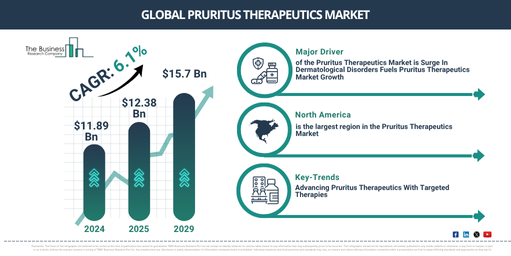
    In recent times, there has been a consistent increase in the market size of pruritus therapeutics. From $11.89 billion in 2024, it is set to expand to $12.38 billion in 2025, with a Compound Annual Growth Rate (CAGR) of 4.1%. The historical period’s development can be related to an increase in pruritus cases, varied reasons and conditions, an escalating elderly population, and a focus on bettering patient life quality.

    There is an anticipated strong surge in the pruritus therapeutics market over the next couple of years. The market is projected to expand to “$15.7 billion by 2029 with an impressive compound annual growth rate (CAGR) of 6.1%. This anticipated growth in the prognosis period can be linked to an improved understanding of pruritus pathophysiology, advancements in drug formulations and delivery, a shift toward personalized medicine, an escalation in dermatological R&D, enhanced awareness and diagnosis rates, and escalating interest in plant-based and herbal solutions. Key trends during the prognosis period will include the creation of itch-specific receptor agonists and antagonists, the increased market focus on personalized therapeutic strategies, the merging of technology in itch tracking and treatment, and partnerships for interdisciplinary research.

    Get A Free Sample Of The Report:

    https://www.thebusinessresearchcompany.com/sample.aspx?id=11907&type=smp

    Which Industry Forces Are Driving The Pruritus Therapeutics Market Forward?

    An increase in the prevalence of skin-related disorders is projected to boost the pruritus therapeutics market’s expansion. Dermatological issues cover a spectrum from acne and eczema to skin cancer and fungal infections and can include conditions relating to skin, hair, nails, and mucous membranes. The specific cause of the itchiness frequently dictates the application of pruritus treatments for these skin diseases. Treatments include topical applications, emollients and moisturizers, medications that suppress the immune system, and medicines specifically for itching. For example, the American Cancer Society, a non-profit organization based in the US committed to eradicating cancer, anticipated 108,270 skin cancer cases in January 2024, a 3.2% rise from the 104,930 instances recorded in 2023. So, the escalating incidence of skin disorders is fuelling the pruritus therapeutics market’s growth.

    What Is The Segment Breakdown Of The Pruritus Therapeutics Market?

    The pruritus therapeutics market covered in this report is segmented –

    1) By Product: Corticosteroids, Antihistamines, Local Anesthetics, Counterirritants, Immunosuppressants, Calcineurin Inhibitors, Other Products

    2) By Route Of Administration: Oral, Parenteral, Topical

    3) By Disease Type: Atopic Dermatitis, Allergic Contact Dermatitis, Urticaria, Cutaneous T-Cell, Other Disease Types

    4) By End-User: Hospitals, Clinics, Other End Users

    Subsegments:

    1) By Corticosteroids: Topical Corticosteroids, Systemic Corticosteroids

    2) By Antihistamines: First-Generation Antihistamines, Second-Generation Antihistamines

    3) By Local Anesthetics: Topical Local Anesthetics

    4) By Counterirritants: Menthol-Based Products, Camphor-Based Products

    5) By Immunosuppressants: Topical Immunosuppressants, Systemic Immunosuppressants

    6) By Calcineurin Inhibitors: Tacrolimus Ointment, Pimecrolimus Cream

    7) By Other Products: Moisturizers And Emollients, Antipruritic Herbal Remedies, Combination Therapies

    How Are Global Trends Impacting The Development Of The Pruritus Therapeutics Market?

    Leading firms in the pruritus therapeutics market are concentrating on the creation of targeted remedies for specific patient groups and rare conditions, such as a non-systemic ileal bile acid transport inhibitor. This personal approach to medicine aims to fill gaps in currently available treatments. This specific type of drug targets the absorption of bile acid in the gut without major impacts on the body’s systemic circulation, thus reducing potential side effects. For instance, in June 2023, Ipsen, a pharmaceutical company from France, was granted approval from the Food and Drug Administration (FDA), an agency of the US Department of Health and Human Services, for the use of Bylvay (odevixibat) to treat cholestatic pruritus in Alagille syndrome (ALGS) patients who are at least 12 months old. Bylvay, an IBATi taken once daily, demonstrates very little systemic exposure and is the first FDA approved treatment for cholestatic pruritus related to progressive familial intrahepatic cholestasis (PFIC) in the United States. The drug had already been approved for PFIC treatment in Europe and is now available by prescription for eligible ALGS patients in the US.

    Which Firms Are Driving Innovation Within The Pruritus Therapeutics Market?

    Major companies operating in the pruritus therapeutics market include Pfizer Inc., Johnson & Johnson, AbbVie Inc., Sanofi S.A., Bristol-Myers Squibb Company, Eli Lilly and Company, Regeneron Pharmaceuticals Inc., Astellas Pharma Inc. , Bausch Health Companies Inc., Galderma Laboratories LP, Cipla Limited, LEO Pharma AS, Cara Therapeutics Inc., GlaxoSmithKline Plc, Novan Inc., Escient Pharmaceuticals Inc., Nerre Therapeutic Ltd., EPI Health LLC, Trevi Therapeutics Inc., Evelo Biosciences, Toray Medical Co. Ltd.

    Access The Complete Report Here:

    https://www.thebusinessresearchcompany.com/report/pruritus-therapeutics-global-market-report

    Which Region Is Likely To Register The Fastest Growth In The Pruritus Therapeutics Market?

    North America was the largest region in the pruritus treatment market in 2024. Asia-Pacific is expected to be the fastest-growing region in the forecast period. The regions covered in the pruritus therapeutics market report are Asia-Pacific, Western Europe, Eastern Europe, North America, South America, Middle East, Africa.

    Customize Your Report Here:

    https://www.thebusinessresearchcompany.com/customise?id=11907&type=smp

    About The Business Research Company:

    With over 15000+ reports from 27 industries covering 60+ geographies, The Business Research Company has built a reputation for offering comprehensive, data-rich research and insights. Armed with 1,500,000 datasets, the optimistic contribution of in-depth secondary research, and unique insights from industry leaders, you can get the information you need to stay ahead in the game.

    Get in touch with us:

    The Business Research Company: https://www.thebusinessresearchcompany.com/

    Americas +1 310-496-7795

    Asia +44 7882 955267 & +91 8897263534

    Europe +44 7882 955267

    Email us at info@tbrc.info

    Follow us on:

    LinkedIn: https://in.linkedin.com/company/the-business-research-company

    YouTube: https://www.youtube.com/channel/UC24_fI0rV8cR5DxlCpgmyFQ

    Global Market Model: https://www.thebusinessresearchcompany.com/global-market-model

  • Humanoid Healthcare Assistive Robot Market Emerging Trends and Growth Drivers Through 2029 | Reach USD $3.49 Billion

    Humanoid Healthcare Assistive Robot Market Emerging Trends and Growth Drivers Through 2029 | Reach USD $3.49 Billion

    Claim 30% Off Global Market Reports With Code ONLINE30 – Insights on Tariff Effects, Global Trade, and Industry Disruptors

    What Is The Predicted Market Size Of The Humanoid Healthcare Assistive Robot Industry By 2029?

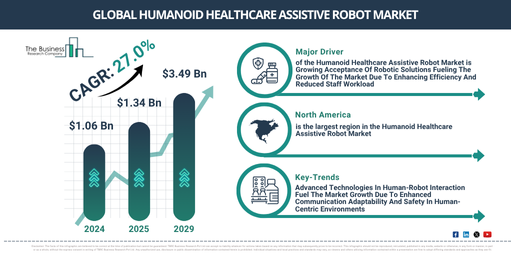
    The market size for humanoid healthcare assistive robots has seen an explosive growth in the past few years. Its growth is projected to increase from $1.06 billion in 2024 to $1.34 billion in 2025, with a compound annual growth rate (CAGR) of 27.0%. The historic period witnessed growth due to factors such as heightened demand for healthcare automation, an increase in chronic diseases, labor constraints in the healthcare sector, escalating healthcare expenses, a requirement for remote patient monitoring, and the need for customised patient care.

    The market size for humanoid healthcare assistive robots is set to experience significant expansion in the coming years, increasing to “$3.49 billion in 2029 with a compound annual growth rate (CAGR) of 27.0%. Factors contributing to this growth during the forecast period include the growing use of AI in healthcare, an increased focus on care for the elderly, higher healthcare expenditure, the blending of robots with telemedicine, the need for assistive tech for the disabled, and advancements in robot-human communication. Key trends during this period include progression in deep learning algorithms, advancement in human-robot interaction platforms, increased robot mobility and agility, the rise of soft robotics, the assimilation of 5G technology for immediate communication, and the application of wearable sensors for patient tracking.

    Get A Free Sample Of The Report:

    https://www.thebusinessresearchcompany.com/sample.aspx?id=24243&type=smp

    What Core Drivers Are Expected To Influence The Humanoid Healthcare Assistive Robot Market?

    The expansion of the humanoid healthcare assistive robot market can be attributed to the rising endorsement of robotic solutions. This concerns the application of robotics systems and innovations for the automation of tasks, enhancement of efficiency, and solving sophisticated challenges across various sectors. The surge in endorsement of these solutions arises from the fact that they can alleviate the workload of healthcare employees by effectively managing monotonous tasks. This allows healthcare professionals to focus more on pivotal patient care. Humanoid healthcare assistive robots further amplify robotic solutions by rendering personalized assistance in caregiving, rehabilitation, and patient interaction, exhibiting human-like conduct and adaptive help. For example, in September 2023, the International Federation of Robotics (IFR), a non-profit organization based in Germany and specializing in robotics industry research, reported a total of 553,052 industrial robot installations worldwide with a 5% increase from 2022. Consequently, this increase in endorsement of robotic solutions is fuelling the growth of the humanoid healthcare assistive robot market.

    How Is The Humanoid Healthcare Assistive Robot Market Categorized Across Applications And Types?

    The humanoid healthcare assistive robot market covered in this report is segmented –

    1) By Type: Surveillance Healthcare Assistive Robot, Security Healthcare Assistive Robot

    2) By Component: Hardware, Software, Services

    3) By Technology: Artificial Intelligence, Machine learning, Natural Language Processing, Robotic Process Automation, Computer Vision

    4) By Application: Elderly Care, Rehabilitation, Surgery Assistance, Patient Monitoring, Other Applications

    5) By End-User: Hospitals, Clinics, Home Care Settings, Rehabilitation Centers, Other End-Users

    Subsegments:

    1) By Surveillance Healthcare Assistive Robot: Remote Monitoring Robots, Diagnostic Assistance Robots, Patient Interaction Robots, Vital Signs Monitoring Robots, Surveillance And Security Monitoring Robots

    2) By Security Healthcare Assistive Robot: Patient Safety Robots, Anti-Disruption Robots, Emergency Response Robots, Intruder Detection Robots, Automated Security Robots For Hospitals

    How Are Market Trends Influencing Competition In The Humanoid Healthcare Assistive Robot Market?

    Leading players in the humanoid healthcare assistive robot market are concentrating on creating technologically superior solutions like human-robot interaction to ensure more efficient and sensitive human encounters. Human-robot interaction (HRI) involves the conception and creation of systems that allow robots to effectively communicate, co-work, and interact with humans, underscoring the necessity for smooth and beneficial associations. This field is dedicated to understanding the human approach to perceiving, controlling, and cooperating with robots. For example, in March 2024, the Toyota Research Institute, a US-specific firm dedicated to research in artificial intelligence and innovations in robotics, introduced the Punyo robots. These new technologies have an unusual design, prioritizing safety, suppleness and flexibility to aid in human tasks on a daily basis. The Punyo robots, equipped with tactile sensors to adjust to objects, airbags in their arms to control soft and hard textures, and sophisticated learning approaches, blend soft materials with inner mechanical structures. The design is tailored to observe and copy human actions, enhancing its ability to handle various home tasks and improve its daily environment functionality.

    Who Are The Most Influential Companies In The Humanoid Healthcare Assistive Robot Market?

    Major companies operating in the humanoid healthcare assistive robot market are Ubtech Robotics Inc., Fourier Intelligence Co. Ltd., SoftBank Robotics Corp, Boston Dynamics, Neura Robotics GmbH, Kinova Robotics Inc., Engineered Arts, Diligent Robotics Inc., Flexiv, 1X Technologies, Apptronik, Hocoma AG, Agility Robotics, ReWalk Robotics, Ekso Bionics, Hanson Robotics Limited, PAL Robotics, F&P Robotics AG, Focal Meditech, Rainbow Robotics.

    Access The Complete Report Here:

    https://www.thebusinessresearchcompany.com/report/humanoid-healthcare-assistive-robot-global-market-report

    Which Region Holds The Greatest Opportunity For Humanoid Healthcare Assistive Robot Market Expansion?

    North America was the largest region in the humanoid healthcare assistive robot market in 2024. Asia-Pacific is expected to be the fastest-growing region in the forecast period. The regions covered in the humanoid healthcare assistive robot market report are Asia-Pacific, Western Europe, Eastern Europe, North America, South America, Middle East, Africa.

    Customize Your Report Here:

    https://www.thebusinessresearchcompany.com/customise?id=24243&type=smp

    About The Business Research Company:

    With over 15000+ reports from 27 industries covering 60+ geographies, The Business Research Company has built a reputation for offering comprehensive, data-rich research and insights. Armed with 1,500,000 datasets, the optimistic contribution of in-depth secondary research, and unique insights from industry leaders, you can get the information you need to stay ahead in the game.

    Get in touch with us:

    The Business Research Company: https://www.thebusinessresearchcompany.com/

    Americas +1 310-496-7795

    Asia +44 7882 955267 & +91 8897263534

    Europe +44 7882 955267

    Email us at info@tbrc.info

    Follow us on:

    LinkedIn: https://in.linkedin.com/company/the-business-research-company

    YouTube: https://www.youtube.com/channel/UC24_fI0rV8cR5DxlCpgmyFQ

    Global Market Model: https://www.thebusinessresearchcompany.com/global-market-model