Month: September 2025

  • Behcets disease Market Size, Share & Trends Analysis Report By Product | Forecast to 2029

    Behcets disease Market Size, Share & Trends Analysis Report By Product | Forecast to 2029

    Claim 30% Off Global Market Reports With Code ONLINE30 – Insights on Tariff Effects, Global Trade, and Industry Disruptors

    What Are The Future Growth Projections For The Behcets disease Market Size?

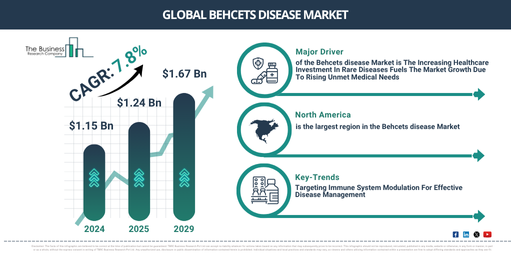
    In the past few years, the market size for Behcets disease has seen a significant increase. The market value is predicted to surge from $1.15 billion in 2024 to $1.24 billion in 2025, with a Compound Annual Growth Rate (CAGR) of 7.3%. Factors such as growing awareness towards rare diseases, the accessibility of biologic treatments, enhancements in healthcare infrastructure, an increase in autoimmune diseases cases, and a bigger inclination towards biologic therapies have contributed to the growth experienced in the historical period.

    Predictions point towards robust expansion of the behcets disease market in the future, as it is anticipated to reach a value of $1.67 billion by 2029, with a CAGR of 7.8%. This upward trajectory in the forecast period can be credited to numerous factors such as the rise in research related to autoimmune and inflammatory illnesses, the increasing number of clinical exams and studies, the progression of individualized treatment methods, broadening healthcare accessibility in upcoming markets, and a rising emphasis on patient-focused care models. Noteworthy trends predicted in the forecast period encompass progress in diagnostic methods, advancement in precision therapeutics, a swing towards telemedicine and digital health technologies, the expanding partnerships between pharmaceutical corporations and research institutes, and the emergence of innovative combo therapies for treatment.

    Get A Free Sample Of The Report:

    https://www.thebusinessresearchcompany.com/sample.aspx?id=24167&type=smp

    What Drivers Are Accelerating Expansion Of The Behcets disease Market?

    The behcets disease market is anticipating substantial growth as a consequence of rising healthcare investments in rare diseases. The term rare diseases refers to conditions which afflict fewer than 1 out of every 2000 people, and commonly involve complicated symptoms and limited therapeutic avenues. The escalation in healthcare investments in these diseases can be attributed mostly to the increased recognition of unmet medical needs; a significant number of patients do not have access to effective treatments, stimulating governments and pharmaceutical firms to place greater emphasis on research, funding, and development in this domain. Behçet’s disease is an example of the extensive impact that focused research and advocacy for a single rare disease can have on generating comprehensive investment for rare diseases in general, illustrating how concentrated efforts can promote substantial progress in comprehension, treatment, and policies for the whole rare disease community. For example, figures from Global Genes, a nonprofit organization based in the US, reveal that in the first quarter of 2024, corporations developing drugs for rare diseases gathered $7.1 billion via public equity and debt financing- a 307% increase from the $1.8 billion amassed in the identical period of 2023. As a result, the escalation in healthcare investment in rare diseases is bolstering the growth of the behcets disease market.

    Which Sub-Segments Are Driving Growth Within The Behcets disease Market?

    The behcets disease market covered in this report is segmented –

    1) By Treatment Type: Corticosteroids, Immunosuppressants, Biologics, Other Treatments

    2) By Route Of Administration: Oral, Injectable, Topical

    3) By Type of Disease: Non-Ocular Behcet’s Disease, Ocular Behcet’s Disease

    4) By Distribution Channel: Hospital Pharmacies, Retail Pharmacies, Online Pharmacies, Other Distribution Channels

    5) By End User: Hospitals, Clinics, Ambulatory Surgical Centers

    Subsegments:

    1) By Corticosteroids: Oral Corticosteroids, Topical Corticosteroids, Intravenous Corticosteroids

    2) By Immunosuppressants: Methotrexate, Azathioprine, Cyclophosphamide, Mycophenolate Mofetil, Cyclosporine

    3) By Biologics: Tumor Necrosis Factor (TNF) Inhibitors, Interleukin Inhibitors

    4) By Other Treatments: Colchicine, Thalidomide, Hydroxychloroquine, Corticosteroid-Sparing Agents

    What Future-Focused Trends Are Anticipated In The Behcets disease Market?

    Leading companies in the behcets disease market are concentrating their efforts on conducting clinical experiments to create innovative products like innate defense regulator (IDR) that could improve immune system modulation and provide more efficient treatments for inflammation and other symptoms linked with this illness. Innate defense regulators (IDRs) are man-made peptides that control the innate immune response by improving the body’s natural defensive measures. In Behcets disease scenario, they assist by managing the immune system to lessen excessive inflammation, which could possibly alleviate symptoms and control disease outbreaks. For instance, in November 2024, Soligenix, Inc., a Biopharmaceutical firm based in the US, started enrolling patients for its Phase 2 trial (protocol number DUS-AUBD-01) to evaluate the efficiency of SGX945 (dusquetide) in treating Behcet’s disease. This study’s aim is to investigate the potential of SGX945, being an innate defense regulator (IDR), to modulate the immune system and lessen inflammation, thereby introducing a new therapeutic strategy to manage the symptoms and outbreaks related to behcet’s disease.

    Which Players Are Shaping The Competitive Landscape Of The Behcets disease Market?

    Major companies operating in the behcets disease market are AbbVie Inc., AstraZeneca PLC, GlaxoSmithKline PLC, Amgen Inc., Teva Pharmaceutical Industries Ltd., Sandoz International GmbH, Chugai Pharmaceutical Co. Ltd, Sun Pharmaceutical Industries Limite, Eisai Co. Ltd, Pharmascience Inc, Samsung Bioepis Co. Ltd., Maxivision Eye Hospitals Pvt. Ltd, Ainos Inc., Soligenix Inc, XOMA Corporation, Creabilis S.A., Iltoo Pharma S.A.S., Ganzhou Hemay Pharmaceutical Co. Ltd., Sanguine Biosciences Inc., NYU Langone Health

    Access The Complete Report Here:

    https://www.thebusinessresearchcompany.com/report/behcets-disease-global-market-report

    How Do Regional Dynamics Influence The Behcets disease Market Performance?

    North America was the largest region in the behcets disease market in 2024. Asia-Pacific is expected to be the fastest-growing region in the forecast period. The regions covered in the behcets disease market report are Asia-Pacific, Western Europe, Eastern Europe, North America, South America, Middle East, Africa.

    Customize Your Report Here:

    https://www.thebusinessresearchcompany.com/customise?id=24167&type=smp

    About The Business Research Company:

    With over 15000+ reports from 27 industries covering 60+ geographies, The Business Research Company has built a reputation for offering comprehensive, data-rich research and insights. Armed with 1,500,000 datasets, the optimistic contribution of in-depth secondary research, and unique insights from industry leaders, you can get the information you need to stay ahead in the game.

    Get in touch with us:

    The Business Research Company: https://www.thebusinessresearchcompany.com/

    Americas +1 310-496-7795

    Asia +44 7882 955267 & +91 8897263534

    Europe +44 7882 955267

    Email us at info@tbrc.info

    Follow us on:

    LinkedIn: https://in.linkedin.com/company/the-business-research-company

    YouTube: https://www.youtube.com/channel/UC24_fI0rV8cR5DxlCpgmyFQ

    Global Market Model: https://www.thebusinessresearchcompany.com/global-market-model
  • What Are The Strategic Insights Behind The Autoimmune Monoclonal Antibody Market Expansion To $96.74 Billion?

    What Are The Strategic Insights Behind The Autoimmune Monoclonal Antibody Market Expansion To $96.74 Billion?

    Claim 30% Off Global Market Reports With Code ONLINE30 – Insights on Tariff Effects, Global Trade, and Industry Disruptors

    What Is The Current Size And Growth Outlook For The Autoimmune Monoclonal Antibody Market?

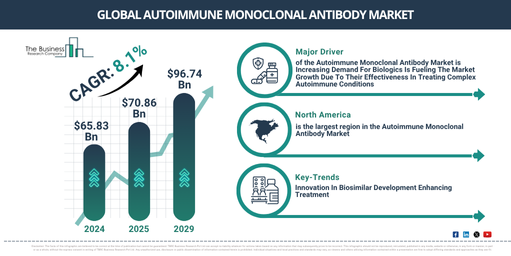
    In recent times, the autoimmune monoclonal antibody market has seen considerable growth. Its expansion is projected to continue, with an increase from $65.83 billion in 2024 to $70.86 billion in 2025. This represents a compound annual growth rate (CAGR) of 7.6%. This robust growth in the historical context is due to several factors such as a rising prevalence of autoimmune diseases, increased adoption of biologics for treatment, heightened awareness of targeted therapies, expeditious approvals for monoclonal antibody drugs, and the enhancement of healthcare accessibility in developed nations.

    The market size of autoimmune monoclonal antibodies is projected to experience significant expansion in the coming years, set to reach “$96.74 billion in 2029, featuring a compound annual growth rate (CAGR) of 8.1%. This growth in the projected timeline is likely due to an increase in the need for personalized healthcare, rising acceptance of biosimilars, escalated clinical trials related to autoimmune therapies, an expanding elderly population, and increasing instances of chronic immune disorders. Enumerated trends for the forecast period encompass advancements in antibody engineering, the evolution of bispecific antibodies, the augmented usage of artificial intelligence in drug discovery, the integration of genomics in treatment strategies, and innovative drug delivery systems.

    Get A Free Sample Of The Report:

    https://www.thebusinessresearchcompany.com/sample.aspx?id=24162&type=smp

    Which Key Factors Are Fueling Growth In The Autoimmune Monoclonal Antibody Market?

    The growth of the autoimmune monoclonal antibody market is anticipated to be propelled by the escalating demand for biologics. Biologics are medicinal products obtained from living organisms or their components, utilized for the treatment, prevention, or diagnosis of various diseases. This rising demand is predominantly driven by their efficacy in treating complex diseases like cancer, autoimmune disorders, and genetic conditions, where conventional therapies might not be as effective. Autoimmune monoclonal antibodies enhance these biologic therapies by providing targeted immune modulation, thereby making them efficient in handling hyperactive immune responses. They limit the requirement of widespread immunosuppressants by offering accurate treatment, enhancing patient results, and reducing side effects. For example, Cardinal Health Inc., a healthcare company based in the U.S., reported in June 2024 that the Food and Drug Administration (FDA) approved 40 biosimilar products in 2023, a rise from 33 in 2022, and out of these, 25 are available commercially in the U.S. market. Consequently, the mounting demand for biologics is fueling the expansion of the autoimmune monoclonal antibody market.

    What Segmentation Insights Are Provided In The Autoimmune Monoclonal Antibody Market Research?

    The autoimmune monoclonal antibody market covered in this report is segmented –

    1) By Type: Immunoglobulin G Monoclonal Antibodies, Immunoglobulin M Monoclonal Antibodies, Chimeric Monoclonal Antibodies, Fully Human Monoclonal Antibodies

    2) By  Route Of Administration: Subcutaneous, Intravenous, Intramuscular

    3) By Application: Rheumatoid Arthritis, Multiple Sclerosis, Systemic Lupus Erythematosus, Psoriasis, Inflammatory Bowel Disease

    4) By Distribution Channel: Hospital Pharmacy, Online Pharmacy, Retail Pharmacy

    5) By End User: Hospitals, Outpatient Clinics, Homecare Settings, Research Institutions

    Subsegments:

    1) By Immunoglobulin G (IgG) Monoclonal Antibodies: Immunoglobulin G1 (IgG1), Immunoglobulin G2 (IgG2), Immunoglobulin G3 (IgG3), Immunoglobulin G4 (IgG4)

    2) By Immunoglobulin M (IgM) Monoclonal Antibodies: Pentameric Immunoglobulin M (IgM), Hexameric Immunoglobulin M (IgM)

    3) By Chimeric Monoclonal Antibodies: Murine Variable Region + Human Constant Region, Humanized Variable Region + Murine Constant Region

    4) By Fully Human Monoclonal Antibodies: Phage Display-Derived, Transgenic Mouse-Derived, Fully Human Hybridoma-Derived

    Which Notable Trends Are Transforming The Autoimmune Monoclonal Antibody Market Outlook?

    Leading enterprises in the autoimmune monoclonal antibody market are concentrating their efforts on crafting innovative solutions such as biosimilar development, aiming to augment safety, quality, and efficacy. The process of biosimilar development involves creating biological products that are extremely similar, safe, and effective when compared to currently approved biologics. This process employs advanced biotechnology, rigorous analytical testing, and clinical studies to establish a comparable level of quality, efficacy, and safety for regulatory sanction. For instance, in February 2025, Biocon Biologics Limited, a biopharmaceutical company based in India, launched a biosimilar named YESINTEK. This product is used to treat autoimmune ailments like Crohn’s disease, ulcerative colitis, and psoriasis by specifically targeting and suppressing the actions of interleukin-12 and interleukin-23 in order to control inflammation and oversee the immune reaction. YESINTEK, by imitating the reference product Stelara, aids in managing these diseases in the long term while extending patient access to biologic therapies.

    Who Are The Leading Companies Driving The Autoimmune Monoclonal Antibody Market?

    Major companies operating in the autoimmune monoclonal antibody market are Johnson & Johnson, F. Hoffmann-La Roche Ltd, Pfizer Inc., Merck & Co. Inc., AbbVie Inc., Novartis AG, Sanofi S.A., Bristol-Myers Squibb Company, AstraZeneca PLC, Eli Lilly and Company, Amgen Inc., Teva Pharmaceutical Industries Ltd., Regeneron Pharmaceuticals Inc., UCB S.A., Genmab A/S, Zymeworks Inc., Xencor Inc., Immutep Limited, Cue Biopharma Inc., Santa Ana Bio Inc.

    Access The Complete Report Here:

    https://www.thebusinessresearchcompany.com/report/autoimmune-monoclonal-antibody-global-market-report

    Which Geographic Regions Are Creating Strong Demand In The Autoimmune Monoclonal Antibody Market?

    North America was the largest region in the autoimmune monoclonal antibody market in 2024. Asia-Pacific is expected to be the fastest-growing region in the forecast period. The regions covered in the autoimmune monoclonal antibody market report are Asia-Pacific, Western Europe, Eastern Europe, North America, South America, Middle East, Africa.

    Customize Your Report Here:

    https://www.thebusinessresearchcompany.com/customise?id=24162&type=smp

    About The Business Research Company:

    With over 15000+ reports from 27 industries covering 60+ geographies, The Business Research Company has built a reputation for offering comprehensive, data-rich research and insights. Armed with 1,500,000 datasets, the optimistic contribution of in-depth secondary research, and unique insights from industry leaders, you can get the information you need to stay ahead in the game.

    Get in touch with us:

    The Business Research Company: https://www.thebusinessresearchcompany.com/

    Americas +1 310-496-7795

    Asia +44 7882 955267 & +91 8897263534

    Europe +44 7882 955267

    Email us at info@tbrc.info

    Follow us on:

    LinkedIn: https://in.linkedin.com/company/the-business-research-company

    YouTube: https://www.youtube.com/channel/UC24_fI0rV8cR5DxlCpgmyFQ

    Global Market Model: https://www.thebusinessresearchcompany.com/global-market-model
  • How Will The Autoimmune Hemolytic Anemia Treatment Market Reach $1.95 Billion By 2029 Amid Global Shifts?

    How Will The Autoimmune Hemolytic Anemia Treatment Market Reach $1.95 Billion By 2029 Amid Global Shifts?

    Claim 30% Off Global Market Reports With Code ONLINE30 – Insights on Tariff Effects, Global Trade, and Industry Disruptors

    What Is The Predicted Market Size Of The Autoimmune Hemolytic Anemia Treatment Industry By 2029?

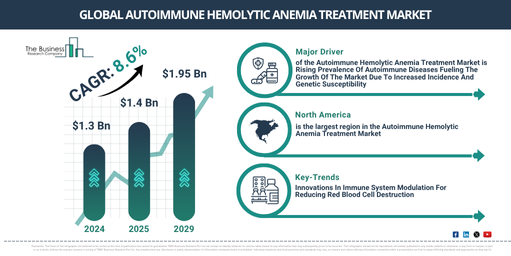
    The market size for autoimmune hemolytic anemia treatment has experienced robust development in the preceding years. It is projected to increase from $1.3 billion in 2024 to $1.4 billion in 2025, with a compound annual growth rate (CAGR) of 8.0%. Several factors contribute to this growth during the historical period, including enhanced disease understanding among healthcare professionals, a surge in autoimmune disorders, expansion in hospital facilities, a growing number of clinical studies, and an uptick in infection rates.

    The market for autoimmune hemolytic anemia treatment is predicted to experience substantial growth in the forthcoming years. Its value is projected to reach “$1.95 billion in 2029 with a compound annual growth rate (CAGR) of 8.6%. This expansion during the forecast period is linked to several factors such as the escalating occurrence of AIHA around the globe, a surging demand for targeted treatments, a rising emphasis on individualized medication, amplified funding for research into autoimmune diseases, and enhanced healthcare access in burgeoning regions. Notable future trends encompass breakthroughs in diagnostic technologies, the blending of digital health and telemedicine, developments in targeted treatment methods, AI-driven diagnostics and drug discovery, and innovative immunosuppressive strategies.

    Get A Free Sample Of The Report:

    https://www.thebusinessresearchcompany.com/sample.aspx?id=24161&type=smp

    Which Market Dynamics Are Playing A Critical Role In The Growth Of The Autoimmune Hemolytic Anemia Treatment Market?

    The escalation in the occurrence of autoimmune diseases is set to stimulate the expansion of the autoimmune hemolytic anemia treatment market. Autoimmune diseases encompass conditions where the immune system erroneously assaults the body’s own cells, leading to inflammation and harm. A significant factor behind the surge in autoimmune diseases is genetic pre-disposition, heightening the risk of these conditions in certain individuals. Crucial to the management of autoimmune disease complications, treatment of autoimmune hemolytic anemia focuses on minimizing the demolition of red blood cells instigated by the immune system. For example, the UK’s National Institute for Health and Care Research (NIHR) – a body that financially backs, encourages and executes health research for enhancing public health and welfare, revealed in May 2023 that autoimmune diseases affect nearly one in ten people, referencing a study of 22 million individuals. With 19 distinct autoimmune diseases touching about 10% of the population – 13% women and 7% men. Subsequently, the escalating occurrence of autoimmune diseases is set to fuel the expansion of the autoimmune hemolytic anemia treatment market.

    How Does The Autoimmune Hemolytic Anemia Treatment Market Differ By Segment?

    The autoimmune hemolytic anemia treatment market covered in this report is segmented –

    1) By Type: Warm Autoimmune Hemolytic Anemia, Cold Autoimmune Hemolytic Anemia, Other Types

    2) By Drug Class: Corticosteroids, Immunosuppressive Agents, Other Drug Classes

    3) By Route Of Administration: Injectable, Oral, Other Route Of Administrations

    4) By Distribution Channel: Hospital Pharmacy, Retail Pharmacy, Online Pharmacy

    Subsegments:

    1) By Warm Autoimmune Hemolytic Anemia: Primary Warm Autoimmune Hemolytic Anemia, Secondary Warm Autoimmune Hemolytic Anemia

    2) By Cold Autoimmune Hemolytic Anemia: Primary Cold Agglutinin Disease (CAD), Secondary Cold Autoimmune Hemolytic Anemia

    3) By Other Types: Mixed-Type Autoimmune Hemolytic Anemia, Paroxysmal Cold Hemoglobinuria (PCH), Drug-Induced Autoimmune Hemolytic Anemia

    What New Opportunities Are Emerging From Trends In The Autoimmune Hemolytic Anemia Treatment Market?

    Major firms engaged in the autoimmune hemolytic anemia treatment marketplace are turning their attention to the development of advanced targeted treatments, including unique monoclonal antibodies known as first-in-class. These therapies specifically block certain immune pathways, such as the classical complement system, thus reducing the destruction of red blood cells while minimizing side effects. The benefit of first-in-class monoclonal antibodies is their ability to target unique mechanisms or pathways within the body that have not been targeted by any existing approved medications. For example, in November 2022, the French healthcare giant, Sanofi S.A., gained marketing approval from the European Commission for its monoclonal antibody drug, Enjaymo (sutimlimab), designed to target and inhibit the C1s protein within the classical complement pathway. The medication is used to treat adults suffering from hemolytic anemia brought about by Cold Agglutinin Disease (CAD) – a rare, chronic autoimmune disorder that mistakenly leads the immune system to destroy healthy red blood cells, causing hemolysis. Enjaymo works by limiting the destruction of red blood cells, providing a focused treatment for CAD, a subtype of autoimmune hemolytic anemia (AIHA).

    Who Are The Global Leaders Steering The Autoimmune Hemolytic Anemia Treatment Market Forward?

    Major companies operating in the autoimmune hemolytic anemia treatment market are Johnson & Johnson, F. Hoffmann-La Roche Ltd., AbbVie Inc., Sanofi SA, Novartis AG, Amgen Inc., Incyte Corporation, Alexion Pharmaceuticals Inc., Hutchison China MediTech Limited, BioCryst Pharmaceuticals Inc., Annexon Inc., Rigel Pharmaceuticals Inc., Nanjing IASO Biotherapeutics Co. Ltd., Apellis Pharmaceuticals Inc., Momenta Pharmaceuticals Inc., Zenas BioPharma Inc., Immunovant Sciences GmbH, Alpine Immune Sciences Inc., Agios Pharmaceuticals Inc., Kezar Life Sciences Inc.

    Access The Complete Report Here:

    https://www.thebusinessresearchcompany.com/report/autoimmune-hemolytic-anemia-treatment-global-market-report

    Which Region Is Likely To Register The Fastest Growth In The Autoimmune Hemolytic Anemia Treatment Market?

    North America was the largest region in the autoimmune hemolytic anemia treatment market in 2024. Asia-Pacific is expected to be the fastest-growing region in the forecast period. The regions covered in the autoimmune hemolytic anemia treatment market report are Asia-Pacific, Western Europe, Eastern Europe, North America, South America, Middle East, Africa.

    Customize Your Report Here:

    https://www.thebusinessresearchcompany.com/customise?id=24161&type=smp

    About The Business Research Company:

    With over 15000+ reports from 27 industries covering 60+ geographies, The Business Research Company has built a reputation for offering comprehensive, data-rich research and insights. Armed with 1,500,000 datasets, the optimistic contribution of in-depth secondary research, and unique insights from industry leaders, you can get the information you need to stay ahead in the game.

    Get in touch with us:

    The Business Research Company: https://www.thebusinessresearchcompany.com/

    Americas +1 310-496-7795

    Asia +44 7882 955267 & +91 8897263534

    Europe +44 7882 955267

    Email us at info@tbrc.info

    Follow us on:

    LinkedIn: https://in.linkedin.com/company/the-business-research-company

    YouTube: https://www.youtube.com/channel/UC24_fI0rV8cR5DxlCpgmyFQ

    Global Market Model: https://www.thebusinessresearchcompany.com/global-market-model
  • What Is The Long-Term Forecast For The Autoimmune Gastrointestinal Dysmotility Market Growing At 6.9% CAGR?

    What Is The Long-Term Forecast For The Autoimmune Gastrointestinal Dysmotility Market Growing At 6.9% CAGR?

    Claim 30% Off Global Market Reports With Code ONLINE30 – Insights on Tariff Effects, Global Trade, and Industry Disruptors

    What CAGR And Valuation Are Anticipated For The Autoimmune Gastrointestinal Dysmotility Market?

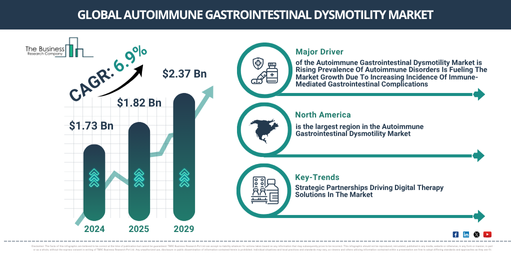
    There’s been consistent growth observed in the market size of autoimmune gastrointestinal dysmotility over the past few years. The market is expected to grow from $1.73 billion in 2024 to $1.82 billion in 2025, recording a compound annual growth rate (CAGR) of 5.0%. Several factors contributed to this growth during the historical period, including the rising ignorance about rare diseases, the increase in substandard diagnostic procedures, the surge in cases being incorrectly diagnosed as other gastrointestinal conditions, the growing lack of targeted therapies, and the escalating delays in research progress.

    The market for autoimmune gastrointestinal dysmotility is anticipated to experience robust expansion in the upcoming years. It is projected to reach “$2.37 billion by 2029” with a compound annual growth rate (CAGR) of 6.9%. The surge in this prediction period could be linked to the increased incidence of autoimmune diseases, enhancements in diagnostic methods, escalated health care expenditure, an uptick in rare disease registries, and improved education for clinicians. Key trends projected in this timeframe encompass advancements in diagnostic technology, breakthroughs in immunotherapy, cultivation of neurogastroenterology research, advancements in the research and development of motility modulators, and the implementation of personalized treatment strategies.

    Get A Free Sample Of The Report:

    https://www.thebusinessresearchcompany.com/sample.aspx?id=24160&type=smp

    What External And Internal Drivers Are Influencing The Autoimmune Gastrointestinal Dysmotility Market?

    The increasing occurrence of autoimmune diseases may fuel the expansion of the autoimmune gastrointestinal dysmotility market in the future. Autoimmune diseases are those where the body’s immune system erroneously strikes its healthy cells, tissues, or organs instead of defending them against infections and foreign matter. The upsurge in autoimmune diseases can primarily be attributed to a mix of genetic predisposition and environmental catalysts. These factors collectively disturb the regulation of the immune system and amplify the chance of the body assaulting its own tissues. Autoimmune gastrointestinal dysmotility aids in discovering and handling the underlying autoimmune disorders by exposing immune-mediated damage to the enteric nervous system; it connects gastrointestinal symptoms to systematic autoimmune activities. For example, as per a November 2024 poll by Versorgungsatlas.de, a German organization, nearly 6,304,340 out of 73,241,305 people surveyed in 2022 were identified with at least one autoimmune disease. This led to a crude prevalence rate of 8.61. Hence, the escalating occurrence of autoimmune disorders is promoting the advancement of the autoimmune gastrointestinal dysmotility market.

    Which Segment Accounts For The Largest Share In The Autoimmune Gastrointestinal Dysmotility Market?

    The autoimmune gastrointestinal dysmotility market covered in this report is segmented –

    1) By Treatment Type: Medications, Surgical Interventions, Dietary Management, Physical Therapy

    2) By Drug Class: Prokinetic Agents, Anti-Inflammatory Drugs, Immunosuppressive Drugs, Antibiotics

    3) By Disease Type: Gastroparesis, Chronic Intestinal Pseudo-Obstruction (Cipo), Functional Dyspepsia, Irritable Bowel Syndrome (Ibs), Celiac Disease

    4) By Distribution Channel: Hospital Pharmacy, Retail Pharmacy, Online Pharmacies, Other Distribution Channels

    5) By End User: Hospitals, Clinics, Home Care Settings, Research Institutions

    Subsegments:

    1) By Medications: Immunosuppressants, Corticosteroids, Prokinetic Agents, Antiemetics, Antispasmodics, Antibiotics

    2) By Surgical Interventions: Gastrostomy, Jejunostomy, Colostomy, Ileostomy, Pyloroplasty, Colectomy

    3) By Dietary Management: Enteral Nutrition, Parenteral Nutrition, Gluten-Free Diet, Elemental Diet, Small Frequent Meals

    4) By Physical Therapy: Pelvic Floor Therapy, Abdominal Massage Therapy, Neuromuscular Electrical Stimulation (NMES), Biofeedback Therapy, Respiratory Muscle Training, Postural Training

    Which Long-Term Trends Will Play A Crucial Role In The Autoimmune Gastrointestinal Dysmotility Market?

    Prominent firms in the autoimmune gastrointestinal dysmotility market are strategically partnering to offer digital therapy solutions for the management of autoimmune gastrointestinal dysmotility conditions. These alliances increase care for autoimmune gastrointestinal dysmotility by providing combined, virtual-first healthcare with specialist teams, boost symptom control, accessibility to care, and financial efficacy. For example, in March 2022, Solera Health, a digital health corporation from the US, joined forces with Oshi Health, a US-based virtual gastrointestinal care firm, and Vivante Health, another US-based digital health company. This action will bring progressive digital therapy solutions to assist in the administration and treatment of autoimmune gastrointestinal dysmotility. The main goal of this cooperation is to facilitate patient accessibility to specialized care and amplify the overall efficacy of treatment for individuals suffering from gastrointestinal disorders.

    Which Companies Hold A Competitive Edge In The 623 Market?

    Major companies operating in the autoimmune gastrointestinal dysmotility market are AbbVie Inc., GlaxoSmithKline plc, Takeda Pharmaceutical Company Limited, Teva Pharmaceutical Industries Ltd., Chugai Pharmaceutical Co. Ltd., Zeria Pharmaceutical Co. Ltd., Ironwood Pharmaceuticals Inc., Vanda Pharmaceuticals Inc., Dr. Falk Pharma GmbH, Rose Pharma LLC, Parvus Therapeutics Inc., CinDome Pharma Inc., Neurogastrx Inc., Renexxion LLC, ISOThrive Inc., Ambrose Healthcare Inc., AnTolRx Inc., Enteralia Bioscience S.r.l., Immunic Inc., Mozart Therapeutics Inc.

    Access The Complete Report Here:

    https://www.thebusinessresearchcompany.com/report/autoimmune-gastrointestinal-dysmotility-global-market-report

    Which Region Is Forecasted To Lead The Autoimmune Gastrointestinal Dysmotility Market In The Coming Years?

    North America was the largest region in the autoimmune gastrointestinal dysmotility market in 2024. The regions covered in the autoimmune gastrointestinal dysmotility market report are Asia-Pacific, Western Europe, Eastern Europe, North America, South America, Middle East, Africa.

    Customize Your Report Here:

    https://www.thebusinessresearchcompany.com/customise?id=24160&type=smp

    About The Business Research Company:

    With over 15000+ reports from 27 industries covering 60+ geographies, The Business Research Company has built a reputation for offering comprehensive, data-rich research and insights. Armed with 1,500,000 datasets, the optimistic contribution of in-depth secondary research, and unique insights from industry leaders, you can get the information you need to stay ahead in the game.

    Get in touch with us:

    The Business Research Company: https://www.thebusinessresearchcompany.com/

    Americas +1 310-496-7795

    Asia +44 7882 955267 & +91 8897263534

    Europe +44 7882 955267

    Email us at info@tbrc.info

    Follow us on:

    LinkedIn: https://in.linkedin.com/company/the-business-research-company

    YouTube: https://www.youtube.com/channel/UC24_fI0rV8cR5DxlCpgmyFQ

    Global Market Model: https://www.thebusinessresearchcompany.com/global-market-model
  • Which Emerging Trends Are Driving The Autacoids And Related Drug Market Toward $66.2 Billion By 2029?

    Which Emerging Trends Are Driving The Autacoids And Related Drug Market Toward $66.2 Billion By 2029?

    Claim 30% Off Global Market Reports With Code ONLINE30 – Insights on Tariff Effects, Global Trade, and Industry Disruptors

    What Are The Market Size Estimates For The Autacoids And Related Drug Market?

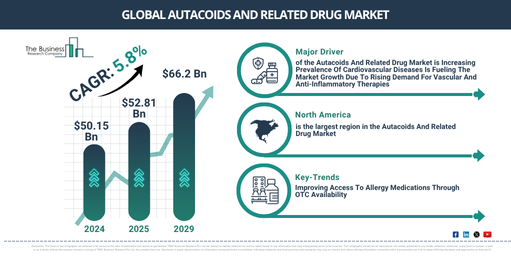
    The market for autacoids and associated drugs has experienced considerable growth in prior years. Its value is expected to amplify from $50.15 billion in 2024 to $52.81 billion in 2025, with a compound annual growth rate (CAGR) of 5.3%. Factors contributing to this historic growth include a rise in inflammatory diseases, increased use of prostaglandins for obstetrical needs, the prevalent prescription of antihistamines, the growing uses of serotonin agonists, and a boost in the need for migraine medications.

    The market size for autacoids and associated drugs is anticipated to experience substantial growth in the forthcoming years, escalating to a staggering “$66.2 billion by 2029 with a compound annual growth rate (CAGR) of 5.8%. The significant growth anticipated during this projection period can be ascribed to factors such as an increasing elderly population, the rising occurrence of chronic respiratory diseases, the acceptance of personalized medicine, expanded healthcare access in developing economies, and an increased rate of cardiovascular diseases. Key trends projected for this period encompass the integration of artificial intelligence in drug discovery, the creation of dual-action autacoid medications, the utilization of biosimilars for autacoid therapies, the rise in self-medication and over-the-counter products, and the implementation of nanotechnology in drug formulation.

    Get A Free Sample Of The Report:

    https://www.thebusinessresearchcompany.com/sample.aspx?id=24159&type=smp

    What Underlying Factors Are Supporting The Autacoids And Related Drug Market Growth?

    The rise in cardiovascular diseases is anticipated to fuel the expansion of the autacoids and related drugs market in the future. These diseases encompass a range of disorders that affect the heart and blood vessels, including coronary heart disease, heart failure, stroke, and high blood pressure. A primary factor contributing to the increase in cardiovascular diseases is an unhealthy diet mainly marked by high consumption of saturated fats, trans fats, extra sugars, and sodium. Such diets elevate blood pressure and cholesterol levels and promote obesity, all prominent risk factors for heart complications. Autacoids and related medicines work to improve cardiovascular health by adjusting vascular tone and inflammation, which are significant elements in conditions like hypertension and heart failure. Drugs targeting pathways that involve nitric oxide, endothelin, and prostacyclin aid in regenerating endothelial function, triggering vasodilation, and reducing vascular resistance. In support of this, the Australian Institute of Health and Welfare reported an increase from 14,100 in 2021 to 14,900 in 2022 in doctor-certified deaths in Australia due to coronary heart disease (CHD) in December 2023. As a result, the rise in cardiovascular diseases is stimulating the growth of the autacoids and related drugs market.

    What Are The Main Segment Classifications In The Autacoids And Related Drug Market?

    The autacoids and related drug market covered in this report is segmented –

    1) By Type: Histamines, Prostaglandins, Leukotrienes, Serotonin, Bradykinin

    2) By Administration: Oral, Injectable, Topical, Intranasal, Inhalation

    3) By Application: Cardiovascular Disorders, Inflammatory Diseases, Respiratory Disorders, Allergies, Gastrointestinal Disorders

    4) By End User: Hospitals, Clinics, Homecare, Pharmacies

    Subsegments:

    1) By Histamines: H1 Receptor Antagonists, H2 Receptor Antagonists, H3 Receptor Antagonists, H4 Receptor Antagonists, Histamine Agonists

    2) By Prostaglandins: Prostaglandin E1 (PGE1) Analogs, Prostaglandin E2 (PGE2) Analogs, Prostaglandin F2a (PGF2a) Analogs, Prostaglandin I2 (PGI2) Analogs, Prostaglandin D2 (PGD2) Analogs

    3) By Leukotrienes: Leukotriene Receptor Antagonists (LTRAs), 5-Lipoxygenase Inhibitors, Leukotriene Synthesis Inhibitors

    4) By Serotonin: 5-HT1 Receptor Agonists, 5-HT2 Receptor Antagonists, 5-HT3 Receptor Antagonists, 5-HT4 Receptor Agonists, 5-HT6 And 5-HT7 Modulators

    5) By Bradykinin: Bradykinin B1 Receptor Antagonists, Bradykinin B2 Receptor Antagonists, Bradykinin Receptor Agonists

    How Are Industry Trends Steering The Expansion Of The Autacoids And Related Drug Market?

    Major players in the autacoids and related drugs market are concentrating on the creation of innovative products like antihistamines to boost therapeutic potency, minimise side effects, and more accurately and safely address emerging allergies and inflammatory conditions. Antihistamines serve to counteract the impact of histamine, a chemical released amid an allergic response by your immune system. To illustrate, Tiefenbacher Pharmaceuticals, a pharmaceutical company located in Germany, introduced Bilastine as an over-the-counter drug in Germany in March 2023, this was a crucial advancement in making effective allergy treatments more accessible. These 20 mg Bilastine tablets provide a non-sedating, second-generation antihistamine solution for patients dealing with allergy-related conditions such as hay fever and urticaria.

    Which Firms Are Driving Innovation Within The Autacoids And Related Drug Market?

    Major companies operating in the autacoids and related drug market are Sanofi S.A., Fresenius SE & Co. KGaA, Dr. Reddy’s Laboratories Limited, EUROAPI S.A., Pfizer CentreOne, Cayman Chemical Company, Tokyo Chemical Industry Co. Ltd., Avanti Polar Lipids Inc., Kyowa Pharma Chemical Co. Ltd., Nicox S.A., Glentham Life Sciences Ltd., LGM Pharma Inc., chemBlink Inc., ZellBio GmbH, AquigenBio LLC, BOC Sciences Inc., Yarrow Chem Products Pvt. Ltd., LEBSA S.A., VDK NaturaSyn S.A., Enzo Life Sciences Inc.

    Access The Complete Report Here:

    https://www.thebusinessresearchcompany.com/report/autacoids-and-related-drug-global-market-report

    What Are The Emerging Regional Trends Driving The Autacoids And Related Drug Market?

    North America was the largest region in the autacoids and related drug market in 2024. Asia-Pacific is expected to be the fastest-growing region in the forecast period. The regions covered in the autacoids and related drug market report are Asia-Pacific, Western Europe, Eastern Europe, North America, South America, Middle East, Africa.

    Customize Your Report Here:

    https://www.thebusinessresearchcompany.com/customise?id=24159&type=smp

    About The Business Research Company:

    With over 15000+ reports from 27 industries covering 60+ geographies, The Business Research Company has built a reputation for offering comprehensive, data-rich research and insights. Armed with 1,500,000 datasets, the optimistic contribution of in-depth secondary research, and unique insights from industry leaders, you can get the information you need to stay ahead in the game.

    Get in touch with us:

    The Business Research Company: https://www.thebusinessresearchcompany.com/

    Americas +1 310-496-7795

    Asia +44 7882 955267 & +91 8897263534

    Europe +44 7882 955267

    Email us at info@tbrc.info

    Follow us on:

    LinkedIn: https://in.linkedin.com/company/the-business-research-company

    YouTube: https://www.youtube.com/channel/UC24_fI0rV8cR5DxlCpgmyFQ

    Global Market Model: https://www.thebusinessresearchcompany.com/global-market-model
  • What Is The Predicted Revenue Outlook For The Atypical Hemolytic Uremic Syndrome Treatment Market To Surpass $2.29 Billion?

    What Is The Predicted Revenue Outlook For The Atypical Hemolytic Uremic Syndrome Treatment Market To Surpass $2.29 Billion?

    Claim 30% Off Global Market Reports With Code ONLINE30 – Insights on Tariff Effects, Global Trade, and Industry Disruptors

    How Is The Atypical Hemolytic Uremic Syndrome Treatment Market Expected To Grow In Terms Of Size?

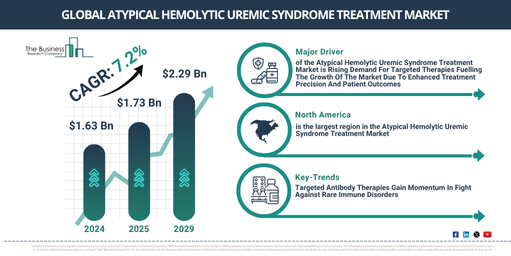
    In recent times, there has been significant growth in the market size for the treatment of atypical hemolytic uremic syndrome. The market is predicted to expand from $1.63 billion in 2024 to $1.73 billion in 2025, indicating a compound annual growth rate (CAGR) of 6.7%. The historic period growth can be traced back to various factors such as the rise in clinical trials, enhanced awareness of the illness, government backing for research, advanced diagnostic abilities, and a growing number of disease cases.

    Anticipation is high for a robust expansion of the market for treatment of atypical hemolytic uremic syndrome. Forecasts suggest that by 2029, it will rise to a value of “$2.29 billion with a compound annual growth rate (CAGR) of 7.2%. Factors such as government backing, a heightened focus on complement dysregulation, improved patient knowledge, better access to therapies, and the use of superior diagnostic methodologies are set to contribute to this market growth. Key features that can be expected in the upcoming period include advancements in complement inhibitors, applications of digital health monitoring and AI tools, AI-empowered drug development, individualized treatment approaches and diagnostics pegged on genotyping and biomarkers.

    Get A Free Sample Of The Report:

    https://www.thebusinessresearchcompany.com/sample.aspx?id=24156&type=smp

    Which Demand Drivers Are Strengthening The Atypical Hemolytic Uremic Syndrome Treatment Market?

    The increased desire for specialized therapeutic methods is set to fuel the expansion of the atypical hemolytic uremic syndrome treatment market. Such therapies specifically address and disrupt molecular pathways that play roles in disease proliferation and development. The growing popularity of targeted therapies can be attributed to their pinpoint precision, reduced side effects, better patient results, and they present an improved alternative to generic, less distinct treatments. Treatment for atypical hemolytic uremic syndrome (aHUS) augments targeted therapies by directly inhibiting the excessive activation of the complement system – the fundamental factor behind the disease. This allows for accurate therapeutic intervention that mitigates harm to blood vessels and kidneys. For example, NHS England reported in October 2023 that a staggering 11 million hormone replacement therapy (HRT) items were mandated in England, a rise of 47% from 2021–22. Approximately 2.3 million patients received these prescriptions, signifying a 29% annual increase. Therefore, it is this growing demand for targeted therapies that is fuelling growth in the atypical hemolytic uremic syndrome treatment market.

    How Is The Atypical Hemolytic Uremic Syndrome Treatment Market Organized By Different Segments?

    The atypical hemolytic uremic syndrome treatment market covered in this report is segmented –

    1) By Treatment Type: Complement Inhibitors, Plasma Exchange Therapy, Supportive Care, Antibiotics

    2) By Route of Administration: Intravenous, Subcutaneous, Oral

    3) By Technology: Genetic Testing And Diagnostic Tools, Realtime Monitoring And Complement Activation Technologies, Treatment Delivery Systems, Digital Health Solutions

    4) By End User: Hospital, Speciality Clinics, Home care Settings, Ambulatory Care Centres

    Subsegments:

    1) By Complement Inhibitors: Eculizumab, Ravulizumab, C5 Inhibitors, Factor H Inhibitors, Other Complement Inhibitors

    2) By Plasma Exchange Therapy: Fresh Frozen Plasma (FFP) Exchange, Therapeutic Plasma Exchange (TPE), Plasma Filtration, Other Plasma Exchange Techniques

    3) By Supportive Care: Dialysis, Kidney Transplantation, Red Blood Cell Transfusions, Platelet Transfusions, Anticoagulants, Other Supportive Therapies

    4) By Antibiotics: Broad-Spectrum Antibiotics, Targeted Antibiotics, Prophylactic Antibiotics, Other Antibiotic Treatments

    What Current And Upcoming Trends Are Shaping The Atypical Hemolytic Uremic Syndrome Treatment Market?

    Key players in the atypical hemolytic uremic syndrome treatment market are concentrating their efforts on the creation of novel therapies, such as monoclonal antibody drugs, to increase targeted complement inhibition and enhance patient results. Monoclonal antibody medicines are laboratory-created proteins that simulate the immune system’s defense actions against harmful pathogens; they do this by targeting and binding to specific proteins involved in disease development. For example, AstraZeneca Pharma India Limited, a biopharmaceutical firm based in India, obtained approval from the Central Drugs Standard Control Organisation (CDSCO) in January 2025 to import, sell, and distribute eculizumab (also known as Soliris) within India. These monoclonal antibodies bind directly to the C5 complement protein, blocking its cleavage and thereby preventing the generation of the terminal complement complex that plays a role in immune-related cell destruction. These antibodies are employed in the treatment of rare and severe diseases like paroxysmal nocturnal hemoglobinuria (PNH), atypical hemolytic uremic syndrome (aHUS), generalized myasthenia gravis, and neuromyelitis optica spectrum disorder, as they halt complement-mediated damage.

    Who Are The Most Influential Companies In The Atypical Hemolytic Uremic Syndrome Treatment Market?

    Major companies operating in the atypical hemolytic uremic syndrome treatment market are F. Hoffmann-La Roche Ltd., Bristol-Myers Squibb Company, AstraZeneca plc, Novartis AG, Amgen Inc., Teva Pharmaceutical Industries Ltd., Chugai Pharmaceutical Co. Ltd., Alnylam Pharmaceuticals Inc., Vifor Pharma Ltd., Samsung Bioepis Co. Ltd., Fuji Pharma Co. Ltd., Aevitas Therapeutics Inc., Pharmasyntez JSC, Omeros Corporation, ChemoCentryx Inc., ISU Abxis Co. Ltd., Greenovation Biotech GmbH, Akari Therapeutics plc, NovelMed Therapeutics Inc., Eleva GmbH.

    Access The Complete Report Here:

    https://www.thebusinessresearchcompany.com/report/atypical-hemolytic-uremic-syndrome-treatment-global-market-report

    Which Region Dominates The Atypical Hemolytic Uremic Syndrome Treatment Market Today?

    North America was the largest region in the atypical hemolytic uremic syndrome treatment market in 2024. Asia-Pacific is expected to be the fastest-growing region in the forecast period. The regions covered in the atypical hemolytic uremic syndrome treatment market report are Asia-Pacific, Western Europe, Eastern Europe, North America, South America, Middle East, Africa.

    Customize Your Report Here:

    https://www.thebusinessresearchcompany.com/customise?id=24156&type=smp

    About The Business Research Company:

    With over 15000+ reports from 27 industries covering 60+ geographies, The Business Research Company has built a reputation for offering comprehensive, data-rich research and insights. Armed with 1,500,000 datasets, the optimistic contribution of in-depth secondary research, and unique insights from industry leaders, you can get the information you need to stay ahead in the game.

    Get in touch with us:

    The Business Research Company: https://www.thebusinessresearchcompany.com/

    Americas +1 310-496-7795

    Asia +44 7882 955267 & +91 8897263534

    Europe +44 7882 955267

    Email us at info@tbrc.info

    Follow us on:

    LinkedIn: https://in.linkedin.com/company/the-business-research-company

    YouTube: https://www.youtube.com/channel/UC24_fI0rV8cR5DxlCpgmyFQ

    Global Market Model: https://www.thebusinessresearchcompany.com/global-market-model
  • How Is The Astringents Market Expected To Grow At 4.3% CAGR Over 2025–2029?

    How Is The Astringents Market Expected To Grow At 4.3% CAGR Over 2025–2029?

    Claim 30% Off Global Market Reports With Code ONLINE30 – Insights on Tariff Effects, Global Trade, and Industry Disruptors

    What Is The Projected Valuation Of The Astringents Market In The Coming Years?

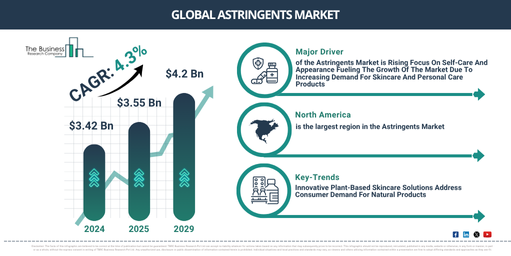
    In recent times, there has been a consistent escalation in the size of the astringents market. It is projected to grow from a market size of $3.42 billion in 2024 to $3.55 billion in 2025, representing a compound annual growth rate (CAGR) of 3.8%. This growth in the historical period can be ascribed to factors such as rising demand for natural and organic products, the scale-up of the beauty and personal care sector, the upsurge in usage of face toners, extended distribution networks, and the persuasive power of social media and influencers.

    The market size of astringents is predicted to display a consistent upward trend in the coming years, reaching “$4.2 billion in 2029 with a compound annual growth rate (CAGR) of 4.3%. This anticipated growth over the forecast period can be attributed to factors such as rising consumer consciousness regarding skin health, an increase in skin conditions and issues, growth in DIY skincare interest, an upsurge in demand for individualized skincare products, and escalation in urbanization and lifestyle modifications. The forecast period is also expected to witness significant trends including technological progression in manufacturing, the proliferation of polyphenol-rich formulas, product diversification efforts, the advent of alcohol-free formulations, technological breakthroughs in astringent product development, and partnerships across different industries.

    Get A Free Sample Of The Report:

    https://www.thebusinessresearchcompany.com/sample.aspx?id=24154&type=smp

    What Growth-Enabling Forces Are Impacting The Astringents Market?

    The astringents market is expected to see significant growth in the future due to the increasing demand for skincare and personal care products. These products, which range from cleansers, protectants, and enhancers, aim to improve the health and appearance of skin, hair, and body. The rising interest in personal grooming and self-care has led to higher demand for such products that enhance skin health and overall well-being. Astringents are particularly helpful in skin and personal care, helping to tighten the skin, minimize oiliness and reduce pore visibility, providing significant benefits for those with oily or acne-prone skin. In 2024, the British Beauty Council, a not-for-profit organization based in the UK, reported that nearly half of the total GDP contribution of the personal care industry in 2023, equating to £13.5 billion GBP or 0.5% of the UK’s total GDP, came directly from this industry, out of a total contribution of $17.1 billion. Thus, the growing popularity and demand for skincare and personal care products is fueling the expansion of the astringents market.

    Which Segmentation Categories Are Highlighted In The Astringents Market Analysis?

    The astringents market covered in this report is segmented –

    1) By Type: Thrombin-Based Astringent, Oxidized Regenerated Cellulose Based Astringent, Combination Astringent, Gelatin-Based Astringent, Collagen-Based Astringent

    2) By Product Type: Natural Astringents, Synthetic Astringents

    3) By Distribution Channel: Online Retail, Supermarkets Or Hypermarkets, Specialty Stores, Other Distribution Channels

    4) By Application: Skin Care, Oral Care, Hair Care, Cosmetics

    5) By End-User: Personal Care, Pharmaceuticals, Food Industry, Other End-Users

    Subsegments:

    1) By Thrombin-Based Astringent: Human Thrombin-Based, Bovine Thrombin-Based, Recombinant Thrombin-Based

    2) By Oxidized Regenerated Cellulose Based Astringent: Knitted ORC, Non-Knitted ORC, ORC With Fabric Composites

    3) By Combination Astringent: Thrombin + Gelatin Combinations, ORC + Collagen Combinations, Fibrin Sealant Combinations

    4) By Gelatin-Based Astringent: Gelatin Sponges, Gelatin Powder, Gelatin Matrices

    5) By Collagen-Based Astringent: Microfibrillar Collagen, Collagen Fleece, Collagen Sponges

    Which Market Trends Are Expected To Define The Future Of The Astringents Market?

    Leading organizations within the astringents market are shifting their focus towards the creation of inventive offerings, incorporating plant-based skincare solutions to cater to the increasing consumer preference for natural, mild, and environmentally-friendly items. The reference to plant-based skincare solutions implies the use of natural components extracted from a variety of plants, including herbs, oils, and botanical extracts, utilized to gently care for and remedy skin without any synthetic substances. To illustrate, Green Goo, an American body care products manufacturer and distributor, launched its latest Plants for Your Face & Body skincare series in September 2022. This all-natural, plant-based product range targets skin issues such as acne, eczema, sun damage, wrinkles, and dry skin. By using a unique lipid infusion method, the products merge healing herbs and entire plant botanicals with organic oils for enhanced nourishment and efficiency. The series comprises hydrating serums, eye sticks, and spot treatments, many of them containing natural astringents like juniper and witch hazel that aid in tightening pores and lessening inflammation.

    Who Are The Dominant Players In The Astringents Market Today?

    Major companies operating in the astringents market are L’Oréal S.A., The Estée Lauder Companies Inc., Shiseido Company Limited, Mary Kay Inc., Clarins Groupe S.A., Avon Products Inc., Yves Rocher S.A.S., Murad LLC, Himalaya Wellness Company, Paula’s Choice LLC, Burt’s Bees Inc., Oriflame Holding AG, Mario Badescu Skin Care Inc., Desert Essence, W.S. Badger Company Inc., Alba Botanica, Earth Science Naturals Inc., Humphreys Pharmacal Inc., Thayers Natural Remedies, Sebapharma GmbH & Co. KG, Dickinson Brands Inc.

    Access The Complete Report Here:

    https://www.thebusinessresearchcompany.com/report/astringents-global-market-report

    Which Regional Markets Are Emerging As Key Hubs For The Astringents Market?

    North America was the largest region in the astringents market in 2024. The regions covered in the astringents market report are Asia-Pacific, Western Europe, Eastern Europe, North America, South America, Middle East, Africa.

    Customize Your Report Here:

    https://www.thebusinessresearchcompany.com/customise?id=24154&type=smp

    About The Business Research Company:

    With over 15000+ reports from 27 industries covering 60+ geographies, The Business Research Company has built a reputation for offering comprehensive, data-rich research and insights. Armed with 1,500,000 datasets, the optimistic contribution of in-depth secondary research, and unique insights from industry leaders, you can get the information you need to stay ahead in the game.

    Get in touch with us:

    The Business Research Company: https://www.thebusinessresearchcompany.com/

    Americas +1 310-496-7795

    Asia +44 7882 955267 & +91 8897263534

    Europe +44 7882 955267

    Email us at info@tbrc.info

    Follow us on:

    LinkedIn: https://in.linkedin.com/company/the-business-research-company

    YouTube: https://www.youtube.com/channel/UC24_fI0rV8cR5DxlCpgmyFQ

    Global Market Model: https://www.thebusinessresearchcompany.com/global-market-model
  • Which Factors Will Push The Asbestosis Treatment Market To Achieve $2.33 Billion By 2029?

    Which Factors Will Push The Asbestosis Treatment Market To Achieve $2.33 Billion By 2029?

    Claim 30% Off Global Market Reports With Code ONLINE30 – Insights on Tariff Effects, Global Trade, and Industry Disruptors

    How Much Will The Asbestosis Treatment Market Be Worth By 2029?

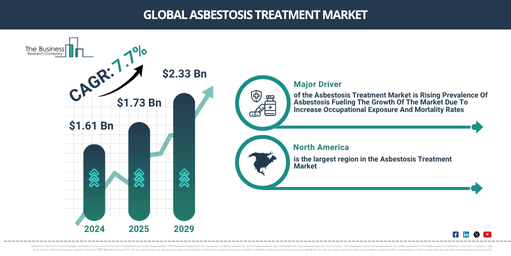
    In recent years, the market size for asbestosis treatment has seen substantial growth. An increase is predicted from $1.61 billion in 2024 to $1.73 billion in 2025, exhibiting a compound annual growth rate (CAGR) of 7.4%. The significant growth during the historic period can be credited to the expansion of industrialization, enhanced awareness of the dangers of asbestos, government-led health campaigns, increased healthcare expenditure, and media coverage spotlighting diseases linked to asbestos.

    Expectations are high for substantial expansion in the asbestosis treatment market over the coming years, with predictions of its worth reaching a formidable “$2.33 billion by 2029”, representing a compound annual growth rate (CAGR) of 7.7%. This anticipated surge over the forecast period is attributed to elements such as heightened focus on research into rare diseases, an ageing global population, the expansion of telemedicine services, increased investment into pulmonary research, and the development of targeted biologics. Among the significant trends over the expected period are the advent of AI-assisted diagnostic tools, wearable devices for monitoring respiratory health, advancements in gene therapy, the application of nanotechnology in drug delivery, the use of telemedicine in respiratory care, and the development of antifibrotic drugs.

    Get A Free Sample Of The Report:

    https://www.thebusinessresearchcompany.com/sample.aspx?id=24152&type=smp

    Which Factors Are Steering Growth In The Asbestosis Treatment Market?

    Increasing instances of asbestosis are projected to drive the expansion of the asbestosis treatment market. Asbestosis, a serious lung disease, results from repeated exposure to asbestos fibers, leading to damage in lung tissue and breathing difficulties. The growing occurrence of this condition is primarily due to sustained exposure to asbestos in occupation settings, particularly for workers in the construction, heavy industries, and shipbuilding sectors where safety regulations are lax. Treatments for asbestosis aim to manage the disease’s symptoms, improve lung functionality and provide respite, thereby improving the life quality of affected persons. As an illustration, the UK government agency, Health and Safety Executive, reported in November 2024 that the number of deaths from asbestosis in 2022 stood at 493, all of which were males. Consequently, the growing cases of asbestosis are fueling the asbestosis treatment market’s growth.

    What Is The Segment Breakdown Of The Asbestosis Treatment Market?

    The asbestosis treatment market covered in this report is segmented –

    1) By Type: Salbutamol, Guaifenesin, Acetaminophen, Prednisone, Other Types

    2) By Treatment Type: Medication, Surgery, Rehabilitation, Palliative Care

    3) By Route of Administration: Oral, Inhalation, Intravenous, Other Routes Of Administration

    4) By Distribution Channel: Hospital pharmacies, Retail pharmacies, Online pharmacies

    Subsegments:

    1) By Salbutamol: Inhalers, Nebulizer Solutions, Oral Tablets, Extended-Release Formulations

    2) By Guaifenesin: Syrups, Tablets, Extended-Release Tablets, Combination Formulations

    3) By Acetaminophen: Oral Tablets, Capsules, Liquid Suspension, Intravenous (IV) Formulations

    4) By Prednisone: Oral Tablets, Oral Solution, Delayed-Release Tablets, Combination Therapy Packs

    5) By Other Types: Bronchodilators, Corticosteroids, Oxygen Therapy Products, Antibiotics, Immunosuppressants

    Which Companies Are Contributing Significantly To The Asbestosis Treatment Market Growth?

    Major companies operating in the asbestosis treatment market are Pfizer Inc, F. Hoffmann-La Roche AG, Merck and Co. Inc., Sanofi S.A., Bristol-Myers Squibb Company, AstraZeneca plc, Novartis AG, GSK plc, Eli Lilly and Company, Granules India Ltd., FibroGen Inc, Farmson Basic Drugs Pvt. Ltd., Atabay Pharmaceuticals and Fine Chemicals Inc., AMGIS Lifescience Ltd., Conscientia Industrial Co. Ltd., Sri Krishna Pharmaceuticals Ltd., Manus Aktteva Biopharma LLP, Thykn India International, Zhejiang Haizhou Pharmaceutical Co. Ltd., Inopha International Co. Limited, Synthokem Labs Pvt. Ltd.

    Access The Complete Report Here:

    https://www.thebusinessresearchcompany.com/report/asbestosis-treatment-global-market-report

    Which Region Is Leading Innovation In The Asbestosis Treatment Market?

    North America was the largest region in the asbestosis treatment market in 2024. Asia-Pacific is expected to be the fastest-growing region in the forecast period. The regions covered in the asbestosis treatment market report are Asia-Pacific, Western Europe, Eastern Europe, North America, South America, Middle East, Africa.

    Customize Your Report Here:

    https://www.thebusinessresearchcompany.com/customise?id=24152&type=smp

    About The Business Research Company:

    With over 15000+ reports from 27 industries covering 60+ geographies, The Business Research Company has built a reputation for offering comprehensive, data-rich research and insights. Armed with 1,500,000 datasets, the optimistic contribution of in-depth secondary research, and unique insights from industry leaders, you can get the information you need to stay ahead in the game.

    Get in touch with us:

    The Business Research Company: https://www.thebusinessresearchcompany.com/

    Americas +1 310-496-7795

    Asia +44 7882 955267 & +91 8897263534

    Europe +44 7882 955267

    Email us at info@tbrc.info

    Follow us on:

    LinkedIn: https://in.linkedin.com/company/the-business-research-company

    YouTube: https://www.youtube.com/channel/UC24_fI0rV8cR5DxlCpgmyFQ

    Global Market Model: https://www.thebusinessresearchcompany.com/global-market-model
  • What Key Growth Drivers Are Shaping The Artery Stenosis Drug Market Forecast Toward $3.27 Billion?

    What Key Growth Drivers Are Shaping The Artery Stenosis Drug Market Forecast Toward $3.27 Billion?

    Claim 30% Off Global Market Reports With Code ONLINE30 – Insights on Tariff Effects, Global Trade, and Industry Disruptors

    What Is The Present And Forecasted Size Of The Artery Stenosis Drug Market?

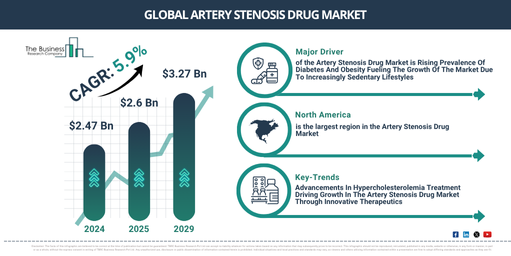
    The market size for artery stenosis medication has seen significant growth in the past few years. The market, which was valued at $2.47 billion in 2024, is projected to reach $2.6 billion in 2025, marking a 5.4% compound annual growth rate (CAGR). The remarkable growth in the former period can be ascribed to factors such as the increasing occurrence of cardiovascular disorders, a rising elderly population, growing awareness about the importance of arterial health, expanding use of telemedicine for patient tracking, and advancements in healthcare infrastructure.

    The market size for drugs used in treating artery stenosis is projected to experience considerable growth in the forthcoming years. The market value is anticipated to reach $3.27 billion in 2029, with the compound annual growth rate (CAGR) being 5.9%. The expansion in the predicted period can be ascribed to various factors. These include a rise in the number of obesity and diabetes cases, increasing interest in minimally invasive procedures, broader healthcare access in developing markets, escalating healthcare expenditure, and a growing occurrence of diabetes and obesity. Key market trends in the future are expected to be customized medical treatments, an upswing in the adoption of combination therapies, advancements in diagnostic methodologies, a larger emphasis on preventative cardiology, and the creation of innovative drug delivery mechanisms.

    Get A Free Sample Of The Report:

    https://www.thebusinessresearchcompany.com/sample.aspx?id=24151&type=smp

    What Core Drivers Are Expected To Influence The Artery Stenosis Drug Market?

    The increase in diabetes and obesity cases is projected to boost the artery stenosis drug market’s expansion. Diabetes is a chronic ailment characterized by underproduction of insulin or failure to utilize it effectively, causing raised blood sugar levels. Concurrently, obesity, characterized by the excessive accumulation of body fat, escalates the risk of numerous health complications. The surge in diabetes and obesity can be primarily attributed to decreased physical activity stemming from increasingly passive work situations and screen-oriented recreational activities, leading to weight increase and insulin resistance. There is a significant need for artery stenosis medication in managing diabetes and obesity, as both conditions cause plaque accumulation in the arteries, resulting in an elevated risk of heart attacks and strokes. For example, according to a March 2024 report by the World Health Organization, a Switzerland-based United Nations agency, in 2022, there were 2.5 billion overweight adults, with 890 million suffering from obesity. Consequently, the escalating prevalence of diabetes and obesity is fueling the artery stenosis drug market’s growth.

    Which Segments Define The Structure Of The Artery Stenosis Drug Market?

    The artery stenosis drug market covered in this report is segmented –

    1) By Drug Type: Antiplatelet Agents, Anticoagulants, Statins, Beta Blockers

    2) By Mechanism Of Action: Platelet Aggregation Inhibitors, Thrombin Inhibitors, HMG-CoA Reductase Inhibitors, Beta-Adrenergic Antagonists

    3) By Route Of Administration: Oral, Injectable, Transdermal

    4) By Patient Type: Adults, Geriatric, Pediatric

    Subsegments:

    1) By Antiplatelet Agents: Aspirin, Clopidogrel, Ticagrelor, Prasugrel, Dipyridamole

    2) By Anticoagulants: Warfarin, Heparin, Low Molecular Weight Heparins, Direct Oral Anticoagulants (DOACs)

    3) By Statins: Atorvastatin, Simvastatin, Rosuvastatin, Pravastatin, Lovastatin

    4) By Beta Blockers: Metoprolol, Atenolol, Propranolol, Carvedilol, Bisoprolol

    What Strategic Shifts And Innovations Are Influencing The Artery Stenosis Drug Market?

    Leading firms in the artery stenosis drug market are emphasizing the advancement of therapeutic solutions such as bempedoic acid, in an effort to meet unfulfilled healthcare needs in the management of hypercholesterolemia. Bempedoic acid is a pioneering drug with the purpose of reducing LDL cholesterol levels in patients who are either statin intolerant or need supplementary lipid-lowering treatment. For example, in May 2022, Zydus Lifesciences Ltd., an Indian pharmaceutical enterprise, introduced Bemdac to the Indian market. This innovative oral therapy for hypercholesterolemia is a new class of drug featuring bempedoic acid, created to lower LDL cholesterol levels in patients who cannot handle statins or need extra lipid-lowering therapy. The aim of this launch is to offer a fresh treatment alternative that enhances cardiovascular results by focusing on cholesterol synthesis in the liver, while mitigating muscle-related symptoms that are frequently linked with the use of statins.

    Who Are The Primary Market Leaders In The Artery Stenosis Drug Market?

    Major companies operating in the artery stenosis drug market are Pfizer Inc., Johnson & Johnson Services Inc., F. Hoffmann-La Roche Ltd, Merck & Co. Inc., AbbVie Inc., Bayer AG, Bristol-Myers Squibb Company, AstraZeneca PLC, Abbott Laboratories, Novartis AG, Sanofi S.A., GSK plc, Takeda Pharmaceutical Company Limited, Medtronic plc, Gilead Sciences Inc., Amgen Inc., Baxter International Inc., Regeneron Pharmaceuticals Inc., Lupin Limited, Alnylam Pharmaceuticals.

    Access The Complete Report Here:

    https://www.thebusinessresearchcompany.com/report/artery-stenosis-drug-global-market-report

    What Regional Factors Are Accelerating Growth In The Artery Stenosis Drug Market?

    North America was the largest region in the artery stenosis drug market in 2024. The regions covered in the artery stenosis drug market report are Asia-Pacific, Western Europe, Eastern Europe, North America, South America, Middle East, Africa.

    Customize Your Report Here:

    https://www.thebusinessresearchcompany.com/customise?id=24151&type=smp

    About The Business Research Company:

    With over 15000+ reports from 27 industries covering 60+ geographies, The Business Research Company has built a reputation for offering comprehensive, data-rich research and insights. Armed with 1,500,000 datasets, the optimistic contribution of in-depth secondary research, and unique insights from industry leaders, you can get the information you need to stay ahead in the game.

    Get in touch with us:

    The Business Research Company: https://www.thebusinessresearchcompany.com/

    Americas +1 310-496-7795

    Asia +44 7882 955267 & +91 8897263534

    Europe +44 7882 955267

    Email us at info@tbrc.info

    Follow us on:

    LinkedIn: https://in.linkedin.com/company/the-business-research-company

    YouTube: https://www.youtube.com/channel/UC24_fI0rV8cR5DxlCpgmyFQ

    Global Market Model: https://www.thebusinessresearchcompany.com/global-market-model

  • How Will The Aripiprazole Market Expand At A CAGR Of 8% Through 2029?

    Claim 30% Off Global Market Reports With Code ONLINE30 – Insights on Tariff Effects, Global Trade, and Industry Disruptors

    How Big Is The Aripiprazole Market Today And What Is Its Future Size?

    In the past few years, the aripiprazole market has experienced substantial growth. Forecast predictions for the market reveal an increase from $7.04 billion in 2024 to $7.58 billion in 2025 with a compound annual growth rate (CAGR) of 7.6%. The upsurge observed in the historical timeline can be traced to factors such as the escalating occurrence of schizophrenia and bipolar disorders, heightened awareness about mental health, increased off-label utilization of aripiprazole, a rising ageing population, and increased healthcare spending.

    In the coming years, the aripiprazole market is anticipated to witness significant expansion. The market is projected to climb to a value of “$10.31 billion in 2029 with an 8.0% compound annual growth rate (CAGR). The projected growth during this period is due to the increasing occurrences of depression and anxiety disorders, amplified focus on personalized medicine, greater adoption of generic aripiprazole, enhanced investment in research for psychiatric drugs, and the expansion of digital health platforms and telepsychiatry. Predominant trends during this forecast period encompass the creation of long-acting injectable formulations, progress in the technology of nanoparticle drug delivery systems, the utilization of digital tools for monitoring adherence, the application of artificial intelligence in drug discovery, and the incorporation of telemedicine for prescription and monitoring.

    Get A Free Sample Of The Report:

    https://www.thebusinessresearchcompany.com/sample.aspx?id=24150&type=smp

    Which Industry Forces Are Driving The Aripiprazole Market Forward?

    The escalating frequency of mental health disorders is anticipated to boost the advancement of the aripiprazole market. Mental health disorders, or psychiatric disorders, are conditions affecting a person’s thought process, emotions, behaviors, and overall function. The surge of such disorders can be traced back to factors such as chronic stress, social isolation, and the modern-day lifestyle pressures that affect mental well-being. Aripiprazole is a treatment option that modulates the activities of dopamine and serotonin in the brain, making it effective for conditions like schizophrenia, bipolar disorder, and major depressive disorder. It improves the management of symptoms through adjustable dosing options, augmenting treatment compliance and enhancing the patient’s overall quality of life. For example, in 2022, the US-based federal government research agency, National Institute of Mental Health, estimated that among adults aged 18 and older in the United States, 59.3 million were diagnosed with any mental illness (AMI), constituting 23.1% of the total adult population. Therefore, the rising frequency of psychiatric disorders is propelling the growth of the aripiprazole market.

    What Are The Primary Segmentation Parameters In The Aripiprazole Market?

    The aripiprazole market covered in this report is segmented –

    1) By Indication: Schizophrenia, Bipolar Disorder, Major Depressive Disorder, Autism Spectrum Disorder

    2) By Patient Demographics: Pediatric Patients, Adult Patients, Geriatric Patients

    3) By Dosage Form: Oral Tablets, Oral Solution, Injectable

    4) By Distribution Channel: Hospital Pharmacy, Retail Pharmacy, Online Pharmacy

    Subsegments:

    1) By Schizophrenia: Acute Schizophrenia, Maintenance Treatment for Schizophrenia

    2) By Bipolar Disorder: Bipolar I Disorder, Bipolar II Disorder, Bipolar Depression

    3) By Major Depressive Disorder: Treatment-Resistant Depression, Acute Major Depressive Disorder

    4) By Autism Spectrum Disorder: Irritability Associated with Autism, Aggressive Behavior in Autism

    Which Emerging Trends Are Reshaping The Aripiprazole Market Landscape?

    Primary players in the aripiprazole market are striving to design cutting-edge products and obtain necessary approvals such as product line extensions. These advances are made with the intention of boosting treatment adherence, broadening therapeutic uses, and sustaining their competitiveness in the market after patent expiration. To illustrate, product line extension is a strategy where new versions of an existing product are introduced under the same brand. This often involves modifications in formulation, dosage, packaging, or delivery methods aiming to extend the market reach of the product or meet the changing needs of patients without modifying the basic compound. A case in point is from September 2022, when Otsuka Pharmaceutical Co. Ltd., a pharmaceutical company from Japan, and Lundbeck, another pharmaceutical company based out of Denmark, achieved the acceptance of their New Drug Application (NDA) by the U.S. Food and Drug Administration (FDA) for aripiprazole 2-month, a ready-to-use, long-acting injectable developed for the treatment of schizophrenia in adults and as a maintenance monotherapy for adults with bipolar I disorder. This product functions by engendering a continuous release of aripiprazole into the patient’s body over an extended duration, permitting dosing once every two months.

    Which Organizations Are At The Forefront Of The Aripiprazole Market?

    Major companies operating in the aripiprazole market are Novartis AG, Teva Pharmaceutical Industries Ltd., Hetero Drugs, Sun Pharmaceutical Industries Ltd., Cipla Limited, Zydus Lifesciences, Neuland Laboratories Ltd., Ipca Laboratories Limited, Jubilant Pharmova, MSN Laboratories Pvt. Ltd., Harman Finochem Ltd., SMS Pharmaceuticals, Erregierre S.p.A., Tiefenbacher API + Ingredients GmbH & Co. KG, Alkem Laboratories Ltd., Suraj Laboratories Pvt. Ltd, Octavius Pharma Pvt. Ltd., Tooba Pharmaceuticals Private Limited, Senores Pharmaceuticals Pvt. Ltd., Gonane Pharma.

    Access The Complete Report Here:

    https://www.thebusinessresearchcompany.com/report/aripiprazole-global-market-report

    Which Region Holds The Greatest Opportunity For Aripiprazole Market Expansion?

    North America was the largest region in the aripiprazole market in 2024. Asia-Pacific is expected to be the fastest-growing region in the forecast period. The regions covered in the aripiprazole market report are Asia-Pacific, Western Europe, Eastern Europe, North America, South America, Middle East, Africa.

    Customize Your Report Here:

    https://www.thebusinessresearchcompany.com/customise?id=24150&type=smp

    About The Business Research Company:

    With over 15000+ reports from 27 industries covering 60+ geographies, The Business Research Company has built a reputation for offering comprehensive, data-rich research and insights. Armed with 1,500,000 datasets, the optimistic contribution of in-depth secondary research, and unique insights from industry leaders, you can get the information you need to stay ahead in the game.

    Get in touch with us:

    The Business Research Company: https://www.thebusinessresearchcompany.com/

    Americas +1 310-496-7795

    Asia +44 7882 955267 & +91 8897263534

    Europe +44 7882 955267

    Email us at info@tbrc.info

    Follow us on:

    LinkedIn: https://in.linkedin.com/company/the-business-research-company

    YouTube: https://www.youtube.com/channel/UC24_fI0rV8cR5DxlCpgmyFQ

    Global Market Model: https://www.thebusinessresearchcompany.com/global-market-model