Month: September 2025

  • What Is The Predicted Revenue Outlook For The Digestive Enzymes Market To Surpass $1.92 Billion?

    What Is The Predicted Revenue Outlook For The Digestive Enzymes Market To Surpass $1.92 Billion?

    Claim 30% Off Global Market Reports With Code ONLINE30 – Insights on Tariff Effects, Global Trade, and Industry Disruptors

    What Are The Future Growth Projections For The Digestive Enzymes Market Size?

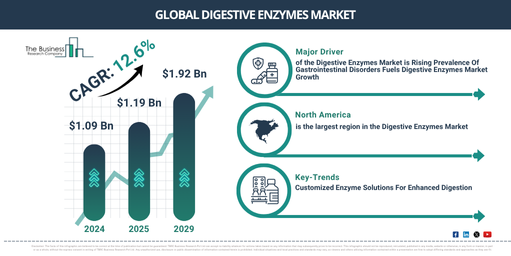
    In recent times, the digestive enzymes market has observed substantial growth. The market, which is valued at $1.09 billion in 2024, is set to expand to $1.19 billion in 2025, registering a compound annual growth rate (CAGR) of 9.7%. Factors such as rising awareness about digestive health, shifting dietary patterns, an aging populace, growth of the nutraceutical industry, expansion of e-commerce and an increase in gastrointestinal disorders, coupled with ongoing research and development, have been vital for the growth observed in the historical period.

    In the near future, the digestive enzymes market is forecasted to undergo swift expansion. The projected size of this market is an impressive “$1.92 billion by 2029, growing at a compound annual growth rate (CAGR) of 12.6%. This expected growth in the forecast period can be linked to several factors such as an increase in health-conscious consumers, the integration into mainstream healthcare, and a preference for plant-based and natural products. The market is forecasted to see novel trends like innovations in enzyme formulations, tailored enzyme formulas, emphasis on clean labels and natural ingredients, personalized nutrition and testing, along with research and innovation.

    Get A Free Sample Of The Report:

    https://www.thebusinessresearchcompany.com/sample.aspx?id=2809&type=smp

    What Growth-Enabling Forces Are Impacting The Digestive Enzymes Market?

    The digestive enzymes market is propelled by the escalating occurrence of gastrointestinal disorders across varied age demographics. These disorders, which stem from a deficiency in digestive enzymes, encompass conditions affecting the gastrointestinal tract, from the mouth, oesophagus, stomach, to the small and large intestines, and the anus. Oral intake of digestive enzymes as dietary supplements or medication is necessitated by these disorders. The augmented frequency of gastrointestinal conditions is associated with lifestyle factors like smoking, diet and genetic predisposition, sanitation standards, overreliance on antibiotics, and shifts in environmental conditions due to industrialisation and urbanisation. A September 2022 survey by the American Gastroenterological Association indicated that between 60 and 70 million Americans are grappling with gastrointestinal diseases which significantly disrupt their daily routines. Additionally, the data revealed that nearly 40% of Americans had to put their normal activities on hold in the past year due to distressing bowel symptoms. FGIDs were found to be more prevalent in women as compared to men. Global data from a broad multinational research deduced that more than 40% of the global populace suffers from FGIDs. Consequently, this elevation in the incidence of digestive diseases is a contributing factor towards the growth of the digestive enzymes market.

    How Is The Digestive Enzymes Market Organized By Different Segments?

    The digestive enzymes market covered in this report is segmented –

    1) By Enzyme Type: Carbohydrates, Protease, Lipase, Other Enzyme Types

    2) By Origin: Animal, Fungi, Microbial, Plant

    3) By Application: Indigestion, Chronic Pancreatitis, Irritable Bowel Syndrome, Other Applications

    4) By Distribution Channel: Retail Stores, Online Stores

    Subsegments:

    1) By Carbohydrates: Amylase, Alpha-Galactosidase, Lactase, Sucrase, Maltase

    2) By Protease: Pepsin, Trypsin, Chymotrypsin, Bromelain, Papain

    3) By Lipase: Pancreatic Lipase, Gastric Lipase, Lingual Lipase

    4) By Other Enzyme Types: Cellulase, Lactase, Phytase, Beta-Glucanase, Xylanase

    What Current And Upcoming Trends Are Shaping The Digestive Enzymes Market?

    Corporations within the digestive enzymes market are channeling their investments into the creation of personalized digestive enzymes. Such specialized enzymes, designed for specific conditions, aid in the digestive process for individuals with digestive sensitivities and can embody multiple enzymes within a single product. These firms focused on digestive enzyme production are striving to provide a more comfortable digestion experience by offering solutions tailored to digest different food types. For instance, Sabinsa, an American company offering herbal extracts, cosmeceuticals, minerals, and dietary supplements, launched a product named DigeZyme. This unique multi-enzyme compound consists of five distinct enzymes – cellulase, lactase, amylase, lipase, and protease, catering to individuals facing difficulties in breaking down carbs, fats, and proteins. The trend of making significant investments in the creation of personalized digestive enzymes is gaining momentum among companies.

    Who Are The Global Leaders Steering The Digestive Enzymes Market Forward?

    Major companies operating in the digestive enzymes market include Garden of Life LLC, Biotics Research Corporation, Klaire Laboratories, Abbott Nutrition, AbbVie Inc., Johnson & Johnson Inc., Amway Corporation, Food State Inc., Matsun Nutrition, Metagenics Inc., Twinlab Corporation, AST Enzymes, Vemo Corp., Advanced Vital Enzymes Pvt. Ltd., Zeus Biotech Limited, Vox Nutrition Inc., Enzyme Bioscience Pvt. Ltd., XYMOGEN Inc., Douglas Laboratories, Thorne Research Inc., Integrative Therapeutics LLC, Pure Encapsulations Inc., Ortho Molecular Products Inc., Designs for Health Inc., Master Supplements Inc., Proteozymes Pvt Ltd., Chr. Hansen Holding A/S, Danone S.A., DSM Nutritional Products AG, DuPont de Nemours Inc., Kerry Group plc, Koninklijke DSM N.V., Lonza Group AG, Nestle S.A., Pfizer Inc., Sanofi S.A., Specialty Enzymes & Biotechnologies Co., Thermo Fisher Scientific Inc., Wacker Chemie AG

    Access The Complete Report Here:

    https://www.thebusinessresearchcompany.com/report/digestive-enzyme-global-market-report

    How Do Regional Dynamics Influence The Digestive Enzymes Market Performance?

    North America was the largest region in the digestive enzymes market in 2024. Middle East is expected to be the largest growing region in the digestive enzymes market report during the forecast period. The regions covered in the digestive enzymes market report are Asia-Pacific, Western Europe, Eastern Europe, North America, South America, Middle East, Africa

    Customize Your Report Here:

    https://www.thebusinessresearchcompany.com/customise?id=2809&type=smp

    About The Business Research Company:

    With over 15000+ reports from 27 industries covering 60+ geographies, The Business Research Company has built a reputation for offering comprehensive, data-rich research and insights. Armed with 1,500,000 datasets, the optimistic contribution of in-depth secondary research, and unique insights from industry leaders, you can get the information you need to stay ahead in the game.

    Get in touch with us:

    The Business Research Company: https://www.thebusinessresearchcompany.com/

    Americas +1 310-496-7795

    Asia +44 7882 955267 & +91 8897263534

    Europe +44 7882 955267

    Email us at info@tbrc.info

    Follow us on:

    LinkedIn: https://in.linkedin.com/company/the-business-research-company

    YouTube: https://www.youtube.com/channel/UC24_fI0rV8cR5DxlCpgmyFQ

    Global Market Model: https://www.thebusinessresearchcompany.com/global-market-model
  • How Is The Dermatitis Market Expected To Grow At 4.8% CAGR Over 2025–2029?

    How Is The Dermatitis Market Expected To Grow At 4.8% CAGR Over 2025–2029?

    Claim 30% Off Global Market Reports With Code ONLINE30 – Insights on Tariff Effects, Global Trade, and Industry Disruptors

    What Is The Current Size And Growth Outlook For The Dermatitis Market?

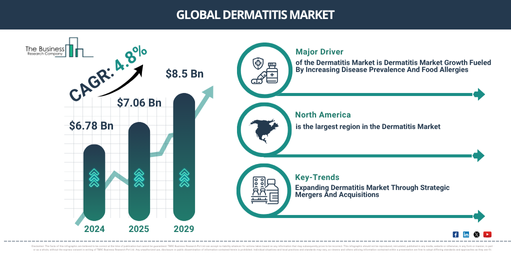
    The market size for dermatitis has experienced a consistent growth over the past few years. It’s projected to escalate from $6.78 billion in 2024 to $7.06 billion in 2025, with a compound annual growth rate (CAGR) of 4.1%. The growth witnessed in the previous years can be credited to the increase in prevalence, advancements in diagnosis, available treatment options, and regulatory approvals.

    Expectations suggest a consistent increase in the dermatitis market size over the coming years, potentially achieving “$8.5 billion by 2029” with an annual compound growth rate (CAGR) of 4.8%. Projects for this expansion within the forecast period are due mainly to heightened patient awareness and environmental influences. Significant trends projected for the forecast period encompass research and development, the rise of telemedicine and digital health, as well as biologics and targeted therapies following the concept of personalized medicine.

    Get A Free Sample Of The Report:

    https://www.thebusinessresearchcompany.com/sample.aspx?id=2413&type=smp

    Which Factors Are Steering Growth In The Dermatitis Market?

    The primary driver for growth in the dermatitis market is the escalating global incidence of the condition. It is estimated that the occurrence of dermatitis in children is between 15-20%, and in adults, it is 1-3%. The upward trend in food allergy cases is expanding the prevalence of dermatitis, thus fueling the demand for medications to treat this condition. As an example, the Global Atopic Dermatitis Atlas (GADA), published by the US-based International Eczema Council (IEC) in October 2022 reported that in 2022, about 223 million people globally had been diagnosed with atopic dermatitis. Among these, around 43 million were in the age bracket of 1 to 4 years.

    Which Segmentation Categories Are Highlighted In The Dermatitis Market Analysis?

    The dermatitis market covered in this report is segmented –

    1) By Drug Class: Corticosteroids, Emollients Or Moisturizers, Antihistamines, Calcineurin Inhibitors, Antibiotics, Immunomodulators, Interleukin Inhibitors

    2) By Distribution Channel: Hospital, Retail Pharmacies, Drug Stores, Online Or Mail Pharmacies

    3) By Application: Cancer, Blood Disorders, Chronic Diseases, Infectious Diseases

    Subsegments:

    1) By Corticosteroids: Topical Corticosteroids, Oral Corticosteroids, Injectable Corticosteroids

    2) By Emollients Or Moisturizers: Creams, Ointments, Lotions, Gels, Other Emollients Or Moisturizers

    3) By Antihistamines: Oral Antihistamines, Topical Antihistamines, Injectable Antihistamines

    4) By Calcineurin Inhibitors: Topical Calcineurin Inhibitors (Tacrolimus, Pimecrolimus), Oral Calcineurin Inhibitors

    5) By Antibiotics: Topical Antibiotics, Oral Antibiotics, Systemic Antibiotics

    6) By Immunomodulators: Topical Immunomodulators, Oral Immunomodulators

    7) By Interleukin Inhibitors: IL-4 Inhibitors, IL-13 Inhibitors, IL-31 Inhibitors, Other Interleukin Inhibitors

    Which Market Trends Are Expected To Define The Future Of The Dermatitis Market?

    There is a noticeable trend in the dermatitis market where increasing mergers and acquisitions (M&As) are taking place. The primary objectives for these M&As are business enlargement and enhanced visibility. In the current era, the role of M&As is quite substantial and expected to continue fostering growth in this market for the upcoming years. Industry vendors are centering their strategies on collaborations and partnerships to broaden their product ranges and augment their market footprint. To mitigate competition and increase their operational scale, companies are consciously working towards M&As. For instance, Pfizer Inc., a pharmaceutical manufacturing company based in the US, acquired Arena Pharmaceuticals, Inc. in March 2022 for an undisclosed amount. Through this acquisition, Pfizer aims to augment its development portfolio of therapeutic candidates across gastroenterology, dermatology, and cardiology fields. Arena Pharmaceuticals, Inc. is a clinical-stage business based in the US, developing treatments for dermatologic diseases like atopic dermatitis (AD).

    Which Companies Hold A Competitive Edge In The 515 Market?

    Major companies operating in the dermatitis market include LEO Pharma AS, Novartis AG, Pfizer Inc., Regeneron Pharmaceuticals Inc., Sanofi S.A., Bayer AG, Encore Dermatology Inc., Meda Pharmaceuticals Inc., Allergan Plc, Bristol-Myers Squibb Co., Anacor Pharmaceutical Inc., Astellas Pharma Inc., Mylan N.V., Valeant Pharmaceutical Inc., Galderma SA, Dow Inc., Connetics Corporation, Fujisawa Pharmaceutical Company Ltd., AbbVie Inc., F. Hoffmann-La Roche Ltd., Valeant Pharmaceuticals International Inc,, GlaxoSmithKline plc, Medimmune Inc., Bausch Health Co. Inc., Nestlé Skin Health India Pvt. Ltd., Aqua Pharmaceuticals Pvt. Ltd., C.H. Boehringer Sohn AG & Co. KG, Biofrontera AG, Zydus Lifesciences Limited

    Access The Complete Report Here:

    https://www.thebusinessresearchcompany.com/report/dermatitis-drugs-global-market-report

    Which Geographic Regions Are Creating Strong Demand In The Dermatitis Market?

    North America was the largest region in the dermatitis market in 2024. Middle East is expected to be the fastest-growing region in the dermatitis market report during the forecast period. The regions covered in the dermatitis market report are Asia-Pacific, Western Europe, Eastern Europe, North America, South America, Middle East, Africa

    Customize Your Report Here:

    https://www.thebusinessresearchcompany.com/customise?id=2413&type=smp

    About The Business Research Company:

    With over 15000+ reports from 27 industries covering 60+ geographies, The Business Research Company has built a reputation for offering comprehensive, data-rich research and insights. Armed with 1,500,000 datasets, the optimistic contribution of in-depth secondary research, and unique insights from industry leaders, you can get the information you need to stay ahead in the game.

    Get in touch with us:

    The Business Research Company: https://www.thebusinessresearchcompany.com/

    Americas +1 310-496-7795

    Asia +44 7882 955267 & +91 8897263534

    Europe +44 7882 955267

    Email us at info@tbrc.info

    Follow us on:

    LinkedIn: https://in.linkedin.com/company/the-business-research-company

    YouTube: https://www.youtube.com/channel/UC24_fI0rV8cR5DxlCpgmyFQ

    Global Market Model: https://www.thebusinessresearchcompany.com/global-market-model
  • Which Factors Will Push The Cellular Immunotherapy Market To Achieve $11.03 Billion By 2029?

    Which Factors Will Push The Cellular Immunotherapy Market To Achieve $11.03 Billion By 2029?

    Claim 30% Off Global Market Reports With Code ONLINE30 – Insights on Tariff Effects, Global Trade, and Industry Disruptors

    What Is The Predicted Market Size Of The Cellular Immunotherapy Industry By 2029?

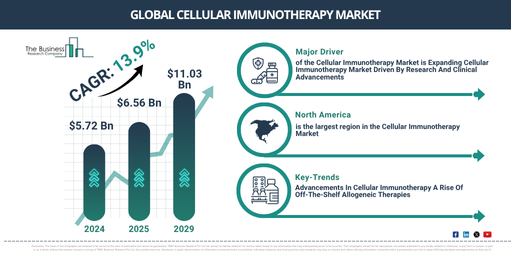
    The market size of cellular immunotherapy has seen rapid expansion in the recent past. It is projected to escalate from a value of $5.72 billion in 2024 to $6.56 billion in 2025, with a Compound Annual Growth Rate (CAGR) standing at 14.7%. Factors such as advancement in cancer therapies, cases of successful clinical outcomes, regulatory accreditations, and an increasing occurrence of targeted diseases have contributed significantly to the growth experienced during the historical period.

    The market size for cellular immunotherapy is projected to expand swiftly in the forthcoming years, reaching an estimated value of “$11.03 billion by 2029, with a compound annual growth rate (CAGR) of 13.9%. The predicted growth during this forecasted period can be credited to several factors, such as the increased focus on solid tumours, advancements in manufacturing processes, improved healthcare facilities, and increased funds allocated for research. Key trends for the forecast period include investment in research and development, data from clinical trials, and the rise of combination therapies.

    Get A Free Sample Of The Report:

    https://www.thebusinessresearchcompany.com/sample.aspx?id=3435&type=smp

    What Core Drivers Are Expected To Influence The Cellular Immunotherapy Market?

    The anticipated expansion of the cellular immunotherapy market is predicted due to the increased research and successful clinical trials in this field. There is a concentrated effort amongst companies to develop novel cellular immunotherapies for a variety of diseases. As an example, the Cancer Research Institute, a non-profit organization based in the United States dedicated to the advancement of immunotherapy for the prevention, treatment, and eradication of all forms of cancer, released a report in June 2022 stating that as of April that same year, the global immuno-oncology pipeline included 2,756 active cell therapy drugs. This reflects an increase of 36% from the landscape analysis conducted in 2021, which revealed the existence of 2,031 drugs, but also demonstrates a decrease in growth from the previous year’s 43%. The remarkable growth in cellular immunotherapy development both at the clinical and preclinical stages in 2020 compared to 2019 is likely to extend the reach of cellular immunotherapy further, consequently driving the generation of higher revenues for the advancement of the market.

    What Is The Segment Breakdown Of The Cellular Immunotherapy Market?

    The cellular immunotherapy market covered in this report is segmented –

    1) By Therapy: Tumor-Infiltrating Lymphocyte (TIL) Therapy, Engineered T Cell Receptor (TCR) Therapy, Chimeric Antigen Receptor (CAR) T Cell Therapy, Natural Killer (NK) Cell Therapy

    2) By Primary Indication: B-cell Malignancies, Prostate Cancer, Renal Cell Carcinoma, Liver Cancer, Non-Hodgkin lymphoma, Other Primary Indications

    3) By Application: Prostate Cancer, Breast Cancer, Skin Cancer, Ovarian Cancer, Brain Tumor, Lung Cancer, Other Applications

    Subsegments:

    1) By Tumour-Infiltrating Lymphocyte (TIL) Therapy: Autologous TIL Therapy, Allogeneic TIL Therapy, Other TIL Therapy

    2) By Engineered T Cell Receptor (TCR) Therapy: Alpha-Beta TCR Therapy, Gamma-Delta TCR Therapy, Other Engineered TCR Therapy

    3) By Chimeric Antigen Receptor (CAR) T Cell Therapy: Autologous CAR T Cell Therapy, Allogeneic CAR T Cell Therapy, CAR T Cell Therapy For Solid Tumors, CAR T Cell Therapy For Hematologic Malignancies, Other CAR T Cell Therapy

    4) By Natural Killer (NK) Cell Therapy: Autologous NK Cell Therapy, Allogeneic NK Cell Therapy, NK Cell Therapy With Engineered Modifications, Other NK Cell Therapy

    How Are Global Trends Impacting The Development Of The Cellular Immunotherapy Market?

    Firms in the cellular immunotherapy market are turning their attention towards creating off-the-shelf allogeneic therapies as a novel and more effective approach to combat cancer. These therapies, unlike autologous treatments, are derived from donor cells rather than the patient’s own cells. Benefits of these non-personalized treatments include cost efficiency, mass production, rapid development, and quality assurance. For example, in May 2022, the Switzerland-based pharmaceutical firm Novartis AG, known for its commitment to discovering, developing, manufacturing, and marketing drugs, received rapid approval from the US Food and Drug Administration (FDA) to use Kymriah (tisagenlecleucel) for treating adult patients with relapsed or refractory (r/r) follicular lymphoma (FL) after two or more courses of systemic therapy. Additionally, Acepodia, an American cell immuno-technology company specialized in next-generation treatment, is set to initiate a phase 1 clinical trial in August 2020 for ACE1702, an allogeneic, off-the-shelf NK cell therapy intended for treating solid tumors.

    Which Firms Are Driving Innovation Within The Cellular Immunotherapy Market?

    Major companies operating in the cellular immunotherapy market include Novartis International AG, Gilead Sciences Inc., Apac Biotech, Dendreon Pharmaceuticals LLC, JW CreaGene Co. Ltd, Green Cross Corp, AstraZeneca plc, Bristol Myers Squibb Company, Pfizer Inc., F. Hoffmann-La Roche Ltd., Adicet Bio Inc., ResTORbio Inc., Celyad SA, Merck KGaA, GlaxoSmithKline plc., Johnson & Johnson, Adaptimmune Therapeutics plc, AVROBIO Inc., Cellular Biomedicine Group Inc., Kite Pharma Inc., Juno Therapeutics Inc., Celgene Corporation, Bluebird Bio Inc., Tmunity Therapeutics Inc., Atara Biotherapeutics Inc., Fate Therapeutics Inc., Precision Biosciences Inc., Allogene Therapeutics Inc., CRISPR Therapeutics AG, Sangamo Therapeutics Inc., Intellia Therapeutics Inc., Editas Medicine Inc., Caribou Biosciences Inc., Mammoth Biosciences Inc., Synthego Corporation

    Access The Complete Report Here:

    https://www.thebusinessresearchcompany.com/report/cellulars-immunotherapy-global-market-report

    Which Region Is Likely To Register The Fastest Growth In The Cellular Immunotherapy Market?

    North America was the largest region in the cellular immunotherapy market in 2024. The regions covered in the cellular immunotherapy market report are Asia-Pacific, Western Europe, Eastern Europe, North America, South America, Middle East, Africa

    Customize Your Report Here:

    https://www.thebusinessresearchcompany.com/customise?id=3435&type=smp

    About The Business Research Company:

    With over 15000+ reports from 27 industries covering 60+ geographies, The Business Research Company has built a reputation for offering comprehensive, data-rich research and insights. Armed with 1,500,000 datasets, the optimistic contribution of in-depth secondary research, and unique insights from industry leaders, you can get the information you need to stay ahead in the game.

    Get in touch with us:

    The Business Research Company: https://www.thebusinessresearchcompany.com/

    Americas +1 310-496-7795

    Asia +44 7882 955267 & +91 8897263534

    Europe +44 7882 955267

    Email us at info@tbrc.info

    Follow us on:

    LinkedIn: https://in.linkedin.com/company/the-business-research-company

    YouTube: https://www.youtube.com/channel/UC24_fI0rV8cR5DxlCpgmyFQ

    Global Market Model: https://www.thebusinessresearchcompany.com/global-market-model
  • What Key Growth Drivers Are Shaping The Cell Culture Market Forecast Toward $42.99 Billion?

    What Key Growth Drivers Are Shaping The Cell Culture Market Forecast Toward $42.99 Billion?

    Claim 30% Off Global Market Reports With Code ONLINE30 – Insights on Tariff Effects, Global Trade, and Industry Disruptors

    What CAGR And Valuation Are Anticipated For The Cell Culture Market?

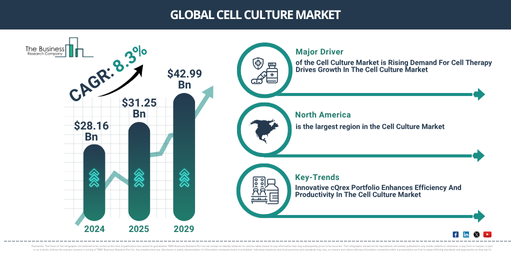
    In recent times, the market size of cell culture has seen swift growth. The projection is for it to increase from $28.16 billion in 2024 to $31.25 billion in 2025, with a compound annual growth rate (CAGR) of 11.0%. The surge in growth during the historic period can be credited to the escalating demand for cell culture products, the rise in vaccine production, the increasing need for 3d cell culture, and the requirement for cell culture consumables.

    In the coming years, the market size of cell culture is anticipated to experience robust growth, expanding to “$42.99 billion in 2029 with a compound annual growth rate (CAGR) of 8.3%. The projected growth in the period of forecast can be credited to the rising popularity of cell therapy, precision medicine, increased globalization in research and production, along with cell-based experiments. The anticipated trends within this period consist of enhancements in cell culture techniques, bioprocessing technologies, upgraded cell imaging, automation integration, and management of biomanufacturing data.

    Get A Free Sample Of The Report:

    https://www.thebusinessresearchcompany.com/sample.aspx?id=3392&type=smp

    Which Industry Forces Are Driving The Cell Culture Market Forward?

    The cell culture market is anticipated to grow due to the increasing demand for cell therapy. This therapeutic approach involves the introduction of healthy cells into a patient’s body to treat a medical condition. Any cell-based therapy invariably involves cell culture at its core. As an example, Gilead Sciences Inc., a pharma company from the US, reported that their sales for cell therapy products soared by 75%, tallying up to $419 million in the last quarter of 2022 versus the same time frame in 2021. Cell culture plays a crucial role in creating, producing, and bringing to market cell therapies, and has the potential to entirely transform the healthcare sector for the treatment of a multitude of diseases. Therefore, the rising demand for cell therapy contributes significantly to the expansion of the cell culture market.

    Which Segments Define The Structure Of The Cell Culture Market?

    The cell culture market covered in this report is segmented –

    1) By Type: Primary Cell Culture, Secondary Cell Culture, Cell Line

    2) By Media: Natural, Artificial

    3) By Applications: Stem Cell Technologies, Cancer Research, Biopharmaceutical, Tissue Engineering & Regenerative Medicine, Other Applications

    Subsegments:

    1) By Primary Cell Culture: Adherent Cell Culture, Suspension Cell Culture

    2) By Secondary Cell Culture: Continuous Cell Lines, Finite Cell Lines

    3) By Cell Line: Immortalized Cell Lines, Transformed Cell Lines

    What Strategic Shifts And Innovations Are Influencing The Cell Culture Market?

    Key players in the cell culture market are creating innovative solutions like the cQrex portfolio to enhance the efficiency and effectiveness of cell cultures and tackle cell culture challenges. The cQrex portfolio, which features cell culture ingredients, is aimed at boosting output and performance. This product suite, consisting of peptides and AKG keto acid, is engineered to manage the delivery of essential nutrients by enhancing their stability or solubility, resulting in increased productivity. For instance, in June 2023, Germany’s specialty chemicals enterprise, Evonik Industries AG, introduced the cQrex portfolio to enhance productivity and efficiency in cell culture. This portfolio is an invaluable resource for cell culture scientists seeking to optimize their cell cultures’ efficiency and productivity, especially those used for manufacturing high-value commodities such as monoclonal antibodies and vaccines. Owing to its high purity, broad application scope, and user-friendly nature, it is widely used. Furthermore, these constituents can aid cell culture scientists in enhancing their cell cultures’ efficiency and output.

    Who Are The Most Influential Companies In The Cell Culture Market?

    Major companies operating in the cell culture market include Becton Dickinson, Corning Incorporation, Eppendorf, GE Healthcare, Merck KGaA, Thermo Fisher Scientific, Lonza Group, HiMedia Laboratories, Agilent Technologies Inc., PromoCell GmbH, CellGenix GmbH, InvivoGen, Greiner Bio-One, Irvine Scientific, Cell Culture Company (CCC) LLC, Sera Care Life Sciences Incorporation, American Type Culture Collection, Miltenyi Biotec, AITbiotech Pte Ltd., Bel-Art Products Inc., Sumitomo Bakelite, EMD Millipore, VWR International LLC, WHEATON IndustriesInc, Sartorius AG, Nunc Systems, Pall Corporation, PerkinElmer Genomics, Compagnie de Saint-Gobain S.A.

    Access The Complete Report Here:

    https://www.thebusinessresearchcompany.com/report/cell-cultures-global-market-report

    Which Region Is Forecasted To Lead The Cell Culture Market In The Coming Years?

    North America was the largest region in the cell culture market in 2024. The Middle East is expected to be the fastest-growing region in the global cell culture market share during the forecast period. The regions covered in the cell culture market report are Asia-Pacific, Western Europe, Eastern Europe, North America, South America, Middle East, and Africa.

    Customize Your Report Here:

    https://www.thebusinessresearchcompany.com/customise?id=3392&type=smp

    About The Business Research Company:

    With over 15000+ reports from 27 industries covering 60+ geographies, The Business Research Company has built a reputation for offering comprehensive, data-rich research and insights. Armed with 1,500,000 datasets, the optimistic contribution of in-depth secondary research, and unique insights from industry leaders, you can get the information you need to stay ahead in the game.

    Get in touch with us:

    The Business Research Company: https://www.thebusinessresearchcompany.com/

    Americas +1 310-496-7795

    Asia +44 7882 955267 & +91 8897263534

    Europe +44 7882 955267

    Email us at info@tbrc.info

    Follow us on:

    LinkedIn: https://in.linkedin.com/company/the-business-research-company

    YouTube: https://www.youtube.com/channel/UC24_fI0rV8cR5DxlCpgmyFQ

    Global Market Model: https://www.thebusinessresearchcompany.com/global-market-model
  • How Will The Breast Cancer Drugs Market Expand At A CAGR Of 7.6% Through 2029?

    How Will The Breast Cancer Drugs Market Expand At A CAGR Of 7.6% Through 2029?

    Claim 30% Off Global Market Reports With Code ONLINE30 – Insights on Tariff Effects, Global Trade, and Industry Disruptors

    What Are The Market Size Estimates For The Breast Cancer Drugs Market?

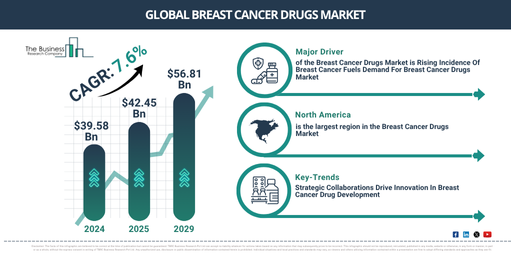
    Recent years have seen robust growth in the size of the breast cancer drugs market. It is set to expand from $39.58 billion in 2024 to $42.45 billion in 2025, with a compound annual growth rate (CAGR) of 7.3%. Factors such as the rising prevalence of breast cancer, strides in research and development, improvements in screening and early detection, changes in treatment guidelines, and progress in healthcare infrastructure have contributed to the growth experienced in the historic period.

    The market size for breast cancer drugs is projected to witness significant expansion in the upcoming years. The market is estimated to balloon up to “$56.81 billion by 2029, with a compound annual growth rate (CAGR) of 7.6%. This upturn in the forecast period is associated with factors such as growing elderly population, new markets, favorable policies and regulations, awareness and advocacy among patients. Upcoming trends in the predicted period include individualized medicine, targeted treatments, immunotherapies, clinical research and evolving drug catalogs, combination therapy methods, treatment based on biomarkers, and the implementation of telemedicine and remote observation.

    Get A Free Sample Of The Report:

    https://www.thebusinessresearchcompany.com/sample.aspx?id=2566&type=smp

    What Are The Primary Factors Supporting The Breast Cancer Drugs Market Expansion?

    The surge in breast cancer incidence rate is propelling the growth of the breast cancer drug market. This type of cancer starts in the breast cells and progresses when these cells multiply uncontrollably, resulting in a lump or tumor discernible through imaging tests. Factors such as genetic predisposition, alterations in lifestyle, aging populace, and more advanced detection methods contribute to this increase in breast cancer. The drugs specifically designed to treat breast cancer work by zeroing in on the cancer cells, slowing down tumor growth, preventing cancer metastasis and enhancing patient survival rates by using personalized treatments. For example, projections from the National Center for Biotechnology Information, a US government entity, in September 2022 predicts that by 2040, the annual count of new breast cancer diagnoses will increase by a staggering 40%, equivalent to roughly 3 million. The key contributors to breast cancer comprise factors like genetics, age, and lifestyle, and is more prevalent in developed nations. With a growing number of people being diagnosed, the demand for breast cancer medications also is also expected to soar, thus pushing forward the expansion of the breast cancer drugs market.

    What Are The Primary Segmentation Parameters In The Breast Cancer Drugs Market?

    The breast cancer drugs market covered in this report is segmented –

    1) By Type: Metastatic Breast Cancer, Triple Negative Breast Cancer, Others (Ductal Carcinoma Insitu, Invasive Ductal Carcinoma, Inflammatory Breast Cancer, Breast Cancer During Pregnancy, Others)

    2) By Distribution Channel: Hospital Pharmacies, Retail Pharmacies/ Drug Stores, Other Distribution Channels

    3) By End User: Ambulatory, Hospitals, Clinics, Other End-Users

    Subsegments:

    1) By Metastatic Breast Cancer: Hormone Receptor Positive Metastatic Breast Cancer, HER2 Positive Metastatic Breast Cancer, Triple Negative Metastatic Breast Cancer

    2) By Triple Negative Breast Cancer: Chemotherapy-Based Treatments, Immunotherapy-Based Treatments, Targeted Therapy

    3) By Others: Ductal Carcinoma In Situ (DCIS), Invasive Ductal Carcinoma (IDC), Inflammatory Breast Cancer (IBC), Breast Cancer During Pregnancy, Other Subtypes (Lobular Carcinoma, Paget’s Disease of the Breast)

    Which Emerging Trends Are Reshaping The Breast Cancer Drugs Market Landscape?

    Breast cancer medication producers are progressively teaming up with other companies to combine technology, resources, and product understanding, thereby broadening their businesses. AstraZeneca, for instance, carved out a partnership agreement worth $6.9 billion to focus on a breast cancer medication’s advancement. The deal entailed a joint development of the drug trastuzumab deruxtecan and splitting of developmental and commercialization expenses globally. Similarly, Novartis joined forces with IBM Watson Health to devise a solution for optimal patient outcomes by deciding on most effective drug combinations and schedules.

    Who Are The Dominant Players In The Breast Cancer Drugs Market Today?

    Major companies operating in the breast cancer drugs market include F. Hoffmann-La Roche Ltd., Novartis AG, AstraZeneca PLC, Eli Lilly and Company Inc., Biocon Limited, Merck & Co. Inc., Genzyme Corporation, Johnson & Johnson, MacroGenics Inc., Celldex Therapeutics Inc., Onyx Pharmaceuticals Inc., BioNumerik Pharmaceuticals Inc., AbbVie Inc., Pfizer Inc., OncoGenex Pharmaceuticals Inc., Astellas Pharma Inc., Bristol-Myers Squibb Company, Bayer AG, GlaxoSmithKline plc, Teva Pharmaceutical Industries Ltd., Abbott Laboratories, Apthera Inc., Oncothyreon Inc., BiPar Sciences Inc., Puma Biotechnology Inc., Sanofi S.A., Genentech Inc., Sun Pharmaceutical Industries Ltd., Takeda Pharmaceutical Company Limited, Eisai Co. Ltd., Mylan N.V., Dr. Reddy’s Laboratories Ltd., Accord Healthcare Limited, Alkem Laboratories Limited, Natco Pharma Limited, Fresenius Kabi AG, Lupin Limited, Glenmark Pharmaceuticals Limited

    Access The Complete Report Here:

    https://www.thebusinessresearchcompany.com/report/breast-cancer-drugs-global-market-report

    What Are The Emerging Regional Trends Driving The Breast Cancer Drugs Market?

    North America was the largest region in the breast cancer drugs market in 2024. The Middle East is expected to be the fastest-growing region in the breast cancer drugs market during the forecast period. The regions covered in the breast cancer drugs market report are Asia-Pacific, Western Europe, Eastern Europe, North America, South America, Middle East, Africa

    Customize Your Report Here:

    https://www.thebusinessresearchcompany.com/customise?id=2566&type=smp

    About The Business Research Company:

    With over 15000+ reports from 27 industries covering 60+ geographies, The Business Research Company has built a reputation for offering comprehensive, data-rich research and insights. Armed with 1,500,000 datasets, the optimistic contribution of in-depth secondary research, and unique insights from industry leaders, you can get the information you need to stay ahead in the game.

    Get in touch with us:

    The Business Research Company: https://www.thebusinessresearchcompany.com/

    Americas +1 310-496-7795

    Asia +44 7882 955267 & +91 8897263534

    Europe +44 7882 955267

    Email us at info@tbrc.info

    Follow us on:

    LinkedIn: https://in.linkedin.com/company/the-business-research-company

    YouTube: https://www.youtube.com/channel/UC24_fI0rV8cR5DxlCpgmyFQ

    Global Market Model: https://www.thebusinessresearchcompany.com/global-market-model
  • What Is The Forecast Valuation Of The Blood Cancer Drugs Market Projected To Reach $104.37 Billion By 2029?

    What Is The Forecast Valuation Of The Blood Cancer Drugs Market Projected To Reach $104.37 Billion By 2029?

    Claim 30% Off Global Market Reports With Code ONLINE30 – Insights on Tariff Effects, Global Trade, and Industry Disruptors

    How Is The Blood Cancer Drugs Market Expected To Grow In Terms Of Size?

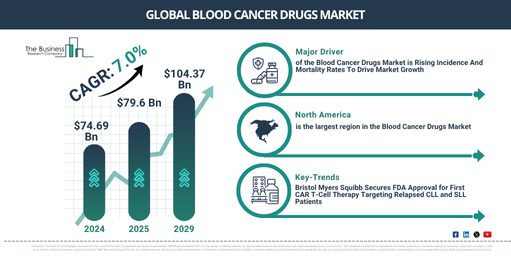
    Over the past few years, the market size of blood cancer drugs has seen substantial growth. It is forecasted to rise from $74.69 billion in 2024 to $79.6 billion in 2025, reflecting a compound annual growth rate (CAGR) of 6.6%. The significant growth seen in the historic period can be credited to improvements in research and development, an aging demographic, heightening awareness and earlier diagnoses, and regulatory approvals.

    The market for blood cancer drugs is predicted to experience robust growth in the upcoming years. The market is due to increase to “$104.37 billion by 2029, with a compound annual growth rate (CAGR) of 7.0%. The predicted growth over this period can be credited to the increase in disease occurrence, developing markets, as well as supportive care. Key trends projected to shape this period include stake in research and development, combination therapies, biomarker discovery, improvements in immunotherapy, and individualized medicine.

    Get A Free Sample Of The Report:

    https://www.thebusinessresearchcompany.com/sample.aspx?id=2587&type=smp

    Which Growth Drivers Are Shaping The Blood Cancer Drugs Market Outlook?

    Global growth in blood cancer drugs market is being propelled by the rising mortality rates and intensifying prevalence of global blood cancer instances. Various kinds of blood cancers, including lymphoma, leukemia, myeloma, among others, have diverse risk factors; some can be regulated or averted through drug therapies, while some could be fatal. For instance, the Bristol-Myers Squibb Company reported in November 2022 that they anticipate over 1.85 million new cases of blood cancer worldwide by 2040, with 918,872 cases of lymphoma, 656,345 cases of leukemia, and 275,047 cases of myeloma. Additionally, they predict approximately 1,100,000 deaths worldwide due to blood cancer by 2040. The escalating mortality rates and ascending instances of blood cancer worldwide are propelling the market for blood cancer drugs.

    How Is The Blood Cancer Drugs Market Segmented Across Key Categories?

    The blood cancer drugs market covered in this report is segmented –

    1) By Blood Cancer Type: Leukemia, Lymphoma

    2) By Drugs: Rituxan Or Mabthera (Rituximab), Gleevec Or Glivec (Imatinib), Revlimid (Lenalidomide), Velcade (Bortezomib), Tasigna (Nilotinib), Pomalyst (Pomalidomide), Vidaza (Azacitidine), Kyprolis (Carfilzomib), Adcetris (Brentuximab Vedotin), Other Drugs

    3) By Treatment Approaches: Key Findings, Chemotherapeutic, MAbs/Targeted Therapies, Immunotherapeutic

    Subsegments:

    1) By Leukemia: Acute Lymphoblastic Leukemia (ALL), Chronic Lymphocytic Leukemia (CLL), Acute Myeloid Leukemia (AML), Chronic Myeloid Leukemia (CML), Other Types of Leukemia

    2) By Lymphoma: Hodgkin Lymphoma, Non-Hodgkin Lymphoma (NHL), Burkitt Lymphoma, Follicular Lymphoma, Mantle Cell Lymphoma, Other Types of Lymphoma

    What Key Trends Are Driving Growth In The Blood Cancer Drugs Market?

    To gain a competitive advantage in the blood cancer drugs market, leading corporations are focusing on the development of new drugs and attaining FDA approval. The United States Food and Drug Administration (FDA) provides FDA approval as official permission for a pharmaceutical product to be legally marketed and sold in the United States. For example, in March 2024, USA’s pharmaceutical company, Bristol Myers Squibb, secured FDA approval for it’s first and exclusive CAR T-cell therapy for adults suffering from persistent or refractory chronic lymphocytic leukemia (CLL) or small lymphocytic lymphoma (SLL). This expedited approval permits its application in patients who have previously undergone at least two treatments, including a Bruton tyrosine kinase inhibitor and a B-cell lymphocytic 2 inhibitor. The TRANSCEND CLL 004 trial indicates that Breyanzi showed a 20% complete response rate, with responders attaining a median duration of response of 35.3 months.

    Which Companies Are Contributing Significantly To The Blood Cancer Drugs Market Growth?

    Major companies operating in the blood cancer drugs market include Amgen Inc., AstraZeneca PLC, Bayer AG, Eli Lilly and Company Inc., Johnson & Johnson, Novartis AG, Pfizer Inc., AbbVie Inc., Takeda Pharmaceutical Company Limited, F. Hoffmann-La Roche Ltd., Bristol-Myers Squibb Company, Astellas Pharma Inc., Roche Holding AG, Merck & Co. Inc., Gilead Sciences Inc., Sanofi S.A., Eisai Co. Ltd., Jazz Pharmaceuticals plc, Kyowa Kirin Co. Ltd., Menarini Group, Millennium Pharmaceuticals Inc., Mundipharma International Limited, Mylan N.V., Ono Pharmaceutical Co. Ltd., Otsuka Pharmaceutical Co. Ltd., Pharmacyclics LLC, Regeneron Pharmaceuticals Inc., Seattle Genetics Inc., Servier Laboratories, Shire plc, Spectrum Pharmaceuticals Inc., Taiho Pharmaceutical Co. Ltd., Teva Pharmaceutical Industries Ltd., Tolero Pharmaceuticals Inc., UCB S.A., Vertex Pharmaceuticals Incorporated

    Access The Complete Report Here:

    https://www.thebusinessresearchcompany.com/report/blood-cancer-drugs-global-market-report

    Which Region Dominates The Blood Cancer Drugs Market Today?

    North America was the largest region in the blood cancer drugs market in 2024. Middle East is expected to be the fastest-growing region in the blood cancer drugs market during the forecast period. The regions covered in the blood cancer drugs market report are Asia-Pacific, Western Europe, Eastern Europe, North America, South America, Middle East, Africa

    Customize Your Report Here:

    https://www.thebusinessresearchcompany.com/customise?id=2587&type=smp

    About The Business Research Company:

    With over 15000+ reports from 27 industries covering 60+ geographies, The Business Research Company has built a reputation for offering comprehensive, data-rich research and insights. Armed with 1,500,000 datasets, the optimistic contribution of in-depth secondary research, and unique insights from industry leaders, you can get the information you need to stay ahead in the game.

    Get in touch with us:

    The Business Research Company: https://www.thebusinessresearchcompany.com/

    Americas +1 310-496-7795

    Asia +44 7882 955267 & +91 8897263534

    Europe +44 7882 955267

    Email us at info@tbrc.info

    Follow us on:

    LinkedIn: https://in.linkedin.com/company/the-business-research-company

    YouTube: https://www.youtube.com/channel/UC24_fI0rV8cR5DxlCpgmyFQ

    Global Market Model: https://www.thebusinessresearchcompany.com/global-market-model
  • Bladder Cancer Drugs Market – Opportunities, Share, Growth and Competitive Analysis and Forecast 2029

    Bladder Cancer Drugs Market – Opportunities, Share, Growth and Competitive Analysis and Forecast 2029

    Claim 30% Off Global Market Reports With Code ONLINE30 – Insights on Tariff Effects, Global Trade, and Industry Disruptors

    What Is The Projected Valuation Of The Bladder Cancer Drugs Market In The Coming Years?

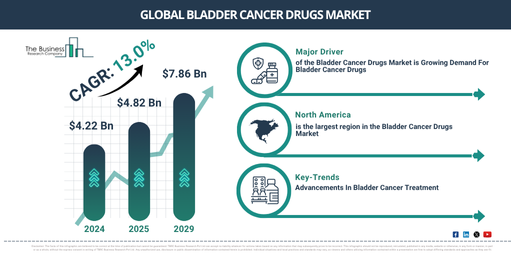
    The market size for bladder cancer drugs has seen a significant expansion in the past few years. The market is projected to swell from $4.22 billion in 2024 to $4.82 billion in 2025, with a compound annual growth rate (CAGR) of 14.1%. Factors such as a rise in the number of cases, advancements in medication, enhanced diagnostic technology, an aging demographic, regulatory authorizations, patient activism, and heightened awareness have all fuelled this growth during the historical period.

    The market size of medication for bladder cancer is predicted to experience a steep surge in the forthcoming years, escalating to “$7.86 billion in 2029” with a compound annual growth rate (CAGR) of 13.0%. The expansion during the forecast period is driven by continuous R&D, developing markets, enhancements in healthcare infrastructure, strategic partnerships, and collaborations. Key trends to watch during the forecast period comprise precision medicine, therapies targeted at immunotherapy, personalized medicine, trials in clinics and pharmaceutical pipelines, blended treatments, treatments guided by biomarkers, telemedicine with remote surveillance, as well as care focused on patients.

    Get A Free Sample Of The Report:

    https://www.thebusinessresearchcompany.com/sample.aspx?id=2586&type=smp

    What Market Forces Are Contributing To The Growth Of The Bladder Cancer Drugs Market?

    The incidence of bladder cancer has shown an upward trend. Aspects such as exposure to unclean work settings, elevated tobacco usage, and consumption of Arsenic-laden water heighten the risks of this type of cancer. As per the American Cancer Society, it was projected that in 2023, 82,290 fresh bladder cancer cases would emerge in the United States alone, with around 62,420 men and 19,870 women being affected. This surge in bladder cancer occurrences boosts the need for medicines treating the disease, thereby fueling the growth of the bladder cancer drugs market.

    How Is The Global Bladder Cancer Drugs Market Broken Down By Segment?

    The bladder cancer drugs market covered in this report is segmented –

    1) By Type: Non-Muscle-Invasive Bladder Cancer, Muscle-Invasive Bladder Cancer

    2) By Application: Low-Grade Tumors, High-Grade Tumors

    3) By Distribution Channel: Hospital Pharmacy, Retail Pharmacy, Other Distribution Channels

    Subsegments:

    1) By Non-Muscle-Invasive Bladder Cancer: Intravesical Therapy, Immunotherapy Drugs, Chemotherapy Drugs, Bacillus Calmette–Guérin (BCG) Therapy

    2) By Muscle-Invasive Bladder Cancer: Chemotherapy Drugs, Immunotherapy Drugs, Targeted Therapy Drugs, Neoadjuvant and Adjuvant Therapy

    Which Trends Are Likely To Redefine Growth Paths In The Bladder Cancer Drugs Market?

    Substantial corporations are pouring resources into research focused on employing nano-technology for drug delivery into the human body. Nanotechnology involves the creation, specification, production, and usage of devices, structures, and systems by precisely controlling their size and shape on a nanometer scale. This mode of delivery provides physicians with a simplified and efficient method to treat bladder cancer in patients. This is because the nanoparticles used in therapy directly target the malignant cells, leaving the other cells unscathed. As an example, the Center for Drug Research And Development in Canada committed to a $1.2 million investment in Sitka Biopharma, assisting with the developmental activities for the clinical trials of STK-01, a solution designed for bladder cancer treatment using nanotechnology.

    Who Are The Primary Market Leaders In The Bladder Cancer Drugs Market?

    Major companies operating in the bladder cancer drugs market include Eli Lilly and Company, Bristol-Myers Squibb Company, Pfizer Inc., Celgene Corporation (a subsidiary of Bristol-Myers Squibb Company), AstraZeneca PLC, GlaxoSmithKline plc, Sanofi S.A., F. Hoffmann-La Roche Ltd., Novartis International AG, Johnson & Johnson, Merck & Co. Inc., Vault Pharma Inc., Vyriad Inc., Boehringer Ingelheim International GmbH, Bayer AG, Asieris Pharmaceuticals Co. Ltd., Asana BioSciences LLC, Array BioPharma Inc., Archivel Farma S.L., AndroScience Corporation, Amgen Inc., Altor Bioscience Corporation, Alligator Bioscience AB, Adaptimmune Therapeutics plc, UroGen Pharma Ltd., Seagen Inc., Incyte Corporation, Mayo Foundation for Medical Education and Research, AbbVie Inc., Eisai Co. Ltd., Ipsen S.A., Janssen Pharmaceutica NV, Kyowa Kirin Co. Ltd., Menarini Group, Ono Pharmaceutical Co. Ltd., Pierre Fabre S.A., Taiho Pharmaceutical Co. Ltd.

    Access The Complete Report Here:

    https://www.thebusinessresearchcompany.com/report/bladder-cancer-drugs-global-market-report

    Which Regional Markets Are Emerging As Key Hubs For The Bladder Cancer Drugs Market?

    North America was the largest region in the bladder cancer drugs market in 2024. The Middle East is expected to be the fastest-growing region in the bladder cancer drugs market during the forecast period. The regions covered in the bladder cancer drugs market report are Asia-Pacific, Western Europe, Eastern Europe, North America, South America, Middle East, Africa

    Customize Your Report Here:

    https://www.thebusinessresearchcompany.com/customise?id=2586&type=smp

    About The Business Research Company:

    With over 15000+ reports from 27 industries covering 60+ geographies, The Business Research Company has built a reputation for offering comprehensive, data-rich research and insights. Armed with 1,500,000 datasets, the optimistic contribution of in-depth secondary research, and unique insights from industry leaders, you can get the information you need to stay ahead in the game.

    Get in touch with us:

    The Business Research Company: https://www.thebusinessresearchcompany.com/

    Americas +1 310-496-7795

    Asia +44 7882 955267 & +91 8897263534

    Europe +44 7882 955267

    Email us at info@tbrc.info

    Follow us on:

    LinkedIn: https://in.linkedin.com/company/the-business-research-company

    YouTube: https://www.youtube.com/channel/UC24_fI0rV8cR5DxlCpgmyFQ

    Global Market Model: https://www.thebusinessresearchcompany.com/global-market-model
  • Bacterial And Plasmid Vectors Market Trends 2025–2029: Regional Outlook and Sizing Analysis

    Bacterial And Plasmid Vectors Market Trends 2025–2029: Regional Outlook and Sizing Analysis

    Claim 30% Off Global Market Reports With Code ONLINE30 – Insights on Tariff Effects, Global Trade, and Industry Disruptors

    How Much Will The Bacterial And Plasmid Vectors Market Be Worth By 2029?

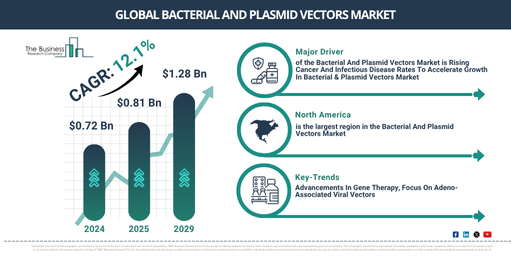
    The market size for bacterial and plasmid vectors has seen a swift expansion in the past few years. It is anticipated to increase from $0.72 billion in 2024 to $0.81 billion in 2025, with a compound annual growth rate (CAGR) of 12.0%. Factors contributing to this growth during the historical period include the escalating incidence of chronic and infectious diseases, an ageing population, heightened healthcare expenditures, government programs, and a greater consciousness about preventive healthcare.

    Predictions indicate a swift expansion of the bacterial and plasmid vectors market in the upcoming years, with an expected rise to “$1.28 billion by 2029,” maintaining a compound annual growth rate (CAGR) of 12.1%. Factors contributing to this expected growth during the projected period include an increasing need for point-of-care testing, gene and cell therapy, synthetic biology, CRISPR-Cas technology, amplified bioproduction, usage in environmental and agricultural applications, and the spread of biomanufacturing, as well as a growing interest in personalized medicine. Upcoming trends for the forecast period encompass bespoke vector solutions, the importance of safety and ethics, innovative vector delivery methods, an emphasis on data integration and analysis, alternatives to viral vectors, vector customization services and enhanced vector delivery optimization.

    Get A Free Sample Of The Report:

    https://www.thebusinessresearchcompany.com/sample.aspx?id=3422&type=smp

    What Drivers Are Accelerating Expansion Of The Bacterial And Plasmid Vectors Market?

    The forecasted rise in cancer and infectious diseases is expected to enhance the requirement for the bacterial & plasmid vectors market in the years ahead. Bacteria serve as vectors, carrying recombinant proteins into targeted cells for treating cancer and numerous infectious diseases. Bacterial and plasmid vectors are applied in research of cancer and infectious diseases to convey therapeutic genes, vaccines, or genetic materials that can trigger immune responses or rectify genetic flaws, thereby assisting in the prevention, treatment, or management of these diseases by focusing on their root causes or fortifying the body’s immune system. For example, in April 2024, a report by the American Cancer Society, a non-profit organization based in the US, stated that there were approximately 609,000 deaths related to cancer and a predicted 1.9 million new cancer cases detected in the country in 2022. It is predicted that around 620,000 cancer deaths are expected, which would indicate a slight increase in the mortality rates in 2024. Consequently, the escalating prevalence of cancer and various infectious diseases, along with the rising demand for bacterial and plasmid vectors for gene therapy, are likely to drive market revenue for the bacterial and plasmid vectors market.

    Which Segmentation Factors Are Critical In The Bacterial And Plasmid Vectors Market Analysis?

    The bacterial and plasmid vectors market covered in this report is segmented –

    1) By Host Type: E.Coli Expression Vectors, Other Bacterial Expression Vectors

    2) By Application: Genetics, Molecular Biology, Bioinformatics, Other Applications

    3) By End Users: Hospitals, Homecare, Specialty Clinics, Other End Users

    Subsegments:

    1) By E. Coli Expression Vectors: PET Vectors, PUC Vectors, PBR322 Vectors, Expression Systems For Protein Production

    2) By Other Bacterial Expression Vectors: Bacillus Subtilis Vectors, Pseudomonas Vectors, Lactococcus Lactis Vectors, Streptomyces Vectors

    What Are The Dominant Trends Currently Seen In The Bacterial And Plasmid Vectors Market?

    Leading firms in the bacterial and plasmid vectors marketplace are prioritizing the creation of innovative solutions like the Adeno-Associated Viral Vector. These solutions aim to amplify gene therapy applications and cater to the increasing need for effective therapeutic alternatives. An Adeno-Associated Viral Vector (AAV) is a virus-based vector used in gene therapy for transporting genetic material into cells. For example, in March 2023, Charles River Laboratories, an Indian chemical manufacturing company, introduced a readily available helper plasmid. This product boasts distinctive attributes such as instant and dependable provision, consistent quality suited for its purpose, kanamycin antibiotic resistance, production free from animal components, and exemption from license and royalty fees from research to commercial phases. These features expedite the production schedules for AAV-based gene therapies, making complex supply chains in the production process more manageable.

    Which Organizations Are At The Forefront Of The Bacterial And Plasmid Vectors Market?

    Major companies operating in the bacterial and plasmid vectors market include Sigma-Aldrich Inc., ATUM, QIAGEN N.V., Promega Corporation, Thermo Fisher Scientific Inc., GenScript Biotech Corporation, Takara Bio Inc., IBA GmbH, Bio-Rad Laboratories, New England Biolabs, Agilent Technologies, Life Technologies Corporation, Clontech Laboratories Inc., DNA TwoPointO Inc., F. Hoffmann-La Roche Ltd, Norgen Biotek Corporation, Tecan Group Ltd, Biotage, BioCat GmbH, BioChain Institute Inc., BioLegend, BioVision Inc., Cell Applications Inc., Cell Biolabs Inc., Cell Signaling Technology Inc., Clontech Laboratories Inc., Creative Biogene, Creative Biomart, Creative Diagnostics, Enzo Life Sciences Inc.

    Access The Complete Report Here:

    https://www.thebusinessresearchcompany.com/report/bacterial-and-plasmid-vector-global-market-report

    Which Region Is Leading Innovation In The Bacterial And Plasmid Vectors Market?

    North America was the largest region in the bacterial & plasmid vectors market in 2024. The Middle East is expected to be the fastest-growing region in the global bacterial & plasmid vectors market share during the forecast period. The regions covered in the bacterial and plasmid vectors market report are Asia-Pacific, Western Europe, Eastern Europe, North America, South America, Middle East, and Africa.

    Customize Your Report Here:

    https://www.thebusinessresearchcompany.com/customise?id=3422&type=smp

    About The Business Research Company:

    With over 15000+ reports from 27 industries covering 60+ geographies, The Business Research Company has built a reputation for offering comprehensive, data-rich research and insights. Armed with 1,500,000 datasets, the optimistic contribution of in-depth secondary research, and unique insights from industry leaders, you can get the information you need to stay ahead in the game.

    Get in touch with us:

    The Business Research Company: https://www.thebusinessresearchcompany.com/

    Americas +1 310-496-7795

    Asia +44 7882 955267 & +91 8897263534

    Europe +44 7882 955267

    Email us at info@tbrc.info

    Follow us on:

    LinkedIn: https://in.linkedin.com/company/the-business-research-company

    YouTube: https://www.youtube.com/channel/UC24_fI0rV8cR5DxlCpgmyFQ

    Global Market Model: https://www.thebusinessresearchcompany.com/global-market-model
  • Antivirals Market 2025–2029: Unveiling Growth Developments with the Latest Updates

    Antivirals Market 2025–2029: Unveiling Growth Developments with the Latest Updates

    Claim 30% Off Global Market Reports With Code ONLINE30 – Insights on Tariff Effects, Global Trade, and Industry Disruptors

    What Is The Present And Forecasted Size Of The Antivirals Market?

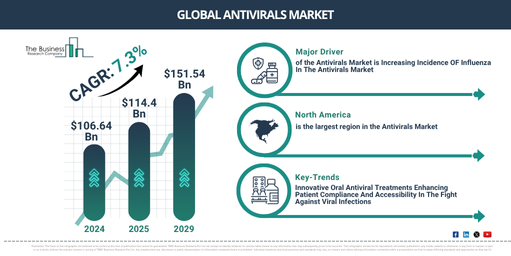
    There has been significant expansion of the antivirals market size in past times. Its value is predicted to rise from $106.64 billion in 2024 to $114.4 billion in 2025, registering a compound annual growth rate (CAGR) of 7.3%. The historical period’s growth can be linked to the prevalence of viral diseases, public health worries, lapses in patent rights, and efforts taken by the government.

    Over the upcoming years, the antivirals market is anticipated to witness robust growth, expanding to “$151.54 billion by 2029 with a compound annual growth rate (CAGR) of 7.3%. The increase predicted for the forecast period is credited to the rise of new viral threats and worldwide health initiatives. The forecast period is set to be marked by significant trends such as technological progression, the rise of telemedicine and digital health, and the growth of personalized medicine.

    Get A Free Sample Of The Report:

    https://www.thebusinessresearchcompany.com/sample.aspx?id=2437&type=smp

    Which Key Factors Are Fueling Growth In The Antivirals Market?

    The rise in influenza cases is expected to boost the antiviral market’s expansion. Influenza, commonly known as the flu, is an extremely infectious viral respiratory disorder caused by the influenza virus, which impacts the nose, throat, and lungs. Antivirals, intended to prevent the growth and dissemination of the influenza virus inside the body, are utilized to treat this disease. For example, the US-based health agency, the Centers for Disease Control and Prevention, reported in October 2022 that, during the 2021-2022 season, there were 9 million instances of flu illnesses, 4 million flu-associated medical consultations, 100,000 flu-related hospitalizations, and 5,000 flu fatalities. Consequently, the escalating rate of influenza is fueling the antiviral market’s growth.

    What Are The Key Segment Trends Observed In The Antivirals Market?

    The antivirals market covered in this report is segmented –

    1) By Type: Branded, Generic

    2) By Drug Class: DNA Polymerase Inhibitors, Reverse Transcriptase Inhibitors, Protease Inhibitors, Neuraminidase Inhibitors, Other Drug classes

    3) By Application: HIV, Hepatitis, Herpes, Influenza, Other Applications

    Subsegments:

    1) By Branded: Antivirals For HIV Or AIDS, Antivirals For Hepatitis, Antivirals For Influenza, Antivirals For Herpes Simplex Virus (HSV)

    2) By Generic: Generic HIV Or AIDS Antivirals, Generic Hepatitis Antivirals, Generic Influenza Antivirals, Generic Herpes Simplex Virus (HSV) Antivirals

    Which Disruptive Trends Are Driving Change Across The Antivirals Market?

    Key players in the antiviral market are shifting their focus towards the creation of novel therapies such as oral antiviral treatment. This pivot aims at enhancing patient adherence, improving accessibility, lowering healthcare expenses, and offering more suitable and effective alternatives for the management of viral infections. Oral antiviral therapy means medication taken orally to combat viral infections. These treatments function by obstructing the replication or dissemination of viruses within the body, thus minimizing the intensity and duration of the infection. For example, in May 2023, Pfizer, a pharmaceutical company based in the United States, announced the approval of Paxlovid, the first-ever oral antiviral treatment for adults with COVID-19, approved by the Food and Drug Administration, a U.S. government agency. This approval carries noteworthy significance as it furnishes a fresh therapeutic alternative for managing COVID-19, particularly in a scenario where the pandemic is evolving into an endemic phase. Paxlovid is specifically designated for adults with mild to moderate COVID-19 who are at an elevated risk of escalating to a severe stage, including hospitalization or death.

    Who Are The Major Stakeholders Operating In The Antivirals Market?

    Major companies operating in the antivirals market include AbbVie Inc., Bristol-Myers-Squibb Co., Chemical Industrial & Pharmaceutical Laboratories Ltd., F. Hoffmann-La Roche Ltd., Gilead Sciences Inc., GlaxoSmithKline Plc, Johnson & Johnson Services Ltd., Merck & Co. Inc., Dr. Reddy’s Laboratories Ltd., AstraZeneca plc, Aurobindo Pharma Ltd., Abbott Laboratories, Schering-Plough Corporation, Pfizer Inc., Sanofi-Synthélabo Ltd., Regeneron Pharmaceuticals Inc., Inovio Pharmaceuticals Inc., Novavax Inc., BioCryst Pharmaceuticals Inc., Alnylam Pharmaceuticals Inc., Argos Distributors Limited, AVI Biopharma International Ltd., Moderna Inc., BioNTech SE, Eli Lilly and Company, Takeda Pharmaceutical Company Limited, Biogen Inc., Genentech USA Inc., Vertex Pharmaceuticals Inc.

    Access The Complete Report Here:

    https://www.thebusinessresearchcompany.com/report/antivirals-global-market-report

    What Regional Factors Are Accelerating Growth In The Antivirals Market?

    North America was the largest region in the anti-viral drug therapy market in 2024. The Middle East is expected to be the fastest-growing region in the antivirals market during the forecast period. The regions covered in the antivirals market report are Asia-Pacific, Western Europe, Eastern Europe, North America, South America, Middle East, Africa

    Customize Your Report Here:

    https://www.thebusinessresearchcompany.com/customise?id=2437&type=smp

    About The Business Research Company:

    With over 15000+ reports from 27 industries covering 60+ geographies, The Business Research Company has built a reputation for offering comprehensive, data-rich research and insights. Armed with 1,500,000 datasets, the optimistic contribution of in-depth secondary research, and unique insights from industry leaders, you can get the information you need to stay ahead in the game.

    Get in touch with us:

    The Business Research Company: https://www.thebusinessresearchcompany.com/

    Americas +1 310-496-7795

    Asia +44 7882 955267 & +91 8897263534

    Europe +44 7882 955267

    Email us at info@tbrc.info

    Follow us on:

    LinkedIn: https://in.linkedin.com/company/the-business-research-company

    YouTube: https://www.youtube.com/channel/UC24_fI0rV8cR5DxlCpgmyFQ

    Global Market Model: https://www.thebusinessresearchcompany.com/global-market-model
  • Anti-Thyroid Drugs Market Emerging Trends and Growth Drivers Through 2029 | Reach USD $2.76 Billion

    Anti-Thyroid Drugs Market Emerging Trends and Growth Drivers Through 2029 | Reach USD $2.76 Billion

    Claim 30% Off Global Market Reports With Code ONLINE30 – Insights on Tariff Effects, Global Trade, and Industry Disruptors

    How Big Is The Anti-Thyroid Drugs Market Today And What Is Its Future Size?

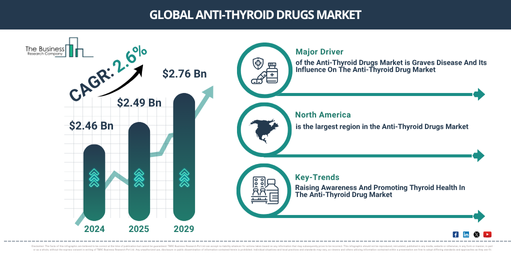
    In recent years, the market size for anti-thyroid drugs has seen a slight increase. The market is projected to expand from $2.46 billion in 2024 to $2.49 billion in 2025, experiencing a compound annual growth rate (CAGR) of 1.2%. Factors contributing to this growth during the historic period include the prevalence of thyroid disorders, progress in drug development, and healthcare infrastructure.

    The market size for anti-thyroid drugs is set for consistent expansion in the forthcoming years. Projected to surge to “$2.76 billion by 2029”, the market is set to achieve a compound annual growth rate (CAGR) of 2.6%. The predicted growth during the forecast period is due to factors such as increased patient awareness and education, healthcare spending, patient demographics, and the global economic environment. Key trends in this forecast period include alternatives to thyroid surgery and radioactive iodine, a focus on patient-centric care, and the integration of telemedicine and remote monitoring.

    Get A Free Sample Of The Report:

    https://www.thebusinessresearchcompany.com/sample.aspx?id=3401&type=smp

    Which Market Dynamics Are Playing A Critical Role In The Growth Of The Anti-Thyroid Drugs Market?

    The prevalence of Graves’ disease, a key contributor to hyperthyroidism, is on the rise. The National Library of Medicine, a biomedical repository overseen by the United States Federal Government, suggests that in developed nations, Graves’ disease (GD) is the leading cause of hyperthyroidism. Those aged between 30 and 60 are most susceptible to the disease, with women 5-10 times more prone than men. Factors such as genetic predisposition contribute to 79% of the GD risk while the environment accounts for a 21% risk. The augmentation in cases of Graves’ disease corresponds to an increase in individuals suffering from hyperthyroidism. As a result, the demand for anti-thyroid drugs is escalating, fuelling market growth.

    How Is The Anti-Thyroid Drugs Market Categorized Across Applications And Types?

    The anti-thyroid drugs market covered in this report is segmented –

    1) By Drug Type: Thionamides (Inhibition Of Hormone Synthesis), Iodides (Inhibition Of Hormone Release)

    2) By Route of Administration: Oral, Intravenous, Other Route Of Administration

    3) By Distribution Channel: Wholesaler Or Distributors, Retail Chain, Online Distribution, Other Distribution Channels

    Subsegments:

    1) By Thionamides (Inhibition Of Hormone Synthesis): Methimazole, Propylthiouracil

    2) By Iodides (Inhibition Of Hormone Release): Potassium Iodide, Lugol’s Iodine Solution

    How Are Market Trends Influencing Competition In The Anti-Thyroid Drugs Market?

    Organizations focused on thyroid health are initiating efforts to increase awareness about thyroid conditions, share recent advancements in treatment and relay findings from various thyroid-related research studies. In the USA, an estimated 60% of individuals with hyperthyroidism are not aware of their condition and remain undiagnosed. To address these problems, organizations like the American Thyroid Association (ATA) are playing a pivotal role in educating the populace about thyroid conditions. Likewise, the Thyroid Foundation of Canada is also pioneering public engagement and consciousness increase with regard to thyroid diseases including hyperthyroidism. Other groups, such as the American Academy of Otolaryngology and the British Thyroid Foundation, are also launching their own initiatives and awareness campaigns.

    Which Firms Are Making The Biggest Impact In The Anti-Thyroid Drugs Market?

    Major companies operating in the anti-thyroid drugs market include Mylan N.V., Abbott Laboratories, GlaxoSmithKline plc, Merck & Co., AbbVie Inc., Pfizer Inc., Allergan plc, RLC LABS Inc., Amgen Inc., Lannett Company Inc., Sanofi S.A., Novartis AG, Teva Pharmaceutical Industries Ltd., Eli Lilly and Company, Aspen Pharmacare Holdings Limited, Astellas Pharma Inc., Takeda Pharmaceutical Company Limited, Boehringer Ingelheim GmbH, Daiichi Sankyo Company Limited, Roche Holding AG, Bayer AG, Aurobindo Pharma Limited, Dr. Reddy’s Laboratories Ltd., Sun Pharmaceutical Industries Ltd., Cipla Inc., Lupin Limited, Cadila Healthcare Limited, Torrent Pharmaceuticals Ltd., Alkem Laboratories Ltd., Akorn Inc.

    Access The Complete Report Here:

    https://www.thebusinessresearchcompany.com/report/anti-thyroid-drugs-global-market-report

    Which Region Holds The Greatest Opportunity For Anti-Thyroid Drugs Market Expansion?

    North America was the largest region in the anti-thyroid drugs market in 2024. The Middle East is expected to be the fastest-growing region in the anti-thyroid drugs market during the forecast period. The regions covered in the anti-thyroid drugs market report are Asia-Pacific, Western Europe, Eastern Europe, North America, South America, Middle East, Africa

    Customize Your Report Here:

    https://www.thebusinessresearchcompany.com/customise?id=3401&type=smp

    About The Business Research Company:

    With over 15000+ reports from 27 industries covering 60+ geographies, The Business Research Company has built a reputation for offering comprehensive, data-rich research and insights. Armed with 1,500,000 datasets, the optimistic contribution of in-depth secondary research, and unique insights from industry leaders, you can get the information you need to stay ahead in the game.

    Get in touch with us:

    The Business Research Company: https://www.thebusinessresearchcompany.com/

    Americas +1 310-496-7795

    Asia +44 7882 955267 & +91 8897263534

    Europe +44 7882 955267

    Email us at info@tbrc.info

    Follow us on:

    LinkedIn: https://in.linkedin.com/company/the-business-research-company

    YouTube: https://www.youtube.com/channel/UC24_fI0rV8cR5DxlCpgmyFQ

    Global Market Model: https://www.thebusinessresearchcompany.com/global-market-model