Month: March 2026

  • Research Antibodies and Reagents Market 2026 advancing with increased R&D investments

    Research Antibodies and Reagents Market 2026 advancing with increased R&D investments

    The Business Research Company’s 2026 market reports include new capabilities such as market attractiveness scoring and analysis, total addressable market analysis, company scoring matrix, interactive excel data dashboard, improved supply chain analysis, upcoming startups in the market, and overview of key products, aimed at improving the depth, usability, and strategic value of the insights delivered.

    How Will The Market Size Of The Research Antibodies and Reagents Market Evolve From 2026 To 2030?

    The research antibodies and reagents market size has experienced robust growth recently. This market is projected to expand from $17.43 billion in 2025 to $18.65 billion in 2026, demonstrating a compound annual growth rate (CAGR) of 7.0%. Historically, this expansion can be linked to factors such as increased funding for basic life science research, a rise in the application of western blot and ELISA techniques, the proliferation of academic and research institutions, the growing incidence of chronic and infectious diseases, and the early embrace of antibody-based detection methods.

    The research antibodies and reagents market is anticipated to show significant expansion in the upcoming years. It is expected to reach $24.39 billion by 2030, growing at a compound annual growth rate (CAGR) of 6.9%. The projected increase during this period can be attributed to advancements in proteomics and genomics research, the expanding pharmaceutical and biotechnology research and development pipelines, a rising demand for precision and translational medicine, the growth of contract research organizations, and the broadening scope of cell and gene therapy research. Important trends during the forecast period include the increasing adoption of recombinant and monoclonal antibodies, a growing need for highly specific and validated antibodies, the expansion of multiplex and high-throughput assay reagents, greater use of ready-to-use antibody and reagent kits, and the development of custom antibodies for specialized research requirements.

    Download the Free Sample Report to Explore Key Market Insights:

    https://www.thebusinessresearchcompany.com/sample.aspx?id=3418&type=smp

    What Key Drivers Are Influencing The Growth Of The Research Antibodies and Reagents Market?

    Enhanced investment in medical and health research and development (R&D) is anticipated to fuel the expansion of the research antibodies and reagents market. Within life science research, antibodies and reagents serve as indispensable elements for exploring biological processes or the root causes of diseases through rigorous experimentation, observation, laboratory procedures, analysis, and testing. As an illustration, the UK government’s net spending on research and development (R&D) rose to £17.4 ($22.1 billion) billion in 2023 from £16.1 billion ($20.45 billion) in 2022, reflecting an 8.2% increase, as reported by the UK-based government agency Office for National Statistics. Therefore, augmented investment in healthcare R&D will boost the market utilization of research antibodies and reagents.

    Which Segment Areas Are Covered In The Research Antibodies and Reagents Market Analysis?

    The research antibodies and reagents market covered in this report is segmented –

    1) By Technology: Western Blot, Immunofluorescence, Immunohistochemistry, Flow Cytometry, Enzyme-Linked Immunosorbent Assay (Elisa), Others

    2) By Application: Proteomics, Genomics, Other Applications

    3) By End User: Pharmaceutical & Biotechnology Industry, Academic & Research Institutes, Contract Research Organizations (CROs)

    Subsegments:

    1) By Western Blot: Primary Antibodies For Western Blot, Secondary Antibodies For Western Blot, Detection Kits

    2) By Immunofluorescence: Primary Antibodies For Immunofluorescence, Secondary Antibodies For Immunofluorescence, Fluorescent Dyes And Probes

    3) By Immunohistochemistry: Primary Antibodies For Immunohistochemistry, Secondary Antibodies For Immunohistochemistry, Detection Kits

    4) By Flow Cytometry: Fluorochrome-Conjugated Antibodies, Isotype Controls, Flow Cytometry Kits

    5) By Enzyme-Linked Immunosorbent Assay (ELISA): Capture Antibodies, Detection Antibodies, ELISA Kits

    6) By Others: Proteomics Reagents, Cell Culture Reagents, Antibody Conjugation Kits

    What Key Developments And Trends Are Impacting The Research Antibodies and Reagents Market?

    Major companies in the research antibodies and reagents market are concentrating on developing reagent solutions for immunohistochemistry to secure a competitive advantage. A typical reagent solution for immunohistochemistry generally consists of antibodies and blocking agents suspended in a buffered solution. For instance, in March 2023, Aptamer Group PLC, a UK-based developer of optimer binders within the life sciences sector, introduced Optimer-Fc, engineered for application in automated immunohistochemistry (IHC) workflows. Optimer-Fc is a novel solution that pairs an Optimer binder with the Fc domain of an antibody, positioning it as a viable alternative to primary detecting antibodies in various IHC uses. This innovative approach facilitates the seamless integration of Optimer-Fc into existing workflows, effectively substituting the primary detecting antibody without diminishing the process’s integrity.

    Which Global Companies Are Actively Competing In The Research Antibodies and Reagents Market?

    Major companies operating in the research antibodies and reagents market are Thermo Fisher Scientific Inc., Abcam plc, Cell Signaling Technology Inc., Merck KGaA, Santa Cruz Biotechnology Inc., Bio-Rad Laboratories Inc., Danaher Corporation, Johnson & Johnson, F. Hoffmann-La Roche AG, Becton Dickinson and Company, Immunochina, Takara Bio, GE Healthcare, Zhejiang Kangte Biotechnology Co. Ltd., Wuxi Tech-star Technology Co. Ltd., Shaanxi Bloom Tech Co. Ltd., PerkinElmer Inc., Lonza Group AG, GenScript Biotech Corporation, Bio-Techne Corporation

    Read the full research antibodies and reagents market report here:

    https://www.thebusinessresearchcompany.com/report/research-antibodie-and-reagent-global-market-report

    Which Region Is Expected To Register The Fastest Growth In The Research Antibodies and Reagents Market?

    North America was the largest region in the research antibodies and reagents market in 2025. The regions covered in the research antibodies and reagents market report are Asia-Pacific, South East Asia, Western Europe, Eastern Europe, North America, South America, Middle East, Africa.

    Request A Tailored Research Antibodies and Reagents Market Research Report For Competitive Advantage:

    https://www.thebusinessresearchcompany.com/customise?id=3418&type=smp

    Browse Through More Reports Similar to the Global Research Antibodies and Reagents Market 2026, By The Business Research Company

    Research Antibodie And Reagent Market Report 2026

    https://www.thebusinessresearchcompany.com/report/research-antibodie-and-reagent-global-market-report

    Antibody Discovery Market Report 2026

    https://www.thebusinessresearchcompany.com/report/antibody-discovery-global-market-report

    Next Generation Antibody Therapeutics Market Report 2026

    https://www.thebusinessresearchcompany.com/report/next-generation-antibody-therapeutics-global-market-report

    Get in touch with us:

    The Business Research Company: https://www.thebusinessresearchcompany.com/

    Americas +1 310-496-7795

    Asia +44 7882 955267 & +91 8897263534

    Europe +44 7882 955267

    Email us at info@tbrc.info

    Follow us on:

    LinkedIn: https://in.linkedin.com/company/the-business-research-company

    YouTube: https://www.youtube.com/channel/UC24_fI0rV8cR5DxlCpgmyFQ

    Global Market Model: https://www.thebusinessresearchcompany.com/global-market-model

  • Global Renin-Angiotensin-System Acting Agents Market 2026–2035 evolving with cardiovascular treatment needs

    Global Renin-Angiotensin-System Acting Agents Market 2026–2035 evolving with cardiovascular treatment needs

    The Business Research Company’s 2026 market reports include new capabilities such as market attractiveness scoring and analysis, total addressable market analysis, company scoring matrix, interactive excel data dashboard, improved supply chain analysis, upcoming startups in the market, and overview of key products, aimed at improving the depth, usability, and strategic value of the insights delivered.

    What Is The Forecasted Market Value Of The Renin-Angiotensin-System (RAS)-Acting Agents Market Across 2026–2030?

    The market size for renin-angiotensin-system (ras)-acting agents has experienced significant expansion in recent years. It is anticipated to grow from $6.11 billion in 2025 to $6.44 billion in 2026, achieving a compound annual growth rate (CAGR) of 5.5%. The historical increase in this market can be attributed to several factors including the high prevalence of hypertension, the growth of the aging population, the widespread adoption of ACE inhibitors, an increase in cardiovascular screening, and the affordability of generic drugs.

    The market size for renin-angiotensin-system (ras)-acting agents is projected to experience robust growth in the coming years. It is anticipated to expand to $7.96 billion by 2030, exhibiting a compound annual growth rate (CAGR) of 5.4%. This projected growth can be attributed to several factors, including the increasing burden of chronic kidney disease, a rising demand for cardiometabolic drugs, improved patient adherence to treatments, market expansion into emerging regions, and the approval of new combination therapies. Significant trends expected during this forecast period involve the growing adoption of combination antihypertensive treatments, the development of long-acting cardiovascular drugs, a heightened focus on renal protection therapies, the expansion of generic RAS drug production, and a general shift towards fixed-dose combinations.

    Download the Free Sample Report to Explore Key Market Insights:

    https://www.thebusinessresearchcompany.com/sample.aspx?id=23496&type=smp

    What Major Growth Drivers Are Shaping The Outlook Of The Renin-Angiotensin-System (RAS)-Acting Agents Market?

    The expanding occurrence of hypertension is anticipated to fuel the expansion of the renin-angiotensin system (RAS)-acting agents market. Hypertension, also known as elevated blood pressure, is a persistent health issue characterized by persistently excessive blood pressure against artery walls. The rise in hypertension cases is often linked to poor dietary habits, specifically diets rich in salt and processed items, which lead to higher blood pressure and stress on the cardiovascular system. Renin-angiotensin system (RAS)-acting agents assist in reducing hypertension rates by managing blood pressure through the inhibition of angiotensin II. This hormone normally constricts blood vessels and increases fluid retention, but by blocking it, RAS-acting agents promote vasodilation and lower blood pressure. For example, in September 2025, the World Health Organization, a Switzerland-based intergovernmental organization, reported that an estimated 1.4 billion adults globally aged 30–79 were living with hypertension in 2024, constituting about 33% of individuals in this age group. Hence, the growing prevalence of hypertension is a significant driver for the renin-angiotensin system (RAS)-acting agents market.

    What Segmentation Levels Are Considered In The Renin-Angiotensin-System (RAS)-Acting Agents Market?

    The renin-angiotensin-system (ras)-acting agents market covered in this report is segmented –

    1) By Drug Class: Angiotensin-Converting Enzyme (ACE) Inhibitors, Angiotensin II Receptor Blockers (ARBs), Renin Inhibitors, Aldosterone Antagonists, Other Drug Classes

    2) By Indication: Hypertension, Heart Failure, Chronic Kidney Disease, Diabetic Nephropathy, Coronary Artery Disease

    3) By Distribution Channel: Hospital Pharmacies, Retail Pharmacies, Online Pharmacies, Specialty Clinics

    4) By End-User: Hospitals, Research Institutes, Pharmaceutical Companies, Other End-Users

    Subsegments:

    1) By Angiotensin-Converting Enzyme (ACE) Inhibitors: Captopril, Enalapril, Lisinopril, Ramipril, Perindopril

    2) By Angiotensin II Receptor Blockers (ARBs): Losartan, Valsartan, Irbesartan, Olmesartan, Telmisartan

    3) By Renin Inhibitors: Aliskiren

    4) By Aldosterone Antagonists: Spironolactone, Eplerenone

    5) By Other Drug Classes: Dual Angiotensin Receptor-Neprilysin Inhibitors (ARNIs), Vasopeptidase Inhibitors, Mineralocorticoid Receptor Antagonists (MRAs), Angiotensin Receptor Blockers With Neprilysin Inhibitors (ARNBIs)

    What Trends Are Projected To Affect The Renin-Angiotensin-System (RAS)-Acting Agents Market?

    Leading companies in the renin-angiotensin system (RAS)-acting agents market are concentrating on developing innovative renin-angiotensin system (RAS) inhibitors, such as angiotensin-converting enzyme (ACE) inhibitors. This focus aims to boost efficacy, minimize adverse effects, enhance patient adherence, and address conditions like hypertension, heart failure, and kidney diseases. An angiotensin-converting enzyme (ACE) inhibitor is a medication designed to reduce blood pressure by inhibiting the enzyme responsible for converting angiotensin I to angiotensin II, a substance known to constrict blood vessels. For example, in November 2023, Proveca Ltd., a UK-based pharmaceutical company, received a grant from the European Commission for pediatric use marketing authorization (PUMA) for its Aqumeldi (enalapril maleate) orodispersible tablets. These tablets are indicated for treating heart failure in children from birth to less than 18 years. Aqumeldi functions as an angiotensin-converting enzyme (ACE) inhibitor, treating pediatric heart failure by blocking the angiotensin-converting enzyme (ACE), which prevents the conversion of angiotensin I to angiotensin II, thereby promoting blood vessel relaxation, improving blood flow, and reducing the heart’s workload.

    Which Leading Firms Are Contributing To The Growth Of The Renin-Angiotensin-System (RAS)-Acting Agents Market?

    Major companies operating in the renin-angiotensin-system (ras)-acting agents market are Novartis AG, AstraZeneca plc, Boehringer Ingelheim GmbH, Teva Pharmaceutical Industries Ltd., Sandoz International GmbH, Aurobindo Pharma Limited, Cipla Limited, Dr. Reddy’s Laboratories Ltd., Glenmark Pharmaceuticals Ltd., Torrent Pharmaceuticals Ltd., Pfizer Inc., Sanofi S.A., Bayer AG, Daiichi Sankyo Company Limited, Astellas Pharma Inc., Biocon Limited, Lupin Limited, Sun Pharmaceutical Industries Ltd., Mylan N.V., Zydus Lifesciences Limited

    Read the full renin-angiotensin-system (ras)-acting agents market report here:

    https://www.thebusinessresearchcompany.com/report/renin-angiotensin-system-ras-acting-agents-global-market-report

    Which Regions Are Projected To Dominate The Renin-Angiotensin-System (RAS)-Acting Agents Market In The Coming Years?

    North America was the largest region in the renin-angiotensin-system (RAS)-acting agents market in 2025. Asia-Pacific is expected to be the fastest-growing region in the forecast period. The regions covered in the renin-angiotensin-system (ras)-acting agents market report are Asia-Pacific, South East Asia, Western Europe, Eastern Europe, North America, South America, Middle East, Africa.

    Request A Tailored Renin-Angiotensin-System (RAS)-Acting Agents Market Research Report For Competitive Advantage:

    https://www.thebusinessresearchcompany.com/customise?id=23496&type=smp

    Browse Through More Reports Similar to the Global Renin-Angiotensin-System (RAS)-Acting Agents Market 2026, By The Business Research Company

    Angiotensin Receptor Blockers Arbs Market Report 2026

    https://www.thebusinessresearchcompany.com/report/angiotensin-receptor-blockers-arbs-global-market-report

    Angina Pectoris Drugs Market Report 2026

    https://www.thebusinessresearchcompany.com/report/angina-pectoris-drugs-global-market-report

    Inotropic Agents Market Report 2026

    https://www.thebusinessresearchcompany.com/report/inotropic-agents-global-market-report

    Get in touch with us:

    The Business Research Company: https://www.thebusinessresearchcompany.com/

    Americas +1 310-496-7795

    Asia +44 7882 955267 & +91 8897263534

    Europe +44 7882 955267

    Email us at info@tbrc.info

    Follow us on:

    LinkedIn: https://in.linkedin.com/company/the-business-research-company

    YouTube: https://www.youtube.com/channel/UC24_fI0rV8cR5DxlCpgmyFQ

    Global Market Model: https://www.thebusinessresearchcompany.com/global-market-model
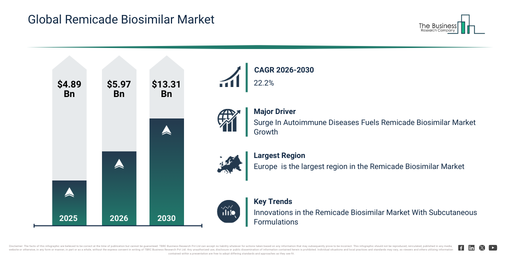
  • Remicade Biosimilar Market 2026 gaining traction with biosimilar adoption

    Remicade Biosimilar Market 2026 gaining traction with biosimilar adoption

    The Business Research Company’s 2026 market reports include new capabilities such as market attractiveness scoring and analysis, total addressable market analysis, company scoring matrix, interactive excel data dashboard, improved supply chain analysis, upcoming startups in the market, and overview of key products, aimed at improving the depth, usability, and strategic value of the insights delivered.

    What Market Size Increase Is Anticipated For The Remicade Biosimilar Market Over The 2026–2030 Period?

    The remicade biosimilar market has experienced substantial expansion in recent years. It is anticipated to grow from $4.89 billion in 2025 to $5.97 billion in 2026, achieving a compound annual growth rate (CAGR) of 22.2%. This past growth can be attributed to the high cost burden of branded biologics, the patent expiry of remicade, the increasing prevalence of autoimmune diseases, government support for biosimilar approvals, and hospital-driven bulk procurement models.

    The remicade biosimilar market is projected to experience substantial expansion in the coming years. This market is anticipated to reach a valuation of $13.31 billion by 2030, exhibiting a compound annual growth rate (CAGR) of 22.2%. Factors contributing to this growth during the forecast period include an increasing need for cost-effective biologic treatments, the expansion of biosimilar product pipelines, escalating healthcare spending in developing nations, greater acceptance among medical professionals and patients, and supportive reimbursement policies. Key trends observed within the forecast period encompass the wider embrace of economical biosimilars, enhanced prescriber trust in infliximab biosimilars, broader applications across various autoimmune conditions, strategic competitive pricing and procurement through tenders, and deeper market penetration in nascent healthcare sectors.

    Download the Free Sample Report to Explore Key Market Insights:

    https://www.thebusinessresearchcompany.com/sample.aspx?id=11952&type=smp

    What Drivers Are Expected To Influence The Remicade Biosimilar Market During The Forecast Period?

    An anticipated increase in autoimmune disease cases is projected to fuel the expansion of the remicade biosimilar market. These conditions involve the immune system erroneously targeting and harming the body’s own tissues and organs. Remicade biosimilars serve as an effective treatment choice for autoimmune diseases, aiding in symptom management and inflammation reduction. An illustrative example from February 2024, sourced from Arthritis Australia (an Australia-based charitable non-profit focused on arthritis and musculoskeletal conditions), indicates that by 2025, an estimated 562,378 Australians will be living with rheumatoid arthritis (RA), making up 14% of the total arthritis population. This figure for RA sufferers is forecast to climb by 33%, reaching approximately 748,721 individuals by 2040. Consequently, the increasing prevalence of autoimmune diseases is acting as a key catalyst for the remicade biosimilar market’s growth.

    How Is The Remicade Biosimilar Market Segmented Across Key Categories?

    The remicade biosimilar market covered in this report is segmented –

    1) By Type: 100mg/10ml, 500mg/50ml

    2) By Disease Indication: Ulcerative Colitis, Rheumatoid Arthritis, Ankylosing Spondylitis, Crohn’s Disease, Psoriatic Arthritis, Plaque Psoriasis

    3) By Application: Blood Disorders, Oncology Diseases

    Which Upcoming Trends Are Expected To Influence The Remicade Biosimilar Market?

    Leading companies in the remicade biosimilar market are concentrating on developing innovative solutions, such as subcutaneous formulations, to achieve a competitive edge. Subcutaneous versions of Remicade offer an alternative administration method for autoimmune disease treatment, facilitating self-administration and potentially enhancing patient adherence to therapy. For example, in March 2024, Celltrion, a South Korea-based biopharmaceutical company, introduced Zymfentra, a biosimilar to Remicade (infliximab), priced at $6,181.08 for two doses over four weeks. This product received FDA approval as the first subcutaneous infliximab formulation for maintaining therapy in adults with moderate-to-severe ulcerative colitis and Crohn’s disease. Eligible commercially insured patients can receive copay assistance of $5 per month, while uninsured or underinsured patients might obtain Zymfentra at no cost.

    Who Are The Dominant Players Shaping The Remicade Biosimilar Market Landscape?

    Major companies operating in the remicade biosimilar market are Novartis AG, Amgen Inc, Viatris Inc., Teva Pharmaceutical Industries Ltd., Biogen Inc., LG Chem Ltd., Nippon Kayaku Co. Ltd., Celltrion Inc., Nichi-iko Pharmaceutical Co. Ltd., Biocon Limited, Alvotech S.A., MabPharm Ltd., Genor Biopharma Co. Ltd, Shanghai Biomabs Pharmaceuticals Co. Ltd., Samsung Bioepis Co. Ltd., Biocad Biopharmaceutical Co, EPIRUS Biopharmaceuticals Inc., BioXpress Therapeutics SA, Mabion S.A

    Read the full remicade biosimilar market report here:

    https://www.thebusinessresearchcompany.com/report/remicade-biosimilar-global-market-report

    Which Region Is Forecast To Lead The Remicade Biosimilar Market In Terms Of Market Size?

    Europe was the largest region in the remicade biosimilar market in 2025. The regions covered in the remicade biosimilar market report are Asia-Pacific, South East Asia, Western Europe, Eastern Europe, North America, South America, Middle East, Africa.

    Request A Tailored Remicade Biosimilar Market Research Report For Competitive Advantage:

    https://www.thebusinessresearchcompany.com/customise?id=11952&type=smp

    Browse Through More Reports Similar to the Global Remicade Biosimilar Market 2026, By The Business Research Company

    Remicade Biosimilar Market Report 2026

    https://www.thebusinessresearchcompany.com/report/remicade-biosimilar-global-market-report

    Biotechnology Reagents Market Report 2026

    https://www.thebusinessresearchcompany.com/report/biotechnology-reagents-global-market-report

    Bevacizumab Biosimilars Market Report 2026

    https://www.thebusinessresearchcompany.com/report/bevacizumab-biosimilars-global-market-report

    Get in touch with us:

    The Business Research Company: https://www.thebusinessresearchcompany.com/

    Americas +1 310-496-7795

    Asia +44 7882 955267 & +91 8897263534

    Europe +44 7882 955267

    Email us at info@tbrc.info

    Follow us on:

    LinkedIn: https://in.linkedin.com/company/the-business-research-company

    YouTube: https://www.youtube.com/channel/UC24_fI0rV8cR5DxlCpgmyFQ

    Global Market Model: https://www.thebusinessresearchcompany.com/global-market-model
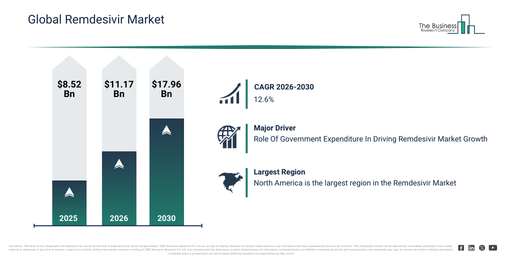
  • Global Remdesivir Market 2026–2035 supported by antiviral treatment demand

    Global Remdesivir Market 2026–2035 supported by antiviral treatment demand

    The Business Research Company’s 2026 market reports include new capabilities such as market attractiveness scoring and analysis, total addressable market analysis, company scoring matrix, interactive excel data dashboard, improved supply chain analysis, upcoming startups in the market, and overview of key products, aimed at improving the depth, usability, and strategic value of the insights delivered.

    How Much Is The Remdesivir Market Expected To Grow In Terms Of Market Value Between 2026 And 2030?

    The remdesivir market has experienced rapid expansion in recent times. This market is projected to expand from $8.52 billion in 2025 to reach $11.17 billion by 2026, exhibiting a compound annual growth rate (CAGR) of 31.2%. Historically, this expansion was largely due to factors such as the emergency use authorization for remdesivir, elevated hospitalization figures during covid-19 surges, a scarcity of alternative antiviral treatments, increased understanding of antiviral therapies, and the swift establishment of hospital procurement networks.

    The remdesivir market is anticipated to experience substantial growth in the upcoming years. It is projected to reach $17.96 billion by 2030, demonstrating a compound annual growth rate (CAGR) of 12.6%. This expansion during the forecast period is attributable to the creation of new remdesivir formulations, the rising adoption of oral and ready-to-use injectable solutions, the broader availability of telemedicine-assisted antiviral administration, increasing government efforts for covid-19 management, and the expansion of online pharmacy and home delivery services. Key trends expected throughout this period encompass a growing demand for intravenous antiviral therapies, enhanced uptake of oral antiviral formulations, an increase in hospitalizations and critical care treatments for covid-19, the broadening of online and retail pharmacy distribution networks, and the development of ready-to-use injectable and lyophilized powder solutions.

    Download the Free Sample Report to Explore Key Market Insights:

    https://www.thebusinessresearchcompany.com/sample.aspx?id=3253&type=smp

    What Drivers Are Influencing The Remdesivir Market?

    The remdesivir market is anticipated to expand due to increasing government expenditure. Government expenditure, also known as public sector spending, represents the total funds a government or public entity dedicates and spends to finance its operations, programs, services, and projects. This spending plays a crucial role in enhancing the growth and accessibility of Remdesivir, particularly during health emergencies. Through funding, regulatory backing, purchasing power, and investments in research, governments are able to ensure the availability and affordability of this essential antiviral drug. For example, data from the American Medical Association, a US-based Professional organization, revealed that in 2023, U.S. health spending escalated by 7.5% to $4.9 trillion, equating to $14,570 per capita, which surpassed the 4.6% rise observed in 2022. Consequently, the rising government spending is fostering the expansion of the remdesivir market.

    What Major Segment Divisions Exist Within The Remdesivir Market?

    The remdesivir market covered in this report is segmented –

    1) By Route Of Administration: Oral, Intravenous

    2) By Dosage Form: Tablets, Frozen Solution, Lyophilized Solution

    3) By Distribution Channel: Hospitals, Clinics, Drug Stores/Pharmacies, Online, Other Distribution Channels

    Subsegments:

    1) By Oral: Tablet Formulation, Liquid Formulation

    2) By Intravenous: Ready-To-Use Injectable, Lyophilized Powder For Injection

    Which Companies Are Leading Innovation In The Remdesivir Market?

    Major companies operating in the remdesivir market are Gilead Sciences Inc., BrightGene Bio-Medical Technology Co Ltd, Hainan Haiyao Co. Ltd., Sichuan Kelun Pharmaceutical Co. Ltd., Hunan Warrant Pharmaceutical, Cipla Limited, Dr Reddy’s Laboratories Ltd., Shenzhen BORUI Pharmaceutical Technology Co. Ltd., Hetero Labs Limited, Mylan N.V., Zydus Cadila Health Care Limited, Syngene International Limited, Sun Pharmaceutical Industries Ltd., Aurobindo Pharma Limited, Teva Pharmaceutical Industries, Ferozsons Laboratories Limited, Jubilant Life Sciences, Laurus Labs, Macleods Pharmaceuticals, Natco Pharma, Sandoz Group AG, Strides Pharma Science Limited, Torrent Pharmaceuticals, Beximco Pharmaceuticals Ltd., Fresenius Kabi, Gland Pharma Limited, Hikma Pharmaceuticals, Lark Laboratories

    Read the full remdesivir market report here:

    https://www.thebusinessresearchcompany.com/report/remdesivir-global-market-report

    Which Regions Are Expected To Experience Rapid Expansion In The Remdesivir Market?

    North America was the largest region in the remdesivir market in 2025. Middle East is expected to be the fastest growing region in the remdesivir market report during the forecast period. The regions covered in the remdesivir market report are Asia-Pacific, South East Asia, Western Europe, Eastern Europe, North America, South America, Middle East, Africa.

    Request A Tailored Remdesivir Market Research Report For Competitive Advantage:

    https://www.thebusinessresearchcompany.com/customise?id=3253&type=smp

    Browse Through More Reports Similar to the Global Remdesivir Market 2026, By The Business Research Company

    Coronavirus Current Therapy Market Report 2026

    https://www.thebusinessresearchcompany.com/report/coronavirus-current-therapy-global-market-report

    3D Cell Culture Technologies Market Report 2026

    https://www.thebusinessresearchcompany.com/report/3d-cell-culture-technologies-global-market-report

    Cell Culture Consumables And Equipment Market Report 2026

    https://www.thebusinessresearchcompany.com/report/cell-culture-consumables-and-equipment-global-market-report

    Get in touch with us:

    The Business Research Company: https://www.thebusinessresearchcompany.com/

    Americas +1 310-496-7795

    Asia +44 7882 955267 & +91 8897263534

    Europe +44 7882 955267

    Email us at info@tbrc.info

    Follow us on:

    LinkedIn: https://in.linkedin.com/company/the-business-research-company

    YouTube: https://www.youtube.com/channel/UC24_fI0rV8cR5DxlCpgmyFQ

    Global Market Model: https://www.thebusinessresearchcompany.com/global-market-model

  • Regenerative Medicine for Cartilage Market 2026 expanding with tissue engineering innovations

    Regenerative Medicine for Cartilage Market 2026 expanding with tissue engineering innovations

    The Business Research Company’s 2026 market reports include new capabilities such as market attractiveness scoring and analysis, total addressable market analysis, company scoring matrix, interactive excel data dashboard, improved supply chain analysis, upcoming startups in the market, and overview of key products, aimed at improving the depth, usability, and strategic value of the insights delivered.

    What Market Value Is Expected For The Regenerative Medicine For Cartilage Market At The End Of The 2026–2030 Forecast Period?

    The regenerative medicine for cartilage market size has experienced substantial expansion in recent years. It is anticipated to grow from $4.68 billion in 2025 to $4.96 billion in 2026, demonstrating a compound annual growth rate (CAGR) of 6.1%. The market’s growth during the preceding period is attributable to the increasing prevalence of knee osteoarthritis, a rise in sports-related cartilage injuries, the limitations inherent in conventional pain management therapies, the expanding volume of orthopedic surgeries, and the initial embrace of autologous chondrocyte implantation.

    The regenerative medicine for cartilage market size is projected to experience substantial expansion over the upcoming years. This market is anticipated to reach a valuation of $6.33 billion by 2030, demonstrating a compound annual growth rate (CAGR) of 6.3%. Several factors are expected to drive this growth during the projection period, including breakthroughs in regenerative biologics, a growing elderly population, an escalating need for therapies aimed at preserving joints, the proliferation of outpatient surgical facilities, and enhanced reimbursement policies for regenerative treatments. Key trends anticipated during this period encompass the wider application of autologous chondrocyte implantation methods, an increased uptake of less invasive cartilage repair operations, greater clinical endorsement for stem cell-derived cartilage treatments, a heightened desire for durable solutions for knee cartilage regeneration, and the establishment of standardized cartilage repair guidelines within orthopedic practice.

    Download the Free Sample Report to Explore Key Market Insights:

    https://www.thebusinessresearchcompany.com/sample.aspx?id=3961&type=smp

    What Drivers Are Shaping The Future Growth Of The Regenerative Medicine For Cartilage Market?

    The rising prevalence of chronic diseases is anticipated to boost the regenerative medicine for cartilage market. Chronic diseases are long-term medical conditions, often lasting a person’s lifetime. Medical specialty bags are crucial for managing and treating chronic illnesses. The widespread occurrence of chronic diseases, particularly those affecting the musculoskeletal system, can positively impact the field of regenerative medicine, including the regenerative medicine for cartilage market. For instance, the National Health Service, a UK-based government department, reported in June 2024 that 3,615,330 individuals registered with a general practitioner were diagnosed with non-diabetic hyperglycemia or pre-diabetes (a condition with elevated blood sugar levels, not high enough to be classified as diabetes) in 2023, representing an 18% increase from 3,065,825 cases in 2022. Thus, the increasing number of chronic diseases is propelling the growth of the regenerative medicine for cartilage market.

    What Segment Types Make Up The Regenerative Medicine For Cartilage Market?

    The regenerative medicine for cartilage market covered in this report is segmented –

    1) By Product: Cell Based, Gene Based, Tissue Based

    2) By End-Use: Ambulatory Surgical Centers, Hospitals And Clinics, Others

    3) By Application: Musculoskeletal, Oncology, Dental, Wound Care, Others

    Subsegments:

    1) By Cell-Based: Chondrocyte-Based Therapies, Mesenchymal Stem Cell (MSC) Therapies, Induced Pluripotent Stem Cell (iPSC) Therapies, Embryonic Stem Cell (ESC) Therapies

    2) By Gene-Based: Gene Modification Therapies, CRISPR-Based Gene Editing, Viral Vector Gene Therapies, Non-Viral Gene Therapies

    3) By Tissue-Based: Autologous Tissue Grafts, Allogeneic Tissue Grafts, Xenogeneic Tissue Grafts, Synthetic Scaffolds

    Which Market Trends Are Creating New Opportunities In The Regenerative Medicine For Cartilage Market?

    Leading firms within the regenerative medicine sector focused on cartilage are creating bioactive substances aimed at improving cartilage regrowth and patient recovery. Such materials are engineered to emulate the body’s natural extracellular matrix, thereby encouraging cell multiplication, specialization, and tissue mending. An illustrative instance occurred in August 2024, when scientists at Northwestern University, a private research institution in the US, invented a bioactive substance that effectively restored superior hyaline cartilage in a sheep subject. This biomaterial integrates a bioactive peptide, which connects with transforming growth factor beta-1 (TGFb-1), alongside chemically altered hyaluronic acid. This pairing facilitates the spontaneous arrangement of nanoscale fibers, replicating natural cartilage development and boosting cellular restorative mechanisms. The development has the potential to avert the need for knee replacement surgeries and address degenerative conditions.

    Who Are The Key Players Driving Competition In The Regenerative Medicine For Cartilage Market?

    Major companies operating in the regenerative medicine for cartilage market are Smith & Nephew plc, Integra LifeSciences, Stryker Corporation, MiMedx Group Inc., Zimmer Biomet Holdings Inc., B. Braun Melsungen AG, AbbVie, CONMED Corporation, Arthrex Inc., Baxter International Inc., China Regenerative Medicine International, ABLbio, Cellgenix GmbH, BioTissue Technologies, Corin Group, Medical Import Ltd., Orthonika, Merete, 3di GmbH, Aditus Medical GmbH, Anton Hipp GmbH, AREX SAS, Acelity L.P. Inc., StemCells Inc, Organogenesis Inc, NuVasive Inc, Japan Tissue Engineering Co. Ltd, Advantagene Inc., Mesoblast Ltd, Globus Medical, DePuy Synthes, Cryolife Inc, Johnson & Johnson, Medtronic Plc, Rti Surgical, CartiHeal Inc., DJO Global Inc., Wright Medical Group, Auxein, Aesculap Inc, AMEGA Biotech

    Read the full regenerative medicine for cartilage market report here:

    https://www.thebusinessresearchcompany.com/report/regenerative-medicine-for-cartilage-global-market-report

    Which Geographic Regions Are Influencing Demand In The Regenerative Medicine For Cartilage Market?

    Europe was the largest region in regenerative medicine for cartilage in 2025. The regions covered in the regenerative medicine for cartilage market report are Asia-Pacific, South East Asia, Western Europe, Eastern Europe, North America, South America, Middle East, Africa.

    Request A Tailored Regenerative Medicine For Cartilage Market Research Report For Competitive Advantage:

    https://www.thebusinessresearchcompany.com/customise?id=3961&type=smp

    Browse Through More Reports Similar to the Global Regenerative Medicine For Cartilage Market 2026, By The Business Research Company

    Regenerative Medicine For Cartilage Market Report 2026

    https://www.thebusinessresearchcompany.com/report/regenerative-medicine-for-cartilage-global-market-report

    Cartilage Repair Market Report 2026

    https://www.thebusinessresearchcompany.com/report/cartilage-repair-global-market-report

    Knee Cartilage Repair Market Report 2026

    https://www.thebusinessresearchcompany.com/report/knee-cartilage-repair-global-market-report

    Get in touch with us:

    The Business Research Company: https://www.thebusinessresearchcompany.com/

    Americas +1 310-496-7795

    Asia +44 7882 955267 & +91 8897263534

    Europe +44 7882 955267

    Email us at info@tbrc.info

    Follow us on:

    LinkedIn: https://in.linkedin.com/company/the-business-research-company

    YouTube: https://www.youtube.com/channel/UC24_fI0rV8cR5DxlCpgmyFQ

    Global Market Model: https://www.thebusinessresearchcompany.com/global-market-model
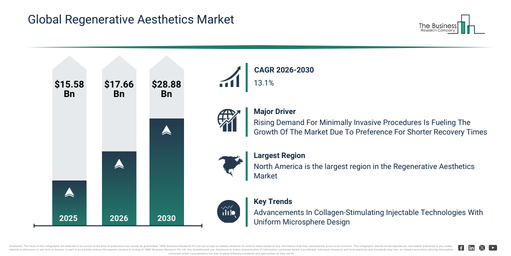
  • Regenerative Aesthetics Market 2026–2035 growing with rising demand for minimally invasive procedures

    Regenerative Aesthetics Market 2026–2035 growing with rising demand for minimally invasive procedures

    The Business Research Company’s 2026 market reports include new capabilities such as market attractiveness scoring and analysis, total addressable market analysis, company scoring matrix, interactive excel data dashboard, improved supply chain analysis, upcoming startups in the market, and overview of key products, aimed at improving the depth, usability, and strategic value of the insights delivered.

    What Is The Estimated Market Size Of The Regenerative Aesthetics Market During 2026–2030?

    The market size for regenerative aesthetics has experienced rapid growth in recent years. This sector is forecast to increase from $15.58 billion in 2025 to $17.66 billion in 2026, exhibiting a compound annual growth rate (CAGR) of 13.4%. Historically, this expansion has been influenced by factors such as the limited availability of regenerative aesthetic products, a dependence on traditional cosmetic procedures, increasing awareness regarding aesthetic treatments, a growing number of dermatology and aesthetic clinics, and the early adoption of stem cell-based therapies.

    The regenerative aesthetics market is projected to experience substantial expansion in the coming years, reaching a valuation of $28.88 billion by 2030, driven by a robust compound annual growth rate (CAGR) of 13.1%. This anticipated growth during the forecast period is fueled by several factors, including the advancement of exosome and peptide-based therapeutic solutions, the broadening availability of regenerative products for at-home use, increased capital allocation towards growth factor enriched formulations, the incorporation of digital monitoring and tele-aesthetics, and a growing consumer demand for outcomes that are both natural and enduring. Key trends expected over the forecast period encompass a growing uptake of exosome-based treatments for rejuvenating skin and hair, a surge in the application of platelet-rich plasma (PRP) and autologous conditioned serum, heightened requirements for treatments addressing scar reduction and wound healing, the diversification of anti-inflammatory and combined regenerative therapies, and an increasing inclination towards aesthetic procedures that are minimally invasive and offer a natural appearance.

    Download the Free Sample Report to Explore Key Market Insights:

    https://www.thebusinessresearchcompany.com/sample.aspx?id=27405&type=smp

    Which Economic Or Industry Drivers Are Impacting The Regenerative Aesthetics Market?

    An increasing demand for minimally invasive procedures is anticipated to fuel the expansion of the regenerative aesthetics market in the future. These procedures involve medical or surgical methods conducted via small incisions or natural bodily orifices, instead of requiring extensive cuts. The surge in minimally invasive procedures stems from a growing inclination towards quicker recovery periods, enabling individuals to swiftly return to their regular routines. Regenerative aesthetics complements minimally invasive procedures by harnessing the body’s inherent healing capabilities to achieve enduring enhancements with reduced recovery time. For example, data from June 2024 by the American Society of Plastic Surgeons, a US-based non-profit organization, revealed that hyaluronic acid filler minimally invasive procedures totaled 5.29 million in 2023, marking an 8% rise compared to 2022. Consequently, the escalating requirement for minimally invasive procedures is propelling growth within the regenerative aesthetics market.

    How Are The Various Segments Of The Regenerative Aesthetics Market Categorized?

    The regenerative aesthetics market covered in this report is segmented –

    1) By Product Type: Exosome-Based Therapies, Other Product Types

    2) By Application: Skin Rejuvenation, Hair Restoration, Scar Reduction And Wound Healing, Anti-Inflammatory Treatments, Combination Therapies

    3) By End-User: Aesthetic Clinics, Dermatology Clinics, Home Use

    Subsegments:

    1) By Exosome-Based Therapies: Stem Cell Derived Exosomes, Platelet Derived Exosomes, Plant Derived Exosomes

    2) By Other Product Types: Platelet Rich Plasma, Autologous Conditioned Serum, Peptide Based Products, Growth Factor Enriched Formulations

    What Trends Are Affecting The Expansion Of The Regenerative Aesthetics Market?

    Leading companies in the regenerative aesthetics market are concentrating on developing innovative technologies, such as uniform microsphere technology, to deliver advanced collagen-stimulating injectables that ensure smoother application, precise treatment, and consistent results. Uniform microsphere technology represents a formulation design that produces evenly sized and shaped microspheres, facilitating smooth injection, accurate placement, and consistent therapeutic performance. For instance, in July 2025, Koru Pharma Co. Ltd., a South Korea-based biopharmaceutical company, launched Reversal Neo, a next-generation collagen-stimulating injectable made of high-purity Poly-L-Lactic Acid (PLLA) engineered to provide smoother injection, enhanced precision, and long-lasting, natural-looking aesthetic results. Reversal Neo introduces a new-generation collagen biostimulator containing 200 mg of high-purity Poly-L-Lactic Acid (PLLA) and a uniform microsphere structure for silkier, more precise injections. Its advanced formulation guarantees sustained collagen regeneration, yielding natural and long-lasting outcomes, while also offering excellent biocompatibility, minimal inflammation, and increased patient comfort.

    Which Major Firms Influence Developments In The Regenerative Aesthetics Market?

    Major companies operating in the regenerative aesthetics market are ABG Lab LLC, Koru Pharma Co. Ltd., Global Stem Cells Group, Cytori Therapeutics Inc., Aesthetic Regenerative Therapies Inc., EmCyte Corp., Geneo, Plasmolifting World GmbH, ReGen Lab, RepliCel Life Sciences Inc.,

    Read the full regenerative aesthetics market report here:

    https://www.thebusinessresearchcompany.com/report/regenerative-aesthetics-global-market-report

    What Are The Top-Performing Regions Within The Regenerative Aesthetics Market?

    North America was the largest region in the regenerative aesthetics market in 2025. Asia-Pacific is expected to be the fastest-growing region in the forecast period. The regions covered in the regenerative aesthetics market report are Asia-Pacific, South East Asia, Western Europe, Eastern Europe, North America, South America, Middle East, Africa.

    Request A Tailored Regenerative Aesthetics Market Research Report For Competitive Advantage:

    https://www.thebusinessresearchcompany.com/customise?id=27405&type=smp

    Browse Through More Reports Similar to the Global Regenerative Aesthetics Market 2026, By The Business Research Company

    Tokenization Market Report 2026

    https://www.thebusinessresearchcompany.com/report/tokenization-global-market-report

    Non Fungible Token Market Report 2026

    https://www.thebusinessresearchcompany.com/report/non-fungible-token-global-market-report

    Asset Backed Securities Market Report 2026

    https://www.thebusinessresearchcompany.com/report/asset-backed-securities-global-market-report

    Get in touch with us:

    The Business Research Company: https://www.thebusinessresearchcompany.com/

    Americas +1 310-496-7795

    Asia +44 7882 955267 & +91 8897263534

    Europe +44 7882 955267

    Email us at info@tbrc.info

    Follow us on:

    LinkedIn: https://in.linkedin.com/company/the-business-research-company

    YouTube: https://www.youtube.com/channel/UC24_fI0rV8cR5DxlCpgmyFQ

    Global Market Model: https://www.thebusinessresearchcompany.com/global-market-model

  • Raynaud’s Disease Treatment Market Outlook 2026–2030 driven by improved vascular therapies

    Raynaud’s Disease Treatment Market Outlook 2026–2030 driven by improved vascular therapies

    The Business Research Company’s 2026 market reports include new capabilities such as market attractiveness scoring and analysis, total addressable market analysis, company scoring matrix, interactive excel data dashboard, improved supply chain analysis, upcoming startups in the market, and overview of key products, aimed at improving the depth, usability, and strategic value of the insights delivered.

    What Market Size Expansion Is Predicted For The Raynauds Disease Treatment Market Between 2026 And 2030?

    The raynauds disease treatment market has experienced robust expansion in recent years. Its value is projected to increase from $1.49 billion in 2025 to $1.6 billion in 2026, achieving a compound annual growth rate (CAGR) of 7.6%. Historically, this market growth has stemmed from elements such as limited awareness of raynauds disease, a reliance on conventional medication, the development of hospital and specialty clinic infrastructure, a scarcity of homecare options, and variations in seasonal demand.

    The market for Raynaud’s disease treatment is projected to experience substantial expansion over the upcoming years. This market is anticipated to reach a value of $2.13 billion by 2030, demonstrating a compound annual growth rate (CAGR) of 7.3%. Factors contributing to this growth during the forecast period include the introduction of innovative pharmacological treatments, the uptake of wearable thermal therapy devices, heightened understanding of preventive healthcare and lifestyle adjustments, the expansion of homecare and telehealth services, and the incorporation of digital health monitoring and biofeedback technologies. Key trends expected within this period involve the increasing adoption of calcium channel blockers and vasodilators, broader utilization of thermal therapy devices and biofeedback systems, a developing preference for minimally invasive surgical techniques, the broadening of homecare and specialized clinic environments, and a greater focus on lifestyle and stress management initiatives.

    Download the Free Sample Report to Explore Key Market Insights:

    https://www.thebusinessresearchcompany.com/sample.aspx?id=24680&type=smp

    What Major Drivers Are Influencing Demand In The Raynauds Disease Treatment Market?

    The growing occurrence of autoimmune conditions is anticipated to fuel expansion within the raynauds disease treatment market. These illnesses involve the immune system erroneously targeting healthy bodily tissues, leading to inflammation and harm. This increase stems from individuals residing in increasingly urban and hygienic settings, which results in reduced immune system development, coupled with contemporary lifestyle elements like unhealthy diets, stress, and environmental contaminants. Treatment for Raynaud’s disease aids autoimmune conditions by facilitating improved symptom control, minimizing tissue harm, and averting issues caused by inadequate blood circulation. For example, as reported by Clinical Trials Arena, a UK-based platform for clinical trials and pharmaceutical developments, in February 2024, future projections suggest a significant surge in rheumatoid arthritis (RA) cases globally, with its prevalence expected to increase by 80.2% and impact almost 1% of the global population by 2050. Consequently, the rising incidence of autoimmune diseases is a key factor propelling the expansion of the raynauds disease treatment market.

    Which Market Segments Are Examined In The Raynauds Disease Treatment Market Study?

    The raynauds disease treatment market covered in this report is segmented –

    1) By Treatment Type: Medication, Thermal Therapies, Surgical Procedures, Alteative Therapies

    2) By Drug Class: Calcium Channel Blockers, Vasodilators, Antiplatelet Agents

    3) By Route of Administration: Oral, Topical, Injectable, Intravenous

    4) By End-User: Hospitals, Specialty Clinics, Homecare Settings, Pharmacies

    Subsegments:

    1) By Medication: Calcium Channel Blockers, Alpha Blockers, Vasodilators, Topical Nitrates, Selective Serotonin Reuptake Inhibitors (SSRIs), Phosphodiesterase Inhibitors, Angiotensin Receptor Blockers (ARBs)

    2) By Thermal Therapies: Hand Warmers, Thermal Gloves, Heated Pads, Biofeedback-Controlled Thermal Devices

    3) By Surgical Procedures: Sympathectomy, Nerve Decompression Surgery, Vascular Surgery

    4) By Alternative Therapies: Acupuncture, Biofeedback Therapy, Herbal Remedies, Nutritional Supplements, Stress Management Techniques

    Which Trends Are Influencing The Raynauds Disease Treatment Market?

    Leading companies within the raynauds disease treatment market are dedicating efforts to devising innovative solutions for managing Raynaud’s disease, such as oral calcium channel blockers. These treatments aim to enhance blood flow by relaxing and widening blood vessels, consequently diminishing the frequency and intensity of vasospastic attacks. An oral calcium channel blocker is a medication taken by mouth that aids in relaxing and expanding blood vessels by preventing calcium from entering the muscle cells of the heart and blood vessel walls. As an illustration, in June 2023, Aisa Pharma Inc., a US-based clinical-stage biopharmaceutical company, commenced the second segment of its Phase 2b RECONNOITER trial. This trial evaluates Profervia (cilnidipine), an oral calcium channel blocker, for treating Raynaud’s phenomenon in patients with systemic sclerosis (SSc). This initiative follows encouraging data from the first phase, where Profervia exhibited a greater reduction in both Raynaud’s attack frequency and SSc disease severity compared to other calcium channel blockers, in addition to showcasing a favorable safety profile and strong tolerability. The trial, proceeding with a 20 mg dose, endeavors to address the critical requirement for effective therapies for Raynaud’s in SSc, a condition for which approved treatments are currently unavailable.

    Who Are The Primary Competitors In The Raynauds Disease Treatment Market?

    Major companies operating in the raynauds disease treatment market are Pfizer Inc., Johnson & Johnson, Bayer AG, Novartis AG, Sanofi SA, AstraZeneca PLC, GlaxoSmithKline plc, Takeda Pharmaceutical Company Limited, Merck & Co. Inc., Teva Pharmaceutical Industries Ltd., CSL Vifor, Orion Corporation, Apricus Biosciences Inc., Vicore Pharma Holding AB, MediQuest Therapeutics Inc., Gesynta Pharma AB, Aisa Pharma Inc., Abbott Laboratories, Boehringer Ingelheim International GmbH, Viatris Inc., Lupin Limited, Sun Pharmaceutical Industries Ltd., Dr. Reddy’s Laboratories Ltd., Cipla Limited, Torrent Pharmaceuticals Ltd., Zydus Lifesciences Ltd., Aurobindo Pharma Ltd., Glenmark Pharmaceuticals Ltd., Intas Pharmaceuticals Ltd., Hikma Pharmaceuticals PLC, Alkem Laboratories Ltd.

    Read the full raynauds disease treatment market report here:

    https://www.thebusinessresearchcompany.com/report/raynauds-disease-treatment-global-market-report

    Which Region Shows The Strongest Potential For Future Growth In The Raynauds Disease Treatment Market?

    North America was the largest region in the raynauds disease treatment market in 2025. Asia-Pacific is expected to be the fastest-growing region in the forecast period. The regions covered in the raynauds disease treatment market report are Asia-Pacific, South East Asia, Western Europe, Eastern Europe, North America, South America, Middle East, Africa.

    Request A Tailored Raynauds Disease Treatment Market Research Report For Competitive Advantage:

    https://www.thebusinessresearchcompany.com/customise?id=24680&type=smp

    Browse Through More Reports Similar to the Global Raynauds Disease Treatment Market 2026, By The Business Research Company

    Alzheimer Disease Treatment Market Report 2026

    https://www.thebusinessresearchcompany.com/report/alzheimer-disease-treatment-global-market-report

    Inflammatory Bowel Disease Treatment Market Report 2026

    https://www.thebusinessresearchcompany.com/report/inflammatory-bowel-disease-treatment-global-market-report

    Lysosomal Disease Treatment Market Report 2026

    https://www.thebusinessresearchcompany.com/report/lysosomal-disease-treatment-global-market-report

    Get in touch with us:

    The Business Research Company: https://www.thebusinessresearchcompany.com/

    Americas +1 310-496-7795

    Asia +44 7882 955267 & +91 8897263534

    Europe +44 7882 955267

    Email us at info@tbrc.info

    Follow us on:

    LinkedIn: https://in.linkedin.com/company/the-business-research-company

    YouTube: https://www.youtube.com/channel/UC24_fI0rV8cR5DxlCpgmyFQ

    Global Market Model: https://www.thebusinessresearchcompany.com/global-market-model

  • Government support is fueling expansion in the Rare Kidney Diseases Market 2026

    Government support is fueling expansion in the Rare Kidney Diseases Market 2026

    The Business Research Company’s 2026 market reports include new capabilities such as market attractiveness scoring and analysis, total addressable market analysis, company scoring matrix, interactive excel data dashboard, improved supply chain analysis, upcoming startups in the market, and overview of key products, aimed at improving the depth, usability, and strategic value of the insights delivered.

    How Large Is The Rare Kidney Diseases Market Projected To Become By 2030 Based On Its 2026 Valuation?

    The rare kidney diseases market size has experienced robust growth in recent years. It is anticipated to expand from $3.03 billion in 2025 to $3.32 billion in 2026, achieving a compound annual growth rate (CAGR) of 9.5%. This historical growth can be attributed to factors such as restricted treatment options for rare renal disorders, increasing awareness of genetic kidney diseases, a rising prevalence of autoimmune-related nephropathies, the expansion of nephrology specialty care centers, and the early adoption of immunosuppressive therapies.

    The rare kidney diseases market size is projected for substantial expansion over the next few years. It is forecast to grow to $4.88 billion by 2030, exhibiting a compound annual growth rate (CAGR) of 10.2%. This growth during the forecast period is attributable to advancements in genomics-based drug discovery, a rise in orphan drug approvals, increasing investment in rare disease research, the growing adoption of personalized medicine approaches, and an expanding pipeline of complement and immune-targeted therapies. Major trends expected in this period include a rising focus on targeted therapies for rare renal disorders, increasing clinical trial activity for orphan kidney drugs, a growing adoption of biologics in immune-mediated kidney diseases, the expansion of companion diagnostics for early disease detection, and increasing regulatory incentives for rare disease drug development.

    Download the Free Sample Report to Explore Key Market Insights:

    https://www.thebusinessresearchcompany.com/sample.aspx?id=11908&type=smp

    Which Market Drivers Are Supporting The Expansion Of The Rare Kidney Diseases Market?

    The growing occurrence of chronic kidney disease (CKD) significantly contributes to the rare kidney disease market. Chronic kidney disease is a condition where the kidneys are damaged and cannot properly filter blood. The higher prevalence of chronic kidney diseases will increase the chances of patients developing rare kidney diseases, which will in turn raise the demand for therapeutics needed for these conditions. For instance, in August 2025, according to the National Kidney Foundation, Inc., a US-based voluntary nonprofit health organization, the Senate approved an increase of $5 million in the FY 2026 Labor, Health and Human Services, and Education appropriations bill to support kidney transplant reform and early detection initiatives. This funding boost elevates the total for the Organ Procurement and Transplantation Network (OPTN) Modernization Initiative to $59 million. Therefore, the increasing prevalence of chronic kidney disease (CKD) will drive the rare kidney disease market.

    What Segment Groups Are Identified Within The Rare Kidney Diseases Market?

    The rare kidney diseases market covered in this report is segmented –

    1) By Target Indication: IgA Nephropathy, Lupus Nephritis, Focal Segmental Glomerular Sclerosis, Membranous Nephropathy, C3 Glomerulopathy, Other Target Indications

    2) By Type Of Molecule: Small Molecules, Biologics

    3) By Route Of administration: Oral, Intravenous, Subcutaneous, Other Routes Of Administration

    Subsegments:

    1) By IgA Nephropathy: Immunosuppressive Therapy, Supportive Care And Symptomatic Management

    2) By Lupus Nephritis: Corticosteroids, Antimalarial Agents, Biologics

    3) By Focal Segmental Glomerular Sclerosis (FSGS): Corticosteroids, Angiotensin Receptor Blockers (ARBs), Other Immunosuppressive Agents

    4) By Membranous Nephropathy: Corticosteroids, Immunosuppressive Therapy, Monoclonal Antibodies

    5) By C3 Glomerulopathy: Complement Inhibitors, Supportive Care, Immunosuppressive Therapies

    6) By Other Target Indications: Alport Syndrome, Thin Basement Membrane Nephropathy, Other Rare Kidney Disorders

    What Trends Are Advancing Progress In The Rare Kidney Diseases Market?

    Leading companies in the rare kidney diseases market are increasingly concentrating on the development of non-immunosuppressive therapies for these conditions. This innovative treatment approach offers a unique capability to address progressive kidney diseases, a feat not achievable with conventional therapies currently used for rare kidney disorders. For example, in February 2023, Travere Therapeutics, a biopharmaceutical company based in the US, introduced sparsentan, commercially known as Filspari. This medication stands as the first non-immunosuppressive therapy to receive approval for primary immunoglobulin A nephropathy (IgAN). Operating through a distinct mechanism, Filspari works by blocking angiotensin and endothelin receptors. This particular characteristic distinguishes Filspari from angiotensin-targeting ACE inhibitors and ARBs; these are well-established drugs primarily prescribed for hypertension but have been repurposed for IgAN treatment due to their ability to reduce kidney blood pressure.

    Which Companies Hold Significant Positions In The Rare Kidney Diseases Market?

    Major companies operating in the rare kidney diseases market are Merck & Co. Inc., Novartis AG, Sanofi S.A, AstraZeneca plc, Otsuka Pharmaceutical Co Ltd., Alexion Pharmaceuticals Inc., Horizon Therapeutics plc., Recordati S.p.A., Amicus Therapeutics Inc., Akebia Therapeutics Inc., Travere Therapeutics, FibroGen Inc., Aurinia Pharmaceuticals Inc., Calliditas Therapeutics AB, Apellis Pharmaceuticals Inc., Protalix Biotherapeutics Inc., ChemoCentryx Inc., Omeros Corporation, Celtaxsys Inc., Corbus Pharmaceuticals Holdings Inc., Chinook Therapeutics Inc., OxThera AB, Advicenne Pharma SA, Reata Pharmaceuticals Inc.

    Read the full rare kidney diseases market report here:

    https://www.thebusinessresearchcompany.com/report/rare-kidney-diseases-global-market-report

    How Is The Rare Kidney Diseases Market Distributed Across Key Geographic Regions?

    North America was the leading region in the rare kidney disease market in 2025. The regions covered in the rare kidney diseases market report are Asia-Pacific, South East Asia, Western Europe, Eastern Europe, North America, South America, Middle East, Africa.

    Request A Tailored Rare Kidney Diseases Market Research Report For Competitive Advantage:

    https://www.thebusinessresearchcompany.com/customise?id=11908&type=smp

    Browse Through More Reports Similar to the Global Rare Kidney Diseases Market 2026, By The Business Research Company

    Rare Kidney Diseases Market Report 2026

    https://www.thebusinessresearchcompany.com/report/rare-kidney-diseases-global-market-report

    Kidney Disease Market Report 2026

    https://www.thebusinessresearchcompany.com/report/kidney-disease-global-market-report

    Chronic Kidney Disease Market Report 2026

    https://www.thebusinessresearchcompany.com/report/chronic-kidney-disease-global-market-report

    Get in touch with us:

    The Business Research Company: https://www.thebusinessresearchcompany.com/

    Americas +1 310-496-7795

    Asia +44 7882 955267 & +91 8897263534

    Europe +44 7882 955267

    Email us at info@tbrc.info

    Follow us on:

    LinkedIn: https://in.linkedin.com/company/the-business-research-company

    YouTube: https://www.youtube.com/channel/UC24_fI0rV8cR5DxlCpgmyFQ

    Global Market Model: https://www.thebusinessresearchcompany.com/global-market-model

  • Targeted antibody therapies are advancing the Rare Gastrointestinal Diseases Treatment Market 2026

    Targeted antibody therapies are advancing the Rare Gastrointestinal Diseases Treatment Market 2026

    The Business Research Company’s 2026 market reports include new capabilities such as market attractiveness scoring and analysis, total addressable market analysis, company scoring matrix, interactive excel data dashboard, improved supply chain analysis, upcoming startups in the market, and overview of key products, aimed at improving the depth, usability, and strategic value of the insights delivered.

    What Market Value Is Anticipated For The Rare Gastrointestinal Diseases Treatment Market Over The Period 2026–2030?

    The rare gastrointestinal diseases treatment market size has shown substantial growth in recent years. It is anticipated to expand from $1.45 billion in 2025 to $1.53 billion in 2026, achieving a compound annual growth rate (CAGR) of 5.9%. The expansion witnessed in the historical period can be ascribed to several factors, including heightened recognition of rare GI disorders, the proliferation of specialty gastroenterology centers, the accessibility of immunosuppressive and anti-inflammatory drugs, increasing clinical research activity, and improved diagnostic accuracy.

    The market size for rare gastrointestinal diseases treatment is expected to experience significant expansion in the coming years. It is forecast to grow to $1.91 billion by 2030, driven by a compound annual growth rate (CAGR) of 5.6%. This growth during the forecast period is attributable to the increasing development of orphan drugs, rising investments in rare disease research, growing adoption of biologic therapies, the expansion of precision medicine approaches, and increasing patient access to advanced treatments. Furthermore, major trends anticipated in the forecast period include the increasing adoption of targeted biologic therapies, a rising focus on personalized treatment protocols, the growing use of advanced diagnostic devices, the expansion of enzyme replacement therapies, and enhanced integration of digital patient monitoring.

    Download the Free Sample Report to Explore Key Market Insights:

    https://www.thebusinessresearchcompany.com/sample.aspx?id=28317&type=smp

    What Underlying Factors Are Accelerating The Growth Of The Rare Gastrointestinal Diseases Treatment Market?

    The expansion of diagnostic testing is anticipated to boost the rare gastrointestinal diseases treatment market in the future. These medical tests are crucial for identifying, diagnosing, or overseeing diseases, conditions, or infections in individuals. The growing need for diagnostic tests stems mainly from increased understanding of the importance of detecting illnesses early, which facilitates prompt treatments and better patient results. For rare gastrointestinal diseases, diagnostic testing is instrumental in treatment by allowing for early and precise identification of underlying issues. It assists in pinpointing specific disease mechanisms, enabling customized treatment strategies, and enhancing patient outcomes through rapid intervention. As an illustration, data from December 2024 by the National Health Service, a UK government body, indicated that the volume of diagnostic tests performed reached 2,544,809 in 2024, representing an increase from 2,312,030 in 2023. Consequently, the uptick in diagnostic testing is fueling the expansion of the rare gastrointestinal diseases treatment market.

    How Is The Rare Gastrointestinal Diseases Treatment Market Divided Into Its Major Segments?

    The rare gastrointestinal diseases treatment market covered in this report is segmented –

    1) By Type: Drugs, Device

    2) By Route Of Administration: Oral, Intravenous (IV) Or Injectable, Subcutaneous, Other Routes Of Administration

    3) By Application: Eosinophilic Gastroenteritis, Hercksprung’s Disease, Chronic Intestinal Pseudo-Obstruction

    4) By End User: Hospitals, Research Institutes, Other End Users

    Subsegments:

    1) By Drugs: Anti-Inflammatory Drugs, Immunosuppressive Agents, Biologic Therapies, Antibiotics, Proton Pump Inhibitors, Corticosteroids, Enzyme Replacement Therapies

    2) By Devices: Endoscopic Devices, Diagnostic Imaging Systems, Surgical Instruments, Feeding Tubes, Stent Devices, Biopsy Devices

    How Are Trends Transforming The Rare Gastrointestinal Diseases Treatment Market Landscape?

    Companies operating within the rare gastrointestinal diseases treatment market are concentrating on creating innovative therapies, such as fully human monoclonal antibodies, to target disease pathways and enhance patient outcomes. Fully human monoclonal antibodies are laboratory-engineered antibodies made entirely from human proteins, designed to specifically target disease-causing molecules. This approach helps to precisely block or modulate these molecules, improving treatment effectiveness while minimizing side effects. For example, in August 2023, Regeneron Pharmaceuticals Inc., a US-based biotechnology company, obtained U.S. Food and Drug Administration (FDA) approval for Veopoz (pozelimab-bbfg) for CHAPLE disease, an uncommon and life-threatening hereditary gastrointestinal disorder. Veopoz is a fully human monoclonal antibody formulated to target complement factor C5, assisting in the regulation of the overactive complement system that leads to protein loss and gastrointestinal damage in individuals with CHAPLE. This targeted mechanism of action addresses the underlying cause of the disease, thereby preventing debilitating symptoms and potentially fatal complications.

    Who Are The Prominent Organizations Shaping The Rare Gastrointestinal Diseases Treatment Market?

    Major companies operating in the rare gastrointestinal diseases treatment market are Johnson & Johnson, Merck & Co. Inc., Pfizer Inc., Bayer AG, Sanofi S.A., Zealand Pharma A/S, Novartis AG, AstraZeneca plc, GlaxoSmithKline plc, Eli Lilly and Company, Takeda Pharmaceutical Company Limited, Teva Pharmaceutical Industries Ltd., Regeneron Pharmaceuticals Inc., Ipsen S.A., PTC Therapeutics Inc., Ironwood Pharmaceuticals Inc., Mirum Pharmaceuticals Inc., Albireo Pharma Inc., Orphalan S.A., Ellodi Pharmaceuticals Inc.

    Read the full rare gastrointestinal diseases treatment market report here:

    https://www.thebusinessresearchcompany.com/report/rare-gastrointestinal-diseases-treatment-global-market-report

    Which Region Is Projected To Dominate The Rare Gastrointestinal Diseases Treatment Market During The Forecast Period?

    North America was the largest region in the rare gastrointestinal diseases treatment market in 2025. The regions covered in the rare gastrointestinal diseases treatment market report are Asia-Pacific, South East Asia, Western Europe, Eastern Europe, North America, South America, Middle East, Africa.

    Request A Tailored Rare Gastrointestinal Diseases Treatment Market Research Report For Competitive Advantage:

    https://www.thebusinessresearchcompany.com/customise?id=28317&type=smp

    Browse Through More Reports Similar to the Global Rare Gastrointestinal Diseases Treatment Market 2026, By The Business Research Company

    Rare Diseases Treatment Market Report 2026

    https://www.thebusinessresearchcompany.com/report/rare-diseases-treatment-global-market-report

    Rare Inflammatory Disease Treatment Market Report 2026

    https://www.thebusinessresearchcompany.com/report/rare-inflammatory-disease-treatment-global-market-report

    Gastrointestinal Drug Market Report 2026

    https://www.thebusinessresearchcompany.com/report/gastrointestinal-drug-global-market-report

    Get in touch with us:

    The Business Research Company: https://www.thebusinessresearchcompany.com/

    Americas +1 310-496-7795

    Asia +44 7882 955267 & +91 8897263534

    Europe +44 7882 955267

    Email us at info@tbrc.info

    Follow us on:

    LinkedIn: https://in.linkedin.com/company/the-business-research-company

    YouTube: https://www.youtube.com/channel/UC24_fI0rV8cR5DxlCpgmyFQ

    Global Market Model: https://www.thebusinessresearchcompany.com/global-market-model

  • Collaborative innovation is strengthening the Rare Epilepsy Syndromes Therapeutics Market 2026

    Collaborative innovation is strengthening the Rare Epilepsy Syndromes Therapeutics Market 2026

    The Business Research Company’s 2026 market reports include new capabilities such as market attractiveness scoring and analysis, total addressable market analysis, company scoring matrix, interactive excel data dashboard, improved supply chain analysis, upcoming startups in the market, and overview of key products, aimed at improving the depth, usability, and strategic value of the insights delivered.

    What Is The Expected Market Size Of The Rare Epilepsy Syndromes Therapeutics Market From 2026 To 2030?

    The market for therapeutics addressing rare epilepsy syndromes has demonstrated substantial expansion in recent years. This market is projected to grow from $2.25 billion in 2025 to $2.45 billion in 2026, at a compound annual growth rate (CAGR) of 8.6%. Historically, this growth has been attributed to several factors, including improved diagnosis of rare epilepsy syndromes, increasing availability of specialized neurology centers, the expansion of orphan drug approvals, growing clinical research in epilepsy, and rising awareness among healthcare providers.

    The rare epilepsy syndromes therapeutics market size is anticipated to demonstrate strong expansion in the coming years. It is forecast to achieve a valuation of $3.38 billion by 2030, growing at a compound annual growth rate (CAGR) of 8.4%. This projected growth over the forecast period is driven by the escalating development of gene and cell therapies, a rising need for individualized epilepsy treatment, the expansion of sophisticated neurostimulation options, increased investment in rare neurology research, and a greater emphasis on long-term disease management. Significant trends during this period are expected to encompass the increasing creation of targeted antiepileptic therapies, a growing adoption of cannabinoid-based treatments, a heightened focus on genetic-based epilepsy solutions, the broadening of precision neurology approaches, and an enhanced integration of multimodal treatment strategies.

    Download the Free Sample Report to Explore Key Market Insights:

    https://www.thebusinessresearchcompany.com/sample.aspx?id=28316&type=smp

    Which Growth Drivers Are Contributing To The Progress Of The Rare Epilepsy Syndromes Therapeutics Market?

    The rising occurrence of rare diseases is anticipated to boost the rare epilepsy syndromes therapeutics market. Rare diseases are defined as medical conditions impacting a small segment of the population, frequently being chronic, serious, and challenging to diagnose or manage. The spread of rare diseases is growing due to broader newborn and genomic screening, which expands the number of diagnosed patients. This, in turn, fuels the need for orphan drug services encompassing patient identification, clinical trials, and access programs. Treatments for rare epilepsy syndromes aid rare diseases by providing focused therapies to manage seizures, improve patient results, and address crucial unmet needs where current treatment options are scarce. For example, as reported by the US Food and Drug Administration, a federal agency, in November 2024, over 7,000 rare diseases affect more than 30 million individuals in the United States. Consequently, the rising occurrence of rare diseases is a primary factor behind the expansion of the rare epilepsy syndromes therapeutics market.

    Which Segments Are Included In The Analysis Of The Rare Epilepsy Syndromes Therapeutics Market?

    The rare epilepsy syndromes therapeutics market covered in this report is segmented –

    1) By Drug Type: Antiepileptic Drugs, Steroids, Cannabinoids, Ketogenic Diet, Other Drug Types

    2) By Syndrome Type: Dravet Syndrome, Lennox-Gastaut Syndrome, Sturge-Weber Syndrome, Rasmussen’s Encephalitis, Other Syndrome Types

    3) By Route Of Administration: Oral, Intravenous, Other Route Of Administrations

    4) By Distribution Channel: Hospital Pharmacies, Retail Pharmacies, Online Pharmacies, Other Distribution Channels

    Subsegments:

    1) By Antiepileptic Drugs: Sodium Channel Blockers, Gamma-Aminobutyric Acid Modulators, Calcium Channel Blockers, Glutamate Inhibitors, Mixed Mechanism Agents

    2) By Steroids: Corticosteroids, Adrenocorticotropic Hormone, Immunosuppressive Steroids

    3) By Cannabinoids: Cannabidiol-Based Therapies, Tetrahydrocannabinol-Based Therapies, Synthetic Cannabinoid Formulations

    4) By Ketogenic Diet: Classic Ketogenic Diet, Modified Atkins Diet, Low Glycemic Index Treatment, Medium Chain Triglyceride Diet

    5) By Other Drug Types: Gene Therapies, Enzyme Replacement Therapies, Neurostimulation Therapies, Investigational Orphan Drugs

    Which Trends Are Impacting The Growth Of The Rare Epilepsy Syndromes Therapeutics Market?

    Leading companies in the therapeutics for rare epilepsy syndromes are prioritizing the development of innovative treatment approaches through strategic collaborations, aiming to enhance their research capabilities and expand their therapeutic portfolios. These strategic collaborations represent partnerships among pharmaceutical companies, biotech firms, and research institutions, which combine resources and expertise to accelerate drug development and broaden treatment options for rare epilepsy syndromes. For instance, in February 2025, Biogen Inc., a US-based biotechnology company, and Stoke Therapeutics, a US-based clinical-stage biotechnology company, initiated a collaboration to develop and commercialize zorevunersen, an investigational antisense oligonucleotide designed to address Dravet syndrome, a severe genetic epilepsy characterized by refractory seizures and neurodevelopmental impairments. This partnership integrates Stoke’s RNA technology with Biogen’s neurology expertise to fulfill a critical unmet need for a disease-modifying therapy for Dravet syndrome patients globally. Zorevunersen seeks to increase NaV1.1 protein production by targeting the SCN1A gene mutation underlying Dravet syndrome and has demonstrated promising reductions in seizures and cognitive improvements in initial studies.

    Which Key Industry Participants Are Active In The Rare Epilepsy Syndromes Therapeutics Market?

    Major companies operating in the rare epilepsy syndromes therapeutics market are Roche Holding AG, Pfizer Inc., Medtronic plc, Takeda Pharmaceutical Company Limited, Biogen Inc., UCB Pharma Limited, Eisai Co. Ltd., Jazz Pharmaceuticals plc, Lundbeck A/S, SK Biopharmaceuticals Co. Ltd., LivaNova plc, PTC Therapeutics, Supernus Pharmaceuticals Inc., Regenxbio Inc., NeuroPace Inc., Encoded Therapeutics Inc., Neurelis Inc., Capsida Biotherapeutics, Stoke Therapeutics Inc., Xenon Pharmaceuticals Inc., Praxis Precision Medicines, Ovid Therapeutics Inc.

    Read the full rare epilepsy syndromes therapeutics market report here:

    https://www.thebusinessresearchcompany.com/report/rare-epilepsy-syndromes-therapeutics-global-market-report

    What Are The Leading Geographic Regions In The Rare Epilepsy Syndromes Therapeutics Market?

    North America was the largest region in the rare epilepsy syndromes therapeutics market in 2025. The regions covered in the rare epilepsy syndromes therapeutics market report are Asia-Pacific, South East Asia, Western Europe, Eastern Europe, North America, South America, Middle East, Africa.

    Request A Tailored Rare Epilepsy Syndromes Therapeutics Market Research Report For Competitive Advantage:

    https://www.thebusinessresearchcompany.com/customise?id=28316&type=smp

    Browse Through More Reports Similar to the Global Rare Epilepsy Syndromes Therapeutics Market 2026, By The Business Research Company

    Epilepsy Drugs Market Report 2026

    https://www.thebusinessresearchcompany.com/report/epilepsy-drugs-global-market-report

    Epileptic Seizures Treatment Market Report 2026

    https://www.thebusinessresearchcompany.com/report/epileptic-seizures-treatment-global-market-report

    Rare Neurological Disease Treatment Market Report 2026

    https://www.thebusinessresearchcompany.com/report/rare-neurological-disease-treatment-global-market-report

    Get in touch with us:

    The Business Research Company: https://www.thebusinessresearchcompany.com/

    Americas +1 310-496-7795

    Asia +44 7882 955267 & +91 8897263534

    Europe +44 7882 955267

    Email us at info@tbrc.info

    Follow us on:

    LinkedIn: https://in.linkedin.com/company/the-business-research-company

    YouTube: https://www.youtube.com/channel/UC24_fI0rV8cR5DxlCpgmyFQ

    Global Market Model: https://www.thebusinessresearchcompany.com/global-market-model