Month: March 2026

  • Strategic initiatives are reshaping the Rare Diseases Treatment Market 2026

    Strategic initiatives are reshaping the Rare Diseases Treatment Market 2026

    The Business Research Company’s 2026 market reports include new capabilities such as market attractiveness scoring and analysis, total addressable market analysis, company scoring matrix, interactive excel data dashboard, improved supply chain analysis, upcoming startups in the market, and overview of key products, aimed at improving the depth, usability, and strategic value of the insights delivered.

    What Market Valuation Is Forecasted For The Rare Diseases Treatment Market By 2030 Starting From Its 2026 Size?

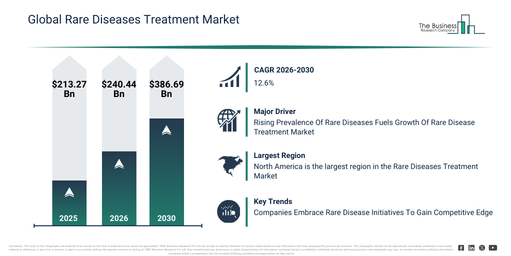
    The rare diseases treatment market size has seen rapid growth in recent years. It is forecast to increase from $213.27 billion in 2025 to $240.44 billion in 2026, achieving a compound annual growth rate (CAGR) of 12.7%. The historical expansion of this market can be attributed to factors such as increasing awareness of rare diseases, advancements in biologics and gene therapies, the growing prevalence of rare diseases, government incentives for orphan drugs, and the development of specialized healthcare infrastructure.

    The rare diseases treatment market is anticipated to experience significant expansion over the next few years. This market is projected to reach $386.69 billion by 2030, demonstrating a compound annual growth rate (CAGR) of 12.6%. The growth during the forecast period is attributed to the increasing adoption of personalized medicine, an expanding pipeline of orphan drugs, technological advancements in drug delivery, rising collaborations between pharmaceutical and biotechnology companies, and the enlargement of global rare disease patient registries. Major trends expected in the forecast period include customized treatment approaches, an increase in orphan drug development, sophisticated drug delivery systems, regulatory harmonization for rare diseases, and patient-centric care models.

    Download the Free Sample Report to Explore Key Market Insights:

    https://www.thebusinessresearchcompany.com/sample.aspx?id=8248&type=smp

    What Primary Drivers Are Shaping The Development Of The Rare Diseases Treatment Market?

    The rare disease treatment market is being propelled by the rising prevalence and challenges associated with rare diseases. These are conditions characterized by their impact on a significantly smaller segment of the population compared to common illnesses. The rising occurrences and associated mortalities from rare diseases are generating a strong need for efficacious rare disease treatments. Such treatments are vital for managing conditions where conventional therapeutic options are frequently absent, leading to better patient outcomes, alleviating disease burden, and improving the quality of life for those affected. Illustratively, data from August 2024 released by the International Federation of Medical Students’ Associations (IFMSA), a Denmark-based federation, indicated that approximately 300 million people globally (with estimates varying between 263 and 446 million) are living with a rare disease, accounting for 3.5% to 5.9% of the world’s population. Consequently, the expanding presence of rare diseases significantly boosts the rare disease treatment market.

    Which Segment Categories Define The Rare Diseases Treatment Market?

    The rare diseases treatment market covered in this report is segmented –

    1) By Drug Type: Originator Drugs (Patented Molecules), Generic Drugs

    2) By Drug Class: Biologics, Organic Compounds

    3) By Mode Of Administration: Injectable, Oral, Other Modes Of Administration

    4) By Therapeutic Area: Cancer, Neurological Conditions, Cardiovascular Conditions, Musculoskeletal Conditions, Hematologic Disorders, Infectious Diseases, Metabolic Disorders, Endocrine Disorders, Other Therapeutic Areas

    5) By Distribution Channel: Hospital Pharmacies, Specialty Pharmacies, Retail Pharmacies

    Subsegments:

    1) By Originator Drugs: Monoclonal Antibodies, Enzyme Replacement Therapies, Gene Therapies, Small Molecule Drugs

    2) By Generic Drugs: Generic Monoclonal Antibodies, Generic Enzyme Replacement Therapies, Generic Small Molecule Drugs, Biosimilars

    What Major Market Trends Are Driving Changes In The Rare Diseases Treatment Market?

    Leading companies in the rare disease treatment market are increasingly focusing on implementing rare disease initiatives to gain a competitive advantage. Rare disease initiatives are defined as organized efforts, programs, or activities conducted by various parties, including governments, research institutions, and pharmaceutical companies, to address the distinct challenges associated with rare diseases. For example, in October 2023, the Oxford-Harrington Rare Disease Centre, a UK-based research institution, introduced the Therapeutics Accelerator, which is dedicated to advancing innovative treatments for rare diseases. This unique transatlantic initiative aims to discover, fund, and advance significant academic findings to introduce 40 potentially life-changing therapies into clinical trials over the next decade. Operating under a non-profit/for-profit model, the Accelerator plans to allocate up to £200 million in funding to support new projects, targeting regulatory approvals in major markets such as the United States, the United Kingdom, and Europe.

    Who Are The Top Companies Competing In The Rare Diseases Treatment Market?

    Major companies operating in the rare diseases treatment market are AbbVie Inc., Actelion Pharmaceuticals Ltd, Alexion Pharmaceuticals Inc., Celgene Corporation, Johnson & Johnson, Novartis AG, Pfizer Inc, Sanofi S.A., Merck & Co. Inc., Vertex Pharmaceuticals, Takeda Pharmaceutical Company, Abeona Therapeutics Inc., Akcea Therapeutics Inc., Alnylam Pharmaceuticals Inc., Amicus Therapeutics Inc., BioMarin Pharmaceutical Inc., bluebird bio Inc., Catalyst Pharmaceuticals Inc., Cerecor Inc., CSL Behring Ltd., Dicerna Pharmaceuticals Inc., Genzyme Corporation, Horizon Therapeutics plc, Intercept Pharmaceuticals Inc., Ionis Pharmaceuticals Inc.

    Read the full rare diseases treatment market report here:

    https://www.thebusinessresearchcompany.com/report/rare-diseases-treatment-global-market-report

    How Does The Rare Diseases Treatment Market Perform Across Major Global Regions?

    North America was the largest region in the rare disease treatment market in 2025. The regions covered in the rare diseases treatment market report are Asia-Pacific, South East Asia, Western Europe, Eastern Europe, North America, South America, Middle East, Africa.

    Request A Tailored Rare Diseases Treatment Market Research Report For Competitive Advantage:

    https://www.thebusinessresearchcompany.com/customise?id=8248&type=smp

    Browse Through More Reports Similar to the Global Rare Diseases Treatment Market 2026, By The Business Research Company

    Rare Diseases Treatment Market Report 2026

    https://www.thebusinessresearchcompany.com/report/rare-diseases-treatment-global-market-report

    Rare Inflammatory Disease Treatment Market Report 2026

    https://www.thebusinessresearchcompany.com/report/rare-inflammatory-disease-treatment-global-market-report

    Rare Neurological Disease Treatment Market Report 2026

    https://www.thebusinessresearchcompany.com/report/rare-neurological-disease-treatment-global-market-report

    Get in touch with us:

    The Business Research Company: https://www.thebusinessresearchcompany.com/

    Americas +1 310-496-7795

    Asia +44 7882 955267 & +91 8897263534

    Europe +44 7882 955267

    Email us at info@tbrc.info

    Follow us on:

    LinkedIn: https://in.linkedin.com/company/the-business-research-company

    YouTube: https://www.youtube.com/channel/UC24_fI0rV8cR5DxlCpgmyFQ

    Global Market Model: https://www.thebusinessresearchcompany.com/global-market-model

  • Personalized medicine adoption is accelerating the Rare Disease Pharmaceutical Services Market 2026

    Personalized medicine adoption is accelerating the Rare Disease Pharmaceutical Services Market 2026

    The Business Research Company’s 2026 market reports include new capabilities such as market attractiveness scoring and analysis, total addressable market analysis, company scoring matrix, interactive excel data dashboard, improved supply chain analysis, upcoming startups in the market, and overview of key products, aimed at improving the depth, usability, and strategic value of the insights delivered.

    How Is The Market Size Of The Rare Disease Pharmaceutical Service Market Expected To Change Between 2026 And 2030?

    The market for pharmaceutical services related to rare diseases has experienced swift expansion recently. This market is projected to expand from $133.4 billion in 2025 to $150.96 billion in 2026, demonstrating a compound annual growth rate (CAGR) of 13.2%. Factors contributing to its historical growth include an increase in orphan drug development initiatives, higher diagnosis rates for rare diseases, improved clinical research infrastructure, augmented regulatory incentives for rare disease treatments, and the expanding participation of specialized service providers.

    The rare disease pharmaceutical service market is projected to experience substantial expansion over the coming years. By 2030, its valuation is anticipated to reach $245.14 billion, demonstrating a compound annual growth rate (CAGR) of 12.9%. This anticipated growth throughout the forecast period stems from factors such as the heightened outsourcing of rare disease development tasks, the increasing use of digital platforms for clinical trials, the enlargement of worldwide rare disease drug pipelines, an intensified emphasis on generating real-world evidence, and the rising need for expert regulatory knowledge. Key developments expected during this timeframe encompass a greater call for comprehensive rare disease services, a heightened concentration on complete drug development assistance, an increasing importance placed on patient-focused care approaches, the broadening of regulatory and market entry services, and improved application of data-driven methods in clinical management.

    Download the Free Sample Report to Explore Key Market Insights:

    https://www.thebusinessresearchcompany.com/sample.aspx?id=28314&type=smp

    Which Major Factors Are Driving The Expansion Of The Rare Disease Pharmaceutical Service Market?

    The increasing prominence of personalized medicine is anticipated to fuel expansion within the rare disease pharmaceutical service market moving forward. Personalized medicine involves medical interventions specifically customized to a person’s unique genetic makeup, enhancing their effectiveness and minimizing adverse reactions. This surge in personalized medicine is propelled by breakthroughs in genomics, biomarker studies, and data analytics, which enable treatments to be precisely matched to an individual’s genetic profile, thereby boosting effectiveness, mitigating side effects, and more accurately addressing patient needs compared to conventional standardized therapies. Pharmaceutical Service plays a supportive role for personalized medicine by developing targeted therapies, leveraging genetic and biomarker information, and delivering customized treatment approaches to cater to the specific requirements of individual patients. For example, in February 2024, the Personalized Medicine Coalition, a US-based non-profit organization, indicated that the FDA gave approval to 16 novel personalized treatments for rare disease patients in 2023, a significant increase from 6 approvals recorded in 2022. Consequently, the burgeoning field of personalized medicine is a key catalyst for the growth experienced in the rare disease pharmaceutical service market.

    How Is The Rare Disease Pharmaceutical Service Market Structured Across Different Segments?

    The rare disease pharmaceutical service market covered in this report is segmented –

    1) By Types: Drug Discovery, Clinical Trials, Other Types

    2) By Application: Congenital And Genetic Diseases, Tumors And Cancer, Endocrine Diseases

    3) By End User: Pharmaceutical Companies, Biotechnology Companies, Academic And Research Institutions, Hospitals And Specialty Clinics, Contract Research Organizations (CROs) And Contract Development And Manufacturing Organizations (CDMOs), Diagnostic Laboratories And Genetic Testing Centers

    Subsegments:

    1) By Drug Discovery: Target Identification And Validation, Preclinical Research And Toxicology Studies, Biomarker Discovery And Validation, Genomic And Proteomic Analysis, Computational Drug Design And Modeling, High-Throughput Screening (HTS), Lead Optimization And Candidate Selection

    2) By Clinical Trials: Clinical Trial Design And Protocol Development, Patient Recruitment And Retention, Site Management And Monitoring, Regulatory Affairs And Compliance Support, Data Management And Biostatistics, Pharmacovigilance And Safety Monitoring, Real-World Evidence (RWE) And Post-Marketing Studies

    3) By Other Types: Market Access And Pricing Strategy, Health Economics And Outcomes Research (HEOR), Regulatory Affairs And Compliance Services, Manufacturing And CMC (Chemistry, Manufacturing, and Controls) Support, Medical Affairs And Scientific Communication, Post-Marketing Surveillance, Consulting And Strategic Advisory

    Which Trends Are Shaping The Future Of The Rare Disease Pharmaceutical Service Market?

    Leading companies in the rare disease pharmaceutical service market are increasingly focused on developing innovative treatment approaches, such as acetylleucine, to improve treatment effectiveness, enhance patient outcomes, and address unmet needs in rare neurological and metabolic disorders. Acetylleucine, a modified amino acid (N-acetyl-L-leucine), serves as a therapeutic agent to support motor function, balance, and neurological health in affected patients. For instance, in September 2024, IntraBio, a US-based biopharmaceutical firm, obtained FDA approval for AQNEURSA, the first stand-alone therapy for Niemann-Pick Disease Type C, a rare, life-threatening neurodegenerative disorder. This milestone is noteworthy, as the treatment demonstrated rapid and significant improvements in neurological symptoms, offering a groundbreaking therapeutic option for both pediatric and adult patients living with this rare disease.

    Which Major Players Dominate The Rare Disease Pharmaceutical Service Market?

    Major companies operating in the rare disease pharmaceutical service market are Johnson & Johnson, Merck & Co. Inc., Pfizer Inc., AbbVie Inc., Sanofi S.A., Novartis AG, AstraZeneca PLC, GlaxoSmithKline PLC (GSK), Takeda Pharmaceutical Company Limited, Amgen Inc., Biogen Inc., Chiesi Farmaceutici S.p.A., Recordati Industria Chimica e Farmaceutica S.p.A., BioMarin Pharmaceutical Inc., Sarepta Therapeutics Inc., Ultragenyx Pharmaceutical Inc., Amicus Therapeutics Inc., Travere Therapeutics Inc., Sciensus Healthcare Ltd., SOM Innovation Biotech S.L.

    Read the full rare disease pharmaceutical service market report here:

    https://www.thebusinessresearchcompany.com/report/rare-disease-pharmaceutical-service-global-market-report

    Which Region Currently Holds The Largest Share Of The Rare Disease Pharmaceutical Service Market?

    North America was the largest region in the rare disease pharmaceutical service market in 2025. The regions covered in the rare disease pharmaceutical service market report are Asia-Pacific, South East Asia, Western Europe, Eastern Europe, North America, South America, Middle East, Africa.

    Request A Tailored Rare Disease Pharmaceutical Service Market Research Report For Competitive Advantage:

    https://www.thebusinessresearchcompany.com/customise?id=28314&type=smp

    Browse Through More Reports Similar to the Global Rare Disease Pharmaceutical Service Market 2026, By The Business Research Company

    Rare Diseases Treatment Market Report 2026

    https://www.thebusinessresearchcompany.com/report/rare-diseases-treatment-global-market-report

    Drug Discovery Services Market Report 2026

    https://www.thebusinessresearchcompany.com/report/drug-discovery-services-global-market-report

    Rare Disease Diagnostics Market Report 2026

    https://www.thebusinessresearchcompany.com/report/rare-disease-diagnostics-global-market-report

    Get in touch with us:

    The Business Research Company: https://www.thebusinessresearchcompany.com/

    Americas +1 310-496-7795

    Asia +44 7882 955267 & +91 8897263534

    Europe +44 7882 955267

    Email us at info@tbrc.info

    Follow us on:

    LinkedIn: https://in.linkedin.com/company/the-business-research-company

    YouTube: https://www.youtube.com/channel/UC24_fI0rV8cR5DxlCpgmyFQ

    Global Market Model: https://www.thebusinessresearchcompany.com/global-market-model

  • Growing focus on precision medicine, supported by advances in genomic sequencing and biomarker identification, is a key growth driver for the Rare Disease Genome Editing Market 2026

    Growing focus on precision medicine, supported by advances in genomic sequencing and biomarker identification, is a key growth driver for the Rare Disease Genome Editing Market 2026

    The Business Research Company’s 2026 market reports include new capabilities such as market attractiveness scoring and analysis, total addressable market analysis, company scoring matrix, interactive excel data dashboard, improved supply chain analysis, upcoming startups in the market, and overview of key products, aimed at improving the depth, usability, and strategic value of the insights delivered.

    What Is The Market Size Of The Rare Disease Genome Editing Market In 2026 And What Value Is Projected For 2030?

    The rare disease genome editing market has seen significant expansion in recent years. Its valuation is anticipated to climb from $1.29 billion in 2025 to $1.51 billion in 2026, showing a compound annual growth rate (CAGR) of 17.8%. The observed growth over the past period is primarily due to advancements in gene editing technologies, a greater understanding of rare genetic mutations, increased funding for genomic research, promising early results from gene therapy trials, and a proliferation of academic research initiatives.

    The rare disease genome editing market is projected to experience significant expansion over the upcoming years. This market is anticipated to reach $2.88 billion by 2030, exhibiting a compound annual growth rate (CAGR) of 17.5%. This projected growth throughout the forecast period stems from several factors, including heightened investment in curative treatments for rare diseases, a growing embrace of precision medicine strategies, the expansion of clinical trials for genome editing, increasing regulatory backing for orphan drugs, and enhanced partnerships between biotechnology firms and healthcare providers. Key trends anticipated during this period involve the increasing uptake of CRISPR-based therapies, a heightened focus on gene editing specifically for monogenic disorders, the wider application of personalized genome editing methods, the expansion of sophisticated editing platforms, and improved integration of genomic data analytics.

    Download the Free Sample Report to Explore Key Market Insights:

    https://www.thebusinessresearchcompany.com/sample.aspx?id=28313&type=smp

    What Key Drivers Are Influencing The Growth Of The Rare Disease Genome Editing Market?

    The future expansion of the rare disease genome editing market is anticipated to be driven by the escalating emphasis on precision medicine. This tailored healthcare methodology, known as precision medicine, leverages an individual’s genetic makeup, environmental factors, and lifestyle choices to deliver more precise and impactful treatments. The heightened attention on precision medicine stems from advancements in genomic sequencing and the identification of biomarkers, which facilitate accurate diagnosis and the development of targeted therapies. The rare disease genome editing market plays a crucial role in advancing precision medicine through its capacity for precise correction of genetic mutations, thereby ensuring more personalized and efficacious treatments. This technology contributes to healthcare progress by tackling the fundamental causes of rare conditions, leading to enhanced patient results and a decreased dependence on managing symptoms alone. As an illustration, in March 2024, Novotech, an Australian biotechnology firm, reported that in 2023, 43% of the 217 oncology therapies sanctioned by the FDA were precision oncology treatments, with 78 of these integrating DNA or NGS-detectable biomarkers. Consequently, the expanding emphasis on precision medicine is a key factor propelling the growth of the rare disease genome editing market.

    What Are The Key Segments Of The Rare Disease Genome Editing Market?

    The rare disease genome editing market covered in this report is segmented –

    1) By Technology: Clustered Regularly Interspaced Short Palindromic Repeats (CRISPR) Or CRISPR-Associated Protein 9, Transcription Activator-Like Effector Nucleases (TALEN), Zinc Finger Nucleases (ZFN), Other Technologies

    2) By Disease Type: Monogenic Disorders, Multifactorial Disorders, Chromosomal Disorders

    3) By Application: Therapeutics, Research

    4) By End User: Biotechnology And Pharmaceutical Companies, Academic And Government Research Institutes, Hospitals

    Subsegments:

    1) By Clustered Regularly Interspaced Short Palindromic Repeats (CRISPR) Or CRISPR-Associated Protein 9: Clustered Regularly Interspaced Short Palindromic Repeats (CRISPR)-Associated Protein 9, Clustered Regularly Interspaced Short Palindromic Repeats (CRISPR)-Associated Protein 12, Clustered Regularly Interspaced Short Palindromic Repeats (CRISPR)-Associated Protein 13, Base Editing, Prime Editing

    2) By Transcription Activator-Like Effector Nucleases (TALEN): Standard Transcription Activator-Like Effector Nucleases (TALEN), Designer Transcription Activator-Like Effector Nucleases (dTALEN), Transcription Activator-Like Effector Nucleases (TALEN) Paired Nucleases

    3) By Zinc Finger Nucleases (ZFN): Standard Zinc Finger Nucleases (ZFN), Engineered Zinc Finger Nucleases (ZFN), Modular Zinc Finger Nucleases (ZFN)

    4) By Other Technologies: Meganucleases, Ribonucleic Acid (RNA)-Guided Nucleases, Clustered Regularly Interspaced Short Palindromic Repeats (CRISPR)-Associated Transposases

    What Key Trends Are Influencing The Development Of The Rare Disease Genome Editing Market?

    Leading firms in the rare disease genome editing market are concentrating on creating sophisticated therapeutic platforms, such as CRISPR-based gene editing technologies, aimed at elevating treatment accuracy, bettering patient results, and tackling genetic ailments that were previously untreatable. These CRISPR-based systems represent novel technologies that facilitate exact alterations to the genome, enabling the correction of genetic flaws or the insertion of therapeutic genes into cellular structures. As an illustration, in December 2023, Vertex Pharmaceuticals Inc., a US-based biopharmaceutical entity, collaborated with CRISPR Therapeutics Inc., a US-based biotechnology research firm, and obtained conditional marketing approval from the United Kingdom (U.K.) Medicines and Healthcare products Regulatory Agency (MHRA) for CASGEVY (exagamglogene autotemcel, exa-cel). This treatment is prescribed for individuals aged 12 and above suffering from sickle cell disease (SCD) with recurrent vaso-occlusive crises, or transfusion-dependent beta thalassemia (TDT). Casgevy functions by modifying a patient’s hematopoietic stem cells to re-initiate fetal hemoglobin synthesis, thereby diminishing or eradicating disease manifestations and providing a potential functional remedy for these ailments.

    Who Are The Leading Companies Operating In The Rare Disease Genome Editing Market?

    Major companies operating in the rare disease genome editing market are Regeneron Pharmaceuticals Inc., Sarepta Therapeutics Inc., Ultragenyx Pharmaceutical Inc., Beam Therapeutics Inc., CRISPR Therapeutics AG, Rocket Pharmaceuticals Inc., Sangamo Therapeutics Inc., Arcturus Therapeutics Holdings Inc., Editas Medicine Inc., Krystal Biotech Inc., Caribou Biosciences Inc, Bluebird Bio Inc., SpliceBio S.L., Cellectis SA, Generation Bio Co., iECURE Inc., Affinia Therapeutics Inc., Precision Biosciences Inc., Intellia Therapeutics Inc., MeiraGTx Holdings plc

    Read the full rare disease genome editing market report here:

    https://www.thebusinessresearchcompany.com/report/rare-disease-genome-editing-global-market-report

    Which Region Is Expected To Register The Fastest Growth In The Rare Disease Genome Editing Market?

    North America was the largest region in the rare disease genome editing market in 2025. Asia-Pacific is expected to be the fastest-growing region in the forecast period. The regions covered in the rare disease genome editing market report are Asia-Pacific, South East Asia, Western Europe, Eastern Europe, North America, South America, Middle East, Africa.

    Request A Tailored Rare Disease Genome Editing Market Research Report For Competitive Advantage:

    https://www.thebusinessresearchcompany.com/customise?id=28313&type=smp

    Browse Through More Reports Similar to the Global Rare Disease Genome Editing Market 2026, By The Business Research Company

    Genome Editing Or Genome Engineering Market Report 2026

    https://www.thebusinessresearchcompany.com/report/genome-editing-or-genome-engineering-global-market-report

    Crispr Gene Editing Market Report 2026

    https://www.thebusinessresearchcompany.com/report/crispr-gene-editing-global-market-report

    Gene Editing Market Report 2026

    https://www.thebusinessresearchcompany.com/report/gene-editing-global-market-report

    Get in touch with us:

    The Business Research Company: https://www.thebusinessresearchcompany.com/

    Americas +1 310-496-7795

    Asia +44 7882 955267 & +91 8897263534

    Europe +44 7882 955267

    Email us at info@tbrc.info

    Follow us on:

    LinkedIn: https://in.linkedin.com/company/the-business-research-company

    YouTube: https://www.youtube.com/channel/UC24_fI0rV8cR5DxlCpgmyFQ

    Global Market Model: https://www.thebusinessresearchcompany.com/global-market-model
  • Global Ranibizumab Market 2026 evolving with advancements in ophthalmic therapies

    Global Ranibizumab Market 2026 evolving with advancements in ophthalmic therapies

    The Business Research Company’s 2026 market reports include new capabilities such as market attractiveness scoring and analysis, total addressable market analysis, company scoring matrix, interactive excel data dashboard, improved supply chain analysis, upcoming startups in the market, and overview of key products, aimed at improving the depth, usability, and strategic value of the insights delivered.

    What Will Be The Estimated Market Valuation Of The Ranibizumab Market By The End Of 2030?

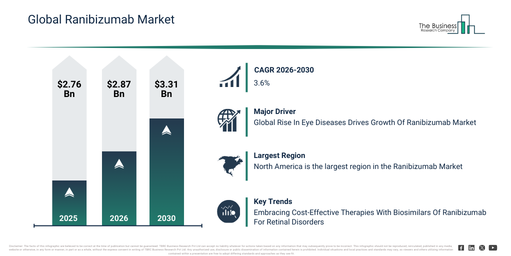
    The ranibizumab market has experienced consistent expansion in recent years. It is projected to increase from $2.76 billion in 2025 to $2.87 billion in 2026, demonstrating a compound annual growth rate (CAGR) of 4.0%. The growth observed in the historical period can be attributed to several factors, including the rising prevalence of age-related macular degeneration, clinical validation of anti-VEGF therapy’s effectiveness, an increasing incidence of diabetic retinopathy, enhancements in diagnostic imaging for retinal disorders, and prompt regulatory approvals for ranibizumab.

    The ranibizumab market size is projected to experience consistent expansion over the coming years, reaching $3.31 billion by 2030, with a compound annual growth rate (CAGR) of 3.6%. This anticipated growth during the forecast period is largely driven by an expanding global aging population, increasing diabetes prevalence worldwide, broader access to advanced ophthalmic care, a rise in the adoption of intravitreal injections, and continuous improvements in retinal disease screening programs. Key developments anticipated during this period involve the increasing adoption of anti-vegf therapies for retinal diseases, a growing preference for prefilled syringe formulations, escalating treatment demand for diabetic eye disorders, the expansion of ophthalmology specialty care centers, and a greater reliance on long-term maintenance therapy in chronic retinal conditions.

    Download the Free Sample Report to Explore Key Market Insights:

    https://www.thebusinessresearchcompany.com/sample.aspx?id=16172&type=smp

    What Major Growth Drivers Are Shaping The Outlook Of The Ranibizumab Market?

    The rising occurrence of ocular conditions is projected to propel the expansion of the ranibizumab market in the future. Ocular conditions cover a spectrum of ailments affecting the eyes, potentially compromising vision and eye health. The growing incidence of eye diseases is attributed to elements like aging populations and lifestyle shifts, alongside an increase in chronic illnesses such as diabetes. Ranibizumab is utilized for treating conditions like age-related macular degeneration and diabetic retinopathy, thereby assisting in mitigating vision impairment within the context of the increasing prevalence of eye diseases. For instance, in August 2023, according to the World Health Organization (WHO), a Switzerland-based intergovernmental organization, approximately 2.2 billion people worldwide experience either near or distance vision impairment. Therefore, the expanding prevalence of eye diseases will stimulate the growth of the ranibizumab market.

    Which Segment Classifications Shape The Ranibizumab Market?

    The ranibizumab market covered in this report is segmented –

    1) By Product: Single Use Prefilled Syringe, Single Use Glass Vial

    2) By Application: Wet Age Related Macular Degeneration (AMD), Diabetic Retinopathy (DR), Diabetic Macular Edema (DME), Myopic Choroidal Neovascularization (MCNV), Retinal Vein Occlusion (RVO)

    3) By Distribution Channel: Hospital Pharmacies, Online Pharmacies, Other Distribution Channels

    Subsegments:

    1) By Single Use Prefilled Syringe: 0.3 Ml Syringe, 0.5 Ml Syringe, 1 Ml Syringe, Other Volume Variants

    2) By Single Use Glass Vial: 0.5 Mg Or 0.05 Ml Vial, 1.0 Mg Or 0.1 Ml Vial, 2.0 Mg Or 0.2 Ml Vial, Other Volume Variants

    How Are Trends Impacting The Ranibizumab Market?

    Companies active in the ranibizumab market are prioritizing economical therapeutic options, such as ranibizumab biosimilars, to address and prevent vision impairment in individuals with retinal conditions. A ranibizumab biosimilar is a biological medicine closely resembling the reference ranibizumab product, yet sold under an alternative brand, presenting a more budget-friendly choice while delivering comparable efficacy and safety profiles. For example, in April 2024, Formycon AG, a German biotechnology firm, and Bioeq AG, a Swiss biopharmaceutical entity, announced the commercial introduction of FYB201, a biosimilar to Lucentis (Ranibizumab), across Canada and Switzerland. This launch occurred subsequent to marketing approvals granted by Health Canada, utilizing the brand name Ranopto, and Swissmedic, under the brand name Ranivisio. FYB201 offers a novel, superior quality, potent, and reasonably priced treatment pathway for patients afflicted with severe retinal ailments. Its significance as a cost-effective treatment alternative for patients in the USA and various European regions has already been demonstrated.

    Which Companies Are Expanding Their Footprint In The Ranibizumab Market?

    Major companies operating in the ranibizumab market are F. Hoffmann-La Roche AG, Genentech Inc., Bayer AG, Novartis AG, Biocon Limited, Samsung Biologics Co Ltd, Celltrion Healthcare Co Ltd, Formycon AG, Coherus BioSciences Inc, Xbrane Biopharma AB, Alvotech, Stada Arzneimittel AG, Sun Pharmaceutical Industries Ltd, Dr. Reddy’s Laboratories Ltd, Cipla Limited, Lupin Limited, Glenmark Pharmaceuticals Limited, Intas Pharmaceuticals Ltd, Enzene Biosciences Ltd, Amman Pharmaceutical Industries

    Read the full ranibizumab market report here:

    https://www.thebusinessresearchcompany.com/report/ranibizumab-global-market-report

    Which Regions Are Projected To Dominate The Ranibizumab Market In The Coming Years?

    North America was the largest region in the ranibizumab market in 2025. The regions covered in the ranibizumab market report are Asia-Pacific, South East Asia, Western Europe, Eastern Europe, North America, South America, Middle East, Africa.

    Request A Tailored Ranibizumab Market Research Report For Competitive Advantage:

    https://www.thebusinessresearchcompany.com/customise?id=16172&type=smp

    Browse Through More Reports Similar to the Global Ranibizumab Market 2026, By The Business Research Company

    Ranibizumab Market Report 2026

    https://www.thebusinessresearchcompany.com/report/ranibizumab-global-market-report

    Ibrutinib Market Report 2026

    https://www.thebusinessresearchcompany.com/report/ibrutinib-global-market-report

    Takaful Market Report 2026

    https://www.thebusinessresearchcompany.com/report/takaful-global-market-report

    Get in touch with us:

    The Business Research Company: https://www.thebusinessresearchcompany.com/

    Americas +1 310-496-7795

    Asia +44 7882 955267 & +91 8897263534

    Europe +44 7882 955267

    Email us at info@tbrc.info

    Follow us on:

    LinkedIn: https://in.linkedin.com/company/the-business-research-company

    YouTube: https://www.youtube.com/channel/UC24_fI0rV8cR5DxlCpgmyFQ

    Global Market Model: https://www.thebusinessresearchcompany.com/global-market-model
  • Radiopharmaceuticals Market 2026 expanding with increasing nuclear medicine applications

    Radiopharmaceuticals Market 2026 expanding with increasing nuclear medicine applications

    The Business Research Company’s 2026 market reports include new capabilities such as market attractiveness scoring and analysis, total addressable market analysis, company scoring matrix, interactive excel data dashboard, improved supply chain analysis, upcoming startups in the market, and overview of key products, aimed at improving the depth, usability, and strategic value of the insights delivered.

    What Market Size Growth Is Projected For The Radiopharmaceuticals Market During The Forecast Period 2026–2030?

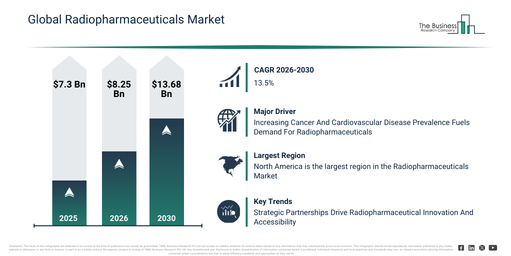
    The radiopharmaceuticals market has experienced significant growth in recent years. It is forecast to rise from $7.3 billion in 2025 to $8.25 billion in 2026, achieving a compound annual growth rate (CAGR) of 13.0%. This expansion during the historic period is linked to factors such as the adoption of nuclear imaging technologies, an increase in cancer diagnosis rates, the availability of radioisotopes, the growth of hospital-based nuclear medicine, and regulatory approvals for diagnostic agents.

    The radiopharmaceuticals market is projected to experience substantial expansion over the upcoming years. By 2030, this market is anticipated to reach a value of $13.68 billion, advancing with a compound annual growth rate (CAGR) of 13.5%. This projected increase is largely due to several factors, including the advancement of precision oncology, a heightened demand for targeted radiotherapies, the proliferation of diagnostic imaging centers, significant investments in cyclotron infrastructure, and continuous technological progress in isotope production. Key developments influencing this period encompass the growing application of radiopharmaceuticals in oncology, the expansion of theranostics applications, broader use of PET and SPECT imaging, intensified development of targeted radiotherapies, and enhancements to nuclear medicine infrastructure.

    Download the Free Sample Report to Explore Key Market Insights:

    https://www.thebusinessresearchcompany.com/sample.aspx?id=3471&type=smp

    What Drivers Are Expected To Influence The Radiopharmaceuticals Market During The Forecast Period?

    The growing incidence of cancer and cardiovascular diseases is anticipated to fuel the demand for the radiopharmaceuticals market. Radiopharmaceuticals are emerging as a secure and potent therapeutic alternative to conventional medicines. Thanks to benefits such as targeted therapy, radiopharmaceuticals offer radiologists a distinct advantage in treating cancer and cardiovascular diseases. Globally, cancer is recognized as the second leading cause of mortality, contributing to around 1 in 6 deaths worldwide. As an illustration, in April 2024, the International Agency for Research on Cancer (IARC), a specialized agency based in France, reported that in 2022, approximately 20 million new cancer cases and 9.7 million cancer-related deaths occurred globally. By 2040, these numbers are projected to increase to 29.9 million new cases and 15.3 million deaths annually. Consequently, the escalating number of cancer and cardiovascular disease cases is expected to boost the demand for radiopharmaceuticals in their treatment.

    What Market Segments Are Evaluated Within The Radiopharmaceuticals Market?

    The radiopharmaceuticals market covered in this report is segmented –

    1) By Type: Diagnostic, Therapeutic

    2) By Application: Oncology, Cardiology, Gastroenterology, Neuroendocrinology, Musculoskeletal, Respiratory, Nephrology, Other Applications

    3) By End User: Hospitals And Ambulatory Surgical Centers, Diagnostic Centers, Cancer Research Institutes

    Subsegments:

    1) By Diagnostic: Positron Emission Tomography (PET) Radiopharmaceuticals, Single Photon Emission Computed Tomography (SPECT) Radiopharmaceuticals

    2) By Therapeutic: Alpha Emitters, Beta Emitters, Brachytherapy

    What Industry Trends Are Redefining The Radiopharmaceuticals Market?

    Leading organizations within the radiopharmaceuticals market are increasingly forging strategic alliances to drive innovation and broaden the availability of advanced diagnostic and therapeutic solutions. These joint efforts concentrate on enhancing radiopharmaceutical development, strengthening regional manufacturing capabilities, and meeting the growing demand for precision imaging and targeted therapies. For example, in June 2023, the University of Pittsburgh Medical Center (UPMC), a US-based hospital system, partnered with PharmaLogic Holdings Corporation to collaboratively develop and produce new radiopharmaceuticals at a Pittsburgh facility. This collaboration seeks to expand access for patients and clinicians to cutting-edge diagnostic and therapeutic agents not currently offered in nearby areas. Through their non-exclusive agreement, UPMC and PharmaLogic will transform experimental radiopharmaceuticals into practical clinical medications, thereby supporting wider commercialization and accelerating the adoption of novel nuclear medicine treatments.

    Who Are The Top Market Participants Influencing The Radiopharmaceuticals Market?

    Major companies operating in the radiopharmaceuticals market are Cardinal Health, Curium Pharma, Siemens Healthineers AG, Novartis AG, General Electric Company (GE), IBA Group, Bayer AG, Lantheus Medical Imaging Inc., Bracco Imaging S.p.A., Eckert & Ziegler, Nihon Medi-Physics Co. Ltd., Fujifilm Corporation, ANSTO, Yantai Dongcheng Pharmaceutical Group Co. Ltd., Bracco Imaging SpA., Canon Inc., China Isotope & Radiation Corporation (CIRC), Alliance Medical, Advanced Accelerator Applications, JSC Isotope, Pharm-Sintez, Synektik SA, Polatom, RadioMedic sro, ÚJV Řež, Actinium Pharmaceuticals Inc., Alseres Pharmaceuticals Inc., Avid Radiopharmaceuticals, Fusion Pharmaceuticals, Peregrine Pharmaceuticals Inc., PETNET Solutions Inc., Positron Corporation, Triad Isotopes Inc., Telix Pharmaceuticals, Rosatom, Alliance Medical Group, Hologic Inc., Segami Corporation, Eczacýbaþý-Monrol Nuclear Products, NTP Radioisotopes.

    Read the full radiopharmaceuticals market report here:

    https://www.thebusinessresearchcompany.com/report/radiopharmaceutical-global-market-report

    Which Region Is Forecast To Lead The Radiopharmaceuticals Market In Terms Of Market Size?

    North America was the largest region in the global radiopharmaceuticals market in 2025. The Middle East is expected to be the fastest growing region in the forecast period. The regions covered in the radiopharmaceuticals market report are Asia-Pacific, South East Asia, Western Europe, Eastern Europe, North America, South America, Middle East, Africa.

    Request A Tailored Radiopharmaceuticals Market Research Report For Competitive Advantage:

    https://www.thebusinessresearchcompany.com/customise?id=3471&type=smp

    Browse Through More Reports Similar to the Global Radiopharmaceuticals Market 2026, By The Business Research Company

    Radiotherapy Devices Market Report 2026

    https://www.thebusinessresearchcompany.com/report/radiotherapy-devices-global-market-report

    Cancer Diagnostics Market Report 2026

    https://www.thebusinessresearchcompany.com/report/cancer-diagnostics-global-market-report

    Diagnostic Equipment Market Report 2026

    https://www.thebusinessresearchcompany.com/report/diagnostic-equipment-global-market-report

    Get in touch with us:

    The Business Research Company: https://www.thebusinessresearchcompany.com/

    Americas +1 310-496-7795

    Asia +44 7882 955267 & +91 8897263534

    Europe +44 7882 955267

    Email us at info@tbrc.info

    Follow us on:

    LinkedIn: https://in.linkedin.com/company/the-business-research-company

    YouTube: https://www.youtube.com/channel/UC24_fI0rV8cR5DxlCpgmyFQ

    Global Market Model: https://www.thebusinessresearchcompany.com/global-market-model
  • Radioligand Therapy Market 2026 gaining momentum with targeted cancer treatment innovations

    Radioligand Therapy Market 2026 gaining momentum with targeted cancer treatment innovations

    The Business Research Company’s 2026 market reports include new capabilities such as market attractiveness scoring and analysis, total addressable market analysis, company scoring matrix, interactive excel data dashboard, improved supply chain analysis, upcoming startups in the market, and overview of key products, aimed at improving the depth, usability, and strategic value of the insights delivered.

    How Will The Market Size Of The Radioligand Therapy Market Evolve From 2026 To 2030?

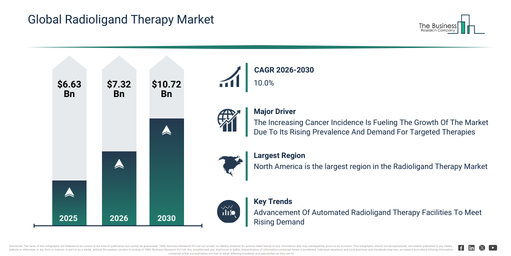
    The radioligand therapy market has experienced substantial expansion in recent years. Forecasts indicate that its valuation will rise from $6.63 billion in 2025 to $7.32 billion in 2026, demonstrating a compound annual growth rate (CAGR) of 10.4%. Factors contributing to this historical growth include the previously limited supply of radioligands, a past reliance on traditional cancer treatments, increasing recognition of the advantages of targeted therapies, greater integration of nuclear medicine practices in hospitals, and the granting of regulatory approvals for initial radioligand therapy drugs.

    The radioligand therapy market size is anticipated to experience rapid expansion in the coming years. It is expected to reach $10.72 billion by 2030, growing at a compound annual growth rate (CAGR) of 10.0%. This projected growth during the forecast period can be attributed to the development of novel alpha and beta emitters, the expansion of combined emission therapies, integration with precision oncology, an increase in clinical trials for neurological and cardiovascular applications, and rising investment in home care and outpatient radioligand therapy services. Key trends for the forecast period include the increasing adoption of targeted radioligand therapy in oncology, the expansion of alpha and beta emitter-based therapies, the integration of radioligand therapy with personalized medicine approaches, the growth of hospital and research institution-based radioligand therapy programs, and a rising focus on minimizing side effects and enhancing patient outcomes.

    Download the Free Sample Report to Explore Key Market Insights:

    https://www.thebusinessresearchcompany.com/sample.aspx?id=27403&type=smp

    What Drivers Are Influencing The Radioligand Therapy Market?

    The rising occurrence of cancer is projected to propel the expansion of the radioligand therapy market going forward. Cancer is characterized by the uncontrolled proliferation of abnormal cells that can invade surrounding tissues and spread throughout the body. The increase in cancer incidence is attributed to long-term exposure to environmental pollutants, which damage DNA, disrupt cell function, and promote abnormal cell growth. Radioligand therapy treats cancer by directing radiation to tumor cells through ligands that bind to specific receptors, thereby minimizing harm to healthy tissues and destroying cancer cells internally. For instance, in October 2025, according to the National Health Service (NHS), a UK-based government health agency, there were 354,820 new cancer diagnoses in 2023, an average of 972 per day, which is 8,605 more than in 2022. Consequently, the increasing cancer incidence is driving the growth of the radioligand therapy market.

    Which Segment Areas Are Covered In The Radioligand Therapy Market Analysis?

    The radioligand therapy market covered in this report is segmented –

    1) By Type Of Radioligand: Alpha Emitters, Beta Emitters, Auger Emitters, Combined Emissions

    2) By Molecular Target: Hormone Receptors, Growth Factor Receptors, Antigen Tumor Markers, Other Molecular Targets

    3) By Route Of Administration: Intravenous (IV), Intramuscular (IM), Subcutaneous, Oral

    4) By Application: Oncology, Cardiovascular Disorders, Neurological Disorders, Infectious Diseases

    5) By End-User: Hospitals, Diagnostic Laboratories, Research Institutions, Home Care Settings

    Subsegments:

    1) By Alpha Emitters: Actinium-225 (Ac-225), Radium-223 (Ra-223), Astatine-211 (At-211), Bismuth-213 (Bi-213)

    2) By Beta Emitters: Lutetium-177 (Lu-177), Iodine-131 (I-131), Yttrium-90 (Y-90), Samarium-153 (Sm-153)

    3) By Auger Emitters: Iodine-125 (I-125), Indium-111 (In-111), Gallium-67 (Ga-67), Thallium-201 (Tl-201)

    4) By Combined Emissions: Terbium-161 (Tb-161), Copper-67 (Cu-67), Rhenium-186 (Re-186), Lead-212 (Pb-212)

    What Key Developments And Trends Are Impacting The Radioligand Therapy Market?

    Leading companies within the radioligand therapy market are focusing on developing sophisticated solutions, such as dedicated radioligand therapy facilities, to boost production efficiency and maintain consistent quality and safety standards in the manufacturing and distribution of precise cancer treatments. Radioligand therapy facilities are specialized centers built to handle and deliver radioactive drugs for targeted cancer treatment, utilizing advanced imaging systems and radiation shielding, all while ensuring safety through trained personnel and strict protocols. For instance, in January 2024, Novartis AG, a Switzerland-based pharmaceutical company, announced the automation of its new large-scale radioligand therapy (RLT) production plant in Indiana. This plant received Food and Drug Administration (FDA) approval for commercial manufacturing. Spanning 70,000 square feet, this facility stands as Novartis’s largest and most advanced site dedicated to RLT, engineered for efficient, time-sensitive production, and includes plans for fully automated production lines, enabling significant increases in supply to meet growing patient demand in the US and Canada.

    Which Global Companies Are Actively Competing In The Radioligand Therapy Market?

    Major companies operating in the radioligand therapy market are Novartis AG, Lantheus Holdings Inc., Curium LLC, Eckert & Ziegler Strahlen- und Medizintechnik AG, Telix Pharmaceuticals, Mariana Oncology Inc., AdvanCell Pty Ltd., Evergreen Theragnostics Inc., Fusion Pharmaceuticals Inc., RadioMedix Inc., Ariceum Therapeutics GmbH, Radiopharm Theranostics Limited, Convergent Therapeutics Inc., C‑Ray Therapeutics Inc.

    Read the full radioligand therapy market report here:

    https://www.thebusinessresearchcompany.com/report/radioligand-therapy-global-market-report

    Which Regions Are Expected To Experience Rapid Expansion In The Radioligand Therapy Market?

    North America was the largest region in the radioligand therapy market in 2025. Asia-Pacific is expected to be the fastest-growing region in the forecast period. The regions covered in the radioligand therapy market report are Asia-Pacific, South East Asia, Western Europe, Eastern Europe, North America, South America, Middle East, Africa.

    Request A Tailored Radioligand Therapy Market Research Report For Competitive Advantage:

    https://www.thebusinessresearchcompany.com/customise?id=27403&type=smp

    Browse Through More Reports Similar to the Global Radioligand Therapy Market 2026, By The Business Research Company

    Property Management Service Market Report 2026

    https://www.thebusinessresearchcompany.com/report/property-management-service-global-market-report

    Real Estate Rental Market Report 2026

    https://www.thebusinessresearchcompany.com/report/real-estate-rental-global-market-report

    Financial Accounting Advisory Services Market Report 2026

    https://www.thebusinessresearchcompany.com/report/financial-accounting-advisory-services-global-market-report

    Get in touch with us:

    The Business Research Company: https://www.thebusinessresearchcompany.com/

    Americas +1 310-496-7795

    Asia +44 7882 955267 & +91 8897263534

    Europe +44 7882 955267

    Email us at info@tbrc.info

    Follow us on:

    LinkedIn: https://in.linkedin.com/company/the-business-research-company

    YouTube: https://www.youtube.com/channel/UC24_fI0rV8cR5DxlCpgmyFQ

    Global Market Model: https://www.thebusinessresearchcompany.com/global-market-model
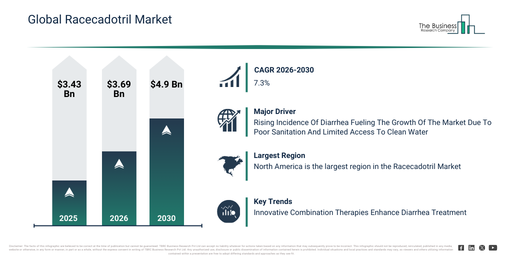
  • Global Racecadotril Market 2026 expected to reach $4.9 billion by 2030

    Global Racecadotril Market 2026 expected to reach $4.9 billion by 2030

    The Business Research Company’s 2026 market reports include new capabilities such as market attractiveness scoring and analysis, total addressable market analysis, company scoring matrix, interactive excel data dashboard, improved supply chain analysis, upcoming startups in the market, and overview of key products, aimed at improving the depth, usability, and strategic value of the insights delivered.

    What Is The Forecasted Market Value Of The Racecadotril Market Across 2026–2030?

    The racecadotril market size has experienced robust expansion in recent years. It is forecasted to advance from $3.43 billion in 2025 to $3.69 billion in 2026, exhibiting a compound annual growth rate (CAGR) of 7.7%. The surge witnessed during the historic period can be ascribed to a limited supply of antidiarrheal medications, a reliance on conventional oral formulations, increasing understanding of diarrhea treatment, a rise in hospital and clinic attendance, and the adoption of standard dosage forms.

    The racecadotril market is projected to experience substantial expansion over the upcoming years. Its valuation is anticipated to reach $4.9 billion by 2030, demonstrating a compound annual growth rate (CAGR) of 7.3%. This projected growth is driven by factors such as the creation of novel oral and injectable racecadotril formulations, an increasing need for treatments catering to children and the elderly, the widening reach of online pharmacy and home care provisions, enhanced regulatory clearances and safety oversight, and the development of programs for managing chronic and traveler’s diarrhea. Key trends anticipated during this period encompass the growing global incidence of acute diarrhea, a heightened focus on pediatric and geriatric patient demographics, the proliferation of oral formulations and convenient dosage forms, the expansion of online pharmacies and home care distribution networks, and a strong commitment to ensuring safety, efficacy, and adherence to regulations.

    Download the Free Sample Report to Explore Key Market Insights:

    https://www.thebusinessresearchcompany.com/sample.aspx?id=24677&type=smp

    What Drivers Are Shaping The Future Growth Of The Racecadotril Market?

    The growing occurrence of diarrhea is anticipated to boost the expansion of the racecadotril market in the future. Diarrhea is characterized by the frequent passing of loose or watery stools, typically three or more times daily. The increasing number of diarrhea cases largely stems from inadequate sanitation and limited availability of clean drinking water, which facilitates the transmission of disease-causing pathogens. Racecadotril aids in treating diarrhea by diminishing excessive fluid release within the intestines, making it effective for managing acute symptoms. It provides swift relief and maintains regular bowel function, thereby enhancing patient comfort and improving overall treatment outcomes. As an illustration, in March 2024, according to the World Health Organization (WHO), a Switzerland-based specialized agency of the United Nations, diarrheal diseases are responsible for approximately 1.7 billion cases annually, leading to the deaths of around 443,832 children under the age of 5, and an additional 50,851 deaths among children aged 5 to 9. Consequently, the increasing prevalence of acute diarrhea is stimulating the growth of the racecadotril market.

    What Segmentation Levels Are Considered In The Racecadotril Market?

    The racecadotril market covered in this report is segmented –

    1) By Product Type: Oral Formulations, Injectable Solutions, Topical Preparations

    2) By Age Group: Pediatric Patients, Adult Patients, Geriatric Patients

    3) By Application: Acute Diarrhea, Traveler’s Diarrhea, Chronic Diarrhea

    4) By Distribution Channel: Pharmacy Outlets, Hospital Pharmacies, Online Pharmacies

    5) By End-User: Hospitals, Clinics, Home Care Settings

    Subsegments:

    1) By Oral Formulations: Capsules, Tablets, Granules, Sachets, Oral Suspension

    2) By Injectable Solutions: Intravenous Injection, Intramuscular Injection

    3) By Topical Preparations: Creams, Gels, Ointments, Lotions

    What Trends Are Projected To Affect The Racecadotril Market?

    Key companies within the racecadotril market are concentrating on developing innovative and enhanced formulations, such as combination therapy, to elevate treatment efficacy, broaden therapeutic applications, and address resistant or complex cases of acute diarrhea. Combination therapy entails using two or more medications together to treat a single disease or condition more effectively than a solitary drug. For instance, in April 2024, Daksh Pharmaceuticals Pvt. Ltd., an India-based pharmaceutical company, launched the ZOFLO-R tablet, featuring a combination of ofloxacin 200 mg and racecadotril 100 mg. This dual-action product is designed to tackle acute diarrhea of bacterial origin by delivering both antimicrobial efficacy and symptomatic control. Ofloxacin inhibits bacterial DNA gyrase to cause bacterial cell death, while racecadotril reduces intestinal fluid secretion to control diarrhea, together offering comprehensive relief from diarrhea and its symptoms.

    Which Leading Firms Are Contributing To The Growth Of The Racecadotril Market?

    Major companies operating in the racecadotril market are Torrent Pharmaceuticals Ltd., Taj Pharma, Gnova Biotech, Jabs Biotech, Manus Aktteva Biopharma LLP, Wellona Pharma, Biofield Pharma, Anant Pharmaceuticals Pvt. Ltd., Daffohils Laboratories, AR Life Sciences, Novagen Healthcare Pvt Ltd, Omicron Pharma, Cixmech Pharmaceuticals, Sakthi Healthcare, Dr. Reddy’s Laboratories Ltd., Sun Pharmaceutical Industries Ltd., Cipla Ltd., Lupin Ltd., Alkem Laboratories Ltd., Intas Pharmaceuticals Ltd., Zydus Lifesciences Ltd., Abbott India Ltd., Mankind Pharma Ltd., Glenmark Pharmaceuticals Ltd., Alembic Pharmaceuticals Ltd., Micro Labs Ltd., Ipca Laboratories Ltd., Macleods Pharmaceuticals Ltd., Hetero Drugs Ltd., Aurobindo Pharma Ltd., Emcure Pharmaceuticals Ltd., Wockhardt Ltd.

    Read the full racecadotril market report here:

    https://www.thebusinessresearchcompany.com/report/racecadotril-global-market-report

    Which Geographic Regions Are Influencing Demand In The Racecadotril Market?

    North America was the largest region in the racecadotril market in 2025. Asia-Pacific is expected to be the fastest-growing region in the forecast period. The regions covered in the racecadotril market report are Asia-Pacific, South East Asia, Western Europe, Eastern Europe, North America, South America, Middle East, Africa.

    Request A Tailored Racecadotril Market Research Report For Competitive Advantage:

    https://www.thebusinessresearchcompany.com/customise?id=24677&type=smp

    Browse Through More Reports Similar to the Global Racecadotril Market 2026, By The Business Research Company

    Gastrointestinal Devices Market Report 2026

    https://www.thebusinessresearchcompany.com/report/gastrointestinal-devices-global-market-report

    Gastrointestinal Bleeding Treatment Devices Market Report 2026

    https://www.thebusinessresearchcompany.com/report/gastrointestinal-bleeding-treatment-devices-global-market-report

    Digestive And Intestinal Remedies Market Report 2026

    https://www.thebusinessresearchcompany.com/report/digestive-and-intestinal-remedies-global-market-report

    Get in touch with us:

    The Business Research Company: https://www.thebusinessresearchcompany.com/

    Americas +1 310-496-7795

    Asia +44 7882 955267 & +91 8897263534

    Europe +44 7882 955267

    Email us at info@tbrc.info

    Follow us on:

    LinkedIn: https://in.linkedin.com/company/the-business-research-company

    YouTube: https://www.youtube.com/channel/UC24_fI0rV8cR5DxlCpgmyFQ

    Global Market Model: https://www.thebusinessresearchcompany.com/global-market-model

  • Quit Smoking Drugs Market 2026 surging toward $90.73 billion by 2030

    Quit Smoking Drugs Market 2026 surging toward $90.73 billion by 2030

    The Business Research Company’s 2026 market reports include new capabilities such as market attractiveness scoring and analysis, total addressable market analysis, company scoring matrix, interactive excel data dashboard, improved supply chain analysis, upcoming startups in the market, and overview of key products, aimed at improving the depth, usability, and strategic value of the insights delivered.

    What Market Size Increase Is Anticipated For The Quit Smoking Drugs Market Over The 2026–2030 Period?

    The market size for quit smoking drugs has experienced rapid expansion in recent years. It is projected to grow from $44.23 billion in 2025 to $50.94 billion in 2026, achieving a compound annual growth rate (CAGR) of 15.2%. The historical period’s growth can be attributed to increasing awareness of smoking hazards, a rising prevalence of smoking-related diseases, the availability of nicotine replacement therapies, government anti-smoking campaigns, and the growth of pharmaceutical manufacturing in emerging markets.

    The quit smoking drugs market size is projected to undergo significant expansion in the coming years, reaching $90.73 billion by 2030, with a compound annual growth rate (CAGR) of 15.5%. This anticipated growth during the forecast period is attributable to advancements in digital health solutions, the rising adoption of personalized medicine, the integration of AI in treatment monitoring, the expansion of telemedicine services, and the increasing presence of wearable health monitoring devices. Key trends for the forecast period encompass personalized nicotine replacement therapies, the development of mobile health (mhealth) and smoking cessation apps, telemedicine-driven prescription support, the integration of behavioral therapy with drug therapy, and the utilization of wearable devices for monitoring cravings.

    Download the Free Sample Report to Explore Key Market Insights:

    https://www.thebusinessresearchcompany.com/sample.aspx?id=9247&type=smp

    Which Economic Or Industry Drivers Are Impacting The Quit Smoking Drugs Market?

    The increasing occurrence of smoking addiction is anticipated to boost the expansion of the quit-smoking drug market in the future. Smoking involves the act of inhaling and exhaling the vapors produced by burning plant materials, including tobacco, marijuana, and hashish, among others. Quit smoking drugs serve to diminish the desire to smoke by curbing an individual’s tobacco cravings; these medications are prescribed to manage nicotine withdrawal symptoms, thereby assisting in successfully stopping smoking. For example, data from November 2025 by the OECD (Organisation for Economic Co-operation and Development), a France-based intergovernmental international organization, revealed that 14.8% of individuals aged 15 and over smoked daily in 2023. The highest percentages of daily smokers were recorded in Türkiye, Hungary, and Greece, alongside accession/partner nations Indonesia, Bulgaria, and China, with at least one in four residents smoking daily. In 2023, the average daily smoking rate for men stood at 18.5%, significantly higher than the 11.4% observed for women. Consequently, the increasing incidence of smoking addiction is fueling the expansion of the quit-smoking drug market.

    How Is The Quit Smoking Drugs Market Segmented Across Key Categories?

    The quit smoking drugs market covered in this report is segmented –

    1) By Product: Drug Therapy, E-Cigarettes, Nicotine Inhalers, Nicotine Replacement Therapies, Nicotine Sublingual Tablets

    2) By Drug: Varenicline (Chantix), Bupropion (Zyban), Other Drugs

    3) By Distribution: Drug Store, Online Pharmacies, Retail Pharmacies

    Subsegments:

    1) By Drug Therapy: Bupropion (Zyban), Varenicline (Chantix)

    2) By E-Cigarettes: Disposable E-Cigarettes, Rechargeable E-Cigarettes, Pod Systems

    3) By Nicotine Inhalers: Prescription Inhalers, Over-The-Counter Inhalers

    4) By Nicotine Replacement Therapies (NRT): Nicotine Patches, Nicotine Gum, Nicotine Lozenges

    5) By Nicotine Sublingual Tablets: Fast-Acting Sublingual Tablets, Extended-Release Sublingual Tablets

    Which Upcoming Trends Are Expected To Influence The Quit Smoking Drugs Market?

    Leading companies operating within the quit smoking drugs market are prioritizing the creation of innovative formulations and delivery methods, such as generic tablets, to extend their market dominance regionally and secure a competitive advantage. Generic varenicline tablets represent unbranded forms of the medication containing varenicline tartrate; these are bioequivalent to their original branded counterparts and are utilized in treatments aimed at quitting smoking. An illustrative example is Lupin Limited, an India-based pharmaceutical firm, introducing new Varenicline tablets in the United States in January 2024, offered in strengths of 0.5 mg and 1 mg. These particular tablets are the generic equivalents of Chantix tablets (0.5 mg and 1 mg) by PF Prism C.V., prescribed to aid in smoking cessation therapy. Varenicline functions as a partial agonist of the nicotinic acetylcholine receptor, promoting the release of dopamine, which in turn helps to ease withdrawal symptoms and cravings linked to nicotine dependence. This two-pronged approach enables it to diminish the gratifying sensations of smoking while concurrently offering some stimulation to lessen withdrawal impact.

    Who Are The Dominant Players Shaping The Quit Smoking Drugs Market Landscape?

    Major companies operating in the quit smoking drugs market are 22nd Century Group, Cipla Limited, Dr. Reddy’s Laboratories, GSK Plc., Johnson & Johnson, NJOY LLC, Perrigo Company Plc, Pfizer Inc., Philip Morris International, Glenmark Pharmaceuticals Limited, Zydus Cadila Healthcare Limited, BioCorRx Inc., Ennaid Therapeutics LLC, Fertin Pharma A/S, Hikma Pharmaceuticals PLC, IntelGenx Technologies Corp., Innovus Pharmaceuticals Inc., Gilla Inc., Rusan Pharma Ltd., Novartis AG

    Read the full quit smoking drugs market report here:

    https://www.thebusinessresearchcompany.com/report/quit-smoking-drugs-global-market-report

    What Are The Top-Performing Regions Within The Quit Smoking Drugs Market?

    North America was the largest region in the quit smoking drugs market in 2025. The regions covered in the quit smoking drugs market report are Asia-Pacific, South East Asia, Western Europe, Eastern Europe, North America, South America, Middle East, Africa.

    Request A Tailored Quit Smoking Drugs Market Research Report For Competitive Advantage:

    https://www.thebusinessresearchcompany.com/customise?id=9247&type=smp

    Browse Through More Reports Similar to the Global Quit Smoking Drugs Market 2026, By The Business Research Company

    Quit Smoking Drugs Market Report 2026

    https://www.thebusinessresearchcompany.com/report/quit-smoking-drugs-global-market-report

    Nicotine Addiction Treatment Market Report 2026

    https://www.thebusinessresearchcompany.com/report/nicotine-addiction-treatment-global-market-report

    Nicotine Addiction Treatment Market Report 2026

    https://www.thebusinessresearchcompany.com/report/nicotine-addiction-treatment-global-market-report

    Get in touch with us:

    The Business Research Company: https://www.thebusinessresearchcompany.com/

    Americas +1 310-496-7795

    Asia +44 7882 955267 & +91 8897263534

    Europe +44 7882 955267

    Email us at info@tbrc.info

    Follow us on:

    LinkedIn: https://in.linkedin.com/company/the-business-research-company

    YouTube: https://www.youtube.com/channel/UC24_fI0rV8cR5DxlCpgmyFQ

    Global Market Model: https://www.thebusinessresearchcompany.com/global-market-model
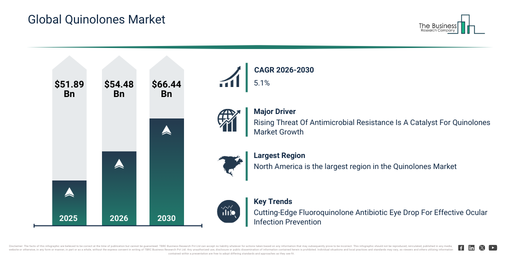
  • Quinolones Market 2026 progressing toward $66.44 billion by 2030

    Quinolones Market 2026 progressing toward $66.44 billion by 2030

    The Business Research Company’s 2026 market reports include new capabilities such as market attractiveness scoring and analysis, total addressable market analysis, company scoring matrix, interactive excel data dashboard, improved supply chain analysis, upcoming startups in the market, and overview of key products, aimed at improving the depth, usability, and strategic value of the insights delivered.

    How Much Is The Quinolones Market Expected To Grow In Terms Of Market Value Between 2026 And 2030?

    The quinolones market has experienced consistent expansion in recent years. Its valuation is projected to increase from $51.89 billion in 2025 to $54.48 billion by 2026, demonstrating a compound annual growth rate (CAGR) of 5.0%. This historical growth can be attributed to factors such as the increasing prevalence of bacterial infections, a rise in hospital admissions, strong demand for broad-spectrum antibiotics, the expansion of retail pharmacies, and government initiatives aimed at controlling infectious diseases.

    The quinolones market is projected to experience substantial expansion in the coming years, anticipated to reach $66.44 billion by 2030, exhibiting a compound annual growth rate (CAGR) of 5.1%. This projected growth is driven by several factors, including progress in precision medicine, the creation of new quinolone formulations, the proliferation of online pharmacy platforms, heightened understanding of antimicrobial stewardship, and the increasing use of digital health monitoring instruments. Key developments expected during this timeframe encompass enhanced management of antibiotic resistance, a wider availability of generic drugs, individualized treatment strategies, an increase in outpatient and home healthcare provisions, and greater investment in research and development for new quinolones.

    Download the Free Sample Report to Explore Key Market Insights:

    https://www.thebusinessresearchcompany.com/sample.aspx?id=9429&type=smp

    What Major Drivers Are Influencing Demand In The Quinolones Market?

    The escalating threat of antimicrobial resistance is projected to drive the expansion of the quinolones market in the future. Antimicrobial resistance (AMR) denotes the capacity of microorganisms, including bacteria, viruses, parasites, and fungi, to withstand the influence of antimicrobial medications. With a wide spectrum of activity, quinolones prove effective against numerous bacteria. They are prescribed for particular infection types, possessing the capability to permeate diverse tissues and emerge as a favored alternative when options are restricted. As an illustration, a comprehensive global analysis detailed in October 2025 by the World Health Organization, a US-based intergovernmental organization, explored the prevalence and trends of antibiotic resistance. This study utilized data from over 23 million confirmed cases of bloodstream, urinary tract, and gastrointestinal infections, along with urogenital gonorrhea, with its conclusions drawn from reports submitted by 104 countries in 2023. Consequently, the growing threat of antimicrobial resistance is propelling the expansion of the quinolones market.

    What Major Segment Divisions Exist Within The Quinolones Market?

    The quinolones market covered in this report is segmented –

    1) By Type: Norfloxacin, Ofloxacin, Ciprofloxacin, Gemifloxacin, Other Types

    2) By Pathogen Type: Gram-Positive Pathogen, Gram-Negative Pathogen

    3) By Application: Hospital Pharmacies, Retail Pharmacies, Online Pharmacies

    How Are Trends Shaping The Direction Of The Quinolones Market?

    Key players in the quinolones market are prioritizing innovative offerings, such as fluoroquinolone antibiotic eye drops, to enhance their market revenues. These eye drops represent a category of antibiotics specifically designed to combat bacterial infections affecting the eye. For example, in July 2023, Harrow Health Inc., a US-based pharmaceutical entity, introduced Vigamox. This solution is isotonic, with an osmolality of about 290 mOsm/kg, and incorporates 5.45 mg moxifloxacin hydrochloride, which corresponds to 5 mg moxifloxacin base. The medication is supplied in a 3-milliliter bottle and delivered as a sterile ophthalmic solution within a dispensing system consisting of a tan polypropylene closure, a dispensing plug, and a natural low-density polyethylene bottle. Vigamox is advised for the prophylaxis of eye infections both preceding and following surgical interventions.

    Which Companies Are Leading Innovation In The Quinolones Market?

    Major companies operating in the quinolones market are Bayer AG, Novartis AG, Sanofi SA, Merck & Co. Inc., LG Life Sciences, Pfizer Inc., Viatris Inc., Lupin Limited, Hikma Pharmaceuticals plc, Zydus Group, KYORIN Holdings Inc., Teva Pharmaceutical Industries Ltd., GSK plc, Zee Laboratories, Cipla Ltd., Geo Pharma Pvt. Ltd., Finecure Pharmaceuticals, AstraZeneca plc, Sun Pharmaceutical Industries Ltd., Dr. Reddy’s Laboratories Ltd., Cadila Healthcare Ltd., Glenmark Pharmaceuticals Ltd., Alkem Laboratories Ltd., Torrent Pharmaceuticals Ltd., Macleods Pharmaceuticals Ltd., Alembic Pharmaceuticals Ltd., Hetero Drugs Ltd., Wockhardt Ltd.

    Read the full quinolones market report here:

    https://www.thebusinessresearchcompany.com/report/quinolones-global-market-report

    Which Region Shows The Strongest Potential For Future Growth In The Quinolones Market?

    North America was the largest region in the quinolones market in 2025. The regions covered in the quinolones market report are Asia-Pacific, South East Asia, Western Europe, Eastern Europe, North America, South America, Middle East, Africa.

    Request A Tailored Quinolones Market Research Report For Competitive Advantage:

    https://www.thebusinessresearchcompany.com/customise?id=9429&type=smp

    Browse Through More Reports Similar to the Global Quinolones Market 2026, By The Business Research Company

    Quinolones Market Report 2026

    https://www.thebusinessresearchcompany.com/report/quinolones-global-market-report

    Quinoa Market Report 2026

    https://www.thebusinessresearchcompany.com/report/quinoa-global-market-report

    Fluoxetine Market Report 2026

    https://www.thebusinessresearchcompany.com/report/fluoxetine-global-market-report

    Get in touch with us:

    The Business Research Company: https://www.thebusinessresearchcompany.com/

    Americas +1 310-496-7795

    Asia +44 7882 955267 & +91 8897263534

    Europe +44 7882 955267

    Email us at info@tbrc.info

    Follow us on:

    LinkedIn: https://in.linkedin.com/company/the-business-research-company

    YouTube: https://www.youtube.com/channel/UC24_fI0rV8cR5DxlCpgmyFQ

    Global Market Model: https://www.thebusinessresearchcompany.com/global-market-model
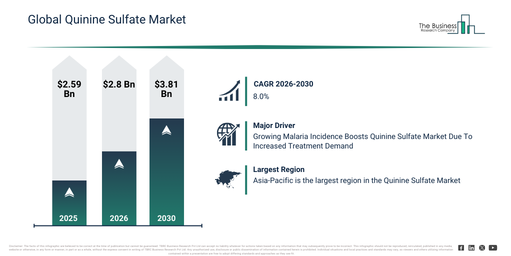
  • Quinine Sulfate Market 2026 approaching $3.81 billion by 2030 with stable demand

    Quinine Sulfate Market 2026 approaching $3.81 billion by 2030 with stable demand

    The Business Research Company’s 2026 market reports include new capabilities such as market attractiveness scoring and analysis, total addressable market analysis, company scoring matrix, interactive excel data dashboard, improved supply chain analysis, upcoming startups in the market, and overview of key products, aimed at improving the depth, usability, and strategic value of the insights delivered.

    What Market Value Is Expected For The Quinine Sulfate Market At The End Of The 2026–2030 Forecast Period?

    The quinine sulfate market has exhibited robust growth in recent years. It is projected to expand from $2.59 billion in 2025 to $2.8 billion by 2026, achieving a compound annual growth rate (CAGR) of 8.0%. The historical expansion in this period can be attributed to factors such as the high prevalence of malaria in endemic regions, the long-standing clinical use of quinine, limited alternative therapies in low-income regions, its inclusion in essential medicines lists, and established extraction methods.

    The quinine sulfate market size is projected to experience substantial expansion over the upcoming years. Its value is anticipated to reach $3.81 billion by 2030, exhibiting a compound annual growth rate (CAGR) of 8.0%. This growth during the forecast period is attributable to ongoing malaria control programs, the demand for low-cost antimalarials, the expansion of generic manufacturing, improved drug delivery formats, and rising healthcare access in developing regions. Major trends in the forecast period include sustained demand for antimalarial therapies, its continued use in nocturnal leg cramp treatment, the proliferation of generic quinine products, a growing focus on affordable essential medicines, and advancements in pharmaceutical formulations.

    Download the Free Sample Report to Explore Key Market Insights:

    https://www.thebusinessresearchcompany.com/sample.aspx?id=19165&type=smp

    Which Market Drivers Are Supporting The Expansion Of The Quinine Sulfate Market?

    The increasing occurrence of malaria is projected to fuel the expansion of the quinine sulfate market going forward. This severe infectious illness originates from Plasmodium parasites, which are spread via bites from infected female Anopheles mosquitoes. The surge in malaria infections stems from the proliferation of mosquito breeding grounds due to climate change, the emergence of drug-resistant parasite variants, and insufficient healthcare availability. The quinine sulfate market contributes to managing malaria by eliminating Plasmodium parasites and preventing their multiplication and development inside red blood cells. As an illustration, the UK Health Security Agency (UKHSA), a government body in the UK, indicated in December 2024 that their annual malaria report for 2023 documented 2,106 imported malaria instances in the UK. This figure represents a 26% rise compared to the cases documented in 2022. Consequently, the escalating incidence of malaria is propelling the growth of the quinine sulfate market.

    What Segment Types Make Up The Quinine Sulfate Market?

    The quinine sulfate market covered in this report is segmented –

    1) By Type: 200mg, 300mg, Other Types

    2) By Product Form: Quinine Sulfate Tablets, Quinine Sulfate Capsules, Quinine Sulfate Injections, Quinine Sulfate Powder, Quinine Sulfate Oral Solutions

    3) By Distribution Channel: Hospitals, Retail Pharmacies, Online Pharmacies

    4) By Application: Malaria, Problematic Leg Cramps, Lupus, Rheumatoid Arthritis, Other Applications

    5) By End-User: Adults, Pediatrics, Geriatrics

    Who Are The Key Players Driving Competition In The Quinine Sulfate Market?

    Major companies operating in the quinine sulfate market are Sanofi SA, Viatris Inc., Teva Pharmaceuticals, Sun Pharmaceutical Industries Ltd., Aurobindo Pharma, Dr. Reddy’s Laboratories, Cipla Limited, Lupin Limited, Strides Pharma, Wockhardt Ltd., Pharmakina SA, Alchem International Private Limited, SimSon Pharma Limited, Hangzhou Dayang Co. Ltd., Haihang Industry Co. Ltd., Aecochem Corp, Buchler GmbH, Prism Industries Private Limited, Shreeji Pharma International, Sihauli Chemicals Private Limited

    Read the full quinine sulfate market report here:

    https://www.thebusinessresearchcompany.com/report/quinine-sulfate-global-market-report

    How Is The Quinine Sulfate Market Distributed Across Key Geographic Regions?

    Asia-Pacific was the largest region in the quinine sulfate market in 2025. The regions covered in the quinine sulfate market report are Asia-Pacific, South East Asia, Western Europe, Eastern Europe, North America, South America, Middle East, Africa.

    Request A Tailored Quinine Sulfate Market Research Report For Competitive Advantage:

    https://www.thebusinessresearchcompany.com/customise?id=19165&type=smp

    Browse Through More Reports Similar to the Global Quinine Sulfate Market 2026, By The Business Research Company

    Quinolones Market Report 2026

    https://www.thebusinessresearchcompany.com/report/quinolones-global-market-report

    Ammonium Sulfate Market Report 2026

    https://www.thebusinessresearchcompany.com/report/ammonium-sulfate-global-market-report

    Insoluble Sulfur Market Report 2026

    https://www.thebusinessresearchcompany.com/report/insoluble-sulfur-global-market-report

    Get in touch with us:

    The Business Research Company: https://www.thebusinessresearchcompany.com/

    Americas +1 310-496-7795

    Asia +44 7882 955267 & +91 8897263534

    Europe +44 7882 955267

    Email us at info@tbrc.info

    Follow us on:

    LinkedIn: https://in.linkedin.com/company/the-business-research-company

    YouTube: https://www.youtube.com/channel/UC24_fI0rV8cR5DxlCpgmyFQ

    Global Market Model: https://www.thebusinessresearchcompany.com/global-market-model