Month: March 2026

  • Diagnostic Enzyme Market 2026 highlighting growth supported by rising diagnostic demand

    Diagnostic Enzyme Market 2026 highlighting growth supported by rising diagnostic demand

    The Business Research Company’s 2026 market reports include new capabilities such as market attractiveness scoring and analysis, total addressable market analysis, company scoring matrix, interactive excel data dashboard, improved supply chain analysis, upcoming startups in the market, and overview of key products, aimed at improving the depth, usability, and strategic value of the insights delivered.

    How Much Is The Diagnostic Enzyme Market Expected To Grow In Terms Of Market Value Between 2026 And 2030?

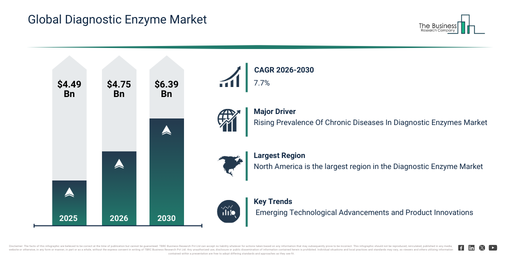
    The market for diagnostic enzymes has experienced robust expansion over recent years. Projections indicate its expansion from $4.49 billion in 2025 to $4.75 billion in 2026, demonstrating a compound annual growth rate (CAGR) of 5.7%. Historically, this growth can be ascribed to factors such as the restricted supply of high-purity diagnostic enzymes, the dependence on conventional assay techniques, the rising incidence of chronic illnesses, expanding biotechnology and research endeavors, and increasing recognition of enzyme-based diagnostic tools.

    The diagnostic enzyme market is anticipated to experience robust expansion over the coming years. This market is projected to reach $6.39 billion by 2030, exhibiting a compound annual growth rate (CAGR) of 7.7%. The projected growth during this period stems from factors such as advancements in enzyme engineering, the integration of diagnostics with digital health solutions, the growing popularity of point-of-care testing, the expansion of research and development in pharmaceuticals and biotechnology, and increased funding from both government and private sources for diagnostic innovations. Key trends expected during the forecast period encompass a growing uptake of diagnostic kits that utilize enzymes, an increase in personalized medicine and biomarker discovery, the broadening of research and biotechnology uses, a heightened requirement for highly specific and sensitive enzymes, and the incorporation of enzyme diagnostics into point-of-care testing.

    Download the Free Sample Report to Explore Key Market Insights:

    https://www.thebusinessresearchcompany.com/sample.aspx?id=3394&type=smp

    What Drivers Are Influencing The Diagnostic Enzyme Market?

    The increasing occurrence of chronic diseases is expected to fuel the expansion of the diagnostic enzymes market in the future. These are defined as health ailments that endure for extended periods, typically exceeding three months. These enzymes are employed for the identification and ongoing observation of a range of chronic diseases and medical conditions, assisting healthcare providers in evaluating disease intensity, monitoring the success of therapeutic interventions, and adapting treatment strategies when required. As an illustration, in January 2023, data from the National Library of Medicine, an agency based in the US, indicated that the population in the US aged 50 and older living with at least one chronic condition is projected to rise by 99.5%, increasing from 71.522 million to 142.66 million by 2050. Consequently, the growing incidence of chronic diseases acts as a primary stimulant for the diagnostic enzymes market’s growth.

    What Major Segment Divisions Exist Within The Diagnostic Enzyme Market?

    The diagnostic enzyme market covered in this report is segmented –

    1) By Product Type: Carbohydrases, Polymerases And Nucleases, Protease, Other Product Types

    2) By Source: Animals, Microorganisms, Plants

    3) By Application: Biocatalysts, Diagnostics, Pharmaceuticals, Research & Biotechnology

    Subsegments:

    1) By Carbohydrases: Amylases, Cellulases, Lactases, Glucosidases

    2) By Polymerases And Nucleases: DNA Polymerases, RNA Polymerases, Restriction Endonucleases, Exonucleases

    3) By Protease: Serine Proteases, Cysteine Proteases, Metalloproteases, Aspartic Proteases

    4) By Other Product Types: Oxidoreductases, Transferases, Lyases, Hydrolases

    How Are Trends Shaping The Direction Of The Diagnostic Enzyme Market?

    Leading companies within the diagnostic enzyme market are focusing on technological advancements, such as digital PCR platforms, to address the increasing need for highly sensitive and absolute quantitation in clinical diagnostics, particularly in oncology and infectious disease testing. Digital PCR (dPCR) is a method that divides a sample into thousands of nanoliter-scale reactions, enabling the absolute quantification of target nucleic acids without relying on standard curves, unlike traditional quantitative PCR (qPCR), which estimates concentrations based on reference standards and can be less precise, especially at low target abundance. For instance, in September 2024, QIAGEN N.V., a Germany-based biotechnology company, launched the QIAcuityDx Digital PCR System, a clinical-grade dPCR instrument. This system integrates partitioning, thermocycling, and imaging into a single automated device, allowing absolute quantification of DNA and RNA for applications such as minimally invasive liquid biopsies in cancer monitoring. Its key features include IVDR certification in Europe, 510(k) exemption in the U.S., user-friendly software, and flexible scheduling, while supporting companion-diagnostic development via its GeneGlobe platform. The QIAcuityDx enhances precision and laboratory efficiency by reducing hands-on time and delivering reproducible results even for low-abundance targets.

    Which Companies Are Leading Innovation In The Diagnostic Enzyme Market?

    Major companies operating in the diagnostic enzyme market are Sanofi S.A., Advanced Enzymes Technologies, Aldevron LLC, Amano Enzymes Inc., Codexis Inc., EKF Diagnostic, Kaneka Eurogentec, Roche Holding AG, Sekisui Diagnostics LLC, Thermo Fisher Scientific Inc., Charles River Laboratories, Biocatalysts, Merck & Co. Inc., Chr. Hansen, Kerry Group, Dyadic International, Creative Enzymes, Pfizer Inc., Eli Lilly and Company, Bristol-Myers Squibb Company, GlaxoSmithKline plc, Johnson & Johnson, AbbVie Inc., Amgen Inc., Biogen Inc., Gilead Sciences Inc., Regeneron Pharmaceuticals Inc.

    Read the full diagnostic enzyme market report here:

    https://www.thebusinessresearchcompany.com/report/diagnostic-enzymes-global-market-report

    Which Regions Are Expected To Experience Rapid Expansion In The Diagnostic Enzyme Market?

    North America was the largest region in the enzymes market in 2025. Middle East is expected to be the fastest-growing region in the diagnostic enzyme market report during the forecast period. The regions covered in the diagnostic enzyme market report are Asia-Pacific, South East Asia, Western Europe, Eastern Europe, North America, South America, Middle East, Africa.

    Request A Tailored Diagnostic Enzyme Market Research Report For Competitive Advantage:

    https://www.thebusinessresearchcompany.com/customise?id=3394&type=smp

    Browse Through More Reports Similar to the Global Diagnostic Enzyme Market 2026, By The Business Research Company

    Synthetic Biology Market Report 2026

    https://www.thebusinessresearchcompany.com/report/synthetic-biology-global-market-report

    Digestive Enzyme Market Report 2026

    https://www.thebusinessresearchcompany.com/report/digestive-enzyme-global-market-report

    Specialty Enzyme Market Report 2026

    https://www.thebusinessresearchcompany.com/report/specialty-enzyme-global-market-report

    Get in touch with us:

    The Business Research Company: https://www.thebusinessresearchcompany.com/

    Americas +1 310-496-7795

    Asia +44 7882 955267 & +91 8897263534

    Europe +44 7882 955267

    Email us at info@tbrc.info

    Follow us on:

    LinkedIn: https://in.linkedin.com/company/the-business-research-company

    YouTube: https://www.youtube.com/channel/UC24_fI0rV8cR5DxlCpgmyFQ

    Global Market Model: https://www.thebusinessresearchcompany.com/global-market-model
  • Global Fluconazole Preparation Market 2026–2035 growing steadily

    Global Fluconazole Preparation Market 2026–2035 growing steadily

    The Business Research Company’s 2026 market reports include new capabilities such as market attractiveness scoring and analysis, total addressable market analysis, company scoring matrix, interactive excel data dashboard, improved supply chain analysis, upcoming startups in the market, and overview of key products, aimed at improving the depth, usability, and strategic value of the insights delivered.

    What Will Be The Estimated Market Valuation Of The Fluconazole Preparation Market By The End Of 2030?

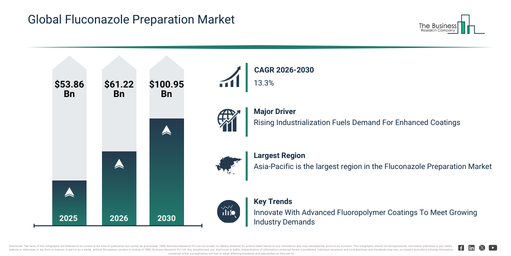
    The fluconazole preparation market size has shown significant expansion in recent times. Its value is anticipated to climb from $53.86 billion in 2025 to $61.22 billion in 2026, achieving a compound annual growth rate (CAGR) of 13.7%. This past growth is largely due to factors such as the limited variety of antifungal drug formulations, the increasing occurrence of fungal infections, a rise in hospital and clinic visits, a dependency on conventional oral antifungals, and an escalating understanding of fluconazole’s effectiveness.

    The fluconazole preparation market is projected to experience substantial expansion in the coming years, anticipated to reach $100.95 billion by 2030, exhibiting a compound annual growth rate (CAGR) of 13.3%. This projected growth stems from several factors, including the creation of innovative formulations such as sustained-release eye drops, the expansion of online pharmacy distribution channels, a rise in the uptake of delayed-release and extended-release tablets, an increase in antifungal treatment awareness initiatives, and growing investments in fluconazole therapies for both pediatric and adult patients. Key trends shaping the forecast period encompass an escalating demand for standard and delayed-release fluconazole capsules, a greater acceptance of extended-release and film-coated tablets, an increase in preservative-free and sustained-release eye drop formulations, the broadened availability of intravenous, topical, and oral suspension fluconazole products, and enhanced distribution networks via hospital, retail, and online pharmacies.

    Download the Free Sample Report to Explore Key Market Insights:

    https://www.thebusinessresearchcompany.com/sample.aspx?id=19442&type=smp

    What Drivers Are Shaping The Future Growth Of The Fluconazole Preparation Market?

    The fluoropolymer coating market is projected to grow, propelled by the rising trend of industrialization. Industrialization involves an economy shifting from being primarily agricultural to focusing on the manufacturing of goods. This growth in industrialization is attributed to technological advancements that enhance production efficiency and economic expansion, which in turn drive investments in manufacturing and infrastructure to meet the increasing global demand for products. Fluoropolymer coatings are vital in supporting industrial processes and fostering advancements across various industrial sectors by providing protection against extreme conditions, reducing maintenance needs, and improving operational efficiency. For instance, in February 2024, the Xinhua News Agency, a China-based government agency, reported that Mexico’s industrial activity increased by 3.5 percent in 2023 compared to the prior year. Thus, the increasing industrialization is a key driver for the fluoropolymer coating market’s growth.

    Which Segment Classifications Shape The Fluconazole Preparation Market?

    The fluconazole preparation market covered in this report is segmented –

    1) By Type: Capsule, Tablet, Eye Drops, Other Types

    2) By Distribution Channel: Hospital Pharmacies, Retail Pharmacies, Online Pharmacies

    3) By Application: Hospital, Clinic, Other Applications

    Subsegments:

    1) By Capsule: Standard Fluconazole Capsules, Delayed-Release Fluconazole Capsules, Liquid-Filled Capsules, Orally Disintegrating Capsules

    2) By Tablet: Standard Fluconazole Tablets, Chewable Tablets, Extended-Release Tablets, Film-Coated Tablets

    3) By Eye Drops: Preservative-Free Eye Drops, Antifungal Eye Drops with Fluconazole, Sustained-Release Eye Drop Formulations

    4) By Other Types: Intravenous (IV) Fluconazole, Topical Fluconazole Creams, Fluconazole Oral Suspension, Fluconazole Suppositories

    How Are Trends Impacting The Fluconazole Preparation Market?

    Leading companies within the fluoropolymer coating market are concentrating on developing novel products, such as high-performance fluoropolymer coatings, to bolster durability and resistance in demanding environments. These advanced protective coatings deliver exceptional resilience against corrosion, chemicals, and extreme temperatures, while also sustaining their longevity and aesthetic appeal. For example, in July 2024, Alfa Chemistry, a US-based supplier of materials chemistry solutions, declared an expansion of its new range of advanced fluoropolymers to augment its product offerings and satisfy the increasing need for high-performance materials across various industries. This strategic growth initiative aims to furnish innovative solutions by leveraging the outstanding attributes of fluoropolymers, including chemical resistance, thermal stability, and low friction. The company positions itself as a complete supplier, capable of supporting applications in crucial sectors such as aerospace, automotive, and chemical processing, by introducing materials like polytetrafluoroethylene (PTFE), polychlorotrifluoroethylene (PCTFE), and ethylene tetrafluoroethylene (ETFE).

    Which Companies Are Expanding Their Footprint In The Fluconazole Preparation Market?

    Major companies operating in the fluconazole preparation market are Pfizer Inc., Bayer AG, Novartis AG, Fresenius Kabi, Viatris Inc., Teva Pharmaceutical Industries Ltd., Yangtze River Pharmaceutical Group Co. Ltd., B. Braun SE, Sun Pharmaceutical Industries Ltd., Strides Pharma Science Ltd., Aurobindo Pharma Limited, Dr. Reddy’s Laboratories, Cipla Limited, Apotex Inc., Sichuan Kelun Pharmaceutical Co. Ltd., Amneal Pharmaceuticals Inc., Lupin Pharmaceuticals Inc., Zydus Group, Hetero Drugs Ltd., Glenmark Pharmaceuticals, Alkem Laboratories Ltd., Torrent Pharmaceuticals Ltd., Alembic Pharmaceuticals Ltd., Medochemie Ltd, Taj Pharmaceuticals Ltd.

    Read the full fluconazole preparation market report here:

    https://www.thebusinessresearchcompany.com/report/fluconazole-preparation-global-market-report

    Which Geographic Regions Are Influencing Demand In The Fluconazole Preparation Market?

    Asia-Pacific was the largest region in the flouropolymer coating market in 2025. Asia-Pacific is expected to be the fastest-growing region in the forecast period. The regions covered in the fluconazole preparation market report are Asia-Pacific, South East Asia, Western Europe, Eastern Europe, North America, South America, Middle East, Africa.

    Request A Tailored Fluconazole Preparation Market Research Report For Competitive Advantage:

    https://www.thebusinessresearchcompany.com/customise?id=19442&type=smp

    Browse Through More Reports Similar to the Global Fluconazole Preparation Market 2026, By The Business Research Company

    Cough And Cold Preparations Market Report 2026

    https://www.thebusinessresearchcompany.com/report/cough-and-cold-preparations-global-market-report

    Hair Preparations Market Report 2026

    https://www.thebusinessresearchcompany.com/report/hair-preparations-global-market-report

    Shaving Preparations Market Report 2026

    https://www.thebusinessresearchcompany.com/report/shaving-preparations-global-market-report

    Get in touch with us:

    The Business Research Company: https://www.thebusinessresearchcompany.com/

    Americas +1 310-496-7795

    Asia +44 7882 955267 & +91 8897263534

    Europe +44 7882 955267

    Email us at info@tbrc.info

    Follow us on:

    LinkedIn: https://in.linkedin.com/company/the-business-research-company

    YouTube: https://www.youtube.com/channel/UC24_fI0rV8cR5DxlCpgmyFQ

    Global Market Model: https://www.thebusinessresearchcompany.com/global-market-model
  • Global Diabetic Foot Ulcer Biologics Market 2026 projected to reach $2.87 billion by 2030 at 8.3% CAGR

    Global Diabetic Foot Ulcer Biologics Market 2026 projected to reach $2.87 billion by 2030 at 8.3% CAGR

    The Business Research Company’s 2026 market reports include new capabilities such as market attractiveness scoring and analysis, total addressable market analysis, company scoring matrix, interactive excel data dashboard, improved supply chain analysis, upcoming startups in the market, and overview of key products, aimed at improving the depth, usability, and strategic value of the insights delivered.

    What Market Value Is Expected For The Diabetic Foot Ulcer Biologics Market At The End Of The 2026–2030 Forecast Period?

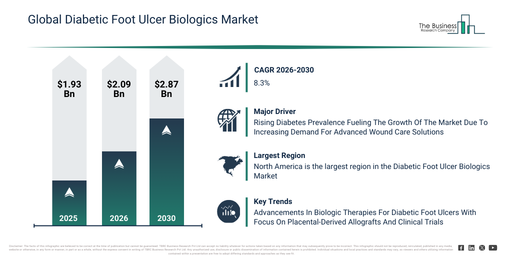
    The diabetic foot ulcer biologics market has experienced strong expansion in recent years. It is forecast to grow from $1.93 billion in 2025 to $2.09 billion in 2026, exhibiting a compound annual growth rate (CAGR) of 8.3%. The growth observed in prior periods can be attributed to the restricted availability of advanced biologics, a continued dependence on conventional wound care treatments, the increasing incidence of diabetes-related foot ulcers, wider adoption by hospitals and clinics, and a lack of standardized treatment protocols.

    The diabetic foot ulcer biologics market is anticipated to experience substantial growth in the upcoming years, with its size projected to reach $2.87 billion by 2030, demonstrating a compound annual growth rate (CAGR) of 8.3%. This expansion during the forecast period can be attributed to several factors such as technological advancements in stem cell and gene therapy, increasing investment in tissue engineering research, a rise in the adoption of autologous and allogeneic cell-based biologics, the expansion of long-term care and ambulatory surgical centers, and growing awareness of personalized wound care solutions. Significant trends foreseen in this period include the increased adoption of stem cell and gene therapies, a surge in the use of collagen-based biologics for wound healing, the broader application of skin substitutes in diabetic foot ulcer management, the integration of advanced tissue engineering techniques, and an escalating focus on personalized and targeted biologics treatments.

    Download the Free Sample Report to Explore Key Market Insights:

    https://www.thebusinessresearchcompany.com/sample.aspx?id=25751&type=smp

    What Drivers Are Shaping The Future Growth Of The Diabetic Foot Ulcer Biologics Market?

    The growing incidence of diabetes is projected to boost the diabetic foot ulcer biologics market in the coming years. Diabetes is a persistent medical condition marked by elevated blood sugar levels, stemming from the body’s impaired ability to produce or effectively utilize insulin. The increase in diabetes cases is linked to sedentary lifestyles, which in turn creates a higher need for sustained care solutions that manage blood sugar efficiently and minimize daily interference. Diabetic foot ulcer biologics play a crucial role in diabetes management by speeding up wound healing, guarding against infections, and decreasing the severity of complications arising from chronic foot ulcers. For example, the International Diabetes Federation (IDF) Atlas, a Belgium-based non-profit organization, reported in April 2025 that in 2024, type 1 diabetes impacted 9.5 million of the 589 million adults living with diabetes, a figure anticipated to climb to 853 million by 2050. Consequently, the increasing prevalence of diabetes is a significant force behind the expansion of the diabetic foot ulcer biologics market.

    What Segment Types Make Up The Diabetic Foot Ulcer Biologics Market?

    The diabetic foot ulcer biologics market covered in this report is segmented –

    1) By Type: Growth Factors, Skin Substitutes, Collagen-Based Biologics, Cell-Based Biologics

    2) By Indication: Neuro-Ischemic Ulcers, Neuropathic Diabetic Foot Ulcer, Ischemic Diabetic Foot Ulcer

    3) By Technology: Gene Therapy, Stem Cell Therapy, Tissue Engineering

    4) By End User: Hospitals, Clinics, Ambulatory Surgical Centers, Long-Term Care Settings, Other End Users

    Subsegments:

    1) By Growth Factors: Platelet-Derived Growth Factor, Epidermal Growth Factor, Fibroblast Growth Factor, Vascular Endothelial Growth Factor

    2) By Skin Substitutes: Synthetic Skin Substitutes, Biological Skin Substitutes, Composite Skin Substitutes

    3) By Collagen-Based Biologics: Bovine-Derived Collagen, Porcine-Derived Collagen, Human-Derived Collagen

    4) By Cell-Based Biologics: Autologous Cell-Based Biologics, Allogeneic Cell-Based Biologics, Stem Cell-Based Biologics

    Which Market Trends Are Creating New Opportunities In The Diabetic Foot Ulcer Biologics Market?

    Leading companies in the diabetic foot ulcer biologics market are concentrating on research and development in biologic therapies, such as placental-derived allograft, with the goal of enhancing wound healing, mitigating complications, and improving patient outcomes in the management of chronic foot ulcers. A placental-derived allograft is a biological tissue graft sourced from donated human placental tissues, including the amnion or chorion, and applied in medical contexts to facilitate healing, diminish inflammation, and support tissue regeneration. For instance, in January 2025, BioStem Technologies Inc., a US-based pharmaceutical company, commenced a clinical trial employing its BioREtain technology alongside Vendaje for treating diabetic foot ulcers. This investigation contrasts Vendaje combined with standard care against standard care alone to demonstrate its efficacy in healing non-healing diabetic foot ulcers. It also features a follow-up phase to evaluate the long-term durability and stability of healed wounds, ensuring sustained treatment success and reducing the risk of ulcer recurrence.

    Who Are The Key Players Driving Competition In The Diabetic Foot Ulcer Biologics Market?

    Major companies operating in the diabetic foot ulcer biologics market are Smith & Nephew plc, Integra LifeSciences Holdings Corp., Organogenesis Holdings Inc., MIMEDX Group Inc., LifeNet Health, Aroa Biosurgery, Tissue Regenix Group plc, Stempeutics Research, ACell Inc.,

    Read the full diabetic foot ulcer biologics market report here:

    https://www.thebusinessresearchcompany.com/report/diabetic-foot-ulcer-biologics-global-market-report

    Which Geographic Regions Are Influencing Demand In The Diabetic Foot Ulcer Biologics Market?

    North America was the largest region in the diabetic foot ulcer biologics market in 2025. Asia-Pacific is expected to be the fastest-growing region in the forecast period. The regions covered in the diabetic foot ulcer biologics market report are Asia-Pacific, South East Asia, Western Europe, Eastern Europe, North America, South America, Middle East, Africa.

    Request A Tailored Diabetic Foot Ulcer Biologics Market Research Report For Competitive Advantage:

    https://www.thebusinessresearchcompany.com/customise?id=25751&type=smp

    Browse Through More Reports Similar to the Global Diabetic Foot Ulcer Biologics Market 2026, By The Business Research Company

    Diabetic Foot Ulcer Market Report 2026

    https://www.thebusinessresearchcompany.com/report/diabetic-foot-ulcer-global-market-report

    Diabetic Foot Ulcer Treatment Market Report 2026

    https://www.thebusinessresearchcompany.com/report/diabetic-foot-ulcer-treatment-global-market-report

    Diabetic Footwear Market Report 2026

    https://www.thebusinessresearchcompany.com/report/diabetic-footwear-global-market-report

    Get in touch with us:

    The Business Research Company: https://www.thebusinessresearchcompany.com/

    Americas +1 310-496-7795

    Asia +44 7882 955267 & +91 8897263534

    Europe +44 7882 955267

    Email us at info@tbrc.info

    Follow us on:

    LinkedIn: https://in.linkedin.com/company/the-business-research-company

    YouTube: https://www.youtube.com/channel/UC24_fI0rV8cR5DxlCpgmyFQ

    Global Market Model: https://www.thebusinessresearchcompany.com/global-market-model
  • Fill-Finish Pharmaceutical Contract Manufacturing Market 2026 benefiting from outsourcing trends

    Fill-Finish Pharmaceutical Contract Manufacturing Market 2026 benefiting from outsourcing trends

    The Business Research Company’s 2026 market reports include new capabilities such as market attractiveness scoring and analysis, total addressable market analysis, company scoring matrix, interactive excel data dashboard, improved supply chain analysis, upcoming startups in the market, and overview of key products, aimed at improving the depth, usability, and strategic value of the insights delivered.

    What Market Size Growth Is Projected For The Fill-Finish Pharmaceutical Contract Manufacturing Market During The Forecast Period 2026–2030?

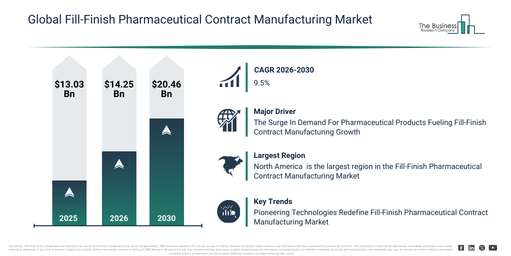
    The fill-finish pharmaceutical contract manufacturing market size has experienced robust expansion in recent years. This market is projected to expand from $13.03 billion in 2025 to $14.25 billion in 2026, demonstrating a compound annual growth rate (CAGR) of 9.3%. The historical growth observed in this sector is primarily driven by factors such as an increasing demand for outsourced pharmaceutical manufacturing, constraints in internal fill-finish capabilities, the uptick in biologics and vaccine production, financial pressures on pharmaceutical companies, and the expansion of sterile manufacturing facilities.

    The fill-finish pharmaceutical contract manufacturing market size is anticipated to experience robust expansion over the coming years. It is projected to escalate to $20.46 billion by 2030, achieving a compound annual growth rate (CAGR) of 9.5%. This growth throughout the forecast period is primarily driven by the increasing integration of prefilled syringes and vials, the expanding global biologics market, advancements in fill-finish technologies, the extension of contract manufacturing into emerging markets, and more stringent regulatory mandates for sterile production. Noteworthy trends expected during this period include the broadening reach of contract manufacturing, a rise in biologics output, widespread adoption of prefilled syringes, enhanced cold chain logistics, and a strong focus on regulatory compliance and quality assurance.

    Download the Free Sample Report to Explore Key Market Insights:

    https://www.thebusinessresearchcompany.com/sample.aspx?id=12056&type=smp

    Which Economic Or Industry Drivers Are Impacting The Fill-Finish Pharmaceutical Contract Manufacturing Market?

    The increasing demand for pharmaceutical products is projected to boost the growth of the fill-finish pharmaceutical contract manufacturing market moving forward. Pharmaceutical products refer to medications or drugs specifically formulated to diagnose, prevent, treat, or cure diseases or medical conditions in humans or animals. Fill-finish pharmaceutical contract manufacturing is a vital service employed for the aseptic filling of injectables, biologics, and other pharmaceutical products, ensuring accuracy, regulatory compliance, and streamlined manufacturing processes while upholding product quality. For instance, in June 2023, according to the European Federation of Pharmaceutical Industries and Associations (EFPIA), a Belgium-based trade association that represents the pharmaceutical industry in Europe, the total pharmaceutical production in Europe accounted for €390,000 million ($422,803 million) in 2023, up from €363,300 million ($393,857 million) in 2022. Therefore, the escalating demand for pharmaceutical products is driving the growth of the fill-finish pharmaceutical contract manufacturing market.

    What Market Segments Are Evaluated Within The Fill-Finish Pharmaceutical Contract Manufacturing Market?

    The fill-finish pharmaceutical contract manufacturing market covered in this report is segmented –

    1) By Product Type: Prefilled Syringes, Vials, Cartridges, Other Products

    2) By Molecule Type: Large Molecules, Small Molecules

    3) By End-User: Biopharmaceutical Companies, Pharmaceutical Companies

    Subsegments:

    1) By Prefilled Syringes: Glass Prefilled Syringes, Plastic Prefilled Syringes

    2) By Vials: Glass Vials, Plastic Vials

    3) By Cartridges: Glass Cartridges, Plastic Cartridges

    4) By Other Products: Ampoules, Blisters, Pouches

    What Industry Trends Are Redefining The Fill-Finish Pharmaceutical Contract Manufacturing Market?

    Leading companies within the fill-finish pharmaceutical contract manufacturing market are concentrating on groundbreaking advancements, such as automated aseptic micro-batch filling systems. This focus is intended to improve production accuracy, mitigate contamination dangers, and permit greater adaptability in processing various drug formulations. These automated aseptic micro-batch filling systems represent sophisticated, robotics-driven platforms that execute high-precision filling and finishing tasks in regulated environments. They work to minimize human involvement while simultaneously boosting reproducibility, guaranteeing sterility, and enhancing throughput efficiency. As an illustration, in January 2023, Steriline s.r.l., an Italy-based supplier known for aseptic solutions, unveiled robotic technologies specifically for small-batch aseptic filling. These offered increased safety and flexibility for manufacturing both toxic and non-toxic pharmaceutical drugs. The design of these innovative robotic systems aims to lessen the chance of human error, elevate overall product quality, and optimize operational efficiency.

    Who Are The Top Market Participants Influencing The Fill-Finish Pharmaceutical Contract Manufacturing Market?

    Major companies operating in the fill-finish pharmaceutical contract manufacturing market are Thermo Fisher Scientific Inc., Fresenius Kabi, Eurofins Scientific SE, Lonza Group Ltd., Catalent Inc., West Pharmaceutical Services Inc., Patheon, Samsung Biologics Co.Ltd., WuXi Biologics, Piramal Pharma Solutions, Pfizer CentreOne, Recipharm AB, Emergent BioSolutions Inc., Boehringer Ingelheim BioXcellence, Corden Pharma GmbH, Aenova Group, Baxter BioPharma Solutions, FUJIFILM Diosynth Biotechnologies, AGC Biologics, Rentschler Biopharma SE, Recro Pharma Inc., Cobra Biologics Limited, Grand River Aseptic Manufacturing (GRAM), MabPlex International Ltd., Cerbios-Pharma SA, Symbiosis Pharmaceutical Services Limited

    Read the full fill-finish pharmaceutical contract manufacturing market report here:

    https://www.thebusinessresearchcompany.com/report/fill-finish-pharmaceutical-contract-manufacturing-global-market-report

    What Are The Top-Performing Regions Within The Fill-Finish Pharmaceutical Contract Manufacturing Market?

    North America was the largest region in the fill-finish pharmaceutical contract manufacturing market in 2025. Asia-Pacific is expected to be the fastest-growing region in the forecast period. The regions covered in the fill-finish pharmaceutical contract manufacturing market report are Asia-Pacific, South East Asia, Western Europe, Eastern Europe, North America, South America, Middle East, Africa.

    Request A Tailored Fill-Finish Pharmaceutical Contract Manufacturing Market Research Report For Competitive Advantage:

    https://www.thebusinessresearchcompany.com/customise?id=12056&type=smp

    Browse Through More Reports Similar to the Global Fill-Finish Pharmaceutical Contract Manufacturing Market 2026, By The Business Research Company

    Fill Finish Pharmaceutical Contract Manufacturing Market Report 2026

    https://www.thebusinessresearchcompany.com/report/fill-finish-pharmaceutical-contract-manufacturing-global-market-report

    Pharmaceutical Fill And Finish Outsourcing Market Report 2026

    https://www.thebusinessresearchcompany.com/report/pharmaceutical-fill-and-finish-outsourcing-global-market-report

    Fill Finish Manufacturing Market Report 2026

    https://www.thebusinessresearchcompany.com/report/fill-finish-manufacturing-global-market-report

    Get in touch with us:

    The Business Research Company: https://www.thebusinessresearchcompany.com/

    Americas +1 310-496-7795

    Asia +44 7882 955267 & +91 8897263534

    Europe +44 7882 955267

    Email us at info@tbrc.info

    Follow us on:

    LinkedIn: https://in.linkedin.com/company/the-business-research-company

    YouTube: https://www.youtube.com/channel/UC24_fI0rV8cR5DxlCpgmyFQ

    Global Market Model: https://www.thebusinessresearchcompany.com/global-market-model
  • Diabetes Therapeutics Market 2026 expanding toward $278.96 billion by 2030

    Diabetes Therapeutics Market 2026 expanding toward $278.96 billion by 2030

    The Business Research Company’s 2026 market reports include new capabilities such as market attractiveness scoring and analysis, total addressable market analysis, company scoring matrix, interactive excel data dashboard, improved supply chain analysis, upcoming startups in the market, and overview of key products, aimed at improving the depth, usability, and strategic value of the insights delivered.

    What Is The Estimated Market Size Of The Diabetes Therapeutics Market During 2026–2030?

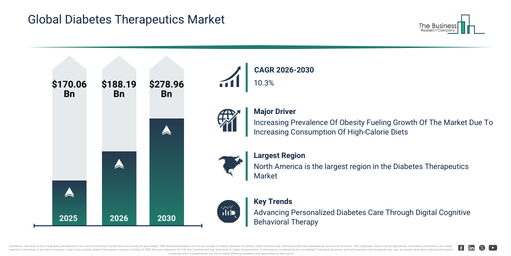
    The diabetes therapeutics market has expanded swiftly in recent years. It is anticipated to increase from $170.06 billion in 2025 to $188.19 billion in 2026, exhibiting a compound annual growth rate (CAGR) of 10.7%. The expansion observed historically can be linked to the limited access to advanced therapeutic options, a reliance on conventional oral anti-diabetic drugs, inadequate awareness of preventive healthcare, restricted distribution channels, and the increasing burden of type 2 diabetes.

    The diabetes therapeutics market size is projected to undergo significant expansion in the upcoming years. It is expected to reach $278.96 billion by 2030, demonstrating a compound annual growth rate (CAGR) of 10.3%. This anticipated growth can be attributed to several factors including the development of novel insulin analogs, the increasing availability of combination therapies, the widespread adoption of digital diabetes management tools, enhancements in healthcare infrastructure for diabetes care, and the integration of telemedicine and remote monitoring services. Prominent trends observed during this forecast period include the rising global prevalence of diabetes, the increasing uptake of glp-1 receptor agonists and sglt-2 inhibitors, the broadening reach of online and retail pharmacies, an intensified focus on personalized diabetes management, and improved awareness regarding preventive care and early diagnosis.

    Download the Free Sample Report to Explore Key Market Insights:

    https://www.thebusinessresearchcompany.com/sample.aspx?id=25749&type=smp

    Which Economic Or Industry Drivers Are Impacting The Diabetes Therapeutics Market?

    The growing occurrence of obesity is projected to boost the expansion of the diabetes therapeutics market in the future. Obesity, characterized by an unhealthy excess of fat, poses a significant health hazard and stands as a primary risk factor for type 2 diabetes. The heightened incidence of obesity stems from a greater intake of high-calorie foods, as more individuals consume processed and fast foods rich in sugar and fat, coupled with reduced physical activity, resulting in substantial weight gain. Diabetes therapeutics aid in the management of obesity by enhancing blood sugar regulation and assisting with weight loss, utilizing medications like GLP-1 receptor agonists that diminish appetite and decelerate digestion, thereby improving the overall metabolic health of obese individuals. For example, a report released in May 2024 by the Office for Health Improvement and Disparities, a UK-based government department, indicated that from 2022 to 2023, roughly 64% of adults aged 18 and above were categorized as overweight or obese, representing an increase from the 63.8% recorded in the preceding year. Consequently, the rising occurrence of obesity is fueling the growth of the diabetes therapeutics market.

    How Are The Various Segments Of The Diabetes Therapeutics Market Categorized?

    The diabetes therapeutics market covered in this report is segmented –

    1) By Drug: Oral Anti-Diabetic Drugs, Insulin, Non-Insulin Injectable Drug, Combination Drug

    2) By Type: Diabetes 1, Diabetes 2

    3) By Route Of Administration: Oral, Subcutaneous, Intravenous

    4) By Distribution Channel: Online Pharmacies, Hospital Pharmacies, Retail Pharmacies

    5) By Application: Preventive, Treatment Or Care

    Subsegments:

    1) By Oral Anti-Diabetic Drugs: Biguanides, Sulfonylureas, DPP-4 Inhibitors, SGLT-2 Inhibitors, Thiazolidinediones, Meglitinides, Alpha-Glucosidase Inhibitors

    2) By Insulin: Rapid-Acting Insulin, Short-Acting Insulin, Intermediate-Acting Insulin, Long-Acting Insulin, Premixed Insulin

    3) By Non-Insulin Injectable Drug: GLP-1 Receptor Agonists, Amylin Analogs

    4) By Combination Drug: Oral Combination Therapies, Oral and Injectable Combination Therapies

    What Trends Are Affecting The Expansion Of The Diabetes Therapeutics Market?

    Leading companies within the diabetes therapeutics market are prioritizing the development of innovative approaches, such as cognitive behavioral therapy (CBT), to enhance customized diabetes care and improve glycemic control for individuals with type 2 diabetes. Cognitive behavioral therapy (CBT) is defined as a structured, empirically supported psychological intervention that assists people in recognizing and altering detrimental thought processes and actions. An illustrative example occurred in October 2023, when Better Therapeutics Inc., a digital therapeutics company based in the US, introduced AspyreRx, a digital application designed for diabetes therapy. AspyreRx, which secured FDA authorization for addressing type 2 diabetes, delivers personalized cognitive behavioral therapy (CBT) to patients 18 and older to encourage behavioral modifications that enhance diabetes management. Previously known as BT-001, AspyreRx showed statistically and clinically notable, lasting decreases in A1c when compared to standard care, alongside improvements in blood pressure, weight, mood, and overall quality of life during a randomized controlled trial.

    Which Major Firms Influence Developments In The Diabetes Therapeutics Market?

    Major companies operating in the diabetes therapeutics market are Pfizer Inc., Merck & Co Inc., Novartis AG, Sanofi S.A., AstraZeneca PLC, Takeda Pharmaceutical Company Limited, Eli Lilly and Company, Novo Nordisk A/S, Boehringer Ingelheim International GmbH, Biocon Biologics Limited, MannKind Corporation, Lexicon Pharmaceuticals Inc., Adocia S.A., Oramed Pharmaceuticals Inc.

    Read the full diabetes therapeutics market report here:

    https://www.thebusinessresearchcompany.com/report/diabetes-therapeutics-global-market-report

    What Are The Top-Performing Regions Within The Diabetes Therapeutics Market?

    North America was the largest region in the diabetes therapeutics market in 2025. Asia-Pacific is expected to be the fastest-growing region in the forecast period. The regions covered in the diabetes therapeutics market report are Asia-Pacific, South East Asia, Western Europe, Eastern Europe, North America, South America, Middle East, Africa.

    Request A Tailored Diabetes Therapeutics Market Research Report For Competitive Advantage:

    https://www.thebusinessresearchcompany.com/customise?id=25749&type=smp

    Browse Through More Reports Similar to the Global Diabetes Therapeutics Market 2026, By The Business Research Company

    Antidiabetics Market Report 2026

    https://www.thebusinessresearchcompany.com/report/antidiabetics-global-market-report

    Non Insulin Therapies For Diabetes Market Report 2026

    https://www.thebusinessresearchcompany.com/report/non-insulin-therapies-for-diabetes-global-market-report

    Antidiabetics Market Report 2026

    https://www.thebusinessresearchcompany.com/report/antidiabetics-global-market-report

    Get in touch with us:

    The Business Research Company: https://www.thebusinessresearchcompany.com/

    Americas +1 310-496-7795

    Asia +44 7882 955267 & +91 8897263534

    Europe +44 7882 955267

    Email us at info@tbrc.info

    Follow us on:

    LinkedIn: https://in.linkedin.com/company/the-business-research-company

    YouTube: https://www.youtube.com/channel/UC24_fI0rV8cR5DxlCpgmyFQ

    Global Market Model: https://www.thebusinessresearchcompany.com/global-market-model
  • Global Filgrastim Biosimilars Market 2026–2035 expanding with cost-effective therapies

    Global Filgrastim Biosimilars Market 2026–2035 expanding with cost-effective therapies

    The Business Research Company’s 2026 market reports include new capabilities such as market attractiveness scoring and analysis, total addressable market analysis, company scoring matrix, interactive excel data dashboard, improved supply chain analysis, upcoming startups in the market, and overview of key products, aimed at improving the depth, usability, and strategic value of the insights delivered.

    How Will The Market Size Of The Filgrastim Biosimilars Market Evolve From 2026 To 2030?

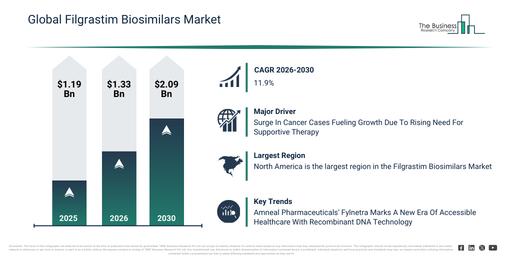
    The filgrastim biosimilars market has experienced rapid expansion over recent years. This market is projected to expand from $1.19 billion in 2025 to $1.33 billion in 2026, demonstrating a compound annual growth rate (CAGR) of 11.5%. Historically, this growth can be ascribed to several factors, including the elevated cost of originator filgrastim, the rising incidence of cancer and blood disorders, restricted access to biologics in developing areas, expanding hospital infrastructure, and the timely approval of biosimilars by regulatory bodies.

    The filgrastim biosimilars market is projected to expand significantly over the coming years. This market is anticipated to reach a value of $2.09 billion by 2030, demonstrating a compound annual growth rate (CAGR) of 11.9%. Key factors driving this expansion during the forecast period include the introduction of advanced filgrastim biosimilars, an increase in contract manufacturing collaborations, greater uptake in the management of chronic and autoimmune conditions, enhanced government backing and favorable reimbursement frameworks, and the evolution of distribution and delivery systems focused on patients. Significant developments expected in this timeframe involve the growing use of filgrastim biosimilars in cancer and blood disorder therapies, the enlargement of contract manufacturing organizations dedicated to biosimilar production, a rise in the utilization of internal vertically integrated manufacturing sites, a stronger inclination towards hospital and retail pharmacy distribution routes, and a strategic emphasis on affordable biologics and market penetration in developing regions.

    Download the Free Sample Report to Explore Key Market Insights:

    https://www.thebusinessresearchcompany.com/sample.aspx?id=4016&type=smp

    What Major Drivers Are Influencing Demand In The Filgrastim Biosimilars Market?

    The increasing occurrence of cancer is projected to propel the expansion of the filgrastim biosimilars market in the future. Cancer encompasses a range of illnesses characterized by the unchecked proliferation and dissemination of atypical cells within the body, stemming from genetic alterations that impair typical cellular control. The rising rate of cancer diagnoses can be partially attributed to the aging global population, as extended lifespans correlate with an elevated probability of developing cancer-causing genetic mutations. Filgrastim biosimilars assist individuals with cancer by stimulating the generation of white blood cells, thereby lowering the danger of neutropenia caused by chemotherapy, and facilitating more secure and uninterrupted cancer therapies. For example, data from October 2025, reported by the National Health Service (NHS), a UK-based government health agency, indicated 354,820 new cancer diagnoses in 2023, averaging 972 cases daily, which represented an increase of 8,605 compared to 2022. Consequently, the growing prevalence of cancer is actively driving the filgrastim biosimilars market.

    Which Segment Areas Are Covered In The Filgrastim Biosimilars Market Analysis?

    The filgrastim biosimilars market covered in this report is segmented –

    1) By Type Of Manufacturing: In-House Manufacturing, Contract Manufacturing organization

    2) By Application: Oncology, Chronic And Autoimmune Diseases, Blood Disorders, Other Applications

    3) By Distribution Channel: Hospital Pharmacy, Retail Pharmacy, Online Pharmacy

    Subsegments:

    1) By In-House Manufacturing: Proprietary In-House Manufacturing Facilities, Company-Owned Production Plants, Vertically Integrated Manufacturing

    2) By Contract Manufacturing Organization: Full-Service Contract Manufacturing, Fill and Finish Services, API (Active Pharmaceutical Ingredient) Manufacturing, Specialized Biosimilar Manufacturing Services

    What Key Developments And Trends Are Impacting The Filgrastim Biosimilars Market?

    Prominent companies in the filgrastim biosimilar market are creating innovative products utilizing advanced technologies, such as recombinant DNA technology, for biosimilar manufacturing. Recombinant DNA technology is a procedure characterized by the formation of hybrid or chimeric DNA through the insertion of an external sequence into an organism’s DNA. For example, Amneal Pharmaceuticals, a US-based pharmaceutical firm, introduced FYLNETRA (pegfilgrastim-pbbk) in the United States in May 2023. This product, a biosimilar to Amgen’s NEULASTA, is indicated for managing and preventing febrile neutropenia. It encourages the proliferation and specialization of neutrophils originating from specific precursor cells, initiates their maturation, and enhances the vitality and performance of developed neutrophils, leading to increases in neutrophil counts proportional to the dosage. The release of Fylnetra contributes to the next generation of affordable medications and expands access for patients, providers, and payors alike.

    Which Global Companies Are Actively Competing In The Filgrastim Biosimilars Market?

    Major companies operating in the filgrastim biosimilars market are Teva Pharmaceutical Industries Ltd, Biocon Limited, Intas Biopharmaceuticals, Dr. Reddy’s Laboratories, Cadila Healthcare Ltd, Reliance Life Science Pvt. Ltd, Gennova Biopharmaceuticals (Emcure), Sandoz Pty Ltd, Mylan, Lupin Limited, Coherus Biosciences Inc., Tonghua Dongbaoare, Adello Biologics, Apobiologix (Apotex), Hospira, Tanvex BioPharma.

    Read the full filgrastim biosimilars market report here:

    https://www.thebusinessresearchcompany.com/report/filgrastim-biosimilar-global-market-report

    Which Region Shows The Strongest Potential For Future Growth In The Filgrastim Biosimilars Market?

    North America was the largest region in the filgrastim biosimilar markets market in 2025. Middle East is expected to be the fastest growing region in the global filgrastim biosimilar markets market during the forecast period. The regions covered in the filgrastim biosimilars market report are Asia-Pacific, South East Asia, Western Europe, Eastern Europe, North America, South America, Middle East, Africa.

    Request A Tailored Filgrastim Biosimilars Market Research Report For Competitive Advantage:

    https://www.thebusinessresearchcompany.com/customise?id=4016&type=smp

    Browse Through More Reports Similar to the Global Filgrastim Biosimilars Market 2026, By The Business Research Company

    Neutropenia Biologic Drug Treatments Market Report 2026

    https://www.thebusinessresearchcompany.com/report/neutropenia-biologic-drug-treatments-global-market-report

    G Csf Market Report 2026

    https://www.thebusinessresearchcompany.com/report/g-csf-global-market-report

    Pegfilgrastim Biosimilar Market Report 2026

    https://www.thebusinessresearchcompany.com/report/pegfilgrastim-biosimilar-global-market-report

    Get in touch with us:

    The Business Research Company: https://www.thebusinessresearchcompany.com/

    Americas +1 310-496-7795

    Asia +44 7882 955267 & +91 8897263534

    Europe +44 7882 955267

    Email us at info@tbrc.info

    Follow us on:

    LinkedIn: https://in.linkedin.com/company/the-business-research-company

    YouTube: https://www.youtube.com/channel/UC24_fI0rV8cR5DxlCpgmyFQ

    Global Market Model: https://www.thebusinessresearchcompany.com/global-market-model
  • Diabetes Care Drugs Market 2026 expected to reach $95.13 billion by 2030 with 5.2% CAGR

    Diabetes Care Drugs Market 2026 expected to reach $95.13 billion by 2030 with 5.2% CAGR

    The Business Research Company’s 2026 market reports include new capabilities such as market attractiveness scoring and analysis, total addressable market analysis, company scoring matrix, interactive excel data dashboard, improved supply chain analysis, upcoming startups in the market, and overview of key products, aimed at improving the depth, usability, and strategic value of the insights delivered.

    What Market Size Expansion Is Predicted For The Diabetes Care Drugs Market Between 2026 And 2030?

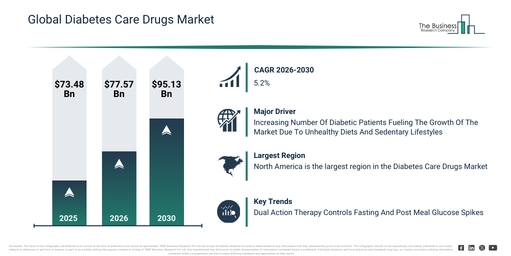
    The diabetes care drugs market size has experienced significant expansion in recent years. It is projected to increase from $73.48 billion in 2025 to $77.57 billion in 2026, exhibiting a compound annual growth rate (CAGR) of 5.6%. The historical growth of this market stemmed from factors such as the limited availability of advanced insulin formulations, growing awareness of diabetes management, rising healthcare infrastructure, a reliance on oral antidiabetic drugs, and an increasing incidence of type 2 diabetes.

    The diabetes care drugs market size is anticipated to experience substantial expansion in the coming years. It is projected to climb to $95.13 billion in 2030, demonstrating a compound annual growth rate (CAGR) of 5.2%. This expected growth during the forecast period is driven by the emergence of new GLP-1 receptor agonists, the increasing use of SGLT-2 inhibitors, a wider array of injectable and inhalable drug choices, the rise of home-based diabetes care solutions, and the incorporation of digital health monitoring systems. Significant developments characterizing this period include the escalating global prevalence of diabetes, a greater embrace of combination treatment approaches, advancements in personalized diabetes management, the enlargement of specialty pharmacies and hospital distribution networks, and a concentrated effort on developing extended-release and more patient-friendly drug formulations.

    Download the Free Sample Report to Explore Key Market Insights:

    https://www.thebusinessresearchcompany.com/sample.aspx?id=25748&type=smp

    What Major Drivers Are Influencing Demand In The Diabetes Care Drugs Market?

    A growing population of individuals with diabetes is projected to fuel the expansion of the diabetes care drugs market in the foreseeable future. These are individuals diagnosed with diabetes mellitus, a chronic condition impacting the body’s ability to process blood sugar, or glucose. This rise in diabetic patients is primarily attributable to unhealthy dietary habits and inactive lifestyles, which contribute to obesity and insulin resistance. Diabetes care drugs are crucial for effective management of blood glucose levels in these patients, thereby playing a vital role in controlling both type 1 and type 2 diabetes. By stabilizing sugar levels, these medications help prevent complications, enhance overall health, and improve quality of life. For instance, data from June 2024, provided by the UK-based government department, the National Health Service, indicated that 3,615,330 individuals registered with a general practitioner (GP) were identified with non-diabetic hyperglycemia or pre-diabetes in 2023. This represented an 18% increase from the 3,065,825 cases recorded in 2022. Consequently, the growing population of diabetic patients is stimulating the expansion of the diabetes care drugs market.

    Which Market Segments Are Examined In The Diabetes Care Drugs Market Study?

    The diabetes care drugs market covered in this report is segmented –

    1) By Drug Class: Insulin, Biguanides, Sulfonylureas, Dipeptidyl Peptidase (DPP)-4 Inhibitors, Sodium-Glucose Co-Transporter (SGLT)-2 Inhibitors, Glucagon-Like Peptide (GLP)-1 Receptor Agonists, Thiazolidinediones, Alpha-Glucosidase Inhibitors

    2) By Formulation Type: Tablets, Injections, Solutions, Gels, Extended-Release Formulations

    3) By Administration Route: Oral, Injectable, Inhalable

    4) By Condition: Diabetes Type 1, Diabetes Type 2

    5) By Distribution Channel: Hospital Pharmacies, Specialty Pharmacies

    Subsegments:

    1) By Insulin: Rapid-acting insulin, Short-acting insulin, Intermediate-acting insulin, Long-acting insulin, Pre-mixed insulin

    2) By Biguanides: Metformin Immediate Release (IR), Metformin Extended Release (ER)

    3) By Sulfonylureas: First-generation sulfonylureas, Second-generation sulfonylureas

    4) By Dipeptidyl Peptidase (DPP)-4 Inhibitors: Sitagliptin, Saxagliptin, Linagliptin, Alogliptin

    5) By Sodium-Glucose Co-Transporter (SGLT)-2 Inhibitors: Canagliflozin, Dapagliflozin, Empagliflozin, Ertugliflozin

    6) By Glucagon-Like Peptide (GLP)-1 Receptor Agonists: Exenatide, Liraglutide, Dulaglutide, Semaglutide, Lixisenatide

    7) By Thiazolidinediones (TZDs): Pioglitazone, Rosiglitazone

    8) By Alpha-Glucosidase Inhibitors: Acarbose, Miglitol

    Which Trends Are Influencing The Diabetes Care Drugs Market?

    Leading firms in the diabetes care drugs market are prioritizing the creation of innovative treatments, including fixed-ratio combination therapies, with the goals of improving glycemic management, boosting patient compliance, and streamlining treatment protocols. These fixed-ratio combination therapies are defined as medicines that integrate two synergistic antidiabetic agents into a singular injection, presenting a more convenient and efficacious method for diabetes management. As an illustration, in April 2024, Sanofi SA, a pharmaceutical firm based in France, introduced Soliqua, a once-daily fixed-ratio blend of insulin glargine and lixisenatide, specifically formulated for adults suffering from type 2 diabetes and obesity. Soliqua integrates long-acting insulin glargine, which ensures consistent fasting glucose regulation, with lixisenatide, a GLP-1 receptor agonist. This formulation improves glucose-dependent insulin release, inhibits glucagon generation, and decelerates gastric emptying, leading to lower post-meal blood sugar levels and thus providing thorough daily glycemic oversight. The introduction of Soliqua seeks to simplify the management of diabetes, optimize glycemic control, and strengthen patient adherence by reducing the necessity for numerous daily injections and mitigating possible adverse effects like hypoglycemia and weight gain.

    Who Are The Primary Competitors In The Diabetes Care Drugs Market?

    Major companies operating in the diabetes care drugs market are Johnson & Johnson, Merck & Co. Inc., Bayer AG, Sanofi S.A., Bristol-Myers Squibb Company, AstraZeneca plc, Eli Lilly and Company, Teva Pharmaceuticals Limited, Astellas Pharma Inc., Sun Pharmaceutical Industries Ltd., Aurobindo Pharma Limited, Dr. Reddy’s Laboratories, Cipla Limited, Lupin Limited, Takeda Pharmaceutical Company Limited, Biocon Limited, Glenmark Pharmaceuticals Limited, Torrent Pharmaceuticals Ltd., Hanmi Pharmaceutical Limited, Wockhardt, Mitsubishi Tanabe Pharma, Gan & Lee Pharmaceuticals, Apotex.

    Read the full diabetes care drugs market report here:

    https://www.thebusinessresearchcompany.com/report/diabetes-care-drugs-global-market-report

    Which Region Shows The Strongest Potential For Future Growth In The Diabetes Care Drugs Market?

    North America was the largest region in the diabetes care drugs market in 2025. Asia-Pacific is expected to be the fastest-growing region in the forecast period. The regions covered in the diabetes care drugs market report are Asia-Pacific, South East Asia, Western Europe, Eastern Europe, North America, South America, Middle East, Africa.

    Request A Tailored Diabetes Care Drugs Market Research Report For Competitive Advantage:

    https://www.thebusinessresearchcompany.com/customise?id=25748&type=smp

    Browse Through More Reports Similar to the Global Diabetes Care Drugs Market 2026, By The Business Research Company

    Antidiabetics Market Report 2026

    https://www.thebusinessresearchcompany.com/report/antidiabetics-global-market-report

    Diabetes Care Devices Market 2026

    https://www.thebusinessresearchcompany.com/report/diabetes-care-devices-market

    Antidiabetics Market Report 2026

    https://www.thebusinessresearchcompany.com/report/antidiabetics-global-market-report

    Get in touch with us:

    The Business Research Company: https://www.thebusinessresearchcompany.com/

    Americas +1 310-496-7795

    Asia +44 7882 955267 & +91 8897263534

    Europe +44 7882 955267

    Email us at info@tbrc.info

    Follow us on:

    LinkedIn: https://in.linkedin.com/company/the-business-research-company

    YouTube: https://www.youtube.com/channel/UC24_fI0rV8cR5DxlCpgmyFQ

    Global Market Model: https://www.thebusinessresearchcompany.com/global-market-model
  • Fibroblast Activation Protein Inhibitors Market 2026 gaining traction in oncology

    Fibroblast Activation Protein Inhibitors Market 2026 gaining traction in oncology

    The Business Research Company’s 2026 market reports include new capabilities such as market attractiveness scoring and analysis, total addressable market analysis, company scoring matrix, interactive excel data dashboard, improved supply chain analysis, upcoming startups in the market, and overview of key products, aimed at improving the depth, usability, and strategic value of the insights delivered.

    What Is The Forecasted Market Value Of The Fibroblast Activation Protein Inhibitors Market Across 2026–2030?

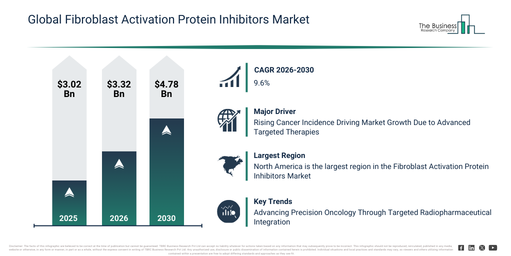
    The fibroblast activation protein inhibitors market size has experienced strong growth in recent years. It is forecast to grow from $3.02 billion in 2025 to $3.32 billion in 2026, achieving a compound annual growth rate (CAGR) of 9.9%. The expansion observed in the historic period can be attributed to the prevalence of fibrotic diseases, unmet medical needs, advancements in pharmaceutical R&D, the provision of hospital specialty care, and the ongoing evolution of biologics.

    The market size for fibroblast activation protein inhibitors is projected to experience robust expansion over the coming years. This market is anticipated to reach $4.78 billion by 2030, exhibiting a compound annual growth rate (CAGR) of 9.6%. Factors contributing to this growth during the forecast period include the increasing demand for precision therapeutics, the expansion of clinical trials, the rising burden of chronic diseases, the approval of targeted drugs, and the growth of specialty pharmacies. Key trends identified for the forecast period encompass a heightened emphasis on anti-fibrotic therapies, the proliferation of targeted small molecule drugs, advancements in chronic inflammatory disease research, the growing adoption of precision medicine, and the expansion of the drug pipeline for fibrosis indications.

    Download the Free Sample Report to Explore Key Market Insights:

    https://www.thebusinessresearchcompany.com/sample.aspx?id=24536&type=smp

    Which Market Drivers Are Supporting The Expansion Of The Fibroblast Activation Protein Inhibitors Market?

    The rising occurrence of cancer is projected to fuel the expansion of the fibroblast activation protein inhibitors market moving forward. Cancer is defined as a condition marked by the uncontrolled proliferation of atypical cells, capable of invading and spreading to other parts of the body, originating in various tissues and organs, and categorized based on its cellular or tissue origin. The escalating incidence of cancer is attributed to an aging populace, shifts in lifestyle, environmental influences, and improved screening methods. Fibroblast activation protein inhibitors are utilized in cancer treatment to specifically target and disrupt fibroblasts that support tumors, thereby boosting the efficacy of diagnostic imaging and the delivery of therapies. For example, in August 2024, data from Macmillan Cancer Support, a charitable organization in the UK dedicated to supporting cancer patients, indicated that over 3 million individuals in the UK are living with cancer in 2024; this figure is anticipated to climb to 3.5 million by 2025, 4 million by 2030, and 5.3 million by 2040. Consequently, the increasing prevalence of cancer is a key factor driving the growth of the fibroblast activation protein inhibitors market.

    What Segmentation Levels Are Considered In The Fibroblast Activation Protein Inhibitors Market?

    The fibroblast activation protein inhibitors market covered in this report is segmented –

    1) By Type: Small Molecule Inhibitors, Monoclonal Antibodies, Peptide Inhibitors

    2) By Indication: Crohn’s, Irritable Bowel, Chronic Prostatitis, Other Indications

    3) By Route Of Administration: Oral, Intravenous, Subcutaneous

    4) By Distribution Channel: Hospital Pharmacy, Online Pharmacy, Retail Pharmacy

    5) By End User: Hospitals, Homecare, Specialty Clinics, Other End Users

    Subsegments:

    1) By Small Molecule Inhibitors: Protease Inhibitors, Multi-Targeted Agents

    2) By Monoclonal Antibodies: Humanized Antibodies, Fully Human Antibodies, Bispecific Antibodies

    3) By Peptide Inhibitors: Synthetic Peptides, Natural Peptide Derivatives, Peptide-Based Conjugates

    What Trends Are Projected To Affect The Fibroblast Activation Protein Inhibitors Market?

    Key companies within the fibroblast activation protein inhibitors market are prioritizing the integration of SAR chelator technology with FAP to improve targeted radiopharmaceutical delivery, refine diagnostic imaging accuracy, and elevate therapeutic efficacy in cancer treatment. SAR chelator technology utilizes specific molecules that tightly bind radioactive metals, assisting researchers in understanding how structural alterations influence performance. Its primary function is to precisely direct radioactive drugs to cancer cells for either imaging or therapy. For instance, in December 2024, Clarity Pharmaceuticals, an Australia-based radiopharmaceutical company, introduced its groundbreaking optimized fibroblast activation protein (FAP)-targeted radiopharmaceutical, designed as an innovative therapy for precision oncology applications. This advancement expands Clarity’s product line, offering a highly specific treatment strategy for cancers with elevated FAP expression, which could potentially enhance diagnostic precision and therapeutic results. This innovation emphasizes Clarity’s dedication to progressing radiopharmaceuticals for personalized cancer management.

    Which Leading Firms Are Contributing To The Growth Of The Fibroblast Activation Protein Inhibitors Market?

    Major companies operating in the fibroblast activation protein inhibitors market are Telix Pharmaceuticals Ltd., 3B Pharmaceuticals GmbH, Heidelberg Pharma AG, Clovis Oncology, Fusion Pharmaceuticals, POINT Biopharma (Eli Lilly subsidiary), Pentixapharm AG, iTheranostics, Blue Earth Diagnostics (Bracco Group), SOFIE Biosciences (FAP radioligands), Lantheus Holdings Inc., RadioMedix Inc., ImaginAb Inc., Theragnostics Ltd., Isotopen Technologien München (ITM), Q BioMed Inc., Abcam plc, Sino Biological Inc., Creative Biolabs, Bachem Holding AG

    Read the full fibroblast activation protein inhibitors market report here:

    https://www.thebusinessresearchcompany.com/report/fibroblast-activation-protein-inhibitors-global-market-report

    How Is The Fibroblast Activation Protein Inhibitors Market Distributed Across Key Geographic Regions?

    North America was the largest region in the fibroblast activation protein inhibitors market in 2025. The regions covered in the fibroblast activation protein inhibitors market report are Asia-Pacific, South East Asia, Western Europe, Eastern Europe, North America, South America, Middle East, Africa.

    Request A Tailored Fibroblast Activation Protein Inhibitors Market Research Report For Competitive Advantage:

    https://www.thebusinessresearchcompany.com/customise?id=24536&type=smp

    Browse Through More Reports Similar to the Global Fibroblast Activation Protein Inhibitors Market 2026, By The Business Research Company

    Plasma Protein Therapeutics Market Report 2026

    https://www.thebusinessresearchcompany.com/report/plasma-protein-therapeutics-global-market-report

    Ace Inhibitors Market Report 2026

    https://www.thebusinessresearchcompany.com/report/ace-inhibitors-global-market-report

    Kinase Inhibitors Market Report 2026

    https://www.thebusinessresearchcompany.com/report/kinase-inhibitors-global-market-report

    Get in touch with us:

    The Business Research Company: https://www.thebusinessresearchcompany.com/

    Americas +1 310-496-7795

    Asia +44 7882 955267 & +91 8897263534

    Europe +44 7882 955267

    Email us at info@tbrc.info

    Follow us on:

    LinkedIn: https://in.linkedin.com/company/the-business-research-company

    YouTube: https://www.youtube.com/channel/UC24_fI0rV8cR5DxlCpgmyFQ

    Global Market Model: https://www.thebusinessresearchcompany.com/global-market-model
  • Fibrate Drugs Market 2026–2035 expanding with cardiovascular treatment needs

    Fibrate Drugs Market 2026–2035 expanding with cardiovascular treatment needs

    The Business Research Company’s 2026 market reports include new capabilities such as market attractiveness scoring and analysis, total addressable market analysis, company scoring matrix, interactive excel data dashboard, improved supply chain analysis, upcoming startups in the market, and overview of key products, aimed at improving the depth, usability, and strategic value of the insights delivered.

    What Market Size Increase Is Anticipated For The Fibrate Drugs Market Over The 2026–2030 Period?

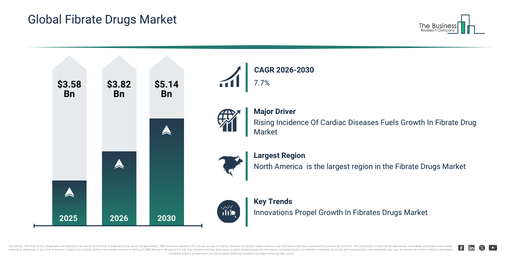
    The fibrate drugs market has experienced robust expansion in recent years. This market is projected to expand from $3.58 billion in 2025 to reach $3.82 billion by 2026, exhibiting a compound annual growth rate (CAGR) of 6.6%. Historically, this growth has been driven by factors such as the increasing prevalence of hypercholesterolemia, a rising incidence of cardiovascular diseases, the preference for fibrate drugs over older lipid-lowering therapies, the expansion of hospital pharmacy networks, and various awareness campaigns promoting heart health.

    The fibrate drugs market size is anticipated to experience robust growth in the forthcoming years. It is projected to expand to $5.14 billion by 2030, driven by a compound annual growth rate (CAGR) of 7.7%. This expansion during the forecast period can be attributed to several factors, including technological advancements in drug formulations, the proliferation of telemedicine and online pharmacies, a growing demand for combination therapies, regulatory approvals for novel fibrates, the increasing geriatric population, and various preventive healthcare initiatives. Significant trends expected in this forecast period involve personalized fibrate therapy, the development of combination drug formulations, an enhanced focus on cardiovascular health, the continued expansion of online pharmacies, and a rise in preventive healthcare measures.

    Download the Free Sample Report to Explore Key Market Insights:

    https://www.thebusinessresearchcompany.com/sample.aspx?id=11932&type=smp

    What Underlying Factors Are Accelerating The Growth Of The Fibrate Drugs Market?

    The fibrate drug market is anticipated to experience growth driven by the rising incidence of cardiac diseases, which encompass a variety of conditions impacting the heart and blood vessels, including coronary heart disease, congenital heart disease, and others. Fibrates are utilized as a treatment to avert further heart attacks and strokes in individuals already affected by circulatory system conditions, consequently stimulating the fibrate drug market. For instance, in September 2024, data published by the Minnesota Department of Health indicated that approximately 30% of adults in Minnesota reported having high blood pressure in 2023, affecting nearly 1.4 million people. Furthermore, in 2022, hypertensive diseases were recorded as the underlying or a contributing cause of death for 14,225 residents, accounting for almost 28% of all deaths in the state. Therefore, the increasing occurrence of cardiac diseases is propelling the expansion of the fibrate drugs market.

    How Is The Fibrate Drugs Market Segmented Across Key Categories?

    The fibrate drugs market covered in this report is segmented –

    1) By Drug Type: Clofibrate, Fenofibrates, Fenofibric Acids, Gemfibrozil, Other Drugs

    2) By Indication: Hypercholesterolemia, Heart Attacks, Other Indications

    3) By Distribution Channel: Hospital Pharmacy, Online Pharmacy, Retail Pharmacy

    4) By End User: Hospitals, Homecare, Specialty Clinics, Other End Users

    Subsegments:

    1) By Clofibrate: Standard Clofibrate, Combination Products

    2) By Fenofibrates: Fenofibrate Capsules, Fenofibrate Tablets, Combination Products

    3) By Fenofibric Acids: Fenofibric Acid Capsules, Combination Products

    4) By Gemfibrozil: Standard Gemfibrozil, Combination Products

    5) By Other Drugs: Other Fibrate Formulations, Emerging Fibrate Drugs

    Which Upcoming Trends Are Expected To Influence The Fibrate Drugs Market?

    Leading companies active in the fibrate drugs market are prioritizing the development of innovative solutions, including fixed-dose combinations, to sustain their presence. A fixed-dose combination is defined as a pharmaceutical formulation comprising two or more active ingredients within a single dosage form, which facilitates easier administration and may lead to improved therapeutic results. For instance, in May 2023, Intercept Pharmaceuticals Inc., a US-based biopharmaceutical enterprise, secured U.S. Food and Drug Administration (FDA) approval for orphan drug designation regarding the fixed-dose combination of obeticholic acid (OCA) and bezafibrate. This blend, a peroxisome proliferator-activated receptor (PPAR) agonist, is being explored for its potential application in treating individuals afflicted with primary biliary cholangitis (PBC). OCA, recognized as a farnesoid X receptor (FXR) agonist, is marketed by Intercept as Ocaliva in the United States for PBC treatment, whereas bezafibrate, a pan-PPAR agonist, does not currently hold approval in the United States for any specific medical indication.

    Who Are The Dominant Players Shaping The Fibrate Drugs Market Landscape?

    Major companies operating in the fibrate drugs market are Pfizer Inc., F. Hoffmann-La Roche AG, Merck & Co Inc., AbbVie Inc., Bayer AG, Novartis AG, Sanofi SA, Kowa Company Ltd., Bristol-Myers Squibb Co, Abbott Laboratories, AstraZeneca plc, GlaxoSmithKline Plc, Takeda Pharmaceutical Company, Boehringer Ingelheim International GmbH, Teva Pharmaceutical Industries Ltd., Mylan N.V., Daiichi Sankyo Co Ltd., Macleods Pharmaceuticals Ltd., Sun Pharmaceutical Industries Ltd., Dr. Reddy’s Laboratories Ltd., Aurobindo Pharma Limited, Cipla Inc., Zydus Lifesciences Ltd, Lupin Limited, Glenmark Pharmaceuticals, Torrent Pharmaceuticals Ltd., Natco Pharma, Hetero Drugs Ltd

    Read the full fibrate drugs market report here:

    https://www.thebusinessresearchcompany.com/report/fibrate-drugs-global-market-report

    Which Region Is Projected To Dominate The Fibrate Drugs Market During The Forecast Period?

    North America was the largest region in the fibrate drugs market in 2025. The regions covered in the fibrate drugs market report are Asia-Pacific, South East Asia, Western Europe, Eastern Europe, North America, South America, Middle East, Africa.

    Request A Tailored Fibrate Drugs Market Research Report For Competitive Advantage:

    https://www.thebusinessresearchcompany.com/customise?id=11932&type=smp

    Browse Through More Reports Similar to the Global Fibrate Drugs Market 2026, By The Business Research Company

    Fibrate Drugs Market Report 2026

    https://www.thebusinessresearchcompany.com/report/fibrate-drugs-global-market-report

    Inhalable Drugs Market Report 2026

    https://www.thebusinessresearchcompany.com/report/inhalable-drugs-global-market-report

    Morphine Drugs Market Report 2026

    https://www.thebusinessresearchcompany.com/report/morphine-drugs-global-market-report

    Get in touch with us:

    The Business Research Company: https://www.thebusinessresearchcompany.com/

    Americas +1 310-496-7795

    Asia +44 7882 955267 & +91 8897263534

    Europe +44 7882 955267

    Email us at info@tbrc.info

    Follow us on:

    LinkedIn: https://in.linkedin.com/company/the-business-research-company

    YouTube: https://www.youtube.com/channel/UC24_fI0rV8cR5DxlCpgmyFQ

    Global Market Model: https://www.thebusinessresearchcompany.com/global-market-model
  • Dermocosmetics Market 2026 steadily approaching $106.62 billion by 2030

    Dermocosmetics Market 2026 steadily approaching $106.62 billion by 2030

    The Business Research Company’s 2026 market reports include new capabilities such as market attractiveness scoring and analysis, total addressable market analysis, company scoring matrix, interactive excel data dashboard, improved supply chain analysis, upcoming startups in the market, and overview of key products, aimed at improving the depth, usability, and strategic value of the insights delivered.

    How Large Is The Dermocosmetics Market Projected To Become By 2030 Based On Its 2026 Valuation?

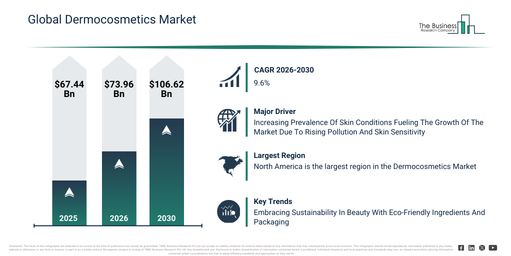
    The dermocosmetics market has demonstrated significant expansion in recent years. Its valuation is set to increase from $67.44 billion in 2025 to $73.96 billion in 2026, progressing at a compound annual growth rate (CAGR) of 9.7%. This historical upward trend can be ascribed to a heightened consumer focus on skin health, the backing of dermocosmetics by dermatologists, the growth of skincare services offered by pharmacies, an uptick in cases of acne and eczema, and greater disposable income among consumers.

    The dermocosmetics market is projected to experience substantial expansion over the upcoming years. This market is anticipated to reach $106.62 billion by 2030, demonstrating a compound annual growth rate (CAGR) of 9.6%. Factors contributing to this growth during the projected period include an aging worldwide demographic, a rise in skin conditions linked to pollution, a growing inclination towards skincare products with clinical evidence, the expansion of online dermatology services, and the need for lasting skin health solutions. Key trends expected throughout this forecast span are an escalating demand for therapeutic skincare items, wider adoption of formulations endorsed by dermatologists, the development of anti-aging and skin repair treatments, an increase in offerings for sensitive and atopic skin conditions, and greater incorporation of cosmeceutical components.

    Download the Free Sample Report to Explore Key Market Insights:

    https://www.thebusinessresearchcompany.com/sample.aspx?id=23367&type=smp

    Which Market Drivers Are Supporting The Expansion Of The Dermocosmetics Market?

    The rising incidence of skin ailments is projected to boost the expansion of the dermocosmetics market going forward. These health issues impact the skin’s look, feel, or operation, leading to symptoms such as redness, itching, dryness, rashes, or infections. Common examples encompass acne, eczema, psoriasis, rosacea, dermatitis, melasma, warts, fungal infections, shingles, hives, and skin cancers like melanoma. The surge in skin conditions is attributable to escalating pollution, where exposure to environmental toxins and chemicals compromises the skin’s protective barrier, resulting in irritation, dryness, acne, and premature aging. Dermocosmetics alleviate skin issues through scientifically developed formulations, making them suitable for delicate and problematic skin types. These products target concerns like aging, acne, and pigmentation, thereby enhancing skin health and appearance with solutions endorsed by dermatologists. For example, in 2023, Cancer Australia, an Australian government body, reported roughly 8,257 new diagnoses of melanoma of the skin (a form of skin cancer arising in melanocytes). This figure indicates a rise from the 15,628 new cases documented in 2019. Consequently, the growing occurrence of skin conditions is a significant catalyst for the expansion of the dermocosmetics market.

    What Segment Groups Are Identified Within The Dermocosmetics Market?

    The dermocosmetics market covered in this report is segmented –

    1) By Product Type: Skincare, Haircare, Lip Care, Other Product Types

    2) By Indication: Dry Skin, Atopic Skin Eczema, Hyperpigmentation, Scar And Acne, Psoriasis, Deep Wrinkles, Other Indications

    3) By Distribution Channel: Pharmacies And Drugstores, Online Stores, Supermarkets And Hypermarkets, Other Distribution Channels

    4) By End User: Hospitals, Specialty Clinics, Medical Spas, Other End Users

    Subsegments:

    1) By Skincare: Anti-Aging Creams And Serums, Moisturizers And Hydrating Creams, Sunscreens And UV Protection, Acne Treatment Products, Skin Brightening And Depigmentation Products, Sensitive Skin Care Solutions

    2) By Haircare: Anti-Dandruff Shampoos, Hair Loss Treatments And Serums, Scalp Treatment Products, Repairing And Nourishing Conditioners, Heat And Color Protection Sprays

    3) By Lip Care: Hydrating And Moisturizing Lip Balms, Anti-Aging Lip Treatments, Lip Sun Protection Products, Lip Scrubs And Exfoliators

    4) By Other Product Types: Eye Creams And Serums, Body Lotions And Creams, Hand And Foot Care Products, Stretch Mark And Scar Treatments, Dermatological Face Masks

    What Trends Are Advancing Progress In The Dermocosmetics Market?

    Major companies in the dermocosmetics market are increasingly focusing on utilizing sustainable materials in their production processes. This effort aims to mitigate environmental impact and cater to consumer demand for eco-friendly skincare solutions. Sustainable materials are defined as those manufactured, used, and disposed of in an environmentally safe manner, designed for long-term use without harming nature. These materials contribute to safer dermocosmetics by supplying environmentally conscious ingredients and packaging that protect both skin health and the environment. For instance, in April 2024, Dow Inc., a US-based materials science company, launched a suite of advanced skin and hair wellness solutions featuring skin microbiome-friendly certified ingredients. These innovations include multifunctional components intended to boost hydration, scalp health, and overall skin vitality, thereby addressing the growing need for sustainable and high-performance personal care products. Through this launch, Dow seeks to furnish formulators with cutting-edge solutions that align with consumer expectations for clean beauty, effectiveness, and environmental sustainability.

    Which Companies Hold Significant Positions In The Dermocosmetics Market?

    Major companies operating in the dermocosmetics market are Johnson & Johnson, Procter & Gamble Company, L’Oréal Group, Hindustan Unilever Limited, Coty Inc., Galderma SA, Pierre Fabre SA, ISDIN S.A., NAOS Group, Sesderma Laboratories, Sinerga S.p.A., La Roche-Posay Laboratoire Dermatologique, Teoxane, Farmeco S.A., Valquer Laboratorios SLU, Directa Lab S.r.l, Thépenier Pharma & Cosmetics (TP&C), Gruppo FarmaImpresa, FLOSLEK Cosmetic Laboratory, Kanebo Cosmetics Inc., Uriage Eau Thermale, HCP Wellness Private Limited

    Read the full dermocosmetics market report here:

    https://www.thebusinessresearchcompany.com/report/dermocosmetics-global-market-report

    How Is The Dermocosmetics Market Distributed Across Key Geographic Regions?

    North America was the largest region in the dermocosmetics market in 2025. Asia-Pacific is expected to be the fastest-growing region in the forecast period. The regions covered in the dermocosmetics market report are Asia-Pacific, South East Asia, Western Europe, Eastern Europe, North America, South America, Middle East, Africa.

    Request A Tailored Dermocosmetics Market Research Report For Competitive Advantage:

    https://www.thebusinessresearchcompany.com/customise?id=23367&type=smp

    Browse Through More Reports Similar to the Global Dermocosmetics Market 2026, By The Business Research Company

    Oral Transmucosal Drugs Market Report 2026

    https://www.thebusinessresearchcompany.com/report/oral-transmucosal-drugs-global-market-report

    Dermal Filler Market Report 2026

    https://www.thebusinessresearchcompany.com/report/dermal-filler-global-market-report

    Dermatoscopes Market Report 2026

    https://www.thebusinessresearchcompany.com/report/dermatoscopes-global-market-report

    Get in touch with us:

    The Business Research Company: https://www.thebusinessresearchcompany.com/

    Americas +1 310-496-7795

    Asia +44 7882 955267 & +91 8897263534

    Europe +44 7882 955267

    Email us at info@tbrc.info

    Follow us on:

    LinkedIn: https://in.linkedin.com/company/the-business-research-company

    YouTube: https://www.youtube.com/channel/UC24_fI0rV8cR5DxlCpgmyFQ

    Global Market Model: https://www.thebusinessresearchcompany.com/global-market-model