Month: March 2026

  • Rising awareness and diagnostics driving growth in the Farber’s Disease Market 2026

    Rising awareness and diagnostics driving growth in the Farber’s Disease Market 2026

    The Business Research Company’s 2026 market reports include new capabilities such as market attractiveness scoring and analysis, total addressable market analysis, company scoring matrix, interactive excel data dashboard, improved supply chain analysis, upcoming startups in the market, and overview of key products, aimed at improving the depth, usability, and strategic value of the insights delivered.

    What Market Value Is Anticipated For The Farber’s Disease Market Over The Period 2026–2030?

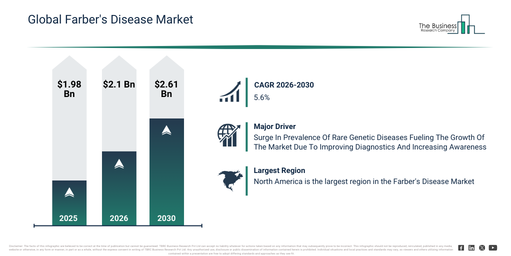
    The farber’s disease market has experienced robust expansion over recent years. Projections indicate further expansion, with its value increasing from $1.98 billion in 2025 to $2.1 billion in 2026, demonstrating a compound annual growth rate (CAGR) of 5.9%. Historically, this growth has been driven by factors such as the improved identification of rare diseases, advancements in pediatric genetic testing, the establishment of comprehensive supportive care protocols, increased hospital specialization, and dedicated research funding.

    The farber’s disease market size is projected to experience robust expansion in the upcoming years. This market is anticipated to reach $2.61 billion by 2030, demonstrating a compound annual growth rate (CAGR) of 5.6%. This expansion during the forecast period is driven by factors such as advancements in gene therapy pipelines, incentives for orphan drugs, initiatives for early diagnosis, comprehensive rare disease registries, and sophisticated genetic tools. Key trends anticipated for this period encompass a heightened focus on rare pediatric conditions, an increase in gene therapy research, wider adoption of supportive care, integrated multidisciplinary treatment strategies, and enhancements in genetic diagnostics.

    Download the Free Sample Report to Explore Key Market Insights:

    https://www.thebusinessresearchcompany.com/sample.aspx?id=24533&type=smp

    What Drivers Are Expected To Influence The Farber’s Disease Market During The Forecast Period?

    The increasing occurrence of rare genetic disorders is projected to boost the growth of the Farber’s disease market. These inherited conditions, stemming from DNA mutations, impact a very small segment of the population. Their rising prevalence is attributed to enhanced diagnostic technologies, facilitating earlier and more precise identification of conditions previously overlooked or misdiagnosed. Farber’s disease contributes to addressing the escalating incidence of rare genetic diseases by serving as a paradigm for developing targeted therapies and advancing research into enzyme replacement treatments for extremely rare conditions. For example, in February 2023, the European Commission (EC), a Belgium-based governmental body, reported that up to 36 million people in the European Union live with a rare disease, with over 6,000 distinct rare diseases in the EU, and approximately 80% of these are genetic in origin. Thus, the growing prevalence of rare genetic diseases is propelling the growth of the Farber’s disease market. Anticipated to drive the Farber’s disease market forward is the expanding investment in clinical trials. These trials are human research studies designed to evaluate the safety, effectiveness, and outcomes of medical interventions such as drugs, treatments, or devices. The surge in clinical trial investments is a result of the increasing demand for innovative treatments, fueled by advancements in medical science, personalized medicine, and the critical need to address unresolved healthcare issues. Farber’s disease plays a role in responding to this increased investment by underscoring the pressing need for research into rare and underserved genetic disorders. For instance, in October 2024, according to Citeline, a US-based pharma intelligence solutions provider, TrialTrove documented 9,959 Phase I–III clinical trials with a 2024 start date investigating at least one drug, indicating a 9.4% increase from 2023. Consequently, the rising investment in clinical trials is propelling the growth of the Farber’s disease market.

    How Is The Farber’s Disease Market Divided Into Its Major Segments?

    The farber’s disease market covered in this report is segmented –

    1) By Type Of Farber’s Disease: Classical Farber’s Disease, Non-Classical Farber’s Disease

    2) By Treatment: Enzyme Replacement Therapy, Symptomatic Treatment, Gene Therapy, Bone Marrow Transplant, Supportive Care

    3) By Clinical Symptoms: Joint Involvement And Deformities, Hearing Loss, Respiratory Distress, Dermatological Manifestations

    4) By End-User: Hospitals, Specialty Clinics, Diagnostic Centers, Other End-Users

    Subsegments:

    1) By Classical Farber’s Disease: Type 1 Severe Infantile Form, Type 2 Intermediate Childhood Form, Type 3 Juvenile-Onset Form

    2) By Non-Classical Farber’s Disease: Type 4 Neurological Predominant Form, Type 5 Visceral Predominant Form, Type 6 Cardiopulmonary Involvement Form

    Who Are The Prominent Organizations Shaping The Farber’s Disease Market?

    Major companies operating in the farber’s disease market are National Institutes of Health (NIH), U.S. National Institute of Neurological Disorders and Stroke (NINDS), Mount Sinai Icahn School of Medicine, Cincinnati Children’s Hospital Medical Center, University of Pennsylvania Gene Therapy Program, Seattle Children’s Research Institute, Genethon (AFM-Téléthon), Sarepta Therapeutics Inc., REGENXBIO Inc., Abeona Therapeutics Inc., Rocket Pharmaceuticals Inc., Passage Bio Inc., Spark Therapeutics Inc., Takeda Rare Disease Research, Orchard Therapeutics plc, Avrobio Inc., bluebird bio Inc., JCR Pharmaceuticals Co. Ltd., Protalix BioTherapeutics Inc., Ultragenyx Pharmaceutical Inc., BioMarin Pharmaceutical Inc., Amicus Therapeutics Inc.

    Read the full farber’s disease market report here:

    https://www.thebusinessresearchcompany.com/report/farbers-disease-global-market-report

    Which Region Is Forecast To Lead The Farber’s Disease Market In Terms Of Market Size?

    North America was the largest region in the farber’s disease market in 2025. Asia-Pacific is expected to be the fastest-growing region in the forecast period. The regions covered in the farber’s disease market report are Asia-Pacific, South East Asia, Western Europe, Eastern Europe, North America, South America, Middle East, Africa.

    Request A Tailored Farber’s Disease Market Research Report For Competitive Advantage:

    https://www.thebusinessresearchcompany.com/customise?id=24533&type=smp

    Browse Through More Reports Similar to the Global Farber’s Disease Market 2026, By The Business Research Company

    Rare Disease Diagnostics Market Report 2026

    https://www.thebusinessresearchcompany.com/report/rare-disease-diagnostics-global-market-report

    Rare Diseases Treatment Market Report 2026

    https://www.thebusinessresearchcompany.com/report/rare-diseases-treatment-global-market-report

    Rare Kidney Diseases Market Report 2026

    https://www.thebusinessresearchcompany.com/report/rare-kidney-diseases-global-market-report

    Get in touch with us:

    The Business Research Company: https://www.thebusinessresearchcompany.com/

    Americas +1 310-496-7795

    Asia +44 7882 955267 & +91 8897263534

    Europe +44 7882 955267

    Email us at info@tbrc.info

    Follow us on:

    LinkedIn: https://in.linkedin.com/company/the-business-research-company

    YouTube: https://www.youtube.com/channel/UC24_fI0rV8cR5DxlCpgmyFQ

    Global Market Model: https://www.thebusinessresearchcompany.com/global-market-model

  • Advancements in genetic engineering and the rise of gene therapy are key growth drivers for the Familial Mediterranean Fever Pharmaceuticals Market 2026

    Advancements in genetic engineering and the rise of gene therapy are key growth drivers for the Familial Mediterranean Fever Pharmaceuticals Market 2026

    The Business Research Company’s 2026 market reports include new capabilities such as market attractiveness scoring and analysis, total addressable market analysis, company scoring matrix, interactive excel data dashboard, improved supply chain analysis, upcoming startups in the market, and overview of key products, aimed at improving the depth, usability, and strategic value of the insights delivered.

    What Is The Expected Market Size Of The Familial Mediterranean Fever Pharmaceuticals Market From 2026 To 2030?

    The familial mediterranean fever pharmaceuticals market size has experienced strong expansion in recent years. It is projected to increase from $1.72 billion in 2025 to $1.81 billion in 2026, reflecting a compound annual growth rate (CAGR) of 5.1%. This historical growth can be attributed to the established effectiveness of colchicine, its genetic prevalence in Mediterranean populations, limited alternative treatment options, increased awareness of the disease, and improved diagnostic criteria.

    The familial mediterranean fever pharmaceuticals market is projected to experience robust expansion in the upcoming years. This market is forecast to reach $2.21 billion by 2030, exhibiting a compound annual growth rate (CAGR) of 5.1%. This anticipated growth is driven by several factors, including an increase in diagnosis rates beyond endemic areas, the wider embrace of biologics, the proliferation of orphan drug initiatives, enhanced genetic screening methods, and a heightened emphasis on averting long-term complications. Key developments anticipated during this forecast timeframe encompass the sustained dependence on colchicine therapy, a rise in the application of interleukin-1 inhibitors, the broadening of biologic treatments for resistant FMF, an intensified commitment to preventing amyloidosis, and advancements in genetic diagnosis facilitating prompt intervention.

    Download the Free Sample Report to Explore Key Market Insights:

    https://www.thebusinessresearchcompany.com/sample.aspx?id=23397&type=smp

    What Drivers Are Influencing The Familial Mediterranean Fever Pharmaceuticals Market?

    Future growth in the familial Mediterranean fever (FMF) pharmaceuticals market is anticipated, driven by the expanding field of gene therapy. This medical approach involves altering or substituting defective genes to address or avert diseases at their genetic origin. Its increasing prevalence stems from progress in genetic engineering, allowing for accurate identification and rectification of genetic conditions, thereby presenting possible cures for illnesses previously considered incurable. Gene therapy favorably influences familial Mediterranean fever (FMF) pharmaceuticals by addressing the fundamental mutations in the MEFV (Mediterranean fever) gene, which could lead to a lasting or definitive cure instead of mere symptom control. An example illustrating this trend is that in July 2024, the American Society of Gene & Cell Therapy (ASGCT), a US-based non-profit organization, reported the commencement of 76 gene therapy trials during the second quarter of 2024, marking a 25% rise compared to the preceding quarter. Consequently, the expansion of gene therapy is propelling the growth of the familial Mediterranean fever (FMF) pharmaceuticals market.

    Which Segments Are Included In The Analysis Of The Familial Mediterranean Fever Pharmaceuticals Market?

    The familial mediterranean fever pharmaceuticals market covered in this report is segmented –

    1) By Drug Type: Colchicine, Interleukin-1 Inhibitors, Anti-IL-6 Drugs

    2) By Route Of Administration: Oral, Injectable

    3) By End Users: Hospitals, Clinical Diagnostic Laboratories, Other End Users

    Subsegments:

    1) By Colchicine: Oral Colchicine, Intravenous Colchicine

    2) By Interleukin-1 Inhibitors: Anakinra, Canakinumab, Rilonacept

    3) By Anti-IL-6 Drugs: Tocilizumab, Off-Label IL-6 Receptor Antagonists, Refractory FMF Supportive IL-6 Modulation

    Which Trends Are Impacting The Growth Of The Familial Mediterranean Fever Pharmaceuticals Market?

    Major companies operating in the familial mediterranean fever pharmaceuticals market are concentrating on specific biologic treatments, including dual interleukin-1 (IL-1α and IL-1β) blockade mechanisms and orphan drug designations, with the goal of achieving lasting disease remission and broadening therapeutic options for individuals with autoinflammatory disorders. These dual interleukin-1 blockade mechanisms employ heterodimeric hybrid proteins that simultaneously bind with high affinity to both IL-1α and IL-1β cytokines, effectively neutralizing the inflammatory cascade driving disease development in familial Mediterranean fever and related conditions. For instance, in November 2024, R-Pharm Group, a Russia-based pharmaceutical company, received U.S. Food and Drug Administration (FDA) Orphan Drug Designation for Goflikicept, a novel heterodimeric hybrid protein targeting both IL-1α and IL-1β, intended for the treatment of familial Mediterranean fever (FMF) and idiopathic recurrent pericarditis (IRP). The company has completed Phase 2/3 clinical trials for IRP and obtained marketing authorization in Russia, while simultaneously advancing a Phase 2 study for FMF across Turkey, Russia, and Armenia, thereby establishing IL-1 blockade as a leading mechanism for sustained remission in autoinflammatory diseases.

    Which Key Industry Participants Are Active In The Familial Mediterranean Fever Pharmaceuticals Market?

    Major companies operating in the familial mediterranean fever pharmaceuticals market are Novartis International AG, Swedish Orphan Biovitrum AB, Granules Pharmaceuticals Inc., Hikma Pharmaceuticals plc, Camber Pharmaceuticals Inc., Teva Pharmaceutical Industries Ltd., Amgen Inc., Indena S.p.A., Harman Finochem, Alchem International, Honour Lab Ltd., Maithri Drugs Pvt. Ltd., Vital Laboratories Pvt. Ltd., Enomark Biotech Pvt. Ltd., Gonane Pharma, Ennature Biopharma, R-Pharm Group, Sun Pharmaceutical Industries Ltd., Dr. Reddy’s Laboratories Ltd., Lupin Limited

    Read the full familial mediterranean fever pharmaceuticals market report here:

    https://www.thebusinessresearchcompany.com/report/familial-mediterranean-fever-pharmaceuticals-global-market-report

    Which Regions Are Expected To Experience Rapid Expansion In The Familial Mediterranean Fever Pharmaceuticals Market?

    Middle East was the largest region in the familial mediterranean fever pharmaceuticals market in 2025. Asia-Pacific is expected to be the fastest-growing region in the forecast period. The regions covered in the familial mediterranean fever pharmaceuticals market report are Asia-Pacific, South East Asia, Western Europe, Eastern Europe, North America, South America, Middle East, Africa.

    Request A Tailored Familial Mediterranean Fever Pharmaceuticals Market Research Report For Competitive Advantage:

    https://www.thebusinessresearchcompany.com/customise?id=23397&type=smp

    Browse Through More Reports Similar to the Global Familial Mediterranean Fever Pharmaceuticals Market 2026, By The Business Research Company

    Anti Infective Drugs Market Report 2026

    https://www.thebusinessresearchcompany.com/report/anti-infective-drugs-global-market-report

    Pharmaceuticals Market 2026

    https://www.thebusinessresearchcompany.com/report/pharmaceuticals-market

    Anticoccidial Drugs Market Report 2026

    https://www.thebusinessresearchcompany.com/report/anticoccidial-drugs-global-market-report

    Get in touch with us:

    The Business Research Company: https://www.thebusinessresearchcompany.com/

    Americas +1 310-496-7795

    Asia +44 7882 955267 & +91 8897263534

    Europe +44 7882 955267

    Email us at info@tbrc.info

    Follow us on:

    LinkedIn: https://in.linkedin.com/company/the-business-research-company

    YouTube: https://www.youtube.com/channel/UC24_fI0rV8cR5DxlCpgmyFQ

    Global Market Model: https://www.thebusinessresearchcompany.com/global-market-model

  • Strategic developments shaping the Global DNA Repair Alkylating Agent Market 2026–2030

    Strategic developments shaping the Global DNA Repair Alkylating Agent Market 2026–2030

    The Business Research Company’s 2026 market reports include new capabilities such as market attractiveness scoring and analysis, total addressable market analysis, company scoring matrix, interactive excel data dashboard, improved supply chain analysis, upcoming startups in the market, and overview of key products, aimed at improving the depth, usability, and strategic value of the insights delivered.

    What Will Be The Estimated Market Valuation Of The Deoxyribonucleic Acid (DNA) Repair Alkylating Agent Market By The End Of 2030?

    The market size for deoxyribonucleic acid (dna) repair alkylating agents has shown substantial growth in recent years. It is anticipated to increase from $3.7 billion in 2025 to $4 billion in 2026, achieving a compound annual growth rate (CAGR) of 8.1%. This expansion in the past can be attributed to several factors, including the limited availability of alkylating agents, a continued reliance on conventional chemotherapy regimens, an expanding cancer patient population, an increase in hospital-based oncology treatments, and the adoption of standard clinical protocols.

    The deoxyribonucleic acid (dna) repair alkylating agent market size is projected to experience robust expansion over the coming years. This market is anticipated to reach $5.45 billion by 2030, exhibiting a compound annual growth rate (CAGR) of 8.0%. Factors contributing to this growth during the projected period include the emergence of new nitrogen mustards and nitrosoureas, the broadening scope of personalized oncology treatments, increased research and development funding for targeted alkylating agents, their incorporation into genomic testing and precision medicine practices, and a growing recognition and uptake of refined treatment protocols. Key trends foreseen in this period involve the increasing utilization of dna repair alkylating agents in cancer treatment, intensified research into innovative alkylating compounds, an expansion of clinical trials and R&D endeavors, the advancement of personalized medicine and targeted therapy applications, and a heightened emphasis on ensuring safety, optimizing dosages, and adhering to regulatory standards.

    Download the Free Sample Report to Explore Key Market Insights:

    https://www.thebusinessresearchcompany.com/sample.aspx?id=25745&type=smp

    What Major Growth Drivers Are Shaping The Outlook Of The Deoxyribonucleic Acid (DNA) Repair Alkylating Agent Market?

    The escalating global incidence of cancer is projected to drive the expansion of the DNA repair alkylating agent market in the future. Cancer is defined as a condition where specific cells within the body begin to multiply uncontrollably, potentially spreading to adjacent tissues or other parts of the body. The worldwide increase in cancer diagnoses is attributed to an expanding aging population, which faces elevated cancer risks. DNA repair alkylating agents treat cancer by disrupting the DNA of rapidly growing tumor cells, thereby preventing their multiplication. This interruption leads to cell death or a cessation of growth, aiding in the control of tumor development. For instance, in February 2024, the World Health Organization, a Switzerland-based healthcare organization, reported an estimated 20 million new cancer cases in 2022, with projections indicating a potential rise to over 35 million by 2050. Thus, the growing prevalence of cancer cases globally propels the growth of the DNA repair alkylating agent market.

    Which Segment Classifications Shape The Deoxyribonucleic Acid (DNA) Repair Alkylating Agent Market?

    The deoxyribonucleic acid (dna) repair alkylating agent market covered in this report is segmented –

    1) By Product Type: Nitrogen Mustards, Nitrosoureas, Alkyl Sulfonates, Triazines, Other Product Types

    2) By Application: Cancer Treatment, Research And Development, Other Applications

    3) By End-User: Hospitals, Research Institutes, Pharmaceutical Companies, Other End-Users

    Subsegments:

    1) By Nitrogen Mustards: Mechlorethamine, Cyclophosphamide, Ifosfamide, Chlorambucil, Melphalan

    2) By Nitrosoureas: Carmustine (BCNU), Lomustine (CCNU), Streptozocin, Semustine

    3) By Alkyl Sulfonates: Busulfan, Treosulfan

    4) By Triazines: Dacarbazine, Temozolomide

    5) By Other Product Types: Thiotepa, Procarbazine, Bendamustine, Lurbinectedin

    How Are Trends Impacting The Deoxyribonucleic Acid (DNA) Repair Alkylating Agent Market?

    Major companies within the deoxyribonucleic acid (DNA) repair alkylating agent market are concentrating on creating sophisticated treatments, such as epoxide forming alkylators, aiming to boost therapeutic accuracy, minimize unintended side effects, and better results for hematologic cancers. These epoxide forming alkylators function as prodrugs, transforming inside the body into potent epoxide intermediates. These intermediates then alkylate and cross-link DNA, providing a more regulated activation process than conventional bifunctional mustards. An example of this is Medexus Pharmaceuticals, a Canadian pharmaceutical firm, which obtained U.S. Food and Drug Administration (FDA) approval in January 2025 for GRAFAPEX (treosulfan). This alkylating agent, when combined with fludarabine, serves as a conditioning treatment before allogeneic hematopoietic stem-cell transplantation (alloHSCT) for adults and pediatric patients (aged one year or older) suffering from acute myeloid leukemia (AML) or myelodysplastic syndrome (MDS). Treosulfan is delivered as an intravenous infusion using a lyophilized powder, where it naturally changes into mono- and diepoxide metabolites that subsequently cross-link DNA. Boasting advantageous pharmacokinetics, lower long-term toxicity compared to busulfan-based treatments, and proven improvements in survival during a Phase III trial (MC-FludT.14/L), GRAFAPEX highlights the market’s evolving preference for more sophisticated DNA-damaging agents for transplantation procedures.

    Which Companies Are Expanding Their Footprint In The Deoxyribonucleic Acid (DNA) Repair Alkylating Agent Market?

    Major companies operating in the deoxyribonucleic acid (dna) repair alkylating agent market are Bristol-Myers Squibb Company, Teva Pharmaceutical Industries Limited, Fresenius Kabi, Intas Pharmaceuticals, Dr. Reddy’s Laboratories, Aurobindo Pharma, Hikma Pharmaceuticals, Natco Pharma Ltd, Medac GmbH, Emcure Pharmaceuticals, Jiangsu Hengrui Pharmaceuticals Co. Ltd.

    Read the full deoxyribonucleic acid (dna) repair alkylating agent market report here:

    https://www.thebusinessresearchcompany.com/report/deoxyribonucleic-acid-dna-repair-alkylating-agent-global-market-report

    Which Regions Are Projected To Dominate The Deoxyribonucleic Acid (DNA) Repair Alkylating Agent Market In The Coming Years?

    North America was the largest region in the deoxyribonucleic acid (DNA) repair alkylating agent market in 2025. Asia-Pacific is expected to be the fastest-growing region in the forecast period. The regions covered in the deoxyribonucleic acid (dna) repair alkylating agent market report are Asia-Pacific, South East Asia, Western Europe, Eastern Europe, North America, South America, Middle East, Africa.

    Request A Tailored Deoxyribonucleic Acid (DNA) Repair Alkylating Agent Market Research Report For Competitive Advantage:

    https://www.thebusinessresearchcompany.com/customise?id=25745&type=smp

    Browse Through More Reports Similar to the Global Deoxyribonucleic Acid (DNA) Repair Alkylating Agent Market 2026, By The Business Research Company

    Dna Repair Drugs Market Report 2026

    https://www.thebusinessresearchcompany.com/report/dna-repair-drugs-global-market-report

    Nucleic Acid Based Gene Therapy Market Report 2026

    https://www.thebusinessresearchcompany.com/report/nucleic-acid-based-gene-therapy-global-market-report

    Dna Based Skin Care Products Market Report 2026

    https://www.thebusinessresearchcompany.com/report/dna-based-skin-care-products-global-market-report

    Get in touch with us:

    The Business Research Company: https://www.thebusinessresearchcompany.com/

    Americas +1 310-496-7795

    Asia +44 7882 955267 & +91 8897263534

    Europe +44 7882 955267

    Email us at info@tbrc.info

    Follow us on:

    LinkedIn: https://in.linkedin.com/company/the-business-research-company

    YouTube: https://www.youtube.com/channel/UC24_fI0rV8cR5DxlCpgmyFQ

    Global Market Model: https://www.thebusinessresearchcompany.com/global-market-model

  • DNA Nanotechnology Market 2026–2035 driven by innovation in molecular engineering

    DNA Nanotechnology Market 2026–2035 driven by innovation in molecular engineering

    The Business Research Company’s 2026 market reports include new capabilities such as market attractiveness scoring and analysis, total addressable market analysis, company scoring matrix, interactive excel data dashboard, improved supply chain analysis, upcoming startups in the market, and overview of key products, aimed at improving the depth, usability, and strategic value of the insights delivered.

    What Market Size Growth Is Projected For The Deoxyribonucleic Acid (DNA) Nanotechnology Market During The Forecast Period 2026–2030?

    The deoxyribonucleic acid (dna) nanotechnology market size has experienced significant expansion in recent years. It is forecast to grow from $6.97 billion in 2025 to $8.75 billion in 2026, with a compound annual growth rate (CAGR) of 25.5%. The increase observed in the past can be ascribed to the advent of dna nanotechnology research, growing investments from academic and pharmaceutical sectors, the creation of fundamental dna nanostructures, an escalating demand for precision medicine, and initial implementations in drug delivery and diagnostics.

    The deoxyribonucleic acid (dna) nanotechnology market is projected to experience rapid expansion over the coming years. This market is predicted to reach $21.48 billion by 2030, exhibiting a compound annual growth rate (CAGR) of 25.2%. Key factors driving this growth during the forecast period include its integration into biosensing and theranostic applications, the wider availability of water-soluble and hybrid formulations, increased investment in nanomedicine research, greater commercialization via online and direct sales channels, and its incorporation into sophisticated nanofabrication methods. Prominent trends anticipated within this period encompass progress in DNA-based nanomachines and logic gate systems, the proliferation of DNA origami and tile-based nanostructures, expanded application of DNA nanotechnology for precise drug delivery, broader use in nanolithography and smart pill technologies, and the creation of hybrid and multifunctional DNA nanostructures.

    Download the Free Sample Report to Explore Key Market Insights:

    https://www.thebusinessresearchcompany.com/sample.aspx?id=27273&type=smp

    What Drivers Are Expected To Influence The Deoxyribonucleic Acid (DNA) Nanotechnology Market During The Forecast Period?

    The increasing incidence of genetic conditions is anticipated to drive the expansion of the deoxyribonucleic acid (DNA) nanotechnology market in the future. These disorders stem from alterations or mutations within DNA, potentially inherited or arising spontaneously, impacting an individual’s health, development, or physiological functions. This growing prevalence is attributed to greater awareness and progress in diagnostic techniques, which facilitate earlier and more precise identification of conditions that were previously undiagnosed. Deoxyribonucleic acid (DNA) nanotechnology offers solutions for genetic diseases by precisely targeting faulty genes, thereby supporting accurate diagnoses and customized therapeutic approaches. It improves treatment effectiveness via regulated drug delivery and gene editing, leading to better patient care and management of these diseases. For example, in July 2025, the National Blood Authority, an Australia-based blood management agency, reported that 2,788 patients were living with hereditary haemophilia A (HMA) in 2023–2024, marking an increase from 2,681 patients in 2022–2023. Consequently, the increasing occurrence of genetic diseases is propelling the expansion of the deoxyribonucleic acid (DNA) nanotechnology market.

    What Market Segments Are Evaluated Within The Deoxyribonucleic Acid (DNA) Nanotechnology Market?

    The deoxyribonucleic acid (dna) nanotechnology market covered in this report is segmented –

    1) By Type: Dynamic Deoxyribonucleic Acid (DNA) Nanotechnology, Structural Deoxyribonucleic Acid (DNA) Nanotechnology

    2) By Formulation Type: Water-Soluble Formulations, Oil-Soluble Formulations, Hybrid Formulations

    3) By Distribution Channel: Online Sales, Direct Sales, Retail Sales, Distributors Or Wholesalers

    4) By Application: Smart Pills, Nanolithography, Targeted Drug Delivery, Other Applications

    5) By End-User: Academic And Research Institutions, Biotechnology And Pharmaceuticals, Other End-Users

    Subsegments:

    1) By Dynamic Deoxyribonucleic Acid Nanotechnology: Strand Displacement Circuits, Conformational Switching Devices, Deoxyribonucleic Acid Walkers, Logic Gate Systems, Nanomachines-Based On Deoxyribonucleic Acid

    2) By Structural Deoxyribonucleic Acid Nanotechnology: Tile-Based Structures, Deoxyribonucleic Acid Origami, Wireframe Nanostructures, Lattice-Based Designs, Hybrid Nanostructures

    What Industry Trends Are Redefining The Deoxyribonucleic Acid (DNA) Nanotechnology Market?

    Major companies operating in the DNA nanotechnology market are concentrating on developing advanced solutions, including artificial intelligence-based DNA sequencing, to boost accuracy and facilitate more precise molecular diagnostics and nanodevice design. Artificial intelligence-based DNA sequencing employs AI to swiftly analyze and interpret DNA data, enhancing accuracy, speed, and personalized disease detection. For instance, in May 2025, the Indian Institute of Technology, an India-based technical institute, launched quantum AI nanotechnology that enables rapid, highly accurate, and cost-effective early identification of genetic mutations, particularly those associated with cancer. This technology merges explainable artificial intelligence with quantum transport mechanisms to decipher raw electrical signals from DNA sequencing with unmatched precision. This quantum-AI methodology utilizes solid-state nanopore or nanogap devices that capture distinct electronic signatures of nucleotides, thereby enabling comprehensive detection of natural, epigenetic, and artificial DNA mutations. The innovation promises significant advancements in genomics, personalized medicine, and cancer diagnostics by allowing for early mutation detection and customized treatment strategies.

    Who Are The Top Market Participants Influencing The Deoxyribonucleic Acid (DNA) Nanotechnology Market?

    Major companies operating in the deoxyribonucleic acid (dna) nanotechnology market are Twist Bioscience Corporation, SomaLogic Inc., Alamar Biosciences Inc., Nanion Technologies GmbH, Eligo Bioscience SA, DNA Nanobots LLC, Nanovery Limited, Parabon NanoLabs Inc., tilibit nanosystems GmbH, Luna Nanotech Inc., Code Biotherapeutics Inc., Sona Nanotech Inc., Cello Therapeutics Inc., Esya Labs Inc., NuProbe Global Inc., Ansa Biotechnologies Inc., GATTAquant GmbH, ARIZ Precision Medicine Inc., NanoApps Medical Inc., Aura Biosciences Inc.

    Read the full deoxyribonucleic acid (dna) nanotechnology market report here:

    https://www.thebusinessresearchcompany.com/report/deoxyribonucleic-acid-dna-nanotechnology-global-market-report

    Which Region Is Forecast To Lead The Deoxyribonucleic Acid (DNA) Nanotechnology Market In Terms Of Market Size?

    North America was the largest region in the deoxyribonucleic acid (DNA) nanotechnology market in 2025. Asia-Pacific is expected to be the fastest-growing region in the forecast period. The regions covered in the deoxyribonucleic acid (dna) nanotechnology market report are Asia-Pacific, South East Asia, Western Europe, Eastern Europe, North America, South America, Middle East, Africa.

    Request A Tailored Deoxyribonucleic Acid (DNA) Nanotechnology Market Research Report For Competitive Advantage:

    https://www.thebusinessresearchcompany.com/customise?id=27273&type=smp

    Browse Through More Reports Similar to the Global Deoxyribonucleic Acid (DNA) Nanotechnology Market 2026, By The Business Research Company

    Cumene Market Report 2026

    https://www.thebusinessresearchcompany.com/report/cumene-global-market-report

    White Cement Market Report 2026

    https://www.thebusinessresearchcompany.com/report/white-cement-global-market-report

    Green Cement Market Report 2026

    https://www.thebusinessresearchcompany.com/report/green-cement-global-market-report

    Get in touch with us:

    The Business Research Company: https://www.thebusinessresearchcompany.com/

    Americas +1 310-496-7795

    Asia +44 7882 955267 & +91 8897263534

    Europe +44 7882 955267

    Email us at info@tbrc.info

    Follow us on:

    LinkedIn: https://in.linkedin.com/company/the-business-research-company

    YouTube: https://www.youtube.com/channel/UC24_fI0rV8cR5DxlCpgmyFQ

    Global Market Model: https://www.thebusinessresearchcompany.com/global-market-model

  • Global Familial Amyloid Polyneuropathy Market 2026 influenced by gene therapy advancements

    Global Familial Amyloid Polyneuropathy Market 2026 influenced by gene therapy advancements

    The Business Research Company’s 2026 market reports include new capabilities such as market attractiveness scoring and analysis, total addressable market analysis, company scoring matrix, interactive excel data dashboard, improved supply chain analysis, upcoming startups in the market, and overview of key products, aimed at improving the depth, usability, and strategic value of the insights delivered.

    What Market Valuation Is Forecasted For The Familial Amyloid Polyneuropathy Market By 2030 Starting From Its 2026 Size?

    The market for familial amyloid polyneuropathy has experienced robust expansion in recent years. Projections indicate it will expand from $1.65 billion in 2025 to $1.79 billion by 2026, demonstrating a compound annual growth rate (CAGR) of 8.3%. Historically, this growth is linked to factors such as improved rare disease diagnosis, increased genetic disorder awareness, advancements in transplant medicine, focused neurology research, and wider adoption of supportive care.

    The market size for familial amyloid polyneuropathy is projected to undergo substantial expansion in the coming years. By 2030, this market is anticipated to reach a valuation of $2.43 billion, exhibiting a compound annual growth rate (CAGR) of 8.0%. This forecasted growth is primarily driven by factors such as innovation in gene therapy, the increase in early genetic testing, enhanced funding for rare diseases, the widespread adoption of precision medicine, and the continued growth of specialty pharmacies. Significant trends for the forecast period include the increasing adoption of TTR stabilizers, the broader expansion of gene silencing therapies, a rise in genetic screening initiatives, a heightened focus on rare disease treatment, and the development of specialty care centers.

    Download the Free Sample Report to Explore Key Market Insights:

    https://www.thebusinessresearchcompany.com/sample.aspx?id=24532&type=smp

    What Drivers Are Shaping The Future Growth Of The Familial Amyloid Polyneuropathy Market?

    The escalating emphasis on gene therapy is anticipated to stimulate the expansion of the familial amyloid polyneuropathy market moving forward. Gene therapy is a therapeutic approach that works by modifying or replacing faulty genes to address the root cause of illnesses. This treatment method is gaining traction as it targets and corrects defective genes, offering lasting or permanent cures rather than merely alleviating symptoms. For familial amyloid polyneuropathy, gene therapy focuses on correcting or silencing the abnormal transthyretin (TTR) gene, thereby preventing the formation of harmful amyloid protein. This intervention aids in reducing amyloid deposits, which slows disease progression and helps preserve nerve function. For instance, in July 2023, according to the American Society of Gene & Cell Therapy (ASGCT), a US-based professional membership organization, and Citeline, a US-based provider of drugs and devices, there were 247 gene therapies in Phase II at the end of the first quarter of 2023, a number that subsequently increased by 5% to reach 260 by the end of the second quarter. Thus, the increasing focus on gene therapy is acting as a catalyst for the growth of the familial amyloid polyneuropathy market.

    Which Segment Categories Define The Familial Amyloid Polyneuropathy Market?

    The familial amyloid polyneuropathy market covered in this report is segmented –

    1) By Treatment: Medication, Gene Therapy, Supportive Care, Pain Management, Symptomatic Treatment

    2) By Diagnosis: Genetic Testing, Biopsy, Imaging, Other Diagnosis

    3) By Patient Age Group: Pediatric, Adult, Geriatric

    4) By Distribution Channel: Hospital Pharmacies, Retail Pharmacies, Online Pharmacies, Specialty Pharmacies, Direct Sales

    5) By End-User: Hospitals, Specialty Clinics, Research Institutes, Other End-Users

    Subsegments:

    1) By Medication: Transthyretin (TTR) Stabilizers, Transthyretin (TTR) Gene Silencers, Tafamidis, Diflunisal, Patisiran

    2) By Gene Therapy: Clustered Regularly Interspaced Short Palindromic Repeats (CRISPR) Or Cas9-Based Therapy, RNA Interference (RNAi) Therapy, Antisense Oligonucleotides (ASO) Therapy

    3) By Supportive Care: Physical Therapy, Occupational Therapy, Nutritional Support, Psychological Counseling

    4) By Pain Management: Non-Steroidal Anti-Inflammatory Drugs (NSAIDs), Opioids, Antidepressants, Anticonvulsants

    5) By Symptomatic Treatment: Gastrointestinal Symptom Management, Cardiovascular Symptom Management, Autonomic Dysfunction Management, Orthostatic Hypotension Treatment

    What Major Market Trends Are Driving Changes In The Familial Amyloid Polyneuropathy Market?

    Key companies within the familial amyloid polyneuropathy market are concentrating on developing advanced treatment solutions, such as RNA interference (RNAi) therapeutics, to slow the progression of the disease and improve patient outcomes. RNA interference (RNAi) therapeutics represent advanced treatments that effectively silence disease-causing genes by targeting their messenger RNA (mRNA). This approach serves to block the production of harmful proteins, thereby addressing genetic diseases at their fundamental origin. For instance, in March 2025, Alnylam Pharmaceuticals, a US-based biopharmaceutical company, introduced AMVUTTRA (vutrisiran), which had received approval from the Food and Drug Administration (FDA) for treating cardiomyopathy linked to wild-type or hereditary transthyretin-mediated amyloidosis (ATTR-CM) in adults. It is administered through four subcutaneous doses per year and is specifically designed to treat both ATTR-CM and the polyneuropathy associated with hereditary transthyretin-mediated amyloidosis (hATTR-PN). By reducing the production of transthyretin (TTR) protein, which is the root cause of the disease, it significantly lowers cardiovascular mortality, hospitalizations, and urgent heart failure visits, as evidenced in the HELIOS-B Phase 3 clinical trial.

    Who Are The Top Companies Competing In The Familial Amyloid Polyneuropathy Market?

    Major companies operating in the familial amyloid polyneuropathy market are Pfizer Inc., AstraZeneca plc, Novo Nordisk A/S, Regeneron Pharmaceuticals Inc., NYU Langone Hospitals, Alexion Pharmaceuticals Inc., Mount Sinai Medical Center, PTC Therapeutics Inc., Mayo Foundation for Medical Education and Research, Arcturus Therapeutics Inc., Precision BioSciences Inc., Creative Biolabs, Stanford Health Care, Duke University Health System, YolTech Therapeutics

    Read the full familial amyloid polyneuropathy market report here:

    https://www.thebusinessresearchcompany.com/report/familial-amyloid-polyneuropathy-global-market-report

    Which Geographic Regions Are Influencing Demand In The Familial Amyloid Polyneuropathy Market?

    North America was the largest region in the familial amyloid polyneuropathy market in 2025. Asia-Pacific is expected to be the fastest-growing region in the forecast period. The regions covered in the familial amyloid polyneuropathy market report are Asia-Pacific, South East Asia, Western Europe, Eastern Europe, North America, South America, Middle East, Africa.

    Request A Tailored Familial Amyloid Polyneuropathy Market Research Report For Competitive Advantage:

    https://www.thebusinessresearchcompany.com/customise?id=24532&type=smp

    Browse Through More Reports Similar to the Global Familial Amyloid Polyneuropathy Market 2026, By The Business Research Company

    Peripheral Neuropathy Market Report 2026

    https://www.thebusinessresearchcompany.com/report/peripheral-neuropathy-global-market-report

    Transthyretin Amyloidosis Treatment Market Report 2026

    https://www.thebusinessresearchcompany.com/report/transthyretin-amyloidosis-treatment-global-market-report

    Diabetic Neuropathy Market Report 2026

    https://www.thebusinessresearchcompany.com/report/diabetic-neuropathy-global-market-report

    Get in touch with us:

    The Business Research Company: https://www.thebusinessresearchcompany.com/

    Americas +1 310-496-7795

    Asia +44 7882 955267 & +91 8897263534

    Europe +44 7882 955267

    Email us at info@tbrc.info

    Follow us on:

    LinkedIn: https://in.linkedin.com/company/the-business-research-company

    YouTube: https://www.youtube.com/channel/UC24_fI0rV8cR5DxlCpgmyFQ

    Global Market Model: https://www.thebusinessresearchcompany.com/global-market-model

  • Deoxyribonucleic Acid (DNA) Manufacturing Market 2026–2030 expanding with biotech advancements

    Deoxyribonucleic Acid (DNA) Manufacturing Market 2026–2030 expanding with biotech advancements

    The Business Research Company’s 2026 market reports include new capabilities such as market attractiveness scoring and analysis, total addressable market analysis, company scoring matrix, interactive excel data dashboard, improved supply chain analysis, upcoming startups in the market, and overview of key products, aimed at improving the depth, usability, and strategic value of the insights delivered.

    How Will The Market Size Of The Deoxyribonucleic Acid (DNA) Manufacturing Market Evolve From 2026 To 2030?

    The deoxyribonucleic acid (dna) manufacturing market has experienced substantial expansion recently. This market is projected to expand from $5.58 billion in 2025 to $6.51 billion in 2026, demonstrating a compound annual growth rate (CAGR) of 16.7%. Historically, this growth has stemmed from several factors, including challenges in obtaining high-quality plasmid and synthetic dna, a dependence on conventional chemical dna synthesis techniques, escalating research and development efforts in cell and gene therapies, increasing academic and industrial research projects, and a surging need for oligonucleotide-based medications.

    The deoxyribonucleic acid (dna) manufacturing market size is anticipated to experience substantial growth in the coming years. It is forecast to expand to $11.95 billion by 2030, demonstrating a compound annual growth rate (CAGR) of 16.4%. This projected expansion during the forecast period is primarily driven by advancements in enzymatic and chemical DNA synthesis technologies, the broadening of gene therapy and vaccine pipelines, increasing uptake of GMP-grade DNA production, a rising demand for long and complex DNA constructs, and the integration of automated DNA manufacturing platforms and digital workflows. Significant trends for this period include an escalating demand for GMP-grade DNA in therapeutic applications, an increase in plasmid and synthetic DNA production for vaccines, the growing adoption of gene synthesis and codon optimization services, the expansion of oligonucleotide synthesis for PCR, siRNA, and antisense applications, and the embedding of DNA manufacturing within cell and gene therapy development pipelines.

    Download the Free Sample Report to Explore Key Market Insights:

    https://www.thebusinessresearchcompany.com/sample.aspx?id=27272&type=smp

    What Drivers Are Influencing The Deoxyribonucleic Acid (DNA) Manufacturing Market?

    The deoxyribonucleic acid (DNA) manufacturing market is anticipated to expand, driven by the escalating demand for gene therapies. Gene therapies involve methods for altering or substituting defective genes to prevent or treat illnesses, while personalized medicine focuses on customizing medical care based on an individual’s genetic makeup, biology, and lifestyle attributes. This growing need for gene therapies stems from the increasing occurrence of genetic conditions, including cystic fibrosis, sickle cell anemia, and specific forms of inherited blindness. Deoxyribonucleic acid (DNA) manufacturing plays a crucial role in gene therapies, supplying the specialized, high-quality DNA sequences required for creating and delivering therapeutic genes capable of rectifying or substituting defective genetic material in patients. For instance, in January 2024, according to the American Society of Gene & Cell Therapy, a US-based organization, in fourth quarter of 2024, the number of pre-registration gene therapy programs experienced its largest increase in over a year, rising 83% compared to third quarter of 2024. Consequently, the expanding demand for gene therapies is fueling the expansion of the deoxyribonucleic acid (DNA) manufacturing market.

    Which Segment Areas Are Covered In The Deoxyribonucleic Acid (DNA) Manufacturing Market Analysis?

    The deoxyribonucleic acid (dna) manufacturing market covered in this report is segmented –

    1) By Type: Plasmid Deoxyribonucleic Acid (DNA), Synthetic Deoxyribonucleic Acid (DNA), Gene Synthesis, Oligonucleotide Synthesis

    2) By Grade: Good Manufacturing Practices (GMP) Grade, Research And Development Grade

    3) By Application: Cell And Gene Therapy, Vaccines, Oligonucleotide-Based Drugs, Other Applications

    4) By End-Use: Pharmaceutical And Biotechnology Companies, Academic And Research Institutes, Contract Research Organizations

    Subsegments:

    1) By Plasmid Deoxyribonucleic Acid (DNA): GMP-Grade Plasmid DNA, Non-GMP-Grade Plasmid DNA, High Copy Number Plasmids, Low Copy Number Plasmids, Bacterial Fermentation-Based Plasmid Production, Transfection-Grade Plasmid DNA

    2) By Synthetic Deoxyribonucleic Acid (DNA): Enzymatic DNA Synthesis, Chemical DNA Synthesis, Long DNA Fragments, Short DNA Fragments, Single-Stranded Synthetic DNA, Double-Stranded Synthetic DNA

    3) By Gene Synthesis: Custom Gene Synthesis, Standard Gene Synthesis, Complex Gene Constructs, Codon Optimization Services, Gene Library Synthesis

    4) By Oligonucleotide Synthesis: DNA Oligonucleotides, Modified Oligonucleotides, Long Oligonucleotides, PCR Primers, SiRNA And Antisense Oligos, Adapter And Linker Oligos

    What Key Developments And Trends Are Impacting The Deoxyribonucleic Acid (DNA) Manufacturing Market?

    Companies prominent in the DNA manufacturing market are concentrating on creating innovative methods, such as GMP-grade plasmid DNA production, to improve the quality, safety, and scalability of gene and cell therapy applications. GMP-grade plasmid DNA production refers to the manufacturing of plasmid DNA under Good Manufacturing Practice (GMP) conditions, which are regulatory guidelines designed to assure the quality, safety, and consistency of biopharmaceutical products. For instance, in April 2025, ProBio Genomics Inc., a US-based contract development and manufacturing organization (CDMO), launched GMP Plasmid DNA Manufacturing Services in Hopewell, complete with in-house analytical testing, method development, and project management. This service offers distinct features, including in-house process development, analytical testing, method development, and project management, thereby removing the necessity for multiple suppliers and accelerating development timelines. The service guarantees a high-quality output with =85% supercoiled plasmid DNA content while diminishing contamination risks. ProBio further provides GMP-like plasmids with a four-week delivery timeline and full GMP-grade plasmids within three months.

    Which Global Companies Are Actively Competing In The Deoxyribonucleic Acid (DNA) Manufacturing Market?

    Major companies operating in the deoxyribonucleic acid (dna) manufacturing market are Thermo Fisher Scientific Inc., Merck KGaA, Lonza Group AG, Kaneka Corporation, Catalent Inc., Charles River Laboratories International Inc., WuXi Biologics Inc., AGC Biologics Inc., Integrated DNA Technologies Inc., GenScript Biotech Corporation, Takara Bio USA Inc., Twist Bioscience Corp., Ajinomoto Bio-Pharma Services, OriGene Technologies Inc., DNA Script SAS, Eurofins Genomics LLC, Touchlight Genetics Ltd., Elegen Inc., VGXI Inc., PlasmidFactory GmbH & Co. KG.

    Read the full deoxyribonucleic acid (dna) manufacturing market report here:

    https://www.thebusinessresearchcompany.com/report/deoxyribonucleic-acid-dna-manufacturing-global-market-report

    Which Regions Are Expected To Experience Rapid Expansion In The Deoxyribonucleic Acid (DNA) Manufacturing Market?

    North America was the largest region in the deoxyribonucleic acid (DNA) manufacturing market in 2025. Asia-Pacific is expected to be the fastest-growing region in the forecast period. The regions covered in the deoxyribonucleic acid (dna) manufacturing market report are Asia-Pacific, South East Asia, Western Europe, Eastern Europe, North America, South America, Middle East, Africa.

    Request A Tailored Deoxyribonucleic Acid (DNA) Manufacturing Market Research Report For Competitive Advantage:

    https://www.thebusinessresearchcompany.com/customise?id=27272&type=smp

    Browse Through More Reports Similar to the Global Deoxyribonucleic Acid (DNA) Manufacturing Market 2026, By The Business Research Company

    Electronic Equipment Repair Service Market Report 2026

    https://www.thebusinessresearchcompany.com/report/electronic-equipment-repair-service-global-market-report

    Maintenance Services Market Report 2026

    https://www.thebusinessresearchcompany.com/report/maintenance-services-global-market-report

    Industrial Maintenance Services Market Report 2026

    https://www.thebusinessresearchcompany.com/report/industrial-maintenance-services-global-market-report

    Get in touch with us:

    The Business Research Company: https://www.thebusinessresearchcompany.com/

    Americas +1 310-496-7795

    Asia +44 7882 955267 & +91 8897263534

    Europe +44 7882 955267

    Email us at info@tbrc.info

    Follow us on:

    LinkedIn: https://in.linkedin.com/company/the-business-research-company

    YouTube: https://www.youtube.com/channel/UC24_fI0rV8cR5DxlCpgmyFQ

    Global Market Model: https://www.thebusinessresearchcompany.com/global-market-model
  • Factor XII Inhibitors Market 2026–2030 expanding with coagulation disorder treatments

    Factor XII Inhibitors Market 2026–2030 expanding with coagulation disorder treatments

    The Business Research Company’s 2026 market reports include new capabilities such as market attractiveness scoring and analysis, total addressable market analysis, company scoring matrix, interactive excel data dashboard, improved supply chain analysis, upcoming startups in the market, and overview of key products, aimed at improving the depth, usability, and strategic value of the insights delivered.

    How Is The Market Size Of The Factor XII Inhibitors Market Expected To Change Between 2026 And 2030?

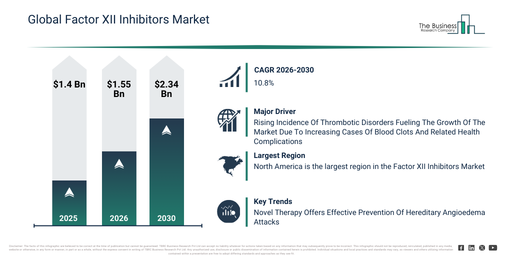
    The factor xii inhibitors market size has demonstrated significant expansion in recent years. It is anticipated to expand from $1.4 billion in 2025 to $1.55 billion in 2026, achieving a compound annual growth rate (CAGR) of 11.1%. The expansion observed in the past can be ascribed to advancements in coagulation biology research, an escalating occurrence of thrombotic disorders, the constraints of conventional anticoagulants, initial positive outcomes in clinical trials for fxii inhibition, and increased investment in rare and specialized therapeutics.

    The factor xii inhibitors market is projected to experience substantial expansion over the upcoming years, reaching a valuation of $2.34 billion by 2030, demonstrating a compound annual growth rate (CAGR) of 10.8%. This anticipated growth during the forecast period is driven by several factors, including the proliferation of late-stage clinical trials, a rising need for safer antithrombotic treatments, the growing adoption of precision medicine, increasing regulatory backing for new anticoagulants, and the extension of fxii inhibitors into inflammatory applications. Key developments expected within this period encompass the accelerated creation of non-bleeding anticoagulant therapies, a heightened emphasis on modulating targeted coagulation pathways, an increase in the clinical assessment of fxii selective inhibitors, the broadening use of rna-based and peptide therapeutics, and the improved application of precision drug design.

    Download the Free Sample Report to Explore Key Market Insights:

    https://www.thebusinessresearchcompany.com/sample.aspx?id=30278&type=smp

    Which Economic Or Industry Drivers Are Impacting The Factor XII Inhibitors Market?

    The increasing occurrence of thrombotic conditions is projected to drive the expansion of the factor XII inhibitors market. These conditions involve the formation of blood clots within veins or arteries, which can obstruct blood flow and lead to severe health issues. The rise in sedentary lifestyles, contributing to inadequate blood circulation and an elevated risk of clot development, is causing an increase in thromboembolic disorders. Factor XII inhibitors address thrombotic disorders by impeding irregular clot formation through the blockade of the contact activation pathway, all while preserving normal hemostasis. This mechanism ensures efficient control of thrombosis while concurrently reducing the likelihood of bleeding. For example, as reported by the US-based government agency, the Centers for Disease Control and Prevention (CDC), in January 2025, approximately 900,000 individuals in the United States suffer from venous thromboembolism, with an estimated 60,000-100,000 Americans succumbing to it each year, and many more facing enduring complications. Consequently, the growing frequency of thrombotic disorders is fueling the expansion of the Factor XII inhibitors market.

    How Is The Factor XII Inhibitors Market Structured Across Different Segments?

    The factor xii inhibitors market covered in this report is segmented –

    1) By Drug Type: Monoclonal Antibodies, Small Molecule Inhibitors, Other Drug Types

    2) By Route Of Administration: Oral, Injectable, Other Routes Of Administration

    3) By Application: Hereditary Angioedema, Thrombosis, Inflammatory Disorders, Other Applications

    4) By End-User: Hospitals, Specialty Clinics, Research Institutes, Other End-Users

    Subsegments:

    1) By Monoclonal Antibodies: Fully Human Monoclonal Antibodies, Humanized Monoclonal Antibodies, Chimeric Monoclonal Antibodies, Bispecific Monoclonal Antibodies, Single-Chain Variable Fragment (scFv) Antibodies

    2) By Small Molecule Inhibitors: Direct Factor XII Inhibitors, Allosteric Factor XII Inhibitors, Reversible Inhibitors, Irreversible Inhibitors, Peptidomimetic Inhibitors

    3) By Other Drug Types: Peptide-Based Inhibitors, RNA Interference (RNAi) Therapeutics, Antisense Oligonucleotides, Combination Therapies

    Which Trends Are Shaping The Future Of The Factor XII Inhibitors Market?

    Leading companies operating in the Factor XII Inhibitors market are concentrating on developing innovative products, such as anti-FXIIa monoclonal antibodies, with the aim of enhancing therapeutic precision and treatment effectiveness. These anti-FXIIa monoclonal antibodies are targeted biologics designed to inhibit activated factor XII, preventing abnormal clot formation while preserving normal hemostasis. For instance, in February 2025, CSL Behring GmbH, a Germany-based biopharmaceutical company, secured manufacturing and marketing approval from Japan’s Ministry of Health, Labour and Welfare (MHLW) for ANDEMBRY (garadacimab) subcutaneous (S.C.) injection 200 mg pens. This product is a novel, human anti-activated factor XII monoclonal antibody approved for the prevention of acute attacks of hereditary angioedema (HAE). It functions by targeting activated factor XIIa, a key driver in the initiation of HAE attacks, and is administered through a convenient subcutaneous injection pen.

    Which Major Players Dominate The Factor XII Inhibitors Market?

    Major companies operating in the factor xii inhibitors market are Taylor & Francis Group, Santa Cruz Biotechnology Inc., CSL Limited, Bridge Medicines Inc., KalVista Pharmaceuticals Inc., Ovid Technologies Inc., Affinity Biologicals Inc., Lunac Therapeutics Ltd., Grantome LLC

    Read the full factor xii inhibitors market report here:

    https://www.thebusinessresearchcompany.com/report/global-factor-xii-inhibitors-market-report

    What Are The Top-Performing Regions Within The Factor XII Inhibitors Market?

    North America was the largest region in the factor XII inhibitors market in 2025. Asia-Pacific is expected to be the fastest-growing region in the forecast period. The regions covered in the factor xii inhibitors market report are Asia-Pacific, South East Asia, Western Europe, Eastern Europe, North America, South America, Middle East, Africa.

    Request A Tailored Factor XII Inhibitors Market Research Report For Competitive Advantage:

    https://www.thebusinessresearchcompany.com/customise?id=30278&type=smp

    Browse Through More Reports Similar to the Global Factor XII Inhibitors Market 2026, By The Business Research Company

    Tumor Necrosis Factor Inhibitor Drugs Market Report 2026

    https://www.thebusinessresearchcompany.com/report/tumor-necrosis-factor-inhibitor-drugs-global-market-report

    Kinase Inhibitors Market Report 2026

    https://www.thebusinessresearchcompany.com/report/kinase-inhibitors-global-market-report

    Enzyme Inhibitor Market Report 2026

    https://www.thebusinessresearchcompany.com/report/enzyme-inhibitor-global-market-report

    Get in touch with us:

    The Business Research Company: https://www.thebusinessresearchcompany.com/

    Americas +1 310-496-7795

    Asia +44 7882 955267 & +91 8897263534

    Europe +44 7882 955267

    Email us at info@tbrc.info

    Follow us on:

    LinkedIn: https://in.linkedin.com/company/the-business-research-company

    YouTube: https://www.youtube.com/channel/UC24_fI0rV8cR5DxlCpgmyFQ

    Global Market Model: https://www.thebusinessresearchcompany.com/global-market-model

  • Global Deoxycholic Acid Obesity Drugs Market 2026–2035 indicating long-term demand growth

    Global Deoxycholic Acid Obesity Drugs Market 2026–2035 indicating long-term demand growth

    The Business Research Company’s 2026 market reports include new capabilities such as market attractiveness scoring and analysis, total addressable market analysis, company scoring matrix, interactive excel data dashboard, improved supply chain analysis, upcoming startups in the market, and overview of key products, aimed at improving the depth, usability, and strategic value of the insights delivered.

    What Is The Forecasted Market Value Of The Deoxycholic Acid Obesity Drugs Market Across 2026–2030?

    The deoxycholic acid obesity drugs market has witnessed significant growth in recent years. Its value is anticipated to increase from $0.5 billion in 2025 to $0.57 billion in 2026, achieving a compound annual growth rate (CAGR) of 14.4%. Historically, this expansion has been propelled by factors such as enhanced consumer understanding of aesthetic treatments, the proliferation of medical aesthetics clinics, an increasing inclination towards minimally invasive procedures, the availability of approved deoxycholic acid formulations, and a rise in disposable income.

    The deoxycholic acid obesity drugs market is projected to experience substantial expansion in the coming years, forecast to reach $0.97 billion by 2030, exhibiting a compound annual growth rate (CAGR) of 14.1%. Factors driving this growth include a heightened demand for customized aesthetic solutions, the broader application of combined aesthetic protocols, a greater emphasis on body sculpting techniques, increased funding for innovative aesthetic drugs, and deeper market penetration in developing regions. Key trends anticipated during this period involve the wider acceptance of non-invasive fat reduction methods, an escalating need for injectable aesthetic therapies, the progression of combined lipolytic treatments, the proliferation of body contouring services offered by clinics, and a stronger emphasis on aesthetic results tailored to individual patients.

    Download the Free Sample Report to Explore Key Market Insights:

    https://www.thebusinessresearchcompany.com/sample.aspx?id=28192&type=smp

    What Drivers Are Shaping The Future Growth Of The Deoxycholic Acid Obesity Drugs Market?

    The increasing prevalence of obesity is projected to boost the expansion of the deoxycholic acid obesity drug market. Obesity rates define the proportion of individuals within a population categorized as overweight or obese, determined by their body mass index (BMI). The escalation in obesity rates stems from unhealthy eating patterns, including the frequent consumption of processed foods and sweetened beverages, which leads to the accumulation of surplus calories as body fat. Deoxycholic acid obesity drugs contribute to lowering these rates by dissolving and eliminating superfluous fat cells, leading to specific fat reduction and enhanced body shape. For example, in May 2025, data from the Office for Health Improvement and Disparities, a UK-based government body, indicated that between 2023 and 2024, approximately 64.5% of adults aged 18 and above in England were either overweight or obese, marking an increase from 64.0% recorded between 2022 and 2023. Consequently, the escalating obesity rates are fueling the growth of the deoxycholic acid obesity drug market.

    What Segmentation Levels Are Considered In The Deoxycholic Acid Obesity Drugs Market?

    The deoxycholic acid obesity drugs market covered in this report is segmented –

    1) By Drug Type: ATX-101 (Deoxycholic Acid Injection Or Kybella Or Belkyra), Experimental Or Compounded Deoxycholic Acid Formulations, Combination Therapies, Oral Deoxycholic Acid Products

    2) By Formulation: Injectable, Topical

    3) By Distribution Channel: Direct Sales, Retail Pharmacies, Online Pharmacies

    4) By Application: Submental Fat Reduction, Abdominal Fat Reduction, Thighs Arms And Flanks, Lipomas And Localized Fat, Cellulite Management

    5) By End-User: Aesthetic Clinics, Dermatology Clinics, Plastic Surgery Centers, Hospitals, Home Administration

    Subsegments:

    1) By ATX-101 (Deoxycholic Acid Injection or Kybella or Belkyra): Standard Injectable, High-Purity Formulations, Combination Injection Therapies

    2) By Experimental Or Compounded Deoxycholic Acid Formulation: Clinical Trial Formulations, Compounded Customized Formulations

    3) By Combination Therapies: Deoxycholic Acid + Lipolytic Agents, Deoxycholic Acid + Enzyme Therapy

    4) By Oral Deoxycholic Acid Products: Capsules, Tablets, Liquid Formulations

    What Trends Are Projected To Affect The Deoxycholic Acid Obesity Drugs Market?

    Leading companies operating in the deoxycholic acid obesity drug market are focusing on developing advanced products, such as injectable deoxycholic acid obesity drugs, to enhance treatment efficacy and improve patient outcomes. These injectable drugs leverage deoxycholic acid, a substance that breaks down fat cells, and are administered via injection to specifically target and reduce fat in particular areas. For instance, in March 2024, LG Chem Ltd., a South Korea-based chemicals company, launched Bellacholine for the reduction of submental fat. This non-surgical injection is specifically formulated to diminish moderate to severe submental fat (double chin) by safely destroying fat cells with deoxycholic acid. It provides benefits like a body-compatible pH, minimal sedimentation, and stimulates skin elasticity through collagen synthesis.

    Which Leading Firms Are Contributing To The Growth Of The Deoxycholic Acid Obesity Drugs Market?

    Major companies operating in the deoxycholic acid obesity drugs market are AbbVie Inc., Cipla Ltd., Glenmark Life Sciences Limited, Curia Global Inc., Daewoong Pharmaceutical Co. Ltd., Actylis, ICE Pharma, Cayman Chemical Company, Nacalai Tesque Inc., Sichuan Huiyu Pharmaceutical, Conscientia Industrial, Manus Aktteva Biopharma LLP, Jeevan Chemicals & Pharmaceuticals, Anhui Chem-Bright Bioengineering Co. Ltd., GlpBio Technology LLC, Legere Pharmaceuticals, Otto Chemie Pvt. Ltd., BOC Sciences, Guangzhou Green Cross Pharmaceutical, Prodotti Chimici e Alimentari S.P.A

    Read the full deoxycholic acid obesity drugs market report here:

    https://www.thebusinessresearchcompany.com/report/deoxycholic-acid-obesity-drugs-global-market-report

    Which Geographic Regions Are Influencing Demand In The Deoxycholic Acid Obesity Drugs Market?

    North America was the largest region in the deoxycholic acid obesity drugs market in 2025. Asia-Pacific is expected to be the fastest-growing region in the forecast period. The regions covered in the deoxycholic acid obesity drugs market report are Asia-Pacific, South East Asia, Western Europe, Eastern Europe, North America, South America, Middle East, Africa.

    Request A Tailored Deoxycholic Acid Obesity Drugs Market Research Report For Competitive Advantage:

    https://www.thebusinessresearchcompany.com/customise?id=28192&type=smp

    Browse Through More Reports Similar to the Global Deoxycholic Acid Obesity Drugs Market 2026, By The Business Research Company

    Metabolic Disorders Drugs Market Report 2026

    https://www.thebusinessresearchcompany.com/report/metabolic-disorders-drugs-global-market-report

    Weight Loss Drugs Market Report 2026

    https://www.thebusinessresearchcompany.com/report/weight-loss-drugs-global-market-report

    Weight Loss Supplements Market Report 2026

    https://www.thebusinessresearchcompany.com/report/weight-loss-supplements-global-market-report

    Get in touch with us:

    The Business Research Company: https://www.thebusinessresearchcompany.com/

    Americas +1 310-496-7795

    Asia +44 7882 955267 & +91 8897263534

    Europe +44 7882 955267

    Email us at info@tbrc.info

    Follow us on:

    LinkedIn: https://in.linkedin.com/company/the-business-research-company

    YouTube: https://www.youtube.com/channel/UC24_fI0rV8cR5DxlCpgmyFQ

    Global Market Model: https://www.thebusinessresearchcompany.com/global-market-model

  • Facet-Joint Injection Market 2026 driven by pain management demand

    Facet-Joint Injection Market 2026 driven by pain management demand

    The Business Research Company’s 2026 market reports include new capabilities such as market attractiveness scoring and analysis, total addressable market analysis, company scoring matrix, interactive excel data dashboard, improved supply chain analysis, upcoming startups in the market, and overview of key products, aimed at improving the depth, usability, and strategic value of the insights delivered.

    What Is The Market Size Of The Facet-Joint Injection Market In 2026 And What Value Is Projected For 2030?

    The facet-joint injection market has demonstrated robust growth in recent years. It is anticipated to expand from $2.97 billion in 2025 to $3.18 billion in 2026, progressing at a compound annual growth rate (CAGR) of 6.9%. This historical growth can be attributed to the rising prevalence of spinal degeneration, the incidence of arthritis, increasing awareness regarding pain management, the application of corticosteroids, and the growth in outpatient procedures.

    The facet-joint injection market size is projected to experience robust expansion over the coming years. It is anticipated to reach $4.1 billion by 2030, driven by a compound annual growth rate (CAGR) of 6.6%. This expansion during the forecast period is primarily fueled by factors such as an aging population, a preference for minimally invasive treatments, the widespread occurrence of chronic pain, the growth of ambulatory care, and the increasing use of imaging-guided procedures. Key trends anticipated during this period encompass a surging demand for minimally invasive pain procedures, greater application in managing chronic back pain, the proliferation of outpatient pain clinics, the integration of image-guided injection methods, and the broadening of ambulatory surgical centers.

    Download the Free Sample Report to Explore Key Market Insights:

    https://www.thebusinessresearchcompany.com/sample.aspx?id=24531&type=smp

    What Major Drivers Are Influencing Demand In The Facet-Joint Injection Market?

    The increasing incidence of spinal conditions and persistent back pain is anticipated to fuel the expansion of the facet-joint injection market. These long-term ailments, such as disc degeneration, arthritis, or nerve compression, affect the spine, leading to ongoing discomfort, restricted movement, and a diminished quality of life. The growing occurrence of spinal diseases and chronic back pain is largely attributed to inactive lifestyles and improper posture habits, prompting individuals to seek efficient and minimally disruptive treatments to alleviate persistent pain and regain functional mobility. Facet-joint injections provide assistance for spinal diseases and chronic back pain by mitigating spinal pain and inflammation, thereby offering relief to those suffering from these increasing problems. For instance, in May 2023, Spinal Cord Inc., a US-based non-profit resource center, reported approximately 18,000 new spinal cord injury (SCI) cases annually in the United States in 2023, with an estimated 302,000 individuals nationwide currently living with such injuries. Consequently, the rising prevalence of spinal diseases and chronic back pain is a significant factor driving the growth of the facet-joint injection market.

    What Are The Key Segments Of The Facet-Joint Injection Market?

    The facet-joint injection market covered in this report is segmented –

    1) By Product Type: Corticosteroids, Local Anesthetics, Hyaluronic Acid, Other Product Types

    2) By Application: Cervical Facet Joints, Thoracic Facet Joints, Lumbar Facet Joints

    3) By End-User: Hospitals, Ambulatory Surgical Centers, Specialty Clinics, Other End-Users

    Subsegments:

    1) By Corticosteroids: Triamcinolone Acetonide, Methylprednisolone Acetate, Dexamethasone Sodium Phosphate, Betamethasone

    2) By Local Anesthetics: Lidocaine, Bupivacaine, Ropivacaine, Prilocaine

    3) By Hyaluronic Acid: High Molecular Weight Hyaluronic Acid, Low Molecular Weight Hyaluronic Acid, Cross-Linked Hyaluronic Acid, Non-Cross-Linked Hyaluronic Acid

    4) By Other Product Types: Platelet-Rich Plasma, Biological Agents, Combination Formulations

    What Key Trends Are Influencing The Development Of The Facet-Joint Injection Market?

    Major companies within the facet-joint injection market are concentrating on developing innovative products, such as facet fusion systems, to provide more lasting relief and enhance treatment results. Facet fusion systems are defined as medical devices engineered to stabilize and fuse the spine’s facet joints by stimulating bone growth between adjacent vertebrae. As an illustration, in March 2025, Aurora Spine Corporation, a US-based medical device enterprise, announced that the AEROTM Facet Fusion System, its latest product, obtained 510(k) clearance from the U.S. Food and Drug Administration (FDA). The system incorporates a titanium plasma spray coating to improve osseointegration and fusion potential. It accommodates multiple implant sizes to fit diverse patient anatomies and features radiolucent instrumentation to boost intraoperative visibility. These collective attributes aim to enhance procedural efficiency and achieve superior long-term outcomes in managing chronic back pain stemming from facet joint disorders.

    Who Are The Leading Companies Operating In The Facet-Joint Injection Market?

    Major companies operating in the facet-joint injection market are Abbott Laboratories, B. Braun Melsungen AG, BD (Becton Dickinson and Company), Cook Medical, Teleflex Incorporated, Merit Medical Systems Inc., Halyard Health, ICU Medical Inc., Pajunk GmbH Medizintechnologie, Avanos Medical Inc., Vygon SA, Cardinal Health Inc., Terumo Corporation, Nipro Corporation, Septodont Holding, Fresenius Kabi AG, Hikma Pharmaceuticals PLC, Sun Pharmaceutical Industries Ltd., Aurobindo Pharma Ltd., Zydus Lifesciences Ltd., Amneal Pharmaceuticals LLC, Lupin Limited, Piramal Pharma Limited, Intas Pharmaceuticals Ltd., Gland Pharma Limited, Amphastar Pharmaceuticals Inc., Fresenius Medical Care, Baxter International Inc., McKesson Corporation

    Read the full facet-joint injection market report here:

    https://www.thebusinessresearchcompany.com/report/facet-joint-injection-global-market-report

    Which Region Shows The Strongest Potential For Future Growth In The Facet-Joint Injection Market?

    North America was the largest region in the facet-joint injection market in 2025. Asia-Pacific is expected to be the fastest-growing region in the forecast period. The regions covered in the facet-joint injection market report are Asia-Pacific, South East Asia, Western Europe, Eastern Europe, North America, South America, Middle East, Africa.

    Request A Tailored Facet-Joint Injection Market Research Report For Competitive Advantage:

    https://www.thebusinessresearchcompany.com/customise?id=24531&type=smp

    Browse Through More Reports Similar to the Global Facet-Joint Injection Market 2026, By The Business Research Company

    Self Injections Market Report 2026

    https://www.thebusinessresearchcompany.com/report/self-injections-global-market-report

    Joint Pain Injections Market Report 2026

    https://www.thebusinessresearchcompany.com/report/joint-pain-injections-global-market-report

    Facial Injectable Market Report 2026

    https://www.thebusinessresearchcompany.com/report/facial-injectable-global-market-report

    Get in touch with us:

    The Business Research Company: https://www.thebusinessresearchcompany.com/

    Americas +1 310-496-7795

    Asia +44 7882 955267 & +91 8897263534

    Europe +44 7882 955267

    Email us at info@tbrc.info

    Follow us on:

    LinkedIn: https://in.linkedin.com/company/the-business-research-company

    YouTube: https://www.youtube.com/channel/UC24_fI0rV8cR5DxlCpgmyFQ

    Global Market Model: https://www.thebusinessresearchcompany.com/global-market-model
  • Dental Sleep Medicine Market 2026 unlocking new opportunities in sleep disorder treatment

    Dental Sleep Medicine Market 2026 unlocking new opportunities in sleep disorder treatment

    The Business Research Company’s 2026 market reports include new capabilities such as market attractiveness scoring and analysis, total addressable market analysis, company scoring matrix, interactive excel data dashboard, improved supply chain analysis, upcoming startups in the market, and overview of key products, aimed at improving the depth, usability, and strategic value of the insights delivered.

    What Market Size Increase Is Anticipated For The Dental Sleep Medicine Market Over The 2026–2030 Period?

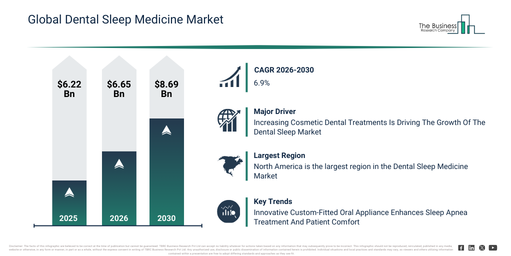
    The dental sleep medicine market size has shown strong growth in recent years. It is forecast to expand from $6.22 billion in 2025 to $6.65 billion in 2026, representing a compound annual growth rate (CAGR) of 6.9%. The market’s historical growth can be attributed to the rising recognition of obstructive sleep apnea as a public health issue, limitations regarding long-term CPAP adherence, the early adoption of mandibular advancement devices, the increasing involvement of dentists in sleep disorder screening, and the expansion of sleep laboratories and diagnostic services.

    The dental sleep medicine market is projected to experience robust expansion over the coming years. Its value is anticipated to reach $8.69 billion by 2030, demonstrating a compound annual growth rate (CAGR) of 6.9%. This growth during the forecast period is primarily driven by factors such as the increasing occurrence of sleep apnea across all age groups, a growing patient inclination towards non-invasive treatments, the expansion of the aging population experiencing sleep disorders, broader insurance coverage for oral appliance therapy, and the greater incorporation of dental care into comprehensive health frameworks. Key trends identified for the forecast timeframe encompass the rising acceptance of oral appliance therapy for sleep apnea, enhanced cooperation between dental professionals and sleep physicians, greater recognition of non-surgical solutions for sleep disorders, the proliferation of dental sleep medicine services within general dentistry practices, and a heightened need for managing sleep disorders at home.

    Download the Free Sample Report to Explore Key Market Insights:

    https://www.thebusinessresearchcompany.com/sample.aspx?id=18566&type=smp

    Which Economic Or Industry Drivers Are Impacting The Dental Sleep Medicine Market?

    The future expansion of the dental sleep medicine market is anticipated, driven by the increasing need for cosmetic dental treatments. These treatments encompass procedures focused on improving tooth aesthetics and enhancing smile appeal. The rising demand for cosmetic dental procedures stems from a heightened awareness of oral aesthetics, advancements in dental technologies, a greater emphasis on personal appearance and confidence, and wider availability of affordable treatment choices. The dental sleep medicine market supports cosmetic dentistry by addressing sleep-related breathing disorders, reducing bruxism, correcting jaw alignment, and maintaining long-term oral health, thereby boosting the durability and effectiveness of cosmetic dental outcomes. For instance, in July 2023, according to Dentistry.co.uk, a UK-based dental information platform, one-third of individuals under 35 underwent a cosmetic dental procedure in 2022, spending an average of £3,677 ($4,696.3), while 10% of those aged 25–34 spent £25,000 ($31,930.5) or more. Consequently, the escalating demand for cosmetic dental treatments is propelling the growth of the dental sleep medicine market.

    How Is The Dental Sleep Medicine Market Segmented Across Key Categories?

    The dental sleep medicine market covered in this report is segmented –

    1) By Type: Diagnostic, Treatment

    2) By Age Group: Pediatric, Adult, Geriatric

    3) By End User: Hospitals, Sleep Laboratories, Home, Other End Users

    Subsegments:

    1) By Diagnostic: Polysomnography (Sleep Study), Home Sleep Apnea Testing (Hsat), Sleep Disorder Screening Tools, Sleep Oximeters

    2) By Treatment: Oral Appliances (Mandibular Advancement Devices), Continuous Positive Airway Pressure (Cpap) Therapy, Bi-Level Positive Airway Pressure (Bipap) Therapy, Lifestyle And Behavioral Therapy

    Which Upcoming Trends Are Expected To Influence The Dental Sleep Medicine Market?

    Leading firms within the dental sleep medicine market are concentrating on creating advanced, precise oral appliance therapy (OAT) devices, aiming to enhance treatment efficacy and user comfort. These OAT devices consist of personalized mouthpieces that individuals wear while sleeping, designed to maintain an open airway and assist in managing sleep apnea or snoring. As an illustration, ProSomnus Sleep Technologies Inc., a technology company based in the US, introduced an oral appliance named EVO Guided in June 2025. This device, added to their FDA-cleared EVO line, is specifically engineered to treat obstructive sleep apnea (OSA). What distinguishes this particular device is its ability to enlarge tongue space and secure the jaw in an exact therapeutic placement, thereby keeping the airway clear without impeding tongue motion. Tailored completely to an individual patient’s anatomical structure, EVO Guided provides enhanced comfort and better effectiveness, with coverage from a majority of medical insurances, including Medicare.

    Who Are The Dominant Players Shaping The Dental Sleep Medicine Market Landscape?

    Major companies operating in the dental sleep medicine market are SomnoMed Ltd., ProSomnus Inc., Vivos Therapeutics Inc., Oventus Medical Ltd., Panthera Dental Inc., Myerson LLC, Oral Arts Dental Laboratories Inc., Dental Sleep Solutions LLC, Sleep Group Solutions Inc., Carestream Dental LLC, Henry Schein Inc., Dentsply Sirona, Koninklijke Philips NV, ResMed, Compumedics Limited, Natus Medical Inc., Braebon Medical Corporation, BMC Medical Co. Ltd., Fisher & Paykel Healthcare Limited, ProSomnus Sleep Technologies

    Read the full dental sleep medicine market report here:

    https://www.thebusinessresearchcompany.com/report/dental-sleep-medicine-global-market-report

    What Are The Top-Performing Regions Within The Dental Sleep Medicine Market?

    North America was the largest region in the dental sleep medicine market in 2025. Asia-Pacific is expected to be the fastest-growing region in the forecast period. The regions covered in the dental sleep medicine market report are Asia-Pacific, South East Asia, Western Europe, Eastern Europe, North America, South America, Middle East, Africa.

    Request A Tailored Dental Sleep Medicine Market Research Report For Competitive Advantage:

    https://www.thebusinessresearchcompany.com/customise?id=18566&type=smp

    Browse Through More Reports Similar to the Global Dental Sleep Medicine Market 2026, By The Business Research Company

    Dental Sleep Medicine Market Report 2026

    https://www.thebusinessresearchcompany.com/report/dental-sleep-medicine-global-market-report

    Dental Anesthesia Market Report 2026

    https://www.thebusinessresearchcompany.com/report/dental-anesthesia-global-market-report

    Therapeutic Dental Equipment Market Report 2026

    https://www.thebusinessresearchcompany.com/report/therapeutic-dental-equipment-global-market-report

    Get in touch with us:

    The Business Research Company: https://www.thebusinessresearchcompany.com/

    Americas +1 310-496-7795

    Asia +44 7882 955267 & +91 8897263534

    Europe +44 7882 955267

    Email us at info@tbrc.info

    Follow us on:

    LinkedIn: https://in.linkedin.com/company/the-business-research-company

    YouTube: https://www.youtube.com/channel/UC24_fI0rV8cR5DxlCpgmyFQ

    Global Market Model: https://www.thebusinessresearchcompany.com/global-market-model