Month: March 2026

  • Nitinol Based Medical Device Market Developments and Growth Opportunities Across 2026–2030

    Nitinol Based Medical Device Market Developments and Growth Opportunities Across 2026–2030

    The Business Research Company’s 2026 market reports include new capabilities such as market attractiveness scoring and analysis, total addressable market analysis, company scoring matrix, interactive excel data dashboard, improved supply chain analysis, upcoming startups in the market, and overview of key products, aimed at improving the depth, usability, and strategic value of the insights delivered.

    What Is The Expected Market Size Of The Nitinol Based Medical Device Market From 2026 To 2030?

    The nitinol based medical device market size has experienced significant expansion in recent years. It is projected to increase from $20.91 billion in 2025 to $23.12 billion in 2026, demonstrating a compound annual growth rate (CAGR) of 10.6%. The historical growth of this market can be attributed to the expanding use of minimally invasive surgical procedures, the availability of advanced nickel-titanium alloys, a rise in cardiovascular intervention volumes, the adoption of flexible implant technologies, and the increasing utilization of guidewire-based interventions.

    The nitinol-based medical device market is poised for significant expansion in the coming years, with expectations to grow to $34.36 billion in 2030 at a compound annual growth rate (CAGR) of 10.4%. This projected growth during the forecast period is fueled by increasing demand for next-generation implantable devices, a rising focus on patient-specific device designs, the expansion of complex endovascular procedures, growing investments in advanced biomaterials, and innovation in shape-memory alloy processing. Major trends anticipated include the increasing adoption of nitinol-based minimally invasive devices, a rising use of superelastic medical components, growing demand for shape-memory implants, the expansion of cardiovascular and neurovascular applications, and an enhanced focus on device durability and flexibility.

    Download the Free Sample Report to Explore Key Market Insights:

    https://www.thebusinessresearchcompany.com/sample.aspx?id=24339&type=smp

    What Drivers Are Influencing The Nitinol Based Medical Device Market?

    The growing incidence of cardiovascular diseases is projected to drive the expansion of the nitinol-based medical device market. Cardiovascular disease (CVD) describes a variety of heart and blood vessel ailments, including conditions like coronary artery disease, heart attacks, heart failure, arrhythmias, and stroke, primarily involving the narrowing or obstruction of blood vessels which restricts blood and oxygen delivery to the heart and other organs. The rise in cardiovascular diseases is fueled by aging populations, particularly in developed nations, as the risk of such issues increases with age. Nitinol-based medical devices have become extremely useful in managing and treating cardiovascular diseases, owing to the distinct qualities of nitinol, an alloy of nickel and titanium. For instance, in January 2024, according to the American Heart Association, a US-based nonprofit organization, deaths attributable to cardiovascular diseases totaled 931,578, an increase from 928,741 in 2023. Additionally, the age-adjusted death rate for cardiovascular disease experienced a slight increase, reaching 233.3 per 100,000, representing a 4.0% rise from the preceding year’s rate of 224.4 per 100,000. Therefore, the increasing prevalence of vascular heart diseases is propelling the cardiovascular catheters market.

    Which Segments Are Included In The Analysis Of The Nitinol Based Medical Device Market?

    The nitinol based medical device market covered in this report is segmented –

    1) By Product Type: Stents, Guidewires, Retriever Device, Catheters, Other Product Types

    2) By Application: Cardiovascular, Urology, Dentistry, Other Applications

    3) By End Use: Hospitals, Ambulatory Surgical Centers, Specialty Clinics, Other End Users

    Subsegments:

    1) By Stents: Peripheral Stents, Coronary Stents, Neurovascular Stents, Other Stents

    2) By Guidewires: Diagnostic Guidewires, Interventional Guidewires

    3) By Retriever Devices: Thrombectomy Devices, Foreign Body Retrieval Devices

    4) By Catheters: Balloon Catheters, Guiding Catheters, Microcatheters, Diagnostic Catheters

    5) By Other Product Types: Orthodontic Archwires, Orthopedic Devices, Embolic Protection Devices, Other Specialized Devices

    Which Trends Are Impacting The Growth Of The Nitinol Based Medical Device Market?

    Leading companies in the nitinol-based medical device market are concentrating on developing self-expanding nitinol stent-electrodes to advance their product offerings. A self-expanding nitinol stent-electrode is a composite medical device featuring a stent structure made from nitinol (a nickel-titanium alloy) that automatically expands to a predetermined shape upon deployment within the body, alongside embedded electrodes designed for electrical stimulation or recording from biological tissues like nerves, blood vessels, or the brain. For example, in September 2024, Synchron, a US-based company focused on implantable neurotechnology, stated that its Stentrode BCI implant utilizes a self-expanding nitinol stent-electrode array. This array is delivered through the jugular vein to the superior sagittal sinus, situated adjacent to the motor cortex, allowing for minimally invasive placement in approximately 20 minutes. The nitinol construction facilitates a thin design (1.3mm lead) with low radial force, thereby avoiding venous damage, while platinum electrodes are responsible for decoding motor intent for digital controls.

    Which Key Industry Participants Are Active In The Nitinol Based Medical Device Market?

    Major companies operating in the nitinol based medical device market are Medtronic plc, Cook Medical, Teleflex Incorporated, Cordis, Endologix, Arthrex, Balton, EndoSmart GmbH, Ingpuls Medical, GEE Nitinol, Confluent Medical Technologies, Seisa Medical, Fort Wayne Metals, Norman Noble Inc., Resonetics, Vascotube, Nitinol Devices & Components (Johnson Matthey), SAES Smart Materials, Memry Corporation, Euroflex GmbH, Admedes Schuessler GmbH, ATI Specialty Materials

    Read the full nitinol based medical device market report here:

    https://www.thebusinessresearchcompany.com/report/nitinol-based-medical-device-global-market-report

    Which Regions Are Expected To Experience Rapid Expansion In The Nitinol Based Medical Device Market?

    North America was the largest region in the nitinol-based medical device market in 2025. Asia-Pacific is expected to be the fastest-growing region in the forecast period. The regions covered in the nitinol based medical device market report are Asia-Pacific, South East Asia, Western Europe, Eastern Europe, North America, South America, Middle East, Africa.

    Request A Tailored Nitinol Based Medical Device Market Research Report For Competitive Advantage:

    https://www.thebusinessresearchcompany.com/customise?id=24339&type=smp

    Browse Through More Reports Similar to the Global Nitinol Based Medical Device Market 2026, By The Business Research Company

    Medical Device Contract Research Organization Market Report 2026

    https://www.thebusinessresearchcompany.com/report/medical-device-contract-research-organization-global-market-report

    Nanotechnology Based Medical Devices Market Report 2026

    https://www.thebusinessresearchcompany.com/report/nanotechnology-based-medical-devices-global-market-report

    Portable Medical Devices Market Report 2026

    https://www.thebusinessresearchcompany.com/report/portable-medical-devices-global-market-report

    Get in touch with us:

    The Business Research Company: https://www.thebusinessresearchcompany.com/

    Americas +1 310-496-7795

    Asia +44 7882 955267 & +91 8897263534

    Europe +44 7882 955267

    Email us at info@tbrc.info

    Follow us on:

    LinkedIn: https://in.linkedin.com/company/the-business-research-company

    YouTube: https://www.youtube.com/channel/UC24_fI0rV8cR5DxlCpgmyFQ

    Global Market Model: https://www.thebusinessresearchcompany.com/global-market-model

  • Global NGS-Based RNA-Sequencing Market Forecast 2026–2035 Presenting Long-Term Industry Expansion Insights

    Global NGS-Based RNA-Sequencing Market Forecast 2026–2035 Presenting Long-Term Industry Expansion Insights

    The Business Research Company’s 2026 market reports include new capabilities such as market attractiveness scoring and analysis, total addressable market analysis, company scoring matrix, interactive excel data dashboard, improved supply chain analysis, upcoming startups in the market, and overview of key products, aimed at improving the depth, usability, and strategic value of the insights delivered.

    What Market Valuation Is Forecasted For The NGS-Based RNA-Sequencing Market By 2030 Starting From Its 2026 Size?

    The ngs-based rna-sequencing market’s scale has expanded rapidly in recent times. It will grow from $4.2 billion in 2025 to $5.27 billion in 2026 at a compound annual growth rate (CAGR) of 25.3%. Historically, this growth has stemmed from factors such as the broadening of genomic research initiatives, a decrease in the cost of sequencing technologies, greater application of rna-seq in academic studies, the advent of sophisticated sequencing platforms, and advancements in bioinformatics capabilities.

    The ngs-based rna-sequencing market is projected to experience substantial expansion over the coming years. Its valuation is forecast to reach $12.73 billion by 2030, exhibiting a compound annual growth rate (CAGR) of 24.7%. This expansion during the projection period stems from factors such as the greater acceptance of RNA sequencing in clinical diagnostics, increased funding in precision medicine, broader applications in pharmaceutical research, the rising need for integrated data analysis solutions, and a heightened emphasis on multi-omics research. Key developments anticipated over the forecast period involve the wider adoption of high-throughput RNA sequencing platforms, a surge in demand for single-cell RNA sequencing, the increasing utilization of cloud-based bioinformatics analysis, the broadening scope of transcriptomics within precision medicine, and a stronger focus on data precision and scalability.

    Download the Free Sample Report to Explore Key Market Insights:

    https://www.thebusinessresearchcompany.com/sample.aspx?id=7416&type=smp

    What Drivers Are Shaping The Future Growth Of The NGS-Based RNA-Sequencing Market?

    The expanding pharmaceutical sector is anticipated to propel the advancement of the NGS-based RNA-sequencing market moving forward. This industry encompasses the discovery, development, and production of medicines and drugs by both governmental and private entities. The pharmaceutical industry utilizes NGS-based RNA-sequencing to thoroughly analyze gene expression, pinpoint potential drug targets, assess drug responses, and understand disease mechanisms, thereby facilitating drug discovery and development with a deeper understanding of molecular processes. For instance, in June 2025, according to the Centers for Medicare & Medicaid Services (CMS), a US-based federal agency, spending on prescription drugs climbed 11.4% in 2023 to $449.7 billion, an acceleration from the 7.8% growth seen in 2022. Therefore, the expanding pharmaceutical industry is fueling the growth of the NGS-based RNA-sequencing market.

    Which Segment Categories Define The NGS-Based RNA-Sequencing Market?

    The ngs-based rna-sequencing market covered in this report is segmented –

    1) By Product And Service: Sample Preparation Products, Sequencing Platforms and Consumables, Sequencing Services, Data Analysis, Storage, and Management

    2) By Technology: Sequencing by Synthesis, Ion Semiconductor Sequencing, Single-molecule Real-time Sequencing, Nanopore Sequencing

    3) By Application: Expression Profiling Analysis, Small RNA Sequencing, De Novo Transcriptome Assembly

    4) By End User: Research & Academia, Pharmaceutical & Biotechnology Companies, Other End Users

    Subsegments:

    1) By Sample Preparation Products: RNA Extraction Kits, Library Preparation Kits, Reverse Transcription Kits, Quality Control Reagents

    2) By Sequencing Platforms And Consumables: Sequencing Instruments, Sequencing Consumables

    3) By Sequencing Services: Contract Sequencing Services, Custom Library Preparation Services, Consultation And Experimental Design Services

    4) By Data Analysis, Storage, And Management: Bioinformatics Software, Data Analysis Services, Cloud-Based Data Storage Solutions, Data Management Platforms

    What Major Market Trends Are Driving Changes In The NGS-Based RNA-Sequencing Market?

    Leading entities within the NGS-based RNA-sequencing market are directing their efforts toward creating inventive products, such as sophisticated small RNA-seq kits, to optimize workflows and enhance the precision and effectiveness of RNA expression analysis. These advanced small RNA-seq kits represent cutting-edge library preparation tools specifically designed to capture and sequence small RNAs with high accuracy, assisting researchers in shortening workflow duration, minimizing extraneous elements like adapter dimers, and achieving more precise and consistent expression profiling. As an illustration, in October 2025, Lexogen, an Austria-based biotechnology company, introduced the miRVEL Profiling Small RNA-Seq Library Prep Kit, which aims to simplify and refine small RNA research processes. This innovative kit provides a quicker and more dependable workflow, enabling the preparation of sequencing-ready libraries in less than seven hours with minimal manual intervention. It incorporates advanced adapter blocking technology to inhibit adapter dimer formation, ensures consistent outcomes across different input quantities, and integrates 8 nt unique dual indices (UDIs) for precise multiplexing and read allocation. The miRVEL Profiling Kit supports a wide array of uses, including RNA interference investigations, studies of host-defense mechanisms, and small RNA research in plant or agricultural contexts. Furthermore, it is compatible with Lexogen’s SPLIT RNA extraction kits and TraPR small RNA enrichment system, offering a comprehensive, complete solution for small RNA analysis.

    Who Are The Top Companies Competing In The NGS-Based RNA-Sequencing Market?

    Major companies operating in the ngs-based rna-sequencing market are Illumina Inc., Thermo Fisher Scientific Inc., Oxford Nanopore Technologies Ltd., Agilent Technologies Inc., BGI Group, QIAGEN N.V., Eurofins Scientific SE, Bio-Rad Laboratories Inc., F. Hoffmann-La Roche Ltd., Takara Bio Inc., GENEWIZ Inc., Novogene Corporation, Macrogen Inc., Zymo Research Corp., Lexogen GmbH, Partek Incorporated, GATC Biotech AG, Genohub LLC, BaseClear B.V., Otogenetics Corporation, SeqLL LLC, GenXPro GmbH, Genotypic Technology Pvt. Ltd.

    Read the full ngs-based rna-sequencing market report here:

    https://www.thebusinessresearchcompany.com/report/ngs-based-rna-sequencing-global-market-report

    Which Geographic Regions Are Influencing Demand In The NGS-Based RNA-Sequencing Market?

    North America was the largest region in the NGS-based RNA sequencing market in 2025. Asia-Pacific is expected to be the fastest-growing region in the forecast period. The regions covered in the ngs-based rna-sequencing market report are Asia-Pacific, South East Asia, Western Europe, Eastern Europe, North America, South America, Middle East, Africa.

    Request A Tailored NGS-Based RNA-Sequencing Market Research Report For Competitive Advantage:

    https://www.thebusinessresearchcompany.com/customise?id=7416&type=smp

    Browse Through More Reports Similar to the Global NGS-Based RNA-Sequencing Market 2026, By The Business Research Company

    Clinical Next Generation Sequencing Ngs Data Analysis Market Report 2026

    https://www.thebusinessresearchcompany.com/report/clinical-next-generation-sequencing-ngs-data-analysis-global-market-report

    Rna Sequencing Services Market Report 2026

    https://www.thebusinessresearchcompany.com/report/rna-sequencing-services-global-market-report

    Next Generation Sequencing Market 2026

    https://www.thebusinessresearchcompany.com/report/next-generation-sequencing-market

    Get in touch with us:

    The Business Research Company: https://www.thebusinessresearchcompany.com/

    Americas +1 310-496-7795

    Asia +44 7882 955267 & +91 8897263534

    Europe +44 7882 955267

    Email us at info@tbrc.info

    Follow us on:

    LinkedIn: https://in.linkedin.com/company/the-business-research-company

    YouTube: https://www.youtube.com/channel/UC24_fI0rV8cR5DxlCpgmyFQ

    Global Market Model: https://www.thebusinessresearchcompany.com/global-market-model
  • Next-Generation Sequencing Library Preparation Market Outlook 2026–2030 Exploring New Business Opportunities

    Next-Generation Sequencing Library Preparation Market Outlook 2026–2030 Exploring New Business Opportunities

    The Business Research Company’s 2026 market reports include new capabilities such as market attractiveness scoring and analysis, total addressable market analysis, company scoring matrix, interactive excel data dashboard, improved supply chain analysis, upcoming startups in the market, and overview of key products, aimed at improving the depth, usability, and strategic value of the insights delivered.

    How Is The Market Size Of The Next-Generation Sequencing Library Preparation Market Expected To Change Between 2026 And 2030?

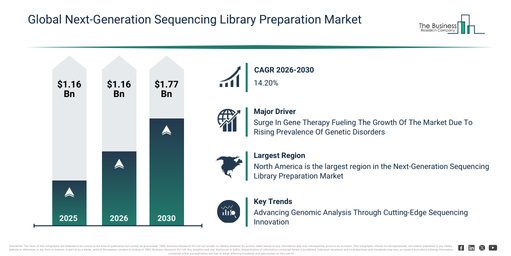
    The next-generation sequencing library preparation market size has experienced swift growth in recent years. It is projected to expand from $1.63 billion in 2025 to $1.86 billion in 2026, at a compound annual growth rate (CAGR) of 14.5%. The historical growth can be attributed to limited sequencing throughput, the high cost of library preparation kits, a reliance on manual preparation workflows, the growing demand for genomic research, and the increasing adoption of sequencing in clinical diagnostics.

    The next-generation sequencing library preparation market is anticipated to observe considerable growth over the next few years. It is predicted to expand to $3.17 billion in 2030, showing a compound annual growth rate (CAGR) of 14.2%. The expansion during the forecast period can be attributed to the progression of automated library preparation platforms, an increase in whole genome and exome sequencing, escalating investment in personalized medicine, the expansion of academic and research genomics projects, and the integration of NGS data with AI and cloud analytics. Significant trends expected during this period include a surging demand for high-throughput sequencing technologies, the broadening array of NGS library preparation kits and reagents, a greater focus on personalized medicine and biomarker discovery, growth in infectious disease and cancer diagnostics, and the adoption of automation in library preparation workflows.

    Download the Free Sample Report to Explore Key Market Insights:

    https://www.thebusinessresearchcompany.com/sample.aspx?id=27365&type=smp

    Which Economic Or Industry Drivers Are Impacting The Next-Generation Sequencing Library Preparation Market?

    The anticipated increase in gene therapy is projected to drive the expansion of the next-generation sequencing library preparation market. This therapeutic approach involves modifying an individual’s genes to address or avert illnesses. The growing incidence of genetic conditions demanding specific and enduring treatment options is fueling the growth of gene therapy. In the context of gene therapy, next-generation sequencing (NGS) library preparation is employed for the precise analysis and validation of genetic alterations, achieved by preparing premium DNA or RNA samples for subsequent sequencing. As an illustration, IQVIA, a US-based healthcare intelligence and life sciences firm, reported in March 2024 that expenditures on cell and gene therapies reached $5.9 billion in 2023, marking a 38% rise compared to 2022. Despite this growth, it constituted only 0.4% of the total $1.6 trillion spent globally on medicines. Consequently, the expansion of gene therapy is a key factor boosting the next-generation sequencing library preparation market.

    How Is The Next-Generation Sequencing Library Preparation Market Structured Across Different Segments?

    The next-generation sequencing library preparation market covered in this report is segmented –

    1) By Sequencing Type: Targeted Genome Sequencing, Whole Genome Sequencing, Whole Exome Sequencing, Other Sequencing Types

    2) By Product: Reagents And Consumables, DNA Library Preparation Kits, Library Preparation Kits, RNA Library Preparation Kits, Other Products

    3) By Technology: Ion Semiconductor Sequencing, Sequencing By Synthesis (SBS), Nanopore Sequencing, Single-Molecule Real-Time Sequencing (SMRT), Other Technologies

    4) By Application: Drug And Biomarker Discovery, Disease Diagnostics, Cancer Diagnostics, Reproductive Health Diagnostics, Infectious Disease Diagnostics, Other Applications

    5) By End-User: Hospitals And Clinics, Academic And Research Institutions, Pharmaceutical And Biotechnology Companies, Other End Users

    Subsegments:

    1) By Targeted Genome Sequencing: Amplicon Sequencing, Hybridization Capture-Based Sequencing, CRISPR-Based Target Enrichment, Multiplex PCR

    2) By Whole Genome Sequencing: Human Whole Genome Sequencing, Animal Whole Genome Sequencing, Plant Whole Genome Sequencing, Microbial Whole Genome Sequencing

    3) By Whole Exome Sequencing: Clinical Whole Exome Sequencing, Research Whole Exome Sequencing, Custom Exome Sequencing, Population-Scale Exome Sequencing

    4) By Other Sequencing Types: RNA Sequencing, ChIP Sequencing (ChIP-Seq), Methylation Sequencing, Single-Cell Sequencing

    Which Trends Are Shaping The Future Of The Next-Generation Sequencing Library Preparation Market?

    Companies operating within the next-generation sequencing library preparation market are concentrating on creating sophisticated technologies, such as Xpandomer technology, to boost sequencing speed, elevate data accuracy, and expand scalability. This effort aims to simplify workflows and facilitate more effective and dependable genomic analysis. Xpandomer technology is an advanced deoxyribonucleic acid (DNA) or ribonucleic acid (RNA) sequencing technique that transforms a target nucleic acid molecule into a synthetic, expanded polymer known as an Xpandomer, which is 50 times longer than the initial deoxyribonucleic acid (DNA) or ribonucleic acid (RNA) strand. An example of this advancement is the February 2025 launch by Roche AG, a biotechnology firm based in Switzerland, of its Sequencing by Expansion platform. This cutting-edge platform is designed to enhance genomic resolution for advanced diagnostics, disease research, and precision medicine applications. This innovative automated next-generation sequencing (NGS) library preparation system simplifies intricate workflows, improves data quality, and accelerates genomic analysis, thereby supporting advanced research and personalized medicine. The Sequencing by Expansion platform offers high versatility, allowing for the precise examination of various genomic alterations in a broad spectrum of diseases, including cancer and rare genetic disorders, by increasing resolution and accuracy to gain deeper biological insights.

    Which Major Players Dominate The Next-Generation Sequencing Library Preparation Market?

    Major companies operating in the next-generation sequencing library preparation market are F. Hoffmann-La Roche Ltd., Thermo Fisher Scientific Inc., Agilent Technologies India Private Limited, Illumina Inc., Beckman Coulter Inc., Bio-Rad Laboratories Inc., IDT Corporation, Tecan Group AG, Hamilton Company, Takara Bio Inc., 10x Genomics Inc., Oxford Nanopore Technologies Plc, Twist Bioscience Corporation, New England Biolabs Inc., SPT Labtech Limited, Watchmaker Genomics Inc., Pillar Biosciences Inc., Aurora Biomed Inc., BGI Group, SEQWELL INC.

    Read the full next-generation sequencing library preparation market report here:

    https://www.thebusinessresearchcompany.com/report/next-generation-sequencing-library-preparation-global-market-report

    What Are The Top-Performing Regions Within The Next-Generation Sequencing Library Preparation Market?

    North America was the largest region in the next-generation sequencing library preparation market in 2025. Asia-Pacific is expected to be the fastest-growing region in the forecast period. The regions covered in the next-generation sequencing library preparation market report are Asia-Pacific, South East Asia, Western Europe, Eastern Europe, North America, South America, Middle East, Africa.

    Request A Tailored Next-Generation Sequencing Library Preparation Market Research Report For Competitive Advantage:

    https://www.thebusinessresearchcompany.com/customise?id=27365&type=smp

    Browse Through More Reports Similar to the Global Next-Generation Sequencing Library Preparation Market 2026, By The Business Research Company

    Industrial Water Treatment Chemicals Market Report 2026

    https://www.thebusinessresearchcompany.com/report/industrial-water-treatment-chemicals-global-market-report

    Cooling Water Treatment Chemicals Market Report 2026

    https://www.thebusinessresearchcompany.com/report/cooling-water-treatment-chemicals-global-market-report

    Water Treatment Chemicals Market Report 2026

    https://www.thebusinessresearchcompany.com/report/water-treatment-chemicals-global-market-report

    Get in touch with us:

    The Business Research Company: https://www.thebusinessresearchcompany.com/

    Americas +1 310-496-7795

    Asia +44 7882 955267 & +91 8897263534

    Europe +44 7882 955267

    Email us at info@tbrc.info

    Follow us on:

    LinkedIn: https://in.linkedin.com/company/the-business-research-company

    YouTube: https://www.youtube.com/channel/UC24_fI0rV8cR5DxlCpgmyFQ

    Global Market Model: https://www.thebusinessresearchcompany.com/global-market-model

  • Global Next-Generation Sequencing Informatics Market Report 2026–2035 Highlighting Expansion Outlook and Forecast Opportunities

    Global Next-Generation Sequencing Informatics Market Report 2026–2035 Highlighting Expansion Outlook and Forecast Opportunities

    The Business Research Company’s 2026 market reports include new capabilities such as market attractiveness scoring and analysis, total addressable market analysis, company scoring matrix, interactive excel data dashboard, improved supply chain analysis, upcoming startups in the market, and overview of key products, aimed at improving the depth, usability, and strategic value of the insights delivered.

    What Is The Market Size Of The Next-Generation Sequencing Informatics Market In 2026 And What Value Is Projected For 2030?

    The next-generation sequencing informatics market has seen rapid expansion in recent years. Its value is expected to climb from $10.23 billion in 2025 to $11.96 billion in 2026, achieving a compound annual growth rate (CAGR) of 16.9%. Historically, this growth has been fueled by factors like the growing need for precision diagnostics, advancements in high-throughput sequencers, an increase in genomic research efforts, rising awareness of personalized medicine, and the expansion of bioinformatics capabilities.

    The next-generation sequencing informatics market is projected to experience substantial expansion over the upcoming years. This market is anticipated to reach $22.14 billion by 2030, demonstrating a compound annual growth rate (CAGR) of 16.6%. This projected growth during the forecast timeframe is primarily driven by various factors such as advancements in NGS informatics software technology, the widespread adoption of cloud-based genomic platforms, an increase in partnerships between biotechnology and pharmaceutical firms, the rising incidence of genetic disorders, and the incorporation of artificial intelligence and machine learning into genomics analysis. Key trends anticipated during this period encompass AI-powered genomic data analysis, the emergence of cloud-based sequencing platforms, expanded applications in personalized medicine, enhanced automation within NGS workflows, and the integration of IoT in genomic research.

    Download the Free Sample Report to Explore Key Market Insights:

    https://www.thebusinessresearchcompany.com/sample.aspx?id=28282&type=smp

    What Major Drivers Are Influencing Demand In The Next-Generation Sequencing Informatics Market?

    The growing acceptance of personalized medicine is projected to boost the next-generation sequencing informatics market moving forward. Personalized medicine defines a medical method that adapts treatment and prevention plans to an individual’s distinct genetic makeup, lifestyle, and environment. This rise in personalized medicine adoption is largely due to advancements in genomics, which allow for the precise identification of genetic variations and customized treatments for individuals. Next-generation sequencing informatics enhances personalized medicine by delivering extensive genomic data analysis, making it highly suitable for tailored treatment strategies and precision healthcare. It helps to reduce diagnostic uncertainty by identifying genetic variations and predicting disease risk, thereby improving clinical decision-making and patient outcomes. For instance, in February 2024, the Personalized Medicine Coalition (PMC), a US-based nonprofit organization, stated that the U.S. Food and Drug Administration (FDA) sanctioned 26 new personalized medicines in 2023, representing a significant increase from the 12 approved in 2022. Thus, the increasing adoption of personalized medicine is a key driver for the growth of the next-generation sequencing informatics market.

    What Are The Key Segments Of The Next-Generation Sequencing Informatics Market?

    The next-generation sequencing informatics market covered in this report is segmented –

    1) By Offering: Software, Platforms, Services

    2) By Product And Services: Storage And Computing Tools, Commercial Data Analysis, Data Interpretation And Reporting Tools, Informatics Services

    3) By Deployment Mode: Cloud, On-Premise, Hybrid

    4) By Application: Research And Development, Clinical Diagnostics, Drug Discovery, Agrigenomics

    5) By End User: Academic And Research Institutes, Pharmaceutical And Biotechnology Companies, Hospitals And Clinical Laboratories, Agricultural Biotechnology Companies

    Subsegments:

    1) By Software: Data Analysis Software, Data Management And Storage Tools, Workflow Management Software, Sequence Alignment Tools, Variant Analysis Software, Clinical Interpretation Software

    2) By Platforms: On-Premises Platforms, Cloud-Based Platforms, Hybrid Platforms

    3) By Services: Data Analysis Services, Consulting And Implementation Services, Data Management And Storage Services, Technical Support And Maintenance Services, Training And Education Services

    What Key Trends Are Influencing The Development Of The Next-Generation Sequencing Informatics Market?

    Leading firms in the next-generation sequencing informatics (NGS) market are prioritizing the creation of sophisticated solutions, including cloud-based platforms, to boost scalability, strengthen data security, and optimize genomic workflows. These platforms are digital infrastructures allowing researchers and clinicians to store, process, and analyze substantial amounts of sequencing data, whether hosted on remote servers or within local institutional settings. As an illustration, in March 2023, Illumina Inc., a US-based biotechnology company, introduced Connected Insights, a novel cloud-based software tailored for the tertiary analysis of clinical next-generation sequencing (NGS) data. This software streamlines the interpretation and reporting of genomic data, incorporates more than 45 external knowledge sources, and shortens the turnaround times for clinical reports. It automates both variant interpretation and report generation, thereby minimizing manual input and standardizing workflows across various assay types, including comprehensive genomic profiling (CGP) panels, whole-exome sequencing (WES), and transcriptomic data.

    Who Are The Leading Companies Operating In The Next-Generation Sequencing Informatics Market?

    Major companies operating in the next-generation sequencing informatics market are DNAnexus Inc., SOPHiA GENETICS SA, DNASTAR Inc., Geneious Biomatters Ltd., CosmosID Inc., QIAGEN N.V., Seven Bridges Genomics Inc., PierianDx Inc., Fabric Genomics Inc., Golden Helix Inc., Partek Incorporated, Real Time Genomics Inc., Sentieon Inc., Roche NimbleGen Inc., Agilent Alissa Interpret, WuXi NextCODE Genomics, DNAVision SA, Genoox Ltd., Congenica Ltd., PierianDx Holdings, Bionano Genomics Inc.

    Read the full next-generation sequencing informatics market report here:

    https://www.thebusinessresearchcompany.com/report/next-generation-sequencing-informatics-global-market-report

    Which Region Shows The Strongest Potential For Future Growth In The Next-Generation Sequencing Informatics Market?

    North America was the largest region in the next-generation sequencing informatics market in 2025. Asia-Pacific is expected to be the fastest-growing region in the forecast period. The regions covered in the next-generation sequencing informatics market report are Asia-Pacific, South East Asia, Western Europe, Eastern Europe, North America, South America, Middle East, Africa.

    Request A Tailored Next-Generation Sequencing Informatics Market Research Report For Competitive Advantage:

    https://www.thebusinessresearchcompany.com/customise?id=28282&type=smp

    Browse Through More Reports Similar to the Global Next-Generation Sequencing Informatics Market 2026, By The Business Research Company

    Clinical Oncology Next Generation Sequencing Market Report 2026

    https://www.thebusinessresearchcompany.com/report/clinical-oncology-next-generation-sequencing-global-market-report

    Clinical Next Generation Sequencing Ngs Data Analysis Market Report 2026

    https://www.thebusinessresearchcompany.com/report/clinical-next-generation-sequencing-ngs-data-analysis-global-market-report

    Rna Sequencing Services Market Report 2026

    https://www.thebusinessresearchcompany.com/report/rna-sequencing-services-global-market-report

    Get in touch with us:

    The Business Research Company: https://www.thebusinessresearchcompany.com/

    Americas +1 310-496-7795

    Asia +44 7882 955267 & +91 8897263534

    Europe +44 7882 955267

    Email us at info@tbrc.info

    Follow us on:

    LinkedIn: https://in.linkedin.com/company/the-business-research-company

    YouTube: https://www.youtube.com/channel/UC24_fI0rV8cR5DxlCpgmyFQ

    Global Market Model: https://www.thebusinessresearchcompany.com/global-market-model

  • Next-Generation Sequencing (NGS)-Based Molecular Diagnostics Market Growth Prospects 2026–2030 with Innovation Trends and Competitive Landscape

    Next-Generation Sequencing (NGS)-Based Molecular Diagnostics Market Growth Prospects 2026–2030 with Innovation Trends and Competitive Landscape

    The Business Research Company’s 2026 market reports include new capabilities such as market attractiveness scoring and analysis, total addressable market analysis, company scoring matrix, interactive excel data dashboard, improved supply chain analysis, upcoming startups in the market, and overview of key products, aimed at improving the depth, usability, and strategic value of the insights delivered.

    What Will Be The Estimated Market Valuation Of The Next-Generation Sequencing (NGS)-Based Molecular Diagnostics Market By The End Of 2030?

    The next-generation sequencing (ngs)-based molecular diagnostics market has shown robust expansion over recent years. It is projected to increase from $2.26 billion in 2025 to $2.43 billion in 2026, reflecting a compound annual growth rate (CAGR) of 7.6%. The historical growth of this market was primarily driven by factors such as the rise in genetic disorder testing, advancements in high-throughput sequencing, increased awareness of molecular diagnostics, broader adoption within clinical laboratories, and continuous technological enhancements in sequencing reagents.

    The next-generation sequencing (ngs)-based molecular diagnostics market is anticipated to experience substantial expansion over the coming years. Its valuation is projected to reach $3.23 billion by 2030, demonstrating a compound annual growth rate (CAGR) of 7.3%. This projected growth is driven by several factors, including the incorporation of AI and machine learning into diagnostics, the broadening of cloud-based genomic platforms, the creation of portable and point-of-care sequencing technologies, an increase in personalized medicine applications, and strategic alliances between diagnostics and biotechnology companies. Key trends influencing this period encompass AI-assisted molecular diagnostics, platforms for cloud genomic analysis, portable sequencing instruments, the seamless integration of bioinformatics pipelines, and efficient detection of disease markers.

    Download the Free Sample Report to Explore Key Market Insights:

    https://www.thebusinessresearchcompany.com/sample.aspx?id=28281&type=smp

    Which Market Drivers Are Supporting The Expansion Of The Next-Generation Sequencing (NGS)-Based Molecular Diagnostics Market?

    The expansion of the next-generation sequencing (NGS)-based molecular diagnostics market is anticipated to be fueled by the growing occurrence of infectious diseases. These conditions, caused by agents such as bacteria, viruses, fungi, or parasites, invade the body, proliferate, and disrupt normal physiological processes. The prevalence of infectious diseases is on the rise, primarily due to increased travel and migration facilitating the rapid spread of pathogens across various regions and international borders. Next-generation sequencing (NGS)-based molecular diagnostics offers a solution by enabling thorough and accurate identification of pathogens, thereby assisting in the detection of these illnesses. It shortens the time required for diagnosis by identifying multiple microorganisms concurrently, which enhances the precision of treatments and the overall standard of patient care. For example, the UK Health Security Agency reported in February 2024 that cases of tuberculosis, a highly contagious bacterial lung infection, in England climbed to 4,850 in 2023. This figure represents a 10.7% increase from the 4,380 cases recorded in 2022. Consequently, the rising incidence of infectious diseases is a key factor propelling the development of the next-generation sequencing (NGS)-based molecular diagnostics market.

    Which Segment Classifications Shape The Next-Generation Sequencing (NGS)-Based Molecular Diagnostics Market?

    The next-generation sequencing (ngs)-based molecular diagnostics market covered in this report is segmented –

    1) By Type: Instruments, Reagents And Consumables, Software And Services, Panels And Assays, Sample Preparation Kits

    2) By Application: Microbiology, Infectious Diseases, Oncology, Genetic Tests, Other Applications

    3) By End User: Research Centers And Academics, Hospitals And Clinical Laboratories, Other End Users

    Subsegments:

    1) By Instruments: Benchtop Sequencers, High-Throughput Sequencers, Portable Or Handheld Sequencers, Clinical Or Diagnostic Sequencers, Automated Library Preparation Systems, Data Analysis And Bioinformatics Hardware

    2) By Reagents And Consumables: Sequencing Reagents And Kits, Library Preparation Reagents, Target Enrichment Reagents, Amplification Reagents, Sequencing Flow Cells And Chips, Deoxyribonucleic Acid (DNA) Or Ribonucleic Acid (RNA) Extraction Reagents, Quality Control Reagents

    3) By Software And Services: Data Analysis Software, Bioinformatics Pipelines, Cloud-Based Genomic Platforms, Clinical Interpretation Tools, Data Storage And Management Services, Custom Bioinformatics Services, Genomic Database Services

    4) By Panels And Assays: Oncology Panels, Infectious Disease Panels, Carrier Screening Panels, Reproductive Health Panels, Rare Disease Or Genetic Disorder Panels, Pharmacogenomics Panels, Whole-Exome Or Whole-Genome Assays

    5) By Sample Preparation Kits: Deoxyribonucleic Acid (DNA) Extraction Kits, Ribonucleic Acid (RNA) Extraction Kits, Library Preparation Kits, Target Enrichment Kits, Amplification And Cleanup Kits, Single-Cell Preparation Kits, Low-Input Or Degraded Sample Kits

    How Are Trends Impacting The Next-Generation Sequencing (NGS)-Based Molecular Diagnostics Market?

    Companies at the forefront of the next-generation sequencing (NGS)-based molecular diagnostics market are concentrating on developing advanced NGS-based panels to boost the accuracy, accessibility, and efficiency of genetic testing. NGS panels are specific collections of genes or genomic regions examined concurrently using NGS technology to identify clinically significant mutations for swifter and more precise molecular diagnostics. For example, in April 2024, Pillar Biosciences, a US-based diagnostics firm, gained FDA approval for its oncoReveal CDx pan-cancer solid tumor IVD kit, which assesses 22 clinically relevant genes in one multiplex reaction. This panel, designed for use with Illumina’s MiSeq Dx system, supports a sample-to-report time of approximately 48 hours and can process up to 46 clinical samples per run. OncoReveal CDx also includes companion diagnostic claims for KRAS (for EGFR-targeted therapy in colorectal cancer) and EGFR (TKI therapy in non–small-cell lung cancer), facilitating more comprehensive and efficient detection of actionable genomic alterations to enhance clinical decision-making.

    Which Companies Are Expanding Their Footprint In The Next-Generation Sequencing (NGS)-Based Molecular Diagnostics Market?

    Major companies operating in the next-generation sequencing (ngs)-based molecular diagnostics market are Thermo Fisher Scientific, Siemens Healthineers AG, Agilent Technologies Inc., Illumina Inc., PerkinElmer Inc., Bio-Rad Laboratories Inc., Qiagen N.V., Amoy Diagnostics Co. Ltd., Tempus Labs Inc., Myriad Genetics Inc., Epigenomics AG, Precision for Medicine Inc., Invitae Corporation, NeoGenomics Laboratories Inc., Guardant Health Inc., Caris Life Sciences Inc., Foundation Medicine Inc., Oxford Nanopore Technologies Ltd., Freenome Inc., Burning Rock Biotech, Element Biosciences Inc., Asuragen Inc., Bionano Genomics Inc., Genomic Health Inc., TATAA Biocenter AB

    Read the full next-generation sequencing (ngs)-based molecular diagnostics market report here:

    https://www.thebusinessresearchcompany.com/report/next-generation-sequencing-ngs-based-molecular-diagnostics-global-market-report

    How Is The Next-Generation Sequencing (NGS)-Based Molecular Diagnostics Market Distributed Across Key Geographic Regions?

    North America was the largest region in the next-generation sequencing (NGS)-based molecular diagnostics market in 2025. Asia-Pacific is expected to be the fastest-growing region in the forecast period. The regions covered in the next-generation sequencing (ngs)-based molecular diagnostics market report are Asia-Pacific, South East Asia, Western Europe, Eastern Europe, North America, South America, Middle East, Africa.

    Request A Tailored Next-Generation Sequencing (NGS)-Based Molecular Diagnostics Market Research Report For Competitive Advantage:

    https://www.thebusinessresearchcompany.com/customise?id=28281&type=smp

    Browse Through More Reports Similar to the Global Next-Generation Sequencing (NGS)-Based Molecular Diagnostics Market 2026, By The Business Research Company

    Ngs Based Rna Sequencing Market Report 2026

    https://www.thebusinessresearchcompany.com/report/ngs-based-rna-sequencing-global-market-report

    Next Generation Sequencing Market 2026

    https://www.thebusinessresearchcompany.com/report/next-generation-sequencing-market

    Point Of Care Molecular Diagnostics Market Report 2026

    https://www.thebusinessresearchcompany.com/report/point-of-care-molecular-diagnostics-global-market-report

    Get in touch with us:

    The Business Research Company: https://www.thebusinessresearchcompany.com/

    Americas +1 310-496-7795

    Asia +44 7882 955267 & +91 8897263534

    Europe +44 7882 955267

    Email us at info@tbrc.info

    Follow us on:

    LinkedIn: https://in.linkedin.com/company/the-business-research-company

    YouTube: https://www.youtube.com/channel/UC24_fI0rV8cR5DxlCpgmyFQ

    Global Market Model: https://www.thebusinessresearchcompany.com/global-market-model

  • Next-Generation Sequencing (NGS) In Precision Medicine Market Forecast 2026–2035 Highlighting Market Data Patterns and Industry Insights

    Next-Generation Sequencing (NGS) In Precision Medicine Market Forecast 2026–2035 Highlighting Market Data Patterns and Industry Insights

    The Business Research Company’s 2026 market reports include new capabilities such as market attractiveness scoring and analysis, total addressable market analysis, company scoring matrix, interactive excel data dashboard, improved supply chain analysis, upcoming startups in the market, and overview of key products, aimed at improving the depth, usability, and strategic value of the insights delivered.

    What Market Size Growth Is Projected For The Next-Generation Sequencing (NGS) In Precision Medicine Market During The Forecast Period 2026–2030?

    The next-generation sequencing (ngs) in precision medicine market size has experienced rapid growth in recent years. Its value is projected to increase from $6.42 billion in 2025 to $7.52 billion in 2026, achieving a compound annual growth rate (CAGR) of 17.2%. The expansion observed historically can be ascribed to advancements in high-throughput sequencers, increasing recognition of personalized medicine, a surge in genomic research, the proliferation of bioinformatics software, and the adoption of precision medicine in clinical trials.

    The next-generation sequencing (ngs) in precision medicine market is anticipated to expand significantly over the next few years, projecting an increase to $14.05 billion by 2030, exhibiting a compound annual growth rate (CAGR) of 16.9%. This expansion is primarily propelled by advancements in sequencing instruments, the integration of artificial intelligence in genomics, the proliferation of cloud-based sequencing services, a rise in collaborations between pharmaceutical and biotech companies, and the broader adoption of precision medicine in emerging regions. Notable trends foreseen in this forecast period encompass AI-powered genomic analysis, the implementation of cloud-based sequencing solutions, the wider reach of personalized medicine, increased automation in sequencing workflows, and real-time interpretation of genomic data.

    Download the Free Sample Report to Explore Key Market Insights:

    https://www.thebusinessresearchcompany.com/sample.aspx?id=28280&type=smp

    What Underlying Factors Are Accelerating The Growth Of The Next-Generation Sequencing (NGS) In Precision Medicine Market?

    The growing occurrence of genetic disorders is anticipated to stimulate the expansion of the next-generation sequencing (NGS) in precision medicine market moving forward. Genetic disorders are defined as diseases or conditions stemming from abnormalities in an individual’s DNA, which can be inherited or emerge from mutations. The prevalence of genetic disorders is increasing due to advancements in diagnostic technologies, such as genetic screening and next-generation sequencing, enabling medical professionals to identify cases previously undetected, thus leading to a higher reported frequency. Next-generation sequencing in precision medicine aids in detecting genetic mutations, allowing for precise diagnoses, personalized treatments, and early interventions for these disorders. For example, in May 2024, the National Health Service, a UK-based government department, reported that approximately 17,000 people in England live with sickle cell disease, an inherited blood disorder, with around 250 new cases diagnosed each year. As a result, the increasing incidence of genetic disorders is fueling the growth of the next-generation sequencing (NGS) in precision medicine market.

    What Market Segments Are Evaluated Within The Next-Generation Sequencing (NGS) In Precision Medicine Market?

    The next-generation sequencing (ngs) in precision medicine market covered in this report is segmented –

    1) By Product And Service: Sequencing Instruments, Consumables And Reagents, Library Preparation Kits, Bioinformatics Software, Next-Generation Sequencing (NGS) Services

    2) By Technology: Whole Genome Sequencing (WGS), Whole Exome Sequencing (Wes), Targeted Sequencing, Ribonucleic Acid (RNA) Sequencing, Single-Cell Sequencing

    3) By Application: Oncology, Infectious Disease, Rare And Inherited Disorders, Prenatal And Reproductive Health, Pharmacogenomics

    4) By End Use: Hospitals And Clinics, Academic And Research Institutions, Biopharmaceutical Companies, Diagnostic Laboratories, Contract Research Organizations (CROs)

    Subsegments:

    1) By Sequencing Instruments: Benchtop Sequencers, High Throughput Sequencers

    2) By Consumables And Reagents: Sequencing Reagents, Sequencing Chips, Flow Cells, Sample Preparation Reagents

    3) By Library Preparation Kits: Deoxyribonucleic Acid (DNA) Library Preparation Kits, Ribonucleic Acid (RNA) Library Preparation Kits, Whole Genome Amplification Kits, Target Enrichment Kits

    4) By Bioinformatics Software: Data Analysis Software, Data Management Software, Sequence Alignment Software, Variant Calling Software

    5) By Next-Generation Sequencing Services: Whole Genome Sequencing Services, Whole Exome Sequencing Services, Targeted Sequencing Services, Ribonucleic Acid (RNA) Sequencing Services, Epigenomic Sequencing Services

    What Industry Trends Are Redefining The Next-Generation Sequencing (NGS) In Precision Medicine Market?

    Leading companies in the next-generation sequencing (NGS) in precision medicine market are focused on developing innovative solutions, such as multimodal DNA and RNA library kits, to enhance the efficiency and accuracy of genomic analyses. A multimodal DNA and RNA library kit is a laboratory product that enables simultaneous preparation of sequencing libraries from both DNA and RNA in a single workflow, allowing for comprehensive analysis of a sample’s genome and transcriptome. For instance, in May 2024, Qiagen N.V., a Germany-based provider of sample and assay technologies for molecular diagnostics, launched the QIAseq Multimodal DNA and RNA Library Kit. This next-generation sequencing solution facilitates multiomic studies and advances precision medicine by enabling streamlined DNA and RNA library preparation from a single sample. The kit supports whole genome and whole transcriptome sequencing, as well as downstream target enrichment, facilitating multiomic studies by combining optimized chemistry for DNA and RNA simultaneously. It reduces the need for large sample quantities and the labor-intensive procedures found in traditional separate DNA and RNA workflows. By improving efficiency in multiomic research, this kit propels precision medicine through better biomarker discovery and disease understanding, especially in cancer research.

    Who Are The Top Market Participants Influencing The Next-Generation Sequencing (NGS) In Precision Medicine Market?

    Major companies operating in the next-generation sequencing (ngs) in precision medicine market are Thermo Fisher Scientific Inc., Eurofins Scientific SE, Agilent Technologies Inc., Illumina Inc., Bio-Rad Laboratories Inc., Exact Sciences Corporation, QIAGEN N.V., Natera Inc., Tempus Labs Inc., 10x Genomics Inc., BGI Genomics Co. Ltd., Guardant Health Inc., Caris Life Sciences Inc., Fulgent Genetics Inc., Twist Bioscience Corporation, Pacific Biosciences of California Inc., Macrogen Inc., Ultima Genomics Inc., Personalis Inc., Element Biosciences Inc., Genomenon Inc., Strand Life Sciences Pvt. Ltd., Singular Genomics Systems Inc.

    Read the full next-generation sequencing (ngs) in precision medicine market report here:

    https://www.thebusinessresearchcompany.com/report/next-generation-sequencing-ngs-in-precision-medicine-global-market-report

    Which Region Is Projected To Dominate The Next-Generation Sequencing (NGS) In Precision Medicine Market During The Forecast Period?

    North America was the largest region in the next-generation sequencing (NGS) in precision medicine market in 2025. Asia-Pacific is expected to be the fastest-growing region in the forecast period. The regions covered in the next-generation sequencing (ngs) in precision medicine market report are Asia-Pacific, South East Asia, Western Europe, Eastern Europe, North America, South America, Middle East, Africa.

    Request A Tailored Next-Generation Sequencing (NGS) In Precision Medicine Market Research Report For Competitive Advantage:

    https://www.thebusinessresearchcompany.com/customise?id=28280&type=smp

    Browse Through More Reports Similar to the Global Next-Generation Sequencing (NGS) In Precision Medicine Market 2026, By The Business Research Company

    Ngs Based Rna Sequencing Market Report 2026

    https://www.thebusinessresearchcompany.com/report/ngs-based-rna-sequencing-global-market-report

    Next Generation Sequencing Market 2026

    https://www.thebusinessresearchcompany.com/report/next-generation-sequencing-market

    Clinical Oncology Next Generation Sequencing Market Report 2026

    https://www.thebusinessresearchcompany.com/report/clinical-oncology-next-generation-sequencing-global-market-report

    Get in touch with us:

    The Business Research Company: https://www.thebusinessresearchcompany.com/

    Americas +1 310-496-7795

    Asia +44 7882 955267 & +91 8897263534

    Europe +44 7882 955267

    Email us at info@tbrc.info

    Follow us on:

    LinkedIn: https://in.linkedin.com/company/the-business-research-company

    YouTube: https://www.youtube.com/channel/UC24_fI0rV8cR5DxlCpgmyFQ

    Global Market Model: https://www.thebusinessresearchcompany.com/global-market-model

  • Next-Generation Oncology Devices And Solutions Market Outlook 2026–2030 with Major Growth Drivers and Emerging Industry Trends

    Next-Generation Oncology Devices And Solutions Market Outlook 2026–2030 with Major Growth Drivers and Emerging Industry Trends

    The Business Research Company’s 2026 market reports include new capabilities such as market attractiveness scoring and analysis, total addressable market analysis, company scoring matrix, interactive excel data dashboard, improved supply chain analysis, upcoming startups in the market, and overview of key products, aimed at improving the depth, usability, and strategic value of the insights delivered.

    How Will The Market Size Of The Next-Generation Oncology Devices And Solutions Market Evolve From 2026 To 2030?

    The market for next-generation oncology devices and solutions has demonstrated substantial growth in its size over recent years. This market is projected to expand from $16.41 billion in 2025 to $19.46 billion in 2026, exhibiting a compound annual growth rate (CAGR) of 18.6%. The historical growth of this market can be attributed to a rise in global cancer incidence, the broadening of molecular diagnostic capabilities, the emergence of advanced oncology testing instruments, the development of hospital-based cancer care programs, and an increasing uptake of targeted therapies.

    The next-generation oncology devices and solutions market is anticipated to experience significant expansion in the coming years, with its size projected to reach $38.19 billion in 2030, at a compound annual growth rate (CAGR) of 18.4%. This anticipated growth over the forecast period is primarily fueled by factors such as the escalating demand for personalized cancer treatments, increased investments in genomic diagnostics, the broadening of early screening initiatives, the growing incorporation of artificial intelligence into oncology workflows, and advancements in biomarker-based cancer management. Furthermore, prominent trends expected during this period include the wider adoption of precision oncology platforms, a rise in the use of NGS-based cancer diagnostics, the expanding integration of digital pathology solutions, the continued spread of personalized cancer treatment approaches, and an intensified focus on technologies for early detection.

    Download the Free Sample Report to Explore Key Market Insights:

    https://www.thebusinessresearchcompany.com/sample.aspx?id=24336&type=smp

    Which Growth Drivers Are Contributing To The Progress Of The Next-Generation Oncology Devices And Solutions Market?

    The growing incidence of cancer is anticipated to fuel the expansion of the next-generation oncology devices and solutions market in the future. Cancer is a condition characterized by the uncontrolled multiplication of abnormal cells, which can spread throughout the body and disrupt normal bodily functions. The heightened occurrence of cancer is primarily attributable to an aging populace, given that the likelihood of developing cancer escalates with advancing age. To address this growing prevalence, next-generation oncology devices and solutions offer significant assistance through facilitating earlier detection, more accurate diagnoses, and tailored treatment approaches. As an illustration, the American Cancer Society, a US-based nonprofit organization, projected in January 2024 that cancer would be responsible for over 611,000 fatalities in the United States, which translates to more than 1,600 daily cancer-related deaths. Consequently, the escalating incidence of cancer is poised to stimulate the expansion of the next-generation oncology devices and solutions market.

    Which Segment Areas Are Covered In The Next-Generation Oncology Devices And Solutions Market Analysis?

    The next-generation oncology devices and solutions market covered in this report is segmented –

    1) By Cancer Type: Breast Cancer, Cervical Cancer, Colorectal Cancer, Lung Cancer

    2) By Technology: Next-Generation Sequencing (NGS), Polymerase Chain Reaction (PCR), DNA Microarrays, Multiplexing, Other Technologies

    3) By Application: Screening And Early Detection, Prognostics And Monitoring, Therapy Selection, Recurrence Monitoring, Other Applications

    4) By End Use: Hospitals And Clinics, Diagnostic Laboratories, Academic And Research Institutions, Other End Uses

    Subsegments:

    1) By Breast Cancer: Invasive Ductal Carcinoma, Invasive Lobular Carcinoma, Triple-Negative Breast Cancer, HER2-Positive Breast Cancer

    2) By Cervical Cancer: Squamous Cell Carcinoma, Adenocarcinoma, Adenosquamous Carcinoma

    3) By Colorectal Cancer: Colon Cancer, Rectal Cancer, Metastatic Colorectal Cancer

    4) By Lung Cancer: Non-Small Cell Lung Cancer (NSCLC), Small Cell Lung Cancer (SCLC), Lung Adenocarcinoma, Squamous Cell Lung Carcinoma

    What Key Developments And Trends Are Impacting The Next-Generation Oncology Devices And Solutions Market?

    Leading firms within the next-generation oncology devices and solutions market are prioritizing technological innovations, specifically next-generation sequencing (NGS) target enrichment solutions, to enhance the discovery of uncommon genetic variations, boost the precision of sequencing, and expedite decisions regarding cancer diagnosis and treatment. These NGS target enrichment solutions involve methodologies that selectively isolate and enrich particular segments of deoxyribonucleic acid (DNA) or ribonucleic acid (RNA) for subsequent sequencing, facilitating a more precise and efficient examination of genetic variants linked to conditions like cancer. An example occurred in April 2025, when Integrated DNA Technologies (IDT), a biotechnology company based in the US, introduced the xGen Hybridization and Wash v3 Kit. This novel hybridization capture solution aims to speed up cancer research by optimizing next-generation sequencing (NGS) workflows. This innovative kit notably cuts the hybridization time down to just one hour, allowing researchers to finish sample preparation and move to sequencing within a single working day. With the elimination of heated buffers and a 20% reduction in hands-on time, this solution is highly compatible with automation and ideal for high-throughput applications.

    Which Global Companies Are Actively Competing In The Next-Generation Oncology Devices And Solutions Market?

    Major companies operating in the next-generation oncology devices and solutions market are Johnson & Johnson Services Inc., Siemens AG, Merck & Co. Inc., Thermo Fisher Scientific Inc., Novartis AG, Koninklijke Philips N.V., GE HealthCare Technologies Inc., Agilent Technologies Inc., Illumina Inc., Sysmex Corporation, QIAGEN N.V., Exact Sciences Corporation, Elekta AB, Myriad Genetics Inc., Takara Bio USA Inc., NeoGenomics Inc., Guardant Health Inc., Accuray Incorporated, SOPHiA GENETICS SA, Paige.AI Inc., Deep Bio Inc., Lucida Medical Ltd.

    Read the full next-generation oncology devices and solutions market report here:

    https://www.thebusinessresearchcompany.com/report/next-generation-oncology-devices-and-solutions-global-market-report

    What Are The Leading Geographic Regions In The Next-Generation Oncology Devices And Solutions Market?

    North America was the largest region in the next-generation oncology devices and solutions market in 2025. The regions covered in the next-generation oncology devices and solutions market report are Asia-Pacific, South East Asia, Western Europe, Eastern Europe, North America, South America, Middle East, Africa.

    Request A Tailored Next-Generation Oncology Devices And Solutions Market Research Report For Competitive Advantage:

    https://www.thebusinessresearchcompany.com/customise?id=24336&type=smp

    Browse Through More Reports Similar to the Global Next-Generation Oncology Devices And Solutions Market 2026, By The Business Research Company

    Interventional Oncology Devices Market Report 2026

    https://www.thebusinessresearchcompany.com/report/interventional-oncology-devices-global-market-report

    Oncology Drugs Market 2026

    https://www.thebusinessresearchcompany.com/report/oncology-drugs-market

    Oncology Drugs Market 2026

    https://www.thebusinessresearchcompany.com/report/oncology-drugs-market

    Get in touch with us:

    The Business Research Company: https://www.thebusinessresearchcompany.com/

    Americas +1 310-496-7795

    Asia +44 7882 955267 & +91 8897263534

    Europe +44 7882 955267

    Email us at info@tbrc.info

    Follow us on:

    LinkedIn: https://in.linkedin.com/company/the-business-research-company

    YouTube: https://www.youtube.com/channel/UC24_fI0rV8cR5DxlCpgmyFQ

    Global Market Model: https://www.thebusinessresearchcompany.com/global-market-model

  • One of the Major Drivers of the Next-Generation Mass Spectrometer Market Is the Personalized Medicine Is Fueling The Growth Of The Market Due To Its Demand For Precise And Tailored Molecular Analysis

    One of the Major Drivers of the Next-Generation Mass Spectrometer Market Is the Personalized Medicine Is Fueling The Growth Of The Market Due To Its Demand For Precise And Tailored Molecular Analysis

    The Business Research Company’s 2026 market reports include new capabilities such as market attractiveness scoring and analysis, total addressable market analysis, company scoring matrix, interactive excel data dashboard, improved supply chain analysis, upcoming startups in the market, and overview of key products, aimed at improving the depth, usability, and strategic value of the insights delivered.

    What Is The Forecasted Market Value Of The Next-Generation Mass Spectrometer Market Across 2026–2030?

    The market size for next-generation mass spectrometers has seen rapid expansion in recent years. It is anticipated to increase from $3.6 billion in 2025 to $3.96 billion in 2026, reflecting a compound annual growth rate (CAGR) of 10.1%. Historically, this growth can be ascribed to factors like the constrained sensitivity and resolution of earlier mass spectrometers, the reliance on conventional ion trap and quadrupole systems, advancing pharmaceutical and biotech research, a growing requirement for accurate molecular analysis, and significant operational complexity coupled with high maintenance costs.

    The next-generation mass spectrometer market size is anticipated to experience substantial expansion in the coming years. It is projected to grow to $5.75 billion in 2030, at a compound annual growth rate (CAGR) of 9.8%. The increase observed during the forecast period is driven by factors such as the development of next-generation FT-MS and Orbitrap systems, the incorporation of AI-based data interpretation, the broadening of clinical diagnostics and forensic applications, rising environmental monitoring and food safety testing, and the demand for high-throughput and automated mass spectrometry systems. Significant trends during this timeframe include the escalating demand for high-resolution mass spectrometry, the integration of real-time data processing and analytics, the expansion of proteomics and metabolomics research, increased adoption in environmental and food testing applications, and a focus on instrument miniaturization and enhanced sensitivity.

    Download the Free Sample Report to Explore Key Market Insights:

    https://www.thebusinessresearchcompany.com/sample.aspx?id=27364&type=smp

    What Primary Drivers Are Shaping The Development Of The Next-Generation Mass Spectrometer Market?

    The increasing focus on personalized medicine is expected to stimulate the expansion of the next-generation mass spectrometer market in the coming period. Personalized medicine is defined as a medical approach that tailors treatments and healthcare decisions to an individual’s distinct genetic, environmental, and lifestyle factors to achieve superior outcomes. This growing emphasis on personalized medicine arises from the need to provide customized treatments that improve patient results, reduce adverse reactions, and optimize healthcare efficiency based on individual genetic and lifestyle characteristics. The next-generation mass spectrometer supports personalized medicine by delivering highly precise and comprehensive molecular analysis that assists in identifying individual biomarkers, monitoring therapeutic responses, and guiding customized treatment plans for enhanced patient outcomes. For instance, in February 2024, according to a report by the Personalized Medicine Coalition, a US-based non-profit organization, in 2023, the Food and Drug Administration (FDA), a US-based federal agency, authorized 16 new personalized medicines for rare disease patients, an increase from six in 2022. Therefore, the heightened emphasis on personalized medicine will drive the growth of the next-generation mass spectrometer market.

    What Segmentation Levels Are Considered In The Next-Generation Mass Spectrometer Market?

    The next-generation mass spectrometer market covered in this report is segmented –

    1) By Type: Fourier Transform, Linear Ion Trap Mass Spectrometry, Other Types

    2) By Application: Pharmaceuticals, Biotechnology, Clinical Diagnostics, Environmental Analysis, Food And Beverage Testing, Forensic Science, Other Applications

    3) By End User: Research Laboratories, Academic Institutions, Pharmaceutical Companies, Biotechnology Firms, Clinical Laboratories, Government Agencies

    Subsegments:

    1) By Fourier Transform: Fourier Transform Ion Cyclotron Resonance (FT-ICR), Fourier Transform Orbitrap Mass Spectrometry, Hybrid FT-MS Systems, High-Resolution Accurate Mass (HRAM) FT-MS

    2) By Linear Ion Trap Mass Spectrometry: Quadrupole Ion Trap, Three-Dimensional Linear Ion Trap, Dual-Pressure Linear Ion Trap, Linear Ion Trap-Time Of Flight (LIT-TOF) Hybrid

    3) By Other Types: Time-Of-Flight Mass Spectrometry (TOF-MS), Quadrupole Mass Spectrometry, Orbitrap Mass Spectrometry (Non-FT Applications), Magnetic Sector Mass Spectrometry, Ion Mobility Mass Spectrometry, Hybrid Mass Spectrometers

    What Trends Are Projected To Affect The Next-Generation Mass Spectrometer Market?

    Leading firms within the next-generation mass spectrometer market are prioritizing the creation of highly effective devices designed to allow scientists to examine intricate biological specimens with unparalleled accuracy and rapidity. These advancements seek to enhance the identification of biomarkers, aid in the prompt identification of diseases, and quicken the progress of individualized treatments. As an illustration, in June 2023, Thermo Fisher Scientific Inc., a US-based clinical research company, unveiled the Orbitrap Astral mass spectrometer. This instrument boasts rapid throughput, excellent sensitivity, and extensive proteome coverage, marking one of the most noteworthy progress points in mass spectrometry in 15 years. This advanced device allows investigators to identify previously unreachable proteins present in low quantities by integrating ultra-quick scan rates, outstanding sensitivity, and comprehensive proteome coverage, thereby considerably furthering extensive proteomic analysis. Additionally, it incorporates superior ion transmission effectiveness, an expanded dynamic range, and up to four times higher throughput, which facilitates swifter biomarker identification, accurate measurement, and the creation of specific treatments for numerous illnesses.

    Which Leading Firms Are Contributing To The Growth Of The Next-Generation Mass Spectrometer Market?

    Major companies operating in the next-generation mass spectrometer market are Hitachi Ltd., Thermo Fisher Scientific Inc., Danaher Corporation, Agilent Technologies Inc., PerkinElmer Inc., Shimadzu Corporation, Waters Corporation, Bruker Corporation, HORIBA Ltd., JEOL Ltd., Rigaku Corporation, LECO Corporation, Hiden Analytical Ltd., Scion Instruments Ltd., MOBILion Systems Inc., Jiangsu Skyray Instrument Co. Ltd., Advion Inc., Postnova Analytics GmbH, Kore Technology Ltd., Variolytics GmbH, Spectroswiss, Excellims Corporation, 908 Devices Inc.

    Read the full next-generation mass spectrometer market report here:

    https://www.thebusinessresearchcompany.com/report/next-generation-mass-spectrometer-global-market-report

    How Does The Next-Generation Mass Spectrometer Market Perform Across Major Global Regions?

    North America was the largest region in the next-generation mass spectrometer market in 2025. Asia-Pacific is expected to be the fastest-growing region in the forecast period. The regions covered in the next-generation mass spectrometer market report are Asia-Pacific, South East Asia, Western Europe, Eastern Europe, North America, South America, Middle East, Africa.

    Request A Tailored Next-Generation Mass Spectrometer Market Research Report For Competitive Advantage:

    https://www.thebusinessresearchcompany.com/customise?id=27364&type=smp

    Browse Through More Reports Similar to the Global Next-Generation Mass Spectrometer Market 2026, By The Business Research Company

    Restaurant Point Of Sale Pos Software Market Report 2026

    https://www.thebusinessresearchcompany.com/report/restaurant-point-of-sale-pos-software-global-market-report

    Cloud Point Of Sale Pos Market Report 2026

    https://www.thebusinessresearchcompany.com/report/cloud-point-of-sale-pos-global-market-report

    Electronic Cash Register Market Report 2026

    https://www.thebusinessresearchcompany.com/report/electronic-cash-register-global-market-report

    Get in touch with us:

    The Business Research Company: https://www.thebusinessresearchcompany.com/

    Americas +1 310-496-7795

    Asia +44 7882 955267 & +91 8897263534

    Europe +44 7882 955267

    Email us at info@tbrc.info

    Follow us on:

    LinkedIn: https://in.linkedin.com/company/the-business-research-company

    YouTube: https://www.youtube.com/channel/UC24_fI0rV8cR5DxlCpgmyFQ

    Global Market Model: https://www.thebusinessresearchcompany.com/global-market-model
  • A key trend shaping the Next-Generation In Vitro Diagnostics (IVD) Market involves the Strategic Partnerships Fueling Innovation In Diagnostic Technologies

    A key trend shaping the Next-Generation In Vitro Diagnostics (IVD) Market involves the Strategic Partnerships Fueling Innovation In Diagnostic Technologies

    The Business Research Company’s 2026 market reports include new capabilities such as market attractiveness scoring and analysis, total addressable market analysis, company scoring matrix, interactive excel data dashboard, improved supply chain analysis, upcoming startups in the market, and overview of key products, aimed at improving the depth, usability, and strategic value of the insights delivered.

    What Market Size Increase Is Anticipated For The Next-Generation In Vitro Diagnostics (IVD) Market Over The 2026–2030 Period?

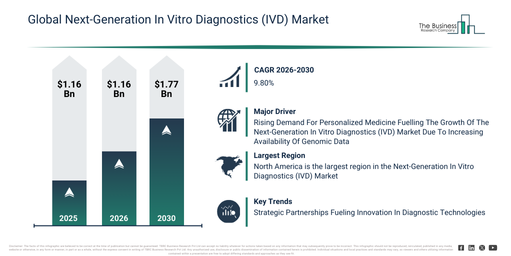
    The next-generation in vitro diagnostics (ivd) market size has seen rapid expansion in recent years. It is projected to grow from $117.97 billion in 2025 to $129.89 billion in 2026, achieving a compound annual growth rate (CAGR) of 10.1%. Historically, this growth has been fueled by factors such as the increasing prevalence of infectious diseases, the rising burden of chronic diseases, greater adoption of molecular diagnostics, the expansion of clinical laboratory infrastructure, and government funding for diagnostic programs.

    The market size for next-generation in vitro diagnostics (IVD) is anticipated to experience substantial growth in the coming years. It is projected to expand to $188.69 billion by 2030, demonstrating a compound annual growth rate (CAGR) of 9.8%. This projected increase can be attributed to factors such as a growing demand for precision medicine, the expansion of genomic testing applications, increasing adoption of point-of-care diagnostics, rising healthcare digitization, and enhanced investments in diagnostic research and development. Significant trends expected during this forecast period include a shift towards personalized and companion diagnostics, the rapid embrace of point-of-care and decentralized testing, the integration of multiplex and high-throughput assays, an escalating demand for early disease detection and screening, and the development of non-invasive and liquid biopsy diagnostics.

    Download the Free Sample Report to Explore Key Market Insights:

    https://www.thebusinessresearchcompany.com/sample.aspx?id=25848&type=smp

    Which Major Factors Are Driving The Expansion Of The Next-Generation In Vitro Diagnostics (IVD) Market?

    The burgeoning requirement for personalized medicine is anticipated to accelerate the expansion of the next-generation in vitro diagnostics (IVD) market in the future. Precision medicine, defined as a healthcare strategy, tailors disease prevention and therapy according to an individual’s genetic characteristics, surroundings, and way of life. The growth of personalized medicine stems from the increasing availability of genomic information, empowering healthcare practitioners to develop targeted therapies aligned with a person’s distinct genetic makeup, resulting in enhanced treatment outcomes. Next-generation in vitro diagnostics (IVD) plays a crucial role in personalized medicine by furnishing accurate molecular and genetic understandings, which facilitate customized treatment and preventative approaches for individual patients. For instance, in February 2024, the Personalized Medicine Coalition, a US-based hospital and health care organization, reported that in 2023, the FDA sanctioned 16 novel personalized treatments for patients with rare diseases, a significant increase from six in 2022. Consequently, the escalating demand for personalized medicine is fueling the growth of the next-generation in vitro diagnostics (IVD) market.

    How Is The Next-Generation In Vitro Diagnostics (IVD) Market Segmented Across Key Categories?

    The next-generation in vitro diagnostics (ivd) market covered in this report is segmented –

    1) By Product Type: Consumables, Instruments, Software

    2) By Diagnostic Modality: Core Laboratory Diagnostics, Point-Of-Care Testing, Molecular Diagnostics

    3) By Application: Oncology Or Cancer, Infectious Diseases, Diabetes, Cardiology , Other Applications

    4) By End-User: Hospitals And Clinics, Diagnostic Laboratories, Academic And Research Institutions, Other End Users

    Subsegments:

    1) By Consumables: Assay Kits And Reagents, Specimen Bags and Tubes, Seals and Caps

    2) By Instruments: Automated Sample Preparation Systems, High-Throughput Molecular Diagnostic Analyzers, Next-Generation Sequencing Platforms, Integrated Diagnostic Workstations And Analysis Platforms, Digital PCR Systems And Advanced Real-Time PCR Instruments

    3) By Software: Laboratory Information Management Systems, Specimen Tracking Software Modules, Cloud-Based Tracking Software

    Which Upcoming Trends Are Expected To Influence The Next-Generation In Vitro Diagnostics (IVD) Market?

    Major companies operating in the next-generation in vitro diagnostics (IVD) market are embracing a strategic partnerships approach. This method in next-generation in vitro diagnostics involves working together with technology providers, research institutions, and healthcare organizations to accelerate innovation, improve diagnostic accuracy, and expand access to advanced testing solutions for individuals, businesses, and governments. Strategic partnerships represent a process where companies leverage each other’s strengths and resources to achieve mutual benefits and success. For example, in October 2024, Yourgene Health, a UK-based biotechnology company, collaborated with Genetix, a Colombia-based human genetic diagnosis company, to launch Colombia’s first local non-invasive prenatal testing (NIPT) service. This initiative marks a substantial advancement in prenatal care within the region, offering expectant parents quicker, more reliable, and cost-effective access to sophisticated genetic screening. The service utilizes Yourgene Health’s IONA Nx NIPT Workflow, which is a comprehensive, CE-marked in vitro diagnostic (IVD) solution. This workflow demonstrates high flexibility and scalability, making it suitable for varying sample volumes, and allows Genetix to provide a quality-assured prenatal screening service within Colombia.

    Who Are The Dominant Players Shaping The Next-Generation In Vitro Diagnostics (IVD) Market Landscape?

    Major companies operating in the next-generation in vitro diagnostics (ivd) market are F Hoffmann La Roche AG, Thermo Fisher Scientific Inc, Abbott Laboratories, Becton Dickinson And Company, Agilent Technologies Inc, Illumina Inc, Sysmex Corporation, Bio Rad Laboratories Inc, Revvity Inc, Exact Sciences Corporation, QIAGEN NV, DiaSorin SpA, Singular Genomics Systems Inc, Guardant Health Inc, Pacific Biosciences Of California Inc, Transasia Bio Medicals Ltd, J Mitra And Co Pvt Ltd, Roche Diagnostics International AG, Hologic Inc, Genetron Health Inc, Seegene Inc, BGI Genomics Co Ltd, Oxford Nanopore Technologies plc

    Read the full next-generation in vitro diagnostics (ivd) market report here:

    https://www.thebusinessresearchcompany.com/report/next-generation-in-vitro-diagnostics-ivd-global-market-report

    Which Region Currently Holds The Largest Share Of The Next-Generation In Vitro Diagnostics (IVD) Market?

    North America was the largest region in the next-generation in vitro diagnostics (IVD) market in 2025. Asia-Pacific is expected to be the fastest-growing region in the forecast period. The regions covered in the next-generation in vitro diagnostics (ivd) market report are Asia-Pacific, South East Asia, Western Europe, Eastern Europe, North America, South America, Middle East, Africa.

    Request A Tailored Next-Generation In Vitro Diagnostics (IVD) Market Research Report For Competitive Advantage:

    https://www.thebusinessresearchcompany.com/customise?id=25848&type=smp

    Browse Through More Reports Similar to the Global Next-Generation In Vitro Diagnostics (IVD) Market 2026, By The Business Research Company

    In Vitro Diagnostics Market Report 2026

    https://www.thebusinessresearchcompany.com/report/in-vitro-diagnostics-global-market-report

    In Vitro Diagnostic Ivd In Cardiology And Neurology Market Report 2026

    https://www.thebusinessresearchcompany.com/report/in-vitro-diagnostic-ivd-in-cardiology-and-neurology-global-market-report

    Bioinformatics In In Vitro Diagnostics Ivd Testing Market Report 2026

    https://www.thebusinessresearchcompany.com/report/bioinformatics-in-in-vitro-diagnostics-ivd-testing-global-market-report

    Get in touch with us:

    The Business Research Company: https://www.thebusinessresearchcompany.com/

    Americas +1 310-496-7795

    Asia +44 7882 955267 & +91 8897263534

    Europe +44 7882 955267

    Email us at info@tbrc.info

    Follow us on:

    LinkedIn: https://in.linkedin.com/company/the-business-research-company

    YouTube: https://www.youtube.com/channel/UC24_fI0rV8cR5DxlCpgmyFQ

    Global Market Model: https://www.thebusinessresearchcompany.com/global-market-model

  • A significant industry trend in the Next Generation Surgical Robotics Market includes the Next-Generation Orthopedic Robotic Platforms Enhancing Precision And Minimally Invasive Surgeries

    A significant industry trend in the Next Generation Surgical Robotics Market includes the Next-Generation Orthopedic Robotic Platforms Enhancing Precision And Minimally Invasive Surgeries

    The Business Research Company’s 2026 market reports include new capabilities such as market attractiveness scoring and analysis, total addressable market analysis, company scoring matrix, interactive excel data dashboard, improved supply chain analysis, upcoming startups in the market, and overview of key products, aimed at improving the depth, usability, and strategic value of the insights delivered.

    How Much Is The Next Generation Surgical Robotics Market Expected To Grow In Terms Of Market Value Between 2026 And 2030?

    The next generation surgical robotics market size has experienced substantial expansion in recent years. This market is expected to increase from $6.29 billion in 2025 to $7.84 billion in 2026, exhibiting a compound annual growth rate (CAGR) of 24.7%. The historical market growth can be attributed to several factors including the high cost associated with traditional surgical procedures, limited surgeon experience with robotics, the reliance on manual surgical tools, the nascent stage of robotic technology adoption, and the slow integration of AI in surgeries.

    The next generation surgical robotics market size is anticipated to undergo significant expansion over the next few years. It is projected to reach $18.8 billion in 2030, demonstrating a compound annual growth rate (CAGR) of 24.4%. This anticipated growth during the forecast period stems from several factors, including advancements in AI and machine learning for surgical applications, the development of telesurgical and semi-autonomous robots, a global increase in the volume of surgical procedures, rising investments by hospitals in robotics, and the broadening of software integration and support services. Noteworthy trends identified for the forecast period include the increasing uptake of minimally invasive procedures, the incorporation of haptic feedback and precision control, the expansion of training and education programs tailored for surgeons, an enhanced focus on patient safety and successful surgical outcomes, and a growing financial commitment to robotic-assisted surgery infrastructure.

    Download the Free Sample Report to Explore Key Market Insights:

    https://www.thebusinessresearchcompany.com/sample.aspx?id=27362&type=smp

    What Key Drivers Are Influencing The Growth Of The Next Generation Surgical Robotics Market?

    The next-generation surgical robotics market is projected to grow, driven by the escalating demand for minimally invasive surgeries. These procedures entail performing operations through tiny incisions with specialized tools, designed to minimize pain, accelerate recovery, and lower surgical risks. The growing demand for minimally invasive surgeries stems from their ability to reduce incision size, which decreases patient pain, lowers infection risk, shortens hospital stays, and quickens recovery periods. Next-generation surgical robotics improves minimally invasive surgeries by offering surgeons enhanced precision, better visualization, and superior instrument control, while also reducing errors, limiting tissue damage, and speeding up patient recovery. For instance, in June 2024, according to the American Society of Plastic Surgeons (ASPS), a US-based non-profit professional society, in 2023, minimally invasive procedures saw an increase of 7%, surpassing surgical procedures by 2%. Consequently, the increasing demand for minimally invasive surgeries is propelling the expansion of the next-generation surgical robotics market.

    What Major Segment Divisions Exist Within The Next Generation Surgical Robotics Market?

    The next generation surgical robotics market covered in this report is segmented –

    1) By Components: Systems, Accessories, Services

    2) By Technology: Master-Slave Robotic Technology, Minimally Invasive Robotic Technology, Robotic-Assisted Laparoscopy, Artificial Intelligence And Machine Learning Integration

    3) By Application: Gynecological Surgery, Urological Surgery, Neurosurgery, Orthopedic Surgery, General Surgery, Other Applications

    4) By End-User: Hospitals, Ambulatory Surgical Centers, Other End-Users

    Subsegments:

    1) By Systems: Autonomous Surgical Robots, Semi-Autonomous Surgical Robots, Telesurgical Robots, Haptic Feedback Robots

    2) By Accessories: Surgical Instrument Sets, Endoscopic Tools, Robotic Arms And Graspers, Visualization And Imaging Modules

    3) By Services: Maintenance And Support Services, Training And Education Services, Software Updates And Integration Services, Consulting And Implementation Services

    How Are Trends Shaping The Direction Of The Next Generation Surgical Robotics Market?

    Leading companies in the next-generation surgical robotics market are concentrating on developing innovative technologies, such as orthopedic robotic platforms, to deliver superior patient outcomes through minimally invasive techniques. These advanced orthopedic robotic platforms assist surgeons in performing highly precise bone and joint surgeries, improving implant placement, and supporting less invasive procedures. For example, in March 2025, Stryker Corporation, a US-based medical technology company, launched Mako 4, which represents the fourth generation of its Mako SmartRobotics system. This system integrates sophisticated three-dimensional CT-based planning with the company’s fourth-generation Q Guidance System to broaden its applications across hip, knee, spine, and shoulder procedures. It is designed to aid surgeons in both primary and revision procedures by enabling personalized surgical planning, real-time intraoperative guidance, and enhanced workflow efficiency, while also supporting complex cases like robotic hip revision with features such as augment and screw planning, intraoperative screw trajectory guidance, and compatibility with revision implant portfolios.

    Which Companies Are Leading Innovation In The Next Generation Surgical Robotics Market?

    Major companies operating in the next generation surgical robotics market are Johnson & Johnson Services Inc., Medtronic plc, Stryker Corporation, Zimmer Biomet Holdings Inc., Smith & Nephew plc, Intuitive Surgical Inc., Accuray Incorporated, Medical Microinstruments Inc., PROCEPT BioRobotics Corporation, CMR Surgical Ltd., Noah Medical Inc., Distalmotion SA, Stereotaxis Inc., Neocis Inc., Moon Surgical SAS, Quantum Surgical SAS, Activ Surgical Inc., THINK Surgical Inc., Mendaera Inc., Galen Robotics Inc.

    Read the full next generation surgical robotics market report here:

    https://www.thebusinessresearchcompany.com/report/next-generation-surgical-robotics-global-market-report

    Which Region Is Expected To Register The Fastest Growth In The Next Generation Surgical Robotics Market?

    North America was the largest region in the next-generation surgical robotics market in 2025. Asia-Pacific is expected to be the fastest-growing region in the forecast period. The regions covered in the next generation surgical robotics market report are Asia-Pacific, South East Asia, Western Europe, Eastern Europe, North America, South America, Middle East, Africa.

    Request A Tailored Next Generation Surgical Robotics Market Research Report For Competitive Advantage:

    https://www.thebusinessresearchcompany.com/customise?id=27362&type=smp

    Browse Through More Reports Similar to the Global Next Generation Surgical Robotics Market 2026, By The Business Research Company

    Bridges Gateways And Routers Market Report 2026

    https://www.thebusinessresearchcompany.com/report/bridges-gateways-and-routers-global-market-report

    Downhole Tools Market Report 2026

    https://www.thebusinessresearchcompany.com/report/downhole-tools-global-market-report

    Woodworking And Paper Machinery Market Report 2026

    https://www.thebusinessresearchcompany.com/report/woodworking-and-paper-machinery-global-market-report

    Get in touch with us:

    The Business Research Company: https://www.thebusinessresearchcompany.com/

    Americas +1 310-496-7795

    Asia +44 7882 955267 & +91 8897263534

    Europe +44 7882 955267

    Email us at info@tbrc.info

    Follow us on:

    LinkedIn: https://in.linkedin.com/company/the-business-research-company

    YouTube: https://www.youtube.com/channel/UC24_fI0rV8cR5DxlCpgmyFQ

    Global Market Model: https://www.thebusinessresearchcompany.com/global-market-model