Month: March 2026

  • A key trend shaping the Next Generation Sequencing Market involves the Innovations In Sequencing Technology Enable Simultaneous Long And Short Read Analysis On One Instrument

    A key trend shaping the Next Generation Sequencing Market involves the Innovations In Sequencing Technology Enable Simultaneous Long And Short Read Analysis On One Instrument

    The Business Research Company’s 2026 market reports include new capabilities such as market attractiveness scoring and analysis, total addressable market analysis, company scoring matrix, interactive excel data dashboard, improved supply chain analysis, upcoming startups in the market, and overview of key products, aimed at improving the depth, usability, and strategic value of the insights delivered.

    What Market Value Is Expected For The Next Generation Sequencing Market At The End Of The 2026–2030 Forecast Period?

    The next generation sequencing market has expanded considerably in recent years. Its value is projected to increase from $14.2 billion in 2025 to $16.31 billion in 2026, reflecting a compound annual growth rate (CAGR) of 14.9%. This historical growth can be linked to factors such as intensified research efforts in genomics, the decreasing expenses of sequencing technologies, the expansion of molecular diagnostics laboratories, a heightened demand for genetic analysis linked to diseases, and the introduction of advanced sequencing reagents.

    The next generation sequencing market is projected for significant expansion over the coming years, set to reach $28.59 billion by 2030, exhibiting a compound annual growth rate (CAGR) of 15.1%. This anticipated growth throughout the forecast period stems from factors such as the increasing embrace of precision medicine initiatives, growing investments in population genomics research, the widening application of NGS in oncology diagnostics, a heightened demand for swift sequencing solutions, and the increased incorporation of sequencing data into clinical decision-making systems. Key trends anticipated during this period encompass the increasing uptake of high-throughput sequencing platforms, a surge in demand for clinical diagnostic sequencing, the evolving integration of AI-based bioinformatics tools, the broader expansion of targeted and personalized medicine applications, and a sharpened focus on cost-efficient sequencing workflows.

    Download the Free Sample Report to Explore Key Market Insights:

    https://www.thebusinessresearchcompany.com/sample.aspx?id=3990&type=smp

    What Major Growth Drivers Are Shaping The Outlook Of The Next Generation Sequencing Market?

    The next-generation sequencing market is projected to grow as the demand for personalized medicine increases. Personalized medicine, alternatively known as precision medicine, is an innovative approach in medical treatment and healthcare that considers an individual’s unique genetic, environmental, and lifestyle factors to customize medical decisions and treatments. Next-generation sequencing serves as a foundational technology for personalized medicine, facilitating the precise assessment of an individual’s genetic makeup and the development of tailored healthcare strategies. For instance, in February 2024, the Personalised Medicine Coalition, a US-based hospital and health care organization, reported that the FDA approved 16 new personalized treatments for rare disease patients in 2023, an increase from 6 in 2022. Thus, the escalating demand for personalized medicine is a key driver for the growth of the next-generation sequencing market.

    What Segment Types Make Up The Next Generation Sequencing Market?

    The next generation sequencing market covered in this report is segmented –

    1) By Product: Instruments, Reagents And Kits, Software

    2) By Technology: Sequencing by Synthesis, Ion Semiconductor Sequencing, Single-molecule Real-time Sequencing, Nanopore Sequencing, Other Sequencing Technologies

    3) By Application: Diagnostics, Drug Discovery, Other Applications

    Subsegments:

    1) By Instruments: Sequencing Systems, Library Preparation Instruments, Quality Control Instruments

    2) By Reagents And Kits: Sequencing Reagents, Library Preparation Kits, Amplification Kits

    3) By Software: Data Analysis Software, Bioinformatics Software, Workflow Management Software

    Which Market Trends Are Creating New Opportunities In The Next Generation Sequencing Market?

    Leading companies in the next-generation sequencing market are prioritizing the development of advanced solutions like hybrid long- and short-read sequencing to improve genomic resolution and accuracy. This hybrid method combines the high throughput and low error rates of short reads with the structural insight and extensive coverage benefits of long reads. For instance, in March 2023, Illumina, a US-based biotechnology company, launched the Illumina Complete Long Read Prep, Human assay, featuring its innovative Complete Long Read technology. The assay enables the generation of both long- and short-read data on the same Illumina instrument and is specifically compatible with NovaSeq X Plus, NovaSeq X, and NovaSeq 6000 systems. Its key characteristics include a simpler workflow with significantly reduced DNA input requirements compared to other long read platforms, the integration of Illumina sequencing-by-synthesis (SBS) chemistry with DRAGEN secondary analysis for highly accurate whole-genome sequencing, access to hard to map, challenging genic regions, and a promotional price of US $1,350 per genome (on NovaSeq X Plus with a 25B flow cell), which includes long- and short-read library preparation, sequencing, and cloud analysis.

    Who Are The Key Players Driving Competition In The Next Generation Sequencing Market?

    Major companies operating in the next generation sequencing market are Illumina Inc, Thermo Fisher Scientific Inc, Pacific Biosciences of California Inc, Oxford Nanopore Technologies Ltd, QIAGEN NV, Agilent Technologies Inc, PerkinElmer Inc, BGI Group, 10x Genomics Inc, Takara Bio Inc, New England Biolabs Inc, Twist Bioscience Corp, Element Biosciences Inc, Ultima Genomics Inc, SeqWell Inc, Integrated DNA Technologies Inc, LGC Limited, Bio-Rad Laboratories Inc, Zymo Research Corporation, NimaGen BV

    Read the full next generation sequencing market report here:

    https://www.thebusinessresearchcompany.com/report/next-generation-sequencing-global-market-report

    Which Regions Are Projected To Dominate The Next Generation Sequencing Market In The Coming Years?

    North America was the largest region in the next generation sequencing market in 2025. Asia-Pacific is expected to be the fastest-growing region in the forecast period. The regions covered in the next generation sequencing market report are Asia-Pacific, South East Asia, Western Europe, Eastern Europe, North America, South America, Middle East, Africa.

    Request A Tailored Next Generation Sequencing Market Research Report For Competitive Advantage:

    https://www.thebusinessresearchcompany.com/customise?id=3990&type=smp

    Browse Through More Reports Similar to the Global Next Generation Sequencing Market 2026, By The Business Research Company

    Clinical Oncology Next Generation Sequencing Market Report 2026

    https://www.thebusinessresearchcompany.com/report/clinical-oncology-next-generation-sequencing-global-market-report

    Clinical Next Generation Sequencing Ngs Data Analysis Market Report 2026

    https://www.thebusinessresearchcompany.com/report/clinical-next-generation-sequencing-ngs-data-analysis-global-market-report

    Dna Sequencing Market Report 2026

    https://www.thebusinessresearchcompany.com/report/dna-sequencing-global-market-report

    Get in touch with us:

    The Business Research Company: https://www.thebusinessresearchcompany.com/

    Americas +1 310-496-7795

    Asia +44 7882 955267 & +91 8897263534

    Europe +44 7882 955267

    Email us at info@tbrc.info

    Follow us on:

    LinkedIn: https://in.linkedin.com/company/the-business-research-company

    YouTube: https://www.youtube.com/channel/UC24_fI0rV8cR5DxlCpgmyFQ

    Global Market Model: https://www.thebusinessresearchcompany.com/global-market-model

  • An Important Factor Driving the Newborn Eye Imaging Systems Market Is the Rising Number Of Babies Suffering From Eye Problems Propels Growth In The Newborn Eye Imaging Systems Market

    An Important Factor Driving the Newborn Eye Imaging Systems Market Is the Rising Number Of Babies Suffering From Eye Problems Propels Growth In The Newborn Eye Imaging Systems Market

    The Business Research Company’s 2026 market reports include new capabilities such as market attractiveness scoring and analysis, total addressable market analysis, company scoring matrix, interactive excel data dashboard, improved supply chain analysis, upcoming startups in the market, and overview of key products, aimed at improving the depth, usability, and strategic value of the insights delivered.

    What Is The Estimated Market Size Of The Newborn Eye Imaging Systems Market During 2026–2030?

    The market size for newborn eye imaging systems has experienced substantial growth in recent years. This market is projected to expand from $2.19 billion in 2025 to $2.36 billion in 2026, demonstrating a compound annual growth rate (CAGR) of 7.6%. Historically, this expansion has been driven by factors such as a rise in the occurrence of congenital eye disorders, the enlargement of neonatal intensive care units, heightened recognition of the importance of early vision screening, the accessibility of digital ophthalmic imaging systems, and the increasing significance of pediatric ophthalmology.

    The market for newborn eye imaging systems is projected to experience substantial expansion over the upcoming years. It will grow to $3.19 billion in 2030 at a compound annual growth rate (CAGR) of 7.8%. This growth during the forecast period is propelled by factors such as increased funding for neonatal screening initiatives, the growing acceptance of AI-powered diagnostic imaging, the broadening of tele-ophthalmology services, a heightened emphasis on preventive pediatric healthcare, and the rising need for portable imaging solutions. Key trends expected in the same period encompass the increasing integration of AI-assisted retinal imaging, a surge in the utilization of wide-field digital fundus cameras, the expanding deployment of wireless eye imaging devices, the enlargement of early screening programs for newborns, and a stronger emphasis on both image accuracy and portability.

    Download the Free Sample Report to Explore Key Market Insights:

    https://www.thebusinessresearchcompany.com/sample.aspx?id=9933&type=smp

    What Drivers Are Expected To Influence The Newborn Eye Imaging Systems Market During The Forecast Period?

    The increasing number of infants experiencing eye problems is expected to propel the growth of the newborn eye imaging systems market in the coming years. Eye problems include any form of vision loss like total blindness and partial vision loss, or common eye-related defects. Newborns can develop eye impairments congenitally, often due to genetic abnormalities or intrauterine injury, or acquire them after birth. Maternal diabetes can be a cause of ocular abnormalities in children, alongside cocaine exposure linked to both superficial and deep hemorrhages and vascular disruption in the newborn retina. This situation generates a need for diagnosing and treating eye diseases in newborns, which in turn drives the demand for newborn eye imaging systems. For instance, according to Operation Eyesight Universal, a Canada-based nonprofit organization focused on preventing blindness, it was reported in October 2024 that globally 450 million children had an eye condition requiring treatment, with 90 million suffering from sight loss. Furthermore, nearly 40% of childhood blindness was considered preventable through early intervention, including imaging and timely care. Therefore, the rising incidence of eye problems in babies is a significant factor driving the expansion of the newborn eye imaging systems market.

    How Are The Various Segments Of The Newborn Eye Imaging Systems Market Categorized?

    The newborn eye imaging systems market covered in this report is segmented –

    1) By Disease Type: Retinopathy Of Prematurity (ROP), Congenital Retinal Disorders, Congenital Cataract And Lens Abnormalities, Congenital Anterior Segment Disorders, Other Disease Types

    2) By Imaging Modality: Red Reflex Screening Systems, Wide-Field Digital Retinal Imaging Systems, External Eye Examination Imaging Systems, Fundus Imaging Systems

    3) By Device Type: Tethered Imaging Systems, Wireless Or Portable Imaging Systems

    4) By Application: Screening And Early Detection, Diagnostic Imaging, Disease Monitoring And Follow-Up

    5) By End User: Hospitals And Neonatal Intensive Care Units, Ophthalmology And Pediatric Eye Clinics, Specialty Eye Care Centers, Other Neonatal Care Facilities

    Subsegments:

    1) By Retinopathy Of Prematurity (ROP): ROP Screening, ROP Staging And Severity Assessment, Post-Treatment Monitoring

    2) By Congenital Retinal Disorders: Retinal Coloboma, Congenital Retinal Dysplasia, Familial Exudative Vitreoretinopathy (FEVR), Congenital Retinal Hemorrhage

    3) By Congenital Cataract And Lens Abnormalities: Unilateral Congenital Cataract, Bilateral Congenital Cataract, Congenital Lens Subluxation Or Dislocation

    4) By Congenital Anterior Segment Disorders: Congenital Glaucoma, Anterior Segment Dysgenesis, Congenital Corneal Opacities, Persistent Pupillary Membrane

    5) By Other Disease Types: Retinoblastoma Screening, Ocular Infections In Newborns, Persistent Fetal Vasculature (PFV)

    What Trends Are Affecting The Expansion Of The Newborn Eye Imaging Systems Market?

    Within the newborn eye-imaging systems market, leading companies are prioritizing the integration of advanced imaging technologies, specifically portable wide-field fluorescein angiography (FA), to boost screening efficiency, diagnostic precision, and the prompt detection of retinal disorders in both neonatal and pediatric populations. Portable wide-field FA employs a compact or handheld imaging system to provide illumination and acquire high-resolution images of the retinal vasculature, enabling features such as expansive retinal visualization, bedside imaging convenience, and high-contrast imaging on darkly pigmented fundi. For example, in September 2023, NeoLight LLC, a US-based medical-device company focused on neonatal care, obtained FDA 510(k) clearance (Class II) for ICON GO. This portable FA-enabled retinal imaging system is engineered to support neonatal/pediatric retinal imaging, featuring 100° wide-field imaging, direct illumination technology for enhanced contrast, and a low-light LED handpiece equipped with a complementary metal–oxide–semiconductor (CMOS) sensor to reduce infant stress. ICON GO significantly improves access to bedside imaging, elevates image quality, and facilitates quicker clinician decision-making in neonatal retinal care.

    Which Major Firms Influence Developments In The Newborn Eye Imaging Systems Market?

    Major companies operating in the newborn eye imaging systems market are Natus Medical Incorporated, RetCam, Welch Allyn, Optos, Zeiss, Canon Medical Systems Corporation, Heidelberg Engineering, Leica Microsystems, Topcon, NIDEK, Bioptigen, Visunex Medical Systems Inc., Intelligent Retinal Imaging Systems, Remidio Innovative Solutions Pvt. Ltd., Kowa American Corporation, Clarity Medical Systems Inc., EYE-PACS, RetiVue, Eyenuk, iCare, Visionix, DigitalOptics, D-EYE SRL

    Read the full newborn eye imaging systems market report here:

    https://www.thebusinessresearchcompany.com/report/newborn-eye-imaging-systems-global-market-report

    Which Region Is Forecast To Lead The Newborn Eye Imaging Systems Market In Terms Of Market Size?

    North America was the largest region in the newborn eye imaging systems market in 2025. The regions covered in the newborn eye imaging systems market report are Asia-Pacific, South East Asia, Western Europe, Eastern Europe, North America, South America, Middle East, Africa.

    Request A Tailored Newborn Eye Imaging Systems Market Research Report For Competitive Advantage:

    https://www.thebusinessresearchcompany.com/customise?id=9933&type=smp

    Browse Through More Reports Similar to the Global Newborn Eye Imaging Systems Market 2026, By The Business Research Company

    Eye Testing Equipment Market Report 2026

    https://www.thebusinessresearchcompany.com/report/eye-testing-equipment-global-market-report

    Veterinary Eye Care Market Report 2026

    https://www.thebusinessresearchcompany.com/report/veterinary-eye-care-global-market-report

    Eye Health Supplements Market Report 2026

    https://www.thebusinessresearchcompany.com/report/eye-health-supplements-global-market-report

    Get in touch with us:

    The Business Research Company: https://www.thebusinessresearchcompany.com/

    Americas +1 310-496-7795

    Asia +44 7882 955267 & +91 8897263534

    Europe +44 7882 955267

    Email us at info@tbrc.info

    Follow us on:

    LinkedIn: https://in.linkedin.com/company/the-business-research-company

    YouTube: https://www.youtube.com/channel/UC24_fI0rV8cR5DxlCpgmyFQ

    Global Market Model: https://www.thebusinessresearchcompany.com/global-market-model

  • A Significant Growth Driver for the Neurovascular Embolization Devices Market Is the Rising Hemorrhages Drive Neurovascular Embolization Devices Market Growth

    A Significant Growth Driver for the Neurovascular Embolization Devices Market Is the Rising Hemorrhages Drive Neurovascular Embolization Devices Market Growth

    The Business Research Company’s 2026 market reports include new capabilities such as market attractiveness scoring and analysis, total addressable market analysis, company scoring matrix, interactive excel data dashboard, improved supply chain analysis, upcoming startups in the market, and overview of key products, aimed at improving the depth, usability, and strategic value of the insights delivered.

    What Market Size Expansion Is Predicted For The Neurovascular Embolization Devices Market Between 2026 And 2030?

    The neurovascular embolization devices market size has experienced robust growth recently. It is projected to expand from $1.38 billion in 2025 to $1.47 billion in 2026, achieving a compound annual growth rate (CAGR) of 6.2%. This historical expansion can be linked to factors such as the increasing prevalence of cerebral aneurysms, a rise in neurointerventional procedures, enhanced availability of skilled neurovascular specialists, greater hospital investments in advanced neurocare, and the broader adoption of minimally invasive stroke treatments.

    The neurovascular embolization devices market is projected to experience significant expansion in the coming years. It is anticipated to grow to $1.91 billion in 2030, demonstrating a compound annual growth rate (CAGR) of 6.8%. This growth throughout the forecast period stems from factors such as increasing demand for advanced stroke management solutions, rising investments in neurovascular research and development, an expanding aging population afflicted with vascular disorders, the growing adoption of next-generation embolization devices, and a heightened focus on improving procedural outcomes. Dominant trends during this period involve the increasing uptake of flow diversion stents, the rising application of liquid embolic systems, a growing preference for minimally invasive neurointerventions, the evolution of coil technologies featuring advanced coatings, and an enhanced emphasis on precision neurovascular devices.

    Download the Free Sample Report to Explore Key Market Insights:

    https://www.thebusinessresearchcompany.com/sample.aspx?id=15871&type=smp

    What Drivers Are Influencing The Neurovascular Embolization Devices Market?

    The neurovascular embolization devices market is anticipated to expand due to the increasing occurrence of hemorrhages. Hemorrhages are defined as uncontrolled, abnormal bleeding that can manifest internally within the body or externally through the skin or mucous membranes. Factors contributing to the widespread prevalence of hemorrhages include the growing number of elderly individuals, a higher incidence of hypertension, and the broader application of anticoagulant medications. These neurovascular embolization devices find application in hemorrhagic strokes, where they serve to block problematic blood vessels, thereby minimizing bleeding and averting further cerebral harm. For example, research conducted by King’s College London, a UK-based public research university, indicated in February 2024 that a specific form of hemorrhage, intracerebral hemorrhage (ICH), is projected to see an increase of 59.4% in both cases and fatalities among individuals aged 70 to 95 across the UK by the year 2050. Consequently, the rising incidence of hemorrhages is a key factor propelling the expansion of the neurovascular embolization devices market.

    Which Market Segments Are Examined In The Neurovascular Embolization Devices Market Study?

    The neurovascular embolization devices market covered in this report is segmented –

    1) By Product: Embolization Coils, Liquid Embolic Systems, Flow Diversion Stents, Aneurysm Clips, Other Products

    2) By Treatment: Neurovascular Hemorrhage Management, Hemorrhagic Stroke Solutions

    3) By Indication: Brain Aneurysms, Arteriovenous Malformation, Other Indications

    4) By End User: Hospitals, Ambulatory Surgical Centers, Other End Users

    Subsegments:

    1) By Embolization Coils: Detachable Coils, Bare Platinum Coils, Coils With Hydrogel Coatings

    2) By Liquid Embolic Systems: N-Butyl Cyanoacrylate-Based Embolics, Onyx Liquid Embolic System

    3) By Flow Diversion Stents: Stents With Dual-Layer Technology, Flow Diverters For Aneurysm Treatment

    4) By Aneurysm Clips: Titanium Clips, Stainless Steel Clips

    5) By Other Products: Balloons For Embolization, Microcatheters

    Which Trends Are Influencing The Neurovascular Embolization Devices Market?

    Major companies engaged in the neurovascular embolization devices market are prioritizing the development of cutting-edge solutions, including next-generation flow diverters, to supersede traditional aneurysm treatment approaches. A next-generation flow diverter is characterized by its ability to enhance procedural safety and efficacy by improving vessel wall apposition, minimizing clotting risks, and facilitating easier deployment in complex aneurysm anatomies. For example, in July 2025, Stryker Corporation, a medical technology company based in the US, introduced the Surpass Elite Flow Diverter into its neurovascular product lineup. This innovation replaces older aneurysm treatment devices by delivering minimally invasive flow diversion therapy for large or giant unruptured intracranial aneurysms. It offers superior thrombo-resistance and an optimized braid design, allowing physicians to achieve improved procedural outcomes with reduced manipulation. Integrated with Stryker’s training and physician support programs, it provides a seamless clinical experience. The Surpass Elite Flow Diverter enhances patient safety, simplifies procedural workflows, and helps to expand the adoption of flow diversion therapy in neurovascular care.

    Who Are The Primary Competitors In The Neurovascular Embolization Devices Market?

    Major companies operating in the neurovascular embolization devices market are Johnson & Johnson, Abbott Laboratories, Medtronic plc, Stryker Corporation, Boston Scientific Corporation, Kaneka Corporation, Terumo Corporation, B Braun Melsungen AG, Cook Medical LLC, Integer Holdings Corporation, Merit Medical Systems Inc, Penumbra Inc, Asahi Intecc Co Ltd, MicroVention Inc, Balt USA LLC, Imperative Care Inc, Acandis GmbH & Co KG, Rapid Medical Ltd, Vesalio LLC, Phenox GmbH, Cerenovus, Sequent Medical Inc

    Read the full neurovascular embolization devices market report here:

    https://www.thebusinessresearchcompany.com/report/neurovascular-embolization-devices-global-market-report

    Which Regions Are Expected To Experience Rapid Expansion In The Neurovascular Embolization Devices Market?

    North America was the largest region in the neurovascular embolization devices market in 2025. Asia-Pacific is expected to be the fastest-growing region in the forecast period. The regions covered in the neurovascular embolization devices market report are Asia-Pacific, South East Asia, Western Europe, Eastern Europe, North America, South America, Middle East, Africa.

    Request A Tailored Neurovascular Embolization Devices Market Research Report For Competitive Advantage:

    https://www.thebusinessresearchcompany.com/customise?id=15871&type=smp

    Browse Through More Reports Similar to the Global Neurovascular Embolization Devices Market 2026, By The Business Research Company

    Tumor Embolization Devices Market Report 2026

    https://www.thebusinessresearchcompany.com/report/tumor-embolization-devices-global-market-report

    Transcatheter Embolization And Occlusion Devices Market Report 2026

    https://www.thebusinessresearchcompany.com/report/transcatheter-embolization-and-occlusion-devices-global-market-report

    Vascular Embolization Market Report 2026

    https://www.thebusinessresearchcompany.com/report/vascular-embolization-global-market-report

    Get in touch with us:

    The Business Research Company: https://www.thebusinessresearchcompany.com/

    Americas +1 310-496-7795

    Asia +44 7882 955267 & +91 8897263534

    Europe +44 7882 955267

    Email us at info@tbrc.info

    Follow us on:

    LinkedIn: https://in.linkedin.com/company/the-business-research-company

    YouTube: https://www.youtube.com/channel/UC24_fI0rV8cR5DxlCpgmyFQ

    Global Market Model: https://www.thebusinessresearchcompany.com/global-market-model
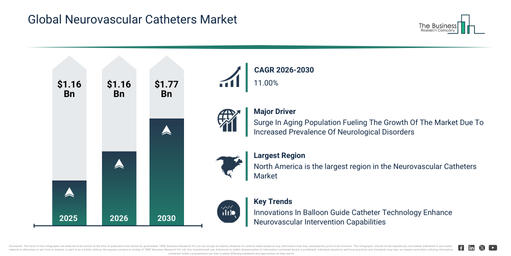
  • Global Neurovascular Catheters Industry Trends and Market Growth Forecast for 2026–2030

    Global Neurovascular Catheters Industry Trends and Market Growth Forecast for 2026–2030

    The Business Research Company’s 2026 market reports include new capabilities such as market attractiveness scoring and analysis, total addressable market analysis, company scoring matrix, interactive excel data dashboard, improved supply chain analysis, upcoming startups in the market, and overview of key products, aimed at improving the depth, usability, and strategic value of the insights delivered.

    “How Large Is The Neurovascular Catheters Market Projected To Become By 2030 Based On Its 2026 Valuation?

    The neurovascular catheters market has experienced substantial expansion in recent years. This market is anticipated to expand from $4.87 billion in 2025 to $5.38 billion in 2026, driven by a compound annual growth rate (CAGR) of 10.5%. Historically, this expansion is linked to an escalating incidence of neurovascular disorders, a greater uptake of minimally invasive neurosurgical procedures, enhanced availability of interventional neuroradiology services, improvements in catheter material science, and the proliferation of stroke treatment centers.

    The neurovascular catheters market size is projected to experience rapid expansion over the coming years. It is forecast to reach $8.17 billion in 2030, exhibiting a compound annual growth rate (CAGR) of 11.0%. This growth during the forecast period is driven by factors such as the increasing demand for thrombectomy procedures, a rising aging population susceptible to cerebrovascular risks, growing investments in neurointerventional technologies, the expansion of advanced imaging-assisted interventions, and a heightened preference for minimally invasive brain therapies. Significant trends anticipated in this period include the increasing adoption of steerable micro catheters, a rise in the use of minimally invasive neurovascular procedures, a growing demand for advanced embolization catheters, the expansion of image-guided catheter navigation, and an enhanced focus on device flexibility and precision.

    Download the Free Sample Report to Explore Key Market Insights:

    https://www.thebusinessresearchcompany.com/sample.aspx?id=10382&type=smp

    What Drivers Are Shaping The Future Growth Of The Neurovascular Catheters Market?

    The expanding aging population is anticipated to stimulate the neurovascular catheter market’s growth moving forward. An aging population describes a demographic shift where the proportion of elderly individuals within a society gradually increases. Neurovascular catheters serve a critical function for older adults by addressing various neurological conditions that become more widespread with age. For instance, in January 2024, data from the Population Reference Bureau, a US-based nonprofit organization focused on statistics, indicated that the number of Americans ages 65 and older is projected to increase from 58 million in 2022 to 82 million by 2050 (a 47% increase), with this age group’s share of the total population projected to go up from 17% to 23%. Consequently, the increasing aging population is a significant driver for the neurovascular catheter market.

    What Segment Groups Are Identified Within The Neurovascular Catheters Market?

    The neurovascular catheters market covered in this report is segmented –

    1) By Type: Micro catheters, Balloon Catheters, Access Catheters, Embolization Catheters, Other Types

    2) By Application: Embolic Stroke, Brain Aneurysm, Arteriovenous Malformations, Other Applications

    3) By End-Use: Hospitals, Clinics, Ambulatory Surgical Centers, Diagnostic Centers

    Subsegments:

    1) By Micro Catheters: Steerable Micro Catheters, Non-steerable Micro Catheters

    2) By Balloon Catheters: Distal Balloon Catheters, Proximal Balloon Catheters

    3) By Access Catheters: Diagnostic Access Catheters, Interventional Access Catheters

    4) By Embolization Catheters: Soft Embolization Catheters, Stiff Embolization Catheters

    5) By Other Types: Coil Catheters, Reinforced Catheters, Hydrophilic Catheters

    What Trends Are Advancing Progress In The Neurovascular Catheters Market?

    Leading companies operating within the neurovascular catheter market are prioritizing the development of advanced solutions, such as balloon guide catheters (BGCs), to improve procedural support, navigation to distal sites, and treatment accuracy in neurovascular interventions. A balloon guide catheter is a medical instrument utilized in interventional neuroradiology and neurointerventional surgery to facilitate the safe and effective treatment of cerebrovascular conditions, including stroke. For example, in March 2023, Q’Apel Medical Inc., a US-based neurovascular device company, obtained CE Mark approval for its Walrus Balloon Guide Catheter (BGC). This device, designed with a 0.087″ inner diameter, delivers enhanced proximal stability, distal trackability, and compatibility with complex stroke interventions, ultimately supporting better procedural outcomes and clinical decision-making. Q’Apel Medical focuses on high-precision neurovascular devices aimed at advancing interventional treatment options.

    Which Companies Hold Significant Positions In The Neurovascular Catheters Market?

    Major companies operating in the neurovascular catheters market are Medtronic plc, Stryker Corporation, Penumbra Inc., Johnson & Johnson, Terumo Corporation, Acandis GmbH, Spiegelberg GmbH & Co. KG, Concentric Medical Inc., Raumedic AG, Olympus Corporation, B. Braun Melsungen AG, Imperative Care Inc., Balt LLC, Phenox GmbH, Teleflex Incorporated, MicroVention Inc., Boston Scientific Corporation, Cook Medical LLC, Cordis Corporation, Merit Medical Systems Inc., Rapid Medical Ltd., Vascular Solutions Inc., W. L. Gore & Associates Inc., Abbott Laboratories

    Read the full neurovascular catheters market report here:

    https://www.thebusinessresearchcompany.com/report/neurovascular-catheters-global-market-report

    Which Geographic Regions Are Influencing Demand In The Neurovascular Catheters Market?

    North America was the largest region in the neurovascular catheters market in 2025. Asia-Pacific is expected to be the fastest-growing region in the forecast period. The regions covered in the neurovascular catheters market report are Asia-Pacific, South East Asia, Western Europe, Eastern Europe, North America, South America, Middle East, Africa.

    Request A Tailored Neurovascular Catheters Market Research Report For Competitive Advantage:

    https://www.thebusinessresearchcompany.com/customise?id=10382&type=smp

    Browse Through More Reports Similar to the Global Neurovascular Catheters Market 2026, By The Business Research Company

    Intravascular Catheters Market Report 2026

    https://www.thebusinessresearchcompany.com/report/intravascular-catheters-global-market-report

    Peripheral Iv Catheters Market Report 2026

    https://www.thebusinessresearchcompany.com/report/peripheral-iv-catheters-global-market-report

    Electrophysiology Catheters Market Report 2026

    https://www.thebusinessresearchcompany.com/report/electrophysiology-catheters-global-market-report

    Get in touch with us:

    The Business Research Company: https://www.thebusinessresearchcompany.com/

    Americas +1 310-496-7795

    Asia +44 7882 955267 & +91 8897263534

    Europe +44 7882 955267

    Email us at info@tbrc.info

    Follow us on:

    LinkedIn: https://in.linkedin.com/company/the-business-research-company

    YouTube: https://www.youtube.com/channel/UC24_fI0rV8cR5DxlCpgmyFQ

    Global Market Model: https://www.thebusinessresearchcompany.com/global-market-model”

  • Neurosurgical Robotics Market Size Outlook and Demand Growth Across 2026–2030

    Neurosurgical Robotics Market Size Outlook and Demand Growth Across 2026–2030

    The Business Research Company’s 2026 market reports include new capabilities such as market attractiveness scoring and analysis, total addressable market analysis, company scoring matrix, interactive excel data dashboard, improved supply chain analysis, upcoming startups in the market, and overview of key products, aimed at improving the depth, usability, and strategic value of the insights delivered.

    What Market Value Is Anticipated For The Neurosurgical Robotics Market Over The Period 2026–2030?

    The neurosurgical robotics market has seen significant expansion recently. It is forecast to grow from $4.14 billion in 2025 to $4.74 billion in 2026, achieving a compound annual growth rate (CAGR) of 14.5%. Historically, this market’s growth was driven by factors including the limited accessibility of neurosurgical robotic systems, the high cost of precision robotic devices, continued reliance on traditional surgical methods, an increasing occurrence of brain and spinal disorders, and initial adoption in specialized hospitals.

    The neurosurgical robotics market size is anticipated to experience significant expansion over the coming years. It is projected to reach $8.04 billion in 2030, exhibiting a compound annual growth rate (CAGR) of 14.1%. This growth during the forecast period can be attributed to several factors, including advancements in AI-enabled surgical robots, the broadening of image-guided navigation technologies, increasing investments in robotic-assisted neurosurgery, a rising preference for minimally invasive surgical methods, and increased adoption in both ambulatory surgical centers and hospitals. Key trends expected within this period involve the increasing adoption of minimally invasive neurosurgical procedures, the integration of high-resolution imaging with robotic systems, expansion in deep brain stimulation and spine surgery applications, a growing demand for precise robotic systems, and a heightened emphasis on surgical safety and accuracy.

    Download the Free Sample Report to Explore Key Market Insights:

    https://www.thebusinessresearchcompany.com/sample.aspx?id=27359&type=smp

    Which Economic Or Industry Drivers Are Impacting The Neurosurgical Robotics Market?

    The increasing need for minimally invasive surgical interventions is projected to fuel the expansion of the neurosurgical robotics market in the future. Minimally invasive surgery involves methods that restrict the extent and quantity of incisions, thereby diminishing physical trauma during operations. The growing popularity of these MIS procedures stems from their benefits, such as quicker patient recuperation due to less trauma, resulting in shorter periods of hospitalization, decreased discomfort, and a swifter return to daily routines. Neurosurgical robotics plays a crucial role in facilitating MIS by improving surgical accuracy, steadfastness, and command, enabling surgeons to perform operations through smaller openings with enhanced precision and a diminished likelihood of complications. For example, data from June 2024, published by the American Society of Plastic Surgeons, a US-based organization of board-certified plastic surgeons, indicated a 7% increase in minimally invasive procedures in 2023, surpassing a total of 25 million. Consequently, the expanding requirement for minimally invasive surgical techniques is propelling the development of the neurosurgical robotics market.

    How Is The Neurosurgical Robotics Market Divided Into Its Major Segments?

    The neurosurgical robotics market covered in this report is segmented –

    1) By Type Of Robot: Precision Robotic Systems, Navigation Systems, Surgical Assist Systems

    2) By Surgery Type: Minimally Invasive, Open Surgery

    3) By Application: Brain Tumor Resection, Deep Brain Stimulation (DBS), Spine Surgery

    4) By End User: Hospitals, Ambulatory Surgical Centers

    Subsegments:

    1) By Precision Robotic Systems: Robotic Tumor Resection Systems, Robotic Biopsy Devices, Robotic Laser Ablation Systems

    2) By Navigation Systems: Image-Guided Navigation Platforms, Electromagnetic Tracking Systems, Optical Tracking Navigation Systems

    3) By Surgical Assist Systems: Robotic Arm Positioning Devices, Endoscopic Assistance Robots, Instrument Guidance And Stabilization Systems

    How Are Trends Transforming The Neurosurgical Robotics Market Landscape?

    Leading companies within the neurosurgical robotics market are concentrating on developing advanced solutions, such as robotic exoscope systems, to improve surgical precision, visualization, and minimally invasive capabilities in complex cranial and spinal procedures. A robotic exoscope system is an advanced surgical visualization device that integrates a high-resolution external scope (exoscope) with robotic-assisted controls to provide enhanced, hands-free imaging during surgery. For instance, in September 2024, Zeiss Medical Technology, a Germany-based provider of medical technology solutions, launched the Kinevo 900 S robotic visualization system for neurosurgery procedures. The ZEISS KINEVO 900 S robotic visualization system offers unique features that significantly enhance neurosurgical precision and workflow. It combines high-resolution 4K 3D hybrid visualization, allowing surgeons to seamlessly switch between optical and digital views for greater comfort and accuracy. The system includes advanced cobotic functionalities such as PointLock, PositionMemory, and AutoCenter, enabling hands-free, AI-assisted positioning of the surgical view. Its DepthPro mode enhances depth of field with a single click, ensuring more of the surgical field stays in sharp focus.

    Who Are The Prominent Organizations Shaping The Neurosurgical Robotics Market?

    Major companies operating in the neurosurgical robotics market are Medtronic Plc, Renishaw Plc, Brainlab AG, Monteris Medical Inc., Synaptive Medical Inc., ClearPoint Neuro Inc., Galen Robotics Limited, Axilum Robotics SA, Brain Navi Biotechnology Co. Ltd., Intuitive Surgical Inc., Globus Medical Inc., HOZ Medical (China), Freehand Surgical Robotics Corporation, Surgical Theater Inc., Corindus Vascular Robotics Inc., Carl Zeiss Meditec AG, IMRIS Inc., Othersight Medical Robotics Inc., Nio Medical Robotics Ltd., Horizon Robotics Surgical Systems Inc., Medrobotics Corp., Think Surgical Inc., Titan Medical Inc., Distalmotion SA, Noah Medical Robotics Inc.

    Read the full neurosurgical robotics market report here:

    https://www.thebusinessresearchcompany.com/report/neurosurgical-robotics-global-market-report

    What Are The Top-Performing Regions Within The Neurosurgical Robotics Market?

    North America was the largest region in the neurosurgical robotics market in 2025. Asia-Pacific is expected to be the fastest-growing region in the forecast period. The regions covered in the neurosurgical robotics market report are Asia-Pacific, South East Asia, Western Europe, Eastern Europe, North America, South America, Middle East, Africa.

    Request A Tailored Neurosurgical Robotics Market Research Report For Competitive Advantage:

    https://www.thebusinessresearchcompany.com/customise?id=27359&type=smp

    Browse Through More Reports Similar to the Global Neurosurgical Robotics Market 2026, By The Business Research Company

    Plastic Pipes And Pipe Fittings Market Report 2026

    https://www.thebusinessresearchcompany.com/report/plastic-pipes-and-pipe-fittings-global-market-report

    Polyethylene Pipes Market Report 2026

    https://www.thebusinessresearchcompany.com/report/polyethylene-pipes-global-market-report

    Lined Valve Market Report 2026

    https://www.thebusinessresearchcompany.com/report/lined-valve-global-market-report

    Get in touch with us:

    The Business Research Company: https://www.thebusinessresearchcompany.com/

    Americas +1 310-496-7795

    Asia +44 7882 955267 & +91 8897263534

    Europe +44 7882 955267

    Email us at info@tbrc.info

    Follow us on:

    LinkedIn: https://in.linkedin.com/company/the-business-research-company

    YouTube: https://www.youtube.com/channel/UC24_fI0rV8cR5DxlCpgmyFQ

    Global Market Model: https://www.thebusinessresearchcompany.com/global-market-model
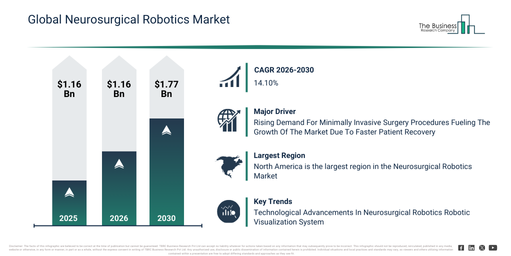
  • Neurosurgery Devices And Equipment Market Insights Highlighting Opportunities and Drivers Supporting Growth to 2030

    Neurosurgery Devices And Equipment Market Insights Highlighting Opportunities and Drivers Supporting Growth to 2030

    The Business Research Company’s 2026 market reports include new capabilities such as market attractiveness scoring and analysis, total addressable market analysis, company scoring matrix, interactive excel data dashboard, improved supply chain analysis, upcoming startups in the market, and overview of key products, aimed at improving the depth, usability, and strategic value of the insights delivered.

    What Is The Expected Market Size Of The Neurosurgery Devices And Equipment Market From 2026 To 2030?

    The neurosurgery devices and equipment market has experienced rapid growth in its size in recent years. This market is projected to expand from $9.56 billion in 2025 to $10.88 billion in 2026, registering a compound annual growth rate (CAGR) of 13.7%. Historically, this growth can be linked to factors such as a rising incidence of neurological disorders, the expansion of complex brain and spinal surgeries, increasing demand for enhanced surgical outcomes, the availability of advanced imaging technologies, and the development of specialized neurosurgical centers.

    The neurosurgery devices and equipment market is set for significant expansion in the coming years. It is projected to achieve a size of $18.55 billion in 2030, exhibiting a compound annual growth rate (CAGR) of 14.3%. This projected growth can be attributed to heightened investments in robotic neurosurgery platforms, the increasing acceptance of AI-assisted surgical planning tools, the wider availability of outpatient neurosurgical procedures, a greater emphasis on real-time intraoperative imaging, and a rising need for advanced neurosurgical training technologies. Prominent trends for the forecast period include the expanding use of image-guided neurosurgical systems, a surge in the application of minimally invasive neurosurgical tools, the increasing integration of robotic-assisted neurosurgery, the development of advanced navigation and visualization platforms, and a reinforced focus on surgical precision and safety.

    Download the Free Sample Report to Explore Key Market Insights:

    https://www.thebusinessresearchcompany.com/sample.aspx?id=2434&type=smp

    What Major Drivers Are Influencing Demand In The Neurosurgery Devices And Equipment Market?

    The expanding geriatric population is a key factor propelling the neurosurgery devices market. This demographic refers to individuals aged 65 years and older, who are more susceptible to developing neurological and degenerative disorders associated with aging. The growth in the elderly population is attributed to increased life expectancy and improved survival rates, resulting in a larger segment of older adults within the general population. Neurosurgery devices provide support to the geriatric population by enabling surgical procedures, managing various diseases, and restoring functionality for conditions such as Alzheimer’s, Parkinson’s, and issues related to strokes. As an illustration, in June 2024, according to the United Nations Department of Economic and Social Affairs, a US-based international organization, projections indicate that by the mid-2030s, there will be 265 million individuals aged 80 and older, exceeding the number of infants, and even rapidly growing nations are expected to witness a rise in their elderly population over the next 30 years. Thus, the increasing geriatric population is significantly contributing to the growth of the neurosurgery devices market.

    Which Segments Are Included In The Analysis Of The Neurosurgery Devices And Equipment Market?

    The neurosurgery devices and equipment market covered in this report is segmented –

    1) By Device Type: Neuroendoscope, Stereotactic Systems, Aneurysm Clips, Neurostimulation Devices, Cerebrospinal Fluid Management Devices, Neurosurgical Evacuation Device, Neurosurgical Navigation Systems, Neurosurgery Surgical Power Tools, Other Device Types

    2) By Surgery Type: Intracranial Surgery, Endonasal Neurosurgery, Spinal Surgery

    3) By End User: Hospitals, Ambulatory Surgical Centers

    Subsegments:

    1) By Neuroendoscope: Rigid Neuroendoscopes, Flexible Neuroendoscopes

    2) By Stereotactic Systems: Frame-based Systems, Frameless Systems

    3) By Aneurysm Clips: Titanium Aneurysm Clips, Stainless Steel Aneurysm Clips

    4) By Neurostimulation Devices: Spinal Cord Stimulation (SCS) Devices, Deep Brain Stimulation (DBS) Devices, Vagus Nerve Stimulation (VNS) Devices, Sacral Nerve Stimulation (SNS) Devices

    5) By Cerebrospinal Fluid (CSF) Management Devices: Shunts, Drainage Systems

    6) By Neurosurgical Evacuation Devices: Hematoma Evacuation Devices, Suction Evacuation Systems

    7) By Neurosurgical Navigation Systems: Optical Navigation Systems, Electromagnetic Navigation Systems, Hybrid Navigation Systems

    8) By Neurosurgery Surgical Power Tools: Drills, Saws, Shavers

    9) By Other Device Types: Ultrasonic Aspirators, Surgical Instruments

    Which Trends Are Impacting The Growth Of The Neurosurgery Devices And Equipment Market?

    Major companies within the neurosurgery devices and equipment market are prioritizing image-guided surgical systems to elevate procedural accuracy and reduce trauma to tissues. These image-guided surgical systems are characterized as devices that merge real-time imaging and navigation technologies, aiding neurosurgeons in precisely locating and treating pathological regions while diminishing harm to adjacent healthy tissue. As an illustration, in March 2024, Royal Philips, a healthcare technology company from the Netherlands, unveiled its Azurion Neuro biplane interventional platform. This platform offers high-resolution 2D/3D imaging, optimized X-ray detector positioning for intricate neurovascular procedures, and ClarityIQ low-dose imaging, leading to reduced patient radiation exposure. This advancement empowers neurosurgeons to execute precise endovascular interventions, including the repair of aneurysms and treatment of strokes, consequently improving patient safety and operational workflow efficiency.

    Which Key Industry Participants Are Active In The Neurosurgery Devices And Equipment Market?

    Major companies operating in the neurosurgery devices and equipment market are Medtronic plc, Boston Scientific Corporation, Stryker Corporation, Conmed Corporation, Smith & Nephew plc, Integra LifeSciences, Olympus Corporation, Karl Storz GmbH & Co. KG, Richard Wolf GmbH, Johnson & Johnson Services Inc., B. Braun Melsungen AG, Terumo Corporation, Boiotronic Inc., Abbott Laboratories, DePuy Synthes Companies, BrainLAB AG, Zimmer Biomet Holdings Inc., GE Healthcare, NuVasive Inc., ArthroCare Corporation, Vycor Medical Inc., Penumbra Inc., Leica Camera, Carl Zeiss AG, Moller-wedel Optical GmbH, Synaptive Medical Inc., Mizuho OSI, Monteris Medical Inc., NeuroLogica Corporation, NeuroPoint Alliance (NPA), Neurosurgery Research and Education Foundation (NREF), AiM Medical Robotics, Inner Cosmos Inc., AcureX Therapeutics, Novadip Biosciences, Rebstock Instruments GmbH, AKTORmed GmbH

    Read the full neurosurgery devices and equipment market report here:

    https://www.thebusinessresearchcompany.com/report/neurosurgery-devices-and-equipment-global-market-report

    Which Region Shows The Strongest Potential For Future Growth In The Neurosurgery Devices And Equipment Market?

    North America was the largest region in the global neurosurgery devices and equipment market in 2025. Asia-Pacific was the second-largest region in the neurosurgery devices and equipment market. The regions covered in the neurosurgery devices and equipment market report are Asia-Pacific, South East Asia, Western Europe, Eastern Europe, North America, South America, Middle East, Africa.

    Request A Tailored Neurosurgery Devices And Equipment Market Research Report For Competitive Advantage:

    https://www.thebusinessresearchcompany.com/customise?id=2434&type=smp

    Browse Through More Reports Similar to the Global Neurosurgery Devices And Equipment Market 2026, By The Business Research Company

    Neurology Devices Market Report 2026

    https://www.thebusinessresearchcompany.com/report/neurology-devices-global-market-report

    Spinal Surgery Devices And Equipment Market Report 2026

    https://www.thebusinessresearchcompany.com/report/spinal-surgery-devices-and-equipment-global-market-report

    Neurology Devices Market Report 2026

    https://www.thebusinessresearchcompany.com/report/neurology-devices-global-market-report

    Get in touch with us:

    The Business Research Company: https://www.thebusinessresearchcompany.com/

    Americas +1 310-496-7795

    Asia +44 7882 955267 & +91 8897263534

    Europe +44 7882 955267

    Email us at info@tbrc.info

    Follow us on:

    LinkedIn: https://in.linkedin.com/company/the-business-research-company

    YouTube: https://www.youtube.com/channel/UC24_fI0rV8cR5DxlCpgmyFQ

    Global Market Model: https://www.thebusinessresearchcompany.com/global-market-model

  • Global Neurostimulation Devices Market Expected to Reach $12.03 Billion by 2030 with 12% CAGR

    Global Neurostimulation Devices Market Expected to Reach $12.03 Billion by 2030 with 12% CAGR

    The Business Research Company’s 2026 market reports include new capabilities such as market attractiveness scoring and analysis, total addressable market analysis, company scoring matrix, interactive excel data dashboard, improved supply chain analysis, upcoming startups in the market, and overview of key products, aimed at improving the depth, usability, and strategic value of the insights delivered.

    What Market Valuation Is Forecasted For The Neurostimulation Devices Market By 2030 Starting From Its 2026 Size?

    The market for neurostimulation devices has experienced rapid expansion recently. This market is projected to expand from $6.86 billion in 2025 to $7.64 billion in 2026, demonstrating a compound annual growth rate (CAGR) of 11.4%. Historically, this growth has been driven by factors such as the rising incidence of chronic neurological conditions, enhanced clinical adoption of implantable stimulation treatments, the broadening of pain management strategies, an increase in neurological disease diagnosis rates, and the introduction of advanced implant technologies.

    The neurostimulation devices market is projected for swift expansion over the coming years. This market is anticipated to reach a valuation of $12.03 billion by 2030, exhibiting a compound annual growth rate (CAGR) of 12.0%. Factors contributing to this growth during the forecast period include a heightened demand for customized neuromodulation therapies, a greater embrace of minimally invasive neurostimulation devices, escalating investments in brain-computer interface research, the proliferation of home-based neuromodulation treatments, and more frequent regulatory approvals for new stimulation applications. Key trends expected over the forecast period encompass a surge in the adoption of closed-loop neurostimulation systems, an increase in the utilization of personalized neuromodulation therapies, the expanding integration of wireless and miniaturized implants, the development of external non-invasive stimulation devices, and a stronger emphasis on the long-term adaptability of therapy.

    Download the Free Sample Report to Explore Key Market Insights:

    https://www.thebusinessresearchcompany.com/sample.aspx?id=2539&type=smp

    Which Market Drivers Are Supporting The Expansion Of The Neurostimulation Devices Market?

    The escalating demand within the healthcare sector is anticipated to drive the future expansion of the neurostimulation devices market. This vast and multifaceted economic domain encompasses various organizations, professionals, and institutions dedicated to providing medical services, healthcare products, and the overall maintenance and improvement of people’s health. Neurostimulation devices play several essential roles in healthcare, particularly in addressing and managing diverse neurological conditions and chronic pain. For example, a report from the UK-based government department, the Office for National Statistics, revealed in May 2023 that healthcare spending in the UK surged by 5.6% between 2022 and 2023, a notable increase compared to the 0.9% growth recorded in 2022. The UK’s healthcare expenditure reached approximately $ 322.152 billion (£292 billion) in 2023. Thus, the expanding healthcare industry is serving as a key driver for the growth of the neurostimulation devices market.

    Which Segment Categories Define The Neurostimulation Devices Market?

    The neurostimulation devices market covered in this report is segmented –

    1) By Product: Implantable Devices, External Devices

    2) By Application: Pain Management, Epilepsy, Essential Tremor, Urinary and Fecal Incontinence, Depression, Dystonia, Gastroparesis, Parkinson’s Disease

    3) By End User: Hospitals, Rehabilitation Centers, Medical Clinic

    Subsegments:

    1) By Implantable Devices: Spinal Cord Stimulators (SCS), Deep Brain Stimulators (DBS), Vagus Nerve Stimulators (VNS), Sacral Nerve Stimulators (SNS)

    2) By External Devices: Transcranial Magnetic Stimulation (TMS) Devices, Transcranial Direct Current Stimulation (tDCS) Devices, Cranial Electrotherapy Stimulation (CES) Devices

    What Major Market Trends Are Driving Changes In The Neurostimulation Devices Market?

    Leading companies active in the neurostimulation devices market are concentrating on closed loop spinal cord stimulation (SCS) systems to provide adaptive therapy that better corresponds with patients’ daily movements. Closed loop SCS describes systems that detect physiological signals along the spinal cord and autonomously modify stimulation in real time, in contrast to delivering electrical pulses with a fixed output. For example, in April 2024, Medtronic plc, a US based healthcare technology firm, obtained FDA approval for its Inceptiv closed-loop rechargeable spinal cord stimulator. This device offers real time sensing of biological signals, automatically adjusts stimulus intensity, includes multiple waveforms (among them its proprietary DTM therapy), and enables full body 3T MRI access.

    Who Are The Top Companies Competing In The Neurostimulation Devices Market?

    Major companies operating in the neurostimulation devices market are Medtronic plc, Cyberonics Inc., Boston Scientific Corporation, Abbott Laboratories, Nevro Corporation, Neuronetics Inc., NeuroPace Inc., NeuroSigma Inc., NDI Medical LLC, Synapse Biomedical Inc., MED-EL, LivaNova PLC, Aleva Neurotherapeutics, BrainsWay, Cortec Corporation, Endonovo Therapeutics Inc., Inspire Medical Systems Inc., The Magstim Company Limited, Mainstay Medical Limited, MicroTransponder Inc., MindMaze, NeuroMetrix, Nexeon MedSystems, Nuvectra, Saluda Medical, SPR Therapeutics Inc., Uro Medical Corporation

    Read the full neurostimulation devices market report here:

    https://www.thebusinessresearchcompany.com/report/neurostimulation-devices-global-market-report

    How Is The Neurostimulation Devices Market Distributed Across Key Geographic Regions?

    North America was the largest region in the global neurostimulation devices market in 2025. Asia-Pacific was the second-largest region in the neurostimulation devices market. The regions covered in the neurostimulation devices market report are Asia-Pacific, South East Asia, Western Europe, Eastern Europe, North America, South America, Middle East, Africa.

    Request A Tailored Neurostimulation Devices Market Research Report For Competitive Advantage:

    https://www.thebusinessresearchcompany.com/customise?id=2539&type=smp

    Browse Through More Reports Similar to the Global Neurostimulation Devices Market 2026, By The Business Research Company

    Internal Neuromodulation Devices Market Report 2026

    https://www.thebusinessresearchcompany.com/report/internal-neuromodulation-devices-global-market-report

    Implantable Neurostimulation Devices Market Report 2026

    https://www.thebusinessresearchcompany.com/report/implantable-neurostimulation-devices-global-market-report

    Internal Neuromodulation Devices Market Report 2026

    https://www.thebusinessresearchcompany.com/report/internal-neuromodulation-devices-global-market-report

    Get in touch with us:

    The Business Research Company: https://www.thebusinessresearchcompany.com/

    Americas +1 310-496-7795

    Asia +44 7882 955267 & +91 8897263534

    Europe +44 7882 955267

    Email us at info@tbrc.info

    Follow us on:

    LinkedIn: https://in.linkedin.com/company/the-business-research-company

    YouTube: https://www.youtube.com/channel/UC24_fI0rV8cR5DxlCpgmyFQ

    Global Market Model: https://www.thebusinessresearchcompany.com/global-market-model
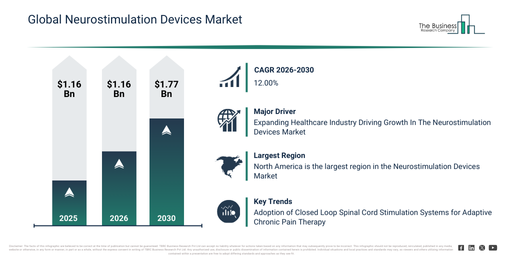
  • Neuroscience Antibodies & Assays Market Future Outlook Showing Expansion Toward $9.83 Billion by 2030

    Neuroscience Antibodies & Assays Market Future Outlook Showing Expansion Toward $9.83 Billion by 2030

    The Business Research Company’s 2026 market reports include new capabilities such as market attractiveness scoring and analysis, total addressable market analysis, company scoring matrix, interactive excel data dashboard, improved supply chain analysis, upcoming startups in the market, and overview of key products, aimed at improving the depth, usability, and strategic value of the insights delivered.

    How Is The Market Size Of The Neuroscience Antibodies & Assays Market Expected To Change Between 2026 And 2030?

    The neuroscience antibodies & assays market has experienced rapid expansion in recent years. Its size is projected to grow from $5.03 billion in 2025 to $5.76 billion in 2026, with a compound annual growth rate (CAGR) of 14.5%. This historical growth can be attributed to factors such as the rising prevalence of neurological disorders, increased neuroscience research funding, the wider adoption of immunoassays in diagnostics, the availability of advanced laboratory instruments, and the expansion of academic neuroscience programs.

    The market for neuroscience antibodies and assays is projected to experience swift expansion over the coming years. This market is anticipated to reach a valuation of **$9.83 billion by 2030**, demonstrating a compound annual growth rate (CAGR) of **14.3%**. This expansion during the projection period stems from escalating investments in research concerning neurodegenerative diseases, a heightened need for customized neurology diagnostics, the broadening of drug discovery initiatives, the increasing use of automated assay platforms, and a greater emphasis on detecting diseases early. Key trends anticipated over the forecast period encompass the wider embrace of high-specificity antibody reagents, an increase in the utilization of multiplex assay platforms, the growing incorporation of automation within neuro research laboratories, the broadening of neurological studies reliant on biomarkers, and an intensified commitment to reproducibility and sensitivity.

    Download the Free Sample Report to Explore Key Market Insights:

    https://www.thebusinessresearchcompany.com/sample.aspx?id=7548&type=smp

    What Underlying Factors Are Accelerating The Growth Of The Neuroscience Antibodies & Assays Market?

    The increasing prevalence of neurological conditions is expected to drive the expansion of the neuroscience antibodies and assays market in the future. Neurological illnesses are disorders that affect the brain, spinal cord, and nerves, resulting in impaired cognitive, motor, or sensory functions. The growing incidents of neurological illnesses are largely a consequence of population aging, as the increasing proportion of older adults in developed countries leads to a higher occurrence of age-related neurological conditions such as Alzheimer’s disease and Parkinson’s disease. The rising incidents of neurological illnesses bolster the demand for specialized antibodies and assays because researchers and clinicians depend on these diagnostic and research tools to detect, investigate, and monitor disease-specific biomarkers and protein abnormalities associated with neurological conditions. For instance, in March 2023, the Alzheimer’s Association, a US-based nonprofit voluntary health organization, reported that in 2023, approximately 6.7 million Americans aged 65 and older are living with Alzheimer’s dementia, and this figure is anticipated to increase to 13.8 million by 2060. Therefore, the rise in incidents of neurological illnesses is fueling the growth of the neuroscience antibodies and assays market.

    How Is The Neuroscience Antibodies & Assays Market Structured Across Different Segments?

    The neuroscience antibodies & assays market covered in this report is segmented –

    1) By Product: Consumables, Instruments

    2) By Technology: Molecular Diagnostics, Immunoassays Or Immunochemistry, Other Technologies

    3) By Application: In Vitro Diagnostics, Research, Drug Discovery

    4) By End User: Hospitals And Diagnostics Centers, Academic And Research Institutes, Pharmaceutical And Biotechnology Companies

    Subsegments:

    1) By Consumables: Antibodies, Assay Kits

    2) By Instruments: Spectrophotometers, Microplate Readers, Flow Cytometers, Western Blotting Systems, Imaging Systems, Automated Workstations

    Which Trends Are Shaping The Future Of The Neuroscience Antibodies & Assays Market?

    Companies operating in the neuroscience antibodies and assays market are heavily investing in developing innovative products, such as bispecific in vivo–ready antibodies, designed to simultaneously target multiple neurological pathways for achieving more precise and effective research outcomes. These bispecific in vivo–ready antibodies are specifically engineered to bind two different targets concurrently and are formulated for use in live animal models, thereby assisting researchers in modulating multiple neurological pathways at once for more accurate and physiologically relevant neuroscience studies. For instance, in October 2025, Bio X Cell LLC, a US–based biotechnology company, unveiled an expanded catalog of bispecific and ADC (antibody-drug conjugate) antibodies as part of its refreshed brand identity, explicitly targeting advanced preclinical neuroscience and translational research applications. These particular bispecific antibodies are engineered to bind two distinct antigens simultaneously, enabling researchers to modulate multiple signaling pathways or cell populations in the brain within a single study, unlike traditional monoclonal antibodies which target only one molecule. They are produced with a high purity (= 95%) and ultra-low endotoxin levels (= 0.5 EU/mg), making them highly suitable for sensitive in vivo experiments, organoid models, and organ-on-chip systems. Furthermore, the ADCs combine a functional antibody with a cytotoxic payload to selectively target specific neuronal or glial populations, offering precise modulation and enhanced experimental flexibility.

    Which Major Players Dominate The Neuroscience Antibodies & Assays Market?

    Major companies operating in the neuroscience antibodies & assays market are Abcam plc, BioLegend Inc., Bio-Rad Laboratories Inc., Cell Signaling Technology Inc., F. Hoffmann-La Roche AG, Thermo Fisher Scientific, Merck KGaA, Rockland Immunochemicals Inc., GenScript Biotech Corporation, Santa Cruz Biotechnology Inc., Wak-Chemie Medical GmbH, Epitope Diagnostics Inc., Agilent Technologies, Bio-Techne Corporation, Creative Diagnostics, Enzo Life Sciences Inc., Jackson ImmunoResearch Laboratories Inc., Novus Biologicals LLC, OriGene Technologies Inc., Proteintech Group Inc., R&D Systems Inc., RayBiotech Inc., StressMarq Biosciences Inc., Synaptic Systems GmbH, Tocris Bioscience, Alomone Labs Ltd., AnaSpec Inc., Antibodies.com, Antibody Solutions, Arbor Assays, Uscn Life Science Inc., Zymo Research Corp., AAT Bioquest Inc., Abbexa Ltd., ACROBiosystems Inc., Active Motif Inc., AdipoGen Life Sciences, Advanced Targeting Systems Inc., AgriSera AB

    Read the full neuroscience antibodies & assays market report here:

    https://www.thebusinessresearchcompany.com/report/neuroscience-antibodies-and-assays-global-market-report

    Which Region Is Projected To Dominate The Neuroscience Antibodies & Assays Market During The Forecast Period?

    North America was the largest region in the neuroscience antibodies & assays market in 2025. The regions covered in the neuroscience antibodies & assays market report are Asia-Pacific, South East Asia, Western Europe, Eastern Europe, North America, South America, Middle East, Africa.

    Request A Tailored Neuroscience Antibodies & Assays Market Research Report For Competitive Advantage:

    https://www.thebusinessresearchcompany.com/customise?id=7548&type=smp

    Browse Through More Reports Similar to the Global Neuroscience Antibodies & Assays Market 2026, By The Business Research Company

    Neurological Biomarkers Market Report 2026

    https://www.thebusinessresearchcompany.com/report/neurological-biomarkers-global-market-report

    Next Generation Antibody Therapeutics Market Report 2026

    https://www.thebusinessresearchcompany.com/report/next-generation-antibody-therapeutics-global-market-report

    Antibody Discovery Market Report 2026

    https://www.thebusinessresearchcompany.com/report/antibody-discovery-global-market-report

    Get in touch with us:

    The Business Research Company: https://www.thebusinessresearchcompany.com/

    Americas +1 310-496-7795

    Asia +44 7882 955267 & +91 8897263534

    Europe +44 7882 955267

    Email us at info@tbrc.info

    Follow us on:

    LinkedIn: https://in.linkedin.com/company/the-business-research-company

    YouTube: https://www.youtube.com/channel/UC24_fI0rV8cR5DxlCpgmyFQ

    Global Market Model: https://www.thebusinessresearchcompany.com/global-market-model

  • Neurorehabilitation Devices Market Revenue Growth Expected to Reach $3.57 Billion by 2030 with 11.5% CAGR

    Neurorehabilitation Devices Market Revenue Growth Expected to Reach $3.57 Billion by 2030 with 11.5% CAGR

    The Business Research Company’s 2026 market reports include new capabilities such as market attractiveness scoring and analysis, total addressable market analysis, company scoring matrix, interactive excel data dashboard, improved supply chain analysis, upcoming startups in the market, and overview of key products, aimed at improving the depth, usability, and strategic value of the insights delivered.

    What Is The Market Size Of The Neurorehabilitation Devices Market In 2026 And What Value Is Projected For 2030?

    The neurorehabilitation devices market size has seen substantial growth over recent years. It will grow from $2.07 billion in 2025 to $2.32 billion in 2026 at a compound annual growth rate (CAGR) of 11.8%. The expansion observed historically is due to factors such as an increase in stroke occurrences, the proliferation of rehabilitation facilities, enhanced public understanding of neurorehabilitation, progress in assistive technologies, and the wider provision of physical therapy services.

    The neurorehabilitation devices market is anticipated to experience substantial growth over the next few years. This market is projected to reach $3.58 billion by 2030, demonstrating a compound annual growth rate (CAGR) of 11.5%. The expansion during this period is largely driven by factors such as an aging global population, increased demand for home care rehabilitation, continuous technological innovation in exoskeletons, a rise in neurological injury cases, and enhanced healthcare funding. Prominent trends for the forecast duration include the increasing adoption of robotic rehabilitation systems, the growing utilization of wearable neurorehabilitation devices, the expansion of home-based rehabilitation programs, a heightened focus on personalized therapy plans, and the integration of cognitive and physical rehabilitation approaches.

    Download the Free Sample Report to Explore Key Market Insights:

    https://www.thebusinessresearchcompany.com/sample.aspx?id=20579&type=smp

    Which Growth Drivers Are Contributing To The Progress Of The Neurorehabilitation Devices Market?

    The escalating occurrence of neurological conditions is projected to fuel the expansion of the neurorehabilitation devices market in the future. This increase in neurological disease cases stems from various factors, such as an aging demographic, advancements in diagnostic methods, heightened public awareness, and issues related to stress and mental well-being. Neurorehabilitation devices serve individuals with neurological diseases by assisting in the recovery of motor, cognitive, and sensory capabilities through specialized treatments and stimulation techniques. For example, data from May 2025, provided by Headway, a non-profit organization based in the UK, indicates that in the UK, 335,409 people received hospital admissions in 2023–2024 as a result of acquired brain injury (ABI). Consequently, the growing frequency of neurological diseases is a significant impetus behind the expansion of the neurorehabilitation devices market.

    What Are The Key Segments Of The Neurorehabilitation Devices Market?

    The neurorehabilitation devices market covered in this report is segmented –

    1) By Product: Neurorobotics, Brain-Computer Interface, Wearable Devices, Non-Invasive Stimulators, Other Products

    2) By Application: Stroke, Parkinson’s Disease, Brain And Spinal Cord Injury, Cerebral Palsy, Multiple Sclerosis, Other Applications

    3) By End User: Rehabilitation Centers, Hospitals And Clinics, Home Care, Other End Users

    Subsegments:

    1) By Neurorobotics: Robotic Exoskeletons, Robotic Rehabilitation Devices, Assistive Robots For Gait Training

    2) By Brain-Computer Interface: Invasive Brain-Computer Interfaces, Non-Invasive Brain-Computer Interfaces, Hybrid Brain-Computer Interfaces

    3) By Wearable Devices: Smart Gloves, Smart Sensors, Exosuits and Wearable Robotics

    4) By Non-Invasive Stimulators: Transcranial Magnetic Stimulation (TMS) Devices, Transcranial Direct Current Stimulation (tDCS) Devices, Functional Electrical Stimulation (FES) Devices

    5) By Other Products: Virtual Reality Rehabilitation Systems, Software Platforms For Neurorehabilitation, Cognitive Training Devices

    What Key Trends Are Influencing The Development Of The Neurorehabilitation Devices Market?

    Major companies within the neurorehabilitation devices market are prioritizing the development of advanced products, including hyper-sensitive controllers, to elevate precision and patient interaction during rehabilitation therapies. A hyper-sensitive controller is defined as a component or system engineered to react with significant sensitivity to a user’s movements, intentions, or neural signals. For instance, in February 2023, MindMaze, a Switzerland-based digital neurotherapeutics (DTx) solutions provider, launched Izar. This innovative smart peripheral device is designed to improve hand motor function in patients suffering from neurological conditions such as stroke and Parkinson’s disease. This sophisticated, portable instrument enhances hand dexterity and strength by precisely detecting subtle grasp forces and wrist movements, thus enabling accurate training and assessment. Izar accommodates both in-clinic and remote self-training, fulfilling a vital need in neurological rehabilitation.

    Who Are The Leading Companies Operating In The Neurorehabilitation Devices Market?

    Major companies operating in the neurorehabilitation devices market are ReWalk Robotics Ltd., Ottobock SE & Co. KGaA, Helius Medical Technologies Inc., Bioness Inc., Neofect Co. Ltd., Tyromotion GmbH, Ekso Bionics Holdings Inc., Reha Technology AG, Kinestica Inc., Motus Nova, NeuroGym, NeuroMetrix Inc., Rehab-Robotics Company Limited, Rex Bionics Ltd., Saebo Inc., Bionik Laboratories Corp., Medtronic plc, Abbott Laboratories, Hocoma AG, Cyberdyne Inc., MindMaze SA, NeuroPace Inc., Paradromics Inc., Cognixion

    Read the full neurorehabilitation devices market report here:

    https://www.thebusinessresearchcompany.com/report/neurorehabilitation-devices-global-market-report

    What Are The Leading Geographic Regions In The Neurorehabilitation Devices Market?

    North America was the largest region in the neurorehabilitation devices market in 2025. The regions covered in the neurorehabilitation devices market report are Asia-Pacific, South East Asia, Western Europe, Eastern Europe, North America, South America, Middle East, Africa.

    Request A Tailored Neurorehabilitation Devices Market Research Report For Competitive Advantage:

    https://www.thebusinessresearchcompany.com/customise?id=20579&type=smp

    Browse Through More Reports Similar to the Global Neurorehabilitation Devices Market 2026, By The Business Research Company

    Neuropathic Pain Market Report 2026

    https://www.thebusinessresearchcompany.com/report/neuropathic-pain-global-market-report

    Neurotrophic Keratitis Treatment Market Report 2026

    https://www.thebusinessresearchcompany.com/report/neurotrophic-keratitis-treatment-global-market-report

    Neurofibromatosis Treatment Market Report 2026

    https://www.thebusinessresearchcompany.com/report/neurofibromatosis-treatment-global-market-report

    Get in touch with us:

    The Business Research Company: https://www.thebusinessresearchcompany.com/

    Americas +1 310-496-7795

    Asia +44 7882 955267 & +91 8897263534

    Europe +44 7882 955267

    Email us at info@tbrc.info

    Follow us on:

    LinkedIn: https://in.linkedin.com/company/the-business-research-company

    YouTube: https://www.youtube.com/channel/UC24_fI0rV8cR5DxlCpgmyFQ

    Global Market Model: https://www.thebusinessresearchcompany.com/global-market-model

  • Neurophysiology Devices And Equipment Market Expected to Record Steady Growth and Approach $2.5 Billion by 2030

    Neurophysiology Devices And Equipment Market Expected to Record Steady Growth and Approach $2.5 Billion by 2030

    The Business Research Company’s 2026 market reports include new capabilities such as market attractiveness scoring and analysis, total addressable market analysis, company scoring matrix, interactive excel data dashboard, improved supply chain analysis, upcoming startups in the market, and overview of key products, aimed at improving the depth, usability, and strategic value of the insights delivered.

    What Will Be The Estimated Market Valuation Of The Neurophysiology Devices And Equipment Market By The End Of 2030?

    The neurophysiology devices and equipment market has experienced modest expansion in recent years. This market is anticipated to rise from $1.72 billion in 2025 to $1.76 billion in 2026, achieving a compound annual growth rate (CAGR) of 2.3%. The historical increase in market size can be attributed to an uptick in neurological testing, developments in EMG and EEG technologies, a greater number of surgical procedures, the enlargement of hospital neurology departments, and an increase in clinical research.

    The neurophysiology devices and equipment market is projected to experience substantial expansion over the coming years. This sector is expected to grow to **$2.51 billion in 2030, at a compound annual growth rate (CAGR) of 9.3%.** This anticipated market growth is primarily driven by factors such as the increasing demand for point-of-care diagnostics, a rising prevalence of nerve disorders, ongoing technological miniaturization, the expansion of ambulatory centers, and a greater number of training and education programs. Key trends expected to shape the market include the rising adoption of portable neurophysiology devices, their increased utilization in intraoperative monitoring, a growing demand for wireless recording systems, the expansion of neurology and neurodiagnostic laboratories, and a sharpened focus on the early detection of nerve disorders.

    Download the Free Sample Report to Explore Key Market Insights:

    https://www.thebusinessresearchcompany.com/sample.aspx?id=2521&type=smp

    What Primary Drivers Are Shaping The Development Of The Neurophysiology Devices And Equipment Market?

    The global increase in neurological disorders stands as a significant catalyst for the growth of the neurophysiology device and equipment market. These conditions are recognized as highly prevalent among recurring ailments, encompassing more than 600 neurological disorders such as brain tumors, epilepsy, Parkinson’s disease, and Alzheimer’s. Such disorders have been identified as the leading cause group for Disability Adjusted Life Years (DALYs), which measures the years lost due to ill-health, disability, or early death. The escalating number of neurological disease cases and the expanding patient population are consequently amplifying the demand for devices utilized in their treatment. For instance, in February 2023, according to Cancer Research UK, a UK-based charity, the average annual incidence of new brain, other CNS, and intracranial tumors in the UK is projected to rise from approximately 12,600 cases between 2023 and 2025 to about 13,600 cases by 2038 to 2040. This anticipated surge will drive up the demand for medical devices used in treating neurological disorders, thereby propelling the neurophysiology device and equipment market during the forecast period.

    Which Segment Classifications Shape The Neurophysiology Devices And Equipment Market?

    The neurophysiology devices and equipment market covered in this report is segmented –

    1) By Technology: Electromyography (EMG), Electroencephalography (EEG), Electrocorticography (ECoG), Evoked Potential (EP)

    2) By Modality: Standalone, Portable

    3) By End Users: Hospitals, Ambulatory Surgical Centers

    Subsegments:

    1) By Electromyography (EMG): Surface EMG Devices, Needle EMG Devices, Wireless EMG Devices

    2) By Electroencephalography (EEG): Conventional EEG Systems, Portable EEG Systems, Wireless EEG Systems

    3) By Electrocorticography (ECoG): Grid Electrodes, Strip Electrodes, Subdural Electrodes

    4) By Evoked Potential (EP): Visual Evoked Potential (VEP) Devices, Auditory Evoked Potential (AEP) Devices, Somatosensory Evoked Potential (SEP) Devices

    How Are Trends Impacting The Neurophysiology Devices And Equipment Market?

    Leading companies in the neurophysiology devices and equipment market are innovating products like Evo sEEG electrodes to enhance market revenues. The Evo sEEG electrode is a high-definition, minimally invasive thin film electrode developed for diagnosing and treating a variety of neurological conditions. For example, in May 2023, NeuroOne Medical Technologies Corporation, a US-based medical technology company, introduced its Evo sEEG electrodes. The Evo sEEG electrode also holds potential for future applications in spinal cord stimulation and ablation solutions. This electrode incorporates high-definition, thin film technology, which aims to improve signal clarity and deliver secure, precise, and less invasive diagnostic methods for patients experiencing epilepsy, chronic back pain, and Parkinson’s disease.

    Which Companies Are Expanding Their Footprint In The Neurophysiology Devices And Equipment Market?

    Major companies operating in the neurophysiology devices and equipment market are Medtronic Plc, Nihon Kohden Corporation, Dr. Langer Medical GmbH, Natus Medical Incorporated, Inomed Medizintechnik, NuVasive Inc, Axon Healthcare Ltd., Bovie Medical Corporation, Neurosign, Neurowave Systems, Cadwell Industries, Brainsway, Checkpoint Surgical, Deymed Diagnostic Inc., EMS Biomedical, Compumedics Limited, Magtism, Langer Medical, Shanghai NCC Medical, Ambu, Blackrock Microsystems, Cognionics, Morningside Medical Equipment, BeckerSmith Medical, Cognivue, Helius Medical Technologies, inTRAvent Medical Partners, Neural Diagnostics Pty Ltd, Irras AB

    Read the full neurophysiology devices and equipment market report here:

    https://www.thebusinessresearchcompany.com/report/neurophysiology-devices-and-equipment-global-market-report

    How Does The Neurophysiology Devices And Equipment Market Perform Across Major Global Regions?

    North America was the largest region in the neurophysiology devices and equipment market in 2025. Western Europe was the second-largest region in the global neurophysiology devices and equipment market share. The regions covered in the neurophysiology devices and equipment market report are Asia-Pacific, South East Asia, Western Europe, Eastern Europe, North America, South America, Middle East, Africa.

    Request A Tailored Neurophysiology Devices And Equipment Market Research Report For Competitive Advantage:

    https://www.thebusinessresearchcompany.com/customise?id=2521&type=smp

    Browse Through More Reports Similar to the Global Neurophysiology Devices And Equipment Market 2026, By The Business Research Company

    Neurology Devices Market Report 2026

    https://www.thebusinessresearchcompany.com/report/neurology-devices-global-market-report

    Neurodegenerative Disorder Therapeutic Market Report 2026

    https://www.thebusinessresearchcompany.com/report/neurodegenerative-disorder-therapeutic-global-market-report

    Interventional Neurology Devices And Equipment Market Report 2026

    https://www.thebusinessresearchcompany.com/report/interventional-neurology-devices-and-equipment-global-market-report

    Get in touch with us:

    The Business Research Company: https://www.thebusinessresearchcompany.com/

    Americas +1 310-496-7795

    Asia +44 7882 955267 & +91 8897263534

    Europe +44 7882 955267

    Email us at info@tbrc.info

    Follow us on:

    LinkedIn: https://in.linkedin.com/company/the-business-research-company

    YouTube: https://www.youtube.com/channel/UC24_fI0rV8cR5DxlCpgmyFQ

    Global Market Model: https://www.thebusinessresearchcompany.com/global-market-model