Month: March 2026

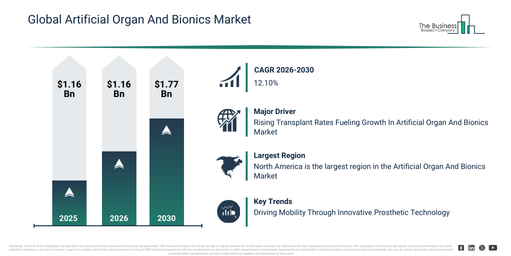
  • A significant industry trend in the Artificial Organ And Bionics Market includes the  Driving Mobility Through Innovative Prosthetic Technology

    A significant industry trend in the Artificial Organ And Bionics Market includes the Driving Mobility Through Innovative Prosthetic Technology

    The Business Research Company’s 2026 market reports include new capabilities such as market attractiveness scoring and analysis, total addressable market analysis, company scoring matrix, interactive excel data dashboard, improved supply chain analysis, upcoming startups in the market, and overview of key products, aimed at improving the depth, usability, and strategic value of the insights delivered.

    What Is The Market Size Of The Artificial Organ And Bionics Market In 2026 And What Value Is Projected For 2030?

    The artificial organ and bionics market has seen swift expansion in its size over recent years. It is projected to increase from $35.86 billion in 2025 to $40.03 billion in 2026, achieving a compound annual growth rate (CAGR) of 11.6%. The historical growth of this market can be attributed to factors such as rising organ transplant shortages, advancements in biomedical engineering, the expansion of prosthetics adoption, increasing survival rates of chronic disease patients, and improvements in surgical implantation techniques.

    The artificial organ and bionics market is anticipated to experience significant expansion in the coming years. It will grow to $63.1 billion in 2030 at a compound annual growth rate (CAGR) of 12.1%. This growth during the projection period can be attributed to increasing investments in biohybrid organ research, a rising demand for intelligent bionic systems, the expansion of brain-computer interface applications, an increasing focus on improving quality of life, and the convergence of technologies in organ replacement therapies. Key trends anticipated during this period include the accelerated development of advanced artificial organs, the increasing adoption of bionic limbs and exoskeletons, the growing integration of neural interface technologies, the expansion of implantable life-support devices, and a heightened emphasis on solutions for long-term organ replacement.

    Download the Free Sample Report to Explore Key Market Insights:

    https://www.thebusinessresearchcompany.com/sample.aspx?id=10108&type=smp

    What Drivers Are Influencing The Artificial Organ And Bionics Market?

    The future expansion of the artificial organ and bionics market is anticipated to be fueled by a rising volume of transplants. A transplant involves a surgical intervention where a body tissue or organ is moved from a donor to a recipient, or relocated within the same body, in either a human or an animal. Artificial organs are defined as implanted devices designed to substitute damaged organs and replicate the natural organ’s functions, thereby enabling patients to resume a normal lifestyle. For example, data from January 2025, provided by the Organ Procurement and Transplantation Network, a US-based non-profit scientific and educational body, showed that the US performed 48,149 organ transplants in 2024. This figure exceeded 48,000 and represented a 3.3% rise from 2023. Out of these procedures, 41,119 originated from deceased donors, and 7,030 were from living donors. Consequently, the expanding quantity of transplants is predicted to stimulate the development of the artificial organ and bionics market.

    What Are The Key Segments Of The Artificial Organ And Bionics Market?

    The artificial organ and bionics market covered in this report is segmented –

    1) By Product: Artificial Organs, Artificial Bionics

    2) By Fixation Type: Implantable Artificial Organs and Bionics, Externally Worn Artificial Organs and Bionics, Hybrid Systems

    3) By Technology: Mechanical Bionics, Electronic Bionics

    Subsegments:

    1) By Artificial Organs: Artificial Heart, Artificial Kidney, Artificial Liver, Artificial Pancreas, Artificial Lungs

    2) By Artificial Bionics: Bionic Limbs, Bionic Eyes, Exoskeletons, Neural Prosthetics

    What Key Trends Are Influencing The Development Of The Artificial Organ And Bionics Market?

    Companies operating within the artificial organs and bionics market are emphasizing advanced technological developments, such as microprocessor-controlled prosthetic knees, to improve mobility and enable natural, fluid movement for individuals with lower-limb amputations. Microprocessor-controlled prosthetic knees are devices equipped with sensors and embedded processors that adapt to a user’s gait in real-time. For instance, in January 2025, BionicM, a Japan-based startup and University of Tokyo spin-off focused on robotics and prosthetics, launched its Bio Leg in the U.S. market. This powered knee, which received a CES 2025 Best of Innovation award, replaces lost muscle function through robotics, offering amputees seamless movement, enhanced safety, and an improved quality of life.

    Who Are The Leading Companies Operating In The Artificial Organ And Bionics Market?

    Major companies operating in the artificial organ and bionics market are Abiomed Inc., Asahi Kasei Medical Co. Ltd, Baxter, Berlin Heart GmbH, Cyberonics Inc., Ekso Bionics Holdings Inc., Getinge AB, Medtronic PLC, Bornlife Prosthetic and Orthotic Inc., Nano Retina Ltd, Edwards Lifesciences Corporation, Sonova, Cochlear Limited, Advanced Bionics AG, Ottobock SE & Co. KGaA, Second Sight Medical Products Inc., iWalk Inc., Jarvik Heart Inc., St. Jude Medical Inc., Harmonic Bionics Inc., Open Bionics, Beta Bionics Inc., Bionic Prosthetics and Orthotics, Mobius Bionics, Touch Bionics Ltd

    Read the full artificial organ and bionics market report here:

    https://www.thebusinessresearchcompany.com/report/artificial-organ-and-bionics-global-market-report

    Which Regions Are Expected To Experience Rapid Expansion In The Artificial Organ And Bionics Market?

    North America was the largest region in the artificial organ and bionics market in 2025. Asia-Pacific is expected to be the fastest-growing region in the global artificial organ and bionics market report during the forecast period. The regions covered in the artificial organ and bionics market report are Asia-Pacific, South East Asia, Western Europe, Eastern Europe, North America, South America, Middle East, Africa.

    Request A Tailored Artificial Organ And Bionics Market Research Report For Competitive Advantage:

    https://www.thebusinessresearchcompany.com/customise?id=10108&type=smp

    Browse Through More Reports Similar to the Global Artificial Organ And Bionics Market 2026, By The Business Research Company

    Artificial Organ And Bionics Market Report 2026

    https://www.thebusinessresearchcompany.com/report/artificial-organ-and-bionics-global-market-report

    Artificial Kidney Market Report 2026

    https://www.thebusinessresearchcompany.com/report/artificial-kidney-global-market-report

    Medical Bionic Implant Or Artificial Organs Market Report 2026

    https://www.thebusinessresearchcompany.com/report/medical-bionic-implant-or-artificial-organs-global-market-report

    Get in touch with us:

    The Business Research Company: https://www.thebusinessresearchcompany.com/

    Americas +1 310-496-7795

    Asia +44 7882 955267 & +91 8897263534

    Europe +44 7882 955267

    Email us at info@tbrc.info

    Follow us on:

    LinkedIn: https://in.linkedin.com/company/the-business-research-company

    YouTube: https://www.youtube.com/channel/UC24_fI0rV8cR5DxlCpgmyFQ

    Global Market Model: https://www.thebusinessresearchcompany.com/global-market-model
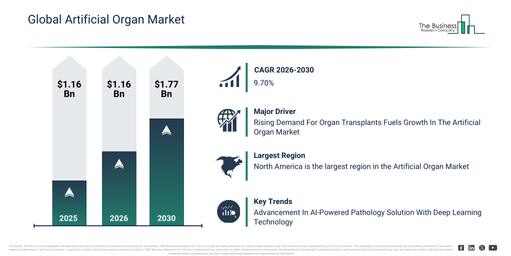
  • A key trend shaping the Artificial Organ Market involves the Advancement In AI-Powered Pathology Solution With Deep Learning Technology

    A key trend shaping the Artificial Organ Market involves the Advancement In AI-Powered Pathology Solution With Deep Learning Technology

    The Business Research Company’s 2026 market reports include new capabilities such as market attractiveness scoring and analysis, total addressable market analysis, company scoring matrix, interactive excel data dashboard, improved supply chain analysis, upcoming startups in the market, and overview of key products, aimed at improving the depth, usability, and strategic value of the insights delivered.

    What Will Be The Estimated Market Valuation Of The Artificial Organ Market By The End Of 2030?

    The artificial organ market has seen rapid expansion in recent years. Its value is expected to rise from $25.73 billion in 2025 to $28.36 billion in 2026, demonstrating a compound annual growth rate (CAGR) of 10.2%. Historically, this market growth can be attributed to factors such as an increase in organ failure cases, a scarcity of donor organs, breakthroughs in biomedical engineering, the expansion of dialysis and cardiac support therapies, and a growing number of individuals on transplant waiting lists.

    The artificial organ market size is projected to demonstrate significant growth in the upcoming years. It is expected to expand to $41.12 billion in 2030, at a compound annual growth rate (CAGR) of 9.7%. This expansion during the forecast period can be attributed to several factors, including increasing investments in bioengineered organs, the rising adoption of personalized implant solutions, the expansion of artificial organ research funding, ongoing technological progress in regenerative medicine, and the growing acceptance of long-term implantable devices. Key trends for the forecast period include the increasing adoption of implantable artificial organs, a rising use of advanced biomaterials, the growing integration of smart and sensor-enabled organs, the expansion of minimally invasive implantation techniques, and an enhanced focus on long-term biocompatibility.

    Download the Free Sample Report to Explore Key Market Insights:

    https://www.thebusinessresearchcompany.com/sample.aspx?id=9430&type=smp

    What Drivers Are Shaping The Future Growth Of The Artificial Organ Market?

    The increasing demand for organ transplants is anticipated to fuel the expansion of the artificial organ market moving forward. Organ transplantation is a medical procedure in which an organ or tissue is taken from one person (the donor) and surgically implanted into another individual (the recipient) to replace a damaged or failing organ. Artificial organ technology supports organ transplants by providing temporary or permanent replacement organs, decreasing reliance on donor availability, and enhancing patient survival rates. For instance, in July 2025, a report issued by NHS Blood and Transplant, a UK-based government organization, stated that as of March 2025, there were 8,096 patients on the active transplant waiting list (including 276 children), representing the highest figure ever recorded; additionally, close to 3,883 people were temporarily suspended. Consequently, the rising demand for organ transplants is driving the growth of the artificial organ market.

    Which Segment Classifications Shape The Artificial Organ Market?

    The artificial organ market covered in this report is segmented –

    1) By Organ Type: Artificial Heart, Artificial Kidney, Artificial Liver, Artificial Pancreas

    2) By Material: Silicone, Plastic, Steel, Biomaterials

    3) By Fixation: Implantable, External

    4) By End Users: Hospitals, Ambulatory Surgical Centers, Other End Users

    Subsegments:

    1) By Artificial Heart: Total Artificial Heart, Ventricular Assist Devices (VADs)

    2) By Artificial Kidney: Hemodialysis Systems, Peritoneal Dialysis Devices

    3) By Artificial Liver: Bioartificial Liver Devices, Liver Support Systems

    4) By Artificial Pancreas: Closed-Loop Insulin Delivery Systems, Bionic Pancreas Systems

    How Are Trends Impacting The Artificial Organ Market?

    Leading companies active within the artificial organ market are prioritizing innovative products, such as AI-powered pathology solutions, to enhance their market revenues. These AI-driven pathology solutions are fundamentally changing the field of pathology by offering pathologists robust tools that improve diagnostic precision, operational effectiveness, and patient outcomes. For instance, in September 2023, Aiosyn, a medical software company based in the Netherlands that specializes in developing AI-powered pathology solutions, introduced an AI kidney suite. This new suite aims to objectively measure kidney lesion ratings, thereby increasing repeatability and accelerating medication discovery through the application of AI-powered computational pathology methods. The platform further enables research organizations and biopharma firms to meticulously analyze kidney structures and quantify lesions that impact kidney health, utilizing advanced deep-learning technology.

    Which Companies Are Expanding Their Footprint In The Artificial Organ Market?

    Major companies operating in the artificial organ market are Medtronic plc, Abbott Laboratories Inc., SynCardia Systems LLC, Berlin Heart GmbH, ABIOMED Inc., Carmat SA, Jarvik Heart Inc., Baxter International Inc., B. Braun Melsungen AG, Terumo Corporation, Organovo Holdings Inc., Satellite Bio, HeartWare plc, Boston Scientific Services Private Limited, Edwards Lifesciences India Pvt. Ltd., LIVANOVA plc, NeuroPace Inc., Cochlear Limited, Cyberonics Inc., Demant A/S, LifeNet Health Inc., Vivani Medical Inc., Tissium SAS

    Read the full artificial organ market report here:

    https://www.thebusinessresearchcompany.com/report/artificial-organ-global-market-report

    Which Geographic Regions Are Influencing Demand In The Artificial Organ Market?

    North America was the largest region in the artificial organ market in 2025. Asia-Pacific is expected to be the fastest-growing region in the forecast period. The regions covered in the artificial organ market report are Asia-Pacific, South East Asia, Western Europe, Eastern Europe, North America, South America, Middle East, Africa.

    Request A Tailored Artificial Organ Market Research Report For Competitive Advantage:

    https://www.thebusinessresearchcompany.com/customise?id=9430&type=smp

    Browse Through More Reports Similar to the Global Artificial Organ Market 2026, By The Business Research Company

    Artificial Organ Market Report 2026

    https://www.thebusinessresearchcompany.com/report/artificial-organ-global-market-report

    Medical Bionic Implant Or Artificial Organs Market Report 2026

    https://www.thebusinessresearchcompany.com/report/medical-bionic-implant-or-artificial-organs-global-market-report

    Artificial Kidney Market Report 2026

    https://www.thebusinessresearchcompany.com/report/artificial-kidney-global-market-report

    Get in touch with us:

    The Business Research Company: https://www.thebusinessresearchcompany.com/

    Americas +1 310-496-7795

    Asia +44 7882 955267 & +91 8897263534

    Europe +44 7882 955267

    Email us at info@tbrc.info

    Follow us on:

    LinkedIn: https://in.linkedin.com/company/the-business-research-company

    YouTube: https://www.youtube.com/channel/UC24_fI0rV8cR5DxlCpgmyFQ

    Global Market Model: https://www.thebusinessresearchcompany.com/global-market-model
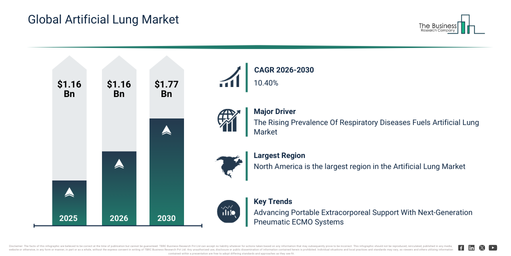
  • An Important Factor Driving the Artificial Lung Market Is the The Rising Prevalence Of Respiratory Diseases Fuels Artificial Lung Market

    An Important Factor Driving the Artificial Lung Market Is the The Rising Prevalence Of Respiratory Diseases Fuels Artificial Lung Market

    The Business Research Company’s 2026 market reports include new capabilities such as market attractiveness scoring and analysis, total addressable market analysis, company scoring matrix, interactive excel data dashboard, improved supply chain analysis, upcoming startups in the market, and overview of key products, aimed at improving the depth, usability, and strategic value of the insights delivered.

    What Market Size Growth Is Projected For The Artificial Lung Market During The Forecast Period 2026–2030?

    The artificial lung market has experienced significant expansion recently. Its size is expected to climb from $2.58 billion in 2025 to $2.88 billion in 2026, reflecting a compound annual growth rate (CAGR) of 11.6%. This market’s historical growth can be attributed to factors such as an increase in acute respiratory failure cases, the early adoption of heart-lung machines in cardiothoracic surgery, a rise in organ transplant procedure volumes, the progression of membrane artificial lung technology, and the growing utilization of extracorporeal life support systems.

    The artificial lung market is anticipated to experience substantial growth in the coming years. It is projected to reach $4.27 billion in 2030, showing a compound annual growth rate (CAGR) of 10.4%. This projected expansion can be attributed to several factors, including the rising need for critical care life-support devices, a heightened focus on portable and compact artificial lung systems, increased investment in advanced oxygenation membrane materials, the broadening scope of applications in emergency and trauma care, and the greater embrace of minimally invasive extracorporeal support solutions. Significant trends during this forecast period involve an escalating demand for artificial lung systems in severe respiratory failure and critical care management, the increasing adoption of extracorporeal support devices in intricate cardiac and lung transplant surgeries, a developing preference for minimally invasive and temporary lung support alternatives to transplantation, the ongoing development of portable and transport-compatible artificial lung units for emergency care environments, and the expanding utilization of membrane-based artificial lung technologies for efficient gas exchange and long-term support.

    Download the Free Sample Report to Explore Key Market Insights:

    https://www.thebusinessresearchcompany.com/sample.aspx?id=16591&type=smp

    Which Economic Or Industry Drivers Are Impacting The Artificial Lung Market?

    The increasing incidence of respiratory ailments is projected to propel the expansion of the artificial lung market moving forward. The growing prevalence of respiratory diseases results from a combination of factors, including escalating air pollution, climate change, and lifestyle modifications, which collectively place a significant burden on public health. Artificial lungs are utilized in respiratory conditions to ensure oxygenation and remove carbon dioxide from the blood, thereby assisting or replacing compromised lung function. For example, in June 2024, data from the Australian Institute of Health and Welfare, a health and welfare agency based in Australia, indicated that an estimated 8.5 million people in Australia, equating to 34% of the population, were living with chronic respiratory conditions. This total included approximately 2.8 million people, or 11% of the population, diagnosed with asthma, and 638,000 individuals, or 2.5% of the population, affected by chronic obstructive pulmonary disease (COPD). Hence, the rising occurrence of respiratory diseases is stimulating the growth of the artificial lung market.

    What Market Segments Are Evaluated Within The Artificial Lung Market?

    The artificial lung market covered in this report is segmented –

    1) By Product Type: Single Roller Pump Heart Lung Machines, Double Roller Pump Heart Lungs Machines, Bubble Artificial Lung, Membrane Artificial Lung

    2) By Application: Cardiac Surgery, Lung Transplant Operation, Acute Respiratory Failure Treatment, Other Applications

    3) By End-Users: Hospital, Emergency Center, Other End-users

    Subsegments:

    1) By Single Roller Pump Heart Lung Machines: Portable Single Roller Pump Heart Lung Machines, Stationary Single Roller Pump Heart Lung Machines

    2) By Double Roller Pump Heart Lung Machines: Portable Double Roller Pump Heart Lung Machines, Stationary Double Roller Pump Heart Lung Machines

    3) By Bubble Artificial Lung: Disposable Bubble Artificial Lung, Reusable Bubble Artificial Lung

    4) By Membrane Artificial Lung: Oxygenator Membrane Artificial Lung, Carbon Dioxide Removal Membrane Artificial Lung

    What Industry Trends Are Redefining The Artificial Lung Market?

    Leading firms within the artificial lung market are concentrating on developing innovative solutions, such as genuinely portable pneumatic ECMO systems, to extend extracorporeal life support beyond the ICU and facilitate rapid transport and field deployment. Such pneumatic portable ECMO systems operate using oxygen-supply-driven pneumatic pumps and integrated gas management, providing extracorporeal oxygenation and circulatory support without requiring external electric power or heavy motorized components. For instance, in May 2024, Hemovent GmbH, a Germany-based medical device company, announced that MOBYBOX, recognized as the world’s inaugural integrated portable pneumatic ECMO system, successfully completed its initial commercial applications in Europe. MOBYBOX weighs approximately 2.5 kg, functions solely by its oxygen supply thus operating without a battery or motor, incorporates Bionique Flow Technology for gentler blood handling and improved gas exchange, and has secured Medical Device Regulation certification for its initial markets.

    Who Are The Top Market Participants Influencing The Artificial Lung Market?

    Major companies operating in the artificial lung market are Getinge AB, Medtronic plc, LivaNova PLC, Terumo Corporation, Fresenius Medical Care AG & Co KGaA, ALung Technologies Inc, Xenios AG, Eurosets S.r.l, Nipro Corporation, Braile Biomédica, Hemovent GmbH, MC3 Cardiopulmonary Inc, Abbott Laboratories, Spectrum Medical Ltd, B Braun Melsungen AG, SB‑Kawasumi Laboratories Inc, Senko Medical Instrument Mfg Co Ltd, CARMAT, Technowood International Pte Ltd, Elite Lifecare, Cytosorbents Corporation

    Read the full artificial lung market report here:

    https://www.thebusinessresearchcompany.com/report/artificial-lung-global-market-report

    What Are The Top-Performing Regions Within The Artificial Lung Market?

    North America was the largest region in the artificial lung market in 2025. The regions covered in the artificial lung market report are Asia-Pacific, South East Asia, Western Europe, Eastern Europe, North America, South America, Middle East, Africa.

    Request A Tailored Artificial Lung Market Research Report For Competitive Advantage:

    https://www.thebusinessresearchcompany.com/customise?id=16591&type=smp

    Browse Through More Reports Similar to the Global Artificial Lung Market 2026, By The Business Research Company

    In Vitro Lung Model Market Report 2026

    https://www.thebusinessresearchcompany.com/report/in-vitro-lung-model-global-market-report

    Artificial Intelligence Ai In Respiratory Diseases Market Report 2026

    https://www.thebusinessresearchcompany.com/report/artificial-intelligence-ai-in-respiratory-diseases-global-market-report

    Respiratory Devices And Equipment Therapeutic Market Report 2026

    https://www.thebusinessresearchcompany.com/report/respiratory-devices-and-equipment-therapeutic-global-market-report

    Get in touch with us:

    The Business Research Company: https://www.thebusinessresearchcompany.com/

    Americas +1 310-496-7795

    Asia +44 7882 955267 & +91 8897263534

    Europe +44 7882 955267

    Email us at info@tbrc.info

    Follow us on:

    LinkedIn: https://in.linkedin.com/company/the-business-research-company

    YouTube: https://www.youtube.com/channel/UC24_fI0rV8cR5DxlCpgmyFQ

    Global Market Model: https://www.thebusinessresearchcompany.com/global-market-model
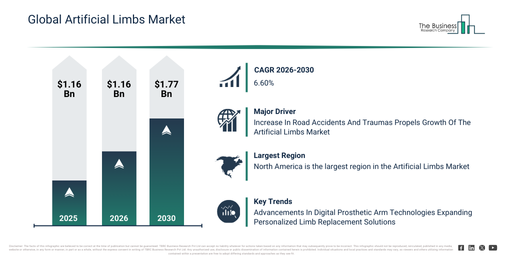
  • A Significant Growth Driver for the Artificial Kidney Market Is the Increase In Road Accidents And Traumas Propels Growth Of The Artificial Limbs Market

    A Significant Growth Driver for the Artificial Kidney Market Is the Increase In Road Accidents And Traumas Propels Growth Of The Artificial Limbs Market

    The Business Research Company’s 2026 market reports include new capabilities such as market attractiveness scoring and analysis, total addressable market analysis, company scoring matrix, interactive excel data dashboard, improved supply chain analysis, upcoming startups in the market, and overview of key products, aimed at improving the depth, usability, and strategic value of the insights delivered.

    How Will The Market Size Of The Artificial Limbs Market Evolve From 2026 To 2030?

    The artificial limbs market size has experienced significant expansion over recent years. This market is set to increase from $2.7 billion in 2025 to $2.88 billion in 2026, demonstrating a compound annual growth rate (CAGR) of 6.9%. The historical growth of this market can be attributed to several factors, including the limited availability of advanced prosthetic technologies, a reliance on conventional body-powered prosthetics, an increasing number of amputation cases resulting from accidents and diseases, a shortage of skilled prosthetists, and growing awareness about rehabilitation services.

    The artificial limbs market is projected to experience substantial expansion over the upcoming years. By 2030, this market is anticipated to reach a valuation of $3.73 billion, demonstrating a compound annual growth rate (CAGR) of 6.6%. This anticipated growth during the forecast period stems from several key factors, including advancements in myoelectric and bionic limb technology, increasing funding directed towards prosthetic research and development, the incorporation of AI and robotics into prosthetic solutions, the proliferation of prosthetic and rehabilitation clinics, and enhanced partnerships between device manufacturers and healthcare providers. Key trends during this timeframe encompass the growing acceptance of myoelectric and electric prosthetic devices, greater personalization and custom-fitting of prosthetic limbs, the expansion of rehabilitation and prosthetic clinic services, breakthroughs in the development of lighter and more resilient materials, and an escalating need for both aesthetically pleasing and highly functional prosthetics.

    Download the Free Sample Report to Explore Key Market Insights:

    https://www.thebusinessresearchcompany.com/sample.aspx?id=20486&type=smp

    What Major Drivers Are Influencing Demand In The Artificial Limbs Market?

    The increasing occurrence of road accidents and related traumas is anticipated to stimulate the expansion of the artificial limbs market moving forward. Road accidents and traumas refer to injuries and fatalities that arise from vehicle collisions and other traffic incidents, affecting both drivers and pedestrians. The rise in these incidents is attributed to elements such as distracted driving, excessive speeds, poor road conditions, and insufficient safety measures. Artificial limbs offer significant benefits to victims of road accidents and traumas by restoring mobility and functionality, thereby enhancing their quality of life. Prosthetic devices enable individuals to regain the capacity to walk, run, or use their hands, depending on the limb that has been replaced. For instance, in September 2025, Brake, a UK-based Road Safety Charity, reported that in 2024, 1,671 people died on UK roads, and a further 28,804 suffered serious, life-changing injuries. Consequently, the increase in road accidents and traumas is acting as a key driver for the growth of the artificial limbs market.

    Which Segment Areas Are Covered In The Artificial Limbs Market Analysis?

    The artificial limbs market covered in this report is segmented –

    1) By Product: Upper Extremity, Lower Extremity, Liners, Sockets, Other Products

    2) By Material: Titanium, Plastics, Other Materials

    3) By Technology: Body Powered Or Cable Powered, Cosmetic Prosthetics, Myoelectric Or Electrically Powered, Other Technologies

    4) By End User: Hospitals, Orthopedic Clinics, Ambulatory Surgical Centers, Rehabilitation Centers, Prosthetic Clinics

    Subsegments:

    1) By Upper Extremity: Prosthetic Arms, Prosthetic Hands, Elbow Joints, Wrist Joints

    2) By Lower Extremity: Prosthetic Legs, Prosthetic Feet, Knee Joints, Ankle Joints

    3) By Liners: Silicone Liners, Gel Liners, Thermoplastic Liners

    4) By Sockets: Hard Sockets, Soft Sockets, Adjustable Sockets

    5) By Other Products: Accessories, Maintenance Kits, Customization Tools

    What Key Developments And Trends Are Impacting The Artificial Limbs Market?

    Major companies in the artificial limbs market are focusing on developing innovative products, such as digital prosthetic arms, to enhance accessibility and personalization in limb replacement solutions. A digital prosthetic arm is a custom assistive device created using digital technologies like 3D scanning, modeling, and printing to replicate and replace the function of a missing limb. For instance, in October 2025, Motorica, a Russia-based provider of advanced prosthetic solutions and medical cybernetics, launched its Digital Prosthetics Program in India. The initiative leverages 3D imaging, computer-aided design (CAD), and high-precision 3D printing to produce highly personalized mechanical prosthetic arms. By digitally modeling the user’s limb, the program eliminates the need for physical molds, significantly accelerating production and delivery. This approach enhances comfort, fit, and functionality while expanding access to high-quality prosthetics in underserved regions.

    Which Global Companies Are Actively Competing In The Artificial Limbs Market?

    Major companies operating in the artificial limbs market are Cadence Inc., Nabtesco Corporation, Otto Bock HealthCare GmbH, DJO Global Inc., Össur hf, Hanger Inc., Blatchford Group, Trulife Ltd., Steeper Group Ltd., Fillauer LLC, Orthomerica Products Inc., Cascade Orthopedic Supply LP, The Ohio Willow Wood Company, Spinal Technology Inc., College Park Industries Inc., Comprehensive Prosthetics & Orthotics USA, ALPS South LLC, Touch Bionics Inc., Streifeneder USA Inc., Ekso Bionics Holdings Inc., Freedom Innovations LLC, Proteor USA LLC, United Prosthetics Inc., Liberating Technologies Inc., Naked Prosthetics Inc., Kinetec USA Inc., Endolite North America Inc., Medicare Inc.

    Read the full artificial limbs market report here:

    https://www.thebusinessresearchcompany.com/report/artificial-limbs-global-market-report

    Which Region Shows The Strongest Potential For Future Growth In The Artificial Limbs Market?

    North America was the largest region in the artificial limbs market in 2025. Asia-Pacific is expected to be the fastest-growing region in the forecast period. The regions covered in the artificial limbs market report are Asia-Pacific, South East Asia, Western Europe, Eastern Europe, North America, South America, Middle East, Africa.

    Request A Tailored Artificial Limbs Market Research Report For Competitive Advantage:

    https://www.thebusinessresearchcompany.com/customise?id=20486&type=smp

    Browse Through More Reports Similar to the Global Artificial Limbs Market 2026, By The Business Research Company

    Artificial Intelligence Services Market Report 2026

    https://www.thebusinessresearchcompany.com/report/artificial-intelligence-services-global-market-report

    Artificial Intelligence In Drug Discovery Market Report 2026

    https://www.thebusinessresearchcompany.com/report/artificial-intelligence-in-drug-discovery-global-market-report

    Medical Bionic Implant Or Artificial Organs Market Report 2026

    https://www.thebusinessresearchcompany.com/report/medical-bionic-implant-or-artificial-organs-global-market-report

    Get in touch with us:

    The Business Research Company: https://www.thebusinessresearchcompany.com/

    Americas +1 310-496-7795

    Asia +44 7882 955267 & +91 8897263534

    Europe +44 7882 955267

    Email us at info@tbrc.info

    Follow us on:

    LinkedIn: https://in.linkedin.com/company/the-business-research-company

    YouTube: https://www.youtube.com/channel/UC24_fI0rV8cR5DxlCpgmyFQ

    Global Market Model: https://www.thebusinessresearchcompany.com/global-market-model
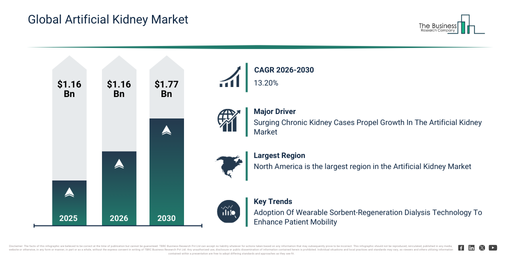
  • Global Artificial Kidney Industry Trends and Market Growth Forecast for 2026–2030

    Global Artificial Kidney Industry Trends and Market Growth Forecast for 2026–2030

    The Business Research Company’s 2026 market reports include new capabilities such as market attractiveness scoring and analysis, total addressable market analysis, company scoring matrix, interactive excel data dashboard, improved supply chain analysis, upcoming startups in the market, and overview of key products, aimed at improving the depth, usability, and strategic value of the insights delivered.

    What Is The Forecasted Market Value Of The Artificial Kidney Market Across 2026–2030?

    The artificial kidney market has seen significant expansion in recent years. It is forecasted to increase from $11.43 billion in 2025 to $12.91 billion in 2026, with a compound annual growth rate (CAGR) of 13.0%. This historical growth is primarily attributable to the escalating prevalence of end-stage renal disease, the expansion of dialysis treatment centers, ongoing advancements in dialysis membrane technology, the rising adoption of home dialysis options, and improved survival rates for renal patients.

    The artificial kidney market is projected to experience substantial expansion in the coming years. Its valuation is anticipated to reach $21.18 billion by 2030, demonstrating a compound annual growth rate (CAGR) of 13.2%. This growth during the projection period stems from heightened investments in bioengineered kidney research, an increasing need for portable dialysis solutions, the broadening scope of remote patient monitoring, a greater emphasis on decreasing reliance on dialysis, and advancements in the development of artificial organs. Key trends anticipated for this forecast span the increasing creation of wearable dialysis systems, a heightened interest in implantable artificial kidney solutions, the expanding incorporation of smart monitoring into dialysis equipment, the spread of home-based dialysis technologies, and an amplified focus on patient movement and well-being.

    Download the Free Sample Report to Explore Key Market Insights:

    https://www.thebusinessresearchcompany.com/sample.aspx?id=11881&type=smp

    Which Market Drivers Are Supporting The Expansion Of The Artificial Kidney Market?

    The increasing incidence of chronic kidney conditions is expected to drive the growth of the artificial kidney market in the future. Chronic kidney disease is a persistent ailment where the kidneys gradually lose their ability to function over a period. Artificial kidneys are predominantly used for chronic kidney disease treatment, as they facilitate the removal of waste products and toxins from the body, manage fluid retention, and maintain a proper balance of electrolytes. For instance, in June 2023, data from Kidney Research UK, a UK-based charitable organization focused on enhancing understanding, prevention, and treatment of kidney diseases through research and advocacy, indicated that approximately 7.19 million people in the UK were impacted by chronic kidney disease in 2023. This figure represents over 10% of the UK population and is projected to climb to 7.61 million people by 2033. Consequently, the rising number of chronic kidney disease cases is a key driver for the artificial kidney market.

    What Segmentation Levels Are Considered In The Artificial Kidney Market?

    The artificial kidney market covered in this report is segmented –

    1) By Product Type: Wearable Artificial Kidney, Implantable Artificial Kidney

    2) By Technology: Hemodialysis Systems, Peritoneal Dialysis Systems

    3) By End-User: Hospitals, Specialty Clinics

    Subsegments:

    1) By Wearable Artificial Kidney: Portable Dialysis Systems, Compact Dialysis Units

    2) By Implantable Artificial Kidney: Bioengineered Kidneys, Hybrid Dialysis Systems

    What Trends Are Projected To Affect The Artificial Kidney Market?

    Leading companies within the artificial kidney market are concentrating on integrating innovative solutions, including wearable sorbent-regeneration dialysis technology, to improve patient mobility, increase treatment flexibility, and enhance overall quality of life. Wearable sorbent-regeneration dialysis technology operates via a compact system that continuously purifies and reuses dialysate through sorbent cartridges, which facilitates capabilities such as continuous portable dialysis, a notable reduction in dialysate volume, and greater independence for patients. As an illustration, in June 2023, AWAK Technologies, a medical technology company based in Singapore, launched AWAK PD, a wearable sorbent-regeneration peritoneal dialysis system developed to enable individuals with end-stage kidney disease to undergo dialysis while maintaining mobility. The system features an ultra-portable three-kilogram design, incorporates a patented sorbent-based dialysate regeneration process that decreases fluid requirements by up to 90 percent, and its configuration is recognized under the FDA Breakthrough Device program. AWAK PD subsequently enhances treatment convenience, supports patient mobility, and improves the overall patient experience.

    Which Leading Firms Are Contributing To The Growth Of The Artificial Kidney Market?

    Major companies operating in the artificial kidney market are Fresenius SE and Co. KGaA, Medtronic plc, Asahi Kasei Medical Co. Ltd., Toray Industries Inc., Baxter International Inc., B. Braun Melsungen AG, Nipro Medical Corporation, Nikkiso Co. Ltd., Kawasumi Laboratories Inc., Quanta Dialysis Technologies Ltd., Triomed AB, WearOptimo, AWAK Technologies Pvt. Ltd., Aethlon Medical Inc., Blood Purification Technologies Inc., Xcorporeal Inc., Nanodialysis B.V., Neokidney Development BV, Wearable Medical Devices Inc., Nephria Bio Inc., US Kidney Research Corporation

    Read the full artificial kidney market report here:

    https://www.thebusinessresearchcompany.com/report/artificial-kidney-global-market-report

    How Is The Artificial Kidney Market Distributed Across Key Geographic Regions?

    North America was the largest region in the artificial kidney market in 2025. Asia-Pacific is expected to be the fastest-growing region in the forecast period. The regions covered in the artificial kidney market report are Asia-Pacific, South East Asia, Western Europe, Eastern Europe, North America, South America, Middle East, Africa.

    Request A Tailored Artificial Kidney Market Research Report For Competitive Advantage:

    https://www.thebusinessresearchcompany.com/customise?id=11881&type=smp

    Browse Through More Reports Similar to the Global Artificial Kidney Market 2026, By The Business Research Company

    Kidney Dialysis Market Report 2026

    https://www.thebusinessresearchcompany.com/report/kidney-dialysis-global-market-report

    Continuous Renal Replacement Therapy Machine Market Report 2026

    https://www.thebusinessresearchcompany.com/report/continuous-renal-replacement-therapy-machine-global-market-report

    Kidney Transplant Market Report 2026

    https://www.thebusinessresearchcompany.com/report/kidney-transplant-global-market-report

    Get in touch with us:

    The Business Research Company: https://www.thebusinessresearchcompany.com/

    Americas +1 310-496-7795

    Asia +44 7882 955267 & +91 8897263534

    Europe +44 7882 955267

    Email us at info@tbrc.info

    Follow us on:

    LinkedIn: https://in.linkedin.com/company/the-business-research-company

    YouTube: https://www.youtube.com/channel/UC24_fI0rV8cR5DxlCpgmyFQ

    Global Market Model: https://www.thebusinessresearchcompany.com/global-market-model
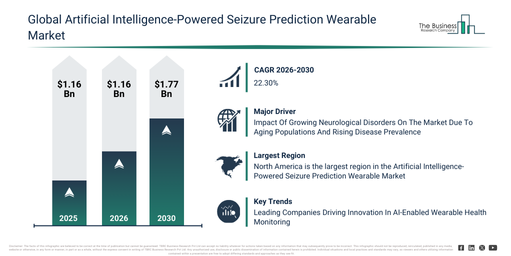
  • Artificial Intelligence-Powered Seizure Prediction Wearable Market Size Outlook and Demand Growth Across 2026–2030

    Artificial Intelligence-Powered Seizure Prediction Wearable Market Size Outlook and Demand Growth Across 2026–2030

    The Business Research Company’s 2026 market reports include new capabilities such as market attractiveness scoring and analysis, total addressable market analysis, company scoring matrix, interactive excel data dashboard, improved supply chain analysis, upcoming startups in the market, and overview of key products, aimed at improving the depth, usability, and strategic value of the insights delivered.

    What Market Size Increase Is Anticipated For The Artificial Intelligence-Powered Seizure Prediction Wearable Market Over The 2026–2030 Period?

    The market size for artificial intelligence-powered seizure prediction wearables has experienced substantial growth in recent years. This market is anticipated to expand from $1.41 billion in 2025 to $1.73 billion in 2026, reflecting a compound annual growth rate (CAGR) of 22.5%. The historical growth of this market can be attributed to factors such as the rising prevalence of epilepsy, advancements in wearable biosensors, the imperative for early seizure warnings, the limitations inherent in conventional monitoring techniques, and an increase in neurological research.

    The artificial intelligence-powered seizure prediction wearable market size is projected to experience substantial growth in the upcoming years. It is anticipated to grow to $3.87 billion in 2030, demonstrating a compound annual growth rate (CAGR) of 22.3%. This expansion during the forecast period can be attributed to improvements in AI-powered predictive accuracy, the wider adoption of remote neurology care, the demand for real-time alerts, integration with mobile health applications, and patient-centric epilepsy management. Noteworthy trends in the forecast period include predictive neurological event detection, continuous wearable EEG monitoring, personalized seizure alert systems, AI-driven risk pattern recognition, and home-based epilepsy management.

    Download the Free Sample Report to Explore Key Market Insights:

    https://www.thebusinessresearchcompany.com/sample.aspx?id=28934&type=smp

    What Underlying Factors Are Accelerating The Growth Of The Artificial Intelligence-Powered Seizure Prediction Wearable Market?

    The increasing occurrence of neurological disorders is expected to fuel the growth of the artificial intelligence-powered seizure prediction wearable market going forward. Neurological disorders are conditions or malfunctions of the nervous system that disrupt the normal activity of the brain, spinal cord, or nerves. The rise in neurological disorders is largely attributable to aging populations, which heighten the risk of neurodegeneration and related brain and nerve diseases. AI-powered seizure prediction wearables assist in neurological disorders by continuously tracking physiological signals and utilizing AI to forecast seizures, facilitating early intervention and enhanced patient safety. For instance, in April 2024, according to the National Library of Medicine, a US-based medical library, approximately 6.9 million Americans aged 65 and older are currently living with Alzheimer’s dementia, and this figure is projected to rise to 13.8 million by 2060. Therefore, the increasing prevalence of neurological disorders is driving the growth of the artificial intelligence-powered seizure prediction wearable market.

    How Is The Artificial Intelligence-Powered Seizure Prediction Wearable Market Segmented Across Key Categories?

    The artificial intelligence-powered seizure prediction wearable market covered in this report is segmented –

    1) By Product Type: Wristbands, Headbands, Smartwatches, Patches

    2) By Technology: Electroencephalography-Based, Accelerometer-based, Multi-Sensor, Other Technologies

    3) By Distribution Channel: Online, Offline

    4) By Application: Hospitals And Clinics, Home Care, Research Institutes, Other Applications

    5) By End User: Adults, Pediatrics, Geriatrics

    Subsegments:

    1) By Wristbands: Heart Rate Monitoring, Motion Detection

    2) By Headbands: Brainwave Analysis, Stress Level Detection

    3) By Smartwatches: Heart Rate Monitoring, Motion Detection

    4) By Patches: Electrodermal Activity Monitoring, Heart Rate Monitoring

    Which Upcoming Trends Are Expected To Influence The Artificial Intelligence-Powered Seizure Prediction Wearable Market?

    Major companies operating in the artificial intelligence-powered seizure prediction wearable market are concentrating on developing advanced solutions, such as sophisticated wearable devices that harness AI and real-time data analytics for accurate seizure prediction and improved patient safety. These advanced wearable devices are body-worn electronic instruments featuring sensors and AI capabilities designed to monitor physiological signals in real time, enabling the detection, analysis, and prediction of health events like seizures. For instance, in February 2024, Empatica Inc., a US-based MIT Media Lab spinoff company, unveiled its EpiMonitor epilepsy monitoring system to offer real-time seizure detection and alerts. This system is engineered to detect generalized tonic-clonic seizures with 98% accuracy and to dispatch real-time notifications to caregivers for timely assistance. It provides up to seven days of battery life, tracks sleep and activity, and generates detailed health reports to facilitate clinical care. Its primary goal is to enhance safety and empower epilepsy patients by supplying reliable seizure monitoring and comprehensive health insights.

    Who Are The Dominant Players Shaping The Artificial Intelligence-Powered Seizure Prediction Wearable Market Landscape?

    Major companies operating in the artificial intelligence-powered seizure prediction wearable market are Empatica Inc., BioSerenity, Epitel Inc., Seer Medical Pty Ltd., mjn.cat (mjn neuro), Neureka Inc., LivAssured B V NightWatch, SeizAlarm, Cove Neurosciences Inc., CeriBell Inc., Brain Sentinel Inc., Epilert Inc., Byteflies, Danish Care Technology ApS Epi-Care, Neurava Inc., NeuroHelp Ltd., Emfit Ltd., Alert-iT, EpiUSA, Zeto Inc., Cadwell Industries

    Read the full artificial intelligence-powered seizure prediction wearable market report here:

    https://www.thebusinessresearchcompany.com/report/artificial-intelligence-powered-seizure-prediction-wearable-global-market-report

    Which Region Is Projected To Dominate The Artificial Intelligence-Powered Seizure Prediction Wearable Market During The Forecast Period?

    North America was the largest region in the artificial intelligence-powered seizure prediction wearable market in 2025. Asia-Pacific is expected to be the fastest-growing region in the forecast period. The regions covered in the artificial intelligence-powered seizure prediction wearable market report are Asia-Pacific, South East Asia, Western Europe, Eastern Europe, North America, South America, Middle East, Africa.

    Request A Tailored Artificial Intelligence-Powered Seizure Prediction Wearable Market Research Report For Competitive Advantage:

    https://www.thebusinessresearchcompany.com/customise?id=28934&type=smp

    Browse Through More Reports Similar to the Global Artificial Intelligence-Powered Seizure Prediction Wearable Market 2026, By The Business Research Company

    Artificial Intelligence Or Machine Learning Ai Or Ml Medical Device Market Report 2026

    https://www.thebusinessresearchcompany.com/report/artificial-intelligence-or-machine-learning-ai-or-ml-medical-device-global-market-report

    Wearable Ai Market Report 2026

    https://www.thebusinessresearchcompany.com/report/wearable-ai-global-market-report

    Ai In Medical Devices Market Report 2026

    https://www.thebusinessresearchcompany.com/report/ai-in-medical-devices-global-market-report

    Get in touch with us:

    The Business Research Company: https://www.thebusinessresearchcompany.com/

    Americas +1 310-496-7795

    Asia +44 7882 955267 & +91 8897263534

    Europe +44 7882 955267

    Email us at info@tbrc.info

    Follow us on:

    LinkedIn: https://in.linkedin.com/company/the-business-research-company

    YouTube: https://www.youtube.com/channel/UC24_fI0rV8cR5DxlCpgmyFQ

    Global Market Model: https://www.thebusinessresearchcompany.com/global-market-model
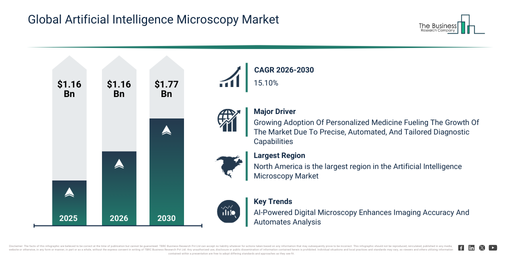
  • Artificial Intelligence Microscopy Market Insights Highlighting Opportunities and Drivers Supporting Growth to 2030

    Artificial Intelligence Microscopy Market Insights Highlighting Opportunities and Drivers Supporting Growth to 2030

    The Business Research Company’s 2026 market reports include new capabilities such as market attractiveness scoring and analysis, total addressable market analysis, company scoring matrix, interactive excel data dashboard, improved supply chain analysis, upcoming startups in the market, and overview of key products, aimed at improving the depth, usability, and strategic value of the insights delivered.

    How Much Is The Artificial Intelligence Microscopy Market Expected To Grow In Terms Of Market Value Between 2026 And 2030?

    The artificial intelligence microscopy market has seen significant expansion in recent years. Its value is projected to climb from $1.16 billion in 2025 to $1.33 billion in 2026, achieving a compound annual growth rate (CAGR) of 15.4%. The surge observed in the past can be linked to factors such as increased research and academic utilization, advancements in microscopy hardware, a heightened need for accurate cell analysis, the adoption of digital microscopy, and the initial integration of AI within laboratories.

    The artificial intelligence microscopy market is anticipated to undergo substantial expansion over the coming years. This market is projected to reach $2.34 billion by 2030, demonstrating a compound annual growth rate (CAGR) of 15.1%. This expansion during the forecast period is primarily driven by factors such as the broadening of pharmaceutical research, increased application within biotechnology, the emergence of AI-driven predictive modeling, seamless integration with laboratory cloud platforms, and a rising need for industrial quality control. Furthermore, significant trends anticipated during this period involve automated cellular analysis, AI-supported pathology detection, efficient cloud-based image management, integration with laboratory information systems (LIS), and sophisticated predictive biological modeling.

    Download the Free Sample Report to Explore Key Market Insights:

    https://www.thebusinessresearchcompany.com/sample.aspx?id=28143&type=smp

    Which Growth Drivers Are Contributing To The Progress Of The Artificial Intelligence Microscopy Market?

    The increasing embrace of personalized medicine is anticipated to fuel the expansion of the artificial intelligence microscopy market in the future. This medical approach involves customizing treatment and prevention plans to align with an individual’s specific genetic profile, lifestyle, and environmental factors. Its rising prevalence is largely attributable to progress in genomics, allowing for accurate identification of genetic differences and the development of individualized therapies. Artificial intelligence microscopy improves personalized medicine by offering accurate, automated analysis of cells and tissues, thereby facilitating customized treatment strategies. This technology lessens manual effort and speeds up diagnostic processes, leading to better clinical decisions and improved patient results. For example, data from February 2024 by the Personalized Medicine Coalition (PMC), a US-based nonprofit organization, shows that the U.S. Food and Drug Administration (FDA) cleared 26 new personalized medicines in 2023, marking a notable rise from the 12 approved in 2022. Consequently, the expanding adoption of personalized medicine is a key impetus for the artificial intelligence microscopy market’s growth.

    What Major Segment Divisions Exist Within The Artificial Intelligence Microscopy Market?

    The artificial intelligence microscopy market covered in this report is segmented –

    1) By Component: Software, Hardware, Services

    2) By Product Type: Artificial Intelligence-Enabled Cloud Software, Artificial Intelligence-Enabled Microscopes

    3) By Imaging Modalities: Optical Microscopy, Electron Microscopy, Scanning Probe Microscopy

    4) By Technology: Deep Learning, Machine Learning, Computer Vision, Other Technologies

    5) By End-User: Research Institutions, Healthcare Organizations, Pharmaceutical Companies, Biotechnology Firms, Industrial Laboratories

    Subsegments:

    1) By Software: Image Analysis Software, Data Management Software, Visualization Software, Simulation Software

    2) By Hardware: Microscopes, Cameras, Sensors, Computational Units

    3) By Services: Installation Services, Maintenance Services, Training Services, Consulting Service

    How Are Trends Shaping The Direction Of The Artificial Intelligence Microscopy Market?

    Leading firms within the artificial intelligence microscopy market are prioritizing the creation of cutting-edge offerings, like digital microscopy, to enhance the precision of imaging and streamline analytical processes. This method, digital microscopy, involves utilizing cameras and computational techniques for acquiring, presenting, and examining microscopic visuals, either substituting or augmenting conventional optical microscopes. As an illustration, in February 2025, Honeywell International Inc., an industrial technology enterprise based in the US, introduced the Digital Holographic Microscopy (DHM). This novel technology incorporates artificial intelligence (AI) to precisely enumerate and categorize microscopic particles and cells. The DHM system employs AI algorithms to scrutinize holographic images obtained via a portable instrument, enabling swift cell enumeration and categorization free from intricate sample preparation or staining procedures. Its design supports point-of-care applications, including the diagnosis of infections in peritoneal dialysis patients, significantly cutting down diagnosis time from days to minutes, and also finds utility in environmental oversight and quality assurance.

    Which Companies Are Leading Innovation In The Artificial Intelligence Microscopy Market?

    Major companies operating in the artificial intelligence microscopy market are Roche Diagnostics International Ltd., Thermo Fisher Scientific Inc., Agilent Technologies Inc., Olympus Corporation, Nikon Corporation, Shimadzu Corporation, Bruker Corporation, Carl Zeiss AG, Jenoptik AG, JEOL Ltd., Leica Microsystems GmbH, OneCell Diagnostics, Scopio Labs Ltd., Park Systems Corp., Ariadne.ai, Mindpeak GmbH, Celly.AI, SVision LLC, aetherAI, Aiforia Technologies Oy

    Read the full artificial intelligence microscopy market report here:

    https://www.thebusinessresearchcompany.com/report/artificial-intelligence-microscopy-global-market-report

    What Are The Leading Geographic Regions In The Artificial Intelligence Microscopy Market?

    North America was the largest region in the artificial intelligence microscopy market in 2025. Asia-Pacific is expected to be the fastest-growing region in the forecast period. The regions covered in the artificial intelligence microscopy market report are Asia-Pacific, South East Asia, Western Europe, Eastern Europe, North America, South America, Middle East, Africa.

    Request A Tailored Artificial Intelligence Microscopy Market Research Report For Competitive Advantage:

    https://www.thebusinessresearchcompany.com/customise?id=28143&type=smp

    Browse Through More Reports Similar to the Global Artificial Intelligence Microscopy Market 2026, By The Business Research Company

    Microscopy Market Report 2026

    https://www.thebusinessresearchcompany.com/report/microscopy-global-market-report

    Microscope Market Report 2026

    https://www.thebusinessresearchcompany.com/report/microscope-global-market-report

    Biological Microscope Market Report 2026

    https://www.thebusinessresearchcompany.com/report/biological-microscope-global-market-report

    Get in touch with us:

    The Business Research Company: https://www.thebusinessresearchcompany.com/

    Americas +1 310-496-7795

    Asia +44 7882 955267 & +91 8897263534

    Europe +44 7882 955267

    Email us at info@tbrc.info

    Follow us on:

    LinkedIn: https://in.linkedin.com/company/the-business-research-company

    YouTube: https://www.youtube.com/channel/UC24_fI0rV8cR5DxlCpgmyFQ

    Global Market Model: https://www.thebusinessresearchcompany.com/global-market-model
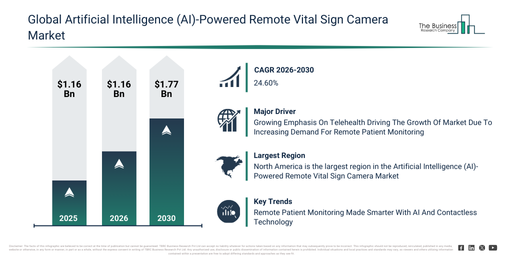
  • Global Artificial Intelligence (AI)-Powered Remote Vital Sign Camera Market Expected to Reach $6.59 Billion by 2030 at 24.6% CAGR

    Global Artificial Intelligence (AI)-Powered Remote Vital Sign Camera Market Expected to Reach $6.59 Billion by 2030 at 24.6% CAGR

    The Business Research Company’s 2026 market reports include new capabilities such as market attractiveness scoring and analysis, total addressable market analysis, company scoring matrix, interactive excel data dashboard, improved supply chain analysis, upcoming startups in the market, and overview of key products, aimed at improving the depth, usability, and strategic value of the insights delivered.

    What Market Value Is Expected For The Artificial Intelligence (AI)-Powered Remote Vital Sign Camera Market At The End Of The 2026–2030 Forecast Period?

    The market size for artificial intelligence (ai)-powered remote vital sign cameras has shown substantial growth in recent years. It is anticipated to increase from $2.19 billion in 2025 to $2.74 billion in 2026, with a compound annual growth rate (CAGR) of 24.9%. The growth observed in prior periods can be attributed to factors such as increased telehealth adoption, the demand for non-invasive monitoring, remote care necessities brought about by Covid-19, advancements in camera sensor technology, and hospital capacity constraints.

    The artificial intelligence (ai)-powered remote vital sign camera market size is projected to experience substantial growth over the next few years. It is expected to reach $6.6 billion in 2030, demonstrating a compound annual growth rate (CAGR) of 24.6%. The expansion during the forecast period can be attributed to enhanced AI-powered video analytics accuracy, the increasing adoption of home healthcare, the demands of monitoring an aging population, seamless integration with smart hospital systems, and the rising need for scalable monitoring tools. Key trends anticipated in the forecast period include contactless patient monitoring, real-time physiological signal detection, the implementation of continuous remote care, AI-based motion and noise filtering, and at-home vital monitoring.

    Download the Free Sample Report to Explore Key Market Insights:

    https://www.thebusinessresearchcompany.com/sample.aspx?id=28930&type=smp

    What Primary Drivers Are Shaping The Development Of The Artificial Intelligence (AI)-Powered Remote Vital Sign Camera Market?

    The increasing focus on telehealth is anticipated to drive the expansion of the artificial intelligence (AI)-powered remote vital sign camera market in the future. Telehealth involves utilizing digital information and communication tools, such as computers and mobile devices, to remotely access and administer healthcare services. This growing emphasis on telehealth stems from a heightened demand for healthcare services that are both convenient and easily accessible, enabling patients to engage with providers from a distance without requiring physical travel to clinics or hospitals. Artificial intelligence (AI)-powered remote vital sign cameras improve telehealth capabilities by allowing healthcare professionals to precisely track patients’ vital signs remotely and in real-time. This facilitates prompt diagnoses, ongoing health monitoring, and customized care, eliminating the necessity for in-person appointments. As an illustration, in April 2023, data from FAIR Health Inc., a US non-profit organization, indicated a 7.3% increase in national telehealth utilization, climbing from 5.5% of medical claim lines in December 2022 to 5.9% in January 2023. Consequently, the heightened importance placed on telehealth is fueling the growth of the artificial intelligence (AI)-powered remote vital sign camera market.

    What Segment Types Make Up The Artificial Intelligence (AI)-Powered Remote Vital Sign Camera Market?

    The artificial intelligence (ai)-powered remote vital sign camera market covered in this report is segmented –

    1) By Product Type: Handheld Cameras, Fixed Cameras

    2) By Technology: Computer Vision, Deep Learning

    3) By Vital Sign Monitored: Heart Rate, Respiratory Rate, Temperature

    4) By Distribution Channel: Online, Offline

    5) By End-User: Hospitals And Clinics, Home Care, Telemedicine Providers, Research And Academic Institutes, Other End-Users

    Subsegments:

    1) By Handheld Cameras: Portable Optical Cameras, Infrared Handheld Cameras, Thermal Imaging Handheld Cameras

    2) By Fixed Cameras: Ceiling Mounted Cameras, Wall Mounted Cameras, Desk Mounted Cameras

    Which Market Trends Are Creating New Opportunities In The Artificial Intelligence (AI)-Powered Remote Vital Sign Camera Market?

    Leading companies operating within the artificial intelligence (AI)-powered remote vital sign camera market are concentrating on developing innovative solutions, such as contactless health monitoring systems, to facilitate real-time vital sign tracking and early detection of disease risks. These contactless health monitoring solutions represent technologies capable of measuring vital signs and various health parameters without any physical contact, thereby aiding in continuous health tracking, minimizing the necessity for in-person checkups, and enabling the prompt identification of medical conditions. For instance, in January 2023, NuraLogix Corporation, a Canada-based software company, introduced Anura Telehealth, an AI-powered contactless health monitoring platform designed to perform continuous vital sign measurements during video calls. Utilizing its patented Transdermal Optical Imaging (TOI) technology, Anura extracts information about facial blood flow through conventional video cameras to calculate vital signs like heart rate, blood pressure, breathing rate, and more. The platform additionally offers health risk assessments for chronic conditions, including type 2 diabetes, hypertension, cardiovascular disease, and mental health issues, thereby allowing healthcare professionals to monitor patients remotely in real time. This capability supports proactive clinical decision-making, optimization of treatment plans, reduction of hospital visits, enhancement of patient engagement, and provides support for early intervention strategies that can prevent the advancement of chronic illnesses.

    Who Are The Key Players Driving Competition In The Artificial Intelligence (AI)-Powered Remote Vital Sign Camera Market?

    Major companies operating in the artificial intelligence (ai)-powered remote vital sign camera market are Binah.ai, FaceHeart Inc., NuraLogix Corporation, Oxehealth Limited, PanopticAI Limited, DarwinEdge Technologies Ltd., Vastmindz Ltd., Mindset Medical Inc., Upvio Healthtech Pty Ltd., Shen.AI OÜ, EdgeVitals Inc., VitalSignAI Inc., Rouast Labs Pty Ltd, Vitalerter Ltd., Neurobit Technologies Co. Ltd., Elion Inc., Cardiolyse Oy, Breathing.ai, Vitalthings, Philips

    Read the full artificial intelligence (ai)-powered remote vital sign camera market report here:

    https://www.thebusinessresearchcompany.com/report/artificial-intelligence-ai-powered-remote-vital-sign-camera-global-market-report

    How Does The Artificial Intelligence (AI)-Powered Remote Vital Sign Camera Market Perform Across Major Global Regions?

    North America was the largest region in the artificial intelligence (AI)-powered remote vital sign camera market in 2025. Asia-Pacific is expected to be the fastest-growing region in the forecast period. The regions covered in the artificial intelligence (AI)-powered remote vital sign camera market report are Asia-Pacific, South East Asia, Western Europe, Eastern Europe, North America, South America, Middle East, Africa.

    Request A Tailored Artificial Intelligence (AI)-Powered Remote Vital Sign Camera Market Research Report For Competitive Advantage:

    https://www.thebusinessresearchcompany.com/customise?id=28930&type=smp

    Browse Through More Reports Similar to the Global Artificial Intelligence (AI)-Powered Remote Vital Sign Camera Market 2026, By The Business Research Company

    Artificial Intelligence Ai In Remote Patient Monitoring Market Report 2026

    https://www.thebusinessresearchcompany.com/report/artificial-intelligence-ai-in-remote-patient-monitoring-global-market-report

    Remote Cardiac Monitoring Market Report 2026

    https://www.thebusinessresearchcompany.com/report/remote-cardiac-monitoring-global-market-report

    Artificial Intelligence Or Machine Learning Ai Or Ml Medical Device Market Report 2026

    https://www.thebusinessresearchcompany.com/report/artificial-intelligence-or-machine-learning-ai-or-ml-medical-device-global-market-report

    Get in touch with us:

    The Business Research Company: https://www.thebusinessresearchcompany.com/

    Americas +1 310-496-7795

    Asia +44 7882 955267 & +91 8897263534

    Europe +44 7882 955267

    Email us at info@tbrc.info

    Follow us on:

    LinkedIn: https://in.linkedin.com/company/the-business-research-company

    YouTube: https://www.youtube.com/channel/UC24_fI0rV8cR5DxlCpgmyFQ

    Global Market Model: https://www.thebusinessresearchcompany.com/global-market-model
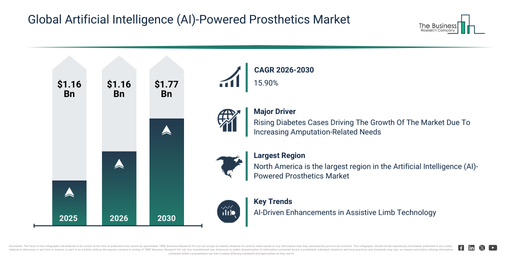
  • Artificial Intelligence (AI)-Powered Prosthetics Market Future Outlook Showing Growth Toward $3.57 Billion by 2030

    Artificial Intelligence (AI)-Powered Prosthetics Market Future Outlook Showing Growth Toward $3.57 Billion by 2030

    The Business Research Company’s 2026 market reports include new capabilities such as market attractiveness scoring and analysis, total addressable market analysis, company scoring matrix, interactive excel data dashboard, improved supply chain analysis, upcoming startups in the market, and overview of key products, aimed at improving the depth, usability, and strategic value of the insights delivered.

    What Is The Estimated Market Size Of The Artificial Intelligence (AI)-Powered Prosthetics Market During 2026–2030?

    The artificial intelligence (ai)-powered prosthetics market has experienced significant expansion recently. This market is projected to expand from $1.71 billion in 2025 to $1.98 billion in 2026, demonstrating a compound annual growth rate (CAGR) of 15.8%. Historically, this expansion was influenced by factors such as restricted AI technology within prosthetics, the high expense of prosthetic devices, insufficient public understanding of advanced prosthetics, conventional rehabilitation methods, and minimal uptake in developing regions.

    The market for artificial intelligence (AI)-powered prosthetics is anticipated to experience significant expansion over the coming years. This market is projected to reach $3.57 billion by 2030, exhibiting a compound annual growth rate (CAGR) of 15.9%. This expansion during the forecast period is driven by factors such as progress in AI and machine learning algorithms, increased investment in robotic and myoelectric prosthetics, a surge in demand from sports and military sectors, the proliferation of prosthetic clinics and rehabilitation centers, and improvements in healthcare infrastructure and insurance coverage. Key developments expected during this timeframe encompass a rising need for customized prosthetics, the incorporation of sensor-based feedback mechanisms, the growth of rehabilitation and mobility initiatives, increased utilization of sports and military prosthetics, and a heightened emphasis on cosmetic and aesthetic solutions.

    Download the Free Sample Report to Explore Key Market Insights:

    https://www.thebusinessresearchcompany.com/sample.aspx?id=27204&type=smp

    Which Major Factors Are Driving The Expansion Of The Artificial Intelligence (AI)-Powered Prosthetics Market?

    Rising occurrences of diabetes are anticipated to propel the future expansion of the artificial intelligence (AI)-powered prosthetics market. This chronic condition is characterized by persistently elevated blood sugar levels, resulting from the body’s inability to produce adequate insulin or utilize it efficiently. The increasing prevalence of diabetes is largely attributed to sedentary lifestyles, as reduced physical activity slows metabolism and contributes to weight gain, which heightens the risk of insulin resistance. Complications arising from diabetes, such as poor circulation and nerve damage, can lead to limb amputations, thereby driving the demand for artificial intelligence (AI)-powered prosthetics that restore mobility and enhance patients’ quality of life. For instance, in June 2024, according to the National Health Service, a UK-based publicly funded healthcare system, the number of individuals identified by the NHS in England as having pre-diabetes rose to 3,615,330 in 2023, marking an 18% increase from 3,065,825 in 2022. Furthermore, among those under 40, cases surged nearly 25%, growing from 173,166 in 2022 to 216,440 in 2023. Consequently, the increasing incidence of diabetes is a key factor driving the growth of the artificial intelligence (AI)-powered prosthetics market.

    How Are The Various Segments Of The Artificial Intelligence (AI)-Powered Prosthetics Market Categorized?

    The artificial intelligence (ai)-powered prosthetics market covered in this report is segmented –

    1) By Type: Implantable Prosthesis, Non-Implantable Prosthesis

    2) By Technology: Microprocessor-Controlled Prosthetics, Myoelectric Prosthetics, Robotic Prosthetics, Electric-Powered Prosthetics, Hybrid Technologies

    3) By Application: Amputee Mobility, Rehabilitation, Sports Prosthetics, Military, Daily Activities

    4) By End User: Hospitals, Prosthetic Clinics, Rehabilitation Centers, Other End Users

    Subsegments:

    1) By Implantable Prosthesis: Cochlear Implants, Retinal Implants, Deep Brain Stimulation Implants, Artificial Heart Valves, Dental Implants, Orthopedic Joint Implants

    2) By Non-Implantable Prosthesis: Upper Limb Prosthetics, Lower Limb Prosthetics, Exoskeletons, Cosmetic Prosthetics, Prosthetic Liners And Sockets

    What Trends Are Affecting The Expansion Of The Artificial Intelligence (AI)-Powered Prosthetics Market?

    Leading companies within the artificial intelligence (AI)-powered prosthetics market are prioritizing the creation of innovative methodologies, such as the incorporation of neural interfaces, to enhance limb functionality, improve user adaptability, and offer amputees nearly natural mobility across both routine and specialized activities. Neural interface integration refers to AI-driven systems that decode brain or muscle signals utilizing machine learning algorithms and sensor networks, which are designed to facilitate real-time, intuitive control over prosthetic limbs, embodying life-like attributes like precision and responsiveness. For instance, in May 2025, Esper Bionics, a Ukraine-based bionic prosthetics company, introduced its Esper Hand 2, a waterproof, AI-powered prosthetic hand that intelligently adapts to user behavior, enables advanced grip strength, and operates efficiently even in challenging environments, including rain. This launch represents a significant leap forward in assistive prosthetic technology, providing users with an intelligent, durable solution crafted to boost real-world functionality and enhance daily life performance.

    Which Major Firms Influence Developments In The Artificial Intelligence (AI)-Powered Prosthetics Market?

    Major companies operating in the artificial intelligence (ai)-powered prosthetics market are Ottobock SE & Co. KGaA, Össur hf, Blatchford Limited, BrainCo Inc., BrainRobotics Inc., Open Bionics Ltd., Point Designs Inc., Ambionics Ltd., Coapt LLC, Vincent Systems GmbH, PSYONIC Inc., BionIT Labs Ltd., Aether Biomedical Inc., BionicM Inc., Esper Bionics Inc., Mobius Bionics LLC, Covvi Limited, Unlimited Tomorrow Inc., Prensilia S.r.l., Bioniks Pvt. Ltd.

    Read the full artificial intelligence (ai)-powered prosthetics market report here:

    https://www.thebusinessresearchcompany.com/report/artificial-intelligence-ai-powered-prosthetics-global-market-report

    Which Region Currently Holds The Largest Share Of The Artificial Intelligence (AI)-Powered Prosthetics Market?

    North America was the largest region in the artificial intelligence (AI)-powered prosthetics market in 2025. Asia-Pacific is expected to be the fastest-growing region in the forecast period. The regions covered in the artificial intelligence (AI)-powered prosthetics market report are Asia-Pacific, South East Asia, Western Europe, Eastern Europe, North America, South America, Middle East, Africa.

    Request A Tailored Artificial Intelligence (AI)-Powered Prosthetics Market Research Report For Competitive Advantage:

    https://www.thebusinessresearchcompany.com/customise?id=27204&type=smp

    Browse Through More Reports Similar to the Global Artificial Intelligence (AI)-Powered Prosthetics Market 2026, By The Business Research Company

    Servers Technology Market Report 2026

    https://www.thebusinessresearchcompany.com/report/servers-technology-global-market-report

    Electronic E Brokerages Market Report 2026

    https://www.thebusinessresearchcompany.com/report/electronic-e-brokerages-global-market-report

    High Performance Computing As A Service Market Report 2026

    https://www.thebusinessresearchcompany.com/report/high-performance-computing-as-a-service-global-market-report

    Get in touch with us:

    The Business Research Company: https://www.thebusinessresearchcompany.com/

    Americas +1 310-496-7795

    Asia +44 7882 955267 & +91 8897263534

    Europe +44 7882 955267

    Email us at info@tbrc.info

    Follow us on:

    LinkedIn: https://in.linkedin.com/company/the-business-research-company

    YouTube: https://www.youtube.com/channel/UC24_fI0rV8cR5DxlCpgmyFQ

    Global Market Model: https://www.thebusinessresearchcompany.com/global-market-model

  • Biologic Hernia Repair Mesh Market Insights Highlighting Opportunities and Drivers Supporting Growth to 2030

    Biologic Hernia Repair Mesh Market Insights Highlighting Opportunities and Drivers Supporting Growth to 2030

    The Business Research Company’s 2026 market reports include new capabilities such as market attractiveness scoring and analysis, total addressable market analysis, company scoring matrix, interactive excel data dashboard, improved supply chain analysis, upcoming startups in the market, and overview of key products, aimed at improving the depth, usability, and strategic value of the insights delivered.

    What Is The Market Size Of The Biologic Hernia Repair Mesh Market In 2026 And What Value Is Projected For 2030?

    The market for biologic hernia repair mesh has demonstrated robust growth over recent years. It is anticipated to expand from $1.85 billion in 2025 to $1.99 billion in 2026, achieving a compound annual growth rate (CAGR) of 7.6%. Several factors contributed to its historical growth, including a heightened incidence of hernia disorders, the drawbacks of synthetic mesh in infected scenarios, an uptick in surgical procedures, an increase in hospital-based hernia repairs, and the early integration of tissue-based implants.

    The biologic hernia repair mesh market size is anticipated to experience substantial growth over the next few years. It is projected to expand to $2.63 billion in 2030, driven by a compound annual growth rate (CAGR) of 7.2%. This expected growth is attributed to advancements in biologic tissue processing technologies, a rising demand for patient-specific repair solutions, increased awareness of post-surgical complications, the expansion of ambulatory surgical centers, and a growing surgeon preference for regenerative materials. Significant trends during the forecast period include a heightened preference for biologic mesh in high-risk hernia repairs, an increasing embrace of absorbable and regenerative mesh solutions, their expanding use in complex and contaminated surgical cases, the wider adoption of minimally invasive and laparoscopic hernia procedures, and a stronger clinical emphasis on reducing infection and recurrence rates.

    Download the Free Sample Report to Explore Key Market Insights:

    https://www.thebusinessresearchcompany.com/sample.aspx?id=25708&type=smp

    What Key Drivers Are Influencing The Growth Of The Biologic Hernia Repair Mesh Market?

    The increasing frequency of hernia cases is anticipated to drive growth in the biologic hernia repair mesh market. Hernia cases describe instances where an internal organ or tissue abnormally protrudes through a weakened muscle or connective tissue area. This rise is often linked to increasing obesity rates, as excess body weight places greater pressure on abdominal muscles, thereby heightening the risk of hernia development. Biologic hernia repair mesh assists in treating these conditions by providing a natural tissue scaffold that promotes healing, integrates effectively with the patient’s body, and reduces the chance of rejection or prolonged inflammation. For example, the British Hernia Society, a UK-based national professional organization representing hernia surgeons in the United Kingdom and Ireland, launched its Registry in November 2024, recording registrations from over 100 surgeons at its debut conference. By January 2025, the registry had documented 400 cases contributed by 30 surgeons across 31 hospitals, signifying rapid early adoption and underscoring the persistent clinical burden of hernia cases. Consequently, the rising incidence of hernia cases is propelling the expansion of the biologic hernia repair mesh market.

    What Are The Key Segments Of The Biologic Hernia Repair Mesh Market?

    The biologic hernia repair mesh market covered in this report is segmented –

    1) By Absorption: Partially Absorbable Hernia Repair Mesh, Fully Absorbable Hernia Repair Mesh

    2) By Product Type: Porcine, Bovine, Human Dermis, Other Product Types

    3) By Distribution Channel: Direct Sales, Distributors, Online Sales, Pharmacies

    4) By Application: Inguinal Hernia Repair, Ventral Hernia Repair, Umbilical Hernia Repair, Other Hernia Repairs

    5) By End-User: Hospitals, Ambulatory Surgical Centers, Clinics, Other End Users

    Subsegments:

    1) By Partially Absorbable Hernia Repair Mesh: Composite Mesh, Reinforced Biologic Mesh

    2) By Fully Absorbable Hernia Repair Mesh: Extracellular Matrix (ECM) Mesh, Acellular Dermal Matrix (ADM) Mesh

    What Key Trends Are Influencing The Development Of The Biologic Hernia Repair Mesh Market?

    Leading companies active in the biologic hernia repair mesh market are prioritizing the creation of innovative solutions, such as reinforced biologic mesh, to enhance strength, flexibility, and integration with host tissue. Reinforced biologic mesh, a form of surgical mesh, incorporates biologic tissue with synthetic fibers to improve durability, foster tissue regeneration, and minimize the reoccurrence of hernias. For example, in April 2024, TELA Bio Inc., a US-based medical technology company, introduced OviTex inguinal hernia repair (IHR), presenting a reinforced biologic mesh choice for inguinal hernia repair. This product is a reinforced tissue matrix specifically engineered for laparoscopic and robotic inguinal hernia procedures, leveraging a combination of biologic ovine extracellular matrix (ECM) and a minimal synthetic polymer to deliver strength, facilitate rapid tissue integration, and reduce the chance of complications. Its benefits include lower recurrence rates, accelerated healing, and higher patient satisfaction, thereby overcoming the disadvantages linked to conventional synthetic meshes.

    Who Are The Leading Companies Operating In The Biologic Hernia Repair Mesh Market?

    Major companies operating in the biologic hernia repair mesh market are Johnson And Johnson, Medtronic plc, DSM Biomedical, W L Gore And Associates Inc, Meril Life Sciences, Cook Medical LLC, Integra LifeSciences Corporation, MTF Biologics, LifeCell Corporation, AlloSource, TELA Bio Inc, Kerecis, Assut Europe S p A, Serag Wiessner GmbH And Co KG, Aroa Biosurgery Limited, ACell Inc, Tissue Regenix Group plc, RTI Surgical Inc, Beijing Datsing Bio Tech Co Ltd, Shanghai Pine And Power Biotech Co Ltd, Axogen Inc, XenoSure Biologics

    Read the full biologic hernia repair mesh market report here:

    https://www.thebusinessresearchcompany.com/report/biologic-hernia-repair-mesh-global-market-report

    Which Region Is Expected To Register The Fastest Growth In The Biologic Hernia Repair Mesh Market?

    North America was the largest region in the biologic hernia repair mesh market in 2025. Asia-Pacific is expected to be the fastest-growing region in the forecast period. The regions covered in the biologic hernia repair mesh market report are Asia-Pacific, South East Asia, Western Europe, Eastern Europe, North America, South America, Middle East, Africa.

    Request A Tailored Biologic Hernia Repair Mesh Market Research Report For Competitive Advantage:

    https://www.thebusinessresearchcompany.com/customise?id=25708&type=smp

    Browse Through More Reports Similar to the Global Biologic Hernia Repair Mesh Market 2026, By The Business Research Company

    Hernia Repair Devices And Consumables Market Report 2026

    https://www.thebusinessresearchcompany.com/report/hernia-repair-devices-and-consumables-global-market-report

    Surgical Meshes Market Report 2026

    https://www.thebusinessresearchcompany.com/report/surgical-meshes-global-market-report

    Congenital Diaphragmatic Hernia Drugs Market Report 2026

    https://www.thebusinessresearchcompany.com/report/congenital-diaphragmatic-hernia-drugs-global-market-report

    Get in touch with us:

    The Business Research Company: https://www.thebusinessresearchcompany.com/

    Americas +1 310-496-7795

    Asia +44 7882 955267 & +91 8897263534

    Europe +44 7882 955267

    Email us at info@tbrc.info

    Follow us on:

    LinkedIn: https://in.linkedin.com/company/the-business-research-company

    YouTube: https://www.youtube.com/channel/UC24_fI0rV8cR5DxlCpgmyFQ

    Global Market Model: https://www.thebusinessresearchcompany.com/global-market-model