Month: March 2026

  • Artificial Intelligence (AI)-Powered Hearing Aid Fitting Assistant Market Revenue Expected to Reach $3.92 Billion by 2030 with 22.6% CAGR

    Artificial Intelligence (AI)-Powered Hearing Aid Fitting Assistant Market Revenue Expected to Reach $3.92 Billion by 2030 with 22.6% CAGR

    The Business Research Company’s 2026 market reports include new capabilities such as market attractiveness scoring and analysis, total addressable market analysis, company scoring matrix, interactive excel data dashboard, improved supply chain analysis, upcoming startups in the market, and overview of key products, aimed at improving the depth, usability, and strategic value of the insights delivered.

    What Market Size Expansion Is Predicted For The Artificial Intelligence (AI)-Powered Hearing Aid Fitting Assistant Market Between 2026 And 2030?

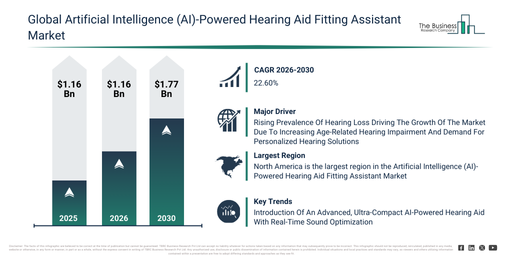
    The market size for artificial intelligence (ai)-powered hearing aid fitting assistants has experienced significant expansion in recent years. This market is set to increase from $1.42 billion in 2025 to $1.74 billion in 2026, exhibiting a compound annual growth rate (CAGR) of 22.8%. The historical period’s expansion was driven by factors such as an expanding aging population, an increase in hearing loss prevalence, the digitization of audiology services, the initial integration of AI into hearing aids, and the desire for personalized options.

    The artificial intelligence (ai)-powered hearing aid fitting assistant market is projected to demonstrate substantial expansion over the upcoming years, reaching $3.92 billion in 2030, driven by a compound annual growth rate (CAGR) of 22.6%. This projected increase is attributable to the expansion of remote audiology services, the widespread adoption of AI-driven self-fitting technologies, enhanced integration with mobile applications, a growing desire for improved user comfort, and advancements in cloud-based hearing analytics. Prominent trends anticipated within this forecast period encompass the optimization of personalized hearing profiles, the increasing availability of remote hearing aid fitting, the implementation of continuous learning algorithms, the development of self-fitting hearing solutions, and real-time environmental adaptation features.

    Download the Free Sample Report to Explore Key Market Insights:

    https://www.thebusinessresearchcompany.com/sample.aspx?id=28928&type=smp

    What Key Drivers Are Influencing The Growth Of The Artificial Intelligence (AI)-Powered Hearing Aid Fitting Assistant Market?

    The rising occurrence of hearing loss is anticipated to fuel expansion in the artificial intelligence (AI)-powered hearing aid fitting assistant market moving forward. Hearing loss describes a partial or total inability to perceive sounds, varying from mild to profound, potentially impacting one or both ears. The incidence of hearing loss is consistently climbing due to the aging global populace, as more seniors encounter the gradual deterioration of inner ear sensory cells, culminating in age-related hearing impairment. These AI-powered assistants aid in managing hearing loss by automatically assessing a person’s hearing profile and surroundings, delivering customized, real-time modifications that boost sound clarity, minimize ambient noise, and improve general listening ease. As an illustration, in February 2025, the World Health Organization (WHO), an intergovernmental body based in Switzerland, reported that more than 1.5 billion individuals globally live with some form of hearing loss, and 430 million of these need rehabilitation for disabling hearing loss. This figure is forecasted to surpass 700 million by 2050. Consequently, the escalating occurrence of hearing loss is propelling the expansion of the artificial intelligence (AI)-powered hearing aid fitting assistant market.

    Which Market Segments Are Examined In The Artificial Intelligence (AI)-Powered Hearing Aid Fitting Assistant Market Study?

    The artificial intelligence (ai)-powered hearing aid fitting assistant market covered in this report is segmented –

    1) By Component: Software, Services

    2) By Distribution Channel: Direct Sales, Online Platforms, Distributors, Other Distribution Channels

    3) By Application: In-Clinic Fitting, Remote Fitting, Self-Fitting, Other Applications

    4) By End-User: Hospitals And Clinics, Audiology Centers, Homecare Settings, Other End-Users

    Subsegments:

    1) By Software: Configuration Tools, Fitting Algorithms, Mobile Applications, Cloud Platforms, Remote Monitoring Systems

    2) By Services: In-Clinic Fitting, Remote Fitting, Technical Support, Maintenance Services, Training And Consultation

    Which Trends Are Influencing The Artificial Intelligence (AI)-Powered Hearing Aid Fitting Assistant Market?

    Leading companies within the artificial intelligence (AI)-powered hearing aid fitting assistant market are concentrating on developing sophisticated solutions, such as compact AI-powered hearing aids, to enhance user experience by offering personalized, real-time adjustments and support. Compact AI-powered hearing aids are small, discreet devices that leverage artificial intelligence to automatically optimize sound quality and customize hearing experiences instantly. For instance, in February 2025, GN Store Nord A/S, a Denmark-based manufacturer of hearing aids, introduced its most intelligent hearing portfolio, prominently featuring the ReSound Vivia, recognized as the world’s smallest AI-powered hearing aid. The ReSound Vivia is a micro-receiver-in-ear hearing aid that employs advanced artificial intelligence, mimicking the brain’s natural sound processing to improve speech clarity in noisy environments. It incorporates an exclusive deep neural network chip capable of 4.9 trillion operations daily to prioritize speech and minimize background noise, making it up to 17 times more efficient than competing hearing aids. This device also provides up to 30 hours of battery life, Bluetooth LE Audio streaming with Auracast support, and a compact, water- and dust-resistant design.

    Who Are The Primary Competitors In The Artificial Intelligence (AI)-Powered Hearing Aid Fitting Assistant Market?

    Major companies operating in the artificial intelligence (ai)-powered hearing aid fitting assistant market are Sonova Holding AG, Demant A/S, GN Store Nord A/S, WS Audiology A/S, Starkey Laboratories Inc., Cochlear Limited, MED-EL GmbH, Eargo Inc., HearX Group Pty Ltd., hear.com GmbH, Nuheara Limited, Alango Technologies Ltd., SonicCloud Inc., Tuned Care, Soundwave Hearing Pty Ltd., Whisper AI, Mimi Hearing Technologies GmbH, Concha Labs Inc., Brainphonics, AudioNotch

    Read the full artificial intelligence (ai)-powered hearing aid fitting assistant market report here:

    https://www.thebusinessresearchcompany.com/report/artificial-intelligence-ai-powered-hearing-aid-fitting-assistant-global-market-report

    Which Region Is Expected To Register The Fastest Growth In The Artificial Intelligence (AI)-Powered Hearing Aid Fitting Assistant Market?

    North America was the largest region in the artificial intelligence (AI)-powered hearing aid fitting assistant market in 2025. Asia-Pacific is expected to be the fastest-growing region in the forecast period. The regions covered in the artificial intelligence (AI)-powered hearing aid fitting assistant market report are Asia-Pacific, South East Asia, Western Europe, Eastern Europe, North America, South America, Middle East, Africa.

    Request A Tailored Artificial Intelligence (AI)-Powered Hearing Aid Fitting Assistant Market Research Report For Competitive Advantage:

    https://www.thebusinessresearchcompany.com/customise?id=28928&type=smp

    Browse Through More Reports Similar to the Global Artificial Intelligence (AI)-Powered Hearing Aid Fitting Assistant Market 2026, By The Business Research Company

    Artificial Intelligence Ai Voice Generator Market Report 2026

    https://www.thebusinessresearchcompany.com/report/artificial-intelligence-ai-voice-generator-global-market-report

    Hearing Amplifiers Market Report 2026

    https://www.thebusinessresearchcompany.com/report/hearing-amplifiers-global-market-report

    Hearing Diagnostic Devices And Equipment Market Report 2026

    https://www.thebusinessresearchcompany.com/report/hearing-diagnostic-devices-and-equipment-global-market-report

    Get in touch with us:

    The Business Research Company: https://www.thebusinessresearchcompany.com/

    Americas +1 310-496-7795

    Asia +44 7882 955267 & +91 8897263534

    Europe +44 7882 955267

    Email us at info@tbrc.info

    Follow us on:

    LinkedIn: https://in.linkedin.com/company/the-business-research-company

    YouTube: https://www.youtube.com/channel/UC24_fI0rV8cR5DxlCpgmyFQ

    Global Market Model: https://www.thebusinessresearchcompany.com/global-market-model
  • Global Bio-Implants Market Expected to Reach $228.52 Billion by 2030 with 10.7% CAGR

    Global Bio-Implants Market Expected to Reach $228.52 Billion by 2030 with 10.7% CAGR

    The Business Research Company’s 2026 market reports include new capabilities such as market attractiveness scoring and analysis, total addressable market analysis, company scoring matrix, interactive excel data dashboard, improved supply chain analysis, upcoming startups in the market, and overview of key products, aimed at improving the depth, usability, and strategic value of the insights delivered.

    What Will Be The Estimated Market Valuation Of The Bio-Implants Market By The End Of 2030?

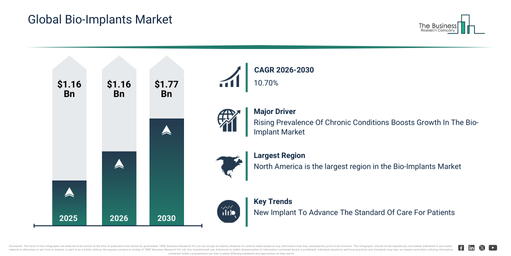
    The bio-implants market has experienced rapid expansion in recent years. Its projected growth will take it from $136.96 billion in 2025 to $152.24 billion in 2026, achieving a compound annual growth rate (CAGR) of 11.2%. Historically, this growth has been driven by factors including the increasing prevalence of chronic orthopedic and cardiovascular disorders, higher surgical intervention rates, advancements in biomaterial science, an expanding aging population, and a broader acceptance of implant-based therapies.

    The bio-implants market size is set for significant expansion over the next few years. It is forecast to reach $228.53 billion by 2030, growing at a compound annual growth rate (CAGR) of 10.7%. This projected increase can be attributed to heightened investments in regenerative medicine, the increasing adoption of 3D-printed implants, a stronger emphasis on personalized healthcare solutions, the expansion of outpatient surgical procedures, and a rising demand for next-generation bio-implants. Key trends during this period are expected to include the increased use of biocompatible implant materials, a growing need for customized and patient-specific implants, the wider application of minimally invasive implant procedures, the proliferation of regenerative and tissue-engineered implants, and an enhanced focus on the long-term durability of implants.

    Download the Free Sample Report to Explore Key Market Insights:

    https://www.thebusinessresearchcompany.com/sample.aspx?id=8203&type=smp

    What Major Growth Drivers Are Shaping The Outlook Of The Bio-Implants Market?

    The growing occurrence of chronic conditions is projected to propel the bio-implant market in the future. These include health issues like cardiovascular diseases and arthritis, defined as conditions lasting a minimum of one year, necessitating ongoing medical attention, and limiting daily functions. Bio-implants play a crucial role in managing and overseeing chronic conditions, thereby helping to lower the death rate attributed to such illnesses. A relevant example can be seen in June 2024 data from the National Health Service, a UK government department, which reported 3,615,330 people registered with a general practitioner (GP) diagnosed with non-diabetic hyperglycemia or pre-diabetes (a state of elevated blood sugar not yet meeting diabetes criteria) in 2023. This represents an 18% rise from the 3,065,825 cases recorded in 2022. Consequently, the rising incidence of chronic conditions is significantly contributing to the expansion of the bio-implant market.

    Which Segment Classifications Shape The Bio-Implants Market?

    The bio-implants market covered in this report is segmented –

    1) By Type: Cardiovascular Implants, Dental Implants, Spinal Bio-Implants, Orthopedic Implants, Ophthalmic Implants, Other Types

    2) By Material: Metallic, Ceramic, Polymer, Biological

    3) By Origin: Allograft, Autograft, Xenograft, Synthetic

    4) By End-User: Ambulatory Surgical Centers, Clinics, Hospital, Other End-Users

    Subsegments:

    1) By Cardiovascular Implants: Stents, Heart Valves, Pacemakers

    2) By Dental Implants: Endosteal Implants, Subperiosteal Implants, Zygomatic Implants

    3) By Spinal Bio-Implants: Spinal Fusion Devices, Intervertebral Discs, Spinal Rods And Plates

    4) By Orthopedic Implants: Joint Replacement Implants, Fracture Fixation Devices, Bone Plates And Screws

    5) By Ophthalmic Implants: Intraocular Lenses (IOLs), Retinal Implants, Corneal Implants

    6) By Other Types: Cochlear Implants, Tissue Engineering Implants, Biomaterial Scaffolds

    How Are Trends Impacting The Bio-Implants Market?

    Leading companies within the bio-implants market are introducing advanced implants, such as the REGENETEN Bioinductive Implants, with the aim of elevating patient care standards. The REGENETEN Bioinductive Implant is a collagen-based system designed to bolster the body’s natural healing process by encouraging the growth of novel tendon-like tissue. For example, in July 2023, Smith+Nephew, a UK-headquartered medical technology firm, introduced its REGENETEN Bioinductive Implant in India, following more than 100,000 procedures globally since its initial rollout. This collagen-based implant aids the body’s inherent healing response, fostering the development of new tendon-like tissue to enhance existing tendons. Delivered through an arthroscopic procedure, this implant was initially the size of a postage stamp, becoming undetectable within six months as it was replaced by new tendon-like tissue. The implant has shown promising outcomes in treating rotator cuff disease, with a recent clinical trial indicating an 86% relative reduction in re-tear rates at 12 months when contrasted with conventional surgery alone.

    Which Companies Are Expanding Their Footprint In The Bio-Implants Market?

    Major companies operating in the bio-implants market are Medtronic PLC, Stryker Corporation, Zimmer Biomet Holdings Inc., Dentsply Sirona Inc., Johnson & Johnson, Arthrex Inc., Boston Scientific Corporation, Smith & Nephew PLC, B. Braun Melsungen AG, Straumann Holding AG, Organogenesis Holdings Inc., Exactech Inc., Edwards Lifesciences Corporation, Biotronik SE & Co. KG, aap Implantate AG, Abbott Laboratories, Cook Medical LLC, Globus Medical Inc., Integra LifeSciences Holdings Corporation, LivaNova PLC, MicroPort Scientific Corporation, NuVasive Inc., Orthofix Medical Inc., RTI Surgical Holdings Inc., Terumo Corporation

    Read the full bio-implants market report here:

    https://www.thebusinessresearchcompany.com/report/bio-implants-global-market-report

    Which Regions Are Projected To Dominate The Bio-Implants Market In The Coming Years?

    North America was the largest region in the bio-implants market share in 2025. Asia-Pacific is expected to be the fastest-growing region in the forecast period. The regions covered in the bio-implants market report are Asia-Pacific, South East Asia, Western Europe, Eastern Europe, North America, South America, Middle East, Africa.

    Request A Tailored Bio-Implants Market Research Report For Competitive Advantage:

    https://www.thebusinessresearchcompany.com/customise?id=8203&type=smp

    Browse Through More Reports Similar to the Global Bio-Implants Market 2026, By The Business Research Company

    Biopreservation Market Report 2026

    https://www.thebusinessresearchcompany.com/report/biopreservation-global-market-report

    Biochemistry Analyzer Market Report 2026

    https://www.thebusinessresearchcompany.com/report/biochemistry-analyzer-global-market-report

    Bioprocess Analyzers Market Report 2026

    https://www.thebusinessresearchcompany.com/report/bioprocess-analyzers-global-market-report

    Get in touch with us:

    The Business Research Company: https://www.thebusinessresearchcompany.com/

    Americas +1 310-496-7795

    Asia +44 7882 955267 & +91 8897263534

    Europe +44 7882 955267

    Email us at info@tbrc.info

    Follow us on:

    LinkedIn: https://in.linkedin.com/company/the-business-research-company

    YouTube: https://www.youtube.com/channel/UC24_fI0rV8cR5DxlCpgmyFQ

    Global Market Model: https://www.thebusinessresearchcompany.com/global-market-model
  • Artificial Intelligence (AI)-Enhanced Surgical Video Analytics Market Expected to Grow Steadily and Reach $2.13 Billion by 2030

    Artificial Intelligence (AI)-Enhanced Surgical Video Analytics Market Expected to Grow Steadily and Reach $2.13 Billion by 2030

    The Business Research Company’s 2026 market reports include new capabilities such as market attractiveness scoring and analysis, total addressable market analysis, company scoring matrix, interactive excel data dashboard, improved supply chain analysis, upcoming startups in the market, and overview of key products, aimed at improving the depth, usability, and strategic value of the insights delivered.

    How Large Is The Artificial Intelligence (AI)-Enhanced Surgical Video Analytics Market Projected To Become By 2030 Based On Its 2026 Valuation?

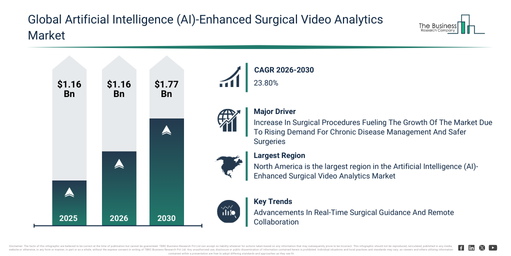
    The artificial intelligence (ai)-enhanced surgical video analytics market size has experienced significant expansion in recent years. It is anticipated to grow from $0.73 billion in 2025 to $0.91 billion in 2026, achieving a compound annual growth rate (CAGR) of 24.1%. The market’s historical growth was driven by factors such as the increase in minimally invasive surgeries, the progressive digitization of operating rooms, the extensive availability of surgical video data, the initial adoption of computer vision, and the continuous need for quality improvement.

    The artificial intelligence (ai)-enhanced surgical video analytics market is projected to experience substantial growth in the coming years. By 2030, its valuation is anticipated to reach $2.14 billion, demonstrating a compound annual growth rate (CAGR) of 23.8%. This expansion during the forecast period is fueled by factors such as AI-based real-time analytics, the integration of robotic surgery platforms, a growing need for outcome-based healthcare, the proliferation of cloud-based analytics, and improved surgeon training. Key trends for this period include automated surgical workflow analysis, the detection of errors in real-time, data-driven approaches to surgical training, systems for performance benchmarking, and comprehensive postoperative quality assessment.

    Download the Free Sample Report to Explore Key Market Insights:

    https://www.thebusinessresearchcompany.com/sample.aspx?id=28923&type=smp

    What Major Growth Drivers Are Shaping The Outlook Of The Artificial Intelligence (AI)-Enhanced Surgical Video Analytics Market?

    The future expansion of the artificial intelligence (AI)-enhanced surgical video analytics market is anticipated to be fueled by the rising volume of surgical procedures. These procedures involve medical interventions by a physician, utilizing hands or tools to treat, mend, or excise bodily tissues to manage health issues or injuries. The uptick in surgical procedures stems from the growing incidence of chronic ailments such as diabetes, heart disease, and cancer, which frequently necessitate surgical interventions for complication management and better patient results. Artificial intelligence (AI)-enhanced surgical video analytics provides advantages to surgical procedures through real-time guidance, enabling surgeons to precisely pinpoint crucial anatomical structures and make more secure, well-informed choices during operations. As an illustration, figures from June 2024 by the American Society of Plastic Surgeons, a US-based group of board-certified plastic surgeons, showed that Liposuction procedures hit 347,782 in 2023, representing a 7% rise from 2022. Consequently, the escalating volume of surgical procedures is a key impetus for the expansion of the artificial intelligence (AI)-enhanced surgical video analytics market.

    What Segment Groups Are Identified Within The Artificial Intelligence (AI)-Enhanced Surgical Video Analytics Market?

    The artificial intelligence (ai)-enhanced surgical video analytics market covered in this report is segmented –

    1) By Component: Software, Hardware, Services

    2) By Deployment Mode: On-Premises, Cloud-Based

    3) By Application: Laparoscopic Surgery, Robotic Surgery, Endoscopic Surgery, Other Applications

    4) By End-User: Hospitals, Ambulatory Surgical Centers, Specialty Clinics, Research Institutes, Other End-Users

    Subsegments:

    1) By Software: Surgical Video Analytics Platforms, Real-Time Data Processing Software, Machine Learning Algorithms

    2) By Hardware: High-Definition Cameras, Edge Computing Devices, Graphics Processing Units

    3) By Services: Integration And Deployment Services, Training And Education Services, Maintenance And Support Services

    What Trends Are Advancing Progress In The Artificial Intelligence (AI)-Enhanced Surgical Video Analytics Market?

    Leading organizations within the artificial intelligence (AI)-enhanced surgical video analytics market are concentrating on developing sophisticated strategies, such as touch surgery live streams, to enable immediate surgical direction, distant teamwork, and heightened procedural accuracy. A touch surgery live stream is defined as a digital platform facilitating the real-time transmission of surgical operations, empowering surgeons and medical teams to observe, guide, and collaborate remotely for purposes including training, consultation, and improved procedural precision. For instance, in April 2024, Medtronic plc., an Ireland-based healthcare company, introduced a service that provides secure, live broadcasting of surgeries across more than 20 countries, thereby enhancing the accessibility and collaborative nature of surgical training. This allows surgeons and trainees to engage in virtual mentorship, gain valuable insights, and share procedural details remotely, contributing to better skill development and operational efficiency. Moreover, AI enhancements integrating 14 algorithms further analyze surgeries after the operation, assisting in workflow optimization, instrument identification, and anatomical detection, ultimately supporting superior training, increased surgical capacity, and improved patient outcomes.

    Which Companies Hold Significant Positions In The Artificial Intelligence (AI)-Enhanced Surgical Video Analytics Market?

    Major companies operating in the artificial intelligence (ai)-enhanced surgical video analytics market are Johnson & Johnson, Medtronic Plc, Intuitive Surgical Inc., Olympus Corporation, Carl Zeiss Meditec AG, Brainlab AG, Surgical Science Sweden AB, Activ-Surgical-Inc., Caresyntax GmbH, Proximie Ltd., Proprio Inc., Surgical Safety Technologies Inc., Apella Health Management Inc., Aibo Health, Beyeonics Surgical Ltd., C-SATS Inc., nSight Surgical Inc., Orsi Academy S.r.l., Pristine Surgical Inc., Theator Inc., Virgo Surgical Technologies Inc., Surgical Data Science Collective (SDSC).

    Read the full artificial intelligence (ai)-enhanced surgical video analytics market report here:

    https://www.thebusinessresearchcompany.com/report/artificial-intelligence-ai-enhanced-surgical-video-analytics-global-market-report

    Which Regions Are Projected To Dominate The Artificial Intelligence (AI)-Enhanced Surgical Video Analytics Market In The Coming Years?

    North America was the largest region in the artificial intelligence (AI)-enhanced surgical video analytics market in 2025. Asia-Pacific is expected to be the fastest-growing region in the forecast period. The regions covered in the artificial intelligence (AI)-enhanced surgical video analytics market report are Asia-Pacific, South East Asia, Western Europe, Eastern Europe, North America, South America, Middle East, Africa.

    Request A Tailored Artificial Intelligence (AI)-Enhanced Surgical Video Analytics Market Research Report For Competitive Advantage:

    https://www.thebusinessresearchcompany.com/customise?id=28923&type=smp

    Browse Through More Reports Similar to the Global Artificial Intelligence (AI)-Enhanced Surgical Video Analytics Market 2026, By The Business Research Company

    Artificial Intelligence Ai In Video Surveillance Market Report 2026

    https://www.thebusinessresearchcompany.com/report/artificial-intelligence-ai-in-video-surveillance-global-market-report

    Video Analytics Market Report 2026

    https://www.thebusinessresearchcompany.com/report/video-analytics-global-market-report

    Surgical Visualization Products Market Report 2026

    https://www.thebusinessresearchcompany.com/report/surgical-visualization-products-global-market-report

    Get in touch with us:

    The Business Research Company: https://www.thebusinessresearchcompany.com/

    Americas +1 310-496-7795

    Asia +44 7882 955267 & +91 8897263534

    Europe +44 7882 955267

    Email us at info@tbrc.info

    Follow us on:

    LinkedIn: https://in.linkedin.com/company/the-business-research-company

    YouTube: https://www.youtube.com/channel/UC24_fI0rV8cR5DxlCpgmyFQ

    Global Market Model: https://www.thebusinessresearchcompany.com/global-market-model
  • Bioimpedance Analyzers Market Future Outlook Showing Expansion Toward $1.27 Billion by 2030

    Bioimpedance Analyzers Market Future Outlook Showing Expansion Toward $1.27 Billion by 2030

    The Business Research Company’s 2026 market reports include new capabilities such as market attractiveness scoring and analysis, total addressable market analysis, company scoring matrix, interactive excel data dashboard, improved supply chain analysis, upcoming startups in the market, and overview of key products, aimed at improving the depth, usability, and strategic value of the insights delivered.

    What Market Size Growth Is Projected For The Bioimpedance Analyzers Market During The Forecast Period 2026–2030?

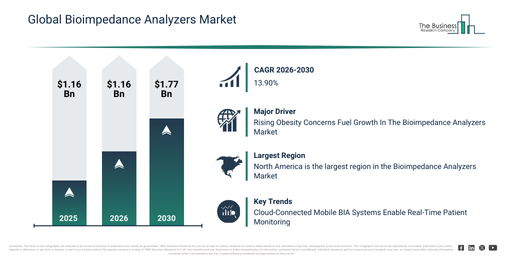
    The bioimpedance analyzers market has experienced significant expansion in recent years. It is projected to increase from $0.67 billion in 2025 to $0.76 billion in 2026, reflecting a compound annual growth rate (CAGR) of 13.9%. The growth witnessed in the past can be attributed to factors such as rising fitness and wellness awareness, the increasing application of body composition assessment in sports and rehabilitation, the early integration of bioimpedance devices in hospitals and nutrition clinics, a clear demand for non-invasive and quick assessment technologies, and the overall expansion of fitness club and wellness center infrastructure.

    The bioimpedance analyzers market is projected to experience substantial expansion in the coming years, with its value anticipated to reach **$1.28 billion by 2030, exhibiting a compound annual growth rate (CAGR) of 13.9%.** This projected growth during the forecast period stems from factors such as the rising incidence of obesity and metabolic conditions, increasing consumer need for customized health and fitness monitoring, greater uptake of wireless and networked bioimpedance devices, the expanded application of multi-frequency analyzers for detailed body composition data, and the broadening scope of use in home settings and remote health surveillance. Key trends anticipated over the forecast timeframe involve the increasing deployment of bioimpedance analyzers for tracking body composition, their growing integration into fitness, wellness, and weight management initiatives, their rising application in nutritional evaluations within clinical and hospital environments, the expansion of their use for both segmental and entire-body measurements, and an emphasis on developing accurate, convenient, and non-invasive assessment methodologies.

    Download the Free Sample Report to Explore Key Market Insights:

    https://www.thebusinessresearchcompany.com/sample.aspx?id=18256&type=smp

    What Drivers Are Expected To Influence The Bioimpedance Analyzers Market During The Forecast Period?

    Growing worries regarding obesity are anticipated to drive the expansion of the bioimpedance analyzers market in the future. Obesity is defined as a chronic health condition marked by an excessive buildup of body fat, which can detrimentally affect health. These escalating concerns about obesity stem from the widespread access to foods high in calories, fats, and sugars, along with increasingly sedentary lifestyles and diminished physical activity in daily routines. Bioimpedance analyzers assist in managing obesity by offering specific and actionable body composition data, aiding in customized treatment strategies, monitoring health risks, encouraging patients, evaluating fluid balance, enhancing clinical results, and strengthening research endeavors. As an illustration, in March 2023, the World Heart Foundation, a Switzerland-based non-governmental cardiovascular organization, reported that globally, approximately 2.3 billion adults and children are either obese or overweight, and projections suggest that this figure could reach 2.7 billion by 2025 if current obesity trends persist. Consequently, the rising apprehension about obesity fuels the bioimpedance analyzers market.

    What Market Segments Are Evaluated Within The Bioimpedance Analyzers Market?

    The bioimpedance analyzers market covered in this report is segmented –

    1) By Type: Multi Frequency, Single Frequency, Dual Frequency

    2) By Modality: Wired Bioimpedance, Wireless Bioimpedance

    3) By Application: Whole Body Measurement, Segmental Body Measurement

    4) By End User: Hospitals, Fitness Clubs And Wellness Centers, Home Users, Other End-Users

    Subsegments:

    1) By Multi-Frequency: Bioimpedance Analyzers With Multiple Frequency Settings, Multi-Frequency Body Composition Analyzers

    2) By Single-Frequency: Single-Frequency Bioimpedance Analyzers, Single-Frequency Body Composition Analyzers

    3) By Dual-Frequency: Dual-Frequency Bioimpedance Analyzers, Dual-Frequency Body Composition Analyzers

    What Industry Trends Are Redefining The Bioimpedance Analyzers Market?

    Leading companies within the bioimpedance analyzers market are concentrating on integrating cloud-based analytics, including connected, mobile BIA systems designed for remote data management and real-time patient monitoring. These connected mobile BIA systems are defined as bioimpedance analyzers built to be portable, battery-powered, and capable of securely transmitting measurement data to cloud platforms, enabling clinicians to access, analyze, and track patients’ body composition and fluid status over time. For instance, in January 2025, SECA, a Germany-based medical device company, launched the seca mBCA Go, a mobile bioelectrical impedance analyzer that pairs its proven measuring mat with the seca analytics 125 cloud platform, offers secure patient-management features, and integrates with the seca myAnalytics app for intuitive patient engagement.

    Who Are The Top Market Participants Influencing The Bioimpedance Analyzers Market?

    Major companies operating in the bioimpedance analyzers market are Xiaomi Corporation, Omron Corporation, Beurer GmbH, InBody Co Ltd., Seca GmbH & Co., Withings, Lumsail Industrial Inc., RJL Systems Inc., ImpediMed Limited, Biodynamics Corporation, Charder Electronic Co Ltd., Akern Srl, Bioparhom, BioTekna Limited, Bodystat Ltd., EVOLT 360 Limited, Maltron International Ltd., Tanita Corporation, Tongfang Health Technology (Beijing) Co.Ltd, Jawon Medical Co Ltd

    Read the full bioimpedance analyzers market report here:

    https://www.thebusinessresearchcompany.com/report/bioimpedance-analyzers-global-market-report

    Which Region Is Forecast To Lead The Bioimpedance Analyzers Market In Terms Of Market Size?

    North America was the largest region in the bioimpedance analyzer market in 2025. Asia-Pacific is expected to be the fastest-growing region in the forecast period. The regions covered in the bioimpedance analyzers market report are Asia-Pacific, South East Asia, Western Europe, Eastern Europe, North America, South America, Middle East, Africa.

    Request A Tailored Bioimpedance Analyzers Market Research Report For Competitive Advantage:

    https://www.thebusinessresearchcompany.com/customise?id=18256&type=smp

    Browse Through More Reports Similar to the Global Bioimpedance Analyzers Market 2026, By The Business Research Company

    Skin Care Products Market Report 2026

    https://www.thebusinessresearchcompany.com/report/skin-care-products-global-market-report

    Dna Based Skin Care Products Market Report 2026

    https://www.thebusinessresearchcompany.com/report/dna-based-skin-care-products-global-market-report

    Electronic Skin Patch Market Report 2026

    https://www.thebusinessresearchcompany.com/report/electronic-skin-patch-global-market-report

    Get in touch with us:

    The Business Research Company: https://www.thebusinessresearchcompany.com/

    Americas +1 310-496-7795

    Asia +44 7882 955267 & +91 8897263534

    Europe +44 7882 955267

    Email us at info@tbrc.info

    Follow us on:

    LinkedIn: https://in.linkedin.com/company/the-business-research-company

    YouTube: https://www.youtube.com/channel/UC24_fI0rV8cR5DxlCpgmyFQ

    Global Market Model: https://www.thebusinessresearchcompany.com/global-market-model
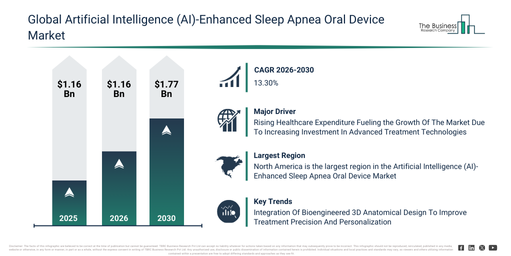
  • Artificial Intelligence (AI)-Enhanced Sleep Apnea Oral Device Market Forecast Showing $2.49 Billion Size by 2030 at 13.3% CAGR

    Artificial Intelligence (AI)-Enhanced Sleep Apnea Oral Device Market Forecast Showing $2.49 Billion Size by 2030 at 13.3% CAGR

    The Business Research Company’s 2026 market reports include new capabilities such as market attractiveness scoring and analysis, total addressable market analysis, company scoring matrix, interactive excel data dashboard, improved supply chain analysis, upcoming startups in the market, and overview of key products, aimed at improving the depth, usability, and strategic value of the insights delivered.

    What Market Value Is Anticipated For The Artificial Intelligence (AI)-Enhanced Sleep Apnea Oral Device Market Over The Period 2026–2030?

    The artificial intelligence (ai)-enhanced sleep apnea oral device market has experienced substantial expansion in recent times. This market is projected to expand from $1.33 billion in 2025 to $1.51 billion by 2026, demonstrating a compound annual growth rate (CAGR) of 13.6%. Factors contributing to this historical growth include rising sleep apnea prevalence, limitations of CPAP therapy, growth in dental sleep medicine, early adoption of smart oral devices, and increasing awareness of sleep health.

    The artificial intelligence (ai)-enhanced sleep apnea oral device market size is projected to experience swift expansion over the coming years. By 2030, this market is predicted to reach a valuation of $2.5 billion, demonstrating a compound annual growth rate (CAGR) of 13.3%. Factors contributing to this expansion during the forecast period include AI-enabled adaptive sleep therapy, the rise of home-based sleep treatment, integration with sleep monitoring applications, a preference for non-invasive solutions, and personalized sleep analytics. Key developments expected during the forecast period encompass personalized oral appliance therapy, real-time sleep pattern optimization, AI-based comfort adjustment, home sleep disorder management, and data-driven therapy compliance.

    Download the Free Sample Report to Explore Key Market Insights:

    https://www.thebusinessresearchcompany.com/sample.aspx?id=28922&type=smp

    What Drivers Are Expected To Influence The Artificial Intelligence (AI)-Enhanced Sleep Apnea Oral Device Market During The Forecast Period?

    The growth of the artificial intelligence (AI)-enhanced sleep apnea oral device market is anticipated to be spurred by increasing healthcare expenditure. This spending encompasses all funds dedicated to medical services, treatments, and health-related products aimed at maintaining or improving public health. The surge in healthcare costs is primarily attributed to the growing incidence of chronic conditions, which necessitate ongoing treatments and continuous medical attention, thereby inflating overall healthcare expenses significantly. Healthcare spending facilitates the uptake of artificial intelligence (AI)-enhanced sleep apnea oral devices by allowing more significant investment in sophisticated diagnostic and therapeutic technologies, leading to better patient results and lower long-term medical costs. As an example, the Office for National Statistics, a government body in the UK, reported in April 2025 that government-funded healthcare constituted the majority of total health expenditure in the UK, reaching $346 billion (£258 billion) in 2024, marking a 2.5% real-terms increase from 2023. Consequently, the expanding healthcare expenditure is a key driver for the artificial intelligence (AI)-enhanced sleep apnea oral device market’s expansion.

    How Is The Artificial Intelligence (AI)-Enhanced Sleep Apnea Oral Device Market Divided Into Its Major Segments?

    The artificial intelligence (ai)-enhanced sleep apnea oral device market covered in this report is segmented –

    1) By Product Type: Mandibular Advancement Devices, Tongue Retaining Devices, Hybrid Devices

    2) By Technology: Artificial Intelligence (AI)-Based Monitoring, Smart Sensors, Data Analytics, Other Technologies

    3) By Distribution Channel: Online, Offline

    4) By End User: Hospitals, Sleep Clinics, Homecare Settings, Other End-Users

    Subsegments:

    1) By Mandibular Advancement Devices: Mandibular Repositioning Devices, Adjustable Mandibular Devices, Custom-Fit Mandibular Devices

    2) By Tongue Retaining Devices: Standard Tongue Retaining Devices, Custom Tongue Retaining Devices, Vacuum-Based Tongue Retaining Devices

    3) By Hybrid Devices: Dual-Mechanism Hybrid Devices, Combined Mandibular-Tongue Hybrid Devices

    How Are Trends Transforming The Artificial Intelligence (AI)-Enhanced Sleep Apnea Oral Device Market Landscape?

    Companies operating in the artificial intelligence (AI)-enhanced sleep apnea oral device market are concentrating on creating sophisticated designs, such as the bioengineered 3D anatomical design, to boost device accuracy, customization, and treatment effectiveness. This advanced bioengineered 3D anatomical design technology leverages AI and robotic manufacturing to produce individualized oral devices that conform precisely to each patient’s dental and airway structure, thereby enhancing comfort, jaw alignment, and respiratory efficiency. As an illustration, in June 2025, ProSomnus Inc., a medical device company based in the US, introduced EVO Guided, a novel, custom oral device engineered for treating obstructive sleep apnea (OSA). It provides excellent comfort due to its lingual-less design, which subsequently increases patient adherence and minimizes adverse effects when contrasted with conventional appliances. The device’s advanced anatomical fit and patented post mechanism assist in effectively widening airway regions, establishing it as a highly effective, FDA-cleared substitute for CPAP therapy.

    Who Are The Prominent Organizations Shaping The Artificial Intelligence (AI)-Enhanced Sleep Apnea Oral Device Market?

    Major companies operating in the artificial intelligence (ai)-enhanced sleep apnea oral device market are SomnoMed Limited, ProSomnus Sleep Technologies, Panthera Dental, Glidewell Laboratories Inc., DynaFlex Inc., Vivos Therapeutics Inc., OpenAirway Dental Solutions Ltd., Airway Management Inc., Apnea Sciences Corporation, OravanOSA, Myerson LLC, Braebon Medical Corporation, Klearway Inc., TOMED GmbH, Apex Dental Sleep Lab Inc., Dream Systems LLC, OrthoApnea S.L., Dentulu Inc., Airway Labs, Zyppah Inc.

    Read the full artificial intelligence (ai)-enhanced sleep apnea oral device market report here:

    https://www.thebusinessresearchcompany.com/report/artificial-intelligence-ai-enhanced-sleep-apnea-oral-device-global-market-report

    Which Region Is Forecast To Lead The Artificial Intelligence (AI)-Enhanced Sleep Apnea Oral Device Market In Terms Of Market Size?

    North America was the largest region in the artificial intelligence (AI)-enhanced sleep apnea oral device market in 2025. Asia-Pacific is expected to be the fastest-growing region in the forecast period. The regions covered in the artificial intelligence (AI)-enhanced sleep apnea oral device market report are Asia-Pacific, South East Asia, Western Europe, Eastern Europe, North America, South America, Middle East, Africa.

    Request A Tailored Artificial Intelligence (AI)-Enhanced Sleep Apnea Oral Device Market Research Report For Competitive Advantage:

    https://www.thebusinessresearchcompany.com/customise?id=28922&type=smp

    Browse Through More Reports Similar to the Global Artificial Intelligence (AI)-Enhanced Sleep Apnea Oral Device Market 2026, By The Business Research Company

    Artificial Intelligence Or Machine Learning Ai Or Ml Medical Device Market Report 2026

    https://www.thebusinessresearchcompany.com/report/artificial-intelligence-or-machine-learning-ai-or-ml-medical-device-global-market-report

    Sleep Tech Devices Market Report 2026

    https://www.thebusinessresearchcompany.com/report/sleep-tech-devices-global-market-report

    Artificial Intelligence Ai In Respiratory Diseases Market Report 2026

    https://www.thebusinessresearchcompany.com/report/artificial-intelligence-ai-in-respiratory-diseases-global-market-report

    Get in touch with us:

    The Business Research Company: https://www.thebusinessresearchcompany.com/

    Americas +1 310-496-7795

    Asia +44 7882 955267 & +91 8897263534

    Europe +44 7882 955267

    Email us at info@tbrc.info

    Follow us on:

    LinkedIn: https://in.linkedin.com/company/the-business-research-company

    YouTube: https://www.youtube.com/channel/UC24_fI0rV8cR5DxlCpgmyFQ

    Global Market Model: https://www.thebusinessresearchcompany.com/global-market-model
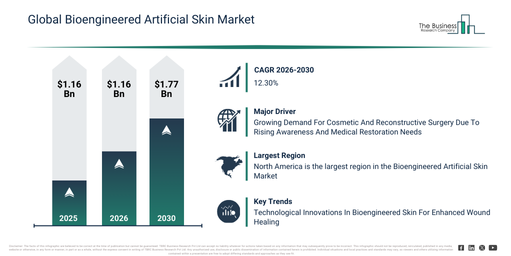
  • Bioengineered Artificial Skin Market Revenue Growth Expected to Reach $4.87 Billion by 2030 with 12.3% CAGR

    Bioengineered Artificial Skin Market Revenue Growth Expected to Reach $4.87 Billion by 2030 with 12.3% CAGR

    The Business Research Company’s 2026 market reports include new capabilities such as market attractiveness scoring and analysis, total addressable market analysis, company scoring matrix, interactive excel data dashboard, improved supply chain analysis, upcoming startups in the market, and overview of key products, aimed at improving the depth, usability, and strategic value of the insights delivered.

    How Will The Market Size Of The Bioengineered Artificial Skin Market Evolve From 2026 To 2030?

    The market size for bioengineered artificial skin has experienced significant expansion recently. Projections indicate it will expand from $2.73 billion in 2025 to $3.07 billion in 2026, showcasing a compound annual growth rate (CAGR) of 12.4%. This historical growth can be attributed to a rising incidence of burn injuries, an increasing prevalence of chronic wounds, the broadening scope of reconstructive surgical procedures, advancements in tissue engineering research, and the expanding availability of biomaterial technologies.

    The bioengineered artificial skin market size is anticipated to experience significant expansion in the coming years. This market is projected to reach a valuation of $4.88 billion in 2030, demonstrating a compound annual growth rate (CAGR) of 12.3%. Factors contributing to this growth over the forecast period include the increasing uptake of regenerative medicine therapies, a heightened demand for sophisticated wound care solutions, the broadening of stem cell-based skin treatments, escalating investments in bioprinting technologies, and a greater emphasis on personalized regenerative healthcare. Key trends expected during this period involve the accelerating development of cell-based skin substitutes, the growing acceptance of 3D bioprinted skin constructs, an expanding utilization of biomimetic scaffold materials, the broadening scope of regenerative wound healing applications, and an intensified focus on personalized skin regeneration.

    Download the Free Sample Report to Explore Key Market Insights:

    https://www.thebusinessresearchcompany.com/sample.aspx?id=24169&type=smp

    What Drivers Are Influencing The Bioengineered Artificial Skin Market?

    The increasing need for cosmetic and reconstructive surgery is anticipated to fuel the expansion of the bioengineered artificial skin market in the future. These medical interventions involve operations designed to improve physical appearance or to restore the proper form and function of body parts impacted by birth defects, injuries, or illnesses. The surge in demand for cosmetic and reconstructive surgery stems from heightened consumer awareness regarding aesthetic improvement possibilities and the escalating requirement for medical repair after trauma, congenital issues, or deformities caused by disease. Bioengineered artificial skin plays a crucial role in cosmetic and reconstructive surgery by facilitating tissue regrowth, minimizing scar formation, and enhancing aesthetic results in procedures that repair or augment damaged or absent skin. For example, in January 2023, the International Society of Aesthetic Plastic Surgery, a US-based professional organization focused on advancing aesthetic (cosmetic) plastic surgery, reported that over 12.8 million surgical and 17.5 million non-surgical operations were performed worldwide, indicating a 19.3% increase in total procedures compared to the prior reporting cycle. Furthermore, plastic surgeons globally conducted more than 14.9 million surgical and 18.8 million non-surgical operations in 2022, marking an 11.2% rise in the overall number of procedures executed. Consequently, the rising demand for cosmetic and reconstructive surgery is stimulating growth in the bioengineered artificial skin market.

    Which Segment Areas Are Covered In The Bioengineered Artificial Skin Market Analysis?

    The bioengineered artificial skin market covered in this report is segmented –

    1) By Product Type: Acellular Dermal Matrices, Cell-Based Skin Substitutes, Skin Grafts, 3D Bioprinted Skin

    2) By Material Type: Collagen-Based, Hyaluronic Acid-Based, Silicone-Based, Polyurethane-Based

    3) By Technology: Bioprinting, Electrospinning, Self-Assembly, Microfabrication

    4) By Application: Burn Treatment, Chronic Wound Care, Surgical Reconstruction, Other Applications

    5) By End-User: Hospitals, Dermatology Clinics, Ambulatory Surgical Centers, Research Institutions

    Subsegments:

    1) By Acellular Dermal Matrices: Biologically Derived Acellular Dermal Matrices, Synthetic Acellular Dermal Matrices, Hydrogel-Based Acellular Dermal Matrices, Collagen-Based Acellular Dermal Matrices

    2) By Cell-Based Skin Substitutes: Autologous Skin Substitutes, Allogeneic Skin Substitutes, Stem Cell-Based Skin Substitutes, Fetal and Neonatal Cell-Based Substitutes

    3) By Skin Grafts: Split-Thickness Skin Grafts, Full-Thickness Skin Grafts, Cultured Skin Grafts, Synthetic Skin Grafts

    4) By 3D Bioprinted Skin: Human Skin Bioprinting, In Vitro Bioprinted Skin Models, Bioink-Based Bioprinted Skin, Multi-Layered Bioprinted Skin

    What Key Developments And Trends Are Impacting The Bioengineered Artificial Skin Market?

    Major companies in the bioengineered artificial skin market are concentrating on technological innovations, including advanced tissue engineering techniques, to create highly effective skin substitutes. These developments aim to improve wound healing, enhance patient outcomes, and meet the increasing need for regenerative medicine in the treatment of severe burns and chronic wounds. Advanced tissue engineering is a multidisciplinary field that combines biology, materials science, and engineering to produce synthetic or biologically derived tissues and organs that can mimic the structure and function of natural tissues for medical applications. For instance, in January 2023, Urgo Group, a France-based healthcare company, launched the Genesis research laboratory, which focuses on developing artificial skin to assist in the effective treatment of severe wounds. This initiative intends to support healthcare professionals by creating advanced bioengineered skin solutions to speed up patient recovery and improve wound-healing results.

    Which Global Companies Are Actively Competing In The Bioengineered Artificial Skin Market?

    Major companies operating in the bioengineered artificial skin market are Stryker Corporation, Smith & Nephew plc, Mölnlycke Health Care AB, Integra LifeSciences Holdings Corporation, Organogenesis Inc., MiMedx Group Inc., Vericel Corporation, AlloSource Inc., Kerecis Inc., PolyNovo Limited, Avita Medical Inc., Cook Biotech Incorporated, Tissue Regenix Group plc, Episkin SA, TissUse GmbH, RenovaCare Inc., PolarityTE Inc., Mallinckrodt Pharmaceuticals (Skin Substitutes), Medtronic plc (Regenerative Therapies), 3D Bioprinting Solutions

    Read the full bioengineered artificial skin market report here:

    https://www.thebusinessresearchcompany.com/report/bioengineered-artificial-skin-global-market-report

    Which Regions Are Expected To Experience Rapid Expansion In The Bioengineered Artificial Skin Market?

    North America was the largest region in the bioengineered artificial skin market in 2025. Asia-Pacific is expected to be the fastest-growing region in the forecast period. The regions covered in the bioengineered artificial skin market report are Asia-Pacific, South East Asia, Western Europe, Eastern Europe, North America, South America, Middle East, Africa.

    Request A Tailored Bioengineered Artificial Skin Market Research Report For Competitive Advantage:

    https://www.thebusinessresearchcompany.com/customise?id=24169&type=smp

    Browse Through More Reports Similar to the Global Bioengineered Artificial Skin Market 2026, By The Business Research Company

    Hemostasis Products Market Report 2026

    https://www.thebusinessresearchcompany.com/report/hemostasis-products-global-market-report

    Hemostats Market Report 2026

    https://www.thebusinessresearchcompany.com/report/hemostats-global-market-report

    Hemostasis Diagnostic Devices And Equipment Market Report 2026

    https://www.thebusinessresearchcompany.com/report/hemostasis-diagnostic-devices-and-equipment-global-market-report

    Get in touch with us:

    The Business Research Company: https://www.thebusinessresearchcompany.com/

    Americas +1 310-496-7795

    Asia +44 7882 955267 & +91 8897263534

    Europe +44 7882 955267

    Email us at info@tbrc.info

    Follow us on:

    LinkedIn: https://in.linkedin.com/company/the-business-research-company

    YouTube: https://www.youtube.com/channel/UC24_fI0rV8cR5DxlCpgmyFQ

    Global Market Model: https://www.thebusinessresearchcompany.com/global-market-model
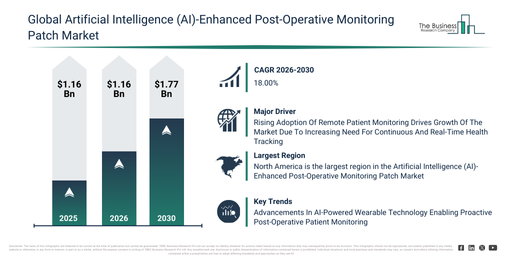
  • Artificial Intelligence (AI)-Enhanced Post-Operative Monitoring Patch Market Revenue Expected to Reach $5.11 Billion by 2030 with 18% CAGR

    Artificial Intelligence (AI)-Enhanced Post-Operative Monitoring Patch Market Revenue Expected to Reach $5.11 Billion by 2030 with 18% CAGR

    The Business Research Company’s 2026 market reports include new capabilities such as market attractiveness scoring and analysis, total addressable market analysis, company scoring matrix, interactive excel data dashboard, improved supply chain analysis, upcoming startups in the market, and overview of key products, aimed at improving the depth, usability, and strategic value of the insights delivered.

    What Is The Expected Market Size Of The Artificial Intelligence (AI)-Enhanced Post-Operative Monitoring Patch Market From 2026 To 2030?

    The artificial intelligence (ai)-enhanced post-operative monitoring patch market has experienced substantial expansion in recent years. This market is expected to reach $2.63 billion in 2026 from $2.22 billion in 2025, progressing at a compound annual growth rate (CAGR) of 18.3%. The drivers behind its historical growth include an increase in surgical procedure volumes, the embrace of wearable medical sensors, a concerted effort to minimize hospital readmissions, the growing prevalence of outpatient surgeries, and the initial adoption of digital health technologies.

    The artificial intelligence (ai)-enhanced post-operative monitoring patch market size is poised for substantial expansion in the coming years. It is projected to reach $5.11 billion in 2030, demonstrating a compound annual growth rate (CAGR) of 18.0%. This anticipated growth during the forecast period is driven by factors such as AI-powered predictive recovery analytics, the expansion of remote patient monitoring programs, a shift towards home care settings, seamless integration with hospital information systems, and the increasing demand for real-time alerts. Prominent trends expected in this period include continuous remote patient monitoring, early detection of post-surgical complications, wireless wearable recovery tracking, data-driven discharge management, and the provision of home-based postoperative care.

    Download the Free Sample Report to Explore Key Market Insights:

    https://www.thebusinessresearchcompany.com/sample.aspx?id=28919&type=smp

    What Drivers Are Influencing The Artificial Intelligence (AI)-Enhanced Post-Operative Monitoring Patch Market?

    The increasing need for remote patient monitoring is anticipated to drive the expansion of the artificial intelligence (AI)-enhanced post-operative monitoring patch market. Remote patient monitoring (RPM) involves leveraging digital tools to remotely monitor patient health information and relay it to medical professionals for continuous evaluation and care. The surge in RPM can be attributed to the growing incidence of chronic conditions necessitating constant, real-time health surveillance to enhance patient results and decrease hospital admissions. AI-enhanced postoperative monitoring patches support remote patient monitoring by constantly assessing patients’ vital signs to identify early indicators of issues, thereby facilitating prompt action and lowering hospital readmission rates. As an illustration, in August 2025, data from the Department of Health and Human Services, a US-based government administration, showed that in 2024, approximately 1 million enrollees utilized remote patient monitoring, marking a 27-percent increase from 2023. Consequently, the escalating demand for remote patient monitoring is fueling the growth of the artificial intelligence (AI)-enhanced post-operative monitoring patch market.

    Which Segments Are Included In The Analysis Of The Artificial Intelligence (AI)-Enhanced Post-Operative Monitoring Patch Market?

    The artificial intelligence (ai)-enhanced post-operative monitoring patch market covered in this report is segmented –

    1) By Product Type: Wearable Patches, Disposable Patches, Reusable Patches

    2) By Distribution Channel: Online, Offline

    3) By Application: Cardiac Monitoring, Respiratory Monitoring, Temperature Monitoring, Mobility Monitoring, Others Applications

    4) By End-User: Hospitals, Ambulatory Surgical Centers, Home Care Settings, Others End-Users

    Subsegments:

    1) By Wearable Patches: Vital Sign Monitoring Patch, Cardiac Monitoring Patch, Temperature Monitoring Patch

    2) By Disposable Patches: Single Use Postoperative Patch, Adhesive Biosensor Patch, Sterile Surgical Recovery Patch

    3) By Reusable Patches: Rechargeable Smart Patch, Washable Sensor Patch

    Which Trends Are Impacting The Growth Of The Artificial Intelligence (AI)-Enhanced Post-Operative Monitoring Patch Market?

    Leading companies in the artificial intelligence (AI)-enhanced post-operative monitoring patch market are focusing on developing advanced solutions, such as wearable devices, to assist users in proactively managing their health. Wearable devices are electronic instruments worn on the body that collect and track data related to health, fitness, or daily activities. For instance, in November 2023, BioIntelliSense, a US-based biotechnology company, alongside UC Davis Health, a US-based health center, introduced a continuous monitoring program for bone marrow transplant patients. This program integrates the FDA-cleared BioButton wearable with AI-powered analytics and a clinical intelligence platform to identify early changes in vital signs, enabling timely medical responses. This advanced post-operative monitoring patch records up to 1,440 vital sign readings per patient daily, helping to detect potential complications following surgery. Worn on the upper left chest, it continuously tracks key physiological indicators such as heart rate, breathing rate, and skin temperature. Utilizing AI algorithms, the system delivers smart alerts and clear visual insights, facilitating proactive and informed post-surgical patient management.

    Which Key Industry Participants Are Active In The Artificial Intelligence (AI)-Enhanced Post-Operative Monitoring Patch Market?

    Major companies operating in the artificial intelligence (ai)-enhanced post-operative monitoring patch market are Medtronic PLC, Koninklijke Philips N V, Masimo Corporation, ZOLL Medical Corporation, iRhythm Technologies Inc, VitalConnect Inc, BioIntelliSense Inc, Biotricity Inc, Vivalink Inc, Blue Spark Technologies Inc, Biobeat Technologies Ltd, SmartCardia SA, Current Health Ltd, Isansys Lifecare Ltd, Sensium Healthcare Ltd, Mintti Health Pvt Ltd, SmartQare Technologies Pvt Ltd, Pulsify Medical, WearOptimo Ltd, Crely Healthcare Pvt Ltd, Epicore Biosystems Inc

    Read the full artificial intelligence (ai)-enhanced post-operative monitoring patch market report here:

    https://www.thebusinessresearchcompany.com/report/artificial-intelligence-ai-enhanced-post-operative-monitoring-patch-global-market-report

    Which Regions Are Expected To Experience Rapid Expansion In The Artificial Intelligence (AI)-Enhanced Post-Operative Monitoring Patch Market?

    North America was the largest region in the artificial intelligence (AI)-enhanced post-operative monitoring patch market in 2025. Asia-Pacific is expected to be the fastest-growing region in the forecast period. The regions covered in the artificial intelligence (AI)-enhanced post-operative monitoring patch market report are Asia-Pacific, South East Asia, Western Europe, Eastern Europe, North America, South America, Middle East, Africa.

    Request A Tailored Artificial Intelligence (AI)-Enhanced Post-Operative Monitoring Patch Market Research Report For Competitive Advantage:

    https://www.thebusinessresearchcompany.com/customise?id=28919&type=smp

    Browse Through More Reports Similar to the Global Artificial Intelligence (AI)-Enhanced Post-Operative Monitoring Patch Market 2026, By The Business Research Company

    Artificial Intelligence Ai In Remote Patient Monitoring Market Report 2026

    https://www.thebusinessresearchcompany.com/report/artificial-intelligence-ai-in-remote-patient-monitoring-global-market-report

    Ai Based Surgical Robots Market Report 2026

    https://www.thebusinessresearchcompany.com/report/ai-based-surgical-robots-global-market-report

    Ai In Medical Devices Market Report 2026

    https://www.thebusinessresearchcompany.com/report/ai-in-medical-devices-global-market-report

    Get in touch with us:

    The Business Research Company: https://www.thebusinessresearchcompany.com/

    Americas +1 310-496-7795

    Asia +44 7882 955267 & +91 8897263534

    Europe +44 7882 955267

    Email us at info@tbrc.info

    Follow us on:

    LinkedIn: https://in.linkedin.com/company/the-business-research-company

    YouTube: https://www.youtube.com/channel/UC24_fI0rV8cR5DxlCpgmyFQ

    Global Market Model: https://www.thebusinessresearchcompany.com/global-market-model
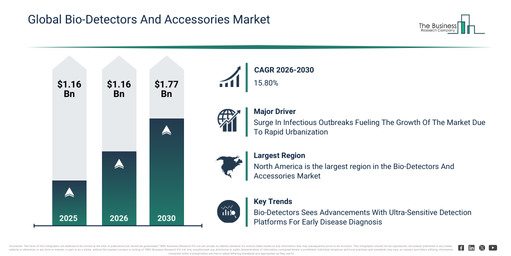
  • Bio-Detectors And Accessories Market Expected to Record Steady Growth and Approach $49.63 Billion by 2030

    Bio-Detectors And Accessories Market Expected to Record Steady Growth and Approach $49.63 Billion by 2030

    The Business Research Company’s 2026 market reports include new capabilities such as market attractiveness scoring and analysis, total addressable market analysis, company scoring matrix, interactive excel data dashboard, improved supply chain analysis, upcoming startups in the market, and overview of key products, aimed at improving the depth, usability, and strategic value of the insights delivered.

    What Is The Forecasted Market Value Of The Bio-Detectors And Accessories Market Across 2026–2030?

    The bio-detectors and accessories market has experienced significant expansion in recent years. This market is anticipated to grow from $23.79 billion in 2025 to $27.61 billion in 2026, exhibiting a compound annual growth rate (CAGR) of 16.1%. The historical increase can be ascribed to a heightened need for pathogen and biomolecule detection, the proliferation of clinical diagnostics laboratories, escalating concerns for food and environmental safety, the embrace of conventional optical and immunoassay techniques, and government investments in defense bio-surveillance.

    The bio-detectors and accessories market is projected to experience significant expansion in the coming years, reaching $49.63 billion in 2030 at a compound annual growth rate (CAGR) of 15.8%. This growth during the projected period can be attributed to several factors, including advancements in biosensor technologies, increased demand for point-of-care testing, the widening scope of genomics and proteomics research, greater laboratory automation, and a heightened focus on early disease detection and monitoring. Key trends anticipated over the forecast period encompass a growing need for swift and precise biological detection, broader utilization of multi-modal detection technologies, increased uptake of portable and point-of-care bio-detectors, an increase in the use of consumables and reagents, and a stronger emphasis on the sensitivity and reliability of detection systems.

    Download the Free Sample Report to Explore Key Market Insights:

    https://www.thebusinessresearchcompany.com/sample.aspx?id=25707&type=smp

    What Drivers Are Shaping The Future Growth Of The Bio-Detectors And Accessories Market?

    The rising occurrence of infectious diseases is set to drive the expansion of the bio-detectors and accessories market in the future. These illnesses are caused by detrimental microorganisms, such as bacteria, viruses, fungi, or parasites, which invade the body, multiply, and lead to infection. The heightened prevalence of infectious diseases is largely attributed to rapid urbanization, a factor that contributes to increased population density and closer human interaction, thereby facilitating the spread of infections. Bio-detectors and accessories are instrumental in combating infectious diseases by enabling swift and precise detection of pathogens, which is vital for timely diagnosis, effective treatment, and the containment of outbreaks. For example, in June 2024, the UK Health Security Agency, a UK-based government agency, disclosed that between week 40 of 2022 and week 15 of 2023, 108 NHS trusts in England recorded 1,681 critical care admissions for confirmed influenza. This marked a considerable increase from the previous season, which saw 182 admissions across 114 trusts, a number that had reached 316 by week 39 of 2022. Thus, the growing incidence of infectious diseases is indeed propelling the growth of the bio-detectors and accessories market.

    What Segmentation Levels Are Considered In The Bio-Detectors And Accessories Market?

    The bio-detectors and accessories market covered in this report is segmented –

    1) By Product: Instruments, Reagents And Media, Accessories And Consumables

    2) By Detection: Optical, Electrochemical, Mass Spectrometry, Immunoassay

    3) By Sensitivity: High, Medium, Low

    4) By Application: Clinical, Defense, Food And Environmental

    5) By End-Use: Point Of Care Testing, Research Laboratories, Diagnostics, Other End Users

    Subsegments:

    1) By Instruments: Spectrometers, PCR Instruments, Biosensors, Immunoassay Analyzers, Mass Detectors

    2) By Reagents And Media: Assay Kits, Detection Reagents, Sample Preparation Reagents, Buffers And Solutions

    3) By Accessories And Consumables: Microplates, Cartridges, Tubes And Vials, Filters, Calibration Standards

    What Trends Are Projected To Affect The Bio-Detectors And Accessories Market?

    Major companies within the bio-detectors and accessories market are focusing on developing advanced technology, such as ultra-sensitive detection platforms, to enhance early disease diagnosis, improve detection accuracy, and enable real-time monitoring in critical healthcare and biodefense applications. Ultra-sensitive detection platforms refer to sophisticated systems and technologies capable of detecting extremely low concentrations of biological molecules, including proteins, deoxyribonucleic acid (DNA), or biomarkers, in samples like blood, saliva, or tissue. For instance, in April 2024, Bio-Rad Laboratories, a US-based life science and clinical diagnostics company, launched the first ultrasensitive multiplexed digital PCR assay, the ddPLEX ESR1 Mutation Detection Kit. The ddPLEX ESR1 Mutation Detection Kit allows for the simultaneous detection, discrimination, and absolute quantification of seven clinically relevant ESR1 mutations within a single well, achieving an analytical sensitivity as low as 0.01% variant allele fraction (VAF). Designed for use with Bio-Rad’s QX600 Droplet Digital PCR System, the kit enables same-day results from circulating tumor DNA (ctDNA) in plasma or DNA extracted from formalin-fixed paraffin-embedded (FFPE) tissue samples. It includes controls for reliable performance and leverages advanced multiplexing with a simple workflow and robust data analysis capabilities.

    Which Leading Firms Are Contributing To The Growth Of The Bio-Detectors And Accessories Market?

    Major companies operating in the bio-detectors and accessories market are Roche Diagnostics GmbH, Thermo Fisher Scientific Inc, Danaher Corporation, Siemens Healthineers AG, GE HealthCare Technologies Inc, Agilent Technologies Inc, Shimadzu Corporation, Bio Rad Laboratories Inc, Bruker Corporation, Smiths Detection Inc, Air Techniques International Inc, Quanterix Corporation, AWSensors SL, Proengin SAS, MBio Diagnostics Inc, Bertin Technologies SAS, Cepheid, Luminex Corporation, BioFire Diagnostics, Hologic Diagnostics, Abbott Diagnostics, Qiagen NV

    Read the full bio-detectors and accessories market report here:

    https://www.thebusinessresearchcompany.com/report/bio-detectors-and-accessories-global-market-report

    Which Geographic Regions Are Influencing Demand In The Bio-Detectors And Accessories Market?

    North America was the largest region in the bio-detectors and accessories market in 2025. Asia-Pacific is expected to be the fastest-growing region in the forecast period. The regions covered in the bio-detectors and accessories market report are Asia-Pacific, South East Asia, Western Europe, Eastern Europe, North America, South America, Middle East, Africa.

    Request A Tailored Bio-Detectors And Accessories Market Research Report For Competitive Advantage:

    https://www.thebusinessresearchcompany.com/customise?id=25707&type=smp

    Browse Through More Reports Similar to the Global Bio-Detectors And Accessories Market 2026, By The Business Research Company

    Bionics Market Report 2026

    https://www.thebusinessresearchcompany.com/report/bionics-global-market-report

    Human Microchipping Market Report 2026

    https://www.thebusinessresearchcompany.com/report/human-microchipping-global-market-report

    Bionic Devices Market Report 2026

    https://www.thebusinessresearchcompany.com/report/bionic-devices-global-market-report

    Get in touch with us:

    The Business Research Company: https://www.thebusinessresearchcompany.com/

    Americas +1 310-496-7795

    Asia +44 7882 955267 & +91 8897263534

    Europe +44 7882 955267

    Email us at info@tbrc.info

    Follow us on:

    LinkedIn: https://in.linkedin.com/company/the-business-research-company

    YouTube: https://www.youtube.com/channel/UC24_fI0rV8cR5DxlCpgmyFQ

    Global Market Model: https://www.thebusinessresearchcompany.com/global-market-model
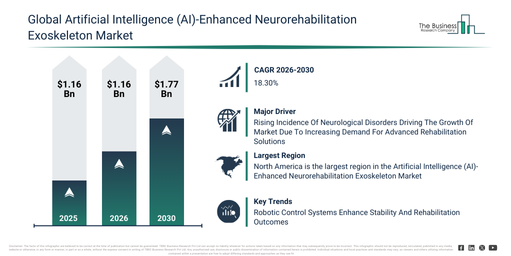
  • Global Artificial Intelligence (AI)-Enhanced Neurorehabilitation Exoskeleton Market Expected to Reach $2.86 Billion by 2030 at 18.3% CAGR

    Global Artificial Intelligence (AI)-Enhanced Neurorehabilitation Exoskeleton Market Expected to Reach $2.86 Billion by 2030 at 18.3% CAGR

    The Business Research Company’s 2026 market reports include new capabilities such as market attractiveness scoring and analysis, total addressable market analysis, company scoring matrix, interactive excel data dashboard, improved supply chain analysis, upcoming startups in the market, and overview of key products, aimed at improving the depth, usability, and strategic value of the insights delivered.

    What Market Valuation Is Forecasted For The Artificial Intelligence (AI)-Enhanced Neurorehabilitation Exoskeleton Market By 2030 Starting From Its 2026 Size?

    The artificial intelligence (ai)-enhanced neurorehabilitation exoskeleton market has seen significant expansion in recent years. It will grow from $1.24 billion in 2025 to $1.47 billion in 2026 at a compound annual growth rate (CAGR) of 18.6%. Its historical growth can be attributed to the rising prevalence of neurological disorders, the early adoption of robotic rehabilitation devices, advancements in sensor technologies, the demand for intensive rehabilitation therapies, and the expansion of rehabilitation centers.

    The market size for artificial intelligence (ai)-enhanced neurorehabilitation exoskeletons is anticipated to experience rapid expansion over the coming years. It is projected to increase to **$2.87 billion in 2030 at a compound annual growth rate (CAGR) of 18.3%**. This growth during the forecast period can be attributed to factors such as AI-enabled adaptive rehabilitation, the expansion of home-based neurorehabilitation, a rising geriatric population, reimbursement support for robotic therapy, and the integration of cloud-based analytics. Furthermore, major trends for this period encompass personalized AI-driven rehabilitation programs, adaptive motion assistance systems, data-driven therapy outcome tracking, home-based robotic rehabilitation, and their integration with clinical rehabilitation protocols.

    Download the Free Sample Report to Explore Key Market Insights:

    https://www.thebusinessresearchcompany.com/sample.aspx?id=28918&type=smp

    What Drivers Are Shaping The Future Growth Of The Artificial Intelligence (AI)-Enhanced Neurorehabilitation Exoskeleton Market?

    The increasing prevalence of neurological disorders is projected to boost the growth of the artificial intelligence (AI)-enhanced neurorehabilitation exoskeleton market in the coming years. Neurological disorders are medical conditions that affect the brain, spinal cord, and nerves, leading to impairments in movement, cognition, sensation, or other bodily functions. This global rise in such disorders is largely attributable to an aging population, as older adults are more prone to conditions like stroke, dementia, and Parkinson’s disease, all of which tend to become more common with age. Artificial intelligence (AI)-enhanced neurorehabilitation exoskeletons support individuals with neurological disorders by offering personalized, adaptive therapy that improves motor function, speeds up recovery, and compensates for impaired movement through continuous monitoring and intelligent adjustments specific to each patient’s needs. For instance, in March 2023, data from the Alzheimer’s Association, a US-based nonprofit voluntary health organization, indicated that approximately 6.7 million Americans aged 65 and older are living with Alzheimer’s dementia, a figure expected to increase to 13.8 million by 2060. Therefore, the escalating incidence of neurological disorders is a key driver for the expansion of the artificial intelligence (AI)-enhanced neurorehabilitation exoskeleton market.

    Which Segment Categories Define The Artificial Intelligence (AI)-Enhanced Neurorehabilitation Exoskeleton Market?

    The artificial intelligence (ai)-enhanced neurorehabilitation exoskeleton market covered in this report is segmented –

    1) By Component: Hardware, Software, Services

    2) By Mobility Type: Mobile, Stationary

    3) By Application: Stroke Rehabilitation, Spinal Cord Injury, Traumatic Brain Injury, Multiple Sclerosis

    4) By End-User: Hospitals And Clinics, Rehabilitation Centers, Home Care Settings

    Subsegments:

    1) By Hardware: Exoskeleton Frames, Actuators And Motors, Sensors And Wearable Devices, Control Units And Embedded Electronics

    2) By Software: Motion Planning Software, Rehabilitation Protocol Software, Data Analytics And Monitoring Software, Connectivity And Integration Software

    3) By Services: Implementation And Setup Services, Training And Education Services, Maintenance And Support Services, Remote Monitoring And Assistance Services

    What Major Market Trends Are Driving Changes In The Artificial Intelligence (AI)-Enhanced Neurorehabilitation Exoskeleton Market?

    Leading companies within the artificial intelligence (AI)-enhanced neurorehabilitation exoskeleton market are concentrating on incorporating innovative solutions, such as robotic control systems, to enhance mobility, stability, and personalized rehabilitation outcomes. Robotic control systems represent technologies that manage and coordinate the movements of a robot or exoskeleton, thereby assisting users in walking, standing, and performing daily activities safely and efficiently by guaranteeing precise, stable, and adaptive motion. For instance, in May 2025, Wandercraft SAS, a France-based robotics company, initiated clinical trials in the U.S. for its AI-powered Personal Exoskeleton. The device merges advanced physical AI with robotic control systems to support individuals with spinal cord injuries, stroke, and other mobility impairments in standing, walking, and safely navigating various surfaces. Constantly adapting to the user’s movements in real time, it significantly improves mobility, stability, and rehabilitation outcomes. Outfitted with a joystick-based control system and intelligent algorithms that forecast shifts in weight, surface, and speed, the exoskeleton encourages greater independence while mitigating secondary health risks associated with prolonged wheelchair use.

    Who Are The Top Companies Competing In The Artificial Intelligence (AI)-Enhanced Neurorehabilitation Exoskeleton Market?

    Major companies operating in the artificial intelligence (ai)-enhanced neurorehabilitation exoskeleton market are Ottobock SE & Co. KGaA, Shanghai Fourier Intelligence Co. Ltd., Kinova Inc., Cyberdyne Inc., Hocoma AG, Myomo Inc., Neofect Co. Ltd., Ekso Bionics Holdings Inc., ReWalk Robotics Ltd., AlterG Inc., RENU ROBOTICS CORPORATION, ExoAtlet Global S.A., REEV Robotics, Bionik Laboratories Corp., Rex Bionics PLC, Wearable Robotics Srl, Gogoa Mobility Robots S.L., Technaid S.L., Bionic Yantra Pvt. Ltd., MediTouch Inc.

    Read the full artificial intelligence (ai)-enhanced neurorehabilitation exoskeleton market report here:

    https://www.thebusinessresearchcompany.com/report/artificial-intelligence-ai-enhanced-neurorehabilitation-exoskeleton-global-market-report

    Which Geographic Regions Are Influencing Demand In The Artificial Intelligence (AI)-Enhanced Neurorehabilitation Exoskeleton Market?

    North America was the largest region in the artificial intelligence (AI)-enhanced neurorehabilitation exoskeleton market in 2025. The regions covered in the artificial intelligence (AI)-enhanced neurorehabilitation exoskeleton market report are Asia-Pacific, South East Asia, Western Europe, Eastern Europe, North America, South America, Middle East, Africa.

    Request A Tailored Artificial Intelligence (AI)-Enhanced Neurorehabilitation Exoskeleton Market Research Report For Competitive Advantage:

    https://www.thebusinessresearchcompany.com/customise?id=28918&type=smp

    Browse Through More Reports Similar to the Global Artificial Intelligence (AI)-Enhanced Neurorehabilitation Exoskeleton Market 2026, By The Business Research Company

    Wearable Robotic Exoskeleton Market Report 2026

    https://www.thebusinessresearchcompany.com/report/wearable-robotic-exoskeleton-global-market-report

    Military Exoskeleton Market Report 2026

    https://www.thebusinessresearchcompany.com/report/military-exoskeleton-global-market-report

    Rehabilitation Robotics Market Report 2026

    https://www.thebusinessresearchcompany.com/report/rehabilitation-robotics-global-market-report

    Get in touch with us:

    The Business Research Company: https://www.thebusinessresearchcompany.com/

    Americas +1 310-496-7795

    Asia +44 7882 955267 & +91 8897263534

    Europe +44 7882 955267

    Email us at info@tbrc.info

    Follow us on:

    LinkedIn: https://in.linkedin.com/company/the-business-research-company

    YouTube: https://www.youtube.com/channel/UC24_fI0rV8cR5DxlCpgmyFQ

    Global Market Model: https://www.thebusinessresearchcompany.com/global-market-model
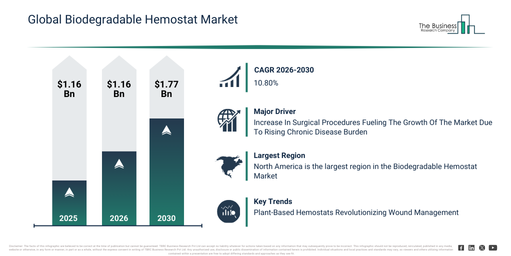
  • Biodegradable Hemostat Industry Expansion Forecast Showing Market Size of $1.63 Billion by 2030 at 10.8% CAGR

    Biodegradable Hemostat Industry Expansion Forecast Showing Market Size of $1.63 Billion by 2030 at 10.8% CAGR

    The Business Research Company’s 2026 market reports include new capabilities such as market attractiveness scoring and analysis, total addressable market analysis, company scoring matrix, interactive excel data dashboard, improved supply chain analysis, upcoming startups in the market, and overview of key products, aimed at improving the depth, usability, and strategic value of the insights delivered.

    What Market Size Increase Is Anticipated For The Biodegradable Hemostat Market Over The 2026–2030 Period?

    The biodegradable hemostat market has shown swift expansion in recent years. Its valuation is set to climb from $0.97 billion in 2025 to $1.08 billion in 2026, at a compound annual growth rate (CAGR) of 11.3%. This historical growth can be linked to factors like the reliance on traditional non-absorbable hemostats, an increase in surgical procedure volumes, enhancements in hospital infrastructure, growing understanding of blood loss management, and the integration of basic wound care technologies.

    The biodegradable hemostat market is projected to experience swift expansion over the coming years. This market is anticipated to reach $1.63 billion by 2030, exhibiting a compound annual growth rate (CAGR) of 10.8%. This projected increase is primarily driven by progress in polymer and biomaterial sciences, an increase in minimally invasive surgical procedures, a rise in trauma and emergency incidents, more regulatory approvals for biodegradable products, and the expansion of ambulatory surgical facilities. Key trends during this period are expected to encompass the growing acceptance of absorbable hemostatic solutions, a heightened preference for materials that are biocompatible and bioabsorbable, their increased application in minimally invasive and laparoscopic surgeries, the broader deployment of advanced hemostatic agents in trauma and emergency medical settings, and an escalated demand for hemostats that are ready-to-use and simple to apply.

    Download the Free Sample Report to Explore Key Market Insights:

    https://www.thebusinessresearchcompany.com/sample.aspx?id=25706&type=smp

    Which Economic Or Industry Drivers Are Impacting The Biodegradable Hemostat Market?

    The increasing frequency of surgical operations is projected to stimulate the growth of the biodegradable hemostat market in the coming period. Surgical procedures refer to medical interventions performed by healthcare professionals employing specialized instruments to treat, mend, or extract portions of the body for health-related reasons. The escalation in surgical procedures is largely attributed to the rising incidence of chronic conditions, which often necessitate operative solutions to manage health issues and enhance patient recovery. Biodegradable hemostats provide an advantage during surgeries since they disintegrate inside the body after use, negating the requirement for removal and lowering the chances of complications following surgery. For instance, in January 2025, data from Intuitive Surgical Inc., a US-based medical device company, revealed that OUS general surgery procedures expanded by roughly 35% in 2024, building on a growth of about 42% in 2023. Colorectal procedures constituted the most significant portion of this additional volume in both years. Consequently, the rising number of surgical procedures is propelling the development of the biodegradable hemostat market.

    How Is The Biodegradable Hemostat Market Segmented Across Key Categories?

    The biodegradable hemostat market covered in this report is segmented –

    1) By Product Type: Natural Polymer-Based Hemostats, Synthetic Polymer-Based Hemostats, Composite Hemostats, Cellulose-Based Hemostats, Gelatin-Based Hemostats

    2) By Formulation: Powdered Hemostats, Granular Hemostats, Liquid Hemostats, Foam Hemostats, Film Or Sheet Hemostats

    3) By Application: Surgical Procedures, Trauma Procedures, Dental Procedures, Laparoscopic Procedures, Other Applications

    4) By Distribution Channel: Direct Sales, Distributors, E-Commerce Platforms, Pharmaceutical Retailers, Healthcare Supply Companies

    5) By End-User: Hospitals, Ambulatory Surgical Centers, Clinics, Research Laboratories, Other End Users

    Subsegments:

    1) By Natural Polymer-Based Hemostats: Collagen-Based, Chitosan-Based, Alginate-Based, Fibrin-Based, Dextran-Based

    2) By Synthetic Polymer-Based Hemostats: Polyethylene Glycol (PEG)-Based, Polyurethane-Based, Polylactic Acid (PLA)-Based, Polyglycolic Acid (PGA)-Based, Polycaprolactone (PCL)-Based

    3) By Composite Hemostats: Natural-Synthetic Polymer Blends, Polymer-Cellulose Composites, Polymer-Gelatin Composites, Multi-Layer Composites, Nano-Composite Hemostats

    4) By Cellulose-Based Hemostats: Oxidized Regenerated Cellulose (ORC), Microcrystalline Cellulose (MCC), Carboxymethyl Cellulose (CMC), Nanocellulose-Based, Hydroxypropyl Cellulose (HPC)

    5) By Gelatin-Based Hemostats: Porcine Gelatin-Based, Bovine Gelatin-Based, Fish Gelatin-Based, Cross-Linked Gelatin, Modified Gelatin Formulations

    Which Upcoming Trends Are Expected To Influence The Biodegradable Hemostat Market?

    Companies operating in the biodegradable hemostat market are focusing on developing advanced solutions, such as plant-based cellulose matrices, to swiftly control bleeding and minimize blood loss. A plant-based cellulose matrix is a naturally derived material made from plant fibers, functioning as a biodegradable support structure commonly utilized in medical environments due to its safe bodily absorption. For instance, in April 2024, LifeScience PLUS, a US-based medical device company, introduced DonorSeal, a unique hemostatic dressing made entirely from plant-sourced cellulose. DonorSeal creates a gel that adheres on blood contact, effectively managing bleeding while being fully biodegradable, absorbable, non-toxic, and pH neutral, making it safe for patients even when on blood thinners. It assists in maintaining a moist and soothing environment that encourages natural tissue repair. The dressing can be easily removed without causing the wound to reopen or stick, providing enhanced comfort and quicker recovery for donor site wounds.

    Who Are The Dominant Players Shaping The Biodegradable Hemostat Market Landscape?

    Major companies operating in the biodegradable hemostat market are Johnson And Johnson Services Inc, Medtronic Plc, Stryker Corporation, Baxter International Inc, Meril Life Sciences Pvt Ltd, Samyang Holdings Corp, Molnlycke Health Care AB, GELITA Medical GmbH, B Braun Melsungen AG, Tricol Biomedical Inc, Hemostasis LLC, Cura Medical, RevMedx Inc, Speed Care Mineral GmbH, Regenity, C R Bard Inc, Integra LifeSciences Corporation, Advanced Medical Solutions Group plc, Anika Therapeutics Inc, Marine Polymer Technologies Inc, Axio Biosolutions Pvt Ltd, Biom Up Inc

    Read the full biodegradable hemostat market report here:

    https://www.thebusinessresearchcompany.com/report/biodegradable-hemostat-global-market-report

    What Are The Top-Performing Regions Within The Biodegradable Hemostat Market?

    North America was the largest region in the biodegradable hemostat market in 2025. The regions covered in the biodegradable hemostat market report are Asia-Pacific, South East Asia, Western Europe, Eastern Europe, North America, South America, Middle East, Africa.

    Request A Tailored Biodegradable Hemostat Market Research Report For Competitive Advantage:

    https://www.thebusinessresearchcompany.com/customise?id=25706&type=smp

    Browse Through More Reports Similar to the Global Biodegradable Hemostat Market 2026, By The Business Research Company

    Hematology Analyzers And Reagents Market Report 2026

    https://www.thebusinessresearchcompany.com/report/hematology-analyzers-and-reagents-global-market-report

    Blood Gas And Electrolyte Analyzers Market Report 2026

    https://www.thebusinessresearchcompany.com/report/blood-gas-and-electrolyte-analyzers-global-market-report

    Veterinary Hematology Analyzers Market Report 2026

    https://www.thebusinessresearchcompany.com/report/veterinary-hematology-analyzers-global-market-report

    Get in touch with us:

    The Business Research Company: https://www.thebusinessresearchcompany.com/

    Americas +1 310-496-7795

    Asia +44 7882 955267 & +91 8897263534

    Europe +44 7882 955267

    Email us at info@tbrc.info

    Follow us on:

    LinkedIn: https://in.linkedin.com/company/the-business-research-company

    YouTube: https://www.youtube.com/channel/UC24_fI0rV8cR5DxlCpgmyFQ

    Global Market Model: https://www.thebusinessresearchcompany.com/global-market-model