Month: March 2026

  • Regenerative Therapies For Osteoarthritis Market Growth Projection: Expected to Surpass $5.88 Billion by 2030 at 14.2% CAGR

    Regenerative Therapies For Osteoarthritis Market Growth Projection: Expected to Surpass $5.88 Billion by 2030 at 14.2% CAGR

    Uncover key drivers, emerging technologies, and competitive movements shaping the regenerative therapies for osteoarthritis market from 2026–2035 with trusted insights from The Business Research Company

    How much larger will the Regenerative Therapies For Osteoarthritis Market be in 2030 compared with 2026?

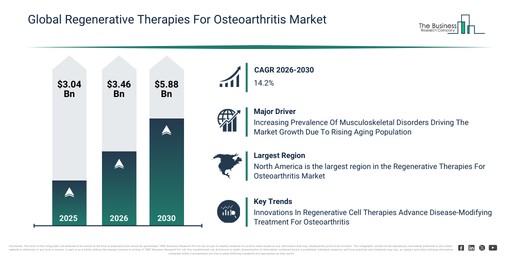
    The regenerative therapies for osteoarthritis market size has experienced significant expansion recently. This market is projected to expand from $3.04 billion in 2025 to reach $3.46 billion by 2026, demonstrating a compound annual growth rate (CAGR) of 13.9%. Historically, this growth has been driven by factors such as the increasing prevalence of osteoarthritis, the expansion of the aging population, the limitations inherent in pain relief medications, a rise in sports-related injuries, and the growing preference for non-surgical treatment options.

    The market size for regenerative therapies treating osteoarthritis is set for considerable expansion in the coming years. It is forecast to achieve a valuation of $5.88 billion by 2030, advancing at a compound annual growth rate (CAGR) of 14.2%. This projected growth can be linked to several factors: an uptick in the adoption of biologic therapy, the expansion of regenerative clinics, increasing clinical evidence support, a heightened demand for cartilage restoration, and greater investment in cell therapy research. Among the significant trends anticipated in the forecast period are stem cell based joint repair therapies, platelet rich plasma treatment protocols, scaffold based cartilage regeneration, minimally invasive regenerative injections, and personalized biologic therapy plans.

    Access Your Free Sample Report for In-Depth Market Insights:

    https://www.thebusinessresearchcompany.com/sample.aspx?id=33292&type=smp

    What Drivers Are Guiding Growth Patterns In The Regenerative Therapies For Osteoarthritis Market?

    The rising occurrence of musculoskeletal disorders is projected to fuel the expansion of the regenerative therapies for the osteoarthritis market. These conditions affect bones, joints, muscles, and connective tissues, leading to pain and limitations in mobility and dexterity. A key factor driving the increasing prevalence of musculoskeletal disorders is population aging, as older demographics experience higher rates of joint degeneration and inflammatory conditions impacting musculoskeletal structures. This escalating incidence of musculoskeletal disorders consequently boosts the demand for regenerative therapies, which offer advanced options for joint restoration and tissue repair in osteoarthritis patients. For instance, in January 2024, the Office for Health Improvement & Disparities, a UK-based government agency, reported that in 2023, 18.4% of individuals aged 16 and above had a long-term musculoskeletal (MSK) condition, marking an increase from 17.6% in 2022. Consequently, the growing prevalence of musculoskeletal disorders acts as a significant driver for the regenerative therapies for the osteoarthritis market’s growth.

    Which Segments Are Driving Activity In The Regenerative Therapies For Osteoarthritis Market?

    The regenerative therapies for osteoarthritis market covered in this report is segmented –

    1) By Therapy Type: Stem Cell Therapy; Platelet Rich Plasma Therapy; Tissue Engineering; Gene Therapy; Other Therapy Types

    2) By Distribution Channel: Direct Manufacturer Supply; Hospital And Clinic Procurement Channels; Specialty Medical Distributors

    3) By Application: Knee Osteoarthritis; Hip Osteoarthritis; Hand Osteoarthritis; Other Applications

    4) By End User: Hospitals; Ambulatory Surgical Centers; Specialty Clinics; Other End Users

    Subsegments:

    1) By Stem Cell Therapy: Autologous Stem Cell Therapy; Allogeneic Stem Cell Therapy; Mesenchymal Stem Cell Therapy; Adipose Derived Stem Cell Therapy; Bone Marrow Derived Stem Cell Therapy

    2) By Platelet Rich Plasma Therapy: Leukocyte Rich Platelet Rich Plasma Therapy; Leukocyte Poor Platelet Rich Plasma Therapy; Activated Platelet Rich Plasma Therapy; Non Activated Platelet Rich Plasma Therapy; Pure Platelet Rich Plasma Therapy

    3) By Tissue Engineering: Scaffold Based Tissue Engineering; Hydrogel Based Tissue Engineering; Biodegradable Matrix Tissue Engineering; Cell Seeded Tissue Engineering; Three Dimensional Tissue Engineering

    4) By Gene Therapy: Viral Vector Gene Therapy; Non Viral Vector Gene Therapy; In Vivo Gene Therapy; Ex Vivo Gene Therapy; Targeted Gene Therapy

    5) By Other Therapy Types: Hyaluronic Acid Therapy; Growth Factor Therapy; Chondrocyte Implantation Therapy; Peptide Based Therapy; Immunomodulatory Therapy

    What Trends Are Expected To Impact The Competitive Landscape Of The Regenerative Therapies For Osteoarthritis Market?

    Leading firms in the regenerative therapies for the osteoarthritis market are concentrating on creating sophisticated solutions, like allogeneic mesenchymal stem cell (MSC) osteoarthritis therapies, to address the increasing need for treatments that modify the disease. These allogeneic mesenchymal stem cell (MSC) osteoarthritis therapies utilize stem cells from donors to regulate inflammation and promote cartilage regrowth in affected joints, offering a readily available, scalable alternative to patient-derived cells, which facilitates consistent dosing and broader acceptance. As an example, in December 2025, Cipla Limited, an India-based pharmaceutical company, collaborated with Stempeutics Research, an India-based research and product development company, to introduce Ciplostem, a novel allogeneic MSC therapy for knee osteoarthritis. This therapy is administered as a single-dose intra-articular injection, containing 25 million cultured adult human bone marrow-derived MSCs co-formulated with hyaluronic acid. Its design aims to operate at the cellular level to diminish inflammation, impede disease progression, improve joint function, and assist in maintaining cartilage quality in Grade II and III knee OA patients. Key characteristics of this therapy encompass its off-the-shelf availability (eliminating the need for personalized preparation), its cellular-level mechanism of action contrasting with mere symptomatic relief, and its potential to offer sustained improvement in joint health when compared to conventional treatments.

    Which Major Industry Participants Are Leading The Regenerative Therapies For Osteoarthritis Market Growth?

    Major companies operating in the regenerative therapies for osteoarthritis market are Stryker Corporation, Smith & Nephew plc, MiMedx Group Inc, Anika Therapeutics Inc, Regentis Biomaterials Ltd, Zomedica Corp, Biosplice Therapeutics Inc, Tissue Regenix Group plc, Co.don AG, MEDIPOST Co Ltd, Ampio Pharmaceuticals Inc, Kolon TissueGene Inc, Mesoblast Limited, Orgenesis Inc, Hyalex Orthopaedics Limited, Orthocell Limited, Jellagen Limited, Hyalogic LLC, Bionaut Labs Inc, and Regeneus Limited.

    Access The Complete Report For Deeper Market Insights:

    https://www.thebusinessresearchcompany.com/report/regenerative-therapies-for-osteoarthritis-market-report

    Which Region Is Expected To Experience The Fastest Growth In The Regenerative Therapies For Osteoarthritis Market?

    North America was the largest region in the regenerative therapies for osteoarthritis market in 2025. Asia-Pacific is expected to be the fastest-growing region in the forecast period. The regions covered in the regenerative therapies for osteoarthritis market report are Asia-Pacific, South East Asia, Western Europe, Eastern Europe, North America, South America, Middle East, Africa.

    Request Your Customized Regenerative Therapies For Osteoarthritis Market Research Report for Competitive Advantage:

    https://www.thebusinessresearchcompany.com/customise?id=33292&type=smp

    Browse Through More Reports Similar to the Global Regenerative Therapies For Osteoarthritis Market 2026, By The Business Research Company

    Regenerative Medicine For Cartilage Market Report 2026

    https://www.thebusinessresearchcompany.com/report/regenerative-medicine-for-cartilage-global-market-report

    Orthopedic Regenerative Surgical Products Market Report 2026

    https://www.thebusinessresearchcompany.com/report/orthopedic-regenerative-surgical-products-global-market-report

    Osteoarthritis Market Report 2026

    https://www.thebusinessresearchcompany.com/report/osteoarthritis-global-market-report

    Get in touch with us:

    The Business Research Company: https://www.thebusinessresearchcompany.com/

    Americas +1 310-496-7795

    Asia +44 7882 955267 & +91 8897263534

    Europe +44 7882 955267

    Email us at info@tbrc.info

    Follow us on:

    LinkedIn: https://in.linkedin.com/company/the-business-research-company

    YouTube: https://www.youtube.com/channel/UC24_fI0rV8cR5DxlCpgmyFQ

    Global Market Model: https://www.thebusinessresearchcompany.com/global-market-model
  • Regenerative Artificial Skin Market Forecast 2026–2035: How to Leverage Market Growth

    Regenerative Artificial Skin Market Forecast 2026–2035: How to Leverage Market Growth

    Uncover key drivers, emerging technologies, and competitive movements shaping the regenerative artificial skin market from 2026–2035 with trusted insights from The Business Research Company

    Starting from its 2026 valuation, what market size is the Regenerative Artificial Skin Market expected to reach by 2030?

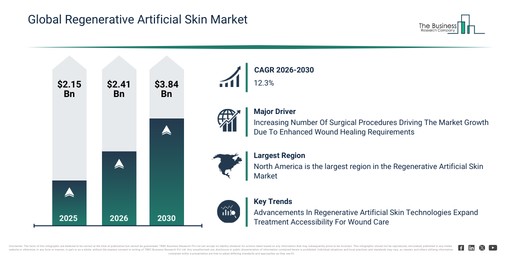
    The regenerative artificial skin market size has shown substantial growth in recent years. It is anticipated to increase from $2.15 billion in 2025 to $2.41 billion in 2026, achieving a compound annual growth rate (CAGR) of 12.1%. The expansion observed historically is linked to a rise in burn injury cases, the growing occurrence of chronic wound prevalence, an increase in diabetic ulcer patients, the broader scope of reconstructive surgeries, and advancements in tissue engineering research.

    The regenerative artificial skin market is poised for swift expansion in the coming years. This market is projected to reach $3.84 billion by 2030, demonstrating a compound annual growth rate (CAGR) of 12.3%. This anticipated growth during the forecast period is driven by factors such as the increasing adoption of regenerative medicine, a growing need for functional skin restoration, intensified clinical trial activity, the proliferation of cell-based therapies, and elevated healthcare spending on advanced wound care. Significant developments anticipated during this period include advanced bioengineered skin substitutes, cell-based dermal regeneration products, composite multilayer skin scaffolds, personalized graft design approaches, and wound platforms focused on rapid healing.

    Access Your Free Sample Report for In-Depth Market Insights:

    https://www.thebusinessresearchcompany.com/sample.aspx?id=33290&type=smp

    What Drivers Are Driving Adoption Within The Regenerative Artificial Skin Market?

    The future expansion of the regenerative artificial skin market is anticipated to be driven by the escalating volume of surgical procedures. These medical interventions involve cutting or manipulating body tissues to address injuries, illnesses, or deformities. The increase in surgical procedures is primarily influenced by the aging population, as older individuals often require more operations due to health conditions and chronic diseases associated with age. This heightened frequency of surgical procedures consequently boosts the demand for regenerative artificial skin, which is crucial for effective wound healing and tissue regeneration, thereby speeding up recovery and minimizing complications for patients after surgery. As an illustration, in June 2024, data from the American Society of Plastic Surgeons, a US-based professional medical organization, indicated that in 2023, liposuction was still the most popular plastic surgery procedure, with close to 350,000 procedures conducted, representing a 7% increase over 2022. Thus, the growing number of surgical procedures is a key factor propelling the regenerative artificial skin market forward.

    How Is The Regenerative Artificial Skin Market Organized Into Various Segments?

    The regenerative artificial skin market covered in this report is segmented –

    1) By Product Type: Synthetic Skin; Biosynthetic Skin; Composite Skin

    2) By Material: Engineered Skin Material; Bi Layered Material; Permanent Skin Material; Single Layer Material; Temporary Skin Material; Temporary Skin Material

    3) By Application: Burn Treatment; Chronic Wound Care; Surgical Reconstruction; Other Applications

    4) By End User: Hospitals; Clinics; Ambulatory Surgical Centers; Other End Users

    Subsegments:

    1) By Synthetic Skin: Polymer Based Synthetic Skin; Silicone Based Synthetic Skin; Elastomer Based Synthetic Skin; Hydrogel Based Synthetic Skin; Nanofiber Based Synthetic Skin

    2) By Biosynthetic Skin: Collagen Based Biosynthetic Skin; Gelatin Based Biosynthetic Skin; Fibrin Based Biosynthetic Skin; Chitosan Based Biosynthetic Skin; Hyaluronic Acid Based Biosynthetic Skin

    3) By Composite Skin: Collagen Polymer Composite Skin; Hydrogel Polymer Composite Skin; Elastomer Fiber Composite Skin; Biopolymer Synthetic Composite Skin; Multilayer Composite Skin

    Which Trends Are Guiding The Evolution Of The Regenerative Artificial Skin Market?

    Major companies in the regenerative artificial skin market are dedicating efforts to developing advanced solutions, including fit-for-purpose autologous cell therapy cartridges, to enhance wound coverage, improve access, and optimize resource utilization for smaller wounds. These fit-for-purpose autologous cell therapy cartridges are modified disposable units crafted to efficiently deliver spray-on skin cells for wounds of varying sizes, thereby assisting clinicians in treating smaller full-thickness wounds with minimal waste. For example, in December 2024, AVITA Medical Inc., a US-based regenerative medicine company, launched RECELL GO mini, an expansion of its RECELL GO system, which holds FDA approval for treating wounds up to 480 square centimeters. This new offering significantly improves the capacity to deliver customized solutions, enabling clinicians to address the diverse needs of patients with full-thickness wounds. The RECELL GO mini utilizes the same multi-use processing device as the standard cartridge but incorporates a smaller disposable cartridge, which facilitates broader patient access while maintaining high-quality regenerative skin therapy outcomes.

    Who Are The Prominent Global Companies Shaping The Regenerative Artificial Skin Market Landscape?

    Major companies operating in the regenerative artificial skin market are Johnson & Johnson, Medtronic plc, 3M Company, Stryker Corporation, Baxter International Inc., Smith & Nephew plc, Zimmer Biomet Holdings Inc., Mölnlycke Health Care AB, Mallinckrodt plc, Integra LifeSciences Corporation, Gunze Limited, Organogenesis Holdings Inc., MiMedx Group Inc., Vericel Corporation, LifeNet Health Inc., AlloSource Inc., AVITA Medical Inc., Aroa Biosurgery Limited, Cook Biotech Incorporated, Tissue Regenix Group plc, CUTISS AG, and Tides Medical LLC.

    Access The Complete Report For Deeper Market Insights:

    https://www.thebusinessresearchcompany.com/report/regenerative-artificial-skin-market-report

    Which Geographic Areas Are Emerging As Strong Markets For The Regenerative Artificial Skin Market?

    North America was the largest region in the regenerative artificial skin market in 2025. Asia-Pacific is expected to be the fastest-growing region in the forecast period. The regions covered in the regenerative artificial skin market report are Asia-Pacific, South East Asia, Western Europe, Eastern Europe, North America, South America, Middle East, Africa.

    Request Your Customized Regenerative Artificial Skin Market Research Report for Competitive Advantage:

    https://www.thebusinessresearchcompany.com/customise?id=33290&type=smp

    Browse Through More Reports Similar to the Global Regenerative Artificial Skin Market 2026, By The Business Research Company

    Skin Grafting System Market Report 2026

    https://www.thebusinessresearchcompany.com/report/skin-grafting-system-global-market-report

    Skin Care Products Market Report 2026

    https://www.thebusinessresearchcompany.com/report/skin-care-products-global-market-report

    Natural Skin Care Products Market Report 2026

    https://www.thebusinessresearchcompany.com/report/natural-skin-care-products-global-market-report

    Get in touch with us:

    The Business Research Company: https://www.thebusinessresearchcompany.com/

    Americas +1 310-496-7795

    Asia +44 7882 955267 & +91 8897263534

    Europe +44 7882 955267

    Email us at info@tbrc.info

    Follow us on:

    LinkedIn: https://in.linkedin.com/company/the-business-research-company

    YouTube: https://www.youtube.com/channel/UC24_fI0rV8cR5DxlCpgmyFQ

    Global Market Model: https://www.thebusinessresearchcompany.com/global-market-model
  • Global Refurbished Cardiovascular And Cardiology Equipment Market 2026–2030: Forecast Insights for Business Planning

    Global Refurbished Cardiovascular And Cardiology Equipment Market 2026–2030: Forecast Insights for Business Planning

    Uncover key drivers, emerging technologies, and competitive movements shaping the refurbished cardiovascular and cardiology equipment market from 2026–2035 with trusted insights from The Business Research Company

    Across 2026–2030, what is the expected market valuation path of the Refurbished Cardiovascular And Cardiology Equipment Market?

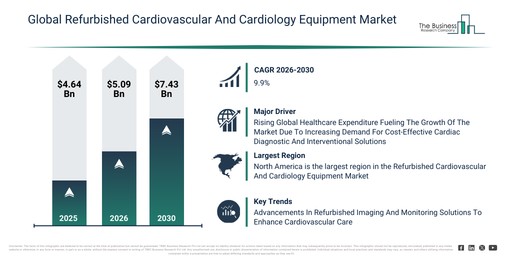
    The refurbished cardiovascular and cardiology equipment market size has seen substantial growth over recent years. It is anticipated to increase from $4.64 billion in 2025 to $5.09 billion in 2026, at a compound annual growth rate (CAGR) of 9.7%. The expansion observed in the historic period can be ascribed to the elevated cost of new cardiology equipment, financial limitations within hospitals, the existence of established secondary equipment markets, accelerating device replacement cycles, and widening healthcare infrastructure gaps.

    The market size for refurbished cardiovascular and cardiology equipment is projected to experience substantial expansion in the coming years. This market is set to reach $7.43 billion by 2030, demonstrating a compound annual growth rate (CAGR) of 9.9%. This anticipated growth throughout the forecast period stems from several factors, including an increased emphasis on cost-efficient care delivery, broader access to cardiac diagnostics, greater acceptance of certified refurbished devices, the proliferation of private cardiac clinics, and escalating demand within emerging markets. Key trends identified for the forecast period encompass a growing demand for certified refurbished systems, an increase in affordable cardiology equipment, the expansion of refurbished devices supported by warranties, greater adoption in mid-tier hospitals, and an uptick in the number of third-party refurbishment providers.

    Access Your Free Sample Report for In-Depth Market Insights:

    https://www.thebusinessresearchcompany.com/sample.aspx?id=33289&type=smp

    Which Drivers Are Supporting The Rise Of The Refurbished Cardiovascular And Cardiology Equipment Market?

    Future expansion of the refurbished cardiovascular and cardiology equipment market is anticipated to be driven by rising worldwide healthcare spending. This global healthcare expenditure encompasses the cumulative funds allocated by governments, insurance providers, and individuals towards health services, medical advancements, and public health infrastructure across various nations. The global increase in healthcare spending is primarily a consequence of aging demographics, which substantially escalate the incidence of cardiovascular conditions and consequently boost the need for diagnostic imaging, interventional treatments, and ongoing cardiac management. Refurbished cardiovascular and cardiology equipment assists in managing this increasing global healthcare expenditure by enabling healthcare providers to augment their capacity for cardiovascular services, simultaneously managing capital outlays due to their reduced acquisition prices compared to brand-new devices. As an illustration, Eurostat, a statistical office situated in Luxembourg, reported in October 2024 that healthcare spending in 2023 amounted to $2,030 billion (€1,720 billion), representing 10.0% of GDP, contrasting with $1960 billion (€1,660 billion) and 9.9% of GDP in 2022. Consequently, the expanding worldwide healthcare expenditure serves as a primary impetus for the expansion of the refurbished cardiovascular and cardiology equipment market.

    What Segments Are Identified Within The Structure Of The Refurbished Cardiovascular And Cardiology Equipment Market?

    The refurbished cardiovascular and cardiology equipment market covered in this report is segmented –

    1) By Product Type: Electrocardiographs; Defibrillators; Cardiac Ultrasound Systems; Stress Testing Systems; Holter Monitors; Other Product Types

    2) By Equipment Condition: Certified Refurbished Equipment; Remanufactured Equipment; Used Equipment With Warranty; Pre-Owned Equipment

    3) By Distribution Channel: Direct Sales; Online Sales Platforms; Third-Party Distributors; Medical Equipment Trade Shows

    4) By End-User: Hospitals And Clinics; Diagnostic Centers; Ambulatory Surgical Centers; Research Institutions; Home Care Settings

    Subsegments:

    1) By Electrocardiographs: Resting Electrocardiographs; Portable Electrocardiographs; Wireless Electrocardiographs; Multichannel Electrocardiographs

    2) By Defibrillators: Automated External Defibrillators; Manual External Defibrillators; Implantable Cardiac Defibrillators; Wearable Cardiac Defibrillators

    3) By Cardiac Ultrasound Systems: Transthoracic Cardiac Ultrasound Systems; Transesophageal Cardiac Ultrasound Systems; Doppler Cardiac Ultrasound Systems; Stress Cardiac Ultrasound Systems

    4) By Stress Testing Systems: Treadmill Based Stress Testing Systems; Bicycle Based Stress Testing Systems; Pharmacological Stress Testing Systems; Integrated Cardiac Stress Testing Systems

    5) By Holter Monitors: Single Channel Holter Monitors; Multi Channel Holter Monitors; Wireless Holter Monitors; Extended Duration Holter Monitors

    6) By Other Product Types: Cardiac Patient Monitoring Systems; Cardiac Event Recorders; Cardiac Output Monitoring Devices; Cardiac Telemetry Systems

    What Trends Are Projected To Support The Growth Of The Refurbished Cardiovascular And Cardiology Equipment Market?

    Companies actively engaged in the refurbished cardiovascular and cardiology equipment market are prioritizing the development of advanced refurbishing ultrasound systems. This strategic focus aims to elevate diagnostic accuracy, improve patient outcomes, decrease operational expenditures, and extend the operational life of medical equipment for healthcare providers. Refurbishing ultrasound systems entails the process of restoring pre-owned or used ultrasound machines to a fully operational and dependable state, enabling their safe reuse in medical environments. As an illustration, in April 2024, GE Healthcare, a US-based medical technology company, introduced a new refurbishing facility in Bangladesh specifically for its A1 SURE ultrasound systems. This facility revitalizes pre-owned ultrasound devices by replacing worn components, updating software, and ensuring complete functional performance, alongside offering a one-year warranty and flexible financing alternatives to hospitals and clinics. These refurbished systems maintain the high-resolution imaging and sophisticated diagnostic capabilities characteristic of new devices, while simultaneously lowering costs and expanding access to essential cardiovascular and cardiology imaging in developing regions.

    Which Key Players Are Driving Competition In The Refurbished Cardiovascular And Cardiology Equipment Market?

    Major companies operating in the refurbished cardiovascular and cardiology equipment market are Siemens Healthineers AG, Hitachi Ltd., Medtronic plc, Stryker Corporation, Koninklijke Philips N.V., GE HealthCare Technologies Inc., Sanrad Medical Systems, Neusoft Medical Systems Co. Ltd., Soma Technology Inc, Diamond Diagnostics, Amber Diagnostics, Radiology Oncology Systems Inc., Master Medical Equipment, Venture Medical ReQuip Inc, EverX Pty Ltd., Whittemore Enterprises Inc., Fair Medical Co. Ltd., Future Health Concepts Inc., Jaken Medical Inc., Mediproma B.V., and PrimedeQ India Private Limited.

    Access The Complete Report For Deeper Market Insights:

    https://www.thebusinessresearchcompany.com/report/refurbished-cardiovascular-and-cardiology-equipment-market-report

    Which Region Is Projected To Lead The Refurbished Cardiovascular And Cardiology Equipment Market During The Forecast Period?

    North America was the largest region in the refurbished cardiovascular and cardiology equipment market in 2025. Asia-Pacific is expected to be the fastest-growing region in the forecast period. The regions covered in the refurbished cardiovascular and cardiology equipment market report are Asia-Pacific, South East Asia, Western Europe, Eastern Europe, North America, South America, Middle East, Africa.

    Request Your Customized Refurbished Cardiovascular And Cardiology Equipment Market Research Report for Competitive Advantage:

    https://www.thebusinessresearchcompany.com/customise?id=33289&type=smp

    Browse Through More Reports Similar to the Global Refurbished Cardiovascular And Cardiology Equipment Market 2026, By The Business Research Company

    Refurbished Medical Equipment Market Report 2026

    https://www.thebusinessresearchcompany.com/report/refurbished-medical-equipment-global-market-report

    Interventional Cardiology Devices And Equipment Market Report 2026

    https://www.thebusinessresearchcompany.com/report/interventional-cardiology-devices-and-equipment-global-market-report

    Cardiovascular Surgery Devices And Equipment Market Report 2026

    https://www.thebusinessresearchcompany.com/report/cardiovascular-surgery-devices-and-equipment-global-market-report

    Get in touch with us:

    The Business Research Company: https://www.thebusinessresearchcompany.com/

    Americas +1 310-496-7795

    Asia +44 7882 955267 & +91 8897263534

    Europe +44 7882 955267

    Email us at info@tbrc.info

    Follow us on:

    LinkedIn: https://in.linkedin.com/company/the-business-research-company

    YouTube: https://www.youtube.com/channel/UC24_fI0rV8cR5DxlCpgmyFQ

    Global Market Model: https://www.thebusinessresearchcompany.com/global-market-model
  • Recurrent Pericarditis Market Outlook 2026–2035: Growth Drivers and Industry Forecast

    Recurrent Pericarditis Market Outlook 2026–2035: Growth Drivers and Industry Forecast

    Uncover key drivers, emerging technologies, and competitive movements shaping the recurrent pericarditis market from 2026–2035 with trusted insights from The Business Research Company

    What size range is anticipated for the Recurrent Pericarditis Market from 2026 to 2030?

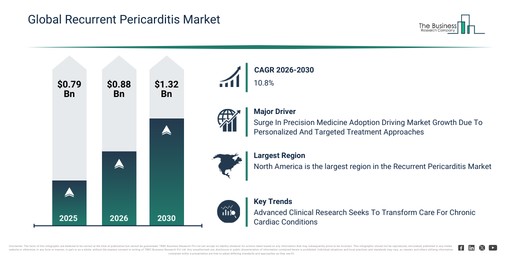
    The recurrent pericarditis market has experienced swift expansion recently. It is projected to increase from $0.79 billion in 2025 to $0.88 billion in 2026, exhibiting a compound annual growth rate (CAGR) of 10.6%. The historical growth in this market can be attributed to the traditional reliance on NSAIDs and colchicine, an increasing diagnosis of inflammatory heart conditions, well-established cardiology care pathways, enhanced availability of echocardiography, and the use of guideline-driven anti-inflammatory therapy.

    The recurrent pericarditis market is anticipated to experience significant growth over the next few years. It is projected to reach $1.32 billion by 2030, demonstrating a compound annual growth rate (CAGR) of 10.8%. The expansion during the forecast period can be attributed to the increasing adoption of biologic medications, improved methods for recurrence risk stratification, the proliferation of specialty cardiology clinics, enhanced awareness of immune-mediated pericarditis, and the rising use of targeted cytokine inhibitors. Key developments expected within this period include a greater reliance on targeted biologic therapies, the broadening of long-term disease monitoring, an increase in anti-inflammatory combination therapy, heightened acceptance of IL-1 inhibitors, and the implementation of structured recurrence prevention protocols.

    Access Your Free Sample Report for In-Depth Market Insights:

    https://www.thebusinessresearchcompany.com/sample.aspx?id=33288&type=smp

    What Drivers Are Affecting Demand In The Recurrent Pericarditis Market?

    The increasing focus on precision medicine methodologies is anticipated to fuel the expansion of the recurrent pericarditis market in the future. Precision medicine represents a healthcare strategy that customizes prevention and therapeutic interventions for individual patients, considering their genetic characteristics, environmental factors, and way of life. This heightened focus on precision medicine stems from enhanced treatment efficacy, as therapies are specifically designed for an individual’s genetic and biological profile, resulting in superior outcomes and a diminished likelihood of adverse reactions. Recurrent pericarditis plays a role in advancing precision medicine by facilitating targeted treatment strategies that concentrate on inflammatory pathways unique to each patient, such as those mediated by interleukin-1, thereby enabling more tailored and effective disease management. For illustration, in February 2025, the NHS England, a public healthcare organization in the UK, reported that its NHS Genomic Medicine Service provided more than 810,000 genomic tests for patients throughout England in 2024. This figure has consistently risen annually since the inception of the NHS Genomic Medicine Service, showing an increase of 8% compared to 2023. Consequently, the rising prioritization of precision medicine approaches is propelling the growth of the recurrent pericarditis market.

    Which Segments Are Gaining Traction In The Recurrent Pericarditis Market?

    The recurrent pericarditis market covered in this report is segmented –

    1) By Product Type: Non-Steroidal Anti-Inflammatory Drugs (NSAIDs); Corticosteroids; Colchicine; Biologics; Other Product Types

    2) By Diagnosis And Assessment: Electrocardiography (ECG); Echocardiography; Physical Examination

    3) By Route of Administration: Oral; Injectable

    4) By Application: Colchicine Therapy; Corticosteroids; Non-Steroidal Anti-Inflammatory Drugs (NSAIDs)

    5) By End-User: Hospitals; Ambulatory Surgical Centers; Clinics; Home Care Settings; Emergency Medical Services (EMS)

    Subsegments:

    1) By Non Steroidal Anti Inflammatory Drugs: Ibuprofen; Aspirin; Indomethacin; Naproxen

    2) By Corticosteroids: Prednisone; Methylprednisolone; Hydrocortisone; Dexamethasone

    3) By Colchicine: Oral Colchicine; Low Dose Colchicine; Extended Duration Colchicine Therapy

    4) By Biologics: Interleukin One Inhibitors; Monoclonal Antibody Therapies; Targeted Cytokine Inhibitors

    5) By Other Product Types: Immunosuppressive Agents; Analgesic Therapies; Supportive Combination Therapies

    Which Trends Are Influencing The Performance And Direction Of The Recurrent Pericarditis Market?

    Leading companies active in the recurrent pericarditis market are concentrating on developing solutions with anti-inflammatory and anti-fibrotic effects to diminish pericardial inflammation, avert long-term cardiac damage, enhance patients’ quality of life, and reduce recurrence rates. Anti-inflammatory effects function by lessening inflammation in tissues, while anti-fibrotic effects either prevent or reverse the formation of scar tissue, thereby jointly aiding in protecting organs from harm and maintaining their normal functioning. For instance, in October 2024, Cardiol Therapeutics Inc., a Canada-based clinical-stage life sciences company, advanced CardiolRx. CardiolRx provides an innovative oral, non-immunosuppressive therapeutic approach for recurrent pericarditis through its targeting of the NLRP3 inflammasome, a primary upstream initiator of IL-1–mediated inflammation. It is currently being developed to prevent disease recurrence, particularly for patients who relapse after discontinuing IL-1 blocker therapies such as rilonacept or anakinra. Via late-stage clinical programs, CardiolRx endeavors to lessen pericarditis flares, alleviate chest pain, and normalize inflammatory markers (CRP).

    Who Are The Top-Performing Companies In The Recurrent Pericarditis Market In Recent Years?

    Major companies operating in the recurrent pericarditis market are Johnson & Johnson Services Inc., Roche Holding AG, Merck & Co. Inc., Pfizer Inc., AbbVie Inc., Sanofi S.A., Novartis AG, AstraZeneca PLC, Bristol-Myers Squibb Company, GlaxoSmithKline plc, Eli Lilly and Company, Novo Nordisk A/S, Takeda Pharmaceutical Company Limited, Amgen Inc., Gilead Sciences Inc., Boehringer Ingelheim International GmbH, Regeneron Pharmaceuticals Inc., Biogen Inc., Lonza Group AG, Moderna Inc., and WuXi Biologics (Cayman) Inc.

    Access The Complete Report For Deeper Market Insights:

    https://www.thebusinessresearchcompany.com/report/recurrent-pericarditis-market-report

    Which Region Currently Holds The Largest Share Of The Recurrent Pericarditis Market?

    North America was the largest region in the recurrent pericarditis market in 2025. Asia-Pacific is expected to be the fastest-growing region in the forecast period. The regions covered in the recurrent pericarditis market report are Asia-Pacific, South East Asia, Western Europe, Eastern Europe, North America, South America, Middle East, Africa.

    Request Your Customized Recurrent Pericarditis Market Research Report for Competitive Advantage:

    https://www.thebusinessresearchcompany.com/customise?id=33288&type=smp

    Browse Through More Reports Similar to the Global Recurrent Pericarditis Market 2026, By The Business Research Company

    Pericarditis Market Report 2026

    https://www.thebusinessresearchcompany.com/report/pericarditis-global-market-report

    Pediatric Perfusion Market Report 2026

    https://www.thebusinessresearchcompany.com/report/pediatric-perfusion-global-market-report

    Cardiac Valve Market Report 2026

    https://www.thebusinessresearchcompany.com/report/cardiac-valve-global-market-report

    Get in touch with us:

    The Business Research Company: https://www.thebusinessresearchcompany.com/

    Americas +1 310-496-7795

    Asia +44 7882 955267 & +91 8897263534

    Europe +44 7882 955267

    Email us at info@tbrc.info

    Follow us on:

    LinkedIn: https://in.linkedin.com/company/the-business-research-company

    YouTube: https://www.youtube.com/channel/UC24_fI0rV8cR5DxlCpgmyFQ

    Global Market Model: https://www.thebusinessresearchcompany.com/global-market-model

  • Women’s Health App Market Insights Report: Opportunities and Drivers 2030

    Women’s Health App Market Insights Report: Opportunities and Drivers 2030

    Uncover key drivers, emerging technologies, and competitive movements shaping the women’s health app market from 2026–2035 with trusted insights from The Business Research Company

    How much is the Women’s Health App Market valued at in 2026, and what valuation is forecast for 2030?

    The women’s health app market has seen substantial growth in recent years. It is anticipated to expand from $5.77 billion in 2025 to $7.11 billion by 2026, achieving a compound annual growth rate (CAGR) of 23.3%. This market’s historical development is largely due to factors such as increasing smartphone usage among women, the emergence of app-based wellness solutions, a heightened awareness of menstrual and fertility health, the growth of digital lifestyle platforms, and an increased embrace of self-care tools.

    The women’s health app market is anticipated to experience substantial growth over the next few years. It is projected to expand to $14.54 billion by 2030, achieving a compound annual growth rate (CAGR) of 19.6%. This expected growth during the forecast period is attributed to factors such as increasing demand for personalized mobile health solutions, the rising integration of wearables with applications, the expansion of data-driven wellness insights, a growing focus on preventive digital health, and increasing monetization of premium app features. Major trends identified for the forecast period include the increasing use of AI-powered health recommendations, a rising adoption of subscription-based health apps, the growing integration of mental wellness features, an expansion of personalized fertility and cycle tracking, and an enhanced focus on user engagement and retention.

    Access Your Free Sample Report for In-Depth Market Insights:

    https://www.thebusinessresearchcompany.com/sample.aspx?id=15697&type=smp

    What Drivers Are Influencing The Growth Of The Women’s Health App Market?

    The increasing widespread use of smartphones is anticipated to fuel the expansion of the women’s health app market in the future. A smartphone functions as a mobile device that combines the capabilities of a computer with those of a cellular phone. The escalating penetration of smartphones is driven by several factors, including continuous advancements in smartphone technology, a reduction in device costs, the proliferation of digital services, and growing urbanization and globalization trends. These devices enable women to access health-related information, track their personal health metrics, and utilize health applications whenever and wherever needed. Moreover, smartphones provide access to a variety of educational resources such as articles, videos, podcasts, webinars, and online communities dedicated to women’s health topics. For instance, in March 2024, according to ConsumerAffairs, a US-based consumer news and advocacy organization, American ownership of smartphones increased to 92% in 2023 from 86% in 2022. Additionally, it was estimated that in 2024, American adults will, on average, spend more than 4.5 hours on their mobile devices each day. Consequently, the growing adoption of smartphones is a key driver for the expansion of the women’s health app market.

    How Is The Women’s Health App Market Organized Into Various Segments?

    The women’s health app market covered in this report is segmented –

    1) By Type: Menstrual Health, Pregnancy Monitoring, Fertility Monitoring, Breastfeeding Management, Gynecological Health, Other Types

    2) By Modality: Smartphone, Tablet, Other Modalities

    3) By Age: Adolescent, Adult, Geriatric

    4) By Application: General Healthcare And Fitness, Reproductive Health, Lifestyle Management, Disease Management, Other Applications

    Subsegments:

    1) By Menstrual Health: Period Tracker, Ovulation Calendar, Pms Management, Pregnancy Monitoring

    2) By Pregnancy Monitoring: Pregnancy Trackers, Contraction Timer, Baby Growth Tracker

    3) By Fertility Monitoring: Ovulation Prediction, Fertility Tracker, Basal Body Temperature (Bbt) Monitoring

    4) By Breastfeeding Management: Milk Supply Tracker, Feeding Timer, Nursing Log

    5) By Gynecological Health: Pelvic Health Trackers, Cervical Health Trackers, Uterine Health Monitoring

    6) By Other Types: General Health Trackers, Mental Health Apps, Exercise And Diet Apps

    What Industry Trends Are Transforming The Women’s Health App Market?

    Leading companies in the women’s health app market are developing innovative products, such as smart rings, to better serve customers with advanced features. A smart ring is a compact, wearable electronic device that integrates mobile technology with functionalities for convenient on-the-go use. These rings can monitor physical activity levels, steps taken, calories burned, and sleep patterns, assisting women in maintaining an active and healthy lifestyle. For instance, in January 2024, Movano Health, a US-based healthcare solutions provider, introduced the ‘Evie’ smart ring, the first smart ring specifically designed for women’s health. The Evie Ring delivers medical-grade health data, which is translated into personalized insights and provided through a mobile application. The Evie Ring aims to redefine women’s health tracking by offering a women-focused experience with a unique design, female-specific data interpretation, and AI-based trend analysis.

    Who Are The Prominent Global Companies Shaping The Women’s Health App Market Landscape?

    Major companies operating in the women’s health app market are Apple Inc., Flo Health Inc., Clue Inc., Natural Cycles Nordic AB, DotDash, Emme Inc., Wildflower Health, HelloBaby Inc., Rosy Wellness Inc., Evvy Inc., Kindara Inc., Ava AG, FertilityIQ, Kegg Inc., Glow Inc., Tia Health, Maya Health Inc., Peanut App Ltd., Ovia Health, Maven Clinic, LactApp, Caria, Grace Health, Every Mother

    Access The Complete Report For Deeper Market Insights:

    https://www.thebusinessresearchcompany.com/report/womens-health-app-global-market-report

    Which Geographic Areas Are Emerging As Strong Markets For The Women’s Health App Market?

    North America was the largest region in the women’s health app market in 2025. Asia-Pacific is expected to be the fastest-growing region in the forecast period. The regions covered in the women’s health app market report are Asia-Pacific, South East Asia, Western Europe, Eastern Europe, North America, South America, Middle East, Africa.

    Request Your Customized Women’s Health App Market Research Report for Competitive Advantage:

    https://www.thebusinessresearchcompany.com/customise?id=15697&type=smp

    Browse Through More Reports Similar to the Global Women’s Health App Market 2026, By The Business Research Company

    Womens Health Market Report 2026

    https://www.thebusinessresearchcompany.com/report/womens-health-global-market-report

    Menstrual Health Apps Market Report 2026

    https://www.thebusinessresearchcompany.com/report/menstrual-health-apps-global-market-report

    Womens Health Devices Market Report 2026

    https://www.thebusinessresearchcompany.com/report/womens-health-devices-global-market-report

    Get in touch with us:

    The Business Research Company: https://www.thebusinessresearchcompany.com/

    Americas +1 310-496-7795

    Asia +44 7882 955267 & +91 8897263534

    Europe +44 7882 955267

    Email us at info@tbrc.info

    Follow us on:

    LinkedIn: https://in.linkedin.com/company/the-business-research-company

    YouTube: https://www.youtube.com/channel/UC24_fI0rV8cR5DxlCpgmyFQ

    Global Market Model: https://www.thebusinessresearchcompany.com/global-market-model

  • Women’s Health Global Forecast: Market to Scale Up to $60.99 Billion by 2030 at 6.1% CAGR

    Women’s Health Global Forecast: Market to Scale Up to $60.99 Billion by 2030 at 6.1% CAGR

    Uncover key drivers, emerging technologies, and competitive movements shaping the women’s health market from 2026–2035 with trusted insights from The Business Research Company

    By how much is the Women’s Health Market expected to grow between 2026 and 2030?

    The women’s health market size has shown significant expansion in recent years. It is predicted to expand from $45.36 billion in 2025 to $48.19 billion in 2026, achieving a compound annual growth rate (CAGR) of 6.2%. The historical growth can be linked to the increasing occurrence of chronic conditions affecting women, the development of gynecological healthcare services, growing understanding of diseases specific to women, an increase in pharmaceutical research efforts, and improved access to medical facilities.

    The women’s health market is projected to experience substantial expansion in the coming years. By 2030, its size is forecast to reach $60.99 billion, expanding at a compound annual growth rate (CAGR) of 6.1%. This anticipated growth stems from several factors, including heightened investments in pharmaceutical development specifically for women, an escalating demand for customized treatment approaches, the broadening of early detection initiatives, increased incorporation of digital health technologies, and a greater emphasis on sustained women’s health care. Prominent trends for the upcoming period encompass the expanding creation of targeted therapies for women, the increasing embrace of precision medicine techniques, wider application of sophisticated diagnostic instruments, the availability of more non-hormonal treatment alternatives, and a reinforced commitment to preventive women’s healthcare.

    Access Your Free Sample Report for In-Depth Market Insights:

    https://www.thebusinessresearchcompany.com/sample.aspx?id=8017&type=smp

    Which Drivers Are Influencing Market Acceleration In The Women’s Health Market?

    The increasing incidence of women-focused ailments is projected to boost the expansion of the women’s health market in the future. Conditions predominantly affecting women, including anemia, osteoporosis, breast cancer, and menopause, among others, are frequently observed, attributed to diverse risk factors such as genetic predisposition, advancing age, premature menstruation or late-onset menopause (after 55 years), and obesity. This growing occurrence of female-specific illnesses fuels the need for women’s health products and services essential for their treatment and for maintaining overall female health and well-being. For example, the American Cancer Society, a US-based non-profit dedicated to cancer eradication, released an article in January 2023, stating that cervical cancer was formerly among the leading causes of cancer fatalities for women in America. Approximately 13,960 new instances of invasive cervical cancer are anticipated to be diagnosed in the USA during 2023, with an estimated 4,310 women predicted to succumb to the disease. Consequently, the increasing incidence of women-centric diseases is a primary driver for the growth of the women’s health market.

    What Segments Are Identified Within The Structure Of The Women’s Health Market?

    The women’s health market covered in this report is segmented –

    1) By Product Type: Devices, Drugs, Pharmaceutical Pipeline

    2) By Age: 50 Years & above , Other Ages

    3) By Treatment Type: Hormonal Treatment, Non-Hormonal Treatment, Surgeries

    4) By Application: Postmenopausal Osteoporosis, Hormonal Infertility, Endometriosis And Uterine Fibroids, Contraceptives, Menopause, Polycystic Ovary Syndrome (PCOS)

    5) By Distribution Channel: Hospital Pharmacies, Retail Pharmacies, Online Pharmacies

    Subsegments:

    1) By Devices: Diagnostic Devices, Contraceptive Devices, Fertility Monitoring Devices, Gynecological Surgical Devices, Breast Pumps

    2) By Drugs: Hormonal Therapies, Fertility Drugs, Osteoporosis Drugs, Menopause Treatment Drugs, Endometriosis Drugs, Contraceptives

    3) By Pharmaceutical Pipeline: Emerging Drugs for Menopause, New Fertility Treatments, Novel Contraceptives, Drugs for Gynecological Conditions, Hormone Replacement Therapy Developments

    What Trends Are Reshaping The Dynamics Of The Women’s Health Market?

    Leading companies in the women’s health market are integrating novel technologies to maintain their standing, exemplified by transcutaneous electrical nerve stimulation (TENS) technology. Transcutaneous Electrical Nerve Stimulation (TENS) technology is a non-invasive therapeutic method employing a small, battery-operated device that delivers low-voltage electrical currents to specific body areas via electrode pads placed on the skin. As an illustration, in September 2023, Myoovi, a UK-based company specializing in menstrual pain solutions, unveiled its TENS technology designed to alleviate painful menstrual cramps. TENS works by producing electrical signals that interrupt and impede pain signals from reaching the brain. This instrument effectively lessens pain by disturbing and blocking these pain signals, offering women a drug-free option to manage severe menstrual discomfort.

    Which Key Players Are Driving Competition In The Women’s Health Market?

    Major companies operating in the women’s health market are AbbVie Inc., Bayer AG, Merck & Co Inc., Pfizer Inc., Agile Therapeutics, Novartis AG, AstraZeneca PLC, F. Hoffmann-La Roche Ltd., Ferring Pharmaceuticals, Lupin Pharmaceuticals Inc., Johnson & Johnson Services Inc., Eli Lilly and Company, Teva Pharmaceutical Industries Ltd., Hologic Inc., Celmatix Inc., HERA Biotech Inc., Maven Clinic Inc., MobileODT Ltd., ObsEva SA, Syrona Health AG.

    Access The Complete Report For Deeper Market Insights:

    https://www.thebusinessresearchcompany.com/report/womens-health-global-market-report

    Which Region Is Projected To Lead The Women’s Health Market During The Forecast Period?

    North America was the largest region in the women’s health market in 2025. Asia-Pacific is expected to be the fastest-growing region in the women’s health market report during the forecast period. The regions covered in the women’s health market report are Asia-Pacific, South East Asia, Western Europe, Eastern Europe, North America, South America, Middle East, Africa.

    Request Your Customized Women’s Health Market Research Report for Competitive Advantage:

    https://www.thebusinessresearchcompany.com/customise?id=8017&type=smp

    Browse Through More Reports Similar to the Global Women’s Health Market 2026, By The Business Research Company

    Womens Health Diagnostics Market Report 2026

    https://www.thebusinessresearchcompany.com/report/womens-health-diagnostics-global-market-report

    Womens Health Devices Market Report 2026

    https://www.thebusinessresearchcompany.com/report/womens-health-devices-global-market-report

    Womens Health App Market Report 2026

    https://www.thebusinessresearchcompany.com/report/womens-health-app-global-market-report

    Get in touch with us:

    The Business Research Company: https://www.thebusinessresearchcompany.com/

    Americas +1 310-496-7795

    Asia +44 7882 955267 & +91 8897263534

    Europe +44 7882 955267

    Email us at info@tbrc.info

    Follow us on:

    LinkedIn: https://in.linkedin.com/company/the-business-research-company

    YouTube: https://www.youtube.com/channel/UC24_fI0rV8cR5DxlCpgmyFQ

    Global Market Model: https://www.thebusinessresearchcompany.com/global-market-model

  • Women’s Digital Health Market Future Outlook: Strong Growth Expected Toward $11.46 Billion by 2030

    Women’s Digital Health Market Future Outlook: Strong Growth Expected Toward $11.46 Billion by 2030

    Uncover key drivers, emerging technologies, and competitive movements shaping the women’s digital health market from 2026–2035 with trusted insights from The Business Research Company

    What is the estimated market size of the Women’s Digital Health Market by the end of 2030?

    The women’s digital health market has observed significant expansion in recent years. Its valuation is anticipated to increase from $4.36 billion in 2025 to $5.28 billion in 2026, achieving a compound annual growth rate (CAGR) of 20.9%. This historical progression can be ascribed to elements like a rise in smartphone usage among women, heightened recognition of health requirements specific to women, the proliferation of digital health startups, an increase in the adoption of telehealth offerings, and a stronger focus on preventive healthcare.

    The size of the women’s digital health market is projected to experience substantial expansion over the upcoming years. By 2030, its value is anticipated to reach $11.47 billion, expanding at a compound annual growth rate (CAGR) of 21.4%. This projected growth during the forecast period is fueled by several factors, including a heightened demand for customized healthcare solutions, growing capital injection into femtech innovation, the wider implementation of AI-enabled diagnostic tools, increasing acceptance of interconnected health systems, and an intensified emphasis on data-informed women’s healthcare. Key trends anticipated for this period involve the wider uptake of personalized digital care platforms, a surge in the application of AI-powered health insights, greater convergence of wearable devices with health applications, the broadening availability of remote monitoring services, and a reinforced commitment to preventive and comprehensive care strategies.

    Access Your Free Sample Report for In-Depth Market Insights:

    https://www.thebusinessresearchcompany.com/sample.aspx?id=10402&type=smp

    What Drivers Are Shaping Future Opportunities In The Women’s Digital Health Market?

    The anticipated increase in smartphone penetration is set to fuel the expansion of women’s digital health. Smartphone penetration denotes the percentage of individuals who own and utilize smartphones. These mobile applications have emerged as a significant resource for women’s health, offering extensive health information, from tracking menstrual cycles to overseeing pregnancy and fertility. With the rising adoption of mobile devices, women can now conveniently access health data and tools, promoting a more engaged approach to managing their health. For example, in November 2024, Eurostat, the official statistical office of the European Union located in Luxembourg, reported that approximately 89% of EU residents aged 16–74 in cities used their smartphones or mobile phones to access the internet in 2023, in contrast to 86% in towns and suburbs, and 82% in rural areas. Therefore, the surge in smartphone penetration is a primary catalyst for the growth of women’s digital health.

    Which Segments Are Gaining Traction In The Women’s Digital Health Market?

    The women’s digital health market covered in this report is segmented –

    1) By Type: Mobile Apps, Wearable Devices, Diagnostic Tools, Instruments, Services

    2) By Component: Software, Services, Hardware

    3) By Application: Reproductive Health, General Healthcare, Wellness, Pregnancy, Nursing Care, Pelvic Care

    Subsegments:

    1) By Mobile Apps: Health and Fitness Apps, Menstrual Tracking Apps, Mental Health Apps, Pregnancy And Parenting Apps

    2) By Wearable Devices: Fitness Trackers, Smartwatches, Health Monitoring Devices

    3) By Diagnostic Tools: At-home Testing Kits, Telehealth Platforms for Diagnostics, Remote Monitoring Tools

    4) By Instruments: Health Monitoring Devices, Diagnostic Tools

    5) By Services: Telemedicine Services, Health Coaching Platforms, Educational Services

    How Are New Market Trends Shaping The Landscape Of The Women’s Digital Health Market?

    Leading companies in the women’s digital health market are concentrating on supplying technologically advanced solutions, such as the digital health passport initiative, to improve access to personalized medical care. This digital health passport initiative represents an online platform engineered to allow individuals to manage and securely and efficiently share their health information. For example, in July 2024, Algorand, a Singapore-based foundation, and the Self-Employed Women’s Association (SEWA) introduced a Digital Health Passport initiative to broaden healthcare access for women within the informal economy. This undertaking, forming part of Algorand’s AlgoBharat effort in India, employs blockchain technology to generate secure, tamper-proof records of women’s health credentials. Women can obtain their digital health passports through SEWA Shakti Kendras, which will offer guidance in navigating health services and enrolling in programs like Ayushman Bharat.

    Who Are The Top-Performing Companies In The Women’s Digital Health Market In Recent Years?

    Major companies operating in the women’s digital health market are Flo Health Inc, Natural Cycles, Elvie, Bellabeat, Clue by Biowink, MobileODT Ltd., Glow, Veera Health, Biowink GmbH, Ava AG, Hims & Hers Health, Inc, The Women’s Wellness Centre, Elara Health, myGynaeDoc, Maven Clinic, Kindbody, Allara Health, Tia, Hera Med Ltd

    Access The Complete Report For Deeper Market Insights:

    https://www.thebusinessresearchcompany.com/report/womens-digital-health-global-market-report

    Which Region Currently Holds The Largest Share Of The Women’s Digital Health Market?

    North America was the largest region in the women’s digital health market in 2025. Asia-Pacific is expected to be the fastest-growing region in the forecast period. The regions covered in the women’s digital health market report are Asia-Pacific, South East Asia, Western Europe, Eastern Europe, North America, South America, Middle East, Africa.

    Request Your Customized Women’s Digital Health Market Research Report for Competitive Advantage:

    https://www.thebusinessresearchcompany.com/customise?id=10402&type=smp

    Browse Through More Reports Similar to the Global Women’s Digital Health Market 2026, By The Business Research Company

    Womens Health Market Report 2026

    https://www.thebusinessresearchcompany.com/report/womens-health-global-market-report

    Digital Health Market Report 2026

    https://www.thebusinessresearchcompany.com/report/digital-health-global-market-report

    Womens Health Devices Market Report 2026

    https://www.thebusinessresearchcompany.com/report/womens-health-devices-global-market-report

    Get in touch with us:

    The Business Research Company: https://www.thebusinessresearchcompany.com/

    Americas +1 310-496-7795

    Asia +44 7882 955267 & +91 8897263534

    Europe +44 7882 955267

    Email us at info@tbrc.info

    Follow us on:

    LinkedIn: https://in.linkedin.com/company/the-business-research-company

    YouTube: https://www.youtube.com/channel/UC24_fI0rV8cR5DxlCpgmyFQ

    Global Market Model: https://www.thebusinessresearchcompany.com/global-market-model

  • Revenue of the Wolff Parkinson White Syndrome Market Predicted to Achieve $1.54 Billion by 2030, Driven by 5.1% CAGR

    Revenue of the Wolff Parkinson White Syndrome Market Predicted to Achieve $1.54 Billion by 2030, Driven by 5.1% CAGR

    Uncover key drivers, emerging technologies, and competitive movements shaping the wolff parkinson white syndrome market from 2026–2035 with trusted insights from The Business Research Company

    What was the valuation of the Wolff Parkinson White Syndrome Market in 2026, and what figure is it projected to hit by 2030?

    The market for wolff parkinson white syndrome has experienced consistent expansion in recent years. It is projected to increase from $1.21 billion in 2025 to $1.27 billion in 2026, exhibiting a compound annual growth rate (CAGR) of 5.0%. The growth observed in the past can be attributed to enhancements in cardiac diagnostic technologies, a broader availability of ECG testing, increased adoption of pharmacological management, the expansion of cardiac care facilities, and rising awareness of arrhythmia disorders.

    The market for wolff parkinson white syndrome is projected to experience substantial expansion in the coming years. This market is anticipated to reach a valuation of $1.55 billion by 2030, demonstrating a compound annual growth rate (CAGR) of 5.1%. Factors contributing to this growth during the forecast period include the greater uptake of advanced ablation techniques, heightened investment in cardiac electrophysiology research, the wider availability of wearable cardiac monitoring devices, an increased emphasis on early intervention strategies, and a rising need for personalized cardiac treatment. Key trends foreseen for the forecast period encompass a surge in catheter ablation procedure adoption, innovations in electrophysiological mapping methods, broader implementation of continuous cardiac monitoring, an increase in minimally invasive treatment alternatives, and a stronger emphasis on prompt and precise diagnosis.

    Access Your Free Sample Report for In-Depth Market Insights:

    https://www.thebusinessresearchcompany.com/sample.aspx?id=8361&type=smp

    Which Drivers Are Affecting Market Participation In The Wolff Parkinson White Syndrome Market?

    The Wolff Parkinson’s White Syndrome market is anticipated to expand due to a rise in the diagnosis of genetic diseases. Genetic conditions stem from various origins, including single or multiple gene mutations, a confluence of gene mutations and environmental elements, or damage to chromosomes. A greater incidence of identified genetic diseases will consequently elevate the demand for diagnostic tests and therapeutic interventions for Wolff Parkinson White Syndrome. As an illustration, the National Heart, Lung, and Blood Institute (NHLBI), a U.S. government health organization, reported in September 2024 that sickle cell disease impacts more than 100,000 individuals within the United States, alongside over 8 million people worldwide. Consequently, the rising detection of genetic diseases is a key factor propelling the expansion of the Wolff Parkinson White Syndrome market.

    What Segment Categories Are Covered In The Wolff Parkinson White Syndrome Market?

    The wolff parkinson white syndrome market covered in this report is segmented –

    1) By Type: Type A, Type B

    2) By Diagnosis: Electrocardiogram (ECG), Electrophysiological Testing, Other Diagnosis

    3) By Treatment: Drugs, Cardio Version, Radiofrequency Catheter Ablation, Surgery, Artificial pacemaker, Other Treatments

    4) By End User: Hospitals And Clinics, Academic And Research, Other End-Users

    Subsegments:

    1) By Type A: Accessory Pathways (Left-sided), Clinical Manifestations

    2) By Type B: Accessory Pathways (Right-sided), Clinical Manifestations

    Which Trends Are Expected To Influence The Wolff Parkinson White Syndrome Market In The Upcoming Years?

    Major corporations operating within the wolff parkinson’s white syndrome market are actively developing advanced machinery and equipment, including minimally invasive procedure devices, to deliver superior treatment approaches and remedies. A minimally invasive procedure device is a medical instrument employed for surgical interventions that inflict minimal damage on the body’s tissues. For example, in May 2024, Biosense Webster Inc., a US-based enterprise focused on the diagnosis and treatment of cardiac arrhythmias, unveiled the CARTO 3 System Version 8. This system generates real-time, three-dimensional representations of the heart’s electrical activity. This capability assists electrophysiologists in the diagnosis and management of various cardiac arrhythmias, such as atrial fibrillation (AFib). Furthermore, it improves catheter navigation inside the heart, pinpointing the precise locations essential for effective treatment during ablation procedures. Significantly, the system includes the CARTO ELEVATE Module, which incorporates the Optrell Mapping Catheter, enhancing signal quality and allowing for localized unipolar signals, thus increasing the accuracy of activation maps.

    Which Leading Companies Dominate The Wolff Parkinson White Syndrome Market Share?

    Major companies operating in the wolff parkinson white syndrome market are Medtronic PLC, Abbott Laboratories, Boston Scientific Corporation, Biotronik SE & Co. KG, Koninklijke Philips N.V., MicroPort Scientific Corporation, AtriCure Inc., CardioFocus Inc., Catheter Precision Inc., Imricor Medical Systems Inc., Lepu Medical Technology Beijing Co. Ltd., Osypka AG, Stereotaxis Inc., Japan Lifeline Co. Ltd., CathRx Ltd., GE Healthcare, Siemens Healthineers AG, Baylis Medical Company Inc., Acutus Medical Inc., EP Solutions SA, Schwarzer Cardiotek GmbH, General Electric Company, Nihon Kohden Corporation

    Access The Complete Report For Deeper Market Insights:

    https://www.thebusinessresearchcompany.com/report/wolff-parkinson-white-syndrome-global-market-report

    How Does The Wolff Parkinson White Syndrome Market Perform Across Major Global Regions?

    North America was the largest region in the Wolff Parkinson white syndrome market share in 2025. The regions covered in the wolff parkinson white syndrome market report are Asia-Pacific, South East Asia, Western Europe, Eastern Europe, North America, South America, Middle East, Africa.

    Request Your Customized Wolff Parkinson White Syndrome Market Research Report for Competitive Advantage:

    https://www.thebusinessresearchcompany.com/customise?id=8361&type=smp

    Browse Through More Reports Similar to the Global Wolff Parkinson White Syndrome Market 2026, By The Business Research Company

    Anti Parkinson Drugs Market Report 2026

    https://www.thebusinessresearchcompany.com/report/anti-parkinson-drugs-global-market-report

    Cardiometabolic Diseases Market Report 2026

    https://www.thebusinessresearchcompany.com/report/cardiometabolic-diseases-global-market-report

    Mitral Valve Disease Market Report 2026

    https://www.thebusinessresearchcompany.com/report/mitral-valve-disease-global-market-report

    Get in touch with us:

    The Business Research Company: https://www.thebusinessresearchcompany.com/

    Americas +1 310-496-7795

    Asia +44 7882 955267 & +91 8897263534

    Europe +44 7882 955267

    Email us at info@tbrc.info

    Follow us on:

    LinkedIn: https://in.linkedin.com/company/the-business-research-company

    YouTube: https://www.youtube.com/channel/UC24_fI0rV8cR5DxlCpgmyFQ

    Global Market Model: https://www.thebusinessresearchcompany.com/global-market-model

  • Wiskott-Aldrich Syndrome Treatment Sector Forecast Shows Robust Momentum, Climbing to $1.41 Billion With 7.5% CAGR

    Wiskott-Aldrich Syndrome Treatment Sector Forecast Shows Robust Momentum, Climbing to $1.41 Billion With 7.5% CAGR

    Uncover key drivers, emerging technologies, and competitive movements shaping the wiskott-aldrich syndrome treatment market from 2026–2035 with trusted insights from The Business Research Company

    What are the forecasted starting (2026) and ending (2030) market sizes for the Wiskott-Aldrich Syndrome Treatment Market?

    The wiskott-aldrich syndrome treatment market size has experienced robust growth in recent years. It is anticipated to increase from $0.99 billion in 2025 to $1.06 billion in 2026, at a compound annual growth rate (CAGR) of 7.8%. This historical expansion can be attributed to several factors, including advancements in immunodeficiency diagnosis methods, expanded availability of immunoglobulin replacement therapy, the establishment of more pediatric specialty care centers, improved patient survival rates through supportive treatments, and heightened clinical research activities.

    The wiskott-aldrich syndrome treatment market size is projected to experience substantial growth over the coming years. It is expected to expand to $1.42 billion by 2030, demonstrating a compound annual growth rate (CAGR) of 7.5%. This forecasted growth can be attributed to several factors, including the increasing integration of gene therapy solutions, rising financial commitments to rare disease research, the broadening scope of advanced diagnostic capabilities, the expanding availability of curative treatment options, and a heightened focus on enhancing the long-term quality of life for patients. Significant trends anticipated during this period involve a greater adoption of stem cell transplantation, ongoing advancements in gene therapy techniques, an increasing emphasis on individualized immunodeficiency treatments, the expansion of early genetic screening initiatives, and the improved development of protocols for long-term disease management.

    Access Your Free Sample Report for In-Depth Market Insights:

    https://www.thebusinessresearchcompany.com/sample.aspx?id=23584&type=smp

    What Drivers Are Supporting Technological Adoption In The Wiskott-Aldrich Syndrome Treatment Market?

    An increasing need for targeted therapies is anticipated to drive the expansion of the wiskott-aldrich syndrome treatment market in the future. These therapies are defined as interventions that pinpoint particular molecules or biological pathways implicated in disease development, especially in cancer, with the goal of precisely targeting aberrant cells while minimizing damage to healthy ones. Precision medicine fuels the adoption of targeted therapies, improving their effectiveness by addressing specific genetic mutations and simultaneously reducing adverse effects. For instance, gene therapy, a type of targeted therapy, assists in correcting the faulty WAS gene, leading to the restoration of immune system function and platelet generation, which consequently enhances patient results and lessens the reliance on continuous treatments. For example, in July 2024, the American Society of Gene and Cell Therapy (ASGCT), a US-based professional membership organization, reported that 76 gene therapy trials commenced in the second quarter of 2024, representing a 25 % rise from the prior quarter. Consequently, the increasing requirement for targeted therapies is propelling the expansion of the wiskott-aldrich syndrome treatment market.

    Which Segments Are Contributing To The Growth Of The Wiskott-Aldrich Syndrome Treatment Market?

    The wiskott-aldrich syndrome treatment market covered in this report is segmented –

    1) By Treatment Type: Immunoglobulin Replacement Therapy, Antibiotic Therapy, Stem Cell Transplantation, Gene Therapy

    2) By Diagnosis: Blood tests, Genetic testing, Other Diagnosis

    3) By Distribution Channel: Hospital Pharmacy, Retail Pharmacy, Online Pharmacies, Other Distribution Channels

    4) By End-User: Hospitals, Research Institutes, Specialty Clinics

    Subsegments:

    1) By Immunoglobulin Replacement Therapy: Intravenous Immunoglobulin (IVIG), Subcutaneous Immunoglobulin (SCIG)

    2) By Antibiotic Therapy: Broad-Spectrum Antibiotics, Narrow-Spectrum Antibiotics

    3) By Stem Cell Transplantation: Allogeneic Hematopoietic Stem Cell Transplantation (HSCT), Autologous Stem Cell Transplantation

    4) By Gene Therapy: Lentiviral Vector-Based Gene Therapy, Retroviral Vector-Based Gene Therapy

    What Trends Are Driving The Growth Trajectory Of The Wiskott-Aldrich Syndrome Treatment Market?

    Major companies operating in the Wiskott-Aldrich syndrome treatment market are focusing on creating innovative products like intravenous immune globulin to improve immune system function and control infections. Immune globulin intravenous (IVIG) is a therapeutic approach that administers purified human immunoglobulin G (IgG) antibodies directly into the bloodstream to enhance immune capabilities. It is employed to address immune deficiencies, autoimmune diseases, and infections by offering passive immunity and modulating immune responses. For instance, in September 2024, GC Biopharma USA, Inc., a US-based biopharma company, launched ALYGLO, a 10% immune globulin intravenous liquid, in the US market. This product, sanctioned by the Food and Drug Administration (FDA), is intended for the treatment of primary humoral immunodeficiency (PI) indication, which includes Wiskott-Aldrich syndrome in adults. It is produced from pooled human plasma and supplies a wide range of antibodies to fight infections. The product is available through a network of specialty pharmacies and distributors across the US, marking a notable achievement for GC Biopharma in extending its reach in the US healthcare market.

    Who Are The Major Companies Operating In The Wiskott-Aldrich Syndrome Treatment Market?

    Major companies operating in the wiskott-aldrich syndrome treatment market are Pfizer Inc., Boston Children’s Hospital, Grifols S A, The Children’s Hospital of Philadelphia, Seattle Children’s Research Institute, CSL Behring LLC, GC Biopharma USA Inc, St Jude Children’s Research Hospital, Great Ormond Street Hospital, Octapharma AG, Bio Products Laboratory Limited, ADMA Biologics Inc, Orchard Therapeutics plc, Genethon, Yposkesi, Rocket Pharmaceuticals, Autolus Therapeutics, Bluebird Bio, Kedrion Biopharma Inc, GlaxoSmithKline Plc, Merck & Co Ltd, Takeda Pharmaceutical Company Limited

    Access The Complete Report For Deeper Market Insights:

    https://www.thebusinessresearchcompany.com/report/wiskott-aldrich-syndrome-treatment-global-market-report

    Which Region Is Anticipated To See The Fastest Growth In The Wiskott-Aldrich Syndrome Treatment Market?

    North America was the largest region in the wiskott-aldrich syndrome treatment market in 2025. The regions covered in the wiskott-aldrich syndrome treatment market report are Asia-Pacific, South East Asia, Western Europe, Eastern Europe, North America, South America, Middle East, Africa.

    Request Your Customized Wiskott-Aldrich Syndrome Treatment Market Research Report for Competitive Advantage:

    https://www.thebusinessresearchcompany.com/customise?id=23584&type=smp

    Browse Through More Reports Similar to the Global Wiskott-Aldrich Syndrome Treatment Market 2026, By The Business Research Company

    Antiphospholipid Syndrome Treatment Market Report 2026

    https://www.thebusinessresearchcompany.com/report/antiphospholipid-syndrome-treatment-global-market-report

    Alpers Disease Treatment Market Report 2026

    https://www.thebusinessresearchcompany.com/report/alpers-disease-treatment-global-market-report

    Condyloma Acuminata Treatment Market Report 2026

    https://www.thebusinessresearchcompany.com/report/condyloma-acuminata-treatment-global-market-report

    Get in touch with us:

    The Business Research Company: https://www.thebusinessresearchcompany.com/

    Americas +1 310-496-7795

    Asia +44 7882 955267 & +91 8897263534

    Europe +44 7882 955267

    Email us at info@tbrc.info

    Follow us on:

    LinkedIn: https://in.linkedin.com/company/the-business-research-company

    YouTube: https://www.youtube.com/channel/UC24_fI0rV8cR5DxlCpgmyFQ

    Global Market Model: https://www.thebusinessresearchcompany.com/global-market-model
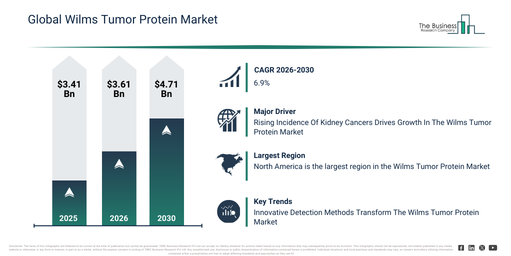
  • Wilms Tumor Protein Market Anticipated to Record Steady Gains, Advancing to $4.7 Billion by 2030

    Wilms Tumor Protein Market Anticipated to Record Steady Gains, Advancing to $4.7 Billion by 2030

    Uncover key drivers, emerging technologies, and competitive movements shaping the wilms tumor protein market from 2026–2035 with trusted insights from The Business Research Company

    What upper market value could the Wilms Tumor Protein Market reach by 2030 starting from 2026 levels?

    The wilms tumor protein market has witnessed substantial expansion in recent years. This market is expected to expand from $3.41 billion in 2025 to $3.61 billion in 2026, achieving a compound annual growth rate (CAGR) of 5.8%. The historical growth of this market can be ascribed to factors including the broader scope of molecular biology research, the heightened utilization of immunohistochemistry techniques, an increasing need for cancer biomarkers, advancements in recombinant protein production, and elevated investment in academic research.

    The wilms tumor protein market is projected to experience robust expansion over the coming years. By 2030, its size is forecast to reach $4.71 billion, demonstrating a compound annual growth rate (CAGR) of 6.9%. This anticipated growth during the forecast period is primarily driven by factors such as the increasing embrace of precision medicine approaches, a heightened demand for targeted cancer diagnostics, the expansion of research into gene-based therapies, the growing incorporation of biomarkers into treatment planning, and increased financial support for oncology research. Key trends observed within the forecast timeframe encompass the expanding utilization of wt1 as a cancer biomarker, a surge in the need for molecular diagnostic tools, the increasing acceptance of targeted research reagents, the broadening scope of translational oncology research, and a greater emphasis on gene expression analysis.

    Access Your Free Sample Report for In-Depth Market Insights:

    https://www.thebusinessresearchcompany.com/sample.aspx?id=13142&type=smp

    Which Drivers Are Influencing Long-Term Growth In The Wilms Tumor Protein Market?

    The growing number of kidney cancer incidents is projected to drive the expansion of the wilms tumor protein market in the future. Kidney cancer is a condition originating in the kidneys, marked by the abnormal multiplication of cells within the kidney tissue. WT1 expression can assist in identifying kidney cancer, especially when the tumor is minute or challenging to obtain a biopsy from. For instance, in January 2023, the American Cancer Society, a US-based cancer-fighting organization, reported approximately 81,800 new cases of kidney cancer and 14,890 deaths attributable to kidney cancer in 2023. Furthermore, Cancer Research UK, a UK-based independent cancer research organization, estimates that about 21,900 new cases of kidney cancer could arise yearly in the UK by 2038-2040. Therefore, the escalating instances of kidney cancers are expected to propel the growth of the Wilms tumor protein market.

    How Is The Wilms Tumor Protein Market Divided Into Segments?

    The wilms tumor protein market covered in this report is segmented –

    1) By Product Type: Antibodies, Assay Kits, Recombinant Proteins, Other Types

    2) By Detection Method: Immunohistochemistry (IHC), Enzyme-Linked Immunosorbent Assay (ELISA), Western Blotting, Polymerase Chain Reaction (PCR), Other Methods

    3) By Application: Cancer Diagnosis, Cancer Treatment, Research And Development, Other Applications

    4) By End User: Hospitals, Diagnostic Laboratories, Research Institutes, Other End Users

    Subsegments:

    1) By Antibodies: Monoclonal Antibodies, Polyclonal Antibodies

    2) By Assay Kits: ELISA Kits, Western Blot Kits, Immunohistochemistry (IHC) Kits

    3) By Recombinant Proteins: Full-Length Recombinant Proteins, Domain-Specific Recombinant Proteins

    4) By Other Types: Small Molecule Inhibitors, Gene Editing Tools

    What Upcoming Trends Are Likely To Define The Future Path Of The Wilms Tumor Protein Market?

    Key firms within the Wilms tumor protein market are prioritizing the creation of sophisticated detection techniques, including enzyme-linked immunosorbent assay (ELISA), to offer dependable services to their clientele. ELISA stands out as a highly sensitive and specific technique, utilizing specialized enzymes that bind to antibodies in blood to identify host cell proteins (HCPs). For example, in February 2023, Charles River Laboratories International Inc., a US-based entity specializing in the development and manufacturing of new drugs and therapeutics, introduced an Enzyme-Linked Immunosorbent Assay (ELISA) Kit designed for the detection and measurement of residual host cell proteins (HCP). This innovative HCP-ELISA kit from Charles River primarily employs avian IgY antibodies for its detection mechanism. These specific antibodies were exclusively developed by AVS Bio and originate from Specific-Pathogen-Free Chicken (SPF) Eggs.

    Which Major Firms Are Strengthening Their Position In The Wilms Tumor Protein Market?

    Major companies operating in the wilms tumor protein market are Thermo Fisher Scientific Inc., Abcam plc, BioLegend Inc., Cell Signaling Technology Inc., Genetex Inc., Proteintech Group Inc., Novus Biologicals LLC, OriGene Technologies Inc., Boster Biological Technology, ZS Genetics Inc., Sino Biological Inc., LI-COR Inc., QIAGEN NV, PerkinElmer Inc., Oxford Nanopore Technologies plc, Pacific Biosciences of California Inc., Santa Cruz Biotechnology Inc., SELLAS Life Sciences Inc., Immatics NV, TapImmune Inc., Generex Biotechnology Corp, BrightPath Biotherapeutics Inc.

    Access The Complete Report For Deeper Market Insights:

    https://www.thebusinessresearchcompany.com/report/wilms-tumor-protein-global-market-report

    Which Region Is Anticipated To See The Fastest Growth In The Wilms Tumor Protein Market?

    North America was the largest region in the wilms tumor protein market in 2025. The regions covered in the wilms tumor protein market report are Asia-Pacific, South East Asia, Western Europe, Eastern Europe, North America, South America, Middle East, Africa.

    Request Your Customized Wilms Tumor Protein Market Research Report for Competitive Advantage:

    https://www.thebusinessresearchcompany.com/customise?id=13142&type=smp

    Browse Through More Reports Similar to the Global Wilms Tumor Protein Market 2026, By The Business Research Company

    Pegylated Proteins Market Report 2026

    https://www.thebusinessresearchcompany.com/report/pegylated-proteins-global-market-report

    Germ Cell Tumor Market Report 2026

    https://www.thebusinessresearchcompany.com/report/germ-cell-tumor-global-market-report

    Fungal Protein Market Report 2026

    https://www.thebusinessresearchcompany.com/report/fungal-protein-global-market-report

    Get in touch with us:

    The Business Research Company: https://www.thebusinessresearchcompany.com/

    Americas +1 310-496-7795

    Asia +44 7882 955267 & +91 8897263534

    Europe +44 7882 955267

    Email us at info@tbrc.info

    Follow us on:

    LinkedIn: https://in.linkedin.com/company/the-business-research-company

    YouTube: https://www.youtube.com/channel/UC24_fI0rV8cR5DxlCpgmyFQ

    Global Market Model: https://www.thebusinessresearchcompany.com/global-market-model