Month: March 2026

  • Global Wearable Robot Technology Market Report 2026–2035: Key Forecasts and Growth Areas

    Global Wearable Robot Technology Market Report 2026–2035: Key Forecasts and Growth Areas

    Uncover key drivers, emerging technologies, and competitive movements shaping the wearable robot technology market from 2026–2035 with trusted insights from The Business Research Company

    What market expansion outlook does the Wearable Robot Technology Market show for the 2026–2030 period?

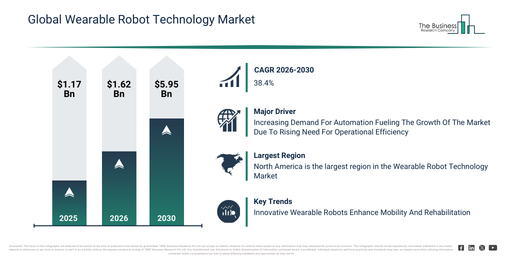
    The wearable robot technology market size has experienced significant expansion in recent years. It is anticipated to increase from $1.17 billion in 2025 to $1.62 billion in 2026, exhibiting a compound annual growth rate (CAGR) of 39.1%. The market’s past growth is primarily attributable to advancements in robotic actuator technologies, an increase in workplace injury prevention initiatives, expanding research in rehabilitation robotics, a growing demand for mobility assistance solutions, and early adoption in industrial environments.

    The wearable robot technology market size is poised for remarkable expansion in the coming years, with its value projected to climb to $5.95 billion in 2030, driven by a compound annual growth rate (CAGR) of 38.4%. This growth during the forecast period is primarily attributed to the proliferation of technologies supporting an aging population, increased investments in assistive robotics, expanded adoption within logistics and manufacturing sectors, a heightened demand for personalized rehabilitation systems, and ongoing enhancements in lightweight and flexible materials. Significant trends expected during this period encompass the escalating deployment of industrial exoskeletons, a greater uptake of rehabilitation wearable robots, the expanding integration of sensor-driven motion control, the spread of soft wearable assistive technologies, and a heightened emphasis on human-robot interaction.

    Access Your Free Sample Report for In-Depth Market Insights:

    https://www.thebusinessresearchcompany.com/sample.aspx?id=23579&type=smp

    What Drivers Are Shaping The Development Of The Wearable Robot Technology Market?

    The market for wearable robot technology is anticipated to grow due to the rising demand for automation. Automation involves deploying technology or machinery to execute tasks with little to no human involvement. This surge in automation demand stems from the imperative for greater operational efficiency, as companies strive to cut expenses, lessen mistakes, and enhance productivity. Wearable robot technology facilitates automation by enabling human-machine collaboration, making it particularly suitable for industries requiring extensive manual labor and for healthcare environments. It helps to lessen physical exertion by boosting movement and strength, which in turn elevates productivity and operational effectiveness. For instance, in September 2024, the International Federation of Robotics, a Germany-based non-profit organization, reported that about 4.2 million robotic units were operational in factories globally in 2023, which was a 10% increase from 3.9 units in 2022. Consequently, the growing demand for automation is fueling the expansion of the wearable robot technology market.

    Which Segments Are Contributing To The Growth Of The Wearable Robot Technology Market?

    The wearable robot technology market covered in this report is segmented –

    1) By Type: Rigid Type, Soft Type

    2) By Mode Of Operation: Passive, Active And Powered

    3) By Application: Rehabilitation, Assistive, Body Parts Support, Sports, Supply Chain Industry, Other Applications

    4) By End User: Healthcare, Consumer Electronics, Enterprise And Industrial Applications, Other End Users

    Subsegments:

    1) By Rigid Type: Exoskeletons With Metallic Frames, Powered Rigid Suits For Industrial Lifting, Military-Grade Wearable Robots, Medical Rehabilitation Robots, Full-Body Rigid Assistive Devices

    2) By Soft Type: Soft Robotic Exosuits, Pneumatic, Textile-Based Wearable Assistive Devices, Cable-Driven Flexible Actuators, Soft Wearable Robots For Elderly Mobility Support

    Which Competitive Trends Are Impacting The Structure Of The Wearable Robot Technology Market?

    Major companies in the wearable robot technology market are concentrating on creating innovative solutions, such as wearable assistive robotics, to boost user mobility and improve their quality of life. Wearable assistive robotics refers to robotic devices worn on the body that support or enhance physical movement, often aiding individuals with mobility impairments or physical limitations. For example, in July 2024, CosmoRobotics Co., Ltd., a South Korea-based technology company, introduced a line of innovative wearable robots. These products, including Bambini Teens, EA2Pro, EAM, GRANY, and EXA-W, are designed to enhance daily life by assisting with muscle strength and rehabilitation. Among their features, Bambini Teens is developed for children, and EA2Pro is a second-generation exoskeleton equipped with advanced motor sensors and an ergonomic design for rehabilitation.

    Who Are The Primary Competitors In The Global Wearable Robot Technology Market?

    Major companies operating in the wearable robot technology market are Toyota Corporation, Samsung Electronics Co Ltd., Hyundai Motor Company, Lockheed Martin Corporation, Honda Motor Co Ltd., Parker Hannifin Corporation, Myomo Inc, Sarcos Technology and Robotics Corporation, Zimmer Biomet Holdings Inc, Ottobock SE & Co KGaA, Comau LLC, Cyberdyne Inc., Hocoma AG, Ekso Bionics Holdings Inc, Laevo B V, Innophys Co Ltd, Marsi Bionics, Näder Holding GmbH & Co KG, Technaid S L, ReWalk Robotics Ltd, German Bionic

    Access The Complete Report For Deeper Market Insights:

    https://www.thebusinessresearchcompany.com/report/wearable-robot-technology-global-market-report

    Which Global Regions Are Shaping The Competitive Landscape Of The Wearable Robot Technology Market?

    North America was the largest region in the wearable robot technology market in 2025. Asia-Pacific is expected to be the fastest-growing region in the forecast period. The regions covered in the wearable robot technology market report are Asia-Pacific, South East Asia, Western Europe, Eastern Europe, North America, South America, Middle East, Africa.

    Request Your Customized Wearable Robot Technology Market Research Report for Competitive Advantage:

    https://www.thebusinessresearchcompany.com/customise?id=23579&type=smp

    Browse Through More Reports Similar to the Global Wearable Robot Technology Market 2026, By The Business Research Company

    Wearable Ai Devices Market Report 2026

    https://www.thebusinessresearchcompany.com/report/wearable-ai-devices-global-market-report

    Wearable Ai Market Report 2026

    https://www.thebusinessresearchcompany.com/report/wearable-ai-global-market-report

    Smart Wearables Market Report 2026

    https://www.thebusinessresearchcompany.com/report/smart-wearables-global-market-report

    Get in touch with us:

    The Business Research Company: https://www.thebusinessresearchcompany.com/

    Americas +1 310-496-7795

    Asia +44 7882 955267 & +91 8897263534

    Europe +44 7882 955267

    Email us at info@tbrc.info

    Follow us on:

    LinkedIn: https://in.linkedin.com/company/the-business-research-company

    YouTube: https://www.youtube.com/channel/UC24_fI0rV8cR5DxlCpgmyFQ

    Global Market Model: https://www.thebusinessresearchcompany.com/global-market-model
  • Wearable Fitness Trackers Market 2026–2030: Forecast, Innovation, and Competitive Trends

    Wearable Fitness Trackers Market 2026–2030: Forecast, Innovation, and Competitive Trends

    Uncover key drivers, emerging technologies, and competitive movements shaping the wearable fitness trackers market from 2026–2035 with trusted insights from The Business Research Company

    What level of growth is expected in the Wearable Fitness Trackers Market between 2026 and 2030?

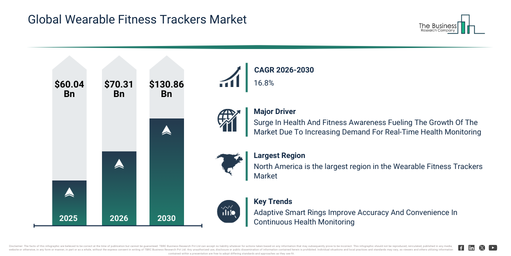
    The wearable fitness trackers market size has shown rapid expansion in recent years. It is expected to escalate from $60.04 billion in 2025 to $70.31 billion in 2026, demonstrating a compound annual growth rate (CAGR) of 17.1%. Historically, this market’s growth can be linked to heightened consumer awareness of personal health, the increasing use of smartphones and connected devices, the broader application of preventive healthcare practices, the rising popularity of fitness-focused lifestyles, and the presence of affordable wearable electronics.

    The wearable fitness trackers market size is projected to experience rapid expansion over the next few years. It is anticipated to grow to $130.86 billion in 2030, demonstrating a compound annual growth rate (CAGR) of 16.8%. This growth during the forecast period is attributable to the increasing demand for continuous health monitoring solutions, greater integration with telehealth platforms, the broadening of personalized fitness and wellness programs, rising adoption among aging populations, and improvements in sensor accuracy and battery efficiency. Significant trends for the forecast period involve the increasing adoption of advanced health monitoring sensors, rising integration of multi-metric wellness tracking, growing demand for app-based fitness ecosystems, the expansion of smart clothing and wearable accessories, and an enhanced focus on personalized fitness insights.

    Access Your Free Sample Report for In-Depth Market Insights:

    https://www.thebusinessresearchcompany.com/sample.aspx?id=24427&type=smp

    Which Drivers Are Expected To Impact The Wearable Fitness Trackers Market During The Forecast Period?

    The wearable fitness trackers market is anticipated to experience growth driven by increasing health and fitness consciousness. Health and fitness refer to the comprehensive well-being of both body and mind, achieved through consistent physical activity, proper nutrition, and a balanced way of life. This awareness is escalating due to a rise in lifestyle-related diseases, which encourages individuals to adopt healthier practices to avert conditions like obesity, diabetes, and heart disease. The rising recognition of health and fitness fuels the demand for wearable fitness trackers, as people seek straightforward methods to monitor their activity, heart rate, and overall well-being in real time. For instance, a nationwide survey conducted in April 2023 by the International Food Information Council (IFIC), a US-based non-profit organization, based on responses from 1,022 individuals aged 18 to 80, revealed that 52% of Americans were adhering to a specific diet or eating pattern. Younger generations notably led this trend, with 66% of Gen Z and 63% of Millennials reporting diet adherence, compared to 50% of Gen X and 41% of Boomers. Significantly, Baby Boomers demonstrated a substantial increase in diet adherence, rising from 29% in 2022 to 41% in 2023. This data underscores a growing national interest in health-conscious and intentional eating behaviors across all age groups. Consequently, the expanding awareness towards health and fitness is propelling the growth of the wearable fitness trackers market.

    How Is The Wearable Fitness Trackers Market Divided Into Segments?

    The wearable fitness trackers market covered in this report is segmented –

    1) By Product Type: Smartwatches, Activity Monitors, Smart Clothing

    2) By Connectivity: Bluetooth, Wireless Fidelity (Wi-Fi), Cellular, Near Field Communication (NFC), Other Connectivities

    3) By Operating System: Android, iOS, Windows, Tizen

    4) By Distribution Channel: Online, Offline

    5) By Application: Heart Rate Tracking, Sleep Measurement Tracking, Sport, Running, Cycling Tracking, Glucose Measurement Tracking

    Subsegments:

    1) By Smartwatches: GPS Smartwatches, Heart Rate Monitoring Smartwatches, Blood Oxygen (Spo2) Monitoring Smartwatches, Sleep Tracking Smartwatches, Multi-Sport Smartwatches

    2) By Activity Monitors: Clip-On Trackers, Wristband Trackers, Ankle Or Waist-Worn Trackers, Pedometers, Continuous Glucose Monitors (CGMs)

    3) By Smart Clothing: Smart Shirts, Smart Shoes, Smart Socks, Smart Sports Bras, Smart Tights Or Pants

    What Industry Trends Are Transforming The Wearable Fitness Trackers Market?

    Leading firms within the wearable fitness trackers market are concentrating on creating innovative solutions, such as smart rings equipped with adaptive sensing technology. These efforts aim to enhance continuous health monitoring, boost measurement accuracy, and offer a discreet, user-friendly substitute for conventional wrist-worn gadgets. Smart rings themselves are compact wearables worn on the finger, integrating advanced sensors to monitor metrics like heart rate, blood oxygen (SpO2), sleep patterns, activity levels, and body temperature. Their subtle form factor and optimized power consumption contribute to longer battery life. An example is the Oura Ring 4, launched in October 2024 by Oura, a Finland-based wellness technology company. This device incorporates “Smart Sensing” technology, an algorithm that adjusts to the wearer’s finger shape for more precise readings. The Oura Ring 4 features 18 signal pathways (an increase from 8 in prior models), recessed sensors for comfort, a titanium build, 100 m water resistance, and offers up to 8 days of battery life. Engineered to provide accurate and reliable health insights alongside a minimalist and stylish design, the Oura Ring 4 truly represents the next generation of wearable fitness technology.

    Which Key Market Players Are Investing In Expansion And Innovation Within The Wearable Fitness Trackers Market?

    Major companies operating in the wearable fitness trackers market are Apple Inc., Samsung Electronics Co. Ltd., Huawei Technologies Co. Ltd., NIKE Inc., Xiaomi Inc., Garmin Ltd., Fossil Group Inc., Fitbit Inc., Polar Electro Oy, MAD Apparel Inc., GOQii, Honor, Moov Inc., Boltt, Sensoria Inc., Ambiotex GmbH, Activinsights Ltd., Atlas Wearables Inc.

    Access The Complete Report For Deeper Market Insights:

    https://www.thebusinessresearchcompany.com/report/wearable-fitness-trackers-global-market-report

    Which Regions Are Poised For Strategic Growth In The Wearable Fitness Trackers Market?

    North America was the largest region in the wearable fitness trackers market in 2025. Asia-Pacific is expected to be the fastest-growing region in the forecast period. The regions covered in the wearable fitness trackers market report are Asia-Pacific, South East Asia, Western Europe, Eastern Europe, North America, South America, Middle East, Africa.

    Request Your Customized Wearable Fitness Trackers Market Research Report for Competitive Advantage:

    https://www.thebusinessresearchcompany.com/customise?id=24427&type=smp

    Browse Through More Reports Similar to the Global Wearable Fitness Trackers Market 2026, By The Business Research Company

    Gps Tracking Device Market Report 2026

    https://www.thebusinessresearchcompany.com/report/gps-tracking-device-global-market-report

    Smart Wearables Market Report 2026

    https://www.thebusinessresearchcompany.com/report/smart-wearables-global-market-report

    Wearable Heart Monitoring Devices Market Report 2026

    https://www.thebusinessresearchcompany.com/report/wearable-heart-monitoring-devices-global-market-report

    Get in touch with us:

    The Business Research Company: https://www.thebusinessresearchcompany.com/

    Americas +1 310-496-7795

    Asia +44 7882 955267 & +91 8897263534

    Europe +44 7882 955267

    Email us at info@tbrc.info

    Follow us on:

    LinkedIn: https://in.linkedin.com/company/the-business-research-company

    YouTube: https://www.youtube.com/channel/UC24_fI0rV8cR5DxlCpgmyFQ

    Global Market Model: https://www.thebusinessresearchcompany.com/global-market-model
  • Water Flosser Market Forecast 2026–2035: Data Trends and Industry Insights

    Water Flosser Market Forecast 2026–2035: Data Trends and Industry Insights

    Uncover key drivers, emerging technologies, and competitive movements shaping the water flosser market from 2026–2035 with trusted insights from The Business Research Company

    How much is the Water Flosser Market valued at in 2026, and what valuation is forecast for 2030?

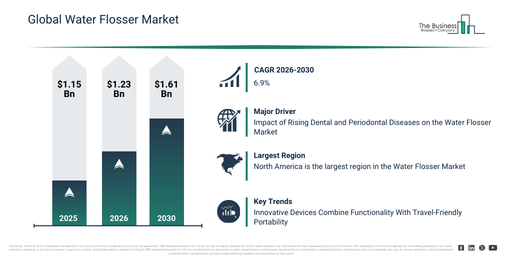
    The water flosser market has experienced robust expansion over recent years. Projections indicate its expansion from $1.15 billion in 2025 to $1.23 billion by 2026, demonstrating a compound annual growth rate (CAGR) of 6.9%. This historical growth is attributable to factors such as heightened awareness regarding oral hygiene, the broadening of retail channels for dental care products, the uptake of electric oral care tools, an increase in orthodontic treatments, and better consumer access to dental technologies.

    The water flosser market is anticipated to experience substantial expansion over the upcoming years. Its valuation is projected to reach $1.61 billion by 2030, demonstrating a compound annual growth rate (CAGR) of 6.9%. This anticipated growth during the forecast period is driven by factors such as an increasing demand for intelligent oral care devices, the growing incorporation of digital health monitoring capabilities, the expansion of dental product sales through e-commerce platforms, a heightened emphasis on preventive dental care, and innovations in compact device design. Key trends expected during this period involve the wider acceptance of cordless and portable water flossers, an escalating demand for sophisticated oral hygiene tools, a burgeoning preference for at-home dental care solutions, the proliferation of multi-functional dental cleaning items, and an intensified focus on enhancing gum health.

    Access Your Free Sample Report for In-Depth Market Insights:

    https://www.thebusinessresearchcompany.com/sample.aspx?id=18499&type=smp

    What Drivers Are Influencing The Growth Of The Water Flosser Market?

    The anticipated rise in the prevalence of dental and periodontal diseases is set to propel the growth of the water flosser market going forward. These conditions are defined as ailments affecting the teeth, gums, and supporting structures of the mouth. The increased occurrence of dental and periodontal diseases is attributable to factors like poor oral hygiene, high consumption of sugary and acidic foods and beverages, and limited access to regular dental check-ups and professional cleanings. Water flossers prove beneficial in managing these diseases by utilizing a pulsating stream of water to dislodge plaque, food particles, and bacteria from between teeth and along the gum line, which in turn reduces inflammation and helps prevent gum disease. For instance, in September 2023, according to the National Board of Health and Welfare, a Sweden-based government agency, approximately 3.94 million individuals aged 24 and older sought dental care in 2023, indicating a slight increase from 2022. Therefore, the expanding prevalence of dental and periodontal diseases is a key driver for the water flosser market.

    What Segments Are Included Within The Water Flosser Market?

    The water flosser market covered in this report is segmented –

    1) By Product Type: Cordless Or Battery-Operated Flosser, Countertop Flosser, Shower Flosser, Faucet Flosser, Other Products

    2) By Application: Drug Stores And Pharmacies, Specialty Stores, Hypermarkets Or Supermarkets, Convenience Stores, Online Retailers

    3) By End Use: Commercial, Residential, Other End-Uses

    Subsegments:

    1) By Cordless Or Battery-Operated Flosser: Rechargeable Battery, Replaceable Battery

    2) By Countertop Flosser: Large Capacity Reservoir, Adjustable Pressure Settings

    3) By Shower Flosser: Wall-Mounted, Handheld

    4) By Faucet Flosser: Faucet Adapter Included, Nozzle Control

    5) By Other Products: Travel Flosser, Combination Flosser And Toothbrush

    What Trends Are Reshaping The Dynamics Of The Water Flosser Market?

    Leading companies in the water flosser market are concentrating on creating innovative solutions, such as collapsible cordless water flossers, to improve portability, convenience, and ease of use, particularly for travelers and users with limited bathroom space. Collapsible cordless water flossers are battery-powered oral irrigators designed to compress to a smaller footprint when not in operation, ensuring effective water pressure while offering a travel-friendly design, in contrast to traditional countertop models that demand constant power. For instance, in May 2023, Waterpik, a US-based oral care company, introduced the Cordless Slide, a compact water flosser that slides to half its original size for simple storage or transport. This device incorporates three precision flossing tips, three pressure settings, a waterproof build suitable for shower use, and a rechargeable lithium-ion battery providing up to four weeks of use per charge. Intended to deliver effective oral hygiene in a portable and user-friendly format, the Cordless Slide illustrates how innovation in both design and functionality can cater to evolving consumer demands.

    Who Are The Core Companies Influencing Trends In The Water Flosser Market?

    Major companies operating in the water flosser market are Procter & Gamble, Panasonic Holdings Corporation, Xiaomi Corporation, Koninklijke Philips N.V, Church & Dwight Co. Inc., Conair LLC, Water Pik Inc., Fairywill, BURST.USA.Inc., Gurin Products LLC, h2ofloss limited, Homgeek Inc., Jetpik, Mornwell, Nicefeel, Oratec Corporation, Ovonni, Oracura Inc., Waterpulse, AquaSonic Ltd., Perfora

    Access The Complete Report For Deeper Market Insights:

    https://www.thebusinessresearchcompany.com/report/water-flosser-global-market-report

    Which Regions Are Projected To Dominate The Water Flosser Market In The Coming Years?

    North America was the largest region in the water flosser market in 2025. Asia-Pacific is expected to be the fastest-growing region in the forecast period. The regions covered in the water flosser market report are Asia-Pacific, South East Asia, Western Europe, Eastern Europe, North America, South America, Middle East, Africa.

    Request Your Customized Water Flosser Market Research Report for Competitive Advantage:

    https://www.thebusinessresearchcompany.com/customise?id=18499&type=smp

    Browse Through More Reports Similar to the Global Water Flosser Market 2026, By The Business Research Company

    Mouthwash Market Report 2026

    https://www.thebusinessresearchcompany.com/report/mouthwash-global-market-report

    Faucet Market Report 2026

    https://www.thebusinessresearchcompany.com/report/faucet-global-market-report

    Aquafeed Market Report 2026

    https://www.thebusinessresearchcompany.com/report/aquafeed-global-market-report

    Get in touch with us:

    The Business Research Company: https://www.thebusinessresearchcompany.com/

    Americas +1 310-496-7795

    Asia +44 7882 955267 & +91 8897263534

    Europe +44 7882 955267

    Email us at info@tbrc.info

    Follow us on:

    LinkedIn: https://in.linkedin.com/company/the-business-research-company

    YouTube: https://www.youtube.com/channel/UC24_fI0rV8cR5DxlCpgmyFQ

    Global Market Model: https://www.thebusinessresearchcompany.com/global-market-model
  • Vulvovaginal Candidiasis Treatment Market Outlook 2026–2030: Key Business Drivers and Trends

    Vulvovaginal Candidiasis Treatment Market Outlook 2026–2030: Key Business Drivers and Trends

    Uncover key drivers, emerging technologies, and competitive movements shaping the vulvovaginal candidiasis treatment market from 2026–2035 with trusted insights from The Business Research Company

    By how much is the Vulvovaginal Candidiasis Treatment Market expected to grow between 2026 and 2030?

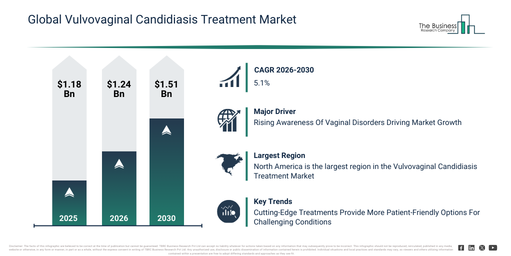
    The vulvovaginal candidiasis treatment market has experienced significant growth in recent years. It is forecast to increase from $1.18 billion in 2025 to $1.24 billion in 2026, achieving a compound annual growth rate (CAGR) of 5.1%. The historical expansion of this market can be attributed to factors such as the availability of azole antifungal medications, the broader reach of retail pharmacy access, an increase in the diagnosis of fungal infections, improved formulations for topical treatments, and the widespread implementation of clinical treatment guidelines.

    The vulvovaginal candidiasis treatment market size is projected to experience robust expansion over the coming years. This market is anticipated to reach a valuation of $1.51 billion by 2030, exhibiting a compound annual growth rate (CAGR) of 5.1%. The anticipated growth during this period stems from factors such as increasing demand for innovative antifungal agents, a heightened emphasis on managing resistance, the broadening of personalized treatment methodologies, greater utilization of telehealth consultations, and innovations in drug delivery technologies. Key trends expected throughout the forecast horizon encompass the increasing embrace of targeted antifungal treatments, a surge in the application of combination therapy regimens, an intensifying focus on strategies to prevent recurrence, the proliferation of over-the-counter treatment alternatives, and improved patient awareness and educational initiatives.

    Access Your Free Sample Report for In-Depth Market Insights:

    https://www.thebusinessresearchcompany.com/sample.aspx?id=21319&type=smp

    Which Drivers Are Influencing Market Acceleration In The Vulvovaginal Candidiasis Treatment Market?

    Increased understanding of vaginal disorders is projected to boost the expansion of the vulvovaginal candidiasis treatment market in the future. These disorders encompass various conditions impacting the vagina, such as infections, inflammation, irritation, or unusual discharge. The heightened awareness of vaginal disorders stems from greater education, better healthcare accessibility, and an increased emphasis on women’s health and wellness. Treatment for vulvovaginal candidiasis assists patients with vaginal disorders by easing symptoms like itching, irritation, and abnormal discharge, re-establishing the natural vaginal microbiome, hindering recurring infections, and enhancing overall vaginal health and comfort. As an illustration, data from September 2025, provided by the Centers for Disease Control and Prevention, a US-based government agency, indicated approximately 209,253 syphilis cases were recorded in 2023, showing a 1% rise from 207,269 cases in 2022. Consequently, the increasing knowledge regarding vaginal disorders is fueling the expansion of the vulvovaginal candidiasis treatment market.

    What Leading Segments Are Studied In The Vulvovaginal Candidiasis Treatment Market?

    The vulvovaginal candidiasis treatment market covered in this report is segmented –

    1) By Drug Class: Clotrimazole, Nystatin, Fluconazole, Ketoconazole, Terbinafine, Terconazole, Other Drug Classes

    2) By Route Of Administration: Oral, Intravenous, Topical

    3) By Distribution Channel: Hospital Pharmacy , Retail Pharmacy, Online Pharmacy

    Subsegments:

    1) By Clotrimazole: Over-the-Counter (OTC) Medications, Prescription Medications

    2) By Nystatin: Monotherapy, Combination Therapy

    3) By Fluconazole: Single-Dose Therapy, Multi-Dose Therapy

    4) By Ketoconazole: Short-Term Treatment, Long-Term Treatment

    5) By Terbinafine: Systemic Treatment, Topical Treatment

    6) By Terconazole: Low-Dose Therapy, High-Dose Therapy

    7) By Other Drug Classes: Azole Antifungals, Polyene Antifungals, Novel Therapeutics

    How Are New Market Trends Shaping The Landscape Of The Vulvovaginal Candidiasis Treatment Market?

    Leading companies within the vulvovaginal candidiasis (VVC) treatment market are prioritizing the development of innovative solutions, such as selective oral azole antifungals, to enhance therapeutic efficacy, minimize recurrence, and improve patient tolerability. Selective oral azoles are antifungal medications designed to specifically inhibit fungal enzymes like CYP51, which helps to reduce off-target effects and adverse reactions when compared to traditional broad-spectrum azoles. For instance, in February 2024, Mycovia Pharmaceuticals, Inc., a US-based biopharmaceutical company, in partnership with Jiangsu Hengrui Pharmaceuticals Co., Ltd., launched VIVJOA (oteseconazole) capsules in China for the treatment of severe vulvovaginal candidiasis. VIVJOA is delivered as a two-day oral regimen, achieving superior cure rates compared with fluconazole while offering a shorter, more targeted course of therapy. This product represents a significant advancement in VVC management by providing an effective, patient-friendly treatment option for cases that are difficult to treat.

    Which Major Industry Participants Are Leading The Vulvovaginal Candidiasis Treatment Market Growth?

    Major companies operating in the vulvovaginal candidiasis treatment market are Pfizer Inc., Bayer Inc., Teva Pharmaceutical Industries Ltd., Dr. Reddy’s Laboratories Limited, Cipla Limited, Zydus Lifesciences, Novartis Pharmaceuticals Inc., Glenmark Pharmaceuticals Ltd., Taro Pharmaceuticals Industries Ltd., Accord Healthcare Ltd., Incepta Pharmaceuticals Ltd., Cadila Pharmaceuticals, Astellas Pharma Inc., Mycovia Pharmaceuticals Inc., Basilea Pharmaceutica Ltd., Scynexis Inc., Grupo Ferrer Internacional SA, Sanofi SA, Bristol-Myers Squibb Company, Perrigo Company plc, Lupin Limited, Sun Pharmaceutical Industries Ltd.

    Access The Complete Report For Deeper Market Insights:

    https://www.thebusinessresearchcompany.com/report/vulvovaginal-candidiasis-treatment-global-market-report

    Which Region Is Expected To Experience The Fastest Growth In The Vulvovaginal Candidiasis Treatment Market?

    North America was the largest region in the vulvovaginal candidiasis treatment market in 2025. The regions covered in the vulvovaginal candidiasis treatment market report are Asia-Pacific, South East Asia, Western Europe, Eastern Europe, North America, South America, Middle East, Africa.

    Request Your Customized Vulvovaginal Candidiasis Treatment Market Research Report for Competitive Advantage:

    https://www.thebusinessresearchcompany.com/customise?id=21319&type=smp

    Browse Through More Reports Similar to the Global Vulvovaginal Candidiasis Treatment Market 2026, By The Business Research Company

    Vaginitis Therapeutics Market Report 2026

    https://www.thebusinessresearchcompany.com/report/vaginitis-therapeutics-global-market-report

    Candidiasis Therapeutics Market Report 2026

    https://www.thebusinessresearchcompany.com/report/candidiasis-therapeutics-global-market-report

    Vulvodynia Treatment Market Report 2026

    https://www.thebusinessresearchcompany.com/report/vulvodynia-treatment-global-market-report

    Get in touch with us:

    The Business Research Company: https://www.thebusinessresearchcompany.com/

    Americas +1 310-496-7795

    Asia +44 7882 955267 & +91 8897263534

    Europe +44 7882 955267

    Email us at info@tbrc.info

    Follow us on:

    LinkedIn: https://in.linkedin.com/company/the-business-research-company

    YouTube: https://www.youtube.com/channel/UC24_fI0rV8cR5DxlCpgmyFQ

    Global Market Model: https://www.thebusinessresearchcompany.com/global-market-model

  • Global Vulvodynia Treatment Market Report 2026: Emerging Trends and Growth Scenarios

    Global Vulvodynia Treatment Market Report 2026: Emerging Trends and Growth Scenarios

    Uncover key drivers, emerging technologies, and competitive movements shaping the vulvodynia treatment market from 2026–2035 with trusted insights from The Business Research Company

    What is the estimated market size of the Vulvodynia Treatment Market by the end of 2030?

    The vulvodynia treatment market has demonstrated strong growth over recent years. It is forecast to increase from $5.74 billion in 2025 to $6.1 billion in 2026, advancing at a compound annual growth rate (CAGR) of 6.1%. This historical expansion can be attributed to several factors, including enhanced clinical recognition of vulvodynia, the availability of neuropathic pain medications, the broadening of gynecological care services, heightened patient advocacy efforts, and the development of specialized pain management protocols.

    The vulvodynia treatment market is projected to experience substantial expansion in the coming years, with its size expected to reach $8.04 billion by 2030, reflecting a compound annual growth rate (CAGR) of 7.2%. This anticipated growth during the forecast period is primarily driven by factors such as increasing investments in women’s health research, a rising demand for personalized pain therapies, the expansion of multidisciplinary treatment clinics, greater adoption of non-opioid pain solutions, and advancements in targeted drug formulations. Furthermore, major trends anticipated over the same period include a wider embrace of multimodal pain management approaches, an uptick in the utilization of topical and localized therapies, a heightened focus on patient-centered treatment plans, an increase in non-surgical intervention options, and enhanced awareness of chronic vulvar pain conditions.

    Access Your Free Sample Report for In-Depth Market Insights:

    https://www.thebusinessresearchcompany.com/sample.aspx?id=13218&type=smp

    What Drivers Are Shaping Future Opportunities In The Vulvodynia Treatment Market?

    The increasing prevalence of genitourinary conditions is projected to boost the expansion of the vulvodynia treatment market. These conditions, also known as urogenital diseases, involve medical issues impacting both the reproductive and urinary systems, potentially triggered by factors like diabetes or elevated blood pressure. Due to their close anatomical and functional links, these systems are commonly considered together. The main application of vulvodynia treatment is in addressing diverse genitourinary ailments in women, which aids in alleviating discomfort and manifestations, thereby enhancing a patient’s overall well-being. As an illustration, in July 2025, data from the UK Health Security Agency, a UK-based governmental body, indicated that from 6 April 2023 to 5 April 2024, there were 189,756 hospital admissions attributed to UTIs, leading to an aggregate of 1.2 million bed days. On average, each infection was responsible for 6 bed days, though it was observed that one-third of patients had hospital stays shorter than a single day. Consequently, the escalation of genitourinary diseases is fueling the expansion of the vulvodynia treatment market.

    Which Segment Groups Are Influencing The Vulvodynia Treatment Market?

    The vulvodynia treatment market covered in this report is segmented –

    1) By Drug Type: Anticonvulsants, Tricyclic Antidepressants, Local Anesthetics, Antimicrobials, Hormone Creams, Nerve Blocks, Other Drug Types

    2) By Route Of Administration: Oral, Topical, Other Routes Of Administration

    3) By Distribution Channel: Hospital Pharmacy, Online Pharmacy, Retail Pharmacy

    Subsegments:

    1) By Anticonvulsants: Gabapentin, Pregabalin

    2) By Tricyclic Antidepressants: Amitriptyline, Nortriptyline

    3) By Local Anesthetics: Lidocaine Cream, Benzocaine

    4) By Antimicrobials: Antibiotic Creams, Antifungal Medications

    5) By Hormone Creams: Estrogen Creams, Testosterone Creams

    6) By Nerve Blocks: Pelvic Nerve Blocks, Pudendal Nerve Blocks

    7) By Other Drug Types: Topical Capsaicin, Corticosteroids

    Which Trends Are Expected To Influence The Vulvodynia Treatment Market In The Upcoming Years?

    Leading companies within the vulvodynia treatment market are concentrating on developing advanced products, such as new neuromodulators, to offer precise pain relief and elevate patients’ quality of life. These novel neuromodulators are medications engineered to modify nerve signaling by regulating neurotransmitters in the nervous system, which helps diminish chronic vulvar pain, enhance sexual function, and provides a more specific, mechanism-based approach compared to conventional therapies like topical anesthetics or common painkillers. For example, in November 2025, Initiator Pharma A/S, a clinical-stage biotech company from Denmark, obtained regulatory clearance from UK authorities to initiate a Phase 2a clinical proof-of-concept study for pudafensine. This investigational oral monoamine reuptake inhibitor is intended for vulvodynia treatment under its IPVU2025 clinical program. Pudafensine is formulated to preferentially hinder the synaptic reuptake of dopamine (and to a lesser extent serotonin), consequently boosting neurotransmitter levels in the synaptic cleft; this modulation has the potential to aid in reducing pain perception and improving sexual function, supported by a favorable safety profile observed in earlier pain/challenge studies.

    Who Are The Prominent Global Companies Shaping The Vulvodynia Treatment Market Landscape?

    Major companies operating in the vulvodynia treatment market are Pfizer Inc., Johnson and Johnson Pvt. Ltd., Merck and Co. Inc., AbbVie Inc., Bayer AG, Novartis AG, Sanofi S.A., GlaxoSmithKline plc, Takeda Pharmaceutical Company Limited, Eli Lilly and Company, Amgen Inc., Teva Pharmaceutical Industries Ltd., Janssen Pharmaceuticals Inc., Mylan N.V., Astellas Pharma Inc., Viatris Inc., Cipla Inc., Hikma Pharmaceuticals plc, Endo International Inc., Amneal Pharmaceuticals Inc., Stada Arzneimittel AG, Glenmark Pharmaceuticals Inc., Alkem Laboratories Limited, Cadila Pharmaceuticals Ltd., Taro Pharmaceutical Industries Ltd., Upsher-Smith Laboratories LLC, Noven Pharmaceuticals Inc., Zydus Lifesciences Ltd., Depomed Inc.

    Access The Complete Report For Deeper Market Insights:

    https://www.thebusinessresearchcompany.com/report/vulvodynia-treatment-global-market-report

    Which Geographic Areas Are Emerging As Strong Markets For The Vulvodynia Treatment Market?

    North America was the largest region in the vulvodynia treatment market in 2025. Asia-Pacific is expected to be the fastest-growing region in the forecast period. The regions covered in the vulvodynia treatment market report are Asia-Pacific, South East Asia, Western Europe, Eastern Europe, North America, South America, Middle East, Africa.

    Request Your Customized Vulvodynia Treatment Market Research Report for Competitive Advantage:

    https://www.thebusinessresearchcompany.com/customise?id=13218&type=smp

    Browse Through More Reports Similar to the Global Vulvodynia Treatment Market 2026, By The Business Research Company

    Vasomotor Menopausal Symptoms Vms Treatment Market Report 2026

    https://www.thebusinessresearchcompany.com/report/vasomotor-menopausal-symptoms-vms-treatment-global-market-report

    Gastric Volvulus Treatment Market Report 2026

    https://www.thebusinessresearchcompany.com/report/gastric-volvulus-treatment-global-market-report

    Vaginitis Therapeutics Market Report 2026

    https://www.thebusinessresearchcompany.com/report/vaginitis-therapeutics-global-market-report

    Get in touch with us:

    The Business Research Company: https://www.thebusinessresearchcompany.com/

    Americas +1 310-496-7795

    Asia +44 7882 955267 & +91 8897263534

    Europe +44 7882 955267

    Email us at info@tbrc.info

    Follow us on:

    LinkedIn: https://in.linkedin.com/company/the-business-research-company

    YouTube: https://www.youtube.com/channel/UC24_fI0rV8cR5DxlCpgmyFQ

    Global Market Model: https://www.thebusinessresearchcompany.com/global-market-model
  • Vulvar Cancer Market Forecast 2026: Where the Industry Is Headed

    Vulvar Cancer Market Forecast 2026: Where the Industry Is Headed

    Uncover key drivers, emerging technologies, and competitive movements shaping the vulvar cancer market from 2026–2035 with trusted insights from The Business Research Company

    What was the valuation of the Vulvar Cancer Market in 2026, and what figure is it projected to hit by 2030?

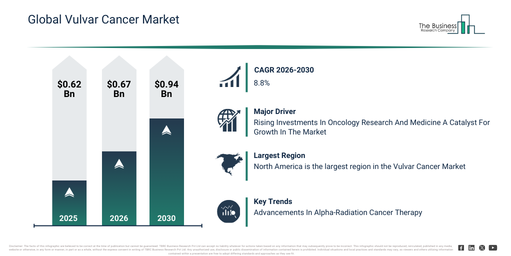
    The vulvar cancer market has experienced robust expansion in recent years. Its value is expected to rise from $0.62 billion in 2025 to $0.67 billion in 2026, exhibiting a compound annual growth rate (CAGR) of 8.9%. This historical progression is largely due to heightened awareness of gynecologic cancers, the accessibility of surgical oncology expertise, the expansion of hospital oncology departments, the adoption of various radiation therapy techniques, and advancements in pathology diagnostics.

    The vulvar cancer market is projected to experience strong growth in the coming years. It is anticipated to expand to $0.94 billion by 2030, achieving a compound annual growth rate (CAGR) of 8.8%. The increase during the forecast period is attributable to growing investments in precision oncology, the rising adoption of biologic and immunotherapies, the expansion of HPV vaccination impact monitoring, an increasing focus on personalized treatment planning, and advancements in diagnostic imaging technologies. Major trends expected within this period include the increasing adoption of targeted cancer therapies, a rising use of minimally invasive surgical procedures, a growing focus on early diagnosis and screening, the expansion of multimodal treatment approaches, and enhanced integration of personalized oncology care.

    Access Your Free Sample Report for In-Depth Market Insights:

    https://www.thebusinessresearchcompany.com/sample.aspx?id=21318&type=smp

    Which Drivers Are Affecting Market Participation In The Vulvar Cancer Market?

    Future expansion of the vulvar cancer market is anticipated to be driven by rising financial commitments to oncology research and medicine. These investments are financial contributions from various entities like governments, drug firms, research bodies, and private funders, aimed at improving the comprehension, prevention, diagnosis, and care of cancer. The surge in these investments stems from factors such as the increasing global prevalence of cancer, progress in precision medicine, a greater need for new treatments, more extensive clinical trials, government and private funding efforts, and the creation of targeted and immunotherapeutic approaches. For vulvar cancer, these investments facilitate improvements in early detection, enhance therapeutic choices like targeted and immunotherapy treatments, finance clinical trials for better medications, bolster pediatric cancer care facilities, and stimulate novel research to deepen understanding of the disease’s biology and progression. As an illustration, IQVIA, an advanced analytics provider based in India, reported in May 2024 that worldwide expenditure on cancer medications reached $223 billion in 2023, which was a $25 billion rise from 2022, and is projected to hit $409 billion by 2028. Consequently, expanding investments in oncology research and medicine are a key driver for the vulvar cancer market.

    Vulvar Cancer Market Driver: The Impact Of Personalized Medicine On Market Growth

    What Segment Classifications Make Up The Vulvar Cancer Market?

    The vulvar cancer market covered in this report is segmented –

    1) By Cancer Type: Vulvar Squamous Cell Carcinoma, Vulvar Melanoma, Adenocarcinoma, Basal Cell Carcinoma

    2) By Treatment Type: Chemotherapy, Surgery, Laser Surgery, Excision, Skinning Vulvectomy, Radical Vulvectomy, Radiation Therapy, Biologic Therapy

    3) By Distribution Channel: Online Channel, Offline Channel

    4) By End Users: Hospitals And Clinics, Research And Academic Institutes, Other End Users

    Subsegments:

    1) By Vulvar Squamous Cell Carcinoma: Keratinizing Squamous Cell Carcinoma, Non-Keratinizing Squamous Cell Carcinoma, Verrucous Carcinoma

    2) By Vulvar Melanoma: Mucosal Melanoma, Acral Lentiginous Melanoma, Nodular Melanoma

    3) By Adenocarcinoma: Bartholin Gland Adenocarcinoma, Extramammary Paget’s Disease-Associated Adenocarcinoma, Sweat Gland Adenocarcinoma

    4) By Basal Cell Carcinoma: Superficial Basal Cell Carcinoma, Nodular Basal Cell Carcinoma, Morpheaform (Sclerosing) Basal Cell Carcinoma

    What Trends Are Driving The Growth Trajectory Of The Vulvar Cancer Market?

    Companies operating in the vulvar cancer market are increasingly focusing on breakthroughs in cancer treatment, such as alpha-radiation cancer therapy, to enhance the effectiveness of care and improve patient outcomes. Alpha-radiation cancer therapy is a method that delivers specific alpha particles to tumor cells, causing confined harm to cancerous tissue while minimizing damage to surrounding healthy areas. For instance, in May 2023, Alpha Tau Medical Ltd., an Israel-based company, announced the initial deployment of its Alpha DaRT alpha-radiation cancer therapy for addressing squamous cell carcinoma of the vulva. The study, conducted at Addenbrooke’s Hospital within the Cambridge University Hospitals NHS Foundation Trust, aims to recruit 10 participants to evaluate the safety and efficacy of this treatment. Alpha DaRT presents a targeted, minimally invasive approach, demonstrating its potential as a non-surgical treatment option for vulvar cancer.

    Which Key Players Are Driving Competition In The Vulvar Cancer Market?

    Major companies operating in the vulvar cancer market are F. Hoffmann-La Roche Ltd, Merck And Co., Bristol-Myers Squibb Company, Novartis AG, GlaxoSmithKline plc, Amgen Inc., Regeneron Pharmaceuticals Inc., Intuitive Surgical Operations Inc., Elekta AB, Accuray Incorporated, Xencor, ISA Pharmaceuticals BV, Alpha Tau Medical Ltd, AstraZeneca PLC, Johnson & Johnson, Pfizer Inc, Eli Lilly and Company, AbbVie Inc, Astellas Pharma Inc, Takeda Pharmaceutical Company Ltd, Bayer AG, Ipsen, Gilead Sciences Inc

    Access The Complete Report For Deeper Market Insights:

    https://www.thebusinessresearchcompany.com/report/vulvar-cancer-global-market-report

    Which Region Is Projected To Lead The Vulvar Cancer Market During The Forecast Period?

    North America was the largest region in the vulvar cancer market in 2025. Asia-Pacific is expected to be the fastest-growing region in the forecast period. The regions covered in the vulvar cancer market report are Asia-Pacific, South East Asia, Western Europe, Eastern Europe, North America, South America, Middle East, Africa.

    Request Your Customized Vulvar Cancer Market Research Report for Competitive Advantage:

    https://www.thebusinessresearchcompany.com/customise?id=21318&type=smp

    Browse Through More Reports Similar to the Global Vulvar Cancer Market 2026, By The Business Research Company

    Genital Warts Market Report 2026

    https://www.thebusinessresearchcompany.com/report/genital-warts-global-market-report

    Gynecological Cancer Drugs Market Report 2026

    https://www.thebusinessresearchcompany.com/report/gynecological-cancer-drugs-global-market-report

    Vaginal Sling Market Report 2026

    https://www.thebusinessresearchcompany.com/report/vaginal-sling-global-market-report

    Get in touch with us:

    The Business Research Company: https://www.thebusinessresearchcompany.com/

    Americas +1 310-496-7795

    Asia +44 7882 955267 & +91 8897263534

    Europe +44 7882 955267

    Email us at info@tbrc.info

    Follow us on:

    LinkedIn: https://in.linkedin.com/company/the-business-research-company

    YouTube: https://www.youtube.com/channel/UC24_fI0rV8cR5DxlCpgmyFQ

    Global Market Model: https://www.thebusinessresearchcompany.com/global-market-model
  • Von Willebrand Disease Industry Growth Insights: Revenue Forecast to 2030

    Von Willebrand Disease Industry Growth Insights: Revenue Forecast to 2030

    Uncover key drivers, emerging technologies, and competitive movements shaping the von willebrand disease market from 2026–2035 with trusted insights from The Business Research Company

    What are the forecasted starting (2026) and ending (2030) market sizes for the Von Willebrand Disease Market?

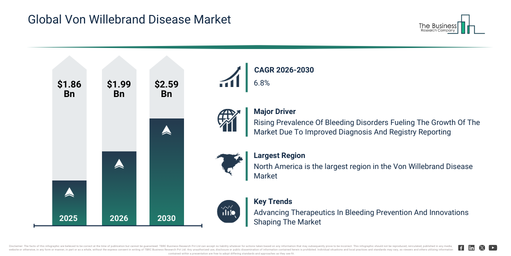
    The von willebrand disease market size has seen substantial growth over recent years. It is projected to expand from $1.86 billion in 2025 to $1.99 billion in 2026, achieving a compound annual growth rate (CAGR) of 6.9%. The increase observed in the past can be attributed to improved awareness of inherited bleeding disorders, availability of plasma-derived vwf therapies, expansion of diagnostic testing capabilities, increased hospital-based hematology care, and early clinical research in coagulation disorders.

    The von willebrand disease market is projected to experience substantial expansion over the coming years. By 2030, its valuation is anticipated to reach $2.59 billion, demonstrating a compound annual growth rate (CAGR) of 6.8%. This projected increase during the forecast period is driven by several factors, including heightened investments in gene-based therapies, the expanding use of precision medicine strategies, broader patient registries and screening initiatives, a growing need for long-acting treatments, and innovations in recombinant drug development. Key developments expected within this period involve the greater integration of recombinant von willebrand factor therapies, an increase in personalized treatment plans, a stronger emphasis on early genetic diagnosis, the availability of more home-based treatment solutions, and improved monitoring of bleeding disorders.

    Access Your Free Sample Report for In-Depth Market Insights:

    https://www.thebusinessresearchcompany.com/sample.aspx?id=22168&type=smp

    What Drivers Are Supporting Technological Adoption In The Von Willebrand Disease Market?

    An anticipated increase in the occurrence of bleeding disorders is projected to boost the expansion of the von Willebrand disease market moving forward. These disorders are medical conditions that impair the body’s capacity to form blood clots, leading to prolonged or profuse bleeding. The growing number of diagnosed bleeding disorders primarily stems from advancements in medical understanding and diagnostic instruments, enabling healthcare providers and hospitals to precisely identify previously undetected cases. Treatment for von Willebrand disease aids patients with bleeding disorders by enhancing blood clotting, mitigating excessive bleeding, and improving their general quality of life. For example, in April 2024, according to the World Federation of Hemophilia, a Canada-based government organization, data collection for individuals suffering from von Willebrand disease (VWD) commenced in February 2023. By December 31, 2023, a total of 999 people with VWD from 45 hemophilia treatment centers (HTCs) spanning 22 countries had been enrolled in the WBDR. In the same year, consolidated data were gathered for 13,343 people with hemophilia (PWH) from 119 HTCs situated in 44 countries. Consequently, the increased prevalence of bleeding disorders is fueling the expansion of the von Willebrand disease market.

    What Segment Types Are Examined In The Von Willebrand Disease Market?

    The von willebrand disease market covered in this report is segmented –

    1) By Type: Type 1, Type 2, Type 3

    2) By Drugs: Antihemophilic Factor, Coagulation Factor VIII Complex, Von Willebrand Factor, Desmopressin Acetate, Other Drugs

    3) By Severity: Mild, Moderate, Severe

    4) By Distribution Channel: Hospital Pharmacy, Retail Pharmacy, Online Pharmacy, Other Distribution Channels

    5) By End Users: Hospitals, Speciality Clinics, Homecare, Other End Users

    Subsegments:

    1) By Type 1: Mild Von Willebrand Disease, Moderate Von Willebrand Disease, Severe Von Willebrand Disease

    2) By Type 2: Type 2A, Type 2B, Type 2M, Type 2N

    3) By Type 3: Congenital Type 3, Acquired Type 3

    What Upcoming Trends Are Likely To Define The Future Path Of The Von Willebrand Disease Market?

    Leading firms within the von willebrand disease market are directing their efforts towards pioneering therapies, specifically von willebrand factor concentrate, aiming to boost treatment effectiveness, lessen occurrences of bleeding, and elevate patient well-being. Von willebrand factor (VWF) concentrate serves as a pharmaceutical agent employed to manage and avert hemorrhage in individuals afflicted with von willebrand disease (VWD), which is a hereditary bleeding condition stemming from insufficient or impaired von willebrand factor. As an illustration, in April 2024, Octapharma USA Inc., a pharmaceutical company based in the US, disclosed that Wilate received approval from the Food and Drug Administration, a US government body. This product, Wilate, is a von willebrand factor concentrate supplied as a lyophilized powder solution intended for intravenous injection, designed for regular prophylactic use to decrease the occurrence of bleeding episodes in adults and children aged 6 years and above. The Food and Drug Administration’s orphan drug designation grants Wilate a period of market exclusivity lasting up to seven years, a measure aimed at stimulating the creation of therapies for infrequent conditions.

    Who Are The Top-Performing Companies In The Von Willebrand Disease Market In Recent Years?

    Major companies operating in the von willebrand disease market are Pfizer Inc., Bayer AG, Sanofi S A, Takeda Pharmaceutical Company Limited, Novo Nordisk A S, CSL Behring, Grifols S A, Kedrion Biopharma Inc., Shanghai RAAS Blood Products Co Ltd, Biotest AG, LFB S A, Bio Products Laboratory Ltd BPL, Octapharma AG, Baxter International Inc, Biogen Inc, Swedish Orphan Biovitrum AB, Roche Holding AG, BioMarin Pharmaceutical Inc, Ferring Pharmaceuticals, Alnylam Pharmaceuticals, Star Therapeutics Inc, Hemab Therapeutics, HEMA Biologics

    Access The Complete Report For Deeper Market Insights:

    https://www.thebusinessresearchcompany.com/report/von-willebrand-disease-global-market-report

    Which Region Currently Holds The Largest Share Of The Von Willebrand Disease Market?

    North America was the largest region in the von willebrand disease market in 2025. Asia-Pacific is expected to be the fastest-growing region in the forecast period. The regions covered in the von willebrand disease market report are Asia-Pacific, South East Asia, Western Europe, Eastern Europe, North America, South America, Middle East, Africa.

    Request Your Customized Von Willebrand Disease Market Research Report for Competitive Advantage:

    https://www.thebusinessresearchcompany.com/customise?id=22168&type=smp

    Browse Through More Reports Similar to the Global Von Willebrand Disease Market 2026, By The Business Research Company

    Rare Disease Diagnostics Market Report 2026

    https://www.thebusinessresearchcompany.com/report/rare-disease-diagnostics-global-market-report

    Rare Neurological Disease Treatment Market Report 2026

    https://www.thebusinessresearchcompany.com/report/rare-neurological-disease-treatment-global-market-report

    Thrombophilia Market Report 2026

    https://www.thebusinessresearchcompany.com/report/thrombophilia-global-market-report

    Get in touch with us:

    The Business Research Company: https://www.thebusinessresearchcompany.com/

    Americas +1 310-496-7795

    Asia +44 7882 955267 & +91 8897263534

    Europe +44 7882 955267

    Email us at info@tbrc.info

    Follow us on:

    LinkedIn: https://in.linkedin.com/company/the-business-research-company

    YouTube: https://www.youtube.com/channel/UC24_fI0rV8cR5DxlCpgmyFQ

    Global Market Model: https://www.thebusinessresearchcompany.com/global-market-model
  • Global Vocal Cord Paralysis Market Performance Report: Global Trends 2026–2030

    Global Vocal Cord Paralysis Market Performance Report: Global Trends 2026–2030

    Uncover key drivers, emerging technologies, and competitive movements shaping the vocal cord paralysis market from 2026–2035 with trusted insights from The Business Research Company

    What upper market value could the Vocal Cord Paralysis Market reach by 2030 starting from 2026 levels?

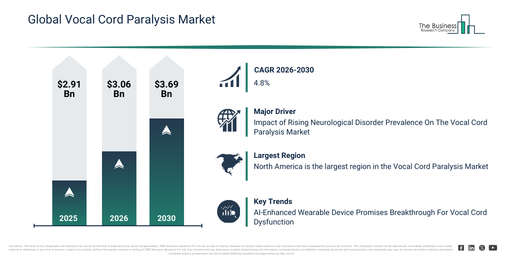
    The vocal cord paralysis market has demonstrated consistent expansion in recent years. It is projected to expand from $2.91 billion in 2025 to $3.06 billion in 2026, registering a compound annual growth rate (CAGR) of 5.0%. The historical growth in this market can be attributed to a rising occurrence of neurological and surgical complications, coupled with broader availability of otolaryngology services, the emergence of specialty voice clinics, enhancements in diagnostic imaging, and the expansion of speech therapy practices.

    The vocal cord paralysis market size is projected to experience consistent expansion over the upcoming years. Its valuation is anticipated to reach $3.69 billion by 2030, demonstrating a compound annual growth rate (CAGR) of 4.8%. This projected growth is driven by several factors, including the increasing uptake of minimally invasive surgical procedures, a heightened demand for customized voice rehabilitation, the expansion of specialized care facilities, an intensified focus on improving quality-of-life outcomes, and the greater incorporation of digital therapeutic instruments. Key trends observed during this period involve the increasing embrace of sophisticated surgical methods, a rise in the utilization of specialized voice therapy programs, a stronger emphasis on prompt diagnosis and early intervention, the broadening of multidisciplinary treatment strategies, and an increased focus on rehabilitation following treatment.

    Access Your Free Sample Report for In-Depth Market Insights:

    https://www.thebusinessresearchcompany.com/sample.aspx?id=18771&type=smp

    Which Drivers Are Influencing Long-Term Growth In The Vocal Cord Paralysis Market?

    The increasing prevalence of neurological disorders is anticipated to stimulate the expansion of the vocal cord paralysis market moving forward. These disorders are medical conditions that impact the nervous system, including the brain, spinal cord, and nerves. The rising occurrence of neurological disorders stems from various elements such as genetic predispositions, infections, trauma, toxins, autoimmune responses, and degeneration. Neurological conditions like stroke, multiple sclerosis, Parkinson’s disease, and other neuromuscular disorders frequently result in complications such as vocal cord paralysis due to their effect on nerve function and muscle control. As these disorders become more common globally, the number of individuals experiencing vocal cord paralysis is also likely to increase. For instance, in March 2023, according to the Alzheimer’s Association, a US-based nonprofit voluntary health organization, in 2023, approximately 6.7 million Americans aged 65 and older are living with Alzheimer’s dementia, and this figure is projected to rise to 13.8 million by 2060. Consequently, the widespread presence of neurological disorders acts as a significant driver for the growth of the vocal cord paralysis market.

    Which Segments Are Driving Activity In The Vocal Cord Paralysis Market?

    The vocal cord paralysis market covered in this report is segmented –

    1) By Type: Bilateral, Unilateral

    2) By Treatment: Surgery, Voice Therapy

    3) By End User: Hospital, Ambulatory Surgical Centers, Specialty Clinic, Other End Users

    Subsegments:

    1) By Bilateral: Acute Bilateral Vocal Cord Paralysis, Chronic Bilateral Vocal Cord Paralysis

    2) By Unilateral: Left-Sided Unilateral Vocal Cord Paralysis, Right-Sided Unilateral Vocal Cord Paralysis

    Which Trends Are Shaping Activity Within The Vocal Cord Paralysis Market?

    Key companies operating within the vocal cord paralysis market are focused on creating advanced technologies, like AI-assisted wearable devices, to improve the diagnosis, treatment, and management of the condition, ultimately enhancing patient outcomes and overall quality of life. An AI-assisted wearable device denotes a form of wearable technology that integrates artificial intelligence to boost its functionality. For instance, in March 2024, UCLA (University of California, Los Angeles), a US-based public research university, developed an adhesive neck patch, a soft, thin, stretchy device just over 1 square inch in size that can be attached to the skin on the outside of the throat to help individuals with dysfunctional vocal cords restore their voice function. This compact new patch-like device consists of two main parts. One, a self-powered sensing component, identifies and transforms signals generated by muscle movements into high-fidelity, analyzable electrical signals, and the other is an actuation component that converts these electrical signals into speech signals through the application of a machine-learning algorithm.

    Which Leading Companies Dominate The Vocal Cord Paralysis Market Share?

    Major companies operating in the vocal cord paralysis market are Medtronic plc, Siemens Healthineers AG, Stryker Corporation, Boston Scientific Corporation, Olympus Corporation, Intuitive Surgical Inc., Smith & Nephew plc, Shenzhen Mindray Bio-Medical Electronics Co. Ltd., Smiths Medical, Teleflex Incorporated, Karl Storz SE & Co. KG, Cook Medical, PENTAX Medical, Merz Therapeutics, Atos Medical AB, Coloplast A/S, InnoMed Technologies Inc., VocaLab Inc., APrevent Medical Inc., InHealth Technologies, Luminaud Inc., Servona GmbH, HEIMOMED Heinze GmbH & Co. KG, Orbisana Healthcare GmbH, William Demant Holding A/S, Acclarent Inc., ICU Medical Inc., Integra LifeSciences Holdings Corporation

    Access The Complete Report For Deeper Market Insights:

    https://www.thebusinessresearchcompany.com/report/vocal-cord-paralysis-global-market-report

    How Does The Vocal Cord Paralysis Market Perform Across Major Global Regions?

    North America was the largest region in the vocal cord paralysis market in 2025. Asia-Pacific is expected to be the fastest-growing region in the forecast period. The regions covered in the vocal cord paralysis market report are Asia-Pacific, South East Asia, Western Europe, Eastern Europe, North America, South America, Middle East, Africa.

    Request Your Customized Vocal Cord Paralysis Market Research Report for Competitive Advantage:

    https://www.thebusinessresearchcompany.com/customise?id=18771&type=smp

    Browse Through More Reports Similar to the Global Vocal Cord Paralysis Market 2026, By The Business Research Company

    Muscle Tension Dysphonia Treatment Market Report 2026

    https://www.thebusinessresearchcompany.com/report/muscle-tension-dysphonia-treatment-global-market-report

    Facial Paralysis Market Report 2026

    https://www.thebusinessresearchcompany.com/report/facial-paralysis-global-market-report

    Speech And Language Disorder Market Report 2026

    https://www.thebusinessresearchcompany.com/report/speech-and-language-disorder-global-market-report

    Get in touch with us:

    The Business Research Company: https://www.thebusinessresearchcompany.com/

    Americas +1 310-496-7795

    Asia +44 7882 955267 & +91 8897263534

    Europe +44 7882 955267

    Email us at info@tbrc.info

    Follow us on:

    LinkedIn: https://in.linkedin.com/company/the-business-research-company

    YouTube: https://www.youtube.com/channel/UC24_fI0rV8cR5DxlCpgmyFQ

    Global Market Model: https://www.thebusinessresearchcompany.com/global-market-model
  • Vocal Biomarkers Market Future Outlook 2026: Key Drivers and Growth Potential

    Vocal Biomarkers Market Future Outlook 2026: Key Drivers and Growth Potential

    Uncover key drivers, emerging technologies, and competitive movements shaping the vocal biomarkers market from 2026–2035 with trusted insights from The Business Research Company

    What level of CAGR-driven expansion is anticipated in the Vocal Biomarkers Market between 2026 and 2030?

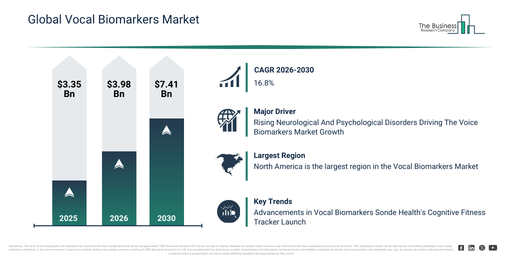
    The vocal biomarkers market size has seen rapid expansion in recent years. It is anticipated to grow from $3.35 billion in 2025 to $3.98 billion in 2026, achieving a compound annual growth rate (CAGR) of 18.8%. This historical growth can be linked to intensified research into digital health biomarkers, increased adoption of telemedicine, the availability of advanced speech analytics software, a heightened focus on mental health screening, and the broadening of academic research programs.

    The vocal biomarkers market size is projected for swift expansion over the coming years, with expectations to reach $7.41 billion in 2030, displaying a compound annual growth rate (CAGR) of 16.8%. The observed growth within this forecast period stems from factors such as increasing clinical validation of vocal biomarkers, their rising integration with wearable health platforms, the expansion of AI-powered diagnostics, a growing demand for non-invasive monitoring solutions, and increasing regulatory acceptance of digital biomarkers. Noteworthy trends anticipated during this period encompass the increasing use of AI-driven voice analysis platforms, the rising adoption of remote health monitoring tools, the growing integration of vocal biomarkers in mental health assessment, the expansion of voice-based diagnostic applications, and an enhanced focus on continuous patient monitoring.

    Access Your Free Sample Report for In-Depth Market Insights:

    https://www.thebusinessresearchcompany.com/sample.aspx?id=17294&type=smp

    What Drivers Are Affecting Demand-Supply Dynamics In The Vocal Biomarkers Market?

    The increasing incidence of neurological and psychological disorders is anticipated to drive the future expansion of the voice biomarkers market. Neurological disorders are defined as medical conditions impacting the nervous system, whereas psychological disorders represent conditions that influence an individual’s mood, thought processes, and behavior. The rise in cases of both neurological and psychological disorders can be attributed to factors such as elevated stress levels, an aging global population, shifts in lifestyle, and improved capabilities in awareness and diagnosis. Voice biomarkers are utilized in these conditions for the non-invasive detection and monitoring of disease-specific changes in speech patterns, pitch, and rhythm, thereby offering valuable insights into the presence and progression of these ailments. For instance, in April 2024, according to the data published by alzheimers.gov, a US-based Department of Health and Human Services (HHS), more than 6 million Americans aged 65 and older are living with Alzheimer’s disease in 2024, and it is predicted that this number will increase to more than 13 million people by 2060. This consistent growth in neurological and psychological disorders is thus propelling the expansion of the voice biomarkers market.

    How Is The Vocal Biomarkers Market Organized Into Various Segments?

    The vocal biomarkers market covered in this report is segmented –

    1) By Type: Frequency, Amplitude, Error Rate, Vocal Rise Or Fall Time, Phonation Time, Voice Tremor, Pitch, Other Types

    2) By Indications: Psychiatric Disorders, Neurological Disorders, Respiratory Disorders, Cardiovascular Disorders, Traumatic Brain Injury (TBI), Other Indications

    3) By Consumer: Children And Newborns, Adults

    4) By End Users: Hospitals And Clinics, Academic, Research, Other End-Users

    Subsegments:

    1) By Frequency: Fundamental Frequency (Pitch), Formant Frequencies

    2) By Amplitude: Intensity Levels, Amplitude Variation

    3) By Error Rate: Phonemic Errors, Prosodic Errors

    4) By Vocal Rise Or Fall Time: Rise Time Slope, Fall Time Slope

    5) By Phonation Time: Sustained Phonation Duration, Phonation Intervals

    6) By Voice Tremor: Frequency Modulation Tremor, Amplitude Modulation Tremor

    7) By Pitch: Mean Pitch, Pitch Variability

    8) By Other Types: Speech Rate, Jitter, Shimmer

    Which Trends Are Influencing The Development Of The Vocal Biomarkers Market?

    Leading companies in the vocal biomarkers market are prioritizing the creation of advanced technology, such as Monitor Vocal Biomarkers, to elevate the precision of disease detection, improve patient surveillance, and allow for early intervention across various health issues. Monitor Vocal Biomarkers signifies the application of voice analysis to pinpoint physiological and psychological health markers. For example, in November 2024, Sonde Health, a US-based digital health company, unveiled Sonde Cognitive Fitness, a voice-activated cognitive fitness tracker engineered to observe cognitive effort continuously. This tracker processes voice samples acquired through most smart devices, evaluating vocal biomarkers to determine cognitive effort.

    Who Are The Major Companies Operating In The Vocal Biomarkers Market?

    Major companies operating in the vocal biomarkers market are Beyond Verbal, AudEERING, Sonde Health Inc., Kintsugi Health, Ellipsis Health, Canary Speech, Vocalis Health, EVOCAL Health, Cogito Corporation, ConversationHealth, Veritone Inc., Cambridge Cognition Ltd., Neurotrack Technologies Inc., Winterlight Labs, Aural Analytics, PeakProfiling, Mindstrong Health, Sonic Cloud Health, NeuraMetrix, Aiva Health, Modality AI, VoiceSense, VoxMetrix

    Access The Complete Report For Deeper Market Insights:

    https://www.thebusinessresearchcompany.com/report/vocal-biomarkers-global-market-report

    Which Region Is Anticipated To See The Fastest Growth In The Vocal Biomarkers Market?

    North America was the largest region in the vocal biomarkers market in 2025. The regions covered in the vocal biomarkers market report are Asia-Pacific, South East Asia, Western Europe, Eastern Europe, North America, South America, Middle East, Africa.

    Request Your Customized Vocal Biomarkers Market Research Report for Competitive Advantage:

    https://www.thebusinessresearchcompany.com/customise?id=17294&type=smp

    Browse Through More Reports Similar to the Global Vocal Biomarkers Market 2026, By The Business Research Company

    Clinical Biomarkers Market Report 2026

    https://www.thebusinessresearchcompany.com/report/clinical-biomarkers-global-market-report

    Voice Biometrics Market Report 2026

    https://www.thebusinessresearchcompany.com/report/voice-biometrics-global-market-report

    Biomarkers Market Report 2026

    https://www.thebusinessresearchcompany.com/report/biomarkers-global-market-report

    Get in touch with us:

    The Business Research Company: https://www.thebusinessresearchcompany.com/

    Americas +1 310-496-7795

    Asia +44 7882 955267 & +91 8897263534

    Europe +44 7882 955267

    Email us at info@tbrc.info

    Follow us on:

    LinkedIn: https://in.linkedin.com/company/the-business-research-company

    YouTube: https://www.youtube.com/channel/UC24_fI0rV8cR5DxlCpgmyFQ

    Global Market Model: https://www.thebusinessresearchcompany.com/global-market-model
  • Vitreoretinal Disorder Market Trends and Insights: Global Forecast to 2030

    Vitreoretinal Disorder Market Trends and Insights: Global Forecast to 2030

    Uncover key drivers, emerging technologies, and competitive movements shaping the vitreoretinal disorder market from 2026–2035 with trusted insights from The Business Research Company

    What long-term size projections exist for the Vitreoretinal Disorder Market covering 2026–2035?

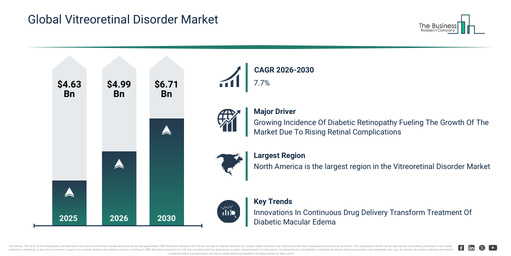
    The vitreoretinal disorder market size has demonstrated strong growth in recent years. It is anticipated to expand from $4.63 billion in 2025 to $4.99 billion in 2026, achieving a compound annual growth rate (CAGR) of 7.9%. This historical growth can be attributed to the rising prevalence of diabetic eye diseases, increased availability of optical coherence tomography, an uptick in ophthalmic surgical procedures, the expansion of specialty eye clinics, and enhanced diagnostic accuracy.

    The vitreoretinal disorder market size is anticipated to undergo significant expansion in the next few years, set to grow to $6.71 billion in 2030, exhibiting a compound annual growth rate (CAGR) of 7.7%. This projected growth throughout the forecast period stems from factors such as increasing demand for personalized retinal treatments, rising investments in ophthalmic innovation, the wider adoption of minimally invasive surgical techniques, the expanding utilization of AI-driven diagnostics, and a heightened focus on vision preservation therapies. Prominent trends for the forecast period include the increasing adoption of advanced retinal imaging techniques, a rise in minimally invasive vitreoretinal surgery, the growing integration of AI-based diagnostic tools, the expansion of targeted retinal therapies, and an enhanced emphasis on early disease detection.

    Access Your Free Sample Report for In-Depth Market Insights:

    https://www.thebusinessresearchcompany.com/sample.aspx?id=23574&type=smp

    Which Drivers Are Impacting The Competitive Landscape Of The Vitreoretinal Disorder Market?

    An increasing occurrence of diabetic retinopathy is anticipated to drive expansion in the vitreoretinal disorder market. This eye condition develops when elevated blood sugar levels in individuals with diabetes cause harm to the blood vessels of the retina. The incidence of diabetic retinopathy is on the rise, primarily due to the growing prevalence of diabetes itself, which is often linked to sedentary lifestyles and inadequate blood sugar control, ultimately leading to damage in the retinal blood vessels. Managing vitreoretinal disorders is crucial for treating diabetic retinopathy, as it addresses complications such as vitreous hemorrhage and tractional retinal detachment, thereby preserving vision and preventing further retinal damage. For instance, in October 2024, the Australian Institute of Health and Welfare, an Australia-based government agency, reported that during 2022–23, 1.8% of screened First Nations people in Australia received treatment for diabetic retinopathy, reflecting a lower age-standardized treatment rate (1.3%) than non-Indigenous Australians (1.5%). Therefore, the growing incidence of diabetic retinopathy is consequently fueling the growth of the vitreoretinal disorder market.

    What Segments Are Identified Within The Structure Of The Vitreoretinal Disorder Market?

    The vitreoretinal disorder market covered in this report is segmented –

    1) By Type: Retinal Tear, Retinal Detachment, Diabetic Retinopathy, Macular Degeneration, Macular Hole, Other Types

    2) By Diagnosis: Digital Fluorescein Angiography, Optical Coherence Tomography, Heidelberg Retinal Tomography, Indocyanine Green Angiography, Other Diagnosis

    3) By Treatment: Surgery, Medication, Other Treatments

    4) By Distribution Channel: Hospital Pharmacy, Online Pharmacy, Retail Pharmacy

    5) By End User: Hospitals, Homecare, Specialty Clinics, Other End Users

    Subsegments:

    1) By Retinal Tear: Atrophic Retinal Tear, Operculated Retinal Tear, Horseshoe Retinal Tear, Giant Retinal Tear

    2) By Retinal Detachment: Rhegmatogenous Retinal Detachment, Tractional Retinal Detachment, Exudative Retinal Detachment

    3) By Diabetic Retinopathy: Non-Proliferative Diabetic Retinopathy, Proliferative Diabetic Retinopathy, Diabetic Macular Edema

    4) By Macular Degeneration: Dry Macular Degeneration, Wet Macular Degeneration

    5) By Macular Hole: Full-Thickness Macular Hole, Lamellar Macular Hole, Tractional Macular Hole

    6) By Other Types: Epiretinal Membrane, Retinal Vein Occlusion, Retinal Artery Occlusion, Retinitis Pigmentosa, Uveitis, Vitreous Hemorrhage, Macular Edema, Central Serous Retinopathy, Proliferative Vitreoretinopathy

    What Trends Are Expected To Impact The Competitive Landscape Of The Vitreoretinal Disorder Market?

    Major companies within the vitreoretinal disorder market are prioritizing inventive offerings such as continuous delivery drug solutions to lessen injection frequency and improve patient outcomes. These continuous delivery drug solutions represent medical systems designed to provide a sustained, controlled release of medication directly to the eye, thereby diminishing the need for frequent injections, maintaining consistent therapeutic levels, and enhancing patient adherence and visual results. For example, in February 2025, Roche, a global pharmaceutical entity based in Switzerland, secured U.S. Food and Drug Administration (FDA) approval for its Susvimo (ranibizumab injection) 100 mg/mL, which is a Port Delivery System intended for diabetic macular edema (DME). Susvimo facilitates the continuous delivery of ranibizumab through a refillable implant, enabling patients to sustain their vision with merely two treatments per year, a considerable reduction compared to monthly eye injections. The system was put to the test in the Phase III Pagoda study, where it demonstrated persistent improvements in visual acuity and a safety profile consistent with previous approvals for neovascular age-related macular degeneration (nAMD). Susvimo’s innovative platform aims to reduce the burden of treatment, elevate patient convenience, and address the escalating global prevalence of DME.

    Which Major Firms Are Strengthening Their Position In The Vitreoretinal Disorder Market?

    Major companies operating in the vitreoretinal disorder market are F. Hoffmann-La Roche AG, Bayer AG, Novartis AG, Regeneron Pharmaceuticals Inc., Alcon Inc., Bausch Health Companies Inc., Santen Pharmaceutical Co. Ltd., Topcon Corporation, Carl Zeiss Meditec AG, Ocular Therapeutix Inc., EyePoint Pharmaceuticals Inc., Kodiak Sciences Inc., Clearside Biomedical, Apellis Pharmaceuticals Inc., Genentech Inc., Oxurion NV, Adverum Biotechnologies Inc., Opthea Limited, Graybug Vision Inc., Kiora Pharmaceuticals Inc., Allegro Ophthalmics Inc., Lineage Cell Therapeutics Inc., Ocugen Inc.

    Access The Complete Report For Deeper Market Insights:

    https://www.thebusinessresearchcompany.com/report/vitreoretinal-disorder-global-market-report

    Which Region Is Anticipated To See The Fastest Growth In The Vitreoretinal Disorder Market?

    North America was the largest region in the vitreoretinal disorder market in 2025. The regions covered in the vitreoretinal disorder market report are Asia-Pacific, South East Asia, Western Europe, Eastern Europe, North America, South America, Middle East, Africa.

    Request Your Customized Vitreoretinal Disorder Market Research Report for Competitive Advantage:

    https://www.thebusinessresearchcompany.com/customise?id=23574&type=smp

    Browse Through More Reports Similar to the Global Vitreoretinal Disorder Market 2026, By The Business Research Company

    Optic Nerve Disorders Treatment Market Report 2026

    https://www.thebusinessresearchcompany.com/report/optic-nerve-disorders-treatment-global-market-report

    Retinal Disorder Treatment Market Report 2026

    https://www.thebusinessresearchcompany.com/report/retinal-disorder-treatment-global-market-report

    Vitrectomy Devices Market Report 2026

    https://www.thebusinessresearchcompany.com/report/vitrectomy-devices-global-market-report

    Get in touch with us:

    The Business Research Company: https://www.thebusinessresearchcompany.com/

    Americas +1 310-496-7795

    Asia +44 7882 955267 & +91 8897263534

    Europe +44 7882 955267

    Email us at info@tbrc.info

    Follow us on:

    LinkedIn: https://in.linkedin.com/company/the-business-research-company

    YouTube: https://www.youtube.com/channel/UC24_fI0rV8cR5DxlCpgmyFQ

    Global Market Model: https://www.thebusinessresearchcompany.com/global-market-model