Month: March 2026

  • Global Zika Virus Therapeutics Industry Insights: Key Trends and Growth Estimates

    Uncover key drivers, emerging technologies, and competitive movements shaping the zika virus therapeutics market from 2026–2035 with trusted insights from The Business Research Company

    Starting from its 2026 valuation, what market size is the Zika Virus Therapeutics Market expected to reach by 2030?

    The zika virus therapeutics market has seen substantial growth over recent years. It is anticipated to expand from $32.06 billion in 2025 to $34 billion in 2026, progressing at a compound annual growth rate (CAGR) of 6.0%. The historical increase can be attributed to past outbreaks in endemic areas, a reliance on symptomatic treatment strategies, the enlargement of public health monitoring frameworks, the creation of basic diagnostic instruments, and a heightened understanding of congenital zika complications.

    The zika virus therapeutics market is projected to experience substantial expansion over the coming years, with an anticipated valuation of $42.49 billion by 2030, exhibiting a compound annual growth rate (CAGR) of 5.7%. This expected growth during the forecast period is primarily driven by increasing investments in infectious disease research, a rising demand for preventive vaccines, the expansion of global disease surveillance networks, a growing focus on maternal health protection, and enhanced collaboration among public health agencies. Additionally, major trends identified for this timeframe include a heightened emphasis on antiviral drug development, increased investment in vaccine research programs, the broadening of supportive care therapeutics, an escalation in the surveillance of vector-borne diseases, and improved public health preparedness.

    Access Your Free Sample Report for In-Depth Market Insights:

    https://www.thebusinessresearchcompany.com/sample.aspx?id=21323&type=smp

    What Drivers Are Driving Adoption Within The Zika Virus Therapeutics Market?

    A significant infection incidence rate is anticipated to drive the expansion of the Zika virus therapeutics market moving ahead. This rate represents the likelihood or potential for an infection to manifest within a particular demographic during a set timeframe. The occurrence of infection stems from elements like insufficient vector management, environmental circumstances conducive to mosquito reproduction, and restricted availability of preventative health services in impacted areas. The prevalence of infection necessitates potent Zika virus therapeutics, thereby stimulating the creation and funding of vaccines and treatments to counter the escalating public health danger. As an illustration, in December 2024, the UK Health Security Agency, a government body based in the UK, stated that approximately eight verified cases of the Zika virus were documented between January and June 2024, indicating a 700% surge in occurrence relative to the corresponding months in 2023. Consequently, the escalating infection incidence rate will stimulate the growth of the Zika virus therapeutics market.

    What Segments Are Included Within The Zika Virus Therapeutics Market?

    The zika virus therapeutics market covered in this report is segmented –

    1) By Product: Acetaminophen, Other Non-Steroidal Anti-Inflammatory Drugs (NSAIDs)

    2) By Vaccine Type: Inactivated Vaccine, Subunit Vaccine, Live-Attenuated Vaccine, Other Vaccine Types

    3) By End User: Hospitals, Clinics, Other End Users

    Subsegments:

    1) By Acetaminophen: Oral Tablets, Oral Suspensions, Intravenous Formulations

    2) By Other Non-Steroidal Anti-Inflammatory Drugs (NSAIDs): Ibuprofen, Aspirin, Naproxen, Celecoxib

    Which Trends Are Influencing The Performance And Direction Of The Zika Virus Therapeutics Market?

    Major companies operating in the zika virus therapeutics market are concentrating on developing innovative technologies, such as second-generation adjuvanted inactivated vaccines. Their aim is to enhance the immune response, improve vaccine efficacy, and offer longer-lasting protection against the virus. A second-generation adjuvanted inactivated vaccine is a type of vaccine that combines an inactivated virus with an immune-boosting adjuvant, thereby strengthening the body’s immune response for improved defense against the target disease. As an illustration, in March 2024, Valneva SE, a France-based biotechnology company specializing in vaccine production, announced the commencement of Phase 1 clinical trials for VLA1601. This candidate is a highly purified inactivated vaccine targeting the Zika virus (ZIKV), created using the identical manufacturing platform as Valneva’s licensed Japanese encephalitis vaccine, IXIARO. The vaccine incorporates an adjuvant, which consists of substances that amplify the immune response, a crucial factor for its effectiveness.

    Who Are The Major Companies Operating In The Zika Virus Therapeutics Market?

    Major companies operating in the zika virus therapeutics market are Johnson & Johnson, Merck & Co Inc, Sanofi S A, Takeda Pharmaceutical Company Limited, Moderna Inc, Emergent BioSolutions Inc, Valneva SE, Bharat Biotech International Limited, Inovio Pharmaceuticals Inc, GeoVax Labs Inc, GlaxoSmithKline plc, Novavax Inc, Pfizer Inc, GeneOne Life Science Inc, Zydus Cadila, Indian Immunologicals Limited, Enesi Pharma, Protein Sciences Corporation, Sementis Ltd, Hawaii Biotech Inc, GeneOne Life Science

    Access The Complete Report For Deeper Market Insights:

    https://www.thebusinessresearchcompany.com/report/zika-virus-therapeutics-global-market-report

    Which Region Is Anticipated To See The Fastest Growth In The Zika Virus Therapeutics Market?

    North America was the largest region in the zika virus therapeutics market in 2025. Asia-Pacific is expected to be the fastest-growing region in the forecast period. The regions covered in the zika virus therapeutics market report are Asia-Pacific, South East Asia, Western Europe, Eastern Europe, North America, South America, Middle East, Africa.

    Request Your Customized Zika Virus Therapeutics Market Research Report for Competitive Advantage:

    https://www.thebusinessresearchcompany.com/customise?id=21323&type=smp

    Browse Through More Reports Similar to the Global Zika Virus Therapeutics Market 2026, By The Business Research Company

    Antivirals Market Report 2026

    https://www.thebusinessresearchcompany.com/report/antivirals-global-market-report

    Antiviral Combination Therapy Market Report 2026

    https://www.thebusinessresearchcompany.com/report/antiviral-combination-therapy-global-market-report

    Oncolytic Virus Therapy Market Report 2026

    https://www.thebusinessresearchcompany.com/report/oncolytic-virus-therapy-global-market-report

    Get in touch with us:

    The Business Research Company: https://www.thebusinessresearchcompany.com/

    Americas +1 310-496-7795

    Asia +44 7882 955267 & +91 8897263534

    Europe +44 7882 955267

    Email us at info@tbrc.info

    Follow us on:

    LinkedIn: https://in.linkedin.com/company/the-business-research-company

    YouTube: https://www.youtube.com/channel/UC24_fI0rV8cR5DxlCpgmyFQ

    Global Market Model: https://www.thebusinessresearchcompany.com/global-market-model
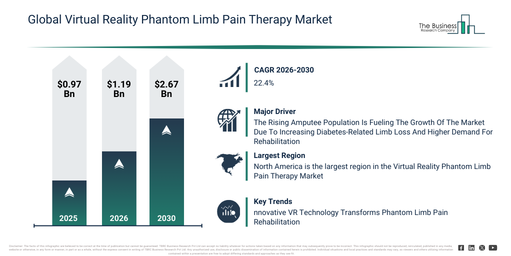
  • Virtual Reality Phantom Limb Pain Therapy Global Forecast: Market to Scale Up to $2.67 Billion by 2030 at 22.4% CAGR

    Virtual Reality Phantom Limb Pain Therapy Global Forecast: Market to Scale Up to $2.67 Billion by 2030 at 22.4% CAGR

    Uncover key drivers, emerging technologies, and competitive movements shaping the virtual reality phantom limb pain therapy market from 2026–2035 with trusted insights from The Business Research Company

    How much is the Virtual Reality Phantom Limb Pain Therapy Market valued at in 2026, and what valuation is forecast for 2030?

    The virtual reality phantom limb pain therapy market size has experienced substantial expansion in recent years. It is projected to increase from $0.97 billion in 2025 to $1.19 billion in 2026, achieving a compound annual growth rate (CAGR) of 22.7%. The market’s growth during the historical period is attributable to an increasing number of limb amputations, the adoption of VR in pain management, a growing acceptance of non-invasive therapies, the expansion of rehabilitation services, and the availability of immersive feedback technologies.

    The virtual reality phantom limb pain therapy market size is anticipated to experience substantial growth over the coming years. It is predicted to expand to $2.67 billion by 2030, exhibiting a compound annual growth rate (CAGR) of 22.4%. This projected growth can be attributed to an escalating demand for customized pain therapy solutions, the increasing integration of AI-based therapy personalization, the expansion of remote rehabilitation platforms, a growing emphasis on long-term pain management, and the rising clinical validation of VR-based treatments. Key trends for the forecast period include a greater adoption of VR-based pain management therapies, an increase in the use of mirror therapy simulation techniques, the expanding integration of haptic feedback systems, the proliferation of home-based phantom limb therapy solutions, and an enhanced focus on psychological and sensory rehabilitation.

    Access Your Free Sample Report for In-Depth Market Insights:

    https://www.thebusinessresearchcompany.com/sample.aspx?id=28357&type=smp

    What Drivers Are Influencing The Growth Of The Virtual Reality Phantom Limb Pain Therapy Market?

    An anticipated increase in the amputee population is projected to fuel the expansion of the virtual reality phantom limb pain therapy market in the future. This population consists of individuals who have experienced the partial or total loss of a limb, necessitating ongoing rehabilitation and specific therapeutic interventions. The primary reason for the growing amputee population is the increasing incidence of diabetes, which often results in serious complications like poor circulation and nerve damage, substantially raising the number of limb amputations. The virtual reality phantom limb pain therapy market contributes to this trend by offering immersive therapeutic settings designed to retrain neural pathways, alleviate phantom limb pain, and enhance the overall well-being of patients. As an illustration, in March 2024, the American Diabetes Association, a US-based nonprofit health organization, reported that annual healthcare costs related to diabetes-induced amputations in the United States surpassed $9.1 billion, and global diabetes-related healthcare spending exceeded $966 billion, underscoring the considerable financial impact associated with the increasing instances of limb loss. Consequently, the expansion of the amputee population is a key factor propelling the growth of the virtual reality phantom limb pain therapy market.

    How Is The Virtual Reality Phantom Limb Pain Therapy Market Organized Into Various Segments?

    The virtual reality phantom limb pain therapy market covered in this report is segmented –

    1) By Technology: Hardware, Software, Services

    2) By Therapy Type: Immersive Virtual Reality (VR) Therapy, Non-Immersive Virtual Reality (VR) Therapy, Mixed Reality Therapy

    3) By Patient Type: Upper Limb Amputees, Lower Limb Amputees

    4) By Application: Hospitals, Rehabilitation Centers, Homecare Settings, Other Applications

    Subsegments:

    1) By Hardware: Head-Mounted Displays (HMDs), Motion Tracking Sensors, Haptic Feedback Devices, Virtual Reality (VR) Gloves, Virtual Reality (VR) Treadmills, Eye-Tracking Devices

    2) By Software: Immersive Virtual Reality (VR) Therapy Applications, Non-Immersive Virtual Reality (VR) Therapy Applications, Mixed Reality Therapy Applications, Artificial Intelligence (AI)-Based Therapy Modules, Gamified Rehabilitation Software

    3) By Services: Clinical Implementation Services, Remote Patient Monitoring Services, Maintenance And Support Services, Training And Consultation Services, Therapy Customization Services

    How Are New Market Trends Shaping The Landscape Of The Virtual Reality Phantom Limb Pain Therapy Market?

    Major companies operating in the virtual reality phantom limb pain therapy market are concentrating on developing innovative solutions, such as immersive virtual reality simulators, to alleviate pain and improve rehabilitation outcomes. A virtual reality simulator functions as a system that utilizes immersive 3D environments and motion-tracking technology to replicate real-world experiences for training, therapy, or rehabilitation applications. For instance, in November 2025, The UNBROKEN National Rehabilitation Center, a holistic medical-rehabilitation facility based in Ukraine, unveiled VRNOW. This groundbreaking virtual reality (VR) technology aims to ease phantom limb pain in amputees by generating a virtual model of the absent limb. This system assists patients in reducing their phantom pain through immersive VR experiences that simulate the presence and movement of the lost limb, thereby enhancing the sensation of body ownership and providing pain relief. VRNOW signifies a notable advancement in rehabilitation technology for effectively managing phantom pain and supporting recovery following an amputation.

    Who Are The Primary Competitors In The Global Virtual Reality Phantom Limb Pain Therapy Market?

    Major companies operating in the virtual reality phantom limb pain therapy market are Samsung Electronics Co Ltd, Lenovo Group Ltd, Mayo Clinic, The University of Texas at Dallas, Shirley Ryan AbilityLab, HTC Corporation, MindMaze SA, XRHealth Inc., HaptX Inc., Limber Health Inc., Virtualis, LimbPower Limited, OrthoCarolina Research Institute Inc., Karuna Labs Inc., Neuro Rehab VR, Tongji Hospital/University of Science and Technology of China, Bionic Hope Private Limited, Instalimb, Khymeia Group, Veterans Affairs (VA) North Texas Health Care System.

    Access The Complete Report For Deeper Market Insights:

    https://www.thebusinessresearchcompany.com/report/virtual-reality-phantom-limb-pain-therapy-global-market-report

    Which Global Regions Are Shaping The Competitive Landscape Of The Virtual Reality Phantom Limb Pain Therapy Market?

    North America was the largest region in the virtual reality phantom limb pain therapy market in 2025. The regions covered in the virtual reality phantom limb pain therapy market report are Asia-Pacific, South East Asia, Western Europe, Eastern Europe, North America, South America, Middle East, Africa.

    Request Your Customized Virtual Reality Phantom Limb Pain Therapy Market Research Report for Competitive Advantage:

    https://www.thebusinessresearchcompany.com/customise?id=28357&type=smp

    Browse Through More Reports Similar to the Global Virtual Reality Phantom Limb Pain Therapy Market 2026, By The Business Research Company

    Physical Therapy Market Report 2026

    https://www.thebusinessresearchcompany.com/report/physical-therapy-global-market-report

    Virtual Reality Vr In Medical Simulation Market Report 2026

    https://www.thebusinessresearchcompany.com/report/virtual-reality-vr-in-medical-simulation-global-market-report

    Virtual Reality In Healthcare Market Report 2026

    https://www.thebusinessresearchcompany.com/report/virtual-reality-in-healthcare-global-market-report

    Get in touch with us:

    The Business Research Company: https://www.thebusinessresearchcompany.com/

    Americas +1 310-496-7795

    Asia +44 7882 955267 & +91 8897263534

    Europe +44 7882 955267

    Email us at info@tbrc.info

    Follow us on:

    LinkedIn: https://in.linkedin.com/company/the-business-research-company

    YouTube: https://www.youtube.com/channel/UC24_fI0rV8cR5DxlCpgmyFQ

    Global Market Model: https://www.thebusinessresearchcompany.com/global-market-model
  • Yeast Infection Treatment Market Forecast: How Big Will It Be by 2030?

    Uncover key drivers, emerging technologies, and competitive movements shaping the yeast infection treatment market from 2026–2035 with trusted insights from The Business Research Company

    Across 2026–2030, what is the expected market valuation path of the Yeast Infection Treatment Market?

    The yeast infection treatment market has shown significant growth in recent years. It is expected to increase from $4.62 billion in 2025 to $4.88 billion in 2026, at a compound annual growth rate (CAGR) of 5.6%. This historical development can be attributed to the rising prevalence of fungal infections, the broad availability of antifungal medications, the expansion of retail pharmacy distribution, heightened awareness of genital and oral candidiasis, and the diversification of topical antifungal formulations.

    The yeast infection treatment market is forecasted to demonstrate substantial expansion in the coming years, projected to reach $6.06 billion by 2030, exhibiting a compound annual growth rate (CAGR) of 5.6%. This anticipated increase during the forecast period is primarily driven by an intensified focus on resistant candida strains, a growing requirement for long-term management solutions, the wider availability of online pharmacy channels, continuous advancements in novel antifungal agents, and a greater emphasis on patient-centric treatment methods. Significant trends anticipated during this period include an increased adoption of combination antifungal therapies, a rising demand for over-the-counter treatment options, the expansion of probiotic-based adjunct therapies, a heightened concentration on recurrence prevention strategies, and improved patient awareness and diagnostic capabilities.

    Access Your Free Sample Report for In-Depth Market Insights:

    https://www.thebusinessresearchcompany.com/sample.aspx?id=13958&type=smp

    Which Drivers Are Supporting The Rise Of The Yeast Infection Treatment Market?

    The increasing incidence of autoimmune conditions is anticipated to fuel the expansion of the yeast infection treatment market moving ahead. An autoimmune disease occurs when the immune system erroneously targets healthy cells, tissues, and organs, impairing bodily functions and potentially posing a fatal risk. Treatments for yeast infections play a role in managing and averting complications associated with autoimmune diseases, primarily by tackling recurrent yeast infections connected to specific autoimmune syndromes and by possibly influencing the immune response through fungal infection control in individuals with autoimmune conditions. For example, in November 2023, data from the Multiple Sclerosis International Federation (MSIF), a UK-based international nonprofit organization dedicated to global MS research and advocacy, indicated that approximately 2.9 million people worldwide had multiple sclerosis, an autoimmune disease, in 2023. Consequently, the growing prevalence of autoimmune diseases is stimulating the expansion of the yeast infection treatment market.

    What Leading Segments Are Studied In The Yeast Infection Treatment Market?

    The yeast infection treatment market covered in this report is segmented –

    1) By Type: Powders, Creams Or Ointments, Tablets Or Capsules, Other Types

    2) By Treatment: Medical Treatment, Surgery

    3) By Indication: Genital Candidiasis, Invasive Candidiasis, Oropharyngeal Or Esophageal Candidiasis (Thrush), Other Indications

    4) By Route Of Administration: Oral, Topical, IV (Intravenous) Or IM (Intramuscular), Other Routes Of Administration

    5) By Application: Retail Pharmacies Or Drug Stores, Hospital Pharmacies, Specialty Stores, Online Sales, Other Applications

    Subsegments:

    1) By Powders: Antifungal Powders, Medicated Body Powders

    2) By Creams Or Ointments: Antifungal Creams, Vaginal Ointments, Topical Creams

    3) By Tablets Or Capsules: Oral Antifungal Tablets, Probiotic Capsules, Vaginal Tablets

    4) By Other Types: Suppositories, Sprays, Gels

    What Long-Term Trends Are Expected To Shape The Future Of The Yeast Infection Treatment Market?

    Leading firms within the yeast infection treatment market are prioritizing the integration of advanced antifungal therapies, representing a significant pharmaceutical breakthrough aimed at boosting treatment efficacy, improving patient results, and ensuring prolonged control against recurrence. These cutting-edge antifungal drugs are formulated to precisely target particular fungal processes, such as enzyme inhibition, with greater specificity and potency compared to conventional broad-spectrum medications. This precision leads to benefits like enhanced cure rates, diminished recurrence, and a reduction in adverse effects. As an illustration, in February 2024, Mycovia Pharmaceuticals Inc., a US biopharmaceutical firm, in collaboration with Jiangsu Hengrui Pharmaceuticals Co Ltd, a Chinese pharmaceutical company focused on pioneering drug research and commercialization, introduced VIVJOA oteseconazole capsules. This product is a novel oral antifungal treatment developed for severe vulvovaginal candidiasis. VIVJOA is characterized by a brief two-day oral regimen and its selective inhibition of the fungal CYP51 enzyme, which minimizes its effect on human enzymes. It also demonstrates superior cure and mycological cure rates when contrasted with fluconazole. This medication improves the effectiveness of treatment, facilitates swift symptom alleviation, and lowers the probability of recurrence, consequently reinforcing the value of prescription-grade therapies for yeast infections.

    Which Major Firms Are Strengthening Their Position In The Yeast Infection Treatment Market?

    Major companies operating in the yeast infection treatment market are Pfizer Inc., Merck & Co. Inc., AbbVie Inc., Novartis International AG, Sanofi SA, Abbott Laboratories, AstraZeneca PLC, Bayer AG, Astellas Pharma Inc., Torrent Pharmaceuticals, Cipla, Glenmark Pharmaceuticals Ltd, Zydus Lifesciences, Brundavan Laboratories Private Limited, Prestige Consumer Healthcare Inc., Synmedic Laboratories, Basilea Pharmaceutica AG, Jubilant Pharmova Limited, Johnson & Johnson, GlaxoSmithKline plc, Gilead Sciences Inc., SCYNEXIS Inc., Leadiant Biosciences Inc.

    Access The Complete Report For Deeper Market Insights:

    https://www.thebusinessresearchcompany.com/report/yeast-infection-treatment-global-market-report

    Which Region Is Anticipated To See The Fastest Growth In The Yeast Infection Treatment Market?

    North America was the largest region in the yeast infection treatment market in 2025. Asia-Pacific is expected to be the fastest-growing region in the forecast period. The regions covered in the yeast infection treatment market report are Asia-Pacific, South East Asia, Western Europe, Eastern Europe, North America, South America, Middle East, Africa.

    Request Your Customized Yeast Infection Treatment Market Research Report for Competitive Advantage:

    https://www.thebusinessresearchcompany.com/customise?id=13958&type=smp

    Browse Through More Reports Similar to the Global Yeast Infection Treatment Market 2026, By The Business Research Company

    Feed Yeast Market Report 2026

    https://www.thebusinessresearchcompany.com/report/feed-yeast-global-market-report

    Candidiasis Therapeutics Market Report 2026

    https://www.thebusinessresearchcompany.com/report/candidiasis-therapeutics-global-market-report

    Specialty Yeast Market Report 2026

    https://www.thebusinessresearchcompany.com/report/specialty-yeast-global-market-report

    Get in touch with us:

    The Business Research Company: https://www.thebusinessresearchcompany.com/

    Americas +1 310-496-7795

    Asia +44 7882 955267 & +91 8897263534

    Europe +44 7882 955267

    Email us at info@tbrc.info

    Follow us on:

    LinkedIn: https://in.linkedin.com/company/the-business-research-company

    YouTube: https://www.youtube.com/channel/UC24_fI0rV8cR5DxlCpgmyFQ

    Global Market Model: https://www.thebusinessresearchcompany.com/global-market-model
  • Xenotransplantation Market Report 2026: Strategic Insights and Revenue Outlook

    Uncover key drivers, emerging technologies, and competitive movements shaping the xenotransplantation market from 2026–2035 with trusted insights from The Business Research Company

    What size range is anticipated for the Xenotransplantation Market from 2026 to 2030?

    The xenotransplantation market has demonstrated strong expansion over recent years. It is projected to climb from $15.77 billion in 2025 to $17.13 billion in 2026, achieving a compound annual growth rate (CAGR) of 8.6%. The historical growth of this market segment can be ascribed to advancements in organ preservation science, the persistent shortage of human donor organs, ongoing progress in immunosuppressive therapies, various early-stage xenograft research programs, and the evolution of transplant diagnostic technologies.

    The xenotransplantation market is projected for significant expansion in the coming years, anticipated to reach $23.51 billion by 2030, exhibiting a compound annual growth rate (CAGR) of 8.2%. This anticipated growth is driven by several factors, including heightened clinical trial activity within xenotransplantation, an increase in investments directed towards gene-editing technologies, greater cooperation between biotechnology companies and healthcare institutions, broadening ethical and regulatory approval, and a rising need for non-traditional organ sources. Key trends during this period encompass expanded research into genetically modified donor organs, an intensified focus on reducing immune rejection, the proliferation of advanced organ preservation techniques, increased funding for translational transplant research, and enhanced regulatory structures for clinical trials.

    Access Your Free Sample Report for In-Depth Market Insights:

    https://www.thebusinessresearchcompany.com/sample.aspx?id=8326&type=smp

    What Drivers Are Affecting Demand In The Xenotransplantation Market?

    The rising need for tissue and organ transplants is projected to boost the xenotransplantation market. Many individuals may require an organ transplant due to hereditary conditions such as polycystic kidney disease, cystic fibrosis, or heart defects. This significant requirement for organ transplants has resulted in a scarcity of available organs. Xenotransplantation offers a solution to this shortage by utilizing organs from nonhuman sources rather than human ones. For example, in January 2024, the Organ Procurement and Transplantation Network, a US-based Department of Health and Human Services program overseeing the nation’s organ donation and transplantation system, reported a total of 46,632 organ transplants from both living and deceased donors in 2023, marking an 8.7 percent increase from 2022. Among these, 39,679 procedures involved deceased donors, showing an 8.9 percent rise compared to the prior year. Consequently, the growing demand for tissue and organ transplantation will propel the xenotransplantation market.

    Which Segment Groups Are Influencing The Xenotransplantation Market?

    The xenotransplantation market covered in this report is segmented –

    1) By Product: Organ Preservation Solutions, Transplant Diagnostics, Tissue Products

    2) By Treatment: Analgesic, Immunosuppressant, Other Treatments

    3) By Applications: Heart, Kidney, Other Organs

    4) By End-User: Hospitals, Transplant Centers, Other End-Users

    Subsegments:

    1) By Organ Preservation Solutions: Hypothermic Preservation Solutions, Normothermic Preservation Solutions, Organ Storage Solutions

    2) By Transplant Diagnostics: Pre-Transplant Compatibility Testing, Post-Transplant Monitoring, Molecular Diagnostics

    3) By Tissue Products: Xenograft Tissue Products, Tissue Engineered Products, Biological Scaffolds

    Which Market Trends Are Opening Growth Opportunities In The Xenotransplantation Market?

    Leading firms within the xenotransplantation market are prioritizing strategic collaborations to ensure dependable service delivery to their clientele. Such a partnership involves an agreement between multiple entities, be it companies or organizations, to assist one another or collectively pursue their individual objectives. As an example, in April 2023, Karius, a US-based global leader in liquid biopsy for infectious diseases, formed a partnership with eGenesis, Inc., a US-based biotechnology firm at the forefront of xenotransplantation, aiming to create human-compatible organs and cells for addressing organ failure. This alliance is expected to alleviate the scarcity of organs and hasten the widespread availability of secure xenotransplantation. Karius plans to deploy its platform to aid in detecting and quantifying potential diseases in pig organ donors. The primary objective of this collaboration is to establish a more extensive testing platform for identifying microbial cell-free DNA, which will serve as the basis for pre- and post-transplantation surveillance and monitoring.

    Who Are The Primary Competitors In The Global Xenotransplantation Market?

    Major companies operating in the xenotransplantation market are United Therapeutics, Preservation Solutions, OrganOX Limited, Talaris Therapeutics, TransMedic Inc., Sernova Corp, Nova Lung, Recombinetics, Tissue Regenix, TissueGene, SAB Biotherapeutics, eGenesis, Revivicor, Organ Recovery Systems, CRISPR Therapeutics, Qihan Biotech, Sino-Clone Organ Biotechnology, Xenothera, Lung Biotechnology.

    Access The Complete Report For Deeper Market Insights:

    https://www.thebusinessresearchcompany.com/report/xenotransplantation-global-market-report

    Which Global Regions Are Shaping The Competitive Landscape Of The Xenotransplantation Market?

    North America was the largest region in the xenotransplantation market in 2025. The regions covered in the xenotransplantation market report are Asia-Pacific, South East Asia, Western Europe, Eastern Europe, North America, South America, Middle East, Africa.

    Request Your Customized Xenotransplantation Market Research Report for Competitive Advantage:

    https://www.thebusinessresearchcompany.com/customise?id=8326&type=smp

    Browse Through More Reports Similar to the Global Xenotransplantation Market 2026, By The Business Research Company

    Polyphenols Market Report 2026

    https://www.thebusinessresearchcompany.com/report/polyphenols-global-market-report

    Patient Derived Xenograft Pdx Models Market Report 2026

    https://www.thebusinessresearchcompany.com/report/patient-derived-xenograft-pdx-models-global-market-report

    Xylene Market Report 2026

    https://www.thebusinessresearchcompany.com/report/xylene-global-market-report

    Get in touch with us:

    The Business Research Company: https://www.thebusinessresearchcompany.com/

    Americas +1 310-496-7795

    Asia +44 7882 955267 & +91 8897263534

    Europe +44 7882 955267

    Email us at info@tbrc.info

    Follow us on:

    LinkedIn: https://in.linkedin.com/company/the-business-research-company

    YouTube: https://www.youtube.com/channel/UC24_fI0rV8cR5DxlCpgmyFQ

    Global Market Model: https://www.thebusinessresearchcompany.com/global-market-model
  • Global X Linked Hypophosphatemia Industry Trends and Market Forecast 2026–2030

    Uncover key drivers, emerging technologies, and competitive movements shaping the x linked hypophosphatemia market from 2026–2035 with trusted insights from The Business Research Company

    How is the X Linked Hypophosphatemia Market size predicted to change over the forecast window of 2026–2035?

    The x linked hypophosphatemia market has experienced robust expansion over recent years. Projections indicate its expansion from $1.33 billion in 2025 to $1.44 billion in 2026, demonstrating a compound annual growth rate (CAGR) of 8.9%. This historical increase is primarily due to several factors, including a better grasp of phosphate metabolism disorders, the widespread availability of traditional phosphate and vitamin D treatments, enhanced diagnosis of uncommon bone conditions, the rise of specialized endocrine clinics, and the broadened scope of pediatric metabolic disease management.

    The x linked hypophosphatemia market is anticipated to experience substantial growth over the next few years, with its valuation projected to reach $2.01 billion by 2030, demonstrating a compound annual growth rate (CAGR) of 8.6%. This expansion during the forecast period is fueled by the rising adoption of biologic therapies, increased investments in rare disease research, the broadening of genetic screening programs, a heightened focus on managing long-term disease outcomes, and improved access to specialty biologic treatments. Key trends expected in this period include the growing uptake of targeted fgf23 inhibitor therapies, an intensified focus on early genetic diagnosis, the expansion of personalized treatment approaches, an increasing reliance on long-acting injectable therapies, and enhanced multidisciplinary disease management.

    Access Your Free Sample Report for In-Depth Market Insights:

    https://www.thebusinessresearchcompany.com/sample.aspx?id=23586&type=smp

    Which Drivers Are Contributing To The Expansion Of The X Linked Hypophosphatemia Market?

    The expanding prevalence of metabolic bone disorders is projected to fuel the expansion of the X-linked hypophosphatemia market. These disorders involve conditions that impact bone strength, structure, or mineral equilibrium, resulting from imbalances in calcium, phosphate, vitamin D, or hormone regulation. The rise in metabolic bone disorders can be attributed to an aging global population and evolving lifestyle choices, as the natural decline in bone density with age increases vulnerability to conditions such as osteoporosis and rickets. This heightened prevalence of metabolic bone disorders enhances awareness, research efforts, and early detection of conditions like X-linked hypophosphatemia (XLH), fostering improved screening and treatment solutions, and spurring innovations for more effective XLH management. For instance, in October 2024, data from the International Osteoporosis Foundation, a Switzerland-based nonprofit bone health organisation, revealed that up to 37 million fragility fractures occur annually worldwide in individuals aged over 55, translating to approximately 70 fractures every minute, and globally one in three women and one in five men over age 50 will experience an osteoporosis related fracture during their remaining lifetime. Consequently, the increasing prevalence of metabolic bone disorders is a key driver for the X-linked hypophosphatemia market.

    X Linked Hypophosphatemia Market Driver: Rising Focus On Personalized Medicine Fueling The Market Growth Due To Advancements In Targeted Therapies

    What Segment Classifications Make Up The X Linked Hypophosphatemia Market?

    The x linked hypophosphatemia market covered in this report is segmented –

    1) By Treatment Type: Conventional Therapy, Phosphate Supplements, Active Vitamin D Analogs, Novel Therapies, FGF23 inhibitors, Other Treatment Types

    2) By Route Of Administration: Oral, Intravenous

    3) By Distribution Channel: Hospital Pharmacies, Retail Pharmacies, Online Pharmacies, Other Distribution Channels

    4) By End-User: Hospitals, Specialty Clinics, Homecare, Other End-Users

    Subsegments:

    1) By Conventional Therapy: Pain Management, Physical Therapy, Orthopedic Surgery

    2) By Phosphate Supplements: Oral Phosphate Formulations, Intravenous Phosphate Therapy

    3) By Active Vitamin D Analogs: Calcitriol, Alfacalcidol, Paricalcitol

    4) By Novel Therapies: Gene Therapy, Monoclonal Antibodies

    5) By FGF23 Inhibitors: Burosumab (Crysvita), Other Investigational FGF23 Inhibitors

    6) By Other Treatment Types: Growth Hormone Therapy, Calcium Supplements, Bisphosphonates

    Which Key Market Players Are Investing In Expansion And Innovation Within The X Linked Hypophosphatemia Market?

    Major companies operating in the x linked hypophosphatemia market are Mayo Foundation for Medical Education and Research, Seattle Children’s Hospital, Kyowa Kirin Co. Ltd., Boston Children’s Hospital, Apollo Hospitals, Medicover Hospitals, Arkansas Childrens Hospital, Swixx Biopharma SA, King’s College Hospital, Alder Hey Children’s Hospital, Invitae Corp., Ultragenyx Pharmaceutical Inc., Childrens Hospital of Philadelpia, Nanavati Max Super Specialty Hospital, Ascendis Pharma A/S, Inozyme Pharma Inc., Yale School of Medicine, Mitsubishi Tanabe Pharma Corporation, Lurie Children’s Hospital

    Access The Complete Report For Deeper Market Insights:

    https://www.thebusinessresearchcompany.com/report/x-linked-hypophosphatemia-global-market-report

    Which Regions Are Poised For Strategic Growth In The X Linked Hypophosphatemia Market?

    North America was the largest region in the X-linked hypophosphatemia market in 2025. Asia-Pacific region is expected to be the fastest-growing region in the forecast period. The regions covered in the x linked hypophosphatemia market report are Asia-Pacific, South East Asia, Western Europe, Eastern Europe, North America, South America, Middle East, Africa.

    Request Your Customized X Linked Hypophosphatemia Market Research Report for Competitive Advantage:

    https://www.thebusinessresearchcompany.com/customise?id=23586&type=smp

    Browse Through More Reports Similar to the Global X Linked Hypophosphatemia Market 2026, By The Business Research Company

    Anosmia Market Report 2026

    https://www.thebusinessresearchcompany.com/report/anosmia-global-market-report

    Hypophosphatasia Treatment Market Report 2026

    https://www.thebusinessresearchcompany.com/report/hypophosphatasia-treatment-global-market-report

    Organophosphates Pesticides Market Report 2026

    https://www.thebusinessresearchcompany.com/report/organophosphates-pesticides-global-market-report

    Get in touch with us:

    The Business Research Company: https://www.thebusinessresearchcompany.com/

    Americas +1 310-496-7795

    Asia +44 7882 955267 & +91 8897263534

    Europe +44 7882 955267

    Email us at info@tbrc.info

    Follow us on:

    LinkedIn: https://in.linkedin.com/company/the-business-research-company

    YouTube: https://www.youtube.com/channel/UC24_fI0rV8cR5DxlCpgmyFQ

    Global Market Model: https://www.thebusinessresearchcompany.com/global-market-model

  • Wound Care Centers Market Size and Demand Forecast 2026–2030

    Uncover key drivers, emerging technologies, and competitive movements shaping the wound care centers market from 2026–2035 with trusted insights from The Business Research Company

    What market expansion outlook does the Wound Care Centers Market show for the 2026–2030 period?

    The wound care centers market has demonstrated strong growth in recent years. It is anticipated to expand from $45.35 billion in 2025 to $47.75 billion in 2026, achieving a compound annual growth rate (CAGR) of 5.3%. This historical development can be attributed to several factors such as an increasing incidence of chronic wounds, the expansion of specialized wound care facilities, a rising prevalence of diabetes and vascular disorders, the adoption of advanced wound therapies, and improved access to outpatient care.

    The wound care centers market is predicted to experience consistent expansion in the coming years. This market is expected to reach $57.26 billion by 2030, driven by a compound annual growth rate (CAGR) of 4.6%. The expansion throughout the forecast period can be attributed to several factors, including a heightened demand for sophisticated wound healing solutions, a growing embrace of digital wound monitoring, the widening availability of home-based wound care services, an increasing emphasis on outcome-driven care, and greater investments in specialized wound clinics. Prominent trends for the forecast duration encompass a rising application of advanced wound management technologies, an increased adoption of multidisciplinary care models, the broadening integration of remote wound monitoring, the development of specialized chronic wound treatments, and an elevated focus on patient-centric care.

    Access Your Free Sample Report for In-Depth Market Insights:

    https://www.thebusinessresearchcompany.com/sample.aspx?id=15963&type=smp

    What Drivers Are Shaping The Development Of The Wound Care Centers Market?

    The increasing occurrence of chronic wounds is anticipated to propel the expansion of the wound care center market in the future. Chronic wounds are defined as those that fail to heal within the expected period, typically three months, even with proper medical attention. The growing rates of diabetes and obesity, which hinder natural healing processes and lead to further complications, are contributing to the higher incidence of chronic wounds. Specialized wound care centers are necessary for chronic wounds as they offer advanced treatments and also provide psychosocial support to assist patients with the emotional and mental challenges of their condition. For example, data from OSF HealthCare, a US-based healthcare company, revealed in July 2023 that approximately 6.7 million people currently live with chronic wounds, a figure projected to grow by 2% annually over the upcoming decade. Consequently, the escalating frequency of chronic wounds is a key factor boosting the growth of the wound care center market.

    What Segment Types Are Examined In The Wound Care Centers Market?

    The wound care centers market covered in this report is segmented –

    1) By Type: Hospitals, Clinics

    2) By Wound Type: Acute Wound, Chronic Wound

    3) By Procedure: Debridement, Negative Pressure Wound Therapy, Compression Therapy, Hyperbaric Oxygen Therapy, Specialized Dressings, Infection Control

    Subsegments:

    1) By Hospitals: Inpatient Wound Care Services, Outpatient Wound Care Services, Specialty Wound Care Units

    2) By Clinics: Ambulatory Wound Care Clinics, Private Practice Wound Care Centers, Multi-Specialty Clinics With Wound Care Services

    Which Innovation Trends Are Advancing Developments Within The Wound Care Centers Market?

    Major companies in the wound care center market are establishing outpatient wound care clinics to provide specialized care for complex and chronic wounds, including diabetic foot ulcers and venous stasis ulcers. These specialized medical facilities eliminate facility expenses and reduce travel time, enabling patients to complete their treatment without relapsing. For instance, in January 2024, Jovive Health, a US-based healthcare company, launched Jovive wound care outpatient clinics in Mission Viejo and Loma Linda, CA. This advanced wound care clinic offers sophisticated wound assessment and management, personalized treatment plans, and access to specialized medical professionals utilizing high-resolution imaging and digital wound measurement systems. It employs cutting-edge technology, such as its custom-built Wound Care Analytics (WCA) platform, to visually monitor wound size, progress, and closure rates over time. This improves patient outcomes and provides referring doctors with detailed documentation and analytic reports.

    Who Are The Core Companies Influencing Trends In The Wound Care Centers Market?

    Major companies operating in the wound care centers market are UPMC Wound Healing Services, Mayo Clinic Health System, Cleveland Clinic, Mercy Health, Vanderbilt University Medical Center, Banner Health, Novant Health, Kindred Healthcare, Orlando Health, Emory Healthcare, Hartford HealthCare, Sentara Health, Memorial Hermann, Texas Health Resources, OSF HealthCare, Amedisys, Stormont Vail Health, Healogics Inc., RestorixHealth, OakBend Medical Center, EmergeOrtho

    Access The Complete Report For Deeper Market Insights:

    https://www.thebusinessresearchcompany.com/report/wound-care-centers-global-market-report

    Which Regions Are Projected To Dominate The Wound Care Centers Market In The Coming Years?

    North America was the largest region in the wound care centers market in 2025. Asia-Pacific is expected to be the fastest-growing region in the forecast period. The regions covered in the wound care centers market report are Asia-Pacific, South East Asia, Western Europe, Eastern Europe, North America, South America, Middle East, Africa.

    Request Your Customized Wound Care Centers Market Research Report for Competitive Advantage:

    https://www.thebusinessresearchcompany.com/customise?id=15963&type=smp

    Browse Through More Reports Similar to the Global Wound Care Centers Market 2026, By The Business Research Company

    Chronic Wound Care Market Report 2026

    https://www.thebusinessresearchcompany.com/report/chronic-wound-care-global-market-report

    Advanced Wound Care Market Report 2026

    https://www.thebusinessresearchcompany.com/report/advanced-wound-care-global-market-report

    Active Wound Care Market Report 2026

    https://www.thebusinessresearchcompany.com/report/active-wound-care-global-market-report

    Get in touch with us:

    The Business Research Company: https://www.thebusinessresearchcompany.com/

    Americas +1 310-496-7795

    Asia +44 7882 955267 & +91 8897263534

    Europe +44 7882 955267

    Email us at info@tbrc.info

    Follow us on:

    LinkedIn: https://in.linkedin.com/company/the-business-research-company

    YouTube: https://www.youtube.com/channel/UC24_fI0rV8cR5DxlCpgmyFQ

    Global Market Model: https://www.thebusinessresearchcompany.com/global-market-model

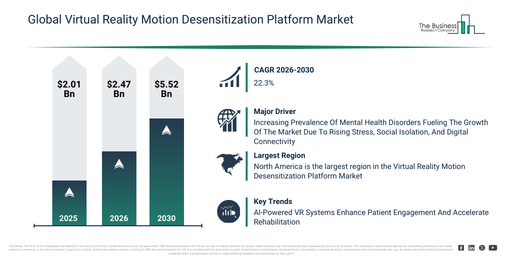
  • Virtual Reality Motion Desensitization Platform Market Future Outlook: Strong Growth Expected Toward $5.52 Billion by 2030

    Virtual Reality Motion Desensitization Platform Market Future Outlook: Strong Growth Expected Toward $5.52 Billion by 2030

    Uncover key drivers, emerging technologies, and competitive movements shaping the virtual reality motion desensitization platform market from 2026–2035 with trusted insights from The Business Research Company

    By how much is the Virtual Reality Motion Desensitization Platform Market expected to grow between 2026 and 2030?

    The virtual reality motion desensitization platform market has seen substantial growth in recent years. It is anticipated to expand from $2.01 billion in 2025 to $2.47 billion in 2026, achieving a compound annual growth rate (CAGR) of 22.6%. This historical growth can be attributed to the increasing prevalence of motion sensitivity disorders, the adoption of vr in vestibular therapy, growing awareness of non-invasive desensitization techniques, the expansion of therapy clinics, and the availability of immersive simulation tools.

    The virtual reality motion desensitization platform market is projected to experience substantial growth in the coming years, reaching a valuation of $5.52 billion by 2030, demonstrating a compound annual growth rate (CAGR) of 22.3%.

    This anticipated expansion throughout the forecast period stems from several factors, including a heightened demand for customized motion desensitization programs, increased investments in VR-based therapy platforms, the broader adoption of remote therapy delivery, the growing incorporation of AI-driven adaptive simulations, and expanded uses in training and healthcare settings.

    Key developments expected during this timeframe encompass the wider deployment of VR-based motion exposure therapy, a greater embrace of gradual desensitization protocols, the increasing integration of adaptive simulation environments, the expansion of both clinical and home-based motion therapy platforms, and a strengthened emphasis on vestibular rehabilitation.

    Access Your Free Sample Report for In-Depth Market Insights:

    https://www.thebusinessresearchcompany.com/sample.aspx?id=28356&type=smp

    Which Drivers Are Influencing Market Acceleration In The Virtual Reality Motion Desensitization Platform Market?

    The increasing occurrence of mental health disorders is projected to boost the expansion of the virtual reality motion desensitization platform market in the coming years. These conditions are defined as states that significantly impair an individual’s emotions, thought processes, behavior, and overall psychological functioning. The prevalence of mental health disorders is escalating due to heightened stress connected with modern life, encompassing work pressures, digital saturation, and increasing social isolation. The virtual reality motion desensitization platform market supports this impetus by providing immersive, controlled therapeutic environments that facilitate gradual exposure, diminish psychological distress, and enhance treatment participation for anxiety, phobias, and PTSD. For example, in May 2024, the American Psychiatric Association, a US-based nonprofit organization, reported that 43% of adults felt more anxious than the prior year, an increase from 37% in 2023 and 32% in 2022, signaling an ongoing rise in mental health issues. Therefore, the escalating prevalence of mental health disorders is fueling the growth of the virtual reality motion desensitization platform market.

    What Segments Are Identified Within The Structure Of The Virtual Reality Motion Desensitization Platform Market?

    The virtual reality motion desensitization platform market covered in this report is segmented –

    1) By Component: Hardware, Software, Services

    2) By Deployment Mode: On-Premises, Cloud-Based

    3) By Application: Healthcare And Therapy, Gaming And Entertainment, Education And Training, Military And Defense, Other Applications

    4) By End-User: Hospitals And Clinics, Rehabilitation Centers, Academic And Research Institutes, Military Organizations, Other End-Users

    Subsegments:

    1) By Hardware: Head-Mounted Displays, Sensors, Tracking Devices, Haptic Devices

    2) By Software: Virtual Reality Applications, Simulation Software, Analytics Software, Therapy Management Software

    3) By Services: Consulting Services, Maintenance Services, Training Services, Support Services

    Which Trends Are Expected To Influence The Virtual Reality Motion Desensitization Platform Market In The Upcoming Years?

    Leading companies within the virtual reality motion desensitization platform market are prioritizing the development of advanced products, such as AI-powered personalized therapy systems. Their objective is to elevate treatment efficacy, boost patient engagement, and reduce therapeutic obstacles along with adaptation time. These Artificial intelligence (AI)-powered personalized therapy systems refer to sophisticated virtual reality platforms that utilize AI to fashion customized therapeutic environments and scenarios. These are tailored to individual patient needs, optimizing desensitization and rehabilitation outcomes. For instance, in September 2024, Interacoustics A/S, a medical equipment manufacturer from Denmark, unveiled its Virtualis balance rehabilitation solutions. The Virtualis system integrates fully immersive virtual reality with dynamic posturography force plates, mimicking real-life settings to foster rehabilitation strategies like adaptation, substitution, and habituation. It features AI-driven adaptive modules, including SkiVR and MotionVR, which automatically adjust training intensity based on patient performance. This enables precise and motivating balance rehabilitation without the need for constant clinician intervention. The system also facilitates accurate motion desensitization for vestibular disorders through structured VR exposure.

    Which Key Market Players Are Investing In Expansion And Innovation Within The Virtual Reality Motion Desensitization Platform Market?

    Major companies operating in the virtual reality motion desensitization platform market are MindMaze SA, XRHealth Ltd., Bertec Corporation, NeuroSync Inc., Virtual Reality Medical Center Inc., PsyTech VR Inc., C2Care, Virtually Better Inc., Cyclops Medtech Pvt. Ltd., Kinequantum, Neuroequilibrium, Saebo Inc., Kinesix VR, Rey, Rewin Health, PhysioSensing Vertigo, AppliedVR Inc., MindMotion SA, Motek Medical, Synaptive Medical

    Access The Complete Report For Deeper Market Insights:

    https://www.thebusinessresearchcompany.com/report/virtual-reality-motion-desensitization-platform-global-market-report

    Which Regions Are Poised For Strategic Growth In The Virtual Reality Motion Desensitization Platform Market?

    North America was the largest region in the virtual reality motion desensitization platform market in 2025. The regions covered in the virtual reality motion desensitization platform market report are Asia-Pacific, South East Asia, Western Europe, Eastern Europe, North America, South America, Middle East, Africa.

    Request Your Customized Virtual Reality Motion Desensitization Platform Market Research Report for Competitive Advantage:

    https://www.thebusinessresearchcompany.com/customise?id=28356&type=smp

    Browse Through More Reports Similar to the Global Virtual Reality Motion Desensitization Platform Market 2026, By The Business Research Company

    Virtual Reality In Healthcare Market Report 2026

    https://www.thebusinessresearchcompany.com/report/virtual-reality-in-healthcare-global-market-report

    Virtual Reality Services Market Report 2026

    https://www.thebusinessresearchcompany.com/report/virtual-reality-services-global-market-report

    Virtual Reality Devices Market Report 2026

    https://www.thebusinessresearchcompany.com/report/virtual-reality-devices-global-market-report

    Get in touch with us:

    The Business Research Company: https://www.thebusinessresearchcompany.com/

    Americas +1 310-496-7795

    Asia +44 7882 955267 & +91 8897263534

    Europe +44 7882 955267

    Email us at info@tbrc.info

    Follow us on:

    LinkedIn: https://in.linkedin.com/company/the-business-research-company

    YouTube: https://www.youtube.com/channel/UC24_fI0rV8cR5DxlCpgmyFQ

    Global Market Model: https://www.thebusinessresearchcompany.com/global-market-model

  • Womens Health Diagnostics Market Outlook: Growth and Forecast Highlights 2030

    Uncover key drivers, emerging technologies, and competitive movements shaping the womens health diagnostics market from 2026–2035 with trusted insights from The Business Research Company

    What level of growth is expected in the Womens Health Diagnostics Market between 2026 and 2030?

    The womens health diagnostics market has shown strong expansion in recent years. It is anticipated to expand from $36.88 billion in 2025 to $40.38 billion in 2026, achieving a compound annual growth rate (CAGR) of 9.5%. The historical growth experienced by the market can be linked to the increasing occurrence of diseases specific to women, the development of diagnostic infrastructure, heightened awareness about the benefits of early screening, an increase in laboratory testing services, and the adoption of imaging-based diagnostics.

    The womens health diagnostics market is projected to experience substantial expansion over the coming years. Its valuation is anticipated to reach $59.02 billion by 2030, demonstrating a compound annual growth rate (CAGR) of 10.0%. This projected growth is driven by factors such as a heightened demand for personalized diagnostic solutions, increasing capital directed towards precision testing innovations, the proliferation of home-based diagnostic methods, the expanding incorporation of AI analytics, and a greater emphasis on preventive screening initiatives. Key trends anticipated during this period encompass the wider embrace of advanced imaging and testing methodologies, the growing utilization of at-home diagnostic kits, the increasing application of AI in interpreting diagnostic results, the broadening scope of genetic and hormonal testing, and an intensified concentration on the early detection of diseases.

    Access Your Free Sample Report for In-Depth Market Insights:

    https://www.thebusinessresearchcompany.com/sample.aspx?id=10725&type=smp

    Which Drivers Are Expected To Impact The Womens Health Diagnostics Market During The Forecast Period?

    The increasing need for personalized medicine is projected to drive the expansion of the women’s health diagnostics market in the future. This approach to medicine involves treatments that prevent, identify, or address illnesses by leveraging an individual’s specific genetic makeup or proteins. It enables healthcare professionals to formulate treatment strategies precisely adapted to a woman’s distinct genetic, molecular, and clinical characteristics. Such strategies may include targeted therapies founded on genetic markers or particular biomarkers. As an illustration, in February 2024, data from the Personalized Medicine Coalition (PMC), a US-based nonprofit research organization, revealed that the US Food and Drug Administration sanctioned 16 new personalized treatments for rare disease patients in 2023, an increase from 6 approvals in 2022. The 2023 approvals also included seven oncology therapies and three treatments addressing various other conditions. Consequently, the rising demand for personalized medicine is fueling the growth of the women’s health diagnostics market.

    Which Segments Are Driving Activity In The Womens Health Diagnostics Market?

    The womens health diagnostics market covered in this report is segmented –

    1) By Type: Accessories And Consumables, Diagnostic Tests, Diagnostic Devices

    2) By Application: Osteoporosis Testing, Ovarian Cancer Testing (OVC), Cervical Cancer Testing, Breast Cancer Testing, Pregnancy And Fertility Testing, Prenatal Genetic Screening And Carrier Testing, Infectious Disease Testing, Sexually Transmitted Diseases (STD) Testing, Ultrasound Tests

    3) By End User: Hospitals And Clinics, Diagnostic And Imaging Centers, Homecare, Other End Users

    Subsegments:

    1) By Accessories And Consumables: Test Kits, Sample Collection Devices, Reagents, Control Materials

    2) By Diagnostic Tests: Blood Tests, Imaging Tests, Genetic Tests, Hormonal Tests

    3) By Diagnostic Devices: Imaging Devices, Invasive Diagnostic Devices, Non-Invasive Diagnostic Devices, Monitoring Devices

    Which Competitive Trends Are Impacting The Structure Of The Womens Health Diagnostics Market?

    Leading companies operating in the women’s health diagnostics market are prioritizing product innovations, such as advanced ultrasound systems, to secure their market position. A premium ultrasound system refers to a sophisticated and cutting-edge medical imaging device engineered to capture precise and high-quality images of internal body structures. This type of ultrasound system is part of Samsung’s HERA platform, which is specifically designed for obstetrics and gynecology. For instance, in February 2023, Samsung’s digital radiography and ultrasound business, a US-based company, launched the HERA W10 Elite, a state-of-the-art women’s health ultrasound system. It is equipped with a range of artificial intelligence (AI) tools and clinical applications, marking a significant improvement in the diagnostic experience for women’s health. The HERA W10 Elite includes advanced features such as MV-Flow for displaying blood flow intensity, BiometryAssist for convenient measurement of fetal growth parameters, and accurate analytic capabilities to aid clinicians in their diagnosis.

    Which Major Industry Participants Are Leading The Womens Health Diagnostics Market Growth?

    Major companies operating in the womens health diagnostics market are Becton Dickinson And Company, F. Hoffmann-La Roche AG, General Electric Company, Koninklijke Philips N.V., Quest Diagnostics Incorporated, Siemens Healthineers, Abbott Laboratories, BioMérieux SA, Hologic Inc., PerkinElmer Inc., Alere Inc., Carestream Health Inc., Procter & Gamble Co., Trinity Biotech plc, Medgyn Products Inc., URIT Medical Electronic Co. Ltd, Sonic Healthcare Limited, Fujifilm Holdings Corporation, Thermo Fisher Scientific Inc., Illumina Inc., Myriad Genetics Inc., Agilent Technologies Inc., Bio-Rad Laboratories Inc., Danaher Corporation, Genomic Health Inc., Invitae Corporation, Natera Inc., QIAGEN N.V., Opko Health Inc., Sysmex Corporation, Exact Sciences Corporation, Foundation Medicine Inc., Laboratory Corporation of America Holdings, NeoGenomics Laboratories Inc.

    Access The Complete Report For Deeper Market Insights:

    https://www.thebusinessresearchcompany.com/report/womens-health-diagnostics-global-market-report

    Which Region Is Expected To Experience The Fastest Growth In The Womens Health Diagnostics Market?

    North America was the largest region in the women’s health diagnostics market in 2025. Asia-Pacific is expected to be the fastest-growing region in the global women’s health diagnostics market report during the forecast period. The regions covered in the womens health diagnostics market report are Asia-Pacific, South East Asia, Western Europe, Eastern Europe, North America, South America, Middle East, Africa.

    Request Your Customized Womens Health Diagnostics Market Research Report for Competitive Advantage:

    https://www.thebusinessresearchcompany.com/customise?id=10725&type=smp

    Browse Through More Reports Similar to the Global Womens Health Diagnostics Market 2026, By The Business Research Company

    Womens Health Devices Market Report 2026

    https://www.thebusinessresearchcompany.com/report/womens-health-devices-global-market-report

    Womens Health Market Report 2026

    https://www.thebusinessresearchcompany.com/report/womens-health-global-market-report

    Clinical Diagnostics Market Report 2026

    https://www.thebusinessresearchcompany.com/report/clinical-diagnostics-global-market-report

    Get in touch with us:

    The Business Research Company: https://www.thebusinessresearchcompany.com/

    Americas +1 310-496-7795

    Asia +44 7882 955267 & +91 8897263534

    Europe +44 7882 955267

    Email us at info@tbrc.info

    Follow us on:

    LinkedIn: https://in.linkedin.com/company/the-business-research-company

    YouTube: https://www.youtube.com/channel/UC24_fI0rV8cR5DxlCpgmyFQ

    Global Market Model: https://www.thebusinessresearchcompany.com/global-market-model

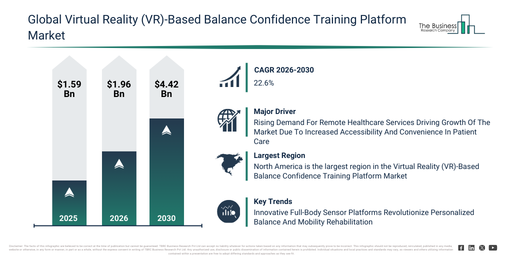
  • Revenue of the Virtual Reality (VR)-Based Balance Confidence Training Platform Market Predicted to Achieve $4.41 Billion by 2030, Driven by 22.6% CAGR

    Revenue of the Virtual Reality (VR)-Based Balance Confidence Training Platform Market Predicted to Achieve $4.41 Billion by 2030, Driven by 22.6% CAGR

    Uncover key drivers, emerging technologies, and competitive movements shaping the virtual reality (vr)-based balance confidence training platform market from 2026–2035 with trusted insights from The Business Research Company

    What is the estimated market size of the Virtual Reality (VR)-Based Balance Confidence Training Platform Market by the end of 2030?

    The virtual reality (vr)-based balance confidence training platform market has experienced significant expansion recently. This market is projected to expand from $1.59 billion in 2025 to $1.96 billion by 2026, demonstrating a compound annual growth rate (CAGR) of 22.9%. Key factors contributing to its historical growth include the rising prevalence of balance disorders, an expanding elderly population, the integration of VR in physical therapy, an increased emphasis on reducing fall risks, and the widespread availability of wearable motion sensors.

    The virtual reality (vr)-based balance confidence training platform market size is anticipated to undergo substantial growth over the coming years. It is projected to expand to $4.42 billion by 2030, registering a compound annual growth rate (CAGR) of 22.6%. This expansion during the forecast period is primarily driven by the escalating demand for preventive balance training solutions, the broadening of vr-based home therapy platforms, the increasing incorporation of AI-driven balance assessment, a rise in its application within sports rehabilitation, and a heightened emphasis on confidence-based rehabilitation outcomes. Significant trends expected during this period include a greater uptake of vr-based balance training programs, the growing utilization of real-time motion analytics, the expanding integration of virtual scenarios designed to build confidence, the broadening availability of home and clinical balance rehabilitation solutions, and an intensified focus on technologies for fall prevention.

    Access Your Free Sample Report for In-Depth Market Insights:

    https://www.thebusinessresearchcompany.com/sample.aspx?id=28355&type=smp

    What Drivers Are Shaping Future Opportunities In The Virtual Reality (VR)-Based Balance Confidence Training Platform Market?

    The virtual reality (VR)-based balance confidence training platform market is anticipated to expand, primarily propelled by the increasing demand for remote healthcare services. These services involve delivering medical care through digital and telecommunication technologies, connecting patients and healthcare professionals without requiring in-person visits. The rising demand for remote healthcare stems from a growing need for accessible and convenient medical care, especially benefiting patients in remote, underserved, or mobility-limited populations. The virtual reality (VR)-based balance confidence training platform market supports this trend by enabling interactive, home-based rehabilitation sessions that effectively improve balance, reduce fall risk, and minimize the need for frequent clinical appointments. For instance, in August 2025, according to the Office of Inspector General, U.S. Department of Health & Human Services (OIG), Medicare payments for remote patient monitoring in 2024 exceeded US $536 million (a 31 % increase from 2023). Additionally, nearly 1 million enrollees received RPM services (a 27 % increase from 2023), and about 4,600 medical practices routinely billed RPM. Consequently, the increasing demand for remote healthcare services is actively driving the growth of the virtual reality (VR)-based balance confidence training platform market.

    Which Segments Are Gaining Traction In The Virtual Reality (VR)-Based Balance Confidence Training Platform Market?

    The virtual reality (vr)-based balance confidence training platform market covered in this report is segmented –

    1) By Component: Hardware, Software, Services

    2) By Deployment Mode: On-Premises, Cloud-Based

    3) By Application: Rehabilitation Centers, Hospitals And Clinics, Home Care Settings, Academic And Research Institutes, Other Applications

    4) By End-User: Adults, Geriatric Population, Athletes, Other End-Users

    Subsegments:

    1) By Hardware: Head-Mounted Displays (HMDs), Sensors And Motion Trackers, Balance Boards And Platforms, Virtual Reality (VR) Gloves And Controllers, Cameras And Tracking Systems

    2) By Software: Virtual Reality (VR) Simulation And Training Software, Balance Assessment And Monitoring Software, Rehabilitation And Therapy Software, Data Analytics And Reporting Tools

    3) By Services: Training And Education Services, Installation And Integration Services, Maintenance And Support Services, Consulting Services, Cloud-Based Service Offerings

    What Trends Are Driving The Growth Trajectory Of The Virtual Reality (VR)-Based Balance Confidence Training Platform Market?

    Major companies operating in the VR-based balance-confidence training platform market are concentrating on developing innovative solutions, such as full-body sensor-driven platforms, which enhance patient mobility, engagement, and personalized therapy. These full-body sensor-driven platforms are systems equipped with motion and pressure sensors that track a user’s entire body movements in real time, providing precise feedback for balance, posture, and coordination training. For instance, in September 2024, Interacoustics A/S, a Denmark-based manufacturing company, launched Virtualis, a new line of balance rehabilitation solutions that leverage fully immersive virtual reality (VR) combined with static or dynamic posturography force plates. These solutions feature fully immersive virtual reality (VR) integrated with dynamic (MotionVR) or static (StaticVR) posturography force plates to simulate real-life environments for personalized assessments like Sensory Organization Test (SOT), Limits of Stability (LoS), and Subjective Visual Vertical (SVV). Key modules such as BalanceVR and PhysioVR deliver engaging, game-like exercises promoting adaptation, substitution, and habituation strategies, with real-time feedback and customization for vestibular, neurological, and orthopedic disorders. These tools enhance patient motivation, track progress objectively, and facilitate safe training to restore daily function and confidence.

    Who Are The Core Companies Influencing Trends In The Virtual Reality (VR)-Based Balance Confidence Training Platform Market?

    Major companies operating in the virtual reality (vr)-based balance confidence training platform market are Meta Platforms Inc., Interacoustics, MindMaze SA, Motek Medical, XRHealth, Evolv Rehabilitation Technologies, MindMotion, FYZICAL, Rehabtronics, Virtualis Co, Mieron Inc., Rehab-Robotics Co. Ltd., GaitBetter, Upright VR, Knoxlabs, Teslasuit, Neuro Rehab VR, SyncVR Medical, Immersive Reha, WEART.

    Access The Complete Report For Deeper Market Insights:

    https://www.thebusinessresearchcompany.com/report/virtual-reality-vr-based-balance-confidence-training-platform-global-market-report

    Which Regions Are Projected To Dominate The Virtual Reality (VR)-Based Balance Confidence Training Platform Market In The Coming Years?

    North America was the largest region in the virtual reality (VR)-based balance confidence training platform market in 2025. Asia-Pacific is expected to be the fastest-growing region in the forecast period. The regions covered in the virtual reality (vr)-based balance confidence training platform market report are Asia-Pacific, South East Asia, Western Europe, Eastern Europe, North America, South America, Middle East, Africa.

    Request Your Customized Virtual Reality (VR)-Based Balance Confidence Training Platform Market Research Report for Competitive Advantage:

    https://www.thebusinessresearchcompany.com/customise?id=28355&type=smp

    Browse Through More Reports Similar to the Global Virtual Reality (VR)-Based Balance Confidence Training Platform Market 2026, By The Business Research Company

    Virtual Reality Vr In Medical Simulation Market Report 2026

    https://www.thebusinessresearchcompany.com/report/virtual-reality-vr-in-medical-simulation-global-market-report

    Online Virtual Fitness Market Report 2026

    https://www.thebusinessresearchcompany.com/report/online-virtual-fitness-global-market-report

    Virtual Rehabilitation Market Report 2026

    https://www.thebusinessresearchcompany.com/report/virtual-rehabilitation-global-market-report

    Get in touch with us:

    The Business Research Company: https://www.thebusinessresearchcompany.com/

    Americas +1 310-496-7795

    Asia +44 7882 955267 & +91 8897263534

    Europe +44 7882 955267

    Email us at info@tbrc.info

    Follow us on:

    LinkedIn: https://in.linkedin.com/company/the-business-research-company

    YouTube: https://www.youtube.com/channel/UC24_fI0rV8cR5DxlCpgmyFQ

    Global Market Model: https://www.thebusinessresearchcompany.com/global-market-model

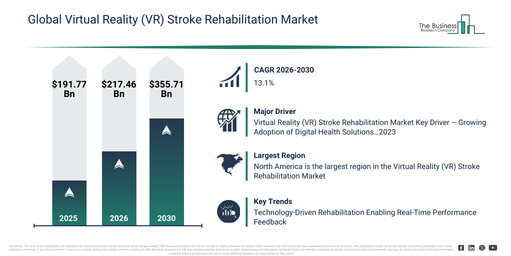
  • Virtual Reality (VR) Stroke Rehabilitation Sector Forecast Shows Robust Momentum, Climbing to $355.71 Billion With 13.1% CAGR

    Virtual Reality (VR) Stroke Rehabilitation Sector Forecast Shows Robust Momentum, Climbing to $355.71 Billion With 13.1% CAGR

    Uncover key drivers, emerging technologies, and competitive movements shaping the virtual reality (vr) stroke rehabilitation market from 2026–2035 with trusted insights from The Business Research Company

    What was the valuation of the Virtual Reality (VR) Stroke Rehabilitation Market in 2026, and what figure is it projected to hit by 2030?

    The virtual reality (VR) stroke rehabilitation market size has undergone rapid expansion in recent years. It is anticipated to grow from $191.77 billion in 2025 to $217.46 billion in 2026, demonstrating a compound annual growth rate (CAGR) of 13.4%. The growth observed in the historical period can be attributed to factors like the rising global prevalence of stroke, the expansion of rehabilitation infrastructure, the widespread adoption of technology-assisted therapy methods, an increasing focus on repetitive task-based rehabilitation, and the availability of VR platforms for clinical use.

    The virtual reality (vr) stroke rehabilitation market size is anticipated to undergo substantial expansion in the coming years, with projections indicating it will attain $355.71 billion by 2030, growing at a compound annual growth rate (CAGR) of 13.1%. This expansion over the forecast period is primarily fueled by the increasing demand for personalized stroke rehabilitation programs, growing investments in digital neurorehabilitation, the expansion of remote rehabilitation services, the rising integration of AI-based therapy analytics, and the increasing acceptance of VR within clinical protocols. Significant trends expected during this period involve the increasing adoption of VR-based neuroplasticity training, a rising utilization of task-specific motor recovery simulations, the growing integration of cognitive and physical rehabilitation modules, the expansion of home-based VR stroke therapy solutions, and an enhanced focus on data-driven therapy progress tracking.

    Access Your Free Sample Report for In-Depth Market Insights:

    https://www.thebusinessresearchcompany.com/sample.aspx?id=28354&type=smp

    Which Drivers Are Affecting Market Participation In The Virtual Reality (VR) Stroke Rehabilitation Market?

    The increasing integration of digital health solutions is projected to drive the expansion of the virtual reality (VR) stroke rehabilitation market moving ahead. These solutions encompass the application of digital technologies, various platforms, and interconnected tools aimed at improving healthcare delivery, enhancing patient outcomes, and optimizing health management processes. Their widespread adoption is on the rise, primarily attributed to the ease of remote access to care, enabling patients to obtain medical assistance and oversight without needing constant physical appointments. In turn, the virtual reality (VR) stroke rehabilitation leverages this impetus by offering immersive, technology-enabled therapy that includes customized exercises and remote monitoring, thereby facilitating more effective and readily available stroke recovery. An illustrative example comes from April 2024, where, as per Queen Margaret University, a UK-based public university, it was reported that by November 2023, 189 NHS trusts had successfully implemented new electronic patient record systems, indicating a 90% adoption rate among all trusts. Consequently, the increasing embrace of digital health solutions is serving as a significant catalyst for the expansion of the virtual reality (VR) stroke rehabilitation market.

    What Segment Categories Are Covered In The Virtual Reality (VR) Stroke Rehabilitation Market?

    The virtual reality (vr) stroke rehabilitation market covered in this report is segmented –

    1) By Rehabilitation Type: Physical Rehabilitation, Cognitive Rehabilitation

    2) By Technology Type: Hardware, Software Platforms, Therapeutic Content

    3) By Patient Type: Short Term Patients, Long Term Patients

    4) By Virtual Reality (VR) Application: Motor Skills Training, Cognitive Skills Training, Sensory Training, Pain Management

    5) By End-User: Hospitals, Rehabilitation Centers, Clinics, Home-Based Rehabilitation

    Subsegments:

    1) By Physical Rehabilitation: Upper Limb Rehabilitation, Lower Limb Rehabilitation, Balance And Gait Training, Motor Function Recovery

    2) By Cognitive Rehabilitation: Memory Training, Attention And Concentration Training, Problem-Solving And Executive Function Training, Visual And Spatial Perception Training

    What Upcoming Trends Are Likely To Define The Future Path Of The Virtual Reality (VR) Stroke Rehabilitation Market?

    Leading companies in the global virtual reality (VR) stroke rehabilitation market are concentrating on developing advanced solutions, such as immersive VR-based upper-limb rehabilitation systems, to enhance motor recovery, improve functional independence, and increase patient engagement during post-stroke therapy. Immersive VR-based upper-limb rehabilitation systems are defined as virtual reality platforms that utilize head-mounted displays and interactive gamified environments to deliver intensive, task-specific arm and hand exercises while monitoring real-time performance metrics to guide personalized rehabilitation. For instance, in 2024, researchers at Beijing Tiantan Hospital, Capital Medical University, a China-based academic medical center, initiated an immersive virtual reality–based upper-extremity rehabilitation system in a randomized controlled trial. This trial incorporated five sessions per week of immersive VR therapy over three weeks, combined with conventional rehabilitation, interactive reaching and grasping tasks executed in fully immersive environments, and yielded clinically significant improvements in Fugl-Meyer Assessment Upper Extremity and Barthel Index scores, alongside favorable motor-network brain connectivity changes.

    Which Major Industry Participants Are Leading The Virtual Reality (VR) Stroke Rehabilitation Market Growth?

    Major companies operating in the virtual reality (vr) stroke rehabilitation market are Penumbra Inc., Shepherd Center Inc., Evolv Rehabilitation Technologies S.L., DIH Technology Co. Ltd., Tyromotion GmbH, BTS Bioengineering S.p.A., Floreo Inc., Saebo Inc., Motus Nova LLC, Immergo Labs Inc., Kinestica d.o.o., Cognihab Private Limited, Evolv Solutions LLC, Rehametrics S.L., RecoveryVR Pty Ltd, Neuro Rehab VR Inc., PhysioFunction Limited, XRHealth USA Inc., Bended S.r.l., Jintronix Inc.

    Access The Complete Report For Deeper Market Insights:

    https://www.thebusinessresearchcompany.com/report/virtual-reality-vr-stroke-rehabilitation-global-market-report

    Which Region Is Expected To Experience The Fastest Growth In The Virtual Reality (VR) Stroke Rehabilitation Market?

    North America was the largest region in the virtual reality (VR) stroke rehabilitation market in 2025. Asia Pacific is expected to be the fastest-growing region in the forecast period. The regions covered in the virtual reality (vr) stroke rehabilitation market report are Asia-Pacific, South East Asia, Western Europe, Eastern Europe, North America, South America, Middle East, Africa.

    Request Your Customized Virtual Reality (VR) Stroke Rehabilitation Market Research Report for Competitive Advantage:

    https://www.thebusinessresearchcompany.com/customise?id=28354&type=smp

    Browse Through More Reports Similar to the Global Virtual Reality (VR) Stroke Rehabilitation Market 2026, By The Business Research Company

    Stroke Management Market Report 2026

    https://www.thebusinessresearchcompany.com/report/stroke-management-global-market-report

    Virtual Reality Vr In Medical Simulation Market Report 2026

    https://www.thebusinessresearchcompany.com/report/virtual-reality-vr-in-medical-simulation-global-market-report

    Virtual Reality In Healthcare Market Report 2026

    https://www.thebusinessresearchcompany.com/report/virtual-reality-in-healthcare-global-market-report

    Get in touch with us:

    The Business Research Company: https://www.thebusinessresearchcompany.com/

    Americas +1 310-496-7795

    Asia +44 7882 955267 & +91 8897263534

    Europe +44 7882 955267

    Email us at info@tbrc.info

    Follow us on:

    LinkedIn: https://in.linkedin.com/company/the-business-research-company

    YouTube: https://www.youtube.com/channel/UC24_fI0rV8cR5DxlCpgmyFQ

    Global Market Model: https://www.thebusinessresearchcompany.com/global-market-model