Month: March 2026

  • Recombinant Vaccines Market 2026–2030: Emerging Trends and Forecast Opportunities

    Recombinant Vaccines Market 2026–2030: Emerging Trends and Forecast Opportunities

    Uncover key drivers, emerging technologies, and competitive movements shaping the recombinant vaccines market from 2026–2035 with trusted insights from The Business Research Company

    How is the Recombinant Vaccines Market size predicted to change over the forecast window of 2026–2035?

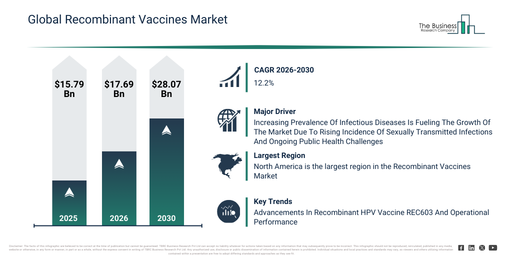
    The recombinant vaccines market has recently undergone rapid expansion. It is projected to increase from $15.79 billion in 2025 to $17.69 billion in 2026, at a compound annual growth rate (CAGR) of 12.0%. Historically, this growth can be attributed to the successful implementation of hepatitis B recombinant vaccines, long-standing global vaccination programs, increased awareness of viral diseases, greater investment in immunization funding, and regulatory endorsement for safer vaccine platforms.

    The recombinant vaccines market is projected to experience significant expansion in the upcoming years, with its size predicted to reach $28.07 billion by 2030, showing a compound annual growth rate (CAGR) of 12.2%. Factors contributing to this growth during the forecast period include the increasing demand for precision vaccines, the development of vaccines for emerging diseases, the rise in adult booster vaccination initiatives, expanding global immunization reach, and a robust pipeline of recombinant vaccine candidates. Key trends anticipated in this period encompass an increase in recombinant subunit vaccines, the broadening of vector-based vaccine platforms, more extensive adult immunization campaigns, the development of combination recombinant vaccines, and a heightened emphasis on achieving long-lasting immunity.

    Access Your Free Sample Report for In-Depth Market Insights:

    https://www.thebusinessresearchcompany.com/sample.aspx?id=33287&type=smp

    Which Drivers Are Contributing To The Expansion Of The Recombinant Vaccines Market?

    The increasing prevalence of infectious diseases is anticipated to propel the growth of the recombinant vaccines market. An infectious disease is defined as an illness caused by germs such as bacteria, viruses, fungi, or parasites, capable of spreading between individuals directly or indirectly. The rising occurrence of these diseases is attributed to inadequate sanitation and hygiene, as insufficient access to clean water, proper sanitation facilities, and effective waste management contributes to the easy transmission of harmful microorganisms through contaminated food, water, and personal contact, thereby escalating the risk of infections. Recombinant vaccines offer protection against infectious diseases by utilizing biologically engineered genetic material from pathogens to stimulate an immune response without causing actual illness. For instance, in July 2024, the Australian Institute of Health and Welfare, an Australia-based national agency, reported over 109,000 chlamydia and more than 40,000 gonorrhea notifications as the most commonly recorded sexually transmitted infections in Australia in 2023, along with more than 6,400 infectious syphilis cases, emphasizing the heightened incidence and persistent public health challenges. Consequently, the expanding prevalence of infectious diseases is a significant driver for the recombinant vaccines market’s growth.

    What Segment Categories Are Covered In The Recombinant Vaccines Market?

    The recombinant vaccines market covered in this report is segmented –

    1) By Type: Subunit Vaccines; Vector-Based Vaccines

    2) By Disease Indication: Human Papillomavirus (HPV); Herpes Zoster; Hepatitis B; Other Diseases

    3) By Route Of Administration: Parenteral; Other Route Of Administrations

    4) By End User: Pediatric; Adults

    Subsegments:

    1) By Subunit Vaccines: Protein Subunit Vaccines; Polysaccharide Subunit Vaccines; Conjugate Subunit Vaccines; Glycopeptide Subunit Vaccines; Recombinant Subunit Vaccines

    2) By Vector-Based Vaccines: Viral Vector Vaccines; Non Viral Vector Vaccines; Replicating Vector Vaccines; Non Replicating Vector Vaccines; Bacterial Vector Vaccines

    What Long-Term Trends Are Expected To Shape The Future Of The Recombinant Vaccines Market?

    Leading companies in the recombinant vaccines market are concentrating on developing innovative vaccines, such as the recombinant 9-valent HPV vaccine, to achieve a competitive advantage. The recombinant 9-valent HPV vaccine provides protection against nine types of human papillomavirus (HPV) and is manufactured using recombinant DNA technology, signifying its laboratory production without live virus and its role in preventing HPV-related diseases like cervical cancer and genital warts. For instance, in August 2023, Jiangsu Recbio Technology Co. Ltd., a China-based biopharmaceutical company, moved its recombinant 9-valent HPV vaccine, REC603, through Phase III clinical follow-up, accompanied by ongoing 24-month observations. The vaccine showcased robust immunogenicity, a favorable safety profile, potential for scalable manufacturing, and long-term efficacy, thereby affirming its promise for extensive HPV prevention and commercialization.

    Which Leading Companies Dominate The Recombinant Vaccines Market Share?

    Major companies operating in the recombinant vaccines market are Johnson And Johnson, Merck And Co Inc., Pfizer Inc., Sanofi S. A., Novartis AG, AstraZeneca Plc, GlaxoSmithKline Plc, Mitsubishi Chemical Group Corporation, CSL Limited, Sinovac Biotech Ltd., Boehringer Ingelheim International GmbH, Zoetis Services Llc, Elanco Animal Health, BioNTech Se, Green Cross Corporation (Gc Biopharma), Bavarian Nordic A S, VBI Vaccines Inc., Vaxart Inc., Biological E Limited, Novavax Inc., Serum Institute Of India Private Limited, Vaxcyte Inc., Bharat Biotech International Limited, and Transgene S A.

    Access The Complete Report For Deeper Market Insights:

    https://www.thebusinessresearchcompany.com/report/recombinant-vaccines-market-report

    How Does The Recombinant Vaccines Market Perform Across Major Global Regions?

    North America was the largest region in the recombinant vaccines market in 2025. Asia-Pacific is expected to be the fastest-growing region in the forecast period. The regions covered in the recombinant vaccines market report are Asia-Pacific, South East Asia, Western Europe, Eastern Europe, North America, South America, Middle East, Africa.

    Request Your Customized Recombinant Vaccines Market Research Report for Competitive Advantage:

    https://www.thebusinessresearchcompany.com/customise?id=33287&type=smp

    Browse Through More Reports Similar to the Global Recombinant Vaccines Market 2026, By The Business Research Company

    Therapeutic Bcg Vaccines Market Report 2026

    https://www.thebusinessresearchcompany.com/report/therapeutic-bcg-vaccines-global-market-report

    Ruminant Vaccines Market Report 2026

    https://www.thebusinessresearchcompany.com/report/ruminant-vaccines-global-market-report

    Vaccine Contract Manufacturing Market Report 2026

    https://www.thebusinessresearchcompany.com/report/vaccine-contract-manufacturing-global-market-report

    Get in touch with us:

    The Business Research Company: https://www.thebusinessresearchcompany.com/

    Americas +1 310-496-7795

    Asia +44 7882 955267 & +91 8897263534

    Europe +44 7882 955267

    Email us at info@tbrc.info

    Follow us on:

    LinkedIn: https://in.linkedin.com/company/the-business-research-company

    YouTube: https://www.youtube.com/channel/UC24_fI0rV8cR5DxlCpgmyFQ

    Global Market Model: https://www.thebusinessresearchcompany.com/global-market-model
  • Global Recombinant Proteins Manufacturing Services Market Forecast 2026–2035: Long-Term Growth Insights

    Global Recombinant Proteins Manufacturing Services Market Forecast 2026–2035: Long-Term Growth Insights

    Uncover key drivers, emerging technologies, and competitive movements shaping the recombinant proteins manufacturing services market from 2026–2035 with trusted insights from The Business Research Company

    What market expansion outlook does the Recombinant Proteins Manufacturing Services Market show for the 2026–2030 period?

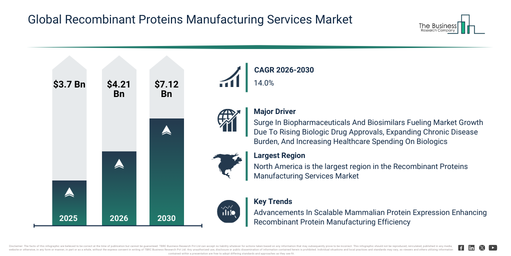
    The market for recombinant proteins manufacturing services has experienced substantial growth in recent years. Projections indicate its expansion from $3.7 billion in 2025 to $4.21 billion in 2026, demonstrating a compound annual growth rate (CAGR) of 13.8%. This historical growth can be attributed to several factors, including growth in biologics research programs, increasing academic protein studies, expansion of contract manufacturing models, rising monoclonal antibody development, and historic growth in biotech startups.

    The recombinant proteins manufacturing services market is anticipated to experience significant expansion over the next few years. This market is predicted to reach $7.12 billion by 2030, demonstrating a compound annual growth rate (CAGR) of 14.0%. This projected growth is driven by factors such as an expanding pipeline of protein therapeutics, increased outsourcing activities by pharmaceutical companies, a greater need for scalable bioprocessing solutions, the proliferation of clinical-stage biologics, and the rising requirement for facilities that comply with regulations. Key trends anticipated during this period involve the broadening of outsourced protein production, an increase in custom expression services, an escalating demand for GMP protein manufacturing, the adoption of integrated end-to-end service models, and a greater utilization of single-use bioprocess systems.

    Access Your Free Sample Report for In-Depth Market Insights:

    https://www.thebusinessresearchcompany.com/sample.aspx?id=33286&type=smp

    What Drivers Are Shaping The Development Of The Recombinant Proteins Manufacturing Services Market?

    The increasing need for biopharmaceuticals and biosimilars is anticipated to drive expansion in the recombinant proteins manufacturing services market in the future. These include biological drugs and their very similar counterparts, utilized for managing chronic, uncommon, and intricate illnesses such as cancer, autoimmune issues, and metabolic ailments. The heightened demand for biopharmaceuticals and biosimilars stems from the rising occurrence of chronic and life-threatening conditions, progress in developing biologic drugs, and broader patient availability of specific treatments throughout key healthcare sectors. The recombinant proteins manufacturing services facilitate the creation and market introduction of biopharmaceuticals and biosimilars by offering scalable, high-quality, and regulation-adhering production of protein-derived medications, thereby allowing pharmaceutical and biotechnology firms to expedite development schedules and ensure a steady supply. For example, data from GOV.UK, a UK government online platform, indicates that businesses in the biopharmaceutical segment recorded a total turnover of $135.5 billion (£98.9 billion) during the 2023/2024 timeframe, representing a 15% rise from the previous year. Consequently, the expanding requirement for biopharmaceuticals and biosimilars is propelling the expansion of the recombinant proteins manufacturing services market.

    Which Segments Are Contributing To The Growth Of The Recombinant Proteins Manufacturing Services Market?

    The recombinant proteins manufacturing services market covered in this report is segmented –

    1) By Service Type: Process Development; Upstream Manufacturing; Downstream Manufacturing; Analytical Development and Quality Control; Finish And Lyophilization

    2) By Protein Type: Monoclonal Antibodies And Antibody Fragments; Vaccines And Viral Proteins; Enzymes And Growth Factors; Hormones And Cytokines; Other Therapeutic And Diagnostic Proteins

    3) By Host Cell: Mammalian Cells; Bacterial Cells; Insect Cells; Yeast And Fungi; Other Host Cell

    4) By Application: Therapeutics; Research And Development; Diagnostics; Other Applications

    5) By End-User: Pharmaceutical And Biotechnology Companies; Academic And Research Institutes

    Subsegments:

    1) By Process Development: Cell Line Development; Expression System Optimization; Process Scale Up; Process Validation

    2) By Upstream Manufacturing: Microbial Fermentation; Mammalian Cell Culture; Insect Cell Culture; Media And Feed Optimization

    3) By Downstream Manufacturing: Protein Purification; Chromatography Processing; Filtration And Concentration; Viral Clearance

    4) By Analytical Development And Quality Control: Method Development; Stability Testing; Purity And Potency Testing; Batch Release Testing

    5) By Finish And Lyophilization: Sterile Filling; Freeze Drying; Packaging And Labeling; Storage And Distribution Preparation

    Which Market Trends Are Opening Growth Opportunities In The Recombinant Proteins Manufacturing Services Market?

    Companies operating significantly within the recombinant proteins manufacturing services market are prioritizing technological progress in high-yield protein expression and optimization techniques. This includes developing capabilities for manufacturing research-grade and scalable mammalian recombinant proteins, with the goals of improving production efficiency, enhancing protein quality, shortening development timelines, and increasing flexibility to meet varied biopharmaceutical development requirements. Research-grade and scalable mammalian recombinant protein manufacturing capabilities denote advancements in cell culture systems, expression technologies, and process controls that enable the efficient generation of high-quality recombinant proteins at small research scales, while also allowing for a seamless transition to larger manufacturing volumes. For example, in September 2024, Axio BioPharma, a U.S.-based biotechnology company, unveiled recombinant protein manufacturing services designed to support research-grade monoclonal antibody production and scalable mammalian protein expression solutions. The platform for these recombinant protein manufacturing services provides research-grade and scalable mammalian protein production capabilities, which are crucial for producing high-quality monoclonal antibodies and recombinant proteins during early-stage development. Offering flexible production volumes, from small laboratory-scale batches to larger scalable systems, the platform ensures reliable protein output, maintaining both consistency and biological activity.

    Who Are The Major Companies Operating In The Recombinant Proteins Manufacturing Services Market?

    Major companies operating in the recombinant proteins manufacturing services market are Thermo Fisher Scientific Inc., Lonza Group Ltd., Charles River Laboratories International Inc., Catalent Inc., Samsung Biologics Co. Ltd., Recipharm AB, Bio-Techne Corporation, FUJIFILM Diosynth Biotechnologies, AGC Biologics A/S, WuXi Biologics (Cayman) Inc., KBI Biopharma Inc., GenScript Biotech Corporation, Rentschler Biopharma SE, Abzena Ltd., ProBioGen AG, NorthX Biologics AB, Creative Biolabs Inc., evitria AG, Boster Biological Technology Co. Ltd., Icosagen Group AS

    Access The Complete Report For Deeper Market Insights:

    https://www.thebusinessresearchcompany.com/report/recombinant-proteins-manufacturing-services-market-report

    Which Region Is Anticipated To See The Fastest Growth In The Recombinant Proteins Manufacturing Services Market?

    North America was the largest region in the recombinant proteins manufacturing services market in 2025. Asia-Pacific is expected to be the fastest-growing region in the forecast period. The regions covered in the recombinant proteins manufacturing services market report are Asia-Pacific, South East Asia, Western Europe, Eastern Europe, North America, South America, Middle East, Africa.

    Request Your Customized Recombinant Proteins Manufacturing Services Market Research Report for Competitive Advantage:

    https://www.thebusinessresearchcompany.com/customise?id=33286&type=smp

    Browse Through More Reports Similar to the Global Recombinant Proteins Manufacturing Services Market 2026, By The Business Research Company

    Recombinant Proteins Market Report 2026

    https://www.thebusinessresearchcompany.com/report/recombinant-proteins-global-market-report

    Protein Engineering Market Report 2026

    https://www.thebusinessresearchcompany.com/report/protein-engineering-global-market-report

    Recombinant Dna Technology Market Report 2026

    https://www.thebusinessresearchcompany.com/report/recombinant-dna-technology-global-market-report

    Get in touch with us:

    The Business Research Company: https://www.thebusinessresearchcompany.com/

    Americas +1 310-496-7795

    Asia +44 7882 955267 & +91 8897263534

    Europe +44 7882 955267

    Email us at info@tbrc.info

    Follow us on:

    LinkedIn: https://in.linkedin.com/company/the-business-research-company

    YouTube: https://www.youtube.com/channel/UC24_fI0rV8cR5DxlCpgmyFQ

    Global Market Model: https://www.thebusinessresearchcompany.com/global-market-model
  • Recombinant Human Granulocyte Colonystimulating Factor Injection Rhgcsf Market 2026–2030: Forecasting Business Opportunities Ahead

    Recombinant Human Granulocyte Colonystimulating Factor Injection Rhgcsf Market 2026–2030: Forecasting Business Opportunities Ahead

    Uncover key drivers, emerging technologies, and competitive movements shaping the recombinant human granulocyte colonystimulating factor injection rhgcsf market from 2026–2035 with trusted insights from The Business Research Company

    What level of growth is expected in the Recombinant Human Granulocyte Colonystimulating Factor Injection Rhgcsf Market between 2026 and 2030?

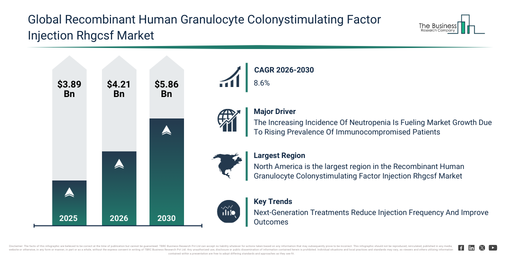
    The market size for recombinant human granulocyte colonystimulating factor injection (rhgcsf) has demonstrated robust growth in recent years. This market is anticipated to expand from $3.89 billion in 2025 to $4.21 billion in 2026, reflecting a compound annual growth rate (CAGR) of 8.3%. Historically, this growth can be ascribed to factors such as rising global chemotherapy treatment volumes, an increasing incidence of neutropenia cases, the expansion of oncology treatment centers, the established adoption of colony stimulating factors, and strong clinical guideline support for GCSF use.

    The market size for recombinant human granulocyte colonystimulating factor injection rhgcsf is anticipated to undergo significant expansion over the next few years. It is projected to achieve a value of $5.86 billion by 2030, demonstrating a compound annual growth rate (CAGR) of 8.6%. This expected growth throughout the forecast period can be attributed to factors such as increasing cancer prevalence rates, a heightened demand for long-acting injectables, an increase in biosimilar drug approvals, improved access to specialty biologics, and the adoption of more hospital supportive care protocols. Dominant trends during the forecast period are set to include the growth of biosimilar GCSF injections, the broader availability of prefilled syringe formats, increased uptake in chemotherapy support care, a rising demand for long-acting pegylated formulations, and the expanded use of combination supportive therapy.

    Access Your Free Sample Report for In-Depth Market Insights:

    https://www.thebusinessresearchcompany.com/sample.aspx?id=33285&type=smp

    Which Drivers Are Expected To Impact The Recombinant Human Granulocyte Colonystimulating Factor Injection Rhgcsf Market During The Forecast Period?

    The rising occurrence of neutropenia is anticipated to propel the expansion of the recombinant human granulocyte colony-stimulating factor injection (rhG-CSF) market in the future. This condition, neutropenia, involves unusually low counts of neutrophils, which are crucial white blood cells for combating infections, thereby leaving individuals very vulnerable to bacterial and fungal infections. The prevalence of neutropenia is increasing largely because of the expanding application of aggressive chemotherapy treatments in cancer therapy; contemporary oncology approaches utilize stronger dosing protocols to enhance patient survival, subsequently leading to a higher incidence and intensity of bone marrow suppression caused by chemotherapy. Recombinant human granulocyte colony-stimulating factor injection (rhG-CSF) addresses neutropenia by encouraging the bone marrow to multiply and mature neutrophil precursors, expediting the entry of mature neutrophils into the circulation, which in turn diminishes the length and intensity of neutropenia and lessens infection risk for patients. For example, in February 2025, the UK Health Security Agency (UKHSA), a government body in the UK, indicated that 206 cases, constituting 1.4% of all diagnoses within the community, were attributed to febrile neutropenia (FN) or other infection symptoms in immunocompromised individuals lacking a specific anatomical source. Consequently, the rising occurrence of neutropenia is fueling the expansion of the recombinant human granulocyte colony-stimulating factor injection (rhG-CSF) market.

    How Is The Recombinant Human Granulocyte Colonystimulating Factor Injection Rhgcsf Market Divided Into Segments?

    The recombinant human granulocyte colonystimulating factor injection rhgcsf market covered in this report is segmented –

    1) By Type: Filgrastim; Lenograstim

    2) By Route Of Administration: Subcutaneous Injection; Intravenous Injection

    3) By Patient Type: Pediatric Patients; Adult Patients

    4) By Application: Cancer; Bone Marrow Disorders

    5) By Distribution Channel: Hospital Pharmacies; Retail Pharmacies

    Subsegments:

    1) By Filgrastim: Neupogen; Zarxio; Accofil; Granix

    2) By Lenograstim: Neutrogin; Lenograstim Biosimilar; Lenograstim Standard Formulation; Lenograstim Lyophilized Powder

    How Are Emerging Trends Affecting The Progression Of The Recombinant Human Granulocyte Colonystimulating Factor Injection Rhgcsf Market?

    Major companies within the recombinant human granulocyte colony-stimulating factor injection (rhG-CSF) market are concentrating on developing advanced formulations, specifically PEG-free recombinant G-CSF fusion proteins. These developments aim to extend drug half-life, reduce the frequency of injections, and enhance patient adherence, while also effectively preventing chemotherapy-induced neutropenia. PEG-free recombinant G-CSF fusion proteins are intricately designed molecules that merge G-CSF with a human Fc fragment, eliminating the need for polyethylene glycol (PEG). This design prolongs the drug’s half-life, boosts its stability, and decreases injection frequency, thereby fostering better patient compliance and effectively stimulating neutrophil production to avert chemotherapy-induced neutropenia. For example, in November 2024, Evive Biotech Co. Ltd., a China-based biopharmaceutical company, and APOGEPHA Arzneimittel GmbH, a Germany-based pharmaceutical company, introduced Ryzneuta (Efbemalenograstim alfa Injection), an innovative, long-acting, PEG-free rhG-CSF product, into the German market. Ryzneuta is produced utilizing Chinese Hamster Ovary (CHO) cells, ensuring a mammalian glycosylation pattern, and functions by binding to the G-CSF receptor to stimulate the survival, proliferation, and differentiation of neutrophil precursors and mature neutrophils. Its distinctive Fc-fusion design contributes to an extended half-life, fewer injections, and a strengthened immune function, which helps prevent chemotherapy dose reductions or delays. The product has demonstrated both efficacy and safety across multi-center, randomized, active-controlled trials, representing a notable advancement over conventional rhG-CSF injections.

    Which Major Firms Are Strengthening Their Position In The Recombinant Human Granulocyte Colonystimulating Factor Injection Rhgcsf Market?

    Major companies operating in the recombinant human granulocyte colonystimulating factor injection rhgcsf market are Pfizer Inc., Novartis AG, Amgen Inc., Intas Pharmaceuticals Ltd., Kyowa Kirin Co. Ltd., Dr. Reddy’s Laboratories Ltd., Cadila Pharmaceuticals Ltd., Biocon Limited, North China Pharmaceutical Group Corporation, Shijiazhuang Pharmaceutical Group Co. Ltd., Emcure Pharmaceuticals Ltd., Harbin Pharmaceutical Group Co. Ltd., Reliance Life Sciences Pvt. Ltd., Jiuyuan Gene Engineering Co. Ltd., Qilu Pharmaceutical Co. Ltd., Amoytop Biotech Co. Ltd., Kexing Biopharm Co. Ltd., Sunway Biotech Co. Ltd., Apotex Inc., and Wuzhong Pharmaceutical Group Co. Ltd.

    Access The Complete Report For Deeper Market Insights:

    https://www.thebusinessresearchcompany.com/report/recombinant-human-granulocyte-colonystimulating-factor-injection-rhgcsf-market-report

    Which Region Shows The Strongest Potential For Future Expansion In The Recombinant Human Granulocyte Colonystimulating Factor Injection Rhgcsf Market?

    North America was the largest region in the recombinant human granulocyte colony-stimulating factor injection (rhG-CSF) market in 2025. Asia-Pacific is expected to be the fastest-growing region in the forecast period. The regions covered in the recombinant human granulocyte colonystimulating factor injection rhgcsf market report are Asia-Pacific, South East Asia, Western Europe, Eastern Europe, North America, South America, Middle East, Africa.

    Request Your Customized Recombinant Human Granulocyte Colonystimulating Factor Injection Rhgcsf Market Research Report for Competitive Advantage:

    https://www.thebusinessresearchcompany.com/customise?id=33285&type=smp

    Browse Through More Reports Similar to the Global Recombinant Human Granulocyte Colonystimulating Factor Injection Rhgcsf Market 2026, By The Business Research Company

    Gmp Cell Therapy Consumables Market Report 2026

    https://www.thebusinessresearchcompany.com/report/gmp-cell-therapy-consumables-global-market-report

    Hemostasis Products Market Report 2026

    https://www.thebusinessresearchcompany.com/report/hemostasis-products-global-market-report

    Biopharmaceutical Cmo Market Report 2026

    https://www.thebusinessresearchcompany.com/report/biopharmaceutical-cmo-global-market-report

    Get in touch with us:

    The Business Research Company: https://www.thebusinessresearchcompany.com/

    Americas +1 310-496-7795

    Asia +44 7882 955267 & +91 8897263534

    Europe +44 7882 955267

    Email us at info@tbrc.info

    Follow us on:

    LinkedIn: https://in.linkedin.com/company/the-business-research-company

    YouTube: https://www.youtube.com/channel/UC24_fI0rV8cR5DxlCpgmyFQ

    Global Market Model: https://www.thebusinessresearchcompany.com/global-market-model
  • Global Quantitative Brain Function Imaging Device Market Report 2026–2035: Key Forecasts and Growth Areas

    Global Quantitative Brain Function Imaging Device Market Report 2026–2035: Key Forecasts and Growth Areas

    Uncover key drivers, emerging technologies, and competitive movements shaping the quantitative brain function imaging device market from 2026–2035 with trusted insights from The Business Research Company

    How much is the Quantitative Brain Function Imaging Device Market valued at in 2026, and what valuation is forecast for 2030?

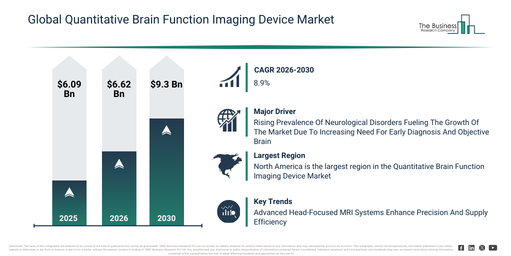
    The quantitative brain function imaging device market has shown significant growth in recent years. Its value is projected to expand from $6.09 billion in 2025 to $6.62 billion in 2026, achieving a compound annual growth rate (CAGR) of 8.7%. This expansion observed during the historic period stems from factors such as an increase in the prevalence of neurological disorders, greater investment in neuroscience research funding, improvements in hospital imaging infrastructure, the enhanced utilization of EEG and PET systems, and the evolution of brain mapping techniques.

    The market for quantitative brain function imaging devices is projected to experience substantial expansion in the coming years. This market is anticipated to reach $9.3 billion by 2030, exhibiting a compound annual growth rate (CAGR) of 8.9%. Factors driving this growth during the forecast period include a heightened need for quantitative diagnostics, advancements in precision neurology, increased research in brain-computer interfaces, a surge in demand for mental health diagnostics, and greater investment in neurotechnology platforms. Key trends shaping the market over this period encompass the adoption of multi-modal brain imaging, an increase in functional brain mapping, the integration of sophisticated neuro signal software, growing application in psychiatric diagnostics, and the development of portable brain monitoring systems.

    Access Your Free Sample Report for In-Depth Market Insights:

    https://www.thebusinessresearchcompany.com/sample.aspx?id=33281&type=smp

    What Drivers Are Influencing The Growth Of The Quantitative Brain Function Imaging Device Market?

    The increasing occurrence of neurological conditions is projected to stimulate the expansion of the quantitative brain function imaging device market in the future. Neurological disorders are medical states affecting the brain, spinal cord, or nerves, leading to impairments in movement, sensation, cognition, or other bodily functions. The escalating prevalence of these disorders is propelled by aging populations, which heighten the risk of conditions like Alzheimer’s and Parkinson’s and contribute to a rising global healthcare burden. A quantitative brain function imaging device supports the management of neurological disorders by offering objective, data-driven measurements of brain activity, enabling earlier diagnosis, precise disease monitoring, and customized treatment planning. For instance, in March 2023, the Alzheimer’s Association, a US-based nonprofit voluntary health organization, stated that 6.7 million Americans aged 65+ have Alzheimer’s, with this number anticipated to climb to 13.8 million by 2060. Therefore, the growing prevalence of neurological disorders is a significant driver for the quantitative brain function imaging device market.

    What Segments Are Included Within The Quantitative Brain Function Imaging Device Market?

    The quantitative brain function imaging device market covered in this report is segmented –

    1) By Component: Imaging Hardware; Electrodes And Sensors; Data Acquisition Systems; Software Platforms; Accessories And Consumables; Maintenance And Service Kits

    2) By Device Type: Functional Magnetic Resonance Imaging (fMRI); Positron Emission Tomography (PET); Electroencephalography (EEG); Magnetoencephalography (MEG); Near Infrared Spectroscopy (NIRS)

    3) By Modality: Single Modal Imaging; Multi-Modal Imaging

    4) By Application: Neurological Research; Psychiatric Research; Clinical Diagnostics; Brain-Computer Interface (BCI); Cognitive Neuroscience

    5) By End-User: Hospitals; Research Laboratories; Academic Institutes; Diagnostic Centers; Pharmaceutical And Biotechnology Companies

    Subsegments:

    1) By Imaging Hardware: Functional Magnetic Resonance Imaging Systems; Quantitative Electroencephalography Systems; Magnetoencephalography Systems; Functional Near Infrared Spectroscopy Systems

    2) By Electrodes And Sensors: Electroencephalography Electrodes; Magnetoencephalography Sensors; Functional Near Infrared Spectroscopy Optodes; Multimodal Neural Sensors

    3) By Data Acquisition Systems: Signal Amplifiers; Analog To Digital Converters; Neural Signal Recorders; Synchronization And Timing Modules

    4) By Software Platforms: Brain Signal Processing Software; Quantitative Analysis And Visualization Software; Image Reconstruction Software; Data Management And Integration Software

    5) By Accessories And Consumables: Electrode Caps And Headgear; Conductive Gels And Pastes; Cables And Connectors; Disposable Sensors

    6) By Maintenance And Service Kits: Calibration Kits; System Diagnostics Tools; Replacement Parts And Spares; Software Updates And Technical Support Services

    Which Innovation Trends Are Advancing Developments Within The Quantitative Brain Function Imaging Device Market?

    Major companies operating in the quantitative brain function imaging device market are prioritizing technological advancements, such as AI-based quantitative neuroimaging and imaging biomarkers. This focus aims to achieve more precise diagnoses, improve clinical decision-making, and support precision neurology through objective, reproducible brain metrics. AI-based quantitative neuroimaging and imaging biomarkers refer to the application of artificial intelligence algorithms to automatically extract, measure, and analyze objective, numerical indicators from brain imaging data. For instance, in December 2023, Quibim, a Spain-based healthtech company, launched QP-Brain, an AI-based quantitative brain imaging software. This software enables automated measurement of brain atrophy and lesion burden to support the early detection and monitoring of neurological diseases. It facilitates the early identification of subtle brain changes associated with neurodegenerative and neurological disorders. The software provides objective, reproducible imaging biomarkers that assist in earlier and more accurate diagnosis. By integrating directly into existing PACS workflows, it streamlines radiological reporting and reduces reliance on subjective visual assessment.

    Who Are The Primary Competitors In The Global Quantitative Brain Function Imaging Device Market?

    Major companies operating in the quantitative brain function imaging device market are NeuroPace Inc., NeuroSky Inc, BrainsWay Ltd., Compumedics Limited, Brain Products GmbH, Emotiv Inc., Aspect Imaging Ltd., ANT Neuro/ANT North America Inc., Neuroelectrics Barcelona S.L.U., MR Solutions Ltd., Advanced Brain Monitoring Inc, Cerca Magnetics Limited, Cortech Solutions Inc., FieldLine Inc., Gowerlabs Ltd., Mitsar Co. Ltd, Mind Media B.V., Wearable Sensing LLC, Brain Vision LLC, CereHealth Corp.

    Access The Complete Report For Deeper Market Insights:

    https://www.thebusinessresearchcompany.com/report/quantitative-brain-function-imaging-device-market-report

    Which Global Regions Are Shaping The Competitive Landscape Of The Quantitative Brain Function Imaging Device Market?

    North America was the largest region in the quantitative brain function dmaging device market in 2025. Asia-Pacific is expected to be the fastest-growing region in the forecast period. The regions covered in the quantitative brain function imaging device market report are Asia-Pacific, South East Asia, Western Europe, Eastern Europe, North America, South America, Middle East, Africa.

    Request Your Customized Quantitative Brain Function Imaging Device Market Research Report for Competitive Advantage:

    https://www.thebusinessresearchcompany.com/customise?id=33281&type=smp

    Browse Through More Reports Similar to the Global Quantitative Brain Function Imaging Device Market 2026, By The Business Research Company

    Brain And Neuroimaging Devices Market Report 2026

    https://www.thebusinessresearchcompany.com/report/brain-and-neuroimaging-devices-global-market-report

    Brain Mapping Instruments Market Report 2026

    https://www.thebusinessresearchcompany.com/report/brain-mapping-instruments-global-market-report

    Brain Monitoring Market Report 2026

    https://www.thebusinessresearchcompany.com/report/brain-monitoring-global-market-report

    Get in touch with us:

    The Business Research Company: https://www.thebusinessresearchcompany.com/

    Americas +1 310-496-7795

    Asia +44 7882 955267 & +91 8897263534

    Europe +44 7882 955267

    Email us at info@tbrc.info

    Follow us on:

    LinkedIn: https://in.linkedin.com/company/the-business-research-company

    YouTube: https://www.youtube.com/channel/UC24_fI0rV8cR5DxlCpgmyFQ

    Global Market Model: https://www.thebusinessresearchcompany.com/global-market-model
  • Pyoderma Gangrenosum Treatment Market 2026–2030: Forecast, Innovation, and Competitive Trends

    Pyoderma Gangrenosum Treatment Market 2026–2030: Forecast, Innovation, and Competitive Trends

    Uncover key drivers, emerging technologies, and competitive movements shaping the pyoderma gangrenosum treatment market from 2026–2035 with trusted insights from The Business Research Company

    By how much is the Pyoderma Gangrenosum Treatment Market expected to grow between 2026 and 2030?

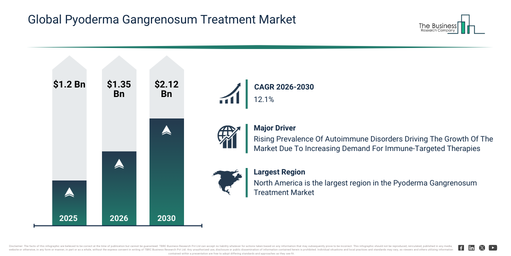
    The pyoderma gangrenosum treatment market has experienced rapid growth in recent years. Its value is anticipated to rise from $1.2 billion in 2025 to $1.35 billion by 2026, at a compound annual growth rate (CAGR) of 11.8%. This historical expansion can be attributed to several factors, including an increase in autoimmune disease incidence, the development of dermatology specialty care, growing awareness of rare skin disorders, the enlargement of hospital wound care units, and improved access to diagnostic testing.

    The pyoderma gangrenosum treatment market size is anticipated to experience substantial growth in the upcoming years. It is projected to expand to $2.12 billion by 2030, with a compound annual growth rate (CAGR) of 12.1%. This projected growth can be attributed to several factors such as the advancement in targeted immunotherapy development, the increased availability of specialty biologic drugs, a rise in investment dedicated to rare disease treatments, the proliferation of outpatient dermatology centers, and more comprehensive insurance coverage for advanced therapeutic options. Significant trends expected during this period include the broader application of biologic therapies, the growing preference for combination drug regimens, an increase in sophisticated wound care treatments, the development of more personalized treatment protocols, and enhanced clinical monitoring and follow-up programs.

    Access Your Free Sample Report for In-Depth Market Insights:

    https://www.thebusinessresearchcompany.com/sample.aspx?id=33280&type=smp

    Which Drivers Are Influencing Market Acceleration In The Pyoderma Gangrenosum Treatment Market?

    The increasing occurrence of autoimmune conditions is projected to stimulate the expansion of the pyoderma gangrenosum treatment market moving forward. Autoimmune disorders involve the body’s immune system erroneously attacking its own tissues, resulting in persistent inflammation and tissue harm. The rise in autoimmune disorders is linked to aging demographics, which are more vulnerable to immune system dysregulation. Pyoderma gangrenosum treatments aid autoimmune conditions by modulating the overactive immune system, which assists in controlling inflammation, preventing damage to healthy tissues, and tackling both skin ulcers and the broader issues of autoimmune diseases. For instance, in September 2025, according to the National Institutes of Health, a US-based medical research agency, approximately 23.5 million to 50 million Americans, accounting for between 7% and 8% of the U.S. population, were affected by one or more autoimmune diseases, and this incidence continues to escalate due to intricate genetic, environmental, and societal influences. Therefore, the growing prevalence of autoimmune disorders is fostering the growth of the pyoderma gangrenosum treatment market.

    What Leading Segments Are Studied In The Pyoderma Gangrenosum Treatment Market?

    The pyoderma gangrenosum treatment market covered in this report is segmented –

    1) By Treatment Type: Topical Treatments; Systemic Treatments; Surgical Treatments; Wound Care Therapies

    2) By Drug Class: Immunosuppressive Drugs; Tumour Necrosis Factor Inhibitors; Antibacterial Agents

    3) By Route of Administration: Oral; Injectable; Topical

    4) By Distribution Channel: Hospital Pharmacies; Retail Pharmacies; Other Distribution Channels

    5) By End User: Hospitals; Dermatology Clinics; Outpatient Care Centers

    Subsegments:

    1) By Topical Treatments: Topical Corticosteroids; Topical Immunomodulators; Topical Antibiotics; Topical Antiseptic Agents

    2) By Systemic Treatments: Systemic Corticosteroids; Systemic Immunosuppressive Drugs; Biologic Therapies; Anti Inflammatory Medications

    3) By Surgical Treatments: Surgical Debridement; Skin Grafting Procedures; Reconstructive Surgical Procedures

    4) By Wound Care Therapies: Advanced Wound Dressings; Negative Pressure Wound Therapy; Moist Wound Healing Solutions; Infection Control Wound Care

    Which Key Market Players Are Investing In Expansion And Innovation Within The Pyoderma Gangrenosum Treatment Market?

    Major companies operating in the pyoderma gangrenosum treatment market are Johnson & Johnson Services Inc., Roche Holding AG, Merck & Co. Inc., Pfizer Inc., AbbVie Inc., Sanofi SA, Novartis AG, Bristol-Myers Squibb Company, GlaxoSmithKline Plc, Amgen Inc., Boehringer Ingelheim Inc., Teva Pharmaceutical Industries Ltd., Biogen Inc., Fresenius Kabi AG, Intas Pharmaceuticals Ltd., UCB SA, Swedish Orphan Biovitrum AB, Celltrion Inc., InflaRx NV, and Aclaris Therapeutics Inc.

    Access The Complete Report For Deeper Market Insights:

    https://www.thebusinessresearchcompany.com/report/pyoderma-gangrenosum-treatment-market-report

    Which Regions Are Poised For Strategic Growth In The Pyoderma Gangrenosum Treatment Market?

    North America was the largest region in the pyoderma gangrenosum treatment market in 2025. Asia-Pacific is expected to be the fastest-growing region in the forecast period. The regions covered in the pyoderma gangrenosum treatment market report are Asia-Pacific, South East Asia, Western Europe, Eastern Europe, North America, South America, Middle East, Africa.

    Request Your Customized Pyoderma Gangrenosum Treatment Market Research Report for Competitive Advantage:

    https://www.thebusinessresearchcompany.com/customise?id=33280&type=smp

    Browse Through More Reports Similar to the Global Pyoderma Gangrenosum Treatment Market 2026, By The Business Research Company

    Monkey Pox Treatment Market Report 2026

    https://www.thebusinessresearchcompany.com/report/monkey-pox-treatment-global-market-report

    Rare Diseases Treatment Market Report 2026

    https://www.thebusinessresearchcompany.com/report/rare-diseases-treatment-global-market-report

    Rare Neurological Disease Treatment Market Report 2026

    https://www.thebusinessresearchcompany.com/report/rare-neurological-disease-treatment-global-market-report

    Get in touch with us:

    The Business Research Company: https://www.thebusinessresearchcompany.com/

    Americas +1 310-496-7795

    Asia +44 7882 955267 & +91 8897263534

    Europe +44 7882 955267

    Email us at info@tbrc.info

    Follow us on:

    LinkedIn: https://in.linkedin.com/company/the-business-research-company

    YouTube: https://www.youtube.com/channel/UC24_fI0rV8cR5DxlCpgmyFQ

    Global Market Model: https://www.thebusinessresearchcompany.com/global-market-model
  • Protein Language Models Market Forecast 2026–2035: Data Trends and Industry Insights

    Protein Language Models Market Forecast 2026–2035: Data Trends and Industry Insights

    Uncover key drivers, emerging technologies, and competitive movements shaping the protein language models market from 2026–2035 with trusted insights from The Business Research Company

    What is the estimated market size of the Protein Language Models Market by the end of 2030?

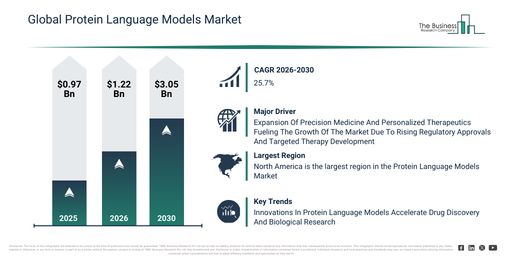
    The protein language models market size has experienced rapid expansion in recent years. It is anticipated to increase from $0.97 billion in 2025 to $1.22 billion in 2026, exhibiting a compound annual growth rate (CAGR) of 25.5%. This historical growth can be linked to several factors, including the rising volume of genomic sequencing data, increased spending on biopharma research, the expansion of bioinformatics platforms, improved availability of protein databases, and the early adoption of machine learning within biology.

    The protein language models market is poised for substantial expansion in the coming years, with its valuation expected to reach $3.05 billion by 2030, demonstrating a compound annual growth rate (CAGR) of 25.7%. This projected growth during the forecast period is driven by factors such as an escalating demand for computational protein design, the broadening of AI-led drug pipelines, a heightened necessity for rapid target identification, increasing collaborations between AI and biology across various industries, and increased capital allocation to AI life science startups. Key trends anticipated in this period encompass the growing utilization of sequence-based protein representation models, the proliferation of cloud-hosted protein modeling platforms, an increasing need for protein annotation services, a rise in API-based bioinformatics toolkits, and a greater integration of AI-driven drug discovery workflows.

    Access Your Free Sample Report for In-Depth Market Insights:

    https://www.thebusinessresearchcompany.com/sample.aspx?id=33275&type=smp

    What Drivers Are Shaping Future Opportunities In The Protein Language Models Market?

    The expanding field of precision medicine and personalized therapeutics is anticipated to boost the protein language models market in the coming years. These healthcare approaches involve tailoring treatments to specific patient characteristics, such as genetic makeup, biological markers, and disease profiles, with the goal of improving treatment efficacy and minimizing adverse reactions. The momentum behind precision medicine and personalized therapeutics stems from a rise in regulatory clearances and a focus on targeted treatments that address specific biological pathways, rather than universal solutions. Protein language models play a crucial role in supporting precision medicine by enabling in-depth examination of protein sequences and structures, which assists researchers in pinpointing therapeutic targets, forecasting drug effectiveness, and devising customized biological therapies more efficiently. For instance, in February 2024, the Personalized Medicine Coalition, a US-based not-for-profit organization, stated that in 2023, the Food and Drug Administration (FDA) sanctioned 16 novel personalized treatments for rare disease patients. This marks a notable increase from the six approvals observed in 2022. Consequently, the growth of precision medicine and personalized therapeutics is stimulating the expansion of the protein language models market. The increasing integration of AI-driven drug discovery is projected to drive the expansion of the protein language models market moving forward. AI-driven drug discovery utilizes artificial intelligence to expedite the process of identifying, designing, and optimizing potential drug candidates through advanced analysis of extensive biological and chemical datasets. The growing acceptance of artificial intelligence in drug discovery is attributable to its capacity to hasten target identification, refine candidate selection, and enhance research efficiency when compared to conventional methodologies. Protein language models aid drug discovery efforts by employing deep learning architectures to scrutinize protein sequences, forecast relationships between structure and function, and uncover significant patterns that inform both target selection and candidate optimization. As an illustration, in January 2025, the World Economic Forum, a Switzerland-based non-profit organization, indicated that approximately 30 percent of newly developed drugs are discovered with the aid of AI technologies. Thus, the rising embrace of AI-driven drug discovery is contributing to the growth of the protein language models market.

    Which Segment Groups Are Influencing The Protein Language Models Market?

    The protein language models market covered in this report is segmented –

    1) By Component: Software; Hardware; Services

    2) By Deployment Mode: On-Premises; Cloud

    3) By Application: Drug Discovery; Protein Engineering; Disease Diagnosis; Functional Annotation; Other Applications

    4) By End-User: Pharmaceutical And Biotechnology Companies; Academic And Research Institutes; Healthcare Providers; Other End-Users

    Subsegments:

    1) By Software: Protein Sequence Analysis Platforms; Model Training And Fine Tuning Tools; Protein Structure Prediction Software; Protein Function Annotation Tools; Bioinformatics Integration Platforms

    2) By Hardware: High Performance Computing Systems; Graphics Processing Hardware; Tensor Processing Hardware; Data Storage And Processing Systems; Cloud Based Computing Infrastructure

    3) By Services: Consulting And Advisory Services; Custom Model Development Services; System Integration Services; Managed And Support Services; Training And Knowledge Transfer Services

    What Industry Trends Are Transforming The Protein Language Models Market?

    Leading companies in the protein language models market are dedicating efforts to creating advanced AI-driven protein language models. These models aim to enhance protein sequence analysis and speed up drug discovery and biological research. An AI-driven protein language model utilizes artificial intelligence, which is trained on vast protein sequences, to predict, interpret, and generate protein structures and functions. This capability accelerates protein engineering, mutation assessment, and the development of new therapeutic solutions. For example, in September 2024, Ginkgo Bioworks Holdings, Inc., a US-based biotechnology company, unveiled a Protein Large Language Model and Model API, which was built on Google Cloud technology. This solution, trained on Ginkgo’s proprietary protein dataset and hosted on Vertex AI, allows enterprises and individual researchers to perform sophisticated protein sequence analysis and improve pattern recognition, thereby accelerating workflows in drug development and biological research.

    Who Are The Core Companies Influencing Trends In The Protein Language Models Market?

    Major companies operating in the protein language models market are Google LLC, Meta Platforms Inc., Pfizer Inc., Novartis AG, AstraZeneca PLC, NVIDIA Corporation, Owkin Inc., Generate Biomedicines Inc., Recursion Pharmaceuticals Inc., BenevolentAI Limited, Exscientia plc, Dyno Therapeutics Inc., Atomwise Inc., ProteinQure Inc., Cradle Bio B.V., Profluent Bio Inc., BioMap (Beijing) Intelligence Technology Co. Ltd., EvolutionaryScale Inc., Isomorphic Labs Limited, Insilico Medicine Inc., AbSci Corporation, Peptone Ltd., and Valence Labs Inc.

    Access The Complete Report For Deeper Market Insights:

    https://www.thebusinessresearchcompany.com/report/protein-language-models-market-report

    Which Regions Are Projected To Dominate The Protein Language Models Market In The Coming Years?

    North America was the largest region in the protein language models market in 2025. Asia-Pacific is expected to be the fastest-growing region in the forecast period. The regions covered in the protein language models market report are Asia-Pacific, South East Asia, Western Europe, Eastern Europe, North America, South America, Middle East, Africa.

    Request Your Customized Protein Language Models Market Research Report for Competitive Advantage:

    https://www.thebusinessresearchcompany.com/customise?id=33275&type=smp

    Browse Through More Reports Similar to the Global Protein Language Models Market 2026, By The Business Research Company

    Large Language Model Llm Market 2026

    https://www.thebusinessresearchcompany.com/report/large-language-model-llm-market

    Protein Sequencing Market Report 2026

    https://www.thebusinessresearchcompany.com/report/protein-sequencing-global-market-report

    Research Grade Proteins Market Report 2026

    https://www.thebusinessresearchcompany.com/report/research-grade-proteins-global-market-report

    Get in touch with us:

    The Business Research Company: https://www.thebusinessresearchcompany.com/

    Americas +1 310-496-7795

    Asia +44 7882 955267 & +91 8897263534

    Europe +44 7882 955267

    Email us at info@tbrc.info

    Follow us on:

    LinkedIn: https://in.linkedin.com/company/the-business-research-company

    YouTube: https://www.youtube.com/channel/UC24_fI0rV8cR5DxlCpgmyFQ

    Global Market Model: https://www.thebusinessresearchcompany.com/global-market-model
  • Prion Disease Treatment Market Outlook 2026–2030: Key Business Drivers and Trends

    Prion Disease Treatment Market Outlook 2026–2030: Key Business Drivers and Trends

    Uncover key drivers, emerging technologies, and competitive movements shaping the prion disease treatment market from 2026–2035 with trusted insights from The Business Research Company

    What was the valuation of the Prion Disease Treatment Market in 2026, and what figure is it projected to hit by 2030?

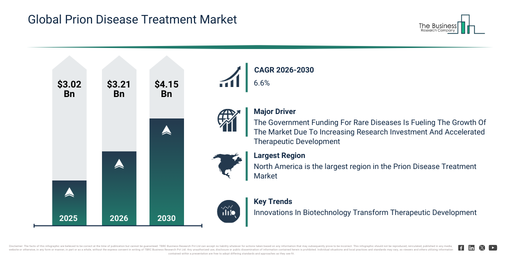
    The prion disease treatment market size has seen significant growth over recent years. It is anticipated to expand from $3.02 billion in 2025 to $3.21 billion in 2026, achieving a compound annual growth rate (CAGR) of 6.4%. Historically, this expansion can be linked to factors such as increased funding for rare disease research, greater awareness of neurological disorders, the broadening availability of genetic testing, academic clinical studies, and the rise of specialty neurology centers.

    The prion disease treatment market size is anticipated to undergo significant expansion in the upcoming years. It is forecast to increase to $4.15 billion by 2030, driven by a compound annual growth rate (CAGR) of 6.6%. This growth during the forecast period can be attributed to advancements such as novel molecule discovery programs, precision neurology approaches, biomarker based diagnostics, expanded orphan drug incentives, and advanced neuro research collaborations. Prominent trends for this period encompass targeted neurodegenerative drug research, advanced prion diagnostic testing, genetic risk screening programs, compassionate use therapy trials, and integrated supportive care protocols.

    Access Your Free Sample Report for In-Depth Market Insights:

    https://www.thebusinessresearchcompany.com/sample.aspx?id=33272&type=smp

    Which Drivers Are Affecting Market Participation In The Prion Disease Treatment Market?

    The expansion of the prion disease treatment market is anticipated to be fueled by the increasing government funding allocated to rare diseases. Rare diseases are medical conditions affecting a small segment of the population, often characterized by being chronic, progressive, and life-threatening. The boost in financial support for rare diseases is a result of greater government and philanthropic contributions, which are expediting research efforts, clinical trials, and the creation of innovative therapies for conditions with significant unmet medical needs. Government financing for rare diseases aids the progression of prion disease treatment by supporting long-term basic research, maintaining specialized laboratories and surveillance systems, encouraging pharmaceutical innovations despite limited commercial incentives, and accelerating the conversion of discoveries into diagnostics and potential therapies. For example, in February 2024, the Department of Health and Social Care, a UK-based government department, announced a $17.3 million (£14 million) investment to establish the UK Rare Disease Research Platform. This platform will feature 11 research nodes across the country and a central coordinating hub, aiming to foster coordinated collaboration among academic, clinical, and industry researchers, people living with rare diseases, research charities, and other stakeholders to accelerate advancements in understanding, diagnosing, and treating rare diseases. Consequently, the rising government funding for rare diseases is driving the growth of the prion disease treatment market.

    What Segment Classifications Make Up The Prion Disease Treatment Market?

    The prion disease treatment market covered in this report is segmented –

    1) By Disease Type: Creutzfeldt-Jakob Disease; Gerstmann-Sträussler-Scheinker Syndrome; Fatal Familial Insomnia; Kuru; Other Disease Types

    2) By Treatment Type: Medication; Supportive Care; Other Treatment Types

    3) By Route Of Administration: Oral; Parenteral

    4) By Distribution Channel: Hospital Pharmacies; Retail Pharmacies; Online Pharmacies

    5) By End-User: Hospitals; Specialty Clinics; Research Institutes; Other End-Users

    Subsegments:

    1) By Creutzfeldt-Jakob Disease: Sporadic Creutzfeldt-Jakob Disease; Familial Creutzfeldt-Jakob Disease; Iatrogenic Creutzfeldt-Jakob Disease; Variant Creutzfeldt-Jakob Disease

    2) By Gerstmann-Sträussler-Scheinker Syndrome: Early-Stage Gerstmann-Sträussler-Scheinker Syndrome; Progressive-Stage Gerstmann-Sträussler-Scheinker Syndrome; Advanced-Stage Gerstmann-Sträussler-Scheinker Syndrome

    3) By Fatal Familial Insomnia: Sleep Disorder Management; Autonomic Dysfunction Management; Psychiatric Symptom Management

    4) By Kuru: Motor Function Support; Cognitive Function Support; Symptomatic Neurological Care

    5) By Other Disease Types: Atypical Prion Disorders; Unclassified Prion Conditions

    What Trends Are Reshaping The Dynamics Of The Prion Disease Treatment Market?

    Leading enterprises within the prion disease treatment market are concentrating on advancing novel approaches, such as viral vector–based gene therapy, to administer precise treatments past the blood-brain barrier and impede disease progression. This specific gene therapy utilizes altered viruses to introduce therapeutic genes into particular cells, thereby aiding in the correction or reduction of disease-causing mechanisms, like misfolded prion proteins, through targeted and enduring effects. An illustrative example occurred in February 2025, when Apertura Gene Therapy, a biotechnology firm based in the US, assisted the Broad Institute in creating a gene therapy for prion disease employing an engineered AAV capsid designed to target TfR1. This particular therapeutic approach ensures the delivery of therapeutic genes across the blood-brain barrier, facilitating extensive central nervous system distribution and potentially hindering or stopping the buildup of prion proteins. It provides notable specificity, minimizes unintended side effects, and ensures prolonged therapeutic expression, marking a substantial improvement compared to traditional treatments that primarily address symptoms rather than altering the disease’s course. Collectively, this signifies a crucial stride away from symptomatic care towards interventions that modify the disease, potentially revolutionizing the therapeutic environment for prion disorders.

    Which Major Industry Participants Are Leading The Prion Disease Treatment Market Growth?

    Major companies operating in the prion disease treatment market are Ionis Pharmaceuticals Inc., Broad Institute of MIT and Harvard, Sangamo Therapeutics Inc., Gate Bioscience, Apertura Gene Therapy, Sibylla Biotech, Case Western Reserve University, and National Prion Clinic.

    Access The Complete Report For Deeper Market Insights:

    https://www.thebusinessresearchcompany.com/report/prion-disease-treatment-market-report

    Which Region Is Expected To Experience The Fastest Growth In The Prion Disease Treatment Market?

    North America was the largest region in the prion disease treatment market in 2025. Asia-Pacific is expected to be the fastest-growing region in the forecast period. The regions covered in the prion disease treatment market report are Asia-Pacific, South East Asia, Western Europe, Eastern Europe, North America, South America, Middle East, Africa.

    Request Your Customized Prion Disease Treatment Market Research Report for Competitive Advantage:

    https://www.thebusinessresearchcompany.com/customise?id=33272&type=smp

    Browse Through More Reports Similar to the Global Prion Disease Treatment Market 2026, By The Business Research Company

    Rare Diseases Treatment Market Report 2026

    https://www.thebusinessresearchcompany.com/report/rare-diseases-treatment-global-market-report

    Rare Neurological Disease Treatment Market Report 2026

    https://www.thebusinessresearchcompany.com/report/rare-neurological-disease-treatment-global-market-report

    Pruritus Therapeutic Market Report 2026

    https://www.thebusinessresearchcompany.com/report/pruritus-therapeutic-global-market-report

    Get in touch with us:

    The Business Research Company: https://www.thebusinessresearchcompany.com/

    Americas +1 310-496-7795

    Asia +44 7882 955267 & +91 8897263534

    Europe +44 7882 955267

    Email us at info@tbrc.info

    Follow us on:

    LinkedIn: https://in.linkedin.com/company/the-business-research-company

    YouTube: https://www.youtube.com/channel/UC24_fI0rV8cR5DxlCpgmyFQ

    Global Market Model: https://www.thebusinessresearchcompany.com/global-market-model
  • Global Portable Biotoxicity Detectors Market Report 2026: Emerging Trends and Growth Scenarios

    Global Portable Biotoxicity Detectors Market Report 2026: Emerging Trends and Growth Scenarios

    Uncover key drivers, emerging technologies, and competitive movements shaping the portable biotoxicity detectors market from 2026–2035 with trusted insights from The Business Research Company

    What are the forecasted starting (2026) and ending (2030) market sizes for the Portable Biotoxicity Detectors Market?

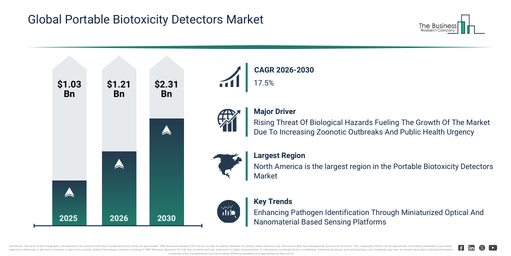
    The market for portable biotoxicity detectors has observed rapid growth in recent years. It is anticipated to expand from $1.03 billion in 2025 to $1.21 billion in 2026, demonstrating a compound annual growth rate (CAGR) of 17.3%. This historical development can be ascribed to a surge in environmental pollution monitoring requirements, past occurrences of biohazard and contamination, the proliferation of industrial safety regulations, the widening scope of water and air quality testing programs, and an increase in laboratory and field biosensor research.

    The portable biotoxicity detectors market size is anticipated to experience significant expansion over the coming years. It is projected to climb to $2.31 billion in 2030, demonstrating a compound annual growth rate (CAGR) of 17.5%. This projected growth is driven by the increasing demand for rapid on-field diagnostics, the broadening of smart environmental monitoring networks, stricter requirements for food and water safety compliance, greater investment in portable analytical instrumentation, and increased adoption in defense and homeland security applications. Prominent trends for the forecast period include portable multi parameter detection devices, quick field biohazard screening, compact biosensor platforms, real-time environmental toxicity surveillance, and emergency response detection kits.

    Access Your Free Sample Report for In-Depth Market Insights:

    https://www.thebusinessresearchcompany.com/sample.aspx?id=33268&type=smp

    What Drivers Are Supporting Technological Adoption In The Portable Biotoxicity Detectors Market?

    The increasing danger from biological threats is anticipated to fuel expansion in the portable biotoxicity detectors market in the future. These hazards encompass disease-causing agents and harmful substances originating from bacteria, viruses, or different organisms, presenting dangers to both human well-being and ecosystems. The surge in biological hazards originates from a growing number of zoonotic spillover incidents, which are propelled by shifts in the environment and interactions between humans and animals. Portable biotoxicity detectors assist in managing the escalating biological hazard threats by facilitating swift identification and localized control at the site, thus preventing extensive spread of contamination. An illustration of this trend is found in data from April 2024, where the World Health Organization disclosed that over 7.6 million dengue cases were documented worldwide by 30 April 2024. This total encompassed 3.4 million confirmed cases, upwards of 16,000 severe cases, and more than 3,000 fatalities. Notably, the Region of the Americas alone recorded more than seven million cases, thereby surpassing its total of 4.6 million cases reported for the full year of 2023. Consequently, the escalating danger from biological hazards is fueling the expansion of the portable biotoxicity detectors market.

    What Segment Types Are Examined In The Portable Biotoxicity Detectors Market?

    The portable biotoxicity detectors market covered in this report is segmented –

    1) By Product Type: Portable Biotoxicity Detectors; Stationary Biotoxicity Detectors; Handheld Detectors; Wearable Detectors

    2) By Deployment Mode: On-field; On-site; In-lab

    3) By Technology: Biosensors; Luminescent Microorganisms; Enzymatic Biosensors; Electrochemical Biosensors; Microfluidic Devices

    4) By Application: Water Quality Testing; Soil Monitoring; Air Quality Monitoring; Industrial Waste Monitoring; Food Safety Testing

    Subsegments:

    1) By Portable Biotoxicity Detectors: Battery Operated Portable Detectors; Smartphone Integrated Portable Detectors; Multi Parameter Portable Detectors; Field Deployable Rapid Detection Units

    2) By Stationary Biotoxicity Detectors: Bench Top Laboratory Detectors; Fixed Industrial Monitoring Systems; Continuous Monitoring Stationary Units; Automated High Throughput Detection Systems

    3) By Handheld Detectors: Single Use Handheld Detectors; Reusable Handheld Detection Devices; Real Time Handheld Detection Instruments; Compact Manual Sampling Detectors

    4) By Wearable Detectors: Clip On Wearable Detectors; Wrist Mounted Wearable Detectors; Body Mounted Continuous Monitoring Devices; Personal Safety Wearable Detection Systems

    How Are New Market Trends Shaping The Landscape Of The Portable Biotoxicity Detectors Market?

    Leading firms in the portable biotoxicity detectors market are concentrating on advancing field-deployable diagnostic innovations, including aptamer-integrated colorimetric detection, to facilitate the highly sensitive, real-time, and economical detection of dangerous substances using automated optical systems and signal enhancement powered by nanomaterials. Aptamer-integrated colorimetric detection describes a sensing method employing synthetic nucleic acid ligands, known as aptamers, which are engineered to specifically attach to toxic targets, causing a noticeable color shift in gold nanoparticles, measurable electronically without needing sophisticated lab apparatus. As an illustration, in November 2025, the Indian Institute of Technology Madras, a public technical and research university located in India, unveiled the Smart Malathion Detection Device (Smart MDD). This smart malathion detection device provides quick and precise identification of malathion traces across air, water, and agricultural goods. It incorporates highly sensitive real-time monitoring for early discovery and enhanced safety. The apparatus is portable, user-friendly, and apt for both on-site and laboratory applications, while its IoT capabilities and data recording features allow for distant surveillance and immediate notifications.

    Who Are The Prominent Global Companies Shaping The Portable Biotoxicity Detectors Market Landscape?

    Major companies operating in the portable biotoxicity detectors market are Abbott Laboratories, Siemens Healthineers AG, Merck KGaA, Agilent Technologies, Mettler-Toledo International Inc., Bruker Corporation, QIAGEN N.V., DiaSorin S.p.A., Tecan Group Ltd., Neogen Corporation, Smiths Detection Group Ltd., Yokogawa Electric Corporation, Quanterix Corporation, Envirologix Inc., BlueSense Diagnostics A/S, Optosky Technologies, Eurofins Technologies, Alexeter Technologies LLC, Biosensing Instrument Inc., Changsha Langshuo Technology Co. Ltd.

    Access The Complete Report For Deeper Market Insights:

    https://www.thebusinessresearchcompany.com/report/portable-biotoxicity-detectors-market-report

    Which Geographic Areas Are Emerging As Strong Markets For The Portable Biotoxicity Detectors Market?

    North America was the largest region in the portable biotoxicity detectors market in 2025. Asia-Pacific is expected to be the fastest-growing region in the forecast period. The regions covered in the portable biotoxicity detectors market report are Asia-Pacific, South East Asia, Western Europe, Eastern Europe, North America, South America, Middle East, Africa.

    Request Your Customized Portable Biotoxicity Detectors Market Research Report for Competitive Advantage:

    https://www.thebusinessresearchcompany.com/customise?id=33268&type=smp

    Browse Through More Reports Similar to the Global Portable Biotoxicity Detectors Market 2026, By The Business Research Company

    Portable Food Safety Detectors Market Report 2026

    https://www.thebusinessresearchcompany.com/report/portable-food-safety-detectors-global-market-report

    Ecotoxicological Studies Market Report 2026

    https://www.thebusinessresearchcompany.com/report/ecotoxicological-studies-global-market-report

    Hand Held Chemical And Metal Detector Market Report 2026

    https://www.thebusinessresearchcompany.com/report/hand-held-chemical-and-metal-detector-global-market-report

    Get in touch with us:

    The Business Research Company: https://www.thebusinessresearchcompany.com/

    Americas +1 310-496-7795

    Asia +44 7882 955267 & +91 8897263534

    Europe +44 7882 955267

    Email us at info@tbrc.info

    Follow us on:

    LinkedIn: https://in.linkedin.com/company/the-business-research-company

    YouTube: https://www.youtube.com/channel/UC24_fI0rV8cR5DxlCpgmyFQ

    Global Market Model: https://www.thebusinessresearchcompany.com/global-market-model
  • Polycythemia Market Forecast 2026: Where the Industry Is Headed

    Polycythemia Market Forecast 2026: Where the Industry Is Headed

    Uncover key drivers, emerging technologies, and competitive movements shaping the polycythemia market from 2026–2035 with trusted insights from The Business Research Company

    What upper market value could the Polycythemia Market reach by 2030 starting from 2026 levels?

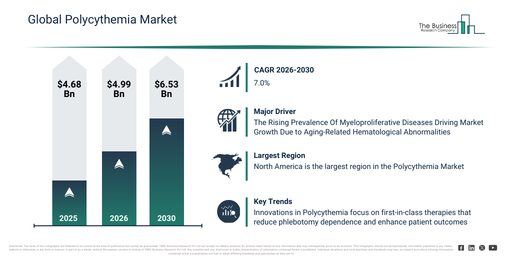
    The polycythemia market has exhibited significant expansion in recent years. Its valuation is projected to increase from $4.68 billion in 2025 to $4.99 billion in 2026, reflecting a compound annual growth rate (CAGR) of 6.7%. Historically, the market’s growth was fueled by factors including the increasing prevalence of myeloproliferative disorders, heightened awareness of rare blood diseases, the proliferation of specialty hematology centers, elevated diagnostic testing rates, and the growing application of cytoreductive drugs.

    The polycythemia market is anticipated to experience substantial growth over the next few years, with its valuation expected to climb to $6.53 billion by 2030, exhibiting a compound annual growth rate (CAGR) of 7.0%. This expansion during the forecast period is largely fueled by advancements in targeted JAK2 therapies, the increasing embrace of genetic screening, a growing demand for personalized treatment plans, enhanced access to specialty biologics, and a broadening elderly population base. Significant trends identified for the forecast period include the expanding adoption of Janus kinase inhibitors, a surge in the use of interferon-based injectable therapies, a rising preference for therapeutic phlebotomy procedures, the widening application of hematocrit monitoring diagnostics, and a general shift towards combination drug therapy approaches.

    Access Your Free Sample Report for In-Depth Market Insights:

    https://www.thebusinessresearchcompany.com/sample.aspx?id=33266&type=smp

    Which Drivers Are Influencing Long-Term Growth In The Polycythemia Market?

    The increasing occurrence of myeloproliferative diseases is anticipated to stimulate the expansion of the polycythemia market moving forward. Myeloproliferative diseases are a category of uncommon blood conditions marked by the uncontrolled proliferation of blood cells within the bone marrow, leading to disrupted blood functionality and circulation. The rising incidence of age-related hematological irregularities is a major contributor to the growing occurrence of these disorders, as older populations are more prone to bone marrow dysfunction. Polycythemia, a prominent form of myeloproliferative diseases characterized by the overproduction of red blood cells, is crucial in improving clinical awareness, diagnosis, and continuous monitoring of these conditions, thus fostering the market’s growth. For instance, in September 2024, Blood Cancer United, a US-based nonprofit focused on curing blood cancers, reported that over 120,000 people in the United States were projected to be affected by or in recovery from myeloproliferative neoplasms (MPNs) in 2023, highlighting the rising prevalence of these chronic blood disorders. Consequently, the increasing incidence of myeloproliferative diseases is propelling the expansion of the polycythemia market.

    Which Segments Are Driving Activity In The Polycythemia Market?

    The polycythemia market covered in this report is segmented –

    1) By Type: Primary polycythemia; Secondary polycythemia; Pseudopolycythemia

    2) By Drug Class: Antimetabolites; Janus Kinase 2 Inhibitors; Myelosuppressive Agents; Selective Serotonin Reuptake Inhibitors; Folic Acid; Other Drug Classes

    3) By Route Of Administration: Oral; Intravenous; Intramuscular

    4) By End Users: Hospital Pharmacies; Retail Pharmacies; Online Pharmacies

    Subsegments:

    1) By Primary Polycythemia: Polycythemia Vera; Familial Primary Polycythemia

    2) By Secondary Polycythemia: Hypoxia Induced Polycythemia; Tumor Associated Polycythemia; Drug Induced Polycythemia; Hormone Induced Polycythemia

    3) By Pseudopolycythemia: Stress Related Polycythemia; Dehydration Related Polycythemia; Plasma Volume Contraction Related Polycythemia

    Which Trends Are Expected To Influence The Polycythemia Market In The Upcoming Years?

    Major companies active in the polycythemia market are concentrating on advanced innovations like rusfertide, a pioneering first-in-class hepcidin mimetic peptide. This substance substantially lessens the requirement for frequent phlebotomies while simultaneously enhancing hematocrit regulation and the quality of life for patients. A hepcidin mimetic is a medicinal compound or drug specifically engineered to function similarly to hepcidin, the body’s principal hormone responsible for iron balance. For example, in March 2025, Takeda Pharmaceutical Company Limited, a biopharmaceutical company located in Japan, publicly shared encouraging top-line outcomes from its Phase 3 VERIFY study of rusfertide involving patients with polycythemia vera. These findings illustrated a considerable decrease in dependence on phlebotomy, improved control of hematocrit levels, and significant patient-reported benefits, all while upholding a beneficial safety profile.

    Which Key Players Are Driving Competition In The Polycythemia Market?

    Major companies operating in the polycythemia market are Bristol Myers Squibb Company, Roche Holding AG, Merck And Company Inc., Bayer AG, Novartis AG, Takeda Pharmaceutical Company, Gilead Sciences Inc., Teva Pharmaceutical Industries Ltd., Incyte Corporation, Ionis Pharmaceuticals Inc., CTI BioPharma Corp., AOP Orphan Pharmaceuticals AG, Silence Therapeutics Plc, Italfarmaco S.p.A., PharmaEssentia Corporation, Karyopharm Therapeutics Inc., Protagonist Therapeutics Inc., Kartos Therapeutics Inc., Geron Corporation, and Perseus Proteomics Inc.

    Access The Complete Report For Deeper Market Insights:

    https://www.thebusinessresearchcompany.com/report/polycythemia-market-report

    Which Region Is Projected To Lead The Polycythemia Market During The Forecast Period?

    North America was the largest region in the polycythemia market in 2025. Asia-Pacific is expected to be the fastest-growing region in the forecast period. The regions covered in the polycythemia market report are Asia-Pacific, South East Asia, Western Europe, Eastern Europe, North America, South America, Middle East, Africa.

    Request Your Customized Polycythemia Market Research Report for Competitive Advantage:

    https://www.thebusinessresearchcompany.com/customise?id=33266&type=smp

    Browse Through More Reports Similar to the Global Polycythemia Market 2026, By The Business Research Company

    Medical Polycarbonate Market Report 2026

    https://www.thebusinessresearchcompany.com/report/medical-polycarbonate-global-market-report

    Hyperlipidemia Market Report 2026

    https://www.thebusinessresearchcompany.com/report/hyperlipidemia-global-market-report

    Polycystic Ovarian Syndrome Treatment Market Report 2026

    https://www.thebusinessresearchcompany.com/report/polycystic-ovarian-syndrome-treatment-global-market-report

    Get in touch with us:

    The Business Research Company: https://www.thebusinessresearchcompany.com/

    Americas +1 310-496-7795

    Asia +44 7882 955267 & +91 8897263534

    Europe +44 7882 955267

    Email us at info@tbrc.info

    Follow us on:

    LinkedIn: https://in.linkedin.com/company/the-business-research-company

    YouTube: https://www.youtube.com/channel/UC24_fI0rV8cR5DxlCpgmyFQ

    Global Market Model: https://www.thebusinessresearchcompany.com/global-market-model
  • Plant-Derived Analgesics Industry Growth Insights: Revenue Forecast to 2030

    Plant-Derived Analgesics Industry Growth Insights: Revenue Forecast to 2030

    Uncover key drivers, emerging technologies, and competitive movements shaping the plant-derived analgesics market from 2026–2035 with trusted insights from The Business Research Company

    What level of CAGR-driven expansion is anticipated in the Plant-Derived Analgesics Market between 2026 and 2030?

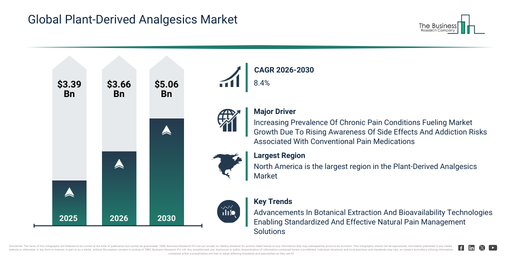
    The plant-derived analgesics market has shown robust growth over recent years. It is anticipated to expand from $3.39 billion in 2025 to $3.66 billion in 2026, achieving a compound annual growth rate (CAGR) of 8.2%. This expansion during the historical period is primarily due to the adoption of traditional medicine, the rising demand for natural pain relief options, increased use of herbal supplements, concerns regarding opioid side effects, and the broadening of botanical extraction processes.

    The plant-derived analgesics market is projected to experience substantial growth in the coming years, reaching a valuation of $5.06 billion by 2030, driven by an 8.4% compound annual growth rate. This anticipated expansion during the forecast period is attributed to an increasing preference for natural therapeutic options, the advancement of cannabinoid medicines, an expanding pipeline of plant-based drugs, enhanced clinical validation of botanical remedies, and a broader adoption of integrative care. Key trends for the forecast period include the development of standardized botanical pain extracts, the isolation of high-purity phytochemicals, the creation of combination herbal analgesic formulations, improvements in the bioavailability of plant-derived active compounds, and the growing focus on evidence-based botanical therapies.

    Access Your Free Sample Report for In-Depth Market Insights:

    https://www.thebusinessresearchcompany.com/sample.aspx?id=33264&type=smp

    What Drivers Are Affecting Demand-Supply Dynamics In The Plant-Derived Analgesics Market?

    The expanding occurrence of chronic pain ailments is projected to drive the future growth of the plant-derived analgesics market. These chronic pain conditions encompass persistent discomfort issues, such as musculoskeletal pain, arthritis, neuropathic pain, and inflammatory conditions, all necessitating continuous pain management. The global increase in chronic pain is attributed to factors like an aging population, inactive routines, rising obesity figures, and the increasing burden of various chronic diseases. Plant-derived analgesics aid in managing these conditions by providing pain relief solutions created from botanical extracts, herbs, and active plant compounds, which are increasingly adopted as supplementary or alternative pain management therapies. For example, in November 2024, the Centers for Disease Control and Prevention (CDC), a US-based federal public health agency, reported that roughly 24.3% of adults in the United States suffered from chronic pain in 2023, with 8.5% experiencing high-impact chronic pain. Consequently, the escalating prevalence of chronic pain conditions across significant healthcare markets is stimulating the expansion of the plant-derived analgesics market.

    How Is The Plant-Derived Analgesics Market Organized Into Various Segments?

    The plant-derived analgesics market covered in this report is segmented –

    1) By Product Type: Morphine; Codeine; Salicin; Cannabinoids; Curcumin

    2) By Formulation Type: Tablets; Capsules; Creams; Injectable Forms; Oils

    3) By Source: Plant-derived opioid alkaloids; Salicylate-type analgesics; Cannabinoids And hemp-derived; Polyphenolic; Other phytochemicals

    4) By Sales Channel: Hospitals; Clinics; Retail Sales; Online Sales; Hypermarkets And Supermarkets

    5) By Application: Chronic Pain Management; Acute Pain Relief; Post-Surgical Pain; Neuropathic Pain

    Subsegments:

    1) By Morphine: Immediate Release Formulations; Extended Release Formulations; Injectable Preparations; Oral Solid Dosage Forms

    2) By Codeine: Single Ingredient Analgesics; Combination Pain Relief Products; Oral Solid Dosage Forms; Liquid Oral Formulations

    3) By Salicin: Standardized Plant Extracts; Oral Solid Dosage Forms; Liquid Herbal Preparations; Combination Botanical Formulations

    4) By Cannabinoids: Tetrahydrocannabinol Dominant Products; Cannabidiol Dominant Products; Balanced Cannabinoid Formulations; Full Spectrum Plant Extracts

    5) By Curcumin: Standard Curcumin Extracts; Enhanced Bioavailability Formulations; Combination Herbal Products; Oral Solid Dosage Forms

    What Trends Are Driving The Growth Trajectory Of The Plant-Derived Analgesics Market?

    Leading companies in the plant-derived analgesics market are prioritizing technological advancements in methods for botanical extraction, purification, and formulation. These include plant-based formulation and bioavailability enhancement strategies, aimed at minimizing inconsistencies between batches and boosting acceptance from regulators and consumers. Plant-based formulation and bioavailability enhancement specifically involve the scientific refinement of plant-derived analgesic products through sophisticated formulation approaches. These approaches are crafted to improve the stability, solubility, and absorption of active botanical compounds, thereby ensuring more reliable product performance and enhanced therapeutic delivery. As an illustration, in January 2023, Medterra CBD, LLC., a US-based botanical wellness company, launched its Natural Pain Relief capsules to broaden consumer access to plant-based pain management solutions. These Natural Pain Relief capsules are presented as a plant-based, non-opioid option for pain management, formulated with standardized botanical ingredients such as turmeric and Levagen+ palmitoylethanolamide (PEA), with the goal of enhancing bioavailability and supporting relief from muscle pain, joint stiffness, and inflammation.

    Who Are The Top-Performing Companies In The Plant-Derived Analgesics Market In Recent Years?

    Major companies operating in the plant-derived analgesics market are Dabur India Limited, Patanjali Ayurved Limited, Blackmores Limited, Bionorica SE, Emami Limited, Himalaya Wellness Company, Biologische Heilmittel Heel GmbH, Charak Pharma Private Limited, Indena S.p.A., Nature’s Way Products LLC, Arya Vaidya Sala Kottakkal, Gaia Herbs Farm Inc., Hamdard Laboratories (India), Shree Dhootapapeshwar Limited, Sri Sri Tattva, Euromed S.A., Sami-Sabinsa Group Limited, Martin Bauer Group, Shree Baidyanath Ayurved Bhawan Private Limited, Organic India Private Limited

    Access The Complete Report For Deeper Market Insights:

    https://www.thebusinessresearchcompany.com/report/plant-derived-analgesics-market-report

    Which Region Currently Holds The Largest Share Of The Plant-Derived Analgesics Market?

    North America was the largest region in the plant-derived analgesics market in 2025. Asia-Pacific is expected to be the fastest-growing region in the forecast period. The regions covered in the plant-derived analgesics market report are Asia-Pacific, South East Asia, Western Europe, Eastern Europe, North America, South America, Middle East, Africa.

    Request Your Customized Plant-Derived Analgesics Market Research Report for Competitive Advantage:

    https://www.thebusinessresearchcompany.com/customise?id=33264&type=smp

    Browse Through More Reports Similar to the Global Plant-Derived Analgesics Market 2026, By The Business Research Company

    Analgesics Market Report 2026

    https://www.thebusinessresearchcompany.com/report/analgesics-global-market-report

    Pain Management Drugs Market Report 2026

    https://www.thebusinessresearchcompany.com/report/pain-management-drugs-global-market-report

    Topical Pain Relief Market Report 2026

    https://www.thebusinessresearchcompany.com/report/topical-pain-relief-global-market-report

    Get in touch with us:

    The Business Research Company: https://www.thebusinessresearchcompany.com/

    Americas +1 310-496-7795

    Asia +44 7882 955267 & +91 8897263534

    Europe +44 7882 955267

    Email us at info@tbrc.info

    Follow us on:

    LinkedIn: https://in.linkedin.com/company/the-business-research-company

    YouTube: https://www.youtube.com/channel/UC24_fI0rV8cR5DxlCpgmyFQ

    Global Market Model: https://www.thebusinessresearchcompany.com/global-market-model