Month: March 2026

  • Global Metagenomic Sequencing Industry Insights: Key Trends and Growth Estimates

    Global Metagenomic Sequencing Industry Insights: Key Trends and Growth Estimates

    Uncover key drivers, emerging technologies, and competitive movements shaping the metagenomic sequencing market from 2026–2035 with trusted insights from The Business Research Company

    Starting from its 2026 valuation, what market size is the Metagenomic Sequencing Market expected to reach by 2030?

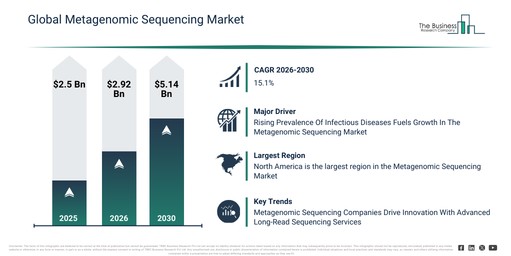
    The metagenomic sequencing market has experienced swift expansion in recent years. This market is set to increase from $2.5 billion in 2025 to $2.92 billion in 2026, demonstrating a compound annual growth rate (CAGR) of 17.1%. Historically, this growth can be ascribed to the escalating use of NGS, the early uptake of microbial community studies, a rising demand for DNA extraction kits, the development in environmental microbiology research, and the broadening of clinical diagnostics.

    The metagenomic sequencing market is anticipated to experience swift expansion in the upcoming years. This market is projected to reach $5.14 billion by 2030, exhibiting a compound annual growth rate (CAGR) of 15.1%. Factors driving this growth over the forecast period include advancements in sequencing technologies, the expansion of microbiome-based therapeutics, increased investment in bioinformatics, growing demand for cloud-based genomic analysis, and the broader application of precision medicine. Key trends anticipated during this period encompass the spread of precision genomics via high-throughput sequencing, AI-powered metagenomic data analysis, the automation of sample preparation and sequencing processes, the use of cloud-based bioinformatics platforms for managing large datasets, and IoT-enabled environmental microbiome monitoring.

    Access Your Free Sample Report for In-Depth Market Insights:

    https://www.thebusinessresearchcompany.com/sample.aspx?id=16117&type=smp

    What Drivers Are Driving Adoption Within The Metagenomic Sequencing Market?

    The increasing prevalence of tuberculosis (TB) is anticipated to fuel the expansion of the metagenomic sequencing market in the future. TB, an infectious ailment caused by Mycobacterium tuberculosis, mainly impacts the lungs and spreads via airborne droplets released when infected people cough or sneeze. The rise in TB incidents can be attributed to elements like worldwide migration, compromised immune systems, resistance to antimicrobials, and deficiencies in public health monitoring. Metagenomic sequencing aids in TB identification by allowing for quick, impartial pathogen detection, uncovering drug-resistance genes, and enhancing outbreak surveillance, which is vital for handling emerging infectious challenges. For example, data from March 2024, provided by the US-based government agency, Centers for Disease Control and Prevention, indicated an escalation in tuberculosis cases from 8,320 in 2022 to 9,615 in 2023, marking an increase of 1,295 cases. Consequently, the growing concern of tuberculosis is stimulating the development of the metagenomic sequencing market.

    What Segments Are Included Within The Metagenomic Sequencing Market?

    The metagenomic sequencing market covered in this report is segmented –

    1) By Product And Service: Reagents And Consumables, Instruments, Sequencing Services, Analysis And Data Interpretation Solutions

    2) By Technology: 16S RNA Sequencing, Shotgun Metagenomic Sequencing, Whole-Genome Sequencing And De Novo Assembly, Metatranscriptomics

    3) By Application: Clinical Diagnostic, Environmental Remediation, Gut Microbe Characterization, Drug Discovery, Biofuel, Agriculture, Other Applications

    Subsegments:

    1) By Reagents And Consumables: DNA Or RNA Extraction Kits, Library Preparation Kits, Sequencing Kits, PCR And qPCR Reagents, Other Consumables (Buffers, Probes)

    2) By Instruments: Next-Generation Sequencers (NGS), Third-Party Sequencers, Microarrays, Real-Time PCR Instruments

    3) By Sequencing Services: Whole Genome Sequencing (WGS), 16S rRNA Sequencing, Shotgun Metagenomic Sequencing, Amplicon Sequencing, Metatranscriptomic Sequencing

    4) By Analysis And Data Interpretation Solutions: Bioinformatics Software, Cloud-Based Data Analysis Services, Data Storage Solutions, Custom Analysis Tools, Data Interpretation Platforms

    Which Trends Are Influencing The Performance And Direction Of The Metagenomic Sequencing Market?

    Major companies operating in the metagenomic sequencing market are prioritizing the innovation of sequencing services to enhance their accuracy, throughput, and cost-effectiveness. These sequencing services represent advanced genomic technologies designed to sequence longer DNA fragments, thereby providing a more comprehensive understanding of genetic structures compared to traditional short-read methodologies. For instance, in April 2024, Clinical Microbiomics A/S, a Denmark-based biotechnology company, unveiled advanced long-read sequencing services. These services include 16S, ITS, 18S rRNA, custom gene sequencing, and comprehensive genomics and metagenomics, which collectively offer unparalleled resolution and quality in microbial analysis, facilitating detailed insights into microbial communities and supporting the creation of high-quality metagenome-assembled genomes.

    Who Are The Major Companies Operating In The Metagenomic Sequencing Market?

    Major companies operating in the metagenomic sequencing market are F. Hoffmann-La Roche Ltd., Thermo Fisher Scientific Inc., Merck Co. & KGaA, Eurofins Scientific SE, PerkinElmer Inc., Illumina Inc., Bio-Rad Laboratories Inc., QIAGEN N.V., Beijing Genomics Institute Group, Azenta Inc., Promega Corporation, Novogene Co. Ltd., Oxford Nanopore Technologies plc, Zymo Research Corporation, Metagenomi Inc., Psamogen Inc., IntegraGen SA, Karius Inc., DNAStar Inc., Macrogen Inc., Takara Bio Inc., Arc Bio LLC, Microsynth AG, Computomics GmbH, COSMOSID Inc., Phase Genomics Inc., Era7 Bioinformatics GmbH

    Access The Complete Report For Deeper Market Insights:

    https://www.thebusinessresearchcompany.com/report/metagenomic-sequencing-global-market-report

    Which Regions Are Poised For Strategic Growth In The Metagenomic Sequencing Market?

    North America was the largest region in the metagenomic sequencing market in 2025. Asia-Pacific is expected to be the fastest growing region in the market. The regions covered in the metagenomic sequencing market report are Asia-Pacific, South East Asia, Western Europe, Eastern Europe, North America, South America, Middle East, Africa.

    Request Your Customized Metagenomic Sequencing Market Research Report for Competitive Advantage:

    https://www.thebusinessresearchcompany.com/customise?id=16117&type=smp

    Browse Through More Reports Similar to the Global Metagenomic Sequencing Market 2026, By The Business Research Company

    Protein Sequencing Market Report 2026

    https://www.thebusinessresearchcompany.com/report/protein-sequencing-global-market-report

    Metagenomics Market Report 2026

    https://www.thebusinessresearchcompany.com/report/metagenomics-global-market-report

    Next Generation Sequencing Market 2026

    https://www.thebusinessresearchcompany.com/report/next-generation-sequencing-market

    Get in touch with us:

    The Business Research Company: https://www.thebusinessresearchcompany.com/

    Americas +1 310-496-7795

    Asia +44 7882 955267 & +91 8897263534

    Europe +44 7882 955267

    Email us at info@tbrc.info

    Follow us on:

    LinkedIn: https://in.linkedin.com/company/the-business-research-company

    YouTube: https://www.youtube.com/channel/UC24_fI0rV8cR5DxlCpgmyFQ

    Global Market Model: https://www.thebusinessresearchcompany.com/global-market-model
  • Metabolomics Services Market Forecast: How Big Will It Be by 2030?

    Metabolomics Services Market Forecast: How Big Will It Be by 2030?

    Uncover key drivers, emerging technologies, and competitive movements shaping the metabolomics services market from 2026–2035 with trusted insights from The Business Research Company

    Across 2026–2030, what is the expected market valuation path of the Metabolomics Services Market?

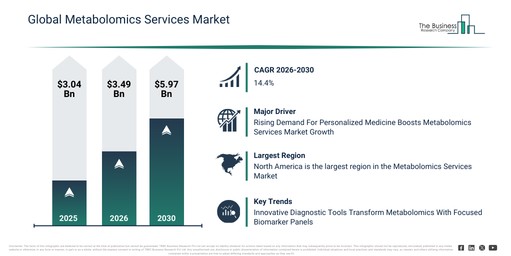
    The metabolomics services market size has witnessed substantial growth in recent years. It is projected to expand from $3.04 billion in 2025 to $3.49 billion in 2026, exhibiting a compound annual growth rate (CAGR) of 14.7%. The expansion observed in the historic period is attributable to an increase in life science research funding, the expansion of pharmaceutical r&d pipelines, a greater utilization of metabolomics in academic studies, the availability of advanced analytical platforms, and growing collaboration between research institutions.

    The metabolomics services market is anticipated to experience swift expansion in the coming years. It is projected to reach $5.97 billion by 2030, demonstrating a compound annual growth rate (CAGR) of 14.4%. This growth during the forecast period is driven by factors such as the increasing adoption of personalized medicine research, a rising demand for high-throughput metabolomics services, the expansion of precision drug discovery programs, a growing focus on systems biology approaches, and the increasing use of AI-driven data analytics. Key trends anticipated for the forecast period include a heightened demand for outsourced metabolomics analysis, the growing utilization of untargeted metabolomics services, the broadening of biomarker discovery programs, the rising integration of advanced bioinformatics tools, and an enhanced focus on drug development applications.

    Access Your Free Sample Report for In-Depth Market Insights:

    https://www.thebusinessresearchcompany.com/sample.aspx?id=19584&type=smp

    Which Drivers Are Supporting The Rise Of The Metabolomics Services Market?

    The metabolomics services market is anticipated to expand due to the rising need for personalized medicine. This medical approach involves tailoring healthcare choices and therapies for individual patients, considering their genetic characteristics, environmental influences, and lifestyle habits. The growing requirement for personalized medicine stems from progress in genomic technologies, which facilitates more accurate and customized treatments, along with a greater focus on individualized patient care to achieve improved results. Metabolomics services improve personalized medicine by offering comprehensive metabolic profiles, aiding in customizing treatments to align with each patient’s distinct biochemical status, thereby delivering more potent and specific therapies. As an illustration, in February 2024, the Personalized Medicine Coalition, a US based government organization, reported that the FDA approved 16 new personalized treatments for rare disease patients in 2023, an increase from six in 2022. Consequently, the rising need for personalized medicine fuels the expansion of metabolomics services.

    What Leading Segments Are Studied In The Metabolomics Services Market?

    The metabolomics services market covered in this report is segmented –

    1) By Type: Untargeted Metabolomics Services, Targeted Metabolomics Services

    2) By Analytical Platform And Services: Metabolomics Bioinformatics Services, Chromatography, Mass Spectrometry, Other Analytical Platform And Services

    3) By End-User: Agriculture And Food, Biomedical And Pharmaceutical, Academic And Research Labs, Diagnostic Laboratories, Other End-Users

    Subsegments:

    1) By Untargeted Metabolomics Services: Metabolite Profiling, Comprehensive Metabolomic Analysis, High-Throughput Metabolomics, Non-Targeted Mass Spectrometry Analysis, Data Mining and Interpretation Services

    2) By Targeted Metabolomics Services: Quantitative Metabolite Analysis, Biomarker Discovery and Validation, Pathway Analysis, Specific Metabolite Measurement, Targeted Mass Spectrometry Services

    What Long-Term Trends Are Expected To Shape The Future Of The Metabolomics Services Market?

    Leading companies in the metabolomics services market are developing advanced diagnostic instruments to improve disease identification and personalized medical treatments. Diagnostic tools are defined as the instruments and techniques employed to recognize and evaluate medical conditions, diseases, or health concerns, enabling healthcare professionals to achieve accurate diagnoses and guide treatment plans. For instance, in October 2023, Sapient Bioanalytics LLC, a US-based biotechnology company, launched target metabolite and lipid panels aimed at biomarker discovery and achieving rapid time-to-insight. These panels offer a focused methodology for identifying and quantifying specific metabolites and lipids, thereby enhancing the precision of biomarker detection. Designed for swift time-to-insight, these panels ensure quick turnaround of results, which is essential for timely decision-making in research and clinical environments. Additionally, the panels feature advanced data analysis tools to interpret complex metabolic profiles and provide actionable insights.

    Which Major Firms Are Strengthening Their Position In The Metabolomics Services Market?

    Major companies operating in the metabolomics services market are Metabolon Inc., Biocrates Life Sciences AG, Nightingale Health, Human Metabolome Technologies Inc., MS-Omics, Creative Proteomics, Stemina Biomarker Discovery Inc., Metware Biotechnology Co. Ltd., OWL Metabolomics, BGI Metabolomics, MSDIAL Services, Chenomx Inc., BioMark Diagnostics, Microbiome Insights, Phenome Centre Birmingham, Australian National Phenome Centre, Biosfer Teslab, The Metabolomics Innovation Centre, One Way Liver Genomics, Revvity Omics Services

    Access The Complete Report For Deeper Market Insights:

    https://www.thebusinessresearchcompany.com/report/metabolomics-services-global-market-report

    Which Regions Are Projected To Dominate The Metabolomics Services Market In The Coming Years?

    North America was the largest region in the metabolomics services market in 2025. Asia-Pacific is expected to be the fastest-growing region in the forecast period. The regions covered in the metabolomics services market report are Asia-Pacific, South East Asia, Western Europe, Eastern Europe, North America, South America, Middle East, Africa.

    Request Your Customized Metabolomics Services Market Research Report for Competitive Advantage:

    https://www.thebusinessresearchcompany.com/customise?id=19584&type=smp

    Browse Through More Reports Similar to the Global Metabolomics Services Market 2026, By The Business Research Company

    Telehealth Market Report 2026

    https://www.thebusinessresearchcompany.com/report/telehealth-global-market-report

    Pharmacies And Healthcare Stores Market Report 2026

    https://www.thebusinessresearchcompany.com/report/pharmacies-and-healthcare-stores-global-market-report

    Digital Health Market Report 2026

    https://www.thebusinessresearchcompany.com/report/digital-health-global-market-report

    Get in touch with us:

    The Business Research Company: https://www.thebusinessresearchcompany.com/

    Americas +1 310-496-7795

    Asia +44 7882 955267 & +91 8897263534

    Europe +44 7882 955267

    Email us at info@tbrc.info

    Follow us on:

    LinkedIn: https://in.linkedin.com/company/the-business-research-company

    YouTube: https://www.youtube.com/channel/UC24_fI0rV8cR5DxlCpgmyFQ

    Global Market Model: https://www.thebusinessresearchcompany.com/global-market-model
  • Metabolomics Market Report 2026: Strategic Insights and Revenue Outlook

    Metabolomics Market Report 2026: Strategic Insights and Revenue Outlook

    Uncover key drivers, emerging technologies, and competitive movements shaping the metabolomics market from 2026–2035 with trusted insights from The Business Research Company

    What size range is anticipated for the Metabolomics Market from 2026 to 2030?

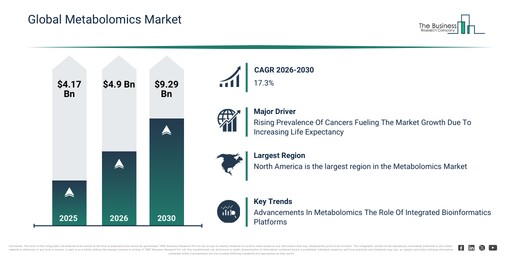
    The metabolomics market size has experienced significant expansion in recent years. It is projected to increase from $4.17 billion in 2025 to $4.9 billion in 2026, demonstrating a compound annual growth rate (CAGR) of 17.5%. The historical growth can be ascribed to several factors, including the acceleration of biomarker discovery research, greater adoption of mass spectrometry, a surge in cancer metabolism studies, the broadening use of chromatography systems, and the evolution of metabolite profiling techniques.

    The metabolomics market size is projected for significant growth over the next few years, reaching $9.29 billion in 2030, propelled by a compound annual growth rate (CAGR) of 17.3%. This expansion during the forecast period is driven by factors such as advancements in bioinformatics tools, an increasing focus on personalized medicine, growing demand for nutrigenomics applications, development in metabolic pathway research, and broader integration into clinical diagnostics. Prominent trends expected in this period include the merging of precision medicine with metabolomic profiling, the expansion of cloud-based metabolomics data platforms, AI-driven metabolite pattern recognition, enhanced automation in high-throughput metabolomics workflows, and IoT-enabled real-time metabolic monitoring.

    Access Your Free Sample Report for In-Depth Market Insights:

    https://www.thebusinessresearchcompany.com/sample.aspx?id=2497&type=smp

    What Drivers Are Affecting Demand In The Metabolomics Market?

    The expanding occurrence of cancer is projected to fuel the advancement of the metabolomics market. Cancer encompasses a range of illnesses characterized by the uncontrolled proliferation of abnormal cells, their invasion into tissues, and potential dissemination to other parts of the body. The increasing frequency of cancer is primarily linked to the aging population, given that advanced age constitutes the most significant risk factor for developing the majority of cancer types, with most instances affecting individuals over 65 years old. Metabolomics assists cancer investigations by delivering a comprehensive insight into metabolic alterations within tumor cells, facilitating early diagnosis, deciphering disease mechanisms, and pinpointing prospective therapeutic targets. For example, in February 2024, the World Health Organization, an international body based in Switzerland focused on global health policies, forecasted over 35 million new cancer cases by 2050, representing a 77% rise from the approximately 20 million cases in 2022. Consequently, the growing incidence of cancers is stimulating expansion within the metabolomics market.

    Which Segment Groups Are Influencing The Metabolomics Market?

    The metabolomics market covered in this report is segmented –

    1) By Product And Service: Metabolomics Instruments, Metabolomics Bioinformatics Tools And Services

    2) By Indication: Cancer, Cardiovascular Disorders, Neurological Disorders, Inborn Errors Of Metabolism, Other Indications

    3) By Application: Biomarker Discovery, Drug Discovery, Toxicology Testing, Nutrigenomics, Functional Genomics, Personalized Medicine, Other Applications

    Subsegments:

    1) By Metabolomics Instruments: Chromatography Instruments (Gas Chromatography, Liquid Chromatography), Mass Spectrometry Instruments (LC-MS, GC-MS), NMR Instruments (Nuclear Magnetic Resonance)

    2) By Metabolomics Bioinformatics Tools And Services: Software Tools (Data Analysis, Statistical Tools, Modeling Tools), Database Services (Metabolomic Databases), Consulting Services (Data Interpretation, Analytical Support), Training And Support Services

    Which Market Trends Are Opening Growth Opportunities In The Metabolomics Market?

    Leading companies in the metabolomics market are prioritizing the introduction of Integrated Bioinformatics Platforms to enhance the understanding of complex metabolomic data, thereby driving advancements in personalized medicine, biomarker discovery, and disease insights. An Integrated Bioinformatics Platform is defined as a comprehensive software solution that merges various bioinformatics tools and databases to streamline the analysis and interpretation of biological information. Researchers are able to index metabolomics data against Metabolon’s precise biochemical pathway maps, which aids in uncovering biological processes and disease mechanisms. For instance, in February 2024, Metabolon, Inc., a US-based company, unveiled Metabolon’s bioinformatics platform. The Biomarker Lenses feature within the Integrated Bioinformatics Platform allows users to apply advanced analytical filters to concentrate on metabolites connected to specific pathways or diseases, enabling a more targeted exploration of metabolomic data. Furthermore, the platform offers tools for conducting statistical analyses such as T-tests and ANOVAs, providing researchers with the ability to construct and compare statistical models, manage metadata, and effectively visualize results.

    Who Are The Primary Competitors In The Global Metabolomics Market?

    Major companies operating in the metabolomics market are Human Metabolome Technologies Inc., Metabolon Inc., Bio-Rad Laboratories Inc., Bruker Corporation, Agilent Technologies Inc., Thermo Fisher Scientific Inc., Waters Corporation, Biocrates Life Sciences AG, Shimadzu Corporation, Danaher Corporation, PerkinElmer Inc., LECO Corporation, Phenomenome Discoveries Inc., AB Sciex, BG Medicine Inc., Chenomx Inc., Creative Proteomics, Evotec A.G, Merck kgaA, Charles River Laboratories International Inc., Metabowerke GmbH, Metabolomic Diagnostics, Phenomenex Inc.

    Access The Complete Report For Deeper Market Insights:

    https://www.thebusinessresearchcompany.com/report/metabolomics-global-market-report

    Which Region Is Expected To Experience The Fastest Growth In The Metabolomics Market?

    North America was the largest region in the metabolomics market in 2025. Western Europe was the second largest region in the metabolomics market. The regions covered in the metabolomics market report are Asia-Pacific, South East Asia, Western Europe, Eastern Europe, North America, South America, Middle East, Africa.

    Request Your Customized Metabolomics Market Research Report for Competitive Advantage:

    https://www.thebusinessresearchcompany.com/customise?id=2497&type=smp

    Browse Through More Reports Similar to the Global Metabolomics Market 2026, By The Business Research Company

    Proteomics Market Report 2026

    https://www.thebusinessresearchcompany.com/report/proteomics-global-market-report

    Metagenomics Market Report 2026

    https://www.thebusinessresearchcompany.com/report/metagenomics-global-market-report

    Pharmacogenomics Market Report 2026

    https://www.thebusinessresearchcompany.com/report/pharmacogenomics-global-market-report

    Get in touch with us:

    The Business Research Company: https://www.thebusinessresearchcompany.com/

    Americas +1 310-496-7795

    Asia +44 7882 955267 & +91 8897263534

    Europe +44 7882 955267

    Email us at info@tbrc.info

    Follow us on:

    LinkedIn: https://in.linkedin.com/company/the-business-research-company

    YouTube: https://www.youtube.com/channel/UC24_fI0rV8cR5DxlCpgmyFQ

    Global Market Model: https://www.thebusinessresearchcompany.com/global-market-model
  • Global Metabolic Testing Industry Trends and Market Forecast 2026–2030

    Global Metabolic Testing Industry Trends and Market Forecast 2026–2030

    Uncover key drivers, emerging technologies, and competitive movements shaping the metabolic testing market from 2026–2035 with trusted insights from The Business Research Company

    How is the Metabolic Testing Market size predicted to change over the forecast window of 2026–2035?

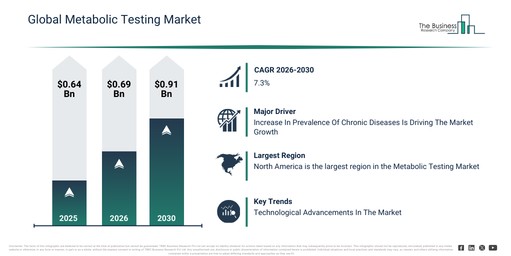
    The metabolic testing market size has witnessed robust expansion over recent years. It is anticipated to expand from $0.64 billion in 2025 to $0.69 billion in 2026, achieving a compound annual growth rate (CAGR) of 7.5%. This historical growth can be attributed to factors such as the increasing prevalence of obesity, the wider adoption of indirect calorimetry, enhanced CPET utilization in hospitals, the broadening scope of diagnostic applications, and heightened awareness of metabolic disorders.

    The metabolic testing market is anticipated to experience robust expansion over the coming years. This market is projected to reach $0.91 billion by 2030, exhibiting a compound annual growth rate (CAGR) of 7.3%. Factors contributing to this growth during the forecast timeframe include the rise in personalized wellness initiatives, the surge in sports performance analytics, the growing need for remote health tracking, the proliferation of wearable metabolic sensors, and the enhanced integration of AI-powered diagnostic instruments. Key trends expected during this period involve the embrace of individualized metabolic health programs, AI-driven assessment and forecasting of metabolic rates, cloud-based data oversight for metabolic tests, the increasing automation of metabolic testing devices, and real-time IoT-powered body analytics.

    Access Your Free Sample Report for In-Depth Market Insights:

    https://www.thebusinessresearchcompany.com/sample.aspx?id=21219&type=smp

    Which Drivers Are Contributing To The Expansion Of The Metabolic Testing Market?

    The metabolic testing market is projected to be propelled by the increasing incidence of chronic diseases in the coming period. Chronic diseases are defined as persistent conditions that typically endure for a year or longer and demand continuous medical oversight or restrict daily activities. The widespread occurrence of these illnesses stems from unhealthy lifestyles, poor eating habits, and an aging demographic. Metabolic testing plays a vital role in addressing chronic diseases by delivering critical understanding into an individual’s metabolic health, enabling the early detection of conditions such as diabetes, cardiovascular diseases, and metabolic syndrome. This capability assists in customizing treatment regimens and enhancing overall disease management. For example, in September 2023, the World Health Organization (WHO), a Switzerland-based intergovernmental organization, reported 41 million deaths globally, accounting for 74% of all annual fatalities attributed to chronic diseases. This figure encompasses 17.9 million deaths from cardiovascular diseases, 9.3 million from cancer, 4.1 million from chronic respiratory diseases, and 2.0 million from diabetes. Therefore, the heightened prevalence of chronic diseases is set to drive the metabolic testing market.

    What Segment Classifications Make Up The Metabolic Testing Market?

    The metabolic testing market covered in this report is segmented –

    1) By Equipment Type: Body Composition Analyzers, Cardiopulmonary Exercise Testing (CPET) Systems, Electrocardiogram Systems (ECG) Systems, Metabolic Carts, Other Equipment Types

    2) By Technology: VO2 Max Analysis, RMR Analysis, Body Composition Analysis

    3) By Application: Critical Care, Lifestyle Diseases, Other Applications

    4) By End User: Hospitals And Clinics, Sports Training Centers, Other End Users

    Subsegments:

    1) By Body Composition Analyzers: Dual-Energy X-ray Absorptiometry (DXA), Bioelectrical Impedance Analysis (BIA), Air Displacement Plethysmography (ADP)

    2) By Cardiopulmonary Exercise Testing (CPET) Systems: Treadmill Or Cycle Ergometer-based CPET, Oxygen Consumption Measurement Systems, Gas Exchange Measurement Systems

    3) By Electrocardiogram (ECG) Systems: Resting ECG Systems, Stress ECG Systems, Holter Monitors

    4) By Metabolic Carts: Indirect Calorimetry Metabolic Carts, Open-Circuit Spirometry Metabolic Carts

    5) By Other Equipment Types: Continuous Glucose Monitoring Systems, Lactate Testing Devices, Blood Pressure Monitoring Devices

    How Are Emerging Trends Affecting The Progression Of The Metabolic Testing Market?

    Leading firms within the metabolic testing market are prioritizing the development of innovative testing apparatus, such as metabolic analyzers, to elevate real-time metabolic analysis and enhance research precision. A metabolic analyzer serves as a medical instrument utilized for measuring an individual’s metabolic rate and assessing various metabolic functions. It evaluates the body’s efficiency in consuming oxygen and transforming food into energy, yielding insights into calorie usage, fuel deployment (carbohydrates versus fats), and respiratory efficacy. For example, in September 2024, PHC Corporation, a Japan-based company specializing in healthcare solutions, unveiled LiCellMo, a live cell metabolic analyzer conceived for the real-time visual representation of cellular metabolism in cell and gene therapy research. The LiCellMo live cell metabolic analyzer provides distinct functionalities like real-time, continuous, and non-invasive surveillance of glucose and lactate concentrations within cell cultures, offering a complete perspective of cellular metabolism without disturbing the experiment. This capability allows researchers to visualize metabolic alterations in cell cultures, thereby presenting a more comprehensive depiction of cell activity.

    Which Key Market Players Are Investing In Expansion And Innovation Within The Metabolic Testing Market?

    Major companies operating in the metabolic testing market are Becton Dickinson and Company, Lumen Technologies Inc., Laboratory Corporation of America Holdings LabCorp, Quest Diagnostics Incorporated, Agilent Technologies Inc., Vyaire Medical Inc., Microlife Medical Home Solutions Inc., MGC Diagnostics Corporation, Geratherm Medical AG, Actofit Wearables, COSMED Srl, Levels Health Inc, Cortex Biophysik GmbH, KORR Medical Technologies Inc., iWorx Systems Inc., General Electric Company GE Healthcare, Hologic Inc, Koninklijke Philips NV, Parvo Medics Inc, InBody Co Ltd, Schiller AG, Noraxon USA Inc, Seca GmbH Co KG

    Access The Complete Report For Deeper Market Insights:

    https://www.thebusinessresearchcompany.com/report/metabolic-testing-global-market-report

    Which Geographic Areas Are Emerging As Strong Markets For The Metabolic Testing Market?

    North America was the dominant region in the metabolic testing market in 2025. Asia-Pacific is expected to be the exponential growth region in the forecast period. The regions covered in the metabolic testing market report are Asia-Pacific, South East Asia, Western Europe, Eastern Europe, North America, South America, Middle East, Africa.

    Request Your Customized Metabolic Testing Market Research Report for Competitive Advantage:

    https://www.thebusinessresearchcompany.com/customise?id=21219&type=smp

    Browse Through More Reports Similar to the Global Metabolic Testing Market 2026, By The Business Research Company

    Point Of Care Glucose Testing Market Report 2026

    https://www.thebusinessresearchcompany.com/report/point-of-care-glucose-testing-global-market-report

    Biochemistry Analyzer Market Report 2026

    https://www.thebusinessresearchcompany.com/report/biochemistry-analyzer-global-market-report

    Metabolomics Market Report 2026

    https://www.thebusinessresearchcompany.com/report/metabolomics-global-market-report

    Get in touch with us:

    The Business Research Company: https://www.thebusinessresearchcompany.com/

    Americas +1 310-496-7795

    Asia +44 7882 955267 & +91 8897263534

    Europe +44 7882 955267

    Email us at info@tbrc.info

    Follow us on:

    LinkedIn: https://in.linkedin.com/company/the-business-research-company

    YouTube: https://www.youtube.com/channel/UC24_fI0rV8cR5DxlCpgmyFQ

    Global Market Model: https://www.thebusinessresearchcompany.com/global-market-model
  • Metabolic Syndrome Market Size and Demand Forecast 2026–2030

    Metabolic Syndrome Market Size and Demand Forecast 2026–2030

    Uncover key drivers, emerging technologies, and competitive movements shaping the metabolic syndrome market from 2026–2035 with trusted insights from The Business Research Company

    What market expansion outlook does the Metabolic Syndrome Market show for the 2026–2030 period?

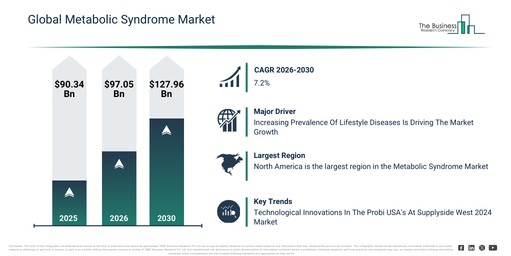
    The metabolic syndrome market size has experienced substantial expansion in recent years. It is forecast to grow from $90.34 billion in 2025 to $97.05 billion in 2026, demonstrating a compound annual growth rate (CAGR) of 7.4%. Historically, this growth can be attributed to the increasing global prevalence of obesity, a rise in insulin resistance diagnosis rates, greater public awareness of metabolic diseases, the expansion of preventive healthcare programs, and an increasing incidence of cardiovascular complications.

    The metabolic syndrome market is projected to experience substantial growth in the coming years, reaching $127.96 billion by 2030, exhibiting a compound annual growth rate (CAGR) of 7.2%. This expansion during the forecast period is driven by factors such as the increasing adoption of digital therapeutics, greater investment in lifestyle modification platforms, the growing use of remote metabolic monitoring, the broadening of personalized diet and fitness solutions, and the increased integration of AI-based metabolic assessment tools. Key trends anticipated during this period encompass the development of precision-based metabolic disorder management, the emergence of AI-driven algorithms for early risk detection, the rise of cloud-based health monitoring platforms, IoT-integrated solutions for lifestyle tracking, and the expansion of sustainable metabolic health programs.

    Access Your Free Sample Report for In-Depth Market Insights:

    https://www.thebusinessresearchcompany.com/sample.aspx?id=21218&type=smp

    What Drivers Are Shaping The Development Of The Metabolic Syndrome Market?

    The rising incidence of lifestyle diseases is expected to propel the metabolic testing market moving forward. These conditions are primarily defined as health issues stemming from unhealthy habits and behaviors rather than genetic or infectious causes. Typical lifestyle diseases encompass obesity, cancer, type 2 diabetes, osteoporosis, and various mental health disorders. The widespread occurrence of lifestyle diseases is linked to sedentary lifestyles, unhealthy diets, increasing stress levels, and extensive use of tobacco and alcohol. Metabolic syndrome plays a crucial role in worsening lifestyle diseases by establishing a systemic environment that promotes chronic inflammation, impaired metabolic functions, and higher cardiovascular risks. For instance, in June 2024, data from the National Health Service England, a UK-based government department, indicated that 3,615,330 individuals were diagnosed with non-diabetic hyperglycemia, also known as pre-diabetes in 2023, marking an 18% increase from the 3,065,825 cases recorded in 2022. Therefore, the increasing prevalence of lifestyle diseases will drive the metabolic testing market.

    What Segment Types Are Examined In The Metabolic Syndrome Market?

    The metabolic syndrome market covered in this report is segmented –

    1) By Type: Type 1 Metabolic Syndrome, Type 2 Metabolic Syndrome, Type 3 Metabolic Syndrome

    2) By Risk Factors: Obesity, Insulin Resistance, High Blood Pressure, High Cholesterol

    3) By Treatment: Medication, Lifestyle Changes, Other Treatments

    4) By Route Of Administration: Oral, Parenteral, Other Route Of Administrations

    5) By End User: Hospitals, Homecare, Specialty Centres, Other End Users

    Subsegments:

    1) By Type 1 Metabolic Syndrome: Insulin Resistance Syndrome, Abdominal Obesity Syndrome, Hyperglycemia Syndrome

    2) By Type 2 Metabolic Syndrome: Elevated Blood Pressure Syndrome, Dyslipidemia Syndrome, Low HDL Cholesterol Syndrome

    3) By Type 3 Metabolic Syndrome: Atherosclerotic Cardiovascular Disease Syndrome, Non-Alcoholic Fatty Liver Disease Syndrome, Chronic Inflammation Syndrome

    Which Innovation Trends Are Advancing Developments Within The Metabolic Syndrome Market?

    Leading companies operating within the metabolic syndrome market are focusing on developing innovative solutions, including clinically supported probiotic options, to enhance the condition’s management, treatment, and prevention. A clinically supported probiotic solution is a probiotic product that has undergone rigorous clinical testing to validate its health benefits and safety for human consumption. For instance, in October 2024, Probi USA, a US-based manufacturer of clinically proven biotics, launched metabolic health. This product combines two probiotic strains, Lactiplantibacillus plantarum 299v (LP299V) and Lacticaseibacillus paracasei 8700:2 (L. Paracasei 8700:2). LP299V supports cardiovascular health by improving cholesterol levels, inflammation, and blood vessel function, backed by 230+ publications and eight clinical trials. L. Paracasei 8700:2, with 30+ publications, aids blood pressure regulation, cholesterol management, and weight control.

    Who Are The Core Companies Influencing Trends In The Metabolic Syndrome Market?

    Major companies operating in the metabolic syndrome market are Novo Nordisk A/S, Sanofi S.A., Boehringer Ingelheim GmbH, Eli Lilly and Company, AstraZeneca PLC, Biocon Ltd., Bristol-Myers Squibb Company, Cipla Limited, Herbalife International of America Inc., Abbott Laboratories, Johnson & Johnson Private Limited, Medtronic plc, WW International Inc., Jenny Craig, Takeda Pharmaceutical Company Limited, Pfizer Inc., Novartis AG, F. Hoffmann-La Roche AG, Merck & Co. Inc., Gilead Sciences, GlaxoSmithKline plc, AbbVie Inc., Regeneron Pharmaceuticals, Sun Pharmaceutical Industries Ltd., Esperion Therapeutics Inc.

    Access The Complete Report For Deeper Market Insights:

    https://www.thebusinessresearchcompany.com/report/metabolic-syndrome-global-market-report

    Which Region Is Projected To Lead The Metabolic Syndrome Market During The Forecast Period?

    North America was the largest region in the metabolic syndrome market in 2025. Asia-Pacific is expected to be the fastest-growing region in the forecast period. The regions covered in the metabolic syndrome market report are Asia-Pacific, South East Asia, Western Europe, Eastern Europe, North America, South America, Middle East, Africa.

    Request Your Customized Metabolic Syndrome Market Research Report for Competitive Advantage:

    https://www.thebusinessresearchcompany.com/customise?id=21218&type=smp

    Browse Through More Reports Similar to the Global Metabolic Syndrome Market 2026, By The Business Research Company

    Dumping Syndrome Market Report 2026

    https://www.thebusinessresearchcompany.com/report/dumping-syndrome-global-market-report

    Peptide Based Metabolic Disorders Therapeutics Market Report 2026

    https://www.thebusinessresearchcompany.com/report/peptide-based-metabolic-disorders-therapeutics-global-market-report

    Insuman Market Report 2026

    https://www.thebusinessresearchcompany.com/report/insuman-global-market-report

    Get in touch with us:

    The Business Research Company: https://www.thebusinessresearchcompany.com/

    Americas +1 310-496-7795

    Asia +44 7882 955267 & +91 8897263534

    Europe +44 7882 955267

    Email us at info@tbrc.info

    Follow us on:

    LinkedIn: https://in.linkedin.com/company/the-business-research-company

    YouTube: https://www.youtube.com/channel/UC24_fI0rV8cR5DxlCpgmyFQ

    Global Market Model: https://www.thebusinessresearchcompany.com/global-market-model
  • Metabolic Dysfunction-Associated Steatohepatitis (MASH) Treatment Market Outlook: Growth and Forecast Highlights 2030

    Metabolic Dysfunction-Associated Steatohepatitis (MASH) Treatment Market Outlook: Growth and Forecast Highlights 2030

    Uncover key drivers, emerging technologies, and competitive movements shaping the metabolic dysfunction-associated steatohepatitis (mash) treatment market from 2026–2035 with trusted insights from The Business Research Company

    What level of growth is expected in the Metabolic Dysfunction-Associated Steatohepatitis (MASH) Treatment Market between 2026 and 2030?

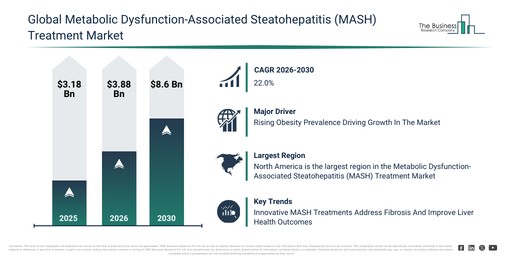
    The metabolic dysfunction-associated steatohepatitis (mash) treatment market size has experienced substantial growth in recent years. This market is anticipated to expand from $3.18 billion in 2025 to $3.88 billion in 2026, demonstrating a compound annual growth rate (CAGR) of 22.2%. Several factors have driven its historical development, including the increasing prevalence of obesity, the rising incidence of type 2 diabetes, enhanced awareness of liver health disorders, improved diagnostic testing capabilities, and the early adoption of lifestyle modification programs.

    The metabolic dysfunction-associated steatohepatitis (mash) treatment market size is projected for substantial expansion in the coming years, expected to reach $8.6 billion by 2030, driven by a compound annual growth rate (CAGR) of 22.0%. This anticipated growth can be credited to the rising adoption of GLP-1 agonists, advancements in antifibrotic drug development, increasing access to digital liver monitoring tools, broader utilization of bariatric surgery, and a growing emphasis on personalized metabolic therapies. Notable trends within this forecast period include the proliferation of precision liver disease therapeutics, AI-powered solutions for early detection and risk stratification, cloud-based systems for liver health data management, IoT-integrated approaches for lifestyle and medication monitoring, and the development of sustainable and preventive metabolic health programs.

    Access Your Free Sample Report for In-Depth Market Insights:

    https://www.thebusinessresearchcompany.com/sample.aspx?id=20876&type=smp

    Which Drivers Are Expected To Impact The Metabolic Dysfunction-Associated Steatohepatitis (MASH) Treatment Market During The Forecast Period?

    The rising incidence of obesity is expected to fuel the expansion of the metabolic dysfunction-associated steatohepatitis (MASH) treatment market in the future. Obesity is a medical condition defined by an excessive accumulation of body fat that can adversely affect overall health, typically measured by a body mass index (BMI) of 30 or higher. The global prevalence of obesity is growing, primarily driven by sedentary lifestyles, unhealthy eating patterns, and metabolic risk factors. Metabolic Dysfunction-Associated Steatohepatitis (MASH) treatment in the context of obesity focuses on addressing insulin resistance, reducing liver fat, and improving metabolic health through lifestyle modifications and targeted therapies. For instance, in March 2023, according to the World Heart Foundation, a Switzerland-based non-government global cardiovascular community, roughly 2.3 billion adults and children worldwide are currently obese or overweight, and this figure is projected to reach 2.7 billion by 2025 if the current obesity trend continues. Therefore, the increasing prevalence of obesity is stimulating growth in the metabolic dysfunction-associated steatohepatitis (MASH) treatment market.

    Which Segments Are Driving Activity In The Metabolic Dysfunction-Associated Steatohepatitis (MASH) Treatment Market?

    The metabolic dysfunction-associated steatohepatitis (mash) treatment market covered in this report is segmented –

    1) By Treatment: Drug, Therapy

    2) By Distribution Channel: Hospital Pharmacies, Online Pharmacies, Retail Pharmacies

    3) By End-User: Hospitals, Specialty Clinics, Homecare, Other End-User

    Subsegments:

    1) By Drug: Antifibrotic Agents, Antidiabetic Drugs, Lipid-Lowering Agents, Vitamin E, Obeticholic Acid (OCA), GLP-1 Agonists

    2) By Therapy: Pharmacotherapy, Lifestyle Modifications (Dietary Changes, Exercise), Bariatric Surgery, Liver Transplantation

    Which Competitive Trends Are Impacting The Structure Of The Metabolic Dysfunction-Associated Steatohepatitis (MASH) Treatment Market?

    Leading companies in the metabolic dysfunction-associated steatohepatitis (MASH) treatment market are concentrating on producing cutting-edge products, such as liver fibrosis treatment solutions, to offer therapeutic options for individuals afflicted with metabolic dysfunction-associated steatohepatitis (MASH) and moderate to severe liver fibrosis. These liver fibrosis treatment solutions primarily target the fundamental origins of liver damage through adjustments to lifestyle, antiviral drugs, and nascent antifibrotic treatments, with the goal of halting or reversing fibrosis progression and enhancing liver function. As an illustration, in March 2024, Madrigal Pharmaceuticals, Inc., a US-based biopharmaceutical company, announced the FDA approval of Rezdiffra (resmetirom), which stands as the first-ever treatment for metabolic dysfunction-associated steatohepatitis (MASH) with moderate to severe liver fibrosis. Rezdiffra is a daily oral tablet that exhibited effectiveness in resolving MASH without fibrosis worsening and improving liver fibrosis during phase 3 clinical trials. This significant advance provides a non-invasive treatment alternative, doing away with the necessity for liver biopsies, and substantially improves patient access and outcomes in managing fatty liver disease.

    Which Major Industry Participants Are Leading The Metabolic Dysfunction-Associated Steatohepatitis (MASH) Treatment Market Growth?

    Major companies operating in the metabolic dysfunction-associated steatohepatitis (mash) treatment market are Pfizer Inc., Johnson & Johnson, Merck & Co. Inc., Sanofi SA, AstraZeneca PLC, Novartis AG, Eli Lilly and Company, Gilead Sciences Inc., Boehringer Ingelheim International GmbH, Novo Nordisk A/S, Apollo Health and Lifestyle Limited, Jenny Craig, Nutrisystem, Madrigal Pharmaceuticals, Anoos Clinic, Galectin Therapeutics Inc., Galmed Pharmaceuticals, Hepion Pharmaceuticals, Inventiva, NGM Biopharmaceuticals, Sagimet Biosciences, Viking Therapeutics, Terns Pharma, Genfit SA

    Access The Complete Report For Deeper Market Insights:

    https://www.thebusinessresearchcompany.com/report/metabolic-dysfunction-associated-steatohepatitis-mash-treatment-global-market-report

    Which Region Currently Holds The Largest Share Of The Metabolic Dysfunction-Associated Steatohepatitis (MASH) Treatment Market?

    North America was the largest region in the metabolic dysfunction-associated steatohepatitis (MASH) treatment market in 2025. Asia-Pacific is expected to be the fastest-growing region in the forecast period. The regions covered in the metabolic dysfunction-associated steatohepatitis (mash) treatment market report are Asia-Pacific, South East Asia, Western Europe, Eastern Europe, North America, South America, Middle East, Africa.

    Request Your Customized Metabolic Dysfunction-Associated Steatohepatitis (MASH) Treatment Market Research Report for Competitive Advantage:

    https://www.thebusinessresearchcompany.com/customise?id=20876&type=smp

    Browse Through More Reports Similar to the Global Metabolic Dysfunction-Associated Steatohepatitis (MASH) Treatment Market 2026, By The Business Research Company

    Fatty Liver Treatment Market Report 2026

    https://www.thebusinessresearchcompany.com/report/fatty-liver-treatment-global-market-report

    Non Alcoholic Steatohepatitis Treatment Market Report 2026

    https://www.thebusinessresearchcompany.com/report/non-alcoholic-steatohepatitis-treatment-global-market-report

    Non Alcoholic Steatohepatitis Biomarkers Market Report 2026

    https://www.thebusinessresearchcompany.com/report/non-alcoholic-steatohepatitis-biomarkers-global-market-report

    Get in touch with us:

    The Business Research Company: https://www.thebusinessresearchcompany.com/

    Americas +1 310-496-7795

    Asia +44 7882 955267 & +91 8897263534

    Europe +44 7882 955267

    Email us at info@tbrc.info

    Follow us on:

    LinkedIn: https://in.linkedin.com/company/the-business-research-company

    YouTube: https://www.youtube.com/channel/UC24_fI0rV8cR5DxlCpgmyFQ

    Global Market Model: https://www.thebusinessresearchcompany.com/global-market-model
  • Metabolic Biomarker Testing Market Insights Report: Opportunities and Drivers 2030

    Metabolic Biomarker Testing Market Insights Report: Opportunities and Drivers 2030

    Uncover key drivers, emerging technologies, and competitive movements shaping the metabolic biomarker testing market from 2026–2035 with trusted insights from The Business Research Company

    How much is the Metabolic Biomarker Testing Market valued at in 2026, and what valuation is forecast for 2030?

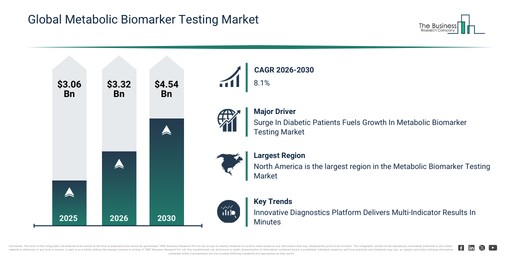
    The metabolic biomarker testing market has experienced robust expansion recently. This market is projected to expand from $3.06 billion in 2025 to $3.32 billion in 2026, exhibiting a compound annual growth rate (CAGR) of 8.5%. Its historical development is linked to factors such as progress in analytical chemistry techniques, the rise in chronic and metabolic disorders, enhanced utilization of laboratory diagnostics, increased clinical research endeavors, and the accessibility of high-throughput testing platforms.

    The market for metabolic biomarker testing is projected to experience robust expansion over the coming years. Its value is anticipated to reach $4.54 billion by 2030, driven by a compound annual growth rate (CAGR) of 8.1%. This projected growth during the forecast period stems from factors such as a heightened demand for personalized healthcare solutions, increasing investments in precision diagnostics, the expansion of preventive health screening programs, the growing application of AI-driven data interpretation, and increased collaboration among diagnostics and pharmaceutical companies. Key developments expected in this period encompass the rising adoption of metabolomics-based diagnostics, a surge in the use of biomarkers in personalized medicine, the increasing integration of advanced analytical techniques, the broadening of early disease detection applications, and an enhanced emphasis on data-driven clinical decision making.

    Access Your Free Sample Report for In-Depth Market Insights:

    https://www.thebusinessresearchcompany.com/sample.aspx?id=20573&type=smp

    What Drivers Are Influencing The Growth Of The Metabolic Biomarker Testing Market?

    The increasing occurrence of diabetes is projected to fuel the expansion of the metabolic biomarker testing market in the future. Diabetes is a long-term health condition marked by elevated blood sugar levels, resulting from the body’s incapacity to generate or efficiently utilize insulin. This rise in diabetes is largely attributed to unhealthy dietary habits, particularly the significant intake of processed items and sweetened beverages, alongside inactive lifestyles defined by very little physical movement. Furthermore, an aging demographic and a familial history of diabetes elevate the risk, suggesting a genetic susceptibility. Metabolic biomarker testing assists in the diagnosis, tracking, and treatment of metabolic conditions like diabetes, offering molecular-level insights into metabolic processes and deviations. For example, data from April 2025, provided by the International Diabetes Federation (IDF), a Belgium based diabetes advocacy organization, revealed that the global population of adults (age 20–79 years) living with diabetes reached 589 million, showing a significant increase from previous years. The overall count of adults with diabetes is anticipated to climb to 853 million by 2050. Consequently, the growing prevalence of diabetes is set to spur the expansion of the metabolic biomarker testing market.

    How Is The Metabolic Biomarker Testing Market Organized Into Various Segments?

    The metabolic biomarker testing market covered in this report is segmented –

    1) By Type: Separation Techniques, Detection Techniques, Other Types

    2) By Indication: Cancer, Cardiovascular Disorders, Neurological Disorders, Inborn Errors Of Metabolism, Other Indications

    3) By Application: Drug Assessment, Nutrigenomics, Toxicology Testing, Personalized Medicine, Other Applications

    4) By End User: Pharma And Biotech Companies, Diagnostic Tool Companies, Clinical Laboratories

    Subsegments:

    1) By Separation Techniques: Chromatography, Capillary Electrophoresis, Mass Spectrometry (MS), Liquid-Liquid Extraction, Solid-Phase Extraction

    2) By Detection Techniques: Enzyme-Linked Immunosorbent Assay (ELISA), Fluorescence-Based Detection, Electrochemical Detection, Nuclear Magnetic Resonance (NMR), Immunoassays

    3) By Other Types: Metabolomics Profiling, Spectroscopy Techniques

    What Industry Trends Are Transforming The Metabolic Biomarker Testing Market?

    Major companies within the metabolic biomarker testing market are concentrating on developing innovative solutions, such as lab-quality home blood testing platforms, to satisfy the growing demand for convenient, accurate, and timely metabolic health monitoring. These lab-quality home blood testing platforms are compact, user-friendly devices engineered for at-home use, providing results comparable to those obtained from traditional laboratory tests. For example, in January 2023, SiPhox Health, Inc., a U.S.-based health technology company, launched the world’s first lab-quality home blood testing platform, offering individuals the capability to monitor multiple metabolic biomarkers from the comfort of their homes. This platform incorporates proprietary technology to guarantee high accuracy, delivers real-time results through an associated app, and supports a wide range of metabolic health assessments, including glucose, lipid profiles, and other key indicators. Its unique blend of lab-grade precision and at-home accessibility facilitates more frequent monitoring, early detection of metabolic disorders, and personalized health management.

    Who Are The Prominent Global Companies Shaping The Metabolic Biomarker Testing Market Landscape?

    Major companies operating in the metabolic biomarker testing market are Thermo Fisher Scientific Inc., Danaher Corporation, Agilent Technologies Inc., PerkinElmer Inc., bioMérieux S.A., LECO Corporation, Shimadzu Corporation, Waters Corporation, Bio-Rad Laboratories Inc., Bruker Corporation, SCIEX, Promega Corporation, Cayman Chemical Company, Metabolon Inc., Biocrates Life Sciences AG, Human Metabolome Technologies Inc., KineMed Inc., Evosep Biosystems A/S, Creative Proteomics Inc., Lipotype GmbH, Metabolomic Diagnostics Ltd, Stemina Biomarker Discovery Inc., Chenomx Inc., GlycoPath Pty Ltd

    Access The Complete Report For Deeper Market Insights:

    https://www.thebusinessresearchcompany.com/report/metabolic-biomarker-testing-global-market-report

    How Does The Metabolic Biomarker Testing Market Perform Across Major Global Regions?

    North America was the largest region in the metabolic biomarker testing market in 2025. The regions covered in the metabolic biomarker testing market report are Asia-Pacific, South East Asia, Western Europe, Eastern Europe, North America, South America, Middle East, Africa.

    Request Your Customized Metabolic Biomarker Testing Market Research Report for Competitive Advantage:

    https://www.thebusinessresearchcompany.com/customise?id=20573&type=smp

    Browse Through More Reports Similar to the Global Metabolic Biomarker Testing Market 2026, By The Business Research Company

    Non Alcoholic Steatohepatitis Biomarkers Market Report 2026

    https://www.thebusinessresearchcompany.com/report/non-alcoholic-steatohepatitis-biomarkers-global-market-report

    Renal Biomarkers Market Report 2026

    https://www.thebusinessresearchcompany.com/report/renal-biomarkers-global-market-report

    Cancer Biomarker Market Report 2026

    https://www.thebusinessresearchcompany.com/report/cancer-biomarker-global-market-report

    Get in touch with us:

    The Business Research Company: https://www.thebusinessresearchcompany.com/

    Americas +1 310-496-7795

    Asia +44 7882 955267 & +91 8897263534

    Europe +44 7882 955267

    Email us at info@tbrc.info

    Follow us on:

    LinkedIn: https://in.linkedin.com/company/the-business-research-company

    YouTube: https://www.youtube.com/channel/UC24_fI0rV8cR5DxlCpgmyFQ

    Global Market Model: https://www.thebusinessresearchcompany.com/global-market-model
  • Mesotherapy Global Forecast: Market to Scale Up to $1.03 Billion by 2030 at 10.3% CAGR

    Mesotherapy Global Forecast: Market to Scale Up to $1.03 Billion by 2030 at 10.3% CAGR

    Uncover key drivers, emerging technologies, and competitive movements shaping the mesotherapy market from 2026–2035 with trusted insights from The Business Research Company

    By how much is the Mesotherapy Market expected to grow between 2026 and 2030?

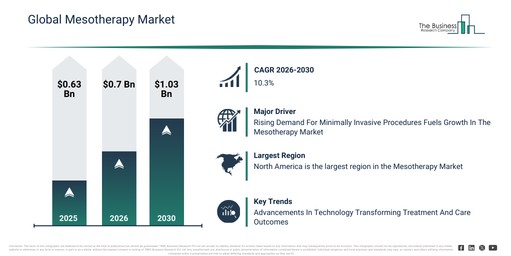
    The mesotherapy market has witnessed rapid expansion in recent years. Forecasts indicate it will increase from $0.63 billion in 2025 to $0.7 billion in 2026, at a compound annual growth rate (CAGR) of 10.6%. This historical development is linked to several factors including heightened awareness of cosmetic dermatology, rising disposable incomes, greater social acceptance of aesthetic treatments, the expansion of dermatology clinics, and the availability of trained aesthetic professionals.

    The mesotherapy market is anticipated to experience significant expansion in the coming years. By 2030, its valuation is projected to reach $1.03 billion, propelled by a compound annual growth rate (CAGR) of 10.3%. This projected growth is primarily driven by factors such as a surge in demand for tailored aesthetic treatments, advancements in injectable product innovations, the broadening scope of medical tourism for cosmetic interventions, a heightened emphasis on preventive skin care, and the greater uptake of aesthetic devices that leverage technology. Key developments anticipated during this timeframe involve a heightened preference for less invasive aesthetic methods, the expanding application of bespoke mesotherapy formulations, the proliferation of non-surgical options for fat reduction, an increased commitment to anti-aging and skin revitalization solutions, and the broader integration of sophisticated mesotherapy equipment.

    Access Your Free Sample Report for In-Depth Market Insights:

    https://www.thebusinessresearchcompany.com/sample.aspx?id=19583&type=smp

    Which Drivers Are Influencing Market Acceleration In The Mesotherapy Market?

    The expansion of the mesotherapy market is anticipated to be spurred by the escalating need for minimally invasive procedures. These medical approaches involve employing minor cuts or non-surgical techniques for operations or interventions, resulting in reduced tissue harm, quicker recuperation periods, and diminished post-operative discomfort compared to conventional surgery. The rise in minimally invasive procedures stems from progress in medical technology, a growing patient preference for rapid recovery and less intrusive treatments, and the increasing occurrence of chronic conditions treatable with such methods. Mesotherapy is incorporated into minimally invasive procedures through the precise delivery of active substances via injections into the skin’s middle layer, addressing aesthetic and medical concerns with little discomfort and no requirement for extensive recovery. As an illustration, information from February 2024, provided by the American Academy of Facial Plastic and Reconstructive Surgery, a US-based non-profit organization, indicated that around 83% of all medical procedures conducted in 2023 were minimally invasive, with traditional surgical procedures making up the remaining 17%. Furthermore, in 2023, as per the American Society of Plastic Surgeons, a US-based specialty organization, the aggregate count of cosmetic minimally invasive procedures rose from 23.7 million in 2022 to 25.4 million in 2023. Consequently, the heightened demand for minimally invasive procedures is fueling the expansion of the mesotherapy market.

    What Segments Are Identified Within The Structure Of The Mesotherapy Market?

    The mesotherapy market covered in this report is segmented –

    1) By Type: Mesotherapy Solutions, Mesotherapy Masks, Mesotherapy Creams, Mesotherapy Devices, Other Types

    2) By Application: Anti-Aging, Facial Rejuvenation, Stretch Marks, Acne And Scar Treatment, Fat Loss, Hair Loss, Other Applications

    3) By End-Use: Hospitals, Dermatology Clinics And Cosmetic Clinics, Clinics, Online Sales, Other End-Uses

    Subsegments:

    1) By Mesotherapy Solutions: Injectable Mesotherapy Solutions, Hyaluronic Acid-Based Solutions, Vitamin and Mineral Infusions, Fat Dissolving Solutions, Anti-Aging Mesotherapy Solutions

    2) By Mesotherapy Masks: Hydrating Mesotherapy Masks, Brightening Mesotherapy Masks, Anti-Aging Mesotherapy Masks, Detoxifying Mesotherapy Masks, Rejuvenating Mesotherapy Masks

    3) By Mesotherapy Creams: Anti-Aging Creams, Skin Tightening Creams, Moisturizing Mesotherapy Creams, Whitening and Brightening Creams, Targeted Treatment Creams

    4) By Mesotherapy Devices: Electroporation Devices, Micro-Needling Devices, Mesotherapy Guns, Ultrasound Devices for Mesotherapy, Radiofrequency Devices

    5) By Other Types: Combination Mesotherapy Products, Customized Mesotherapy Formulations, Mesotherapy for Hair Loss, Mesotherapy for Cellulite Reduction, Mesotherapy for Body Contouring.

    What Trends Are Reshaping The Dynamics Of The Mesotherapy Market?

    Major companies in the mesotherapy market are concentrating on developing advanced solutions, such as deep skin hydration and volumizing therapies, to improve skin rejuvenation, enhance anti-aging results, and meet the increasing demand for minimally invasive aesthetic treatments. Deep skin hydration refers to therapies that deliver moisture and water-binding compounds (like hyaluronic acid) directly into the deeper layers of the skin (dermis), rather than just the surface, thereby boosting overall skin plumpness, suppleness, and elasticity. For instance, in December 2024, Maypharm Co. Ltd., a South Korea-based dermo-cosmetic company, introduced Hyalmass Aqua-Exosome, an advanced hybrid mesotherapy filler composed of hyaluronic acid, exosomes, and PDRN, aimed at improving skin hydration, elasticity, and cellular regeneration. Packaged in prefilled sterile syringes for accurate and hygienic administration, the product harnesses exosome-mediated fibroblast stimulation and PDRN-driven tissue repair to promote collagen production, accelerate skin healing, and provide longer-lasting rejuvenation effects beyond traditional surface-level hydration treatments.

    Which Key Players Are Driving Competition In The Mesotherapy Market?

    Major companies operating in the mesotherapy market are InMode Ltd., Thermage, Sientra Inc., SkinMedica, Koru Pharmaceuticals Co. Ltd., FILORGA, Aquavit Pharmaceuticals Inc., Dr. Korman Laboratories Ltd., Simildiet Laboratories, Neauvia, Fusion Meso, Toskani Cosmetics, Dermoaroma Italy srl, Messoessence, Institute BCN, Dermaqual, Revitacare, Revolution Aesthetic, HB Aesthetics Group SA, Ostar Beauty Sci-Tech Co. Ltd., MD Skin Solutions, Mesotech International Inc.

    Access The Complete Report For Deeper Market Insights:

    https://www.thebusinessresearchcompany.com/report/mesotherapy-global-market-report

    Which Region Is Anticipated To See The Fastest Growth In The Mesotherapy Market?

    North America was the largest region in the mesotherapy market in 2025. Asia-Pacific is expected to be the fastest-growing region in the forecast period. The regions covered in the mesotherapy market report are Asia-Pacific, South East Asia, Western Europe, Eastern Europe, North America, South America, Middle East, Africa.

    Request Your Customized Mesotherapy Market Research Report for Competitive Advantage:

    https://www.thebusinessresearchcompany.com/customise?id=19583&type=smp

    Browse Through More Reports Similar to the Global Mesotherapy Market 2026, By The Business Research Company

    Cells Therapy Market Report 2026

    https://www.thebusinessresearchcompany.com/report/cells-therapy-global-market-report

    Tumor Ablation Therapy Devices Market Report 2026

    https://www.thebusinessresearchcompany.com/report/tumor-ablation-therapy-devices-global-market-report

    Radiotherapy Devices Market Report 2026

    https://www.thebusinessresearchcompany.com/report/radiotherapy-devices-global-market-report

    Get in touch with us:

    The Business Research Company: https://www.thebusinessresearchcompany.com/

    Americas +1 310-496-7795

    Asia +44 7882 955267 & +91 8897263534

    Europe +44 7882 955267

    Email us at info@tbrc.info

    Follow us on:

    LinkedIn: https://in.linkedin.com/company/the-business-research-company

    YouTube: https://www.youtube.com/channel/UC24_fI0rV8cR5DxlCpgmyFQ

    Global Market Model: https://www.thebusinessresearchcompany.com/global-market-model
  • Mesenchymal Stem Cells Market Future Outlook: Strong Growth Expected Toward $6.53 Billion by 2030

    Mesenchymal Stem Cells Market Future Outlook: Strong Growth Expected Toward $6.53 Billion by 2030

    Uncover key drivers, emerging technologies, and competitive movements shaping the mesenchymal stem cells market from 2026–2035 with trusted insights from The Business Research Company

    What is the estimated market size of the Mesenchymal Stem Cells Market by the end of 2030?

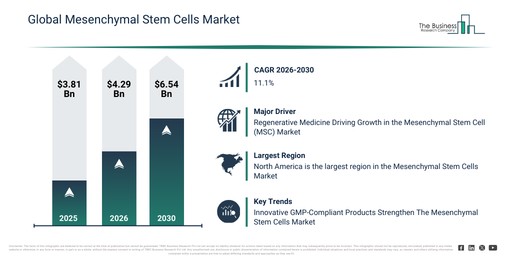
    The mesenchymal stem cells market has experienced rapid expansion in recent years. It is projected to increase from $3.81 billion in 2025 to $4.29 billion in 2026, demonstrating a compound annual growth rate (CAGR) of 12.6%. The historical growth of this market can be attributed to several factors, including the increasing prevalence of chronic diseases, the early adoption of stem cell-based therapies, an uplift in stem cell research funding, the expansion of cord blood banking facilities, and initial advancements in cell isolation technologies.

    The mesenchymal stem cells market size is projected to experience substantial expansion over the coming years. This market is set to reach $6.54 billion by 2030, exhibiting a compound annual growth rate (CAGR) of 11.1%. This projected growth is driven by factors such as the increasing demand for regenerative medicine, the expanding commercialization of allogeneic therapies, the evolution of advanced cell culture systems, the rise of personalized stem cell treatments, and increased investment in clinical trials. Key trends for the forecast period encompass progress in regenerative medicine development, the application of AI in stem cell characterization, the adoption of automated bioprocessing and cell expansion techniques, the emergence of cloud-integrated msc research data platforms, and an increase in sustainable cell culture technologies.

    Access Your Free Sample Report for In-Depth Market Insights:

    https://www.thebusinessresearchcompany.com/sample.aspx?id=16116&type=smp

    What Drivers Are Shaping Future Opportunities In The Mesenchymal Stem Cells Market?

    The expanding understanding and recognition of regenerative medicine are poised to advance the growth of the mesenchymal stem cells (MSC) market. Regenerative medicine represents an innovative interdisciplinary domain dedicated to the restoration of compromised function in cells, tissues, or organs, whether due to congenital issues, illness, trauma, or the aging process, through repair, replacement, or regeneration. This field is experiencing growth owing to several primary influences, including an increase in clinical trials, the rising prevalence of chronic and age-related health conditions, and the evolution of personalized medicine. Mesenchymal stem cells (MSCs) present considerable potential within regenerative medicine because of their capacity to differentiate into multiple cell types, modulate immune responses, and facilitate tissue repair and regeneration across a diverse range of medical conditions. Illustratively, in August 2023, a report from the Alliance for Regenerative Medicine, a US-based non-profit organization, identified 2,760 cells, gene, and tissue-engineering therapeutic developers globally in Q1 2023, which was a 101% increase from 1,369 in Q1 2022. Additionally, in July 2023, a report published by the American Society of Gene & Cell Therapy (ASGCT), a US-based professional membership organization, and Citeline, a US-based provider of drugs and devices, showed that at the close of Q1 2023, there were 247 gene therapies in Phase II, a figure that subsequently rose by 5% to reach 260 by the end of Q2. Therefore, the increasing awareness surrounding regenerative medicine is propelling the expansion of the mesenchymal stem cell (MSC) market.

    Which Segments Are Gaining Traction In The Mesenchymal Stem Cells Market?

    The mesenchymal stem cells market covered in this report is segmented –

    1) By Type: Autologous, Allogeneic

    2) By Materials And Tools: Cells And Cell Lines, Kits, Media And Reagents, Other Materials And Tools

    3) By Workflow Type: Cell Sourcing And Isolation, Culture And Cryopreservation, Differentiation, Characterization

    4) By Indication: Bone And Cartilage Repair, Cardiovascular Diseases, Inflammatory And Immunological Diseases, Liver Diseases, Cancer, GvHD, Other Indications

    5) By Application: Disease Modeling, Drug Development And Discovery, Stem Cell Banking, Tissue Engineering, Toxicology Studies, Other Applications

    Subsegments:

    1) By Autologous: Bone Marrow-Derived, Adipose Tissue-Derived, Cord Blood-Derived, Peripheral Blood-Derived

    2) By Allogeneic: Bone Marrow-Derived, Umbilical Cord-Derived, Placental-Derived, Induced Pluripotent Stem Cells (iPSCs) Derived, Wharton’s Jelly-Derived

    How Are New Market Trends Shaping The Landscape Of The Mesenchymal Stem Cells Market?

    Major companies in the mesenchymal stem cells (MSCs) market are adopting advanced technologies, such as GMP-compliant isolation, to strengthen their market standing. GMP (Good Manufacturing Practice)-compliant isolation refers to the process of extracting cells, including mesenchymal stem cells (MSCs), in adherence to GMP regulations to ensure consistent manufacturing and quality control of products. For instance, in July 2023, PromoCell, a Germany-based biotechnology company, announced the introduction of PromoExQ MSC Growth Medium XF, a serum- and xeno-free medium designed for expanding human mesenchymal stem cells (MSCs) in an environment regulated by Good Manufacturing Practice (GMP). This medium is produced under the highest quality standards and holds certification from the EXCiPACT GMP certification scheme, which guarantees the consistent growth and maintenance of MSCs sourced from various origins such as bone marrow, umbilical cord matrix, and adipose tissue.

    Who Are The Top-Performing Companies In The Mesenchymal Stem Cells Market In Recent Years?

    Major companies operating in the mesenchymal stem cells market are Thermo Fischer Scientific Inc., Danaher Corporation, Merck KgaA, Becton, Dickinson, and Company, Fujifilm Holdings Corporation, Corning Inc., Daiichi Sankyo, Lonza Group, Terumo Corporation, Sartorius AG, Getinge AB, Bio-Rad Laboratories, Eppendorf AG, Bio-Techne Corporation, STEMCELL Technologies Inc., Miltenyi Biotec GmBH, Takara Bio Group, Organogenesis Holdings Inc., Vericel Corporation, HiMedia Laboratories, PromoCell GmbH, CellGenix GmBH, Anterogen Co. Ltd., Pluristem Therapeutics Inc., American Cryostem Corporation

    Access The Complete Report For Deeper Market Insights:

    https://www.thebusinessresearchcompany.com/report/mesenchymal-stem-cells-global-market-report

    Which Region Is Anticipated To See The Fastest Growth In The Mesenchymal Stem Cells Market?

    North America was the largest region in the mesenchymal stem cells market in 2025. Asia-Pacific is expected to be the fastest-growing region in the forecast period. The regions covered in the mesenchymal stem cells market report are Asia-Pacific, South East Asia, Western Europe, Eastern Europe, North America, South America, Middle East, Africa.

    Request Your Customized Mesenchymal Stem Cells Market Research Report for Competitive Advantage:

    https://www.thebusinessresearchcompany.com/customise?id=16116&type=smp

    Browse Through More Reports Similar to the Global Mesenchymal Stem Cells Market 2026, By The Business Research Company

    Stem Cells Therapy Market Report 2026

    https://www.thebusinessresearchcompany.com/report/stem-cells-therapy-global-market-report

    Human Embryonic Stem Cells Market Report 2026

    https://www.thebusinessresearchcompany.com/report/human-embryonic-stem-cells-global-market-report

    Stem Cell Manufacturing Market Report 2026

    https://www.thebusinessresearchcompany.com/report/stem-cell-manufacturing-global-market-report

    Get in touch with us:

    The Business Research Company: https://www.thebusinessresearchcompany.com/

    Americas +1 310-496-7795

    Asia +44 7882 955267 & +91 8897263534

    Europe +44 7882 955267

    Email us at info@tbrc.info

    Follow us on:

    LinkedIn: https://in.linkedin.com/company/the-business-research-company

    YouTube: https://www.youtube.com/channel/UC24_fI0rV8cR5DxlCpgmyFQ

    Global Market Model: https://www.thebusinessresearchcompany.com/global-market-model
  • Revenue of the Merkel Cell Carcinoma Treatment Market Predicted to Achieve $4.69 Billion by 2030, Driven by 5.2% CAGR

    Revenue of the Merkel Cell Carcinoma Treatment Market Predicted to Achieve $4.69 Billion by 2030, Driven by 5.2% CAGR

    Uncover key drivers, emerging technologies, and competitive movements shaping the merkel cell carcinoma treatment market from 2026–2035 with trusted insights from The Business Research Company

    What was the valuation of the Merkel Cell Carcinoma Treatment Market in 2026, and what figure is it projected to hit by 2030?

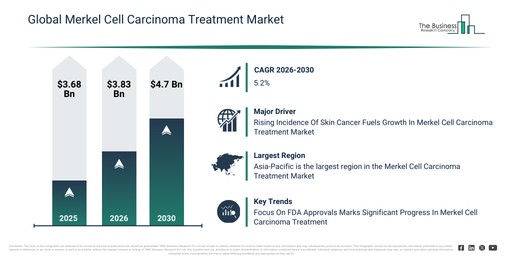
    The merkel cell carcinoma treatment market size has experienced consistent expansion in recent years. It is projected to increase from $3.68 billion in 2025 to $3.83 billion in 2026, achieving a compound annual growth rate (CAGR) of 4.1%. The market’s historical development can be ascribed to several factors, including a higher incidence of rare skin cancers, the early incorporation of immunotherapy, advancements in diagnostic imaging techniques, refinements in surgical procedures, and a heightened awareness of the risks associated with ultraviolet radiation.

    The merkel cell carcinoma treatment market size is anticipated to experience substantial expansion in the coming years. This market is projected to reach $4.7 billion by 2030, exhibiting a compound annual growth rate (CAGR) of 5.2%. This projected expansion over the forecast period is fueled by several factors, including the increasing number of targeted treatment options in development, greater investment in oncology research and development, the emergence of combination immunotherapies, enhanced accessibility to specialized cancer facilities, and the incorporation of AI-powered diagnostic solutions. Key developments expected during this period encompass the advancement of precision oncology for uncommon skin cancers, improved early detection and diagnostic assistance through AI, the broader adoption of digital pathology and cloud-based data systems, the incorporation of sophisticated radiotherapy methods, and the utilization of virtual simulation tools in planning treatments.

    Access Your Free Sample Report for In-Depth Market Insights:

    https://www.thebusinessresearchcompany.com/sample.aspx?id=12868&type=smp

    Which Drivers Are Affecting Market Participation In The Merkel Cell Carcinoma Treatment Market?

    The increasing occurrence rate of skin cancer cases is projected to propel the expansion of the cell carcinoma treatment market moving forward. Skin cancer refers to a specific form of cancer that begins in the cells of the skin. It arises when typical skin cells experience genetic alterations, causing them to multiply uncontrollably and form cancerous tumors. Merkel cell carcinoma (MCC) has a strong link with skin cancer, as it is an uncommon and aggressive type of skin cancer that typically originates from Merkel cells, which are specialized skin cells responsible for touch perception. For instance, in January 2023, according to the American Cancer Society Inc., a US-based voluntary health organization, there were approximately 97,610 new melanoma cases, and 7,990 people are anticipated to die in 2023 in the US. Furthermore, Melanoma UK, a UK-based charity organization, along with the WHO (World Health Organization), projects a 9% rise in melanoma skin cancer cases by 2025, and close to 22,886 individuals will be diagnosed with melanoma skin cancer by 2040. Therefore, the escalating incidence rate of skin cancer cases is driving the growth of the Merkel cell carcinoma treatment market.

    What Segment Categories Are Covered In The Merkel Cell Carcinoma Treatment Market?

    The merkel cell carcinoma treatment market covered in this report is segmented –

    1) By Diagnosis: Physical Examination, Sentinel Node Biopsy, Imaging Test

    2) By Therapy: Surgical Excision, Micrographic Surgery, Radiation, Chemotherapy, Other Therapies

    3) By Route Of Administration: Oral, Parenteral

    4) By Distribution Channel: Hospital Pharmacy, Online Pharmacy, Retail Pharmacy

    5) By End User: Hospitals, Homecare, Specialty Centers, Other End Users

    Subsegments:

    1) By Physical Examination: Skin Examination, Lymph Node Assessment, Medical History Review

    2) By Sentinel Node Biopsy: Injection Of Tracer Dye, Removal Of Sentinel Lymph Nodes, Pathological Analysis

    3) By Imaging Test: CT Scan, MRI Scan, PET Scan, Ultrasound, X-Ray

    Which Trends Are Expected To Influence The Merkel Cell Carcinoma Treatment Market In The Upcoming Years?

    Leading firms within the merkel cell carcinoma treatment market are concentrating on developing novel products and securing their approval to enhance their market position. Obtaining product approvals is a vital component of the Merkel cell carcinoma treatment sector, guaranteeing the safety and efficacy of medical devices and drugs. For example, in March 2023, Incyte Corporation, a US-headquartered biopharmaceutical entity, declared that the FDA (Food and Drug Administration) had approved Zynyz (retifanlimab-dlwr). This medication, a humanized monoclonal antibody targeting the programmed death receptor-1 (PD-1), is indicated for individuals experiencing locally advanced Merkel cell carcinoma (MCC) that has metastasized or recurred. Zynyz’s approval provides healthcare professionals with more initial treatment avenues for Merkel cell carcinoma, capable of eliciting sustained responses in patients afflicted with metastatic illness. ZYNYZ is to be administered as a 500 mg intravenous infusion, given over 30 minutes every four weeks, continuing until disease progression, the onset of unmanageable toxicity, or for a maximum duration of 24 months.

    Which Leading Companies Dominate The Merkel Cell Carcinoma Treatment Market Share?

    Major companies operating in the merkel cell carcinoma treatment market are Pfizer Inc., Johnson & Johnson Private Limited, F. Hoffmann-La Roche AG, Janssen Pharmaceuticals Inc., AbbVie Inc., Novartis AG, Bayer AG, Sanofi S.A., Bristol-Myers Squibb Company, Eli Lilly and Company, Amgen Inc., Merck KGaA, Teva Pharmaceutical Industries Ltd., Regeneron Pharmaceuticals Inc., Ono Pharmaceutical Co Ltd, Millennium Pharmaceuticals Inc., Seattle Genetics Inc., Lupin Ltd., BeiGene Ltd, Siemens AG, Canon Medical Systems Corporation, NantKwest Inc., Immune Design Corporation, Oncovir Inc., ImmunityBio Inc., OncoSec Medical Inc.

    Access The Complete Report For Deeper Market Insights:

    https://www.thebusinessresearchcompany.com/report/merkel-cell-carcinoma-treatment-global-market-report

    Which Global Regions Are Shaping The Competitive Landscape Of The Merkel Cell Carcinoma Treatment Market?

    Asia-Pacific was the largest region in the merkel cell carcinoma treatment market in 2025. Europe is expected to be the fastest-growing region in the forecast period. The regions covered in the merkel cell carcinoma treatment market report are Asia-Pacific, South East Asia, Western Europe, Eastern Europe, North America, South America, Middle East, Africa.

    Request Your Customized Merkel Cell Carcinoma Treatment Market Research Report for Competitive Advantage:

    https://www.thebusinessresearchcompany.com/customise?id=12868&type=smp

    Browse Through More Reports Similar to the Global Merkel Cell Carcinoma Treatment Market 2026, By The Business Research Company

    Basal Cell Carcinoma Treatment Market Report 2026

    https://www.thebusinessresearchcompany.com/report/basal-cell-carcinoma-treatment-global-market-report

    Cells Therapy Market Report 2026

    https://www.thebusinessresearchcompany.com/report/cells-therapy-global-market-report

    Solid Tumor Cancer Treatment Market Report 2026

    https://www.thebusinessresearchcompany.com/report/solid-tumor-cancer-treatment-global-market-report

    Get in touch with us:

    The Business Research Company: https://www.thebusinessresearchcompany.com/

    Americas +1 310-496-7795

    Asia +44 7882 955267 & +91 8897263534

    Europe +44 7882 955267

    Email us at info@tbrc.info

    Follow us on:

    LinkedIn: https://in.linkedin.com/company/the-business-research-company

    YouTube: https://www.youtube.com/channel/UC24_fI0rV8cR5DxlCpgmyFQ

    Global Market Model: https://www.thebusinessresearchcompany.com/global-market-model