Month: March 2026

  • Global Uterine Fibroids Treatment Industry Insights: Key Trends and Growth Estimates

    Global Uterine Fibroids Treatment Industry Insights: Key Trends and Growth Estimates

    Uncover key drivers, emerging technologies, and competitive movements shaping the uterine fibroids treatment market from 2026–2035 with trusted insights from The Business Research Company

    Across 2026–2030, what is the expected market valuation path of the Uterine Fibroids Treatment Market?

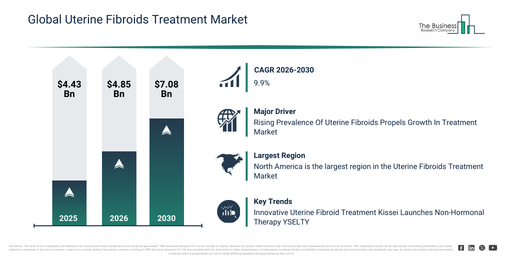
    The uterine fibroids treatment market has experienced substantial expansion in recent years. Projections indicate it will advance from $4.43 billion in 2025 to $4.85 billion in 2026, achieving a compound annual growth rate (CAGR) of 9.7%. The growth observed in prior periods is largely attributable to factors such as greater understanding of uterine fibroid symptoms, the presence of various surgical treatment alternatives, an increase in gynecological care infrastructure, improved diagnosis rates facilitated by imaging, and the overall development of women’s healthcare provisions.

    The uterine fibroids treatment market size is projected to experience significant growth in the coming years. It is forecast to expand to $7.08 billion by 2030, achieving a compound annual growth rate (CAGR) of 9.9%. This expansion during the forecast period is primarily driven by the increasing acceptance of non-surgical treatment options, a rising demand for fertility-preserving therapies, the expansion of outpatient gynecological procedures, growing investments in women’s health research, and the increased application of image-guided therapies. Prominent trends anticipated in this period include the wider adoption of minimally invasive treatment procedures, an increase in the use of both hormonal and non-hormonal therapies, a developing preference for uterus-preserving treatments, the broadening scope of advanced imaging-guided interventions, and more refined patient-centric treatment planning.

    Access Your Free Sample Report for In-Depth Market Insights:

    https://www.thebusinessresearchcompany.com/sample.aspx?id=10766&type=smp

    Which Drivers Are Supporting The Rise Of The Uterine Fibroids Treatment Market?

    The widespread occurrence of uterine fibroids in women is projected to drive the expansion of the uterine fibroids treatment market in the future. Uterine fibroids are defined as benign growths forming within the uterus, potentially leading to symptoms like heavy menstrual flow, pelvic discomfort, and pressure on the bladder or intestines. Treatment for uterine fibroids works by inhibiting estrogen and progesterone production, thereby ceasing menstruation and alleviating anemia. For example, data from September 2024, reported by Oxford Academic, the UK-based publisher of Human Reproduction, indicated that approximately 7.3% of Australian women had received a diagnosis of uterine fibroids by ages 45–49. The highest age-specific incidence was observed in women aged 40–44, at 5.0 new cases per 1,000 person-years. Consequently, the extensive prevalence of uterine fibroids globally among women is stimulating the expansion of the uterine fibroids treatment market.

    What Leading Segments Are Studied In The Uterine Fibroids Treatment Market?

    The uterine fibroids treatment market covered in this report is segmented –

    1) By Type: Subserosal Fibroids, Intramural Fibroids, Submucosal Fibroids, Pedunculated Fibroids

    2) By Treatment Type: Hormone Therapy, Androgens, Gonadotropin-Releasing Hormone Antagonists, Uterine Artery Embolization, Myomectomy, Hysterectomy

    3) By End-Users: Hospitals, Ambulatory Surgical Centers, Other End users

    Subsegments:

    1) By Subserosal Fibroids: Pedunculated Subserosal Fibroids, Non-Pedunculated Subserosal Fibroids

    2) By Intramural Fibroids: Small Intramural Fibroids, Large Intramural Fibroids

    3) By Submucosal Fibroids: Pedunculated Submucosal Fibroids, Non-Pedunculated Submucosal Fibroids

    4) By Pedunculated Fibroids: Subserosal Pedunculated Fibroids, Submucosal Pedunculated Fibroids

    Which Trends Are Influencing The Performance And Direction Of The Uterine Fibroids Treatment Market?

    Leading companies in the uterine fibroid treatment market are implementing product innovations, including non-hormonal therapies and adaptable dosing options, to address diverse patient needs and maintain their competitive standing. Non-hormonal treatments for uterine fibroids, such as GnRH receptor antagonists, operate by inhibiting gonadotropin-releasing hormone at pituitary receptors, thereby reducing estrogen production and easing symptoms like heavy bleeding and pelvic pain. For instance, in September 2024, Kissei Pharmaceutical Co., Ltd., a Japan-based pharmaceutical company, introduced YSELTY, a treatment for uterine fibroids, representing a notable breakthrough in women’s healthcare. YSELTY provides a non-hormonal treatment solution with flexible dosing tailored to individual patient needs, particularly for those with severe fibroid symptoms. As a GnRH receptor antagonist, YSELTY lowers estrogen production by inhibiting gonadotropin-releasing hormone at its pituitary receptors, effectively alleviating symptoms such as bleeding and pain.

    Which Major Industry Participants Are Leading The Uterine Fibroids Treatment Market Growth?

    Major companies operating in the uterine fibroids treatment market are Gynesonics Inc., Medtronic plc, Boston Scientific Corporation, Karl Storz GmbH, Pfizer Inc., Abbvie Inc., Richard Wolf GmbH, CooperSurgical Inc., Olympus Corporation, Myovant Sciences GmbH, Insightec Ltd., Hologic Inc., Obseva SA, Eli Lilly and Company, GlaxoSmithKline plc, Stryker Corporation, Smith & Nephew plc, Minerva Surgical Inc., Ethicon Inc., Cook Medical LLC, C.R. Bard Inc., Biomerics LLC, Visionsense Corp., Halt Medical Inc., Acessa Health Inc., Blue Endo, LiNA Medical ApS, Merit Medical Systems Inc., Allergan plc, Astellas Pharma Inc.

    Access The Complete Report For Deeper Market Insights:

    https://www.thebusinessresearchcompany.com/report/uterine-fibroids-treatment-global-market-report

    Which Region Is Projected To Lead The Uterine Fibroids Treatment Market During The Forecast Period?

    North America was the largest region in the uterine fibroids treatment market in 2025.Asia-Pacific is expected to be the fastest-growing region in the forecast period. The regions covered in the uterine fibroids treatment market report are Asia-Pacific, South East Asia, Western Europe, Eastern Europe, North America, South America, Middle East, Africa.

    Request Your Customized Uterine Fibroids Treatment Market Research Report for Competitive Advantage:

    https://www.thebusinessresearchcompany.com/customise?id=10766&type=smp

    Browse Through More Reports Similar to the Global Uterine Fibroids Treatment Market 2026, By The Business Research Company

    Endometrial Cancer Treatment Market Report 2026

    https://www.thebusinessresearchcompany.com/report/endometrial-cancer-treatment-global-market-report

    Uterine Fibroids Treatment Market Report 2026

    https://www.thebusinessresearchcompany.com/report/uterine-fibroids-treatment-global-market-report

    Uterine Fibroid Embolization Device Market Report 2026

    https://www.thebusinessresearchcompany.com/report/uterine-fibroid-embolization-device-global-market-report

    Get in touch with us:

    The Business Research Company: https://www.thebusinessresearchcompany.com/

    Americas +1 310-496-7795

    Asia +44 7882 955267 & +91 8897263534

    Europe +44 7882 955267

    Email us at info@tbrc.info

    Follow us on:

    LinkedIn: https://in.linkedin.com/company/the-business-research-company

    YouTube: https://www.youtube.com/channel/UC24_fI0rV8cR5DxlCpgmyFQ

    Global Market Model: https://www.thebusinessresearchcompany.com/global-market-model
  • Usher Syndrome Market Forecast: How Big Will It Be by 2030?

    Usher Syndrome Market Forecast: How Big Will It Be by 2030?

    Uncover key drivers, emerging technologies, and competitive movements shaping the usher syndrome market from 2026–2035 with trusted insights from The Business Research Company

    What size range is anticipated for the Usher Syndrome Market from 2026 to 2030?

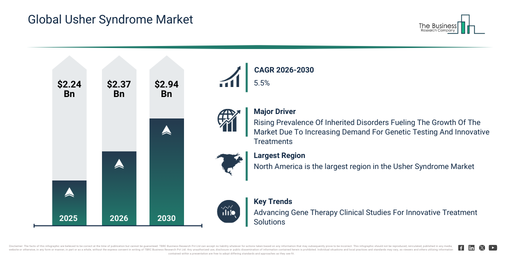
    The usher syndrome market has demonstrated significant expansion in recent years. It is anticipated to expand from $2.24 billion in 2025 to $2.37 billion in 2026, exhibiting a compound annual growth rate (CAGR) of 5.7%. This historical growth is primarily due to increased understanding of inherited sensory conditions, the proliferation of genetic counseling services, the presence of sophisticated diagnostic instruments, the establishment of specialized clinics for uncommon illnesses, and enhanced screening initiatives for retinal conditions.

    The market for usher syndrome is anticipated to experience substantial expansion in the coming years. This market is projected to reach $2.94 billion by 2030, progressing at a compound annual growth rate (CAGR) of 5.5%. Factors contributing to this expansion over the projected timeframe include heightened research into gene therapy solutions, increased funding for developing rare disease drugs, a rise in personalized medicine approaches, broader early intervention initiatives, and greater cooperation between research entities and healthcare providers. Key trends anticipated during the forecast period involve the wider implementation of genetic testing for prompt diagnosis, an intensified focus on gene-centric therapeutic approaches, increased utilization of sophisticated diagnostic imaging tools, the broadening of integrated treatment methods, and improved systems for patient oversight and disease management.

    Access Your Free Sample Report for In-Depth Market Insights:

    https://www.thebusinessresearchcompany.com/sample.aspx?id=23555&type=smp

    What Drivers Are Affecting Demand In The Usher Syndrome Market?

    The usher syndrome market is projected to grow as the occurrence of inherited disorders increases. These genetic conditions are passed from parents to offspring through their DNA, often stemming from mutations in one or more genes. The growing prevalence of inherited disorders is linked to rising parental age, which results in a higher incidence of genetic conditions among newborns. Usher syndrome, a genetic condition, demands early diagnosis, specialized medical attention, and targeted therapies. Greater awareness and screening for genetic disorders lead to the identification of more Usher syndrome cases, thereby escalating the demand for diagnostic tests, genetic counseling, and therapeutic interventions. For instance, in February 2023, according to the World Health Organization, a Switzerland based international public health agency of the United Nations, congenital disorders were estimated to cause about 240,000 newborn deaths worldwide within the first 28 days of life each year, along with an additional 170,000 deaths among children aged 1 month to 5 years. Therefore, the expanding prevalence of inherited disorders will propel the usher syndrome market.

    Which Segment Groups Are Influencing The Usher Syndrome Market?

    The usher syndrome market covered in this report is segmented –

    1) By Type: Type 1, Type 2, Type 3, Other Types

    2) By Treatment: Devices, Drugs, Therapy, Other Treatments

    3) By Diagnosis: Electroretinogram, Optical Coherence Tomography, Video Nystagmography, Audiology, Genetic Testing, Other Diagnoses

    4) By Distribution Channels: Hospital Pharmacy, Retail Pharmacy, Other Distribution Channels

    5) By End-Users: Hospitals, Speciality Clinics, Other End-Users

    Subsegments:

    1) By Type 1: MYO7A Mutation, USH1C Mutation, CDH23 Mutation, PCDH15 Mutation, USH1G Mutation

    2) By Type 2: USH2A Mutation, GPR98 Mutation, DFNB31 Mutation

    3) By Type 3: CLRN1 Mutation, Rare Mutations

    4) By Other Types: Atypical Usher Syndrome, Rare Genetic Variants

    What Long-Term Trends Are Expected To Shape The Future Of The Usher Syndrome Market?

    Major companies operating in the usher syndrome market are primarily concentrating on clinical investigations to develop gene therapies and innovative treatments capable of slowing or reversing vision and hearing loss. These clinical studies aim to enhance early diagnosis, improve assistive technologies, and explore potential drug-based interventions for better disease management. For instance, in October 2024, AAVantgarde Bio, an Italy-based biotechnology company, initiated the LUCE-1 trial, a Phase I/II clinical study focused on evaluating the safety and efficacy of its gene therapy, AAVB-081, for treating retinitis pigmentosa associated with Usher Syndrome type 1B (USH1B). The LUCE-1 trial specifically seeks to assess the safety and tolerability of AAVB-081, which delivers a functional copy of the MYO7A gene, crucial for retinal health.

    Who Are The Prominent Global Companies Shaping The Usher Syndrome Market Landscape?

    Major companies operating in the usher syndrome market are Cochlear Ltd, Advanced Bionics AG, Spark Therapeutics, Editas Medicine Inc, ProQR Therapeutics NV, Odylia Therapeutics, ReNeuron Group plc, Sensorion SAS, Gensight Biologics, AAVantgarde Bio, Laboratoires Théa, Atsena Therapeutics, Nanoscope Therapeutics, Nacuity Pharmaceuticals, Janus Biotechnology, Eiger BioPharmaceuticals, Audentes Therapeutics, Sarepta Therapeutics, Regeneron Pharmaceuticals, Amgen, Alnylam Pharmaceuticals, UniQure

    Access The Complete Report For Deeper Market Insights:

    https://www.thebusinessresearchcompany.com/report/usher-syndrome-global-market-report

    Which Region Currently Holds The Largest Share Of The Usher Syndrome Market?

    North America was the largest region in the usher syndrome market in 2025. Asia-Pacific is expected to be the fastest-growing region in the forecast period. The regions covered in the usher syndrome market report are Asia-Pacific, South East Asia, Western Europe, Eastern Europe, North America, South America, Middle East, Africa.

    Request Your Customized Usher Syndrome Market Research Report for Competitive Advantage:

    https://www.thebusinessresearchcompany.com/customise?id=23555&type=smp

    Browse Through More Reports Similar to the Global Usher Syndrome Market 2026, By The Business Research Company

    Dumping Syndrome Market Report 2026

    https://www.thebusinessresearchcompany.com/report/dumping-syndrome-global-market-report

    Alzheimers Drugs Market Report 2026

    https://www.thebusinessresearchcompany.com/report/alzheimers-drugs-global-market-report

    Progressive Ataxia And Weakness Disorders Market Report 2026

    https://www.thebusinessresearchcompany.com/report/progressive-ataxia-and-weakness-disorders-global-market-report

    Get in touch with us:

    The Business Research Company: https://www.thebusinessresearchcompany.com/

    Americas +1 310-496-7795

    Asia +44 7882 955267 & +91 8897263534

    Europe +44 7882 955267

    Email us at info@tbrc.info

    Follow us on:

    LinkedIn: https://in.linkedin.com/company/the-business-research-company

    YouTube: https://www.youtube.com/channel/UC24_fI0rV8cR5DxlCpgmyFQ

    Global Market Model: https://www.thebusinessresearchcompany.com/global-market-model
  • Urticaria Market Report 2026: Strategic Insights and Revenue Outlook

    Urticaria Market Report 2026: Strategic Insights and Revenue Outlook

    Uncover key drivers, emerging technologies, and competitive movements shaping the urticaria market from 2026–2035 with trusted insights from The Business Research Company

    How is the Urticaria Market size predicted to change over the forecast window of 2026–2035?

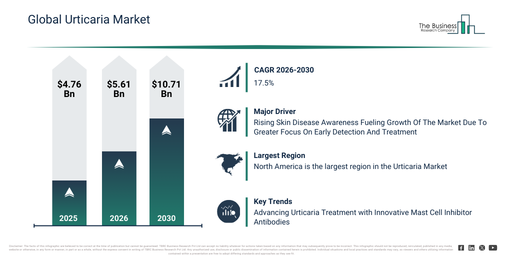
    The urticaria market has experienced rapid expansion in recent years. It is projected to grow from $4.76 billion in 2025 to $5.61 billion in 2026, demonstrating a compound annual growth rate (CAGR) of 17.9%. The increase observed in the historic period is attributable to the increasing prevalence of allergic skin conditions, broader use of antihistamines, the expansion of dermatology treatment services, rising awareness of chronic urticaria, and the availability of prescription therapies.

    The urticaria market is anticipated to experience substantial growth in the upcoming years. By 2030, it is projected to expand to $10.71 billion, achieving this at a compound annual growth rate (CAGR) of 17.5%. This anticipated growth during the forecast period is largely driven by factors such as the increasing acceptance of biologic treatments, a rising need for long-acting therapies, an intensified focus on immune-modulating drugs, the proliferation of specialty dermatology clinics, and growing investment in allergy and immunology research. Furthermore, significant trends for this period include the accelerated development of biologic and monoclonal antibody therapies, an expanding application of personalized treatment methods, a growing emphasis on chronic urticaria management, the wider availability of advanced antihistamine formulations, and an increased priority placed on long-term disease control.

    Access Your Free Sample Report for In-Depth Market Insights:

    https://www.thebusinessresearchcompany.com/sample.aspx?id=23554&type=smp

    Which Drivers Are Contributing To The Expansion Of The Urticaria Market?

    Enhanced understanding and management of skin conditions are projected to propel the expansion of the urticaria market in the future. Growing environmental pollution contributes to a rise in skin allergies and various dermatological issues, thereby fueling the need for greater awareness and sophisticated treatment options. Urticaria plays a role in fostering skin disease awareness and improving treatment methodologies through its demonstration of immune system reactions, stimulating further research, refining diagnostic processes, and progressing specific therapeutic interventions. As an illustration, in February 2024, The Skin Cancer Foundation, a US-based nonprofit, disclosed that approximately 1 in 5 Americans will experience skin cancer by the age of 70, with more than 2 deaths happening hourly across the U.S. This information underscores the critical necessity of preventative actions, considering that experiencing five or more sunburns doubles an individual’s risk of developing melanoma. Consequently, the heightened awareness and improved treatment of skin diseases are serving as a significant impetus for the growth of the urticaria market.

    What Segment Classifications Make Up The Urticaria Market?

    The urticaria market covered in this report is segmented –

    1) By Type: Acute Urticaria, Chronic Urticaria

    2) By Drug Class: Antihistamines, Anti-inflammation Medications, Antidepressants, Monoclonal Antibodies, Other Drug Classes

    3) By Route of Administration: Oral, Parenteral, Other Routes Of Administration

    4) By Distribution Channel: Hospital Pharmacy, Online Pharmacy, Retail Pharmacy

    5) By End-Users: Hospitals, Homecare, Specialty Clinics, Other End-Users

    Subsegments:

    1) By Acute Urticaria: Allergic Urticaria, Infectious Urticaria, Drug-Induced Urticaria, Contact Urticaria

    2) By Chronic Urticaria: Chronic Spontaneous Urticaria (CSU), Chronic Inducible Urticaria (CIndU)

    Which Market Trends Are Opening Growth Opportunities In The Urticaria Market?

    Leading companies within the urticaria market are prioritizing the development of advanced therapeutic solutions for chronic spontaneous urticaria (CSU) by targeting mast cell activation, specifically through innovative mast cell inhibitor antibodies. These antibodies are targeted monoclonal antibodies engineered to block the activation or degranulation of mast cells by inhibiting specific receptors or signaling pathways, which in turn reduces allergic reactions, inflammation, and other related disorders. An illustration of this focus is seen in May 2024, when Allakos Inc., a US-based biotechnology company, announced the commencement of a Phase 1 clinical trial for AK006. This treatment is specifically designed for chronic spontaneous urticaria (CSU). AK006 uniquely targets both IgE-dependent and IgE-independent mast cell activation pathways, which could lead to wider effectiveness for patients resistant to antihistamines or previous biologic treatments. By specifically inhibiting mast cell activity through the Siglec-6 receptor, AK006 aims to offer a more complete and enduring approach to CSU management, representing a substantial stride in both urticaria treatment and immunotherapy research.

    Which Key Players Are Driving Competition In The Urticaria Market?

    Major companies operating in the urticaria market are Sanofi S.A., Novartis AG, GlaxoSmithKline PLC, Roche Holding AG, Teva Pharmaceutical Industries Ltd, Sun Pharmaceutical Industries Ltd, Incyte Corporation, Kyowa Kirin Co. Ltd, Argenx SE, Allakos Inc, AstraZeneca plc, Kiniksa Pharmaceuticals Ltd, United BioPharma Inc, Celldex Therapeutics Inc, Yuhan Corporation, Hangzhou Highlightll Pharmaceutical Co Ltd, Evommune Inc, Rapt Therapeutics Inc, Enanta Pharmaceuticals Inc, UCB Pharma

    Access The Complete Report For Deeper Market Insights:

    https://www.thebusinessresearchcompany.com/report/urticaria-global-market-report

    How Does The Urticaria Market Perform Across Major Global Regions?

    North America was the largest region in the urticaria market in 2025. Asia-Pacific is expected to be the fastest-growing region in the forecast period. The regions covered in the urticaria market report are Asia-Pacific, South East Asia, Western Europe, Eastern Europe, North America, South America, Middle East, Africa.

    Request Your Customized Urticaria Market Research Report for Competitive Advantage:

    https://www.thebusinessresearchcompany.com/customise?id=23554&type=smp

    Browse Through More Reports Similar to the Global Urticaria Market 2026, By The Business Research Company

    Allergic Rhinitis Market Report 2026

    https://www.thebusinessresearchcompany.com/report/allergic-rhinitis-global-market-report

    Dermatitis Drugs Market Report 2026

    https://www.thebusinessresearchcompany.com/report/dermatitis-drugs-global-market-report

    Ursolic Acid Market Report 2026

    https://www.thebusinessresearchcompany.com/report/ursolic-acid-global-market-report

    Get in touch with us:

    The Business Research Company: https://www.thebusinessresearchcompany.com/

    Americas +1 310-496-7795

    Asia +44 7882 955267 & +91 8897263534

    Europe +44 7882 955267

    Email us at info@tbrc.info

    Follow us on:

    LinkedIn: https://in.linkedin.com/company/the-business-research-company

    YouTube: https://www.youtube.com/channel/UC24_fI0rV8cR5DxlCpgmyFQ

    Global Market Model: https://www.thebusinessresearchcompany.com/global-market-model
  • Global Urothelial Carcinoma Treatment Industry Trends and Market Forecast 2026–2030

    Global Urothelial Carcinoma Treatment Industry Trends and Market Forecast 2026–2030

    Uncover key drivers, emerging technologies, and competitive movements shaping the urothelial carcinoma treatment market from 2026–2035 with trusted insights from The Business Research Company

    What market expansion outlook does the Urothelial Carcinoma Treatment Market show for the 2026–2030 period?

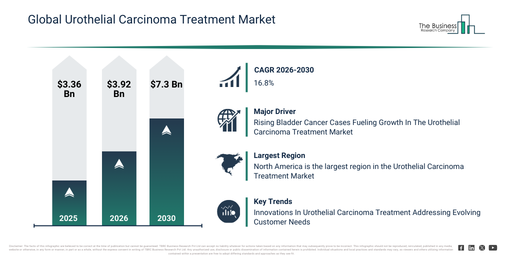
    The urothelial carcinoma treatment market size has experienced significant growth in recent years. It is anticipated to expand from $3.36 billion in 2025 to $3.92 billion in 2026, at a compound annual growth rate (CAGR) of 16.5%. This historical growth can be linked to factors including the increasing incidence of bladder cancer, the expansion of oncology treatment centers, rising awareness of urothelial carcinoma, the growing adoption of chemotherapy protocols, and the availability of surgical treatment options.

    The urothelial carcinoma treatment market is projected for substantial expansion in the coming years, reaching $7.3 billion by 2030, exhibiting a compound annual growth rate (CAGR) of 16.8%. This growth during the forecast period can be attributed to the increasing development of novel immunotherapies, rising investments in oncology research, a growing demand for personalized medicine, the expansion of combination therapy approaches, and the increasing use of biomarker-driven treatment strategies. Major trends anticipated in this period include the increasing adoption of immunotherapy-based treatment regimens, the growing use of targeted therapies, the rising integration of personalized cancer treatment approaches, the expansion of minimally invasive surgical techniques, and an enhanced focus on early diagnosis and intervention.

    Access Your Free Sample Report for In-Depth Market Insights:

    https://www.thebusinessresearchcompany.com/sample.aspx?id=12947&type=smp

    What Drivers Are Shaping The Development Of The Urothelial Carcinoma Treatment Market?

    The rising incidence of bladder cancer is anticipated to drive the expansion of the urothelial carcinoma treatment market. Bladder cancer, a widespread malignancy affecting the cells lining the urinary bladder, necessitates a variety of treatment options for patients and healthcare providers. Ongoing research in bladder cancer contributes to the development of targeted therapies and offers deeper understanding of urothelial carcinoma, fostering interdisciplinary approaches for improved treatment outcomes. For example, according to the National Library of Medicine, a US-based medical library operated by the US federal government, in September 2023, the annual number of new bladder cancer (BCa) cases is projected to reach 991,000 by 2040, representing a 72.8% increase from 2020. Additionally, annual deaths attributed to BCa are expected to climb to 397,000, an increase of 86.6%. Thus, the growing prevalence of bladder cancer will be a significant factor propelling the urothelial carcinoma treatment market.

    What Segment Types Are Examined In The Urothelial Carcinoma Treatment Market?

    The urothelial carcinoma treatment market covered in this report is segmented –

    1) By Type: Non-Invasive Urothelial Carcinoma Treatment, Invasive Urothelial Carcinoma Treatment

    2) By Treatment: Immunotherapy, Radiotherapy, Chemotherapy

    3) By Cancer Type: Bladder Cancer, Urethral Cancer, Ureteric And Renal Pelvic Cancer

    4) By End-Users: Hospitals, Homecare, Specialty Centers, Other End-Users

    Subsegments:

    1) By Non-Invasive Urothelial Carcinoma Treatment: Intravesical Therapy, Immunotherapy, Chemotherapy

    2) By Invasive Urothelial Carcinoma Treatment: Radical Cystectomy, Chemotherapy, Radiation Therapy, Targeted Therapy

    How Are Emerging Trends Affecting The Progression Of The Urothelial Carcinoma Treatment Market?

    Leading companies within the urothelial carcinoma treatment market are prioritizing the development of innovative products to bolster their competitive standing and meet evolving customer demands. For instance, in March 2023, Nonacus Limited, a UK-based medical products manufacturing company, introduced GALEAS Bladder, a novel test for the non-invasive detection of bladder cancer. GALEAS Bladder signifies a breakthrough in bladder cancer diagnostics by offering a molecular triage solution from sample to report for patients, leveraging a molecular biomarker with remarkable sensitivity to swiftly and accurately identify bladder cancer. This innovation streamlines the diagnostic process, thereby reducing the requirement for invasive procedures such as cystoscopies. Developed in collaboration with the University of Birmingham, UK, GALEAS Bladder was rigorously validated using over 600 patient samples from three clinical cohorts in the UK. This comprehensive analysis confirmed GALEAS Bladder’s outstanding performance, showing high diagnostic accuracy (sensitivity exceeding 90%, specificity over 85%), effectively addressing various bladder cancer grades and stages.

    Who Are The Top-Performing Companies In The Urothelial Carcinoma Treatment Market In Recent Years?

    Major companies operating in the urothelial carcinoma treatment market are Pfizer Inc, Johnson & Johnson Services Inc, F Hoffmann-La Roche Ltd, Merck & Co Inc, AbbVie Inc, Bayer AG, Sanofi S A, Bristol-Myers Squibb Company, AstraZeneca PLC, Astellas Pharma Inc, Eisai Co Ltd, Incyte Corporation, UroGen Pharma Inc, Novartis AG, Eli Lilly and Company, BeiGene Ltd, Bicycle Therapeutics Ltd, Infinity Pharmaceuticals Inc, QED Therapeutics Inc, Nektar Therapeutics, Abbisko Therapeutics Inc, Exelixis Inc, MedPacto Inc, Tyra Biosciences Inc, Ikena Oncology Inc, ALX Oncology Holdings Inc, Rubius Therapeutics Inc, Kinnate Biopharma Inc

    Access The Complete Report For Deeper Market Insights:

    https://www.thebusinessresearchcompany.com/report/urothelial-carcinoma-treatment-global-market-report

    Which Region Is Anticipated To See The Fastest Growth In The Urothelial Carcinoma Treatment Market?

    North America was the largest region in the urothelial carcinoma treatment market in 2025. The regions covered in the urothelial carcinoma treatment market report are Asia-Pacific, South East Asia, Western Europe, Eastern Europe, North America, South America, Middle East, Africa.

    Request Your Customized Urothelial Carcinoma Treatment Market Research Report for Competitive Advantage:

    https://www.thebusinessresearchcompany.com/customise?id=12947&type=smp

    Browse Through More Reports Similar to the Global Urothelial Carcinoma Treatment Market 2026, By The Business Research Company

    Bladder Cancer Drugs Market Report 2026

    https://www.thebusinessresearchcompany.com/report/bladder-cancer-drugs-global-market-report

    Adrenocortical Carcinoma Market Report 2026

    https://www.thebusinessresearchcompany.com/report/adrenocortical-carcinoma-global-market-report

    Urothelial Cancer Drugs Market Report 2026

    https://www.thebusinessresearchcompany.com/report/urothelial-cancer-drugs-global-market-report

    Get in touch with us:

    The Business Research Company: https://www.thebusinessresearchcompany.com/

    Americas +1 310-496-7795

    Asia +44 7882 955267 & +91 8897263534

    Europe +44 7882 955267

    Email us at info@tbrc.info

    Follow us on:

    LinkedIn: https://in.linkedin.com/company/the-business-research-company

    YouTube: https://www.youtube.com/channel/UC24_fI0rV8cR5DxlCpgmyFQ

    Global Market Model: https://www.thebusinessresearchcompany.com/global-market-model
  • Urology Robotic Surgery Market Size and Demand Forecast 2026–2030

    Urology Robotic Surgery Market Size and Demand Forecast 2026–2030

    Uncover key drivers, emerging technologies, and competitive movements shaping the urology robotic surgery market from 2026–2035 with trusted insights from The Business Research Company

    What level of growth is expected in the Urology Robotic Surgery Market between 2026 and 2030?

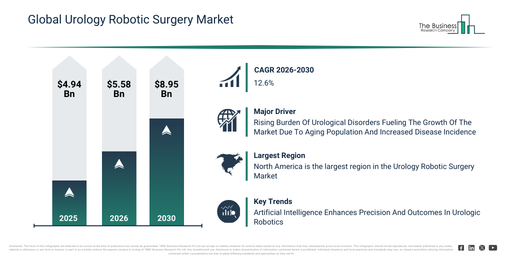
    The urology robotic surgery market size has seen swift expansion in recent years. It is anticipated to increase from $4.94 billion in 2025 to $5.58 billion in 2026, achieving a compound annual growth rate (CAGR) of 12.8%. The historical growth can be attributed to a higher incidence of prostate and kidney disorders, greater acceptance of minimally invasive surgery, escalating investments in surgical robotics, the expansion of specialized urology centers, and advancements in robotic system reliability.

    The urology robotic surgery market is projected to experience substantial expansion over the coming years, reaching $8.95 billion by 2030, exhibiting a compound annual growth rate (CAGR) of 12.6%. This anticipated growth stems from factors such as the increasing embrace of advanced robotic platforms, greater incorporation of AI-assisted surgical planning, a surge in demand for outpatient robotic interventions, the broadening of surgeon training initiatives, and ongoing technological progress in robotic instruments. Key trends during this period include a greater uptake of robotic-assisted urology procedures, increased utilization of sophisticated surgical navigation systems, more widespread adoption of simulation-based surgeon education, the spread of minimally invasive treatment options, and a heightened emphasis on surgical accuracy and patient results.

    Access Your Free Sample Report for In-Depth Market Insights:

    https://www.thebusinessresearchcompany.com/sample.aspx?id=27442&type=smp

    Which Drivers Are Expected To Impact The Urology Robotic Surgery Market During The Forecast Period?

    The escalating occurrence of urological conditions is projected to drive the expansion of the urology robotic surgery market. Urological disorders are defined as illnesses or states impacting the urinary system and male reproductive organs. The growing incidence of these disorders is primarily attributable to the aging population, as advanced age results in weakened bladder and pelvic muscles, thereby elevating the likelihood of such conditions. Urology robotic surgery addresses urological disorders by offering precise, minimally invasive treatment approaches that enhance surgical accuracy, minimize complications, and improve patient recovery for ailments like prostate cancer and kidney disease. For instance, according to Prostate Cancer UK, a UK-based charitable organization, in January 2025, the number of men diagnosed with prostate cancer in England climbed from 50,751 in 2022 to 55,033 in 2023. Consequently, the rising prevalence of urological disorders is a key factor propelling the growth of the urology robotic surgery market.

    Which Segments Are Driving Activity In The Urology Robotic Surgery Market?

    The urology robotic surgery market covered in this report is segmented –

    1) By Type: Robot Machines, Navigation Systems, Planners, Simulators, Other Types

    2) By Component: Robotic Surgery Systems, Instruments And Accessories, Services

    3) By Application: Robotic Prostatectomy, Robotic Cystectomy, Robotic Pyeloplasty, Robotic Nephrectomy, Other Applications

    4) By End-User: Hospitals, Ambulatory Surgical Centers, Specialty Clinics, Other End-Users

    Subsegments:

    1) By Robot Machines: Surgical Robots, Assistive Robots, Teleoperated Robots, Autonomous Robots

    2) By Navigation Systems: Imaging Navigation Systems, Electromagnetic Navigation Systems, Optical Tracking Systems, Ultrasound Navigation Systems

    3) By Planners: Preoperative Planning Software, Intraoperative Planning Software, 3D Modeling Software, Procedure Simulation Software

    4) By Simulators: Virtual Reality Simulators, Augmented Reality Simulators, Haptic Feedback Simulators, Training Simulators

    5) By Other Types: Robotic Arms, Control Consoles, Robotic Accessories, Robotic Integration Systems

    Which Innovation Trends Are Advancing Developments Within The Urology Robotic Surgery Market?

    Leading companies within the urology robotic surgery market are intensifying their efforts to develop advanced artificial intelligence (AI)-powered features, aiming to secure a significant competitive edge. These AI functionalities encompass real-time image guidance for identifying tumors, sophisticated surgical planning utilizing 3D models, and intraoperative assessment of surgical skills, all contributing to enhanced precision and improved patient outcomes. A notable illustration of this trend occurred in August 2024, when PROCEPT BioRobotics, a US-based surgical robotics firm, obtained FDA clearance for its HYDROS Robotic System. This innovative, AI-powered platform is engineered to optimize Aquablation therapy for benign prostatic hyperplasia (BPH). The system integrates AI-driven treatment planning, cutting-edge imaging, and robotic-assisted, heat-free waterjet tissue resection to ensure accurate and efficient removal of prostate tissue while safeguarding vital anatomy. It additionally streamlines surgical processes and boosts operating room efficiency. The HYDROS system endeavors to deliver consistent, individualized, and lasting symptom relief, alongside superior preservation of sexual and urinary function, thereby representing a substantial advancement in BPH treatment.

    Which Leading Companies Dominate The Urology Robotic Surgery Market Share?

    Major companies operating in the urology robotic surgery market are Siemens Healthineers, Medtronic PLC, Stryker Corporation, Boston Scientific Corporation, Intuitive Surgical Inc., KARL STORZ SE & Co. KG, Sina Robotics and Medical Innovators Co. Ltd., CMR Surgical Limited, SS Innovations International Inc., Distalmotion SA, Ronovo Surgical Inc., Levita Magnetics International Corp., Titan Medical Inc., Virtual Incision Corporation, Nanjing Perlove Medical Equipment Co. Ltd., Edge Medical Robotics Corporation, Rob Surgical Systems S.L, Virtuoso Surgical Inc., GynoBotics Inc., Harbin Sagebot Intelligent Medical Equipment Co. Ltd., Perlove Medical Robot.

    Access The Complete Report For Deeper Market Insights:

    https://www.thebusinessresearchcompany.com/report/urology-robotic-surgery-global-market-report

    Which Region Is Anticipated To See The Fastest Growth In The Urology Robotic Surgery Market?

    North America was the largest region in the urology robotic surgery market in 2025. Asia-Pacific is expected to be the fastest-growing region in the forecast period. The regions covered in the urology robotic surgery market report are Asia-Pacific, South East Asia, Western Europe, Eastern Europe, North America, South America, Middle East, Africa.

    Request Your Customized Urology Robotic Surgery Market Research Report for Competitive Advantage:

    https://www.thebusinessresearchcompany.com/customise?id=27442&type=smp

    Browse Through More Reports Similar to the Global Urology Robotic Surgery Market 2026, By The Business Research Company

    Home Audio Equipment Market Report 2026

    https://www.thebusinessresearchcompany.com/report/home-audio-equipment-global-market-report

    Automotive Acoustic Materials Market Report 2026

    https://www.thebusinessresearchcompany.com/report/automotive-acoustic-materials-global-market-report

    Acoustic Insulation Market Report 2026

    https://www.thebusinessresearchcompany.com/report/acoustic-insulation-global-market-report

    Get in touch with us:

    The Business Research Company: https://www.thebusinessresearchcompany.com/

    Americas +1 310-496-7795

    Asia +44 7882 955267 & +91 8897263534

    Europe +44 7882 955267

    Email us at info@tbrc.info

    Follow us on:

    LinkedIn: https://in.linkedin.com/company/the-business-research-company

    YouTube: https://www.youtube.com/channel/UC24_fI0rV8cR5DxlCpgmyFQ

    Global Market Model: https://www.thebusinessresearchcompany.com/global-market-model
  • Urology Catheters Market Outlook: Growth and Forecast Highlights 2030

    Urology Catheters Market Outlook: Growth and Forecast Highlights 2030

    Uncover key drivers, emerging technologies, and competitive movements shaping the urology catheters market from 2026–2035 with trusted insights from The Business Research Company

    How much is the Urology Catheters Market valued at in 2026, and what valuation is forecast for 2030?

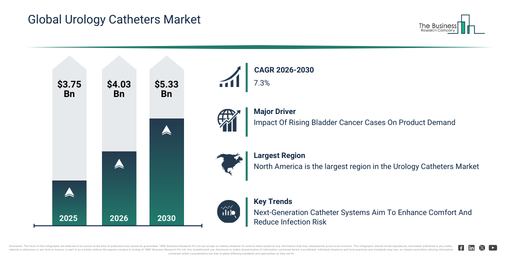
    The urology catheters market has experienced significant expansion in its size over recent years. This market is projected to expand from $3.75 billion in 2025 to $4.03 billion in 2026, exhibiting a compound annual growth rate (CAGR) of 7.4%. Historically, this growth can be ascribed to a higher prevalence of urinary incontinence, an increase in surgical interventions necessitating catheterization, the broadening of hospital-based urology services, an expanding elderly demographic, and the enhanced accessibility of urology catheter items.

    The urology catheters market size is projected to experience substantial expansion in the coming years. This market is set to reach $5.33 billion by 2030, exhibiting a compound annual growth rate (CAGR) of 7.3%. The anticipated growth during this period stems from factors such as the increasing adoption of infection-prevention catheters, a rising demand for home healthcare solutions, a growing emphasis on patient-centric catheter designs, the expansion of minimally invasive urology treatments, and the increasing utilization of eco-friendly catheter materials. Key trends for the forecast period encompass the increasing integration of anti-bacterial catheter technologies, a heightened demand for silicone-based catheters, the growing application of single-use disposable catheters, the expansion of home care catheterization solutions, and an amplified focus on patient comfort and safety.

    Access Your Free Sample Report for In-Depth Market Insights:

    https://www.thebusinessresearchcompany.com/sample.aspx?id=20991&type=smp

    What Drivers Are Influencing The Growth Of The Urology Catheters Market?

    The anticipated expansion in the urology catheter markets is linked to the increasing incidence of bladder cancer. This condition refers to a malignancy originating in the bladder’s cells, which is a hollow, muscular organ situated in the lower abdomen responsible for storing urine. The uptick in bladder cancer diagnoses can be attributed to factors such as demographic aging, heightened exposure to carcinogenic substances, pelvic radiation, and insufficient water intake. Patients with bladder cancer frequently necessitate urology catheters for effective management of urinary flow and drainage, particularly following surgical procedures or therapies that compromise typical bladder function. For example, data from July 2024, provided by Cancer Research UK, a charity organization based in the UK, indicates that the average number of new bladder cancer cases in the UK is expected to grow from approximately 9,800 annually in 2023-2025. This figure is projected to reach around 10,700 cases per year by 2038-2040. Consequently, the expanding occurrence of bladder cancer is a key impetus for the expansion of the urology catheter market.

    How Is The Urology Catheters Market Organized Into Various Segments?

    The urology catheters market covered in this report is segmented –

    1) By Product Type: Intermittent Catheters, Foley Catheters, External Catheters, Other Product Types

    2) By Material: Latex, Silicone, Other Materials

    3) By Application: Urinary Incontinence, Benign Prostatic Hyperplasia, Surgery, Other Applications

    4) By End-User: Hospitals, Clinics, Ambulatory Surgical Centers, Home Care Settings

    Subsegments:

    1) By Intermittent Catheters: Straight Catheters, Coude Catheters, Hydrophilic Catheters, Reusable Catheters, Disposable Catheters

    2) By Foley Catheters: Silicone Foley Catheters, Latex Foley Catheters, Anti-Bacterial Foley Catheters, 2-Way Foley Catheters, 3-Way Foley Catheters

    3) By External Catheters: Male External Catheters, Female External Catheters, Condom Catheters

    4) By Other Product Types: Urethral Catheters, Suprapubic Catheters, Nephrostomy Catheters, Catheter Accessories

    Which Competitive Trends Are Impacting The Structure Of The Urology Catheters Market?

    Leading companies within the urology catheter market are concentrating on developing sophisticated products, such as next-generation intermittent urinary catheter systems, with the goal of enhancing patient comfort, reducing infection risk, and supporting greater independence in bladder management. These next-generation intermittent urinary catheter systems are defined as single-use or closed-system catheter devices engineered with improved materials, surface coatings, and drainage structures to minimize urethral trauma, facilitate more hygienic handling, and lower the risks of encrustation or urinary tract infection. For instance, in February 2023, Coloplast A/S, a medical device company based in Denmark, introduced its Luja Coude intermittent catheter, which was cleared under FDA 510(k) K230165. This product features a flexible tip with multiple micro-holes to improve drainage flow, a hydrophilic coating designed to reduce friction and insertion trauma, and an ergonomic design available in multiple French sizes (8–16 Fr) for adult males and females experiencing urinary retention or voiding dysfunction.

    Who Are The Major Companies Operating In The Urology Catheters Market?

    Major companies operating in the urology catheters market are Cardinal Health Inc., Medtronic PLC, Becton Dickinson and Company, Boston Scientific Corporation, Medline Industries Inc., B. Braun Melsungen AG, Coloplast A/S, Teleflex Incorporated, Cook Medical, ConvaTec Group PLC, Hollister Incorporated, Amsino International Inc., Well Lead Medical Co.Ltd., Urocare Products Inc., Bactiguard AB, CURE MEDICAL LLC., Degania Silicone Ltd., CompactCath Inc., Go Medical Industries Pty Ltd., UROTECH GmbH, J and M Urinary Catheters LLC

    Access The Complete Report For Deeper Market Insights:

    https://www.thebusinessresearchcompany.com/report/urology-catheters-global-market-report

    Which Global Regions Are Shaping The Competitive Landscape Of The Urology Catheters Market?

    North America was the largest region in the urology catheters market in 2025. Asia-Pacific is expected to be the fastest-growing region in the forecast period. The regions covered in the urology catheters market report are Asia-Pacific, South East Asia, Western Europe, Eastern Europe, North America, South America, Middle East, Africa.

    Request Your Customized Urology Catheters Market Research Report for Competitive Advantage:

    https://www.thebusinessresearchcompany.com/customise?id=20991&type=smp

    Browse Through More Reports Similar to the Global Urology Catheters Market 2026, By The Business Research Company

    Urology Surgical Instruments Market Report 2026

    https://www.thebusinessresearchcompany.com/report/urology-surgical-instruments-global-market-report

    Catheters Market Report 2026

    https://www.thebusinessresearchcompany.com/report/catheters-global-market-report

    Diagnostic Catheters Market Report 2026

    https://www.thebusinessresearchcompany.com/report/diagnostic-catheters-global-market-report

    Get in touch with us:

    The Business Research Company: https://www.thebusinessresearchcompany.com/

    Americas +1 310-496-7795

    Asia +44 7882 955267 & +91 8897263534

    Europe +44 7882 955267

    Email us at info@tbrc.info

    Follow us on:

    LinkedIn: https://in.linkedin.com/company/the-business-research-company

    YouTube: https://www.youtube.com/channel/UC24_fI0rV8cR5DxlCpgmyFQ

    Global Market Model: https://www.thebusinessresearchcompany.com/global-market-model
  • Urine Sediment Testing Market Insights Report: Opportunities and Drivers 2030

    Urine Sediment Testing Market Insights Report: Opportunities and Drivers 2030

    Uncover key drivers, emerging technologies, and competitive movements shaping the urine sediment testing market from 2026–2035 with trusted insights from The Business Research Company

    By how much is the Urine Sediment Testing Market expected to grow between 2026 and 2030?

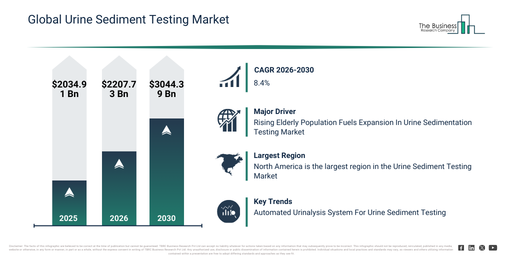
    In recent years, the urine sediment testing market size has demonstrated robust growth. It is projected to expand from $2034.91 billion in 2025 to $2207.73 billion in 2026, recording a compound annual growth rate (CAGR) of 8.5%. The market’s growth during the historic period can be attributed to increasing prevalence of urinary tract disorders, expansion of clinical diagnostic laboratories, rising demand for routine urinalysis, growth in hospital diagnostic capabilities, and adoption of semi-automated testing systems.

    The urine sediment testing market is anticipated to experience substantial growth over the coming years. It is projected to reach $3044.39 billion by 2030, demonstrating a compound annual growth rate (CAGR) of 8.4%. This expansion during the forecast period is primarily driven by factors such as the increasing incorporation of AI-based diagnostics, heightened investments in laboratory automation, a growing need for swift diagnostic turnaround times, the broadening of diagnostic testing services in outpatient environments, and a reinforced emphasis on precision diagnostics. Significant trends identified for this period include the rising adoption of fully automated urine sediment analyzers, the expanding application of AI-assisted image analysis, an increasing demand for high-throughput diagnostic systems, the development of more extensive laboratory automation solutions, and an intensified focus on diagnostic accuracy.

    Access Your Free Sample Report for In-Depth Market Insights:

    https://www.thebusinessresearchcompany.com/sample.aspx?id=9400&type=smp

    Which Drivers Are Influencing Market Acceleration In The Urine Sediment Testing Market?

    The projected increase in the elderly population is set to boost the urine sedimentation testing market. Individuals aged 60 and above constitute the senior population, who benefit from urine sediment testing through the early identification of renal illnesses, and the provision of crucial information regarding aggravating factors, prognosis, pathogenic bacteria, and their susceptibility to antibiotics. For example, the World Health Organization, based in Switzerland, reported in October 2024 that by 2030, one out of every six people globally will be 60 years or older. This figure is anticipated to reach 2.1 billion elderly individuals by 2050. Consequently, the expanding elderly demographic is a key factor driving the growth of the urine sedimentation testing market.

    Urine Sediment Testing Market Driver: Rising Prevalence Of Chronic Kidney Diseases Fuels Expansion Of Urine Sediment Testing Market

    The increasing occurrence of chronic kidney diseases is expected to drive the expansion of the urine sediment testing market. Chronic kidney disease is a condition characterized by the gradual damage and subsequent decline in the kidneys’ ability to filter blood efficiently. Urine sediment testing offers a straightforward and non-invasive method that yields important insights into kidney health, making it valuable for both diagnosing and monitoring chronic kidney disease (CKD). For instance, a June 2023 report from Kidney Research UK, a non-profit organization based in the UK, indicated that approximately 7.2 million individuals in the UK are living with chronic kidney disease, representing over 10% of the population. Among these, 3.25 million are in advanced stages, while an additional 3.9 million are in early stages. This number is anticipated to increase to 7.61 million by 2033. Therefore, the rising incidence of chronic kidney diseases is a key factor boosting the urine sediment testing market.

    What Segments Are Identified Within The Structure Of The Urine Sediment Testing Market?

    The urine sediment testing market covered in this report is segmented –

    1) By Product Type: Fully Automatic Urine Sediment Analyzer, Semi-Automatic Urine Sediment Analyzer

    2) By Application: Urinary Tract Infections, Diabetes, Kidney Diseases, Hypertension, Other Applications

    3) By End User: Hospital, Diagnostics Centers, Clinics, Ambulatory Surgical Centers, Educational Institutes, Other End Users

    Subsegments:

    1) By Fully Automatic Urine Sediment Analyzer: High-Throughput Analyzers, Compact Analyzers

    2) By Semi-Automatic Urine Sediment Analyzer: Manual Microscopy Systems, Semi-Automated Systems

    What Industry Trends Are Transforming The Urine Sediment Testing Market?

    Entities involved in the urine sediment testing market are concentrating on creating automated urinalysis systems to establish a competitive lead. A urinalysis solution refers to a liquid employed to test urine for diverse substances, including leukocytes (white blood cells), nitrites, protein, and glucose. For instance, Beckman Coulter Inc., a US-based producer of intricate biomedical testing equipment, launched the DxU Iris Workcell in October 2023. This DxU Iris Workcell is a fully automated urinalysis system that enhances workflow efficiency and reduces manual reviews to 4%. It leverages proprietary Digital Flow Morphology technology, coupled with Auto-Particle Recognition (APR) software, to isolate, identify, and characterize urine particles on-screen, almost eliminating manual microscopy. The DxU Iris Workcell is also designed for straightforward operation and maintenance, featuring an intuitive interface that requires minimal training.

    Which Major Firms Are Strengthening Their Position In The Urine Sediment Testing Market?

    Major companies operating in the urine sediment testing market are Abbott Laboratories, Siemens AG, F Hoffmann-La Roche Ltd, Sysmex Corporation, Beckman Coulter Inc, ARKRAY Inc, Mindray Medical International Limited, URIT Medical Electronic Co Ltd, Analyticon Biotechnologies AG, DIRUI Industrial Co Ltd, HUMAN Gesellschaft für Biochemica und Diagnostica GmbH, Menarini Diagnostics, Shenzhen Mindray Bio-Medical Electronics Co Ltd, URIT Medical Electronic Group Co Ltd

    Access The Complete Report For Deeper Market Insights:

    https://www.thebusinessresearchcompany.com/report/urine-sediment-testing-global-market-report

    Which Regions Are Poised For Strategic Growth In The Urine Sediment Testing Market?

    North America was the largest region in the urine sediment testing market in 2025. The regions covered in the urine sediment testing market report are Asia-Pacific, South East Asia, Western Europe, Eastern Europe, North America, South America, Middle East, Africa.

    Request Your Customized Urine Sediment Testing Market Research Report for Competitive Advantage:

    https://www.thebusinessresearchcompany.com/customise?id=9400&type=smp

    Browse Through More Reports Similar to the Global Urine Sediment Testing Market 2026, By The Business Research Company

    Water Testing Equipment Market Report 2026

    https://www.thebusinessresearchcompany.com/report/water-testing-equipment-global-market-report

    Water Quality Testing Equipment Market Report 2026

    https://www.thebusinessresearchcompany.com/report/water-quality-testing-equipment-global-market-report

    Water Testing And Analysis Market Report 2026

    https://www.thebusinessresearchcompany.com/report/water-testing-and-analysis-global-market-report

    Get in touch with us:

    The Business Research Company: https://www.thebusinessresearchcompany.com/

    Americas +1 310-496-7795

    Asia +44 7882 955267 & +91 8897263534

    Europe +44 7882 955267

    Email us at info@tbrc.info

    Follow us on:

    LinkedIn: https://in.linkedin.com/company/the-business-research-company

    YouTube: https://www.youtube.com/channel/UC24_fI0rV8cR5DxlCpgmyFQ

    Global Market Model: https://www.thebusinessresearchcompany.com/global-market-model
  • Urine Output Monitoring Systems Global Forecast: Market to Scale Up to $1.37 Billion by 2030 at 12.1% CAGR

    Urine Output Monitoring Systems Global Forecast: Market to Scale Up to $1.37 Billion by 2030 at 12.1% CAGR

    Uncover key drivers, emerging technologies, and competitive movements shaping the urine output monitoring systems market from 2026–2035 with trusted insights from The Business Research Company

    What is the estimated market size of the Urine Output Monitoring Systems Market by the end of 2030?

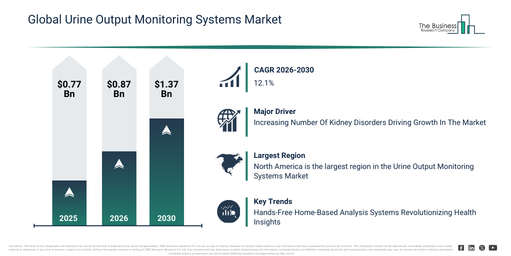
    The urine output monitoring systems market has seen rapid expansion in recent years. Its value is anticipated to rise from $0.77 billion in 2025 to $0.87 billion in 2026, registering a compound annual growth rate (CAGR) of 12.2%. This historical growth can be linked to the increasing utilization of urine output monitoring in critical care, a rise in hospitalization rates for renal disorders, the expansion of post-surgical patient monitoring, the growing adoption of catheter-based systems, and improved clinical awareness of fluid balance management.

    The urine output monitoring systems market is set for significant expansion in the coming years. It is projected to reach $1.37 billion in 2030, growing at a compound annual growth rate (CAGR) of 12.1%. This growth during the forecast period can be attributed to several factors, including the increasing demand for home-based monitoring solutions, the rising adoption of wearable medical devices, the growing integration of monitoring data with electronic health records, the expansion of telehealth services, and an increasing focus on the early detection of kidney dysfunction. Key trends for the forecast period include the increasing adoption of automated urine measurement devices, the growing integration of wireless monitoring systems, a rising demand for non-invasive monitoring solutions, the expansion of remote patient monitoring capabilities, and an enhanced focus on real-time data accuracy.

    Access Your Free Sample Report for In-Depth Market Insights:

    https://www.thebusinessresearchcompany.com/sample.aspx?id=20990&type=smp

    What Drivers Are Shaping Future Opportunities In The Urine Output Monitoring Systems Market?

    The future expansion of the urine output monitoring systems market is anticipated to be driven by the rising incidence of kidney disorders. Kidney disorders are defined as conditions where the kidneys’ capacity to filter waste products, excess water, and toxins from the bloodstream, alongside maintaining electrolyte balance and blood pressure, is compromised. The growing occurrence of these disorders is associated with an escalation in diabetes, hypertension, obesity, an aging demographic, and increased exposure to nephrotoxic agents like specific medications, environmental toxins, and industrial pollutants. In the context of kidney disorders, urine output monitoring systems are employed to evaluate renal function and identify initial indicators of kidney failure or subsequent complications. For instance, data from June 2023, sourced from a report by the UK-based non-profit organization Kidney Research UK, indicates that 7.2 million individuals in the UK are currently affected by chronic kidney disease, which constitutes over 10% of the total population. Among them, 3.25 million suffer from advanced stages of the condition, whereas another 3.9 million are in its nascent phases. Projections suggest that by 2033, the total number of people living with chronic kidney disease will increase to 7.61 million. Consequently, the expanding prevalence of kidney disorders is propelling the growth of the urine output monitoring systems market.

    Which Segments Are Gaining Traction In The Urine Output Monitoring Systems Market?

    The urine output monitoring systems market covered in this report is segmented –

    1) By Product Type: Catheter-Based Systems, Patch-Based Systems, Wearable Devices

    2) By Monitoring Method: Invasive Monitoring, Non-Invasive Monitoring

    3) By Application: Acute Care Settings, Chronic Care Settings, Home Health Settings

    4) By End-User: Hospitals, Ambulatory Surgical Centers, Nursing Homes, Patients

    Subsegments:

    1) By Catheter-Based Systems: Indwelling Catheters, External Catheters, Condom Catheters

    2) By Patch-Based Systems: Adhesive Urine Monitoring Patches, Smart Urine Monitoring Patches

    3) By Wearable Devices: Wireless Wearable Urine Output Monitors, Reusable Wearable Urine Output Devices

    What Trends Are Reshaping The Dynamics Of The Urine Output Monitoring Systems Market?

    Major companies operating in the urine output monitoring systems market are increasingly focusing on technological advancements, specifically hands-free, home-based urine analysis systems, to offer users comprehensive health insights. A hands-free, home-based urine analysis system functions as a connected device that is hygienically positioned within the toilet bowl to automatically gather and examine urine samples, delivering health insights and actionable data through a smartphone application. For instance, in January 2023, Withings, a France-based consumer electronics company, introduced U-Scan, a pioneering home urine analysis device that effectively transforms any toilet into a personal health lab. This innovative gadget, designed for hygienic placement inside the toilet bowl, allows users to perform daily urine analyses without needing to collect samples externally. The U-Scan utilizes advanced technology, including a distinct pebble-shaped reader and interchangeable cartridges, to evaluate specific biomarkers pertinent to hydration, nutrition, and menstrual health.

    Who Are The Primary Competitors In The Global Urine Output Monitoring Systems Market?

    Major companies operating in the urine output monitoring systems market are Accuryn Medical, Serenno Medical, RenalSense Ltd., Observe Medical ASA, Baxter International Inc., Fresenius Medical Care, Potrero Medical Inc., Nihon Kohden, Stryker Corporation, Mindray Bio-Medical Electronics Co Ltd, GE Healthcare, Philips, Terumo Corporation, Schiller AG, Honeywell International Inc, CureMetrix Inc, Asahi Kasei Medical, B Braun Melsungen AG, Teleflex Incorporated, Urit Medical Electronic Group, AKAS Infusions.

    Access The Complete Report For Deeper Market Insights:

    https://www.thebusinessresearchcompany.com/report/urine-output-monitoring-systems-global-market-report

    Which Regions Are Projected To Dominate The Urine Output Monitoring Systems Market In The Coming Years?

    North America was the largest region in the urine output monitoring systems market in 2025. The regions covered in the urine output monitoring systems market report are Asia-Pacific, South East Asia, Western Europe, Eastern Europe, North America, South America, Middle East, Africa.

    Request Your Customized Urine Output Monitoring Systems Market Research Report for Competitive Advantage:

    https://www.thebusinessresearchcompany.com/customise?id=20990&type=smp

    Browse Through More Reports Similar to the Global Urine Output Monitoring Systems Market 2026, By The Business Research Company

    Hemodynamic Monitoring Systems Market Report 2026

    https://www.thebusinessresearchcompany.com/report/hemodynamic-monitoring-systems-global-market-report

    Urology Devices Market Report 2026

    https://www.thebusinessresearchcompany.com/report/urology-devices-global-market-report

    Nephrology And Urology Devices Market Report 2026

    https://www.thebusinessresearchcompany.com/report/nephrology-and-urology-devices-global-market-report

    Get in touch with us:

    The Business Research Company: https://www.thebusinessresearchcompany.com/

    Americas +1 310-496-7795

    Asia +44 7882 955267 & +91 8897263534

    Europe +44 7882 955267

    Email us at info@tbrc.info

    Follow us on:

    LinkedIn: https://in.linkedin.com/company/the-business-research-company

    YouTube: https://www.youtube.com/channel/UC24_fI0rV8cR5DxlCpgmyFQ

    Global Market Model: https://www.thebusinessresearchcompany.com/global-market-model
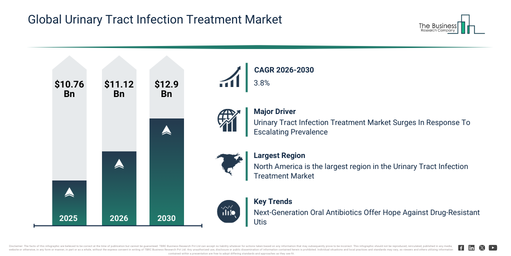
  • Urinary Tract Infection Treatment Market Future Outlook: Strong Growth Expected Toward $12.9 Billion by 2030

    Urinary Tract Infection Treatment Market Future Outlook: Strong Growth Expected Toward $12.9 Billion by 2030

    Uncover key drivers, emerging technologies, and competitive movements shaping the urinary tract infection treatment market from 2026–2035 with trusted insights from The Business Research Company

    What was the valuation of the Urinary Tract Infection Treatment Market in 2026, and what figure is it projected to hit by 2030?

    The size of the urinary tract infection treatment market has seen steady expansion in recent years. It is projected to increase from $10.76 billion in 2025 to $11.12 billion in 2026, demonstrating a compound annual growth rate (CAGR) of 3.4%. The historical growth in this market segment stems from factors such as the rising prevalence of recurrent UTIs, increased antibiotic prescription rates, improved access to primary healthcare services, growing awareness regarding urinary infections, and the availability of various antimicrobial drug classes.

    The urinary tract infection treatment market size is projected to exhibit consistent expansion over the coming years, reaching $12.9 billion by 2030, propelled by a compound annual growth rate (CAGR) of 3.8%. This anticipated growth is driven by the escalating development of resistance-aware therapies, increased investments in novel antibiotics, the proliferation of rapid point-of-care diagnostics, a heightened focus on personalized infection treatment, and the wider adoption of telemedicine-based UTI management. Key trends expected in the forecast period include a rising uptake of broad-spectrum antibiotics, an elevated emphasis on rapid diagnostic testing, a growing demand for targeted antimicrobial therapies, the broadening of outpatient UTI treatment options, and a reinforced commitment to antimicrobial stewardship.

    Access Your Free Sample Report for In-Depth Market Insights:

    https://www.thebusinessresearchcompany.com/sample.aspx?id=11958&type=smp

    Which Drivers Are Affecting Market Participation In The Urinary Tract Infection Treatment Market?

    The increasing incidence of urinary tract infections is anticipated to propel the expansion of the urinary tract infection treatment market in the future. These infections are defined as bacterial invasions impacting the kidneys, bladder, ureters, urethra, and other components of the urinary system. Treatment for urinary tract infections is crucial because it offers multiple benefits in combating the infection and facilitating recovery. As an illustration, data from January 2023 by the National Institute of Health, a US public health research body, revealed that urinary tract infections accounted for the seventh most frequent cause for emergency department visits in the USA, totaling over one million visits each year. Among these cases, 22% (220,000) are classified as complicated UTIs, with about 100,000 patients requiring annual admission. Consequently, the growing occurrence of urinary tract infections is stimulating the demand within the urinary tract infection treatment market.

    What Segment Categories Are Covered In The Urinary Tract Infection Treatment Market?

    The urinary tract infection treatment market covered in this report is segmented –

    1) By Drug Class: Penicillin And Combinations, Quinolones, Cephalosporin, Aminoglycoside Antibiotics, Sulphonamides, Azoles And Amphotericin B, Tetracycline, Nitrofurantoin

    2) By Indication: Complicated UTI, Uncomplicated UTI

    3) By Distribution Channel: Hospital Pharmacies, Gynecology And Urology Clinics, Drug Stores, Retail Pharmacies, Online Drug Store

    Subsegments:

    1) By Penicillin And Combinations: Amoxicillin, Ampicillin, Amoxicillin Or Clavulanate

    2) By Quinolones: Ciprofloxacin, Levofloxacin, Norfloxacin

    3) By Cephalosporin: Cephalexin, Ceftriaxone, Cefotaxime

    4) By Aminoglycoside Antibiotics: Gentamicin, Tobramycin, Amikacin

    5) By Sulphonamides: Sulfamethoxazole Or Trimethoprim, Sulfadiazine

    6) By Azoles And Amphotericin B: Fluconazole, Itraconazole, Amphotericin B

    7) By Tetracycline: Doxycycline, Minocycline

    8) By Nitrofurantoin: Nitrofurantoin Monohydrate, Nitrofurantoin Macrocrystals

    How Are New Market Trends Shaping The Landscape Of The Urinary Tract Infection Treatment Market?

    Leading companies in the urinary tract infection treatment market are concentrating on introducing advanced therapies, including pioneering first-in-class oral antibiotics, to enhance treatment outcomes and combat the increasing challenge of antimicrobial resistance. These first-in-class oral antibiotics refer to innovative antibacterial agents that employ novel mechanisms of action, developed to treat uncomplicated UTIs stemming from common and drug-resistant uropathogens, thus offering fresh options where older antibiotics have reduced effectiveness. As an illustration, in March 2025, GlaxoSmithKline (GSK), a UK-based biopharmaceutical firm, obtained approval from the U.S. Food and Drug Administration (FDA) for its antibiotic Blujepa (chemical name gepotidacin). This approval covers the treatment of uncomplicated urinary tract infections in women and girls aged 12 years and older. Blujepa boasts an entirely novel bacterial topoisomerase-inhibition mechanism, has shown efficacy against drug-resistant Escherichia coli, and provides a single-dose oral regimen, signifying a considerable progression in UTI treatment.

    Which Key Market Players Are Investing In Expansion And Innovation Within The Urinary Tract Infection Treatment Market?

    Major companies operating in the urinary tract infection treatment market are Pfizer Inc., Merck & Co Inc, Bayer AG, Sanofi S A, AstraZeneca plc, GlaxoSmithKline PLC, Boehringer Ingelheim GmbH, Teva Pharmaceutical Industries Ltd, Sun Pharmaceutical Industries Ltd, Dr Reddy’s Laboratories Ltd, Cipla Ltd, Hikma Pharmaceuticals PLC, Lupin Limited, Torrent Pharmaceuticals Limited, Glenmark Pharmaceuticals Limited, Mylan N V, Aurobindo Pharma Ltd, Macleods Pharma Ltd, Zydus Cadila Healthcare Ltd, Abbott Laboratories, Shionogi & Co Ltd, Alkem Laboratories Ltd.

    Access The Complete Report For Deeper Market Insights:

    https://www.thebusinessresearchcompany.com/report/urinary-tract-infection-treatment-global-market-report

    Which Region Is Expected To Experience The Fastest Growth In The Urinary Tract Infection Treatment Market?

    North America was the largest region in the urinary tract infection treatment market in 2025. The regions covered in the urinary tract infection treatment market report are Asia-Pacific, South East Asia, Western Europe, Eastern Europe, North America, South America, Middle East, Africa.

    Request Your Customized Urinary Tract Infection Treatment Market Research Report for Competitive Advantage:

    https://www.thebusinessresearchcompany.com/customise?id=11958&type=smp

    Browse Through More Reports Similar to the Global Urinary Tract Infection Treatment Market 2026, By The Business Research Company

    Pediatric Bladder Treatment Market Report 2026

    https://www.thebusinessresearchcompany.com/report/pediatric-bladder-treatment-global-market-report

    Uncomplicated Urinary Tract Infection Treatment Market Report 2026

    https://www.thebusinessresearchcompany.com/report/uncomplicated-urinary-tract-infection-treatment-global-market-report

    Chlamydia Infection Treatment Market Report 2026

    https://www.thebusinessresearchcompany.com/report/chlamydia-infection-treatment-global-market-report

    Get in touch with us:

    The Business Research Company: https://www.thebusinessresearchcompany.com/

    Americas +1 310-496-7795

    Asia +44 7882 955267 & +91 8897263534

    Europe +44 7882 955267

    Email us at info@tbrc.info

    Follow us on:

    LinkedIn: https://in.linkedin.com/company/the-business-research-company

    YouTube: https://www.youtube.com/channel/UC24_fI0rV8cR5DxlCpgmyFQ

    Global Market Model: https://www.thebusinessresearchcompany.com/global-market-model
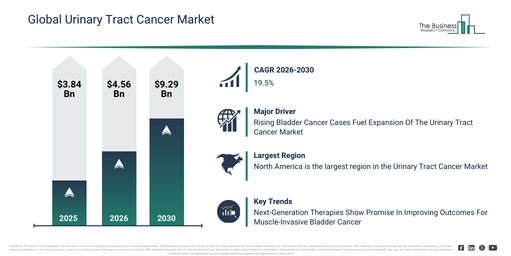
  • Revenue of the Urinary Tract Cancer Market Predicted to Achieve $9.29 Billion by 2030, Driven by 19.5% CAGR

    Revenue of the Urinary Tract Cancer Market Predicted to Achieve $9.29 Billion by 2030, Driven by 19.5% CAGR

    Uncover key drivers, emerging technologies, and competitive movements shaping the urinary tract cancer market from 2026–2035 with trusted insights from The Business Research Company

    What are the forecasted starting (2026) and ending (2030) market sizes for the Urinary Tract Cancer Market?

    The urinary tract cancer market has experienced rapid expansion in recent years. It is anticipated to increase from $3.84 billion in 2025 to $4.56 billion in 2026, reflecting a compound annual growth rate (CAGR) of 18.7%. The historical growth of this market is attributable to a surge in smoking-related cancer incidence, heightened exposure to occupational carcinogens, enhancements in cancer diagnostic capabilities, the establishment of more oncology treatment centers, and greater awareness of urinary tract cancers.

    The market for urinary tract cancer is projected to experience swift expansion over the coming years. This market is predicted to reach $9.29 billion by 2030, exhibiting a compound annual growth rate (CAGR) of 19.5%. This projected growth is fueled by increased funding for personalized oncology therapies, a greater embrace of immunotherapy methods, the broadening availability of AI-powered diagnostic instruments, an amplified emphasis on early detection initiatives, and progress in minimally invasive cancer surgical techniques. Key developments anticipated during this period encompass a rise in the uptake of targeted cancer treatments, greater utilization of sophisticated diagnostic imaging, deeper incorporation of precision oncology strategies, an increase in diverse treatment modalities, and a heightened priority on identifying cancer early.

    Access Your Free Sample Report for In-Depth Market Insights:

    https://www.thebusinessresearchcompany.com/sample.aspx?id=13059&type=smp

    What Drivers Are Supporting Technological Adoption In The Urinary Tract Cancer Market?

    The increasing incidence of bladder cancer is anticipated to fuel expansion in the urinary tract cancer market. Bladder cancer is characterized by the formation of malignant cells within the urinary bladder’s tissues, a hollow pelvic organ that holds urine from the kidneys before excretion. Such elevated prevalence drives an increased need for diagnostic tools, screening techniques, and therapeutic solutions for individuals with urinary tract cancer. As an illustration, a report released in January 2023 by the American Cancer Society Inc., a US-based voluntary cancer awareness organization, indicated that the projected cases of urinary system cancer reached 168,560 in 2023, marking a 2.66% rise from 164,190 in 2022 in the United States. Consequently, the rising occurrence of bladder cancer is set to stimulate the expansion of the urinary tract cancer market.

    Which Segments Are Contributing To The Growth Of The Urinary Tract Cancer Market?

    The urinary tract cancer market covered in this report is segmented –

    1) By Cancer Type: Bladder Cancer, Urethral Cancer, Ureteric And Renal Pelvic Cancer

    2) By Treatment: Chemotherapy, Intravesical Therapy, Radiation Therapy, Surgery

    3) By Diagnostic Techniques: Cystoscopy, Transurethral Resection Of The Tumor, Imaging Tests, Urine Analyses, Other Diagnostic Techniques

    4) By Distribution Channel: Retail Pharmacy, Online Pharmacy

    Subsegments:

    1) By Bladder Cancer: Transitional Cell Carcinoma, Squamous Cell Carcinoma, Adenocarcinoma

    2) By Urethral Cancer: Urethral Carcinoma, Urethral Tumors

    3) By Ureteric And Renal Pelvic Cancer: Ureteric Cancer, Renal Pelvic Cancer

    Which Trends Are Expected To Influence The Urinary Tract Cancer Market In The Upcoming Years?

    Leading companies in the urinary tract cancer market are prioritizing the launch of next-generation therapies, such as antibody-drug conjugate (ADC) and immune-checkpoint inhibitor combination treatments, to achieve more effective and customized outcomes in urothelial carcinoma. These antibody-drug conjugate immune-checkpoint inhibitor combination treatments denote innovative therapeutic regimens that bring together targeted cytotoxic ADCs with checkpoint inhibitors to both eliminate tumor cells and boost immune system activation, thereby enhancing response rates and survival in urinary tract cancers. For instance, in November 2025, Astellas Pharma Inc., a Japan-based healthcare and pharmaceutical company, gained approval from the U.S. Food and Drug Administration (FDA) for PADCEV (enfortumab vedotin-ejfv) + KEYTRUDA (pembrolizumab) for the neoadjuvant and adjuvant management of muscle-invasive bladder cancer. This treatment incorporates a Nectin-4-directed ADC component alongside PD-1 immune-checkpoint blockade, a design intended to reduce recurrence, progression, or death by ~60% compared to surgery alone, and follows a regulatory path with a target action date of April 7, 2026, under the FDA’s Priority Review program.

    Who Are The Core Companies Influencing Trends In The Urinary Tract Cancer Market?

    Major companies operating in the urinary tract cancer market are Pfizer Inc., Johnson & Johnson, F. Hoffmann-La Roche Ltd, Merck KGaA, Bayer AG, Novartis AG, Bristol-Myers Squibb Company, AstraZeneca PLC, GlaxoSmithKline PLC (GSK), Eli Lilly and Company, Amgen Inc., Astellas Pharma Inc., Eisai Co. Ltd., Boehringer Ingelheim GmbH, Incyte Corporation, Seagen Inc., Exelixis Inc., UroGen Pharma Inc., Mersana Therapeutics, Spectrum Pharmaceuticals

    Access The Complete Report For Deeper Market Insights:

    https://www.thebusinessresearchcompany.com/report/urinary-tract-cancer-global-market-report

    Which Geographic Areas Are Emerging As Strong Markets For The Urinary Tract Cancer Market?

    North America was the largest region in the urinary tract cancer market in 2025. The regions covered in the urinary tract cancer market report are Asia-Pacific, South East Asia, Western Europe, Eastern Europe, North America, South America, Middle East, Africa.

    Request Your Customized Urinary Tract Cancer Market Research Report for Competitive Advantage:

    https://www.thebusinessresearchcompany.com/customise?id=13059&type=smp

    Browse Through More Reports Similar to the Global Urinary Tract Cancer Market 2026, By The Business Research Company

    Urothelial Carcinoma Treatment Market Report 2026

    https://www.thebusinessresearchcompany.com/report/urothelial-carcinoma-treatment-global-market-report

    Adrenocortical Carcinoma Market Report 2026

    https://www.thebusinessresearchcompany.com/report/adrenocortical-carcinoma-global-market-report

    Bladder Cancer Drugs Market Report 2026

    https://www.thebusinessresearchcompany.com/report/bladder-cancer-drugs-global-market-report

    Get in touch with us:

    The Business Research Company: https://www.thebusinessresearchcompany.com/

    Americas +1 310-496-7795

    Asia +44 7882 955267 & +91 8897263534

    Europe +44 7882 955267

    Email us at info@tbrc.info

    Follow us on:

    LinkedIn: https://in.linkedin.com/company/the-business-research-company

    YouTube: https://www.youtube.com/channel/UC24_fI0rV8cR5DxlCpgmyFQ

    Global Market Model: https://www.thebusinessresearchcompany.com/global-market-model