Month: March 2026

  • Spasmodic Dysphonia Treatment Market Anticipated to Record Steady Gains, Advancing to $17.63 Billion by 2030

    Spasmodic Dysphonia Treatment Market Anticipated to Record Steady Gains, Advancing to $17.63 Billion by 2030

    Uncover key drivers, emerging technologies, and competitive movements shaping the spasmodic dysphonia treatment market from 2026–2035 with trusted insights from The Business Research Company

    What level of CAGR-driven expansion is anticipated in the Spasmodic Dysphonia Treatment Market between 2026 and 2030?

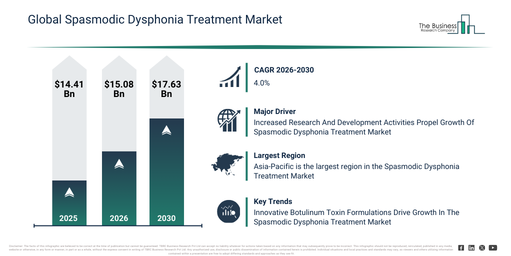
    The spasmodic dysphonia treatment market has exhibited consistent growth in its size over recent years. The market is anticipated to expand from $14.41 billion in 2025 to $15.08 billion in 2026, reflecting a compound annual growth rate (CAGR) of 4.6%. This historical expansion is attributable to several factors, including the availability of botulinum toxin, the progression of neurology research, enhancements in specialist diagnosis, the implementation of awareness programs, and the standardization of treatments.

    The spasmodic dysphonia treatment market is projected to experience consistent expansion in the coming years. This market is anticipated to reach $17.63 billion by 2030, exhibiting a compound annual growth rate (CAGR) of 4.0%. Factors contributing to this growth during the forecast period include efforts in early diagnosis, the evolution of new therapies, the increase in specialty clinics, the demographic shift towards an aging population, and the rise in patient advocacy. Key trends identified for the forecast period encompass a greater adoption of botulinum toxin, the growing incorporation of voice therapy, enhanced awareness in diagnostics, a wider network of specialty clinics, and various patient education programs.

    Access Your Free Sample Report for In-Depth Market Insights:

    https://www.thebusinessresearchcompany.com/sample.aspx?id=17261&type=smp

    What Drivers Are Affecting Demand-Supply Dynamics In The Spasmodic Dysphonia Treatment Market?

    The spasmodic dysphonia treatment market is projected to expand due to an uptick in research and development endeavors. These R&D efforts encompass systematic initiatives by entities or individuals to unearth novel insights, forge innovative technologies, or refine existing offerings, procedures, or services. Several factors contribute to the escalating R&D activities, including technological progress, governmental support, the creation of eco-friendly solutions, and virtual prototyping. For the treatment of spasmodic dysphonia, R&D is vital for advancing scientific understanding, enhancing therapeutic results, and improving the quality of life for those impacted by this complex voice ailment. As an illustration, the Office for National Statistics, a UK government agency, reported that the UK government’s net spending on R&D rose to £17.4 ($22.1 billion) billion in 2023, an increase from £16.1 billion ($20.45 billion) in 2022, marking an 8.2% growth. Consequently, the surge in research and development activities is fueling the expansion of the spasmodic dysphonia treatment market.

    What Segments Are Included Within The Spasmodic Dysphonia Treatment Market?

    The spasmodic dysphonia treatment market covered in this report is segmented –

    1) By Type: Drugs, Preventive Vaccines, Oxygen Therapy

    2) By Treatment: Therapy, Direct Microlaryngoscopy, Pulse Dye Laser, Botox Injections Or Injection Laryngoplasty, Minimally Invasive Approaches, Surgery, Voice therapy, Laryngeal Desensitization, Respiratory Re-training, Other Treatments

    3) By Route Of Administration: Oral, Parenteral, Other Routes Of Administration

    4) By Distribution Channel: Hospital Pharmacy, Online Pharmacy, Retail Pharmacy

    5) By End User: Hospitals, Homecare, Specialty Clinics, Other End Users

    Subsegments:

    1) By Drugs: Botulinum Toxin Injections, Anticholinergic Drugs, Muscle Relaxants

    2) By Preventive Vaccines: Botulinum Toxin Vaccine, Other Preventive Vaccines

    3) By Oxygen Therapy: Hyperbaric Oxygen Therapy, Normobaric Oxygen Therapy

    Which Trends Are Influencing The Performance And Direction Of The Spasmodic Dysphonia Treatment Market?

    Companies significantly involved in the spasmodic dysphonia treatment market are concentrating on developing effective formulations, such as botulinum toxin type A preparations, to address the distinct requirements of patients with this condition. Botulinum toxin type A formulations encompass various pharmaceutical compounds of botulinum toxin type A, a neurotoxic protein generated by the bacterium Clostridium botulinum. These formulations are utilized for both therapeutic and cosmetic applications to temporarily immobilize muscles or block nerve signals, primarily by hindering the release of acetylcholine at the neuromuscular junction. For example, in March 2024, Hugel Inc., a biopharmaceutical company headquartered in South Korea, introduced the botulinum toxin Letybo, which received approval from the Food and Drug Administration (FDA), a US-based federal agency. This newly FDA-approved botulinum toxin is characterized by a highly purified formulation that lessens adverse reactions and guarantees consistent results. Its distinctive molecular structure facilitates a quicker onset and sustained effects. This approval reinforces Hugel’s commitment to thorough clinical testing and quality, establishing Letybo as a robust participant in the aesthetic medicine market.

    Who Are The Prominent Global Companies Shaping The Spasmodic Dysphonia Treatment Market Landscape?

    Major companies operating in the spasmodic dysphonia treatment market are Johnson & Johnson Services Inc., AbbVie Inc., Mylan, Eisai Co. Ltd, GALDERMA, Ipsen Pharma, Daewoong Pharmaceutical Co. Ltd., Merz Pharma GmbH & Co. KGaA, Supernus Pharmaceuticals Inc., US WorldMeds, Candela Medical Corporation, HUGEL Inc., Evolus Inc., Revance Therapeutics Inc., Gufic Biosciences, Teijin Pharma, Suneva Medical, Healis Therapeutics, Medytox, ATGC Co. Ltd., Metabiologics Inc.

    Access The Complete Report For Deeper Market Insights:

    https://www.thebusinessresearchcompany.com/report/spasmodic-dysphonia-treatment-global-market-report

    Which Geographic Areas Are Emerging As Strong Markets For The Spasmodic Dysphonia Treatment Market?

    Asia-Pacific was the largest region in the spasmodic dysphonia treatment market in 2025. The regions covered in the spasmodic dysphonia treatment market report are Asia-Pacific, South East Asia, Western Europe, Eastern Europe, North America, South America, Middle East, Africa.

    Request Your Customized Spasmodic Dysphonia Treatment Market Research Report for Competitive Advantage:

    https://www.thebusinessresearchcompany.com/customise?id=17261&type=smp

    Browse Through More Reports Similar to the Global Spasmodic Dysphonia Treatment Market 2026, By The Business Research Company

    Dysphagia Supplement Market Report 2026

    https://www.thebusinessresearchcompany.com/report/dysphagia-supplement-global-market-report

    Muscle Tension Dysphonia Treatment Market Report 2026

    https://www.thebusinessresearchcompany.com/report/muscle-tension-dysphonia-treatment-global-market-report

    Dysphagia Management Market Report 2026

    https://www.thebusinessresearchcompany.com/report/dysphagia-management-global-market-report

    Get in touch with us:

    The Business Research Company: https://www.thebusinessresearchcompany.com/

    Americas +1 310-496-7795

    Asia +44 7882 955267 & +91 8897263534

    Europe +44 7882 955267

    Email us at info@tbrc.info

    Follow us on:

    LinkedIn: https://in.linkedin.com/company/the-business-research-company

    YouTube: https://www.youtube.com/channel/UC24_fI0rV8cR5DxlCpgmyFQ

    Global Market Model: https://www.thebusinessresearchcompany.com/global-market-model
  • Somatostatin Analogs Industry Poised for Rapid Growth, Forecast to Touch $10.14 Billion by 2030 at 7.3% CAGR

    Somatostatin Analogs Industry Poised for Rapid Growth, Forecast to Touch $10.14 Billion by 2030 at 7.3% CAGR

    Uncover key drivers, emerging technologies, and competitive movements shaping the somatostatin analogs market from 2026–2035 with trusted insights from The Business Research Company

    What long-term size projections exist for the Somatostatin Analogs Market covering 2026–2035?

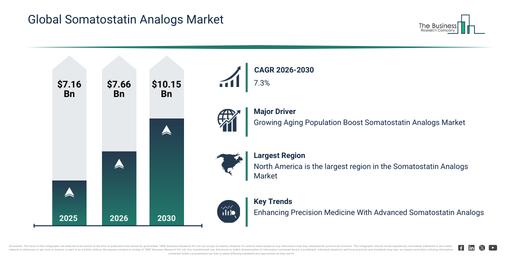
    The somatostatin analogs market has demonstrated robust growth over the past few years. It is projected to expand from $7.16 billion in 2025 to $7.66 billion in 2026, exhibiting a compound annual growth rate (CAGR) of 7.1%. This historical expansion is attributable to factors such as the rising incidence of neuroendocrine tumor diagnoses, the widespread prevalence of hormone disorders, compelling clinical efficacy evidence, targeted specialist prescribing, and enhanced hospital access.

    The somatostatin analogs market is projected to experience substantial expansion in the coming years. Its valuation is anticipated to reach $10.15 billion by 2030, exhibiting a compound annual growth rate (CAGR) of 7.3%. This expansion during the forecast period can be attributed to factors such as new biosimilar introductions, a broader range of approved uses, the increasing elderly demographic, enhanced diagnostic precision, and favorable reimbursement for specialty medications. Key developments anticipated within this timeframe involve the rising adoption of long-acting injectable formulations, an increase in indications for neuroendocrine tumors, a greater emphasis on improving patient adherence, continued biosimilar innovation, and the expansion of treatments administered in hospital settings.

    Access Your Free Sample Report for In-Depth Market Insights:

    https://www.thebusinessresearchcompany.com/sample.aspx?id=10840&type=smp

    Which Drivers Are Impacting The Competitive Landscape Of The Somatostatin Analogs Market?

    The expansion of the aging demographic is anticipated to stimulate future growth within the somatostatin analogs market. An aging population signifies a demographic change marked by a greater share or an escalating count of people aged 65 years and above in a community. An increase in the older age group is associated with a greater occurrence of medical conditions necessitating Somatostatin Analogs, thereby boosting the demand for these drugs. For example, data from July 2024, provided by the UK Parliament’s House of Commons Library, a government body based in the UK, indicated that in 2022, the UK had 12.7 million individuals aged 65 or over, making up 19% of its entire population. This figure is forecast to climb to 22.1 million by 2072, comprising 27% of the populace. Consequently, the expanding elderly population is fueling the market expansion for somatostatin analogs.

    What Leading Segments Are Studied In The Somatostatin Analogs Market?

    The somatostatin analogs market covered in this report is segmented –

    1) By Type: Octreotide, Lanreotide, Pasireotide

    2) By Treatment: Acromegaly, Cushing’s Syndrome, Neuroendocrine Tumors, Carcinoid Syndrome, Other Treatments

    3) By End User: Hospital, Pharmaceutical Companies

    Subsegments:

    1) By Octreotide: Long-Acting Release (LAR) Formulations, Short-Acting Formulations

    2) By Lanreotide: Depot Formulations, Injectable Formulations

    3) By Pasireotide: Long-Acting Injectable Formulations, Subcutaneous Formulations

    What Long-Term Trends Are Expected To Shape The Future Of The Somatostatin Analogs Market?

    Leading companies within the somatostatin analogs market are focusing on the development of advanced products, specifically targeted radiopharmaceuticals, to improve the precision and effectiveness of cancer treatments for patients with somatostatin receptor-positive tumors. Targeted radiopharmaceuticals are specialized medications that combine radiation-emitting isotopes with molecules designed to bind exclusively to cancer cells, facilitating the exact delivery of therapeutic radiation to tumor sites while minimizing exposure to surrounding healthy tissues. For instance, in January 2024, Lantheus, a US-based company focused on radiopharmaceuticals, introduced Lutetium Lu 177 Dotatate. Lutetium Lu-177 Dotatate is a radiolabeled somatostatin analog utilized in peptide receptor radionuclide therapy (PRRT) for treating advanced somatostatin receptor-positive neuroendocrine tumors. Clinical studies have demonstrated that it significantly enhances progression-free survival and response rates compared to traditional somatostatin analogs like octreotide, positioning it as a vital option for patients whose disease has progressed despite earlier treatments. Its targeted methodology allows for efficient tumor control while limiting systemic exposure, thereby improving the overall therapeutic profile in the management of neuroendocrine malignancies.

    Which Key Players Are Driving Competition In The Somatostatin Analogs Market?

    Major companies operating in the somatostatin analogs market are Novartis International AG, Pfizer Inc., Sun Pharmaceutical Industries Limited, Midatech Pharma plc, Crinetics Pharmaceuticals Inc., Peptron Inc., Teva Pharmaceutical Industries Ltd., Camurus AB, Bayer Aktiengesellschaft, Cadila Healthcare Limited, Amneal Pharmaceuticals Inc., Recordati S.p.A., Amryt Pharma plc, Ipsen Pharma SA, Fresenius Kabi AG, Chiasma Inc., Merck KGaA, Sanofi S.A., Sandoz International GmbH, Takeda Pharmaceutical Company Limited, Viatris Inc., AstraZeneca plc, Johnson & Johnson, Genentech Inc., OctreoPharm Sciences GmbH

    Access The Complete Report For Deeper Market Insights:

    https://www.thebusinessresearchcompany.com/report/somatostatin-analogs-global-market-report

    Which Region Is Projected To Lead The Somatostatin Analogs Market During The Forecast Period?

    North America was the largest region in the global somatostatin analogs treatment market in 2025.Asia-Pacific is expected to be the fastest-growing region in the forecast period. The regions covered in the somatostatin analogs market report are Asia-Pacific, South East Asia, Western Europe, Eastern Europe, North America, South America, Middle East, Africa.

    Request Your Customized Somatostatin Analogs Market Research Report for Competitive Advantage:

    https://www.thebusinessresearchcompany.com/customise?id=10840&type=smp

    Browse Through More Reports Similar to the Global Somatostatin Analogs Market 2026, By The Business Research Company

    Sorbates Market Report 2026

    https://www.thebusinessresearchcompany.com/report/sorbates-global-market-report

    Sorbitol Market Report 2026

    https://www.thebusinessresearchcompany.com/report/sorbitol-global-market-report

    Aspirin Market Report 2026

    https://www.thebusinessresearchcompany.com/report/aspirin-global-market-report

    Get in touch with us:

    The Business Research Company: https://www.thebusinessresearchcompany.com/

    Americas +1 310-496-7795

    Asia +44 7882 955267 & +91 8897263534

    Europe +44 7882 955267

    Email us at info@tbrc.info

    Follow us on:

    LinkedIn: https://in.linkedin.com/company/the-business-research-company

    YouTube: https://www.youtube.com/channel/UC24_fI0rV8cR5DxlCpgmyFQ

    Global Market Model: https://www.thebusinessresearchcompany.com/global-market-model
  • Solid Tumor Testing Market Performance Outlook 2026–2030: Revenue to Hit $43.19 Billion at 7.7% CAGR

    Solid Tumor Testing Market Performance Outlook 2026–2030: Revenue to Hit $43.19 Billion at 7.7% CAGR

    Uncover key drivers, emerging technologies, and competitive movements shaping the solid tumor testing market from 2026–2035 with trusted insights from The Business Research Company

    What total market size is anticipated for the Solid Tumor Testing Market in 2030?

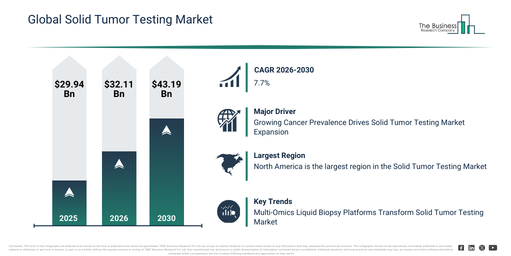
    The solid tumor testing market has shown considerable expansion in recent years. It is anticipated to increase from $29.94 billion in 2025 to $32.11 billion in 2026, achieving a compound annual growth rate (CAGR) of 7.3%. Historically, this market’s growth has been fueled by progress in cancer diagnostics, the discovery of biomarkers, automation in pathology, increased oncology awareness, and various screening programs.

    The market for solid tumor testing is projected to experience robust expansion over the coming years. This market is anticipated to reach $43.19 billion by 2030, demonstrating a compound annual growth rate (CAGR) of 7.7%. Factors contributing to this growth during the projected period include the rising demand for personalized treatments, a greater emphasis on early detection, the broader application of genomic testing, the emergence of AI-driven diagnostics, and the expansion of oncology research. Key trends expected within the forecast timeframe encompass the proliferation of liquid biopsy testing, the uptake of next-generation sequencing, the wider availability of companion diagnostics, the incorporation of AI into pathology, and an increase in screening initiatives.

    Access Your Free Sample Report for In-Depth Market Insights:

    https://www.thebusinessresearchcompany.com/sample.aspx?id=12658&type=smp

    What Drivers Are Influencing Production Trends In The Solid Tumor Testing Market?

    The escalating incidence of cancer is anticipated to propel the expansion of the solid tumor testing market in the future. Cancer is a medical condition defined by the uncontrolled proliferation and spread of abnormal cells throughout the body. These aberrant cells, known as cancer cells, possess the ability to invade adjacent tissues and organs and, in certain instances, to disseminate to other parts of the body via the bloodstream or lymphatic system. A significant majority, approximately 90%, of adult cancers are classified as solid tumors. Solid tumor testing is employed to detect cancer cells in the blood of patients diagnosed with solid tumors, even before the cancer becomes visible on imaging scans. For instance, in July 2024, data from the Australian Institute of Health and Welfare, an Australia-based government agency, revealed that an estimated 165,000 Australians were newly diagnosed with cancer in 2023, which corresponds to over 450 cases each day, with males constituting about 55% of these diagnoses. Therefore, the rising prevalence of cancer is a primary driver for the growth of the solid tumor testing market.

    Which Segment Groups Are Influencing The Solid Tumor Testing Market?

    The solid tumor testing market covered in this report is segmented –

    1) By Type: Genetic Testing, Conventional Testing

    2) By Cancer Type: Breast Cancer, Lung Cancer, Colorectal Cancer, Prostate Cancer, Cervical Cancer

    3) By Application: Clinical, Research

    4) By End-Users: Hospitals, Pharmaceutical And Biotechnology Companies, Contract Research Organizations, Academic Research Institutions

    Subsegments:

    1) By Genetic Testing: Next-Generation Sequencing (NGS), Polymerase Chain Reaction (PCR), Fluorescence In Situ Hybridization (FISH)

    2) By Conventional Testing: Histopathology, Cytology, Imaging Techniques

    Which Market Trends Are Opening Growth Opportunities In The Solid Tumor Testing Market?

    Major companies engaged in the solid tumor testing market are prioritizing advancements, specifically liquid biopsy platforms for solid tumor analysis. A liquid biopsy platform utilizes diverse technologies and systems to examine bodily fluids, typically blood, for biomarkers associated with cancer. For example, in January 2023, PrognomiQ, a US-based healthcare firm, unveiled its multi-omics liquid biopsy platform. PrognomiQ has advanced its product development with the launch of a 15,000-subject prospective clinical program, which has already welcomed its first patient. This effort was motivated by the potential of multi-omics markers to differentiate between cancer cases and control groups.

    Who Are The Top-Performing Companies In The Solid Tumor Testing Market In Recent Years?

    Major companies operating in the solid tumor testing market are Johnson & Johnson Ltd, Roche Diagnostics Corporation, Thermo Fisher Scientific Inc., Abbott Molecular Inc., Becton Dickinson And Company BD, Quest Diagnostics Incorporated, Tosoh Corporation, Agilent Technologies Inc., bioMerieux Inc., Beckman Coulter Inc., Bio-Rad Laboratories Inc., QIAGEN GmbH, Miltenyi Biotec GmbH, Natera Inc., Myriad Genetics Inc., Invitae Corporation, Guardant Health Inc., Foundation Medicine Inc., Epic Sciences Inc., Biocare Medical LLC, Agena Bioscience Inc., Caris Life Sciences Inc., 20/20 Gene Systems Inc., Grail Inc., Avant Diagnostics Inc., Genomic Testing Cooperative, Anixa Biosciences Inc., Cellular Biomedicine Group

    Access The Complete Report For Deeper Market Insights:

    https://www.thebusinessresearchcompany.com/report/solid-tumor-testing-global-market-report

    Which Region Currently Holds The Largest Share Of The Solid Tumor Testing Market?

    North America was the largest region in the solid tumor testing market in 2025. Asia-Pacific is expected to be the fastest-growing region in the forecast period. The regions covered in the solid tumor testing market report are Asia-Pacific, South East Asia, Western Europe, Eastern Europe, North America, South America, Middle East, Africa.

    Request Your Customized Solid Tumor Testing Market Research Report for Competitive Advantage:

    https://www.thebusinessresearchcompany.com/customise?id=12658&type=smp

    Browse Through More Reports Similar to the Global Solid Tumor Testing Market 2026, By The Business Research Company

    Hemato Oncology Testing Market Report 2026

    https://www.thebusinessresearchcompany.com/report/hemato-oncology-testing-global-market-report

    Cancer Diagnostics Market Report 2026

    https://www.thebusinessresearchcompany.com/report/cancer-diagnostics-global-market-report

    Solid Tumor Cancer Treatment Market Report 2026

    https://www.thebusinessresearchcompany.com/report/solid-tumor-cancer-treatment-global-market-report

    Get in touch with us:

    The Business Research Company: https://www.thebusinessresearchcompany.com/

    Americas +1 310-496-7795

    Asia +44 7882 955267 & +91 8897263534

    Europe +44 7882 955267

    Email us at info@tbrc.info

    Follow us on:

    LinkedIn: https://in.linkedin.com/company/the-business-research-company

    YouTube: https://www.youtube.com/channel/UC24_fI0rV8cR5DxlCpgmyFQ

    Global Market Model: https://www.thebusinessresearchcompany.com/global-market-model
  • Solid Tumor Testing Market Performance Outlook 2026–2030: Revenue to Hit $43.19 Billion at 7.7% CAGR

    Uncover key drivers, emerging technologies, and competitive movements shaping the solid tumor testing market from 2026–2035 with trusted insights from The Business Research Company

    What total market size is anticipated for the Solid Tumor Testing Market in 2030?

    The solid tumor testing market has shown considerable expansion in recent years. It is anticipated to increase from $29.94 billion in 2025 to $32.11 billion in 2026, achieving a compound annual growth rate (CAGR) of 7.3%. Historically, this market’s growth has been fueled by progress in cancer diagnostics, the discovery of biomarkers, automation in pathology, increased oncology awareness, and various screening programs.

    The market for solid tumor testing is projected to experience robust expansion over the coming years. This market is anticipated to reach $43.19 billion by 2030, demonstrating a compound annual growth rate (CAGR) of 7.7%. Factors contributing to this growth during the projected period include the rising demand for personalized treatments, a greater emphasis on early detection, the broader application of genomic testing, the emergence of AI-driven diagnostics, and the expansion of oncology research. Key trends expected within the forecast timeframe encompass the proliferation of liquid biopsy testing, the uptake of next-generation sequencing, the wider availability of companion diagnostics, the incorporation of AI into pathology, and an increase in screening initiatives.

    Access Your Free Sample Report for In-Depth Market Insights:

    https://www.thebusinessresearchcompany.com/sample.aspx?id=12658&type=smp

    What Drivers Are Influencing Production Trends In The Solid Tumor Testing Market?

    The escalating incidence of cancer is anticipated to propel the expansion of the solid tumor testing market in the future. Cancer is a medical condition defined by the uncontrolled proliferation and spread of abnormal cells throughout the body. These aberrant cells, known as cancer cells, possess the ability to invade adjacent tissues and organs and, in certain instances, to disseminate to other parts of the body via the bloodstream or lymphatic system. A significant majority, approximately 90%, of adult cancers are classified as solid tumors. Solid tumor testing is employed to detect cancer cells in the blood of patients diagnosed with solid tumors, even before the cancer becomes visible on imaging scans. For instance, in July 2024, data from the Australian Institute of Health and Welfare, an Australia-based government agency, revealed that an estimated 165,000 Australians were newly diagnosed with cancer in 2023, which corresponds to over 450 cases each day, with males constituting about 55% of these diagnoses. Therefore, the rising prevalence of cancer is a primary driver for the growth of the solid tumor testing market.

    Which Segment Groups Are Influencing The Solid Tumor Testing Market?

    The solid tumor testing market covered in this report is segmented –

    1) By Type: Genetic Testing, Conventional Testing

    2) By Cancer Type: Breast Cancer, Lung Cancer, Colorectal Cancer, Prostate Cancer, Cervical Cancer

    3) By Application: Clinical, Research

    4) By End-Users: Hospitals, Pharmaceutical And Biotechnology Companies, Contract Research Organizations, Academic Research Institutions

    Subsegments:

    1) By Genetic Testing: Next-Generation Sequencing (NGS), Polymerase Chain Reaction (PCR), Fluorescence In Situ Hybridization (FISH)

    2) By Conventional Testing: Histopathology, Cytology, Imaging Techniques

    Which Market Trends Are Opening Growth Opportunities In The Solid Tumor Testing Market?

    Major companies engaged in the solid tumor testing market are prioritizing advancements, specifically liquid biopsy platforms for solid tumor analysis. A liquid biopsy platform utilizes diverse technologies and systems to examine bodily fluids, typically blood, for biomarkers associated with cancer. For example, in January 2023, PrognomiQ, a US-based healthcare firm, unveiled its multi-omics liquid biopsy platform. PrognomiQ has advanced its product development with the launch of a 15,000-subject prospective clinical program, which has already welcomed its first patient. This effort was motivated by the potential of multi-omics markers to differentiate between cancer cases and control groups.

    Who Are The Top-Performing Companies In The Solid Tumor Testing Market In Recent Years?

    Major companies operating in the solid tumor testing market are Johnson & Johnson Ltd, Roche Diagnostics Corporation, Thermo Fisher Scientific Inc., Abbott Molecular Inc., Becton Dickinson And Company BD, Quest Diagnostics Incorporated, Tosoh Corporation, Agilent Technologies Inc., bioMerieux Inc., Beckman Coulter Inc., Bio-Rad Laboratories Inc., QIAGEN GmbH, Miltenyi Biotec GmbH, Natera Inc., Myriad Genetics Inc., Invitae Corporation, Guardant Health Inc., Foundation Medicine Inc., Epic Sciences Inc., Biocare Medical LLC, Agena Bioscience Inc., Caris Life Sciences Inc., 20/20 Gene Systems Inc., Grail Inc., Avant Diagnostics Inc., Genomic Testing Cooperative, Anixa Biosciences Inc., Cellular Biomedicine Group

    Access The Complete Report For Deeper Market Insights:

    https://www.thebusinessresearchcompany.com/report/solid-tumor-testing-global-market-report

    Which Region Currently Holds The Largest Share Of The Solid Tumor Testing Market?

    North America was the largest region in the solid tumor testing market in 2025. Asia-Pacific is expected to be the fastest-growing region in the forecast period. The regions covered in the solid tumor testing market report are Asia-Pacific, South East Asia, Western Europe, Eastern Europe, North America, South America, Middle East, Africa.

    Request Your Customized Solid Tumor Testing Market Research Report for Competitive Advantage:

    https://www.thebusinessresearchcompany.com/customise?id=12658&type=smp

    Browse Through More Reports Similar to the Global Solid Tumor Testing Market 2026, By The Business Research Company

    Hemato Oncology Testing Market Report 2026

    https://www.thebusinessresearchcompany.com/report/hemato-oncology-testing-global-market-report

    Cancer Diagnostics Market Report 2026

    https://www.thebusinessresearchcompany.com/report/cancer-diagnostics-global-market-report

    Solid Tumor Cancer Treatment Market Report 2026

    https://www.thebusinessresearchcompany.com/report/solid-tumor-cancer-treatment-global-market-report

    Get in touch with us:

    The Business Research Company: https://www.thebusinessresearchcompany.com/

    Americas +1 310-496-7795

    Asia +44 7882 955267 & +91 8897263534

    Europe +44 7882 955267

    Email us at info@tbrc.info

    Follow us on:

    LinkedIn: https://in.linkedin.com/company/the-business-research-company

    YouTube: https://www.youtube.com/channel/UC24_fI0rV8cR5DxlCpgmyFQ

    Global Market Model: https://www.thebusinessresearchcompany.com/global-market-model
  • Varenicline Market 2026–2030: Emerging Trends and Forecast Opportunities

    Varenicline Market 2026–2030: Emerging Trends and Forecast Opportunities

    Uncover key drivers, emerging technologies, and competitive movements shaping the varenicline market from 2026–2035 with trusted insights from The Business Research Company

    How is the Varenicline Market size predicted to change over the forecast window of 2026–2035?

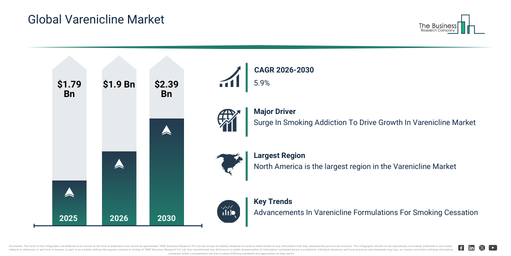
    The varenicline market size has shown substantial growth in recent years. It is anticipated to expand from $1.79 billion in 2025 to $1.9 billion in 2026, achieving a compound annual growth rate (CAGR) of 5.9%. The notable increase observed in the past can be ascribed to factors such as rising awareness of health risks linked to smoking, early clinical confirmation of varenicline’s effectiveness, the expansion of smoking cessation initiatives, an uptick in physician recommendations, and the growth of public health campaigns against tobacco consumption.

    The varenicline market is anticipated to experience substantial expansion in the next few years. It is projected to reach $2.39 billion by 2030, exhibiting a compound annual growth rate (CAGR) of 5.9%. This foreseen growth during the forecast period can be linked to factors such as increased government backing for smoking cessation therapies, a growing adoption of combination cessation treatments, the expansion of digital platforms for cessation support, an increasing demand for cost-effective generic formulations, and a greater emphasis on preventive healthcare outcomes. Significant trends expected during this period include a rise in the adoption of pharmacotherapy for smoking cessation, an escalating demand for prescription-based quit solutions, the wider availability of generic varenicline, the growing integration of behavioral support with medication, and an enhanced focus on achieving long-term abstinence.

    Access Your Free Sample Report for In-Depth Market Insights:

    https://www.thebusinessresearchcompany.com/sample.aspx?id=18493&type=smp

    Which Drivers Are Contributing To The Expansion Of The Varenicline Market?

    The increasing incidence of smoking addiction is projected to fuel the expansion of the varenicline market moving forward. The easy accessibility of cigarettes and other tobacco products, coupled with social influences and peer pressure, particularly among individuals, contributes to higher smoking rates. Varenicline is a prescription drug that aids individuals in quitting smoking by diminishing cravings and withdrawal symptoms, while simultaneously blocking the pleasurable effects of nicotine. For instance, in October 2024, data from the Office for National Statistics, a UK based government statistical agency, revealed that approximately 6.0 million adults aged 18 years and over, representing 11.9% of the adult population, smoked cigarettes in the UK in 2023. The highest prevalence was observed among those aged 25 to 34 years, at 14.0%. Therefore, the growing occurrence of smoking addiction will stimulate the growth of the varenicline market.

    What Segment Categories Are Covered In The Varenicline Market?

    The varenicline market covered in this report is segmented –

    1) By Type: 0.5 Mg Tablets, 1 Mg Tablets

    2) By Route Of Administration: Oral, Sublingual, Transdermal

    3) By Patient Type: Smokers, Ex Smokers, Pre Quitters

    4) By Application: Hospital, Drug Store

    Subsegments:

    1) By 0.5 mg Tablets: Branded 0.5 mg Varenicline Tablets, Generic 0.5 mg Varenicline Tablets

    2) By 1 mg Tablets: Branded 1 mg Varenicline Tablets, Generic 1 mg Varenicline Tablets

    What Long-Term Trends Are Expected To Shape The Future Of The Varenicline Market?

    Leading companies in the varenicline market are concentrating on developing innovative formulations and delivery methods, such as generic tablets, to broaden their market leadership across various regions and achieve a competitive edge. Generic varenicline tablets are non-branded versions of the medication that contain varenicline tartrate, which is biologically equivalent to the original branded product and prescribed for smoking cessation therapy. For instance, in January 2024, Lupin Limited, an India-based pharmaceutical company, launched new Varenicline tablets in the United States, available in 0.5 mg and 1 mg strengths. These tablets are the generic equivalents of Chantix tablets (0.5 mg and 1 mg) from P.F. Prism C.V. and are used to support smoking cessation treatment.

    Which Leading Companies Dominate The Varenicline Market Share?

    Major companies operating in the varenicline market are Pfizer Inc, Biocon Limited, Viatris Inc, Teva Pharmaceutical Industries Ltd, Sandoz International GmbH, Hetero Drugs Limited, Sun Pharmaceutical Industries Ltd, Aurobindo Pharma Limited, Dr Reddy’s Laboratories Ltd, Cipla Limited, Apotex Inc, Amneal Pharmaceuticals LLC, Lupin Limited, Alkem Laboratories Ltd, Glenmark Pharmaceuticals Limited, Intas Pharmaceuticals Ltd, Hikma Pharmaceuticals PLC, Boehringer Ingelheim, Zydus Cadila, Endo International plc, Hansoh Pharma, Shandong Loncom Pharmaceutical

    Access The Complete Report For Deeper Market Insights:

    https://www.thebusinessresearchcompany.com/report/varenicline-global-market-report

    Which Region Is Anticipated To See The Fastest Growth In The Varenicline Market?

    North America was the largest region in the varenicline market in 2025. The regions covered in the varenicline market report are Asia-Pacific, South East Asia, Western Europe, Eastern Europe, North America, South America, Middle East, Africa.

    Request Your Customized Varenicline Market Research Report for Competitive Advantage:

    https://www.thebusinessresearchcompany.com/customise?id=18493&type=smp

    Browse Through More Reports Similar to the Global Varenicline Market 2026, By The Business Research Company

    Sodium Benzoate Market Report 2026

    https://www.thebusinessresearchcompany.com/report/sodium-benzoate-global-market-report

    Levothyroxine Sodium Market Report 2026

    https://www.thebusinessresearchcompany.com/report/levothyroxine-sodium-global-market-report

    Thyroid Cancer Drugs Market Report 2026

    https://www.thebusinessresearchcompany.com/report/thyroid-cancer-drugs-global-market-report

    Get in touch with us:

    The Business Research Company: https://www.thebusinessresearchcompany.com/

    Americas +1 310-496-7795

    Asia +44 7882 955267 & +91 8897263534

    Europe +44 7882 955267

    Email us at info@tbrc.info

    Follow us on:

    LinkedIn: https://in.linkedin.com/company/the-business-research-company

    YouTube: https://www.youtube.com/channel/UC24_fI0rV8cR5DxlCpgmyFQ

    Global Market Model: https://www.thebusinessresearchcompany.com/global-market-model
  • Global Vancomycin Market Forecast 2026–2035: Long-Term Growth Insights

    Global Vancomycin Market Forecast 2026–2035: Long-Term Growth Insights

    Uncover key drivers, emerging technologies, and competitive movements shaping the vancomycin market from 2026–2035 with trusted insights from The Business Research Company

    What market expansion outlook does the Vancomycin Market show for the 2026–2030 period?

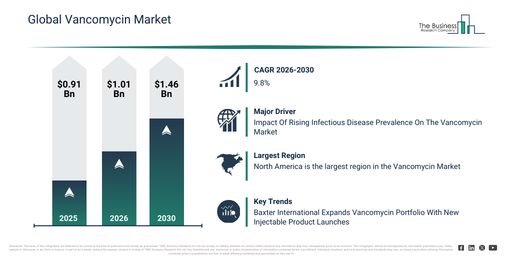
    The vancomycin market has experienced swift expansion in recent years. Its valuation is set to increase from $0.91 billion in 2025 to $1.01 billion by 2026, reflecting a compound annual growth rate (CAGR) of 10.8%. Historically, this growth has been driven by the increasing prevalence of gram-positive bacterial infections, higher hospital admission rates, the early adoption of vancomycin as a last-resort therapy, the development of intensive care infrastructure, and the rising incidence of antibiotic resistance.

    The vancomycin market size is projected to experience robust expansion in the coming years, reaching $1.46 billion by 2030, exhibiting a compound annual growth rate (CAGR) of 9.8%. This anticipated growth is fueled by factors such as a heightened demand for advanced injectable antibiotics, a greater emphasis on infection prevention protocols, the broadening of hospital pharmacy automation, increased funding in antimicrobial research, and more stringent regulatory oversight on antibiotic usage. Key developments anticipated during this timeframe involve a surge in the need for glycopeptide antibiotics, increased attention to the management of hospital-acquired infections, the proliferation of ready-to-use injectable formulations, a stronger commitment to antimicrobial stewardship programs, and improved tracking of drug resistance patterns.

    Access Your Free Sample Report for In-Depth Market Insights:

    https://www.thebusinessresearchcompany.com/sample.aspx?id=16563&type=smp

    What Drivers Are Shaping The Development Of The Vancomycin Market?

    The increasing occurrence of infectious diseases is projected to drive the expansion of the vancomycin market moving forward. These illnesses are caused by pathogenic microorganisms such as bacteria, viruses, fungi, or parasites, covering conditions like influenza, tuberculosis, malaria, HIV/AIDS, and COVID-19. The heightened prevalence of infectious diseases can be attributed to elements like antimicrobial resistance, climate change, and population growth. Vancomycin is vital for treating severe gram-positive bacterial infections, especially resistant strains, with its application informed by clinical guidelines and antimicrobial stewardship to achieve optimal patient outcomes. For instance, in October 2024, the World Health Organization, an international public health organization based in Switzerland, reported that approximately 8.2 million people received a new tuberculosis diagnosis in 2023, an increase from about 7.5 million in 2022, positioning tuberculosis as the leading cause of death among infectious diseases. Therefore, the growing incidence of infectious diseases is fueling the growth of the vancomycin market.

    Which Segments Are Contributing To The Growth Of The Vancomycin Market?

    The vancomycin market covered in this report is segmented –

    1) By Type: Injectable Solution, Powder For Injection

    2) By Route Of Administration: Intravenous, Oral

    3) By Application: Sepsis, Lung Infection, Skin Soft Tissue Infection, Colitis And Intestinal Inflammation, To Prevent Infection

    Subsegments:

    1) By Injectable Solution: Pre-Mixed Injectable Solution, Ready-To-Use Injectable Solution, Concentrated Injectable Solution

    2) By Powder For Injection: Vancomycin Powder For Intravenous Use, Vancomycin Powder For Reconstitution

    Which Market Trends Are Opening Growth Opportunities In The Vancomycin Market?

    Leading companies in the vancomycin market are concentrating on developing pioneering products, such as anti-infective and anti-hypotensive medications, to uphold their standing. Anti-infective medications are drugs utilized to treat illnesses caused by bacteria, viruses, fungi, parasites, or other microbes. Anti-hypotensive medications are drugs administered to increase blood pressure in individuals experiencing diminished blood pressure, or hypotension. For example, in April 2024, Baxter International Inc., a US-based healthcare firm, announced the introduction of five injectable products in the US, contributing to its ongoing expansion of pharmaceutical offerings. These new injectable products are specifically designed to meet various medical demands, including advancements in anesthesia, pain management, and specialized therapies, illustrating the company’s commitment to providing healthcare professionals with practical tools for improving patient outcomes.

    Who Are The Major Companies Operating In The Vancomycin Market?

    Major companies operating in the vancomycin market are ANI Pharmaceuticals Inc., Alvogen Inc., Xellia Pharmaceuticals ApS, Sagent Pharmaceuticals, Fresenius Kabi AG, Lupin Limited, Eugia Pharma Specialities, Hikma Pharmaceuticals PLC, Amneal Pharmaceuticals, Slate Run Pharmaceuticals, Alkem Laboratories Ltd., Azurity Pharmaceuticals, Pfizer Inc., Teva Pharmaceutical Industries Ltd., Novartis AG, Sanofi SA, Bayer AG, GlaxoSmithKline plc, Merck & Co Inc., Aurobindo Pharma Limited, Cipla Inc., Johnson & Johnson, Bristol-Myers Squibb Company, AbbVie Inc., Janssen Global, Shenwei Pharmaceutical Hainan Co Ltd, Zhejiang Hisun Pharmaceutical Co Ltd, Sun Pharmaceutical Industries Ltd., Viatris Inc., North China Pharmaceutical Group, Taiwan Zhengde Pharmaceutical, LegoChem Biosciences, Nabriva Therapeutics, MicuRx Pharmaceuticals, MGB Biopharma Limited, VIANEX

    Access The Complete Report For Deeper Market Insights:

    https://www.thebusinessresearchcompany.com/report/vancomycin-global-market-report

    Which Global Regions Are Shaping The Competitive Landscape Of The Vancomycin Market?

    North America was the largest region in the vancomycin market in 2025. The regions covered in the vancomycin market report are Asia-Pacific, South East Asia, Western Europe, Eastern Europe, North America, South America, Middle East, Africa.

    Request Your Customized Vancomycin Market Research Report for Competitive Advantage:

    https://www.thebusinessresearchcompany.com/customise?id=16563&type=smp

    Browse Through More Reports Similar to the Global Vancomycin Market 2026, By The Business Research Company

    Macrolide Antibiotics Market Report 2026

    https://www.thebusinessresearchcompany.com/report/macrolide-antibiotics-global-market-report

    Levofloxacin Market Report 2026

    https://www.thebusinessresearchcompany.com/report/levofloxacin-global-market-report

    Antibiotics Market Report 2026

    https://www.thebusinessresearchcompany.com/report/antibiotics-global-market-report

    Get in touch with us:

    The Business Research Company: https://www.thebusinessresearchcompany.com/

    Americas +1 310-496-7795

    Asia +44 7882 955267 & +91 8897263534

    Europe +44 7882 955267

    Email us at info@tbrc.info

    Follow us on:

    LinkedIn: https://in.linkedin.com/company/the-business-research-company

    YouTube: https://www.youtube.com/channel/UC24_fI0rV8cR5DxlCpgmyFQ

    Global Market Model: https://www.thebusinessresearchcompany.com/global-market-model
  • Value-Based Healthcare Services Market 2026–2030: Forecasting Business Opportunities Ahead

    Value-Based Healthcare Services Market 2026–2030: Forecasting Business Opportunities Ahead

    Uncover key drivers, emerging technologies, and competitive movements shaping the value-based healthcare services market from 2026–2035 with trusted insights from The Business Research Company

    What level of growth is expected in the Value-Based Healthcare Services Market between 2026 and 2030?

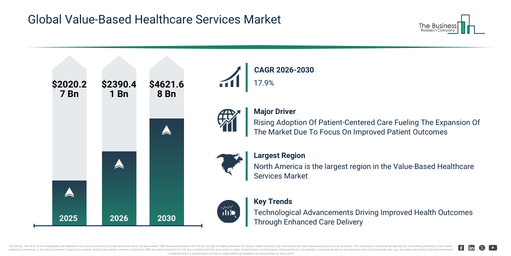
    The value-based healthcare services market has experienced rapid expansion in recent years. This market is expected to increase from $2020.27 billion in 2025 to $2390.41 billion in 2026, achieving a compound annual growth rate (CAGR) of 18.3%. Historically, this growth was driven by factors including escalating healthcare system inefficiencies, the early adoption of quality reporting frameworks, heightened accountability for public healthcare spending, the proliferation of managed care programs, and a rising demand for patient-centered services.

    The value-based healthcare services market size is anticipated to undergo substantial growth in the forthcoming years. It is projected to expand to $4621.68 billion by 2030, demonstrating a compound annual growth rate (CAGR) of 17.9%. This expansion during the forecast period can be linked to the broadening integration of digital health, the increasing embrace of value-based contracting, growing investments in healthcare analytics platforms, a heightened focus on delivering cost-efficient care, and strengthened policy support for value-based healthcare. Significant trends expected during this period involve an increasing emphasis on quality-focused healthcare provision, a rising adoption of treatment pathways grounded in evidence, the expansion of integrated care networks, an increasing deployment of outcome measurement tools, and an enhanced focus on the long-term value for patients.

    Access Your Free Sample Report for In-Depth Market Insights:

    https://www.thebusinessresearchcompany.com/sample.aspx?id=23559&type=smp

    Which Drivers Are Expected To Impact The Value-Based Healthcare Services Market During The Forecast Period?

    The expanding implementation of patient-centered care is anticipated to drive the advancement of the value-based healthcare services market in the future. This approach to healthcare places emphasis on individual patients’ needs, preferences, and values, ensuring their active participation in choices regarding their treatment and care plans. The rise in patient-centered care adoption stems from the increasing acknowledgment that patients ought to be active participants in their own healthcare choices. It notably contributes to value-based healthcare services by harmonizing patient requirements and preferences with efforts to improve health outcomes, elevate the quality of care, and decrease expenses. For example, a survey conducted in August 2024 involving 1,200 patients by Lakeside Healthcare At Yaxley, a general practitioners (GPs) facility in the UK, revealed a 3% increase in patients reporting easier contact with the practice, a reduction in telephone waiting times with 74% of calls answered within ten minutes, and a greater proportion of face-to-face appointments reaching 58%. Consequently, the increasing embrace of patient-centered care is a key catalyst for the expansion of the value-based healthcare services market.

    How Is The Value-Based Healthcare Services Market Divided Into Segments?

    The value-based healthcare services market covered in this report is segmented –

    1) By Product Type: Accountable Care Organization (ACO), Patient-Centered Medical Home (PCMH), Pay for Performance, Bundled Payments

    2) By Deployment Type: Online, Offline

    3) By End-User: Hospitals, Clinics, Insurance Companies, Government, Others End-User

    Subsegments:

    1) By Accountable Care Organization (ACO): Medicare ACOs, Commercial ACOs, Pioneer ACOs, Provider-Sponsored ACOs, Government-Funded ACOs

    2) By Patient-Centered Medical Home (PCMH): Independent PCMHs, Hospital-Based PCMHs, Payer-Led PCMHs, Specialty-Specific PCMHs, Multi-Payer PCMHs

    3) By Pay for Performance: Hospital-Based P4P, Physician-Based P4P, Pharmacy-Based P4P, Nursing and Post-Acute Care P4P, Population Health-Based P4P

    4) By Bundled Payments: Retrospective Bundled Payments, Prospective Bundled Payments, Condition-Specific Bundled Payments, Procedure-Based Bundled Payments, Multi-Payer Bundled Payments

    How Are Emerging Trends Affecting The Progression Of The Value-Based Healthcare Services Market?

    Major companies operating in the value-based healthcare services market are concentrating on developing innovative solutions such as value-based care, leveraging technology and expertise to deliver high-quality, equitable health outcomes. Value-based care represents a healthcare model that improves patient health outcomes and reduces expenditures. This approach aims to enhance patient results and decrease costs by emphasizing quality, preventive care, and efficient care coordination. For instance, in April 2023, Kaiser Permanente, a US-based nonprofit organization, introduced Risant Health, a new nonprofit entity designed to expand and accelerate the adoption of value-based healthcare services through collaborations with community-based health systems. This initiative endeavors to improve patient-centered care delivery by integrating advanced value-based care models, utilizing data-driven insights, digital engagement, and innovative care practices to boost healthcare accessibility and quality. By acquiring and supporting nonprofit health systems like Geisinger Health, Risant Health is positioned to drive systemic transformation, fostering cost-effective, high-quality healthcare solutions that prioritize patient outcomes and equitable care.

    Which Major Firms Are Strengthening Their Position In The Value-Based Healthcare Services Market?

    Major companies operating in the value-based healthcare services market are UnitedHealth Group Incorporated, OptumHealth, Cigna Healthcare, Anthem Insurance Companies Inc. (Elevance Health), Kaiser Permanente, Humana Inc., Aetna Inc., Blue Cross and Blue Shield of Minnesota, VillageMD, MVP Health Care, Oak Street Health, Athena Healthcare, Evolent Health, ChenMed LLC, Somatus Inc., Cityblock Health, Navvis Healthcare, Tandigm Health, NextStep Solutions, CareMore Health

    Access The Complete Report For Deeper Market Insights:

    https://www.thebusinessresearchcompany.com/report/value-based-healthcare-services-global-market-report

    Which Regions Are Poised For Strategic Growth In The Value-Based Healthcare Services Market?

    North America was the largest region in the value-based healthcare services market in 2025. Asia-Pacific is expected to be the fastest-growing region in the forecast period. The regions covered in the value-based healthcare services market report are Asia-Pacific, South East Asia, Western Europe, Eastern Europe, North America, South America, Middle East, Africa.

    Request Your Customized Value-Based Healthcare Services Market Research Report for Competitive Advantage:

    https://www.thebusinessresearchcompany.com/customise?id=23559&type=smp

    Browse Through More Reports Similar to the Global Value-Based Healthcare Services Market 2026, By The Business Research Company

    Healthcare Finance Solutions Market Report 2026

    https://www.thebusinessresearchcompany.com/report/healthcare-finance-solutions-global-market-report

    Healthcare Services Market 2026

    https://www.thebusinessresearchcompany.com/report/healthcare-services-market

    Healthcare Software As A Service Market Report 2026

    https://www.thebusinessresearchcompany.com/report/healthcare-software-as-a-service-global-market-report

    Get in touch with us:

    The Business Research Company: https://www.thebusinessresearchcompany.com/

    Americas +1 310-496-7795

    Asia +44 7882 955267 & +91 8897263534

    Europe +44 7882 955267

    Email us at info@tbrc.info

    Follow us on:

    LinkedIn: https://in.linkedin.com/company/the-business-research-company

    YouTube: https://www.youtube.com/channel/UC24_fI0rV8cR5DxlCpgmyFQ

    Global Market Model: https://www.thebusinessresearchcompany.com/global-market-model
  • Global Value-Based Care Service Market Report 2026–2035: Key Forecasts and Growth Areas

    Global Value-Based Care Service Market Report 2026–2035: Key Forecasts and Growth Areas

    Uncover key drivers, emerging technologies, and competitive movements shaping the value-based care service market from 2026–2035 with trusted insights from The Business Research Company

    How much is the Value-Based Care Service Market valued at in 2026, and what valuation is forecast for 2030?

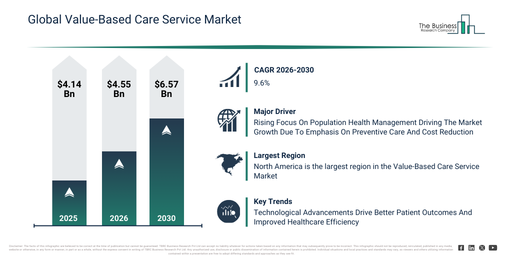
    The value-based care service market has experienced robust growth over recent years. Its size is anticipated to expand from $4.14 billion in 2025 to $4.55 billion in 2026, achieving a compound annual growth rate (CAGR) of 9.9%. This historical expansion can be ascribed to several factors, including the increasing occurrence of chronic diseases, growing pressures regarding healthcare spending, the initial adoption of integrated care frameworks, the broader reach of managed care services, and an elevated emphasis on patient satisfaction indicators.

    The size of the value-based care service market is projected to experience substantial expansion in the coming years. This market is anticipated to reach $6.57 billion by 2030, demonstrating a compound annual growth rate (CAGR) of 9.6%. This projected growth during the forecast period stems from several factors, including the broadening of population health management initiatives, the increased deployment of digital platforms for care coordination, the growing uptake of risk-sharing service models, escalating investments in preventive healthcare, and improved alignment between payer and provider incentives. Key trends anticipated within this forecast timeframe encompass the increasing embrace of coordinated care delivery approaches, a heightened emphasis on preventive and chronic care services, the extension of performance-linked care programs, the growing integration of multidisciplinary care teams, and a stronger focus on patient-centric service design.

    Access Your Free Sample Report for In-Depth Market Insights:

    https://www.thebusinessresearchcompany.com/sample.aspx?id=23558&type=smp

    What Drivers Are Influencing The Growth Of The Value-Based Care Service Market?

    The anticipated expansion of the value-based care service market is driven by the growing emphasis on population health management. This approach involves a proactive healthcare strategy, aiming to improve the health outcomes of a defined population through the application of data analytics, preventative measures, coordinated care, and evidence-backed interventions. Its goals include managing chronic illnesses, narrowing health disparities, and boosting overall well-being. This heightened attention to population health management stems from the imperative to achieve better health results while simultaneously keeping healthcare expenditures in check. By adopting a population-level perspective, healthcare providers are better equipped to identify and mitigate widespread health risks, promote preventative health practices, and more effectively manage chronic ailments. Value-based care services are crucial in this transition, as they align financial rewards with positive health outcomes, encourage teamwork across various disciplines, and prioritize prevention and sustained patient involvement to bolster population health management initiatives. For example, as reported by the Bureau of Labor Statistics, a US-based federal agency, in April 2023, the employment of medical and health services managers is expected to increase by 29% between 2023 and 2033, significantly outpacing the average growth rate of all occupations. Consequently, the increased focus on population health management is propelling the growth of the value-based care service market.

    What Segments Are Included Within The Value-Based Care Service Market?

    The value-based care service market covered in this report is segmented –

    1) By Model: Pay For Performance, Patient-Centered Medical Home, Shared Savings, Shared Risk, Bundled Payment, Capitation Models

    2) By Payers: Medicare, Medicaid, Commercial Insurance, Other Payers

    3) By Providers: Home Health Care, Institutional Care, Hospital Therapy, Other Providers

    4) By End-Users: Hospitals And Clinics, Insurance Companies, Government, Other End-Users

    Subsegments:

    1) By Pay For Performance: Hospital-Based Pay for Performance, Physician-Based Pay for Performance, Pharmacy-Based Pay for Performance, Nursing and Post-Acute Care Pay for Performance, Population Health-Based Pay for Performance

    2) By Patient-Centered Medical Home: Independent Patient-Centered Medical Homes, Hospital-Based Patient-Centered Medical Homes, Payer-Led Patient-Centered Medical Homes, Specialty-Specific Patient-Centered Medical Homes, Multi-Payer Patient-Centered Medical Homes

    3) By Shared Savings: One-Sided Shared Savings, Two-Sided Shared Savings, Medicare Shared Savings Programs, Commercial Shared Savings Programs, Medicaid Shared Savings Programs

    4) By Shared Risk: Partial Risk Sharing, Full Risk Sharing, Upside-Only Risk Models, Downside Risk Models, Provider-Sponsored Risk Arrangements

    5) By Bundled Payment: Retrospective Bundled Payments, Prospective Bundled Payments, Condition-Specific Bundled Payments, Procedure-Based Bundled Payments, Multi-Payer Bundled Payments

    6) By Capitation Models: Full Capitation, Partial Capitation, Primary Care Capitation, Specialty Care Capitation, Global Capitation

    Which Innovation Trends Are Advancing Developments Within The Value-Based Care Service Market?

    Leading entities within the value-based care service market are prioritizing the creation of novel solutions, such as healthcare analytics, aimed at enhancing outcomes and operational effectiveness. Healthcare analytics utilizes data concerning patients and therapeutic approaches to assist medical professionals and facilities in making superior choices and elevating the quality of care. This technology supports value-based care offerings by leveraging patient information to select optimal care pathways, advance health outcomes, and minimize avoidable expenses. As an illustration, during October 2023, Milliman MedInsight, a US-based healthcare analytics and data solutions company, introduced an improved Value-Based Care Platform intended to assist healthcare organizations in achieving superior performance within value-based care models. The refined platform offered sophisticated functionalities for analyzing patient data, monitoring health achievements, managing expenditures, and enhancing coordination of care. It empowered doctors, hospitals, and health plans to make more informed choices by pinpointing efficacious treatments, utilizing resources prudently, and providing superior quality care.

    Who Are The Primary Competitors In The Global Value-Based Care Service Market?

    Major companies operating in the value-based care service market are UnitedHealth Group Incorporated, Cigna Healthcare, Anthem Insurance Companies Inc. (Elevance Health), Kaiser Permanente, Humana Inc., Blue Cross and Blue Shield of Minnesota, VillageMD, MVP Health Care, Agilon Health Inc., Oak Street Health, Privia Health Group Inc., Evolent Health, ChenMed LLC, Aledade Inc., Somatus Inc., Equality Health LLC, Wellvana Health LLC, Tandigm Health, Aetna Inc.

    Access The Complete Report For Deeper Market Insights:

    https://www.thebusinessresearchcompany.com/report/value-based-care-service-global-market-report

    Which Regions Are Projected To Dominate The Value-Based Care Service Market In The Coming Years?

    North America was the largest region in the value-based care service market in 2025. Asia-Pacific is expected to be the fastest-growing region in the forecast period. The regions covered in the value-based care service market report are Asia-Pacific, South East Asia, Western Europe, Eastern Europe, North America, South America, Middle East, Africa.

    Request Your Customized Value-Based Care Service Market Research Report for Competitive Advantage:

    https://www.thebusinessresearchcompany.com/customise?id=23558&type=smp

    Browse Through More Reports Similar to the Global Value-Based Care Service Market 2026, By The Business Research Company

    Care Management Solutions Market Report 2026

    https://www.thebusinessresearchcompany.com/report/care-management-solutions-global-market-report

    Care Services Market Report 2026

    https://www.thebusinessresearchcompany.com/report/care-services-global-market-report

    Personal Care Services Market 2026

    https://www.thebusinessresearchcompany.com/report/personal-care-services-market

    Get in touch with us:

    The Business Research Company: https://www.thebusinessresearchcompany.com/

    Americas +1 310-496-7795

    Asia +44 7882 955267 & +91 8897263534

    Europe +44 7882 955267

    Email us at info@tbrc.info

    Follow us on:

    LinkedIn: https://in.linkedin.com/company/the-business-research-company

    YouTube: https://www.youtube.com/channel/UC24_fI0rV8cR5DxlCpgmyFQ

    Global Market Model: https://www.thebusinessresearchcompany.com/global-market-model
  • Value Based Care Payment Market 2026–2030: Forecast, Innovation, and Competitive Trends

    Value Based Care Payment Market 2026–2030: Forecast, Innovation, and Competitive Trends

    Uncover key drivers, emerging technologies, and competitive movements shaping the value based care payment market from 2026–2035 with trusted insights from The Business Research Company

    By how much is the Value Based Care Payment Market expected to grow between 2026 and 2030?

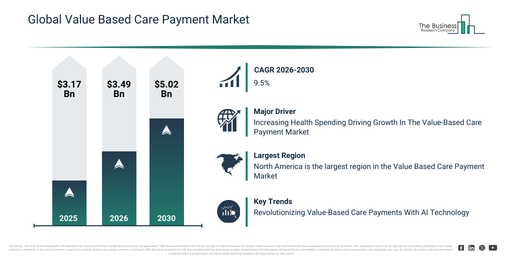
    The value based care payment market size has experienced strong growth in recent years. It is anticipated to expand from $3.17 billion in 2025 to $3.49 billion in 2026, achieving a compound annual growth rate (CAGR) of 10.0%. The historical growth within this period is linked to transitions from fee-for-service reimbursement, increasing efforts to contain healthcare costs, the initial implementation of accountable care models, enhanced collaboration between payers and providers, and a growing focus on measuring the quality of care.

    The value based care payment market size is projected to undergo significant expansion in the coming years, anticipated to reach $5.02 billion by 2030, growing at a compound annual growth rate (CAGR) of 9.5%. This growth throughout the forecast period stems from the increasing scope of value-based reimbursement mandates, a greater reliance on real-world evidence in payment determinations, the rising adoption of cloud-based payment platforms, an intensified focus on population health management, and enhanced regulatory support for value-based models. Prominent trends for this period include the increasing implementation of outcome-based reimbursement models, the growing utilization of data-driven performance measurement, the expansion of bundled and episode-based payments, a heightened emphasis on patient experience metrics, and the integration of quality and cost accountability frameworks.

    Access Your Free Sample Report for In-Depth Market Insights:

    https://www.thebusinessresearchcompany.com/sample.aspx?id=3378&type=smp

    Which Drivers Are Influencing Market Acceleration In The Value Based Care Payment Market?

    The anticipated rise in health spending is projected to drive the expansion of the value-based care payment market in the future. Health spending signifies the entire sum of funds designated or utilized for healthcare services and goods within a particular area, nation, or healthcare framework. Within Value-Based Care, health spending is linked to defined health outcomes, with financial incentives provided for attaining favorable patient results, including enhanced health, fewer hospital readmissions, or more effective chronic condition management. As an illustration, a report released by the Office for National Statistics, a government department in the UK, indicated that in May 2023, healthcare expenditure in the UK saw a 5.6% rise between 2022 and 2023, contrasting with a 0.9% growth in 2022. The total UK healthcare expenditure reached approximately $317.63 billion (£292 billion) in 2023. Consequently, elevated health spending is serving as a primary impetus for the value-based care payment market.

    What Leading Segments Are Studied In The Value Based Care Payment Market?

    The value based care payment market covered in this report is segmented –

    1) By Model: Accountable Care Organization (ACO), Bundled Payments, Patient-Centered Medical Home (PCMH), Pay For Performance (P4P)

    2) By Deployment Type: Cloud-Based, On-Premise

    3) By End User: Providers, Payer

    Subsegments:

    1) By Accountable Care Organization (Aco): Medicare Acos, Commercial Acos, Medicaid ACOs

    2) By Bundled Payments: Single Episode Of Care, Multi-Episode Care, Condition-Specific Bundles

    3) By Patient-Centered Medical Home (Pcmh): Level 1 Pcmh, Level 2 Pcmh, Level 3 Pcmh

    4) By Pay For Performance (P4p): Hospital-Based P4p Programs, Physician-Based P4p Programs, Specialty-Based P4p Programs

    Which Competitive Trends Are Impacting The Structure Of The Value Based Care Payment Market?

    Leading organizations in the value-based care payment sector are concentrating on introducing innovative solutions like Artificial Intelligence to achieve a competitive edge in the market. Artificial intelligence (AI) refers to the creation of computer systems that can execute tasks typically requiring human intelligence, such as learning, reasoning, and problem-solving. For example, in March 2024, MedeAnalytics, a US-based healthcare analytics company, released Value-Based Care Administration, a comprehensive analytics and AI-powered system for contract management, payment, and billing at scale. MedeAnalytics provides the initial end-to-end analytics and AI-enabled solution for value-based care contract management, payment, and billing, designed for payers, providers, and payviders, with the goal of improving quality, controlling costs, advancing health equity, and increasing patient/member satisfaction, among other benefits.

    Which Key Market Players Are Investing In Expansion And Innovation Within The Value Based Care Payment Market?

    Major companies operating in the value based care payment market are McKesson Corporation, Change Healthcare, Premier Inc, NextGen Healthcare Inc., FinThrive Inc., UnitedHealth Group Inc., Edifecs, Nuna Inc., OM1, Relias, Athena Health, Cigna, Lumeon, Huma, Helios Gesundheit, Doctorlink

    Access The Complete Report For Deeper Market Insights:

    https://www.thebusinessresearchcompany.com/report/value-based-care-payment-global-market-report

    Which Region Is Expected To Experience The Fastest Growth In The Value Based Care Payment Market?

    North America was the largest region in the value-based care payment market in 2025. Western Europe was the second largest region in value-based care payment market share. The regions covered in the value based care payment market report are Asia-Pacific, South East Asia, Western Europe, Eastern Europe, North America, South America, Middle East, Africa.

    Request Your Customized Value Based Care Payment Market Research Report for Competitive Advantage:

    https://www.thebusinessresearchcompany.com/customise?id=3378&type=smp

    Browse Through More Reports Similar to the Global Value Based Care Payment Market 2026, By The Business Research Company

    Healthcare Finance Solutions Market Report 2026

    https://www.thebusinessresearchcompany.com/report/healthcare-finance-solutions-global-market-report

    Healthcare Payer Solution Market Report 2026

    https://www.thebusinessresearchcompany.com/report/healthcare-payer-solution-global-market-report

    Healthcare Reimbursement Market Report 2026

    https://www.thebusinessresearchcompany.com/report/healthcare-reimbursement-global-market-report

    Get in touch with us:

    The Business Research Company: https://www.thebusinessresearchcompany.com/

    Americas +1 310-496-7795

    Asia +44 7882 955267 & +91 8897263534

    Europe +44 7882 955267

    Email us at info@tbrc.info

    Follow us on:

    LinkedIn: https://in.linkedin.com/company/the-business-research-company

    YouTube: https://www.youtube.com/channel/UC24_fI0rV8cR5DxlCpgmyFQ

    Global Market Model: https://www.thebusinessresearchcompany.com/global-market-model

  • Valley Fever Market Forecast 2026–2035: Data Trends and Industry Insights

    Valley Fever Market Forecast 2026–2035: Data Trends and Industry Insights

    Uncover key drivers, emerging technologies, and competitive movements shaping the valley fever market from 2026–2035 with trusted insights from The Business Research Company

    What is the estimated market size of the Valley Fever Market by the end of 2030?

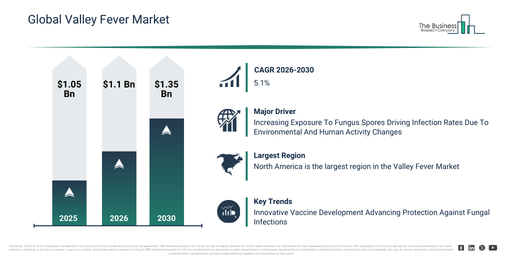
    The valley fever market has shown significant growth in recent years. Its valuation is anticipated to increase from $1.05 billion in 2025 to $1.1 billion in 2026, achieving a compound annual growth rate (CAGR) of 5.4%. This historical expansion can be attributed to factors such as improved clinical recognition of fungal infections, the availability of established antifungal medications, an increase in reported cases in endemic areas, heightened diagnostic testing, and the expansion of infectious disease treatment centers.

    The valley fever market size is projected to experience significant expansion over the coming years. It is expected to reach $1.35 billion by 2030, demonstrating a compound annual growth rate (CAGR) of 5.1%. This growth during the forecast period can be attributed to an increasing emphasis on rapid diagnostic tools, greater investment in innovative antifungal therapies, the broadening of disease surveillance programs, rising awareness concerning climate-related disease transmission, and a growing demand for effective long-term treatment options. Noteworthy trends in the forecast period include an increasing focus on early diagnosis and treatment, the expanding utilization of antifungal drug therapies, heightened awareness in endemic regions, the proliferation of combination treatment approaches, and intensified research into fungal disease management.

    Access Your Free Sample Report for In-Depth Market Insights:

    https://www.thebusinessresearchcompany.com/sample.aspx?id=22166&type=smp

    What Drivers Are Shaping Future Opportunities In The Valley Fever Market?

    An anticipated increase in exposure to fungus spores is projected to stimulate growth in the valley fever market. These spores are tiny reproductive elements from fungi, capable of disseminating via air, water, or various surfaces, facilitating fungal proliferation in diverse settings. Deforestation and shifts in weather patterns are escalating spore exposure by disrupting soil and encouraging their release, thus elevating the risk of infections like valley fever, particularly in dry regions conducive to the coccidioides fungus. Treatments for valley fever aid individuals exposed to fungal spores by mitigating symptoms, averting complications, and managing fungal proliferation, thereby enhancing recovery and overall well-being. A report from September 2024 by the US-based non-profit, International Society for Infectious Diseases, indicated that annually, invasive fungal infections affect around 6.5 million people, causing nearly 3.8 million deaths, with approximately 2.5 million of these fatalities directly linked to such infections. Consequently, the heightened exposure to fungus spores is a key factor propelling the expansion of the valley fever market.

    Which Segment Groups Are Influencing The Valley Fever Market?

    The valley fever market covered in this report is segmented –

    1) By Types Of Treatment: Fluconazole, Itraconazole, Voriconazole, Posaconazole, Others Types Of Treatment

    2) By Site Of Infection: Skin, Lungs, Liver, Bones, Heart, Brain, Membranes That Surround The Brain And Spinal Cord, Other Sites Of Infection

    3) By End-Users: Human, Cattle, Sheep And Goats, Camel, Other End-Users

    Subsegments:

    1) By Fluconazole Type: Oral Fluconazole, Intravenous Fluconazole

    2) By Itraconazole Type: Capsule Itraconazole, Oral Solution Itraconazole

    3) By Voriconazole Type: Oral Voriconazole, Intravenous Voriconazole

    4) By Posaconazole Type: Oral Suspension Posaconazole, Delayed-Release Tablets Posaconazole, Intravenous Posaconazole

    5) By Other Treatment Types: Combination Therapy, Adjunctive Therapy

    What Industry Trends Are Transforming The Valley Fever Market?

    Companies prominent in the valley fever market are prioritizing the creation of innovative vaccines for valley fever to address the increasing threat from fungal infections. Valley fever vaccines are designed to protect individuals by employing advanced scientific and production techniques, thereby enhancing public health and security. For instance, in August 2024, Anivive Lifesciences Inc., a US-based pet pharmaceutical company, secured a contract worth up to $33 million from the National Institute of Allergy and Infectious Diseases (NIAID), a US-based government agency, for the development of a human Valley Fever vaccine. This financial support will aid in additional manufacturing, formulation, extensive safety testing, and a Phase 1 clinical trial, aiming to deliver the first vaccine intended to prevent a serious systemic fungal infection.

    Who Are The Core Companies Influencing Trends In The Valley Fever Market?

    Major companies operating in the valley fever market are Merck & Co Inc, Fresenius Kabi, Dr Reddys Laboratories, Mankind Pharma, Atom Pharma, Cerata Pharmaceuticals, Pfizer Inc, Novartis AG, Sanofi S A, GlaxoSmithKline plc, Bayer AG, Astellas Pharma Inc, Abbott Laboratories Inc, SCYNEXIS Inc, Leadiant Biosciences Inc, Amplyx Pharmaceuticals Inc, Johnson & Johnson, Bristol Myers Squibb, Gilead Sciences Inc, Viatris Inc, Teva Pharmaceuticals USA Inc

    Access The Complete Report For Deeper Market Insights:

    https://www.thebusinessresearchcompany.com/report/valley-fever-global-market-report

    Which Geographic Areas Are Emerging As Strong Markets For The Valley Fever Market?

    North America was the largest region in the valley fever market in 2025. The regions covered in the valley fever market report are Asia-Pacific, South East Asia, Western Europe, Eastern Europe, North America, South America, Middle East, Africa.

    Request Your Customized Valley Fever Market Research Report for Competitive Advantage:

    https://www.thebusinessresearchcompany.com/customise?id=22166&type=smp

    Browse Through More Reports Similar to the Global Valley Fever Market 2026, By The Business Research Company

    Influenza Diagnostic Market Report 2026

    https://www.thebusinessresearchcompany.com/report/influenza-diagnostic-global-market-report

    Ai Based Fever Detection Camera Market Report 2026

    https://www.thebusinessresearchcompany.com/report/ai-based-fever-detection-camera-global-market-report

    Influenza Treatment Market Report 2026

    https://www.thebusinessresearchcompany.com/report/influenza-treatment-global-market-report

    Get in touch with us:

    The Business Research Company: https://www.thebusinessresearchcompany.com/

    Americas +1 310-496-7795

    Asia +44 7882 955267 & +91 8897263534

    Europe +44 7882 955267

    Email us at info@tbrc.info

    Follow us on:

    LinkedIn: https://in.linkedin.com/company/the-business-research-company

    YouTube: https://www.youtube.com/channel/UC24_fI0rV8cR5DxlCpgmyFQ

    Global Market Model: https://www.thebusinessresearchcompany.com/global-market-model