Month: March 2026

  • Turner Syndrome Market Future Outlook 2026: Key Drivers and Growth Potential

    Turner Syndrome Market Future Outlook 2026: Key Drivers and Growth Potential

    Uncover key drivers, emerging technologies, and competitive movements shaping the turner syndrome market from 2026–2035 with trusted insights from The Business Research Company

    What long-term size projections exist for the Turner Syndrome Market covering 2026–2035?

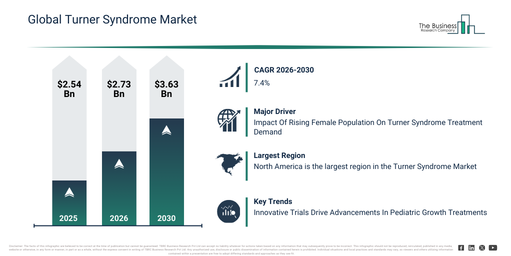
    The turner syndrome market size has demonstrated strong growth in recent years. This market is expected to expand from $2.54 billion in 2025 to $2.73 billion in 2026, exhibiting a compound annual growth rate (CAGR) of 7.6%. The historical expansion can be ascribed to heightened awareness of genetic disorders, the availability of recombinant growth hormones, the enlargement of pediatric endocrinology services, advancements in diagnostic karyotyping techniques, and an increase in patient advocacy initiatives.

    The market for turner syndrome is projected to experience robust expansion over the coming years. Its valuation is anticipated to reach $3.63 billion by 2030, exhibiting a compound annual growth rate (CAGR) of 7.4%. This projected growth is primarily driven by progress in genetic screening methods, the increasing use of tailored hormone treatments, the broadening of home-based care options, greater funding for rare disease studies, and enhanced long-term patient results. Key trends anticipated during this period encompass a heightened focus on early genetic detection, the increasing uptake of growth hormone treatments, a stronger commitment to continuous disease management, the proliferation of multidisciplinary care frameworks, and refined patient monitoring initiatives.

    Access Your Free Sample Report for In-Depth Market Insights:

    https://www.thebusinessresearchcompany.com/sample.aspx?id=21310&type=smp

    Which Drivers Are Impacting The Competitive Landscape Of The Turner Syndrome Market?

    The Turner syndrome market is anticipated to grow in the future, driven by the expanding female population. This female population signifies the total count of women residing either in a specific geographic area or globally at a given point. The rise in the female population is a result of improved female life expectancy, supported by advancements in healthcare and shifts in demographic trends. The Turner syndrome market aids the female population by supplying growth hormone therapy, estrogen replacement, and extensive multidisciplinary care, all of which enhance physical development, reproductive health, and overall long-term welfare. For instance, in March 2024, the U.S. Census Bureau, a U.S.-based federal government agency, reported 0.168 billion females in the United States as of July 2022. Additionally, in 2023, Statistics Canada, a national statistics agency located in Canada, observed that the number of females aged 15–64 rose to 0.01304 billion in 2023 from 0.01296 billion in 2022. Thus, the increasing female population is a key accelerator for the growth of the Turner syndrome market.

    What Segments Are Identified Within The Structure Of The Turner Syndrome Market?

    The turner syndrome market covered in this report is segmented –

    1) By Type: Classical Turner Syndrome, Mosaic Turner syndrome

    2) By Therapy Type: Growth Hormone Therapy, Estrogen And Progesteron, Replacement Therapy, Other Therapy Types

    3) By Drug Type: Norditropin, Oxandrolone, Humatrope, Somatropin, Oxandrin, Genotropin, Nutropin, Zomacton

    4) By End-User: Hospitals, Homecare, Specialty Clinics, Surgical Centres, Other End-Users

    Subsegments:

    1) By Classical Turner Syndrome: Complete Monosomy X, X Chromosome Deletion

    2) By Mosaic Turner Syndrome: Mosaicism With 45,X/46,XX Karyotype, Mosaicism With 45,X/46,XY Karyotype

    Which Trends Are Influencing The Development Of The Turner Syndrome Market?

    Leading companies operating in the turner syndrome market are concentrating on clinical trials aimed at developing innovative products, such as pediatric growth hormone medications. These efforts seek to effectively stimulate growth, improve height outcomes, and support overall development in children with growth hormone deficiencies or growth-related disorders. Pediatric growth hormone medications refer to synthetic or recombinant hormone treatments utilized to promote growth and development in children diagnosed with growth hormone deficiency (GHD) or other medical conditions affecting their height and growth. For example, in December 2024, Ascendis Pharma A/S, a Denmark-based biopharmaceutical company, announced positive results from the Phase 2 New InsiGHTS trial of TransCon hGH (lonapegsomatropin) in children with Turner syndrome. The study enrolled 49 prepubertal children aged 1-10 years who have Turner syndrome. TransCon hGH showed improved growth across all three starting dose cohorts, mirroring the performance of daily somatropin. These trial results lend support to the potential market expansion of TransCon hGH into Turner syndrome, demonstrating a safety profile and efficacy comparable to daily treatment.

    Which Major Industry Participants Are Leading The Turner Syndrome Market Growth?

    Major companies operating in the turner syndrome market are Pfizer Inc., Novartis AG, Eli Lilly and Company, Novo Nordisk, Merck KGaA, Teva Pharmaceutical Industries Ltd., Sandoz International GmbH, Genentech Inc., Ipsen Pharma, Ferring Pharmaceutical, BioMarin Pharmaceutical Inc., Ascendis Pharma, CRISPR Therapeutics AG, Alnylam Pharmaceuticals Inc., Sangamo Therapeutics Inc., Ultragenyx Pharmaceutical Inc., BridgeBio Pharma Inc., Travere Therapeutics Inc., REGENXBIO Inc., Avalo Therapeutics Inc., Taysha Gene Therapies Inc., Asklepion Therapeutics Inc.

    Access The Complete Report For Deeper Market Insights:

    https://www.thebusinessresearchcompany.com/report/turner-syndrome-global-market-report

    Which Region Is Projected To Lead The Turner Syndrome Market During The Forecast Period?

    North America was the largest region in the turner syndrome market in 2025. Asia-Pacific is expected to be the fastest-growing region in the forecast period. The regions covered in the turner syndrome market report are Asia-Pacific, South East Asia, Western Europe, Eastern Europe, North America, South America, Middle East, Africa.

    Request Your Customized Turner Syndrome Market Research Report for Competitive Advantage:

    https://www.thebusinessresearchcompany.com/customise?id=21310&type=smp

    Browse Through More Reports Similar to the Global Turner Syndrome Market 2026, By The Business Research Company

    Lysosomal Disease Treatment Market Report 2026

    https://www.thebusinessresearchcompany.com/report/lysosomal-disease-treatment-global-market-report

    Progressive Ataxia And Weakness Disorders Market Report 2026

    https://www.thebusinessresearchcompany.com/report/progressive-ataxia-and-weakness-disorders-global-market-report

    Tourette Syndrome Treatment Market Report 2026

    https://www.thebusinessresearchcompany.com/report/tourette-syndrome-treatment-global-market-report

    Get in touch with us:

    The Business Research Company: https://www.thebusinessresearchcompany.com/

    Americas +1 310-496-7795

    Asia +44 7882 955267 & +91 8897263534

    Europe +44 7882 955267

    Email us at info@tbrc.info

    Follow us on:

    LinkedIn: https://in.linkedin.com/company/the-business-research-company

    YouTube: https://www.youtube.com/channel/UC24_fI0rV8cR5DxlCpgmyFQ

    Global Market Model: https://www.thebusinessresearchcompany.com/global-market-model
  • Renal Medical Devices Service Market Anticipated to Record Steady Gains, Advancing to $12.39 Billion by 2030

    Renal Medical Devices Service Market Anticipated to Record Steady Gains, Advancing to $12.39 Billion by 2030

    Uncover key drivers, emerging technologies, and competitive movements shaping the renal medical devices service market from 2026–2035 with trusted insights from The Business Research Company

    What level of CAGR-driven expansion is anticipated in the Renal Medical Devices Service Market between 2026 and 2030?

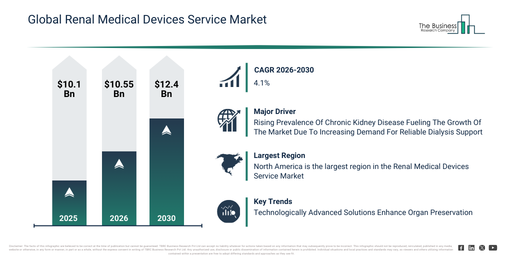
    The renal medical devices service market size has witnessed steady expansion in recent years. This market is anticipated to increase from $10.1 billion in 2025 to $10.55 billion in 2026, achieving a compound annual growth rate (CAGR) of 4.4%. The factors contributing to its past growth include a rising occurrence of kidney diseases, the global expansion of dialysis centers, an increase in the installation of advanced dialysis equipment, the requirement for regulatory compliance in device maintenance, and the accessibility of specialized renal devices.

    The renal medical devices service market is anticipated to experience consistent expansion over the upcoming years. It is projected to achieve a valuation of $12.4 billion by 2030, reflecting a compound annual growth rate (CAGR) of 4.1%. This growth during the forecast period can be ascribed to several factors, such as the escalating demand for home dialysis services, the increasing embrace of connected renal devices, the broadening of service outsourcing models, a heightened emphasis on cost-effective healthcare operations, and the expanded application of analytics for optimizing device performance. Key trends expected in the same period include the rising implementation of predictive maintenance services, a broader deployment of remote device monitoring solutions, the widening scope of preventive service agreements, an amplified focus on equipment uptime and safety, and the accelerating integration of data-driven service frameworks.

    Access Your Free Sample Report for In-Depth Market Insights:

    https://www.thebusinessresearchcompany.com/sample.aspx?id=24683&type=smp

    What Drivers Are Affecting Demand-Supply Dynamics In The Renal Medical Devices Service Market?

    The increasing incidence of chronic kidney disease (CKD) is anticipated to boost the expansion of the renal medical devices service market in the future. CKD involves the kidneys progressively losing their capacity to filter waste from the blood, potentially causing a dangerous accumulation of waste materials and various other health complications within the body. The growing occurrence of chronic kidney disease is linked to diabetes, where elevated blood sugar levels harm kidney blood vessels, thereby diminishing their efficiency in filtering waste. Renal medical device services play a crucial role in supporting chronic kidney disease treatment by guaranteeing the peak performance of dialysis machines and associated equipment. This service minimizes operational interruptions through prompt maintenance and expert technical assistance, thereby improving treatment dependability and patient well-being. For example, in June 2023, Kidney Research UK reported that approximately 7.19 million people in the UK were living with chronic kidney disease in 2023, accounting for over 10% of the UK population, with projections indicating an increase to 7.61 million individuals by 2033. Consequently, the escalating prevalence of chronic kidney disease (CKD) is a primary catalyst for the growth of the renal medical devices service market.

    What Segments Are Included Within The Renal Medical Devices Service Market?

    The renal medical devices service market covered in this report is segmented –

    1) By Type: Dialysis Devices, Catheters, Kidney Monitoring Devices, Kidney Transplant Devices

    2) By Usage: Invasive, Non-Invasive

    3) By Application: Kidney Failure, Chronic Kidney Disease, End-Stage Kidney Disease, Renal Kidney Stone Disease, Hypertension, Diabetes

    4) By End User: Hospitals, Dialysis Centers, Home Healthcare

    Subsegments:

    1) By Dialysis Devices: Hemodialysis Machines, Peritoneal Dialysis Equipment, Dialysis Filters And Membranes, Dialysis Fluid Delivery Systems, Portable Dialysis Devices, Dialysis Consumables And Accessories

    2) By Catheters: Temporary Hemodialysis Catheters, Permanent Hemodialysis Catheters, Peritoneal Dialysis Catheters, Vascular Access Catheters, Central Venous Catheters For Renal Care

    3) By Kidney Monitoring Devices: Creatinine Monitoring Devices, Glomerular Filtration Rate (GFR) Monitoring Devices, Blood Urea Nitrogen (BUN) Monitoring Devices, Electrolyte Monitoring Devices, Continuous Renal Function Monitors

    4) By Kidney Transplant Devices: Organ Preservation Systems, Transplant Surgery Instruments, Immunosuppressant Delivery Devices, Kidney Perfusion Systems, Post-Transplant Monitoring Devices

    What Upcoming Trends Are Likely To Define The Future Path Of The Renal Medical Devices Service Market?

    Leading firms within the renal medical devices service sector are concentrating on inventing sophisticated technologies, such as hypothermic perfusion, to elevate organ viability and improve patient outcomes. This technology describes an organ preservation technique where a chilled, oxygenated fluid is continuously circulated through donor organs at low temperatures, typically between 0-12°C, to uphold their viability pre-transplantation. As an illustration, in January 2025, Paragonix Technologies Inc., a medical device company situated in the US, secured US Food and Drug Administration (FDA) approval for its KidneyVault portable renal perfusion system, intended for the hypothermic oxygenated perfusion of kidneys. This portable system ensures kidney viability during transit by employing hypothermic machine perfusion and SherpaCool phase-change cooling to sustain a temperature of 4–8°C without requiring ice. Furthermore, its integrated digital platform provides real-time monitoring of temperature, pressure, flow, and resistance, facilitating remote management of organ preservation.

    Who Are The Prominent Global Companies Shaping The Renal Medical Devices Service Market Landscape?

    Major companies operating in the renal medical devices service market are Abbott Laboratories, Medtronic plc, Fresenius Medical Care AG & Co. KGaA, Asahi Kasei Medical Co Ltd., Toray Medical Co Ltd., Boston Scientific Corporation, DaVita Inc., Terumo Corporation, Nipro Corporation, Teleflex Incorporated, ConvaTec Group Plc, Nikkiso Co Ltd., Japan Medical Supply Co Ltd., NxStage Medical Inc., B. Braun Melsungen AG, Outset Medical Inc., Rockwell Medical Inc., Quanta Dialysis Technologies Ltd., AWAK Technologies Pte Ltd., Dialife SA.

    Access The Complete Report For Deeper Market Insights:

    https://www.thebusinessresearchcompany.com/report/renal-medical-devices-service-global-market-report

    Which Geographic Areas Are Emerging As Strong Markets For The Renal Medical Devices Service Market?

    North America was the largest region in the renal medical devices service market in 2025. The regions covered in the renal medical devices service market report are Asia-Pacific, South East Asia, Western Europe, Eastern Europe, North America, South America, Middle East, Africa.

    Request Your Customized Renal Medical Devices Service Market Research Report for Competitive Advantage:

    https://www.thebusinessresearchcompany.com/customise?id=24683&type=smp

    Browse Through More Reports Similar to the Global Renal Medical Devices Service Market 2026, By The Business Research Company

    Renal Denervation Devices Market Report 2026

    https://www.thebusinessresearchcompany.com/report/renal-denervation-devices-global-market-report

    End Stage Renal Disease Esrd Drug Market Report 2026

    https://www.thebusinessresearchcompany.com/report/end-stage-renal-disease-esrd-drug-global-market-report

    Hepatorenal Syndrome Treatment Market Report 2026

    https://www.thebusinessresearchcompany.com/report/hepatorenal-syndrome-treatment-global-market-report

    Get in touch with us:

    The Business Research Company: https://www.thebusinessresearchcompany.com/

    Americas +1 310-496-7795

    Asia +44 7882 955267 & +91 8897263534

    Europe +44 7882 955267

    Email us at info@tbrc.info

    Follow us on:

    LinkedIn: https://in.linkedin.com/company/the-business-research-company

    YouTube: https://www.youtube.com/channel/UC24_fI0rV8cR5DxlCpgmyFQ

    Global Market Model: https://www.thebusinessresearchcompany.com/global-market-model
  • Renal Insufficiency Industry Poised for Rapid Growth, Forecast to Touch $20.5 Billion by 2030 at 11.1% CAGR

    Renal Insufficiency Industry Poised for Rapid Growth, Forecast to Touch $20.5 Billion by 2030 at 11.1% CAGR

    Uncover key drivers, emerging technologies, and competitive movements shaping the renal insufficiency market from 2026–2035 with trusted insights from The Business Research Company

    What long-term size projections exist for the Renal Insufficiency Market covering 2026–2035?

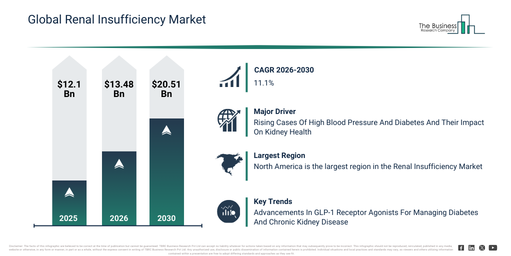
    The renal insufficiency market has recently experienced significant expansion. It is anticipated to increase from $12.1 billion in 2025 to $13.48 billion in 2026, exhibiting a compound annual growth rate (CAGR) of 11.4%. This historical growth can be attributed to factors such as the rising prevalence of diabetes and hypertension, the expansion of dialysis center networks, increased utilization of ACE inhibitors and ARBs, a growing diagnosis of chronic kidney disease, and improved access to renal care services.

    The renal insufficiency market size is projected to experience swift expansion in the coming years. This market is anticipated to reach a value of $20.51 billion by 2030, demonstrating a compound annual growth rate (CAGR) of 11.1%. The growth expected during the forecast period stems from factors such as the increasing integration of home dialysis solutions, a surge in investments towards regenerative therapies, the broader implementation of digital patient monitoring, an escalating need for individualized renal treatment strategies, and a heightened emphasis on retarding disease progression. Furthermore, key trends emerging during the forecast period encompass the greater embrace of advanced dialysis methods, a heightened focus on managing the disease in its early stages, an expanding application of combination drug therapies, a wider availability of home-based treatment alternatives, and an intensified concentration on patient-centered care approaches.

    Access Your Free Sample Report for In-Depth Market Insights:

    https://www.thebusinessresearchcompany.com/sample.aspx?id=21271&type=smp

    Which Drivers Are Impacting The Competitive Landscape Of The Renal Insufficiency Market?

    The rising incidence of high blood pressure and diabetes is anticipated to propel the expansion of the renal insufficiency market moving forward. These conditions, high blood pressure and diabetes, are linked to factors such as inadequate diet, insufficient physical activity, obesity, genetic predisposition, and an aging demographic. Hypertension damages kidney blood vessels through scarring and reduced filtration, while diabetes leads to thickened and overworked kidney vessels due to elevated blood sugar levels; both conditions accelerate kidney damage and ultimately result in renal insufficiency. For instance, in May 2024, according to the National Health Service, a UK-based government agency, the number of high blood pressure diagnoses in the South East increased by 71,120 patients in December 2023, marking a 5.4% rise compared to December 2022. Furthermore, in April 2023, the British Diabetic Association, a UK-based charity organization, reported that 4.3 million people are living with a diabetes diagnosis in the UK. Therefore, the growing number of high blood pressure and diabetes cases is driving the growth of the renal insufficiency market.

    What Leading Segments Are Studied In The Renal Insufficiency Market?

    The renal insufficiency market covered in this report is segmented –

    1) By Treatment Type: Medications, Dialysis, Kidney Transplantation, Other Treatment Types

    2) By Disease Stage: Chronic Kidney Disease (CKD) Stages, End-Stage Renal Disease (ESRD)

    3) By Distribution Channel: Hospital Pharmacies, Retail Pharmacies, Online Pharmacies

    4) By End-User: Dialysis Centers, Hospital And Clinics, Research And Academic Institutes

    Subsegments:

    1) By Medications: Angiotensin-Converting Enzyme (ACE) Inhibitors, Angiotensin II Receptor Blockers (ARBs), Diuretics, Erythropoiesis-Stimulating Agents (ESAs), Phosphate Binders, Sodium Bicarbonate

    2) By Dialysis: Hemodialysis, Peritoneal Dialysis, Home Dialysis, Continuous Renal Replacement Therapy (CRRT)

    3) By Kidney Transplantation: Living Donor Kidney Transplant, Deceased Donor Kidney Transplant, Kidney Transplant Immunosuppressive Therapy

    4) By Other Treatment Types: Lifestyle And Dietary Modifications, Stem Cell Therapy, Gene Therapy

    Which Trends Are Shaping Activity Within The Renal Insufficiency Market?

    Leading companies in the renal insufficiency market are developing glucagon-like peptide-1 receptor agonists (GLP-1 RAs) to manage kidney and cardiovascular complications in individuals with diabetes and chronic kidney disease (CKD). These GLP-1 RAs improve glucose regulation, decrease inflammation, and reduce oxidative stress within the kidneys, thereby slowing the advancement of renal insufficiency. For example, in January 2025, Novo Nordisk, a Denmark-based pharmaceutical company, received Food and Drug Administration (FDA) approval for its Ozempic (semaglutide) to mitigate the risk of kidney disease worsening, kidney failure, and cardiovascular death in adults suffering from type 2 diabetes and chronic kidney disease (CKD). This approval underscores the increasing importance of glucagon-like peptide-1 receptor agonists (GLP-1 RAs) as a combined treatment strategy for both diabetes and renal insufficiency, addressing significant unmet medical needs in patients with progressive CKD.

    Which Key Players Are Driving Competition In The Renal Insufficiency Market?

    Major companies operating in the renal insufficiency market are Kaiser Permanente, Johnson & Johnson, Roche Holding AG, Sanofi S.A., Abbott Laboratories, Medtronic plc, Amgen Inc., Asahi Kasei Medical Co. Ltd., Fujifilm Holdings Corporation, Fresenius Medical Care, Toray Industries Inc., Baxter International Inc., Boehringer Ingelheim, DaVita Inc., Eisai Co. Ltd., Nipro Corporation, Biocon Limited, HemoCue AB, Rockwell Medical, Mitsubishi Tanabe Pharma Corporation

    Access The Complete Report For Deeper Market Insights:

    https://www.thebusinessresearchcompany.com/report/renal-insufficiency-global-market-report

    Which Region Is Projected To Lead The Renal Insufficiency Market During The Forecast Period?

    North America was the largest region in the renal insufficiency market in 2025. The regions covered in the renal insufficiency market report are Asia-Pacific, South East Asia, Western Europe, Eastern Europe, North America, South America, Middle East, Africa.

    Request Your Customized Renal Insufficiency Market Research Report for Competitive Advantage:

    https://www.thebusinessresearchcompany.com/customise?id=21271&type=smp

    Browse Through More Reports Similar to the Global Renal Insufficiency Market 2026, By The Business Research Company

    Rare Kidney Diseases Market Report 2026

    https://www.thebusinessresearchcompany.com/report/rare-kidney-diseases-global-market-report

    Kidney Dialysis Market Report 2026

    https://www.thebusinessresearchcompany.com/report/kidney-dialysis-global-market-report

    Chronic Kidney Disease Market Report 2026

    https://www.thebusinessresearchcompany.com/report/chronic-kidney-disease-global-market-report

    Get in touch with us:

    The Business Research Company: https://www.thebusinessresearchcompany.com/

    Americas +1 310-496-7795

    Asia +44 7882 955267 & +91 8897263534

    Europe +44 7882 955267

    Email us at info@tbrc.info

    Follow us on:

    LinkedIn: https://in.linkedin.com/company/the-business-research-company

    YouTube: https://www.youtube.com/channel/UC24_fI0rV8cR5DxlCpgmyFQ

    Global Market Model: https://www.thebusinessresearchcompany.com/global-market-model
  • Renal Fanconi Syndrome Market Performance Outlook 2026–2030: Revenue to Hit $0.64 Billion at 3.5% CAGR

    Renal Fanconi Syndrome Market Performance Outlook 2026–2030: Revenue to Hit $0.64 Billion at 3.5% CAGR

    Uncover key drivers, emerging technologies, and competitive movements shaping the renal fanconi syndrome market from 2026–2035 with trusted insights from The Business Research Company

    What total market size is anticipated for the Renal Fanconi Syndrome Market in 2030?

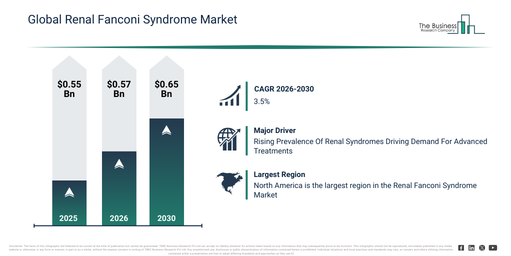
    The market for renal fanconi syndrome has experienced consistent expansion in recent years. This market is projected to increase from $0.55 billion in 2025 to $0.57 billion in 2026, demonstrating a compound annual growth rate (CAGR) of 3.7%. The growth observed in prior periods can be attributed to improved recognition of inherited kidney disorders, the availability of cystinosis treatment options, the expansion of hospital-based nephrology care, increased diagnostic screening for metabolic abnormalities, and advancements in supportive renal therapies.

    The market for renal Fanconi syndrome is projected to experience consistent expansion over the upcoming years, with an anticipation to reach $0.65 billion by 2030, demonstrating a compound annual growth rate (CAGR) of 3.5%. Several factors are expected to drive this growth during the forecast period, including the increasing embrace of tailored treatment approaches, greater funding for rare disease investigations, the expansion of genetic diagnostic methods, a heightened emphasis on early intervention techniques, and the escalating creation of innovative supportive therapies. Key trends emerging over the forecast period encompass a stronger emphasis on genetic testing and accurate diagnosis, an increasing need for therapies focused on long-term symptom management, heightened recognition of rare kidney conditions, the broadening availability of supportive and nutritional care, and a reinforced commitment to identifying the disease in its initial stages.

    Access Your Free Sample Report for In-Depth Market Insights:

    https://www.thebusinessresearchcompany.com/sample.aspx?id=21270&type=smp

    What Drivers Are Influencing Production Trends In The Renal Fanconi Syndrome Market?

    The rising occurrence of renal syndrome is anticipated to fuel the expansion of the renal fanconi syndrome market in the coming years. Renal syndromes encompass various kidney conditions that impair kidney function, leading to issues with filtration, reabsorption, and electrolyte balance. These conditions are fueled by factors such as the growing incidence of chronic kidney disease, an aging demographic, unhealthy lifestyle choices, and environmental elements. Often, renal syndrome involves underlying issues or complications that disrupt kidney function, thereby increasing the likelihood of proximal tubular dysfunction. This in turn boosts the need for diagnostic instruments, treatments, and therapies specifically designed to manage and lessen the impact of renal Fanconi syndrome. As an illustration, in June 2023, a report from Kidney Research UK, a non-profit organization based in the UK, revealed that around 7.2 million individuals in the UK are affected by chronic kidney disease, constituting over 10% of the population. Among them, 3.25 million are in advanced stages, while 3.9 million are in early stages. Projections indicate that by 2033, the number of people with chronic kidney disease will increase to 7.61 million. Consequently, the escalating prevalence of renal syndrome is propelling the growth of the renal fanconi syndrome market. The growing incidence of genetic disorders is anticipated to stimulate the expansion of the renal fanconi syndrome market in the future. Genetic disorders are influenced by elements such as progress in genetic testing, heightened public awareness, environmental impacts, and an increase in inherited conditions passed down through generations. A significant number of Fanconi syndrome cases are associated with hereditary genetic conditions, including cystinosis or Wilson’s disease. As these genetic disorders become more common, there is a corresponding rise in the necessity for specialized diagnostic instruments, specific treatments, and management approaches to address the related proximal tubular dysfunction, thereby fostering market development. For example, in March 2024, data from the United Nations, an international organization based in the US, indicated that Down syndrome affects roughly 1 in 1,000 to 1 in 1,100 live births globally, leading to an estimated 3,000 to 5,000 children being born with this chromosomal condition annually. Thus, the escalating prevalence of genetic disorders is propelling the growth of the renal fanconi syndrome market.

    Which Segment Groups Are Influencing The Renal Fanconi Syndrome Market?

    The renal fanconi syndrome market covered in this report is segmented –

    1) By Disease Type: Inherited (Genetic), Acquired

    2) By Treatment: Cystinosis Treatment, Symptomatic Management, Dietary Changes And Adjustments, Antibiotics, Kidney Transplantation, Supplements

    3) By Route Of Administration: Oral, Intravenous

    4) By Distribution Channel: Hospital Pharmacy, Retail Pharmacy, Online Pharmacy, Other Distribution Channels

    5) By End-User: Hospitals, Specialty Clinics, Homecare, Other End-Users

    Subsegments:

    1) By Inherited (Genetic): Cystinosis, Wilson Disease, Lowe Syndrome, Dent Disease

    2) By Acquired: Drug-Induced Fanconi Syndrome, Heavy Metal Toxicity, Multiple Myeloma-Associated Fanconi Syndrome, Other Acquired Conditions

    Who Are The Top-Performing Companies In The Renal Fanconi Syndrome Market In Recent Years?

    Major companies operating in the renal fanconi syndrome market are Pfizer Inc., F Hoffmann La Roche AG, Merck And Co Inc, AbbVie Inc., Novartis AG, Sanofi, Bristol Myers Squibb, Gilead Sciences Inc., Amgen Inc., Teva Pharmaceutical Industries Ltd, Baxter International Inc., Boehringer Ingelheim, Eisai Co Ltd, Hikma Pharmaceuticals plc, Astellas Pharma Inc., Mallinckrodt Pharmaceuticals plc, CSL Vifor, Alnylam Pharmaceuticals Inc., Otsuka Pharmaceutical Co Ltd, Takeda Pharmaceutical Company Limited, Alexion Pharmaceuticals Inc., Recordati Rare Diseases, Chiesi Farmaceutici S.p.A., Kyowa Kirin Co Ltd

    Access The Complete Report For Deeper Market Insights:

    https://www.thebusinessresearchcompany.com/report/renal-fanconi-syndrome-global-market-report

    Which Region Currently Holds The Largest Share Of The Renal Fanconi Syndrome Market?

    North America was the largest region in the renal fanconi syndrome market in 2025. Asia-Pacific is expected to be the fastest-growing region in the forecast period. The regions covered in the renal fanconi syndrome market report are Asia-Pacific, South East Asia, Western Europe, Eastern Europe, North America, South America, Middle East, Africa.

    Request Your Customized Renal Fanconi Syndrome Market Research Report for Competitive Advantage:

    https://www.thebusinessresearchcompany.com/customise?id=21270&type=smp

    Browse Through More Reports Similar to the Global Renal Fanconi Syndrome Market 2026, By The Business Research Company

    Veterinary Renal Disease Market Report 2026

    https://www.thebusinessresearchcompany.com/report/veterinary-renal-disease-global-market-report

    Rare Kidney Diseases Market Report 2026

    https://www.thebusinessresearchcompany.com/report/rare-kidney-diseases-global-market-report

    Chronic Kidney Disease Market Report 2026

    https://www.thebusinessresearchcompany.com/report/chronic-kidney-disease-global-market-report

    Get in touch with us:

    The Business Research Company: https://www.thebusinessresearchcompany.com/

    Americas +1 310-496-7795

    Asia +44 7882 955267 & +91 8897263534

    Europe +44 7882 955267

    Email us at info@tbrc.info

    Follow us on:

    LinkedIn: https://in.linkedin.com/company/the-business-research-company

    YouTube: https://www.youtube.com/channel/UC24_fI0rV8cR5DxlCpgmyFQ

    Global Market Model: https://www.thebusinessresearchcompany.com/global-market-model
  • Global Renal Cell Carcinoma Market Set for Strong Expansion, Reaching $6.08 Billion With 4.4% CAGR by 2030

    Global Renal Cell Carcinoma Market Set for Strong Expansion, Reaching $6.08 Billion With 4.4% CAGR by 2030

    Uncover key drivers, emerging technologies, and competitive movements shaping the renal cell carcinoma market from 2026–2035 with trusted insights from The Business Research Company

    What is the expected shift in the Renal Cell Carcinoma Market’s size between 2026 and 2030?

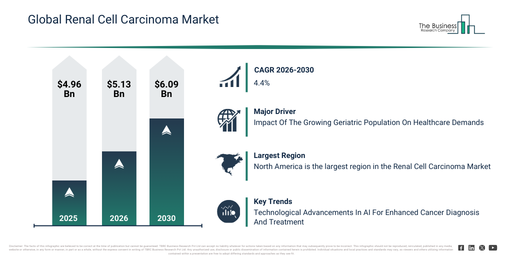
    The renal cell carcinoma market has experienced consistent expansion over recent years. It is projected to increase from $4.96 billion in 2025 to $5.13 billion in 2026, exhibiting a compound annual growth rate (CAGR) of 3.5%. The historical growth of this market can be linked to factors such as the increasing incidence of kidney cancer, enhanced availability of imaging-based diagnostics, the widespread adoption of surgical nephrectomy procedures, the proliferation of oncology treatment centers, and better survival rates achieved through early diagnosis.

    The market for renal cell carcinoma is projected to experience consistent expansion over the upcoming years. This market is anticipated to reach a value of $6.09 billion by 2030, demonstrating a compound annual growth rate (CAGR) of 4.4%. Factors contributing to this growth during the projection period include the intensified development of new targeted treatments, the increased application of combined immunotherapy approaches, the enlargement of precision oncology initiatives, the wider acceptance of biomarker-informed treatment choices, and greater financial commitment to oncology research and clinical trials. Key trends identified for the forecast timeframe encompass the expanding use of targeted cancer treatments, the growing application of multi-drug treatment plans, a stronger emphasis on prompt and precise diagnosis, the broadening availability of minimally invasive surgical techniques, and a heightened focus on individualized oncology care.

    Access Your Free Sample Report for In-Depth Market Insights:

    https://www.thebusinessresearchcompany.com/sample.aspx?id=20944&type=smp

    Which Drivers Are Shaping Strategic Decisions In The Renal Cell Carcinoma Market?

    The increasing number of elderly individuals is projected to fuel the expansion of the renal cell carcinoma market in the coming years. This demographic segment comprises older persons, typically aged 65 or older, who often possess distinct healthcare and social needs. The expansion of the elderly demographic is propelled by advances in healthcare, enhanced nutritional practices, and extended longevity. Renal cell carcinoma (RCC) exhibits a rising incidence among the geriatric population, underscoring the importance of customized screening and therapeutic approaches for this age group. To illustrate, in January 2024, data from a report by the Population Reference Bureau, a US-based non-profit entity that gathers statistics for research and academia, indicated that the count of Americans aged 65 and older is anticipated to grow from 58 million in 2022 to 82 million by 2050, representing a 47% increase. Consequently, the expanding geriatric population is propelling the growth of the renal cell carcinoma market.

    What Segment Classifications Make Up The Renal Cell Carcinoma Market?

    The renal cell carcinoma market covered in this report is segmented –

    1) By Type: Clear Cell Renal Cell Carcinoma (RCC), Papillary Renal Cell Carcinoma (RCC), Chromophobe Renal Cell Carcinoma (RCC)

    2) By Diagnosis: Urine Tests, Computed Tomography (CT) Scan, Nephrectomy, Blood Tests, Ultrasound, Biopsy

    3) By Treatment: Medication, Ablation, Targeted Therapy, Chemotherapy, Surgery, Other Treatments

    4) By End-Users: Hospitals, Specialty Clinics, Oncology Treatment Centers, Other End-Users

    Subsegments:

    1) By Clear Cell Renal Cell Carcinoma (RCC): Sporadic Clear Cell RCC, Hereditary Clear Cell RCC

    2) By Papillary Renal Cell Carcinoma (RCC): Type 1 Papillary RCC, Type 2 Papillary RCC

    3) By Chromophobe Renal Cell Carcinoma (RCC): Classic Chromophobe RCC, Hybrid Chromophobe RCC

    What Trends Are Expected To Impact The Competitive Landscape Of The Renal Cell Carcinoma Market?

    Companies operating in the renal cell carcinoma market are primarily focused on developing technologically advanced products, such as integrating artificial intelligence (AI)-powered solutions designed for analyzing kidney biopsies to enhance diagnostic accuracy, streamline procedures, and improve patient outcomes. An artificial intelligence (AI)-powered solution for examining kidney biopsies is a technology-driven instrument that leverages machine learning algorithms and computer vision to assist pathologists and nephrologists in evaluating kidney tissue samples. These solutions aim to boost accuracy, efficiency, and consistency in diagnosing kidney diseases and assessing kidney health. For instance, in March 2024, Aiosyn, a Netherlands-based software firm, launched the NephroPath platform, an advanced AI-powered solution created to analyze kidney biopsies. The NephroPath platform utilizes computational pathology algorithms to analyze histological biomarkers in kidney biopsies, including identifying tissue types, measuring interstitial fibrosis, and precisely counting and assessing glomeruli. This AI-driven analysis ensures consistent, detailed, and reproducible scoring of renal pathology biomarkers, thereby overcoming the drawbacks of traditional scoring methods and observer subjectivity.

    Which Leading Companies Dominate The Renal Cell Carcinoma Market Share?

    Major companies operating in the renal cell carcinoma market are Pfizer Inc., Johnson And Johnson, F Hoffmann La Roche Ltd, Merck And Co Inc, Bayer AG, Bristol Myers Squibb Company, AstraZeneca Plc, Novartis AG, GSK plc, Takeda Pharmaceutical Company Limited, Amgen Inc., Viatris Inc, Astellas Pharma Inc., Eisai Co Ltd, Sun Pharmaceutical Industries Ltd, Ipsen Pharma, Cipla Inc., Hikma Pharmaceuticals PLC, Amneal Pharmaceuticals LLC, Exelixis Inc., Nektar Therapeutics, BeiGene Ltd, Incyte Corporation, Regeneron Pharmaceuticals Inc., AbbVie Inc.

    Access The Complete Report For Deeper Market Insights:

    https://www.thebusinessresearchcompany.com/report/renal-cell-carcinoma-global-market-report

    How Does The Renal Cell Carcinoma Market Perform Across Major Global Regions?

    North America was the largest region in the renal cell carcinoma market in 2025. Asia-Pacific is expected to be the fastest-growing region in the forecast period. The regions covered in the renal cell carcinoma market report are Asia-Pacific, South East Asia, Western Europe, Eastern Europe, North America, South America, Middle East, Africa.

    Request Your Customized Renal Cell Carcinoma Market Research Report for Competitive Advantage:

    https://www.thebusinessresearchcompany.com/customise?id=20944&type=smp

    Browse Through More Reports Similar to the Global Renal Cell Carcinoma Market 2026, By The Business Research Company

    Kidney Cancer Drugs Market Report 2026

    https://www.thebusinessresearchcompany.com/report/kidney-cancer-drugs-global-market-report

    Kidney Cancer Diagnostics And Therapeutics Market Report 2026

    https://www.thebusinessresearchcompany.com/report/kidney-cancer-diagnostics-and-therapeutics-global-market-report

    Adrenocortical Carcinoma Market Report 2026

    https://www.thebusinessresearchcompany.com/report/adrenocortical-carcinoma-global-market-report

    Get in touch with us:

    The Business Research Company: https://www.thebusinessresearchcompany.com/

    Americas +1 310-496-7795

    Asia +44 7882 955267 & +91 8897263534

    Europe +44 7882 955267

    Email us at info@tbrc.info

    Follow us on:

    LinkedIn: https://in.linkedin.com/company/the-business-research-company

    YouTube: https://www.youtube.com/channel/UC24_fI0rV8cR5DxlCpgmyFQ

    Global Market Model: https://www.thebusinessresearchcompany.com/global-market-model
  • Renal Biomarkers Market Growth Projection: Expected to Surpass $2.04 Billion by 2030 at 8.2% CAGR

    Renal Biomarkers Market Growth Projection: Expected to Surpass $2.04 Billion by 2030 at 8.2% CAGR

    Uncover key drivers, emerging technologies, and competitive movements shaping the renal biomarkers market from 2026–2035 with trusted insights from The Business Research Company

    What growth pattern is forecast for the Renal Biomarkers Market size between 2026 and 2035?

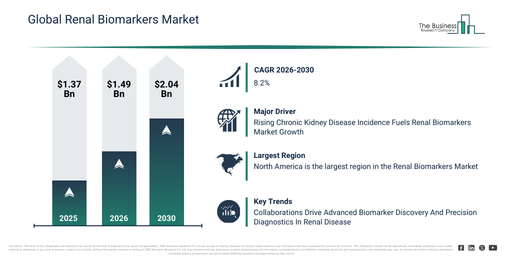
    The renal biomarkers market has witnessed substantial expansion in recent years. It is anticipated to expand from $1.37 billion in 2025 to $1.49 billion in 2026, achieving a compound annual growth rate (CAGR) of 8.6%. The historical growth trajectory is primarily driven by the escalating prevalence of chronic kidney disease, increased utilization of creatinine and urea testing, the broadening of diagnostic laboratory infrastructure, rising awareness concerning the early detection of kidney injury, and enhancements in immunoassay technologies.

    The renal biomarkers market is projected to experience substantial expansion in the coming years, with its valuation expected to reach $2.04 billion by 2030, demonstrating a compound annual growth rate (CAGR) of 8.2%. This anticipated growth during the forecast period is primarily driven by factors such as the greater adoption of precision medicine approaches, a surge in demand for predictive diagnostics in renal conditions, the broadening scope of biomarker-based clinical research, the increasing incorporation of AI into biomarker analysis, and an intensified focus on individualized nephrology care. Key trends anticipated over this forecast horizon include the wider acceptance of new kidney injury biomarkers, an uptick in the utilization of multi-biomarker panels for diagnostic purposes, a heightened need for the early identification of kidney damage, the expansion of non-invasive urine-based testing methods, and a sharpened emphasis on monitoring disease progression.

    Access Your Free Sample Report for In-Depth Market Insights:

    https://www.thebusinessresearchcompany.com/sample.aspx?id=7711&type=smp

    Which Drivers Are Impacting Market Performance In The Renal Biomarkers Market?

    The escalating prevalence of chronic kidney disease (CKD) is anticipated to drive expansion within the renal biomarkers market in the future. This chronic condition involves a progressive decrease in kidney function, impairing the body’s capacity to filter waste, sustain fluid balance, and manage vital electrolytes. The growing occurrence of CKD primarily stems from an aging demographic, diabetes, high blood pressure, and genetic predispositions, factors that collectively lead to increased instances of kidney complications and fatalities. In clinical settings, renal biomarkers are vital for facilitating earlier detection, tracking the advancement of the disease, and supporting prompt treatment to avert kidney failure. For example, data from December 2024, released by the Australian Institute of Health and Welfare, an Australia-based government entity, indicated that chronic kidney disease represented 1.1% of Australia’s total disease burden, with age-adjusted figures revealing that males faced 1.3 times the burden compared to females. Consequently, the increasing load of chronic kidney disease is propelling the expansion of the renal biomarkers market.

    What Segment Types Are Examined In The Renal Biomarkers Market?

    The renal biomarkers market covered in this report is segmented –

    1) By Biomarker Type: Functional Biomarker, Up Regulated Protein, Other Biomarker Types

    2) By Diagnostic Technique: Enzyme-Linked Immunosorbent Assay, Particle-Enhanced Turbidimetric Immunoassay (PETIA), Colorimetric Assay, Chemiluminescent Enzyme Immunoassay (CLIA), Liquid Chromatography Mass Spectrometry (LS-MS)

    3) By Application: Diagnosis And Disease Progression Monitoring, Clinical Research

    4) By End User: Hospitals, Diagnostic Laboratories, Other End Users

    Subsegments:

    1) By Functional Biomarker: Creatinine, Urea, Cystatin C, Bicarbonate

    2) By Up Regulated Protein: Neutrophil Gelatinase-Associated Lipocalin (NGAL), Kidney Injury Molecule-1 (KIM-1), Interleukin-18 (IL-18)

    3) By Other Biomarker Types: Proximal Tubule Injury Biomarkers, Acute Kidney Injury Biomarkers, Chronic Kidney Disease Biomarkers

    Which Trends Are Guiding The Evolution Of The Renal Biomarkers Market?

    Leading companies within the renal biomarkers market are progressively engaging in sophisticated collaborations with research entities and AI-powered biotechnology firms. These efforts aim to advance biomarker discovery, refine patient stratification, and enhance precision diagnostic capabilities. The goal of these strategic alliances is to expedite the identification and validation of new biomarkers, which support early disease detection, more accurate risk assessment, and personalized treatment approaches for kidney disorders. For example, in November 2024, MultiOmic Health, a UK-based AI-powered drug discovery company, pinpointed novel patient endotypes and proprietary biomarkers for diabetic kidney disease (DKD) through a research collaboration with the Northern Care Alliance NHS Foundation Trust. These biomarkers facilitate precise patient segmentation and foster the development of targeted diagnostic tools and therapeutics, thereby supporting improved clinical decision-making and outcomes in kidney care.

    Who Are The Major Companies Operating In The Renal Biomarkers Market?

    Major companies operating in the renal biomarkers market are Abbott Laboratories, BioPorto Diagnostics A S, Roche Holding AG, Thermo Fisher Scientific, bioMérieux SA, Randox Laboratories, Siemens Healthineers, Beckman Coulter Inc., Astute Medical Inc., Sphingotec GmbH, Bio Rad Laboratories India Pvt. Ltd., Enzo Biochem Inc., PerkinElmer Inc., Alere Inc., Bio Techne Corp., DiaSorin S.p.A., EKF Diagnostics Holdings plc, Fujirebio Diagnostics Inc., Gold Standard Diagnostics Corp., Merck KGaA, Myriad RBM Inc., Ortho Clinical Diagnostics Holdings plc, Quidel Corporation, R And D Systems Inc., Roche Diagnostics International Ltd, Sekisui Chemical Co. Ltd., Sysmex Corporation, Tosoh Bioscience Inc.

    Access The Complete Report For Deeper Market Insights:

    https://www.thebusinessresearchcompany.com/report/renal-biomarkers-global-market-report

    Which Region Is Anticipated To See The Fastest Growth In The Renal Biomarkers Market?

    North America was the largest region in the renal biomarkers market in 2025. Asia-Pacific is expected to be the fastest-growing region during the forecast period. The regions covered in the renal biomarkers market report are Asia-Pacific, South East Asia, Western Europe, Eastern Europe, North America, South America, Middle East, Africa.

    Request Your Customized Renal Biomarkers Market Research Report for Competitive Advantage:

    https://www.thebusinessresearchcompany.com/customise?id=7711&type=smp

    Browse Through More Reports Similar to the Global Renal Biomarkers Market 2026, By The Business Research Company

    Biomarkers Market Report 2026

    https://www.thebusinessresearchcompany.com/report/biomarkers-global-market-report

    Kidney Cancer Diagnostics And Therapeutics Market Report 2026

    https://www.thebusinessresearchcompany.com/report/kidney-cancer-diagnostics-and-therapeutics-global-market-report

    Clinical Biomarkers Market Report 2026

    https://www.thebusinessresearchcompany.com/report/clinical-biomarkers-global-market-report

    Get in touch with us:

    The Business Research Company: https://www.thebusinessresearchcompany.com/

    Americas +1 310-496-7795

    Asia +44 7882 955267 & +91 8897263534

    Europe +44 7882 955267

    Email us at info@tbrc.info

    Follow us on:

    LinkedIn: https://in.linkedin.com/company/the-business-research-company

    YouTube: https://www.youtube.com/channel/UC24_fI0rV8cR5DxlCpgmyFQ

    Global Market Model: https://www.thebusinessresearchcompany.com/global-market-model
  • Remote Surgery Market Forecast 2026–2035: How to Leverage Market Growth

    Remote Surgery Market Forecast 2026–2035: How to Leverage Market Growth

    Uncover key drivers, emerging technologies, and competitive movements shaping the remote surgery market from 2026–2035 with trusted insights from The Business Research Company

    How much larger will the Remote Surgery Market be in 2030 compared with 2026?

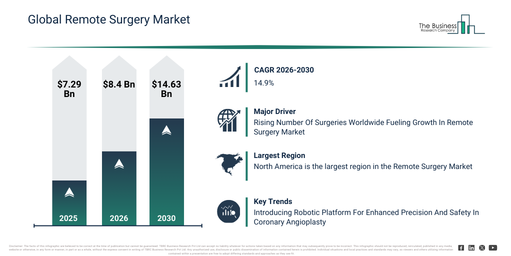
    The remote surgery market has experienced rapid expansion in recent years. Its valuation is set to increase from $7.29 billion in 2025 to $8.4 billion in 2026, achieving a compound annual growth rate (CAGR) of 15.2%. The significant growth observed historically was a result of breakthroughs in robotic surgery systems, the broadening availability of high-speed internet infrastructure, the increasing embrace of minimally invasive surgical techniques, rising financial commitments to surgical robotics, and enhancements in telecommunication reliability.

    The remote surgery market is expected to experience substantial expansion in the coming years, with its value projected to reach $14.63 billion by 2030, driven by a compound annual growth rate (CAGR) of 14.9%. This anticipated growth is primarily fueled by the increasing development of next-generation surgical robots, the rising adoption of 5G-enabled surgery platforms, the expansion of remote surgical training programs, a growing focus on ensuring global access to specialized surgery, and increasing regulatory support for telesurgery adoption. Prominent trends for the forecast period include the increasing uptake of robotic-assisted surgical platforms, the rising deployment of high-speed surgical connectivity, the growing utilization of AI-guided surgical decision support, the expansion of cross-border surgical collaboration, and an enhanced emphasis on minimally invasive procedures.

    Access Your Free Sample Report for In-Depth Market Insights:

    https://www.thebusinessresearchcompany.com/sample.aspx?id=13527&type=smp

    What Drivers Are Guiding Growth Patterns In The Remote Surgery Market?

    The global increase in surgical procedures is expected to propel the growth of the remote surgery market going forward. Surgery is a medical specialty and branch of medicine that utilizes operative techniques to investigate, diagnose, and treat various medical conditions and diseases. The growing number of surgeries worldwide is a primary factor driving the development and adoption of remote surgery. Surgeons widely perform these remote procedures due to their benefits, which include greater precision, enhanced visualization, and shorter hospital stays. For instance, in August 2023, The Aesthetic Society, a US-based organization for plastic surgery and cosmetic medicine, reported that Americans spent more than $11.8 billion on aesthetic procedures overall, a 2% increase from the previous year. Furthermore, in May 2023, according to Austin Publishing Group, a US-based publishing company, the global healthcare system performed in excess of 300 million major surgical procedures each year. Therefore, the rising number of surgeries across the globe is driving the growth of the remote surgery market.

    Which Segments Are Driving Activity In The Remote Surgery Market?

    The remote surgery market covered in this report is segmented –

    1) By Component: Accessories, Systems

    2) By Application: Gynecology Surgery, Urology Surgery, Thoracic Surgery, Cardiac Surgery, Neurosurgery, Orthopedic Surgery, General Surgery, Other Applications

    3) By End-User: Clinics, Hospitals

    Subsegments:

    1) By Accessories: Surgical Instruments, Sensors And Cameras, Communication Devices

    2) By Systems: Robotic Surgery Systems, Telecommunication Systems, Imaging Systems

    What Trends Are Projected To Support The Growth Of The Remote Surgery Market?

    Major companies in the remote surgery market are concentrating on technological advancements, such as robotic platforms, to enhance the precision, accuracy, and safety of coronary angioplasty. These robotic platforms are equipped with sophisticated features that mimic human dexterity. For instance, in May 2023, Robocath SAS, a France-based developer of robotic solutions and systems, introduced the ‘R-One+ robotic platform’ for heart surgery treatment. This latest R-One+ robotic technology aids in reducing radiation-induced injuries and makes the surgical procedure safer and more efficient. The platform enables cardiologists to control devices during surgery from the operating facility’s control room via a command unit. Additionally, R-One+ includes several safety features designed to lower the risk of complications during surgery. These safety features incorporate collision detection and avoidance, as well as force feedback, which collectively prevent the robotic arm from colliding with the patient or other surgical instruments.

    Which Major Firms Are Strengthening Their Position In The Remote Surgery Market?

    Major companies operating in the remote surgery market are Johnson And Johnson Private Limited, Medtronic plc, Stryker Corporation, Zimmer Biomet Holdings, Intuitive Surgical Inc., Smith And Nephew plc, Auris Health Inc., Globus Medical Inc., Renishaw plc, Brainlab AG, Meere Co Inc., Titan Medical Group, MAKO Surgical Corp, Avatera Medical GmbH, Mazor Robotics Ltd, CMR Surgical Ltd, THINK Surgical Inc., Vicarious Surgical Inc., Ronovo Surgical, Blue Belt Technologies Inc., Synaptive Medical Inc., Virtual Incision Corporation, Asensus Surgical Inc., Medrobotics Corporation, MicroSure B.V., EndoQuest Robotics Ltd., Medicaroid Corporation, Neocis Inc.

    Access The Complete Report For Deeper Market Insights:

    https://www.thebusinessresearchcompany.com/report/remote-surgery-global-market-report

    Which Region Is Anticipated To See The Fastest Growth In The Remote Surgery Market?

    North America was the largest region in the remote surgery market in 2025. Asia-Pacific is expected to be the fastest-growing region in the forecast period. The regions covered in the remote surgery market report are Asia-Pacific, South East Asia, Western Europe, Eastern Europe, North America, South America, Middle East, Africa.

    Request Your Customized Remote Surgery Market Research Report for Competitive Advantage:

    https://www.thebusinessresearchcompany.com/customise?id=13527&type=smp

    Browse Through More Reports Similar to the Global Remote Surgery Market 2026, By The Business Research Company

    Surgical Robots Market Report 2026

    https://www.thebusinessresearchcompany.com/report/surgical-robots-global-market-report

    Robotic Surgery Services Market Report 2026

    https://www.thebusinessresearchcompany.com/report/robotic-surgery-services-global-market-report

    Non Surgical Cosmetic Procedures Market Report 2026

    https://www.thebusinessresearchcompany.com/report/non-surgical-cosmetic-procedures-global-market-report

    Get in touch with us:

    The Business Research Company: https://www.thebusinessresearchcompany.com/

    Americas +1 310-496-7795

    Asia +44 7882 955267 & +91 8897263534

    Europe +44 7882 955267

    Email us at info@tbrc.info

    Follow us on:

    LinkedIn: https://in.linkedin.com/company/the-business-research-company

    YouTube: https://www.youtube.com/channel/UC24_fI0rV8cR5DxlCpgmyFQ

    Global Market Model: https://www.thebusinessresearchcompany.com/global-market-model
  • Global Remote Physical Therapy Rep-Counter App Market 2026–2030: Forecast Insights for Business Planning

    Global Remote Physical Therapy Rep-Counter App Market 2026–2030: Forecast Insights for Business Planning

    Uncover key drivers, emerging technologies, and competitive movements shaping the remote physical therapy rep-counter app market from 2026–2035 with trusted insights from The Business Research Company

    Starting from its 2026 valuation, what market size is the Remote Physical Therapy Rep-Counter App Market expected to reach by 2030?

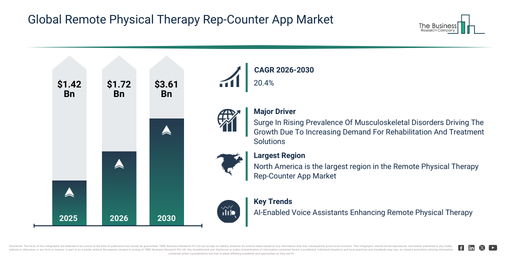
    The remote physical therapy rep-counter app market size has experienced significant expansion in recent years. It is anticipated to increase from $1.42 billion in 2025 to $1.72 billion in 2026, achieving a compound annual growth rate (CAGR) of 20.7%. Historically, this growth can be ascribed to factors such as the expansion of outpatient rehabilitation services, the increasing use of mobile health applications, the broader adoption of home-based physical therapy, a rising awareness of digital rehabilitation tools, and enhancements in smartphone sensor capabilities.

    The remote physical therapy rep-counter app market is projected to experience rapid expansion in the coming years, with its size anticipated to reach $3.61 billion by 2030, demonstrating a compound annual growth rate (CAGR) of 20.4%. This anticipated growth during the forecast period is primarily fueled by the increasing adoption of virtual rehabilitation programs, the rising integration of AI-based exercise validation, the expansion of remote care reimbursement models, a growing demand for personalized recovery tracking, and an increasing focus on data-driven rehabilitation outcomes. Key trends expected over the forecast horizon include the increasing adoption of motion-based rep counting algorithms, the rising use of camera and sensor-based exercise tracking, a growing demand for remote rehabilitation tools, the expansion of real-time feedback and progress analytics, and an enhanced focus on personalized therapy programs.

    Access Your Free Sample Report for In-Depth Market Insights:

    https://www.thebusinessresearchcompany.com/sample.aspx?id=29177&type=smp

    What Drivers Are Driving Adoption Within The Remote Physical Therapy Rep-Counter App Market?

    The increasing incidence of musculoskeletal disorders is anticipated to fuel the growth of the remote physical therapy rep-counter app market in the future. Musculoskeletal disorders describe the number of individuals affected by conditions impacting bones, muscles, joints, and connective tissues, consequently generating a heightened demand for medical treatment and rehabilitation. The escalating prevalence of musculoskeletal disorders is driven by an aging demographic, as older people are more prone to joint, muscle, and bone ailments, thereby boosting the need for physical therapy and recovery interventions. The remote physical therapy rep-counter app addresses musculoskeletal disorders by enabling patients to carry out guided exercises at home, accurately log their repetitions, and track their progress, which in turn improves adherence to rehabilitation programs and lowers the risk of complications. For instance, in January 2024, according to GOV.UK, a UK based government agency, the prevalence of people aged 16 and over self-reporting a long term MSK condition was 18.4% in 2023. Therefore, the rising prevalence of musculoskeletal disorders is a significant impetus behind the expansion of the remote physical therapy rep-counter app market.

    How Is The Remote Physical Therapy Rep-Counter App Market Organized Into Various Segments?

    The remote physical therapy rep-counter app market covered in this report is segmented –

    1) By Component: Software, Hardware, Services

    2) By Deployment Mode: Cloud-Based, On-Premises

    3) By Platform: iOS, Android, Web-Based

    4) By Application: Orthopedic Rehabilitation, Neurological Rehabilitation, Geriatric Rehabilitation, Pediatric Rehabilitation, Sports Injury Rehabilitation, Other Applications

    5) By End-User: Hospitals And Clinics, Home Care Settings, Rehabilitation Centers, Fitness Centers, Other End-Users

    Subsegments:

    1) By Software: Exercise Tracking Software, Patient Management Software, Data Analytics Software, Teleconsultation Software

    2) By Hardware: Wearable Sensors, Smartphones And Tablets, Motion Capture Devices

    3) By Services: Remote Physiotherapy Sessions, Rehabilitation Monitoring Services, Training And Support Services

    Which Trends Are Influencing The Performance And Direction Of The Remote Physical Therapy Rep-Counter App Market?

    Within the remote physical therapy rep-counter app market, leading companies are prioritizing the development of sophisticated solutions, such as AI-driven voice-based digital care assistants, to ensure convenient and accessible support for patients, particularly those facing mobility or vision challenges. This type of digital care assistant is a system that leverages artificial intelligence to engage with users through voice, offering customized health assistance, guidance, and monitoring. For example, in June 2023, Kaia Health, a US-based software firm, introduced Angela, an AI-powered voice-based digital care assistant that complies with HIPAA regulations. This platform distinguishes itself by employing computer vision via smartphone cameras to monitor body movements in real time. It furnishes immediate feedback to refine exercise technique, thereby facilitating effective remote physical therapy. Additionally, the platform automatically tracks repetitions, empowering patients to accurately and confidently adhere to their recovery regimens.

    Who Are The Primary Competitors In The Global Remote Physical Therapy Rep-Counter App Market?

    Major companies operating in the remote physical therapy rep-counter app market are Zimmer Biomet, Reflexion Health, WebPT Inc., Hinge Health, MedBridge Inc., Kaia Health, Drchrono, Plethy Recupe, somatic health, Moterum Technologies Inc.,Include Health Inc., Kinotek Inc., PtEverywhere, Kemtai, Rula health, Physiotec, Rehab Guru Ltd., PT Distinction, VeraSmart Health, Sword Health.

    Access The Complete Report For Deeper Market Insights:

    https://www.thebusinessresearchcompany.com/report/remote-physical-therapy-rep-counter-app-global-market-report

    Which Global Regions Are Shaping The Competitive Landscape Of The Remote Physical Therapy Rep-Counter App Market?

    North America was the largest region in the remote physical therapy rep-counter app market in 2025. Asia-Pacific is expected to be the fastest-growing region in the forecast period. The regions covered in the remote physical therapy rep-counter app market report are Asia-Pacific, South East Asia, Western Europe, Eastern Europe, North America, South America, Middle East, Africa.

    Request Your Customized Remote Physical Therapy Rep-Counter App Market Research Report for Competitive Advantage:

    https://www.thebusinessresearchcompany.com/customise?id=29177&type=smp

    Browse Through More Reports Similar to the Global Remote Physical Therapy Rep-Counter App Market 2026, By The Business Research Company

    Physical Therapy Supplies Market Report 2026

    https://www.thebusinessresearchcompany.com/report/physical-therapy-supplies-global-market-report

    Physical Therapy Market Report 2026

    https://www.thebusinessresearchcompany.com/report/physical-therapy-global-market-report

    Fitness App Market Report 2026

    https://www.thebusinessresearchcompany.com/report/fitness-app-global-market-report

    Get in touch with us:

    The Business Research Company: https://www.thebusinessresearchcompany.com/

    Americas +1 310-496-7795

    Asia +44 7882 955267 & +91 8897263534

    Europe +44 7882 955267

    Email us at info@tbrc.info

    Follow us on:

    LinkedIn: https://in.linkedin.com/company/the-business-research-company

    YouTube: https://www.youtube.com/channel/UC24_fI0rV8cR5DxlCpgmyFQ

    Global Market Model: https://www.thebusinessresearchcompany.com/global-market-model
  • Remote Irritable Bowel Syndrome (IBS) Monitoring Market Outlook 2026–2035: Growth Drivers and Industry Forecast

    Remote Irritable Bowel Syndrome (IBS) Monitoring Market Outlook 2026–2035: Growth Drivers and Industry Forecast

    Uncover key drivers, emerging technologies, and competitive movements shaping the remote irritable bowel syndrome (ibs) monitoring market from 2026–2035 with trusted insights from The Business Research Company

    Across 2026–2030, what is the expected market valuation path of the Remote Irritable Bowel Syndrome (IBS) Monitoring Market?

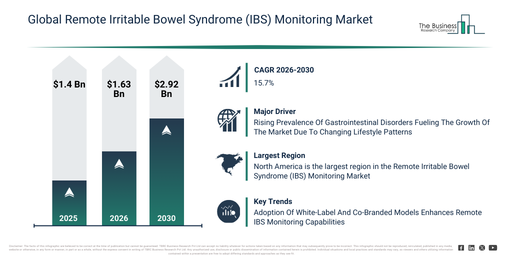
    The remote irritable bowel syndrome (ibs) monitoring market size has witnessed rapid expansion in recent years. Projections indicate it will grow from $1.4 billion in 2025 to $1.63 billion in 2026, achieving a compound annual growth rate (CAGR) of 16.0%. This historical growth can be attributed to the escalating prevalence of irritable bowel syndrome, the development of digital health platforms, the rising adoption of telehealth services, the broader availability of smartphone-based health monitoring, and the existence of cloud-based patient data systems.

    The remote irritable bowel syndrome (ibs) monitoring market is projected to experience substantial expansion in the coming years. This market is anticipated to reach a valuation of $2.92 billion by 2030, exhibiting a compound annual growth rate (CAGR) of 15.7%. The anticipated growth during this period stems from factors such as heightened demand for individualized gastrointestinal care, the expanding incorporation of remote diagnostic tools, the proliferation of value-based healthcare frameworks, the increasing application of predictive analytics in managing diseases, and increased funding for digital therapeutic solutions. Key trends projected for the forecast horizon encompass a rise in AI-powered symptom analysis, broader acceptance of mobile health monitoring platforms, greater incorporation of wearable IBS tracking devices, the development of customized treatment management instruments, and a stronger emphasis on patient involvement strategies.

    Access Your Free Sample Report for In-Depth Market Insights:

    https://www.thebusinessresearchcompany.com/sample.aspx?id=29175&type=smp

    Which Drivers Are Supporting The Rise Of The Remote Irritable Bowel Syndrome (IBS) Monitoring Market?

    The rising incidence of gastrointestinal disorders is projected to boost the expansion of the remote irritable bowel syndrome (IBS) monitoring market in the future. These conditions are ailments that disrupt the normal functioning of the digestive system, hindering digestion and bowel regularity. The surge in gastrointestinal disorders is primarily fueled by poor dietary choices that compromise gut health and digestion, leading to inflammation and digestive issues such as bloating and discomfort. Remote irritable bowel syndrome (IBS) monitoring helps alleviate symptom severity and slow the progression of the disease by enabling early detection of triggers and continuous management, thereby resulting in improved patient outcomes and an enhanced quality of life. For instance, in February 2025, according to Crohn’s & Colitis Australia, an Australia-based national organization, the anticipated prevalence of inflammatory bowel disease (IBD) in Australia is expected to climb from 20,511,881 cases in 2023 to 23,067,771 cases by 2030. Hence, the increasing occurrence of gastrointestinal disorders is a significant factor driving the growth of the remote irritable bowel syndrome (IBS) market.

    What Segments Are Identified Within The Structure Of The Remote Irritable Bowel Syndrome (IBS) Monitoring Market?

    The remote irritable bowel syndrome (ibs) monitoring market covered in this report is segmented –

    1) By Component: Devices, Software, Services

    2) By Application: Diagnosis, Symptom Tracking, Treatment Management, Patient Education, Other Applications

    3) By End-User: Hospitals And Clinics, Homecare Settings, Research Institutes, Other End-Users

    Subsegments:

    1) By Devices: Wearable Monitoring Devices, Non-Wearable Monitoring Devices, Portable Monitoring Devices, Implantable Monitoring Devices

    2) By Software: Data Analytics Software, Mobile Health Applications, Remote Monitoring Platforms, Cloud-Based Software Solutions

    3) By Services: Teleconsultation Services, Data Management Services, Technical Support Services, Training And Education Services

    What Long-Term Trends Are Expected To Shape The Future Of The Remote Irritable Bowel Syndrome (IBS) Monitoring Market?

    Leading firms within the remote irritable bowel syndrome (IBS) monitoring market are concentrating on creating white-label or co-branded service models, aiming to utilize existing digital infrastructure and clinical support systems. Such a model allows healthcare providers to offer pre-built digital health solutions under their own brand, merging a trusted identity with established technology for quicker implementation, reduced expenses, and an uninterrupted patient journey. As an example, in May 2024, Salvo Health, a US-based digital gastrointestinal care company, introduced its inaugural remote patient monitoring (RPM) enablement specifically for gastrointestinal (GI) chronic conditions. This initiative provides a novel digital care alternative for conditions including IBS, GERD, dyspepsia, celiac disease, and SIBO, enabling GI practices to integrate remote monitoring with conventional in-person treatment. Through its white-label or co-branded model, Salvo supplies local GI providers with digital resources, clinical personnel, and home monitoring equipment, empowering them to monitor heart rate variability (HRV) and correlate it with patient diet, behavior, and symptoms, thereby enhancing chronic care results and operational efficiency.

    Which Key Market Players Are Investing In Expansion And Innovation Within The Remote Irritable Bowel Syndrome (IBS) Monitoring Market?

    Major companies operating in the remote irritable bowel syndrome (ibs) monitoring market are Indegene, Vivante Health, Thryve Health, Heali AI Corp., Mahana Therapeutics Inc., metaMe Health Inc., Seed Health, Ayble Health, Oshi health, Salvo Health Inc., modifyhealth Inc., Food marble, nerva health, MyGiHealth, Sun Genomics, Dietahealth, Dige Health, Nori health, Sequenex, Bowelle.

    Access The Complete Report For Deeper Market Insights:

    https://www.thebusinessresearchcompany.com/report/remote-irritable-bowel-syndrome-ibs-monitoring-global-market-report

    Which Regions Are Poised For Strategic Growth In The Remote Irritable Bowel Syndrome (IBS) Monitoring Market?

    North America was the largest region in the remote irritable bowel syndrome (IBS) monitoring market in 2025. Asia-Pacific is expected to be the fastest-growing region in the forecast period. The regions covered in the remote irritable bowel syndrome (ibs) monitoring market report are Asia-Pacific, South East Asia, Western Europe, Eastern Europe, North America, South America, Middle East, Africa.

    Request Your Customized Remote Irritable Bowel Syndrome (IBS) Monitoring Market Research Report for Competitive Advantage:

    https://www.thebusinessresearchcompany.com/customise?id=29175&type=smp

    Browse Through More Reports Similar to the Global Remote Irritable Bowel Syndrome (IBS) Monitoring Market 2026, By The Business Research Company

    Inflammatory Bowel Disease Treatment Market Report 2026

    https://www.thebusinessresearchcompany.com/report/inflammatory-bowel-disease-treatment-global-market-report

    Bowel Management Systems Market Report 2026

    https://www.thebusinessresearchcompany.com/report/bowel-management-systems-global-market-report

    Gastrointestinal Devices Market Report 2026

    https://www.thebusinessresearchcompany.com/report/gastrointestinal-devices-global-market-report

    Get in touch with us:

    The Business Research Company: https://www.thebusinessresearchcompany.com/

    Americas +1 310-496-7795

    Asia +44 7882 955267 & +91 8897263534

    Europe +44 7882 955267

    Email us at info@tbrc.info

    Follow us on:

    LinkedIn: https://in.linkedin.com/company/the-business-research-company

    YouTube: https://www.youtube.com/channel/UC24_fI0rV8cR5DxlCpgmyFQ

    Global Market Model: https://www.thebusinessresearchcompany.com/global-market-model
  • Remote Healthcare Market 2026–2030: Emerging Trends and Forecast Opportunities

    Remote Healthcare Market 2026–2030: Emerging Trends and Forecast Opportunities

    Uncover key drivers, emerging technologies, and competitive movements shaping the remote healthcare market from 2026–2035 with trusted insights from The Business Research Company

    What size range is anticipated for the Remote Healthcare Market from 2026 to 2030?

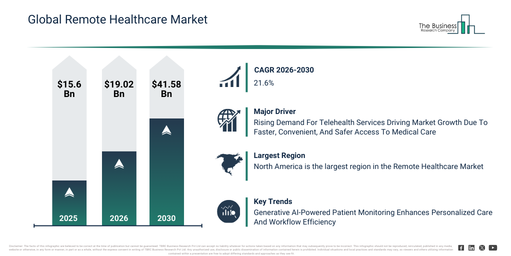
    The remote healthcare market has witnessed substantial expansion in recent years. Its value is anticipated to rise from $15.6 billion in 2025 to $19.02 billion in 2026, achieving a compound annual growth rate (CAGR) of 21.9%. The past growth of this market is attributable to various elements such as expanding healthcare access gaps, the development of digital health infrastructure, an increase in chronic conditions, greater internet and smartphone penetration, and the adoption of virtual healthcare models.

    The remote healthcare market is projected to experience substantial growth in the upcoming years, with its size expected to reach $41.58 billion by 2030, driven by a compound annual growth rate (CAGR) of 21.6%. This expansion during the forecast period can be attributed to several factors, including increasing investments in digital health platforms, a rising demand for home-based care solutions, the expansion of remote monitoring technologies, an amplified focus on value-based healthcare delivery, and the growing integration of AI and analytics into care provision. Significant trends during this period are anticipated to include the increasing adoption of teleconsultation services, a growing utilization of remote patient monitoring devices, the expansion of virtual care platforms, an enhanced focus on chronic disease management, and the rising integration of AI-based clinical support tools.

    Access Your Free Sample Report for In-Depth Market Insights:

    https://www.thebusinessresearchcompany.com/sample.aspx?id=24681&type=smp

    What Drivers Are Affecting Demand In The Remote Healthcare Market?

    The increasing demand for telehealth services is anticipated to drive the future growth of the remote healthcare market. Telehealth services encompass the application of digital technologies to provide healthcare remotely, enabling virtual connections between patients and providers for consultations, diagnoses, monitoring, and treatment. The growing adoption of telehealth services is attributed to individuals seeking faster, more convenient, and safer access to healthcare for remote consultations, continuous monitoring, and reduced travel. Telehealth services enhance remote healthcare by ensuring accessible and timely medical care and consultations for patients in distant or underserved areas without requiring travel. For instance, in April 2023, according to FAIR Health Inc., a US-based non-profit organization, national telehealth use rose by 7.3% in 2023, from 5.5% of medical claim lines in December 2022 to 5.9% in January 2023. Hence, the escalating demand for telehealth services is fueling the expansion of the remote healthcare market.

    Which Segments Are Gaining Traction In The Remote Healthcare Market?

    The remote healthcare market covered in this report is segmented –

    1) By Service: Remote Patient Monitoring, Real Time Virtual Health, Tele-ICU (Telemedicine Intensive Care Unit)

    2) By Deployment Mode: On-Premises, Cloud

    3) By Application: Diagnosis, Cardiology, Obstetrics, Senior Care, Other Applications

    4) By End-User: Hospitals, Clinics, Home Care Settings, Other End-Users

    Subsegments:

    1) By Remote Patient Monitoring: Chronic Disease Monitoring, Postoperative Monitoring, Vital Signs Monitoring, Medication Adherence Monitoring, Remote Fetal Monitoring

    2) By Real Time Virtual Health: Video Consultations, Audio Consultations, Remote Diagnosis And Treatment, Virtual Specialist Consultations, Mental Health Teletherapy Sessions

    3) By Tele-ICU (Telemedicine Intensive Care Unit): Continuous Patient Monitoring, Remote Specialist Consultation, Alarm And Event Management, Data Analytics And Decision Support, Remote Ventilator Management

    Which Market Trends Are Opening Growth Opportunities In The Remote Healthcare Market?

    Major companies operating in the remote healthcare market are prioritizing the development of technologically advanced solutions, such as generative AI-powered remote patient monitoring assistants and real-time diagnostics, with the aim of enhancing patient engagement and enabling personalized care delivery. A generative AI-powered remote patient monitoring assistant is defined as an intelligent system that employs AI to analyze real-time health data, generate customized insights, and automate communication with patients to optimize remote care provision. For example, in February 2025, Validic Inc., a US-based digital health company, introduced a generative AI-powered assistant integrated into its Validic Impact platform to improve remote patient monitoring. This assistant automatically interprets and summarizes complex health data, identifies health trends, generates concise data summaries, facilitates time-based comparisons, streamlines clinical workflows, and reduces the administrative load for providers. Operating on a secure, HITRUST-certified, and HIPAA-compliant infrastructure, it supports numerous health conditions and is compatible with hundreds of devices, thereby enabling clinicians to deliver more personalized, proactive, and efficient care.

    Who Are The Core Companies Influencing Trends In The Remote Healthcare Market?

    Major companies operating in the remote healthcare market are Medtronic plc, Siemens Healthcare GmbH, Koninklijke Philips N.V., GE Healthcare Limited, Resideo Technologies Inc., Teladoc Health Inc., Comarch S.A., American Well Corporation, MDLive Inc., Doctor on Demand Inc., CallHealth Services Pvt. Ltd., Talkspace, AMC Health Inc., 98point6 Technologies, Altibbi Inc., GlobalMed Inc., Binah.ai Ltd., InTouch Health Inc., Vivify Health Inc., VSee Lab Inc.

    Access The Complete Report For Deeper Market Insights:

    https://www.thebusinessresearchcompany.com/report/remote-healthcare-global-market-report

    Which Regions Are Projected To Dominate The Remote Healthcare Market In The Coming Years?

    North America was the largest region in the remote healthcare market in 2025. The regions covered in the remote healthcare market report are Asia-Pacific, South East Asia, Western Europe, Eastern Europe, North America, South America, Middle East, Africa.

    Request Your Customized Remote Healthcare Market Research Report for Competitive Advantage:

    https://www.thebusinessresearchcompany.com/customise?id=24681&type=smp

    Browse Through More Reports Similar to the Global Remote Healthcare Market 2026, By The Business Research Company

    Artificial Intelligence Ai In Remote Patient Monitoring Market Report 2026

    https://www.thebusinessresearchcompany.com/report/artificial-intelligence-ai-in-remote-patient-monitoring-global-market-report

    Remote Health Monitoring Market Report 2026

    https://www.thebusinessresearchcompany.com/report/remote-health-monitoring-global-market-report

    Remote Surgery Market Report 2026

    https://www.thebusinessresearchcompany.com/report/remote-surgery-global-market-report

    Get in touch with us:

    The Business Research Company: https://www.thebusinessresearchcompany.com/

    Americas +1 310-496-7795

    Asia +44 7882 955267 & +91 8897263534

    Europe +44 7882 955267

    Email us at info@tbrc.info

    Follow us on:

    LinkedIn: https://in.linkedin.com/company/the-business-research-company

    YouTube: https://www.youtube.com/channel/UC24_fI0rV8cR5DxlCpgmyFQ

    Global Market Model: https://www.thebusinessresearchcompany.com/global-market-model