Month: March 2026

  • Premature Ejaculation Treatment Market Trends and Insights: Global Forecast to 2030

    Premature Ejaculation Treatment Market Trends and Insights: Global Forecast to 2030

    Uncover key drivers, emerging technologies, and competitive movements shaping the premature ejaculation treatment market from 2026–2035 with trusted insights from The Business Research Company

    What growth pattern is forecast for the Premature Ejaculation Treatment Market size between 2026 and 2035?

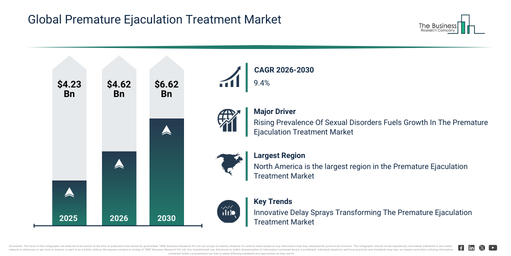
    The premature ejaculation treatment market size has experienced robust expansion over recent years. It is projected to grow from $4.23 billion in 2025 to $4.62 billion in 2026, representing a compound annual growth rate (CAGR) of 9.2%. Historically, this growth can be attributed to increased awareness of male sexual health, the availability of SSRI-based treatments, the expansion of retail pharmacy access, a growing acceptance of pharmacological therapies, and improvements in treatment efficacy.

    The premature ejaculation treatment market size is expected to show robust expansion in the upcoming years. It is forecast to grow to $6.62 billion in 2030, demonstrating a compound annual growth rate (CAGR) of 9.4%. The increase during this period can be attributed to a rising demand for personalized treatment regimens, an uptick in the use of digital health platforms for sexual wellness, the broadening of non-invasive treatment approaches, a heightened focus on holistic sexual health management, and the increased adoption of telemedicine consultations. Significant trends for the forecast duration include a growing embrace of combination drug therapies, an elevated demand for topical and oral treatment options, wider acceptance of behavioral therapy integration, an expansion of direct-to-consumer treatment channels, and an enhanced emphasis on patient privacy and discretion.

    Access Your Free Sample Report for In-Depth Market Insights:

    https://www.thebusinessresearchcompany.com/sample.aspx?id=13518&type=smp

    Which Drivers Are Impacting Market Performance In The Premature Ejaculation Treatment Market?

    The expanding occurrence of sexual disorders is anticipated to fuel the expansion of the premature ejaculation treatment market in the coming years. A sexual disorder or dysfunction describes challenges encountered by both males and females at any point during normal intimate activity. Premature ejaculation itself is a sexual disorder, with its treatment encompassing medications or therapeutic strategies aimed at managing and resolving the condition. For example, data from September 2024, released by NHS England Digital, a UK-based government agency, indicated a significant rise in contacts for sexual and reproductive health (SRH) services, totaling 2.08 million, which marks a 16% increase from the 1.79 million recorded in 2022-23. Furthermore, the British Association for Sexual Health and HIV (BASHH) reported that sexual health services in England delivered a record 4.61 million consultations in 2023, showing a 5% growth compared to the previous year. Consequently, the rising incidence of sexual disorders is propelling the growth of the premature ejaculation treatment market.

    Which Segments Are Contributing To The Growth Of The Premature Ejaculation Treatment Market?

    The premature ejaculation treatment market covered in this report is segmented –

    1) By Type: Antidepressants (SSRIs), Phosphodiesterase-5 Inhibitors, Topical Anesthetics, Analgesics, Other Treatment

    2) By Route of Administration: Oral, Topical

    3) By Distribution Channel: Retail, Direct-To-Consumer

    4) By Application: Hospital, Retail Pharmacy, Online Pharmacy, Other Applications

    Subsegments:

    1) By Antidepressants (Ssris): Paroxetine, Sertraline, Dapoxetine, Fluoxetine, Citalopram

    2) By Phosphodiesterase-5 Inhibitors: Sildenafil, Tadalafil, Vardenafil, Avanafil

    3) By Topical Anesthetics: Lidocaine-Based Creams, Prilocaine-Based Creams, Benzocaine-Based Sprays

    4) By Analgesics: Oral Pain Relievers, Topical Pain Relievers

    5) By Other Treatment: Behavioral Therapy, Counseling And Psychotherapy, Pelvic Floor Exercises, Mechanical Devices

    Which Trends Are Shaping Activity Within The Premature Ejaculation Treatment Market?

    Major companies active in the premature ejaculation treatment market are developing novel solutions, including delay sprays, to boost their earnings within the sector. These delay sprays are specifically formulated products applied to the penis before sexual activity, designed to help men last longer during intercourse by momentarily dulling penile nerves, thereby reducing sensitivity and postponing ejaculation. For instance, in August 2023, Maude, a US-based sexual wellness company, launched Stay, a delay spray expressly created to target premature ejaculation. This product contains 10% lidocaine, a fast-evaporating local anesthetic that decreases sensitivity in the male genital area. Additionally, Stay is compatible with both latex and polyisoprene condoms, as well as various lubricants and devices. It is also vegan-friendly, fragrance-free, and devoid of sulfates, silicones, and parabens.

    Who Are The Prominent Global Companies Shaping The Premature Ejaculation Treatment Market Landscape?

    Major companies operating in the premature ejaculation treatment market are Pfizer Inc, Johnson & Johnson, Merck & Co Inc, AbbVie Inc, Bayer AG, Novartis AG, GlaxoSmithKline plc, Takeda Pharmaceutical Company Limited, Eli Lilly And Company, Teva Pharmaceutical Industries Ltd, Sandoz International GmbH, Sun Pharmaceutical Industries Ltd, Menarini Group, Lupin Limited, Amneal Pharmaceuticals Inc, Mankind Pharma Ltd, Cipla Limited, Alembic Pharmaceuticals Limited, Torrent Pharmaceuticals Ltd, ANI Pharmaceuticals Inc, Vivus Inc, Innovus Pharmaceuticals Inc, Apricus Biosciences Inc, Endurance RP Ltd

    Access The Complete Report For Deeper Market Insights:

    https://www.thebusinessresearchcompany.com/report/premature-ejaculation-treatment-global-market-report

    Which Geographic Areas Are Emerging As Strong Markets For The Premature Ejaculation Treatment Market?

    North America was the largest region in the premature ejaculation treatment market in 2025, and is expected to be the fastest-growing region in the forecast period. The regions covered in the premature ejaculation treatment market report are Asia-Pacific, South East Asia, Western Europe, Eastern Europe, North America, South America, Middle East, Africa.

    Request Your Customized Premature Ejaculation Treatment Market Research Report for Competitive Advantage:

    https://www.thebusinessresearchcompany.com/customise?id=13518&type=smp

    Browse Through More Reports Similar to the Global Premature Ejaculation Treatment Market 2026, By The Business Research Company

    Fertility Treatments Market Report 2026

    https://www.thebusinessresearchcompany.com/report/fertility-treatments-global-market-report

    Infertility Treatment Market Report 2026

    https://www.thebusinessresearchcompany.com/report/infertility-treatment-global-market-report

    Precocious Puberty Treatment Market Report 2026

    https://www.thebusinessresearchcompany.com/report/precocious-puberty-treatment-global-market-report

    Get in touch with us:

    The Business Research Company: https://www.thebusinessresearchcompany.com/

    Americas +1 310-496-7795

    Asia +44 7882 955267 & +91 8897263534

    Europe +44 7882 955267

    Email us at info@tbrc.info

    Follow us on:

    LinkedIn: https://in.linkedin.com/company/the-business-research-company

    YouTube: https://www.youtube.com/channel/UC24_fI0rV8cR5DxlCpgmyFQ

    Global Market Model: https://www.thebusinessresearchcompany.com/global-market-model
  • Sacroiliitis Treatment Market Research: Growth Projections and Trends 2030

    Sacroiliitis Treatment Market Research: Growth Projections and Trends 2030

    Uncover key drivers, emerging technologies, and competitive movements shaping the sacroiliitis treatment market from 2026–2035 with trusted insights from The Business Research Company

    Across 2026–2030, what is the expected market valuation path of the Sacroiliitis Treatment Market?

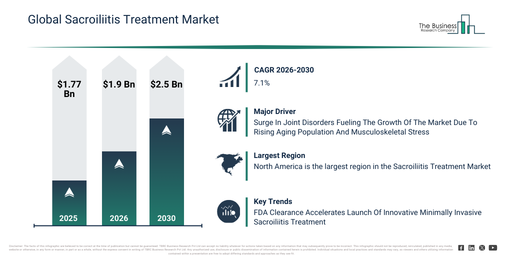
    The sacroiliitis treatment market has experienced significant expansion in recent years. This market is projected to increase from $1.77 billion in 2025 to $1.9 billion in 2026, demonstrating a compound annual growth rate (CAGR) of 7.4%. The historical rise in this market can be attributed to several factors, including the increasing prevalence of inflammatory spinal disorders, the wider use of diagnostic imaging, an improved understanding of sacroiliac joint pathology, the expansion of pain management clinics, and the availability of advanced pharmacological therapies.

    The sacroiliitis treatment market is anticipated to experience robust expansion in the coming years. This market is projected to reach $2.5 billion by 2030, demonstrating a compound annual growth rate (CAGR) of 7.1%. Key factors contributing to this growth during the forecast period include the rising acceptance of biologic drugs, a greater need for minimally invasive pain management, the expansion of orthopedic procedures performed on an outpatient basis, the increasing incorporation of digital diagnostics, and an enhanced emphasis on restoring long-term mobility. Notable trends expected throughout the forecast period encompass the augmented utilization of image-guided diagnostic methods, an uptick in the adoption of minimally invasive SI joint fusion, an evolving preference for biologic and targeted therapeutic options, the broadening of radiofrequency-based pain management strategies, and a heightened focus on individualized treatment plans.

    Access Your Free Sample Report for In-Depth Market Insights:

    https://www.thebusinessresearchcompany.com/sample.aspx?id=24688&type=smp

    Which Drivers Are Supporting The Rise Of The Sacroiliitis Treatment Market?

    The future expansion of the sacroiliitis treatment market is anticipated to be driven by the rising occurrence of joint disorders. These conditions, which involve pain, inflammation, stiffness, and restricted movement in the joints, stem from causes such as injury, aging, autoimmune diseases, or infections. The growing prevalence of joint disorders is largely attributable to the natural deterioration of joints in aging populations, leading to an increased incidence of conditions like osteoarthritis and other degenerative joint ailments. Sacroiliitis treatment offers benefits for joint disorders by alleviating inflammation and pain in the sacroiliac joints, thereby enhancing mobility and overall joint function, which can ease symptoms and prevent further damage. A relevant illustration is the data from February 2024, provided by Arthritis Australia, an Australia-based non-profit organization, indicating that in 2025, osteoarthritis (OA) is predicted to impact 2.35 million Australians (Figure 2), constituting 57% of the total arthritis population and establishing it as the most common type of arthritis nationwide. Furthermore, by 2040, the count of Australians suffering from OA is projected to climb to 3.11 million, marking a 32% increase from 2025. This means an additional 762,515 individuals in Australia will be living with OA by 2040 compared to 2025. Consequently, the escalating rates of joint disorders are fueling the demand within the sacroiliitis treatment market.

    What Leading Segments Are Studied In The Sacroiliitis Treatment Market?

    The sacroiliitis treatment market covered in this report is segmented –

    1) By Type: Medications, Joint Injections, Joint Fusion, Radiofrequency Denervation, Electrical Stimulation

    2) By Diagnosis: Imaging Tests, Physical Examination, Laboratory Tests, Other Diagnosis

    3) By Route Of Administration: Oral, Injectable, Topical

    4) By End-User: Hospitals, Specialty Clinics, Ambulatory Surgical Centers, Home Care Settings

    Subsegments:

    1) By Medications: NSAIDs (Nonsteroidal Anti-Inflammatory Drugs), Corticosteroids, Disease-Modifying Antirheumatic Drugs (DMARDs), Biologic Agents, Analgesics

    2) By Joint Injections: Corticosteroid Injections, Platelet-Rich Plasma (PRP) Injections, Hyaluronic Acid Injections, Prolotherapy

    3) By Joint Fusion: Minimally Invasive SI Joint Fusion, Open SI Joint Fusion, Robotic-Assisted Fusion Techniques, Posterior Approach Fusion, Lateral Approach Fusion

    4) By Radiofrequency Denervation: Conventional Radiofrequency Ablation, Cooled Radiofrequency Ablation, Pulsed Radiofrequency Ablation

    5) By Electrical Stimulation: Transcutaneous Electrical Nerve Stimulation (TENS), Spinal Cord Stimulation (SCS), Peripheral Nerve Stimulation (PNS)

    Which Trends Are Guiding The Evolution Of The Sacroiliitis Treatment Market?

    Leading companies within the sacroiliitis treatment market are concentrating their efforts on securing regulatory approvals. This strategic focus aims to expedite the introduction of innovative therapies, facilitate market access, and bolster their competitive standing. Regulatory approvals denote the official authorization granted by government health agencies, confirming a medical treatment’s safety and effectiveness for public consumption. For example, in December 2023, Spinal Simplicity, a US-based medical equipment manufacturer, was granted FDA 510(k) clearance for its Liberty-SI Lateral Implant System. This system is a minimally invasive, transfixing device designed for sacroiliac joint fusion in patients presenting with conditions such as sacroiliac disruptions and degenerative sacroiliitis. The system employs a lateral approach, where one or two titanium implants are inserted through the ilium, across the SI joint, and into the sacrum, thereby providing stabilization and fusion. The implants feature a central threaded body with deployable wings and compressive elements, are offered in multiple sizes, and are coated with hydroxyapatite to enhance integration. This procedure is envisioned to be safer and less invasive, potentially reducing anesthesia duration and improving patient outcomes.

    Which Leading Companies Dominate The Sacroiliitis Treatment Market Share?

    Major companies operating in the sacroiliitis treatment market are Pfizer Inc, Johnson And Johnson, AbbVie Inc, Novartis AG, Eli Lilly And Company, Boehringer Ingelheim International GmbH, Amgen Inc, Biogen Inc, Sandoz Group AG, UCB SA, Hikma Pharmaceuticals PLC, Samsung Bioepis Co Ltd, Lupin Limited, Zydus Lifesciences Limited, Celltrion Healthcare Co Ltd, Torrent Pharmaceuticals Limited, Globus Medical, Orthofix Medical Inc, Coherus BioSciences Inc, SI BONE Inc, Medtronic plc

    Access The Complete Report For Deeper Market Insights:

    https://www.thebusinessresearchcompany.com/report/sacroiliitis-treatment-global-market-report

    How Does The Sacroiliitis Treatment Market Perform Across Major Global Regions?

    North America was the largest region in the sacroiliitis treatment market in2025. Asia-Pacific is expected to be the fastest-growing region in the forecast period. The regions covered in the sacroiliitis treatment market report are Asia-Pacific, South East Asia, Western Europe, Eastern Europe, North America, South America, Middle East, Africa.

    Request Your Customized Sacroiliitis Treatment Market Research Report for Competitive Advantage:

    https://www.thebusinessresearchcompany.com/customise?id=24688&type=smp

    Browse Through More Reports Similar to the Global Sacroiliitis Treatment Market 2026, By The Business Research Company

    Psoriatic Arthritis Treatments Market Report 2026

    https://www.thebusinessresearchcompany.com/report/psoriatic-arthritis-treatments-global-market-report

    Diverticulitis Disease Market Report 2026

    https://www.thebusinessresearchcompany.com/report/diverticulitis-disease-global-market-report

    Neutropenia Biologic Drug Treatments Market Report 2026

    https://www.thebusinessresearchcompany.com/report/neutropenia-biologic-drug-treatments-global-market-report

    Get in touch with us:

    The Business Research Company: https://www.thebusinessresearchcompany.com/

    Americas +1 310-496-7795

    Asia +44 7882 955267 & +91 8897263534

    Europe +44 7882 955267

    Email us at info@tbrc.info

    Follow us on:

    LinkedIn: https://in.linkedin.com/company/the-business-research-company

    YouTube: https://www.youtube.com/channel/UC24_fI0rV8cR5DxlCpgmyFQ

    Global Market Model: https://www.thebusinessresearchcompany.com/global-market-model
  • Metastatic Lung Adenocarcinoma Treatment Industry Growth Insights: Revenue Forecast to 2030

    Metastatic Lung Adenocarcinoma Treatment Industry Growth Insights: Revenue Forecast to 2030

    Uncover key drivers, emerging technologies, and competitive movements shaping the metastatic lung adenocarcinoma treatment market from 2026–2035 with trusted insights from The Business Research Company

    What upper market value could the Metastatic Lung Adenocarcinoma Treatment Market reach by 2030 starting from 2026 levels?

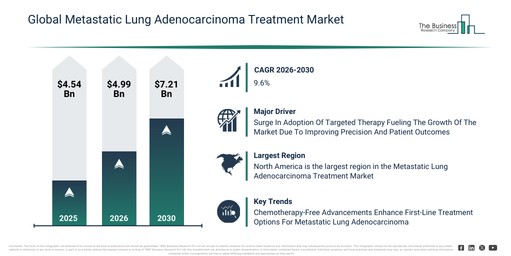
    The metastatic lung adenocarcinoma treatment market has shown significant growth in recent years. Its value is expected to rise from $4.54 billion in 2025 to $4.99 billion in 2026, achieving a compound annual growth rate (CAGR) of 9.9%. Historically, this growth can be ascribed to factors such as the increasing prevalence of lung cancer, the adoption of platinum chemotherapy, the early use of EGFR inhibitors, greater reliance on radiation therapy, and advancements in diagnostics.

    The metastatic lung adenocarcinoma treatment market size is anticipated to experience substantial growth in the upcoming years, with projections indicating it will expand to $7.21 billion in 2030, achieving a compound annual growth rate (CAGR) of 9.6%. This expansion during the forecast period is primarily driven by the increasing application of ALK and ROS1 inhibitors, the growing adoption of immunotherapy combinations, progress in CAR-T research for lung cancer, improvements in advanced imaging techniques, and heightened investment in targeted therapy development. Major trends during this period are expected to include the integration of precision medicine into lung adenocarcinoma treatment, AI-powered tumor detection and therapy optimization, big data-enhanced immunotherapy, the introduction of virtual simulation platforms for oncology training, and automated diagnostic and treatment workflow solutions.

    Access Your Free Sample Report for In-Depth Market Insights:

    https://www.thebusinessresearchcompany.com/sample.aspx?id=24320&type=smp

    Which Drivers Are Influencing Long-Term Growth In The Metastatic Lung Adenocarcinoma Treatment Market?

    The widespread use of targeted therapy is projected to fuel expansion in the metastatic lung adenocarcinoma treatment market moving ahead. This cancer treatment precisely inhibits tumor growth and dissemination by employing drugs that focus on particular genes or proteins implicated in cancer progression. It is becoming increasingly popular because it specifically targets genetic mutations, leading to better treatment results and fewer adverse effects than traditional approaches. In the context of metastatic lung adenocarcinoma, targeted therapy functions by blocking the specific genetic mutations responsible for the cancer’s proliferation and spread. This method provides a more accurate strategy with less severe side effects, significantly improving survival rates and quality of life for patients with identifiable mutations. For example, data from July 2023, reported by the American Society of Gene and Cell Therapy (ASGCT), a US-based professional membership organization, and Citeline, a US-based provider of drugs and devices, indicated that 247 gene therapies were in Phase II at the close of the first quarter of 2023. This number then rose by 5% to 260 by the end of the second quarter. Consequently, the growing acceptance of targeted therapy is a key factor propelling the expansion of the metastatic lung adenocarcinoma treatment market.

    Which Segments Are Driving Activity In The Metastatic Lung Adenocarcinoma Treatment Market?

    The metastatic lung adenocarcinoma treatment market covered in this report is segmented –

    1) By Treatment: Chemotherapy, Targeted Therapy, Immunotherapy, Radiation Therapy

    2) By Route Of Administration: Oral, Intravenous

    3) By End-User: Hospitals, Cancer Research Centers, Specialty Clinics

    Subsegments:

    1) By Chemotherapy: Platinum-Based Chemotherapy, Non-Platinum Chemotherapy, Combination Therapy, Single-Agent Chemotherapy

    2) By Targeted Therapy: Epidermal Growth Factor Receptor Inhibitors, Anaplastic Lymphoma Kinase Inhibitors, C-Ros Oncogene 1 Receptor Tyrosine Kinase Inhibitors, V-Raf Murine Sarcoma Viral Oncogene Homolog B1 Inhibitors, Rearranged During Transfection Inhibitors, Mesenchymal-Epithelial Transition Factor Inhibitors, Neurotrophic Tropomyosin Receptor Kinase Inhibitors

    3) By Immunotherapy: PD-1 Inhibitors, PD-L1 Inhibitors, CTLA-4 Inhibitors, Combination Immunotherapy, CAR-T Cell Therapy (Emerging)

    4) By Radiation Therapy: External Beam Radiation Therapy (EBRT), Stereotactic Body Radiotherapy (SBRT), Intensity-Modulated Radiation Therapy (IMRT), Proton Therapy

    What Trends Are Driving The Growth Trajectory Of The Metastatic Lung Adenocarcinoma Treatment Market?

    Leading companies within the metastatic lung adenocarcinoma treatment market are concentrating on creating sophisticated treatments, including chemotherapy-free options, to boost long-term survival rates by targeting specific genetic mutations and improving patient results. Chemotherapy-free treatment denotes cancer therapies that employ alternatives like targeted therapy or immunotherapy, with the goal of effective cancer management alongside mitigating the harsh side effects commonly associated with conventional chemotherapy. As an illustration, in August 2024, Johnson & Johnson, a US-based healthcare company, revealed that the U.S. Food and Drug Administration (FDA) had granted approval for RYBREVANT (amivantamab-vmjw) paired with LAZCLUZE (lazertinib) as a first-line, chemotherapy-free intervention for adults diagnosed with locally advanced or metastatic non-small cell lung cancer (NSCLC) exhibiting EGFR exon 19 deletions or exon 21 L858R substitution mutations. This approval was substantiated by findings from the Phase 3 MARIPOSA study, which indicated superior progression-free survival in contrast to osimertinib.

    Which Key Market Players Are Investing In Expansion And Innovation Within The Metastatic Lung Adenocarcinoma Treatment Market?

    Major companies operating in the metastatic lung adenocarcinoma treatment market are Pfizer Inc., Johnson & Johnson, F. Hoffmann-La Roche Ltd, Merck & Co. Inc., Bristol-Myers Squibb Company, AstraZeneca PLC, Novartis AG, Boehringer Ingelheim International GmbH, BeiGene Ltd., Novocure, Gilead Sciences, Daiichi Sankyo Company Limited, Mirati Therapeutics Inc., Nuvalent Inc., Moderna Therapeutics, Shanghai Henlius Biotech, Duality BioSciences Inc., Arcus Biosciences Inc., NeoImmuneTech Inc., Hutchison Medipharma Limited, Betta Pharma Company Limited, OncoC4 Inc., Xcovery Holding Company, BioNTech SE

    Access The Complete Report For Deeper Market Insights:

    https://www.thebusinessresearchcompany.com/report/metastatic-lung-adenocarcinoma-treatment-global-market-report

    Which Geographic Areas Are Emerging As Strong Markets For The Metastatic Lung Adenocarcinoma Treatment Market?

    North America was the largest region in the metastatic lung adenocarcinoma treatment market in 2025. Asia-Pacific is expected to be the fastest-growing region in the forecast period. The regions covered in the metastatic lung adenocarcinoma treatment market report are Asia-Pacific, South East Asia, Western Europe, Eastern Europe, North America, South America, Middle East, Africa.

    Request Your Customized Metastatic Lung Adenocarcinoma Treatment Market Research Report for Competitive Advantage:

    https://www.thebusinessresearchcompany.com/customise?id=24320&type=smp

    Browse Through More Reports Similar to the Global Metastatic Lung Adenocarcinoma Treatment Market 2026, By The Business Research Company

    Small Cell Lung Cancer Therapeutics Market Report 2026

    https://www.thebusinessresearchcompany.com/report/small-cell-lung-cancer-therapeutics-global-market-report

    Metastatic Cancer Drugs Market Report 2026

    https://www.thebusinessresearchcompany.com/report/metastatic-cancer-drugs-global-market-report

    Metastatic Breast Cancer Treatment Market Report 2026

    https://www.thebusinessresearchcompany.com/report/metastatic-breast-cancer-treatment-global-market-report

    Get in touch with us:

    The Business Research Company: https://www.thebusinessresearchcompany.com/

    Americas +1 310-496-7795

    Asia +44 7882 955267 & +91 8897263534

    Europe +44 7882 955267

    Email us at info@tbrc.info

    Follow us on:

    LinkedIn: https://in.linkedin.com/company/the-business-research-company

    YouTube: https://www.youtube.com/channel/UC24_fI0rV8cR5DxlCpgmyFQ

    Global Market Model: https://www.thebusinessresearchcompany.com/global-market-model
  • Global Preimplantation Genetic Testing Market Report 2026–2030: Data-Driven Growth Insights

    Global Preimplantation Genetic Testing Market Report 2026–2030: Data-Driven Growth Insights

    Uncover key drivers, emerging technologies, and competitive movements shaping the preimplantation genetic testing market from 2026–2035 with trusted insights from The Business Research Company

    How much larger will the Preimplantation Genetic Testing Market be in 2030 compared with 2026?

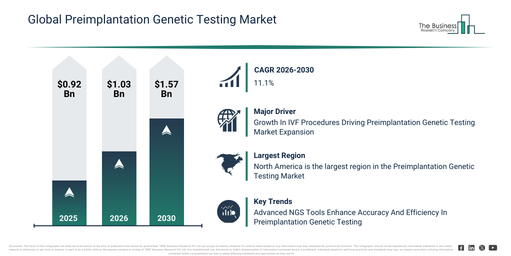
    The preimplantation genetic testing market has seen significant expansion in recent years. It is forecast to grow from $0.92 billion in 2025 to $1.03 billion in 2026, demonstrating a compound annual growth rate (CAGR) of 11.4%. The growth observed in the past can be attributed to several factors, including the increasing application of assisted reproductive technologies, improvements in embryo biopsy techniques, a heightened awareness regarding the prevention of genetic diseases, the expansion of fertility clinics, and better success rates for IVF.

    The preimplantation genetic testing market is projected for significant expansion in the coming years, reaching $1.57 billion by 2030, driven by a compound annual growth rate (CAGR) of 11.1%. This anticipated growth stems from several factors, including the escalating demand for personalized reproductive medicine, the expanding embrace of cutting-edge genomic technologies, the broadening of fertility preservation services, a rise in investment within reproductive health infrastructure, and a greater regulatory acceptance of genetic screening. Key trends foreseen during this period involve a greater uptake of embryo screening procedures, an increased application of next-generation sequencing in IVF, the wider integration of genetic testing into fertility treatments, a heightened desire for better implantation success rates, and a sharpened emphasis on mitigating genetic disorders.

    Access Your Free Sample Report for In-Depth Market Insights:

    https://www.thebusinessresearchcompany.com/sample.aspx?id=20596&type=smp

    What Drivers Are Guiding Growth Patterns In The Preimplantation Genetic Testing Market?

    An anticipated rise in in vitro fertilization (IVF) procedures is poised to drive the expansion of the preimplantation genetic testing market in the future. IVF involves the process of fertilizing an egg with sperm externally to create an embryo, which is then transferred into the uterus. Advancements in reproductive technology, higher infertility rates, and enhanced public knowledge are fueling the rise in IVF procedures. This surge in in vitro fertilization (IVF) procedures is stimulating the preimplantation genetic testing market, as it generates greater demand for genetic screening of embryos prior to implantation. For example, the Human Fertilisation & Embryology Authority, an independent UK-based fertility treatment regulator, stated in June 2025 that 52,400 patients underwent more than 77,500 in vitro fertilization (IVF) cycles at licensed UK fertility clinics in 2023. Furthermore, egg freezing cycles grew from 4,700 in 2022 to 6,900 in 2023, representing 7% of total cycles. Consequently, the expanding number of in vitro fertilization (IVF) procedures is a key factor propelling the preimplantation genetic testing market.

    How Is The Preimplantation Genetic Testing Market Divided Into Segments?

    The preimplantation genetic testing market covered in this report is segmented –

    1) By Procedure: Preimplantation Genetic Screening, Preimplantation Genetic Diagnosis

    2) By Product: Reagents And Consumables, Instruments, Software

    3) By Technology: Next Generation Sequencing (NGS), Polymerase Chain Reaction (PCR), Fluorescent In Situ Hybridization (FISH), Other Technologies

    4) By Application: Chromosomal Abnormalities, Aneuploidy Screening, X-Linked Diseases, Embryo Testing, Human Leukocyte Antigen (HLA) Typing, Other Applications

    5) By End User: Hospitals, Fertility Centers, Diagnostic Centers, Research Centers And Academic Labs

    Subsegments:

    1) By Preimplantation Genetic Screening (PGS): Array Comparative Genomic Hybridization (aCGH), Next-Generation Sequencing (NGS), Fluorescence In Situ Hybridization (FISH)

    2) By Preimplantation Genetic Diagnosis (PGD): Monogenic Disorders Testing, Chromosomal Abnormalities Testing, HLA Typing for Stem Cell Transplantation

    Which Trends Are Influencing The Development Of The Preimplantation Genetic Testing Market?

    Leading firms within the preimplantation genetic testing market are creating sophisticated next-generation sequencing (NGS) instruments aimed at boosting the precision, effectiveness, and swiftness of genetic screening, facilitating a broader analysis and more informed choices for future parents. These next-generation sequencing (NGS) instruments quicken genetic research through fast, high-volume examination of deoxyribonucleic acid (DNA) and ribonucleic acid (RNA). They offer in-depth understanding of genetic differences and gene activity, thereby enhancing precision and making personalized medicine possible. As an illustration, in July 2023, Thermo Fisher Scientific, a US-based biotechnology company, introduced the Ion ReproSeq PGT-A Kit and the Ion AmpliSeq Polyploidy Kit, which are advanced next-generation sequencing tools developed to improve IVF and ICSI research. These assays simplify processes from sample handling to aneuploidy analysis, utilizing advanced technology on the Ion Torrent Genexus integrated sequencer. This represents a substantial step forward in the preimplantation genetic testing market by improving embryo screening and elevating success rates in assisted reproductive technologies.

    Which Key Players Are Driving Competition In The Preimplantation Genetic Testing Market?

    Major companies operating in the preimplantation genetic testing market are Thermo Fisher Scientific, Abbott Laboratories, Laboratory Corporation of America Holdings, Agilent Technologies Inc., Illumina Inc., Revvity Health Science Inc., CooperSurgical Inc., Natera Inc., Myriad Genetics Inc., Fulgent Genetics Inc., Invitae Corporation, Takara Bio Inc., MedGenome Labs Ltd., Genea Limited, Ovation Fertility, Juno Genetics Ltd, Invicta Genetics, Progenesis, Bioarray SL, PacGenomics, Reproductive Genetic Innovations LLC, SEQUENCE46 LLC

    Access The Complete Report For Deeper Market Insights:

    https://www.thebusinessresearchcompany.com/report/preimplantation-genetic-testing-global-market-report

    Which Region Is Projected To Lead The Preimplantation Genetic Testing Market During The Forecast Period?

    North America was the largest region in the preimplantation genetic testing market in 2025. Asia-Pacific is expected to be the fastest-growing region in the forecast period. The regions covered in the preimplantation genetic testing market report are Asia-Pacific, South East Asia, Western Europe, Eastern Europe, North America, South America, Middle East, Africa.

    Request Your Customized Preimplantation Genetic Testing Market Research Report for Competitive Advantage:

    https://www.thebusinessresearchcompany.com/customise?id=20596&type=smp

    Browse Through More Reports Similar to the Global Preimplantation Genetic Testing Market 2026, By The Business Research Company

    Genetically Modified Animal Products Market Report 2026

    https://www.thebusinessresearchcompany.com/report/genetically-modified-animal-products-global-market-report

    Genetically Modified Fruits Market Report 2026

    https://www.thebusinessresearchcompany.com/report/genetically-modified-fruits-global-market-report

    Optogenetics Market Report 2026

    https://www.thebusinessresearchcompany.com/report/optogenetics-global-market-report

    Get in touch with us:

    The Business Research Company: https://www.thebusinessresearchcompany.com/

    Americas +1 310-496-7795

    Asia +44 7882 955267 & +91 8897263534

    Europe +44 7882 955267

    Email us at info@tbrc.info

    Follow us on:

    LinkedIn: https://in.linkedin.com/company/the-business-research-company

    YouTube: https://www.youtube.com/channel/UC24_fI0rV8cR5DxlCpgmyFQ

    Global Market Model: https://www.thebusinessresearchcompany.com/global-market-model
  • Global Sacroiliac Joint Fusion Industry Insights: Key Trends and Growth Estimates

    Global Sacroiliac Joint Fusion Industry Insights: Key Trends and Growth Estimates

    Uncover key drivers, emerging technologies, and competitive movements shaping the sacroiliac joint fusion market from 2026–2035 with trusted insights from The Business Research Company

    What size range is anticipated for the Sacroiliac Joint Fusion Market from 2026 to 2030?

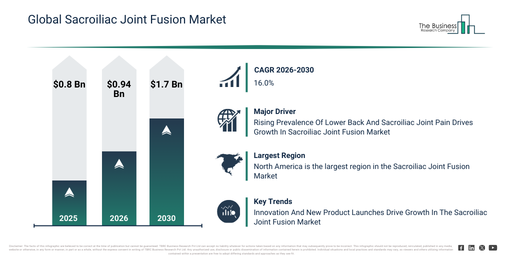
    The sacroiliac joint fusion market size has experienced rapid growth in recent years. It is anticipated to expand from $0.8 billion in 2025 to $0.94 billion in 2026, exhibiting a compound annual growth rate (CAGR) of 18.0%. This historical expansion is largely attributable to the increasing prevalence of lower back pain disorders, enhanced diagnosis of sacroiliac joint dysfunction, the widespread availability of fusion implant systems, growing expertise in spine surgery, and the uptake of minimally invasive surgical approaches.

    The sacroiliac joint fusion market is projected to experience significant expansion over the next few years, with estimates indicating it will reach $1.7 billion by 2030, demonstrating a compound annual growth rate (CAGR) of 16.0%. This growth during the forecast period is primarily driven by factors such as the increasing demand for outpatient orthopedic procedures, the rising incorporation of advanced spinal implants, an intensifying focus on faster patient recovery, the expansion of image-guided surgical systems, and growing investments in orthopedic innovation. Furthermore, prominent trends expected within this period include the increasing adoption of minimally invasive fusion procedures, the rising utilization of advanced implant technologies, a growing demand for image-guided surgical techniques, the broadening availability of outpatient spine surgery settings, and an enhanced emphasis on long-term pain management.

    Access Your Free Sample Report for In-Depth Market Insights:

    https://www.thebusinessresearchcompany.com/sample.aspx?id=15921&type=smp

    What Drivers Are Affecting Demand In The Sacroiliac Joint Fusion Market?

    The expanding occurrence of lower back pain is anticipated to drive the advancement of the sacroiliac joint fusion market. Lower back pain describes discomfort felt in the spine’s lumbar area, specifically the region from the lower rib cage to the upper legs. This widespread ailment ranges in severity from a persistent, mild ache to acute, intense pain. Factors contributing to the widespread nature of low back pain include occupational stress, inactive routines, excess weight, and nutritional habits. Sacroiliac joint fusion offers relief from lower back pain, enhancing overall bodily function and life quality through joint stabilization and the minimization of irregular motion. As an illustration, a May 2023 article from the National Center For Biotechnology Information, a US governmental body, reported that low back pain (LBP) affected 619 million individuals globally in 2020, with forecasts indicating an increase to 843 million by 2050. Consequently, the rising incidence of lower back pain is fueling the expansion of the sacroiliac joint fusion market.

    Which Segment Groups Are Influencing The Sacroiliac Joint Fusion Market?

    The sacroiliac joint fusion market covered in this report is segmented –

    1) By Product: Implants, Accessories, Injections, Diagnosis, Treatment, RF Ablation

    2) By Indication Type: Degenerative Sacroiliitis, Sacral Disruption, Trauma

    3) By Approach: Dorsal, Anterior

    4) By End-user: Hospitals, Ambulatory Surgical Centers, Other End Users

    Subsegments:

    1) By Implants: Screws, Plates, Cages

    2) By Accessories: Instrumentation Kits, Spacers, Guides

    3) By Injections: Steroid Injections, Local Anesthetic Injections, Diagnostic Joint Injections

    4) By Diagnosis: X-Ray, CT Scan, MRI

    5) By Treatment: Minimally Invasive Surgery, Open Surgery, RF Ablation

    6) By RF Ablation: Radiofrequency (RF) Ablation Systems, RF Ablation Probes

    What Trends Are Projected To Support The Growth Of The Sacroiliac Joint Fusion Market?

    Leading companies in the sacroiliac joint fusion market are developing advanced implants, such as granite implant systems, to enhance patient results, decrease surgery duration, and improve the overall success of the procedure. The granite implant system for SI joint fusion is a medical device specifically designed to address conditions affecting the sacroiliac joint, including sacroiliac joint dysfunction or sacroiliitis, thereby offering a path to better quality of life through effective joint stabilization and fusion. For example, in May 2024, SI-BONE Inc., a UK-based healthcare company specializing in the surgical treatment of musculoskeletal disorders, launched the iFuse Bedrock Granite Implant System. This innovative implant features a smaller diameter, making it suitable for sacroiliac fusion and spinopelvic fixation, which are vital for multi-segment spinal fusion procedures. The new implant secured a Breakthrough Device Designation from the FDA and a new technology add-on payment from CMS. The iFuse Bedrock Granite Implant System marks a substantial advancement in treating SI joint dysfunction, providing a dependable and effective choice for patients experiencing chronic lower back pain linked to SI joint issues.

    Who Are The Major Companies Operating In The Sacroiliac Joint Fusion Market?

    Major companies operating in the sacroiliac joint fusion market are Medtronic Plc, Zimmer Biomet Holdings Inc., Integra LifeSciences, NuVasive Inc., Globus Medical, Orthofix Inc., Medacta International SA, Alphatec Holdings Inc., RTI Surgical Holdings Inc., SeaSpine, SI-BONE Inc., Surgalign Holdings Inc., Xtant Medical, CoreLink, Life Spine Inc., Genesys Spine, Camber Spine Technologies LLC, Captiva Spine Inc., VGI Medical LLC, PainTEQ, CornerLoc, SIGNUS Medizintechnik GmbH, Tenon Medical Inc.

    Access The Complete Report For Deeper Market Insights:

    https://www.thebusinessresearchcompany.com/report/sacroiliac-joint-fusion-global-market-report

    Which Region Is Anticipated To See The Fastest Growth In The Sacroiliac Joint Fusion Market?

    North America was the largest region in the sacroiliac joint fusion market in 2025. Asia-Pacific is expected to be the fastest-growing region in the forecast period. The regions covered in the sacroiliac joint fusion market report are Asia-Pacific, South East Asia, Western Europe, Eastern Europe, North America, South America, Middle East, Africa.

    Request Your Customized Sacroiliac Joint Fusion Market Research Report for Competitive Advantage:

    https://www.thebusinessresearchcompany.com/customise?id=15921&type=smp

    Browse Through More Reports Similar to the Global Sacroiliac Joint Fusion Market 2026, By The Business Research Company

    Joint Reconstruction Devices And Equipment Market Report 2026

    https://www.thebusinessresearchcompany.com/report/joint-reconstruction-devices-and-equipment-global-market-report

    Emollients Market Report 2026

    https://www.thebusinessresearchcompany.com/report/emollients-global-market-report

    Axial Spondyloarthritis Axspa Market Report 2026

    https://www.thebusinessresearchcompany.com/report/axial-spondyloarthritis-axspa-global-market-report

    Get in touch with us:

    The Business Research Company: https://www.thebusinessresearchcompany.com/

    Americas +1 310-496-7795

    Asia +44 7882 955267 & +91 8897263534

    Europe +44 7882 955267

    Email us at info@tbrc.info

    Follow us on:

    LinkedIn: https://in.linkedin.com/company/the-business-research-company

    YouTube: https://www.youtube.com/channel/UC24_fI0rV8cR5DxlCpgmyFQ

    Global Market Model: https://www.thebusinessresearchcompany.com/global-market-model
  • Pregnancy Test Kits Market Dynamics 2026: Future Outlook and Key Insights

    Pregnancy Test Kits Market Dynamics 2026: Future Outlook and Key Insights

    Uncover key drivers, emerging technologies, and competitive movements shaping the pregnancy test kits market from 2026–2035 with trusted insights from The Business Research Company

    Starting from its 2026 valuation, what market size is the Pregnancy Test Kits Market expected to reach by 2030?

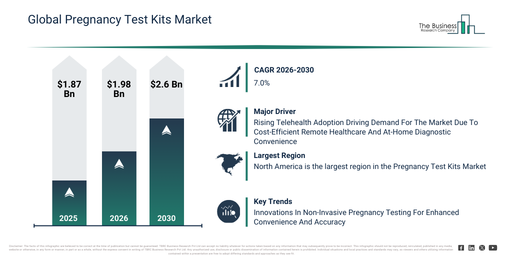
    The pregnancy test kits market size has demonstrated significant growth in recent years. It is anticipated to increase from $1.87 billion in 2025 to $1.98 billion in 2026, achieving a compound annual growth rate (CAGR) of 5.9%. The expansion observed in the past can be attributed to heightened awareness of reproductive health, the broad availability of OTC diagnostic products, the widening of retail pharmacy networks, an uptick in the use of home-based testing, and enhancements in hCG detection sensitivity.

    The pregnancy test kits market is projected to experience substantial expansion in the coming years. This market is anticipated to reach $2.6 billion by 2030, demonstrating a compound annual growth rate (CAGR) of 7.0%. Factors contributing to this growth during the forecast period include the escalating demand for connected health diagnostics, a heightened focus on women’s health technologies, the expansion of testing supported by telehealth, the increasing uptake of digital readout tests, and a greater emphasis on sustainability within diagnostic products. Key trends observed within the forecast timeframe encompass the wider adoption of digital pregnancy test kits, a surging demand for early and precise detection, an expanding preference for at-home diagnostic remedies, the broadening of online distribution avenues, and an intensified focus on designing user-friendly tests.

    Access Your Free Sample Report for In-Depth Market Insights:

    https://www.thebusinessresearchcompany.com/sample.aspx?id=13192&type=smp

    What Drivers Are Driving Adoption Within The Pregnancy Test Kits Market?

    The future expansion of the pregnancy test kits market is anticipated to be driven by the increasing integration of telehealth. Telehealth adoption signifies the rising utilization of digital communication platforms by both healthcare providers and patients for remote medical service delivery. This increase in telehealth is largely attributable to its cost-effectiveness, as virtual consultations decrease healthcare expenditures by minimizing hospital visits, easing infrastructure strain, and reducing patient-related costs. Pregnancy test kits facilitate telehealth by enabling individuals to detect pregnancy early from home, allowing them to rapidly convey results to medical professionals via teleconsultations for prompt advice, subsequent care, or prescriptions, bypassing the need for physical visits. For example, the Australian Bureau of Statistics (ABS) reported in September 2024 that in 2023–24, 83.5% of males utilized telehealth services, an increase from 78.6% in 2022–23. Consequently, the expanding use of telehealth is fueling the growth of the pregnancy test kits market.

    What Segments Are Included Within The Pregnancy Test Kits Market?

    The pregnancy test kits market covered in this report is segmented –

    1) By Type: Blood Test For Human Chorionic Gonadotropin (HCG), Urine Test For Human Chorionic Gonadotropin (HCG)

    2) By Distribution Channel: Retail, Online

    3) By Application: Hospitals, Clinics, Households, Pharmacies

    4) By End-Users: Professionals, Home-Based

    Subsegments:

    1) By Blood Test For Human Chorionic Gonadotropin (HCG): Qualitative Blood Test, Quantitative Blood Test

    2) By Urine Test For Human Chorionic Gonadotropin (HCG): Midstream Tests, Cassette Tests, Digital Tests

    What Trends Are Expected To Impact The Competitive Landscape Of The Pregnancy Test Kits Market?

    Leading companies within the pregnancy test kits market are prioritizing the development of innovative solutions, such as saliva-based pregnancy tests, to improve user convenience, enable non-invasive testing, and enhance the accuracy of early detection. A saliva-based pregnancy test is defined as a diagnostic kit that identifies pregnancy by analyzing a woman’s saliva for the presence of human chorionic gonadotropin (hCG), the hormone generated during early pregnancy, thereby offering a non-invasive and practical alternative to conventional urine-based tests. For example, in June 2023, Salignostics Ltd., an Israel-based biotech firm, introduced Salistick to deliver a convenient, non-invasive saliva-based pregnancy testing option. This product detects the ß-hCG hormone with over 96% accuracy as soon as one day after a missed period. Its main advantages include the elimination of urine collection, facilitating hygienic, private testing anywhere without bathroom access, and utilizing a simple foam stick to yield results in 5-15 minutes. Additional benefits cover enhanced user comfort, convenience for partner sharing, and reliable performance that matches traditional tests, all while catering to global at-home diagnostics.

    Who Are The Top-Performing Companies In The Pregnancy Test Kits Market In Recent Years?

    Major companies operating in the pregnancy test kits market are Johnson & Johnson, Procter & Gamble Co, Abbott Laboratories, Church & Dwight Co Inc, Alere Inc, Piramal Enterprises Ltd, Quidel Corporation, Mankind Pharma, Cardinal Health Inc, EKF Diagnostics Holdings PLC, Sugentech Inc, Egens Group, INTEC Group, Medsource Ozone Biomedicals, SPD Swiss Precision Diagnostics, Geratherm Medical AG, Princeton BioMeditech Corporation, Cupid Limited, Easy Healthcare Corporation, Axis Medicare Ltd, AccuQuik Test Kits, Sara Health Care Pvt Ltd, Hicks Thermometers India Limited, Fairhaven Health LLC

    Access The Complete Report For Deeper Market Insights:

    https://www.thebusinessresearchcompany.com/report/pregnancy-test-kits-global-market-report

    Which Region Currently Holds The Largest Share Of The Pregnancy Test Kits Market?

    North America was the largest region in the pregnancy test kits market in 2025. Asia Pacific is expected to be the fastest-growing region in the forecast period. The regions covered in the pregnancy test kits market report are Asia-Pacific, South East Asia, Western Europe, Eastern Europe, North America, South America, Middle East, Africa.

    Request Your Customized Pregnancy Test Kits Market Research Report for Competitive Advantage:

    https://www.thebusinessresearchcompany.com/customise?id=13192&type=smp

    Browse Through More Reports Similar to the Global Pregnancy Test Kits Market 2026, By The Business Research Company

    Dna Test Kits Market Report 2026

    https://www.thebusinessresearchcompany.com/report/dna-test-kits-global-market-report

    Pediatric And Neonatal Testing Kit Market Report 2026

    https://www.thebusinessresearchcompany.com/report/pediatric-and-neonatal-testing-kit-global-market-report

    Ovulation Testing Kits Market Report 2026

    https://www.thebusinessresearchcompany.com/report/ovulation-testing-kits-global-market-report

    Get in touch with us:

    The Business Research Company: https://www.thebusinessresearchcompany.com/

    Americas +1 310-496-7795

    Asia +44 7882 955267 & +91 8897263534

    Europe +44 7882 955267

    Email us at info@tbrc.info

    Follow us on:

    LinkedIn: https://in.linkedin.com/company/the-business-research-company

    YouTube: https://www.youtube.com/channel/UC24_fI0rV8cR5DxlCpgmyFQ

    Global Market Model: https://www.thebusinessresearchcompany.com/global-market-model
  • Global Metastatic HR+/HER2- Breast Cancer Market Performance Report: Global Trends 2026–2030

    Global Metastatic HR+/HER2- Breast Cancer Market Performance Report: Global Trends 2026–2030

    Uncover key drivers, emerging technologies, and competitive movements shaping the metastatic hr+/her2- breast cancer market from 2026–2035 with trusted insights from The Business Research Company

    What level of CAGR-driven expansion is anticipated in the Metastatic HR+/HER2- Breast Cancer Market between 2026 and 2030?

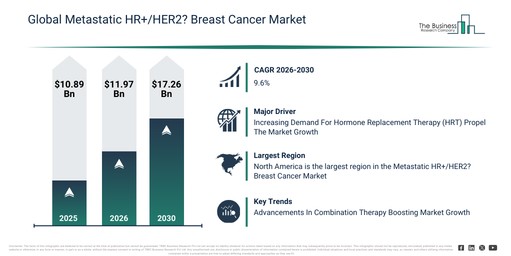
    The market size for metastatic hr+/her2- breast cancer has experienced considerable expansion in recent years. This market is projected to increase from $10.89 billion in 2025 to $11.97 billion in 2026, demonstrating a compound annual growth rate (CAGR) of 9.9%. The historical growth can be linked to factors such as the rising incidence of breast cancer, the widespread use of hormonal therapies, increased application of chemotherapy, the advancement of early diagnostic methods, and improved patient survival tracking.

    The metastatic hr+/her2- breast cancer market is projected to experience robust expansion over the coming years. Its valuation is set to reach $17.26 billion by 2030, demonstrating a compound annual growth rate (CAGR) of 9.6%. This anticipated expansion during the forecast period is propelled by advancements in targeted therapies, such as cdk4/6 inhibitors, along with intensified immunotherapy research, broader adoption of genomic profiling, increased demand for combination treatment plans, and improved technologies for patient monitoring. Key developments anticipated in this period encompass progress in precision hormonal therapy, personalized treatment enhanced by AI, data-informed tracking of treatment effectiveness, virtual simulation for oncology education, and the integration of automated diagnostic workflows.

    Access Your Free Sample Report for In-Depth Market Insights:

    https://www.thebusinessresearchcompany.com/sample.aspx?id=21220&type=smp

    What Drivers Are Affecting Demand-Supply Dynamics In The Metastatic HR+/HER2- Breast Cancer Market?

    The expanding adoption of hormone replacement therapy (HRT) is anticipated to propel the future growth of the metastatic HR+/HER2- breast cancer market. HRT is a medical intervention employed to supplement or replace hormones present at lower levels in the body, most commonly during menopause or in instances of hormone deficiencies. The rising prevalence of hormone replacement therapy (HRT) is attributed to its efficacy in enhancing treatment outcomes, its reduced side effects compared to conventional therapies, and advancements in precision medicine. Hormonal replacement therapy (HRT) can support individuals with metastatic HR+/HER2- breast cancer by alleviating menopausal symptoms associated with estrogen deficiency, such as hot flashes and vaginal dryness, without interfering with the effectiveness of endocrine therapies. This is because HRT primarily addresses hormone imbalances rather than directly targeting cancerous cells, thereby ensuring a better quality of life for patients undergoing cancer treatment. For example, data from October 2023, provided by the Health Professional Academy, a UK-based personalized health professional learning platform, showed that approximately 11 million hormone replacement therapy (HRT) prescriptions were issued in 2022/23, marking an almost 50% rise from the preceding year. Thus, the increasing application of hormone replacement therapy (HRT) is a key driver for the metastatic HR+/HER2- breast cancer market.

    How Is The Metastatic HR+/HER2- Breast Cancer Market Organized Into Various Segments?

    The metastatic hr+/her2- breast cancer market covered in this report is segmented –

    1) By Drugs: Paclitaxel, Tamoxifen, Docetaxel, Other Drugs

    2) By Treatment: Radiation Therapy, Vitamin Therapy, Macrobiotic Diets, Homeopathy, Herbal Medication

    3) By End-User: Hospitals, Clinics, Other End-User

    Subsegments:

    1) By Paclitaxel: Generic Paclitaxel, Taxol

    2) By Tamoxifen: Generic Tamoxifen, Nolvadex

    3) By Docetaxel: Generic Docetaxel, Taxotere

    4) By Other Drugs: Letrozole, Anastrozole, Exemestane, Palbociclib, Ribociclib, Abemaciclib

    What Upcoming Trends Are Likely To Define The Future Path Of The Metastatic HR+/HER2- Breast Cancer Market?

    Major companies within the metastatic HR+/HER2- breast cancer market are actively developing combination therapy to broaden their indications, extend market reach, and diversify treatment options. Combination therapy represents a therapeutic strategy that involves the concurrent use of two or more therapeutic agents, which may include chemotherapy, targeted therapy, immunotherapy, hormone therapy, or other modalities, to more effectively manage a medical condition. This approach aims to target different pathways, enhance the overall treatment response, and reduce the likelihood of conditions, such as cancer, developing resistance to any single treatment. For instance, in July 2023, Merck & Co., Inc., a US-based pharmaceutical company, announced findings from the Phase 3 KEYNOTE-756 trial. This study evaluated KEYTRUDA (pembrolizumab), an anti-PD-1 therapy, in conjunction with chemotherapy approved by the Food and Drug Administration, a US-based government agency. The trial successfully achieved its primary endpoint by significantly improving the pathological complete response (pCR) rate in patients with high-risk, early-stage ER+/HER2- breast cancer. KEYNOTE-756 stands as the first positive Phase 3 trial to demonstrate a statistically significant enhancement in the pCR rate with an immunotherapy regimen in the neoadjuvant setting for this specific patient population. The study assessed KEYTRUDA with chemotherapy as a neoadjuvant treatment, followed by adjuvant KEYTRUDA alongside endocrine therapy for high-risk, early-stage ER+/HER2- breast cancer.

    Who Are The Core Companies Influencing Trends In The Metastatic HR+/HER2- Breast Cancer Market?

    Major companies operating in the metastatic hr+/her2- breast cancer market are Pfizer Inc., F Hoffmann-La Roche AG, AstraZeneca PLC, Eli Lilly and Company, Merck & Co, Arvinas Inc, Olema Pharmaceuticals Inc, Genentech Inc, Veru Pharma, DualityBio Inc, BioNTech SE, Evgen Pharma, EQRx Inc, G1 Therapeutics Inc, Immutep Ltd, RemeGen Co Ltd, SynCore Biotechnology Co Ltd, Allarity Therapeutics AS, Jiangsu Alphamab Biopharmaceuticals Co Ltd, Byondis BV, Jiangsu Hansoh Pharmaceutical Co Ltd, Shanghai Miracogen Inc, Eisai Co Ltd, Tyme Inc, Orion Pharma

    Access The Complete Report For Deeper Market Insights:

    https://www.thebusinessresearchcompany.com/report/metastatic-hr-her2-breast-cancer-global-market-report

    Which Region Is Projected To Lead The Metastatic HR+/HER2- Breast Cancer Market During The Forecast Period?

    North America was the largest region in the dominated market in 2025. Asia-Pacific is expected to be the fastest-growing region in the forecast period. The regions covered in the metastatic hr+/her2- breast cancer market report are Asia-Pacific, South East Asia, Western Europe, Eastern Europe, North America, South America, Middle East, Africa.

    Request Your Customized Metastatic HR+/HER2- Breast Cancer Market Research Report for Competitive Advantage:

    https://www.thebusinessresearchcompany.com/customise?id=21220&type=smp

    Browse Through More Reports Similar to the Global Metastatic HR+/HER2- Breast Cancer Market 2026, By The Business Research Company

    metastatic hr her2 breast cancer global market report

    https://www.thebusinessresearchcompany.com/report/metastatic-hr-her2-breast-cancer-global-market-report

    metastatic breast cancer treatment global market report

    https://www.thebusinessresearchcompany.com/report/metastatic-breast-cancer-treatment-global-market-report

    metastatic cancer drugs global market report

    https://www.thebusinessresearchcompany.com/report/metastatic-cancer-drugs-global-market-report

    Get in touch with us:

    The Business Research Company: https://www.thebusinessresearchcompany.com/

    Americas +1 310-496-7795

    Asia +44 7882 955267 & +91 8897263534

    Europe +44 7882 955267

    Email us at info@tbrc.info

    Follow us on:

    LinkedIn: https://in.linkedin.com/company/the-business-research-company

    YouTube: https://www.youtube.com/channel/UC24_fI0rV8cR5DxlCpgmyFQ

    Global Market Model: https://www.thebusinessresearchcompany.com/global-market-model
  • Rubella Diagnostic Testing Market Forecast: How Big Will It Be by 2030?

    Rubella Diagnostic Testing Market Forecast: How Big Will It Be by 2030?

    Uncover key drivers, emerging technologies, and competitive movements shaping the rubella diagnostic testing market from 2026–2035 with trusted insights from The Business Research Company

    How is the Rubella Diagnostic Testing Market size predicted to change over the forecast window of 2026–2035?

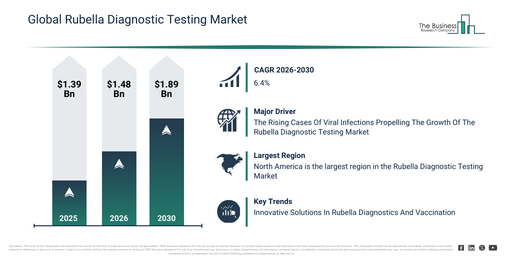
    The rubella diagnostic testing market has experienced robust expansion in recent years. Its size is projected to increase from $1.39 billion in 2025 to $1.48 billion in 2026, indicating a compound annual growth rate (CAGR) of 6.5%. Historically, this growth can be attributed to the expansion of routine viral screening programs, increased awareness of congenital rubella syndrome, the availability of serological testing kits, the growth in diagnostic laboratory networks, and the adoption of immunoassay technologies.

    The rubella diagnostic testing market size is projected to experience substantial expansion in the coming years, anticipated to reach $1.89 billion by 2030, exhibiting a compound annual growth rate (CAGR) of 6.4%. This projected growth is driven by factors such as increased investments in sophisticated diagnostic platforms, a heightened emphasis on maternal health screening, the expansion of automated laboratory testing, the increasing uptake of point-of-care diagnostics, and the reinforcement of infectious disease surveillance systems. Key trends anticipated during this period encompass the growing adoption of molecular diagnostic techniques, an increase in PCR-based rubella testing, rising demand for prenatal screening, the broadening application of high-sensitivity immunoassays, and a greater focus on detecting diseases at an early stage.

    Access Your Free Sample Report for In-Depth Market Insights:

    https://www.thebusinessresearchcompany.com/sample.aspx?id=19177&type=smp

    Which Drivers Are Contributing To The Expansion Of The Rubella Diagnostic Testing Market?

    The increasing prevalence of viral infections is anticipated to stimulate the expansion of the rubella diagnostic testing market in the future. Viral infections are illnesses caused by viruses, which are microscopic infectious agents only able to replicate within the living cells of an organism. This rise in viral infection cases stems from increased global travel, which facilitates the cross-border spread of viruses, and climate change, which alters vector habitats and expands the range of disease-carrying organisms. Rubella diagnostic testing aids in the early identification and management of rubella infections, thereby preventing complications, particularly for pregnant women, and assisting in outbreak containment to lessen virus transmission. For instance, in December 2023, data from the National Health Service, a UK-based government department, showed that daily hospital admissions for flu averaged 234, indicating a 53% increase from the previous week, while hospital cases of norovirus ascended by 15% to an average of 406 daily, reflecting a 28% increase from the same week last year. Consequently, the escalating instances of viral infections are propelling the growth of the rubella diagnostic testing market.

    What Segment Classifications Make Up The Rubella Diagnostic Testing Market?

    The rubella diagnostic testing market covered in this report is segmented –

    1) By Diagnostic Technique: Latex Agglutination, Enzyme Immunoassay (EIA), Radioimmunoassay (Ria), Fluorescent Immunoassay (FIA), Other Diagnostic Techniques

    2) By Age Group: Neonates, Teenagers, Adults

    3) By End User: Hospitals And Clinics, Diagnostic Laboratories, Public Health Laboratories, Other End Users

    Subsegments:

    1) By Latex Agglutination: Qualitative Latex Agglutination Tests, Quantitative Latex Agglutination Tests, Rapid Latex Agglutination Kits

    2) By Enzyme Immunoassay (EIA): Direct EIA, Indirect EIA, Sandwich EIA, Competitive EIA

    3) By Radioimmunoassay (RIA): Standard RIA, Modified RIA, Single-Antibody RIA

    4) By Fluorescent Immunoassay (FIA): Direct FIA, Indirect FIA, Sandwich FIA

    5) By Other Diagnostic Techniques: Polymerase Chain Reaction (PCR), Nucleic Acid Amplification Tests (NAAT), Microplate-Based Assays, Western Blotting

    Which Trends Are Influencing The Performance And Direction Of The Rubella Diagnostic Testing Market?

    Key companies operating within the rubella diagnostic testing market are concentrating on developing advanced solutions, such as a rubella virus vaccine, to enhance diagnostic precision and improve preventive measures. The rubella virus vaccine offers immunity against rubella, frequently given as part of the MMR or MMRV combination vaccines to prevent the disease and related complications. For example, in March 2023, Merck & Co., Inc., a pharmaceutical company based in the US, received FDA approval for the intramuscular (IM) administration of Merck’s M-M-R II vaccine, which is vital for protection against rubella, as well as measles and mumps. This approval allows healthcare providers to administer the rubella vaccine via the IM route, aligning its delivery with other routinely recommended pediatric vaccines. Rubella vaccination is crucial for preventing outbreaks and safeguarding against the severe complications the virus can cause, particularly in pregnant women.

    Which Major Firms Are Strengthening Their Position In The Rubella Diagnostic Testing Market?

    Major companies operating in the rubella diagnostic testing market are Cardinal Health Inc., Siemens Healthineers AG, Thermo Fisher Scientific Inc., Abbott Laboratories, F. Hoffmann-La Roche Ltd, bioMérieux S.A., Bio-Rad Laboratories Inc., Ortho-Clinical Diagnostics Inc., DiaSorin S.p.A., Meridian Bioscience Inc., Fortress Diagnostics Ltd., Mylab Discovery Solutions Pvt. Ltd., MP Biomedicals LLC, CTK Biotech Inc., ZEUS Scientific Inc., Creative Diagnostics, Arlington Scientific Inc., AccuBioTech Co. Ltd., Intec Products Inc., Vitrosens Biotechnology Ltd., Sprint Diagnostics Pvt. Ltd., InDevR Inc., Atlas Medical GmbH

    Access The Complete Report For Deeper Market Insights:

    https://www.thebusinessresearchcompany.com/report/rubella-diagnostic-testing-global-market-report

    Which Region Is Anticipated To See The Fastest Growth In The Rubella Diagnostic Testing Market?

    North America was the largest region in the rubella diagnostic testing market in 2025. Asia-Pacific is expected to be the fastest-growing region in the forecast period. The regions covered in the rubella diagnostic testing market report are Asia-Pacific, South East Asia, Western Europe, Eastern Europe, North America, South America, Middle East, Africa.

    Request Your Customized Rubella Diagnostic Testing Market Research Report for Competitive Advantage:

    https://www.thebusinessresearchcompany.com/customise?id=19177&type=smp

    Browse Through More Reports Similar to the Global Rubella Diagnostic Testing Market 2026, By The Business Research Company

    Hospital Acquired Infections Testing Kits Market Report 2026

    https://www.thebusinessresearchcompany.com/report/hospital-acquired-infections-testing-kits-global-market-report

    Gastrointestinal Pathogen Testing Market Report 2026

    https://www.thebusinessresearchcompany.com/report/gastrointestinal-pathogen-testing-global-market-report

    Clinical Diagnostics Market Report 2026

    https://www.thebusinessresearchcompany.com/report/clinical-diagnostics-global-market-report

    Get in touch with us:

    The Business Research Company: https://www.thebusinessresearchcompany.com/

    Americas +1 310-496-7795

    Asia +44 7882 955267 & +91 8897263534

    Europe +44 7882 955267

    Email us at info@tbrc.info

    Follow us on:

    LinkedIn: https://in.linkedin.com/company/the-business-research-company

    YouTube: https://www.youtube.com/channel/UC24_fI0rV8cR5DxlCpgmyFQ

    Global Market Model: https://www.thebusinessresearchcompany.com/global-market-model
  • Predictive Genetic Testing And Consumer Genomics Market Research: Growth Projections and Trends 2030

    Predictive Genetic Testing And Consumer Genomics Market Research: Growth Projections and Trends 2030

    Uncover key drivers, emerging technologies, and competitive movements shaping the predictive genetic testing and consumer genomics market from 2026–2035 with trusted insights from The Business Research Company

    Across 2026–2030, what is the expected market valuation path of the Predictive Genetic Testing And Consumer Genomics Market?

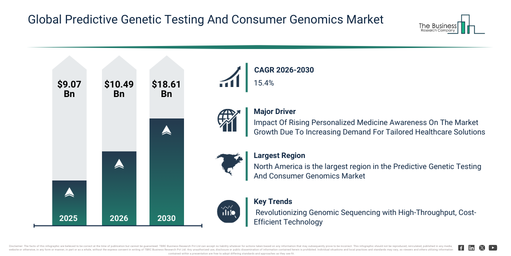
    The predictive genetic testing and consumer genomics market has expanded rapidly in recent years. It is projected to increase from $9.07 billion in 2025 to $10.49 billion in 2026, exhibiting a compound annual growth rate (CAGR) of 15.7%. The historical growth of this market can be attributed to enhanced consumer health awareness, greater accessibility to genetic testing, the rising availability of affordable sequencing technologies, an increasing interest in ancestry testing, and the development of digital health ecosystems.

    The predictive genetic testing and consumer genomics market size is anticipated to experience rapid growth in the upcoming years. It is forecast to reach $18.61 billion by 2030, demonstrating a compound annual growth rate (CAGR) of 15.4%. This expansion during the forecast period can be attributed to factors such as an increasing demand for personalized preventive healthcare, the rising adoption of pharmacogenomic testing, the expansion of consumer genomics platforms, growing integration with digital health apps, and increasing regulatory oversight on genetic data usage. Key trends for the forecast period include the increasing adoption of direct-to-consumer genetic testing, a rising use of digital health platforms, a growing demand for preventive health insights, the expansion of at-home sample collection kits, and an enhanced focus on data privacy and security.

    Access Your Free Sample Report for In-Depth Market Insights:

    https://www.thebusinessresearchcompany.com/sample.aspx?id=25884&type=smp

    Which Drivers Are Supporting The Rise Of The Predictive Genetic Testing And Consumer Genomics Market?

    The increasing understanding of personalized medicine is anticipated to stimulate the expansion of the predictive genetic testing and consumer genomics market moving forward. Personalized medicine describes a medical approach that tailors treatment and prevention strategies based on an individual’s genetic profile, lifestyle, and environmental factors. Awareness of personalized medicine is growing because it enhances treatment effectiveness by aligning therapies with a patient’s unique biological characteristics. Predictive genetic testing and consumer genomics contribute to personalized medicine by identifying genetic risks and traits, which enables customized prevention, early diagnosis, and treatment strategies based on an individual’s genetic profile. For instance, in February 2024, according to the Personalized Medicine Coalition, a US-based professional membership organization, the Food and Drug Administration (FDA) approved 16 new personalized medicines in 2023, representing an increase from 6 in 2022. Consequently, the escalating awareness about personalized medicine is driving the growth of the predictive genetic testing and consumer genomics market.

    What Leading Segments Are Studied In The Predictive Genetic Testing And Consumer Genomics Market?

    The predictive genetic testing and consumer genomics market covered in this report is segmented –

    1) By Testing Type: Diagnostic Testing, Predictive Testing, Pharmacogenomic Testing, Carrier Screening

    2) By Technology: Polymerase Chain Reaction (PCR), Next-Generation Sequencing (NGS), Microarray Technology, DNA Sequencing

    3) By Service Type: Genetic Counseling Services, Sample Collection And Analysis, Data Interpretation And Reporting

    4) By Application: Breast And Ovarian Cancer, Cardiovascular Screening, Diabetic Screening And Monitoring, Colon Cancer, Parkinsonism Or Alzheimer’s Disease, Urologic Screening Or Prostate Cancer Screening, Orthopedic And Musculoskeletal, Other Cancer Screening, Other Diseases

    5) By End User: Healthcare Providers, Research Institutions, Diagnostic Laboratories, Consumers (Direct-to-Consumer Testing)

    Subsegments:

    1) By Diagnostic Testing: Cancer Diagnostic Testing, Neurological Disorder Testing, Rare Disease Diagnostics

    2) By Predictive Testing: Cancer Risk Prediction, Cardiovascular Disease Risk, Neurodegenerative Disorder Risk

    3) By Pharmacogenomic Testing: Adverse Drug Reaction Prediction, Psychiatric Medication Response, Dosage Optimization

    4) By Carrier Screening: Cystic Fibrosis Carrier Screening, Sickle Cell Anemia Carrier Screening, Tay-Sachs Carrier Screening

    Which Trends Are Guiding The Evolution Of The Predictive Genetic Testing And Consumer Genomics Market?

    Leading companies within the predictive genetic testing and consumer genomics market are prioritizing technological innovations, specifically high-throughput and cost-efficient sequencing, to facilitate large-scale, accurate, and affordable genomic analysis. High-throughput and cost-efficient sequencing involves rapidly processing a vast quantity of genomes at reduced per-genome costs, making population-level testing viable. For instance, in February 2024, Ultima Genomics Inc., a U.S.-based sequencing company, unveiled its UG 100 sequencing system alongside the ppmSeq extreme-accuracy mode, delivering up to 6–8 billion reads per wafer, with dual-wafer runs attaining approximately 4.8 Tb and anticipated run times under 14 hours. Constructed with a wafer-based substrate and adaptable reagent cartridges, the system supports an industry-leading ~$100-genome roadmap, leveraging reagent costs of roughly $2,000 per wafer. The ppmSeq mode allows for Q60 SNV raw-read accuracy without requiring supplementary workflow steps. Leveraging its combination of low reagent costs, extensive automation, and AI-driven variant calling, the UG 100 is suited for diverse applications in consumer genomics, population screening, clinical WGS, pharmacogenomics, and large-scale research. Ultimately, the platform provides genomic data generation that is quicker, more scalable, and more economical than older NGS technologies.

    Which Leading Companies Dominate The Predictive Genetic Testing And Consumer Genomics Market Share?

    Major companies operating in the predictive genetic testing and consumer genomics market are Thermo Fisher Scientific Inc., Abbott Laboratories, Laboratory Corporation of America Holdings, Quest Diagnostics Incorporated, QIAGEN N.V., Ancestry.com, Myriad Genetics Inc., ARUP Laboratories, BGI Genomics Co. Ltd., Invitae Corporation, 23andMe Inc., Helix Inc., Color Health Inc., Mapmygenome India Ltd., Reliance Life Sciences, Dante Labs Inc., EasyDNA, Gene by Gene Ltd., Nebula Genomics Inc., Pathway Genomics Corporation

    Access The Complete Report For Deeper Market Insights:

    https://www.thebusinessresearchcompany.com/report/predictive-genetic-testing-and-consumer-genomics-global-market-report

    How Does The Predictive Genetic Testing And Consumer Genomics Market Perform Across Major Global Regions?

    North America was the largest region in the predictive genetic testing and consumer genomics market in 2025. Asia-Pacific is expected to be the fastest-growing region in the forecast period. The regions covered in the predictive genetic testing and consumer genomics market report are Asia-Pacific, South East Asia, Western Europe, Eastern Europe, North America, South America, Middle East, Africa.

    Request Your Customized Predictive Genetic Testing And Consumer Genomics Market Research Report for Competitive Advantage:

    https://www.thebusinessresearchcompany.com/customise?id=25884&type=smp

    Browse Through More Reports Similar to the Global Predictive Genetic Testing And Consumer Genomics Market 2026, By The Business Research Company

    Genetic Testing Services Market Report 2026

    https://www.thebusinessresearchcompany.com/report/genetic-testing-services-global-market-report

    Direct To Consumer Dtc Genetic Testing Market Report 2026

    https://www.thebusinessresearchcompany.com/report/direct-to-consumer-dtc-genetic-testing-global-market-report

    Genetic Testing Market Report 2026

    https://www.thebusinessresearchcompany.com/report/genetic-testing-global-market-report

    Get in touch with us:

    The Business Research Company: https://www.thebusinessresearchcompany.com/

    Americas +1 310-496-7795

    Asia +44 7882 955267 & +91 8897263534

    Europe +44 7882 955267

    Email us at info@tbrc.info

    Follow us on:

    LinkedIn: https://in.linkedin.com/company/the-business-research-company

    YouTube: https://www.youtube.com/channel/UC24_fI0rV8cR5DxlCpgmyFQ

    Global Market Model: https://www.thebusinessresearchcompany.com/global-market-model
  • Routine Health Screening Market Report 2026: Strategic Insights and Revenue Outlook

    Routine Health Screening Market Report 2026: Strategic Insights and Revenue Outlook

    Uncover key drivers, emerging technologies, and competitive movements shaping the routine health screening market from 2026–2035 with trusted insights from The Business Research Company

    What market expansion outlook does the Routine Health Screening Market show for the 2026–2030 period?

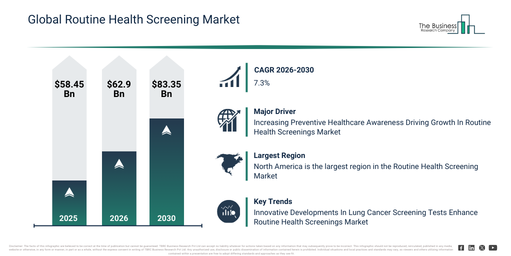
    The routine health screening market has experienced substantial growth in its size over recent years. It is projected to increase from $58.45 billion in 2025 to $62.9 billion in 2026, reflecting a compound annual growth rate (CAGR) of 7.6%. The expansion observed in the historic period can be attributed to several factors, including increasing public health awareness, the expansion of diagnostic laboratory networks, a rising incidence of chronic diseases, improved access to basic healthcare services, and the growth of employer-sponsored health screening initiatives.

    The routine health screening market is projected to experience substantial expansion in the coming years. This market is expected to reach $83.35 billion by 2030, exhibiting a compound annual growth rate (CAGR) of 7.3%. The anticipated growth during the forecast period is driven by factors such as the increasing integration of personalized preventive care, the escalating demand for remote and home-based diagnostics, the broadening of digital health platforms, the growing utilization of advanced screening technologies, and a heightened emphasis on population health management. Significant trends for the forecast period include the wider adoption of preventive health screening programs, the increasing prevalence of home-based diagnostic testing, the expanded integration of digital health records, a rising focus on early disease detection, and improved accessibility of routine screening services.

    Access Your Free Sample Report for In-Depth Market Insights:

    https://www.thebusinessresearchcompany.com/sample.aspx?id=20618&type=smp

    What Drivers Are Shaping The Development Of The Routine Health Screening Market?

    The growing recognition of preventive healthcare is anticipated to fuel the expansion of the routine health screenings market moving forward. Preventive healthcare encompasses various actions and practices designed to prevent the onset or progression of illnesses and health issues through early detection, lifestyle adjustments, and proactive interventions. This awareness is increasing due to its advantages in prompt disease identification, improved health outcomes, and cost savings, largely propelled by enhanced public education and medical breakthroughs. Routine health screenings support preventive healthcare by identifying potential health concerns early, thereby enabling timely interventions and mitigating the risk of serious diseases. For example, according to the National Health Service (NHS), a UK-based publicly funded healthcare system, in May 2023, a total of 2,302,400 diagnostic tests were conducted in March 2023, indicating an increase of 223,100 tests compared to March 2022. Furthermore, by the end of March 2023, the number of patients waiting for a key diagnostic test reached 1,628,300, an increase of 59,400 when contrasted with March 2022. Thus, the rising awareness of preventive healthcare is actively contributing to the growth of the routine health screenings market.

    What Segment Types Are Examined In The Routine Health Screening Market?

    The routine health screening market covered in this report is segmented –

    1) By Test Type: Blood Glucose Test, Kidney Function Test, Bone Profile Test, Electrolyte Test, Liver Function Test, Lipid Profile Test, Other Test Types

    2) By Sample Type: Blood, Urine, Serum, Saliva, Other Sample Types

    3) By Technology: Quantitative Polymerase Chain Reaction (QPCR), Quantitative Fluorescence In Situ Hybridization (Q-FISH), Immunoassays, Medical Imaging, Single Telomere Length Analysis (STELA), Other Technologies

    4) By Sample Collection Sites: Hospitals, Homes, Diagnostic Laboratories, Offices, Other Sample Collection Sites

    Subsegments:

    1) By Blood Glucose Test: Fasting Blood Glucose Test, HbA1c Test, Continuous Glucose Monitoring

    2) By Kidney Function Test: Serum Creatinine Test, Blood Urea Nitrogen (BUN) Test, Urinalysis

    3) By Bone Profile Test: Serum Calcium Test, Phosphate Test, Bone Mineral Density (BMD) Test

    4) By Electrolyte Test: Serum Sodium Test, Serum Potassium Test, Serum Chloride Test

    5) By Liver Function Test: Alanine Aminotransferase (ALT) Test, Aspartate Aminotransferase (AST) Test, Bilirubin Test

    6) By Lipid Profile Test: Total Cholesterol Test, Low-Density Lipoprotein (LDL) Test, High-Density Lipoprotein (HDL) Test

    7) By Other Test Types: Thyroid Function Test, Complete Blood Count (CBC), Prostate-Specific Antigen (PSA) Test

    What Long-Term Trends Are Expected To Shape The Future Of The Routine Health Screening Market?

    Leading companies within the routine health screenings market are concentrating on developing sophisticated solutions, such as lung cancer screening tests, to achieve a competitive advantage. These lung cancer screening tests are medical assessments designed to identify lung cancer at an early stage in individuals with elevated risk, even before symptoms manifest. For example, DELFI Diagnostics Inc., a US-based diagnostic technology firm, introduced FirstLook Lung in October 2023, an innovative blood test intended to enhance lung cancer screening. Employing fragmentomics, FirstLook Lung examines patterns in cell-free DNA (cfDNA) from blood samples and uses advanced machine learning to distinguish between cancerous and non-cancerous patterns. With a 99.7% negative predictive value (NPV), the test effectively pinpoints potential lung cancer cases while reducing the necessity for superfluous low-dose CT (LDCT) scans. Integrated into standard blood tests, FirstLook Lung aims to boost screening rates, particularly among underrepresented communities, and features a scalable whole-genome machine-learning platform with potential for worldwide expansion into other cancer types and monitoring of treatments.

    Who Are The Primary Competitors In The Global Routine Health Screening Market?

    Major companies operating in the routine health screening market are Roche Holding AG, Thermo Fisher Scientific Inc., Siemens Healthineers, Laboratory Corporation, Quest Diagnostics Incorporated, Eurofins Scientific SE, Agilent Technologies Inc., Sonic Healthcare Limited, Hologic Inc., Illumina Inc., SYNLAB International GmbH, Sysmex Corporation, QIAGEN N.V., Exact Sciences Corporation, RadNet Inc., Opko Health Inc., UNILABS, Amedes Holding GmbH, Natera Inc., Grail Inc., Trinity Biotech PLC, Cerba HealthCare S.A.S., Quidel Corporation, Innova Medical Group

    Access The Complete Report For Deeper Market Insights:

    https://www.thebusinessresearchcompany.com/report/routine-health-screening-global-market-report

    Which Global Regions Are Shaping The Competitive Landscape Of The Routine Health Screening Market?

    North America was the largest region in the routine health screening market in 2025. Asia-Pacific is expected to be the fastest-growing region in the forecast period. The regions covered in the routine health screening market report are Asia-Pacific, South East Asia, Western Europe, Eastern Europe, North America, South America, Middle East, Africa.

    Request Your Customized Routine Health Screening Market Research Report for Competitive Advantage:

    https://www.thebusinessresearchcompany.com/customise?id=20618&type=smp

    Browse Through More Reports Similar to the Global Routine Health Screening Market 2026, By The Business Research Company

    Poultry Healthcare Market Report 2026

    https://www.thebusinessresearchcompany.com/report/poultry-healthcare-global-market-report

    Connected Healthcare Market Report 2026

    https://www.thebusinessresearchcompany.com/report/connected-healthcare-global-market-report

    Consumer Healthcare Market Report 2026

    https://www.thebusinessresearchcompany.com/report/consumer-healthcare-global-market-report

    Get in touch with us:

    The Business Research Company: https://www.thebusinessresearchcompany.com/

    Americas +1 310-496-7795

    Asia +44 7882 955267 & +91 8897263534

    Europe +44 7882 955267

    Email us at info@tbrc.info

    Follow us on:

    LinkedIn: https://in.linkedin.com/company/the-business-research-company

    YouTube: https://www.youtube.com/channel/UC24_fI0rV8cR5DxlCpgmyFQ

    Global Market Model: https://www.thebusinessresearchcompany.com/global-market-model