Month: March 2026

  • Metastatic Breast Cancer Treatment Market Future Outlook 2026: Key Drivers and Growth Potential

    Metastatic Breast Cancer Treatment Market Future Outlook 2026: Key Drivers and Growth Potential

    Uncover key drivers, emerging technologies, and competitive movements shaping the metastatic breast cancer treatment market from 2026–2035 with trusted insights from The Business Research Company

    What long-term size projections exist for the Metastatic Breast Cancer Treatment Market covering 2026–2035?

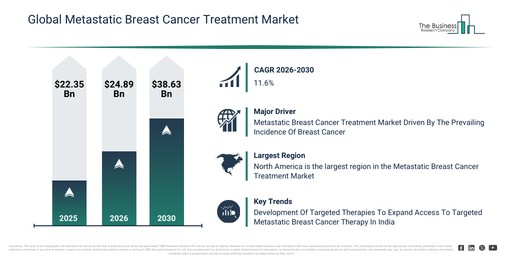
    The metastatic breast cancer treatment market has expanded significantly in recent years. It is anticipated to increase from $22.35 billion in 2025 to $24.89 billion in 2026, registering a compound annual growth rate (CAGR) of 11.4%. This historical expansion can be attributed to factors like the rising burden of metastatic breast cancer, the implementation of chemotherapy regimens, the wider application of hormone therapy, advancements in radiation techniques, and enhanced cancer screening initiatives.

    The metastatic breast cancer treatment market size is poised for substantial growth over the next few years, projected to reach $38.63 billion by 2030, exhibiting a compound annual growth rate (CAGR) of 11.6%. This expansion during the forecast period is fueled by increasing demand for targeted therapies, the rise of immunotherapy alternatives, growing investment in genomic profiling, the expansion of tele-oncology services, and a greater focus on personalized treatment pathways. Dominant trends anticipated during this period involve breakthroughs in targeted therapy development, AI-driven patient monitoring and treatment selection, the integration of digital platforms for remote oncology care, enhanced simulation-based training for oncology procedures, and the automation of diagnostic workflows in cancer screening.

    Access Your Free Sample Report for In-Depth Market Insights:

    https://www.thebusinessresearchcompany.com/sample.aspx?id=10816&type=smp

    Which Drivers Are Impacting The Competitive Landscape Of The Metastatic Breast Cancer Treatment Market?

    The anticipated rise in breast cancer cases is set to drive expansion within the metastatic breast cancer treatment market. Breast cancer is defined as a malignancy originating in breast cells, developing when abnormal cells in the breast proliferate unchecked, leading to tumor formation. Its development is influenced by genetic predisposition, hormonal imbalances, lifestyle choices, and environmental elements. Metastatic breast cancer treatment plays a crucial role in addressing the widespread occurrence of breast cancer by enhancing both treatment efficacy and the quality of life for those with advanced-stage illness. As an illustration, a September 2023 report from the American Cancer Society, a US-based non-profit, estimated that approximately 297,790 women would be diagnosed with invasive breast cancer in 2023, alongside an expected 55,720 new cases of ductal carcinoma in situ (DCIS). Furthermore, projections indicated that approximately 43,700 women would succumb to breast cancer during the same period. Consequently, the widespread occurrence of breast cancer is a primary catalyst for the expansion of the metastatic breast cancer treatment market.

    What Segments Are Identified Within The Structure Of The Metastatic Breast Cancer Treatment Market?

    The metastatic breast cancer treatment market covered in this report is segmented –

    1) By Therapy Type: Chemotherapy, Radiation Therapy, Biologic Targeted Therapy, Breast Surgery, Hormone Therapy

    2) By Molecule Type: Monoclonal Antibody, Peptides, Polymer, Small Molecule, Gene Therapy

    3) By Route Of Administration: Oral, Parenteral

    4) By End-User: Hospitals, Clinics, Ambulatory Surgical Centers, Other End-Users

    Subsegments:

    1) By Chemotherapy: Anthracyclines, Taxanes, Antimetabolites, Platinum Agents

    2) By Radiation Therapy: External Beam Radiation, Stereotactic Radiosurgery, Brachytherapy

    3) By Biologic Targeted Therapy: HER2-Targeted Therapy, CDK4 Or 6 Inhibitors, PARP Inhibitors, PI3K Inhibitors

    4) By Breast Surgery: Lumpectomy, Mastectomy, Sentinel Lymph Node Biopsy, Reconstructive Surgery

    5) By Hormone Therapy: Selective Estrogen Receptor Modulators (SERMs), Aromatase Inhibitors, Estrogen Receptor Downregulators (ERDs)

    Which Trends Are Shaping Activity Within The Metastatic Breast Cancer Treatment Market?

    Leading companies in the breast cancer treatment market are concentrating on developing targeted therapies to enhance clinical results and accessibility for individuals with advanced disease. Targeted therapy refers to medications specifically designed to interfere with molecular pathways involved in cancer proliferation, thereby minimizing harm to healthy cells while improving effectiveness. For example, in January 2023, BDR Pharmaceuticals, an India-based pharmaceutical company, introduced Bdpalbo (palbociclib) in India for treating advanced and metastatic breast cancer. Bdpalbo, a CDK4/6 inhibitor, is offered in three capsule strengths: 125 mg, 100 mg, and 75 mg. This launch aims to improve treatment availability for patients with advanced conditions by providing a more cost-effective formulation of palbociclib, ultimately supporting better therapeutic outcomes through increased access.

    Which Major Industry Participants Are Leading The Metastatic Breast Cancer Treatment Market Growth?

    Major companies operating in the metastatic breast cancer treatment market are Pfizer Inc., AstraZeneca plc, Novartis AG, Eli Lilly & Co., Merck & Co. Inc., Johnson & Johnson Services Inc., F. Hoffmann-La Roche AG, Bristol-Myers Squibb Company, AbbVie Inc., Seattle Genetics Inc., Genentech Inc., MacroGenics Inc., Daiichi Sankyo Company Limited, Celgene Corporation, Mersana Therapeutics Inc., Olema Oncology, RemeGen, SynCore Biotechnology, Allarity Therapeutics, Byondis B.V., Jiangsu Alphamab Biopharmaceuticals Co. Ltd., Shanghai Miracogen Inc., Ambrx Inc., Rhizen Pharmaceuticals SA, Immutep Ltd.

    Access The Complete Report For Deeper Market Insights:

    https://www.thebusinessresearchcompany.com/report/metastatic-breast-cancer-treatment-global-market-report

    Which Region Currently Holds The Largest Share Of The Metastatic Breast Cancer Treatment Market?

    North America was the largest region in the metastatic breast cancer treatment market in 2025. Asia-Pacific is expected to be the fastest-growing region in the global metastatic breast cancer treatment market during the forecast period. The regions covered in the metastatic breast cancer treatment market report are Asia-Pacific, South East Asia, Western Europe, Eastern Europe, North America, South America, Middle East, Africa.

    Request Your Customized Metastatic Breast Cancer Treatment Market Research Report for Competitive Advantage:

    https://www.thebusinessresearchcompany.com/customise?id=10816&type=smp

    Browse Through More Reports Similar to the Global Metastatic Breast Cancer Treatment Market 2026, By The Business Research Company

    Breast Cancer Drugs Market Report 2026

    https://www.thebusinessresearchcompany.com/report/breast-cancer-drugs-global-market-report

    Metastatic Hr Her2 Breast Cancer Market Report 2026

    https://www.thebusinessresearchcompany.com/report/metastatic-hr-her2-breast-cancer-global-market-report

    Metastatic Cancer Drugs Market Report 2026

    https://www.thebusinessresearchcompany.com/report/metastatic-cancer-drugs-global-market-report

    Get in touch with us:

    The Business Research Company: https://www.thebusinessresearchcompany.com/

    Americas +1 310-496-7795

    Asia +44 7882 955267 & +91 8897263534

    Europe +44 7882 955267

    Email us at info@tbrc.info

    Follow us on:

    LinkedIn: https://in.linkedin.com/company/the-business-research-company

    YouTube: https://www.youtube.com/channel/UC24_fI0rV8cR5DxlCpgmyFQ

    Global Market Model: https://www.thebusinessresearchcompany.com/global-market-model
  • Global Predictive Genetic Counselling Industry Insights: Key Trends and Growth Estimates

    Global Predictive Genetic Counselling Industry Insights: Key Trends and Growth Estimates

    Uncover key drivers, emerging technologies, and competitive movements shaping the predictive genetic counselling market from 2026–2035 with trusted insights from The Business Research Company

    What size range is anticipated for the Predictive Genetic Counselling Market from 2026 to 2030?

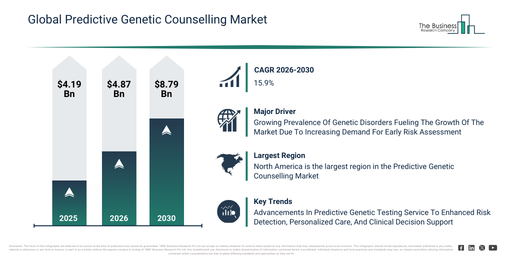
    The predictive genetic counselling market has seen substantial expansion in its size over recent years. It is projected to grow from $4.19 billion in 2025 to $4.87 billion in 2026, reflecting a compound annual growth rate (CAGR) of 16.2%. The market’s historical growth can be attributed to several key factors, including the increasing utilization of family history evaluation, the expansion of cancer risk screening programs, a growing acceptance of genetic testing, improvements in counseling methodologies, and rising public awareness of inherited diseases.

    The predictive genetic counselling market is projected to expand significantly in the coming years, reaching a size of $8.79 billion by 2030, driven by a compound annual growth rate (CAGR) of 15.9%. This anticipated growth during the forecast period stems from factors such as the greater incorporation of genomics into standard healthcare practices, the increasing acceptance of virtual counseling platforms, the broadening of preventive screening programs, the expanding application of AI-based genetic interpretation, and a rising need for individualized health risk information. Key developments expected over the forecast horizon encompass a surge in demand for online genetic counseling, an uptick in the utilization of polygenic risk scoring, wider acceptance of direct-to-consumer genetic testing, the broadening scope of predictive oncology counseling, and a heightened emphasis on educating patients and supporting their decisions.

    Access Your Free Sample Report for In-Depth Market Insights:

    https://www.thebusinessresearchcompany.com/sample.aspx?id=27397&type=smp

    What Drivers Are Affecting Demand In The Predictive Genetic Counselling Market?

    The expanding presence of genetic disorders is anticipated to propel the future growth of the predictive genetic counselling market. These disorders are conditions stemming from alterations or defects in a person’s DNA, influencing the body’s growth, development, and overall function. The rise in genetic disorders can be attributed to increasing parental age, as conception at an older age is associated with a higher probability of genetic mutations in offspring. Genetic disorders contribute to the development of predictive genetic counselling by escalating the demand for risk assessment services that help individuals understand their likelihood of inheriting or passing on such conditions. For instance, in October 2024, data from the Cystic Fibrosis Trust, a UK-based charitable organization, indicated that the number of patients registered with cystic fibrosis rose to 11,318 in 2023, an increase from 11,148 in 2022. Thus, the increasing occurrence of genetic disorders is a key driver for the predictive genetic counselling market.

    Which Segment Groups Are Influencing The Predictive Genetic Counselling Market?

    The predictive genetic counselling market covered in this report is segmented –

    1) By Service Type: Risk Assessment, Carrier Testing, Predictive Testing, Other Service Types

    2) By Mode Of Delivery: In-Person, Online

    3) By Application: Consumer Genomics, Breast And Ovarian Cancer, Cardiovascular Screening, Diabetic Screening And Monitoring, Colon Cancer, Parkinsonism Or Alzheimer’s Disease, Urologic Screening Or Prostate Cancer Screening, Orthopedic And Musculoskeletal, Other Applications

    4) By End-User: Hospitals And Clinics, Diagnostic Laboratories, Research And Academic Institutes, Other End-Users

    Subsegments:

    1) By Risk Assessment: Family History Evaluation, Lifestyle And Environmental Risk Analysis, Polygenic Risk Score Analysis, Hereditary Disease Susceptibility Screening

    2) By Carrier Testing: Cystic Fibrosis Carrier Testing, Tay-Sachs Carrier Testing, Fragile X Syndrome Testing, Sickle Cell Carrier Testing, Thalassemia Carrier Screening

    3) By Predictive Testing: Breast Cancer Gene 1 (BRCA1) Or Breast Cancer Gene 2 (BRCA2) Mutation Testing, Lynch Syndrome Testing, Huntington’s Disease Testing, Cardiovascular Genetic Risk Testing, Neurological Disorder Prediction Testing

    4) By Other Service Types: Pharmacogenomic Testing, Prenatal Genetic Testing, Newborn Genetic Screening, Direct-To-Consumer Genetic Testing, Whole Genome Sequencing For Prediction

    What Trends Are Projected To Support The Growth Of The Predictive Genetic Counselling Market?

    Leading companies in the predictive genetic counselling market are concentrating on developing advanced solutions, such as the predictive genetic testing service, for early disease risk detection and to support informed clinical decision-making. A predictive genetic testing service refers to a medical offering that analyzes an individual’s DNA to identify genetic variations linked to an elevated risk of developing specific inherited conditions or diseases in the future. For instance, in August 2024, Genetic Technologies Limited, an Australia-based company providing genomics-based health testing, launched the geneType Risk Assessment test. This test serves as a unique, comprehensive, multi-risk predictive genetic screening tool designed to evaluate an individual’s probability of developing serious conditions like breast cancer, colorectal cancer, ovarian cancer, prostate cancer, coronary artery disease, and type 2 diabetes. It combines clinically validated polygenic risk scores with non-genetic factors such as age, family history, and clinical measurements to deliver a personalized, actionable risk profile. Designed for proactive health management, it also provides clear reports with tailored recommendations to guide preventive care and lifestyle choices in over 42 countries.

    Who Are The Major Companies Operating In The Predictive Genetic Counselling Market?

    Major companies operating in the predictive genetic counselling market are Thermo Fisher Scientific Inc., Abbott Laboratories, Laboratory Corporation of America Holdings (LabCorp), Quest Diagnostics Inc., Agilent Technologies Inc., Illumina Inc., Bio-Rad Laboratories Inc., QIAGEN NV, Natera Inc, Myriad Genetics Inc., Fulgent Genetics Inc, Invitae Corporation, 23andMe Holding Co, Color Genomics Inc, deCODE genetics, Centogene NV, Admera Health LLC, Mapmygenome, Exact Sciences Corporation, BGI Group

    Access The Complete Report For Deeper Market Insights:

    https://www.thebusinessresearchcompany.com/report/predictive-genetic-counselling-global-market-report

    Which Region Is Anticipated To See The Fastest Growth In The Predictive Genetic Counselling Market?

    North America was the largest region in the predictive genetic counselling market in 2025. Asia-Pacific is expected to be the fastest-growing region in the forecast period. The regions covered in the predictive genetic counselling market report are Asia-Pacific, South East Asia, Western Europe, Eastern Europe, North America, South America, Middle East, Africa.

    Request Your Customized Predictive Genetic Counselling Market Research Report for Competitive Advantage:

    https://www.thebusinessresearchcompany.com/customise?id=27397&type=smp

    Browse Through More Reports Similar to the Global Predictive Genetic Counselling Market 2026, By The Business Research Company

    Commercial Property Insurance Market Report 2026

    https://www.thebusinessresearchcompany.com/report/commercial-property-insurance-global-market-report

    Property Management Software Market 2026

    https://www.thebusinessresearchcompany.com/report/property-management-software-market

    Property Management Service Market Report 2026

    https://www.thebusinessresearchcompany.com/report/property-management-service-global-market-report

    Get in touch with us:

    The Business Research Company: https://www.thebusinessresearchcompany.com/

    Americas +1 310-496-7795

    Asia +44 7882 955267 & +91 8897263534

    Europe +44 7882 955267

    Email us at info@tbrc.info

    Follow us on:

    LinkedIn: https://in.linkedin.com/company/the-business-research-company

    YouTube: https://www.youtube.com/channel/UC24_fI0rV8cR5DxlCpgmyFQ

    Global Market Model: https://www.thebusinessresearchcompany.com/global-market-model
  • Global Rotavirus Prophylaxis Industry Trends and Market Forecast 2026–2030

    Global Rotavirus Prophylaxis Industry Trends and Market Forecast 2026–2030

    Uncover key drivers, emerging technologies, and competitive movements shaping the rotavirus prophylaxis market from 2026–2035 with trusted insights from The Business Research Company

    What level of growth is expected in the Rotavirus Prophylaxis Market between 2026 and 2030?

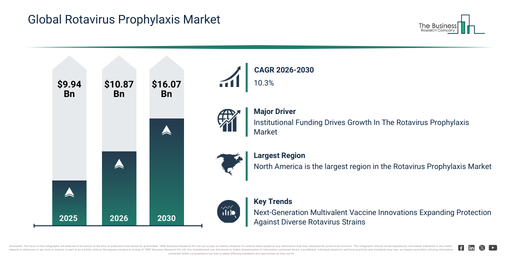
    The rotavirus prophylaxis market has experienced robust expansion recently. Projections indicate its value will increase from $9.94 billion in 2025 to $10.87 billion in 2026, demonstrating a compound annual growth rate (CAGR) of 9.3%. Historically, this growth can be attributed to factors such as the decrease in child mortality due to vaccination, enhanced global immunization reach, broader access to oral rotavirus vaccines, increasing backing from worldwide health bodies, and the expansion of vaccination initiatives conducted in hospitals.

    The rotavirus prophylaxis market size is anticipated to undergo substantial growth in the upcoming years. It is projected to expand to $16.07 billion by 2030, exhibiting a compound annual growth rate (CAGR) of 10.3%. This expansion during the forecast period can be attributed to an increased focus on universal vaccine coverage, rising investments in pediatric vaccine development, the broadening of vaccination programs in emerging economies, a growing demand for affordable vaccine formulations, and the strengthening of immunization infrastructure. Prominent trends within the forecast period include the expanding scope of national immunization programs, an increasing adoption of oral rotavirus vaccines, a heightened emphasis on pediatric preventive healthcare, improved cold-chain distribution management, and the proliferation of public-private vaccination initiatives.

    Access Your Free Sample Report for In-Depth Market Insights:

    https://www.thebusinessresearchcompany.com/sample.aspx?id=13045&type=smp

    Which Drivers Are Expected To Impact The Rotavirus Prophylaxis Market During The Forecast Period?

    Institutional funding is projected to drive expansion within the rotavirus prophylaxis market. This type of funding encompasses the allocation of resources, whether monetary, effort-based, or time-related, to support a specific requirement, initiative, or undertaking. The rising incidence of rotavirus cases has drawn financial support from both governmental bodies and private entities. Such funding offers both financial aid and technical expertise throughout the various stages of developing rotavirus vaccines and oral medications. As an illustration, the American Medical Association, a professional physician association located in the US, reported in April 2025 that health expenditures in the U.S. grew by 7.5% in 2023, reaching $4.9 trillion, which equates to $14,570 per capita. Consequently, greater accessibility to funding is expected to invigorate the rotavirus prophylaxis market.

    Which Segments Are Driving Activity In The Rotavirus Prophylaxis Market?

    The rotavirus prophylaxis market covered in this report is segmented –

    1) By Treatment: Rotarix, Rotavac, Rotavin-M1, Oral Rehydration Fluid, Other Treatments

    2) By Route of Administration: Oral, Other Route of Administrations

    3) By Distribution Channel: Hospital Pharmacy, Retail Pharmacy, Online Pharmacy, Other Distribution Channels

    4) By End-Users: Hospitals, Specialty Clinics, Homecare, Other End-Users

    Subsegments:

    1) By Rotarix: Single Dose, Multi-Dose

    2) By Rotavac: Liquid Formulation, Freeze-Dried Formulation

    3) By Rotavin-M1: Liquid Formulation, Freeze-Dried Formulation

    4) By Oral Rehydration Fluid: Electrolyte Solutions, Glucose-Based Solutions

    5) By Other Treatments: Supportive Care, Antidiarrheal Medications

    Which Market Trends Are Opening Growth Opportunities In The Rotavirus Prophylaxis Market?

    Leading companies operating within the rotavirus prophylaxis market are concentrating on technological advancements, such as reassortant hexavalent oral vaccines, to address the increasing demand driven by the necessity for broader serotype coverage and enhanced protection against various rotavirus strains prevalent globally. Reassortant hexavalent vaccines are crafted using advanced viral reassortment technology to specifically target six dominant rotavirus serotypes (G1, G2, G3, G4, G9, and P1A), thereby offering broad-spectrum protection that is superior to traditional monovalent or pentavalent vaccines. For instance, in March 2024, Sinovac Biotech Ltd., a China-based biopharmaceutical company, began Phase 1 clinical trials for its live, oral reassortant hexavalent rotavirus vaccine. The objective is to evaluate its safety, tolerability, and immunogenicity across adults, children, and infants. This vaccine’s composition utilizes Vero cell technology and aims to produce robust immune responses against multiple strains, effectively tackling changing epidemiology and prevalent serotypes with superior effectiveness. Its innovative approach permits improved global immunization coverage, especially in regions where rotavirus displays high genetic diversity.

    Which Key Market Players Are Investing In Expansion And Innovation Within The Rotavirus Prophylaxis Market?

    Major companies operating in the rotavirus prophylaxis market are Merck And Co, GlaxoSmithKline plc, Bharat Biotech International Limited, Serum Institute Of India Pvt Ltd, Zydus Lifesciences Ltd, Sinovac Biotech Ltd, Hualan Biological Engineering Inc, Biological E Limited, PT Bio Farma, Panacea Biotec Ltd, Shanghai Institute Of Biological Products, Wuhan Institute Of Biological Products, Lanzhou Institute Of Biological Products, Changchun Institute Of Biological Products, Beijing Institute Of Biological Products, Shenzhen Kangtai Biological Products Co Ltd, Minhai Biotechnology Co Ltd, CanSino Biologics Inc, Bharat Serums And Vaccines Limited, Walvax Biotechnology Co Ltd, Clover Biopharmaceuticals Ltd, SK Bioscience Co Ltd

    Access The Complete Report For Deeper Market Insights:

    https://www.thebusinessresearchcompany.com/report/rotavirus-prophylaxis-global-market-report

    Which Regions Are Poised For Strategic Growth In The Rotavirus Prophylaxis Market?

    North America was the largest region in the rotavirus prophylaxis market in 2025. The regions covered in the rotavirus prophylaxis market report are Asia-Pacific, South East Asia, Western Europe, Eastern Europe, North America, South America, Middle East, Africa.

    Request Your Customized Rotavirus Prophylaxis Market Research Report for Competitive Advantage:

    https://www.thebusinessresearchcompany.com/customise?id=13045&type=smp

    Browse Through More Reports Similar to the Global Rotavirus Prophylaxis Market 2026, By The Business Research Company

    Antidiarrhoeals Market Report 2026

    https://www.thebusinessresearchcompany.com/report/antidiarrhoeals-global-market-report

    Rotavirus Vaccine Market Report 2026

    https://www.thebusinessresearchcompany.com/report/rotavirus-vaccine-global-market-report

    Viral Gastroenteritis Market Report 2026

    https://www.thebusinessresearchcompany.com/report/viral-gastroenteritis-global-market-report

    Get in touch with us:

    The Business Research Company: https://www.thebusinessresearchcompany.com/

    Americas +1 310-496-7795

    Asia +44 7882 955267 & +91 8897263534

    Europe +44 7882 955267

    Email us at info@tbrc.info

    Follow us on:

    LinkedIn: https://in.linkedin.com/company/the-business-research-company

    YouTube: https://www.youtube.com/channel/UC24_fI0rV8cR5DxlCpgmyFQ

    Global Market Model: https://www.thebusinessresearchcompany.com/global-market-model
  • Predictive Genetic Counseling Service Market Forecast: How Big Will It Be by 2030?

    Predictive Genetic Counseling Service Market Forecast: How Big Will It Be by 2030?

    Uncover key drivers, emerging technologies, and competitive movements shaping the predictive genetic counseling service market from 2026–2035 with trusted insights from The Business Research Company

    How is the Predictive Genetic Counseling Service Market size predicted to change over the forecast window of 2026–2035?

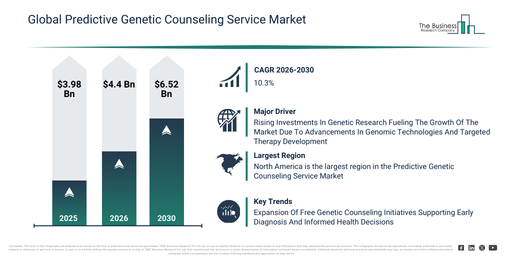
    The predictive genetic counseling service market has shown considerable expansion in recent years. This market is expected to increase from $3.98 billion in 2025 to $4.4 billion in 2026, achieving a compound annual growth rate (CAGR) of 10.6%. The historical growth of this market can be attributed to increasing awareness of inherited genetic conditions, expansion of genetic testing availability, growing utilization of prenatal screening services, rising demand for family risk assessment, improvements in molecular diagnostic accuracy.

    The predictive genetic counseling service market is poised for significant expansion in the coming years. Projections indicate it will reach $6.52 billion by 2030, demonstrating a compound annual growth rate (CAGR) of 10.3%. This anticipated growth is driven by a heightened need for tailored preventive healthcare, greater incorporation of AI in genetic analysis, the broadening of remote healthcare options, an intensified emphasis on predicting diseases early, and the wider uptake of population-level genetic screening. Key developments expected during this timeframe encompass the rising application of AI in genetic risk evaluations, increased acceptance of digital platforms for counseling, an escalating need for proactive genetic screening, the proliferation of tele-genetic counseling approaches, and a stronger concentration on data-informed risk analysis.

    Access Your Free Sample Report for In-Depth Market Insights:

    https://www.thebusinessresearchcompany.com/sample.aspx?id=27396&type=smp

    Which Drivers Are Contributing To The Expansion Of The Predictive Genetic Counseling Service Market?

    Future expansion of the predictive genetic counseling service market is anticipated to be driven by increasing financial commitments to genetic research. This type of research involves the systematic investigation of genes and heredity to comprehend how genetic traits are passed down and how they influence biological functions. Investments in genetic research are on the rise, propelled by advancements in genetic sequencing and precision medicine technologies, which are accelerating the development of targeted therapies and making biomedical research more efficient and commercially promising. These financial outlays enhance the demand for predictive genetic counseling services by uncovering new genetic markers for inherited diseases, which in turn increases the need for specialists to interpret these findings and guide individuals regarding their health risks. For instance, in September 2024, according to the National Institutes of Health (NIH), a US-based federal medical research agency, $27 million was awarded over five years to establish a new genomics-enabled learning health system (gLHS) network aimed at integrating genomic information into clinical practice across multiple hospital learning health systems nationwide. Consequently, the expanding investments in genetic research are fueling the growth of the predictive genetic counseling service market.

    What Segment Classifications Make Up The Predictive Genetic Counseling Service Market?

    The predictive genetic counseling service market covered in this report is segmented –

    1) By Type: Premarital Examination Service, Parent Child Identification Service, Antenatal Examination Service, Single Gene Or Polygene Disease Diagnosis Service

    2) By Application: Adult, Child

    3) By End-User: Hospitals, Clinical Laboratories, Academic Institutions, Research Organizations, Pharmaceutical Companies

    Subsegments:

    1) By Premarital Examination Service: Genetic Carrier Screening, Chromosomal Abnormality Testing, Inherited Disorder Risk Assessment

    2) By Parent Child Identification Service: Paternity Testing, Maternity Testing, Kinship Analysis

    3) By Antenatal Examination Service: Non-Invasive Prenatal Testing (NIPT), Chorionic Villus Sampling (CVS), Amniocentesis, Fetal DNA Sequencing

    4) By Single Gene Or Polygene Disease Diagnosis Service: Monogenic Disorder Testing, Polygenic Risk Scoring, Pharmacogenomics Testing, Hereditary Cancer Risk Testing

    Which Trends Are Influencing The Performance And Direction Of The Predictive Genetic Counseling Service Market?

    Leading companies within the predictive genetic counseling service market are concentrating on developing advanced solutions, such as no-cost genetic counseling services, to encourage early risk assessment and informed decision-making. No-cost genetic counseling services involve free consultations offered to individuals to assist them in understanding their genetic health risks, typically supported by public health programs, research initiatives, or charitable organizations. For instance, in May 2023, Vigil Neuroscience Inc., a US-based biotechnology company, launched ALSPAware, a new program providing free genetic testing and counseling services for the diagnosis of adult-onset leukoencephalopathy with axonal spheroids and pigmented glia (ALSP). ALSPAware offers complimentary and confidential genetic testing and counseling to U.S. residents aged 18 and above. The program is designed to support both individuals and healthcare professionals, offering a single-gene test for those with a family history of ALSP and a custom gene panel for diagnosing adult-onset neurological disorders. Licensed genetic counselors assist with the testing process and help interpret the results. This initiative also provides access to specialized resources aimed at reducing misdiagnosis and improving disease management for people affected by ALSP.

    Which Major Firms Are Strengthening Their Position In The Predictive Genetic Counseling Service Market?

    Major companies operating in the predictive genetic counseling service market are Roche Ltd., Thermo Fisher Scientific Inc., Agilent Technologies Inc., Illumina Inc., Natera Inc., Tempus AI Inc., Fulgent Genetics Inc., Invitae Corporation, Berry Genomics Co. Ltd., Color Genomics Inc., Decode Genetics Inc., Myriad Genetics Inc., Genpath Diagnostics, Genomic Medical Inc., GeneDx Inc., EasyDNA, Blueprint Genetics Inc., Veritas Genetics International Ltd., Abbott Pathology, Bgi Group Ltd.

    Access The Complete Report For Deeper Market Insights:

    https://www.thebusinessresearchcompany.com/report/predictive-genetic-counseling-service-global-market-report

    Which Region Is Anticipated To See The Fastest Growth In The Predictive Genetic Counseling Service Market?

    North America was the largest region in the predictive genetic counseling service market in 2025. Asia-Pacific is expected to be the fastest-growing region in the forecast period. The regions covered in the predictive genetic counseling service market report are Asia-Pacific, South East Asia, Western Europe, Eastern Europe, North America, South America, Middle East, Africa.

    Request Your Customized Predictive Genetic Counseling Service Market Research Report for Competitive Advantage:

    https://www.thebusinessresearchcompany.com/customise?id=27396&type=smp

    Browse Through More Reports Similar to the Global Predictive Genetic Counseling Service Market 2026, By The Business Research Company

    Concrete Materials Market Report 2026

    https://www.thebusinessresearchcompany.com/report/concrete-materials-global-market-report

    Rapid Strength Concrete Market Report 2026

    https://www.thebusinessresearchcompany.com/report/rapid-strength-concrete-global-market-report

    Latex Mattress Market Report 2026

    https://www.thebusinessresearchcompany.com/report/latex-mattress-global-market-report

    Get in touch with us:

    The Business Research Company: https://www.thebusinessresearchcompany.com/

    Americas +1 310-496-7795

    Asia +44 7882 955267 & +91 8897263534

    Europe +44 7882 955267

    Email us at info@tbrc.info

    Follow us on:

    LinkedIn: https://in.linkedin.com/company/the-business-research-company

    YouTube: https://www.youtube.com/channel/UC24_fI0rV8cR5DxlCpgmyFQ

    Global Market Model: https://www.thebusinessresearchcompany.com/global-market-model
  • Metastatic Bone Disease Market Trends and Insights: Global Forecast to 2030

    Metastatic Bone Disease Market Trends and Insights: Global Forecast to 2030

    Uncover key drivers, emerging technologies, and competitive movements shaping the metastatic bone disease market from 2026–2035 with trusted insights from The Business Research Company

    What total market size is anticipated for the Metastatic Bone Disease Market in 2030?

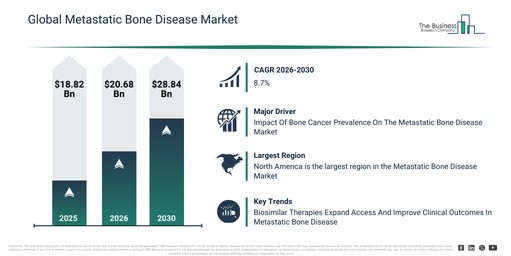
    The market size for metastatic bone disease has demonstrated substantial expansion in recent years. It is forecast to increase from $18.82 billion in 2025 to $20.68 billion in 2026, exhibiting a compound annual growth rate (CAGR) of 9.8%. The observed growth in previous periods can be linked to factors such as a rise in cancer incidence, an increase in instances of bone metastasis, broader application of chemotherapy, progress in radiation therapy techniques, and the heightened usage of bisphosphonates.

    The market size for metastatic bone disease is projected to show significant expansion over the next few years. It is expected to grow to $28.84 billion by 2030, achieving a compound annual growth rate (CAGR) of 8.7%. This anticipated growth during the forecast period can be attributed to the rise of targeted bone agents, increasing adoption of immunotherapy combinations, a growing demand for non-invasive tumor ablation, the expansion of personalized treatment approaches, and enhanced oncologic diagnostic capabilities. Key trends for the forecast period include advancements in therapies specifically for bone metastasis, the improvement of diagnostic imaging through AI assistance, the development of digital platforms for remote symptom monitoring, automation in oncology radiology workflows, and the use of virtual reality for surgical and treatment training.

    Access Your Free Sample Report for In-Depth Market Insights:

    https://www.thebusinessresearchcompany.com/sample.aspx?id=15859&type=smp

    What Drivers Are Influencing Production Trends In The Metastatic Bone Disease Market?

    The projected rise in bone cancer is expected to drive the expansion of the metastatic bone disease market moving forward. Bone cancer is characterized as a malignant tumor originating in the cells of the bone. Its prevalence is influenced by genetic factors, radiation exposure, and environmental elements, such as contact with specific chemicals. Bone cancer can lead to metastatic bone disease when cancer cells from the primary tumor spread via the bloodstream or lymphatic system, forming new tumors in other bones. For instance, in 2023, the American Cancer Society, a US-based non-profit organization, reported 3,970 new cases of bone and joint cancer, an increase compared to the 3,910 cases reported in 2022. Thus, the increasing prevalence of bone cancer is fueling the growth of the metastatic bone disease market.

    Which Segments Are Gaining Traction In The Metastatic Bone Disease Market?

    The metastatic bone disease market covered in this report is segmented –

    1) By Treatment: Medication, Radiation Therapy, Surgical Intervention, Tumor Ablation Therapy

    2) By Origin: Breast, Lung, Thyroid, Kidney, Prostate, Other Origins

    3) By End-User: Hospitals, Specialty Clinics, Ambulatory Surgical Centers

    Subsegments:

    1) By Medication: Bisphosphonates, Denosumab, Chemotherapy Drugs, Hormonal Therapies, Targeted Therapies, Radiation Therapy

    2) By Radiation Therapy: External Beam Radiation Therapy, Internal Radiation Therapy

    3) By Surgical Intervention: Bone Stabilization Surgery, Bone Resection Surgery, Spinal Decompression Surgery

    4) By Tumor Ablation Therapy: Radiofrequency Ablation, Cryoablation, Microwave Ablation

    Which Trends Are Influencing The Development Of The Metastatic Bone Disease Market?

    Major companies operating in the metastatic bone disease market are prioritizing the development of biosimilar therapies to enhance patient access and reduce treatment expenditures while sustaining clinical efficacy. Biosimilars are biologic medical products that closely resemble previously approved reference medicines, exhibiting no clinically significant distinctions in their safety or effectiveness. For instance, in March 2024, Sandoz, a Switzerland-based biopharmaceutical firm, obtained FDA approval for Wyost (denosumab-bbdz) and Jubbonti (denosumab-bbdz), which are the first and only FDA-approved biosimilars of denosumab across all indications of the reference medicines. These indications encompass the prevention of skeletal-related events in patients experiencing bone metastases from solid tumors. Such developments are projected to increase treatment accessibility and improve clinical outcomes for individuals with metastatic bone disease.

    Who Are The Prominent Global Companies Shaping The Metastatic Bone Disease Market Landscape?

    Major companies operating in the metastatic bone disease market are Pfizer Inc., Johnson & Johnson, Roche Holding AG, Merck & Co. Inc., Bayer AG, Sanofi SA, Bristol-Myers Squibb Company, AstraZeneca plc, Novartis AG, GSK plc, Takeda Pharmaceutical Company Limited, Medtronic plc, Eli Lilly and Company, Amgen Inc., Boston Scientific Corporation, Regeneron Pharmaceuticals Inc., Astellas Pharma Inc., Daiichi Sankyo Company Limited, Jazz Pharmaceuticals Inc., Exelixis Inc., BeiGene Ltd., Mylan N.V., Novocure GmbH, Galapagos NV, Telix Pharmaceuticals Limited

    Access The Complete Report For Deeper Market Insights:

    https://www.thebusinessresearchcompany.com/report/metastatic-bone-disease-global-market-report

    How Does The Metastatic Bone Disease Market Perform Across Major Global Regions?

    North America was the largest region in the metastatic bone disease market in 2025. The regions covered in the metastatic bone disease market report are Asia-Pacific, South East Asia, Western Europe, Eastern Europe, North America, South America, Middle East, Africa.

    Request Your Customized Metastatic Bone Disease Market Research Report for Competitive Advantage:

    https://www.thebusinessresearchcompany.com/customise?id=15859&type=smp

    Browse Through More Reports Similar to the Global Metastatic Bone Disease Market 2026, By The Business Research Company

    Mineral And Bone Disorder Treatment Market Report 2026

    https://www.thebusinessresearchcompany.com/report/mineral-and-bone-disorder-treatment-global-market-report

    Bone Cancer Treatment Market Report 2026

    https://www.thebusinessresearchcompany.com/report/bone-cancer-treatment-global-market-report

    Metastatic Hr Her2 Breast Cancer Market Report 2026

    https://www.thebusinessresearchcompany.com/report/metastatic-hr-her2-breast-cancer-global-market-report

    Get in touch with us:

    The Business Research Company: https://www.thebusinessresearchcompany.com/

    Americas +1 310-496-7795

    Asia +44 7882 955267 & +91 8897263534

    Europe +44 7882 955267

    Email us at info@tbrc.info

    Follow us on:

    LinkedIn: https://in.linkedin.com/company/the-business-research-company

    YouTube: https://www.youtube.com/channel/UC24_fI0rV8cR5DxlCpgmyFQ

    Global Market Model: https://www.thebusinessresearchcompany.com/global-market-model
  • Rotator Cuff Repair Market Size and Demand Forecast 2026–2030

    Rotator Cuff Repair Market Size and Demand Forecast 2026–2030

    Uncover key drivers, emerging technologies, and competitive movements shaping the rotator cuff repair market from 2026–2035 with trusted insights from The Business Research Company

    How much is the Rotator Cuff Repair Market valued at in 2026, and what valuation is forecast for 2030?

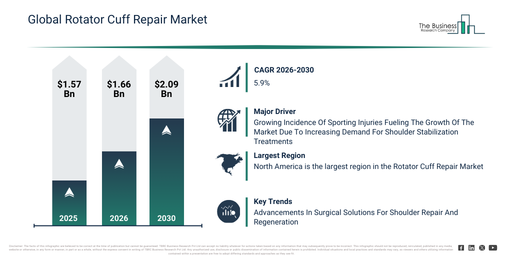
    The rotator cuff repair market has experienced strong expansion in recent years. It is projected to increase from $1.57 billion in 2025 to $1.66 billion in 2026, reflecting a compound annual growth rate (CAGR) of 6.2%. The growth observed in the past can be credited to an escalating occurrence of shoulder injuries, a rise in sports-related musculoskeletal conditions, enhanced accessibility to orthopedic surgical facilities, a growing understanding of the benefits of early surgical intervention, and ongoing improvements in surgical instrumentation.

    The rotator cuff repair market is projected for substantial expansion over the coming years, with its valuation set to reach $2.09 billion by 2030, demonstrating a compound annual growth rate (CAGR) of 5.9%. This anticipated growth during the forecast period stems from factors such as an expanding elderly demographic experiencing degenerative conditions, a surging need for minimally invasive orthopedic interventions, the broadening scope of robotic-assisted orthopedic operations, the increasing integration of orthobiologics in tendon repair, and heightened healthcare spending on sports medicine. Key developments expected in this period encompass a rise in the uptake of arthroscopic repair methods, an increased utilization of bioabsorbable anchors and sutures, a stronger inclination towards minimally invasive shoulder operations, the scaling up of robotic-assisted rotator cuff procedures, and a greater emphasis on improving rehabilitation outcomes following surgery.

    Access Your Free Sample Report for In-Depth Market Insights:

    https://www.thebusinessresearchcompany.com/sample.aspx?id=24687&type=smp

    What Drivers Are Influencing The Growth Of The Rotator Cuff Repair Market?

    The increasing occurrence of sporting injuries is anticipated to propel the expansion of the rotator cuff repair market moving forward. These injuries are physical ailments that arise during athletic pursuits or exercise, commonly affecting muscles, bones, and joints. The escalating incidence of sporting injuries largely stems from greater engagement in high-intensity and competitive sports activities. Rotator cuff repair is utilized in sporting injuries to restore shoulder strength and stability by mending torn tendons, which can be caused by either repetitive motion or acute trauma. For instance, according to the National Safety Council, a US-based nonprofit public service organization promoting health and safety, in 2023, approximately 3.7 million individuals received emergency department treatment for injuries related to sports and recreational equipment, indicating a 2% year-over-year increase in such incidents. Therefore, the rising frequency of sporting injuries will stimulate the growth of the rotator cuff repair market.

    How Is The Rotator Cuff Repair Market Organized Into Various Segments?

    The rotator cuff repair market covered in this report is segmented –

    1) By Type: Surgery, Preventive Treatment, Physiotherapy Or Palliative Treatment, Orthobiologics

    2) By Surgical Techniques: Arthroscopic Rotator Cuff Repair, Open Rotator Cuff Repair, Mini-Open Rotator Cuff Repair

    3) By Injury Severity: Partial Thickness, Full Thickness

    4) By Application: Sports Injuries, Age-Related Degeneration, Traumatic Injuries

    5) By End-User: Hospitals, Ambulatory Surgical Centers (ASCs), Orthopedic Clinics

    Subsegments:

    1) By Surgery: Arthroscopic Rotator Cuff Repair, Open Rotator Cuff Repair, Mini-Open Rotator Cuff Repair, Revision Rotator Cuff Surgery, Robotic-Assisted Rotator Cuff Surgery

    2) By Preventive Treatment: Activity Modification Programs, Ergonomic Training And Workplace Adjustments, Strengthening And Conditioning Programs, Patient Education And Lifestyle Counseling, Early Screening And Diagnostic Assessments

    3) By Physiotherapy Or Palliative Treatment: Manual Therapy, Therapeutic Ultrasound, Cryotherapy And Heat Therapy, Electrical Stimulation, Guided Range Of Motion (ROM) Exercises

    4) By Orthobiologics: Platelet-Rich Plasma (PRP) Therapy, Stem Cell Therapy, Hyaluronic Acid Injections, Bone Morphogenetic Proteins (BMPs), Amniotic Tissue And Allograft Products

    How Are Emerging Trends Affecting The Progression Of The Rotator Cuff Repair Market?

    Key companies in the rotator cuff repair market are prioritizing advanced innovations, such as the integrity implant system, to improve tendon healing, encourage regenerative tissue repair, and achieve better surgical results through minimally invasive approaches. The integrity implant system is defined as a hyaluronic acid-based, PET-reinforced scaffold created to assist regenerative healing and tendon repair in rotator cuff operations. For example, in February 2024, Anika Therapeutics Inc., a US-based joint preservation company, introduced the RevoMotion Reverse Shoulder Arthroplasty System with the goal of restoring shoulder function and preserving bone. This system incorporates the smallest diameter threaded baseplate in the industry and is complemented by the AIM surgical planning software, enabling personalized preoperative planning to optimize implant positioning and range of motion outcomes. This particular system is engineered to address conditions like cuff tear arthropathy, where the rotator cuff has sustained severe or irreparable damage.

    Who Are The Core Companies Influencing Trends In The Rotator Cuff Repair Market?

    Major companies operating in the rotator cuff repair market are Johnson And Johnson, Stryker Corporation, Zimmer Biomet Holdings Inc., Smith And Nephew plc, Arthrex Inc., CONMED Corporation, Bioventus LLC, Organogenesis Inc., Breg Inc., Exactech Inc., Paragon 28 Inc., Acumed LLC, Anika Therapeutics Inc., Xiros Ltd., Pega Medical Inc., Sawbones Worldwide, Biotek Orthopaedics Pvt. Ltd., Shoulder Innovations Inc., Atreon Orthopedics Inc., Regenexx LLC, Embody Inc.

    Access The Complete Report For Deeper Market Insights:

    https://www.thebusinessresearchcompany.com/report/rotator-cuff-repair-global-market-report

    Which Regions Are Projected To Dominate The Rotator Cuff Repair Market In The Coming Years?

    North America was the largest region in the rotator cuff repair market in 2025. Asia-Pacific is expected to be the fastest-growing region in the forecast period. The regions covered in the rotator cuff repair market report are Asia-Pacific, South East Asia, Western Europe, Eastern Europe, North America, South America, Middle East, Africa.

    Request Your Customized Rotator Cuff Repair Market Research Report for Competitive Advantage:

    https://www.thebusinessresearchcompany.com/customise?id=24687&type=smp

    Browse Through More Reports Similar to the Global Rotator Cuff Repair Market 2026, By The Business Research Company

    Orthopedic Accessories Market Report 2026

    https://www.thebusinessresearchcompany.com/report/orthopedic-accessories-global-market-report

    Orthopedic Braces And Support Devices And Equipment Market Report 2026

    https://www.thebusinessresearchcompany.com/report/orthopedic-braces-and-support-devices-and-equipment-global-market-report

    Orthopedic Prosthetics Market Report 2026

    https://www.thebusinessresearchcompany.com/report/orthopedic-prosthetics-global-market-report

    Get in touch with us:

    The Business Research Company: https://www.thebusinessresearchcompany.com/

    Americas +1 310-496-7795

    Asia +44 7882 955267 & +91 8897263534

    Europe +44 7882 955267

    Email us at info@tbrc.info

    Follow us on:

    LinkedIn: https://in.linkedin.com/company/the-business-research-company

    YouTube: https://www.youtube.com/channel/UC24_fI0rV8cR5DxlCpgmyFQ

    Global Market Model: https://www.thebusinessresearchcompany.com/global-market-model
  • Predictive And Presymptomatic Testing Market Report 2026: Strategic Insights and Revenue Outlook

    Predictive And Presymptomatic Testing Market Report 2026: Strategic Insights and Revenue Outlook

    Uncover key drivers, emerging technologies, and competitive movements shaping the predictive and presymptomatic testing market from 2026–2035 with trusted insights from The Business Research Company

    What market expansion outlook does the Predictive And Presymptomatic Testing Market show for the 2026–2030 period?

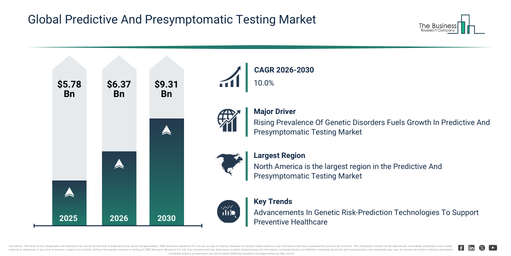
    The predictive and presymptomatic testing market has experienced significant growth in recent years. Its valuation is anticipated to increase from $5.78 billion in 2025 to $6.37 billion in 2026, achieving a compound annual growth rate (CAGR) of 10.3%. The expansion observed in prior periods can be attributed to several factors, including developments in genetic sequencing technologies, a rise in understanding concerning risks of inherited diseases, the broader availability of clinical genetic testing services, the development of testing programs in oncology and neurology, and a decrease in the expenses associated with genetic testing.

    The predictive and presymptomatic testing market is projected to experience robust expansion in the coming years, anticipated to reach $9.31 billion by 2030, exhibiting a compound annual growth rate (CAGR) of 10.0%. This growth during the forecast period can be primarily attributed to the increasing demand for personalized medicine, the rising integration of AI in genomic analysis, the expansion of population-scale screening programs, an enhanced focus on preventive healthcare strategies, and increasing regulatory support for genetic diagnostics. Furthermore, significant trends expected over this period include the growing adoption of preventive genetic screening, a rising utilization of risk-based disease prediction models, the expansion of genetic counseling services, an intensified focus on early disease detection, and the integration of genomic data into clinical decision-making.

    Access Your Free Sample Report for In-Depth Market Insights:

    https://www.thebusinessresearchcompany.com/sample.aspx?id=20594&type=smp

    What Drivers Are Shaping The Development Of The Predictive And Presymptomatic Testing Market?

    The growing occurrence of genetic disorders is projected to fuel the expansion of the predictive and presymptomatic testing market moving forward. These disorders are conditions stemming from deoxyribonucleic acid (DNA) irregularities, such as gene mutations and chromosome alterations, exemplified by conditions like cystic fibrosis and Down syndrome. The rising incidence of genetic disorders can be linked to elements like advanced maternal age, various environmental factors, and enhancements in diagnostic methodologies. Predictive and presymptomatic testing is vital for decreasing the prevalence of genetic disorders by identifying at-risk individuals prior to symptom onset. This forward-looking strategy enables early interventions or lifestyle modifications, which can help avert or lessen the seriousness of these conditions. For instance, in June 2023, data from the American Society of Gene and Cell Therapy, a US-based non-profit medical and scientific organization, indicated that the volume of gene therapies in Phase III clinical trials increased by 10% in quarter 3, 2023, marking the initial quarterly rise since quarter 3, 2022. Consequently, the increasing prevalence of genetic disorders is acting as a catalyst for the predictive and presymptomatic testing market.

    What Segment Types Are Examined In The Predictive And Presymptomatic Testing Market?

    The predictive and presymptomatic testing market covered in this report is segmented –

    1) By Test Type: Predictive Testing, Presymptomatic Testing

    2) By Application: Cancer Genetic Testing, Cardiovascular Genetic Testing, Neurological Genetic Testing, Other Applications

    3) By End User: Hospitals And Clinics, Diagnostic Laboratories

    Subsegments:

    1) By Predictive Testing: Genetic Testing for Inherited Conditions, Cancer Risk Prediction, Cardiovascular Disease Prediction, Neurodegenerative Disease Risk Prediction, Genetic Screening for Autosomal Dominant Disorders

    2) By Presymptomatic Testing: Huntington’s Disease Testing, Hereditary Cancer Risk Testing, Cystic Fibrosis Presymptomatic Testing, Early-Onset Alzheimer’s Disease Testing, Presymptomatic Genetic Testing for Familial Diseases

    What Long-Term Trends Are Expected To Shape The Future Of The Predictive And Presymptomatic Testing Market?

    Within the predictive and presymptomatic testing market, leading companies are concentrated on creating innovative multi-gene testing solutions. These solutions feature advanced genetic risk-scoring to facilitate earlier disease detection and refine personalized prevention approaches. Polygenic panels integrate the sequencing of clinically significant hereditary-risk genes with the analysis of numerous common genetic variations. This offers a more thorough and tailored evaluation of an individual’s future disease probability compared to conventional single-gene tests. An example of this advancement is Myriad Genetics Inc., a U.S.-based molecular diagnostics company, which in November 2025, broadened its MyRisk Hereditary Cancer Test. This expanded test now covers 63 clinically actionable genes relevant to over 11 cancer types. This updated panel incorporates next-generation sequencing along with personalized lifetime and five-year cancer-risk estimates, empowering physicians to make proactive clinical decisions. The product improves risk identification, even for individuals lacking strong family histories, and supports focused surveillance, earlier initiation of screenings, and comprehensive preventive care planning.

    Who Are The Primary Competitors In The Global Predictive And Presymptomatic Testing Market?

    Major companies operating in the predictive and presymptomatic testing market are F. Hoffmann-La Roche AG, Thermo Fisher Scientific Inc., Mayo Clinic, Quest Diagnostics Inc., Illumina Inc., Bio-Rad Laboratories Inc., Qiagen N.V., Peter MacCallum Cancer Centre, Myriad Genetics Inc., SomaLogic Inc., Siteman Cancer Center, Dante Labs S.R.L., Mapmygenome, Manipal Health Enterprises, Gene Vision, Reliance Diagnostic, GenepoweRx, Personal Genomics, Apollo Hospitals Enterprise Limited, Cardio Diagnostics Inc.

    Access The Complete Report For Deeper Market Insights:

    https://www.thebusinessresearchcompany.com/report/predictive-and-presymptomatic-testing-global-market-report

    Which Global Regions Are Shaping The Competitive Landscape Of The Predictive And Presymptomatic Testing Market?

    North America was the largest region in the predictive and presymptomatic testing market in 2025. Asia-Pacific is expected to be the fastest-growing region in the forecast period. The regions covered in the predictive and presymptomatic testing market report are Asia-Pacific, South East Asia, Western Europe, Eastern Europe, North America, South America, Middle East, Africa.

    Request Your Customized Predictive And Presymptomatic Testing Market Research Report for Competitive Advantage:

    https://www.thebusinessresearchcompany.com/customise?id=20594&type=smp

    Browse Through More Reports Similar to the Global Predictive And Presymptomatic Testing Market 2026, By The Business Research Company

    Healthcare Predictive Analytics Market Report 2026

    https://www.thebusinessresearchcompany.com/report/healthcare-predictive-analytics-global-market-report

    Predictive Analytics Market Report 2026

    https://www.thebusinessresearchcompany.com/report/predictive-analytics-global-market-report

    Predictive Maintenance Market Report 2026

    https://www.thebusinessresearchcompany.com/report/predictive-maintenance-global-market-report

    Get in touch with us:

    The Business Research Company: https://www.thebusinessresearchcompany.com/

    Americas +1 310-496-7795

    Asia +44 7882 955267 & +91 8897263534

    Europe +44 7882 955267

    Email us at info@tbrc.info

    Follow us on:

    LinkedIn: https://in.linkedin.com/company/the-business-research-company

    YouTube: https://www.youtube.com/channel/UC24_fI0rV8cR5DxlCpgmyFQ

    Global Market Model: https://www.thebusinessresearchcompany.com/global-market-model
  • Rosacea Market Outlook: Growth and Forecast Highlights 2030

    Rosacea Market Outlook: Growth and Forecast Highlights 2030

    Uncover key drivers, emerging technologies, and competitive movements shaping the rosacea market from 2026–2035 with trusted insights from The Business Research Company

    By how much is the Rosacea Market expected to grow between 2026 and 2030?

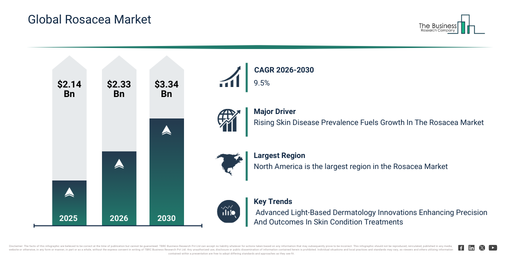
    The rosacea market has experienced strong growth in recent years. It is projected to expand from $2.14 billion in 2025 to $2.33 billion in 2026, achieving a compound annual growth rate (CAGR) of 8.7%. The growth observed in the historic period is attributable to increasing prevalence of chronic inflammatory skin conditions, rising dermatology consultations, wider availability of topical antibiotics and alpha agonists, growing awareness of rosacea symptoms, and improved access to dermatology care.

    The rosacea market is projected to experience robust expansion in the coming years. This market is anticipated to reach $3.34 billion by 2030, exhibiting a compound annual growth rate (CAGR) of 9.5%. This projected growth is driven by factors such as a heightened demand for individualized treatment plans, advancements in research concerning inflammatory skin conditions, the increasing use of new drug categories, the broadened availability of teledermatology services, and an intensified focus on enhancing patient quality of life. Key trends anticipated during this period encompass the wider acceptance of targeted topical treatments, a stronger emphasis on long-term disease management strategies, a rising need for combined drug therapies, the growth of personalized dermatology care, and a greater importance placed on prompt diagnosis and symptom management.

    Access Your Free Sample Report for In-Depth Market Insights:

    https://www.thebusinessresearchcompany.com/sample.aspx?id=12945&type=smp

    Which Drivers Are Influencing Market Acceleration In The Rosacea Market?

    An increasing frequency of skin diseases is expected to boost the expansion of the rosacea market moving forward. Skin diseases are medical conditions that impact the appearance, structure, and function of the skin. These conditions can affect the skin, hair, nails, and related tissues. Rosacea, an inflammatory skin issue, can result from various fungal infections, including an overgrowth of Candida. Moreover, rosacea carries a statistically significant heightened risk of skin cancers such as hepatic cancer, non-melanoma skin cancer, and breast cancer. For example, in February 2023, according to Cancer Research UK, a UK-based cancer research organization, the average yearly number of new melanoma skin cancer cases in the UK is projected to rise from approximately 20,800 cases between 2023-2025 to about 26,500 cases by 2038-2040. This indicates a projected 9% increase in melanoma incidence rates, reaching 33 cases per 100,000 people annually by 2038-2040. Therefore, the growing prevalence of skin diseases is propelling the growth of the rosacea market.

    What Segments Are Identified Within The Structure Of The Rosacea Market?

    The rosacea market covered in this report is segmented –

    1) By Type: Erythematotelangiectatic Rosacea, Papulopustular Rosacea, Ocular Rosacea, Phymatous Rosacea

    2) By Drug Class: Antibiotics, Alpha Agonists, Retinoid, Corticosteroids, Immunosuppressants, Other Drug Classes

    3) By Mode of Administration: Topical, Oral

    4) By End-User: Hospitals, Clinics, Retail pharmacies, Online pharmacies

    Subsegments:

    1) By Erythematotelangiectatic Rosacea: Persistent Facial Redness, Visible Blood Vessels

    2) By Papulopustular Rosacea: Red Bumps, Pus-Filled Pimples

    3) By Ocular Rosacea: Eye Irritation, Inflammation Of Eyelids, Dry Eyes

    4) By Phymatous Rosacea: Rhinophyma, Thickened Skin On The Face

    Which Innovation Trends Are Advancing Developments Within The Rosacea Market?

    Major companies operating in the rosacea market are concentrating on technological advancements, such as Expert Pulsed Light (XPL) systems, to address the increasing demand for non-invasive, highly effective, and adaptable therapies, driven by a growing patient preference for minimal recovery time and broader skin-type compatibility. XPL technology represents the most recent evolution in pulsed light treatments, featuring advanced pulse design, multiple specialized filters, and sub-pulsing techniques, which allows for precise control of energy delivery and treatment protocols, in contrast to traditional intense pulsed light (IPL) devices that often yield less customizable results. For example, in November 2025, Lumenis Be. Ltd., an Israel-based energy-based medical device company, launched the Stellar M22 platform equipped with XPL technology, a novel multi-application aesthetic system designed to treat over 30 skin conditions, including rosacea. Stellar M22 incorporates four cutting-edge technologies, offers the new XPL Glide Mode for faster, in-motion treatments, and features 850+ built-in protocols to ensure repeatable and consistent clinical results across diverse patient populations. Its hybrid modalities, such as PhotoFABULOUS and SmoothGlo, facilitate tailored skin rejuvenation regimens, targeting vascular and pigment lesions commonly found in rosacea, with demonstrated efficacy for rapid lesion clearance and improved comfort compared to conventional devices.

    Which Major Industry Participants Are Leading The Rosacea Market Growth?

    Major companies operating in the rosacea market are Pfizer Inc., Johnson & Johnson, Merck & Co. Inc., AbbVie Inc., Bayer AG, Sanofi S.A., GlaxoSmithKline plc, Eli Lilly and Company, Viatris Inc., Teva Pharmaceutical Industries Ltd., Bausch Health Companies Inc., Sun Pharmaceutical Industries Ltd., Perrigo Company PLC, Galderma S.A., Dr. Reddy’s Laboratories Ltd., Lupin Limited, LEO Pharma A/S, Almirall S.A., Taro Pharmaceuticals, Mayne Pharma, Aclaris Therapeutics Inc., Sol-Gel Technologies Ltd., Nestle Skin Health S.A., Foamix Pharmaceuticals.

    Access The Complete Report For Deeper Market Insights:

    https://www.thebusinessresearchcompany.com/report/rosacea-global-market-report

    Which Region Is Expected To Experience The Fastest Growth In The Rosacea Market?

    North America was the largest region in the rosacea market in 2025. Asia-Pacific is expected to the fastest-growing region in the forecast period. The regions covered in the rosacea market report are Asia-Pacific, South East Asia, Western Europe, Eastern Europe, North America, South America, Middle East, Africa.

    Request Your Customized Rosacea Market Research Report for Competitive Advantage:

    https://www.thebusinessresearchcompany.com/customise?id=12945&type=smp

    Browse Through More Reports Similar to the Global Rosacea Market 2026, By The Business Research Company

    Dermatitis Drugs Market Report 2026

    https://www.thebusinessresearchcompany.com/report/dermatitis-drugs-global-market-report

    Acetone Market Report 2026

    https://www.thebusinessresearchcompany.com/report/acetone-global-market-report

    Skincare Market Report 2026

    https://www.thebusinessresearchcompany.com/report/skincare-global-market-report

    Get in touch with us:

    The Business Research Company: https://www.thebusinessresearchcompany.com/

    Americas +1 310-496-7795

    Asia +44 7882 955267 & +91 8897263534

    Europe +44 7882 955267

    Email us at info@tbrc.info

    Follow us on:

    LinkedIn: https://in.linkedin.com/company/the-business-research-company

    YouTube: https://www.youtube.com/channel/UC24_fI0rV8cR5DxlCpgmyFQ

    Global Market Model: https://www.thebusinessresearchcompany.com/global-market-model
  • Global Metal Implants And Medical Alloys Market Report 2026–2030: Data-Driven Growth Insights

    Global Metal Implants And Medical Alloys Market Report 2026–2030: Data-Driven Growth Insights

    Uncover key drivers, emerging technologies, and competitive movements shaping the metal implants and medical alloys market from 2026–2035 with trusted insights from The Business Research Company

    What is the expected shift in the Metal Implants And Medical Alloys Market’s size between 2026 and 2030?

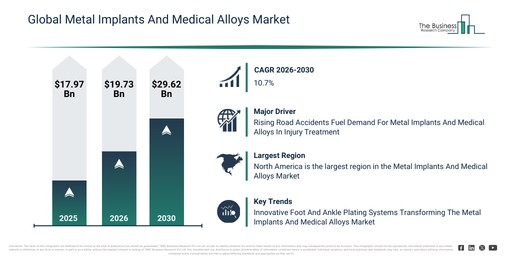
    The metal implants and medical alloys market size has shown substantial growth in recent years. It is projected to expand from $17.97 billion in 2025 to $19.73 billion in 2026, achieving a compound annual growth rate (CAGR) of 9.8%. The growth observed in the historic period can be credited to an increasing volume of orthopedic surgeries, a rising prevalence of joint disorders, wider adoption of dental implants, advancements in surgical techniques, and the growing usage of titanium alloys.

    The market for metal implants and medical alloys is anticipated to experience substantial growth in the upcoming years, projected to reach $29.62 billion by 2030 with a compound annual growth rate (CAGR) of 10.7%. This expansion during the forecast period is driven by advancements in biodegradable metal implants, a rising demand for minimally invasive implant procedures, increased investment in medical alloy research and development, the expansion of orthopedic trauma care, and a growing preference for customized implant solutions. Major trends expected in this timeframe include developments in biocompatible metal alloy creation, the integration of artificial intelligence in implant design optimization, automation in metal implant manufacturing processes, circular material recycling for medical alloys, and digital tracking and monitoring of implant performance.

    Access Your Free Sample Report for In-Depth Market Insights:

    https://www.thebusinessresearchcompany.com/sample.aspx?id=12974&type=smp

    Which Drivers Are Shaping Strategic Decisions In The Metal Implants And Medical Alloys Market?

    The expanding occurrence of road accidents is projected to fuel the growth of the metal implants and medical alloys market in the future. A road accident refers to an incident with a moving vehicle on a public road that leads to casualties, whether fatal or non-fatal. The increasing number of road accidents stems from factors such as distracted driving, speeding, poor road conditions, and an overall rise in vehicle numbers. Metal implants and medical alloys are essential for surgeries following road accidents, providing durable support for bone repair and facilitating a quicker recovery. For instance, according to Transport Canada, a Canada-based government agency, in May 2025, it was reported that motor vehicle fatalities reached 1,964 in 2023, indicating a 1.7% increase from the 1,931 deaths noted in 2022. As a consequence, the rising number of road accidents is a primary driver for the expansion of the metal implants and medical alloys market.

    What Segment Categories Are Covered In The Metal Implants And Medical Alloys Market?

    The metal implants and medical alloys market covered in this report is segmented –

    1) By Material: Titanium, Stainless Steel, Cobalt Chromium, Other Materials

    2) By Application: Cardiovascular Applications, Dental Applications, Spinal Fusion Applications, Cranio-Facial Surgeries, Orthopedic Reconstruction Surgeries, Other Applications

    3) By End-User: Hospitals And Clinics, Ambulatory Surgical Centers, Other End-Users

    Subsegments:

    1) By Titanium: Titanium Alloys, Titanium Implants

    2) By Stainless Steel: 316L Stainless Steel, 304 Stainless Steel

    3) By Cobalt Chromium: Cobalt Chromium Alloys, Cobalt Chromium Implants

    4) By Other Materials: Zirconium, Nickel Titanium (Nitinol), Magnesium Alloys

    What Trends Are Expected To Impact The Competitive Landscape Of The Metal Implants And Medical Alloys Market?

    Leading companies in the metal implants and medical alloys market are concentrating on developing innovative solutions, such as foot and ankle plating systems, to treat various foot and ankle conditions. A foot and ankle plating system serves as a surgical hardware solution that stabilizes and supports fractures or deformities in the foot and ankle through the application of metal plates and screws. For instance, in September 2023, MiRus LLC, a US-based medical device company renowned for its proprietary technology in implants and procedural solutions, introduced the ATLAS MoRe Foot and Ankle Plating System. This ATLAS MoRe Foot and Ankle Plating System, launched by MiRus, LLC, incorporates a modular design, allowing for customizable fixation options tailored to individual patient needs. Its advanced locking mechanism enhances both stability and strength, while the system’s low-profile plates promote a more anatomical fit, which in turn minimizes soft tissue irritation. Moreover, the system is engineered for ease of use during surgical procedures, thereby improving operational efficiency and patient outcomes.

    Which Key Players Are Driving Competition In The Metal Implants And Medical Alloys Market?

    Major companies operating in the metal implants and medical alloys market are Medtronic plc, Stryker Corporation, B. Braun Melsungen AG, Aperam S.A., Zimmer Biomet Holdings Inc., Smith and Nephew plc, Dentsply Sirona Inc., ATI Specialty Alloys and Components, Carpenter Technology Corporation, Materion Corporation, Integra LifeSciences Holdings Corporation, NuVasive Inc., CONMED Corporation, Wright Medical Group, Fort Wayne Metals Research Products LLC, Ulbrich Stainless Steels & Special Metals Inc., Lisi Medical Jeropa Inc., Shanghai MicroPort Orthopedics Inc., DJO Global Inc., Ametek Specialty Metal Products Inc., Boston Centerless Inc., Anomet Products Inc., AAP Implantate AG, QuesTek Innovations LLC, Supra Alloys Inc., Syntellix AG

    Access The Complete Report For Deeper Market Insights:

    https://www.thebusinessresearchcompany.com/report/metal-implants-and-medical-alloys-global-market-report

    Which Region Is Anticipated To See The Fastest Growth In The Metal Implants And Medical Alloys Market?

    North America was the largest region in the metal implants and medical alloys market in 2025. Asia-Pacific is expected to be the fastest-growing region in the forecast period. The regions covered in the metal implants and medical alloys market report are Asia-Pacific, South East Asia, Western Europe, Eastern Europe, North America, South America, Middle East, Africa.

    Request Your Customized Metal Implants And Medical Alloys Market Research Report for Competitive Advantage:

    https://www.thebusinessresearchcompany.com/customise?id=12974&type=smp

    Browse Through More Reports Similar to the Global Metal Implants And Medical Alloys Market 2026, By The Business Research Company

    Cosmetic Implants Market Report 2026

    https://www.thebusinessresearchcompany.com/report/cosmetic-implants-global-market-report

    Dental Implants Market Report 2026

    https://www.thebusinessresearchcompany.com/report/dental-implants-global-market-report

    Microelectronic Medical Implants Market Report 2026

    https://www.thebusinessresearchcompany.com/report/microelectronic-medical-implants-global-market-report

    Get in touch with us:

    The Business Research Company: https://www.thebusinessresearchcompany.com/

    Americas +1 310-496-7795

    Asia +44 7882 955267 & +91 8897263534

    Europe +44 7882 955267

    Email us at info@tbrc.info

    Follow us on:

    LinkedIn: https://in.linkedin.com/company/the-business-research-company

    YouTube: https://www.youtube.com/channel/UC24_fI0rV8cR5DxlCpgmyFQ

    Global Market Model: https://www.thebusinessresearchcompany.com/global-market-model
  • Global Precocious Puberty Treatment Industry Trends and Market Forecast 2026–2030

    Global Precocious Puberty Treatment Industry Trends and Market Forecast 2026–2030

    Uncover key drivers, emerging technologies, and competitive movements shaping the precocious puberty treatment market from 2026–2035 with trusted insights from The Business Research Company

    What level of growth is expected in the Precocious Puberty Treatment Market between 2026 and 2030?

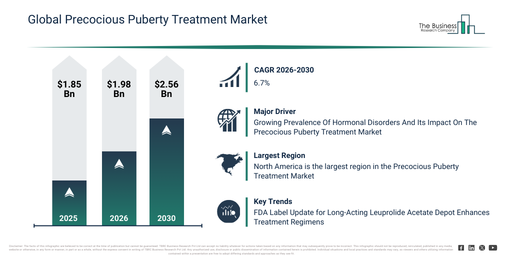
    The precocious puberty treatment market has experienced robust expansion in recent years. It is projected to increase from $1.85 billion in 2025 to $1.98 billion in 2026, exhibiting a compound annual growth rate (CAGR) of 6.8%. The historical growth of this market can be attributed to enhanced diagnostic capabilities for hormonal disorders, a heightened awareness of early puberty conditions, the availability of gonadotropin-releasing hormone analogs, the expansion of pediatric healthcare services, and rising physician education initiatives.

    The precocious puberty treatment market is poised for robust expansion in the coming years, with its size projected to reach $2.56 billion by 2030, demonstrating a compound annual growth rate (CAGR) of 6.7%. This growth over the forecast period is fueled by an escalating emphasis on personalized endocrine care, increasing investments in treatments for pediatric rare diseases, the broadening availability of long-acting injectable formulations, the growing utilization of digital tools for patient monitoring, and enhanced access to specialty healthcare services. Key trends shaping the market in this period encompass the rising adoption of long-acting hormonal therapies, a heightened focus on early diagnosis and intervention, the expanding use of personalized treatment protocols, the extension of pediatric endocrinology services, and improved awareness regarding growth preservation outcomes.

    Access Your Free Sample Report for In-Depth Market Insights:

    https://www.thebusinessresearchcompany.com/sample.aspx?id=13517&type=smp

    Which Drivers Are Expected To Impact The Precocious Puberty Treatment Market During The Forecast Period?

    The increasing incidence of hormonal disorders is anticipated to stimulate the expansion of the precocious puberty treatment market in the foreseeable future. These conditions are defined as medical ailments characterized by malfunctions or irregularities within the endocrine system, the bodily network responsible for hormone synthesis and control. Such disorders can induce precocious puberty through a disturbance in the standard regulation of sex hormones, resulting in the premature activation of the hypothalamic-pituitary-gonadal (HPG) axis, the system that governs the commencement of puberty. For example, in May 2023, a report disseminated by the National Library of Medicine, a US-based medical library, revealed that approximately 13 million individuals in the U.S., comprising 4.78% of the population, suffer from undiagnosed endocrine disorders. Thyroid disease is notably prevalent, constituting 30-40% of instances observed in endocrine practices, affecting nearly half of all endocrine patients. Furthermore, close to half (48.8%) of individuals with metabolic disorders exhibit rare forms, with the overall prevalence of rare metabolic disorders recorded at 10.96 per 10,000 individuals. Consequently, the escalating occurrence of hormonal disorders is fueling the expansion of the precocious puberty treatment market.

    Which Segments Are Driving Activity In The Precocious Puberty Treatment Market?

    The precocious puberty treatment market covered in this report is segmented –

    1) By Drug Class: Leuprorelin, Histrelin, Triptorelin, Nafarelin

    2) By Application: Hospitals, Clinics, Other Applications

    3) By End-User: Pediatric Patients, Adolescent Patients, Other End-Users

    Subsegments:

    1) By Leuprorelin: Leuprorelin Acetate Injection, Leuprorelin For Depot Administration, Leuprorelin For Subcutaneous Administration

    2) By Histrelin: Histrelin Acetate Implant, Histrelin For Depot Injection, Histrelin For Subcutaneous Administration

    3) By Triptorelin: Triptorelin Acetate Injection, Triptorelin For Long-Acting Depot Injection, Triptorelin For Subcutaneous Implantation

    4) By Nafarelin: Nafarelin Acetate Nasal Spray, Nafarelin For Injectable Administration

    Which Market Trends Are Opening Growth Opportunities In The Precocious Puberty Treatment Market?

    Major companies in the precocious puberty treatment market are focused on optimizing drug formulations, such as extended-duration leuprolide acetate depot therapies, to enhance treatment convenience, safety, and clinical outcomes. Long-acting leuprolide acetate therapies are designed to provide sustained suppression of gonadotropin-releasing hormone (GnRH), thereby delaying premature sexual development and reducing the burden of frequent dosing. For instance, in April 2023, the U.S. Food and Drug Administration (FDA), a US-based federal agency, issued a label update for Lupron Depot-Ped (6-month intramuscular) to include refined dosage administration guidelines. This therapy is a synthetic form of GnRH that helps delay the onset of secondary sexual characteristics such as breast or testicular growth and menstruation, offering a more effective and streamlined treatment option for children with central precocious puberty.

    Which Key Market Players Are Investing In Expansion And Innovation Within The Precocious Puberty Treatment Market?

    Major companies operating in the precocious puberty treatment market are Pfizer Inc., AbbVie Inc., Sanofi SA, Abbott Laboratories, Eli Lilly And Company, Glenmark Pharmaceuticals Ltd, Sun Pharmaceutical Industries Ltd, Ipsen Ltd, Ferring Pharmaceuticals Private Limited, Endo Pharmaceuticals Inc, Livzon Pharmaceutical Group Inc, Actiza Pharmaceutical Private Limited, Biocon Limited, Mallinckrodt plc, Arbor Pharmaceuticals LLC, Tolmar Pharmaceuticals Inc, Debiopharm Group, Emcure Pharmaceuticals Ltd, Cadila Pharmaceuticals Limited, Sandoz International GmbH, Foresee Pharmaceuticals Co Ltd, Verity Pharmaceuticals Inc, Aurobindo Pharma Ltd

    Access The Complete Report For Deeper Market Insights:

    https://www.thebusinessresearchcompany.com/report/precocious-puberty-treatment-global-market-report

    Which Regions Are Poised For Strategic Growth In The Precocious Puberty Treatment Market?

    North America was the largest region in the precocious puberty treatment market in 2025. Asia-Pacific is expected to be the fastest-growing region in the forecast period. The regions covered in the precocious puberty treatment market report are Asia-Pacific, South East Asia, Western Europe, Eastern Europe, North America, South America, Middle East, Africa.

    Request Your Customized Precocious Puberty Treatment Market Research Report for Competitive Advantage:

    https://www.thebusinessresearchcompany.com/customise?id=13517&type=smp

    Browse Through More Reports Similar to the Global Precocious Puberty Treatment Market 2026, By The Business Research Company

    Hormone Therapy Market Report 2026

    https://www.thebusinessresearchcompany.com/report/hormone-therapy-global-market-report

    Central Precocious Puberty Market Report 2026

    https://www.thebusinessresearchcompany.com/report/central-precocious-puberty-global-market-report

    Premature Ejaculation Treatment Market Report 2026

    https://www.thebusinessresearchcompany.com/report/premature-ejaculation-treatment-global-market-report

    Get in touch with us:

    The Business Research Company: https://www.thebusinessresearchcompany.com/

    Americas +1 310-496-7795

    Asia +44 7882 955267 & +91 8897263534

    Europe +44 7882 955267

    Email us at info@tbrc.info

    Follow us on:

    LinkedIn: https://in.linkedin.com/company/the-business-research-company

    YouTube: https://www.youtube.com/channel/UC24_fI0rV8cR5DxlCpgmyFQ

    Global Market Model: https://www.thebusinessresearchcompany.com/global-market-model