Month: March 2026

  • Global Precocious Puberty Treatment Industry Trends and Market Forecast 2026–2030

    Global Precocious Puberty Treatment Industry Trends and Market Forecast 2026–2030

    Uncover key drivers, emerging technologies, and competitive movements shaping the precocious puberty treatment market from 2026–2035 with trusted insights from The Business Research Company

    What level of growth is expected in the Precocious Puberty Treatment Market between 2026 and 2030?

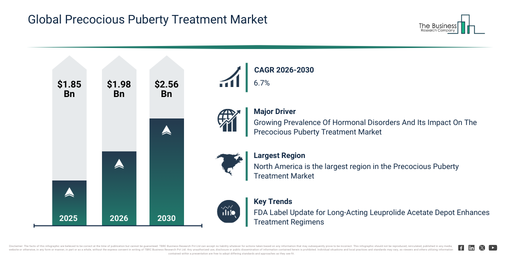
    The precocious puberty treatment market has experienced robust expansion in recent years. It is projected to increase from $1.85 billion in 2025 to $1.98 billion in 2026, exhibiting a compound annual growth rate (CAGR) of 6.8%. The historical growth of this market can be attributed to enhanced diagnostic capabilities for hormonal disorders, a heightened awareness of early puberty conditions, the availability of gonadotropin-releasing hormone analogs, the expansion of pediatric healthcare services, and rising physician education initiatives.

    The precocious puberty treatment market is poised for robust expansion in the coming years, with its size projected to reach $2.56 billion by 2030, demonstrating a compound annual growth rate (CAGR) of 6.7%. This growth over the forecast period is fueled by an escalating emphasis on personalized endocrine care, increasing investments in treatments for pediatric rare diseases, the broadening availability of long-acting injectable formulations, the growing utilization of digital tools for patient monitoring, and enhanced access to specialty healthcare services. Key trends shaping the market in this period encompass the rising adoption of long-acting hormonal therapies, a heightened focus on early diagnosis and intervention, the expanding use of personalized treatment protocols, the extension of pediatric endocrinology services, and improved awareness regarding growth preservation outcomes.

    Access Your Free Sample Report for In-Depth Market Insights:

    https://www.thebusinessresearchcompany.com/sample.aspx?id=13517&type=smp

    Which Drivers Are Expected To Impact The Precocious Puberty Treatment Market During The Forecast Period?

    The increasing incidence of hormonal disorders is anticipated to stimulate the expansion of the precocious puberty treatment market in the foreseeable future. These conditions are defined as medical ailments characterized by malfunctions or irregularities within the endocrine system, the bodily network responsible for hormone synthesis and control. Such disorders can induce precocious puberty through a disturbance in the standard regulation of sex hormones, resulting in the premature activation of the hypothalamic-pituitary-gonadal (HPG) axis, the system that governs the commencement of puberty. For example, in May 2023, a report disseminated by the National Library of Medicine, a US-based medical library, revealed that approximately 13 million individuals in the U.S., comprising 4.78% of the population, suffer from undiagnosed endocrine disorders. Thyroid disease is notably prevalent, constituting 30-40% of instances observed in endocrine practices, affecting nearly half of all endocrine patients. Furthermore, close to half (48.8%) of individuals with metabolic disorders exhibit rare forms, with the overall prevalence of rare metabolic disorders recorded at 10.96 per 10,000 individuals. Consequently, the escalating occurrence of hormonal disorders is fueling the expansion of the precocious puberty treatment market.

    Which Segments Are Driving Activity In The Precocious Puberty Treatment Market?

    The precocious puberty treatment market covered in this report is segmented –

    1) By Drug Class: Leuprorelin, Histrelin, Triptorelin, Nafarelin

    2) By Application: Hospitals, Clinics, Other Applications

    3) By End-User: Pediatric Patients, Adolescent Patients, Other End-Users

    Subsegments:

    1) By Leuprorelin: Leuprorelin Acetate Injection, Leuprorelin For Depot Administration, Leuprorelin For Subcutaneous Administration

    2) By Histrelin: Histrelin Acetate Implant, Histrelin For Depot Injection, Histrelin For Subcutaneous Administration

    3) By Triptorelin: Triptorelin Acetate Injection, Triptorelin For Long-Acting Depot Injection, Triptorelin For Subcutaneous Implantation

    4) By Nafarelin: Nafarelin Acetate Nasal Spray, Nafarelin For Injectable Administration

    Which Market Trends Are Opening Growth Opportunities In The Precocious Puberty Treatment Market?

    Major companies in the precocious puberty treatment market are focused on optimizing drug formulations, such as extended-duration leuprolide acetate depot therapies, to enhance treatment convenience, safety, and clinical outcomes. Long-acting leuprolide acetate therapies are designed to provide sustained suppression of gonadotropin-releasing hormone (GnRH), thereby delaying premature sexual development and reducing the burden of frequent dosing. For instance, in April 2023, the U.S. Food and Drug Administration (FDA), a US-based federal agency, issued a label update for Lupron Depot-Ped (6-month intramuscular) to include refined dosage administration guidelines. This therapy is a synthetic form of GnRH that helps delay the onset of secondary sexual characteristics such as breast or testicular growth and menstruation, offering a more effective and streamlined treatment option for children with central precocious puberty.

    Which Key Market Players Are Investing In Expansion And Innovation Within The Precocious Puberty Treatment Market?

    Major companies operating in the precocious puberty treatment market are Pfizer Inc., AbbVie Inc., Sanofi SA, Abbott Laboratories, Eli Lilly And Company, Glenmark Pharmaceuticals Ltd, Sun Pharmaceutical Industries Ltd, Ipsen Ltd, Ferring Pharmaceuticals Private Limited, Endo Pharmaceuticals Inc, Livzon Pharmaceutical Group Inc, Actiza Pharmaceutical Private Limited, Biocon Limited, Mallinckrodt plc, Arbor Pharmaceuticals LLC, Tolmar Pharmaceuticals Inc, Debiopharm Group, Emcure Pharmaceuticals Ltd, Cadila Pharmaceuticals Limited, Sandoz International GmbH, Foresee Pharmaceuticals Co Ltd, Verity Pharmaceuticals Inc, Aurobindo Pharma Ltd

    Access The Complete Report For Deeper Market Insights:

    https://www.thebusinessresearchcompany.com/report/precocious-puberty-treatment-global-market-report

    Which Regions Are Poised For Strategic Growth In The Precocious Puberty Treatment Market?

    North America was the largest region in the precocious puberty treatment market in 2025. Asia-Pacific is expected to be the fastest-growing region in the forecast period. The regions covered in the precocious puberty treatment market report are Asia-Pacific, South East Asia, Western Europe, Eastern Europe, North America, South America, Middle East, Africa.

    Request Your Customized Precocious Puberty Treatment Market Research Report for Competitive Advantage:

    https://www.thebusinessresearchcompany.com/customise?id=13517&type=smp

    Browse Through More Reports Similar to the Global Precocious Puberty Treatment Market 2026, By The Business Research Company

    Hormone Therapy Market Report 2026

    https://www.thebusinessresearchcompany.com/report/hormone-therapy-global-market-report

    Central Precocious Puberty Market Report 2026

    https://www.thebusinessresearchcompany.com/report/central-precocious-puberty-global-market-report

    Premature Ejaculation Treatment Market Report 2026

    https://www.thebusinessresearchcompany.com/report/premature-ejaculation-treatment-global-market-report

    Get in touch with us:

    The Business Research Company: https://www.thebusinessresearchcompany.com/

    Americas +1 310-496-7795

    Asia +44 7882 955267 & +91 8897263534

    Europe +44 7882 955267

    Email us at info@tbrc.info

    Follow us on:

    LinkedIn: https://in.linkedin.com/company/the-business-research-company

    YouTube: https://www.youtube.com/channel/UC24_fI0rV8cR5DxlCpgmyFQ

    Global Market Model: https://www.thebusinessresearchcompany.com/global-market-model
  • Preclinical Imaging Market Size and Demand Forecast 2026–2030

    Preclinical Imaging Market Size and Demand Forecast 2026–2030

    Uncover key drivers, emerging technologies, and competitive movements shaping the preclinical imaging market from 2026–2035 with trusted insights from The Business Research Company

    How much is the Preclinical Imaging Market valued at in 2026, and what valuation is forecast for 2030?

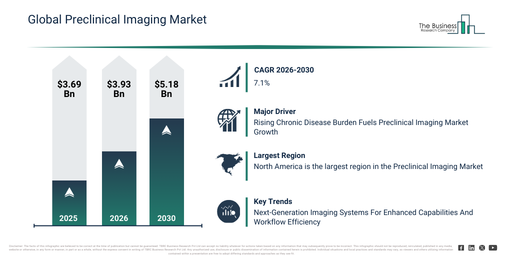
    The preclinical imaging market has experienced robust growth in recent years. It is projected to expand from $3.69 billion in 2025 to $3.93 billion in 2026, demonstrating a compound annual growth rate (CAGR) of 6.7%. This historical growth can be attributed to several factors, including the increasing application of animal models in biomedical research, the expansion of oncology and neurology research, the rising acceptance of non-invasive imaging techniques, the growth in preclinical drug testing activities, and the availability of advanced imaging reagents.

    The preclinical imaging market size is forecast to experience significant expansion over the next few years, with its value expected to reach $5.18 billion in 2030, demonstrating a compound annual growth rate (CAGR) of 7.1%. This projected growth throughout the forecast period stems from factors such as the rising demand for real-time disease visualization, increased investments in translational research, the broadening scope of precision medicine studies, the expanding application of AI-assisted image analysis, and the growing deployment of advanced contrast agents. Prominent trends anticipated during this period include the increased adoption of multi-modal imaging platforms, a rise in the use of high-resolution imaging systems, the growing integration of imaging with data analytics, the expansion of longitudinal disease monitoring studies, and an enhanced focus on translational imaging accuracy.

    Access Your Free Sample Report for In-Depth Market Insights:

    https://www.thebusinessresearchcompany.com/sample.aspx?id=12393&type=smp

    What Drivers Are Influencing The Growth Of The Preclinical Imaging Market?

    The future expansion of the preclinical imaging market is anticipated to be driven by the rising prevalence of chronic diseases. These conditions are defined as long-lasting health issues typically enduring for at least three months, frequently necessitating continuous medical care, and capable of profoundly affecting an individual’s quality of life. Preclinical imaging instruments are employed to identify chronic diseases by visualizing aspects such as bone structure and lung function. Additionally, these tools aid in studying chronic diseases, allowing for visualization of disease progression and enhancing comprehension. For example, data from February 2024 published by the World Health Organization (WHO), the international public health agency based in Switzerland, indicated that NCDs account for 75% (three-quarters) of global deaths. Consequently, the escalating burden of chronic diseases is fueling the expansion of the preclinical imaging market.

    How Is The Preclinical Imaging Market Organized Into Various Segments?

    The preclinical imaging market covered in this report is segmented –

    1) By Modality: Optical Imaging Systems, Preclinical Nuclear Imaging Systems, Micro-Magnetic Resonance Imaging Systems, Micro-Ultrasound Systems, Micro-Computed Tomography Systems, Preclinical Photoacoustic Imaging Systems, Preclinical Magnetic Particle Imaging (MPI) Systems

    2) By Reagents: Preclinical Optical Imaging Reagents, Preclinical Nuclear Imaging Reagents, Preclinical MRI Contrast Agents, Preclinical Ultrasound Contrast Agents, Preclinical CT Contrast Agents

    3) By End User: Hospital, Diagnostics Center, Other End-User

    Subsegments:

    1) By Optical Imaging Systems: Bioluminescence Imaging, Fluorescence Imaging

    2) By Preclinical Nuclear Imaging Systems: Positron Emission Tomography (PET), Single-Photon Emission Computed Tomography (SPECT)

    3) By Micro-Magnetic Resonance Imaging (Micro-MRI) Systems: High-Resolution Micro-MRI Systems, Functional Micro-MRI Systems

    4) By Micro-Ultrasound Systems: High-Frequency Ultrasound Imaging, Real-Time Micro-Ultrasound Systems

    5) By Micro-Computed Tomography (Micro-CT) Systems: In Vivo Micro-CT Systems, Ex Vivo Micro-CT Systems

    6) By Preclinical Photoacoustic Imaging Systems: Multi-Wavelength Photoacoustic Imaging, Hybrid Photoacoustic Imaging Systems

    7) By Preclinical Magnetic Particle Imaging (MPI) Systems: MPI For Cell Tracking, MPI For Vascular Imaging

    How Are Emerging Trends Affecting The Progression Of The Preclinical Imaging Market?

    Major companies in the preclinical imaging market are increasingly focusing on introducing next-generation imaging systems to secure a competitive edge. These next-generation systems embody advanced and innovative technologies that extend beyond current capabilities, incorporating cutting-edge features. For instance, in September 2023, Revvity Inc., a US-based biotechnology company, unveiled next-generation imaging systems engineered to propel innovation across various applications in preclinical research. The recently launched products feature the next-generation IVIS Spectrum 2 and IVIS SpectrumCT 2 imaging systems, the Quantum GX3 microCT imaging solution, and a system that effortlessly combines 2D optical and full 3D imaging. These advanced imaging systems are characterized by improved image-based capabilities and are designed to streamline the imaging workflow.

    Who Are The Core Companies Influencing Trends In The Preclinical Imaging Market?

    Major companies operating in the preclinical imaging market are Thermo Fisher Scientific Inc, FUJIFILM Visualsonics Inc, Agilent Technologies Inc, PerkinElmer Inc, Bruker Corporation, Miltenyi Biotech, Sofie Biosciences Inc, Ion Beam Applications SA, Piramal Enterprises Ltd, LI COR Biosciences Inc, Aspect Imaging Ltd, Capintec Inc, Spectral Instruments Inc, Mediso Ltd, MR Solutions Ltd, Biospace Lab SA, Scintica Instrumentation Inc, Trifoil Imaging, Bioscan Inc, Inviscan SAS, Kubtec X Ray, MILabs BV, SCANCO Medical AG, Fujifilm Holdings Corporation

    Access The Complete Report For Deeper Market Insights:

    https://www.thebusinessresearchcompany.com/report/preclinical-imaging-global-market-report

    Which Regions Are Projected To Dominate The Preclinical Imaging Market In The Coming Years?

    North America was the largest region in the preclinical imaging market in 2025. The regions covered in the preclinical imaging market report are Asia-Pacific, South East Asia, Western Europe, Eastern Europe, North America, South America, Middle East, Africa.

    Request Your Customized Preclinical Imaging Market Research Report for Competitive Advantage:

    https://www.thebusinessresearchcompany.com/customise?id=12393&type=smp

    Browse Through More Reports Similar to the Global Preclinical Imaging Market 2026, By The Business Research Company

    Clinical Trial Imaging Market Report 2026

    https://www.thebusinessresearchcompany.com/report/clinical-trial-imaging-global-market-report

    Medical Imaging Market Report 2026

    https://www.thebusinessresearchcompany.com/report/medical-imaging-global-market-report

    Pediatric Imaging Market Report 2026

    https://www.thebusinessresearchcompany.com/report/pediatric-imaging-global-market-report

    Get in touch with us:

    The Business Research Company: https://www.thebusinessresearchcompany.com/

    Americas +1 310-496-7795

    Asia +44 7882 955267 & +91 8897263534

    Europe +44 7882 955267

    Email us at info@tbrc.info

    Follow us on:

    LinkedIn: https://in.linkedin.com/company/the-business-research-company

    YouTube: https://www.youtube.com/channel/UC24_fI0rV8cR5DxlCpgmyFQ

    Global Market Model: https://www.thebusinessresearchcompany.com/global-market-model
  • Global Medical Writing Market Report 2026–2030: Data-Driven Growth Insights

    Global Medical Writing Market Report 2026–2030: Data-Driven Growth Insights

    Uncover key drivers, emerging technologies, and competitive movements shaping the medical writing market from 2026–2035 with trusted insights from The Business Research Company

    What total market size is anticipated for the Medical Writing Market in 2030?

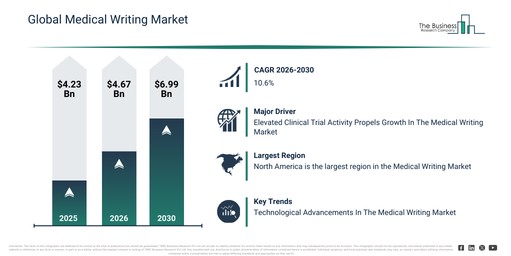
    The medical writing market has seen a rapid expansion in its size over recent years. It is anticipated to increase from $4.23 billion in 2025 to $4.67 billion in 2026, exhibiting a compound annual growth rate (CAGR) of 10.3%. This historical market growth is due to several factors, including the escalation of pharmaceutical research activities, increasing volumes of clinical trials, stricter regulatory documentation requirements, an expansion in scientific publications, and the demand for precise healthcare communication.

    The medical writing market is projected to experience substantial expansion over the coming years. Its valuation is anticipated to reach $6.99 billion by 2030, demonstrating a compound annual growth rate (CAGR) of 10.6%. This projected increase during the forecast period is fueled by factors such as the development of biologics and advanced therapies, heightened global regulatory oversight, an escalating need for diverse language medical content, the broadening scope of global clinical trials, and an intensified commitment to patient engagement and transparency. Key trends identified for this period encompass a surging requirement for documentation adhering to regulatory standards, an uptick in the outsourcing of medical writing tasks, a strengthened emphasis on scientific communication grounded in evidence, an enlargement of medical education and training materials, and a greater priority placed on clear, patient-centric medical information.

    Access Your Free Sample Report for In-Depth Market Insights:

    https://www.thebusinessresearchcompany.com/sample.aspx?id=12138&type=smp

    What Drivers Are Influencing Production Trends In The Medical Writing Market?

    The growing number of clinical trials is expected to drive the expansion of the medical writing market moving forward. Clinical trials are studies conducted with human participants to evaluate the safety, efficacy, and side effects of new medical treatments, including pharmaceuticals, medical devices, and therapeutic procedures. The increase in these trials results from advancements in drug development, greater research funding, and the rising global incidence of chronic diseases necessitating new treatment options. The medical writing market supports this growth by providing clear, accurate, and regulatory-compliant documentation, which is essential for trial design, regulatory submissions, safety reporting, and scholarly publication. For instance, in December 2024, according to the Association of the British Pharmaceutical Industry (ABPI), a UK-based organization, the number of pharmaceutical industry trials launched in the UK increased for the second consecutive year, rising from 411 in 2022 to 426 in 2023. Therefore, the increasing volume of clinical trials is a significant factor propelling the growth of the medical writing market.

    Which Segments Are Gaining Traction In The Medical Writing Market?

    The medical writing market covered in this report is segmented –

    1) By Type: Clinical Writing, Regulatory Writing, Scientific Writing, Other Types

    2) By Application: Medical Journalism, Medical Education, Medico Marketing, Other Applications

    3) By End-Use: Pharmaceutical Companies, Contract Research Organization (CRO), Other End-Users

    Subsegments:

    1) By Clinical Writing: Clinical Study Protocols, Clinical Study Reports, Informed Consent Forms

    2) By Regulatory Writing: Investigational New Drug (IND) Applications, New Drug Applications (NDA), Biologics License Applications (BLA)

    3) By Scientific Writing: Manuscripts For Publication, Abstracts And Posters, Literature Reviews

    4) By Other Types: Medical Marketing Writing, Educational Materials, Medical Grant Proposals

    Which Trends Are Guiding The Evolution Of The Medical Writing Market?

    Leading companies in the medical writing market are focusing on developing cutting-edge technologies, such as AI-based medical writing software, to boost efficiency, expand their service capabilities, and address the increasing need for high-quality regulatory and clinical documentation. AI-based medical writing software refers to intelligent platforms that leverage artificial intelligence (AI) and natural language processing (NLP) to automate and assist in drafting, reviewing, structuring, and formatting medical and scientific documents, thereby enabling faster turnaround times and enhanced consistency across deliverables. For instance, in October 2023, Certara, Inc., a US-based pharmaceutical technology company, launched CoAuthor, an advanced AI-powered medical writing platform designed to streamline the creation of regulatory and clinical trial documents. CoAuthor incorporates automated integration of analysis datasets, CDISC-compliant data, tables, listings, and figures with real-time preview capability, a unified digital data-flow system that disseminates study-level metadata and information across documents for improved consistency, and auto-generated content utilizing customizable eTemplates that populate headings, styles, and structured content, significantly reducing document preparation time and enhancing accuracy for medical writers.

    Who Are The Primary Competitors In The Global Medical Writing Market?

    Major companies operating in the medical writing market are Merck and Co.Inc., AbbVie Inc., Abbott Laboratories, Medtronic Plc., Labcorp Drug Development Inc., IQVIA Holdings Inc., Icon Plc., Parexel International Corporation, Syneos Health, Ashfield Healthcare Limited, Indegene Pvt. Ltd, UDG Healthcare Plc., Evidera, Certara Inc., MMS Holdings Inc., Freyr Solutions, Cactus Communication Ltd., Omics International Pvt Ltd., Quanticate International limited, Inclin Inc., Criterium Inc., Aptitude Health., Siro Clinpharm Private Limited, ProScribe Medical Communications, Pegasus Knowledge Solutions Inc., Cognibrain, Scientific Communications Group, InkLab Medical Communications, Trilogy Writing and Consulting GmBH

    Access The Complete Report For Deeper Market Insights:

    https://www.thebusinessresearchcompany.com/report/medical-writing-global-market-report

    Which Region Is Expected To Experience The Fastest Growth In The Medical Writing Market?

    North America was the largest region in the medical writing market in 2025. Asia-Pacific is expected to be the fastest growing region in the forecast period. The regions covered in the medical writing market report are Asia-Pacific, South East Asia, Western Europe, Eastern Europe, North America, South America, Middle East, Africa.

    Request Your Customized Medical Writing Market Research Report for Competitive Advantage:

    https://www.thebusinessresearchcompany.com/customise?id=12138&type=smp

    Browse Through More Reports Similar to the Global Medical Writing Market 2026, By The Business Research Company

    Clinical Documentation Improvement Market Report 2026

    https://www.thebusinessresearchcompany.com/report/clinical-documentation-improvement-global-market-report

    Artificial Intelligence Ai In Medical Writing Market Report 2026

    https://www.thebusinessresearchcompany.com/report/artificial-intelligence-ai-in-medical-writing-global-market-report

    Medical Coding Market Report 2026

    https://www.thebusinessresearchcompany.com/report/medical-coding-global-market-report

    Get in touch with us:

    The Business Research Company: https://www.thebusinessresearchcompany.com/

    Americas +1 310-496-7795

    Asia +44 7882 955267 & +91 8897263534

    Europe +44 7882 955267

    Email us at info@tbrc.info

    Follow us on:

    LinkedIn: https://in.linkedin.com/company/the-business-research-company

    YouTube: https://www.youtube.com/channel/UC24_fI0rV8cR5DxlCpgmyFQ

    Global Market Model: https://www.thebusinessresearchcompany.com/global-market-model
  • Preclinical CRO Market Outlook: Growth and Forecast Highlights 2030

    Preclinical CRO Market Outlook: Growth and Forecast Highlights 2030

    Uncover key drivers, emerging technologies, and competitive movements shaping the preclinical cro market from 2026–2035 with trusted insights from The Business Research Company

    By how much is the Preclinical CRO Market expected to grow between 2026 and 2030?

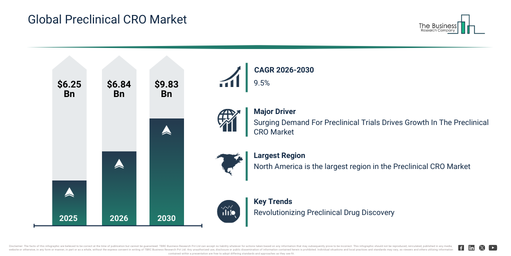
    The preclinical cro market size has demonstrated strong expansion in recent years. It is anticipated to grow from $6.25 billion in 2025 to $6.84 billion in 2026, achieving a compound annual growth rate (CAGR) of 9.6%. The market’s growth in prior periods can be attributed to heightened pharmaceutical R&D investments, the increasing complexity of drug development pipelines, a greater reliance on animal testing for safety validation, the expansion of biotechnology research endeavors, and stricter regulatory oversight concerning preclinical data.

    The preclinical CRO market is expected to demonstrate substantial expansion in the upcoming years. It is projected to achieve a size of $9.83 billion by 2030, progressing at a compound annual growth rate (CAGR) of 9.5%. The projected increase within this period is driven by several factors, including a rising need for precision medicine research, a greater focus on developing drugs for rare diseases, the expansion of biologics and cell therapy pipelines, the increasing implementation of digital preclinical platforms, and a growth in collaborations between pharmaceutical companies and CROs. Significant patterns observed in the forecast duration involve a wider adoption of integrated preclinical study services, an escalating requirement for advanced animal model expertise, an increase in the outsourcing of early-stage drug development activities, an expansion of toxicology capabilities that conform to regulatory standards, and a heightened emphasis on study designs informed by data.

    Access Your Free Sample Report for In-Depth Market Insights:

    https://www.thebusinessresearchcompany.com/sample.aspx?id=10303&type=smp

    Which Drivers Are Influencing Market Acceleration In The Preclinical CRO Market?

    The rising need for preclinical trials is anticipated to boost the expansion of the preclinical CRO market in the future. These trials involve any investigation of a medicine or therapy for a specific ailment prior to its administration to human participants. Preclinical studies frequently encompass new medical devices, prescribed drugs, and diagnostic tools, aiming primarily to determine a safe initial dosage for human trials and assess the product’s potential toxicity. Their role in drug development is crucial, with their significance growing due to increased focus on the safety and effectiveness of new medications. For instance, in February 2024, according to IQVIA, a US-based company serving the combined industries of health information technology and clinical research reports, clinical development productivity rose in 2023, where a total of 69 novel active substances (NASs) were launched globally in 2023, 6 more than the prior year, and including 24 first-in-class launches in the U.S. Consequently, the increasing demand for preclinical trials is propelling the growth of the preclinical CRO market moving forward.

    What Segments Are Identified Within The Structure Of The Preclinical CRO Market?

    The preclinical cro market covered in this report is segmented –

    1) By Service: Bioanalysis And DMPK Studies, Toxicology Testing, Compound Management, Chemistry, Safety Pharmacology, Others Services

    2) By Type: Patient Derived Organoid (PDO) Model, Patient Derived Xenograft Model

    3) By Animal Model: Small Animal Model, Large Animal Model

    4) By Model System: In Vivo, In Vitro

    5) By End User: Biopharmaceutical Companies, Government And Academic Institutes, Medical Device Companies, Other End-users

    Subsegments:

    1) By Bioanalysis And DMPK Studies: Pharmacokinetics Studies, Pharmacodynamics Studies, Drug Metabolism Studies

    2) By Toxicology Testing: Acute Toxicity Testing, Chronic Toxicity Testing, Reproductive Toxicity Testing

    3) By Compound Management: Sample Management, Inventory Management, Formulation Services

    4) By Chemistry: Medicinal Chemistry, Analytical Chemistry, Synthetic Chemistry

    5) By Safety Pharmacology: Cardiovascular Safety Studies, Central Nervous System Safety Studies, Respiratory Safety Studies

    6) By Other Services: Regulatory Consulting, Project Management, Data Management Services

    Which Innovation Trends Are Advancing Developments Within The Preclinical CRO Market?

    Leading companies in the preclinical CRO market are embracing new technologies to maintain their standing, such as a disease biology knowledge graph, which enhances target identification and drug discovery in pharmaceutical research. This disease biology knowledge graph provides a structured, comprehensive representation of the relationships between genes, proteins, pathways, and disease phenotypes, designed to integrate diverse biological data. It empowers researchers to systematically explore disease mechanisms, pinpoint potential therapeutic targets, and accelerate drug discovery by offering a holistic map of disease biology. For instance, in February 2023, BenchSci, a Canada-based AI solutions company for preclinical R&D, launched ASCEND, an end-to-end SaaS (software as a service) platform intended for preclinical drug discovery. This method aims to expedite preclinical phase drug development pipelines by providing biological insights into the fundamental underpinnings of disease. ASCEND extracts experimental data from secure internal and public external sources using BenchSci’s machine-learning technology. The platform compares experimental results utilizing curated ontology datasets. As a result, the software can generate an evidence-based map of the biological processes underlying various diseases.

    Which Major Industry Participants Are Leading The Preclinical CRO Market Growth?

    Major companies operating in the preclinical cro market are Eurofins Scientific SE, WuXi AppTec Co Ltd, Medpace Holdings Inc, Charles River Laboratories International Inc, Laboratory Corporation Of America Holdings, Intertek Group plc, Crown Bioscience International, Cynbiose, AmplifyBio LLC, Vivotecnia SL, Altasciences Company Inc, Pharmaceutical Product Development LLC, Parexel International Corporation, Envigo RMS Holding Corporation, Veeda Clinical Research Ltd, ICON plc, Kunming Biomed International Ltd, PharmaLegacy Laboratories, NorthEast BioAnalytical Laboratories LLC, MDS Pharma Services, MPI Research, Toxikon Corporation, BioReliance Corporation, Covance Inc, Syngene International Limited

    Access The Complete Report For Deeper Market Insights:

    https://www.thebusinessresearchcompany.com/report/preclinical-cro-global-market-report

    Which Region Is Expected To Experience The Fastest Growth In The Preclinical CRO Market?

    North America was the largest region in the preclinical CRO market in 2025. Asia-Pacific is expected to be the fastest-growing region in the global preclinical CRO market during the forecast period. The regions covered in the preclinical cro market report are Asia-Pacific, South East Asia, Western Europe, Eastern Europe, North America, South America, Middle East, Africa.

    Request Your Customized Preclinical CRO Market Research Report for Competitive Advantage:

    https://www.thebusinessresearchcompany.com/customise?id=10303&type=smp

    Browse Through More Reports Similar to the Global Preclinical CRO Market 2026, By The Business Research Company

    Veterinary Cro And Cdmo Market Report 2026

    https://www.thebusinessresearchcompany.com/report/veterinary-cro-and-cdmo-global-market-report

    Healthcare Cro Services Market Report 2026

    https://www.thebusinessresearchcompany.com/report/healthcare-cro-services-global-market-report

    Crm Bpo Market Report 2026

    https://www.thebusinessresearchcompany.com/report/crm-bpo-global-market-report

    Get in touch with us:

    The Business Research Company: https://www.thebusinessresearchcompany.com/

    Americas +1 310-496-7795

    Asia +44 7882 955267 & +91 8897263534

    Europe +44 7882 955267

    Email us at info@tbrc.info

    Follow us on:

    LinkedIn: https://in.linkedin.com/company/the-business-research-company

    YouTube: https://www.youtube.com/channel/UC24_fI0rV8cR5DxlCpgmyFQ

    Global Market Model: https://www.thebusinessresearchcompany.com/global-market-model
  • Medical Tourism Market Dynamics 2026: Future Outlook and Key Insights

    Medical Tourism Market Dynamics 2026: Future Outlook and Key Insights

    Uncover key drivers, emerging technologies, and competitive movements shaping the medical tourism market from 2026–2035 with trusted insights from The Business Research Company

    What is the expected shift in the Medical Tourism Market’s size between 2026 and 2030?

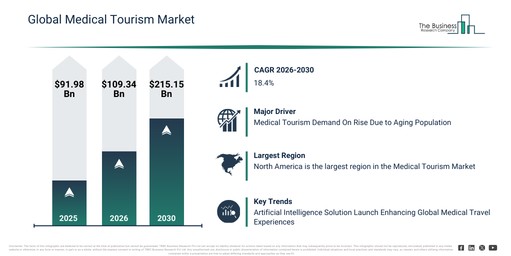
    The medical tourism market has experienced significant expansion in recent years. Its size is projected to increase from $91.98 billion in 2025 to $109.34 billion in 2026, achieving a compound annual growth rate (CAGR) of 18.9%. The past growth in this market can be linked to several factors, such as the high cost of treatment in developed countries, limited availability of advanced care in patients’ home countries, the expansion of private hospitals in emerging economies, the presence of skilled medical professionals, and better international travel connectivity.

    The medical tourism market is projected to experience significant expansion over the coming years. Its valuation is anticipated to reach $215.15 billion by 2030, exhibiting a compound annual growth rate (CAGR) of 18.4%. This projected growth during the forecast period stems from factors such as increasing demand for fertility and cancer therapies, the proliferation of medical tourism facilitator entities, an enhanced emphasis on patient satisfaction and aftercare, broader international insurance coverage, and the growing appeal of integrated treatment and wellness offerings. Key trends identified for this period encompass a heightened need for cost-effective healthcare across borders, an increase in travel for specialized medical procedures, a greater inclination towards private healthcare services, the broadening scope of wellness and alternative therapy tourism, and the escalating significance of international hospital accreditation.

    Access Your Free Sample Report for In-Depth Market Insights:

    https://www.thebusinessresearchcompany.com/sample.aspx?id=2540&type=smp

    Which Drivers Are Shaping Strategic Decisions In The Medical Tourism Market?

    The expanding aging population is projected to fuel the growth of the medical tourism market. An aging population signifies an increase in older individuals due to shifts in the age composition of a population. This demographic rise is occurring as improved healthcare and living conditions have extended life expectancy, causing more people to live longer and consequently shifting the population towards older age groups. Medical tourism offers vital support to the aging demographic by providing access to affordable, high-quality treatments abroad, enabling timely care that enhances their health and overall quality of life. For instance, in May 2024, according to the Administration for Community Living, a US-based government agency, in 2022, 17.3% of the population was 65 or older. This percentage is expected to increase to 22% by 2040. Consequently, the increasing aging population is a key factor driving the growth of the medical tourism market.

    What Segment Categories Are Covered In The Medical Tourism Market?

    The medical tourism market covered in this report is segmented –

    1) By Treatment Type: Cosmetic Treatment, Dental Treatment, Cardiovascular Treatment, Orthopedics Treatment, Cancer Treatment, Fertility Treatment, Neurological Treatment, Other Treatment Types

    2) By Type: Domestic, International

    3) By Healthcare Service: Medical Treatment, Wellness, Alternative Treatment

    4) By Service Provider: Public, Private

    Subsegments:

    1) By Cosmetic Treatment: Plastic Surgery, Breast Augmentation, Facelifts And Botox Injections, Hair Transplant, Skin Rejuvenation And Laser Treatments

    2) By Dental Treatment: Dental Implants, Cosmetic Dentistry, Orthodontic Procedures, Oral Surgery, Periodontal Treatments

    3) By Cardiovascular Treatment: Coronary Artery Bypass Graft (CABG), Angioplasty And Stent Insertion, Heart Valve Replacement, Cardiac Rehabilitation, Electrophysiology

    4) By Orthopedics Treatment: Joint Replacement, Spinal Surgery, Arthroscopy, Fracture Repair, Sports Injury Treatment

    5) By Cancer Treatment: Chemotherapy, Radiation Therapy, Immunotherapy, Surgery For Tumor Removal, Targeted Therapy

    6) By Fertility Treatment: In Vitro Fertilization (IVF), Egg And Sperm Donation, Surrogacy, Intrauterine Insemination (IUI), Fertility Preservation

    7) By Neurological Treatment: Brain Surgery, Spinal Cord Surgery, Deep Brain Stimulation, Epilepsy Treatment, Stroke Rehabilitation

    8) By Other Treatment Types: Organ Transplantation, Bariatric Surgery (Weight Loss Surgery), Ophthalmic Treatments, Dermatology Treatments, ENT Treatments

    What Trends Are Projected To Support The Growth Of The Medical Tourism Market?

    Leading companies in the medical tourism market are focusing on the creation of advanced solutions, such as AI-driven medical travel technologies, to enhance patient experience and streamline cross-border care. An AI-powered solution refers to an intelligent system that uses machine learning and automated data processing to improve decision-making, personalize healthcare journeys, and increase operational efficiency for both providers and patients. For instance, in August 2024, HealthStay.io Incorporated, a US-based healthcare technology company, launched an AI solution in Dubai to boost UAE medical tourism. This innovation improves the medical travel experience by allowing international patients to effortlessly search, compare, and select hospitals and treatments through an advanced AI-driven matching platform. It offers real-time recommendations based on medical needs, budget, and preferred destinations while enabling healthcare providers to optimize visibility and patient acquisition through automated content and profile optimization tools. Integrated with HealthStay’s broader digital ecosystem, the solution supports seamless booking, communication, and care coordination, providing a unified end-to-end experience. The AI platform enhances patient satisfaction, simplifies the medical travel process, and helps drive tourism-driven healthcare revenue.

    Which Key Market Players Are Investing In Expansion And Innovation Within The Medical Tourism Market?

    Major companies operating in the medical tourism market are Bumrungrad International Hospital, Asklepios Kliniken Verwaltungsgesellschaft mbH, Apollo Hospitals Enterprise Ltd, Fortis Healthcare, Bangkok Dusit Medical Services PCL, Saudi German Hospitals Group, Asian Heart Institute, Gleneagles Hospital, KPJ Healthcare Berhad, Samitivej Hospitals, NTT Medical Center Tokyo, Seoul National University Hospital, Beijing Saint Lucia Consulting Ltd, China Medical Tourism Inc, Clifford Hospital, German International Clinic, Bonn Medical Partners, University Medical Center, Intermed Consult, International Diagnostic Center Frankfurt, Medical Concierge France, ZagrebMed, Specijalna bolnica Sv. Katarina, Carlsbad Clinic, Elite Skin Rejuvenation, CubaHeal Medical Tourism Inc, North American Specialty Hospital, CHRISTUS MUGUERZA, Clinica Sao Vicente, Hospital Barra d’Or, Hospital Do Coração, Hospital de Clínicas Caracas, Medipol Mega University Hospital, Medicana Haznedar Hospital Istanbul, Anadolu Medical Center Kocaeli, Estetik International Istanbul, IAU VM Medical Park Florya Hospital, Medical Park Bahcelievler Hospital, AL Rayyan Medical Centre, Al Shifa Al Khaleeji Medical Centre, Emsey Hospital, Medistanbul Hospital, Kolan International Hospital, Hisar Hospital Intercontinental, Travcure Medical Tourism Consultants, Beaconhill Smile Clinics, Agho Clinic Benin City

    Access The Complete Report For Deeper Market Insights:

    https://www.thebusinessresearchcompany.com/report/medical-tourisms-global-market-report

    Which Geographic Areas Are Emerging As Strong Markets For The Medical Tourism Market?

    North America was the largest region in the medical tourism market in 2025. Western Europe was the second largest region in the global medical tourism market share. The regions covered in the medical tourism market report are Asia-Pacific, South East Asia, Western Europe, Eastern Europe, North America, South America, Middle East, Africa.

    Request Your Customized Medical Tourism Market Research Report for Competitive Advantage:

    https://www.thebusinessresearchcompany.com/customise?id=2540&type=smp

    Browse Through More Reports Similar to the Global Medical Tourism Market 2026, By The Business Research Company

    Adventure Tourism Market Report 2026

    https://www.thebusinessresearchcompany.com/report/adventure-tourism-global-market-report

    Dental Tourism Market Report 2026

    https://www.thebusinessresearchcompany.com/report/dental-tourism-global-market-report

    Wellness Tourism Market Report 2026

    https://www.thebusinessresearchcompany.com/report/wellness-tourism-global-market-report

    Get in touch with us:

    The Business Research Company: https://www.thebusinessresearchcompany.com/

    Americas +1 310-496-7795

    Asia +44 7882 955267 & +91 8897263534

    Europe +44 7882 955267

    Email us at info@tbrc.info

    Follow us on:

    LinkedIn: https://in.linkedin.com/company/the-business-research-company

    YouTube: https://www.youtube.com/channel/UC24_fI0rV8cR5DxlCpgmyFQ

    Global Market Model: https://www.thebusinessresearchcompany.com/global-market-model
  • Preclinical Assets Market Insights Report: Opportunities and Drivers 2030

    Preclinical Assets Market Insights Report: Opportunities and Drivers 2030

    Uncover key drivers, emerging technologies, and competitive movements shaping the preclinical assets market from 2026–2035 with trusted insights from The Business Research Company

    What is the estimated market size of the Preclinical Assets Market by the end of 2030?

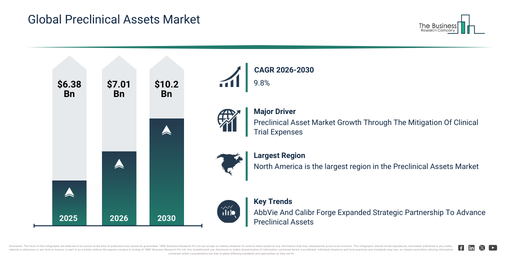
    The preclinical assets market has experienced robust growth in recent years. This market is projected to expand from $6.38 billion in 2025 to $7.01 billion in 2026, demonstrating a compound annual growth rate (CAGR) of 9.8%. Historically, this expansion has been driven by factors such as a surge in pharmaceutical R&D investments, the proliferation of early-stage drug discovery initiatives, an increasing dependence on animal testing, a heightened need for generating safety data, and the rising trend of outsourcing preclinical studies.

    The preclinical assets market is anticipated to experience substantial growth in the upcoming years. Its value is projected to escalate to $10.2 billion by 2030, exhibiting a compound annual growth rate (CAGR) of 9.8%. This expansion during the forecast period stems from factors such as the increasing adoption of human-relevant preclinical models, a heightened demand for accelerated drug development timelines, the broadening of personalized medicine pipelines, the expanding integration of AI in preclinical research, and a greater regulatory focus on data robustness. Significant trends expected in this period include the increased utilization of advanced preclinical models, a rise in the adoption of patient-derived xenograft and organoid models, a growing need for integrated preclinical services, an expansion of safety and toxicology studies, and a stronger emphasis on translational research.

    Access Your Free Sample Report for In-Depth Market Insights:

    https://www.thebusinessresearchcompany.com/sample.aspx?id=12600&type=smp

    What Drivers Are Shaping Future Opportunities In The Preclinical Assets Market?

    The increasing demand to reduce expenditures associated with clinical trials is anticipated to drive expansion in the preclinical asset market moving ahead. These costs encompass the outlays for designing, executing, and overseeing studies that evaluate the safety, effectiveness, and potential advantages of novel medical interventions, like drugs, medical devices, or treatment methods. Such trials yield crucial information regarding the safety, effectiveness, and possible adverse reactions of preclinical assets, thereby aiding in confirming their therapeutic promise in humans. For example, in February 2023, Genetic Engineering and Biotechnology News, a US-based platform that provides the latest information on genetic engineering and biotechnology, reported that the expense for developing a new drug among the top 20 global biopharma companies increased by 15%, from $298 million in 2022 to around $2.3 billion in 2023. This figure accounts for the expenditures involved in drug development through clinical trials. Consequently, the escalating imperative to control clinical trial expenditures is fueling the expansion of the preclinical asset market.

    Which Segments Are Gaining Traction In The Preclinical Assets Market?

    The preclinical assets market covered in this report is segmented –

    1) By Service: Bioanalysis And DMPK (Drug Metabolism And Pharmacokinetic) Studies, Toxicology Testing, Compound Management, Safety Pharmacology, Other Services

    2) By Model Type: Patient Derived Organoid (PDO) Model, Patient Derived Xenograft Model

    3) By End User: Biopharmaceutical Companies, Government Institutes, Other End-Users

    Subsegments:

    1) By Bioanalysis And DMPK (Drug Metabolism And Pharmacokinetic) Studies: Pharmacokinetics (PK) Studies, Pharmacodynamics (PD) Studies, Bioanalytical Method Development

    2) By Toxicology Testing: Acute Toxicity Testing, Chronic Toxicity Testing, Genotoxicity Testing, Carcinogenicity Testing

    3) By Compound Management: Compound Library Management, Sample Storage And Retrieval, High-Throughput Screening Support

    4) By Safety Pharmacology: Cardiovascular Safety Assessments, Neurotoxicity Evaluations, Respiratory Safety Evaluations

    5) By Other Services: Regulatory Support, Preclinical Study Design And Consulting, Custom Assay Development

    Which Competitive Trends Are Impacting The Structure Of The Preclinical Assets Market?

    Leading companies in the preclinical assets market are increasingly focusing on establishing strategic alliances to accelerate the identification and development of innovative drug candidates. These partnerships allow for the sharing of specialized research expertise, provide access to novel targets, and facilitate the advancement of early-stage preclinical assets. For instance, in July 2023, AbbVie, a US-based pharmaceutical company, and Calibr, an India-based research and drug development company, announced an expanded strategic collaboration to continue progress on several innovative preclinical and early-stage clinical assets. This partnership extends the existing collaboration between AbbVie and Scripps Research. Furthermore, Calibr will present AbbVie with a defined number of new discovery targets and preclinical assets of mutual interest for potential option considerations.

    Who Are The Prominent Global Companies Shaping The Preclinical Assets Market Landscape?

    Major companies operating in the preclinical assets market are Laboratory Corporation of America, IQVIA Inc., ICON PLC, Eurofins Scientific SE, PPD Inc., SGS SA, WuXi AppTec Co. Ltd., Intertrek Group PLC, Charles River Laboratories International Inc., Medpace Inc., Pharmaron Beijing Co. Ltd., Evotec SE, GenScript Biotech Corporation, Inotiv Inc., SRI International Inc., Shanghai Medicilon Inc., Biocytogen Pharmaceuticals Beijing Co. Ltd., AmplifyBio LLC, BioReliance Corporation, Pharmalegacy Laboratories Co. Ltd., ReproCELL Incorporated, InSphero AG, Crown Bioscience Inc., Comparative Biosciences Inc., TCG Lifesciences Pvt. Ltd., InVivo Biosystems, Pharmatest Services Ltd, Domainex Limited, Viroclinics Xplore

    Access The Complete Report For Deeper Market Insights:

    https://www.thebusinessresearchcompany.com/report/preclinical-assets-global-market-report

    Which Geographic Areas Are Emerging As Strong Markets For The Preclinical Assets Market?

    North America was the largest region in the preclinical assets market in 2025. Asia-Pacific is expected to be the fastest-growing region in the forecast period. The regions covered in the preclinical assets market report are Asia-Pacific, South East Asia, Western Europe, Eastern Europe, North America, South America, Middle East, Africa.

    Request Your Customized Preclinical Assets Market Research Report for Competitive Advantage:

    https://www.thebusinessresearchcompany.com/customise?id=12600&type=smp

    Browse Through More Reports Similar to the Global Preclinical Assets Market 2026, By The Business Research Company

    Enterprise Asset Management Market Report 2026

    https://www.thebusinessresearchcompany.com/report/enterprise-asset-management-global-market-report

    Asset Management Market 2026

    https://www.thebusinessresearchcompany.com/report/asset-management-market

    Digital Asset Custody Market Report 2026

    https://www.thebusinessresearchcompany.com/report/digital-asset-custody-global-market-report

    Get in touch with us:

    The Business Research Company: https://www.thebusinessresearchcompany.com/

    Americas +1 310-496-7795

    Asia +44 7882 955267 & +91 8897263534

    Europe +44 7882 955267

    Email us at info@tbrc.info

    Follow us on:

    LinkedIn: https://in.linkedin.com/company/the-business-research-company

    YouTube: https://www.youtube.com/channel/UC24_fI0rV8cR5DxlCpgmyFQ

    Global Market Model: https://www.thebusinessresearchcompany.com/global-market-model
  • Medical Terminology Software Market Research: Growth Projections and Trends 2030

    Medical Terminology Software Market Research: Growth Projections and Trends 2030

    Uncover key drivers, emerging technologies, and competitive movements shaping the medical terminology software market from 2026–2035 with trusted insights from The Business Research Company

    What growth pattern is forecast for the Medical Terminology Software Market size between 2026 and 2035?

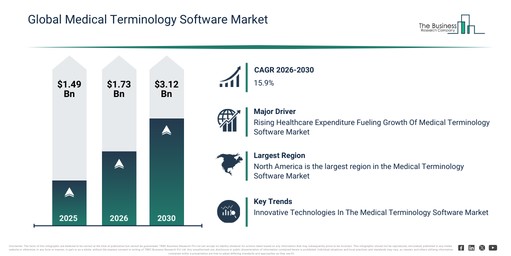
    The medical terminology software sector has experienced substantial expansion recently. This market is projected to expand from $1.49 billion in 2025 to reach $1.73 billion by 2026, demonstrating a compound annual growth rate (CAGR) of 15.9%. Historically, this growth can be ascribed to several factors, including the expansion of healthcare education initiatives, the escalating intricacy of medical language, an increasing count of healthcare practitioners, the proliferation of digital learning resources, and the need for standardized clinical communication.

    The medical terminology software market is poised for substantial expansion in the coming years, with projections indicating a growth to $3.12 billion by 2030, exhibiting a compound annual growth rate (CAGR) of 15.9%. This anticipated growth can be attributed to the rise of online medical education platforms, a strengthened emphasis on continuous medical training, the increasing integration of cloud-based learning software, the global expansion of the healthcare workforce, and a greater focus on communication centered around patients. During the forecast period, significant trends include the expanding use of gamified learning tools, a surging demand for self-paced medical education, the broadening of medical terminology training within academic curricula, the heightened adoption of standardized medical language, and an increased focus on patient education and health literacy.

    Access Your Free Sample Report for In-Depth Market Insights:

    https://www.thebusinessresearchcompany.com/sample.aspx?id=14140&type=smp

    Which Drivers Are Impacting Market Performance In The Medical Terminology Software Market?

    The rising healthcare expenditure is anticipated to fuel the expansion of the medical terminology software market in the future. Healthcare expenditure refers to the total funds allocated to hospital services, home health assistance, personal medical care, and other health-related goods and services within an economy. This increase in spending is driven by factors such as an aging population, a higher prevalence of chronic diseases, extended access to various treatments, and continuous innovation in medical technology. Medical terminology software helps optimize these escalating healthcare costs by improving data accuracy, reducing administrative errors, and enhancing interoperability, ultimately leading to a more efficient use of healthcare resources. For instance, in June 2025, the Centers for Medicare & Medicaid Services (CMS), a US-based federal agency, reported that U.S. national health spending reached 4.9 billion dollars in 2023 (equivalent to $4.9 trillion) and was estimated to have grown by 8.2% in 2024. Therefore, the increasing healthcare expenditure is a key factor propelling the growth of the medical terminology software market.

    Which Segments Are Contributing To The Growth Of The Medical Terminology Software Market?

    The medical terminology software market covered in this report is segmented –

    1) By Product And Service: Services, Platforms

    2) By Application: Data Aggregation, Reimbursement, Public Health Surveillance, Data Integration, Decision Support, Clinical Trials, Quality Reporting, Clinical Guidelines

    3) By End User: Healthcare Providers, Healthcare Payers, Healthcare Information Technology (IT) Vendors, Other End Users

    Subsegments:

    1) By Services: Consulting Services, Implementation Services, Training And Support Services

    2) By Platforms: Cloud-Based Platforms, On-Premises Platforms

    Which Trends Are Influencing The Performance And Direction Of The Medical Terminology Software Market?

    Leading companies in the medical terminology software market are developing innovative technologies, such as natural language processing solutions, to comprehend and interact with human language. Natural Language Processing (NLP) represents the branch of computer science and artificial intelligence dedicated to giving computers the capacity to understand and respond to human language from text or voice data. For example, in March 2023, Kensho Technologies Inc., a US-based artificial intelligence company, introduced a new Natural Language Processing (NLP) solution called Kensho Classify. This solution is engineered to conceptually grasp and categorize documents, thereby supporting text analysis, intelligent search, content suggestions, and optimized research and analysis. It is specifically tailored for complex business and finance applications, enabling users to rapidly and efficiently identify concepts and topics within documents without needing machine learning or technical proficiencies.

    Who Are The Core Companies Influencing Trends In The Medical Terminology Software Market?

    Major companies operating in the medical terminology software market are Wolters Kluwer N.V, Intelligent Medical Objects Inc, Clinical Architecture LLC, Apelon Inc, SNOMED International, West Coast Informatics Inc, Terminologik, TermSolution GmbH, Infermedica, Health Navigator, First Databank, Medical Database Inc, Optum, Elsevier, Epic Systems Corporation, Intersystems, Clinithink Ltd, Solventum Corporation, Health Language Solutions, Medaara Healthcare Solutions, Medocomp Systems Inc, Spellex Technologies, Regenstrief Institute, B2i Healthcare, Bitac Inc, BT Clinical Computing, HiveWorx, CareCom A/S

    Access The Complete Report For Deeper Market Insights:

    https://www.thebusinessresearchcompany.com/report/medical-terminology-software-global-market-report

    Which Region Is Projected To Lead The Medical Terminology Software Market During The Forecast Period?

    North America was the largest region in the medical terminology software market in 2025. Asia-Pacific is expected to be the fastest-growing region in the forecast period. The regions covered in the medical terminology software market report are Asia-Pacific, South East Asia, Western Europe, Eastern Europe, North America, South America, Middle East, Africa.

    Request Your Customized Medical Terminology Software Market Research Report for Competitive Advantage:

    https://www.thebusinessresearchcompany.com/customise?id=14140&type=smp

    Browse Through More Reports Similar to the Global Medical Terminology Software Market 2026, By The Business Research Company

    Medical Transcription Software Market Report 2026

    https://www.thebusinessresearchcompany.com/report/medical-transcription-software-global-market-report

    Medical Software Market Report 2026

    https://www.thebusinessresearchcompany.com/report/medical-software-global-market-report

    Medical Billing Software Market Report 2026

    https://www.thebusinessresearchcompany.com/report/medical-billing-software-global-market-report

    Get in touch with us:

    The Business Research Company: https://www.thebusinessresearchcompany.com/

    Americas +1 310-496-7795

    Asia +44 7882 955267 & +91 8897263534

    Europe +44 7882 955267

    Email us at info@tbrc.info

    Follow us on:

    LinkedIn: https://in.linkedin.com/company/the-business-research-company

    YouTube: https://www.youtube.com/channel/UC24_fI0rV8cR5DxlCpgmyFQ

    Global Market Model: https://www.thebusinessresearchcompany.com/global-market-model
  • Precision Psychiatry Global Forecast: Market to Scale Up to $9.8 Billion by 2030 at 14.4% CAGR

    Precision Psychiatry Global Forecast: Market to Scale Up to $9.8 Billion by 2030 at 14.4% CAGR

    Uncover key drivers, emerging technologies, and competitive movements shaping the precision psychiatry market from 2026–2035 with trusted insights from The Business Research Company

    What was the valuation of the Precision Psychiatry Market in 2026, and what figure is it projected to hit by 2030?

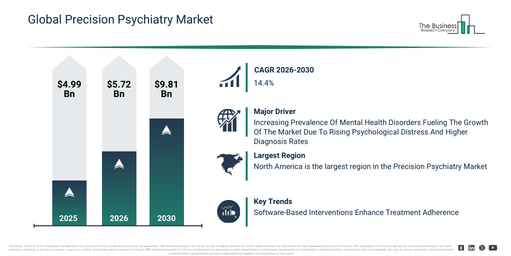
    The precision psychiatry market has shown substantial growth in recent years. It is anticipated to expand from $4.99 billion in 2025 to $5.72 billion in 2026, registering a compound annual growth rate (CAGR) of 14.7%. The market’s historical advancement is linked to the escalating prevalence of mental health conditions, the expanding constraints of trial-and-error prescribing methods, the broadening scope of psychiatric research initiatives, the increasing access to neuroimaging technologies, and the early incorporation of pharmacogenomics in psychiatry.

    The precision psychiatry market is poised for significant expansion in the coming years. Its valuation is projected to reach $9.81 billion by 2030, exhibiting a robust compound annual growth rate (CAGR) of 14.4%. This anticipated growth throughout the forecast period can be ascribed to various factors, including an increase in investments toward precision medicine platforms, the growing adoption of AI-enabled diagnostics, the expansion of digital mental health solutions, a rising need for personalized psychiatric care, and a heightened focus on preventive mental health strategies. Concurrently, major trends expected during this period encompass the increasing uptake of biomarker-guided treatment pathways, the rising utilization of digital phenotyping tools, the expanding integration of genetic and neuroimaging data, the broader application of AI-driven clinical decision support, and an enhanced emphasis on personalized mental health monitoring.

    Access Your Free Sample Report for In-Depth Market Insights:

    https://www.thebusinessresearchcompany.com/sample.aspx?id=30359&type=smp

    Which Drivers Are Affecting Market Participation In The Precision Psychiatry Market?

    The rising incidence of mental health conditions is anticipated to fuel the expansion of the precision psychiatry market moving forward. These conditions encompass various issues like depression, anxiety, and bipolar disorder, impacting an individual’s mood, thought processes, and behavior. The increase in mental health disorders is attributed to a greater number of people facing psychological challenges due to societal, economic, and environmental factors, alongside enhanced screening methods and increased public knowledge leading to higher rates of diagnosis. Precision psychiatry tackles mental health issues through the implementation of data-informed, tailored treatment approaches, thereby enhancing diagnostic precision and therapeutic results. A notable illustration of this trend is found in November 2023, where NHS England, the UK-based publicly funded national health authority, reported an increase in the probable mental disorder rate for individuals aged 20 to 23 years, climbing from 18.7% in 2022 to 21.6% in 2023. Consequently, the growing occurrence of mental health disorders is propelling the development of the precision psychiatry market.

    What Segment Categories Are Covered In The Precision Psychiatry Market?

    The precision psychiatry market covered in this report is segmented –

    1) By Therapeutic Approaches: Pharmacotherapy, Psychotherapy, Neurostimulation, Digital Therapeutics, Combination Therapies

    2) By Technology: Genetic Testing, Biomarker Analysis, Brain Imaging Techniques, Wearable Devices, Artificial Intelligence And Machine Learning Solutions

    3) By Disorders: Depression, Anxiety Disorders, Bipolar Disorder, Schizophrenia, Post-Traumatic Stress Disorder (PTSD)

    4) By Application: Diagnosis, Treatment, Research

    5) By End User: Clinics, Hospitals, Research Institutes, Pharmaceutical Companies, Home Care Settings

    Subsegments:

    1) By Pharmacotherapy: Antidepressant Medications, Antipsychotic Medications, Mood Stabilizers, Anxiolytic Medications, Stimulant Medications

    2) By Psychotherapy: Cognitive Behavioral Therapy, Interpersonal Therapy, Psychodynamic Therapy, Dialectical Behavior Therapy, Mindfulness-Based Therapy

    3) By Neurostimulation: Transcranial Magnetic Stimulation, Electroconvulsive Therapy, Vagus Nerve Stimulation, Deep Brain Stimulation, Transcranial Direct Current Stimulation

    4) By Digital Therapeutics: Mobile Application-Based Therapy, Virtual Reality Therapy, Web-Based Cognitive Behavioral Programs, Remote Patient Monitoring Tools, Artificial Intelligence-Guided Interventions

    5) By Combination Therapies: Pharmacotherapy And Psychotherapy Combination, Pharmacotherapy And Neurostimulation Combination, Pharmacotherapy And Digital Therapeutics Combination, Psychotherapy And Neurostimulation Combination, Multimodal Precision Treatment Programs

    What Industry Trends Are Transforming The Precision Psychiatry Market?

    Leading companies in the precision psychiatry market are concentrating on creating novel therapies, such as prescription digital therapeutics, to enable tailored and data-driven interventions for psychiatric conditions. A prescription digital therapeutic serves as a clinician-prescribed, software-based medical intervention that provides evidence-based behavioral therapy modules through mobile devices to enhance symptom improvement and treatment adherence. For example, in August 2024, Otsuka Precision Health Inc., a US-based precision health subsidiary of Otsuka Holdings, collaborated with Click Therapeutics Inc., a US-based digital therapeutics company, to introduce Rejoyn. This product represents the first and sole prescription digital therapeutic approved by the United States Food and Drug Administration (FDA) for the adjunctive management of major depressive disorder (MDD) symptoms. Rejoyn offers a six-week cognitive-emotional training program that integrates the emotional faces memory task with cognitive behavioral therapy (CBT)–based skill modules, facilitating digital prescribing, patient engagement, and remote monitoring. The introduction of Rejoyn marks a pivotal moment in Precision Psychiatry, illustrating how digital therapeutics can supplement pharmacological treatments to deliver individualized care. Furthermore, it prepares the ground for broader acceptance of software-based interventions that integrate real-time patient data to refine treatment outcomes and adherence.

    Which Key Players Are Driving Competition In The Precision Psychiatry Market?

    Major companies operating in the precision psychiatry market are Johnson & Johnson, F. Hoffmann-La Roche Ltd, Pfizer Inc., AbbVie Inc., AstraZeneca plc, Novartis AG, Bristol-Myers Squibb Company, Eli Lilly and Company, Otsuka Pharmaceutical Company Limited, Thermo Fisher Scientific Inc., Laboratory Corporation of America Holdings, Quest Diagnostics Incorporated, Illumina Inc., ARUP Laboratories Inc., Sumitomo Dainippon Pharma Company Limited, QIAGEN N.V., Neurocrine Biosciences Inc., Tempus Labs Inc., Myriad Genetics Inc., MedGenome Labs Ltd., Genomind Inc.

    Access The Complete Report For Deeper Market Insights:

    https://www.thebusinessresearchcompany.com/report/global-precision-psychiatry-market-report

    Which Region Is Projected To Lead The Precision Psychiatry Market During The Forecast Period?

    North America was the largest region in the precision psychiatry market in 2025. Asia-Pacific is expected to be the fastest-growing region in the forecast period. The regions covered in the precision psychiatry market report are Asia-Pacific, South East Asia, Western Europe, Eastern Europe, North America, South America, Middle East, Africa.

    Request Your Customized Precision Psychiatry Market Research Report for Competitive Advantage:

    https://www.thebusinessresearchcompany.com/customise?id=30359&type=smp

    Browse Through More Reports Similar to the Global Precision Psychiatry Market 2026, By The Business Research Company

    Digital Psychotherapeutics Market Report 2026

    https://www.thebusinessresearchcompany.com/report/digital-psychotherapeutics-global-market-report

    Psychiatrists Market 2026

    https://www.thebusinessresearchcompany.com/report/psychiatrists-market

    Precision Diagnostics Market Report 2026

    https://www.thebusinessresearchcompany.com/report/precision-diagnostics-global-market-report

    Get in touch with us:

    The Business Research Company: https://www.thebusinessresearchcompany.com/

    Americas +1 310-496-7795

    Asia +44 7882 955267 & +91 8897263534

    Europe +44 7882 955267

    Email us at info@tbrc.info

    Follow us on:

    LinkedIn: https://in.linkedin.com/company/the-business-research-company

    YouTube: https://www.youtube.com/channel/UC24_fI0rV8cR5DxlCpgmyFQ

    Global Market Model: https://www.thebusinessresearchcompany.com/global-market-model
  • Precision Medicine Software Market Future Outlook: Strong Growth Expected Toward $4.92 Billion by 2030

    Precision Medicine Software Market Future Outlook: Strong Growth Expected Toward $4.92 Billion by 2030

    Uncover key drivers, emerging technologies, and competitive movements shaping the precision medicine software market from 2026–2035 with trusted insights from The Business Research Company

    What are the forecasted starting (2026) and ending (2030) market sizes for the Precision Medicine Software Market?

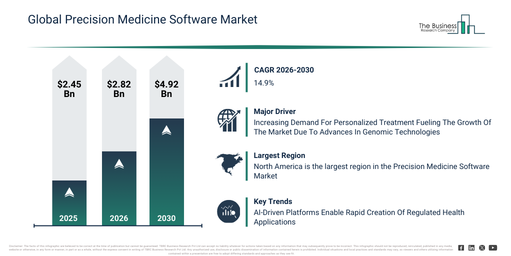
    The precision medicine software market has experienced rapid expansion in recent years. Its valuation is projected to increase from $2.45 billion in 2025 to $2.82 billion in 2026, reflecting a compound annual growth rate (CAGR) of 15.1%. The market’s past growth is linked to advancements in genomic sequencing technologies, the wider adoption of electronic health records, an increasing application of data-driven clinical workflows, the rise of oncology-focused precision treatments, and the expanding availability of bioinformatics platforms.

    The precision medicine software market size is expected to undergo rapid growth in the coming years. It is projected to expand to $4.92 billion by 2030, achieving a compound annual growth rate (CAGR) of 14.9%. This growth during the forecast period is attributed to factors such as an increasing demand for personalized therapeutics, rising investments in precision oncology programs, the expansion of AI-enabled healthcare analytics, the growing adoption of cloud-based clinical platforms, and an increasing focus on outcome-based healthcare models. Major trends anticipated in this period include a rising adoption of AI-driven clinical decision support, increased integration of genomic and clinical data platforms, the growing use of cloud-based precision medicine software, an expansion of real-time patient data analytics, and an enhanced focus on interoperable healthcare systems.

    Access Your Free Sample Report for In-Depth Market Insights:

    https://www.thebusinessresearchcompany.com/sample.aspx?id=27394&type=smp

    What Drivers Are Supporting Technological Adoption In The Precision Medicine Software Market?

    The increasing need for personalized healthcare solutions is anticipated to boost the precision medicine software market moving forward. Personalized treatment involves customizing medical interventions to align with an individual’s distinct genetic profile, lifestyle choices, and health history, leading to more favorable outcomes. This growing requirement for personalized care stems from progress in genomic technologies, which facilitate accurate detection of genetic variations and the development of customized therapies for patients. Precision medicine software supports personalized treatment through the examination of genetic, clinical, and lifestyle data to customize healthcare choices. It improves both the accuracy of diagnoses and the efficacy of treatments, thereby enabling more focused and streamlined patient care. As an illustration, in February 2024, the Personalized Medicine Coalition (PMC), a US-based nonprofit organization, reported that the U.S. Food and Drug Administration (FDA) sanctioned 26 new personalized medicines in 2023, marking a substantial rise from the 12 approvals in 2022. Consequently, the rising clamor for personalized treatment is fueling the expansion of the precision medicine software market.

    Which Segments Are Contributing To The Growth Of The Precision Medicine Software Market?

    The precision medicine software market covered in this report is segmented –

    1) By Software Type: Clinical Decision Support Systems (CDSS), Genomic Data Analysis Tools, Data Integration And Management Software, Patient Management Software, Bioinformatics Tools

    2) By Technology: Artificial Intelligence And Machine Learning, Big Data Analytics, Blockchain Technology, Internet of Medical Things (IoMT), Clustered Regularly Interspaced Short Palindromic Repeats (CRISPR) And Gene Editing Tools

    3) By Deployment: Cloud, On-Premise

    4) By Application: Oncology, Central Nervous System, Immunology, Cardiovascular, Other Applications

    5) By End User: Healthcare Providers, Research Centers And Government Institutes, Pharmaceutical And Biotechnology Companies, Other End Users

    Subsegments:

    1) By Clinical Decision Support Systems (CDSS): Diagnostic Decision Support, Therapeutic Decision Support, Clinical Guidelines And Protocols, Drug-Drug Interaction Alerts, Risk Assessment Modules

    2) By Genomic Data Analysis Tools: Variant Calling And Annotation Tools, Genome Alignment Software, Gene Expression Analysis, Next-Generation Sequencing (NGS) Data Analysis, Pathway Analysis Tools

    3) By Data Integration And Management Software: Electronic Health Record (EHR) Integration, Laboratory Information Management Systems (LIMS), Clinical Data Warehousing, Data Cleaning And Normalization, Metadata Management

    4) By Patient Management Software: Appointment Scheduling, Patient Registry Software, Care Coordination Tools, Patient Engagement Platforms, Remote Monitoring Systems

    5) By Bioinformatics Tools: Sequence Analysis Software, Structural Bioinformatics Tools, Functional Genomics Platforms, Molecular Modeling And Simulation, Proteomics And Metabolomics Tools

    What Trends Are Reshaping The Dynamics Of The Precision Medicine Software Market?

    Leading firms within the precision medicine software sector are prioritizing the creation of sophisticated solutions, particularly digital healthcare, to optimize the development process for digital health products, thereby cutting down both duration and expenses. Digital healthcare encompasses the application of digital tools and technologies to facilitate, oversee, and enhance healthcare services and patient results. For instance, Huma Therapeutics Ltd, a digital health company from the UK, introduced its Cloud Platform in July 2024. This platform aims to make digital-first healthcare universally accessible by allowing swift, no-code development and deployment of regulated health applications driven by artificial intelligence (AI). It features pre-built modules, device connectivity, and adherence to critical regulatory benchmarks (FDA Class II, EU MDR IIb, Saudi FDA C), empowering organizations irrespective of their size to deliver efficient and economical digital health solutions. This Huma cloud platform thus speeds up innovation in digital health, expands access, and underpins proactive, AI-powered care and research initiatives.

    Who Are The Top-Performing Companies In The Precision Medicine Software Market In Recent Years?

    Major companies operating in the precision medicine software market are Koninklijke Philips N.V., Palantir Technologies Inc., Tempus Labs Inc., Myriad Genetics Inc., Foundation Medicine Inc., Guardant Health Inc., Color Genomics Inc., NantHealth Inc., SOPHiA GENETICS SA, Aignostics GmbH, MVision AI Oy, Fabric Genomics Inc., QUIBIM S.L., Syapse Inc., PierianDx Inc., 2bPrecise LLC, SimBioSys Inc., Navignostics AG, xCures Inc., LifeOmic Holdings LLC

    Access The Complete Report For Deeper Market Insights:

    https://www.thebusinessresearchcompany.com/report/precision-medicine-software-global-market-report

    Which Region Currently Holds The Largest Share Of The Precision Medicine Software Market?

    North America was the largest region in the precision medicine software market in 2025. The regions covered in the precision medicine software market report are Asia-Pacific, South East Asia, Western Europe, Eastern Europe, North America, South America, Middle East, Africa.

    Request Your Customized Precision Medicine Software Market Research Report for Competitive Advantage:

    https://www.thebusinessresearchcompany.com/customise?id=27394&type=smp

    Browse Through More Reports Similar to the Global Precision Medicine Software Market 2026, By The Business Research Company

    Debt Financing Market Report 2026

    https://www.thebusinessresearchcompany.com/report/debt-financing-global-market-report

    Syndicated Loans Market Report 2026

    https://www.thebusinessresearchcompany.com/report/syndicated-loans-global-market-report

    Revenue Based Financing Market Report 2026

    https://www.thebusinessresearchcompany.com/report/revenue-based-financing-global-market-report

    Get in touch with us:

    The Business Research Company: https://www.thebusinessresearchcompany.com/

    Americas +1 310-496-7795

    Asia +44 7882 955267 & +91 8897263534

    Europe +44 7882 955267

    Email us at info@tbrc.info

    Follow us on:

    LinkedIn: https://in.linkedin.com/company/the-business-research-company

    YouTube: https://www.youtube.com/channel/UC24_fI0rV8cR5DxlCpgmyFQ

    Global Market Model: https://www.thebusinessresearchcompany.com/global-market-model
  • Global Medical Styrenic Block Copolymer Industry Insights: Key Trends and Growth Estimates

    Global Medical Styrenic Block Copolymer Industry Insights: Key Trends and Growth Estimates

    Uncover key drivers, emerging technologies, and competitive movements shaping the medical styrenic block copolymer market from 2026–2035 with trusted insights from The Business Research Company

    How much larger will the Medical Styrenic Block Copolymer Market be in 2030 compared with 2026?

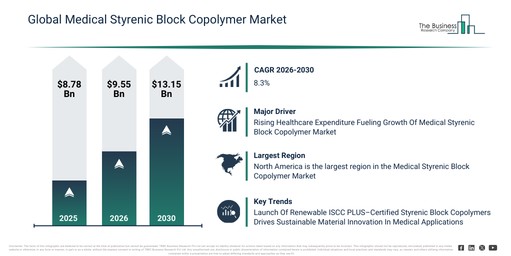
    The medical styrenic block copolymer market has seen significant expansion over recent years. It is anticipated to increase from $8.78 billion in 2025 to $9.55 billion in 2026, exhibiting a compound annual growth rate (CAGR) of 8.8%. This historical growth can be ascribed to several factors, including the rising use of disposable medical devices, the shift from natural rubber in healthcare, an increase in surgical procedure volumes, the demand for economical elastomers, and the growing requirements for medical packaging.

    The medical styrenic block copolymer market is anticipated to experience substantial growth over the coming years, reaching $13.15 billion by 2030, exhibiting a compound annual growth rate (CAGR) of 8.3%. This expansion during the forecast period is driven by a heightened emphasis on sustainable medical materials, a surge in demand for drug delivery components, increased production of wound care products, advancements in thermoplastic elastomer formulations, and the growth of medical device manufacturing in developing markets. Key trends shaping this period include the rising adoption of latex-free medical materials, a growing need for flexible and elastic medical components, the increasing utilization of SBCs as alternatives to PVC and silicone, the expansion of disposable medical products manufacturing, and a greater focus on biocompatibility and material safety.

    Access Your Free Sample Report for In-Depth Market Insights:

    https://www.thebusinessresearchcompany.com/sample.aspx?id=6582&type=smp

    What Drivers Are Guiding Growth Patterns In The Medical Styrenic Block Copolymer Market?

    Rising healthcare costs are anticipated to boost the expansion of the medical styrenic block copolymer market in the future. This spending encompasses the overall outlay for hospital services, in-home care, individual health needs, and various other medical products and services within an economy. The increase in healthcare spending is attributed to factors such as an aging demographic, a greater incidence of chronic illnesses, broader availability of treatments, and ongoing advancements in medical technology. The medical styrenic block copolymer sector plays a crucial role in this trend by providing cutting-edge materials employed in robust, adaptable, and sterilizable parts for healthcare devices and apparatus. For example, data from June 2025, supplied by the US-based federal agency Centers for Medicare & Medicaid Services (CMS), indicated that U.S. national health spending hit 4.9 billion dollars in 2023 (amounting to $4.9 trillion) and projected an 8.2% increase for 2024. Consequently, the escalating healthcare expenditure is a key driver for the expansion of the medical styrenic block copolymer market.

    How Is The Medical Styrenic Block Copolymer Market Divided Into Segments?

    The medical styrenic block copolymer market covered in this report is segmented –

    1) By Type: Styrene Ethylene Butadiene Styrene, Styrene Isoprene Butadiene, Styrene-Butadiene-Styrene

    2) By Form Or Grade: Pellets Or Granules, Films Or Sheets, Compounds Or Masterbatches

    3) By Application: Tubing, Medical bags, Equipment, Packaging and diagnostics products, Wound care, Other Applications

    Subsegments:

    1) By Styrene Ethylene Butadiene Styrene: SEBS For Medical Applications, SEBS For Adhesives And Sealants

    2) By Styrene Isoprene Butadiene: SIBS For Drug Delivery Systems, SIBS For Medical Devices

    3) By Styrene-Butadiene-Styrene: SBS For Soft Adhesives, SBS For Coatings And Sealants

    What Long-Term Trends Are Expected To Shape The Future Of The Medical Styrenic Block Copolymer Market?

    Major companies in the medical styrenic block copolymer market are concentrating on developing innovative solutions, such as sustainable renewable-based polymers, to lessen environmental impact while maintaining high-performance medical applications. Sustainable renewable-based polymers are defined as plastics or materials produced from renewable resources, including plants or bio-based feedstocks, with the aim of reducing reliance on fossil fuels and lowering environmental harm. For instance, in May 2024, Kraton Corporation, a US-based specialty polymer manufacturer, introduced its ISCC PLUS–certified renewable styrenic block copolymer solutions. These solutions feature mass-balance certified renewable content manufactured at its North America facility, offer a reduced carbon footprint through the use of sustainable feedstocks, and provide drop-in material compatibility, allowing medical device manufacturers to adopt renewable polymers without altering their current processing conditions.

    Which Major Industry Participants Are Leading The Medical Styrenic Block Copolymer Market Growth?

    Major companies operating in the medical styrenic block copolymer market are Zeon Corporation, TSRC Corporation, Kumho Petrochemical Co. Ltd., LCY Chemical Corp., INEOS Styrolution Group GmbH, Trinseo S.A., RTP Company, LG Chem Ltd., China Petroleum & Chemical Corporation (Sinopec Corp.), Dynasol Group, Asahi Kasei Corporation, BASF SE, Versalis S.p.A., DENKA Company Limited, En Chuan Chemical Industries Co. Ltd., JSR Corporation, Eastman Chemical Company, Chi Mei Corporation, Kraton Corporation, Chevron Phillips Chemical Company LLC, Styrolution Group GmbH, Kuraray Co. Ltd.

    Access The Complete Report For Deeper Market Insights:

    https://www.thebusinessresearchcompany.com/report/medical-styrenic-block-copolymer-global-market-report

    Which Region Currently Holds The Largest Share Of The Medical Styrenic Block Copolymer Market?

    North America was the largest region in the medical styrenic block copolymer market in 2025. Asia-Pacific is expected to be the fastest-growing region in the forecast period. The regions covered in the medical styrenic block copolymer market report are Asia-Pacific, South East Asia, Western Europe, Eastern Europe, North America, South America, Middle East, Africa.

    Request Your Customized Medical Styrenic Block Copolymer Market Research Report for Competitive Advantage:

    https://www.thebusinessresearchcompany.com/customise?id=6582&type=smp

    Browse Through More Reports Similar to the Global Medical Styrenic Block Copolymer Market 2026, By The Business Research Company

    Medical Plastics Market Report 2026

    https://www.thebusinessresearchcompany.com/report/medical-plastics-global-market-report

    Medical Polymers Market Report 2026

    https://www.thebusinessresearchcompany.com/report/medical-polymers-global-market-report

    Medical Polycarbonate Market Report 2026

    https://www.thebusinessresearchcompany.com/report/medical-polycarbonate-global-market-report

    Get in touch with us:

    The Business Research Company: https://www.thebusinessresearchcompany.com/

    Americas +1 310-496-7795

    Asia +44 7882 955267 & +91 8897263534

    Europe +44 7882 955267

    Email us at info@tbrc.info

    Follow us on:

    LinkedIn: https://in.linkedin.com/company/the-business-research-company

    YouTube: https://www.youtube.com/channel/UC24_fI0rV8cR5DxlCpgmyFQ

    Global Market Model: https://www.thebusinessresearchcompany.com/global-market-model