Month: March 2026

  • Precision Medicine Software Market Future Outlook: Strong Growth Expected Toward $4.92 Billion by 2030

    Precision Medicine Software Market Future Outlook: Strong Growth Expected Toward $4.92 Billion by 2030

    Uncover key drivers, emerging technologies, and competitive movements shaping the precision medicine software market from 2026–2035 with trusted insights from The Business Research Company

    What are the forecasted starting (2026) and ending (2030) market sizes for the Precision Medicine Software Market?

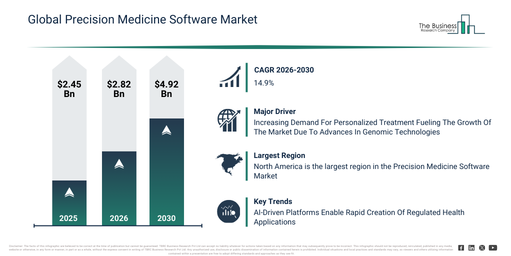
    The precision medicine software market has experienced rapid expansion in recent years. Its valuation is projected to increase from $2.45 billion in 2025 to $2.82 billion in 2026, reflecting a compound annual growth rate (CAGR) of 15.1%. The market’s past growth is linked to advancements in genomic sequencing technologies, the wider adoption of electronic health records, an increasing application of data-driven clinical workflows, the rise of oncology-focused precision treatments, and the expanding availability of bioinformatics platforms.

    The precision medicine software market size is expected to undergo rapid growth in the coming years. It is projected to expand to $4.92 billion by 2030, achieving a compound annual growth rate (CAGR) of 14.9%. This growth during the forecast period is attributed to factors such as an increasing demand for personalized therapeutics, rising investments in precision oncology programs, the expansion of AI-enabled healthcare analytics, the growing adoption of cloud-based clinical platforms, and an increasing focus on outcome-based healthcare models. Major trends anticipated in this period include a rising adoption of AI-driven clinical decision support, increased integration of genomic and clinical data platforms, the growing use of cloud-based precision medicine software, an expansion of real-time patient data analytics, and an enhanced focus on interoperable healthcare systems.

    Access Your Free Sample Report for In-Depth Market Insights:

    https://www.thebusinessresearchcompany.com/sample.aspx?id=27394&type=smp

    What Drivers Are Supporting Technological Adoption In The Precision Medicine Software Market?

    The increasing need for personalized healthcare solutions is anticipated to boost the precision medicine software market moving forward. Personalized treatment involves customizing medical interventions to align with an individual’s distinct genetic profile, lifestyle choices, and health history, leading to more favorable outcomes. This growing requirement for personalized care stems from progress in genomic technologies, which facilitate accurate detection of genetic variations and the development of customized therapies for patients. Precision medicine software supports personalized treatment through the examination of genetic, clinical, and lifestyle data to customize healthcare choices. It improves both the accuracy of diagnoses and the efficacy of treatments, thereby enabling more focused and streamlined patient care. As an illustration, in February 2024, the Personalized Medicine Coalition (PMC), a US-based nonprofit organization, reported that the U.S. Food and Drug Administration (FDA) sanctioned 26 new personalized medicines in 2023, marking a substantial rise from the 12 approvals in 2022. Consequently, the rising clamor for personalized treatment is fueling the expansion of the precision medicine software market.

    Which Segments Are Contributing To The Growth Of The Precision Medicine Software Market?

    The precision medicine software market covered in this report is segmented –

    1) By Software Type: Clinical Decision Support Systems (CDSS), Genomic Data Analysis Tools, Data Integration And Management Software, Patient Management Software, Bioinformatics Tools

    2) By Technology: Artificial Intelligence And Machine Learning, Big Data Analytics, Blockchain Technology, Internet of Medical Things (IoMT), Clustered Regularly Interspaced Short Palindromic Repeats (CRISPR) And Gene Editing Tools

    3) By Deployment: Cloud, On-Premise

    4) By Application: Oncology, Central Nervous System, Immunology, Cardiovascular, Other Applications

    5) By End User: Healthcare Providers, Research Centers And Government Institutes, Pharmaceutical And Biotechnology Companies, Other End Users

    Subsegments:

    1) By Clinical Decision Support Systems (CDSS): Diagnostic Decision Support, Therapeutic Decision Support, Clinical Guidelines And Protocols, Drug-Drug Interaction Alerts, Risk Assessment Modules

    2) By Genomic Data Analysis Tools: Variant Calling And Annotation Tools, Genome Alignment Software, Gene Expression Analysis, Next-Generation Sequencing (NGS) Data Analysis, Pathway Analysis Tools

    3) By Data Integration And Management Software: Electronic Health Record (EHR) Integration, Laboratory Information Management Systems (LIMS), Clinical Data Warehousing, Data Cleaning And Normalization, Metadata Management

    4) By Patient Management Software: Appointment Scheduling, Patient Registry Software, Care Coordination Tools, Patient Engagement Platforms, Remote Monitoring Systems

    5) By Bioinformatics Tools: Sequence Analysis Software, Structural Bioinformatics Tools, Functional Genomics Platforms, Molecular Modeling And Simulation, Proteomics And Metabolomics Tools

    What Trends Are Reshaping The Dynamics Of The Precision Medicine Software Market?

    Leading firms within the precision medicine software sector are prioritizing the creation of sophisticated solutions, particularly digital healthcare, to optimize the development process for digital health products, thereby cutting down both duration and expenses. Digital healthcare encompasses the application of digital tools and technologies to facilitate, oversee, and enhance healthcare services and patient results. For instance, Huma Therapeutics Ltd, a digital health company from the UK, introduced its Cloud Platform in July 2024. This platform aims to make digital-first healthcare universally accessible by allowing swift, no-code development and deployment of regulated health applications driven by artificial intelligence (AI). It features pre-built modules, device connectivity, and adherence to critical regulatory benchmarks (FDA Class II, EU MDR IIb, Saudi FDA C), empowering organizations irrespective of their size to deliver efficient and economical digital health solutions. This Huma cloud platform thus speeds up innovation in digital health, expands access, and underpins proactive, AI-powered care and research initiatives.

    Who Are The Top-Performing Companies In The Precision Medicine Software Market In Recent Years?

    Major companies operating in the precision medicine software market are Koninklijke Philips N.V., Palantir Technologies Inc., Tempus Labs Inc., Myriad Genetics Inc., Foundation Medicine Inc., Guardant Health Inc., Color Genomics Inc., NantHealth Inc., SOPHiA GENETICS SA, Aignostics GmbH, MVision AI Oy, Fabric Genomics Inc., QUIBIM S.L., Syapse Inc., PierianDx Inc., 2bPrecise LLC, SimBioSys Inc., Navignostics AG, xCures Inc., LifeOmic Holdings LLC

    Access The Complete Report For Deeper Market Insights:

    https://www.thebusinessresearchcompany.com/report/precision-medicine-software-global-market-report

    Which Region Currently Holds The Largest Share Of The Precision Medicine Software Market?

    North America was the largest region in the precision medicine software market in 2025. The regions covered in the precision medicine software market report are Asia-Pacific, South East Asia, Western Europe, Eastern Europe, North America, South America, Middle East, Africa.

    Request Your Customized Precision Medicine Software Market Research Report for Competitive Advantage:

    https://www.thebusinessresearchcompany.com/customise?id=27394&type=smp

    Browse Through More Reports Similar to the Global Precision Medicine Software Market 2026, By The Business Research Company

    Debt Financing Market Report 2026

    https://www.thebusinessresearchcompany.com/report/debt-financing-global-market-report

    Syndicated Loans Market Report 2026

    https://www.thebusinessresearchcompany.com/report/syndicated-loans-global-market-report

    Revenue Based Financing Market Report 2026

    https://www.thebusinessresearchcompany.com/report/revenue-based-financing-global-market-report

    Get in touch with us:

    The Business Research Company: https://www.thebusinessresearchcompany.com/

    Americas +1 310-496-7795

    Asia +44 7882 955267 & +91 8897263534

    Europe +44 7882 955267

    Email us at info@tbrc.info

    Follow us on:

    LinkedIn: https://in.linkedin.com/company/the-business-research-company

    YouTube: https://www.youtube.com/channel/UC24_fI0rV8cR5DxlCpgmyFQ

    Global Market Model: https://www.thebusinessresearchcompany.com/global-market-model
  • Global Cell Separation Industry Insights: Key Trends and Growth Estimates

    Global Cell Separation Industry Insights: Key Trends and Growth Estimates

    Uncover key drivers, emerging technologies, and competitive movements shaping the cell separation market from 2026–2035 with trusted insights from The Business Research Company

    What size range is anticipated for the Cell Separation Market from 2026 to 2030?

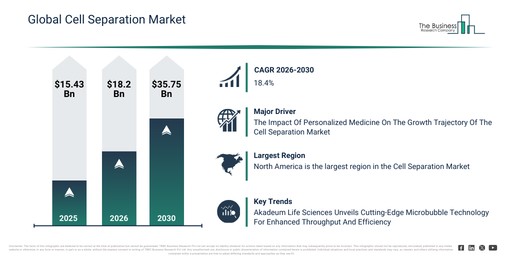
    The cell separation market size has seen rapid growth in recent years. It is anticipated to expand from $15.43 billion in 2025 to $18.2 billion in 2026, registering a compound annual growth rate (CAGR) of 18.0%. Historically, this growth can be attributed to factors such as the expansion of cancer research programs, an increase in stem cell research, the rising adoption of flow cytometry, an elevated demand for diagnostic cell separation, and the wider availability of separation consumables.

    The cell separation market is anticipated to experience substantial expansion over the upcoming years, with its valuation projected to reach $35.75 billion by 2030, demonstrating a compound annual growth rate (CAGR) of 18.4%. This expected growth during the forecast period is attributed to factors such as increasing investments in cell-based therapies, the rising demand for precision diagnostics, the broadening scope of immunotherapy research, the growing adoption of automated clinical laboratories, and the increasing embrace of personalized medicine approaches. Significant trends during this period are expected to include the wider adoption of magnetic and fluorescence-based sorting techniques, a heightened demand for high-purity cell populations, the expanded use of automated cell separation systems, the proliferation of single-cell isolation applications, and an intensified focus on clinical-grade cell processing.

    Access Your Free Sample Report for In-Depth Market Insights:

    https://www.thebusinessresearchcompany.com/sample.aspx?id=9928&type=smp

    What Drivers Are Affecting Demand In The Cell Separation Market?

    The growing move towards personalized medicine is anticipated to boost the expansion of the cell separation market over the next few years. Also referred to as precision medicine, personalized medicine represents an innovative method in medical treatment and healthcare that considers individual differences in patients’ genetics, environment, and daily habits. It has the potential to enhance cell separation techniques in multiple aspects, facilitating more precise and tailored strategies in biomedical and therapeutic applications. As an illustration, in February 2024, data from the Personalized Medicine Coalition (PMC), a US-based nonprofit, revealed that in 2023, the Food and Drug Administration (FDA) gave approval to 7 new personalized treatments for cancer, from a total of 26 personalized treatments. This signifies a considerable rise compared to the 12 approvals in 2022. Consequently, this rising trend towards personalized medicine is fueling the expansion of the cell separation market.

    Which Segment Groups Are Influencing The Cell Separation Market?

    The cell separation market covered in this report is segmented –

    1) By Cell Type: Human Cells, Animal Cells

    2) By Method: Gradient Centrifugation, Surface Markers Separation, Fluorescence Activated Cell Sorting, Magnetic Cell Sorting

    3) By Product: Consumables, Instruments

    4) By Application: Biomolecule Isolation, Cancer Research, Stem Cell Research, Tissue Regeneration, In Vitro Diagnostics, Therapeutics

    Subsegments:

    1) By Human Cells: Blood Cells, Stem Cells, Tumor Cells

    2) By Animal Cells: Mammalian Cells, Avian Cells, Insect Cells

    Which Competitive Trends Are Impacting The Structure Of The Cell Separation Market?

    Leading firms within the cell separation market are concentrating on creating technological innovations, including microfluidic rare cell enrichment, to enhance the isolation, analysis, and subsequent applications of rare and circulating tumor cells in cancer research and diagnostics. This microfluidic approach involves employing tiny fluidic devices to effectively separate and gather scarce cells from intricate samples, enabling accurate analysis and diagnostic procedures. An illustrative example occurred in June 2024 when Bio-Rad Laboratories, a life sciences enterprise based in the US, introduced Celselect Slides 2.0, designed to enhance the capture and separation of rare cells. These updated slides facilitate more effective enrichment of CTCs, thereby aiding high-accuracy cancer research processes and speeding up the creation of targeted treatments. The introduction of Celselect Slides 2.0 underscores Bio-Rad’s dedication to progressing cell separation innovations and fostering advanced cancer research initiatives.

    Who Are The Major Companies Operating In The Cell Separation Market?

    Major companies operating in the cell separation market are Becton Dickinson and Company, Merck KGaA, Thermo Fisher Scientific Inc., Bio-Rad Laboratories Inc., Terumo Corporation, Miltenyi Biotec GmbH, Beckman Coulter Inc., STEMCELL Technologies Inc., PluriSelect Life Science UG and Co. KG, GE HealthCare Technologies Inc., Life Technologies Inc., Danaher Corporation, Corning Incorporated, Sartorius AG, Bio-Techne Corp., Takara Bio Inc., Lonza Group Ltd., MagBio Genomics, Akadeum Life Sciences Inc., Invent Biotechnologies Inc.

    Access The Complete Report For Deeper Market Insights:

    https://www.thebusinessresearchcompany.com/report/cell-separation-global-market-report

    Which Region Is Anticipated To See The Fastest Growth In The Cell Separation Market?

    North America was the largest region in the cell separation market in 2025. Asia-Pacific is expected to be the fastest-growing region in the cell separation market report during the forecast period. The regions covered in the cell separation market report are Asia-Pacific, South East Asia, Western Europe, Eastern Europe, North America, South America, Middle East, Africa.

    Request Your Customized Cell Separation Market Research Report for Competitive Advantage:

    https://www.thebusinessresearchcompany.com/customise?id=9928&type=smp

    Browse Through More Reports Similar to the Global Cell Separation Market 2026, By The Business Research Company

    Separation Machinery Market Report 2026

    https://www.thebusinessresearchcompany.com/report/separation-machinery-global-market-report

    Cell Isolation Market Report 2026

    https://www.thebusinessresearchcompany.com/report/cell-isolation-global-market-report

    Cell Separation Technologies Market Report 2026

    https://www.thebusinessresearchcompany.com/report/cell-separation-technologies-global-market-report

    Get in touch with us:

    The Business Research Company: https://www.thebusinessresearchcompany.com/

    Americas +1 310-496-7795

    Asia +44 7882 955267 & +91 8897263534

    Europe +44 7882 955267

    Email us at info@tbrc.info

    Follow us on:

    LinkedIn: https://in.linkedin.com/company/the-business-research-company

    YouTube: https://www.youtube.com/channel/UC24_fI0rV8cR5DxlCpgmyFQ

    Global Market Model: https://www.thebusinessresearchcompany.com/global-market-model
  • Revenue of the Precision Genomic Testing Market Predicted to Achieve $25.71 Billion by 2030, Driven by 11.3% CAGR

    Revenue of the Precision Genomic Testing Market Predicted to Achieve $25.71 Billion by 2030, Driven by 11.3% CAGR

    Uncover key drivers, emerging technologies, and competitive movements shaping the precision genomic testing market from 2026–2035 with trusted insights from The Business Research Company

    What upper market value could the Precision Genomic Testing Market reach by 2030 starting from 2026 levels?

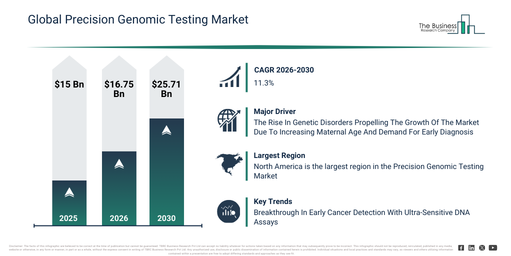
    The precision genomic testing market size has experienced swift expansion in recent years. It is projected to increase from $15 billion in 2025 to $16.75 billion in 2026, demonstrating a compound annual growth rate (CAGR) of 11.7%. This historical growth can be attributed to advancements in sequencing technologies, the expansion of precision oncology programs, greater availability of genomic databases, an increase in clinical research funding, and rising awareness of genetic disorders.

    The precision genomic testing market is projected to experience swift expansion in the coming years. By 2030, this market is anticipated to reach a valuation of $25.71 billion, exhibiting a compound annual growth rate (CAGR) of 11.3%. This projected growth during the forecast period is fueled by several factors, including the wider acceptance of precision medicine, an increase in genomic research investments, the expansion of large-scale genomic projects, a heightened need for companion diagnostics, and the greater incorporation of genomics into standard clinical procedures. Key trends expected during this period involve the increasing uptake of next-generation sequencing, the growing application of AI-powered genomic interpretation, a surging requirement for customized treatment plans, the broadening scope of clinical genomic testing, and improved integration of bioinformatics platforms.

    Access Your Free Sample Report for In-Depth Market Insights:

    https://www.thebusinessresearchcompany.com/sample.aspx?id=25883&type=smp

    Which Drivers Are Influencing Long-Term Growth In The Precision Genomic Testing Market?

    The increasing occurrence of genetic disorders is anticipated to fuel the expansion of the precision genomic testing market in the future. Genetic disorders are health issues resulting from irregularities in a person’s DNA, encompassing single or multiple gene mutations, or alterations in chromosome count or structure. This rising prevalence largely stems from an increase in maternal age, given that older mothers face a greater likelihood of transmitting chromosomal abnormalities, such as Down syndrome, to their offspring. Precision genomic testing facilitates the early identification and precise diagnosis of genetic conditions by pinpointing particular genetic mutations, thereby enabling focused interventions and customized treatment plans. For instance, in May 2025, Gene People, a registered charity based in the UK, reported that an estimated 1 in 25 children are affected by genetic conditions, impacting more than 2.4 million children and adults across the UK. Furthermore, approximately 30,000 newborns and children in the UK receive a diagnosis of a genetic condition annually. Consequently, the increasing prevalence of genetic disorders is a key factor propelling the growth of the precision genomic testing market.

    How Is The Precision Genomic Testing Market Divided Into Segments?

    The precision genomic testing market covered in this report is segmented –

    1) By Product And Service: Consumables, Equipment, Services

    2) By Technology: Next-Generation Sequencing, Polymerase Chain Reaction, Microarray Technology, Sanger Sequencing, Clustered Regularly Interspaced Short Palindromic Repeats Or Clustered Regularly Interspaced Short Palindromic Repeats-Associated Systems, Other Technologies

    3) By Application: Oncology, Cardiovascular Diseases, Neurological Disorders, Reproductive Health, Rare Diseases, Other Applications

    4) By End-Users: Hospitals And Clinics, Diagnostic Laboratories, Research And Academic Institutes, Other End-Users

    Subsegments:

    1) By Consumables: Reagents And Kits, Deoxyribonucleic Acid Or Ribonucleic Acid Extraction Kits, Library Preparation Kits, Sequencing Reagents, Polymerase Chain Reaction Assay Kits, Buffers And Enzymes

    2) By Equipment: Next-Generation Sequencing Systems, Polymerase Chain Reaction Machines, Microarray Instruments, Deoxyribonucleic Acid Analyzers, Bioinformatics Workstations, Laboratory Automation Systems

    3) By Services: Genomic Data Analysis Services, Laboratory Testing Services, Genetic Counseling Services, Clinical Interpretation Services, Contract Research Services, Custom Assay Development Services

    How Are New Market Trends Shaping The Landscape Of The Precision Genomic Testing Market?

    Leading firms within the precision genomic testing sector are prioritizing the creation of advanced solutions, specifically ultra-sensitive circulating tumor deoxyribonucleic acid assays, to facilitate earlier and more precise cancer detection. These ultra-sensitive circulating tumor deoxyribonucleic acid assays are sophisticated diagnostic tools capable of identifying minute traces of DNA originating from tumors within a patient’s bloodstream, thereby allowing for prompt and accurate recognition of genetic mutations associated with cancer. An example of this innovation is Natera Inc., a US-based clinical genetic testing company, which introduced its ultra-sensitive Signatera genome molecular residual disease test in April 2025. This particular test constructs a customized assay by employing whole genome sequencing on both the patient’s tumor and corresponding normal deoxyribonucleic acid, allowing for the detection of circulating tumor deoxyribonucleic acid even at incredibly low concentrations, as precise as 1 part per million. Such exceptional sensitivity contributes to the earlier and more accurate identification of recurring cancer, ultimately improving the formulation of treatment plans and the overall management of patients across diverse cancer forms.

    Which Leading Companies Dominate The Precision Genomic Testing Market Share?

    Major companies operating in the precision genomic testing market are Roche Diagnostics International AG, Thermo Fisher Scientific Inc., Danaher Corporation, Agilent Technologies Inc., Illumina Inc., Revvity Inc., QIAGEN N.V., Exact Sciences Corporation, Natera Inc., Myriad Genetics Inc., GenScript Biotech Corporation, Fulgent Genetics Inc., Invitae Corporation, NeoGenomics Laboratories Inc., Guardant Health Inc., Ambry Genetics Corporation, Color Health Inc., Pacific Biosciences, Eurofins Genomics LLC, BGI Genomics Co. Ltd.

    Access The Complete Report For Deeper Market Insights:

    https://www.thebusinessresearchcompany.com/report/precision-genomic-testing-global-market-report

    How Does The Precision Genomic Testing Market Perform Across Major Global Regions?

    North America was the largest region in the precision genomic testing market in 2025. Asia-Pacific is expected to be the fastest-growing region in the forecast period. The regions covered in the precision genomic testing market report are Asia-Pacific, South East Asia, Western Europe, Eastern Europe, North America, South America, Middle East, Africa.

    Request Your Customized Precision Genomic Testing Market Research Report for Competitive Advantage:

    https://www.thebusinessresearchcompany.com/customise?id=25883&type=smp

    Browse Through More Reports Similar to the Global Precision Genomic Testing Market 2026, By The Business Research Company

    Precision Diagnostics Market Report 2026

    https://www.thebusinessresearchcompany.com/report/precision-diagnostics-global-market-report

    Dna Testing Market Report 2026

    https://www.thebusinessresearchcompany.com/report/dna-testing-global-market-report

    Genomics Market Report 2026

    https://www.thebusinessresearchcompany.com/report/genomics-global-market-report

    Get in touch with us:

    The Business Research Company: https://www.thebusinessresearchcompany.com/

    Americas +1 310-496-7795

    Asia +44 7882 955267 & +91 8897263534

    Europe +44 7882 955267

    Email us at info@tbrc.info

    Follow us on:

    LinkedIn: https://in.linkedin.com/company/the-business-research-company

    YouTube: https://www.youtube.com/channel/UC24_fI0rV8cR5DxlCpgmyFQ

    Global Market Model: https://www.thebusinessresearchcompany.com/global-market-model
  • Cell Processing Technologies Market Forecast: How Big Will It Be by 2030?

    Cell Processing Technologies Market Forecast: How Big Will It Be by 2030?

    Uncover key drivers, emerging technologies, and competitive movements shaping the cell processing technologies market from 2026–2035 with trusted insights from The Business Research Company

    How is the Cell Processing Technologies Market size predicted to change over the forecast window of 2026–2035?

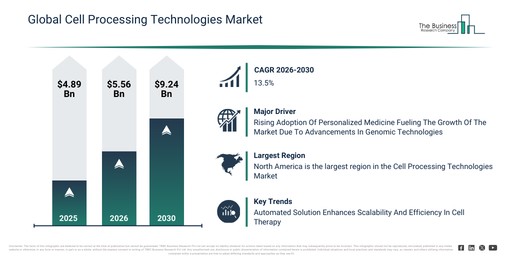
    The cell processing technologies market has experienced substantial expansion in recent years. Its valuation is expected to ascend from $4.89 billion in 2025 to $5.56 billion in 2026, achieving a compound annual growth rate (CAGR) of 13.7%. This past growth can be attributed to factors such as the broadening of cell-based research activities, the rising utilization of cell culture techniques, the development of regenerative medicine research, the accessibility of advanced laboratory equipment, and increased academic and clinical research funding.

    The cell processing technologies market size is anticipated to undergo rapid expansion over the next few years, projected to reach $9.24 billion in 2030, driven by a compound annual growth rate (CAGR) of 13.5%. This growth during the forecast period is primarily attributed to the increasing commercialization of cell therapies, the growing demand for scalable cell manufacturing, the expansion of personalized medicine applications, rising investments in bioprocess automation, and an increasing regulatory focus on cell processing standards. Furthermore, major trends in the forecast period include the increasing adoption of automated cell processing systems, a rising demand for closed-system cell handling technologies, growing integration of digital process monitoring, the expansion of single-use consumables, and an enhanced focus on cell viability and quality control.

    Access Your Free Sample Report for In-Depth Market Insights:

    https://www.thebusinessresearchcompany.com/sample.aspx?id=27243&type=smp

    Which Drivers Are Contributing To The Expansion Of The Cell Processing Technologies Market?

    The expanding integration of personalized medicine is anticipated to fuel the expansion of the cell processing technologies market in the future. Personalized medicine defines a healthcare strategy where treatments are customized for individual patients, considering their genetic, environmental, and lifestyle elements to enhance results and patient care. The uptake of personalized medicine is rising, propelled by developments in genomic technologies that facilitate the accurate detection of genetic variations and the creation of bespoke treatments for individuals. Cell processing technologies augment personalized medicine by allowing the precise handling and preparation of patient-specific cells, rendering them crucial for customized therapies. These technologies boost treatment effectiveness by guaranteeing premium, viable cells, thereby promoting the creation of targeted and efficacious medical interventions. As an illustration, in February 2024, the U.S. Food and Drug Administration (FDA) sanctioned 26 new personalized medicines in 2023, a rise from 12 approved in 2022, according to the Personalized Medicine Coalition (PMC), a US-based nonprofit organization. Consequently, the increasing embrace of personalized therapies is powering the growth of the cell processing technologies market.

    What Segment Classifications Make Up The Cell Processing Technologies Market?

    The cell processing technologies market covered in this report is segmented –

    1) By Product Type: Equipment, Consumables, Software

    2) By Application: Oncology, Cardiovascular Disease, Bone Repair, Neurological Disorders, Skeletal Muscle Repair, Immune Diseases, Other Applications

    3) By End-User: Pharmaceutical and Biotechnology Companies, Academic Research Institutes, Other End-Users

    Subsegments:

    1) By Equipment: Bioreactors, Centrifuges, Cell Counters, Incubators, Cryopreservation Systems, Cell Washers, Cell Sorters, Microscopes

    2) By Consumables: Cell Culture Media, Reagents, Pipettes and Tips, Flasks and Plates, Cryovials, Filters, Disposable Bags, Tubes and Containers

    3) By Software: Process Monitoring Software, Data Management Software, Automation Control Software, Quality Control Software, Imaging and Analysis Software, Inventory Management Software

    What Industry Trends Are Transforming The Cell Processing Technologies Market?

    Leading companies within the cell processing technologies market are concentrating on developing technologically advanced solutions, such as automated platforms for cell therapy manufacturing, to enhance scalability, optimize process effectiveness, improve cell quality, and reduce production costs. An automated cell therapy manufacturing platform is defined as a fully integrated system that leverages advanced robotics, sensors, and software to perform the entire production process of cell-based therapies with minimal human intervention. For instance, in March 2025, Limula SA, a Switzerland-based life sciences company, launched LimONE, an entirely automated cell therapy manufacturing platform designed to revolutionize the production of advanced therapies including CAR-T and gene-edited stem cells. It simplifies complex manufacturing processes by integrating a bioreactor and centrifuge into a singular, closed device that uses one consumable throughout all development stages. LimONE enables hospitals, biotech firms, and manufacturers to accelerate the transition from research to clinical trials and commercial production, making life-saving, personalized cell and gene therapies more accessible to patients.

    Which Major Firms Are Strengthening Their Position In The Cell Processing Technologies Market?

    Major companies operating in the cell processing technologies market are Thermo Fisher Scientific Inc., Danaher Corporation, Cryo-Cell International Inc., Merck KGaA, Becton Dickinson and Company, Lonza Group AG, Terumo Corporation, WuXi AppTec Co. Ltd., Charles River Laboratories International Inc., Bio-Rad Laboratories Inc., PHC Holdings Corporation, Bio-Techne Corporation, StemCell Technologies Inc., Shibuya Corporation, Repligen Corporation, Beckman Coulter Inc., ThermoGenesis Holdings Inc., Ori Biotech Ltd., Biospherix Ltd., Miltenyi Biotec B.V. & Co. KG, Sartorius Stedim Biotech, Cytiva

    Access The Complete Report For Deeper Market Insights:

    https://www.thebusinessresearchcompany.com/report/cell-processing-technologies-global-market-report

    Which Region Is Anticipated To See The Fastest Growth In The Cell Processing Technologies Market?

    North America was the largest region in the cell processing technologies market in 2025. The regions covered in the cell processing technologies market report are Asia-Pacific, South East Asia, Western Europe, Eastern Europe, North America, South America, Middle East, Africa.

    Request Your Customized Cell Processing Technologies Market Research Report for Competitive Advantage:

    https://www.thebusinessresearchcompany.com/customise?id=27243&type=smp

    Browse Through More Reports Similar to the Global Cell Processing Technologies Market 2026, By The Business Research Company

    Vacuum Insulation Panel Market Report 2026

    https://www.thebusinessresearchcompany.com/report/vacuum-insulation-panel-global-market-report

    Sandwich Panels Market Report 2026

    https://www.thebusinessresearchcompany.com/report/sandwich-panels-global-market-report

    Structural Insulated Panels Market 2026

    https://www.thebusinessresearchcompany.com/report/structural-insulated-panels-market

    Get in touch with us:

    The Business Research Company: https://www.thebusinessresearchcompany.com/

    Americas +1 310-496-7795

    Asia +44 7882 955267 & +91 8897263534

    Europe +44 7882 955267

    Email us at info@tbrc.info

    Follow us on:

    LinkedIn: https://in.linkedin.com/company/the-business-research-company

    YouTube: https://www.youtube.com/channel/UC24_fI0rV8cR5DxlCpgmyFQ

    Global Market Model: https://www.thebusinessresearchcompany.com/global-market-model
  • Precision Diagnostics Sector Forecast Shows Robust Momentum, Climbing to $220.5 Billion With 14.8% CAGR

    Precision Diagnostics Sector Forecast Shows Robust Momentum, Climbing to $220.5 Billion With 14.8% CAGR

    Uncover key drivers, emerging technologies, and competitive movements shaping the precision diagnostics market from 2026–2035 with trusted insights from The Business Research Company

    What level of CAGR-driven expansion is anticipated in the Precision Diagnostics Market between 2026 and 2030?

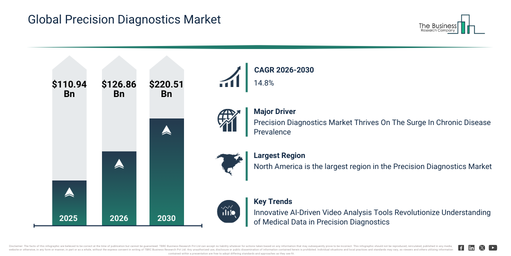
    The precision diagnostics market has seen substantial growth in recent years. Its value is expected to rise from $110.94 billion in 2025 to $126.86 billion in 2026, reflecting a compound annual growth rate (CAGR) of 14.3%. Historically, this expansion has been driven by advancements in genomic research technologies, an increasing prevalence of chronic diseases, the growing application of biomarker-based testing, the development of diagnostic laboratory infrastructure, and the rising acceptance of personalized medicine.

    The precision diagnostics market is projected to experience substantial expansion in the coming years. By 2030, this market is anticipated to reach a valuation of $220.51 billion, exhibiting a compound annual growth rate (CAGR) of 14.8%. This anticipated growth is driven by factors such as a heightened demand for tailored treatment plans, increased investments in genomic diagnostics, the broadening scope of liquid biopsy applications, the expanding incorporation of AI-powered diagnostics, and a greater emphasis on preventive healthcare. Key trends during this forecast period encompass the wider acceptance of genetic and molecular testing, an increase in the utilization of companion diagnostics, the progressing integration of AI in interpreting diagnostics, the development of precision oncology applications, and an intensified commitment to detecting diseases at earlier stages.

    Access Your Free Sample Report for In-Depth Market Insights:

    https://www.thebusinessresearchcompany.com/sample.aspx?id=12025&type=smp

    What Drivers Are Affecting Demand-Supply Dynamics In The Precision Diagnostics Market?

    The increasing incidence of chronic illnesses is anticipated to fuel the expansion of the precision diagnostics market in the foreseeable future. These are conditions that persist for three months or longer and may worsen over time. Precision diagnostics offer assistance to individuals afflicted with chronic conditions like cancer and cardiovascular diseases, achieving this through precise management of their healthcare models and delivering accurate disease diagnoses. For example, data from January 2023, reported by the US-based National Library of Medicine, projects that the population in the US aged 50 and above with at least one chronic condition will climb to 142.66 million by the year 2050. Consequently, the growing occurrence of chronic diseases is boosting the precision diagnostics market’s development.

    What Segments Are Included Within The Precision Diagnostics Market?

    The precision diagnostics market covered in this report is segmented –

    1) By Type: Genetic Tests, Esoteric tests, Other Types

    2) By Technology: Next Generation Sequencing (NGS), Polymerase Chain Reaction (PCR), In Situ Hybridization (ISH), Mass Spectrometry, Immunohistochemistry (IHC), Other Technologies

    3) By Application: Oncology, Infectious Diseases, Cardiovascular, Neurology, Genetic Disorders, Other Applications

    4) By End-User: Hospitals And Clinics, Diagnostic Laboratories, Research Institutes, Pharmaceutical And Biotechnology Companies, Other End-Users

    Subsegments:

    1) By Genetic Tests: Next-Generation Sequencing (NGS), Polymerase Chain Reaction (PCR) Tests, Whole Exome Sequencing (WES), Single Nucleotide Polymorphism (SNP) Testing

    2) By Esoteric Tests: Proteomics, Metabolomics, Specialized Infectious Disease Testing, Rare Disease Testing

    3) By Other Types: Biomarker Testing, Liquid Biopsies, Companion Diagnostics, Pharmacogenomic Testing

    Which Trends Are Expected To Influence The Precision Diagnostics Market In The Upcoming Years?

    Leading companies within the precision diagnostics market are increasingly prioritizing innovative therapeutic approaches. Among these innovations are AI-driven video analysis tools, introduced to enhance patient engagement and clarify complex medical data, ultimately enabling individuals to take greater control of their health. An AI-driven video analysis tool employs artificial intelligence to process video content, simplifying intricate information such as health reports by highlighting crucial parameters, thus offering clear insights for better comprehension and informed decision-making. For example, in August 2024, Healthians, an India-based diagnostic company, unveiled an industry-first AI-driven video analysis tool designed to simplify complex medical data. This tool achieves this by emphasizing key health parameters and explaining their significance, effectively guiding users through their health reports. This innovative feature allows users to receive personalized insights within 15-30 minutes after completing a brief questionnaire on the Healthians app, thereby enhancing their capacity to make informed decisions about their health.

    Who Are The Major Companies Operating In The Precision Diagnostics Market?

    Major companies operating in the precision diagnostics market are F Hoffmann La Roche Ltd, Abbott Laboratories, Danaher Corporation, Becton Dickinson And Company, Thermo Fisher Scientific Inc, Quest Diagnostics Inc, Siemens Healthineers AG, Agilent Technologies Inc, PerkinElmer Inc, Beckman Coulter Inc, Charles River Laboratories International Inc, Sysmex America Inc, Waters Corporation, Bio Rad Laboratories Inc, Bruker Corporation, Qiagen NV, Bio Techne Corporation, Illumina Inc, Luminex Corporation, BioFire Diagnostics LLC, Genomic Health Inc, Guardant Health Inc, Natera Inc, Exact Sciences Corporation

    Access The Complete Report For Deeper Market Insights:

    https://www.thebusinessresearchcompany.com/report/precision-diagnostics-global-market-report

    Which Region Is Anticipated To See The Fastest Growth In The Precision Diagnostics Market?

    North America was the largest region in the precision diagnostics market in 2025. Asia Pacific is expected to be the fastest-growing region in the forecast period. The regions covered in the precision diagnostics market report are Asia-Pacific, South East Asia, Western Europe, Eastern Europe, North America, South America, Middle East, Africa.

    Request Your Customized Precision Diagnostics Market Research Report for Competitive Advantage:

    https://www.thebusinessresearchcompany.com/customise?id=12025&type=smp

    Browse Through More Reports Similar to the Global Precision Diagnostics Market 2026, By The Business Research Company

    Precision Parts Market Report 2026

    https://www.thebusinessresearchcompany.com/report/precision-parts-global-market-report

    Precision Medicine Market Report 2026

    https://www.thebusinessresearchcompany.com/report/precision-medicine-global-market-report

    Clinical Diagnostics Market Report 2026

    https://www.thebusinessresearchcompany.com/report/clinical-diagnostics-global-market-report

    Get in touch with us:

    The Business Research Company: https://www.thebusinessresearchcompany.com/

    Americas +1 310-496-7795

    Asia +44 7882 955267 & +91 8897263534

    Europe +44 7882 955267

    Email us at info@tbrc.info

    Follow us on:

    LinkedIn: https://in.linkedin.com/company/the-business-research-company

    YouTube: https://www.youtube.com/channel/UC24_fI0rV8cR5DxlCpgmyFQ

    Global Market Model: https://www.thebusinessresearchcompany.com/global-market-model
  • Cell Penetrating Peptide Market Report 2026: Strategic Insights and Revenue Outlook

    Cell Penetrating Peptide Market Report 2026: Strategic Insights and Revenue Outlook

    Uncover key drivers, emerging technologies, and competitive movements shaping the cell penetrating peptide market from 2026–2035 with trusted insights from The Business Research Company

    What market expansion outlook does the Cell Penetrating Peptide Market show for the 2026–2030 period?

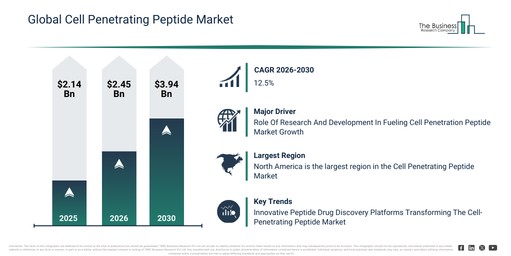
    The cell penetrating peptide market size has experienced rapid growth in recent years. It is projected to expand from $2.14 billion in 2025 to $2.45 billion in 2026, achieving a compound annual growth rate (CAGR) of 14.8%. The growth observed in the historic period can be attributed to increasing pharmaceutical research in drug delivery, advancements in peptide synthesis capabilities, the rising use of molecular imaging tools, the expansion of academic peptide research, and the early adoption of cpp technologies.

    The cell penetrating peptide market is projected to experience significant expansion in the coming years, with its size expected to reach $3.94 billion by 2030, driven by a compound annual growth rate (CAGR) of 12.5%. This growth during the forecast period is attributable to factors such as increased investments in targeted therapeutics, a rising demand for non-viral gene delivery methods, the ongoing expansion of personalized medicine development, a greater emphasis on improving intracellular drug delivery efficiency, and the growing clinical evaluation of CPP-based systems. Prominent trends anticipated in this forecast period include the accelerating development of advanced CPP-based drug carriers, an increasing application of CPPs in gene delivery, the broader adoption of chimeric peptide designs, the expansion of targeted intracellular delivery platforms, and an enhanced focus on low-toxicity peptide engineering.

    Access Your Free Sample Report for In-Depth Market Insights:

    https://www.thebusinessresearchcompany.com/sample.aspx?id=15537&type=smp

    What Drivers Are Shaping The Development Of The Cell Penetrating Peptide Market?

    The increasing investment in health research and development is projected to boost the expansion of the cell penetration peptide market moving forward. Health research and development (R&D) involves the systematic exploration and experimentation aimed at advancing scientific understanding and creating innovative solutions to improve healthcare outcomes. The rise in health R&D is attributable to evolving healthcare needs, technological progress, global health priorities, investment incentives, and economic opportunities. Cell penetration peptides offer adaptable and efficient methods for delivering biomolecules and therapeutic agents into cells, thereby contributing to various health research and development areas such as drug delivery, gene therapy, vaccine development, molecular imaging, and cellular research. For example, in 2023, data from the Office for National Statistics, a UK-based government agency, showed that the UK government’s net spending on research and development (R&D) increased to £17.4 billion ($22.1 billion) in 2023, up from £16.1 billion ($20.45 billion) in 2022, signifying an 8.2% growth. Consequently, this surge in research and development is fueling the growth of the cell penetration peptide market.

    What Segment Types Are Examined In The Cell Penetrating Peptide Market?

    The cell penetrating peptide market covered in this report is segmented –

    1) By Type: Synthetic Cell Penetrating Peptides, Protein-Derived Cell Penetrating Peptides, Chimeric Cell Penetrating Peptides

    2) By Application: Drug Delivery, Gene Delivery, Diagnostics, Molecular Imaging, Other Applications

    3) By End Use: Pharmaceutical And Biotechnology Companies, Contract Research Organization (CROs), Hospitals And Clinics, Other End Users

    Subsegments:

    1) By Synthetic Cell Penetrating Peptides: Linear Synthetic CPPs, Branched Synthetic CPPs, Peptide Conjugates, Lipid-Modified Synthetic CPPs

    2) By Protein-Derived Cell Penetrating Peptides: Tat Peptides (From HIV-1 TAT), Antennapedia Peptides, Homeodomain Peptides

    3) By Chimeric Cell Penetrating Peptides: Fusion Peptides, Hybrid Peptides

    What Trends Are Reshaping The Dynamics Of The Cell Penetrating Peptide Market?

    Leading companies in the cell-penetrating peptide market are focusing on developing advanced platforms, such as those for peptide drug discovery, to gain a competitive advantage. A peptide drug discovery platform serves as a comprehensive system designed to assist in the identification, creation, refinement, and assessment of CPP-based therapeutics. For example, in May 2023, Fujitsu Limited, a Japan-based information and communications technology equipment and services corporation, introduced the Biodrug Design Accelerator, a platform intended to manage research processes for peptide drug discovery. This accelerator supports peptide drug discovery scientists in pharmaceutical firms by accelerating and improving the efficiency of peptide drug development, particularly through the ‘design, make, test, analyze’ (DMTA) cycles. It also facilitates streamlined communication among scientists regarding synthesis and testing, while maintaining compatibility with HELM, a standard for describing complex biomolecules.

    Who Are The Primary Competitors In The Global Cell Penetrating Peptide Market?

    Major companies operating in the cell penetrating peptide market are Thermo Fisher Scientific Inc., Novo Nordisk A/S, Merck KGaA, Corden Pharma GmbH, Sarepta Therapeutics Inc., GenScript Biotech Corporation, Bachem Holding AG, R&D Systems Inc., PolyPeptide Laboratories AB, PeptiDream Inc., Revance Therapeutics Inc., CPC Scientific Inc., Tocris Bioscience, Bio-Synthesis Inc., AnaSpec Inc., Avidity Biosciences Inc., Iris Biotech GmbH, PEPperPRINT GmbH, Chemos GmbH & Co. KG, Creative Peptides GmbH, ProImmune Ltd., Pepscan Inc., The Cupid Peptide Company, AltaBioscience Ltd., Peptomyc

    Access The Complete Report For Deeper Market Insights:

    https://www.thebusinessresearchcompany.com/report/cell-penetrating-peptide-global-market-report

    Which Global Regions Are Shaping The Competitive Landscape Of The Cell Penetrating Peptide Market?

    North America was the largest region in the cell penetrating peptide market in 2025. Asia-Pacific is expected to be the fastest-growing region in the forecast period. The regions covered in the cell penetrating peptide market report are Asia-Pacific, South East Asia, Western Europe, Eastern Europe, North America, South America, Middle East, Africa.

    Request Your Customized Cell Penetrating Peptide Market Research Report for Competitive Advantage:

    https://www.thebusinessresearchcompany.com/customise?id=15537&type=smp

    Browse Through More Reports Similar to the Global Cell Penetrating Peptide Market 2026, By The Business Research Company

    Glucagon Like Peptide 1 Market Report 2026

    https://www.thebusinessresearchcompany.com/report/glucagon-like-peptide-1-global-market-report

    Peptide Therapeutics Market Report 2026

    https://www.thebusinessresearchcompany.com/report/peptide-therapeutics-global-market-report

    Peptide Synthesis Market Report 2026

    https://www.thebusinessresearchcompany.com/report/peptide-synthesis-global-market-report

    Get in touch with us:

    The Business Research Company: https://www.thebusinessresearchcompany.com/

    Americas +1 310-496-7795

    Asia +44 7882 955267 & +91 8897263534

    Europe +44 7882 955267

    Email us at info@tbrc.info

    Follow us on:

    LinkedIn: https://in.linkedin.com/company/the-business-research-company

    YouTube: https://www.youtube.com/channel/UC24_fI0rV8cR5DxlCpgmyFQ

    Global Market Model: https://www.thebusinessresearchcompany.com/global-market-model
  • Prebiotics Market Anticipated to Record Steady Gains, Advancing to $23.36 Billion by 2030

    Prebiotics Market Anticipated to Record Steady Gains, Advancing to $23.36 Billion by 2030

    Uncover key drivers, emerging technologies, and competitive movements shaping the prebiotics market from 2026–2035 with trusted insights from The Business Research Company

    What long-term size projections exist for the Prebiotics Market covering 2026–2035?

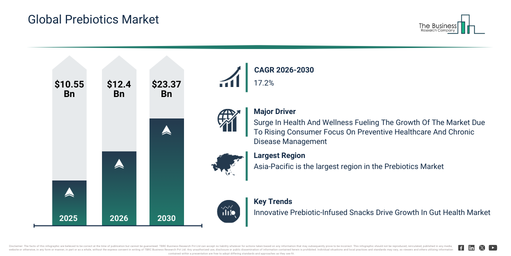
    The prebiotics market has observed rapid expansion in recent years. Its valuation is anticipated to increase from $10.55 billion in 2025 to $12.4 billion in 2026, registering a compound annual growth rate (CAGR) of 17.5%. The historical growth of this market stems from factors such as heightened consumer awareness regarding digestive well-being, the broadening range of functional food products, the accessibility of various oligosaccharide sources, a rise in the consumption of dietary supplements, and expanded usage in animal feed.

    The prebiotics market size is projected for swift expansion in the upcoming years. This market is anticipated to reach $23.37 billion by 2030, demonstrating a compound annual growth rate (CAGR) of 17.2%. Several factors will drive this growth during the forecast period, including the greater uptake of personalized nutrition, increased funding for microbiome-based products, the broadening application of prebiotics in clinical nutrition, the escalating need for sustainable food ingredients, and their enhanced integration into pharmaceutical compounds. Key trends expected in the same period involve a higher incorporation of prebiotics into functional foods, a surging demand for gut health supplements, their increasing utilization in animal nutrition, the expansion of clean-label and natural ingredient options, and a heightened emphasis on microbiome research.

    Access Your Free Sample Report for In-Depth Market Insights:

    https://www.thebusinessresearchcompany.com/sample.aspx?id=24666&type=smp

    Which Drivers Are Impacting The Competitive Landscape Of The Prebiotics Market?

    The increasing consumer focus on health and well-being is anticipated to boost the prebiotics market in the future. Health and wellness encompasses a comprehensive state of physical, mental, and emotional health, achieved through thoughtful lifestyle choices and proactive care. This heightened consumer awareness stems from a movement towards preventive healthcare, motivated by a desire to prevent lifestyle-related illnesses and decrease long-term medical expenses. Prebiotics contribute to this health consciousness by fostering a balanced gut microbiome, which is progressively acknowledged as crucial for overall well-being and deliberate lifestyle decisions. For example, in Jun 2024, data from the International Food Information Council (IFIC), a US-based non-profit organization, indicated that a significant 54% of Americans had adopted a specific diet or eating pattern in the preceding year. A majority of individuals are seeking to raise their protein intake, with interest escalating from 59% in 2022 to 67% in 2023, and reaching 71% in 2024. Furthermore, approximately half of consumers prioritize consuming more fresh foods, which are widely considered the healthiest choices. Consequently, the growing consumer awareness concerning health and wellness is propelling the prebiotics market.

    What Leading Segments Are Studied In The Prebiotics Market?

    The prebiotics market covered in this report is segmented –

    1) By Prebiotic Ingredient Type: Fructo-Oligosaccharides, Galacto-Oligosaccharides, Inulin, Mannan-Oligosaccharides

    2) By Product: Capsules, Drinks, Powder

    3) By Demography: Pediatric, Adult, Geriatric

    4) By Distribution Channel: Hypermarkets Or Supermarkets, Pharmacies And Drug Stores, Specialty Stores, Online Sales

    5) By End-User: Foods And Beverages, Pharmaceutical, Animal Feed, Other End-Users

    Subsegments:

    1) By Fructo-Oligosaccharides: Short-Chain Fructo-Oligosaccharides, Long-Chain Fructo-Oligosaccharides, Enzymatically Synthesized Fructo-Oligosaccharides

    2) By Galacto-Oligosaccharides: High-Purity Galacto-Oligosaccharides, Liquid Galacto-Oligosaccharides, Powder Galacto-Oligosaccharides

    3) By Inulin: High Performance Inulin, Standard Inulin, Short-Chain Inulin

    4) By Mannan-Oligosaccharides: Feed Grade Mannan-Oligosaccharides, Food Grade Mannan-Oligosaccharides, Functional Mannan-Oligosaccharides

    What Trends Are Driving The Growth Trajectory Of The Prebiotics Market?

    Leading companies in the prebiotics market are concentrating on developing innovative solutions, such as prebiotic-infused snack options, to address the growing consumer demand for gut health and digestive wellness. These prebiotic-enhanced snack options are convenient food items enriched with ingredients that stimulate the growth of beneficial gut bacteria, thereby supporting digestive health. For instance, in March 2025, Beech-Nut Nutrition Corporation, a US-based baby food company, unveiled a new collection of baby and toddler foods and snacks featuring prebiotics, whole milk yogurt, fruits, and vegetables, designed to foster digestive health and overall nutrition. This introduction includes Organic Fruit & Yogurt Jars with Prebiotics, Smoothies with Prebiotics, Jammin’ Waffles with fruit filling, and Fruti Bites with Hidden Veggies, all crafted with non-GMO ingredients and free from artificial additives. These offerings, available at prominent retailers like Walmart, present parents with practical, flavorful, and nutritious choices for children ages 6 months and up.

    Which Major Firms Are Strengthening Their Position In The Prebiotics Market?

    Major companies operating in the prebiotics market are Cargill Inc, Archer Daniels Midland Company, Nestle SA, Bayer AG, Abbott Laboratories, Danone SA, FrieslandCampina, Haleon Group, DuPont de Nemours Inc, Amway Corp, Herbalife Nutrition Ltd, Royal Cosun, Roquette Freres, Natures Bounty, Natures Sunshine Products Inc, Good Health New Zealand, NOW Foods, Jarrow Formulas Inc, Ingredion Incorporated, Tate and Lyle PLC, BENEO GmbH, Yakult Honsha Co Ltd

    Access The Complete Report For Deeper Market Insights:

    https://www.thebusinessresearchcompany.com/report/prebiotics-global-market-report

    Which Region Is Anticipated To See The Fastest Growth In The Prebiotics Market?

    Asia-Pacific was the largest region in the prebiotics market in 2025. Asia-Pacific is expected to be the fastest-growing region in the forecast period. The regions covered in the prebiotics market report are Asia-Pacific, South East Asia, Western Europe, Eastern Europe, North America, South America, Middle East, Africa.

    Request Your Customized Prebiotics Market Research Report for Competitive Advantage:

    https://www.thebusinessresearchcompany.com/customise?id=24666&type=smp

    Browse Through More Reports Similar to the Global Prebiotics Market 2026, By The Business Research Company

    Probiotics In Animal Feed Market Report 2026

    https://www.thebusinessresearchcompany.com/report/probiotics-in-animal-feed-global-market-report

    Probiotics Food And Cosmetics Market Report 2026

    https://www.thebusinessresearchcompany.com/report/probiotics-food-and-cosmetics-global-market-report

    Animal Antibiotics And Antimicrobials Market Report 2026

    https://www.thebusinessresearchcompany.com/report/animal-antibiotics-and-antimicrobials-global-market-report

    Get in touch with us:

    The Business Research Company: https://www.thebusinessresearchcompany.com/

    Americas +1 310-496-7795

    Asia +44 7882 955267 & +91 8897263534

    Europe +44 7882 955267

    Email us at info@tbrc.info

    Follow us on:

    LinkedIn: https://in.linkedin.com/company/the-business-research-company

    YouTube: https://www.youtube.com/channel/UC24_fI0rV8cR5DxlCpgmyFQ

    Global Market Model: https://www.thebusinessresearchcompany.com/global-market-model
  • Global Cell Lysis And Fractionation Industry Trends and Market Forecast 2026–2030

    Global Cell Lysis And Fractionation Industry Trends and Market Forecast 2026–2030

    Uncover key drivers, emerging technologies, and competitive movements shaping the cell lysis and fractionation market from 2026–2035 with trusted insights from The Business Research Company

    What level of growth is expected in the Cell Lysis And Fractionation Market between 2026 and 2030?

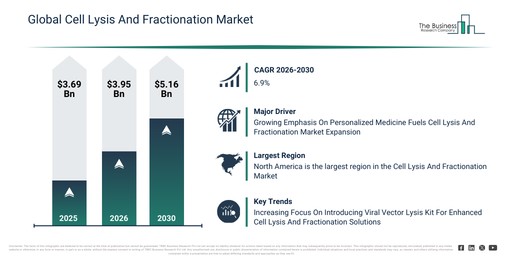
    The cell lysis and fractionation market has demonstrated robust expansion over recent years. Its valuation is anticipated to increase from $3.69 billion in 2025 to $3.95 billion in 2026, representing a compound annual growth rate (CAGR) of 7.0%. This historical growth can be attributed to an uptick in molecular biology research, a rise in proteomics investigations, the increasing application of nucleic acid purification techniques, the enlargement of life science laboratories, and a greater need for standardized sample preparation.

    The cell lysis and fractionation market size is anticipated to undergo significant expansion over the next few years. It is projected to reach $5.16 billion by 2030, growing at a compound annual growth rate (CAGR) of 6.9%. This projected growth during the forecast period is driven by factors such as increasing investments in proteomics and genomics research, the rising adoption of automated sample preparation, a heightened focus on high-throughput analysis, the expansion of biopharmaceutical research pipelines, and the growing use of integrated laboratory systems. Prominent trends observed in this period include the increasing adoption of automated cell lysis systems, a rising demand for high-efficiency protein extraction, the growing utilization of chemical and mechanical lysis methods, the expansion of fractionation-based sample preparation, and an enhanced focus on sample integrity.

    Access Your Free Sample Report for In-Depth Market Insights:

    https://www.thebusinessresearchcompany.com/sample.aspx?id=14064&type=smp

    Which Drivers Are Expected To Impact The Cell Lysis And Fractionation Market During The Forecast Period?

    A heightened emphasis on personalized medicine is anticipated to fuel the expansion of the cell lysis and fractionation markets in the future. This innovative medical approach utilizes a person’s unique genetic information to diagnose and treat illnesses, customizing medical choices and therapies based on each patient’s specific genetic characteristics. Cell lysis and fractionation are vital to precision medicine, enabling the isolation and examination of specific subcellular components, such as proteins, organelles, and nucleic acids, from patient specimens. This capability allows researchers and healthcare providers to delve into the molecular mechanisms of diseases and develop individualized treatments tailored to each patient’s distinct molecular profile. As an illustration, in February 2024, the Personalized Medicine Coalition (PMC), a US-based nonprofit organization, reported that the Food and Drug Administration (FDA) approved 7 new personalized treatments for cancer in 2023, as part of a total of 26 personalized treatments, which was a notable rise from the 12 approved in 2022. Consequently, the increasing focus on personalized medicine is a key factor propelling the growth of the cell lysis and fractionation markets.

    Which Segments Are Driving Activity In The Cell Lysis And Fractionation Market?

    The cell lysis and fractionation market covered in this report is segmented –

    1) By Type: Mammalian Cells, Microbial Cells

    2) By Application: Nucleic Acid Purification And Isolation, Protein Purification And Isolation

    3) By End-User: Research Laboratories And Institutes, Biopharmaceutical, Biotechnology Companies

    Subsegments:

    1) By Mammalian Cells: Adherent Mammalian Cells, Suspension Mammalian Cells, Primary Cells, Cell Lines

    2) By Microbial Cells: Bacterial Cells, Yeast Cells, Fungal Cells, Algal Cells

    How Are New Market Trends Shaping The Landscape Of The Cell Lysis And Fractionation Market?

    Leading companies in the cell lysis and fractionation market are concentrating on launching advanced solutions, such as CGT (cell and gene therapy) viral vector lysis kits, to gain an advantage in the market. These specific lysis kits provide a simplified AAV (Adeno-associated virus) lysis method designed to improve Standard Operating Procedures (SOPs), quality control, and safety, while also standardizing bioprocessing operations. As an illustration, in July 2023, QIAGEN, a Germany-based supplier of sample and assay technologies, introduced its new CGT Viral Vector Lysis Kit, enabling the quantification of virus titers for multiple serotypes through an exact and consistent procedure starting from cell lysates. This new CGT viral vector lysis kit complements QIAGEN’s quickly expanding digital PCR portfolio for the biopharma sector, which already features three QIAcuity Residual DNA Quantification Kits for checking host cell DNA carryover and ten QIAcuity Cell and Gene Therapy (CGT) dPCR Assays intended for adeno-associated virus (AAV) titer quantification.

    Which Key Market Players Are Investing In Expansion And Innovation Within The Cell Lysis And Fractionation Market?

    Major companies operating in the cell lysis and fractionation market are Hoffmann-La Roche Ltd, Merck & Co. Inc., Thermo Fisher Scientific Inc., Danaher Corporation, Becton, Dickinson and Company, Lonza Group AG, Illumina Inc., Beckman Coulter Inc., PerkinElmer Inc., IDEX Corporation, Bio-Rad Laboratories Inc., QIAGEN NV, Eppendorf AG, Miltenyi Biotec B.V. & Co. KG, Promega Corporation, Takara Bio Inc., Abcam plc, Cell Signaling Technology Inc., BioVision Inc., Diagenode LLC, Claremont BioSolutions LLC, Norgen Biotek Corp., Qsonica LLC, Labfreez Instruments Group Co. Ltd.

    Access The Complete Report For Deeper Market Insights:

    https://www.thebusinessresearchcompany.com/report/cell-lysis-and-fractionation-global-market-report

    Which Regions Are Poised For Strategic Growth In The Cell Lysis And Fractionation Market?

    North America was the largest region in the cell lysis and fractionation market in 2025. The regions covered in the cell lysis and fractionation market report are Asia-Pacific, South East Asia, Western Europe, Eastern Europe, North America, South America, Middle East, Africa.

    Request Your Customized Cell Lysis And Fractionation Market Research Report for Competitive Advantage:

    https://www.thebusinessresearchcompany.com/customise?id=14064&type=smp

    Browse Through More Reports Similar to the Global Cell Lysis And Fractionation Market 2026, By The Business Research Company

    Cell Expansion Market Report 2026

    https://www.thebusinessresearchcompany.com/report/cell-expansion-global-market-report

    Plasma Fractionation Market Report 2026

    https://www.thebusinessresearchcompany.com/report/plasma-fractionation-global-market-report

    Cell Separation Market Report 2026

    https://www.thebusinessresearchcompany.com/report/cell-separation-global-market-report

    Get in touch with us:

    The Business Research Company: https://www.thebusinessresearchcompany.com/

    Americas +1 310-496-7795

    Asia +44 7882 955267 & +91 8897263534

    Europe +44 7882 955267

    Email us at info@tbrc.info

    Follow us on:

    LinkedIn: https://in.linkedin.com/company/the-business-research-company

    YouTube: https://www.youtube.com/channel/UC24_fI0rV8cR5DxlCpgmyFQ

    Global Market Model: https://www.thebusinessresearchcompany.com/global-market-model
  • Practice Management System Industry Poised for Rapid Growth, Forecast to Touch $22 Billion by 2030 at 8.4% CAGR

    Practice Management System Industry Poised for Rapid Growth, Forecast to Touch $22 Billion by 2030 at 8.4% CAGR

    Uncover key drivers, emerging technologies, and competitive movements shaping the practice management system market from 2026–2035 with trusted insights from The Business Research Company

    What total market size is anticipated for the Practice Management System Market in 2030?

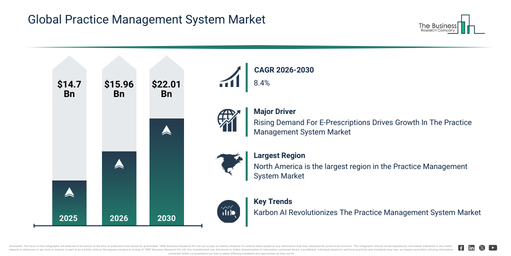
    The practice management system market has experienced significant growth in recent years. Its valuation is set to rise from $14.7 billion in 2025 to $15.96 billion in 2026, demonstrating a compound annual growth rate (CAGR) of 8.6%. This historical growth can be attributed to factors such as the increasing digitization of healthcare administration, the growing complexity of billing and claims processing, a rising demand for operational efficiency, the expansion of outpatient care facilities, and the increasing adoption of healthcare IT systems.

    The practice management system market size is anticipated to experience robust growth in the coming years, with projections indicating an expansion to $22.01 billion by 2030, at a compound annual growth rate (CAGR) of 8.4%. This expected growth throughout the forecast period is primarily due to factors such as increasing investments in cloud healthcare platforms, a rising utilization of AI-driven administrative tools, the expansion of telehealth-integrated systems, a growing emphasis on cybersecurity compliance, and an increasing demand for scalable software solutions. Significant trends emerging in the forecast period include the increasing adoption of cloud-based practice solutions, a rising demand for integrated billing and EHR systems, a heightened focus on workflow automation, the expansion of data analytics and reporting capabilities, and an enhanced emphasis on regulatory compliance.

    Access Your Free Sample Report for In-Depth Market Insights:

    https://www.thebusinessresearchcompany.com/sample.aspx?id=13516&type=smp

    What Drivers Are Influencing Production Trends In The Practice Management System Market?

    The rising adoption of e-prescriptions is anticipated to fuel the expansion of the practice management system market in the future. E-prescriptions are defined as electronic forms of conventional paper prescriptions, which healthcare providers transmit electronically to pharmacies or dispensing bodies, usually through dedicated software or systems. Within e-prescriptions, the practice management system aids in automatically populating patient details, ensuring safe prescribing of controlled substances, and issuing alerts and warnings. For example, in May 2024, data from the World Health Organization, an international agency headquartered in Switzerland, revealed that the utilization of digital prescriptions in England reached 3.1 million repeat prescriptions monthly in 2024, marking an increase of over 45% from the prior year. Consequently, the growing prevalence of e-prescriptions is a key factor propelling the practice management system market’s growth.

    Which Segment Groups Are Influencing The Practice Management System Market?

    The practice management system market covered in this report is segmented –

    1) By Product Type: Standalone, Integrated

    2) By Component: Software, Service

    3) By Mode of Delivery: On-premise, Cloud-based

    4) By End User: Pharmacies, Diagnostic Laboratories, Hospitals, Other End Users

    Subsegments:

    1) By Standalone: Billing And Invoicing Software, Scheduling And Appointment Management Software, Patient Registration And Record Management Software, Revenue Cycle Management (RCM) Solutions, Reporting And Analytics Software

    2) By Integrated: Electronic Health Records (EHR) Integration, Laboratory Management System Integration, Patient Portal And Communication Integration, Accounting And Financial Management Integration, Hospital Information System (HIS) Integration, Telemedicine And Virtual Care Integration

    What Upcoming Trends Are Likely To Define The Future Path Of The Practice Management System Market?

    Major companies within the practice management system market are prioritizing the adoption of novel technologies, such as Karbon AI, to boost their profitability in the sector. Karbon AI is a GPT-powered artificial intelligence tool embedded within industry-leading accounting practice management software, crafted to enhance the working efficiency of accountants. Illustratively, in May 2023, Karbon Inc., a prominent US-based provider of collaborative practice management platforms for accounting firms, launched Karbon AI, a GPT-based artificial intelligence solution that significantly improves the productivity of accounting firms. Karbon AI offers functionalities like summarizing lengthy emails, assessing email inboxes, and generating email drafts.

    Who Are The Primary Competitors In The Global Practice Management System Market?

    Major companies operating in the practice management system market are McKesson Corporation, Henry Schein Inc., EPIC Systems Corporation, Allscripts Healthcare Solutions Inc., Athenahealth Inc., CompuGroup Medical SE & Co. KGaA, eClinicalWorks LLC, NextGen Healthcare Information Systems LLC, Medical Information Technology Inc., Practo Technologies Pvt. Ltd., AdvantEdge Healthcare Solutions Inc., CareCloud Corporation, Greenway Health LLC, Modernizing Medicine Inc., Kareo Inc., Advanced Data Systems Corporation, PracticeSuite Inc., AdvancedMD Inc., Practice Fusion Inc., Luma Health, WRS Health, OfficeAlly Inc., DrChrono Inc., TherapyNotes LLC, SimplePractice LLC, CollaborateMD Inc., Accumedic Computer Systems Inc., Cerner Corporation, Oracle Cerner, CPSI Inc.

    Access The Complete Report For Deeper Market Insights:

    https://www.thebusinessresearchcompany.com/report/practice-management-system-global-market-report

    Which Global Regions Are Shaping The Competitive Landscape Of The Practice Management System Market?

    North America was the largest region in the practice management system market in 2025. Asia-Pacific is expected to be the fastest-growing region in the forecast period. The regions covered in the practice management system market report are Asia-Pacific, South East Asia, Western Europe, Eastern Europe, North America, South America, Middle East, Africa.

    Request Your Customized Practice Management System Market Research Report for Competitive Advantage:

    https://www.thebusinessresearchcompany.com/customise?id=13516&type=smp

    Browse Through More Reports Similar to the Global Practice Management System Market 2026, By The Business Research Company

    Healthcare Learning Management System Market Report 2026

    https://www.thebusinessresearchcompany.com/report/healthcare-learning-management-system-global-market-report

    Legal Practice Management Software Market Report 2026

    https://www.thebusinessresearchcompany.com/report/legal-practice-management-software-global-market-report

    Accounting Practice Management Software Market Report 2026

    https://www.thebusinessresearchcompany.com/report/accounting-practice-management-software-global-market-report

    Get in touch with us:

    The Business Research Company: https://www.thebusinessresearchcompany.com/

    Americas +1 310-496-7795

    Asia +44 7882 955267 & +91 8897263534

    Europe +44 7882 955267

    Email us at info@tbrc.info

    Follow us on:

    LinkedIn: https://in.linkedin.com/company/the-business-research-company

    YouTube: https://www.youtube.com/channel/UC24_fI0rV8cR5DxlCpgmyFQ

    Global Market Model: https://www.thebusinessresearchcompany.com/global-market-model
  • Cell Lysis And Disruption Market Size and Demand Forecast 2026–2030

    Cell Lysis And Disruption Market Size and Demand Forecast 2026–2030

    Uncover key drivers, emerging technologies, and competitive movements shaping the cell lysis and disruption market from 2026–2035 with trusted insights from The Business Research Company

    How much is the Cell Lysis And Disruption Market valued at in 2026, and what valuation is forecast for 2030?

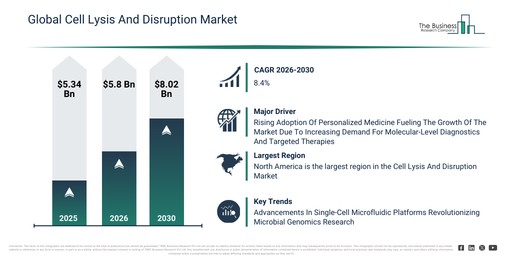
    The cell lysis and disruption market has experienced substantial growth in recent years. Forecasts indicate its expansion from $5.34 billion in 2025 to $5.8 billion in 2026, driven by a compound annual growth rate (CAGR) of 8.7%. This historical growth is largely due to factors such as the rise in molecular biology research activities, greater adoption of recombinant protein production, expansion of academic life sciences research, increasing use of microbial fermentation processes, and the availability of sophisticated laboratory instruments.

    The market for cell lysis and disruption is anticipated to experience substantial expansion over the coming years. This market is projected to reach $8.02 billion by 2030, demonstrating a compound annual growth rate (CAGR) of 8.4%. Factors contributing to this growth during the forecast period include the escalating demand for biologics production, increased investments in cell and gene therapy research, the broadening scope of proteomics and genomics studies, a heightened emphasis on laboratory automation, and the wider adoption of high-throughput screening platforms. Key trends anticipated during this period encompass the increasing uptake of mechanical cell disruption systems, a rise in the utilization of high-purity lysis reagents, a burgeoning need for scalable cell processing solutions, the expansion of automated sample preparation workflows, and an intensified focus on both yield and reproducibility.

    Access Your Free Sample Report for In-Depth Market Insights:

    https://www.thebusinessresearchcompany.com/sample.aspx?id=24498&type=smp

    What Drivers Are Influencing The Growth Of The Cell Lysis And Disruption Market?

    A growing emphasis on personalized medicine is projected to propel the expansion of the cell lysis and disruption market in the future. This medical strategy involves customizing treatment and care based on each patient’s unique attributes, including their genetic makeup and lifestyle. The escalating demand for personalized medicine stems from advancements in genomic technologies, facilitating a more accurate identification of genetic variations responsible for diseases, thus enabling more precise and efficacious therapies. This increased need for personalized medicine bolsters cell lysis and disruption because these procedures are crucial for isolating Deoxyribonucleic Acid (DNA), Ribonucleic Acid (RNA), and proteins from patient specimens, which is necessary for the molecular analysis underpinning the creation of customized treatments. An illustrative example is from February 2024, when the Personalized Medicine Coalition, a US-based nonprofit organization, and the U.S. Food and Drug Administration (USFDA), a US-based regulatory authority, reported the approval of 16 new personalized treatments for rare disease patients in 2023, marking a substantial rise from 6 personalized treatments approved in 2022. Consequently, the heightened focus on personalized medicine is set to invigorate the expansion of the cell lysis and disruption market.

    How Is The Cell Lysis And Disruption Market Organized Into Various Segments?

    The cell lysis and disruption market covered in this report is segmented –

    1) By Product: Reagents And Consumables, Instruments

    2) By Cell Type: Bacteria Cells, Mammalian Cells, Plant Cells, Yeast Or Fungi Or Algae

    3) By Application: Cell Organelle Isolation, Protein Isolation, Downstream Processing, Nucleic Acid Isolation

    4) By End-Use: Pharmaceutical And Biotechnology Companies, Academic And Research Institutes, Other End-Users

    Subsegments:

    1) By Reagents And Consumables: Enzymes, Detergent Solutions, Kits And Reagents

    2) By Instruments: Homogenizers, Sonicator, Microfluidizer, Other Instruments

    Which Trends Are Expected To Influence The Cell Lysis And Disruption Market In The Upcoming Years?

    Companies operating within the cell lysis and disruption market are concentrating on developing advanced solutions, such as single-cell microfluidic platforms, aimed at improving the capabilities and effectiveness of single-cell analysis for researchers engaged in microbial genomics. A single-cell microfluidic platform is a miniature device designed to accurately isolate, manipulate, and analyze individual cells by precisely controlling minute fluid volumes within microchannels, thereby facilitating high-throughput and automated single-cell investigations. For example, in January 2024, Atrandi Biosciences Inc., a biotechnology firm based in Lithuania, introduced its Flux platform alongside the Single-Microbe DNA Barcoding Kit. These products leverage semi-permeable capsule (SPC) technology, which enables the efficient isolation and lysis of individual microbial cells while preserving the integrity of subsequent reactions. This cutting-edge platform delivers high-throughput functionality, supporting accurate microbial genome quantification and DNA sequencing, which is vital for progress in microbial genomics and single-cell analysis. Such solutions are intended to optimize and improve experimental workflows, rendering high-resolution, single-cell analysis more attainable and impactful for researchers across diverse scientific fields.

    Who Are The Core Companies Influencing Trends In The Cell Lysis And Disruption Market?

    Major companies operating in the cell lysis and disruption market are F. Hoffmann-La Roche Ltd., Thermo Fisher Scientific Inc., Merck KGaA, Becton Dickinson and Company (BD), Agilent Technologies Inc., Bio-Rad Laboratories Inc., Qiagen N.V., Eppendorf AG, Miltenyi Biotec GmbH, Takara Bio Inc., Promega Corporation, New England Biolabs Inc., Covaris LLC, Microfluidics International Corp., Claremont BioSolutions LLC, Qsonica LLC, Zymo Research Corp., BioVision Inc., Beckman Coulter Inc., Sartorius AG, PerkinElmer Inc.

    Access The Complete Report For Deeper Market Insights:

    https://www.thebusinessresearchcompany.com/report/cell-lysis-and-disruption-global-market-report

    Which Regions Are Projected To Dominate The Cell Lysis And Disruption Market In The Coming Years?

    North America was the largest region in the cell lysis and disruption market in 2025. Asia-Pacific is expected to be the fastest-growing region in the forecast period. The regions covered in the cell lysis and disruption market report are Asia-Pacific, South East Asia, Western Europe, Eastern Europe, North America, South America, Middle East, Africa.

    Request Your Customized Cell Lysis And Disruption Market Research Report for Competitive Advantage:

    https://www.thebusinessresearchcompany.com/customise?id=24498&type=smp

    Browse Through More Reports Similar to the Global Cell Lysis And Disruption Market 2026, By The Business Research Company

    Cell Harvesting Market Report 2026

    https://www.thebusinessresearchcompany.com/report/cell-harvesting-global-market-report

    Cell Separation Technologies Market Report 2026

    https://www.thebusinessresearchcompany.com/report/cell-separation-technologies-global-market-report

    Cell Therapy Technologies Market Report 2026

    https://www.thebusinessresearchcompany.com/report/cell-therapy-technologies-global-market-report

    Get in touch with us:

    The Business Research Company: https://www.thebusinessresearchcompany.com/

    Americas +1 310-496-7795

    Asia +44 7882 955267 & +91 8897263534

    Europe +44 7882 955267

    Email us at info@tbrc.info

    Follow us on:

    LinkedIn: https://in.linkedin.com/company/the-business-research-company

    YouTube: https://www.youtube.com/channel/UC24_fI0rV8cR5DxlCpgmyFQ

    Global Market Model: https://www.thebusinessresearchcompany.com/global-market-model