Month: March 2026

  • Postpartum Depression Treatment Market Performance Outlook 2026–2030: Revenue to Hit $1.81 Billion at 7.2% CAGR

    Postpartum Depression Treatment Market Performance Outlook 2026–2030: Revenue to Hit $1.81 Billion at 7.2% CAGR

    Uncover key drivers, emerging technologies, and competitive movements shaping the postpartum depression treatment market from 2026–2035 with trusted insights from The Business Research Company

    What is the expected shift in the Postpartum Depression Treatment Market’s size between 2026 and 2030?

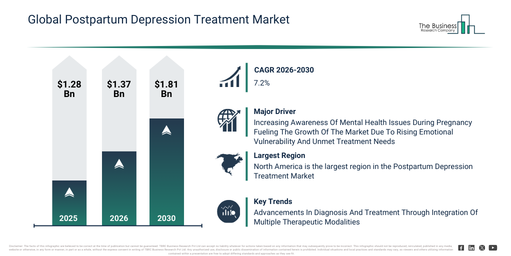
    The postpartum depression treatment market has demonstrated significant expansion in recent years. It is anticipated to increase from $1.28 billion in 2025 to $1.37 billion in 2026, achieving a compound annual growth rate (CAGR) of 7.5%. The historical development of this market is linked to factors such as increased clinical identification of postpartum depression, the restricted availability of specialized treatment avenues, a reliance on standard antidepressants, the expansion of mental health services within hospitals, and the rising application of psychotherapy.

    The market for postpartum depression treatment is projected to experience substantial growth in the upcoming years, reaching $1.81 billion by 2030, exhibiting a compound annual growth rate (CAGR) of 7.2%. This anticipated expansion over the forecast period is fueled by factors such as the increasing authorization of new postpartum therapies, a surge in investments directed towards maternal mental health research, the broadening of outpatient and home-based care options, an escalating need for personalized medical treatments, and the greater incorporation of digital therapeutic solutions. Key developments expected during this timeframe involve the rising adoption of combination therapy strategies, the increasing utilization of telepsychiatry in postpartum care, a growing requirement for fast-acting antidepressant medications, the widening availability of hormone-based treatment alternatives, and an intensified emphasis on individualized treatment paths.

    Access Your Free Sample Report for In-Depth Market Insights:

    https://www.thebusinessresearchcompany.com/sample.aspx?id=23479&type=smp

    Which Drivers Are Shaping Strategic Decisions In The Postpartum Depression Treatment Market?

    The heightened understanding of mental health challenges during pregnancy is projected to drive the expansion of the postpartum depression treatment market in the coming period. These issues encompass a spectrum of emotional, psychological, and psychiatric conditions capable of impacting a woman throughout her pregnancy. The rise in such mental health issues during pregnancy is attributable to elevated stress and hormonal shifts, which can intensify emotional susceptibility and hinder women’s capacity to manage physical, social, and psychological pressures. Postpartum depression treatment works to improve mental health by easing symptoms such as sadness, anxiety, and fatigue, bolstering emotional resilience, and fostering stronger mother-child attachment. For instance, data from October 2024, provided by the Maternal Mental Health Leadership Alliance (MMHLA), a US-based nonprofit dedicated to enhancing maternal mental health, indicates that maternal mental health conditions are the most frequent pregnancy complication, impacting 800,000 U.S. families annually, with 75% remaining untreated, thereby creating enduring risks for mothers, babies, and families. Consequently, the growing awareness surrounding mental health issues during pregnancy is propelling the growth of the postpartum depression treatment market.

    What Segment Classifications Make Up The Postpartum Depression Treatment Market?

    The postpartum depression treatment market covered in this report is segmented –

    1) By Type: Postpartum Anxiety, Postpartum Blues, Postpartum Post-Traumatic Stress Disorder (PTSD), Postpartum Obsessive-Compulsive Disorder (OCD), Postpartum Panic Disorder, Postpartum Psychosis

    2) By Treatment Type: Antidepressants, Hormone Therapy, Psychotherapy, Other Treatment Types

    3) By Patient Demographics: Adolescents, Adults

    4) By Distribution Channel: Hospital Pharmacies, Retail Pharmacies, Online Pharmacies

    Subsegments:

    1) By Postpartum Anxiety: Cognitive Behavioral Therapy (CBT), Antidepressant Medications, Hormonal Therapy, Support Groups And Counseling

    2) By Postpartum Blues: Psychotherapy, Supportive Care, Short-Term Medication

    3) By Postpartum Post-Traumatic Stress Disorder (PTSD): Trauma-Focused Cognitive Behavioral Therapy (TF-CBT), Eye Movement Desensitization And Reprocessing (EMDR), Medication, Peer Support Groups

    4) By Postpartum Obsessive-Compulsive Disorder (OCD): Exposure And Response Prevention (ERP), Antidepressant Medications (SSRIs), Cognitive Behavioral Therapy (CBT), Supportive Therapy

    5) By Postpartum Panic Disorder: Cognitive Behavioral Therapy (CBT), Antidepressants And Anti-Anxiety Medications, Relaxation Techniques, Psychotherapy

    6) By Postpartum Psychosis: Antipsychotic Medications, Mood Stabilizers, Electroconvulsive Therapy (ECT)

    Which Trends Are Shaping Activity Within The Postpartum Depression Treatment Market?

    Major companies operating in the postpartum depression treatment market are increasingly focusing on advancements in both diagnosis and treatment, particularly through innovations like prescription digital postpartum depression treatment, to enhance patient outcomes and improve accessibility to care. Prescription digital postpartum depression treatment refers to clinically validated digital therapeutics (DTx) prescribed by healthcare providers for managing and treating postpartum depression (PPD). As an example, in April 2024, Curio Digital Therapeutics Inc., a US-based digital health company, announced that MamaLift Plus received Food and Drug Administration (FDA) clearance, making it the first prescription digital therapeutic for postpartum depression (PPD). This eight-week program delivers digital CBT, BAT, IPT, and DBT via a mobile device under healthcare provider supervision. A pivotal study revealed a significantly higher rate of clinically meaningful improvement in EPDS scores among MamaLift Plus users compared to a control group. This clearance now offers women a non-pharmaceutical alternative for treating mild to moderate PPD.

    Which Key Market Players Are Investing In Expansion And Innovation Within The Postpartum Depression Treatment Market?

    Major companies operating in the postpartum depression treatment market are LifeStance Health Inc., Max Healthcare Institute Limited, American Well Corporation, Sakra Premium Hospital Private Limited, Talkspace Inc., Mental Health America, Seven Cups Inc., Marinus Pharmaceuticals Inc., Beyond Blue Ltd, Blooming Wellness Center, Sage Therapeutics Inc., Nurx Inc., Curio Digital Therapeutics Inc., Genesis Lifestyle Medicine, Postpartum Society Of Florida, TalktoAngel, The Motherhood Center, Otsuka Pharmaceutical Co Ltd, Lundbeck A S, Eli Lilly And Company, Pfizer Inc., Johnson And Johnson

    Access The Complete Report For Deeper Market Insights:

    https://www.thebusinessresearchcompany.com/report/postpartum-depression-treatment-global-market-report

    Which Regions Are Poised For Strategic Growth In The Postpartum Depression Treatment Market?

    North America was the largest region in the postpartum depression treatment market in 2025. Asia-Pacific is expected to be the fastest-growing region in the forecast period. The regions covered in the postpartum depression treatment market report are Asia-Pacific, South East Asia, Western Europe, Eastern Europe, North America, South America, Middle East, Africa.

    Request Your Customized Postpartum Depression Treatment Market Research Report for Competitive Advantage:

    https://www.thebusinessresearchcompany.com/customise?id=23479&type=smp

    Browse Through More Reports Similar to the Global Postpartum Depression Treatment Market 2026, By The Business Research Company

    Major Depressive Disorder Market Report 2026

    https://www.thebusinessresearchcompany.com/report/major-depressive-disorder-global-market-report

    Postpartum Health Supplements Market Report 2026

    https://www.thebusinessresearchcompany.com/report/postpartum-health-supplements-global-market-report

    Antidepressant Market Report 2026

    https://www.thebusinessresearchcompany.com/report/antidepressant-global-market-report

    Get in touch with us:

    The Business Research Company: https://www.thebusinessresearchcompany.com/

    Americas +1 310-496-7795

    Asia +44 7882 955267 & +91 8897263534

    Europe +44 7882 955267

    Email us at info@tbrc.info

    Follow us on:

    LinkedIn: https://in.linkedin.com/company/the-business-research-company

    YouTube: https://www.youtube.com/channel/UC24_fI0rV8cR5DxlCpgmyFQ

    Global Market Model: https://www.thebusinessresearchcompany.com/global-market-model
  • Global Postpartum Depression Market Set for Strong Expansion, Reaching $66.47 Billion With 33.1% CAGR by 2030

    Global Postpartum Depression Market Set for Strong Expansion, Reaching $66.47 Billion With 33.1% CAGR by 2030

    Uncover key drivers, emerging technologies, and competitive movements shaping the postpartum depression market from 2026–2035 with trusted insights from The Business Research Company

    What growth pattern is forecast for the Postpartum Depression Market size between 2026 and 2035?

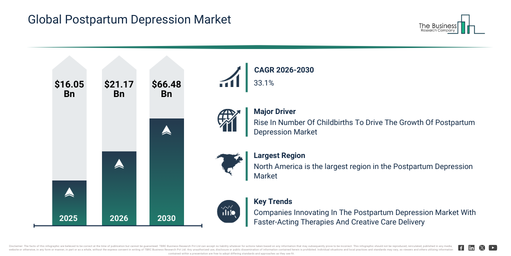
    The postpartum depression market size has undergone substantial expansion in recent years. It is anticipated to grow from $16.05 billion in 2025 to $21.17 billion in 2026, at a compound annual growth rate (CAGR) of 31.9%. The historical growth of this market can be attributed to several factors, including the increasing recognition of maternal mental health disorders, limited early screening practices, prevalent underdiagnosis in postpartum care settings, a reliance on traditional counseling approaches, and the growth of hospital-based maternal care services.

    The postpartum depression market size is anticipated to experience substantial growth over the upcoming years, projected to reach $66.48 billion by 2030, exhibiting a compound annual growth rate (CAGR) of 33.1%. This expansion during the forecast period is propelled by factors such as the greater uptake of digital screening instruments, an increased emphasis on proactive maternal healthcare, the widening availability of tele-mental health services, rising investments in women’s mental well-being initiatives, and the deeper incorporation of mental health support into obstetric care. Key developments expected in this period encompass heightened public awareness and screening for postpartum mental health, greater acceptance of digital platforms for mental wellness, a stronger focus on prompt diagnosis and intervention, the extension of community-based assistance programs, and improved integration of mental health services within maternal care pathways.

    Access Your Free Sample Report for In-Depth Market Insights:

    https://www.thebusinessresearchcompany.com/sample.aspx?id=13024&type=smp

    Which Drivers Are Impacting Market Performance In The Postpartum Depression Market?

    An increasing number of childbirths is anticipated to fuel the expansion of the postpartum depression market. Childbirth describes the natural process of a baby exiting the mother’s uterus, typically through the vaginal canal. This rise in births contributes to the postpartum depression market because postpartum depression (PPD) is a prevalent mental health condition affecting women post-delivery, manifesting in symptoms such as sadness, anxiety, fatigue, and challenges in maternal-infant bonding. As an illustration, a report from the Centers for Disease Control and Prevention, a US-based national public health organization, indicated that in January 2023, the United States experienced a 1% rise in recorded births, reaching a total of 3,664,292, relative to the prior year. Consequently, the increasing volume of childbirths is stimulating growth within the postpartum depression market.

    What Segment Types Are Examined In The Postpartum Depression Market?

    The postpartum depression market covered in this report is segmented –

    1) By Types: Postpartum Blues, Postpartum Anxiety, Postpartum Obsessive Compulsive Disorder, Postpartum Panic Disorder, Postpartum Post-Traumatic Stress Disorder, Postpartum Psychosis, Other Types

    2) By Treatment: Psychotherapy, Medication, Supplements, Other Treatments

    3) By Route of Administration: Oral, Parenteral, Other Route Of Administration

    4) By Distribution Channel: Hospital Pharmacy, Retail Pharmacy, Online Pharmacy, Other Distribution Channels

    5) By End-Users: Hospitals, Specialty Clinics, Homecare, Other End-Users

    Subsegments:

    1) By Postpartum Blues: Mild Emotional Disturbances, Short-term Mood Swings

    2) By Postpartum Anxiety: Generalized Anxiety Disorder (GAD), Panic Attacks

    3) By Postpartum Obsessive Compulsive Disorder: Intrusive Thoughts, Compulsive Behaviors

    4) By Postpartum Panic Disorder: Sudden Panic Attacks, Physical Symptoms

    5) By Postpartum Post-Traumatic Stress Disorder (PTSD): Trauma Response To Childbirth, Flashbacks And Anxiety

    6) By Postpartum Psychosis: Hallucinations, Severe Mood Swings

    7) By Other Types: Mixed Mood Disorders, Comorbid Conditions With Postpartum

    Which Trends Are Influencing The Development Of The Postpartum Depression Market?

    Major companies operating in the postpartum depression market are focusing on new product innovations, including regulatory milestones to advance the development and potential approval pathway of zuranolone for major depressive disorder and postpartum depression. A regulatory milestone denotes a crucial event in a drug or medical product’s lifecycle, signaling progress within the approval or compliance framework established by governmental authorities. For instance, in February 2023, Biogen Inc., a US-based biotechnology company, and Sage Therapeutics Inc., a US-based biopharmaceutical company, announced that the United States Food and Drug Administration (FDA) had accepted the submission of a New Drug Application (NDA) for zuranolone for the treatment of major depressive disorder (MDD) and postpartum depression (PPD). Zuranolone is an investigational medication being evaluated as a 14-day, once-daily, rapid-acting oral therapy for individuals with MDD and PPD. This neuroactive steroid functions as a positive allosteric modulator of GABA-A receptors, representing a distinct mechanism of action. It is designed to work in persons with depression by quickly resetting dysregulated neural networks to help restore brain function. Zuranolone influences brain networks responsible for mood, arousal, behavior, and cognition.

    Who Are The Core Companies Influencing Trends In The Postpartum Depression Market?

    Major companies operating in the postpartum depression market are Pfizer Inc., Johnson & Johnson, Merck & Co., AbbVie Inc., Novartis AG, Sanofi SA, Bristol Myers Squibb Co., AstraZeneca plc, GlaxoSmithKline LLC, Takeda Pharmaceutical Company, Eli Lilly and Company, Viatris Inc., Teva Pharmaceutical Industries Ltd., Biogen Inc., Sun Pharmaceutical Industries Ltd., Lupin Pharmaceuticals, Mallinckrodt Pharmaceuticals plc, Sage Therapeutics Inc., Otsuka Pharmaceutical Co. Ltd., Lundbeck A S, Janssen Pharmaceuticals, Aurobindo Pharma Ltd.

    Access The Complete Report For Deeper Market Insights:

    https://www.thebusinessresearchcompany.com/report/postpartum-depression-global-market-report

    Which Regions Are Projected To Dominate The Postpartum Depression Market In The Coming Years?

    North America was the largest region in the postpartum depression market in 2025. The regions covered in the postpartum depression market report are Asia-Pacific, South East Asia, Western Europe, Eastern Europe, North America, South America, Middle East, Africa.

    Request Your Customized Postpartum Depression Market Research Report for Competitive Advantage:

    https://www.thebusinessresearchcompany.com/customise?id=13024&type=smp

    Browse Through More Reports Similar to the Global Postpartum Depression Market 2026, By The Business Research Company

    Antidepressant Market Report 2026

    https://www.thebusinessresearchcompany.com/report/antidepressant-global-market-report

    Postpartum Health Supplements Market Report 2026

    https://www.thebusinessresearchcompany.com/report/postpartum-health-supplements-global-market-report

    Major Depressive Disorder Market Report 2026

    https://www.thebusinessresearchcompany.com/report/major-depressive-disorder-global-market-report

    Get in touch with us:

    The Business Research Company: https://www.thebusinessresearchcompany.com/

    Americas +1 310-496-7795

    Asia +44 7882 955267 & +91 8897263534

    Europe +44 7882 955267

    Email us at info@tbrc.info

    Follow us on:

    LinkedIn: https://in.linkedin.com/company/the-business-research-company

    YouTube: https://www.youtube.com/channel/UC24_fI0rV8cR5DxlCpgmyFQ

    Global Market Model: https://www.thebusinessresearchcompany.com/global-market-model
  • Cell Isolation Market Outlook: Growth and Forecast Highlights 2030

    Cell Isolation Market Outlook: Growth and Forecast Highlights 2030

    Uncover key drivers, emerging technologies, and competitive movements shaping the cell isolation market from 2026–2035 with trusted insights from The Business Research Company

    By how much is the Cell Isolation Market expected to grow between 2026 and 2030?

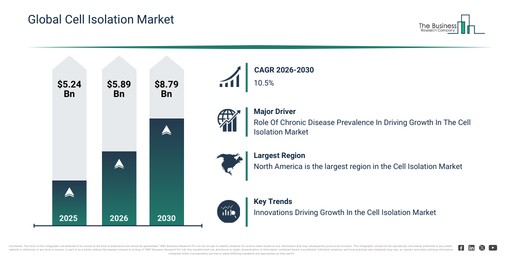
    The cell isolation market has experienced significant growth in recent years. It is anticipated to increase from $5.24 billion in 2025 to $5.89 billion in 2026, achieving a compound annual growth rate (CAGR) of 12.5%. The expansion observed historically can be linked to the rise in stem cell research activities, the development of oncology research programs, greater utilization of flow cytometry, an increasing need for biomolecule isolation, and the broader availability of isolation consumables.

    The cell isolation market is set for significant expansion in the coming years. By 2030, its valuation is forecast to reach $8.79 billion, growing at a compound annual growth rate (CAGR) of 10.5%. This projected increase is driven by factors such as increasing investments in regenerative medicine, growing adoption of precision diagnostics, rising demand for single-cell analysis, expansion of cell-based research pipelines, and increasing use of automated laboratory workflows. Throughout this forecast period, prominent trends are expected to include increasing adoption of automated cell isolation instruments, rising use of magnetic and microbead-based techniques, growing demand for high-purity cell populations, expansion of microfluidic cell isolation platforms, and an enhanced focus on reproducibility and accuracy.

    Access Your Free Sample Report for In-Depth Market Insights:

    https://www.thebusinessresearchcompany.com/sample.aspx?id=14872&type=smp

    Which Drivers Are Influencing Market Acceleration In The Cell Isolation Market?

    The cell isolation market is expected to experience growth primarily due to the increasing incidence of chronic illnesses. These are long-term health conditions that persist over an extended duration, often for years or even a lifetime. Managing the widespread occurrence of chronic diseases demands a comprehensive approach, including public health interventions, policies promoting healthy lifestyles, enhancements in healthcare infrastructure, and heightened awareness and education. This escalating prevalence of chronic diseases stimulates advancements in cell isolation technologies and research, creating new opportunities to utilize the potential of stem cells for regenerative medicine and addressing various health conditions. A pertinent example is the data from April 2025, where the Centers for Disease Control and Prevention (CDC), a US-based federal agency, reported that in 2023, approximately 194 million U.S. adults, or 76.4%, indicated having at least one chronic condition. The breakdown showed a prevalence of 59.5% among young adults, 78.4% among midlife adults, and 93.0% among older adults. Hence, the rising prevalence of chronic diseases is a key driver for the expansion of the cell isolation market.

    What Segments Are Identified Within The Structure Of The Cell Isolation Market?

    The cell isolation market covered in this report is segmented –

    1) By Product: Consumables, Instruments

    2) By Cell Type: Human Cells, Animal Cells

    3) By Cell Source: Bone Marrow, Adipose Tissues, Cord Blood Or Embryonic Stem Cells, Other Cell Sources

    4) By Application: Biomolecule Isolation, Cancer Research, Stem Cell Research, Tissue Regeneration Or Regenerative Medicines, In-vitro Diagnostics, Other Applications

    5) By End-User: Pharmaceutical And Biotechnology Companies, Research And Academic Institutes, Hospitals And Diagnostic Laboratories, Other End-Users

    Subsegments:

    1) By Consumables: Reagents And Kits, Magnetic Beads And Microbeads, Cell Culture Media And Supplements, Antibodies And Enzymes

    2) By Instruments: Cell Separators, Flow Cytometers, Centrifuges, Microfluidic Devices, Automated Cell Isolation Systems

    What Trends Are Driving The Growth Trajectory Of The Cell Isolation Market?

    Major companies within the cell isolation market are concentrating on creating automated high-throughput platforms to improve efficiency, precision, and scalability across single-cell analysis and therapeutic uses. For example, in January 2025, Sphere Fluidics, a UK-based life sciences company, unveiled Cyto-Mine Chroma, an automated platform for single-cell isolation and analysis. This system enables the swift screening and selection of high-performing cells for applications such as drug discovery, cell therapy development, and bioprocess optimization. In conjunction with its introduction, Sphere Fluidics announced an Early Access Program, inviting researchers and biopharma companies to assess the system and hasten its integration.

    Which Major Industry Participants Are Leading The Cell Isolation Market Growth?

    Major companies operating in the cell isolation market are F. Hoffmann-La Roche Ltd., Thermo Fisher Scientific Inc., Danaher Corporation, Merk Co. & KGaA, GE Healthcare Company, Becton Dickinson & Company, Corning Inc., Lonza Inc., Agilent Technologies Inc., Alfa Laval AB, PerkinElmer Inc., Sartorius AG, Terumo Corporation, Beckman Coulter Inc., Bio-Rad Laboratories Inc., Qiagen NV, Bio-Techne Corporation, STEMCELL Technologies Inc., Cytek Biosciences Inc., Miltenyi Biotec Inc., Neogenomics Laboratories Inc., Promega Corporation, Takara Bio Inc., Molecular Devices LLC, NanoString Technologies Inc., Proteintech Group Inc., Sony Biotechnology Inc., PluriSelect Life Science UG & Co. KG, Invent Biotechnologies Inc., Akadeum Life Sciences Inc.

    Access The Complete Report For Deeper Market Insights:

    https://www.thebusinessresearchcompany.com/report/cell-isolation-global-market-report

    Which Region Is Expected To Experience The Fastest Growth In The Cell Isolation Market?

    North America was the largest region in the cell isolation market in 2025. Asia-Pacific is expected to be the fastest-growing region in the forecast period. The regions covered in the cell isolation market report are Asia-Pacific, South East Asia, Western Europe, Eastern Europe, North America, South America, Middle East, Africa.

    Request Your Customized Cell Isolation Market Research Report for Competitive Advantage:

    https://www.thebusinessresearchcompany.com/customise?id=14872&type=smp

    Browse Through More Reports Similar to the Global Cell Isolation Market 2026, By The Business Research Company

    Cell Free Dna Isolation And Extraction Market Report 2026

    https://www.thebusinessresearchcompany.com/report/cell-free-dna-isolation-and-extraction-global-market-report

    Cell Separation Market Report 2026

    https://www.thebusinessresearchcompany.com/report/cell-separation-global-market-report

    Cell Separation Technologies Market Report 2026

    https://www.thebusinessresearchcompany.com/report/cell-separation-technologies-global-market-report

    Get in touch with us:

    The Business Research Company: https://www.thebusinessresearchcompany.com/

    Americas +1 310-496-7795

    Asia +44 7882 955267 & +91 8897263534

    Europe +44 7882 955267

    Email us at info@tbrc.info

    Follow us on:

    LinkedIn: https://in.linkedin.com/company/the-business-research-company

    YouTube: https://www.youtube.com/channel/UC24_fI0rV8cR5DxlCpgmyFQ

    Global Market Model: https://www.thebusinessresearchcompany.com/global-market-model
  • Post-Operative Nausea And Vomiting Market Growth Projection: Expected to Surpass $3.12 Billion by 2030 at 6.7% CAGR

    Post-Operative Nausea And Vomiting Market Growth Projection: Expected to Surpass $3.12 Billion by 2030 at 6.7% CAGR

    Uncover key drivers, emerging technologies, and competitive movements shaping the post-operative nausea and vomiting market from 2026–2035 with trusted insights from The Business Research Company

    How much larger will the Post-Operative Nausea And Vomiting Market be in 2030 compared with 2026?

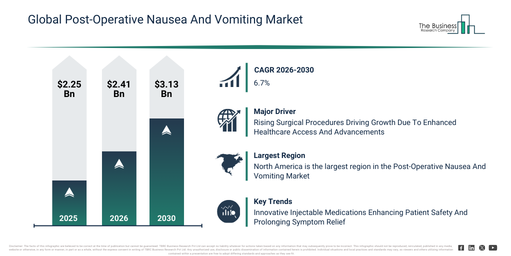
    The market for post-operative nausea and vomiting has experienced significant expansion recently. This market is projected to expand from $2.25 billion in 2025 to $2.41 billion by 2026, demonstrating a compound annual growth rate (CAGR) of 7.0%. Historically, this growth has been driven by several factors, including a rise in surgical procedure volumes, more extensive application of general anesthesia, the accessibility of serotonin antagonist medications, the development of hospital surgical facilities, and enhanced post-operative care protocols.

    The post-operative nausea and vomiting market is projected for substantial expansion over the coming years, reaching $3.13 billion by 2030, driven by a compound annual growth rate (CAGR) of 6.7%. This anticipated growth is linked to factors such as the increasing demand for personalized anesthesia care, greater adoption of preventive antiemetic regimens, the proliferation of ambulatory surgical centers, a heightened focus on patient satisfaction metrics, and increased investments in perioperative care innovation. Key developments expected during this period involve wider implementation of multimodal ponv management strategies, increased application of combination antiemetic therapies, a stronger emphasis on risk-stratified treatment protocols, the expansion of non-pharmacological interventions, and a greater commitment to patient comfort and recovery.

    Access Your Free Sample Report for In-Depth Market Insights:

    https://www.thebusinessresearchcompany.com/sample.aspx?id=22109&type=smp

    What Drivers Are Guiding Growth Patterns In The Post-Operative Nausea And Vomiting Market?

    The increasing volume of surgical operations is anticipated to drive the expansion of the Post-Operative Nausea And Vomiting Market in the future. These procedures are medical interventions employing instruments to identify, address, or excise compromised tissues, organs, or irregularities through incision or manipulation. The surge in surgeries can be attributed to innovations in medical technology, making operations safer, more efficient, and less invasive, thereby enhancing patient acceptance and broadening their use. Effective management of post-operative nausea and vomiting improves surgical processes by boosting patient comfort, shortening recovery periods, lowering complication risks, facilitating seamless post-operative care, and ultimately leading to superior surgical results. For example, information from November 2024, provided by the Australian Institute of Health and Welfare, an Australia-based government agency, showed that during the 2023–24 period, 771,600 patients were admitted for surgery from public hospital elective waiting lists, indicating a 4.9% rise compared to 2022–23. Consequently, the escalating number of surgical interventions is propelling the growth of the Post-Operative Nausea And Vomiting Market.

    Which Segments Are Driving Activity In The Post-Operative Nausea And Vomiting Market?

    The post-operative nausea and vomiting market covered in this report is segmented –

    1) By Treatment Type: Serotonin Antagonists, Steroids, Dopamine Antagonists, Neurokinin NK-1 Receptor Antagonists, Non-pharmacological Treatment, Other Treatment Types

    2) By Route Of Administration: Oral, Intravenous, Transdermal, Other Route Of Administrations

    3) By Patient Demographics: Pediatric Patients, Adult Patients, Geriatric Patients

    4) By Surgical Procedure Type: Orthopedic Surgery, Gynecological Surgery, General Surgery, Cardiac Surgery, Ophthalmic Surgery

    5) By End-User: Hospitals, Ambulatory Surgical Centers, Specialty Clinics, Other End-Users

    Subsegments:

    1) By Serotonin Antagonists Type: Ondansetron, Granisetron, Palonosetron, Dolasetron, Tropisetron

    2) By Steroids Type: Dexamethasone, Methylprednisolone, Hydrocortisone, Prednisolone, Betamethasone

    3) By Dopamine Antagonists Type: Metoclopramide, Droperidol, Prochlorperazine, Domperidone, Chlorpromazine

    4) By Neurokinin NK-1 Receptor Antagonists Type: Aprepitant, Fosaprepitant, Rolapitant, Netupitant, Casopitant

    5) By Non-Pharmacological Treatment Type: Acupressure, Aromatherapy, Hypnotherapy, Electroacupuncture, Ginger Supplements

    6) By Other Treatment Types: Antihistamines, Anticholinergics, Cannabinoids, Combination Therapy, Herbal & Natural Remedies

    What Trends Are Expected To Impact The Competitive Landscape Of The Post-Operative Nausea And Vomiting Market?

    Key players in the post-operative nausea and vomiting market are concentrating on developing crucial injectable medications, exemplified by the commercial introduction of regulatory-approved pharmaceutical injectables designed to improve antiemetic therapy in clinical environments. A regulatory-approved commercial launch of such an injectable signifies the market release of an FDA- or authority-approved drug for clinical application, following the completion of all necessary regulatory approvals and compliance protocols. For example, in July 2024, Avenacy, a US-based specialty pharmaceutical company, introduced Palonosetron Hydrochloride Injection in 0.25 mg/5 mL single-dose vials, aiming to assist healthcare providers in reducing dosing errors and enhancing patient safety. This injection is approved for preventing nausea and vomiting induced by chemotherapy and for managing postoperative nausea and vomiting (PONV) for up to 24 hours after surgery, thereby providing a trustworthy treatment solution for patients susceptible to these conditions.

    Which Major Industry Participants Are Leading The Post-Operative Nausea And Vomiting Market Growth?

    Major companies operating in the post-operative nausea and vomiting market are Pfizer Inc., Merck KGaA, Novartis AG, GlaxoSmithKline Plc, Takeda Pharmaceutical Company Limited, Baxter Corporation, Teva Pharmaceutical Industries Ltd., Sandoz Group AG, Daiichi Sankyo Inc., Fresenius Kabi AG, Eisai Co. Ltd., Dr. Reddy’s Laboratories, Cipla Ltd., Alkem Laboratories Ltd., Eagle Pharmaceuticals Inc., Helsinn Healthcare SA, Heron Therapeutics Inc., Sun Pharmaceutical Industries Ltd., Johnson And Johnson, Sanofi, Aurobindo Pharma Ltd., Lupin Limited

    Access The Complete Report For Deeper Market Insights:

    https://www.thebusinessresearchcompany.com/report/post-operative-nausea-and-vomiting-global-market-report

    Which Region Is Expected To Experience The Fastest Growth In The Post-Operative Nausea And Vomiting Market?

    North America was the largest region in the post-operative nausea and vomiting market in 2025. Asia-Pacific is expected to be the fastest-growing region in the forecast period. The regions covered in the post-operative nausea and vomiting market report are Asia-Pacific, South East Asia, Western Europe, Eastern Europe, North America, South America, Middle East, Africa.

    Request Your Customized Post-Operative Nausea And Vomiting Market Research Report for Competitive Advantage:

    https://www.thebusinessresearchcompany.com/customise?id=22109&type=smp

    Browse Through More Reports Similar to the Global Post-Operative Nausea And Vomiting Market 2026, By The Business Research Company

    Intraoperative Imaging Market Report 2026

    https://www.thebusinessresearchcompany.com/report/intraoperative-imaging-global-market-report

    Hospice Care Market Report 2026

    https://www.thebusinessresearchcompany.com/report/hospice-care-global-market-report

    Acute Pancreatitis Market Report 2026

    https://www.thebusinessresearchcompany.com/report/acute-pancreatitis-global-market-report

    Get in touch with us:

    The Business Research Company: https://www.thebusinessresearchcompany.com/

    Americas +1 310-496-7795

    Asia +44 7882 955267 & +91 8897263534

    Europe +44 7882 955267

    Email us at info@tbrc.info

    Follow us on:

    LinkedIn: https://in.linkedin.com/company/the-business-research-company

    YouTube: https://www.youtube.com/channel/UC24_fI0rV8cR5DxlCpgmyFQ

    Global Market Model: https://www.thebusinessresearchcompany.com/global-market-model
  • Cell Harvesting Market Insights Report: Opportunities and Drivers 2030

    Cell Harvesting Market Insights Report: Opportunities and Drivers 2030

    Uncover key drivers, emerging technologies, and competitive movements shaping the cell harvesting market from 2026–2035 with trusted insights from The Business Research Company

    What is the estimated market size of the Cell Harvesting Market by the end of 2030?

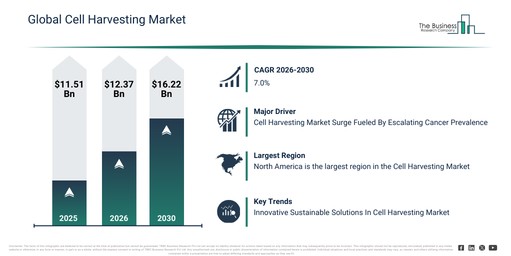
    The cell harvesting market size has demonstrated strong growth over recent years. It is anticipated to expand from $11.51 billion in 2025 to $12.37 billion in 2026, achieving a compound annual growth rate (CAGR) of 7.4%. The expansion observed historically can be ascribed to several factors, including heightened monoclonal antibody production, the enlargement of biopharmaceutical manufacturing capacity, the increasing integration of cell-based therapeutics, a stronger emphasis on downstream process efficiency, and the expanding application of centrifugation-based harvesting.

    The cell harvesting market size is anticipated to undergo significant expansion in the foreseeable future, with projections indicating a rise to $16.22 billion by 2030, achieving a compound annual growth rate (CAGR) of 7.0%. This projected growth during the forecast period is fueled by increasing investments in biologics manufacturing, a growing demand for scalable cell processing solutions, the rising adoption of continuous bioprocessing, expanded use of single-use technologies, and the development of advanced cell therapy pipelines. Noteworthy trends for this period encompass the increasing integration of automated cell harvesting systems, a heightened demand for high-throughput cell processing, the growing implementation of closed-system harvesting solutions, the proliferation of microfluidic harvesting technologies, and an increased focus on ensuring process consistency and optimizing yield.

    Access Your Free Sample Report for In-Depth Market Insights:

    https://www.thebusinessresearchcompany.com/sample.aspx?id=8761&type=smp

    What Drivers Are Shaping Future Opportunities In The Cell Harvesting Market?

    The growing incidence of cancer is anticipated to drive the expansion of the cell harvesting market in the future. Cancer refers to a category of illnesses marked by the uncontrolled and atypical proliferation of cells, frequently forming a mass or growth known as a tumor. The escalating occurrence of cancer fuels the need for cell harvesting, which is instrumental in research endeavors, diagnostic uses, therapeutic advancements, and enhancing the comprehensive comprehension of cancer biology. This, in turn, boosts the cell harvesting market’s expansion as an essential element in various facets of cancer-related investigations and medical treatments. As an illustration, data from July 2024, provided by the Australian Institute of Health and Welfare, an Australia-based government body, indicated that approximately 165,000 Australians received a new cancer diagnosis in 2023. This figure represents more than 450 new cases daily, with males accounting for roughly 55% of these diagnoses. Consequently, the increasing prevalence of cancer is fueling the expansion of the cell harvesting market.

    Which Segments Are Gaining Traction In The Cell Harvesting Market?

    The cell harvesting market covered in this report is segmented –

    1) By Type: Manual Cell Harvesters, Automated Cell Harvesters

    2) By Distribution Channel: Retail, Direct Tenders

    3) By End-Users: Biotechnology And Biopharmaceutical Companies, Research Institute, Other End-Users

    Subsegments:

    1) By Manual Cell Harvesters: Syringe-Based Harvesters, Centrifuge-Based Harvesters, Filtration Devices

    2) By Automated Cell Harvesters: Robotic Cell Harvesting Systems, Automated Centrifuges, Microfluidic Harvesting Devices

    What Upcoming Trends Are Likely To Define The Future Path Of The Cell Harvesting Market?

    Leading companies within the cell harvesting market are prioritizing the creation of advanced automated platforms aimed at improving the efficiency, throughput, and reproducibility of single-cell isolation and analysis. Automated cell processing systems incorporate microfluidics, robotics, and imaging technologies to optimize workflows, spanning from cell sorting to recovery. For instance, in March 2025, Sphere Fluidics, a UK-based life sciences technology company, released the Cyto-Mine Chroma platform and initiated an Early Access Program. This platform allows for high-throughput single-cell screening and harvesting with greater accuracy and speed, thereby assisting research and biomanufacturing applications in areas such as drug discovery, cell line development, and precision medicine.

    Who Are The Prominent Global Companies Shaping The Cell Harvesting Market Landscape?

    Major companies operating in the cell harvesting market are Sartorius AG, Danaher Corporation, Merck & Co. Inc., Pall Corporation, Thermo Fisher Scientific Inc., GE Healthcare, Esco Lifesciences Group, CESCO Bioengineering Co. Ltd., Alfa Laval Corporate AB, GEA Group Aktiengesellschaft, SPX Flow Inc., Parker Hannifin Corporation, PBS Biotech Inc., Lonza Group AG, Becton Dickinson and Company, Bio-Rad Laboratories Inc., STEMCELL Technologies Inc., Corning Incorporated, Nikon Corporation (Healthcare Business Unit), PromoCell GmbH, Flottweg SE, Repligen Corporation

    Access The Complete Report For Deeper Market Insights:

    https://www.thebusinessresearchcompany.com/report/cell-harvesting-global-market-report

    Which Geographic Areas Are Emerging As Strong Markets For The Cell Harvesting Market?

    North America was the largest region in the cell harvesting market share in 2025. The regions covered in the cell harvesting market report are Asia-Pacific, South East Asia, Western Europe, Eastern Europe, North America, South America, Middle East, Africa.

    Request Your Customized Cell Harvesting Market Research Report for Competitive Advantage:

    https://www.thebusinessresearchcompany.com/customise?id=8761&type=smp

    Browse Through More Reports Similar to the Global Cell Harvesting Market 2026, By The Business Research Company

    Cell Separation Technologies Market Report 2026

    https://www.thebusinessresearchcompany.com/report/cell-separation-technologies-global-market-report

    Harvesting Technology Market Report 2026

    https://www.thebusinessresearchcompany.com/report/harvesting-technology-global-market-report

    Cell Cultures Market Report 2026

    https://www.thebusinessresearchcompany.com/report/cell-cultures-global-market-report

    Get in touch with us:

    The Business Research Company: https://www.thebusinessresearchcompany.com/

    Americas +1 310-496-7795

    Asia +44 7882 955267 & +91 8897263534

    Europe +44 7882 955267

    Email us at info@tbrc.info

    Follow us on:

    LinkedIn: https://in.linkedin.com/company/the-business-research-company

    YouTube: https://www.youtube.com/channel/UC24_fI0rV8cR5DxlCpgmyFQ

    Global Market Model: https://www.thebusinessresearchcompany.com/global-market-model
  • Post-Operative Cataract Surgery Inflammation Treatment Market Forecast 2026–2035: How to Leverage Market Growth

    Post-Operative Cataract Surgery Inflammation Treatment Market Forecast 2026–2035: How to Leverage Market Growth

    Uncover key drivers, emerging technologies, and competitive movements shaping the post-operative cataract surgery inflammation treatment market from 2026–2035 with trusted insights from The Business Research Company

    Starting from its 2026 valuation, what market size is the Post-Operative Cataract Surgery Inflammation Treatment Market expected to reach by 2030?

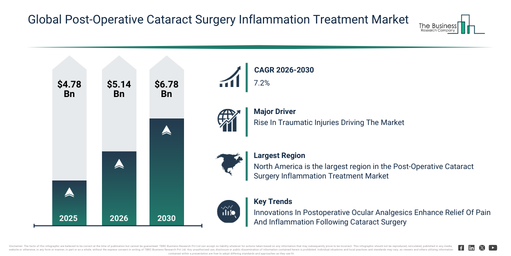
    The post-operative cataract surgery inflammation treatment market size has demonstrated significant growth in recent years. It is projected to expand from $4.78 billion in 2025 to $5.14 billion in 2026, achieving a compound annual growth rate (CAGR) of 7.5%. This expansion during the historic period is primarily due to rising cataract surgery volumes, enhanced availability of ophthalmic anti-inflammatory drugs, the proliferation of outpatient surgical centers, advancements in surgical techniques, and an increasing aging population.

    The post-operative cataract surgery inflammation treatment market is projected for substantial expansion in the coming years. By 2030, this market is anticipated to reach a valuation of $6.78 billion, exhibiting a compound annual growth rate (CAGR) of 7.2%. This expansion throughout the forecast period is fueled by several factors, including a heightened demand for sophisticated ophthalmic formulations, an intensified emphasis on minimizing post-operative complications, the broader adoption of minimally invasive eye surgeries, increased investments in ophthalmology research, and the rising uptake of personalized treatment plans for patients. Key developments anticipated during this period encompass the increasing application of combination anti-inflammatory treatments, a growing preference for ophthalmic NSAIDs, a stronger focus on achieving quicker post-surgical recovery, the wider implementation of hospital-based ophthalmic care guidelines, and a heightened priority placed on preventing post-surgical complications.

    Access Your Free Sample Report for In-Depth Market Insights:

    https://www.thebusinessresearchcompany.com/sample.aspx?id=21260&type=smp

    What Drivers Are Driving Adoption Within The Post-Operative Cataract Surgery Inflammation Treatment Market?

    The increasing occurrence of traumatic injuries is projected to fuel the expansion of the post-operative cataract surgery inflammation treatment market moving forward. These injuries are defined as sudden physical harms caused by external forces like accidents, falls, violence, or sports impacts, ranging from minor cuts to severe fractures, burns, brain injuries, and spinal damage. The uptick in traumatic injuries can be linked to factors such as a rise in road traffic accidents, workplace hazards, sports-related incidents, violence, natural disasters, and aging populations more prone to falls. Post-operative cataract surgery inflammation treatment aids in addressing traumatic injuries by diminishing ocular inflammation, lessening pain, and preventing complications that might impede visual recovery. For instance, in October 2024, according to Insideworldfootball, a UK-based web-based news-driven service, sports injuries totaled 4,123 during the 2023-24 season, indicating a 4% increase compared to the 2022-23. Thus, the escalating incidence of traumatic injuries is a primary factor driving the growth of the post-operative cataract surgery inflammation treatment market.

    How Is The Post-Operative Cataract Surgery Inflammation Treatment Market Organized Into Various Segments?

    The post-operative cataract surgery inflammation treatment market covered in this report is segmented –

    1) By Drug Class: Bromfenac, Indomethacin, Diclofenac, Flurbiprofen, Nepafenac

    2) By Route of Administration: Topical Ophthalmic, Intracameral And Ophthalmic Use

    3) By Distribution Channel: Hospital pharmacy, Online Pharmacy, Retail pharmacy

    Subsegments:

    1) By Bromfenac: Bromfenac Ophthalmic Solution 0.07%, Bromfenac Ophthalmic Solution 0.09%, Combination Therapies With Bromfenac

    2) By Indomethacin: Indomethacin Ophthalmic Solution 0.1%, Indomethacin Ophthalmic NSAID Formulations, Ophthalmic Anti-Inflammatory Solutions

    3) By Diclofenac: Diclofenac Ophthalmic Solution 0.1%, Diclofenac Ophthalmic Drops, Ophthalmic NSAID Preparations

    4) By Flurbiprofen: Flurbiprofen Ophthalmic Solution 0.03%, Adjunctive Use In Ocular Surgery, Combination Therapies With Flurbiprofen

    5) By Nepafenac: Nepafenac Ophthalmic Suspension 0.1%, Nepafenac Ophthalmic Suspension 0.3%

    Which Trends Are Guiding The Evolution Of The Post-Operative Cataract Surgery Inflammation Treatment Market?

    Leading entities in the post-operative cataract surgery inflammation treatment market are prioritizing the creation of innovative remedies, including postoperative ocular analgesics, to improve the alleviation of pain and inflammation after eye surgery. Postoperative ocular analgesics are defined as medical substances specifically crafted to lessen pain and reduce swelling in the eye following surgical interventions, thereby fostering patient comfort and aiding in superior recuperation results. For example, in March 2024, Formosa Pharmaceuticals, a Taiwan-based pharmaceutical firm, working with AimMax Therapeutics, a US-based biotechnology firm, secured FDA authorization for clobetasol propionate ophthalmic suspension 0.05% (APP13007) for managing post-operative pain and inflammation after ocular surgery. APP13007 represents the inaugural ophthalmic clobetasol propionate item endorsed by the FDA and signifies the arrival of the initial novel ophthalmic steroid in the market in over 15 years, providing a fresh alternative to address post-operative ocular inflammation and optimize patient recuperation.

    Who Are The Prominent Global Companies Shaping The Post-Operative Cataract Surgery Inflammation Treatment Market Landscape?

    Major companies operating in the post-operative cataract surgery inflammation treatment market are Alcon Inc, Bausch & Lomb Incorporated, Santen Pharmaceutical Co. Ltd., Novartis AG, Pfizer Inc., Merck & Co. Inc., Sun Pharmaceutical Industries Limited, EyePoint Pharmaceuticals Inc, Ocular Therapeutix Inc., Oculis Holding AG, Senju Pharmaceutical Co. Ltd., Nicox S.A., Formosa Pharmaceuticals Inc, Eyenovia Inc., Surface Ophthalmics Inc., ImprimisRx LLC, NTC Srl, VivaVision Biotech Inc., Bio-Tissue Inc., Mallinckrodt plc

    Access The Complete Report For Deeper Market Insights:

    https://www.thebusinessresearchcompany.com/report/post-operative-cataract-surgery-inflammation-treatment-global-market-report

    Which Geographic Areas Are Emerging As Strong Markets For The Post-Operative Cataract Surgery Inflammation Treatment Market?

    North America was the largest region in the post-operative cataract surgery inflammation treatment market in 2025. Asia-Pacific is expected to be the fastest-growing region in the forecast period. The regions covered in the post-operative cataract surgery inflammation treatment market report are Asia-Pacific, South East Asia, Western Europe, Eastern Europe, North America, South America, Middle East, Africa.

    Request Your Customized Post-Operative Cataract Surgery Inflammation Treatment Market Research Report for Competitive Advantage:

    https://www.thebusinessresearchcompany.com/customise?id=21260&type=smp

    Browse Through More Reports Similar to the Global Post-Operative Cataract Surgery Inflammation Treatment Market 2026, By The Business Research Company

    Ocular Drug Delivery Market Report 2026

    https://www.thebusinessresearchcompany.com/report/ocular-drug-delivery-global-market-report

    Conjunctivitis Treatment Market Report 2026

    https://www.thebusinessresearchcompany.com/report/conjunctivitis-treatment-global-market-report

    Cataract Surgery Devices And Equipment Market Report 2026

    https://www.thebusinessresearchcompany.com/report/cataract-surgery-devices-and-equipment-global-market-report

    Get in touch with us:

    The Business Research Company: https://www.thebusinessresearchcompany.com/

    Americas +1 310-496-7795

    Asia +44 7882 955267 & +91 8897263534

    Europe +44 7882 955267

    Email us at info@tbrc.info

    Follow us on:

    LinkedIn: https://in.linkedin.com/company/the-business-research-company

    YouTube: https://www.youtube.com/channel/UC24_fI0rV8cR5DxlCpgmyFQ

    Global Market Model: https://www.thebusinessresearchcompany.com/global-market-model
  • Global Postnatal Health Supplement Market 2026–2030: Forecast Insights for Business Planning

    Global Postnatal Health Supplement Market 2026–2030: Forecast Insights for Business Planning

    Uncover key drivers, emerging technologies, and competitive movements shaping the postnatal health supplement market from 2026–2035 with trusted insights from The Business Research Company

    Across 2026–2030, what is the expected market valuation path of the Postnatal Health Supplement Market?

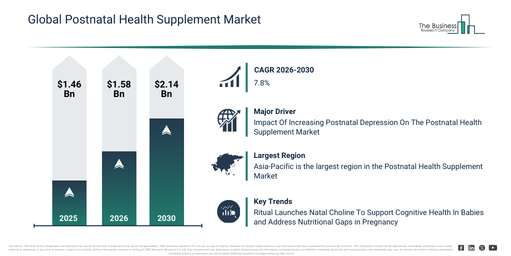
    The postnatal health supplement market has demonstrated substantial expansion in recent times. It is forecast to rise from $1.46 billion in 2025 to $1.58 billion in 2026, achieving a compound annual growth rate (CAGR) of 7.8%. The increase observed in previous periods is attributable to factors like heightened maternal health awareness, an uptick in dietary supplement usage, an increase in pharmacy distribution channels, the existence of comprehensive prenatal to postnatal nutrition programs, and more initiatives supporting breastfeeding.

    The postnatal health supplement market is projected to experience robust expansion in the coming years. This market is anticipated to reach $2.14 billion by 2030, demonstrating a compound annual growth rate (CAGR) of 7.8%. This projected growth is driven by several factors, including the increasing demand for tailored maternal nutrition, a greater emphasis on supplements for immunity and recovery, the expansion of online health platforms, advancements in postnatal product formulations, and increased investments in nutritional products for women’s health. Key trends anticipated during this period encompass a rising demand for clean-label postnatal products, a growing inclination towards customized nutritional solutions, the wider acceptance of plant-based supplement varieties, the growth of online and direct-to-consumer sales channels, and a heightened focus on products designed to support lactation.

    Access Your Free Sample Report for In-Depth Market Insights:

    https://www.thebusinessresearchcompany.com/sample.aspx?id=18437&type=smp

    Which Drivers Are Supporting The Rise Of The Postnatal Health Supplement Market?

    The rising incidence of postnatal depression is projected to boost the expansion of postnatal health supplements in the future. Postnatal depression, a mental health condition impacting women following childbirth, manifests as profound sadness, anxiety, and fatigue, potentially hindering a mother’s ability to care for herself or her infant. This surge in postnatal depression can be attributed to societal and lifestyle elements, physiological shifts, and a history of mental health challenges. Postnatal health supplements provide essential nutrients crucial for recovery and emotional equilibrium, aiding in the restoration of depleted reserves, boosting consumer confidence, and fostering general well-being. For example, data from a May 2024 report by the National Health Service (NHS), a UK-based government department, revealed that over 57,000 new and expectant mothers sought professional care for postnatal depression in 2023, representing a 19.3% rise compared to 2022. Consequently, the growing occurrence of postnatal depression is stimulating the expansion of the postnatal health supplement market.

    What Segments Are Identified Within The Structure Of The Postnatal Health Supplement Market?

    The postnatal health supplement market covered in this report is segmented –

    1) By Product Type: Vitamins And Minerals, Herbal Supplements, Proteins, Omega-3, Probiotics, Other Product Types

    2) By Form: Capsules Or Tablets, Soft Gels, Liquid, Powder, Other Forms

    3) By Sales Channel: Online Sales Channel, Direct Sales Channel, Pharmacies Or Drug Stores, Other Sales Channels

    4) By Application: General Well-Being And Lactation Support, Weight Management, Immune And Digestive Health, Bone And Joint Health, Heart Health, Eye Health, Other Applications

    Subsegments:

    1) By Vitamins And Minerals: Vitamin D Supplements, Vitamin B12 Supplements, Calcium And Magnesium Supplements, Iron Supplements, Folic Acid Supplements, Multivitamins For Postnatal Care

    2) By Herbal Supplements: Fenugreek, Ginger, Raspberry Leaf, Ashwagandha, Turmeric, Milk Thistle, Echinacea

    3) By Proteins: Whey Protein, Plant-Based Protein, Collagen Protein, Protein Blends

    4) By Omega-3: Fish Oil Supplements, Algal Oil Supplements, Omega-3 Fatty Acids

    5) By Probiotics: Lactobacillus Supplements, Bifidobacterium Supplements, Multi-Strain Probiotic Supplements, Postnatal-Specific Probiotics

    6) By Other Product Types: Fiber Supplements, Antioxidant Supplements, Postnatal Gels And Liquids, Immune Boosting Supplements, Postnatal Energy And Metabolism Boosters

    What Trends Are Projected To Support The Growth Of The Postnatal Health Supplement Market?

    Leading companies in the postnatal health supplement market are prioritizing the creation of innovative products, such as choline chloride supplements, which supply choline, a crucial nutrient vital for supporting liver function, brain development, muscle movement, and nervous system well-being. Choline chloride is widely utilized to promote cognitive health, enhance memory, and maintain healthy cell membranes. For instance, in January 2024, Ritual, a US-based health and wellness firm, unveiled Natal Choline, a new supplement designed to support cognitive function in babies when taken during pregnancy. This product addresses a significant nutritional gap, as over 95% of pregnant women do not meet the recommended daily choline intake through diet alone. Developed based on clinical research demonstrating that adequate choline intake can improve infant cognitive functions, including processing speed and attention, Natal Choline is intended to complement existing prenatal vitamins. It is vegan, Non-GMO Project certified, and undergoes third-party testing to ensure its quality and safety.

    Which Key Players Are Driving Competition In The Postnatal Health Supplement Market?

    Major companies operating in the postnatal health supplement market are The Honest Company, Garden of Life, Nordic Naturals, MegaFood, New Chapter, One A Day, Vitabiotics Ltd., Mommy’s Bliss, Pink Stork, Nutrafol, Perelel Health, Theralogix, Dr. Vaidya’s, Pure Essence Labs, Eu Natural, NATURELO Premium Supplements, FAIRHAVEN HEALTH, HealthyHey Nutrition, HeraNow, Amma360, GoBiotix

    Access The Complete Report For Deeper Market Insights:

    https://www.thebusinessresearchcompany.com/report/postnatal-health-supplement-global-market-report

    Which Region Is Projected To Lead The Postnatal Health Supplement Market During The Forecast Period?

    Asia-Pacific was the largest region in the postnatal health supplement market in 2025. North America is expected to be the fastest-growing region in the forecast period. The regions covered in the postnatal health supplement market report are Asia-Pacific, South East Asia, Western Europe, Eastern Europe, North America, South America, Middle East, Africa.

    Request Your Customized Postnatal Health Supplement Market Research Report for Competitive Advantage:

    https://www.thebusinessresearchcompany.com/customise?id=18437&type=smp

    Browse Through More Reports Similar to the Global Postnatal Health Supplement Market 2026, By The Business Research Company

    Immune Health Supplements Market Report 2026

    https://www.thebusinessresearchcompany.com/report/immune-health-supplements-global-market-report

    Postpartum Health Supplements Market Report 2026

    https://www.thebusinessresearchcompany.com/report/postpartum-health-supplements-global-market-report

    Wellness Supplements Market Report 2026

    https://www.thebusinessresearchcompany.com/report/wellness-supplements-global-market-report

    Get in touch with us:

    The Business Research Company: https://www.thebusinessresearchcompany.com/

    Americas +1 310-496-7795

    Asia +44 7882 955267 & +91 8897263534

    Europe +44 7882 955267

    Email us at info@tbrc.info

    Follow us on:

    LinkedIn: https://in.linkedin.com/company/the-business-research-company

    YouTube: https://www.youtube.com/channel/UC24_fI0rV8cR5DxlCpgmyFQ

    Global Market Model: https://www.thebusinessresearchcompany.com/global-market-model
  • Cell Freezing Media Global Forecast: Market to Scale Up to $2.99 Billion by 2030 at 11% CAGR

    Cell Freezing Media Global Forecast: Market to Scale Up to $2.99 Billion by 2030 at 11% CAGR

    Uncover key drivers, emerging technologies, and competitive movements shaping the cell freezing media market from 2026–2035 with trusted insights from The Business Research Company

    What was the valuation of the Cell Freezing Media Market in 2026, and what figure is it projected to hit by 2030?

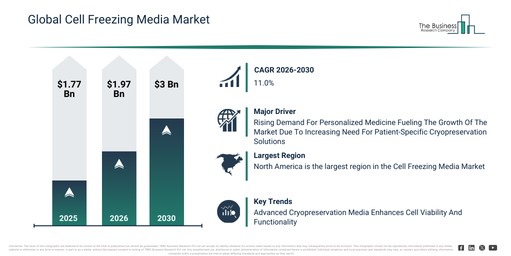
    The cell freezing media market size has experienced rapid expansion in recent years. It is anticipated to increase from $1.77 billion in 2025 to $1.97 billion in 2026, demonstrating a compound annual growth rate (CAGR) of 11.3%. The market’s growth during the historic period can be attributed to the proliferation of biobanking activities, an increased utilization of cryopreservation in research, the expansion of stem cell research programs, a rising adoption of controlled-rate freezing methods, and the enhanced availability of liquid nitrogen storage facilities.

    The cell freezing media market is projected to experience substantial expansion over the coming years, with forecasts indicating it will reach $3 billion by 2030, exhibiting a compound annual growth rate (CAGR) of 11.0%. Key factors driving this growth during the projected period include the escalating development of cell and gene therapies, a heightened need for extensive cell banking facilities, the expansion of research in personalized medicine, more stringent regulatory standards for cell storage quality, and the increasing uptake of automated cryopreservation solutions. Significant trends anticipated in the forecast period encompass the greater embrace of convenient ready-to-use cryopreservation media, an escalating preference for serum-free freezing media, the wider application of GMP-grade cryoprotectants, the broader implementation of long-term cell banking methods, and an intensified emphasis on cell recovery after thawing.

    Access Your Free Sample Report for In-Depth Market Insights:

    https://www.thebusinessresearchcompany.com/sample.aspx?id=30227&type=smp

    Which Drivers Are Affecting Market Participation In The Cell Freezing Media Market?

    The increasing need for personalized medicine is anticipated to drive the expansion of the cell freezing media market in the future. Personalized medicine refers to a healthcare strategy where treatments are customized for individual patients, considering their unique genetic makeup, environmental influences, and lifestyle choices, to enhance treatment effectiveness and patient well-being. The growing requirement for personalized medicine stems from progress in genomic technologies, allowing for accurate identification of genetic differences and the development of specific treatments for individuals. Cell freezing media supports personalized medicine through reliable cryopreservation solutions that protect patient-specific cells, tissues, and biological materials. This media guarantees significant post-thaw viability and functional integrity, thereby aiding the creation of customized therapies and better treatment results. As an illustration, in February 2024, data from the Personalized Medicine Coalition (PMC), a US-based nonprofit organization, revealed that the U.S. Food and Drug Administration (FDA) gave approval to 26 new personalized medicines in 2023, representing a notable rise from the 12 approved in 2022. Consequently, the expanding demand for personalized medicine is fueling the growth of the cell freezing media market.

    What Segment Categories Are Covered In The Cell Freezing Media Market?

    The cell freezing media market covered in this report is segmented –

    1) By Type: Dimethyl Sulfoxide (DMSO), Glycerol, Sucrose, Ficoll, Serum-Based Media

    2) By Cell Culture Type: Suspension Cell Culture, 2D Cell Culture, 3D Cell Culture, Other Cell Culture Types

    3) By Distribution Channel: Direct Sales, Distributors, E-Commerce Platforms, Retail Outlets, Specialized Scientific Instrumentation Suppliers

    4) By Application: Stem Cell Research, Embryonic Cell Preservation, Hematopoietic Cell Preservation, Tissue Sample Storage, Gene Therapy Applications

    5) By End-User: Academic Research Institutions, Biotechnology Companies, Pharmaceutical Companies, Clinical Laboratories, Contract Research Organizations (CROs)

    Subsegments:

    1) By Dimethyl Sulfoxide (DMSO): Pharmaceutical Grade Dimethyl Sulfoxide, Laboratory Grade Dimethyl Sulfoxide, Industrial Grade Dimethyl Sulfoxide, High Purity Dimethyl Sulfoxide

    2) By Glycerol: Pharmaceutical Grade Glycerol, Analytical Grade Glycerol, Biological Grade Glycerol, Synthetic Grade Glycerol

    3) By Sucrose: Pharmaceutical Grade Sucrose, Analytical Grade Sucrose, Biological Grade Sucrose, Crystalline Sucrose

    4) By Ficoll: Ficoll 400, Ficoll 70, Ficoll PM 400 Solution, Low Viscosity Ficoll

    5) By Serum-Based Media: Fetal Bovine Serum Based Media, Human Serum Based Media, Horse Serum Based Media, Newborn Calf Serum Based Media

    Which Trends Are Shaping Activity Within The Cell Freezing Media Market?

    Leading firms within the cell freezing media sector are concentrating their efforts on creating sophisticated products, including specialized cryopreservation media, aimed at increasing operational efficiency, improving cell viability, and speeding up therapeutic advancements. These specialized media are defined as precisely formulated solutions engineered to preserve cells, tissues, or other biological samples at extremely low temperatures, ensuring their viability, functionality, and structural integrity remain intact. As an illustration, Pluristyx Inc., a biotechnology company based in the US, introduced PluriFreeze in April 2024. This product is a xeno-free and serum-free cGMP-manufactured medium intended to enhance the recovery and function of various cell types after thawing, notably stem cells and immune cells. Engineered as a robust, ready-to-use formulation, it guarantees elevated cell viability and functionality, thereby facilitating the progression of therapies from the research phase to clinical implementation. Ultimately, PluriFreeze contributes to better post-thaw cell viability, greater manufacturing efficiency, and enhanced reproducibility within stem cell and cell therapy development procedures.

    Which Key Players Are Driving Competition In The Cell Freezing Media Market?

    Major companies operating in the cell freezing media market are Merck KGaA, Thermo Fisher Scientific Inc., Danaher Corporation, FUJIFILM Corporation, Lonza Group Ltd., Avantor Inc., Sartorius AG, BioRad Laboratories Inc., BioTechne Corporation, Miltenyi Biotec GmbH, Stemcell Technologies Inc., Vitrolife AB, American Type Culture Collection (ATCC), Bio-Life Solutions Inc., Nacalai Tesque Inc., PromoCell GmbH, Nippon Genetics Co. Ltd., Nippon Zenyaku Kogyo Co. Ltd., Quality Biological Inc., Corning Incorporated

    Access The Complete Report For Deeper Market Insights:

    https://www.thebusinessresearchcompany.com/report/global-cell-freezing-media-market-report

    Which Region Is Projected To Lead The Cell Freezing Media Market During The Forecast Period?

    North America was the largest region in the cell freezing media market in 2025. Asia-Pacific is expected to be the fastest-growing region in the forecast period. The regions covered in the cell freezing media market report are Asia-Pacific, South East Asia, Western Europe, Eastern Europe, North America, South America, Middle East, Africa.

    Request Your Customized Cell Freezing Media Market Research Report for Competitive Advantage:

    https://www.thebusinessresearchcompany.com/customise?id=30227&type=smp

    Browse Through More Reports Similar to the Global Cell Freezing Media Market 2026, By The Business Research Company

    Frozen Storage Market Report 2026

    https://www.thebusinessresearchcompany.com/report/frozen-storage-global-market-report

    Cell Cryopreservation Market Report 2026

    https://www.thebusinessresearchcompany.com/report/cell-cryopreservation-global-market-report

    Freeze Drying Market Report 2026

    https://www.thebusinessresearchcompany.com/report/freeze-drying-global-market-report

    Get in touch with us:

    The Business Research Company: https://www.thebusinessresearchcompany.com/

    Americas +1 310-496-7795

    Asia +44 7882 955267 & +91 8897263534

    Europe +44 7882 955267

    Email us at info@tbrc.info

    Follow us on:

    LinkedIn: https://in.linkedin.com/company/the-business-research-company

    YouTube: https://www.youtube.com/channel/UC24_fI0rV8cR5DxlCpgmyFQ

    Global Market Model: https://www.thebusinessresearchcompany.com/global-market-model
  • Postmenopausal Osteoporosis Treatment Market Outlook 2026–2035: Growth Drivers and Industry Forecast

    Postmenopausal Osteoporosis Treatment Market Outlook 2026–2035: Growth Drivers and Industry Forecast

    Uncover key drivers, emerging technologies, and competitive movements shaping the postmenopausal osteoporosis treatment market from 2026–2035 with trusted insights from The Business Research Company

    What size range is anticipated for the Postmenopausal Osteoporosis Treatment Market from 2026 to 2030?

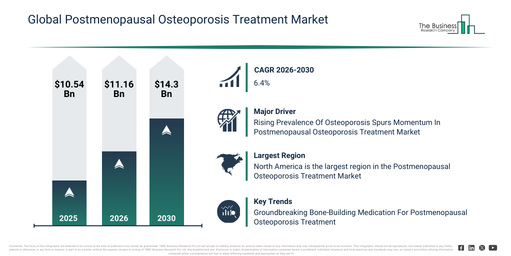
    The postmenopausal osteoporosis treatment market has seen robust expansion in recent years. It is projected to climb from $10.54 billion in 2025 to $11.16 billion in 2026, exhibiting a compound annual growth rate (CAGR) of 5.9%. The growth witnessed historically is attributable to an increasing postmenopausal population, enhanced awareness of bone health, the availability of bisphosphonate therapies, improved diagnostic screening for bone density, and the establishment of more specialty care clinics.

    The postmenopausal osteoporosis treatment market is projected to experience substantial expansion over the coming years, reaching a valuation of $14.3 billion by 2030, driven by a compound annual growth rate (CAGR) of 6.4%. This anticipated growth during the forecast period is fueled by several factors, including the escalating demand for biologic and hormone-based treatments, increased funding for osteoporosis research, the proliferation of personalized treatment strategies, a heightened emphasis on preventive healthcare, and the wider integration of sophisticated diagnostic instruments. Key trends expected within this period encompass the rising uptake of targeted osteoporosis interventions, a surge in the application of injectable and prolonged-action therapies, an intensified focus on early detection and risk evaluation, the development of more combination drug regimens, and a greater prioritization of strategies aimed at preventing fractures.

    Access Your Free Sample Report for In-Depth Market Insights:

    https://www.thebusinessresearchcompany.com/sample.aspx?id=12680&type=smp

    What Drivers Are Affecting Demand In The Postmenopausal Osteoporosis Treatment Market?

    The rising occurrence of obesity is projected to boost the expansion of the postmenopausal osteoporosis treatment market in the foreseeable future. Obesity is defined as a medical state marked by an excessive buildup of body fat, which can detrimentally affect health. For individuals affected by obesity, postmenopausal osteoporosis treatment offers advantages such as enhancing bone density, mitigating fracture risk, reinforcing bones, fostering better bone health through deceleration of bone loss, and providing integrated health management. Furthermore, it can elevate the quality of life by lowering the likelihood of fractures, which significantly influences mobility and autonomy. An illustration of this trend comes from June 2024, where the National Health Service, a UK-based government department, reported that in 2023, the NHS identified more than half a million (549,000) new individuals in England at risk of developing type 2 diabetes. This brought the total number of people registered with a GP for non-diabetic hyperglycemia, or pre-diabetes, to 3,615,330. This figure signifies a notable increase from 3,065,825 in 2022, indicating an almost 20% rise. Consequently, the escalating prevalence of obesity is stimulating the expansion of the postmenopausal osteoporosis treatment market.

    Which Segments Are Gaining Traction In The Postmenopausal Osteoporosis Treatment Market?

    The postmenopausal osteoporosis treatment market covered in this report is segmented –

    1) By Drug Type: Bisphosphonates, Vitamin D3, Estrogen Agonist Or Antagonist, Hormone Replacement Therapy, Parathyroid Hormone Therapy, Other Drug Types

    2) By Route Of Administration: Oral, Parenteral, Other Routes Of Administration

    3) By Distribution Channel: Hospital Pharmacies, Retail Pharmacies, Other Distribution Channels

    Subsegments:

    1) By Bisphosphonates: Alendronate, Risedronate, Zoledronic Acid

    2) By Vitamin D3: Cholecalciferol, Ergocalciferol

    3) By Estrogen Agonist Or Antagonist: Selective Estrogen Receptor Modulators (SERMs), Tamoxifen

    4) By Hormone Replacement Therapy: Estrogen Therapy, Combined Estrogen-Progestin Therapy

    5) By Parathyroid Hormone Therapy: Teriparatide, Abaloparatide

    6) By Other Drug Types: Calcitonin, RANK Ligand Inhibitors

    Which Trends Are Influencing The Performance And Direction Of The Postmenopausal Osteoporosis Treatment Market?

    Major companies in the postmenopausal osteoporosis treatment market are developing innovative products, such as advanced bone-building medications, to enhance their offerings and gain a competitive advantage. These bone-building medications are typically administered through injections to promote bone health and density. For example, in November 2023, Teva Pharmaceuticals Inc., a U.S.-based pharmaceutical company, received approval from the U.S. Food and Drug Administration (FDA) for Forteo (teriparatide injection). This approval is for postmenopausal women with osteoporosis who are at high risk of fracture or who have not responded to previous treatments. The generic version of teriparatide injection is administered using the Antares Pharma multidose pen device. This medication treats osteoporosis in some men and women. The prescribed medication is injected subcutaneously and works by strengthening and building bone, thereby reducing the chance of fracture.

    Who Are The Top-Performing Companies In The Postmenopausal Osteoporosis Treatment Market In Recent Years?

    Major companies operating in the postmenopausal osteoporosis treatment market are Pfizer Inc., Johnson and Johnson, Merck and Co. Inc., Eli Lilly and Company, Amgen Inc., Novartis AG, Sanofi SA, AbbVie Inc., Bayer AG, F. Hoffmann-La Roche AG, Takeda Pharmaceutical Company Limited, Daiichi Sankyo Company Ltd., Viatris Inc., Teva Pharmaceutical Industries Ltd., Sandoz International GmbH, Fresenius Kabi AG, Sun Pharmaceutical Industries Ltd., Cipla Inc., Dr. Reddys Laboratories Ltd., Lupin Limited

    Access The Complete Report For Deeper Market Insights:

    https://www.thebusinessresearchcompany.com/report/postmenopausal-osteoporosis-treatment-global-market-report

    Which Region Currently Holds The Largest Share Of The Postmenopausal Osteoporosis Treatment Market?

    North America was the largest region in the postmenopausal osteoporosis treatment market in 2025. The regions covered in the postmenopausal osteoporosis treatment market report are Asia-Pacific, South East Asia, Western Europe, Eastern Europe, North America, South America, Middle East, Africa.

    Request Your Customized Postmenopausal Osteoporosis Treatment Market Research Report for Competitive Advantage:

    https://www.thebusinessresearchcompany.com/customise?id=12680&type=smp

    Browse Through More Reports Similar to the Global Postmenopausal Osteoporosis Treatment Market 2026, By The Business Research Company

    Mineral And Bone Disorder Treatment Market Report 2026

    https://www.thebusinessresearchcompany.com/report/mineral-and-bone-disorder-treatment-global-market-report

    Osteoporosis Treatment Market Report 2026

    https://www.thebusinessresearchcompany.com/report/osteoporosis-treatment-global-market-report

    Osteoporosis Drugs Market Report 2026

    https://www.thebusinessresearchcompany.com/report/osteoporosis-drugs-global-market-report

    Get in touch with us:

    The Business Research Company: https://www.thebusinessresearchcompany.com/

    Americas +1 310-496-7795

    Asia +44 7882 955267 & +91 8897263534

    Europe +44 7882 955267

    Email us at info@tbrc.info

    Follow us on:

    LinkedIn: https://in.linkedin.com/company/the-business-research-company

    YouTube: https://www.youtube.com/channel/UC24_fI0rV8cR5DxlCpgmyFQ

    Global Market Model: https://www.thebusinessresearchcompany.com/global-market-model
  • Cell Free DNA (cfDNA) Testing Market Future Outlook: Strong Growth Expected Toward $28.8 Billion by 2030

    Cell Free DNA (cfDNA) Testing Market Future Outlook: Strong Growth Expected Toward $28.8 Billion by 2030

    Uncover key drivers, emerging technologies, and competitive movements shaping the cell free dna (cfdna) testing market from 2026–2035 with trusted insights from The Business Research Company

    What are the forecasted starting (2026) and ending (2030) market sizes for the Cell Free DNA (cfDNA) Testing Market?

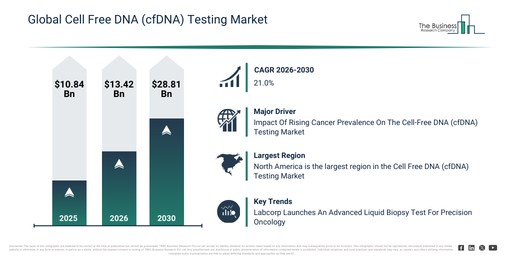
    The cell free dna (cfdna) testing market size has seen significant expansion in recent years. It is projected to increase from $10.84 billion in 2025 to $13.42 billion in 2026, demonstrating a compound annual growth rate (CAGR) of 23.8%. This growth observed in the past can be attributed to the rising prevalence of cancer diagnostics, the adoption of non-invasive testing methods, the expansion of prenatal screening programs, improvements in sequencing technologies, and the growing clinical acceptance of liquid biopsy.

    The cell free dna (cfdna) testing market is projected to experience rapid expansion over the coming years. Its valuation is anticipated to reach $28.81 billion by 2030, demonstrating a compound annual growth rate (CAGR) of 21.0%. This growth during the forecast period is primarily driven by escalating investments in precision oncology, a heightened demand for early cancer detection, the broadening of transplant monitoring applications, the increasing uptake of personalized medicine, and the greater integration of AI-driven genomic analysis. Key trends anticipated for this period encompass the wider adoption of liquid biopsy diagnostics, the increasing utilization of NGS-based cfdna analysis, a surge in demand for non-invasive prenatal testing, the expansion of oncology monitoring applications, and improved integration of bioinformatics platforms.

    Access Your Free Sample Report for In-Depth Market Insights:

    https://www.thebusinessresearchcompany.com/sample.aspx?id=15757&type=smp

    What Drivers Are Supporting Technological Adoption In The Cell Free DNA (cfDNA) Testing Market?

    The escalating incidence of cancer is anticipated to fuel the expansion of the cell-free DNA (cfDNA) testing market in the coming years. Cancer encompasses a diverse range of illnesses marked by the unregulated proliferation and dissemination of atypical cells within the body. Such cells are capable of invading and destroying healthy tissue, potentially causing considerable bodily damage if left unchecked. Factors contributing to the widespread occurrence of cancer include an aging global demographic, changes in lifestyle patterns, environmental factors, and improvements in detection and diagnostic methods. cfDNA testing plays a crucial role by identifying genetic mutations linked to cancer at an early stage, frequently prior to the manifestation of symptoms. This early detection facilitates timely medical intervention, thereby enhancing patient prognoses and survival rates through the identification of cancer in its nascent phases. For instance, in February 2024, the World Health Organization (WHO), a Switzerland-based intergovernmental organization, reported projections of over 35 million new cases of cancer in 2050, signifying a 77% increase from the estimated 20 million cases in 2022. Consequently, the increasing prevalence of cancer is a primary catalyst for the growth of the cell-free DNA (cfDNA) testing market.

    Which Segments Are Contributing To The Growth Of The Cell Free DNA (cfDNA) Testing Market?

    The cell free dna (cfdna) testing market covered in this report is segmented –

    1) By Product: Donor-Derived Cell-Free DNA, Circulating Cell-Free Tumor DNA, Cell-Free Fetal DNA

    2) By Platforms: Next Generation Sequencing (NGS), rPCR And Multiplexed PCR, qPCR And dPCR, Other platforms

    3) By Application: Oncology, Non-Invasive Prenatal Test (NIPT), Gynecology, Transplantation, Other Applications

    Subsegments:

    1) By Donor-Derived Cell-Free DNA: Organ Transplant Monitoring, Graft Rejection Detection

    2) By Circulating Cell-Free Tumor DNA: Cancer Detection, Minimal Residual Disease Monitoring, Liquid Biopsy

    3) By Cell-Free Fetal DNA: Non-Invasive Prenatal Testing (NIPT), Fetal Genetic Disorder Screening

    Which Trends Are Influencing The Development Of The Cell Free DNA (cfDNA) Testing Market?

    Companies operating in the cell-free DNA (cfDNA) testing market are largely focused on creating innovative technologies, such as liquid biopsy tests, which deliver enhanced sensitivity, specificity, and efficiency in identifying cancer-related mutations and genetic alterations. Liquid biopsy tests constitute diagnostic procedures that allow oncologists to analyze circulating cell-free DNA released by tumor cells, thereby assisting in the development of personalized, targeted therapy plans. For instance, in May 2023, Laboratory Corporation of America Holdings (Labcorp), a US-based life sciences company, launched Labcorp Plasma Focus, a new liquid biopsy test specifically designed for individuals with advanced or metastatic solid tumors. This test analyzes circulating cell-free DNA (cfDNA) released by tumor cells using a standard blood draw, making it minimally invasive and ensuring quick results. It further expands access to precision oncology by pinpointing clinically actionable biomarkers across various common cancers, including non-small cell lung, colorectal, breast, esophageal, gastroesophageal junction, gastric cancers, and melanoma.

    Who Are The Top-Performing Companies In The Cell Free DNA (cfDNA) Testing Market In Recent Years?

    Major companies operating in the cell free dna (cfdna) testing market are F. Hoffmann-La Roche Ltd., Thermo Fisher Scientific Inc., Laboratory Corporation of America Holdings, Quest Diagnostics Incorporated, Agilent Technologies Inc., Illumina Inc., Qiagen N.V., Exact Sciences Corporation, Bio-Techne Corporation, Natera Inc., Myriad Genetics Inc., NeoGenomics Laboratories Inc., Invitae Corporation, Foundation Medicine Inc., Guardant Health Inc., Integrated DNA Technologies Inc., Caris Life Sciences Inc., Twist Bioscience Corporation, Adaptive Biotechnologies Corporation, Biodesix Inc., Biocept Inc., Personal Genome Diagnostics Inc., Agena Bioscience Inc., Menarini Silicon Biosystems Inc., Circulogene Theranostics LLC

    Access The Complete Report For Deeper Market Insights:

    https://www.thebusinessresearchcompany.com/report/cell-free-dna-cfdna-testing-global-market-report

    Which Region Currently Holds The Largest Share Of The Cell Free DNA (cfDNA) Testing Market?

    North America was the largest region in the cell-free DNA (cfDNA) testing market in 2025. Asia-Pacific is expected to be the fastest-growing region in the forecast period. The regions covered in the cell free dna (cfdna) testing market report are Asia-Pacific, South East Asia, Western Europe, Eastern Europe, North America, South America, Middle East, Africa.

    Request Your Customized Cell Free DNA (cfDNA) Testing Market Research Report for Competitive Advantage:

    https://www.thebusinessresearchcompany.com/customise?id=15757&type=smp

    Browse Through More Reports Similar to the Global Cell Free DNA (cfDNA) Testing Market 2026, By The Business Research Company

    Dna Diagnostics Market Report 2026

    https://www.thebusinessresearchcompany.com/report/dna-diagnostics-global-market-report

    Dna Testing Market Report 2026

    https://www.thebusinessresearchcompany.com/report/dna-testing-global-market-report

    Cell Free Dna Isolation And Extraction Market Report 2026

    https://www.thebusinessresearchcompany.com/report/cell-free-dna-isolation-and-extraction-global-market-report

    Get in touch with us:

    The Business Research Company: https://www.thebusinessresearchcompany.com/

    Americas +1 310-496-7795

    Asia +44 7882 955267 & +91 8897263534

    Europe +44 7882 955267

    Email us at info@tbrc.info

    Follow us on:

    LinkedIn: https://in.linkedin.com/company/the-business-research-company

    YouTube: https://www.youtube.com/channel/UC24_fI0rV8cR5DxlCpgmyFQ

    Global Market Model: https://www.thebusinessresearchcompany.com/global-market-model