Month: March 2026

  • Radiation Toxicity Treatment Market Forecast 2026–2035: Data Trends and Industry Insights

    Radiation Toxicity Treatment Market Forecast 2026–2035: Data Trends and Industry Insights

    Uncover key drivers, emerging technologies, and competitive movements shaping the radiation toxicity treatment market from 2026–2035 with trusted insights from The Business Research Company

    How much is the Radiation Toxicity Treatment Market valued at in 2026, and what valuation is forecast for 2030?

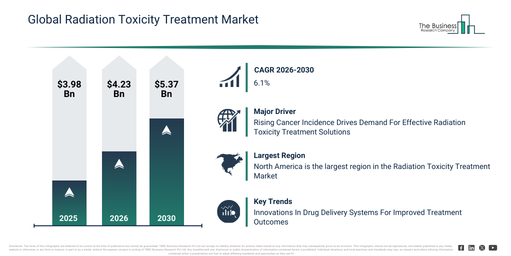
    The radiation toxicity treatment market size has demonstrated robust growth in recent years. This market is projected to expand from $3.98 billion in 2025 to $4.23 billion in 2026, at a compound annual growth rate (CAGR) of 6.4%. The historic expansion of the market is primarily attributable to several factors: the increased application of radiation in medical treatments, the rising frequency of nuclear and radiation exposure risks, governmental initiatives for stockpiling radiation countermeasures, the broadening of oncology radiotherapy applications, and continuous advancements in hematopoietic support therapies.

    The radiation toxicity treatment market is projected to experience robust expansion in the coming years. This market is forecast to reach $5.37 billion by 2030, exhibiting a compound annual growth rate (CAGR) of 6.1%. Several factors will drive this growth during the forecast period, including increasing investments in advanced radiation countermeasures, a growing need for rapid-response radiation treatments, the expansion of personalized radiation toxicity management, a heightened focus on long-term survivorship care, and continuous clinical research into new radioprotective agents. Key trends anticipated over this period encompass the increasing development of targeted radioprotective therapies, the rising application of colony stimulating factors in treatment protocols, an expanding emphasis on bone marrow recovery solutions, the broadening of emergency radiation preparedness treatments, and improved clinical management of acute radiation syndrome.

    Access Your Free Sample Report for In-Depth Market Insights:

    https://www.thebusinessresearchcompany.com/sample.aspx?id=20942&type=smp

    What Drivers Are Influencing The Growth Of The Radiation Toxicity Treatment Market?

    The rising occurrence of cancer is projected to fuel the expansion of the radiation toxicity treatment market in the future. Cancer refers to various illnesses marked by the unchecked multiplication and spread of atypical cells, which can infiltrate nearby tissues and disseminate throughout the body. This growing incidence of cancer stems from elements like shifts in lifestyle, environmental contamination, genetic tendencies, and enhanced diagnostic tools enabling earlier discovery. Managing the adverse effects of radiation therapy, facilitating patient recuperation, and reducing enduring harm make radiation toxicity treatment vital within cancer care. For example, a report from August 2024 by Macmillan Cancer Support, a UK-based charitable body, indicated that more than 3 million people currently live with cancer in the UK, with this figure anticipated to rise to 3.5 million by 2025, 4 million by 2030, and 5.3 million by 2040. Consequently, the expanding prevalence of cancer acts as a key driver for the radiation toxicity treatment market’s growth.

    What Segments Are Included Within The Radiation Toxicity Treatment Market?

    The radiation toxicity treatment market covered in this report is segmented –

    1) By Product: Colony Stimulating Factors, Potassium Iodide, Prussian Blue, Diethylenetriamine Pentaacetic Acid, Others Products

    2) By Indication: Acute Radiation Syndrome, Chronic Radiation Syndrome

    3) By Radiation Type: Ionizing Radiation, Accidental And Therapeutic Radiation Exposure

    4) By End-User: Hospitals, Research And Academic Institutes

    Subsegments:

    1) By Colony Stimulating Factors: Granulocyte Colony-Stimulating Factor (G-CSF), Granulocyte-Macrophage Colony-Stimulating Factor (GM-CSF)

    2) By Potassium Iodide: Oral Potassium Iodide Tablets, Liquid Potassium Iodide Solution

    3) By Prussian Blue: Capsules Of Prussian Blue, Prussian Blue Resin

    4) By Diethylenetriamine Pentaacetic Acid (DTPA): Calcium DTPA Injection, Zinc DTPA Injection

    5) By Other Products: Amifostine, Sodium Bicarbonate, Doxycycline, Activated Charcoal

    How Are New Market Trends Shaping The Landscape Of The Radiation Toxicity Treatment Market?

    Prominent companies operating in the radiation toxicity treatment market are emphasizing technological innovations like advanced drug delivery systems to enhance the accuracy and efficacy of treatments, improve patient adherence, and reduce side effects, ultimately fostering superior therapeutic results and quicker recovery periods. A drug delivery system serves as a mechanism for directing medication to precise areas of the body, guaranteeing appropriate dosage and impact while minimizing undesirable reactions. For example, in December 2023, Coherus BioSciences, a US-based biopharmaceutical company, announced that the U.S. FDA had granted approval for UDENYCA ONBODY, a novel on-body injector for pegfilgrastim-cbqv. This device is specifically engineered for post-chemotherapy administration to assist in lowering the infection risk from febrile neutropenia. The injector delivers the medication in just five minutes and includes a retractable needle for improved safety and user comfort. With this approval, Coherus intends to offer a more convenient and accessible solution for managing chemotherapy’s adverse effects.

    Who Are The Core Companies Influencing Trends In The Radiation Toxicity Treatment Market?

    Major companies operating in the radiation toxicity treatment market are Pfizer Inc., Merck And Co Inc., Bayer AG, Sanofi S.A., Bristol Myers Squibb Company, AstraZeneca PLC, Novartis AG, Amgen Inc., Recipharm AB, Coherus BioSciences Inc., Eckert And Ziegler Strahlen Und Medizintechnik AG, Theragenics Corp., NorthStar Medical Radioisotopes LLC, Fusion Pharmaceuticals Inc., Partner Therapeutics Inc., Heyl Chemisch pharmazeutische Fabrik GmbH And Co KG, Humanetics Corporation, Actinium Pharmaceuticals Inc., Clarity Pharmaceuticals Ltd., Emergent BioSolutions Inc., Bavarian Nordic A S, BTG International Ltd., Jubilant Radiopharma, Cardinal Health Inc.

    Access The Complete Report For Deeper Market Insights:

    https://www.thebusinessresearchcompany.com/report/radiation-toxicity-treatment-global-market-report

    Which Regions Are Projected To Dominate The Radiation Toxicity Treatment Market In The Coming Years?

    North America was the largest region in the radiation toxicity treatment market in 2025. Asia-Pacific is expected to be the fastest-growing region in the forecast period. The regions covered in the radiation toxicity treatment market report are Asia-Pacific, South East Asia, Western Europe, Eastern Europe, North America, South America, Middle East, Africa.

    Request Your Customized Radiation Toxicity Treatment Market Research Report for Competitive Advantage:

    https://www.thebusinessresearchcompany.com/customise?id=20942&type=smp

    Browse Through More Reports Similar to the Global Radiation Toxicity Treatment Market 2026, By The Business Research Company

    Single Dose Radiotherapy Services Market Report 2026

    https://www.thebusinessresearchcompany.com/report/single-dose-radiotherapy-services-global-market-report

    Medical Irradiation Market Report 2026

    https://www.thebusinessresearchcompany.com/report/medical-irradiation-global-market-report

    Radiotherapy Devices Market Report 2026

    https://www.thebusinessresearchcompany.com/report/radiotherapy-devices-global-market-report

    Get in touch with us:

    The Business Research Company: https://www.thebusinessresearchcompany.com/

    Americas +1 310-496-7795

    Asia +44 7882 955267 & +91 8897263534

    Europe +44 7882 955267

    Email us at info@tbrc.info

    Follow us on:

    LinkedIn: https://in.linkedin.com/company/the-business-research-company

    YouTube: https://www.youtube.com/channel/UC24_fI0rV8cR5DxlCpgmyFQ

    Global Market Model: https://www.thebusinessresearchcompany.com/global-market-model
  • Radiation Shielding Material Market Outlook 2026–2030: Key Business Drivers and Trends

    Radiation Shielding Material Market Outlook 2026–2030: Key Business Drivers and Trends

    Uncover key drivers, emerging technologies, and competitive movements shaping the radiation shielding material market from 2026–2035 with trusted insights from The Business Research Company

    By how much is the Radiation Shielding Material Market expected to grow between 2026 and 2030?

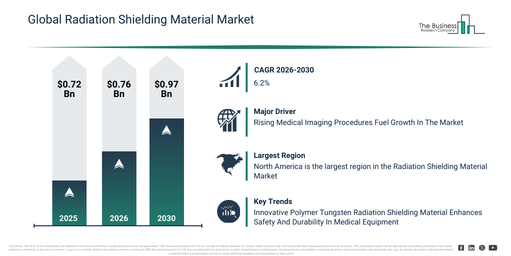
    The radiation shielding material market size has shown significant growth over recent years. It is anticipated to expand from $0.72 billion in 2025 to $0.76 billion in 2026, exhibiting a compound annual growth rate (CAGR) of 6.5%. This historical expansion can be attributed to the proliferation of diagnostic imaging facilities, a greater frequency of radiation-based medical procedures, continued reliance on traditional lead shielding, an increase in nuclear research pursuits, and the establishment of fundamental radiation safety standards.

    The radiation shielding material market is anticipated to experience robust expansion over the next few years, with its size projected to reach $0.97 billion by 2030, growing at a compound annual growth rate (CAGR) of 6.2%. This growth during the forecast period is fueled by factors such as the increasing integration of sustainable shielding materials, a rise in investments aimed at modernizing healthcare infrastructure, the expansion of facilities for radiotherapy and nuclear medicine, a growing emphasis on creating lightweight and flexible shielding designs, and heightened regulatory focus on radiation safety. Prominent trends expected in this period include the wider adoption of lead-free shielding materials, an escalating demand for lightweight composite shielding solutions, increased utilization of modular and prefabricated shielding systems, the broader integration of radiation protection within healthcare infrastructure, and an enhanced commitment to occupational safety compliance.

    Access Your Free Sample Report for In-Depth Market Insights:

    https://www.thebusinessresearchcompany.com/sample.aspx?id=20941&type=smp

    Which Drivers Are Influencing Market Acceleration In The Radiation Shielding Material Market?

    An anticipated surge in medical imaging procedures is set to boost the expansion of the radiation shielding material market in the future. These procedures are diagnostic methods employing technologies like X-rays, magnetic resonance imaging (MRI), or ultrasound to view internal bodily structures, aiding in the detection and monitoring of health issues. This rise in medical imaging can be linked to improvements in imaging technology, a growing incidence of chronic illnesses, enhanced public awareness and access, and governmental backing for cutting-edge healthcare solutions. Materials for radiation shielding, including lead and lead-free alloys, are utilized in medical imaging to safeguard both patients and medical staff from dangerous radiation, concurrently facilitating clear image acquisition. For instance, in November 2023, data from the National Health Service, a UK-based government department, revealed that England conducted 45.0 million imaging tests in the year concluding March 2023, representing a 2.2% rise from the 44.0 million tests performed the year prior. Consequently, the growing volume of medical imaging procedures is propelling the radiation shielding material market.

    What Leading Segments Are Studied In The Radiation Shielding Material Market?

    The radiation shielding material market covered in this report is segmented –

    1) By Type: Electromagnetic Radiation, Particle Radiation

    2) By Material: Lead Shielding, Lead Composite Shielding, Non-Lead And Lead Free Shielding

    3) By Form: Sheets, Blocks, Bricks, Panels, Castings

    4) By Application: Diagnostic X-Ray Room Shielding, CT Scanner Shielding Facility, MRI Room Shielding, Nuclear Medicine Imaging shielding, Radiotherapy Shielding, Radiation Protection Safety Aprons And Apparel And Equipments

    5) By End User: Healthcare, Manufacturing, Construction, Energy, Research

    Subsegments:

    1) By Electromagnetic Radiation: X-Rays, Gamma Rays, Ultraviolet (UV) Radiation, Microwaves, Radiofrequency (RF) Radiation

    2) By Particle Radiation: Neutron Radiation, Alpha Particles, Beta Particles, Heavy Ions

    Which Trends Are Expected To Influence The Radiation Shielding Material Market In The Upcoming Years?

    Leading companies in the radiation shielding material market are concentrating on developing innovative products, such as polymer tungsten for radiation shielding, to improve radiation protection while reducing weight and enhancing durability for various industrial applications. Polymer tungsten for radiation shielding is a composite substance created by combining tungsten with a polymer matrix, offering an effective, lightweight substitute for traditional lead-based shielding. For instance, in November 2024, Stanford Advanced Materials (SAM), a US-based manufacturing firm, introduced Polymer Tungsten, a groundbreaking radiation shielding material that integrates tungsten powder with polymer resins. This new product presents a flexible and eco-friendly alternative to conventional lead-based shielding, which carries health risks due to its toxicity. Polymer tungsten maintains high radiation resistance while being easier to mold and handle, making it suitable for applications in medical equipment like X-ray machines and computed tomography (CT) scanners.

    Which Major Industry Participants Are Leading The Radiation Shielding Material Market Growth?

    Major companies operating in the radiation shielding material market are General Electric Healthcare, L3Harris Technologies Inc., ESCO Technologies Inc., Mirion Technologies Inc., Ultraray Group Inc., ETS-Lindgren Inc., Berthold Technologies GmbH And Co.KG, Nelco Worldwide, Wardray Premise Ltd., Dynalab Corp., Techno-Aide Inc., Alimed Inc., Universal Shielding Corporation, MarShield Radiation Protection Services Inc, Veritas Medical Solutions, Plastic Design Inc, Tungsten Heavy Powder And Parts Inc., Amray Medical Limited, Ray-Bar Engineering Corporation, A And L Shielding Inc, MWT Materials Inc., Nuclear Lead Co. Inc, Protech Medical Inc, Radiation Shielding Technologies Inc., XrayCurtains.com

    Access The Complete Report For Deeper Market Insights:

    https://www.thebusinessresearchcompany.com/report/radiation-shielding-material-global-market-report

    Which Region Is Expected To Experience The Fastest Growth In The Radiation Shielding Material Market?

    North America was the largest region in the radiation shielding material market in 2025. Asia-Pacific is expected to be the fastest-growing region in the forecast period. The regions covered in the radiation shielding material market report are Asia-Pacific, South East Asia, Western Europe, Eastern Europe, North America, South America, Middle East, Africa.

    Request Your Customized Radiation Shielding Material Market Research Report for Competitive Advantage:

    https://www.thebusinessresearchcompany.com/customise?id=20941&type=smp

    Browse Through More Reports Similar to the Global Radiation Shielding Material Market 2026, By The Business Research Company

    Thermal Insulation Material Market Report 2026

    https://www.thebusinessresearchcompany.com/report/thermal-insulation-material-global-market-report

    Automotive Shielding Market Report 2026

    https://www.thebusinessresearchcompany.com/report/automotive-shielding-global-market-report

    Radiation Curable Coatings Market Report 2026

    https://www.thebusinessresearchcompany.com/report/radiation-curable-coatings-global-market-report

    Get in touch with us:

    The Business Research Company: https://www.thebusinessresearchcompany.com/

    Americas +1 310-496-7795

    Asia +44 7882 955267 & +91 8897263534

    Europe +44 7882 955267

    Email us at info@tbrc.info

    Follow us on:

    LinkedIn: https://in.linkedin.com/company/the-business-research-company

    YouTube: https://www.youtube.com/channel/UC24_fI0rV8cR5DxlCpgmyFQ

    Global Market Model: https://www.thebusinessresearchcompany.com/global-market-model
  • Cas Nuclease Industry Growth Insights: Revenue Forecast to 2030

    Cas Nuclease Industry Growth Insights: Revenue Forecast to 2030

    Uncover key drivers, emerging technologies, and competitive movements shaping the cas nuclease market from 2026–2035 with trusted insights from The Business Research Company

    What level of CAGR-driven expansion is anticipated in the Cas Nuclease Market between 2026 and 2030?

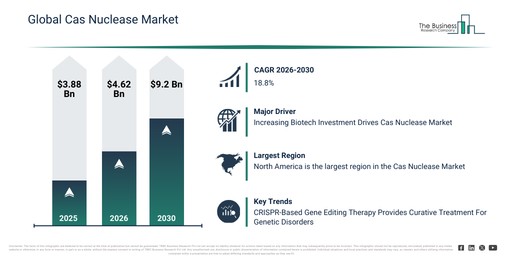
    The cas nuclease market has undergone significant expansion in recent years. Its size is projected to increase from $3.88 billion in 2025 to $4.62 billion in 2026, achieving a compound annual growth rate (CAGR) of 19.0%. This growth during the historical period is attributable to breakthroughs in CRISPR-Cas discovery, increased funding for genomic research, wider application of gene editing in model organisms, the commencement of early clinical trials in gene therapy, and the rising uptake of Cas9-based tools.

    The cas nuclease market is projected for significant expansion in the coming years, anticipated to reach $9.2 billion by 2030, exhibiting a compound annual growth rate (CAGR) of 18.8%. Several factors will drive this growth during the forecast period, including increased investments in precision medicine, the broadening of gene therapy pipelines, an escalating demand for crop genome engineering, clearer regulatory frameworks for genome editing, and progress in delivery technologies. Key trends expected during the same period encompass a wider uptake of high-fidelity CRISPR editing tools, the emergence of next-generation Cas variants, a heightened need for precision gene therapy applications, the spread of genome editing techniques in agriculture, and a greater emphasis on technologies that reduce off-target effects.

    Access Your Free Sample Report for In-Depth Market Insights:

    https://www.thebusinessresearchcompany.com/sample.aspx?id=18987&type=smp

    What Drivers Are Affecting Demand-Supply Dynamics In The Cas Nuclease Market?

    Growing financial commitment to biotechnology is anticipated to propel the Cas nuclease market forward. This rise in biotech funding is attributed to breakthroughs in scientific inquiry, an increasing need for advanced medical therapies, the broadening scope of biotechnology applications across various sectors, and the promising economic prospects of novel innovations and technologies. Investment in Cas nucleases within biotechnology specifically accelerates advancements in gene-editing tools for medical, agricultural, and research uses. As an illustration, in August 2024, the UK Bioindustry Association (BIA), a UK-based trade association for innovative life sciences and biotech industry, reported that the UK’s life sciences and biotech sector secured $2.61 billion in the first half of 2024, which surpassed the $2.38 billion raised throughout all of 2023. Thus, the escalating investment in biotechnology is a key driver for the Cas nuclease market.

    How Is The Cas Nuclease Market Organized Into Various Segments?

    The cas nuclease market covered in this report is segmented –

    1) By Type: Cas9, Cas12, Cas13, Other Cas Nucleases

    2) By Delivery Method: Viral Vectors, Lipid Nanoparticles, Electroporation, Microinjection, Transposons

    3) By Distribution Channel: Direct Sales, Distributor

    4) By Application: Gene Editing Cell Line Construction, Animal Models, Bioagriculture, Gene Therapy, Other Applications

    5) By End-User: Academic And Government Research Institutions, Biotechnology And Pharmaceutical Companies, Contract Research Organizations (CROS), Agricultural Biotechnology Companies, Other End-Users

    Subsegments:

    1) By Cas9: Streptococcus Pyogenes Cas9 (SpCas9), Staphylococcus Aureus Cas9 (SaCas9)

    2) By Cas12: Cas12a (Cpf1), Cas12b

    3) By Cas13: Cas13a, Cas13b

    4) By Other Cas Nucleases: Cas14, CasX, CasY

    What Trends Are Projected To Support The Growth Of The Cas Nuclease Market?

    Leading companies operating within the Cas nuclease market are concentrating on developing advanced technological solutions, such as CRISPR-based gene editing therapy, to maintain their standing. CRISPR-based gene editing therapy is a medical method that employs the CRISPR-Cas9 system to precisely modify deoxyribonucleic acid (DNA) sequences in living organisms, aiming to treat genetic disorders by correcting mutations at a molecular level. For instance, in November 2023, Vertex Pharmaceuticals Incorporated, a US-based biotechnology company, and CRISPR Therapeutics, a Switzerland-based gene editing company, announced the authorization of CASGEVY (exagamglogene autotemcel) by the UK Medicines and Healthcare Products Regulatory Agency (MHRA). This represents a significant milestone, as it is the first-ever gene therapy utilizing CRISPR/Cas9 technology approved for treating sickle cell disease (SCD) and transfusion-dependent beta thalassemia (TDT) in patients aged 12 and older.

    Who Are The Top-Performing Companies In The Cas Nuclease Market In Recent Years?

    Major companies operating in the cas nuclease market are Thermo Fisher Scientific Inc., AstraZeneca PLC, Merck KGaA, Vertex Pharmaceuticals, Agilent Technologies Inc., Bio-Rad Laboratories Inc., Promega Corporation, GenScript Biotech Corporation, CRISPR Therapeutics AG, Integrated DNA Technologies Inc., Takara Bio Inc., New England Biolabs Inc., Horizon Discovery Group plc, OriGene Technologies Inc., Applied Biological Materials Inc. (ABM), Synthego Corporation, Novoprotein Scientific Inc., genOway, Precision BioSciences, Editas Medicine, Creative Biolabs, Cellectis, Caribou Biosciences, Addgene

    Access The Complete Report For Deeper Market Insights:

    https://www.thebusinessresearchcompany.com/report/cas-nuclease-global-market-report

    Which Region Currently Holds The Largest Share Of The Cas Nuclease Market?

    North America was the largest region in the Cas nuclease market in 2025. Asia-Pacific is expected to be the fastest-growing region in the forecast period. The regions covered in the cas nuclease market report are Asia-Pacific, South East Asia, Western Europe, Eastern Europe, North America, South America, Middle East, Africa.

    Request Your Customized Cas Nuclease Market Research Report for Competitive Advantage:

    https://www.thebusinessresearchcompany.com/customise?id=18987&type=smp

    Browse Through More Reports Similar to the Global Cas Nuclease Market 2026, By The Business Research Company

    Nuclear Medicine Market Report 2026

    https://www.thebusinessresearchcompany.com/report/nuclear-medicine-global-market-report

    Nucleic Acid Labeling Market Report 2026

    https://www.thebusinessresearchcompany.com/report/nucleic-acid-labeling-global-market-report

    Polymerase Chain Reaction Pcr Market Report 2026

    https://www.thebusinessresearchcompany.com/report/polymerase-chain-reaction-pcr-global-market-report

    Get in touch with us:

    The Business Research Company: https://www.thebusinessresearchcompany.com/

    Americas +1 310-496-7795

    Asia +44 7882 955267 & +91 8897263534

    Europe +44 7882 955267

    Email us at info@tbrc.info

    Follow us on:

    LinkedIn: https://in.linkedin.com/company/the-business-research-company

    YouTube: https://www.youtube.com/channel/UC24_fI0rV8cR5DxlCpgmyFQ

    Global Market Model: https://www.thebusinessresearchcompany.com/global-market-model
  • Global Radiation Oncology Market Report 2026: Emerging Trends and Growth Scenarios

    Global Radiation Oncology Market Report 2026: Emerging Trends and Growth Scenarios

    Uncover key drivers, emerging technologies, and competitive movements shaping the radiation oncology market from 2026–2035 with trusted insights from The Business Research Company

    What is the estimated market size of the Radiation Oncology Market by the end of 2030?

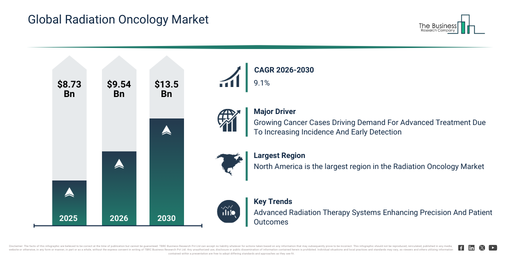
    The radiation oncology market has experienced significant expansion in recent years. It is anticipated to grow from $8.73 billion in 2025 to $9.54 billion in 2026, reflecting a compound annual growth rate (CAGR) of 9.3%. The market’s past development can be ascribed to factors such as rising cancer incidence, the enlargement of oncology treatment centers, the widespread adoption of external beam radiation therapy, the establishment of standardized radiotherapy protocols, and increasing financial commitment to cancer care infrastructure.

    The radiation oncology market is projected to experience substantial expansion in the coming years. This market is anticipated to reach $13.5 billion by 2030, demonstrating a compound annual growth rate (CAGR) of 9.1%. Key factors driving this growth during the forecast period include the expanding use of personalized oncology interventions, an escalating demand for stereotactic and proton therapy options, advancements in AI-driven treatment planning, a heightened emphasis on outpatient cancer management, and increased financial commitments toward sophisticated oncology devices. Prominent trends identified for the forecast period encompass the wider integration of image-guided radiation therapy, a growing reliance on precise and targeted treatment approaches, the increasing incorporation of artificial intelligence into treatment planning, the deployment of more advanced linear accelerators, and a stronger commitment to reducing radiation impact on healthy tissues.

    Access Your Free Sample Report for In-Depth Market Insights:

    https://www.thebusinessresearchcompany.com/sample.aspx?id=23494&type=smp

    What Drivers Are Shaping Future Opportunities In The Radiation Oncology Market?

    The global surge in cancer diagnoses is anticipated to considerably boost expansion in the radiation oncology market. This increase in cancer occurrence stems from an aging global demographic, various lifestyle-associated risk factors, and advancements in early diagnostic methods. The growing prevalence of cancer is also linked to heightened exposure to risk factors, including poor lifestyle choices and environmental contaminants, which foster elevated mutation rates and the gradual formation of cancerous cells. Radiation oncology employs high-energy radiation to eradicate cancer cells, reduce tumor size, and complement surgical and chemotherapy treatments, with sophisticated techniques enhancing accuracy and patient results. For example, the World Health Organization (WHO), a Switzerland-based intergovernmental body, reported in February 2024 approximately 20 million new cancer cases in 2022. Furthermore, the WHO/IARC forecasts that by 2050, the number of new cancer cases could escalate to 35 million, representing a 77% increase compared to 2022 figures. Consequently, the escalating global cancer burden is fueling the demand for sophisticated radiation oncology treatments.

    Which Segment Groups Are Influencing The Radiation Oncology Market?

    The radiation oncology market covered in this report is segmented –

    1) By Type: External Beam Radiation Therapy, Internal Beam Radiation Therapy

    2) By Application: Prostate Cancer, Breast Cancer, Lung Cancer, Head And Neck Cancer, Colorectal Cancer, Cervical Cancer, Gynecological Cancer, Other Applications

    3) By End-User: Hospitals, Cancer Research Institutes, Other End-Users

    Subsegments:

    1) By Internal Beam Radiation Therapy: Brachytherapy, Endocavitary Brachytherapy, Interstitial Brachytherapy, Intraluminal Brachytherapy

    2) By External Beam Radiation Therapy: 3D Conformal Radiation Therapy (3DCRT), Intensity-Modulated Radiation Therapy (IMRT), Stereotactic Radiosurgery (SRS), Stereotactic Body Radiation Therapy (SBRT), Image-Guided Radiation Therapy (IGRT)

    What Trends Are Driving The Growth Trajectory Of The Radiation Oncology Market?

    Major companies operating in the radiation oncology sector are concentrating on developing sophisticated radiation therapy systems that integrate AI-powered imaging and adaptive technologies. The goal is to enhance treatment precision, reduce adverse effects, and improve patient outcomes across diverse cancer treatment applications. AI-driven radiotherapy involves leveraging artificial intelligence technologies to refine various aspects of radiation therapy, including treatment planning, imaging, delivery, and monitoring. As an illustration, in May 2024, Elekta, a medical technology company based in Sweden, launched Evo, its latest CT-Linac which features high-definition, AI-enhanced imaging specifically designed to advance radiation therapy techniques. This versatile system supports both offline and online adaptive radiation therapy, along with enhanced standard image-guided radiation therapy, providing clinicians with greater accuracy and flexibility to customize treatments for individual patients. This innovation ultimately aims to improve patient outcomes by optimizing treatment accuracy and adaptability.

    Who Are The Prominent Global Companies Shaping The Radiation Oncology Market Landscape?

    Major companies operating in the radiation oncology market are Hitachi Ltd., Siemens Healthineers, Philips Healthcare, GE Healthcare Technologies Inc., Varian Medical Systems, Shimadzu Corporation, Elekta AB, Mirion Technologies, Ion Beam Applications (IBA), Accuray Incorporated, Canon Medical Systems, Eckert & Ziegler BEBIG, ViewRay Inc., MDS Nordion, Mevion Medical Systems, PTW-Freiburg, Toshiba Medical Systems, CivaTech Oncology, ProTom International, Radcal Corporation, ScandiDos.

    Access The Complete Report For Deeper Market Insights:

    https://www.thebusinessresearchcompany.com/report/radiation-oncology-global-market-report

    Which Geographic Areas Are Emerging As Strong Markets For The Radiation Oncology Market?

    North America was the largest region in the radiation oncology market in 2025. Asia-Pacific is expected to be the fastest-growing region in the forecast period. The regions covered in the radiation oncology market report are Asia-Pacific, South East Asia, Western Europe, Eastern Europe, North America, South America, Middle East, Africa.

    Request Your Customized Radiation Oncology Market Research Report for Competitive Advantage:

    https://www.thebusinessresearchcompany.com/customise?id=23494&type=smp

    Browse Through More Reports Similar to the Global Radiation Oncology Market 2026, By The Business Research Company

    Oncology Drugs Market 2026

    https://www.thebusinessresearchcompany.com/report/oncology-drugs-market

    Radiotherapy Devices Market Report 2026

    https://www.thebusinessresearchcompany.com/report/radiotherapy-devices-global-market-report

    Oncology Devices Market Report 2026

    https://www.thebusinessresearchcompany.com/report/oncology-devices-global-market-report

    Get in touch with us:

    The Business Research Company: https://www.thebusinessresearchcompany.com/

    Americas +1 310-496-7795

    Asia +44 7882 955267 & +91 8897263534

    Europe +44 7882 955267

    Email us at info@tbrc.info

    Follow us on:

    LinkedIn: https://in.linkedin.com/company/the-business-research-company

    YouTube: https://www.youtube.com/channel/UC24_fI0rV8cR5DxlCpgmyFQ

    Global Market Model: https://www.thebusinessresearchcompany.com/global-market-model
  • Global Cartilage Repair Market Performance Report: Global Trends 2026–2030

    Global Cartilage Repair Market Performance Report: Global Trends 2026–2030

    Uncover key drivers, emerging technologies, and competitive movements shaping the cartilage repair market from 2026–2035 with trusted insights from The Business Research Company

    What long-term size projections exist for the Cartilage Repair Market covering 2026–2035?

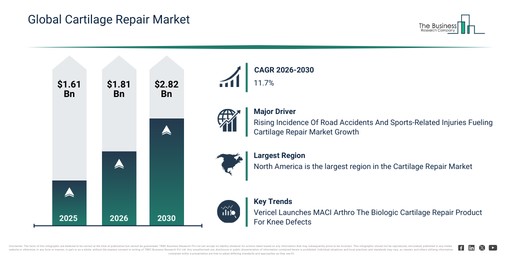
    The size of the cartilage repair market has experienced swift expansion in recent years. This market is projected to expand from $1.61 billion in 2025 to reach $1.81 billion in 2026, demonstrating a compound annual growth rate (CAGR) of 11.9%. Factors contributing to this historical growth include an increasing frequency of joint injuries, a rise in sports-related orthopedic conditions, the growing adoption of surgical cartilage repair methods, progress in biomaterial innovation, and the broadening presence of orthopedic specialty clinics.

    The cartilage repair market size is anticipated to undergo significant expansion in the coming years, reaching $2.82 billion by 2030 with a compound annual growth rate (CAGR) of 11.7%. This growth over the forecast period is propelled by increasing demand for regenerative medicine solutions, rising investments in tissue engineering research, the expansion of personalized orthopedic treatments, a growing focus on biologic repair methods, and the increasing adoption of outpatient orthopedic procedures. Prominent trends expected during the forecast period include the increasing adoption of cell-based cartilage repair therapies, a rising use of stem cell and regenerative treatments, a growing demand for minimally invasive repair procedures, the expansion of scaffold-based regeneration technologies, and an enhanced focus on long-term joint preservation.

    Access Your Free Sample Report for In-Depth Market Insights:

    https://www.thebusinessresearchcompany.com/sample.aspx?id=13400&type=smp

    Which Drivers Are Impacting The Competitive Landscape Of The Cartilage Repair Market?

    The cartilage repair market is anticipated to expand due to an increase in road accidents and sports-related injuries. Road accidents involve vehicles, pedestrians, or cyclists on public roads. In contrast, sports-related injuries are those sustained during participation in various athletic and physical activities. A rise in these incidents significantly drives the need for cartilage repair procedures, which aim to restore damaged cartilage, alleviate pain, and improve joint function. For instance, in June 2025, data from the Transport Accident Commission, an Australia-based government agency, showed that between 1 July 2024 and 30 June 2025, 296 people died, which is an increase of 9 deaths from the 287 reported during the identical period of the previous year. Consequently, the growing number of road accidents and sports-related injuries is propelling the growth of the cartilage repair market.

    What Segments Are Identified Within The Structure Of The Cartilage Repair Market?

    The cartilage repair market covered in this report is segmented –

    1) By Treatment Modality: Cell-Based, Non-Cell-Based

    2) By Site: Knee, Hip, Ankle And Foot, Other Application Sites

    3) By Application: Hyaline Cartilage, Fibrocartilage

    4) By End User: Hospital And Clinic, Ambulatory Surgical Center (ASC), Other End-Users

    Subsegments:

    1) By Cell-Based Treatments: Autologous Chondrocyte Implantation (ACI), Stem Cell Therapy, Matrix-Induced Autologous Chondrocyte Implantation (MACI)

    2) By Non-Cell-Based Treatments: Scaffold-Based Treatment, Osteochondral Grafts, Synthetic Implants

    Which Trends Are Influencing The Performance And Direction Of The Cartilage Repair Market?

    Leading firms within the cartilage repair market are developing cutting-edge products, including biologic cartilage repair solutions, with the goal of enhancing treatment choices for cartilage injuries and fostering natural recovery. Biologic cartilage repair products are defined as therapies originating from biological materials, like cells, tissues, or growth factors, specifically engineered to mend or regrow injured cartilage. As an example, in August 2024, Vericel, a US-based biotechnology firm, introduced MACI (autologous cultured chondrocytes on porcine collagen membrane)Arthro, obtaining authorization from a US-based federal agency dedicated to public health protection. MACI Arthro represents a novel biologic cartilage repair solution designed for addressing knee cartilage imperfections. This solution enables surgeons to manage symptomatic full-thickness knee cartilage defects measuring up to 4 cm² using minimally invasive methods. MACI Arthro facilitates the assessment and preparation of the defect area via small incisions with purpose-built instruments, marking a substantial improvement compared to conventional approaches.

    Which Leading Companies Dominate The Cartilage Repair Market Share?

    Major companies operating in the cartilage repair market are Stryker Corporation, Zimmer Biomet Holdings Inc, Smith and Nephew plc, Arthrex Inc, CONMED Corporation, Vericel Corporation, Anika Therapeutics Inc, MEDIPOST Co Ltd, Histogenics Corporation, ISTO Technologies Inc, Regentis Biomaterials Ltd, CartiHeal Ltd, Aesculap AG, Medacta International SA, Mathys AG Bettlach, JRI Orthopaedics Ltd, Waldemar Link GmbH and Co KG, Teijin Nakashima Medical Co Ltd, BioPoly LLC, Orthocell Ltd

    Access The Complete Report For Deeper Market Insights:

    https://www.thebusinessresearchcompany.com/report/cartilage-repair-global-market-report

    How Does The Cartilage Repair Market Perform Across Major Global Regions?

    North America was the largest region in the cartilage repair market in 2025. Asia-Pacific is expected to be the fastest-growing region in the forecast period. The regions covered in the cartilage repair market report are Asia-Pacific, South East Asia, Western Europe, Eastern Europe, North America, South America, Middle East, Africa.

    Request Your Customized Cartilage Repair Market Research Report for Competitive Advantage:

    https://www.thebusinessresearchcompany.com/customise?id=13400&type=smp

    Browse Through More Reports Similar to the Global Cartilage Repair Market 2026, By The Business Research Company

    Orthopedic Soft Tissue Repair Market Report 2026

    https://www.thebusinessresearchcompany.com/report/orthopedic-soft-tissue-repair-global-market-report

    Knee Cartilage Repair Market Report 2026

    https://www.thebusinessresearchcompany.com/report/knee-cartilage-repair-global-market-report

    Regenerative Medicine For Cartilage Market Report 2026

    https://www.thebusinessresearchcompany.com/report/regenerative-medicine-for-cartilage-global-market-report

    Get in touch with us:

    The Business Research Company: https://www.thebusinessresearchcompany.com/

    Americas +1 310-496-7795

    Asia +44 7882 955267 & +91 8897263534

    Europe +44 7882 955267

    Email us at info@tbrc.info

    Follow us on:

    LinkedIn: https://in.linkedin.com/company/the-business-research-company

    YouTube: https://www.youtube.com/channel/UC24_fI0rV8cR5DxlCpgmyFQ

    Global Market Model: https://www.thebusinessresearchcompany.com/global-market-model
  • Radiation Dose Management Market Forecast 2026: Where the Industry Is Headed

    Radiation Dose Management Market Forecast 2026: Where the Industry Is Headed

    Uncover key drivers, emerging technologies, and competitive movements shaping the radiation dose management market from 2026–2035 with trusted insights from The Business Research Company

    What was the valuation of the Radiation Dose Management Market in 2026, and what figure is it projected to hit by 2030?

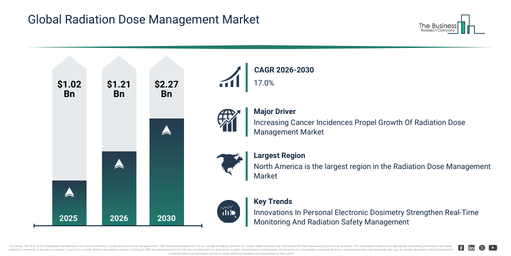
    The radiation dose management market size has witnessed substantial growth in recent years. It is anticipated to expand from $1.02 billion in 2025 to $1.21 billion in 2026, reflecting a compound annual growth rate (CAGR) of 19.3%. This historical growth can be attributed to several factors including the rising adoption of advanced diagnostic imaging, an increased awareness of radiation safety, the broadening scope of CT and fluoroscopy procedures, the implementation of radiation dose regulations, and the integration of fundamental dose monitoring tools.

    The radiation dose management market is projected for substantial expansion in the coming years, with its size anticipated to reach $2.27 billion by 2030, reflecting a robust compound annual growth rate (CAGR) of 17.0%. This growth during the forecast period is primarily driven by escalating investments in intelligent imaging systems, a heightened demand for patient-centric radiation safety, the broadening of integrated hospital IT infrastructure, the increasing adoption of predictive analytics in imaging, and a rising focus on value-based healthcare. Significant trends expected during this period include the increasing incorporation of AI-based dose optimization software, the growing integration of real-time dose monitoring systems, expanded utilization of cloud-based radiation analytics platforms, the proliferation of multi-modality dose management solutions, and an enhanced emphasis on regulatory dose reporting compliance.

    Access Your Free Sample Report for In-Depth Market Insights:

    https://www.thebusinessresearchcompany.com/sample.aspx?id=15912&type=smp

    Which Drivers Are Affecting Market Participation In The Radiation Dose Management Market?

    The rising incidence of cancer is projected to propel the expansion of the radiation dose management market moving forward. Cancer denotes a collection of illnesses characterized by the unrestrained proliferation and spread of abnormal cells throughout the body, which can form a mass or growth termed a tumor. The increase in cancer cases can be attributed to several complex and interrelated factors, such as family history, personal lifestyle choices, genetic predispositions, environmental exposures, and the aging demographic. In cancer care, radiation dose management solutions are utilized to achieve accurate diagnoses and effective treatments while minimizing the risks associated with radiation exposure. For instance, in February 2024, according to the World Health Organization (WHO), a Switzerland-based intergovernmental organization, it is anticipated that new cancer cases will surpass 35 million by 2050, marking a 77% increase over the projected 20 million cases in 2022. Therefore, the growing number of cancer cases is a significant driver for the radiation dose management market.

    What Segment Classifications Make Up The Radiation Dose Management Market?

    The radiation dose management market covered in this report is segmented –

    1) By Component: Software, Services

    2) By Modality: Computed Tomography, Fluoroscopy And Interventional Imaging, Radiography And Mammography, Nuclear Medicine

    3) By Application: Oncology, Cardiology, Orthopedic Applications, Other Applications

    4) By End-User: Hospitals, Ambulatory Care Setting, Other End-Users

    Subsegments:

    1) By Software: Dose Monitoring Software, Dose Calculation Software, Reporting And Analytics Software

    2) By Services: Consulting Services, Implementation And Integration Services, Training And Support Services

    What Upcoming Trends Are Likely To Define The Future Path Of The Radiation Dose Management Market?

    Leading companies operating in the radiation dose management market are enhancing their technological capabilities by rolling out innovative solutions, such as personal electronic dosimeters, to improve real-time monitoring and bolster radiation safety. Personal electronic dosimeters are compact, easily portable devices that offer immediate information regarding the type and quantity of radiation exposure during active operations, enabling responders to initiate timely protective measures. For instance, in April 2024, Mirion Technologies Inc., a US-based radiation monitoring solutions company, introduced the Instadose VUE, its next-generation wireless dosimeter. This device supports wireless data transmission, includes an on-device dose display, and provides automated alerts when exposure thresholds are surpassed, thereby contributing to quicker, more accurate radiation dose assessment and enhanced safety management.

    Which Key Players Are Driving Competition In The Radiation Dose Management Market?

    Major companies operating in the radiation dose management market are INFINITT Healthcare Co. Ltd., Bayer AG, Canon Inc., Siemens Healthcare, FUJIFILM Holdings Corporation, Philips Healthcare, GE Healthcare, Fortive Corporation, Mindray Medical International Limited, Sectra AB, Bracco Imaging S.P.A., Neusoft Medical Systems, United Imaging Healthcare, Agfa Gevaert Group, Dedalus S.P.A, Guerbet, Mirion Technologies Inc., Landauer, Novarad Corporation, Volpara Health Limited, Medic Vision, PACSHealth LLC, Medsquare, Nanjing Perlove Medical Equipment Co. Ltd., Carestream Health, Konica Minolta Healthcare, Hitachi Healthcare, Esaote S.p.A., Shimadzu Corporation, Toshiba Medical Systems

    Access The Complete Report For Deeper Market Insights:

    https://www.thebusinessresearchcompany.com/report/radiation-dose-management-global-market-report

    Which Region Is Projected To Lead The Radiation Dose Management Market During The Forecast Period?

    North America was the largest region in the radiation dose management market in 2025. Asia-Pacific is expected to be the fastest-growing region in the forecast period. The regions covered in the radiation dose management market report are Asia-Pacific, South East Asia, Western Europe, Eastern Europe, North America, South America, Middle East, Africa.

    Request Your Customized Radiation Dose Management Market Research Report for Competitive Advantage:

    https://www.thebusinessresearchcompany.com/customise?id=15912&type=smp

    Browse Through More Reports Similar to the Global Radiation Dose Management Market 2026, By The Business Research Company

    Radiotherapy Devices Market Report 2026

    https://www.thebusinessresearchcompany.com/report/radiotherapy-devices-global-market-report

    Single Dose Radiotherapy Services Market Report 2026

    https://www.thebusinessresearchcompany.com/report/single-dose-radiotherapy-services-global-market-report

    Medical Irradiation Market Report 2026

    https://www.thebusinessresearchcompany.com/report/medical-irradiation-global-market-report

    Get in touch with us:

    The Business Research Company: https://www.thebusinessresearchcompany.com/

    Americas +1 310-496-7795

    Asia +44 7882 955267 & +91 8897263534

    Europe +44 7882 955267

    Email us at info@tbrc.info

    Follow us on:

    LinkedIn: https://in.linkedin.com/company/the-business-research-company

    YouTube: https://www.youtube.com/channel/UC24_fI0rV8cR5DxlCpgmyFQ

    Global Market Model: https://www.thebusinessresearchcompany.com/global-market-model
  • Rabbit Monoclonal Antibody Industry Growth Insights: Revenue Forecast to 2030

    Rabbit Monoclonal Antibody Industry Growth Insights: Revenue Forecast to 2030

    Uncover key drivers, emerging technologies, and competitive movements shaping the rabbit monoclonal antibody market from 2026–2035 with trusted insights from The Business Research Company

    What are the forecasted starting (2026) and ending (2030) market sizes for the Rabbit Monoclonal Antibody Market?

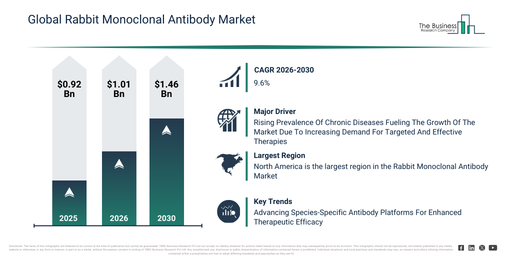
    The rabbit monoclonal antibody market has shown robust expansion in recent years. It is anticipated to expand from $0.92 billion in 2025 to $1.01 billion in 2026, achieving a compound annual growth rate (CAGR) of 9.9%. This historical growth can be attributed to the broadening of protein research applications, an increasing need for sensitive detection reagents, the rising use of immunohistochemistry, augmented biomedical research funding, and the presence of hybridoma technologies.

    The rabbit monoclonal antibody market is projected to experience substantial expansion in the coming years, reaching a valuation of $1.46 billion by 2030, driven by a compound annual growth rate (CAGR) of 9.6%. This anticipated growth during the forecast period is fueled by factors such as the increasing need for precise diagnostic tools, the expanding application of antibodies in pharmaceutical research, advancements in personalized medicine studies, the rising uptake of recombinant antibody technologies, and a heightened emphasis on optimizing assay sensitivity. Key trends expected during this period involve the greater utilization of rabbit antibodies for challenging epitopes, their increased integration into advanced diagnostic methods, a stronger inclination towards high-affinity antibodies, the broader development of recombinant rabbit antibody manufacturing, and an intensified focus on analytical sensitivity.

    Access Your Free Sample Report for In-Depth Market Insights:

    https://www.thebusinessresearchcompany.com/sample.aspx?id=30364&type=smp

    What Drivers Are Supporting Technological Adoption In The Rabbit Monoclonal Antibody Market?

    The increasing occurrence of chronic illnesses is anticipated to boost the expansion of the rabbit monoclonal antibody market in the future. These are long-term health issues that progress gradually and persist for a prolonged duration, frequently necessitating ongoing medical attention. An increase in chronic disease prevalence is partly attributable to sedentary lifestyles, where extended periods of sitting and insufficient physical exercise elevate the likelihood of developing conditions like heart disease and diabetes. Rabbit monoclonal antibodies assist in treating chronic ailments by offering highly precise and strong-affinity targeting of proteins linked to the disease. These antibodies enhance treatment accuracy, minimize unintended side effects, and boost the effectiveness of therapies, thereby contributing to improved patient results and more efficient drug development. As an illustration, the National Health Service, a UK government department, reported in June 2024 that 3,615,330 individuals registered with a general practitioner (GP) were diagnosed with non-diabetic hyperglycemia or pre-diabetes (a state characterized by elevated blood sugar levels, yet not severe enough to be classified as diabetes) in 2023. This represents an 18% rise from 3,065,825 cases recorded in 2022. Consequently, the increasing incidence of chronic diseases is fueling the expansion of the rabbit monoclonal antibody market.

    What Segment Types Are Examined In The Rabbit Monoclonal Antibody Market?

    The rabbit monoclonal antibody market covered in this report is segmented –

    1) By Type: Immunoglobulin G (IgG), Immunoglobulin M (IgM), Immunoglobulin A (IgA), Immunoglobulin E (IgE), Immunoglobulin D (IgD)

    2) By Application: Diagnostics, Therapeutics, Research, Drug Discovery, Immunohistochemistry

    3) By End User: Pharmaceutical Companies, Academic And Research Institutions, Diagnostic Laboratories, Contract Research Organizations, Biotechnology Companies

    Subsegments:

    1) By Immunoglobulin G (IgG): Subclass 1 Immunoglobulin G, Subclass 2 Immunoglobulin G, Subclass 3 Immunoglobulin G, Subclass 4 Immunoglobulin G

    2) By Immunoglobulin M (IgM): Pentameric Immunoglobulin M, Monomeric Immunoglobulin M

    3) By Immunoglobulin A (IgA): Serum Immunoglobulin A, Secretory Immunoglobulin A

    4) By Immunoglobulin E (IgE): Allergen Specific Immunoglobulin E, Total Immunoglobulin E

    5) By Immunoglobulin D (IgD): Membrane Bound Immunoglobulin D, Secreted Immunoglobulin D

    Which Trends Are Shaping Activity Within The Rabbit Monoclonal Antibody Market?

    Key companies in the rabbit monoclonal antibody market are focusing on developing advanced platforms, such as species-specific antibody development, to boost therapeutic efficacy, enhance target specificity, and reduce immunogenicity. Species-specific antibody development refers to the strategic utilization of distinct animal immune systems to generate antibodies with unique binding properties and high affinity for challenging drug targets. In September 2024, ImmunoPrecise Antibodies Ltd., a Canada-based AI-driven biotherapeutic research and technology company, disclosed significant developments in its rabbit antibody platforms. This species-specific antibody demonstrated notable clinical progress via its B Cell Select platform, which is integrated with the LENSai artificial intelligence technology for automated antibody discovery and optimization. This integration combines automation with AI-driven analytics to rapidly identify high-affinity rabbit monoclonal antibodies while preserving native structures. This strategy enhances clinical translation efficiency, accelerates target validation, reduces development timelines, and improves reproducibility in therapeutic antibody programs.

    Who Are The Top-Performing Companies In The Rabbit Monoclonal Antibody Market In Recent Years?

    Major companies operating in the rabbit monoclonal antibody market are F. Hoffmann-La Roche Ltd., Merck KGaA, Thermo Fisher Scientific Inc., Bio-Rad Laboratories Inc., Bio-Techne Corporation, Elabscience Biotechnology Inc., GenScript Biotech Corporation, Takara Bio Inc., Rockland Immunochemicals Inc., Creative Biolabs Inc., Bioss Antibodies Inc., Cell Signaling Technology Inc., MyBioSource Inc., Boster Biological Technology Co. Ltd., GeneTex Inc., Proteintech Group Inc., Santa Cruz Biotechnology Inc., AvantGen Inc., ImmunoWay Biotechnology Company, Abcam plc

    Access The Complete Report For Deeper Market Insights:

    https://www.thebusinessresearchcompany.com/report/global-rabbit-monoclonal-antibody-market-report

    Which Region Currently Holds The Largest Share Of The Rabbit Monoclonal Antibody Market?

    North America was the largest region in the rabbit monoclonal antibody market in 2025. Asia-Pacific is expected to be the fastest-growing region in the forecast period. The regions covered in the rabbit monoclonal antibody market report are Asia-Pacific, South East Asia, Western Europe, Eastern Europe, North America, South America, Middle East, Africa.

    Request Your Customized Rabbit Monoclonal Antibody Market Research Report for Competitive Advantage:

    https://www.thebusinessresearchcompany.com/customise?id=30364&type=smp

    Browse Through More Reports Similar to the Global Rabbit Monoclonal Antibody Market 2026, By The Business Research Company

    Antibody Discovery Market Report 2026

    https://www.thebusinessresearchcompany.com/report/antibody-discovery-global-market-report

    Polyclonal Antibodies Market Report 2026

    https://www.thebusinessresearchcompany.com/report/polyclonal-antibodies-global-market-report

    Mammalian Polyclonal Immunoglobulin G Igg Antibody Market Report 2026

    https://www.thebusinessresearchcompany.com/report/mammalian-polyclonal-immunoglobulin-g-igg-antibody-global-market-report

    Get in touch with us:

    The Business Research Company: https://www.thebusinessresearchcompany.com/

    Americas +1 310-496-7795

    Asia +44 7882 955267 & +91 8897263534

    Europe +44 7882 955267

    Email us at info@tbrc.info

    Follow us on:

    LinkedIn: https://in.linkedin.com/company/the-business-research-company

    YouTube: https://www.youtube.com/channel/UC24_fI0rV8cR5DxlCpgmyFQ

    Global Market Model: https://www.thebusinessresearchcompany.com/global-market-model
  • Cartilage Degeneration Market Future Outlook 2026: Key Drivers and Growth Potential

    Cartilage Degeneration Market Future Outlook 2026: Key Drivers and Growth Potential

    Uncover key drivers, emerging technologies, and competitive movements shaping the cartilage degeneration market from 2026–2035 with trusted insights from The Business Research Company

    What total market size is anticipated for the Cartilage Degeneration Market in 2030?

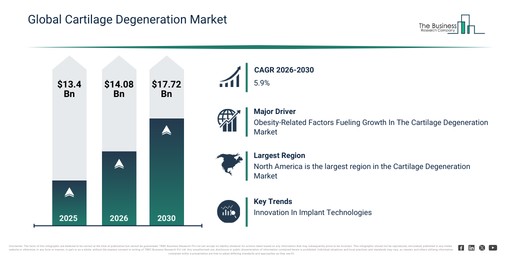
    The cartilage degeneration market size has witnessed robust growth in recent years. It is anticipated to expand from $13.4 billion in 2025 to $14.08 billion in 2026, growing at a compound annual growth rate (CAGR) of 5.0%. The expansion observed in the historic period can be attributed to the rising incidence of osteoarthritis, an increase in orthopedic surgical procedures, a growing aging population, the availability of advanced surgical techniques, and the adoption of joint preservation therapies.

    The market size for cartilage degeneration is expected to demonstrate robust expansion over the forthcoming years. It is projected to reach $17.72 billion by 2030, exhibiting a compound annual growth rate (CAGR) of 5.9%. This anticipated growth throughout the forecast period stems from factors such as increasing investments in regenerative medicine research, a rising demand for biologic cartilage repair solutions, the expansion of stem cell-based therapies, an escalating focus on personalized orthopedic care, and the growing adoption of advanced cartilage restoration procedures. Significant trends during this forecast period include the increasing uptake of cell-based cartilage repair techniques, the growing utilization of minimally invasive surgical procedures, a rising demand for regenerative medicine solutions, the expansion of advanced imaging and diagnostic tools, and an enhanced emphasis on long-term joint preservation.

    Access Your Free Sample Report for In-Depth Market Insights:

    https://www.thebusinessresearchcompany.com/sample.aspx?id=13103&type=smp

    What Drivers Are Influencing Production Trends In The Cartilage Degeneration Market?

    The escalating occurrence of obesity is projected to drive the expansion of the cartilage degeneration market in the future. Obesity is a health condition defined by an excessive accumulation of body fat that can be detrimental to a person’s health. This condition can both initiate and accelerate cartilage degeneration by elevating cartilage compressive forces and inflammatory cytokines. Furthermore, obesity induces various pathological changes throughout the knee joint structure, encompassing abnormal loading, joint malalignment, and muscle weakness. For example, in November 2024, data from the National Health Service (NHS) Digital, a UK government health data agency, revealed that the prevalence of obesity among children aged 4 to 5 years rose from 9.2% in 2022/23 to 9.6% in 2023/24. Consequently, the rising prevalence of obesity is fueling the growth of the cartilage degeneration market.

    Which Segments Are Gaining Traction In The Cartilage Degeneration Market?

    The cartilage degeneration market covered in this report is segmented –

    1) By Procedure: Joint Replacements, Chondroplasty, Osteochondral Transplants, Microfracture, Meniscus Transplants, Cell-Based Cartilage Resurfacing, Autologous Chondrocyte Implantation, Other Procedures

    2) By Application: Knee, Hip, Other Applications

    3) By End User: Hospitals And Specialty Clinics, Ambulatory Surgical Centers, Academic And Research Institutes

    Subsegments:

    1) By Joint Replacements: Knee Replacement (Partial, Total), Hip Replacement (Partial, Total), Shoulder Replacement (Total, Reverse), Other Joints (Ankle, Elbow, Wrist)

    2) By Chondroplasty: Radiofrequency Ablation Chondroplasty, Mechanical Chondroplasty, Thermal Chondroplasty, Arthroscopic Chondroplasty

    3) By Osteochondral Transplants: Autografts (OATS), Allografts (Fresh Osteochondral Allografts), Synthetic Implants

    4) By Microfracture: Traditional Microfracture, Augmented Microfracture (with scaffolds or matrix implants)

    5) By Meniscus Transplants: Allograft Meniscus Transplantation (Cryopreserved, Fresh Frozen), Synthetic Meniscus Implants

    6) By Cell-Based Cartilage Resurfacing: Autologous Cell-Based Therapy, Allogeneic Cell-Based Therapy, Stem Cell-Based Cartilage Repair

    7) By Autologous Chondrocyte Implantation (ACI): First-Generation ACI, Second-Generation ACI, Third-Generation ACI (MACI)

    8) By Other Procedures: Arthroscopic Debridement, Osteotomy, Cartilage Repair Using Synthetic Scaffolds, Injection-Based Therapies (Hyaluronic Acid, PRP, Stem Cell Injections)

    What Long-Term Trends Are Expected To Shape The Future Of The Cartilage Degeneration Market?

    Leading companies in the cartilage degeneration market are concentrating on regenerative therapies to achieve a competitive edge. Regenerative therapies utilize advanced biological techniques to either restore or replace damaged cartilage, thereby encouraging natural healing processes. For example, in 2023, Zimmer Biomet, a US-based medical device company, introduced its Tissue Regeneration System, which incorporates a proprietary scaffold technology developed to enhance cartilage repair. This system includes biocompatible materials that support cell growth and integrate into surrounding tissues, substantially improving healing outcomes. Moreover, it provides customizable options designed for individual patient needs, which boosts its effectiveness. These innovations indicate a wider progression towards personalized medicine for treating cartilage degeneration, addressing the growing incidence of osteoarthritis and sports-related injuries while simultaneously promoting faster recovery and increased patient satisfaction.

    Who Are The Major Companies Operating In The Cartilage Degeneration Market?

    Major companies operating in the cartilage degeneration market are Johnson & Johnson Services Inc., MEDIPOST Co. Ltd., Medtronic plc, Stryker Corporation, Zimmer Biomet Holdings Inc., Smith and Nephew plc, Osiris Therapeutics Inc., Arthrex Inc., Conmed Corporation, Orthocell Ltd., Bioventus LLC, Aesculap Inc., Vericel Corporation, Anika Therapeutics Inc., Geistlich Pharma AG, MatTek Corporation, Breg Inc., Isto Biologics Inc., OrthoTrophix LLC, CellGenix GmbH, CartiHeal Inc., Cayenne Medical Inc., Collagen Solutions plc, Regentis Biomaterials Ltd., Histogen Inc., BioTime Inc., CollPlant Holdings Ltd.

    Access The Complete Report For Deeper Market Insights:

    https://www.thebusinessresearchcompany.com/report/cartilage-degeneration-global-market-report

    Which Region Is Anticipated To See The Fastest Growth In The Cartilage Degeneration Market?

    North America was the largest region in the cartilage degeneration market in 2025. Asia-Pacific is expected to be the fastest-growing region in the forecast period. The regions covered in the cartilage degeneration market report are Asia-Pacific, South East Asia, Western Europe, Eastern Europe, North America, South America, Middle East, Africa.

    Request Your Customized Cartilage Degeneration Market Research Report for Competitive Advantage:

    https://www.thebusinessresearchcompany.com/customise?id=13103&type=smp

    Browse Through More Reports Similar to the Global Cartilage Degeneration Market 2026, By The Business Research Company

    Major Orthopedic Joint Replacement Implants Market 2026

    https://www.thebusinessresearchcompany.com/report/major-orthopedic-joint-replacement-implants-market

    Orthopedic Regenerative Surgical Products Market Report 2026

    https://www.thebusinessresearchcompany.com/report/orthopedic-regenerative-surgical-products-global-market-report

    Orthopedic Devices Market Report 2026

    https://www.thebusinessresearchcompany.com/report/orthopedic-devices-global-market-report

    Get in touch with us:

    The Business Research Company: https://www.thebusinessresearchcompany.com/

    Americas +1 310-496-7795

    Asia +44 7882 955267 & +91 8897263534

    Europe +44 7882 955267

    Email us at info@tbrc.info

    Follow us on:

    LinkedIn: https://in.linkedin.com/company/the-business-research-company

    YouTube: https://www.youtube.com/channel/UC24_fI0rV8cR5DxlCpgmyFQ

    Global Market Model: https://www.thebusinessresearchcompany.com/global-market-model
  • Global Quantum-Enhanced Predictive Genomics Market Performance Report: Global Trends 2026–2030

    Global Quantum-Enhanced Predictive Genomics Market Performance Report: Global Trends 2026–2030

    Uncover key drivers, emerging technologies, and competitive movements shaping the quantum-enhanced predictive genomics market from 2026–2035 with trusted insights from The Business Research Company

    What upper market value could the Quantum-Enhanced Predictive Genomics Market reach by 2030 starting from 2026 levels?

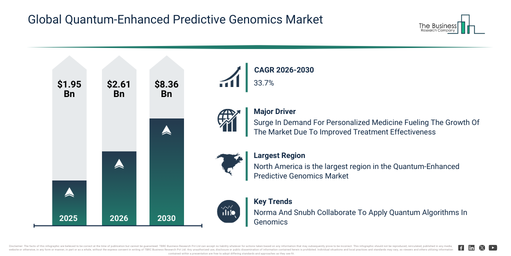
    The quantum-enhanced predictive genomics market size has expanded rapidly over recent years. This market is projected to increase from $1.95 billion in 2025 to $2.61 billion by 2026, achieving a compound annual growth rate (CAGR) of 34.0%. The historical growth can be attributed to several factors including advances in genomic sequencing technologies, the rise of large-scale genomic datasets, early research adoption of quantum computing, an increasing focus on personalized medicine, and the expansion of bioinformatics capabilities.

    The quantum-enhanced predictive genomics market size is projected to experience substantial expansion in the coming years. It is anticipated to reach $8.36 billion by 2030, exhibiting a compound annual growth rate (CAGR) of 33.7%. This anticipated growth during the forecast period is driven by factors such as the expanding accessibility of commercial quantum computing platforms, escalating investment in precision medicine research, the increasing need for predictive healthcare analytics, the broadening of quantum machine learning applications, and enhanced collaboration between genomics and quantum technology companies. Key developments expected in this period encompass a greater uptake of quantum-based genomic modeling, increased utilization of hybrid quantum-classical analytics, a heightened focus on discovering high-dimensional biomarkers, the proliferation of cloud-based quantum genomics platforms, and a strengthened emphasis on modeling predictive disease risk.

    Access Your Free Sample Report for In-Depth Market Insights:

    https://www.thebusinessresearchcompany.com/sample.aspx?id=28308&type=smp

    Which Drivers Are Influencing Long-Term Growth In The Quantum-Enhanced Predictive Genomics Market?

    The increasing need for individualized medical approaches is projected to boost the expansion of the quantum-enhanced predictive genomics market in the future. Individualized medicine involves customizing healthcare, therapeutic interventions, and preventative measures to align with a person’s distinct genetic, biological, and clinical characteristics. The heightened request for personalized medicine stems from its enhanced treatment efficacy, where specific therapies designed for an individual’s genetic makeup have resulted in superior results and reduced negative reactions. Quantum-enhanced predictive genomics aids personalized medicine by facilitating exceptionally rapid analysis of intricate genomic information, thereby empowering medical professionals to formulate extremely accurate, tailored treatment and prevention plans. As an illustration, in 2024, data from NHS England, a public health system in the UK, indicated that its genomic medicine service provided more than 810,000 personalized genomic tests to patients, marking an 8% rise from 2023, which highlights the increasing clinical requirement for care guided by genomics. Consequently, the escalating need for personalized medicine is anticipated to fuel the expansion of the quantum-enhanced predictive genomics market.

    Which Segments Are Driving Activity In The Quantum-Enhanced Predictive Genomics Market?

    The quantum-enhanced predictive genomics market covered in this report is segmented –

    1) By Technology: Quantum Computing, Quantum Machine Learning, Quantum Cryptography, Other Technologies

    2) By Deployment Mode: On-Premises, Cloud-Based

    3) By Application: Disease Risk Assessment, Drug Discovery, Personalized Medicine, Genomic Data Analysis, Other Applications

    4) By End-User: Pharmaceutical And Biotechnology Companies, Research Institutes, Healthcare Providers, Other End-Users

    Subsegments:

    1) By Quantum Computing: Gate Based Quantum Computing, Quantum Annealing, Topological Quantum Computing, Photonic Quantum Computing

    2) By Quantum Machine Learning: Supervised Learning, Unsupervised Learning, Reinforcement Learning, Deep Learning

    3) By Quantum Cryptography: Quantum Key Distribution, Quantum Random Number Generation, Quantum Secure Communication, Post Quantum Cryptography

    4) By Other Technologies: Quantum Sensors, Quantum Simulation, Quantum Networking, Hybrid Quantum Classical Systems

    Which Trends Are Influencing The Development Of The Quantum-Enhanced Predictive Genomics Market?

    Leading companies within the quantum-enhanced predictive genomics market are concentrating on innovations such as high-throughput genomic data processing to accelerate the identification of genetic variations, improve predictive accuracy in personalized medicine, and enable faster, more precise analysis of complex genomic datasets. High-throughput genomic data processing involves the rapid, large-scale analysis of genomic sequences employing advanced computational techniques. For example, in June 2025, Norma Group, a Germany-based developer and manufacturer of engineered and standardized joining and fluid-handling technology, entered a partnership with Seoul National University Bundang Hospital (SNUBH) to apply quantum algorithms to extensive genomic analysis. This initiative seeks to hasten the detection of genetic mutations through quantum-enhanced combinatorial optimization, thereby boosting both the speed and accuracy of genomic data processing beyond the capabilities of classical computing methods. Key applications encompass precision diagnostics, personalized treatment planning, and genetic risk assessment for conditions such as cancer and neurological disorders.

    Which Leading Companies Dominate The Quantum-Enhanced Predictive Genomics Market Share?

    Major companies operating in the quantum-enhanced predictive genomics market are Google LLC, Microsoft Corporation, Alibaba Group Holding Limited, Amazon Web Services, Inc., F. Hoffmann-La Roche AG, Accenture plc, IBM Corporation, Honeywell International Inc., Fujitsu Limited, Eviden, Xanadu Quantum Technologies Inc., Pasqal SA, Rigetti Computing, Inc., IonQ, Inc., D-Wave Systems Inc., Quantinuum, Atom Computing, Inc., Alice & Bob, QC Ware Corp., PsiQuantum, Inc., QuEra Computing, Inc., Quandela, Quantum Motion Ltd., Amazon.com, Inc., Intel Corporation, Cambridge Quantum Computing Ltd., Atos SE, NEC Corporation

    Access The Complete Report For Deeper Market Insights:

    https://www.thebusinessresearchcompany.com/report/quantum-enhanced-predictive-genomics-global-market-report

    How Does The Quantum-Enhanced Predictive Genomics Market Perform Across Major Global Regions?

    North America was the largest region in the quantum-enhanced predictive genomics market in 2025. Asia-Pacific is expected to be the fastest-growing region in the forecast period. The regions covered in the quantum-enhanced predictive genomics market report are Asia-Pacific, South East Asia, Western Europe, Eastern Europe, North America, South America, Middle East, Africa.

    Request Your Customized Quantum-Enhanced Predictive Genomics Market Research Report for Competitive Advantage:

    https://www.thebusinessresearchcompany.com/customise?id=28308&type=smp

    Browse Through More Reports Similar to the Global Quantum-Enhanced Predictive Genomics Market 2026, By The Business Research Company

    Quantum Computing And Technologies Market Report 2026

    https://www.thebusinessresearchcompany.com/report/quantum-computing-and-technologies-global-market-report

    Quantum Computing In Healthcare Market Report 2026

    https://www.thebusinessresearchcompany.com/report/quantum-computing-in-healthcare-global-market-report

    Enterprise Quantum Computing Market Report 2026

    https://www.thebusinessresearchcompany.com/report/enterprise-quantum-computing-global-market-report

    Get in touch with us:

    The Business Research Company: https://www.thebusinessresearchcompany.com/

    Americas +1 310-496-7795

    Asia +44 7882 955267 & +91 8897263534

    Europe +44 7882 955267

    Email us at info@tbrc.info

    Follow us on:

    LinkedIn: https://in.linkedin.com/company/the-business-research-company

    YouTube: https://www.youtube.com/channel/UC24_fI0rV8cR5DxlCpgmyFQ

    Global Market Model: https://www.thebusinessresearchcompany.com/global-market-model
  • Carrier Screening Market Trends and Insights: Global Forecast to 2030

    Carrier Screening Market Trends and Insights: Global Forecast to 2030

    Uncover key drivers, emerging technologies, and competitive movements shaping the carrier screening market from 2026–2035 with trusted insights from The Business Research Company

    What is the expected shift in the Carrier Screening Market’s size between 2026 and 2030?

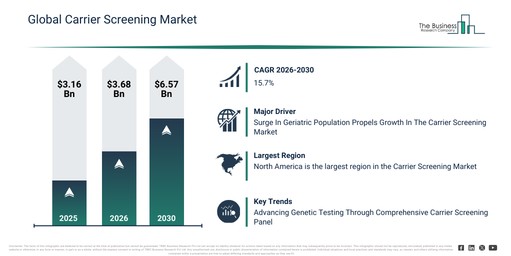
    The carrier screening market size has seen rapid growth in recent years. It is expected to expand from $3.16 billion in 2025 to $3.68 billion in 2026, at a compound annual growth rate (CAGR) of 16.3%. The market’s historical growth can be attributed to factors such as increasing awareness of genetic disorders, the expansion of prenatal and preconception testing, advancements in dna sequencing technologies, the growing use of laboratory-based diagnostics, and improved access to genetic counseling services.

    The carrier screening market size is projected for swift expansion over the next few years, set to reach $6.57 billion by 2030, driven by a compound annual growth rate (CAGR) of 15.7%. This growth within the forecast period is fueled by an escalating demand for personalized medicine, increased investments in genomic research, the expansion of population-wide screening initiatives, the growing adoption of AI-based genomic analytics, and an increasing focus on preventive healthcare strategies. Significant developments expected during this forecast period encompass the rising adoption of expanded carrier screening panels, the growing use of next-generation sequencing technologies, the increasing integration of AI in genetic data interpretation, the broadening of preventive genetic testing programs, and an enhanced emphasis on reproductive health screening.

    Access Your Free Sample Report for In-Depth Market Insights:

    https://www.thebusinessresearchcompany.com/sample.aspx?id=7952&type=smp

    Which Drivers Are Shaping Strategic Decisions In The Carrier Screening Market?

    The expanding geriatric population is anticipated to stimulate the growth of the carrier screening market in the future. This demographic segment refers to individuals who are elderly or older. Older people, especially those planning to have children later in life, may choose carrier screening as part of prenatal or preconception care to assess the genetic risks associated with advanced parental age. For instance, in October 2025, according to the Office for the National Statistics, a UK-based largest independent producer of official statistics, there were 625,000 people aged 90 or over in the UK in 2024, an increase from 612,000 in mid-2023, which is a 2.2% rise. Therefore, the increasing geriatric population is driving growth in the carrier screening market.

    What Segment Categories Are Covered In The Carrier Screening Market?

    The carrier screening market covered in this report is segmented –

    1) By Type: Expanded Carrier Screening, Targeted Disease Carrier Screening

    2) By Medical Condition: Pulmonary Conditions, Hematological Conditions, Neurological Conditions, Other Medical Conditions

    3) By Technology: DNA Sequencing, Polymerase Chain Reaction, Microarrays, Other Technologies

    4) By End User: Hospitals, Reference Laboratories, Physician Offices And Clinics, Other End Users

    Subsegments:

    1) By Expanded Carrier Screening: Next-Generation Sequencing (NGS) Panels, Comprehensive Carrier Screening Tests

    2) By Targeted Disease Carrier Screening: Single Gene Tests, Disease-Specific Panels, Ethnic Or Population-Specific Screening Tests

    Which Market Trends Are Opening Growth Opportunities In The Carrier Screening Market?

    Leading firms in the carrier screening market are prioritizing the creation of new products, particularly carrier screening panels, to maintain their competitive edge. A carrier screening panel consists of genetic tests conducted to detect individuals carrying a gene mutation for specific genetic conditions, even when no symptoms are present. As an example, in February 2023, Fulgent Genetics, Inc., a US-based entity focused on genetic testing and diagnostics, launched its newest product, the Beacon787 expanded carrier screening panel. This innovative panel encompasses 787 genes associated with autosomal recessive and X-linked conditions, incorporating every gene from the American College of Medical Genetics and Genomics (ACMG) Tier 3. The integration of these genes aligns with the recent practice guidelines from ACMG, which recommend thorough screening for all pregnant individuals and those intending to conceive. Fulgent’s Beacon787 endeavors to offer an equitable and pan-ethnic screening methodology, highlighting its dedication to improving genetic testing across a wider spectrum of conditions and fostering well-informed family planning choices.

    Which Major Firms Are Strengthening Their Position In The Carrier Screening Market?

    Major companies operating in the carrier screening market are Invitae Corporation, BGI Genomics Co. Ltd., Centogene NV, Eurofins Scientific SE, Fulgent Genetics Inc., Illumina Inc., Laboratory Corporation of America Holdings, MedGenome Inc., Myriad Genetics Inc., Natera Inc., OPKO Health Inc., Otogenetics Corporation, Quest Diagnostics Inc., Sema4 Holdings Corporation, Thermo Fisher Scientific Inc., Associated Regional and University Pathologists Inc., GeneDx LLC, GenPath Consultants and Technologies Private Limited, Good Start Genetics Inc., NIPD Genetics Co. Pvt. Ltd., Pathway Genomics Corp., PerkinElmer Inc., PreventionGenetics LLC, Progenity Inc.

    Access The Complete Report For Deeper Market Insights:

    https://www.thebusinessresearchcompany.com/report/carrier-screening-global-market-report

    Which Region Is Anticipated To See The Fastest Growth In The Carrier Screening Market?

    North America was the largest region in the carrier screening market in 2025. Asia-Pacific is expected to be the fastest-growing region in the carrier screening market report during the forecast period. The regions covered in the carrier screening market report are Asia-Pacific, South East Asia, Western Europe, Eastern Europe, North America, South America, Middle East, Africa.

    Request Your Customized Carrier Screening Market Research Report for Competitive Advantage:

    https://www.thebusinessresearchcompany.com/customise?id=7952&type=smp

    Browse Through More Reports Similar to the Global Carrier Screening Market 2026, By The Business Research Company

    Wireless Telecommunication Carrier Market Report 2026

    https://www.thebusinessresearchcompany.com/report/wireless-telecommunication-carrier-global-market-report

    Security Screening Market Report 2026

    https://www.thebusinessresearchcompany.com/report/security-screening-global-market-report

    Drug Screening Market Report 2026

    https://www.thebusinessresearchcompany.com/report/drug-screening-global-market-report

    Get in touch with us:

    The Business Research Company: https://www.thebusinessresearchcompany.com/

    Americas +1 310-496-7795

    Asia +44 7882 955267 & +91 8897263534

    Europe +44 7882 955267

    Email us at info@tbrc.info

    Follow us on:

    LinkedIn: https://in.linkedin.com/company/the-business-research-company

    YouTube: https://www.youtube.com/channel/UC24_fI0rV8cR5DxlCpgmyFQ

    Global Market Model: https://www.thebusinessresearchcompany.com/global-market-model