Month: March 2026

  • Quadriplegia Treatment Market Future Outlook 2026: Key Drivers and Growth Potential

    Quadriplegia Treatment Market Future Outlook 2026: Key Drivers and Growth Potential

    Uncover key drivers, emerging technologies, and competitive movements shaping the quadriplegia treatment market from 2026–2035 with trusted insights from The Business Research Company

    What level of CAGR-driven expansion is anticipated in the Quadriplegia Treatment Market between 2026 and 2030?

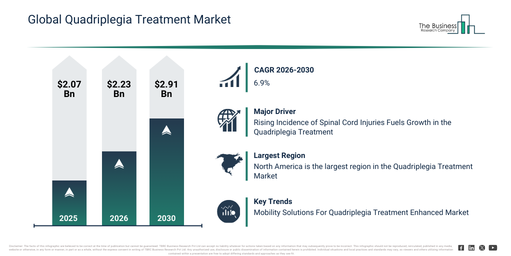
    The quadriplegia treatment market size has experienced significant expansion in recent years. It is projected to grow from $2.07 billion in 2025 to $2.23 billion in 2026, exhibiting a compound annual growth rate (CAGR) of 7.9%. The market’s past growth can be ascribed to a higher frequency of spinal cord injuries, the proliferation of rehabilitation centers, the provision of pharmacological pain management solutions, increasing understanding of long-term care necessities, and enhanced availability of mobility aids.

    The quadriplegia treatment market size is projected to experience robust expansion over the coming years. Its valuation is set to reach $2.91 billion by 2030, demonstrating a compound annual growth rate (CAGR) of 6.9%. This anticipated growth during the forecast period stems from factors such as the increasing uptake of neurorehabilitation technologies, a rising need for home-based care options, the broadening of digital health platforms, an enhanced emphasis on elevating patient quality of life, and greater financial commitment to assistive technology innovation. Key trends anticipated within the forecast timeframe encompass the wider adoption of advanced rehabilitation technologies, an increase in the utilization of assistive and mobility devices, the expanding integration of digital therapy and remote monitoring, the proliferation of multidisciplinary treatment approaches, and an intensified focus on personalized pain and spasticity management.

    Access Your Free Sample Report for In-Depth Market Insights:

    https://www.thebusinessresearchcompany.com/sample.aspx?id=16521&type=smp

    What Drivers Are Affecting Demand-Supply Dynamics In The Quadriplegia Treatment Market?

    An increasing occurrence of spinal cord injuries (SCIs) is projected to boost the expansion of the quadriplegia treatment market in the future. SCIs involve harm to the spinal cord due to accidents or illness, frequently leading to impaired movement, feeling, or motor control beneath the injury point. The rise in SCI incidents stems from elements like traffic accidents, tumbles, athletic mishaps, and acts of violence. Quadriplegia treatment focuses on regaining functional autonomy and enhancing life quality via methods such as rehabilitation, supportive technologies, nerve stimulation, and medical care. For example, in February 2025, the National Spinal Cord Injury Statistical Center (NSCISC), a US-based organization gathering and analyzing nationwide traumatic SCI data, reported that the U.S. population in 2024 was roughly 341 million, and given an incidence rate of about 54 traumatic spinal cord injuries per million people, approximately 18,421 new tSCI cases are estimated to occur annually. Consequently, the growing number of spinal cord injuries is stimulating the growth of the treatment market.

    Quadriplegia Treatment Market Driver: Surge In Healthcare Expenditure Fueling The Growth Of The Market Due To Rising Chronic Diseases And Long-Term Care Needs

    An increase in healthcare spending is projected to drive the expansion of the quadriplegia treatment market moving forward. Healthcare expenditure encompasses all funds allocated by individuals, governments, and entities for initiatives, services, and goods designed to preserve, enhance, or restore public health, covering medical procedures, hospital services, preventative measures, medications, and public health initiatives. This rise in spending is attributed to the growing occurrence of chronic illnesses, which demand ongoing medical attention, extended treatments, and frequent hospital visits, thus leading to greater overall costs. Quadriplegia treatment contributes positively to healthcare expenditure by lessening long-term disability-associated expenses through efficient rehabilitation, supportive equipment, and therapies that enhance patient autonomy and reduce the need for extended medical care. As an illustration, in June 2025, data from the Centers for Medicare & Medicaid Services (CMS), a US-based federal agency, indicated that in 2023, total national health expenditures (NHE) in the U.S. reached $4.9 trillion, representing a 7.5% increase from 2022, and constituted 17.6% of GDP. Consequently, the increasing healthcare expenditure is fueling the growth of the quadriplegia treatment market.

    How Is The Quadriplegia Treatment Market Organized Into Various Segments?

    The quadriplegia treatment market covered in this report is segmented –

    1) By Treatment Type: Corticosteroids, Non-Steroidal Anti-Inflammatory Drugs (NSAIDs), Antidepressants, Anticonvulsants, Narcotic Analgesics, Antispasmodics And Muscle Relaxants, Antibiotics

    2) By Route Of Administration: Oral, Intravenous, Other Routes Of Administration

    3) By Distribution Channel: Online Stores, Drug Stores, Retail Pharmacies, Hospital Pharmacies

    Subsegments:

    1) By Corticosteroids: Methylprednisolone, Prednisone, Dexamethasone

    2) By Non-Steroidal Anti-Inflammatory Drugs (NSAIDs): Ibuprofen, Naproxen, Aspirin

    3) By Antidepressants: Tricyclic Antidepressants, Selective Serotonin Reuptake Inhibitors (SSRIs), Serotonin And Norepinephrine Reuptake Inhibitors (SNRIs)

    4) By Anticonvulsants: Gabapentin, Pregabalin, Carbamazepine

    5) By Narcotic Analgesics: Morphine, Fentanyl, Oxycodone

    6) By Antispasmodics And Muscle Relaxants: Baclofen, Tizanidine, Cyclobenzaprine

    7) By Antibiotics: Broad-Spectrum Antibiotics, Infection-Specific Antibiotics

    What Trends Are Expected To Impact The Competitive Landscape Of The Quadriplegia Treatment Market?

    Leading companies within the quadriplegia treatment market are developing novel products, such as wireless tongue-controlled interfaces, to enhance patient mobility and autonomy. These interfaces allow individuals with quadriplegia to operate devices or communicate through specific tongue movements, significantly improving their independence and overall quality of life. For example, in April 2023, Augmental, a US-based provider of digital devices and interfaces that spun off from Media Lab, launched MouthPad. This tongue-controlled interface empowers users to interact with digital devices without using their hands. This innovative device is anticipated to be revolutionary for people with limited hand-motor control, as well as for anyone desiring a more natural and expressive method to engage with computers. It comprises a custom-fit, 3D-printed mouthpiece embedded with a trackpad chip designed to detect tongue movements and pressure. Consequently, users can control their devices by sweeping their tongue across the trackpad, with tongue presses activating left clicks and sip gestures performing right clicks.

    Who Are The Major Companies Operating In The Quadriplegia Treatment Market?

    Major companies operating in the quadriplegia treatment market are Johnson And Johnson Services Inc., Merck And Co., Sanofi S.A., Bristol Myers Squibb Co., AstraZeneca plc, Abbott Laboratories, GlaxoSmithKline plc, Roche Holdings Inc., Takeda Pharmaceutical Co Ltd, Medtronic plc, Eli Lilly And Co., Koninklijke Philips NV, Stryker Corporation, Teva Pharmaceutical Industries Ltd., Baxter International, Zimmer Biomet Holdings Inc., Sun Pharmaceutical Industries Limited, Cipla Ltd, Ottobock SE And Co. KGaA, Zydus Lifesciences Ltd., Invacare Corporation, Sunrise Medical Company Private Limited, Pride Mobility Products Corp., Pfizer Inc., Novartis AG

    Access The Complete Report For Deeper Market Insights:

    https://www.thebusinessresearchcompany.com/report/quadriplegia-treatment-global-market-report

    Which Region Is Anticipated To See The Fastest Growth In The Quadriplegia Treatment Market?

    North America was the largest region in the quadriplegia treatment market in 2025. The regions covered in the quadriplegia treatment market report are Asia-Pacific, South East Asia, Western Europe, Eastern Europe, North America, South America, Middle East, Africa.

    Request Your Customized Quadriplegia Treatment Market Research Report for Competitive Advantage:

    https://www.thebusinessresearchcompany.com/customise?id=16521&type=smp

    Browse Through More Reports Similar to the Global Quadriplegia Treatment Market 2026, By The Business Research Company

    Chronic Venous Occlusions Treatment Market Report 2026

    https://www.thebusinessresearchcompany.com/report/chronic-venous-occlusions-treatment-global-market-report

    Cerebral Palsy Treatment Market Report 2026

    https://www.thebusinessresearchcompany.com/report/cerebral-palsy-treatment-global-market-report

    Rare Neurological Disease Treatment Market Report 2026

    https://www.thebusinessresearchcompany.com/report/rare-neurological-disease-treatment-global-market-report

    Get in touch with us:

    The Business Research Company: https://www.thebusinessresearchcompany.com/

    Americas +1 310-496-7795

    Asia +44 7882 955267 & +91 8897263534

    Europe +44 7882 955267

    Email us at info@tbrc.info

    Follow us on:

    LinkedIn: https://in.linkedin.com/company/the-business-research-company

    YouTube: https://www.youtube.com/channel/UC24_fI0rV8cR5DxlCpgmyFQ

    Global Market Model: https://www.thebusinessresearchcompany.com/global-market-model
  • Q Switched Ruby Laser Treatments Market Trends and Insights: Global Forecast to 2030

    Q Switched Ruby Laser Treatments Market Trends and Insights: Global Forecast to 2030

    Uncover key drivers, emerging technologies, and competitive movements shaping the q switched ruby laser treatments market from 2026–2035 with trusted insights from The Business Research Company

    What long-term size projections exist for the Q Switched Ruby Laser Treatments Market covering 2026–2035?

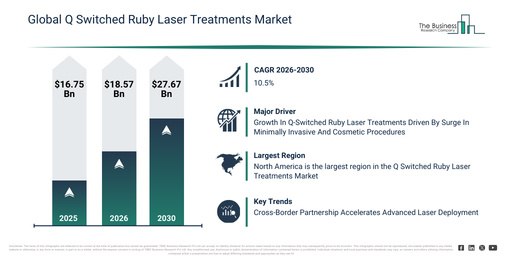
    The q switched ruby laser treatments market has experienced significant expansion in recent years. It is anticipated to grow from $16.75 billion in 2025 to $18.57 billion in 2026, at a compound annual growth rate (CAGR) of 10.8%. This historic growth can be attributed to an increase in aesthetic medicine procedures, growing awareness of non-invasive skin treatments, the proliferation of dermatology and cosmetic clinics, advancements in laser energy delivery systems, and a rising demand for pigmentation correction.

    The q switched ruby laser treatments market size is anticipated to experience substantial growth in the coming years, projected to reach $27.67 billion by 2030, exhibiting a compound annual growth rate (CAGR) of 10.5%. This expansion during the forecast period is driven by several factors, including the increasing integration of advanced aesthetic laser systems, a heightened demand for minimally invasive cosmetic procedures, the proliferation of medical aesthetics clinics in developing regions, an intensified emphasis on laser technologies safe for skin, and the increased application of combination laser therapies. Key trends expected during this period encompass the growing acceptance of laser-based treatments for pigmentation, a surge in demand for tattoo removal services, their expanding application within dermatology clinics, the broadening availability of multi-wavelength laser platforms, and a heightened commitment to treatment accuracy and patient safety.

    Access Your Free Sample Report for In-Depth Market Insights:

    https://www.thebusinessresearchcompany.com/sample.aspx?id=20609&type=smp

    Which Drivers Are Impacting The Competitive Landscape Of The Q Switched Ruby Laser Treatments Market?

    The Q-switched ruby laser treatments market is anticipated to expand due to increasing demand for minimally invasive and cosmetic procedures. These procedures encompass various medical interventions aimed at enhancing appearance and improving aesthetic outcomes with minimal physical disruption. The growing preference for non-surgical alternatives and greater media exposure are key factors contributing to the surge in demand for minimally invasive and cosmetic procedures, further boosting their acceptance and desirability. Q-switched ruby laser treatments cater to this rising demand by providing effective solutions for skin conditions like pigmentation and tattoos, requiring minimal downtime and causing fewer adverse effects. For instance, in June 2024, the American Society of Plastic Surgeons, a US-based professional society representing plastic surgeons, reported that in 2023, the number of liposuction procedures, a surgical procedure designed to remove excess fat deposits from specific areas of the body, reached 347,782, which represents a 7 percent increase from the total recorded in 2022. Thus, the increasing need for minimally invasive and cosmetic procedures is a significant driver for the growth of the Q-switched ruby laser treatments market.

    What Segments Are Identified Within The Structure Of The Q Switched Ruby Laser Treatments Market?

    The q switched ruby laser treatments market covered in this report is segmented –

    1) By Laser Configuration: Standard Q-Switched Ruby Laser Systems, High-Pulse Energy Q-Switched Ruby Laser Systems, Compact Or Portable Q-Switched Ruby Laser Systems

    2) By Pulse And Technical Characteristics: Single-Pulse Q-Switched Ruby Lasers, Multi-Pulse Or Repetition-Controlled Q-Switched Ruby Lasers, High-Peak-Power Short-Pulse Ruby Lasers

    3) By Application: Pigmented Lesions Treatment, Tattoo Removal, Selective Melasma Treatment (Pigment-Focused Cases Only), Other Pigment-Related Dermatological Treatments

    4) By Treatment Setting: Dermatology Clinics, Aesthetic & Cosmetic Laser Centers, Hospital-Based Dermatology Departments

    5) By End User: Hospitals, Specialty Dermatology Centers, Aesthetic Clinics, Other End Users

    Subsegments:

    1) By Standard Q-Switched Ruby Laser Systems: Fixed-console Q-switched ruby laser platforms, Single-wavelength 694 nm clinical systems, Conventional pulse-energy ruby laser systems, Clinic-based stationary ruby laser units

    2) By High-Pulse Energy Q-Switched Ruby Laser Systems: High-peak-power ruby laser systems, Deep-pigment penetration ruby lasers, Tattoo-focused high-energy ruby platforms, Enhanced pulse-stability ruby laser systems

    3) By Compact And Portable Q-Switched Ruby Laser Systems: Space-efficient compact ruby laser systems, Portable clinic-use Q-switched ruby lasers, Mobile dermatology ruby laser platforms, Lightweight ruby laser systems for outpatient settings

    Which Trends Are Guiding The Evolution Of The Q Switched Ruby Laser Treatments Market?

    Leading companies in the Q-switched ruby laser treatments market are adopting strategic partnership approaches to bolster technology integration and expand their market presence. A strategic partnership generally signifies a cooperative arrangement between two or more entities, where they merge their assets, expertise, and endeavors to achieve mutual objectives. For example, in August 2025, Primelaze, an India-based medical aesthetics and laser technology company, initiated a strategic collaboration with Hypertech Laser Systems (HLS), a Germany-based dermatological laser manufacturer, with the goal of introducing next-generation Q-switched laser technology into India. This launch features two sophisticated platforms, BiAxis QS (Nano) and BiAxis Pico, both being Q-switched Nd:YAG systems crafted to provide superior precision, improved safety, and extensive clinical versatility across all skin phototypes.

    Which Major Firms Are Strengthening Their Position In The Q Switched Ruby Laser Treatments Market?

    Major companies operating in the q switched ruby laser treatments market are DEKA Laser, Quanta System, Asclepion Laser Technologies, Candela Medical, Cynosure, Lumenis, Syneron Medical, Nidek, Ellex Medical, Guilin Woodpecker, Wontech, Lutronic, Union Medical, ADSS Laser, Jeisys Medical, Eunsung Global, KLS Martin, Biotec Italia, Laseroptek, Hoya ConBio

    Access The Complete Report For Deeper Market Insights:

    https://www.thebusinessresearchcompany.com/report/q-switched-ruby-laser-treatments-global-market-report

    Which Region Is Anticipated To See The Fastest Growth In The Q Switched Ruby Laser Treatments Market?

    North America was the largest region in the Q switched ruby laser treatments market in 2025. Europe is expected to be the fastest-growing region in the forecast period. The regions covered in the q switched ruby laser treatments market report are Asia-Pacific, South East Asia, Western Europe, Eastern Europe, North America, South America, Middle East, Africa.

    Request Your Customized Q Switched Ruby Laser Treatments Market Research Report for Competitive Advantage:

    https://www.thebusinessresearchcompany.com/customise?id=20609&type=smp

    Browse Through More Reports Similar to the Global Q Switched Ruby Laser Treatments Market 2026, By The Business Research Company

    Dentistry Medical Lasers Market Report 2026

    https://www.thebusinessresearchcompany.com/report/dentistry-medical-lasers-global-market-report

    Medical Lasers Market Report 2026

    https://www.thebusinessresearchcompany.com/report/medical-lasers-global-market-report

    Urology Medical Lasers Market Report 2026

    https://www.thebusinessresearchcompany.com/report/urology-medical-lasers-global-market-report

    Get in touch with us:

    The Business Research Company: https://www.thebusinessresearchcompany.com/

    Americas +1 310-496-7795

    Asia +44 7882 955267 & +91 8897263534

    Europe +44 7882 955267

    Email us at info@tbrc.info

    Follow us on:

    LinkedIn: https://in.linkedin.com/company/the-business-research-company

    YouTube: https://www.youtube.com/channel/UC24_fI0rV8cR5DxlCpgmyFQ

    Global Market Model: https://www.thebusinessresearchcompany.com/global-market-model
  • Global Carpal Tunnel Syndrome Market Report 2026–2030: Data-Driven Growth Insights

    Global Carpal Tunnel Syndrome Market Report 2026–2030: Data-Driven Growth Insights

    Uncover key drivers, emerging technologies, and competitive movements shaping the carpal tunnel syndrome market from 2026–2035 with trusted insights from The Business Research Company

    What growth pattern is forecast for the Carpal Tunnel Syndrome Market size between 2026 and 2035?

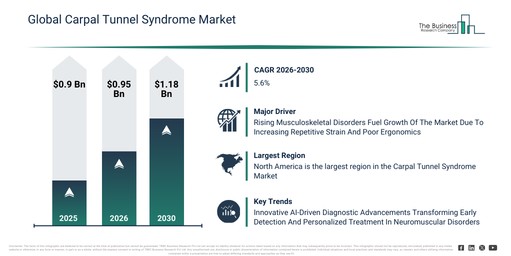
    The carpal tunnel syndrome market size has demonstrated robust growth over recent years. It is forecast to increase from $0.9 billion in 2025 to $0.95 billion in 2026, achieving a compound annual growth rate (CAGR) of 5.6%. The expansion observed in the past can be attributed to the escalating occurrence of repetitive strain injuries, enhanced understanding of carpal tunnel syndrome, the proliferation of occupational health programs, the provision of non-surgical treatment alternatives, and advancements in diagnostic accuracy.

    The carpal tunnel syndrome market is projected to experience substantial expansion over the coming years, reaching a valuation of $1.18 billion by 2030, propelled by a compound annual growth rate (CAGR) of 5.6%. This anticipated growth during the forecast period stems from factors such as the surging demand for wearable health technologies, the increasing uptake of outpatient surgical procedures, a heightened emphasis on personalized treatment strategies, the broader implementation of digital diagnostics within orthopedics, and a growing inclination towards conservative treatment methods. Key developments anticipated in this period encompass the increasing embrace of minimally invasive surgical techniques, the rising utilization of wearable wrist support devices, the expanding incorporation of AI-based diagnostic tools, the proliferation of home-based treatment solutions, and a reinforced commitment to early diagnosis and prevention.

    Access Your Free Sample Report for In-Depth Market Insights:

    https://www.thebusinessresearchcompany.com/sample.aspx?id=27239&type=smp

    Which Drivers Are Impacting Market Performance In The Carpal Tunnel Syndrome Market?

    The increasing occurrence of musculoskeletal conditions is projected to drive the expansion of the carpal tunnel syndrome market. These disorders involve injuries or ailments affecting the body’s mobility or its musculoskeletal framework, such as muscles, bones, joints, and associated tissues. Sedentary habits and extended periods of screen use are contributing to the rise in musculoskeletal disorders by leading to poor posture and repeated stress on muscles and joints. Treating carpal tunnel syndrome proves advantageous for musculoskeletal disorders because it alleviates nerve compression, which aids in restoring typical hand and wrist function, thereby easing discomfort and enhancing overall musculoskeletal well-being. For example, in January 2024, the Office for Health Improvement and Disparities, a UK government body, reported that 18.4% of individuals aged 16 and above were living with a long-term musculoskeletal condition in 2023, an increase from 17.6% in 2022. Consequently, the growing prevalence of musculoskeletal disorders is fueling the expansion of the carpal tunnel syndrome market.

    Which Segments Are Contributing To The Growth Of The Carpal Tunnel Syndrome Market?

    The carpal tunnel syndrome market covered in this report is segmented –

    1) By Product Type: Surgical Devices, Non-Surgical Treatments, Wearable Devices

    2) By Technology: Electrophysiological And Imaging-Based Diagnostics, Wearable Health Technology

    3) By Distribution Channel: Hospital Pharmacies, Retail Pharmacies, Online Pharmacies

    4) By Application: Diagnostics, Treatment

    5) By End User: Hospitals, Specialty Clinics, Home Care Settings

    Subsegments:

    1) By Surgical Devices: Endoscopic Carpal Tunnel Release Devices, Open Carpal Tunnel Release Instruments, Surgical Kits And Tools

    2) By Non-Surgical Treatments: Corticosteroid Injections, Physical Therapy Aids, Hand And Wrist Splints Or Braces

    3) By Wearable Devices: Wrist Support Braces, Compression Gloves, Night Splints

    How Are Emerging Trends Affecting The Progression Of The Carpal Tunnel Syndrome Market?

    Major companies in the carpal tunnel syndrome market are focused on developing novel approaches, such as electromyography-based machine learning models, to boost early diagnosis accuracy and tailor treatment strategies for enhanced patient outcomes. An electromyography-based machine learning model describes a computational method that employs EMG data to train algorithms capable of discerning irregular muscle activity patterns, thus enabling automated and precise identification of neuromuscular disorders like carpal tunnel syndrome. For example, in February 2024, Aster DM Healthcare Limited, a multi-specialty hospital located in India, unveiled an artificial intelligence (AI)-powered tool to efficiently diagnose Carpal Tunnel Syndrome (CTS). This tool automatically identifies the median nerve in ultrasound videos with 95% accuracy, thereby speeding up and improving the diagnostic process. It improves patient care by facilitating early, reliable detection and reducing the necessity for repeated examinations and manual measurements.

    Who Are The Primary Competitors In The Global Carpal Tunnel Syndrome Market?

    Major companies operating in the carpal tunnel syndrome market are 3M Company, Zimmer Biomet Holdings Inc., Smith & Nephew plc., Arthrex Inc., Integra LifeSciences Holdings Corporation, CONMED Corporation, Össur hf., Breg Inc., MUELLER SPORTS MEDICINE INC., Bauerfeind AG, MicroAire Surgical Instruments LLC, AliMed, Trice Medical Inc., Innomed Inc., Brownmed Inc., Tynor Orthotics Pvt. Ltd., A.M. Surgical Inc., Goldtouch Technologies Inc., Sonex Health Inc., Vive Health LLC., ActiveWrap Inc.

    Access The Complete Report For Deeper Market Insights:

    https://www.thebusinessresearchcompany.com/report/carpal-tunnel-syndrome-global-market-report

    Which Global Regions Are Shaping The Competitive Landscape Of The Carpal Tunnel Syndrome Market?

    North America was the largest region in the carpal tunnel syndrome market in 2025. The regions covered in the carpal tunnel syndrome market report are Asia-Pacific, South East Asia, Western Europe, Eastern Europe, North America, South America, Middle East, Africa.

    Request Your Customized Carpal Tunnel Syndrome Market Research Report for Competitive Advantage:

    https://www.thebusinessresearchcompany.com/customise?id=27239&type=smp

    Browse Through More Reports Similar to the Global Carpal Tunnel Syndrome Market 2026, By The Business Research Company

    Steel Fiber Market Report 2026

    https://www.thebusinessresearchcompany.com/report/steel-fiber-global-market-report

    Glass Fiber Reinforced Concrete Market Report 2026

    https://www.thebusinessresearchcompany.com/report/glass-fiber-reinforced-concrete-global-market-report

    Concrete Materials Market Report 2026

    https://www.thebusinessresearchcompany.com/report/concrete-materials-global-market-report

    Get in touch with us:

    The Business Research Company: https://www.thebusinessresearchcompany.com/

    Americas +1 310-496-7795

    Asia +44 7882 955267 & +91 8897263534

    Europe +44 7882 955267

    Email us at info@tbrc.info

    Follow us on:

    LinkedIn: https://in.linkedin.com/company/the-business-research-company

    YouTube: https://www.youtube.com/channel/UC24_fI0rV8cR5DxlCpgmyFQ

    Global Market Model: https://www.thebusinessresearchcompany.com/global-market-model
  • Global Pyrogen Testing Market Report 2026–2030: Data-Driven Growth Insights

    Global Pyrogen Testing Market Report 2026–2030: Data-Driven Growth Insights

    Uncover key drivers, emerging technologies, and competitive movements shaping the pyrogen testing market from 2026–2035 with trusted insights from The Business Research Company

    What total market size is anticipated for the Pyrogen Testing Market in 2030?

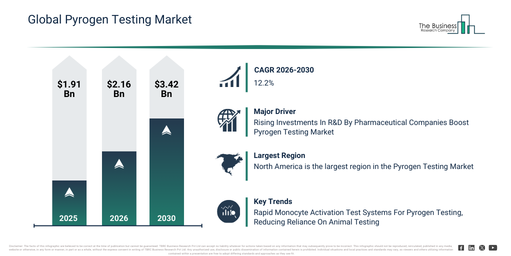
    The pyrogen testing market size has seen rapid growth in recent years. It is anticipated to expand from $1.91 billion in 2025 to $2.16 billion in 2026, achieving a compound annual growth rate (CAGR) of 13.0%. The market’s growth during the historic period can be attributed to several factors, including the expansion of pharmaceutical manufacturing capacity, increased production of injectable drugs and vaccines, regulatory mandates for pyrogen testing, the reliance on LAL-based assays, and the growth of biologics development.

    The pyrogen testing market is projected to experience substantial expansion in the coming years, with its size anticipated to reach $3.42 billion by 2030, driven by a compound annual growth rate (CAGR) of 12.2%. This growth during the forecast period is primarily attributed to the increasing adoption of rFC and MAT assays, rising investments in biopharmaceutical research and development, the expansion of cell and gene therapy manufacturing, a growing focus on animal-free testing solutions, and greater automation in quality control laboratories. Concurrently, major trends expected in this period include the increasing adoption of recombinant and in vitro pyrogen tests, a discernible shift away from animal-based testing methods, growing demand for rapid and high-sensitivity detection assays, the expansion of automated endotoxin testing instruments, and an enhanced focus on regulatory compliance in biopharmaceutical manufacturing.

    Access Your Free Sample Report for In-Depth Market Insights:

    https://www.thebusinessresearchcompany.com/sample.aspx?id=4020&type=smp

    What Drivers Are Influencing Production Trends In The Pyrogen Testing Market?

    The future expansion of the pyrogen testing market is anticipated due to increasing research and development (R&D) expenditures by pharmaceutical and biotechnology companies. Pyrogen testing involves evaluating medications and biological products to guarantee the absence of fever-causing impurities like endotoxins, a critical step for secure product manufacturing. This surge in R&D investment stems from the necessity to create sophisticated therapies and biologics demanding strict quality control and safety checks. By confirming the safety and regulatory adherence of new drugs and biologics, pyrogen testing encourages greater R&D investment, empowering pharmaceutical and biotechnology companies to confidently pursue groundbreaking treatments. For example, in February 2025, the National Center for Science and Engineering Statistics (NCSES), a U.S.-based government statistical agency, reported that U.S. research and development expenditures increased from $892 billion in 2022 to $940 billion in 2023, an increase of $48 billion. Consequently, the expanding R&D investments from pharmaceutical companies are driving the growth of the pyrogen testing market.

    Which Segments Are Gaining Traction In The Pyrogen Testing Market?

    The pyrogen testing market covered in this report is segmented –

    1) By Test Type: LAL Test, In Vitro Test, Rabbit Test

    2) By Product And Service: Assays, Kits, And Reagents, Instruments, Services

    3) By Application: Pharmaceutical And Biologics, Medical Devices, Other Applications

    Subsegments:

    1) By Test Limulus Amebocyte Lysate (LAL) Test: Gel Clot LAL Test, Chromogenic LAL Test, Turbidimetric LAL Test

    2) By In Vitro Test: Monocyte Activation Test (MAT), Recombinant Factor C (rFC) Assay, Other In Vitro Tests

    3) By Rabbit Test: Pyrogen Test in Rabbits, Other Animal-Based Tests

    What Trends Are Projected To Support The Growth Of The Pyrogen Testing Market?

    Major companies within the pyrogen testing market are creating advanced products, such as sustainable monocyte activation test (MAT) systems, to enhance their business offerings and broaden their market presence. The monocyte activation test (MAT) System is an in vitro assay employed for pyrogen testing within the biopharmaceutical and medical device industry. For instance, Lonza, a Swiss multinational manufacturing company, introduced two new rapid monocyte activation test (MAT) systems, the PyroCell MAT Rapid System and the PyroCell MAT Human Serum (HS) Rapid System, in October 2023. These new systems are set to replace Lonza’s existing MAT system kit offerings and incorporate the PeliKine Human IL-6 Rapid ELISA Kit, which significantly reduces hands-on time and cuts down the time-to-results from two days to two hours. These innovative tests provide pharmaceutical manufacturers with simpler, quicker, and more effective monocyte activation test (MAT) options for ensuring product safety, simultaneously contributing to a decrease in animal testing reliance.

    Who Are The Primary Competitors In The Global Pyrogen Testing Market?

    Major companies operating in the pyrogen testing market are Thermo Fisher Scientific Inc., Merck KGaA, Charles River Laboratories Inc., Lonza Group Ltd., Ellab A S, Nelson Laboratories LLC, Associates of Cape Cod Inc., GenScript Biotech Corporation, bioMerieux SA, Hyglos GmbH, Wako Chemicals USA Inc., Pyrostar International Inc., Eurofins Scientific SE, SGS SA, WuXi AppTec Group, Sigma Aldrich Co. LLC, Bio Rad Laboratories Inc., Microcoat Biotechnologie GmbH, Sartorius AG, Pacific Biolabs Inc., Toxikon Corporation, STERIS Corporation, Avance Biosciences Inc., BioReliance Corporation, Microbiological Consulting LLC, Microbac Laboratories Inc., North American Science Associates Inc., Pace Analytical Life Sciences LLC

    Access The Complete Report For Deeper Market Insights:

    https://www.thebusinessresearchcompany.com/report/pyrogen-testing-global-market-report

    Which Global Regions Are Shaping The Competitive Landscape Of The Pyrogen Testing Market?

    North America was the largest region in the pyrogen testing market in 2025. Asia-Pacific is expected to continue to be the fastest growing region in the pyrogen testing market share during the forecast period. The regions covered in the pyrogen testing market report are Asia-Pacific, South East Asia, Western Europe, Eastern Europe, North America, South America, Middle East, Africa.

    Request Your Customized Pyrogen Testing Market Research Report for Competitive Advantage:

    https://www.thebusinessresearchcompany.com/customise?id=4020&type=smp

    Browse Through More Reports Similar to the Global Pyrogen Testing Market 2026, By The Business Research Company

    Specimen Validity Testing Market Report 2026

    https://www.thebusinessresearchcompany.com/report/specimen-validity-testing-global-market-report

    Pesticide Residue Testing Market Report 2026

    https://www.thebusinessresearchcompany.com/report/pesticide-residue-testing-global-market-report

    Genetic Toxicology Testing Market Report 2026

    https://www.thebusinessresearchcompany.com/report/genetic-toxicology-testing-global-market-report

    Get in touch with us:

    The Business Research Company: https://www.thebusinessresearchcompany.com/

    Americas +1 310-496-7795

    Asia +44 7882 955267 & +91 8897263534

    Europe +44 7882 955267

    Email us at info@tbrc.info

    Follow us on:

    LinkedIn: https://in.linkedin.com/company/the-business-research-company

    YouTube: https://www.youtube.com/channel/UC24_fI0rV8cR5DxlCpgmyFQ

    Global Market Model: https://www.thebusinessresearchcompany.com/global-market-model
  • Push-To-Talk Telemedicine And mHealth Convergence Market Dynamics 2026: Future Outlook and Key Insights

    Push-To-Talk Telemedicine And mHealth Convergence Market Dynamics 2026: Future Outlook and Key Insights

    Uncover key drivers, emerging technologies, and competitive movements shaping the push-to-talk telemedicine and mhealth convergence market from 2026–2035 with trusted insights from The Business Research Company

    What is the expected shift in the Push-To-Talk Telemedicine And mHealth Convergence Market’s size between 2026 and 2030?

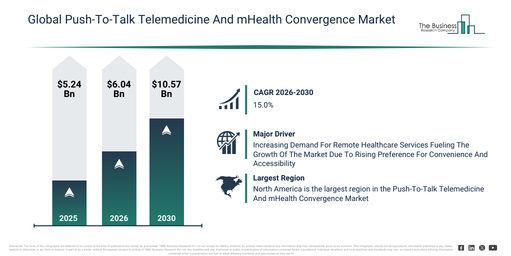
    The push-to-talk telemedicine and mhealth convergence market size has seen rapid expansion in recent years. This market is set to increase in value from $5.24 billion in 2025 to $6.04 billion in 2026, indicating a compound annual growth rate (CAGR) of 15.3%. The market’s growth in previous periods can be ascribed to several factors, including the increasing presence of mobile devices in healthcare, the expansion of telemedicine provisions into rural regions, a rising requirement for prompt clinical communication, growing demands for chronic disease monitoring, and the uptake of secure healthcare communication solutions.

    The push-to-talk telemedicine and mhealth convergence market is anticipated to experience significant expansion over the coming years. By 2030, this market is projected to reach $10.57 billion, exhibiting a compound annual growth rate (CAGR) of 15.0%. The expansion during the projected period stems from several factors, including heightened investments in interconnected healthcare systems, a growing need for immediate patient interaction, the proliferation of care models utilizing wearables, an increasing emphasis on urgent telehealth provisions, and the incorporation of AI-powered communication analysis. Key trends foreseen in this forecast span the increased merging of push-to-talk technology with wearable health gadgets, the expanding implementation of real-time mobile communication systems within healthcare, greater embrace of cloud-centric telemedicine frameworks, the broadening of emergency communication services, and a heightened emphasis on managing remote care.

    Access Your Free Sample Report for In-Depth Market Insights:

    https://www.thebusinessresearchcompany.com/sample.aspx?id=27401&type=smp

    Which Drivers Are Shaping Strategic Decisions In The Push-To-Talk Telemedicine And mHealth Convergence Market?

    The growing occurrence of chronic illnesses is anticipated to boost the expansion of the push-to-talk (PTT) telemedicine and mHealth convergence market in the future. These are enduring health issues that manifest gradually and persist over a long duration, frequently necessitating ongoing medical attention. This rise in chronic illness is partially linked to sedentary habits, where extended periods of sitting and insufficient exercise elevate susceptibility to conditions like heart problems and diabetes. Push-to-talk telemedicine and mHealth convergence facilitate the management of chronic diseases by allowing ongoing, real-time communication between individuals and medical professionals. This technology aids prompt interventions and remote oversight, thereby enhancing compliance with treatment plans and bettering long-term health results for those with persistent ailments. For example, data from June 2024, provided by the National Health Service, a UK-based government department, showed that 3,615,330 individuals listed with a general practitioner (GP) had a diagnosis of non-diabetic hyperglycemia or pre-diabetes (a state with elevated blood sugar levels, not severe enough to be categorized as diabetes) in 2023, representing an 18% increase from 3,065,825 instances in 2022. Consequently, the expanding occurrence of chronic diseases is fueling the development of the push-to-talk (PTT) telemedicine and mHealth convergence market.

    What Segment Categories Are Covered In The Push-To-Talk Telemedicine And mHealth Convergence Market?

    The push-to-talk telemedicine and mhealth convergence market covered in this report is segmented –

    1) By Device Type: Smartphones And Tablets, Telehealth Kiosks, Wearable Health Monitors, Dedicated Push-To-Talk Devices, Medical-Grade Smartphones

    2) By Deployment Type: Cloud-Based Solutions, On-Premise Solutions, Hybrid Deployment Models

    3) By Technology: Voice Over Internet Protocol, Mobile Messaging Services, Video Conferencing Solutions, Push-To-Talk Applications, Wearable Telehealth Devices

    4) By Application: Remote Patient Monitoring, Virtual Consultations, Emergency Response Services, Medication Management, Chronic Disease Management

    5) By End User: Healthcare Providers, Patients, Emergency Medical Services (EMS), Healthcare Payers, Clinics And Hospitals

    Subsegments:

    1) By Smartphones and Tablets: Android-Based Devices, iOS-Based Devices, Enterprise or Medical App-Enabled Devices, Consumer Health App-Enabled Devices, Ruggedized Smartphones for Field Use

    2) By Telehealth Kiosks: Stationary Telehealth Kiosks, Mobile or Portable Telehealth Kiosks, Pharmacy-Based Kiosks, Workplace or Corporate Wellness Kiosks, School-Based Kiosks

    3) By Wearable Health Monitors: Smartwatches with Health Sensors, Fitness Bands with Push-To-Talk Capability, Wearable ECG or Heart Monitors, Wearable Blood Pressure Monitors, Wearable Respiratory Monitors

    4) By Dedicated Push-To-Talk Devices: Two-Way Radio Medical Communication Devices, Field-Use Push-To-Talk Medical Handsets, Rugged Push-To-Talk Devices for Emergency Responders, Wi-Fi Enabled Push-To-Talk Devices for Hospitals, Long-Term Evolution or 5G Push-To-Talk Communication Devices

    5) By Medical-Grade Smartphones: Antimicrobial Smartphones, Intrinsically Safe Medical Smartphones, Push-To-Talk-Enabled Smartphones for Clinical Staff, Smartphones Integrated with Electronic Health Record Systems, Hospital-Specific Communication Devices

    Which Key Market Players Are Investing In Expansion And Innovation Within The Push-To-Talk Telemedicine And mHealth Convergence Market?

    Major companies operating in the push-to-talk telemedicine and mhealth convergence market are Kyocera Corporation, Motorola Solutions Inc., Zebra Technologies Corporation, Avaya Inc., Alcatel-Lucent Enterprise SA, Doximity Inc., Vocera Communications Inc., Thuraya Telecommunications Company, TigerConnect Inc., QliqSOFT Inc., AVTEC Inc., A&D Company Limited, pMDsoft Inc., Zello Inc., Hytera Communications Corporation Limited, Diga-Talk Plus, SwyMed Inc., Spruce Health Inc., Voxer LLC, Cardiocom LLC.

    Access The Complete Report For Deeper Market Insights:

    https://www.thebusinessresearchcompany.com/report/push-to-talk-telemedicine-and-mhealth-convergence-global-market-report

    Which Regions Are Poised For Strategic Growth In The Push-To-Talk Telemedicine And mHealth Convergence Market?

    North America was the largest region in the push-to-talk telemedicine and mhealth convergence market in 2025. Asia-Pacific is expected to be the fastest-growing region in the forecast period. The regions covered in the push-to-talk telemedicine and mhealth convergence market report are Asia-Pacific, South East Asia, Western Europe, Eastern Europe, North America, South America, Middle East, Africa.

    Request Your Customized Push-To-Talk Telemedicine And mHealth Convergence Market Research Report for Competitive Advantage:

    https://www.thebusinessresearchcompany.com/customise?id=27401&type=smp

    Browse Through More Reports Similar to the Global Push-To-Talk Telemedicine And mHealth Convergence Market 2026, By The Business Research Company

    Metal Structural Insulation Panels Market Report 2026

    https://www.thebusinessresearchcompany.com/report/metal-structural-insulation-panels-global-market-report

    Structural Insulated Panels Market 2026

    https://www.thebusinessresearchcompany.com/report/structural-insulated-panels-market

    Automotive Shielding Market Report 2026

    https://www.thebusinessresearchcompany.com/report/automotive-shielding-global-market-report

    Get in touch with us:

    The Business Research Company: https://www.thebusinessresearchcompany.com/

    Americas +1 310-496-7795

    Asia +44 7882 955267 & +91 8897263534

    Europe +44 7882 955267

    Email us at info@tbrc.info

    Follow us on:

    LinkedIn: https://in.linkedin.com/company/the-business-research-company

    YouTube: https://www.youtube.com/channel/UC24_fI0rV8cR5DxlCpgmyFQ

    Global Market Model: https://www.thebusinessresearchcompany.com/global-market-model
  • Care Services Market Dynamics 2026: Future Outlook and Key Insights

    Care Services Market Dynamics 2026: Future Outlook and Key Insights

    Uncover key drivers, emerging technologies, and competitive movements shaping the care services market from 2026–2035 with trusted insights from The Business Research Company

    How much larger will the Care Services Market be in 2030 compared with 2026?

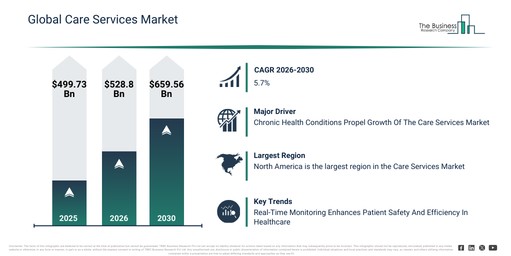
    The care services market has shown robust growth over recent years. It is forecast to expand from $499.73 billion in 2025 to $528.8 billion in 2026, reflecting a compound annual growth rate (CAGR) of 5.8%. Historically, the market’s expansion has been driven by an aging population, a rising incidence of chronic and age-related conditions, the development of home healthcare services, an increasing demand for long-term care solutions, and better availability of trained caregivers.

    The care services market is projected to experience substantial expansion in the coming years. By 2030, its size is anticipated to reach $659.56 billion, expanding at a compound annual growth rate (CAGR) of 5.7%. This growth during the forecast period is attributable to several factors, including the increasing adoption of remote care technologies, a rise in investments in home healthcare infrastructure, a growing emphasis on patient-centric care delivery, the expansion of digital care service platforms, and an increasing demand for integrated care ecosystems. Key trends expected over the forecast period encompass the increasing adoption of digital care coordination tools, a rising demand for home-based care services, the growing utilization of telehealth and virtual care platforms, the expansion of personalized care planning models, and an enhanced focus on caregiver workforce optimization.

    Access Your Free Sample Report for In-Depth Market Insights:

    https://www.thebusinessresearchcompany.com/sample.aspx?id=18531&type=smp

    What Drivers Are Guiding Growth Patterns In The Care Services Market?

    The escalating prevalence of chronic health conditions is anticipated to stimulate the expansion of the care services market moving forward. These long-term health issues are on the rise due to an aging populace and various lifestyle elements such as inadequate nutritional intake, insufficient physical activity, and heightened stress levels. Such factors contribute to the increasing incidence of illnesses like diabetes, heart disease, and obesity. Care services dedicated to chronic health conditions involve continuous medical assistance, management of treatments, and lifestyle support, all aimed at enhancing patients’ well-being and managing their symptoms. For example, in April 2025, as per the Centers for Disease Control and Prevention, a US-based federal agency, roughly 76.4% of U.S. adults in 2023 reported having at least one of 12 specific chronic conditions, while 51.4% of U.S. adults disclosed experiencing multiple chronic conditions. Therefore, the growing number of chronic health conditions is a significant impetus for the care services market’s growth.

    How Is The Care Services Market Divided Into Segments?

    The care services market covered in this report is segmented –

    1) By Type of Care Service: Home Care Services, Nursing Care Services, Hospice And Palliative Care Services, Rehabilitation And Therapy Services, Personal And Companion Care Services

    2) By Mode of Care Delivery: In-Person Care, Remote Or Virtual Care

    3) By Service Duration: Short-Term Care, Long-Term Care

    Subsegments:

    1) By Home Care Services: Personal Care (Bathing, Grooming, Mobility Assistance), Home Health Aide Services, Skilled Home Healthcare (Medical Care at Home), Respite Care Services

    2) By Nursing Care Services: Skilled Nursing Services, Chronic Disease Nursing Care, Post-Acute Nursing Care, Geriatric Nursing Care

    3) By Hospice And Palliative Care Services: End-of-Life Hospice Care, Pain And Symptom Management, Emotional And Psychological Support Services, Family And Caregiver Support Services

    4) By Rehabilitation And Therapy Services: Physical Therapy Services, Occupational Therapy Services, Speech And Language Therapy Services, Cognitive And Neurological Rehabilitation

    5) By Personal And Companion Care Services: Companionship And Social Engagement Services, Assistance with Daily Living Activities (ADLs), Meal Preparation And Feeding Assistance, Transportation And Errand Assistance

    Which Innovation Trends Are Advancing Developments Within The Care Services Market?

    Leading companies in the care services market are concentrating on developing innovative solutions, such as real-time monitoring, to secure a competitive edge. Real-time monitoring entails continuously tracking and analyzing data as it is generated, facilitating immediate insights and prompt responses to evolving conditions or events. For example, in September 2023, Apollo Hospitals Enterprise Ltd., an India-based healthcare company, introduced comprehensive connected care services designed to provide clinical teams and nursing staff with a holistic, real-time view of patients. This comprehensive connected care program offers medical teams and nursing personnel an integrated, real-time perspective of patients across numerous care touchpoints, from emergency to home care. The advanced connected care program notably improved patient safety and experience, saving 1 hour of nursing time per shift and reducing intensive care unit readmissions by 30%. It identifies 8-10 early critical alerts for every 100 beds and has nearly eliminated code blue calls, ensuring no critical event is missed. This program ultimately enhances patient safety at every stage of the care journey.

    Which Key Market Players Are Investing In Expansion And Innovation Within The Care Services Market?

    Major companies operating in the care services market are Korian Group, Nichiigakkan Co. Ltd, BrightStar Care, ComForCare Home Care, RIEI Co. Ltd., Benesse Style Care Co. Ltd, NTUC Health Co-Operative Ltd, Home Instead Inc, Econ Healthcare Group, Caring Senior Service, Living Assistance Services Inc., Orange Valley Healthcare, Cascade Living Group, Rosewood Care Group Inc., St Luke’s Elder Care Ltd, FirstLight Home Care, ApnaCare India Pvt, Epoch Elder Care, United Medicare Centre, SASCO Integrated Eldercare Centre, Samvedna Senior Care, Carewell-Service Co. Ltd., Always Best Care

    Access The Complete Report For Deeper Market Insights:

    https://www.thebusinessresearchcompany.com/report/care-services-global-market-report

    Which Regions Are Poised For Strategic Growth In The Care Services Market?

    North America was the largest region in the care services market in 2025. The regions covered in the care services market report are Asia-Pacific, South East Asia, Western Europe, Eastern Europe, North America, South America, Middle East, Africa.

    Request Your Customized Care Services Market Research Report for Competitive Advantage:

    https://www.thebusinessresearchcompany.com/customise?id=18531&type=smp

    Browse Through More Reports Similar to the Global Care Services Market 2026, By The Business Research Company

    Personal Care Services Market 2026

    https://www.thebusinessresearchcompany.com/report/personal-care-services-market

    Personal Care Services Market 2026

    https://www.thebusinessresearchcompany.com/report/personal-care-services-market

    Healthcare Services Market 2026

    https://www.thebusinessresearchcompany.com/report/healthcare-services-market

    Get in touch with us:

    The Business Research Company: https://www.thebusinessresearchcompany.com/

    Americas +1 310-496-7795

    Asia +44 7882 955267 & +91 8897263534

    Europe +44 7882 955267

    Email us at info@tbrc.info

    Follow us on:

    LinkedIn: https://in.linkedin.com/company/the-business-research-company

    YouTube: https://www.youtube.com/channel/UC24_fI0rV8cR5DxlCpgmyFQ

    Global Market Model: https://www.thebusinessresearchcompany.com/global-market-model
  • Purpura Treatment Market Research: Growth Projections and Trends 2030

    Purpura Treatment Market Research: Growth Projections and Trends 2030

    Uncover key drivers, emerging technologies, and competitive movements shaping the purpura treatment market from 2026–2035 with trusted insights from The Business Research Company

    What growth pattern is forecast for the Purpura Treatment Market size between 2026 and 2035?

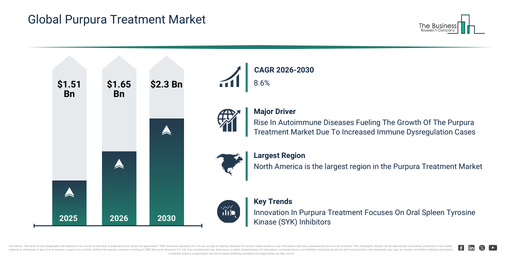
    The purpura treatment market has observed substantial growth in recent years. It is projected to increase from $1.51 billion in 2025 to $1.65 billion in 2026, achieving a compound annual growth rate (CAGR) of 8.9%. This historical expansion can be attributed to several factors including the rising prevalence of autoimmune and platelet disorders, enhanced awareness of rare bleeding conditions, the expansion of hospital-based dermatology services, improved diagnostic capabilities for vascular disorders, and the availability of corticosteroid and immunosuppressive treatments.

    The purpura treatment market is anticipated to experience robust expansion over the coming years. Its valuation is projected to reach $2.3 billion by 2030, demonstrating a compound annual growth rate (CAGR) of 8.6%. This expected growth during the forecast period is propelled by factors such as heightened research into immune-mediated conditions, the increasing utilization of biologics and targeted therapies, the proliferation of specialized clinics for hematological disorders, a greater emphasis on chronic disease management, and increased investment in precision medicine approaches. Significant trends anticipated for this period include the broader integration of targeted immunomodulatory treatments, the growing application of personalized treatment protocols, a heightened focus on early diagnosis and disease stratification, the expansion of combination drug therapies, and enhanced monitoring for chronic purpura cases.

    Access Your Free Sample Report for In-Depth Market Insights:

    https://www.thebusinessresearchcompany.com/sample.aspx?id=24675&type=smp

    Which Drivers Are Impacting Market Performance In The Purpura Treatment Market?

    The escalating occurrence of autoimmune diseases is anticipated to foster the expansion of the purpura treatment market moving forward. Autoimmune conditions are characterized by the body’s immune system erroneously attacking its own healthy cells and tissues, misinterpreting them as harmful invaders like viruses or bacteria. This increasing prevalence is linked to environmental factors that induce inflammation or molecular mimicry, causing the body to assault its own tissues and thereby elevating the risk of autoimmune diseases. Purpura treatment aids in managing these diseases by suppressing excessive immune responses, enhancing platelet production, and reducing blood vessel inflammation, effectively controlling symptoms such as bruising, bleeding, and low platelet counts, which are common in autoimmune-related purpura like immune thrombocytopenic purpura (ITP). For instance, in February 2024, figures from Arthritis Australia, an Australia-based non-profit organization, indicated that an estimated 562,378 Australians will be living with RA in 2025, representing 14% of all arthritis cases for that year. By 2040, this total is projected to increase by 33% to 748,721 people, signifying an additional 186,343 Australians with RA compared to 2025. Hence, the rising incidence of autoimmune diseases is stimulating growth within the purpura treatment market.

    Which Segments Are Contributing To The Growth Of The Purpura Treatment Market?

    The purpura treatment market covered in this report is segmented –

    1) By Type: Non-Thrombocytopenic Purpura, Thrombocytopenic Purpura, Allergic Purpura

    2) By Treatment Type: Topical Treatments, Oral Medications, Injectable Systemic Therapies, Immunoglobulin Therapy, Plasma-Derived Therapies

    3) By Cases: Acute, Chronic

    4) By Distribution Channel: Hospital Pharmacy, Online Pharmacy, Retail Pharmacy

    5) By End-User: Hospitals, Clinics, Other End-Users

    Subsegments:

    1) By Non-Thrombocytopenic Purpura: Idiopathic Purpura, Senile Purpura, Vascular Abnormalities

    2) By Thrombocytopenic Purpura: Immune Thrombocytopenic Purpura (ITP), Drug-induced Thrombocytopenic Purpura, Secondary Thrombocytopenic Purpura

    3) By Allergic Purpura: Drug-induced Allergic Purpura, Food-induced Allergic Purpura, Infectious-related Allergic Purpura

    What Long-Term Trends Are Expected To Shape The Future Of The Purpura Treatment Market?

    Major companies operating in the purpura treatment market are prioritizing advancements in diagnostic tools, such as oral spleen tyrosine kinase (SYK) inhibitors, to enhance treatment efficacy and improve patient outcomes. An oral spleen tyrosine kinase (SYK) inhibitor is an orally administered medication that obstructs the activity of the SYK enzyme, a vital component in the immune system’s signaling pathways. For instance, in April 2023, Kissei Pharmaceutical Co., Ltd., a pharmaceutical company from Japan, introduced TAVALISSE tablets (100 mg and 150 mg) in Japan as an oral therapy for adult patients with chronic idiopathic thrombocytopenic purpura (ITP). TAVALISSE (fostamatinib sodium hydrate) acts as an oral SYK inhibitor, working to decrease platelet destruction by macrophages and thereby assisting in the improvement of bleeding symptoms in chronic ITP. Approved in Japan subsequent to a Phase 3 trial (R788-1301), it exhibited a stable platelet response in 36% of patients compared to 0% in the placebo group, emphasizing its effectiveness as a novel treatment option.

    Who Are The Core Companies Influencing Trends In The Purpura Treatment Market?

    Major companies operating in the purpura treatment market are Merck & Co Inc., Sanofi S.A., GlaxoSmithKline plc, Takeda Pharmaceutical Company Limited, Amgen Inc., CSL Limited, Intas Pharmaceuticals Ltd., Biogen Inc., Chugai Pharmaceutical Co Ltd., Sun Pharmaceutical Industries Limited, Octapharma AG, Grifols S.A., GC Pharma, Emergent BioSolutions Inc., Kissei Pharmaceutical Co Ltd., Ablynx N.V. , Shire plc , Lee’s Pharmaceutical Holdings Limited, Omeros Corporation, KM Biologics Co Ltd.

    Access The Complete Report For Deeper Market Insights:

    https://www.thebusinessresearchcompany.com/report/purpura-treatment-global-market-report

    Which Regions Are Projected To Dominate The Purpura Treatment Market In The Coming Years?

    North America was the largest region in the purpura treatment market in 2025. Asia-Pacific is expected to be the fastest-growing region in the forecast period. The regions covered in the purpura treatment market report are Asia-Pacific, South East Asia, Western Europe, Eastern Europe, North America, South America, Middle East, Africa.

    Request Your Customized Purpura Treatment Market Research Report for Competitive Advantage:

    https://www.thebusinessresearchcompany.com/customise?id=24675&type=smp

    Browse Through More Reports Similar to the Global Purpura Treatment Market 2026, By The Business Research Company

    Industrial Water Treatment Chemicals Market Report 2026

    https://www.thebusinessresearchcompany.com/report/industrial-water-treatment-chemicals-global-market-report

    Psoriatic Arthritis Treatments Market Report 2026

    https://www.thebusinessresearchcompany.com/report/psoriatic-arthritis-treatments-global-market-report

    Gastrointestinal Bleeding Treatment Devices Market Report 2026

    https://www.thebusinessresearchcompany.com/report/gastrointestinal-bleeding-treatment-devices-global-market-report

    Get in touch with us:

    The Business Research Company: https://www.thebusinessresearchcompany.com/

    Americas +1 310-496-7795

    Asia +44 7882 955267 & +91 8897263534

    Europe +44 7882 955267

    Email us at info@tbrc.info

    Follow us on:

    LinkedIn: https://in.linkedin.com/company/the-business-research-company

    YouTube: https://www.youtube.com/channel/UC24_fI0rV8cR5DxlCpgmyFQ

    Global Market Model: https://www.thebusinessresearchcompany.com/global-market-model
  • Care Management Solutions Market Research: Growth Projections and Trends 2030

    Care Management Solutions Market Research: Growth Projections and Trends 2030

    Uncover key drivers, emerging technologies, and competitive movements shaping the care management solutions market from 2026–2035 with trusted insights from The Business Research Company

    Starting from its 2026 valuation, what market size is the Care Management Solutions Market expected to reach by 2030?

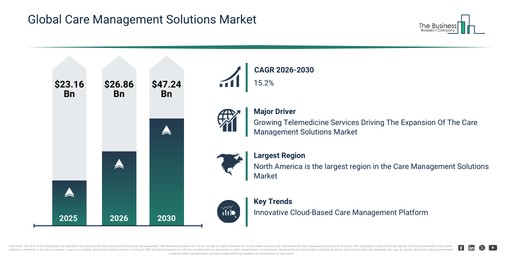
    The care management solutions market size has expanded rapidly in recent years. It is projected to increase from $23.16 billion in 2025 to $26.86 billion in 2026, achieving a compound annual growth rate (CAGR) of 16.0%. The growth observed in the past can be attributed to the rising prevalence of chronic diseases, the spread of value-based care models, increasing healthcare cost pressures, a greater emphasis on care coordination efficiency, and the integration of digital health records.

    The care management solutions market is projected to experience significant expansion over the coming years. This market is anticipated to reach $47.24 billion by 2030, exhibiting a compound annual growth rate (CAGR) of 15.2%. Factors contributing to this projected growth include a rising demand for tailored care plans, increased investments in digital healthcare infrastructure, the broadening of remote care delivery models, an elevated emphasis on preventive healthcare management, and the greater integration of analytics-driven decision support systems. Key trends anticipated during this period encompass the growing adoption of AI-driven platforms for care coordination, an uptick in the utilization of cloud-based care management solutions, the wider integration of remote patient monitoring tools, the expansion of data-driven population health analytics, and an intensified focus on technologies that enhance patient engagement.

    Access Your Free Sample Report for In-Depth Market Insights:

    https://www.thebusinessresearchcompany.com/sample.aspx?id=7264&type=smp

    What Drivers Are Driving Adoption Within The Care Management Solutions Market?

    The increasing adoption of telemedicine services is anticipated to propel the expansion of the care management solutions market in the future. Telemedicine services involve the remote provision of healthcare, medical consultations, and clinical services through telecommunications technology, primarily the Internet and video conferencing tools. This technology broadens access to healthcare services, permitting patients to consult with healthcare providers virtually. Care management solutions can be embedded within telehealth platforms to guarantee that patients obtain consistent and thorough care management irrespective of their physical location. For instance, in September 2024, as per the Australian Bureau of Statistics (ABS), the national statistical agency of Australia, in 2023–24, 83.5% of males reported using telehealth services, representing an increase from 78.6% in 2022–23. Hence, the rise in telemedicine services is a key driver for the growth of the care management solutions market.

    What Segments Are Included Within The Care Management Solutions Market?

    The care management solutions market covered in this report is segmented –

    1) By Component: Software, Services

    2) By Delivery Mode: On-premise, Cloud-based

    3) By Application: Disease Management, Case Management, Utilization Management

    4) By End User: Hospitals And Clinics, Accountable Care Organizations (ACOs), Health Insurance Providers, Other End-Users

    Subsegments:

    1) By Software: Care Management Software, Population Health Management Software, Patient Engagement Software, Remote Patient Monitoring Software, Analytics and Reporting Tools

    2) By Services: Consulting Services, Implementation Services, Support and Maintenance Services, Training and Education Services

    Which Competitive Trends Are Impacting The Structure Of The Care Management Solutions Market?

    Leading companies in the care management solutions sector are developing innovative offerings, such as cloud-based care management platforms, to attract a broader customer base, boost sales, and enhance revenue. A cloud-based care management platform is defined as a technological solution designed to facilitate and optimize various facets of healthcare management, hosted and operated on remote servers, typically over the internet. For instance, in March 2023, Somnoware Healthcare Systems, a US-based provider of cloud-based software, unveiled its new care management platform. This platform by Somnoware centralizes patient therapy information and automates necessary interventions, assisting integrated delivery networks, home medical equipment providers, and independent diagnostic testing facilities in streamlining clinical triage and overseeing treatment advancements. The system empowers clients to supervise the clinical tracking and ongoing support for their patients utilizing connected PAP therapies and ventilators, allowing for intervention whenever needed during their treatment journey.

    Who Are The Core Companies Influencing Trends In The Care Management Solutions Market?

    Major companies operating in the care management solutions market are EXL Service Holdings Ltd., Allscripts Healthcare Solutions Inc., Conduent Inc., Envolve Health LLC, Epic Systems Corporation, Health Catalyst Inc., HealthSmart Holdings Inc., i2i Population Health, International Business Machines Corporation, Koninklijke Philips N.V., Mediware Information Systems, Pegasystems Inc., Salesforce Inc., Trizetto Corporation, ZeOmega Inc., Athenahealth, Casenet LLC, Cerner Corporation, Change Healthcare, Conifer Health Solutions, eClinicalWorks, Ensocare Care, GetWellNetwork, Harris Healthcare, Jvion AI Company, McKesson Corporation, Medecision, Meditech Inc., Netsmart LLC, NextGen Healthcare, Optum Inc., TCS Healthcare Technologies, WellSky Corp.

    Access The Complete Report For Deeper Market Insights:

    https://www.thebusinessresearchcompany.com/report/care-management-solutions-global-market-report

    Which Regions Are Projected To Dominate The Care Management Solutions Market In The Coming Years?

    North America was the largest region in the care management solutions market in 2025. Asia-Pacific is expected to be the fastest-growing region in the forecast period. The regions covered in the care management solutions market report are Asia-Pacific, South East Asia, Western Europe, Eastern Europe, North America, South America, Middle East, Africa.

    Request Your Customized Care Management Solutions Market Research Report for Competitive Advantage:

    https://www.thebusinessresearchcompany.com/customise?id=7264&type=smp

    Browse Through More Reports Similar to the Global Care Management Solutions Market 2026, By The Business Research Company

    Personal Care Services Market 2026

    https://www.thebusinessresearchcompany.com/report/personal-care-services-market

    Care Services Market Report 2026

    https://www.thebusinessresearchcompany.com/report/care-services-global-market-report

    Personal Care Services Market 2026

    https://www.thebusinessresearchcompany.com/report/personal-care-services-market

    Get in touch with us:

    The Business Research Company: https://www.thebusinessresearchcompany.com/

    Americas +1 310-496-7795

    Asia +44 7882 955267 & +91 8897263534

    Europe +44 7882 955267

    Email us at info@tbrc.info

    Follow us on:

    LinkedIn: https://in.linkedin.com/company/the-business-research-company

    YouTube: https://www.youtube.com/channel/UC24_fI0rV8cR5DxlCpgmyFQ

    Global Market Model: https://www.thebusinessresearchcompany.com/global-market-model
  • Global Pulmonary Embolism Industry Insights: Key Trends and Growth Estimates

    Global Pulmonary Embolism Industry Insights: Key Trends and Growth Estimates

    Uncover key drivers, emerging technologies, and competitive movements shaping the pulmonary embolism market from 2026–2035 with trusted insights from The Business Research Company

    How much larger will the Pulmonary Embolism Market be in 2030 compared with 2026?

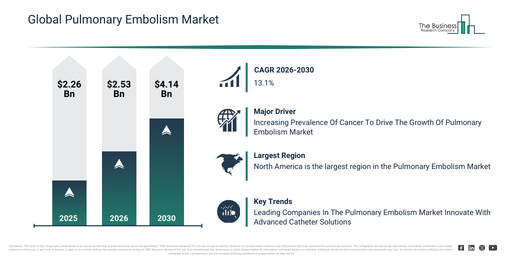
    The pulmonary embolism market has experienced rapid expansion in recent years. It is projected to increase from $2.26 billion in 2025 to $2.53 billion in 2026, demonstrating a compound annual growth rate (CAGR) of 12.0%. This historical growth can be attributed to a rise in cardiovascular and thromboembolic disorders, the expansion of hospital emergency care services, broader adoption of anticoagulant medications, increased understanding of pulmonary embolism symptoms, and the availability of sophisticated diagnostic imaging.

    The pulmonary embolism market is anticipated to experience significant expansion over the next few years. It is projected to reach $4.14 billion by 2030, demonstrating a compound annual growth rate (CAGR) of 13.1%. This growth during the forecast period can be ascribed to escalating investments in advanced anticoagulant drugs, the increasing uptake of catheter-based intervention techniques, the broadening of early diagnostic screening programs, a heightened focus on outpatient management strategies, and the rising demand for personalized cardiovascular care. Prominent trends for the forecast period include the increasing adoption of novel anticoagulant therapies, a growing utilization of minimally invasive thrombectomy devices, an intensified focus on early and accurate diagnosis, the expansion of integrated care pathways, and a stronger emphasis on risk stratification and prevention.

    Access Your Free Sample Report for In-Depth Market Insights:

    https://www.thebusinessresearchcompany.com/sample.aspx?id=13026&type=smp

    What Drivers Are Guiding Growth Patterns In The Pulmonary Embolism Market?

    The rising incidence of cancer is projected to boost the expansion of the pulmonary embolism market. Cancer encompasses various diseases marked by the uncontrolled and abnormal multiplication of cells within the body. A higher prevalence of cancer elevates the risk of blood clot formation, such as pulmonary embolism, in patients. This, in turn, fuels the demand for diagnostic tools and therapeutic solutions, including specialized pharmaceuticals. As an example, the American Cancer Society reported in January 2024 that the number of cancer cases in the US climbed to 2,001,140 from 1,958,310 in 2023, showing a 2.19% increase. Consequently, the growing prevalence of cancer is a significant factor driving the pulmonary embolism market’s growth.

    How Is The Pulmonary Embolism Market Divided Into Segments?

    The pulmonary embolism market covered in this report is segmented –

    1) By Treatment: Medications, Mechanical Devices, Other Treatments

    2) By Diagnosis: Chest X-Ray, Electrocardiogram (ECG), Magnetic Resonance Imaging (MRI), Computed Tomography Scan, Pulmonary Angiography, Venography, Venous Ultrasound, D-Dimer Test, Other Diagnosis

    3) By Symptoms: Shortness Of Breath, Chest Pain, Cough, Irregular Heartbeat, Dizziness, Fever, Cyanosis, Other Symptoms

    4) By Distribution Channel: Hospital Pharmacy, Retail Pharmacy, Online Pharmacy, Other Distribution Channels

    5) By End-User: Hospitals, Specialty Clinics, Homecare, Other End-Users

    Subsegments:

    1) By Medications: Anticoagulants, Thrombolytics

    2) By Mechanical Devices: Inferior Vena Cava (IVC) Filters, Catheter-Assisted Thrombectomy

    3) By Other Treatments: Surgical Embolectomy, Supportive Care

    Which Market Trends Are Opening Growth Opportunities In The Pulmonary Embolism Market?

    Leading companies within the pulmonary embolism market are prioritizing the development of advanced products, such as the Triever16 Curve catheter and the RevCore thrombectomy catheter, to secure a competitive edge. For example, Inari Medical Inc., a US-based medical device company, introduced both the Triever16 Curve catheter and the RevCore thrombectomy catheter in June 2023. The innovative Triever16 Curve catheter is specifically engineered for peripheral thrombectomy and pulmonary embolism procedures, offering high trackability and a pre-shaped curve for focused aspiration. Its unique design also enables easy access to larger, more powerful 20F or 24F catheters. Concurrently, the RevCore thrombectomy catheter is devised for treating venous in-stent thrombosis, functioning as a mechanical thrombectomy device that utilizes a nitinol basket to capture and remove blood clots. Ultimately, these catheters are also instrumental in improving the safety and effectiveness of pulmonary embolism procedures.

    Which Major Industry Participants Are Leading The Pulmonary Embolism Market Growth?

    Major companies operating in the pulmonary embolism market are Pfizer Inc., Johnson And Johnson Private Limited, F Hoffmann La Roche Ltd., Merck And Co Inc., Novartis AG, Bayer AG, Sanofi S.A., Bristol Myers Squibb Company, GSK plc, Abbott Laboratories, AstraZeneca plc, Medtronic plc, Baxter International Inc., Teva Pharmaceutical Industries Ltd., Mylan N.V., Daiichi Sankyo Co. Ltd., Boehringer Ingelheim International GmbH, Mitsubishi Tanabe Pharma Corporation, Genentech Inc., Hikma Pharmaceuticals plc, Aspen Pharmacare Holdings Limited, Nippon Shinyaku Co. Ltd., Fresenius Kabi AG, Inari Medical Inc., AngioDynamics Inc., Otsuka Pharmaceutical Co. Ltd., CSL Behring GmbH, Grifols S.A., Octapharma AG, Kedrion S.p.A

    Access The Complete Report For Deeper Market Insights:

    https://www.thebusinessresearchcompany.com/report/pulmonary-embolism-global-market-report

    Which Region Is Expected To Experience The Fastest Growth In The Pulmonary Embolism Market?

    North America was the largest region in the pulmonary embolism market in 2025. Asia-Pacific is expected to be the fastest-growing region in the forecast period. The regions covered in the pulmonary embolism market report are Asia-Pacific, South East Asia, Western Europe, Eastern Europe, North America, South America, Middle East, Africa.

    Request Your Customized Pulmonary Embolism Market Research Report for Competitive Advantage:

    https://www.thebusinessresearchcompany.com/customise?id=13026&type=smp

    Browse Through More Reports Similar to the Global Pulmonary Embolism Market 2026, By The Business Research Company

    Embolization Coils Market Report 2026

    https://www.thebusinessresearchcompany.com/report/embolization-coils-global-market-report

    Vascular Embolization Market Report 2026

    https://www.thebusinessresearchcompany.com/report/vascular-embolization-global-market-report

    Venous Thromboembolism Market Report 2026

    https://www.thebusinessresearchcompany.com/report/venous-thromboembolism-global-market-report

    Get in touch with us:

    The Business Research Company: https://www.thebusinessresearchcompany.com/

    Americas +1 310-496-7795

    Asia +44 7882 955267 & +91 8897263534

    Europe +44 7882 955267

    Email us at info@tbrc.info

    Follow us on:

    LinkedIn: https://in.linkedin.com/company/the-business-research-company

    YouTube: https://www.youtube.com/channel/UC24_fI0rV8cR5DxlCpgmyFQ

    Global Market Model: https://www.thebusinessresearchcompany.com/global-market-model
  • Psychosis Market Forecast: How Big Will It Be by 2030?

    Psychosis Market Forecast: How Big Will It Be by 2030?

    Uncover key drivers, emerging technologies, and competitive movements shaping the psychosis market from 2026–2035 with trusted insights from The Business Research Company

    Starting from its 2026 valuation, what market size is the Psychosis Market expected to reach by 2030?

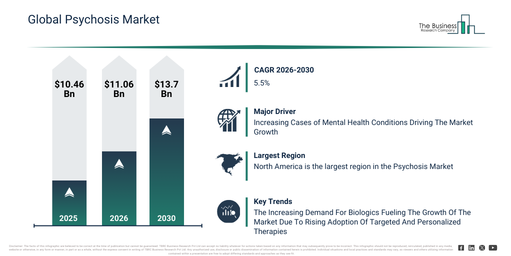
    The psychosis market has demonstrated substantial growth in recent years. It is anticipated to increase from $10.46 billion in 2025 to $11.06 billion in 2026, achieving a compound annual growth rate (CAGR) of 5.8%. Historically, this expansion has been driven by the increasing diagnosis of schizophrenia and related disorders, the expansion of hospital-based psychiatric care, the wider use of antipsychotic medications, growing mental health awareness, and the availability of specialized mental health clinics.

    The psychosis market is expected to experience significant growth in the coming years, reaching $13.7 billion in 2030 with a compound annual growth rate (CAGR) of 5.5%. This growth during the forecast period can be attributed to increased investment in the development of novel antipsychotic drugs, a rising focus on managing psychosis at early stages, the expansion of community-based mental health services, the increasing adoption of digital therapeutics, and a growing demand for long-term disease management. Major trends anticipated in the forecast period include the expanding use of long-acting injectable antipsychotics, a rising uptake of early intervention programs, a growing emphasis on integrated care models, the proliferation of digital monitoring tools for psychosis, and an enhanced focus on personalized treatment plans.

    Access Your Free Sample Report for In-Depth Market Insights:

    https://www.thebusinessresearchcompany.com/sample.aspx?id=21266&type=smp

    What Drivers Are Driving Adoption Within The Psychosis Market?

    The rising incidence of mental health conditions is anticipated to drive expansion in the psychosis market moving forward. These conditions encompass disorders affecting an individual’s mood, thought processes, conduct, and general psychological well-being. The surge in mental health issues stems from elevated stress levels, shifts in lifestyle, social detachment, financial strains, and genetic factors. Psychosis treatment aids individuals experiencing mental health problems via prompt diagnosis, medical strategies, and tailored therapies, which boosts the consumption of antipsychotic drugs and various therapeutic approaches. As an illustration, the American Psychiatric Association, a professional US organization for psychiatrists and those in training, reported in May 2024 that 43% of adults experienced heightened anxiety levels compared to the preceding year, an increase from 37% in 2023 and 32% in 2022. Consequently, the rise in mental health conditions is propelling the expansion of the psychosis market.

    What Segments Are Included Within The Psychosis Market?

    The psychosis market covered in this report is segmented –

    1) By Product: Tablet, Capsule, Injection

    2) By Disease Type: Schizophrenia, Bipolar Disorder, Unipolar Depression, Dementia, Other Disease Types

    3) By Distribution Channel: Online, Offline

    4) By End-User: Hospitals, Healthcare Clinics, Speciality Clinics, Other End-Users

    Subsegments:

    1) By Tablet: Antipsychotic Tablets, Mood Stabilizer Tablets

    2) By Capsule: Antipsychotic Capsules, Antidepressant Capsules

    3) By Injection: Long-acting Injectable Antipsychotics, Short-acting Injectable Antipsychotics

    How Are Emerging Trends Affecting The Progression Of The Psychosis Market?

    Organizations operating in the psychosis market are focusing on developing advanced patient feedback and data collection initiatives to enhance service design, inform policy decisions, and improve recovery-oriented care. These patient-voice initiatives enable individuals with firsthand experience and their families to directly share their needs, challenges, and outcomes through structured surveys and research, thereby supporting data-driven advocacy and more effective system reforms. For instance, in November 2025, Shine, an Ireland-based national mental health organization, in collaboration with Mental Health Reform, an Ireland coalition on mental health, and the HSE National Clinical Programme for Early Intervention in Psychosis (EIP), launched the 2025 National Survey of the Experiences of People Living with Psychosis. This initiative gathers firsthand insights from people with psychosis and their families to identify real-world experiences in accessing care, highlight systemic gaps and stigma, and guide improvements in national policy, investment in specialist early intervention services, and expansion of community-based and crisis support options.

    Who Are The Prominent Global Companies Shaping The Psychosis Market Landscape?

    Major companies operating in the psychosis market are Pfizer Inc., Johnson And Johnson, AbbVie Inc., Bristol Myers Squibb Company, AstraZeneca plc, Novartis International AG, GlaxoSmithKline plc, Takeda Pharmaceuticals Inc., Eli Lilly And Company, Teva Pharmaceutical Industries Ltd., Otsuka Pharmaceutical Co., Dr Reddys Laboratories Ltd., Lundbeck AS, Gedeon Richter, Alkermes, Supernus Pharmaceuticals, Acadia Pharmaceuticals, Mapi Pharma, Astellas Pharma Inc., Newron Pharmaceuticals SpA, BioXcel Therapeutics, Sun Pharmaceutical Industries Ltd., Cipla Ltd., Zydus Lifesciences Ltd.

    Access The Complete Report For Deeper Market Insights:

    https://www.thebusinessresearchcompany.com/report/psychosis-global-market-report

    Which Geographic Areas Are Emerging As Strong Markets For The Psychosis Market?

    North America was the largest region in the psychosis market in 2025. Asia-Pacific is expected to be the fastest-growing region in the forecast period. The regions covered in the psychosis market report are Asia-Pacific, South East Asia, Western Europe, Eastern Europe, North America, South America, Middle East, Africa.

    Request Your Customized Psychosis Market Research Report for Competitive Advantage:

    https://www.thebusinessresearchcompany.com/customise?id=21266&type=smp

    Browse Through More Reports Similar to the Global Psychosis Market 2026, By The Business Research Company

    Mental Health Market Report 2026

    https://www.thebusinessresearchcompany.com/report/mental-health-global-market-report

    Psychiatrists Market 2026

    https://www.thebusinessresearchcompany.com/report/psychiatrists-market

    Oncologists Market Report 2026

    https://www.thebusinessresearchcompany.com/report/oncologists-global-market-report

    Get in touch with us:

    The Business Research Company: https://www.thebusinessresearchcompany.com/

    Americas +1 310-496-7795

    Asia +44 7882 955267 & +91 8897263534

    Europe +44 7882 955267

    Email us at info@tbrc.info

    Follow us on:

    LinkedIn: https://in.linkedin.com/company/the-business-research-company

    YouTube: https://www.youtube.com/channel/UC24_fI0rV8cR5DxlCpgmyFQ

    Global Market Model: https://www.thebusinessresearchcompany.com/global-market-model