Month: May 2026

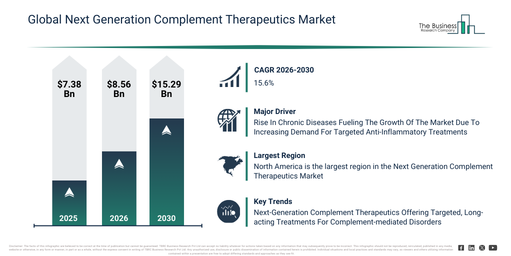
  • Rise In Chronic Diseases Fueling The Growth Of The Market Due To Increasing Demand For Targeted Anti-Inflammatory Treatments Is Supporting Development Across The Next Generation Complement Therapeutics Market

    Rise In Chronic Diseases Fueling The Growth Of The Market Due To Increasing Demand For Targeted Anti-Inflammatory Treatments Is Supporting Development Across The Next Generation Complement Therapeutics Market

    The Business Research Company’s 2026 market reports feature advanced enhancements such as market attractiveness analysis, total addressable market evaluation, company benchmarking matrices, interactive Excel dashboards, expanded supply chain intelligence, emerging startup coverage, and detailed product insights, delivering more actionable and strategically valuable research.

    What Growth In Market Value Is Anticipated For The Next Generation Complement Therapeutics Market Between 2026 And 2030?

    The next generation complement therapeutics market size has experienced rapid growth in recent years. It is projected to expand from $7.38 billion in 2025 to $8.56 billion in 2026, at a compound annual growth rate (CAGR) of 16.0%. The historical growth of this market can be attributed to several factors, including the limited availability of complement-targeting therapeutics, a reliance on conventional immunosuppressive therapies, the increasing prevalence of rare hematologic and autoimmune disorders, regulatory approvals for first-generation complement inhibitors, and a rise in clinical trials in hematology and ophthalmology.

    The next generation complement therapeutics market size is anticipated to experience rapid growth in the upcoming years. It is projected to expand to $15.29 billion in 2030, demonstrating a compound annual growth rate (CAGR) of 15.6%. The expansion during this forecast period can be attributed to the development of novel c3, c5, factor b, and factor d inhibitors, the broadening of combination therapy approaches, the increasing adoption of gene and RNA-based medicines, rising investment in rare disease research, and growing healthcare expenditure on advanced immune therapies. Significant trends for the forecast period include the increasing uptake of targeted complement therapies for rare diseases, the development of monotherapy and adjunctive therapy strategies, a rise in the use of biologics and small molecule complement inhibitors, the expansion of applications within ophthalmology, hematology, and immunology, and the integration of personalized medicine with gene-based therapeutics.

    Download A Free Sample Report For Comprehensive Market Insights:

    https://www.thebusinessresearchcompany.com/sample.aspx?id=27360&type=smp

    Which Growth Drivers Are Expected To Support The Next Generation Complement Therapeutics Market Forward?

    The expansion of the next-generation complement therapeutics market is anticipated, propelled by the increasing occurrence of chronic diseases. These persistent health conditions necessitate continuous management to alleviate symptoms and enhance patients’ quality of life. The uptick in chronic diseases stems from inactive lifestyles, which restrict physical movement, disturb metabolic processes, and heighten enduring health hazards. Next-generation complement therapeutics address chronic illnesses through precise targeting and regulation of the hyperactive complement system, thereby decreasing inflammation and guarding against tissue harm. For example, data from June 2024, released by the UK-based National Health Service, indicated that 3,615,330 individuals registered with a general practitioner (GP) had a diagnosis of non-diabetic hyperglycemia or pre-diabetes (a state characterized by elevated blood sugar not yet meeting diabetes criteria) in 2023. This represented an 18% surge from 3,065,825 instances recorded in 2022. Consequently, the growing incidence of chronic diseases is fueling the expansion of the next-generation complement therapeutics market.

    Which Segment Divisions Form The Structure Of The Next Generation Complement Therapeutics Market?

    The next generation complement therapeutics market covered in this report is segmented –

    1) By Type Of Therapy: Monotherapy, Adjunctive Therapy

    2) By Molecule Type: Biologic, Small Molecule

    3) By Route Of Administration: Intravenous, Oral, Intravitreal, Subcutaneous

    4) By Indication: Paroxysmal Nocturnal Hemoglobinuria, Geographic Atrophy (GA) Secondary To Age-Related Macular Degeneration, Generalized Myasthenia Gravis, Atypical Hemolytic Uremic Syndrome, Other Indications

    5) By Therapeutic Area: Hematology, Ophthalmology, Neurology, Immunology Or Rheumatology, Other Therapeutic Areas

    Subsegments:

    1) By Monotherapy: C3 Inhibitors, C5 Inhibitors, Factor D Inhibitors, Factor B Inhibitors, C1 Inhibitors, MASP-2 Inhibitors

    2) By Adjunctive Therapy: Combination With Immunosuppressants, Combination With Steroids, Combination With Plasma Exchange, Combination With Biologics, Combination With Chemotherapeutics, Combination With Anticoagulants

    What Trends Are Influencing The Future Of The Next Generation Complement Therapeutics Market?

    Companies operating in the Next Generation Complement Therapeutics market are primarily focused on developing innovative solutions, such as targeted C5 complement inhibitors, to cater to the growing demand for effective treatments for rare and severe complement-mediated diseases. Targeted C5 complement inhibitors are designed to specifically block the C5 protein in the complement cascade, thereby preventing the formation of the membrane attack complex, which is a vital step in immune-mediated tissue damage. For instance, in February 2024, Chugai Pharmaceutical Co., Ltd., a Japan-based biopharmaceutical company, introduced PEGPH20 (Pegcetacoplan), an innovative C5-targeted complement inhibitor. PEGPH20 is a synthetic peptide conjugate engineered to selectively inhibit complement C5 activation, consequently preventing hemolysis and inflammation linked to conditions like paroxysmal nocturnal hemoglobinuria (PNH) and other complement-driven disorders. This therapy offers benefits such as subcutaneous administration, improved patient compliance, and a favorable safety profile compared to traditional systemic complement inhibitors.

    Which Organizations Are Involved In The Next Generation Complement Therapeutics Market?

    Major companies operating in the next generation complement therapeutics market are AstraZeneca PLC, Novartis AG, Amgen Inc., Regeneron Pharmaceuticals Inc., Genentech Inc., Genmab A/S, Mallinckrodt Pharmaceuticals Ltd., Alnylam Pharmaceuticals Inc., Apellis Pharmaceuticals Inc., Omeros Corporation, CANbridge Pharmaceuticals Inc., Alexion Pharmaceuticals Inc., Molecular Partners AG, NovelMed Therapeutics Inc., InflaRx GmbH, Amyndas Pharmaceuticals S.A., Kira Pharmaceuticals Inc., ReAlta Life Sciences Inc.

    Access The Complete Next Generation Complement Therapeutics Market Report:

    https://www.thebusinessresearchcompany.com/report/next-generation-complement-therapeutics-global-market-report

    Which Region Accounts For The Highest Share Of The Next Generation Complement Therapeutics Market?

    North America was the largest region in the next generation complement therapeutics market in 2025. Asia-Pacific is expected to be the fastest-growing region in the forecast period. The regions covered in the next generation complement therapeutics market report are Asia-Pacific, South East Asia, Western Europe, Eastern Europe, North America, South America, Middle East, Africa.

    Access Next Generation Complement Therapeutics Market Report for Deeper Competitive Insights

    https://www.thebusinessresearchcompany.com/sample.aspx?id=27360&type=smp

    Browse Through More Reports Similar to the Global Next Generation Complement Therapeutics Market 2026, By The Business Research Company

    Payment Gateway Market Report 2026

    https://www.thebusinessresearchcompany.com/report/payment-gateway-global-market-report

    Payment Processor Market Report 2026

    https://www.thebusinessresearchcompany.com/report/payment-processor-global-market-report

    Quantum Technology Market Report 2026

    https://www.thebusinessresearchcompany.com/report/quantum-technology-global-market-report

    Get in touch with us:

    The Business Research Company: https://www.thebusinessresearchcompany.com/

    Americas: +1 310-496-7795

    Asia: +44 7882 955267 & +91 8897263534

    Europe: +44 7882 955267

    Email us at: marketing@tbrc.info

    Follow us on:

    LinkedIn: https://in.linkedin.com/company/the-business-research-company

    YouTube: https://www.youtube.com/channel/UC24_fI0rV8cR5DxlCpgmyFQ

    Global Market Model: https://www.thebusinessresearchcompany.com/global-market-model

  • Rising Adoption Of Personalized Medicine Fueling The Growth Of The Market Due To Advancements In Genomic Sequencing Is Supporting Development Across The Next Generation Antibody Drug Market

    Rising Adoption Of Personalized Medicine Fueling The Growth Of The Market Due To Advancements In Genomic Sequencing Is Supporting Development Across The Next Generation Antibody Drug Market

    The Business Research Company’s 2026 market reports feature advanced enhancements such as market attractiveness analysis, total addressable market evaluation, company benchmarking matrices, interactive Excel dashboards, expanded supply chain intelligence, emerging startup coverage, and detailed product insights, delivering more actionable and strategically valuable research.

    What Is The Expected Market Value Outlook For The Next Generation Antibody Drug Market Through 2030?

    The next generation antibody drug market has experienced swift growth recently. It is forecast to expand from $16.4 billion in 2025 to $18.93 billion in 2026, reflecting a compound annual growth rate (CAGR) of 15.4%. This past growth can be attributed to the achievements of monoclonal antibody therapies, an increasing prevalence of cancer, progress in antibody engineering, elevated investment in biologics research and development, and regulatory approvals for antibody drugs.

    The next generation antibody drug market is projected to experience substantial expansion in the coming years. This market is set to reach a valuation of $33.53 billion by 2030, demonstrating a compound annual growth rate (CAGR) of 15.4%. This projected growth is driven by several factors, including the increasing adoption of precision medicine, a rising demand for targeted biologics, progress in conjugation technologies, the widening scope of treatments for autoimmune diseases, and the growing number of oncology drug candidates in development. Key trends anticipated during this period encompass the swift progress in developing bispecific antibodies, the broader embrace of antibody-drug conjugates, an intensifying focus on precision-targeted therapies, the expansion of antibody uses beyond cancer treatment, and an increase in clinical trials for sophisticated antibody platforms.

    Download A Free Sample Report For Comprehensive Market Insights:

    https://www.thebusinessresearchcompany.com/sample.aspx?id=24335&type=smp

    What Influential Factors Are Boosting The Next Generation Antibody Drug Market Demand?

    The growing emphasis on personalized medicine is projected to stimulate the expansion of the next-generation antibody-drug market moving forward. Personalized medicine refers to a medical methodology that customizes treatment and healthcare strategies for individual patients based on their genetic, environmental, and lifestyle factors, thus ensuring more potent and specific therapies. The rise of personalized medicine is attributed to advancements in genomic sequencing, which facilitate more accurate diagnoses and targeted treatment strategies. Next-generation antibody drugs bolster the focus on personalized medicine by enabling the development of targeted therapies tailored to individual patients’ genetic profiles and disease characteristics, thereby improving efficacy and minimizing adverse effects. For instance, in February 2024, according to the Personalized Medicine Coalition, a US-based organization promoting the adoption of personalized medicine, the United States Food and Drug Administration (FDA) approved 16 new personalized treatments for rare disease patients in 2023, an increase from 6 in 2022. Therefore, the increasing focus on personalized medicine acts as a driver for the next-generation antibody drug market.

    How Are Different Segment Groups Identified Within The Next Generation Antibody Drug Market?

    The next generation antibody drug market covered in this report is segmented –

    1) By Product Type: Monoclonal Antibodies, Bispecific Antibodies, Antibody-Drug Conjugates, Other Types

    2) By Mechanism Of Action: Checkpoint Inhibitors, Immune Modulators, Receptor Blockers, Targeted Cytotoxic Agents, Neutralizing Antibodies

    3) By Delivery Method: Intravenous (IV) Administration, Subcutaneous Administration, Intramuscular Administration

    4) By Application: Oncology, Autoimmune Diseases, Infectious Diseases, Other Applications

    5) By End User: Hospitals, Research Institutes, Specialty Clinics, Other End Users

    Subsegments:

    1) By Monoclonal Antibodies: Human Monoclonal Antibodies, Murine Monoclonal Antibodies, Humanized Monoclonal Antibodies, Chimeric Monoclonal Antibodies

    2) By Bispecific Antibodies: Checkpoint Inhibitor-Based Bispecifics, Bispecific Antibodies For Cytokine Modulation, Bispecific Antibodies With Extended Half-Life Technologies

    3) By Antibody-Drug Conjugates: Cleavable Linker Antibody-Drug Conjugates, Non-Cleavable Linker Antibody-Drug Conjugates, Site-Specific Conjugated Antibody-Drug Conjugates

    Which Trends Are Contributing To Changes In The Next Generation Antibody Drug Market?

    Key players within the next generation antibody drug market are focusing on developing innovative solutions, such as antibody-drug conjugates, to enhance targeted cancer therapies, improve therapeutic effectiveness, and reduce overall systemic toxicity. An antibody-drug conjugate (ADC) functions as a specific cancer therapy that combines a monoclonal antibody with a cytotoxic drug via a linker, enabling the selective delivery of the drug to tumor cells while minimizing damage to healthy tissue. For example, in January 2024, BioNTech SE, a Germany-based biotechnology firm, partnered with Duality Biologics (Suzhou) Co. Ltd., a China-based pharmaceutical company, and secured a Fast Track designation from the U.S. Food and Drug Administration (FDA) for their advanced antibody-drug conjugate (ADC) candidate, BNT325/DB-1305, intended for treating platinum-resistant ovarian cancer. This drug employs DualityBio’s innovative DITAC (Duality Immune Toxin Antibody Conjugates) platform, which integrates a highly potent cytotoxic payload with a monoclonal antibody, ensuring precise delivery of treatment directly to cancer cells. The ability of BNT325/DB-1305 to accurately target cancer cells while limiting harm to healthy tissues represents a significant benefit in boosting treatment efficacy and reducing side effects.

    Who Are The Firms Contributing To The Next Generation Antibody Drug Market Ecosystem?

    Major companies operating in the next generation antibody drug market are Pfizer Inc., F. Hoffmann-La Roche Ltd., Bristol-Myers Squibb Company, AstraZeneca plc, GlaxoSmithKline plc, Takeda Pharmaceutical Company Limited, Gilead Sciences Inc., Amgen Inc., Boehringer Ingelheim International GmbH, Regeneron Pharmaceuticals Inc., Biogen Inc., Kyowa Hakko Kirin Co. Ltd., Samsung Biologics Co. Ltd., WuXi Biologics Inc., Akeso Inc., Xencor Inc., ImmunoGen Inc., Philogen S.p.A., Telix Pharmaceuticals Limited, Actinium Pharmaceuticals Inc.

    Access The Complete Next Generation Antibody Drug Market Report:

    https://www.thebusinessresearchcompany.com/report/next-generation-antibody-drug-global-market-report

    Which Region Is The Primary Market For The Next Generation Antibody Drug Market?

    North America was the largest region in the next generation antibody drug market in 2025. The regions covered in the next generation antibody drug market report are Asia-Pacific, South East Asia, Western Europe, Eastern Europe, North America, South America, Middle East, Africa.

    Access Next Generation Antibody Drug Market Report for Deeper Competitive Insights

    https://www.thebusinessresearchcompany.com/sample.aspx?id=24335&type=smp

    Browse Through More Reports Similar to the Global Next Generation Antibody Drug Market 2026, By The Business Research Company

    Next Generation Antibody Therapeutics Market Report 2026

    https://www.thebusinessresearchcompany.com/report/next-generation-antibody-therapeutics-global-market-report

    Antibody Drug Conjugates Market Report 2026

    https://www.thebusinessresearchcompany.com/report/antibody-drug-conjugates-global-market-report

    Antibody Discovery Market Report 2026

    https://www.thebusinessresearchcompany.com/report/antibody-discovery-global-market-report

    Get in touch with us:

    The Business Research Company: https://www.thebusinessresearchcompany.com/

    Americas: +1 310-496-7795

    Asia: +44 7882 955267 & +91 8897263534

    Europe: +44 7882 955267

    Email us at: marketing@tbrc.info

    Follow us on:

    LinkedIn: https://in.linkedin.com/company/the-business-research-company

    YouTube: https://www.youtube.com/channel/UC24_fI0rV8cR5DxlCpgmyFQ

    Global Market Model: https://www.thebusinessresearchcompany.com/global-market-model
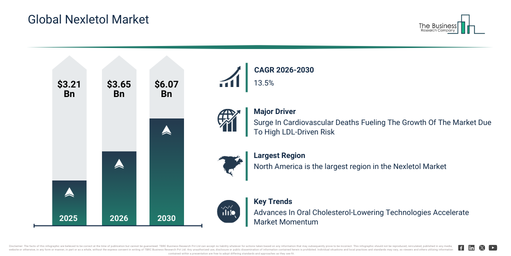
  • Surge In Cardiovascular Deaths Fueling The Growth Of The Market Due To High LDL-Driven Risk Is Supporting Development Across The Nexletol Market

    Surge In Cardiovascular Deaths Fueling The Growth Of The Market Due To High LDL-Driven Risk Is Supporting Development Across The Nexletol Market

    The Business Research Company’s 2026 market reports feature advanced enhancements such as market attractiveness analysis, total addressable market evaluation, company benchmarking matrices, interactive Excel dashboards, expanded supply chain intelligence, emerging startup coverage, and detailed product insights, delivering more actionable and strategically valuable research.

    How Will The Market Value Of The Nexletol Market Increase Between 2026 And 2030?

    The nexletol market has witnessed swift expansion in recent years. Its value is anticipated to rise from $3.21 billion in 2025 to $3.65 billion in 2026, achieving a compound annual growth rate (CAGR) of 13.8%. This historical growth can be attributed to several factors including limited options for cholesterol-lowering drugs, a high prevalence of hyperlipidemia, a reliance on statin therapies, increasing prescriptions from hospitals and clinics, and a growing awareness of cardiovascular risks.

    The nexletol market is expected to demonstrate significant expansion over the next few years, with its valuation set to reach $6.07 billion in 2030, driven by a compound annual growth rate (CAGR) of 13.5%. This projected growth throughout the forecast period can be attributed to the launch of bempedoic acid-based treatments, the broader deployment of homecare and long-term care services for medication delivery, an increase in cardiovascular disease cases, a heightened emphasis on combination therapies, and the development of healthcare infrastructure in emerging regions. Dominant trends anticipated during this period include a rise in the uptake of LDL-C lowering therapies, a preference for oral administration over injectable formats, the expansion of cardiovascular disease awareness initiatives, increased availability through both prescription and over-the-counter channels, and the incorporation of homecare and long-term care environments for medication management.

    Download A Free Sample Report For Comprehensive Market Insights:

    https://www.thebusinessresearchcompany.com/sample.aspx?id=24621&type=smp

    Which Drivers Are Advancing The Nexletol Market Growth?

    A projected increase in cardiovascular disease incidence is anticipated to drive the expansion of the nexletol market. These diseases encompass various conditions impacting the heart and blood vessels, such as coronary artery disease, heart failure, and stroke. The rise in cardiovascular diseases is linked to more sedentary lifestyles, where insufficient physical activity contributes to weight gain, metabolic issues, and elevated blood pressure, substantially increasing the risk of heart ailments. Nexletol offers benefits for cardiovascular conditions by reducing low-density lipoprotein (LDL) cholesterol levels, thereby assisting in diminishing arterial plaque accumulation and decreasing the likelihood of heart attacks and other adverse cardiovascular events. For example, data from the American Heart Association, a US-based non-profit organization, indicated in January 2024 that the age-adjusted mortality rate from cardiovascular disease reached 233.3 per 100,000 in 2024, marking a 4.0% rise from 224.4 per 100,000 in 2023. Consequently, the growing prevalence of cardiovascular diseases is set to stimulate the expansion of the nexletol market.

    What Segment Categories Are Evaluated In The Nexletol Market Study?

    The nexletol market covered in this report is segmented –

    1) By Type: 180mg, Other Types

    2) By Administration Route: Oral, Injectable, Intravenous

    3) By Indication: Hyperlipidemia, Atherosclerosis, Cardiovascular Disease

    4) By End User: Hospitals, Clinics, Homecare Settings

    Subsegments:

    1) By 180 mg: Prescription-based, Over-The-Counter (OTC), Hospital or clinic use, Long-Term care facilities use

    2) By Other Types: 40 mg, 80 mg, Other doses

    What Trends Are Shaping The Nexletol Market Structure?

    Major companies in the nexletol market are increasingly focusing on developing innovative oral non-statin LDL-cholesterol lowering therapies, such as bempedoic acid-based agents, to address the growing demand driven by the limitations of statins. Bempedoic acid–based agents are oral cholesterol-lowering drugs that inhibit ATP citrate lyase (ACL), an enzyme involved in the liver’s cholesterol-production pathway, thereby reducing LDL cholesterol; these agents help patients, especially those unable to tolerate statins, by lowering LDL-C through a liver-selective mechanism that avoids the muscle-related side effects often associated with traditional statins. For instance, in March 2024, Esperion Therapeutics, Inc., a U.S.-based biopharmaceutical company, received FDA approval for a broad label expansion of its drugs Nexletol (bempedoic acid) and Nexlizet (bempedoic acid + ezetimibe), enabling their use for cardiovascular risk reduction and LDL-C lowering in both primary and secondary prevention regardless of statin use. Nexletol is a once-daily oral tablet formulated with bempedoic acid; it inhibits ACL to lower LDL-C and inflammation, has demonstrated reductions in major cardiovascular events in the CLEAR Outcomes trial, and offers a differentiated, non-statin oral alternative with a favorable safety profile. The updated label significantly widens U.S. patient eligibility, strengthening market adoption.

    Which Key Players Are Active In The Nexletol Market?

    Major companies operating in the nexletol market are Esperion Therapeutics Inc., Daiichi Sankyo Company Limited, Otsuka Pharmaceutical Co. Ltd., Mitsubishi Tanabe Pharma Corporation, Recordati S.p.A., Almirall S.A., Menarini Group, Les Laboratoires Servier, Torrent Pharmaceuticals Ltd., Lupin Limited, Zydus Lifesciences Limited, Sun Pharmaceutical Industries Limited, Dr. Reddy’s Laboratories Limited, Cipla Limited, Aurobindo Pharma Limited, Intas Pharmaceuticals Limited, Glenmark Pharmaceuticals Limited, Alembic Pharmaceuticals Limited, Hetero Drugs Limited, Alkem Laboratories Limited, Wockhardt Limited, Mylan (Viatris Inc.), Teva Pharmaceutical Industries Limited, Apotex Inc., Hikma Pharmaceuticals PLC, Krka d.d., STADA Arzneimittel AG, Sandoz International GmbH

    Access The Complete Nexletol Market Report:

    https://www.thebusinessresearchcompany.com/report/nexletol-global-market-report

    Which Geographic Region Represents The Largest Nexletol Market Share?

    North America was the largest region in the nexletol market in 2025. The regions covered in the nexletol market report are Asia-Pacific, South East Asia, Western Europe, Eastern Europe, North America, South America, Middle East, Africa.

    Access Nexletol Market Report for Deeper Competitive Insights

    https://www.thebusinessresearchcompany.com/sample.aspx?id=24621&type=smp

    Browse Through More Reports Similar to the Global Nexletol Market 2026, By The Business Research Company

    Nematicides Market Report 2026

    https://www.thebusinessresearchcompany.com/report/nematicides-global-market-report

    Nebulizers Market Report 2026

    https://www.thebusinessresearchcompany.com/report/nebulizers-global-market-report

    Vertical Market Software Market Report 2026

    https://www.thebusinessresearchcompany.com/report/vertical-market-software-global-market-report

    Get in touch with us:

    The Business Research Company: https://www.thebusinessresearchcompany.com/

    Americas: +1 310-496-7795

    Asia: +44 7882 955267 & +91 8897263534

    Europe: +44 7882 955267

    Email us at: marketing@tbrc.info

    Follow us on:

    LinkedIn: https://in.linkedin.com/company/the-business-research-company

    YouTube: https://www.youtube.com/channel/UC24_fI0rV8cR5DxlCpgmyFQ

    Global Market Model: https://www.thebusinessresearchcompany.com/global-market-model

  • Cancer Epidemic Driving Demand For Neutropenia Biologic Drugs Is Supporting Development Across The Neutropenia Biologic Drug Treatment Market

    Cancer Epidemic Driving Demand For Neutropenia Biologic Drugs Is Supporting Development Across The Neutropenia Biologic Drug Treatment Market

    The Business Research Company’s 2026 market reports feature advanced enhancements such as market attractiveness analysis, total addressable market evaluation, company benchmarking matrices, interactive Excel dashboards, expanded supply chain intelligence, emerging startup coverage, and detailed product insights, delivering more actionable and strategically valuable research.

    What Will Be The Estimated Market Size Of The Neutropenia Biologic Drug Treatment Market By 2030?

    The neutropenia biologic drug treatment market size has shown substantial growth in recent years. This market is anticipated to expand from $14.78 billion in 2025 to $15.79 billion in 2026, exhibiting a compound annual growth rate (CAGR) of 6.8%. The historical growth of this market can be attributed to several factors including an increase in cancer chemotherapy usage, the approval of filgrastim-based therapies, a rise in infection-related hospitalizations, the wider adoption of supportive oncology care, and the standardization of hospital protocols.

    The neutropenia biologic drug treatment market is poised for significant expansion in the coming years. Its value is projected to reach **$20.88 billion in 2030, exhibiting a compound annual growth rate (CAGR) of 7.2%.** This anticipated growth during the forecast period is primarily driven by factors such as a growing oncology patient population, increased penetration of biosimilars, a rising demand for long-acting formulations, the expansion of outpatient cancer care services, and an increase in healthcare expenditure. Key trends expected over this period involve a greater utilization of G-CSF biologics, the increasing adoption of long-acting biologic therapies, advancements in chemotherapy-induced neutropenia management, a strategic emphasis on biosimilars for cost reduction, and the broader distribution through hospitals and oncology pharmacies.

    Download A Free Sample Report For Comprehensive Market Insights:

    https://www.thebusinessresearchcompany.com/sample.aspx?id=3456&type=smp

    What Primary Factors Are Fueling The Expansion Of The Neutropenia Biologic Drug Treatment Market?

    The global increase in cancer occurrences is projected to stimulate the expansion of the market for neutropenia biologic drugs. A rising incidence of cancer, coupled with more individuals undergoing chemotherapy, has led to a greater number of people developing neutropenia. For instance, data from July 2024 by the Australian Institute of Health and Welfare, an Australia-based government entity, indicated that in 2023, approximately 165,000 Australians received a new cancer diagnosis, which amounts to over 450 cases daily, with males accounting for roughly 55% of these diagnoses. Consequently, the escalating global cancer incidence rates are expected to boost the demand for neutropenia biologic drug treatment in the coming years.

    How Is The Neutropenia Biologic Drug Treatment Market Examined Through Segment Analysis?

    The neutropenia biologic drug treatment market covered in this report is segmented –

    1) By Drug Type: Filgrastim, Pegfilgrastim, Lenograstim, Lipegfilgrastim, Sargramostim

    2) By Treatment Type: Antibiotic Drugs, Granulocyte-Colony-Stimulating Factor (G-CSF), Antifungal Drugs, Other Treatment Types

    3) By Distribution Channel: Retail Pharmacies, Hospital Pharmacies, Online Pharmacies

    Which Trends Are Supporting The Evolution Of The Neutropenia Biologic Drug Treatment Market?

    Leading companies involved in neutropenia biologic drug treatment are developing biosimilars to provide more economical alternatives to currently available biologics. Biosimilars are biologic medicines crafted to be nearly identical to an already approved reference biologic, showing no notable discrepancies in safety or effectiveness. For example, in May 2023, Amneal Pharmaceuticals, a pharmaceutical company from the US, introduced Fylnetra (pegfilgrastim-pbbk), a biosimilar to Neulasta, designed to treat and prevent febrile neutropenia in patients undergoing chemotherapy. It operates by binding to specific receptors on hematopoietic cells, thereby stimulating the multiplication and differentiation of neutrophil precursors within the bone marrow. This process enhances the generation of neutrophils, which are essential for combating infections, especially in individuals undergoing myelosuppressive chemotherapy, thus decreasing the occurrence of febrile neutropenia connected with cancer treatments.

    Who Are The Leading Firms Participating In The Neutropenia Biologic Drug Treatment Market?

    Major companies operating in the neutropenia biologic drug treatment market are Amgen Inc., Pfizer Inc., Novartis AG, Teva Pharmaceutical Industries Ltd., Sanofi S.A., GlaxoSmithKline plc, F. Hoffmann-La Roche Ltd, Merck & Co. Inc., Johnson & Johnson, Baxter International Inc., Mylan N.V., Takeda Pharmaceutical Company Limited, Bayer AG, Sun Pharmaceutical Industries Ltd., Lupin Limited, Fresenius SE & Co. KGaA, Kyowa Kirin Co. Ltd., CSL Limited, Dr. Reddy’s Laboratories Ltd., Astellas Pharma Inc., Otsuka Pharmaceutical Co. Ltd.

    Access The Complete Neutropenia Biologic Drug Treatment Market Report:

    https://www.thebusinessresearchcompany.com/report/neutropenia-biologic-drug-treatments-global-market-report

    Which Region Leads The Neutropenia Biologic Drug Treatment Market By Size?

    North America was the largest region in the neutropenia biologic drug treatment market in 2025. The regions covered in the neutropenia biologic drug treatment market report are Asia-Pacific, South East Asia, Western Europe, Eastern Europe, North America, South America, Middle East, Africa.

    Access Neutropenia Biologic Drug Treatment Market Report for Deeper Competitive Insights

    https://www.thebusinessresearchcompany.com/sample.aspx?id=3456&type=smp

    Browse Through More Reports Similar to the Global Neutropenia Biologic Drug Treatment Market 2026, By The Business Research Company

    Oncology Biosimilar Market Report 2026

    https://www.thebusinessresearchcompany.com/report/oncology-biosimilar-global-market-report

    Pegfilgrastim Biosimilars Market 2026

    https://www.thebusinessresearchcompany.com/report/pegfilgrastim-biosimilars-market

    Orthopedic Devices Market Report 2026

    https://www.thebusinessresearchcompany.com/report/orthopedic-devices-global-market-report

    Get in touch with us:

    The Business Research Company: https://www.thebusinessresearchcompany.com/

    Americas: +1 310-496-7795

    Asia: +44 7882 955267 & +91 8897263534

    Europe: +44 7882 955267

    Email us at: marketing@tbrc.info

    Follow us on:

    LinkedIn: https://in.linkedin.com/company/the-business-research-company

    YouTube: https://www.youtube.com/channel/UC24_fI0rV8cR5DxlCpgmyFQ

    Global Market Model: https://www.thebusinessresearchcompany.com/global-market-model
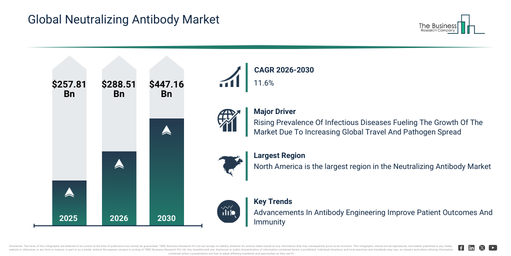
  • Rising Prevalence Of Infectious Diseases Fueling The Growth Of The Market Due To Increasing Global Travel And Pathogen Spread Is Supporting Development Across The Neutralizing Antibody Market

    Rising Prevalence Of Infectious Diseases Fueling The Growth Of The Market Due To Increasing Global Travel And Pathogen Spread Is Supporting Development Across The Neutralizing Antibody Market

    The Business Research Company’s 2026 market reports feature advanced enhancements such as market attractiveness analysis, total addressable market evaluation, company benchmarking matrices, interactive Excel dashboards, expanded supply chain intelligence, emerging startup coverage, and detailed product insights, delivering more actionable and strategically valuable research.

    What Is The Estimated Growth In Market Size Of The Neutralizing Antibody Market During 2026–2030?

    The neutralizing antibody market size has seen significant expansion in recent years. It is anticipated to increase from $257.81 billion in 2025 to $288.51 billion in 2026, achieving a compound annual growth rate (CAGR) of 11.9%. This historical growth can be attributed to elements such as the advent of viral epidemics like sars-cov-2, the creation of initial monoclonal antibody platforms, increased research and development in immunology, the use of antibodies in diagnostic tests, and the reliance on animal-derived polyclonal antibodies.

    The neutralizing antibody market size is projected for significant expansion over the coming years. Its value is anticipated to reach $447.16 billion by 2030, exhibiting a compound annual growth rate (CAGR) of 11.6%. This expansion during the projection period can be attributed to several factors, including progress in fully human and humanized monoclonal antibodies, the development of recombinant polyclonal antibody technology, a growing worldwide need for COVID-19 and influenza treatments, increased partnerships between pharmaceutical and biotechnology firms, and the broadening of antibody research in developing regions. Key trends expected throughout this forecast span encompass increased capital directed towards neutralizing antibody therapeutics, a wider scope of monoclonal and polyclonal antibody development, more applications in viral diagnostics and scientific inquiry, a heightened emphasis on individualized medicine and specific treatments, and stricter regulatory supervision and adherence for antibody manufacturing.

    Download A Free Sample Report For Comprehensive Market Insights:

    https://www.thebusinessresearchcompany.com/sample.aspx?id=24620&type=smp

    Which Strategic Drivers Are Supporting The Neutralizing Antibody Market Development?

    An anticipated increase in infectious disease cases is projected to drive expansion within the neutralizing antibody market moving ahead. Such diseases are conditions triggered by detrimental microorganisms like bacteria, viruses, fungi, or parasites, capable of transmitting from one individual to another, either directly or indirectly. The growing occurrence of infectious diseases stems from enhanced global travel, which aids the swift dissemination of pathogens across different regions. Neutralizing antibodies improve the treatment of infectious diseases by precisely identifying and inhibiting pathogens, thereby proving useful in halting disease advancement. These antibodies contribute to better patient results through their provision of accurate and prompt immune defense. As an illustration, the UK Health Security Agency, a UK-based governmental body, reported in February 2024 that instances of tuberculosis (a communicable bacterial infection mainly impacting the lungs) in England climbed to 4,850 in 2023, representing a 10.7% surge from the 4,380 cases recorded in 2022. Consequently, the increased incidence of infectious diseases is fueling the expansion of the neutralizing antibody market.

    Which Segment Groups Define The Neutralizing Antibody Market Landscape?

    The neutralizing antibody market covered in this report is segmented –

    1) By Antibody Type: Monoclonal Antibodies, Polyclonal Antibodies

    2) By Target Virus: SARS-CoV-2 (COVID-19), Human Immunodeficiency Viruses (HIV), Influenza, Ebola, Zika, Hepatitis C, Other Target Viruses

    3) By Distribution Channel: Direct Sales To End-Users, Distributors, Online Retail, Other Distribution Channels

    4) By Application: Therapeutics, Diagnostics, Research And Development

    5) By End User: Hospitals And Clinics, Research Institutes, Diagnostic Laboratories, Pharmaceutical Companies, Other End Users

    Subsegments:

    1) By Monoclonal Antibodies: Fully Human Monoclonal Antibodies, Humanized Monoclonal Antibodies, Chimeric Monoclonal Antibodies, Murine Monoclonal Antibodies

    2) By Polyclonal Antibodies: Animal-Derived Polyclonal Antibodies, Recombinant Polyclonal Antibodies, Human Polyclonal Antibody Preparations

    What Trends Are Affecting The Growth Of The Neutralizing Antibody Market?

    Leading firms within the neutralizing antibody market are concentrating their efforts on creating novel approaches, including long-acting monoclonal neutralizing antibodies, aiming to offer sustained defense against contagious illnesses, cater to the neglected health requirements of at-risk groups, and surmount the drawbacks of conventional vaccines. These long-acting monoclonal neutralizing antibodies are designed proteins engineered to specifically attach to viral antigens with strong affinity, thereby preventing infection. Their extended presence in the body is achieved through modifications in their Fc region, which prolongs their half-life. Differing from typical small-molecule antivirals or vaccines, these antibodies confer passive immunity, eliminating the need for recurrent doses or the body’s own active immune engagement. An illustrative example occurred in June 2025, when Merck & Co. Inc, a pharmaceutical company based in the US, introduced clesrovimab-cfor. This product is a long-acting monoclonal neutralizing antibody, which had received approval from the U.S. FDA. It is classified as a fully human IgG1κ antibody, specifically designed to target the fusion (F) protein of respiratory syncytial virus (RSV). Its Fc region contains a triple amino acid substitution, which serves to improve its binding to the neonatal Fc receptor and extend its serum half-life. Administered as a single 105 mg intramuscular dose, irrespective of the infant’s weight, it delivers season-long protection against RSV, thereby supporting preventive healthcare for infants and populations deemed high-risk.

    Which Companies Are Engaged In The Neutralizing Antibody Market Environment?

    Major companies operating in the neutralizing antibody market are Pfizer Inc., Johnson & Johnson, Roche Holding AG, Merck & Co. Inc., AstraZeneca PLC, Sanofi SA, GlaxoSmithKline plc, Eli Lilly and Company, Regeneron Pharmaceuticals Inc., GeNext Genomics, Celltrion Healthcare Co. Ltd, BeiGene Ltd, AbCellera Biologics Inc., BMC Pharmacology and Toxicology, Anthos Therapeutics, Immunome Inc., Sorrento Therapeutics Inc., Tonix Pharmaceuticals, Abwiz Bio, AXIM Biotechnologies.

    Access The Complete Neutralizing Antibody Market Report:

    https://www.thebusinessresearchcompany.com/report/neutralizing-antibody-global-market-report

    Which Region Has The Strongest Presence In The Neutralizing Antibody Market?

    North America was the largest region in the neutralizing antibody market in 2025. Asia-Pacific is expected to be the fastest-growing region in the forecast period. The regions covered in the neutralizing antibody market report are Asia-Pacific, South East Asia, Western Europe, Eastern Europe, North America, South America, Middle East, Africa.

    Access Neutralizing Antibody Market Report for Deeper Competitive Insights

    https://www.thebusinessresearchcompany.com/sample.aspx?id=24620&type=smp

    Browse Through More Reports Similar to the Global Neutralizing Antibody Market 2026, By The Business Research Company

    Immune Health Supplements Market Report 2026

    https://www.thebusinessresearchcompany.com/report/immune-health-supplements-global-market-report

    Immunoglobulins Market Report 2026

    https://www.thebusinessresearchcompany.com/report/immunoglobulins-global-market-report

    Antibody Discovery Market Report 2026

    https://www.thebusinessresearchcompany.com/report/antibody-discovery-global-market-report

    Get in touch with us:

    The Business Research Company: https://www.thebusinessresearchcompany.com/

    Americas: +1 310-496-7795

    Asia: +44 7882 955267 & +91 8897263534

    Europe: +44 7882 955267

    Email us at: marketing@tbrc.info

    Follow us on:

    LinkedIn: https://in.linkedin.com/company/the-business-research-company

    YouTube: https://www.youtube.com/channel/UC24_fI0rV8cR5DxlCpgmyFQ

    Global Market Model: https://www.thebusinessresearchcompany.com/global-market-model

  • The Rising Prevalence Of Neurological Disorders Is Driving The Market Due To Increased Demand For Innovative Therapies Is Supporting Development Across The Neurotoxin-Inspired Peptide Market

    The Rising Prevalence Of Neurological Disorders Is Driving The Market Due To Increased Demand For Innovative Therapies Is Supporting Development Across The Neurotoxin-Inspired Peptide Market

    The Business Research Company’s 2026 market reports feature advanced enhancements such as market attractiveness analysis, total addressable market evaluation, company benchmarking matrices, interactive Excel dashboards, expanded supply chain intelligence, emerging startup coverage, and detailed product insights, delivering more actionable and strategically valuable research.

    What Market Value Expansion Is Expected For The Neurotoxin-Inspired Peptide Market Over The Forecast Period?

    The neurotoxin-inspired peptide market has experienced considerable growth in recent years. This market is set to increase from $1.22 billion in 2025 to $1.39 billion in 2026, achieving a compound annual growth rate (CAGR) of 13.7%. Its historical expansion was driven by progress in peptide synthesis technologies, increasing research efforts in neurobiology, the rising application of peptides in cosmetic products, the extension of biotechnology research pipelines, and the accessibility of recombinant expression systems.

    The neurotoxin-inspired peptide market is projected to experience substantial expansion over the coming years. Its valuation is anticipated to reach $2.31 billion by 2030, driven by a compound annual growth rate (CAGR) of 13.5%. This projected growth is primarily due to several factors, including the escalating demand for targeted biopharmaceuticals, a surge in investments towards peptide-based therapeutics, broader applications in the fields of neurology and dermatology, an increasing emphasis on developing safer options compared to conventional neurotoxins, and ongoing advancements in peptide engineering. Key trends anticipated during this period encompass the accelerated development of therapeutic peptide-based drugs, a wider adoption of neurotoxin-inspired peptides within aesthetic medicine, their increased use in targeted neurological treatments, the proliferation of recombinant and synthetic peptide technologies, and a heightened focus on precise and safe treatment profiles.

    Download A Free Sample Report For Comprehensive Market Insights:

    https://www.thebusinessresearchcompany.com/sample.aspx?id=28279&type=smp

    What Major Growth Factors Are Impacting The Neurotoxin-Inspired Peptide Market?

    The expanding occurrence of neurological conditions is anticipated to fuel the expansion of the neurotoxin-inspired peptide market in the future. These disorders encompass a wide array of ailments impacting the central and peripheral nervous systems, including the brain, spinal cord, cranial nerves, and peripheral nerves, leading to compromised motor, sensory, cognitive, and autonomic capabilities. A key contributor to this escalating prevalence is the worldwide increase in life expectancy, given that longer lives raise the probability of age-related deterioration in the nervous system, subsequently increasing the occurrence of these conditions. Neurotoxin-inspired peptides present novel therapeutic strategies designed to precisely target particular neurological pathways, potentially leading to improved treatment results and fulfilling current medical gaps linked to the increasing challenge posed by these disorders. For example, as reported in October 2023 by the World Federation of Neurology, a UK-based association of national neurological societies, the worldwide population affected by brain diseases is predicted to double by 2050, with stroke-related deaths worldwide expected to rise by 50% to reach 9.7 million annually by the same year. Consequently, the growing incidence of neurological conditions will stimulate the neurotoxin-inspired peptide market.

    What Key Segment Areas Are Included In The Neurotoxin-Inspired Peptide Market Assessment?

    The neurotoxin-inspired peptide market covered in this report is segmented –

    1) By Product Type: Synthetic Peptides, Recombinant Peptides, Natural Peptides, Other Product Types

    2) By Distribution Channel: Direct Sales, Online Sales, Distributors, Other Distribution Channels

    3) By Application: Pharmaceuticals, Cosmetics, Research And Development, Other Applications

    4) By End User: Hospitals And Clinics, Research Institutes, Biotechnology Companies, Other End Users

    Subsegments:

    1) By Synthetic Peptides: Solid Phase Peptide Synthesis, Liquid Phase Peptide Synthesis, Hybrid Phase Peptide Synthesis

    2) By Recombinant Peptides: Bacterial Expression Systems, Yeast Expression Systems, Mammalian Cell Expression Systems

    3) By Natural Peptides: Animal Derived Peptides, Plant Derived Peptides, Microbial Derived Peptides

    4) By Other Product Types: Peptide Conjugates, Peptide Mimetics, Peptide Libraries

    Which Trends Are Influencing The Direction Of The Neurotoxin-Inspired Peptide Market?

    Major companies in the neurotoxin-inspired peptide market are focused on developing innovative products like neurotoxin-inspired peptide serums. These offerings aim to provide non-invasive skincare solutions that deliver wrinkle-reducing effects comparable to those achieved by injectable treatments. A neurotoxin-inspired peptide serum is a topical formula utilizing biomimetic peptides and complementary active ingredients to diminish facial muscle-related expression lines, thereby enhancing overall skin texture and radiance without invasive procedures. For instance, in July 2024, SkinCeuticals, a US-based medical skincare brand, introduced P-TIOX. This serum incorporates an advanced peptide complex along with exfoliating and hydrating agents in a patent-pending formulation. It is designed to visibly smooth skin, refine pores, and decrease the appearance of various contraction lines. Clinically evaluated for both standalone application and as a complement to injectable neurotoxin procedures, P-TIOX represents a significant non-invasive advancement in the anti-aging skincare category.

    Who Are The Prominent Players Across The Neurotoxin-Inspired Peptide Market?

    Major companies operating in the neurotoxin-inspired peptide market are AbbVie Inc., Galderma, Ipsen Pharma, Biolab Farmaceutica, Daewoong Pharmaceutical, Luye Pharma Group, CordenPharma, Syngene International, Shanghai Haohai Bio., Hugel Inc., Merz Pharma, Evolus Inc., Medytox Inc., US WorldMeds, Smartox Biotechnology, Venomtech Ltd., Latoxan, Pepscan Therapeutics, ToxinTech Inc., AEON Biopharma Inc.

    Access The Complete Neurotoxin-Inspired Peptide Market Report:

    https://www.thebusinessresearchcompany.com/report/neurotoxin-inspired-peptide-global-market-report

    Which Region Stands As The Largest Contributor To The Neurotoxin-Inspired Peptide Market?

    North America was the largest region in the neurotoxin-inspired peptide market in 2025. Asia-Pacific is expected to be the fastest-growing region in the forecast period. The regions covered in the neurotoxin-inspired peptide market report are Asia-Pacific, South East Asia, Western Europe, Eastern Europe, North America, South America, Middle East, Africa.

    Access Neurotoxin-Inspired Peptide Market Report for Deeper Competitive Insights

    https://www.thebusinessresearchcompany.com/sample.aspx?id=28279&type=smp

    Browse Through More Reports Similar to the Global Neurotoxin-Inspired Peptide Market 2026, By The Business Research Company

    Neurotoxin Market Report 2026

    https://www.thebusinessresearchcompany.com/report/neurotoxin-global-market-report

    Peptide Therapeutics Market Report 2026

    https://www.thebusinessresearchcompany.com/report/peptide-therapeutics-global-market-report

    Peptide Synthesis Market Report 2026

    https://www.thebusinessresearchcompany.com/report/peptide-synthesis-global-market-report

    Get in touch with us:

    The Business Research Company: https://www.thebusinessresearchcompany.com/

    Americas: +1 310-496-7795

    Asia: +44 7882 955267 & +91 8897263534

    Europe: +44 7882 955267

    Email us at: marketing@tbrc.info

    Follow us on:

    LinkedIn: https://in.linkedin.com/company/the-business-research-company

    YouTube: https://www.youtube.com/channel/UC24_fI0rV8cR5DxlCpgmyFQ

    Global Market Model: https://www.thebusinessresearchcompany.com/global-market-model
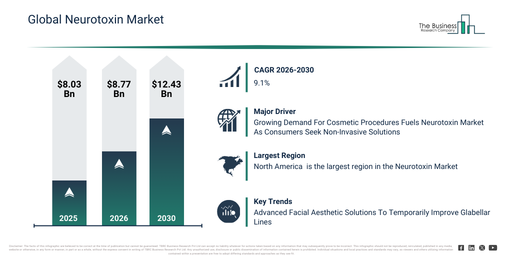
  • Growing Demand For Cosmetic Procedures Fuels Neurotoxin Market As Consumers Seek Non-Invasive Solutions Is Supporting Development Across The Neurotoxin Market

    Growing Demand For Cosmetic Procedures Fuels Neurotoxin Market As Consumers Seek Non-Invasive Solutions Is Supporting Development Across The Neurotoxin Market

    The Business Research Company’s 2026 market reports feature advanced enhancements such as market attractiveness analysis, total addressable market evaluation, company benchmarking matrices, interactive Excel dashboards, expanded supply chain intelligence, emerging startup coverage, and detailed product insights, delivering more actionable and strategically valuable research.

    How Will The Market Value Of The Neurotoxin Market Change Between 2026 And 2030?

    The neurotoxin market has shown strong expansion in recent years. It is forecast to grow from $8.03 billion in 2025 to $8.77 billion in 2026, achieving a compound annual growth rate (CAGR) of 9.2%. This historical growth can be attributed to factors such as the increasing prevalence of aesthetic consciousness, the rising use of botulinum toxin in cosmetic procedures, an elevated incidence of neurological disorders, the expansion of dermatology and specialty clinics, and early regulatory approvals for botulinum-based products.

    The neurotoxin market size is anticipated to experience substantial growth in the upcoming years, projected to reach **$12.43 billion by 2030, exhibiting a compound annual growth rate (CAGR) of 9.1%**. This expansion throughout the forecast period is fueled by several factors, including the increasing scope of therapeutic applications beyond cosmetic uses, a surging demand for non-surgical medical treatments, ongoing innovation in next-generation neurotoxins, rising healthcare expenditure in emerging markets, and the globally expanding aging population. Significant trends for the forecast period involve the broadening of therapeutic indications for neurotoxins, a heightened demand for minimally invasive aesthetic procedures, the development of longer-lasting and more precise neurotoxin formulations, their growing adoption in the management of chronic migraines and spasticity, and an increasing focus on product safety, purity, and reduced immunogenicity.

    Download A Free Sample Report For Comprehensive Market Insights:

    https://www.thebusinessresearchcompany.com/sample.aspx?id=11899&type=smp

    What Market Drivers Are Helping Shape The Neurotoxin Market Expansion?

    The increasing adoption of cosmetic procedures for appearance enhancement is anticipated to drive the neurotoxin market’s expansion. Cosmetic procedures encompass a wide array of medical treatments or interventions primarily aimed at improving or altering an individual’s physical appearance. This trend is a result of societal, technological, and cultural influences, alongside greater awareness of the benefits associated with cosmetic procedures. Neurotoxins are utilized in cosmetic procedures to relax specific muscles, thereby diminishing the visibility of wrinkles and fine lines. For instance, data from June 2024, provided by the American Society of Plastic Surgeons, a US-based non-profit organization, indicated a 7% rise in minimally invasive procedures in 2023, surpassing the growth rate of surgical procedures by 2%. Furthermore, hand surgeries, covering conditions such as carpal tunnel, arthritis, and trigger finger, totaled 207,887 procedures, marking a 2% increase compared to 2022. Consequently, the growing prevalence of cosmetic procedures aimed at improving appearance is a key driver for the neurotoxins market.

    How Is Segment Classification Applied In The Neurotoxin Market?

    The neurotoxin market covered in this report is segmented –

    1) By Product Type: Botox, Dysport, Xeomin, Other Products

    2) By Application: Therapeutic, Aesthetic

    3) By End User: Hospitals, Specialty Clinics, Dermatology Clinics, Other End Users

    Subsegments:

    1) By Botox: Cosmetic Uses, Therapeutic Uses

    2) By Dysport: Cosmetic Applications, Medical Indications

    3) By Xeomin: Cosmetic Treatments, Therapeutic Applications

    4) By Other Products: Jeuveau, Any Emerging Neurotoxins

    What Trends Are Driving Changes In The Neurotoxin Market?

    Leading firms within the neurotoxins market are prioritizing cutting-edge developments, particularly in next-generation aesthetic neurotoxins, aiming to elevate cosmetic results, broaden available treatments, and increase patient contentment. These next-generation aesthetic neurotoxins are novel botulinum-based formulations engineered to offer enhanced precision in muscle modulation, quicker therapeutic action, or extended efficacy for anti-wrinkle aesthetic procedures. As an example, in January 2023, Evolus Inc., a US-based medical aesthetics firm, received clearance from the Australian Therapeutic Goods Administration (TGA) for its product, Nuceiva (prabotulinumtoxinA). Nuceiva (prabotulinumtoxinA) functions as a neurotoxin specifically for aesthetic applications. Its application involves temporarily ameliorating the look of moderate glabellar lines in adults by inhibiting nerve signals to facial muscles, thereby inducing relaxation and smoothing wrinkles resulting from facial expressions, squinting, and frowning.

    Which Companies Form The Competitive Landscape Of The Neurotoxin Market?

    Major companies operating in the neurotoxin market are AbbVie Inc., Galderma Inc., Ipsen SA, Daewoong Pharmaceutical Co. Ltd., Merz Pharma GmbH & Co KGaA, Hugel Inc., Evolus Inc., Medytox Inc., Croma-Pharma GmbH, Revance Therapeutics Inc., Gufic Biosciences Ltd., Hironic Co. Ltd., Allergan, Lanzhou Institute of Biological Products Co. Ltd., Sinclair Pharma, Vida Aesthetics, Evolife, Hugel Bio, Medytox USA, Revance Aesthetics

    Access The Complete Neurotoxin Market Report:

    https://www.thebusinessresearchcompany.com/report/neurotoxin-global-market-report

    What Is The Largest Regional Market In The Neurotoxin Market?

    North America was the largest region in the neurotoxin market in 2025. Asia-Pacific is expected to be the fastest-growing region in the forecast period. The regions covered in the neurotoxin market report are Asia-Pacific, South East Asia, Western Europe, Eastern Europe, North America, South America, Middle East, Africa.

    Access Neurotoxin Market Report for Deeper Competitive Insights

    https://www.thebusinessresearchcompany.com/sample.aspx?id=11899&type=smp

    Browse Through More Reports Similar to the Global Neurotoxin Market 2026, By The Business Research Company

    Neurotoxin Market Report 2026

    https://www.thebusinessresearchcompany.com/report/neurotoxin-global-market-report

    Immunotoxin Market Report 2026

    https://www.thebusinessresearchcompany.com/report/immunotoxin-global-market-report

    Neuromodulation Market Report 2026

    https://www.thebusinessresearchcompany.com/report/neuromodulation-global-market-report

    Get in touch with us:

    The Business Research Company: https://www.thebusinessresearchcompany.com/

    Americas: +1 310-496-7795

    Asia: +44 7882 955267 & +91 8897263534

    Europe: +44 7882 955267

    Email us at: marketing@tbrc.info

    Follow us on:

    LinkedIn: https://in.linkedin.com/company/the-business-research-company

    YouTube: https://www.youtube.com/channel/UC24_fI0rV8cR5DxlCpgmyFQ

    Global Market Model: https://www.thebusinessresearchcompany.com/global-market-model

  • The Rising Prevalence Of Neurological Disorders Is Fueling The Growth Of The Market Due To Environmental Toxins And Increasing Global Disease Burden Is Supporting Development Across The Neuroregeneration Therapy Market

    The Rising Prevalence Of Neurological Disorders Is Fueling The Growth Of The Market Due To Environmental Toxins And Increasing Global Disease Burden Is Supporting Development Across The Neuroregeneration Therapy Market

    The Business Research Company’s 2026 market reports feature advanced enhancements such as market attractiveness analysis, total addressable market evaluation, company benchmarking matrices, interactive Excel dashboards, expanded supply chain intelligence, emerging startup coverage, and detailed product insights, delivering more actionable and strategically valuable research.

    What Is The Forecasted Rise In Market Size Of The Neuroregeneration Therapy Market During The Forecast Period?

    The neuroregeneration therapy market has experienced swift expansion recently. It is projected to increase from $11.29 billion in 2025 to $12.75 billion in 2026, exhibiting a compound annual growth rate (CAGR) of 12.9%. The growth observed in the historic period stemmed from factors such as the limited availability of neuroregeneration therapies, the high prevalence of neurodegenerative diseases, expanding clinical research focused on neural repair, increasing awareness of neurological disorder management, and a reliance on conventional pharmacological treatments.

    The neuroregeneration therapy market size is anticipated to experience swift expansion over the coming years. This market is projected to reach $20.5 billion by 2030, exhibiting a compound annual growth rate (CAGR) of 12.6%. The impetus for this growth during the forecast period stems from factors such as the evolution of sophisticated stem cell and gene therapies, the broadening scope of neurostimulation device applications, the incorporation of AI and digital monitoring into therapeutic practices, an uptick in government funding for neurological research, and an increase in partnerships between pharmaceutical and biotechnology firms. Key developments expected in this period include the rising acceptance of stem cell and gene therapies for neuroregeneration, a greater reliance on neurostimulation techniques in clinical settings, an increase in pharmacological therapies aimed at neuroprotection, the expansion of nanotechnology and biomaterials for drug delivery, and the incorporation of personalized treatment strategies for neurodegenerative conditions.

    Download A Free Sample Report For Comprehensive Market Insights:

    https://www.thebusinessresearchcompany.com/sample.aspx?id=27358&type=smp

    Which Significant Factors Are Encouraging Growth In The Neuroregeneration Therapy Market?

    The increasing incidence of neurological conditions is anticipated to fuel the expansion of the neuroregeneration therapy market in the future. These disorders are defined as ailments impacting the brain, spinal cord, or peripheral nerves, which disrupt the normal functioning of the nervous system. The rise in neurological disorders is attributable to environmental toxins; sustained exposure to pollutants such as heavy metals, pesticides, and industrial chemicals can impair the nervous system and elevate the probability of developing neurodegenerative diseases. Neuroregeneration therapy addresses neurological disorders by repairing or replacing damaged neurons and tissues, thereby restoring lost functions and fostering healing in the brain, spinal cord, or nerves to enhance mobility, sensation, and overall quality of life. For example, in October 2023, according to the World Federation of Neurology, a UK-based association of national neurological societies, over 40% of the global population currently experiences some form of neurological condition, and this burden is projected to almost double by 2050. Consequently, the escalating prevalence of neurological disorders is stimulating the growth of the neuroregeneration therapy market.

    What Are The Core Segment Classifications In The Neuroregeneration Therapy Market?

    The neuroregeneration therapy market covered in this report is segmented –

    1) By Type Of Neuroregeneration Therapy: Stem Cell Therapy, Gene Therapy, Pharmacological Therapy, Neurostimulation Therapy, Other Types Of Neuroregeneration Therapy

    2) By Technology: Tissue Engineering, Cranial And Spinal Stimulation, Nanotechnology In Drug Delivery, Biomaterials Development

    3) By Mode Of Administration: Oral, Injectable, Implantable, Other Modes Of Administration

    4) By Indication: Spinal Cord Injury, Traumatic Brain Injury, Stroke, Parkinson’s Disease, Multiple Sclerosis, Alzheimer’s Disease, Peripheral Nerve Injury, Other Indications

    5) By End-User: Hospitals, Clinical Research Institutes, Academic Institutions, Pharmaceutical And Biotechnology Companies

    Subsegments:

    1) By Stem Cell Therapy: Embryonic Stem Cell Therapy, Mesenchymal Stem Cell Therapy, Neural Stem Cell Therapy, Induced Pluripotent Stem Cell Therapy, Hematopoietic Stem Cell Therapy

    2) By Gene Therapy: In Vivo Gene Therapy, Ex Vivo Gene Therapy, Viral Vector Based Gene Therapy, Non Viral Vector Based Gene Therapy, Genome Editing Gene Therapy

    3) By Pharmacological Therapy: Neuroprotective Drugs, Neurotrophic Factor Based Drugs, Anti Inflammatory Drugs, Antioxidant Drugs

    4) By Neurostimulation Therapy: Deep Brain Stimulation, Transcranial Magnetic Stimulation, Vagus Nerve Stimulation, Spinal Cord Stimulation, Transcranial Direct Current Stimulation

    5) By Other Types Of Neuroregeneration Therapy: Nanotechnology Based Therapy, Exosome Based Therapy, Biomaterial Based Therapy

    Which Trends Are Shaping The Neuroregeneration Therapy Market Landscape?

    Major companies in the neuroregeneration therapy market are concentrating on creating innovative solutions, such as 3D-printed regenerative medical implants, which offer advanced treatment options for nerve repair and the recovery of function following injury. These 3D-printed regenerative implants employ patient-specific biomaterials and tissue-engineered scaffolds to support nerve regeneration, delivering precise structural guidance for axonal growth and achieving better outcomes compared to conventional autografts or synthetic conduits, which are restricted by donor tissue supply and less customizable designs. For instance, in June 2025, 3D Systems Inc., a US-based 3D printing and medical technology company, advanced its regenerative medical offerings with a pioneering peripheral nerve implant specifically engineered to facilitate targeted neuroregeneration. This implant is made from biocompatible, 3D-printed scaffold materials designed to guide nerve regrowth; it functions by providing structural and biochemical cues that promote axonal extension and reconnection; its distinct characteristics include patient-specific customization, integration with surrounding tissue, and compatibility with peripheral nerve repair procedures; applications cover peripheral nerve injury repair, functional restoration after trauma or surgery, and research in neuroregenerative medicine; its benefits include accelerated recovery, improved functional results, and reduced reliance on donor grafts.

    Who Are The Key Market Participants In The Neuroregeneration Therapy Market?

    Major companies operating in the neuroregeneration therapy market are F. Hoffmann-La Roche Ltd., Merck & Co. Inc., AbbVie Inc., Sanofi S.A., Novartis International AG, Stryker Corporation, Biogen Inc., Synovis Life Technologies Inc., Integra LifeSciences Holdings Corporation, AxoGen Inc., Denali Therapeutics Inc., Aspen Neuroscience Inc., Neurona Therapeutics Inc., Lineage Cell Therapeutics Inc., Checkpoint Surgical Inc., Stemedica Cell Technologies Inc., Polyganics B.V., Epineuron Technologies Inc., NeuExcell Therapeutics Inc.

    Access The Complete Neuroregeneration Therapy Market Report:

    https://www.thebusinessresearchcompany.com/report/neuroregeneration-therapy-global-market-report

    Which Region Contributes The Most To The Neuroregeneration Therapy Market?

    North America was the largest region in the neuroregeneration therapy market in 2025. Asia-Pacific is expected to be the fastest-growing region in the forecast period. The regions covered in the neuroregeneration therapy market report are Asia-Pacific, South East Asia, Western Europe, Eastern Europe, North America, South America, Middle East, Africa.

    Access Neuroregeneration Therapy Market Report for Deeper Competitive Insights

    https://www.thebusinessresearchcompany.com/sample.aspx?id=27358&type=smp

    Browse Through More Reports Similar to the Global Neuroregeneration Therapy Market 2026, By The Business Research Company

    Construction Plastics Market Report 2026

    https://www.thebusinessresearchcompany.com/report/construction-plastics-global-market-report

    Wood Plastic Composite Market Report 2026

    https://www.thebusinessresearchcompany.com/report/wood-plastic-composite-global-market-report

    Plastic Products Market Report 2026

    https://www.thebusinessresearchcompany.com/report/plastic-products-global-market-report

    Get in touch with us:

    The Business Research Company: https://www.thebusinessresearchcompany.com/

    Americas: +1 310-496-7795

    Asia: +44 7882 955267 & +91 8897263534

    Europe: +44 7882 955267

    Email us at: marketing@tbrc.info

    Follow us on:

    LinkedIn: https://in.linkedin.com/company/the-business-research-company

    YouTube: https://www.youtube.com/channel/UC24_fI0rV8cR5DxlCpgmyFQ

    Global Market Model: https://www.thebusinessresearchcompany.com/global-market-model

  • Increasing Prevalence Of Surgical Procedures Is Driving The Growth Of The Neuromuscular Blocking Drug Market Is Supporting Development Across The Neuromuscular Blocking Drug Market

    Increasing Prevalence Of Surgical Procedures Is Driving The Growth Of The Neuromuscular Blocking Drug Market Is Supporting Development Across The Neuromuscular Blocking Drug Market

    The Business Research Company’s 2026 market reports feature advanced enhancements such as market attractiveness analysis, total addressable market evaluation, company benchmarking matrices, interactive Excel dashboards, expanded supply chain intelligence, emerging startup coverage, and detailed product insights, delivering more actionable and strategically valuable research.

    How Is The Neuromuscular Blocking Drug Market’s Market Value Anticipated To Evolve From 2026 To 2030?

    The neuromuscular blocking drug market size has undergone substantial expansion in recent years. This market is anticipated to grow from $4.08 billion in 2025 to $4.3 billion in 2026, at a compound annual growth rate (CAGR) of 5.3%. Throughout its history, this growth can be ascribed to elements such as limited availability of neuromuscular blocking drugs, an increasing number of surgical procedures, reliance on conventional anesthesia protocols, expanding hospital infrastructure, and heightened awareness of perioperative patient care.

    The neuromuscular blocking drug market is anticipated to exhibit substantial growth in the upcoming years. Its value is predicted to reach $5.23 billion in 2030, advancing at a compound annual growth rate (CAGR) of 5.0%. This expansion during the forecast period stems from factors such as the creation of rapid-onset and intermediate-acting agents, the incorporation of digital anesthesia monitoring systems, the proliferation of specialty clinics, the increasing use of short-acting agents for outpatient surgical procedures, and a heightened regulatory emphasis on the safety and effectiveness of drugs. Key trends expected within this period involve a heightened demand for both non-polarizing and depolarizing neuromuscular blocking drugs, an increase in surgical operations needing muscle relaxation, greater uptake of short-acting and rapid-onset agents, broadening of hospital pharmacy and online pharmacy distribution networks, and a concentrated effort on ensuring patient safety and refining anesthesia protocols.

    Download A Free Sample Report For Comprehensive Market Insights:

    https://www.thebusinessresearchcompany.com/sample.aspx?id=19612&type=smp

    What Core Drivers Are Transforming The Neuromuscular Blocking Drug Market?

    The escalating number of surgical procedures is projected to propel the expansion of the neuromuscular blocking drug market in the future. Surgical procedures encompass medical operations involving incisions, excisions, or other techniques to address injuries, diseases, or health conditions. The increasing volume of surgical procedures is attributed to advancements in diagnostic tools, enhanced access to healthcare, a greater focus on quality of life, and elevated patient awareness and expectations. Neuromuscular blocking drugs are employed during surgical procedures to induce muscle relaxation and facilitate various aspects of the operation. For instance, in September 2023, data from the National Library of Medicine, a US-based federal government, revealed that as of 2023, 7,733 robotic surgical systems had been installed worldwide, and over 10 million robotic surgeries completed. Therefore, the growing prevalence of surgical procedures is a key driver for the growth of the neuromuscular blocking drug market.

    How Is The Neuromuscular Blocking Drug Market Structured Across Different Market Segments?

    The neuromuscular blocking drug market covered in this report is segmented –

    1) By Type: Non-Polarizing Agents, Depolarizing Agents

    2) By Application: Hospital Pharmacy, Retail Pharmacy, Online Pharmacy, Other Applications

    3) By End-Users: Hospitals, Homecare, Specialty Clinics, Other End-Users

    Subsegments:

    1) By Non-Polarizing Agents: Benzylisoquinolines, Steroidal Agents, Long-Acting Agents, Intermediate-Acting Agents, Short-Acting Agents,

    2) By Depolarizing Agents: Succinylcholine, Analogues of Succinylcholine, Rapid-Onset Agents, Short-Acting Agents, Intermediate-Acting Agents

    What Trends Are Influencing The Neuromuscular Blocking Drug Market Outlook?

    Major companies within the neuromuscular blocking drug market are prioritizing the development of technological advancements, such as RFID-enabled drug delivery, to meet the growing demand for improved patient safety and more efficient hospital inventory management. RFID-enabled drug delivery involves embedding radio-frequency identification (RFID) tags onto pharmaceutical vials or packaging, which allows hospitals to automatically track, authenticate, and manage medications using digital systems. This approach reduces manual errors, ensures correct dosing, and assists with recall management, offering advantages over traditional bar-code or manual inventory systems. For instance, in May 2023, Fresenius Kabi, a Germany-based pharmaceutical manufacturer, launched its RFID-pre-tagged Rocuronium Bromide Injection, a non-depolarizing neuromuscular blocking agent, ensuring its full compatibility with major RFID kit and tray systems. This product maintains the active ingredient rocuronium bromide but incorporates a smart RAIN RFID label (GS1-compliant) that simplifies point-of-care tracking, enhances traceability, and improves patient safety by enabling real-time verification and reducing the risk of wrong-dose errors. Additionally, the RFID technology streamlines hospital inventory workflows by enabling automated stock reconciliation and providing recall alerts.

    Which Organizations Are Operating Within The Neuromuscular Blocking Drug Market?

    Major companies operating in the neuromuscular blocking drug market are Pfizer Inc., Merck & Co Inc., AbbVie Inc., Fresenius Kabi AG, AstraZeneca PLC, Novartis AG, Teva Pharmaceutical Industries Limited, Baxter International Inc., Astellas Pharma Inc., Daiichi Sankyo Company Limited, Ipsen S.A., B. Braun Melsungen AG, Aurobindo Pharma Limited, Hikma Pharmaceuticals PLC, Mallinckrodt Pharmaceuticals plc, Mylan N.V., Sagent Pharmaceuticals Inc., Cadila Healthcare Limited

    Access The Complete Neuromuscular Blocking Drug Market Report:

    https://www.thebusinessresearchcompany.com/report/neuromuscular-blocking-drug-global-market-report

    Which Regional Market Leads The Neuromuscular Blocking Drug Market?

    North America was the largest region in the neuromuscular blocking drug market in 2025. The regions covered in the neuromuscular blocking drug market report are Asia-Pacific, South East Asia, Western Europe, Eastern Europe, North America, South America, Middle East, Africa.

    Access Neuromuscular Blocking Drug Market Report for Deeper Competitive Insights

    https://www.thebusinessresearchcompany.com/sample.aspx?id=19612&type=smp

    Browse Through More Reports Similar to the Global Neuromuscular Blocking Drug Market 2026, By The Business Research Company

    Nephrology Drugs Market Report 2026

    https://www.thebusinessresearchcompany.com/report/nephrology-drugs-global-market-report

    Myelodysplastic Syndrome Drugs Market Report 2026

    https://www.thebusinessresearchcompany.com/report/myelodysplastic-syndrome-drugs-global-market-report

    Drug Delivery Devices Market Report 2026

    https://www.thebusinessresearchcompany.com/report/drug-delivery-devices-global-market-report

    Get in touch with us:

    The Business Research Company: https://www.thebusinessresearchcompany.com/

    Americas: +1 310-496-7795

    Asia: +44 7882 955267 & +91 8897263534

    Europe: +44 7882 955267

    Email us at: marketing@tbrc.info

    Follow us on:

    LinkedIn: https://in.linkedin.com/company/the-business-research-company

    YouTube: https://www.youtube.com/channel/UC24_fI0rV8cR5DxlCpgmyFQ

    Global Market Model: https://www.thebusinessresearchcompany.com/global-market-model
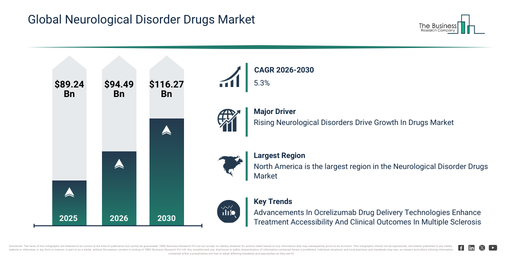
  • Rising Neurological Disorders Drive Growth In Drugs Market Is Supporting Development Across The Neurological Disorder Drugs Market

    Rising Neurological Disorders Drive Growth In Drugs Market Is Supporting Development Across The Neurological Disorder Drugs Market

    The Business Research Company’s 2026 market reports feature advanced enhancements such as market attractiveness analysis, total addressable market evaluation, company benchmarking matrices, interactive Excel dashboards, expanded supply chain intelligence, emerging startup coverage, and detailed product insights, delivering more actionable and strategically valuable research.

    By 2030, How Much Growth In Market Size Is Expected For The Neurological Disorder Drugs Market?

    The market for neurological disorder drugs has seen robust expansion in recent times. This market is projected to expand from $89.24 billion in 2025 to $94.49 billion in 2026, demonstrating a compound annual growth rate (CAGR) of 5.9%. Factors contributing to its historical growth include an increasing incidence of epilepsy and neurodegenerative conditions, an aging worldwide populace, the extended application of symptomatic neurological medications, the broadening of hospital-based neurological services, and higher rates of neurological disorder diagnoses.

    The market for neurological disorder drugs is projected to experience robust expansion in the coming years. Its valuation is set to reach $116.27 billion by 2030, exhibiting a compound annual growth rate (CAGR) of 5.3%. This anticipated growth throughout the forecast period stems from various factors, including progress in neurological drug development pipelines, the increasing prevalence of Alzheimer’s and Parkinson’s diseases, enhanced availability of neurological care in developing markets, a growing need for tailored neurology treatments, and the wider availability of homecare and outpatient neurological therapies. Key trends during this period encompass the increasing uptake of disease-modifying neurological treatments, a heightened emphasis on prompt diagnosis and sustained disease management, an escalating requirement for combination drug therapies, the broadening scope of oral and home-based neurological interventions, and a stronger focus on managing symptoms and enhancing the quality of life for patients.

    Download A Free Sample Report For Comprehensive Market Insights:

    https://www.thebusinessresearchcompany.com/sample.aspx?id=17207&type=smp

    Which Growth Factors Are Strengthening The Neurological Disorder Drugs Market Landscape?

    The rising occurrence of neurological conditions is anticipated to boost the expansion of the neurological disorder drugs market in the future. Neurological disorders are defined as ailments impacting the brain, spinal cord, and nerves, stemming from structural, biochemical, or electrical irregularities, which result in diverse symptoms. The increase in neurological illnesses is linked to the worldwide aging population and heightened exposure to environmental, metabolic, and lifestyle risk elements. Medications for neurological disorders are crucial in managing these intricate conditions, providing symptom alleviation, retarding disease advancement, and enhancing long-term patient prognoses. As an illustration, in September 2024, data from the Australian Institute of Health and Welfare, a government body based in Australia, indicates that the population suffering from dementia in Australia is predicted to more than double between 2023 and 2058, increasing from approximately 411,100 in 2023 to 849,300 by 2058, affecting about 315,500 men and 533,800 women. Consequently, the expanding incidence of neurological ailments is fueling the growth of the neurological disorder drugs market.

    Which Segment-Based Categories Are Covered In The Neurological Disorder Drugs Market?

    The neurological disorder drugs market covered in this report is segmented –

    1) By Drug Class: Cholinesterase Inhibitors, N-Methyl-D-Aspartate (NMDA) Receptor Antagonists, Antiepileptic, Antipsychotic And Antidepressant, Other Drugs Classes

    2) By Indication: Epilepsy, Alzheimer’s Disease, Parkinson’s Disease, Multiple Sclerosis, Cerebrovascular Disease, Other Indications

    3) By Route Of Administration: Oral, Parenteral, Other Routes Of Administration

    4) By Distribution Channel: Hospital Pharmacy, Retail Pharmacy, Online Pharmacy, Other Distribution Channels

    5) By End-Users: Hospitals, Specialty Clinics, Homecare, Other End Users

    Subsegments:

    1) By Cholinesterase Inhibitors: Donepezil, Rivastigmine, Galantamine

    2) By N-Methyl-D-Aspartate (NMDA) Receptor Antagonists: Memantine, Other NMDA Receptor Antagonists

    3) By Antiepileptic: Sodium Channel Blockers, GABA Enhancers, Glutamate Modulators, Other Antiepileptics

    4) By Antipsychotic and Antidepressant: Risperidone, Olanzapine, SSRIs, SNRIs, Tricyclic

    5) By Other Drug Classes: Dopaminergic Drugs, Alpha-2 Agonists, Immunomodulators, Other Neurological Disorder Medications

    Which Trends Are Expected To Shape The Neurological Disorder Drugs Market?

    Leading companies in the neurological disorder drugs market are focusing on developing innovative solutions, such as Ocrelizumab-based therapies, to enhance treatment efficacy, improve patient outcomes, and expand therapeutic options for individuals with multiple sclerosis. Ocrelizumab is a humanized monoclonal antibody designed to target CD20-positive B cells, helping reduce disease activity and slow progression in both relapsing and primary progressive forms of multiple sclerosis. For instance, in September 2024, Roche Holding AG, a Switzerland-based pharmaceutical company, received regulatory approval from the U.S. Food and Drug Administration (FDA) for OCREVUS ZUNOVO (ocrelizumab & hyaluronidase-ocsq), a twice-yearly, approximately 10-minute subcutaneous injection, marking the first-ever subcutaneous Ocrevus formulation approved for both relapsing (RMS) and primary progressive (PPMS) multiple sclerosis. This enhanced delivery option is designed to improve convenience, expand access to therapy, and support clinical workflow efficiency by offering a faster, non-intravenous method of administration.

    Who Are The Businesses Driving Activity In The Neurological Disorder Drugs Market?

    Major companies operating in the neurological disorder drugs market are F. Hoffmann-La Roche Ltd, Bayer AG, Sanofi S.A, AstraZeneca PLC, Abbott Laboratories, Novartis AG, GlaxoSmithKline plc, Takeda Pharmaceutical Company Limited, Eli Lilly and Company Pvt Ltd, Amgen Inc, Boehringer Ingelheim GmbH, Merck KGaA, Teva Pharmaceutical Industries Ltd, Otsuka America Pharmaceutical Inc, Biogen Inc, Bausch Health Companies Inc, Alexion Pharmaceuticals Inc., UCB S.A., Eisai Co Ltd, Cipla Inc, BioMarin Pharmaceutical Inc., Biocon Ltd, Acorda Therapeutics Inc.

    Access The Complete Neurological Disorder Drugs Market Report:

    https://www.thebusinessresearchcompany.com/report/neurological-disorder-drugs-global-market-report

    Which Region Holds The Largest Share In The Neurological Disorder Drugs Market?

    North America was the largest region in the neurological disorder drugs market in 2025. Asia-Pacific is expected to be the fastest-growing region in the forecast period. The regions covered in the neurological disorder drugs market report are Asia-Pacific, South East Asia, Western Europe, Eastern Europe, North America, South America, Middle East, Africa.

    Access Neurological Disorder Drugs Market Report for Deeper Competitive Insights

    https://www.thebusinessresearchcompany.com/sample.aspx?id=17207&type=smp

    Browse Through More Reports Similar to the Global Neurological Disorder Drugs Market 2026, By The Business Research Company

    Neurological Disorder Drugs Market Report 2026

    https://www.thebusinessresearchcompany.com/report/neurological-disorder-drugs-global-market-report

    Central Nervous System Drug Market Report 2026

    https://www.thebusinessresearchcompany.com/report/central-nervous-system-drug-global-market-report

    Cholinergic Drugs Market Report 2026

    https://www.thebusinessresearchcompany.com/report/cholinergic-drugs-global-market-report

    Get in touch with us:

    The Business Research Company: https://www.thebusinessresearchcompany.com/

    Americas: +1 310-496-7795

    Asia: +44 7882 955267 & +91 8897263534

    Europe: +44 7882 955267

    Email us at: marketing@tbrc.info

    Follow us on:

    LinkedIn: https://in.linkedin.com/company/the-business-research-company

    YouTube: https://www.youtube.com/channel/UC24_fI0rV8cR5DxlCpgmyFQ

    Global Market Model: https://www.thebusinessresearchcompany.com/global-market-model