Month: May 2026

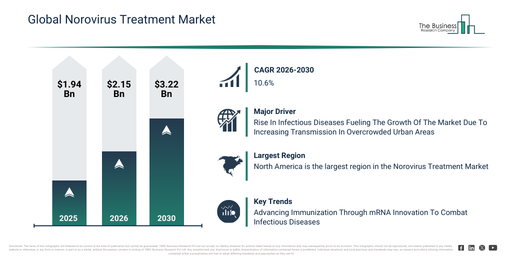
  • Rise In Infectious Diseases Fueling The Growth Of The Market Due To Increasing Transmission In Overcrowded Urban Areas Is Supporting Development Across The Norovirus Treatment Market

    Rise In Infectious Diseases Fueling The Growth Of The Market Due To Increasing Transmission In Overcrowded Urban Areas Is Supporting Development Across The Norovirus Treatment Market

    The Business Research Company’s 2026 market reports feature advanced enhancements such as market attractiveness analysis, total addressable market evaluation, company benchmarking matrices, interactive Excel dashboards, expanded supply chain intelligence, emerging startup coverage, and detailed product insights, delivering more actionable and strategically valuable research.

    How Much Larger Will The Norovirus Treatment Market Become By 2030 Compared To 2026?

    The norovirus treatment market size has expanded considerably in recent years. It is anticipated to increase from $1.94 billion in 2025 to $2.15 billion in 2026, progressing at a compound annual growth rate (CAGR) of 10.9%. The market’s historical expansion was shaped by elements such as restricted awareness of norovirus management, a reliance on treatments within hospitals, insufficient infrastructure for homecare, a lack of standardized protocols for symptom management, and a low uptake of probiotics and zinc supplementation.

    The norovirus treatment market size is projected to experience substantial expansion over the upcoming years. By 2030, this market is anticipated to reach a valuation of $3.22 billion, exhibiting a compound annual growth rate (CAGR) of 10.6%. Key drivers for this growth during the forecast period include the increasing demand for oral rehydration solutions, the expansion of homecare services and telemedicine, a heightened focus on pediatric and elderly populations, the development of targeted supportive care therapies, and increases in healthcare expenditure and awareness campaigns. Significant trends expected during this period involve a greater embrace of oral rehydration therapies, increased administration of intravenous fluids for severe cases, the expansion of homecare and remote treatment modalities, broader utilization of anti-diarrheal and symptom management medications, and a specific focus on norovirus care for children and the elderly.

    Download A Free Sample Report For Comprehensive Market Insights:

    https://www.thebusinessresearchcompany.com/sample.aspx?id=24629&type=smp

    What Important Drivers Are Powering The Norovirus Treatment Market Growth?

    The rising prevalence of infectious disease is projected to propel the growth of the norovirus treatment market going forward. These infectious diseases are illnesses caused by bacteria, viruses, fungi, or parasites that spread among people, including influenza, tuberculosis, HIV/AIDS, malaria, and norovirus. The rise in infectious diseases is linked to urban overcrowding, which facilitates the rapid transmission of pathogens within densely populated areas. Norovirus treatment helps alleviate the impact of infectious disease by effectively managing symptoms and limiting spread through appropriate hydration, hygiene, and isolation practices. For example, in March 2025, the World Health Organization, a Switzerland-based intergovernmental organization, reported that an estimated 10.8 million individuals, consisting of 6.0 million men, 3.6 million women, and 1.3 million children, contracted tuberculosis globally in 2023. Consequently, the increasing prevalence of infectious disease is driving growth of the norovirus treatment market.

    How Is The Norovirus Treatment Market Structured Across Different Market Segments?

    The norovirus treatment market covered in this report is segmented –

    1) By Treatment: Electrolytes, Intravenous Fluids, Antipyretics, Analgesics, Anti-Diarrheal, Other Treatments

    2) By Diagnosis: Bacteria Culture Test, Stool Tests, Other Diagnosis

    3) By Route Of Administration: Oral, Intravenous

    4) By End User: Hospitals, Clinics, Homecare Settings

    Subsegments:

    1) By Electrolytes: Oral Rehydration Salts (ORS), Sports Drinks, Pediatric Electrolyte Solutions

    2) By Intravenous Fluids: Crystalloids, Colloids, Lactated Ringer’s Solution

    3) By Antipyretics: Acetaminophen (Paracetamol), Ibuprofen, Aspirin

    4) By Analgesics: Nonsteroidal Anti-Inflammatory Drugs (NSAIDs), Opioid Analgesics, Acetaminophen-Based Analgesics

    5) By Anti-Diarrheal: Loperamide, Bismuth Subsalicylate, Diphenoxylate-Atropine

    6) By Other Treatments: Antiemetics, Probiotics, Zinc Supplements

    What Trends Are Impacting The Norovirus Treatment Market?

    Companies active in the norovirus treatment market are prioritizing the creation of innovative solutions, such as advanced mRNA vaccines, to accelerate the advancement of targeted immunization, enhance defense against severe infections, and alleviate the global burden of norovirus-related illnesses. Advanced mRNA vaccines are next-generation immunizations that utilize specially engineered messenger RNA to direct cells to produce specific proteins, thereby triggering a targeted immune response with improved stability, efficacy, and adaptability against various infectious diseases. For example, in October 2024, Moderna Inc., a US-based biotechnology company, partnered with the UK Health Security Agency (UKHSA), a UK-based government agency, to commence the world’s first Phase 3 trial of an mRNA norovirus vaccine (mRNA-1403) in the UK. This trial introduces a vaccine designed to target the highly contagious norovirus by instructing the body to produce viral proteins that stimulate a strong immune response without using the live virus. Noteworthy features of the launch include its application of stabilized mRNA for enhanced durability, rapid development potential in response to evolving strains, and its ability to elicit both antibody and T-cell responses.

    Which Firms Are Competing In The Norovirus Treatment Market?

    Major companies operating in the norovirus treatment market are Abbott Laboratories, Reckitt Benckiser Group plc, Nestlé Health Science, Otsuka Pharmaceutical Co. Ltd., Dr. Reddy’s Laboratories Ltd., Cipla Limited, Sun Pharmaceutical Industries Ltd., Aurobindo Pharma Limited, Lupin Limited, Mylan (Viatris Inc.), Perrigo Company plc, Haleon plc, Church & Dwight Co. Inc., GlaxoSmithKline Consumer Healthcare, Sanofi Consumer Healthcare, Pfizer Consumer Healthcare, Ferring Pharmaceuticals, Fresenius Kabi AG, Baxter International Inc., B. Braun Melsungen AG, Hikma Pharmaceuticals PLC, Torrent Pharmaceuticals Ltd., Alkem Laboratories Ltd., Zydus Lifesciences Ltd., Glenmark Pharmaceuticals Ltd., Pfizer Healthcare India Pvt. Ltd., Mead Johnson Nutrition (Reckitt), Danone Nutricia, Amneal Pharmaceuticals Inc., Ajanta Pharma Ltd.

    Access The Complete Norovirus Treatment Market Report:

    https://www.thebusinessresearchcompany.com/report/norovirus-treatment-global-market-report

    What Is The Largest Regional Market In The Norovirus Treatment Market?

    North America was the largest region in the norovirus treatment market in 2025. The regions covered in the norovirus treatment market report are Asia-Pacific, South East Asia, Western Europe, Eastern Europe, North America, South America, Middle East, Africa.

    Access Norovirus Treatment Market Report for Deeper Competitive Insights

    https://www.thebusinessresearchcompany.com/sample.aspx?id=24629&type=smp

    Browse Through More Reports Similar to the Global Norovirus Treatment Market 2026, By The Business Research Company

    Nuclear Imaging Devices And Equipment Market Report 2026

    https://www.thebusinessresearchcompany.com/report/nuclear-imaging-devices-and-equipment-global-market-report

    Nuclear Medicine Radioisotopes Market Report 2026

    https://www.thebusinessresearchcompany.com/report/nuclear-medicine-radioisotopes-global-market-report

    Nuclear Medicine Diagnostics Market Report 2026

    https://www.thebusinessresearchcompany.com/report/nuclear-medicine-diagnostics-global-market-report

    Get in touch with us:

    The Business Research Company: https://www.thebusinessresearchcompany.com/

    Americas: +1 310-496-7795

    Asia: +44 7882 955267 & +91 8897263534

    Europe: +44 7882 955267

    Email us at: marketing@tbrc.info

    Follow us on:

    LinkedIn: https://in.linkedin.com/company/the-business-research-company

    YouTube: https://www.youtube.com/channel/UC24_fI0rV8cR5DxlCpgmyFQ

    Global Market Model: https://www.thebusinessresearchcompany.com/global-market-model
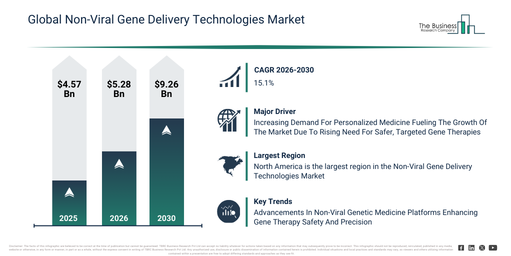
  • Increasing Demand For Personalized Medicine Fueling The Growth Of The Market Due To Rising Need For Safer, Targeted Gene Therapies Is Supporting Development Across The Non-Viral Gene Delivery Technologies Market

    Increasing Demand For Personalized Medicine Fueling The Growth Of The Market Due To Rising Need For Safer, Targeted Gene Therapies Is Supporting Development Across The Non-Viral Gene Delivery Technologies Market

    The Business Research Company’s 2026 market reports feature advanced enhancements such as market attractiveness analysis, total addressable market evaluation, company benchmarking matrices, interactive Excel dashboards, expanded supply chain intelligence, emerging startup coverage, and detailed product insights, delivering more actionable and strategically valuable research.

    What Growth In Market Value Is Anticipated For The Non-Viral Gene Delivery Technologies Market Between 2026 And 2030?

    The market for non-viral gene delivery technologies has experienced significant expansion recently. It is projected to expand from $4.57 billion in 2025 to $5.28 billion in 2026, demonstrating a compound annual growth rate (CAGR) of 15.5%. Historically, this expansion has been driven by factors such as a dependence on viral delivery methods, restricted access to non-viral transfection reagents, a rising focus on gene therapy research, the increased utilization of plasmid DNA and mRNA delivery kits, and the implementation of electroporation along with other physical delivery techniques.

    The non-viral gene delivery technologies market is projected to undergo substantial expansion over the upcoming years. This market is set to attain a value of $9.26 billion by 2030, exhibiting a compound annual growth rate (CAGR) of 15.1%. The anticipated growth during the forecast period stems from factors such as the evolution of advanced lipid and polymer nanoparticles, the proliferation of pre-formulated nanoparticle technologies, increased capital committed to gene editing and RNAi therapeutics, a rising need for personalized gene therapy solutions, and the incorporation of high-throughput and automated delivery platforms. Noteworthy trends anticipated in the same period encompass the broader acceptance of lipid-based and polymer-based non-viral delivery systems, an increase in CRISPR and Cas9 gene editing applications, burgeoning demand for RNAi and DNA vaccine delivery platforms, the broadening scope of ex-vivo and in-vivo gene therapy research, and the creation of cell-specific and targeted gene delivery reagents.

    Download A Free Sample Report For Comprehensive Market Insights:

    https://www.thebusinessresearchcompany.com/sample.aspx?id=27367&type=smp

    Which Major Factors Are Contributing To The Development Of The Non-Viral Gene Delivery Technologies Market?

    The increasing demand for personalized medicine is projected to stimulate the growth of the non-viral gene delivery technologies market. Personalized medicine is a medical strategy that customizes prevention, diagnosis, and treatment based on an individual’s unique genetic makeup, lifestyle, and environmental factors. This rising demand for personalized medicine is fueled by advancements in genomic sequencing technologies, which facilitate more accurate diagnoses, targeted therapies, and improved treatment outcomes tailored to specific patients. The heightened emphasis on personalized medicine is consequently boosting the need for non-viral gene delivery technologies, as these methods offer safer and more adaptable ways to deliver therapeutic genes suited to an individual’s genetic profile, without the risks associated with viral vectors. For instance, in February 2024, according to the Personalized Medicine Coalition, a US-based non-profit organization, the Food and Drug Administration (FDA) approved 16 novel personalized therapies for patients with rare diseases in 2023, in contrast to 6 in 2022. Thus, the escalating demand for personalized medicine is driving the expansion of the non-viral gene delivery technologies market.

    Which Segment-Based Categories Are Covered In The Non-Viral Gene Delivery Technologies Market?

    The non-viral gene delivery technologies market covered in this report is segmented –

    1) By Product: Reagents And Kits, Delivery Devices, Pre-Formulated Nanoparticles

    2) By Delivery: In-Vitro, In-Vivo, Ex-Vivo

    3) By Technology: Electroporation, Lipid-Based Transfection, Polymer-Based Transfection, Physical Methods (Microinjection, Gene Gun), Nanoparticles

    4) By Application: Gene Therapy, Deoxyribonucleic Acid (DNA) Vaccines, Ribonucleic Acid Interference (RNAi), Clustered Regularly Interspaced Short Palindromic Repeats (CRISPR) Or Cas9 Gene Editing, Protein Expression

    5) By End-Use: Biotechnology And Biopharmaceutical Companies, Research And Academic Institutes, Other End-Uses

    Subsegments:

    1) By Reagents And Kits: Transfection Reagents, Plasmid Deoxyribonucleic Acid (DNA) Kits, Messenger Ribonucleic Acid (RNA) Delivery Kits, Small Interfering Ribonucleic Acid (RNA) Delivery Kits, Clustered Regularly Interspaced Short Palindromic Repeats Associated Protein Reagents, Cell-Specific Delivery Reagents

    2) By Delivery Devices: Electroporation Systems, Microinjection Systems, Gene Guns Or Biolistic Delivery Devices, Ultrasound-Mediated Delivery Devices, Hydrodynamic Gene Delivery Systems

    3) By Pre-Formulated Nanoparticles: Lipid-Based Nanoparticles, Polymer-Based Nanoparticles, Gold-Based Nanoparticles, Dendrimer-Based Nanoparticles, Carbon Nanotube-Based Nanoparticles, Inorganic Compound-Based Nanoparticles

    Which Trends Are Affecting The Non-Viral Gene Delivery Technologies Market Framework?

    Leading firms within the non-viral gene delivery market are concentrating on creating sophisticated solutions, including non-viral genetic medicine platforms, to enhance the safety and effectiveness of gene therapies. This platform represents a technology designed to insert therapeutic genes or nucleic acids into cells free from viral vectors, thereby minimizing immune responses and safety issues, and facilitating accurate and regulated gene therapy application across various illnesses. As an illustration, in October 2023, Generation Bio Co., a biotechnology enterprise based in the US specializing in genetic medicine development, introduced immune-quiet DNA (iqDNA). This innovative DNA is an optimized version of their closed-ended DNA (ceDNA), designed to bypass innate immune system detection, demonstrating cytokine levels and tolerability akin to chemically modified mRNA in studies involving mice and non-human primates when administered through their lipid nanoparticle (LNP) system. Owing to iqDNA’s exceptional tolerability, Generation Bio is progressing this as the principal DNA payload in all its initiatives, encompassing its primary hemophilia A program.

    Who Are The Major Companies Operating In The Non-Viral Gene Delivery Technologies Market?

    Major companies operating in the non-viral gene delivery technologies market are Thermo Fisher Scientific Inc., Danaher Corporation, Merck KGaA, Evonik Industries AG, Moderna Inc., Lonza Group AG, Bio-Rad Laboratories Inc., Takara Bio Inc., GenScript Biotech Corporation, ReCode Therapeutics Inc., Altogen Biosystems Inc., Generation Bio, Indee Labs Inc.

    Access The Complete Non-Viral Gene Delivery Technologies Market Report:

    https://www.thebusinessresearchcompany.com/report/non-viral-gene-delivery-technologies-global-market-report

    Which Region Contributes The Most To The Non-Viral Gene Delivery Technologies Market?

    North America was the largest region in the non-viral gene delivery technologies market in 2025. Asia-Pacific is expected to be the fastest-growing region in the forecast period. The regions covered in the non-viral gene delivery technologies market report are Asia-Pacific, South East Asia, Western Europe, Eastern Europe, North America, South America, Middle East, Africa.

    Access Non-Viral Gene Delivery Technologies Market Report for Deeper Competitive Insights

    https://www.thebusinessresearchcompany.com/sample.aspx?id=27367&type=smp

    Browse Through More Reports Similar to the Global Non-Viral Gene Delivery Technologies Market 2026, By The Business Research Company

    Low Density Polyethylene Market Report 2026

    https://www.thebusinessresearchcompany.com/report/low-density-polyethylene-global-market-report

    Polyethylene Pipes Market Report 2026

    https://www.thebusinessresearchcompany.com/report/polyethylene-pipes-global-market-report

    High Density Polyethylene Market Report 2026

    https://www.thebusinessresearchcompany.com/report/high-density-polyethylene-global-market-report

    Get in touch with us:

    The Business Research Company: https://www.thebusinessresearchcompany.com/

    Americas: +1 310-496-7795

    Asia: +44 7882 955267 & +91 8897263534

    Europe: +44 7882 955267

    Email us at: marketing@tbrc.info

    Follow us on:

    LinkedIn: https://in.linkedin.com/company/the-business-research-company

    YouTube: https://www.youtube.com/channel/UC24_fI0rV8cR5DxlCpgmyFQ

    Global Market Model: https://www.thebusinessresearchcompany.com/global-market-model

  • Surge In Demand For Personalized Medicines Fueling The Growth Of The Market Due To Targeted Treatment Approaches Is Supporting Development Across The Non-Viral Drug Delivery Systems Market

    Surge In Demand For Personalized Medicines Fueling The Growth Of The Market Due To Targeted Treatment Approaches Is Supporting Development Across The Non-Viral Drug Delivery Systems Market

    The Business Research Company’s 2026 market reports feature advanced enhancements such as market attractiveness analysis, total addressable market evaluation, company benchmarking matrices, interactive Excel dashboards, expanded supply chain intelligence, emerging startup coverage, and detailed product insights, delivering more actionable and strategically valuable research.

    What Is The Expected Market Value Outlook For The Non-Viral Drug Delivery Systems Market Through 2030?

    The non-viral drug delivery systems market has experienced swift expansion in recent years. This market is projected to increase from $9.84 billion in 2025 to $11.26 billion in 2026, demonstrating a compound annual growth rate (CAGR) of 14.4%. The historical growth can be linked to factors such as a reliance on viral delivery methods, limited awareness of non-viral techniques, the emergence of biologics development, the establishment of initial regulatory frameworks for drug delivery, and an early academic research focus on nanoparticles.

    The non-viral drug delivery systems market is anticipated to experience significant expansion in the coming years, reaching $19.07 billion by 2030 with a compound annual growth rate (CAGR) of 14.1%. This projected growth during the forecast period is attributable to several factors, including breakthroughs in polymer-based carrier technologies, the proliferation of RNA and DNA therapeutics, increased capital allocation in personalized medicine, the enlargement of contract development and manufacturing organizations (CDMOs), and a surge in partnerships between pharmaceutical companies and academic bodies. Key trends expected within this period involve the increasing embrace of non-viral delivery platforms for targeted therapeutic approaches, a greater deployment of nanoparticles and liposome-based carriers, a concerted effort on minimizing immune reactions while bolstering safety, the development of personalized medicine and precision therapeutics, and the continued expansion of CDMOs alongside academic research partnerships.

    Download A Free Sample Report For Comprehensive Market Insights:

    https://www.thebusinessresearchcompany.com/sample.aspx?id=24628&type=smp

    What Key Growth Drivers Are Influencing The Non-Viral Drug Delivery Systems Market?

    The growing need for personalized medicines is anticipated to fuel the expansion of the non-viral drug delivery systems market in the coming years. Personalized medicine is a medical approach focused on customizing treatment based on an individual’s genetic makeup, lifestyle, and environment. The demand for personalized medicine is on the rise because it leads to more effective treatments by targeting the specific causes of disease in each patient. Non-viral systems assist personalized medicine by safely delivering drugs or genes to cells, thereby reducing risks and enhancing treatment precision. For instance, in February 2024, the Personalized Medicine Coalition, a US-based non-profit organization, stated that the FDA approved 16 new personalized therapies for patients with rare diseases in 2023, marking an increase from 6 approvals in 2022. Consequently, the increasing demand for personalized medicines is a significant factor propelling the growth of the non-viral drug delivery systems market.

    What Are The Major Segment Categories Within The Non-Viral Drug Delivery Systems Market?

    The non-viral drug delivery systems market covered in this report is segmented –

    1) By Type Of Molecule Delivered: Biologics, Small Molecules

    2) By Type Of Biologics Delivered: Ribonucleic Acid (RNA), Deoxyribonucleic Acid (DNA), Proteins or Peptides, Antibodies

    3) By End User: Pharmaceutical And Biotechnology Companies, Academic And Research Institutes, Contract Development And Manufacturing Organizations (CDMOs), Hospitals And Clinics

    Subsegments:

    1) By Biologics: Peptides, Proteins, Monoclonal Antibodies, RNA-based Therapeutics, DNA-based Therapies

    2) By Small Molecules: Chemotherapeutics, Anti-inflammatories, Antivirals, Antibiotics, Hormonal Drugs

    What Trends Are Influencing The Non-Viral Drug Delivery Systems Market?

    Leading companies in the non-viral drug delivery system market are concentrating on sophisticated technologies, including pre-optimized ionizable lipid mix systems, to streamline the progression and deployment of RNA-based therapeutics. A pre-optimized ionizable lipid mix system represents a formulation method designed for the effective encapsulation of RNA molecules into lipid nanoparticles, thereby guaranteeing superior stability, safeguarding of the payload, and targeted delivery for applications involving gene-based drugs. For example, in September 2024, Cytiva, a US-based biotechnology company, launched an RNA delivery LNP kit compatible with its NanoAssemblr Ignite and Ignite+ platforms. This particular system incorporates a ready-to-use ionizable lipid mix, which allows for rapid screening of various RNA payloads and effective validation of their delivery, especially relevant in the context of developing vaccines for infectious diseases. It seamlessly integrates with automated microfluidic platforms, supports manufacturing at scale using GMP-grade components, and provides detailed protocols alongside proof-of-concept data to guide users from early research discovery to clinical evaluation.

    Which Companies Are Influencing The Non-Viral Drug Delivery Systems Market?

    Major companies operating in the non-viral drug delivery systems market are Evonik Industries AG, Cytiva, Arcturus Therapeutics Holdings Inc., CureVac N.V., PolyPid Ltd, Ethris GmbH, Entos Pharmaceuticals Inc., Liquidia Technologies Inc., ReCode Therapeutics Inc., Enable Injections Inc., GenEdit Inc., N4 Pharma Plc, Hopewell Therapeutics Inc., Tiba Biotech LLC, Vesigen Therapeutics Inc., Carmine Therapeutics Inc., Evox Therapeutics Ltd, InnoCore Pharmaceuticals BV, Nanomerics Ltd, DelSiTech Ltd, Curapath Inc.

    Access The Complete Non-Viral Drug Delivery Systems Market Report:

    https://www.thebusinessresearchcompany.com/report/non-viral-drug-delivery-systems-global-market-report

    Which Regional Market Leads The Non-Viral Drug Delivery Systems Market?

    North America was the largest region in the non-viral drug delivery systems market in 2025. Asia-Pacific is expected to be the fastest-growing region in the forecast period. The regions covered in the non-viral drug delivery systems market report are Asia-Pacific, South East Asia, Western Europe, Eastern Europe, North America, South America, Middle East, Africa.

    Access Non-Viral Drug Delivery Systems Market Report for Deeper Competitive Insights

    https://www.thebusinessresearchcompany.com/sample.aspx?id=24628&type=smp

    Browse Through More Reports Similar to the Global Non-Viral Drug Delivery Systems Market 2026, By The Business Research Company

    Advanced Drug Delivery Systems Market Report 2026

    https://www.thebusinessresearchcompany.com/report/advanced-drug-delivery-systems-global-market-report

    Electronic Drug Delivery Systems Market Report 2026

    https://www.thebusinessresearchcompany.com/report/electronic-drug-delivery-systems-global-market-report

    Pharmaceutical Drug Delivery Market Report 2026

    https://www.thebusinessresearchcompany.com/report/pharmaceutical-drug-delivery-global-market-report

    Get in touch with us:

    The Business Research Company: https://www.thebusinessresearchcompany.com/

    Americas: +1 310-496-7795

    Asia: +44 7882 955267 & +91 8897263534

    Europe: +44 7882 955267

    Email us at: marketing@tbrc.info

    Follow us on:

    LinkedIn: https://in.linkedin.com/company/the-business-research-company

    YouTube: https://www.youtube.com/channel/UC24_fI0rV8cR5DxlCpgmyFQ

    Global Market Model: https://www.thebusinessresearchcompany.com/global-market-model

  • The Surging Demand For Non-Therapeutic Biomolecules In Research And Laboratory Testing Is Supporting Development Across The Non-Therapeutic Biomolecules Market

    The Surging Demand For Non-Therapeutic Biomolecules In Research And Laboratory Testing Is Supporting Development Across The Non-Therapeutic Biomolecules Market

    The Business Research Company’s 2026 market reports feature advanced enhancements such as market attractiveness analysis, total addressable market evaluation, company benchmarking matrices, interactive Excel dashboards, expanded supply chain intelligence, emerging startup coverage, and detailed product insights, delivering more actionable and strategically valuable research.

    How Will The Market Value Of The Non-Therapeutic Biomolecules Market Increase Between 2026 And 2030?

    The non-therapeutic biomolecules market has seen substantial growth in recent years. It is anticipated to expand from $33.92 billion in 2025 to $37.59 billion in 2026, achieving a compound annual growth rate (CAGR) of 10.8%. This historical growth can be attributed to several factors, including an escalating demand for research biomolecules, increased utilization in in vitro diagnostics, expansion in pharmaceutical research, advancements in recombinant protein technology, and a rise in collaborations among biotech firms.

    The non-therapeutic biomolecules market size is forecast to undergo significant expansion in the coming years. It is expected to reach $56.43 billion in 2030, showing a compound annual growth rate (CAGR) of 10.7%. This expansion over the forecast period is fueled by the widening scope of synthetic biomolecule applications, rising investment in precision medicine, increased adoption in agricultural biotechnology, a growing focus on sustainable and scalable biomolecule production, and innovations in automated biomolecule synthesis platforms. Prominent trends for this period include advanced protein engineering, high-throughput screening technologies, sustainable biomolecule production, cell-free biomolecule synthesis, and customizable biomolecule platforms.

    Download A Free Sample Report For Comprehensive Market Insights:

    https://www.thebusinessresearchcompany.com/sample.aspx?id=8769&type=smp

    Which Core Factors Are Supporting The Expansion Of The Non-Therapeutic Biomolecules Market?

    A significant rise in research activities and laboratory testing is anticipated to drive the expansion of the non-therapeutic biomolecules market in the coming years. Laboratory testing encompasses medical procedures where bodily samples, such as blood or urine, are examined to diagnose diseases, monitor their progression, and formulate treatment strategies. Conversely, research involves generating novel knowledge or innovatively applying existing knowledge to develop new ideas, theories, and comprehensive understandings. In laboratory tests, non-therapeutic biomolecules serve to quantify the presence or concentration of biomarker molecules indicative of disease, thereby improving the test’s sensitivity and specificity. As an illustration, data from July 2024, released by the National Health Service (NHS), a UK-based hospital and health care provider, indicated that diagnostic activity surpassed pre-pandemic figures in 2023. This included a 21% rise in tests conducted in May 2024 when compared to 2023. Consequently, the escalating volume of research and laboratory testing is fueling the expansion of the non-therapeutic biomolecules market.

    How Is The Non-Therapeutic Biomolecules Market Distributed Across Key Segments?

    The non-therapeutic biomolecules market covered in this report is segmented –

    1) By Trad Pharma: Enzymes, Recombinant Proteins, Plasmids, Peptides, Oligonucleotides, Monoclonal Antibodies

    2) By End User: Research, Pharma, In Vitro Diagnostics(IVD)

    3) By Application: Diagnostic Equipment, Therapeutic Equipment, Monitoring Or Imaging Equipment, Laboratory Or Research Equipment, Rehabilitation Or Mobility Support

    Subsegments:

    1) By Enzymes: Industrial Enzymes, Diagnostic Enzymes

    2) By Recombinant Proteins: Antigens, Cytokines, Growth Factors

    3) By Plasmids: Research Plasmids, Expression Plasmids

    4) By Peptides: Antimicrobial Peptides, Signaling Peptides

    5) By Oligonucleotides: Antisense Oligonucleotides, RNAi Oligonucleotides

    6) By Monoclonal Antibodies: Research Antibodies, Diagnostic Antibodies

    Which Trends Are Guiding The Development Of The Non-Therapeutic Biomolecules Market?

    Leading companies in the non-therapeutic biomolecules market are concentrating on developing novel cell separation technology to boost throughput and streamline processes, thereby achieving a competitive edge. This pioneering research-only kit is designed to furnish scientists with an essential solution for biological and laboratory workflow challenges. For example, in May 2023, AcouSort AB, a biotechnology company based in Sweden, unveiled the AcouTrap 3 system. This system integrates the distinctive attributes of acoustofluidics, which merges sound waves with microfluidics, to present an optimized method for isolating cells and extracellular vesicles within a single workflow. The AcouTrap 3 system leverages gentle acoustic trapping technology, enabling scientists to process an increased volume of samples with improved cell viability and reduced loss compared to conventional column- or bead-based techniques, thus enhancing productivity and refining laboratory operations.

    Who Are The Companies Shaping The Non-Therapeutic Biomolecules Market Landscape?

    Major companies operating in the non-therapeutic biomolecules market are Amgen Inc., Genentech Inc., Merck KGaA, Lonza Group AG, Bio-Rad Laboratories Inc., Thermo Fisher Scientific Inc., Agilent Technologies Inc., Charles River Laboratories International Inc., GE Healthcare Life Sciences, Fujifilm Diosynth Biotechnologies, Evonik Industries AG, Seikagaku Corporation, Takeda Pharmaceutical Company Limited, MilliporeSigma, Covance Inc., Sartorius AG, Sanofi S.A., CordenPharma International, Bayer AG, WuXi AppTec, Ginkgo Bioworks, Eppendorf AG, Bio-Techne Corporation, Vectalys, Avid Bioservices Inc.

    Access The Complete Non-Therapeutic Biomolecules Market Report:

    https://www.thebusinessresearchcompany.com/report/non-therapeutic-biomolecules-global-market-report

    Which Region Holds The Largest Share In The Non-Therapeutic Biomolecules Market?

    Asia-Pacific was the largest region in the non-therapeutic biomolecules market share in 2025. The regions covered in the non-therapeutic biomolecules market report are Asia-Pacific, South East Asia, Western Europe, Eastern Europe, North America, South America, Middle East, Africa.

    Access Non-Therapeutic Biomolecules Market Report for Deeper Competitive Insights

    https://www.thebusinessresearchcompany.com/sample.aspx?id=8769&type=smp

    Browse Through More Reports Similar to the Global Non-Therapeutic Biomolecules Market 2026, By The Business Research Company

    Non Therapeutic Biomolecules Market Report 2026

    https://www.thebusinessresearchcompany.com/report/non-therapeutic-biomolecules-global-market-report

    Peptide Therapeutics Market Report 2026

    https://www.thebusinessresearchcompany.com/report/peptide-therapeutics-global-market-report

    Bioengineered Protein Drugs Market Report 2026

    https://www.thebusinessresearchcompany.com/report/bioengineered-protein-drugs-global-market-report

    Get in touch with us:

    The Business Research Company: https://www.thebusinessresearchcompany.com/

    Americas: +1 310-496-7795

    Asia: +44 7882 955267 & +91 8897263534

    Europe: +44 7882 955267

    Email us at: marketing@tbrc.info

    Follow us on:

    LinkedIn: https://in.linkedin.com/company/the-business-research-company

    YouTube: https://www.youtube.com/channel/UC24_fI0rV8cR5DxlCpgmyFQ

    Global Market Model: https://www.thebusinessresearchcompany.com/global-market-model

  • Rising Prevalence Of Musculoskeletal Disorders To Drive Market Growth Is Supporting Development Across The Non-Steroidal Anti-inflammatory Drugs Market

    Rising Prevalence Of Musculoskeletal Disorders To Drive Market Growth Is Supporting Development Across The Non-Steroidal Anti-inflammatory Drugs Market

    The Business Research Company’s 2026 market reports feature advanced enhancements such as market attractiveness analysis, total addressable market evaluation, company benchmarking matrices, interactive Excel dashboards, expanded supply chain intelligence, emerging startup coverage, and detailed product insights, delivering more actionable and strategically valuable research.

    What Will Be The Estimated Market Size Of The Non-Steroidal Anti-inflammatory Drugs Market By 2030?

    The non-steroidal anti-inflammatory drugs market has experienced robust expansion over recent years. Its valuation is forecast to increase from $21.89 billion in 2025 to $23.31 billion in 2026, achieving a compound annual growth rate (CAGR) of 6.5%. Historically, this market’s development has been spurred by the rising incidence of arthritis and musculoskeletal conditions, heightened recognition of pain management solutions, an expanding elderly population, the proliferation of retail pharmacy outlets, and advancements in drug creation technologies.

    The non-steroidal anti-inflammatory drugs market size is projected to experience robust expansion over the coming years. It is forecast to reach $29.96 billion by 2030, exhibiting a compound annual growth rate (CAGR) of 6.5%. This projected growth during the forecast period can be attributed to several factors, including the increasing adoption of personalized medicine, the expansion of e-pharmacy platforms, enhanced research and development into new NSAID formulations, the escalating occurrence of chronic inflammatory diseases, and the incorporation of digital health solutions for monitoring pain. Key trends anticipated in this period encompass tailored pain management approaches, a growing preference for over-the-counter anti-inflammatory medications, the creation of fast-acting drug formulations, an emphasis on managing chronic pain and arthritis, and the proliferation of online pharmacy services.

    Download A Free Sample Report For Comprehensive Market Insights:

    https://www.thebusinessresearchcompany.com/sample.aspx?id=8023&type=smp

    What Are The Main Drivers Accelerating The Growth Of The Non-Steroidal Anti-inflammatory Drugs Market?

    The rising occurrence of musculoskeletal disorders is projected to fuel the expansion of the non-steroidal anti-inflammatory drug market moving forward. Musculoskeletal disorders (MSDs) encompass a wide array of conditions impacting the musculoskeletal system, including muscles, bones, tendons, ligaments, joints, and other connective tissues. Non-steroidal anti-inflammatory drugs (NSAIDs) are vital for managing pain and inflammation linked to conditions such as arthritis, osteoarthritis, and rheumatoid arthritis. Factors contributing to this market growth include an aging population, increased awareness and diagnosis of musculoskeletal disorders, orthopedic procedures, sports injuries, and the chronic nature of these conditions. For example, in January 2024, according to the GOV.UK, a UK-based government department, 18.4% of individuals aged 16 and older in 2023 reported a long-term musculoskeletal (MSK) condition, an increase from 17.6% recorded in 2022. Consequently, the increasing prevalence of musculoskeletal disorders is propelling the growth of the non-steroidal anti-inflammatory drugs market. The escalating prevalence of chronic pain is anticipated to drive the growth of the non-steroidal anti-inflammatory drugs (NSAIDs) market and associated pain management solutions in the future. Chronic pain is defined as persistent or recurring pain lasting three months or more, stemming from conditions like arthritis, fibromyalgia, back pain, neuropathic pain, and other musculoskeletal disorders. These conditions significantly impair patients’ quality of life and frequently necessitate long-term management, involving medication, physical therapy, and supportive care. The growing incidence of chronic pain increases the demand for effective pain relief therapies, such as NSAIDs and other analgesic formulations. For instance, in October 2024, the National Center for Biotechnology Information, a US-based federal government research and information organization, reported that 24.3% of adults experienced chronic pain, while 8.5% of adults reported high-impact chronic pain that restricts daily activities. Therefore, the increasing number of individuals afflicted by chronic pain is expected to boost the demand for pain management therapies, thereby supporting the growth of the NSAIDs market and related products.

    How Does Segment Analysis Break Down The Non-Steroidal Anti-inflammatory Drugs Market Structure?

    The non-steroidal anti-inflammatory drugs market covered in this report is segmented –

    1) By Route Of Administration: Oral, Topical, Other Route Of Administration

    2) By Disease Indication: Arthritis, Migraine, Ophthalmic Diseases, Other Disease Indications

    3) By Distribution Channel: Hospital Pharmacy, Retail Pharmacy, Online Pharmacy

    Subsegments:

    1) By Oral: Tablets, Capsules, Liquids Or Solutions

    2) By Topical: Gels, Creams, Patches

    3) By Other Route Of Administration: Injectable (Intravenous And Intramuscular), Suppositories

    What Trends Are Influencing The Future Of The Non-Steroidal Anti-inflammatory Drugs Market?

    Leading companies within the non-steroidal anti-inflammatory drugs (NSAIDs) market are prioritizing the development of innovative solutions, such as combination analgesic–gastroprotective formulations. This focus aims to address the increasing demand for effective pain relief while simultaneously reducing the gastrointestinal risks commonly linked to prolonged NSAID usage. These advanced combination technologies integrate an NSAID with a protective agent, thereby maintaining anti-inflammatory efficacy and preventing stomach irritation, thus offering a safer alternative to conventional single-agent NSAIDs. For example, in March 2024, Endo International plc, an Ireland-based pharmaceutical company, introduced ibuprofen-famotidine 800 mg/26.6 mg tablets. This advanced formulation combines the analgesic and anti-inflammatory effects of ibuprofen with the gastroprotective action of famotidine. This dual-action tablet is specifically designed to relieve pain while minimizing gastrointestinal side effects like ulcers or irritation, which often arise from prolonged NSAID therapy, consequently enhancing safety and improving patient adherence.

    Which Industry Players Are Present In The Non-Steroidal Anti-inflammatory Drugs Market?

    Major companies operating in the non-steroidal anti-inflammatory drugs market are Pfizer Inc., Bayer AG, Johnson & Johnson, Sun Pharmaceutical Industries Ltd., Assertio Therapeutics Inc., Iroko Pharmaceuticals Inc., Perrigo Company PLC, Hikma Pharmaceuticals PLC, Glenmark Pharmaceuticals Limited, Aspen Pharmacare Holdings Limited, Sagent Pharmaceuticals Inc., Advanced Pharma Inc., Akorn Operating Company LLC, Alembic Pharmaceuticals Limited, Torrent Pharmaceuticals Limited, Lupin Limited, Cipla Limited, Zydus Cadila Healthcare Limited, Aurobindo Pharma Limited, Sanofi S.A., GlaxoSmithKline PLC, Horizon Therapeutics PLC, Novartis AG, Roche Holding AG, AbbVie Inc., Bristol-Myers Squibb Company

    Access The Complete Non-Steroidal Anti-inflammatory Drugs Market Report:

    https://www.thebusinessresearchcompany.com/report/non-steroidal-anti-inflammatory-drugs-global-market-report

    Which Region Is The Dominant Market In The Non-Steroidal Anti-inflammatory Drugs Market?

    North America was the largest region in the non-steroidal anti-inflammatory drugs market in 2025. Asia-Pacific is expected to be the fastest-growing region in the non-steroidal anti-inflammatory drugs market during the forecast period. The regions covered in the non-steroidal anti-inflammatory drugs market report are Asia-Pacific, South East Asia, Western Europe, Eastern Europe, North America, South America, Middle East, Africa.

    Access Non-Steroidal Anti-inflammatory Drugs Market Report for Deeper Competitive Insights

    https://www.thebusinessresearchcompany.com/sample.aspx?id=8023&type=smp

    Browse Through More Reports Similar to the Global Non-Steroidal Anti-inflammatory Drugs Market 2026, By The Business Research Company

    Non Steroidal Anti Inflammatory Drugs Market Report 2026

    https://www.thebusinessresearchcompany.com/report/non-steroidal-anti-inflammatory-drugs-global-market-report

    Anti Inflammatory Therapeutics Market Report 2026

    https://www.thebusinessresearchcompany.com/report/anti-inflammatory-therapeutics-global-market-report

    Rheumatoid Arthritis Drugs Market Report 2026

    https://www.thebusinessresearchcompany.com/report/rheumatoid-arthritis-drugs-global-market-report

    Get in touch with us:

    The Business Research Company: https://www.thebusinessresearchcompany.com/

    Americas: +1 310-496-7795

    Asia: +44 7882 955267 & +91 8897263534

    Europe: +44 7882 955267

    Email us at: marketing@tbrc.info

    Follow us on:

    LinkedIn: https://in.linkedin.com/company/the-business-research-company

    YouTube: https://www.youtube.com/channel/UC24_fI0rV8cR5DxlCpgmyFQ

    Global Market Model: https://www.thebusinessresearchcompany.com/global-market-model

  • Rising Incidence Of Sports-Related Injuries Due To Increasing Participation In High-Intensity Sports And Recreational Activities Is Supporting Development Across The Non-Opioid Pain Treatment Market

    Rising Incidence Of Sports-Related Injuries Due To Increasing Participation In High-Intensity Sports And Recreational Activities Is Supporting Development Across The Non-Opioid Pain Treatment Market

    The Business Research Company’s 2026 market reports feature advanced enhancements such as market attractiveness analysis, total addressable market evaluation, company benchmarking matrices, interactive Excel dashboards, expanded supply chain intelligence, emerging startup coverage, and detailed product insights, delivering more actionable and strategically valuable research.

    What Is The Estimated Growth In Market Size Of The Non-Opioid Pain Treatment Market During 2026–2030?

    The non-opioid pain treatment market size has demonstrated significant expansion in recent years. Forecasts indicate a rise from $55.31 billion in 2025 to $60.32 billion by 2026, reflecting a compound annual growth rate (CAGR) of 9.1%. Historically, this expansion has been driven by factors such as the increasing prevalence of chronic pain conditions, heightened awareness regarding opioid-related risks, the limited availability of non-opioid alternatives, an increase in orthopedic and musculoskeletal procedures, and the expansion of hospital and clinic infrastructure dedicated to pain management.

    The non-opioid pain treatment market is set to experience significant expansion in the upcoming years. Its valuation is expected to climb to $84.36 billion by 2030, achieving an 8.7% compound annual growth rate (CAGR). This projected growth throughout the forecast period can be attributed to several factors, including the advancement of innovative non-opioid therapeutics, the broader implementation of digital health monitoring and telemedicine solutions for pain, the increasing adoption of combination therapies, heightened government initiatives aimed at pain management, and a surge in investment towards personalized pain care and alternative treatments. Key trends anticipated during this period encompass a rise in the uptake of non-opioid pain management approaches, expanded utilization of medical cannabis and omega-3 fatty acid supplements, an increase in topical and injectable pain relief products, the broadening of pain management services across hospitals and clinics, and the integration of non-pharmacological therapies suchs as acupuncture and TENS.

    Download A Free Sample Report For Comprehensive Market Insights:

    https://www.thebusinessresearchcompany.com/sample.aspx?id=27366&type=smp

    Which Growth Drivers Are Expected To Support The Non-Opioid Pain Treatment Market Forward?

    The increasing occurrence of sports-related injuries is projected to stimulate the expansion of the non-opioid pain treatment market moving forward. These injuries are physical traumas that arise during sports or exercise activities. The escalating frequency of sports-related injuries is attributed to a rise in participation in high-intensity sports and recreational pursuits, which heightens the risk of physical trauma for athletes. Non-opioid pain treatment is advantageous for sports-related injuries by delivering effective pain relief and inflammation reduction without the hazards associated with opioid consumption, thereby promoting quicker recovery, better function, and safer long-term management. For instance, in October 2024, according to the Howden Group Holdings Ltd, a UK-based insurance intermediary company, in the 2023-24 football season, Europe’s top five leagues recorded 4,123 injuries, marking a 4% increase compared to the previous season. Thus, the escalating incidence of sports-related injuries is fueling the growth of the non-opioid pain treatment market.

    What Segment Types Are Included In The Non-Opioid Pain Treatment Market Analysis?

    The non-opioid pain treatment market covered in this report is segmented –

    1) By Product: Medical Cannabis, Menthol-Containing, Omega 3 Fatty Acid-Containing, Botulinum Toxins, Capsaicin-Derived, Other Products

    2) By Drug Class: Nonsteroidal Anti-Inflammatory Drugs (Nsaids), Acetaminophen, Local Anesthetics, Antidepressants, Anticonvulsants, Corticosteroids, Other Drug Classes

    3) By Route Of Administration: Oral, Topical, Injectable, Other Route Of Administrations

    4) By Distribution Channel: Hospitals Pharmacies, Retail Pharmacies, Drug Stores, Mail Order Pharmacies

    5) By Application: Orthopedic And Musculoskeletal Pain, Postoperative Pain, Cancer Pain, Neuropathic Pain, Other Applications

    Subsegments:

    1) By Medical Cannabis: Cannabidiol Based Products, Tetrahydrocannabinol Based Products, Combined Cannabinoid Products

    2) By Menthol Containing: Topical Creams, Gels, Sprays

    3) By Omega 3 Fatty Acid Containing: Fish Oil Derived Supplements, Algae Derived Supplements, Krill Oil Derived Supplements

    4) By Botulinum Toxins: Onabotulinumtoxin A, Abobotulinumtoxin A, Incobotulinumtoxin A

    5) By Capsaicin Derived: Low Concentration Creams, High Concentration Patches, Nasal Sprays

    6) By Other Products: Magnesium Based Products, Acupuncture Devices, Transcutaneous Electrical Nerve Stimulation Devices

    Which Trends Are Contributing To Changes In The Non-Opioid Pain Treatment Market?

    Major companies operating in the non-opioid pain treatment market are prioritizing innovations in drug formulations, such as non-opioid oral treatment, to deliver effective pain relief and minimize the dangers associated with opioid use and addiction. Non-opioid oral treatment refers to pain-relieving drugs administered orally that do not include opioids and function through alternative mechanisms, such as reducing inflammation, modulating nerve signals, or acting on specific receptors, to manage pain without the addiction potential or respiratory depression often linked to opioids. For instance, in July 2025, Vertex Pharmaceuticals Incorporated, a US-based biotechnology company, introduced JOURNAVX, a first-in-class non-opioid therapy that provides effective relief for moderate-to-severe acute pain. This cutting-edge non-opioid treatment employs targeted modulation of pain pathways, offers a favorable safety profile, and delivers a rapid onset of action, enabling strong pain control, reduced dependency potential, and enhanced patient well-being. It ensures focused pain management, lowers addiction risks, and supports faster recovery and better quality of life for patients experiencing acute pain.

    Which Organizations Are Involved In The Non-Opioid Pain Treatment Market?

    Major companies operating in the non-opioid pain treatment market are Pfizer Inc., Johnson & Johnson Services Inc., AbbVie Inc, Novartis AG, GSK plc, Amgen Inc., Teva Pharmaceutical Industries Limited, Vertex Pharmaceuticals Incorporated, SUN PHARMACEUTICAL INDUSTRIES LIMITED, Perrigo Company Public Limited Company, Dr. Reddy’s Laboratories, HIKMA PHARMACEUTICALS PUBLIC LIMITED COMPANY, Pacira BioSciences Inc, Heron Therapeutics Inc, AFT Pharmaceuticals Limited, Vivozon Pharmaceutical Co. Ltd, Levicept Ltd, Algiax Pharmaceuticals GmbH, Latigo Biotherapeutics Inc, Hyloris Pharmaceuticals SA

    Access The Complete Non-Opioid Pain Treatment Market Report:

    https://www.thebusinessresearchcompany.com/report/non-opioid-pain-treatment-global-market-report

    Which Area Represents The Largest Portion Of The Non-Opioid Pain Treatment Market?

    North America was the largest region in the non-opioid pain treatment market in 2025. Asia-Pacific is expected to be the fastest-growing region in the forecast period. The regions covered in the non-opioid pain treatment market report are Asia-Pacific, South East Asia, Western Europe, Eastern Europe, North America, South America, Middle East, Africa.

    Access Non-Opioid Pain Treatment Market Report for Deeper Competitive Insights

    https://www.thebusinessresearchcompany.com/sample.aspx?id=27366&type=smp

    Browse Through More Reports Similar to the Global Non-Opioid Pain Treatment Market 2026, By The Business Research Company

    Polyethylene Pipes Market Report 2026

    https://www.thebusinessresearchcompany.com/report/polyethylene-pipes-global-market-report

    Polyethylene Pipes Market Report 2026

    https://www.thebusinessresearchcompany.com/report/polyethylene-pipes-global-market-report

    Polyolefin Pipes Market Report 2026

    https://www.thebusinessresearchcompany.com/report/polyolefin-pipes-global-market-report

    Get in touch with us:

    The Business Research Company: https://www.thebusinessresearchcompany.com/

    Americas: +1 310-496-7795

    Asia: +44 7882 955267 & +91 8897263534

    Europe: +44 7882 955267

    Email us at: marketing@tbrc.info

    Follow us on:

    LinkedIn: https://in.linkedin.com/company/the-business-research-company

    YouTube: https://www.youtube.com/channel/UC24_fI0rV8cR5DxlCpgmyFQ

    Global Market Model: https://www.thebusinessresearchcompany.com/global-market-model
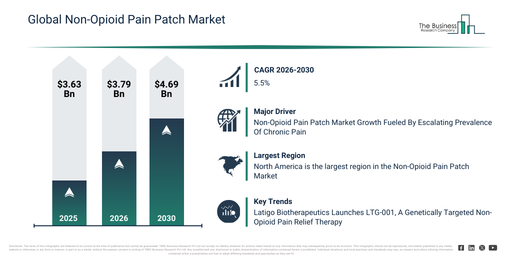
  • Non-Opioid Pain Patch Market Growth Fueled By Escalating Prevalence Of Chronic Pain Is Supporting Development Across The Non-Opioid Pain Patch Market

    Non-Opioid Pain Patch Market Growth Fueled By Escalating Prevalence Of Chronic Pain Is Supporting Development Across The Non-Opioid Pain Patch Market

    The Business Research Company’s 2026 market reports feature advanced enhancements such as market attractiveness analysis, total addressable market evaluation, company benchmarking matrices, interactive Excel dashboards, expanded supply chain intelligence, emerging startup coverage, and detailed product insights, delivering more actionable and strategically valuable research.

    What Market Value Expansion Is Expected For The Non-Opioid Pain Patch Market Over The Forecast Period?

    The non-opioid pain patch market has seen consistent growth in its size over recent years. This market is expected to expand from $3.63 billion in 2025 to $3.79 billion in 2026, reflecting a compound annual growth rate (CAGR) of 4.6%. Historically, this growth can be attributed to concerns about opioid dependency, an increasing incidence of musculoskeletal disorders, a growing aging population, the expansion of retail pharmacy networks, and physicians’ preference for localized pain treatment.

    The non-opioid pain patch market is anticipated to experience robust expansion over the coming years. This market is projected to reach $4.69 billion by 2030, exhibiting a compound annual growth rate (CAGR) of 5.5%. Key factors driving this growth during the forecast period include the increasing incidence of chronic pain, enhanced regulatory backing for non-opioid treatments, innovations in transdermal drug delivery technology, greater patient understanding of non-addictive treatment options, and the broadening of applications to include neuropathic pain. Significant trends expected during this period involve a heightened preference for non-addictive approaches to pain management, the increasing use of topical and localized treatments, the proliferation of over-the-counter and prescription hybrid patches, a greater need for solutions addressing chronic pain, and continuous innovation in both patch adhesion and the duration of drug delivery.

    Download A Free Sample Report For Comprehensive Market Insights:

    https://www.thebusinessresearchcompany.com/sample.aspx?id=12230&type=smp

    What Influential Factors Are Boosting The Non-Opioid Pain Patch Market Demand?

    The increasing occurrence of chronic pain is projected to advance the expansion of the non-opioid pain patch market in the coming years. Chronic pain is defined as intense discomfort enduring for a prolonged duration or existing alongside another health ailment. Non-opioid pain patches are utilized for alleviating mild to moderate pain, addressing conditions such as headaches, muscle aches, arthritis, backaches, and other varieties of discomfort. As an example, a November 2024 report from the US-based Centers for Disease Control and Prevention, a national public health agency, estimated that in 2023, around 24.3% of adults dealt with chronic pain. Notably, 8.5% of these individuals, accounting for roughly one-third of those affected, reported high-impact chronic pain, with a higher prevalence observed in women compared to men. Thus, the escalating prevalence of chronic pain is driving the non-opioid pain patch market.

    Which Segment Divisions Form The Structure Of The Non-Opioid Pain Patch Market?

    The non-opioid pain patch market covered in this report is segmented –

    1) By Patch: Lidocaine Patches, Diclofenac Patches, Capsaicin Patches, Ketoprofen Patches, Other Patches

    2) By Distribution Channel: Hospital Pharmacies, Retail Pharmacies, Other Distribution Channels

    3) By Indication: Musculoskeletal Pain, Neuropathic Pain

    Subsegments:

    1) By Lidocaine Patches: 5% Lidocaine Patch, Other Concentrations

    2) By Diclofenac Patches: 1.3% Diclofenac Patch, Other Concentrations

    3) By Capsaicin Patches: 8% Capsaicin Patch, Other Concentrations

    4) By Ketoprofen Patches: 5% Ketoprofen Patch, Other Concentrations

    5) By Other Patches: Combination Patches, Herbal Extract Patches, Other Non-Opioid Patches

    What Trends Are Shaping The Non-Opioid Pain Patch Market Structure?

    Leading companies in the non-opioid pain patch market are developing innovative products, including genetically validated targets medicine. This type of medicine involves creating drugs that target biological pathways directly linked to disease, supported by strong genetic evidence. Such an approach improves treatment effectiveness and reduces the risk of side effects. For instance, in February 2024, Latigo Biotherapeutics Inc., a US-based biotechnology company, launched LTG-001. This compound is a selective inhibitor of the Nav1.8 sodium channel, primarily expressed in peripheral nerve cells. By targeting this specific channel, LTG-001 aims to block pain signals at their source, potentially providing effective pain relief without affecting the central nervous system. Phase 1 clinical trial results indicated that LTG-001 has a Tmax (time to maximum concentration) of approximately 1.5 hours, suggesting a rapid onset of pain relief. This feature is particularly important for both acute and chronic pain management. LTG-001 is designed for oral administration, making it convenient for patients compared to injectable or topical treatments, a route of delivery that can enhance compliance and ease of use.

    Who Are The Firms Contributing To The Non-Opioid Pain Patch Market Ecosystem?

    Major companies operating in the non-opioid pain patch market are Hisamitsu Pharmaceutical Co. Inc., Teikoku Pharma USA Inc., Noven Pharmaceuticals Inc., Johnson & Johnson Services Inc., Pfizer Inc., Grünenthal GmbH, Mylan N.V., Teva Pharmaceutical Industries Ltd., Bayer AG, Iroko Pharmaceuticals LLC, Scilex Pharmaceuticals Inc., Zosano Pharma Corporation, Adynxx Inc., BioElectronics Corporation, NeuroMetrix Inc., Virpax Pharmaceuticals Inc., Novartis AG, DURECT Corporation, Eli Lilly and Company, Endo Pharmaceuticals Inc.

    Access The Complete Non-Opioid Pain Patch Market Report:

    https://www.thebusinessresearchcompany.com/report/non-opioid-pain-patch-global-market-report

    Which Region Commands The Largest Share Of The Non-Opioid Pain Patch Market?

    North America was the largest region in the non-opioid pain patch market in 2025. Asia-Pacific is expected to be the fastest-growing region in the non-opioid pain patch market report during the forecast period. The regions covered in the non-opioid pain patch market report are Asia-Pacific, South East Asia, Western Europe, Eastern Europe, North America, South America, Middle East, Africa.

    Access Non-Opioid Pain Patch Market Report for Deeper Competitive Insights

    https://www.thebusinessresearchcompany.com/sample.aspx?id=12230&type=smp

    Browse Through More Reports Similar to the Global Non-Opioid Pain Patch Market 2026, By The Business Research Company

    Non Opioid Pain Patch Market Report 2026

    https://www.thebusinessresearchcompany.com/report/non-opioid-pain-patch-global-market-report

    Pain Patch Market Report 2026

    https://www.thebusinessresearchcompany.com/report/pain-patch-global-market-report

    Pain Management Drugs Market Report 2026

    https://www.thebusinessresearchcompany.com/report/pain-management-drugs-global-market-report

    Get in touch with us:

    The Business Research Company: https://www.thebusinessresearchcompany.com/

    Americas: +1 310-496-7795

    Asia: +44 7882 955267 & +91 8897263534

    Europe: +44 7882 955267

    Email us at: marketing@tbrc.info

    Follow us on:

    LinkedIn: https://in.linkedin.com/company/the-business-research-company

    YouTube: https://www.youtube.com/channel/UC24_fI0rV8cR5DxlCpgmyFQ

    Global Market Model: https://www.thebusinessresearchcompany.com/global-market-model

  • Expanding Non-Injectable Insulin Market Fueled by Escalating Obesity and Diabetes Epidemics Is Supporting Development Across The Non-injectable Insulin Market

    Expanding Non-Injectable Insulin Market Fueled by Escalating Obesity and Diabetes Epidemics Is Supporting Development Across The Non-injectable Insulin Market

    The Business Research Company’s 2026 market reports feature advanced enhancements such as market attractiveness analysis, total addressable market evaluation, company benchmarking matrices, interactive Excel dashboards, expanded supply chain intelligence, emerging startup coverage, and detailed product insights, delivering more actionable and strategically valuable research.

    How Will The Market Value Of The Non-injectable Insulin Market Change Between 2026 And 2030?

    The non-injectable insulin market has experienced significant growth in recent years. It is forecast to increase from $2.14 billion in 2025 to $2.35 billion in 2026, demonstrating a compound annual growth rate (CAGR) of 9.9%. The market’s expansion in the historical period is due to factors such as the increasing prevalence of diabetes, a rising patient preference for non-injective therapies, advancements in insulin formulation, government initiatives promoting diabetes care, and growing awareness about diabetes complications.

    The non-injectable insulin market is projected to experience significant expansion in the upcoming years. It is foreseen to reach $3.41 billion by 2030, growing at a compound annual growth rate (CAGR) of 9.8%. This anticipated growth during the forecast period is attributable to technological advancements in oral and inhalable insulin, the integration of digital health solutions, an expanding geriatric population, the development of healthcare infrastructure in emerging markets, and personalized medicine approaches for diabetes treatment. Prominent trends for this period include oral insulin delivery systems, pulmonary insulin inhalers, patient-centric diabetes management, non-invasive monitoring and dosing, and formulation innovations aimed at improving bioavailability.

    Download A Free Sample Report For Comprehensive Market Insights:

    https://www.thebusinessresearchcompany.com/sample.aspx?id=13888&type=smp

    Which Drivers Are Advancing The Non-injectable Insulin Market Growth?

    The escalating prevalence of obesity and diabetes is anticipated to fuel the expansion of the non-injectable insulin market. Obesity involves an excessive accumulation of body fat, typically resulting from an imbalance between caloric intake and expenditure, while diabetes mellitus constitutes a group of metabolic disorders marked by persistently high blood sugar levels. Non-injectable insulin offers a treatment alternative for both diabetes and obesity, potentially enhancing management by overcoming obstacles to traditional insulin therapy, providing benefits for weight management, and offering more convenient treatment options. For example, in June 2023, the Institute for Health Metrics and Evaluation, a US-based public health research institute, reported that over half a billion people globally were living with diabetes, a figure projected to more than double to 1.3 billion people by 2050. Consequently, the increasing burden of obesity and diabetes is a significant driver for the growth of the non-injectable insulin market.

    How Are Different Segment Groups Identified Within The Non-injectable Insulin Market?

    The non-injectable insulin market covered in this report is segmented –

    1) By Insulin Type: Oral Insulin, Inhaled Insulin, Nasal Insulin, Buccal Or Sublingual Insulin, Transdermal Insulin

    2) By Product: Pills, Sprays, Other Products

    3) By Distribution Channel: Hospital Pharmacies, Online Pharmacies, Drug Stores

    Subsegments:

    1) By Oral Insulin: Oral Insulin Tablets, Oral Insulin Capsules, Enteric-Coated Oral Insulin, Nanoparticle-Based Oral Insulin

    2) By Inhaled Insulin: Dry Powder Inhaled Insulin, Aerosolized Insulin, Pulmonary Insulin Delivery Systems

    3) By Nasal Insulin: Nasal Spray Insulin, Nasal Gel Insulin, Nasal Powder Insulin

    4) By Buccal Or Sublingual Insulin: Buccal Spray Insulin, Sublingual Insulin Films, Oral Mucosal Insulin Drops

    5) By Transdermal Insulin: Insulin Patches, Microneedle-Free Transdermal Systems, Iontophoresis-Based Insulin Delivery

    Which Trends Are Supporting The Evolution Of The Non-injectable Insulin Market?

    Leading companies within the non-injectable insulin market are prioritizing breakthroughs in drug delivery systems, including needle-free oral insulin sprays, aiming to enhance the quality of life for individuals managing their diabetes through frequent insulin injections. This type of spray offers a pain-free, needle-free method for blood glucose regulation, providing a convenient choice since doses are administered orally. As an illustration, NiedlFree Technologies, an India-based technology platform, launched Ozulin, an oral insulin spray, in November 2023. The design of this oral insulin spray aims to present a more accessible solution for people with diabetes, particularly for those who encounter difficulties with conventional injectable insulin techniques. Should it receive approval, Ozulin could significantly alter diabetes treatment, presenting a more convenient and painless substitute for insulin injections.

    Which Key Players Are Active In The Non-injectable Insulin Market?

    Major companies operating in the non-injectable insulin market are Novo Nordisk A/S, Eli Lilly and Company, Sanofi S.A., Pfizer Inc., Novartis AG, Merck & Co. Inc., AstraZeneca, Takeda Pharmaceutical, Abbott Laboratories, MannKind Corporation, Biocon Limited, Sun Pharmaceutical Industries Ltd., Dr. Reddy’s Laboratories Limited, Cipla Limited, Lupin Pharmaceuticals, Glenmark Pharmaceuticals, Torrent Pharmaceuticals, Wockhardt Limited, Teva Pharmaceutical Industries Ltd., F. Hoffmann-La Roche Ltd.

    Access The Complete Non-injectable Insulin Market Report:

    https://www.thebusinessresearchcompany.com/report/non-injectable-insulin-global-market-report

    Which Region Accounts For The Highest Share Of The Non-injectable Insulin Market?

    North America was the largest region in the non-injectable insulin market in 2025. Asia-Pacific is expected to be the fastest-growing region in the forecast period. The regions covered in the non-injectable insulin market report are Asia-Pacific, South East Asia, Western Europe, Eastern Europe, North America, South America, Middle East, Africa.

    Access Non-injectable Insulin Market Report for Deeper Competitive Insights

    https://www.thebusinessresearchcompany.com/sample.aspx?id=13888&type=smp

    Browse Through More Reports Similar to the Global Non-injectable Insulin Market 2026, By The Business Research Company

    Non Injectable Insulin Market Report 2026

    https://www.thebusinessresearchcompany.com/report/non-injectable-insulin-global-market-report

    Insuman Market Report 2026

    https://www.thebusinessresearchcompany.com/report/insuman-global-market-report

    Oem Insulation Market Report 2026

    https://www.thebusinessresearchcompany.com/report/oem-insulation-global-market-report

    Get in touch with us:

    The Business Research Company: https://www.thebusinessresearchcompany.com/

    Americas: +1 310-496-7795

    Asia: +44 7882 955267 & +91 8897263534

    Europe: +44 7882 955267

    Email us at: marketing@tbrc.info

    Follow us on:

    LinkedIn: https://in.linkedin.com/company/the-business-research-company

    YouTube: https://www.youtube.com/channel/UC24_fI0rV8cR5DxlCpgmyFQ

    Global Market Model: https://www.thebusinessresearchcompany.com/global-market-model

  • Increasing Sexually Transmitted Diseases Drive Growth In The Market Due To Reduced Condom Use And Rising Infection Risk Is Supporting Development Across The Non-Hormonal Contraceptives Market

    Increasing Sexually Transmitted Diseases Drive Growth In The Market Due To Reduced Condom Use And Rising Infection Risk Is Supporting Development Across The Non-Hormonal Contraceptives Market

    The Business Research Company’s 2026 market reports feature advanced enhancements such as market attractiveness analysis, total addressable market evaluation, company benchmarking matrices, interactive Excel dashboards, expanded supply chain intelligence, emerging startup coverage, and detailed product insights, delivering more actionable and strategically valuable research.

    What Is The Forecasted Rise In Market Size Of The Non-Hormonal Contraceptives Market During The Forecast Period?

    The non-hormonal contraceptives market size has shown significant growth over recent years. It is anticipated to expand from $25.47 billion in 2025 to $27.32 billion in 2026, achieving a compound annual growth rate (CAGR) of 7.3%. The market’s historical expansion can be attributed to several factors, including the initial limited availability of non-hormonal contraceptive methods, a past reliance on surgical sterilization, increasing awareness regarding reproductive health, a rise in female healthcare initiatives, and the adoption of barrier devices in clinics.

    The non-hormonal contraceptives market is anticipated to experience substantial expansion over the upcoming years. This market is projected to reach $35.8 billion in 2030, exhibiting a compound annual growth rate (CAGR) of 7.0%. This anticipated growth during the forecast period is driven by factors such as the creation of sophisticated non-hormonal devices, a growing need for reversible and less invasive sterilization methods, the expansion of family planning initiatives, heightened awareness regarding safety and regulatory adherence, and the incorporation of intelligent contraceptive monitoring systems. Key trends expected within this period encompass an increasing inclination towards non-hormonal contraception, a broader uptake of barrier and mechanical devices, enhanced knowledge concerning reversible sterilization choices, the wider availability of minimally invasive contraceptive solutions, and a strong emphasis on ensuring safety, regulatory compliance, and designs centered around patient needs.

    Download A Free Sample Report For Comprehensive Market Insights:

    https://www.thebusinessresearchcompany.com/sample.aspx?id=25849&type=smp

    What Primary Factors Are Fueling The Expansion Of The Non-Hormonal Contraceptives Market?

    The increasing occurrence of sexually transmitted infections is anticipated to boost the expansion of the non-hormonal contraceptives market in the future. These infections, known as STDs, are primarily transmitted through sexual interaction and result from bacteria, viruses, or parasites. A significant factor contributing to the rise in sexually transmitted diseases is reduced condom utilization, which elevates the probability of contracting an infection during sexual activity without protection. Non-hormonal birth control methods, such as male and female condoms, are effective in preventing the spread of sexually transmitted diseases. They achieve this by creating a physical obstruction that stops the transfer of bodily fluids during sex. For example, data released in April 2025 by the Minnesota Department of Health (MDH), a US-based state health agency, indicated that among males aged 35 to 39, the percentage of HIV cases grew from 10% in 2023 to 17% in 2024. Consequently, the escalating occurrence of sexually transmitted diseases is fueling the expansion of the non-hormonal contraceptives market.

    What Segment Categories Are Evaluated In The Non-Hormonal Contraceptives Market Study?

    The non-hormonal contraceptives market covered in this report is segmented –

    1) By Type: Devices, Sterilization, Other Product Types

    2) By Mechanism Of Action: Antagonist, Agonist, Inhibitor, Modulator

    3) By Route of Administration: Intramuscular, Intravaginal, Intravenous, Oral, Subcutaneous, Topical, Transdermal, Other Route Of Administrations

    4) By Purpose Of Therapy: Treatment Of Disease, Management Of Symptoms

    5) By Target Indication: Bacterial Vaginosis, Contraception, Endometriosis, Postmenopausal Osteoporosis, Uterine Fibroids, Vaginitis, Other Target Indications

    Subsegments:

    1) By Devices: Surgical Instruments, Ligation Clips, Tubal Rings

    2) By Sterilization: Permanent Sterilization, Reversible Sterilization, Mechanical Sterilization Devices

    3) By Other Product Types: Non-Surgical Barrier Devices, Implantable Plugs, Intrauterine Permanent Devices

    What Trends Are Affecting The Growth Of The Non-Hormonal Contraceptives Market?

    Companies engaged in the non-hormonal contraceptives market are concentrating on developing novel solutions, such as preloaded intrauterine device delivery systems, to simplify insertion procedures, enhance user convenience, and improve clinical efficiency. A preloaded intrauterine device (IUD) delivery system is characterized as a pre-assembled, ready-to-use device that integrates the preloaded intrauterine device and its inserter into a single unit, designed to streamline the insertion process, reduce setup time, and minimize the risk of contamination or handling errors. For instance, in September 2024, CooperSurgical Inc., a US-based medical device and fertility company, launched the Paragard Single-Handed Inserter, aimed at improving insertion efficiency and patient comfort during non-hormonal preloaded intrauterine device placement. This product offers over 99% effective, long-term birth control for up to 10 years by preventing sperm from fertilizing an egg. Key benefits include immediate and reversible contraception, suitability for hormone-free users, and low maintenance after insertion.

    Who Are The Leading Firms Participating In The Non-Hormonal Contraceptives Market?

    Major companies operating in the non-hormonal contraceptives market are Church & Dwight Co., Okamoto Industries, CooperSurgical Inc., PSI India Pvt Ltd., Karex Berhad, Fuji Latex Co. Ltd., PREGNA INTERNATIONAL LTD., Cupid Limited, Global Protection Corp., SMB Corporation of India, HLL Lifecare Limited, Contraline Inc.

    Access The Complete Non-Hormonal Contraceptives Market Report:

    https://www.thebusinessresearchcompany.com/report/non-hormonal-contraceptives-global-market-report

    Which Region Is The Primary Market For The Non-Hormonal Contraceptives Market?

    North America was the largest region in the non-hormonal contraceptives market in 2025. Asia-Pacific is expected to be the fastest-growing region in the forecast period. The regions covered in the non-hormonal contraceptives market report are Asia-Pacific, South East Asia, Western Europe, Eastern Europe, North America, South America, Middle East, Africa.

    Access Non-Hormonal Contraceptives Market Report for Deeper Competitive Insights

    https://www.thebusinessresearchcompany.com/sample.aspx?id=25849&type=smp

    Browse Through More Reports Similar to the Global Non-Hormonal Contraceptives Market 2026, By The Business Research Company

    Hormonal Contraceptives Market Report 2026

    https://www.thebusinessresearchcompany.com/report/hormonal-contraceptives-global-market-report

    Contraceptives Market Report 2026

    https://www.thebusinessresearchcompany.com/report/contraceptives-global-market-report

    Oral Contraceptive Pills Market Report 2026

    https://www.thebusinessresearchcompany.com/report/oral-contraceptive-pills-global-market-report

    Get in touch with us:

    The Business Research Company: https://www.thebusinessresearchcompany.com/

    Americas: +1 310-496-7795

    Asia: +44 7882 955267 & +91 8897263534

    Europe: +44 7882 955267

    Email us at: marketing@tbrc.info

    Follow us on:

    LinkedIn: https://in.linkedin.com/company/the-business-research-company

    YouTube: https://www.youtube.com/channel/UC24_fI0rV8cR5DxlCpgmyFQ

    Global Market Model: https://www.thebusinessresearchcompany.com/global-market-model

  • Insulin Resistance Surge Fueling Growth In The Non-Alcoholic Steatohepatitis Treatment Market Is Supporting Development Across The Non-Alcoholic Steatohepatitis Treatment Market

    Insulin Resistance Surge Fueling Growth In The Non-Alcoholic Steatohepatitis Treatment Market Is Supporting Development Across The Non-Alcoholic Steatohepatitis Treatment Market

    The Business Research Company’s 2026 market reports feature advanced enhancements such as market attractiveness analysis, total addressable market evaluation, company benchmarking matrices, interactive Excel dashboards, expanded supply chain intelligence, emerging startup coverage, and detailed product insights, delivering more actionable and strategically valuable research.

    How Is The Non-Alcoholic Steatohepatitis Treatment Market’s Market Value Anticipated To Evolve From 2026 To 2030?

    The non-alcoholic steatohepatitis treatment market size has expanded considerably in recent years. It is projected to increase from $3.57 billion in 2025 to $4.98 billion in 2026, at a compound annual growth rate (CAGR) of 39.6%. The market’s historical growth can be attributed to the rising prevalence of obesity, an increasing incidence of type 2 diabetes, high consumption of processed foods, a lack of awareness about liver health, and limited treatment options for early-stage nash.

    The non-alcoholic steatohepatitis treatment market is anticipated to experience significant expansion in the upcoming years, projected to reach $18.97 billion in 2030, demonstrating a compound annual growth rate (CAGR) of 39.7%. This considerable growth during the forecast period is attributed to several factors, including advancements in precision medicine, the development of novel NASH drugs, the increasing adoption of digital health monitoring tools, government initiatives aimed at preventing liver disease, and a surge in investment dedicated to liver disease research. Furthermore, prominent trends expected over the forecast period involve personalized lifestyle and diet management, innovations in non-invasive diagnostics, the implementation of fatty liver disease awareness programs, the rise of home-based liver health monitoring, and the ongoing development of novel pharmacological agents.

    Download A Free Sample Report For Comprehensive Market Insights:

    https://www.thebusinessresearchcompany.com/sample.aspx?id=8595&type=smp

    Which Strategic Drivers Are Supporting The Non-Alcoholic Steatohepatitis Treatment Market Development?

    The escalating occurrence of insulin resistance is set to drive the non-alcoholic steatohepatitis treatment market. Insulin resistance arises when muscle, fat, and liver cells inadequately respond to insulin, impeding glucose absorption from the blood and resulting in elevated blood sugar levels. This condition is associated with poor lifestyle choices, excessive sugar intake, and genetic predispositions. The prevalence of insulin resistance has expanded considerably due to the rise in diabetes and other liver-related problems, both of which are addressed by non-alcoholic steatohepatitis treatment. For instance, in July 2025, PubMed, a US-based free biomedical literature database maintained by the U.S. National Library of Medicine, reported significant increases in prevalence rates: general obesity from 34.9% to 41.4%, abdominal obesity from 62.5% to 67.0%, severe obesity from 5.2% to 11.5%, and insulin resistance from 22.5% to 30.2%, respectively. Thus, the increasing prevalence of insulin resistance, stemming from numerous liver and diabetes diseases, will act as a key driver for the non-alcoholic steatohepatitis treatment market.

    How Is The Non-Alcoholic Steatohepatitis Treatment Market Examined Through Segment Analysis?

    The non-alcoholic steatohepatitis treatment market covered in this report is segmented –

    1) By Drug Type: Vitamin E And Pioglitazone, Ocaliva, Elafibranor, Selonsertib And cenicriviroc, Obeticholic Acid, Other Drugs Types

    2) By Test Type: Blood Tests, Liver Biopsy, Imaging Procedures

    3) By End User: Hospital Pharmacies, Retail And Specialty Pharmacies, Other End Users

    Subsegments:

    1) By Vitamin E And Pioglitazone: Vitamin E Supplements, Pioglitazone-Based Formulations.

    2) By Ocaliva: Ocaliva (Obeticholic Acid) For NASH

    3) By Elafibranor: Elafibranor Monotherapy, Elafibranor Combination Therapy

    4) By Selonsertib And Cenicriviroc: Selonsertib Formulations, Cenicriviroc Formulations

    5) By Obeticholic Acid: Immediate-Release Obeticholic Acid, Extended-Release Obeticholic Acid

    6) By Other Drug Types: Novel Agents In Clinical Trials, Combination Therapies

    Which Trends Are Influencing The Direction Of The Non-Alcoholic Steatohepatitis Treatment Market?

    Leading companies in the non-alcoholic steatohepatitis treatment market are creating innovative products, such as endogenous hormones, to cater to larger customer bases, boost sales, and increase revenue. Endogenous hormones are naturally occurring substances produced internally by various glands, tissues, or organs, and they play vital roles in regulating physiological processes. For instance, in September 2023, 89bio Inc., a US-based biotechnology company, announced that the U.S. Food and Drug Administration (FDA) granted Breakthrough Therapy Designation (BTD) for Pegozafermin for individuals diagnosed with nonalcoholic steatohepatitis (NASH). Pegozafermin is notable as a distinctive product due to its engineered glycoPEGylated analog of fibroblast growth factor 21. This specifically designed formulation is under development for addressing non-alcoholic steatohepatitis (NASH) and severe hypertriglyceridemia (SHTG). What makes Pegozafermin unique is its utilization of a specialized glycoPEGylated technology, ensuring an extended half-life while preserving its potency. This innovative approach enhances the product’s effectiveness in modulating key factors related to lipid metabolism, NASH, and hypertriglyceridemia, including triglyceride reduction, glycemic control, steatosis, inflammation, and fibrosis.

    Which Companies Are Engaged In The Non-Alcoholic Steatohepatitis Treatment Market Environment?

    Major companies operating in the non-alcoholic steatohepatitis treatment market are AstraZeneca PLC, Galmed Pharmaceuticals Ltd., Genfit S.A., Zydus Cadila Healthcare Limited, Bristol-Myers Squibb Company, Gilead Sciences Inc., Novo Nordisk A/S, Inventiva Pharma SA, NGM Biopharmaceuticals Inc., Galectin Therapeutics Inc., Madrigal Pharmaceuticals Corporation, Intercept Pharmaceuticals Inc., Cirius Therapeutics Inc., Viking Therapeutics Inc., Eli Lilly and Company, Terns Pharmaceuticals Inc., AbbVie Inc., Johnson & Johnson Private Limited, Sanofi S.A., F. Hoffmann-La Roche Ltd., C.H. Boehringer Sohn AG & Co. KG

    Access The Complete Non-Alcoholic Steatohepatitis Treatment Market Report:

    https://www.thebusinessresearchcompany.com/report/non-alcoholic-steatohepatitis-treatment-global-market-report

    Which Geographic Region Represents The Largest Non-Alcoholic Steatohepatitis Treatment Market Share?

    North America was the largest region in the non-alcoholic steatohepatitis treatment market share in 2025. The regions covered in the non-alcoholic steatohepatitis treatment market report are Asia-Pacific, South East Asia, Western Europe, Eastern Europe, North America, South America, Middle East, Africa.

    Access Non-Alcoholic Steatohepatitis Treatment Market Report for Deeper Competitive Insights

    https://www.thebusinessresearchcompany.com/sample.aspx?id=8595&type=smp

    Browse Through More Reports Similar to the Global Non-Alcoholic Steatohepatitis Treatment Market 2026, By The Business Research Company

    Non Alcoholic Steatohepatitis Treatment Market Report 2026

    https://www.thebusinessresearchcompany.com/report/non-alcoholic-steatohepatitis-treatment-global-market-report

    Non Alcoholic Steatohepatitis Treatment Market Report 2026

    https://www.thebusinessresearchcompany.com/report/non-alcoholic-steatohepatitis-treatment-global-market-report

    Non Alcoholic Steatohepatitis Biomarkers Market Report 2026

    https://www.thebusinessresearchcompany.com/report/non-alcoholic-steatohepatitis-biomarkers-global-market-report

    Get in touch with us:

    The Business Research Company: https://www.thebusinessresearchcompany.com/

    Americas: +1 310-496-7795

    Asia: +44 7882 955267 & +91 8897263534

    Europe: +44 7882 955267

    Email us at: marketing@tbrc.info

    Follow us on:

    LinkedIn: https://in.linkedin.com/company/the-business-research-company

    YouTube: https://www.youtube.com/channel/UC24_fI0rV8cR5DxlCpgmyFQ

    Global Market Model: https://www.thebusinessresearchcompany.com/global-market-model