Month: May 2026

  • Radiotherapy Devices Market Growth Outlook Indicating Expansion To $10.17 Billion By 2030

    Radiotherapy Devices Market Growth Outlook Indicating Expansion To $10.17 Billion By 2030

    The Business Research Company’s 2026 market reports feature advanced enhancements such as market attractiveness analysis, total addressable market evaluation, company benchmarking matrices, interactive Excel dashboards, expanded supply chain intelligence, emerging startup coverage, and detailed product insights, delivering more actionable and strategically valuable research.

    What Market Value Trend Is Expected For The Radiotherapy Devices Market From 2026 To 2030?

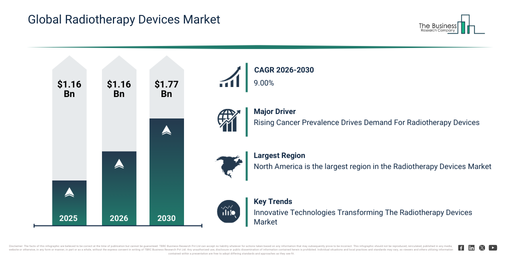
    The radiotherapy devices market size has demonstrated significant expansion in recent years. This market is set to expand from $6.64 billion in 2025 to $7.21 billion in 2026, at a compound annual growth rate (CAGR) of 8.6%. The historical growth of this market can be linked to rising global cancer incidence rates, the expansion of oncology treatment infrastructure, the increasing adoption of external beam radiation therapies, improvements in linear accelerator performance, and the wider availability of advanced radiotherapy techniques.

    The radiotherapy devices market size is projected to experience substantial growth in the coming years. It is expected to expand to $10.18 billion by 2030, growing at a compound annual growth rate (CAGR) of 9.0%. This growth during the forecast period can be attributed to factors such as the increasing demand for personalized cancer treatments, a rise in investments towards proton therapy centers, the expansion of AI-assisted oncology workflows, a heightened focus on minimizing radiation side effects, and continuous technological innovation in radiation delivery systems. Prominent trends anticipated in the forecast period include the increasing adoption of image-guided radiation therapy systems, the growing deployment of proton therapy technologies, the expanding integration of AI-based treatment planning, the broadening of stereotactic radiation techniques, and an enhanced focus on precision dose delivery.

    Download A Free Sample Report For Comprehensive Market Insights:

    https://www.thebusinessresearchcompany.com/sample.aspx?id=3375&type=smp

    What Important Drivers Are Powering The Radiotherapy Devices Market Growth?

    The rising incidence of cancer is anticipated to drive the expansion of the radiotherapy devices market in the future. Cancer prevalence signifies the overall count or proportion of individuals within a population who have received a cancer diagnosis at a given moment or across a defined duration. Radiotherapy serves as a frequent primary or supplementary treatment option for recently diagnosed cancer patients. Its application often includes reducing tumor size, managing the progression of cancer, or eradicating cancerous cells either pre- or post-surgical intervention. For example, in July 2024, data from the Australian Institute of Health and Welfare, an Australia-based government body, indicated that in Australia, the count of diagnosed cancer cases rose from 160,570 in 2022 to 164,694 in 2023, marking a significant increase within the year. This escalating pattern underscores the increasing occurrence of cancer across the nation. Consequently, the expanding prevalence of cancer is fueling the advancement of the radiotherapy devices market.

    Which Segment Divisions Form The Structure Of The Radiotherapy Devices Market?

    The radiotherapy devices market covered in this report is segmented –

    1) By Product Type: External Beam Radiation Therapy Devices, Linear Accelerator Devices, Proton Therapy Devices

    2) By Application: Skin Cancer, Breast Cancer, Prostate Cancer, Cervical Cancer, Lung Cancer, Other Applications

    3) By End Users: Hospitals, Ambulatory Surgical Centers, Oncological Treatment Centers

    Subsegments:

    1) By External Beam Radiation Therapy Devices: Intensity-Modulated Radiation Therapy (IMRT) Devices, Image-Guided Radiation Therapy (IGRT) Devices, Stereotactic Body Radiation Therapy (SBRT) Devices, Stereotactic Radiosurgery (SRS) Devices, 3D Conformal Radiation Therapy (3D CRT) Devices

    2) By Linear Accelerator Devices: Conventional Linear Accelerators, Stereotactic Linear Accelerators

    3) By Proton Therapy Devices: Cyclotron-Based Devices, Synchrotron-Based Devices, Synchrocyclotron-Based Devices

    What Trends Are Influencing The Future Of The Radiotherapy Devices Market?

    Major companies operating in the radiotherapy devices market are pioneering new technologies such as The Versa HD to increase their market profitability. The Versa HD functions as a linear accelerator system used for radiation therapy. For example, in May 2023, the Mitchell Cancer Institute, a US-based cancer treatment facility, launched new radiation technology called The Versa HD. This system can administer Volumetric Modulated Arc Therapy (VMAT), which accelerates the delivery of treatments and enhances the patient experience. High-Definition Dynamic Radiosurgery (HDRS), equipped with special sequencing capabilities that convert the linac into a specialized SRS solution, is also a service that The Versa HD is capable of providing.

    Which Firms Are Competing In The Radiotherapy Devices Market?

    Major companies operating in the radiotherapy devices market are Varian Medical Systems Inc., Elekta AB, Accuray Incorporated, IBA Ion Beam Applications SA, Koninklijke Philips N.V., Siemens Aktiengesellschaft, Eckert & Ziegler Bebig, IsoRay Inc., General Electric Healthcare, Vision RT Ltd., RaySearch Laboratories AB, Theragenics Corporation, Canon Medical Systems Corporation, Mitsubishi Electric Corporation, Shinva Medical Instrument Company Limited, Neusoft Medical Systems Co. Ltd., Mevion Medical Systems Inc., Optivus Proton Therapy Inc., Panacea Medical Technologies Pvt. Ltd., P-Cure Ltd., Provision Healthcare LLC, Sumitomo Heavy Industries Ltd., ViewRay Inc., Miranda Medical, Nordion Inc., NTP Radioisotopes SOC Ltd., Curium, Hitachi Ltd., Brainlab AG, Best Theratronics Ltd., ProTom International Inc., RefleXion Medical Inc., Insightec Ltd., TomoTherapy Incorporated, Agile MV LLC, CIVCO Radiotherapy, Johari Digital Healthcare Ltd., Alpha Tau Medical Ltd.,

    Access The Complete Radiotherapy Devices Market Report:

    https://www.thebusinessresearchcompany.com/report/radiotherapy-devices-global-market-report

    Which Region Commands The Largest Share Of The Radiotherapy Devices Market?

    North America was the largest region in the radiotherapy devices market in 2025. Asia-Pacific was the second-largest region in the global radiotherapy devices market report. The regions covered in the radiotherapy devices market report are Asia-Pacific, South East Asia, Western Europe, Eastern Europe, North America, South America, Middle East, Africa.

    Access a Customized Radiotherapy Devices Market Report for Deeper Competitive Insights

    https://www.thebusinessresearchcompany.com/report/radiotherapy-devices-global-market-report

    Browse Through More Reports Similar to the Global Radiotherapy Devices Market 2026, By The Business Research Company

    Single Dose Radiotherapy Services Market Report 2026

    https://www.thebusinessresearchcompany.com/report/single-dose-radiotherapy-services-global-market-report

    Image Guided Radiation Therapy Market Report 2026

    https://www.thebusinessresearchcompany.com/report/image-guided-radiation-therapy-global-market-report

    Radiosurgery And Radiotherapy Robotics Market Report 2026

    https://www.thebusinessresearchcompany.com/report/radiosurgery-and-radiotherapy-robotics-global-market-report

    Get in touch with us:

    The Business Research Company: https://www.thebusinessresearchcompany.com/

    Americas: +1 310-496-7795

    Asia: +44 7882 955267 & +91 8897263534

    Europe: +44 7882 955267

    Email us at: marketing@tbrc.info

    Follow us on:

    LinkedIn: https://in.linkedin.com/company/the-business-research-company

    YouTube: https://www.youtube.com/channel/UC24_fI0rV8cR5DxlCpgmyFQ

    Global Market Model: https://www.thebusinessresearchcompany.com/global-market-model
  • Global Radiofrequency Eye Device Market Anticipated To Grow To $2.11 Billion By 2030 At 16% CAGR

    Global Radiofrequency Eye Device Market Anticipated To Grow To $2.11 Billion By 2030 At 16% CAGR

    The Business Research Company’s 2026 market reports feature advanced enhancements such as market attractiveness analysis, total addressable market evaluation, company benchmarking matrices, interactive Excel dashboards, expanded supply chain intelligence, emerging startup coverage, and detailed product insights, delivering more actionable and strategically valuable research.

    How Does The Forecasted Market Size Of The Radiofrequency Eye Device Market Compare Between 2026 And 2030?

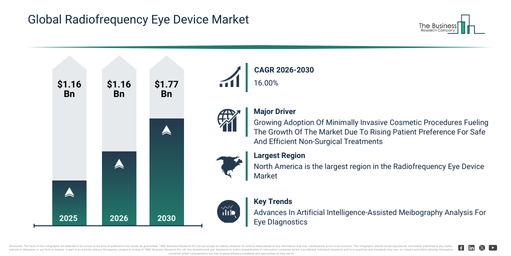
    The radiofrequency eye device market has experienced swift expansion in recent years. This sector is projected to grow from $1.01 billion in 2025 to $1.17 billion in 2026, achieving a compound annual growth rate (CAGR) of 16.3%. The historic growth can be attributed to several factors including a rising demand for nonsurgical eye rejuvenation, continuous technological advancements in radiofrequency devices, increasing cosmetic awareness, the availability of minimally invasive treatments, and an uptick in disposable income.

    The radiofrequency eye device market size is projected to experience swift expansion over the coming years. This market is predicted to reach $2.12 billion by 2030, demonstrating a compound annual growth rate (CAGR) of 16.0%. Several factors contribute to this anticipated growth, including the emergence of multipurpose RF devices, their integration with skincare and monitoring applications, the increasing presence in ophthalmic and cosmetic clinics, AI-assisted guidance for procedures, and advancements in device portability and precision. Key trends anticipated during this period encompass monopolar radiofrequency devices, bipolar radiofrequency devices, multipolar radiofrequency devices, fractional radiofrequency devices, and microneedling radiofrequency devices.

    Download A Free Sample Report For Comprehensive Market Insights:

    https://www.thebusinessresearchcompany.com/sample.aspx?id=28309&type=smp

    Which Major Factors Are Contributing To The Development Of The Radiofrequency Eye Device Market?

    The expanding uptake of minimally invasive cosmetic procedures is set to boost the radiofrequency eye device market in the future. These procedures involve minimal to no cuts or recovery time, offering aesthetic enhancements with quicker healing and lower risks. Patient demand for secure, effective treatments with short recovery periods is fueling the increase in minimally invasive procedures. Radiofrequency eye devices facilitate these procedures by applying regulated RF energy to the sensitive skin surrounding the eyes, prompting collagen synthesis, firming tissues, diminishing fine lines and wrinkles, and refining skin texture accurately and with minimal downtime, thus presenting a viable substitute for surgical options. As an illustration, in June 2023, data from the American Society of Plastic Surgeons, a US-based professional medical association, showed that minimally invasive cosmetic procedures increased from 14.7 million in 13.7 million procedures in 2023 with an increase of 7%, while overall cosmetic surgical procedures climbed by 5% during the same timeframe. Consequently, the rising adoption of minimally invasive cosmetic procedures is anticipated to fuel the expansion of the radiofrequency eye device market.

    How Are Different Segment Groups Identified Within The Radiofrequency Eye Device Market?

    The radiofrequency eye device market covered in this report is segmented –

    1) By Product Type: Monopolar Radiofrequency Devices, Bipolar Radiofrequency Devices, Multipolar Radiofrequency Devices, Other Product Types

    2) By Application: Wrinkle Reduction, Skin Tightening, Other Applications

    3) By End-User: Hospitals, Ophthalmic Clinics, Ambulatory Surgical Centers, Other End-Users

    Subsegments:

    1) By Monopolar Radiofrequency Devices: Handheld Monopolar RF Eye Devices, Console-Based / Stationary Monopolar RF Systems, Temperature-Controlled Monopolar RF Eye Devices

    2) By Bipolar Radiofrequency Devices: Handheld Bipolar RF Eye Devices, Tabletop / Console-Based Bipolar RF Systems, Eye-Dedicated Bipolar RF Devices for Periocular Skin Tightening, Bipolar RF Devices for Eyelid / Meibomian Gland Therapy

    3) By Multipolar Radiofrequency Devices: Handheld Multipolar RF Eye Devices, Stationary Multipolar RF Platforms, Multi-Functional Multipolar RF Eye Rejuvenation Systems

    4) By Other Product Types: Fractional Radiofrequency Eye Devices, Non-Ablative Radiofrequency Eye Devices, Hybrid Radiofrequency Eye Devices, Radiofrequency Devices for Dry Eye Management

    Which Trends Are Contributing To Changes In The Radiofrequency Eye Device Market?

    Key companies operating within the radiofrequency eye device market are increasingly prioritizing artificial intelligence breakthroughs for eye diagnostics, including AI-driven meibography analysis, to enhance diagnostic precision and optimize patient results in addressing dry eye and other ocular surface ailments. AI-assisted meibography analysis involves employing deep learning algorithms to automatically evaluate the structure and function of meibomian glands from infrared eyelid images, thereby enabling the prompt identification of meibomian gland dysfunction (MGD) and supporting more tailored treatment choices. For instance, in November 2023, Lumenis Ltd., an Israel-based ophthalmic technology company, unveiled OptiPLUS, a dual-frequency radiofrequency device intended for dry-eye management, which features automatic electrode detection, pre-set treatment parameters, and closed-loop temperature control engineered to target the meibomian glands while also stimulating periorbital collagen. This integration empowers clinics to align AI diagnostic findings with customized radiofrequency treatment protocols, leading to improved outcomes for individuals suffering from ocular surface disorders.

    Who Are The Major Companies Operating In The Radiofrequency Eye Device Market?

    Major companies operating in the radiofrequency eye device market are InMode Ltd, Lumenis Ltd, Venus Concept, YA-MAN Ltd, MiBo Medical Group, Alma Lasers, EndyMed Medical, Pollogen Ltd, BTL Industries, Candela Medical, Silk’n International, Guangzhou Beautylife Tech, Norlanya, AMIRO, Zemits LLC, Lutronic Corporation, Jeisys Medical, RejuvaMedica Ltd, HABI Medical, ThermoLift Technologies Ltd

    Access The Complete Radiofrequency Eye Device Market Report:

    https://www.thebusinessresearchcompany.com/report/radiofrequency-eye-device-global-market-report

    Which Region Accounts For The Highest Share Of The Radiofrequency Eye Device Market?

    North America was the largest region in the radiofrequency eye device market in 2025. Asia-Pacific is expected to be the fastest-growing region in the forecast period. The regions covered in the radiofrequency eye device market report are Asia-Pacific, South East Asia, Western Europe, Eastern Europe, North America, South America, Middle East, Africa.

    Access a Customized Radiofrequency Eye Device Market Report for Deeper Competitive Insights

    https://www.thebusinessresearchcompany.com/report/radiofrequency-eye-device-global-market-report

    Browse Through More Reports Similar to the Global Radiofrequency Eye Device Market 2026, By The Business Research Company

    Ophthalmic Devices Market Report 2026

    https://www.thebusinessresearchcompany.com/report/ophthalmic-devices-global-market-report

    Military Night Vision Device Market Report 2026

    https://www.thebusinessresearchcompany.com/report/military-night-vision-device-global-market-report

    Night Vision Devices Market Report 2026

    https://www.thebusinessresearchcompany.com/report/night-vision-devices-global-market-report

    Get in touch with us:

    The Business Research Company: https://www.thebusinessresearchcompany.com/

    Americas: +1 310-496-7795

    Asia: +44 7882 955267 & +91 8897263534

    Europe: +44 7882 955267

    Email us at: marketing@tbrc.info

    Follow us on:

    LinkedIn: https://in.linkedin.com/company/the-business-research-company

    YouTube: https://www.youtube.com/channel/UC24_fI0rV8cR5DxlCpgmyFQ

    Global Market Model: https://www.thebusinessresearchcompany.com/global-market-model
  • Radiofrequency Ablation Devices Market Future Analysis Covering Industry Shifts And Growth Potential

    Radiofrequency Ablation Devices Market Future Analysis Covering Industry Shifts And Growth Potential

    The Business Research Company’s 2026 market reports feature advanced enhancements such as market attractiveness analysis, total addressable market evaluation, company benchmarking matrices, interactive Excel dashboards, expanded supply chain intelligence, emerging startup coverage, and detailed product insights, delivering more actionable and strategically valuable research.

    What Increase In Market Value Is Predicted For The Radiofrequency Ablation Devices Market During The 2026–2030 Period?

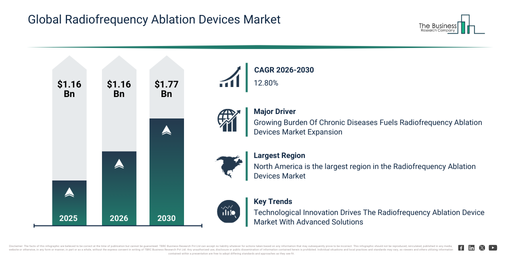
    The radiofrequency ablation devices market size has experienced rapid growth in recent years. It is projected to expand from $5.25 billion in 2025 to $5.91 billion in 2026, at a compound annual growth rate (CAGR) of 12.5%. The historical growth of the market can be attributed to several factors including the increasing prevalence of cancer and chronic pain conditions, the expansion of interventional treatment options, the growing acceptance of thermal ablation therapies, the availability of rf generator platforms, and the rising use of outpatient procedures.

    The radiofrequency ablation devices market is projected to experience substantial expansion over the upcoming years. This market is anticipated to reach a valuation of $9.55 billion by 2030, exhibiting a compound annual growth rate (CAGR) of 12.8%. This projected growth is driven by several factors, including a heightened demand for image-guided oncology therapies, an increase in the use of RF ablation within cardiology, the expansion of ambulatory surgical interventions, a stronger emphasis on precise pain management, and greater investment in sophisticated ablation technologies. Key trends anticipated during this period encompass a rise in the uptake of minimally invasive ablation techniques, an increase in the utilization of disposable ablation catheters, greater incorporation of imaging-guided ablation systems, the broadening of pain management applications, and a reinforced emphasis on precise tissue targeting.

    Download A Free Sample Report For Comprehensive Market Insights:

    https://www.thebusinessresearchcompany.com/sample.aspx?id=12168&type=smp

    What Key Growth Drivers Are Influencing The Radiofrequency Ablation Devices Market?

    The increasing incidence of chronic diseases is anticipated to propel the growth of the radiofrequency ablation devices market moving forward. Chronic diseases are conditions that endure for a year or longer, necessitating continuous medical care, restricting daily activities, or both. Radiofrequency ablation devices are utilized in chronic diseases to alleviate pain for individuals suffering from chronic and arthritic joint discomfort. These devices are also commonly employed to diminish the size of tumors, nodules, or other growths within the body. For instance, in February 2024, the World Health Organization, a Switzerland-based intergovernmental organization, projected that by 2050, over 35 million new cancer cases would be recorded, representing a 77% increase compared to the estimated 20 million cases in 2022. As a direct result, the rising number of chronic diseases is driving the expansion of the radiofrequency ablation devices market.

    What Segment Categories Are Evaluated In The Radiofrequency Ablation Devices Market Study?

    The radiofrequency ablation devices market covered in this report is segmented –

    1) By Product Type: Disposable Equipment, Reusable Equipment

    2) By Application: Oncology, Cardiology And Cardiac Rhythm Management, Gynecology, Pain Management

    3) By End-User: Hospitals, Ambulatory Surgical Centers

    Subsegments:

    1) By Disposable Equipment: Ablation Catheters, Electrode Pads, Temperature Probes

    2) By Reusable Equipment: RF Generators, Handpieces

    What Trends Are Shaping The Radiofrequency Ablation Devices Market Structure?

    Leading companies active in the radiofrequency ablation devices market are increasingly concentrating on launching sophisticated medical devices, such as the ELIOSTAR Balloon Ablation Catheter, to achieve a competitive advantage. The ELIOSTAR Balloon Ablation Catheter is a state-of-the-art medical device engineered for cardiac ablation procedures, employing innovative technology to address arrhythmias and improve accuracy in electrophysiological interventions. For instance, in April 2023, Compal Electronics, an electronics company based in Taiwan, introduced AblatePal, a new radiofrequency ablation (RFA) system designated for percutaneous and intraoperative coagulation and ablation of soft tissue. This RFA system operates by utilizing the heat energy generated by electrical resistance when current moves through the tissue, thereby cauterizing tumors and prompting tumor necrosis. Its advanced cooling technology safeguards normal tissue from damage and yields beneficial results, potentially decreasing wound size and shortening patient hospital stays.

    Which Companies Are Influencing The Radiofrequency Ablation Devices Market?

    Major companies operating in the radiofrequency ablation devices market are Medtronic plc, Abbott Laboratories, Boston Scientific Corporation, AngioDynamics Inc, AtriCure Inc, Stryker Corporation, Smith and Nephew plc, CONMED Corporation, Hologic Inc, Olympus Corporation, BIOTRONIK SE and Co KG, Baylis Medical Company Inc, Avanos Medical Inc, Cosman Medical Inc, Lepu Medical Technology Co Ltd, RF Medical Co Ltd, Gynesonics Inc, Cutera Inc, MicroPort Scientific Corporation, Merit Medical Systems Inc, ENDO-FLEX GmbH, Bramsys Industria e Comercio Ltd

    Access The Complete Radiofrequency Ablation Devices Market Report:

    https://www.thebusinessresearchcompany.com/report/radiofrequency-ablation-devices-global-market-report

    Which Region Is The Primary Market For The Radiofrequency Ablation Devices Market?

    North America was the largest region in the radiofrequency ablation devices market in 2025. Asia-Pacific is expected to be the fastest-growing region in the forecast period. The regions covered in the radiofrequency ablation devices market report are Asia-Pacific, South East Asia, Western Europe, Eastern Europe, North America, South America, Middle East, Africa.

    Access a Customized Radiofrequency Ablation Devices Market Report for Deeper Competitive Insights

    https://www.thebusinessresearchcompany.com/report/radiofrequency-ablation-devices-global-market-report

    Browse Through More Reports Similar to the Global Radiofrequency Ablation Devices Market 2026, By The Business Research Company

    Ablation Devices Market Report 2026

    https://www.thebusinessresearchcompany.com/report/ablation-devices-global-market-report

    Ablation Technology Market Report 2026

    https://www.thebusinessresearchcompany.com/report/ablation-technology-global-market-report

    Tumor Ablation Therapy Devices Market Report 2026

    https://www.thebusinessresearchcompany.com/report/tumor-ablation-therapy-devices-global-market-report

    Get in touch with us:

    The Business Research Company: https://www.thebusinessresearchcompany.com/

    Americas: +1 310-496-7795

    Asia: +44 7882 955267 & +91 8897263534

    Europe: +44 7882 955267

    Email us at: marketing@tbrc.info

    Follow us on:

    LinkedIn: https://in.linkedin.com/company/the-business-research-company

    YouTube: https://www.youtube.com/channel/UC24_fI0rV8cR5DxlCpgmyFQ

    Global Market Model: https://www.thebusinessresearchcompany.com/global-market-model
  • Radiation Protection Market Analysis Reflecting Expansion Trends And Industry Performance

    Radiation Protection Market Analysis Reflecting Expansion Trends And Industry Performance

    The Business Research Company’s 2026 market reports feature advanced enhancements such as market attractiveness analysis, total addressable market evaluation, company benchmarking matrices, interactive Excel dashboards, expanded supply chain intelligence, emerging startup coverage, and detailed product insights, delivering more actionable and strategically valuable research.

    How Will The Market Size Of The Radiation Protection Market Progress Through 2030?

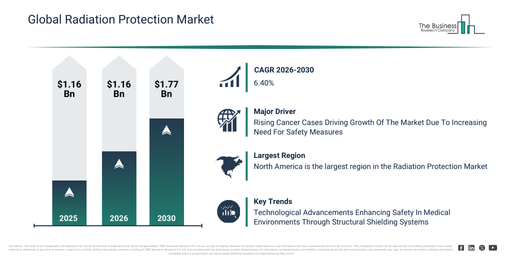
    The radiation protection market has experienced robust growth recently. It is projected to expand from $1.94 billion in 2025 to $2.07 billion in 2026, exhibiting a compound annual growth rate (CAGR) of 6.7%. Historically, this market’s expansion can be attributed to the rising application of x-ray and imaging procedures, the development of nuclear medicine uses, increasing recognition of radiation dangers, the establishment of fundamental radiation safety protocols, and the growth of hospital infrastructure.

    The radiation protection market size is poised for substantial growth over the next few years. Its valuation is projected to reach $2.66 billion by 2030, exhibiting a compound annual growth rate (CAGR) of 6.4%. This anticipated expansion during the forecast period is driven by advancements in radiation detection technologies, increasing investments in cancer diagnostics and therapy, more rigorous radiation safety regulations and compliance efforts, a rising demand for remote monitoring solutions, and the proliferation of ambulatory surgical centers. Furthermore, major developments expected in this period include an escalating demand for sophisticated radiation shielding solutions, a greater adoption of personal radiation monitoring devices, an increase in diagnostic imaging and radiation therapy procedures, an intensified focus on occupational radiation safety standards, and the broadened deployment of mobile and modular radiation protection systems.

    Download A Free Sample Report For Comprehensive Market Insights:

    https://www.thebusinessresearchcompany.com/sample.aspx?id=27402&type=smp

    Which Core Factors Are Supporting The Expansion Of The Radiation Protection Market?

    The rising incidence of cancer is anticipated to propel the expansion of the radiation protection market in the coming years. Cancer is defined as a cluster of diseases marked by the uncontrolled multiplication and spread of abnormal cells, which can invade adjacent tissues and disseminate throughout the body. The increasing occurrence of cancer is primarily due to extended life expectancy, as the risk of developing cancer grows with age. Radiation protection aids in reducing exposure to hazardous radiation, thereby lowering the likelihood of radiation-induced cancers. For instance, in August 2024, a report from Macmillan Cancer Support, a UK-based charitable organization, revealed that over 3 million individuals are currently living with cancer in the UK, a figure expected to climb to 3.5 million by 2025, 4 million by 2030, and 5.3 million by 2040. Consequently, the growing prevalence of cancer is significantly contributing to the growth of the radiation protection market.

    How Is The Radiation Protection Market Examined Through Segment Analysis?

    The radiation protection market covered in this report is segmented –

    1) By Product Type: Protective Barriers And Booths, Shields, Radiation Detection And Monitoring Equipment, Lead Liner Doors, Other Product Types

    2) By Technology: Ionizing Radiation Protection, Non-Ionizing Radiation Protection, Radiation Dosimetry, Remote Monitoring Technology, Radiation Measurement Software

    3) By Solution: Radiation Therapy Shielding, Diagnostic Shielding

    4) By End-User: Hospitals, Ambulatory Surgical Centers, Other End Users

    Subsegments:

    1) By Protective Barriers And Booths: Mobile Radiation Barriers, Fixed Radiation Barriers, Leaded Glass Panels, X-Ray Protection Booths

    2) By Shields: Gonad Shields, Thyroid Shields, Breast Shields, Eye Shields, Full-body Shields

    3) By Radiation Detection And Monitoring Equipment: Dosimeters, Geiger Counters, Scintillation Detectors, Ionization Chambers, Personal Radiation Detectors

    4) By Lead Liner Doors: Sliding Lead Lined Doors, Swinging Lead Lined Doors, Manual Lead Lined Doors, Automatic Lead Lined Doors

    5) By Other Product Types: Lead Aprons, Lead Gloves, Lead Glasses, Lead Curtains, Radiation Protection Drapes

    Which Trends Are Supporting The Evolution Of The Radiation Protection Market?

    Companies operating within the radiation protection market are increasingly focusing on innovative offerings, such as structural shielding systems, to enhance safety from radiation in medical environments. Structural shielding systems are fixed, engineered barriers like lead-lined doors and walls, specifically designed to block harmful ionizing radiation and protect healthcare personnel and patients during imaging and radiological procedures. For instance, in February 2023, SDS (Specialist Door Solutions Ltd.), a UK-based healthcare company, launched Shieldoor, a lead-lined X-ray door tailored for healthcare facilities. Shieldoor provides high-performance radiation attenuation, complies with rigorous NHS safety standards, and boosts safety in radiology and diagnostic imaging suites through its durable, hygienic, and customizable design features.

    Who Are The Companies Shaping The Radiation Protection Market Landscape?

    Major companies operating in the radiation protection market are Infab Corporation, Barrier Technologies LLC, Techno-Aide Inc., AliMed Inc., Trivitron Healthcare Pvt. Ltd., AADCO Medical Inc., Protech Medical Inc., Ultraray Radiation Protection Inc., Lancs Industries Inc., IndoSurgicals Private Limited, AmRay Medical, Uniray Medical LLP, Radiation Shield Technologies Inc., Ray-Bar Engineering Corp., StemRad Ltd., BLOXR Solutions LLC, Mirion Technologies, MarShield, Burlington Medical, Nelco Inc, Radiation Protection Products Inc, A and L Shielding, Gaven Industries Inc, Veritas Medical Solutions LLC

    Access The Complete Radiation Protection Market Report:

    https://www.thebusinessresearchcompany.com/report/radiation-protection-global-market-report

    Which Geographic Region Represents The Largest Radiation Protection Market Share?

    North America was the largest region in the radiation protection market in 2025. Asia-Pacific is expected to be the fastest-growing region in the forecast period. The regions covered in the radiation protection market report are Asia-Pacific, South East Asia, Western Europe, Eastern Europe, North America, South America, Middle East, Africa.

    Access a Customized Radiation Protection Market Report for Deeper Competitive Insights

    https://www.thebusinessresearchcompany.com/report/radiation-protection-global-market-report

    Browse Through More Reports Similar to the Global Radiation Protection Market 2026, By The Business Research Company

    Noise Mitigation System Market Report 2026

    https://www.thebusinessresearchcompany.com/report/noise-mitigation-system-global-market-report

    Railway Platform Security Market Report 2026

    https://www.thebusinessresearchcompany.com/report/railway-platform-security-global-market-report

    Railway System Market Report 2026

    https://www.thebusinessresearchcompany.com/report/railway-system-global-market-report

    Get in touch with us:

    The Business Research Company: https://www.thebusinessresearchcompany.com/

    Americas: +1 310-496-7795

    Asia: +44 7882 955267 & +91 8897263534

    Europe: +44 7882 955267

    Email us at: marketing@tbrc.info

    Follow us on:

    LinkedIn: https://in.linkedin.com/company/the-business-research-company

    YouTube: https://www.youtube.com/channel/UC24_fI0rV8cR5DxlCpgmyFQ

    Global Market Model: https://www.thebusinessresearchcompany.com/global-market-model
  • Global Quantum-Dot Neuroscience Probe Market Revenue Expected To Reach $2.05 Billion By 2030

    Global Quantum-Dot Neuroscience Probe Market Revenue Expected To Reach $2.05 Billion By 2030

    The Business Research Company’s 2026 market reports feature advanced enhancements such as market attractiveness analysis, total addressable market evaluation, company benchmarking matrices, interactive Excel dashboards, expanded supply chain intelligence, emerging startup coverage, and detailed product insights, delivering more actionable and strategically valuable research.

    What Is The Expected Market Size Of The Quantum-Dot Neuroscience Probe Market In 2026 And How Much Will It Reach By 2030?

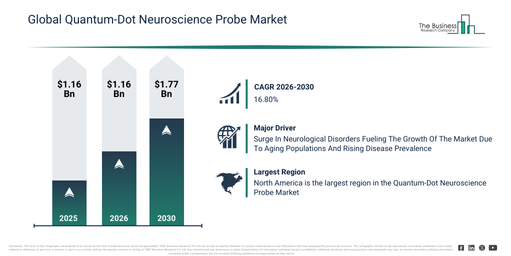
    The quantum-dot neuroscience probe market has experienced swift expansion recently. This market is projected to expand from $0.94 billion in 2025 to reach $1.1 billion by 2026, demonstrating a compound annual growth rate (CAGR) of 17.0%. Historically, this growth can be attributed to several factors including advances in nanotechnology research, a rise in neuroscience studies, the demand for precise neural imaging, increased academic funding, and the expansion of brain research programs.

    The quantum-dot neuroscience probe market is anticipated to experience substantial expansion in the coming years. Its valuation is projected to reach $2.05 billion by 2030, growing at a compound annual growth rate (CAGR) of 16.8%. This projected increase during the forecast period is driven by factors such as the integration with AI-based neural analysis, an uptick in neurodegenerative disease research, the broadening of brain mapping initiatives, a heightened demand for real-time neural monitoring, and the commercialization of nano-probes. Prominent trends for the forecast period include high-resolution neural imaging, the use of fluorescent quantum dot probes, advancements in nanoscale neuro monitoring, capabilities for molecular-level brain analysis, and the emergence of advanced neuro research tools.

    Download A Free Sample Report For Comprehensive Market Insights:

    https://www.thebusinessresearchcompany.com/sample.aspx?id=29161&type=smp

    What Are The Main Drivers Accelerating The Growth Of The Quantum-Dot Neuroscience Probe Market?

    The expanding occurrence of neurological conditions is anticipated to fuel the expansion of the quantum-dot neuroscience probe market. These conditions, which involve medical issues impacting the brain, spinal cord, and nerves, influence movement, cognitive abilities, and the entire nervous system’s operation. The increase in neurological disorders stems from an aging global populace, lifestyle-related hazards, and a greater frequency of chronic illnesses, resulting in a higher incidence and burden of nervous system-related ailments. Quantum-dot neuroscience probes are instrumental in addressing neurological disorders by facilitating highly accurate imaging and continuous observation of neural activity, which enables prompt diagnosis, focused therapeutic interventions, and an enhanced comprehension of brain functions and disease progression. For example, in April 2025, the National Library of Medicine, a US-based federal government entity, reported that approximately 7.2 million Americans aged 65 and older currently suffer from Alzheimer’s dementia, with this figure expected to climb to 13.8 million by 2060. Consequently, the growing prevalence of neurological disorders is a significant factor driving the growth of the quantum-dot neuroscience probe market.

    Which Segment Groups Define The Quantum-Dot Neuroscience Probe Market Landscape?

    The quantum-dot neuroscience probe market covered in this report is segmented –

    1) By Product Type: Optical Probes, Electrical Probes, Multifunctional Probes

    2) By Material Type: Cadmium-Based Quantum Dots, Indium-Based Quantum Dots, Carbon Quantum Dots, Other Material Types

    3) By Application: Brain Imaging, Neural Activity Monitoring, Other Applications

    4) By End-User: Academic And Research Institutes, Pharmaceutical And Biotechnology Companies, Other End-Users

    Subsegments:

    1) By Optical Probes: Fluorescent Quantum Dot Probes, Near-Infrared Quantum Dot Probes, Photoactivated Quantum Dot Probes, Voltage-Sensitive Quantum Dot Probes

    2) By Electrical Probes: Quantum Dot Field Effect Transistor Probes, Quantum Dot Nanowire Probes, Quantum Dot Microelectrode Probes, Quantum Dot Conductive Polymer Probes

    3) By Multifunctional Probes: Quantum Dot Magnetic Probes, Quantum Dot Photoelectric Probes, Quantum Dot Biosensing Probes, Quantum Dot Theranostic Probes

    Which Industry Players Are Present In The Quantum-Dot Neuroscience Probe Market?

    Major companies operating in the quantum-dot neuroscience probe market are Thermo Fisher Scientific Inc., Merck Group, ams-OSRAM AG, Nanosys Inc., American Elements Inc., QUANDELA Inc., Nanoco Technologies Ltd., UbiQD Inc., NN-Labs GmbH, Plasmachem GmbH, Avantama AG, Mesolight Inc., Quantum Solutions LLC, Cytodiagnostics Inc., Ocean NanoTech LLC, CD Bioparticles Inc., QD Laser Inc., QDI Systems Inc., Radetec Diagnostics Inc., QustomDot Inc.

    Access The Complete Quantum-Dot Neuroscience Probe Market Report:

    https://www.thebusinessresearchcompany.com/report/quantum-dot-neuroscience-probe-global-market-report

    Which Region Leads The Quantum-Dot Neuroscience Probe Market By Size?

    North America was the largest region in the quantum-dot neuroscience probe market in 2025. Asia-Pacific is expected to be the fastest-growing region in the forecast period. The regions covered in the quantum-dot neuroscience probe market report are Asia-Pacific, South East Asia, Western Europe, Eastern Europe, North America, South America, Middle East, Africa.

    Access a Customized Quantum-Dot Neuroscience Probe Market Report for Deeper Competitive Insights

    https://www.thebusinessresearchcompany.com/report/quantum-dot-neuroscience-probe-global-market-report

    Browse Through More Reports Similar to the Global Quantum-Dot Neuroscience Probe Market 2026, By The Business Research Company

    Quantum Dots Market Report 2026

    https://www.thebusinessresearchcompany.com/report/quantum-dots-global-market-report

    Quantum Dot Solar Cell Market Report 2026

    https://www.thebusinessresearchcompany.com/report/quantum-dot-solar-cell-global-market-report

    Quantum Chip Market Report 2026

    https://www.thebusinessresearchcompany.com/report/quantum-chip-global-market-report

    Get in touch with us:

    The Business Research Company: https://www.thebusinessresearchcompany.com/

    Americas: +1 310-496-7795

    Asia: +44 7882 955267 & +91 8897263534

    Europe: +44 7882 955267

    Email us at: marketing@tbrc.info

    Follow us on:

    LinkedIn: https://in.linkedin.com/company/the-business-research-company

    YouTube: https://www.youtube.com/channel/UC24_fI0rV8cR5DxlCpgmyFQ

    Global Market Model: https://www.thebusinessresearchcompany.com/global-market-model
  • Quantum Imaging Medical Device Market Insights Exploring Expansion Opportunities Through 2030

    Quantum Imaging Medical Device Market Insights Exploring Expansion Opportunities Through 2030

    The Business Research Company’s 2026 market reports feature advanced enhancements such as market attractiveness analysis, total addressable market evaluation, company benchmarking matrices, interactive Excel dashboards, expanded supply chain intelligence, emerging startup coverage, and detailed product insights, delivering more actionable and strategically valuable research.

    What Market Size Is Forecasted For The Quantum Imaging Medical Device Market By 2030 Based On Its 2026 Value?

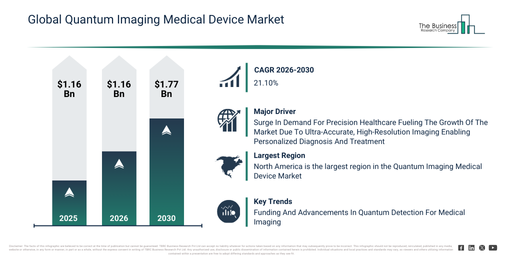
    The size of the quantum imaging medical device market has seen rapid growth in recent years. This market is projected to expand from $1.41 billion in 2025 to reach $1.72 billion by 2026, exhibiting a compound annual growth rate (CAGR) of 21.4%. Historically, this growth has stemmed from factors such as the shortcomings of traditional imaging techniques, an increase in cancer diagnosis rates, heightened demand for advanced diagnostics, greater investments in medical imaging, and expanding academic research into quantum technologies.

    The quantum imaging medical device market is poised for significant expansion, with its size projected to reach $3.7 billion in 2030, exhibiting a compound annual growth rate (CAGR) of 21.1%. This growth during the forecast period is driven by factors such as the commercialization of quantum diagnostics, integration with AI imaging software, the expansion of precision medicine, an increasing demand for early disease detection, and the growth in research hospitals. Major trends anticipated in the forecast period include ultra-high resolution medical imaging, quantum sensor-based diagnostics, precision oncology imaging, low-dose advanced imaging, and next-generation diagnostic visualization.

    Download A Free Sample Report For Comprehensive Market Insights:

    https://www.thebusinessresearchcompany.com/sample.aspx?id=29160&type=smp

    Which Growth Drivers Are Expected To Support The Quantum Imaging Medical Device Market Forward?

    The increasing focus on personalized healthcare is anticipated to drive the expansion of the quantum imaging medical device market going forward. Personalized healthcare refers to the customization of medical treatment and prevention strategies to an individual’s distinct genetic, environmental, and lifestyle factors, aiming for more effective and individualized care. The growing demand for personalized healthcare is fueled by the promise of more effective treatments, as therapies are adapted to individual genetic, environmental, and lifestyle factors, thereby enhancing patient outcomes and reducing side effects. Quantum imaging medical devices bolster precision healthcare by providing ultra-accurate, high-resolution imaging that enables earlier and more precise diagnoses, which allows treatments to be tailored to each patient’s unique condition. For example, in February 2024, according to the Personalized Medicine Coalition, a US-based non-profit organization, the FDA approved 16 new personalized treatments for patients with rare diseases in 2023, marking a notable increase from the six approved in 2022. Therefore, the heightened emphasis on personalized healthcare is a key driver for the growth of the quantum imaging medical device market.

    What Key Segment Areas Are Included In The Quantum Imaging Medical Device Market Assessment?

    The quantum imaging medical device market covered in this report is segmented –

    1) By Product Type: Quantum Dot Imaging Devices, Quantum Sensor Imaging Devices, Quantum Camera Systems

    2) By Application: Oncology, Neurology, Cardiology, Orthopedics

    3) By End-User: Hospitals, Diagnostic Centers, Research Institutes

    Subsegments:

    1) By Quantum Dot Imaging Devices: Fluorescent Quantum Dot Imaging Devices, Near Infrared Quantum Dot Imaging Devices, Visible Spectrum Quantum Dot Imaging Devices, Multiplexed Quantum Dot Imaging Devices

    2) By Quantum Sensor Imaging Devices: Magnetic Field Quantum Sensor Imaging Devices, Gravimetric Quantum Sensor Imaging Devices, Photonic Quantum Sensor Imaging Devices, Atomic Quantum Sensor Imaging Devices

    3) By Quantum Camera Systems: Single Photon Quantum Camera Systems, Entangled Photon Quantum Camera Systems, Time Resolved Quantum Camera Systems, Quantum Enhanced Spectral Camera Systems

    Which Trends Are Influencing The Direction Of The Quantum Imaging Medical Device Market?

    Leading companies within the quantum imaging medical device market are concentrating on establishing financial reserves to accelerate advancements in quantum detection for medical imaging. These funds serve as monetary investments designed to support innovation, empowering quantum imaging medical device companies to enhance their research, refine technology development, and expedite the introduction of new imaging solutions. For example, in May 2025, Chipiron, a medical imaging enterprise based in France, successfully raised $17M in funding to complete the development of its compact MRI scanner, aiming to make this crucial imaging technology broadly accessible. The capital will facilitate the production of the first prototypes for hospital deployment, with clinical trials anticipated for 2026. This MRI scanner incorporates a patented low-Tc SQUID volume gradiometer, which is the inaugural SQUID antenna capable of detecting MRI signals in an open setting, thereby offering an up to ten times superior signal-to-noise ratio compared to earlier techniques. Quantum sensors like SQUIDs are fundamental to quantum imaging technology, providing heightened sensitivity and resolution through quantum principles, particularly in medical imaging applications such as MRI.

    Which Organizations Are Involved In The Quantum Imaging Medical Device Market?

    Major companies operating in the quantum imaging medical device market are BOE Technology Group Co. Ltd., Merck KGaA, Nanosys Inc., Nanoco Group Plc, Q-CTRL Pty Ltd., Quandela, UbiQD Inc., NN-Labs LLC, Avantama AG, Ocean NanoTech LLC, QD Laser Inc., Quantum Materials Corp., Quantum Science Ltd., CD Bioparticles, Qnami, Single Quantum, LiGenTec SA, QDVision Inc., QDI Systems, M Squared Lasers.

    Access The Complete Quantum Imaging Medical Device Market Report:

    https://www.thebusinessresearchcompany.com/report/quantum-imaging-medical-device-global-market-report

    Which Region Has The Strongest Presence In The Quantum Imaging Medical Device Market?

    North America was the largest region in the quantum imaging medical device market in 2025. Asia-Pacific is expected to be the fastest-growing region in the forecast period. The regions covered in the quantum imaging medical device market report are Asia-Pacific, South East Asia, Western Europe, Eastern Europe, North America, South America, Middle East, Africa.

    Access a Customized Quantum Imaging Medical Device Market Report for Deeper Competitive Insights

    https://www.thebusinessresearchcompany.com/report/quantum-imaging-medical-device-global-market-report

    Browse Through More Reports Similar to the Global Quantum Imaging Medical Device Market 2026, By The Business Research Company

    Quantum Technology Market Report 2026

    https://www.thebusinessresearchcompany.com/report/quantum-technology-global-market-report

    Medical Imaging Market Report 2026

    https://www.thebusinessresearchcompany.com/report/medical-imaging-global-market-report

    3D Medical Imaging Devices Market Report 2026

    https://www.thebusinessresearchcompany.com/report/3d-medical-imaging-devices-global-market-report

    Get in touch with us:

    The Business Research Company: https://www.thebusinessresearchcompany.com/

    Americas: +1 310-496-7795

    Asia: +44 7882 955267 & +91 8897263534

    Europe: +44 7882 955267

    Email us at: marketing@tbrc.info

    Follow us on:

    LinkedIn: https://in.linkedin.com/company/the-business-research-company

    YouTube: https://www.youtube.com/channel/UC24_fI0rV8cR5DxlCpgmyFQ

    Global Market Model: https://www.thebusinessresearchcompany.com/global-market-model
  • Quantitative Polymerase Chain Reaction (qPCR) Instruments Market Developments Influencing Industry Expansion Through 2030

    Quantitative Polymerase Chain Reaction (qPCR) Instruments Market Developments Influencing Industry Expansion Through 2030

    The Business Research Company’s 2026 market reports feature advanced enhancements such as market attractiveness analysis, total addressable market evaluation, company benchmarking matrices, interactive Excel dashboards, expanded supply chain intelligence, emerging startup coverage, and detailed product insights, delivering more actionable and strategically valuable research.

    How Is The Market Value Of The Quantitative Polymerase Chain Reaction (qPCR) Instruments Market Projected To Expand During 2026–2030?

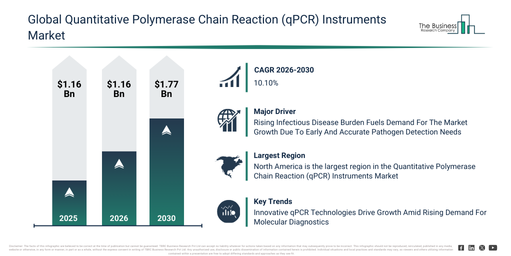
    The quantitative polymerase chain reaction (qpcr) instruments market size has demonstrated rapid expansion in recent years. It is forecast to rise from $1.66 billion in 2025 to $1.83 billion in 2026, exhibiting a compound annual growth rate (CAGR) of 10.2%. The historical growth in this market stems from contributing factors such as increasing demand for genetic research, the rising prevalence of infectious diseases, ongoing advancements in molecular diagnostics, the expansion of biotech and pharma research, and the availability of a skilled laboratory workforce.

    The quantitative polymerase chain reaction (qpcr) instruments market is projected to experience swift expansion over the coming years. This market is forecast to reach $2.69 billion by 2030, demonstrating a compound annual growth rate (CAGR) of 10.1%. Several factors are expected to fuel this growth during the projection period, including the growing acceptance of point-of-care diagnostics, the broadening scope of molecular testing in developing economies, the incorporation of AI and cloud-based analytical tools, the imperative for quick pathogen detection, and increased government financial support for genomics research. Key trends anticipated during this period encompass the uptake of high-throughput testing, the incorporation of automation into qpcr processes, the reduction in size of qpcr devices, the necessity for multiplexing functionalities, and the creation of point-of-care qpcr systems.

    Download A Free Sample Report For Comprehensive Market Insights:

    https://www.thebusinessresearchcompany.com/sample.aspx?id=25890&type=smp

    What Influential Factors Are Boosting The Quantitative Polymerase Chain Reaction (qPCR) Instruments Market Demand?

    The escalating occurrence of infectious diseases is projected to boost the expansion of the quantitative polymerase chain reaction (qPCR) instruments market moving forward. These illnesses are caused by detrimental microorganisms such as bacteria, viruses, fungi, or parasites, which can be transmitted directly or indirectly between individuals. The rise in infectious diseases is linked to increased global travel, which facilitates the rapid spread of pathogens across borders. Quantitative polymerase chain reaction (qPCR) instruments play a crucial role in tackling infectious diseases by enabling quick, sensitive, and accurate detection of pathogens, thereby supporting timely diagnosis and effective disease management. For example, in February 2024, GOV.UK, a UK government department, indicated that the number of tuberculosis (TB) cases in England rose from 4,380 in 2022 to 4,850 in 2023. Thus, the growing incidence of infectious diseases is propelling the growth of the quantitative polymerase chain reaction (qPCR) instruments market.

    How Is Segment Classification Applied In The Quantitative Polymerase Chain Reaction (qPCR) Instruments Market?

    The quantitative polymerase chain reaction (qpcr) instruments market covered in this report is segmented –

    1) By Product Type: Quantitative Polymerase Chain Reaction Systems, Reagents And Consumables, Software

    2) By Instrument: 7500, Viia 7 Dx, Cobas 4800, Cfx96, Smartcycler, Genexpert, Rotor-Gene Q, Rotor-Gene Q 5plex Hrm System, Biofire Filmarray Systems, Other Instruments

    3) By Application: Gene Expression, Genotyping, Pathogen Detection, Diagnostics, Other Applications

    4) By End-Users: Diagnostic Laboratories, Hospitals And Clinics, Pharma And Biotech Companies, Other End-Users

    Subsegments:

    1) By Quantitative Polymerase Chain Reaction (qPCR) Systems: Real-Time Polymerase Chain Reaction Systems, Portable Or Compact qPCR Devices, Digital Polymerase Chain Reaction Systems

    2) By Reagents And Consumables: Master Mixes, Buffers And Enzymes, Primers

    3) By Software: Data Analysis Software, Cloud-Based Analytics Platforms, Instrument Control Software

    What Trends Are Driving Changes In The Quantitative Polymerase Chain Reaction (qPCR) Instruments Market?

    Leading companies in the Quantitative Polymerase Chain Reaction (qPCR) Instruments market are concentrating on creating advanced solutions, specifically next-generation real-time qPCR systems that integrate clinical-grade processes with research adaptability. This effort aims to address the growing need for quicker, higher-capacity molecular diagnostics, increased assay sensitivity crucial for personalized medicine and oncology, and enhanced preparedness for infectious disease outbreaks. A next-generation qPCR system functions as a real-time PCR device that upholds the fundamental concept of qPCR—simultaneous amplification and fluorescent detection of nucleic acids—while incorporating features such as superior thermal consistency, sophisticated signal-processing algorithms, intuitive user interfaces, and workflows compliant with IVD regulations. As an illustration, in November 2023, Roche Holding AG, a diagnostics and biotechnology firm based in Switzerland, unveiled the LightCycler PRO System, an innovative next-generation qPCR platform. Drawing upon Roche’s LightCycler heritage, the LightCycler PRO System is designed for both research and IVD applications. It incorporates a novel vapour chamber to enhance temperature uniformity across its block, alongside updated software and a user interface featuring improved algorithms for signal analysis, and offers the versatility to run assays developed by users alongside an extensive catalog of validated LightMix research and CE-IVD assays.

    Who Are The Firms Contributing To The Quantitative Polymerase Chain Reaction (qPCR) Instruments Market Ecosystem?

    Major companies operating in the quantitative polymerase chain reaction (qpcr) instruments market are F Hoffmann La Roche AG, Thermo Fisher Scientific Inc, Danaher Corporation, Becton Dickinson and Company, Agilent Technologies Inc, Bio Rad Laboratories Inc, QIAGEN N V, Eppendorf SE, Cepheid Inc, Takara Bio Inc, bioMerieux SA, Analytik Jena GmbH, Standard BioTools Inc, Hangzhou Bioer Technology Co Ltd, BioTeke Corporation, GeneReach Biotechnology Corp, Anitoa Systems LLC, Blue Ray Biotech Corp, Chai Biotechnologies, Bio Molecular Systems Pty Ltd, Azure Biosystems Inc

    Access The Complete Quantitative Polymerase Chain Reaction (qPCR) Instruments Market Report:

    https://www.thebusinessresearchcompany.com/report/quantitative-polymerase-chain-reaction-qpcr-instruments-global-market-report

    Which Region Stands As The Largest Contributor To The Quantitative Polymerase Chain Reaction (qPCR) Instruments Market?

    North America was the largest region in the quantitative polymerase chain reaction (qPCR) instruments market in 2025. Asia-Pacific is expected to be the fastest-growing region in the forecast period. The regions covered in the quantitative polymerase chain reaction (qpcr) instruments market report are Asia-Pacific, South East Asia, Western Europe, Eastern Europe, North America, South America, Middle East, Africa.

    Access a Customized Quantitative Polymerase Chain Reaction (qPCR) Instruments Market Report for Deeper Competitive Insights

    https://www.thebusinessresearchcompany.com/report/quantitative-polymerase-chain-reaction-qpcr-instruments-global-market-report

    Browse Through More Reports Similar to the Global Quantitative Polymerase Chain Reaction (qPCR) Instruments Market 2026, By The Business Research Company

    Polymerase Chain Reaction Pcr Technologies Market Report 2026

    https://www.thebusinessresearchcompany.com/report/polymerase-chain-reaction-pcr-technologies-global-market-report

    Multiplex Pcr Assays Market Report 2026

    https://www.thebusinessresearchcompany.com/report/multiplex-pcr-assays-global-market-report

    Biochemistry Analyzer Market Report 2026

    https://www.thebusinessresearchcompany.com/report/biochemistry-analyzer-global-market-report

    Get in touch with us:

    The Business Research Company: https://www.thebusinessresearchcompany.com/

    Americas: +1 310-496-7795

    Asia: +44 7882 955267 & +91 8897263534

    Europe: +44 7882 955267

    Email us at: marketing@tbrc.info

    Follow us on:

    LinkedIn: https://in.linkedin.com/company/the-business-research-company

    YouTube: https://www.youtube.com/channel/UC24_fI0rV8cR5DxlCpgmyFQ

    Global Market Model: https://www.thebusinessresearchcompany.com/global-market-model
  • Pulsed Field Ablation Market Size Forecast To Achieve $2.37 Billion By 2030 With 24.4% CAGR

    Pulsed Field Ablation Market Size Forecast To Achieve $2.37 Billion By 2030 With 24.4% CAGR

    The Business Research Company’s 2026 market reports feature advanced enhancements such as market attractiveness analysis, total addressable market evaluation, company benchmarking matrices, interactive Excel dashboards, expanded supply chain intelligence, emerging startup coverage, and detailed product insights, delivering more actionable and strategically valuable research.

    What Are The Forecasted Market Size Figures For The Pulsed Field Ablation Market In 2026 And 2030?

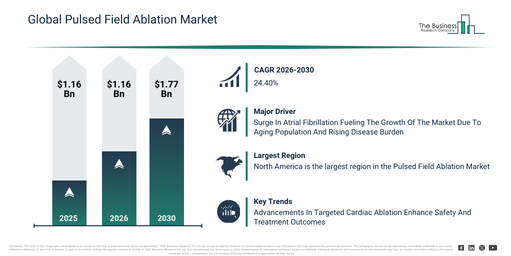
    The pulsed field ablation market has experienced substantial expansion in recent years. Its valuation is set to increase from $0.8 billion in 2025 to $0.99 billion in 2026, achieving a compound annual growth rate (CAGR) of 23.8%. This historical growth can be ascribed to factors such as the increasing prevalence of atrial fibrillation, the rising adoption of catheter-based ablation techniques, significant advancements in cardiac mapping systems, heightened awareness concerning cardiovascular diseases, and continuous technological innovations in pulsed field devices.

    The pulsed field ablation market is poised for significant expansion in the upcoming years. It is projected to reach $2.37 billion by 2030, exhibiting a compound annual growth rate (CAGR) of 24.4%. This anticipated growth during the forecast period is driven by factors such as an expanding elderly population, the enhancement of healthcare infrastructure in emerging markets, the integration of AI in ablation procedures, a rising preference for minimally invasive treatments, and the development of combined ablation energy sources. Furthermore, major trends anticipated for this period include an increase in minimally invasive cardiac procedures, patient-specific ablation planning, improved safety with reduced tissue damage, the integration of imaging and mapping technologies, and rapid adoption within electrophysiology labs.

    Download A Free Sample Report For Comprehensive Market Insights:

    https://www.thebusinessresearchcompany.com/sample.aspx?id=25889&type=smp

    Which Drivers Are Advancing The Pulsed Field Ablation Market Growth?

    The expansion of the pulsed field ablation market is anticipated to be fueled by the increasing occurrence of atrial fibrillation. Atrial fibrillation, an irregular and often rapid heart rhythm, significantly raises the risk of stroke and other heart-related complications. The growing prevalence of this disorder is primarily due to the aging population, as advanced age markedly increases the susceptibility to developing such a cardiac rhythm irregularity. Pulsed field ablation addresses atrial fibrillation by utilizing targeted electrical pulses to selectively destroy abnormal heart tissue causing these irregular rhythms, presenting a faster, safer, and more precise alternative to traditional ablation methods. For instance, in September 2024, estimates from the American Journal of Managed Care, a US-based peer review journal, indicated that approximately 10.5 million U.S. adults, roughly 5% of the population, are living with atrial fibrillation (AF). This growing prevalence of atrial fibrillation is therefore a significant driver for the growth of the pulsed field ablation market.

    What Are The Core Segment Classifications In The Pulsed Field Ablation Market?

    The pulsed field ablation market covered in this report is segmented –

    1) By Components: Catheters, Generators

    2) By Indication: Atrial Fibrillation, Non-Atrial Fibrillation

    3) By Source Of Ablation: Pulsed Field Energy, Pulsed Field And Radiofrequency Energy, Pulsed Field And Cryoablation Energy

    4) By Application Area: Ablation, Ablation And Mapping

    5) By End Use: Hospitals, Cardiac Catheterization Labs, Ambulatory Surgical Centers, Other End Uses

    Subsegments:

    1) By Catheters: Single-use Catheters, Reusable Catheters, Diagnostic Catheters, Therapeutic Catheters, Balloon Catheters, Mapping Catheters

    2) By Generators: Monopolar Generators, Bipolar Generators, Pulsed Power Generators, Radiofrequency Generators With Pulsed Field Ablation Capability, Portable Generators, Fixed Or Stationary Generators

    Which Trends Are Shaping The Pulsed Field Ablation Market Landscape?

    Leading firms within the pulsed field ablation (PFA) market are concentrating on advanced technological breakthroughs, particularly selective tissue ablation, to boost procedural safety and effectiveness. This approach aims to reduce harm to adjacent healthy tissues, shorten patient recovery periods, and achieve better long-term treatment results for individuals suffering from cardiac arrhythmias. Selective tissue ablation, specifically, involves the precise elimination of particular diseased cells or tissues, ensuring the preservation of healthy structures nearby. An illustrative example is Abbott, a US-based healthcare enterprise, which obtained CE Mark approval in March 2025 for its Volt Pulsed Field Ablation System, designed to address abnormal heart rhythms. This sophisticated system is fully compatible with Abbott’s EnSite X electrophysiology platform, significantly improving both visualization and navigation during procedures. The launch of the Volt system marks a substantial stride forward in electrophysiology technology. It offers heightened procedural efficiency, clearer imaging, and more precise ablation techniques for the treatment of atrial fibrillation. This cutting-edge device is set to enhance patient results and simplify the provision of cardiac care.

    Which Key Players Are Active In The Pulsed Field Ablation Market?

    Major companies operating in the pulsed field ablation market are Johnson & Johnson, Abbott Laboratories, Medtronic plc, Boston Scientific Corporation, AtriCure Inc., CardioFocus Inc., Galvanize Therapeutics Inc., Kardium Inc., Acutus Medical Inc., AtriAN Medical Ltd., Field Medical Inc., Thermedical Inc., Adagio Medical Inc., Arga Medtech Inc., Mirai Medical, Pulse Biosciences Inc., AccuPulse Medical Inc., Farapulse Inc., Biosense Webster Inc., CathRx Ltd., EP Solutions SA

    Access The Complete Pulsed Field Ablation Market Report:

    https://www.thebusinessresearchcompany.com/report/pulsed-field-ablation-global-market-report

    What Is The Largest Regional Market In The Pulsed Field Ablation Market?

    North America was the largest region in the pulsed field ablation market in 2025. Asia-Pacific is expected to be the fastest-growing region in the forecast period. The regions covered in the pulsed field ablation market report are Asia-Pacific, South East Asia, Western Europe, Eastern Europe, North America, South America, Middle East, Africa.

    Access a Customized Pulsed Field Ablation Market Report for Deeper Competitive Insights

    https://www.thebusinessresearchcompany.com/report/pulsed-field-ablation-global-market-report

    Browse Through More Reports Similar to the Global Pulsed Field Ablation Market 2026, By The Business Research Company

    Ablation Devices Market Report 2026

    https://www.thebusinessresearchcompany.com/report/ablation-devices-global-market-report

    Radiofrequency Ablation Devices Market Report 2026

    https://www.thebusinessresearchcompany.com/report/radiofrequency-ablation-devices-global-market-report

    Oncology Ablation Market Report 2026

    https://www.thebusinessresearchcompany.com/report/oncology-ablation-global-market-report

    Get in touch with us:

    The Business Research Company: https://www.thebusinessresearchcompany.com/

    Americas: +1 310-496-7795

    Asia: +44 7882 955267 & +91 8897263534

    Europe: +44 7882 955267

    Email us at: marketing@tbrc.info

    Follow us on:

    LinkedIn: https://in.linkedin.com/company/the-business-research-company

    YouTube: https://www.youtube.com/channel/UC24_fI0rV8cR5DxlCpgmyFQ

    Global Market Model: https://www.thebusinessresearchcompany.com/global-market-model
  • Pulse Oximeters, Spirometers Market Forecast Covering Industry Demand And Market Evolution

    Pulse Oximeters, Spirometers Market Forecast Covering Industry Demand And Market Evolution

    The Business Research Company’s 2026 market reports feature advanced enhancements such as market attractiveness analysis, total addressable market evaluation, company benchmarking matrices, interactive Excel dashboards, expanded supply chain intelligence, emerging startup coverage, and detailed product insights, delivering more actionable and strategically valuable research.

    How Much Larger Will The Pulse Oximeters, Spirometers Market Become By 2030 Compared To 2026?

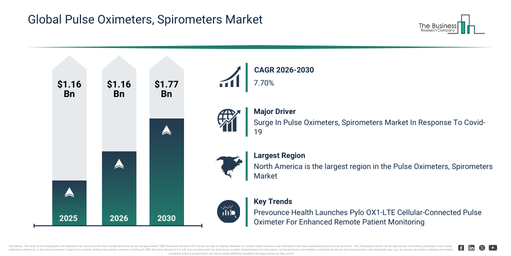
    The market size for pulse oximeters and spirometers has experienced robust expansion in recent years. This sector is projected to grow from $4.37 billion in 2025 to $4.73 billion in 2026, demonstrating a compound annual growth rate of 8.2%. Historically, this growth can be ascribed to elements like the increasing prevalence of respiratory diseases, a heightened awareness of pulmonary health, the broader implementation of hospital respiratory monitoring, the growing acceptance of non-invasive diagnostic devices, and the more frequent use of spirometry in clinical practice.

    The market for pulse oximeters and spirometers is anticipated to experience substantial growth over the next few years. It is projected to expand to $6.37 billion by 2030, demonstrating a compound annual growth rate (CAGR) of 7.7%. This growth in the forecast period can be attributed to several factors, including the increasing demand for remote respiratory monitoring, the rising adoption of telehealth-enabled devices, the expansion of home healthcare services, a growing focus on preventive respiratory diagnostics, and the increasing integration of AI-driven respiratory analytics. Furthermore, major trends anticipated during this period include the increasing adoption of portable respiratory monitoring devices, a rising demand for home-based oxygen monitoring, the growing integration of connected spirometry platforms, the expansion of multiparameter respiratory monitoring, and an enhanced focus on early disease detection.

    Download A Free Sample Report For Comprehensive Market Insights:

    https://www.thebusinessresearchcompany.com/sample.aspx?id=3791&type=smp

    What Primary Factors Are Fueling The Expansion Of The Pulse Oximeters, Spirometers Market?

    Given that COVID-19 is a respiratory illness, there has been an increased demand for respiratory devices, including pulse oximeters and spirometers. Oxygen therapy serves as a primary intervention for patients with severe COVID-19 infection, requiring healthcare providers to ensure the availability of pulse oximeters and other medical oxygen systems. Pulse oximeters and spirometers are vital tools for monitoring and managing COVID-19, assisting in the assessment of oxygen levels and lung function. For instance, in October 2023, the World Health Organization, a Switzerland-based agency of the United Nations responsible for international public health, reported 771,191,203 confirmed cases of COVID-19, with 6,961,014 reported deaths. The market for these devices is projected to grow substantially as they contribute to the early detection and remote supervision of patients.

    How Is The Pulse Oximeters, Spirometers Market Structured Across Different Market Segments?

    The pulse oximeters, spirometers market covered in this report is segmented –

    1) By Product Type: Pulse Oximeters, Spirometers

    2) By Application: Diagnostic, Treatment Monitoring

    3) By End User: Hospitals, Clinics, Home Care Settings, Ambulatory Surgical Centers, Diagnostic Centers

    Subsegments:

    1) By Pulse Oximeters: Fingertip Pulse Oximeters, Handheld Pulse Oximeters, Wrist-Worn Pulse Oximeters, Tabletop Pulse Oximeters, Pediatric Pulse Oximeters, Multiparameter Oximeters

    2) By Spirometers: Desktop Spirometers, Portable Spirometers, Handheld Spirometers, Tabletop Spirometers

    What Trends Are Influencing The Pulse Oximeters, Spirometers Market Outlook?

    Major companies operating in the pulse oximeters and spirometers market are actively developing cellular-connected pulse oximeters to facilitate real-time monitoring, enhance patient management through remote healthcare solutions, and improve the precision and accessibility of oxygen level tracking for individuals with respiratory conditions. Cellular-connected pulse oximeters are defined as pulse oximeter devices equipped with integrated cellular connectivity, enabling them to transmit live data on blood oxygen levels (SpO2) and heart rate directly to healthcare providers or remote monitoring platforms. For instance, in August 2024, Prevounce Health, a US-based wellness and fitness services company, introduced Pylo OX1-LTE, a cellular-connected pulse oximeter specifically engineered for remote patient monitoring (RPM). It delivers accurate blood oxygen saturation (SpO2) readings and pulse rates, with an accuracy of ±2% for SpO2 and ±2 bpm for pulse rates. The device is designed for ease of use, featuring a bright OLED screen and requiring no setup. It supports multiple cellular networks, guaranteeing reliable data transmission even in areas with low signal strength. The Pylo OX1-LTE is integrated with Prevounce’s RPM platform and offers compatibility with third-party health software via the Pylo cloud API.

    Who Are The Leading Firms Participating In The Pulse Oximeters, Spirometers Market?

    Major companies operating in the pulse oximeters, spirometers market are Smiths Medical Inc., Koninklijke Philips N.V., Vyaire Medical Inc., Schiller AG, General Electric Company, Masimo Corporation, Medtronic plc, Opto Circuits (India) Ltd., Fukuda Denshi Co. Ltd., Hill-Rom Holdings Inc., MGC Diagnostics Corporation, Omron Healthcare Inc., Nonin Medical Inc., Drägerwerk AG & Co. KGaA, Spacelabs Healthcare Inc., Halma plc, SDI Diagnostics Inc., nSpire Health Inc., SIBELMED, Labtech Ltd., CareFusion Corporation, NDD Medical Technologies Inc., Vitalograph Ltd., COSMED srl, Philips Benelux, Contec Medical System Co. Ltd., Smiths Group plc, TytoCare Ltd.,

    Access The Complete Pulse Oximeters, Spirometers Market Report:

    https://www.thebusinessresearchcompany.com/report/pulse-oximeters-spirometers-global-market-report

    Which Region Contributes The Most To The Pulse Oximeters, Spirometers Market?

    North America was the largest region in the pulse oximeters, spirometers market in 2025. Asia-Pacific was the second largest region in the pulse oximeters, spirometers market. The regions covered in the pulse oximeters, spirometers market report are Asia-Pacific, South East Asia, Western Europe, Eastern Europe, North America, South America, Middle East, Africa.

    Access a Customized Pulse Oximeters, Spirometers Market Report for Deeper Competitive Insights

    https://www.thebusinessresearchcompany.com/report/pulse-oximeters-spirometers-global-market-report

    Browse Through More Reports Similar to the Global Pulse Oximeters, Spirometers Market 2026, By The Business Research Company

    Pulse Oximeter Market Report 2026

    https://www.thebusinessresearchcompany.com/report/pulse-oximeter-global-market-report

    Spirometer Market Report 2026

    https://www.thebusinessresearchcompany.com/report/spirometer-global-market-report

    Oxygen Flow Meters Market Report 2026

    https://www.thebusinessresearchcompany.com/report/oxygen-flow-meters-global-market-report

    Get in touch with us:

    The Business Research Company: https://www.thebusinessresearchcompany.com/

    Americas: +1 310-496-7795

    Asia: +44 7882 955267 & +91 8897263534

    Europe: +44 7882 955267

    Email us at: marketing@tbrc.info

    Follow us on:

    LinkedIn: https://in.linkedin.com/company/the-business-research-company

    YouTube: https://www.youtube.com/channel/UC24_fI0rV8cR5DxlCpgmyFQ

    Global Market Model: https://www.thebusinessresearchcompany.com/global-market-model
  • Pulse Oximeter Market Trends And Growth Outlook Across The 2026–2030 Forecast Period

    Pulse Oximeter Market Trends And Growth Outlook Across The 2026–2030 Forecast Period

    The Business Research Company’s 2026 market reports feature advanced enhancements such as market attractiveness analysis, total addressable market evaluation, company benchmarking matrices, interactive Excel dashboards, expanded supply chain intelligence, emerging startup coverage, and detailed product insights, delivering more actionable and strategically valuable research.

    What Growth In Market Value Is Anticipated For The Pulse Oximeter Market Between 2026 And 2030?

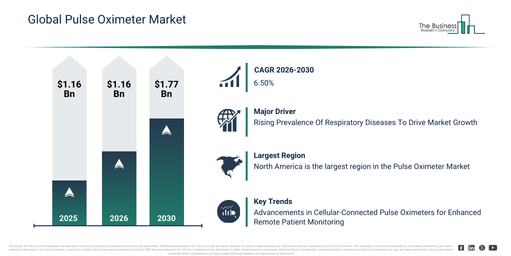
    The pulse oximeter market has shown significant growth in recent years. Its size is anticipated to expand from $2.73 billion in 2025 to $2.9 billion in 2026, with a compound annual growth rate (CAGR) of 6.0%. This past growth can be attributed to factors such as the increasing occurrence of respiratory conditions, the development of hospital monitoring facilities, a greater adoption of non-invasive diagnostic methods, an expansion of emergency and critical care provisions, and the widespread availability of economical fingertip oximeters.

    The pulse oximeter market is projected to experience substantial expansion over the upcoming years. This market is set to reach a valuation of $3.73 billion by 2030, exhibiting a compound annual growth rate (CAGR) of 6.5%. This anticipated growth during the forecast period is primarily driven by factors such as the expanding embrace of telehealth services, the escalating need for remote surveillance of chronic illnesses, the broadening of connected healthcare environments, a heightened emphasis on prompt hypoxemia identification, and greater integration with digital health platforms. Key trends anticipated within this period encompass the increased uptake of connected pulse oximeters, a surge in the demand for monitoring devices suitable for home use, the expanding deployment of wearable oximetry solutions, the proliferation of remote patient monitoring initiatives, and a strengthened focus on the continuous tracking of oxygen levels.

    Download A Free Sample Report For Comprehensive Market Insights:

    https://www.thebusinessresearchcompany.com/sample.aspx?id=10029&type=smp

    Which Strategic Drivers Are Supporting The Pulse Oximeter Market Development?

    The increasing occurrence of respiratory illnesses is projected to fuel the expansion of the pulse oximeter market moving ahead. These diseases encompass conditions affecting the airways and lungs, thereby impacting human breathing. The rise in respiratory disease cases is primarily influenced by factors such as escalating air pollution, prolonged dust exposure, the demographic shift towards an older population, and prevalent smoking habits. Pulse oximeters play a crucial role here by identifying shifts in oxygen saturation levels even prior to the manifestation of symptoms. To illustrate this, data from December 2023, published by the US-based government agency National Center for Biotechnology Information, projected a significant increase in COPD cases. These cases are anticipated to grow by 112 million, reaching 592 million by the year 2050, accounting for 9.5% of the eligible population. Consequently, the growing incidence of respiratory ailments is a key factor stimulating the expansion of the pulse oximeter market.

    Which Segment-Based Categories Are Covered In The Pulse Oximeter Market?

    The pulse oximeter market covered in this report is segmented –

    1) By Product Type: Fingertip, Handheld, Wrist-worn, Table-Top And Bedside

    2) By Technology: Conventional, Connected

    3) By Age Group: Adult, Pediatric

    4) By End-User: Hospitals And Clinics, Ambulatory Surgical Centers, Home Healthcare

    Subsegments:

    1) By Fingertip: Adult Fingertip Oximeters, Pediatric Fingertip Oximeters

    2) By Handheld: Single-Patient Handheld Oximeters, Multi-Patient Handheld Oximeters

    3) By Wrist-Worn: Continuous Monitoring Wrist Oximeters, Spot-Check Wrist Oximeters

    4) By Table-Top And Bedside: Portable Table-Top Oximeters, Stationary Bedside Oximeters

    Which Trends Are Expected To Shape The Pulse Oximeter Market?

    Key players within the pulse oximeter market are concentrating on advanced technological innovations, specifically cellular-connected pulse oximeters, to improve both patient oversight and the gathering of health data. This particular device is a pulse oximeter outfitted with cellular connectivity, enabling wireless data transmission via cellular networks (such as 4G or 5G) directly to healthcare professionals or integrated cloud health platforms. An illustrative example occurred in August 2024 when Prevounce Health LLC, a US-based firm specializing in remote monitoring platforms, introduced the Pylo OX1-LTE, a cellular-connected pulse oximeter specifically developed for remote patient monitoring (RPM). Intended for individuals managing chronic respiratory ailments such as COPD and asthma, alongside those impacted by COVID-19, this instrument provides dependable cellular connectivity, precise SpO2 and pulse rate measurements, and an intuitive design featuring a bright OLED screen. Furthermore, it integrates effortlessly with Prevounce’s existing remote care management platform and offers compatibility with third-party health software through the Pylo cloud API.

    Which Companies Are Engaged In The Pulse Oximeter Market Environment?

    Major companies operating in the pulse oximeter market are Medtronic Plc, GE Healthcare, Masimo Corporation, Nonin Medical Inc., Nihon Kohden Corporation, Koninklijke Philips NV, Philips Healthcare, Contec Medical Systems Co. Ltd., Omron Corporation, Carefusion Corp., CAS Medical Systems Inc., Opto Circuits India Ltd., Welch Allyn Inc., Spacelabs Healthcare, Meditech Equipment Co. Ltd., Vyaire Medical Inc., Beurer GmbH, Drägerwerk AG & Co. KGaA, ICU Medical Inc., Smiths Medical, Mindray Medical International Limited, Criticare Systems Inc., BPL Medical Technologies, ChoiceMMed America Co. Ltd., Beijing Choice Electronic Technology Co. Ltd., Creative Medical, Edan Instruments Inc., Heal Force Bio-Meditech Holdings Limited, Mediana Co. Ltd., Medlab Clinical Ltd.

    Access The Complete Pulse Oximeter Market Report:

    https://www.thebusinessresearchcompany.com/report/pulse-oximeter-global-market-report

    Which Regional Market Leads The Pulse Oximeter Market?

    North America was the largest region in the pulse oximeter market in 2025. The regions covered in the pulse oximeter market report are Asia-Pacific, South East Asia, Western Europe, Eastern Europe, North America, South America, Middle East, Africa.

    Access a Customized Pulse Oximeter Market Report for Deeper Competitive Insights

    https://www.thebusinessresearchcompany.com/report/pulse-oximeter-global-market-report

    Browse Through More Reports Similar to the Global Pulse Oximeter Market 2026, By The Business Research Company

    Pulse Oximeters Spirometers Market Report 2026

    https://www.thebusinessresearchcompany.com/report/pulse-oximeters-spirometers-global-market-report

    Remote Cardiac Monitoring Market Report 2026

    https://www.thebusinessresearchcompany.com/report/remote-cardiac-monitoring-global-market-report

    Pulse Ingredients Market Report 2026

    https://www.thebusinessresearchcompany.com/report/pulse-ingredients-global-market-report

    Get in touch with us:

    The Business Research Company: https://www.thebusinessresearchcompany.com/

    Americas: +1 310-496-7795

    Asia: +44 7882 955267 & +91 8897263534

    Europe: +44 7882 955267

    Email us at: marketing@tbrc.info

    Follow us on:

    LinkedIn: https://in.linkedin.com/company/the-business-research-company

    YouTube: https://www.youtube.com/channel/UC24_fI0rV8cR5DxlCpgmyFQ

    Global Market Model: https://www.thebusinessresearchcompany.com/global-market-model