Month: May 2026

  • Wearable Fall Detection Market Outlook Highlighting Expansion Trends Across Industries Through 2030

    Wearable Fall Detection Market Outlook Highlighting Expansion Trends Across Industries Through 2030

    The Business Research Company’s 2026 market reports feature enhanced tools like market attractiveness analysis, TAM assessment, and company scoring matrices, along with interactive dashboards, deeper supply chain insights, and startup coverage strengthening the depth, usability, and strategic value of insights.

    What Are The Market Size Estimates For The Wearable Fall Detection Market In 2026 And 2030?

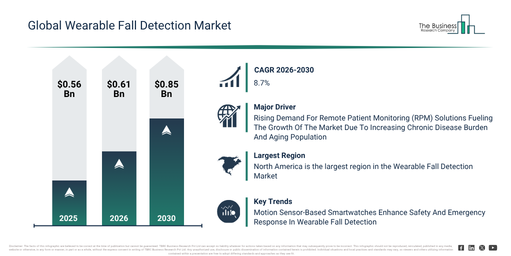
    The wearable fall detection market size has shown substantial growth recently. It is forecast to grow from $0.56 billion in 2025 to $0.61 billion in 2026, progressing at a compound annual growth rate (CAGR) of 8.5%. This expansion during the historic period is largely due to a rising elderly population, increasing adoption of wearable devices, growing awareness of personal safety, advancements in motion sensor technology, and the demand for home healthcare solutions.

    The wearable fall detection market size is projected to experience substantial expansion in the coming years. It is anticipated to reach $0.85 billion in 2030, exhibiting a compound annual growth rate (CAGR) of 8.7%. This growth during the forecast period is attributable to factors such as the integration with AI and machine learning, the broadening of telehealth services, increasing demand in senior living facilities, the adoption of multi-sensor wearable devices, and advancements in cloud-based monitoring platforms. Key trends expected in the forecast period include wearable multi-sensor integration, real-time fall alerts, remote health monitoring, AI-powered predictive analytics, and integration with emergency response systems.

    Access Your Free Sample Report For In-Depth Market Analysis:

    https://www.thebusinessresearchcompany.com/sample_request?id=58572496&type=smp&name=Wearable%20Fall%20Detection%20Market%20Report%202026

    Which Strong Drivers Are Impacting The Wearable Fall Detection Market Growth?

    The rising requirement for remote patient monitoring (RPM) solutions is projected to fuel the expansion of the wearable fall detection market moving forward. Remote patient monitoring (RPM) describes the utilization of connected digital technologies and wearable devices to gather medical and health-related information from individuals in one place and digitally transmit it to healthcare providers for evaluation and recommendations. The increasing need for RPM solutions is driven by the rising prevalence of chronic conditions, the expanding elderly demographic, and the necessity for continuous monitoring beyond traditional clinical settings. Wearable fall detection devices support remote patient monitoring by enabling real-time observation of patient movement, automatically identifying falls, and immediately alerting caregivers or healthcare providers, thereby enhancing patient safety and response times. For instance, in August 2025, according to the U.S. Department of Health & Human Services, a US-based executive branch department, Medicare spending on remote patient monitoring in 2024 surpassed US$536 million, reflecting a 31% increase compared to 2023, while nearly 1 million beneficiaries utilized RPM services, representing a 27% year-over-year rise, and approximately 4,600 medical practices regularly billed for RPM services. As a result, the growing demand for remote patient monitoring (RPM) solutions is boosting the growth of the wearable fall detection market.

    Which Segment Categories Are Included In The Wearable Fall Detection Market Segment Analysis?

    The wearable fall detection market covered in this report is segmented –

    1) By Product Type: Smart Watches, Pendants, Clip-Ons, Belt-Worn Devices, Other Product Types

    2) By Technology: Accelerometer-Based, Gyroscope-Based, Multi-Sensor, Other Technologies

    3) By Distribution Channel: Online, Offline

    4) By Application: Home Care, Senior Living Facilities, Hospitals And Clinics, Other Applications

    5) By End-User: Elderly, Patients with Chronic Diseases, Other End-Users

    Subsegments:

    1) By Smart Watches: Standalone Smart Watches, Companion Smart Watches, Medical Alert Smart Watches, Cellular-Enabled Smart Watches

    2) By Pendants: Emergency Response Pendants, Fall Detection Pendants, Waterproof Pendants, Two Way Communication Pendants

    3) By Clip-Ons: Waist Clip Devices, Pocket Clip Devices, Magnetic Clip Devices, Lightweight Clip Devices

    4) By Belt-Worn Devices: Motion Sensor Devices, Impact Detection Devices, GPS-Enabled Devices, Rechargeable Belt Devices

    5) By Other Product Types: Smart Insoles, Smart Patches, Smart Clothing, Wristbands

    What Trends Are Shaping The Future Of The Wearable Fall Detection Market?

    Major companies in the wearable fall detection market are prioritizing the development of advanced products, such as motion sensor-based fall detection and prevention watches, to offer enhanced safety and independence for elderly and high-risk individuals. These sensor-based watches for fall detection and prevention are advanced wearable devices equipped with motion and positioning sensors designed to identify unexpected falls and quickly send emergency alerts for immediate help. For instance, in September 2023, Antara Senior Care, an India-based integrated senior care service provider, launched ‘AGEasy ‘Empower’ Smart Watches as a means to improve its integrated care ecosystem for seniors. These smartwatches feature advanced fall detection using motion sensors that automatically alert emergency contacts if a user does not respond after a fall, alongside real-time health tracking (heart rate, blood pressure, SpO2, and temperature), GPS location, geo-fencing, and two-way voice/video calling. These were developed in partnership with US firm LifeQ and are available on the AGEasyByAntara site and Amazon India.

    Who Are The Active Companies Shaping The Wearable Fall Detection Market?

    Major companies operating in the wearable fall detection market are Apple Inc., Samsung Electronics Co. Ltd., Huawei Technologies Co. Ltd., Xiaomi Corporation, Koninklijke Philips N.V., Garmin Ltd., Blackline Safety Corp, LifeStation Inc., Medical Guardian LLC, LifeFone Inc., VitalConnect Inc., UnaliWear Inc., Mytrex Inc., CarePredict Inc., AlertOne Services LLC, Ranix Co. Ltd., Qmedic Health Inc., Bay Alarm Medical LLC, Aloe Care Health Inc., FallCall Solutions LLC.

    Get The Full Wearable Fall Detection Market Report:

    https://www.thebusinessresearchcompany.com/report/wearable-fall-detection-market-report

    Where Is The Wearable Fall Detection Market Primarily Concentrated By Region?

    North America was the largest region in the wearable fall detection market in 2025. Asia-Pacific is expected to be the fastest-growing region in the forecast period. The regions covered in the wearable fall detection market report are Asia-Pacific, South East Asia, Western Europe, Eastern Europe, North America, South America, Middle East, Africa.

    Request A Customized Wearable Fall Detection Market Report For Competitive Insights:

    https://www.thebusinessresearchcompany.com/Customise?id=58572496&name=Wearable%20Fall%20Detection%20Market%20Report%202026&type=smp

    Browse Through More Reports Similar to the Global Wearable Fall Detection Market 2026, By The Business Research Company

    connected health personal medical devices market report 2026

    https://www.thebusinessresearchcompany.com/report/connected-health-personal-medical-devices-global-market-report

    contract sterilization market report 2026

    https://www.thebusinessresearchcompany.com/report/contract-sterilization-global-market-report

    orthotic insole 3-d printer market report 2026

    https://www.thebusinessresearchcompany.com/report/orthotic-insole-3-d-printer-global-market-report

    Get in touch with us:

    The Business Research Company: https://www.thebusinessresearchcompany.com/

    Americas +1 310-496-7795

    Asia +44 7882 955267 & +91 8897263534

    Europe +44 7882 955267

    Email us at marketing@tbrc.info

    Follow us on:

    LinkedIn: https://in.linkedin.com/company/the-business-research-company

    YouTube: https://www.youtube.com/channel/UC24_fI0rV8cR5DxlCpgmyFQ

    Global Market Model: https://www.thebusinessresearchcompany.com/global-market-model

  • Global Water For Injection System Market Forecast Through 2030 With Strategic Industry Perspectives

    Global Water For Injection System Market Forecast Through 2030 With Strategic Industry Perspectives

    The Business Research Company’s 2026 market reports feature enhanced tools like market attractiveness analysis, TAM assessment, and company scoring matrices, along with interactive dashboards, deeper supply chain insights, and startup coverage strengthening the depth, usability, and strategic value of insights.

    What Expansion In Market Value Is Forecasted For The Water For Injection System Market Between 2026 And 2030?

    The market size for water for injection systems has demonstrated robust growth in recent years. This market is anticipated to expand from $1.58 billion in 2025 to $1.69 billion in 2026, with a compound annual growth rate (CAGR) of 6.8%. The historical growth of this market can be linked to factors such as increasing demand for sterile injectable medicines, the necessity of regulatory compliance, the continued adoption of traditional distillation and filtration systems, the expansion of pharmaceutical and biotech manufacturing, and a greater emphasis on product safety and patient protection.

    The water for injection system market is projected to experience substantial expansion in the coming years. This market is anticipated to reach $2.22 billion by 2030, driven by a compound annual growth rate (CAGR) of 7.0%. This projected growth can be attributed to several factors during the forecast period, including the increased adoption of automated WFI systems, integration with IoT-enabled monitoring, the application of predictive maintenance solutions, investments in energy-efficient systems, and the broadening of biotech and pharmaceutical infrastructure. Key trends expected within this period encompass automated WFI systems, real-time monitoring of water quality, integration with manufacturing execution systems (MES), proactive maintenance for water systems, and advanced energy-efficient water generation technologies.

    Access Your Free Sample Report For In-Depth Market Analysis:

    https://www.thebusinessresearchcompany.com/sample_request?id=75645592&type=smp&name=Water%20For%20Injection%20System%20Market%20Report%202026

    What Key Factors Are Shaping The Water For Injection System Market Landscape?

    The Water for Injection (WFI) systems market is anticipated to experience growth due to the increasing volume of research and clinical trial activities. These activities encompass systematic scientific investigations and controlled experimental studies designed to assess the safety, efficacy, and quality of novel drugs, biologics, and medical treatments prior to their regulatory approval. The surge in research and clinical trial undertakings stems from the rising incidence of complex and chronic diseases, necessitating the development of more effective and targeted therapeutic solutions. Consequently, the expansion of research and clinical trial activities directly boosts the demand for sterile, high-purity water, which is essential for the preparation, formulation, and processing of injectable pharmaceutical products and biologics. For instance, in December 2024, the Association of the British Pharmaceutical Industry, a UK-based trade association, indicated that the number of pharmaceutical industry trials initiated in the UK grew for the second consecutive year, rising from 411 in 2022 to 426 in 2023. Therefore, the expanding research and clinical trial activities are significantly driving the growth of the Water for Injection (WFI) systems market.

    How Is The Water For Injection System Market Broken Down By Segment Categories?

    The water for injection system market covered in this report is segmented –

    1) By Product Type: Distillation Systems, Filtration Systems, Reverse Osmosis Systems, Other Product Types

    2) By Capacity: Small (<1000 L/h), Medium (1000–5000 L/h), Large (>5000 L/h)

    3) By Distribution Channel: Direct Sales, Distributors, Other Distribution Channels

    4) By End-User: Pharmaceutical Companies, Biotech Companies, Hospitals, Research Institutes, Other End-Users

    Subsegments:

    1) By Distillation Systems: Single Effect Distillation Systems, Multiple Effect Distillation Systems, Hybrid Distillation Systems, Steam Distillation Systems

    2) By Filtration Systems: Microfiltration Systems, Ultrafiltration Systems, Nanofiltration Systems, Crossflow Filtration Systems

    3) By Reverse Osmosis Systems: High Recovery Reverse Osmosis Systems, Low Energy Reverse Osmosis Systems, Brackish Water Reverse Osmosis Systems, Seawater Reverse Osmosis Systems

    4) By Other Product Types: Continuous Water For Injection Systems, Modular Water For Injection Systems, Automated Water For Injection Systems, Custom Engineered Water For Injection Systems

    Which Trends Are Contributing To Changes In The Water For Injection System Market?

    Leading companies operating in the water for injection (WFI) system market are concentrating on creating advanced solutions, such as Sterile Water for Injection (WFI), to improve pharmaceutical manufacturing efficiency, ensure regulatory compliance, and maintain stringent standards for product purity and patient safety. Sterile water for injection (WFI) is purified, sterile, and non-pyrogenic water utilized to dilute or dissolve injectable drugs, produced under rigorous pharmacopeial standards to guarantee it is free from contaminants and endotoxins. For instance, in June 2024, Asahi Kasei Corporation, a Japan-based chemical and technology company, launched a Microza hollow-fiber membrane system for producing WFI (water for injection), which is sterile water vital for preparing pharmaceutical injections. This system offers an energy-efficient alternative to conventional steam distillation, which relies on high CO2-emitting steam generation, and provides advantages such as reduced emissions, lower operating costs, a compact design, simplified operation, and exceptional endotoxin removal efficiency (>99.999%), ensuring a safe and reliable WFI supply for pharmaceutical manufacturing.

    Which Players Are Present In The Water For Injection System Market Space?

    Major companies operating in the water for injection system market are Thermo Fisher Scientific Inc., Asahi Kasei Corporation, Xylem Inc., BWT Holding GmbH, Sartorius AG, Organo Corporation, Nomura Micro Science Co Ltd, Fabtech Technologies Pvt Ltd, Kurita Water Industries Ltd., BRAM COR SpA, SKion Water GmbH, Suncombe Limited, Techno Hipurity Water Systems Pvt Ltd, Adinath International, Shanghai GenTech Co Ltd, SWJAL Process Pvt Ltd, Indu IonPure India Pvt Ltd, HANS Scientific LLC, Nanjing TianSure Machinery Co Ltd, VENPURE SYSTEM PVT LTD.

    Get The Full Water For Injection System Market Report:

    https://www.thebusinessresearchcompany.com/report/water-for-injection-system-market-report

    Which Region Has The Greatest Market Share In The Water For Injection System Market?

    North America was the largest region in the water for injection system market in 2025. Asia-Pacific is expected to be the fastest-growing region in the forecast period. The regions covered in the water for injection system market report are Asia-Pacific, South East Asia, Western Europe, Eastern Europe, North America, South America, Middle East, Africa.

    Request A Customized Water For Injection System Market Report For Competitive Insights:

    https://www.thebusinessresearchcompany.com/Customise?id=75645592&name=Water%20For%20Injection%20System%20Market%20Report%202026&type=smp

    Browse Through More Reports Similar to the Global Water For Injection System Market 2026, By The Business Research Company

    adeno-associated virus (avv) vectors in gene therapy market report 2026

    https://www.thebusinessresearchcompany.com/report/adeno-associated-virus-avv-vectors-in-gene-therapy-global-market-report

    gastric cancer therapy market report 2026

    https://www.thebusinessresearchcompany.com/report/gastric-cancer-therapy-global-market-report

    over the counter (otc) drugs market report 2026

    https://www.thebusinessresearchcompany.com/report/over-the-counter-otc-drugs-global-market-report

    Get in touch with us:

    The Business Research Company: https://www.thebusinessresearchcompany.com/

    Americas +1 310-496-7795

    Asia +44 7882 955267 & +91 8897263534

    Europe +44 7882 955267

    Email us at marketing@tbrc.info

    Follow us on:

    LinkedIn: https://in.linkedin.com/company/the-business-research-company

    YouTube: https://www.youtube.com/channel/UC24_fI0rV8cR5DxlCpgmyFQ

    Global Market Model: https://www.thebusinessresearchcompany.com/global-market-model

  • Wastewater Pathogen Variant Analytics Market Analysis 2026–2030 Driven By Technological Advancements And Growth Factors

    Wastewater Pathogen Variant Analytics Market Analysis 2026–2030 Driven By Technological Advancements And Growth Factors

    The Business Research Company’s 2026 market reports feature enhanced tools like market attractiveness analysis, TAM assessment, and company scoring matrices, along with interactive dashboards, deeper supply chain insights, and startup coverage strengthening the depth, usability, and strategic value of insights.

    How Large Will The Wastewater Pathogen Variant Analytics Market Be By 2030 Compared To Its 2026 Market Size?

    The wastewater pathogen variant analytics market has experienced rapid expansion over recent years. Its valuation is projected to increase from $1.62 billion in 2025 to $1.9 billion in 2026, achieving a compound annual growth rate (CAGR) of 17.4%. This historical growth can be ascribed to several factors, including heightened awareness of community-level disease monitoring, the widespread adoption of PCR-based pathogen detection techniques, an uptick in municipal wastewater testing, the establishment of environmental monitoring laboratories, and increased financial backing for public health surveillance initiatives.

    The wastewater pathogen variant analytics market size is projected to experience substantial growth over the coming years. It is anticipated to reach $3.63 billion by 2030, demonstrating a compound annual growth rate (CAGR) of 17.6%. This expansion during the forecast period is fueled by several factors, including the increasing deployment of next-generation sequencing technologies, the incorporation of AI and big data analytics, a rise in government-led initiatives aimed at outbreak prediction, a growing need for real-time wastewater monitoring, and enhanced partnerships between municipalities and research organizations. Key developments expected throughout this period encompass wastewater genomic surveillance, continuous pathogen variant tracking, AI-driven outbreak prediction, seamless integration with public health dashboards, and advanced predictive environmental risk analytics.

    Access Your Free Sample Report For In-Depth Market Analysis:

    https://www.thebusinessresearchcompany.com/sample_request?id=22619893&type=smp&name=Wastewater%20Pathogen%20Variant%20Analytics%20Market%20Report%202026

    Which Factors Are Influencing The Growth Of The Wastewater Pathogen Variant Analytics Market?

    The increasing occurrence of infectious diseases is anticipated to fuel the expansion of the wastewater pathogen variant analytics market in the coming years. These diseases are conditions resulting from harmful microorganisms like bacteria, viruses, fungi, or parasites, which can be transmitted through direct or indirect contact within communities. The escalating impact of infectious diseases stems from elements such as enhanced global travel and movement, urbanization, and a greater potential for cross-border spread, all of which hasten the dissemination of new and recurring pathogens. Wastewater pathogen variant analytics tackles this increasing challenge by facilitating the early identification of pathogens and their variations within communities, thereby enabling quicker public health actions and more focused strategies to curb transmission. For example, in February 2026, data from the Centers for Disease Control and Prevention (CDC), a US-based public health agency, indicated that seasonal influenza in the United States led to roughly 290,000–450,000 hospitalizations and 34,000–53,000 fatalities annually. Concurrently, respiratory syncytial virus (RSV) was responsible for an estimated 190,000–350,000 hospitalizations and 10,000–23,000 deaths. Consequently, the growing frequency of infectious diseases is projected to stimulate the expansion of the wastewater pathogen variant analytics market.

    What Are The Different Segment Types In The Wastewater Pathogen Variant Analytics Market Segment Breakdown?

    The wastewater pathogen variant analytics market covered in this report is segmented –

    1) By Pathogen Type: Viruses, Bacteria, Parasites, Fungi

    2) By Technology: Polymerase Chain Reaction (PCR)-Based, Next-Generation Sequencing, Immunoassays, Biosensors, Other Technologies

    3) By Application: Public Health Surveillance, Environmental Monitoring, Industrial Wastewater, Municipal Wastewater, Other Applications

    4) By End-User: Municipalities, Research Institutes, Industrial Facilities, Healthcare Facilities, Other End-Users

    Subsegments:

    1) By Viruses: Ribonucleic Acid (RNA) Viruses, Deoxyribonucleic Acid (DNA) Viruses

    2) By Bacteria: Pathogenic Bacterial Species, Antimicrobial-Resistant Strains

    3) By Parasites: Protozoa, Helminth-Related Pathogens

    4) By Fungi: Fungal Pathogens, Environmental Fungal Variants

    What Market Trends Are Affecting The Wastewater Pathogen Variant Analytics Market?

    Major companies operating in the wastewater pathogen variant analytics market are increasingly dedicating resources to technological advancements in sophisticated molecular diagnostics platforms. This strategic focus aims to elevate detection precision, enhance real-time pathogen monitoring, and aid in the prompt identification of emerging public health threats. Molecular diagnostic technologies employ nucleic-acid-based methods, including PCR and sequencing, to detect and quantify DNA or RNA from pathogens present in complex samples, such as wastewater. For instance, in April 2025, bioMérieux, a France-based company specializing in in-vitro diagnostics, unveiled WATCHFIRE, a groundbreaking molecular testing solution engineered to reinforce wastewater pathogen surveillance through rapid, multiplex PCR detection of up to 22 respiratory pathogens directly from sewage influent samples. The system yields results in approximately 45 minutes and seamlessly integrates with FIREWORKS software to facilitate real-time trend analysis and automated alerts, thereby supporting early warning and outbreak monitoring. WATCHFIRE functions on the BIOFIRE FILMARRAY TORCH instrument, allowing for decentralized, near-source testing with minimal manual intervention. It is slated to expand later in the year to encompass a gastrointestinal panel, which will broaden its pathogen coverage and supplement sequencing-based variant analytics for public health authorities.

    Who Are The Well-Known Companies In The Wastewater Pathogen Variant Analytics Market?

    Major companies operating in the wastewater pathogen variant analytics market are Roche Diagnostics International Ltd., Thermo Fisher Scientific Inc., SGS SA, Eurofins Scientific SE, Agilent Technologies Inc., Illumina Inc., BioMérieux SA, IDEXX Laboratories Inc., Bio-Rad Laboratories, QIAGEN N.V., ALS Limited, Promega Corporation, Ginkgo Bioworks Inc., Oxford Nanopore Technologies plc, LuminUltra Technologies Ltd., Verily Life Sciences LLC, Zymo Research Corp., PathogenDx Inc., Clear Labs Inc., GT Molecular Inc.

    Get The Full Wastewater Pathogen Variant Analytics Market Report:

    https://www.thebusinessresearchcompany.com/report/wastewater-pathogen-variant-analytics-market-report

    Which Region Accounts For The Largest Portion Of The Wastewater Pathogen Variant Analytics Market?

    North America was the largest region in the wastewater pathogen variant analytics market in 2025. Asia-Pacific is expected to be the fastest-growing region in the forecast period. The regions covered in the wastewater pathogen variant analytics market report are Asia-Pacific, South East Asia, Western Europe, Eastern Europe, North America, South America, Middle East, Africa.

    Request A Customized Wastewater Pathogen Variant Analytics Market Report For Competitive Insights:

    https://www.thebusinessresearchcompany.com/Customise?id=22619893&name=Wastewater%20Pathogen%20Variant%20Analytics%20Market%20Report%202026&type=smp

    Browse Through More Reports Similar to the Global Wastewater Pathogen Variant Analytics Market 2026, By The Business Research Company

    pruritus therapeutic market report 2026

    https://www.thebusinessresearchcompany.com/report/pruritus-therapeutic-global-market-report

    genomic urine testing market report 2026

    https://www.thebusinessresearchcompany.com/report/genomic-urine-testing-global-market-report

    ocular genetic diagnostic market report 2026

    https://www.thebusinessresearchcompany.com/report/ocular-genetic-diagnostic-global-market-report

    Get in touch with us:

    The Business Research Company: https://www.thebusinessresearchcompany.com/

    Americas +1 310-496-7795

    Asia +44 7882 955267 & +91 8897263534

    Europe +44 7882 955267

    Email us at marketing@tbrc.info

    Follow us on:

    LinkedIn: https://in.linkedin.com/company/the-business-research-company

    YouTube: https://www.youtube.com/channel/UC24_fI0rV8cR5DxlCpgmyFQ

    Global Market Model: https://www.thebusinessresearchcompany.com/global-market-model
  • Virtual Ward Care Solutions Market Forecast Highlighting Emerging Opportunities And Industry Developments Through 2030

    Virtual Ward Care Solutions Market Forecast Highlighting Emerging Opportunities And Industry Developments Through 2030

    The Business Research Company’s 2026 market reports feature enhanced tools like market attractiveness analysis, TAM assessment, and company scoring matrices, along with interactive dashboards, deeper supply chain insights, and startup coverage strengthening the depth, usability, and strategic value of insights.

    What Is The Projected Increase In Market Value Of The Virtual Ward Care Solutions Market During 2026–2030?

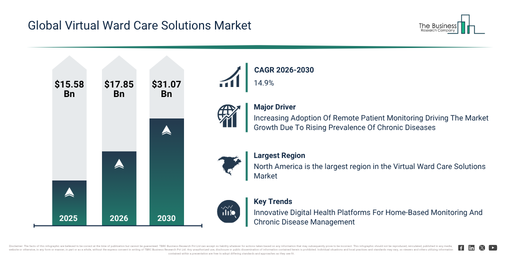
    The virtual ward care solutions market has seen rapid expansion in recent years. Its valuation is expected to rise from $15.58 billion in 2025 to $17.85 billion in 2026, achieving a compound annual growth rate (CAGR) of 14.6%. The historical expansion of this market is attributable to several factors, including the rising demand for home healthcare, technological advancements in telemedicine, increasing chronic disease prevalence, healthcare cost containment initiatives, and growing awareness of hospital-acquired infections.

    The virtual ward care solutions market is projected to experience substantial expansion in the coming years. This market is set to reach a valuation of $31.07 billion by 2030, exhibiting a compound annual growth rate (CAGR) of 14.9%. The anticipated growth during this period stems from factors such as the increasing deployment of AI-enabled monitoring solutions, the seamless incorporation of IoT health devices, governmental backing for virtual care initiatives, the growing uptake of cloud-based health platforms, and strategic investments in predictive patient care analytics. Furthermore, significant trends expected over the forecast horizon encompass the wider implementation of remote patient monitoring, enhanced integration of telehealth services, the increased use of wearable health devices, the application of predictive analytics to improve patient outcomes, and the automation of virtual care workflows.

    Access Your Free Sample Report For In-Depth Market Analysis:

    https://www.thebusinessresearchcompany.com/sample_request?id=86407270&type=smp&name=Virtual%20Ward%20Care%20Solutions%20Market%20Report%202026

    What Leading Drivers Are Supporting The Virtual Ward Care Solutions Market Expansion?

    The growing embrace of remote patient monitoring is anticipated to fuel the expansion of the virtual ward care solutions market in the coming period. Remote patient monitoring (RPM) involves leveraging digital tools and equipment to gather health information from patients outside conventional medical facilities, subsequently relaying this data to healthcare providers for continuous oversight and management. The surge in RPM adoption stems from a heightened demand for uninterrupted healthcare supervision, providing medical professionals with the ability to monitor patients’ well-being in real-time. Virtual ward care solutions facilitate remote patient monitoring by offering a unified platform that empowers healthcare providers to constantly monitor patients’ vital signs, symptoms, and adherence to treatment in real-time. This also allows for remote care coordination, ensuring prompt interventions and tailored management beyond conventional hospital environments. For example, data from August 2025 by the Office of Inspector General, an independent organization in the US, indicated a substantial increase in Medicare enrollees utilizing remote patient monitoring, reaching nearly 1 million in 2024. This figure marks a 27% rise when compared to 2023. Consequently, the heightened acceptance of remote patient monitoring is propelling the expansion of the virtual ward care solutions market.

    Which Segment Classifications Are Used In The Virtual Ward Care Solutions Market Segment Analysis?

    The virtual ward care solutions market covered in this report is segmented –

    1) By Component: Hardware, Software, Services

    2) By Patient Type: Chronic Disease Patients, Acute Care Patients, Elderly And Frail Patients

    3) By Care Type: Hospital-At-Home Care, Transitional Care, Preventive Care, Rehabilitation And Recovery Care, Palliative Care

    4) By Technology: Telehealth And Teleconsultation Technology, Remote Patient Monitoring, Wearable And Internet of Things (IoT) Health Technology, Artificial Intelligence And Predictive Analytics, Cloud-Based Solutions, Mobile Applications

    5) By End User: Hospitals And Health Systems, Home Healthcare Providers, Insurance Providers, Government And Public Health Organizations, Long-Term Care Facilities

    Subsegments:

    1) By Hardware: Patient Monitoring Devices, Wearable Health Sensors, Telecommunication Equipment, Tablet And Mobile Devices

    2) By Software: Remote Patient Monitoring Software, Electronic Health Record Integration Software, Care Coordination And Workflow Software, Analytics And Reporting Software

    3) By Services: Implementation And Integration Services, Training And Education Services, Maintenance And Support Services, Telehealth Consultation Services

    Which Trends Are Influencing Demand In The Virtual Ward Care Solutions Market?

    Leading companies within the virtual ward care solutions market are prioritizing the incorporation of advanced solutions, including digital health platforms, to bolster remote patient monitoring capabilities and elevate the provision of home-based care. These digital health platforms serve as software-driven systems designed to gather, scrutinize, and disseminate patient health information from a distance, thereby assisting healthcare practitioners in overseeing patient statuses instantly, facilitating prompt medical actions, and minimizing the necessity for direct hospital visits. As an illustration, in February 2023, Hull University Teaching Hospitals NHS Trust (HUTH), a hospital trust located in the UK, collaborated with Lenus Health, a UK-based digital health firm, to introduce the Lenus Virtual Ward and Remote Monitoring Services. This represents a sophisticated digital platform aimed at supporting patients beyond conventional hospital environments. This solution incorporates wearable sensors, mobile applications, and clinician-facing dashboards for ongoing monitoring of vital signs, identification of nascent warning indicators, and enabling swift clinical interventions. Furthermore, the platform’s features for disease management facilitate customized care pathways for chronic ailments like COPD and heart failure, integrating symptom surveillance, individualized treatment strategies, and automated care reminders to enhance patient results. Noteworthy functionalities encompass live data supervision, automated alerts for medical teams, secure integration with electronic health records, and improved patient involvement through educational materials and notifications.

    Which Firms Are Contributing To The Virtual Ward Care Solutions Market Ecosystem?

    Major companies operating in the virtual ward care solutions market are Medtronic plc, Siemens Healthineers AG, Koninklijke Philips N.V., GE HealthCare Technologies Inc., Masimo Corporation, HealthSnap Inc., Huma Therapeutics Limited, Telli Health LLC, Health Recovery Solutions Inc., Accuhealth Solutions Inc., Lark Technologies Inc., Optimize Health Inc., VitalTech Holdings Inc., BioIntelliSense Inc., CareSimple Inc., Doccla Ltd, Whzan Digital Health Ltd, Vitls Inc., Spirit Health Group Limited, HealthArc Inc., 100Plus Inc., Docobo Limited, Cadence Care Inc., and Docly Technologies AB.

    Get The Full Virtual Ward Care Solutions Market Report:

    https://www.thebusinessresearchcompany.com/report/virtual-ward-care-solutions-market-report

    Which Region Holds The Highest Market Share In The Virtual Ward Care Solutions Market?

    North America was the largest region in the virtual ward care solutions market in 2025. Asia-Pacific is expected to be the fastest-growing region in the forecast period. The regions covered in the virtual ward care solutions market report are Asia-Pacific, South East Asia, Western Europe, Eastern Europe, North America, South America, Middle East, Africa.

    Request A Customized Virtual Ward Care Solutions Market Report For Competitive Insights:

    https://www.thebusinessresearchcompany.com/Customise?id=86407270&name=Virtual%20Ward%20Care%20Solutions%20Market%20Report%202026&type=smp

    Browse Through More Reports Similar to the Global Virtual Ward Care Solutions Market 2026, By The Business Research Company

    pruritus therapeutic market report 2026

    https://www.thebusinessresearchcompany.com/report/pruritus-therapeutic-global-market-report

    genomic urine testing market report 2026

    https://www.thebusinessresearchcompany.com/report/genomic-urine-testing-global-market-report

    ocular genetic diagnostic market report 2026

    https://www.thebusinessresearchcompany.com/report/ocular-genetic-diagnostic-global-market-report

    Get in touch with us:

    The Business Research Company: https://www.thebusinessresearchcompany.com/

    Americas +1 310-496-7795

    Asia +44 7882 955267 & +91 8897263534

    Europe +44 7882 955267

    Email us at marketing@tbrc.info

    Follow us on:

    LinkedIn: https://in.linkedin.com/company/the-business-research-company

    YouTube: https://www.youtube.com/channel/UC24_fI0rV8cR5DxlCpgmyFQ

    Global Market Model: https://www.thebusinessresearchcompany.com/global-market-model
  • Virtual Sleep Clinics Market Analysis Through 2030 Presenting Long-Term Industry Opportunities

    Virtual Sleep Clinics Market Analysis Through 2030 Presenting Long-Term Industry Opportunities

    The Business Research Company’s 2026 market reports feature enhanced tools like market attractiveness analysis, TAM assessment, and company scoring matrices, along with interactive dashboards, deeper supply chain insights, and startup coverage strengthening the depth, usability, and strategic value of insights.

    How Is The Market Size Of The Virtual Sleep Clinics Market Expected To Change From 2026 To 2030?

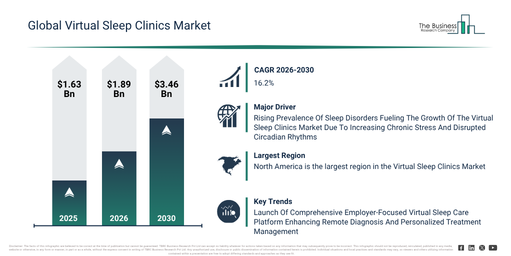
    The virtual sleep clinics market has experienced substantial expansion in recent years. Projections indicate a rise from $1.63 billion in 2025 to $1.89 billion in 2026, demonstrating a compound annual growth rate (CAGR) of 16.0%. This historical increase is linked to factors such as the increasing incidence of sleep disorders, restricted availability of traditional in-person sleep clinics, the wider embrace of telehealth solutions, a preference for patient convenience, and the proliferation of wearable sleep technology.

    The virtual sleep clinics market is projected to undergo significant expansion in the coming years, with its size forecast to reach $3.46 billion by 2030, exhibiting a compound annual growth rate (CAGR) of 16.2%. This growth during the forecast period is attributed to factors such as the expansion of virtual sleep clinics, the integration of AI-driven diagnostics, favorable regulatory support for telemedicine, increased investment in remote monitoring technologies, a rising awareness of sleep health, and the demand for personalized care. Key trends anticipated in this period include remote sleep disorder monitoring, the broadening of tele-consultations, wider adoption of home-based sleep testing, the provision of digital insomnia care services, and enhanced integrated care coordination.

    Access Your Free Sample Report For In-Depth Market Analysis:

    https://www.thebusinessresearchcompany.com/sample_request?id=51845600&type=smp&name=Virtual%20Sleep%20Clinics%20Market%20Report%202026

    Which Key Factors Are Driving The Virtual Sleep Clinics Market Growth?

    The expanding occurrence of sleep disorders is projected to fuel the advancement of the virtual sleep clinics market in the future. These disorders are health conditions impacting the quality, timing, or length of sleep, encompassing issues like insomnia, sleep apnea, circadian rhythm disruptions, and various other disturbances that hinder daily functioning. The escalating impact of sleep disorders stems from elements like ongoing stress linked to contemporary living, greater exposure to screens, inconsistent work patterns, and an aging populace, all contributing to disruptions in circadian rhythms and hormonal equilibrium. Virtual sleep clinics cater to this escalating need by broadening remote availability for diagnosis, tracking, and customized care, thereby allowing prompt action and ongoing oversight for an increasing number of patients. For example, as reported by SleepFoundation.org, a US-based non-profit organization dedicated to sleep health education, in July 2025, an estimated over 850 million adults globally suffered from insomnia, accounting for roughly 16.2% of the adult population, with severe instances affecting almost 415 million individuals. Consequently, the increasing occurrence of sleep disorders is stimulating the expansion of the virtual sleep clinics market.

    How Is The Virtual Sleep Clinics Market Organized By Segment Classification?

    The virtual sleep clinics market covered in this report is segmented –

    1) By Service Components: Tele-Consultation And Sleep Specialist Visits, Home Sleep Apnea Testing (HSAT) Programs, Remote Positive Airway Pressure Titration And Adherence Monitoring, Digital Insomnia Care Pathways (CBT-I Services), Care Coordination And Durable Medical Equipment (DME) Integration Services

    2) By Technology Platform: Integrated Virtual Clinic Platforms, Standalone Telehealth Solutions, Remote Monitoring Systems, Digital Therapeutic Applications

    3) By Clinical Indication: Obstructive Sleep Apnea (OSA), Insomnia, Circadian Rhythm Disorders, Restless Legs Syndrome, Other Clinical Indications

    4) By End User Or Channel: Direct-To-Patient Virtual Clinics, Hospital-Affiliated Virtual Programs, Payers Or Employers, Durable Medical Equipment (DME) Providers Or PAP Networks, Other End User Or Channels

    Subsegments:

    1) By Tele-Consultation And Sleep Specialist Visits: Real-Time Virtual Consultations With Sleep Medicine Specialists, Follow-Up Visits And Treatment Planning Via Telehealth, Second-Opinion Services

    2) By Home Sleep Apnea Testing (HSAT) Programs: Portable Diagnostic Devices For Sleep Apnea, Remote Data Transmission And Interpretation, Prescription And Setup Support

    3) By Remote Positive Airway Pressure Titration And Adherence Monitoring: Remote Pressure Adjustment For PAP Devices, Compliance Tracking And Reporting, Feedback Loops To Clinicians

    4) By Digital Insomnia Care Pathways (CBT-I Services): Online Cognitive Behavioral Therapy For Insomnia, Self-Guided Modules And Clinician Support, Outcome Tracking And Personalized Care Plans

    5) By Care Coordination And Durable Medical Equipment (DME) Integration Services: Centralized Care Navigation, Coordination Between Providers, Labs, Equipment Suppliers, Insurers, Integration Of Sleep Devices And Accessories

    What Emerging Trends Are Seen In The Virtual Sleep Clinics Market?

    Major companies operating in the virtual sleep clinics market are concentrating on technological advancements in sleep monitoring devices, including virtual sleep care solutions. These efforts aim to boost remote diagnostic accuracy, elevate patient engagement and treatment adherence, and provide personalized, data-driven sleep disorder management through integrated digital platforms. A virtual sleep care solution is defined as a digitally enabled healthcare platform that offers comprehensive diagnosis, treatment, monitoring, and management of sleep disorders remotely, leveraging telemedicine technologies, connected medical devices, and data analytics tools. For example, in September 2023, Neura Health, a US-based digital neurology company, launched a Comprehensive Virtual Sleep Care Solution designed for Employers. This solution delivers end-to-end sleep care facilitated by board-certified sleep specialists via telehealth, utilizing at-home sleep testing kits, personalized treatment plans, and ongoing virtual follow-ups. It integrates behavioral sleep therapy, prescription management, and care coordination within a unified digital platform, enabling employers to extend scalable sleep health benefits to their workforce. The service further harnesses data-driven insights to improve diagnosis accuracy and treatment adherence, concurrently lowering costs associated with traditional sleep labs.

    Who Are The Industry Participants Involved In The Virtual Sleep Clinics Market?

    Major companies operating in the virtual sleep clinics market are Kaiser Foundation Health Plan Inc., Koninklijke Philips N.V., ResMed Inc., Teladoc Health Inc., Sleep Number Corporation, Carbon Health Inc., Amwell Group Inc., Compumedics Limited, Big Health Inc., BetterNight Inc., Gem Sleep LLC, Fullpower Technologies Inc., Sleep Data Holdings LLC, Sleepio Ltd., Haleo Inc., TeleSleep Clinic LLC, Sliiip Holdings Inc., WakeWell LLC, Ognomy Inc., Oura Health Ltd.

    Get The Full Virtual Sleep Clinics Market Report:

    https://www.thebusinessresearchcompany.com/report/virtual-sleep-clinics-market-report

    Where Is The Virtual Sleep Clinics Market Most Concentrated Geographically?

    North America was the largest region in the virtual sleep clinic market in 2025. Asia-Pacific is expected to be the fastest-growing region in the forecast period. The regions covered in the virtual sleep clinics market report are Asia-Pacific, South East Asia, Western Europe, Eastern Europe, North America, South America, Middle East, Africa.

    Request A Customized Virtual Sleep Clinics Market Report For Competitive Insights:

    https://www.thebusinessresearchcompany.com/Customise?id=51845600&name=Virtual%20Sleep%20Clinics%20Market%20Report%202026&type=smp

    Browse Through More Reports Similar to the Global Virtual Sleep Clinics Market 2026, By The Business Research Company

    pruritus therapeutic market report 2026

    https://www.thebusinessresearchcompany.com/report/pruritus-therapeutic-global-market-report

    genomic urine testing market report 2026

    https://www.thebusinessresearchcompany.com/report/genomic-urine-testing-global-market-report

    ocular genetic diagnostic market report 2026

    https://www.thebusinessresearchcompany.com/report/ocular-genetic-diagnostic-global-market-report

    Get in touch with us:

    The Business Research Company: https://www.thebusinessresearchcompany.com/

    Americas +1 310-496-7795

    Asia +44 7882 955267 & +91 8897263534

    Europe +44 7882 955267

    Email us at marketing@tbrc.info

    Follow us on:

    LinkedIn: https://in.linkedin.com/company/the-business-research-company

    YouTube: https://www.youtube.com/channel/UC24_fI0rV8cR5DxlCpgmyFQ

    Global Market Model: https://www.thebusinessresearchcompany.com/global-market-model
  • Virtual Patient Avatars Market Forecast 2026–2030 Covering Innovation Trends And Competitive Insights

    Virtual Patient Avatars Market Forecast 2026–2030 Covering Innovation Trends And Competitive Insights

    The Business Research Company’s 2026 market reports feature enhanced tools like market attractiveness analysis, TAM assessment, and company scoring matrices, along with interactive dashboards, deeper supply chain insights, and startup coverage strengthening the depth, usability, and strategic value of insights.

    From Its 2026 Market Size, What Value Is The Virtual Patient Avatars Market Projected To Reach By 2030?

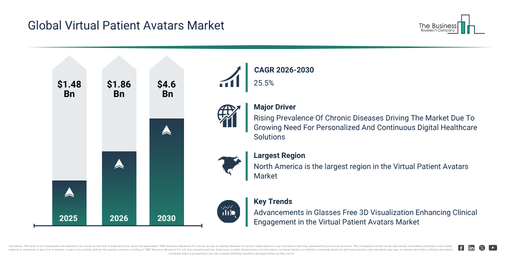
    The virtual patient avatars market has experienced substantial expansion in recent years. This market is set to grow from $1.48 billion in 2025 to $1.86 billion in 2026, demonstrating a compound annual growth rate (CAGR) of 25.3%. Historically, this growth can be attributed to the increasing adoption of simulation-based medical training, the integration of basic digital health records, a rising demand for personalized medicine, the growth of academic and research institutes, and the expansion of clinical trial activities.

    The virtual patient avatars market is set to experience significant expansion in the coming years, with its valuation expected to climb to $4.6 billion by 2030, demonstrating a compound annual growth rate (CAGR) of 25.5%. This projected growth throughout the forecast period stems from factors such as AI-driven predictive analytics, the integration of multi-omics data, cloud-based avatar deployment, the broadening of virtual therapy solutions, and the increasing adoption of immersive AR/VR platforms for medical training. Prominent trends anticipated in this period include real-time patient simulation, predictive disease modeling, personalized therapy planning, integration with electronic health records, and the development of virtual clinical trial platforms.

    Access Your Free Sample Report For In-Depth Market Analysis:

    https://www.thebusinessresearchcompany.com/sample_request?id=14228382&type=smp&name=Virtual%20Patient%20Avatars%20Market%20Report%202026

    What Primary Drivers Are Shaping The Virtual Patient Avatars Market?

    The expanding burden of chronic illnesses is anticipated to fuel the expansion of the virtual patient avatars market. Long-term conditions such as cardiovascular disorders, diabetes, cancer, and respiratory ailments necessitate continuous oversight, tailored treatment plans, and sustained patient participation, thereby increasing the demand for sophisticated digital healthcare solutions. The escalating occurrence and severity of chronic diseases are influenced by factors such as inactive lifestyles, an aging population, and poor dietary habits, which heighten the risk of obesity, diabetes, and cardiovascular disease. Virtual patient avatars offer clinicians and researchers the ability to model disease progression, customize therapies, and improve patient understanding and compliance, making them invaluable tools for managing intricate chronic conditions and aiding clinical decision-making. For instance, in June 2025, according to the Office for Health Improvement and Disparities (OHID), a UK-based government organization, emergency admissions for respiratory diseases in England increased between 2023 and 2024, with particularly sharp rises for chronic conditions such as COPD (9%) and adult asthma (17%). Consequently, the growing prevalence of chronic diseases is propelling the growth of the virtual patient avatars market.

    Which Segments Define The Virtual Patient Avatars Market Segment Structure?

    The virtual patient avatars market covered in this report is segmented –

    1) By Component: Software, Services

    2) By Technology: AI-Based, Virtual Reality Or Augmented Reality-Based, 3D Modeling, Other Technologies

    3) By Deployment Mode: Cloud-Based, On-Premise

    4) By Application: Medical Training, Patient Education, Therapy And Rehabilitation, Clinical Trials, Other Applications

    5) By End-User: Hospitals And Clinics, Academic And Research Institutes, Pharmaceutical And Biotechnology Companies, Other End-Users

    Subsegments:

    1) By Software: Anatomy Visualization Software, Simulation And Modeling Software, Analytics And Assessment Tools

    2) By Services: Installation And Integration, Training Services, Content Customization, Support And Maintenance

    Which Trends Are Guiding The Direction Of The Virtual Patient Avatars Market?

    Leading companies in the virtual patient avatars market are concentrating on developing advanced solutions, such as glasses-free 3D visualization, to improve clinical communication and patient understanding. This imaging approach converts standard CT and MRI scans into spatially accurate three-dimensional representations, allowing clinicians and patients to view anatomy together in real-time, thereby enhancing clarity and shared decision-making. As an illustration, in November 2025, Avatar Medical and Barco, a France-based medtech company, introduced Eonis Vision, which includes integrated 3D visualization software and an autostereoscopic medical display. This solution merges software and hardware to transform medical imaging into lifelike anatomical avatars within the examination room. It instantly converts imaging scans into interactive three-dimensional models without manual segmentation, enabling real-time rendering designed for clinical speed and accuracy. The system launches directly from the patient medical record and connects with existing imaging infrastructure, thus maintaining routine workflows. The display provides natural depth perception without requiring headsets or specialized goggles, fostering collaborative visualization and clearer consultation experiences.

    Who Are The Established Players Within The Virtual Patient Avatars Market?

    Major companies operating in the virtual patient avatars market are CAE Healthcare, Laerdal Medical, InSimu, Immersive Labz, Osso VR, BioDigital Inc., VirtaMed AG, Oxford Medical Simulation, Shadow Health (Elsevier), SimX Inc., Brahmarsive, Virtual Medical Coaching, SimforHealth, GIGXR Inc., Health Scholars, Body Interact, Medscape (WebMD), VirtaMed, 3D Systems (Simbionix), Patient Communication Simulations (PCS), MedVR Education.

    Get The Full Virtual Patient Avatars Market Report:

    https://www.thebusinessresearchcompany.com/report/virtual-patient-avatars-market-report

    Which Region Dominates The Virtual Patient Avatars Market By Market Share?

    North America was the largest region in the virtual patient avatars market in 2025. Asia-Pacific is expected to be the fastest-growing region in the forecast period. The regions covered in the virtual patient avatars market report are Asia-Pacific, South East Asia, Western Europe, Eastern Europe, North America, South America, Middle East, Africa.

    Request A Customized Virtual Patient Avatars Market Report For Competitive Insights:

    https://www.thebusinessresearchcompany.com/Customise?id=14228382&name=Virtual%20Patient%20Avatars%20Market%20Report%202026&type=smp

    Browse Through More Reports Similar to the Global Virtual Patient Avatars Market 2026, By The Business Research Company

    pruritus therapeutic market report 2026

    https://www.thebusinessresearchcompany.com/report/pruritus-therapeutic-global-market-report

    genomic urine testing market report 2026

    https://www.thebusinessresearchcompany.com/report/genomic-urine-testing-global-market-report

    ocular genetic diagnostic market report 2026

    https://www.thebusinessresearchcompany.com/report/ocular-genetic-diagnostic-global-market-report

    Get in touch with us:

    The Business Research Company: https://www.thebusinessresearchcompany.com/

    Americas +1 310-496-7795

    Asia +44 7882 955267 & +91 8897263534

    Europe +44 7882 955267

    Email us at marketing@tbrc.info

    Follow us on:

    LinkedIn: https://in.linkedin.com/company/the-business-research-company

    YouTube: https://www.youtube.com/channel/UC24_fI0rV8cR5DxlCpgmyFQ

    Global Market Model: https://www.thebusinessresearchcompany.com/global-market-model

  • Virtual Dissection Labs Market Outlook Through 2030 Featuring Market Trends And Industry Developments

    Virtual Dissection Labs Market Outlook Through 2030 Featuring Market Trends And Industry Developments

    The Business Research Company’s 2026 market reports feature enhanced tools like market attractiveness analysis, TAM assessment, and company scoring matrices, along with interactive dashboards, deeper supply chain insights, and startup coverage strengthening the depth, usability, and strategic value of insights.

    How Much Growth In Market Value Is Expected For The Virtual Dissection Labs Market Between 2026 And 2030?

    The virtual dissection labs market has experienced rapid expansion in recent years. It is projected to increase from $1.77 billion in 2025 to $2.15 billion in 2026, demonstrating a compound annual growth rate (CAGR) of 21.2%. This historical growth is attributed to factors such as the rising adoption of digital learning tools, an increasing demand for anatomy visualization, a shortage of physical cadavers, the growth in medical and veterinary education, and the integration of simulation software in curriculum.

    The virtual dissection labs market size is anticipated to experience substantial growth in the forthcoming years. This market is set to expand to $4.67 billion by 2030, exhibiting a compound annual growth rate (CAGR) of 21.5%. The projected increase throughout the forecast period can be attributed to several factors, including the expansion of cloud-based virtual labs, advancements in AI and AR/VR technologies, growing adoption in K-12 and higher education, a rising demand for personalized learning experiences, and increased investment in content customization and analytics. Noteworthy trends anticipated during this period include interactive 3D anatomical simulations, AR/VR-based collaborative learning, AI-powered assessment and analytics, cloud-based virtual dissection platforms, and customizable curriculum integration.

    Access Your Free Sample Report For In-Depth Market Analysis:

    https://www.thebusinessresearchcompany.com/sample_request?id=76204773&type=smp&name=Virtual%20Dissection%20Labs%20Market%20Report%202026

    Which Major Drivers Are Influencing The Expansion Of The Virtual Dissection Labs Market?

    The increasing pace of digital transformation is anticipated to propel the growth of the virtual dissection labs market going forward. Digital transformation involves the integration of advanced technologies like cloud computing, artificial intelligence, 3D visualization, and immersive learning platforms into traditional systems to enhance efficiency, accessibility, and data-driven decision-making. This transformation is driven by a rising demand for scalable, software-based solutions that enable faster deployment and remote access across various sectors, including education and healthcare. Virtual dissection labs support digital transformation by offering interactive, digital anatomy learning environments that reduce dependence on physical cadavers, improve accessibility, and integrate advanced visualization and analytics tools into medical education and training. For instance, in December 2023, according to Eurostat, a Luxemburg-based government agency, approximately 45.2% of European Union enterprises purchased cloud computing services in 2023, an increase of 12% from the previous year. Therefore, accelerating digital transformation is driving the growth of the virtual dissection labs market.

    How Is The Virtual Dissection Labs Market Segmented Across Different Segment Categories?

    The virtual dissection labs market covered in this report is segmented –

    1) By Component: Software, Hardware, Services

    2) By Deployment Mode: On-Premises, Cloud-Based

    3) By Application: Medical Education, Veterinary Education, Biological Research, K-12 Education, Other Applications

    4) By End-User: Academic Institutions, Research Centers, Hospitals And Clinics, Other End-Users

    Subsegments:

    1) By Software: Anatomy Visualization Software, Simulation And Modeling Software, Analytics And Assessment Tools

    2) By Hardware: Virtual Dissection Tables, VR/AR Devices, Interactive Displays, Tracking Sensors And Controllers

    3) By Services: Installation And Integration, Training Services, Content Customization, Support And Maintenance

    What Trends Are Affecting The Growth Of The Virtual Dissection Labs Market?

    Major companies operating in the virtual dissection labs market are increasingly focusing on developing advanced solutions such as immersive virtual reality-based anatomy learning platforms to enhance student engagement and interactive science education. Immersive virtual reality-based anatomy learning utilizes VR environments to enable students to explore and dissect digital specimens within a realistic three-dimensional space, thereby eliminating the need for physical materials while allowing for repeatable and self-paced practice. For instance, in April 2024, Xennial Digital, a US-based education technology company, launched the VR Dissection Lab, a virtual reality learning platform specifically designed for middle and high school biology programs. This solution empowers students to conduct dissections in a fully guided virtual environment that aligns with curriculum objectives and offers a safe and ethical alternative to traditional specimen use. The platform supports repeated exploration, interactive visualization of anatomical structures, and teacher-led instruction via an easy-to-implement classroom system, contributing to the broader adoption of virtual dissection labs in K–12 education while simultaneously reducing preparation time and material costs.

    Which Organizations Play A Role In The Virtual Dissection Labs Market Landscape?

    Major companies operating in the virtual dissection labs market are Pearson Education, Mentice AB, Froggipedia, Leap Motion, Eisco Scientific, zSpace, Synaptive Medical, Labster, Anatomage, Realityworks, BioDigital, Inovus Medical, Visible Body, 3D4Medical, Touch of Life Technologies (TolTech), VIVED Learning, Brahmarsive, Elsevier, Cyber-Anatomy, Medical Augmented Intelligence (MedAI), Immersive Labz, Primal Pictures, Pirogov Interactive Anatomy.

    Get The Full Virtual Dissection Labs Market Report:

    https://www.thebusinessresearchcompany.com/report/virtual-dissection-labs-market-report

    Which Region Is The Largest In The Virtual Dissection Labs Market?

    North America was the largest region in the virtual dissection Labs market in 2025. Asia-Pacific is expected to be the fastest-growing region in the forecast period. The regions covered in the virtual dissection labs market report are Asia-Pacific, South East Asia, Western Europe, Eastern Europe, North America, South America, Middle East, Africa.

    Request A Customized Virtual Dissection Labs Market Report For Competitive Insights:

    https://www.thebusinessresearchcompany.com/Customise?id=76204773&name=Virtual%20Dissection%20Labs%20Market%20Report%202026&type=smp

    Browse Through More Reports Similar to the Global Virtual Dissection Labs Market 2026, By The Business Research Company

    connected health personal medical devices market report 2026

    https://www.thebusinessresearchcompany.com/report/connected-health-personal-medical-devices-global-market-report

    contract sterilization market report 2026

    https://www.thebusinessresearchcompany.com/report/contract-sterilization-global-market-report

    orthotic insole 3-d printer market report 2026

    https://www.thebusinessresearchcompany.com/report/orthotic-insole-3-d-printer-global-market-report

    Get in touch with us:

    The Business Research Company: https://www.thebusinessresearchcompany.com/

    Americas +1 310-496-7795

    Asia +44 7882 955267 & +91 8897263534

    Europe +44 7882 955267

    Email us at marketing@tbrc.info

    Follow us on:

    LinkedIn: https://in.linkedin.com/company/the-business-research-company

    YouTube: https://www.youtube.com/channel/UC24_fI0rV8cR5DxlCpgmyFQ

    Global Market Model: https://www.thebusinessresearchcompany.com/global-market-model

  • Viral Genome Sequencing Market Forecast 2026–2030 Highlighting Industry Drivers And Growth Trends

    Viral Genome Sequencing Market Forecast 2026–2030 Highlighting Industry Drivers And Growth Trends

    The Business Research Company’s 2026 market reports feature enhanced tools like market attractiveness analysis, TAM assessment, and company scoring matrices, along with interactive dashboards, deeper supply chain insights, and startup coverage strengthening the depth, usability, and strategic value of insights.

    What Is The Estimated Market Size Of The Viral Genome Sequencing Market In 2026, And How Will Its Value Evolve By 2030?

    The viral genome sequencing market size has seen swift expansion in recent years. Forecasts indicate it will expand from $6.71 billion in 2025 to reach $7.72 billion by 2026, exhibiting a compound annual growth rate (CAGR) of 14.9%. Historically, this expansion has been driven by factors such as an increasing frequency of viral outbreaks, the widespread adoption of next-generation sequencing, the development of clinical diagnostics, financial backing from governments for research, and the need for epidemiological studies.

    The viral genome sequencing market size is anticipated to experience substantial expansion over the coming years. Its valuation is projected to reach $13.57 billion by 2030, exhibiting a compound annual growth rate (CAGR) of 15.1%. This growth throughout the forecast period stems from factors such as AI-driven genome analysis, the broadening of vaccine development initiatives, the uptake of portable sequencing technologies, their integration with predictive bioinformatics, and a heightened emphasis on real-time pathogen monitoring. Key developments expected during this period encompass high-throughput viral genome sequencing, the use of portable sequencing devices, integration with bioinformatics platforms, streamlined automated sample processing, and continuous real-time mutation tracking.

    Access Your Free Sample Report For In-Depth Market Analysis:

    https://www.thebusinessresearchcompany.com/sample_request?id=24703760&type=smp&name=Viral%20Genome%20Sequencing%20Market%20Report%202026

    What Key Drivers Are Fueling The Growth Of The Viral Genome Sequencing Market?

    The expanding occurrence of infectious diseases is projected to fuel the advancement of the viral genome sequencing market in the future. These diseases, stemming from pathogenic microorganisms, are seeing a continuous global increase, driven by factors like intensified international travel, urban expansion, and the swift transnational spread of pathogens. This escalating burden of illness has prompted governments and healthcare infrastructures to enhance their genomic surveillance and outbreak response capabilities. Viral genome sequencing is crucial in managing infectious diseases, facilitating the quick identification of viral strains, monitoring genetic changes, tracing transmission routes, and aiding focused public health strategies. As an illustration, in February 2026, data from the US-based government department, Centers for Disease Control and Prevention (CDC), indicated that in 2026, influenza led to roughly 290,000–450,000 hospitalizations and 34,000–53,000 deaths each year in the United States. Concurrently, RSV was responsible for an estimated 190,000–350,000 hospitalizations and 10,000–23,000 deaths. Consequently, the rising occurrence of infectious diseases is anticipated to spur the expansion of the viral genome sequencing market.

    What Are The Main Segments Within The Viral Genome Sequencing Market Segment Structure?

    The viral genome sequencing market covered in this report is segmented –

    1) By Sequencing Technology: Next-Generation Sequencing, Sanger Sequencing, Third-Generation Sequencing

    2) By Sample Type: Blood, Nasal Or Throat Swabs, Saliva, Other Sample Types

    3) By Application: Clinical Diagnostics, Research, Epidemiology, Vaccine Development, Other Applications

    4) By End-User: Hospitals And Clinics, Research Institutes, Pharmaceutical And Biotechnology Companies, Other End-Users

    Subsegments:

    1) By Next-Generation Sequencing: Sequencing By Synthesis, Ion Semiconductor Sequencing, Reversible Terminator Chemistry Sequencing, Targeted Amplicon Sequencing, Whole Genome Shotgun Sequencing

    2) By Sanger Sequencing: Capillary Electrophoresis Sequencing, Automated Fluorescent Chain Termination Sequencing, Dideoxy Chain Termination Sequencing, Low Throughput Mutation Verification Sequencing, Plasmid Insert Verification Sequencing

    3) By Third-Generation Sequencing: Single Molecule Real Time Sequencing, Nanopore Based Sequencing, Zero Mode Waveguide Sequencing, Long Read Direct Ribonucleic Acid Sequencing, Real Time Field Deployable Sequencing

    Which Trends Are Shaping The Viral Genome Sequencing Market?

    Leading companies in the viral genome sequencing market are prioritizing technological advancements in long-read sequencing, such as benchtop long-read sequencing platforms, to gain a competitive advantage. A benchtop long-read sequencing platform is an integrated laboratory system designed to generate highly accurate, extended nucleotide reads from viral genomes within a compact footprint, facilitating comprehensive structural variant detection, improved genome assembly, and faster turnaround for pathogen characterization. This strengthens surveillance capabilities, supports outbreak response, and enhances research precision, albeit requiring higher capital investment and advanced data analysis infrastructure at scale. For instance, in November 2024, Pacific Biosciences, a US-based biotechnology company, introduced the Revio benchtop HiFi sequencing platform. This platform delivers high-fidelity long reads, increased throughput compared with earlier systems, and a scalable configuration for clinical and research laboratories, improving viral mutation tracking and genome completeness in the viral genome sequencing market.

    Who Are The Companies Participating In The Viral Genome Sequencing Market?

    Major companies operating in the viral genome sequencing market are F. Hoffmann-La Roche Ltd., Thermo Fisher Scientific Inc., Agilent Technologies Inc., Illumina Inc., PerkinElmer Inc., Bio-Rad Laboratories Inc., QIAGEN N.V., Integrated DNA Technologies Inc., GenScript Biotech Corporation, Novogene Co. Ltd., Takara Bio Inc., Twist Bioscience Corporation, Oxford Nanopore Technologies Ltd., Pacific Biosciences of California Inc., Genewiz, Macrogen Inc., MedGenome Labs Ltd., Eurofins Scientific SE, CD Genomics, BGI Genomics Co. Ltd.

    Get The Full Viral Genome Sequencing Market Report:

    https://www.thebusinessresearchcompany.com/report/viral-genome-sequencing-market-report

    Which Region Leads The Viral Genome Sequencing Market In Terms Of Market Share?

    North America was the largest region in the viral genome sequencing market in 2025. Asia-Pacific is expected to be the fastest-growing region in the forecast period. The regions covered in the viral genome sequencing market report are Asia-Pacific, South East Asia, Western Europe, Eastern Europe, North America, South America, Middle East, Africa.

    Request A Customized Viral Genome Sequencing Market Report For Competitive Insights:

    https://www.thebusinessresearchcompany.com/Customise?id=24703760&name=Viral%20Genome%20Sequencing%20Market%20Report%202026&type=smp

    Browse Through More Reports Similar to the Global Viral Genome Sequencing Market 2026, By The Business Research Company

    pruritus therapeutic market report 2026

    https://www.thebusinessresearchcompany.com/report/pruritus-therapeutic-global-market-report

    genomic urine testing market report 2026

    https://www.thebusinessresearchcompany.com/report/genomic-urine-testing-global-market-report

    ocular genetic diagnostic market report 2026

    https://www.thebusinessresearchcompany.com/report/ocular-genetic-diagnostic-global-market-report

    Get in touch with us:

    The Business Research Company: https://www.thebusinessresearchcompany.com/

    Americas +1 310-496-7795

    Asia +44 7882 955267 & +91 8897263534

    Europe +44 7882 955267

    Email us at marketing@tbrc.info

    Follow us on:

    LinkedIn: https://in.linkedin.com/company/the-business-research-company

    YouTube: https://www.youtube.com/channel/UC24_fI0rV8cR5DxlCpgmyFQ

    Global Market Model: https://www.thebusinessresearchcompany.com/global-market-model

  • Urine Tumor Deoxyribonucleic Acid (DNA) Testing Market Forecast Highlighting Growth Toward $2.36 Billion By 2030

    Urine Tumor Deoxyribonucleic Acid (DNA) Testing Market Forecast Highlighting Growth Toward $2.36 Billion By 2030

    The Business Research Company’s 2026 market reports feature enhanced tools like market attractiveness analysis, TAM assessment, and company scoring matrices, along with interactive dashboards, deeper supply chain insights, and startup coverage strengthening the depth, usability, and strategic value of insights.

    How Much Will The Market Value Of The Urine Tumor Deoxyribonucleic Acid (DNA) Testing Market Grow Between 2026 And 2030?

    The urine tumor deoxyribonucleic acid (DNA) testing market size has experienced rapid expansion in recent years. This market is projected to expand from $1.18 billion in 2025 to reach $1.36 billion in 2026, exhibiting a compound annual growth rate (CAGR) of 14.6%. Historically, this growth can be attributed to factors including the increasing incidence of urinary cancers, the adoption of pcr-based urine testing, advancements in sequencing technologies, growing awareness of early cancer detection, and the expansion of hospital diagnostic facilities.

    The urine tumor deoxyribonucleic acid (DNA) testing market size is anticipated to experience significant expansion in the upcoming years. It is expected to reach $2.36 billion by 2030, demonstrating a compound annual growth rate (CAGR) of 14.9%. This projected growth in the forecast period stems from factors such as ai-driven urine dna analysis, development of multiplex and high-throughput assays, expansion of personalized medicine, integration with electronic health records, and the increasing demand for non-invasive monitoring solutions. Furthermore, major trends identified for the forecast period include non-invasive cancer monitoring, liquid biopsy advancements, ai-powered genetic analysis, high-sensitivity urine dna detection, and integration with clinical decision support systems.

    Access Your Free Sample Report For In-Depth Market Analysis:

    https://www.thebusinessresearchcompany.com/sample_request?id=55654252&type=smp&name=Urine%20Tumor%20Deoxyribonucleic%20Acid%20%28DNA%29%20Testing%20Market%20Report%202026

    What Key Factors Are Affecting The Urine Tumor Deoxyribonucleic Acid (DNA) Testing Market Demand?

    The rising occurrence of urological cancers is anticipated to fuel the expansion of the urine tumor deoxyribonucleic acid (DNA) testing market in the foreseeable future. These cancers impact the urinary system and male reproductive organs, such as the kidneys, bladder, prostate, and testes. Their frequency is primarily increasing due to aging demographics, given that the likelihood of developing cancer grows with age. Urine tumor DNA testing aids in managing urological cancers through its ability to non-invasively identify cancer-specific genetic mutations present in urine, thereby assisting with early detection, ongoing disease surveillance, and tailored treatment strategies. As an illustration, in December 2025, Cancer Australia, an Australian government department, reported an estimated 28,868 new prostate cancer diagnoses, which constituted approximately 30% of all new cancer cases identified in men. Consequently, the growing incidence of urological cancers is projected to propel the development of the urine tumor deoxyribonucleic acid (DNA) testing market.

    How Is Segmentation Applied In The Urine Tumor Deoxyribonucleic Acid (DNA) Testing Market Segment Analysis?

    The urine tumor deoxyribonucleic acid (DNA) testing market covered in this report is segmented –

    1) By Technology: Polymerase Chain Reaction-based, Next-Generation Sequencing, Other technologies

    2) By Product Type: Assay Kits, Instruments, Services

    3) By Cancer Type: Bladder Cancer, Prostate Cancer, Kidney Cancer, Other Cancer Types

    4) By Sample Type: First-Morning Urine, Random Urine Samples, Catheterized Urine Samples

    5) By End-User: Hospitals, Diagnostic Laboratories, Research Institutes, Other End-Users

    Subsegments:

    1) By Polymerase Chain Reaction Based: Real Time Polymerase Chain Reaction, Digital Polymerase Chain Reaction, Multiplex Polymerase Chain Reaction, Reverse Transcription Polymerase Chain Reaction

    2) By Next Generation Sequencing: Whole Genome Sequencing, Targeted Gene Sequencing, Exome Sequencing, Transcriptome Sequencing

    3) By Other Technologies: Microarray Based Testing, Hybridization Based Assays, Mass Spectrometry Based Analysis, Fluorescence In Situ Hybridization

    What Trends Are Influencing The Urine Tumor Deoxyribonucleic Acid (DNA) Testing Market?

    Leading companies active in the urine tumor deoxyribonucleic acid (DNA) testing market are increasingly dedicated to crafting advanced solutions, such as urine-based liquid biopsy platforms, to enable non-invasive cancer detection, improve diagnostic accuracy, and support personalized treatment planning. Urine-based liquid biopsy platforms are non-invasive diagnostic systems specifically designed to identify and analyze tumor-derived DNA and other biomarkers from urine samples for cancer detection, monitoring, and assessing disease progression. For instance, in September 2024, PreAnalytiX, a joint venture between QIAGEN, a Netherlands-based sample-to-insight provider, and Becton, Dickinson and Company, a US-based medical technology firm, introduced a novel urine-based liquid biopsy solution intended to facilitate high-quality DNA stabilization and extraction for subsequent molecular analyses. Developed to cater to both clinical and research applications, this platform offers standardized urine collection, efficient DNA preservation, and compatibility with next-generation sequencing workflows, thereby contributing to early cancer detection, accurate biomarker assessment, and enhanced patient management.

    Who Are The Companies Participating In The Urine Tumor Deoxyribonucleic Acid (DNA) Testing Market Environment?

    Major companies operating in the urine tumor deoxyribonucleic acid (DNA) testing market are Roche Diagnostics, Thermo Fisher Scientific Inc., Abbott Laboratories, Illumina Inc., QIAGEN N.V., Bio-Techne Corporation, NeoGenomics Laboratories Inc., Freenome Holdings Inc., MDxHealth SA, Biodesix Inc., Sysmex Inostics GmbH, Pacific Edge Limited, Apostle Inc., Lucence Diagnostics, Pangea Laboratory, Nucleix Ltd, Genomica Lab, Vesica Health, Biocept Inc., Promis Diagnostics Inc.

    Get The Full Urine Tumor Deoxyribonucleic Acid (DNA) Testing Market Report:

    https://www.thebusinessresearchcompany.com/report/urine-tumor-deoxyribonucleic-acid-dna-testing-market-report

    Which Region Is The Largest In The Urine Tumor Deoxyribonucleic Acid (DNA) Testing Market?

    North America was the largest region in the urine tumor deoxyribonucleic acid (DNA) market in 2025. Asia-Pacific is expected to be the fastest-growing region in the forecast period. The regions covered in the urine tumor deoxyribonucleic acid (DNA) testing market report are Asia-Pacific, South East Asia, Western Europe, Eastern Europe, North America, South America, Middle East, Africa.

    Request A Customized Urine Tumor Deoxyribonucleic Acid (DNA) Testing Market Report For Competitive Insights:

    https://www.thebusinessresearchcompany.com/Customise?id=55654252&name=Urine%20Tumor%20Deoxyribonucleic%20Acid%20%28DNA%29%20Testing%20Market%20Report%202026&type=smp

    Browse Through More Reports Similar to the Global Urine Tumor Deoxyribonucleic Acid (DNA) Testing Market 2026, By The Business Research Company

    pruritus therapeutic market report 2026

    https://www.thebusinessresearchcompany.com/report/pruritus-therapeutic-global-market-report

    genomic urine testing market report 2026

    https://www.thebusinessresearchcompany.com/report/genomic-urine-testing-global-market-report

    ocular genetic diagnostic market report 2026

    https://www.thebusinessresearchcompany.com/report/ocular-genetic-diagnostic-global-market-report

    Get in touch with us:

    The Business Research Company: https://www.thebusinessresearchcompany.com/

    Americas +1 310-496-7795

    Asia +44 7882 955267 & +91 8897263534

    Europe +44 7882 955267

    Email us at marketing@tbrc.info

    Follow us on:

    LinkedIn: https://in.linkedin.com/company/the-business-research-company

    YouTube: https://www.youtube.com/channel/UC24_fI0rV8cR5DxlCpgmyFQ

    Global Market Model: https://www.thebusinessresearchcompany.com/global-market-model
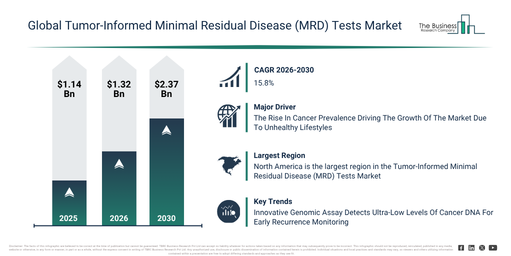
  • Tumor-Informed Minimal Residual Disease (MRD) Tests Market Anticipated To Reach $2.37 Billion By 2030 With 15.8% CAGR

    Tumor-Informed Minimal Residual Disease (MRD) Tests Market Anticipated To Reach $2.37 Billion By 2030 With 15.8% CAGR

    The Business Research Company’s 2026 market reports feature enhanced tools like market attractiveness analysis, TAM assessment, and company scoring matrices, along with interactive dashboards, deeper supply chain insights, and startup coverage strengthening the depth, usability, and strategic value of insights.

    What Changes In Market Value Are Expected For The Tumor-Informed Minimal Residual Disease (MRD) Tests Market Over The 2026–2030 Period?

    The market size for tumor-informed minimal residual disease (MRD) tests has expanded rapidly in recent years. This market is projected to grow from $1.14 billion in 2025 to $1.32 billion in 2026, exhibiting a compound annual growth rate (CAGR) of 15.6%. Historically, this expansion has been driven by factors such as an increase in cancer prevalence, advancements in genetic sequencing, the demand for post-treatment monitoring, regulatory approvals for molecular diagnostics, and the adoption of PCR and NGS technologies.

    The tumor-informed minimal residual disease (MRD) tests market is anticipated to experience substantial expansion in the coming years. This market is projected to reach $2.37 billion by 2030, exhibiting a robust compound annual growth rate (CAGR) of 15.8%. This projected growth is driven by factors such as the rise of personalized medicine, the application of AI-driven data analytics for MRD, increased oncology research, the creation of non-invasive diagnostic assays, and seamless integration with hospital IT systems. Key developments expected during this period involve personalized MRD monitoring, incorporating these tests into clinical decision support systems, the adoption of non-invasive sample analysis, enhanced high-sensitivity ctDNA detection, and advanced predictive disease recurrence modeling.

    Access Your Free Sample Report For In-Depth Market Analysis:

    https://www.thebusinessresearchcompany.com/sample_request?id=98797946&type=smp&name=Tumor-Informed%20Minimal%20Residual%20Disease%20%28MRD%29%20Tests%20Market%20Report%202026

    Which Primary Drivers Are Impacting The Tumor-Informed Minimal Residual Disease (MRD) Tests Market Growth?

    The increasing incidence of cancer is projected to drive the expansion of the tumor-informed minimal residual disease (MRD) tests market in the coming years. Cancer encompasses various conditions marked by the unrestrained proliferation and division of irregular cells, capable of infiltrating adjacent tissues and disseminating throughout the body. This rising occurrence of cancer stems from unhealthy lifestyle choices, such as inadequate nutrition, insufficient physical exercise, tobacco use, and excessive alcohol intake, all of which elevate the likelihood of developing diverse cancer types. Tumor-informed minimal residual disease (MRD) tests assist in managing cancer by identifying minute quantities of genetic material specific to cancer following treatment, thereby facilitating early detection of recurrence and informing tailored therapeutic strategies. For example, the World Health Organization, an international entity based in Switzerland focused on global health policy and public health endeavors, projected in February 2024 that more than 35 million new cancer cases will arise by 2050, representing a 77% surge from the approximately 20 million cases observed in 2022. Consequently, the escalating incidence of cancer is accelerating the expansion of the tumor-informed minimal residual disease (MRD) tests market.

    What Segment Categories Shape The Tumor-Informed Minimal Residual Disease (MRD) Tests Market Segment Landscape?

    The tumor-informed minimal residual disease (MRD) tests market covered in this report is segmented –

    1) By Technology: Next-Generation Sequencing, Polymerase Chain Reaction (PCR)-based, Other Technologies

    2) By Product Type: Assay Kits, Instruments, Software, Services

    3) By Sample Type: Peripheral Blood (Ctdna), Bone Marrow, Tissue Biopsy, Other Body Fluids

    4) By Application: Colorectal Cancer, Lung Cancer, Breast Cancer, Hematological Malignancies, Other Applications

    5) By End-User: Hospitals, Diagnostic Laboratories, Research Institutes, Other End-Users

    Subsegments:

    1) By Next-Generation Sequencing: Targeted Sequencing, Whole Genome Sequencing, Whole Exome Sequencing, Single Cell Sequencing, Other Sequencing Approaches

    2) By Polymerase Chain Reaction (PCR)-Based: Digital Polymerase Chain Reaction, Real Time Polymerase Chain Reaction, Multiplex Polymerase Chain Reaction, Other Polymerase Chain Reaction Methods

    3) By Other Technologies: Hybrid Capture Based, Bead Based Assays, Electrochemical Detection, Other Emerging Technologies

    What Market Trends Are Affecting The Tumor-Informed Minimal Residual Disease (MRD) Tests Market?

    Companies prominent in the tumor informed minimal residual disease (MRD) tests market are concentrating on creating advanced solutions, such as tissue informed whole genome sequencing (WGS) MRD assays. These are designed to identify extremely low concentrations of circulating tumor DNA, facilitating the early identification of cancer recurrence and effectiveness of treatment. A tissue-informed whole genome sequencing (WGS) MRD assay operates by using a patient’s tumor sample to pinpoint specific genetic alterations, subsequently monitoring the blood for these same mutations to identify minimal residual disease at minute levels. As an illustration, Foundation Medicine, Inc., a precision medicine firm based in the US, introduced its Tissue-informed WGS MRD test through the FlexOMx Lab in September 2025. This novel, tumor-informed whole-genome sequencing test for molecular residual disease is intended for research applications spanning early to late-stage cancers. It meticulously monitors hundreds to thousands of tumor-specific variants in circulating tumor DNA with significant accuracy, thereby enabling the precise detection of minimal residual disease even when tumor levels are very low, while simultaneously offering extensive genomic profiling to deepen comprehension of recurrence and resistance to treatment in clinical investigations.

    Who Are The Companies Operating Across The Tumor-Informed Minimal Residual Disease (MRD) Tests Market Value Chain?

    Major companies operating in the tumor-informed minimal residual disease (MRD) tests market are Roche Diagnostics International Ltd., Thermo Fisher Scientific Inc., Laboratory Corporation of America Holdings, ICON Public Limited Company, Illumina Inc., Bio-Rad Laboratories Inc., Exact Sciences Corporation, QIAGEN N.V., Integrated DNA Technologies Inc., Natera Inc., NeoGenomics Laboratories Inc., Veracyte Inc., Foundation Medicine Inc., Adaptive Biotechnologies Corporation, Genetron Holdings Limited, Burning Rock Biotech Co Ltd., Personalis Inc., Foresight Diagnostics Inc., Predicine Inc., Guardant Health Inc.

    Get The Full Tumor-Informed Minimal Residual Disease (MRD) Tests Market Report:

    https://www.thebusinessresearchcompany.com/report/tumor-informed-minimal-residual-disease-mrd-tests-market-report

    Which Region Leads The Tumor-Informed Minimal Residual Disease (MRD) Tests Market In Terms Of Market Share?

    North America was the largest region in the tumor-informed minimal residual disease (MRD) tests market in 2025. Asia-Pacific is expected to be the fastest-growing region in the forecast period. The regions covered in the tumor-informed minimal residual disease (MRD) tests market report are Asia-Pacific, South East Asia, Western Europe, Eastern Europe, North America, South America, Middle East, Africa.

    Request A Customized Tumor-Informed Minimal Residual Disease (MRD) Tests Market Report For Competitive Insights:

    https://www.thebusinessresearchcompany.com/Customise?id=98797946&name=Tumor-Informed%20Minimal%20Residual%20Disease%20%28MRD%29%20Tests%20Market%20Report%202026&type=smp

    Browse Through More Reports Similar to the Global Tumor-Informed Minimal Residual Disease (MRD) Tests Market 2026, By The Business Research Company

    pruritus therapeutic market report 2026

    https://www.thebusinessresearchcompany.com/report/pruritus-therapeutic-global-market-report

    genomic urine testing market report 2026

    https://www.thebusinessresearchcompany.com/report/genomic-urine-testing-global-market-report

    ocular genetic diagnostic market report 2026

    https://www.thebusinessresearchcompany.com/report/ocular-genetic-diagnostic-global-market-report

    Get in touch with us:

    The Business Research Company: https://www.thebusinessresearchcompany.com/

    Americas +1 310-496-7795

    Asia +44 7882 955267 & +91 8897263534

    Europe +44 7882 955267

    Email us at marketing@tbrc.info

    Follow us on:

    LinkedIn: https://in.linkedin.com/company/the-business-research-company

    YouTube: https://www.youtube.com/channel/UC24_fI0rV8cR5DxlCpgmyFQ

    Global Market Model: https://www.thebusinessresearchcompany.com/global-market-model