Month: May 2026

  • Anti-Snoring Treatment Market Size Forecast To Achieve $3.77 Billion By 2030 With 8.2% CAGR

    Anti-Snoring Treatment Market Size Forecast To Achieve $3.77 Billion By 2030 With 8.2% CAGR

    The Business Research Company’s 2026 market reports feature enhanced tools like market attractiveness analysis, TAM assessment, and company scoring matrices, along with interactive dashboards, deeper supply chain insights, and startup coverage strengthening the depth, usability, and strategic value of insights.

    What Is The Expected Market Size Of The Anti-Snoring Treatment Market In 2026 And How Much Will It Reach By 2030?

    The anti-snoring treatment market has witnessed substantial growth in recent years. It is anticipated to expand from $2.54 billion in 2025 to $2.76 billion in 2026, reflecting a compound annual growth rate (CAGR) of 8.5%. This historical growth can be attributed to the increasing prevalence of sleep-related breathing disorders, heightened consumer awareness of sleep health, the wider availability of over-the-counter snoring devices, the expansion of sleep clinics, and the growing adoption of oral appliance therapy.

    The anti-snoring treatment market is anticipated to experience robust expansion over the coming years. By 2030, its valuation is projected to reach $3.78 billion, exhibiting a compound annual growth rate (CAGR) of 8.2%. This growth during the forecast period can be attributed to several factors, including the increasing integration of digital sleep monitoring technologies, the rising adoption of personalized sleep therapy solutions, the expansion of online distribution channels, a growing focus on preventive sleep health management, and an increasing demand for minimally invasive snoring treatments. Key trends during this period are expected to encompass the increasing adoption of smart wearable anti-snoring devices, a rising demand for non-invasive treatment options, a growing preference for home-based snoring solutions, the expansion of personalized oral appliance therapies, and an enhanced focus on improving sleep quality.

    Download A Free Sample Report For Comprehensive Market Insights:

    https://www.thebusinessresearchcompany.com/sample.aspx?id=23310&type=smp

    Which Drivers Are Advancing The Anti-Snoring Treatment Market Growth?

    The increasing occurrence of sleep disorders is anticipated to stimulate the expansion of the anti-snoring treatment market in the coming years. These disorders are conditions that interfere with typical sleep cycles, impacting sleep quality, length, or schedule, thereby hindering everyday activities. The growing incidence of sleep problems is linked to heightened stress, which raises stress hormones in the body and disrupts the ability to initiate and maintain sleep. Anti-snoring remedies contribute to better sleep quality by minimizing breathing disruptions, thus easing conditions like sleep apnea and averting associated health complications. For example, data from November 2023, reported by the National Health Service, a UK-based government health statistics body, indicated a slight increase in young individuals aged 17 to 23 years experiencing sleep issues three or more times weekly, reaching 64.9% from 64.0% in 2022. Consequently, the increased occurrence of sleep disorders is fostering the expansion of the anti-snoring treatment market.

    How Is The Anti-Snoring Treatment Market Examined Through Segment Analysis?

    The anti-snoring treatment market covered in this report is segmented –

    1) By Device: Mandible Advancement Devices, Tongue Stabilizing Devices, Nasal Devices, Continuous Positive Airway Pressure Devices, Chin Straps, Other Devices

    2) By Distribution Channel: Hospital Pharmacies, Retail Pharmacies, Online, Other Distribution Channels

    3) By Application: Somnoplasty, Maxillo-Mandibular And Genioglossus Advancement Surgeries, Radiofrequency Ablation Surgery, Other Applications

    4) By End-User: Hospital And Clinics, Ambulatory Surgical Centers, Day Care Centers, Other End-Users

    Subsegments:

    1) By Mandible Advancement Devices: Custom-Fitted Mandibular Advancement Devices, Semi-Custom Mandibular Advancement Devices, Over-The-Counter Mandibular Advancement Devices

    2) By Tongue Stabilizing Devices: Standard Tongue Stabilizing Devices, Custom-Fitted Tongue Stabilizing Devices

    3) By Nasal Devices: Nasal Strips, Nasal Dilators (Internal & External), Nasal Sprays

    4) By Continuous Positive Airway Pressure (CPAP) Devices: Auto-Adjusting CPAP Devices, Fixed Pressure CPAP Devices, Bi-Level Positive Airway Pressure (BiPAP) Devices

    5) By Chin Straps: Adjustable Chin Straps, Non-Adjustable Chin Straps

    6) By Other Devices: Positional Therapy Devices, Smart Wearable Anti-Snoring Devices, Vestibular Shields

    Which Trends Are Affecting The Anti-Snoring Treatment Market Framework?

    Leading companies in the anti-snoring treatment market are concentrating on developing sophisticated solutions, including AIoT-enabled smart pillows and mattresses, to improve sleep quality, mitigate snoring, and decrease associated health risks. AIoT sleep technologies integrate artificial intelligence with the Internet of Things to monitor physiological metrics, analyze sleep patterns, and make real-time adjustments for optimal rest. For instance, in December 2023, The DeRUCCI Group, a China-based public company and sleep technology brand, introduced a smart anti-snore pillow featuring AI-driven monitoring and intervention. This pillow dynamically modifies head position for maximum effectiveness, provides app-based sleep tracking, and connects with other smart home devices for a customized sleep environment. It incorporates intelligent height adjustment to support neck curves and relieve fatigue, employs AI algorithms to track body shape, sleeping position, heart rate, and body temperature, and delivers comprehensive sleep reports and health warnings.

    Which Key Players Are Active In The Anti-Snoring Treatment Market?

    Major companies operating in the anti-snoring treatment market are GlaxoSmithKline plc, Medtronic plc, Koninklijke Philips N.V, Mitsui Chemicals Inc, ResMed, Fisher & Paykel Healthcare?, PANTHERA DENTAL, SomnoMed, ProSomnus Sleep Technologies, Airing Inc., Apnea Sciences Corporation, Hupnos, MEDiTAS Ltd, MPowrx Health & Wellness, Sleeping Well LLC, Smart Nora Inc., The Pure Sleep Company, The Snore Reliever Company LLC, Theravent Inc, Oscimed SA, Zzoma.

    Access The Complete Anti-Snoring Treatment Market Report:

    https://www.thebusinessresearchcompany.com/report/anti-snoring-treatment-global-market-report

    Which Area Represents The Largest Portion Of The Anti-Snoring Treatment Market?

    North America was the largest region in the anti-snoring treatment market in 2025. The regions covered in the anti-snoring treatment market report are Asia-Pacific, South East Asia, Western Europe, Eastern Europe, North America, South America, Middle East, Africa.

    Access Anti-Snoring Treatment Market Report for Deeper Competitive Insights

    https://www.thebusinessresearchcompany.com/customise?id=23310&type=smp

    Browse Through More Reports Similar to the Global Anti-Snoring Treatment Market 2026, By The Business Research Company

    Phospholipid Global Market Report 2026

    https://www.thebusinessresearchcompany.com/report/phospholipid-global-market-report

    Lipid Disorder Treatment Global Market Report 2026

    https://www.thebusinessresearchcompany.com/report/lipid-disorder-treatment-global-market-report

    Systemic Lupus Erythematosus Treatment Global Market Report 2026

    https://www.thebusinessresearchcompany.com/report/systemic-lupus-erythematosus-treatment-global-market-report

    Get in touch with us:

    The Business Research Company: https://www.thebusinessresearchcompany.com/

    Americas: +1 310-496-7795

    Asia: +44 7882 955267 & +91 8897263534

    Europe: +44 7882 955267

    Email us at: marketing@tbrc.info

    Follow us on:

    LinkedIn: https://in.linkedin.com/company/the-business-research-company

    YouTube: https://www.youtube.com/channel/UC24_fI0rV8cR5DxlCpgmyFQ

    Global Market Model: https://www.thebusinessresearchcompany.com/global-market-model
  • Antiphospholipid Syndrome Treatment Market Forecast Covering Industry Demand And Market Evolution

    Antiphospholipid Syndrome Treatment Market Forecast Covering Industry Demand And Market Evolution

    The Business Research Company’s 2026 market reports feature enhanced tools like market attractiveness analysis, TAM assessment, and company scoring matrices, along with interactive dashboards, deeper supply chain insights, and startup coverage strengthening the depth, usability, and strategic value of insights.

    What Market Size Is Forecasted For The Antiphospholipid Syndrome Treatment Market By 2030 Based On Its 2026 Value?

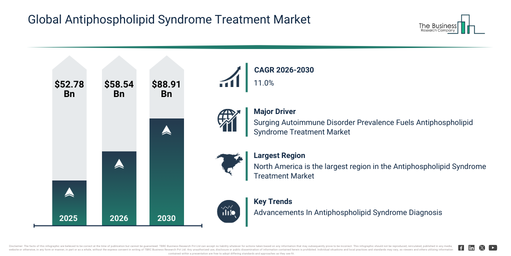
    The antiphospholipid syndrome treatment market has seen rapid growth in recent years. It is anticipated to expand from $52.78 billion in 2025 to $58.54 billion in 2026, exhibiting a compound annual growth rate (CAGR) of 10.9%. This historical growth can be linked to heightened clinical awareness of autoimmune disorders, the increased adoption of anticoagulant medications, enhanced availability of diagnostic antibody testing, the broadening of hospital-based treatment pathways, and a rising recognition of pregnancy-related complications.

    The antiphospholipid syndrome treatment market is projected for significant expansion in the coming years, with its size anticipated to reach $88.91 billion by 2030, showing a compound annual growth rate (CAGR) of 11.0%. This expected growth during the forecast period is influenced by several factors, such as heightened investments in precision medicine research, the progressive development of novel anticoagulant drugs, increased integration of digital patient monitoring tools, the proliferation of specialized autoimmune care facilities, and a stronger emphasis on managing thrombosis proactively. Throughout this period, major trends involve the wider acceptance of targeted anticoagulation therapies, an expanding reliance on personalized treatment protocols, a heightened focus on timely and accurate diagnosis, the broadening application of combination therapy strategies, and improved surveillance of long-term thrombotic dangers.

    Download A Free Sample Report For Comprehensive Market Insights:

    https://www.thebusinessresearchcompany.com/sample.aspx?id=13368&type=smp

    What Primary Factors Are Fueling The Expansion Of The Antiphospholipid Syndrome Treatment Market?

    The increasing prevalence of autoimmune disorders is anticipated to propel the growth of the antiphospholipid syndrome treatment market going forward. Autoimmune disorders are a category of medical conditions where the body’s immune system exhibits an abnormal response, mistakenly targeting and attacking its own tissues and cells. Antiphospholipid syndrome (APS), an autoimmune disease, can involve the digestive system, including conditions like irritable bowel syndrome (IBS), which is an autoimmune disorder impacting the intestinal tract. Antiphospholipid syndrome treatment is utilized for patients with inflammatory bowel diseases who are receiving anti-TNF drug therapy. For instance, in June 2023, according to Crohn’s and Colitis Canada, a Canada-based non-profit organization, an estimated 322,600 Canadians were living with inflammatory bowel diseases (IBD) in 2023, representing approximately 0.82% of the population. Forecasts suggest that by 2035, around 470,000 Canadians will be living with IBD, equating to about 1.1% of the population, or 1 in every 91 people in the country. Therefore, the rising prevalence of autoimmune disorders is a key factor driving the expansion of the antiphospholipid syndrome treatment market.

    Which Segment Groups Define The Antiphospholipid Syndrome Treatment Market Landscape?

    The antiphospholipid syndrome treatment market covered in this report is segmented –

    1) By Treatment Type: Medications, Preventative (Prophylaxis) Therapy, Other Treatment Types

    2) By Indication Type: Primary Antiphospholipid Syndrome, Secondary Antiphospholipid Syndrome, Catastrophic Antiphospholipid Syndrome

    3) By Route of Administration: Oral, Parental, Other Routes of Administration

    4) By End-Users: Hospitals, Homecare, Specialty Centers, Other End-Users

    Subsegments:

    1) By Medications: Anticoagulants, Antiplatelet Agents, Immunosuppressive Drugs

    2) By Preventative (Prophylaxis) Therapy: Anticoagulation Therapy, Aspirin Therapy

    3) By Other Treatment Types: Plasma Exchange, Intravenous Immunoglobulin (IVIG)

    What Trends Are Influencing The Antiphospholipid Syndrome Treatment Market?

    Leading companies in the car covers market are focused on creating novel products, such as immunoglobulin reagents, to improve the precision and dependability of diagnostic testing. Immunoglobulin reagents are laboratory instruments that contain antibodies, employed for identifying, measuring, or examining particular antigens in both diagnostic and research contexts. For instance, in February 2024, Werfen, a diagnostics specialist from Spain, received the CE mark for its Aptiva Antiphospholipid Syndrome (APS) Immunoglobulin G (IgG) and Immunoglobulin M (IgM) reagents. What distinguishes the Aptiva APS IgG and APS IgM reagents is their utilization of Aptiva particle-based multi-analyte technology (PMAT). This technology enables the semi-quantitative identification of anti-cardiolipin (aCL) and anti-beta 2 glycoprotein 1 (aß2GP1) IgG and IgM autoantibodies in human serum and citrated plasma, making them a significant tool for diagnosing primary and secondary antiphospholipid syndrome (APS), especially when combined with other laboratory results.

    Who Are The Leading Firms Participating In The Antiphospholipid Syndrome Treatment Market?

    Major companies operating in the antiphospholipid syndrome treatment market are Pfizer Inc., Johnson & Johnson, F. Hoffmann-La Roche Ltd., AbbVie Inc., Bayer AG, Novartis AG, Merck & Co., Bristol Myers Squibb, Abbott Laboratories, Sanofi S.A., GlaxoSmithKline PLC, Eli Lilly and Company, Cipla Ltd., Baxter International, Teva Pharmaceutical Industries Ltd., CSL Limited, Boehringer Ingelheim International GmbH, Fresenius Kabi, Aurobindo Pharma, Dr. Reddy’s Laboratories, Hikma Pharmaceutics plc, Aspen Pharmacare, Zydus Lifesciences Limited, Leo Pharma, Daiichi Sankyo Company

    Access The Complete Antiphospholipid Syndrome Treatment Market Report:

    https://www.thebusinessresearchcompany.com/report/antiphospholipid-syndrome-treatment-global-market-report

    Which Region Commands The Largest Share Of The Antiphospholipid Syndrome Treatment Market?

    North America was the largest region in the antiphospholipid syndrome treatment market in 2025. The regions covered in the antiphospholipid syndrome treatment market report are Asia-Pacific, South East Asia, Western Europe, Eastern Europe, North America, South America, Middle East, Africa.

    Access Antiphospholipid Syndrome Treatment Market Report for Deeper Competitive Insights

    https://www.thebusinessresearchcompany.com/customise?id=13368&type=smp

    Browse Through More Reports Similar to the Global Antiphospholipid Syndrome Treatment Market 2026, By The Business Research Company

    Diagnostic Specialty Antibodies Global Market Report 2026

    https://www.thebusinessresearchcompany.com/report/diagnostic-specialty-antibodies-global-market-report

    Typhoid Antibody Testing Global Market Report 2026

    https://www.thebusinessresearchcompany.com/report/typhoid-antibody-testing-global-market-report

    Polyclonal Antibodies Global Market Report 2026

    https://www.thebusinessresearchcompany.com/report/polyclonal-antibodies-global-market-report

    Get in touch with us:

    The Business Research Company: https://www.thebusinessresearchcompany.com/

    Americas: +1 310-496-7795

    Asia: +44 7882 955267 & +91 8897263534

    Europe: +44 7882 955267

    Email us at: marketing@tbrc.info

    Follow us on:

    LinkedIn: https://in.linkedin.com/company/the-business-research-company

    YouTube: https://www.youtube.com/channel/UC24_fI0rV8cR5DxlCpgmyFQ

    Global Market Model: https://www.thebusinessresearchcompany.com/global-market-model

  • Antinuclear Antibody Test Market Trends And Growth Outlook Across The 2026–2030 Forecast Period

    Antinuclear Antibody Test Market Trends And Growth Outlook Across The 2026–2030 Forecast Period

    The Business Research Company’s 2026 market reports feature enhanced tools like market attractiveness analysis, TAM assessment, and company scoring matrices, along with interactive dashboards, deeper supply chain insights, and startup coverage strengthening the depth, usability, and strategic value of insights.

    How Is The Market Value Of The Antinuclear Antibody Test Market Projected To Expand During 2026–2030?

    The antinuclear antibody test market has experienced swift expansion recently. This market is projected to grow from $1.73 billion in 2025 to $1.95 billion in 2026, exhibiting a compound annual growth rate (CAGR) of 12.5%. Historically, this growth can be attributed to the increasing prevalence of autoimmune disorders, the expansion of clinical laboratory testing services, physicians’ growing reliance on serological diagnostics, the availability of immunofluorescence assay technologies, and rising patient diagnostic testing volumes.

    The antinuclear antibody test market is poised for significant expansion in the coming years. It is projected to reach $3.09 billion by 2030, progressing at a compound annual growth rate (CAGR) of 12.2%. This growth over the forecast period is propelled by several factors, including the increasing integration of AI-assisted diagnostic interpretation, a rising need for point-of-care autoimmune testing, the expansion of integrated laboratory information systems, a heightened focus on personalized autoimmune diagnostics, and greater investments in advanced assay technologies. Concurrently, major trends expected during this period encompass the growing adoption of multiplex and automated ANA testing, an increasing demand for early autoimmune disease screening, the wider use of digital pathology and LIMS integration, the proliferation of high-throughput diagnostic platforms, and an enhanced emphasis on diagnostic accuracy and standardization.

    Download A Free Sample Report For Comprehensive Market Insights:

    https://www.thebusinessresearchcompany.com/sample.aspx?id=21101&type=smp

    Which Strategic Drivers Are Supporting The Antinuclear Antibody Test Market Development?

    The increasing implementation of personalized medicine is projected to drive the future expansion of the antinuclear antibody (ANA) test market. Personalized medicine involves customizing medical treatment and diagnostic choices based on an individual’s unique genetic, environmental, and lifestyle attributes, rather than using a standardized treatment approach. The growth in personalized medicine stems from the demand for more precise diagnostic instruments that facilitate patient classification, prompt detection of autoimmune diseases, and continuous monitoring of therapies. ANA tests are crucial in precision immunology, as they pinpoint autoimmune biomarkers vital for directing specific treatment strategies. For instance, in February 2024, according to the Personalized Medicine Coalition, 26 new personalized therapies were approved by the U.S. FDA in 2023, including 20 new molecular entities and 6 gene- or cell-based treatments. Consequently, the heightened emphasis on personalized medicine is fueling the growth of the antinuclear antibody test market.

    What Key Segment Areas Are Included In The Antinuclear Antibody Test Market Assessment?

    The antinuclear antibody test market covered in this report is segmented –

    1) By Product: Assay Kits, Reagent Kits, Software And Services

    2) By Technology: Immunofluorescence Assay, Multiplex Assay, ELISA

    3) By Application: Rheumatoid Arthritis, Systemic Lupus Erythematosus, Other Applications

    4) By End-User: Hospitals, Clinical, Physician Laboratories

    Subsegments:

    1) By Assay Kits: Enzyme-Linked Immunosorbent Assay (ELISA) Kits, Immunofluorescence Assay (IFA) Kits, Western Blot Assay Kits

    2) By Reagent Kits: Antigen Reagents, Conjugated Antibodies, Detection Reagents

    3) By Software And Services: Data Management Software, Laboratory Information Management Systems (LIMS), Technical Support And Consulting Services

    Which Trends Are Guiding The Development Of The Antinuclear Antibody Test Market?

    Leading companies in the antinuclear antibody test market are concentrating on developing advanced solutions, such as semi-automated image analysis, to boost diagnostic precision and optimize laboratory workflow. Semi-automated image analysis describes a technological characteristic in ANA testing that captures, categorizes, and pre-classifies patient samples based on fluorescence patterns, thereby helping to prioritize cases that need thorough review by a trained operator. For example, in June 2023, Immuno Concepts, a US-based provider of autoimmune diagnostic reagents and instrumentation, launched the Immuno Concepts IgG Anti-nDNA Fluorescent Test System for use with its Image Navigator semi-automated microscope. This system is designed to assist laboratory technicians with both qualitative and semi-quantitative detection of anti-double-stranded DNA (dsDNA) IgG antibodies in human serum. The system utilizes indirect immunofluorescence on a C. luciliae substrate and a fluorescein-conjugated anti-human IgG reagent. The Image Navigator captures images of each specimen, sorts them into “possible negative” and “possible positive” categories with over 97% precision, and presents them for final review, consequently enhancing reproducibility, reducing hands-on time, and ensuring standardized interpretation across laboratories.

    Which Companies Are Engaged In The Antinuclear Antibody Test Market Environment?

    Major companies operating in the antinuclear antibody test market are Hoffmann-La Roche Ltd., Thermo Fisher Scientific Inc., Abbott Laboratories, Becton Dickinson and Company, LabCorp, Quest Diagnostics Incorporated, Grifols SA, PerkinElmer Inc., Bio-Rad Laboratories Inc., Werfen SA, DiaSorin SpA, EUROIMMUN AG, Abcam plc, Trinity Biotech plc, Zeus Scientific Inc., ERBA Diagnostics Inc., Quidel Corporation, Antibodies Incorporated, Immuno Concepts Inc., Inova Diagnostics

    Access The Complete Antinuclear Antibody Test Market Report:

    https://www.thebusinessresearchcompany.com/report/antinuclear-antibody-test-global-market-report

    Which Region Accounts For The Highest Share Of The Antinuclear Antibody Test Market?

    North America was the largest region in the antinuclear antibody test market in 2025. Asia-Pacific is expected to be the fastest-growing region in the forecast period. The regions covered in the antinuclear antibody test market report are Asia-Pacific, South East Asia, Western Europe, Eastern Europe, North America, South America, Middle East, Africa.

    Access Antinuclear Antibody Test Market Report for Deeper Competitive Insights

    https://www.thebusinessresearchcompany.com/customise?id=21101&type=smp

    Browse Through More Reports Similar to the Global Antinuclear Antibody Test Market 2026, By The Business Research Company

    Giant Cell Arteritis Global Market Report 2026

    https://www.thebusinessresearchcompany.com/report/giant-cell-arteritis-global-market-report

    Monoclonal Antibodies Global Market Report 2026

    https://www.thebusinessresearchcompany.com/report/monoclonal-antibodies-global-market-report

    Monoclonal Antibodies Global Market Report 2026

    https://www.thebusinessresearchcompany.com/report/monoclonal-antibodies-global-market-report

    Get in touch with us:

    The Business Research Company: https://www.thebusinessresearchcompany.com/

    Americas: +1 310-496-7795

    Asia: +44 7882 955267 & +91 8897263534

    Europe: +44 7882 955267

    Email us at: marketing@tbrc.info

    Follow us on:

    LinkedIn: https://in.linkedin.com/company/the-business-research-company

    YouTube: https://www.youtube.com/channel/UC24_fI0rV8cR5DxlCpgmyFQ

    Global Market Model: https://www.thebusinessresearchcompany.com/global-market-model

  • Antineutrophil Cytoplasmic Antibody (ANCA) Associated Vasculitis Market Expansion Outlook Through 2030 With Revenue Growth Insights

    Antineutrophil Cytoplasmic Antibody (ANCA) Associated Vasculitis Market Expansion Outlook Through 2030 With Revenue Growth Insights

    The Business Research Company’s 2026 market reports feature enhanced tools like market attractiveness analysis, TAM assessment, and company scoring matrices, along with interactive dashboards, deeper supply chain insights, and startup coverage strengthening the depth, usability, and strategic value of insights.

    What Are The Forecasted Market Size Figures For The Antineutrophil Cytoplasmic Antibody (ANCA) Associated Vasculitis Market In 2026 And 2030?

    The market size for antineutrophil cytoplasmic antibody (anca) associated vasculitis has demonstrated substantial growth in recent times. This market is set to expand from $0.63 billion in 2025 to $0.68 billion in 2026, achieving a compound annual growth rate (CAGR) of 8.7%. The historical progression can be linked to enhancements in autoimmune disease diagnostics, a rise in the application of corticosteroids and immunosuppressants, the extension of nephrology and rheumatology care services, increasing clinical recognition of rare vasculitis disorders, and the presence of standardized treatment protocols.

    The market size for antineutrophil cytoplasmic antibody (anca) associated vasculitis is projected to experience robust expansion over the coming years, anticipated to reach $0.95 billion by 2030, exhibiting a compound annual growth rate (CAGR) of 8.6%. Key factors driving this growth during the projected period include the escalating development of targeted biologics, increased investments in rare disease research, the broadening of personalized treatment methods, a heightened emphasis on strategies to prevent relapse, and improved patient access to specialized care facilities. Significant trends observed during the forecast timeframe encompass the wider adoption of biologic therapies, a greater focus on achieving early and precise diagnosis, the increasing application of targeted immunosuppressive treatments, the expansion of multidisciplinary approaches to disease management, and a strengthened commitment to long-term disease monitoring.

    Download A Free Sample Report For Comprehensive Market Insights:

    https://www.thebusinessresearchcompany.com/sample.aspx?id=23309&type=smp

    What Major Growth Factors Are Impacting The Antineutrophil Cytoplasmic Antibody (ANCA) Associated Vasculitis Market?

    The ANCA-associated vasculitis market is anticipated to experience growth due to the increasing occurrence of autoimmune diseases. These conditions involve the immune system erroneously targeting healthy cells and tissues within the body, perceiving them as foreign threats such as bacteria or viruses. The heightened prevalence of autoimmune diseases can be attributed to environmental stimuli and lifestyle choices, where greater exposure to infections and pollutants plays a key role by disturbing immune system balance and initiating irregular immune responses. ANCA-associated vasculitis positively contributes to the progress of autoimmune disease research and treatment through fostering the creation of targeted immunosuppressive treatments, improving early diagnosis methods, and refining comprehensive disease management plans, which ultimately leads to improved patient results and a more profound insight into immune system control. As an illustration, in September 2023, data from the Impact of IBD Report 2023, issued by the Canada-based Inflammatory Bowel Disease (IBD) Clinical and Research Centre (an organization dedicated to enhancing the lives of individuals with Crohn’s disease and ulcerative colitis), showed that in 2023, the incidence of inflammatory bowel disease (IBD), an autoimmune condition, in Canada stood at 825 per 100,000 people, impacting more than 320,000 individuals. Anticipating an annual rise in prevalence of 2.44%, projections suggest that by 2035, approximately 470,000 Canadians, equivalent to 1.1% of the total population, will be living with IBD. Consequently, the growing prevalence of autoimmune diseases is set to propel the ANCA-associated vasculitis market.

    How Is Segment Classification Applied In The Antineutrophil Cytoplasmic Antibody (ANCA) Associated Vasculitis Market?

    The antineutrophil cytoplasmic antibody (anca) associated vasculitis market covered in this report is segmented –

    1) By Type: Granulomatosis With Polyangiitis (GPA Or Wegener’s), Microscopic Polyangiitis (MPA), Eosinophilic Granulomatosis With Polyangiitis (EGPA Or Churg-Strauss), Other Types

    2) By Treatment: Immunosuppressants, Corticosteroids, Biologics, Other Treatments

    3) By Diagnosis: Blood Tests, Biopsy, Imaging, Other Diagnosis

    Subsegments:

    1) By Granulomatosis With Polyangiitis (GPA or Wegener’s): Limited Granulomatosis With Polyangiitis, Severe Granulomatosis With Polyangiitis, Refractory Granulomatosis With Polyangiitis

    2) By Microscopic Polyangiitis (MPA): Renal Microscopic Polyangiitis, Pulmonary Microscopic Polyangiitis, Neurological Microscopic Polyangiitis

    3) By Eosinophilic Granulomatosis With Polyangiitis (EGPA or Churg-Strauss): Cardiac Eosinophilic Granulomatosis With Polyangiitis, Pulmonary Eosinophilic Granulomatosis With Polyangiitis, Neurological Eosinophilic Granulomatosis With Polyangiitis

    4) By Other Types: Drug-Induced ANCA-Associated Vasculitis, Infection-Related ANCA-Associated Vasculitis, Overlap Syndrome ANCA-Associated Vasculitis

    What Trends Are Influencing The Future Of The Antineutrophil Cytoplasmic Antibody (ANCA) Associated Vasculitis Market?

    Major companies in the ANCA-associated vasculitis market are concentrating on creating innovative solutions, such as targeted therapies, to offer a new treatment option for patients grappling with this rare and serious disease. Targeted therapy for ANCA-associated vasculitis involves utilizing specialized biologic agents to selectively inhibit immune system components responsible for inflammation and vascular damage, thereby reducing disease progression and minimizing treatment-related toxicity. For instance, in February 2023, Vifor Fresenius Medical Care Renal Pharma (VFMCRP), a pharmaceutical company based in Switzerland, announced the approval of Tavneos (avacopan) by the Therapeutic Goods Administration (TGA), an Australia-based government regulatory agency, for the treatment of anti-neutrophil cytoplasmic autoantibody (ANCA)-associated vasculitis (AAV), when combined with a rituximab or cyclophosphamide-based regimen. This approval signifies a substantial advancement as Tavneos represents the first targeted therapy designed specifically for granulomatosis with polyangiitis (GPA) and microscopic polyangiitis (MPA), which are the two primary forms of ANCA-associated vasculitis. By selectively inhibiting the complement C5a receptor (C5aR1), the therapy aids in controlling inflammation and disease progression while decreasing dependence on high-dose glucocorticoids (steroids), which are known for severe long-term side effects.

    Who Are The Prominent Players Across The Antineutrophil Cytoplasmic Antibody (ANCA) Associated Vasculitis Market?

    Major companies operating in the antineutrophil cytoplasmic antibody (anca) associated vasculitis market are ChemoCentryx Inc, Amgen Inc, AstraZeneca Plc, GlaxoSmithKline plc, Novartis AG, Bristol-Myers Squibb Company, Travere Therapeutics Inc, F. Hoffmann-La Roche AG, Pfizer Inc, Sanofi SA, Eli Lilly and Company, Takeda Pharmaceutical Company Limited, AbbVie Inc, UCB S.A., Bayer AG, Janssen Pharmaceuticals NV, Sobi AB, Alentis Therapeutics AG, InflaRx NV, NS Pharma Inc, Staidson Biopharmaceuticals Co Ltd, Genentech Inc, Regeneron Pharmaceuticals Inc, Mylan NV, Teva Pharmaceutical Industries Ltd, Biogen Inc, CSL Limited, Moderna Inc, Vertex Pharmaceuticals Inc.

    Access The Complete Antineutrophil Cytoplasmic Antibody (ANCA) Associated Vasculitis Market Report:

    https://www.thebusinessresearchcompany.com/report/antineutrophil-cytoplasmic-antibody-anca-associated-vasculitis-global-market-report

    Which Region Is The Primary Market For The Antineutrophil Cytoplasmic Antibody (ANCA) Associated Vasculitis Market?

    North America was the largest region in the antineutrophil cytoplasmic antibody (ANCA) associated vasculitis market in 2025. Asia-Pacific is expected to be the fastest-growing region in the forecast period. The regions covered in the antineutrophil cytoplasmic antibody (anca) associated vasculitis market report are Asia-Pacific, South East Asia, Western Europe, Eastern Europe, North America, South America, Middle East, Africa.

    Access Antineutrophil Cytoplasmic Antibody (ANCA) Associated Vasculitis Market Report for Deeper Competitive Insights

    https://www.thebusinessresearchcompany.com/customise?id=23309&type=smp

    Browse Through More Reports Similar to the Global Antineutrophil Cytoplasmic Antibody (ANCA) Associated Vasculitis Market 2026, By The Business Research Company

    Veterinary Antimicrobial Susceptibility Testing Global Market Report 2026

    https://www.thebusinessresearchcompany.com/report/veterinary-antimicrobial-susceptibility-testing-global-market-report

    Gastrointestinal Pathogen Testing Global Market Report 2026

    https://www.thebusinessresearchcompany.com/report/gastrointestinal-pathogen-testing-global-market-report

    Infectious Disease Diagnostics Testing Global Market Report 2026

    https://www.thebusinessresearchcompany.com/report/infectious-disease-diagnostics-testing-global-market-report

    Get in touch with us:

    The Business Research Company: https://www.thebusinessresearchcompany.com/

    Americas: +1 310-496-7795

    Asia: +44 7882 955267 & +91 8897263534

    Europe: +44 7882 955267

    Email us at: marketing@tbrc.info

    Follow us on:

    LinkedIn: https://in.linkedin.com/company/the-business-research-company

    YouTube: https://www.youtube.com/channel/UC24_fI0rV8cR5DxlCpgmyFQ

    Global Market Model: https://www.thebusinessresearchcompany.com/global-market-model
  • Antimicrobial Susceptibility Testing Market Industry Analysis Covering Trends, Drivers, And Future Outlook

    Antimicrobial Susceptibility Testing Market Industry Analysis Covering Trends, Drivers, And Future Outlook

    The Business Research Company’s 2026 market reports feature enhanced tools like market attractiveness analysis, TAM assessment, and company scoring matrices, along with interactive dashboards, deeper supply chain insights, and startup coverage strengthening the depth, usability, and strategic value of insights.

    How Much Larger Will The Antimicrobial Susceptibility Testing Market Become By 2030 Compared To 2026?

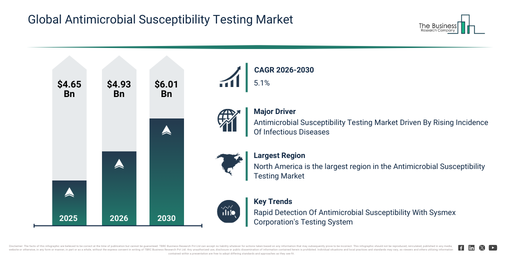
    The antimicrobial susceptibility testing market has shown robust expansion in recent years. Its value is anticipated to rise from $4.65 billion in 2025 to $4.93 billion in 2026, progressing at a compound annual growth rate (CAGR) of 6.0%. This growth observed in the past can be ascribed to an increasing prevalence of infectious diseases, growing recognition of antimicrobial resistance, the development of clinical microbiology laboratories, higher volumes of hospital diagnostic testing, and the availability of standardized AST protocols.

    The antimicrobial susceptibility testing market is anticipated to experience significant expansion over the coming years. This market is projected to reach $6.01 billion by 2030, demonstrating a compound annual growth rate (CAGR) of 5.1%. The projected growth during this period stems from factors such as increased investments in rapid diagnostic technologies, the rising acceptance of AI-assisted laboratory analysis, the expansion of antimicrobial resistance surveillance programs, a growing need for point-of-care AST solutions, and an intensified focus on precision antimicrobial therapy. Key trends expected during the forecast period encompass a greater adoption of automated AST systems, an escalating demand for rapid diagnostic testing, the increasing integration of molecular and phenotypic methods, an expansion of laboratory automation solutions, and a heightened emphasis on antimicrobial resistance monitoring.

    Download A Free Sample Report For Comprehensive Market Insights:

    https://www.thebusinessresearchcompany.com/sample.aspx?id=4026&type=smp

    What Market Drivers Are Helping Shape The Antimicrobial Susceptibility Testing Market Expansion?

    The rising global occurrence of infectious diseases has contributed to the expansion of the antimicrobial susceptibility testing market. These illnesses are caused by organisms like bacteria, viruses, fungi, and parasites. Diseases stemming from bacteria include bacterial pneumonia and tuberculosis, while viral diseases encompass smallpox and AIDS, among others. For instance, in March 2024, data from the Centers for Disease Control and Prevention, a US-based national public health agency, indicated that in 2023, among 9,573 TB cases where birth origin was known, 7,259 (76%) occurred in non-U.S.–born persons. This represented an 18% increase compared with the 6,177 such cases reported in 2022. Consequently, the increasing incidence of infectious diseases is driving the growth of the antimicrobial susceptibility testing market.

    What Are The Core Segment Classifications In The Antimicrobial Susceptibility Testing Market?

    The antimicrobial susceptibility testing market covered in this report is segmented –

    1) By Testing Type: Antibacterial Testing, Antifungal Testing, Antiparasitic Testing, Other Testing Types

    2) By Product: Manual Antimicrobial Susceptibility Testing Products, Automated Laboratory Instruments, Consumables

    3) By Application: Diagnostics, Drug Discovery and Development, Epidemiology, Other Applications

    4) By End User: Hospitals And Diagnostic Centers, Pharmaceutical And Biotechnology Companies, Research And Academic Institutes, Clinical Research Organizations (CROs)

    Subsegments:

    1) By Antibacterial Testing: Disk Diffusion Method, Broth Dilution Method, E-Test Method, Automated Systems

    2) By Antifungal Testing: Broth Dilution Method, Agar Disk Diffusion Method, E-Test Method, Colorimetric Methods

    3) By Antiparasitic Testing: In vitro Susceptibility Testing, Microscopic Examination, Molecular Methods

    4) By Other Testing Types: Mycobacterial Susceptibility Testing, Biofilm Susceptibility Testing, Combination Antimicrobial Testing

    Which Trends Are Contributing To Changes In The Antimicrobial Susceptibility Testing Market?

    Leading companies within the antimicrobial susceptibility testing market are creating advanced solutions, including the groundbreaking First POC Testing System. This First POC Testing System identifies the existence of bacteria and evaluates how well antimicrobials work by analyzing urine samples from individuals suspected of having urinary tract infections (UTIs). This represents a major advancement in AST technologies, facilitating quicker commencement of specific antimicrobial treatment for infected patients. As an example, in June 2023, Sysmex Corporation, a Japanese manufacturer of reagents and clinical testing equipment, encompassing hematologic and immune tests, introduced a new system designed for quick antimicrobial susceptibility detection. Utilizing its exclusive and proprietary microfluidic technology, the system provides antimicrobial susceptibility testing (AST) outcomes in as brief as 30 minutes from the measurement’s beginning, which is a considerable decrease from the multiple days traditionally needed for conventional AST.

    Which Companies Form The Competitive Landscape Of The Antimicrobial Susceptibility Testing Market?

    Major companies operating in the antimicrobial susceptibility testing market are BioMérieux SA, Becton Dickinson and Company, Thermo Fisher Scientific Inc., Danaher Corporation, Bio-Rad Laboratories Inc., Accelerate Diagnostics Inc., Alifax Holding S.p.A., Synbiosis Ltd., Mast Group Ltd., ELITechGroup, Genefluidics Inc., QuantaMatrix Inc., Bruker Corporation, Eurofins Scientific SE, Liofilchem s.r.l., Hardy Diagnostics, Bioanalyse GmbH, Lab M Limited, Microbiologics Inc., Quidel Corporation, R-Biopharm AG, SSI Diagnostica A/S

    Access The Complete Antimicrobial Susceptibility Testing Market Report:

    https://www.thebusinessresearchcompany.com/report/antimicrobial-susceptibility-testing-global-market-report

    Which Geographic Region Represents The Largest Antimicrobial Susceptibility Testing Market Share?

    North America was the largest region in the antimicrobial susceptibility testing market in 2025. Asia-Pacific is expected to be the fastest growing region in the forecast period. The regions covered in the antimicrobial susceptibility testing market report are Asia-Pacific, South East Asia, Western Europe, Eastern Europe, North America, South America, Middle East, Africa.

    Access Antimicrobial Susceptibility Testing Market Report for Deeper Competitive Insights

    https://www.thebusinessresearchcompany.com/customise?id=4026&type=smp

    Browse Through More Reports Similar to the Global Antimicrobial Susceptibility Testing Market 2026, By The Business Research Company

    Antimicrobial Medical Device Coatings Global Market Report 2026

    https://www.thebusinessresearchcompany.com/report/antimicrobial-medical-device-coatings-global-market-report

    Multidrug Resistant Bacteria Global Market Report 2026

    https://www.thebusinessresearchcompany.com/report/multidrug-resistant-bacteria-global-market-report

    Genotyping Assay Global Market Report 2026

    https://www.thebusinessresearchcompany.com/report/genotyping-assay-global-market-report

    Get in touch with us:

    The Business Research Company: https://www.thebusinessresearchcompany.com/

    Americas: +1 310-496-7795

    Asia: +44 7882 955267 & +91 8897263534

    Europe: +44 7882 955267

    Email us at: marketing@tbrc.info

    Follow us on:

    LinkedIn: https://in.linkedin.com/company/the-business-research-company

    YouTube: https://www.youtube.com/channel/UC24_fI0rV8cR5DxlCpgmyFQ

    Global Market Model: https://www.thebusinessresearchcompany.com/global-market-model

  • Antimicrobial Resistance (AMR) Genotyping Panels Market Forecast Assessing Growth Potential And Industry Direction

    Antimicrobial Resistance (AMR) Genotyping Panels Market Forecast Assessing Growth Potential And Industry Direction

    The Business Research Company’s 2026 market reports feature enhanced tools like market attractiveness analysis, TAM assessment, and company scoring matrices, along with interactive dashboards, deeper supply chain insights, and startup coverage strengthening the depth, usability, and strategic value of insights.

    What Growth In Market Value Is Anticipated For The Antimicrobial Resistance (AMR) Genotyping Panels Market Between 2026 And 2030?

    The antimicrobial resistance (AMR) genotyping panels market has experienced rapid expansion in recent years. This market is forecasted to expand from $1.45 billion in 2025 to $1.66 billion in 2026, reflecting a compound annual growth rate (CAGR) of 14.4%. Historically, this growth can be attributed to several factors including the increasing prevalence of antimicrobial resistance, a rise in hospital-acquired infections, the enhancement of molecular diagnostic capabilities, greater awareness of resistance monitoring, and the introduction of advanced genotyping technologies.

    The antimicrobial resistance (amr) genotyping panels market size is projected to undergo substantial expansion in the upcoming years. It is expected to reach $2.81 billion in 2030, demonstrating a compound annual growth rate (CAGR) of 14.1%. This projected growth throughout the forecast period stems from escalating investments in infectious disease diagnostics, an increasing need for rapid point-of-care testing, the broadening scope of genomic epidemiology programs, the progressive integration of amr data analytics, and an intensified regulatory emphasis on resistance surveillance. Significant developments anticipated during the forecast period involve a greater uptake of multiplex resistance detection panels, the expanding application of rapid molecular diagnostics, the increasing incorporation of genomic surveillance tools, the growth of hospital-based amr testing services, and an enhanced concentration on the timely identification of resistance.

    Download A Free Sample Report For Comprehensive Market Insights:

    https://www.thebusinessresearchcompany.com/sample.aspx?id=30196&type=smp

    Which Significant Factors Are Encouraging Growth In The Antimicrobial Resistance (AMR) Genotyping Panels Market?

    The escalating occurrence of antimicrobial-resistant infections is projected to stimulate the growth of the antimicrobial resistance (AMR) genotyping panels market in the foreseeable future. Antimicrobial-resistant infections are characterized as illnesses caused by microorganisms such as bacteria, viruses, fungi, or parasites that have evolved to withstand the effects of standard antimicrobial drugs, making them more difficult to treat. Key contributors to the increase in antimicrobial resistance include the overuse and misuse of antibiotics. These habits have quickened the development of resistant pathogens, thereby increasing the demand for AMR genotyping panels capable of rapidly identifying resistance genes and guiding specific antimicrobial treatment. For instance, according to the Centers for Disease Control and Prevention (CDC), over 2.8 million antimicrobial-resistant infections are reported annually in the US. Thus, the growing prevalence of antimicrobial-resistant infections is propelling the expansion of the antimicrobial resistance (AMR) genotyping panels market.

    How Is The Antimicrobial Resistance (AMR) Genotyping Panels Market Structured Across Different Market Segments?

    The antimicrobial resistance (amr) genotyping panels market covered in this report is segmented –

    1) By Product Type: Custom Panels, Pre-Designed Panels

    2) By Technology: Polymerase Chain Reaction (PCR)-Based, Microarray-Based, Next-Generation Sequencing (NSG)-Based, Other Technologies

    3) By Application: Clinical Diagnostics, Research, Drug Development, Other Applications

    4) By End-User: Hospitals And Clinics, Research Institutes, Pharmaceutical And Biotechnology Companies, Other End-users

    Subsegments:

    1) By Custom Panels: Pathogen-Specific Panels, Resistance Gene-Focused Panels, Multiplex Detection Panels, Targeted Mutation Panels, Research Application Panels

    2) By Pre-Designed Panels: Standardized Diagnostic Panels, Broad-Spectrum Resistance Panels, Disease-Specific Panels, Commercially Validated Panels, Ready-To-Use Screening Panels

    What Trends Are Shaping The Antimicrobial Resistance (AMR) Genotyping Panels Market Structure?

    Leading companies active in the antimicrobial resistance (AMR) genotyping panels market are prioritizing the creation of advanced solutions, including multiplex PCR-based research assays, to enable the concurrent detection of numerous pathogens and antibiotic resistance genes in a single test. This approach enhances research productivity and facilitates quicker identification of emerging resistance patterns. Multiplex PCR-based research assays are defined as molecular tests designed to amplify and discern multiple genetic targets simultaneously for identifying pathogens and antibiotic resistance genes within a singular reaction. An illustrative example is the September 2025 introduction by Molecular Designs, a US-based company specializing in molecular diagnostics and research assays, of its Urogenital Microbiota with ABX 53 Simplicity Panel. This panel functions as a multiplex PCR-based research assay aimed at identifying urinary pathogens and antibiotic resistance genes within a singular test. It allows for the concurrent discovery of 28 urogenital and urinary microbial targets (comprising 20 bacterial, 7 fungal, and 1 protozoan strains) alongside 25 antibiotic-resistance gene markers. The product provides a same-day turnaround and is offered in both 96-well and 384-well plate configurations, with the 96-well option incorporating breakaway panels to minimize material waste.

    Who Are The Key Market Participants In The Antimicrobial Resistance (AMR) Genotyping Panels Market?

    Major companies operating in the antimicrobial resistance (amr) genotyping panels market are Thermo Fisher Scientific Inc., F Hoffmann La Roche Ltd., Abbott Laboratories, Illumina Inc., bioMérieux SA., Bruker Corporation, QIAGEN NV., Cepheid Inc., Integrated DNA Technologies Inc., Seegene Inc., Oxford Nanopore Technologies plc., Streck Inc., MedGenome Inc., Vela Diagnostics Pte. Ltd., Agena Bioscience Inc., CD Genomics Inc., Curetis GmbH, T2 Biosystems Inc., 3B BlackBio Biotech India Ltd., Genefirst Ltd., OpGen Inc.

    Access The Complete Antimicrobial Resistance (AMR) Genotyping Panels Market Report:

    https://www.thebusinessresearchcompany.com/report/global-antimicrobial-resistance-amr-genotyping-panels-market-report

    Which Region Leads The Antimicrobial Resistance (AMR) Genotyping Panels Market By Size?

    North America was the largest region in the antimicrobial resistance (AMR) genotyping panels market in 2025. Asia-Pacific is expected to be the fastest-growing region in the forecast period. The regions covered in the antimicrobial resistance (amr) genotyping panels market report are Asia-Pacific, South East Asia, Western Europe, Eastern Europe, North America, South America, Middle East, Africa.

    Access Antimicrobial Resistance (AMR) Genotyping Panels Market Report for Deeper Competitive Insights

    https://www.thebusinessresearchcompany.com/customise?id=30196&type=smp

    Browse Through More Reports Similar to the Global Antimicrobial Resistance (AMR) Genotyping Panels Market 2026, By The Business Research Company

    Biomaterial Wound Dressing Global Market Report 2026

    https://www.thebusinessresearchcompany.com/report/biomaterial-wound-dressing-global-market-report

    Preoperative Infection Prevention And Wound Cleansing Devices Global Market Report 2026

    https://www.thebusinessresearchcompany.com/report/preoperative-infection-prevention-and-wound-cleansing-devices-global-market-report

    Topical Wound Agents Global Market Report 2026

    https://www.thebusinessresearchcompany.com/report/topical-wound-agents-global-market-report

    Get in touch with us:

    The Business Research Company: https://www.thebusinessresearchcompany.com/

    Americas: +1 310-496-7795

    Asia: +44 7882 955267 & +91 8897263534

    Europe: +44 7882 955267

    Email us at: marketing@tbrc.info

    Follow us on:

    LinkedIn: https://in.linkedin.com/company/the-business-research-company

    YouTube: https://www.youtube.com/channel/UC24_fI0rV8cR5DxlCpgmyFQ

    Global Market Model: https://www.thebusinessresearchcompany.com/global-market-model

  • Antimicrobial Regenerative Wound Matrix Market Expected To Witness Revenue Growth Toward $5.68 Billion By 2030

    Antimicrobial Regenerative Wound Matrix Market Expected To Witness Revenue Growth Toward $5.68 Billion By 2030

    The Business Research Company’s 2026 market reports feature enhanced tools like market attractiveness analysis, TAM assessment, and company scoring matrices, along with interactive dashboards, deeper supply chain insights, and startup coverage strengthening the depth, usability, and strategic value of insights.

    What Is The Expected Market Value Outlook For The Antimicrobial Regenerative Wound Matrix Market Through 2030?

    The antimicrobial regenerative wound matrix market has experienced significant growth in recent years. This market is expected to expand from $4.03 billion in 2025 to $4.32 billion in 2026, registering a compound annual growth rate (CAGR) of 7.4%. The historical market expansion is largely due to factors such as the increasing prevalence of chronic wounds, a rising incidence of diabetes-related ulcers, the expansion of surgical procedures, growing awareness regarding advanced wound care solutions, and the availability of antimicrobial biomaterials.

    The market size for antimicrobial regenerative wound matrices is anticipated to demonstrate significant expansion in the coming years. This sector is projected to reach $5.68 billion by 2030, achieving a compound annual growth rate (CAGR) of 7.1%. The expected growth during the forecast period is attributable to an expanding aging population, a heightened demand for sophisticated wound management, the proliferation of home healthcare services, a stronger emphasis on reducing hospital-acquired infections, and continuous innovation in regenerative biomaterials. Prominent trends throughout this period include an increased embrace of advanced wound care biomaterials, a growing need for healing solutions resistant to infection, broader application of bioactive regenerative matrices, an increase in chronic wound treatment applications, and a magnified focus on accelerating tissue regeneration.

    Download A Free Sample Report For Comprehensive Market Insights:

    https://www.thebusinessresearchcompany.com/sample.aspx?id=30195&type=smp

    What Core Drivers Are Transforming The Antimicrobial Regenerative Wound Matrix Market?

    The escalating occurrence of chronic wounds is anticipated to drive the expansion of the antimicrobial regenerative wound matrix market in the coming period. Chronic wounds are defined as injuries that fail to progress through typical healing phases within an expected timeframe, generally persisting for over 4 to 6 weeks, frequently due to underlying health issues such as diabetes, infections, or poor circulation. The increasing prevalence of these wounds is attributable to the rising rates of diabetes, obesity, and vascular diseases, alongside a growing elderly population, all of which compromise natural healing mechanisms and result in a greater number of slow-healing or non-healing wounds that require sophisticated wound care interventions. Antimicrobial regenerative wound matrices are designed to foster tissue regeneration while simultaneously preventing infection, thereby accelerating recovery in chronic, non-healing wounds. For example, in June 2024, United Behavioral Health, a US-based managed healthcare entity, documented that roughly 7 million Americans suffered from chronic wounds, and projected that demand for wound care would grow by approximately 2% annually over the next decade, fueled by the rising prevalence of diabetes, obesity, and an aging demographic. Hence, the increasing prevalence of chronic wounds is a primary catalyst for the growth of the antimicrobial regenerative wound matrix market.

    Which Segment-Based Categories Are Covered In The Antimicrobial Regenerative Wound Matrix Market?

    The antimicrobial regenerative wound matrix market covered in this report is segmented –

    1) By Product Type: Antimicrobial Matrix, Regenerative Matrix

    2) By Wound Type: Acute, Chronic

    3) By Material: Collagen-Based Matrix, Chitosan-Based Matrix, Hyaluronic Acid-Based Matrix

    4) By Application: Diabetic Foot Ulcers, Pressure Ulcers, Venous Leg Ulcers, Burns

    5) By End User: Hospitals, Clinics, Ambulatory Surgical Centers, Home Healthcare

    Subsegments:

    1) By Antimicrobial Matrix: Silver-Ion Impregnated Matrices, Iodine-Based Matrices, PHMB (Polyhexamethylene Biguanide)-Based Matrices, Honey-Infused Matrices, Chitosan-Based Matrices, Antibiotic-Loaded Polymer Matrices, Enzyme Or Peptide-Based Antimicrobial Matrices

    2) By Regenerative Matrix: Collagen-Based Matrices, Hydrogel Matrices, Hyaluronic Acid-Based Matrices, Human Or Animal-Derived Dermal Substitutes, Synthetic Polymer (Bioresorbable) Matrices, Amniotic Membrane-Derived Matrices, Composite (Hybrid) Regenerative Matrices

    Which Trends Are Supporting The Evolution Of The Antimicrobial Regenerative Wound Matrix Market?

    Leading companies in the antimicrobial regenerative wound matrix market are increasingly incorporating antimicrobial agents, such as silver-ion–impregnated bioresorbable polymer matrices, to meet the rising demand for accelerated healing, reduced infection risks, and lower hospitalization expenses in the management of chronic and surgical wounds. A silver-ion–impregnated bioresorbable polymer matrix functions as a wound-healing scaffold, crafted from biodegradable polymers infused with silver ions, designed to support tissue regeneration while delivering continuous antimicrobial protection as it gradually absorbs into the body. For example, in August 2025, Imbed Biosciences Inc., a US-based medical device firm specializing in advanced wound care, introduced SAM PainGuard with Lidocaine, a dual-action wound matrix. This matrix is composed of a bioresorbable polymer scaffold imbued with ionic silver for antimicrobial defense and lidocaine HCl for rapid pain alleviation. The matrix adapts to wound microtextures, ensures a sustained microbial reduction of =99.99% for up to 72 hours, and provides immediate analgesia. Having received FDA 510(k)-clearance for use in surgical, burn, donor-site, and trauma wounds, this product represents a significant advance over traditional antimicrobial dressings and standard collagen matrices.

    Which Organizations Are Operating Within The Antimicrobial Regenerative Wound Matrix Market?

    Major companies operating in the antimicrobial regenerative wound matrix market are Cardinal Health Inc., Medline Industries Inc., 3M Company, Essity AB, DSM Biomedical, Baxter International Inc., B. Braun Melsungen AG, Mölnlycke Health Care AB, ConvaTec Group plc, MTF Biologics, Organogenesis Inc., DeRoyal Industries Inc., MiMedx Group Inc., AdMedSol, Avita Medical, Aroa Biosurgery Ltd., Harbor Medtech Inc., Omeza LLC, ProgenaCare Global, RenovoDerm.

    Access The Complete Antimicrobial Regenerative Wound Matrix Market Report:

    https://www.thebusinessresearchcompany.com/report/global-antimicrobial-regenerative-wound-matrix-market-report

    Which Region Has The Strongest Presence In The Antimicrobial Regenerative Wound Matrix Market?

    North America was the largest region in the antimicrobial regenerative wound matrix market in 2025. Asia-Pacific is expected to be the fastest-growing region in the forecast period. The regions covered in the antimicrobial regenerative wound matrix market report are Asia-Pacific, South East Asia, Western Europe, Eastern Europe, North America, South America, Middle East, Africa.

    Access Antimicrobial Regenerative Wound Matrix Market Report for Deeper Competitive Insights

    https://www.thebusinessresearchcompany.com/customise?id=30195&type=smp

    Browse Through More Reports Similar to the Global Antimicrobial Regenerative Wound Matrix Market 2026, By The Business Research Company

    Antidiabetics Global Market Report 2026

    https://www.thebusinessresearchcompany.com/report/antidiabetics-global-market-report

    Antidiabetics Global Market Report 2026

    https://www.thebusinessresearchcompany.com/report/antidiabetics-global-market-report

    Biobetters Global Market Report 2026

    https://www.thebusinessresearchcompany.com/report/biobetters-global-market-report

    Get in touch with us:

    The Business Research Company: https://www.thebusinessresearchcompany.com/

    Americas: +1 310-496-7795

    Asia: +44 7882 955267 & +91 8897263534

    Europe: +44 7882 955267

    Email us at: marketing@tbrc.info

    Follow us on:

    LinkedIn: https://in.linkedin.com/company/the-business-research-company

    YouTube: https://www.youtube.com/channel/UC24_fI0rV8cR5DxlCpgmyFQ

    Global Market Model: https://www.thebusinessresearchcompany.com/global-market-model
  • Antidiabetics Market Industry Outlook 2026–2030 Highlighting Growth Momentum And Market Trends

    Antidiabetics Market Industry Outlook 2026–2030 Highlighting Growth Momentum And Market Trends

    The Business Research Company’s 2026 market reports feature enhanced tools like market attractiveness analysis, TAM assessment, and company scoring matrices, along with interactive dashboards, deeper supply chain insights, and startup coverage strengthening the depth, usability, and strategic value of insights.

    How Will The Market Value Of The Antidiabetics Market Increase Between 2026 And 2030?

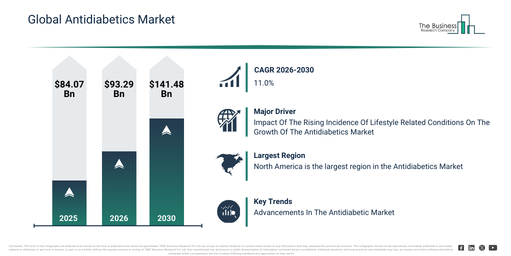
    The antidiabetics market has experienced rapid expansion in recent years. Its size is projected to increase from $84.07 billion in 2025 to $93.29 billion in 2026, demonstrating a compound annual growth rate (CAGR) of 11.0%. This historical growth is linked to factors such as the increasing global prevalence of diabetes, enhanced availability of insulin treatments, the broadening range of oral antidiabetic drugs, better disease recognition and diagnosis, and expanded healthcare accessibility.

    The antidiabetics market is projected for substantial expansion in the coming years. Its valuation is forecast to reach $141.48 billion by 2030, exhibiting a compound annual growth rate (CAGR) of 11.0%. This projected growth is driven by factors such as the increasing uptake of advanced diabetes medications, a heightened emphasis on long-acting and once-weekly treatment regimens, the broader integration of digital tools for diabetes management, rising investments in metabolic disorder research, and an escalating need for patient-focused treatment approaches. Key developments anticipated during this period encompass the wider utilization of GLP-1 and SGLT2 therapies, an increasing preference for combination drug protocols, a surging demand for individualized diabetes care, the expanded application of oral antidiabetic drugs, and a strengthened focus on associated cardiovascular and weight management advantages.

    Download A Free Sample Report For Comprehensive Market Insights:

    https://www.thebusinessresearchcompany.com/sample.aspx?id=18225&type=smp

    Which Growth Factors Are Strengthening The Antidiabetics Market Landscape?

    The growing occurrence of lifestyle-related conditions is anticipated to propel the antidiabetics market’s expansion going forward. Such conditions are health issues that arise from or are made worse by behaviors like an unhealthy diet, insufficient exercise, smoking, and excessive alcohol intake. The prevalence of lifestyle-related conditions is on the rise, primarily due to poor eating habits, a sedentary lifestyle, and elevated stress levels. Antidiabetic medications are effective in managing related conditions such as obesity and metabolic syndrome by enhancing insulin sensitivity and controlling blood sugar levels. For instance, in August 2024, according to Statistics Canada, a Canada-based government agency, in July 2024, Canadian manufacturers produced 1.2 billion cigarettes, marking a 4.3% increase from June 2024 and a 2.3% rise compared to July 2023. Therefore, the increasing incidence of lifestyle-related conditions is driving the antidiabetic market.

    What Are The Major Segment Categories Within The Antidiabetics Market?

    The antidiabetics market covered in this report is segmented –

    1) By Drug Class: Insulin, GLP-1 Receptor Agonists, DPP- 4 Inhibitors, SGLT2 Inhibitors, Other Drug Classes

    2) By Diabetes Type: Type 1, Type 2

    3) By Patient Population: Antidiabetics For Pediatrics, Antidiabetics For Adults, Antidiabetics For Geriatrics

    4) By Route Of Administration: Antidiabetics Administration Through Insulin Syringes Or Insulin Pens, Antidiabetics Administration Through Insulin Pumps, Intravenous Antidiabetics Infusion, Oral Antidiabetics Administration, Other Routes Of Antidiabetics Administration

    5) By Distribution Channel: Online Pharmacies, Hospital Pharmacies, Retail Pharmacies

    Subsegments:

    1) By Insulin: Rapid-Acting Insulin, Short-Acting Insulin, Intermediate-Acting Insulin, Long-Acting Insulin, Premixed Insulin

    2) By GLP-1 Receptor Agonists: Exenatide, Liraglutide, Dulaglutide, Semaglutide, Lixisenatide

    3) By DPP-4 Inhibitors: Sitagliptin, Saxagliptin, Linagliptin, Alogliptin

    4) By SGLT2 Inhibitors: Canagliflozin, Dapagliflozin, Empagliflozin, Ertugliflozin

    5) By Other Drug Classes: Sulfonylureas, Thiazolidinediones (TZDs), Alpha-Glucosidase Inhibitors, Meglitinides, GLP-1/Insulin Combination Therapy

    What Trends Are Affecting The Growth Of The Antidiabetics Market?

    Leading firms within the antidiabetics sector are introducing sophisticated offerings, including anti-diabetic biosimilars, with the aim of enhancing glycemic management, mitigating cardiovascular risks, and providing superior therapeutic alternatives for those with diabetes. An anti-diabetic biosimilar constitutes a biologically similar medicine to an existing approved reference drug for diabetes treatment, delivering equivalent safety, efficacy, and quality. As an illustration, in January 2024, the India-based pharmaceutical entity, Glenmark Pharmaceuticals Limited, unveiled the inaugural biosimilar version of Liraglutide, an anti-diabetic medication. This Liraglutide anti-diabetic biosimilar, marketed as Lirafit, is designed to enhance glycemic control for adults diagnosed with type 2 diabetes mellitus. Clinical investigations have demonstrated its capability to decrease glycemic indicators, facilitate weight reduction, and bolster cardiovascular protection. Functioning as a GLP-1 receptor agonist, it stimulates glucose-dependent insulin release and curtails excessive glucagon secretion. Its approval for the management of type 2 diabetes in adults extends worldwide.

    Who Are The Businesses Driving Activity In The Antidiabetics Market?

    Major companies operating in the antidiabetics market are Pfizer Inc., Johnson & Johnson, Merck & Co. Inc., Sanofi S.A., Bristol-Myers Squibb Company, AstraZeneca plc, Abbott Laboratories, Novartis AG, Takeda Pharmaceutical Company Limited, GSK plc, Eli Lilly and Company, Boehringer Ingelheim International GmbH, Novo Nordisk A/S, Teva Pharmaceutical Industries Ltd., Astellas Pharma Inc., Sun Pharmaceutical Industries Limited, Cipla Limited, Dr. Reddy’s Laboratories, Lupin Limited, Torrent Pharmaceuticals Ltd, Biocon Limited, Glenmark Pharmaceuticals Ltd.

    Access The Complete Antidiabetics Market Report:

    https://www.thebusinessresearchcompany.com/report/antidiabetics-global-market-report

    Which Region Stands As The Largest Contributor To The Antidiabetics Market?

    North America was the largest region in the antidiabetics market in 2025. The regions covered in the antidiabetics market report are Asia-Pacific, South East Asia, Western Europe, Eastern Europe, North America, South America, Middle East, Africa.

    Access Antidiabetics Market Report for Deeper Competitive Insights

    https://www.thebusinessresearchcompany.com/customise?id=18225&type=smp

    Browse Through More Reports Similar to the Global Antidiabetics Market 2026, By The Business Research Company

    Diagnostic Specialty Antibodies Global Market Report 2026

    https://www.thebusinessresearchcompany.com/report/diagnostic-specialty-antibodies-global-market-report

    Research Antibodie And Reagent Global Market Report 2026

    https://www.thebusinessresearchcompany.com/report/research-antibodie-and-reagent-global-market-report

    Neuroscience Antibodies And Assays Global Market Report 2026

    https://www.thebusinessresearchcompany.com/report/neuroscience-antibodies-and-assays-global-market-report

    Get in touch with us:

    The Business Research Company: https://www.thebusinessresearchcompany.com/

    Americas: +1 310-496-7795

    Asia: +44 7882 955267 & +91 8897263534

    Europe: +44 7882 955267

    Email us at: marketing@tbrc.info

    Follow us on:

    LinkedIn: https://in.linkedin.com/company/the-business-research-company

    YouTube: https://www.youtube.com/channel/UC24_fI0rV8cR5DxlCpgmyFQ

    Global Market Model: https://www.thebusinessresearchcompany.com/global-market-model
  • Antibody Validation Market Growth Forecast With Analysis Of Industry Progress Through 2030

    Antibody Validation Market Growth Forecast With Analysis Of Industry Progress Through 2030

    The Business Research Company’s 2026 market reports feature enhanced tools like market attractiveness analysis, TAM assessment, and company scoring matrices, along with interactive dashboards, deeper supply chain insights, and startup coverage strengthening the depth, usability, and strategic value of insights.

    What Will Be The Estimated Market Size Of The Antibody Validation Market By 2030?

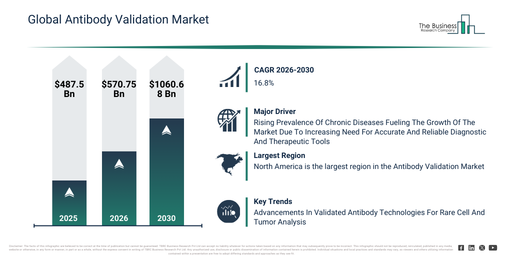
    The antibody validation market size has seen substantial growth in recent years. It is anticipated to expand from $487.5 billion in 2025 to $570.75 billion in 2026, exhibiting a compound annual growth rate (CAGR) of 17.1%. The increase witnessed historically can be linked to factors such as growing variability concerns in research antibodies, the expansion of proteomics and genomics research, heightened regulatory scrutiny on research reproducibility, the proliferation of antibody-based assays, and increased funding for life sciences research.

    The antibody validation market is poised for significant expansion in the coming years. By 2030, this market is projected to reach $1060.68 billion, exhibiting a compound annual growth rate (CAGR) of 16.8%. This projected expansion is driven by factors such as a heightened need for rigor and reproducibility, increased application of antibodies in clinical research, the evolution of precision diagnostics, broader utilization of validated antibodies in drug discovery, and the enhanced integration of digital platforms for validation data. Key developments anticipated during this period encompass a greater acceptance of standardized antibody validation protocols, a surge in demand for tailored validation services, wider employment of multiplex validation techniques, the development of testing frameworks centered on reproducibility, and a stronger focus on data transparency.

    Download A Free Sample Report For Comprehensive Market Insights:

    https://www.thebusinessresearchcompany.com/sample.aspx?id=30194&type=smp

    What Important Drivers Are Powering The Antibody Validation Market Growth?

    The increasing incidence of chronic illnesses is anticipated to fuel the expansion of the antibody validation market. These are enduring health conditions that manifest gradually and persist over extended periods, often necessitating ongoing medical attention. The uptick in chronic diseases is partly linked to sedentary lifestyles, as prolonged inactivity heightens the risk of ailments such as heart conditions and diabetes. Antibody validation plays a crucial role in managing chronic diseases by guaranteeing the precision, specificity, and dependability of antibodies utilized in diagnostic and therapeutic applications. It improves the identification of disease biomarkers, facilitates accurate monitoring, and enhances the creation of targeted treatments, ultimately advancing individualized and effective chronic disease management. For instance, data from June 2024, published by the National Health Service, a UK-based government department, revealed that 3,615,330 individuals registered with a general practitioner (GP) were diagnosed with non-diabetic hyperglycemia or pre-diabetes in 2023, representing an 18% rise from 3,065,825 cases recorded in 2022. Consequently, the growing prevalence of chronic diseases is a key driver for the antibody validation market.

    How Is The Antibody Validation Market Distributed Across Key Segments?

    The antibody validation market covered in this report is segmented –

    1) By Product Type: Monoclonal Antibodies, Polyclonal Antibodies, Anti-Body Drug Complexes

    2) By Disease Indication: Cardiovascular Diseases, Central Nervous System (CNS) Disorders, Cancer, Autoimmune Disorders

    3) By End User: Pharmaceutical And Biotechnological Firms, Contract Research Organizations, Research Institutes

    Subsegments:

    1) By Monoclonal Antibodies: Recombinant Monoclonal Antibodies, Humanized Monoclonal Antibodies, Chimeric Monoclonal Antibodies, Murine Monoclonal Antibodies

    2) By Polyclonal Antibodies: Rabbit Polyclonal Antibodies, Goat Polyclonal Antibodies, Sheep Polyclonal Antibodies, Donkey Polyclonal Antibodies

    3) By Antibody Drug Complexes: Immunoconjugates, Radioimmunoconjugates, Immunotoxins, Bispecific Antibody Drug Complexes

    Which Trends Are Influencing The Direction Of The Antibody Validation Market?

    Leading companies in the antibody validation market are concentrating on advanced innovations, such as Celselect slides enumeration stain kits, to boost the accuracy and sensitivity in identifying rare cells and circulating tumor cells, improve validation efficiency, and support high-precision cancer research and diagnostic applications. Celselect slides enumeration stain kits are specialized reagent kits designed to enable the detection, staining, and counting of rare cells and circulating tumor cells (CTCs). For instance, in March 2024, Bio-Rad Laboratories Inc., a US-based life science research company, launched celselect slides validated antibodies for rare cell and circulating tumor cell (CTC) enumeration. This was done to facilitate sensitive and specific identification of CTC surface markers, enhance tumor heterogeneity studies, and support high-precision cancer research through improved rare cell capture, enrichment, and analysis. This introduction expanded the company’s single-cell oncology portfolio by equipping researchers with validated reagents for precise immunostaining and enumeration of CTCs.

    Which Firms Are Competing In The Antibody Validation Market?

    Major companies operating in the antibody validation market are F. Hoffmann-La Roche Ltd., Merck & Co. Inc., Thermo Fisher Scientific Inc., Danaher Corporation, Becton Dickinson and Company, Agilent Technologies Inc., PerkinElmer Inc., Bio-Rad Laboratories Inc., Azenta Inc., GenScript Biotech Corporation, Promega Corporation, Sino Biological Inc., Cell Signaling Technology Inc., Fortis Life Sciences, Proteintech Group Inc., Santa Cruz Biotechnology Inc., Novus Biologicals LLC, Creative Diagnostics, Rockland Immunochemicals Inc., Biorbyt Ltd.

    Access The Complete Antibody Validation Market Report:

    https://www.thebusinessresearchcompany.com/report/global-antibody-validation-market-report

    What Is The Largest Regional Market In The Antibody Validation Market?

    North America was the largest region in the antibody validation market in 2025. The regions covered in the antibody validation market report are Asia-Pacific, South East Asia, Western Europe, Eastern Europe, North America, South America, Middle East, Africa.

    Access Antibody Validation Market Report for Deeper Competitive Insights

    https://www.thebusinessresearchcompany.com/customise?id=30194&type=smp

    Browse Through More Reports Similar to the Global Antibody Validation Market 2026, By The Business Research Company

    Research Antibodie And Reagent Global Market Report 2026

    https://www.thebusinessresearchcompany.com/report/research-antibodie-and-reagent-global-market-report

    Antibody Discovery Global Market Report 2026

    https://www.thebusinessresearchcompany.com/report/antibody-discovery-global-market-report

    Next Generation Antibody Therapeutics Global Market Report 2026

    https://www.thebusinessresearchcompany.com/report/next-generation-antibody-therapeutics-global-market-report

    Get in touch with us:

    The Business Research Company: https://www.thebusinessresearchcompany.com/

    Americas: +1 310-496-7795

    Asia: +44 7882 955267 & +91 8897263534

    Europe: +44 7882 955267

    Email us at: marketing@tbrc.info

    Follow us on:

    LinkedIn: https://in.linkedin.com/company/the-business-research-company

    YouTube: https://www.youtube.com/channel/UC24_fI0rV8cR5DxlCpgmyFQ

    Global Market Model: https://www.thebusinessresearchcompany.com/global-market-model

  • Global Beauty And Wellness Market Revenue Expected To Reach $2639.02 Billion By 2030

    Global Beauty And Wellness Market Revenue Expected To Reach $2639.02 Billion By 2030

    The Business Research Company’s 2026 market reports feature enhanced tools like market attractiveness analysis, TAM assessment, and company scoring matrices, along with interactive dashboards, deeper supply chain insights, and startup coverage strengthening the depth, usability, and strategic value of insights.

    What Market Value Expansion Is Expected For The Beauty And Wellness Market Over The Forecast Period?

    The beauty and wellness market has experienced robust expansion in recent years. This market is projected to expand from $1720.95 billion in 2025 to $1878.84 billion in 2026, demonstrating a compound annual growth rate (CAGR) of 9.2%. Historically, this growth is a result of increased consumer expenditure on personal care, enhanced recognition of mental and physical wellbeing, the spread of retail and e-commerce platforms, the expanding impact of social media on beauty trends, and the availability of a wide array of wellness products.

    The beauty and wellness market is projected to experience substantial expansion in the coming years, reaching a valuation of $2639.02 billion by 2030, demonstrating a compound annual growth rate (CAGR) of 8.9%. This anticipated growth is primarily driven by factors such as the heightened demand for scientifically supported wellness offerings, the increasing adoption of customized skincare and nutritional programs, the broadening availability of digital wellness subscriptions, an intensified focus on longevity and anti-aging, and breakthroughs in ingredient development. Key trends observed during this forecast period encompass the escalating need for tailored beauty and wellness products, a surge in the embrace of clean and sustainable options, the growing incorporation of digital platforms for wellness, the widespread adoption of holistic health and self-care routines, and an amplified emphasis on preventative and enduring wellness strategies.

    Download A Free Sample Report For Comprehensive Market Insights:

    https://www.thebusinessresearchcompany.com/sample.aspx?id=24478&type=smp

    What Are The Main Drivers Accelerating The Growth Of The Beauty And Wellness Market?

    The increasing consumer preference for natural and organic goods is anticipated to boost the beauty and wellness market’s expansion. These products are formulated from naturally sourced components, devoid of synthetic chemicals, genetically modified organisms, and artificial additives. A heightened awareness of health is fueling the desire for natural and organic products, as individuals opt to shun artificial ingredients to lessen health concerns. By utilizing mild, plant-derived substances that alleviate irritation, natural and organic products enhance beauty and wellness. They also foster sustained skin health and encourage a harmonious, glowing appearance. For instance, in August 2024, according to the United States Department of Agriculture, a US-based government agency, in 2023, consumer demand for organic products in the U.S. exceeded $69 billion, representing approximately 4% of the overall food sales in the country. Consequently, the escalating demand for natural and organic offerings is propelling the growth of the beauty and wellness market.

    How Is Segment Classification Applied In The Beauty And Wellness Market?

    The beauty and wellness market covered in this report is segmented –

    1) By Type: Skincare Products, Hair Care Products, Makeup Products, Food And Nutrition Products, Medicinal Products, Wellness Products, Other Types

    2) By Price Range: Mass Market, Mid-Market, Premium, Luxury

    3) By Distribution Channel: Supermarkets And Hypermarkets, Specialty Stores, Online Channels, Other Distribution Channels

    4) By Target Consumers: Women, Men, Generation Z (Gen Z), Millennials, Baby Boomers

    Subsegments:

    1) By Skincare Products: Moisturizers, Cleansers, Serums, Sunscreens, Exfoliators, Toners, Face Masks

    2) By Hair Care Products: Shampoos, Conditioners, Hair Oils, Hair Masks, Styling Products, Hair Colorants, Scalp Treatments

    3) By Makeup Products: Foundations, Lipsticks, Eyeliners, Mascaras, Blushes, Primers, Setting Sprays

    4) By Food And Nutrition Products: Dietary Supplements, Protein Powders, Collagen Drinks, Herbal Teas, Probiotics, Beauty Gummies

    5) By Medicinal Products: Acne Treatments, Anti-Fungal Creams, Dermatological Prescriptions, Hair Loss Medications, Medicated Cleansers

    6) By Wellness Products: Aromatherapy Oils, Yoga Mats, Massage Tools, Sleep Aids, Essential Oils, Wellness Trackers

    7) By Other Types: Oral Care Products, Nail Care Products, Deodorants, Personal Hygiene Items, Intimate Care Products

    What Trends Are Shaping The Beauty And Wellness Market Structure?

    Leading firms within the beauty and wellness market are prioritizing the creation of sophisticated refill-at-home packaging options to satisfy increasing consumer desire for environmentally conscious alternatives. This type of packaging represents an environmentally sound approach, allowing users to replenish their items at home with specialized packs or cartridges, thereby reducing waste, improving product longevity through reuse, and maintaining both quality and user convenience. As an illustration, in January 2023, Above & Beyond, a personal care packaging company based in the UK, launched a lip balm packaged within an aluminum casing. The goal of this endeavor is to eliminate single-use plastics and tackle the ecological issues linked to the vast number of lip balms—hundreds of millions—discarded into landfills each year. The aluminum container itself is endlessly recyclable, offered in a range of hues, and includes a QR code for straightforward repurchase. Furthermore, the lip balm refills consist entirely of bio-based materials, derived from industrial wood by-products and plant-derived binders. Initially, this product was exclusively accessible in the U.K.

    Which Industry Players Are Present In The Beauty And Wellness Market?

    Major companies operating in the beauty and wellness market are Louis Vuitton Moët Hennessy, Procter & Gamble (P&G), Johnson & Johnson, Unilever plc, L’Oréal Group, Estée Lauder Companies, Beiersdorf AG, Shiseido, Coty Inc., Puig, Amorepacific Corporation, Avon Products Inc., Revlon Inc., Oriflame Cosmetics, Glossier, Huda Beauty, Rare Beauty, Drunk Elephant, Himalaya Wellness Company, Kylie Cosmetics

    Access The Complete Beauty And Wellness Market Report:

    https://www.thebusinessresearchcompany.com/report/beauty-and-wellness-global-market-report

    Which Region Stands As The Largest Contributor To The Beauty And Wellness Market?

    North America was the largest region in the beauty and wellness market in 2025. Asia-Pacific is expected to be the fastest-growing region in the forecast period. The regions covered in the beauty and wellness market report are Asia-Pacific, South East Asia, Western Europe, Eastern Europe, North America, South America, Middle East, Africa.

    Access Beauty And Wellness Market Report for Deeper Competitive Insights

    https://www.thebusinessresearchcompany.com/customise?id=24478&type=smp

    Browse Through More Reports Similar to the Global Beauty And Wellness Market 2026, By The Business Research Company

    Health And Wellness Global Market Report 2026

    https://www.thebusinessresearchcompany.com/report/health-and-wellness-global-market-report

    Professional Beauty Services Global Market Report 2026

    https://www.thebusinessresearchcompany.com/report/professional-beauty-services-global-market-report

    Wellness Tourism Global Market Report 2026

    https://www.thebusinessresearchcompany.com/report/wellness-tourism-global-market-report

    Get in touch with us:

    The Business Research Company: https://www.thebusinessresearchcompany.com/

    Americas: +1 310-496-7795

    Asia: +44 7882 955267 & +91 8897263534

    Europe: +44 7882 955267

    Email us at: marketing@tbrc.info

    Follow us on:

    LinkedIn: https://in.linkedin.com/company/the-business-research-company

    YouTube: https://www.youtube.com/channel/UC24_fI0rV8cR5DxlCpgmyFQ

    Global Market Model: https://www.thebusinessresearchcompany.com/global-market-model