Month: May 2026

  • Global Electrocardiogram (ECG) Sensor Patches Market Report 2026–2035: Key Forecasts and Growth Areas

    Global Electrocardiogram (ECG) Sensor Patches Market Report 2026–2035: Key Forecasts and Growth Areas

    Uncover key drivers, emerging technologies, and competitive movements shaping the electrocardiogram (ecg) sensor patches market from 2026–2035 with trusted insights from The Business Research Company

    What market expansion outlook does the Electrocardiogram (ECG) Sensor Patches Market show for the 2026–2030 period?

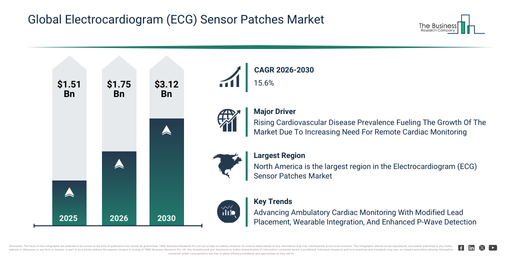
    The electrocardiogram (ECG) sensor patches market has experienced rapid expansion in recent years. It is projected to grow from $1.51 billion in 2025 to $1.75 billion in 2026, exhibiting a compound annual growth rate (CAGR) of 15.8%. This historical growth can be attributed to the increasing adoption of wearable cardiac monitoring devices, the rising prevalence of cardiovascular disorders, a heightened demand for continuous remote patient monitoring, the expansion of home healthcare services, and an increased focus on early cardiac abnormality detection.

    The electrocardiogram (ECG) sensor patches market size is anticipated to undergo swift expansion over the next few years, with projections indicating it will reach $3.12 billion in 2030, demonstrating a compound annual growth rate (CAGR) of 15.6%. This projected growth is driven by factors such as the increasing integration of electrocardiogram (ECG) patches with artificial intelligence (AI) analytics, a rising demand for unobtrusive long-term heart monitoring solutions, the expanding adoption of digital health and telemedicine platforms, the proliferation of connected healthcare ecosystems, and a surge in investment towards advanced cardiac monitoring technologies. Noteworthy trends for this forecast period include technology-driven innovations in flexible and skin-friendly sensors, advancements in artificial intelligence (AI)-supported arrhythmia detection, the development of real-time cloud-based cardiac data platforms, an increase in research and development for miniaturized biomedical electronics, and innovations in integrated multimodal vital sign monitoring systems.

    Access Your Free Sample Report for In-Depth Market Insights:

    https://www.thebusinessresearchcompany.com/sample.aspx?id=30585&type=smp

    What Drivers Are Shaping The Development Of The Electrocardiogram (ECG) Sensor Patches Market?

    The increasing occurrence of heart and blood vessel conditions is anticipated to boost the expansion of the electrocardiogram (ECG) sensor patches market moving ahead. These diseases encompass ailments impacting the heart and circulatory system, such as cardiac arrests, cerebrovascular accidents, and high blood pressure. The surge in cardiovascular diseases is attributable to detrimental lifestyle habits, including inadequate nutrition, physical inactivity, and tobacco use. Electrocardiogram (ECG) sensor patches assist in managing these heart conditions through constant surveillance of cardiac function and instantaneous identification of irregular heartbeats. Such devices enhance patient results by facilitating prompt diagnosis, immediate medical action, and customized therapeutic approaches. As an illustration, data from October 2024 by the Centers for Disease Control, a US government body, revealed that in 2023, approximately 919,032 individuals succumbed to cardiovascular disease, representing 1 in every 3 fatalities. Consequently, the growing incidence of cardiovascular illnesses is fueling the expansion of the electrocardiogram (ECG) sensor patches market.

    Which Segments Are Contributing To The Growth Of The Electrocardiogram (ECG) Sensor Patches Market?

    The electrocardiogram (ecg) sensor patches market covered in this report is segmented –

    1) By Product Type: Reusable Electrocardiogram (ECG) Sensor Patch, Disposable Electrocardiogram (ECG) Sensor Patch

    2) By Technology: Wireless Electrocardiogram (ECG) Sensor Patch, Wired Electrocardiogram (ECG) Sensor Patch

    3) By Distribution Channel: Direct Sales, Retail Pharmacies, Online Stores

    4) By Application: Cardiovascular Monitoring, Holter Monitoring, Stress Testing, Long Term Monitoring

    5) By End User: Hospitals And Clinics, Ambulatory Care Centers, Home Care Settings, Urgent Care Centers, Primary Care Centers, Other End Users

    Subsegments:

    1) By Reusable Electrocardiogram (ECG) Sensor Patch: Long Term Monitoring Sensor Patch, Multi Use Clinical Sensor Patch, Rechargeable Cardiac Monitoring Patch

    2) By Disposable Electrocardiogram (ECG) Sensor Patch: Single Use Diagnostic Sensor Patch, Short Term Monitoring Sensor Patch, Adhesive Cardiac Monitoring Patch

    What Industry Trends Are Transforming The Electrocardiogram (ECG) Sensor Patches Market?

    Major companies in the electrocardiogram (ECG) sensor patches market are concentrating on developing sophisticated products, such as specialized sensor adhesives, with the aim of improving diagnostic precision, increasing patient comfort, and enhancing data quality for clinical research. These specialized sensor adhesives function as optimized interfaces between wearable ECG patches and the skin, engineered to boost signal clarity for vital cardiac data. For illustration, in September 2025, VivaLNK Inc., a US-based digital health firm specializing in wearable cardiac monitoring solutions, unveiled a new adhesive for its wearable ECG monitor. This adhesive is designed for single-use, is water-resistant, features a contoured shape, and integrates patented eSkin™ technology to ensure superior flexibility and comfort during prolonged use. It incorporates a Modified Lead 1 placement, which improves p-wave visibility, leading to a reported 160% enhancement in signal detection for more effective identification of atrial abnormalities without the need for operator intervention. Furthermore, it offers compatibility with the company’s existing reusable multi-vital ECG patch, thereby broadening the device’s usefulness and facilitating high-quality data collection in contexts like remote patient monitoring and clinical trials.

    Who Are The Primary Competitors In The Global Electrocardiogram (ECG) Sensor Patches Market?

    Major companies operating in the electrocardiogram (ecg) sensor patches market are Medtronic plc, Koninklijke Philips N.V., GE HealthCare Technologies Inc., Boston Scientific Corporation, Hill-Rome Co., iRhythm Technologies Inc., Bittium Corporation, Qardio Inc, LifeSignals Inc., VitalConnect Inc., VivaLNK Inc., Biotricity Inc., Cardiac Insight Inc., Intelesens Ltd., Vpatch Cardio Pty Ltd., Wellysis Ltd., Isansys Lifecare Ltd., Cardiomo Inc., Shenzhen Mindray Bio-Medical Electronics Co. Ltd., CardioNet

    Access The Complete Report For Deeper Market Insights:

    https://www.thebusinessresearchcompany.com/report/electrocardiogram-ecg-sensor-patches-market-report

    Which Global Regions Are Shaping The Competitive Landscape Of The Electrocardiogram (ECG) Sensor Patches Market?

    North America was the largest region in the electrocardiogram (ECG) sensor patches market in 2025. Asia-Pacific is expected to be the fastest-growing region in the forecast period. The regions covered in the electrocardiogram (ecg) sensor patches market report are Asia-Pacific, South East Asia, Western Europe, Eastern Europe, North America, South America, Middle East, Africa.

    Request Your Customized Electrocardiogram (ECG) Sensor Patches Market Research Report for Competitive Advantage:

    https://www.thebusinessresearchcompany.com/customise?id=30585&type=smp

    Browse Through More Reports Similar to the Global Electrocardiogram (ECG) Sensor Patches Market 2026, By The Business Research Company

    Electrocardiograph Ecg Market Report 2026

    https://www.thebusinessresearchcompany.com/report/electrocardiograph-ecg-global-market-report

    Electrocardiography Ecg Electrodes Market Report 2026

    https://www.thebusinessresearchcompany.com/report/electrocardiography-ecg-electrodes-global-market-report

    diagnostic electrocardiograph global market report

    https://www.thebusinessresearchcompany.com/report/diagnostic-electrocardiograph-global-market-report

    Get in touch with us:

    The Business Research Company: https://www.thebusinessresearchcompany.com/

    Americas +1 310-496-7795

    Asia +44 7882 955267 & +91 8897263534

    Europe +44 7882 955267

    Email us at marketing@tbrc.info

    Follow us on:

    LinkedIn: https://in.linkedin.com/company/the-business-research-company

    YouTube: https://www.youtube.com/channel/UC24_fI0rV8cR5DxlCpgmyFQ

    Global Market Model: https://www.thebusinessresearchcompany.com/global-market-model

  • Electric Vehicle (EV) Infrastructure Market 2026–2030: Forecast, Innovation, and Competitive Trends

    Electric Vehicle (EV) Infrastructure Market 2026–2030: Forecast, Innovation, and Competitive Trends

    Uncover key drivers, emerging technologies, and competitive movements shaping the electric vehicle (ev) infrastructure market from 2026–2035 with trusted insights from The Business Research Company

    What level of growth is expected in the Electric Vehicle (EV) Infrastructure Market between 2026 and 2030?

    The electric vehicle infrastructure market has seen substantial growth in recent years. It is forecast to expand from $18.65 billion in 2025 to $22.84 billion in 2026, at a compound annual growth rate (CAGR) of 22.5%. This historical expansion can be attributed to the increasing adoption of electric vehicles, a rise in government incentives for clean mobility, the expanding deployment of public charging stations, growing environmental awareness among consumers, and increased investments by automotive and energy companies.

    The electric vehicle infrastructure market is anticipated to experience substantial growth in the upcoming years. It is projected to expand to $50.95 billion in 2030, exhibiting a compound annual growth rate (CAGR) of 22.2%. This growth over the forecast period stems from the increasing establishment of ultra-fast charging networks, the rising integration of renewable energy with charging facilities, the expanding provision of charging for commercial and fleet electric vehicles, an increase in government regulations supporting net-zero emission objectives, and growing investments in smart grid and load balancing infrastructure. Significant trends during this period include technological improvements in vehicle-to-grid systems, innovations in wireless and inductive charging methods, advancements in artificial intelligence-based charging management platforms, ongoing research and development in battery swapping infrastructure, and enhancements in energy storage systems for handling peak loads.

    Access Your Free Sample Report for In-Depth Market Insights:

    https://www.thebusinessresearchcompany.com/sample.aspx?id=30584&type=smp

    Which Drivers Are Expected To Impact The Electric Vehicle (EV) Infrastructure Market During The Forecast Period?

    The future expansion of the electric vehicle (EV) infrastructure market is anticipated to be driven by the rising uptake of electric vehicles. EVs are automobiles utilizing electric motors and rechargeable batteries, providing a cleaner, quieter, and more efficient transport solution compared to conventional fuel-based cars. Elevated fuel expenses contribute to this increased demand, as EVs present a more economical choice over traditional gasoline vehicles. Greater EV adoption stimulates the growth of EV infrastructure, boosting the need for charging stations, maintenance facilities, and energy management systems, thereby enhancing the overall EV ecosystem’s accessibility, reliability, and convenience for users. For example, the International Energy Agency, a France-based intergovernmental organization, reported in May 2025 that electric car sales surpassed 17 million units in 2024, marking a growth of over 25% and an increment of approximately 3.5 million vehicles from 2023. Consequently, the expanding adoption of electric vehicles is propelling the expansion of the electric vehicle (EV) infrastructure market.

    How Is The Electric Vehicle (EV) Infrastructure Market Divided Into Segments?

    The electric vehicle (ev) infrastructure market covered in this report is segmented –

    1) By Component: Charging Stations, Electric Vehicle Connectors, Power Control Units

    2) By Charging Level: Level 1, Level 2, Level 3

    3) By Installation Type: Residential, Commercial, Public

    4) By Application: Private, Public, Fleet Operations

    5) By End-User: Commercial Charging Point Operators (CPOs) And Utilities, Governments And Municipalities, Real Estate Developers And Property Managers, Corporate Enterprises, Individual Consumers, Fleet Operators

    Subsegments:

    1) By Charging Stations: Fast Charging Stations, Ultra-Fast Charging Stations, Level Two Charging Stations, Level One Charging Stations, Wireless Charging Stations

    2) By Electric Vehicle Connectors: Type One Connectors, Type Two Connectors, Combined Charging System Connectors, CHAdeMO Connectors, Tesla Connectors

    3) By Power Control Units: Alternating Current Power Control Units, Direct Current Power Control Units, Battery Management Control Units, Smart Energy Management Units, Grid-Connected Power Control Units

    What Trends Are Reshaping The Dynamics Of The Electric Vehicle (EV) Infrastructure Market?

    Leading companies in the electric vehicle (EV) infrastructure market are concentrating on developing advanced technologies, such as next-generation high-power charging systems, to enhance charging speed, improve vehicle compatibility, and decrease charging duration and grid strain. Next-generation high-power charging systems are defined as sophisticated charging stations capable of providing significantly greater power output to support faster charging for both passenger vehicles and commercial trucks. For instance, in September 2025, Tesla Inc., a US-based electric vehicle and charging network operator, initiated construction of the world’s first V4 Supercharger station in Campbell, California. This new location is unique as it will feature the new V4 power cabinets for the very first time. These cabinets can deliver a charging speed of up to 500 kW for cars and up to 1.2 MW for the Tesla Semi truck, fully leveraging the potential of the V4 charging posts introduced earlier. The cabinets also boast improved efficiency and a smaller size, which simplifies installation for infrastructure operators.

    Which Key Market Players Are Investing In Expansion And Innovation Within The Electric Vehicle (EV) Infrastructure Market?

    Major companies operating in the electric vehicle (ev) infrastructure market are Tesla Inc., Siemens AG, Schneider Electric SE, ABB E-mobility Ltd., Leviton Manufacturing Co. Inc., Alfen N.V., Enel X Way S.p.A., ChargePoint Inc., EVgo Inc., Shell Recharge Solutions B.V., Efacec Advanced Systems S.A., Tritium DCFC Limited, GRIDSERVE Sustainable Energy Limited, Wallbox Chargers S.L., Blink Charging Co., Allego B.V., IONITY GmbH, Electrify America LLC, ChargePoint AMPS LLC, EV Connect Inc.

    Access The Complete Report For Deeper Market Insights:

    https://www.thebusinessresearchcompany.com/report/electric-vehicle-ev-infrastructure-market-report

    Which Regions Are Poised For Strategic Growth In The Electric Vehicle (EV) Infrastructure Market?

    Asia-Pacific was the largest region in the electric vehicle infrastructure market in 2025. North America is expected to be the fastest-growing region in the forecast period. The regions covered in the electric vehicle (ev) infrastructure market report are Asia-Pacific, South East Asia, Western Europe, Eastern Europe, North America, South America, Middle East, Africa.

    Request Your Customized Electric Vehicle (EV) Infrastructure Market Research Report for Competitive Advantage:

    https://www.thebusinessresearchcompany.com/customise?id=30584&type=smp

    Browse Through More Reports Similar to the Global Electric Vehicle (EV) Infrastructure Market 2026, By The Business Research Company

    Electric Vehicle Charging Infrastructure Market Report 2026

    https://www.thebusinessresearchcompany.com/report/electric-vehicle-charging-infrastructure-global-market-report

    Electric Commercial Vehicles Market Report 2026

    https://www.thebusinessresearchcompany.com/report/electric-commercial-vehicles-global-market-report

    electric vehicle global market report

    https://www.thebusinessresearchcompany.com/report/electric-vehicle-global-market-report

    Get in touch with us:

    The Business Research Company: https://www.thebusinessresearchcompany.com/

    Americas +1 310-496-7795

    Asia +44 7882 955267 & +91 8897263534

    Europe +44 7882 955267

    Email us at marketing@tbrc.info

    Follow us on:

    LinkedIn: https://in.linkedin.com/company/the-business-research-company

    YouTube: https://www.youtube.com/channel/UC24_fI0rV8cR5DxlCpgmyFQ

    Global Market Model: https://www.thebusinessresearchcompany.com/global-market-model
  • Disposable Specimen Container Market Forecast 2026–2035: Data Trends and Industry Insights

    Disposable Specimen Container Market Forecast 2026–2035: Data Trends and Industry Insights

    Uncover key drivers, emerging technologies, and competitive movements shaping the disposable specimen container market from 2026–2035 with trusted insights from The Business Research Company

    How much is the Disposable Specimen Container Market valued at in 2026, and what valuation is forecast for 2030?

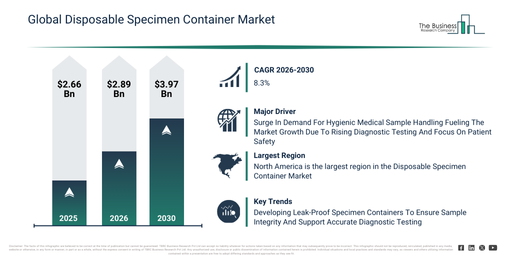
    The market size for disposable specimen containers has seen robust expansion in recent years. It is projected to expand from $2.66 billion in 2025 to $2.89 billion in 2026, achieving a compound annual growth rate (CAGR) of 8.6%. This historical growth can be linked to factors such as an elevated demand for diagnostic testing, the development of healthcare infrastructure, enhanced awareness regarding infection control, an increasing occurrence of chronic and infectious diseases, and the broader acceptance of point-of-care testing.

    The disposable specimen container market is anticipated to experience substantial growth in the coming years, with its size projected to reach $3.97 billion in 2030, displaying a compound annual growth rate (CAGR) of 8.3%. This expansion during the forecast period is primarily driven by factors such as the escalating use of home healthcare testing, the increasing embrace of molecular diagnostics, a rise in both government and private investments in laboratory facilities, the broadening scope of clinical trial activities, and a heightened need for sterile and leak-proof containers. Key trends identified for this period include advancements in container design and materials, the integration of technology to improve safety and efficiency, innovations in bio-based and recyclable materials, dedicated research and development for specialized molecular diagnostic containers, and the adoption of automation and robotics in the processing of specimens.

    Access Your Free Sample Report for In-Depth Market Insights:

    https://www.thebusinessresearchcompany.com/sample.aspx?id=30579&type=smp

    What Drivers Are Influencing The Growth Of The Disposable Specimen Container Market?

    The growing need for sterile handling of medical samples is projected to drive the expansion of the disposable specimen container market. Hygienic medical sample handling requires the use of sterile, single-use equipment to ensure biological specimens are collected, stored, and transported safely without contamination. This process is crucial for precise diagnoses and preventing infections in healthcare environments. The heightened demand for hygienic sample management stems from a rise in diagnostic testing volumes and a greater emphasis on patient safety, leading healthcare providers to implement more stringent infection control measures. Disposable specimen containers facilitate hygienic medical sample handling by preserving specimen integrity, stopping cross-contamination, and enabling dependable laboratory analysis across various healthcare facilities. For example, in August 2024, NHS England, a government health authority in the UK, reported an increase in diagnostic tests performed from 2,254,600 in June 2023 to 2,328,300 in June 2024, indicating a 3.3 % year-over-year rise. Consequently, the escalating demand for hygienic medical sample handling is fueling the growth of the disposable specimen container market. The increasing occurrence of chronic diseases is anticipated to spur the growth of the disposable specimen container market moving forward. Chronic diseases are enduring health conditions that typically advance gradually, such as diabetes, heart disease, and arthritis, often necessitating continuous medical care and lifestyle adjustments to manage symptoms and avert complications. The rise in chronic diseases is largely attributed to unhealthy lifestyle choices, including poor diet, lack of physical activity, and smoking, which elevate the risk of conditions like diabetes, heart disease, and obesity. Disposable specimen containers assist in diagnosing chronic diseases by allowing for the secure, hygienic, and contamination-free collection of biological samples for accurate laboratory analysis. They enhance diagnostic accuracy and patient care by supporting consistent monitoring and prompt detection of disease progression. For instance, in June 2024, the National Health Service, a UK government department, stated that 3,615,330 individuals registered with a general practitioner (GP) were diagnosed with non-diabetic hyperglycemia or pre-diabetes (a condition with elevated blood sugar levels, not high enough to be classified as diabetes) in 2023, representing an 18% increase from 3,065,825 cases in 2022. Therefore, the growing prevalence of chronic diseases is propelling the growth of the disposable specimen container market.

    What Segments Are Included Within The Disposable Specimen Container Market?

    The disposable specimen container market covered in this report is segmented –

    1) By Product Type: Urine Specimen Containers, Stool Specimen Containers, Sputum Specimen Containers, Blood Specimen Containers, Multi-Purpose Specimen Containers

    2) By Sterility: Sterile Disposable Specimen Containers, Non-Sterile Disposable Specimen Containers

    3) By Raw Material: Polypropylene, High Density Polyethylene, Polyvinyl Chloride, Other Materials

    4) By Distribution Channel: Direct Sales, Medical Device Distributors, Online Sales Channels

    5) By End User: Hospitals, Diagnostic Laboratories, Clinics And Physician Offices, Research And Academic Institutes, Home Healthcare Settings

    Subsegments:

    1) By Urine Specimen Containers: Sterile Urine Specimen Containers, Non Sterile Urine Specimen Containers, Graduated Urine Specimen Containers, Leak Proof Urine Specimen Containers, Child Resistant Urine Specimen Containers

    2) By Stool Specimen Containers: Wide Mouth Stool Specimen Containers, Scoop Integrated Stool Specimen Containers, Leak Proof Stool Specimen Containers, Preservative Containing Stool Specimen Containers, Sterile Stool Specimen Containers

    3) By Sputum Specimen Containers: Wide Neck Sputum Specimen Containers, Sterile Sputum Specimen Containers, Leak Proof Sputum Specimen Containers, Screw Cap Sputum Specimen Containers, Transparent Sputum Specimen Containers

    4) By Blood Specimen Containers: Vacuum Blood Specimen Containers, Non Vacuum Blood Specimen Containers, Anticoagulant Containing Blood Specimen Containers, Clot Activator Blood Specimen Containers, Sterile Blood Specimen Containers

    5) By Multi Purpose Specimen Containers: Universal Specimen Containers, Sterile Multi Purpose Specimen Containers, Graduated Multi Purpose Specimen Containers, Leak Proof Multi Purpose Specimen Containers, Screw Cap Multi Purpose Specimen Containers

    How Are New Market Trends Shaping The Landscape Of The Disposable Specimen Container Market?

    Leading companies within the disposable specimen container market are concentrating on developing advanced specimen containers, specifically multi-click seal vials and containers, which offer a distinct indication of adequate sealing to guarantee secure sample collection and transport. These multi-click seal vials and containers are crafted to uphold sample integrity during handling, storage, and transportation, simultaneously minimizing the potential for contamination or spillage. For example, in April 2025, Thermo Fisher Scientific, a US-based life sciences company, introduced Samco Clicktainer Vials and Specimen Containers. These particular containers incorporate an audible, visual, and tactile multi-click seal closure for confirming proper sealing, provide compatibility with both sterile and non-sterile configurations for varied clinical workflows, and come with a wide selection of cap color options to assist in sample differentiation. This product launch represents a noteworthy technological stride by integrating usability, safety, and versatility, thereby equipping laboratories with a trustworthy solution for robust specimen management and accurate diagnostic examinations.

    Who Are The Core Companies Influencing Trends In The Disposable Specimen Container Market?

    Major companies operating in the disposable specimen container market are Cardinal Health Inc., Thermo Fisher Scientific Inc., Becton Dickinson and Company, SARSTEDT AG & Co. KG, Greiner Bio-One International GmbH, Kabe Labortechnik GmbH, Jiangsu Kangjin Medical Instruments Co. Ltd., Polymed Medical Devices, Citotest Scientific Co. Ltd., HiMedia Laboratories Pvt. Ltd., CML Biotech Pvt. Ltd., Deltalab S.L., Medline Industries LP, Simport Scientific Inc., Abdos Labtech Pvt. Ltd., Globe Scientific Inc., Heathrow Scientific LLC, VITLAB GmbH, FL Medical S.r.l., Aptaca S.p.A., Kartell S.p.A.

    Access The Complete Report For Deeper Market Insights:

    https://www.thebusinessresearchcompany.com/report/disposable-specimen-container-market-report

    Which Regions Are Projected To Dominate The Disposable Specimen Container Market In The Coming Years?

    North America was the largest region in the disposable specimen container market in 2025. Asia-Pacific is expected to be the fastest-growing region in the forecast period. The regions covered in the disposable specimen container market report are Asia-Pacific, South East Asia, Western Europe, Eastern Europe, North America, South America, Middle East, Africa.

    Request Your Customized Disposable Specimen Container Market Research Report for Competitive Advantage:

    https://www.thebusinessresearchcompany.com/customise?id=30579&type=smp

    Browse Through More Reports Similar to the Global Disposable Specimen Container Market 2026, By The Business Research Company

    Disposable Hospital Supplies Market Report 2026

    https://www.thebusinessresearchcompany.com/report/disposable-hospital-supplies-global-market-report

    Disposable Urine Bags Market Report 2026

    https://www.thebusinessresearchcompany.com/report/disposable-urine-bags-global-market-report

    waste disposable units global market report

    https://www.thebusinessresearchcompany.com/report/waste-disposable-units-global-market-report

    Get in touch with us:

    The Business Research Company: https://www.thebusinessresearchcompany.com/

    Americas +1 310-496-7795

    Asia +44 7882 955267 & +91 8897263534

    Europe +44 7882 955267

    Email us at marketing@tbrc.info

    Follow us on:

    LinkedIn: https://in.linkedin.com/company/the-business-research-company

    YouTube: https://www.youtube.com/channel/UC24_fI0rV8cR5DxlCpgmyFQ

    Global Market Model: https://www.thebusinessresearchcompany.com/global-market-model
  • Direct-To-Consumer (D2C) Brands Market Outlook 2026–2030: Key Business Drivers and Trends

    Direct-To-Consumer (D2C) Brands Market Outlook 2026–2030: Key Business Drivers and Trends

    Uncover key drivers, emerging technologies, and competitive movements shaping the direct-to-consumer (d2c) brands market from 2026–2035 with trusted insights from The Business Research Company

    By how much is the Direct-To-Consumer (D2C) Brands Market expected to grow between 2026 and 2030?

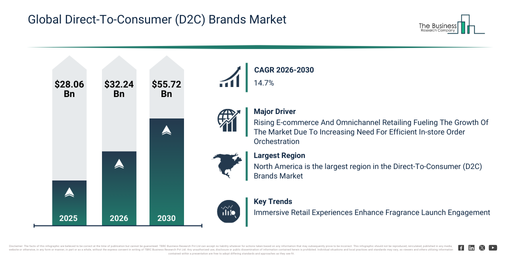
    The market for direct-to-consumer (D2C) brands has experienced swift expansion recently. It is projected to grow from $28.06 billion in 2025 to $32.24 billion in 2026, exhibiting a compound annual growth rate (CAGR) of 14.9%. The historical growth can be attributed to factors such as the increasing adoption of e-commerce channels, the rising effectiveness of digital marketing, a noticeable shift toward online purchasing behavior, the expansion of direct brand-to-consumer relationships, and an increasing reliance on data-driven sales strategies.

    The direct-to-consumer brands (D2C) market is projected for substantial expansion over the upcoming years, reaching $55.72 billion in 2030, exhibiting a compound annual growth rate (CAGR) of 14.7%. This anticipated growth is primarily driven by an increasing consumer preference for tailored shopping experiences, a rise in investment within D2C logistics and fulfillment infrastructures, the escalating need for smooth omni-channel integration, the proliferation of subscription-based business models, and a greater consumer affinity for digitally native brands. Key trends during this period encompass technological progress in AI-driven customer analytics, advancements in automated fulfillment systems, the evolution of immersive shopping technologies, ongoing research and development in predictive consumer behavior modeling, and enhancements in digital customer experience facilitated by technology.

    Access Your Free Sample Report for In-Depth Market Insights:

    https://www.thebusinessresearchcompany.com/sample.aspx?id=30578&type=smp

    Which Drivers Are Influencing Market Acceleration In The Direct-To-Consumer (D2C) Brands Market?

    The expansion in the uptake of e-commerce and omnichannel retailing is projected to propel the direct-to-consumer (D2C) brands market forward. These approaches signify the merging of digital and brick-and-mortar platforms, enabling consumers to effortlessly explore, acquire, and obtain goods via websites, applications, and physical outlets. This surge in adoption stems from consumers’ growing desire for convenient shopping at any time, coupled with smooth and uniform experiences across online shops, mobile applications, and physical locations. E-commerce and omnichannel retailing bolster direct-to-consumer (D2C) brands by providing customers with effortless access across digital and physical avenues, tailored purchasing journeys, and streamlined order processing. These methods boost brand visibility, consumer involvement, and revenue expansion through the cultivation of direct ties with buyers. As an illustration, in January 2025, data from the UK Office for National Statistics, a government body based in the UK, indicated that online expenditure in Great Britain for December 2024 surpassed that of December 2023 by 1.7%, underscoring an annual increase in internet retail channel expenditure. Consequently, the expansion of e-commerce and omnichannel retailing is escalating the demand within the direct-to-consumer (D2C) brands market.

    What Leading Segments Are Studied In The Direct-To-Consumer (D2C) Brands Market?

    The direct-to-consumer (d2c) brands market covered in this report is segmented –

    1) By Type: Direct-To-Consumer Apparel, Direct-To-Consumer Beauty, Direct-To-Consumer Home Goods, Direct-To-Consumer Health, Direct-To-Consumer Electronics

    2) By Marketing: Social Media Advertising, Email Marketing, Community-Building, Gamification

    3) By Revenue: One-Time Purchase, Subscription, Bundled Offerings, Premium And Exclusive Editions, Affiliate And Referral Models

    4) By Application: E-Commerce, Retail, Consumer Goods, Fashion, Lifestyle

    Subsegments:

    1) By Direct-To-Consumer Apparel: Casual Wear, Sportswear, Formal Wear, Footwear, Accessories

    2) By Direct-To-Consumer Beauty: Skincare Products, Hair Care Products, Cosmetics, Fragrances, Personal Care Items

    3) By Direct-To-Consumer Home Goods: Furniture, Kitchenware, Home Decor, Bedding And Linen, Lighting And Fixtures

    4) By Direct-To-Consumer Health: Vitamins And Supplements, Fitness And Wellness Products, Medical Devices, Personal Care And Hygiene Products, Health Monitoring Devices

    5) By Direct-To-Consumer Electronics: Consumer Gadgets, Wearable Devices, Home Appliances, Audio And Visual Equipment, Smart Home Devices

    Which Trends Are Expected To Influence The Direct-To-Consumer (D2C) Brands Market In The Upcoming Years?

    Leading companies in the direct-to-consumer (D2C) brands market are concentrating on developing sophisticated strategies, such as immersive retail experiences, to boost brand connection, enhance customer loyalty, and reduce reliance on traditional retail channels. Immersive retail experiences are defined as advanced customer activations that utilize physical or digital environments to create memorable, emotionally resonant brand interactions beyond simple product sales. For instance, in March 2025, Glossier Inc., a US-based beauty and skincare brand, introduced Glossier You Fleur. To celebrate its launch, the brand hosted an immersive pop-up named ‘The Wonder of You’ in Paris, France. This event featured purple petals and flowers, along with an AI-generated personalized poem created in response to each visitor’s expression and posture. The experience also permitted guests to have their fragrance bottle engraved and shop a curated selection, thereby creating a seamless integration of interactive art, personalization, and commerce.

    Which Major Industry Participants Are Leading The Direct-To-Consumer (D2C) Brands Market Growth?

    Major companies operating in the direct-to-consumer (d2c) brands market are Hims & Hers Health Inc., Stitch Fix Inc., Warby Parker Inc., Grove Collaborative Inc., Sun Basket Inc., Daily Harvest Inc., Everlane Inc., Rothy’s Inc., Function of Beauty Inc., Winc Inc., Dia & Co Inc., Magic Spoon Inc., Tovala Inc., Hello Bello LLC, Lemonaid Health Inc., Hubble Contacts Inc., Dr. Squatch Inc., Nurx Inc., Tinker Coffee Company, Snowe Home

    Access The Complete Report For Deeper Market Insights:

    https://www.thebusinessresearchcompany.com/report/direct-to-consumer-d2c-brands-market-report

    Which Region Is Expected To Experience The Fastest Growth In The Direct-To-Consumer (D2C) Brands Market?

    North America was the largest region in the direct-to-consumer brands (D2C) market in 2025. Asia-Pacific is expected to be the fastest-growing region in the forecast period. The regions covered in the direct-to-consumer (d2c) brands market report are Asia-Pacific, South East Asia, Western Europe, Eastern Europe, North America, South America, Middle East, Africa.

    Request Your Customized Direct-To-Consumer (D2C) Brands Market Research Report for Competitive Advantage:

    https://www.thebusinessresearchcompany.com/customise?id=30578&type=smp

    Browse Through More Reports Similar to the Global Direct-To-Consumer (D2C) Brands Market 2026, By The Business Research Company

    Specialty Consumer Products Market Report 2026

    https://www.thebusinessresearchcompany.com/report/specialty-consumer-products-global-market-report

    Direct Marketing Market Report 2026

    https://www.thebusinessresearchcompany.com/report/direct-marketing-global-market-report

    commercial electric boiler global market report

    https://www.thebusinessresearchcompany.com/report/commercial-electric-boiler-global-market-report

    Get in touch with us:

    The Business Research Company: https://www.thebusinessresearchcompany.com/

    Americas +1 310-496-7795

    Asia +44 7882 955267 & +91 8897263534

    Europe +44 7882 955267

    Email us at marketing@tbrc.info

    Follow us on:

    LinkedIn: https://in.linkedin.com/company/the-business-research-company

    YouTube: https://www.youtube.com/channel/UC24_fI0rV8cR5DxlCpgmyFQ

    Global Market Model: https://www.thebusinessresearchcompany.com/global-market-model
  • Oncology Treatment Tourism Market Analysis Covering Growth Trends, Industry Drivers, And Emerging Opportunities

    Oncology Treatment Tourism Market Analysis Covering Growth Trends, Industry Drivers, And Emerging Opportunities

    The Business Research Company’s 2026 market reports feature enhanced tools like market attractiveness analysis, TAM assessment, and company scoring matrices, along with interactive dashboards, deeper supply chain insights, and startup coverage strengthening the depth, usability, and strategic value of insights.

    How Will The Market Value Of The Oncology Treatment Tourism Market Progress Between 2026 And 2030?

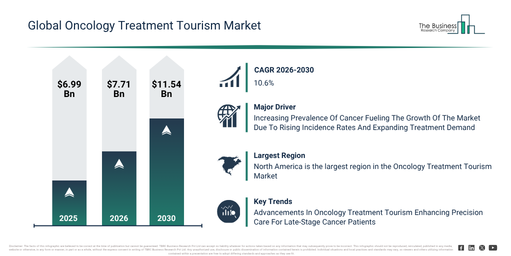
    The oncology treatment tourism market has seen swift expansion recently. It is anticipated to increase from $6.99 billion in 2025 to $7.71 billion in 2026, demonstrating a compound annual growth rate (CAGR) of 10.4%. The historical progression of this market can be linked to increasing global cancer prevalence, the elevated cost of oncology treatment in developed countries, restricted availability of advanced therapies in home countries, the development of medical tourism infrastructure, and growing awareness of international treatment options.

    The oncology treatment tourism market is projected to experience substantial growth in the coming years. It is anticipated to expand to $11.54 billion by 2030, achieving a compound annual growth rate (CAGR) of 10.6%. This projected growth throughout the forecast period stems from factors such as the increasing adoption of personalized oncology therapies, an expansion of international insurance coverage for cross-border care, rising investment in specialized cancer centers, a growing demand for shorter treatment waiting times, and increasing collaborations among global healthcare providers. Noteworthy trends during this period include enhanced cross-border access to advanced cancer therapies, an escalating demand for cost-effective oncology treatments, the expansion of international cancer centers of excellence, a rise in partnerships between hospitals and medical tourism agencies, and a growing preference for integrated treatment and hospitality packages.

    Access Your Free Sample Report For In-Depth Market Analysis:

    https://www.thebusinessresearchcompany.com/sample_request?id=64720702&type=smp&name=Oncology%20Treatment%20Tourism%20Market%20Report%202026

    Which Primary Drivers Are Impacting The Oncology Treatment Tourism Market Growth?

    The rising incidence of cancer is anticipated to fuel the expansion of the oncology treatment tourism market in the future. Cancer constitutes a category of illnesses marked by the uncontrolled multiplication and dispersion of atypical cells within the body, capable of infiltrating adjacent tissues and spreading to remote organs. The increase in cancer’s commonness is linked to an aging global populace, given that older individuals face an elevated likelihood of acquiring genetic mutations contributing to the disease. Oncology treatment tourism aids cancer patients by facilitating access to cutting-edge therapies, expert oncologists, and novel treatment approaches potentially unavailable in their native countries. This form of tourism contributes to lowering treatment expenses and wait periods, concurrently delivering extensive care packages, enhancing availability, ensuring continuous care, and boosting overall treatment results. For example, data from February 2024 by the World Health Organization, an international organization based in Switzerland, projects more than 35 million new cancer diagnoses by 2050, representing a 77% surge from the 20 million cases recorded in 2022. Consequently, the expanding occurrence of cancer is a key factor propelling the development of the oncology treatment tourism market.

    How Is The Oncology Treatment Tourism Market Organized By Segment Classification?

    The oncology treatment tourism market covered in this report is segmented –

    1) By Treatment Type: Chemotherapy, Radiation Therapy, Immunotherapy, Targeted Therapy, Surgical Oncology, Other Treatment Types

    2) By Patient Profile: Adults, Pediatrics, Geriatrics

    3) By Booking Channel: Direct, Online Platforms, Medical Tourism Agencies

    4) By Service Provider: Hospitals, Specialty Clinics, Cancer Centers, Other Services

    Subsegments:

    1) By Chemotherapy: Adjuvant Chemotherapy, Neoadjuvant Chemotherapy, Palliative Chemotherapy, Combination Chemotherapy

    2) By Immunotherapy: Immune Checkpoint Inhibitor Therapy, Monoclonal Antibody Therapy, Cancer Vaccine Therapy, Adoptive Cell Transfer Therapy

    3) By Radiation Therapy: External Beam Radiation Therapy, Intensity Modulated Radiation Therapy, Image Guided Radiation Therapy, Brachytherapy

    4) By Targeted Therapy: Small Molecule Targeted Therapy, Monoclonal Antibody Targeted Therapy, Angiogenesis Inhibitor Therapy, Hormone Targeted Therapy

    5) By Surgical Oncology: Minimally Invasive Surgery, Robotic Assisted Surgery, Open Cancer Surgery, Cytoreductive Surgery

    6) By Other Treatment Types: Hormone Therapy, Stem Cell Transplantation, Hyperthermia Therapy, Photodynamic Therapy

    What Trends Are Transforming The Oncology Treatment Tourism Market?

    Leading companies within the oncology treatment tourism market are concentrating on developing sophisticated solutions, such as advanced oncology therapeutics, to elevate the accuracy of treatments and enhance clinical results for patients with late-stage cancer. Advanced oncology therapeutics refers to a category of innovative medical interventions crafted to target cancer at its molecular, cellular, or genetic level. For instance, in September 2025, Booking Health, a medical travel facilitator based in Germany, expanded its offerings to improve worldwide access to advanced stage 4 cancer treatments, including immunotherapy, CAR T-cell therapy, and theranostics. The platform delivers extensive coordination for patients, covering aspects like second opinions, individualized treatment strategies, travel arrangements, and post-treatment follow-up. By connecting patients with premier certified German hospitals such as LMU Klinikum, these services provide entry to cutting-edge oncology choices like HIPEC, PIPAC, and radioembolization (Y-90), which are designed to improve survival rates, boost treatment precision, and support patient-centric cancer care.

    Who Are The Industry Participants Involved In The Oncology Treatment Tourism Market?

    Major companies operating in the oncology treatment tourism market are Mayo Clinic, Memorial Sloan Kettering Cancer Center, Cleveland Clinic, Johns Hopkins Medicine, Apollo Hospitals, Charité-Universitätsmedizin Berlin, Sheba Medical Center, Dana-Farber Cancer Institute, The Royal Marsden Hospital, Seoul National University Hospital, Clínica Universidad de Navarra, Karolinska University Hospital, Institut Curie, Istituto Nazionale dei Tumori, Asan Medical Center, Netherlands Cancer Institute, The Christie NHS Foundation Trust, Cancer Institute Hospital of JFCR, HCG Cancer Centre, Princess Margaret Cancer Centre, MD Anderson Cancer Center.

    Get The Full Oncology Treatment Tourism Market Report:

    https://www.thebusinessresearchcompany.com/report/oncology-treatment-tourism-market-report

    Which Region Dominates The Oncology Treatment Tourism Market By Market Share?

    North America was the largest region in the oncology treatment tourism market in 2025. Asia-Pacific is expected to be the fastest-growing region in the forecast period. The regions covered in the oncology treatment tourism market report are Asia-Pacific, South East Asia, Western Europe, Eastern Europe, North America, South America, Middle East, Africa.

    Request A Customized Oncology Treatment Tourism Market Report For Competitive Insights:

    https://www.thebusinessresearchcompany.com/Customise?id=64720702&name=Oncology%20Treatment%20Tourism%20Market%20Report%202026&type=smp

    Browse Through More Reports Similar to the Global Oncology Treatment Tourism Market 2026, By The Business Research Company

    pruritus therapeutic market report 2026

    https://www.thebusinessresearchcompany.com/report/pruritus-therapeutic-global-market-report

    genomic urine testing market report 2026

    https://www.thebusinessresearchcompany.com/report/genomic-urine-testing-global-market-report

    ocular genetic diagnostic market report 2026

    https://www.thebusinessresearchcompany.com/report/ocular-genetic-diagnostic-global-market-report

    Get in touch with us:

    The Business Research Company: https://www.thebusinessresearchcompany.com/

    Americas +1 310-496-7795

    Asia +44 7882 955267 & +91 8897263534

    Europe +44 7882 955267

    Email us at marketing@tbrc.info

    Follow us on:

    LinkedIn: https://in.linkedin.com/company/the-business-research-company

    YouTube: https://www.youtube.com/channel/UC24_fI0rV8cR5DxlCpgmyFQ

    Global Market Model: https://www.thebusinessresearchcompany.com/global-market-model
  • Needle Protection Systems Market Forecast Highlighting Emerging Developments Across The Industry Through 2030

    Needle Protection Systems Market Forecast Highlighting Emerging Developments Across The Industry Through 2030

    The Business Research Company’s 2026 market reports feature enhanced tools like market attractiveness analysis, TAM assessment, and company scoring matrices, along with interactive dashboards, deeper supply chain insights, and startup coverage strengthening the depth, usability, and strategic value of insights.

    What Are The Market Size Estimates For The Needle Protection Systems Market In 2026 And 2030?

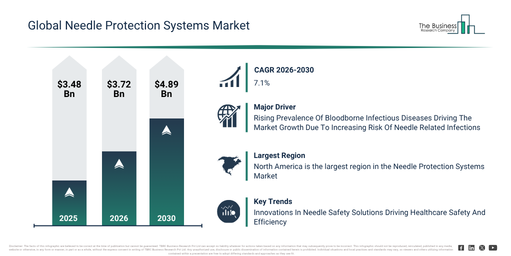
    The needle protection systems market size has experienced strong growth in recent years. It is anticipated to increase from $3.48 billion in 2025 to $3.72 billion in 2026, achieving a compound annual growth rate (CAGR) of 6.9%. This historical expansion can be attributed to several factors, including the rising incidence of needlestick injuries, the implementation of occupational safety regulations, growth in hospital and outpatient procedures, increasing awareness of bloodborne pathogen risks, and the expansion of vaccination and injectable drug programs.

    The market for needle protection systems is projected to experience substantial expansion over the coming years. This market is anticipated to reach $4.89 billion by 2030, exhibiting a compound annual growth rate (CAGR) of 7.1%. The anticipated growth throughout this forecast period stems from factors such as increasing demand for self-injection devices in home care, greater uptake of automated retractable mechanisms, a heightened emphasis on healthcare worker safety compliance, the broadening of infection prevention protocols, and rising investments in intelligent safety monitoring solutions. Key trends expected during the forecast period encompass a wider adoption of auto-disable and retractable safety syringes, an escalating demand for needleless connectors in IV therapy, the increasing integration of closed medication transfer systems, an expanded use of prefilled safety syringes, and a growing focus on infection control and sharps injury prevention initiatives.

    Access Your Free Sample Report For In-Depth Market Analysis:

    https://www.thebusinessresearchcompany.com/sample_request?id=57071321&type=smp&name=Needle%20Protection%20Systems%20Market%20Report%202026

    What Significant Factors Are Influencing The Needle Protection Systems Market Expansion?

    The escalating prevalence and persistent threat of bloodborne infectious diseases are anticipated to propel the growth of the needle protection systems market moving forward. These illnesses are transmitted through contact with infected blood or certain bodily fluids, encompassing conditions like HIV, hepatitis B, and hepatitis C. The ongoing occurrence of these infections is driven by factors such as unsafe injection practices, occupational exposure among healthcare workers, and gaps in preventive and protective measures, which allow new infections to persist annually. Needle protection systems are crucial in reducing the risk of bloodborne pathogen transmission by enabling safer handling, use, and disposal of needles and sharps, thereby minimizing accidental needlestick injuries and occupational exposure to infected blood. For instance, in April 2025, according to the Centers for Disease Control and Prevention, a US-based government agency, in 2023, acute hepatitis B cases in the United States totaled 2,214, with the estimated true number of infections reaching approximately 14,400 after accounting for under ascertainment. Therefore, the increasing incidence of bloodborne infectious diseases is driving the growth of the needle protection systems market.

    Which Segments Define The Needle Protection Systems Market Segment Structure?

    The needle protection systems market covered in this report is segmented –

    1) By Device Type: Safety Syringes, Safety Intravenous (IV) Catheters And Blood Collection Sets, Needleless Connectors And Closed Intravenous (IV) Systems, Sharps Containers And Disposal Systems, Training, Compliance And Monitoring Services

    2) By Mechanism: Manual Retractable, Automated Retractable, Hinged Or Sliding Shields

    3) By Distribution Channel: Direct Tender, Retail Pharmacies, Online Pharmacies

    4) By Clinical Application: Medication Administration, Phlebotomy And Blood Collection, Intravenous (IV) Therapy And Vascular Access, Surgical Procedures, Home Care Self-Injection

    5) By End User: Hospitals, Ambulatory And Outpatient Clinics, Home Healthcare Providers, Blood Banks And Laboratories, Diagnostic Centers

    Subsegments:

    1) By Safety Syringes: Auto Disable Safety Syringes, Retractable Safety Syringes, Sliding Shield Safety Syringes, Spring Activated Safety Syringes, Prefilled Safety Syringes

    2) By Safety Intravenous Catheters And Blood Collection Sets: Winged Infusion Safety Sets, Peripheral Intravenous Safety Catheters, Vacuum Blood Collection Safety Needles, Butterfly Blood Collection Sets, Closed Blood Sampling Systems

    3) By Needleless Connectors And Closed Intravenous Systems: Positive Displacement Needleless Connectors, Negative Displacement Needleless Connectors, Neutral Displacement Needleless Connectors, Closed Medication Transfer Systems, Split Septum Connectors

    4) By Sharps Containers And Disposal Systems: Single Use Sharps Containers, Reusable Sharps Containers, Wall Mounted Sharps Disposal Units, Portable Sharps Disposal Containers, Safety Needle Destruction Devices

    5) By Training, Compliance And Monitoring Services: Healthcare Worker Safety Training Programs, Sharps Injury Prevention Compliance Programs, Digital Safety Monitoring Platforms, Occupational Safety Assessment Services, Infection Control Education Programs

    What Trends Are Shaping The Future Of The Needle Protection Systems Market?

    Leading companies within the needle protection systems market are concentrating on utilizing innovative technologies, such as passive safety technology, to bolster user safety and prevent needle-stick incidents. Passive safety technology functions as a mechanism that automatically covers or retracts the needle after use, thereby helping to avert accidental needle-stick injuries, diminishing the risk of blood-borne infections, elevating the general safety for healthcare personnel, and guaranteeing adherence to contemporary safety standards in medical environments. For example, in January 2026, Terumo Medical Corporation, a US-based medical device manufacturing firm, launched the SurTract Safety Syringe, powered by Roncadelle Operations S.r.l.’s SafeR passive safety technology. This syringe incorporates a customizable needle selection, a blunt needle design to prevent dulling, and a low dead-space construction to minimize medication waste. Additionally, it features ergonomic design elements to enhance user comfort and alleviate hand fatigue during repeated injections. SurTract preserves standard injection technique while offering improved reliability, intuitive operation, and a reduced environmental footprint, making it suitable for hospitals, clinics, emergency-care settings, and immunization campaigns. By integrating advanced safety technology with practical usability, these solutions enable healthcare institutions to meet stringent occupational safety standards and improve overall patient care outcomes.

    Who Are The Established Players Within The Needle Protection Systems Market?

    Major companies operating in the needle protection systems market are Cardinal Health Inc., Medtronic plc, Becton Dickinson Company, Baxter International Inc., B. Braun Melsungen AG, Terumo Corporation, Nipro Corporation, Smiths Group plc, West Pharmaceutical Services Inc., ICU Medical Inc., Gerresheimer AG, Merit Medical Systems Inc., Vygon S.A., Codan Ltd, SOL-Millennium Medical Group Inc., Retractable Technologies Inc., HMD Healthcare Ltd., Revolution Medical Corporation, Lifelong Meditech Ltd., DMC Medical Ltd.

    Get The Full Needle Protection Systems Market Report:

    https://www.thebusinessresearchcompany.com/report/needle-protection-systems-market-report

    Which Region Is The Largest In The Needle Protection Systems Market?

    North America was the largest region in the needle protection systems market in 2025. Asia-Pacific is expected to be the fastest-growing region in the forecast period. The regions covered in the needle protection systems market report are Asia-Pacific, South East Asia, Western Europe, Eastern Europe, North America, South America, Middle East, Africa.

    Request A Customized Needle Protection Systems Market Report For Competitive Insights:

    https://www.thebusinessresearchcompany.com/Customise?id=57071321&name=Needle%20Protection%20Systems%20Market%20Report%202026&type=smp

    Browse Through More Reports Similar to the Global Needle Protection Systems Market 2026, By The Business Research Company

    connected health personal medical devices market report 2026

    https://www.thebusinessresearchcompany.com/report/connected-health-personal-medical-devices-global-market-report

    contract sterilization market report 2026

    https://www.thebusinessresearchcompany.com/report/contract-sterilization-global-market-report

    orthotic insole 3-d printer market report 2026

    https://www.thebusinessresearchcompany.com/report/orthotic-insole-3-d-printer-global-market-report

    Get in touch with us:

    The Business Research Company: https://www.thebusinessresearchcompany.com/

    Americas +1 310-496-7795

    Asia +44 7882 955267 & +91 8897263534

    Europe +44 7882 955267

    Email us at marketing@tbrc.info

    Follow us on:

    LinkedIn: https://in.linkedin.com/company/the-business-research-company

    YouTube: https://www.youtube.com/channel/UC24_fI0rV8cR5DxlCpgmyFQ

    Global Market Model: https://www.thebusinessresearchcompany.com/global-market-model
  • Nasal Aspirate Testing Market Outlook Featuring Demand Trends And Future Growth Potential

    Nasal Aspirate Testing Market Outlook Featuring Demand Trends And Future Growth Potential

    The Business Research Company’s 2026 market reports feature enhanced tools like market attractiveness analysis, TAM assessment, and company scoring matrices, along with interactive dashboards, deeper supply chain insights, and startup coverage strengthening the depth, usability, and strategic value of insights.

    What Expansion In Market Value Is Forecasted For The Nasal Aspirate Testing Market Between 2026 And 2030?

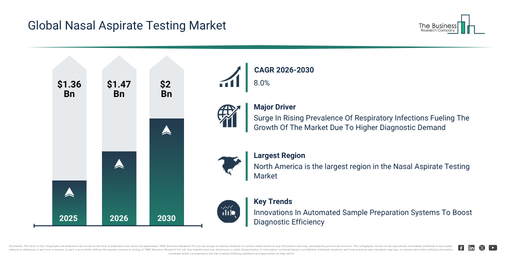
    The nasal aspirate testing market has seen significant expansion in recent years. Its valuation is forecast to climb from $1.36 billion in 2025 to $1.47 billion in 2026, exhibiting a compound annual growth rate (CAGR) of 7.8%. This historical growth can be attributed to several factors including the rising prevalence of respiratory infections, the expansion of diagnostic laboratory infrastructure, increasing awareness of early disease detection, enhanced hospital testing capabilities, and the adoption of molecular diagnostic technologies.

    The nasal aspirate testing market is projected to experience substantial expansion in the coming years, reaching a valuation of $2 billion by 2030, progressing at a compound annual growth rate (CAGR) of 8.0%. This projected expansion during the forecast period is fueled by several factors, including the escalating need for highly sensitive pathogen detection, increased spending on rapid point-of-care diagnostic tools, the growing incorporation of AI-assisted diagnostic analysis, the enlargement of infectious disease surveillance initiatives, and an enhanced emphasis on customized respiratory treatment strategies. Key developments anticipated in this period encompass the wider embrace of rapid molecular diagnostic testing, a surge in demand for screening pediatric respiratory infections, the expanded application of automated sample processing systems, the broader availability of point-of-care respiratory testing, and a heightened emphasis on the prompt identification of infectious diseases.

    Access Your Free Sample Report For In-Depth Market Analysis:

    https://www.thebusinessresearchcompany.com/sample_request?id=19563204&type=smp&name=Nasal%20Aspirate%20Testing%20Market%20Report%202026

    Which Important Drivers Are Guiding The Nasal Aspirate Testing Market Growth?

    The increasing occurrence of respiratory infections is anticipated to boost the expansion of the nasal aspirate testing market. These infections, stemming from viral or bacterial agents, impact the nasal passages, throat, and lungs, manifesting as cough, fever, and breathing difficulties. Their frequency is consistently rising due to the widespread presence of seasonal respiratory viruses, especially in crowded and close-contact environments where transmission is heightened. Nasal aspirate testing aids in the effective management of these conditions by allowing clinicians to gather concentrated respiratory samples directly from nasal passages. This method enhances the precision of pathogen identification, enables prompt and accurate diagnosis, and informs rapid treatment choices. As an illustration, in June 2024, the UK Health Security Agency, a government entity in the UK, reported that approximately 1,681 individuals were admitted to critical care in England with confirmed influenza between week 40 of 2022 and week 15 of 2023. Consequently, the growing prevalence of respiratory infections is projected to stimulate the growth of the nasal aspirate testing market.

    How Is The Nasal Aspirate Testing Market Segmented Across Different Segment Categories?

    The nasal aspirate testing market covered in this report is segmented –

    1) By Product Type: Instruments, Consumables

    2) By Test Type: Molecular Testing, Antigen Testing, Microbiological Culture Testing, Allergy Testing

    3) By Age Group: Pediatric, Adult

    4) By Application: Infectious Diseases, Respiratory Diseases, Other Applications

    5) By End-User: Hospitals, Diagnostic Laboratories, Research Institutes, Other End Users

    Subsegments:

    1) By Instruments: Nasal Aspirate Collection Devices, Suction Pumps And Vacuum Systems, Sample Processing Analyzers, Molecular Diagnostic Instruments, Automated Laboratory Workstations

    2) By Consumables: Sterile Suction Catheters, Sample Collection Tubes, Transport Media Kits, Reagents And Assay Kits, Disposable Filters And Tips

    Which Trends Are Contributing To Changes In The Nasal Aspirate Testing Market?

    Leading companies within the nasal aspirate testing market are concentrating on developing innovative solutions, such as automated sample preparation systems, to enhance testing speed, accuracy, and standardization. These automated sample preparation systems are technologies designed to streamline the collection, processing, and preparation of nasal aspirate samples with minimal manual intervention, thereby reducing errors, saving time, and improving consistency and accuracy in diagnostic testing. As an illustration, in December 2023, Thermo Fisher Scientific Inc., a US-based biotechnology company, launched the Thermo Scientific KingFisher Apex Automated Sample Preparation Solution, an innovative system aimed at simplifying and automating respiratory diagnostic testing. The KingFisher Apex is an advanced automated sample preparation system that integrates magnetic particle technology with customizable protocols, enabling laboratories to process multiple sample types with minimal hands-on time, decrease errors, and accelerate diagnostic turnaround. Serving as a next-generation automated sample preparation system, it incorporates a modular design for scalability, broad compatibility with a wide range of assays, and built-in software for workflow monitoring and optimization, making it particularly valuable for clinical, research, and high-volume testing environments.

    Which Organizations Play A Role In The Nasal Aspirate Testing Market Landscape?

    Major companies operating in the nasal aspirate testing market are Thermo Fisher Scientific Inc., Abbott Laboratories, Siemens Healthineers AG, Becton Dickinson Company, bioMérieux SA, Hologic Inc., QuidelOrtho Corporation, Bio-Rad Laboratories Inc., QIAGEN N.V., Cepheid Inc., DiaSorin S.p.A., SD Biosensor Inc., Meridian Bioscience Inc., Seegene Inc., Sekisui Diagnostics LLC, QuantuMDx Group Limited, Altona Diagnostics GmbH, Fast Track Diagnostics Ltd., Sherlock Biosciences Inc., Coris BioConcept S.A.

    Get The Full Nasal Aspirate Testing Market Report:

    https://www.thebusinessresearchcompany.com/report/nasal-aspirate-testing-market-report

    Which Region Leads The Nasal Aspirate Testing Market In Terms Of Market Share?

    North America was the largest region in the nasal aspirate testing market in 2025. Asia-Pacific is expected to be the fastest-growing region in the forecast period. The regions covered in the nasal aspirate testing market report are Asia-Pacific, South East Asia, Western Europe, Eastern Europe, North America, South America, Middle East, Africa.

    Request A Customized Nasal Aspirate Testing Market Report For Competitive Insights:

    https://www.thebusinessresearchcompany.com/Customise?id=19563204&name=Nasal%20Aspirate%20Testing%20Market%20Report%202026&type=smp

    Browse Through More Reports Similar to the Global Nasal Aspirate Testing Market 2026, By The Business Research Company

    connected health personal medical devices market report 2026

    https://www.thebusinessresearchcompany.com/report/connected-health-personal-medical-devices-global-market-report

    contract sterilization market report 2026

    https://www.thebusinessresearchcompany.com/report/contract-sterilization-global-market-report

    orthotic insole 3-d printer market report 2026

    https://www.thebusinessresearchcompany.com/report/orthotic-insole-3-d-printer-global-market-report

    Get in touch with us:

    The Business Research Company: https://www.thebusinessresearchcompany.com/

    Americas +1 310-496-7795

    Asia +44 7882 955267 & +91 8897263534

    Europe +44 7882 955267

    Email us at marketing@tbrc.info

    Follow us on:

    LinkedIn: https://in.linkedin.com/company/the-business-research-company

    YouTube: https://www.youtube.com/channel/UC24_fI0rV8cR5DxlCpgmyFQ

    Global Market Model: https://www.thebusinessresearchcompany.com/global-market-model
  • Nanobody-Based Diagnostics Market Analysis Highlighting Key Drivers And Evolving Industry Trends

    Nanobody-Based Diagnostics Market Analysis Highlighting Key Drivers And Evolving Industry Trends

    The Business Research Company’s 2026 market reports feature enhanced tools like market attractiveness analysis, TAM assessment, and company scoring matrices, along with interactive dashboards, deeper supply chain insights, and startup coverage strengthening the depth, usability, and strategic value of insights.

    How Large Will The Nanobody-Based Diagnostics Market Be By 2030 Compared To Its 2026 Market Size?

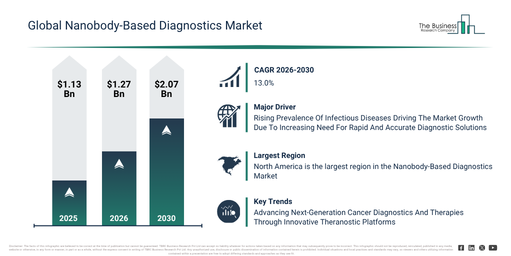
    The nanobody-based diagnostics market has seen a rapid expansion in its size over recent years. It is anticipated to increase from $1.13 billion in 2025 to $1.27 billion in 2026, achieving a compound annual growth rate (CAGR) of 12.7%. The market’s past growth is primarily due to advancements in antibody engineering technologies, a growing incidence of infectious diseases, increased demand for cancer diagnostics, higher research funding in immunodiagnostics, and the wider deployment of rapid diagnostic testing platforms.

    The nanobody-based diagnostics market is anticipated to experience significant growth in the coming years. This market is projected to reach $2.07 billion by 2030, demonstrating a compound annual growth rate (CAGR) of 13.0%. The expansion during the forecast period can be attributed to factors such as the increasing demand for precision diagnostics, the greater integration of AI-based assay analysis tools, the rising adoption of microfluidic biosensor systems, the growth of decentralized diagnostic testing, and an increasing focus on biomarkers for early disease detection. Key trends during this period include the growing acceptance of lateral flow nanobody assays, a rising need for high-affinity single-domain antibody reagents, the increasing incorporation of nanobodies into point-of-care diagnostics, the expansion of multiplexed biomarker detection platforms, and the growing application of nanobody-based imaging in disease monitoring.

    Access Your Free Sample Report For In-Depth Market Analysis:

    https://www.thebusinessresearchcompany.com/sample_request?id=40735924&type=smp&name=Nanobody-Based%20Diagnostics%20Market%20Report%202026

    What Major Factors Are Driving The Nanobody-Based Diagnostics Market Forward?

    The escalating occurrence of infectious diseases is anticipated to fuel the expansion of the nanobody based diagnostics market. These diseases are conditions caused by detrimental microorganisms like bacteria, viruses, fungi, or parasites, which can spread directly from person to person or indirectly through contact with tainted surroundings. The increase in infectious disease prevalence stems from greater human proximity, making it easier for pathogens to circulate within populations. Nanobody-based diagnostics play a crucial role by providing quick, highly specific, and sensitive detection of infectious agents, thereby enabling prompt diagnosis and treatment. This, in turn, helps manage the spread of such diseases and enhances patient recovery. For illustration, data from the Centers for Disease Control and Prevention, a US-based government agency, showed in March 2024 that tuberculosis cases increased from 8,320 in 2022 to 9,615 in 2023, marking an increment of 1,295 cases. Consequently, the growing incidence of infectious diseases is a key factor propelling the nanobody based diagnostics market forward.

    What Are The Main Segments Within The Nanobody-Based Diagnostics Market Segment Structure?

    The nanobody-based diagnostics market covered in this report is segmented –

    1) By Technology: Immunoassays, Molecular Diagnostics, Biosensor-Based Detection, Fluorescence And Imaging Diagnostics

    2) By Product Type: Reagents, Kits, Instruments, Other Product Types

    3) By Application: Infectious Diseases, Oncology, Autoimmune Disorders, Cardiovascular Diseases, Other Applications

    4) By End-User: Hospitals And Clinics, Diagnostic Laboratories, Research Institutes, Other End Users

    Subsegments:

    1) By Immunoassays: Enzyme Linked Immunosorbent Assay, Western Blotting, Lateral Flow Assay, Radioimmunoassay

    2) By Molecular Diagnostics: Polymerase Chain Reaction Based Assays, Nucleic Acid Hybridization, Next Generation Sequencing, Isothermal Amplification Techniques

    3) By Biosensor Based Detection: Electrochemical Biosensors, Optical Biosensors, Piezoelectric Biosensors, Microfluidic Biosensors

    4) By Fluorescence and Imaging Diagnostics: Fluorescence Microscopy, Flow Cytometry, Fluorescence In Situ Hybridization, Molecular Imaging Techniques

    What Market Trends Are Affecting The Nanobody-Based Diagnostics Market?

    Leading firms in the nanobody-based diagnostics market are concentrating on creating novel solutions, including sophisticated nanobody platforms, to enhance the precision and rapidity of identifying diseases. These advanced platforms employ compact, single-domain antibodies distinguished by their high specificity and stability, facilitating quicker tissue penetration, better targeting of disease biomarkers, and superior diagnostic and therapeutic efficacy when contrasted with traditional antibodies. A notable example is Cyclotek Pty Ltd, an Australia-based radiopharmaceutical firm, which received a CRC-P Round 16 grant from the Australian Government in September 2025, aimed at progressing a nanobody-based theranostic platform for cancer treatment. This initiative, undertaken in partnership with the University of Melbourne, Revela Bio Inc., and various local SMEs, is dedicated to crafting targeted diagnostics and therapeutics by utilizing nanobodies to target the Fibroblast Activation Protein (FAP), a biomarker extensively present in aggressive cancers like lung, pancreatic, and ovarian cancer. Nanobodies merge the accurate targeting capabilities of antibodies with the pharmacokinetic properties of small molecules, rendering them perfectly suited for both diagnostic imaging and therapeutic uses. The project’s objectives include creating sophisticated radiolabelling chemistry, performing pre-clinical assessments, and advancing to initial human clinical trials, thereby enabling Cyclotek Pty Ltd to expand and commercialize this groundbreaking platform throughout Australia, New Zealand, and the wider Asia-Pacific region.

    Who Are The Companies Participating In The Nanobody-Based Diagnostics Market?

    Major companies operating in the nanobody-based diagnostics market are Sanofi S.A., Thermo Fisher Scientific Inc., Merck KGaA, Agilent Technologies Inc., PerkinElmer Inc., Bruker Corporation, Bio-Rad Laboratories Inc., GenScript Biotech Corporation, Biocytogen LLC, Sino Biological Inc., Abzena plc, NanoTemper Technologies GmbH, RayBiotech Inc., Proteintech Group Inc., Creative Biolabs Inc., Isogenica Ltd., Beroni Group Limited, Immudex ApS, Cyclotek Pty Ltd, NanoTag Biotechnologies GmbH.

    Get The Full Nanobody-Based Diagnostics Market Report:

    https://www.thebusinessresearchcompany.com/report/nanobody-based-diagnostics-market-report

    Which Region Leads The Nanobody-Based Diagnostics Market In Overall Market Size?

    North America was the largest region in the nanobody-based diagnostics market in 2025. Asia-Pacific is expected to be the fastest-growing region in the forecast period. The regions covered in the nanobody-based diagnostics market report are Asia-Pacific, South East Asia, Western Europe, Eastern Europe, North America, South America, Middle East, Africa.

    Request A Customized Nanobody-Based Diagnostics Market Report For Competitive Insights:

    https://www.thebusinessresearchcompany.com/Customise?id=40735924&name=Nanobody-Based%20Diagnostics%20Market%20Report%202026&type=smp

    Browse Through More Reports Similar to the Global Nanobody-Based Diagnostics Market 2026, By The Business Research Company

    pruritus therapeutic market report 2026

    https://www.thebusinessresearchcompany.com/report/pruritus-therapeutic-global-market-report

    genomic urine testing market report 2026

    https://www.thebusinessresearchcompany.com/report/genomic-urine-testing-global-market-report

    ocular genetic diagnostic market report 2026

    https://www.thebusinessresearchcompany.com/report/ocular-genetic-diagnostic-global-market-report

    Get in touch with us:

    The Business Research Company: https://www.thebusinessresearchcompany.com/

    Americas +1 310-496-7795

    Asia +44 7882 955267 & +91 8897263534

    Europe +44 7882 955267

    Email us at marketing@tbrc.info

    Follow us on:

    LinkedIn: https://in.linkedin.com/company/the-business-research-company

    YouTube: https://www.youtube.com/channel/UC24_fI0rV8cR5DxlCpgmyFQ

    Global Market Model: https://www.thebusinessresearchcompany.com/global-market-model
  • Mobile Health (mHealth) Ecosystem Market Forecast 2026–2030 Featuring Industry Trends And Market Developments

    Mobile Health (mHealth) Ecosystem Market Forecast 2026–2030 Featuring Industry Trends And Market Developments

    The Business Research Company’s 2026 market reports feature enhanced tools like market attractiveness analysis, TAM assessment, and company scoring matrices, along with interactive dashboards, deeper supply chain insights, and startup coverage strengthening the depth, usability, and strategic value of insights.

    What Is The Projected Increase In Market Value Of The Mobile Health (mHealth) Ecosystem Market During 2026–2030?

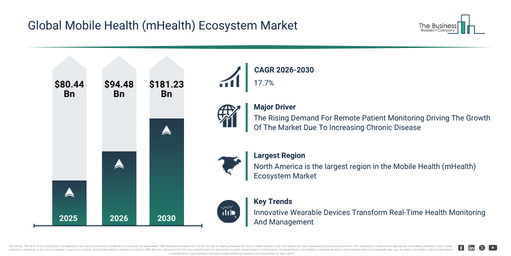
    The mobile health (mHealth) ecosystem market has seen rapid expansion in recent years. Its value is expected to rise from $80.44 billion in 2025 to $94.48 billion in 2026, achieving a compound annual growth rate (CAGR) of 17.4%. Historically, this growth has been driven by increasing global smartphone penetration, a higher incidence of chronic diseases, wider acceptance of telehealth, an expansion of healthcare digitization programs, and a growing patient need for accessible healthcare options.

    The mobile health (mHealth) ecosystem market size is projected to experience substantial expansion over the coming years. This market is anticipated to reach $181.23 billion by 2030, demonstrating a compound annual growth rate (CAGR) of 17.7%. This expansion during the forecast period is fueled by factors such as the increasing adoption of AI-powered health analytics, a rising demand for personalized mobile healthcare solutions, the broadening of 5G-enabled health services, heightened investment in digital health infrastructure, and the growing integration of predictive health monitoring tools. Key trends shaping the forecast period encompass a surge in the adoption of remote patient monitoring applications, the increasing integration of wearable health devices with mobile platforms, a growing need for chronic disease management solutions, the wider availability of telemedicine and virtual consultation services, and an escalating emphasis on interoperable health data systems.

    Access Your Free Sample Report For In-Depth Market Analysis:

    https://www.thebusinessresearchcompany.com/sample_request?id=60856665&type=smp&name=Mobile%20Health%20%28mHealth%29%20Ecosystem%20Market%20Report%202026

    Which Key Drivers Are Affecting The Mobile Health (mHealth) Ecosystem Market Development?

    An increasing need for remote patient monitoring (RPM) is anticipated to boost the expansion of the mobile health (mHealth) ecosystem market. RPM utilizes digital tools to gather and send health data from patients in distant areas to healthcare professionals for continuous oversight, condition management, and prompt action. The escalating requirement for RPM stems from the rising occurrence of chronic illnesses, especially in vulnerable and elderly demographics, where continuous health tracking aids in better managing conditions like diabetes, heart disease, and hypertension beyond conventional clinic environments. The mHealth ecosystem facilitates RPM through the incorporation of wearable technology, mobile apps, and cloud-powered analytics platforms, enabling uninterrupted data collection, distant clinical supervision, and coordinated care. As an illustration, in August 2025, the Office of Inspector General, a US-based independent organization, reported that the count of Medicare enrollees leveraging remote patient monitoring hit almost 1 million in 2024, marking a 27% rise from 2023. Consequently, the increasing necessity for remote patient monitoring is fueling the development of the mobile health (mHealth) ecosystem market.

    How Is Segmentation Applied In The Mobile Health (mHealth) Ecosystem Market Segment Analysis?

    The mobile health (mHealth) ecosystem market covered in this report is segmented –

    1) By Component: Devices, Software, Services

    2) By Business Model: Direct-to-Consumer, Business-to-Business, Business-to-Government

    3) By Deployment Mode: On-Premises, Cloud

    4) By Application: Chronic Disease Management, Fitness And Wellness, Remote Monitoring, Diagnostics, Other Applications

    5) By End-User: Hospitals, Clinics, Home Healthcare, Other End-Users

    Subsegments:

    1) By Devices: Wearable Devices, Portable Monitoring Devices, Diagnostic Devices, Fitness Trackers

    2) By Software: Health Management Applications, Remote Patient Monitoring Platforms, Electronic Health Records Software, Telemedicine Software

    3) By Services: Remote Monitoring Services, Data Analytics Services, Healthcare Consultation Services, Disease Management Services

    Which Trends Are Influencing Demand In The Mobile Health (mHealth) Ecosystem Market?

    Leading companies within the mobile health (mHealth) ecosystem market are prioritizing the development of advanced products, such as wearable health monitoring devices, to facilitate real-time tracking and management of users’ health and well-being. Wearable health monitoring devices are electronic gadgets designed to be worn on the body, offering continuous tracking and recording of essential health metrics like heart rate, activity levels, sleep patterns, and blood oxygen. For example, in September 2024, Apple Inc., a US-based consumer technology firm, introduced the Apple Watch and AirPods Pro 2, thereby launching wearable devices equipped with innovative health-monitoring functions. The Apple Watch incorporated sleep apnea notifications by employing a breathing disturbances metric to identify respiratory interruptions during sleep, helping users recognize a condition that affects over a billion people globally. Simultaneously, AirPods Pro 2 improved hearing health through features including loud sound reduction, a clinical-grade hearing test, and an over-the-counter hearing aid alternative for individuals with mild to moderate hearing loss.

    Who Are The Companies Participating In The Mobile Health (mHealth) Ecosystem Market Environment?

    Major companies operating in the mobile health (mHealth) ecosystem market are Apple Inc., Samsung Electronics Co Ltd., AT And T Inc., Huawei Technologies Co Ltd., Vodafone Group Plc, Xiaomi Corporation, Medtronic PLC, Koninklijke Philips N.V, GE HealthCare Technologies Inc, Omron Healthcare Inc., Garmin Ltd., ResMed Inc., Dexcom Inc., Steelcase Inc., Masimo Corporation, Polar Electro Oy, Whoop Inc., AliveCor Inc., iHealth Lab Inc., AirStrip Technologies Inc., and Oura Health Ltd.

    Get The Full Mobile Health (mHealth) Ecosystem Market Report:

    https://www.thebusinessresearchcompany.com/report/mobile-health-mhealth-ecosystem-market-report

    Which Region Is The Top Contributor To The Mobile Health (mHealth) Ecosystem Market By Share?

    North America was the largest region in the mobile health (mHealth) ecosystem market in 2025. Asia-Pacific is expected to be the fastest-growing region in the forecast period. The regions covered in the mobile health (mHealth) ecosystem market report are Asia-Pacific, South East Asia, Western Europe, Eastern Europe, North America, South America, Middle East, Africa.

    Request A Customized Mobile Health (mHealth) Ecosystem Market Report For Competitive Insights:

    https://www.thebusinessresearchcompany.com/Customise?id=60856665&name=Mobile%20Health%20%28mHealth%29%20Ecosystem%20Market%20Report%202026&type=smp

    Browse Through More Reports Similar to the Global Mobile Health (mHealth) Ecosystem Market 2026, By The Business Research Company

    pruritus therapeutic market report 2026

    https://www.thebusinessresearchcompany.com/report/pruritus-therapeutic-global-market-report

    genomic urine testing market report 2026

    https://www.thebusinessresearchcompany.com/report/genomic-urine-testing-global-market-report

    ocular genetic diagnostic market report 2026

    https://www.thebusinessresearchcompany.com/report/ocular-genetic-diagnostic-global-market-report

    Get in touch with us:

    The Business Research Company: https://www.thebusinessresearchcompany.com/

    Americas +1 310-496-7795

    Asia +44 7882 955267 & +91 8897263534

    Europe +44 7882 955267

    Email us at marketing@tbrc.info

    Follow us on:

    LinkedIn: https://in.linkedin.com/company/the-business-research-company

    YouTube: https://www.youtube.com/channel/UC24_fI0rV8cR5DxlCpgmyFQ

    Global Market Model: https://www.thebusinessresearchcompany.com/global-market-model
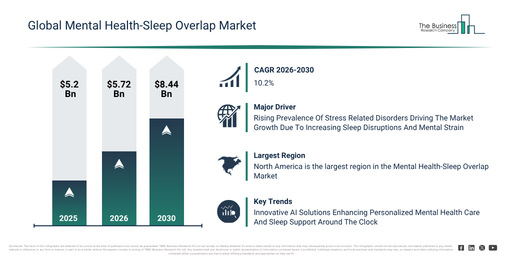
  • Mental Health-Sleep Overlap Market Analysis Highlighting Major Trends And Expansion Opportunities

    Mental Health-Sleep Overlap Market Analysis Highlighting Major Trends And Expansion Opportunities

    The Business Research Company’s 2026 market reports feature enhanced tools like market attractiveness analysis, TAM assessment, and company scoring matrices, along with interactive dashboards, deeper supply chain insights, and startup coverage strengthening the depth, usability, and strategic value of insights.

    How Is The Market Size Of The Mental Health-Sleep Overlap Market Expected To Change From 2026 To 2030?

    The mental health-sleep overlap market size has demonstrated significant growth in recent years. This market is projected to increase from $5.2 billion in 2025 to $5.72 billion in 2026, achieving a compound annual growth rate (CAGR) of 10.0%. The growth observed in the historic period can be attributed to several factors, including the rising prevalence of anxiety and depression disorders, increasing awareness of sleep disorders, the expansion of behavioral therapy adoption, the growth in telehealth mental health services, and intensified research on sleep and circadian rhythm science.

    The mental health-sleep overlap market is projected for substantial expansion in the coming years, with its size anticipated to reach $8.44 billion by 2030, driven by a compound annual growth rate (CAGR) of 10.2%. This anticipated growth during the forecast period stems from factors such as the increasing acceptance of personalized sleep-mental health treatment plans, greater utilization of AI-driven behavioral analytics, enhanced employer investment in mental wellness initiatives, the broadening reach of remote patient monitoring technologies, and the rising incorporation of sleep biomarkers within psychiatric care. Key trends expected within this period involve the increasing inclusion of sleep assessment during mental health screenings, a growing uptake of combined CBT-I and CBT treatment approaches, escalating demand for digital tools to monitor sleep and mood, the enlargement of tele-psychiatry services that address sleep disorders, and an intensified emphasis on preventive mental health and sleep wellness programs.

    Access Your Free Sample Report For In-Depth Market Analysis:

    https://www.thebusinessresearchcompany.com/sample_request?id=74002705&type=smp&name=Mental%20Health-Sleep%20Overlap%20Market%20Report%202026

    What Factors Are Contributing To The Growth Of The Mental Health-Sleep Overlap Market?

    The increasing occurrence of stress-related conditions is anticipated to fuel the expansion of the mental health–sleep overlap market in the future. These disorders are characterized by sustained exposure to psychological or environmental pressures, leading to symptoms like anxiety, depression, difficulties with emotional regulation, and hindered daily activities. Their occurrence is rising because of ongoing exposure to chronic psychosocial challenges, such as workplace demands, financial difficulties, social obstacles, and shifts in lifestyle, which overwhelm people’s coping strategies and negatively impact their mental health. A strong connection exists between stress-related disorders and sleep problems, given that chronic stress interferes with the neurobiological processes governing mood and circadian rhythms, resulting in conditions like insomnia, broken sleep patterns, or excessive sleepiness. For instance, in May 2024, the 2024 annual mental health poll, conducted by the American Psychiatric Association, a US-based organization, revealed that 43% of adults in 2024 reported feeling more anxious than the previous year, a rise from 37% in 2023 and 32% in 2022. Consequently, the increasing occurrence of stress-related conditions is propelling the expansion of the mental health sleep overlap market.

    What Segment Categories Shape The Mental Health-Sleep Overlap Market Segment Landscape?

    The mental health-sleep overlap market covered in this report is segmented –

    1) By Treatment And Service Mix: Psychiatric Pharmacotherapy With Sleep Impact, Cognitive Behavioral Therapy (CBT-I) + Cognitive Behavioral Therapy (CBT) Integrated Programs, Tele-Psychiatry Or Therapy Services, Digital Monitoring And Relapse Prevention Tools, Adjunct Devices

    2) By Age Group: Pediatric, Adult, Geriatric

    3) By Delivery Mode: Mobile Applications, Web-Based Platforms, Telehealth Integrations

    4) By Application: Preventive Healthcare And Wellness, Clinical Treatment And Disease Management, Long-Term Care And Assisted Living

    5) By End User Or Channel: Outpatient Mental Health Clinics, Telehealth Platforms, Hospitals Or Behavioral Health Centers, Employer Or Payer Programs, Other End Users

    Subsegments:

    1) By Psychiatric Pharmacotherapy With Sleep Impact: Antidepressant Medications, Anxiolytic Medications, Mood Stabilizing Agents, Atypical Antipsychotic Medications, Sedative Hypnotic Medications

    2) By Cognitive Behavioral Therapy (CBT-I) + Cognitive Behavioral Therapy (CBT) Integrated Programs: Sleep Restriction Therapy Programs, Stimulus Control Therapy Programs, Cognitive Restructuring Therapy, Relaxation Training Programs, Mindfulness-Based Behavioral Therapy

    3) By Tele-Psychiatry Or Therapy Services: Video Consultation Services, Audio-Based Therapy Sessions, Text-Based Counseling Platforms, Remote Psychological Assessment Services, Virtual Group Therapy Programs

    4) By Digital Monitoring And Relapse Prevention Tools: Sleep Pattern Tracking Software, Mood Monitoring Applications, Behavioral Analytics Platforms, Predictive Risk Assessment Tools, Remote Patient Monitoring Dashboards

    5) By Adjunct Devices: Light Therapy Lamps, Smart Sleep Tracking Watches, Biometric Monitoring Bands, Heart Rate Variability Sensors, Circadian Rhythm Regulation Devices

    What Emerging Trends Are Seen In The Mental Health-Sleep Overlap Market?

    Major companies operating in the mental health-sleep overlap market are focusing on developing innovative solutions, such as AI-powered mental health platforms, to provide personalized, 24/7 support for stress and sleep-related issues. These artificial intelligence-powered mental health platforms are digital tools that leverage AI to deliver customized mental health support, including real-time guidance, coping strategies, and symptom monitoring, helping users manage stress, enhance sleep, and access care anytime without waiting for in-person sessions. For instance, in October 2025, Lyra Health, a US-based digital mental health company, introduced Lyra AI, a clinical-grade AI platform specifically designed to offer personalized mental health assistance. Lyra AI integrates sophisticated conversational AI with the existing Lyra Empower platform to provide continuous guidance for challenges such as stress, burnout, and sleep disturbances. The platform combines digital skill-building exercises with live provider sessions, incorporates a risk-flagging system that escalates urgent cases to human clinicians, and adheres to rigorous clinical and ethical standards through its Polaris Principles. Its applications encompass improving sleep quality, reducing stress, and supporting overall mental wellness, offering scalable, evidence-based care while maintaining human oversight.

    Who Are The Companies Operating Across The Mental Health-Sleep Overlap Market Value Chain?

    Major companies operating in the mental health-sleep overlap market are Johnson & Johnson, Koninklijke Philips N.V., Teladoc Health, Lyra Health Inc., Headspace Health Inc., Included Health Inc., Talkspace Inc., Spring Health, Whoop Inc., Transcarent Inc., Calm.com Inc., Modern Health Inc., Unmind Ltd., Big Health Inc., Click Therapeutics Inc., Welldoc Inc., Quartet Health Inc., Meru Health Inc., Ieso Digital Health Ltd., Wysa LTD., Oura Health Oy.

    Get The Full Mental Health-Sleep Overlap Market Report:

    https://www.thebusinessresearchcompany.com/report/mental-health-sleep-overlap-market-report

    Which Region Represents The Largest Share Of The Mental Health-Sleep Overlap Market?

    North America was the largest region in the mental health-sleep overlap market in 2025. Asia-Pacific is expected to be the fastest-growing region in the forecast period. The regions covered in the mental health-sleep overlap market report are Asia-Pacific, South East Asia, Western Europe, Eastern Europe, North America, South America, Middle East, Africa.

    Request A Customized Mental Health-Sleep Overlap Market Report For Competitive Insights:

    https://www.thebusinessresearchcompany.com/Customise?id=74002705&name=Mental%20Health-Sleep%20Overlap%20Market%20Report%202026&type=smp

    Browse Through More Reports Similar to the Global Mental Health-Sleep Overlap Market 2026, By The Business Research Company

    pruritus therapeutic market report 2026

    https://www.thebusinessresearchcompany.com/report/pruritus-therapeutic-global-market-report

    genomic urine testing market report 2026

    https://www.thebusinessresearchcompany.com/report/genomic-urine-testing-global-market-report

    ocular genetic diagnostic market report 2026

    https://www.thebusinessresearchcompany.com/report/ocular-genetic-diagnostic-global-market-report

    Get in touch with us:

    The Business Research Company: https://www.thebusinessresearchcompany.com/

    Americas +1 310-496-7795

    Asia +44 7882 955267 & +91 8897263534

    Europe +44 7882 955267

    Email us at marketing@tbrc.info

    Follow us on:

    LinkedIn: https://in.linkedin.com/company/the-business-research-company

    YouTube: https://www.youtube.com/channel/UC24_fI0rV8cR5DxlCpgmyFQ

    Global Market Model: https://www.thebusinessresearchcompany.com/global-market-model