Month: May 2026

  • Ablation Technology Market Projected To Surpass $8.83 Billion By 2030 At 8.7% CAGR

    Ablation Technology Market Projected To Surpass $8.83 Billion By 2030 At 8.7% CAGR

    The Business Research Company’s 2026 market reports feature enhanced tools like market attractiveness analysis, TAM assessment, and company scoring matrices, along with interactive dashboards, deeper supply chain insights, and startup coverage strengthening the depth, usability, and strategic value of insights.

    What Increase In Market Value Is Predicted For The Ablation Technology Market During The 2026–2030 Period?

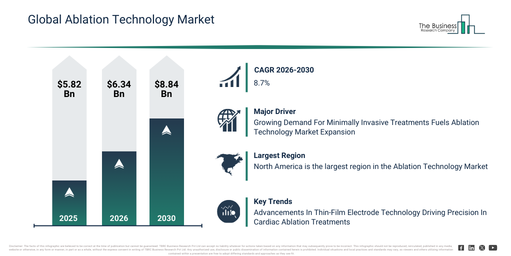
    The ablation technology market has experienced substantial expansion in recent years. This market is anticipated to grow from $5.82 billion in 2025 to $6.34 billion in 2026, exhibiting a compound annual growth rate (CAGR) of 8.8%. The historical growth can be attributed to the development of early ablation devices, an increasing prevalence of chronic pain and cardiovascular disorders, wider hospital adoption of minimally invasive technologies, rising awareness of cancer treatment alternatives, and the expansion of surgical centers.

    The ablation technology market is projected to experience substantial expansion in the coming years, achieving a size of $8.84 billion by 2030, with a compound annual growth rate (CAGR) of 8.7%. This expected growth during the forecast period is propelled by several factors, including continuous technological advancements in laser, RF, and cryoablation devices, a rising number of ambulatory surgical centers, increasing demand for aesthetic and cosmetic procedures, greater investment in precision surgical equipment, and the expansion of ablation therapies into emerging markets. Significant trends within this period include the growing adoption of minimally invasive procedures, the broadening of ablation therapies for cancer treatment, a higher utilization of both thermal and non-thermal ablation technologies, increased applications in cardiovascular and pain management, and a pronounced focus on precision and safety in ablation procedures.

    Download A Free Sample Report For Comprehensive Market Insights:

    https://www.thebusinessresearchcompany.com/sample.aspx?id=18206&type=smp

    Which Core Factors Are Supporting The Expansion Of The Ablation Technology Market?

    The increasing demand for minimally invasive treatments is projected to drive the growth of the ablation technology market moving forward. These treatments denote medical interventions performed through minor incisions or natural body openings, employing specialized instruments guided by imaging techniques. Minimally invasive treatments are gaining traction due to their ability to shorten recovery times, mitigate surgical risks, and improve patient outcomes compared to traditional surgical approaches. Ablation technology is employed in minimally invasive procedures to precisely target and eliminate diseased tissues while minimizing damage to surrounding healthy tissues. For instance, in January 2023, according to data published by the American Society of Plastic Surgeons, a US-based association of plastic surgeons, approximately 23,672,269 minimally invasive cosmetic surgeries were conducted in the USA in 2022, which saw a 7% rise to 25,442,640 surgeries in the year 2023. Consequently, the escalating need for minimally invasive treatments is propelling the expansion of the ablation technology market.

    How Is The Ablation Technology Market Structured Across Different Market Segments?

    The ablation technology market covered in this report is segmented –

    1) By Product: Cryoablation Devices, Electrical Ablators, Hydrothermal Or Hydromechanical Ablators, Laser Or Light Ablators, Microwave Ablators, Radiofrequency Ablators, Ultrasound Ablators, Other Products

    2) By Technologies: Thermal Ablation Technology, Non-Thermal Ablation Technology, Other Technologies

    3) By Applications: Cardiovascular Disease Treatment, Cancer Treatment, Gynecological Treatment, Pain Management, Urological Treatment

    4) By End Users: Ambulatory Surgical Centers, Hospitals And Ablation Centers, Other End Users

    Subsegments:

    1) By Cryoablation Devices: Cryoprobes, Cryoablation Catheters

    2) By Electrical Ablators: Electrosurgical Units, Electrode Catheters

    3) By Hydrothermal Or Hydromechanical Ablators: Steam-Based Ablation Devices, Water-Jet Ablation Devices

    4) By Laser Or Light Ablators: Diode Laser Ablation Devices, Fiber-Optic Laser Ablation Systems

    5) By Microwave Ablators: Microwave Ablation Catheters, Microwave Generator Systems

    6) By Radiofrequency Ablators: RF Ablation Catheters, RF Ablation Generators

    7) By Ultrasound Ablators: Focused Ultrasound Ablation Devices, Ultrasound-Guided Ablation Systems

    8) By Other Products: Balloon Ablation Systems, Cryoanalgesia Systems

    What Trends Are Influencing The Future Of The Ablation Technology Market?

    Major companies in the ablation technology market are developing advanced technologies, such as thin-film electrode technology, to enhance precision and effectiveness in treating cardiac arrhythmias, reduce procedure times, and improve patient outcomes. Thin-film electrode technology refers to a method utilizing ultra-thin conductive layers to create precise electrodes for targeted ablation treatments. For instance, in March 2024, NeuroOne, a US-based medical equipment manufacturing company, introduced the OneRF Ablation System. This system leverages thin-film, stereoelectroencephalography (SEEG)-guided radiofrequency (RF) technology to record electrical activity and perform precise ablation of nervous tissue with temperature controls, using the same electrode for both diagnosis and treatment. The OneRF ablation system represents NeuroOne’s initial device with a therapeutic indication and its third FDA-approved product. The system enhances the company’s Evo cortical and stereoelectroencephalography (sEEG) electrode product lines, primarily utilized for documenting electrical activity in the brain for under 30 days.

    Who Are The Companies Shaping The Ablation Technology Market Landscape?

    Major companies operating in the ablation technology market are Johnson & Johnson, Abbott Laboratories, Medtronic plc, Boston Scientific Corporation, Stryker Corporation, Olympus Corporation, Terumo Corporation, Smith & Nephew plc, Hologic Inc., ConMed Corporation, Accuray Incorporated, AtriCure Inc., AngioDynamics Inc., HealthTronics Inc., Creo Medical Group plc, Misonix Inc., MedWaves Inc., Theraclion SA, IceCure Medical Ltd, EDAP TMS SA, Merit Medical Systems Inc.

    Access The Complete Ablation Technology Market Report:

    https://www.thebusinessresearchcompany.com/report/ablation-technology-global-market-report

    Which Region Commands The Largest Share Of The Ablation Technology Market?

    North America was the largest region in the ablation technology market in 2025. Asia-Pacific is expected to be the fastest-growing region in the forecast period. The regions covered in the ablation technology market report are Asia-Pacific, South East Asia, Western Europe, Eastern Europe, North America, South America, Middle East, Africa.

    Access Ablation Technology Market Report for Deeper Competitive Insights

    https://www.thebusinessresearchcompany.com/customise?id=18206&type=smp

    Browse Through More Reports Similar to the Global Ablation Technology Market 2026, By The Business Research Company

    Ablation Devices Global Market Report 2026

    https://www.thebusinessresearchcompany.com/report/ablation-devices-global-market-report

    Radiofrequency Ablation Devices Global Market Report 2026

    https://www.thebusinessresearchcompany.com/report/radiofrequency-ablation-devices-global-market-report

    Tumor Ablation Therapy Devices Global Market Report 2026

    https://www.thebusinessresearchcompany.com/report/tumor-ablation-therapy-devices-global-market-report

    Get in touch with us:

    The Business Research Company: https://www.thebusinessresearchcompany.com/

    Americas: +1 310-496-7795

    Asia: +44 7882 955267 & +91 8897263534

    Europe: +44 7882 955267

    Email us at: marketing@tbrc.info

    Follow us on:

    LinkedIn: https://in.linkedin.com/company/the-business-research-company

    YouTube: https://www.youtube.com/channel/UC24_fI0rV8cR5DxlCpgmyFQ

    Global Market Model: https://www.thebusinessresearchcompany.com/global-market-model
  • Abetalipoproteinemia Management Market Forecast Through 2030 Featuring Industry Drivers And Opportunities

    Abetalipoproteinemia Management Market Forecast Through 2030 Featuring Industry Drivers And Opportunities

    The Business Research Company’s 2026 market reports feature enhanced tools like market attractiveness analysis, TAM assessment, and company scoring matrices, along with interactive dashboards, deeper supply chain insights, and startup coverage strengthening the depth, usability, and strategic value of insights.

    How Will The Market Size Of The Abetalipoproteinemia Management Market Progress Through 2030?

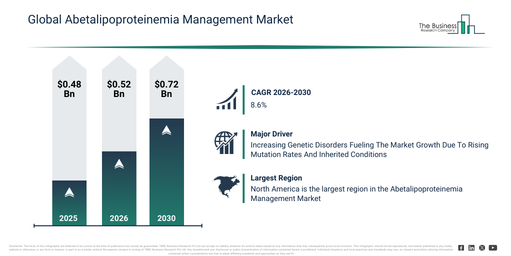
    The abetalipoproteinemia management market size has demonstrated significant expansion in recent years. It is anticipated to expand from $0.48 billion in 2025 to $0.52 billion in 2026, achieving a compound annual growth rate (CAGR) of 8.9%. The growth observed in the preceding period can be linked to factors like limited awareness of abetalipoproteinemia, a reliance on conventional vitamin supplementation, the low availability of molecular diagnostic tools, increasing recognition of rare genetic disorders, and the rise of hospital-based diagnosis programs.

    The abetalipoproteinemia management market is projected to experience substantial expansion in the coming years. By 2030, its valuation is anticipated to reach $0.72 billion, expanding at a compound annual growth rate (CAGR) of 8.6%. This projected growth during the forecast timeframe stems from advancements in NGS and PCR testing, the evolution of gene therapy methods, an increase in diagnosis rates among pediatric and adult patients, expanded research into MCT and dietary interventions, and the broader incorporation of personalized treatment strategies. Key trends anticipated for this period encompass the broadening of fat-soluble vitamin supplementation initiatives, a surge in the adoption of molecular genetic testing for rare diseases, a heightened emphasis on managing pediatric patients, an increase in the application of MCT therapy and dietary adjustments, and improved incorporation of supportive care alongside new therapeutic options.

    Download A Free Sample Report For Comprehensive Market Insights:

    https://www.thebusinessresearchcompany.com/sample.aspx?id=23290&type=smp

    What Are The Main Drivers Accelerating The Growth Of The Abetalipoproteinemia Management Market?

    The increasing occurrence of genetic disorders is anticipated to boost the expansion of the abetalipoproteinemia management market in the coming years. Genetic conditions are defined as health issues resulting from inherited or spontaneous alterations or defects in an individual’s DNA, impacting their well-being and development. The rise in genetic disorder prevalence stems from improved medical interventions and treatments leading to higher survival rates for those affected. Abetalipoproteinemia management aids in preventing complications from these disorders by correcting nutrient deficiencies through high-dose fat-soluble vitamins (A, D, E, K) and a low-fat diet. Timely treatment is crucial for averting neurological and vision issues, thereby enhancing the quality of life. For instance, in October 2024, the Cystic Fibrosis Trust, a UK-based national charity, reported that 11,148 people were living with cystic fibrosis (CF) in the UK in 2022, a number that rose to 11,318 in 2023. Consequently, the growing prevalence of genetic disorders is a significant factor propelling the abetalipoproteinemia management market’s growth. The increasing need for personalized medicine is projected to drive the expansion of the abetalipoproteinemia management market in the foreseeable future. Personalized medicine involves a healthcare methodology where treatments and strategies are customized for individual patients, taking into account their specific genetic makeup, environmental influences, and lifestyle choices. This demand is escalating due to progress in genomic research and technology, which allows for a deeper understanding of individual genetic profiles and their impact on health and illness. Abetalipoproteinemia management contributes to personalized medicine by providing customized nutritional therapies and treatments informed by individual genetic data. This method leads to better patient-focused health outcomes and ensures efficient long-term care for the condition. For instance, in February 2024, the Personalized Medicine Coalition, a US-based nonprofit organization, reported that the U.S. Food and Drug Administration sanctioned 16 novel personalized treatments for rare disease patients in 2023, a significant rise from six in 2022. Consequently, the growing demand for personalized medicine is fueling the growth of the abetalipoproteinemia management market.

    Which Segment-Based Categories Are Covered In The Abetalipoproteinemia Management Market?

    The abetalipoproteinemia management market covered in this report is segmented –

    1) By Treatment: Molecular Genetic Testing Treatment, Blood Testing Treatment, Fat-Soluble Vitamins Supplementation, Other Treatments

    2) By Route Of Administration: Oral, Parenteral

    3) By Patient Population: Pediatric Patients, Adult Patients

    4) By Application: Hospitals And Clinics, Diagnostics Labs, Other Applications

    Subsegments:

    1) By Molecular Genetic Testing Treatment: Deoxyribonucleic Acid (DNA) Sequencing, Polymerase Chain Reaction (PCR) Testing, Microarray Analysis, Next-Generation Sequencing (NGS), Southern Blotting

    2) By Blood Testing Treatment: Lipid Panel Testing, Apolipoprotein B (ApoB) Testing, Complete Blood Count (CBC), Liver Function Tests (LFTs), Other Blood Biomarkers

    3) By Fat-Soluble Vitamins Supplementation: Vitamin A, Vitamin D, Vitamin E, Vitamin K, Multivitamin Combinations

    4) By Other Treatments: Dietary Modifications, Medium-Chain Triglycerides (MCT) Therapy, Supportive Care, Gene Therapy Research, Emerging Experimental Therapies

    Which Industry Players Are Present In The Abetalipoproteinemia Management Market?

    Major companies operating in the abetalipoproteinemia management market are Abbott Laboratories, Laboratory Corporation of America, NYU Langone Health, Mayo Foundation for Medical Education and Research, Medicover Hospitals, Fulgent Genetics, Invitae Corp., Nutricia, Max Healthcare, Ambry Genetics Corporation, Pentec Health Inc., Prevention Genetics, Blueprint Genetics, Cambrooke Therapeutics, DNA Labs India, Siloam Hospitals, Abetalipoproteinemia and Related Disorders Foundation, Orphanet, Cleveland Clinic, Johns Hopkins Hospital, GeneDx, Baylor Genetics

    Access The Complete Abetalipoproteinemia Management Market Report:

    https://www.thebusinessresearchcompany.com/report/abetalipoproteinemia-management-global-market-report

    Which Region Accounts For The Highest Share Of The Abetalipoproteinemia Management Market?

    North America was the largest region in the abetalipoproteinemia management market in 2025. Asia-Pacific is expected to be the fastest-growing region in the forecast period. The regions covered in the abetalipoproteinemia management market report are Asia-Pacific, South East Asia, Western Europe, Eastern Europe, North America, South America, Middle East, Africa.

    Access Abetalipoproteinemia Management Market Report for Deeper Competitive Insights

    https://www.thebusinessresearchcompany.com/customise?id=23290&type=smp

    Browse Through More Reports Similar to the Global Abetalipoproteinemia Management Market 2026, By The Business Research Company

    Hemochromatosis Iron Overload Disease Treatment Global Market Report 2026

    https://www.thebusinessresearchcompany.com/report/hemochromatosis-iron-overload-disease-treatment-global-market-report

    Anemia And Other Blood Disorder Drugs Global Market Report 2026

    https://www.thebusinessresearchcompany.com/report/anemia-and-other-blood-disorder-drugs-global-market-report

    Aplastic Anemia Global Market Report 2026

    https://www.thebusinessresearchcompany.com/report/aplastic-anemia-global-market-report

    Get in touch with us:

    The Business Research Company: https://www.thebusinessresearchcompany.com/

    Americas: +1 310-496-7795

    Asia: +44 7882 955267 & +91 8897263534

    Europe: +44 7882 955267

    Email us at: marketing@tbrc.info

    Follow us on:

    LinkedIn: https://in.linkedin.com/company/the-business-research-company

    YouTube: https://www.youtube.com/channel/UC24_fI0rV8cR5DxlCpgmyFQ

    Global Market Model: https://www.thebusinessresearchcompany.com/global-market-model

  • Research And Development Activities Propel Advancements In The 5-Alpha Reductase Deficiency Market Is Supporting Development Across The 5-Alpha Reductase Deficiency Market

    Research And Development Activities Propel Advancements In The 5-Alpha Reductase Deficiency Market Is Supporting Development Across The 5-Alpha Reductase Deficiency Market

    The Business Research Company’s 2026 market reports feature enhanced tools like market attractiveness analysis, TAM assessment, and company scoring matrices, along with interactive dashboards, deeper supply chain insights, and startup coverage strengthening the depth, usability, and strategic value of insights.

    What Is The Expected Market Size Of The 5-Alpha Reductase Deficiency Market In 2026 And How Much Will It Reach By 2030?

    The market size for 5-alpha reductase deficiency has demonstrated robust growth in recent years. It is projected to expand from $1.5 billion in 2025 to $1.64 billion in 2026, achieving a compound annual growth rate (CAGR) of 9.6%. The historical growth can be attributed to factors such as limited awareness of rare genetic disorders, reliance on clinical evaluation for diagnosis, the gradual adoption of hormone testing, an increase in hospital-based treatment, and the slow development of specialized surgical procedures.

    The market size for 5-alpha reductase deficiency is projected to demonstrate substantial growth over the next few years. It is anticipated to expand to $2.36 billion by 2030, achieving a compound annual growth rate (CAGR) of 9.5%. The expansion during this forecast period is attributed to progress in gene sequencing technologies, an increase in newborn and carrier screening programs, a heightened focus on personalized hormone therapy, the development of specialty clinics for rare disorders, and broadening research in genetic endocrinology. Significant developments expected in the forecast period include a rise in the early diagnosis of 5-alpha reductase deficiency, increased awareness of disorders of sexual development, a growing acceptance of genetic and hormonal testing, the proliferation of specialized endocrinology and urology care, and improved accessibility to hormone replacement therapies.

    Download A Free Sample Report For Comprehensive Market Insights:

    https://www.thebusinessresearchcompany.com/sample.aspx?id=9438&type=smp

    Which Growth Drivers Are Expected To Support The 5-Alpha Reductase Deficiency Market Forward?

    Increased research and development efforts in genomics are significantly contributing to the expansion of the 5-alpha reductase deficiency market. Genomics is defined as the study of an individual’s entire genetic makeup (genome), encompassing how these genes interact among themselves and with their surroundings. This field is crucial for diagnosing 5-alpha reductase deficiency by pinpointing the specific genetic mutations responsible for the condition. Therefore, advancements in genomics research and development will assist in both understanding and managing the disorder. As an illustration, in February 2025, the National Center for Science and Engineering Statistics (NCSES), a US-based government statistical agency, stated that U.S. research and development expenditures increased from $892 billion in 2022 to $940 billion in 2023, representing a rise of $48 billion. This growing commitment to research and development activities in genomics will thus drive the 5-alpha reductase deficiency market.

    What Are The Major Segment Categories Within The 5-Alpha Reductase Deficiency Market?

    The 5-alpha reductase deficiency market covered in this report is segmented –

    1) By Diagnosis: Chromosome Analysis, Gene Sequencing, Hormone Tests, Imaging Tests, Genetic Screening, Other Diagnosis

    2) By Treatment: Surgery, Vaginoplasty, Feminizing Genitoplasty, Hormone Replacement Therapy, Other Treatments

    3) By End-Users: Hospitals, Specialty Clinics, Other End-Users

    Subsegments:

    1) By Chromosome Analysis: Karyotyping, Fluorescence In Situ Hybridization (FISH)

    2) By Gene Sequencing: Targeted Gene Panels, Whole Exome Sequencing

    3) By Hormone Tests: Testosterone Levels, Dihydrotestosterone (DHT) Levels

    4) By Imaging Tests: Ultrasound, MRI

    5) By Genetic Screening: Carrier Testing, Newborn Screening

    6) By Other Diagnosis: Clinical Evaluation, Family History Assessment

    What Trends Are Shaping The 5-Alpha Reductase Deficiency Market Structure?

    Leading companies in the 5-alpha reductase deficiency market are concentrating on developing technologically advanced products, such as consumer-initiated genetic tests, to enable individuals to obtain personal genetic information directly and confidentially without needing a healthcare provider’s referral. A consumer-initiated genetic test is a form of genetic testing that individuals procure straight from a laboratory or testing company, generally without a healthcare provider’s involvement, to gain insights into their genetic predispositions, ancestry, or health-related characteristics. For instance, in July 2023, Quest Diagnostics, a US-based provider of diagnostic information services, introduced Genetic Insights, a consumer-initiated genetic test. This new product assists individuals in evaluating their potential risk of developing specific hereditary health conditions. It incorporates sophisticated technology and extensive support, including individualized health reports and access to genetic counseling. By examining a saliva sample, Genetic Insights assesses 36 genes to pinpoint the risk of nearly two dozen hereditary conditions, such as breast and colon cancer, various heart and blood disorders, as well as carrier status for cystic fibrosis, sickle cell anemia, and Tay-Sachs disease. This test aims to address the limitations of existing consumer genetic tests and employs advanced next-generation sequencing (NGS) technology, which can analyze thousands of DNA variants in disease-related genes and investigates more regions of a person’s genome compared to traditional microarray testing.

    Which Organizations Are Involved In The 5-Alpha Reductase Deficiency Market?

    Major companies operating in the 5-alpha reductase deficiency market are F. Hoffmann-La Roche Ltd, Sanofi SA, Pfizer Inc, GlaxoSmithKline plc, Novartis AG, Bayer AG, Eli Lilly and Company, Johnson and Johnson Services Inc, Novo Nordisk A S, Regeneron Pharmaceuticals Inc, Roivant Sciences Ltd, Sanofi Genzyme, Shionogi and Co Ltd, Sun Pharmaceutical Industries Ltd, Takeda Pharmaceutical Company Limited, Teva Pharmaceutical Industries Ltd, UCB S A, Vertex Pharmaceuticals Incorporated, Cadila Healthcare Limited, Endo International plc

    Access The Complete 5-Alpha Reductase Deficiency Market Report:

    https://www.thebusinessresearchcompany.com/report/5-alpha-reductase-deficiency-global-market-report

    Which Region Is The Primary Market For The 5-Alpha Reductase Deficiency Market?

    North America was the largest region in the 5-alpha reductase deficiency market in 2025. The regions covered in the 5-alpha reductase deficiency market report are Asia-Pacific, South East Asia, Western Europe, Eastern Europe, North America, South America, Middle East, Africa.

    Access 5-Alpha Reductase Deficiency Market Report for Deeper Competitive Insights

    https://www.thebusinessresearchcompany.com/customise?id=9438&type=smp

    Browse Through More Reports Similar to the Global 5-Alpha Reductase Deficiency Market 2026, By The Business Research Company

    Combined Pituitary Hormone Deficiencies Global Market Report 2026

    https://www.thebusinessresearchcompany.com/report/combined-pituitary-hormone-deficiencies-global-market-report

    Alpha 1 Antitrypsin Deficiency Augmentation Therapy Global Market Report 2026

    https://www.thebusinessresearchcompany.com/report/alpha-1-antitrypsin-deficiency-augmentation-therapy-global-market-report

    Alpha Hydroxy Acid Global Market Report 2026

    https://www.thebusinessresearchcompany.com/report/alpha-hydroxy-acid-global-market-report

    Get in touch with us:

    The Business Research Company: https://www.thebusinessresearchcompany.com/

    Americas: +1 310-496-7795

    Asia: +44 7882 955267 & +91 8897263534

    Europe: +44 7882 955267

    Email us at: marketing@tbrc.info

    Follow us on:

    LinkedIn: https://in.linkedin.com/company/the-business-research-company

    YouTube: https://www.youtube.com/channel/UC24_fI0rV8cR5DxlCpgmyFQ

    Global Market Model: https://www.thebusinessresearchcompany.com/global-market-model
  • Research And Development Activities Propel Advancements In The 5-Alpha Reductase Deficiency Market Is Supporting Development Across The 5-Alpha Reductase Deficiency Market

    The Business Research Company’s 2026 market reports feature enhanced tools like market attractiveness analysis, TAM assessment, and company scoring matrices, along with interactive dashboards, deeper supply chain insights, and startup coverage strengthening the depth, usability, and strategic value of insights.

    What Is The Expected Market Size Of The 5-Alpha Reductase Deficiency Market In 2026 And How Much Will It Reach By 2030?

    The market size for 5-alpha reductase deficiency has demonstrated robust growth in recent years. It is projected to expand from $1.5 billion in 2025 to $1.64 billion in 2026, achieving a compound annual growth rate (CAGR) of 9.6%. The historical growth can be attributed to factors such as limited awareness of rare genetic disorders, reliance on clinical evaluation for diagnosis, the gradual adoption of hormone testing, an increase in hospital-based treatment, and the slow development of specialized surgical procedures.

    The market size for 5-alpha reductase deficiency is projected to demonstrate substantial growth over the next few years. It is anticipated to expand to $2.36 billion by 2030, achieving a compound annual growth rate (CAGR) of 9.5%. The expansion during this forecast period is attributed to progress in gene sequencing technologies, an increase in newborn and carrier screening programs, a heightened focus on personalized hormone therapy, the development of specialty clinics for rare disorders, and broadening research in genetic endocrinology. Significant developments expected in the forecast period include a rise in the early diagnosis of 5-alpha reductase deficiency, increased awareness of disorders of sexual development, a growing acceptance of genetic and hormonal testing, the proliferation of specialized endocrinology and urology care, and improved accessibility to hormone replacement therapies.

    Download A Free Sample Report For Comprehensive Market Insights:

    https://www.thebusinessresearchcompany.com/sample.aspx?id=9438&type=smp

    Which Growth Drivers Are Expected To Support The 5-Alpha Reductase Deficiency Market Forward?

    Increased research and development efforts in genomics are significantly contributing to the expansion of the 5-alpha reductase deficiency market. Genomics is defined as the study of an individual’s entire genetic makeup (genome), encompassing how these genes interact among themselves and with their surroundings. This field is crucial for diagnosing 5-alpha reductase deficiency by pinpointing the specific genetic mutations responsible for the condition. Therefore, advancements in genomics research and development will assist in both understanding and managing the disorder. As an illustration, in February 2025, the National Center for Science and Engineering Statistics (NCSES), a US-based government statistical agency, stated that U.S. research and development expenditures increased from $892 billion in 2022 to $940 billion in 2023, representing a rise of $48 billion. This growing commitment to research and development activities in genomics will thus drive the 5-alpha reductase deficiency market.

    What Are The Major Segment Categories Within The 5-Alpha Reductase Deficiency Market?

    The 5-alpha reductase deficiency market covered in this report is segmented –

    1) By Diagnosis: Chromosome Analysis, Gene Sequencing, Hormone Tests, Imaging Tests, Genetic Screening, Other Diagnosis

    2) By Treatment: Surgery, Vaginoplasty, Feminizing Genitoplasty, Hormone Replacement Therapy, Other Treatments

    3) By End-Users: Hospitals, Specialty Clinics, Other End-Users

    Subsegments:

    1) By Chromosome Analysis: Karyotyping, Fluorescence In Situ Hybridization (FISH)

    2) By Gene Sequencing: Targeted Gene Panels, Whole Exome Sequencing

    3) By Hormone Tests: Testosterone Levels, Dihydrotestosterone (DHT) Levels

    4) By Imaging Tests: Ultrasound, MRI

    5) By Genetic Screening: Carrier Testing, Newborn Screening

    6) By Other Diagnosis: Clinical Evaluation, Family History Assessment

    What Trends Are Shaping The 5-Alpha Reductase Deficiency Market Structure?

    Leading companies in the 5-alpha reductase deficiency market are concentrating on developing technologically advanced products, such as consumer-initiated genetic tests, to enable individuals to obtain personal genetic information directly and confidentially without needing a healthcare provider’s referral. A consumer-initiated genetic test is a form of genetic testing that individuals procure straight from a laboratory or testing company, generally without a healthcare provider’s involvement, to gain insights into their genetic predispositions, ancestry, or health-related characteristics. For instance, in July 2023, Quest Diagnostics, a US-based provider of diagnostic information services, introduced Genetic Insights, a consumer-initiated genetic test. This new product assists individuals in evaluating their potential risk of developing specific hereditary health conditions. It incorporates sophisticated technology and extensive support, including individualized health reports and access to genetic counseling. By examining a saliva sample, Genetic Insights assesses 36 genes to pinpoint the risk of nearly two dozen hereditary conditions, such as breast and colon cancer, various heart and blood disorders, as well as carrier status for cystic fibrosis, sickle cell anemia, and Tay-Sachs disease. This test aims to address the limitations of existing consumer genetic tests and employs advanced next-generation sequencing (NGS) technology, which can analyze thousands of DNA variants in disease-related genes and investigates more regions of a person’s genome compared to traditional microarray testing.

    Which Organizations Are Involved In The 5-Alpha Reductase Deficiency Market?

    Major companies operating in the 5-alpha reductase deficiency market are F. Hoffmann-La Roche Ltd, Sanofi SA, Pfizer Inc, GlaxoSmithKline plc, Novartis AG, Bayer AG, Eli Lilly and Company, Johnson and Johnson Services Inc, Novo Nordisk A S, Regeneron Pharmaceuticals Inc, Roivant Sciences Ltd, Sanofi Genzyme, Shionogi and Co Ltd, Sun Pharmaceutical Industries Ltd, Takeda Pharmaceutical Company Limited, Teva Pharmaceutical Industries Ltd, UCB S A, Vertex Pharmaceuticals Incorporated, Cadila Healthcare Limited, Endo International plc

    Access The Complete 5-Alpha Reductase Deficiency Market Report:

    https://www.thebusinessresearchcompany.com/report/5-alpha-reductase-deficiency-global-market-report

    Which Region Is The Primary Market For The 5-Alpha Reductase Deficiency Market?

    North America was the largest region in the 5-alpha reductase deficiency market in 2025. The regions covered in the 5-alpha reductase deficiency market report are Asia-Pacific, South East Asia, Western Europe, Eastern Europe, North America, South America, Middle East, Africa.

    Access 5-Alpha Reductase Deficiency Market Report for Deeper Competitive Insights

    https://www.thebusinessresearchcompany.com/customise?id=9438&type=smp

    Browse Through More Reports Similar to the Global 5-Alpha Reductase Deficiency Market 2026, By The Business Research Company

    Combined Pituitary Hormone Deficiencies Global Market Report 2026

    https://www.thebusinessresearchcompany.com/report/combined-pituitary-hormone-deficiencies-global-market-report

    Alpha 1 Antitrypsin Deficiency Augmentation Therapy Global Market Report 2026

    https://www.thebusinessresearchcompany.com/report/alpha-1-antitrypsin-deficiency-augmentation-therapy-global-market-report

    Alpha Hydroxy Acid Global Market Report 2026

    https://www.thebusinessresearchcompany.com/report/alpha-hydroxy-acid-global-market-report

    Get in touch with us:

    The Business Research Company: https://www.thebusinessresearchcompany.com/

    Americas: +1 310-496-7795

    Asia: +44 7882 955267 & +91 8897263534

    Europe: +44 7882 955267

    Email us at: marketing@tbrc.info

    Follow us on:

    LinkedIn: https://in.linkedin.com/company/the-business-research-company

    YouTube: https://www.youtube.com/channel/UC24_fI0rV8cR5DxlCpgmyFQ

    Global Market Model: https://www.thebusinessresearchcompany.com/global-market-model
  • 3D Diagnostic Imaging Services Market Outlook Assessing Future Opportunities And Growth Prospects

    3D Diagnostic Imaging Services Market Outlook Assessing Future Opportunities And Growth Prospects

    The Business Research Company’s 2026 market reports feature enhanced tools like market attractiveness analysis, TAM assessment, and company scoring matrices, along with interactive dashboards, deeper supply chain insights, and startup coverage strengthening the depth, usability, and strategic value of insights.

    How Will The Market Value Of The 3D Diagnostic Imaging Services Market Increase Between 2026 And 2030?

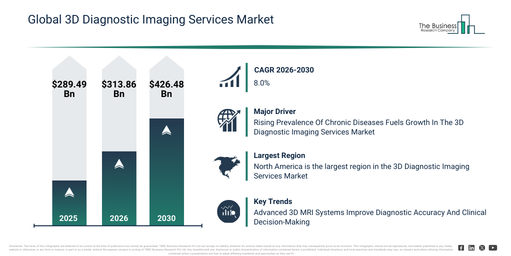
    The 3D diagnostic imaging services market size has experienced robust growth in recent years. It is forecast to expand from $289.49 billion in 2025 to $313.86 billion in 2026, achieving a compound annual growth rate (CAGR) of 8.4%. The expansion observed historically can be credited to the increasing burden of chronic diseases, the growing demand for accurate diagnostic tools, the expansion of hospital imaging infrastructure, rising awareness regarding early disease diagnosis, and the adoption of conventional MRI and CT imaging systems.

    The 3D diagnostic imaging services market size is anticipated to expand significantly over the coming years. This market is projected to reach $426.48 billion by 2030, exhibiting a compound annual growth rate (CAGR) of 8.0%. Key drivers for this expansion during the forecast period involve progress in AI-enabled 3D imaging analysis, increased investment in sophisticated diagnostic technologies, a growing need for personalized and precise diagnostics, the broadened availability of diagnostic imaging services in developing regions, and the heightened incorporation of multimodal imaging techniques. Prominent developments expected in the forecast period encompass the increasing use of 3D imaging for early disease identification, a greater need for high-resolution diagnostic imaging, an escalating preference for non-invasive diagnostic methods, the growth of advanced imaging services within diagnostic centers, and the increased application of 3D imaging in the fields of oncology and cardiology.

    Download A Free Sample Report For Comprehensive Market Insights:

    https://www.thebusinessresearchcompany.com/sample.aspx?id=3180&type=smp

    Which Significant Factors Are Encouraging Growth In The 3D Diagnostic Imaging Services Market?

    The rising occurrence of chronic illnesses is anticipated to fuel the demand for the 3D diagnostic imaging services market. These are enduring health conditions that continue for a prolonged duration and frequently necessitate continuous care and therapy. 3D diagnostic imaging services assist in the management of chronic diseases through offering intricate visual representations of affected body parts and tissues. This facilitates more accurate tracking of disease advancement and the effectiveness of treatments, which in turn enhances patient care and results. As an illustration, in January 2023, data from the National Center for Biotechnology Information (NCBI), a US-based National Library of Medicine, indicated that by the year 2050, the population aged 50 years and older suffering from at least one chronic condition is forecast to rise significantly by 99.5%, reaching 142.66 million. Consequently, the widespread incidence of chronic ailments is predicted to propel the expansion of the 3D diagnostic imaging services market.

    How Is The 3D Diagnostic Imaging Services Market Examined Through Segment Analysis?

    The 3D diagnostic imaging services market covered in this report is segmented –

    1) By Technique: Ultrasound, MRI, Computed Tomography, Other Techniques

    2) By Application: Oncology, Cardiology, Orthopedic, Other Applications

    3) By End User: Diagnostic Centers, Hospitals

    Subsegments:

    1) By Ultrasound: 3D Or 4D Ultrasound, Contrast-Enhanced Ultrasound

    2) By MRI (Magnetic Resonance Imaging): Functional MRI (FMRI), Magnetic Resonance Spectroscopy (MRS), Cardiac MRI, Whole-Body MRI

    3) By Computed Tomography (CT): Spiral Or Helical CT, Cone Beam CT (CBCT), Positron Emission Tomography-Computed Tomography (PET-CT)

    4) By Other Techniques: Positron Emission Tomography (PET), Single Photon Emission Computed Tomography (SPECT), Optical Imaging

    Which Trends Are Expected To Shape The 3D Diagnostic Imaging Services Market?

    Leading companies operating in the 3D diagnostic imaging services market are focusing on creating advanced solutions, including high-resolution 3D MRI systems, to enhance image clarity, improve diagnostic precision, and support efficient clinical decision-making. High-resolution 3D MRI systems allow for detailed visualization of complex anatomical structures, facilitating early detection and accurate diagnosis of various medical conditions. For instance, in November 2024, House of Diagnostics (HOD), an India-based diagnostics and pathology services provider, introduced the uMR 780, a state-of-the-art digital 3T MRI system, at its Karkardooma center in Delhi. This system is designed to deliver superior image quality and redefine the diagnosis of complex medical conditions. This advanced 3T MRI offers high-resolution 3D imaging capabilities, contributing to more accurate and efficient clinical decision-making.

    Who Are The Key Market Participants In The 3D Diagnostic Imaging Services Market?

    Major companies operating in the 3D diagnostic imaging services market are RadNet Inc, Quest Diagnostics Inc, Laboratory Corporation of America Holdings, Sonic Healthcare Limited, SYNLAB International GmbH InHealth Group Ltd, Cobalt Health Pty Ltd, Accurate Imaging Inc, Atlantic Medical Imaging Inc, Front Range Mobile Imaging Inc, TridentCare LLC, Digirad Corporation, Teleradiology Solutions, Spectra Laboratories Inc, Akumin Inc, Alliance Medical Group, Capitol Imaging Services, Medica Group Plc, Prenuvo Inc, Nox Medical Imaging

    Access The Complete 3D Diagnostic Imaging Services Market Report:

    https://www.thebusinessresearchcompany.com/report/3d-diagnostic-imaging-services-global-market-report

    Which Regional Market Leads The 3D Diagnostic Imaging Services Market?

    North America was the largest region in the 3D diagnostic imaging services market in 2025. Western Europe was the second largest region in the 3D diagnostic imaging services market. The regions covered in the 3D diagnostic imaging services market report are Asia-Pacific, South East Asia, Western Europe, Eastern Europe, North America, South America, Middle East, Africa.

    Access 3D Diagnostic Imaging Services Market Report for Deeper Competitive Insights

    https://www.thebusinessresearchcompany.com/customise?id=3180&type=smp

    Browse Through More Reports Similar to the Global 3D Diagnostic Imaging Services Market 2026, By The Business Research Company

    Diagnostic Imaging Services Global Market Report 2026

    https://www.thebusinessresearchcompany.com/report/diagnostic-imaging-services-global-market-report

    3D Imaging Global Market Report 2026

    https://www.thebusinessresearchcompany.com/report/3d-imaging-global-market-report

    3D Medical Imaging Devices Global Market Report 2026

    https://www.thebusinessresearchcompany.com/report/3d-medical-imaging-devices-global-market-report

    Get in touch with us:

    The Business Research Company: https://www.thebusinessresearchcompany.com/

    Americas: +1 310-496-7795

    Asia: +44 7882 955267 & +91 8897263534

    Europe: +44 7882 955267

    Email us at: marketing@tbrc.info

    Follow us on:

    LinkedIn: https://in.linkedin.com/company/the-business-research-company

    YouTube: https://www.youtube.com/channel/UC24_fI0rV8cR5DxlCpgmyFQ

    Global Market Model: https://www.thebusinessresearchcompany.com/global-market-model

  • 3D Cell Culture Technologies Market Industry Forecast Reflecting Growth To $9.8 Billion By 2030

    3D Cell Culture Technologies Market Industry Forecast Reflecting Growth To $9.8 Billion By 2030

    The Business Research Company’s 2026 market reports feature enhanced tools like market attractiveness analysis, TAM assessment, and company scoring matrices, along with interactive dashboards, deeper supply chain insights, and startup coverage strengthening the depth, usability, and strategic value of insights.

    What Will Be The Estimated Market Size Of The 3D Cell Culture Technologies Market By 2030?

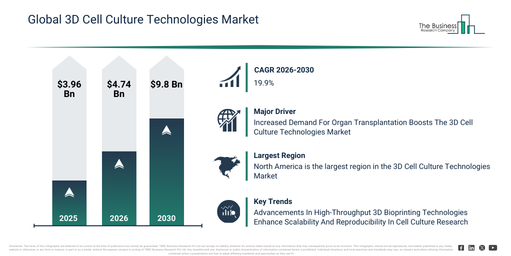
    The 3D cell culture technologies market has experienced rapid growth in its size during recent years. It is projected to expand from $3.96 billion in 2025 to $4.74 billion in 2026, at a compound annual growth rate (CAGR) of 19.7%. The growth observed in the historic period can be attributed to the growing use of cell culture in vaccine production, increasing cancer research activities, limitations of 2d cell culture models, rising academic research funding, and the expansion of biotechnology research infrastructure.

    The 3D cell culture technologies market size is expected to experience rapid growth in the coming years, with projections indicating it will reach $9.8 billion in 2030, driven by a compound annual growth rate (CAGR) of 19.9%. This expansion during the forecast period can be attributed to advancements in 3D bioreactor technologies, increasing investment in regenerative medicine, the growth of pharmaceutical drug discovery pipelines, the rising adoption of personalized medicine, and technological improvements in scaffold materials. Major trends anticipated in the same period include the increasing adoption of 3D cell culture in cancer research, the rising use of organoids and spheroids for disease modeling, a growing demand for advanced drug screening platforms, the expansion of stem cell and regenerative medicine research, and a higher preference for in vitro models over animal testing.

    Download A Free Sample Report For Comprehensive Market Insights:

    https://www.thebusinessresearchcompany.com/sample.aspx?id=2462&type=smp

    What Core Drivers Are Transforming The 3D Cell Culture Technologies Market?

    The escalating need for organ transplantation is anticipated to fuel the expansion of the 3D cell culture technologies market. This technology involves creating three-dimensional cellular structures that accurately emulate the architecture and functionality of natural tissues or organs, thereby facilitating both tissue and organ regeneration alongside drug toxicology screening. The growth in organ transplantation procedures stems from the rising instances of organ failure coupled with medical technological advancements that enhance the feasibility of such transplants. 3D cell culture technologies bolster this progression by supplying models for organ development, regenerative therapies, and preclinical testing. For instance, in January 2024, the United Network for Organ Sharing (UNOS), a US-based nonprofit organization, announced that the United States performed a record 46,632 organ transplants in 2023, surpassing previous annual figures and indicating continuous nationwide growth in transplant activities. Thus, the heightened requirement for organ transplantation is a key driver for the growth of the 3D cell culture technologies market.

    Which Segment Groups Define The 3D Cell Culture Technologies Market Landscape?

    The 3D cell culture technologies market covered in this report is segmented –

    1) By Type: Scaffold-Based, Scaffold-Free, 3D Bioreactors

    2) By Application: Cancer Research, Stem Cell Research, Drug Discovery, Regenerative Medicine

    3) By End Users: Research Laboratories and Institutes, Biotechnology and Pharmaceutical Companies, Other End Users

    Subsegments:

    1) By Scaffold-Based: Natural Scaffolds, Synthetic Scaffolds, Hybrid Scaffolds

    2) By Scaffold-Free: Spheroid-Based, Organoid-Based

    3) By 3D Bioreactors: Spinner Flask Bioreactors, Rotating Wall Bioreactors, Microcarrier-Based Bioreactors, Hollow Fiber Bioreactors

    What Trends Are Affecting The 3D Cell Culture Technologies Market Dynamics?

    Leading companies within the 3D cell culture technologies market are concentrating on developing sophisticated high-throughput scalability systems to boost both effectiveness and consistency. Such scalability denotes platforms capable of swiftly producing a substantial volume of 3D cell models that maintain uniform quality, consequently lowering sample variation and per-sample expenses. As an illustration, Inventia Life Science, an Australian provider of 3D cell culture technologies, introduced RASTRUM Allegro in January 2025, a system equipped with drop-on-demand bioprinting and advanced precision robotics. This system has the capacity to create a 96-well plate in approximately 6 minutes and a 384-well plate in 9 minutes, enabling a daily throughput exceeding 35 plates. It achieves post-print intra- and inter-plate coefficient of variation (CV) below 10 percent and downstream assay CVs below 19 percent, ensuring highly consistent outcomes. Furthermore, the platform is tailored for patient-derived samples, facilitating the generation of up to 3.5 times more 3D models from a restricted quantity of cells, which in turn decreases the cost per well and enhances its utility for translational research.

    Which Organizations Are Operating Within The 3D Cell Culture Technologies Market?

    Major companies operating in the 3D cell culture technologies market are Becton Dickinson and Company, Corning Incorporated, Eppendorf AG, Merck KGaA, Thermo Fisher Scientific Inc., Lonza Group AG, HiMedia Laboratories Pvt. Ltd., PromoCell GmbH, CellGenix GmbH, Greiner Bio-One International GmbH, Irvine Scientific Sales Company Inc., American Type Culture Collection (ATCC), Miltenyi Biotec B.V. & Co. KG, Sartorius AG, CN Bio Innovations, Nortis Inc., Kiyatec, Nanofiber Solutions, Known Medicine, Synthecon Inc., 3D Biotek LLC, 3D Cell Culture Innovations LLC, 3D Matrix Inc., Allevi Inc., BioSpherix Ltd., Emulate Inc., MicroTissues Inc., Sumitomo Bakelite

    Access The Complete 3D Cell Culture Technologies Market Report:

    https://www.thebusinessresearchcompany.com/report/3d-cell-culture-technologies-global-market-report

    Which Region Holds The Largest Share In The 3D Cell Culture Technologies Market?

    North America was the largest region in the 3D cell culture technologies market in 2025. Western Europe was the second largest region in the 3D cell culture technologies market. The regions covered in the 3D cell culture technologies market report are Asia-Pacific, South East Asia, Western Europe, Eastern Europe, North America, South America, Middle East, Africa.

    Access 3D Cell Culture Technologies Market Report for Deeper Competitive Insights

    https://www.thebusinessresearchcompany.com/customise?id=2462&type=smp

    Browse Through More Reports Similar to the Global 3D Cell Culture Technologies Market 2026, By The Business Research Company

    Cell Cultures Global Market Report 2026

    https://www.thebusinessresearchcompany.com/report/cell-cultures-global-market-report

    Cell Cultures Global Market Report 2026

    https://www.thebusinessresearchcompany.com/report/cell-cultures-global-market-report

    Cell Culture Media Global Market Report 2026

    https://www.thebusinessresearchcompany.com/report/cell-culture-media-global-market-report

    Get in touch with us:

    The Business Research Company: https://www.thebusinessresearchcompany.com/

    Americas: +1 310-496-7795

    Asia: +44 7882 955267 & +91 8897263534

    Europe: +44 7882 955267

    Email us at: marketing@tbrc.info

    Follow us on:

    LinkedIn: https://in.linkedin.com/company/the-business-research-company

    YouTube: https://www.youtube.com/channel/UC24_fI0rV8cR5DxlCpgmyFQ

    Global Market Model: https://www.thebusinessresearchcompany.com/global-market-model
  • 3D Cardiac Mapping System Market Forecast Analysis Through 2030 With Insights On Industry Expansion

    3D Cardiac Mapping System Market Forecast Analysis Through 2030 With Insights On Industry Expansion

    The Business Research Company’s 2026 market reports feature enhanced tools like market attractiveness analysis, TAM assessment, and company scoring matrices, along with interactive dashboards, deeper supply chain insights, and startup coverage strengthening the depth, usability, and strategic value of insights.

    What Is The Estimated Growth In Market Size Of The 3D Cardiac Mapping System Market During 2026–2030?

    The 3D cardiac mapping system market has seen substantial growth in recent years. The market is forecast to expand from $1.89 billion in 2025 to $2.07 billion in 2026, achieving a compound annual growth rate (CAGR) of 9.6%. This historic growth can be primarily linked to factors such as the increasing prevalence of cardiac arrhythmias, a higher adoption rate of catheter ablation procedures, expanding investments in cardiac care infrastructure, ongoing technological advancements in electrophysiology devices, and improved awareness concerning early arrhythmia diagnosis.

    The 3D cardiac mapping system market is projected to experience substantial expansion over the coming years. This market is anticipated to reach a valuation of $2.97 billion by 2030, exhibiting a compound annual growth rate (CAGR) of 9.4%. Factors contributing to this anticipated growth include the integration of AI-based cardiac mapping algorithms, an increasing need for precision-guided ablation therapies, the proliferation of ambulatory surgical centers, heightened healthcare spending on cardiovascular ailments, and ongoing advancements in mapping software and visualization tools. Key trends expected during this forecast timeframe encompass the increasing implementation of 3D mapping in intricate arrhythmia procedures, a surging requirement for high-resolution cardiac mapping, an upswing in minimally invasive electrophysiology procedures, innovations in catheter design and electrode density, and the worldwide proliferation of cardiac electrophysiology laboratories.

    Download A Free Sample Report For Comprehensive Market Insights:

    https://www.thebusinessresearchcompany.com/sample.aspx?id=18203&type=smp

    Which Growth Factors Are Strengthening The 3D Cardiac Mapping System Market Landscape?

    The growing incidence of cardiovascular illnesses is anticipated to boost the 3D cardiac mapping system market. These diseases are exacerbated by factors such as aging, poor lifestyle choices, excess weight, diabetes, elevated blood pressure, psychological stress, hereditary factors, environmental pollution, insufficient medical access, and socioeconomic disparities. A 3D Cardiac Mapping System aids individuals with cardiovascular conditions by offering comprehensive, live mapping of heart activity to facilitate precise identification and management of irregular heart rhythms and other ailments. For example, data released in January 2024 by the British Heart Foundation, a UK-based charity focused on cardiovascular research, indicates that approximately 7.6 million people in the UK suffer from heart and circulatory diseases, comprising around 4 million males and 3.6 million females. These conditions account for about 27% of all fatalities in the UK, translating to over 170,000 deaths each year, or roughly 480 deaths daily, which means one death occurs every three minutes. Consequently, the increasing occurrence of cardiovascular diseases is propelling the expansion of the 3D cardiac mapping system market.

    What Key Segment Areas Are Included In The 3D Cardiac Mapping System Market Assessment?

    The 3D cardiac mapping system market covered in this report is segmented –

    1) By Product: Mapping Systems, Mapping Catheters, Mapping Accessories, Mapping Software

    2) By Application: Atrial Fibrillation, Ventricular Tachycardia, Atrial Flutter, Supraventricular Tachycardia, Other Applications

    3) By End Users: Hospitals, Cardiac Catheterization Laboratories, Ambulatory Surgical Centers, Academic And Research Institutes, Other End Users

    Subsegments:

    1) By Mapping Systems: Electroanatomical Mapping Systems, Contact Mapping Systems, Non-Contact Mapping Systems

    2) By Mapping Catheters: High-Density Mapping Catheters, Single-Point Mapping Catheters, Multi-Electrode Mapping Catheters

    3) By Mapping Accessories: Introducers, Sheaths, Electrodes

    4) By Mapping Software: Signal Analysis Software, 3D Visualization Software, Real-Time Mapping Software

    Which Trends Are Influencing The Expansion Of The 3D Cardiac Mapping System Market?

    Leading companies within the 3D cardiac mapping system market are prioritizing the development of sophisticated solutions, such as 3D cardiac mapping systems equipped with machine learning capabilities, to enhance diagnostic accuracy and improve treatment outcomes. These 3D cardiac mapping systems featuring machine learning denote advanced medical technologies utilized in cardiology, integrating three-dimensional mapping of the heart’s electrical activity with artificial intelligence algorithms. For instance, in May 2024, Biosense Webster Inc., a US-based firm providing cardiac arrhythmia treatment solutions, introduced CARTO 3 System Version 8, a 3D cardiac mapping system. This software integrates machine learning capabilities through innovative components like the CARTO ELEVATE Module and the CARTOSOUND FAM Module. These modules were specifically created to boost efficiency, consistency, and precision during catheter ablation procedures performed by electrophysiologists. The CARTO 3 mapping and ablation system enhances signal analysis, refines substrate characterization, and incorporates ultrasound technology, thereby improving the overall procedure experience.

    Who Are The Businesses Driving Activity In The 3D Cardiac Mapping System Market?

    Major companies operating in the 3D cardiac mapping system market are Abbott Laboratories, Medtronic PLC, Boston Scientific Corporation, Biotronik SE & Co. KG, MicroPort Scientific Corporation, Stereotaxis Inc., Kardium Inc., Acutus Medical Inc., Catheter Precision Inc., BioSig Technologies Inc., Volta Medical, Osypka Medical, CoreMap Inc., APN Health LLC, Japan Lifeline Co. Ltd., Lepu Medical Technology, CathRx Ltd., Adagio Medical Inc., Nihon Kohden Corporation, EP Solutions SA, Sino Medical Sciences Technology

    Access The Complete 3D Cardiac Mapping System Market Report:

    https://www.thebusinessresearchcompany.com/report/3d-cardiac-mapping-system-global-market-report

    Which Region Is The Dominant Market In The 3D Cardiac Mapping System Market?

    North America was the largest region in the 3D cardiac mapping system market in 2025. Asia-Pacific is expected to be the fastest-growing region in the forecast period. The regions covered in the 3D cardiac mapping system market report are Asia-Pacific, South East Asia, Western Europe, Eastern Europe, North America, South America, Middle East, Africa.

    Access 3D Cardiac Mapping System Market Report for Deeper Competitive Insights

    https://www.thebusinessresearchcompany.com/customise?id=18203&type=smp

    Browse Through More Reports Similar to the Global 3D Cardiac Mapping System Market 2026, By The Business Research Company

    Cardiac Mapping Global Market Report 2026

    https://www.thebusinessresearchcompany.com/report/cardiac-mapping-global-market-report

    3D Medical Imaging Devices Global Market Report 2026

    https://www.thebusinessresearchcompany.com/report/3d-medical-imaging-devices-global-market-report

    3D Mapping And Modeling Global Market Report 2026

    https://www.thebusinessresearchcompany.com/report/3d-mapping-and-modeling-global-market-report

    Get in touch with us:

    The Business Research Company: https://www.thebusinessresearchcompany.com/

    Americas: +1 310-496-7795

    Asia: +44 7882 955267 & +91 8897263534

    Europe: +44 7882 955267

    Email us at: marketing@tbrc.info

    Follow us on:

    LinkedIn: https://in.linkedin.com/company/the-business-research-company

    YouTube: https://www.youtube.com/channel/UC24_fI0rV8cR5DxlCpgmyFQ

    Global Market Model: https://www.thebusinessresearchcompany.com/global-market-model
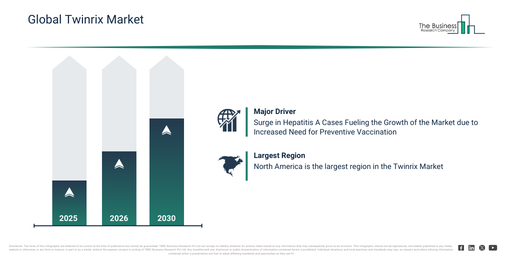
  • Surge in Hepatitis A Cases Fueling the Growth of the Market due to Increased Need for Preventive Vaccination Is Supporting Development Across The Twinrix  Market

    Surge in Hepatitis A Cases Fueling the Growth of the Market due to Increased Need for Preventive Vaccination Is Supporting Development Across The Twinrix Market

    The Business Research Company’s 2026 market reports feature advanced enhancements such as market attractiveness analysis, total addressable market evaluation, company benchmarking matrices, interactive Excel dashboards, expanded supply chain intelligence, emerging startup coverage, and detailed product insights, delivering more actionable and strategically valuable research.

    What Market Value Expansion Is Expected For The Twinrix Market Over The Forecast Period?

    Historical growth stemmed from a rise in worldwide hepatitis A and B cases, the broadening of travel health services, and the introduction of combined vaccine options. Additionally, their integration into adult vaccination programs and enhanced efforts to prevent occupational exposure played a significant role.

    The expansion observed during the projected timeframe is a consequence of several factors, including a rise in global travel, the broadening of adult vaccination initiatives, an increasing emphasis on proactive liver wellness, heightened healthcare expenditure on immunizations, and enhanced vaccine availability through retail channels. Noteworthy developments anticipated in the forecast period encompass a greater acceptance of combination hepatitis vaccines, an escalating need for immunizations related to travel, the extension of workplace health vaccination programs, a strengthening preference for pre-filled syringe formulations, and improved public understanding regarding hepatitis prevention.

    Download A Free Sample Report For Comprehensive Market Insights:

    https://www.thebusinessresearchcompany.com/sample.aspx?id=20413&type=smp

    Which Growth Drivers Are Expected To Support The Twinrix Market Forward?

    The increase in hepatitis A cases is anticipated to drive the expansion of the Twinrix market. Hepatitis A, a viral liver infection, typically spreads through tainted food or water, leading to symptoms such as jaundice, tiredness, and sickness. This surge in hepatitis A occurrences is fueled by contaminated food and water, as the virus disperses through consumption and inadequate sanitation heightens the chance of infection. Twinrix aids in averting a surge in hepatitis A cases by offering a dual vaccination against both hepatitis A and B, thereby lowering the infection risk for vulnerable groups. For example, in April 2025, the Health Security Agency UK-based government agency reported that, in the UK, while hepatitis A virus infections usually total about 400 cases annually, they surpassed 800 in 2024. Consequently, the growing incidence of hepatitis A and B infections propels growth within the Twinrix market.

    Which Segment-Based Categories Are Covered In The Twinrix Market?

    The twinrix market covered in this report is segmented –

    1) By Indication: Hepatitis A, Hepatitis B, Combined Immunization

    2) By Formulation: Intramuscular Injection, Pre-Filled Syringes

    3) By Composition: Monovalent Vaccines, Combination Vaccines

    4) By Distribution Channel: Hospital Pharmacies, Retail Pharmacies, Online Pharmacies

    5) By End User: Adult, Pediatric, Geriatric

    Which Organizations Are Involved In The Twinrix Market?

    Major companies operating in the twinrix market are GlaxoSmithKline plc

    Access The Complete Twinrix Market Report:

    https://www.thebusinessresearchcompany.com/report/twinrix-global-market-report

    Which Area Represents The Largest Portion Of The Twinrix Market?

    North America was the largest region in the twinrix market in 2025. The regions covered in the twinrix market report are Asia-Pacific, Western Europe, Eastern Europe, North America, South America, Middle East, Africa.

    Get in touch with us:

    The Business Research Company: https://www.thebusinessresearchcompany.com/

    Americas: +1 310-496-7795

    Asia: +44 7882 955267 & +91 8897263534

    Europe: +44 7882 955267

    Email us at: marketing@tbrc.info

    Follow us on:

    LinkedIn: https://in.linkedin.com/company/the-business-research-company

    YouTube: https://www.youtube.com/channel/UC24_fI0rV8cR5DxlCpgmyFQ

    Global Market Model: https://www.thebusinessresearchcompany.com/global-market-model
  • Tubersol  Market Forecast Through 2030 Featuring Industry Drivers And Opportunities

    Tubersol Market Forecast Through 2030 Featuring Industry Drivers And Opportunities

    The Business Research Company’s 2026 market reports feature advanced enhancements such as market attractiveness analysis, total addressable market evaluation, company benchmarking matrices, interactive Excel dashboards, expanded supply chain intelligence, emerging startup coverage, and detailed product insights, delivering more actionable and strategically valuable research.

    How Will The Market Value Of The Tubersol Market Change Between 2026 And 2030?

    Historical expansion was a consequence of the sustained dependence on tuberculin skin testing, broad public health tuberculosis screening programs, the presence of PPD diagnostic solutions, global TB surveillance initiatives, and the incorporation of TST into routine healthcare practices.

    The anticipated growth during the projection period is linked to broader screening among high-risk groups, an escalating governmental emphasis on eradicating tuberculosis, better availability of diagnostic tests, the extension of workplace health screenings, and greater financial support for combating infectious diseases.

    Key developments expected during the forecast timeframe encompass a rise in the implementation of tuberculin skin testing programs, a heightened emphasis on diagnosing tuberculosis promptly, the broadening of public health screening efforts, an increasing need for identifying latent tuberculosis, and more robust standardization of diagnostic procedures.

    Download A Free Sample Report For Comprehensive Market Insights:

    https://www.thebusinessresearchcompany.com/sample.aspx?id=20412&type=smp

    What Influential Factors Are Boosting The Tubersol Market Demand?

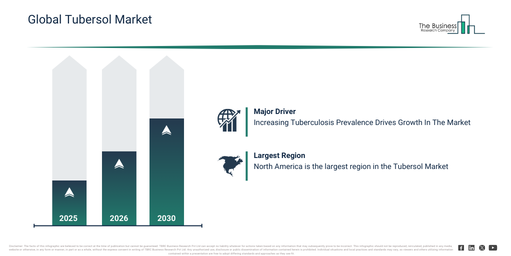
    An expanding occurrence of tuberculosis is anticipated to fuel the expansion of the tubersol market. Tuberculosis (TB) is a highly transmissible bacterial infection caused by mycobacterium tuberculosis, predominantly targeting the lungs, though capable of affecting other bodily regions. The growing incidence of tuberculosis stems from various elements including co-infection with HIV/AIDS, antimicrobial resistance, global movement and migration, inadequate nutrition, densely populated environments, restricted healthcare access, societal stigma, and insufficient air circulation. Tubersol finds application in the tuberculin skin test (TST), aiding in the detection of hidden tuberculosis infections through the stimulation of an immune reaction to the purified protein derivative from TB bacteria. For example, data from March 2024, provided by the Centers for Disease Control and Prevention, a US-based government agency, showed an increase in tuberculosis cases from 8,320 in 2022 to 9,615 in 2023, indicating an increase of 1,295 cases. Consequently, the rising prevalence of tuberculosis acts as a key driver for the growth of the tubersol market.

    What Are The Major Segment Categories Within The Tubersol Market?

    The tubersol market covered in this report is segmented –

    1) By Clinical Indication: Tuberculosis Screening, Diagnosis Of Active Tuberculosis, Diagnosis Of Latent Tuberculosis, Other Respiratory Diseases

    2) By Formulation: Single-Dose Vials, Multi-Dose Vials

    3) By Distribution Channel: Hospital And Clinics, Retail And Specialty Pharmacies, Online Sales

    4) By End User: Adult, Geriatric, Pediatric

    Who Are The Firms Contributing To The Tubersol Market Ecosystem?

    Major companies operating in the tubersol market are Sanofi S.A.

    Access The Complete Tubersol Market Report:

    https://www.thebusinessresearchcompany.com/report/tubersol-global-market-report

    Which Region Commands The Largest Share Of The Tubersol Market?

    North America was the largest region in the tubersol market in 2025. The regions covered in the tubersol market report are Asia-Pacific, Western Europe, Eastern Europe, North America, South America, Middle East, Africa.

    Get in touch with us:

    The Business Research Company: https://www.thebusinessresearchcompany.com/

    Americas: +1 310-496-7795

    Asia: +44 7882 955267 & +91 8897263534

    Europe: +44 7882 955267

    Email us at: marketing@tbrc.info

    Follow us on:

    LinkedIn: https://in.linkedin.com/company/the-business-research-company

    YouTube: https://www.youtube.com/channel/UC24_fI0rV8cR5DxlCpgmyFQ

    Global Market Model: https://www.thebusinessresearchcompany.com/global-market-model

  • Rising Incidence Of Meningococcal Disease Drives Growth Of The Market Is Supporting Development Across The Trumenba  Market

    Rising Incidence Of Meningococcal Disease Drives Growth Of The Market Is Supporting Development Across The Trumenba Market

    The Business Research Company’s 2026 market reports feature advanced enhancements such as market attractiveness analysis, total addressable market evaluation, company benchmarking matrices, interactive Excel dashboards, expanded supply chain intelligence, emerging startup coverage, and detailed product insights, delivering more actionable and strategically valuable research.

    What Is The Forecasted Rise In Market Size Of The Trumenba Market During The Forecast Period?

    The historical expansion can be ascribed to a higher occurrence of serogroup B meningococcal infections, the granting of regulatory consent for recombinant vaccines, the broadening of school-based immunization initiatives, advancements in disease surveillance systems, and increased clinical utilization of MenB vaccines.

    The anticipated growth during the forecast period is primarily driven by an increasing emphasis on proactive health measures for adolescents, the widening of booster vaccination recommendations, enhanced governmental support for meningococcal prevention efforts, growing financial commitment to recombinant vaccine innovation, and improved worldwide availability of vaccines.

    Key trends anticipated in the forecast period encompass a rise in the adoption of serogroup B meningococcal vaccines, a heightened emphasis on vaccination initiatives targeting adolescents, broader vaccination coverage for vulnerable populations, an increasing application of recombinant vaccine techniques, and strengthened campaigns to raise public health awareness.

    Download A Free Sample Report For Comprehensive Market Insights:

    https://www.thebusinessresearchcompany.com/sample.aspx?id=20411&type=smp

    Which Drivers Are Advancing The Trumenba Market Growth?

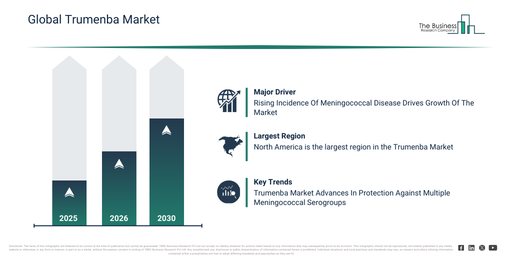
    The increasing occurrence of meningococcal disease is anticipated to boost the expansion of the trumenba market in the coming years. Meningococcal disease is a bacterial infection, specifically caused by Neisseria meningitidis, which can result in severe conditions like meningitis and infections of the bloodstream. The rise in meningococcal disease cases stems from bacterial spread, environmental elements, and insufficient vaccination coverage, prompting greater financial outlays in global preventive strategies and healthcare systems. Trumenba offers protection against invasive meningococcal diseases, including meningitis and bloodstream infections, by building immunity against Neisseria meningitidis serogroup B. For example, in November 2025, the UK Health Security Agency, a government entity based in the UK, indicated that the UKHSA Meningococcal Reference Unit in England verified 378 invasive meningococcal disease (IMD) cases in 2024/25, an increase from 340 cases reported in 2023/24. Consequently, the rising prevalence of meningococcal disease is a key factor propelling the growth of the trumenba market.

    How Is The Trumenba Market Distributed Across Key Segments?

    The trumenba market covered in this report is segmented –

    1) By Clinical Indication: Meningococcal Disease Prevention, High-Risk Populations, Adolescents And Young Adults, Post-Exposure Vaccination

    2) By Distribution Channel: Hospital And Clinics, Retail Pharmacies, Specialty Pharmacies

    3) By End-User: Hospitals, Clinics, Research Institutes, Ambulatory Surgical Centers, Other End-Users

    Which Trends Are Guiding The Development Of The Trumenba Market?

    A significant direction in the trumenba market involves the creation of combination vaccines, such as pentavalent meningococcal vaccines, aimed at expanding immunization reach and improving defense against various serogroups of Neisseria meningitidis. A pentavalent meningococcal vaccine offers protection against five distinct serogroups of Neisseria meningitidis, typically A, C, W, Y, and B, thereby providing more extensive immunity against meningococcal infections. An illustrative instance is Pfizer Inc., a US-based pharmaceutical firm, which secured Food and Drug Administration (FDA) approval for PENBRAYA in October 2023, a groundbreaking pentavalent meningococcal vaccine. This innovative vaccine, formed by combining the established meningococcal vaccines Trumenba and Nimenrix, marks the first time a vaccine provides defense against five primary meningococcal serogroups (A, B, C, W, and Y), which account for the majority of invasive meningococcal diseases worldwide. Intended for individuals aged 10 to 25, specifically adolescents and young adults, PENBRAYA reinforces Pfizer’s vaccine offerings, delivering improved safeguards against a prevalent and potentially lethal condition.

    Which Key Players Are Active In The Trumenba Market?

    Major companies operating in the trumenba market are Pfizer Inc.

    Access The Complete Trumenba Market Report:

    https://www.thebusinessresearchcompany.com/report/trumenba-global-market-report

    Which Region Accounts For The Highest Share Of The Trumenba Market?

    North America was the largest region in the trumenba market in 2025. The regions covered in the trumenba market report are Asia-Pacific, Western Europe, Eastern Europe, North America, South America, Middle East, Africa.

    Get in touch with us:

    The Business Research Company: https://www.thebusinessresearchcompany.com/

    Americas: +1 310-496-7795

    Asia: +44 7882 955267 & +91 8897263534

    Europe: +44 7882 955267

    Email us at: marketing@tbrc.info

    Follow us on:

    LinkedIn: https://in.linkedin.com/company/the-business-research-company

    YouTube: https://www.youtube.com/channel/UC24_fI0rV8cR5DxlCpgmyFQ

    Global Market Model: https://www.thebusinessresearchcompany.com/global-market-model