
Month: June 2026

  • Weight Loss Drugs Market Forecast Reveals Where Future Industry Value Will Be Created

    Weight Loss Drugs Market Forecast Reveals Where Future Industry Value Will Be Created

    Delivering more actionable and strategically valuable research, The Business Research Company’s 2026 market reports feature market attractiveness analysis, total addressable market evaluation, company benchmarking matrices, interactive Excel dashboards, expanded supply chain intelligence, emerging startup coverage, and detailed product insights.

    Weight Loss Drugs Market Expansion Outlook: What Revenue Opportunities Lie Ahead?

    The market for weight loss medications has experienced remarkable expansion, projecting a rise from $4.21 billion in 2025 to $5.96 billion in 2026, fueled by a substantial compound annual growth rate (CAGR) of 41.8%. This upward trajectory in the past is linked to several key factors, including a greater understanding of obesity as a medical condition, increased funding for pharmaceutical research, a higher incidence of prescriptions for weight-controlling substances, heightened awareness among healthcare professionals, and the availability of treatments endorsed by the FDA.

    Anticipate a period of substantial expansion for the weight loss medications sector, projecting a market valuation of $23.59 billion by the year 2030, driven by a robust compound annual growth rate (CAGR) of 41.0%. This anticipated surge is underpinned by several key factors, including a heightened consumer interest in advanced anti-obesity treatments, a surge in financial backing for research into metabolic conditions, the progressive adoption of individualized pharmaceutical approaches, a global escalation in obesity rates, and ongoing advancements in how medications are administered. During this forecast horizon, prominent market developments are expected to encompass the accelerated creation of GLP-1 agonists and other innovative drug categories, a greater emphasis on weight loss pharmaceuticals validated through clinical trials, a wider acceptance of extended-release drug forms, an increase in obesity treatments requiring a prescription, and a more rigorous adherence to regulatory standards.

    Download A Free Sample Report For Comprehensive Market Insights:

    https://www.thebusinessresearchcompany.com/sample.aspx?id=13761&type=smp

    Weight Loss Drugs Market Demand Drivers: What Is Fueling Industry Growth?

    The escalating prevalence of obesity, defined as a condition where an individual’s body mass index (BMI) meets or exceeds 30, is anticipated to be a primary catalyst for the expansion of the weight loss drug market. These pharmaceutical interventions are designed to aid individuals in managing their weight by mechanisms such as appetite suppression, enhanced satiety, or by impeding nutrient absorption. Evidence from the World Obesity Federation, a UK-based non-profit, projects that by 2035, the global number of individuals classified as obese could surpass 4 billion, underscoring the significant demographic shift that is fueling the demand for weight loss therapeutics.

    Weight Loss Drugs Market Segmentation: How Is The Market Structured Across Key Categories?

    The weight loss drugs market covered in this report is segmented –

    1) By Type: Liquid, Tablets, Capsules

    2) By Distribution Channel: Hospital Pharmacy, Retail Pharmacy, Online Pharmacy

    3) By Application: Weight-Reducing Aid, Fat Absorption Inhibitors, Metabolic Boosters

    Subsegments:

    1) By Liquid: Syrups, Solutions, Suspensions

    2) By Tablets: Immediate-Release Tablets, Extended-Release Tablets

    3) By Capsules: Hard Capsules, Softgel Capsules

    Weight Loss Drugs Market Innovation Trends: Which Developments Are Transforming The Industry?

    In the realm of weight loss pharmaceuticals, leading entities are focusing on pioneering novel therapeutics like the Zepbound (tirzepatide) injection, aiming to enhance patient care. This medication, administered as a weekly injection, functions by activating both glucose-dependent insulinotropic polypeptide (GIP) and glucagon-like peptide-1 (GLP-1) receptors, categorizing it as a dual agonist. A significant development occurred in November 2023 when Eli Lilly and Company, a prominent US pharmaceutical firm, secured FDA endorsement for tirzepatide injection, marketed as Zepbound, to address chronic weight management in adult individuals grappling with overweight or obesity, coupled with at least one comorbidity linked to weight. The promising commercial prospects for Zepbound are underscored by its unique position as the inaugural and sole FDA-authorized therapy for obesity that simultaneously targets GIP and GLP-1 receptors.

    Weight Loss Drugs Market Competitive Landscape And Leading Companies

    Major companies operating in the weight loss drugs market are Pfizer Inc. , Roche , Merck & Co. , AbbVie Inc. , Novartis AG , Bristol Myers Squibb , Sanofi S.A. , AstraZeneca plc , GlaxoSmithKline , Takeda Pharmaceutical Company , Eli Lilly and Company , Bayer AG , Amgen Inc. , Boehringer Ingelheim group , Novo Nordisk A/S , Merck KGaA , Rhythm Pharmaceuticals Inc. , Structure Therapeutics , Viking Therapeutics Inc. , Saniona , Zealand Pharma A/S

    Access The Complete Weight Loss Drugs Market Report:

    https://www.thebusinessresearchcompany.com/report/weight-loss-drugs-global-market-report

    Weight Loss Drugs Market Geographic Distribution And Regional Opportunities

    North Americawas the largest region in the Weight Loss Drugs market in 2025. The regions covered in the weight loss drugs market report are Asia-Pacific, South East Asia, Western Europe, Eastern Europe, North America, South America, Middle East, Africa.

    Get in touch with us:

    The Business Research Company: https://www.thebusinessresearchcompany.com/

    Americas: +1 310-496-7795

    Asia: +44 7882 955267 & +91 8897263534

    Europe: +44 7882 955267

    Email us at: marketing@tbrc.info

    Follow us on:

    LinkedIn: https://in.linkedin.com/company/the-business-research-company

    YouTube: https://www.youtube.com/channel/UC24_fI0rV8cR5DxlCpgmyFQ

    Global Market Model: https://www.thebusinessresearchcompany.com/global-market-model
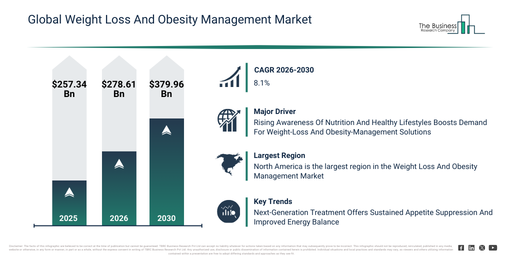
  • Weight Loss And Obesity Management Market Growth Through 2030 Creates New Strategic Opportunities

    Weight Loss And Obesity Management Market Growth Through 2030 Creates New Strategic Opportunities

    Enhanced with market attractiveness analysis, total addressable market evaluation, company benchmarking matrices, interactive Excel dashboards, expanded supply chain intelligence, emerging startup coverage, and detailed product insights, The Business Research Company’s 2026 market reports deliver more actionable and strategically valuable research.

    Weight Loss And Obesity Management Market Growth Potential: How Will Market Size Change Through 2030?

    The global market dedicated to weight loss and obesity management has experienced robust expansion lately, with projections indicating a rise from $257.34 billion in 2025 to $278.61 billion by 2026, reflecting a compound annual growth rate of 8.3%. Key factors fueling this historical growth include the escalating incidence of health issues linked to obesity, a surge in public health campaigns, the proliferation of fitness and wellness facilities, greater acceptance of medically supervised weight reduction strategies, and the wide array of available weight loss products and services.

    The sector dedicated to managing weight loss and obesity is poised for substantial expansion in the forthcoming years, projecting a market value of $379.96 billion by 2030, driven by a compound annual growth rate of 8.1%. This anticipated upswing over the forecast period is fueled by several key factors, including a greater embrace of digital therapeutic solutions, escalating demand for individualized obesity interventions, the broadening scope of wellness initiatives sponsored by employers, the increasing incorporation of AI-powered health analytics, and a heightened emphasis on sustaining weight loss over the long term. Prominent trends anticipated during this period feature a surge in the uptake of customized weight management plans, amplified integration of digital health platforms, expanded utilization of data-informed behavioral therapies, growth in medically supervised weight reduction offerings, and a strengthened focus on achieving preventive health results.

    Download A Free Sample Report For Comprehensive Market Insights:

    https://www.thebusinessresearchcompany.com/sample.aspx?id=24429&type=smp

    Weight Loss And Obesity Management Market Growth Drivers: What Factors Are Accelerating Expansion?

    The heightened consciousness surrounding nutrition and the pursuit of well-being is anticipated to be a significant catalyst for the expansion of the weight loss and obesity management sector. This increased focus on mindful eating and active living, characterized by balanced dietary choices and consistent physical activity for sustained health, is largely fueled by the pervasive influence of online platforms and social media. These digital avenues offer readily accessible information, guidance, and recommendations, thereby empowering individuals to cultivate healthier eating habits and lifestyles. Consequently, this growing understanding directly contributes to the weight loss and obesity management market’s advancement by equipping people to make more informed decisions about their food consumption, regularly incorporate exercise, and sustain beneficial health routines. As an illustration, data from the International Food Information Council (IFIC) in June 2024 indicated that a substantial 54% of Americans adhered to a particular diet or eating regimen within the preceding year, with a notable upward trend in protein consumption, rising from 59% in 2022 to 67% in 2023, and further to 71% in 2024. Similarly, approximately half of all consumers are actively trying to increase their intake of fresh produce, widely recognized for its health benefits. This pervasive shift towards healthier dietary practices and an increased adoption of dieting behaviors is thus directly fueling the growth trajectory of the weight loss and obesity management market.

    Weight Loss And Obesity Management Market Segmentation Trends And Revenue Drivers

    The weight loss and obesity management market covered in this report is segmented –

    1) By Product And Services: Drugs, Supplements, Equipment, Services

    2) By Category: Prescribed, Over The Counter (OTC)

    3) By Age Group: Children, Adults, Geriatric

    4) By Distribution Channel: Institutional Sales, Retail Sales

    5) By Industry Type: Fitness Centers, Slimming Centers, Consulting Services, Online Weight Loss Programs

    Subsegments:

    1) By Drugs: Prescription Drugs, Over-The-Counter (OTC) Drugs, Herbal Drugs

    2) By Supplements: Dietary Supplements, Meal Replacements, Protein Supplements, Fat Burners, Fiber Supplements

    3) By Equipment: Fitness Equipment, Surgical Equipment

    4) By Services: Fitness Centers And Health Clubs, Consultation Services, Online Weight Loss Programs, Behavioral Therapy Services, Diet And Nutrition Counseling, Medical Weight Loss Clinics

    Weight Loss And Obesity Management Market Trends: What Is Shaping Future Industry Growth?

    Leading enterprises within the weight reduction and obesity care sector are prioritizing the creation of sophisticated treatments like dual incretin GLP-1/GIP receptor agonists to boost therapeutic effectiveness, facilitate lasting weight loss, and achieve better metabolic results. These dual incretin agonists function by concurrently stimulating GLP-1 and GIP receptors, which results in decreased appetite, delayed stomach emptying, and enhanced insulin sensitivity, thereby delivering more powerful and enduring benefits compared to therapies targeting a single receptor. As an illustration, in November of 2023, Eli Lilly, a prominent U.S. pharmaceutical entity, introduced Zepbound (tirzepatide) injection for the ongoing management of chronic weight issues in adult individuals diagnosed with obesity or being overweight and presenting with at least one weight-related health condition. Tirzepatide imitates the function of two crucial hormones to extend feelings of fullness, curb hunger pangs, and promote substantial, sustained weight loss observed in clinical trials, all while offering the convenience of a weekly injection schedule. This therapeutic intervention signifies a significant leap forward in the field of obesity management, furnishing patients with a highly effective method for long-term control.

    Weight Loss And Obesity Management Market Industry Leaders: Which Organizations Are Driving Competition?

    Major companies operating in the weight loss and obesity management market are F. Hoffmann-La Roche Ltd., Medtronic plc, Takeda Pharmaceutical Company Limited, Novo Nordisk A/S, Boehringer Ingelheim International GmbH, Apollo Endosurgery Inc., Biocon Limited, WW International Inc., Equinox Holdings Inc., Noom Inc., Jenny Craig Inc., Nutrisystem Inc., Virta Health Corp., Allurion Technologies Inc., Atkins Nutritionals Inc., ReShape Lifesciences Inc., Nalpropion Pharmaceuticals Inc., OptiBiotix Health plc, PRISTYN CARE

    Access The Complete Weight Loss And Obesity Management Market Report:

    https://www.thebusinessresearchcompany.com/report/weight-loss-and-obesity-management-global-market-report

    Weight Loss And Obesity Management Market Largest Region By Revenue And Market Share

    North Americawas the largest region in the weight loss and obesity management market in 2025. The regions covered in the weight loss and obesity management market report are Asia-Pacific, South East Asia, Western Europe, Eastern Europe, North America, South America, Middle East, Africa.

    Get in touch with us:

    The Business Research Company: https://www.thebusinessresearchcompany.com/

    Americas: +1 310-496-7795

    Asia: +44 7882 955267 & +91 8897263534

    Europe: +44 7882 955267

    Email us at: marketing@tbrc.info

    Follow us on:

    LinkedIn: https://in.linkedin.com/company/the-business-research-company

    YouTube: https://www.youtube.com/channel/UC24_fI0rV8cR5DxlCpgmyFQ

    Global Market Model: https://www.thebusinessresearchcompany.com/global-market-model
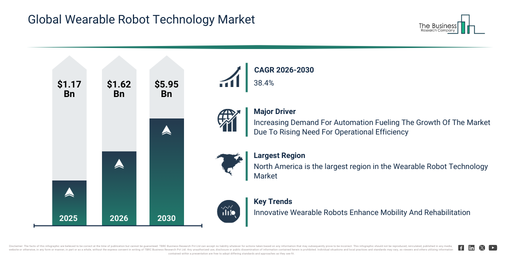
  • Wearable Robot Technology Market Size Projected To Increase From $1.62 Billion To $5.95 Billion During The Forecast Period

    Wearable Robot Technology Market Size Projected To Increase From $1.62 Billion To $5.95 Billion During The Forecast Period

    Through market attractiveness analysis, total addressable market evaluation, company benchmarking matrices, interactive Excel dashboards, expanded supply chain intelligence, emerging startup coverage, and detailed product insights, The Business Research Company’s 2026 market reports provide more actionable and strategically valuable research.

    Wearable Robot Technology Market Value Analysis: What Growth Is Expected Over The Forecast Period?

    The market for wearable robotic technology has experienced a significant surge recently, with projections indicating a substantial expansion from $1.17 billion in 2025 to $1.62 billion by 2026, reflecting a compound annual growth rate of 39.1%. This upward trend in the historical period stems from several key factors, including breakthroughs in robotic actuator development, a greater emphasis on preventing injuries in the workplace, expanded research in the field of rehabilitation robotics, a growing need for solutions that aid mobility, and the initial uptake of these technologies within industrial settings.

    The sector for wearable robot technology is poised for remarkable expansion in the coming years, projecting a market valuation of $5.95 billion by 2030, driven by a robust compound annual growth rate of 38.4%. This expansion is fueled by several key factors including the increasing need for technologies supporting an aging demographic, escalating investments in robotic assistance, broader integration within logistics and manufacturing sectors, a heightened demand for tailored rehabilitation solutions, and ongoing advancements in creating lighter, more adaptable materials. During this projected period, significant trends will emerge, such as a greater implementation of industrial exoskeletons, increased utilization of wearable robots for rehabilitation purposes, more seamless integration of sensor-based motion control systems, the development and use of compliant soft wearable assistive devices, and a stronger emphasis on optimizing human-robot collaboration.

    Download A Free Sample Report For Comprehensive Market Insights:

    https://www.thebusinessresearchcompany.com/sample.aspx?id=23579&type=smp

    Wearable Robot Technology Market Growth Factors Supporting Long-Term Expansion

    Augmenting human capabilities and increasing efficiency across various sectors, particularly in labor-intensive industries and healthcare, is anticipated to be a key driver propelling the wearable robot technology market forward. The growing emphasis on automation, which involves employing technology and machinery to execute tasks autonomously, is fueled by a business imperative to enhance operational efficiency, control costs, reduce inaccuracies, and elevate overall productivity. Wearable robotic solutions significantly contribute to this automation trend by fostering seamless human-machine synergy, thereby alleviating physical burdens and amplifying user strength, which in turn boosts output and operational effectiveness. Illustrating this considerable global adoption, the International Federation of Robotics reported that approximately 4.2 million robotic units were deployed in manufacturing facilities worldwide by the end of 2023, a notable 10% rise from the 3.9 million units recorded in 2022. Consequently, the expanding pursuit of automation is a significant factor fueling the expansion of the wearable robot technology market.

    Wearable Robot Technology Market Segment Analysis Highlighting Growth Areas

    The wearable robot technology market covered in this report is segmented –

    1) By Type: Rigid Type, Soft Type

    2) By Mode Of Operation: Passive, Active And Powered

    3) By Application: Rehabilitation, Assistive, Body Parts Support, Sports, Supply Chain Industry, Other Applications

    4) By End User: Healthcare, Consumer Electronics, Enterprise And Industrial Applications, Other End Users

    Subsegments:

    1) By Rigid Type: Exoskeletons With Metallic Frames, Powered Rigid Suits For Industrial Lifting, Military-Grade Wearable Robots, Medical Rehabilitation Robots, Full-Body Rigid Assistive Devices

    2) By Soft Type: Soft Robotic Exosuits, Pneumatic, Textile-Based Wearable Assistive Devices, Cable-Driven Flexible Actuators, Soft Wearable Robots For Elderly Mobility Support

    Wearable Robot Technology Market Industry Trends Shaping Future Revenue Growth

    Leading enterprises within the wearable robot technology sector are concentrating their efforts on pioneering advancements, notably in wearable assistive robotics, with the objective of augmenting mobility and elevating the user experience for individuals. These wearable assistive robotic systems function as body-worn devices that provide support for or amplify physical actions, frequently aiding those who face challenges with movement due to impairments or physical constraints. To illustrate, in July of 2024, CosmoRobotics Co., Ltd., a South Korean firm specializing in technology, introduced a suite of novel wearable robots. This product line encompasses Bambini Teens, EA2Pro, EAM, GRANY, and EXA-W, all engineered to enrich everyday living by offering assistance in muscle strengthening and restorative therapies. Among their notable attributes are Bambini Teens, specifically developed for younger users, and EA2Pro, a sophisticated second-generation exoskeleton incorporating state-of-the-art motor sensors and an ergonomic construction aimed at facilitating rehabilitation processes.

    Wearable Robot Technology Market Leading Companies: Who Holds Significant Market Presence?

    Major companies operating in the wearable robot technology market are Toyota Corporation, Samsung Electronics Co Ltd., Hyundai Motor Company, Lockheed Martin Corporation, Honda Motor Co Ltd., Parker Hannifin Corporation, Myomo Inc, Sarcos Technology and Robotics Corporation, Zimmer Biomet Holdings Inc, Ottobock SE & Co KGaA, Comau LLC, Cyberdyne Inc., Hocoma AG, Ekso Bionics Holdings Inc, Laevo B V, Innophys Co Ltd, Marsi Bionics, Näder Holding GmbH & Co KG, Technaid S L, ReWalk Robotics Ltd, German Bionic

    Access The Complete Wearable Robot Technology Market Report:

    https://www.thebusinessresearchcompany.com/report/wearable-robot-technology-global-market-report

    Wearable Robot Technology Market Regional Analysis And Leading Geography

    North Americawas the largest region in the wearable robot technology market in 2025. Asia-Pacificis expected to be the fastest-growing region in the forecast period. The regions covered in the wearable robot technology market report are Asia-Pacific, South East Asia, Western Europe, Eastern Europe, North America, South America, Middle East, Africa.

    Get in touch with us:

    The Business Research Company: https://www.thebusinessresearchcompany.com/

    Americas: +1 310-496-7795

    Asia: +44 7882 955267 & +91 8897263534

    Europe: +44 7882 955267

    Email us at: marketing@tbrc.info

    Follow us on:

    LinkedIn: https://in.linkedin.com/company/the-business-research-company

    YouTube: https://www.youtube.com/channel/UC24_fI0rV8cR5DxlCpgmyFQ

    Global Market Model: https://www.thebusinessresearchcompany.com/global-market-model
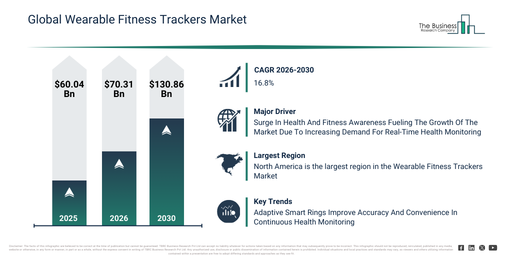
  • Wearable Fitness Trackers Market Growth Outlook Reveals A CAGR Of 16.8% And A Market Value Of $130.85 Billion By 2030

    Wearable Fitness Trackers Market Growth Outlook Reveals A CAGR Of 16.8% And A Market Value Of $130.85 Billion By 2030

    Delivering more actionable and strategically valuable research, The Business Research Company’s 2026 market reports feature market attractiveness analysis, total addressable market evaluation, company benchmarking matrices, interactive Excel dashboards, expanded supply chain intelligence, emerging startup coverage, and detailed product insights.

    Wearable Fitness Trackers Market Size Forecast: How Large Could The Market Become By 2030?

    Propelled by escalating consumer consciousness regarding personal well-being, the wearable fitness trackers market is experiencing robust expansion. This sector is projected to advance from a valuation of $60.04 billion in 2025 to $70.31 billion by 2026, demonstrating a compelling compound annual growth rate of 17.1%. Key drivers behind this historical surge include the widespread integration of smartphones and associated technologies into daily life, a burgeoning emphasis on proactive health management, the increasing allure of fitness-oriented living, and the accessibility of cost-effective wearable gadgets.

    The market for wearable fitness trackers is poised for substantial expansion in the upcoming years, projecting a rise to $130.86 billion by the year 2030, fueled by a compound annual growth rate (CAGR) of 16.8%. This anticipated surge can be linked to several key factors, including a heightened need for ongoing health observation tools, the increasing synergy with remote healthcare services, the proliferation of tailored exercise and wellbeing initiatives, greater uptake by older demographics, and improvements in sensor precision and power longevity. Over the projected timeframe, notable developments are expected to include a wider embrace of sophisticated health monitoring sensors, more comprehensive tracking of various wellness indicators, a growing preference for fitness programs integrated with applications, the burgeoning field of smart apparel and wearable accessories, and an intensified emphasis on customized fitness analytics.

    Download A Free Sample Report For Comprehensive Market Insights:

    https://www.thebusinessresearchcompany.com/sample.aspx?id=24427&type=smp

    Wearable Fitness Trackers Market Demand Drivers Creating New Revenue Opportunities

    A heightened consciousness regarding health and physical well-being is anticipated to fuel the expansion of the wearable fitness tracker sector. This burgeoning awareness, stemming from a greater understanding of the impact of lifestyle choices on health and the prevalence of chronic conditions, is leading individuals to seek tools that facilitate monitoring of their physical activity, vital signs, and overall health status. Evidence for this trend is seen in data like the April 2023 International Food Information Council survey, which indicated that a substantial 52% of American adults are actively following a diet, with younger demographics, Gen Z and Millennials, exhibiting higher rates of adherence than older generations. The survey also revealed a notable uptick in dietary discipline among Baby Boomers, suggesting a cross-generational shift towards more health-oriented lifestyles. Consequently, this escalating focus on personal health and fitness is a significant driver for the wearable fitness tracker market.

    Wearable Fitness Trackers Market Segment Performance And Strategic Opportunities

    The wearable fitness trackers market covered in this report is segmented –

    1) By Product Type: Smartwatches, Activity Monitors, Smart Clothing

    2) By Connectivity: Bluetooth, Wireless Fidelity (Wi-Fi), Cellular, Near Field Communication (NFC), Other Connectivities

    3) By Operating System: Android, iOS, Windows, Tizen

    4) By Distribution Channel: Online, Offline

    5) By Application: Heart Rate Tracking, Sleep Measurement Tracking, Sport, Running, Cycling Tracking, Glucose Measurement Tracking

    Subsegments:

    1) By Smartwatches: GPS Smartwatches, Heart Rate Monitoring Smartwatches, Blood Oxygen (Spo2) Monitoring Smartwatches, Sleep Tracking Smartwatches, Multi-Sport Smartwatches

    2) By Activity Monitors: Clip-On Trackers, Wristband Trackers, Ankle Or Waist-Worn Trackers, Pedometers, Continuous Glucose Monitors (CGMs)

    3) By Smart Clothing: Smart Shirts, Smart Shoes, Smart Socks, Smart Sports Bras, Smart Tights Or Pants

    Wearable Fitness Trackers Market Trends Driving Strategic Industry Expansion

    In the realm of wearable fitness trackers, leading market participants are concentrating their efforts on pioneering advancements, exemplified by the advent of smart rings utilizing adaptive sensing technology. These innovative devices aim to refine continuous health surveillance, elevate the precision of data collection, and present a less conspicuous, more convenient option compared to conventional wrist-mounted gadgets. Smart rings, small wearables designed to be worn on a finger, embed sophisticated sensors capable of monitoring vital signs such as heart rate, blood oxygen saturation (SpO2), sleep cycles, physical activity, and body temperature. Their discreet form factor and extended battery longevity, attributed to efficient power management, further enhance their appeal. A case in point is the Oura Ring 4, released in October 2024 by the Finnish wellness firm Oura. This new iteration boasts “Smart Sensing” technology, an intelligent algorithm that calibrates to the user’s finger anatomy, thereby ensuring superior measurement accuracy. The device is equipped with 18 signal pathways, an increase from the previous generation’s 8, along with comfort-focused recessed sensors, a durable titanium construction, impressive 100-meter water resistance, and a battery life of up to eight days. The Oura Ring 4 stands as a prime example of cutting-edge wearable fitness technology, meticulously engineered to furnish dependable health insights while upholding a sleek and fashionable aesthetic.

    Wearable Fitness Trackers Market Key Players: Which Companies Shape Industry Competition?

    Major companies operating in the wearable fitness trackers market are Apple Inc., Samsung Electronics Co. Ltd., Huawei Technologies Co. Ltd., NIKE Inc., Xiaomi Inc., Garmin Ltd., Fossil Group Inc., Fitbit Inc., Polar Electro Oy, MAD Apparel Inc., GOQii, Honor, Moov Inc., Boltt, Sensoria Inc., Ambiotex GmbH, Activinsights Ltd., Atlas Wearables Inc.

    Access The Complete Wearable Fitness Trackers Market Report:

    https://www.thebusinessresearchcompany.com/report/wearable-fitness-trackers-global-market-report

    Wearable Fitness Trackers Market Geographic Analysis: Where Is Demand Growing The Fastest?

    North Americawas the largest region in the wearable fitness trackers market in 2025. Asia-Pacificis expected to be the fastest-growing region in the forecast period. The regions covered in the wearable fitness trackers market report are Asia-Pacific, South East Asia, Western Europe, Eastern Europe, North America, South America, Middle East, Africa.

    Get in touch with us:

    The Business Research Company: https://www.thebusinessresearchcompany.com/

    Americas: +1 310-496-7795

    Asia: +44 7882 955267 & +91 8897263534

    Europe: +44 7882 955267

    Email us at: marketing@tbrc.info

    Follow us on:

    LinkedIn: https://in.linkedin.com/company/the-business-research-company

    YouTube: https://www.youtube.com/channel/UC24_fI0rV8cR5DxlCpgmyFQ

    Global Market Model: https://www.thebusinessresearchcompany.com/global-market-model
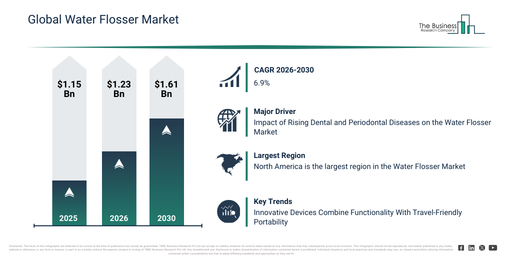
  • Water Flosser Market Forecast Highlights Expansion From $1.23 Billion To $1.61 Billion Through 2030

    Water Flosser Market Forecast Highlights Expansion From $1.23 Billion To $1.61 Billion Through 2030

    Enhanced with market attractiveness analysis, total addressable market evaluation, company benchmarking matrices, interactive Excel dashboards, expanded supply chain intelligence, emerging startup coverage, and detailed product insights, The Business Research Company’s 2026 market reports deliver more actionable and strategically valuable research.

    Water Flosser Market Revenue Outlook: What CAGR Is Expected Through 2030?

    Demonstrating robust expansion, the water flosser sector is projected to ascend from an estimated $1.15 billion in 2025 to $1.23 billion by 2026, reflecting a compound annual growth rate (CAGR) of 6.9%. This notable forward trajectory observed during the past period is underpinned by several key factors: a heightened consciousness surrounding oral health maintenance, the broadening accessibility of dental product distribution networks, a greater acceptance of electrified oral care implements, an increase in individuals undergoing orthodontic procedures, and enhanced consumer engagement with dental technological advancements.

    The water flosser sector is poised for substantial expansion, projecting a valuation of $1.61 billion by 2030, fueled by a compound annual growth rate of 6.9%. This upward trajectory is primarily propelled by an increased consumer appetite for intelligent oral hygiene tools, the burgeoning integration of digital health monitoring capabilities, a robust expansion in online channels for dental product distribution, an intensified emphasis on proactive dental maintenance, and ongoing innovations in the design of more compact appliances. Key developments anticipated during this projection period involve a greater embrace of portable and cordless water flosser options, a heightened demand for sophisticated oral care apparatus, a growing inclination towards at-home dental hygiene solutions, the proliferation of versatile dental cleansing instruments, and a more pronounced dedication to enhancing gum health.

    Download A Free Sample Report For Comprehensive Market Insights:

    https://www.thebusinessresearchcompany.com/sample.aspx?id=18499&type=smp

    Water Flosser Market Expansion Supported By Key Demand Factors

    An anticipated surge in dental and periodontal health issues is poised to be a significant catalyst for the expansion of the water flosser market. These conditions, which impact the teeth, gums, and their supporting oral structures, are often exacerbated by inadequate oral hygiene practices, frequent consumption of sugary and acidic food and drink items, and restricted access to routine dental examinations and professional cleaning services. Water flossers offer a method for addressing these issues by employing a forceful water jet to dislodge and eliminate plaque, food debris, and microorganisms from interdental spaces and along the gum margins, thereby mitigating inflammation and averting gum disease. Illustrating this trend, Sweden’s National Board of Health and Welfare reported in September 2023 that roughly 3.94 million individuals aged 24 and above received dental treatment in 2023, reflecting a minor uptick compared to the previous year. Consequently, the growing incidence of dental and periodontal ailments is a key driver fueling the demand for water flossers.

    Water Flosser Market Segment Landscape And Growth Potential

    The water flosser market covered in this report is segmented –

    1) By Product Type: Cordless Or Battery-Operated Flosser, Countertop Flosser, Shower Flosser, Faucet Flosser, Other Products

    2) By Application: Drug Stores And Pharmacies, Specialty Stores, Hypermarkets Or Supermarkets, Convenience Stores, Online Retailers

    3) By End Use: Commercial, Residential, Other End-Uses

    Subsegments:

    1) By Cordless Or Battery-Operated Flosser: Rechargeable Battery, Replaceable Battery

    2) By Countertop Flosser: Large Capacity Reservoir, Adjustable Pressure Settings

    3) By Shower Flosser: Wall-Mounted, Handheld

    4) By Faucet Flosser: Faucet Adapter Included, Nozzle Control

    5) By Other Products: Travel Flosser, Combination Flosser And Toothbrush

    Water Flosser Market Growth Trends Influencing Competitive Dynamics

    Leading businesses within the water flosser sector are prioritizing the creation of cutting-edge products, exemplified by collapsible cordless water flossers, aimed at improving portability, user-friendliness, and overall convenience, especially for globetrotters and individuals with confined bathroom facilities. These foldable, battery-operated oral hygiene devices can be reduced in size for effortless storage or transport, delivering robust water pressure while presenting a travel-ready design, distinguishing them from bulkier, mains-powered countertop units. A notable illustration of this trend occurred in May 2023 when Waterpik, a prominent American oral care brand, introduced the Cordless Slide, a space-saving water flosser that retracts to half its deployed dimensions, facilitating convenient packing or Stowing. This apparatus is equipped with three specialized flossing nozzles, adjustable intensity levels, a water-resistant casing suitable for in-shower use, and a rechargeable lithium-ion power source capable of sustaining operation for up to a month on a single charge. The Cordless Slide, engineered to deliver superior oral care through a conveniently packaged and intuitive device, underscores the impact of novel design and added features in satisfying the dynamic demands of consumers.

    Water Flosser Market Competitive Landscape: Who Are The Leading Companies?

    Major companies operating in the water flosser market are Procter & Gamble, Panasonic Holdings Corporation, Xiaomi Corporation, Koninklijke Philips N.V, Church & Dwight Co. Inc., Conair LLC, Water Pik Inc., Fairywill, BURST.USA.Inc., Gurin Products LLC, h2ofloss limited, Homgeek Inc., Jetpik, Mornwell, Nicefeel, Oratec Corporation, Ovonni, Oracura Inc., Waterpulse, AquaSonic Ltd., Perfora

    Access The Complete Water Flosser Market Report:

    https://www.thebusinessresearchcompany.com/report/water-flosser-global-market-report

    Water Flosser Market Global Footprint: Which Region Holds Market Leadership?

    North Americawas the largest region in the water flosser market in 2025. Asia-Pacificis expected to be the fastest-growing region in the forecast period. The regions covered in the water flosser market report are Asia-Pacific, South East Asia, Western Europe, Eastern Europe, North America, South America, Middle East, Africa.

    Get in touch with us:

    The Business Research Company: https://www.thebusinessresearchcompany.com/

    Americas: +1 310-496-7795

    Asia: +44 7882 955267 & +91 8897263534

    Europe: +44 7882 955267

    Email us at: marketing@tbrc.info

    Follow us on:

    LinkedIn: https://in.linkedin.com/company/the-business-research-company

    YouTube: https://www.youtube.com/channel/UC24_fI0rV8cR5DxlCpgmyFQ

    Global Market Model: https://www.thebusinessresearchcompany.com/global-market-model
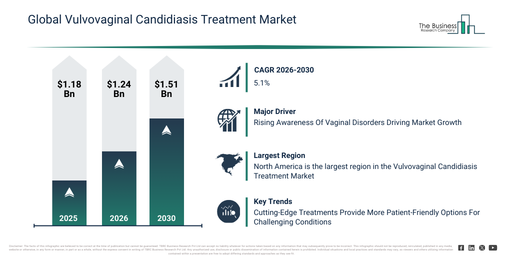
  • Vulvovaginal Candidiasis Treatment Market Expected To Reach $1.51 Billion By 2030 As Growth Accelerates At 5.1% CAGR

    Vulvovaginal Candidiasis Treatment Market Expected To Reach $1.51 Billion By 2030 As Growth Accelerates At 5.1% CAGR

    Through market attractiveness analysis, total addressable market evaluation, company benchmarking matrices, interactive Excel dashboards, expanded supply chain intelligence, emerging startup coverage, and detailed product insights, The Business Research Company’s 2026 market reports provide more actionable and strategically valuable research.

    Vulvovaginal Candidiasis Treatment Market Growth Analysis: How Will Revenue Expand During The Forecast Period?

    The market for vulvovaginal candidiasis treatments has experienced robust expansion, projecting a rise from $1.18 billion in 2025 to $1.24 billion in 2026, which represents a compound annual growth rate of 5.1%. This historical expansion has been fueled by several key factors, including the accessibility of azole antifungal drugs, broader availability through retail pharmacies, a greater number of diagnosed fungal infections, enhancements in the development of topical therapies, and the widespread adoption of clinical treatment protocols.

    Anticipating substantial expansion, the market for vulvovaginal candidiasis treatments projects a robust trajectory, aiming to reach $1.51 billion by 2030, underpinned by a compound annual growth rate of 5.1%. This predicted surge is fueled by several key factors: an escalating need for innovative antifungal medications, intensified efforts in managing antifungal resistance, the broadening embrace of individualized treatment plans, a greater utilization of remote healthcare consultations, and ongoing enhancements in methods for delivering therapeutic agents. Within this forecasted timeframe, prominent developments are expected to include a greater uptake of precisely targeted antifungal treatments, increased application of multi-drug therapeutic regimens, a heightened emphasis on strategies to prevent recurring infections, the proliferation of accessible over-the-counter treatment alternatives, and a significant rise in patient knowledge and educational initiatives.

    Download A Free Sample Report For Comprehensive Market Insights:

    https://www.thebusinessresearchcompany.com/sample.aspx?id=21319&type=smp

    Vulvovaginal Candidiasis Treatment Market Growth Drivers And Industry Catalysts

    Increased understanding of conditions affecting the vagina is poised to be a significant catalyst for the expansion of the market focused on treating vulvovaginal candidiasis. These vaginal disorders encompass a range of issues like infections, inflammation, discomfort, or unusual discharge. The heightened awareness surrounding these conditions stems from enhanced educational initiatives, greater accessibility to medical services, and a heightened emphasis on women’s health and overall well-being. Treatments for vulvovaginal candidiasis offer vital support to individuals experiencing vaginal disorders by effectively reducing bothersome symptoms such as itching, irritation, and abnormal discharge. Furthermore, these treatments aid in restoring the delicate balance of the vaginal microbiome, help avert the recurrence of infections, and contribute to the improvement of general vaginal health and personal comfort. As an illustration, data from the Centers for Disease Control and Prevention, a governmental body in the United States, indicated that in September 2025, there were approximately 209,253 reported cases of syphilis in 2023, marking a slight increase from the 207,269 cases documented in 2022. Consequently, this growing awareness of vaginal health issues is acting as a key driver for the advancement of the vulvovaginal candidiasis treatment sector.

    Vulvovaginal Candidiasis Treatment Market Categorization By Product Type And Application

    The vulvovaginal candidiasis treatment market covered in this report is segmented –

    1) By Drug Class: Clotrimazole, Nystatin, Fluconazole, Ketoconazole, Terbinafine, Terconazole, Other Drug Classes

    2) By Route Of Administration: Oral, Intravenous, Topical

    3) By Distribution Channel: Hospital Pharmacy , Retail Pharmacy, Online Pharmacy

    Subsegments:

    1) By Clotrimazole: Over-the-Counter (OTC) Medications, Prescription Medications

    2) By Nystatin: Monotherapy, Combination Therapy

    3) By Fluconazole: Single-Dose Therapy, Multi-Dose Therapy

    4) By Ketoconazole: Short-Term Treatment, Long-Term Treatment

    5) By Terbinafine: Systemic Treatment, Topical Treatment

    6) By Terconazole: Low-Dose Therapy, High-Dose Therapy

    7) By Other Drug Classes: Azole Antifungals, Polyene Antifungals, Novel Therapeutics

    #Vulvovaginal Candidiasis Treatment Market Trends Influencing Long-Term Demand

    To combat vulvovaginal candidiasis (VVC), leading players in the VVC treatment market are actively pursuing novel approaches, exemplified by the development of selective oral azole antifungals, aiming to boost treatment effectiveness, curb disease recurrence, and enhance patient comfort. These selective oral azoles function by precisely targeting fungal enzymes like CYP51, thus lessening unintended impacts and negative side effects in contrast to conventional, broadly acting azoles. A prime illustration of this innovation is the February 2024 launch in China of VIVJOA (oteseconazole) capsules by Mycovia Pharmaceuticals, Inc., a US biopharmaceutical firm collaborating with Jiangsu Hengrui Pharmaceuticals Co., Ltd., for managing severe cases of VVC. This oral treatment, taken over two days, has demonstrated higher cure rates than fluconazole and offers a more concise, focused therapeutic period, marking a significant stride in VVC care by furnishing a potent and convenient therapeutic choice for challenging instances.

    Vulvovaginal Candidiasis Treatment Market Company Landscape And Strategic Competition

    Major companies operating in the vulvovaginal candidiasis treatment market are Pfizer Inc., Bayer Inc., Teva Pharmaceutical Industries Ltd., Dr. Reddy’s Laboratories Limited, Cipla Limited, Zydus Lifesciences, Novartis Pharmaceuticals Inc., Glenmark Pharmaceuticals Ltd., Taro Pharmaceuticals Industries Ltd., Accord Healthcare Ltd., Incepta Pharmaceuticals Ltd., Cadila Pharmaceuticals, Astellas Pharma Inc., Mycovia Pharmaceuticals Inc., Basilea Pharmaceutica Ltd., Scynexis Inc., Grupo Ferrer Internacional SA, Sanofi SA, Bristol-Myers Squibb Company, Perrigo Company plc, Lupin Limited, Sun Pharmaceutical Industries Ltd.

    Access The Complete Vulvovaginal Candidiasis Treatment Market Report:

    https://www.thebusinessresearchcompany.com/report/vulvovaginal-candidiasis-treatment-global-market-report

    Vulvovaginal Candidiasis Treatment Market Regional Distribution: Which Areas Drive Market Expansion?

    North Americawas the largest region in the vulvovaginal candidiasis treatment market in 2025. The regions covered in the vulvovaginal candidiasis treatment market report are Asia-Pacific, South East Asia, Western Europe, Eastern Europe, North America, South America, Middle East, Africa.

    Get in touch with us:

    The Business Research Company: https://www.thebusinessresearchcompany.com/

    Americas: +1 310-496-7795

    Asia: +44 7882 955267 & +91 8897263534

    Europe: +44 7882 955267

    Email us at: marketing@tbrc.info

    Follow us on:

    LinkedIn: https://in.linkedin.com/company/the-business-research-company

    YouTube: https://www.youtube.com/channel/UC24_fI0rV8cR5DxlCpgmyFQ

    Global Market Model: https://www.thebusinessresearchcompany.com/global-market-model
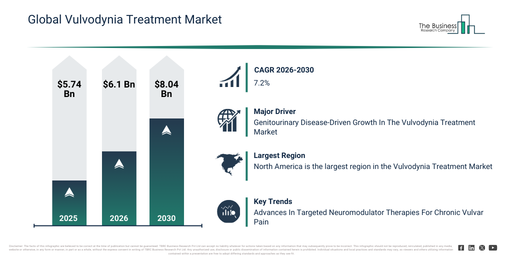
  • Vulvodynia Treatment Market Set To Grow From $6.09 Billion In 2026 To $8.04 Billion By 2030 At A CAGR Of 7.2%

    Vulvodynia Treatment Market Set To Grow From $6.09 Billion In 2026 To $8.04 Billion By 2030 At A CAGR Of 7.2%

    Delivering more actionable and strategically valuable research, The Business Research Company’s 2026 market reports feature market attractiveness analysis, total addressable market evaluation, company benchmarking matrices, interactive Excel dashboards, expanded supply chain intelligence, emerging startup coverage, and detailed product insights.

    Vulvodynia Treatment Market Forecast: What Market Value Is Expected By 2030?

    The market for vulvodynia treatments experienced significant expansion recently. Projections indicate this market will expand from $5.74 billion in 2025 to $6.1 billion in 2026, reflecting a compound annual growth rate of 6.1%. Factors contributing to this expansion during the past period include a greater acknowledgment of vulvodynia within the medical community, the accessibility of medications for neuropathic pain, the broadening scope of gynecological healthcare services, amplified advocacy from patients, and the establishment of refined pain management strategies.

    The market for vulvodynia treatments is poised for substantial expansion, with projections indicating a reach of $8.04 billion by 2030, reflecting a compound annual growth rate of 7.2% over the projected timeframe. This upward trajectory is fueled by several key factors, including heightened investment in women’s health research, a surge in the demand for tailored pain management strategies, the proliferation of specialized clinics offering comprehensive care, a growing preference for non-opioid pain relief alternatives, and ongoing innovations in the development of precise medication formulations. Key developments anticipated during this period encompass a greater embrace of integrated pain management techniques, increased utilization of treatments applied directly to affected areas, a stronger emphasis on care plans that prioritize patient needs and preferences, an expansion of non-invasive treatment modalities, and heightened awareness surrounding chronic vulvar pain conditions.

    Download A Free Sample Report For Comprehensive Market Insights:

    https://www.thebusinessresearchcompany.com/sample.aspx?id=13218&type=smp

    Vulvodynia Treatment Market Opportunity Drivers: What Is Creating New Revenue Potential?

    The increasing prevalence of genitourinary conditions is anticipated to fuel the expansion of the vulvodynia treatment sector. Genitourinary ailments, also known as urogenital disorders, encompass medical issues impacting the reproductive and urinary tracts, sometimes stemming from conditions like diabetes or hypertension. These two systems are often considered together due to their close proximity and interconnected functions. Treatments for vulvodynia are largely employed to address a range of genitourinary conditions in women, offering relief from pain and symptoms, thereby enhancing the overall well-being of affected individuals. As an illustration, data from the UK Health Security Agency indicated that during the period from April 6, 2023, to April 5, 2024, the United Kingdom recorded 189,756 hospitalizations for urinary tract infections (UTIs), leading to a considerable utilization of 1.2 million bed days. On average, each UTI episode required 6 days of hospitalization, with a notable proportion of patients, specifically one-third, being discharged in under 24 hours. Consequently, the growing incidence of genitourinary diseases is a significant factor contributing to the market’s growth in vulvodynia treatments.

    Vulvodynia Treatment Market Segment Analysis And Revenue Opportunities

    The vulvodynia treatment market covered in this report is segmented –

    1) By Drug Type: Anticonvulsants, Tricyclic Antidepressants, Local Anesthetics, Antimicrobials, Hormone Creams, Nerve Blocks, Other Drug Types

    2) By Route Of Administration: Oral, Topical, Other Routes Of Administration

    3) By Distribution Channel: Hospital Pharmacy, Online Pharmacy, Retail Pharmacy

    Subsegments:

    1) By Anticonvulsants: Gabapentin, Pregabalin

    2) By Tricyclic Antidepressants: Amitriptyline, Nortriptyline

    3) By Local Anesthetics: Lidocaine Cream, Benzocaine

    4) By Antimicrobials: Antibiotic Creams, Antifungal Medications

    5) By Hormone Creams: Estrogen Creams, Testosterone Creams

    6) By Nerve Blocks: Pelvic Nerve Blocks, Pudendal Nerve Blocks

    7) By Other Drug Types: Topical Capsaicin, Corticosteroids

    Vulvodynia Treatment Market Innovation Trends Driving Future Development

    Within the vulvodynia treatment landscape, key players are actively pursuing the creation of advanced solutions, including groundbreaking neuromodulatory agents aimed at delivering precise pain alleviation and enhancing patient well-being. These innovative neuromodulators function by modifying nerve transmissions through the regulation of neurotransmitters within the nervous system, offering a more focused, mechanism-driven strategy to alleviate persistent vulvar discomfort and improve sexual function when contrasted with conventional treatments like topical numbing agents or standard pain relievers. A pertinent example is Initiator Pharma A/S, a Danish biotechnology firm in its clinical development phase, which secured approval from UK regulators in November 2025 to commence a Phase 2a clinical study. This study will investigate the efficacy of pudafensine, an experimental oral monoamine reuptake inhibitor, for the management of vulvodynia as part of their IPVU2025 initiative. Pudafensine is specifically engineered to selectively impede the reabsorption of dopamine (and to a degree, serotonin) in the synapses, consequently elevating neurotransmitter concentrations in the synaptic gap. This regulatory action may contribute to a diminished pain experience and enhanced sexual performance, supported by a positive safety record demonstrated in preceding pain assessment studies.

    Vulvodynia Treatment Market Leading Players Shaping Industry Direction

    Major companies operating in the vulvodynia treatment market are Pfizer Inc., Johnson and Johnson Pvt. Ltd., Merck and Co. Inc., AbbVie Inc., Bayer AG, Novartis AG, Sanofi S.A., GlaxoSmithKline plc, Takeda Pharmaceutical Company Limited, Eli Lilly and Company, Amgen Inc., Teva Pharmaceutical Industries Ltd., Janssen Pharmaceuticals Inc., Mylan N.V., Astellas Pharma Inc., Viatris Inc., Cipla Inc., Hikma Pharmaceuticals plc, Endo International Inc., Amneal Pharmaceuticals Inc., Stada Arzneimittel AG, Glenmark Pharmaceuticals Inc., Alkem Laboratories Limited, Cadila Pharmaceuticals Ltd., Taro Pharmaceutical Industries Ltd., Upsher-Smith Laboratories LLC, Noven Pharmaceuticals Inc., Zydus Lifesciences Ltd., Depomed Inc.

    Access The Complete Vulvodynia Treatment Market Report:

    https://www.thebusinessresearchcompany.com/report/vulvodynia-treatment-global-market-report

    Vulvodynia Treatment Market Leading Geography: Which Region Generates The Most Revenue?

    North Americawas the largest region in the vulvodynia treatment market in 2025. Asia-Pacificis expected to be the fastest-growing region in the forecast period. The regions covered in the vulvodynia treatment market report are Asia-Pacific, South East Asia, Western Europe, Eastern Europe, North America, South America, Middle East, Africa.

    Get in touch with us:

    The Business Research Company: https://www.thebusinessresearchcompany.com/

    Americas: +1 310-496-7795

    Asia: +44 7882 955267 & +91 8897263534

    Europe: +44 7882 955267

    Email us at: marketing@tbrc.info

    Follow us on:

    LinkedIn: https://in.linkedin.com/company/the-business-research-company

    YouTube: https://www.youtube.com/channel/UC24_fI0rV8cR5DxlCpgmyFQ

    Global Market Model: https://www.thebusinessresearchcompany.com/global-market-model
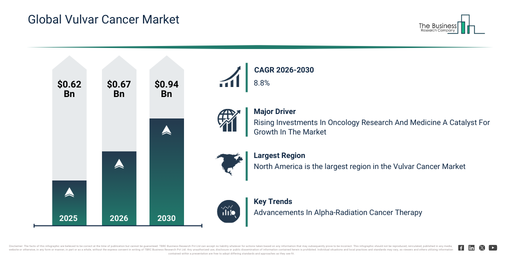
  • Vulvar Cancer Market Opportunities Are Emerging Beyond Traditional Growth Areas

    Vulvar Cancer Market Opportunities Are Emerging Beyond Traditional Growth Areas

    Enhanced with market attractiveness analysis, total addressable market evaluation, company benchmarking matrices, interactive Excel dashboards, expanded supply chain intelligence, emerging startup coverage, and detailed product insights, The Business Research Company’s 2026 market reports deliver more actionable and strategically valuable research.

    Vulvar Cancer Market Size Outlook: How Fast Will Revenue Grow Through 2030?

    The market for vulvar cancer treatments has experienced significant expansion lately, with projections indicating continued robust growth. This market, valued at $0.62 billion in 2025, is expected to reach $0.67 billion by 2026, reflecting a compound annual growth rate of 8.9%. Factors underpinning this historical growth include heightened public awareness concerning gynecologic cancers, the increasing accessibility of specialized surgical oncology services, the proliferation of hospital oncology divisions, the widespread implementation of radiation therapy modalities, and advancements in diagnostic pathology.

    The global vulvar cancer market is poised for significant expansion, projected to reach $0.94 billion by 2030, driven by an 8.8% compound annual growth rate. This anticipated surge is fueled by several key factors including escalating investments in precision oncology, a greater embrace of biologic and immunotherapy treatments, the widening influence of human papillomavirus (HPV) vaccination impact monitoring, a strengthened emphasis on tailored treatment strategies, and innovations in diagnostic imaging. Furthermore, the coming years will likely witness a marked increase in the adoption of targeted cancer therapies, a higher prevalence of minimally invasive surgical techniques, a heightened commitment to early detection and screening programs, the broader application of multimodal treatment regimens, and a more integrated approach to personalized oncological care.

    Download A Free Sample Report For Comprehensive Market Insights:

    https://www.thebusinessresearchcompany.com/sample.aspx?id=21318&type=smp

    Vulvar Cancer Market Growth Momentum: Which Factors Are Influencing Demand?

    Increasing investment in oncology research and treatment is expected to drive growth in the vulvar cancer market. These investments include funding from governments, pharmaceutical companies, research institutions, and private investors aimed at improving the understanding, prevention, diagnosis, and treatment of cancer. The rise in such investments is being fueled by the growing global cancer burden, advancements in precision medicine, increasing demand for innovative therapies, the expansion of clinical trials, public and private funding support, and progress in targeted and immunotherapy-based treatments. In the context of vulvar cancer, these investments are enabling improvements in early detection, expanding access to advanced treatment options such as targeted therapy and immunotherapy, supporting clinical trials for more effective drugs, strengthening cancer care infrastructure, and encouraging research into disease mechanisms and progression. For example, in May 2024, according to IQVIA, global spending on cancer medicines reached $223 billion in 2023, rising by $25 billion from 2022, and is projected to reach $409 billion by 2028. As a result, increasing investment in oncology research and treatment is contributing to the growth of the vulvar cancer market.

    Vulvar Cancer Market Segmentation And Category Breakdown

    The vulvar cancer market covered in this report is segmented –

    1) By Cancer Type: Vulvar Squamous Cell Carcinoma, Vulvar Melanoma, Adenocarcinoma, Basal Cell Carcinoma

    2) By Treatment Type: Chemotherapy, Surgery, Laser Surgery, Excision, Skinning Vulvectomy, Radical Vulvectomy, Radiation Therapy, Biologic Therapy

    3) By Distribution Channel: Online Channel, Offline Channel

    4) By End Users: Hospitals And Clinics, Research And Academic Institutes, Other End Users

    Subsegments:

    1) By Vulvar Squamous Cell Carcinoma: Keratinizing Squamous Cell Carcinoma, Non-Keratinizing Squamous Cell Carcinoma, Verrucous Carcinoma

    2) By Vulvar Melanoma: Mucosal Melanoma, Acral Lentiginous Melanoma, Nodular Melanoma

    3) By Adenocarcinoma: Bartholin Gland Adenocarcinoma, Extramammary Paget’s Disease-Associated Adenocarcinoma, Sweat Gland Adenocarcinoma

    4) By Basal Cell Carcinoma: Superficial Basal Cell Carcinoma, Nodular Basal Cell Carcinoma, Morpheaform (Sclerosing) Basal Cell Carcinoma

    Vulvar Cancer Market Trends Reshaping Industry Growth

    In the competitive landscape of the vulvar cancer market, key players are prioritizing advancements in therapeutic strategies, specifically exploring methods like alpha-radiation cancer therapy to improve treatment success and the quality of life for patients. This innovative therapy involves directing alpha particles precisely at tumor cells, resulting in localized destruction of malignant tissue with reduced impact on adjacent healthy cells. Illustrating this trend, in May 2023, Alpha Tau Medical Ltd., an Israeli firm, pioneered the application of its Alpha DaRT alpha-radiation cancer therapy for vulvar squamous cell carcinoma. This clinical investigation, taking place at Addenbrooke’s Hospital, part of the Cambridge University Hospitals NHS Foundation Trust, plans to enroll ten individuals to assess the therapy’s safety and effectiveness. The Alpha DaRT system represents a focused, less invasive treatment modality, highlighting its promise as a potential alternative to surgery for vulvar cancer management.

    Vulvar Cancer Market Competitive Analysis Of Major Industry Participants

    Major companies operating in the vulvar cancer market are F. Hoffmann-La Roche Ltd, Merck And Co., Bristol-Myers Squibb Company, Novartis AG, GlaxoSmithKline plc, Amgen Inc., Regeneron Pharmaceuticals Inc., Intuitive Surgical Operations Inc., Elekta AB, Accuray Incorporated, Xencor, ISA Pharmaceuticals BV, Alpha Tau Medical Ltd, AstraZeneca PLC, Johnson & Johnson, Pfizer Inc, Eli Lilly and Company, AbbVie Inc, Astellas Pharma Inc, Takeda Pharmaceutical Company Ltd, Bayer AG, Ipsen, Gilead Sciences Inc

    Access The Complete Vulvar Cancer Market Report:

    https://www.thebusinessresearchcompany.com/report/vulvar-cancer-global-market-report

    Vulvar Cancer Market Regional Outlook: Where Are The Largest Opportunities Located?

    North Americawas the largest region in the vulvar cancer market in 2025. Asia-Pacificis expected to be the fastest-growing region in the forecast period. The regions covered in the vulvar cancer market report are Asia-Pacific, South East Asia, Western Europe, Eastern Europe, North America, South America, Middle East, Africa.

    Get in touch with us:

    The Business Research Company: https://www.thebusinessresearchcompany.com/

    Americas: +1 310-496-7795

    Asia: +44 7882 955267 & +91 8897263534

    Europe: +44 7882 955267

    Email us at: marketing@tbrc.info

    Follow us on:

    LinkedIn: https://in.linkedin.com/company/the-business-research-company

    YouTube: https://www.youtube.com/channel/UC24_fI0rV8cR5DxlCpgmyFQ

    Global Market Model: https://www.thebusinessresearchcompany.com/global-market-model
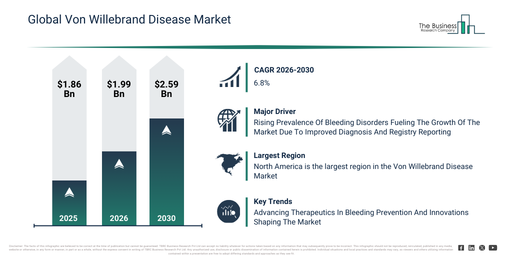
  • Von Willebrand Disease Market Expansion Is Opening New Pathways For Strategic Investment

    Von Willebrand Disease Market Expansion Is Opening New Pathways For Strategic Investment

    Through market attractiveness analysis, total addressable market evaluation, company benchmarking matrices, interactive Excel dashboards, expanded supply chain intelligence, emerging startup coverage, and detailed product insights, The Business Research Company’s 2026 market reports provide more actionable and strategically valuable research.

    Von Willebrand Disease Market Size, Value And Growth Trends Through 2030

    The global market for von Willebrand disease treatments experienced robust expansion previously and is poised for continued advancement, projecting a rise from $1.86 billion in 2025 to $1.99 billion in 2026, reflecting a compound annual growth rate of 6.9%. This historical growth trajectory was significantly influenced by heightened public and medical awareness concerning inherited bleeding conditions, the accessibility of therapies derived from blood plasma for von Willebrand factor, enhancements in diagnostic methodologies, the proliferation of specialized hematology services within healthcare facilities, and foundational investigations into blood clotting disorders.

    The market for von Willebrand disease is projected for substantial expansion over the coming years, anticipating a reach of $2.59 billion by 2030 with a compound annual growth rate (CAGR) of 6.8%. This projected growth trajectory is underpinned by several key factors: escalating investments in gene-based therapeutic interventions, the increasing embrace of precision medicine methodologies, the broadening scope of patient registries and screening initiatives, a heightened demand for treatments with extended efficacy, and significant progress in the development of recombinant drugs. Key developments anticipated during this forecast period include a greater uptake of von Willebrand factor replacement therapies derived from recombinant sources, a rise in the implementation of individualized treatment plans, a reinforced emphasis on the early identification of genetic predispositions, a wider availability of treatment options administered within the home environment, and improved methods for tracking and managing bleeding disorders.

    Download A Free Sample Report For Comprehensive Market Insights:

    https://www.thebusinessresearchcompany.com/sample.aspx?id=22168&type=smp

    Von Willebrand Disease Market Expansion Drivers: What Is Shaping Future Growth?

    The increasing incidence of bleeding disorders is anticipated to be a primary driver for the expansion of the von Willebrand disease market. This category of medical conditions impairs the body’s natural capacity for blood clot formation, leading to extended or excessive hemorrhaging. A significant factor contributing to the higher number of diagnosed bleeding disorders stems from progress in medical understanding and sophisticated diagnostic technologies, enabling healthcare professionals and institutions to precisely identify cases that might have been overlooked previously. Treatments for von Willebrand disease aim to assist individuals suffering from bleeding disorders by enhancing blood coagulation, mitigating undue bleeding, and improving their general well-being. Illustratively, in April 2024, the World Federation of Hemophilia, a governmental body based in Canada, reported that data compilation concerning individuals diagnosed with von Willebrand disease (VWD) commenced in February 2023. As of December 31, 2023, the World Bleeding Disorder Registry (WBDR) had successfully registered 999 individuals with VWD, sourced from 45 hemophilia treatment centers (HTCs) spanning 22 nations. Concurrently, during the same year, comprehensive data was gathered on 13,343 people with hemophilia (PWH), drawn from 119 HTCs across 44 countries. Consequently, the escalating prevalence of bleeding disorders is directly fueling the growth trajectory of the von Willebrand disease market.

    Von Willebrand Disease Market Segment Outlook: Which Categories Are Expanding The Fastest?

    The von willebrand disease market covered in this report is segmented –

    1) By Type: Type 1, Type 2, Type 3

    2) By Drugs: Antihemophilic Factor, Coagulation Factor VIII Complex, Von Willebrand Factor, Desmopressin Acetate, Other Drugs

    3) By Severity: Mild, Moderate, Severe

    4) By Distribution Channel: Hospital Pharmacy, Retail Pharmacy, Online Pharmacy, Other Distribution Channels

    5) By End Users: Hospitals, Speciality Clinics, Homecare, Other End Users

    Subsegments:

    1) By Type 1: Mild Von Willebrand Disease, Moderate Von Willebrand Disease, Severe Von Willebrand Disease

    2) By Type 2: Type 2A, Type 2B, Type 2M, Type 2N

    3) By Type 3: Congenital Type 3, Acquired Type 3

    Von Willebrand Disease Market Strategic Trends: What Is Defining The Next Phase Of Growth?

    In the von Willebrand disease market, key industry players are concentrating their efforts on novel therapeutic approaches, including the development of von Willebrand factor concentrate, aiming to elevate treatment effectiveness, decrease instances of bleeding, and ultimately foster better patient results. This concentrate serves as a medical intervention designed to manage and avert bleeding episodes in individuals diagnosed with von Willebrand disease, a hereditary bleeding condition stemming from insufficient or impaired functioning of the von Willebrand factor. Illustrating this trend, Octapharma USA Inc., a pharmaceutical entity based in the United States, revealed in April 2024 that their product, Wilate, received approval from the Food and Drug Administration. Wilate, a von Willebrand factor concentrate available as a lyophilized powder solution for intravenous administration, is intended for regular prophylactic use to lessen the occurrence of bleeding episodes in both adult patients and children aged six and above. Furthermore, the designation of Wilate as an orphan drug by the FDA grants it a period of up to seven years of market exclusivity, a provision designed to incentivize the advancement of therapies for uncommon ailments.

    Von Willebrand Disease Market Key Companies And Competitive Benchmarking

    Major companies operating in the von willebrand disease market are Pfizer Inc., Bayer AG, Sanofi S A, Takeda Pharmaceutical Company Limited, Novo Nordisk A S, CSL Behring, Grifols S A, Kedrion Biopharma Inc., Shanghai RAAS Blood Products Co Ltd, Biotest AG, LFB S A, Bio Products Laboratory Ltd BPL, Octapharma AG, Baxter International Inc, Biogen Inc, Swedish Orphan Biovitrum AB, Roche Holding AG, BioMarin Pharmaceutical Inc, Ferring Pharmaceuticals, Alnylam Pharmaceuticals, Star Therapeutics Inc, Hemab Therapeutics, HEMA Biologics

    Access The Complete Von Willebrand Disease Market Report:

    https://www.thebusinessresearchcompany.com/report/von-willebrand-disease-global-market-report

    Von Willebrand Disease Market Geographic Landscape: Which Region Dominates Industry Growth?

    North Americawas the largest region in the von willebrand disease market in 2025. Asia-Pacificis expected to be the fastest-growing region in the forecast period. The regions covered in the von willebrand disease market report are Asia-Pacific, South East Asia, Western Europe, Eastern Europe, North America, South America, Middle East, Africa.

    Get in touch with us:

    The Business Research Company: https://www.thebusinessresearchcompany.com/

    Americas: +1 310-496-7795

    Asia: +44 7882 955267 & +91 8897263534

    Europe: +44 7882 955267

    Email us at: marketing@tbrc.info

    Follow us on:

    LinkedIn: https://in.linkedin.com/company/the-business-research-company

    YouTube: https://www.youtube.com/channel/UC24_fI0rV8cR5DxlCpgmyFQ

    Global Market Model: https://www.thebusinessresearchcompany.com/global-market-model
  • Vocal Cord Paralysis Market Trends Are Creating New Opportunities For Industry Leaders

    Vocal Cord Paralysis Market Trends Are Creating New Opportunities For Industry Leaders

    Delivering more actionable and strategically valuable research, The Business Research Company’s 2026 market reports feature market attractiveness analysis, total addressable market evaluation, company benchmarking matrices, interactive Excel dashboards, expanded supply chain intelligence, emerging startup coverage, and detailed product insights.

    Vocal Cord Paralysis Market CAGR Analysis And Future Market Development

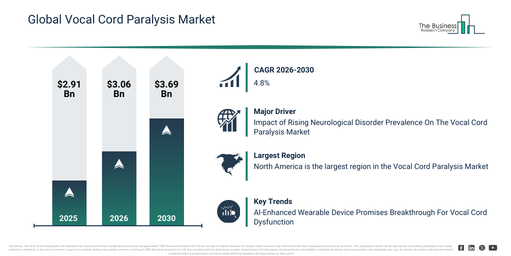
    The market for vocal cord paralysis treatments has experienced consistent expansion lately. Projections indicate a rise from $2.91 billion in 2025 to $3.06 billion in 2026, reflecting a compound annual growth rate of 5.0%. This momentum in the past can be linked to a greater prevalence of neurological issues and surgical side effects, enhanced access to ear, nose, and throat (ENT) services, the proliferation of specialized voice treatment centers, advancements in diagnostic imaging technologies, and the broadening scope of speech therapy services.

    Benefiting from a growing acceptance of minimally invasive surgical procedures, a heightened need for tailored voice rehabilitation programs, the proliferation of specialized treatment facilities, a greater emphasis on improving patients’ quality of life, and the increased incorporation of digital therapeutic instruments, the vocal cord paralysis market is poised for consistent expansion, projecting a valuation of $3.69 billion by 2030, driven by a compound annual growth rate of 4.8%. Key developments anticipated during this period involve the wider implementation of sophisticated surgical methodologies, a surge in the utilization of dedicated voice therapy initiatives, an intensified focus on prompt identification and management of the condition, the broadening of integrated, multi-specialty care strategies, and an elevated commitment to comprehensive post-treatment recovery.

    Download A Free Sample Report For Comprehensive Market Insights:

    https://www.thebusinessresearchcompany.com/sample.aspx?id=18771&type=smp

    Vocal Cord Paralysis Market Development Factors: Which Trends Are Supporting Demand?

    The escalating occurrence of neurological conditions is anticipated to fuel the expansion of the vocal cord paralysis market. Neurological disorders encompass ailments affecting the entire nervous system, from the brain and spinal cord to peripheral nerves. Factors contributing to their growing incidence include genetic predispositions, infections, injuries, exposure to toxins, autoimmune reactions, and degenerative processes. When neurological conditions like strokes, multiple sclerosis, Parkinson’s disease, or other neuromuscular issues impair nerve function and muscle coordination, vocal cord paralysis can emerge as a complication. Consequently, as these disorders become more widespread globally, the number of individuals experiencing vocal cord paralysis is likely to trend upwards. For example, data from the Alzheimer’s Association, a US-based nonprofit, indicated in March 2023 that roughly 6.7 million Americans aged 65 and above were living with Alzheimer’s dementia in 2023, with projections suggesting this number could climb to 13.8 million by 2060, thus underscoring how the heightened prevalence of neurological disorders is a key driver for the vocal cord paralysis market.

    The increasing incidence of respiratory illnesses is poised to drive forward the vocal cord paralysis market. Conditions affecting the respiratory system, such as COPD, asthma, and bronchitis, are on the rise. This surge is largely attributed to ongoing environmental degradation, particularly air pollution stemming from industrialization and urbanization, which irritates lungs and fosters chronic respiratory ailments. A direct consequence of these rising respiratory issues is a greater number of vocal cord paralysis diagnoses, as chronic coughing, breathing challenges, and intubation procedures associated with these conditions can compromise the nerves governing the vocal cords. Illustrating this, the National Asthma Council in Australia reported in October 2024 that asthma-related fatalities remained nearly constant in 2023 with 474 deaths, mirroring the 473 deaths from the previous year, thereby demonstrating a persistent burden of asthma and contributing to the expansion of the vocal cord paralysis market.

    Vocal Cord Paralysis Market Segment Landscape: Which Areas Lead Market Development?

    The vocal cord paralysis market covered in this report is segmented –

    1) By Type: Bilateral, Unilateral

    2) By Treatment: Surgery, Voice Therapy

    3) By End User: Hospital, Ambulatory Surgical Centers, Specialty Clinic, Other End Users

    Subsegments:

    1) By Bilateral: Acute Bilateral Vocal Cord Paralysis, Chronic Bilateral Vocal Cord Paralysis

    2) By Unilateral: Left-Sided Unilateral Vocal Cord Paralysis, Right-Sided Unilateral Vocal Cord Paralysis

    Vocal Cord Paralysis Market Transformation Trends: Which Innovations Are Driving Change?

    Leading entities within the vocal cord paralysis market are concentrating their efforts on pioneering advanced technological solutions, exemplified by AI-powered wearable gadgets, aiming to refine the methods of diagnosing, treating, and managing this condition, thereby elevating the quality of life and therapeutic results for afflicted individuals. Essentially, an AI-assisted wearable device constitutes a wearable technology incorporating artificial intelligence to augment its capabilities. A prime illustration of this innovation came in March 2024 with the development by the University of California, Los Angeles (UCLA), a prominent US research institution, of a discreet neck patch. This flexible, wafer-thin device, scarcely larger than a square inch, adheres externally to the throat, offering assistance to those with impaired vocal cord function in restoring their ability to speak. The novel, diminutive patch comprises two distinct parts: a self-sufficient sensing element that captures and transforms muscle movement signals into clear, quantifiable electrical data, and an actuation component. This latter part utilizes a sophisticated machine-learning algorithm to convert these electrical signals into discernible speech.

    Vocal Cord Paralysis Market Industry Leaders And Market Competition

    Major companies operating in the vocal cord paralysis market are Medtronic plc, Siemens Healthineers AG, Stryker Corporation, Boston Scientific Corporation, Olympus Corporation, Intuitive Surgical Inc., Smith & Nephew plc, Shenzhen Mindray Bio-Medical Electronics Co. Ltd., Smiths Medical, Teleflex Incorporated, Karl Storz SE & Co. KG, Cook Medical, PENTAX Medical, Merz Therapeutics, Atos Medical AB, Coloplast A/S, InnoMed Technologies Inc., VocaLab Inc., APrevent Medical Inc., InHealth Technologies, Luminaud Inc., Servona GmbH, HEIMOMED Heinze GmbH & Co. KG, Orbisana Healthcare GmbH, William Demant Holding A/S, Acclarent Inc., ICU Medical Inc., Integra LifeSciences Holdings Corporation

    Access The Complete Vocal Cord Paralysis Market Report:

    https://www.thebusinessresearchcompany.com/report/vocal-cord-paralysis-global-market-report

    Vocal Cord Paralysis Market Largest Region: Which Geography Holds The Highest Market Share?

    North Americawas the largest region in the vocal cord paralysis market in 2025. Asia-Pacificis expected to be the fastest-growing region in the forecast period. The regions covered in the vocal cord paralysis market report are Asia-Pacific, South East Asia, Western Europe, Eastern Europe, North America, South America, Middle East, Africa.

    Get in touch with us:

    The Business Research Company: https://www.thebusinessresearchcompany.com/

    Americas: +1 310-496-7795

    Asia: +44 7882 955267 & +91 8897263534

    Europe: +44 7882 955267

    Email us at: marketing@tbrc.info

    Follow us on:

    LinkedIn: https://in.linkedin.com/company/the-business-research-company

    YouTube: https://www.youtube.com/channel/UC24_fI0rV8cR5DxlCpgmyFQ

    Global Market Model: https://www.thebusinessresearchcompany.com/global-market-model