Month: June 2026

  • Vocal Biomarkers Market Growth Is Reshaping Competitive Advantage Across The Industry

    Vocal Biomarkers Market Growth Is Reshaping Competitive Advantage Across The Industry

    Enhanced with market attractiveness analysis, total addressable market evaluation, company benchmarking matrices, interactive Excel dashboards, expanded supply chain intelligence, emerging startup coverage, and detailed product insights, The Business Research Company’s 2026 market reports deliver more actionable and strategically valuable research.

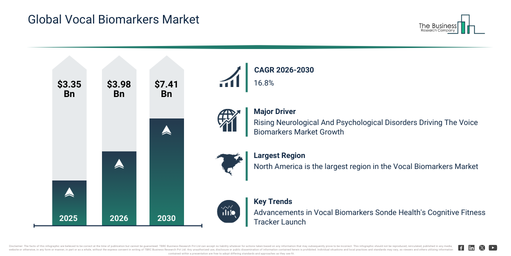
    Vocal Biomarkers Market Expansion From $3.98 Billion In 2026 To $7.4 Billion In 2030

    The market for vocal biomarkers has experienced substantial expansion recently. Projections indicate a rise from $3.35 billion in 2025 to $3.98 billion in 2026, reflecting a compound annual growth rate of 18.8%. Key factors underpinning this expansion during the preceding period include escalating investigations into digital health biomarkers, the increasing prevalence of telemedicine, advancements in speech analytics software, a heightened emphasis on mental health assessments, and the broadening scope of academic research initiatives.

    The vocal biomarkers market is poised for substantial expansion in the coming years, projected to reach $7.41 billion by 2030, exhibiting a compound annual growth rate of 16.8%. This upward trajectory is fueled by several key factors: the growing validation of vocal biomarkers in clinical settings, their increasing incorporation into wearable health technology, the proliferation of AI-driven diagnostic tools, a heightened demand for non-invasive health monitoring methods, and escalating regulatory approval for digital biomarkers. During this projection period, significant trends are anticipated to shape the market landscape, including the broader application of AI for voice analysis, a greater uptake of remote patient monitoring instruments, the expanded use of vocal biomarkers in evaluating mental health conditions, the development of more sophisticated voice-based diagnostic capabilities, and an intensified emphasis on continuous patient observation.

    Download A Free Sample Report For Comprehensive Market Insights:

    https://www.thebusinessresearchcompany.com/sample.aspx?id=17294&type=smp

    Vocal Biomarkers Market Industry Drivers: What Is Driving Revenue Growth?

    The increasing prevalence of neurological and psychological conditions is anticipated to be a significant driver for the expansion of the voice biomarkers market. These neurological conditions affect the nervous system, while psychological conditions impact an individual’s emotional state, cognitive processes, and behavioral patterns. Several contributing factors are fueling the rise in these disorders, including elevated stress levels, an aging global population, shifts in lifestyle habits, and enhanced diagnostic tools coupled with greater public awareness. Voice biomarkers offer a non-invasive method for identifying and tracking disease-specific alterations in speech characteristics such as intonation, cadence, and pronunciation, thereby providing crucial data on the existence and advancement of these ailments. As an illustration, data from alzheimers.gov, an initiative of the US Department of Health and Human Services, indicated in April 2024 that over 6 million Americans aged 65 and above were diagnosed with Alzheimer’s disease in 2024, with projections suggesting this figure could exceed 13 million by 2060. Consequently, this upward trend in neurological and psychological disorders is directly fueling the growth trajectory of the voice biomarkers market.

    Vocal Biomarkers Market Segments: Where Are The Largest Growth Opportunities?

    The vocal biomarkers market covered in this report is segmented –

    1) By Type: Frequency, Amplitude, Error Rate, Vocal Rise Or Fall Time, Phonation Time, Voice Tremor, Pitch, Other Types

    2) By Indications: Psychiatric Disorders, Neurological Disorders, Respiratory Disorders, Cardiovascular Disorders, Traumatic Brain Injury (TBI), Other Indications

    3) By Consumer: Children And Newborns, Adults

    4) By End Users: Hospitals And Clinics, Academic, Research, Other End-Users

    Subsegments:

    1) By Frequency: Fundamental Frequency (Pitch), Formant Frequencies

    2) By Amplitude: Intensity Levels, Amplitude Variation

    3) By Error Rate: Phonemic Errors, Prosodic Errors

    4) By Vocal Rise Or Fall Time: Rise Time Slope, Fall Time Slope

    5) By Phonation Time: Sustained Phonation Duration, Phonation Intervals

    6) By Voice Tremor: Frequency Modulation Tremor, Amplitude Modulation Tremor

    7) By Pitch: Mean Pitch, Pitch Variability

    8) By Other Types: Speech Rate, Jitter, Shimmer

    #Vocal Biomarkers Market Growth Trends: What Is Influencing The Future Outlook?

    Key players in the vocal biomarkers sector are dedicating resources to pioneering cutting-edge technologies, exemplified by Monitor Vocal Biomarkers, with the aim of elevating disease detection precision, refining patient oversight, and facilitating prompt interventions for a spectrum of health concerns. This Monitor Vocal Biomarkers approach involves scrutinizing vocal patterns to pinpoint indicators of both physical and mental well-being. As an illustration, in November 2024, Sonde Health, a health technology firm headquartered in the United States, introduced Sonde Cognitive Fitness, a voice-driven tool for tracking cognitive health that assesses cognitive exertion on an ongoing basis. This sophisticated tracker processes voice input acquired via a wide array of smart devices, applying analysis of vocal biomarkers to gauge the level of cognitive effort being expended.

    Vocal Biomarkers Market Major Participants And Competitive Dynamics

    Major companies operating in the vocal biomarkers market are Beyond Verbal, AudEERING, Sonde Health Inc., Kintsugi Health, Ellipsis Health, Canary Speech, Vocalis Health, EVOCAL Health, Cogito Corporation, ConversationHealth, Veritone Inc., Cambridge Cognition Ltd., Neurotrack Technologies Inc., Winterlight Labs, Aural Analytics, PeakProfiling, Mindstrong Health, Sonic Cloud Health, NeuraMetrix, Aiva Health, Modality AI, VoiceSense, VoxMetrix

    Access The Complete Vocal Biomarkers Market Report:

    https://www.thebusinessresearchcompany.com/report/vocal-biomarkers-global-market-report

    Vocal Biomarkers Market Regional Analysis: Which Region Leads By Revenue?

    North Americawas the largest region in the vocal biomarkers market in 2025. The regions covered in the vocal biomarkers market report are Asia-Pacific, South East Asia, Western Europe, Eastern Europe, North America, South America, Middle East, Africa.

    Get in touch with us:

    The Business Research Company: https://www.thebusinessresearchcompany.com/

    Americas: +1 310-496-7795

    Asia: +44 7882 955267 & +91 8897263534

    Europe: +44 7882 955267

    Email us at: marketing@tbrc.info

    Follow us on:

    LinkedIn: https://in.linkedin.com/company/the-business-research-company

    YouTube: https://www.youtube.com/channel/UC24_fI0rV8cR5DxlCpgmyFQ

    Global Market Model: https://www.thebusinessresearchcompany.com/global-market-model
  • Vitreoretinal Disorder Market Forecast Signals New Revenue Opportunities Through 2030

    Vitreoretinal Disorder Market Forecast Signals New Revenue Opportunities Through 2030

    Through market attractiveness analysis, total addressable market evaluation, company benchmarking matrices, interactive Excel dashboards, expanded supply chain intelligence, emerging startup coverage, and detailed product insights, The Business Research Company’s 2026 market reports provide more actionable and strategically valuable research.

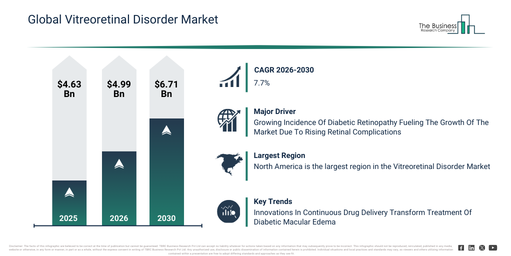
    Vitreoretinal Disorder Market Forecast Highlighting Growth From $4.99 Billion To $6.71 Billion

    The market for vitreoretinal disorders has experienced substantial expansion lately, projecting a rise from $4.63 billion in 2025 to $4.99 billion in 2026, reflecting a compound annual growth rate of 7.9%. Key factors fueling this historical growth include the escalating incidence of diabetic eye conditions, enhanced accessibility of optical coherence tomography technology, a greater volume of ophthalmic surgical interventions, the proliferation of specialized eye care facilities, and advancements in diagnostic precision.

    A significant expansion is anticipated within the vitreoretinal disorder market, projected to reach a valuation of $6.71 billion by the year 2030, reflecting a compound annual growth rate of 7.7%. This upward trajectory is fueled by several key factors, including a burgeoning demand for individualized retinal interventions, augmented investments in pioneering ophthalmic solutions, the broader implementation of less invasive surgical methodologies, increased reliance on AI-powered diagnostic systems, and a greater emphasis on therapies aimed at preserving vision. Furthermore, the upcoming forecast period will be characterized by notable trends such as the wider acceptance of sophisticated retinal imaging technologies, a rise in the utilization of minimally invasive surgical procedures for vitreoretinal conditions, the growing incorporation of artificial intelligence into diagnostic frameworks, the proliferation of precisely targeted retinal treatments, and an intensified commitment to the early identification of ocular diseases.

    Download A Free Sample Report For Comprehensive Market Insights:

    https://www.thebusinessresearchcompany.com/sample.aspx?id=23574&type=smp

    Vitreoretinal Disorder Market Growth Factors: Which Forces Are Supporting Market Expansion?

    The expanding number of diabetic retinopathy cases is anticipated to significantly boost the vitreoretinal disorder market in the future. Diabetic retinopathy, a serious eye affliction resulting from elevated blood sugar levels in diabetic individuals damaging the retina’s delicate blood vessels, is on the rise. This increase is largely attributable to the escalating global prevalence of diabetes, fueled by increasingly sedentary habits and inadequate management of blood glucose levels, which collectively lead to compromised retinal vasculature. The management of vitreoretinal disorders is paramount in confronting diabetic retinopathy, effectively tackling associated complications like vitreous hemorrhage and tractional retinal detachment, ultimately safeguarding vision and averting progressive retinal deterioration. Illustrating this, data from the Australian Institute of Health and Welfare, a governmental body in Australia, revealed that in the 2022–23 period, 1.8% of screened First Nations individuals in Australia underwent treatment for diabetic retinopathy, exhibiting a lower age-standardized treatment rate (1.3%) compared to their non-Indigenous counterparts (1.5%). Consequently, the escalating occurrence of diabetic retinopathy serves as a primary catalyst for the expansion of the vitreoretinal disorder market.

    Vitreoretinal Disorder Market Segment Analysis: What Are The Major Market Categories?

    The vitreoretinal disorder market covered in this report is segmented –

    1) By Type: Retinal Tear, Retinal Detachment, Diabetic Retinopathy, Macular Degeneration, Macular Hole, Other Types

    2) By Diagnosis: Digital Fluorescein Angiography, Optical Coherence Tomography, Heidelberg Retinal Tomography, Indocyanine Green Angiography, Other Diagnosis

    3) By Treatment: Surgery, Medication, Other Treatments

    4) By Distribution Channel: Hospital Pharmacy, Online Pharmacy, Retail Pharmacy

    5) By End User: Hospitals, Homecare, Specialty Clinics, Other End Users

    Subsegments:

    1) By Retinal Tear: Atrophic Retinal Tear, Operculated Retinal Tear, Horseshoe Retinal Tear, Giant Retinal Tear

    2) By Retinal Detachment: Rhegmatogenous Retinal Detachment, Tractional Retinal Detachment, Exudative Retinal Detachment

    3) By Diabetic Retinopathy: Non-Proliferative Diabetic Retinopathy, Proliferative Diabetic Retinopathy, Diabetic Macular Edema

    4) By Macular Degeneration: Dry Macular Degeneration, Wet Macular Degeneration

    5) By Macular Hole: Full-Thickness Macular Hole, Lamellar Macular Hole, Tractional Macular Hole

    6) By Other Types: Epiretinal Membrane, Retinal Vein Occlusion, Retinal Artery Occlusion, Retinitis Pigmentosa, Uveitis, Vitreous Hemorrhage, Macular Edema, Central Serous Retinopathy, Proliferative Vitreoretinopathy

    Vitreoretinal Disorder Market Industry Trends: What Changes Are Reshaping Demand?

    The vitreoretinal disorder market is seeing key players concentrating on groundbreaking solutions like sustained-release drug systems designed to lessen the frequency of injections and elevate patient results. These advanced drug delivery systems are crafted to offer a steady, regulated administration of medication into the eye, thereby decreasing the necessity for recurrent injections, ensuring stable therapeutic concentrations, and boosting patient compliance and visual acuity. To illustrate, Rochester, a prominent global pharmaceutical entity headquartered in Switzerland, secured the U.S. Food and Drug Administration’s endorsement in February 2025 for Susvimo (ranibizumab injection) 100 mg/mL, a specialized Port Delivery System intended for diabetic macular edema (DME). Susvimo facilitates the ongoing delivery of ranibizumab through an implant that can be refilled, enabling individuals to preserve their vision with a mere two treatments annually, a significant improvement over monthly injections. This therapeutic approach was rigorously assessed in the Phase III Pagoda trial, which confirmed persistent enhancements in visual sharpness and a safety profile aligning with previous approvals for neovascular age-related macular degeneration (nAMD). Consequently, Susvimo’s novel design alleviates the treatment burden, amplifies patient ease, and tackles the increasing worldwide incidence of DME.

    Vitreoretinal Disorder Market Leading Companies Driving Competitive Growth

    Major companies operating in the vitreoretinal disorder market are F. Hoffmann-La Roche AG, Bayer AG, Novartis AG, Regeneron Pharmaceuticals Inc., Alcon Inc., Bausch Health Companies Inc., Santen Pharmaceutical Co. Ltd., Topcon Corporation, Carl Zeiss Meditec AG, Ocular Therapeutix Inc., EyePoint Pharmaceuticals Inc., Kodiak Sciences Inc., Clearside Biomedical, Apellis Pharmaceuticals Inc., Genentech Inc., Oxurion NV, Adverum Biotechnologies Inc., Opthea Limited, Graybug Vision Inc., Kiora Pharmaceuticals Inc., Allegro Ophthalmics Inc., Lineage Cell Therapeutics Inc., Ocugen Inc.

    Access The Complete Vitreoretinal Disorder Market Report:

    https://www.thebusinessresearchcompany.com/report/vitreoretinal-disorder-global-market-report

    Vitreoretinal Disorder Market Geographic Distribution And Regional Opportunities

    North Americawas the largest region in the vitreoretinal disorder market in 2025. The regions covered in the vitreoretinal disorder market report are Asia-Pacific, South East Asia, Western Europe, Eastern Europe, North America, South America, Middle East, Africa.

    Get in touch with us:

    The Business Research Company: https://www.thebusinessresearchcompany.com/

    Americas: +1 310-496-7795

    Asia: +44 7882 955267 & +91 8897263534

    Europe: +44 7882 955267

    Email us at: marketing@tbrc.info

    Follow us on:

    LinkedIn: https://in.linkedin.com/company/the-business-research-company

    YouTube: https://www.youtube.com/channel/UC24_fI0rV8cR5DxlCpgmyFQ

    Global Market Model: https://www.thebusinessresearchcompany.com/global-market-model
  • Vitiligo Treatment Market Growth Is Accelerating As Industry Transformation Continues

    Vitiligo Treatment Market Growth Is Accelerating As Industry Transformation Continues

    Delivering more actionable and strategically valuable research, The Business Research Company’s 2026 market reports feature market attractiveness analysis, total addressable market evaluation, company benchmarking matrices, interactive Excel dashboards, expanded supply chain intelligence, emerging startup coverage, and detailed product insights.

    Vitiligo Treatment Market Revenue Growth Supported By A CAGR Of 2.01% Through 2030

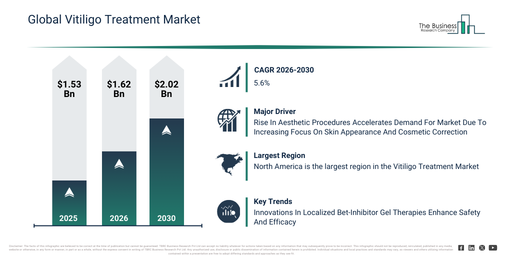
    Recent years have witnessed robust expansion within the vitiligo treatment sector, projecting a surge from $1.53 billion in 2025 to $1.62 billion by 2026, underpinned by a compound annual growth rate (CAGR) of 5.7%. The momentum observed historically is a result of heightened identification of autoimmune skin conditions, enhanced accessibility to corticosteroids and immunotherapies, the proliferation of dermatology clinic networks, greater patient consciousness, and an increased adoption of phototherapy.

    The market for vitiligo treatments is poised for significant expansion in the upcoming years, projected to reach a value of $2.02 billion by 2030, driven by a compound annual growth rate of 5.6%. This upward trajectory in the forecast period is largely fueled by advancements in biologic therapies, a greater acceptance of precision dermatology, the proliferation of at-home treatment alternatives, augmented investment in autoimmune disorder research, and a heightened focus on achieving lasting repigmentation. Key developments shaping this market during the forecast period encompass a growing preference for immunomodulatory treatments, increased utilization of targeted topical solutions, a stronger emphasis on early intervention, the expanded application of combination therapies, and an elevated focus on comprehensive, long-term management of the condition.

    Download A Free Sample Report For Comprehensive Market Insights:

    https://www.thebusinessresearchcompany.com/sample.aspx?id=10843&type=smp

    Vitiligo Treatment Market Demand Drivers: What Is Fueling Industry Growth?

    The increasing appetite for cosmetic and aesthetic interventions is anticipated to be a key catalyst for the vitiligo treatment market’s expansion. These procedures, designed to improve, reinstate, or rectify physical attributes via surgical means or sophisticated non-surgical methods like injections, laser therapies, and skin renewal, are gaining traction. Factors contributing to this surge include greater societal acceptance and diminished apprehension regarding appearance modifications. The pervasive influence of social media and the candid discussions by public personalities about their aesthetic journeys have desensitized societal views, empowering individuals to seek cosmetic enhancements without reservation. Consequently, the heightened interest in cosmetic procedures directly fuels the demand for vitiligo treatments, as those affected by this condition of skin depigmentation desire treatments that offer a more consistent skin tone and bolster their self-assurance. As an illustration, in June 2024, the International Society of Aesthetic Plastic Surgery reported that global surgical and non-surgical cosmetic procedures saw a 3.4% rise in 2023, totaling around 34.9 million procedures. This upward trend in cosmetic procedures fundamentally underscores the expanding market for vitiligo treatments.

    Vitiligo Treatment Market Segment Breakdown: Which Categories Generate The Most Revenue?

    The vitiligo treatment market covered in this report is segmented –

    1) By Drugs: Antihistamines, H2 Antagonists, Tricyclic Antidepressants, Other Drugs

    2) By Types: Acute Urticaria, Chronic Urticaria

    3) By Mode Of Administration: Injectable, Oral, Other Modes Of Administration

    4) By Distribution Channel: Hospital Pharmacies, Retail Pharmacies, Online Pharmacies

    5) By End-User: Hospitals, Homecare, Specialty Clinics, Other End-Users

    Subsegments:

    1) By Antihistamines: Cetirizine, Loratadine, Diphenhydramine

    2) By H2 Antagonists: Ranitidine, Famotidine, Cimetidine

    3) By Tricyclic Antidepressants: Amitriptyline, Nortriptyline, Doxepin

    4) By Other Drugs: Corticosteroids, Immunomodulators, Phototherapy Agents

    Vitiligo Treatment Market Innovation Trends: Which Developments Are Transforming The Industry?

    Leading participants within the vitiligo treatment sector are prioritizing the execution of clinical investigations to bring forth novel therapeutic agents, specifically mentioning localized bromodomain and extra-terminal (BET) inhibitor gel formulations designed to mitigate inflammation and foster skin repigmentation with a high safety profile. topical administration of these BET inhibitor gels directly addresses the BET proteins, which play a crucial role in the activation of inflammatory genes; consequently, this localized application to areas of skin lacking pigment serves to diminish local inflammation and aid in the regeneration of melanocytes, thereby initiating repigmentation while concurrently limiting adverse effects on the broader system. A prime illustration of this developmental thrust occurred in June 2024 when VYNE Therapeutics, a biopharmaceutical firm in the clinical stages based in the United States, initiated its Phase 2b study by enrolling the inaugural participant for VYN201 (repibresib) gel, an innovative once-daily pan-BET inhibitor conceived explicitly for the management of nonsegmental vitiligo. This gel is undergoing assessment across three distinct dosage strengths (1%, 2%, and 3%) with the objective of locally curtailing inflammation and facilitating the restoration of melanocytes, presenting a highly focused therapeutic strategy that minimizes systemic risks.

    Vitiligo Treatment Market Key Players And Strategic Industry Positioning

    Major companies operating in the vitiligo treatment market are Clinuvel Pharmaceuticals Ltd., Incyte Corporation, STRATA Skin Sciences, Clarify Medical Inc., LEO Pharma A/S, Dermavant Sciences Inc., Arcutis Biotherapeutics, Galderma S.A., Sun Pharmaceutical Industries Ltd., Pfizer Inc., Novartis AG, Dr. Reddy’s Laboratories Ltd., Glenmark Pharmaceuticals Ltd., Astellas Pharma Inc., Bausch Health Companies Inc., Amgen, Bristol-Myers Squibb, Merck KGaA, Boston Pharmaceuticals, Dermfix Ltd., Vitiligo Research Foundation, Vitiligo Clinic and Research Center, Vitiligo Bond Inc., Vitiligo Support International

    Access The Complete Vitiligo Treatment Market Report:

    https://www.thebusinessresearchcompany.com/report/vitiligo-treatment-global-market-report

    Vitiligo Treatment Market Largest Region By Revenue And Market Share

    North Americawas the largest region in the global vitiligo treatment market in 2025.Asia-Pacificis expected to be the fastest-growing region in the forecast period. The regions covered in the vitiligo treatment market report are Asia-Pacific, South East Asia, Western Europe, Eastern Europe, North America, South America, Middle East, Africa.

    Get in touch with us:

    The Business Research Company: https://www.thebusinessresearchcompany.com/

    Americas: +1 310-496-7795

    Asia: +44 7882 955267 & +91 8897263534

    Europe: +44 7882 955267

    Email us at: marketing@tbrc.info

    Follow us on:

    LinkedIn: https://in.linkedin.com/company/the-business-research-company

    YouTube: https://www.youtube.com/channel/UC24_fI0rV8cR5DxlCpgmyFQ

    Global Market Model: https://www.thebusinessresearchcompany.com/global-market-model
  • Vitamin D Testing Market Outlook Highlights The Next Major Growth Opportunities

    Vitamin D Testing Market Outlook Highlights The Next Major Growth Opportunities

    Enhanced with market attractiveness analysis, total addressable market evaluation, company benchmarking matrices, interactive Excel dashboards, expanded supply chain intelligence, emerging startup coverage, and detailed product insights, The Business Research Company’s 2026 market reports deliver more actionable and strategically valuable research.

    Vitamin D Testing Market Value Expansion And Long-Term Growth Outlook

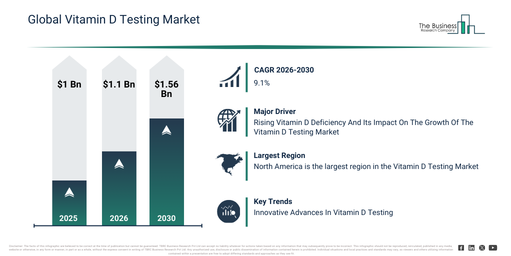
    The market for vitamin D testing has experienced robust expansion recently, projected to increase from $1 billion in 2025 to $1.1 billion in 2026, reflecting a compound annual growth rate (CAGR) of 9.4%. This growth trajectory is fueled by several key factors observed during the historical period, including the escalating incidence of vitamin D deficiency, the broadening reach of diagnostic laboratory services, heightened public and professional awareness concerning bone health, the implementation of consistent testing methodologies, and an overall surge in the volume of clinical diagnostic procedures.

    The vitamin D testing market is projected to experience strong growth over the coming years, reaching $1.56 billion by 2030 at a compound annual growth rate (CAGR) of 9.1%. This expansion is being driven by rising demand for preventive healthcare diagnostics, the growing availability of home-based testing solutions, increased use of advanced analytical techniques, a stronger focus on personalized nutrition assessment, and higher testing rates within aging populations. Key developments shaping the market include the increasing adoption of automated vitamin D assay systems, greater use of high-precision LC–MS techniques, expansion of preventive health screening programs, improved integration with laboratory information systems, and a continued emphasis on enhancing diagnostic accuracy.

    Download A Free Sample Report For Comprehensive Market Insights:

    https://www.thebusinessresearchcompany.com/sample.aspx?id=20695&type=smp

    Vitamin D Testing Market Growth Drivers: What Factors Are Accelerating Expansion?

    The increasing apprehension surrounding vitamin D deficiency conditions is projected to serve as a catalyst for the expansion of the vitamin D testing market in the future. These deficiency disorders, characterized by inadequate vitamin D in the body, compromise calcium absorption, leading to detrimental effects like brittle bones, muscular discomfort, and a heightened susceptibility to fractures. Factors contributing to these disorders include diminished exposure to sunlight, prevalent application of sunscreen, nutritional deficits, and habitually inactive lifestyles. Consequently, vitamin D testing becomes indispensable for accurately gauging and identifying these deficiency states, thereby facilitating effective therapeutic interventions and the mitigation of associated health complications. Illustratively, a survey released in July 2024 by Forth, a health and wellness entity based in the United Kingdom, surveyed 1,400 individuals and revealed that 57% exhibited vitamin D concentrations below the advisable threshold of 75-100 nmol/L, with the prevailing average measured at 78.7 nmol/L. Thus, a heightened consciousness regarding vitamin D deficiency ailments is the primary driver behind the growth observed in the vitamin D testing market.

    Vitamin D Testing Market Segmentation: How Is The Market Structured Across Key Categories?

    The vitamin d testing market covered in this report is segmented –

    1) By Product: 25 -Hydroxy Vitamin D Testing, 1,25-Dihydroxy Vitamin D Testing, 24,25-Dihydroxy Vitamin D Testing

    2) By Technique: Radioimmunoassay (RIA), Enzyme-Linked Immunosorbent Assay (ELISA), High-Performance Liquid Chromatography (HPLC), Liquid Chromatography–Mass Spectrometry (LC–MS), Other Techniques

    3) By Indication: Osteoporosis, Rickets, Malabsorption, Vitamin D Deficiency, Other Indications

    4) By Application: Clinical Testing, Research Testing

    5) By End-User: Hospitals, Diagnostic Laboratories, Home Care, Point-of-Care, Other End-Users

    Subsegments:

    1) By 25-Hydroxy Vitamin D Testing: Immunoassays, Liquid Chromatography-Mass Spectrometry (LC-MS), Enzyme-Linked Immunosorbent Assay (ELISA)

    2) By 1,25-Dihydroxy Vitamin D Testing: Radioimmunoassays (RIA), High-Performance Liquid Chromatography (HPLC), LC-MS Techniques

    3) By 24,25-Dihydroxy Vitamin D Testing: Mass Spectrometry, Immunoassays, HPLC Methods

    Vitamin D Testing Market Trends: What Is Shaping Future Industry Growth?

    Leading entities within the vitamin D testing sector are introducing novel offerings, including at-home and clinical vitamin D testing kits, designed to facilitate the monitoring of vitamin D concentrations. These testing kits function as diagnostic instruments for quantifying vitamin D within an individual’s bloodstream, thereby enabling assessment and ongoing tracking of their vitamin D status. As an illustration, in August 2023, Biohit Oyj, a diagnostics firm headquartered in Finland, unveiled its Total 25OH Vitamin D ELISA kit. This specific quantitative immuno-enzymatic assay is capable of detecting both 25-hydroxyvitamin D2 and D3, and its accuracy has been benchmarked against the ID-LC/MS-MS reference measurement procedure. Engineered for clinical laboratory application, the kit features an uncomplicated six-step process, is compatible with automated standard ELISA platforms, and provides a dependable evaluation of vitamin D status, identifying deficiency, insufficiency, or intoxication.

    Vitamin D Testing Market Competitive Landscape And Leading Companies

    Major companies operating in the vitamin d testing market are Siemens AG, Thermo Fisher Scientific Inc., Abbott Laboratories Inc., F. Hoffmann-La Roche AG, Laboratory Corporation of America Holdings, Quest Diagnostics Incorporated, bioMérieux SA, Tosoh Bioscience LLC, Revvity Inc., Quidel Corporation, Beckman Coulter Inc., Bio-Rad Laboratories Inc., DiaSorin S.p.A., Tecan Group Ltd., Randox Laboratories Ltd., Boditech Med Inc., Everlywell Inc., BioVendor Laboratorni medicina AS, Diazyme Laboratories Inc., DiaSys Diagnostic Systems GmbH, Qualigen Therapeutics Inc.

    Access The Complete Vitamin D Testing Market Report:

    https://www.thebusinessresearchcompany.com/report/vitamin-d-testing-global-market-report

    Vitamin D Testing Market Regional Analysis And Leading Geography

    North Americawas the largest region in the vitamin D testing market in 2025. Asia-Pacificis expected to be the fastest-growing region in the forecast period. The regions covered in the vitamin d testing market report are Asia-Pacific, South East Asia, Western Europe, Eastern Europe, North America, South America, Middle East, Africa.

    Get in touch with us:

    The Business Research Company: https://www.thebusinessresearchcompany.com/

    Americas: +1 310-496-7795

    Asia: +44 7882 955267 & +91 8897263534

    Europe: +44 7882 955267

    Email us at: marketing@tbrc.info

    Follow us on:

    LinkedIn: https://in.linkedin.com/company/the-business-research-company

    YouTube: https://www.youtube.com/channel/UC24_fI0rV8cR5DxlCpgmyFQ

    Global Market Model: https://www.thebusinessresearchcompany.com/global-market-model
  • Visual Impairment Market Trends And Growth Drivers Point To Strong Future Potential

    Visual Impairment Market Trends And Growth Drivers Point To Strong Future Potential

    Through market attractiveness analysis, total addressable market evaluation, company benchmarking matrices, interactive Excel dashboards, expanded supply chain intelligence, emerging startup coverage, and detailed product insights, The Business Research Company’s 2026 market reports provide more actionable and strategically valuable research.

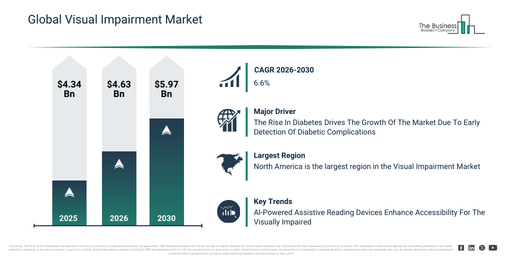
    Visual Impairment Market Expected To Reach $5.97 Billion By 2030 At 6.6% CAGR

    The market for visual impairment solutions has experienced robust expansion in recent times, projecting a rise from $4.34 billion in 2025 to $4.63 billion in 2026, reflecting a compound annual growth rate of 6.7%. This historical growth trajectory has been fueled by a confluence of factors, including the escalating occurrence of age-related eye conditions, heightened public consciousness regarding assistive technologies, the broader implementation of specialized educational initiatives, an expanding demographic of individuals with visual impairments, and enhanced availability of optical aids.

    The global market for visual impairment solutions is poised for substantial expansion over the coming years, projecting a rise to $5.97 billion by 2030, underpinned by a compound annual growth rate of 6.6%. This anticipated upswing is fueled by escalating investments in smart assistive devices, a growing desire for independent living solutions, the proliferation of AI-driven navigation tools, a heightened emphasis on inclusive digital design practices, and the wider acceptance of wearable assistive technologies. Key developments shaping this market during the forecast period include the increasing integration of AI in assistive vision technologies, a surge in the utilization of wearable devices for low vision individuals, the broadening availability of digital accessibility solutions, the growing incorporation of intelligent mobility aids, and a more concentrated effort on developing tailored vision support instruments.

    Download A Free Sample Report For Comprehensive Market Insights:

    https://www.thebusinessresearchcompany.com/sample.aspx?id=25932&type=smp

    Visual Impairment Market Growth Factors Supporting Long-Term Expansion

    The increasing incidence of diabetes is poised to foster expansion within the visual impairment market. This condition, a persistent metabolic disorder defined by elevated blood sugar, arises from issues with either the body’s production of insulin or its effective utilization. Factors such as suboptimal dietary habits, a lack of physical activity, and heightened stress levels are major contributors to this escalating diabetes prevalence, leading to increased rates of obesity and insulin resistance. Early signs of diabetes-related complications can manifest as visual impairments, thus encouraging prompt detection and management to avert further health deterioration. Notably, conditions like diabetic retinopathy often precede other detectable symptoms, facilitating earlier medical intervention and improved control over the disease. Illustratively, data from Diabetes UK in April 2023 revealed that 4.3 million individuals in the United Kingdom have a diagnosed form of diabetes, marking a rise of almost 149,000 from the preceding year, with an additional 2.4 million people identified as having a high risk of developing type 2 diabetes. Consequently, the growing number of diabetes cases directly fuels the advancement of the visual impairment market.

    Visual Impairment Market Segmentation Trends And Revenue Drivers

    The visual impairment market covered in this report is segmented –

    1) By Solution Category: Educational Devices And Software, Mobility Devices, Low Vision Devices, Other Types

    2) By Product Type: Assistive Technologies, Optical Devices, Non-Optical Devices, Other Product Types

    3) By Application: Blind Schools, Enterprises And Social Organizations, Personal Use, Hospitals, Other Applications

    4) By Distribution Channel: Online Stores, Specialty Stores, Retail Pharmacies, Other Distribution Channel

    Subsegments:

    1) By Educational Devices And Software: Screen Readers, Braille Displays, Braille Notetakers, Accessible Learning Platforms, Tactile Graphics Tools

    2) By Mobility Devices: White Canes, Smart Canes, Guide Robots, Wearable Mobility Assistants, Electronic Travel Aids

    3) By Low Vision Devices: Optical Magnifiers, Video Magnifiers, Screen Magnification Software, Telescopic Glasses, Wearable Low Vision Glasses

    4) By Other Types: Smart Home Assistive Devices, Voice-Activated Assistants, Vision Therapy Tools, Accessibility Apps, Braille Printers And Embossers

    Visual Impairment Market Industry Trends Shaping Future Revenue Growth

    Major players within the visual impairment market are actively pursuing the creation of pioneering technologies, including AI-driven assistive reading gadgets, with the aim of improving how individuals with visual impairments access written content and fostering greater self-sufficiency. These intelligent devices leverage artificial intelligence, incorporating capabilities like optical character recognition and text-to-speech functionality, to vocalize both printed and digital text for those facing visual challenges. As a concrete example, in August of 2023, the Israeli assistive technology firm OrCam Technologies Ltd. introduced the OrCam Read 3, a comprehensive device engineered to assist individuals experiencing vision loss or difficulties with sustained reading. This cutting-edge instrument performs immediate vocalization of printed, handwritten, and digital text, identifies individuals, and scans product codes, thereby equipping users with enhanced autonomy. Furthermore, it functions as an intelligent magnification tool and a fixed-position reader, boasting sophisticated functionalities such as text condensation, intelligent navigation aids, and the convenience of hands-free usability, delivering an integrated and thorough reading environment.

    Visual Impairment Market Industry Leaders: Which Organizations Are Driving Competition?

    Major companies operating in the visual impairment market are Eschenbach Optik GmbH, OrCam Technologies Ltd., NV Access Limited, Vispero Holdings Inc., HumanWare Group Inc., Freedom Scientific Inc., Aira Tech Corp., Enhanced Vision Systems Inc., Dolphin Computer Access Ltd., IrisVision Global Inc., Zoomax Technology Co. Limited, Ablenet Inc., HIMS Inc., Sight and Sound Technology, Optelec U.S. Inc., Low Vision International AB, Envision Technologies B.V., Perkins Solutions, Tactile Vision Inc., Reinecker Vision GmbH, LVI Low Vision International, Access Ingenuity

    Access The Complete Visual Impairment Market Report:

    https://www.thebusinessresearchcompany.com/report/visual-impairment-global-market-report

    Visual Impairment Market Geographic Analysis: Where Is Demand Growing The Fastest?

    North Americawas the largest region in the visual impairment market in 2025. Asia-Pacificis expected to be the fastest-growing region in the forecast period. The regions covered in the visual impairment market report are Asia-Pacific, South East Asia, Western Europe, Eastern Europe, North America, South America, Middle East, Africa.

    Get in touch with us:

    The Business Research Company: https://www.thebusinessresearchcompany.com/

    Americas: +1 310-496-7795

    Asia: +44 7882 955267 & +91 8897263534

    Europe: +44 7882 955267

    Email us at: marketing@tbrc.info

    Follow us on:

    LinkedIn: https://in.linkedin.com/company/the-business-research-company

    YouTube: https://www.youtube.com/channel/UC24_fI0rV8cR5DxlCpgmyFQ

    Global Market Model: https://www.thebusinessresearchcompany.com/global-market-model
  • Visual Arts Therapy Market Expansion Is Reshaping Competitive Dynamics Across The Industry

    Visual Arts Therapy Market Expansion Is Reshaping Competitive Dynamics Across The Industry

    Delivering more actionable and strategically valuable research, The Business Research Company’s 2026 market reports feature market attractiveness analysis, total addressable market evaluation, company benchmarking matrices, interactive Excel dashboards, expanded supply chain intelligence, emerging startup coverage, and detailed product insights.

    Visual Arts Therapy Market Size And Revenue Forecast Through 2030

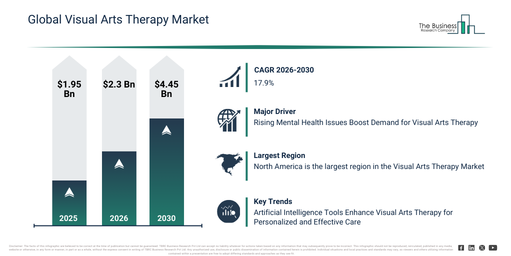
    The realm of visual arts therapy has witnessed substantial expansion lately, with projections indicating its market value will ascend from $1.95 billion in 2025 to $2.3 billion in 2026, reflecting a compound annual growth rate (CAGR) of 18.2%. This upward trajectory during the past period is largely fueled by a heightened public consciousness regarding mental well-being interventions, the broadened reach of community-based mental health initiatives, the incorporation of artistic modalities within recovery frameworks, a greater emphasis on treatments not reliant on medication, and an increasing embrace of therapies that encourage self-expression.

    The realm of visual arts therapy is poised for substantial expansion in the coming years, projecting a market valuation of $4.45 billion by 2030, fueled by a compound annual growth rate of 17.9%. This anticipated surge is largely a consequence of the escalating demand for integrated mental wellness strategies, the proliferation of remote therapy services, a heightened emphasis on proactive mental health care, the broader acceptance of art therapy within medical environments, and an increase in investigations into therapeutic effectiveness. Key developments anticipated during this period involve a greater incorporation of digital artistic instruments into therapeutic practices, a rise in the availability of virtual art therapy sessions, a more widespread application of organized creative therapy programs, the broadening of trauma-aware art therapy methodologies, and an intensified concentration on creative interventions supported by empirical data.

    Download A Free Sample Report For Comprehensive Market Insights:

    https://www.thebusinessresearchcompany.com/sample.aspx?id=20694&type=smp

    Visual Arts Therapy Market Demand Drivers Creating New Revenue Opportunities

    The increasing prevalence of mental health issues is anticipated to stimulate the expansion of the visual arts therapy sector in the coming period. Mental health challenges encompass a spectrum of conditions impacting an individual’s emotional, mental, and social state. These challenges are on the rise owing to escalating pressures like financial strain, detachment from others, and the rapid tempo of contemporary existence. Visual arts therapy aids mental well-being by offering a non-verbal avenue for expression, alleviating stress, and assisting individuals in therapeutically navigating their feelings and life events. For example, in May 2024, data from the American Psychiatric Association, a national organization for psychiatrists in the United States, indicated that a greater proportion of American adults are reporting elevated anxiety, with 43% in 2024 experiencing more anxiety than 37% in 2023 and 32% in 2022. Consequently, this upsurge in mental health concerns is fueling the growth trajectory of the visual arts therapy market.

    Visual Arts Therapy Market Segment Analysis Highlighting Growth Areas

    The visual arts therapy market covered in this report is segmented –

    1) By Type: Painting, Music, Dance, Drama, Photography, Other Types

    2) By Application: Cancer Patients, Dementia Patients, Post-Traumatic Stress Disorder (PTSD) Patients, Physical Disabilities, Mental Health Issues, Substance Abuse Issues, Other Applications

    3) By End User: Hospital, Rehab Centers, Nursing Homes, Community Centers, Psychiatric Facilities, Counseling Practices, Other End Users

    Subsegments:

    1) By Painting: Acrylic Painting, Watercolor Painting, Oil Painting, Mixed Media Painting

    2) By Music: Music Composition, Music Listening Therapy, Songwriting, Instrumental Therapy

    3) By Dance: Expressive Dance, Movement Therapy, Ballet Therapy, Improvisational Dance

    4) By Drama: Theater Therapy, Role-Playing, Improvisational Drama, Storytelling

    5) By Photography: Creative Photography, Documentary Photography, Photo Journaling, Therapeutic Photography Workshops

    6) By Other Types: Sculpture, Crafts And Handicrafts, Digital Art, Collage And Mixed Media

    Visual Arts Therapy Market Trends Driving Strategic Industry Expansion

    Within the visual arts therapy sector, key players are prioritizing the creation of pioneering approaches, including art therapy generated by artificial intelligence, aimed at enhancing both the ease of access and the regularity of art therapy provisions for individuals in hospice care. This AI-powered art therapy represents a therapeutic methodology that harnesses artificial intelligence to produce and interpret custom artwork, thereby offering a distinctive avenue for emotional exploration, fostering improved self-expression, and promoting mental wellness through dynamic and responsive creative engagement. Illustratively, in November of 2023, CareYaya Health Technologies, a nascent health-technology firm based in the United States, introduced Pocket Picasso, an AI-powered instrument employing AI-generated imagery for tailored art therapy within hospice settings. By incorporating the DALL-E 3 software from OpenAI to generate visuals based on user input, this innovation boosts the availability of art therapy, facilitates more frequent therapeutic sessions, and encourages profound dialogues that contribute to the mitigation of distress and discomfort.

    Visual Arts Therapy Market Leading Companies: Who Holds Significant Market Presence?

    Major companies operating in the visual arts therapy market are University of Florida Health, Baton Rouge General Medical Center, NeurAbilities Healthcare, Laura Baker Services Association, River Valley Behavioral Health And Wellness Center, The Art Station, Reconnect Integrative Trauma Treatment Center, Beck Center for the Arts, Mindful Art Studio, Integrative Art Therapy LLC, Art For Life Foundation, Allied Health 2U, American Art Therapy Association, Art Therapy International Centre, Art Therapy Without Borders, Creative Kinections, Inspire Recovery Center, SafeArt Inc., The Art Therapy Project, The Fine Arts Association, Vlinder Expressive Arts Therapy

    Access The Complete Visual Arts Therapy Market Report:

    https://www.thebusinessresearchcompany.com/report/visual-arts-therapy-global-market-report

    Visual Arts Therapy Market Global Footprint: Which Region Holds Market Leadership?

    North Americawas the largest region in the visual arts therapy market in 2025. Asia-Pacificis expected to be the fastest-growing region in the forecast period. The regions covered in the visual arts therapy market report are Asia-Pacific, South East Asia, Western Europe, Eastern Europe, North America, South America, Middle East, Africa.

    Get in touch with us:

    The Business Research Company: https://www.thebusinessresearchcompany.com/

    Americas: +1 310-496-7795

    Asia: +44 7882 955267 & +91 8897263534

    Europe: +44 7882 955267

    Email us at: marketing@tbrc.info

    Follow us on:

    LinkedIn: https://in.linkedin.com/company/the-business-research-company

    YouTube: https://www.youtube.com/channel/UC24_fI0rV8cR5DxlCpgmyFQ

    Global Market Model: https://www.thebusinessresearchcompany.com/global-market-model
  • Viscosupplementation Treatment For Arthritis Market Forecast Reveals Where Future Industry Value Will Be Created

    Viscosupplementation Treatment For Arthritis Market Forecast Reveals Where Future Industry Value Will Be Created

    Enhanced with market attractiveness analysis, total addressable market evaluation, company benchmarking matrices, interactive Excel dashboards, expanded supply chain intelligence, emerging startup coverage, and detailed product insights, The Business Research Company’s 2026 market reports deliver more actionable and strategically valuable research.

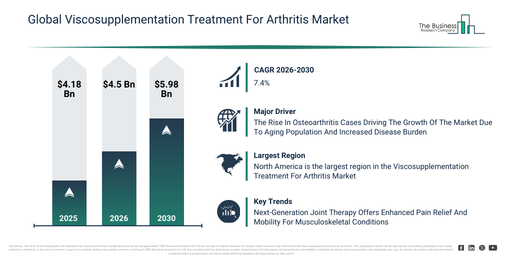
    Viscosupplementation Treatment For Arthritis Market Growth From $4.49 Billion In 2026 To $5.97 Billion By 2030 At A CAGR Of 7.4%

    The market for viscosupplementation treatments targeting arthritis has experienced robust expansion recently, with projections indicating a rise from $4.18 billion in 2025 to $4.5 billion in 2026, signifying a compound annual growth rate (CAGR) of 7.7%. This historical growth trajectory has been propelled by several key factors, including a greater incidence of osteoarthritis, an expanding elderly demographic, the early clinical acceptance of hyaluronic acid injections, advancements in orthopedic treatment methods, and the widespread availability of injectable therapies for joint conditions.

    The market for viscosupplementation therapies aimed at alleviating arthritis is poised for substantial expansion over the upcoming years, projecting a reach of $5.98 billion by 2030 with a compound annual growth rate (CAGR) of 7.4%. This anticipated growth trajectory is underpinned by several key factors, including a burgeoning preference for conservative arthritis interventions, escalating healthcare investments in managing bone and joint ailments, the proliferation of ambulatory orthopedic care centers, a heightened emphasis on enhancing patient well-being, and continuous advancements in the development of viscosupplement products. During this forecast period, prominent market dynamics will encompass a greater acceptance of treatments involving a singular injection, a heightened need for pain relief solutions offering sustained efficacy, the broader availability of less invasive therapeutic options for arthritis, a more concentrated effort on developing formulations that optimize joint lubrication, and an elevated focus on personalized patient care strategies.

    Download A Free Sample Report For Comprehensive Market Insights:

    https://www.thebusinessresearchcompany.com/sample.aspx?id=30433&type=smp

    Viscosupplementation Treatment For Arthritis Market Expansion Supported By Key Demand Factors

    The expanding incidence of osteoarthritis is anticipated to stimulate the market for viscosupplementation arthritis treatments. Osteoarthritis, a degenerative joint condition marked by cartilage deterioration, results in discomfort, rigidity, and limited movement. This rise in osteoarthritis is largely attributed to an aging demographic, as joints naturally wear down over time, rendering older individuals more vulnerable. Viscosupplementation offers a therapeutic approach to osteoarthritis by enhancing joint lubrication, alleviating pain, and boosting mobility. Confirming this trend, Springer Nature Group projected in February 2025 that knee osteoarthritis cases stood at 12.94 million for males and 18.80 million for females, with these numbers expected to climb to 18.45 million and 25.60 million, respectively, by 2046. Consequently, the increasing prevalence of osteoarthritis is a significant factor driving the viscosupplementation treatment for arthritis market.

    Increased spending on healthcare is poised to accelerate the expansion of the viscosupplementation treatment for arthritis market. This growth in healthcare expenditure is fueled by the rising burden of chronic illnesses that necessitate prolonged medical supervision and ongoing treatment strategies. Enhanced healthcare spending facilitates access to cutting-edge viscosupplementation therapies, supports the development of novel research, and makes effective osteoarthritis management more financially attainable for patients. Illustrating this, the Centers for Medicare & Medicaid Services reported in June 2025 that U.S. national health expenditures surged by 7.5% in 2023, reaching $4.9 trillion or $14,570 per individual, constituting 17.6% of the GDP. Medicare expenditures alone grew by 8.1% to $1,029.8 billion, making up 21% of the total national health expenditures. Therefore, escalating healthcare spending is a key driver behind the market’s growth for viscosupplementation treatment for arthritis.

    Viscosupplementation Treatment For Arthritis Market Segment Performance And Strategic Opportunities

    The viscosupplementation treatment for arthritis market covered in this report is segmented –

    1) By Product Type: Single Injection, Three Injections, Five Injections

    2) By Application: Knee Osteoarthritis, Hip Osteoarthritis, Shoulder Osteoarthritis, Other Applications

    3) By End-User: Hospitals, Ambulatory Surgical Centers, Orthopedic Clinics, Other End-Users

    Subsegments:

    1) By Single Injection: High Molecular Weight Hyaluronic Acid, Low Molecular Weight Hyaluronic Acid, Cross-Linked Hyaluronic Acid

    2) By Three Injections: Standard Hyaluronic Acid, Buffered Hyaluronic Acid, Biofermented Hyaluronic Acid

    3) By Five Injections: Cross-Linked High Viscosity Hyaluronic Acid, Extended-Release Hyaluronic Acid, Multi-Dose Hyaluronic Acid

    Viscosupplementation Treatment For Arthritis Market Growth Trends Influencing Competitive Dynamics

    In the realm of viscosupplementation therapies for arthritis, leading firms are diligently pursuing novel approaches, including the creation of sophisticated hyaluronic acid mixtures aimed at augmenting joint lubrication, alleviating discomfort, and enhancing physical movement. These sophisticated hyaluronic acid preparations represent engineered versions of the natural substance, featuring refined molecular architectures and viscosities to deliver sustained joint lubrication and more potent pain alleviation in the context of arthritis management. As an illustration, during February of 2024, IBSA Group, a pharmaceutical entity headquartered in Switzerland, introduced its SINOVIAL product line, a cutting-edge viscosupplementation option designed for addressing musculoskeletal ailments. This particular product line capitalizes on advanced NAHYCO technology, which efficaciously integrates hyaluronic acid of both high and low molecular weights to facilitate superior joint lubrication and prolonged pain relief. The products are conceived to emulate the inherent characteristics of natural synovial fluid, thereby contributing to improved joint cushioning and shock absorption capabilities. This injectable formulation boasts ideal viscosity and exceptional tolerability, promoting greater patient ease, enhanced mobility, and more effective control over osteoarthritis and various other musculoskeletal conditions.

    Viscosupplementation Treatment For Arthritis Market Key Players: Which Companies Shape Industry Competition?

    Major companies operating in the viscosupplementation treatment for arthritis market are Johnson And Johnson, Sanofi S.A., LG Chem Ltd., Teva Pharmaceutical Industries Ltd., Chugai Pharmaceutical Co. Ltd., Zimmer Biomet Holdings Inc., IBSA Group, Bioventus Inc., Fidia Farmaceutici S.p.A., Ferring Pharmaceuticals A/S, Anika Therapeutics Inc., TRB Chemedica International S.A., Laboratoires VIVACY, Seikagaku Corporation, Regen Lab SA, Genzyme Corporation, Medtronic PLC, Orthogenix Inc., Hyundai Pharm Co. Ltd., DePuy Synthes

    Access The Complete Viscosupplementation Treatment For Arthritis Market Report:

    https://www.thebusinessresearchcompany.com/report/global-viscosupplementation-treatment-for-arthritis-market-report

    Viscosupplementation Treatment For Arthritis Market Regional Distribution: Which Areas Drive Market Expansion?

    North Americawas the largest region in the viscosupplementation treatment for arthritis market in 2025. Asia-Pacificis expected to be the fastest-growing region in the forecast period. The regions covered in the viscosupplementation treatment for arthritis market report are Asia-Pacific, South East Asia, Western Europe, Eastern Europe, North America, South America, Middle East, Africa.

    Get in touch with us:

    The Business Research Company: https://www.thebusinessresearchcompany.com/

    Americas: +1 310-496-7795

    Asia: +44 7882 955267 & +91 8897263534

    Europe: +44 7882 955267

    Email us at: marketing@tbrc.info

    Follow us on:

    LinkedIn: https://in.linkedin.com/company/the-business-research-company

    YouTube: https://www.youtube.com/channel/UC24_fI0rV8cR5DxlCpgmyFQ

    Global Market Model: https://www.thebusinessresearchcompany.com/global-market-model
  • Visceral Pain Market Growth Through 2030 Creates New Strategic Opportunities

    Visceral Pain Market Growth Through 2030 Creates New Strategic Opportunities

    Through market attractiveness analysis, total addressable market evaluation, company benchmarking matrices, interactive Excel dashboards, expanded supply chain intelligence, emerging startup coverage, and detailed product insights, The Business Research Company’s 2026 market reports provide more actionable and strategically valuable research.

    Visceral Pain Market Expansion Outlook: What Revenue Opportunities Lie Ahead?

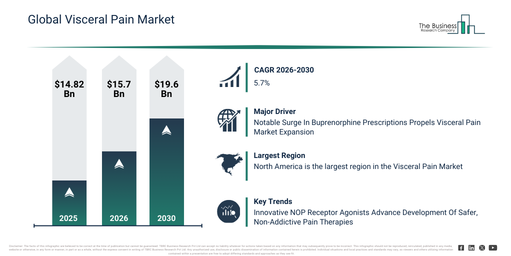
    The market for visceral pain interventions has experienced robust expansion recently, and this upward trajectory is projected to continue. Specifically, the market is anticipated to expand from $14.82 billion in 2025 to $15.7 billion in 2026, reflecting a compound annual growth rate of 5.9%. Factors contributing to this growth during the earlier period include a rise in gastrointestinal and pelvic health issues, heightened prescription of NSAIDs and calcium channel blockers, enhanced diagnostic awareness of visceral pain conditions, the proliferation of pain management services within healthcare facilities, and the availability of a variety of pharmacological options.

    The market for visceral pain treatments is projected for substantial expansion over the coming years, reaching an estimated value of $19.6 billion by 2030, driven by a compound annual growth rate of 5.7%. This anticipated expansion is fueled by several key factors, including a heightened demand for customized therapeutic approaches to pain management, a greater emphasis on addressing chronic pain conditions, the increasing integration of precision medicine methodologies, the widespread adoption of sophisticated diagnostic technologies, and a significant surge in investments directed towards the development of non-opioid pharmaceutical solutions. Furthermore, prominent trends anticipated during this forecast period encompass a growing inclination towards specialized pain management strategies, a more frequent utilization of combined drug therapies, an escalating preference for treatment alternatives that do not involve opioids, the broadening scope of individualized visceral pain care, and a strengthened focus on detecting and intervening in pain conditions at an earlier stage.

    Download A Free Sample Report For Comprehensive Market Insights:

    https://www.thebusinessresearchcompany.com/sample.aspx?id=13950&type=smp

    Visceral Pain Market Growth Drivers And Industry Catalysts

    The increasing consumption of pain-relieving drugs is anticipated to propel the visceral pain market forward. Analgesics are substances that offer relief from pain by either reducing or intercepting the pain signals reaching the brain. These medications effectively manage visceral pain by influencing the nervous system and altering the pain impulses generated by internal organs. As an illustration, data from the New England Journal of Medicine, a prominent UK medical publication, indicated that by December 2023, more than 53,600 healthcare professionals were prescribing buprenorphine, marking a substantial rise of 11,500 prescribers compared to the figures from December 2022, as reported in April 2024. Consequently, the escalating need for analgesics is a key factor contributing to the expansion of the visceral pain market.

    Visceral Pain Market Segment Landscape And Growth Potential

    The visceral pain market covered in this report is segmented –

    1) By Drug Class: Calcium Channel Blockers, Nonsteroidal Anti-Inflammatory (NSAID), Other Drug Classes

    2) By Indications: Interstitial Cystitis, Crohn’s, Irritable Bowel, Chronic Prostatitis, Other Indications

    3) By End Users: Hospitals, Homecare, Specialty Clinics, Other End Users

    Subsegments:

    1) By Calcium Channel Blockers: Dihydropyridines, Non-Dihydropyridines

    2) By Nonsteroidal Anti-Inflammatory Drugs (NSAID): Selective COX-2 Inhibitors, Non-Selective NSAIDs

    3) By Other Drug Classes: Opioids, Tricyclic Antidepressants (TCAs), Serotonin-Norepinephrine Reuptake Inhibitors (SNRIs)

    #Visceral Pain Market Trends Influencing Long-Term Demand

    Leading entities within the chronic pain sector are directing their efforts toward clinical investigations aimed at pioneering novel solutions, specifically NOP receptor agonists, for superior pain management that could mitigate the drawbacks linked to opioid therapies. These NOP receptor agonists function by stimulating the nociceptin/orphanin FQ peptide receptor, a mechanism that influences pain transmission in the nervous system, thereby alleviating persistent and internal discomfort without the significant dangers of dependence or adverse effects commonly linked to conventional opioids. As an illustration, Grünenthal GmbH, a pharmaceutical firm headquartered in Germany, commenced a Phase I trial involving 90 healthy individuals in October 2024 to gauge the safety, patient tolerance, and pharmacokinetic profile of their new NOP receptor agonist. The objective of this research is to determine the investigational substance’s capacity for effective and secure pain reduction in various chronic pain states, presenting a new therapeutic avenue for addressing both bodily and visceral pain.

    Visceral Pain Market Competitive Landscape: Who Are The Leading Companies?

    Major companies operating in the visceral pain market are Pfizer Inc., Johnson & Johnson Services Inc., F. Hoffmann-La Roche Ltd., Merck & Co.Inc., AbbVie Inc., Novartis AG, Sanofi SA, Bristol-Myers Squibb Company, AstraZeneca PLC, GlaxoSmithKline PLC, Takeda Pharmaceutical Company Limited, Eli Lilly and Company, Teva Pharmaceutical Industries Ltd., Mylan N.V., Bausch Health Companies Inc., Sun Pharmaceutical Industries Ltd., Perrigo Company PLC, Dr. Reddy’s Laboratories Ltd., Endo International PLC, Grünenthal GmbH, Glenmark Pharmaceuticals Limited, Hisamitsu Pharmaceutical Co. Ltd., Chromocell Corporation, Addex Therapeutics Ltd.

    Access The Complete Visceral Pain Market Report:

    https://www.thebusinessresearchcompany.com/report/visceral-pain-global-market-report

    Visceral Pain Market Leading Geography: Which Region Generates The Most Revenue?

    North Americawas the largest region in the visceral pain market in 2025. The regions covered in the visceral pain market report are Asia-Pacific, South East Asia, Western Europe, Eastern Europe, North America, South America, Middle East, Africa.

    Get in touch with us:

    The Business Research Company: https://www.thebusinessresearchcompany.com/

    Americas: +1 310-496-7795

    Asia: +44 7882 955267 & +91 8897263534

    Europe: +44 7882 955267

    Email us at: marketing@tbrc.info

    Follow us on:

    LinkedIn: https://in.linkedin.com/company/the-business-research-company

    YouTube: https://www.youtube.com/channel/UC24_fI0rV8cR5DxlCpgmyFQ

    Global Market Model: https://www.thebusinessresearchcompany.com/global-market-model
  • Visceral Leishmaniasis Market Size Projected To Increase From $1.11 Billion To $1.38 Billion During The Forecast Period

    Visceral Leishmaniasis Market Size Projected To Increase From $1.11 Billion To $1.38 Billion During The Forecast Period

    Delivering more actionable and strategically valuable research, The Business Research Company’s 2026 market reports feature market attractiveness analysis, total addressable market evaluation, company benchmarking matrices, interactive Excel dashboards, expanded supply chain intelligence, emerging startup coverage, and detailed product insights.

    Visceral Leishmaniasis Market Growth Potential: How Will Market Size Change Through 2030?

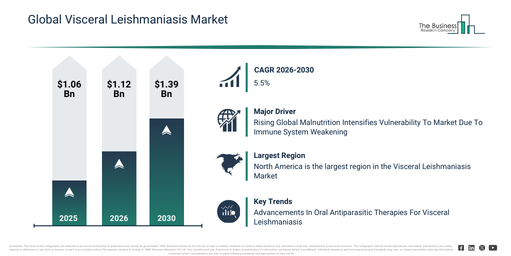
    The market for visceral leishmaniasis demonstrated significant expansion recently, projecting a rise from $1.06 billion in 2025 to $1.12 billion in 2026, reflecting a compound annual growth rate of 5.9%. Factors contributing to this historical growth include an increase in the prevalence of endemic diseases, heightened public health awareness campaigns, the accessibility of established antiparasitic therapies, the proliferation of hospital-based treatment initiatives, and support from international health organizations.

    The market for visceral leishmaniasis is projected for substantial expansion in the coming years, anticipated to reach $1.39 billion by 2030, driven by a compound annual growth rate of 5.5%. This projected expansion is fueled by several key factors, including heightened investments in innovative therapeutic approaches, an intensified focus on developing vaccines and immunotherapies, broader implementation of molecular diagnostic tools, augmented government financial support aimed at disease eradication efforts, and improved access to treatment within regions where the disease is prevalent. Emerging trends expected to shape this market during the forecast period encompass the increasing acceptance of sophisticated diagnostic methods, a rise in the utilization of combined drug treatment regimens, a greater emphasis on identifying the disease in its early stages, the proliferation of public health screening initiatives, and greater endeavors to enhance treatment accessibility.

    Download A Free Sample Report For Comprehensive Market Insights:

    https://www.thebusinessresearchcompany.com/sample.aspx?id=23573&type=smp

    Visceral Leishmaniasis Market Opportunity Drivers: What Is Creating New Revenue Potential?

    An escalating prevalence of malnutrition is anticipated to be a significant driver for the expansion of the visceral leishmaniasis market. Malnutrition, characterized by insufficient or unbalanced consumption of nutrients essential for proper bodily functions, stems largely from food insecurity. This lack of access to adequate and nutritious food results in undernourishment and deficiencies in essential micronutrients, ultimately compromising the body’s immune defenses. A weakened immune system, a direct consequence of malnutrition, heightens susceptibility to infections like visceral leishmaniasis, as the body’s natural defenses are diminished. This compromised immune status increases the likelihood of developing severe forms of the disease and experiencing related complications. Illustrating this global challenge, data from the United Nations Children’s Fund (UNICEF) indicated that approximately 733 million individuals worldwide faced undernourishment in the year 2023 as of July 2024. Consequently, the upward trend in malnutrition is directly contributing to the growth observed in the visceral leishmaniasis market.

    Visceral Leishmaniasis Market Categorization By Product Type And Application

    The visceral leishmaniasis market covered in this report is segmented –

    1) By Treatment: Antiparasitic, Antifungal, Other Treatments

    2) By Diagnosis Method: Serological Tests, Molecular Tests, Microscopy, Culture Methods

    3) By Route Of Administration: Oral, Injectable, Other Routes Of Administration

    4) By Distribution Channel: Hospital Pharmacy, Online Pharmacy, Retail Pharmacy

    5) By End-User: Hospitals, Homecare, Specialty Clinics, Other End-Users

    Subsegments:

    1) By Antiparasitic: Pentavalent Antimonials, Miltefosine, Paromomycin, Sitamaquine, Combination Therapy

    2) By Antifungal: Amphotericin B, Liposomal Amphotericin B (AmBisome), Azoles, Echinocandins, Polyenes

    3) By Other Treatments: Immunotherapy, Monoclonal Antibodies, Vaccine-Based Approaches, Photodynamic Therapy, Gene Therapy

    Visceral Leishmaniasis Market Innovation Trends Driving Future Development

    Within the visceral leishmaniasis market, key players are dedicating efforts towards refining therapeutic strategies, specifically through the creation of novel antiparasitic agents aimed at boosting treatment effectiveness and broadening patient access, especially in areas where the disease is prevalent. These antiparasitic drugs function by targeting the metabolic processes and life cycles of parasites, thereby impeding their development, proliferation, or viability inside a host organism. Illustrating this, in February of 2024, Zydus Lifesciences Limited, a pharmaceutical entity headquartered in India, secured prequalification status from the World Health Organization (WHO) for both the active pharmaceutical ingredient and the finished dosage form of miltefosine, a medication utilized for leishmaniasis, also known as kala-azar. Miltefosine operates as an orally administered antiparasitic compound, effective by compromising the parasite’s cellular membrane and disrupting its metabolic pathways, ultimately resulting in cell demise. Furthermore, it hinders parasitic proliferation and persistence, establishing itself as a viable and convenient oral therapeutic choice for visceral leishmaniasis and kala azar.

    Visceral Leishmaniasis Market Company Landscape And Strategic Competition

    Major companies operating in the visceral leishmaniasis market are Pfizer Inc., GSK plc, Sun Pharmaceutical Industries Ltd., Dr. Reddy’s Laboratories, Aurobindo Pharma Limited, Cipla Limited, Zydus Lifesciences Limited, Glenmark Pharmaceuticals Limited, Alkem Laboratories Ltd., Xellia Pharmaceuticals, Gufic Biosciences Ltd., United Biotech Private Limited, DNDi, Sanofi SA, Bharat Serums and Vaccines Limited, Emcure Pharmaceuticals Limited, Hetero Drugs Limited, Lupin Limited, Ipca Laboratories Limited, Intas Pharmaceuticals Limited, Macleods Pharmaceuticals Limited, Mankind Pharma Limited, Alembic Pharmaceuticals Limited

    Access The Complete Visceral Leishmaniasis Market Report:

    https://www.thebusinessresearchcompany.com/report/visceral-leishmaniasis-global-market-report

    Visceral Leishmaniasis Market Regional Outlook: Where Are The Largest Opportunities Located?

    North Americawas the largest region in the visceral leishmaniasis market in 2025. Asia-Pacificis expected to be the fastest-growing region in the forecast period. The regions covered in the visceral leishmaniasis market report are Asia-Pacific, South East Asia, Western Europe, Eastern Europe, North America, South America, Middle East, Africa.

    Get in touch with us:

    The Business Research Company: https://www.thebusinessresearchcompany.com/

    Americas: +1 310-496-7795

    Asia: +44 7882 955267 & +91 8897263534

    Europe: +44 7882 955267

    Email us at: marketing@tbrc.info

    Follow us on:

    LinkedIn: https://in.linkedin.com/company/the-business-research-company

    YouTube: https://www.youtube.com/channel/UC24_fI0rV8cR5DxlCpgmyFQ

    Global Market Model: https://www.thebusinessresearchcompany.com/global-market-model
  • Virtual Rehabilitation Market Growth Outlook Reveals A CAGR Of 24.6% And A Market Value Of $2.45 Billion By 2030

    Virtual Rehabilitation Market Growth Outlook Reveals A CAGR Of 24.6% And A Market Value Of $2.45 Billion By 2030

    Enhanced with market attractiveness analysis, total addressable market evaluation, company benchmarking matrices, interactive Excel dashboards, expanded supply chain intelligence, emerging startup coverage, and detailed product insights, The Business Research Company’s 2026 market reports deliver more actionable and strategically valuable research.

    Virtual Rehabilitation Market Value Analysis: What Growth Is Expected Over The Forecast Period?

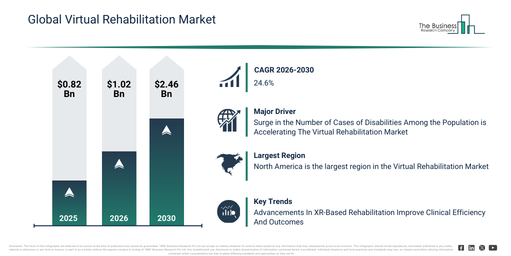
    The burgeoning virtual rehabilitation sector has experienced remarkable expansion lately. This market, valued at $0.82 billion in 2025, is projected to reach $1.02 billion by 2026, reflecting a robust compound annual growth rate of 24.3%. Several factors have fueled this upward trajectory in the past, including heightened demand for rehabilitation services, a growing incidence of long-term and movement-related ailments, the proliferation of outpatient therapy options, greater integration of digital health solutions, and enhanced accessibility to rehabilitation advancements.

    Anticipating a period of considerable expansion, the virtual rehabilitation market is projected to reach a valuation of $2.46 billion by the year 2030, demonstrating a robust compound annual growth rate of 24.6%. This anticipated surge in the market is propelled by several key factors, including a heightened emphasis on delivering healthcare services remotely, augmented investments in digital platforms designed for rehabilitation, the broadening availability of tailored therapeutic approaches, an increasing preference for care models that are administered within the patient’s home, and the greater utilization of rehabilitation programs informed by data analytics. During this projection period, significant market developments are expected to manifest as virtual reality (VR)-enhanced physical therapy programs gain traction, gamified rehabilitation solutions become more prevalent, remote patient monitoring tools are more frequently integrated into care pathways, virtual rehabilitation platforms designed for home use see further development, and there is an intensified commitment to crafting individualized rehabilitation strategies.

    Download A Free Sample Report For Comprehensive Market Insights:

    https://www.thebusinessresearchcompany.com/sample.aspx?id=13949&type=smp

    Virtual Rehabilitation Market Growth Momentum: Which Factors Are Influencing Demand?

    The expanding number of individuals experiencing disabilities is anticipated to be a significant catalyst for the expansion of the virtual rehabilitation sector in the future. Disability encompasses any physical, cognitive, sensory, or mental impairment that substantially restricts a person’s capacity for daily tasks, societal engagement, or standard life functions. Virtual rehabilitation offers crucial support to people with disabilities by enabling remote access to therapeutic treatments and tailored exercise regimens via digital environments. As an illustration, data from March 2023, released by the World Health Organization, a global health authority headquartered in Switzerland, indicated that approximately 1.3 billion individuals worldwide, representing 16% of the global populace, live with some form of disability. Consequently, the rising incidence of disability globally serves as a key driver for the growth of the virtual rehabilitation market.

    Virtual Rehabilitation Market Segment Analysis And Revenue Opportunities

    The virtual rehabilitation market covered in this report is segmented –

    1) By Type: Physical Rehabilitation, Neuro And Cognitive Rehabilitation, Other Types

    2) By Patient Type: Short Term Patients, Long Term Patients

    3) By End-User: Inpatient Rehabilitation Hospitals, Rehabilitation Centers And Clinics, Home Care Settings

    Subsegments:

    1) By Physical Rehabilitation: Musculoskeletal Rehabilitation, Sports Injury Rehabilitation, Post-Surgery Rehabilitation

    2) By Neuro And Cognitive Rehabilitation: Stroke Rehabilitation, Traumatic Brain Injury (TBI) Rehabilitation, Memory And Cognitive Skills Training

    3) By Other Types: Pediatric Rehabilitation, Cardiac Rehabilitation, Geriatric Rehabilitation

    Virtual Rehabilitation Market Trends Reshaping Industry Growth

    Leading entities in the virtual rehabilitation sector are prioritizing the creation of sophisticated systems, exemplified by self-contained VR rehabilitation units, to broaden therapy availability, overcome implementation hurdles, and ensure uniform, superior rehabilitation experiences in varied healthcare contexts. A self-contained VR rehabilitation unit signifies a unified, portable therapeutic apparatus offering integrated physical, occupational, and mental health services, eliminating the need for IT configuration, network adjustments, or specialized infrastructure, thereby greatly simplifying usability over conventional in-facility therapeutic instruments. To illustrate, in September 2025, XRHealth, a United States corporation specializing in extended reality healthcare, introduced the XR CareCart, a comprehensive, portable VR rehabilitation station engineered for immediate deployment in clinical settings, medical facilities, elder care residences, and public health locations. Stocked with twin VR headsets, a pre-installed therapeutic framework, a user-friendly tablet for patients, dual supervisor displays, and an embedded SIM-enabled router, this apparatus delivers FDA-endorsed programs encompassing physical therapy, occupational therapy, and mental wellness treatments. This framework facilitates continuous observation, program mirroring, secure HIPAA-compliant data management, and adaptable multi-patient application, presenting a cutting-edge, infrastructure-independent substitute for standard therapy arrangements.

    Virtual Rehabilitation Market Leading Players Shaping Industry Direction

    Major companies operating in the virtual rehabilitation market are SWORD Health, Hinge Health Inc., Meden-Inmed, BO&BO Ltd., Saebo Inc., Mindmaze, Motek Medical B.V., XRHealth (VRHealth), Tyromotion GmbH, LiteGait, GestureTek Health, Rehab-Robotics, Virtualware Group, MIRA Rehab Limited, Myelin-H, Motorika, Doctor Kinetic, Agile Virtual PT, Cogniv Technologies, Immersive Rehab, Neuro Rehab VR, Rehametrics, CoRehab srl, Accelerated Care Plus Corporation, Euleria S.R.L

    Access The Complete Virtual Rehabilitation Market Report:

    https://www.thebusinessresearchcompany.com/report/virtual-rehabilitation-global-market-report

    Virtual Rehabilitation Market Geographic Landscape: Which Region Dominates Industry Growth?

    North Americawas the largest region in the virtual rehabilitation market in 2025. Europeis expected to be the fastest-growing region in the forecast period. The regions covered in the virtual rehabilitation market report are Asia-Pacific, South East Asia, Western Europe, Eastern Europe, North America, South America, Middle East, Africa.

    Get in touch with us:

    The Business Research Company: https://www.thebusinessresearchcompany.com/

    Americas: +1 310-496-7795

    Asia: +44 7882 955267 & +91 8897263534

    Europe: +44 7882 955267

    Email us at: marketing@tbrc.info

    Follow us on:

    LinkedIn: https://in.linkedin.com/company/the-business-research-company

    YouTube: https://www.youtube.com/channel/UC24_fI0rV8cR5DxlCpgmyFQ

    Global Market Model: https://www.thebusinessresearchcompany.com/global-market-model