Month: June 2026

  • CBD Oil And CBD Consumer Health Market Forecast Signals New Revenue Opportunities Through 2030

    CBD Oil And CBD Consumer Health Market Forecast Signals New Revenue Opportunities Through 2030

    Delivering more actionable and strategically valuable research, The Business Research Company’s 2026 market reports feature market attractiveness analysis, total addressable market evaluation, company benchmarking matrices, interactive Excel dashboards, expanded supply chain intelligence, emerging startup coverage, and detailed product insights.

    CBD Oil And CBD Consumer Health Market CAGR Analysis And Future Market Development

    The market for CBD oil and CBD-infused consumer health products has experienced remarkable expansion. Projections indicate a rise from $77.14 billion in 2025 to $98.27 billion in 2026, reflecting a compound annual growth rate of 27.4%. Key factors contributing to this past growth include the legalization of hemp farming, the initial embrace of CBD oil as a supplement, the broader development of the wellness and nutraceutical sectors, the increasing popularity of alternative health solutions, and a heightened consumer understanding of CBD’s advantages.

    The market for CBD oil and CBD consumer health products is poised for significant expansion over the coming years, projecting a valuation of $255.36 billion by 2030, driven by a compound annual growth rate (CAGR) of 27.0%. This anticipated growth is fueled by several key factors, including the broadening availability within regulated CBD markets, escalating scientific inquiry into CBD’s effectiveness, a greater preference for natural wellness alternatives, the innovation of new methods for CBD consumption, and increased financial backing for distinct CBD consumer brands. Key developments expected during this projection period involve a heightened interest in wellness products derived from plants, the increasing integration of CBD into everyday health solutions, an expansion of functional products incorporating CBD, a stronger emphasis on the traceability and caliber of products, and a more pronounced focus on CBD formulas that meet regulatory standards.

    Download A Free Sample Report For Comprehensive Market Insights:

    https://www.thebusinessresearchcompany.com/sample.aspx?id=8220&type=smp

    #CBD Oil And CBD Consumer Health Market Demand Drivers Creating New Revenue Opportunities

    A growing understanding of the positive health outcomes associated with products containing CBD is fueling the expansion of the CBD oils and CBD consumer health sector. This increased knowledge about well-being advantages prompts greater utilization of cannabidiol products, which encompass ingestible items and personal care goods enhanced with CBD. Individuals are turning to CBD oil for its potential to alleviate issues such as sleeplessness, anxiety, pain, stress, and general discomfort. Illustratively, projections suggest that sales of these products, which hit $2 billion in 2022 according to the US-based healthcare entity Magnet ABA in May 2025, could see online revenues approach $4 billion by 2026, with the overall global market potentially reaching an impressive $108 billion by 2032; consequently, this heightened awareness is a primary catalyst for the CBD oils and CBD consumer health market.

    Enhanced public consciousness regarding the wellness advantages of CBD-infused items is anticipated to be a significant factor stimulating the CBD oil and CBD consumer health market. This heightened consciousness involves a deeper comprehension and recognition of the beneficial impacts that specific products, services, or lifestyle choices can impart on an individual’s physical and mental state. Such enhanced awareness often inspires people to embrace healthier habits, ultimately contributing to an improvement in their overall quality of life. CBD oil and related consumer health products play a role in fostering this awareness by informing customers about their potential therapeutic applications, including their capacity to mitigate anxiety, enhance sleep quality, and provide pain relief, thereby supporting more informed decisions related to personal wellness and self-care. As an example of the trend toward health-conscious choices, a 2024 report from the International Food Information Council, a US-based non-profit, indicated a consistent rise in consumers aiming to boost their protein intake, increasing from 59% in 2022 to 67% in 2023 and reaching 71% in 2024. Therefore, this growing consumer understanding of health benefits is a key driver for the CBD oil and CBD consumer health market.

    CBD Oil And CBD Consumer Health Market Segments: Where Are The Largest Growth Opportunities?

    The cbd oil and cbd consumer health market covered in this report is segmented –

    1) By Product: CBD Oil, CBD Consumer Health

    2) By Application: Anxiety Or Stress, Sleep Or Insomnia, Chronic Pain, Migraines, Skin Care, Seizures, Joint Pain And Inflammation, Other Applications

    3) By Distribution Channel: CBD Oil (B2B And B2C), CBD Consumer Health (Online, Retail Stores, And Retail Pharmacies)

    Subsegments:

    1) By CBD Oil: Full-Spectrum CBD Oil, Broad-Spectrum CBD Oil, CBD Isolate

    2) By CBD Consumer Health: CBD-Infused Edibles, CBD Beverages, CBD Topicals, CBD Capsules And Softgels

    CBD Oil And CBD Consumer Health Market Trends Driving Strategic Industry Expansion

    Leading businesses within the CBD oils and CBD consumer health sectors are concentrating their efforts on creating novel offerings, exemplified by high-end pure cannabidiol (CBD) gummies, as a strategy for market entrenchment. These premium pure CBD gummies are essentially confectionery items infused with superior CBD oil, a compound derived from the cannabis plant. To illustrate, during June 2025, Terra Pro, a wellness supplement company based in the United States specializing in plant-based products, introduced its Terra Pro CBD Gummies. These were manufactured utilizing cold-pressing methods, a proprietary Triple Filtration Technology, and sophisticated CO2 extraction. The product distinguishes itself through its full-spectrum hemp extract, which retains a broad array of cannabinoids and terpenes while remaining entirely free of THC. Its production involves a low-temperature cold-press procedure designed to safeguard the plant’s natural properties and prevent deterioration from heat, complemented by a proprietary triple-filtration mechanism that purges undesirable elements like chlorophyll, heavy metals, and lingering solvents. The product is presented in a convenient gummy form, offering a sublingual or readily consumable delivery method that seamlessly integrates into contemporary well-being practices.

    CBD Oil And CBD Consumer Health Market Major Participants And Competitive Dynamics

    Major companies operating in the cbd oil and cbd consumer health market are Tilray Inc., Canopy Growth Corporation, Extract Labs, Aurora Cannabis Inc., Charlotte’s Web Holdings Inc., Medical Marijuana Inc., PlusCBD Oil by CV Sciences, Green Roads, CBD American Shaman, Medterra CBD, Endoca BV, Bluebird Botanicals, CVSciences Inc., NuLeaf Naturals LLC, Lazarus Naturals, Isodiol International Inc, Lord Jones, HempMeds, JOY Organics, HempFusion Wellness Inc., Diamond CBD, Mary’s Nutritionals, Elixinol LLC, HempLucid, Veritas Farms, Cibdol B.V., Ananda Hemp, Hemp Bombs, Highland Pharms, PharmaHemp

    Access The Complete CBD Oil And CBD Consumer Health Market Report:

    https://www.thebusinessresearchcompany.com/report/cbd-oil-and-cbd-consumer-health-global-market-report

    CBD Oil And CBD Consumer Health Market Geographic Distribution And Regional Opportunities

    North Americawas the largest region in the CBD oil and CBD consumer health market share in 2025. The regions covered in the cbd oil and cbd consumer health market report are Asia-Pacific, South East Asia, Western Europe, Eastern Europe, North America, South America, Middle East, Africa.

    Get in touch with us:

    The Business Research Company: https://www.thebusinessresearchcompany.com/

    Americas: +1 310-496-7795

    Asia: +44 7882 955267 & +91 8897263534

    Europe: +44 7882 955267

    Email us at: marketing@tbrc.info

    Follow us on:

    LinkedIn: https://in.linkedin.com/company/the-business-research-company

    YouTube: https://www.youtube.com/channel/UC24_fI0rV8cR5DxlCpgmyFQ

    Global Market Model: https://www.thebusinessresearchcompany.com/global-market-model

  • Catheter-Related Bloodstream Infection Market Growth Is Accelerating As Industry Transformation Continues

    Catheter-Related Bloodstream Infection Market Growth Is Accelerating As Industry Transformation Continues

    Enhanced with market attractiveness analysis, total addressable market evaluation, company benchmarking matrices, interactive Excel dashboards, expanded supply chain intelligence, emerging startup coverage, and detailed product insights, The Business Research Company’s 2026 market reports deliver more actionable and strategically valuable research.

    Catheter-Related Bloodstream Infection Market Expansion From $1.71 Billion In 2026 To $2.1 Billion In 2030

    The market for catheter-related bloodstream infection solutions experienced robust expansion recently, projecting a rise from $1.62 billion in 2025 to $1.71 billion in 2026, reflecting a compound annual growth rate of 6.0%. Key factors driving this historical growth trajectory include a greater reliance on central venous catheters, an escalating prevalence of infections acquired within healthcare settings, the implementation of antibiotic lock therapy, the proliferation of intensive care units, and heightened clinical consciousness regarding catheter-related bloodstream infections.

    The market for catheter-related bloodstream infections is poised for significant expansion in the upcoming years, projected to reach a value of $2.11 billion by 2030, driven by a compound annual growth rate of 5.3%. This anticipated growth throughout the forecast period stems from several key factors, including heightened investments in infection prevention strategies, an escalating need for effective antimicrobial resistance management, the broadening of hospital infection control initiatives, a greater uptake of combined therapeutic approaches, and advancements in diagnostic tool development. During this same period, prominent market trends are expected to include a more widespread utilization of sophisticated antimicrobial lock solutions, increased implementation of infection surveillance programs, a stronger emphasis on preventing hospital-acquired infections, the expanded application of combination antimicrobial treatments, and a more concentrated effort on early detection and timely intervention.

    Download A Free Sample Report For Comprehensive Market Insights:

    https://www.thebusinessresearchcompany.com/sample.aspx?id=16646&type=smp

    Catheter-Related Bloodstream Infection Market Expansion Supported By Key Demand Factors

    The increasing incidence of infections acquired in hospital settings is anticipated to fuel the expansion of the market for catheter-related bloodstream infections. Infections contracted within healthcare facilities, often appearing 48 hours or more post-admission, stem from factors including the rise of resistant microbes, insufficient infection control practices, and patient vulnerabilities. Given their invasive nature and propensity for microbial growth, catheter-related bloodstream infections represent a substantial portion of these hospital-acquired infections, especially for individuals with inserted catheters. Illustrating this point, data from September 2025, sourced from the National Library of Medicine, indicates that in 2024, antimicrobial-resistant organisms constituted 6.6% of infections, with approximately one-third of healthcare-associated infections being linked to medical devices, and the occurrence of central line-associated bloodstream infections doubling to 0.4%. Consequently, the escalating rate of hospital-acquired infections is poised to stimulate market growth in the catheter-related bloodstream infection sector.

    An upswing in spending on healthcare services is foreseen to be a significant catalyst for the expansion of the catheter-related bloodstream infection market. This refers to the aggregate financial investment in safeguarding, curing, and overseeing health issues by various entities. Such increased spending is largely a consequence of medical advancements, as novel diagnostic equipment, therapeutic interventions, and cutting-edge treatments frequently incur substantial costs, leading to a broader financial outlay in healthcare. Enhanced healthcare spending contributes to mitigating catheter-related bloodstream infections by allocating resources towards preventative strategies, professional development, surveillance mechanisms, and prompt medical care, thereby ultimately enhancing patient results and reducing long-term expenses. To illustrate, information released in December 2024 by the Centers for Medicare & Medicaid Services highlights that in 2023, healthcare spending in the United States rose by 7.5%, reaching $4.9 trillion, equating to approximately $14,570 per person. Therefore, the augmenting levels of healthcare expenditure are actively propelling the growth trajectory of the catheter-related bloodstream infection market.

    Catheter-Related Bloodstream Infection Market Segment Analysis: What Are The Major Market Categories?

    The catheter-related bloodstream infection market covered in this report is segmented –

    1) By Treatment: Antibiotic Lock Therapy, Anti-Microbial Agents

    2) By Source Of Infection Or Causative Agents: Staphylococcus Aureus, Acinetobacter Baumannii, Escherichia Coli (E. Coli), Klebsiella Pneumoniae (K. Pneumonia), Candida Species (Candida Sp.), Pseudomonas Aeruginosa (P. Aeruginosa), Other Source Of Infection Or Causative Agents

    3) By Distribution Channel: Hospital Pharmacies, Retail Pharmacies

    Subsegments:

    1) By Antibiotic Lock Therapy: Catheter Lock Solutions (Antibiotic-based), Combination Antibiotic Lock Therapy

    2) By Anti-Microbial Agents: Antibiotics, Antifungal Agents, Antiseptic Agents

    Catheter-Related Bloodstream Infection Market Growth Trends Influencing Competitive Dynamics

    Pioneering firms within the catheter-related bloodstream infection sector are actively creating novel catheter lock mechanisms aimed at bolstering infection control and elevating patient well-being; these lock solutions are liquids introduced into a catheter to safeguard against infections and preserve its unobstructed state between administrations. A prime illustration of this innovation is CorMedix Inc., a US-based biopharmaceutical entity dedicated to therapeutic product development and marketing, which secured crucial US Food and Drug Administration endorsement in November 2023 for DefenCath. This particular catheter lock solution, a synergistic blend of taurolidine and heparin, is now accessible for adult patients experiencing kidney failure and undergoing ongoing hemodialysis through a central venous catheter (CVC). The antimicrobial and antifungal formulation is engineered specifically to mitigate catheter-related bloodstream infections (CRBSIs), effectively integrating heparin’s anticoagulant benefits with taurolidine’s extensive antibacterial and antifungal efficacy.

    Catheter-Related Bloodstream Infection Market Leading Companies Driving Competitive Growth

    Major companies operating in the catheter-related bloodstream infection market are Pfizer Inc., Johnson & Johnson Services Inc., Novartis AG, 3M Company, Eli Lilly and Company, Fresenius Medical Care AG & Co. KGaA, Becton Dickinson and Company, Viatris Inc., B. Braun Medical Inc., Aurobindo Pharma Limited, Lupin Ltd., Xellia Pharmaceuticals Ltd., SteriMax Inc., Bactiguard AB, Hetero Healthcare Ltd., TauroPharm GmbH, Advacare Pharma, Citus Pharmaceuticals Inc., CorMedix Inc., JoinHub Pharma LLP, IntegraDose Compounding Services LLC

    Access The Complete Catheter-Related Bloodstream Infection Market Report:

    https://www.thebusinessresearchcompany.com/report/catheter-related-bloodstream-infection-global-market-report

    Catheter-Related Bloodstream Infection Market Largest Region By Revenue And Market Share

    North Americawas the largest region in the catheter-related bloodstream infection market in 2025. The regions covered in the catheter-related bloodstream infection market report are Asia-Pacific, South East Asia, Western Europe, Eastern Europe, North America, South America, Middle East, Africa.

    Get in touch with us:

    The Business Research Company: https://www.thebusinessresearchcompany.com/

    Americas: +1 310-496-7795

    Asia: +44 7882 955267 & +91 8897263534

    Europe: +44 7882 955267

    Email us at: marketing@tbrc.info

    Follow us on:

    LinkedIn: https://in.linkedin.com/company/the-business-research-company

    YouTube: https://www.youtube.com/channel/UC24_fI0rV8cR5DxlCpgmyFQ

    Global Market Model: https://www.thebusinessresearchcompany.com/global-market-model

  • Catastrophic Antiphospholipid Syndrome Market Outlook Highlights The Next Major Growth Opportunities

    Catastrophic Antiphospholipid Syndrome Market Outlook Highlights The Next Major Growth Opportunities

    Through market attractiveness analysis, total addressable market evaluation, company benchmarking matrices, interactive Excel dashboards, expanded supply chain intelligence, emerging startup coverage, and detailed product insights, The Business Research Company’s 2026 market reports provide more actionable and strategically valuable research.

    Catastrophic Antiphospholipid Syndrome Market Forecast Highlighting Growth From $4.6 Billion To $6.8 Billion

    The market for catastrophic antiphospholipid syndrome has experienced considerable expansion lately, projecting a rise from $4.16 billion in 2025 to $4.6 billion in 2026, demonstrating a compound annual growth rate of 10.6%. This historical growth trajectory has been fueled by a confluence of factors, including enhanced diagnostic capabilities for antiphospholipid antibodies, a broader acceptance of anticoagulant treatments, a greater prevalence of reporting on uncommon autoimmune disorders, the augmentation of intensive care facilities within hospitals, and an increased application of plasmapheresis in critical care scenarios.

    The global market for catastrophic antiphospholipid syndrome is poised for substantial expansion over the upcoming years, projecting a reach of $6.8 billion by the year 2030 with a compound annual growth rate of 10.3%. This anticipated growth trajectory is fueled by several key factors including intensified research efforts focused on complement inhibitors, a heightened demand for sophisticated biologic treatments tailored to specific patient needs, an increasing number of clinical trials dedicated to rare diseases, the expanding application of precision diagnostic tools, and a rise in collaborative initiatives among specialized healthcare facilities. Furthermore, the forecast period is characterized by significant market trends such as the broadening application of precision immunotherapy strategies, a greater adoption of combined therapeutic regimens, an intensified emphasis on achieving early and swift diagnoses, growing clinical understanding and recognition of uncommon autoimmune conditions, and the ongoing development of novel, biologically targeted therapies.

    Download A Free Sample Report For Comprehensive Market Insights:

    https://www.thebusinessresearchcompany.com/sample.aspx?id=25718&type=smp

    #Catastrophic Antiphospholipid Syndrome Market Growth Drivers And Industry Catalysts

    The escalating occurrence of autoimmune diseases is anticipated to fuel the expansion of the catastrophic antiphospholipid syndrome market in the future. Autoimmune diseases arise when the immune system mistakenly attacks the body’s own healthy cells and tissues, leading to conditions characterized by such self-targeting responses. A contributing factor to the rise in autoimmune disorders is increased exposure to environmental toxins, which can disrupt the immune system’s normal functioning and trigger aberrant immune reactions. These autoimmune disorders can precipitate catastrophic antiphospholipid syndrome by stimulating the production of antiphospholipid antibodies, ultimately resulting in widespread blood clotting and failure of multiple organs. For example, by June 2023, Crohn’s and Colitis Foundation of Canada reported that Canada had 322,600 individuals living with inflammatory bowel disease, with projections indicating this number could reach 470,000 by 2035, alongside an increase in annual new cases from 11,000 to 14,000. Consequently, the growing prevalence of autoimmune diseases serves as a significant driver for the catastrophic antiphospholipid syndrome market.

    Catastrophic Antiphospholipid Syndrome Market Driver: Impact Of Rising Healthcare Expenditure On The Growth Of The Market Due To Enhanced Access To Advanced Treatments And Diagnostics

    Heightened spending on healthcare is poised to stimulate growth within the catastrophic antiphospholipid syndrome market moving forward. Healthcare expenditure encompasses the complete financial outlays for medical services, products, and public health initiatives by individuals, governments, and organizations. This spending is on the rise, driven by an aging global population which typically requires more frequent and comprehensive medical care. Increased healthcare budgets facilitate improved patient outcomes for those with catastrophic antiphospholipid syndrome by ensuring access to sophisticated diagnostic tools, intensive medical support, and life-saving interventions such as anticoagulation treatments, immunosuppressive therapies, and plasmapheresis procedures. For instance, as of June 2025, data from the Centers for Medicare & Medicaid Services indicated that in 2023, national health expenditures in the United States climbed by 7.5%, reaching $4.9 trillion, equating to an average of $14,570 per capita and representing 17.6% of the Gross Domestic Product. Medicare spending, specifically, saw an increase of 8.1%, totaling $1,029.8 billion, which constituted 21% of the aggregate national health expenditures. Therefore, augmented healthcare spending is a key factor propelling the catastrophic antiphospholipid syndrome market forward.

    Catastrophic Antiphospholipid Syndrome Market Driver: Impact Of Rising Clinical Trials On The Growth Of The Market Due To Advancements In Treatment Development And Evidence- Based Practice

    An increase in the number of clinical trials is expected to drive the expansion of the catastrophic antiphospholipid syndrome market in the coming period. Clinical trials are essential research endeavors involving human participants to rigorously assess the safety, efficacy, and potential adverse effects of new medical treatments or interventions. The rise in these trials is largely attributed to a growing demand for personalized and innovative therapies that necessitate thorough evaluation for both safety and effectiveness. Through the examination of novel treatment strategies, the refinement of existing therapeutic approaches, and the establishment of evidence-based clinical guidelines, clinical trials contribute to a better understanding, diagnosis, and management of catastrophic antiphospholipid syndrome. Illustratively, by December 2024, the Association of the British Pharmaceutical Industry (ABPI) in the UK reported that pharmaceutical industry-initiated trials in the United Kingdom had increased for a second consecutive year, growing from 411 in 2022 to 426 in 2023. Consequently, the increasing volume of clinical trials is a significant impetus behind the growth of the catastrophic antiphospholipid syndrome market.

    Catastrophic Antiphospholipid Syndrome Market Segment Breakdown: Which Categories Generate The Most Revenue?

    The catastrophic antiphospholipid syndrome market covered in this report is segmented –

    1) By Treatment: Anticoagulants, Immunosuppressive Therapy, Plasma Exchange Therapy (Plasmapheresis), Intravenous Immunoglobulin (IVIG), Other Treatments

    2) By Route Of Administration: Oral, Parenteral

    3) By Diagnostic Tools: Blood Testing, Imaging Techniques, Autoantibody Profiling And Coagulation Assays

    4) By End-User: Hospitals, Specialty Clinics, Tertiary Care And Critical Care Centers, Other End-Users

    Subsegments:

    1) By Anticoagulants: Heparin, Low Molecular Weight Heparin (LMWH), Warfarin, Direct Oral Anticoagulants (DOACs), Fondaparinux

    2) By Immunosuppressive Therapy: Corticosteroids, Cyclophosphamide, Azathioprine, Mycophenolate Mofetil, Methotrexate

    3) By Plasma Exchange Therapy (Plasmapheresis): Therapeutic Plasma Exchange (TPE), Double Filtration Plasmapheresis (Dfpp), Centrifugal Plasmapheresis, Membrane-Based Plasmapheresis

    4) By Intravenous Immunoglobulin (IVIG): Standard Intravenous Immunoglobulin (Ivig), High-Dose Intravenous Immunoglobulin (IVIG), Liquid Intravenous Immunoglobulin (IVIG), Lyophilized Intravenous Immunoglobulin (IVIG)

    5) By Other Treatments: Monoclonal Antibodies, Complement Inhibitors, Antiplatelet Agents, Anti-Tumor Necrosis Factor (Tnf) Agents, Organ Support Therapies

    Catastrophic Antiphospholipid Syndrome Market Key Players And Strategic Industry Positioning

    Major companies operating in the catastrophic antiphospholipid syndrome market are Pfizer Inc, F Hoffmann La Roche Ltd, Merck KGaA, Bayer AG, Sanofi SA, Bristol Myers Squibb Company, AstraZeneca PLC, Novartis AG, Fresenius Kabi AG, Eli Lilly And Company, Boehringer Ingelheim International GmbH, Apotex Inc, Dr Reddys Laboratories Ltd, Hikma Pharmaceuticals PLC, Aspen Pharmacare Holdings Limited, Zydus Lifesciences Limited, LEO Pharma AS, Kedrion Biopharma Inc, Amphastar Pharmaceuticals Inc, CSL Behring, Grifols SA, Octapharma AG, Baxter International Inc

    Access The Complete Catastrophic Antiphospholipid Syndrome Market Report:

    https://www.thebusinessresearchcompany.com/report/catastrophic-antiphospholipid-syndrome-global-market-report

    Catastrophic Antiphospholipid Syndrome Market Regional Analysis And Leading Geography

    North Americawas the largest region in the catastrophic antiphospholipid syndrome market in 2025. Asia-Pacificis expected to be the fastest-growing region in the forecast period. The regions covered in the catastrophic antiphospholipid syndrome market report are Asia-Pacific, South East Asia, Western Europe, Eastern Europe, North America, South America, Middle East, Africa.

    Get in touch with us:

    The Business Research Company: https://www.thebusinessresearchcompany.com/

    Americas: +1 310-496-7795

    Asia: +44 7882 955267 & +91 8897263534

    Europe: +44 7882 955267

    Email us at: marketing@tbrc.info

    Follow us on:

    LinkedIn: https://in.linkedin.com/company/the-business-research-company

    YouTube: https://www.youtube.com/channel/UC24_fI0rV8cR5DxlCpgmyFQ

    Global Market Model: https://www.thebusinessresearchcompany.com/global-market-model
  • Catalepsy Treatment Market Trends And Growth Drivers Point To Strong Future Potential

    Catalepsy Treatment Market Trends And Growth Drivers Point To Strong Future Potential

    Delivering more actionable and strategically valuable research, The Business Research Company’s 2026 market reports feature market attractiveness analysis, total addressable market evaluation, company benchmarking matrices, interactive Excel dashboards, expanded supply chain intelligence, emerging startup coverage, and detailed product insights.

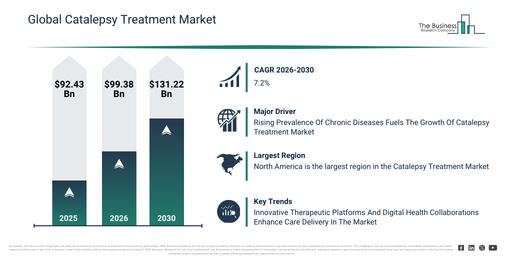
    Catalepsy Treatment Market Revenue Growth Supported By A CAGR Of 131.21% Through 2030

    The market for catalepsy treatments has experienced robust expansion lately, projected to increase from $92.43 billion in 2025 to $99.38 billion in 2026, reflecting a compound annual growth rate of 7.5%. This historical growth trajectory can be attributed to several key factors: a growing clinical understanding of catalepsy as a symptom stemming from neurological conditions, the widespread prescription of antipsychotic drugs, the incorporation of psychotherapy into patient care strategies, a rise in diagnoses associated with other psychiatric disorders, and the accessibility of muscle relaxant treatments.

    The market for catalepsy treatments is poised for substantial expansion over the coming years, with projections indicating a rise to $131.22 billion by 2030, reflecting a compound annual growth rate of 7.2%. This projected increase is fueled by advancements in understanding neurological conditions, the creation of specific neuropharmacological interventions, elevated public consciousness regarding mental health, the proliferation of specialized neurology centers, and a greater embrace of individualized medical strategies. Key developments anticipated during this timeframe encompass the increased use of combined pharmacological treatments, a heightened concentration on raising awareness about neurological disorders, a growing preference for tailored therapeutic methods, the wider implementation of integrated care frameworks, and a stronger focus on protocols designed for effective symptom management.

    Download A Free Sample Report For Comprehensive Market Insights:

    https://www.thebusinessresearchcompany.com/sample.aspx?id=9431&type=smp

    Catalepsy Treatment Market Opportunity Drivers: What Is Creating New Revenue Potential?

    Advancements in catalepsy treatment are anticipated to surge due to the increasing incidence of chronic diseases, which are defined as long-lasting illnesses, typically persisting for over a quarter of a year and potentially worsening over time, often managed rather than cured and disproportionately impacting the elderly population, with catalepsy’s rise mirroring that of other chronic conditions, thereby necessitating more effective treatments; data from the Centers for Disease Control and Prevention (CDC) in April 2025 indicated that in 2023, a significant 76.4% of U.S. adults, equating to roughly 194 million individuals, lived with at least one chronic condition, a figure broken down by age as 59.5% for young adults, 78.4% for middle-aged adults, and a striking 93.0% for older adults, underscoring the direct correlation between the escalating burden of chronic illnesses and the expanding market for catalepsy treatments.

    Catalepsy Treatment Market Segmentation: How Is The Market Structured Across Key Categories?

    The catalepsy treatment market covered in this report is segmented –

    1) By Type: Drugs, Psychotherapy, Other Types

    2) By Route Of Administration: Oral, Parenteral, Other Routes

    3) By End User: Hospitals, Specialty Clinics, Other Users

    Subsegments:

    1) By Drugs: Antipsychotics, Antidepressants, Mood Stabilizers

    2) By Psychotherapy: Cognitive Behavioral Therapy (CBT), Supportive Therapy, Psychodynamic Therapy

    3) By Other Types: Lifestyle Modifications, Alternative Therapies, Neuromodulation Techniques

    Catalepsy Treatment Market Innovation Trends Driving Future Development

    The leading entities within the catalepsy treatment sector are dedicating their resources to crafting sophisticated modalities. These advancements include therapeutically driven digital health platforms, intended to optimize how patients are managed, enhance the effectiveness of clinical results, and make the provision of care more efficient. The incorporation of digital health into the management of catalepsy pertains to methods powered by technology, designed to facilitate ongoing patient oversight, improve the dialogue between healthcare providers and those they treat, and hasten new developments through interconnected networks. An illustrative example occurred in March 2024, when Luigi Pavia, a firm known for its work in fostering collaborative environments from Italy, joined forces with Frontiers Health, a Swiss entity with expertise in digital health and remote care solutions. This collaboration is geared towards encouraging novel approaches by tackling therapeutic hurdles and refining treatment strategies via programs like tailored events, competitive idea showcases, and innovation challenges. A significant portion of these undertakings have transitioned to online platforms, ensuring continued accessibility and operational effectiveness while simultaneously promoting technological evolution and collective advancement across the catalepsy treatment market.

    Catalepsy Treatment Market Competitive Landscape And Leading Companies

    Major companies operating in the catalepsy treatment market are Pfizer Inc., Johnson & Johnson Services Inc., Eli Lilly and Company, Bristol-Myers Squibb Company, AbbVie Inc., Merck & Co. Inc., Sanofi S.A., Takeda Pharmaceutical Company Limited, Roche Holding AG, Novartis AG, Teva Pharmaceutical Industries Ltd., Dr. Reddy’s Laboratories Ltd., Eisai Co. Ltd., Glenmark Pharmaceuticals Limited, Hikma Pharmaceuticals plc, Mylan N.V., GlaxoSmithKline plc, Bayer AG, AstraZeneca plc, Abbott Laboratories, Amgen Inc., Biogen Inc., Boehringer Ingelheim International GmbH, Novo Nordisk A/S, Piramal Enterprises Ltd.

    Access The Complete Catalepsy Treatment Market Report:

    https://www.thebusinessresearchcompany.com/report/catalepsy-treatment-global-market-report

    Catalepsy Treatment Market Geographic Analysis: Where Is Demand Growing The Fastest?

    North Americawas the largest region in the catalepsy treatment market in 2025. The regions covered in the catalepsy treatment market report are Asia-Pacific, South East Asia, Western Europe, Eastern Europe, North America, South America, Middle East, Africa.

    Get in touch with us:

    The Business Research Company: https://www.thebusinessresearchcompany.com/

    Americas: +1 310-496-7795

    Asia: +44 7882 955267 & +91 8897263534

    Europe: +44 7882 955267

    Email us at: marketing@tbrc.info

    Follow us on:

    LinkedIn: https://in.linkedin.com/company/the-business-research-company

    YouTube: https://www.youtube.com/channel/UC24_fI0rV8cR5DxlCpgmyFQ

    Global Market Model: https://www.thebusinessresearchcompany.com/global-market-model
  • Cas Nuclease Market Expansion Is Reshaping Competitive Dynamics Across The Industry

    Cas Nuclease Market Expansion Is Reshaping Competitive Dynamics Across The Industry

    Enhanced with market attractiveness analysis, total addressable market evaluation, company benchmarking matrices, interactive Excel dashboards, expanded supply chain intelligence, emerging startup coverage, and detailed product insights, The Business Research Company’s 2026 market reports deliver more actionable and strategically valuable research.

    Cas Nuclease Market Value Expansion And Long-Term Growth Outlook

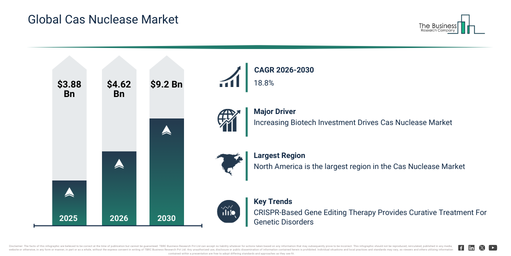
    The Cas nuclease sector has experienced significant expansion lately, with projections indicating a rise from $3.88 billion in 2025 to $4.62 billion in 2026, demonstrating a compound annual growth rate of 19.0%. Several factors fueled this historical growth, including breakthroughs in CRISPR-Cas innovation, increased investment in genomic research, broader application of gene editing techniques in experimental organisms, the initiation of early-stage gene therapy clinical studies, and the escalating acceptance of Cas9-based technologies.

    The cas nuclease sector is poised for substantial expansion over the coming years, projected to reach a market valuation of $9.2 billion by 2030, driven by an impressive compound annual growth rate of 18.8%. This anticipated upswing is fueled by several key factors, including escalating investments in precision medicine initiatives, the broadening of gene therapy research programs, a robust and increasing need for engineered crop genomes, progressively clearer regulatory frameworks governing gene editing technologies, and ongoing advancements in methods for delivering these editing tools. Furthermore, the forecast period is expected to witness significant trends such as the wider implementation of highly accurate CRISPR editing systems, accelerated development of advanced CAS variants, heightened demand for precise gene therapy solutions, a greater presence of genome editing within the agricultural domain, and a more pronounced emphasis on techniques designed to minimize unintended genetic alterations.

    Download A Free Sample Report For Comprehensive Market Insights:

    https://www.thebusinessresearchcompany.com/sample.aspx?id=18987&type=smp

    Cas Nuclease Market Growth Momentum: Which Factors Are Influencing Demand?

    Forward momentum for the Cas nuclease market is anticipated due to amplified financial commitment in the biotechnology sector. This escalated biotechnology investment stems from significant scientific research discoveries, a growing need for sophisticated healthcare solutions, the broadening scope of biotech applications across various fields, and the substantial commercial prospects inherent in new inventions and technological advancements. Such bolstered investment in biotechnology specifically expedites the progress of gene-editing tools within medical, agricultural, and scientific research domains. Illustratively, the UK’s life sciences and biotechnology industry secured £2.61 billion in funding during the initial six months of 2024, as reported in August 2024 by the UK Bioindustry Association (BIA), an organization representing the UK’s innovative life sciences and biotech enterprises, which exceeded the total £2.38 billion raised throughout the entirety of 2023. Consequently, this heightened investment in biotechnology is acting as a catalyst for the expansion of the Cas nuclease market.

    Cas Nuclease Market Segmentation Trends And Revenue Drivers

    The cas nuclease market covered in this report is segmented –

    1) By Type: Cas9, Cas12, Cas13, Other Cas Nucleases

    2) By Delivery Method: Viral Vectors, Lipid Nanoparticles, Electroporation, Microinjection, Transposons

    3) By Distribution Channel: Direct Sales, Distributor

    4) By Application: Gene Editing Cell Line Construction, Animal Models, Bioagriculture, Gene Therapy, Other Applications

    5) By End-User: Academic And Government Research Institutions, Biotechnology And Pharmaceutical Companies, Contract Research Organizations (CROS), Agricultural Biotechnology Companies, Other End-Users

    Subsegments:

    1) By Cas9: Streptococcus Pyogenes Cas9 (SpCas9), Staphylococcus Aureus Cas9 (SaCas9)

    2) By Cas12: Cas12a (Cpf1), Cas12b

    3) By Cas13: Cas13a, Cas13b

    4) By Other Cas Nucleases: Cas14, CasX, CasY

    Cas Nuclease Market Trends Reshaping Industry Growth

    To maintain their competitive edge within the Cas nuclease sector, leading enterprises are prioritizing the innovation of cutting-edge technological advancements, specifically CRISPR-directed gene editing therapies. This therapeutic modality involves leveraging the CRISPR-Cas9 system as a medical strategy to accurately alter DNA sequences in living beings, thereby addressing hereditary conditions through the correction of genetic defects at a molecular scale.\

    A notable development occurred in November 2023 when Vertex Pharmaceuticals Incorporated, a United States-based biopharmaceutical firm, in collaboration with CRISPR Therapeutics, a Swiss gene editing enterprise, revealed the approval of CASGEVY (exagamglogene autotemcel) by the UK’s Medicines and Healthcare Products Regulatory Agency (MHRA). This event represents a landmark achievement, signifying the inaugural gene therapy employing CRISPR/Cas9 technology to receive regulatory clearance for the treatment of sickle cell disease (SCD) and transfusion-dependent beta thalassemia (TDT) in individuals aged twelve and above.

    #Cas Nuclease Market Industry Leaders: Which Organizations Are Driving Competition?

    Major companies operating in the cas nuclease market are Thermo Fisher Scientific Inc., AstraZeneca PLC, Merck KGaA, Vertex Pharmaceuticals, Agilent Technologies Inc., Bio-Rad Laboratories Inc., Promega Corporation, GenScript Biotech Corporation, CRISPR Therapeutics AG, Integrated DNA Technologies Inc., Takara Bio Inc., New England Biolabs Inc., Horizon Discovery Group plc, OriGene Technologies Inc., Applied Biological Materials Inc. (ABM), Synthego Corporation, Novoprotein Scientific Inc., genOway, Precision BioSciences, Editas Medicine, Creative Biolabs, Cellectis, Caribou Biosciences, Addgene

    Access The Complete Cas Nuclease Market Report:

    https://www.thebusinessresearchcompany.com/report/cas-nuclease-global-market-report

    Cas Nuclease Market Global Footprint: Which Region Holds Market Leadership?

    North Americawas the largest region in the Cas nuclease market in 2025. Asia-Pacificis expected to be the fastest-growing region in the forecast period. The regions covered in the cas nuclease market report are Asia-Pacific, South East Asia, Western Europe, Eastern Europe, North America, South America, Middle East, Africa.

    Get in touch with us:

    The Business Research Company: https://www.thebusinessresearchcompany.com/

    Americas: +1 310-496-7795

    Asia: +44 7882 955267 & +91 8897263534

    Europe: +44 7882 955267

    Email us at: marketing@tbrc.info

    Follow us on:

    LinkedIn: https://in.linkedin.com/company/the-business-research-company

    YouTube: https://www.youtube.com/channel/UC24_fI0rV8cR5DxlCpgmyFQ

    Global Market Model: https://www.thebusinessresearchcompany.com/global-market-model
  • Cartilage Repair Market Forecast Reveals Where Future Industry Value Will Be Created

    Cartilage Repair Market Forecast Reveals Where Future Industry Value Will Be Created

    Through market attractiveness analysis, total addressable market evaluation, company benchmarking matrices, interactive Excel dashboards, expanded supply chain intelligence, emerging startup coverage, and detailed product insights, The Business Research Company’s 2026 market reports provide more actionable and strategically valuable research.

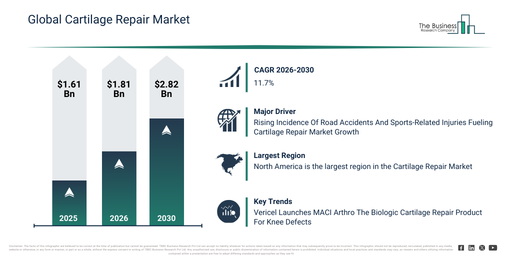
    Cartilage Repair Market Expected To Reach $2.81 Billion By 2030 At 11.7% CAGR

    The market for cartilage repair experienced substantial expansion recently, projecting a rise from $1.61 billion in 2025 to $1.81 billion in 2026, underpinned by a compound annual growth rate of 11.9%. Factors fueling this growth during the preceding period included a higher prevalence of joint injuries, an increase in sports-related orthopedic ailments, greater acceptance of surgical interventions for cartilage repair, innovations in biomaterials, and the proliferation of specialized orthopedic clinics.

    The global market for cartilage repair is poised for significant expansion over the upcoming years, projecting an increase to $2.82 billion by 2030, driven by a compound annual growth rate of 11.7%. This anticipated growth throughout the forecast period is fueled by a confluence of factors, including escalating demand for regenerative medicine, a surge in investment for tissue engineering research, the broadening availability of personalized orthopedic interventions, a heightened emphasis on biological repair techniques, and a greater prevalence of ambulatory orthopedic surgeries. Key developments anticipated during this timeframe encompass the increasing uptake of cell-based cartilage repair approaches, a greater utilization of stem cell and regenerative therapies, a growing preference for less invasive repair methods, advancements in scaffold-based regeneration technologies, and an amplified focus on strategies for long-term joint health maintenance.

    Download A Free Sample Report For Comprehensive Market Insights:

    https://www.thebusinessresearchcompany.com/sample.aspx?id=13400&type=smp

    Cartilage Repair Market Expansion Drivers: What Is Shaping Future Growth?

    The escalating frequency of traffic collisions and injuries sustained during athletic pursuits is anticipated to be a primary catalyst for the expansion of the cartilage repair sector. Traffic accidents encompass incidents involving automobiles, pedestrians, or cyclists on public thoroughfares. Conversely, sports-related injuries denote harm incurred during engagement in diverse athletic endeavors and physical pastimes. An uptick in both traffic incidents and sports-related harm substantially amplifies the demand for cartilage repair treatments aimed at rehabilitating compromised cartilage, mitigating discomfort, and enhancing joint performance stemming from these types of injuries. To illustrate, a report from the Transport Accident Commission, an Australian governmental body, indicated that for the fiscal year ending June 30, 2025, 296 fatalities were recorded on roadways, an increase from the 287 deaths observed during the preceding year, signifying a rise of 9 lives lost. Consequently, the increasing incidence of traffic accidents and sports-related injuries is a key determinant in the upward trajectory of the cartilage repair market.

    Cartilage Repair Market Segment Analysis Highlighting Growth Areas

    The cartilage repair market covered in this report is segmented –

    1) By Treatment Modality: Cell-Based, Non-Cell-Based

    2) By Site: Knee, Hip, Ankle And Foot, Other Application Sites

    3) By Application: Hyaline Cartilage, Fibrocartilage

    4) By End User: Hospital And Clinic, Ambulatory Surgical Center (ASC), Other End-Users

    Subsegments:

    1) By Cell-Based Treatments: Autologous Chondrocyte Implantation (ACI), Stem Cell Therapy, Matrix-Induced Autologous Chondrocyte Implantation (MACI)

    2) By Non-Cell-Based Treatments: Scaffold-Based Treatment, Osteochondral Grafts, Synthetic Implants

    Cartilage Repair Market Strategic Trends: What Is Defining The Next Phase Of Growth?

    Leading players within the cartilage repair sector are actively developing cutting-edge solutions, specifically biologic cartilage repair options, aiming to enhance the treatment landscape for cartilage injuries and foster inherent regenerative processes. These biologic cartilage repair products encompass therapies sourced from living organisms, including cells, tissues, or potent growth factors, engineered for the restoration or renewal of compromised cartilage. As an illustration, in August of 2024, Vericel, a prominent biotechnology firm headquartered in the United States, introduced MACI Arthro, a product featuring autologous cultured chondrocytes embedded on a porcine collagen membrane, subsequently gaining clearance from a United States federal body tasked with safeguarding public well-being. MACI Arthro represents a novel biologic cartilage repair innovation intended for the management of articular cartilage defects within the knee. This groundbreaking therapy empowers surgical professionals to address symptomatic full-thickness cartilage lesions in the knee, extending up to 4 square centimeters in area, utilizing less invasive surgical approaches. The MACI Arthro system facilitates the assessment and preparation of the damaged site via minor incisions, employing specifically engineered instruments, marking a substantial progression compared to conventional methodologies.

    Cartilage Repair Market Leading Companies: Who Holds Significant Market Presence?

    Major companies operating in the cartilage repair market are Stryker Corporation, Zimmer Biomet Holdings Inc, Smith and Nephew plc, Arthrex Inc, CONMED Corporation, Vericel Corporation, Anika Therapeutics Inc, MEDIPOST Co Ltd, Histogenics Corporation, ISTO Technologies Inc, Regentis Biomaterials Ltd, CartiHeal Ltd, Aesculap AG, Medacta International SA, Mathys AG Bettlach, JRI Orthopaedics Ltd, Waldemar Link GmbH and Co KG, Teijin Nakashima Medical Co Ltd, BioPoly LLC, Orthocell Ltd

    Access The Complete Cartilage Repair Market Report:

    https://www.thebusinessresearchcompany.com/report/cartilage-repair-global-market-report

    Cartilage Repair Market Regional Distribution: Which Areas Drive Market Expansion?

    North Americawas the largest region in the cartilage repair market in 2025. Asia-Pacificis expected to be the fastest-growing region in the forecast period. The regions covered in the cartilage repair market report are Asia-Pacific, South East Asia, Western Europe, Eastern Europe, North America, South America, Middle East, Africa.

    Get in touch with us:

    The Business Research Company: https://www.thebusinessresearchcompany.com/

    Americas: +1 310-496-7795

    Asia: +44 7882 955267 & +91 8897263534

    Europe: +44 7882 955267

    Email us at: marketing@tbrc.info

    Follow us on:

    LinkedIn: https://in.linkedin.com/company/the-business-research-company

    YouTube: https://www.youtube.com/channel/UC24_fI0rV8cR5DxlCpgmyFQ

    Global Market Model: https://www.thebusinessresearchcompany.com/global-market-model
  • Cartilage Degeneration Market Growth Through 2030 Creates New Strategic Opportunities

    Cartilage Degeneration Market Growth Through 2030 Creates New Strategic Opportunities

    Delivering more actionable and strategically valuable research, The Business Research Company’s 2026 market reports feature market attractiveness analysis, total addressable market evaluation, company benchmarking matrices, interactive Excel dashboards, expanded supply chain intelligence, emerging startup coverage, and detailed product insights.

    #Cartilage Degeneration Market Size And Revenue Forecast Through 2030

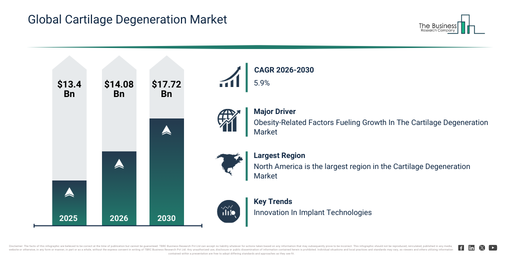
    The market for cartilage degeneration remedies experienced robust expansion historically. Projections indicate this sector will expand from \$13.4 billion in 2025 to \$14.08 billion in 2026, reflecting a compound annual growth rate of 5.0%. This past growth trajectory was fueled by factors such as the escalating prevalence of osteoarthritis, a greater number of orthopedic surgical interventions, an increasing elderly demographic, the introduction of sophisticated surgical methods, and the uptake of therapies aimed at preserving joint health.

    The market for cartilage degeneration is poised for considerable expansion, projecting a valuation of $17.72 billion by 2030, fueled by a compound annual growth rate of 5.9%. This anticipated surge over the forecast period is largely attributable to heightened investments in regenerative medicine research, a growing preference for biological cartilage repair options, the broader application of stem cell therapies, an increased emphasis on tailored orthopedic treatments, and the wider adoption of sophisticated cartilage restoration techniques. Key developments shaping this market in the coming years will involve a greater embrace of cell-based cartilage repair methods, a rise in the utilization of minimally invasive surgical interventions, escalating demand for regenerative medicine products, advancements in sophisticated imaging and diagnostic technologies, and a more pronounced concentration on ensuring the longevity of joint health.

    Download A Free Sample Report For Comprehensive Market Insights:

    https://www.thebusinessresearchcompany.com/sample.aspx?id=13103&type=smp

    Cartilage Degeneration Market Development Factors: Which Trends Are Supporting Demand?

    The escalating rates of obesity are anticipated to be a significant catalyst for the expansion of the cartilage degeneration market. This condition, defined by an unhealthy surplus of body fat, directly contributes to and hastens the deterioration of cartilage through elevated pressure and heightened inflammatory responses within the joint. Furthermore, obesity triggers a cascade of detrimental alterations to the knee joint’s overall structure, manifesting as improper weight distribution, misalignment, and diminished muscular strength. As an illustration, data from the UK’s National Health Service (NHS) Digital revealed a rise in childhood obesity among 4 to 5-year-olds, climbing from 9.2% in the 2022/23 period to 9.6% in 2023/24. Consequently, this growing obesity epidemic is a key factor fueling the upward trajectory of the cartilage degeneration market.

    Cartilage Degeneration Market Segment Performance And Strategic Opportunities

    The cartilage degeneration market covered in this report is segmented –

    1) By Procedure: Joint Replacements, Chondroplasty, Osteochondral Transplants, Microfracture, Meniscus Transplants, Cell-Based Cartilage Resurfacing, Autologous Chondrocyte Implantation, Other Procedures

    2) By Application: Knee, Hip, Other Applications

    3) By End User: Hospitals And Specialty Clinics, Ambulatory Surgical Centers, Academic And Research Institutes

    Subsegments:

    1) By Joint Replacements: Knee Replacement (Partial, Total), Hip Replacement (Partial, Total), Shoulder Replacement (Total, Reverse), Other Joints (Ankle, Elbow, Wrist)

    2) By Chondroplasty: Radiofrequency Ablation Chondroplasty, Mechanical Chondroplasty, Thermal Chondroplasty, Arthroscopic Chondroplasty

    3) By Osteochondral Transplants: Autografts (OATS), Allografts (Fresh Osteochondral Allografts), Synthetic Implants

    4) By Microfracture: Traditional Microfracture, Augmented Microfracture (with scaffolds or matrix implants)

    5) By Meniscus Transplants: Allograft Meniscus Transplantation (Cryopreserved, Fresh Frozen), Synthetic Meniscus Implants

    6) By Cell-Based Cartilage Resurfacing: Autologous Cell-Based Therapy, Allogeneic Cell-Based Therapy, Stem Cell-Based Cartilage Repair

    7) By Autologous Chondrocyte Implantation (ACI): First-Generation ACI, Second-Generation ACI, Third-Generation ACI (MACI)

    8) By Other Procedures: Arthroscopic Debridement, Osteotomy, Cartilage Repair Using Synthetic Scaffolds, Injection-Based Therapies (Hyaluronic Acid, PRP, Stem Cell Injections)

    Cartilage Degeneration Market Transformation Trends: Which Innovations Are Driving Change?

    Leading entities within the cartilage degeneration sector are prioritizing regenerative treatment approaches to solidify their market standing. These regenerative treatments leverage sophisticated biological methodologies aimed at mending or substituting compromised cartilage, thereby stimulating inherent restorative mechanisms. As an illustration, in the year 2023, Zimmer Biomet, a prominent American medical device firm, introduced its Tissue Regeneration System. This innovative system employs a patented scaffold technology engineered to bolster cartilage repair. It incorporates materials that are compatible with biological systems, fostering cellular proliferation and assimilation with adjacent tissues, which substantially improves recovery results. Furthermore, the system provides adaptable configurations designed to meet specific patient requirements, thereby amplifying its efficacy. These advancements underscore a widespread movement toward individualized treatment paradigms in managing cartilage degeneration, confronting the escalating incidence of osteoarthritis and athletic injuries, while simultaneously encouraging swifter convalescence and elevated levels of patient contentment.

    Cartilage Degeneration Market Key Players: Which Companies Shape Industry Competition?

    Major companies operating in the cartilage degeneration market are Johnson & Johnson Services Inc., MEDIPOST Co. Ltd., Medtronic plc, Stryker Corporation, Zimmer Biomet Holdings Inc., Smith and Nephew plc, Osiris Therapeutics Inc., Arthrex Inc., Conmed Corporation, Orthocell Ltd., Bioventus LLC, Aesculap Inc., Vericel Corporation, Anika Therapeutics Inc., Geistlich Pharma AG, MatTek Corporation, Breg Inc., Isto Biologics Inc., OrthoTrophix LLC, CellGenix GmbH, CartiHeal Inc., Cayenne Medical Inc., Collagen Solutions plc, Regentis Biomaterials Ltd., Histogen Inc., BioTime Inc., CollPlant Holdings Ltd.

    Access The Complete Cartilage Degeneration Market Report:

    https://www.thebusinessresearchcompany.com/report/cartilage-degeneration-global-market-report

    Cartilage Degeneration Market Leading Geography: Which Region Generates The Most Revenue?

    North Americawas the largest region in the cartilage degeneration market in 2025. Asia-Pacificis expected to be the fastest-growing region in the forecast period. The regions covered in the cartilage degeneration market report are Asia-Pacific, South East Asia, Western Europe, Eastern Europe, North America, South America, Middle East, Africa.

    Get in touch with us:

    The Business Research Company: https://www.thebusinessresearchcompany.com/

    Americas: +1 310-496-7795

    Asia: +44 7882 955267 & +91 8897263534

    Europe: +44 7882 955267

    Email us at: marketing@tbrc.info

    Follow us on:

    LinkedIn: https://in.linkedin.com/company/the-business-research-company

    YouTube: https://www.youtube.com/channel/UC24_fI0rV8cR5DxlCpgmyFQ

    Global Market Model: https://www.thebusinessresearchcompany.com/global-market-model
  • Carrier Screening Market Size Projected To Increase From $3.67 Billion To $6.57 Billion During The Forecast Period

    Carrier Screening Market Size Projected To Increase From $3.67 Billion To $6.57 Billion During The Forecast Period

    Enhanced with market attractiveness analysis, total addressable market evaluation, company benchmarking matrices, interactive Excel dashboards, expanded supply chain intelligence, emerging startup coverage, and detailed product insights, The Business Research Company’s 2026 market reports deliver more actionable and strategically valuable research.

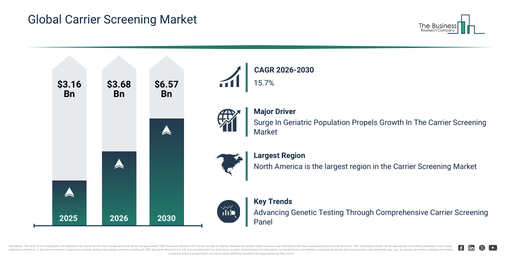
    Carrier Screening Market Growth From $3.67 Billion In 2026 To $6.57 Billion By 2030 At A CAGR Of 15.7%

    The market for carrier screening has experienced significant expansion recently, projected to increase from $3.16 billion in 2025 to $3.68 billion in 2026, reflecting a compound annual growth rate of 16.3%. This robust growth trajectory in the historical period is largely a consequence of heightened public understanding of genetic conditions, a broader availability of prenatal and preconception screening options, improvements in DNA sequencing techniques, increased reliance on laboratory diagnostic methods, and enhanced accessibility to professional genetic counseling.

    The carrier screening market is poised for substantial expansion over the coming years, projected to reach $6.57 billion by 2030, driven by a robust compound annual growth rate of 15.7%. This anticipated surge is fueled by several key factors, including a heightened demand for personalized medical approaches, escalating investments in genomic research endeavors, the broader implementation of population-based screening programs, the increasing application of artificial intelligence in genomic data analysis, and a greater emphasis on proactive healthcare strategies. During this forecast horizon, significant market developments are expected to unfold, such as a greater uptake of comprehensive carrier screening panels, the continued advancement and utilization of next-generation sequencing technologies, the growing incorporation of AI for deciphering genetic information, the wider accessibility of preventive genetic testing, and an intensified focus on screening for reproductive health.

    Download A Free Sample Report For Comprehensive Market Insights:

    https://www.thebusinessresearchcompany.com/sample.aspx?id=7952&type=smp

    Carrier Screening Market Industry Drivers: What Is Driving Revenue Growth?

    The expansion of the carrier screening market is projected to be fueled by the growing elderly demographic. This segment, comprising older individuals, may increasingly turn to carrier screening services, particularly when considering parenthood at an advanced age. Such screening can offer valuable insights into potential genetic risks linked to later-life conception as part of preconception or prenatal care. Illustrating this demographic shift, the Office for the National Statistics in the UK reported that in 2024, the population aged 90 and above reached 625,000, a rise from 612,000 in mid-2023, signifying a 2.2% increase. Consequently, this escalating geriatric population is a significant driver for the carrier screening market’s advancement.

    #Carrier Screening Market Segment Landscape And Growth Potential

    The carrier screening market covered in this report is segmented –

    1) By Type: Expanded Carrier Screening, Targeted Disease Carrier Screening

    2) By Medical Condition: Pulmonary Conditions, Hematological Conditions, Neurological Conditions, Other Medical Conditions

    3) By Technology: DNA Sequencing, Polymerase Chain Reaction, Microarrays, Other Technologies

    4) By End User: Hospitals, Reference Laboratories, Physician Offices And Clinics, Other End Users

    Subsegments:

    1) By Expanded Carrier Screening: Next-Generation Sequencing (NGS) Panels, Comprehensive Carrier Screening Tests

    2) By Targeted Disease Carrier Screening: Single Gene Tests, Disease-Specific Panels, Ethnic Or Population-Specific Screening Tests

    #Carrier Screening Market Growth Trends: What Is Influencing The Future Outlook?

    In the competitive landscape of the carrier screening sector, leading entities are prioritizing innovation through initiatives like the development of advanced carrier screening panels to solidify their market standing. These specialized panels consist of a compilation of genetic assessments designed to detect carriers of specific genetic disorder mutations, irrespective of whether the individual displays any health symptoms. As an illustration, in February of 2023, Fulgent Genetics, Inc., a prominent United States-based firm renowned for its expertise in genetic testing and diagnostic solutions, unveiled its new Beacon787 comprehensive carrier screening panel. This cutting-edge panel encompasses 787 genes associated with both autosomal recessive and X-linked disorders, incorporating all genes categorized by the American College of Medical Genetics and Genomics (ACMG) as Tier 3. The integration of these genes is consistent with the latest practical recommendations from the ACMG, which endorse thorough screening for all expectant mothers and individuals contemplating conception. Fulgent’s Beacon787 is strategically designed to offer a fair and inclusive screening method applicable across diverse ethnic groups, underscoring the company’s dedication to enhancing genetic testing capabilities for a wider spectrum of diseases and supporting well-informed family planning choices.

    Carrier Screening Market Competitive Landscape: Who Are The Leading Companies?

    Major companies operating in the carrier screening market are Invitae Corporation, BGI Genomics Co. Ltd., Centogene NV, Eurofins Scientific SE, Fulgent Genetics Inc., Illumina Inc., Laboratory Corporation of America Holdings, MedGenome Inc., Myriad Genetics Inc., Natera Inc., OPKO Health Inc., Otogenetics Corporation, Quest Diagnostics Inc., Sema4 Holdings Corporation, Thermo Fisher Scientific Inc., Associated Regional and University Pathologists Inc., GeneDx LLC, GenPath Consultants and Technologies Private Limited, Good Start Genetics Inc., NIPD Genetics Co. Pvt. Ltd., Pathway Genomics Corp., PerkinElmer Inc., PreventionGenetics LLC, Progenity Inc.

    Access The Complete Carrier Screening Market Report:

    https://www.thebusinessresearchcompany.com/report/carrier-screening-global-market-report

    Carrier Screening Market Regional Outlook: Where Are The Largest Opportunities Located?

    North Americawas the largest region in the carrier screening market in 2025. Asia-Pacificis expected to be the fastest-growing region in the carrier screening market report during the forecast period. The regions covered in the carrier screening market report are Asia-Pacific, South East Asia, Western Europe, Eastern Europe, North America, South America, Middle East, Africa.

    Get in touch with us:

    The Business Research Company: https://www.thebusinessresearchcompany.com/

    Americas: +1 310-496-7795

    Asia: +44 7882 955267 & +91 8897263534

    Europe: +44 7882 955267

    Email us at: marketing@tbrc.info

    Follow us on:

    LinkedIn: https://in.linkedin.com/company/the-business-research-company

    YouTube: https://www.youtube.com/channel/UC24_fI0rV8cR5DxlCpgmyFQ

    Global Market Model: https://www.thebusinessresearchcompany.com/global-market-model

  • Automation In Biopharma Industry Market Trends Are Creating New Opportunities For Industry Leaders

    Automation In Biopharma Industry Market Trends Are Creating New Opportunities For Industry Leaders

    Through market attractiveness analysis, total addressable market evaluation, company benchmarking matrices, interactive Excel dashboards, expanded supply chain intelligence, emerging startup coverage, and detailed product insights, The Business Research Company’s 2026 market reports provide more actionable and strategically valuable research.

    Automation In Biopharma Industry Market Expected To Reach $3.15 Billion By 2030 At 7.7% CAGR

    The biopharmaceutical sector’s automation market has witnessed robust expansion, projected to increase from $2.19 billion in 2025 to $2.35 billion in 2026, reflecting a compound annual growth rate of 7.1%. This upward trajectory during the historical period is underpinned by several key factors, including the escalating complexity associated with biologic drug manufacturing, a growing need for scalable biopharmaceutical production capabilities, the early embracement of laboratory automation solutions, the proliferation of contract manufacturing services, and significant advancements in process control technologies.

    The biopharmaceutical sector’s automation market is poised for significant expansion, projecting a valuation of $3.16 billion by 2030, reflecting a compound annual growth rate of 7.7%. This anticipated surge is fueled by escalating investments in intelligent biomanufacturing infrastructure, the wider embrace of continuous production methods, advancements in personalized biologic manufacturing, a heightened need for regulatory adherence in automation, and a concentrated effort to refine manufacturing output. Key developments shaping this period include the increasing deployment of automated production systems, the greater incorporation of digital twin methodologies, the expanded utilization of automated quality assurance processes, comprehensive automation across bioprocessing, and a stronger emphasis on manufacturing guided by data analytics.

    Download A Free Sample Report For Comprehensive Market Insights:

    https://www.thebusinessresearchcompany.com/sample.aspx?id=12704&type=smp

    #Automation In Biopharma Industry Market Growth Drivers And Industry Catalysts

    The expanding utilization of robotic systems within the pharmaceutical production sector is anticipated to be a significant catalyst for the advancement of the automation in the biopharma industry market. These sophisticated automated systems and machinery are instrumental in executing diverse functions throughout the creation and packaging of medicinal goods. Their application spans numerous facets of pharmaceutical manufacturing, including but not limited to, secondary packaging operations, internal logistics management, laboratory process automation, pick-and-place activities, the streamlining of pharmacy workflows, and the development of personalized medicines. Such widespread deployment leads to substantial improvements in productivity, elevates precision levels, minimizes contamination risks, and bolsters the safety of the workforce. Illustrating this trend, September 2024 data from the International Federation of Robotics, a renowned German non-profit entity, indicated a robust 9% surge in industrial robot installations across Europe’s manufacturing landscape, achieving an all-time peak of 92,393 units. Notably, a substantial 80% of these installations, amounting to 73,534 units, were situated within the European Union, reflecting a 2% year-over-year increase. Consequently, the escalating integration of robots in pharmaceutical manufacturing is poised to propel the expansion of the automation in biopharma industry market.

    Automation In Biopharma Industry Market Segment Breakdown: Which Categories Generate The Most Revenue?

    The automation in biopharma industry market covered in this report is segmented –

    1) By Technology: Automation Technology, Digitization Technology

    2) By Component: Automation Hardware, Automation Software, Services Project Phase, Services Operation Phase

    3) By Application: Clinical Phase, Drug Discovery Phase, Production Phase

    Subsegments:

    1) By Automation Technology: Process Automation, Laboratory Automation, Robotics And Artificial Intelligence, Control Systems, Programmable Logic Controllers (PLCs)

    2) By Digitization Technology: Data Analytics And Visualization, Electronic Lab Notebooks (ELN), Cloud Computing, Internet Of Things (IoT) In Pharma, Digital Twin Technology

    #Automation In Biopharma Industry Market Trends Influencing Long-Term Demand

    Within the biopharmaceutical sector, leading enterprises are actively driving automation initiatives, specifically targeting the enhancement of technological capabilities like robotic platforms designed for cell-therapy production. These advanced systems are engineered to achieve large-scale, highly efficient, and accuracy-improved manufacturing of sophisticated therapies. A typical robotic cell-therapy manufacturing setup integrates autonomous mobile units, sterile liquid management tools, automated pipe joining mechanisms, and digitized workflow oversight, creating a completely sealed and adaptable environment. This stands in stark contrast to conventional manual bioprocessing methods, which are considerably labor-intensive and utilize open containment strategies. As an illustration, in May of 2023, Cellular Origins, a UK entity specializing in life sciences automation, introduced Constellation, an adaptable robotic framework intended for the creation of cutting-edge therapies. This platform features integrated autonomous mobile robots, aseptic liquid conveyance systems, and modular processing stations, facilitating smooth incorporation into established bioprocessing operations. It achieves a remarkable 30-fold improvement in spatial utilization, necessitates 16 times less human effort, and slashes manufacturing expenses by 51%, all while providing comprehensive digital connectivity for quality assurance and remote oversight.

    Automation In Biopharma Industry Market Key Players And Strategic Industry Positioning

    Major companies operating in the automation in biopharma industry market are F. Hoffmann-La Roche Ltd., Thermo Fisher Scientific Inc., Danaher Corporation, ABB Ltd, Siemens Healthineers AG, Emerson Electric Co., Becton Dickinson and Company (BD), Corning Incorporated, Rockwell Automation Inc., Agilent Technologies Inc., PerkinElmer Inc., Sartorius AG, bioMérieux SA, Mettler-Toledo International Inc., Beckman Coulter Inc., Waters Corporation, Pall Corporation, Bruker Corporation, Qiagen N.V., Eppendorf AG, Tecan Group Ltd., Promega Corporation, Brooks Automation Inc., Omron Automation, Hamilton Company, Integra Biosciences AG, Gilson Inc., Analytik Jena AG, BioTek Instruments Inc.

    Access The Complete Automation In Biopharma Industry Market Report:

    https://www.thebusinessresearchcompany.com/report/automation-in-biopharma-industry-global-market-report

    Automation In Biopharma Industry Market Global Footprint: Which Region Holds Market Leadership?

    North Americawas the largest region in the automation in biopharma industry market in 2025. The regions covered in the automation in biopharma industry market report are Asia-Pacific, South East Asia, Western Europe, Eastern Europe, North America, South America, Middle East, Africa.

    Get in touch with us:

    The Business Research Company: https://www.thebusinessresearchcompany.com/

    Americas: +1 310-496-7795

    Asia: +44 7882 955267 & +91 8897263534

    Europe: +44 7882 955267

    Email us at: marketing@tbrc.info

    Follow us on:

    LinkedIn: https://in.linkedin.com/company/the-business-research-company

    YouTube: https://www.youtube.com/channel/UC24_fI0rV8cR5DxlCpgmyFQ

    Global Market Model: https://www.thebusinessresearchcompany.com/global-market-model
  • Automated Sample Preparation Market Growth Is Reshaping Competitive Advantage Across The Industry

    Automated Sample Preparation Market Growth Is Reshaping Competitive Advantage Across The Industry

    Delivering more actionable and strategically valuable research, The Business Research Company’s 2026 market reports feature market attractiveness analysis, total addressable market evaluation, company benchmarking matrices, interactive Excel dashboards, expanded supply chain intelligence, emerging startup coverage, and detailed product insights.

    #Automated Sample Preparation Market Size And Revenue Forecast Through 2030

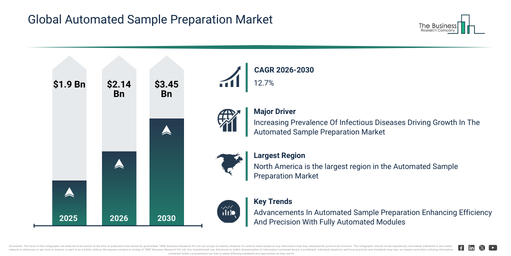
    The market for automated sample preparation has experienced notable expansion lately, with projections indicating a rise from $1.9 billion in 2025 to $2.14 billion in 2026, reflecting a compound annual growth rate of 13.0%. This upward trajectory is underpinned by several key factors that fueled its expansion during the preceding period, including the proliferation of laboratory automation strategies, a surge in the quantity of clinical and research specimens processed, a heightened emphasis on achieving consistent and repeatable test results, the widening scope of pharmaceutical research and development endeavors, and the accessibility of sophisticated laboratory equipment.

    Anticipate a swift expansion in the automated sample preparation sector over the forthcoming years, projecting a market valuation of $3.45 billion by 2030, fueled by a compound annual growth rate of 12.7%. This projected growth trajectory is propelled by several key factors, including the escalating implementation of fully automated laboratory environments, a surge in the need for accurate diagnostic capabilities, the broadening scope of personalized medicine investigations, increased capital outlay for intelligent laboratory infrastructure, and the deepening integration of artificial intelligence-powered analytics within sample preparation processes. Prominent trends expected to shape this market during the forecast period encompass a greater prevalence of robotic liquid handling systems, a heightened demand for systems capable of processing samples at high volumes, the expanding utilization of automated workstations in laboratory settings, a focus on minimizing errors through advanced sample handling techniques, and an overall improvement in the standardization of laboratory operational flows.

    Download A Free Sample Report For Comprehensive Market Insights:

    https://www.thebusinessresearchcompany.com/sample.aspx?id=19325&type=smp

    Automated Sample Preparation Market Opportunity Drivers: What Is Creating New Revenue Potential?

    The expanding incidence of infectious diseases is anticipated to be a significant driver for the advancement of the automated sample preparation market. These ailments, stemming from microorganisms like bacteria, viruses, fungi, or parasites, possess the capability to transmit between individuals or via contaminated means. Factors such as deficient hygiene, limited healthcare accessibility, climatic shifts, and the emergence of antimicrobial resistance are contributing to the surge in infectious disease occurrences. Automated sample preparation techniques boost the precision and effectiveness of diagnosing infectious diseases by streamlining and standardizing the handling of biological specimens, consequently minimizing human mistakes and ensuring dependable outcomes in high-volume testing scenarios. Illustratively, as reported by the Centers for Disease Control and Prevention (CDC) in March 2024, the United States witnessed a jump in tuberculosis cases from 8,320 in 2022 to 9,615 in 2023, marking a rise of 1,295 cases, with the incidence rate climbing from 2.5 per 100,000 individuals in 2022 to 2.9 in 2023. Consequently, the escalating spread of infectious diseases is fueling the expansion of the automated sample preparation sector.

    Automated Sample Preparation Market Segmentation: How Is The Market Structured Across Key Categories?

    The automated sample preparation market covered in this report is segmented –

    1) By Product Type: Kits And Consumables, Instruments

    2) By Application: Research And Development, Diagnostics

    3) By End User: Biotechnology And Pharmaceutical Companies, Clinical And Diagnostic Laboratories, Academic And Research Institutions

    Subsegments:

    1) By Kits And Consumables: DNA/RNA Extraction Kits, Protein Purification Kits, Sample Collection Consumables, Reagents And Buffers, Assay Kits

    2) By Instruments: Automated Liquid Handling Systems, Magnetic Bead Separation Systems, Centrifuges, Robotically Controlled Pipetting Systems, Workstations For Sample Preparation

    Automated Sample Preparation Market Innovation Trends Driving Future Development

    Leading entities within the automated sample preparation sector are prioritizing the creation of sophisticated technologies, specifically fully automated sample preparation modules, with the aim of boosting operational efficiency, minimizing human-induced inaccuracies, and achieving greater consistency in laboratory workflows. These sophisticated modules are engineered to manage every phase of sample handling with exceedingly limited human input. As an illustration, in July of 2024, Shimadzu Corporation, a prominent Japanese producer of sophisticated scientific and medical instruments, introduced the MUP-3100, a fully automated sample preparation module engineered for glycan analysis, which effectively streamlines the initial processing of antibody glycans. This system, employing a six-axis robotic arm, automates critical steps including the measured dispensing of reagents and the meticulous processing of samples, thereby conserving labor, reducing the likelihood of procedural mistakes, and elevating workplace safety. With the capacity to process as many as 24 samples within a six-hour timeframe, the MUP-3100 offers a substantial acceleration of analytical processes when contrasted with conventional techniques that can span more than 48 hours. This cutting-edge apparatus presents considerable benefits, particularly for pharmaceutical firms and contract research organizations (CROs) engaged in the development of biosimilar medications and antibody-based therapeutics.

    Automated Sample Preparation Market Competitive Landscape And Leading Companies

    Major companies operating in the automated sample preparation market are F. Hoffmann-La Roche Ltd., Thermo Fisher Scientific Inc., Danaher Corporation, Agilent Technologies, Hitachi High-Technologies Corp, Sartorius AG, Mettler-Toledo International Inc., Shimadzu Corporation, PerkinElmer, Waters Corporation, Bio-Rad Laboratories, Bruker Corporation, QIAGEN NV, Eppendorf, Tecan Group, Hamilton Company, Malvern Panalytical, Promega Corporation, Biotage AB, Gilson Inc., Aurora Biomed

    Access The Complete Automated Sample Preparation Market Report:

    https://www.thebusinessresearchcompany.com/report/automated-sample-preparation-global-market-report

    Automated Sample Preparation Market Regional Distribution: Which Areas Drive Market Expansion?

    North Americawas the largest region in the automated sample preparation market in 2025. The regions covered in the automated sample preparation market report are Asia-Pacific, South East Asia, Western Europe, Eastern Europe, North America, South America, Middle East, Africa.

    Get in touch with us:

    The Business Research Company: https://www.thebusinessresearchcompany.com/

    Americas: +1 310-496-7795

    Asia: +44 7882 955267 & +91 8897263534

    Europe: +44 7882 955267

    Email us at: marketing@tbrc.info

    Follow us on:

    LinkedIn: https://in.linkedin.com/company/the-business-research-company

    YouTube: https://www.youtube.com/channel/UC24_fI0rV8cR5DxlCpgmyFQ

    Global Market Model: https://www.thebusinessresearchcompany.com/global-market-model