Month: June 2026

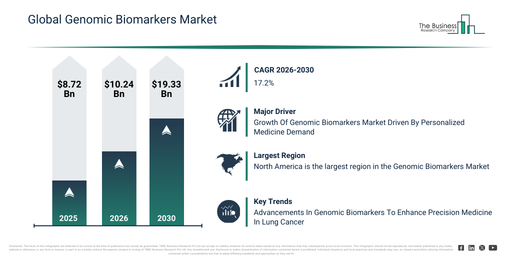
  • Genomic Biomarkers Market Growth Outlook Reveals A CAGR Of 17.2% And A Market Value Of $19.32 Billion By 2030

    Genomic Biomarkers Market Growth Outlook Reveals A CAGR Of 17.2% And A Market Value Of $19.32 Billion By 2030

    Enhanced with market attractiveness analysis, total addressable market evaluation, company benchmarking matrices, interactive Excel dashboards, expanded supply chain intelligence, emerging startup coverage, and detailed product insights, The Business Research Company’s 2026 market reports deliver more actionable and strategically valuable research.

    Genomic Biomarkers Market Growth From $10.24 Billion In 2026 To $19.32 Billion By 2030 At A CAGR Of 17.2%

    The market for genomic biomarkers has experienced substantial expansion, projecting a rise from $8.72 billion in 2025 to $10.24 billion in 2026, reflecting a compound annual growth rate of 17.5%. This growth trajectory is underpinned by key factors observed during the earlier period, including significant progress in genomic sequencing techniques, a broader focus on biomarker research within oncology, the escalating use of tailored therapeutic strategies, enhancements in the structures for clinical validation, and the increasing accessibility of genomic data repositories.

    The genomic biomarkers market is projected for swift expansion in the upcoming years. Anticipated to reach $19.33 billion by 2030, this growth trajectory reflects a compound annual growth rate (CAGR) of 17.2%. Multiple factors are expected to fuel this increase during the forecast period, including augmented funding for precision medicine initiatives, a heightened need for diagnostic tools enabling earlier disease identification, the broadening scope of drug development reliant on biomarkers, greater incorporation of artificial intelligence into genomic analysis, and escalating regulatory endorsement of individualized treatment approaches. Key developments anticipated within this timeframe involve a surge in the application of biomarker-directed precision medicine, increased utilization of genomic information in guiding clinical choices, a more prevalent use of companion diagnostics, the proliferation of multi-omics platforms for biomarker discovery, and a stronger emphasis on establishing robust clinical validation standards.

    Download A Free Sample Report For Comprehensive Market Insights:

    https://www.thebusinessresearchcompany.com/sample.aspx?id=19485&type=smp

    Genomic Biomarkers Market Growth Factors: Which Forces Are Supporting Market Expansion?

    The elevated need for healthcare tailored to individual patients, referred to as personalized or precision medicine, is poised to be a significant driver for the expansion of the genomic biomarkers market. This tailored medical strategy leverages an individual’s genetic and genomic profile to inform healthcare choices and treatment plans. Key contributors to this rising demand include a greater focus on patient-centered healthcare, continuous advancements in genetic sequencing and analysis technologies, and the integration of Electronic Health Records for robust data management and interpretation. Genomic biomarkers are instrumental in this paradigm, empowering clinicians to customize therapies based on a patient’s specific genetic composition, thereby enhancing treatment efficacy and mitigating adverse reactions. A notable illustration of this trend is the U.S. Food and Drug Administration’s approval of 16 new personalized treatments for rare disease patients in 2023, a substantial increase from the six approvals in 2022, as highlighted by the Personalized Medicine Coalition in February 2024. Consequently, the growing imperative for personalized medicine directly fuels the growth trajectory of the genomic biomarkers market.

    Genomic Biomarkers Market Segments: Where Are The Largest Growth Opportunities?

    The genomic biomarkers market covered in this report is segmented –

    1) By Type: Predictive Biomarkers, Prognostic Biomarkers

    2) By Disease Indication: Oncology, Cardiovascular Diseases, Neurological Diseases, Renal Disorders, Other Disease Indications

    3) By Validation: Analytical Validation, Clinical Validation, Clinical Utility

    4) By End-User: Hospitals, Diagnostic Centers, Other End-Users

    Subsegments:

    1) By Predictive Biomarkers: Drug Response Biomarkers, Companion Diagnostics Biomarkers, Pharmacodynamic Biomarkers, Predictive Genetic Markers for Disease Susceptibility

    2) By Prognostic Biomarkers: Cancer Prognostic Biomarkers, Cardiovascular Disease Prognostic Biomarkers, Neurodegenerative Disease Prognostic Biomarkers, Infectious Disease Prognostic Biomarkers

    Genomic Biomarkers Market Industry Trends: What Changes Are Reshaping Demand?

    Key players within the genomic biomarkers sector are concentrating their efforts on the creation of novel offerings, such as reagents for lung cancer diagnostics, aimed at refining the identification of particular genetic anomalies, boosting the precision of diagnoses, and enabling tailored therapeutic strategies through the application of cutting-edge genomic techniques. These specialized lung reagents, which are chemical or biological agents crucial for diagnostic assays, investigative studies, or therapeutic interventions concerning the lungs, play a vital role in advancing precision medicine by informing treatment decisions based on an individual’s unique cancer genetic makeup. As an illustration, in December 2023, Biofidelity, a United Kingdom enterprise dedicated to the advancement of sophisticated genomic testing and diagnostic accuracy, introduced its ASPYRE-Lung reagents. The purpose of the ASPYRE-Lung reagents is to pinpoint significant genetic mutations and changes within lung cancer, which are instrumental in directing the selection of targeted treatments and personalized care plans.

    Genomic Biomarkers Market Major Participants And Competitive Dynamics

    Major companies operating in the genomic biomarkers market are Thermo Fisher Scientific Inc., Roche Diagnostics International Ltd., Illumina Inc., PerkinElmer Inc., Almac Group, Azenta Inc., Novogene Corporation, Oxford Nanopore Technologies Ltd., Celerion, Quanterix Corporation, Bio-Rad Laboratories Inc., NantHealth Inc., Centogene N.V., Sophia Genetics SA, Envisagenics, Deep Genomics, Creative Diagnostics, Macrogen Inc., Guardant Health Inc., Sema4

    Access The Complete Genomic Biomarkers Market Report:

    https://www.thebusinessresearchcompany.com/report/genomic-biomarkers-global-market-report

    Genomic Biomarkers Market Geographic Landscape: Which Region Dominates Industry Growth?

    North Americawas the largest region in the genomic biomarkers market in 2025. Asia-Pacificis expected to be the fastest-growing region in the forecast period. The regions covered in the genomic biomarkers market report are Asia-Pacific, South East Asia, Western Europe, Eastern Europe, North America, South America, Middle East, Africa.

    Get in touch with us:

    The Business Research Company: https://www.thebusinessresearchcompany.com/

    Americas: +1 310-496-7795

    Asia: +44 7882 955267 & +91 8897263534

    Europe: +44 7882 955267

    Email us at: marketing@tbrc.info

    Follow us on:

    LinkedIn: https://in.linkedin.com/company/the-business-research-company

    YouTube: https://www.youtube.com/channel/UC24_fI0rV8cR5DxlCpgmyFQ

    Global Market Model: https://www.thebusinessresearchcompany.com/global-market-model

  • Genome-Wide Association Studies Market Forecast Highlights Expansion From $2.57 Billion To $4.25 Billion Through 2030

    Genome-Wide Association Studies Market Forecast Highlights Expansion From $2.57 Billion To $4.25 Billion Through 2030

    Through market attractiveness analysis, total addressable market evaluation, company benchmarking matrices, interactive Excel dashboards, expanded supply chain intelligence, emerging startup coverage, and detailed product insights, The Business Research Company’s 2026 market reports provide more actionable and strategically valuable research.

    Genome-Wide Association Studies Market Expansion Outlook: What Revenue Opportunities Lie Ahead?

    The genome-wide association studies sector has experienced significant expansion historically, with its market value projected to climb from $2.27 billion in 2025 to $2.58 billion in 2026, reflecting a compound annual growth rate of 13.7%. This past growth trajectory can be attributed to several key factors, including the burgeoning of genetic research endeavors, a greater abundance of accessible genomic data, an increase in population-based academic studies, the heightened adoption of genotyping techniques, and advancements in the realm of data analytics.

    Anticipating substantial expansion in the forthcoming years, the market for genome-wide association studies is poised for vigorous advancement, projecting a valuation of $4.26 billion by 2030, fueled by a compound annual growth rate of 13.4%. This projected trajectory is underpinned by several key drivers: a heightened need for insights derived from precision medicine, escalating investments channeled into genomic analytics platforms, the broader application of AI in genetic research, burgeoning pharmaceutical interest in identifying novel drug targets, and a greater emphasis on healthcare models geared toward prediction. Furthermore, several significant trends are expected to shape this market during the forecast period, including the increasing implementation of large-scale population genomics initiatives, a greater reliance on sophisticated bioinformatics platforms, the deeper integration of GWAS into the drug discovery pipeline, the expansion of research endeavors focused on personalized medicine, and an intensified focus on predicting disease susceptibility.

    Download A Free Sample Report For Comprehensive Market Insights:

    https://www.thebusinessresearchcompany.com/sample.aspx?id=28234&type=smp

    Genome-Wide Association Studies Market Demand Drivers: What Is Fueling Industry Growth?

    The expansion of the genome-wide association studies sector is anticipated due to the escalating need for individualized medical care. Personalized medicine, which involves customizing treatment and preventative measures based on an individual’s specific genetic composition, habits, and surroundings, is seeing increased uptake. This growing trend is largely fueled by progress in the field of genomics, allowing for the accurate detection of genetic differences and the development of bespoke therapies. Genome-wide association studies (GWAS) offer a significant advantage to personalized medicine by pinpointing genetic variations associated with specific ailments, thereby facilitating the creation of focused treatment plans. These studies contribute to better health results by offering clarity on individual susceptibility to diseases and backing the use of precise medical interventions. As a testament to this, the U.S. Food and Drug Administration (FDA) sanctioned 26 novel personalized medicines in 2023, a notable surge from the 12 approved in the preceding year, as reported in February 2024 by the Personalized Medicine Coalition (PMC), a non-profit entity based in the United States. Consequently, the rising preference for personalized medicine is a key catalyst for the growth of the genome-wide association studies market.

    Genome-Wide Association Studies Market Segment Analysis: What Are The Major Market Categories?

    The genome-wide association studies market covered in this report is segmented –

    1) By Product Type: Genotyping Services, Genotyping Kits And Reagents, Software And Data Analysis Tools, Other Product Types

    2) By Application: Drug Discovery, Disease Risk Assessment, Personalized Medicine, Other Applications

    3) By End-User: Pharmaceutical And Biotechnology Companies, Academic And Research Institutes, Hospitals And Clinics, Other End-Users

    Subsegments:

    1) By Genotyping Services: Whole Genome Sequencing (Wgs), Exome Sequencing, Targeted Genotyping

    2) By Genotyping Kits And Reagents: Dna Extraction Kits, Sequencing Reagents, Library Preparation Kits

    3) By Software And Data Analysis Tools: Bioinformatics Platforms, Data Visualization Tools, Statistical Analysis Software

    4) By Other Product Types: Sample Collection Devices, Quality Control Tools, Laboratory Consumables

    Genome-Wide Association Studies Market Innovation Trends: Which Developments Are Transforming The Industry?

    In the realm of genome-wide association studies, key players are prioritizing the creation of novel offerings, including sophisticated research platforms designed to expedite disease identification and facilitate personalized medicine. Such a platform represents a cohesive assembly of instruments and technologies crucial for high-volume genomic data production, examination, and comprehension within GWAS. Illustratively, in January 2025, the American biotechnology firm 23andMe Holding Co. introduced Discover23, a consumer-oriented portal for exploring genetic predispositions and ancestral origins. This platform empowers biopharmaceutical partners to engage with extensive genetic information within a secure setting underpinned by Lifebit’s technology. It delivers readily analyzable GWAS data encompassing over 1,000 disease groups, compiled from vast quantities of phenotypic information contributed by millions of willing individuals. The overarching objective of this advanced research platform is to hasten therapeutic breakthroughs by assisting scientists in uncovering new disease mechanisms and prospective therapeutic targets, thereby enhancing clinical trial outcomes while rigorously safeguarding participant confidentiality.

    Genome-Wide Association Studies Market Leading Companies Driving Competitive Growth

    Major companies operating in the genome-wide association studies market are F. Hoffmann-La Roche AG, AstraZeneca plc, Thermo Fisher Scientific Inc., GlaxoSmithKline plc, Regeneron Pharmaceuticals Inc., Eurofins Scientific SE, Laboratory Corporation of America Holdings, Daiichi Sankyo Company Limited, Agilent Technologies Inc., Illumina Inc., Revvity Inc., QIAGEN N.V., Databricks Inc., Broad Institute of MIT and Harvard, BGI Genomics Co. Ltd., deCODE genetics Inc., Genomics England Ltd., CD Genomics Inc., Veritas Genetics Inc., Finngen, The Wellcome Sanger Institute

    Access The Complete Genome-Wide Association Studies Market Report:

    https://www.thebusinessresearchcompany.com/report/genome-wide-association-studies-global-market-report

    Genome-Wide Association Studies Market Largest Region: Which Geography Holds The Highest Market Share?

    North Americawas the largest region in the genome-wide association studies market in 2025. The regions covered in the genome-wide association studies market report are Asia-Pacific, South East Asia, Western Europe, Eastern Europe, North America, South America, Middle East, Africa.

    Get in touch with us:

    The Business Research Company: https://www.thebusinessresearchcompany.com/

    Americas: +1 310-496-7795

    Asia: +44 7882 955267 & +91 8897263534

    Europe: +44 7882 955267

    Email us at: marketing@tbrc.info

    Follow us on:

    LinkedIn: https://in.linkedin.com/company/the-business-research-company

    YouTube: https://www.youtube.com/channel/UC24_fI0rV8cR5DxlCpgmyFQ

    Global Market Model: https://www.thebusinessresearchcompany.com/global-market-model

  • Genome Editing/Genome Engineering Market Expected To Reach $24.52 Billion By 2030 As Growth Accelerates At 19.2% CAGR

    Genome Editing/Genome Engineering Market Expected To Reach $24.52 Billion By 2030 As Growth Accelerates At 19.2% CAGR

    Delivering more actionable and strategically valuable research, The Business Research Company’s 2026 market reports feature market attractiveness analysis, total addressable market evaluation, company benchmarking matrices, interactive Excel dashboards, expanded supply chain intelligence, emerging startup coverage, and detailed product insights.

    Genome Editing/Genome Engineering Market Growth Potential: How Will Market Size Change Through 2030?

    The sector dedicated to genome editing and engineering has experienced significant expansion lately, with projections indicating a rise from $10.17 billion in 2025 to $12.15 billion in 2026, reflecting a compound annual growth rate of 19.5%. Factors fueling this past growth include the advent of genome editing methodologies, initial research applications, the proliferation of molecular biology instrumentation, increased investment in academic research, and a heightened need for disease modeling.

    The field of genome editing, also referred to as genome engineering, is projected to experience substantial expansion in the upcoming years, reaching an estimated market value of $24.53 billion by 2030. This impressive growth trajectory is underpinned by a compound annual growth rate (CAGR) of 19.2%, fueled by several key drivers. These include the progression of gene editing therapies into clinical applications, the broadening scope of agricultural genomics, advancements leading to more precise editing capabilities, the establishment of ethical guidelines, and the increasing commercial availability of genome editing services. Furthermore, several significant trends are anticipated to shape this market during the forecast period, such as a greater reliance on CRISPR-based editing technologies, the expanding application of genome editing within disease research, a rise in the utilization of cell line engineering for various purposes, a growing need for highly accurate gene modification techniques, and increased investment in academic and governmental research initiatives.

    Download A Free Sample Report For Comprehensive Market Insights:

    https://www.thebusinessresearchcompany.com/sample.aspx?id=8010&type=smp

    Genome Editing/Genome Engineering Market Growth Drivers: What Factors Are Accelerating Expansion?

    The expansion of the genome editing and genome engineering sector is anticipated to be propelled by a rise in scientific investigations. These investigations encompass structured endeavors undertaken by individuals, groups, or organizations aimed at acquiring, examining, interpreting, and producing novel understanding within a specific domain. Genome editing and engineering technologies are now central to the burgeoning volume of research, reshaping how scientific inquiry is conducted. Such advanced methodologies enable scientists to precisely alter and understand the complex genetic makeup of living things, providing exceptional accuracy and adaptability. For example, the National Institute of Neurological Disorders and Stroke, a US government research body, announced in July 2023 that the NIH was allocating over $140 million to expedite the translation of genome editing techniques from laboratory settings to clinical applications. Consequently, an escalation in research initiatives serves as a primary impetus for the growth of the genome editing and genome engineering market.

    Genome Editing/Genome Engineering Market Segment Breakdown: Which Categories Generate The Most Revenue?

    The genome editing/genome engineering market covered in this report is segmented –

    1) By Product And Service: Reagents And Consumables, Software And Systems, Services

    2) By Technology: CRISPR, TALEN, ZFN, Antisense, Other Technologies

    3) By Application: Cell Line Engineering, Genetic Engineering, Diagnostic Applications, Drug Discovery And Development, Other Applications

    4) By End User: Biotechnology Companies, Pharmaceutical Companies, Academic And Government Research Institutes

    Subsegments:

    1) By Reagents And Consumables: CRISPR Or Cas9 Kits, TALENs Kits, Zinc Finger Nucleases (ZFNs), Donor DNA Templates, Nucleotide Reagents

    2) By Software And Systems: Genome Editing Design Software, Analysis And Visualization Tools, Workflow Management Systems

    3) By Services: Gene Synthesis And Cloning Services, Custom Genome Editing Services, Consulting Services For Genome Editing Projects

    Genome Editing/Genome Engineering Market Trends: What Is Shaping Future Industry Growth?

    In the competitive landscape of genome editing and genome engineering, prominent entities frequently engage in alliances to enhance their market standing. Such strategic business partnerships signify formal cooperative arrangements among multiple commercial organizations, typically formalized through contractual agreements. An illustrative example occurred in April 2024 when Regeneron Pharmaceuticals, an American biopharmaceutical firm dedicated to pioneering treatments for immunological disorders, cancers, and genetic conditions, joined forces with Mammoth Biosciences, a US biotechnology enterprise co-founded by Jennifer Doudna and renowned for its specialization in CRISPR gene editing. Through this collaboration, Regeneron intends to harness Mammoth’s exceptionally compact CRISPR technologies alongside Regeneron’s established delivery systems to expedite the creation of in vivo gene editing interventions targeting tissues outside the liver, consequently broadening Regeneron’s scope of therapeutic offerings and technological capabilities. Mammoth Biosciences, a company headquartered in the United States, furnishes CRISPR-driven genome editing solutions, encompassing its proprietary compact Cas enzymes, for both therapeutic and diagnostic purposes.

    Genome Editing/Genome Engineering Market Key Players And Strategic Industry Positioning

    Major companies operating in the genome editing/genome engineering market are Thermo Fisher Scientific Inc., Merck Group, Genscript Biotech Corp, Sangamo Therapeutics Inc., Lonza Group AG, Editas Medicine Inc., CRISPR Therapeutics AG, Agilent Technologies Inc., Intellia Therapeutics, bluebird bio Inc., Transposagen Biopharmaceuticals Inc., Tecan Trading AG, Precision BioSciences, PerkinElmer Inc., Cellectis S.A, Applied StemCell Inc., Bio-Rad Laboratories Inc., Bio-Techne, Creative Biogene, Cyagen Biosciences, Dharmacon Inc., Eurofins Genomics LLC, Evotec SE, GeneCopoeia Inc., Genewiz, Horizon Discovery Group PLC, Inscripta Inc., Integrated DNA Technologies Inc., MaxCyte Inc., New England Biolabs, Novartis International AG.

    Access The Complete Genome Editing/Genome Engineering Market Report:

    https://www.thebusinessresearchcompany.com/report/genome-editing-or-genome-engineering-global-market-report

    Genome Editing/Genome Engineering Market Regional Analysis: Which Region Leads By Revenue?

    North Americawas the largest region in the gene editing/genome engineering market in 2025. Asia-Pacificis expected to be the fastest-growing region in the genome editing/genome engineering market report during the forecast period. The regions covered in the genome editing/genome engineering market report are Asia-Pacific, South East Asia, Western Europe, Eastern Europe, North America, South America, Middle East, Africa.

    Get in touch with us:

    The Business Research Company: https://www.thebusinessresearchcompany.com/

    Americas: +1 310-496-7795

    Asia: +44 7882 955267 & +91 8897263534

    Europe: +44 7882 955267

    Email us at: marketing@tbrc.info

    Follow us on:

    LinkedIn: https://in.linkedin.com/company/the-business-research-company

    YouTube: https://www.youtube.com/channel/UC24_fI0rV8cR5DxlCpgmyFQ

    Global Market Model: https://www.thebusinessresearchcompany.com/global-market-model

  • Facial Injectable Market Growth Through 2030 Creates New Strategic Opportunities

    Enhanced with market attractiveness analysis, total addressable market evaluation, company benchmarking matrices, interactive Excel dashboards, expanded supply chain intelligence, emerging startup coverage, and detailed product insights, The Business Research Company’s 2026 market reports deliver more actionable and strategically valuable research.

    Facial Injectable Market CAGR Analysis And Future Market Development

    The market for facial injectables has experienced substantial expansion. Projections indicate a rise from $14.95 billion in 2025 to $16.5 billion in 2026, reflecting a compound annual growth rate (CAGR) of 10.3%. Factors contributing to this past growth include heightened consumer interest in aesthetics, increased discretionary spending, a proliferation of cosmetic treatment centers, the impact of social media trends, and improvements in injectable product development.

    The market for facial injectables is projected for substantial expansion over the forthcoming years, anticipated to reach a valuation of $23.14 billion by the year 2030, exhibiting a compound annual growth rate (CAGR) of 8.8%. This upward trajectory during the projected period is fueled by several key factors, including an escalating demand for customized aesthetic treatments, advancements in dermal fillers designed for extended longevity, a growing number of male patients opting for these procedures, an increase in medical tourism, and the broader proliferation of minimally invasive cosmetic interventions. Key market dynamics that will shape this period include a heightened preference for non-surgical aesthetic options, the increasing prevalence of hyaluronic acid-based fillers, greater acceptance among younger age groups, the expanding network of dermatology and cosmetic practices, and a clear inclination towards subtle, less invasive facial improvements.

    Download A Free Sample Report For Comprehensive Market Insights:

    https://www.thebusinessresearchcompany.com/sample.aspx?id=15567&type=smp

    Facial Injectable Market Growth Drivers And Industry Catalysts

    Driven by the escalating popularity of cosmetic treatments, the facial injectable market is poised for considerable expansion; cosmetic treatments encompass medical interventions designed to improve aesthetics with minimal bodily alteration, often characterized by less invasive techniques suitable for outpatient settings. This surge in demand stems from a heightened societal focus on appearance, continuous technological progress that enhances procedure safety and accessibility, and a pervasive aspiration for personal betterment and amplified self-assurance. Facial injectables play a crucial role in these cosmetic applications, effectively diminishing wrinkles, augmenting specific facial regions, and refining contours through the targeted administration of substances like botulinum toxin or dermal fillers. Illustratively, data from the American Society of Plastic Surgeons (ASPS) revealed that in 2023, minimally invasive cosmetic procedures saw a 7 percent increase compared to the previous year, underscoring the trend that fuels the expansion of the facial injectable market.

    Facial Injectable Market Segments: Where Are The Largest Growth Opportunities?

    The facial injectable market covered in this report is segmented –

    1) By Type: Botulinum Toxin, Collagen, Hyaluronic Acid, Calcium Hydroxyapatite, Polylactic Acid, Polymethyl-Methacrylate Microspheres (PMMA), Fat Injection, Other Types

    2) By Application: Wrinkle Reduction, Facelift, Acne Scar Treatment, Lipoatrophy Treatment, Lip Enhancement, Other Applications

    3) By End-User: Hospitals And Ambulatory Surgery Centers, Dermatology And Cosmetic Clinics, Other End-Users

    Subsegments:

    1) By Botulinum Toxin: Botulinum Toxin Type A (Botox, Dysport, Xeomin), Botulinum Toxin Type B (Myobloc, Neurobloc)

    2) By Collagen: Bovine Collagen, Human Collagen, Synthetic Collagen

    3) By Hyaluronic Acid: Cross-linked Hyaluronic Acid, Non-Cross-Linked Hyaluronic Acid

    4) By Calcium Hydroxyapatite: Radiesse (Calcium Hydroxyapatite-Based Fillers)

    5) By Polylactic Acid: Sculptra (Polylactic Acid-Based Fillers)

    6) By Polymethyl Methacrylate Microspheres (PMMA): Artefill (PMMA-Based Fillers)

    7) By Fat Injection: Autologous Fat Transfer (Liposuction And Injection), Fat Grafting For Volume Restoration

    8) By Other Types: Poly-L-Lactic Acid, Polycaprolactone-Based Fillers, Other Emerging Injectable Fillers

    #Facial Injectable Market Trends Influencing Long-Term Demand

    Leading entities within the facial injectable sector are actively engaged in creating advanced offerings, including enduring hyaluronic acid (HA) fillers, to address the escalating consumer preference for subtle aesthetic interventions that yield authentic and sustained outcomes. These cosmetic injectables, known as HA fillers, serve the purpose of reinstating fullness, diminishing fine lines, and refining facial structure by replenishing the skin’s native components. As an illustration, Allergan plc, a pharmaceutical firm headquartered in Ireland, introduced JUVEDERM VOLUX XC in January 2023; this specific HA filler is engineered to augment jawline contours for individuals aged 21 and older who are experiencing significant loss of definition. Providing effects that persist for up to a year, JUVEDERM VOLUX XC is geared towards achieving natural-looking improvements. Its minimally invasive application contributes to reduced recovery periods for those pursuing non-surgical cosmetic alternatives. Supported by comprehensive studies and high levels of patient contentment, this novel filler empowers aesthetic professionals to tailor treatment strategies.

    Facial Injectable Market Major Participants And Competitive Dynamics

    Major companies operating in the facial injectable market are AbbVie Inc., Ipsen Pharma, Galderma S.A., Merz Pharma GmbH & Co. KGaA, Sinclair Pharma Plc, Revance Therapeutics Inc., Suneva Medical Inc., Prollenium Medical Technologies, Anteis S.A., Anika Therapeutics Inc., Q-Med AB, Bloomage BioTechnology, Medytox Inc., Teoxane Laboratories, Alphaeon Corporation, Hugel Inc., Evolus Inc., Croma-Pharma GmbH, Sientra Inc., Grex Pharma SaS, Daewoong Pharmaceuticals, LG Life Sciences

    Access The Complete Facial Injectable Market Report:

    https://www.thebusinessresearchcompany.com/report/facial-injectable-global-market-report

    Facial Injectable Market Largest Region: Which Geography Holds The Highest Market Share?

    North Americawas the largest region in the facial injectable market in 2025. Asia-Pacificis expected to be the fastest-growing region in the forecast period. The regions covered in the facial injectable market report are Asia-Pacific, South East Asia, Western Europe, Eastern Europe, North America, South America, Middle East, Africa.

    Get in touch with us:

    The Business Research Company: https://www.thebusinessresearchcompany.com/

    Americas: +1 310-496-7795

    Asia: +44 7882 955267 & +91 8897263534

    Europe: +44 7882 955267

    Email us at: marketing@tbrc.info

    Follow us on:

    LinkedIn: https://in.linkedin.com/company/the-business-research-company

    YouTube: https://www.youtube.com/channel/UC24_fI0rV8cR5DxlCpgmyFQ

    Global Market Model: https://www.thebusinessresearchcompany.com/global-market-model

  • Fabry Disease Treatment Market Size Projected To Increase From $2.47 Billion To $3.34 Billion During The Forecast Period

    Through market attractiveness analysis, total addressable market evaluation, company benchmarking matrices, interactive Excel dashboards, expanded supply chain intelligence, emerging startup coverage, and detailed product insights, The Business Research Company’s 2026 market reports provide more actionable and strategically valuable research.

    Fabry Disease Treatment Market Expansion From $2.47 Billion In 2026 To $3.34 Billion In 2030

    The market for Fabry disease treatments experienced robust expansion recently, projected to increase from $2.27 billion in 2025 to $2.48 billion in 2026, reflecting a compound annual growth rate of 8.8%. Key drivers behind this historical growth include heightened awareness of uncommon genetic conditions, the successful introduction of enzyme replacement therapies, broader access to genetic diagnostics, a rise in specialized medical facilities, and the concerted efforts of patient advocacy groups.

    The market for Fabry disease treatments is poised for substantial expansion over the upcoming years, projecting a reach of $3.34 billion by 2030 with a compound annual growth rate of 7.8%. This anticipated growth throughout the forecast period is largely fueled by pioneering developments in gene therapy, the increasing integration of personalized medicine, enhancements in newborn screening initiatives, the wider availability of oral treatment options, and augmented financial support for rare diseases. Key trends shaping this period include a greater reliance on enzyme replacement therapy, a heightened emphasis on timely genetic identification of the condition, the broader implementation of oral chaperone therapies, intensified research into gene therapy methodologies, and improved patient access to treatments for rare disorders.

    Download A Free Sample Report For Comprehensive Market Insights:

    https://www.thebusinessresearchcompany.com/sample.aspx?id=16421&type=smp

    Fabry Disease Treatment Market Opportunity Drivers: What Is Creating New Revenue Potential?

    The expanding number of kidney ailment cases is poised to drive the development of the fabry disease treatment sector in the foreseeable future. Kidney ailments, or renal conditions, encompass any disorder that compromises the kidneys’ operational capacity. This rise in renal disease occurrences is attributable to a confluence of factors including inherited predispositions, lifestyle decisions, environmental influences, and pre-existing medical circumstances. Fabry disease itself stems from the buildup of globotriaosylceramide (Gb3) within kidney cells, which consequently results in cellular damage and impaired function, underscoring the vital importance of prompt diagnosis and therapeutic action to avert severe kidney damage. To illustrate this point, in March 2023, the International Society of Nephrology (ISN), a professional organization headquartered in Belgium, reported that an estimated 850 million individuals globally were affected by chronic kidney disease (CKD), a figure representing an escalation from previous data. Consequently, the heightened incidence of renal diseases is a significant catalyst for the expansion of the fabry disease treatment market.

    Fabry Disease Treatment Market Segment Analysis: What Are The Major Market Categories?

    The fabry disease treatment market covered in this report is segmented –

    1) By Treatment: Substrate Reduction Therapy, Enzyme Replacement Therapy, Chaperone Treatment, Other Treatments

    2) By Route Of Administration: Oral Route, Intravenous Route

    3) By Disease Severity: Classic Fabry Disease, Late-Onset Fabry Disease

    4) By Distribution Channel: Hospital Pharmacies, Retail Pharmacies, Online Pharmacies

    Subsegments:

    1) By Substrate Reduction Therapy: Migalastat Hydrochloride (Galafold), Other Substrate Reduction Therapies

    2) By Enzyme Replacement Therapy: Agalsidase Beta (Fabrazyme), Agalsidase Alfa (Replagal), Other Enzyme Replacement Therapies

    3) By Chaperone Treatment: Migalastat Hydrochloride (Galafold), Other Chaperone Therapies

    4) By Other Treatments: Gene Therapy, Symptomatic Treatment

    Fabry Disease Treatment Market Innovation Trends Driving Future Development

    Leading entities within the Fabry disease treatment sector are actively pursuing the creation of therapies derived from plant cells. The objective is to elevate treatment effectiveness, decrease associated expenses, and foster better results for patients by embracing innovative and environmentally sound methodologies. This approach centers on utilizing plant cells to manufacture the enzymes that are deficient in individuals diagnosed with Fabry disease. These plant-originated enzymes then serve as a therapeutic intervention, intended to substitute for the body’s absent or malfunctioning enzymes, thereby alleviating disease symptoms and enhancing the well-being of those affected. A notable development occurred in May 2023 when Chiesi Global Rare Diseases, a pharmaceutical firm headquartered in Italy, in collaboration with Protalix BioTherapeutics Inc., an Israeli pharmaceutical entity, secured approval for ELFABRIO, offering a novel therapeutic avenue for Fabry disease patients. ELFABRIO functions as an enzyme replacement therapy (ERT), with the recombinant human a-Galactosidase-A enzyme being cultivated in plant cell cultures and subsequently modified via PEGylation to substantially prolong its presence in the body. This advanced treatment translates to a reduced dosing schedule, greater patient convenience, and an improved framework for managing Fabry disease, ultimately leading to a heightened quality of life for patients.

    Fabry Disease Treatment Market Leading Companies Driving Competitive Growth

    Major companies operating in the fabry disease treatment market are Sanofi S.A., Takeda Pharmaceutical Company Limited, Ultragenyx Pharmaceutical Inc., Sangamo Therapeutics Inc., Protalix BioTherapeutics, Avrobio Inc., Freeline Therapeutics Holdings PLC, M6P Therapeutics Inc., Yuhan Corporation, Orchard Therapeutics Ltd., Regenxbio Inc., Synlogic Inc., AceLink Therapeutics Inc., Greenovation Biotech GmbH, CANbridge Life Sciences Ltd., Sigilon Therapeutics Inc., BioMarin Pharmaceutical Inc., Sarepta Therapeutics Inc., Daiichi Sankyo Company Ltd., Audentes Therapeutics Inc., Genesis Therapeutics Inc., Idorsia Pharmaceuticals Ltd., JCR Pharmaceuticals Co Ltd., ISU Abxis Co Ltd.

    Access The Complete Fabry Disease Treatment Market Report:

    https://www.thebusinessresearchcompany.com/report/fabry-disease-treatment-global-market-report

    Fabry Disease Treatment Market Regional Analysis: Which Region Leads By Revenue?

    North Americawas the largest region in the fabry disease treatment market in 2025. Asia-Pacificis expected to be the fastest-growing region in the forecast period. The regions covered in the fabry disease treatment market report are Asia-Pacific, South East Asia, Western Europe, Eastern Europe, North America, South America, Middle East, Africa.

    Get in touch with us:

    The Business Research Company: https://www.thebusinessresearchcompany.com/

    Americas: +1 310-496-7795

    Asia: +44 7882 955267 & +91 8897263534

    Europe: +44 7882 955267

    Email us at: marketing@tbrc.info

    Follow us on:

    LinkedIn: https://in.linkedin.com/company/the-business-research-company

    YouTube: https://www.youtube.com/channel/UC24_fI0rV8cR5DxlCpgmyFQ

    Global Market Model: https://www.thebusinessresearchcompany.com/global-market-model

  • Eyelid Scrub Market Growth Outlook Reveals A CAGR Of 6.7% And A Market Value Of $5.5 Billion By 2030

    Delivering more actionable and strategically valuable research, The Business Research Company’s 2026 market reports feature market attractiveness analysis, total addressable market evaluation, company benchmarking matrices, interactive Excel dashboards, expanded supply chain intelligence, emerging startup coverage, and detailed product insights.

    Eyelid Scrub Market Forecast Highlighting Growth From $4.25 Billion To $5.5 Billion

    The eyelid scrub sector demonstrates robust expansion in recent years, projected to ascend from $3.98 billion in 2025 to $4.25 billion in 2026, indicating a compound annual growth rate of 6.8%. This growth trajectory during the past period is underpinned by several key factors, including a heightened incidence of blepharitis, a surge in dry eye afflictions, an upswing in ophthalmology consultations, the broadening reach of retail pharmacies, and augmented consumer consciousness.

    The eyelid scrub sector is poised for significant expansion over the coming years, projected to reach a market value of $5.5 billion by 2030, reflecting a compound annual growth rate of 6.7%. This anticipated surge is propelled by several key factors, including a heightened demand for preservative-free solutions, an increasing emphasis on proactive eye care practices, a growing elderly demographic, the broader accessibility offered by online pharmacies, and continuous innovation within the realm of eyelid cleansing products. During this forecast period, prominent trends anticipated to shape the market include a greater public consciousness regarding eyelid hygiene, an escalation in the use of these products for managing chronic ocular conditions, a rise in the demand for medicated eyelid scrubs, the further development of both online and traditional retail distribution channels, and a prevailing customer preference for hypoallergenic and gentle formulations.

    Download A Free Sample Report For Comprehensive Market Insights:

    https://www.thebusinessresearchcompany.com/sample.aspx?id=13959&type=smp

    Eyelid Scrub Market Growth Momentum: Which Factors Are Influencing Demand?

    An escalating rate of eye diseases is anticipated to fuel the expansion of the eyelid scrub market in the future. Eye illnesses encompass a wide spectrum of ailments and conditions that impact ocular health, sight, and the eyes themselves. Eyelid scrubs serve a crucial role in managing diverse eye conditions by clearing away particles, microorganisms, and surplus oils from the eyelid region, thereby mitigating the likelihood of irritation and enhancing ocular well-being. As an illustration, data from the BrightFocus Foundation, a non-profit entity in the US, indicated in June 2023 that the worldwide number of individuals affected by glaucoma is forecast to reach 111 million by the year 2040. Consequently, the growing incidence of eye-related conditions is poised to be a significant driver for the eyelid scrub market.

    Eyelid Scrub Market Segment Breakdown: Which Categories Generate The Most Revenue?

    The eyelid scrub market covered in this report is segmented –

    1) By Product: Pre-Moistened Scrubs, Spray Scrubs, Dry Pad Scrubs

    2) By Distribution Channel: Online Pharmacies, Retail Pharmacies, Hospital Pharmacies, Eye Health Clinics

    3) By Application: Allergies, Dry Eyes, Eye Health, Minor Eye Irritation

    Subsegments:

    1) By Pre-Moistened Scrubs: Hypoallergenic Scrubs, Antibacterial Pre-Moistened Scrubs, Medicated Pre-Moistened Scrubs

    2) By Spray Scrubs: Antibacterial Spray Scrubs, Hypoallergenic Spray Scrubs, Soothing Spray Scrubs

    3) By Dry Pad Scrubs: Sensitive Skin Dry Pads, Exfoliating Dry Pads, Medicated Dry Pads

    Eyelid Scrub Market Trends Reshaping Industry Growth

    The eyelid scrub sector is characterized by significant players committed to advancing product development, with a key focus on preservative-free formulations for daily lid hygiene to elevate cleansing effectiveness, mitigate discomfort, and boost adherence. These preservative-free wipes, which are pre-moistened pads, typically incorporate mild cleansing agents alongside beneficial components like tea tree oil, hyaluronic acid, and chamomile, facilitating the secure and straightforward elimination of {market} debris, {market} oil, and {market} allergens from the eyelid’s edge, negating the need for rinsing, a distinction from conventional methods employing baby shampoo or soap. A prime illustration of this trend occurred in October 2024 when Myze, a United States-based entity specializing in eye care technology, introduced its Daily Lid Wipe, providing sterile, individually packaged wipes infused with both antimicrobial and calming agents designed to alleviate {market} eyelid inflammation, fortify the integrity of the skin barrier, and permit effortless everyday cleansing without causing irritation.

    Eyelid Scrub Market Key Players And Strategic Industry Positioning

    Major companies operating in the eyelid scrub market are Johnson & Johnson’s, Alcon AG, Bausch & Lomb Incorporated, OCuSOFT Inc., Cliradex, Eye Love (Heyedrate), TheraTears, Avenova, Systane, The Eye Doctor, Bruder Healthcare, Optase, CorneaCare, I-Med Pharma, Lunovus, Noveha, TearRestore, Thea Pharmaceuticals, Zocular, OptiScrub, Blephaclean, Retaine MGD, Ocusoft Lid Wipes

    Access The Complete Eyelid Scrub Market Report:

    https://www.thebusinessresearchcompany.com/report/eyelid-scrub-global-market-report

    Eyelid Scrub Market Geographic Distribution And Regional Opportunities

    North Americawas the largest region in the eyelid scrub market in 2025. The regions covered in the eyelid scrub market report are Asia-Pacific, South East Asia, Western Europe, Eastern Europe, North America, South America, Middle East, Africa.

    Get in touch with us:

    The Business Research Company: https://www.thebusinessresearchcompany.com/

    Americas: +1 310-496-7795

    Asia: +44 7882 955267 & +91 8897263534

    Europe: +44 7882 955267

    Email us at: marketing@tbrc.info

    Follow us on:

    LinkedIn: https://in.linkedin.com/company/the-business-research-company

    YouTube: https://www.youtube.com/channel/UC24_fI0rV8cR5DxlCpgmyFQ

    Global Market Model: https://www.thebusinessresearchcompany.com/global-market-model

  • Eye-Drop And Lubricants Market Forecast Highlights Expansion From $22.79 Billion To $27.78 Billion Through 2030

    Enhanced with market attractiveness analysis, total addressable market evaluation, company benchmarking matrices, interactive Excel dashboards, expanded supply chain intelligence, emerging startup coverage, and detailed product insights, The Business Research Company’s 2026 market reports deliver more actionable and strategically valuable research.

    Eye-Drop And Lubricants Market Revenue Growth Supported By A CAGR Of 27.78% Through 2030

    The market for eye-drops and lubricants has experienced robust expansion lately, with projections indicating a rise from $21.63 billion in 2025 to $22.79 billion in 2026, reflecting a compound annual growth rate of 5.4%. This upward trend over the past period is largely a consequence of the rising incidence of eye conditions, the broader adoption of self-care treatments, elevated consciousness regarding eye health, the expansion of pharmaceutical distribution channels, and enhanced availability of vision care products.

    The market for eye drops and lubricants is poised for substantial expansion, projected to reach $27.78 billion by 2030, exhibiting a compound annual growth rate of 5.1%. This anticipated growth trajectory over the forecast period is fueled by several key factors, including a heightened demand for sophisticated eye care solutions, the burgeoning reach of e-commerce distribution channels, a more pronounced emphasis on managing long-term eye conditions, increased utilization within elderly demographics, and escalating investments in ophthalmic research. Significant trends shaping this market in the coming years involve a growing preference for preservative-free lubricating eye drops, a greater acceptance of multi-dose delivery systems, the expanding application of combined eye care therapies, a wider availability of gel and ointment formulations, and a dedicated effort towards providing enduring relief.

    Download A Free Sample Report For Comprehensive Market Insights:

    https://www.thebusinessresearchcompany.com/sample.aspx?id=24530&type=smp

    Eye-Drop And Lubricants Market Expansion Drivers: What Is Shaping Future Growth?

    The increasing incidence of vision impairments is anticipated to be a significant catalyst for the expansion of the eye drops and lubricants market. Such impairments encompass various medical conditions and issues that compromise visual acuity or comfort, with a notable contributing factor being the escalating duration of screen exposure. This prolonged screen time leads to digital eye strain and expedites the onset of myopia, particularly affecting younger demographics. Eye drops and lubricants play a crucial role in alleviating symptoms associated with these vision-related conditions, including dryness, irritation, and redness. They achieve this by replenishing moisture, mitigating inflammation, and reinforcing the tear film’s integrity, thereby improving ocular comfort and visual sharpness. Illustratively, the Royal National Institute of Blind People, a UK organization supporting those with visual impairments, forecasted in October 2024 that the count of individuals experiencing severe vision loss or certified as blind will rise by 29%, climbing from 298,000 in 2022 to an estimated 379,000 by 2035. Consequently, the growing prevalence of vision-related issues is directly fueling the growth trajectory of the eye drop and lubricant market.

    Eye-Drop And Lubricants Market Segmentation: How Is The Market Structured Across Key Categories?

    The eye-drop and lubricants market covered in this report is segmented –

    1) By Type: Antibiotics, Hormones, Artificial Tears, Other Types

    2) By Formulation Type: Liquid, Ointment, Gel, Spray

    3) By Distribution Channel: Online Retail, Pharmacies, Supermarkets Or Hypermarkets, Specialty Stores

    4) By Application: Eye Disease, Eye Care, Other Applications

    5) By End User: Hospitals, Clinics, Homecare, Eyewear Centers

    Subsegments:

    1) By Antibiotics: Broad-Spectrum Antibiotics, Fluoroquinolones, Aminoglycosides, Macrolides

    2) By Hormones: Corticosteroids, Non-Corticosteroid Hormones

    3) By Artificial Tears: Preserved Artificial Tears, Preservative-Free Artificial Tears

    4) By Other Types: Antihistamines, Decongestants, Antiglaucoma Agents, Immunomodulators

    Eye-Drop And Lubricants Market Strategic Trends: What Is Defining The Next Phase Of Growth?

    Within the eye drop and lubricant sector, leading corporations are actively developing novel products, exemplified by lubricating eye drops fortified with vitamin D3. This strategic move is designed to enhance the management of dry eye conditions and satisfy the increasing consumer desire for ocular health items that offer multiple benefits. Vitamin D3-enriched lubricating eye drops are essentially ophthalmic preparations combining vitamin D3 (cholecalciferol) with emollient components to alleviate the discomfort of dry eyes, while simultaneously delivering anti-inflammatory and immune-modulating effects. A notable development occurred in May 2024 when Entod Pharmaceuticals, an Indian pharmaceutical entity, introduced its own vitamin D3-enhanced lubricating eye drops. This launch signifies a considerable stride in eye care, offering specialized relief to those affected by dry eye syndrome. The unique composition of these drops integrates vitamin D3 into specific brands of lubricant eye drops, with the objective of promoting better ocular surface health, improving tear film stability, and aiding in the recovery of corneal tissue. This specialized treatment is accessible only through a medical prescription, acknowledging the prevalent vitamin D deficiency in India and its correlation with various eye afflictions, such as age-related macular degeneration and diabetic retinopathy.

    Eye-Drop And Lubricants Market Competitive Landscape And Leading Companies

    Major companies operating in the eye-drop and lubricants market are Bayer AG, Sanofi S.A., Novartis AG, Viatris Inc., Teva Pharmaceutical Industries Ltd., Otsuka Pharmaceutical Co. Ltd., Alcon Inc., Bausch + Lomb Incorporated, Santen Pharmaceutical Co. Ltd., Nicox S.A., Scope Ophthalmics Ltd., Lenz Therapeutics Inc., Eyeris Vision Care Pvt. Ltd., Akums Drugs and Pharmaceuticals Ltd., Medtech Products Inc., Rohto Pharmaceutical Co. Ltd, Eyevance Pharmaceuticals LLC, Sun Pharmaceutical Industries Ltd, Johnson & Johnson Vision, Similasan Corporation, Sager Pharma Kft, Cipla Ltd, Ajanta Pharma Ltd, Intas Pharmaceuticals Ltd, FDC Ltd, Alkem Laboratories Ltd, Entod Pharmaceuticals Ltd

    Access The Complete Eye-Drop And Lubricants Market Report:

    https://www.thebusinessresearchcompany.com/report/eye-drop-and-lubricants-global-market-report

    Eye-Drop And Lubricants Market Largest Region By Revenue And Market Share

    North Americawas the largest region in the eye-drop and lubricants market in 2025. North Americais expected to be the fastest-growing region in the forecast period. The regions covered in the eye-drop and lubricants market report are Asia-Pacific, South East Asia, Western Europe, Eastern Europe, North America, South America, Middle East, Africa.

    Get in touch with us:

    The Business Research Company: https://www.thebusinessresearchcompany.com/

    Americas: +1 310-496-7795

    Asia: +44 7882 955267 & +91 8897263534

    Europe: +44 7882 955267

    Email us at: marketing@tbrc.info

    Follow us on:

    LinkedIn: https://in.linkedin.com/company/the-business-research-company

    YouTube: https://www.youtube.com/channel/UC24_fI0rV8cR5DxlCpgmyFQ

    Global Market Model: https://www.thebusinessresearchcompany.com/global-market-model

  • Eye Tracking Solutions Market Expected To Reach $3.37 Billion By 2030 As Growth Accelerates At 25.5% CAGR

    Through market attractiveness analysis, total addressable market evaluation, company benchmarking matrices, interactive Excel dashboards, expanded supply chain intelligence, emerging startup coverage, and detailed product insights, The Business Research Company’s 2026 market reports provide more actionable and strategically valuable research.

    Eye Tracking Solutions Market Value Expansion And Long-Term Growth Outlook

    Experiencing rapid expansion, the market for eye tracking solutions is projected to surge from $1.08 billion in 2025 to $1.36 billion in 2026, showcasing a robust compound annual growth rate of 26.1%. This historical growth trajectory is fueled by escalating investments in digital advertising research, a heightened emphasis on user experience testing methodologies, significant breakthroughs in eye tracking software capabilities, a broader scope of academic investigations, and the increasing integration of these technologies within consumer electronics testing protocols.

    The eye tracking solutions market is poised for significant expansion, projected to reach a value of $3.37 billion by 2030, exhibiting a robust compound annual growth rate (CAGR) of 25.5%. This anticipated surge is fueled by several key factors including the increasing integration of AI for sophisticated eye tracking analytics, a growing uptake within metaverse environments, expanding applications in neuromarketing, the proliferation of cloud-based platforms, and advancements in remote research methodologies. Furthermore, the coming years will likely witness prominent trends such as a heightened demand for software-centric eye tracking analysis, a broader application scope in marketing and consumer behavior studies, increased integration into human-computer interaction research, greater utilization within the gaming and virtual reality sectors, and the continued development and adoption of cloud-based eye tracking systems.

    Download A Free Sample Report For Comprehensive Market Insights:

    https://www.thebusinessresearchcompany.com/sample.aspx?id=13655&type=smp

    Eye Tracking Solutions Market Development Factors: Which Trends Are Supporting Demand?

    The increasing prevalence of eye conditions and the expanding field of ophthalmology are anticipated to be significant drivers for the eye tracking solutions market’s expansion. Ophthalmology, the medical discipline dedicated to the study of the eye’s structure, function, and diseases, benefits immensely from eye-tracking technologies. These advanced solutions facilitate the early detection of various eye ailments, support the evaluation of eye movements crucial for surgical procedures, and furnish essential information for quantifying a patient’s visual attention and cognitive abilities. Illustrating this need, data from the Centers for Disease Control and Prevention in May 2024 revealed that a substantial 90 million Americans aged 40 and above face vision and eye issues, representing over three out of every five individuals in that demographic. Projections indicate a concerning rise in eye diseases by 2050, with cataracts expected to surge by 87%, glaucoma cases to double, and instances of vision impairment and blindness to escalate by 150% if proactive measures are not implemented, thus underscoring how the escalating demand in ophthalmology directly fuels the growth of the eye tracking solutions market.

    Eye Tracking Solutions Market Segmentation Trends And Revenue Drivers

    The eye tracking solutions market covered in this report is segmented –

    1) By Type: Eye Attached Tracking, Optical Tracking, Electrooculography

    2) By Solution: Hardware, Software

    3) By End-User Industry: Retail And Advertisement Sector, Automotive And Transportation, Media And Entertainment, Aerospace And Defense, Consumer Electronics, Other End-User Industries

    Subsegments:

    1) By Eye Attached Tracking: Wearable Eye Trackers, Smart Glasses

    2) By Optical Tracking: Remote Eye Tracking Systems, Screen-Based Tracking Solutions

    3) By Electrooculography: Fixed Electrode Systems, Mobile Or Portable Electrode Systems

    Eye Tracking Solutions Market Transformation Trends: Which Innovations Are Driving Change?

    Leading entities within the eye tracking solutions domain are prioritizing the innovation of technological breakthroughs, specifically software-only eye-tracking systems that utilize standard webcams. This strategic focus aims to cater to the escalating need for adaptable and economically viable attention-computing solutions suitable for diverse sectors including education, healthcare, and productivity enhancement. Such a software-centric webcam eye-tracking approach leverages artificial intelligence to deduce gaze direction from typical webcam video streams, thereby eliminating the necessity for specialized infrared hardware characteristic of conventional eye trackers and facilitating eye tracking capabilities on a wide array of devices without the requirement for additional sensors. Illustratively, in June of 2024, Tobii AB, a prominent Swedish firm specializing in eye-tracking technology, unveiled Tobii Nexus, a platform designed for the seamless integration of eye-tracking data solely through software. This offering employs an AI-driven inference mechanism that converts webcam imagery into immediate gaze data, demonstrates consistent performance across various facial features, skin tones, and even when users wear spectacles or face coverings, and is engineered for minimal processing demands. Its functionalities extend to applications in evaluating behavioral patterns associated with conditions like ADHD and depression, providing insights into student engagement in educational settings, enabling hands-free interaction in digital collaborative environments, and facilitating immersive 3D experiences akin to virtual reality on conventional desktop computers.

    Eye Tracking Solutions Market Industry Leaders: Which Organizations Are Driving Competition?

    Major companies operating in the eye tracking solutions market are Fujitsu Limited, ISCAN Inc., Tobii AB, Seeing Machines, Noldus Information Technology BV, Smart Eye AB, SensoMotoric Instruments, BIOPAC Systems Inc., AdHawk Microsystems, iMotions A/S, Mirametrix Inc., LC Technologies, SR Research Ltd., ERGONEERS GmbH, Gazepoint Research Inc., EyeTracking Inc., Pupil Labs GmbH, FOVE Inc., Neuroset Italia S.R.L., SeeTrue Technology LLC, EyeTech Digital Systems Inc., Eyeware Tech SA, CoolTool, The Eye Tribe, Eyegaze Inc., BEQUIPE, Sens-vue

    Access The Complete Eye Tracking Solutions Market Report:

    https://www.thebusinessresearchcompany.com/report/eye-tracking-solutions-global-market-report

    Eye Tracking Solutions Market Regional Analysis And Leading Geography

    North Americawas the largest region in the eye tracking solutions market in 2025. Asia-Pacificis expected to be the fastest-growing region in the forecast period. The regions covered in the eye tracking solutions market report are Asia-Pacific, South East Asia, Western Europe, Eastern Europe, North America, South America, Middle East, Africa.

    Get in touch with us:

    The Business Research Company: https://www.thebusinessresearchcompany.com/

    Americas: +1 310-496-7795

    Asia: +44 7882 955267 & +91 8897263534

    Europe: +44 7882 955267

    Email us at: marketing@tbrc.info

    Follow us on:

    LinkedIn: https://in.linkedin.com/company/the-business-research-company

    YouTube: https://www.youtube.com/channel/UC24_fI0rV8cR5DxlCpgmyFQ

    Global Market Model: https://www.thebusinessresearchcompany.com/global-market-model

  • Eye Tracking Market Set To Grow From $3.32 Billion In 2026 To $11.48 Billion By 2030 At A CAGR Of 36.3%

    Delivering more actionable and strategically valuable research, The Business Research Company’s 2026 market reports feature market attractiveness analysis, total addressable market evaluation, company benchmarking matrices, interactive Excel dashboards, expanded supply chain intelligence, emerging startup coverage, and detailed product insights.

    Eye Tracking Market Expected To Reach $11.48 Billion By 2030 At 36.3% CAGR

    The eye-tracking market has experienced significant expansion lately, projecting a rise from $2.52 billion in 2025 to $3.33 billion in 2026, reflecting a CAGR of 31.9%. This surge in the past is linked to increased human-computer interaction research, greater availability of research capital, broader application in usability evaluations, improvements in sensor technology, and wider acceptance within academic circles.

    Expected to experience significant expansion in the coming years, the eye tracking market is projected to reach $11.48 billion by 2030, demonstrating a compound annual growth rate of 36.3%. This surge over the projected timeframe is fueled by several key factors including the incorporation of AI driven analytics, escalating demand for immersive technologies, advancements in autonomous vehicle development, broadening applications within the healthcare sector, and progress in wearable electronic devices. Furthermore, prominent developments anticipated during this period involve a greater utilization in behavioral and cognitive research, increased implementation in automotive safety mechanisms, an expansion of wearable eye tracking technology, a rise in healthcare diagnostic uses, and its integration with virtual and augmented reality systems.

    Download A Free Sample Report For Comprehensive Market Insights:

    https://www.thebusinessresearchcompany.com/sample.aspx?id=13654&type=smp

    Eye Tracking Market Industry Drivers: What Is Driving Revenue Growth?

    The eye-tracking market is poised for expansion, primarily fueled by the escalating need for assistive communicators. These sophisticated devices are designed to empower individuals facing communication challenges, offering them enhanced avenues to articulate their thoughts, concepts, and requirements. By precisely monitoring ocular movements, eye-tracking technology affords users the capability to operate and interact with assistive communicators, thereby fostering a more intuitive and effective communication experience. Illustrating this trend, a report from the World Health Organization, a United Nations agency headquartered in Switzerland, indicated in January 2024 that over 2.5 billion individuals worldwide currently require at least one assistive product. Projections further suggest that with an aging demographic and an upswing in chronic illnesses, the requirement for assistive technology could reach an estimated 3.5 billion people by the year 2050. Consequently, the heightened demand for assistive communicators is anticipated to be a significant catalyst for the growth trajectory of the eye-tracking market.

    Eye Tracking Market Segment Analysis Highlighting Growth Areas

    The eye tracking market covered in this report is segmented –

    1) By Type: Eye Attached Tracking, Optical Tracking, Electrooculography

    2) By Component: Hardware, Software

    3) By Location: Remote, Mobile

    4) By Application: Healthcare, Retail, Research, Automotive, Consumer Electronics, Other Application

    Subsegments:

    1) By Eye Attached Tracking: Wearable Devices, Head-Mounted Displays (HMDs)

    2) By Optical Tracking: Remote Eye Trackers, Camera-Based Systems, Video-Based Eye Tracking Solutions

    3) By Electrooculography: Contact Electrooculography Devices, Non-Contact Electrooculography Devices, Research-Grade Electrooculography Systems

    #Eye Tracking Market Growth Trends: What Is Influencing The Future Outlook?

    Leading entities within the eye-tracking sector are prioritizing the creation of novel approaches like webcam-based gaze tracking to secure a stronger market position. This particular technology leverages ordinary webcams or comparable cameras to observe and interpret a user’s eye motions and line of sight instantaneously. A prime illustration occurred in June 2024 when Tobii AB, a software firm headquartered in Sweden, introduced Tobii Nexus, a webcam eye-tracking device. Tobii Nexus represents a sophisticated webcam eye-tracking system designed for effortless integration with conventional webcams, facilitating precise gaze monitoring without requiring specialized equipment. Its distinctive attributes encompass immediate eye-tracking functionality, intuitive user calibration, and broad software application compatibility, rendering it exceptionally suitable for applications in research, accessibility initiatives, and user experience assessments.

    Eye Tracking Market Leading Companies: Who Holds Significant Market Presence?

    Major companies operating in the eye tracking market are Tobii AB, Varjo, Smart Eye AB, RealEye, Noldus Information Technology, Seeing Machine, Sensomotoric Instruments (SMI), iMotions A/S, NovaSight, Eyegaze Inc., Element Human Ltd., Ergoneers GmbH, Eye Tracking Inc., Gazepoint Research Inc., LC Technologies Inc., 4tiitoo AG, The Eye Tribe, Mirametrix Inc., EyeTech Digital Systems, SR Research, Phoenix Research Labs, GazeHawk, Pupil Labs

    Access The Complete Eye Tracking Market Report:

    https://www.thebusinessresearchcompany.com/report/eye-tracking-global-market-report

    Eye Tracking Market Geographic Analysis: Where Is Demand Growing The Fastest?

    North Americawas the largest region in the eye tracking market in 2025. Asia-Pacificis expected to be the fastest-growing region in the forecast period. The regions covered in the eye tracking market report are Asia-Pacific, South East Asia, Western Europe, Eastern Europe, North America, South America, Middle East, Africa.

    Get in touch with us:

    The Business Research Company: https://www.thebusinessresearchcompany.com/

    Americas: +1 310-496-7795

    Asia: +44 7882 955267 & +91 8897263534

    Europe: +44 7882 955267

    Email us at: marketing@tbrc.info

    Follow us on:

    LinkedIn: https://in.linkedin.com/company/the-business-research-company

    YouTube: https://www.youtube.com/channel/UC24_fI0rV8cR5DxlCpgmyFQ

    Global Market Model: https://www.thebusinessresearchcompany.com/global-market-model

  • Eye Melanoma Market Opportunities Are Emerging Beyond Traditional Growth Areas

    Enhanced with market attractiveness analysis, total addressable market evaluation, company benchmarking matrices, interactive Excel dashboards, expanded supply chain intelligence, emerging startup coverage, and detailed product insights, The Business Research Company’s 2026 market reports deliver more actionable and strategically valuable research.

    Eye Melanoma Market Size And Revenue Forecast Through 2030

    The market for eye melanoma has experienced robust expansion recently, with projections indicating continued growth from $9.86 billion in 2025 to $10.69 billion in 2026, reflecting a compound annual growth rate of 8.4%. This historical growth trajectory can be attributed to several key factors, including breakthroughs in ocular imaging, heightened public awareness of cancer, the proliferation of oncology treatment centers, enhanced diagnostic tools, and a general improvement in patient survival rates.

    The market for eye melanoma is projected for significant expansion over the upcoming years, reaching an estimated $15.17 billion by 2030, propelled by a compound annual growth rate (CAGR) of 9.1%. This forecasted expansion is anticipated to be fueled by advancements in innovative immunotherapies, a growing embrace of precision oncology strategies, increased utilization of genetic testing services, augmented investments in research concerning rare cancers, and enhancements in early detection screening initiatives. Key developments anticipated during this forecast period involve a heightened emphasis on identifying cancer at its earliest stages, the escalating adoption of targeted and immune-based therapeutic approaches, more widespread application of sophisticated ocular imaging technologies, the proliferation of specialized cancer treatment facilities, and a surge in clinical investigations dedicated to rare forms of eye cancer.

    Download A Free Sample Report For Comprehensive Market Insights:

    https://www.thebusinessresearchcompany.com/sample.aspx?id=13109&type=smp

    Eye Melanoma Market Growth Factors: Which Forces Are Supporting Market Expansion?

    The expanding incidence of eye cancer is anticipated to be a significant catalyst for the trajectory of the eye melanoma market in the future. Eye cancer is characterized by the aberrant proliferation and unregulated division of cells within the various components of the eye. A greater understanding and successful handling of instances detected at their onset are fostering a heightened demand for tailored treatments and medical interventions, spurred by enhancements in diagnostic capabilities, amplified public consciousness, and progress in therapeutic approaches. To illustrate, in the year 2025, the American Cancer Society, a charitable organization based in the United States, reported an estimated 3,140 new diagnoses of cancers affecting the eye and orbit, with melanomas being the predominant type, encompassing 1,620 cases in males and 1,520 cases in females. Additionally, fatalities attributed to these cancers numbered around 490, consisting of 270 males and 220 females. Consequently, the rising occurrence of eye cancer is poised to stimulate expansion within the eye melanoma market.

    Eye Melanoma Market Segment Performance And Strategic Opportunities

    The eye melanoma market covered in this report is segmented –

    1) By Site: Uvea, Sclera, Retina

    2) By Diagnosis: Imaging, Biopsy, Eye Exam

    3) By Treatment: Surgery, Radiation Therapy, Targeted Therapy, Immunotherapy, Other Treatment

    4) By End User: Hospitals And Clinics, Academic Institutes

    Subsegments:

    1) By Uvea: Choroid Melanoma, Ciliary Body Melanoma, Iris Melanoma

    2) By Sclera: Episcleral Melanoma, Scleral Surface Melanoma, Conjunctival Melanoma

    3) By Retina: Macular Melanoma, Peripheral Retinal Melanoma, Optic Disc Melanoma

    Eye Melanoma Market Industry Trends: What Changes Are Reshaping Demand?

    The eye melanoma sector is characterized by significant players concentrating on innovative solutions like protein-kinase C (PKC) inhibitors, driven by an increasing need for treatments that preserve the eye and are effective systemically. These PKC inhibitors function as targeted small molecules that inhibit specific PKC enzymes contributing to tumor proliferation, thus presenting a non-surgical option compared to conventional methods like plaque brachytherapy or enucleation. To illustrate, IDEAYA Biosciences, an American precision oncology firm, introduced darovasertib in March 2025, a novel PKC inhibitor designed for uveal melanoma. This treatment aims at PKC isoforms associated with cancer cell multiplication, and Phase 2 studies indicated an approximate 82% tumor reduction alongside a 61% eye preservation rate. Darovasertib provides a systemic, eye-conserving alternative for primary uveal melanoma, applicable to patients who are candidates for either enucleation or plaque brachytherapy.

    Eye Melanoma Market Key Players: Which Companies Shape Industry Competition?

    Major companies operating in the eye melanoma market are Pfizer Inc., Johnson & Johnson, F. Hoffmann-La Roche Ltd, Merck & Co. Inc, AbbVie Inc., Bayer AG, Novartis AG, Bristol-Myers Squibb Company, AstraZeneca PLC, Sanofi S.A., Amgen Inc., Castle Biosciences Inc., IDEAYA Biosciences Inc., Delcath Systems Inc., Immunocore Holdings plc, Aura Biosciences Inc., TriSalus Life Sciences Inc., Replimune Group Inc., Linnaeus Therapeutics, iOnctura, LES LABORATOIRES SERVIER, Immatics NV

    Access The Complete Eye Melanoma Market Report:

    https://www.thebusinessresearchcompany.com/report/eye-melanoma-global-market-report

    Eye Melanoma Market Global Footprint: Which Region Holds Market Leadership?

    North Americawas the largest region in the eye melanoma market in 2025. Asia-Pacificis expected to be the fastest-growing region in the forecast period. The regions covered in the eye melanoma market report are Asia-Pacific, South East Asia, Western Europe, Eastern Europe, North America, South America, Middle East, Africa.

    Get in touch with us:

    The Business Research Company: https://www.thebusinessresearchcompany.com/

    Americas: +1 310-496-7795

    Asia: +44 7882 955267 & +91 8897263534

    Europe: +44 7882 955267

    Email us at: marketing@tbrc.info

    Follow us on:

    LinkedIn: https://in.linkedin.com/company/the-business-research-company

    YouTube: https://www.youtube.com/channel/UC24_fI0rV8cR5DxlCpgmyFQ

    Global Market Model: https://www.thebusinessresearchcompany.com/global-market-model